“The Israeli Air Force… completed an additional wave of strikes on infrastructure across Iran belonging to the Iranian regime,” a military statement said.
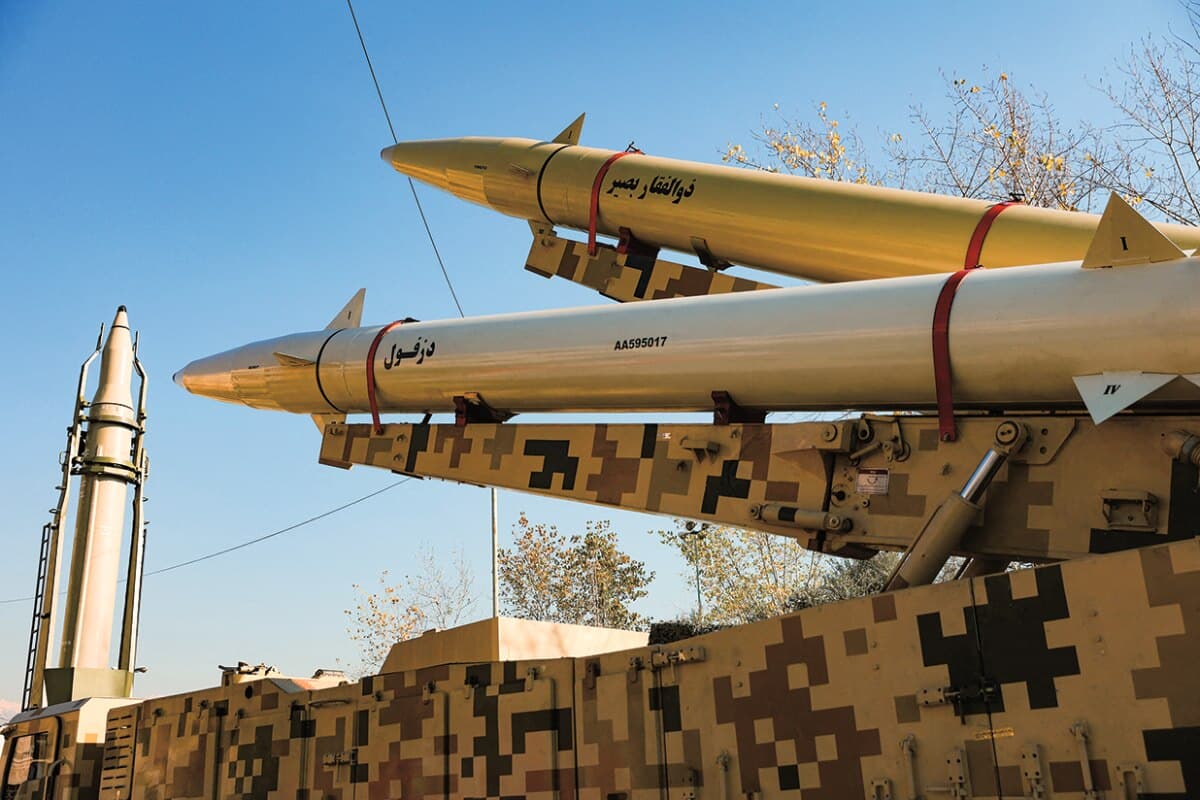
According to the statement, the targets included “a rocket engine production facility and several long-range ballistic missiles launch sites” considered a threat to Israel.
The military also reported hitting internal security facilities in the central city of Isfahan, including a police headquarters and other sites used by the Revolutionary Guards and the paramilitary Basij force.
“The Internal Security and Basij forces… constitute a central arm in the repression of the Iranian civilian population and are responsible for the use of brutal and systematic violence against it,” the statement said.
It added that the latest strikes were part of “deepening the damage to the core arrays and foundations of the Iranian regime.”
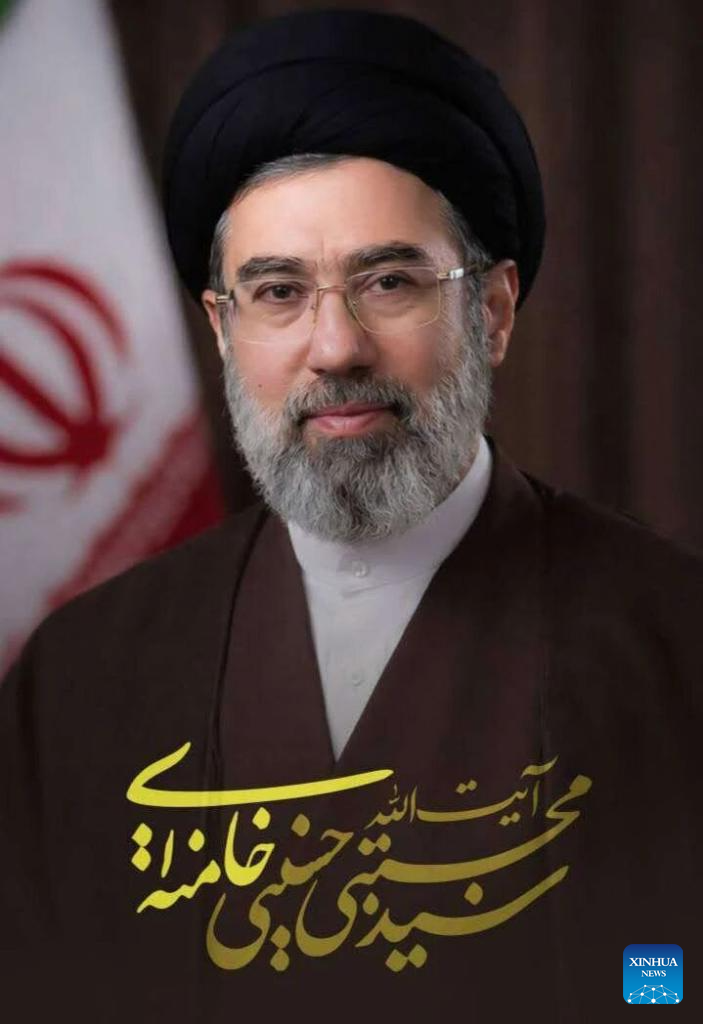
The announcement came shortly after Tehran named Mojtaba Khamenei as the Islamic Republic’s supreme leader late on Sunday, marking the first wave of Israeli strikes reported since the appointment.
Public Service Minister Geoffrey Ruku said the updated death toll follows Friday evening’s flash floods that swept through several counties, causing widespread destruction. The fatalities rose from the 25 deaths reported shortly after the disaster.
Multi-agency teams, including the National Police Service, the Kenya Defence Forces and the Kenya Red Cross Society, have been deployed to assist with search and rescue operations and distribute relief supplies to affected families.
Nairobi hardest hit
The capital, Nairobi, accounts for the majority of the deaths, with 26 of the 42 fatalities recorded there.
Authorities said most of the victims were residents of informal settlements located near overflowing rivers in areas such as Mathare, Mukuru and Kibra. Among those who died were 21 adult men, three adult women and two children.
The remaining 16 deaths were reported in other parts of the country, including the Eastern region (10), Rift Valley (4), Coast (1) and Homa Bay County (1).
Several people are still missing, with officials saying the figures may change as rescue teams continue searching in areas that remain cut off by floodwaters.
Widespread damage
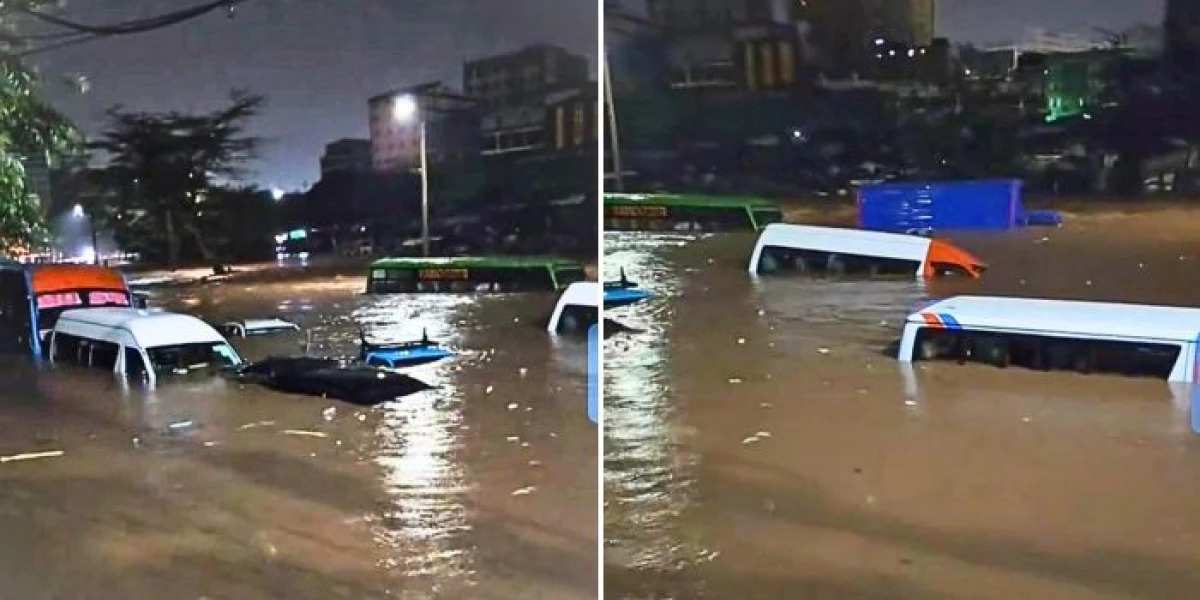
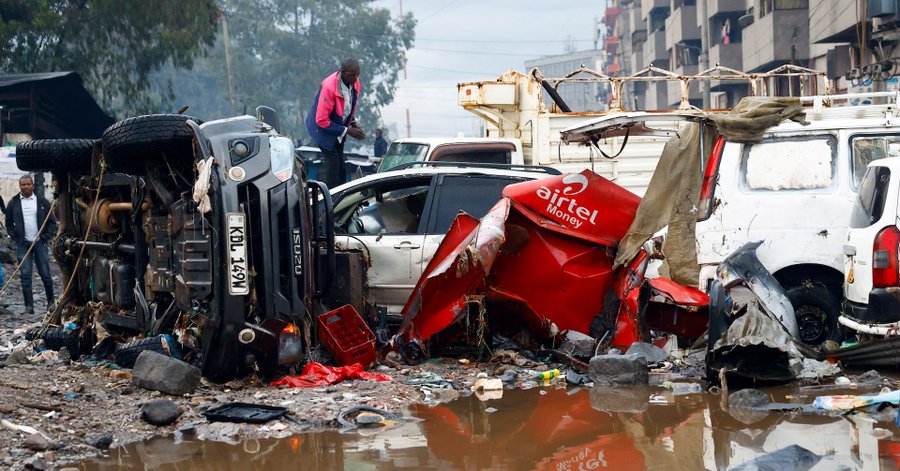
Authorities reported that floodwaters swept away 172 vehicles in Nairobi alone, though all have since been recovered. Damage to homes, private property and road infrastructure remains extensive.
Across the country, more than 50,000 people have been forced to leave their homes, with many now sheltering in schools, churches and temporary relief centres.
The floods have also devastated livestock, killing at least 607 animals, including pigs and poultry in parts of Nairobi and more than 200 animals in Migori.
Ruku said the government will cover hospital bills and burial costs for victims of the disaster as part of emergency support to affected families.
Relief teams are currently distributing food, blankets and mattresses to displaced residents in hard-hit neighbourhoods such as Mathare and Ruaraka.
The Kenya Meteorological Department has maintained a heavy rainfall advisory until Monday, March 9, warning that saturated soils could still trigger flash floods and landslides even if rainfall intensity decreases.
Although the rains eased slightly on Sunday, forecasters warned that moderate to heavy showers and isolated thunderstorms could continue in parts of Nairobi and neighbouring counties.
Residents living near rivers, including the Nairobi River, have been urged to move to higher ground, while motorists have been advised to avoid submerged roads and bridges.
Authorities also warned of possible water contamination in densely populated settlements and urged residents to seek emergency assistance through local officials or by calling national emergency lines.
Transport disruption and recovery plans
Heavy rainfall has disrupted transport in several areas after damaging roads and bridges. In some cases, motorists have been forced to use alternative routes after major highways became impassable due to flooding and traffic congestion.
Government officials said relief centres have been established in sub-county offices in affected regions, while distribution of building materials to displaced households is expected to begin on Monday as authorities transition from emergency response to early recovery.
Meanwhile, Johnson Sakaja has defended his administration against criticism over the city’s preparedness for flooding.
“I am not resigning, I’m working,” Sakaja said, acknowledging the challenges posed by limited financial resources and long-standing infrastructure gaps in the city.
He said the county government is working to expand drainage systems and address flooding risks, but warned that progress has been slowed by budget constraints and inherited debts from previous administrations.
Multi-agency teams have been deployed to assist with search and rescue operations.
In a statement, the assembly confirmed Mojtaba Khamenei’s election as the country’s third supreme leader, citing “the decisive vote of the respected representatives” of the assembly.
“In today’s extraordinary session, Ayatollah Seyyed Mojtaba Hosseini Khamenei … is appointed and introduced as the third leader of the sacred system of the Islamic Republic of Iran,” the statement said.
Mojtaba Khamenei, born in 1969, is the son of Iran’s late Supreme Leader Ali Khamenei, who was killed in the joint U.S.-Israeli strikes.
The United States and Israel launched surprise airstrikes on Tehran and other Iranian cities on Feb. 28, killing Ali Khamenei, along with some of the leader’s family members, Iran’s senior military commanders and civilians. Iran responded through several waves of missile and drone attacks targeting Israel and U.S. assets across the Middle East.
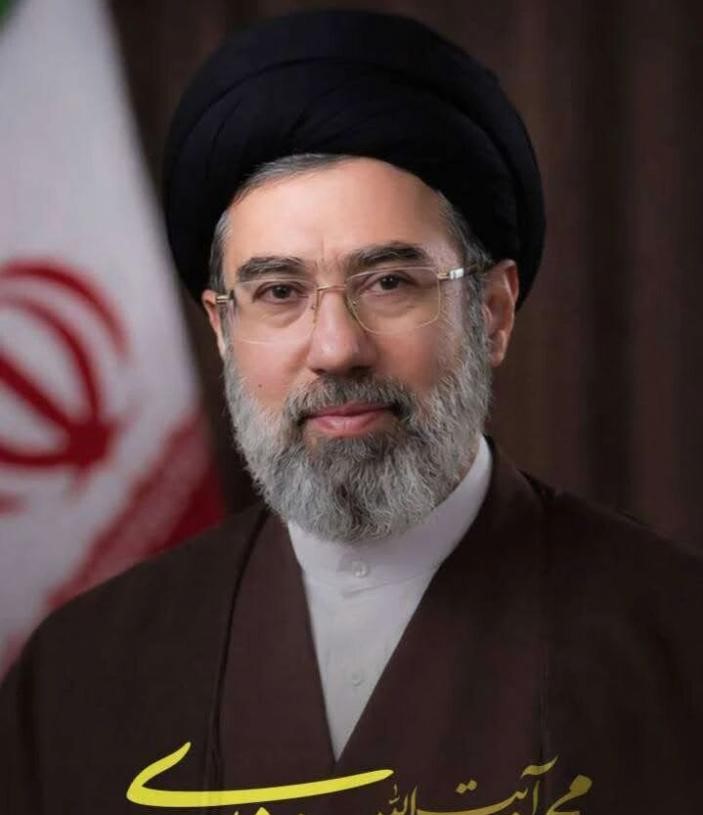
This undated file photo shows Mojtaba Khamenei, Iran’s new supreme leader. Mojtaba Khamenei, son of Ali Khamenei, was selected as Iran’s new supreme leader, Iran’s Assembly of Experts announced on Sunday.
In a message shared on X on March 8, the Head of State highlighted the resilience, leadership and innovation of women, noting that inclusive societies are essential for national progress.
“Happy International Women’s Day! Today and every day, we celebrate the foundational role women continue to play in Rwanda’s transformation. Your resilience, ingenuity and leadership continue to affirm a simple truth: a nation can only truly progress when inclusion and equality are upheld in every sphere,” he wrote.
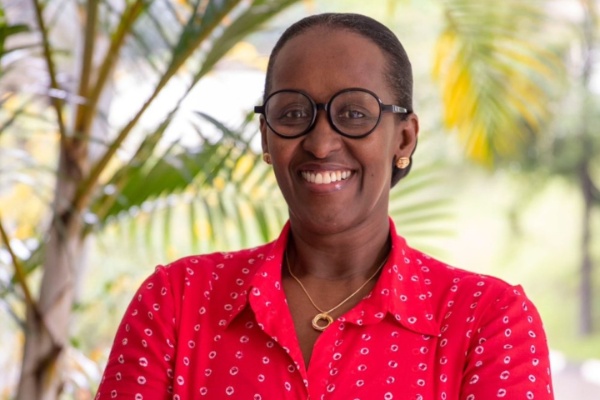
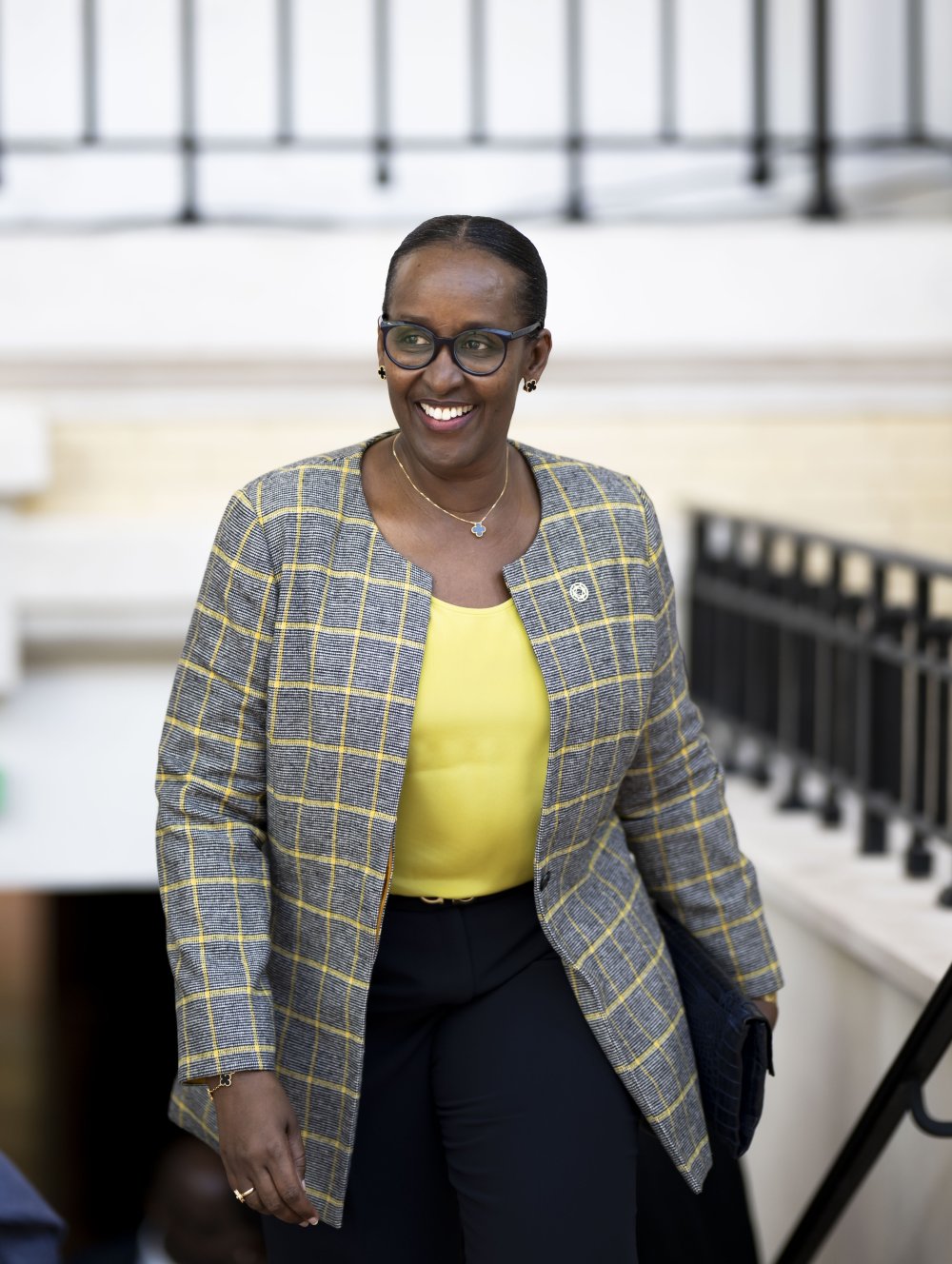
Earlier, First Lady Jeannette Kagame also joined the global community in celebrating women, urging them to prioritise their wellbeing and continue advocating for themselves and others.
In her message on X, the First Lady encouraged women to embrace self-care, define their boundaries and protect both their physical and mental health.
“I urge you to carve your character carefully, define your boundaries, advocate for yourselves and other women and girls, and protect your physical and mental health. And please, love yourself with the same gentleness you give others – the same gentleness you wish and deserve to experience from the world,” she wrote.
Observed annually on March 8, International Women’s Day recognises the social, economic, cultural and political achievements of women worldwide. The day also serves as a global call to accelerate gender equality and address persistent challenges such as the gender pay gap, violence against women and underrepresentation in leadership.
In Rwanda, the occasion is marked by celebrations recognising women’s contributions to families and national development, alongside initiatives promoting empowerment and gender equality.
The country has made notable progress in advancing women’s participation in politics. Women currently hold 63.75 percent of seats in Parliament, up from just 12 percent in 1996, making Rwanda the country with the highest proportion of female parliamentarians globally in 2026.
The origins of International Women’s Day date back to early 20th-century labour and socialist movements in North America and Europe. In 1908, about 15,000 women marched in New York City demanding shorter working hours, better pay and voting rights, which led to the first National Woman’s Day in 1909.
Two years later, in 1910, German activist Clara Zetkin proposed the idea of an annual International Women’s Day, which was first celebrated in several European countries in 1911. The day gained further prominence after women in Russia staged the “Bread and Peace” strike in 1917, an event that helped pave the way for women gaining voting rights.
In 1977, the United Nations officially recognised March 8 as International Women’s Day, cementing its status as a global observance dedicated to women’s rights and world peace.
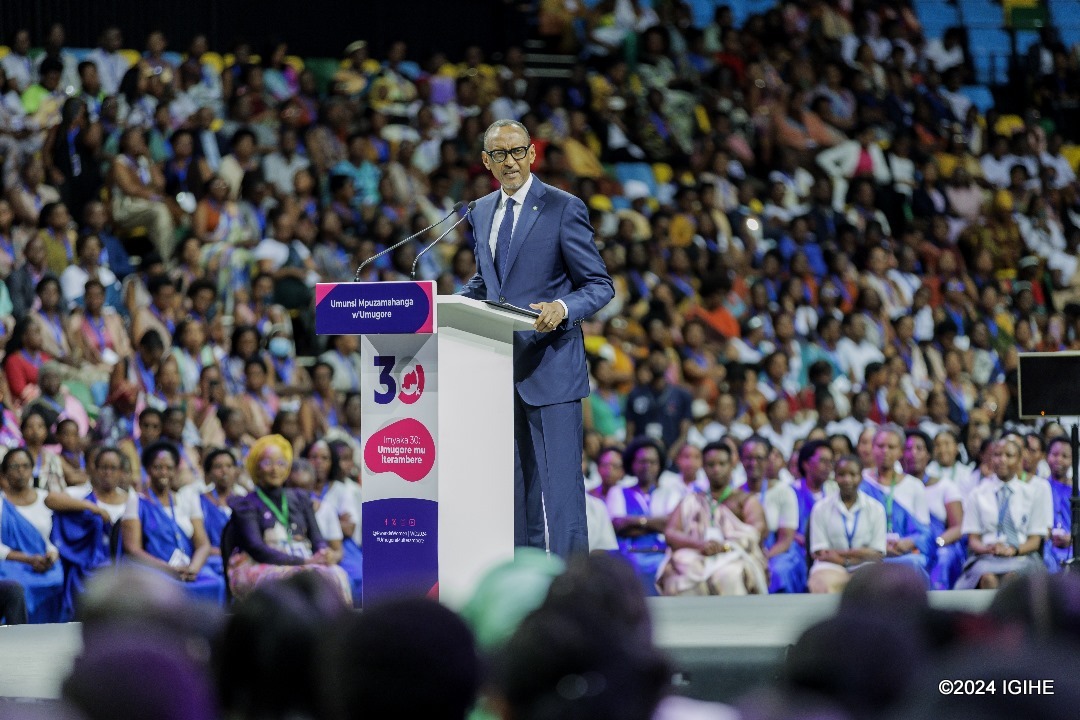
President Paul Kagame during a past International Women’s Day event. On Sunday, March 8, 2026, he joined global celebrations of the day, praising the vital role women continue to play in shaping Rwanda’s development and transformation.
The match, held at the IPRC Kigali tennis courts, began on Saturday but was interrupted by heavy rain, which rendered the clay court unplayable. Schwaerzler edged a tense first set 7-6(5) after a 79-minute battle.
Thirty-year-old Napolitano, who had advanced through the draw with strong form, was leading 3-2 in the second set before play was suspended. The match resumed on Sunday at 11 AM, and the remainder took just 43 minutes. Schwaerzler demonstrated his composure in tie-breaks once again, clinching the second set 7-6(6) and securing the title, which carries 75 ATP ranking points and $17,000 in prize money.
Schwaerzler reached the final with a straight-sets victory over Italy’s Marco Cecchinato, 6-2, 7-6(8). Napolitano earned his spot in the final by upsetting the second seed, France’s Arthur Géa, 2-1 (7-6(3), 5-7, 6-3).
The two players are set to meet again in the opening round of the Rwanda Challenger II, promising another exciting clash.
In doubles action, the first week crown went to American Jay Clarke and Dutch player Max Houkes, who defeated Indian Siddhant Banthia and Bulgarian Alexander Donski 2-1 (6-4, 6(6)-7, 12-10).
The second week of the Rwanda Challenger 2026 will take place from March 9–15, offering 100 ATP ranking points. The tournament week features the ATP Challenger 100 Tour, following the ATP Challenger 75 Tour in week one. These events are part of the ATP Challenger circuit (ranking 50–175), awarding 75 and 100 points, respectively.
This marks the second consecutive year Rwanda has hosted both 75- and 100-point Challenger events, after debuting the format in 2025. In 2024, the country hosted a 50-point Challenger tournament.
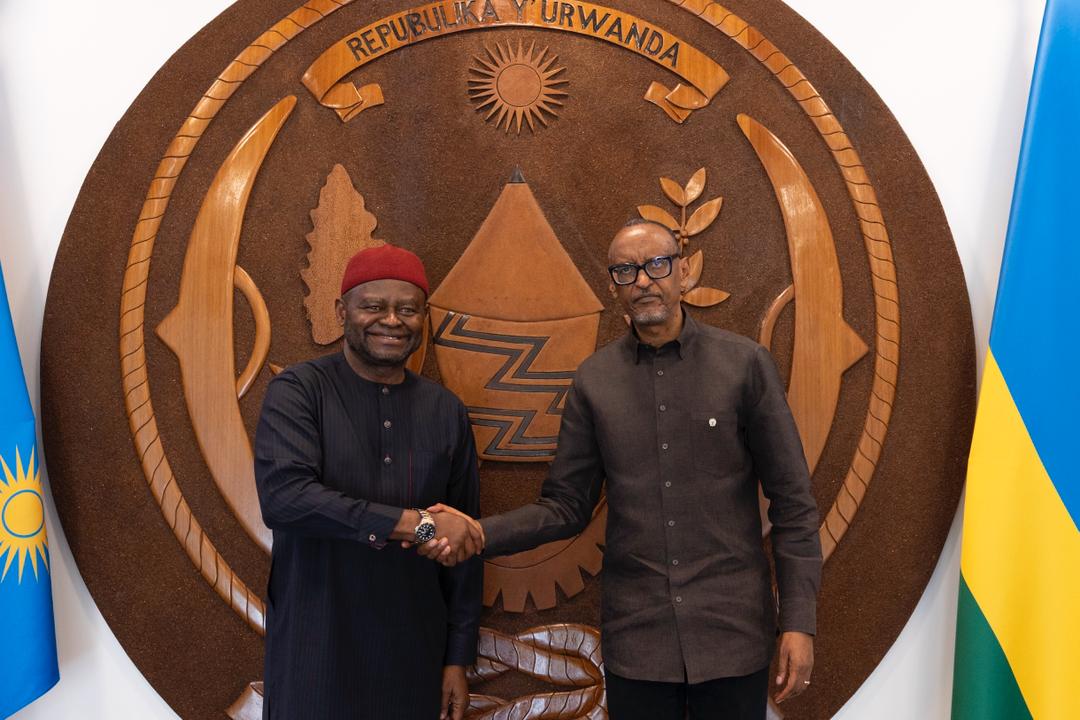
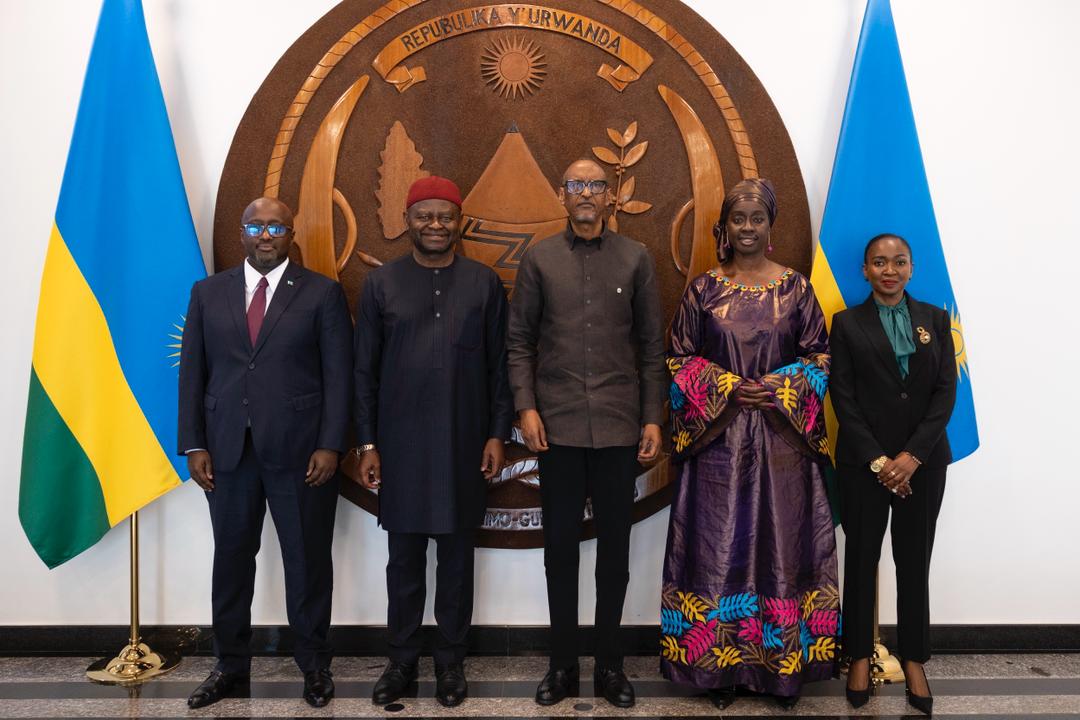
In his remarks, Ojielo expressed heartfelt gratitude to the Rwandan government for its support throughout his four-year tenure.
“My deepest gratitude to His Excellency President Kagame and the Government of Rwanda for four years of outstanding collaboration between the Government and the UN Country Team. Anyone who serves in Rwanda retains a bit of the country for the rest of their lives. Thank you, Rwanda,” he said in a post on X.
Ojielo, a Nigerian national, was appointed UN Resident Coordinator to Rwanda in July 2022 by UN Secretary-General António Guterres, succeeding Fodé Ndiaye, who held the position from 2017.
With nearly three decades of experience in sustainable development, Ojielo has served with the UN across Africa and Central Asia. His previous roles include serving as UN Resident Coordinator in Kyrgyzstan and representing UN development and population agencies (UNDP and UNFPA) in the same country. He has also worked in the United States, Ethiopia, Kenya, and Ghana.
Before joining the UN, Ojielo held positions as a university lecturer, journalist, and prosecutor in multiple countries, including Ghana, Liberia, Malawi, Namibia, Sierra Leone, and Nigeria. He holds a PhD in Peace and Conflict Resolution from the University of Ibadan, Nigeria, as well as multiple master’s and undergraduate degrees in Finance, History, and Law.
The UN has been a longstanding partner of Rwanda, particularly since 2007 when the country joined the eight-country joint UN programs. Over the years, the UN has supported Rwanda’s planning and development initiatives, including the Economic Development and Poverty Reduction Strategy (EDPRS) phases I and II, and the Accelerated Development programs under NST2.
At the end of 2024, the UN announced plans to invest approximately $1 billion over the next five years to support NST2 activities. These funds will be channeled through UN agencies and focus on key areas such as food security, job creation, economic development, technology and energy, and environmental protection.
Ojielo expressed heartfelt gratitude to the Rwandan government for its support throughout his four-year tenure.
In a statement issued by AFC/M23 spokesperson Lawrence Kanyuka, the movement said the handover took place on March 2, 2026, at Rugamabo camp in North Kivu Province, where the captives had been held after being captured on various frontlines of the conflict.
According to the statement, the detainees were transported back to the Congolese capital under the supervision of the Red Cross.
The prisoner transfer comes within a broader framework aimed at facilitating detainee exchanges between the Congolese government and the AFC/M23. The Red Cross was tasked with overseeing such exchanges in eastern Congo in September 2025 as part of confidence-building measures linked to mediation efforts.
During a ceremony in Doha, officials from Qatar, acting as mediator, handed the ICRC a signed copy of the mechanism for the release of detainees. Representatives from both the Congolese government and AFC/M23 attended the event, which established procedures for verification and exchange operations.
As part of the process, the AFC/M23 has called for the release of more than 700 prisoners currently held by Congolese authorities in connection with the conflict. The group says the request should be addressed during the Red Cross–supervised exchange process.
The ICRC has previously facilitated similar operations in eastern Congo, including the transfer of disarmed Congolese government soldiers and their family members from Goma to Kinshasa.
In its statement, the AFC/M23 said the handover of prisoners demonstrates its commitment to confidence-building measures and to easing tensions in accordance with international humanitarian law.
However, the group accused the government in Kinshasa of failing to reciprocate. It alleged that authorities have refused to release detainees linked to the movement and accused the government of violating ceasefire arrangements while continuing military operations against its forces.
The statement also urged international mediators and partners to take note of repeated ceasefire violations by the government of President Félix Tshisekedi.
The conflict in eastern Democratic Republic of the Congo, particularly in North Kivu, has escalated in recent years, displacing hundreds of thousands of civilians and drawing regional and international mediation efforts aimed at restoring stability in the mineral-rich region.
L’Alliance Fleuve Congo/Mouvement du 23 Mars (AFC/M23) informe l’opinion publique qu’elle a une fois de plus remis au Comité international de la Croix-Rouge (CICR) plus de 5 000 éléments des FARDC, capturés sur différents fronts. Ceux-ci seront rapatriés vers Kinshasa sous la… pic.twitter.com/5eP9QCLFD5
In a post on X, the First Lady called on women to prioritise self-care and their health, set boundaries, and advocate for themselves and others.
“I urge you to carve your character carefully, define your boundaries, advocate for yourselves and other women and girls, and protect your physical and mental health. And please, love yourself with the same gentleness you give others – the same gentleness you wish and deserve to experience from the world,” she wrote.
International Women’s Day, celebrated annually on March 8, recognises the social, economic, cultural, and political achievements of women worldwide. It also serves as a call to action to accelerate gender parity and address ongoing challenges such as the gender pay gap, violence against women, and underrepresentation in leadership positions.
In Rwanda, IWD is marked by celebrations acknowledging women’s contributions to family and national development, empowerment activities, and the promotion of gender equality. The country has made significant strides in political representation: women now occupy 63.75% of parliamentary seats, up from just 12% in 1996, making Rwanda the nation with the highest proportion of women in Parliament globally in 2026.
The origins of International Women’s Day trace back to the early 20th-century labour and socialist movements in North America and Europe. In 1908, 15,000 women marched in New York City demanding shorter working hours, better pay, and voting rights, leading to the first National Woman’s Day in 1909.
In 1910, German activist Clara Zetkin proposed an annual International Women’s Day, which was celebrated for the first time in 1911 in several European countries. The day gained further prominence after women in Russia staged the “Bread and Peace” strike in 1917, a pivotal moment that contributed to women gaining voting rights.
The United Nations officially recognised March 8 as International Women’s Day in 1977, establishing it as a global observance for women’s rights and world peace.
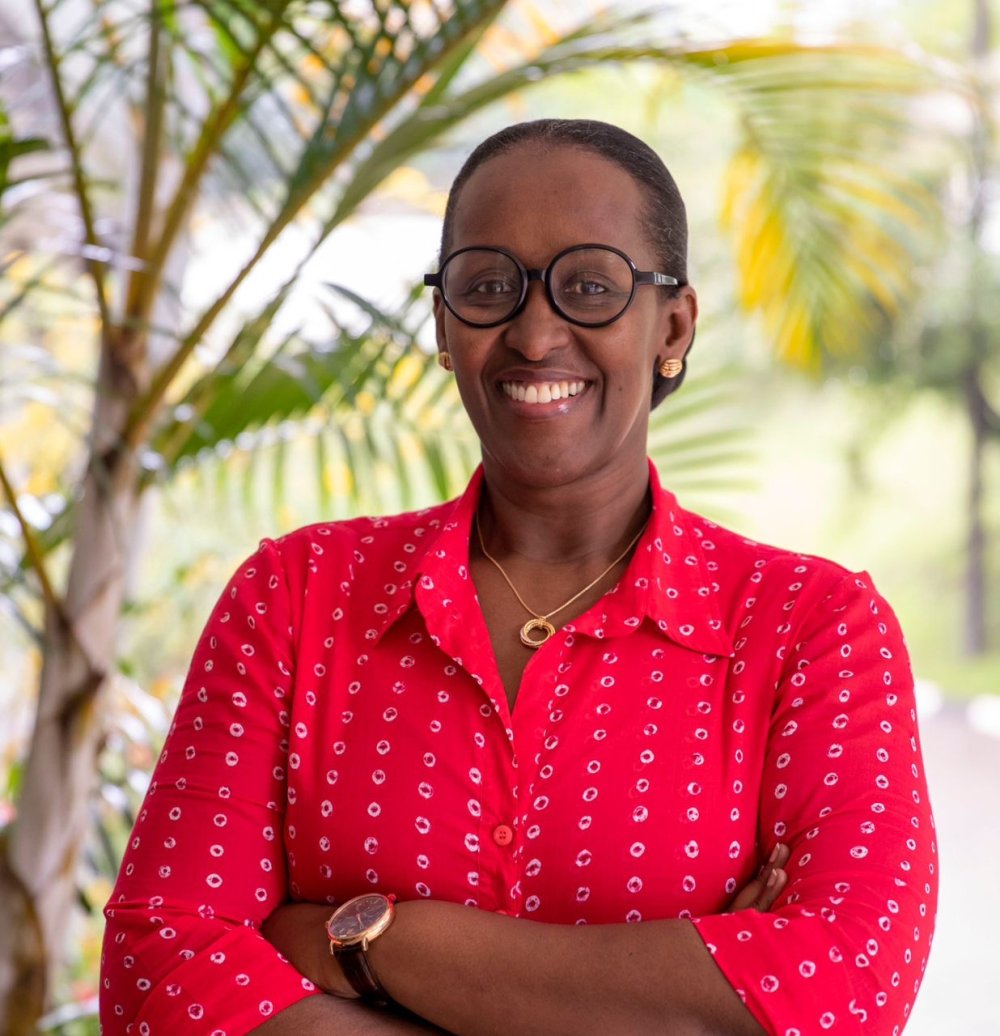
First Lady Jeannette Kagame called on women to prioritise self-care and their health, set boundaries, and advocate for themselves and others.International Women’s Day, celebrated annually on March 8, recognises the social, economic, cultural, and political achievements of women worldwide.
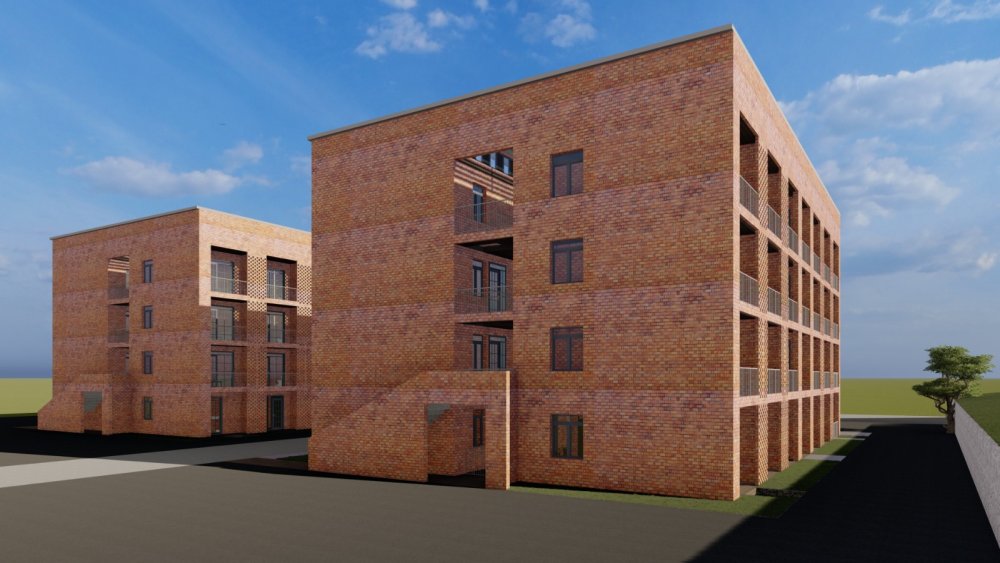
Key housing initiatives include the Heza Estate in Batsinda, Gasabo District, which will provide 548 housing units featuring two- and three-bedroom apartments as well as townhouses. This project is expected to cost 14.5 billion Rwandan francs.
Another major development is the Nyabisindu project in Gasabo, which will see 1,639 homes built on 38.54 hectares, replacing unplanned settlements with 58 residential blocks at a total cost of 42 billion francs.
The government is also constructing 296 houses for survivors of the 1994 Genocide against the Tutsi, costing 5.4 billion francs, and approximately 2,300 homes will be rebuilt to replace those completely destroyed by natural disasters, with 11 billion francs allocated for this purpose. These housing projects include a variety of types, from multi-story apartments to townhouses, combining affordability with modern living standards.
The country estimates it will need at least 5.5 million houses by 2050, when the population is projected to reach 22.1 million people.
The revised National Urbanisation Policy indicates that Rwanda has chosen a strategy focused on upgrading housing and addressing the demand for adequate accommodation, in line with the Vision 2025 development agenda.
In addition to housing, the government is investing in complementary development initiatives to improve urban management and infrastructure. Informal settlements in Mpazi, Gatenga, Nyabisindu, and Nyagatovu will be upgraded under the RUDP II program, ensuring safer and more organised neighbourhoods.
Government buildings will also be improved, with asbestos roofs replaced and some offices expanded to meet functional needs. Infrastructure projects include the installation of artificial turf at Huye Stadium and the construction of 80 modern bridges across the country, while environmental management efforts will focus on rehabilitating wetlands and managing flood-prone areas in Kigali, including Rwandex, Gisozi, Kinyinya, Rugunga, and Rwampara.
The budget also supports capacity building and urban management, with 600 partners receiving training to ensure compliance with building regulations, alongside inspections of structures across all districts.
In total, 4,783 new homes are planned across the country, aimed at improving living conditions and supporting Rwanda’s urbanisation goals.
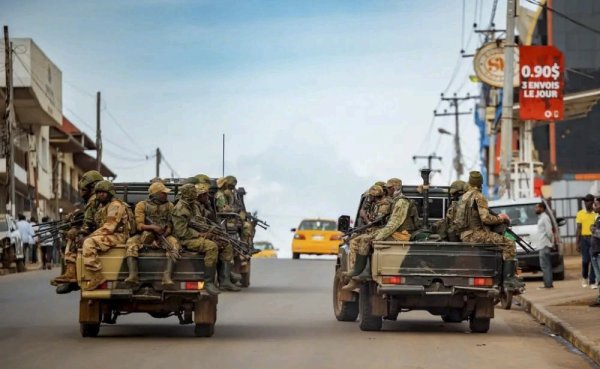
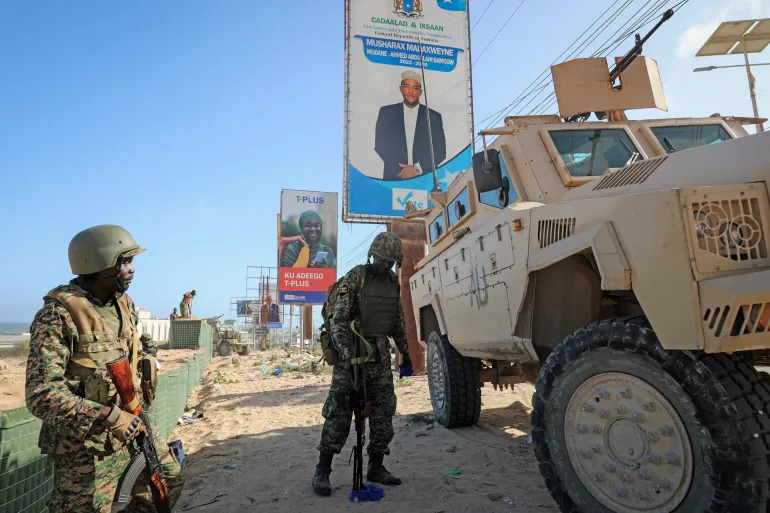
AUSSOM Force Commander Sam Kavuma, who spoke during a field visit to assess the combat readiness of frontline troops following the successful liberation of the strategic towns of Mubarak and Durasalaam in Somalia, said the allied forces are united in their efforts to flush out al-Shabaab terrorists in the country.
“Through sweat, struggle, and sacrifice, we stand united to eliminate al-Shabaab and secure a future for our brothers and sisters in Somalia,” Kavuma said in a statement on Friday evening after the field visit.
He called on the Ugandan contingent serving under AUSSOM and the Somali National Armed Forces to uphold the highest standards of professionalism, morale, and discipline in fulfilling the mission’s mandate.
“AUSSOM, in partnership with the Somali government and other stakeholders, will provide essential relief support to the liberated communities,” he added.
The joint operation conducted on Monday with international partners resulted in the full capture and securing of two strategic locations that had long served as strongholds and safe havens for al-Shabaab terrorists.
Owiny Akena, Battle Group 44 commander and operation commander, said Mubarak and Durasalaam remain under the full control of the joint forces.
AUSSOM Force Commander Sam Kavuma said the allied forces are united in their efforts to flush out al-Shabaab terrorists in the country.