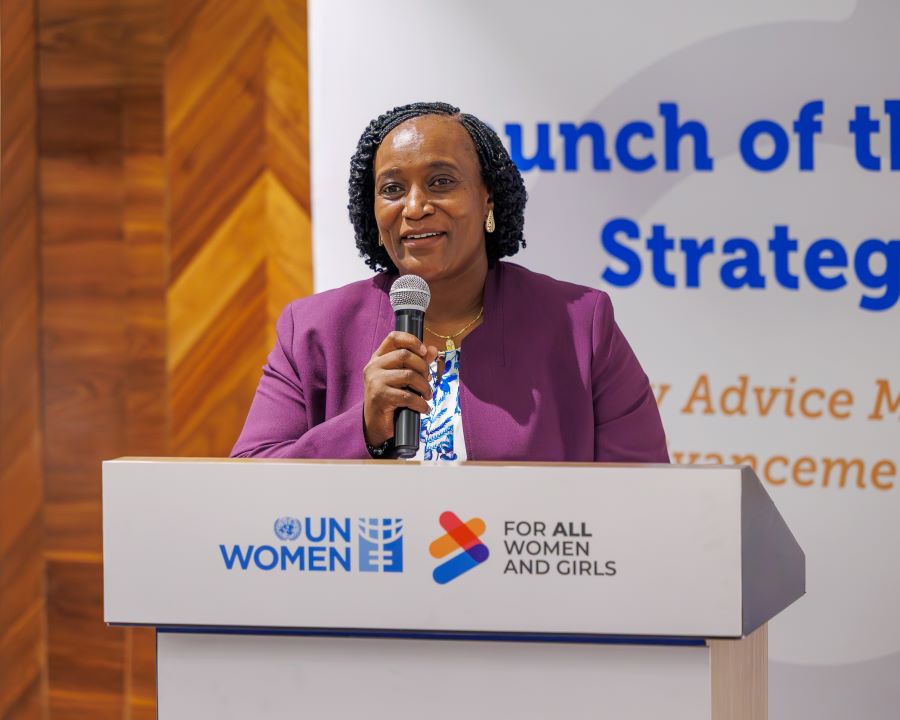
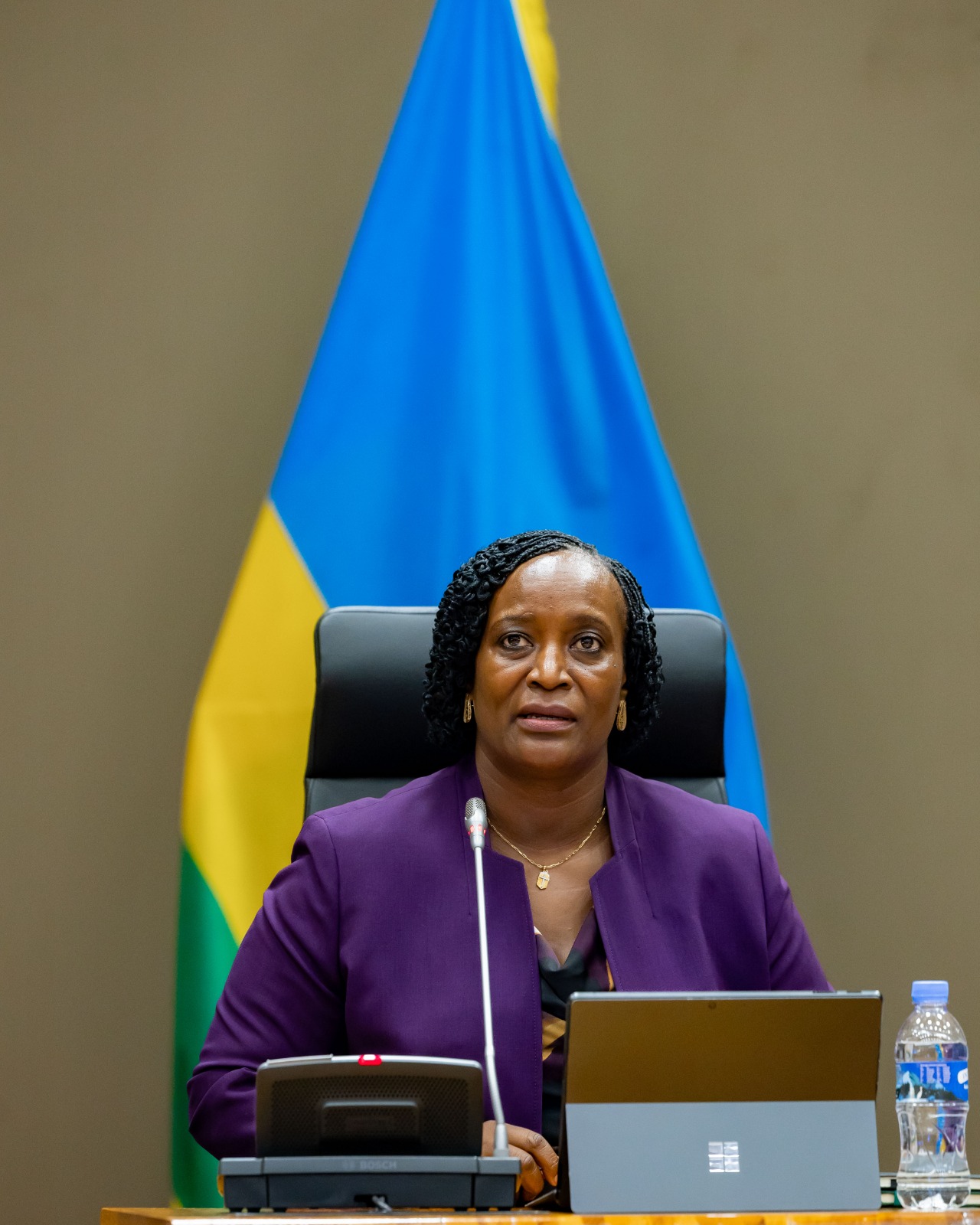
Delivering Rwanda’s national statement on March 9, the Minister of Gender and Family Promotion, Consolée Uwimana, said the country remains committed to strengthening women’s rights through inclusive policies, access to justice, and increased participation in governance.
Uwimana noted that access to justice plays a critical role in achieving gender equality and addressing structural barriers that affect women’s rights and dignity.
“In Rwanda, access to justice is understood not only as having access to courts, but more importantly, benefitting from policies and legal frameworks that are responsive to women’s realities,” she said.
The minister highlighted several initiatives Rwanda has implemented to promote the welfare and protection of women and girls. Among them are the Isange One Stop Centres, which provide comprehensive services to survivors of gender-based violence and human trafficking.
The centres offer free and integrated support, including medical care, psychosocial assistance, legal aid, investigations, referrals to prosecution services, temporary shelter, and reintegration support for survivors.
Minister Uwimana also pointed to Rwanda’s strong record in women’s representation in leadership and governance.
Women currently hold 64 percent of seats in the Chamber of Deputies, 46 percent in the Senate, and 55 percent in the judiciary, making Rwanda one of the countries with the highest levels of women’s political representation globally.
Uwimana added that women are also increasingly visible in emerging sectors such as biotechnology, space science, and climate governance.
Beyond national borders, Rwanda has extended its efforts to support women and girls affected by conflict. The minister cited the relocation of a girls’ school from Afghanistan to Rwanda in 2021, which enabled the students to continue their education in a safe environment.
Concluding her remarks, Uwimana quoted Paul Kagame, who in his International Women’s Day message emphasised the role of women in Rwanda’s transformation.
“We celebrate the foundational role women continue to play in Rwanda’s transformation. Your ingenuity and leadership continue to affirm a simple truth: a nation can only truly progress when inclusion and equality are upheld in every sphere,” Kagame said.
The annual CSW session brings together government leaders, policymakers, and civil society representatives from around the world to review progress and accelerate action toward gender equality and women’s empowerment.
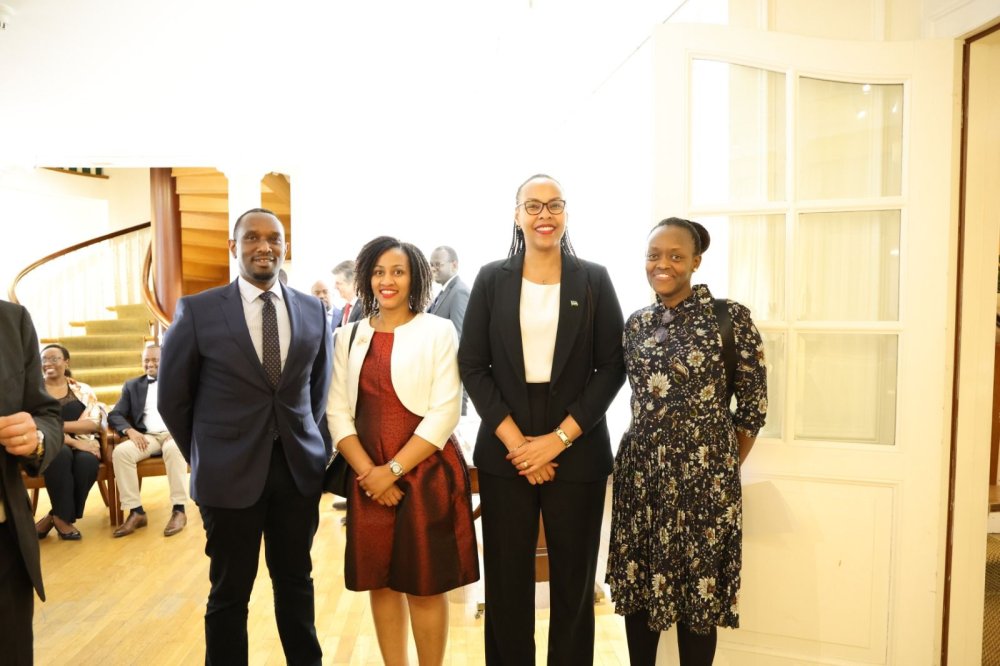
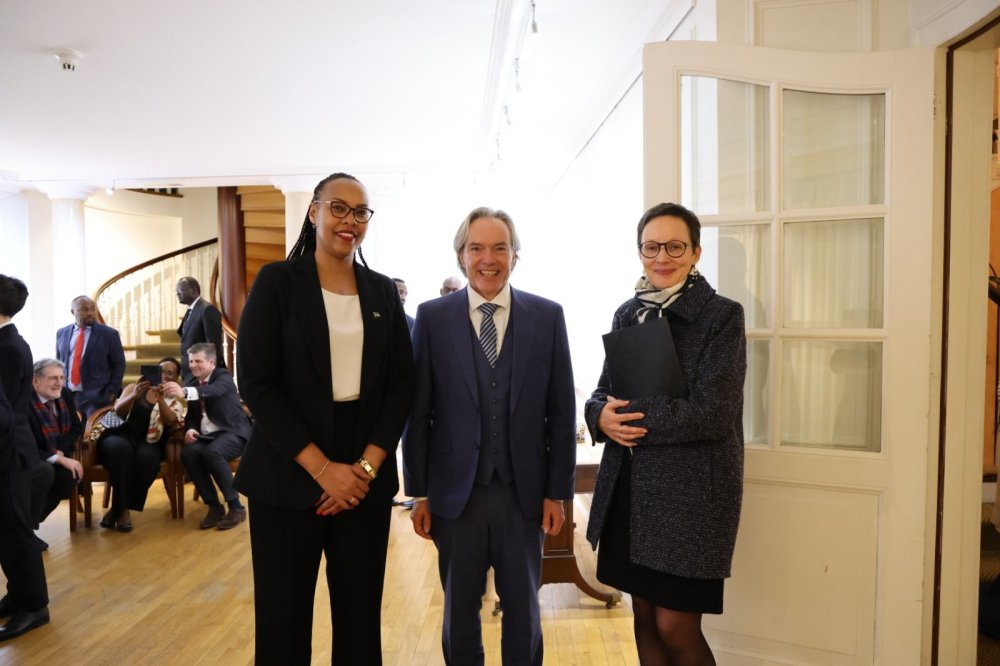
The Minister of Gender and Family Promotion, Consolée Uwimana, said Rwanda remains committed to strengthening women’s rights through inclusive policies, access to justice, and increased participation in governance.
Implemented by the House of Training, ATTF in collaboration with the Rwanda Bankers’ Association (RBA), the program marks the graduation of its very first cohort.
Designed to support high-potential leaders in advancing to executive roles, the ABLP combines intensive training modules, international case studies, practical workshops and banking simulations. The programme equips participants with skills to navigate a rapidly evolving financial landscape shaped by digital transformation, financial innovation, governance requirements and sustainable finance.
Participants represented nine Rwandan banking institutions, including:
BK, BRD, BPR, Ecobank, NCBA, Bank of Africa, I&M Bank, Access Bank and Equity Bank.
Throughout the programme, participants attended key modules covering digital transformation and fintech, leadership and people management, strategy and internal governance, as well as sustainable finance and ESG principles.
The programme concluded in Luxembourg, one of Europe’s leading financial centres, where participants took part in the B@NKSIM banking simulation, a practical exercise allowing them to manage virtual banks and make strategic decisions related to risk management, regulation, financial performance and value creation.
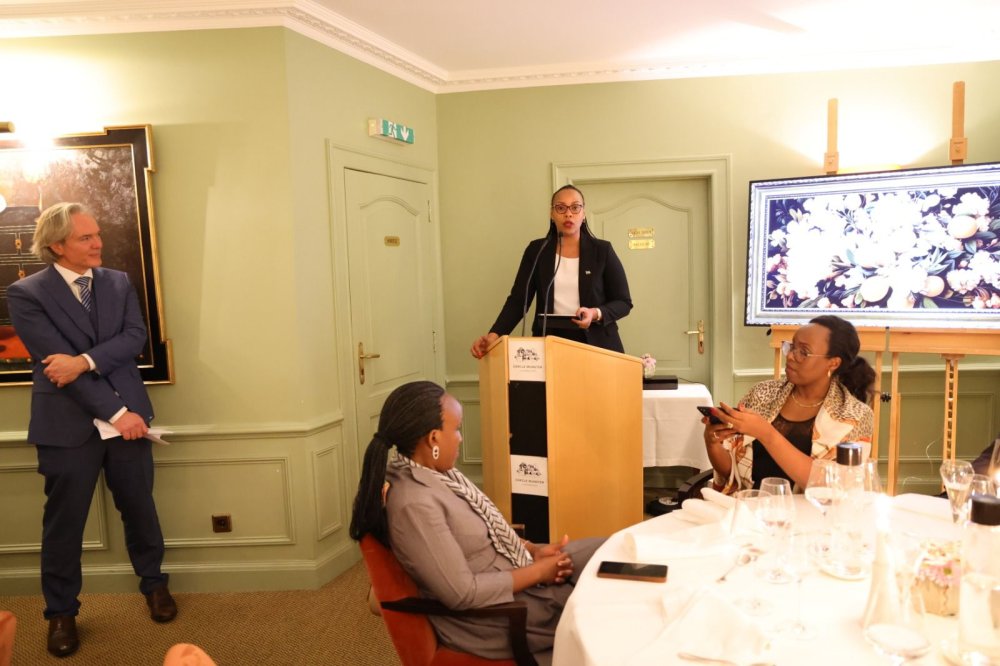
The program concluded with a closing dinner, during which Rwanda’s Ambassador to Luxembourg, Aurore Mimosa Munyangaju, congratulated participants for successfully completing the demanding program and commended their commitment to strengthening Rwanda’s banking sector.
The Ambassador also expressed gratitude to the Government of Luxembourg, through the Ministry of Foreign and European Affairs, Defence, Development Cooperation and Foreign Trade, for supporting this important initiative.
According to her, the program highlights the strong cooperation between Rwanda and Luxembourg, while also showcasing the fruitful partnership between the Rwanda Bankers’ Association and the House of Training – ATTF in developing leadership capacity in Rwanda’s financial sector.
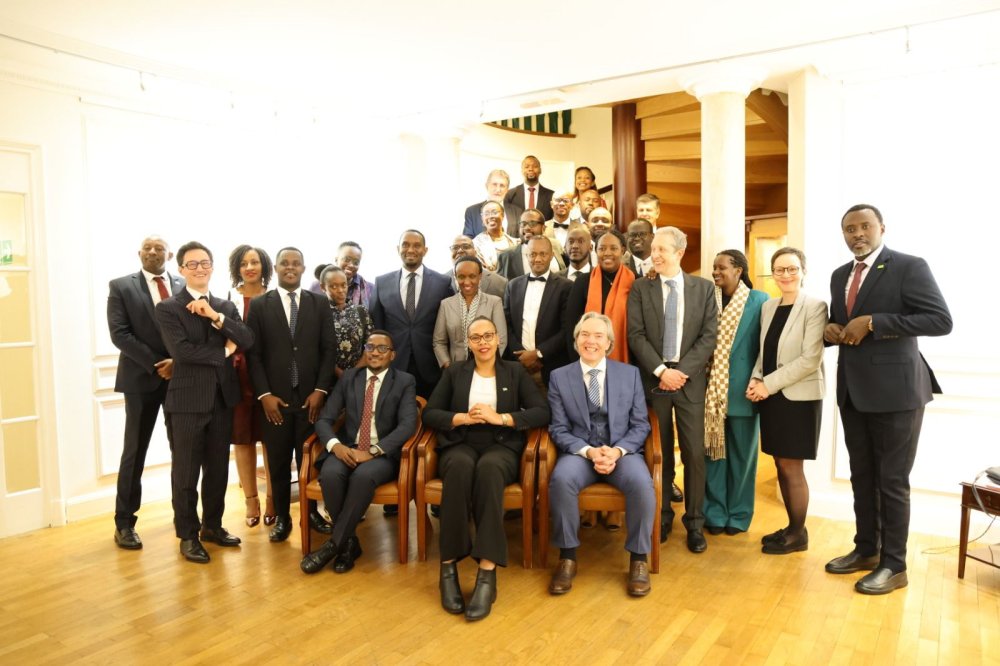
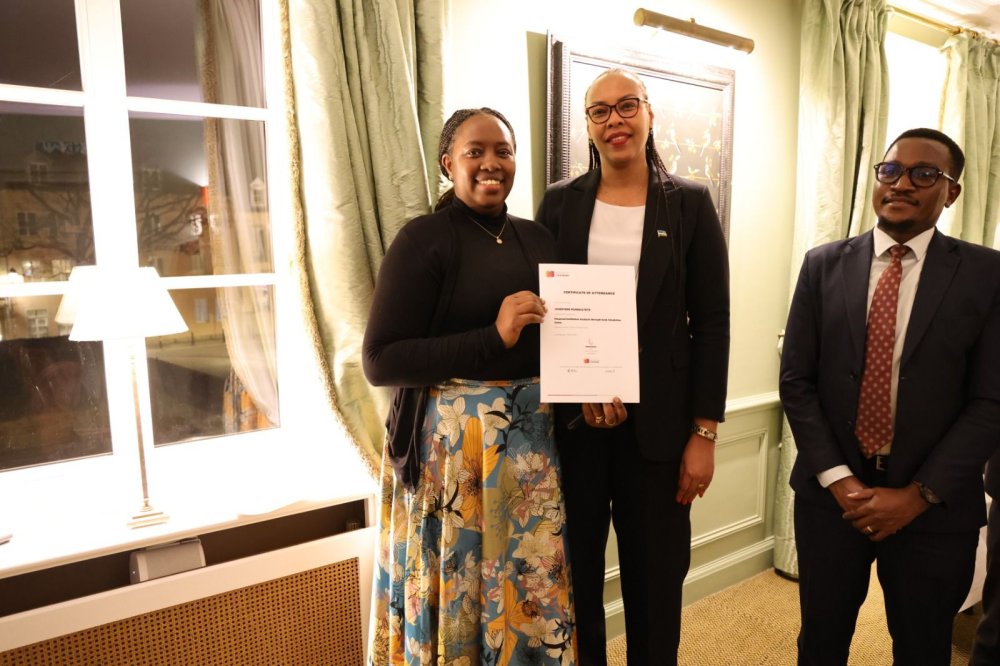
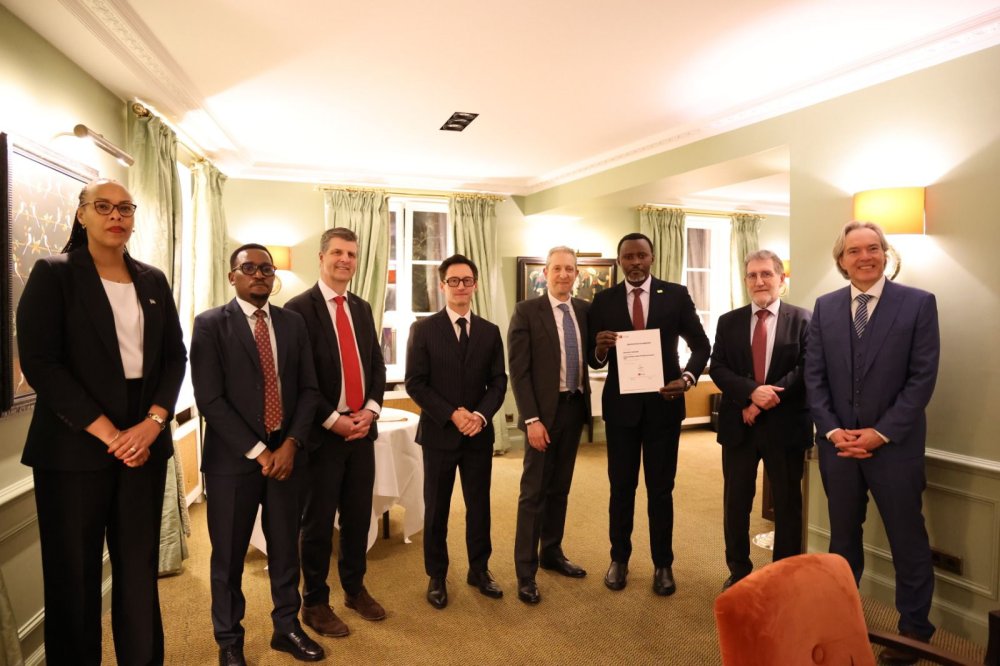
Participants represented nine Rwandan banking institutions. Ambassador to Luxembourg, Aurore Mimosa Munyangaju, congratulated participants for successfully completing the demanding program.A delegation of 21 senior executives from Rwanda’s banking sector participated in Luxembourg in the final phase.
Speaking to PBS News, Araghchi warned that Iran had no intention of slowing its military response. “The firings continues, and we are prepared. We are well prepared to continue attacking them with our missiles as long as needed and as long as it takes,” he said.
He also ruled out diplomatic talks with Washington, citing past experiences during earlier negotiations. “I don’t think talking with Americans anymore would be on our agenda,” Araghchi said, adding that Tehran had “a very bitter experience of talking with Americans.”
Trump, however, suggested the conflict might not last long. Speaking at a news conference in Florida, he said: “It’s going to end soon and if it starts up again, they’ll be hit even harder.” The president had earlier described the campaign as a “short term excursion.”
The remarks came as tensions escalated across the Middle East. Iran, now led by newly appointed supreme leader Mojtaba Khamenei, launched a new wave of missile and drone attacks targeting Saudi Arabia, Bahrain, Qatar, the United Arab Emirates and Israel. Another missile was fired toward Turkey but was intercepted by NATO air defenses before reaching its target.
Meanwhile, the conflict has rattled global markets and energy supplies. The closure of the strategic Strait of Hormuz, through which about 20% of the world’s crude oil passes, sent oil prices above $100 a barrel before they later dropped.
French President Emmanuel Macron said France and its allies were considering a “purely defensive” naval mission to help reopen the waterway once the most intense phase of the fighting subsides.
As fighting spreads across several fronts, oil traders, policymakers and governments worldwide are closely watching the region, fearing further disruption to global energy supplies and shipping routes.
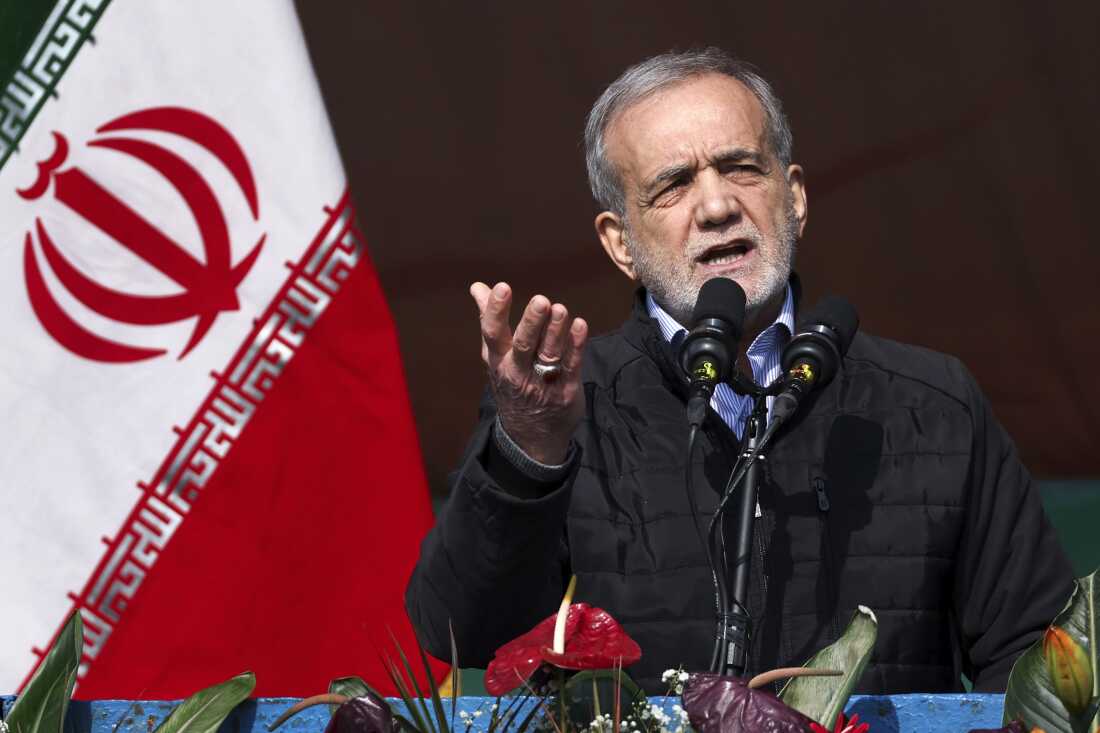
In this photo released by the Iranian Presidency Office, President Masoud Pezeshkian speaks during a rally commemorating anniversary of 1979 Islamic Revolution that toppled the late pro-U.S. Shah Mohammad Reza Pahlavi and brought Islamic clerics to power, in Tehran, Iran, Monday, Feb. 10, 2025. (Iranian Presidency Office via AP, file)
Speaking after a cabinet meeting in Ankara, Erdogan said all relevant institutions are working in coordination and remain on alert in response to the evolving security environment. He added that the government’s primary objective is to shield the country from the ongoing turmoil in the region.
His remarks came after a missile launched from Iran was intercepted over Türkiye’s southeastern province of Gaziantep earlier on Monday. The ballistic munition, which had entered Turkish airspace, was neutralized by NATO air and missile defence assets deployed in the Eastern Mediterranean. The ministry confirmed that there were no casualties or injuries.
“We are closely monitoring all developments with our experienced teams. We are not letting our guard down. Our goal is to keep our country away from this fire,” he said.
The president stated that Türkiye had delivered the necessary warnings to Iran, but “wrong steps” continued to be taken despite those warnings.
“Despite our warnings, wrong and provocative steps that could strain Türkiye’s friendship continue to be taken,” he said. “No one should pursue a course of action that would cast a shadow over our thousand-year-old neighborly and brotherly ties and leave deep wounds in the hearts and minds of our nation.”
“In the context of today’s incident, I once again remind that there should be no insistence or stubbornness in persisting in mistakes,” Erdogan said.
He added that Türkiye’s airspace was being monitored around the clock against potential threats. “Our F-16s, airborne early warning aircraft and tanker planes are observing our airspace 24/7 against possible threats,” he said.
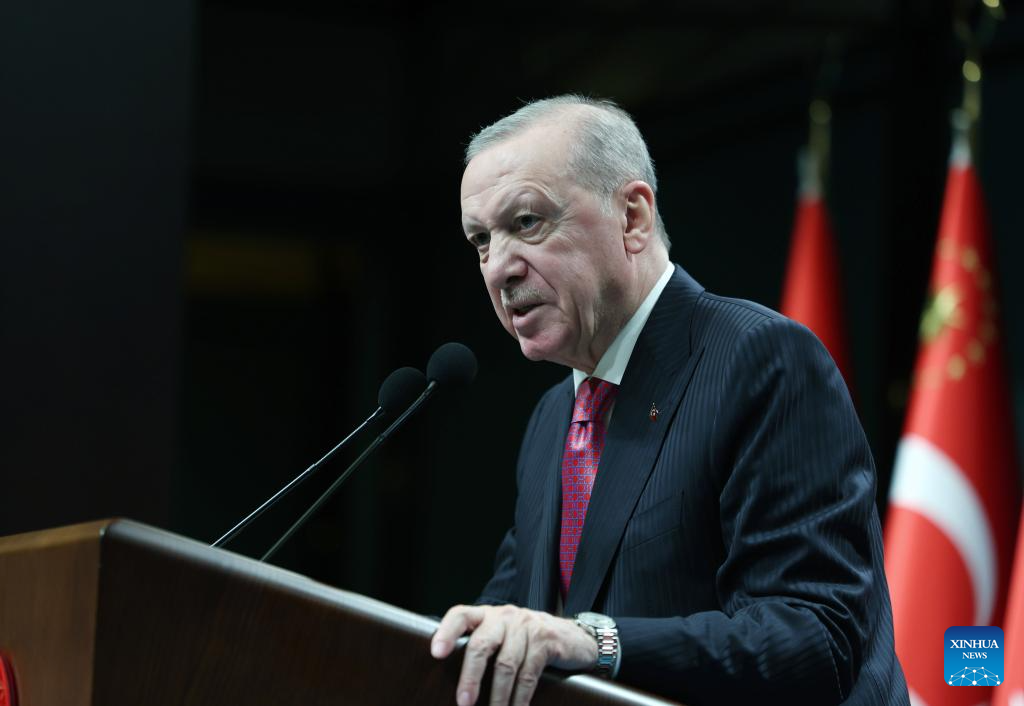
Turkish President Recep Tayyip Erdogan speaks at a press conference following a cabinet meeting in Ankara, Türkiye, on March 9, 2026. Erdogan said on Monday that Türkiye is maintaining a high level of vigilance amid escalating regional tensions, warning that “provocative steps” could strain Ankara’s relations with Tehran.
“The President of the Republic informs that, in accordance with the implementation of the Constitution, the government has ceased its functions and that he will soon proceed with the appointment of a new prime minister, in line with the provisions stipulated by the Constitution,” the communique said.
According to the communique, the secretaries-general of each ministry will handle routine affairs until a new prime minister is appointed and a new government is formed.
No specific date has yet been announced for the appointment of the next head of government.
The dissolved government, formed on Oct. 28, 2025, followed the appointment of Herintsalama Rajaonarivelo as prime minister on Oct. 20, 2025, three days after Randrianirina was officially sworn in as Madagascar’s head of state.
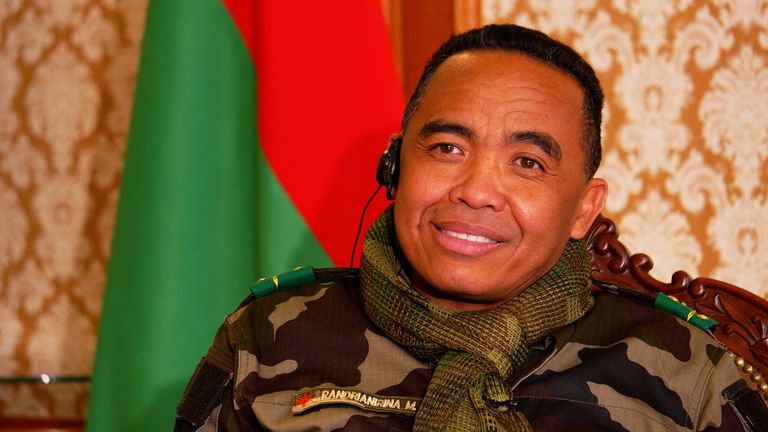
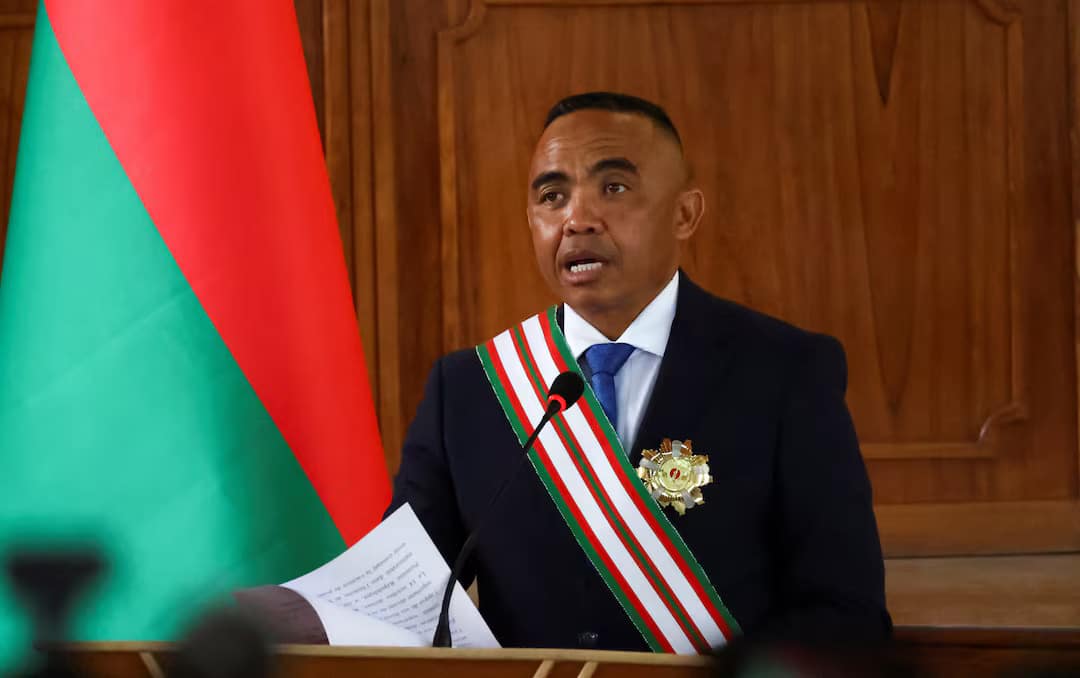
Madagascar’s President Michael Randrianirina has dissolved the government.
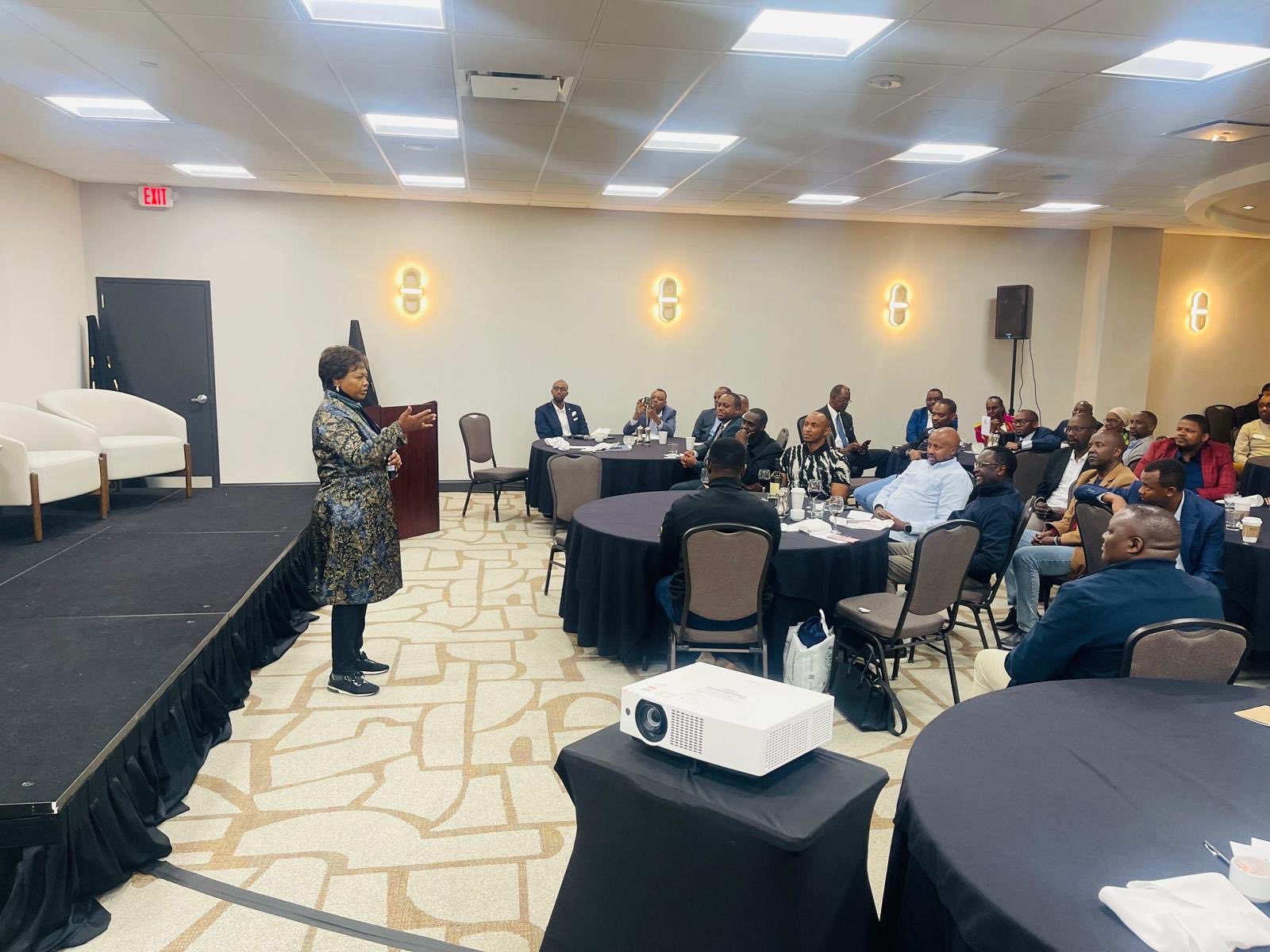
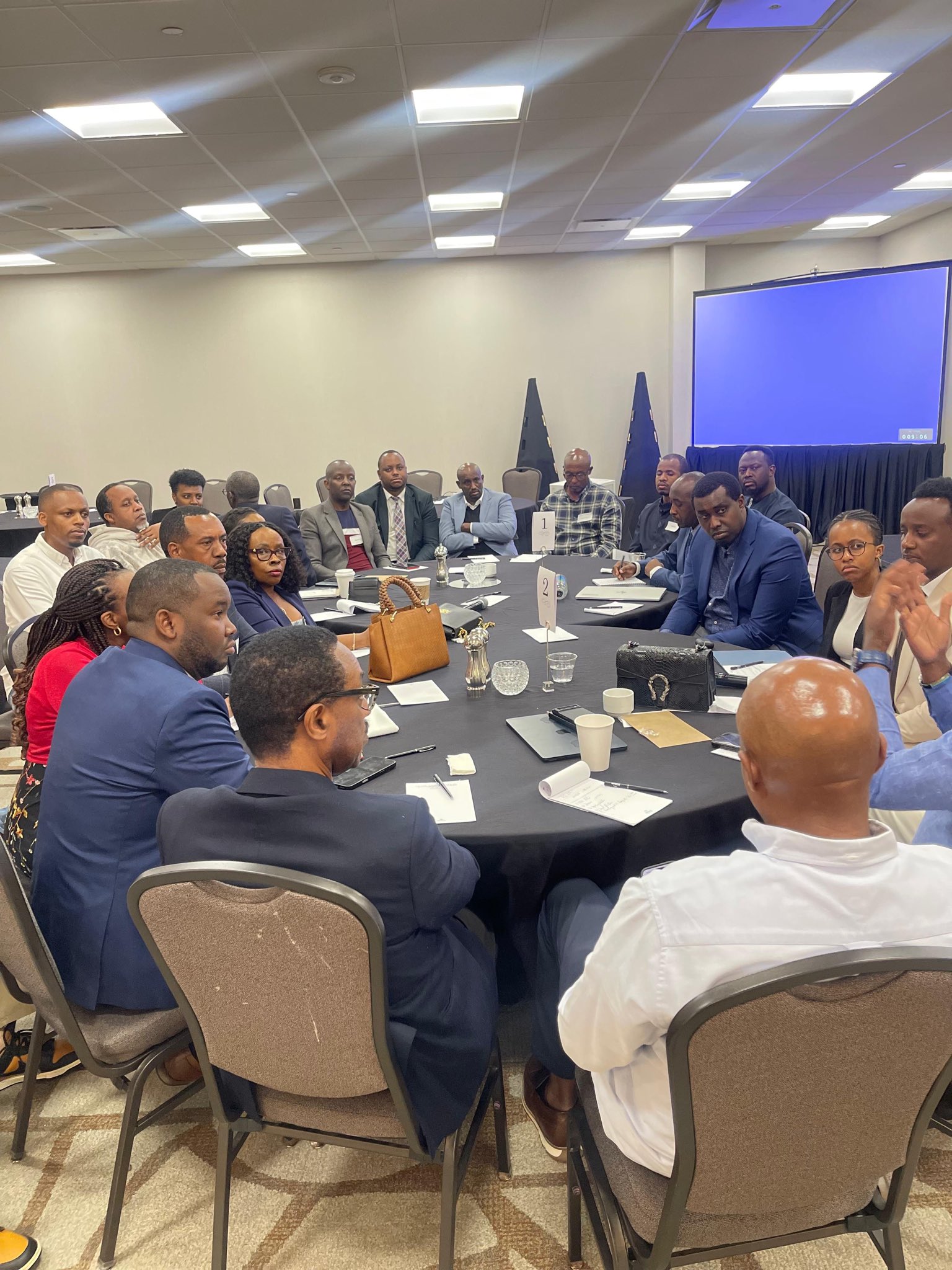
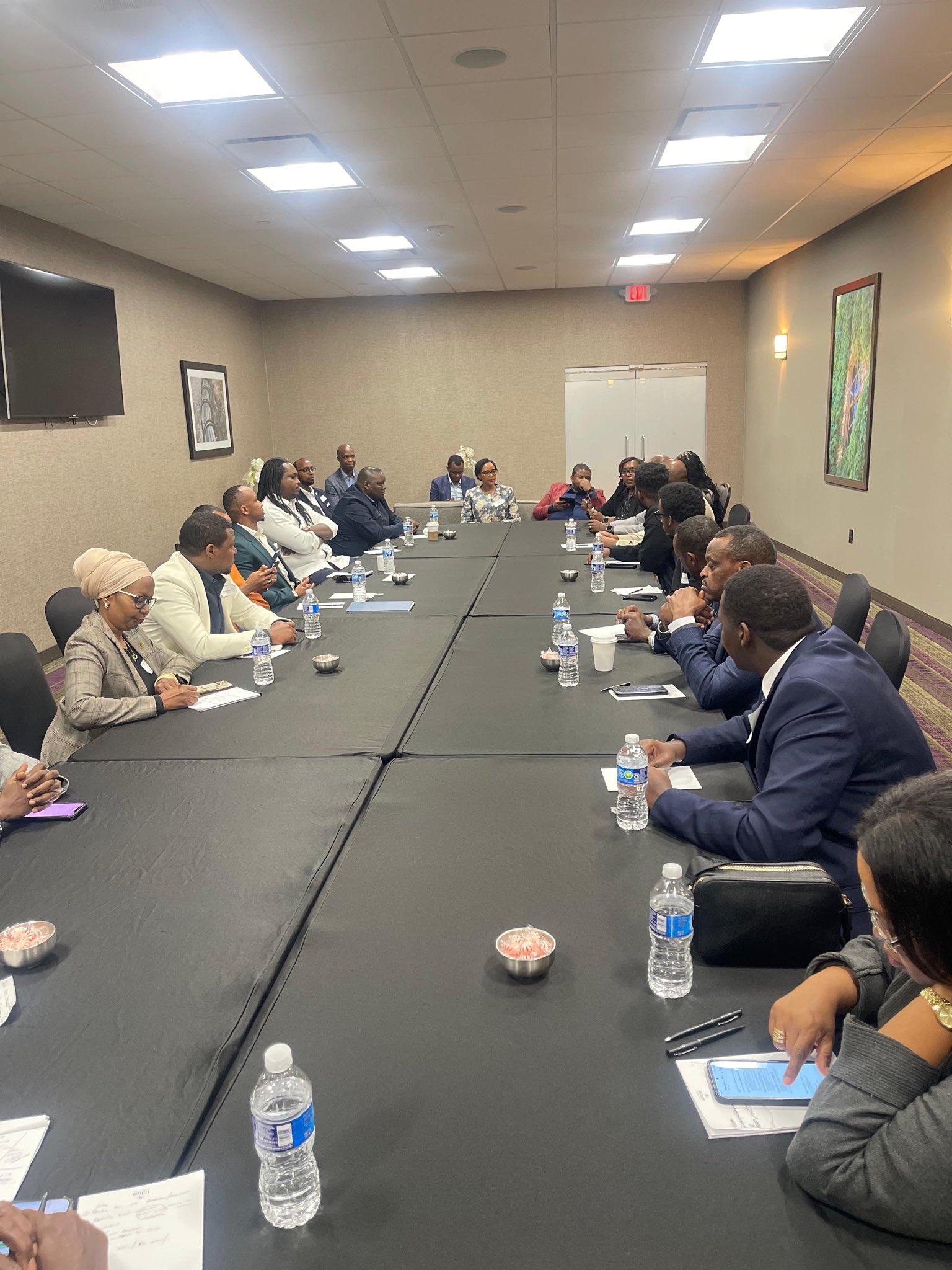
The Embassy of the Republic of Rwanda in the United States shared the update on X, highlighting that the retreat brought together diaspora leaders from across the country to discuss strategies for contributing to national growth.
The gathering comes just months after the Rwanda Convention USA 2025, held from July 4 to July 6, 2025, at the Irving Convention Center in Dallas, Texas. The event marked a significant reunion for the Rwandan diaspora, coinciding with the 31st anniversary of Rwanda’s Liberation Day and U.S. Independence Day, creating a festive and celebratory atmosphere.
At the convention, diaspora professionals connected with Rwandan financial institutions, including Bank of Kigali, Equity Bank, BPR, and the Rwanda Social Security Board (RSSB), which is increasingly involved in investment opportunities.
Attendees explored avenues to invest in real estate, technology, and other sectors. Cultural celebrations featured traditional dance troupes and performances by popular artists such as The Ben, Meddy, Kevin Kade, and Element EleéeH, showcasing Rwandan heritage to the diaspora community.
Attendees also accessed government services on-site, including assistance with opening bank accounts and obtaining administrative guidance from Rwandan representatives.
The 2025 convention attracted thousands of participants, demonstrating the diaspora’s commitment to strengthening ties with their homeland.
The Washington retreat builds on this momentum, focusing on practical steps to harness the diaspora’s resources, knowledge, and networks in support of Rwanda’s ongoing development, with unity, youth participation, and strategic engagement seen as key drivers for the country’s future.
The retreat brought together Rwandan diaspora leaders from across the United States to discuss strategies for contributing to national growth.The retreat was also aimed at strengthening community unity and promoting youth engagement.
Titled ‘Climate Justice in Tourism’, the publication was edited by Freya Higgins-Desbiolles, Raymond Rastegar and Roshis Krishna Shrestha.
The book brings together research and case studies from around the world to explore the complex links between tourism development, climate change and social inequality.
Developed with input from researchers at the Griffith Institute for Tourism, the book is connected to the institute’s Climate Justice and Tourism research initiative. The project examines how climate policies in the tourism sector can be designed to address fairness and avoid deepening existing social and economic disparities.
Tourism remains one of the largest global industries and plays a significant role in greenhouse gas emissions, especially through aviation and other forms of transport.
At the same time, many popular tourism destinations, including islands, coastal areas and nature-based sites, are among the most exposed to climate threats such as rising sea levels, extreme weather events and environmental degradation.
Dr. Rastegar said the research highlights a fundamental contradiction within the sector.
“Tourism is both a contributor to the climate crisis and one of its victims,” he said. “If we want meaningful climate action in tourism, we must consider who benefits from tourism development and who bears the environmental and social costs.”
The book introduces a framework for examining justice within tourism, looking at how power structures, governance systems and global economic dynamics influence climate outcomes in the industry. It also questions traditional tourism models that prioritize economic growth while overlooking environmental sustainability and social wellbeing.
Instead, the contributors call for new approaches that respect the rights of local communities, indigenous peoples and ecosystems.
“Too often climate action focuses only on reducing emissions or protecting industry growth,” Dr. Rastegar said. “A climate justice perspective asks deeper questions about fairness, participation and responsibility, ensuring that climate policies support communities, workers and ecosystems rather than leaving them behind.”
Through interdisciplinary research and global case studies, the book offers insights for policymakers, researchers and industry leaders seeking more sustainable and equitable pathways for the future of tourism.
Tourism is both a contributor to the climate crisis and one of its victims
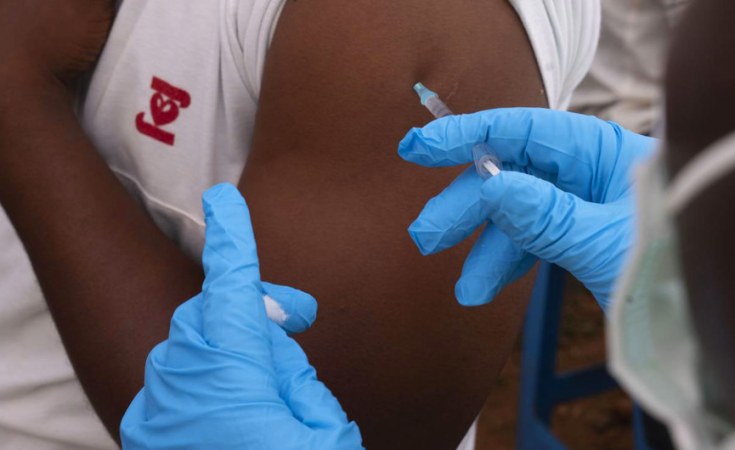
Hassan Sibomana, Director of the Vaccine Programmes Unit at the Rwanda Biomedical Center (RBC), told The New Times that Gardasil 9 protects against nine HPV types, compared with the previous Gardasil 4, which covered only four. The additional strains allow broader prevention of HPV-related cancers.
The vaccine is administered in one or two doses depending on age, with two doses recommended for women 29 and older. Sibomana stressed that Gardasil 9 is safe, highly effective, and comparable in safety to its predecessor.
Currently, the rollout is limited to the four districts to monitor the vaccine’s effectiveness and acceptability before expanding nationwide. Once more doses are available, Gardasil 9 will be accessible at health facilities in the targeted areas, and communities will be informed.
“With broader coverage, we can accelerate the elimination of cervical cancer. Our target is 90% vaccination coverage, 70% of women screened, and treatment for 90% of those who test positive,” Sibomana said.
Rwanda has already achieved high HPV vaccination rates among 12-year-old girls, with more than 95% of districts reporting over 90% coverage. The Gardasil 9 rollout aligns with World Health Organization guidelines that extend HPV vaccination to adults, including women who were not covered when the program began in 2011.
The new vaccine is administered in one or two doses, depending on age, with two doses recommended for women 29 and older.
The annual competition, organized under the NBR Engage Program, brings together secondary school students from across the country to test their knowledge of economics, finance, and the role of the central bank. The initiative aims to strengthen financial literacy among young people and empower a generation capable of making informed economic and financial decisions.
This year’s edition, which is the 8th edition, attracted 44 schools and 176 students, making it one of the most competitive rounds of the challenge since its inception. So far, NBR has created 50 clubs in different secondary schools bringing together over 1000 students.
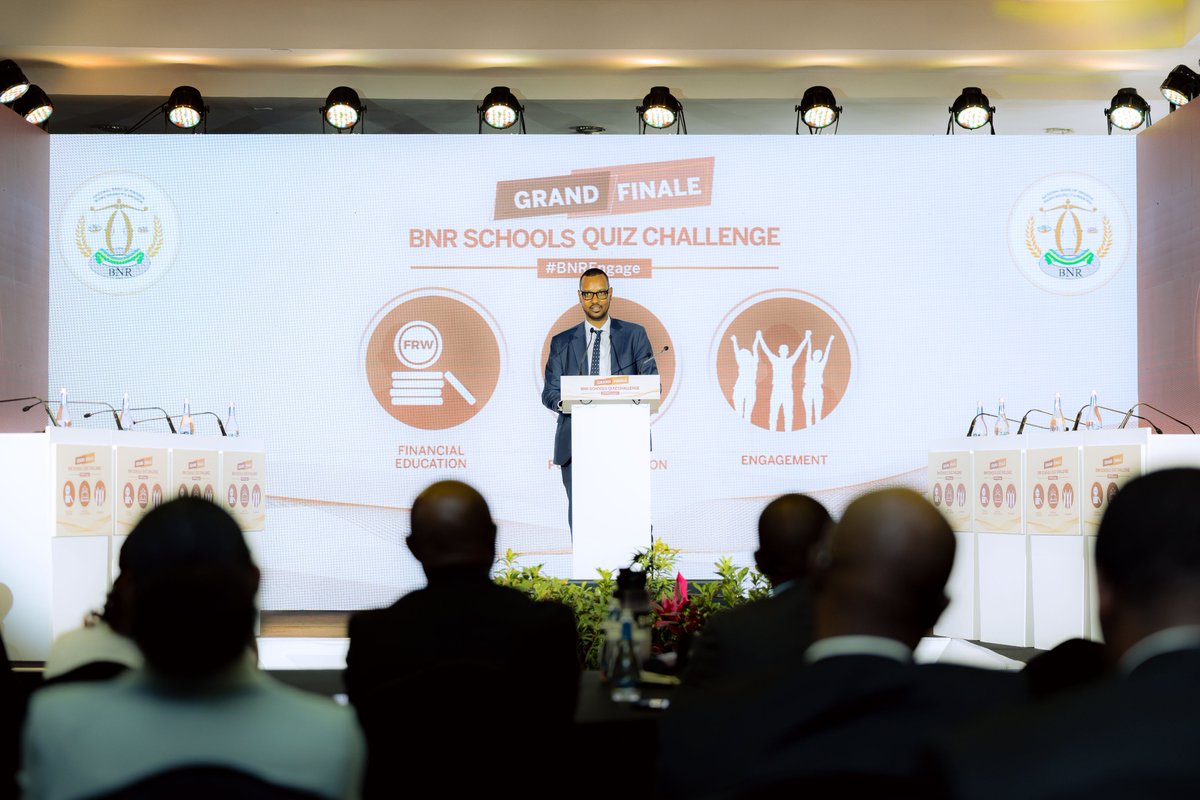
Speaking during the grand finale, NBR Chief Economist Dr. Thierry Kalisa said the competition plays an important role in helping young Rwandans understand how the economy works and how they can contribute to national development.
“Through the NBR School Quiz Challenge, we aim to nurture a generation of young Rwandans who understand how the economy functions and who have the financial and economic literacy needed to participate meaningfully in our country’s development,” Dr. Kalisa said. He added that the competition is more than just an academic contest.
“This programme is not simply a test of knowledge. It is a platform that allows you as young people to discover the relevance of economics and finance in everyday life and to become ambassadors of financial literacy within your families and communities,” he said.
Dr. Kalisa also commended teachers and mentors from participating schools for their dedication in preparing the students for the competition.
“Your commitment to guiding learners through this challenge and beyond is the foundation upon which this initiative is built. The curiosity, teamwork, and discipline demonstrated by these students will serve them far beyond this stage,” he said.
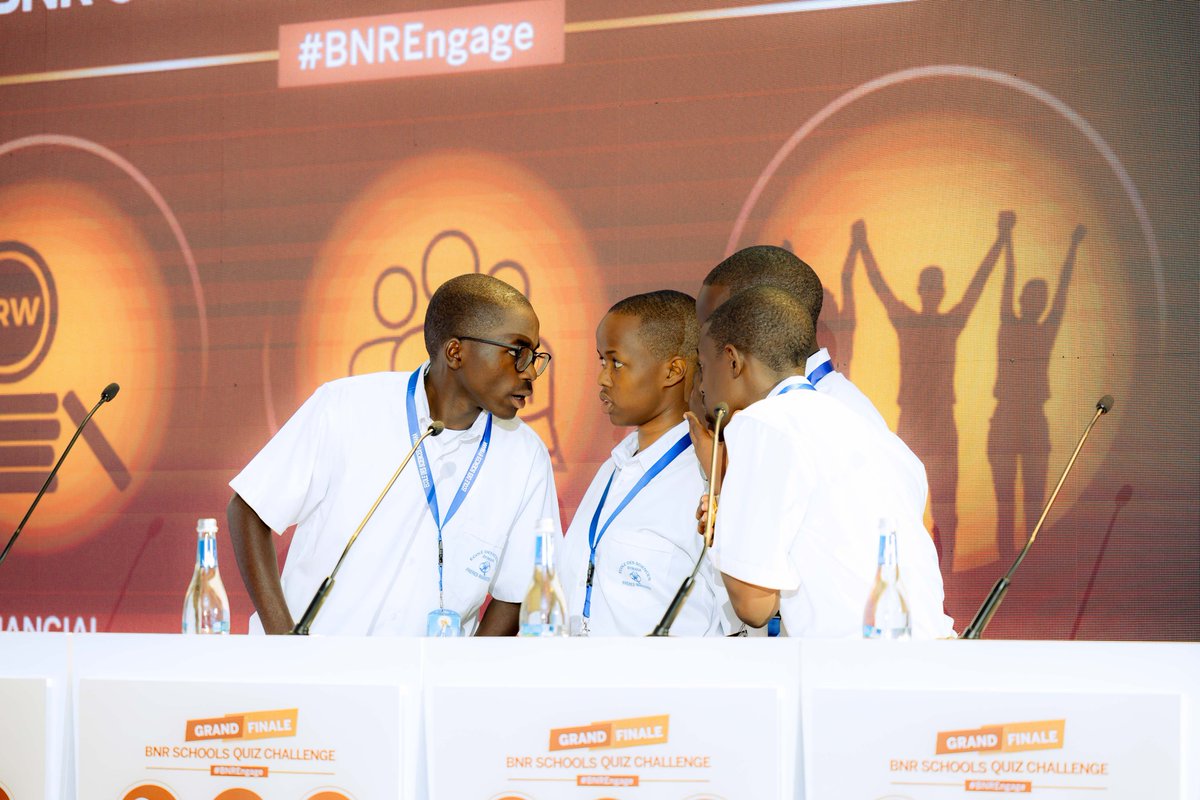
Students from Ecole des Science de Byimana consulting one another during the NBR School Quiz challenge.
A growing initiative
The NBR School Quiz Challenge has steadily expanded since it was first introduced in 2019 as part of efforts to promote financial literacy among students.
The challenge primarily targets members of NBR Economic Clubs, which are established in secondary schools to promote understanding of financial and economic issues.
Schools participating in the clubs were initially selected based on top-performing institutions identified by the Rwanda Basic Education Board (REB) across all provinces. However, other schools that expressed interest were also given the opportunity to establish the clubs and participate in activities such as the quiz challenge.
A multi stage competition
The competition is conducted through several stages designed to test students’ knowledge and analytical skills.
The preliminary rounds, held in late January and early February, brought together schools within their respective provinces. The top schools from each province then progressed to the quarter-finals, followed by the semi-finals, before the best two teams advanced to the Grand Finale held on March 4 at the NBR headquarters in Kigali.
Throughout the competition, students answered questions covering topics such as monetary policy, financial systems, and the role of the central bank in managing the country’s economy.
The questions are designed to promote critical thinking, decision-making, and problem-solving, while interactive elements such as joker cards, which teams can use once per round, add an element of strategy and excitement.
FAWE Girls students exchanging ideas during the competition.
Students reflect on the experience
For the students, the competition provided a valuable learning experience beyond their regular classroom studies.
Anita Niyonsaba, 17, from FAWE Girls’ School, said the challenge helped her understand the importance of financial knowledge in everyday life.
“Participating in the NBR School Quiz Challenge opened my eyes to how the country’s financial system works and how the economy affects every citizen,” Niyonsaba, a S5 student pursuing Physics, Chemistry and Mathematics, (PCM)) said.
“Even though we study sciences, understanding financial literacy is important because it prepares us to make informed decisions and contribute to the development of our country.” For Egide Tuyishimire, 19, from Ecole des Sciences de Byimana in Mathematics Chemistry and Biology (MCB) teamwork and persistence were key to their success.
“At the beginning it was challenging because economic topics were new to us since we study sciences,” he said. “But through teamwork, research, and curiosity, we were able to understand concepts such as monetary policy and how the National Bank supports the economy,” he added.
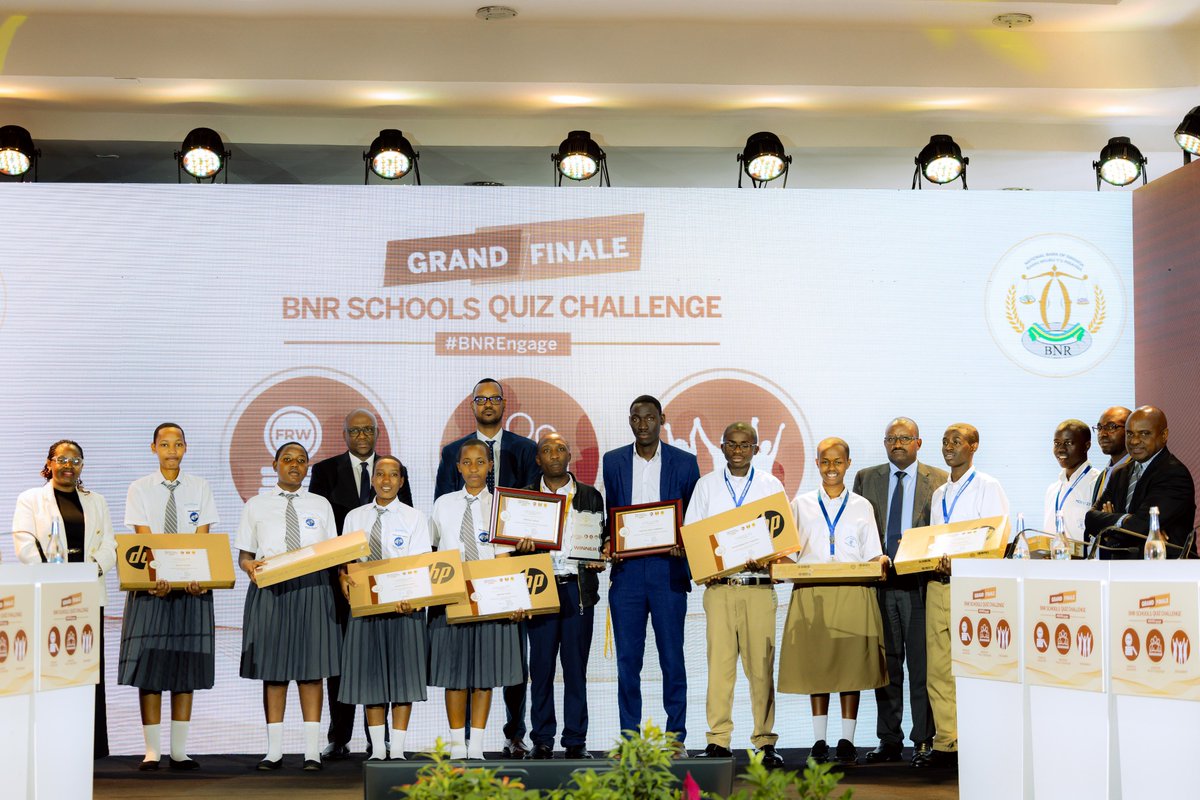
Each student was awarded a laptop and 400,000 Rwandan Francs bonds invested in national securities for them to start saving at an early age.
“The laptop we received will support our studies, while the treasury bonds introduce us to the culture of saving and investing for the future. It is a powerful lesson that encourages young people to think long-term.”
Students from Ecole de Sciences de Byimana and FAWE Girls school receiving awards.
Building a financially literate generation
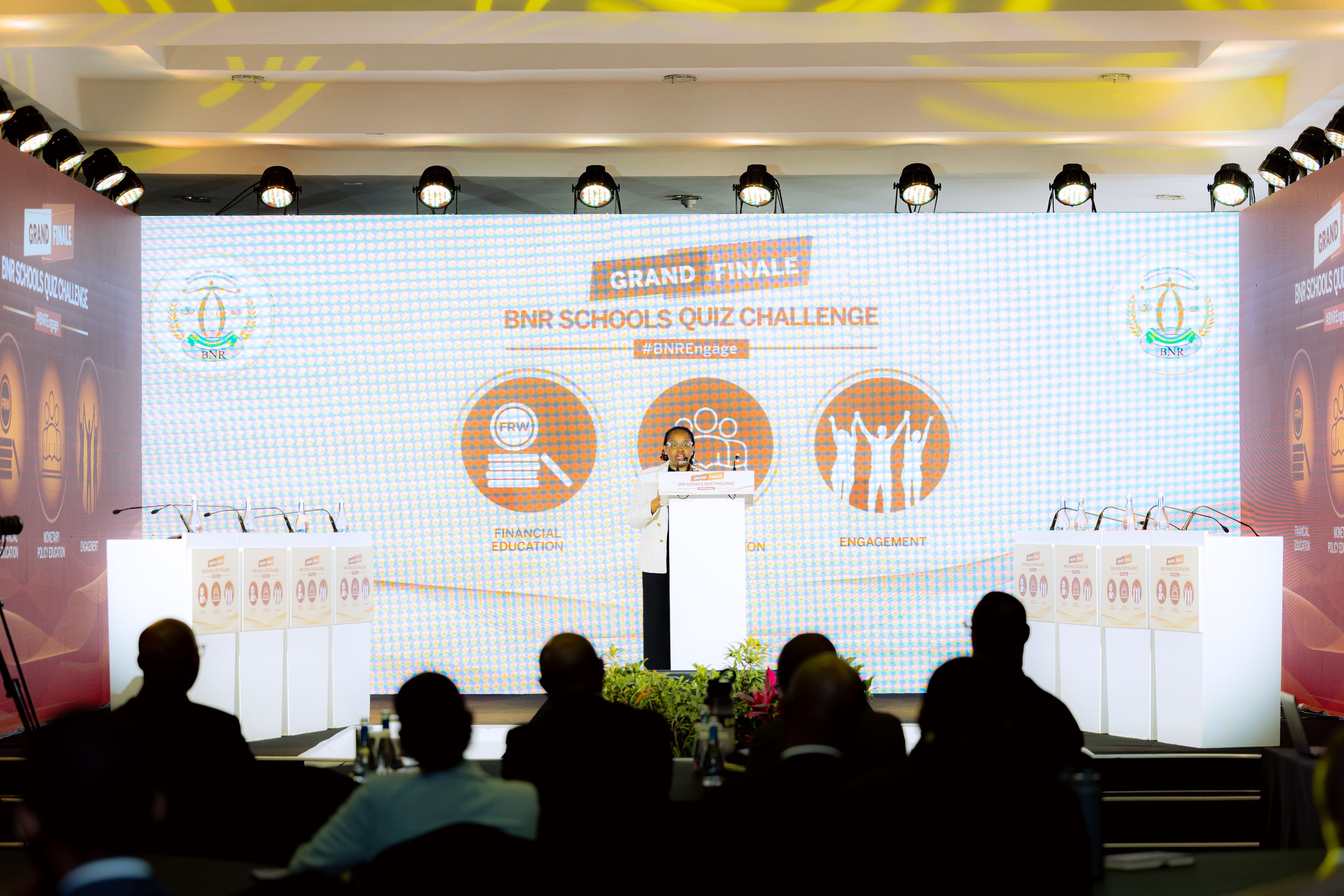
Judith Nabaasa, the Chief Economist at the Ministry of Finance and Economic Planning (MINECOFIN) emphasized that initiatives such as the NBR School Quiz Challenge are essential for Rwanda’s long-term development.
“Economic and financial literacy is fundamental for Rwanda’s transformation into a knowledge-based economy. The choices we make as consumers, savers, and future professionals shape the trajectory of our economy,” she said.
As the programme continues to grow, the National Bank of Rwanda says it will keep expanding initiatives that promote economic and financial literacy among young people.
Dr. Thierry Kalisa, NBR Chief economist delivering a speech during NBR School Quiz Challenge.Judith Nabaasa, the Chief Economist at MINECOFIN speaking during the NBR School quiz competition.
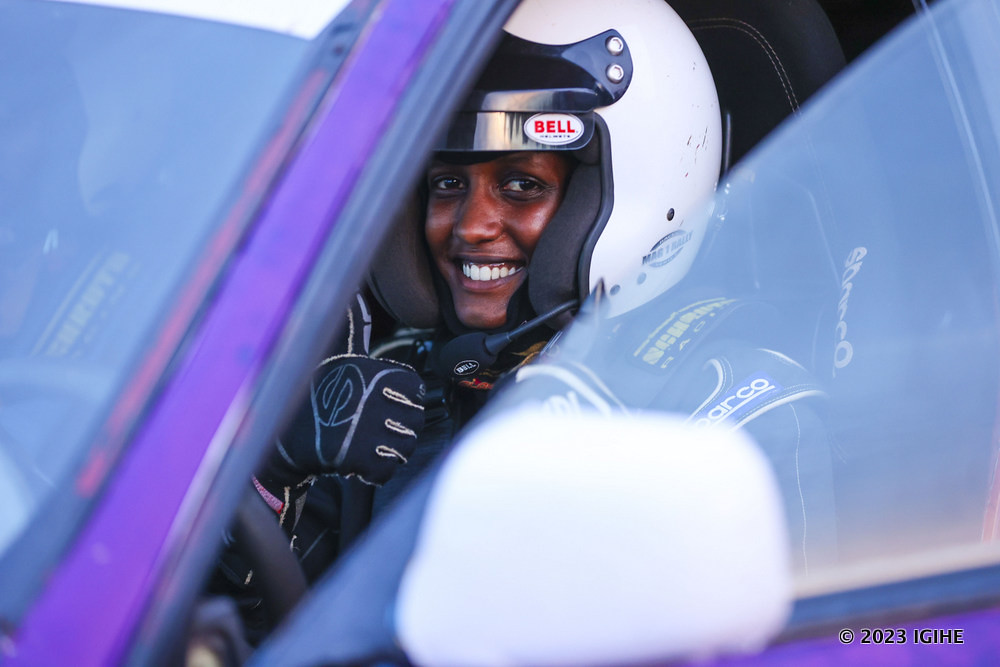
The Rwandan rally driver continues to carve her place in the sport, competing in local, regional, and now international events with a determination that reflects both resilience and ambition.
Born and raised in Kigali, Queen describes her childhood as energetic and adventurous. Growing up in a lively neighborhood filled with children, she spent much of her time outdoors playing games.
She often joined her older brother and his friends in activities such as football and bicycle tricks, experiences that shaped her competitive spirit and willingness to try new things. Before motorsports entered her life, Queen had already stepped into the public spotlight through the beauty pageant world.
After high school, she competed in the prestigious Miss Rwanda pageant, where she emerged as the 3rd Runner-Up in 2017. The experience, she says, was transformative. Beyond beauty, the platform emphasized intelligence, culture, and social responsibility.
During this time, she also worked with several organizations on community initiatives focused on empowering women, teenagers, and children while continuing her studies. Her journey into motorsports, however, began almost by chance.
What started as curiosity quickly evolved into passion as she discovered the thrill and challenge of rallying.
“At first, it was simply about trying something new and having fun,” she recalls. “But the more I learned about the sport and experienced the adrenaline of rallying, the more determined I became to pursue it seriously.”
Like many rally drivers, Queen’s path was not without setbacks. Her first rally ended in disappointment after a mechanical failure forced her team to finish last. Instead of walking away from the sport, she used the experience as motivation to improve.
Through preparation, learning, and persistence, her performances steadily improved. Initially competing as a co-driver, Queen began securing podium finishes before eventually making the bold transition into the driver’s seat.
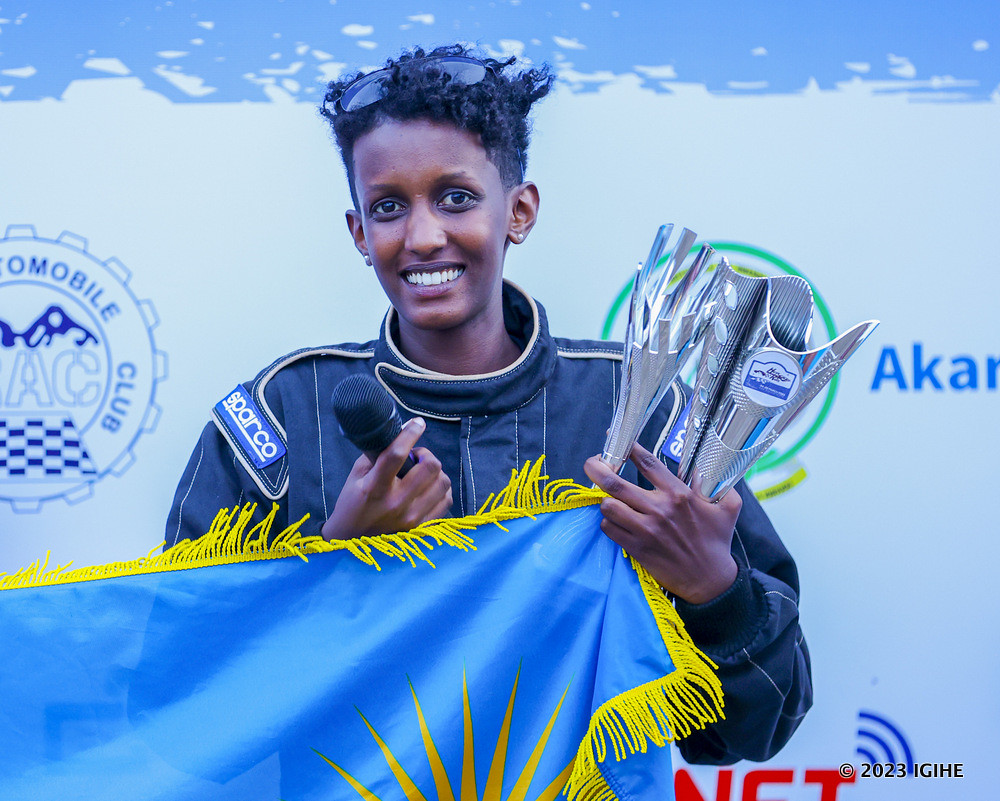
Even then, her debut rally as a driver also ended with mechanical challenges. Yet the setbacks only strengthened her resolve. Her determination paid off in the following seasons as podium finishes became more frequent. Today, Queen proudly holds the title of defending champion in the Rwanda National Rally Championship, a milestone that reflects years of discipline, perseverance, and teamwork.
Until now, most of Queen’s rallying experience has been within Rwanda’s national championship circuit. That is about to change as she prepares for her first international competition at the iconic Safari Rally Kenya, one of the toughest and most historic events on the global rally calendar.
The opportunity comes through the KCB Racing Team, a platform that has supported several drivers competing in the rally.
For Queen, the call to join the team was both emotional and inspiring. “When I received the call, I honestly couldn’t believe it,” she says. “Competing in the Safari Rally and other international events has always been a dream. Motorsport requires significant financial resources, and opportunities like this don’t come easily. Thanks to the KCB Racing Team, that dream is beginning to take shape.”
For the rally, Queen will be partnered with her long-time co-driver, Olivier Ngabo. Ngabo is an experienced co-driver, professional mechanic, and mechanical engineering specialist with a strong background in transportation and car hire services.
His credentials include being part of the 2025 Rwanda National Rally Championship-winning crew and winning Best Co-Driver of the Year in 2019. The pair have worked together for three years, building trust and rhythm, an essential factor in rallying, where precision communication between driver and co-driver can determine success or failure.
For the upcoming rally, the team has upgraded their machine from a Subaru GC8 to a more advanced Subaru Impreza WRX STI GVB.
According to Queen, the car has undergone extensive testing across different terrains to ensure it is ready for the demanding rally stages.
“The car feels great, and the team has worked extremely hard on the preparation,” she says. “We believe it is ready for the challenge ahead.”
As a first-time participant in the Safari Rally, Queen’s immediate goal is simple but significant: to finish the rally cleanly while competing at a strong level. However, she admits that fighting for trophies would make the experience even more special.
Behind her pursuit of motorsports excellence is a strong support system. Queen credits her family for standing by her journey in a sport that demands immense time, focus, and resilience.
Beyond personal achievements, she hopes her story inspires more young women to step into spaces traditionally dominated by men.
She also acknowledges the progressive environment in Rwanda that encourages women to pursue diverse opportunities.
“To every young girl who dreams of doing something different, your gender should never define the size of your dream,” she says. “Believe in yourself, work hard, and don’t be afraid to pursue what excites you.”
Kalimpinya is preparing for her first international competition at the iconic Safari Rally Kenya.