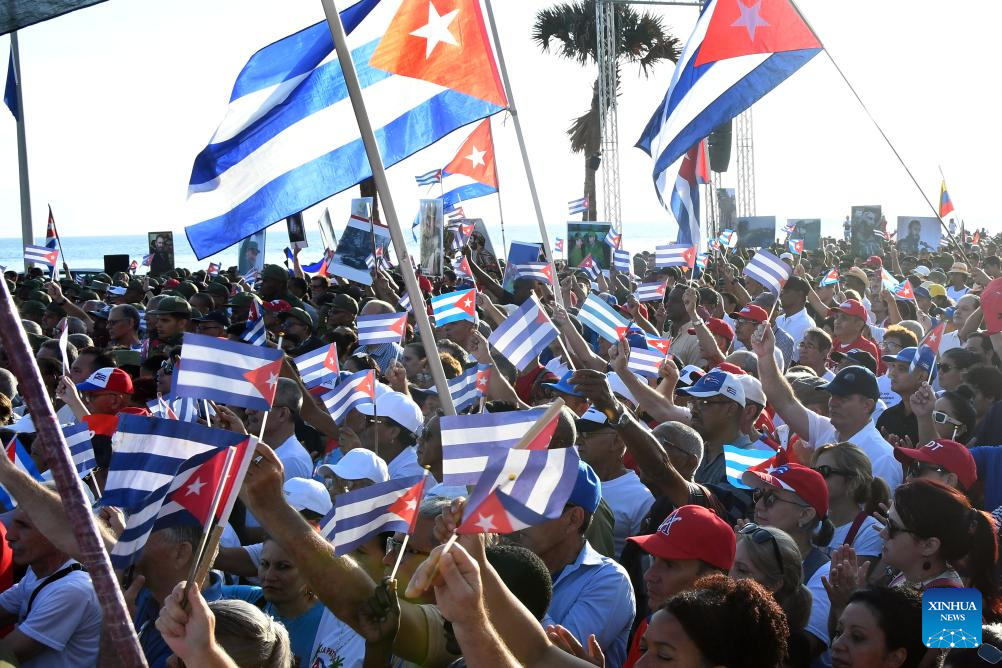
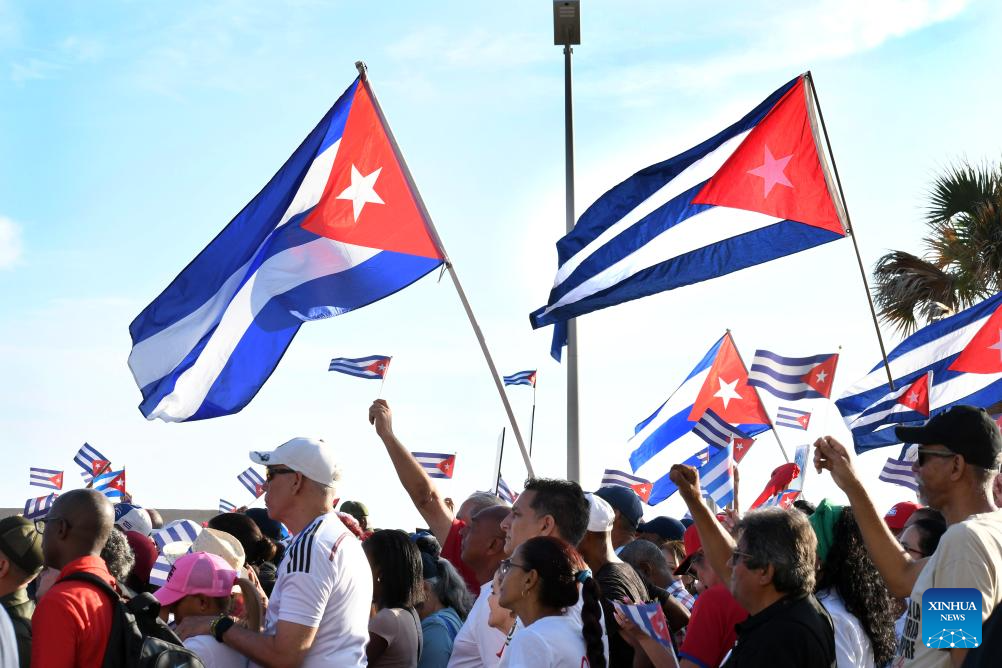
According to the Cuban government, more than 250,000 people attended the rally at the Jose Marti Anti-Imperialist Platform, an open area facing Havana’s seafront. The event was led by Cuban President Miguel Diaz-Canel and coincided with the country’s National Defense Day.
Gerardo Hernandez, national coordinator of the Committees for the Defense of the Revolution, said the rally reflected popular rejection of what he called “a political provocation by Washington.”
He said the United States has neither legitimacy nor jurisdiction to bring charges against Castro, and argued that Washington had distorted the events surrounding the February 1996 shootdown of two planes operated by the Cuban-American exile group Brothers to the Rescue.
Hernandez said the aircraft had repeatedly violated Cuban airspace and that Cuba acted in self-defense after issuing warnings to Washington.
Lauren Luis, an official with Cuba’s Foreign Ministry, said she attended the rally to defend the Cuban Revolution and express support for Castro. She described the U.S. indictment as “unfounded and illegitimate,” saying Cuba had acted to defend its sovereignty.
Aleida Ramirez, a 65-year-old hairdresser, said she joined the rally to defend Cuba’s independence and socialist system. “We cannot allow (U.S. President Donald) Trump or anyone else to come and rule this country.”
University of Havana student Gian Marcos Suarez said Cuba is facing one of its most difficult periods in recent years due to the tightening of the U.S. embargo, adding that the country needs reforms driven by Cubans themselves rather than foreign intervention.
The U.S. Department of Justice has recently filed an indictment against Castro, accusing him of playing an alleged role in the downing of two Brothers to the Rescue aircraft in 1996.
Castro, 94, served as Cuba’s minister of the Revolutionary Armed Forces at the time of the incident. Havana maintains that the aircraft were shot down in Cuban airspace and that the country acted in legitimate self-defense.
People wave Cuban national flags as they participate in a rally at the Anti-Imperialist Platform in Havana, capital of Cuba, on May 22, 2026. Thousands of Cubans rallied in Havana on Friday to condemn the U.S. indictment of Raul Castro and the decades-long U.S. embargo on Cuba, while expressing support for the country’s revolutionary process. (Photo by Joaquin Hernandez/Xinhua)
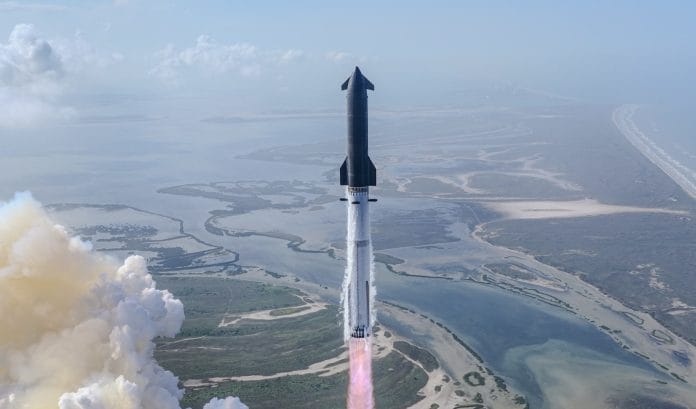
Shortly after launch, SpaceX confirmed stage separation. The booster is scheduled to make a controlled splashdown in the Gulf of Mexico.
The mission marks the debut flight of the next-generation Starship spacecraft and Super Heavy booster, powered by an upgraded version of the Raptor engine and launched from a newly designed pad at Starbase.
According to SpaceX, the primary objective of the flight test is to evaluate the performance of these upgraded systems in a real flight environment for the first time.
SpaceX launched the 12th flight test of its giant Starship rocket on Friday.
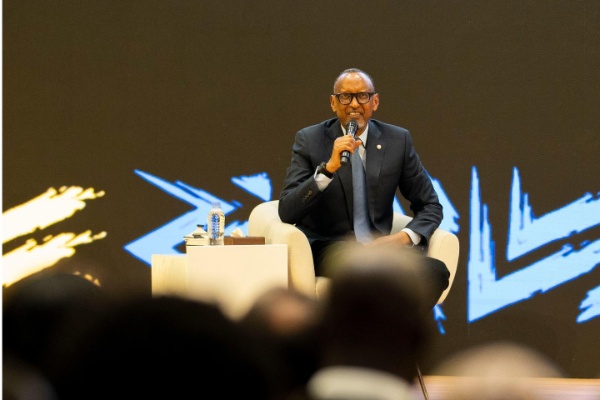
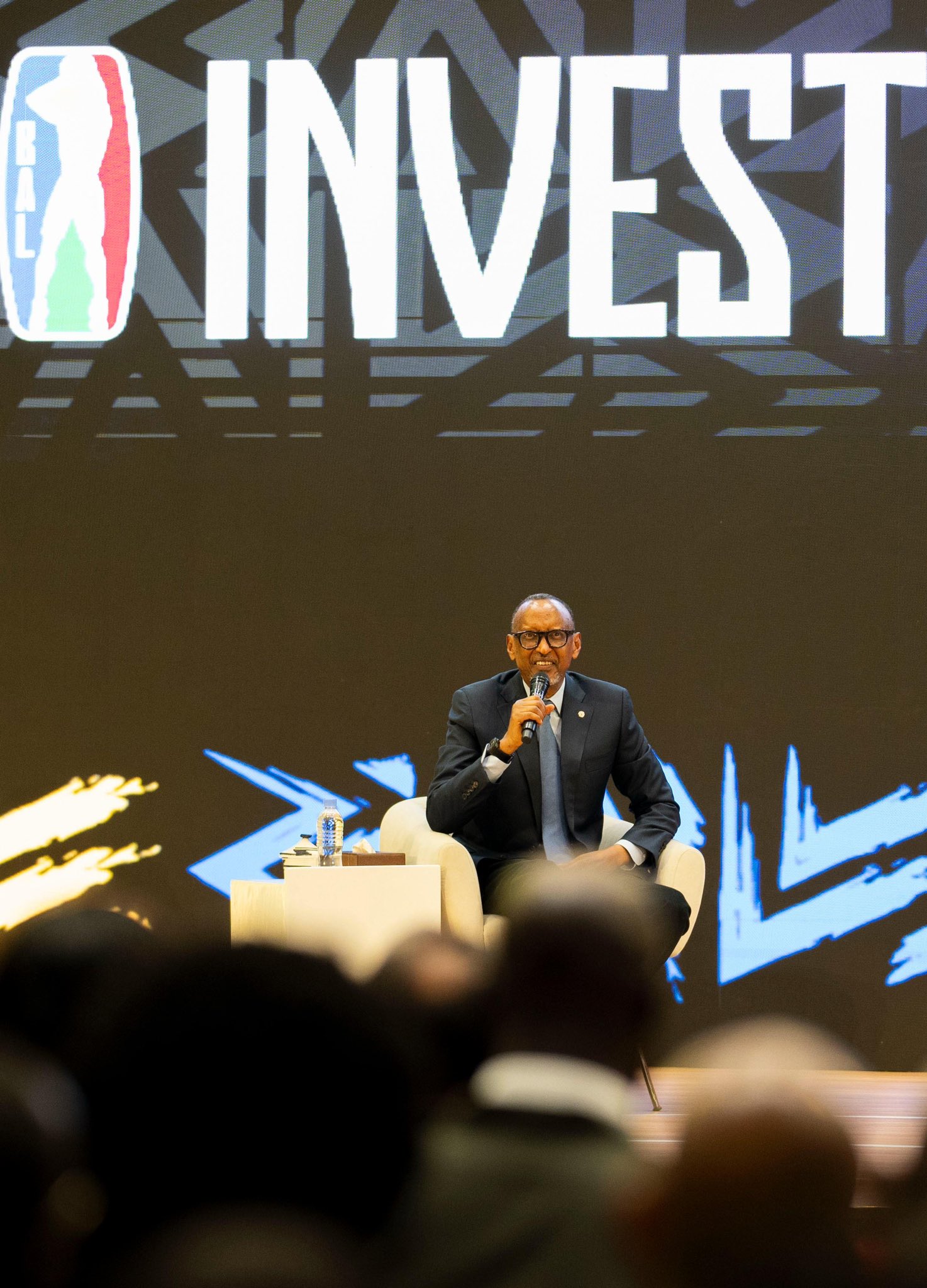
Speaking during a Basketball Africa League (BAL) Investor Day fireside chat in Kigali, Kagame said sports should be understood as a broad ecosystem that goes far beyond competition on the court.
He said sports “attracts people,” creates a sense of belonging, and generates value that extends into multiple sectors of the economy.
“People feel good about it. They are part of it,” he said, adding that sport draws talent and investment while generating wider benefits for society.
President Kagame described sports as part of a wider development and investment strategy that includes talent development, infrastructure, consumer experience, entertainment, and tourism. He said the sector becomes more valuable when it is built deliberately and supported through long-term investment.
“It’s also the consumer experience. It attracts even people who originally were not so attracted to any sport,” he said, noting that surrounding activities such as entertainment and events help expand its reach and impact.
He pointed to Rwanda’s experience hosting major sporting events, including BAL games, as contributing to increased tourism and international visibility. According to Kagame, the country has seen more visitors coming for conferences, competitions, and large-scale events linked to sports programming.
This deliberate alignment of sports and major events has translated into strong economic gains. According to the Rwanda Development Board (RDB) 2025 Annual Report, Rwanda’s tourism sector generated $685 million (about Rwf 1 trillion) in revenue, up 6% year-on-year, driven by 1.49 million visitors. The Meetings, Incentives, Conferences and Exhibitions (MICE) segment contributed $94.7 million, supported by 165 international and regional events, including major sporting fixtures such as BAL games.
Kagame said these outcomes reflect a deliberate strategy and long-term mindset toward investment.
“It comes to choices you make, it comes to mindset as well,” he said, adding that sports investments should be allowed to “prove themselves” over time.
He also referenced Rwanda’s long-standing sports partnerships with global clubs, including the “Visit Rwanda” sponsorships with major football teams such as Arsenal, as part of a broader effort to position the country globally through sport. He noted that such initiatives have sometimes attracted political criticism, but said the approach is driven by strategic choices and a focus on visibility, investment, and long-term returns.
A central theme of his remarks was the importance of scale through cooperation across Africa and beyond.
“When countries come together, when leagues come together, when people come together, the benefits are multiplied by a much bigger factor,” Kagame said. “You don’t want to have such a good thing isolated in one region or one country.”
He argued that fragmented sports markets limit growth, while integrated collaboration creates a larger and more efficient market that strengthens returns for investors, governments, and communities.
The Head of State also emphasised that Rwanda’s approach to sports investment has been built on partnerships, noting that the country did not act alone in developing its sports ecosystem and international collaborations.
He said the model is intended to demonstrate what is possible when countries take calculated risks and invest in emerging sectors, adding that results, not persuasion, are what ultimately influence others to follow similar paths.
The remarks came as Kigali hosts the Basketball Africa League (BAL) 2026 playoffs and finals, which tip off today, May 22, and run through May 31, 2026, bringing together teams, fans, and stakeholders from across the continent.
Kagame closed his remarks by stressing collective ambition in development.
“Let’s go up together,” he said.
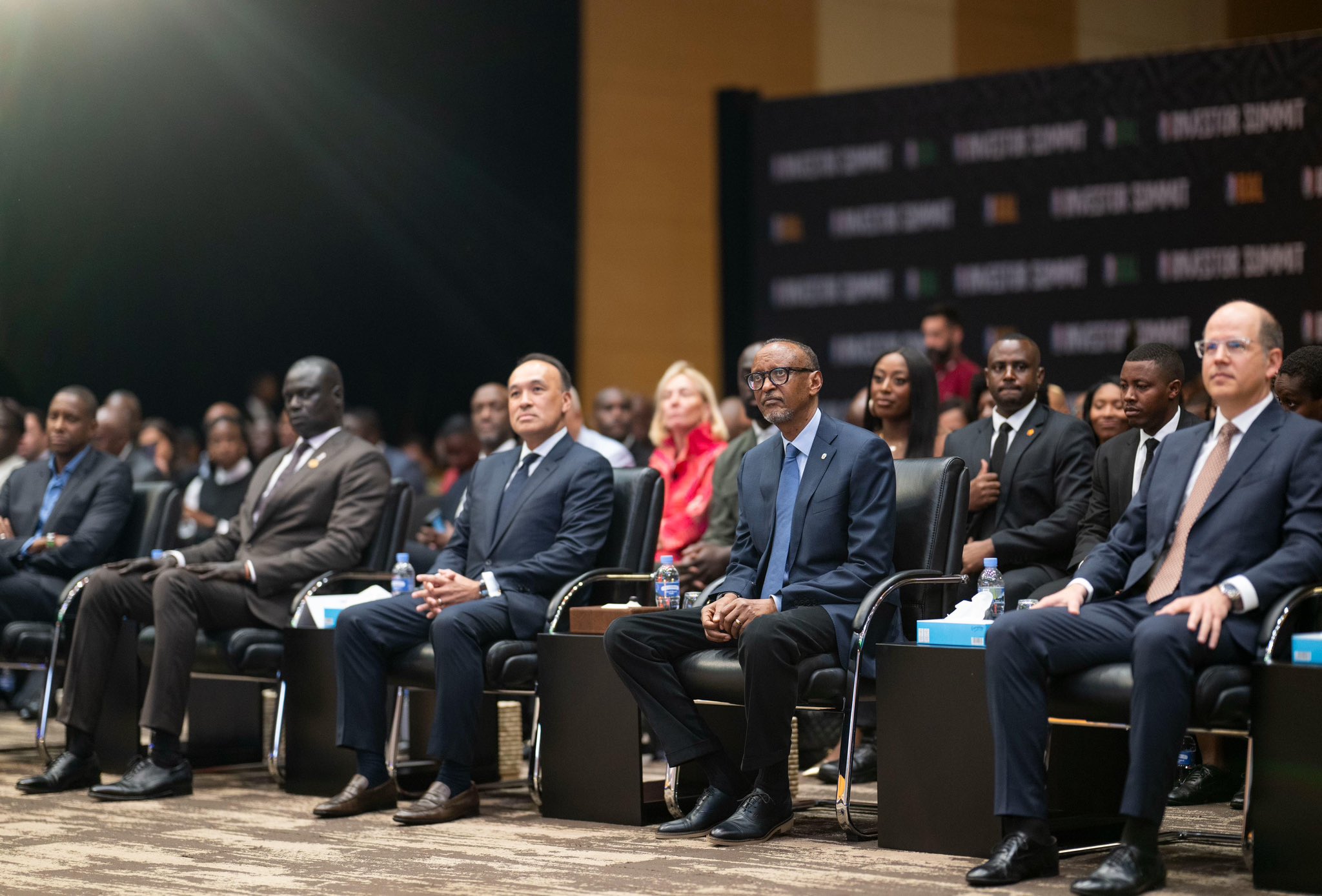
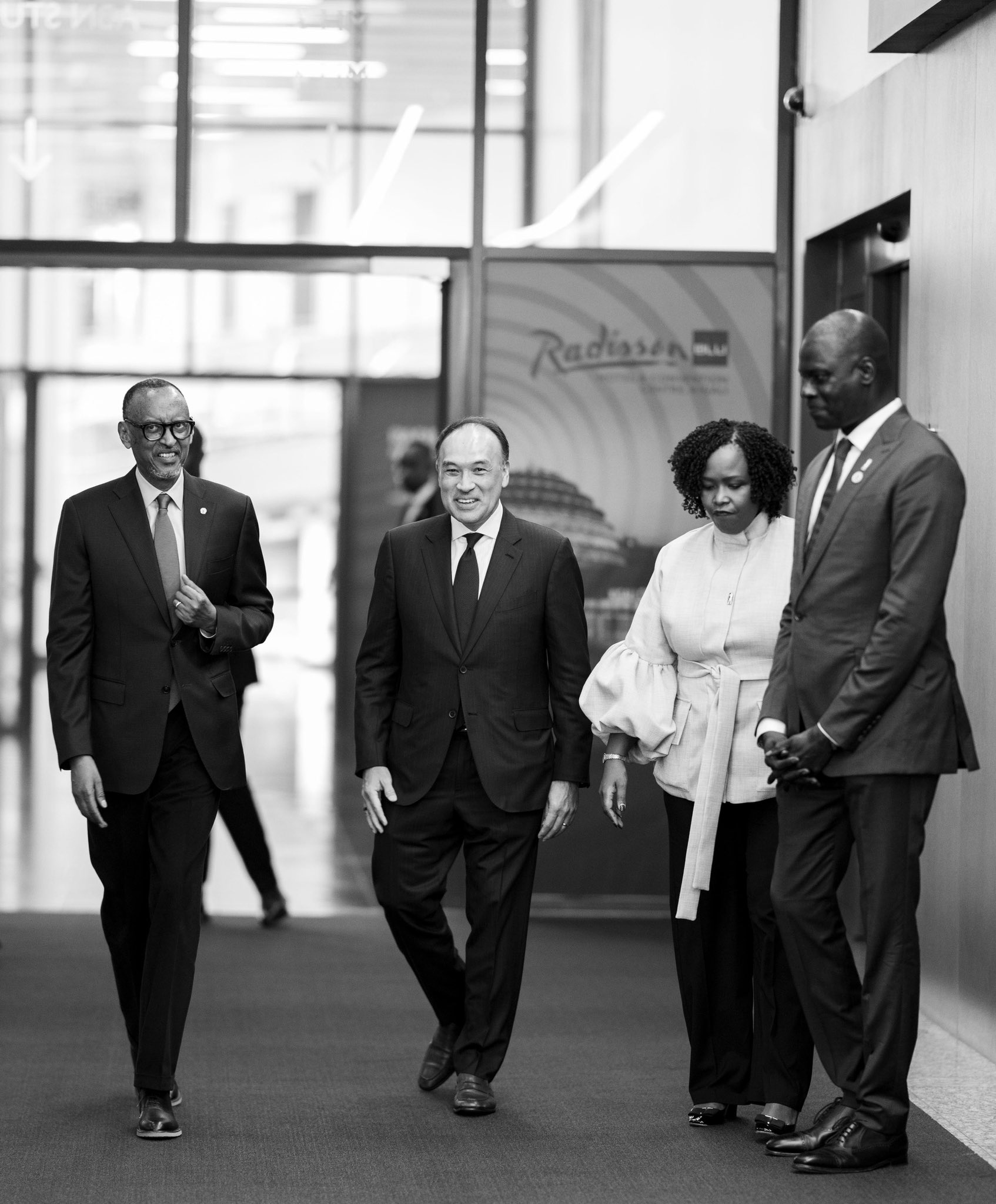
Speaking during a Basketball Africa League (BAL) Investor Day fireside chat in Kigali, Kagame said sports should be understood as a broad ecosystem that goes far beyond competition on the court.President Kagame said sports “attracts people,” creates a sense of belonging, and generates value that extends into multiple sectors of the economy.The summit was held ahead of the BAL kickoff in Kigali.
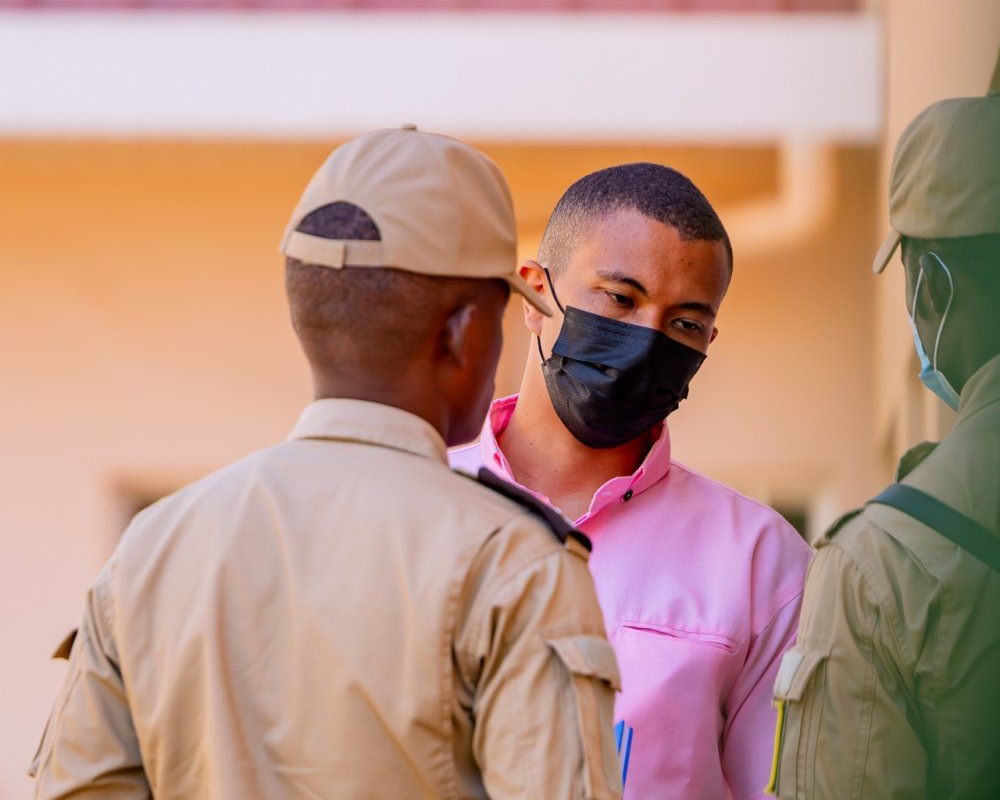
DJ Toxxyk had been facing charges including involuntary manslaughter, drug-related offenses involving narcotic substances, fleeing after causing an accident, and refusing to undergo an alcohol test.
The charges stem from a road accident that occurred in Nyarugenge District in the early hours of December 20, 2025. The accident claimed the life of a police officer, while cannabis was later discovered at DJ Toxxyk’s residence during investigations.
The judge explained that the court had initially considered sentencing him to four years and six months in prison together with a fine of Rwf1.05 million.
However, the sentence was significantly reduced after the court considered that DJ Toxxyk admitted to all charges, asked for forgiveness, and had no previous criminal record. The court therefore reduced the sentence to one year and six months in prison along with the same fine of Rwf1.05 million.
Earlier, on May 4, 2026, the Primary Court of Kicukiro had convicted DJ Toxxyk on all charges and sentenced him to three months of community service, suspended for six months, in addition to the same fine.
That ruling allowed DJ Toxxyk to be released from Nyarugenge Prison in Mageragere, but the prosecution was dissatisfied with the decision and filed an appeal.
During the appeal hearing held on May 15, prosecutors argued that the Primary Court had failed to consider the seriousness and consequences of the offenses committed by DJ Toxxyk. They said the sentence ignored the objectives of punishment as provided by law.
The prosecution maintained that the penalties imposed by the lower court did not fulfill the intended purpose of punishment, which includes educating the offender and serving as a warning to others.
Prosecutors also argued that the court did not properly apply Article 49 of the law, which requires judges to determine penalties based on the gravity of the offense, its consequences, and the circumstances under which it was committed.
They emphasized that the crimes had serious consequences, including the death of a police officer who was on duty at the time, and argued that community service and a fine alone were too lenient.
Appearing before Nyarugenge Intermediate Court, DJ Toxxyk told the court that he regretted all the offenses he committed and believed that the initial ruling was proportionate.
In its appeal, the prosecution had requested the intermediate court to sentence DJ Toxxyk to five years in prison and impose a fine of Rwf2.21 million.
DJ Toxxyk has been sentenced to one year and six months in prison.
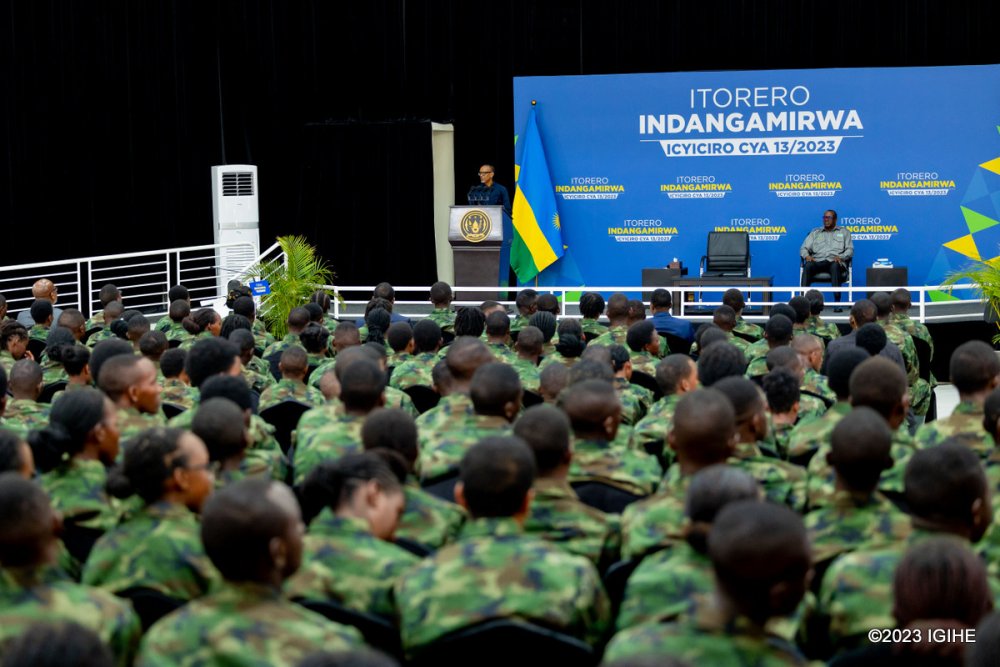
Itorero Indangamirwa is a national civic education and values-formation programme established in 2008. It is designed to promote Rwandan cultural values, national history, and principles of socio-economic transformation, while also introducing participants to basic military skills and leadership training.
The programme targets Rwandan youth aged 18 to 23 years, including members of the Diaspora, students from international schools operating in Rwanda, students in universities and higher learning institutions, and outstanding performers from the 13th cohort of the Non-Residential National Service (Urugerero).
The 16th Cohort will take place from 1 July to 10 August 2026 at CTC Gabiro in Gatsibo District, Eastern Province.
Eligibility at a glance
Applicants must be Rwandan citizens with valid proof of nationality, such as a National ID or passport, and fall within the age range of 18 to 23 years. They are also required to be physically and mentally fit.
In addition, applicants should be able to cover their round-trip transport or airfare costs and must be fully available to participate for the entire duration of the programme.
Authorities emphasise that full participation is required for the entire training period, and partial attendance will not be accepted.
Applications are submitted online via the registration link: https://t.co/bCqv973BR9
Itorero Indangamirwa is a national civic education and values-formation programme established in 2008.
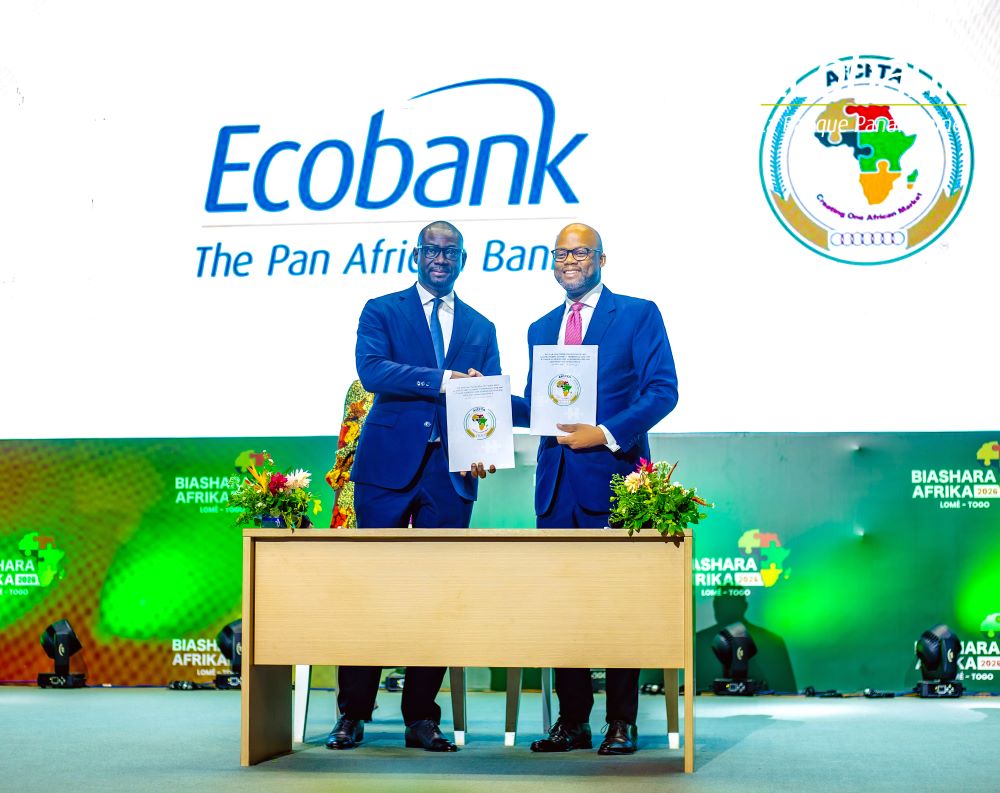
The agreement seeks to expand access to trade and finance opportunities for African businesses, with particular focus on Small and Medium-sized Enterprises (SMEs), women-led businesses, and youth entrepreneurs.
This MoU establishes a strategic framework to support the implementation of the AfCFTA, and advance the objectives of the African Union’s Agenda 2063 , “The Africa We Want”, through the development of an integrated single market of over 1.3 billion people and a combined GDP of approximately $3.4 trillion.
Building on a US$3 billion trade finance commitment
The MoU follows Ecobank Group’s landmark announcement at the recent Africa-Forward Summit in Nairobi, where the bank unveiled a US$3 billion trade finance commitment to be deployed over the next three years in partnership with Development Finance Institutions (DFIs) to support trade with and across Africa.
The partnership with the AfCFTA Secretariat will serve as an important platform for advancing the impact of this US$3 billion commitment across the continent, ensuring that African businesses — from large corporates to SMEs — are better positioned to take advantage of opportunities created under the AfCFTA Single Market.
“Access to trade and affordable finance remains critical to unlocking the full potential of the AfCFTA. Through this partnership with Ecobank, we are strengthening the support available to African businesses, particularly SMEs, women-led enterprises, and young entrepreneurs, to enable greater participation in intra-African trade and value chains across the continent,” said Wamkele Mene, Secretary-General of the AfCFTA Secretariat.
“For 40 years, Ecobank has been built on a singular vision: to advance the economic development and financial integration of Africa,” said Mr. Michael Larbie, Group Executive, Corporate and Investment Banking at Ecobank. “With our unmatched presence across 34 African markets and our digital capabilities, we are uniquely positioned to serve as a catalyst for the AfCFTA. This MoU formalises our commitment to connecting African businesses to the markets, finance, and knowledge they need to thrive.”
The partnership will focus on supporting SMEs to benefit from AfCFTA opportunities, closing the trade finance gap through Ecobank’s Ellevate Program for women entrepreneurs, and promoting the bank’s Single Market Trade Hub to improve trade connections across Africa.
It will also strengthen business referrals and information sharing, support policy advocacy to reduce trade barriers and improve cross-border payments, and include joint business forums and seminars to advance discussions on AfCFTA implementation.
A defining moment for African integration
The MoU comes at an important stage in the implementation of the AfCFTA, as efforts continue to remove barriers to intra-African trade, strengthen regional value chains, and create an enabling environment for sustainable, inclusive growth.
By combining the AfCFTA Secretariat’s mandate with Ecobank’s continental banking footprint and its US$3 billion trade finance commitment, the partnership is expected to support greater participation of African businesses in intra-African trade and accelerate Africa’s economic integration goals.
The partnership with the AfCFTA Secretariat will serve as an important platform for advancing the impact of this US$3 billion commitment across the continent.
The ministry confirmed that there are currently no Ebola cases in Rwanda, but said the measures are part of ongoing efforts to enhance preparedness, early detection, and rapid response capacity to prevent any possible importation of the disease.
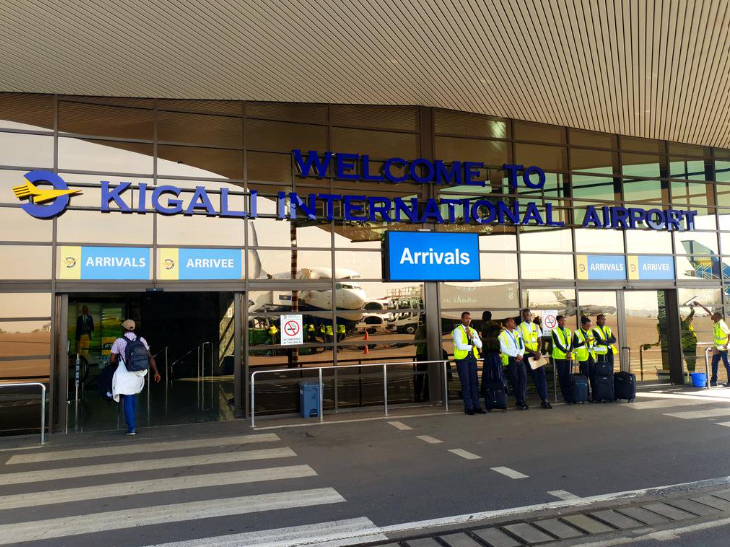
As part of the updated precautions, Rwanda has reinforced health screening and surveillance at all land points of entry along the border with the DRC. Additional entry control measures are also being implemented at Kigali International Airport for all inbound travellers.
Recent measures taken by the government this week include heightened surveillance at key transit points in Rubavu and Rusizi districts. These measures cover major crossing points such as the high-traffic Petite Barrière, Grande Barrière, and Kabuhanga posts adjacent to Goma, as well as Rusizi I and Rusizi II crossings bordering Bukavu.
Under the new rules, effective immediately, all foreign nationals who have travelled to or transited through the DRC within the last 30 days prior to their intended travel to Rwanda will be denied entry into the country.
Rwandan nationals and foreign residents holding valid proof of residency in Rwanda will still be allowed entry. However, those who have visited or transited through the DRC within the same 30-day period will be subject to mandatory quarantine in line with established public health protocols.
The Ministry of Health noted that it has already engaged with international partners, including the World Health Organisation (WHO) Rwanda, briefing diplomatic missions and international organisations on the country’s preparedness measures and current health security protocols.
Authorities emphasised that despite the enhanced controls, all activities in Rwanda continue as normal, including conferences, tourism, business operations, events, and domestic travel.
“Rwanda remains open, safe and prepared,” the ministry stated, urging visitors, residents, and event participants to continue their activities while observing standard hygiene practices and following official health guidance.
The Ministry of Health, in collaboration with other government institutions and international partners, said it will continue to closely monitor the situation and strengthen response measures to safeguard public health.
Members of the public have been encouraged to seek health information or report symptoms through the Rwanda Biomedical Centre hotline 114.
Ebola cases surge in DRC
The outbreak, initially reported in Ituri Province, has now affected North Kivu and South Kivu, while two confirmed cases have also been reported in the neighbouring country of Uganda.
According to the figures released Thursday by DRC Health Minister Roger Kamba, 626 suspected cases and 159 probable deaths have been recorded since the country declared its 17th outbreak on May 15.
The situation continues to evolve rapidly following WHO’s emergency declaration on May 16, 2026. Given that this outbreak involves the rare Bundibugyo strain, for which there is currently no approved vaccine or specific targeted treatment, containment efforts and epidemiological tracking rely heavily on distinguishing laboratory-confirmed cases from the significantly larger pool of suspected cases under investigation.
Rwanda continues to closely monitor the Ebola outbreak reported in the DRC. There are no Ebola cases in Rwanda, and precautionary measures are in place to reinforce prevention and early detection. New entry control measures are in effect for travellers from the DRC. pic.twitter.com/FdU57AYFYu— Ministry of Health | Rwanda (@RwandaHealth) May 22, 2026
Lionsgate motion picture chair Adam Fogelson said during a quarterly earnings call, as reported by Variety, that early preparations for the follow-up are progressing well.
“Preparations continue to go exceptionally well,” he said, adding that there remains “a ton of incredibly entertaining Michael Jackson story” that was not included in the first film.
He explained that many major moments from Jackson’s life and music career were left out of the original production, suggesting there is still enough material for a second film.
“There are so many other events that happened, even in the time frame of the original movie that weren’t touched upon, so we’re very, very confident that we’ve got an incredibly entertaining movie that will appeal once again to a global audience,” Fogelson said.
The first film, Michael, performed strongly at the box office, earning about $715.8m (£533.2m) worldwide after its release in April, with record-breaking openings in both the US and UK. The movie ended with Jackson’s 1988 Wembley Stadium performance during his Bad tour.
However, production of the film faced controversy linked to allegations of child sexual abuse against Jackson, which affected the original script and required significant changes.
Some planned content was removed after legal complications involving individuals connected to past settlements.
It remains unclear how a potential sequel will address these allegations, or whether it will follow a chronological storyline.
Fogelson suggested the narrative could move both forward and backward in time.
“We can go forwards and backwards in telling this story,” he said, adding that around “25 to 30% of a second movie” has already been filmed during earlier production work, which could also help reduce costs.
The studio based in the United States has not yet announced a release date for the sequel.
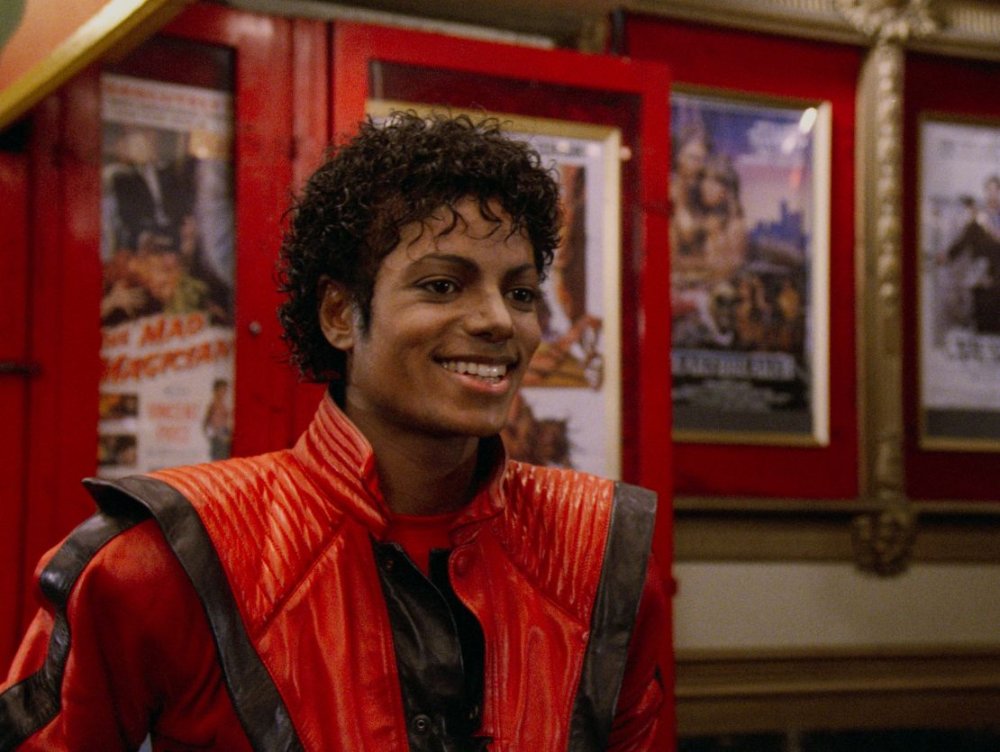
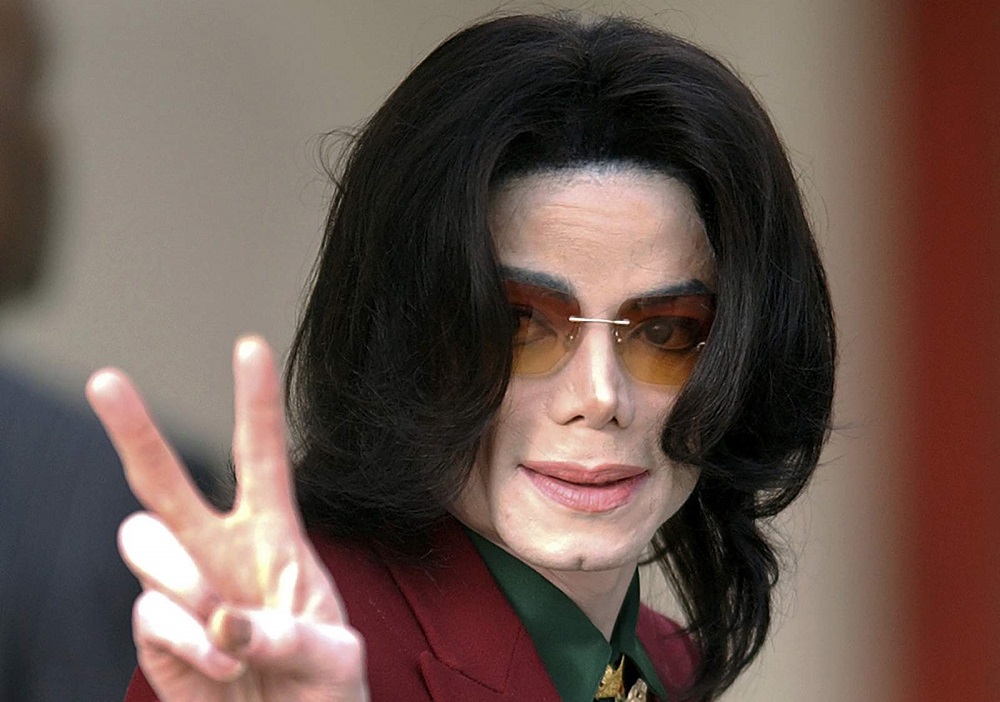
The studio behind the hit Michael Jackson biopic Michael has confirmed that a sequel is in development, despite controversy surrounding the original film.
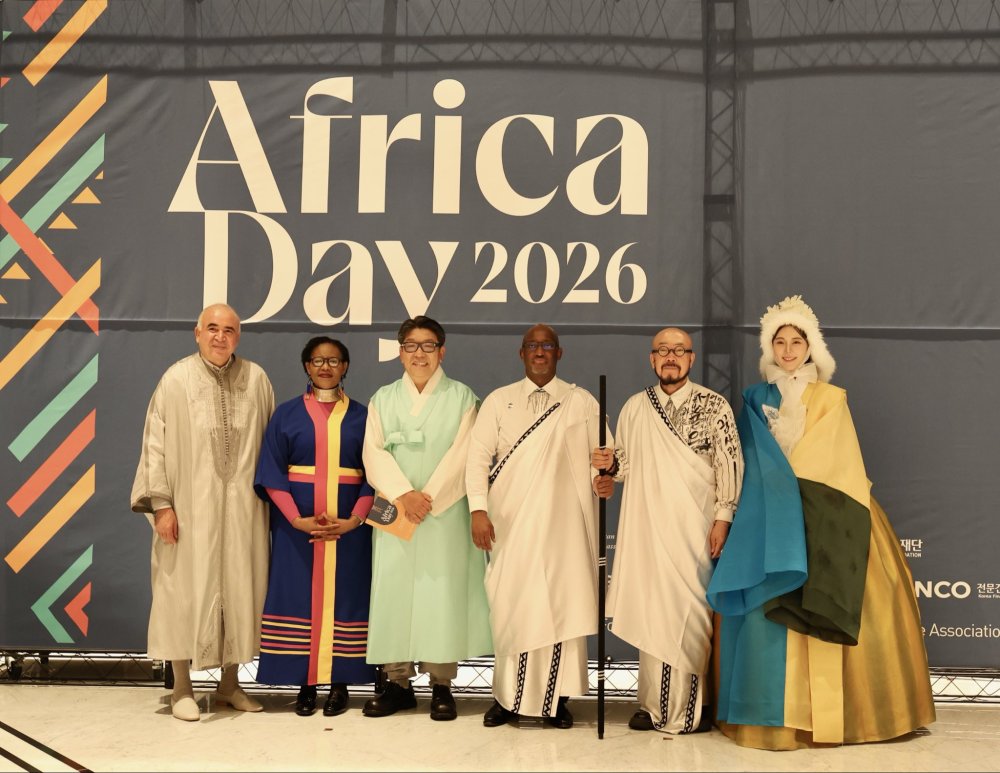
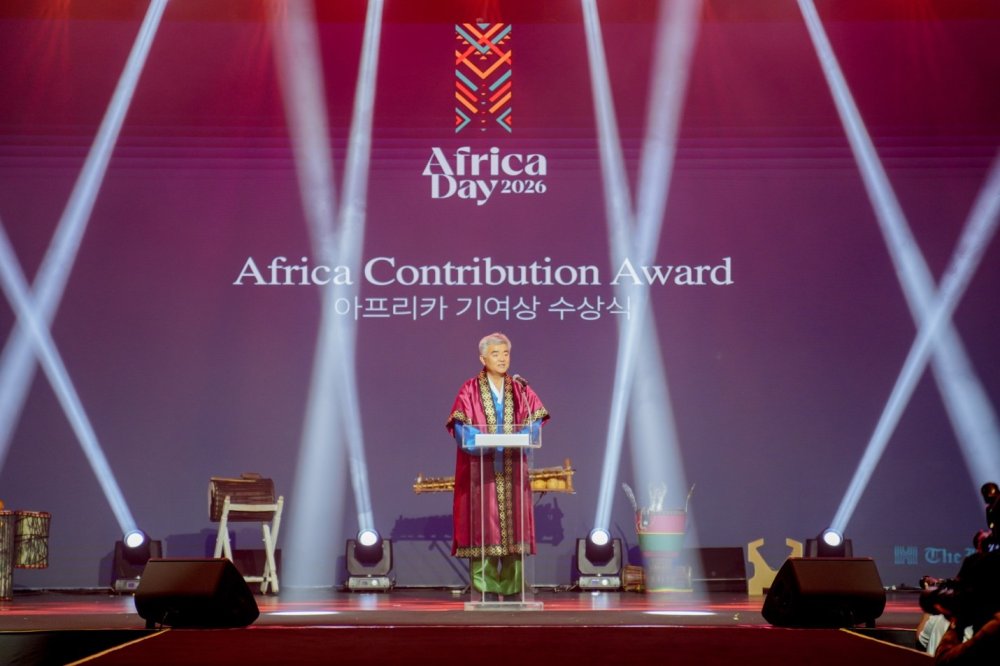
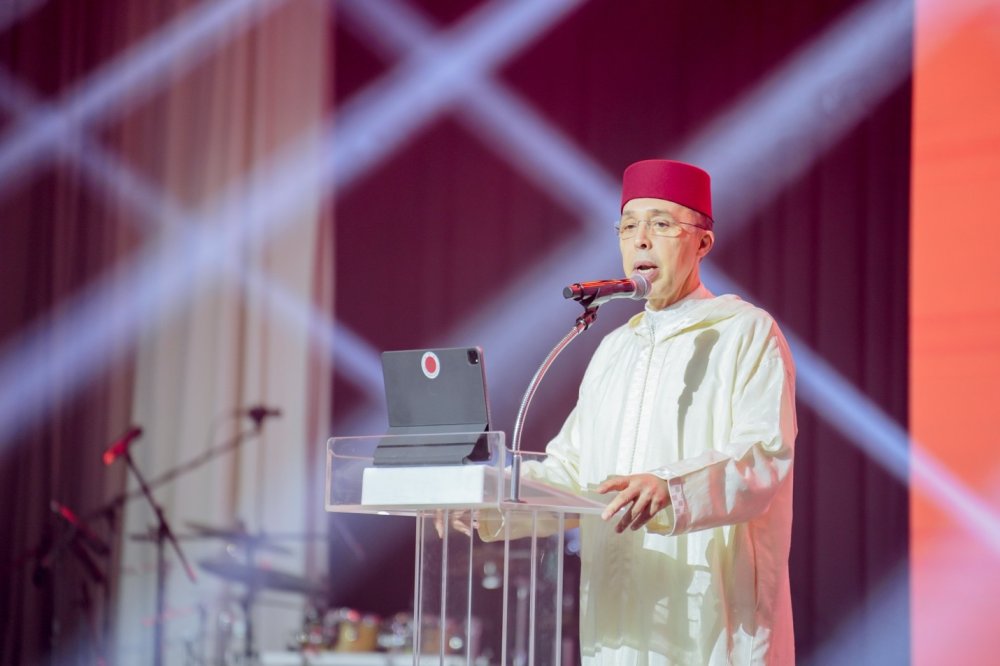
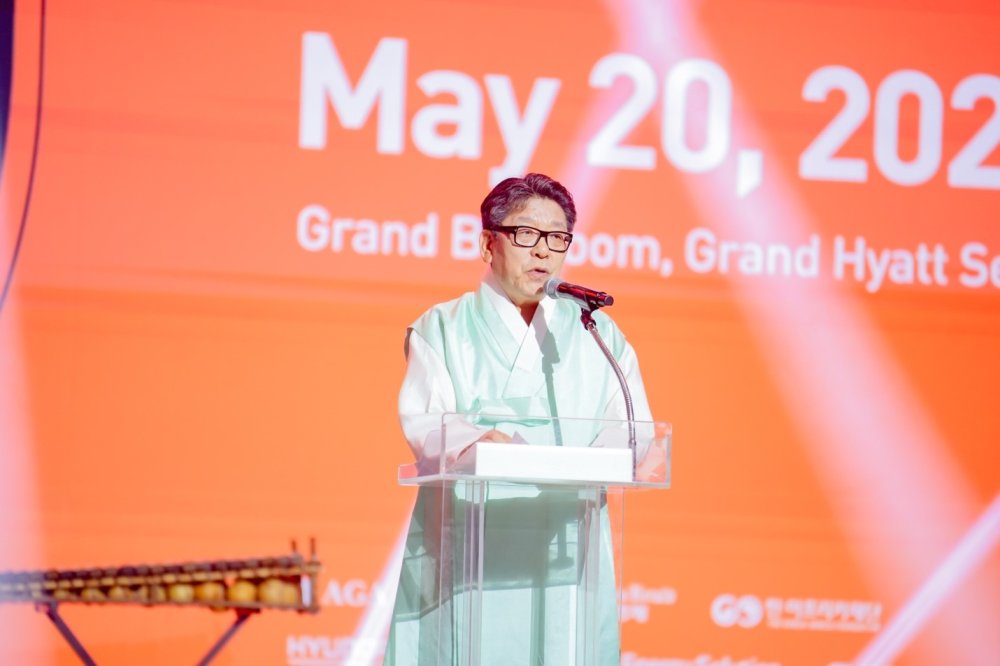
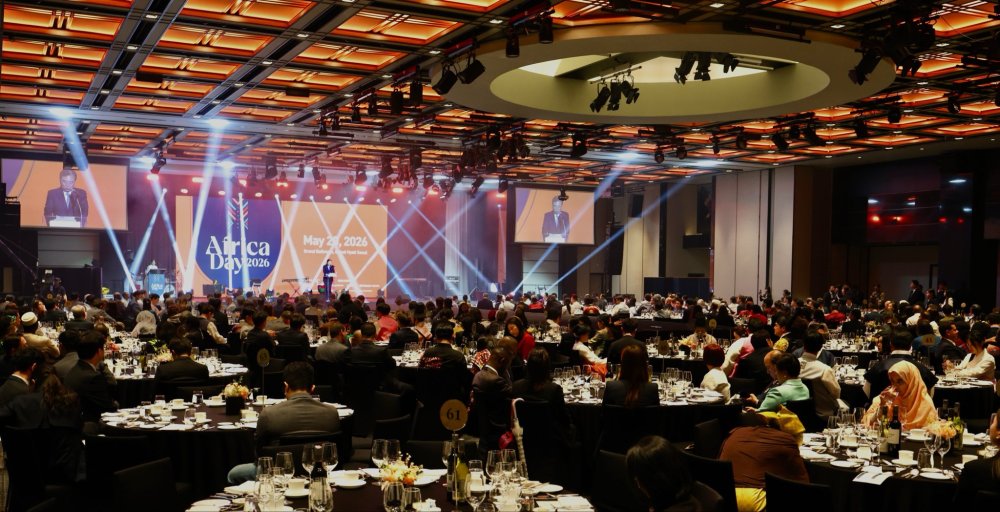
The Embassy led the preparation and coordination of the flagship diplomatic and cultural event.
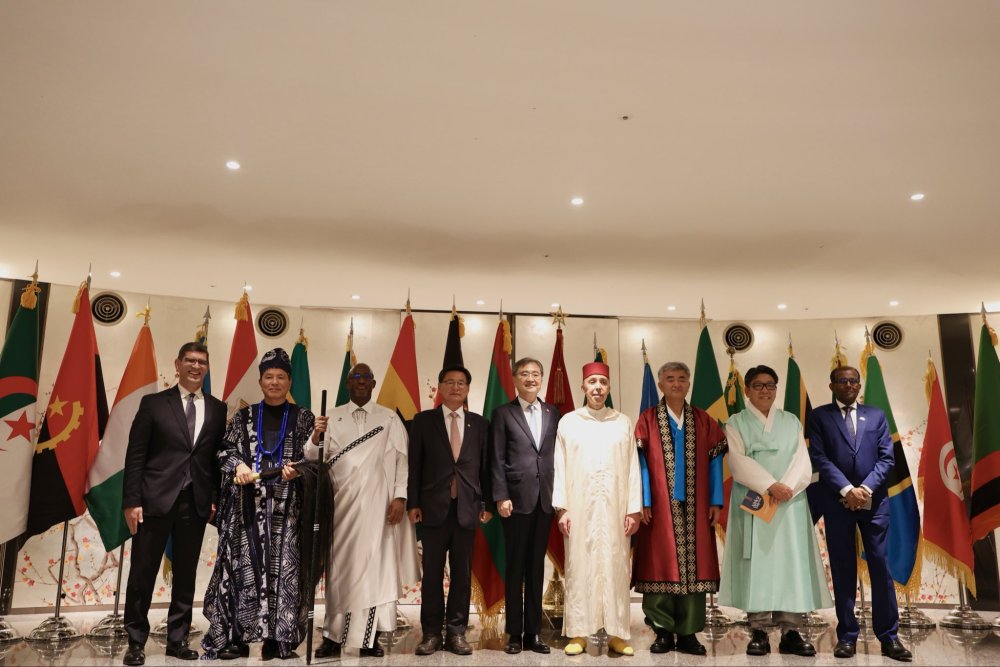
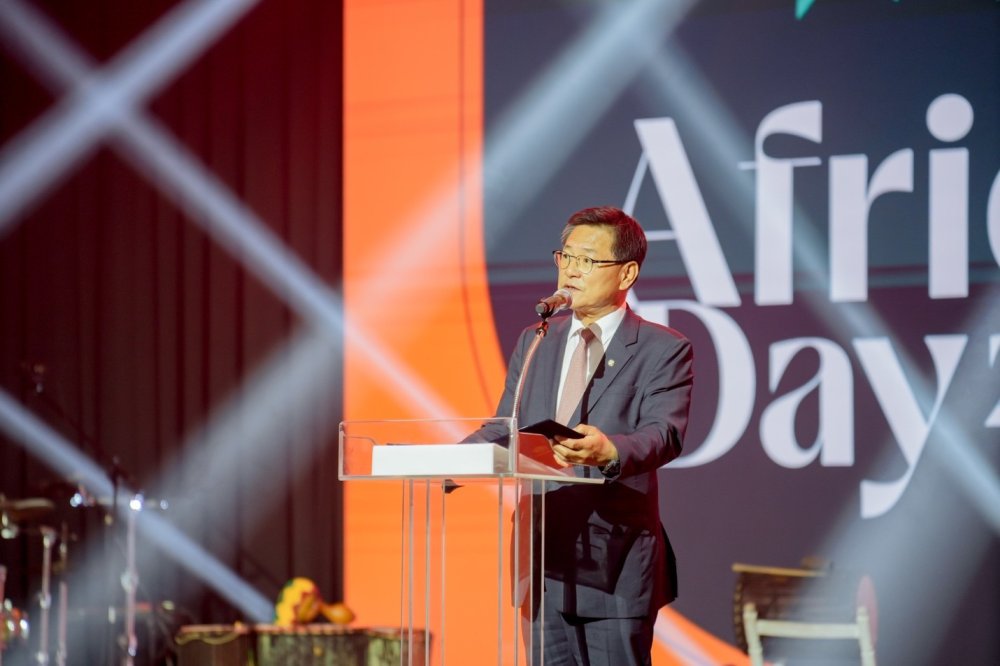
The celebration brought together more than 500 guests, including South Korea’s Minister of Foreign Affairs Cho Hyun, African ambassadors, senior government officials, members of the National Assembly, CEOs, business leaders, academics, media representatives, members of the diplomatic corps, and friends of Africa in Korea.
Rwanda’s leadership role in the organization of the event underscored its active diplomatic engagement within the African Group in Seoul, particularly in advancing cooperation between Africa and South Korea across political, economic, and cultural fields.
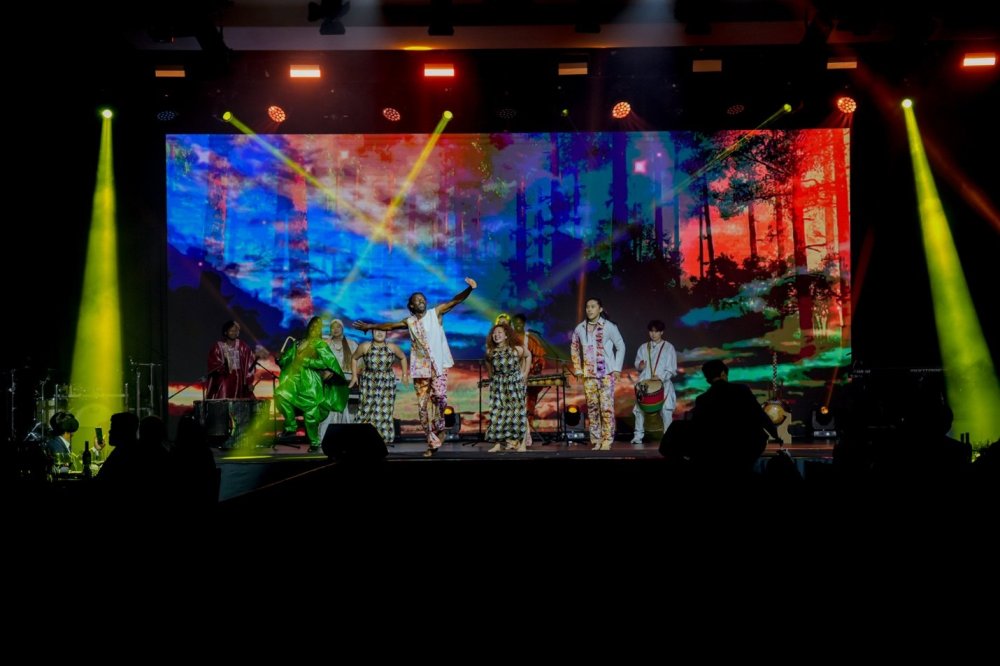
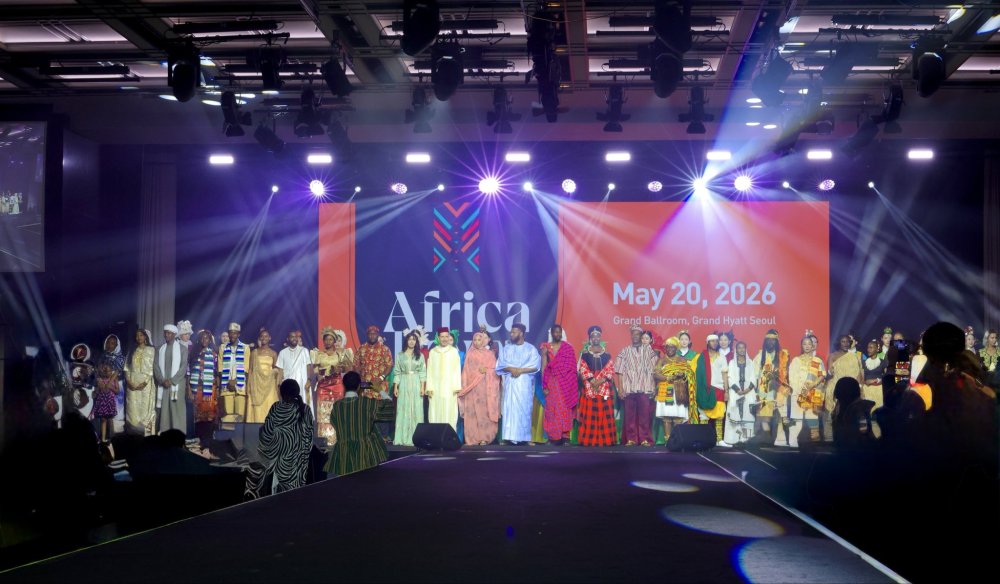
Beyond diplomacy, Africa Day 2026 placed strong emphasis on cultural exchange and innovation, showcasing the deepening ties between the two regions through fashion, music, art, and creative industries.
Organisers highlighted the emergence of “A-Culture” alongside the global influence of “K-Culture,” reflecting increasing cultural collaboration.
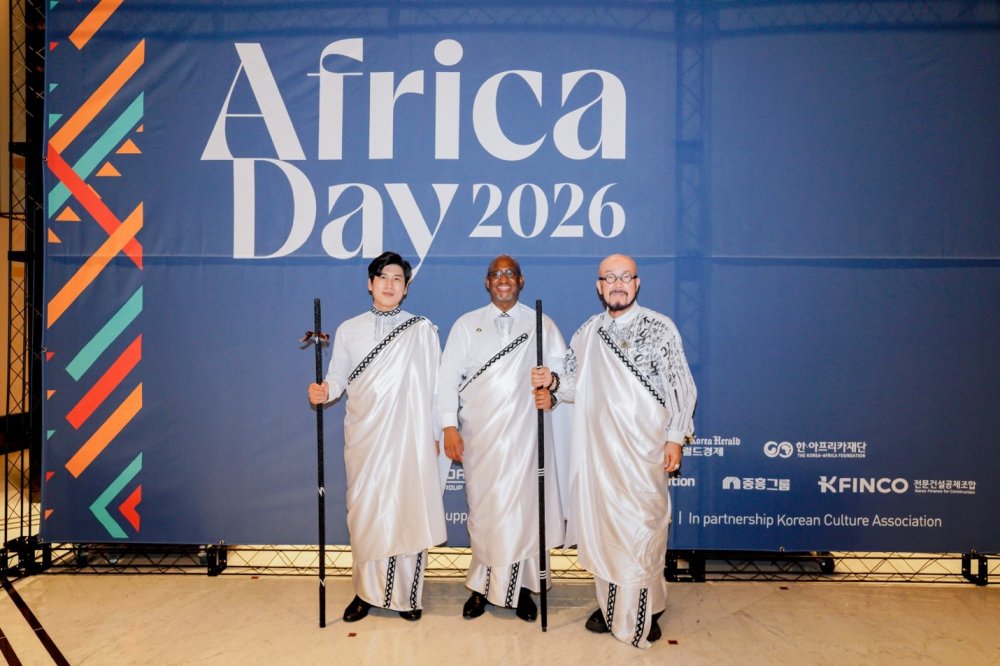
One of the key highlights of the event was a cultural fashion showcase featuring traditional Rwandan attire alongside Hanbok designs inspired by the colours of the Rwandan flag. The display symbolised growing friendship and cultural connection between Rwanda and South Korea.
The event also reflected broader efforts to strengthen Africa–Korea relations through shared priorities such as innovation, sustainable development, and people-to-people exchange.
Mr. Lie Sangbong, renowned Korean fashion designer and Mr. Samuel Chung Chairman of KCA, pictured wearing Mushanana after previously attending the Kwita Izina naming ceremony in Rwanda. Cho Hyun, Minister of Foreign Affairs of the Republic of Korea, delivering remarks during the Africa Day 2026 Korea celebration in Seoul.Mr. Jung Won-ju, Chairman of Daewoo E&C and Korea Herald, was honored with the Africa Contribution Award in recognition of his contributions to strengthening Africa–Korea cooperation and partnership.Lee Hun-seung, Chair of the National Assembly Forum for Africa of the Republic of Korea, delivering remarks during the Africa Day 2026 Korea celebration in Seoul.The evening featured live cultural performances highlighting African rhythm, dance, and artistic tradition as part of the Africa Day 2026 Korea celebration. Dr. Chafik Rachadi, Ambassador of the Kingdom of Morocco to the Republic of Korea and Dean of the African Group of Ambassadors, delivering remarks during the Africa Day 2026 Korea celebration in Seoul.Mr. Choi Jin-Young, CEO of Herald Media Group, delivering Welcome remarks during the Africa Day 2026 Korea celebration in Seoul.
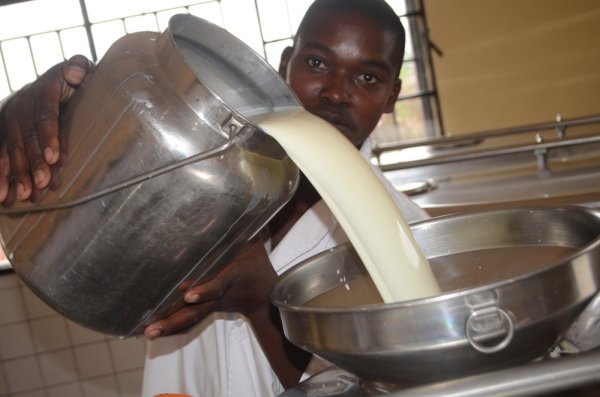
The ministry says national milk production has increased sharply over the past two decades, rising from about 332,000 litres per day in 2005 to approximately 2.9 million litres in 2025.
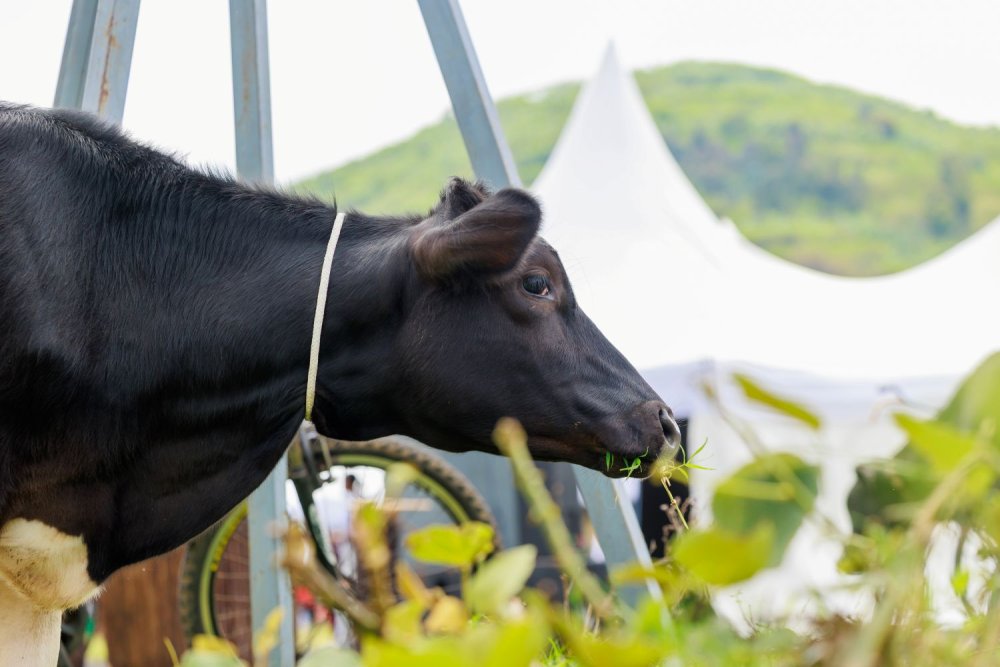
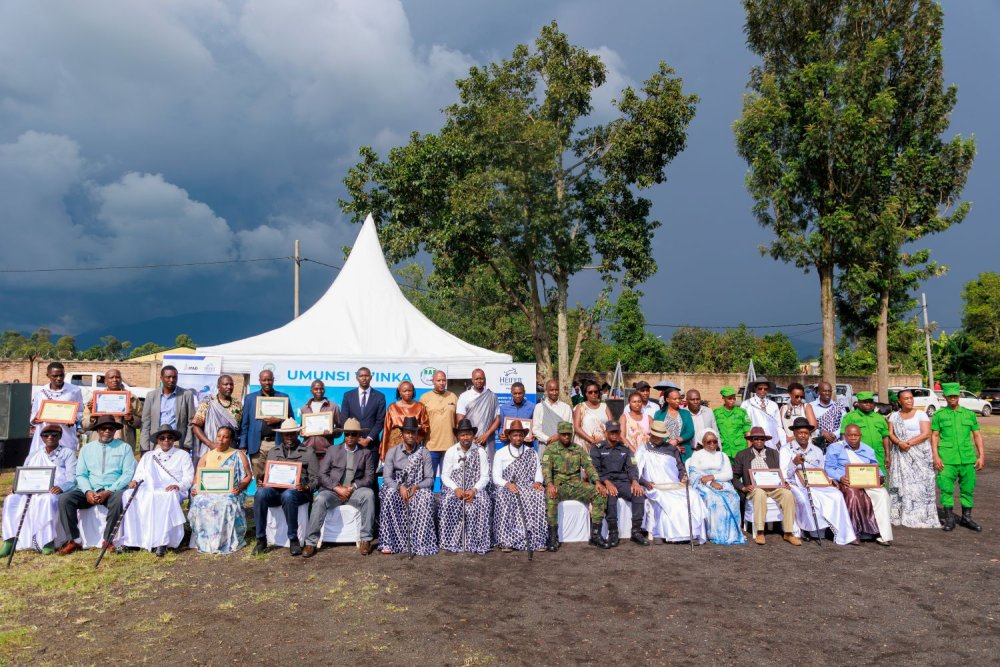
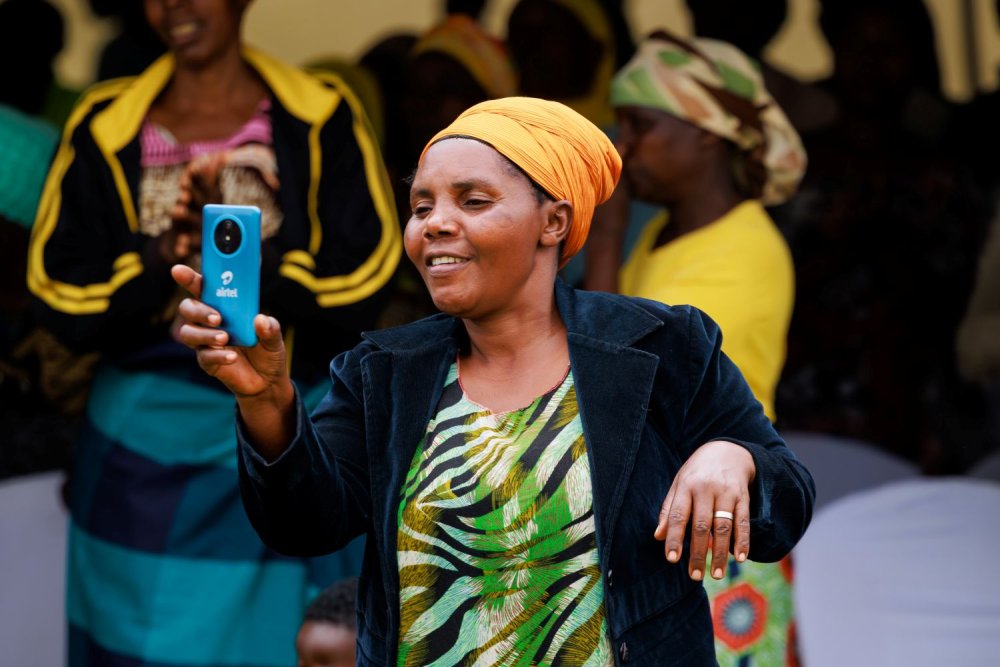
The figures were highlighted on May 21, 2026 during the second celebration of “Cow Day,” an event initiated by Rubavu District to showcase the importance of cattle in improving livelihoods and driving local development.
Jean Claude Ndorimana is the Director General, Animal Resources Development for MINAGRI, praised the initiative and said there is a need to elevate the celebration to the national level.
He noted that cattle play a wide-ranging role in society, contributing not only to nutrition through milk but also to economic development through income generation, improved crop production via manure, and even social cohesion through practices such as bride price and livestock sharing.
“The benefits of cattle are well known. They provide milk that improves health and helps prevent child stunting, generate income, and produce manure that improves agricultural productivity. They also strengthen family and social ties,” he said.
Ndorimana attributed the rise in milk production largely to improvements in livestock farming, particularly the Girinka programme, which has transformed dairy production across the country.
He also urged farmers to take up livestock insurance, noting that the government subsidises 40% of the cost, while farmers contribute the remaining 60%.
Rubavu District Mayor Prosper Mulindwa said cattle play a central role in the district’s economy and culture, describing them as symbols of nutrition, unity, and agricultural productivity.
“A cow is like a factory. It is not an exaggeration to say so. That is why it deserves a special day, and it should reach everyone, as envisioned by the President who launched the Girinka programme,” he said. He added that modern dairy cattle in the district can produce 35 litres of milk or more per day.
Mulindwa also said Cow Day celebrations in Rubavu will be aligned with the number of cows ready to be passed on under the Girinka programme, to strengthen the system of cattle redistribution.
The Ministry of Agriculture and Animal Resources further said Cow Day should be aligned with national development programmes, including the Rwanda Dairy Development Project Phase II (RDDP2), which aims to boost milk production in collaboration with the International Fund for Agricultural Development (IFAD) and is implemented by the Rwanda Agriculture and Animal Resources Development Board (RAB).
According to a 2025 MINAGRI report, Rwanda had an estimated 1,727,913 cattle nationwide.
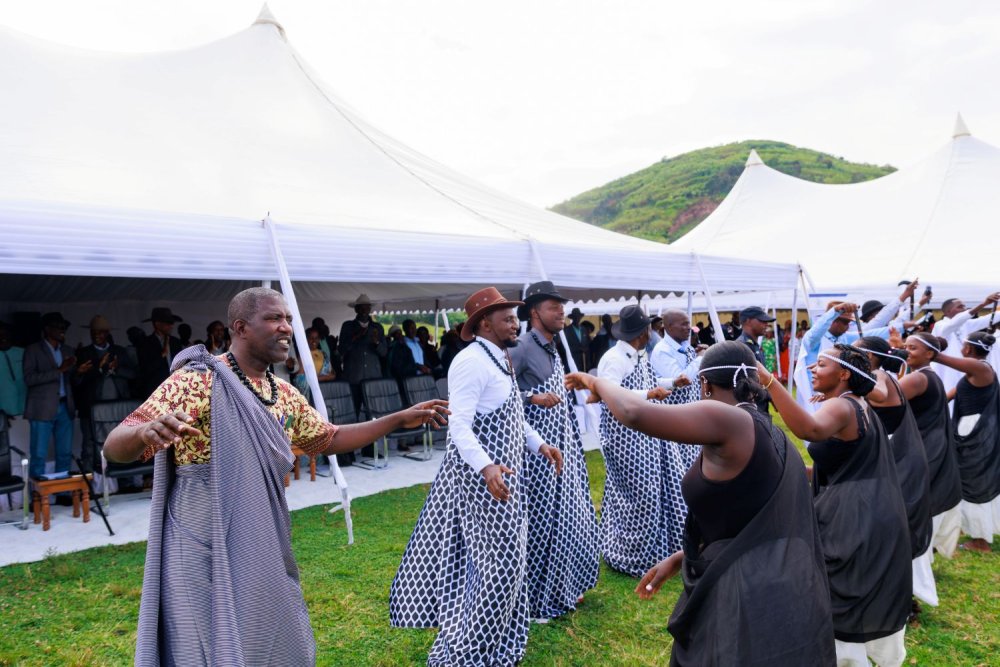
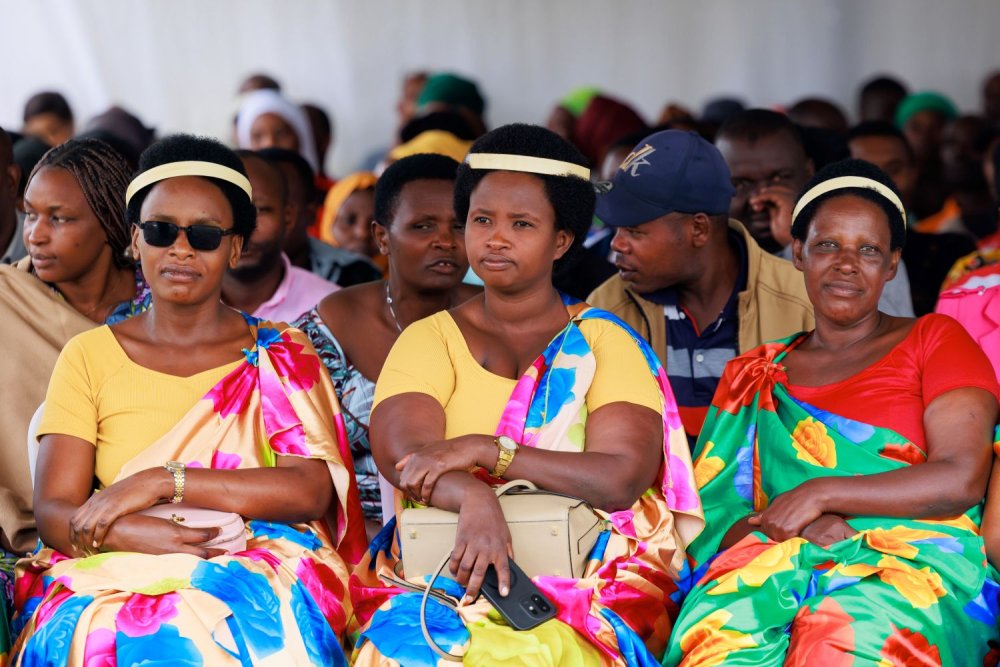
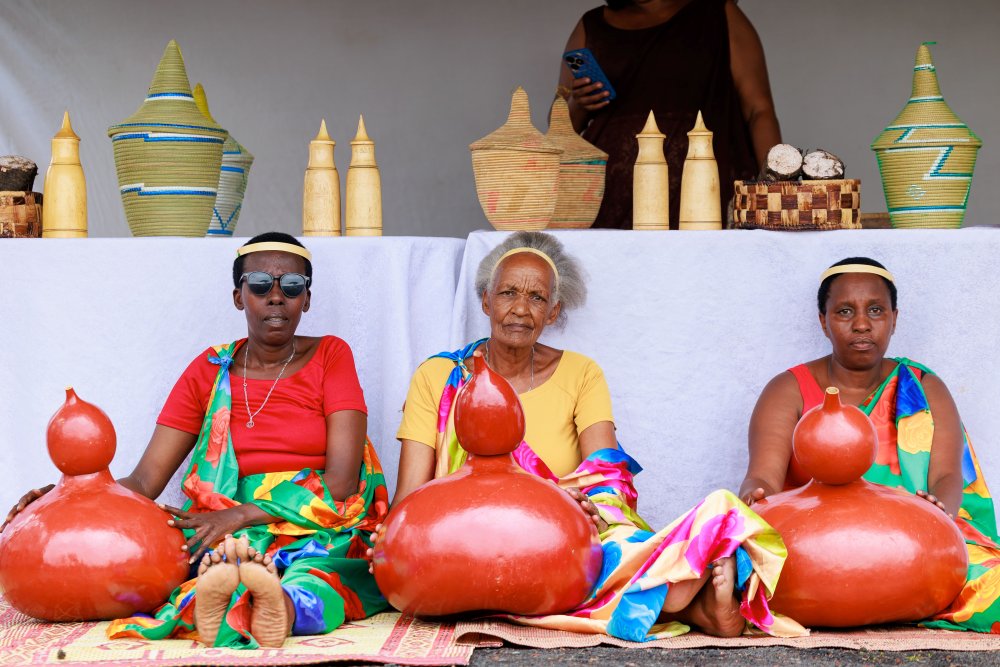
34 households in Rubavu District received cows under the Girinka programme.In Rubavu, a cow can cost up to Rwf3 million. Farmers with cows producing 35 litres of milk per day received equipment to support livestock farmingJean Claude Ndorimana is the Director General, Animal Resources Development for MINAGRI giving milk to children. Cattle continue to contribute to the development of RwandansMayor Mulindwa awarded a farmer who cultivated quality fodder, which increases milk production on a three-hectare farm.The event also featured livestock farming equipment related exhibition. Mayor Mulindwa said that livestock farming in Rubavu District continues to develop day by dayVarious leaders attended Cow Day celebrations in RubavuThe ‘Cow Day’ has been celebrated in Rubavu for second time.