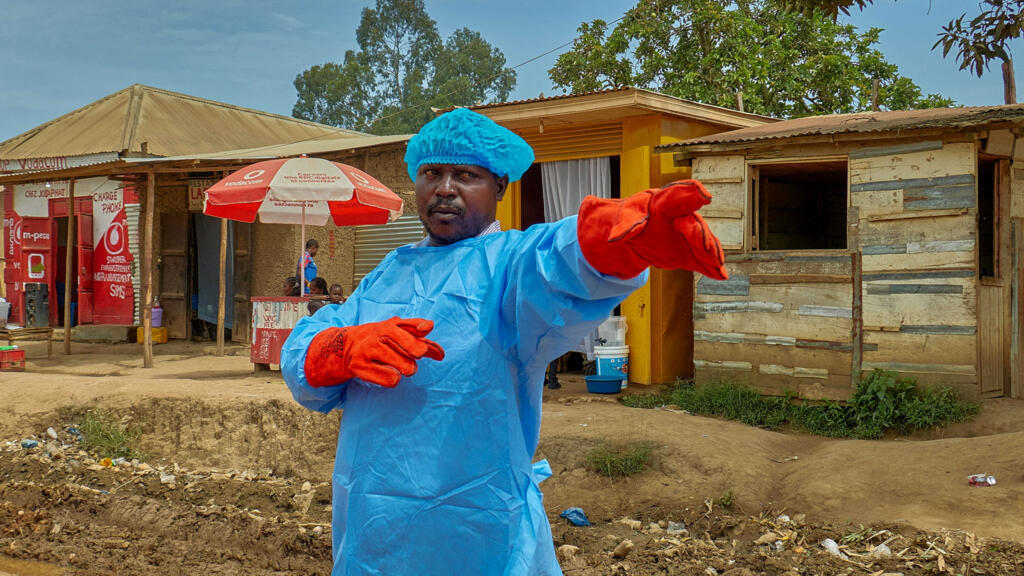
In Ituri province, the epicentre of the outbreak, nearly 5 million people live amid ongoing conflict, with one in four in need of humanitarian assistance and one in five internally displaced, Tedros said in a post on X.
“The violence is forcing people to flee, including health and humanitarian workers. This is severely impeding efforts to scale up Ebola contact tracing and identify infections early enough to provide supportive care,” he added, noting that ongoing insecurity and fear are also fueling mistrust within communities.
The WHO chief said that WHO and humanitarian health partners maintain a presence across Ituri, including in some of the hardest-to-reach and most insecure areas, where communities are facing not only the threat of Ebola but also a wide range of diseases.
Tedros emphasized that delivering a comprehensive package of healthcare services is essential — not only to meet urgent health needs, but also to build the trust that is critical for an effective Ebola response.
On May 16, Tedros determined that the Ebola disease caused by the Bundibugyo virus in the DRC and Uganda constitutes a public health emergency of international concern. On May 22, the WHO revised its risk assessment to “very high” at the national level, while keeping it as “high” at the regional level and “low” globally.
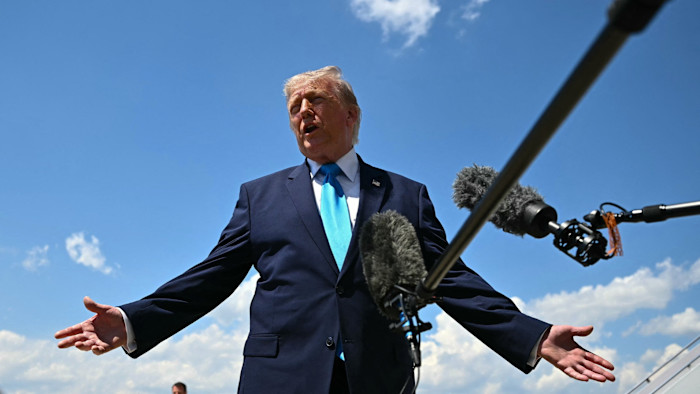
“The Blockade will remain in full force and effect until an agreement is reached, certified, and signed,” he said in a post on Truth Social. He added: “Both sides must take their time and get it right.”
The president reiterated that Iran will not be allowed to develop or procure a nuclear weapon.
He also said the “negotiations are proceeding in an orderly and constructive manner.”
An Israeli government source said on Sunday that Trump has told Israeli Prime Minister Benjamin Netanyahu that he would not sign a final deal with Iran unless Tehran dismantled its nuclear program and removed all enriched uranium from its territory.
Iranian Foreign Ministry spokesman Esmaeil Baghaei said Saturday that Iran and the United States are working to finalize a memorandum of understanding on ending the war.
Trump has reiterated that Iran will not be allowed to develop or procure a nuclear weapon.
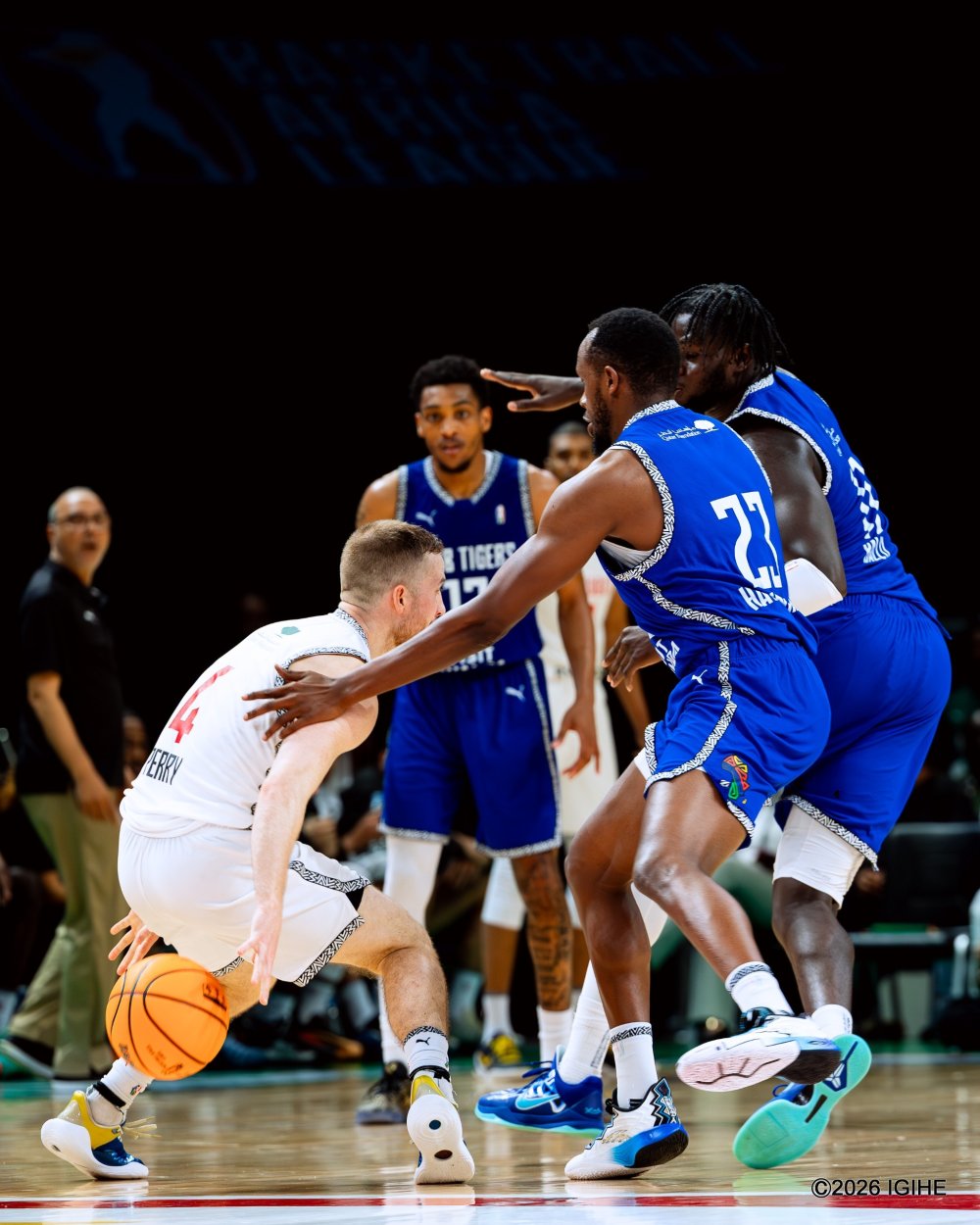
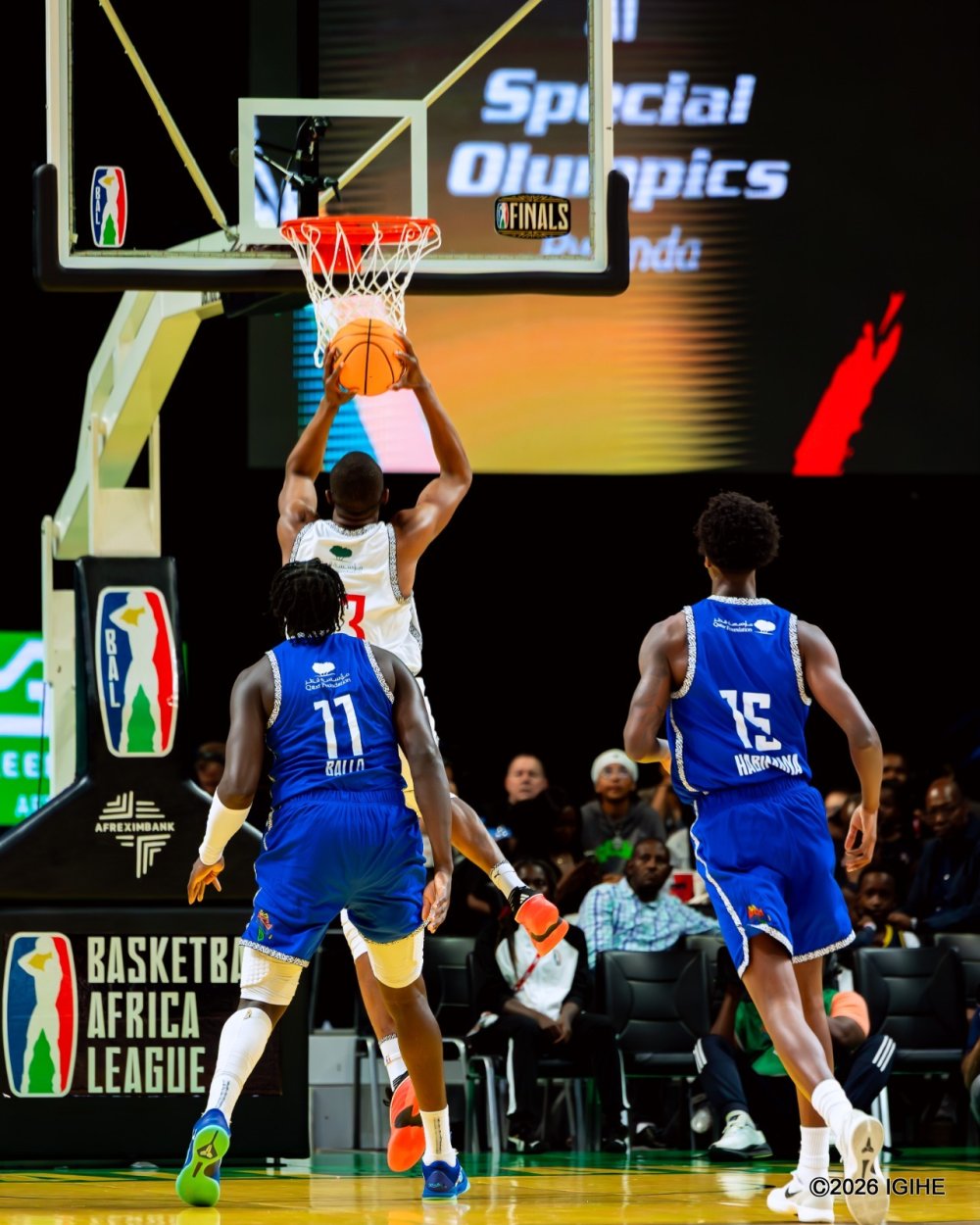
Backed by a vibrant home crowd at the BK Arena, the Tigers, who are participating in the BAL for the first time, leaned on their stellar 95-72 victory from the first leg to protect their aggregate advantage and keep their continental championship dreams very much alive.
Rabat mounts an early charge
Entering Sunday’s highly anticipated return fixture with a 23-point cushion, the Tigers knew the Moroccan powerhouse would throw everything at them. FUS Rabat received a major boost with the return of star playmaker William Perry, who sat out the first leg. Perry catalysed an aggressive start for the visitors, hitting crucial perimeter shots on his way to 29 points and 11 assists, helping Rabat command a 32-14 lead by the end of the opening quarter.
Showing the heart of champions, the Tigers adjusted quickly in the second period. Spearheaded by the offensive brilliance of Craig Randall, the hosts responded with a 30-19 run to steady the ship and trim Rabat’s halftime lead to a manageable 51-44.
Weathering the storm
The third quarter tested the Tigers’ resolve. FUS Rabat unleashed an explosive run, finding spaces in the paint and building an imposing 79-58 lead at one stage. With their aggregate advantage temporarily narrowed, the local crowd rallied behind the team, and the Tigers never panicked, maintaining focus heading into the final frame.
Randall’s heroics spark fourth-quarter rally
What followed in the fourth quarter was a display of pure elite execution. The Tigers clamped down defensively, slowing the tempo and reclaiming control of the glass. Antino Jackson Jr. organised the offence beautifully, while big man Mangok Mathiang fortified the paint with crucial rebounds, allowing Rwanda to completely turn the tide.
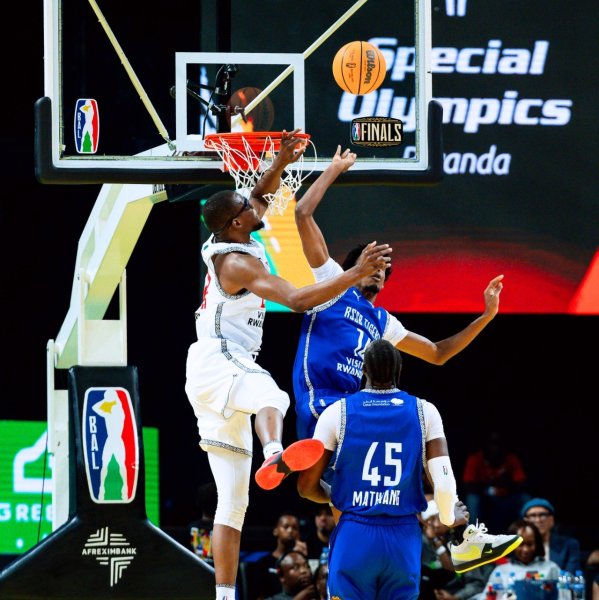
The final quarter belonged to Craig Randall, who put on a spectacular masterclass to finish with a staggering 43 points. Randall capped off his legendary night by sinking his ninth three-pointer of the game from the corner, briefly giving the Tigers a 98-97 lead in the dying moments.
While FUS Rabat’s Mouhamadou Diagne knocked down two late free throws to hand the Moroccans the 99-98 match victory, the Tigers won the ultimate battle. By outscoring Rabat 28-15 in the final frame, the Rwandan giants triumphantly defended their aggregate lead to seal a historic semi-final berth.
Earlier in the evening at the BK Arena, defending giants Al Ahly of Egypt produced a disciplined performance to defeat Senegal’s ASC Ville de Dakar 87-76, successfully overturning a narrow first-leg deficit.
The stage is now set for an epic continental showdown. The RSSB Tigers will rely on their electric home support when they face Al Ahly in the semi-finals on Wednesday, May 27, 2026, with a spot in the BAL Finals on the line.
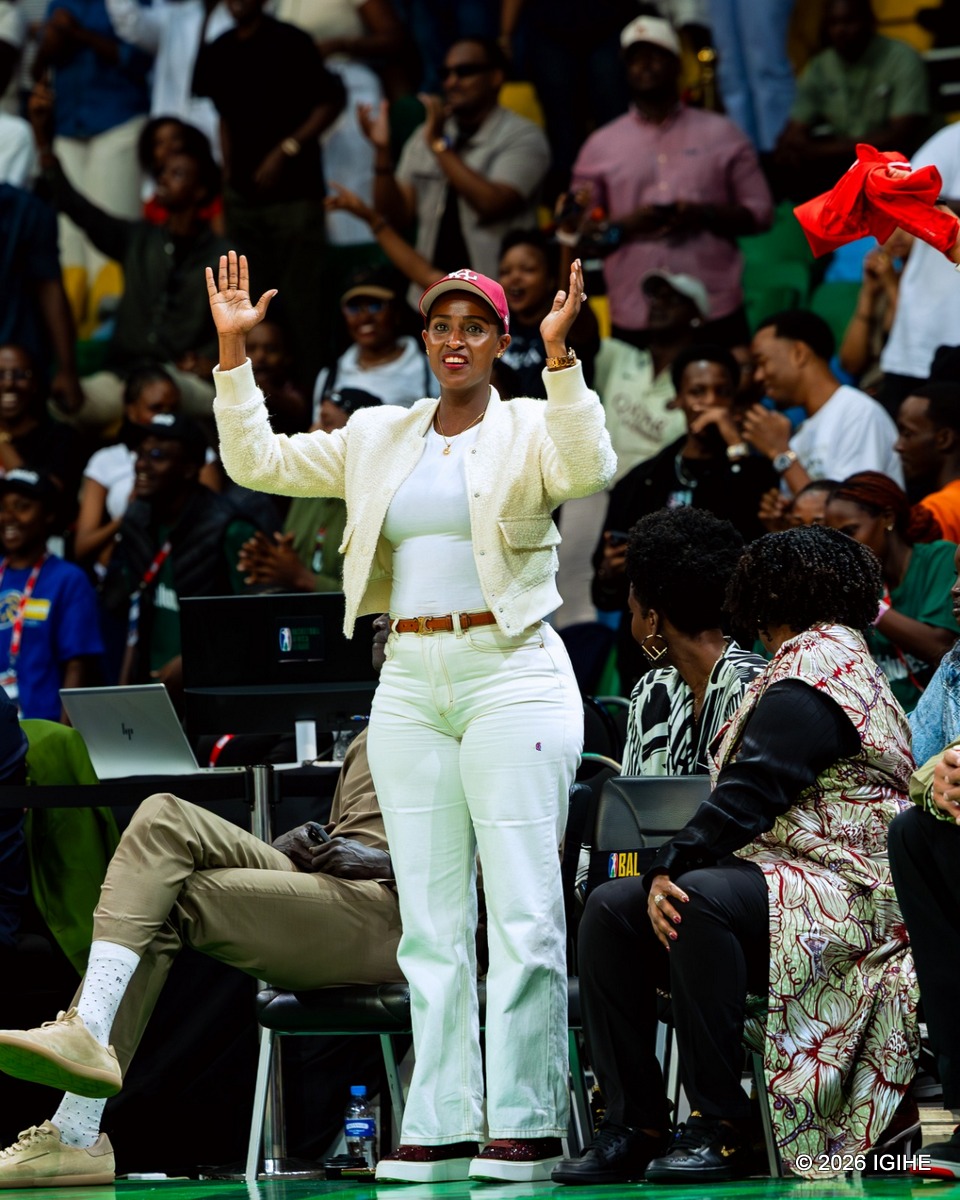
Spearheaded by the offensive brilliance of Craig Randall, the hosts responded with a 30-19 run to steady the ship and trim Rabat’s halftime lead to a manageable 51-44.Backed by a vibrant home crowd at the BK Arena, the Tigers, who are participating in the BAL for the first time, leaned on their stellar 95-72 victory from the first leg to protect their aggregate advantage and keep their continental championship dreams very much alive.Minister of Sports Nelly Mukazayire was present to cheer on the Rwandan team.
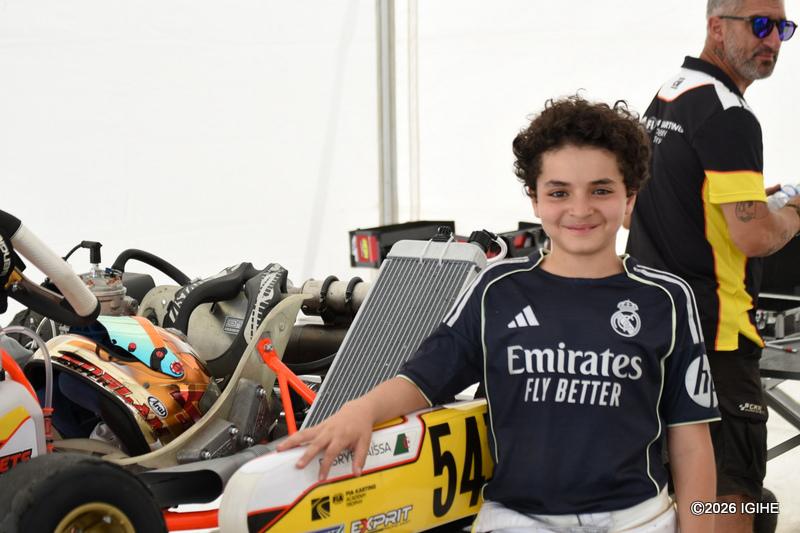
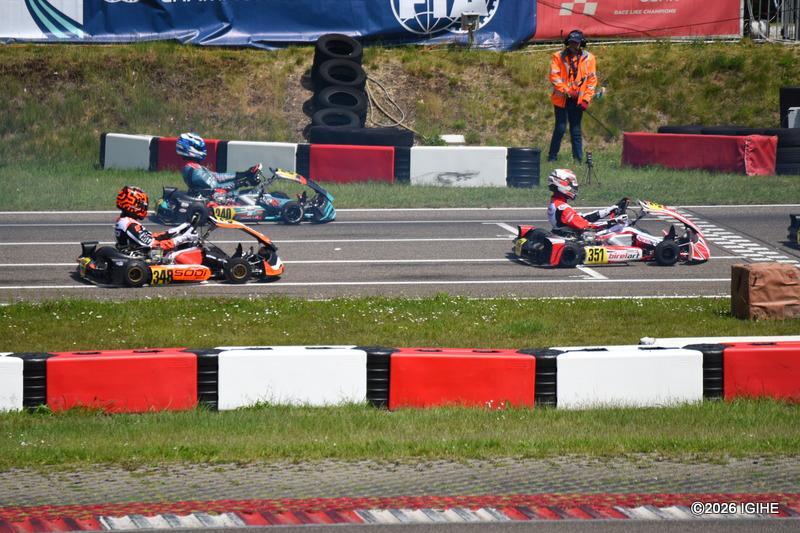
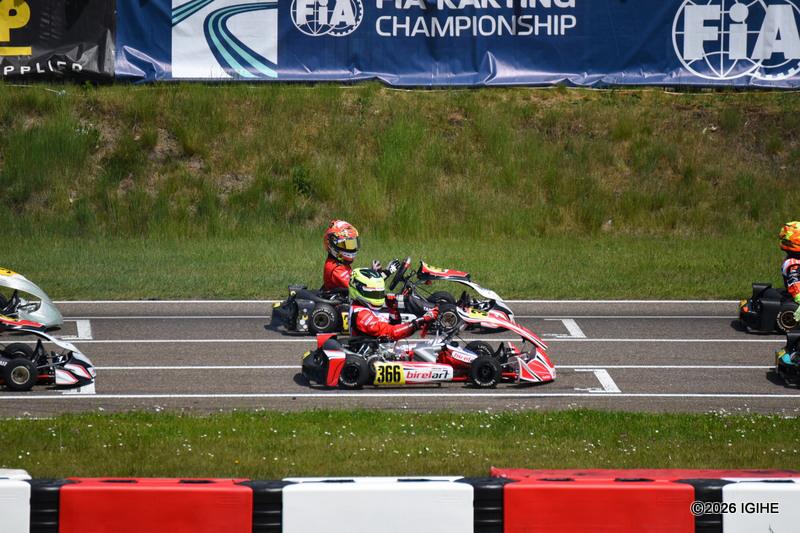
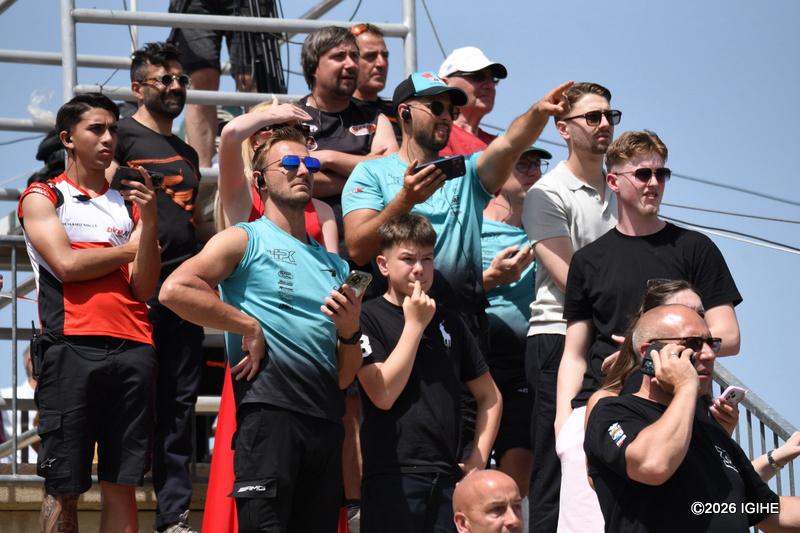
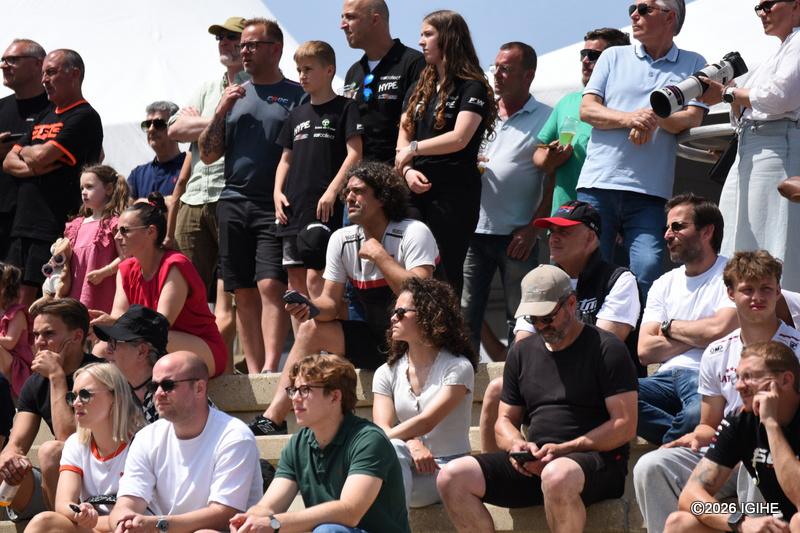
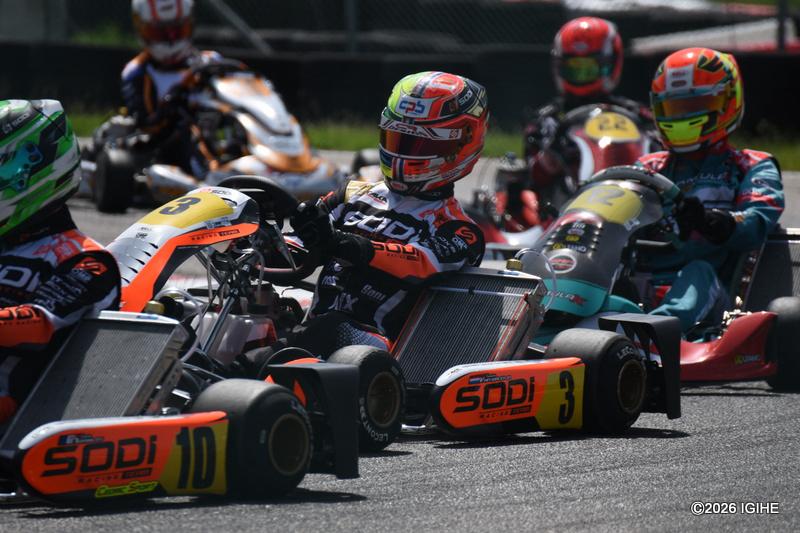
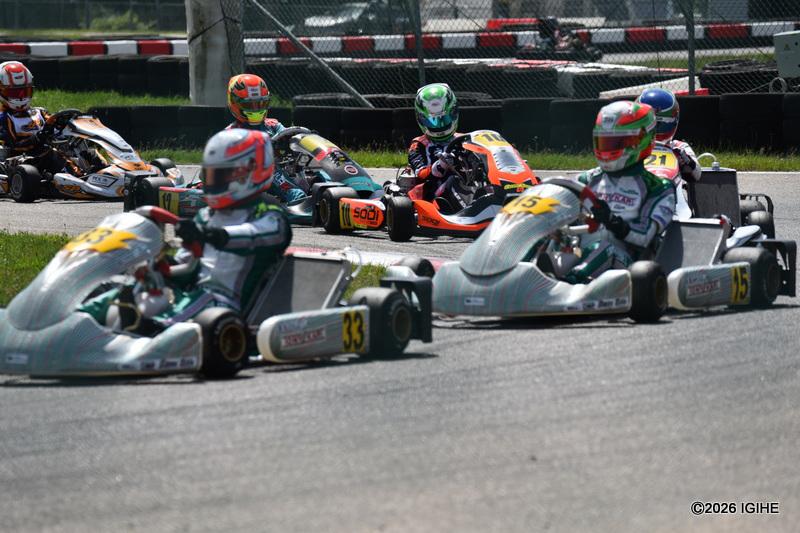
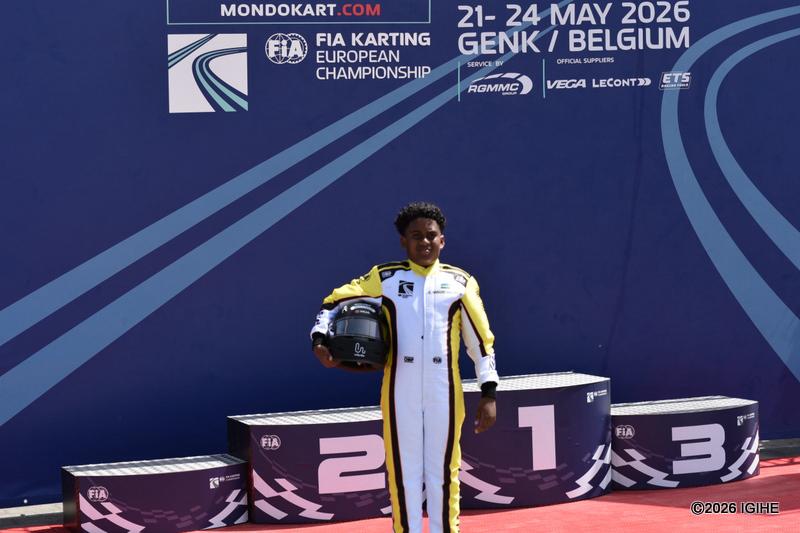
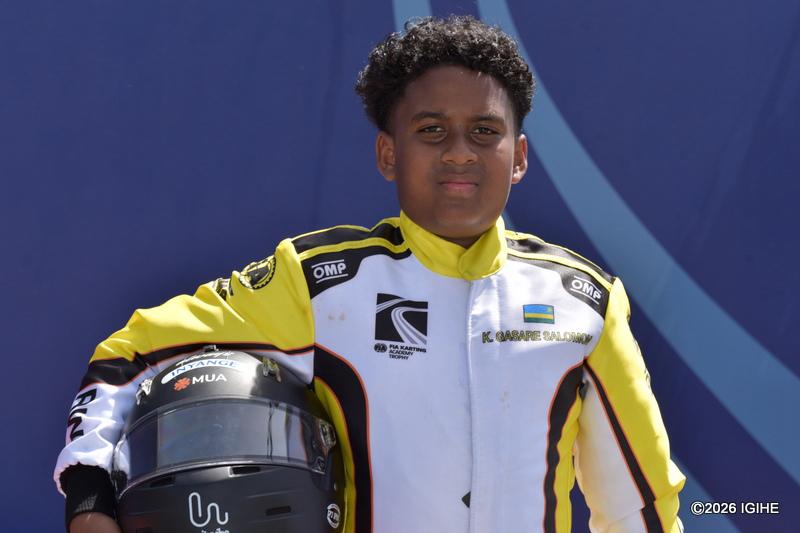
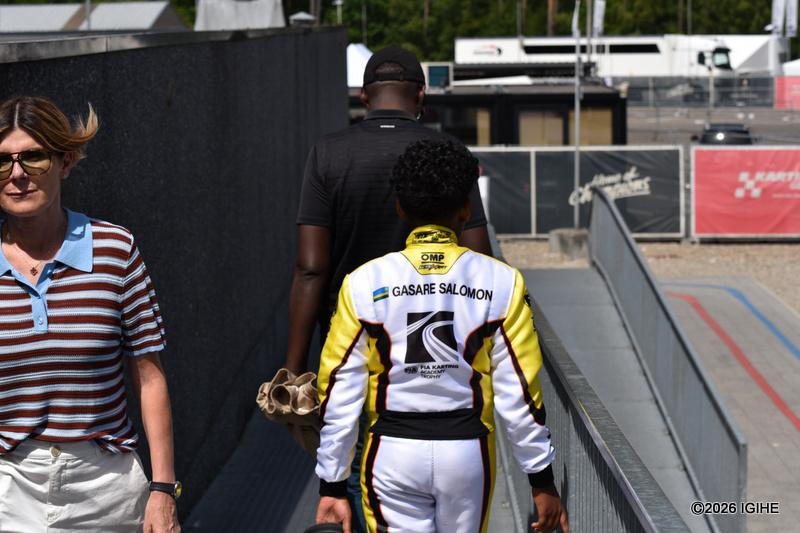
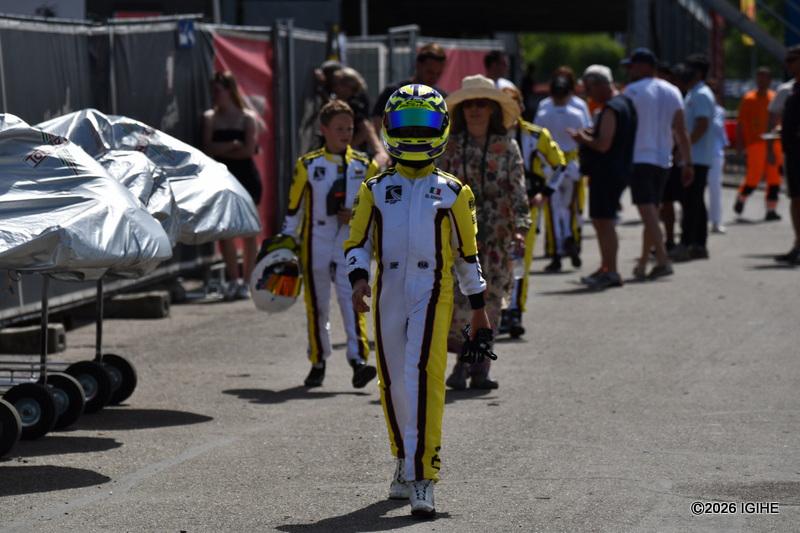
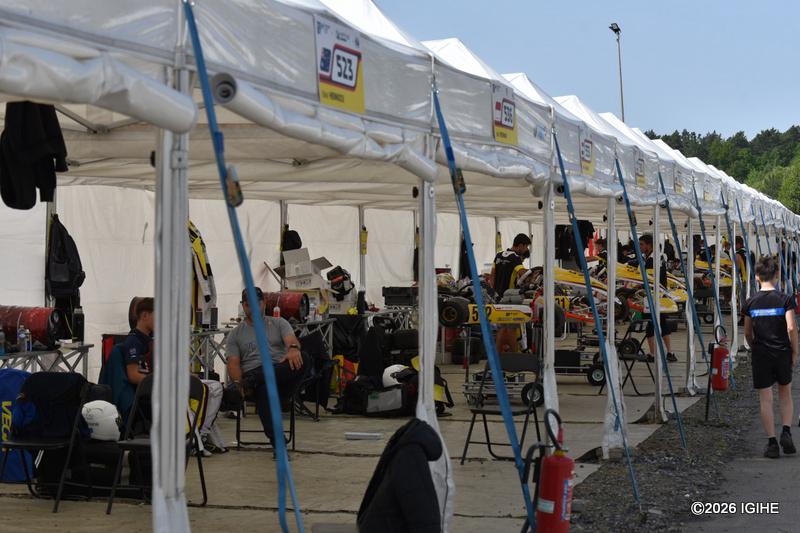
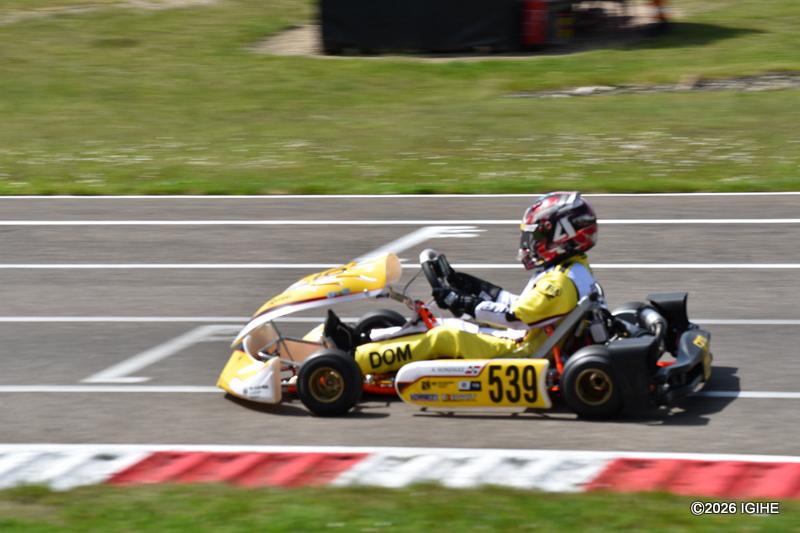
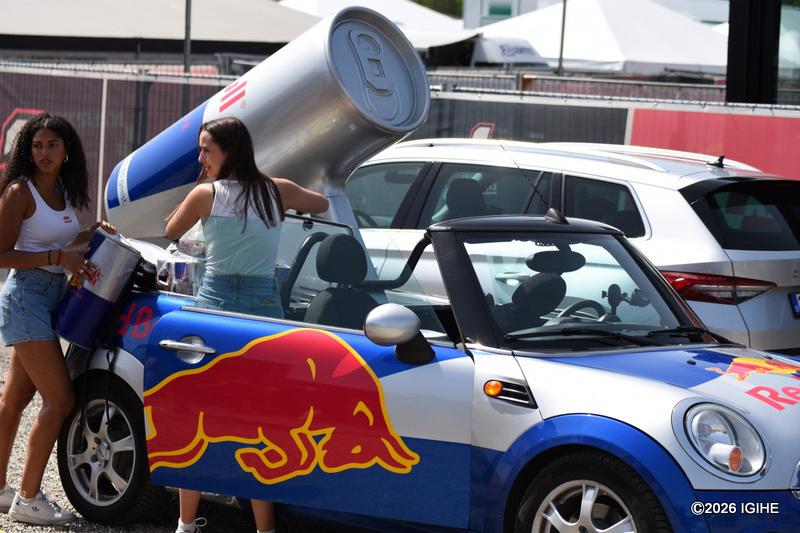
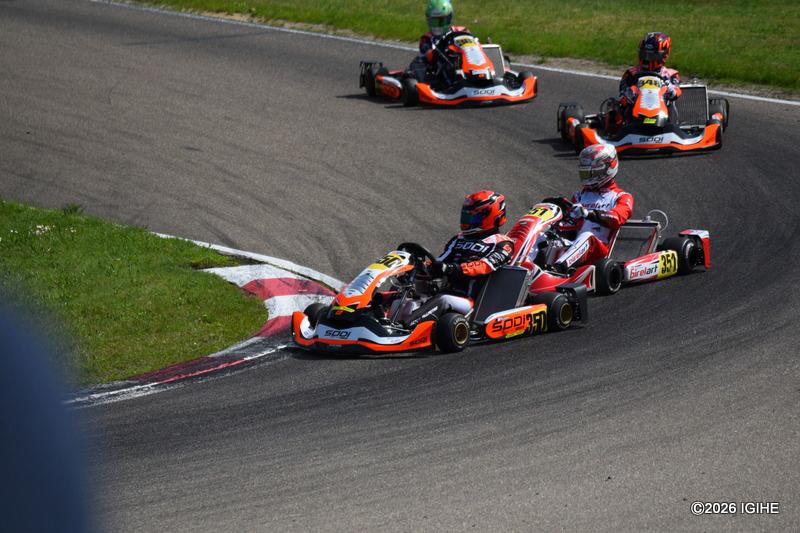
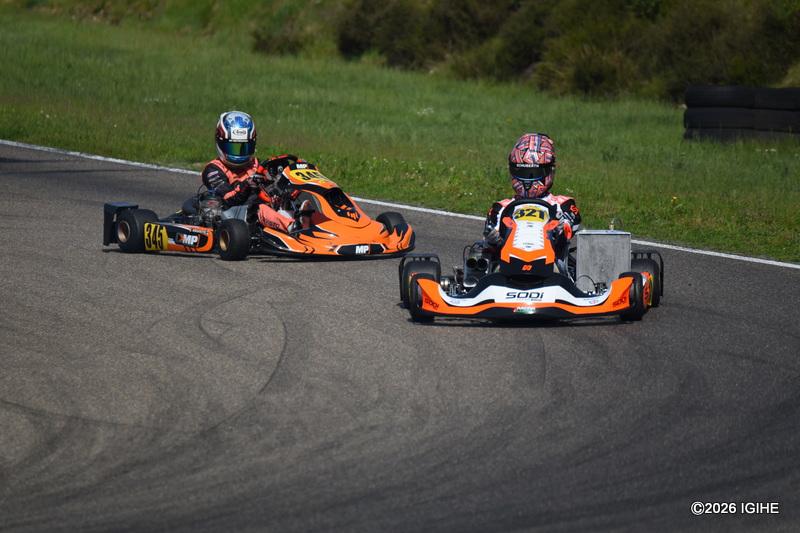
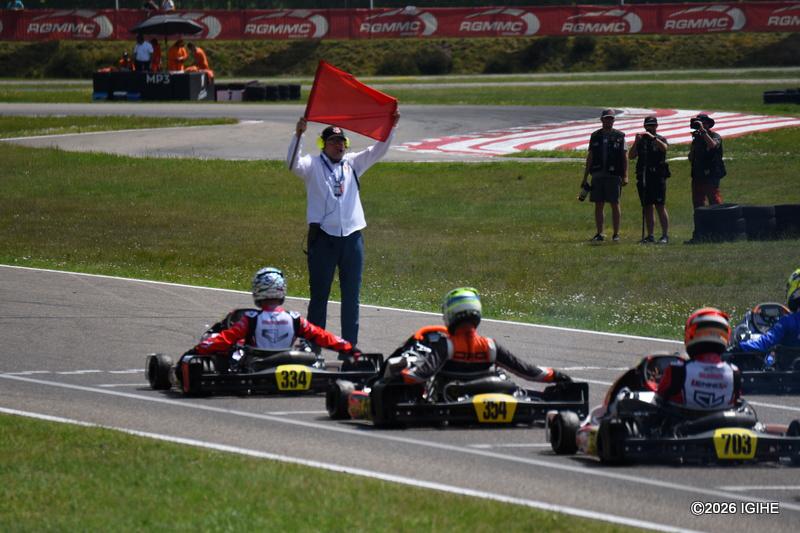
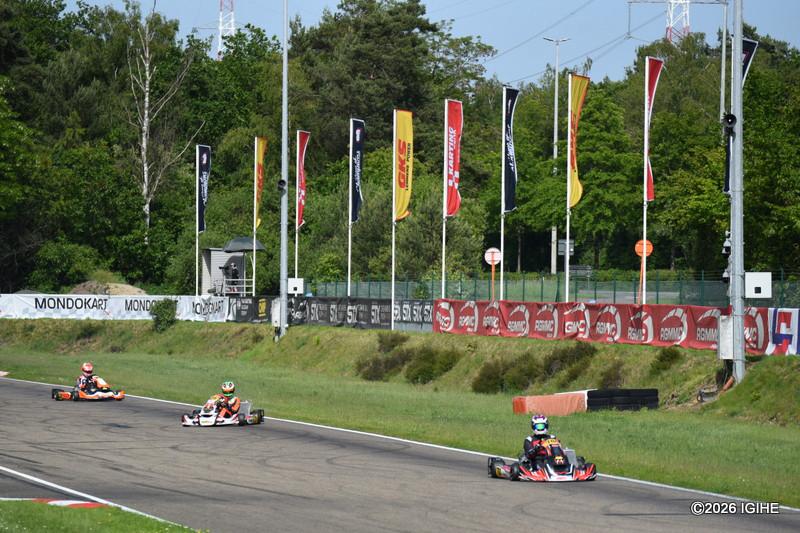
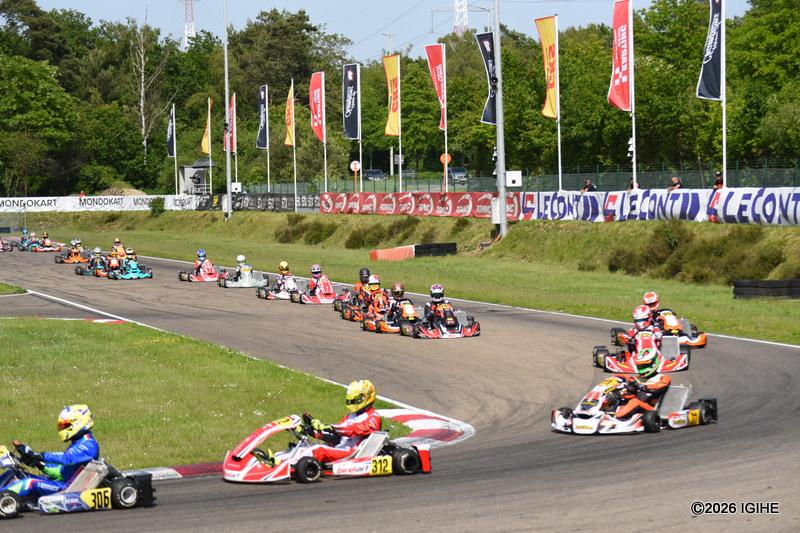
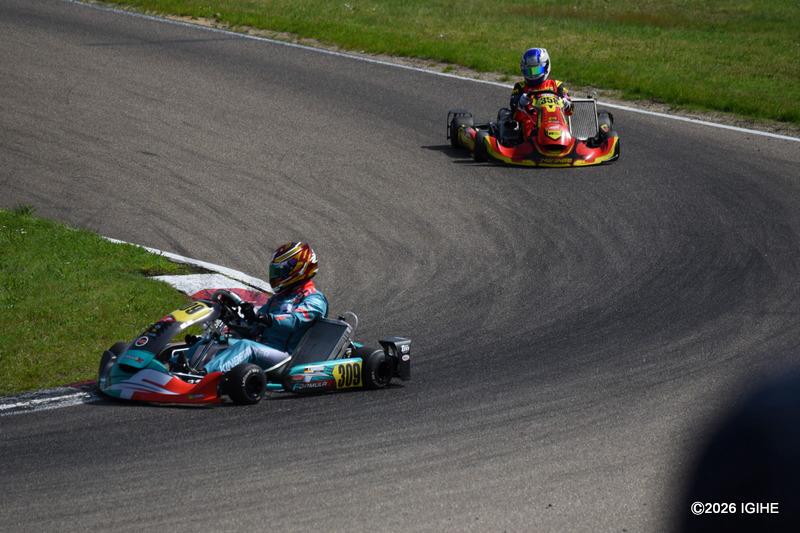
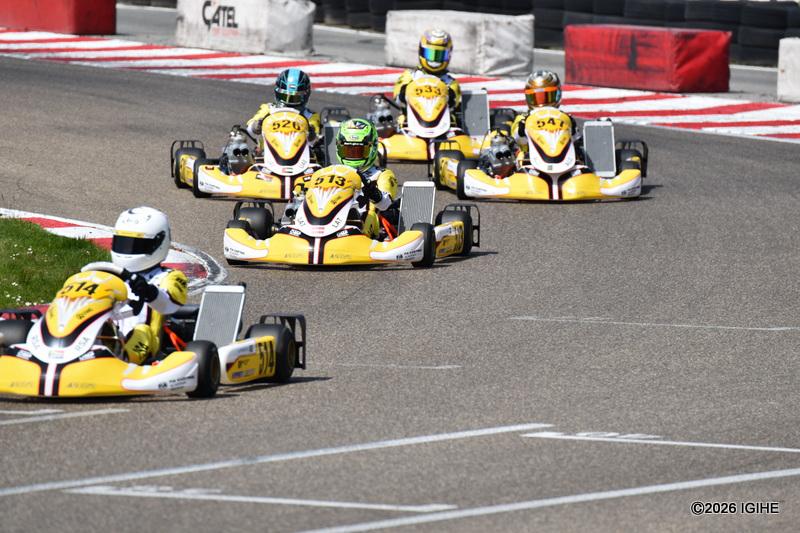
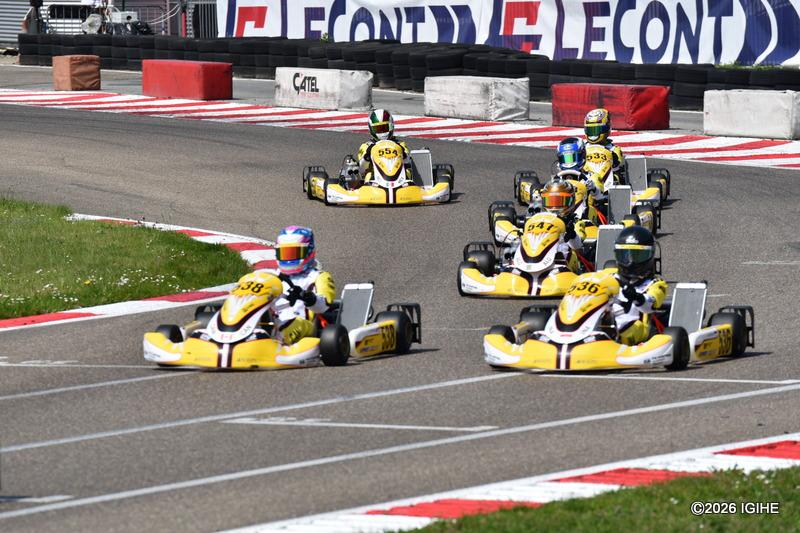
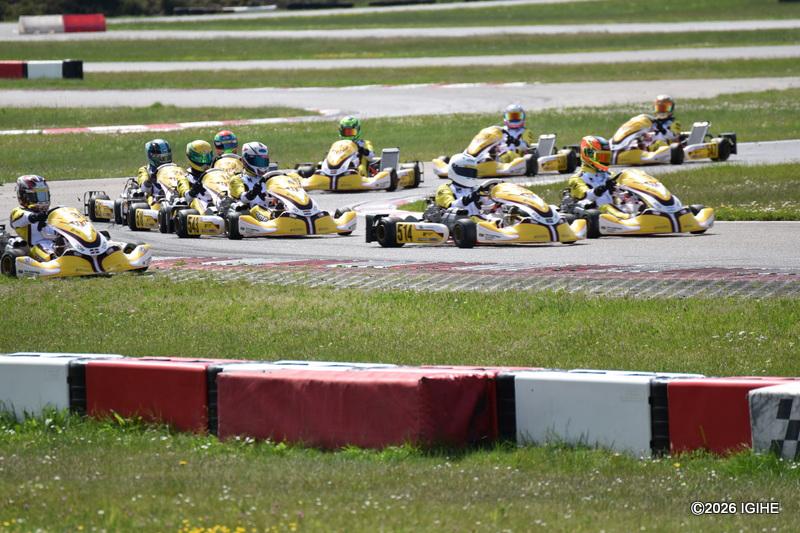
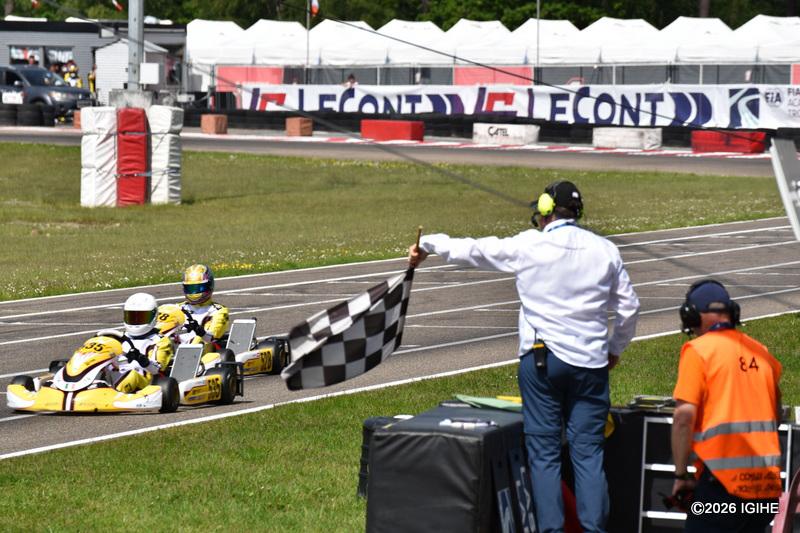
The competition, one of the major karting events organized by the FIA as part of its 2026 calendar, was held in Genk, Belgium, from May 21 to 24, 2026.
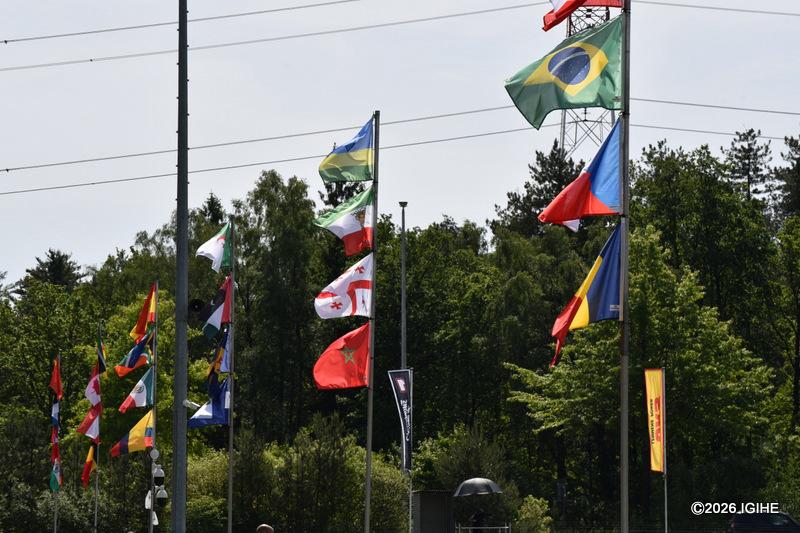
The championship brings together some of the world’s most promising young karting talents, particularly drivers training through professional development academies. Rwanda was among only three African nations represented at the event, which featured competitors from 51 countries.
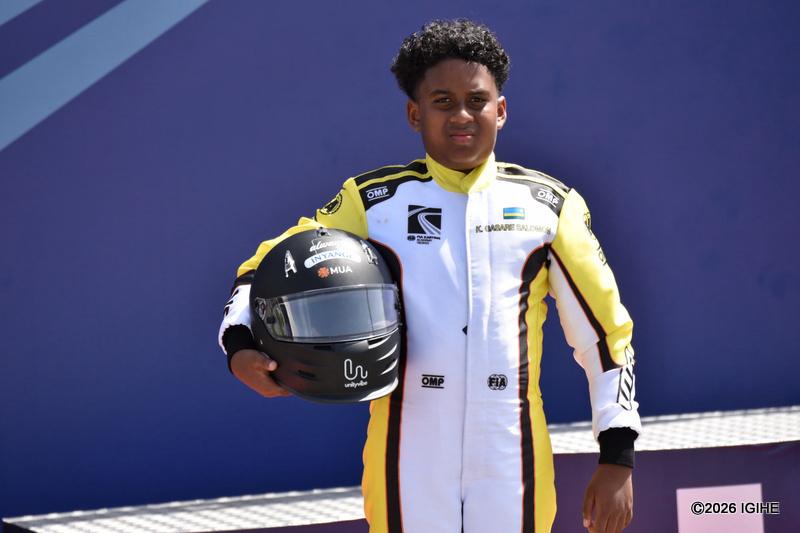
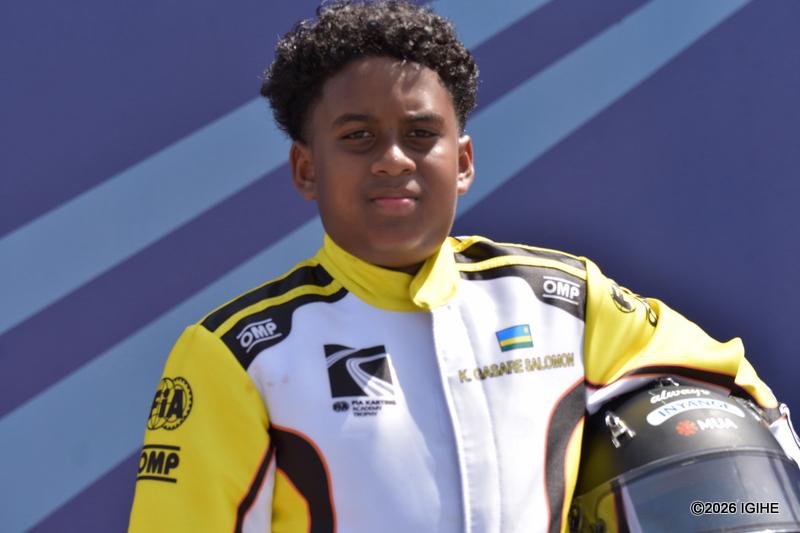
Kabera secured qualification after emerging as one of the top young karting drivers in Rwanda through competitions organized by the Rwanda Automobile Club (RAC).
The 2026 edition marked both Kabera’s debut in the championship and Rwanda’s first-ever participation in the competition.
Still adapting to the international stage, the young driver competed in the opening phase of the championship held on May 21 and 22.
Speaking to IGIHE, Kabera encouraged more young people to pursue karting despite its challenges.
“If you want to join kart racing, never lose hope. Sometimes it is difficult, and it takes persistence to reach the top,” he said. “I want to become a strong and disciplined driver, both physically and mentally, with clear goals.”
Kabera added that the experience in Belgium highlighted the importance of continuous training and dedication.
“I learned that I need much more practice and exposure because success is not only about talent. It also depends on the effort you put in and how hard you work to achieve your goals,” he said.
Kabera’s participation in the championship was sponsored by MUA and Inyange.
His coach, Gakwaya Eric, said the competition provided valuable lessons that will help shape the driver’s future development.
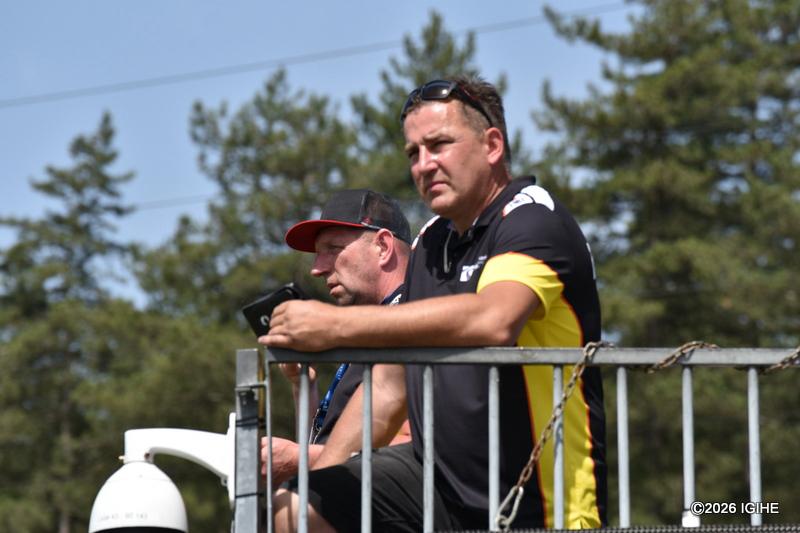
“He gained important international experience and saw the level at which the sport is played globally,” Gakwaya said. “We still need more training opportunities and better infrastructure because Rwanda does not yet have a circuit comparable to the one in Genk. At the moment, he trains in parking areas.”
Gakwaya revealed that plans are underway to secure additional training opportunities for Kabera in South Africa or Kenya, where karting infrastructure is more advanced.
“We are also looking at opportunities in Italy so that he can progress beyond qualifying rounds and eventually compete in final stages. Our long-term target is to help Rwanda break into the top 15 nations in the sport,” he added.
The coach also noted that Kabera’s performance was particularly impressive considering he had trained for only two months before competing against drivers with up to five years of experience.
RAC emphasized that participation in international karting competitions requires significant financial investment and thanked sponsors who supported Kabera’s journey.
The federation also called on additional partners and sponsors to support the growth of motorsport in Rwanda.
Kabera is expected to continue his international campaign in July 2026 at the Circuito Internazionale Napoli in Italy.
Addressing an online press briefing on Saturday evening, Africa CDC Director General Jean Kaseya said a total of 745 cases, including both suspected and confirmed infections, and 176 probable deaths have been reported since the DRC declared its 17th outbreak on May 15.
“We have two affected countries and 10 countries at high risk. All other African countries, because they are not bordering the two affected countries, we are not calling them at risk for now, but depending on the way the outbreak is moving, we can reconsider this,” Kaseya said.
The official highlighted major operational challenges, including a four-week detection gap of silent transmission before official confirmation, a lack of available medical countermeasures, high population mobility, weak health infrastructure, insecurity and limited access, as well as misinformation and mistrust.
“In terms of detection, there is a strong recommendation to increase the diagnostic capacity,” he said. “We are talking about a region where we have high mobility and insecurity. The combination of these two is what we are experiencing today with the spread of this outbreak beyond what we are expecting.”
Africa CDC Director General Jean Kaseya said a total of 745 cases, including both suspected and confirmed infections, and 176 probable deaths have been reported since the DRC declared its 17th outbreak on May 15.
He further noted challenges with medical countermeasures, saying the outbreak is driven by the Bundibugyo strain, for which no strain-specific vaccine is currently available.
According to Kaseya, the African continent currently needs about 319 million U.S. dollars to respond to the outbreak, of which 265 million dollars is to support response efforts in the DRC and Uganda, while 54 million dollars is to build preparedness across the 10 high-risk countries.
He stressed that the Africa CDC is considering activating a holistic way to respond to the outbreak by “putting in place one team, one plan, one budget, and one implementation model” under the continental incident management support team.
Expressing concern over a higher risk of regional spread, he said the latest outbreak, initially reported in Ituri Province in eastern DRC, now constitutes a public health emergency of continental security.
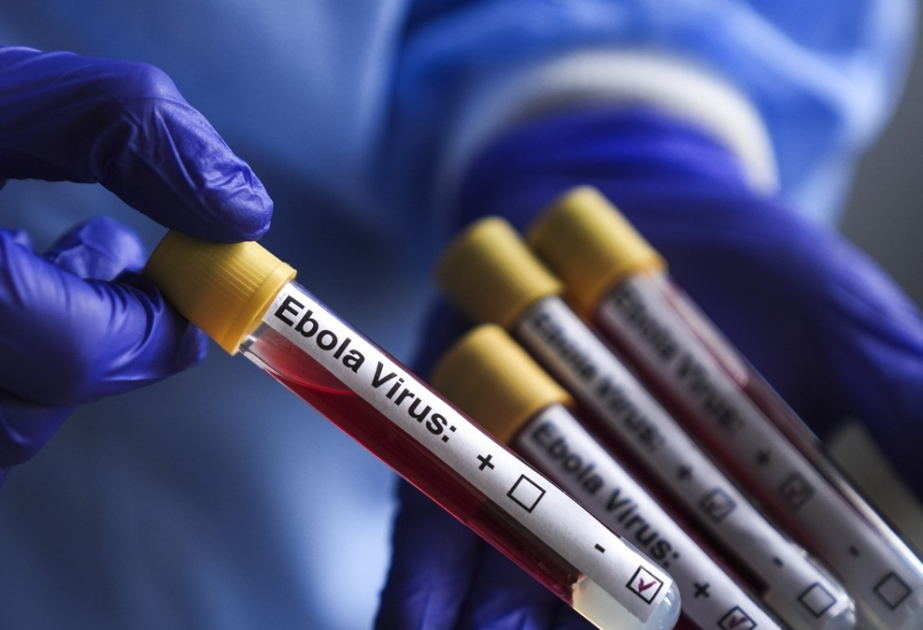
The Ebola virus is highly contagious and can cause symptoms including fever, vomiting, diarrhea, generalized pain or malaise, and, in severe cases, internal and external bleeding. According to the World Health Organization, Ebola fatality rates vary, depending on the viral subtype.
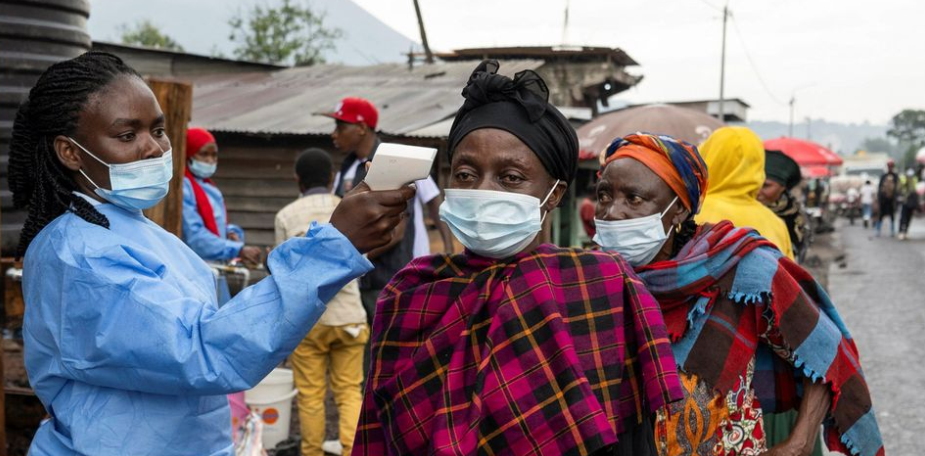
A health worker screens travellers at the Kanyaruchinya checkpoint in Goma, DRC, amid Cefforts to contain the Bundibugyo Ebola outbreak on May 20, 2026.
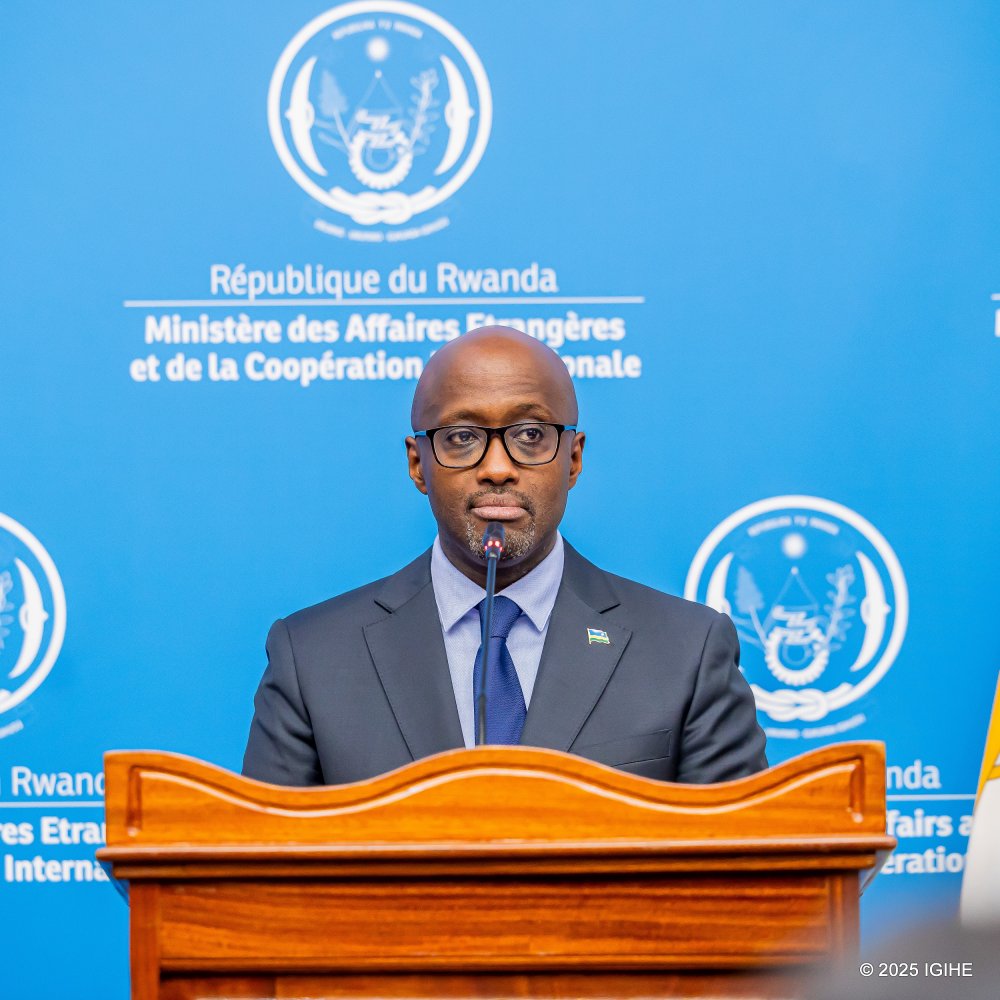
Nduhungirehe reacted on May 24, 2026, following comments by Ambassador Ntahiraja that justified possible attacks on Rwanda.
Speaking during an interview with journalists, Ntahiraja suggested that he would see nothing unusual about Rwanda being attacked.
The remarks come amid growing allegations that Burundi is involved in plans to destabilize Rwanda alongside armed groups including the FDLR, a militia linked to perpetrators of the 1994 Genocide against the Tutsi.
When asked about reports of Burundi’s cooperation with opponents of the Rwandan government, the diplomat dismissed the concerns, suggesting that even if such cooperation existed, it would not pose a problem.
“Would it really be surprising if Rwanda were attacked by those opposed to the problems it is causing in the region?” Ntahiraja said.
He also referred to Rwandans who fled the country in 1996, claiming they would continue fighting for their country indefinitely.
However, his remarks overlooked the fact that refugee status for Rwandans who fled between 1959 and 1998 officially ceased on December 31, 2017. The comments appeared to indirectly reference individuals accused of involvement in the Genocide against the Tutsi who fled justice and are reported to be regrouping with intentions of destabilising Kigali.
“Rwandans, because of the many wrongs committed by their government, should expect they could be attacked by fellow Rwandans they expelled,” he added.
Reacting on X, Nduhungirehe said the statements warrant serious concern, particularly because they were made by a senior diplomat expected to uphold diplomatic norms.
“That a Burundian ambassador accredited to the Kingdom of Belgium, despite being fully aware of diplomatic ethics, allows himself to make such inflammatory remarks against a neighboring state with complete impunity, while promising to support an attack by the genocidal FDLR against Rwanda, should raise serious concern,” Nduhungirehe wrote on Sunday.
Allegations involving Burundian leaders in plans targeting Rwanda are not new. In January 2024, President Évariste Ndayishimiye said in Kinshasa that he would support young Rwandans seeking to remove Rwanda’s government from power.
Rwanda strongly condemned the remarks at the time, describing them as a serious provocation.
Qu’un ambassadeur burundais accrédité au Royaume de Belgique se permette, malgré l’éthique diplomatique dont il est bien conscient, de faire impunément une telle déclaration incendiaire contre un État voisin, promettant de soutenir une attaque des génocidaires FDLR contre le… https://t.co/HLejPnT4yupic.twitter.com/uXLOKOE44A— Olivier J.P. Nduhungirehe (@onduhungirehe) May 24, 2026
According to the ministry, the strike was in retaliation for Ukraine’s “attacks against civilian targets on Russian territory.” Russia’s attacks involved Oreshnik ballistic missiles, Iskander air-launched ballistic missiles, Kinzhal hypersonic air-launched ballistic missiles, Tsirkon cruise missiles, as well as air-, sea-, and ground-based cruise missiles and attack drones. It hit command sites, airbases and defense-industrial enterprises.
The Russian Emergencies Ministry said 21 people died in a Ukrainian drone attack on a college dormitory in the Luhansk region on Friday. Kiev denied responsibility, saying its forces strike only military facilities and objects used for military purposes in accordance with international humanitarian law.
Russia launched 600 drones and 90 missiles in the overnight attack, primarily targeting Kiev, Ukrainian President Volodymyr Zelensky said in a Telegram post on Sunday.
Ukrainian authorities said four people were killed and at least 83 people were injured in the attack, while residential buildings, shops, educational institutions and medical facilities were damaged. However, the Russian Defense Ministry said on Telegram later that no strikes were planned or carried out against civilian infrastructure.
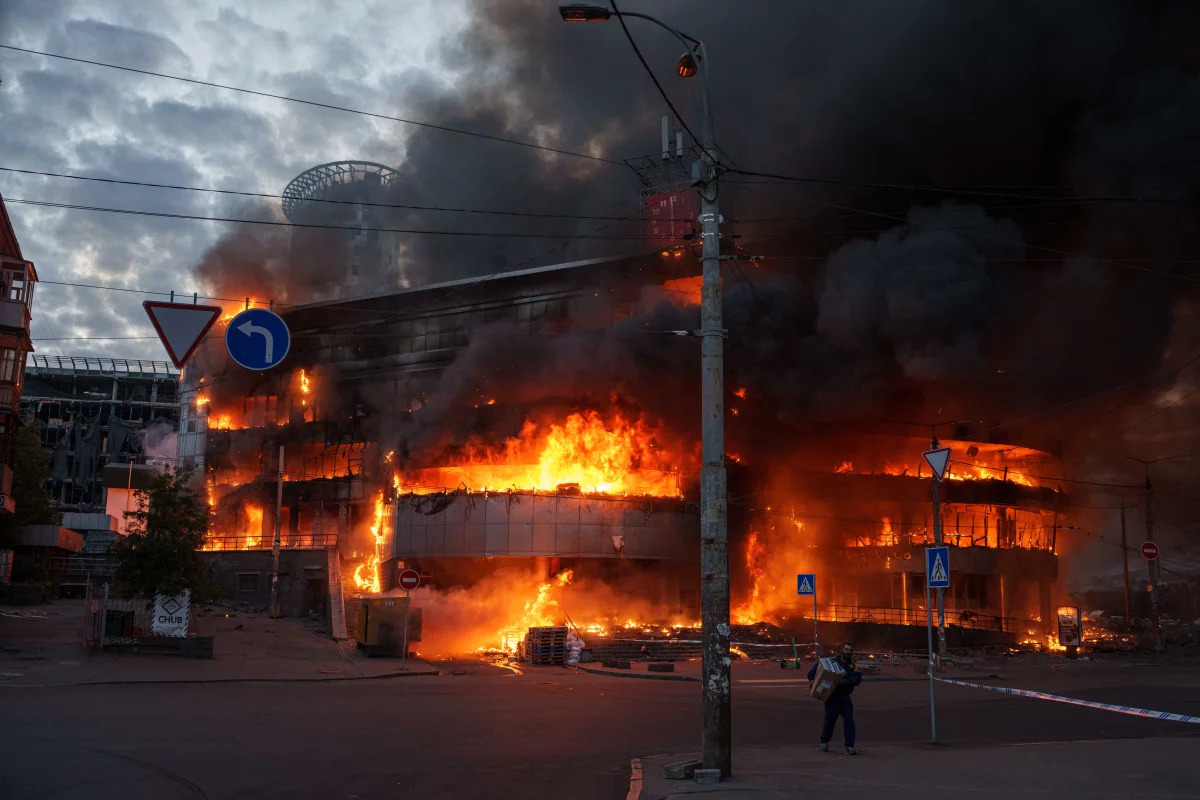
A man carries a box from a burning trade center after a Russian strike on Kyiv, Ukraine, on Sunday, May 24, 2026.
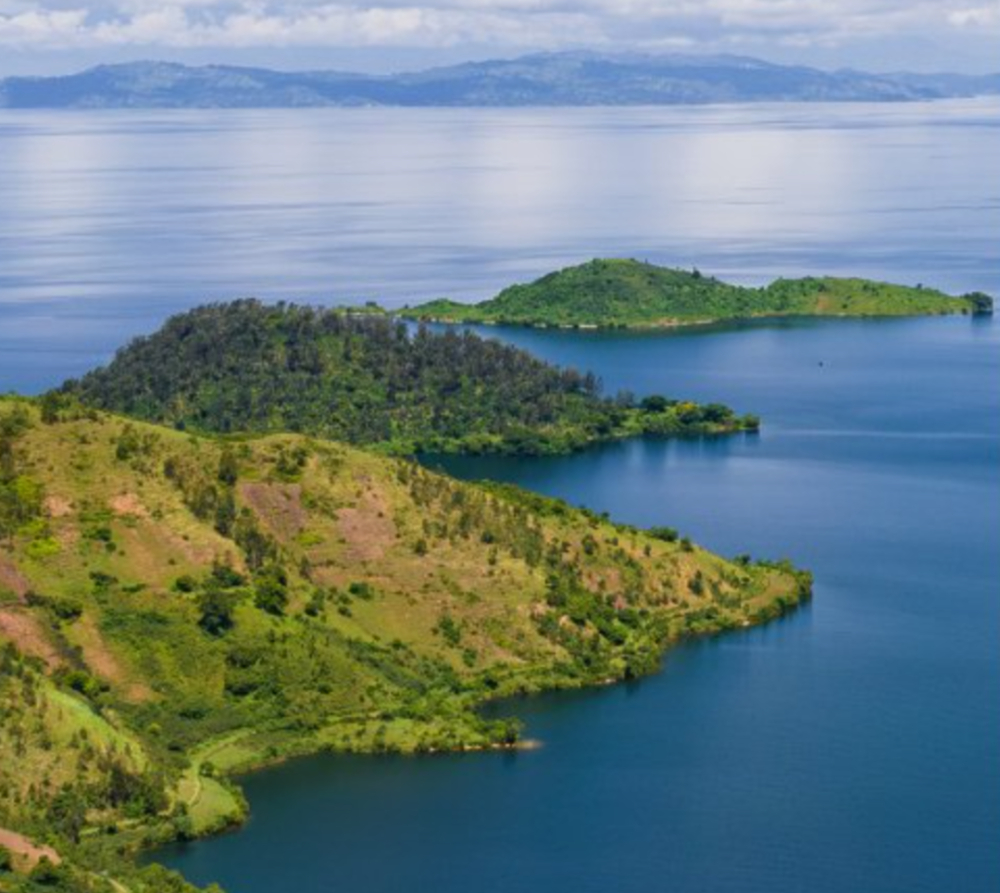
The islands, located in Nkora Cell, Kigeyo Sector, have experienced significant environmental degradation due to human activities, including deforestation and the expansion of coffee farming, which have disrupted natural habitats and reduced biodiversity.
Residents say the islands once supported rich indigenous vegetation and abundant wildlife, much of which has now disappeared.
Nsengiyumva Jean Baptiste, a local resident, recalled the former richness of the area, saying: “There used to be many guinea fowls that hunters would go after. The trees that were there were cut down by residents who planted coffee instead.”
The degradation has also affected fish breeding grounds in Lake Kivu, contributing to reduced catches of species such as isambaza.
According to BIOCOOR and district officials, the project will cover 250 hectares and involve planting 14 tree species, 10 indigenous and four fruit trees, while creating employment for more than 500 residents. BIOCOOR said the area was selected following assessments that confirmed severe shoreline degradation.
Rutsiro District environmental officer Innocent Kamayirese said the restoration will deliver wider ecological benefits.
“Trees purify the air we breathe, they help bring rainfall, and they provide habitats for biodiversity. We urge residents to take care of the trees that will be planted,” Kamayirese said.
The project is expected to cost over Rwf 300 million by 2032 and is part of broader efforts to restore Lake Kivu’s island ecosystems, which include 142 islands, 42 of them in Rutsiro District.
The islands, located in Nkora Cell, Kigeyo Sector, have experienced significant environmental degradation due to human activities, including deforestation and the expansion of coffee farming, which have disrupted natural habitats and reduced biodiversity.
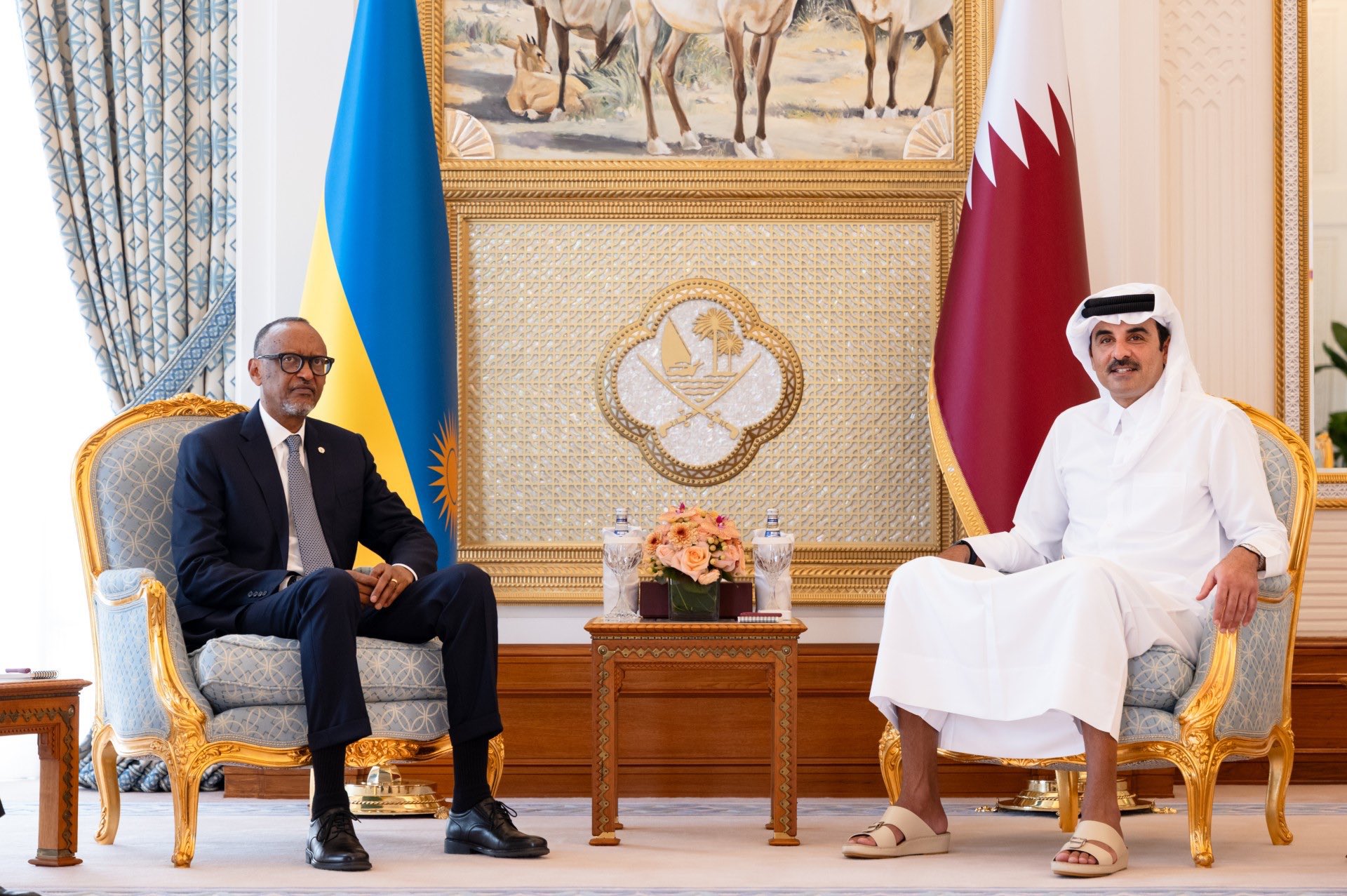
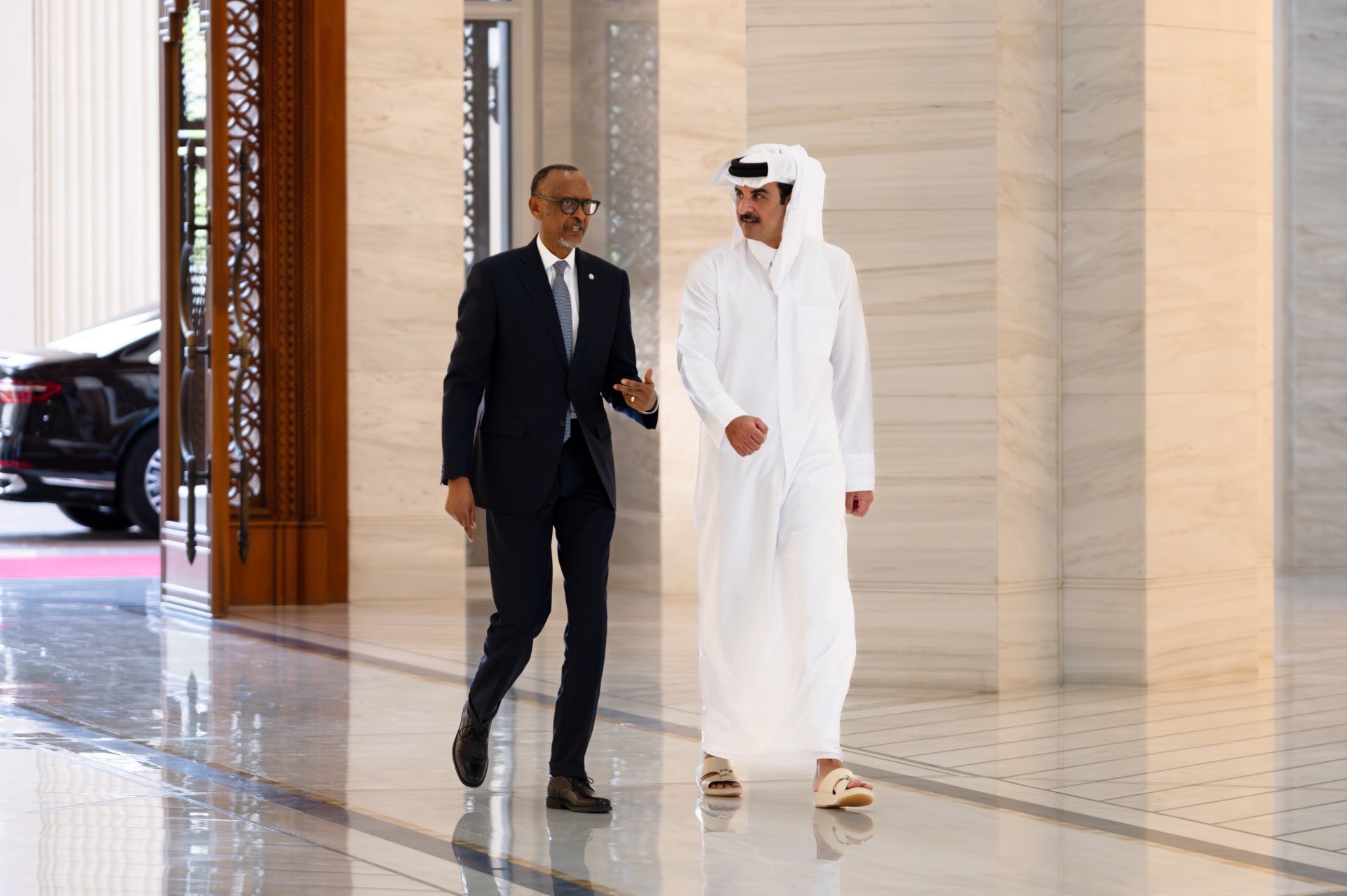
Kagame arrived in Doha earlier in the day for a one-day working visit aimed at further strengthening bilateral relations between the two countries.
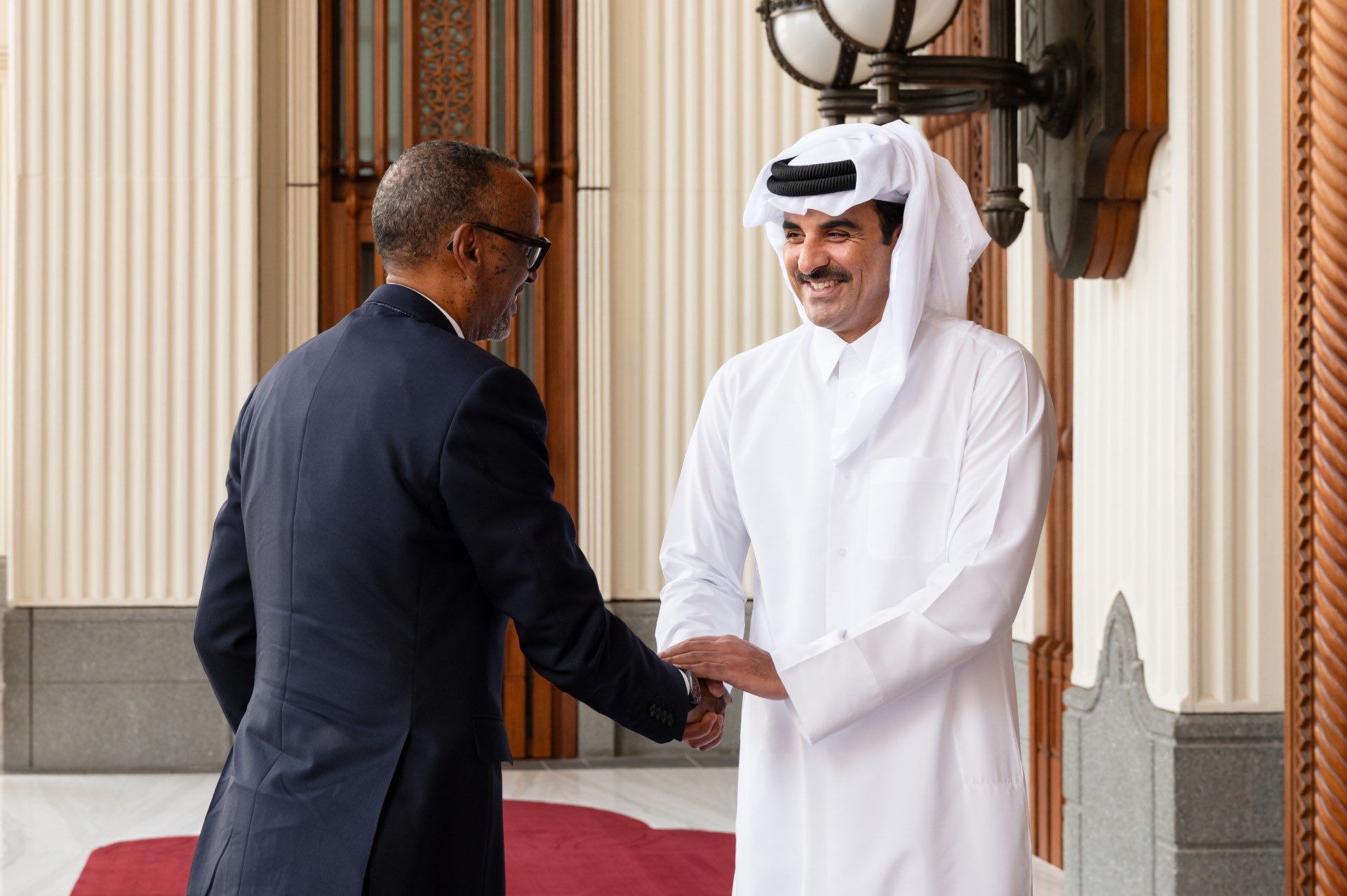
According to a communiqué from the Office of the President, Sheikh Tamim welcomed Kagame at the Amiri Diwan, where the two leaders discussed the “strong brotherly relations” between Rwanda and Qatar and reviewed ongoing cooperation across key sectors of mutual benefit.
The two Heads of State also exchanged views on regional developments and current international affairs, reaffirming their shared commitment to promoting international peace and security.
President Kagame expressed Rwanda’s solidarity and continued support for the people of Qatar, the statement added.
The visit builds on growing diplomatic engagement between Kigali and Doha in recent months. In November 2025, Kagame travelled to Qatar to attend the World Summit for Social Development, while Sheikh Tamim later visited Kigali during the same month.
In April 2026, the Head of State also sent a written message to the Amir of Qatar through Rwanda’s Minister of Interior, Dr. Vincent Biruta. The message was received by Qatar’s Minister of Interior, Sheikh Khalifa bin Hamad bin Khalifa Al Thani, according to Qatar’s Ministry of Interior.
Rwanda and Qatar have continued to deepen cooperation in sectors including investment, tourism, aviation, and infrastructure development.
The partnership has been particularly visible in aviation, where Qatar Airways is expected to acquire a 49 percent stake in RwandAir.
Qatar also holds a 60 percent stake in the Bugesera International Airport project, a major infrastructure initiative expected to position Rwanda as a regional aviation hub.
President Kagame was received by the Amir of Qatar, His Highness Sheikh Tamim bin Hamad Al Thani, at the Amiri Diwan in Doha.President Kagame is in Qatar for a one-day working visit. The two leaders discussed the “strong brotherly relations” between Rwanda and Qatar and reviewed ongoing cooperation across key sectors of mutual benefit.
The lender’s financial results for the period ending March 31, 2026 also show net operating income rising 18% to Rwf 19.7 billion, reflecting sustained business momentum despite a challenging global economic environment.
Total assets increased by 19% year-to-date to Rwf 1.3 trillion, while net loans grew sharply by 26% to Rwf 613.8 billion, supported by strong demand from SMEs, retail customers, and corporate clients aligned with key growth sectors of Rwanda’s economy.
Customer deposits also rose by 22% year-to-date, crossing the Rwf 1 trillion mark, underscoring growing public confidence in the bank.
The strong performance was largely driven by a 40% increase in net interest income, boosted by improved asset yields and efficient balance sheet management. Operating expenses rose by 19%, reflecting continued investments in digital infrastructure, cybersecurity, and talent development.
Despite rising costs, the bank improved its efficiency, with the cost-to-income ratio declining to 44.4% from 47.6% year-to-date. Asset quality remained stable, with a gross non-performing loan ratio of 1.5%, while the capital adequacy ratio stood at 18.1%, well above regulatory requirements.
Chief Executive Officer Benjamin Mutimura said the results demonstrate resilience in a difficult global environment.
“The first quarter of 2026 reflects the continued resilience of our business model in a complex and evolving global environment. While external conditions remain uncertain, we have maintained a disciplined approach to execution, with a focus on customer-led growth and delivering sustainable long-term value for our stakeholders,” he said.
He added that customer engagement continued to strengthen business performance.
“We continue to see strong confidence from our customers, our focus on improving the customer experience is contributing to stronger interaction levels and is having a positive impact on overall business performance,” Mutimura said.
During the quarter, the bank accelerated its digital transformation through the “Tsinda na Banki Muhorana” campaign, encouraging increased use of mobile and online banking services.
It also expanded its sustainability agenda through a partnership with the Rwanda Green Fund to support agritech SMEs focused on climate-resilient solutions.
In addition, the bank advanced inclusive finance through its “Berwa” women-focused programme, offering tailored financial services, mentorship, and financial literacy support. The initiative earned the bank recognition as Corporate Champion for Women in Leadership 2026 at the RWIBA awards.
Mutimura said the bank remains confident in sustaining growth while navigating ongoing macroeconomic uncertainty.
Incorporated in 1963, I&M Bank (Rwanda) PLC holds the distinction of being the oldest bank in Rwanda. It is a subsidiary of I&M Group PLC, a leading regional financial services group in Eastern Africa with a presence in Kenya, Tanzania, and Uganda, and a joint venture with CIEL Group (Bank One) in Mauritius.
With a comprehensive portfolio of personal, business, institutional, and corporate banking products available at its various locations, I&M Bank Rwanda caters to a diverse range of customer needs.
I&M Bank (Rwanda) PLC holds the distinction of being the oldest bank in Rwanda.