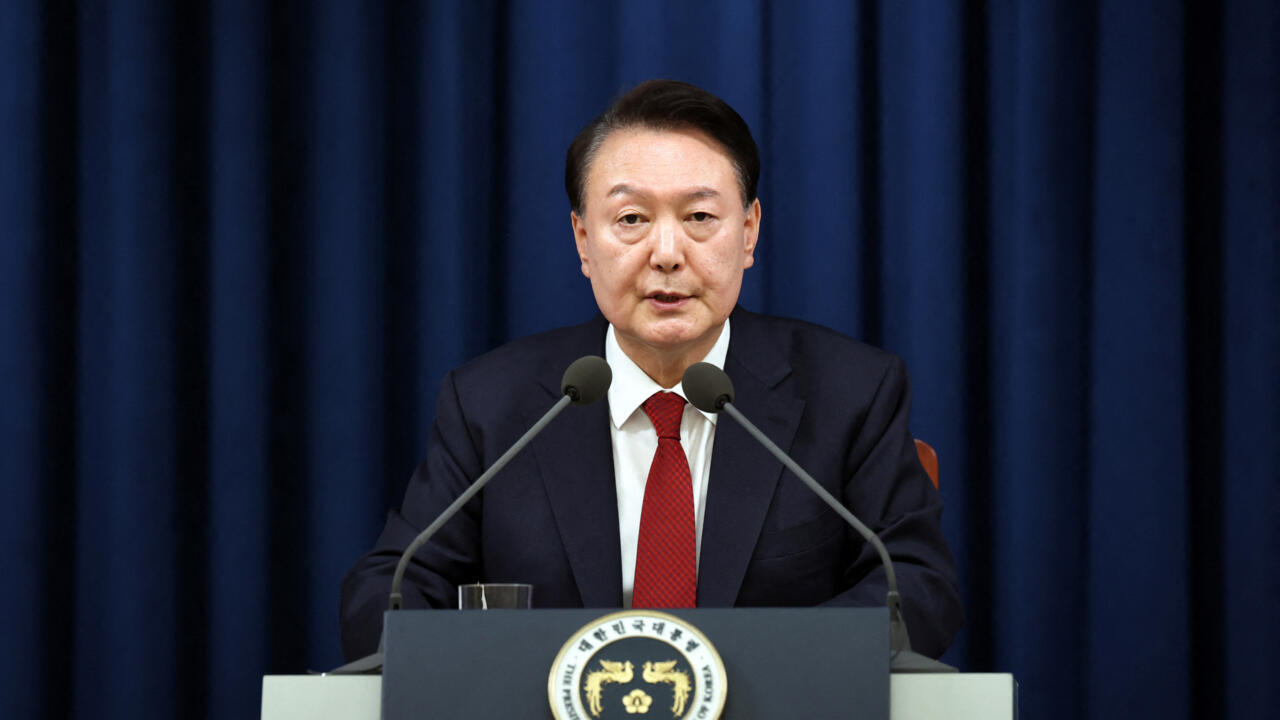
The agreement, signed on Tuesday, June 11, 2024, aims to foster cooperation between the two countries.
This agreement comes at a time when Rwanda is constructing the BioNtech plant, which will manufacture various vaccines.
IVI is a non-profit organization dedicated to advocacy for vaccine availability and accessibility for all, through collaboration with research institutions, governments, and pharmaceutical companies.
The organization plays a role in the development of new vaccines, testing, and distribution worldwide.
Founded in 1998, IVI is headquartered in Seoul, South Korea.
Education is one of the most critical areas where parental decisions can significantly influence a child’s future. Esther, the host, shared her personal experience of not being guided into a course that aligns with her personality. Struggling to fit into this world, she eventually found her way to a path she truly enjoyed . Reflecting on her journey, Esther expressed a wish that her father had either guided her more effectively or allowed her to explore her interests earlier. This highlights the delicate balance parents must strike between providing guidance and allowing their children to explore and discover their passions.
{{Career Choices: The Journey of Self-Reliance}}
Diana, one of the guests, emphasized the importance of making her own decisions, even when they conflicted with her parents’ wishes. She recounted her experience of working in a bar despite her parents’ disapproval. Diana believes that while parental advice is valuable, the ultimate decision should lie with the individual. Her stance underscores the importance of self-reliance and the need for young adults to make choices that reflect their aspirations and values.
{{Relationships: Trust and Rebellion}}
The dynamics of parental influence extend into the realm of personal relationships. Bruce, another guest, spoke about the importance of trust between parents and children. He suggested that everyone should have a bit of a rebellious side, where they can confidently say, “I have thought about this, I want to do it, and you should trust me.” This rebellion is not about defiance but rather about asserting one’s autonomy and demonstrating that they have carefully considered their choices.
Fred shared his truth that if it came to marrying a woman his parents do not approve of. If he took his time to learn and love his partner, he believs that no one, not even his parents, could change his decision. Fred’s opinion illustrates the importance of following one’s heart and the need for parents to respect their children’s choices, even if they initially disagree.
{{Balancing Guidance and Independence}}
The overarching question is at what point parents should give their children the room to grow, make mistakes, and learn from them. While parental decisions can provide a safety net during the formative years, it is crucial for parents to gradually loosen their control as their children mature. This transition allows young adults to develop critical decision-making skills and fosters a sense of independence.
Bruce highlighted the risk of overdependence if parents continue to make decisions for their children even after they are capable of doing so themselves. He warned that this could trap young adults in a cycle of dependency, hindering their ability to make autonomous choices.
The stories shared by Esther, Diana, Bruce, and Fred highlight the complex interplay between parental decisions and children’s personal growth. While parental guidance is invaluable, it is equally important for parents to trust their children’s judgment and give them the freedom to navigate their paths.
The balance between guidance and independence is essential for fostering resilient, self-reliant individuals capable of making informed decisions about their futures. Ultimately, the journey towards self-discovery and personal growth is a collaborative effort, requiring trust, communication, and mutual respect between parents and their children.
Amb Nduhungirehe Olivier has been appointed as the Minister of Foreign Affairs and International Cooperation, replacing Dr. Vincent Biruta. Previously, he served as the Rwandan Ambassador to the Kingdom of the Netherlands from 2020. Born on September 13, 1975, in Huye District, he attended primary school at APE Rugunga, secondary school at Ecole Belge in Kigali, and pursued a degree in law at the Université Catholique de Louvain in Belgium. He also holds a postgraduate degree in tax management from the Université Libre de Bruxelles.
His career includes various roles such as Secretary of State in the Ministry of Foreign Affairs and International Cooperation from September 2017 to April 2020, Rwandan Ambassador to Belgium from December 2015 to September 2017, and Acting Director-General in the Ministry of Foreign Affairs from May 2015 to December 2015. Additionally, he served as First Counselor at the Rwandan Embassy in Ethiopia (2007-2010) and New York, USA. In 2004-2005, he was a special advisor to the Secretary of State in the Ministry of Trade and Industry and also in the Ministry of Agriculture and Animal Resources.
Amb Nduhungirehe is notably recognized for representing Rwanda on the United Nations Security Council (UNSC) in 2014 and is the first Vice President of the PSD party.
Yusuf Murangwa
Yusuf Murangwa has been appointed as the Minister of Finance and Economic Planning, succeeding Dr. Uzziel Ndagijimana. Murangwa has been leading the National Institute of Statistics of Rwanda (NISR) since 2009. He brings over 20 years of experience in statistics and economic development. Under his leadership, NISR has transformed data collection processes by integrating technology, making information more accessible and timely.
Uwimana Consolée
Uwimana Consolée has been appointed as the Minister of Gender and Family Promotion, taking over from Dr. Valentine Uwamariya. She is the Vice Chairman of the FPR Inkotanyi party since 2023 and has held various positions, including Senator in the Rwandan Parliament from 2003 to 2013, Vice President of the Economic and Financial Commission, and Chair of the Forum of Rwandan Women Parliamentarians (FFRP). She has also led special commissions on the development of historically marginalized groups and worked as an entrepreneur and in banking.
Mutesi Linda Rusagara
Mutesi Linda Rusagara, formerly the Director General of Agaciro Development Fund, has been appointed as the State Secretary for State Investment in the Ministry of Finance and Economic Planning. Born in 1989, she holds a degree in finance from the University of Cape Town, South Africa, and a master’s degree from Stanford University, obtained in 2017. Her career includes roles at the Office of the President, Bank of Kigali, and Kigali Innovation City. She has significant experience in financial services and technology projects.
Kabera Olivier
Kabera Olivier, appointed as the State Secretary in the Ministry of Infrastructure, was previously the Director of Macefield Ventures in Rwanda since 2022. He has extensive experience in transport development, having worked at the Rwanda Transport Development Agency (RTDA) from 2012 to 2022, led Real Contractors from 2017, and served as a project oversight expert for the World Bank-funded CEPX project. From April 2006, he was the head of the land, urban planning, housing, and infrastructure department in Nyarugenge District.
Reassigned Officials Dr. Vincent Biruta, previously the Minister of Foreign Affairs and International Cooperation, is now the Minister of National Security, replacing Alfred Gasana. Dr. Jeanne d’Arc Mujawamariya, formerly the Minister of Environment, is now the Minister of Public Service and Labour, taking over from Prof. Jeannette Bayisenge. Dr. Valentine Uwamariya has been appointed as the Minister of Environment.
Liquid Home has been at the forefront of connecting homes to fibre and providing high-speed internet connectivity across Africa since 2017. The expansion of the Liquid network in Rwanda is a significant step in achieving the vision of a digitally connected Rwanda. With Nyamata, Huye, Muhanga, and Rusizi joining several connected cities and estates in Kigali and upcountry, including the districts of Rubavu and Musanze, we are bringing the benefits of the digital age to more people. The fibre network deployment for other districts is also ongoing to increase fixed broadband penetration across the country.
“Fixed broadband internet penetration is relatively low, and expanding our network to these previously unconnected districts provides more households and businesses with affordable, reliable internet, reaffirming our commitment to bridging the country’s digital divide. Our tailored package for users in these four regions makes the internet connectivity even more affordable and accessible” said Alexis Kabeja, Chief Executive Officer of Liquid Intelligent Technologies Rwanda.
Users have access to an affordable package with 50Mbps internet speeds for only Rwf 20,000 per month, which provides them with the broadband connectivity they need to succeed in their daily busines. By extending further outside of the City of Kigali, Liquid Rwanda is empowering more citizens with the digital infrastructure they need to contribute to the country’s economic growth. As part of this initiative, we have made an exclusive package available to new subscribers in these upcountry regions. This package is designed to make high-speed, 24/7 internet access more affordable, with features such as unlimited data, free installation, and a dedicated customer support line.
Driving internet penetration and bridging Rwanda’s digital divide is one of Liquid Rwanda’s key objectives and aligns with the company’s aim of a digitally enabled Africa in which no one is left behind.
Liquid Intelligent Technologies, part of Cassava Technologies, operates in over 25 African countries. It offers a 110,000 km fibre network and satellite connectivity, providing high-speed internet, cloud, and cybersecurity solutions. Liquid serves public, private, and SME sectors with tailored digital solutions.
Eid al-Adha, meaning “Feast of the Sacrifice,” is one of the holiest Islamic holidays celebrated worldwide each year (the other being Eid al-Fitr). It honours the willingness of Prophet Ibrahim (Abraham) to sacrifice his son, Ishmael, as an act of obedience to God’s command.
“Given that the celebration of Eid al Adha will be on Sunday, June 16, 2024, the Ministry of Public Service and Labour wishes to inform employers and employees in both public and private sectors that Monday, June 17, 2024, will be a public holiday to celebrate Eid Al Adha,” the Ministry of Public Service and Labour said in a notice on Wednesday night.
— Ministry of Public Service and Labour | Rwanda (@RwandaLabour) June 12, 2024
Before Abraham sacrificed his son, God provided a ram to sacrifice instead. In commemoration of this, an animal (usually a camel, goat, sheep, or ram depending on the region) is sacrificed and divided into three parts: one-third for the poor and needy, another third for relatives, friends and neighbours, and the remaining third is retained by the family.
In the Islamic lunar calendar, Eid al-Adha falls on the 10th day of Dhu al-Hijjah. In the international (Gregorian) calendar, the dates vary from year to year, shifting approximately 11 days earlier each year.
Meanwhile, Dr. Biruta has been reassigned as the Minister of Interior (MININTER), replacing Alfred Gasana designated as Rwanda’s Ambassador to the Kingdom of the Netherlands to replace Amb. Nduhungirehe.
These changes were confirmed through a communiqué released by the Office of the Prime Minister on Wednesday, June 12, 2024, outlining several other key changes in the cabinet made by President Paul Kagame.
Consolee Uwimana has been named the Minister of Gender and Family Promotion, succeeding Dr. Valentine Uwamariya, who has been appointed as the Minister of Environment. Dr. Jeanne d’Arc Mujawamariya, previously the Minister of Environment, is now the Minister of Public Service and Labor.
Other changes saw Yussuf Murangwa, formerly the Director General of the National Institute of Statistics of Rwanda (NISR) appointed as the Minister of Finance and Economic Planning. Ivan Murenzi will take over the leadership of NISR.
In the Ministry of Infrastructure (MININFRA), Olivier Kabera has been appointed as the State Secretary while Linda Mutesi, who was the Director General of the Agaciro Development Fund, has been appointed as the Minister of State for Resource Mobilization and State Investments in the Ministry of Finance and Economic Planning (MINECOFIN).
According to the communiqué , Aimable Havugiyaremye, who was the Prosecutor General, has been appointed as the Secretary General of the National Intelligence and Security Service (NISS), replacing Major General Joseph Nzabamwita.
Maj Gen Nzabamwita has been appointed as the Senior Security Advisor in the Office of the President, a position previously held by General (Rtd) James Kabarebe before his nomination as the Minister of State in charge of East African Affairs at the Ministry of Foreign Affairs and International Cooperation.
At the Prosecution, the president appointed Angelique Habyarimana as Prosecutor General, replacing Havugiyaremye. Habyarimana has been serving as the National Prosecutor.
At Rwanda Revenue Authority, President Kagame named Ronald Niwenshuti as the Commissioner General, replacing Pascal Ruganintwari while Dr. Innocente Murasi will deputize him.
In the City of Kigali, Fulgence Dusabimana has been appointed as the Vice Mayor in charge of Infrastructure and a member of the City Council.
Built in 1272 and reborn from the ravages of two devastating fires, these iconic structures were more than architectural wonders; they were the very heartbeat of the capital during the Yuan, Ming, and Qing Dynasties (1271-1911), regulating the rhythm of daily life for centuries.
Originally, the bell and drum were not intended for timekeeping. These instruments served as musical accompaniments, echoing the melodies of ancient China. However, as early as the Han Dynasty (206 BC-220), their role evolved into something far more essential. The phrase “a morning bell and a dusk drum” became ingrained in the cultural lexicon, signifying their importance in helping people navigate the passage of time.
In ancient times, telling the time by them played an important role in helping Chinese people live and work regularly when there was no other means to keep track of the time.
As a result, these towers became public architectural landmarks and were widely constructed in almost every city throughout the country since the Han Dynasty.
Thus, the towers that housed these instruments became integral public structures, their unique fore-and-aft alignment in Beijing setting them apart from the traditional side-by-side arrangement found elsewhere.
The Bell Tower, a striking brick and stone edifice, commands attention with its two floors, each adorned with arched doors on all four sides. Visitors ascend via stone stairs to the second floor, where stone windows offer glimpses of the city’s expanse.
Here, the largest and heaviest bell in China resides, a colossal copper creation standing 23 feet (7.02 meters) tall and weighing 63 tons. Its resonant, clear sound, produced by two 2-yard-long (2 meters) wooden logs, once echoed across Beijing, marking the hours with a timeless clarity.
South of the Bell Tower, 110 yards (91 meters) away, stands the Drum Tower, perched on a 13-foot-high (4 meters) stone and brick base. Slightly shorter than its counterpart at 153 feet (46.7 meters), it nonetheless exudes a commanding presence. The Drum Tower’s first floor now houses the China Committee for the Promotion of Minority Art, while the second floor serves as an exhibition area.
Historically, this tower contained one large drum and 24 smaller ones; today, only the large drum remains. The intricate rhythm of 108 tolls—three rounds of 18 quick beats followed by 18 slow beats—symbolized a year in ancient times, marking time with a profound significance.
The practice of using the bell and drum for timekeeping ceased after Pu Yi, the last emperor of China, left the Forbidden City. Yet, in a poignant revival of tradition, the bell’s melodious chime returned on New Year’s Eve in 1990, followed by the drum’s resonant beat on New Year’s Eve in 2001. Since January 1, 2002, the drum has been struck four times daily, each session lasting 15 minutes. On every New Year’s Eve, both the bell and drum are struck 108 times, sending a blessing to the people of Beijing and connecting the modern city with its ancient roots.
Throughout their storied history, the Bell and Drum Towers have witnessed the ebb and flow of Beijing’s fortunes. During the Yuan Dynasty, they stood behind the imperial palace, overlooking a bustling downtown district. By the Ming and Qing Dynasties, the area in front of the Drum Tower had become Beijing’s busiest shopping street. During the Republican Period, the space between the towers teemed with impoverished individuals, handicraft merchants, and snack vendors, creating a vibrant marketplace that drew people from all walks of life.
Today, despite being dwarfed by Beijing’s modern skyscrapers, the Bell and Drum Towers remain the tallest structures in their vicinity, offering breathtaking views of the city’s traditional hutong neighborhoods. The Bell Tower’s 360-degree panoramic view captivates visitors, while the Drum Tower features hourly drum performances that enthrall with their rhythmic precision. However, the ascent to these vantage points requires climbing about 70 steep steps, a challenge not recommended for those with mobility issues.
Between the towers lies a small square, a gathering place where local elders and children from the surrounding hutongs come together, especially in the evenings. Here, amidst the echoes of history, visitors can immerse themselves in the charming local atmosphere, often visiting the towers before or after exploring the narrow alleyways of the hutongs.
This statement was released on June 11, 2024 by the government spokesperson, accusing the UNHCR of fabricating allegations presented to the United Kingdom (UK)’s courts and undermining Rwanda’s longstanding policy of providing refuge to those in need.
The UNHCR has claimed that Rwanda abuses the rights of asylum seekers and that they have no freedom while in the country. However, Rwanda asserts that it is not clear how the UNHCR files false accusations while continuing to work with Rwanda to host asylum seekers from Africa.
“UNHCR is lying. The organization seems intent on presenting fabricated allegations to U.K. courts about Rwanda’s treatment of asylum seekers, while still partnering with us to bring African migrants from Libya to safety in Rwanda through the Emergency Transit Mechanism,” the spokesperson said.
Rwanda highlighted a specific case involving a man who was denied asylum in the Seychelles. Later, the UNHCR in South Africa unilaterally decided he should be given asylum in Rwanda without involving the Rwandan government. The UNHCR often uses such cases to justify their claims.
This incident is part of what the Rwandan government describes as a series of unfounded allegations. Another example provided was a claim that Rwanda denied asylum to a group of Burundians.
“These individuals never claimed asylum but instead were found to have breached Rwandan immigration laws. This is made all the more ridiculous when you consider the fact that Rwanda currently provides refuge to tens of thousands of our Burundian neighbours who have sought safety in our country,” the spokesperson said.
Additional false allegations, according to the spokesperson, involve people with legal status in other countries arriving in Rwanda without meeting entry requirements or claiming asylum and individuals leaving Rwanda voluntarily.
“Again, these are not examples of refoulement. As we have said time and again, Rwanda does not refoule asylum seekers,” the statement reiterated.
The Rwandan government expressed frustration over the UNHCR’s actions, especially given Rwanda’s binding agreements with the U.K. to process migrants and asylum seekers.
“Rwanda has entered into binding agreements with the U.K. to process migrants and asylum seekers, building upon our already proven record of providing safety to those fleeing conflict,” the spokesperson noted.
Reaffirming Rwanda’s commitment to its international obligations, the spokesperson concluded, “Rwanda remains committed to upholding all of our obligations as signatories to the refugee convention. We will continue to provide safety and opportunity to those fleeing conflict, as we have done for the last thirty years.”
The competition took place on June 9, 2024, at the University of Rwanda’s Remera Campus. It is organized by the Confucius Institute, which has a branch at UR, and is attended by university students, primary school students, and secondary school students.
The competitors are students who study Chinese alongside their regular courses, but they must first pass a written exam.
They demonstrate their knowledge of the Chinese language and culture through songs, dances, drama, speeches, poems, and various other performances.
Niyongabo Viateur, who outshined all other university competitors, told IGIHE that this is a significant achievement in his life and that he prepared for it.
He said, “I am extremely happy because learning the Chinese language is not easy. I have participated in previous years and did not come first, but today it has happened.”
He continued, “Representing the country in China will give me the opportunity to meet other people in China, and I am confident that I will perform well in the next round of competitions there. The certificate they will give me is highly valuable in the job market because, here in Rwanda, Chinese companies need translators, and when you have it, they do not hesitate to give you a job.”
The first-place winner in the university category receives various prizes, including a computer, a trip to China, and other items.
They also have the opportunity to apply for a third-level university scholarship to study Chinese and receive an international certificate.
For primary and secondary school students, the first-place winner is awarded the chance to participate in another round of competitions in China, a tour of the country, and other items.
The Chinese Ambassador to Rwanda, Wang Xuekun, said that the Chinese language is rising globally and that Rwandan students who have studied it have played a role in strengthening the relationship between the two countries.
He said, “Many Rwandans, especially the youth, have joined the large community of Chinese language learners. Together with this large community, they understand Chinese culture, and this has helped to strengthen the friendship and cooperation between China and Rwanda.”
“Chinese is a beautiful language, and lea’rning it is a great journey to understand cultural differences and enjoy sharing them from both sides.”
Ambassador Xuekun also said that in the past 15 years, over 40,000 Rwandan students have benefited from learning Chinese and that currently, the Chinese education program is taught in over 190 countries worldwide.
In this 19th edition of the Kigali International Peace Marathon, Carcarbaba was a sponsor, with its vehicles responsible for leading the athletes along the route and showing them the time they had spent.
In 2022, there were T5 EVO petrol cars, in 2023 there were T5 EVO Hybrid 2023 cars using both electricity and petrol, but this time Carcarbaba showcased “Dongfeng Forthing Friday ” vehicles that use only electricity.
All these vehicles are made by Dongfeng LIUZHOU Motor Corporation Ltd, a Chinese state-owned company and one of the leading ones.
The ambassador of Carcarbaba Ltd, Kalimpinya Queen, who was driving the car leading the runners, said that this car came as an environmental solution because it does not pollute the air.
She said, “This car is one of the best modern cars here in Rwanda and it aligns well with the government’s goals because it does not harm the environment. We have a large number of these cars, and the first buyers have already started purchasing them. We also have Hybrid ones. As someone who usually engages in motorsport, I like these cars because they perform well and are fast.”
“Dongfeng Forthing Friday” has the capacity to travel 410 kilometers when fully charged. It takes six hours to charge it fully at home, while at a regular station it can be charged in 45 minutes.
Carcarbaba started importing vehicles made by these manufacturers at the end of 2021, including those suitable for the Rwandan market, which have become popular because they are new and reasonably priced.
Kalimpinya mentioned that Carcarbaba tested how these vehicles perform on Rwandan roads and found that they work well.
How can someone who bought a Carcarbaba vehicle get help if they encounter a problem?
Regarding how someone with a Carcarbaba vehicle can get assistance in case of a problem, the company has trained staff and its own garage.
They have engineers sent by the manufacturer who make these vehicles, plenty of spare parts, and they offer a warranty that gives the customer confidence in the vehicle.
The warranty is three years for the car and five years for its battery.
Carcarbaba is located on ‘Poids Lourds’ road, next to Sawa Citi, on the road to Kanogo, and is open every day including weekends.
It is easy to visit anytime or call 6699/ 0788708280.