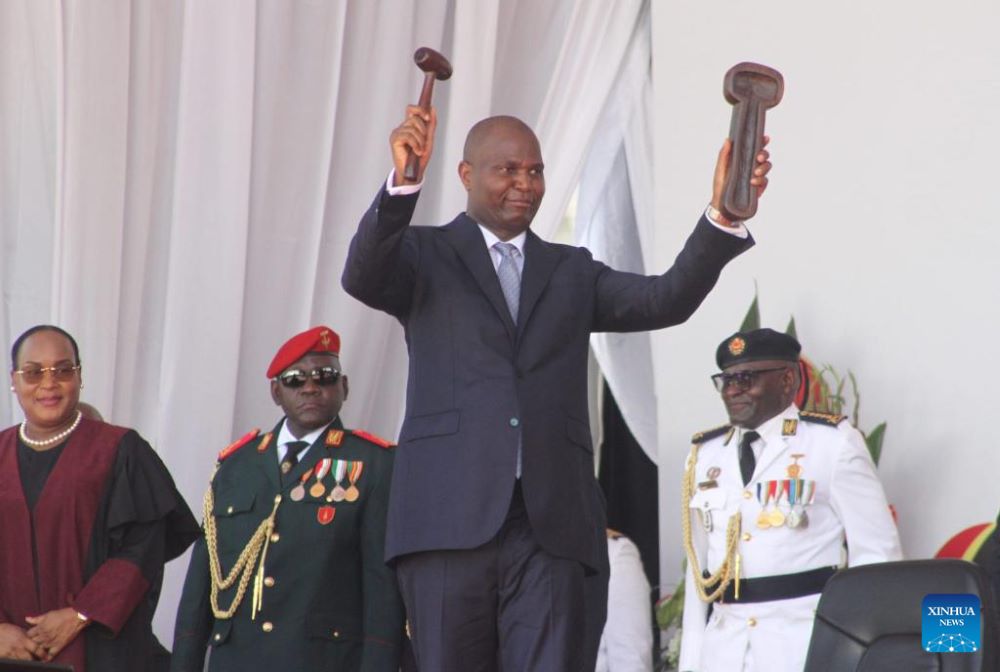
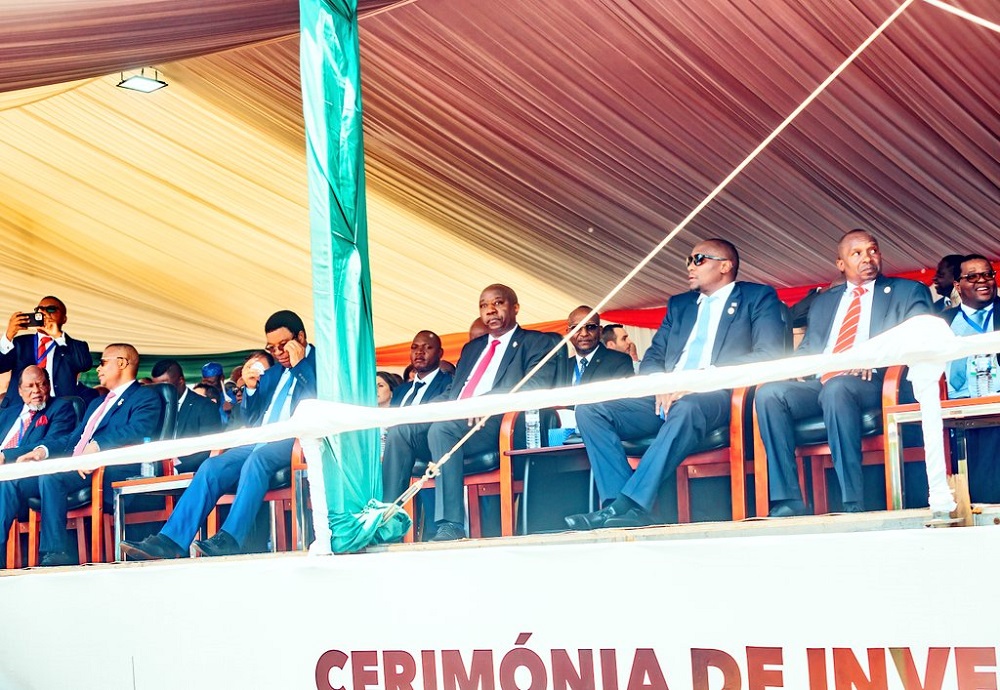
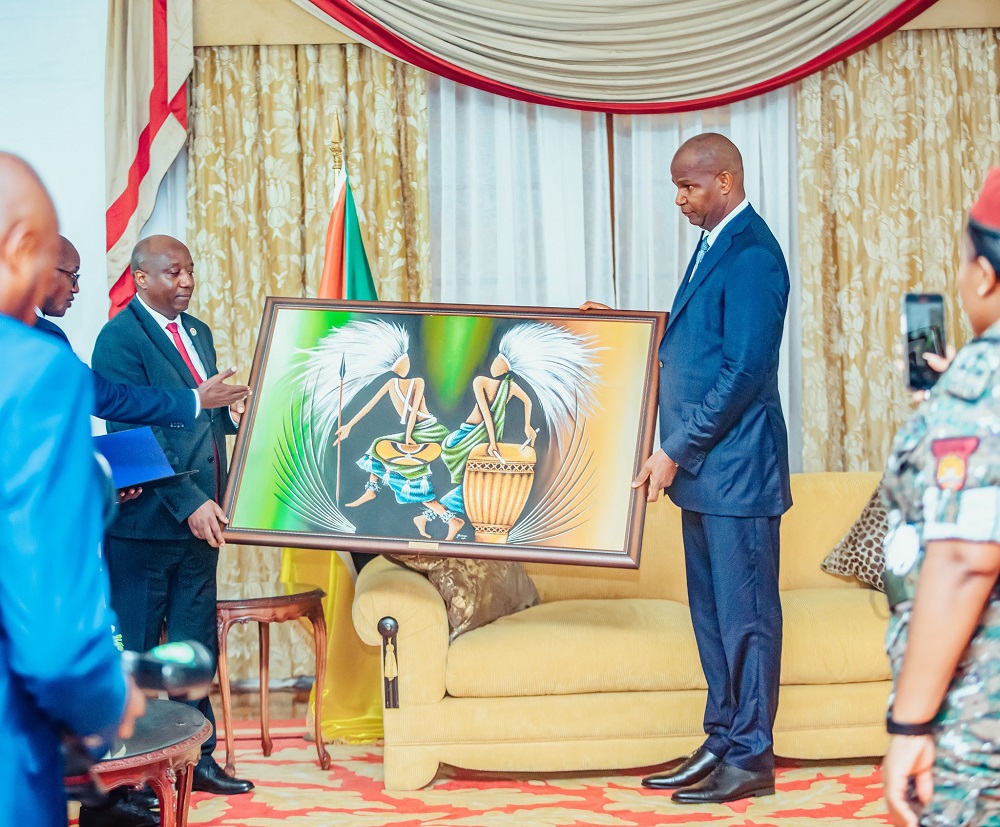
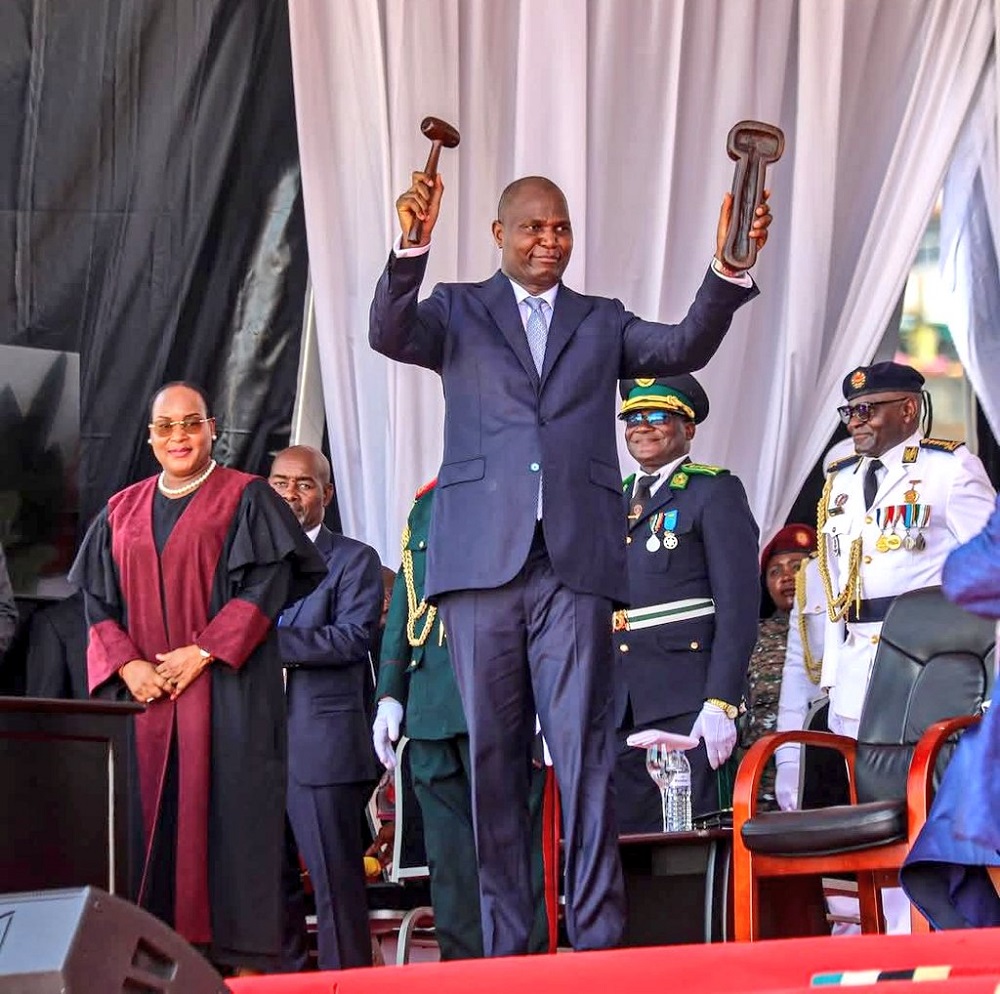
The event at Independence Square featured prominent attendees, including former presidents Joaquim Chissano and Armando Guebuza, outgoing leader Filipe Nyusi, and international dignitaries like South African President Cyril Ramaphosa.
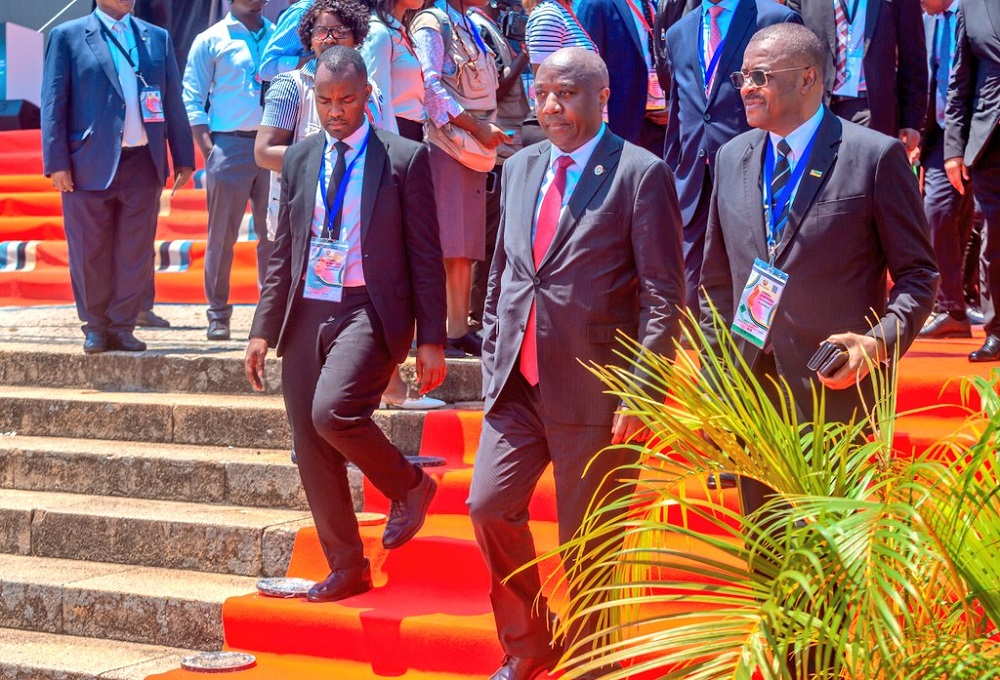
Rwanda was represented by Prime Minister, Dr. Edouard Ngirente on behalf of Pesident Paul Kagame.
In his inaugural address, Chapo outlined plans to streamline the government by reducing the number of ministries and replacing deputy minister roles with state secretaries who will report directly to ministers.
He emphasized the goal of creating a leaner, more efficient administration.
Chapo also pledged to tackle corruption, reduce privileges for state officials, privatize non-strategic state enterprises, and intensify efforts against kidnappings and organized crime.
Outgoing President Nyusi called for national unity, urging Mozambicans to rally behind Chapo’s leadership.
Current secretary-general of the ruling party Frelimo, Daniel Chapo was born in the central province of Sofala in 1977 and graduated in Law from the Eduardo Mondlane University in 2000, making him the first President of the Republic born after the country’s independence in 1975.
He won the October 2024 general election with 65.17% of the vote.
The MPs made discussed the challenges during a visit to the Rwandan Senate. The visit aimed to showcase the achievements of Rwanda during its 25 years as a member of the regional bloc.
MP Fatuma Ndangiza, who leads the team of nine Rwandan representatives in EALA, stated that while the assembly has taken steps to prepare for the single currency initiative, certain actions are pending at other levels of governance.
“There are institutions that need to be established. As a legislative body, we have passed the required laws, but at the level of the heads of state, there are agreements that need to be expedited,” said Ndangiza.
She also highlighted that some member states are lagging behind in implementing crucial measures needed to pave the way for the single currency.
“When it comes to the EAC Common Market, progress is still slow. Achieving the single currency depends heavily on the full realization of the Common Market, which is one of the two key pillars that must be implemented almost entirely,” she added.
The EAC single currency policy, introduced in 2013, aimed to prepare all necessary groundwork within a decade to launch the currency.
The project was initially well-received, as it promised to simplify regional trade by reducing reliance on the US dollar and boosting economic integration.
However, progress has been slow due to delays in implementing foundational steps.
For instance, in 2016, during a meeting of EAC central bank governors, it was reported that preliminary work on their end had been completed, raising expectations that the currency would be introduced by 2024.
One major factor delaying the project is the establishment of the East African Monetary Institute (EAMI), tasked with laying the foundation for the single currency and eventually serving as the region’s central bank.
The institute was supposed to be operational by 2015 but has yet to be established.
In 2023, Rwanda’s Central Bank Governor, John Rwangombwa, emphasized that several critical steps remain before the single currency can be launched.
However, he expressed optimism that these steps could be completed, enabling the EAC to introduce the currency by 2031.
According to the Ministry of Agriculture and Animal Resources (MINAGRI) Annual Report, the revenue growth occurred despite a 2% decrease in production volume, dropping from more than 39,000 tonnes to 38,460 tonnes. The success is attributed to improved tea quality and favourable global market prices.
“Certain tea clones exhibit site-specific adaptation, allowing us to produce exceptional quality,” the report reads.
Clones such as TRFK301/4, TRFK475, and TRFK303/577 were identified as top performers, contributing to productivity gains.
The average price per kilogram of tea was $2.98, up from $2.76 the previous year.
Data from the National Agricultural Export Development Board (NAEB) indicates that Rwanda’s tea was exported to 47 countries during 2023/2024.
The leading market for Rwandan tea was Pakistan, which imported over 9,194 tonnes, accounting for nearly 24% of the total export volume. This generated approximately $27.5 million.
The United Kingdom followed closely, purchasing 5,669 tonnes, or 14.7% of the total volume, for just over $17 million. Other major buyers included Egypt, which imported 4,259 tonnes (11% of the total) valued at $12.7 million; Kazakhstan, which took 3,996 tonnes (10.3%) for $11.9 million; and Ireland, which purchased 3,352 tonnes (8.7%) for $10 million.
Other markets included the United Arab Emirates, which bought 1,366 tonnes (3.5%) worth around $4 million, Russia with 1,270 tonnes (3.3%) for $3.8 million, and Sudan with 1,154 tonnes (3%) valued at $3.4 million. Turkey and India were also notable buyers, importing 1,049 tonnes (2.7%) and 823 tonnes (2.1%), respectively, generating $3 million and $2.4 million in revenue.
In contrast, Rwanda’s coffee export revenue experienced a significant decline of 32.1%, dropping to $78.71 million in 2023/2024. Export volumes also fell by 17.9%, reflecting challenges such as climate variability, global price fluctuations, and production inefficiencies.
The report highlights efforts to address these challenges, including the development of 44 new coffee hybrids and 28 fixed varieties aimed at improving yields and resilience.
“The most promising hybrids are now positioned to meet both farmer and market requirements, offering a path to increased incomes and competitiveness,” the report states.
To address soil nutrient variability and improve coffee productivity, MINAGRI implemented site-specific fertilizer recommendations across key coffee-growing regions. Additionally, 3,500 kilograms of genetically pure coffee seeds were distributed, with an expected yield of about 14.7 million seedlings.
These initiatives align with the government’s NST1 target of increasing coffee yields from 2.8 kilograms per tree to at least 4 kilograms per tree.
The contrasting performances of tea and coffee exports highlight the need for tailored strategies in Rwanda’s agricultural sector.
“Educating farmers on the right dosage, source, placement, and timing of fertilizer application will maximize crop responses and ensure a positive return on investment,” the report emphasizes.
Dr. Mark Cyubahiro Bagabe, Minister of Agriculture and Animal Resources, acknowledged the challenges but expressed confidence in the sector’s future.
“With continued collaboration and support, we will overcome challenges and achieve our shared vision for agricultural transformation,” he wrote in the report’s foreword.
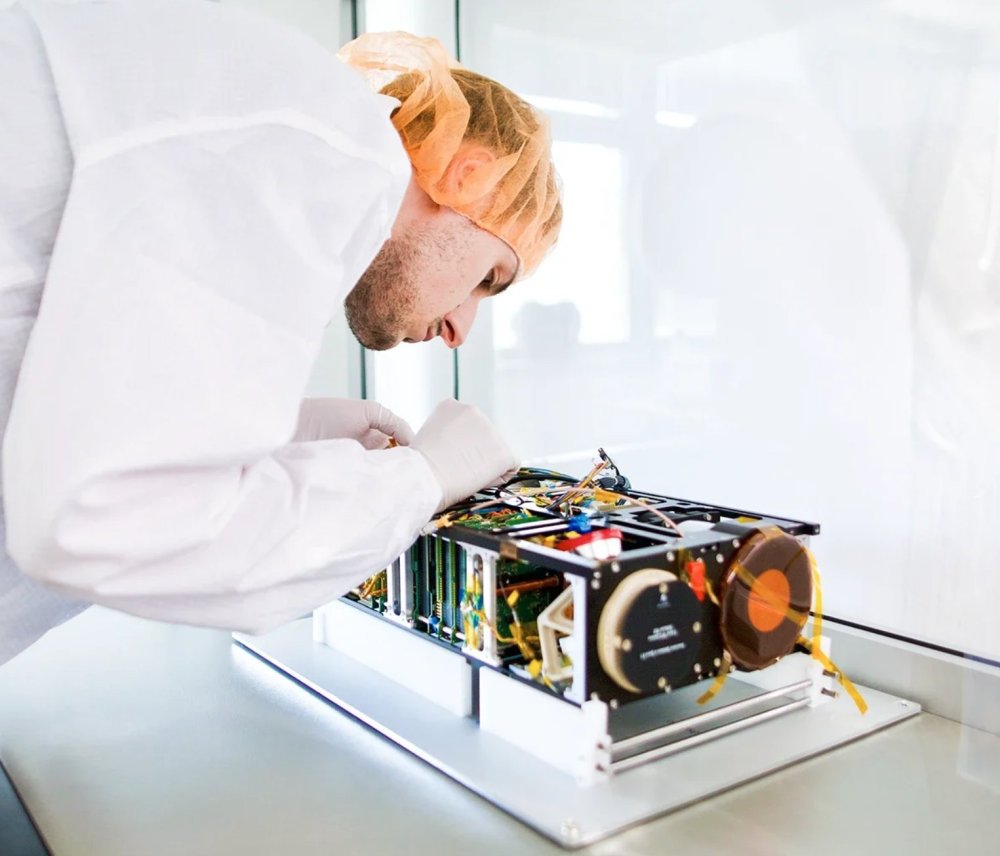
Among these was TROLL, a satellite developed by the Czech Republic’s TRL Space, which specializes in small CubeSat satellites. TRL Space also operates a branch in Rwanda, TRL Space Rwanda.
The TROLL satellite will orbit Earth in the Low Earth Orbit (LEO) region, approximately 2,000 kilometers above the Earth’s surface, a common orbit due to its proximity to Earth.
While in orbit, TROLL will partner with the Rwanda Institute for Conservation Agriculture (RICA) to gather valuable data on Rwandan crops, supporting research to enhance agricultural productivity.
Beyond Rwanda, the satellite will aid efforts to monitor deforestation and human activities that damage soil and water in the Czech Republic.
Through collaboration with the Maldives Space Research Organisation (MSRO), it will also collect data on rising temperatures and sea levels surrounding the Maldives.
The technology developed for TROLL will play a key role in the creation of a similar satellite being built in Rwanda.
The upcoming Rwandan satellite, equipped with advanced sensors that capture a wide colour spectrum, will provide precise data on crops, soil health, and other environmental factors.
According to Petr Kapoum, CEO of TRL Space Rwanda, the Rwandan satellite is expected to be completed by June 2026, 20 months after October 2024.
Once ready, it will be shipped to the United States for launch from either the Kennedy Space Center or Cape Canaveral in Florida, using a SpaceX Falcon 9 rocket.
This project highlights Rwanda’s growing role in space technology and its commitment to leveraging space innovations for sustainable agricultural and environmental solutions.
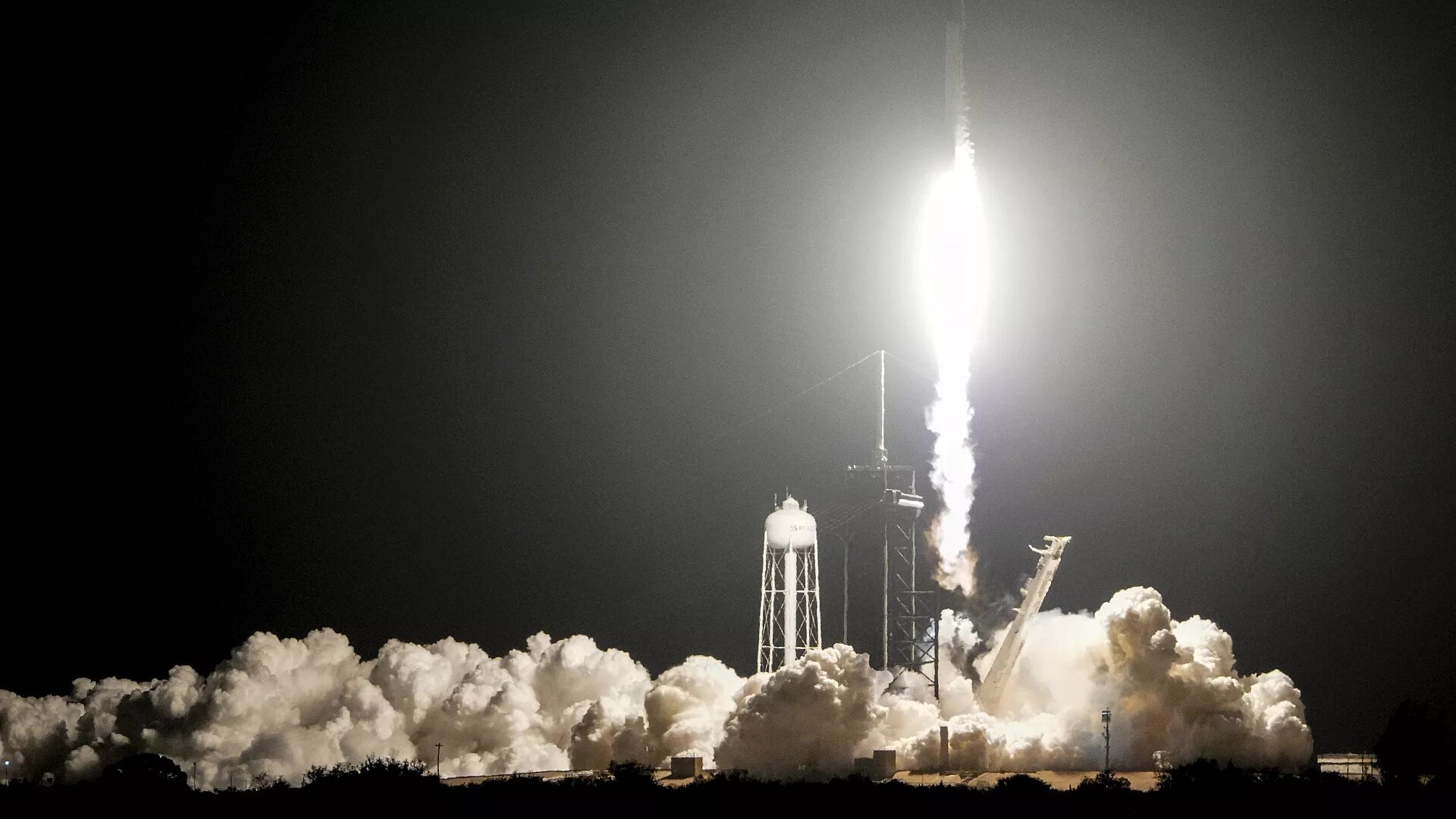
The mission, which departed from NASA’s Kennedy Space Center in Florida at 1:11 a.m. EST, is carrying a suite of NASA scientific instruments and technology demonstrations designed to advance the Artemis program’s goals of establishing a sustainable human presence on the Moon.
The landers, part of Firefly Aerospace’s Blue Ghost Mission 1, are set to touch down on the Moon on Sunday, March 2, near Mons Latreille in the Mare Crisium region—a vast basin on the Moon’s near side.
The mission, part of NASA’s Commercial Lunar Payload Services (CLPS) initiative, includes NASA’s largest payload delivery to the Moon to date. It features cutting-edge instruments designed to study the Moon’s surface, its geological history, and its environment.
The technologies will also address challenges such as radiation protection, lunar dust mitigation, and navigation to ensure future astronauts’ safety and success.
Key features of the mission include instruments designed to explore subsurface thermal activity, analyze lunar soil, test radiation-tolerant computing, and study the effects of rocket landings on the Moon’s surface.
The data collected from the experiments could not only advance lunar exploration but also enhance our understanding of how cosmic forces impact Earth.
“These instruments represent the next step in leveraging what we learned during the Apollo Era,” said Nicola Fox, NASA’s associate administrator for the Science Mission Directorate. “This mission ensures we’re prepared for the next generation of lunar explorers.”
The payloads will contribute to NASA’s broader goals under the Artemis program, including sustainable exploration and preparation for crewed missions to Mars. By leveraging commercial partnerships like CLPS, NASA is accelerating progress toward returning astronauts to the lunar surface and establishing a permanent presence.
“This mission reflects the strength of American innovation,” said Chris Culbert, manager of NASA’s CLPS program. “It’s an exciting time for space exploration, and this delivery is just the beginning.”
With the Moon increasingly becoming a hub for scientific discovery and innovation, the success of missions like Blue Ghost Mission 1 paves the way for humanity’s next giant leap.
However, further studies are needed to determine the quantity of oil and the costs involved in its extraction.
“The good news is that we have oil. Preliminary research in Lake Kivu revealed 13 wells with signs of oil,” RMB’s CEO, Francis Kamanzi, told members of parliament on Wednesday, January 15, 2025.
“Considering discoveries in neighboring regions like Uganda, oil was discovered in Lake Albert, which is believed to be part of the same rift valley stretching through Lake Kivu to Lake Tanganyika. There is confidence that oil exists,” he added.
Kamanzi shared the development during a discussion between the Parliamentary Committee on Governance, Gender Equality and the Ministry of Environment.
Efforts to explore oil in Rwanda began years ago but were halted in 2014.
They resumed after Canada-based company Black Swan Energy discovered that parts of Eastern Kivu could yield oil and gas easily.
The presence of methane gas in Lake Kivu was an initial indicator of potential oil deposits, as methane is often found alongside oil.
Kamanzi expressed optimism, suggesting that Lake Kivu might have larger oil reserves than neighboring countries: “Our Lake Kivu is deeper than other lakes in the region, so we might have more oil than our neighbors.”
While the initial studies confirmed the presence of oil, deeper exploration is needed to determine the quantity, type, and commercial viability.
This involves drilling to collect samples for laboratory analysis.
The process is expensive, as the cost of drilling one well can exceed $15 million (approximately Frw 20 billion).
Earlier research, conducted at depths of up to 480 meters, included deploying machines to collect samples from the lakebed.
These samples confirmed the presence of methane gas and potential oil reserves.
The next phase involves deploying advanced machines to create detailed maps of the lakebed, identifying precise locations of oil and gas reserves.
Previous exploration phases cost Frw 1.7 billion, and future stages are estimated to require between Frw 8 billion and Frw10 billion.
Oil extracted from Lake Kivu could vary in form, ranging from solid asphalt to liquid fuels like diesel or gasoline, or even gas. Determining the exact type will depend on further tests.
Extracting oil from Lake Kivu would follow a similar process to that used for methane gas extraction.
It starts with drilling deep holes in the lakebed, using specialized equipment capable of penetrating rocks and other materials. Once drilled, the base is reinforced with sand or gravel.
Pipes are then inserted into the holes to pump oil from beneath the lakebed to surface storage tanks.
The potential for oil in Lake Kivu represents an exciting opportunity for Rwanda, but significant investment and research are still required to unlock its full potential.
Chapo, 48, won the elections with 65.15% of the vote in the poll conducted in October 2024. However, his victory has faced strong opposition from rivals, sparking widespread protests across the country.
Opposition leader Venancio Mondlane, who returned from self-imposed exile a few days ago, vowed to “paralyze” the country ahead of Chapo’s inauguration.
Chapo and the ruling FRELIMO party continue to call for calm as efforts for dialogue between the rival camps continue.
Meanwhile, Rwanda and Mozambique share strong bilateral relations in areas such as trade, justice, and security.
Since 2021, Rwanda’s security forces have been deployed in Mozambique to combat insurgents who had destabilized the northern Cabo Delgado province.
Following Rwanda’s intervention to fight the Al Sunnah wa Jama’ah terrorist group, many of its leaders have been eliminated. Over 90% of the residents of Cabo Delgado have returned to their homes as security has been restored, and economic and social services have resumed.
Chapo has expressed his commitment to strengthening efforts to restore security in Cabo Delgado. This aligns with his predecessor, President Filipe Nyusi’s approach, signalling a continued partnership with Rwanda’s security forces.
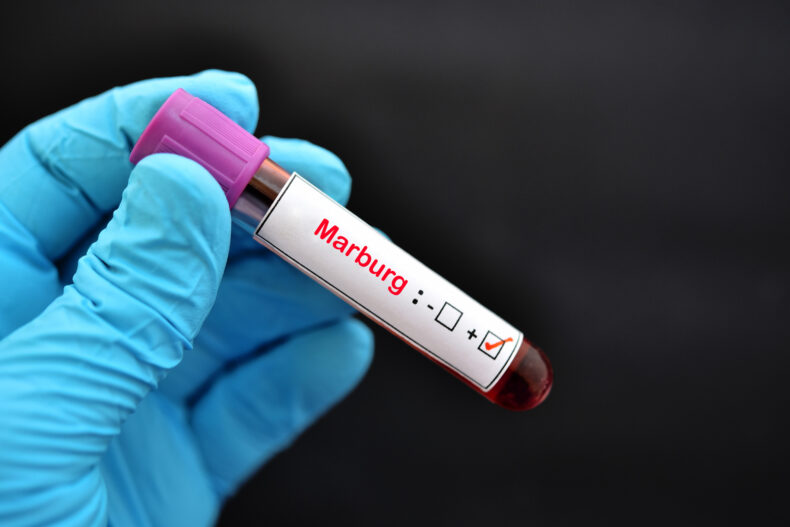
The outbreak, which has been reported in two districts, Biharamulo and Muleba, has raised alarm due to its high case fatality ratio (CFR) of 89% and its potential regional implications.
In a statement dated January 14, 2025, WHO said the agency received reliable reports from in-country sources regarding suspected MVD cases on January 10, 2025.
“Six people were reported to have been affected, five of whom had died,” the statement reads in part.
According to WHO, by January 11, the number of suspected cases had risen to nine, with eight deaths.
Symptoms observed included high fever, headache, back pain, diarrhoea, vomiting with blood (haematemesis), body weakness (malaise), and external haemorrhage in later stages.
WHO formally alerted its Member States and International Health Regulations (IHR) State Parties on 13 January through its Event Information Site (EIS), a secure web-based platform for issuing rapid alerts of public health risks with potential international implications.
Tanzania’s national rapid response teams have been deployed to support outbreak investigations, intensify surveillance activities, and trace contacts of suspected cases.
Laboratory samples from two patients have been sent to the National Public Health Laboratory for confirmation, while a mobile laboratory has been established in the affected region to expedite testing. Treatment units have also been set up to manage suspected cases.
The outbreak follows a previous MVD incident in the same region in March 2023, during which nine cases were reported, resulting in six deaths. The Kagera region is known to harbour zoonotic reservoirs, such as fruit bats, which are natural hosts of the Marburg virus.
WHO assesses the national risk level as high due to the outbreak’s high CFR, its geographic spread across two districts, and the involvement of healthcare workers among the suspected cases. The delayed detection of cases and incomplete information on the outbreak heighten concerns.
According to the global health agency, the region’s strategic location as a transit hub—with significant cross-border movement involving neighbouring countries such as Rwanda, Uganda, Burundi, and the Democratic Republic of the Congo—further raises the potential for regional spread.
Globally, the risk is considered low at this stage, as there is no confirmed international spread. However, the Kagera region’s connectivity through transportation networks and its airport linking to Tanzania’s capital and beyond underscores the need for enhanced surveillance and coordination.
To control the outbreak and reduce transmission, individuals have been urged to avoid direct contact with the blood and bodily fluids of infected patients.
Those suspected or confirmed to have Marburg Virus Disease should seek care at designated treatment centers to prevent household transmission.
Communities are also strongly advised to adhere to safe burial protocols for deceased individuals to minimize the risk of further spread.
WHO has also emphasized the necessity of cross-border collaboration with neighbouring countries to harmonize reporting systems, share critical data, and strengthen readiness capacities.
Enhanced surveillance at points of entry and in border regions is vital to preventing the international spread of the virus.
The suspected outbreak in Tanzania comes just weeks after Rwanda declared the end of its Marburg virus outbreak on December 20, 2024.
The Rwandan outbreak, which began in mid-September, affected 66 individuals, resulting in 15 fatalities and 51 recoveries.
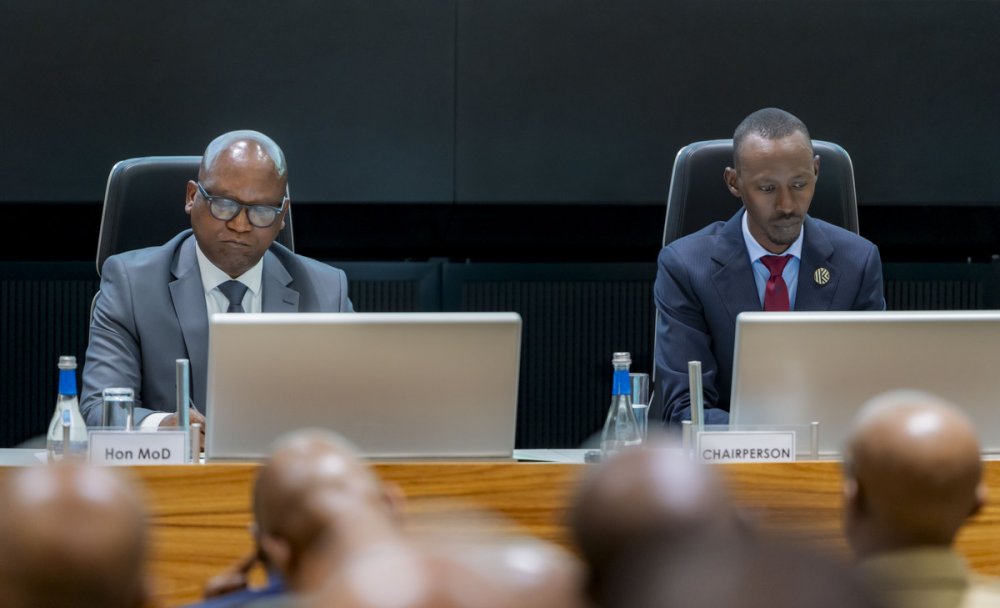
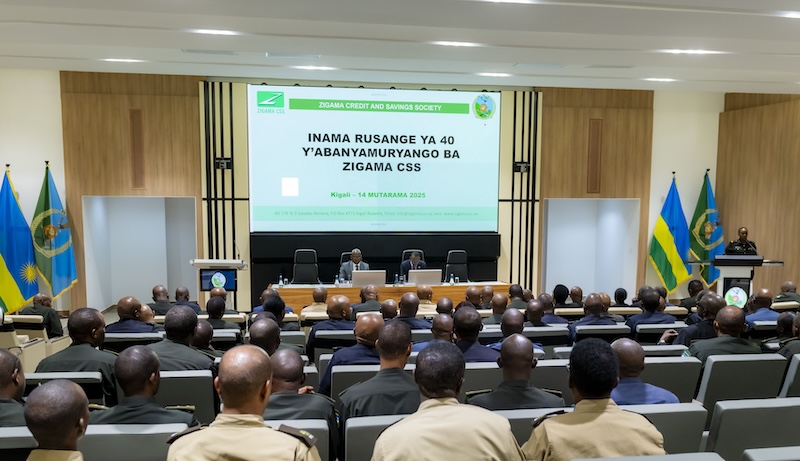
The 40th General Assembly was presided over by the Minister of Defence, Juvenal Marizamunda, alongside RDF service Chiefs, heads of security organs, and selected members.
The 2025 business plan sets ambitious goals for ZIGAMA CSS, including increasing its gross income and raising its net profit.
Mr Nick Barigye, the Chairman of the Board of Directors, ZIGAMA CSS, highlighted the cooperative’s robust financial performance.
He revealed its total assets for 2024 and projected growth for 2025. He affirmed that the achievements underscore the cooperative’s solid foundation and commitment to enhancing the welfare of its members.
ZIGAMA CSS is a cooperative bank composed of members from various security organisations, including the Rwanda Defence Force, Rwanda National Police, Rwanda Correctional Services, National Intelligence and Security Service, Rwanda Investigation Bureau, and Rwanda Forensic Institute.
The bank continues to grow, having announced in December 2023 that it was expected to earn Frw35.7 billion that year, up from Frw22.8 billion in 2022, which was an increase from Frw17.7 billion in 2021.
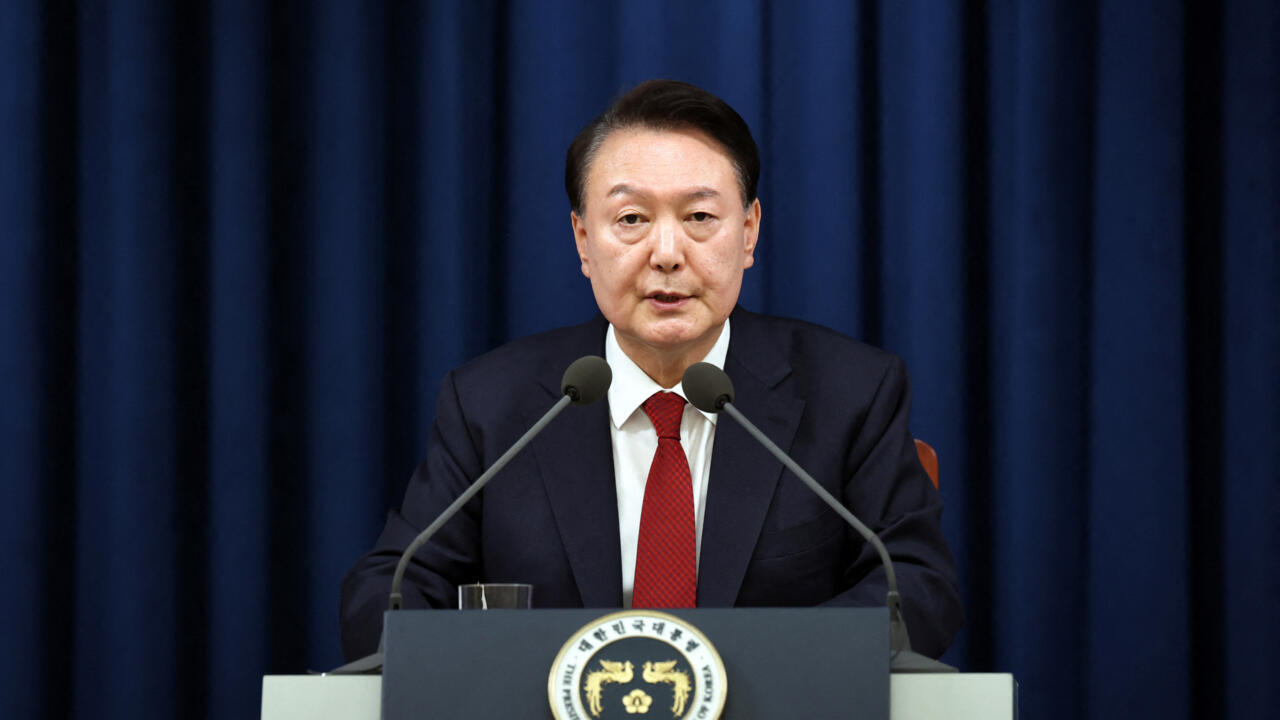
The arrest follows his controversial declaration of martial law in December, which was quickly reversed by the National Assembly.
Reports indicate that Yoon was taken into custody at 10:33 a.m. local time (0133 GMT) by a joint investigation team from the Corruption Investigation Office for High-ranking Officials (CIO), the National Office of Investigation (NOI), and the defense ministry’s investigative unit.
TV footage showed Yoon being transported in a black vehicle to the CIO office in Gwacheon, south of Seoul, before being moved to the Seoul Detention Center in Uiwang, located just 5 km away.
The CIO now has 48 hours to decide whether to request an additional warrant for Yoon’s detention, which could last up to 20 days for further questioning or if he will be released.
Yoon’s arrest follows an earlier failed attempt on January 3, when his security forces prevented the execution of the arrest warrant.
On January 7, a Seoul court approved an extension of the warrant.
This action comes after Yoon repeatedly ignored calls from investigators to voluntarily appear for questioning.
In a pre-recorded statement, Yoon condemned the arrest, claiming the warrant was illegal and executed through force.
He stated that his acceptance of the procedure was to prevent further conflict.
The arrest took place after Yoon’s supporters, legal team, and ruling party lawmakers blocked investigators for over two hours at the main gate of the presidential residence.
Despite this, the investigators from the CIO and NOI were able to break through the security cordons.
The martial law declaration on December 3, which was swiftly revoked by the National Assembly hours later, led to charges of insurrection against Yoon.
Following the martial law incident, the National Assembly voted to impeach the president on December 14, and the case is now under review by the constitutional court, which has up to 180 days to deliberate.
Yoon’s impeachment trial began with its first formal hearing on January 14, but it lasted only four minutes as Yoon failed to appear.
A new justice, appointed by the opposition Democratic Party, was included in the hearings despite Yoon’s objection.
With two out of three vacancies filled on the nine-member bench, there is increasing speculation that Yoon’s impeachment could be upheld.
For Yoon to be removed from office, at least six justices must support the motion.
The court is scheduled to hold further hearings on January 16, 21, 23, and February 4.