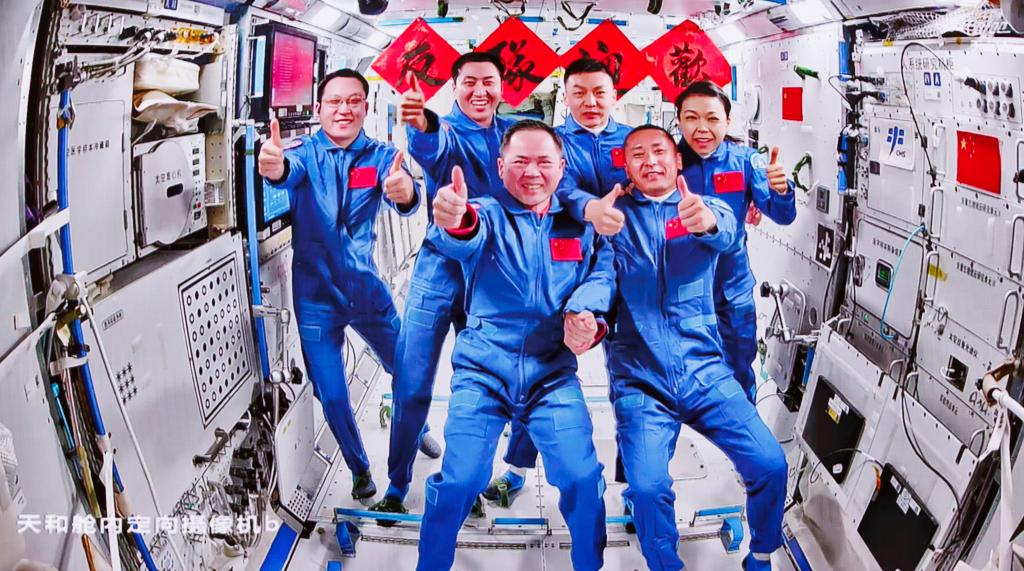
The Shenzhou-21 crew aboard Tiangong opened the hatch at 5:13 a.m. (Beijing Time) and welcomed the new arrivals, according to the China Manned Space Agency (CMSA).
The two crews then took group pictures for the eighth space get-together in China’s aerospace history.
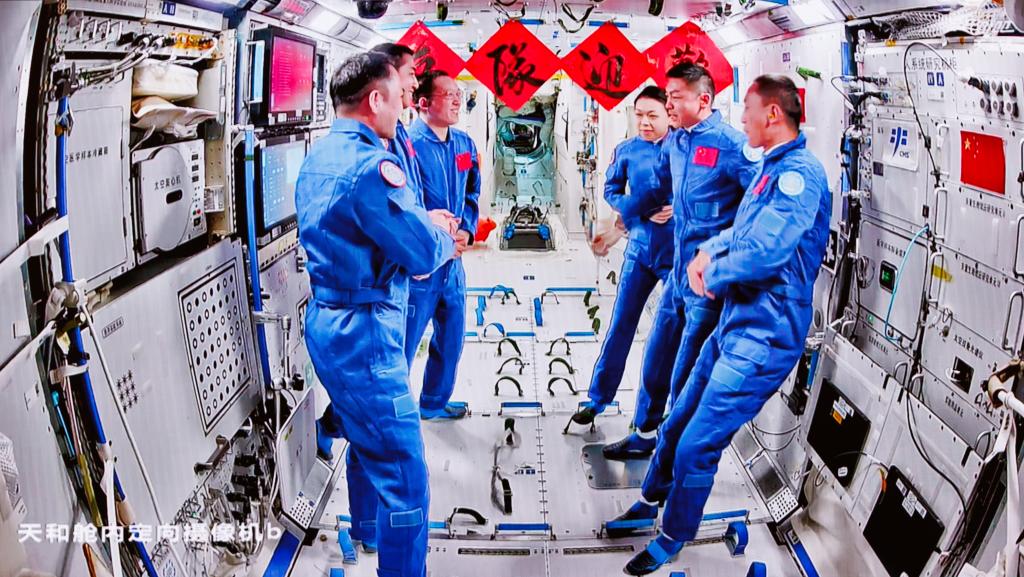
They will conduct handover work aboard the space station, the CMSA said.
This image captured at Beijing Aerospace Control Center on May 25, 2026 shows the crew of Shenzhou-21 and Shenzhou-23 spaceships talking with each other.
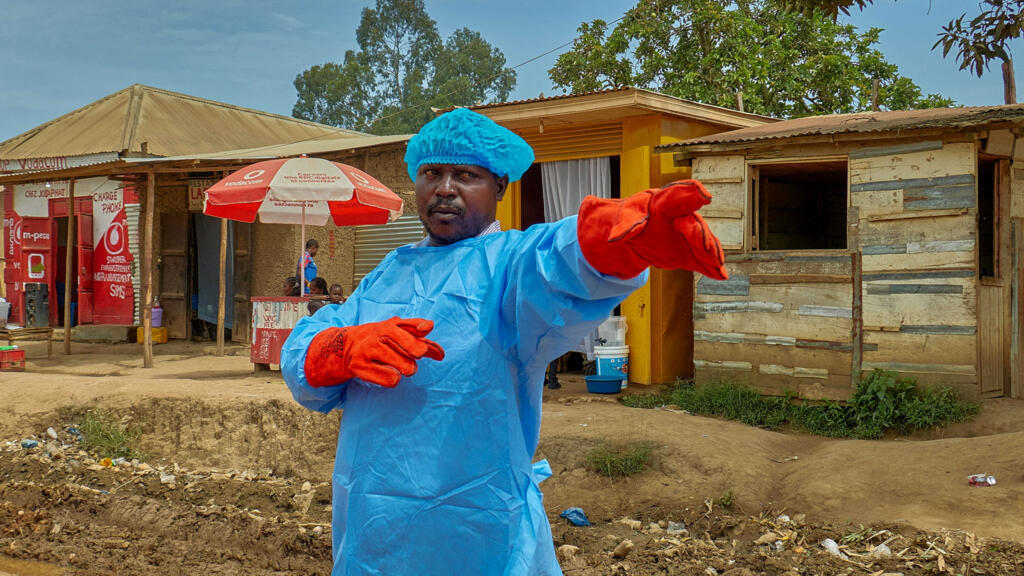
The funding will help the World Health Organisation, UN, international and NGO partners respond rapidly to the outbreak by strengthening disease surveillance, supporting frontline health workers, improving infection prevention and control, and helping affected communities access lifesaving care.
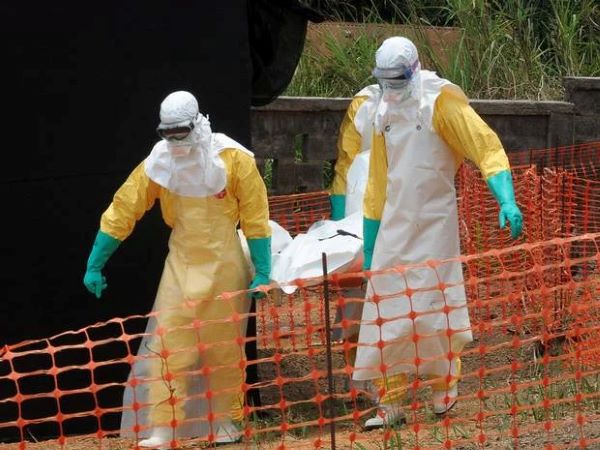
Most confirmed cases are in the Ituri region of eastern DRC – a region already facing significant humanitarian and security challenges.
Alongside this funding, UK humanitarian partners are already responding to contain the outbreak. The UK has been working with leading international humanitarian organisations to contain the outbreak.
Through the Strategic Assistance for Emergency Response (SAFER) consortium, the UK is pivoting funding to improve water, sanitation and hygiene systems, ensuring frontline responders and local communities have vital personal protective equipment , and strengthening Ebola containment measures.
The UK is also refocusing efforts to protect maternity facilities and support civil society organisations to strengthen prevention and control, and mitigate the risk of increased birth complications and sexual violence during the outbreak.
Recently on 21st May, the Foreign Secretary and Secretary of State for Health and Social Care chaired a cross-government meeting to coordinate the UK’s response to the outbreak, including how to protect British nationals overseas and work with international partners.
UK Foreign Secretary Yvette Cooper said: “It is vital we act now to save lives – outbreaks like Ebola do not stop at borders, and neither can we.’
‘This outbreak is a stark reminder that global health threats require a global response. The UK is working hand-in-hand with partners – boosting much needed funding but also sharing our technical expertise, to contain the outbreak, protect our security, and support those most at risk.”
The UK Health Security Agency (UKHSA) is assessing routes by which travellers enter the UK from the affected countries and will be working with the Foreign, Commonwealth & Development Office, Department for Transport, and Border Force to ensure information is available to them on Ebola symptoms and how to access healthcare if unwell.
The UK has updated its travel advice and advises against all but essential travel to some parts of the DRC.
Additionally, UKHSA has activated the Returning Workers Scheme, which aims to protect and monitor the health of individuals travelling from the UK to affected areas for their work. Organisations deploying workers to affected areas where they may be exposed to Ebola through their work should register those workers with the scheme.
Commenting on the development, Dr. Mike Reynolds, Incident Director at UKHSA, said: “While the current outbreak of Ebola affecting the Democratic Republic of Congo and Uganda is serious, the risk it poses to the UK population is low. UKHSA continues to monitor and assess the situation closely and the NHS has safe procedures in place for any such cases and specialist centres where they can be looked after.”
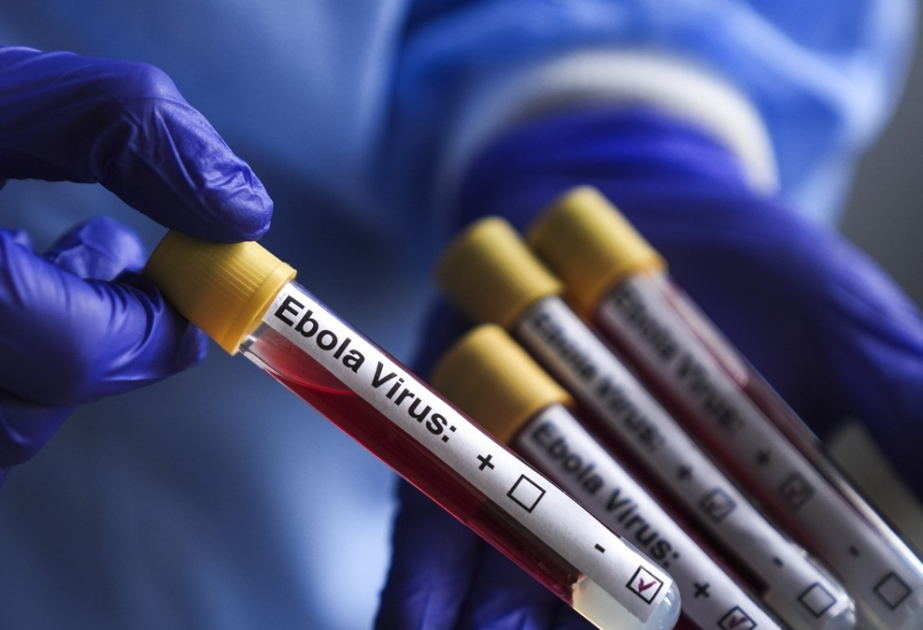
The UK has stepped up efforts to contain Ebola outbreak in eastern DRC.
West Texas Intermediate crude for July delivery dropped as much as 5.35 U.S. dollars, or 5.53 percent, to 91.25 dollars per barrel at one point. Brent crude for July delivery sank 5.57 dollars, or 5.38 percent, to 97.97 dollars a barrel at the low point.
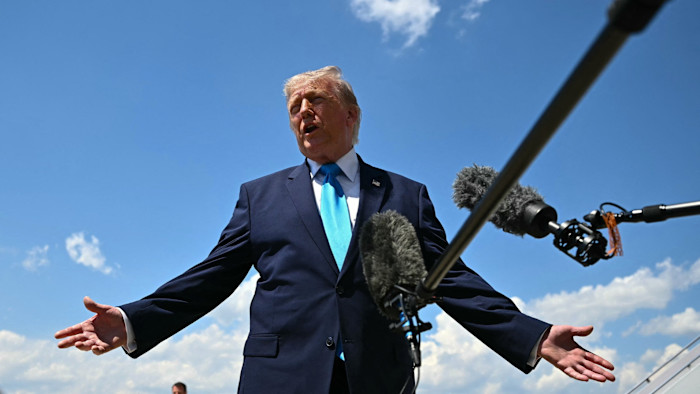
U.S. President Donald Trump announced Saturday that a peace agreement with Iran has been “largely negotiated,” subject to finalization between the United States, Iran and other relevant countries in the Middle East.
A proposed agreement the United States and Iran are close to signing involves a 60-day ceasefire extension, during which the Strait of Hormuz would be reopened, Iran would be able to freely sell oil, and negotiations would be held on curbing Iran’s nuclear program, Axios quoted a U.S. official as saying on Saturday.
U.S. Secretary of State Marco Rubio said the United States was prepared to enter “into very serious talks” about Iran’s nuclear program if Iran reopened the Strait of Hormuz, The New York Times reported on Sunday.
Meanwhile, the Navy of Iran’s Islamic Revolution Guard Corps (IRGC) on Sunday said 33 vessels had passed through the Strait of Hormuz within the past 24 hours in coordination with and after obtaining permission from its forces.
Regional pump prices
Despite the sudden drop in global futures, the economic shockwaves of the Middle East energy crisis continue to hit consumers across the East African Community (EAC), where local regulated pump prices reflect weeks of severe supply constraints. Because local pricing cycles lag behind the wholesale market, the immediate relief on global exchanges has yet to trickle down to regional consumers.
In Rwanda, regulated fuel prices remain at historic highs following mid-April tariff revisions by the Rwanda Utilities Regulatory Authority (RURA). Petrol currently retails at Rwf 2,938 per litre, a steep climb from the Rwf 2,303 per litre seen earlier in the first quarter, while diesel stands at Rwf 2,205 per litre.
In Kenya, the fiscal strain of funding fuel subsidies forced the government to pass a 23.5% diesel price hike on to consumers in the May pricing cycle. This triggered a massive nationwide public transport strike led by matatu operators and widespread protests that paralysed Nairobi and major trade corridors. The unrest resulted in four deaths and more than 700 arrests before the Ministry of Interior secured a temporary one-week pause on the strike to initiate stakeholder negotiations.
Still, Hamad Hussain, a commodities economist at Capital Economics, warned that it would be hard for energy supplies to go back quickly to the level prior to the start of the war on Iran due to damage to facilities, halted oil production and broader obstacles to shipping through the Strait of Hormuz.
Oil prices will stay elevated for some time and would only start to trend lower as and when the supply-demand balance in the oil market materially improves, which is likely to be well into 2027, said Hussain. For oil-import dependent nations across East Africa, this points to a prolonged period of high inflation and intense pressure on national foreign exchange reserves.
A proposed agreement the United States and Iran are close to signing involves a 60-day ceasefire extension, during which the Strait of Hormuz would be reopened, Iran would be able to freely sell oil, and negotiations would be held on curbing Iran’s nuclear program, Axios quoted a U.S. official as saying on Saturday.
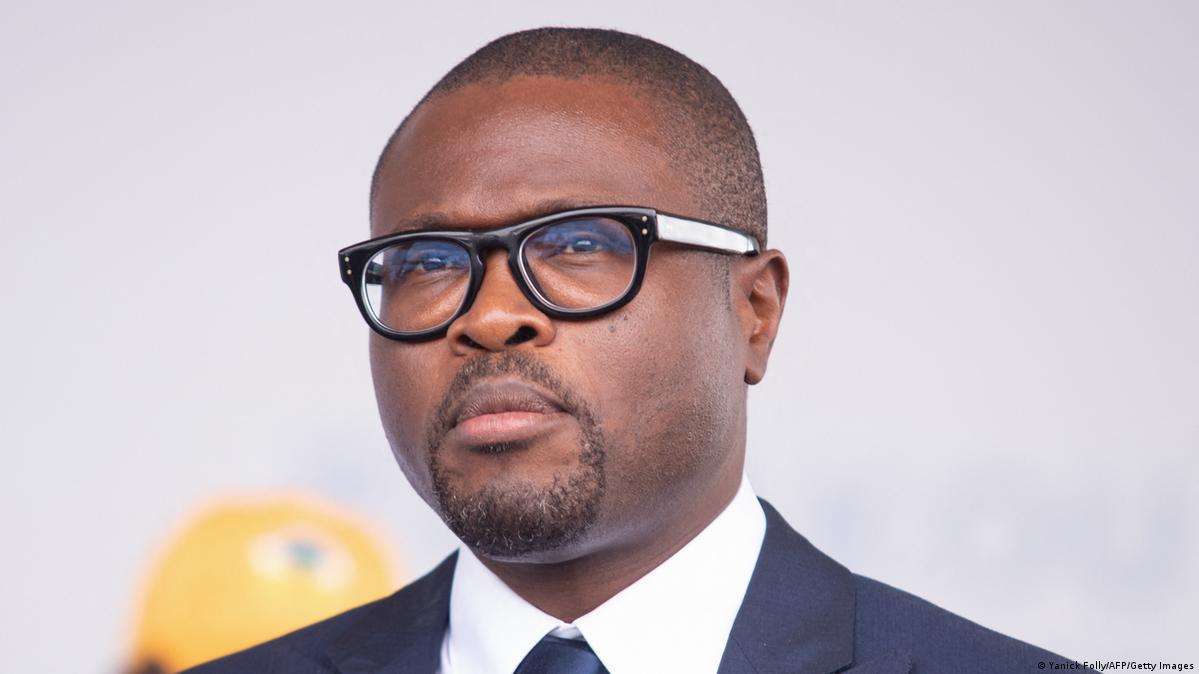
According to the decree, the new government consists of 19 ministers and 5 minister-delegates. Among the new appointments, Corinne Amori Brunet, former Beninese Ambassador to France, has been named as foreign minister. Aristide Medenou has been appointed as minister of economy and finance.
Wadagni pledged to focus on job creation, access to basic services and social protection.
Wadagni was sworn in on Sunday morning in Cotonou, Benin’s economic capital. Under the Beninese Constitution, the president holds executive power, serves as the head of government and exercises administrative regulatory authority.
Beninese President Romuald Wadagni signed a decree on late Sunday announcing the lineup of the new government.
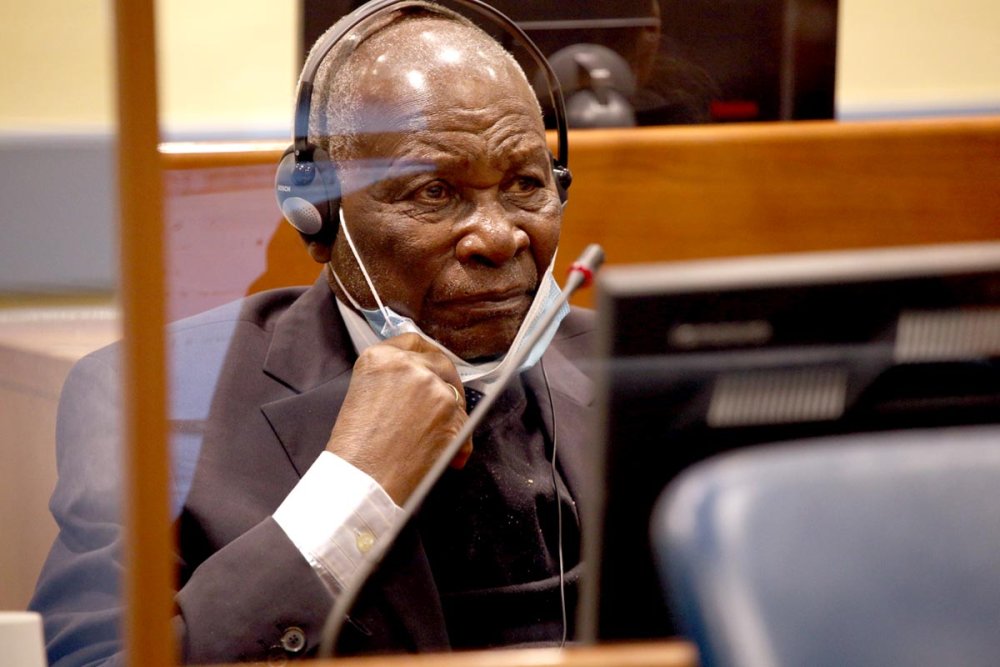
Prosecutors accused Kabuga of using his wealth and business network to support the planning and execution of the genocide, including financing and supplying weapons used during the killings.
In November 1993, one of Kabuga’s companies imported 25 tonnes of machetes from China, before reportedly purchasing another 50,000 in March 1994. The weapons were later used during the Genocide against the Tutsi, alongside other crude weapons, which he is accused of distributing.
Kabuga was arrested in France in May 2020 after spending 26 years evading justice over allegations linked to the genocide. During his years in hiding, he reportedly benefited from protection networks in several Western countries.
After a $5 million reward was announced for information leading to his arrest, Kabuga took extensive measures to silence anyone suspected of revealing his whereabouts.
Following his death, genocide survivors’ umbrella organisation IBUKA said the crimes attributed to Kabuga had not died with him, stressing that survivors should still receive justice, particularly through compensation claims.
Born in what is now Mukarange Sector in Gicumbi District, Kabuga began as a small-scale trader before building a vast business empire through cross-border trade and smuggling goods from Uganda into Rwanda. He later relocated to Kigali, where he became one of the country’s wealthiest businessmen.
Kabuga died on May 16, 2026, in a hospital in The Hague, Netherlands, while in United Nations custody.
‘Interahamwe trained at Kabuga’s residence’
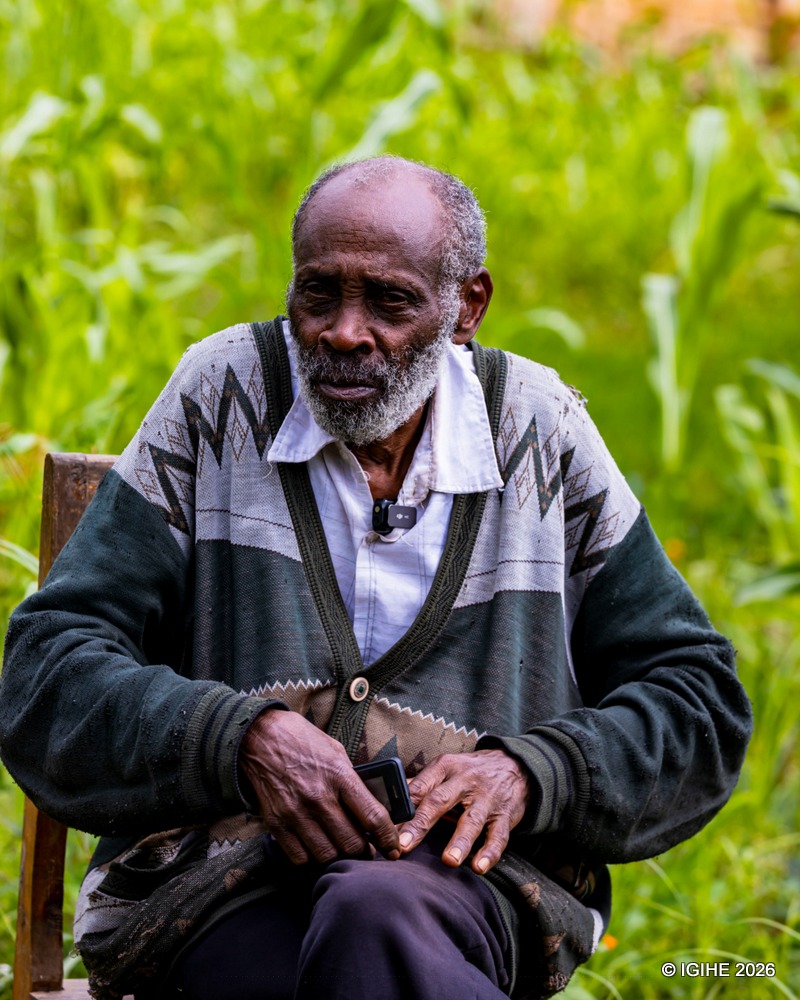
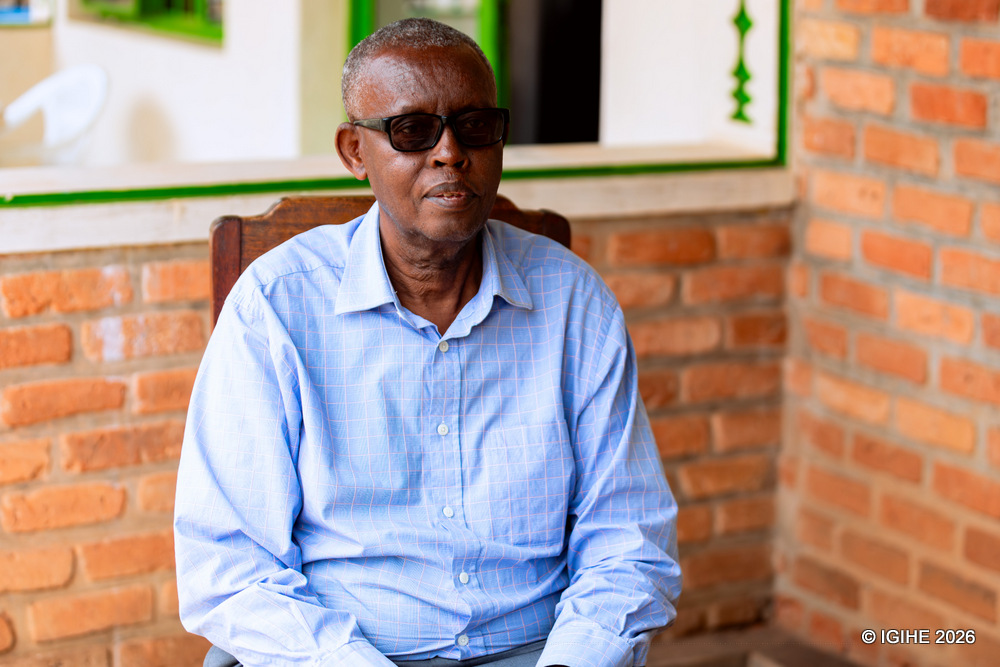
Pierre Zukuriza, 68, a longtime resident of Kimironko and current president of IBUKA in Gasabo District, said he was once Kabuga’s neighbour before the genocide.
Speaking to IGIHE, Zukuriza said Kabuga initially appeared to be an ordinary businessman but later became deeply involved in extremist activities.
“His compound covered more than a hectare,” Zukuriza said. “It was there that Interahamwe militias from Kimironko and surrounding areas were trained on how to kill Tutsi. They conducted drills and meetings there, and they openly spoke about it.”
According to him, militia members received items such as cooking oil and soap as payment, which they sold to buy alcohol.
Zukuriza said many Interahamwe members in Kimironko were poor and initially lacked even the means to buy machetes. However, after President Juvénal Habyarimana’s plane crash on April 6, 1994, militias trained at Kabuga’s home appeared in the streets armed with machetes, axes and clubs while openly declaring plans to kill Tutsi.
Another former Kimironko resident, Pierre Celestin Sinderibuye, described Kabuga’s residence as a feared location guarded by groups of young men brought from Byumba.
He said the men intimidated residents passing near the property and were often paid with goods that they sold to purchase alcohol before publicly boasting about killing Tutsi.
Sinderibuye added that many of the men living at Kabuga’s residence used aliases, making it difficult to identify and prosecute them today for their alleged role in the genocide.
‘We held meetings at Kabuga’s home’
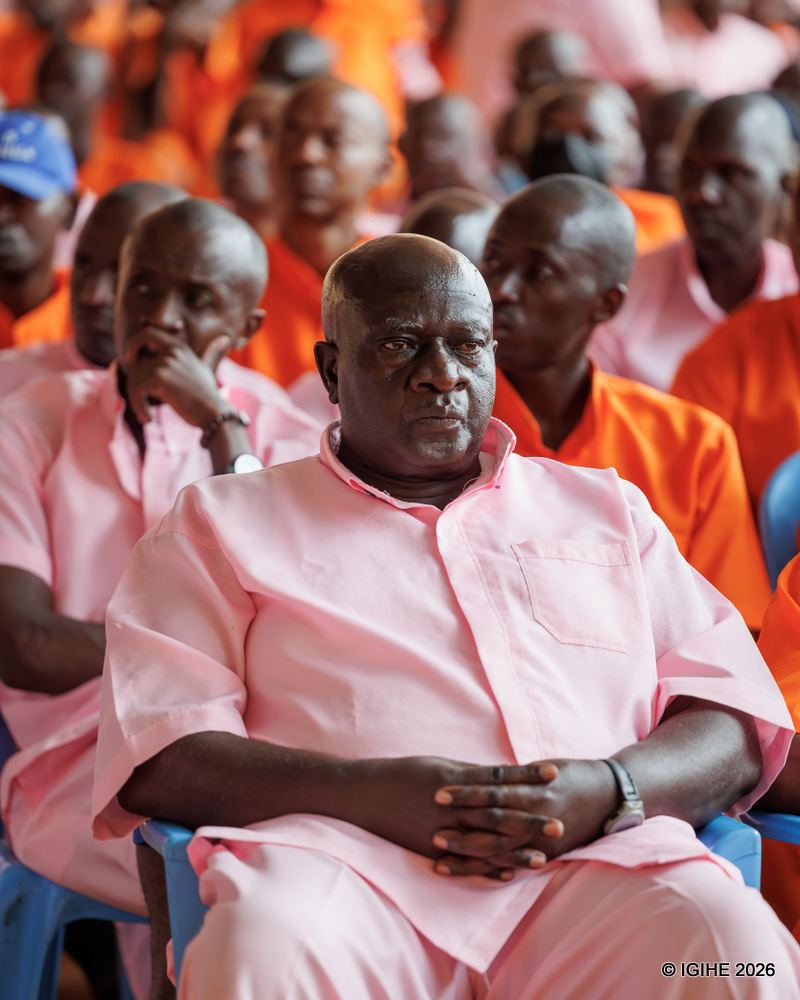
Kabuga’s role in the genocide was also reinforced by testimony from Grégoire Nyirimanzi, who is serving a sentence at Nyarugenge Prison in Mageragere for genocide-related crimes.
Nyirimanzi, a former councillor in Nyakabanda Sector, admitted to mobilising youth for weapons training and distributing arms used during the killings.
Kabuga’s role in the genocide was also reinforced by testimony from Grégoire Nyirimanzi, who is serving a sentence at Nyarugenge Prison in Mageragere for genocide-related crimes.
In an interview with IGIHE in April 2026, before Kabuga’s death, Nyirimanzi said several meetings were held at Kabuga’s properties and that Kabuga actively supported Interahamwe militias.
“It is not true that accusations against Kabuga were fabricated,” Nyirimanzi said. “We held meetings at his home in Muhima, and he personally attended those meetings. We also met in Rebero, where he assured us of any support we would need.”
Nyirimanzi said those speaking about Kabuga were motivated by the need for truth and accountability rather than personal disputes.
He further alleged that Kabuga pledged logistical and financial support for the campaign against Tutsi.
“At one of the meetings, Mathieu Ngirumpatse was present,” he said. “Kabuga assured us that he would support us in every possible way.”
Nyirimanzi also claimed Kabuga financed food supplies for Interahamwe groups, particularly those operating within the Nyamirambo Brigade.
Close ties with President Habyarimana
Zukuriza said Kabuga maintained exceptionally close relations with former President Juvénal Habyarimana, arguing that the relationship helped facilitate coordination among key figures involved in the genocide.
“He was closely connected to President Habyarimana because they became family,” he said. “Habyarimana’s son Jean Pierre married Kabuga’s daughter.”
He added that another son of Habyarimana also married another of Kabuga’s daughters, which he described as evidence of a deep alliance between the two families.
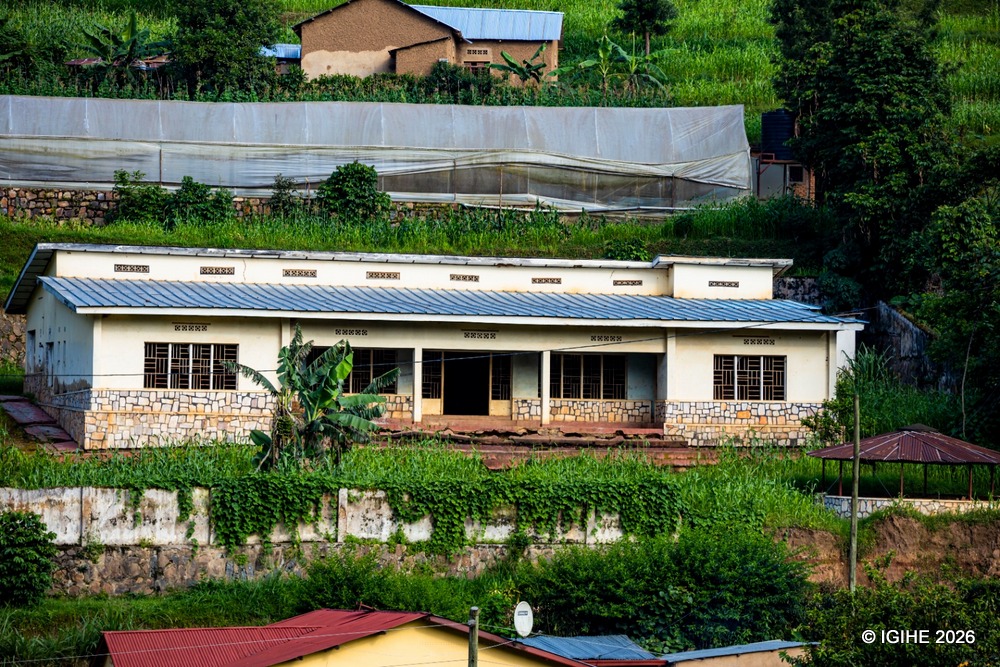
This house was the rural home of Félicien Kabuga in Mukarange Sector, Gicumbi District, where he was visited by people including President Habyarimana.
Zukuriza further argued that despite Kabuga’s death, survivors should still receive compensation from properties linked to him in areas including Kimironko, Muhima, Kimihurura and Byumba.
Kabuga among RTLM founders
Radio Télévision Libre des Mille Collines (RTLM), established on July 8, 1993, played a central role in spreading hate propaganda and inciting violence during the Genocide against the Tutsi between April and July 1994.
The station operated from premises located in what is now Kigali’s Car-Free Zone and reportedly benefited from electricity supplied directly from the presidential office, ensuring uninterrupted broadcasts.
RTLM was founded by a group led by Dr Ferdinand Nahimana, one of Rwanda’s prominent intellectuals at the time.
Nahimana drafted the initial proposal for the station, while Kabuga chaired RTLM’s founding committee.
Other members included Joseph Serugendo, Ephrem Ntezabera and Jean
Bosco Barayagwiza, while President Habyarimana was reportedly among the station’s principal shareholders.
Additional shareholders included Kabuga, Philippe Basabose and several senior government officials of the time.
RTLM also worked closely with Rwanda’s former state information office, ORINFOR, with many of its journalists coming from the state broadcaster.
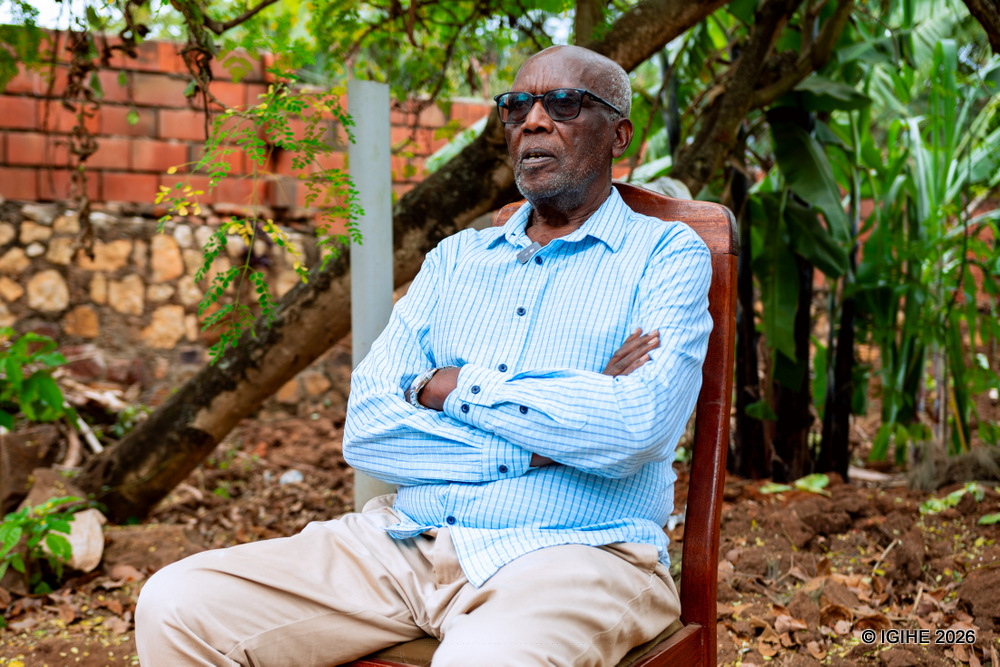
Jean Baptiste Munyaneza, Kabuga’s cousin who also worked as a domestic employee in his household, said the businessman frequently hosted influential visitors because of his wealth and status.Pierre Zukuriza, who lived near Kabuga in Kimironko, said Interahamwe militias trained at Kabuga’s residence on how to kill Tutsi. He said they were paid for the training and, after getting drunk, would openly boast about their plans.Pierre Celestin Sinderibuye, who lived near Kabuga in Kimironko, said Kabuga’s residence was widely feared because of groups of young men from the Abakiga community who were brought there and routinely intimidated residents who approached the property.
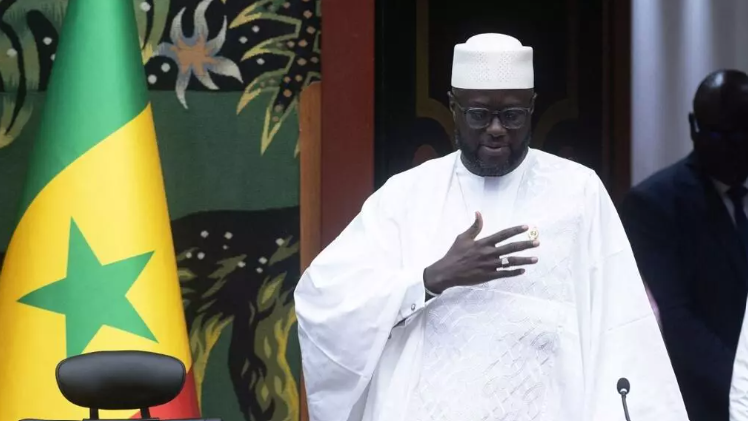
Ndiaye announced his resignation on Sunday, less than 48 hours after President Bassirou Diomaye Faye fired Sonko amid escalating tensions between the two longtime political allies.
In a message posted on social media, Ndiaye said his decision came “after deep reflection” and was driven by “a personal choice, guided above all by my understanding of institutions, public responsibility and the supreme interest of the Nation.”
The resignation is widely seen as a move by Sonko’s camp as divisions widen within the ruling Pastef party, which swept to power in the 2024 elections on promises of sweeping reforms, anti-corruption measures and economic recovery.
Ndiaye, a close ally of Sonko, leaves behind a powerful position that could now pave the way for the ousted prime minister to seek leadership of parliament, where Pastef holds an overwhelming majority with 130 of the National Assembly’s 165 seats.
Senegal’s National Assembly is expected to examine Sonko’s possible return to parliament on Tuesday, when lawmakers are also due to appoint Ndiaye’s successor. If elected speaker, Sonko would become the country’s second-highest state official, potentially intensifying tensions between the legislative and executive branches.
The fallout marks a dramatic turn for Faye and Sonko, whose alliance dominated Senegalese politics over the past two years. Faye’s rise to the presidency in 2024 was largely credited to Sonko’s backing after the former prime minister was barred from contesting the election because of a defamation conviction.
Both men, former tax inspectors turned opposition figures, were jailed ahead of the election under the administration of former President Macky Sall before being released days before the vote. Faye later won the presidency with 54 percent of the vote.
The political uncertainty comes at a delicate time for Senegal’s economy, as the government seeks to revive negotiations with the International Monetary Fund (IMF) after the lender suspended a $1.8 billion support programme following revelations of hidden debt under the previous administration.
Before Sonko’s dismissal on Friday, Finance Minister Cheikh Diba had told parliament that Senegal hoped to resume talks with the IMF in June and secure an agreement on key issues by the end of the month.
Sonko, who has largely remained silent since his dismissal, is expected to address supporters during Pastef’s national congress scheduled for June 6, where he could outline his next political move.
Malick Ndiaye announced his resignation on Sunday, less than 48 hours after President Bassirou Diomaye Faye fired Sonko amid escalating tensions between the two longtime political allies.
In Ituri province, the epicentre of the outbreak, nearly 5 million people live amid ongoing conflict, with one in four in need of humanitarian assistance and one in five internally displaced, Tedros said in a post on X.
“The violence is forcing people to flee, including health and humanitarian workers. This is severely impeding efforts to scale up Ebola contact tracing and identify infections early enough to provide supportive care,” he added, noting that ongoing insecurity and fear are also fueling mistrust within communities.
The WHO chief said that WHO and humanitarian health partners maintain a presence across Ituri, including in some of the hardest-to-reach and most insecure areas, where communities are facing not only the threat of Ebola but also a wide range of diseases.
Tedros emphasized that delivering a comprehensive package of healthcare services is essential — not only to meet urgent health needs, but also to build the trust that is critical for an effective Ebola response.
On May 16, Tedros determined that the Ebola disease caused by the Bundibugyo virus in the DRC and Uganda constitutes a public health emergency of international concern. On May 22, the WHO revised its risk assessment to “very high” at the national level, while keeping it as “high” at the regional level and “low” globally.
“The Blockade will remain in full force and effect until an agreement is reached, certified, and signed,” he said in a post on Truth Social. He added: “Both sides must take their time and get it right.”
The president reiterated that Iran will not be allowed to develop or procure a nuclear weapon.
He also said the “negotiations are proceeding in an orderly and constructive manner.”
An Israeli government source said on Sunday that Trump has told Israeli Prime Minister Benjamin Netanyahu that he would not sign a final deal with Iran unless Tehran dismantled its nuclear program and removed all enriched uranium from its territory.
Iranian Foreign Ministry spokesman Esmaeil Baghaei said Saturday that Iran and the United States are working to finalize a memorandum of understanding on ending the war.
Trump has reiterated that Iran will not be allowed to develop or procure a nuclear weapon.
Backed by a vibrant home crowd at the BK Arena, the Tigers, who are participating in the BAL for the first time, leaned on their stellar 95-72 victory from the first leg to protect their aggregate advantage and keep their continental championship dreams very much alive.
Rabat mounts an early charge
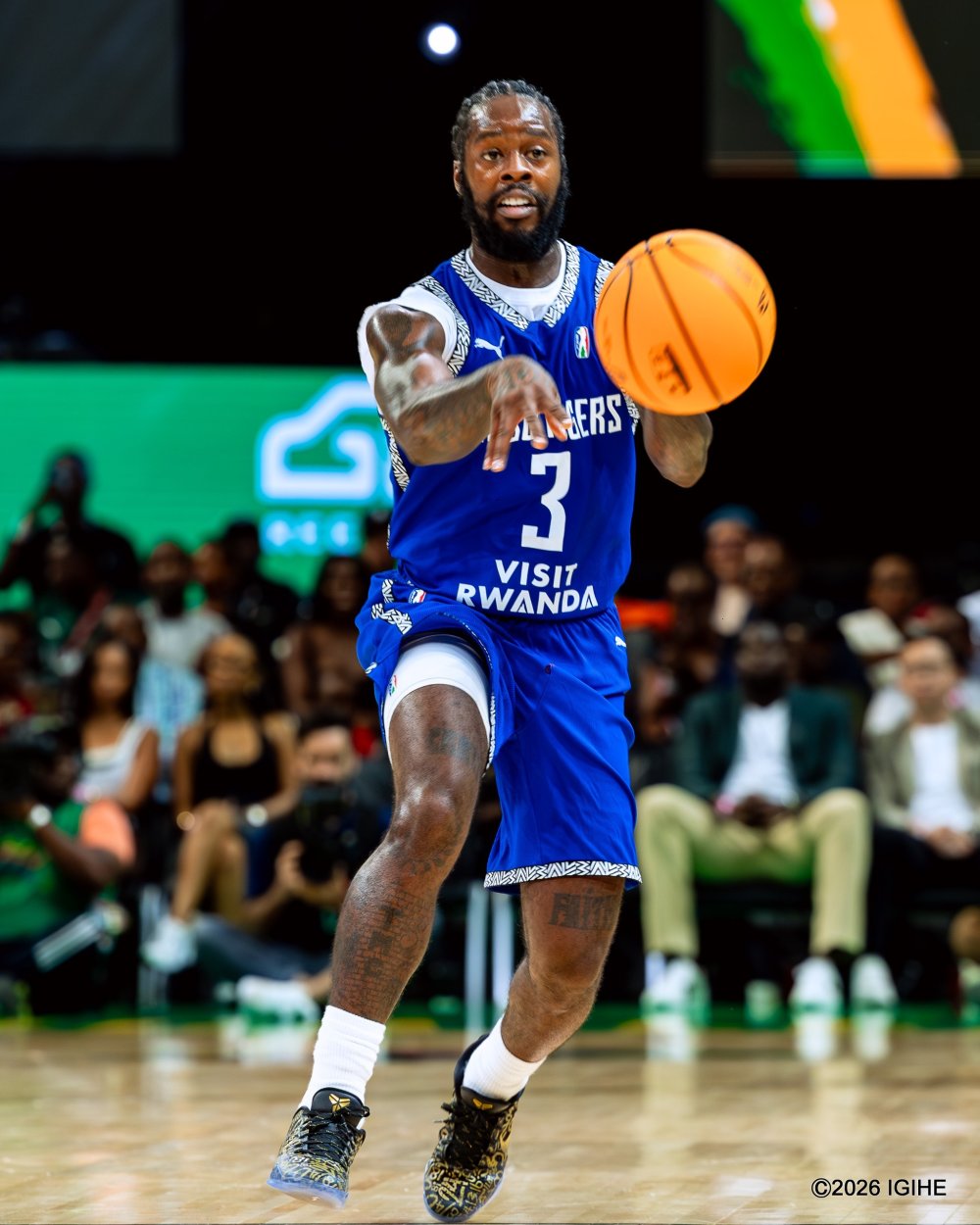
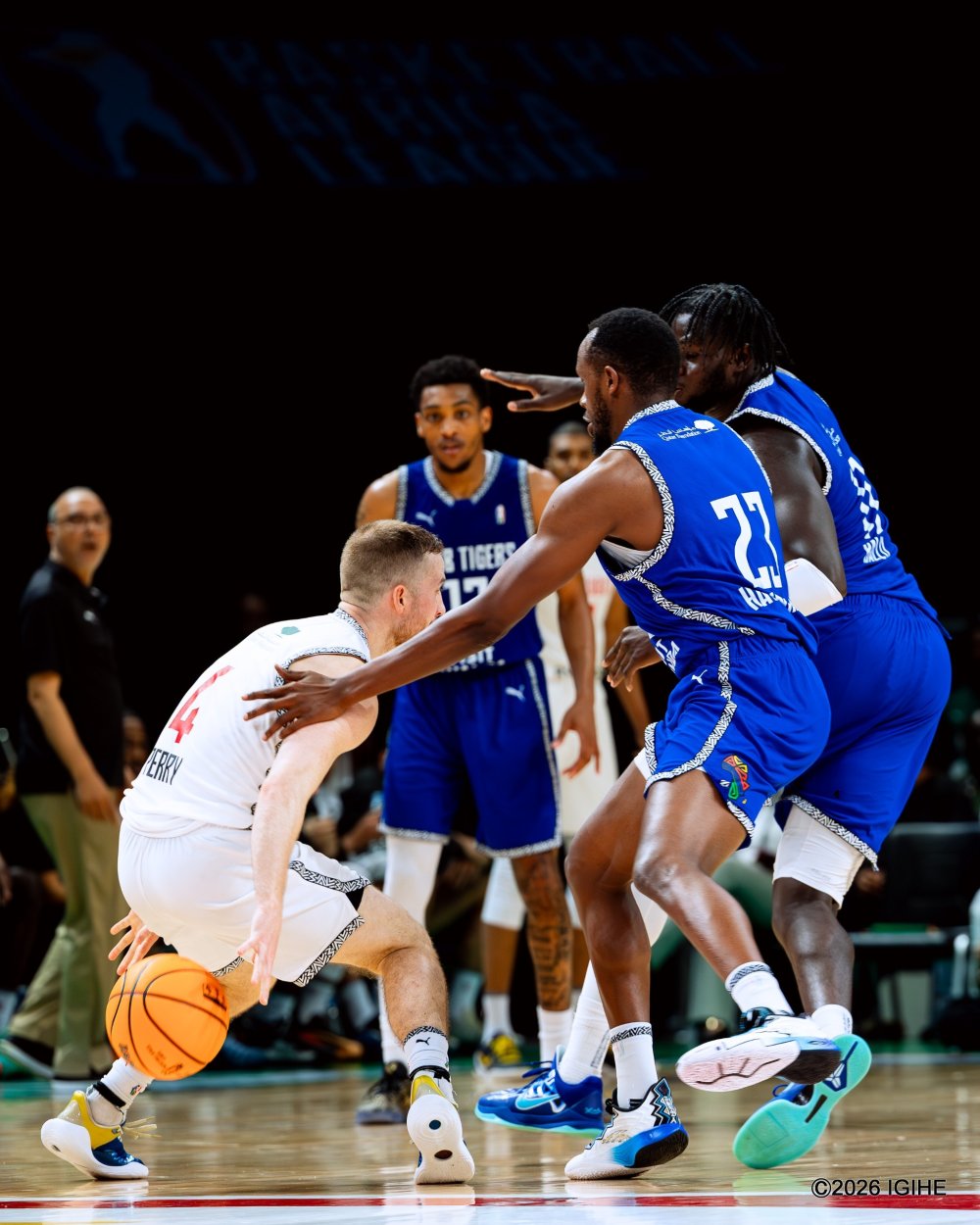
Entering Sunday’s highly anticipated return fixture with a 23-point cushion, the Tigers knew the Moroccan powerhouse would throw everything at them. FUS Rabat received a major boost with the return of star playmaker William Perry, who sat out the first leg. Perry catalysed an aggressive start for the visitors, hitting crucial perimeter shots on his way to 29 points and 11 assists, helping Rabat command a 32-14 lead by the end of the opening quarter.
Showing the heart of champions, the Tigers adjusted quickly in the second period. Spearheaded by the offensive brilliance of Craig Randall, the hosts responded with a 30-19 run to steady the ship and trim Rabat’s halftime lead to a manageable 51-44.
Weathering the storm
The third quarter tested the Tigers’ resolve. FUS Rabat unleashed an explosive run, finding spaces in the paint and building an imposing 79-58 lead at one stage. With their aggregate advantage temporarily narrowed, the local crowd rallied behind the team, and the Tigers never panicked, maintaining focus heading into the final frame.
Randall’s heroics spark fourth-quarter rally
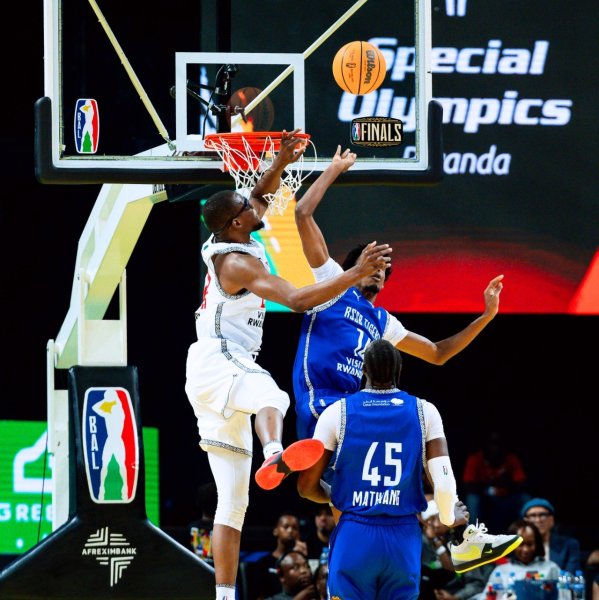
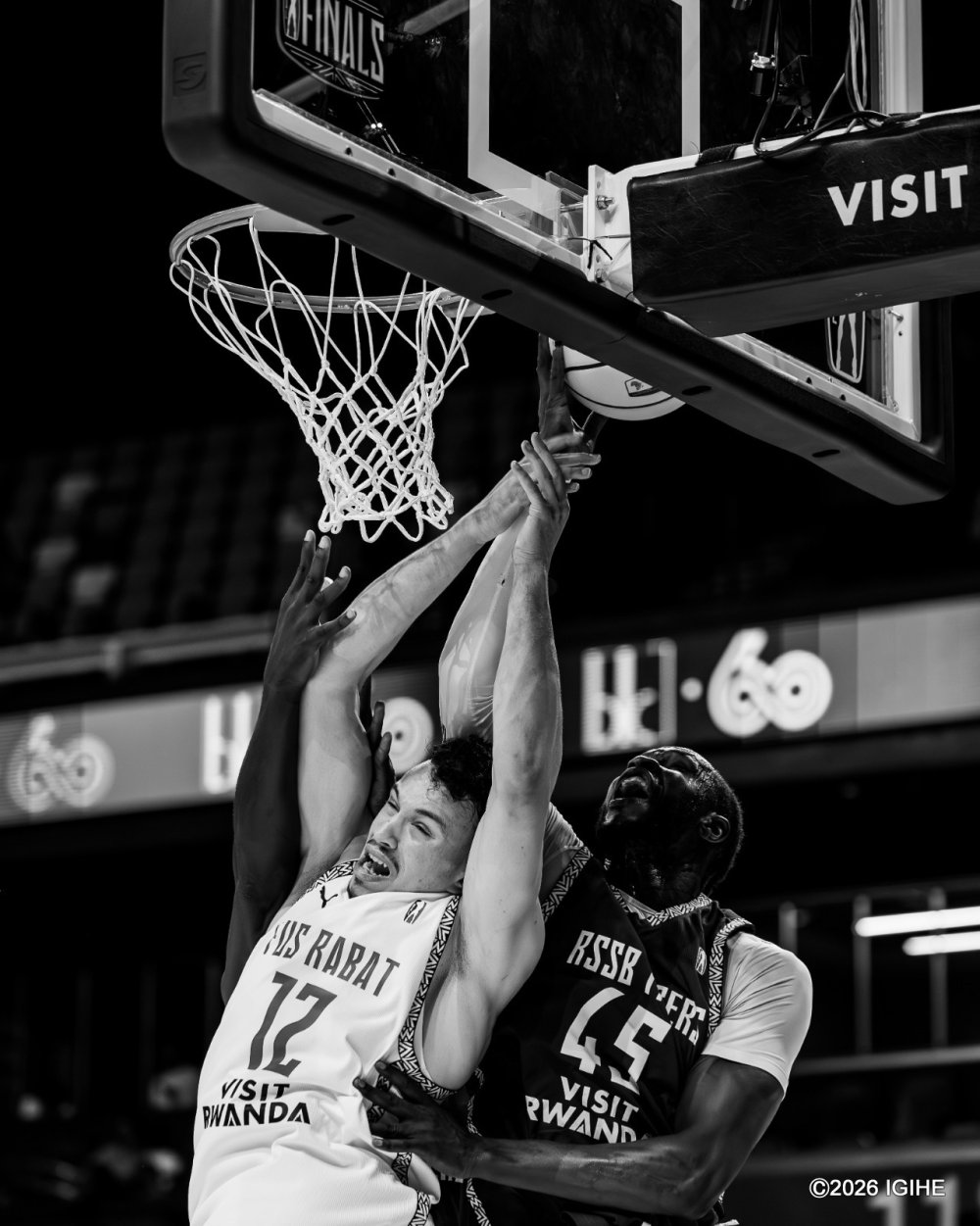
What followed in the fourth quarter was a display of pure elite execution. The Tigers clamped down defensively, slowing the tempo and reclaiming control of the glass. Antino Jackson Jr. organised the offence beautifully, while big man Mangok Mathiang fortified the paint with crucial rebounds, allowing Rwanda to completely turn the tide.
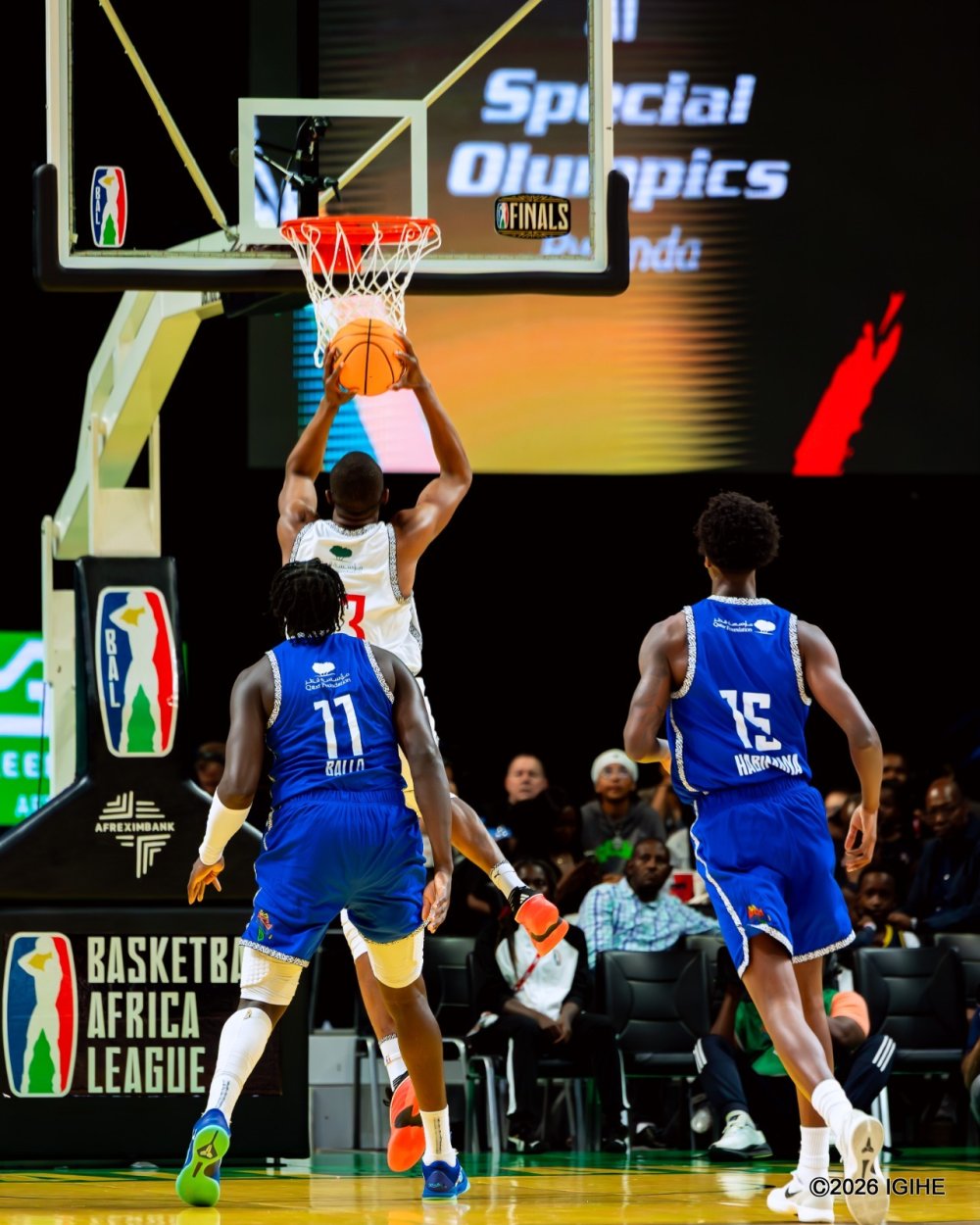
The final quarter belonged to Craig Randall, who put on a spectacular masterclass to finish with a staggering 43 points. Randall capped off his legendary night by sinking his ninth three-pointer of the game from the corner, briefly giving the Tigers a 98-97 lead in the dying moments.
While FUS Rabat’s Mouhamadou Diagne knocked down two late free throws to hand the Moroccans the 99-98 match victory, the Tigers won the ultimate battle. By outscoring Rabat 28-15 in the final frame, the Rwandan giants triumphantly defended their aggregate lead to seal a historic semi-final berth.
Earlier in the evening at the BK Arena, defending giants Al Ahly of Egypt produced a disciplined performance to defeat Senegal’s ASC Ville de Dakar 87-76, successfully overturning a narrow first-leg deficit.
The stage is now set for an epic continental showdown. The RSSB Tigers will rely on their electric home support when they face Al Ahly in the semi-finals on Wednesday, May 27, 2026, with a spot in the BAL Finals on the line.
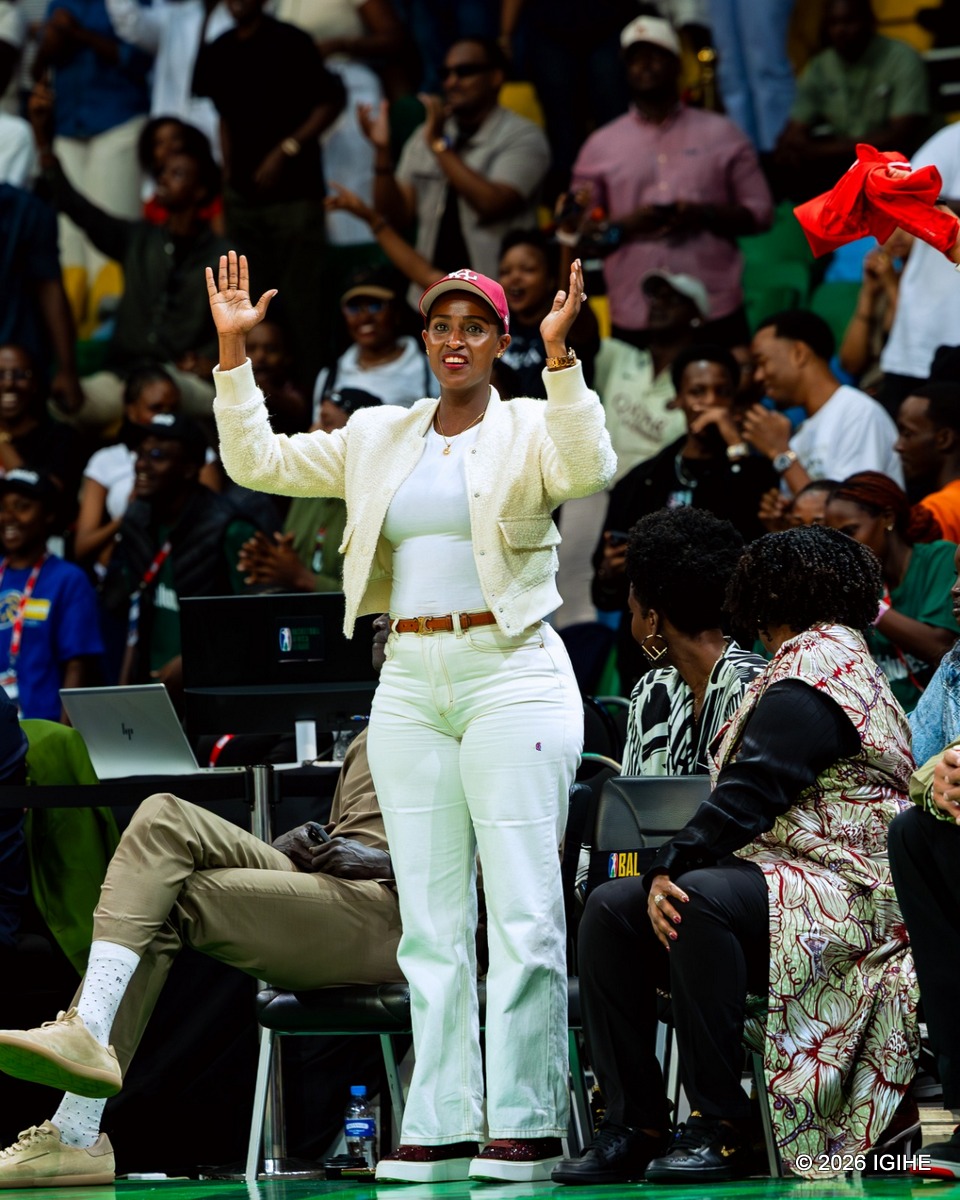
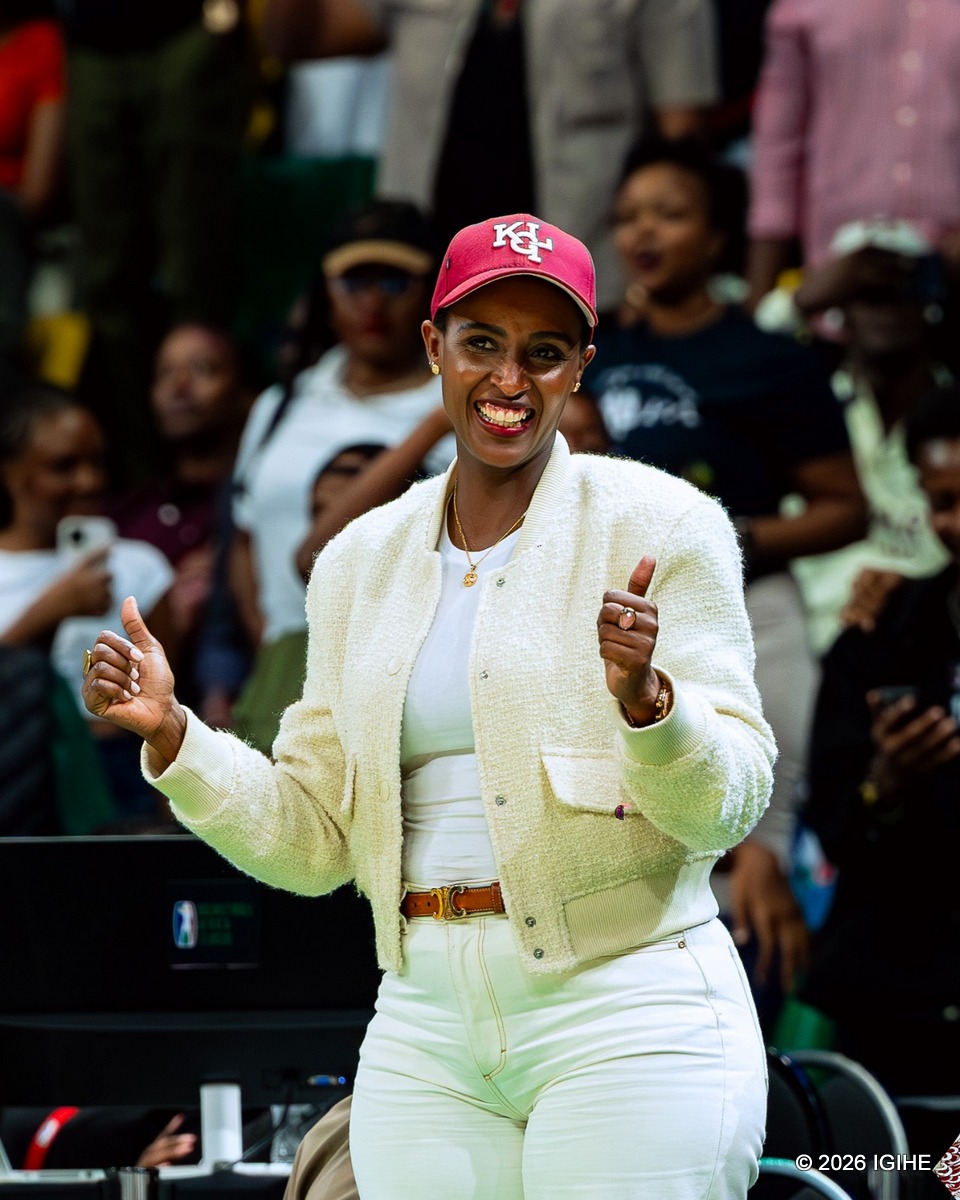
Spearheaded by the offensive brilliance of Craig Randall, the hosts responded with a 30-19 run to steady the ship and trim Rabat’s halftime lead to a manageable 51-44.Backed by a vibrant home crowd at the BK Arena, the Tigers, who are participating in the BAL for the first time, leaned on their stellar 95-72 victory from the first leg to protect their aggregate advantage and keep their continental championship dreams very much alive.Minister of Sports Nelly Mukazayire was present to cheer on the Rwandan team.
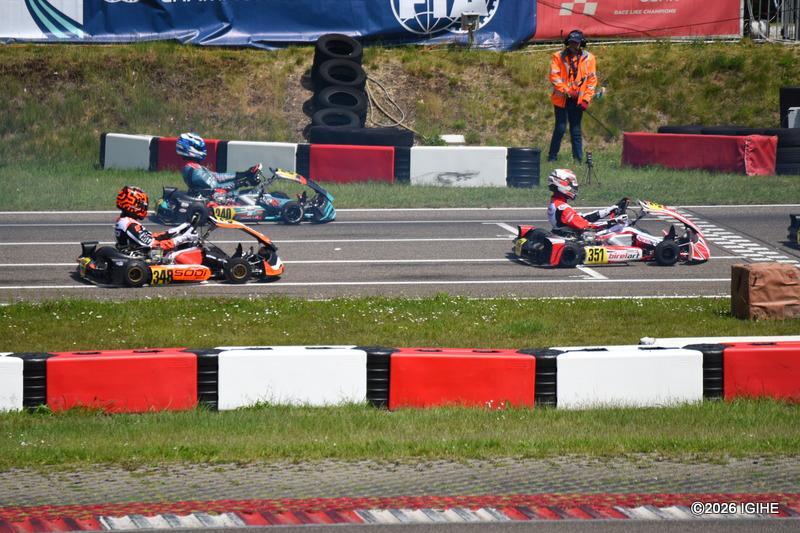
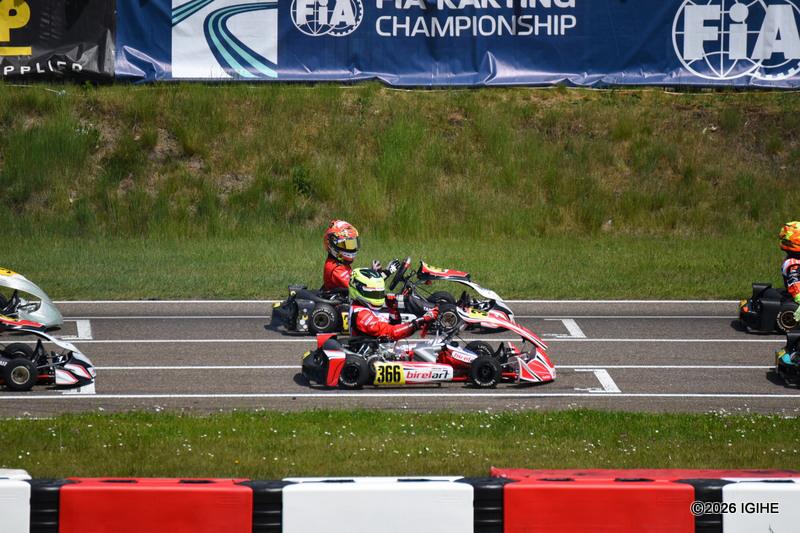
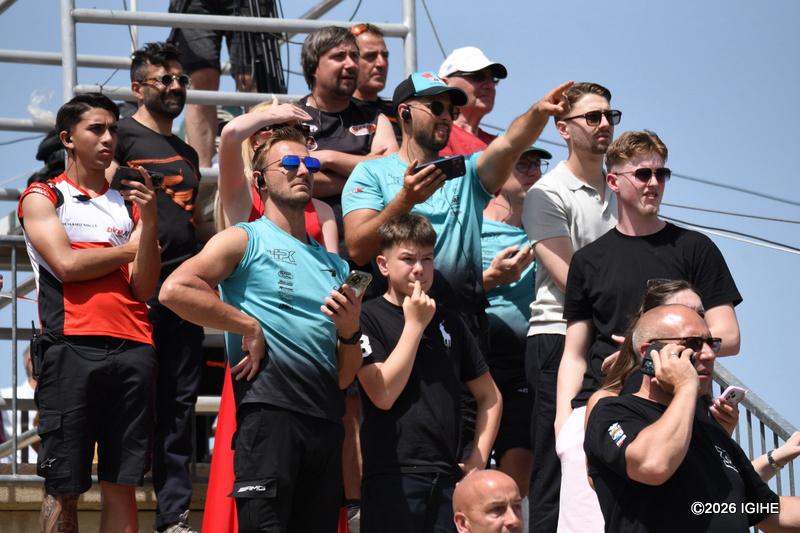
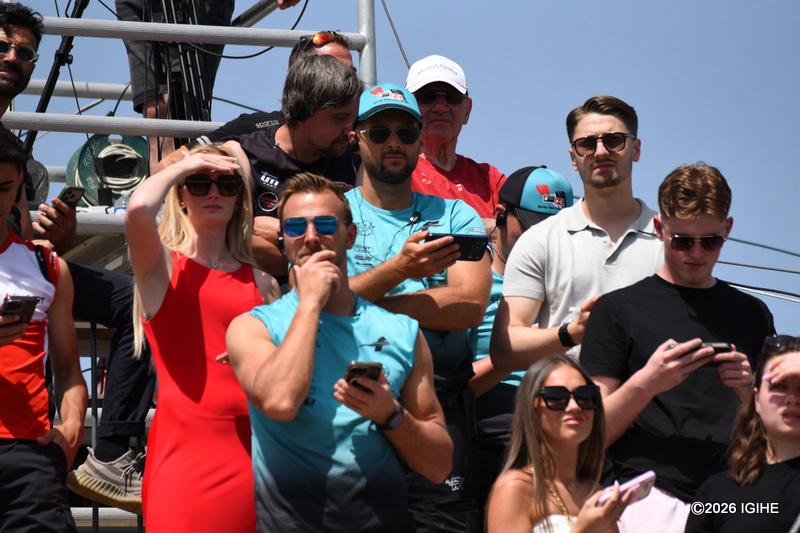
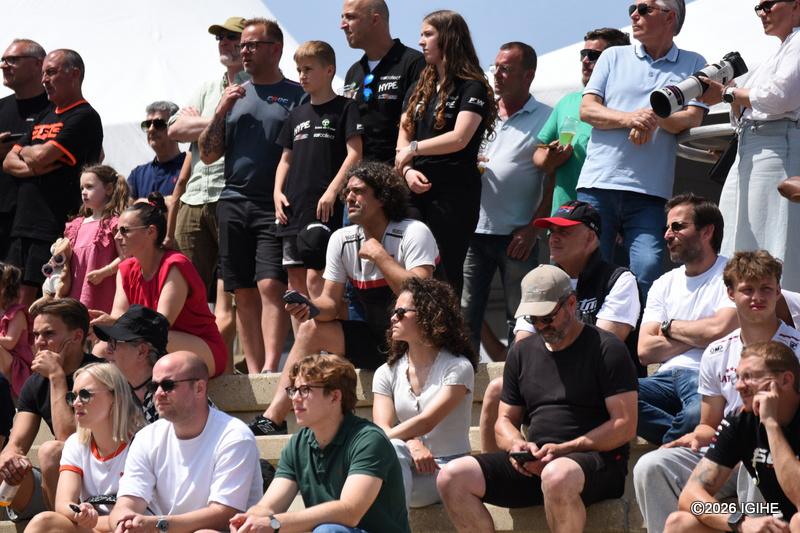
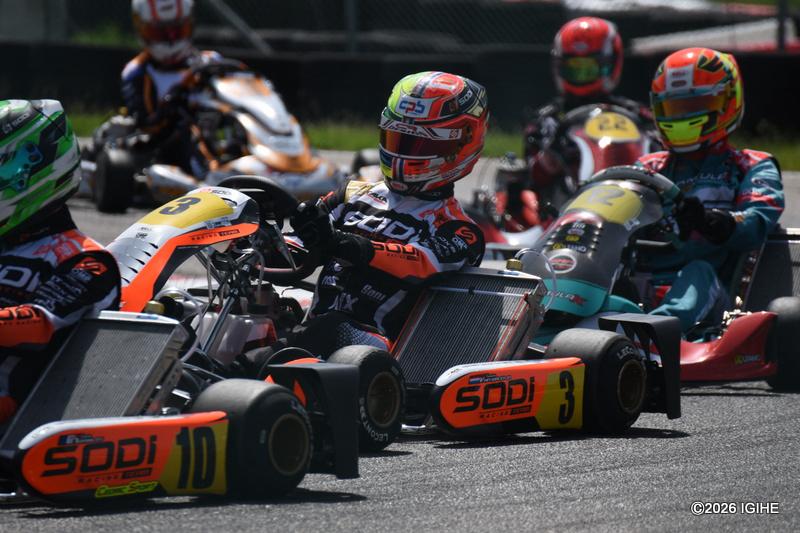
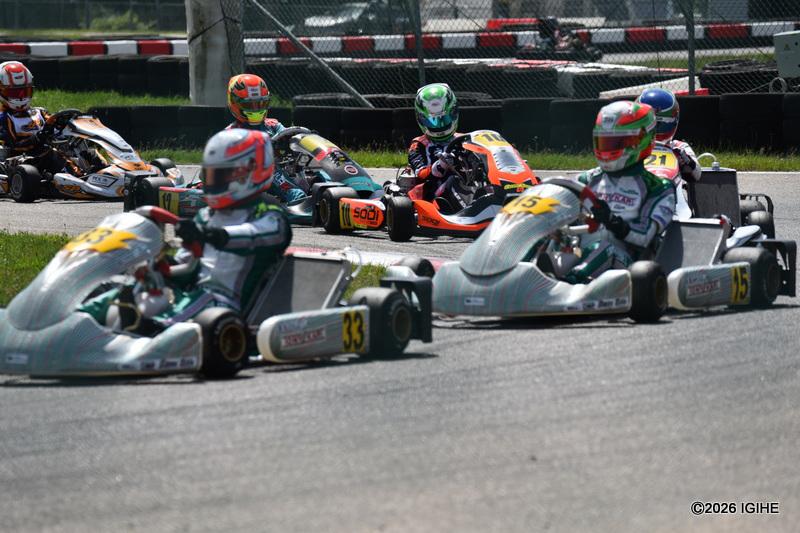
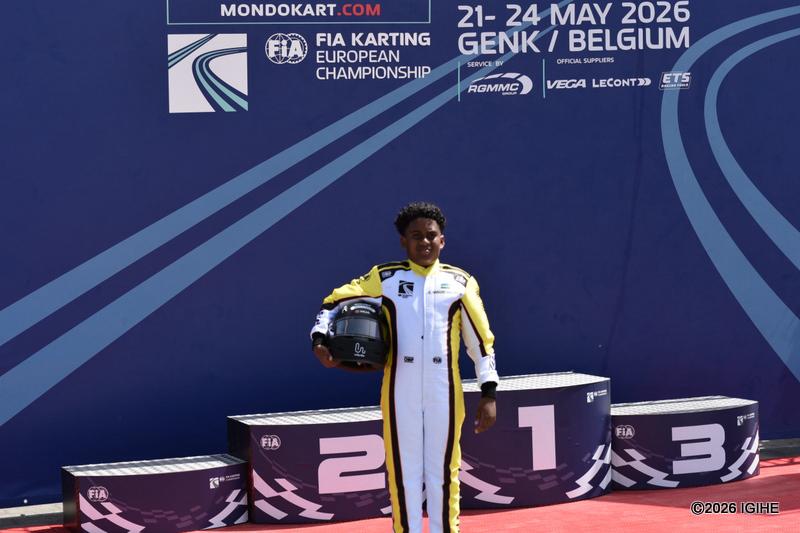
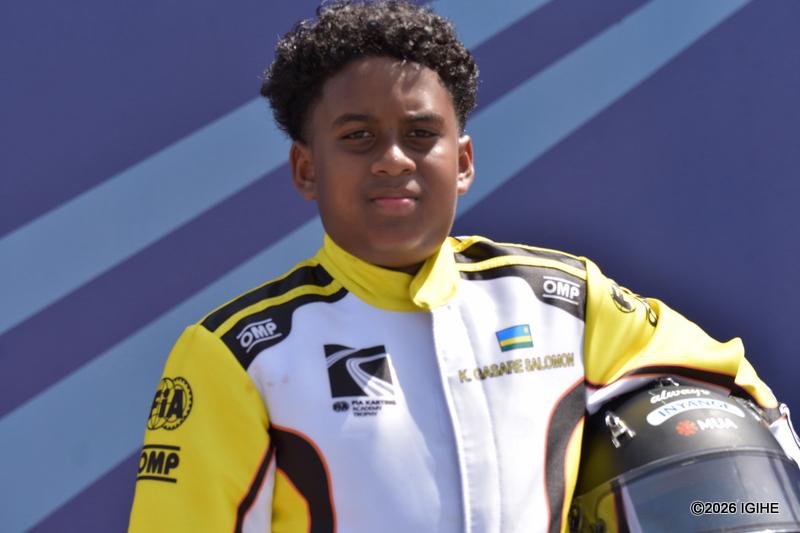
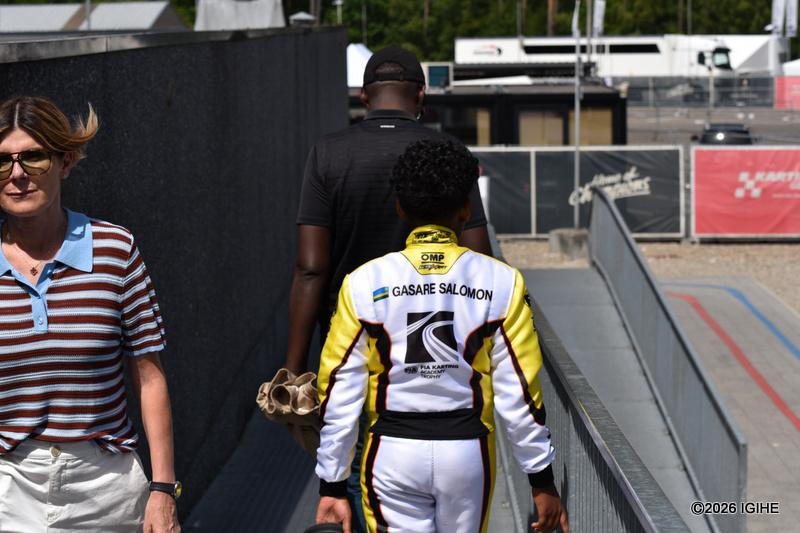
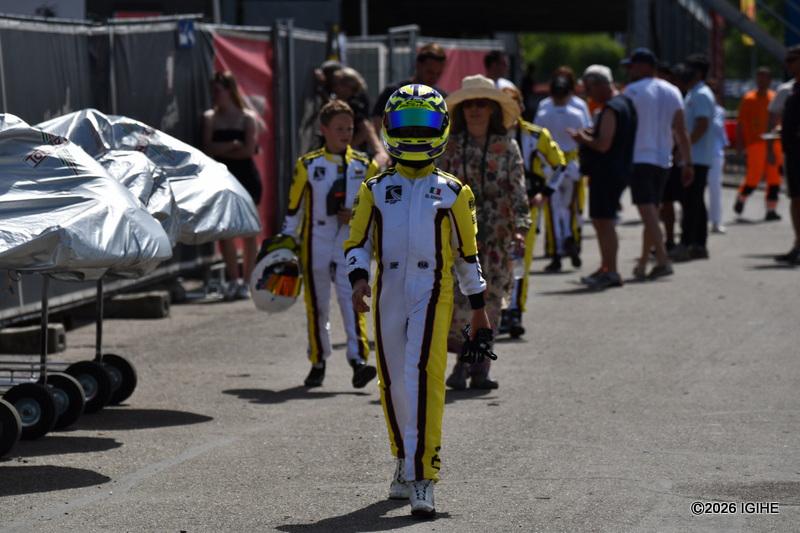
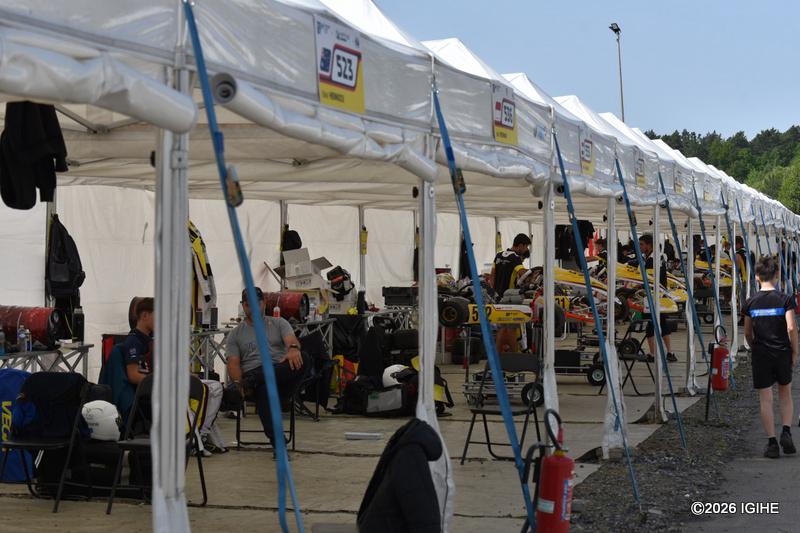
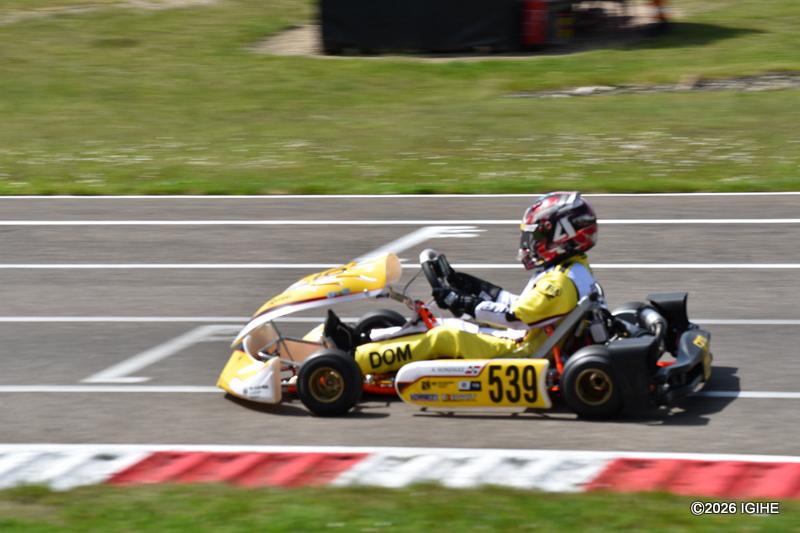
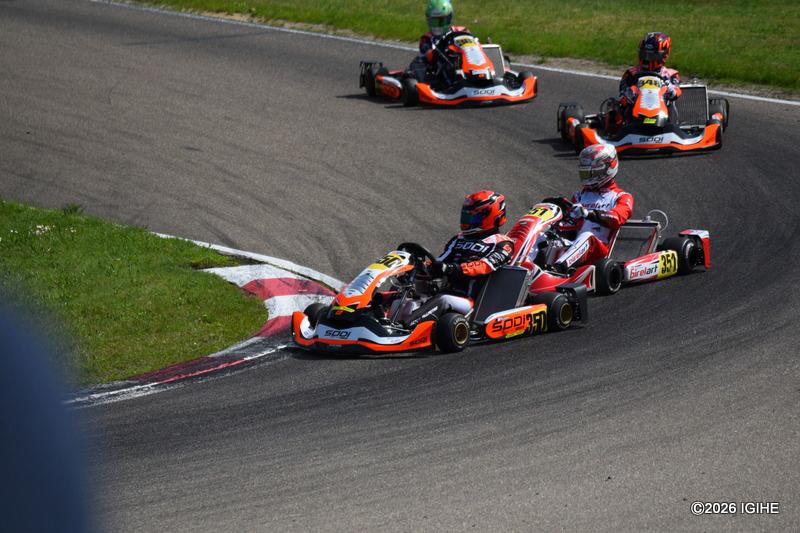
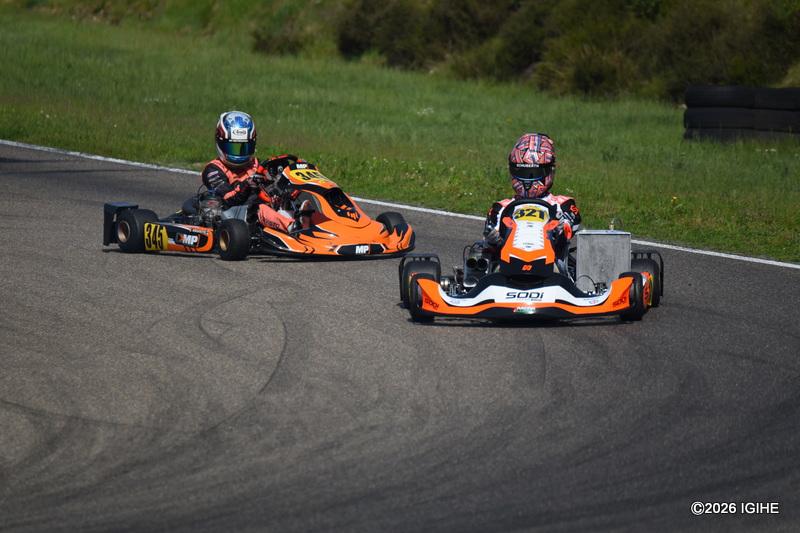
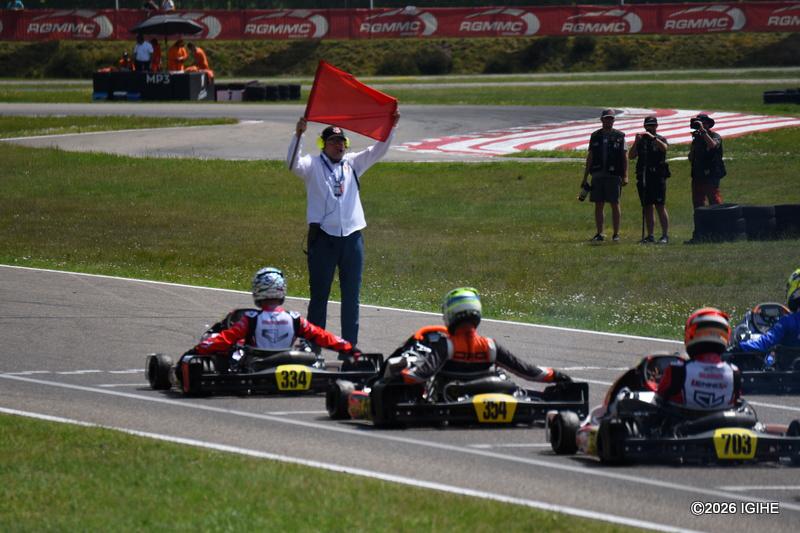
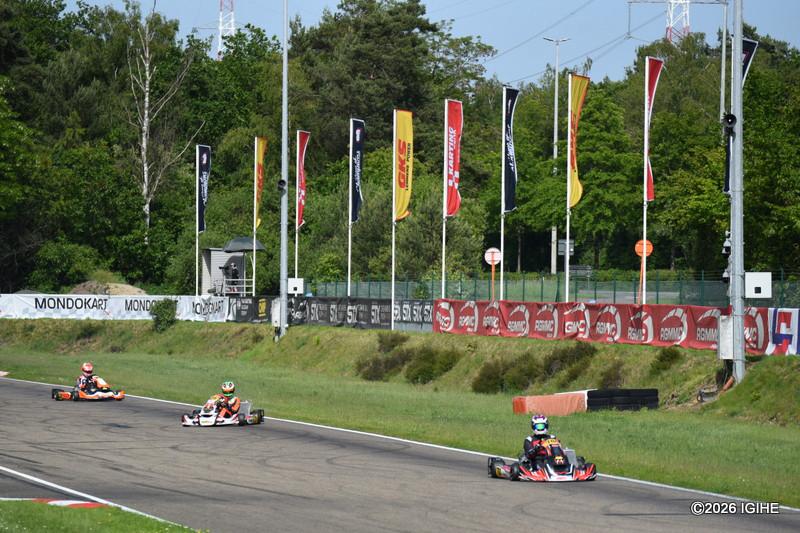
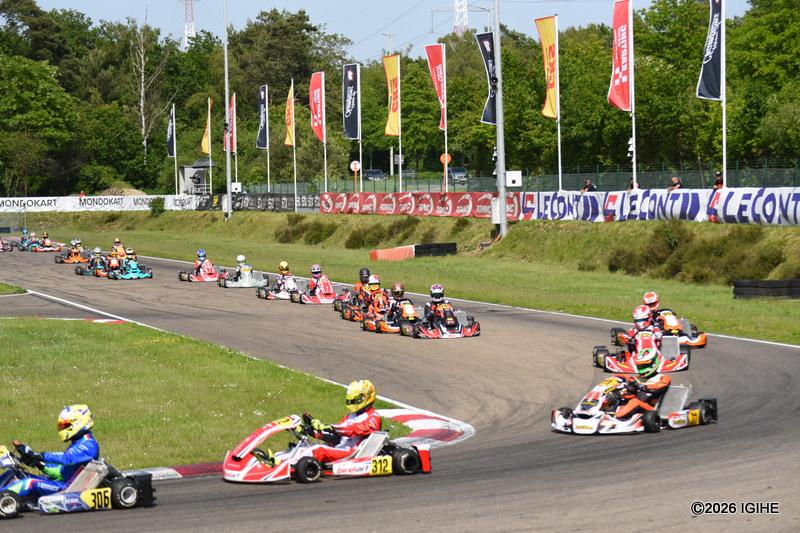
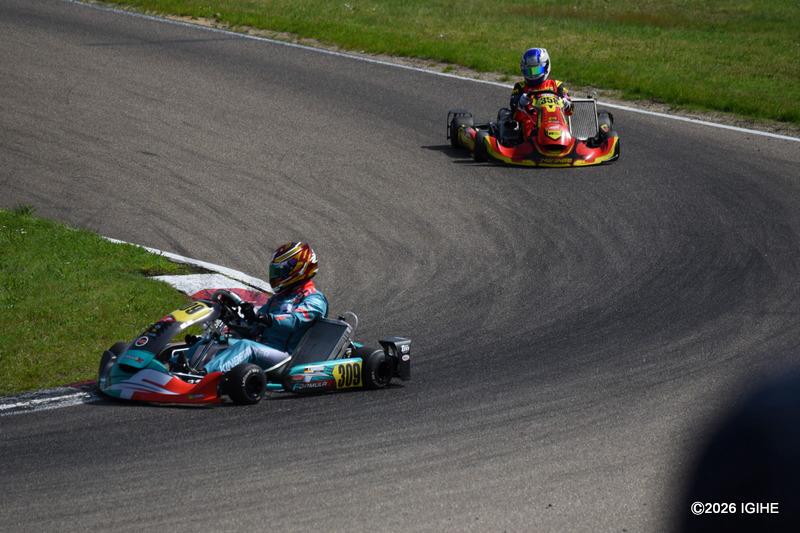
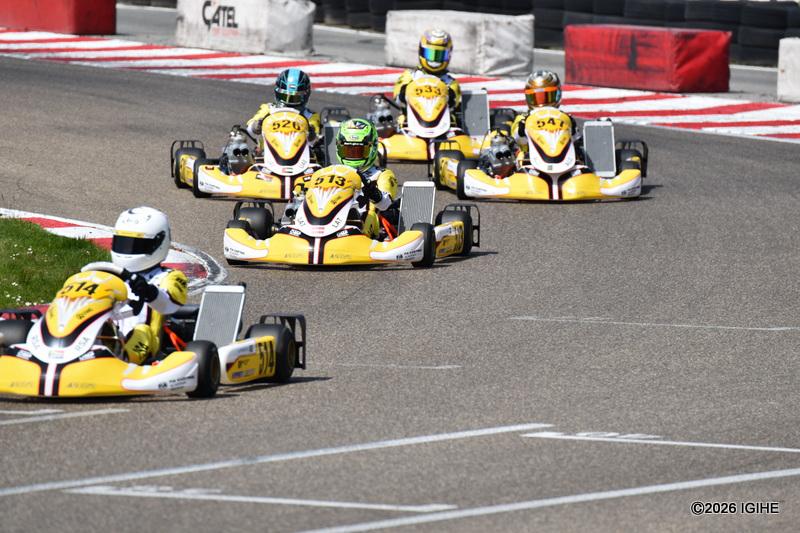
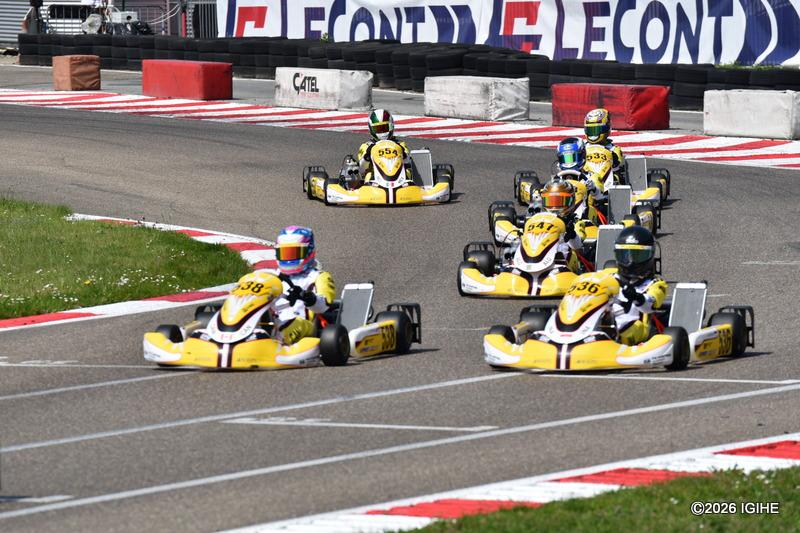
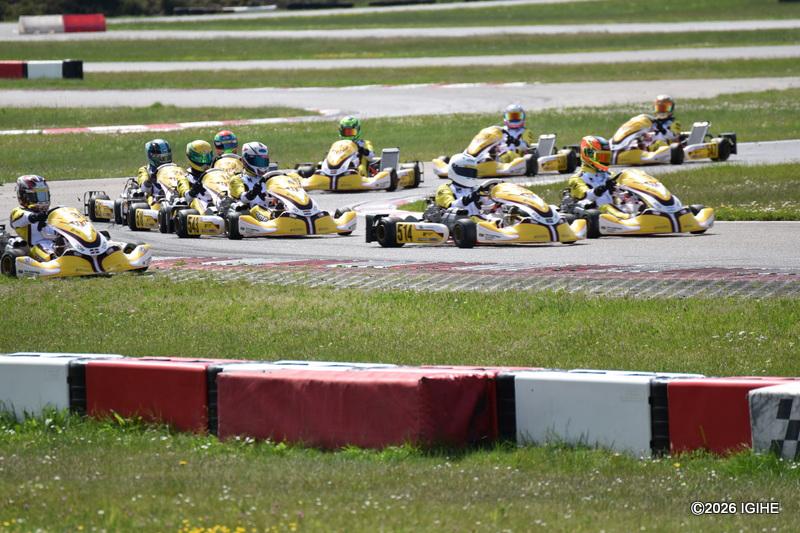
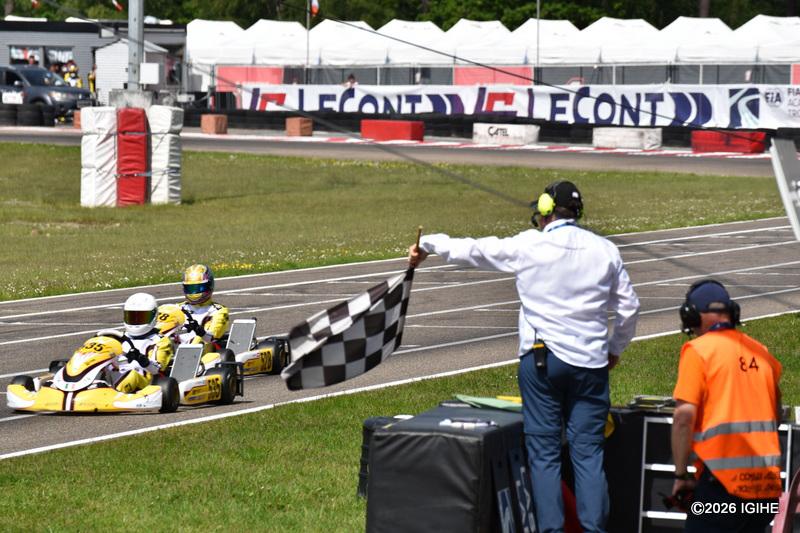
The competition, one of the major karting events organized by the FIA as part of its 2026 calendar, was held in Genk, Belgium, from May 21 to 24, 2026.
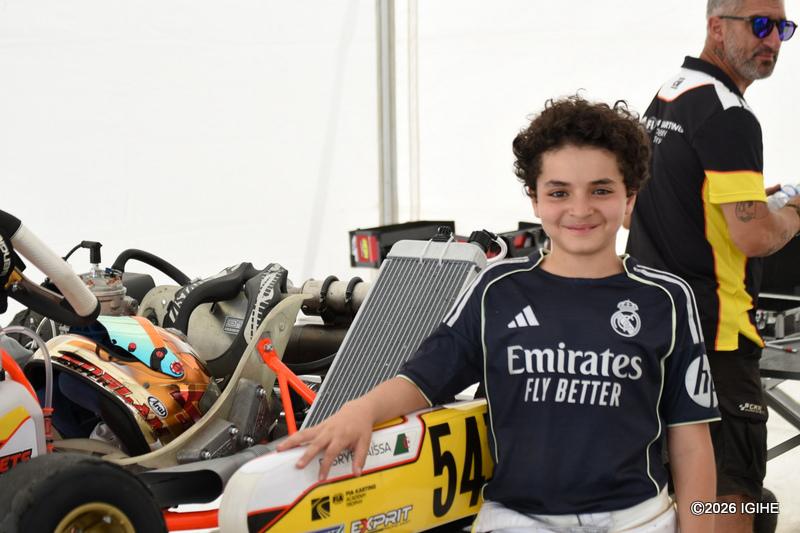
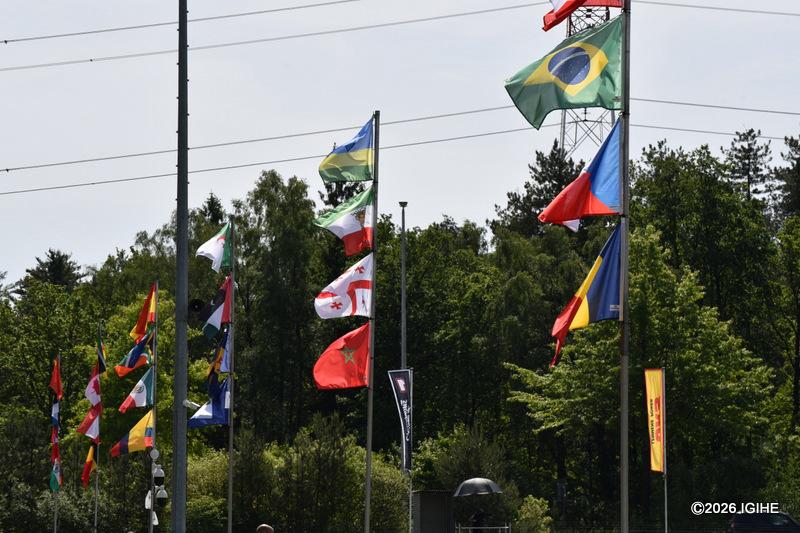
The championship brings together some of the world’s most promising young karting talents, particularly drivers training through professional development academies. Rwanda was among only three African nations represented at the event, which featured competitors from 51 countries.
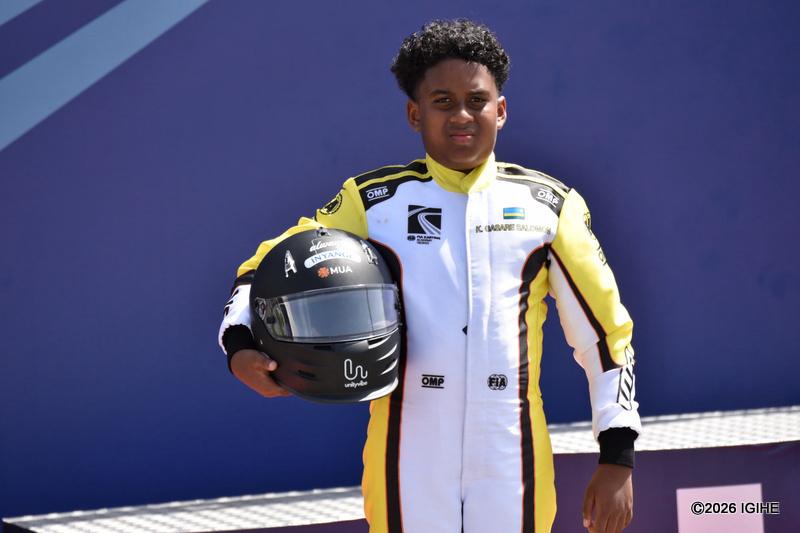
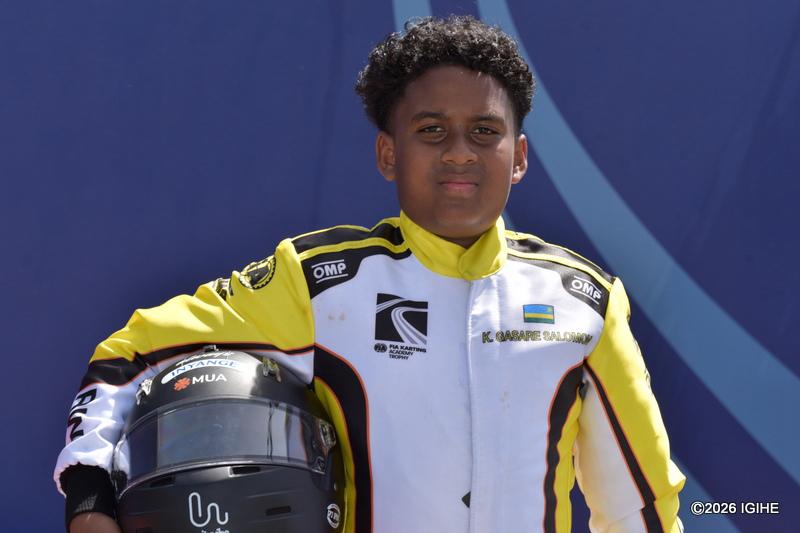
Kabera secured qualification after emerging as one of the top young karting drivers in Rwanda through competitions organized by the Rwanda Automobile Club (RAC).
The 2026 edition marked both Kabera’s debut in the championship and Rwanda’s first-ever participation in the competition.
Still adapting to the international stage, the young driver competed in the opening phase of the championship held on May 21 and 22.
Speaking to IGIHE, Kabera encouraged more young people to pursue karting despite its challenges.
“If you want to join kart racing, never lose hope. Sometimes it is difficult, and it takes persistence to reach the top,” he said. “I want to become a strong and disciplined driver, both physically and mentally, with clear goals.”
Kabera added that the experience in Belgium highlighted the importance of continuous training and dedication.
“I learned that I need much more practice and exposure because success is not only about talent. It also depends on the effort you put in and how hard you work to achieve your goals,” he said.
Kabera’s participation in the championship was sponsored by MUA and Inyange.
His coach, Gakwaya Eric, said the competition provided valuable lessons that will help shape the driver’s future development.
“He gained important international experience and saw the level at which the sport is played globally,” Gakwaya said. “We still need more training opportunities and better infrastructure because Rwanda does not yet have a circuit comparable to the one in Genk. At the moment, he trains in parking areas.”
Gakwaya revealed that plans are underway to secure additional training opportunities for Kabera in South Africa or Kenya, where karting infrastructure is more advanced.
“We are also looking at opportunities in Italy so that he can progress beyond qualifying rounds and eventually compete in final stages. Our long-term target is to help Rwanda break into the top 15 nations in the sport,” he added.
The coach also noted that Kabera’s performance was particularly impressive considering he had trained for only two months before competing against drivers with up to five years of experience.
RAC emphasized that participation in international karting competitions requires significant financial investment and thanked sponsors who supported Kabera’s journey.
The federation also called on additional partners and sponsors to support the growth of motorsport in Rwanda.
Kabera is expected to continue his international campaign in July 2026 at the Circuito Internazionale Napoli in Italy.