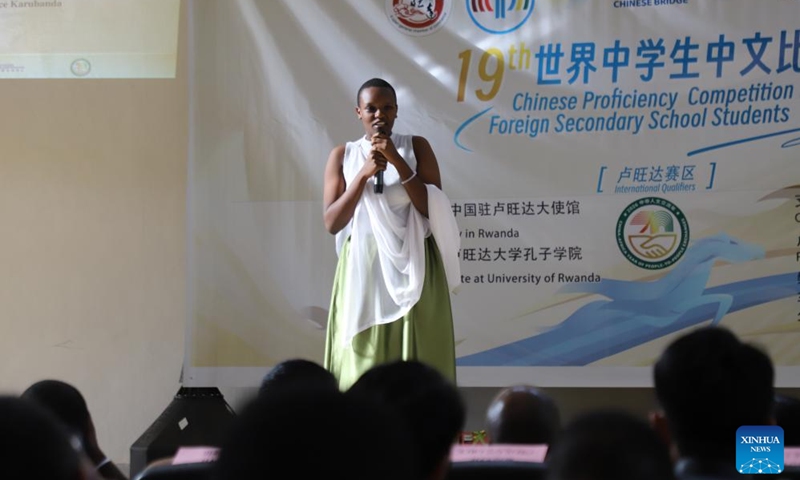
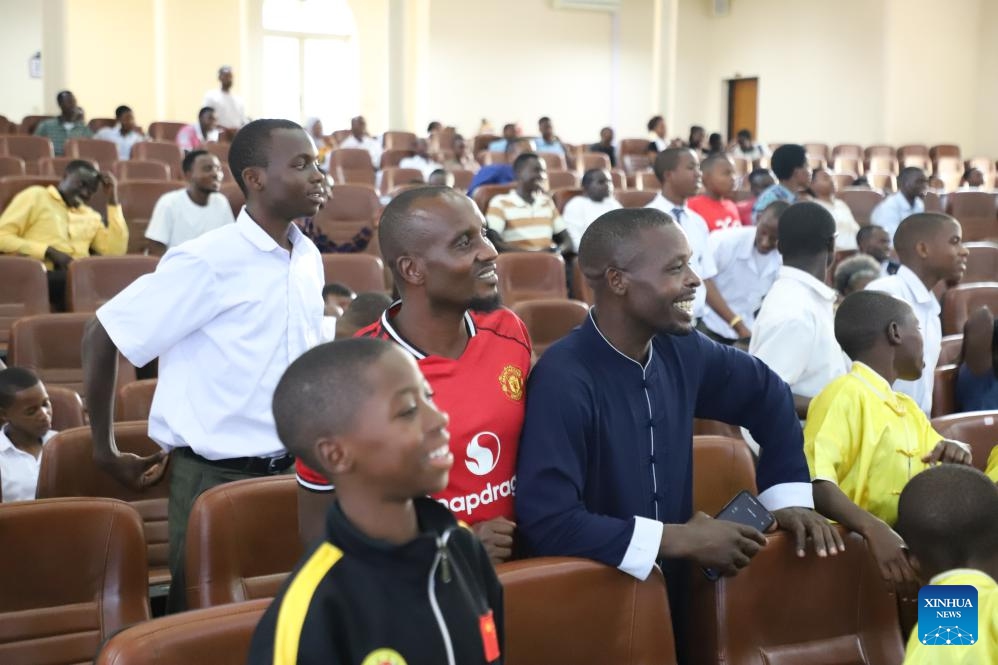
The contest, hosted by the Chinese Embassy in Rwanda and organized by the Confucius Institute at the University of Rwanda (UR), gathered students from UR and several secondary school students studying the Chinese language.
Gao Wenqi, Chinese ambassador to Rwanda, highlighted that the Chinese Bridge connects the cultures of China and Rwanda, enhances practical cooperation between the two countries, and tightens the bonds between our peoples.
Noting that in Rwanda, more than 20,000 students have joined the Chinese-learning community, Gao encouraged the winners of the final to gain an in-depth understanding of China with their eyes and hearts, and tell their family and friends a true story of China.
Eric Niyongabo, provincial education coordinator of Kigali at Rwanda’s Ministry of Education, said that educational and cultural exchanges remain an important pillar of Rwanda-China cooperation.
“Through initiatives such as the Chinese Bridge Competition, scholarships, academic partnerships, and institutional collaboration, our students are gaining international exposure and preparing themselves for a globally interconnected future,” Niyongabo noted.
The championship of the competition for foreign college students was won by Nkurunziza Tharcisse from the UR’s College of Education, while Gwiza Sabrina from Ecole Notre Dame de la Providence de Karubanda claimed the title in the competition for foreign secondary school students.
From 2014 to 2026, the Chinese Embassy in Rwanda and the Confucius Institute at UR have successfully held 13 Chinese Bridge Chinese Proficiency Competitions for Foreign Secondary School Students and 12 Chinese Bridge Chinese Proficiency Competitions for Foreign College Students in Rwanda.
Nkurunziza Tharcisse, the winner of Rwandan final of the 2026 Chinese Bridge Chinese Proficiency Competition for Foreign College Students, poses for photos with Gao Wenqi, Chinese ambassador to Rwanda, in Kigali, Rwanda, May 24, 2026. Gwiza Sabrina, the winner of Rwandan final of the 2026 Chinese Bridge Chinese Proficiency Competition for Foreign Secondary School Students, delivers a speech during the competition in Kigali, Rwanda, May 24, 2026. Chinese language lovers watch the Rwandan final of the 2026 Chinese Bridge Chinese Proficiency Competition for Foreign College and Secondary School Students in Kigali, Rwanda, May 24, 2026.
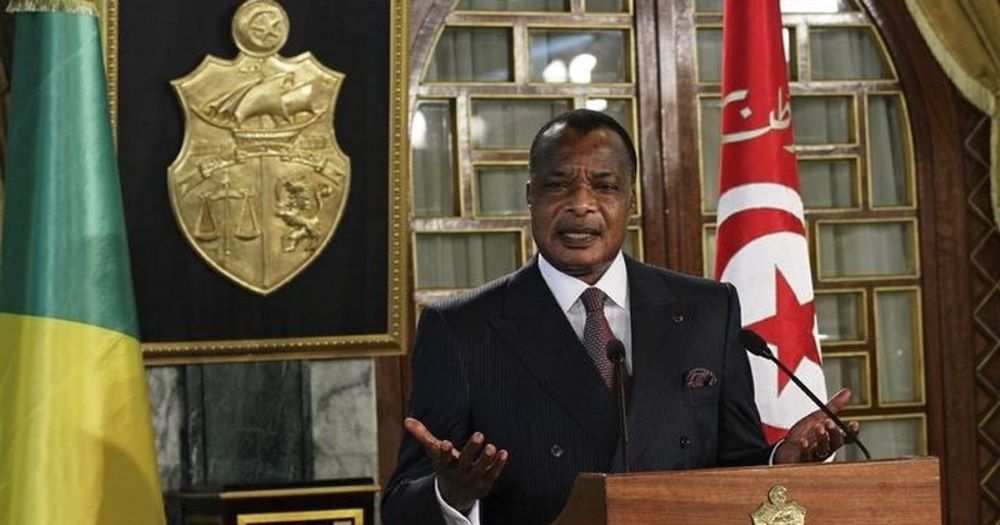
“I take this solemn occasion to announce today that, as of Jan. 1, 2027, entry into the Republic of the Congo will no longer be subject to visas for all African peoples,” Sassou Nguesso said during the celebration of Africa Day.
The Congolese head of state called for the free movement of African populations across the continent. He also voiced support for the usage of a single African passport.
The Congolese leader made the announcement during Africa Day celebrations held alongside the 2026 Annual Meetings of the African Development Bank Group in Brazzaville.
Nguesso said the decision was intended to strengthen African unity, regional cooperation and the implementation of the African Continental Free Trade Area (AfCFTA), which seeks to boost intra-African trade and economic connectivity.
President of the Republic of the Congo Denis Sassou Nguesso announced Monday that African nationals will be able to enter the country visa-free starting on Jan. 1, 2027.
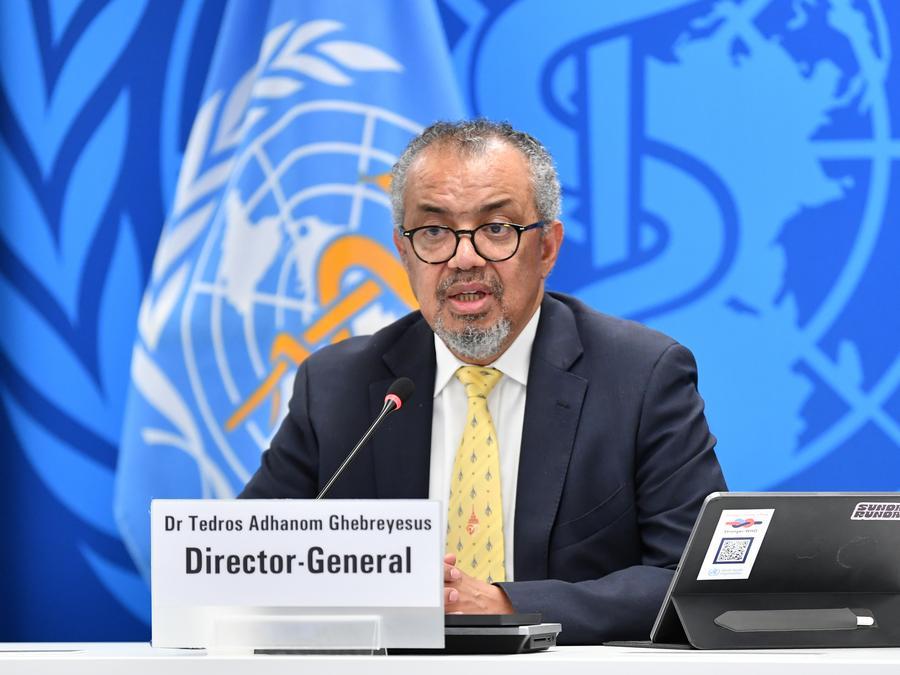
While 101 confirmed cases and 10 confirmed deaths have been recorded, WHO chief Tedros Adhanom Ghebreyesus said the true scale is far larger.
“There are now more than 900 suspected cases and 220 suspected deaths,” Tedros said at the Virtual Ministerial Briefing on the Bundibugyo Ebola Outbreak on Monday.
The outbreak, declared as a public health emergency of international concern on May 17, has also spread to Uganda, which has five confirmed cases and one death.
Tedros highlighted a critical challenge: the delay in detecting the outbreak means that health teams are now playing catch-up with a very fast-moving epidemic.
“We are urgently scaling up operations, but at the moment, the epidemic is outpacing us,” he said.
The Ebola strain involved is Bundibugyo virus, for which no approved vaccines or therapeutics exist. Previous outbreaks of this strain occurred only twice – in Uganda (2007) and DRC (2012). WHO has recommended prioritizing two monoclonal antibodies for clinical trials.
Compounding the crisis, the affected provinces of Ituri and North Kivu are plagued by intense insecurity and community distrust. Recent months have seen intensified fighting displacing over 100,000 people, along with two security incidents at health facilities last week.
WHO has raised its national risk assessment to “very high,” while regional risk remains “high” and global risk “low.” Neighboring countries are urged to take immediate action.
Tedros is set to travel to DRC with WHO’s emergencies director, as the agency commits to stopping the outbreak.
“It will get worse before it gets better,” he admitted. “But we know this virus, and we know how to stop it.”
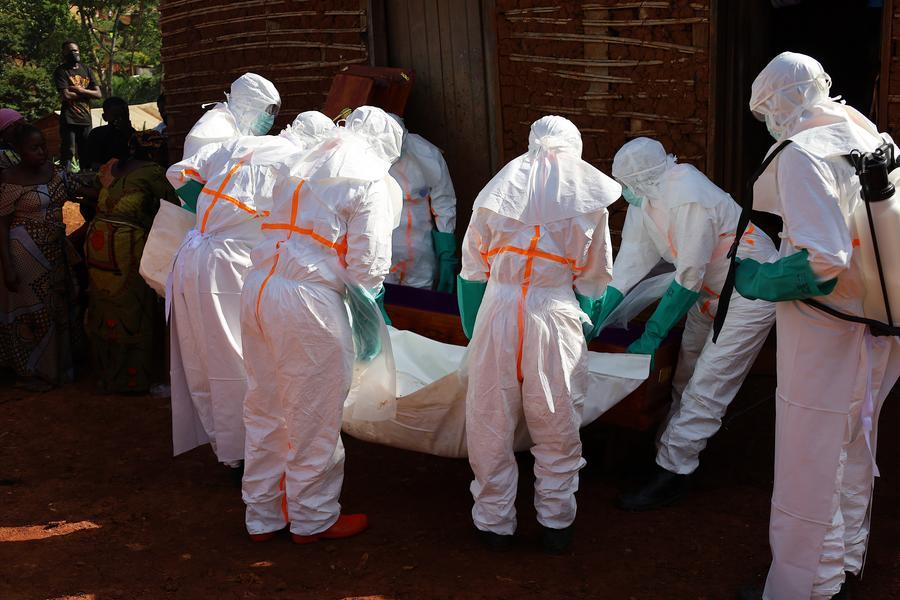
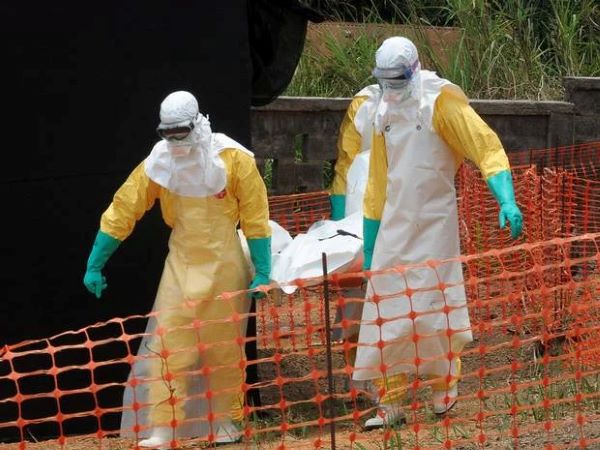
Medical workers in protective suits transfer the body of an Ebola victim in Mongbwalu, Ituri province, eastern Democratic Republic of the Congo (DRC), May 24, 2026.
The case was heard on May 25, 2026, with judgment expected on June 11.
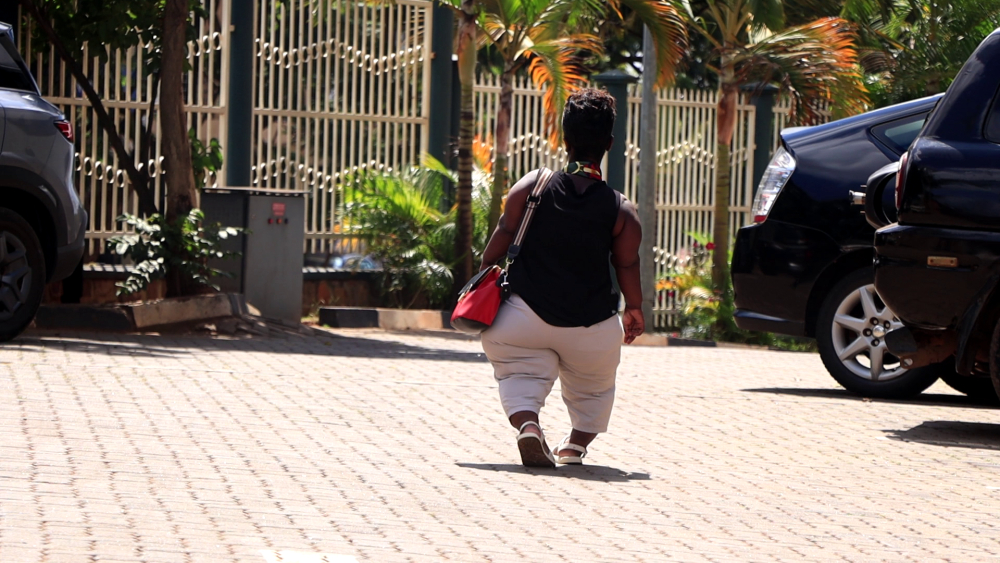
The complainant, Iradukunda Nelly, popularly known as Mignonne, accuses the lawyer of referring to her as “igikuri,” a term she says is discriminatory and insulting in relation to her physical condition.
According to court submissions, the alleged remarks were first made while Me Munyakaragwe was enforcing a court ruling tied to an inheritance dispute involving Iradukunda’s family. Prosecutors told the court that upon arriving at the property in question, the accused allegedly used the term while directing a local security officer to the location.
The prosecution further alleged that the same expression was later repeated publicly during separate court proceedings linked to an auction conducted by the accused that was being challenged over alleged procedural irregularities.
Appearing before the court, Me Munyakaragwe denied ever using the term and argued that no offence had been committed. She asked the court to dismiss the case against her.
Prosecutors, however, requested the court to convict the lawyer of public insult and sentence her to two months in prison along with a fine of Rwf200,000.
In addition, the complainant is seeking Rwf10 million in damages and an additional Rwf1 million to cover legal expenses should the accused be found guilty.
Speaking after the hearing, Iradukunda said the alleged remarks caused her emotional distress and expressed hope that the case would help discourage discriminatory language against persons with disabilities.
The complainant, Iradukunda Nelly, popularly known as Mignonne, accuses the lawyer of using the term “igikuri,” which she argues is derogatory and discriminatory in relation to her physical condition.The case was heard on May 25, 2026, with judgment scheduled for June 11, 2026.
In a statement released on May 25, S&P said the stable outlook reflects confidence in Rwanda’s macroeconomic stability and policy direction as the country continues implementing long-term development priorities.
“While short-term moderation is expected, the overall growth path remains stable and resilient, reflecting expectations of continued steady economic activity in the medium term,” the statement said.
Rwanda recorded strong economic growth of 9.3% in 2025, up from 7.2% in 2024, driven by solid performance across agriculture, industry, and services.
While growth is expected to moderate to around 6.8% in 2026 due to rising global fuel costs linked to tensions in the Middle East, S&P projects the economy to recover gradually and average about 7.1% between 2027 and 2029.
The agency said the medium-term outlook remains stable, supported by continued economic activity and institutional resilience.
S&P also highlighted Rwanda’s continued investment in major infrastructure projects, particularly the New Kigali International Airport (NKIA), describing it as a strategic development expected to strengthen regional connectivity, expand tourism, and support long-term economic diversification.
Construction of the airport remains on schedule and is being supported through innovative financing arrangements, reflecting Rwanda’s broader strategy to position itself as a regional hub for investment and services.
A key factor supporting the rating affirmation is Rwanda’s debt profile. According to S&P, approximately 89% of the country’s external debt is concessional, contracted at long maturities and relatively low interest rates, helping keep debt servicing costs manageable.
The report further noted that fiscal consolidation efforts continue to advance through improved domestic revenue mobilisation and prudent public expenditure management, helping maintain debt sustainability and reduce risks to fiscal stability.
S&P acknowledged that Rwanda remains vulnerable to external shocks, particularly as a net oil importer exposed to global fuel price fluctuations linked to geopolitical tensions in the Middle East.
However, the agency noted that “proactive measures such as expanding fuel reserves and diversifying supply sources help strengthen stability and resilience,” reflecting confidence in Rwanda’s ability to manage external pressures while maintaining overall economic stability.
The latest assessment follows a similar decision earlier this year by Fitch Ratings, which in March revised Rwanda’s outlook to Stable from Negative while affirming its ‘B+’ Long-Term Foreign-Currency Issuer Default Rating.
Fitch cited improved access to external financing, strong donor support, easing regional tensions, and sustained economic growth as factors underpinning its decision. The agency also projected Rwanda’s economic growth to remain above 7% through 2027, significantly outperforming many countries within the same rating category.
Both assessments come as Rwanda continues pursuing large-scale infrastructure investments, including the New Kigali International Airport and expansion plans for RwandAir, while seeking to strengthen its role as a regional centre for innovation, trade, and investment.
American credit rating agency, S&P Global Ratings, has affirmed Rwanda’s sovereign credit rating at ‘B+/B’ with a stable outlook, citing the country’s resilient economic growth, prudent fiscal management, and continued investment in strategic infrastructure despite ongoing global and regional economic pressures.
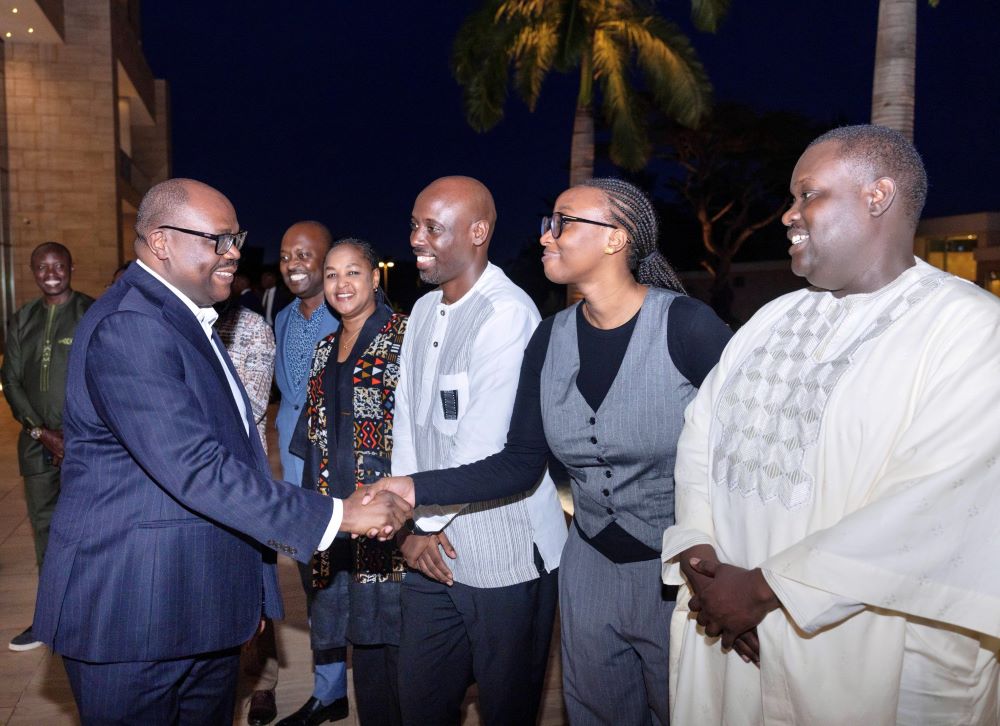
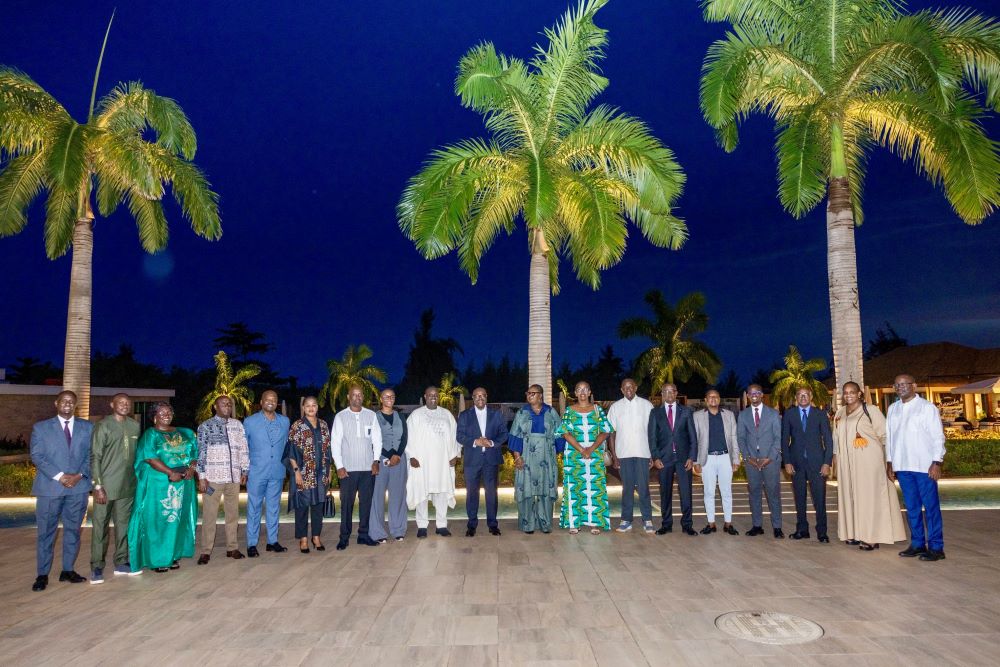
Dr. Nsengiyumva met members of the Rwandan community during his visit to Benin, where he attended the inauguration ceremony of President Romuald Wadagni on Sunday in the city of Cotonou.
As confirmed by Rwanda’s office of the Prime Minister, Dr. Nsengiyumva also commended the community for its contribution to relations between Rwanda and Benin.
The inauguration ceremony of President Romuald Wadagni took place at the Congress Palace in Cotonou and brought together more than 6,000 guests, including former presidents, senior government officials and members of the diplomatic corps.
Wadagni secured victory in the April 12, 2026 presidential election with more than 94% of the vote and officially began his seven-year constitutional term on Sunday.
Before Dorothe Sossa, president of the Constitutional Court, Wadagni pledged to serve and defend Benin, respect the Constitution and promote peace, national unity and the common good.
He also committed to safeguarding the country’s territorial integrity and serving the people faithfully.
Rwanda and Benin maintain cordial bilateral relations, with cooperation spanning sectors such as security, trade promotion and other areas of development.
Dr. Nsengiyumva met members of the Rwandan community during his visit to Benin.Dr. Nsengiyumva also commended the community for its contribution to relations between Rwanda and Benin.
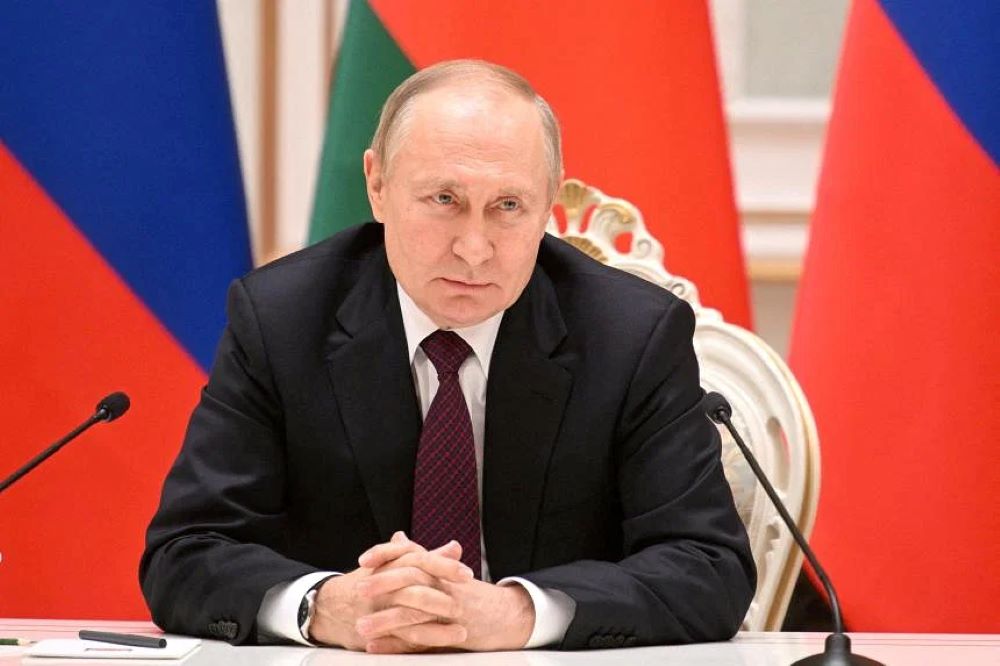
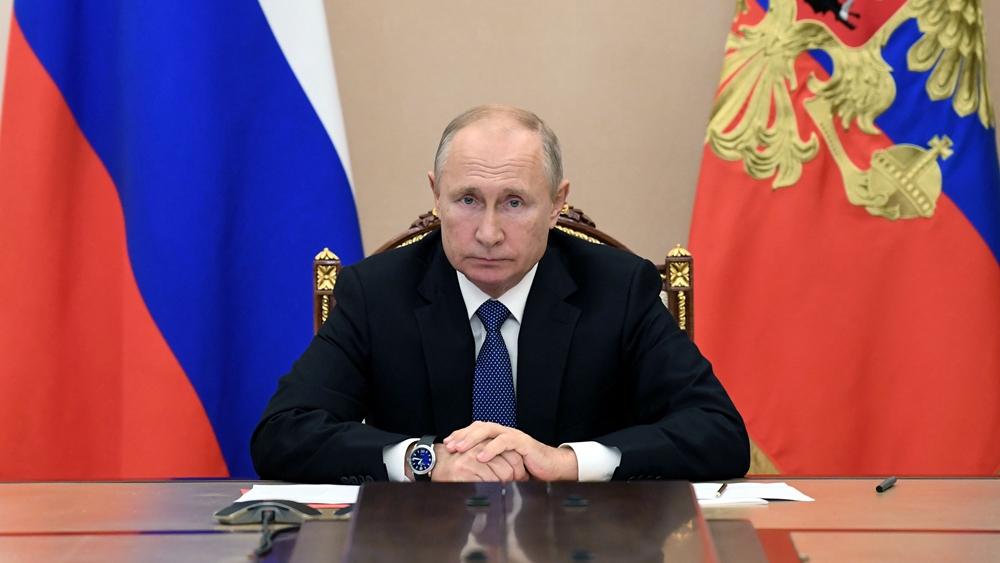
In a message addressed to African heads of state and government to mark Africa Day, Putin described the occasion as a symbol of “the triumph of the peoples of your continent over colonialism and their quest for freedom, peace, and prosperity.”
He said African nations have achieved “impressive progress in economic and social spheres” and are playing an increasingly important role in addressing global issues.
Putin also commended the work of the African Union and regional blocs, saying they are expanding cooperation and developing mechanisms to deal with conflicts and crises across the continent.
“The Russian Federation accords great importance to strengthening traditionally friendly ties with African states,” Putin said in the statement issued from the Moscow on May 24, 2026.
He added that Russia and African countries are united in the pursuit of “a just multipolar world order founded on genuine equality, supremacy of international law and freedom from all forms of discrimination and diktat.”
Putin expressed confidence that the Third Russia–Africa Summit, scheduled for October in Moscow, would open “new prospects for developing mutually beneficial cooperation” between Russia and African countries in several sectors.
The Russian leader said he looked forward to welcoming African leaders to Moscow and wished them “peace and prosperity” for their citizens.
Observed annually on May 25, Africa Day commemorates the creation of the Organization of African Unity (OAU) in 1963, which later became the African Union (AU) in 2002.
The day symbolizes African nations’ aspirations for unity, liberation and socio-economic development while celebrating the continent’s cultural heritage and diversity.
Africa is the world’s second-largest and second-most populous continent, made up of 54 countries and thousands of languages.
The annual celebration is widely seen as an opportunity to recognize Africa’s historical contributions, cultural richness and growing influence in global affairs.
Russian President Vladimir Putin has described ‘Africa Day’ as a symbol of ‘the triumph of the peoples of the continent over colonialism’.
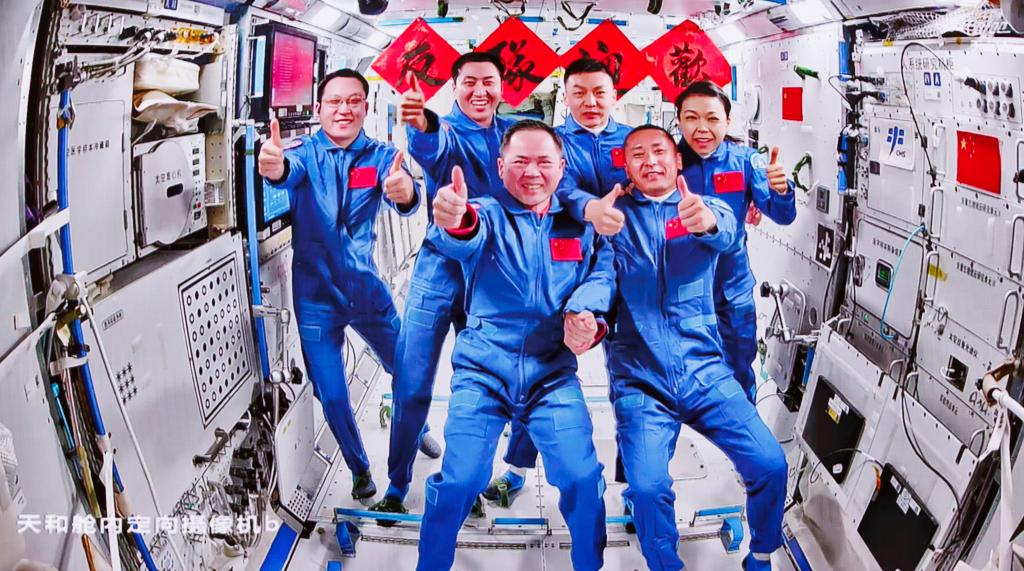
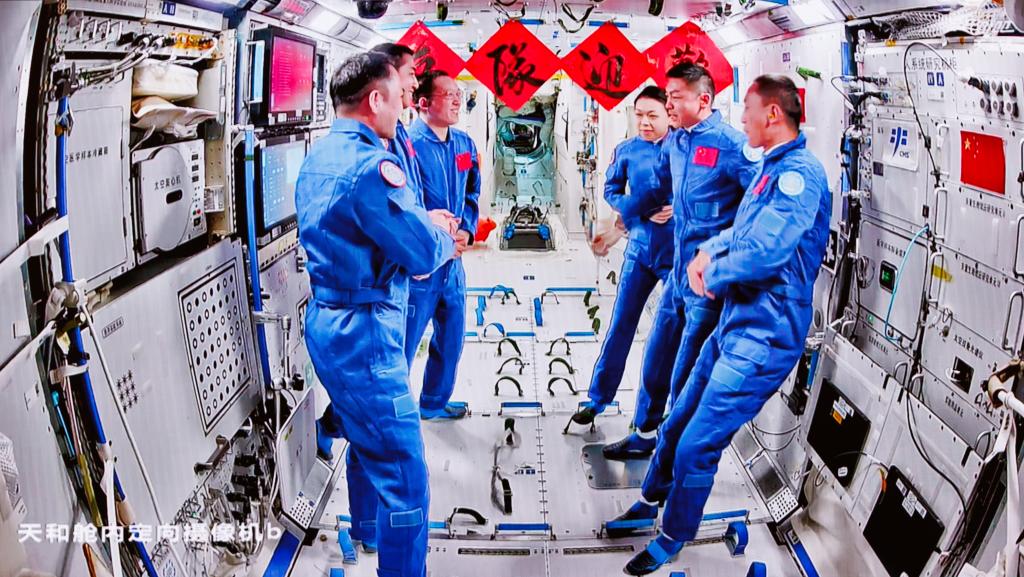
The Shenzhou-21 crew aboard Tiangong opened the hatch at 5:13 a.m. (Beijing Time) and welcomed the new arrivals, according to the China Manned Space Agency (CMSA).
The two crews then took group pictures for the eighth space get-together in China’s aerospace history.
They will conduct handover work aboard the space station, the CMSA said.
This image captured at Beijing Aerospace Control Center on May 25, 2026 shows the crew of Shenzhou-21 and Shenzhou-23 spaceships talking with each other.
The funding will help the World Health Organisation, UN, international and NGO partners respond rapidly to the outbreak by strengthening disease surveillance, supporting frontline health workers, improving infection prevention and control, and helping affected communities access lifesaving care.
Most confirmed cases are in the Ituri region of eastern DRC – a region already facing significant humanitarian and security challenges.
Alongside this funding, UK humanitarian partners are already responding to contain the outbreak. The UK has been working with leading international humanitarian organisations to contain the outbreak.
Through the Strategic Assistance for Emergency Response (SAFER) consortium, the UK is pivoting funding to improve water, sanitation and hygiene systems, ensuring frontline responders and local communities have vital personal protective equipment , and strengthening Ebola containment measures.
The UK is also refocusing efforts to protect maternity facilities and support civil society organisations to strengthen prevention and control, and mitigate the risk of increased birth complications and sexual violence during the outbreak.
Recently on 21st May, the Foreign Secretary and Secretary of State for Health and Social Care chaired a cross-government meeting to coordinate the UK’s response to the outbreak, including how to protect British nationals overseas and work with international partners.
UK Foreign Secretary Yvette Cooper said: “It is vital we act now to save lives – outbreaks like Ebola do not stop at borders, and neither can we.’
‘This outbreak is a stark reminder that global health threats require a global response. The UK is working hand-in-hand with partners – boosting much needed funding but also sharing our technical expertise, to contain the outbreak, protect our security, and support those most at risk.”
The UK Health Security Agency (UKHSA) is assessing routes by which travellers enter the UK from the affected countries and will be working with the Foreign, Commonwealth & Development Office, Department for Transport, and Border Force to ensure information is available to them on Ebola symptoms and how to access healthcare if unwell.
The UK has updated its travel advice and advises against all but essential travel to some parts of the DRC.
Additionally, UKHSA has activated the Returning Workers Scheme, which aims to protect and monitor the health of individuals travelling from the UK to affected areas for their work. Organisations deploying workers to affected areas where they may be exposed to Ebola through their work should register those workers with the scheme.
Commenting on the development, Dr. Mike Reynolds, Incident Director at UKHSA, said: “While the current outbreak of Ebola affecting the Democratic Republic of Congo and Uganda is serious, the risk it poses to the UK population is low. UKHSA continues to monitor and assess the situation closely and the NHS has safe procedures in place for any such cases and specialist centres where they can be looked after.”
The UK has stepped up efforts to contain Ebola outbreak in eastern DRC.
West Texas Intermediate crude for July delivery dropped as much as 5.35 U.S. dollars, or 5.53 percent, to 91.25 dollars per barrel at one point. Brent crude for July delivery sank 5.57 dollars, or 5.38 percent, to 97.97 dollars a barrel at the low point.
U.S. President Donald Trump announced Saturday that a peace agreement with Iran has been “largely negotiated,” subject to finalization between the United States, Iran and other relevant countries in the Middle East.
A proposed agreement the United States and Iran are close to signing involves a 60-day ceasefire extension, during which the Strait of Hormuz would be reopened, Iran would be able to freely sell oil, and negotiations would be held on curbing Iran’s nuclear program, Axios quoted a U.S. official as saying on Saturday.
U.S. Secretary of State Marco Rubio said the United States was prepared to enter “into very serious talks” about Iran’s nuclear program if Iran reopened the Strait of Hormuz, The New York Times reported on Sunday.
Meanwhile, the Navy of Iran’s Islamic Revolution Guard Corps (IRGC) on Sunday said 33 vessels had passed through the Strait of Hormuz within the past 24 hours in coordination with and after obtaining permission from its forces.
Regional pump prices
Despite the sudden drop in global futures, the economic shockwaves of the Middle East energy crisis continue to hit consumers across the East African Community (EAC), where local regulated pump prices reflect weeks of severe supply constraints. Because local pricing cycles lag behind the wholesale market, the immediate relief on global exchanges has yet to trickle down to regional consumers.
In Rwanda, regulated fuel prices remain at historic highs following mid-April tariff revisions by the Rwanda Utilities Regulatory Authority (RURA). Petrol currently retails at Rwf 2,938 per litre, a steep climb from the Rwf 2,303 per litre seen earlier in the first quarter, while diesel stands at Rwf 2,205 per litre.
In Kenya, the fiscal strain of funding fuel subsidies forced the government to pass a 23.5% diesel price hike on to consumers in the May pricing cycle. This triggered a massive nationwide public transport strike led by matatu operators and widespread protests that paralysed Nairobi and major trade corridors. The unrest resulted in four deaths and more than 700 arrests before the Ministry of Interior secured a temporary one-week pause on the strike to initiate stakeholder negotiations.
Still, Hamad Hussain, a commodities economist at Capital Economics, warned that it would be hard for energy supplies to go back quickly to the level prior to the start of the war on Iran due to damage to facilities, halted oil production and broader obstacles to shipping through the Strait of Hormuz.
Oil prices will stay elevated for some time and would only start to trend lower as and when the supply-demand balance in the oil market materially improves, which is likely to be well into 2027, said Hussain. For oil-import dependent nations across East Africa, this points to a prolonged period of high inflation and intense pressure on national foreign exchange reserves.
A proposed agreement the United States and Iran are close to signing involves a 60-day ceasefire extension, during which the Strait of Hormuz would be reopened, Iran would be able to freely sell oil, and negotiations would be held on curbing Iran’s nuclear program, Axios quoted a U.S. official as saying on Saturday.