Dickson Ndiema, the ex-lover of the deceased Olympian, died at Moi Teaching and Referral Hospital in Eldoret on the night of Monday, September 10, 2024, according to local media reports.
Ndiema’s death comes barely a week after Cheptegei died at the same hospital on September 6 due to organ failure.
He had been receiving treatment at the hospital in western Kenya after also suffering burns when he doused Cheptegei with petrol.
Ndiema is reported to have attacked his lover on Sunday, September 1, while she was returning home, allegedly over unresolved land issues. He sustained burns covering more than 30 percent of his body during the attack, while Cheptegei suffered burns over 80 percent of her body.
The tragic incident occurred just weeks after the 33-year-old athlete had competed in the marathon at the Paris Olympics, where she finished 44th.
The attack was widely condemned, with the family of the Ugandan athlete and notable figures, including the Speaker of the Parliament of Uganda, Anita Among, and Ugandan Chief of Defence Forces, Muhoozi Kainerugaba, demanding justice for the Olympian.
The Kenyan government had expressed its commitment to ensuring justice for Ugandan athlete Rebecca Cheptegei.
In a statement, Sports Minister Kipchumba Murkomen described Cheptegei’s death as a tragic loss and condemned the rising cases of gender-based violence.
“This tragedy is a stark reminder that we must do more to combat gender-based violence in our society, which in recent years has reared its ugly head in elite sporting circles,” the minister stated.
“As a government, we remain committed to supporting justice for Rebecca. No one should have to go through such an ordeal. May her soul rest in peace,” he added.
In this context, the hospital has launched the university in line with Ministerial Order No. 001/MINEDUC/2024, dated April 26, 2024, which authorized AHSU to begin operations and granted it legal status. The order specified that AHSU is permitted to offer Master’s degree programs in anesthesiology, emergency medicine, surgery, internal medicine, obstetrics and gynecology, and pediatrics.
Additionally, AHSU will provide courses in the fields of pharmacy, nursing, midwifery, radiography, and laboratory sciences. The university has started by offering the Bachelor of Science in midwifery course initially enrolling 40 learners selected from1423 applications (2.3% acceptance rate for the midwifery program).
This opportunity is highly advantageous for the selected learners, as they will receive full scholarships, accommodation, and stipends during the course of their studies. The selection process prioritized learners who excelled in high school exams, particularly in biology.
However, due to the large number of applicants, additional written exams and interviews were conducted to identify the top 40 learners who reported on 1st September 2024 and commenced their studies the same week.
Learners will spend their first semester taking theoretical and simulation based learning, with subsequent years spent in hospital-based training at hospitals, among them, Kacyiru hospital, Muhima hospital and King Faisal Hospital.
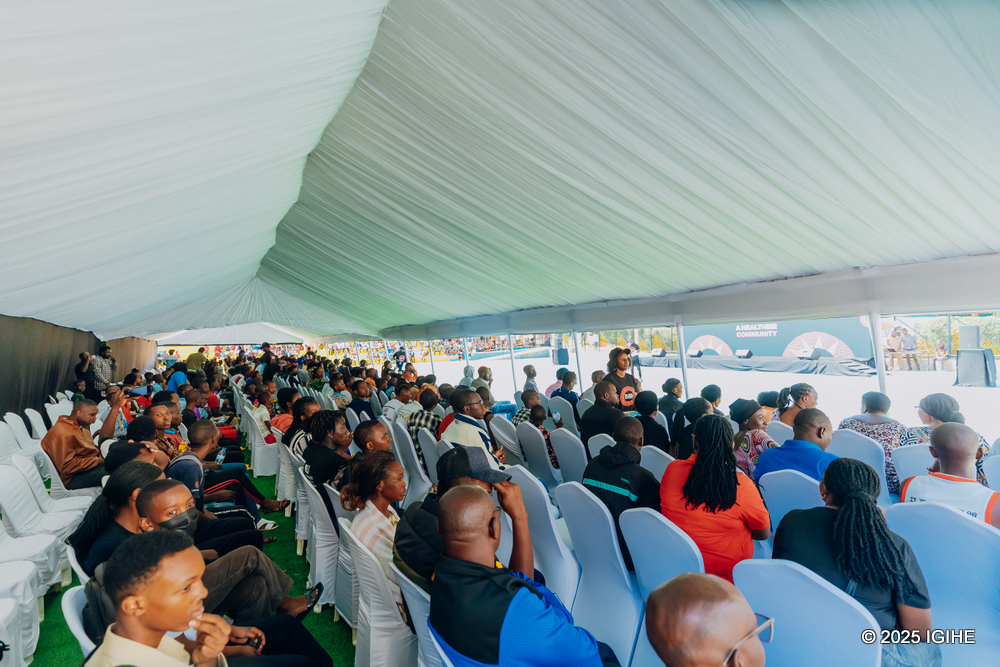
Some of the learners at the university expressed their excitement during the reporting day, affirming that it will help them achieve their goals in the midwifery field.
During an interview with IGIHE, Kevine Kayihoza Ntawuyifasha, one of the selected learners could not hide her excitement at the opportunity.
“Getting this opportunity is a great blessing; I am now determined to work hard and succeed so that I can help expectant mothers in the future. Since childhood, I wanted to pursue a career in midwifery, but I wasn’t sure where I would study.”
Similarly, her colleague, Nina Shania Kamikazi, said, “It’s a blessing to be among the few selected learners from the many who applied. This is an opportunity I must use to build my future, and I believe this place will help me achieve that.”
Kamikazi also revealed that she has always dreamt of working in the medical field, particularly in midwifery, as she considers it a noble profession and a calling.
Dr. Augustin Sendegeya, Chief Medical Officer at King Faisal Hospital, emphasized that the university is expected to address the shortage of trained medical professionals.
He stated, “We were given the responsibility not only to be a hospital but also to contribute to education. With the resources we have and the strong leadership, we saw the need to establish a university that offers various programs related to medical education.”
He added, “The university will increase the number of healthcare workers, not just in quantity but also in the quality of the services they provide. Based on how we have started and the support available, this is an achievable goal.”
Dr. Sendegeya noted that the Master’s degree programs will be offered at Kibungo Hospital in Ngoma District and Kibuye Hospital in Karongi District. This will enhance the capacity of these hospitals, improving the services provided to the community.
AHSU currently operates at the Kacyiru Executive Apartment buildings, located near King Faisal Hospital.
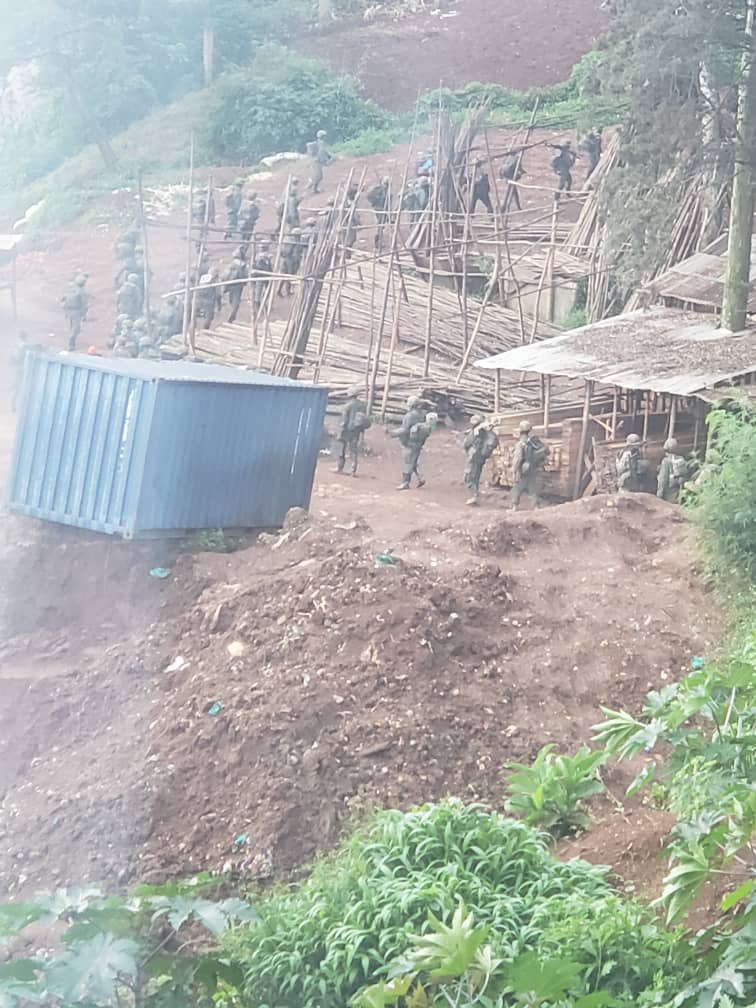
A few weeks before this meeting, starting on February 12, 2023, there were already reports of the movement of troops of the self-proclaimed rebel leader, William Amuri Yakutumba, who was sanctioned by the European Union in December 2022.
He moved his troops from Fizi to North Kivu, saying he wanted to fight the M23 and secure the Congolese-Rwandan border at Kamanyola.
General Ramazani Fundi, the Armed Forces of the Democratic Republic of the Congo (FARDC) operational commander in Uvira, had said the army was considering how to facilitate the movement of Yakutumba’s forces to the front.
The active collaboration between the Mai-Mai groups collectively referred to this force as Wazalendo (“Indigenous Patriots”) and the support from FARDC was confirmed by the Minister of Higher and University Education, Muhindo Nzangi Butondo, during a press conference held in Goma on March 6, 2023.
He had specified that the government decision concerning the reserve forces was legalized as the Wazalendo.
“From next week, you will receive missions, will be equipped and will fight under the same supply conditions as the FARDC.”
For Minister Nzangi, this legalization means that the Wazalendo could no longer hide. He insisted: “From now on, you are no longer negative forces. You become reserve forces!”
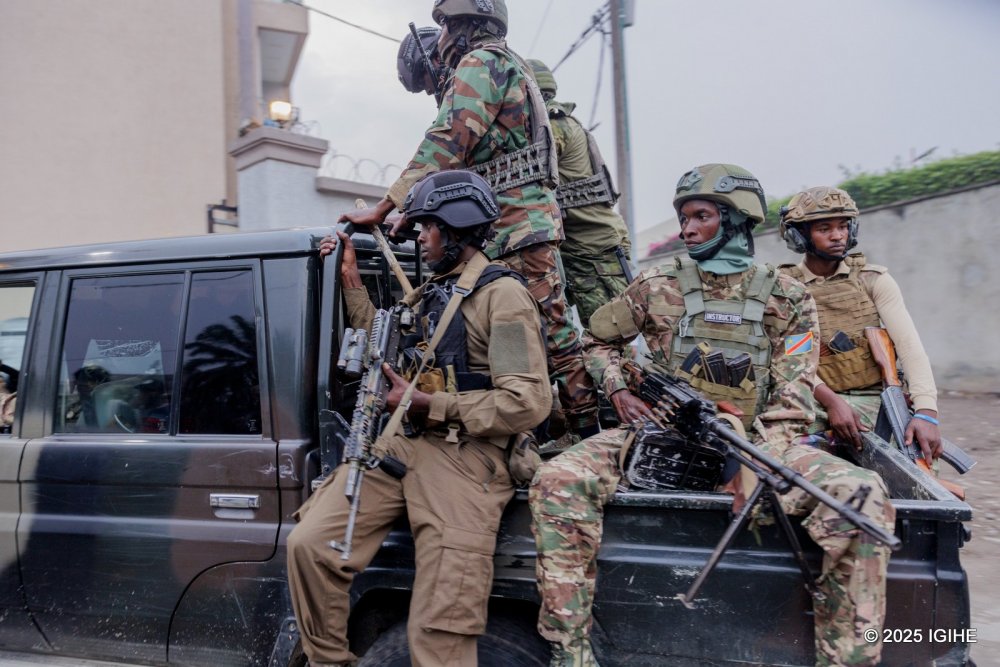
However today, in Eastern DRC, tensions are rising between Kinshasa and the Wazalendo militias, who are considered to support Congolese army in the fight against the AFC/M23. These groups have express growing frustration with the military authorities.
Despite the discretion of the Congolese authorities, it has been confirmed that between the end of 2023 and April 2024, they supplied large quantities of weapons and ammunition to Mai-Mai groups and other militias on the front line against the AFC/M23.
A document, seen by Africa Intelligence, a renowned media outlet that specializes in political and economic affairs in Africa indicates that nearly 2 million cartridges, 868 rockets, 284 bombs, 300 Kalashnikovs and 15 rocket launchers were delivered. This military support puts President Felix Tshisekedi in a delicate situation, as it could prepare the ground for future conflicts.
Frustration among the Wazalendo has intensified, particularly after a meeting in April 2024 with Tshisekedi. During this meeting, the leaders of the armed groups accused FARDC officers and provincial authorities of diverting part of the promised aid. Additionally, the assistance varies between groups: some receive ammunition, while others only receive food or small amounts of money.
On the ground, these militias, often isolated on the front lines, hope for recognition after the war, such as their integration into the national army. However, Kinshasa has so far only made vague promises, postponing discussions to a post-conflict period. Without concrete compensation, demobilization could become a major issue, and these fighters might take up arms again.
In the absence of coordination with the FARDC and without major offensives against the AFC/M23, the Wazalendo are often left on their own, which increases violence against civilians.
Faced with the rise of banditry in Goma and in the displaced persons’ camps around Goma, the military Commander Peter Cirimwami banned militiamen from moving around the city with their weapons in April 2024, without any progress so far.
RIB spokesperson, Dr. Murangira B. Thierry, stated that these individuals, aged between 20 and 35 years, were apprehended at different times.
The spokesperson said, the individuals used deceptive tactics, including SIM swaps, to steal from their victims. They worked in groups, collaborating with agents from various telecommunications companies who helped them quickly withdraw the stolen funds.
The suspected fraudsters, who referred to themselves as ‘Abameni,’ would first meet at a specific location to plan their day’s criminal activities before spreading out to different areas.
Before their arrest, thorough investigations were conducted to understand their methods, allowing the authorities to capture them all at once. They are now detained at various RIB stations.
They face five charges, including forming or joining a criminal gang, obtaining property through deceit, impersonation, failing to explain the source of their wealth, and money laundering. These crimes carry sentences ranging from two to ten years in prison.
Dr. Murangira said, “In the seven months leading up to July 2024, they had stolen 424,493,991 Rwandan Francs. It is the the victims who reported the crimes. The stolen money was often used for various activities, including buying houses for their parents, which is why some parents were reluctant to cooperate with us in apprehending them.”
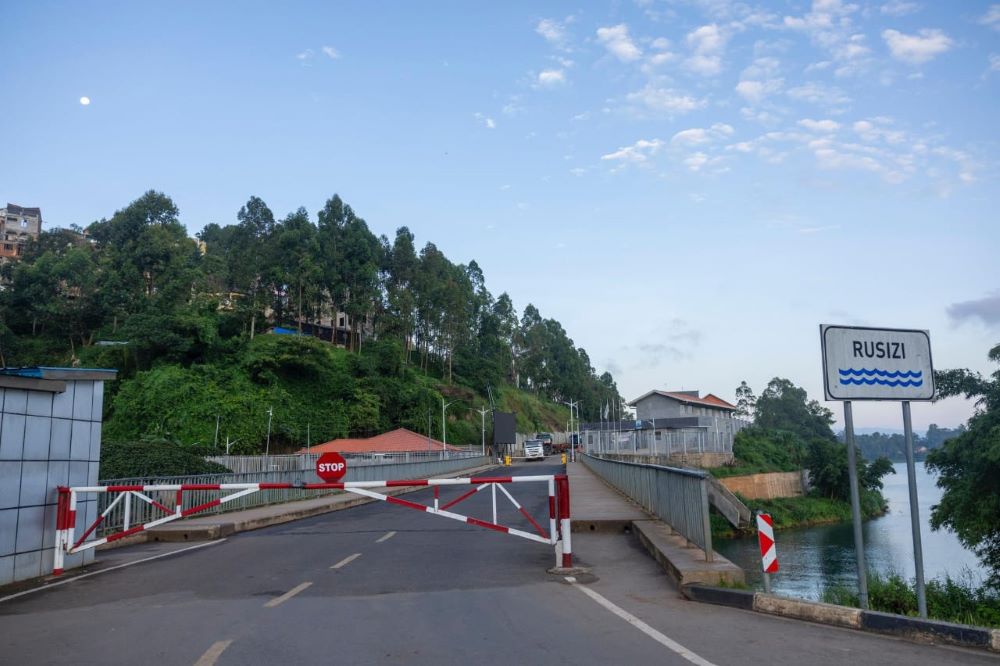
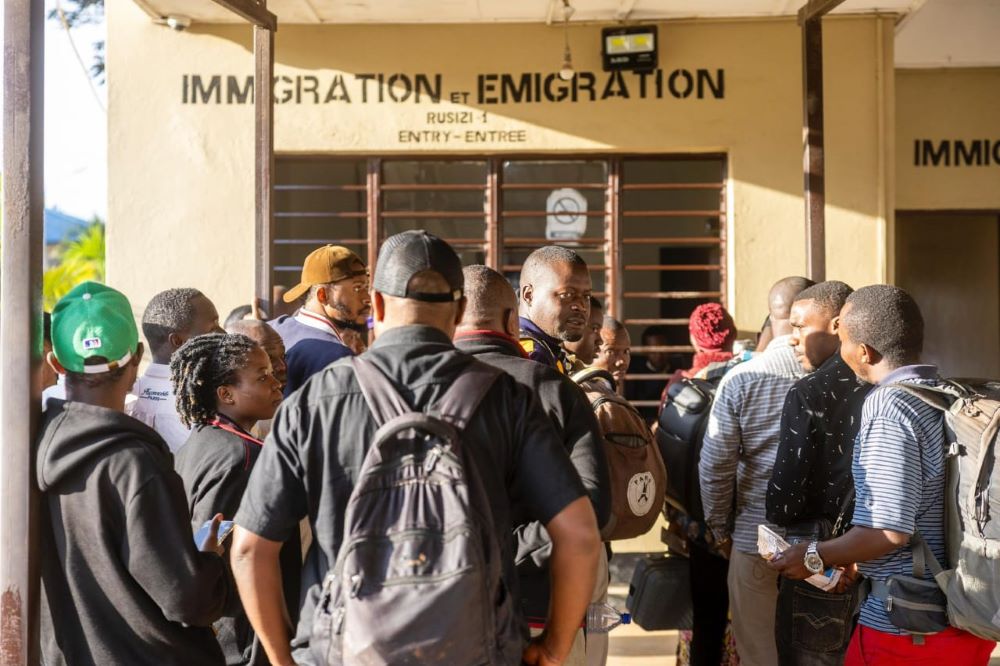
In addition to Rusizi, arrests were also made in the districts of Gicumbi, Ruhango, Gasabo, Rubavu, Nyarugenge, Kirehe, and Muhanga.
Dr. Murangira explained that these crimes could be prevented, as scammers often prey on people’s emotions by impersonating officials or representatives from various organizations, luring victims into entering codes under the guise of offering services, only for the victims to lose their money.
He added, “For example, someone might call and say, ‘This is your child’s school, and we’re notifying you that they’ve been in an accident.’ Then they’ll hang up, and another person will call, claiming to be from a hospital, addressing you by name, and asking for money for your child’s treatment. In your panic, without thinking, you send the money, only to realize later that you’ve been scammed.”
Rwanda National Police spokesperson, ACP Boniface Rutikanga, revealed that the thieves impersonated various entities, including government agencies, private sector companies, and religious institutions.
He noted that while some victims were deceived, others contributed to their own losses by attempting to offer bribes for services they should have received for free.
For instance, at driving test centers, thieves would approach individuals who had failed the test, promising to help them retake a special exam. The conmen would then steal the victim’s phone number and send a fake message notifying them of a new test date, after which they would ask for money to provide the service. The victim, realizing too late, would discover that their money had been stolen.
ACP Rutikanga said, “When the victim arrives at the test center, they realize they were scammed. Such individuals won’t admit to being robbed, and even if you call them, they won’t show up because they know they were involved in offering a bribe.”
The Head of Technology at the Rwanda Utilities Regulatory Authority (RURA), Charles Gahungu stated that their investigations revealed that the thieves were aided by the use of unregistered SIM cards, which allowed them to operate anonymously.
He explained that authorities had identified loopholes exploited by the fraudsters, which led to the ban on registering SIM cards on the street.
“Today, global greenhouse gas emissions disproportionately impact Africa and small island developing states, but no country can afford to be complacent. All over the world, temperatures are rising at unprecedented rates, and the quality of the air we breathe is constantly declining, putting us all at risk,” he remarked.
The theme of this year’s conference is environmental justice. During the five-day event, members are expected to explore how environmental justice can be ensured for all individuals, providing equal access to a healthy and safe environment.
The conference will also provide a platform to examine the right to a healthy environment, protect vulnerable populations, promote sustainable development, and address systemic inequalities in environmental decision-making and resource allocation.
Kagame underscored the necessity of environmental laws in combating current challenges. “Indeed, enacting environmental laws and policies is essential if we want to build a clear and sustainable future. Even more important is having a strong and independent judiciary that enforces the law and puts the needs and interests of our people first.”
He pointed to Rwanda’s journey of judicial reform following the 1994 Genocide against the Tutsi as an example of how the rule of law can promote peace, security, and development. A key milestone in this process was Rwanda’s ban on plastic bags in 2008, which Kagame noted has had far-reaching benefits.
“One of the most consequential laws the country passed is the ban on plastic bags. The effect has been tremendous. Beyond the cleanliness of our streets and homes, this decision reinforced the importance of managing our resources without too much dependence on external solutions,” he stated.
Kagame also emphasized the importance of conservation efforts, particularly the protection of national parks, which serve as critical habitats for endangered species and a source of livelihood for local communities.
“All over the world, these parks are home to endangered species, who unfortunately continue to be the targets of criminal networks,” Kagame explained.
“For local communities, this rich biodiversity is a primary source of livelihood. Too often, wildlife crimes involve a wide spectrum of cross-border criminal activities that put our national security at risk.”
The president called for stronger cross-border collaboration in law enforcement to combat these threats and emphasized the role of an independent judiciary in upholding environmental justice.
“With independent and experienced judges, there is a lot that can be done to protect our environment and provide justice where it is due.”
President Kagame concluded by urging the delegates to extensively deliberate on the growing challenges of judicial corruption and case backlogs.
“Ultimately, the legitimacy of any justice system rests on the trust that citizens have in it. That is the basis of the courts’ ability to ensure respect for due process and respond swiftly and impartially to any disputes. Without this foundation, we cannot create a fairer and more peaceful world,” he concluded.
President Kagame is the current chairperson of the Commonwealth, an international association of 56 member states. He has held the position for the last two years since Rwanda hosted the Commonwealth Heads of Government Meeting (CHOGM). The next meeting will be held in October 2024 in Samoa, the first CHOGM to be held in a Pacific small island developing state (SIDS).
Bralirwa Pic, Rwanda’s leading beverage company which began producing beer in 1959, started the production of Coca-Cola products in partnership with The Coca-Cola Company in 1974 and today continues to engage its customers and consumers through innovations, fascinating events, and award-winning competitions.
The “Dubai Twagye’ challenge which ran from February to June 2024, was set for Bralirwa’s Coca-Cola distributors with an objective of enabling growth, boosting interactions among its consumers & customers as well as driving commitment across the entire ecosystem. The five-month initiative inspired distributors to win and deliver together as one of the strategies to achieve companywide priorities.
In his appreciation remarks, Bralirwa’s Managing Director, Mr. Etienne Saada, highlighted the significant contribution that direct partners continue to make towards achieving the company’s ambitions and success. “As we celebrate the winners today, we are recognizant that it is a cross-functional collaboration combined with dedication and hard work of every member that we are able to attain great achievements,” he said.
Over 40 male and female distributors participated in the Coca-Cola challenge including distributors from Gasabo, Nyarugenge, Nyamasheke, Ngoma, Huye, Rubavu, Kicukiro, Bugesera, and Rulindo representing the diversity within Bralirwa’s distribution network. This inclusive approach motivated distributors to excel and highlighted Bralirwa’s commitment to customer centricity and efforts in celebrating both big and small wins.
The top four winners awarded with all-inclusive 5-day trip to Dubai where they will get a chance to watch Formula One qualifiers and finals. The second category of 4 winners were each awarded a tuk-tuk worth five million Rwandan Francs to support them in their transportation logistics while the third category of 3 winners were awarded a Nyungwe experience for two nights at Kivu Mantis among other activities.
The event was concluded with light moments between the distributors and staff, creating unforgettable moments as the Company continues to customers as one of its key values demonstrate passion for its consumers and customers as one of its key values.
“We are here as part of an ongoing mission to follow up on universities where Sudanese students are enrolled. Due to conflicts in Sudan, many of our students have relocated to countries like Egypt, Qatar, Nigeria, Uganda, and Rwanda. We came to ensure they are well cared for academically and socially,” he explained.
The delegation visited UMST, which offers programs in medicine, medical laboratory technology, and dentistry, with a student body of over 700, almost all of them from Sudan.
Alnoor praised the university’s facilities, noting that they exceed the standards set back in Sudan. “To be honest, the building, the environment, and the standards are better than what we see back home. The students we spoke to are happy, they study and graduate on time, which is different from what I have seen in other countries where our students are studying,” he added.
The delegation was also highly impressed with Rwanda’s overall hospitality and governance. Alnoor stated, “Rwanda is not only an inspiration to Sudan but to all other African nations on how to transition from colonial rule to a modern, independent state. All African countries have something to learn from this experience.”
Prof. Samir Shaheen, Vice-Chancellor of UMST and a Professor of Pediatric Orthopedics, also expressed satisfaction with the collaboration between Sudan and Rwanda. “We are happy with Rwanda for warmly receiving us. The students and faculty have integrated well into the community. We’re happy to have chosen Rwanda as our destination,” he said.
Established less than one year ago, UMST is now fully recognized as a cross-border university, accepting students from Rwanda and the surrounding region. “We have received full support from the Rwandan government and the Higher Education Council. Our admissions will close on September 14,” Shaheen revealed.
In conclusion, Alnoor emphasized the importance of Sudanese students understanding the proper application procedures for foreign universities to avoid any complications. “Our students here are safe, they study and pass well. I have no doubt that many more will come in the future because the feedback from Sudan is very positive,” he noted.
With the delegation’s glowing remarks, it is clear that the collaboration between Sudan and Rwanda in higher education is flourishing, providing a solid foundation for future academic partnerships.
Rupert, the chairman of the Swiss-based luxury goods company Richemont and the South Africa-based company Remgro, made headlines in late August after toppling Dangote, who had topped the list for years.
However, the latest Billionaires Index published by Bloomberg on September 8, 2024, shows that Dangote has reclaimed the top spot with a total net worth of $13.2 billion, compared to Rupert’s $13.1 billion.
The Bloomberg Billionaires Index is a daily ranking of the world’s richest people. The figures are updated at the close of every trading day in New York. Another popular ranking platform is Forbes magazine, which ranked Dangote as Africa’s richest man for the 13th year in a row in January this year.
Before overtaking Dangote last month, Bloomberg reported that Rupert’s net worth had surged by $1.9 billion to $14.3 billion over the past year, placing him 147th globally, 12 places ahead of Dangote.
The latest ranking, however, shows that both billionaires’ wealth has fallen, with the Nigerian’s fortune dropping by $1.84 billion this year. He currently ranks 159th globally, while the South African ranks 163rd.
The decline in Dangote’s wealth over the past year has been attributed to Nigeria’s challenging economic environment, where his conglomerate primarily operates.
Nigeria is grappling with a high inflation rate, which stood at over 30% in August. The removal of fuel subsidies by President Bola Tinubu when he assumed office in 2023 is said to have contributed to the high inflation and the sharp fall in the value of the naira, which has significantly affected Dangote, whose wealth is largely tied to assets denominated in the local currency.
Dangote, 66, made his wealth in the cement and sugar industries. In recent years, he has expanded his empire with investments in oil, gas, and fertilizer plants.
On the other hand, Rupert and his family are known for their company Richemont, which deals in luxury goods such as jewellery, watches, fashion, and accessories. The company owns various brands, including Cartier, Montblanc, Vacheron Constantin, and IWC Schaffhausen.
Additionally, the South African’s Remgro Ltd has interests in healthcare, consumer products, financial services, infrastructure, industrial, and media sectors.
Besides Dangote and Rupert, other African business magnates listed among the top five include Nicky Oppenheimer (South Africa), Nassef Sawiris (Egypt), and Natie Kirsh, with fortunes of $11.1 billion, $9.42 billion, and $9.14 billion, respectively.
As the doors opened, the guests, dressed in some of the most fashionable and extravagant attires, made a grand entrance, setting the tone for the night. The fashion on display was a testament to Africa’s growing influence on the global fashion scene. It was clear that the night would be more than just a celebration – it was a showcase of power, creativity, and talent.
Kicking off the night in style, the children youths from the Sherrie Silver Foundation graced the stage with their heartwarming performance of “Ndagukunda Afurika” (I Love You Africa), which was creatively performed with the incorporation of flags from various African nations. This moving tribute set the stage for the magic that was to follow.
The performances kept coming, with Aline Sano serenading the audience with her hit songs “None” and “Fake Gee”. The crowd was visibly moved, singing along to every lyric.
However, the electrifying energy hit the best high when the night’s headliner, Benjamin Mugisha also known as The Ben, took to the stage. Alongside Kevin Kade and Element, the Ben performed his new song Sikosa for their fans for the first time since its release
His powerful voice and stirring performance left everyone mesmerized. Before this, he took a moment to praise Sherrie Silver, saying, “This is an opportunity to tell you how much I’m proud of you. The work ethic and the big heart are an inspiration for me to always support you.”
The performances were interspersed with jaw-dropping moments from Sherrie Silver and her dance crew, whose vibrant choreography and stage presence kept the audience on their feet. Every interval performance was met with roaring applause, and it was clear that Sherrie Silver’s dedication to her craft had paid off.
But the night wasn’t just about the music and dancing – the speeches were equally stirring. Fred Swaniker, founder of the African Leadership University, captivated the audience with his motivational words. “We are creating the next generation of superstars. As Africa, we will get the respect we deserve if we tell our story in the best way possible. I pledge all my support in this regard,” he said.
His call for more investment in the arts resonated with the crowd, and his promise of support to Sherrie Silver was met with thunderous applause.
Another standout speech came from Nigerian politician and entrepreneur Peter Gregory Obi, who praised Sherrie Silver’s commitment to nurturing young talent. “Sherrie’s work is extraordinary. What she’s doing for the youth is inspiring, and I will do everything I can to spread the word about her efforts,” he said, offering his full support to her foundation.
Masai Ujiri, President of the Toronto Raptors, also took the stage to share his admiration for Sherrie Silver, saying, “I’ve encountered Sherrie on several occasions, and every time, I’m impressed with the zeal and vigor with which she approaches her work.” His words echoed the sentiments of everyone in the room – that Sherrie Silver is a force to be reckoned with.
As the night drew to a close, items were auctioned to raise funds for the Sherrie Silver Foundation, with guests enthusiastically participating in the bidding. The proceeds will go toward supporting young African talent, a cause close to Sherrie’s heart.
In her own words, Rwanda’s very own Mutesi Jolly perfectly summed up the night. “Our country has provided opportunities for the youth, and we should seize them. Let’s make the most of these moments,” she said.
The gala was not just a celebration of talent but also a reminder of the potential Africa holds – a continent bursting with creativity, passion, and promise.
The Silver Gala was, without a doubt, an evening of unforgettable memories. From the dazzling fashion to the inspiring speeches and breathtaking performances, it was a night that celebrated Africa’s bright future. As The Ben so powerfully said, “The best way to achieve your dreams is to keep your standards. Let us not lose that no matter what.” What a night to remember!
Since the launch of Prime Insurance medical cover in December 2021, Prime Insurance medical insurance is growing at a promising rate thanks to the partenrship with service providers in this space.
In 2023, Prime Medical Insurance generated RWF 3.5 billion, while by August 1, 2024, it had already earned over RWF 2.8 billion.
Col (Rtd) Eugène Murashi Haguma, the CEO of Prime General Insurance, emphasized that medical insurance plays a crucial role in the well-being of the population and should be improved to provide clients with quality services.
He stated, “Insurance is a way for many people to pool their money together. The money they contribute is not ours; it belongs to our clients. What we aim for is to ensure that people never lack medical care because we manage that money well and provide treatment until the agreed-upon term ends.”
Mike Byusa, the Commercial Director at Prime General Insurance, noted that the growth of medical insurance at the company is promising, as it accounted for 20% of the total income in the first six months of 2024.
He mentioned that discussions with their partners aim to assess how well the services are received, exchange ideas, and determine where to focus efforts for further improvement.
From the discussions, he revealed that Prime Insurance identified areas for further enhancement, such as speeding up the reimbursement process for medical claims, accelerating service delivery, and improving communication with partners.
Umutoni Carine, a representative from a hospital working with Prime Insurance, highlighted that meetings with the company’s management reinforce collaboration and are expected to improve.
She said, “It is a good initiative for Prime Insurance to bring us together to exchange ideas. These discussions are beneficial for expanding our cooperation. We talked about suggestions and areas needing more effort, and we hope these will be addressed.”
Aimé Lambert Kadende Shyaka, an employee at Kipharma Pharmacy, emphasized that both parties should work to strengthen their cooperation, particularly in stabilizing fluctuating medicine prices in the market.
In the six months ending June 2024, Prime General Insurance earned over RWF 11.6 billion, with RWF 2.5 billion coming from medical insurance.
Prime Insurance anticipates that by the end of 2024, it will generate over RWF 4 billion from medical insurance services.
Currently, Prime Medical Insurance offers individual and family medical insurance services, as well as coverage for various organizations.