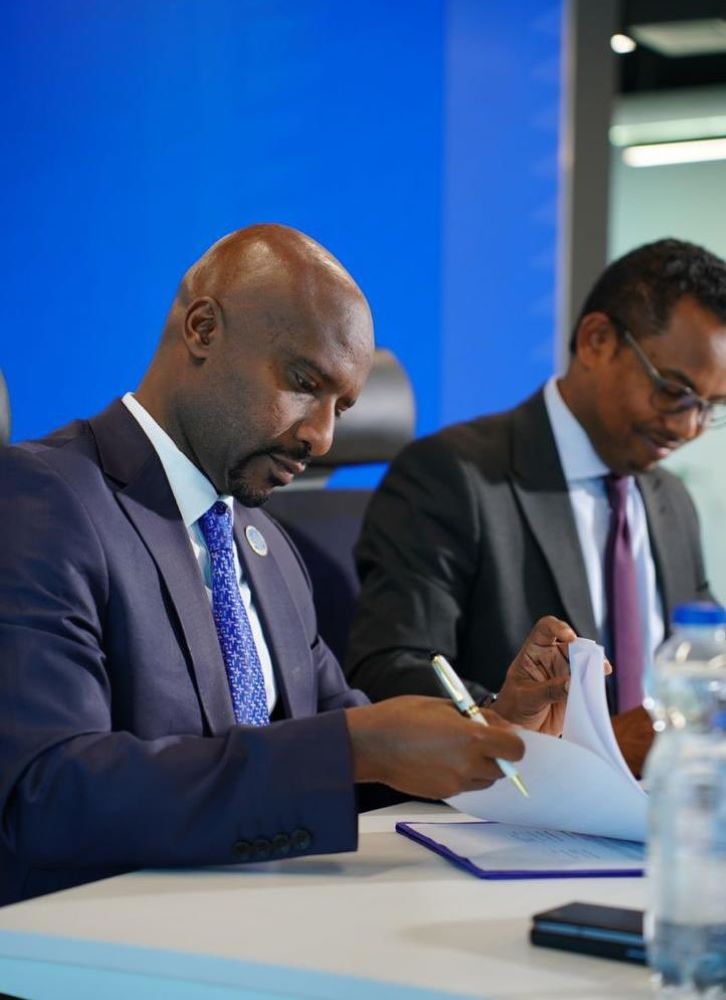
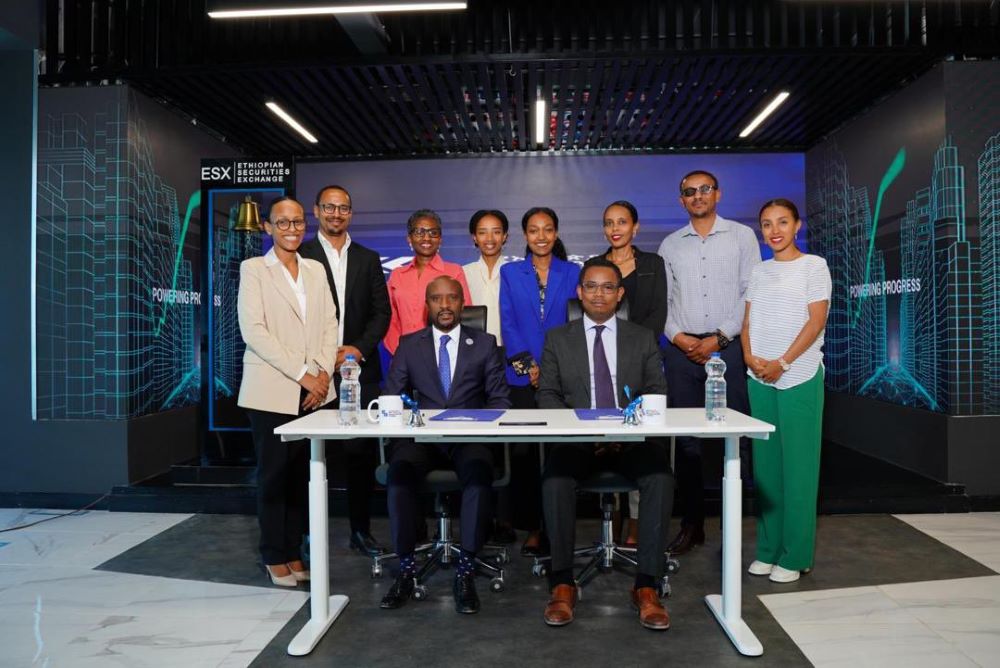
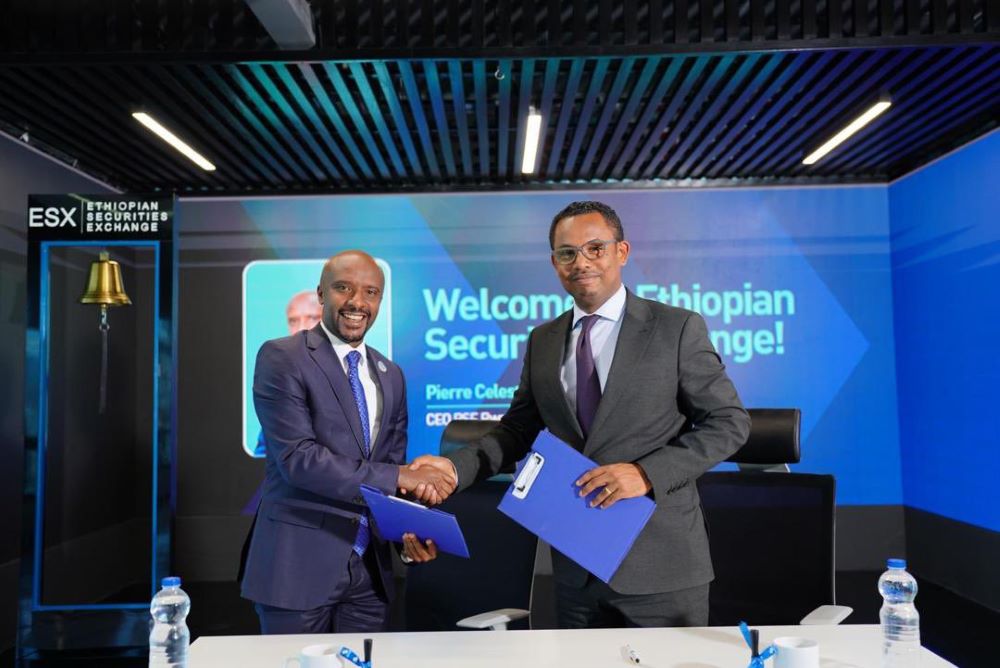
This collaboration is expected to enhance financial integration and create new investment opportunities in both countries. Under this partnership, the two institutions will exchange expertise, share best practices, and provide technical support to advance the development of their respective securities markets.
Additionally, the agreement includes capacity-building initiatives, enabling staff from both exchanges to participate in professional exchanges, attachments, and internships.
The collaboration will also foster networking events, seminars, and strategic partnerships to stimulate market expansion in Rwanda and Ethiopia.
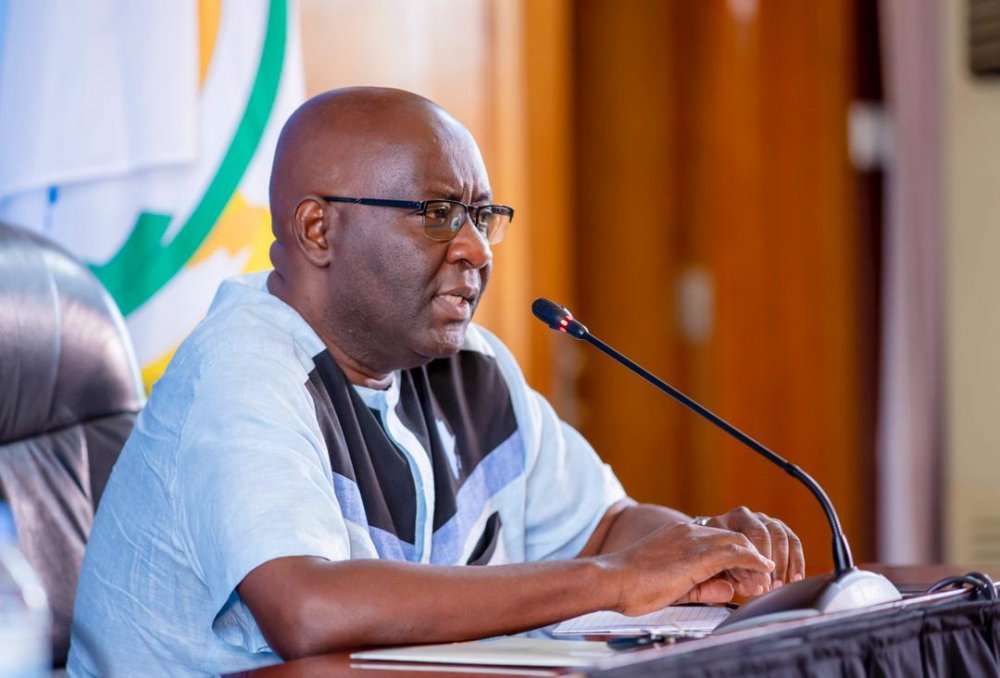
Highlighting the significance of this initiative, Tilahun Esmael Kassahun (PhD), Chief Executive Officer of ESX, stated, “This MoU helps in advancing regional financial integration. By leveraging the strengths of both exchanges, we aim to create a more dynamic and interconnected securities market that benefits investors and businesses alike.”
On his part, Pierre Celestin Rwabukumba, Chief Executive Officer of RSE, also emphasized the importance of knowledge sharing in driving market development.
“The signing marks an important step to strengthen ties of both markets and pave the way for our commitment to knowledge sharing and innovation, and foster stronger partnerships that will benefit both institutions and our communities.”
The partnership is poised to enhance market efficiency, transparency, and investor confidence.
By working together, RSE and ESX seek to establish a more vibrant and competitive capital market landscape in Africa, promoting regional economic growth and expanding investment prospects.
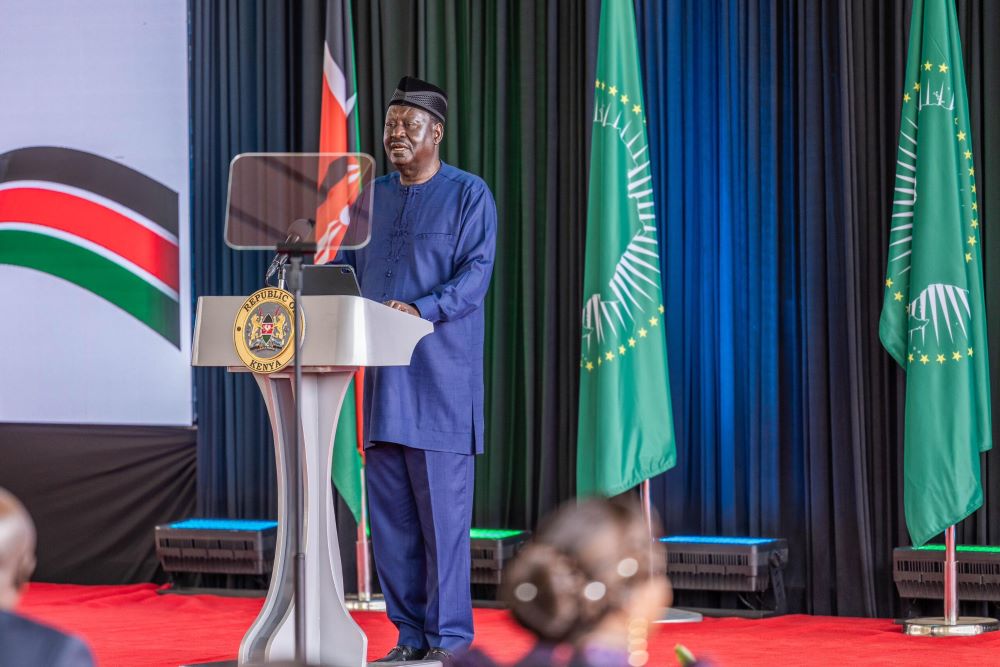
Youssouf secured 33 votes in the final round, clinching the seat for the next four years. His victory comes after a challenging multi-round election in which former Kenyan Prime Minister Raila Odinga was eliminated after failing to gather enough votes.
Raila, who had campaigned vigorously with the support of various African leaders, including Kenya’s President William Ruto, led the contest for several rounds. However, after a series of narrow losses in each round, he was ultimately eliminated in the sixth round.
Youssouf, who had steadily gained support throughout the voting, sailed through to the final round where he secured the necessary two-thirds majority required to win the election.
Raila’s elimination marked the end of Kenya’s bid for the continental position. His campaign had garnered support from at least 21 countries, but it wasn’t enough to overcome Youssouf’s consistent lead.
Madagascar’s Richard Randriamandrato was eliminated earlier in the race, leaving Youssouf and Raila to battle it out. Youssouf’s victory marks a significant milestone for Djibouti, as he becomes the seventh person to hold the AUC chairperson role since its establishment in 2002.
He succeeds Moussa Faki, who served two terms. Youssouf’s term will span four years, with the possibility of re-election for one additional term.
{{How the vote was conducted}}
The election for the AUC chairperson took place over several rounds of voting, with candidates needing a two-thirds majority of votes, equivalent to 33 votes, to win the seat.
In the first round, Raila led with 20 votes, Youssouf received 18, and Randriamandrato had 10. One nation abstained.
Round two saw Raila garner 22 votes, Youssouf 19, and Randriamandrato 7 with each of the candidates settling for 20, 23 and 5 votes respectively. One nation still abstained.
On the fourth round, Youssouf maintained the lead with 25 votes, while Raila trailed with 21 votes. There were two spoiled votes and one abstention.
In round five of the vote, Youssouf gained one more vote, totaling 26, while Raila remained with 21 votes. Two abstentions were recorded.
Youssouf once again led in the sixth round with 26 votes, and Raila had 22 votes, with one nation abstaining. At this stage, Raila was dropped from the race. On the final round, Youssouf proceeded alone and secured the necessary 33 votes to win the chairperson position.
The election saw 49 member states participate, with six other countries suspended. The AUC chairperson is elected by member states, excluding countries under military rule. The election rules stipulate that a candidate must garner a two-thirds majority of the votes cast to win.
Youssouf will now lead the AUC for a four-year term, with the opportunity to serve a second term depending on the outcome of the next election cycle.
His victory reflects the African Union’s rotational system, with Eastern Africa presenting a candidate this time, while the Northern region nominated a deputy chairperson.
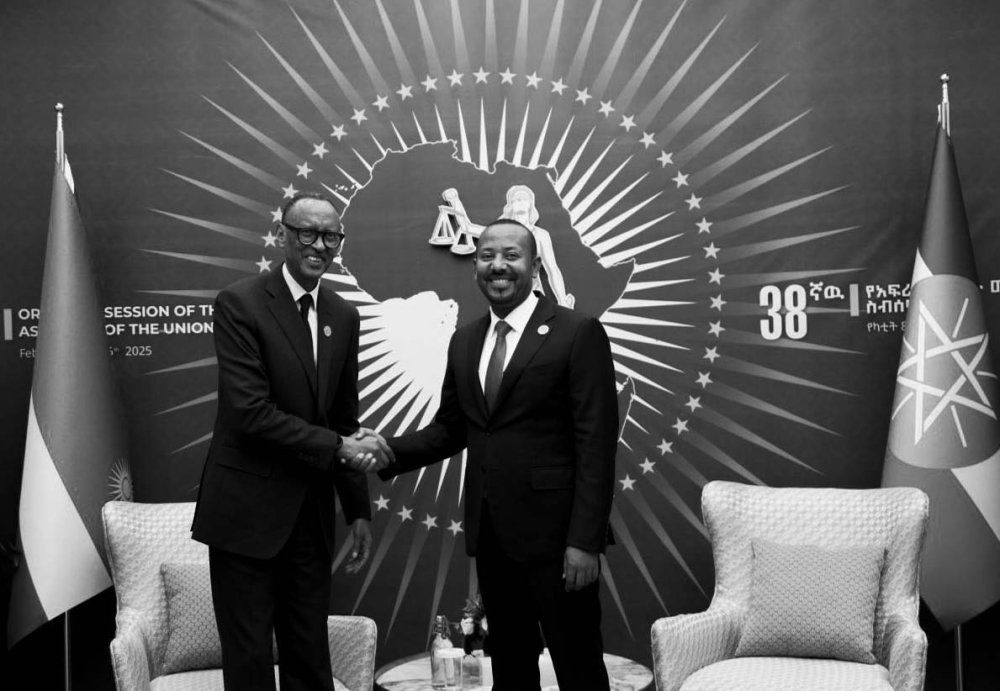
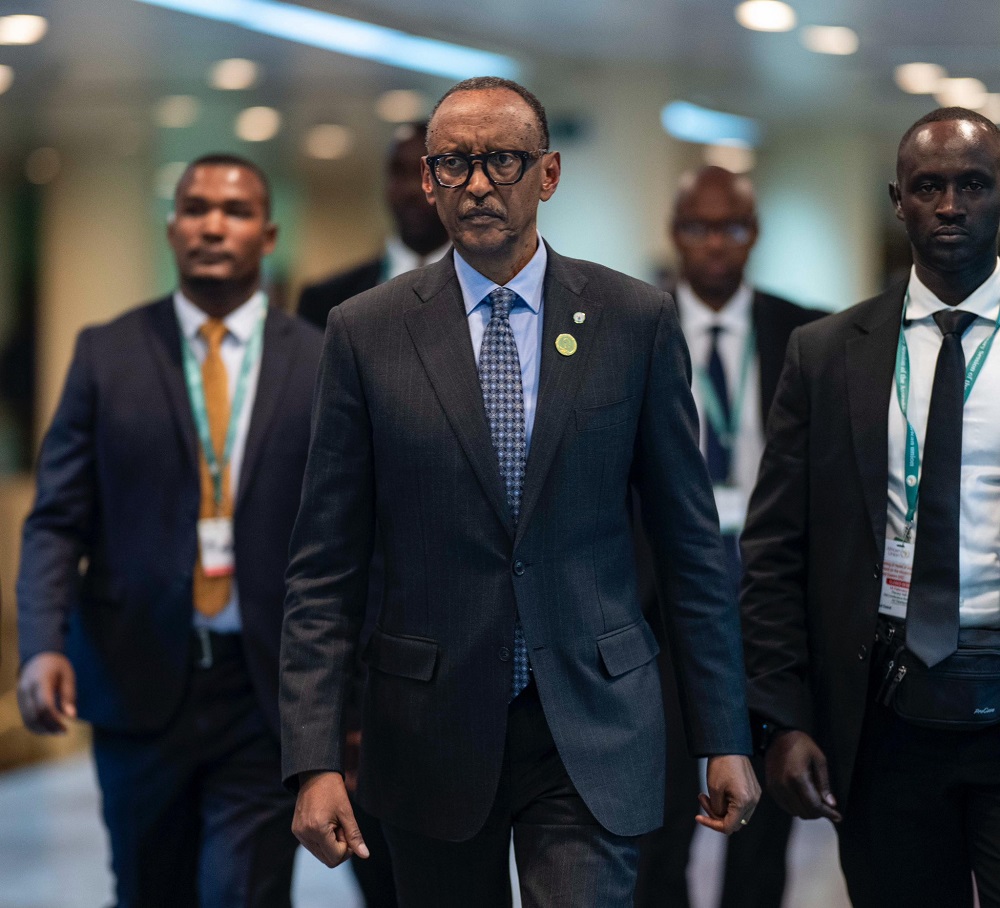
Kagame met with Ethiopian Prime Minister Abiy Ahmed to discuss regional and continental issues, including security in eastern DR Congo.
According to the Office of the President, their discussions “focused on strengthening cooperation across different development sectors for the benefit of the people of Rwanda and Ethiopia.”
Rwanda and Ethiopia enjoy strong diplomatic ties, with agreements in legal cooperation, media, sports, tourism, health, education, and culture. Additionally, Ethiopian investors have actively participated in Rwanda’s growing sectors such as manufacturing, construction, and services.
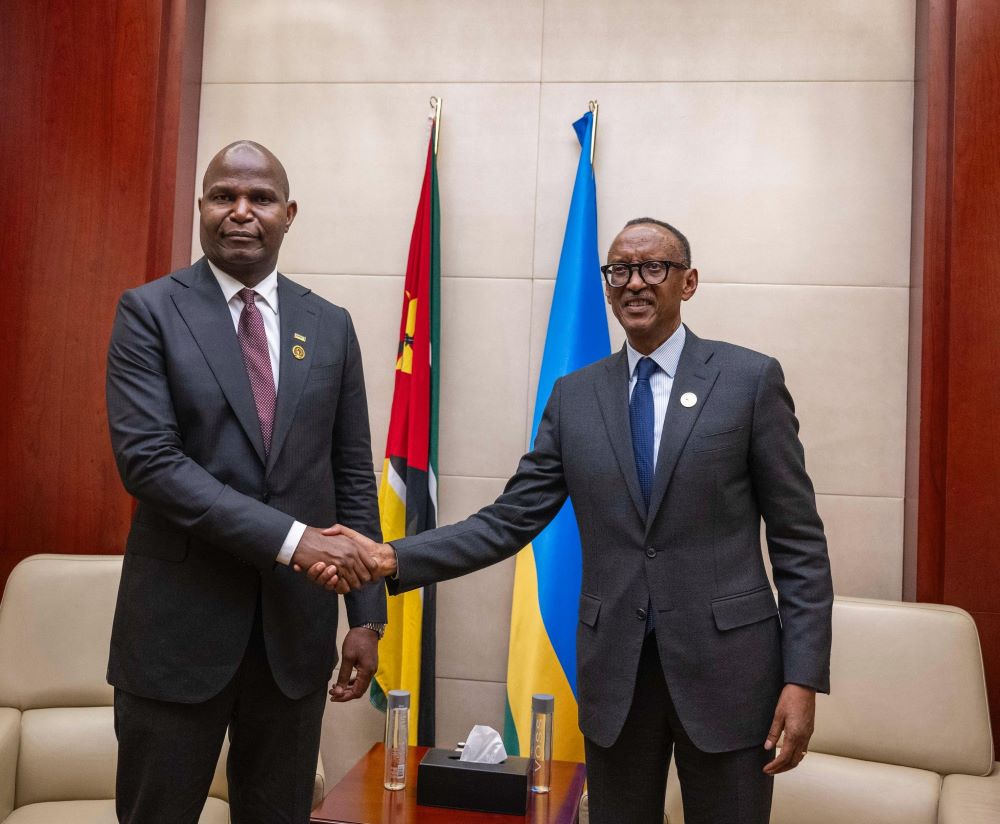
In a separate meeting, President Kagame and Mozambican President Daniel Chapo reviewed the robust partnership between Rwanda and Mozambique. “The two leaders discussed ways to expand and strengthen their collaboration for mutual benefit,” Village Urugwiro stated.
Rwanda and Mozambique have a long-standing security cooperation agreement, under which Rwanda deployed troops to Mozambique’s Cabo Delgado province in 2021 to combat terrorist activities.
Over the past four years, Rwandan forces have played a key role in dismantling terrorist strongholds, enabling the return of displaced civilians, and supporting Mozambique in rebuilding its security institutions.
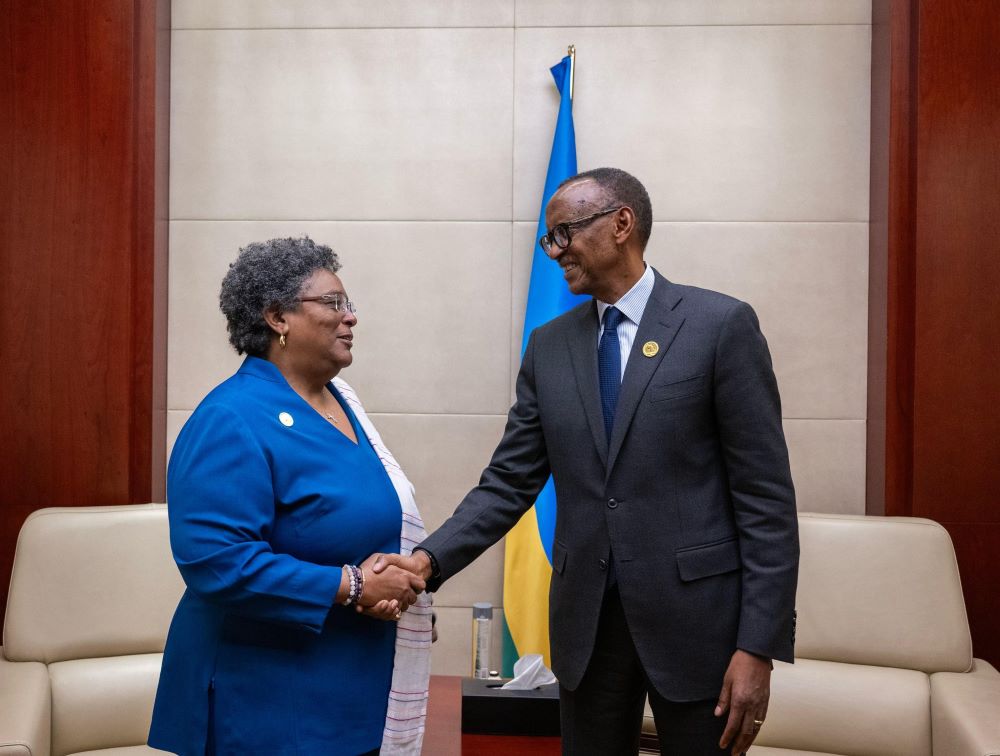
The Head of State also engaged in discussions with Barbadian Prime Minister Mia Amor Mottley on matters of mutual interest, highlighting the positive relations between Rwanda and Barbados.
The two nations share an aviation partnership that enables RwandAir to operate flights to Barbados, strengthening connectivity between Africa and the Caribbean.
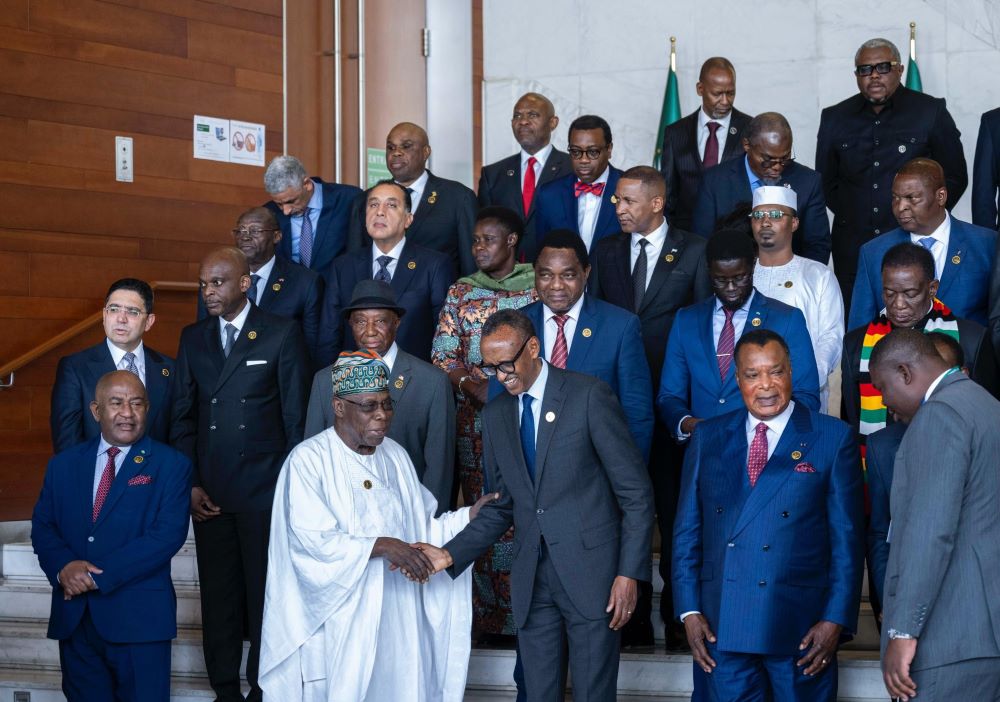
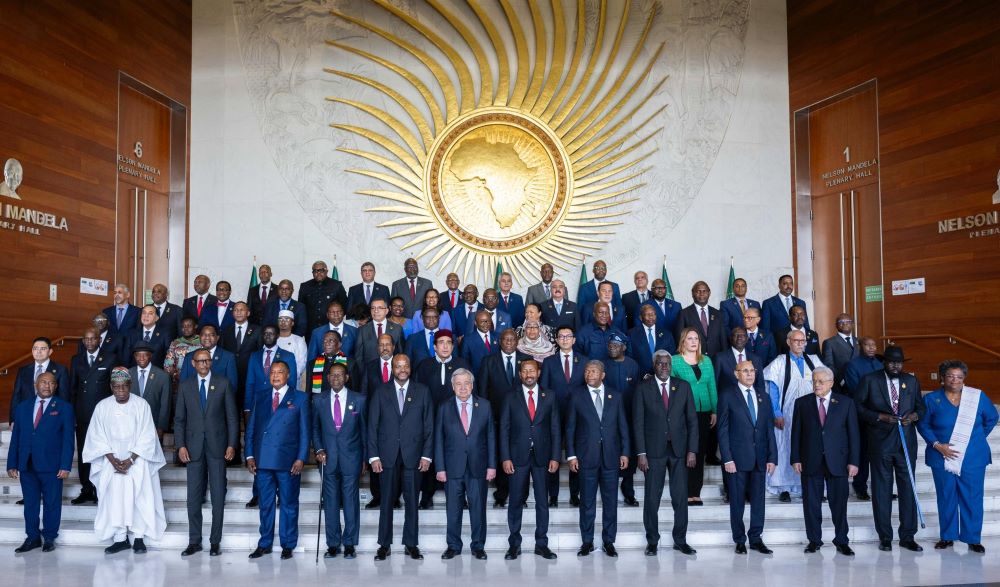
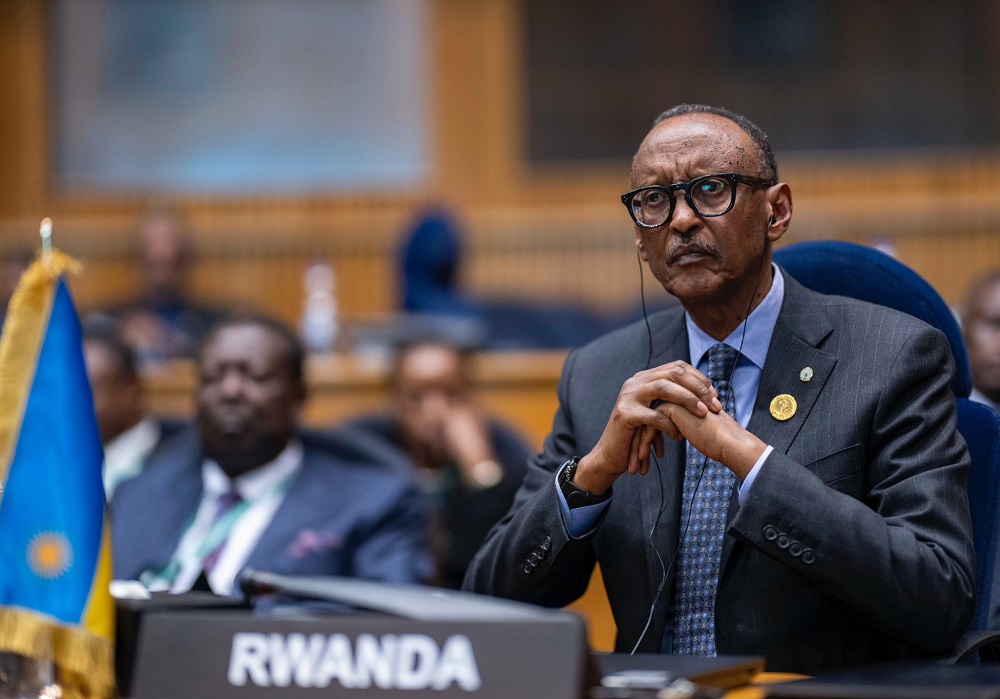
During the summit, Kagame participated in the main AU session, where Mauritanian President Mohamed Ould Cheikh AI-Ghazouani handed over the AU chairmanship to Angolan President João Lourenço for a one-year term.
The series of meetings underscores Rwanda’s commitment to reinforcing diplomatic ties, fostering economic partnerships, and promoting regional stability across Africa and beyond.
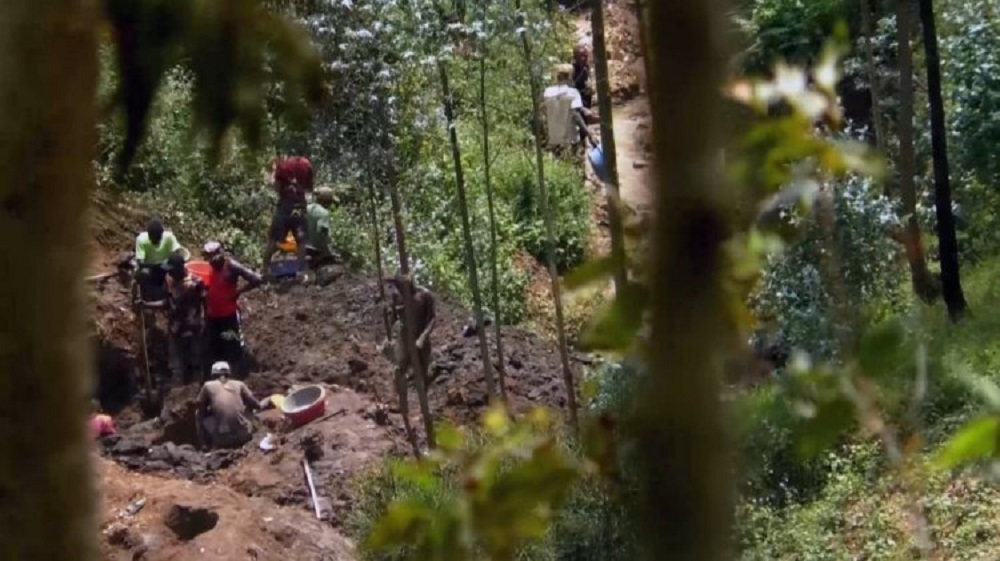
The arrests followed numerous complaints from residents, who reported that miners were invading their farmlands without consent. Some residents claimed the miners, allegedly searching for gold, had become untouchable and even resorted to violence against anyone who questioned their activities.
Jean Bosco Mwiseneza, the RNP spokesperson for the Northern Province, confirmed the arrests.
“Rwanda National Police caught 68 individuals in the act of illegal mining. Of these, 52 were arrested in Kinzuzi sector, Rulindo district, while 16 were apprehended in Gacaca, Remera, and Muhoza sectors of Musanze district. They are currently in police custody under investigation for illegal mining activities,” he stated.
The suspects from Rulindo are being held at Murambi Police Station, while those from Musanze are detained at Muhoza Police Station.
Following the arrests, RNP reaffirmed its commitment to eradicating illegal mining and issued a stern warning to those involved, emphasizing that such activities will not be tolerated.
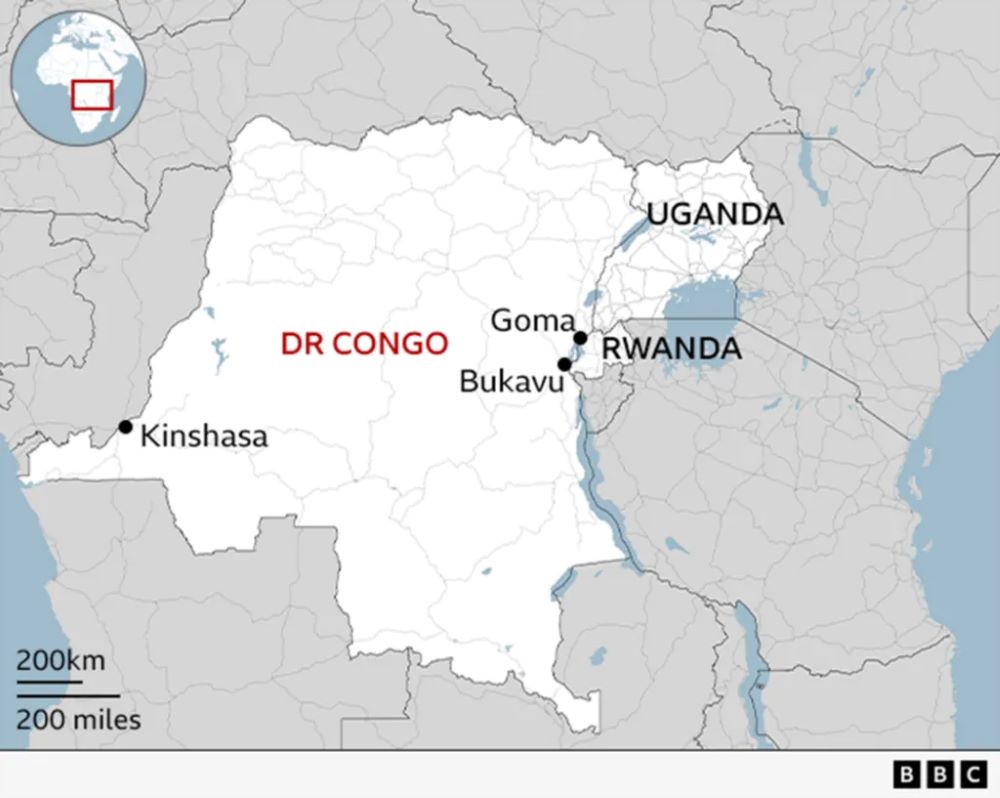
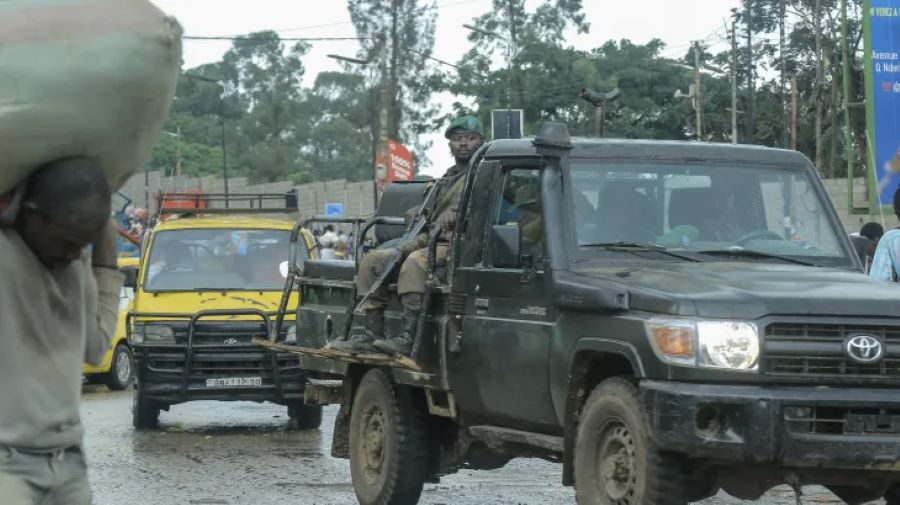
The rebels advanced through Bagira commune in the northwest of Bukavu after capturing key areas in the province, including Kavumu and its airport.
Bukavu, a city spanning 45 square kilometers and home to approximately 1.3 million people, has been in a state of fear since M23’s arrival. Many residents locked themselves inside their homes for safety.
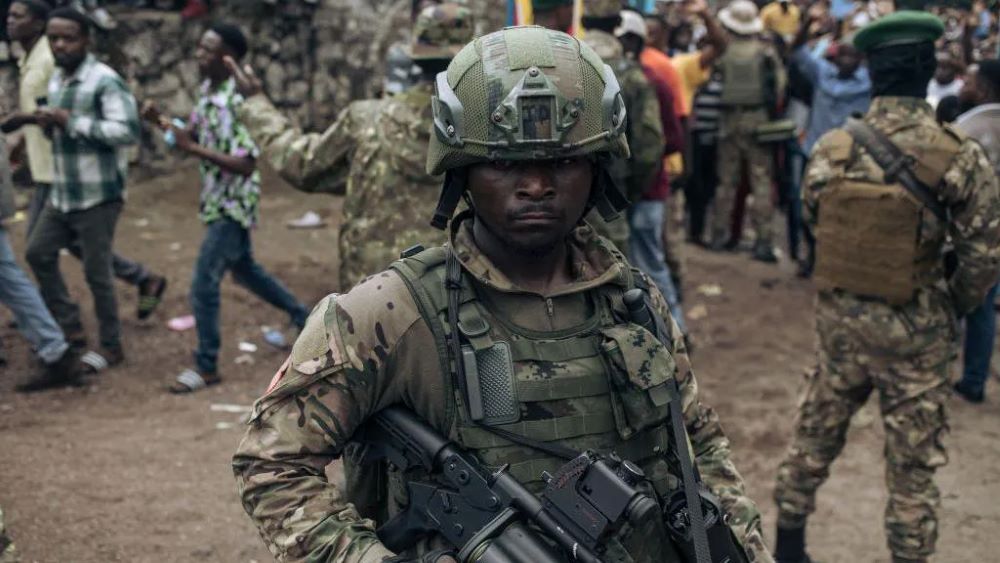
A large number of Congolese government troops, part of the coalition forces in the region, fled the city using military vehicles or on foot. High-ranking officials, including civilian leaders, military officers, and police personnel, also abandoned their posts.
A security official told Jeune Afrique that both Congolese and Burundian troops retreated towards southeastern Bukavu, near the Kamanyola border between DRC and Burundi.
According to reports from inside the city, M23 fighters faced little resistance while entering Bukavu, as the Congolese army seemingly did not put up a fight. However, sporadic gunfire was heard on the outskirts of the city during the night.
Unlike in Goma, where intense battles were fought on its outskirts, Bukavu’s infrastructure remains intact. Electricity and water supplies continue to function normally.
Corneille Nangaa, the leader of the Alliance Fleuve Congo (AFC), a coalition that includes M23, confirmed that their fighters had entered Bukavu. However, as of the morning of February 15, they had not taken full control of the city.
Bukavu holds significant strategic importance for the Congolese military. Losing it would force many of their soldiers to flee into neighboring Burundi, particularly the Cibitoke province.
For M23, capturing the entire city would mark a major victory, granting them control over the entire Congolese side of Lake Kivu. As they did in Goma after seizing it on January 27, 2025, M23 could install a new administration in South Kivu.
Reports from South Kivu suggest that the Congolese army’s retreat from the city might be a tactical move to lure M23 into a trap, engaging them in combat once they are fully inside Bukavu.
It appears that M23 is proceeding cautiously, aiming to avoid heavy urban warfare that could result in significant civilian casualties.
Nangaa stated that on February 15, M23 forces would focus on what he called “cleansing the city,” eliminating any threats that could compromise Bukavu’s security.
“Global powers have always existed, and they can impose sanctions. But that doesn’t mean that if they sanction you today, you have nowhere else to go. Things have changed,” Mukuralinda stated.
He highlighted that many African countries have thrived without these western financial aids, even rejecting loans from the International Monetary Fund (IMF) and the World Bank while still managing to repay their debts.
Speaking on national television, Mukuralinda urged Rwandans to continue expanding partnerships with other countries worldwide, ensuring that even if some European nations impose sanctions, the country remains unaffected.
“Rwandans need to understand the stance they should take. Should they panic? Should we abandon our security just because of sanctions? Or should we renounce what we have stood for all along?” he questioned.
“If we were lying, then perhaps we deserve the sanctions. But if we were truthful, we must remain firm and ready for any consequences. The world remains open, and we can still establish new partnerships,” he affirmed
He emphasized that the world is now open for cooperation, and no country can be forced into partnerships against its will.
The proposed sanctions by EU lawmakers include suspending financial aid to Rwanda’s national budget, halting support for its security institutions, and canceling a December 2023 agreement on critical mineral trade.
These measures stem from accusations that Rwanda has deployed troops in eastern Democratic Republic of Congo (DRC), an allegation Kigali has consistently denied.
Mukuralinda pointed out that while it remains to be seen whether EU member states will act on these recommendations, Rwandans should prepare by fostering broader international partnerships.
Mukuralinda reiterated that Rwanda cannot be coerced into maintaining partnerships with those unwilling to cooperate. “You cannot force someone to work with you if they don’t want to. But we also cannot compromise our national security out of fear of sanctions,” he affirmed.
“If you cannot abandon your country’s security and peace, then you have no choice but to confront the consequences of such sanctions,” he added.
He stressed that the sanctions being pushed by EU lawmakers would not address the real issue, the ongoing threats from DRC and Burundi, whose leaders have openly expressed intentions to attack Rwanda.
He also raised concerns about the presence of DRC’s armed forces (FARDC), the FDLR militia, Burundian troops, and SADC forces near Rwanda’s borders.
These tensions emanate from accusations by the Congolese government that Rwanda supports the M23 rebel group, which is composed of Congolese nationals fighting for their rights.
Kinshasa has aggressively lobbied for international sanctions against Rwanda while forging alliances with the FDLR, a militia made up of individuals responsible for the 1994 Genocide against the Tutsi.
DRC President Félix Tshisekedi has repeatedly declared his intention to attack Rwanda and overthrow its government, forming military alliances with the FDLR, European mercenaries, the Wazalendo militia, Burundian troops, and SADC forces to carry out this plan.
Meanwhile, Rwandan President Paul Kagame recently reaffirmed that no amount of sanctions would deter the country from prioritizing its national security.
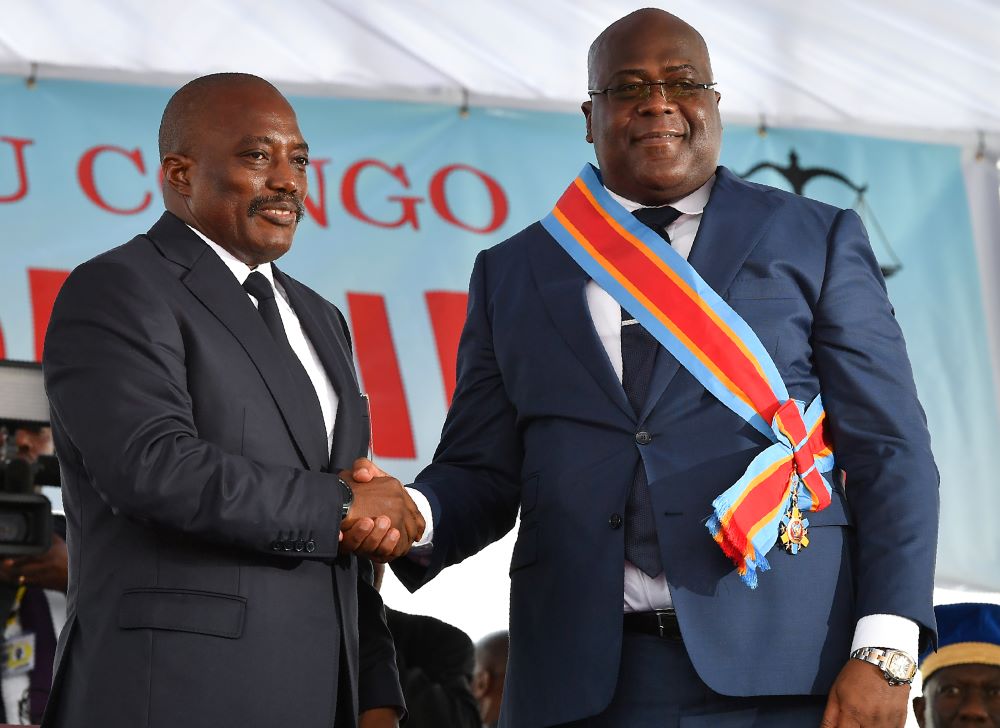
Speaking at the Munich Security Conference in Germany on February 14, 2025, Tshisekedi doubled down on his accusations, claiming Kabila had gone into exile due to his alleged financial support for M23.
“I cannot accept that armed groups join forces with Rwanda in this rebellion against the Republic. The real sponsors are in hiding. The main sponsor is my predecessor, Joseph Kabila. But he won’t admit it; he refuses to take responsibility for his actions,” Tshisekedi stated.
In response, Ferdinand Kambere, the Executive Secretary of Kabila’s PPRD party, dismissed the allegations, arguing that Tshisekedi was merely deflecting from his own failure to resolve the security crisis in eastern DRC.
“Mr. President, by accusing Joseph Kabila, you are losing national support at a time when you should be rallying the country against this aggression,” Kambere said.
He also questioned Tshisekedi’s shifting narrative, noting that he initially blamed Rwanda for the war in eastern DRC but now appears to be turning his focus on Kabila.
“Is this war in eastern DRC no longer Rwanda’s aggression against our country, but now a conflict between Tshisekedi and his predecessor?” Kambere asked.
In August 2024, Tshisekedi had alleged that Kabila was behind the alliance between Corneille Nangaa’s AFC political coalition and M23 fighters. In a recent interview with Top Congo, he claimed Kabila skipped the December 2024 elections because he was preoccupied with AFC activities.
“Let’s not even talk about Joseph Kabila. He refused to participate in the elections and is now preparing to fight the government because AFC is him,” Tshisekedi said.
Last year, Kabila’s residence in Kinshasa was repeatedly targeted by security forces attempting to demolish part of its perimeter wall for road construction. Tshisekedi’s UDPS-affiliated youth group, Force du Progrès, also attacked the residence but was repelled by Kabila’s security detail.
Olive Lembe, Kabila’s wife, accused the government of orchestrating the attacks, claiming it was an attempt to destabilize her family.
These soldiers, numbering in the hundreds, are undergoing training at the Rumangabo military camp in Rutshuru Territory, North Kivu Province. Gen. Maj. Makenga visited them on February 13, 2025.
During his address, Makenga accused Tshisekedi’s government of oppressing its people through corruption, killings, abductions, and ethnic persecution. He declared that ARC/M23 was committed to liberating the Congolese population.
“Discipline is the key to any army. ARC/M23 is here to rescue the country and its people. We want to give you short-term training so that you can transform, join us, and help save our nation and fellow Congolese,” he stated.
Makenga then asked the soldiers if they were ready to fight for the DRC and its people. They responded in unison, “Yes, Commander!” He instructed them to raise their hands as a sign of commitment, and they all complied.
“You will be trained and then integrated into military units so that we can remove this corrupt regime. Tshisekedi’s government must be overthrown for the sake of peace, respect, and a strong national army,” Makenga added.
M23 has continued to call on Tshisekedi’s administration to engage in negotiations for lasting peace in eastern DRC.
However, while attending the Munich Security Conference in Germany on February 14, 2025, Tshisekedi reiterated that his government would not negotiate with M23, branding it a terrorist group.
M23 rebels currently control vast territories in North Kivu, including the city of Goma, as well as areas in South Kivu, such as Kalehe and Kavumu. On February 14, they began advancing into Bukavu.
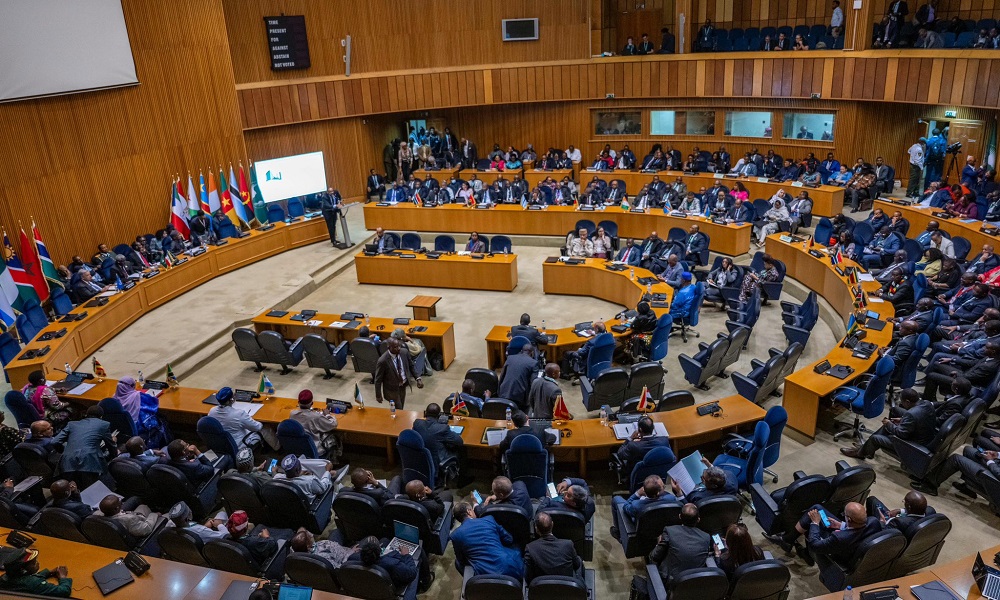
Speaking at the African Union (AU) Peace and Security Council meeting in Addis Ababa on February 14, 2025, Kagame condemned the rhetoric that shifts responsibility for Congo’s instability onto external actors, particularly Rwanda, instead of addressing the root causes of the conflict.
“If the blame game, nice speeches, lies, and shamelessness were the solution to this problem, it would have ended long ago. Some people lie for no reason,” he stated.
“How can FDLR not exist in the minds of some people? Or why is it treated something that is supposed to be trivialized? when you trivialize it, you trivialize my history, and I will not accept that. It doesn’t matter who you are,” he added.
Kagame made it clear that Rwanda would not compromise on its right to security. “I am not asking anyone in this room for permission to live, nor am I begging for my people’s right to exist. Absolutely not. We will live because it is our right. That’s it.”
{{Rwanda rejects responsibility for DRC’s problems}}
Kinshasa has consistently blamed Rwanda for its internal conflicts, lobbying international organizations and powerful nations to impose sanctions on Kigali. However, Kagame firmly rejected this narrative, emphasizing that Congo must take responsibility for its own crisis.
“When will Congo take responsibility for its own mess? How does Congo believe all its problems come from outside, and therefore seek external solutions?” he asked.
“Rwanda has nothing to do with Congo’s problems. We have our own challenges to deal with. Congo is too big for Rwanda to carry on its back.”
As M23 rebels continue to seize strategic positions in eastern DRC including the recent capture of Goma and a push toward Bukavu, Kinshasa has repeatedly accused Rwanda of backing the group.
Despite Kigali’s outright denials, these allegations have fueled international controversy while overshadowing the Congolese government’s partnerships with various militias, including the FDLR.
The situation has further deteriorated with the FARDC, alongside FDLR militants, Burundian troops, and mercenaries, launching attacks on Rwanda’s Rubavu District in late January 2025, killing 16 civilians and destroying homes.
During a recent East African Community summit, Kagame made it clear that Rwanda would not remain silent in the face of such provocations.
“With fighting intensifying and diplomatic efforts struggling to yield results, one thing remains clear, Rwanda will not be scapegoated for Congo’s deep-rooted conflicts.”
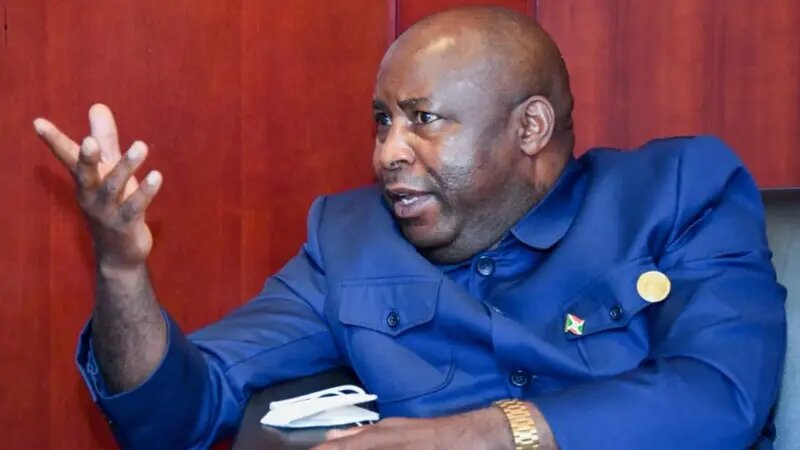
While in Kirundo Province on February 11, 2025, Ndayishimiye urged Burundians to prepare for war with Rwanda, stating that he would send all Burundians to the border to confront Rwandans, claiming he was ready to win.
He declared, “Prepare yourselves, do not be afraid. We know them well. In Bugesera, we know each other. Since the era of the monarchy, they have never defeated us. Do you think they can now? Remind them, ‘Do you remember where Kirundo stands?’” Ndayishimiye said.
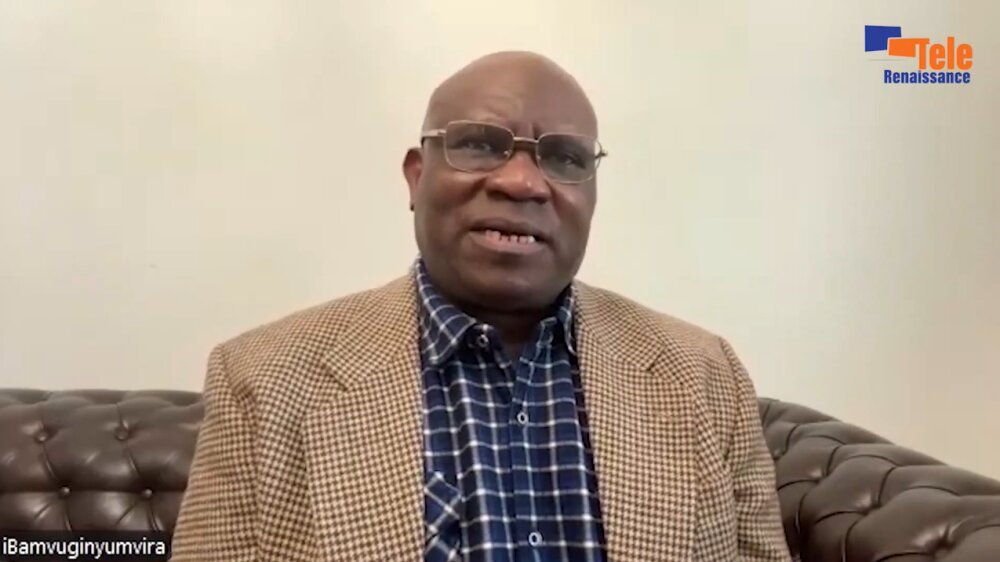
In an interview with Télé Renaissance, Bamvuginyumvira condemned Ndayishimiye’s remarks, emphasizing that disputes between nations should be resolved through diplomatic channels.
The opposition politician, who leads the ‘Urunani CFOR-Arusha’ coalition, warned that Ndayishimiye’s actions could endanger Burundi.
“Our Head of State has taken a dangerous path that is difficult for him to reverse. Instead, he has chosen to put Burundi in jeopardy,” he stated.
Bamvuginyumvira pointed out that when the CNDD-FDD government came to power, Burundians had high hopes that it would implement the Arusha Agreement, particularly the provision aimed at reconciling communities divided along ethnic lines.
However, he argued that the administrations of Pierre Nkurunziza and Ndayishimiye opted to divide Burundians, incite internal conflicts, and suppress opposition, leading many into exile or imprisonment.
He further stressed that Ndayishimiye’s remarks would not resolve tensions between Rwanda and Burundi but would only worsen them. “Such statements are not a solution but rather an added complication,” he remarked.
Speaking from exile, Bamvuginyumvira linked the tensions between Rwanda and Burundi to the ongoing conflict in the eastern Democratic Republic of Congo (DRC), particularly in North and South Kivu.
Since 2023, Burundian forces have been fighting alongside the DRC army against the M23 rebel group, but they have continued to lose ground. Bamvuginyumvira called for Burundian troops to withdraw from the DRC.
“Instead of wasting time in Congo and suffering losses, they should return home, reconcile, and change the government. Once they achieve that, they can engage in dialogue, reopen borders, and restore peace for the citizens. Pushing people into war is not the solution,” he said.
Regarding the war in the DRC, he maintained that it is primarily an internal Congolese conflict. “You all know how this war started. It is a conflict among Congolese themselves,” he asserted.
Bamvuginyumvira proposed that after Burundi’s withdrawal from the DRC and a change in leadership that upholds the Arusha agreement, there should be regional negotiations among the Great Lakes countries.
“Return to your country, change the government, and let these nations engage in dialogue. Rwanda should talk with Burundi, Burundi should talk with Rwanda, Rwanda should negotiate with Congo, and Congo should talk with its own citizens,” he said.
We, as Burundians in exile, should also be part of this dialogue because we want to return home. We need to discuss governance under the Arusha Agreement, unify Burundians, pool our intelligence, and build our country. Let’s move Burundi from sorrow and instability to real development,” he added.
Relations between Rwanda and Burundi deteriorated in December 2023, leading Burundi to close its borders in January 2024. The borders remain closed to this day.