The bill, which was approved in principle on November 5, 2024, officially entered the review process on February 17, 2025.
One of its key provisions states that individuals aged 15 and above have the right to make independent decisions regarding their access to reproductive health information and services.
According to the explanations provided, the term “age of maturity” in this law refers to individuals aged 15 and above.
Statistics from the Ministry of Gender and Family Promotion indicate that 22,454 teenage girls were victims of sexual abuse and became pregnant in 2024, highlighting the severity of the issue.
In 2020, 19,701 teenage pregnancies were recorded, increasing to 23,111 in 2021 and 24,472 in 2022. However, in 2023, the number slightly decreased to 22,055.
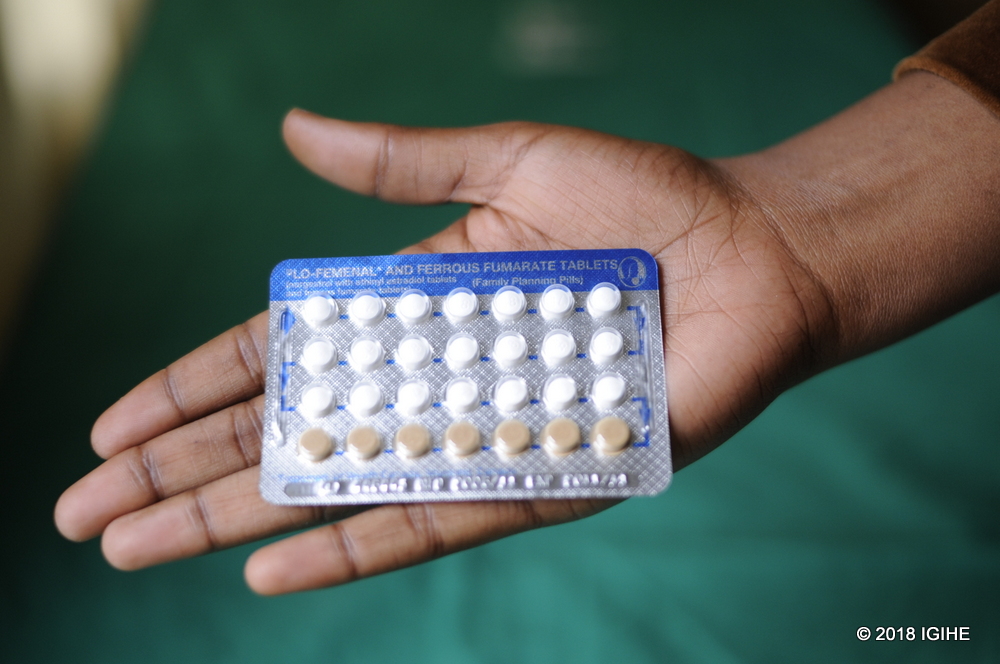
Health authorities affirm that previous prevention methods, such as abstinence and condom use, have not yielded sufficient results, hence the need to facilitate adolescents’ access to family planning services.
The Sixth Demographic and Health Survey (DHS) reveals that some women aged 15-19 have undergone abortions, are currently pregnant, or are already mothers taking care of children.
A significant number of these young mothers come from rural areas and have only completed primary or secondary education.
The study also shows that 4.5% of girls engaged in sexual activity before turning 15, compared to 10.1% of boys. Some of these young individuals had children before reaching the age of 15.
Provisions on surrogacy
The draft law also includes a provision allowing surrogacy for individuals aged between 21 and 50 who meet specific requirements.
If enacted, this service would only be available to married couples struggling with infertility.
The first surrogacy services provided in Rwanda cost approximately 3.5 million Rwandan francs . However, the cost is expected to decrease once it is integrated into health insurance services.
According to the law, the legal mother of a child born through assisted reproductive technology is the one recognized in the formal agreement related to the procedure.
Surrogacy was first introduced in 1986 with the birth of the first baby conceived through this method. Since then, it has gained popularity, particularly in developed countries.
For example, in the United States, approximately 750 babies are born annually through surrogacy.
According to the official National News Agency, firefighting teams have extinguished the flames engulfing the vehicle and retrieved the body of the killed person from the targeted car.
The Al Hadath TV channel said on the X Platform that the target of the airstrike was Mohamad Chahine, a military official from Hamas.
A ceasefire agreement between Hezbollah and the Israeli military has been in effect since Nov. 27, 2024, halting over a year of clashes triggered by the Gaza war.
The agreement requires Israel to withdraw from Lebanese territory within 60 days while the Lebanese army assumes control along the border and in the south, ensuring no presence of weapons or armed groups south of the Litani River.
On Jan. 27, Lebanon’s caretaker government announced an extension of the ceasefire agreement until Feb. 18, following the expiration of the initial 60-day period without a complete Israeli withdrawal.
Despite the ceasefire, Israeli forces have continued to conduct strikes in Lebanon, citing security threats.
What could have been a life-saving intervention becomes a missed opportunity, leading to severe disabilities or even death.
Data from top global medical centers reveals that only one in three stroke patients manages to reach the hospital within the critical three-hour window, where treatment is most effective.
{{Brain fights survival instincts}}
The human brain, a marvel of survival instincts, paradoxically works against the human body when it comes to strokes.
When faced with sudden and alarming symptoms, many individuals enter a state of cognitive dissonance. Instead of seeking help, their minds instinctively search for less frightening explanations for what’s happening.
This psychological response, designed to ease anxiety, becomes dangerous when it delays life-saving action. The brain’s natural desire to avoid acknowledging a threat and to maintain normalcy only increases the risk of a stroke going undiagnosed until it’s too late.
{{The deadly spiral of symptom dismissal}}
When a stroke strikes, people often fall into a pattern of dismissal. It starts with recognizing unusual sensations or difficulties, but those signs are quickly rationalized.
A sudden headache is shrugged off as a result of a busy day, arm weakness is explained away as sleeping awkwardly; slurred speech gets chalked up to exhaustion or dehydration.
Dr. Jenipher Niyonziza, a medical practitioner at Ruhengeri Referral Hospital in Musanze district, cautions that this pattern creates a dangerous delay.
“The mind’s powerful ability to normalize concerning symptoms often proves detrimental during medical emergencies. This delay can significantly impact survival and recovery chances,” she says.
The deceptive nature of stroke symptoms
Unlike the dramatic depictions in TV shows, real stroke symptoms are often subtle. This can lead to a dangerous disconnect between perception and reality.
A person may experience slight slurring of speech or minor coordination issues and mistake them for something trivial, like fatigue or stress.
The brain’s tendency to search for simpler explanations, coupled with the temporary nature of early symptoms, leads people to underestimate the danger. When the symptoms briefly subside, individuals often feel a sense of relief, unaware that the relief is only temporary.
{{Cultural barriers and their impact}}
Cultural beliefs can play a significant role in how people respond to stroke symptoms. In many communities, seeking immediate medical care is often viewed as an overreaction, adding social stigma to the already complex situation.
Dr. Niyonziza explains that traditional communities, which prioritize self-reliance and resilience, may lead individuals to avoid seeking professional care.
“Distrust of medical institutions in certain communities adds hesitation, while a preference for alternative medicine can lead people to try traditional remedies instead of seeking emergency care,” she says.
{{The gender factor in stroke response}}
Research highlights striking differences in how men and women respond to stroke symptoms. Women, especially those in caregiving roles, often place their family’s needs above their own, causing them to delay seeking medical attention for themselves.
This pressure to maintain stability at home, while noble, can lead to dangerous delays in treatment. Social expectations and the fear of being perceived as overreacting or becoming a burden often prevent women from addressing symptoms until they become more severe.
{{Age-related misconceptions}}
A dangerous myth persists that strokes are a problem only for the elderly, leaving younger adults vulnerable to ignoring symptoms.
However, studies show that strokes are increasingly common among adults aged 25-45, especially as stress, poor diets, and sedentary lifestyles take their toll.
“Younger individuals tend to think their age provides protection against serious health events like strokes. But this misconception is becoming more dangerous, especially as we see high blood pressure and other risk factors on the rise among younger populations,” says Dr. Niyonziza.
{{The socioeconomic barrier}}
Economic factors often play a major role in delaying stroke treatment. Many people, especially in areas with limited insurance coverage, fear the high costs of medical bills and delay seeking help.
In rural or underserved areas, transportation barriers further complicate the issue, making it difficult or even impossible to reach emergency care in time.
Additionally, many individuals are concerned about their jobs or the potential loss of wages if they seek immediate medical attention.
These financial pressures, combined with the critical need for fast intervention, create a perfect storm of hesitation at the worst possible time.
Here’s a snippet into how some of them performed over the past weekend
{{Arthur Gitego departs AFC Leopards}}
Rwanda’s national team striker, Gitego Arthur, has parted ways with Kenya’s AFC Leopards by mutual agreement.
During his one-year stint in Kenya, he emerged as the top scorer in the FKF Cup with five goals and netted three times in the league, providing one assist.
{{Bonheur Mugisha’s Stade Tunisien loses Tunisian super cup}}
Mugisha Bonheur’s club, Stade Tunisien, lost the Tunisian Super Cup after a 2-0 defeat to Espérance Sportive de Tunis. This marked their second consecutive loss against the same opponent.
Mugisha, a key player for Rwanda’s national team, was named in the starting XI and played the full match under coach Larbi Ben Hassine.
{{Hakim Sahabo scores first goal for K. Beerschot V.A}}
Belgium-based midfielder Hakim Sahabo scored his first goal for K. Beerschot V.A in a match against Gent. However, his team suffered a 3-2 loss and remains at the bottom of the league table.
{{Upcoming matches for Innocent Nshuti and Ange Mutsinzi }}
On Monday, February 17, 2025, Nshuti Innocent’s Sabail PFK will face Sabah Baku in Azerbaijan’s Premier League.
Meanwhile, Zire FK, featuring Rwandan defender Mutsinzi Ange, secured a 3-0 victory against Sumqayit. Mutsinzi played the entire match.
{{Samuel Gueulette helps RAAL La Louvière end winless streak}}
In Belgium’s second division, midfielder Samuel Gueulette played the full match as RAAL La Louvière defeated Seraing 4-1, marking a turnaround after a series of poor results.
Elsewhere, defender Imanishimwe Emmanuel, also known as ‘Mangwende,’ remains sidelined due to injury and did not feature for AEL Limassol in Cyprus’ top division.
On a happier note, Libya’s Al Ahly Tripoli, home to Rwandan defender Manzi Thierry and national team captain Bizimana Djihad, secured a 2-1 win over Asaria last week.
{{Ntwari struggles for game time at Kaizer Chiefs}}
Amavubi goalkeeper Ntwari Fiacre is struggling for playing time at South African giants Kaizer Chiefs. He was left out over the weekend as Chiefs claimed a 3-0 victory over Chippa United.
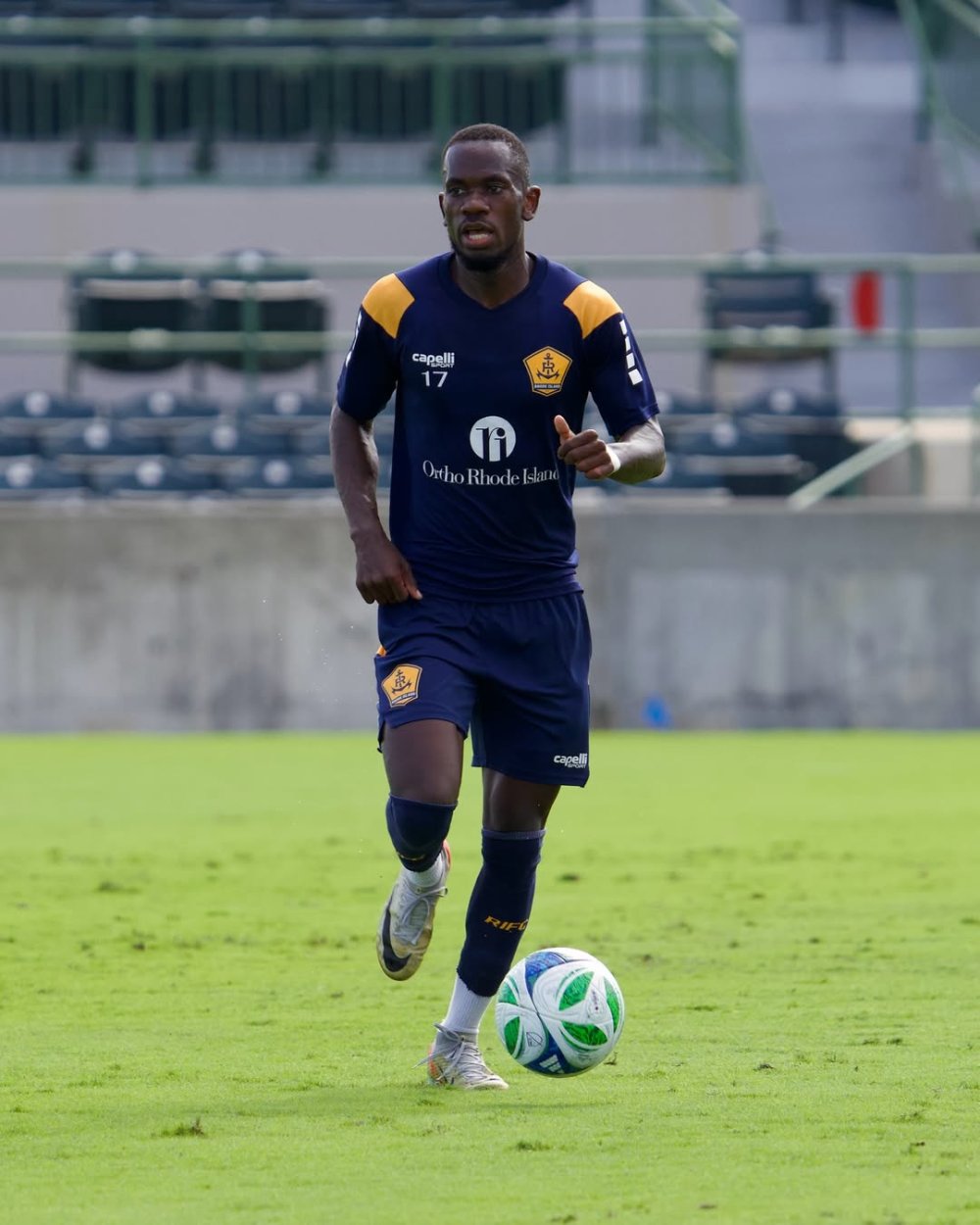
Kwizera Jojea, who plays for Rhode Island in the USL Championship (USA’s second division), is preparing for a friendly match against Hartford Athletic ahead of the new season in March 2025.
In other news, Switzerland-based Johan Marvin Kury made his debut for FC Zürich II in the third division, coming on as a substitute in the 79th minute during a 1-1 draw with Delémont.
Players who continue to perform well in these different leagues stand a strong chance of being called up for Rwanda’s national team, Amavubi, for the upcoming FIFA World Cup 2026 qualifiers against Nigeria and Lesotho in March 2025.
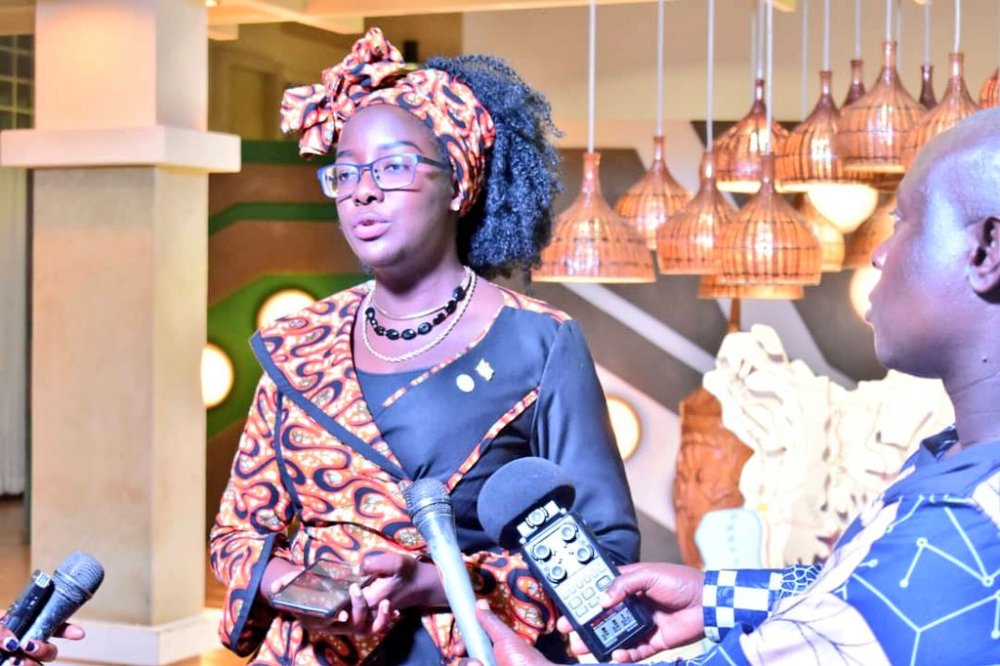
Her remarks came in response to reactions from Rwandans following President Évariste Ndayishimiye’s recent statements about a possible war between Rwanda and Burundi.
On February 16, 2025, President Ndayishimiye declared that, after discussions with Rwanda’s allied nations, the supposed plan to attack Burundi had been halted, but he urged Burundians to remain vigilant.
“After discussions with Rwanda’s allies, those who hoped to benefit from Rwanda’s attack on Burundi should forget about it. But patriotic Burundians, stay alert because no one knows when a thief will strike,” Ndayishimiye stated.
Rwandans on social media quickly responded, asserting that they harbor no ill intentions toward Burundi and that it is Ndayishimiye who repeatedly displays hostility toward Rwanda.
Burundians also reminded their president that in January 2024, while in Kinshasa, he openly expressed a desire to overthrow the Rwandan government. Many social media users claimed that Ndayishimiye had blocked them and hidden their comments, suggesting that he could not handle criticism.
In response to these reactions, Gatoni lashed out at Rwandans, calling them earthworms and implying they were swarming social media with insults.
“Our neighbors are all over social media like earthworms, hurling insults. But you can immediately see the kind of upbringing they have had. They have nowhere else to go,” Gatoni wrote.
Her comment sparked widespread condemnation. Journalist King Umurundi challenged Gatoni, asking how she would feel if her own child were insulted in such a manner.
“Dear Gatoni, being the President’s spokesperson does not give you the right to forget our Burundian culture and compare people to earthworms. Have you ever given birth to understand the pain of having your child called a parasite?” he asked.
Burundian activist Pacifique Nininahazwe also criticized Gatoni, recalling that President Ndayishimiye once said he raises “iminyorogoto” (earthworms), implying confusion in Burundi’s leadership.
“The President says he breeds earthworms, and now his spokesperson calls neighbor the same. This presidency has a serious problem. Who advises who?” he remarked.
Burundian opposition figure Hon. Wilson Lixon pointed out the double standards in Burundi’s politics.
“When I criticize the government, Imbonerakure (Burundi’s ruling party youth militia) accuse me of insulting state institutions. Yet the presidential spokesperson has the audacity to call people eathrworms. I have never compared leaders to animals, but look at this.”
Others, like Peter Mahirwe, argued that Gatoni’s comments explain why President Ndayishimiye’s speeches often lack substance.
“Earthworms? This is the kind of communication we get from Burundi’s presidential office! Now I understand who writes those meaningless speeches for Ndayishimiye,” he commented.
Tensions between Rwanda and Burundi have been escalating since December 2023. In January 2024, Burundi closed its land borders with Rwanda, citing security concerns. Since then, relations between the two nations have remained strained.
Since the M23 rebel group resumed fighting three years ago, the DRC government has launched an international campaign accusing Rwanda of aggression and resource exploitation.
However, Rwanda has consistently denied these allegations, stating that it has not deployed troops in DRC and does not exploit its minerals, as it has its own mining resources dating back to the 1930s.
Recently, DRC has been lobbying international organizations and Western nations to impose sanctions on Rwanda across various sectors, a move viewed as useless by Sassou-Nguesso.
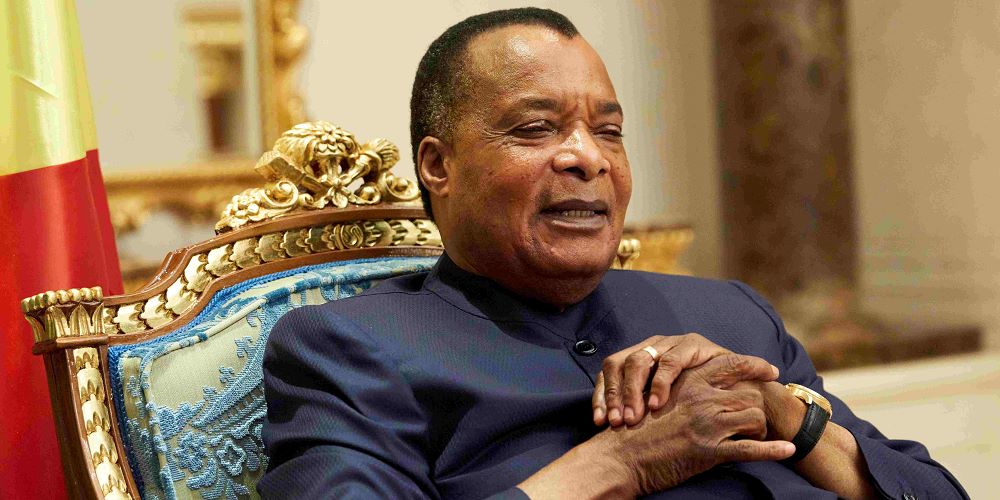
During an interview with France24 published on February 16, 2025, Sassou-Nguesso was asked whether he supports sanctions against Rwanda, as the DRC has been demanding for years without success.
“In times of conflict, each side tries to push its own narrative, but we believe the best approach is to initiate dialogue in one way or another,” he responded.
The journalist, seemingly pressing for a more direct response, asked again, “So no sanctions?” “Sanctions have never solved any problem. The best course of action is to seek a genuine solution to the issue,” Sassou-Nguesso replied. ”
President Paul Kagame recently told Jeune Afrique that he is not intimidated by the threat of sanctions, stating that he would rather confront security threats head-on than fear external penalties.
“Some countries, like Belgium and Germany, former colonial powers, are trying to threaten us with sanctions simply because I am defending my country’s rights. Do they think they can intimidate me? Let this be clear: If I have to choose between sanctions and defending my country’s security, I will take up arms and fight against anything that seeks to harm us, regardless of sanctions,” Kagame asserted.
Sassou-Nguesso also stressed that Africa’s problems should be resolved by Africans themselves, without external interference from those who overlook the continent’s realities.
“You cannot reject the support of Africa’s friends and partners, but Africans must take the lead. We saw what happened in Libya. External partners sidelined African nations, but in the end, they realized that such a crisis could not be resolved without Africa’s involvement,” he explained.
Meanwhile, DRC President Félix Tshisekedi has adamantly refused to negotiate with M23. However, since January 2025, the rebel group has seized vast territories in North Kivu Province, including the city of Goma and Bukavu.
Suminwa, representing President Félix Tshisekedi at the AU summit for Heads of State and government, told reporters that African nations had previously remained neutral, but for the first time, they had confirmed that Rwanda was an aggressor towards DRC.
She also stated that the AU had endorsed resolutions made by the East African Community (EAC) and Southern African Development Community (SADC) Heads of State, including halting the fighting, requesting M23 to reopen Goma’s international airport, and resuming the Luanda dialogue.
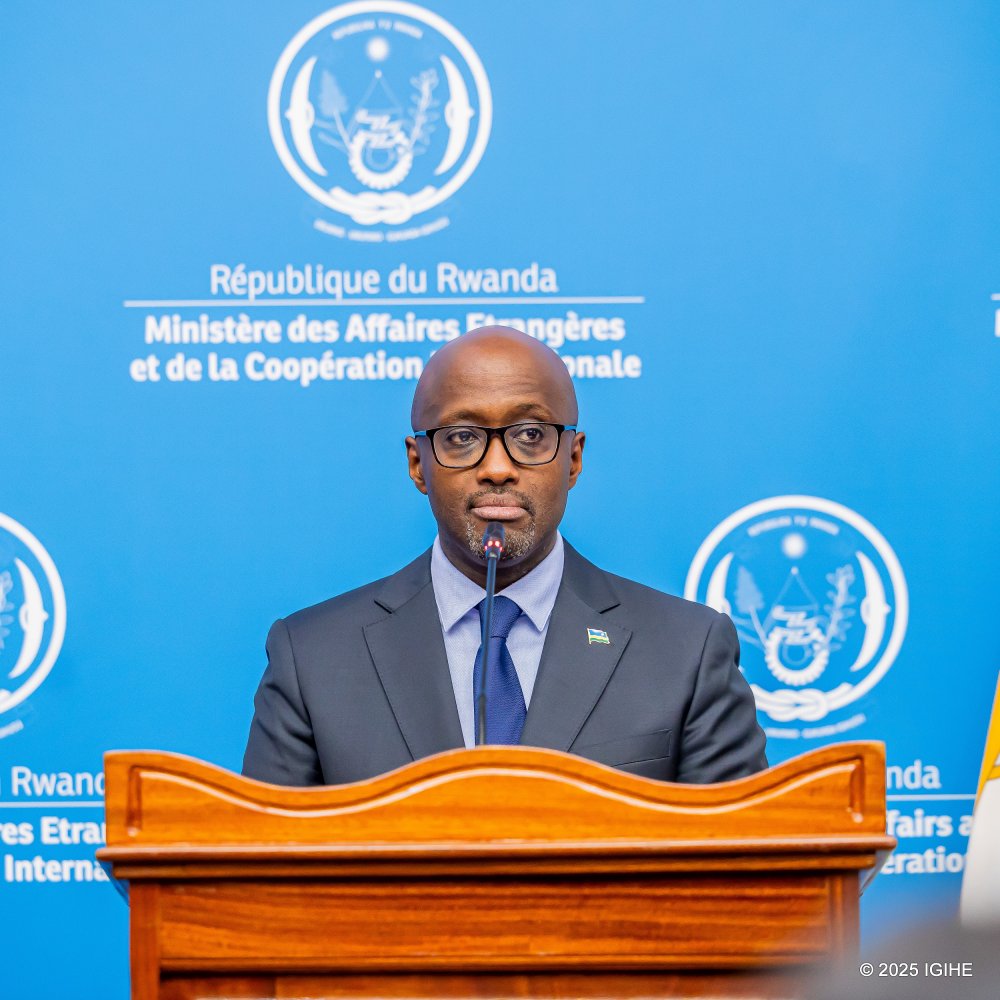
In response, Minister Nduhungirehe called on Suminwa to stop using terms like “for the first time” or “now” when discussing Rwanda’s actions, noting that the claims made in those instances were false.
He reminded that on October 18, 2024, Suminwa said in Brussels, “For the first time, Rwanda has agreed [in Luanda] to show a plan to withdraw over 4,000 troops.” Nduhungirehe labeled this statement as a lie.
He further clarified that during the AU summit in Addis Ababa, Ethiopia, African nations did not state that Rwanda was an aggressor with troops in DRC. “That’s another blatant lie,” he said.
Minister Nduhungirehe explained that at the AU summit held on February 14, 2025, no country, except DRC, made such accusations against Rwanda. Even South Africa refrained from calling Rwanda an aggressor, mentioning only that “M23 is supported by foreign troops.”
He also pointed out that in the AU summit resolutions, which Suminwa left before they were adopted, no mention was made of Rwanda or the demand for its troops to withdraw from DRC.
The DRC government has been engaged in conflict with the M23 rebel group since November 2021.
However, AU leaders have emphasized that a lasting solution to the conflict can only be achieved through inclusive political dialogue, as confirmed in the EAC and SADC meeting on February 8 2025.
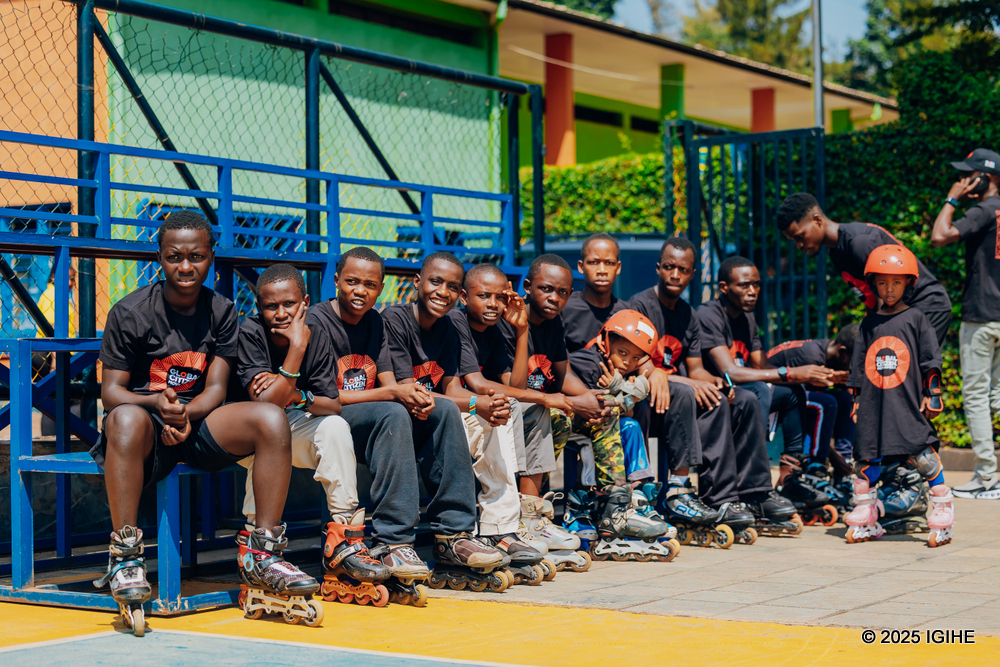
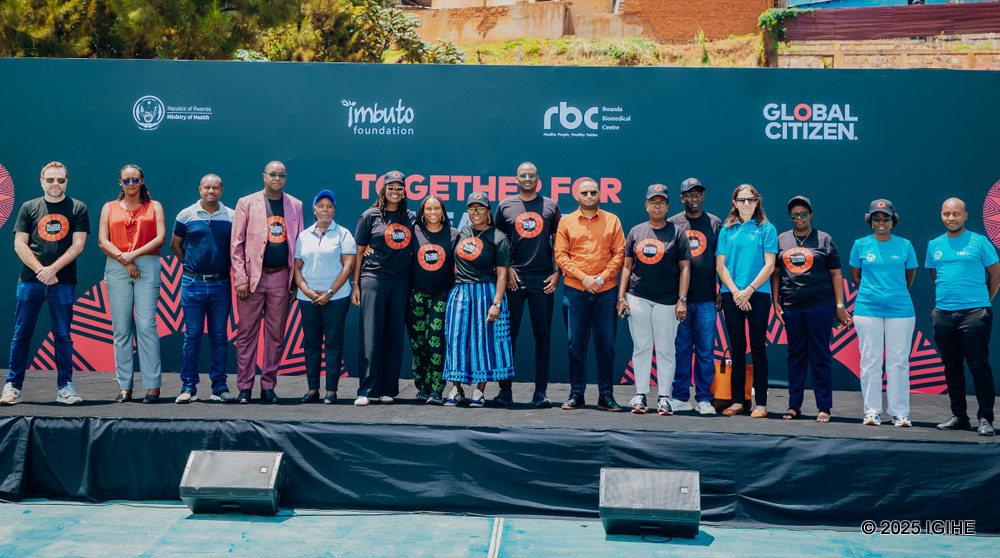
He made these remarks on over the weekend during an awareness campaign aimed at encouraging people, especially the youth, to protect their health. The event took place at Maison des Jeunes in Kimisagara.
Substances commonly used by young people include tobacco, alcohol, cannabis, and other drugs, which have severe consequences on their well-being.
A study conducted by the Rwanda Biomedical Center (RBC) revealed that mental health among Rwandan youth is at risk, with 25% of them consuming drugs. A significant number of these individuals try different substances every month.
Dr. Yvan Butera emphasized that young people should make wise choices and avoid actions that could damage their health, such as drug abuse.
“Today, we are focusing on three key areas: understanding reproductive health to help individuals take care of their well-being, mental health education, and avoiding substances that harm the body, particularly drugs,” he stated.
Liz Agbor-Tabi, an executive at Global Citizen, highlighted their commitment to promoting better health outcomes.
“Bringing healthcare services to those who need them most helps eliminate barriers and transforms lives. We provide opportunities for young people to make informed decisions about their health, both in the short and long term,” she said.
During the event, young people received free health screenings for diseases such as breast cancer and HIV/AIDS. Women and youth were also offered reproductive health services, blood pressure and diabetes checks, among others.
Additionally, the youth were educated on reproductive health, proper condom use, and ways to prevent sexually transmitted infections.
The United Nations Office on Drugs and Crime (UNODC) reports that young people are among the highest consumers of drugs.
A report by the judiciary for the 2023/2024 period revealed that drug-related offenses, including illegal drug use and trafficking, accounted for 5,413 court cases.
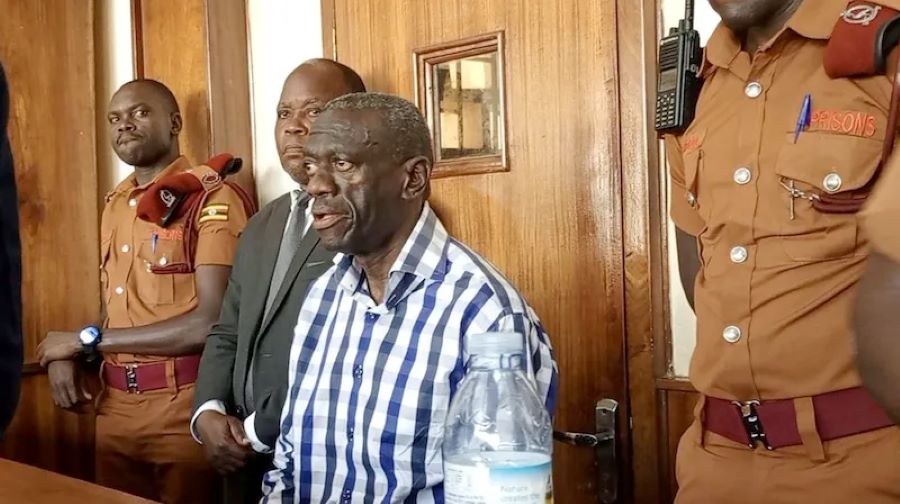
The appeal was made by Uganda’s Minister of ICT and National Guidance, Dr. Chris Baryomunsi, who visited Besigye at Luzira Prison, where he has been detained since November 16, 2024.
“I have just visited Col. Dr. Kizza Besigye at Luzira Prison in the presence of his personal doctors. I have given him counsel and asked him to resume taking food as the government fast-tracks the transfer of his case from the court martial to a civil court,” Baryomunsi said through his X handle.
Besigye, a long-time critic of President Yoweri Museveni, has been on a hunger strike since February 10 in protest of his continued detention, despite a Supreme Court ruling that civilians cannot be tried in military courts.
Baryomunsi reiterated the government’s commitment to adhering to the Supreme Court’s decision. “As a government, we are complying with the ruling of the Supreme Court.”
Despite the minister’s statement, the army has yet to comment on the transfer of Besigye’s case. Previously, military officials had dismissed the Supreme Court ruling, insisting that the trial would proceed in the military court.
Besigye’s wife, UNAIDS Executive Director Winnie Byanyima, has expressed skepticism about the government’s pledge. She described the offer as “suspicious” and questioned its sincerity.
Besigye appeared frail during a recent court hearing, prompting his supporters to demand his immediate release. While Uganda Prisons officials have denied reports of his hunger strike, his allies insist that his health is deteriorating.
Yesterday, he was rushed under tight security to a medical facility at Bugolobi Village Mall for urgent treatment.
Political analyst and journalist Yusuf Sserunkuma has warned of potential consequences if Besigye’s detention continues. “Whoever is calling the shots to continue incarcerating Dr. Kizza Besigye is risking all of us,” he wrote.
As discussions on his trial transfer continue, it remains unclear whether Besigye will end his hunger strike or if the military will comply with the Supreme Court ruling.
A statement signed by AFC/M23’s political spokesperson, Lawrence Kanyuka, on February 16, 2025, says that the group took this decision after Bukavu residents had been abandoned by the Congolese army coalition, which includes forces from the DRC, Burundi, the FDLR genocidal militia, and other armed groups.
“Since the morning of February 16, 2025, our forces have been making every effort to restore security for the population and their belongings. The mission has been successfully accomplished, and all civilians have been rescued,” the statement read in part.
This intervention comes eight days after a meeting was held in Tanzania, bringing together heads of state from the East African Community (EAC) and the Southern African Development Community (SADC).
During this meeting, it was agreed that the Kinshasa government and M23 should engage in direct negotiations to find a lasting solution to the insecurity in eastern DRC.
Upton the capture of Bukavu, the AFC/M23 reaffirmed its commitment to dialogue as a means to address the root causes of the conflict and achieve lasting peace in the DRC.
The group also called upon political movements and armed groups that seek to protect civilians but oppose Kinshasa’s administration to join their struggle for governance reform in the DRC.
The rebels further emphasized that as long as the Congolese army and its allied militias continue attacking civilians, efforts to establish a ceasefire will remain in jeopardy. However, they reiterated that a ceasefire could serve as a gateway to lasting peace in the second-largest African country.
The group vowed to continue fulfilling its duty to protect civilians and the territories it has already liberated from violence orchestrated by the Kinshasa government and its allies.
On February 16, M23’s military spokesperson, Lt. Col. Willy Ngoma, stated that Bukavu residents were experiencing a sense of liberation, hinting that the city had been taken over.
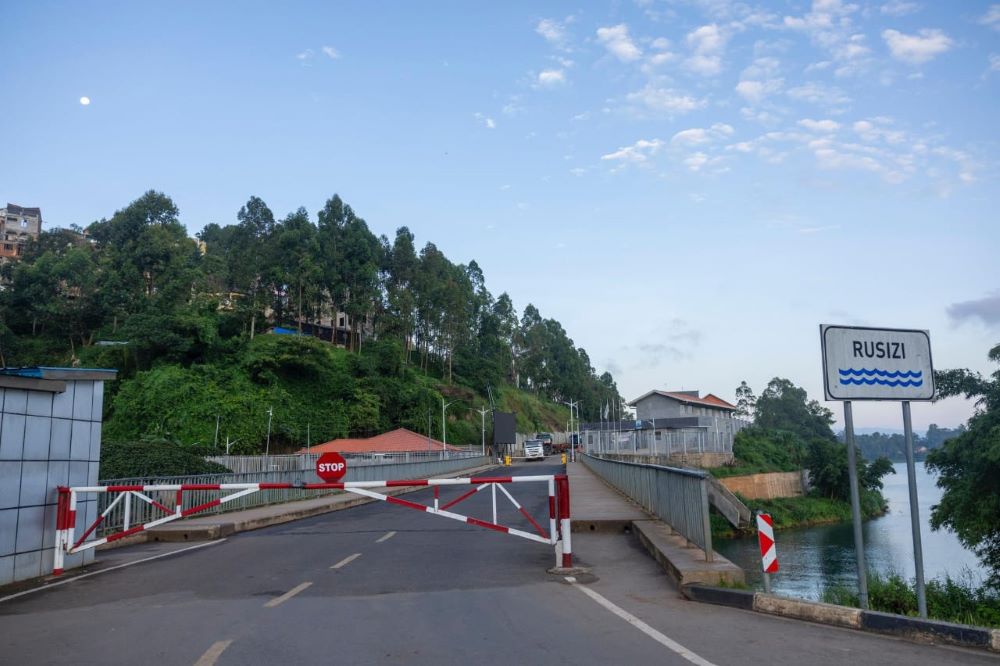
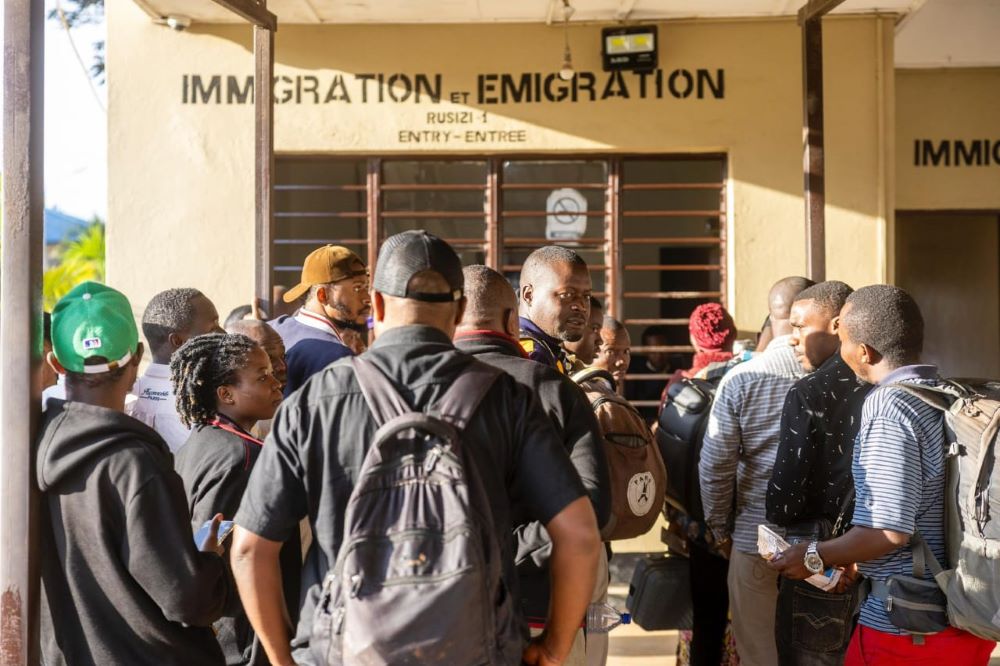
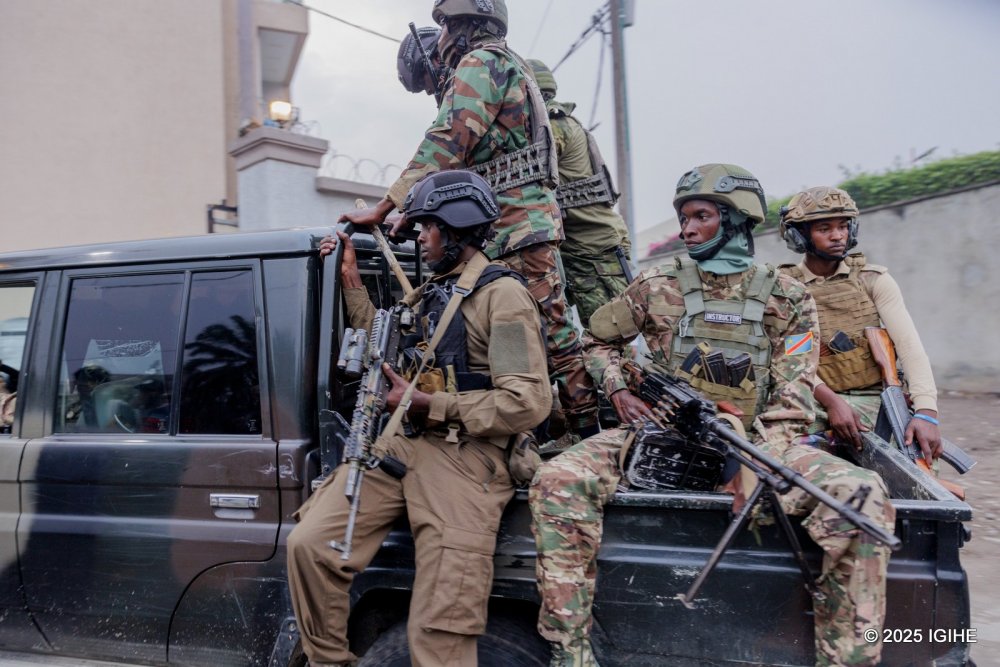
As M23 fighters stormed Bukavu, Congolese security forces guarding the border on the DRC side reportedly abandoned their duties and fled. M23 has now taken control of the Rusizi I border crossing on the DRC side after capturing Bukavu.
Currently, M23 controls all borders between the DRC and Rwanda following the capture of Goma on January 27, 2025, as Congolese government forces retreated.
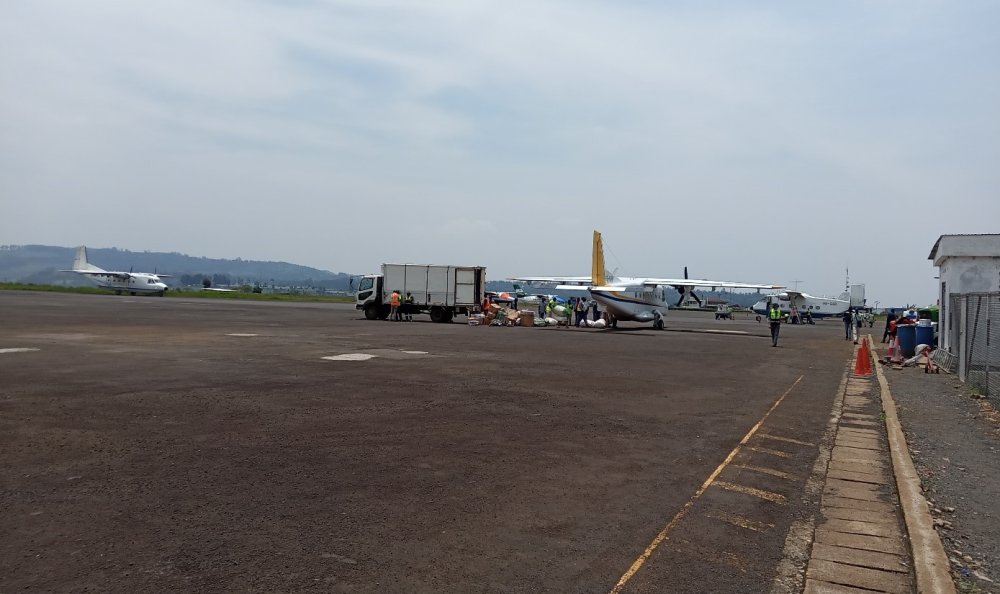
This intervention in Bukavu comes just two days after M23 announced the capture of Kavumu, a town in South Kivu Province, along with its airport.


![Smoke billowing above the Lebanese village of Bint Jbeil during Israeli bombardment. [Jalaa Marey/AFP]](https://en-images.igihe.com/IMG/jpg/11-90.jpg)