This remarkable growth reflects Rwanda’s position as one of Africa’s top countries for ease of doing business, where new businesses can be registered in just one day.
According to the NISR’s 2023 Establishment Census, the number of businesses in Rwanda almost doubled from 154,236 in 2014 to 269,326 by 2023.
Of these, the vast majority (95.9%) are privately owned while 92.0% are owned by individuals. Additionally, 2,017 businesses were founded by local NGOs, 656 by international NGOs, 2,496 by cooperatives, and 2,047 through public-private partnerships.
During the same period, 3,830 state-owned enterprises involved in commercial activities were also registered.
The report confirms that all listed businesses are currently active and tax-compliant as of the data collection period. Since 2020, the number of businesses has grown by 15%, with the total increasing from 226,359 to 261,549 by 2023.
A significant number of businesses (92.2%) are classified as micro-enterprises, employing less than four workers.
Small enterprises, which employ between four and 30 people, make up 6.4% (16,730 businesses), while medium-sized enterprises employing 31 to 100 people total 3,103 (1.2%). Large businesses, with more than 100 employees, account for just 0.2% (537 businesses).
In terms of ownership, 93.7% of businesses are fully owned by Rwandans, while 1% are joint ventures between Rwandans and foreigners. The ownership of the remaining 5.2% is unidentified.
NISR’s analysis shows that businesses have continued to flourish, with 145,402 establishments founded between 2021 and 2023 still in operation. The business sector has been a key driver of employment, creating approximately 927,739 jobs, with women representing 43.6% of the workforce.
Four main economic activities account for 66.3% of total employment: wholesale and retail trade, repair of motor vehicles and motorcycles (26.2%), education (17.4%), accommodation and food services (12.9%), and manufacturing (9.8%).
Industries such as mining and quarrying (75.3% male workforce) and construction (85.6% male workforce) remain male-dominated sectors.
In 2023 alone, over $2.4 billion was invested in businesses, with most of the investments coming from Rwandan nationals, although there has been increasing interest from foreign investors.
Superintendent of Police (SP) Emmanuel Kayigi, the spokesperson for the traffic department, said that the practice is common in taxi-moto operators transporting students, and foodstuff in markets.
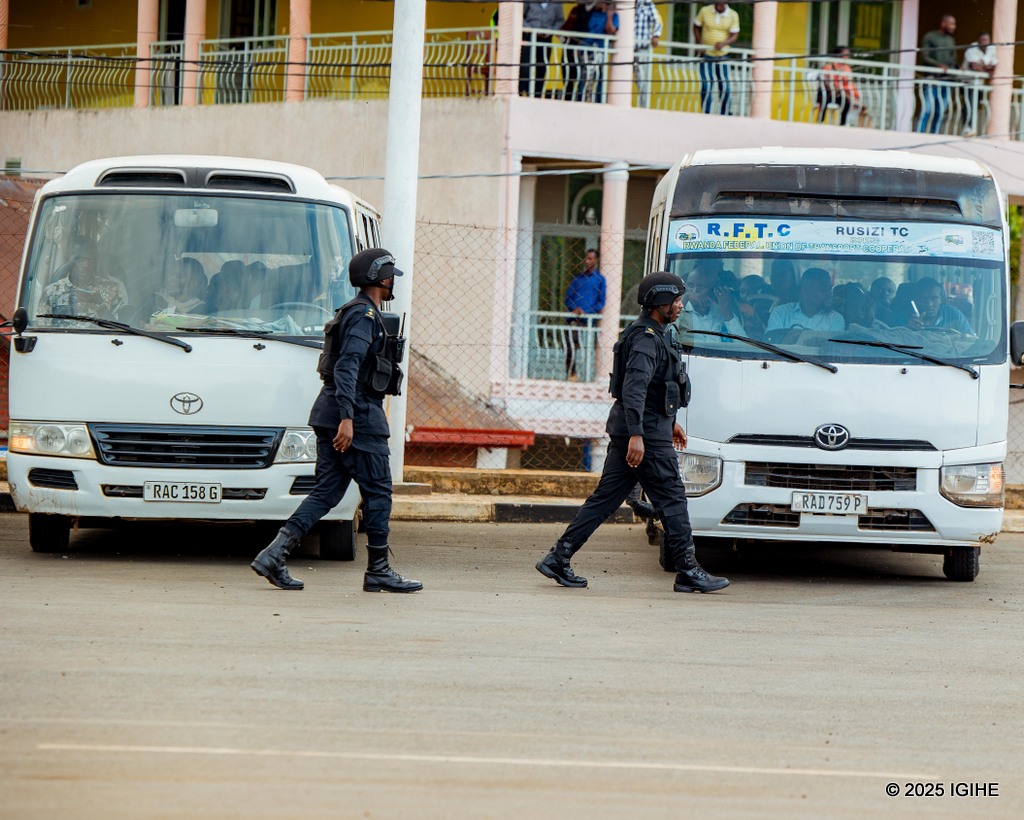
At least 24 motorcycles were impounded on Monday after they were found transporting up to four people, each. The majority passengers were students.
Between July and August, 49 motorcycles were impounded for dangerous loading, 64 riders had no driver’s license, and 57 motorcycles had concealed or altered plate numbers.
“These are serious road traffic violations committed intentionally and putting lives of people in danger. Imagine a motorcycle transporting four children, rushing to school in those pick hours! Risks are high and the motorcycle has insurance for the rider and one passenger only,” SP Kayigi observed.
He added: “Some motorcycles transport large sacks of goods and in some cases they conceal number plates so as to avoid being detected and penalized.
“We have impounded 194 motorcycles since July 25, for overloading luggage and passengers, riding without a driver’s license and those with altered or concealed plate numbers. These operations are continuous.”
A motorcycle is licensed to carry only one passenger with both the rider and passenger wearing a helmet.
Article 31 of Law n° 042/2023 of 02/08/2023 governing land and waterways transport, provides that the operator of transport of people or goods on public road, uses a vehicle covered by insurance and complies with the terms and conditions stated in such insurance.
SP Kayigi reminded motorcyclists, who alter or conceal number plates that it is a crime punishable by law.
Under article 276 of the law determining offences and penalties in general, any person, who, with fraudulent intention, produces a false written document, causes to write false statements, or produces a conflicting declaration, is considered to have committed the offence of forgery.
Upon conviction, he or she is liable to imprisonment for a term of not less than five years but not more than seven years and a fine of between Frw3 million and Frw5 million, or one of these penalties.
“President of the Republic of Rwanda Paul Kagame will make a Working Visit to Singapore from 18 to 23 September 2024. As fellow members of the Forum of Small States (FOSS), Singapore and Rwanda work closely together to advance the interests of small nations and strengthen the multilateral system,” the statement reads.
This will be President Kagame’s fourth visit to Singapore, following his last visit in September 2022.
During the trip, President Kagame is scheduled to meet with Singapore’s President Tharman Shanmugaratnam and Prime Minister Lawrence Wong, who also serves as Minister for Finance. He will be hosted to a meal by Senior Minister Lee Hsien Loong.
Rwanda and Singapore enjoy strong bilateral ties, collaborating in areas such as investment, trade, education, rule of law, technology, and air transport services.
Both nations are members of FOSS, an organization established in 1992 by Singapore, which comprises small nations working together to address global challenges and promote development.
The relationship between Rwanda and Singapore has been bolstered by frequent high-level visits. In 2022, Singapore’s then Prime Minister, Lee Hsien Loong, visited Rwanda, marking his first trip to both Rwanda and Africa.
The Senior Minister, who will host President Kagame, is the son of Singapore’s founding father, Lee Kuan Yew, renowned for leading the country’s transformation from a part of Malaysia to an independent, prosperous nation.
Singapore is one of the wealthiest countries globally. In 2023, its gross domestic product (GDP) reached $501 billion, a significant increase from just $0.70 billion in 1960. Its per capita GDP in 2023 stood at $84,600.
The funding will support various sectors, including pharmaceutical manufacturing, education, food and drug inspection, and technological advancements related to vaccine production.
EU Ambassador Belén Calvo Uyarra highlighted that this grant was initially pledged by the EU President in December 2023 during the inauguration of BioNTech’s facility in Kigali. The initiative aligns with Rwanda’s broader plan to become a key hub for vaccine production in Africa.
The grant will help expand cooperation in the availability and production of vaccines, medicines, and medical technologies, underscoring a deepening partnership between Rwanda and the EU.
The project will involve companies from several EU countries, including France, Sweden, Germany, and Belgium, focusing on research, capacity-building for healthcare workers, and enhancing the pharmaceutical and vaccine manufacturing supply chain.
Ambassador Uyarra emphasized the importance of this partnership in bolstering global preparedness, particularly after the lessons learned during the COVID-19 pandemic. The EU has also extended collaborations to other African countries, including Ghana, Senegal, and South Africa.
Dr. Yvan Butera, Rwanda’s State Minister for Health, expressed optimism about the project’s potential, noting that it would significantly enhance Rwanda’s ability to produce vaccines and medicines. He added that this initiative would not only benefit Rwanda but also contribute to improving healthcare across Africa and beyond.
Dr. Butera stressed the importance of building strong institutions through collaboration, highlighting that the project aims to address challenges in vaccine production by empowering professionals and institutions in the field.
As part of the initiative, the EU will provide specialized training and support for professionals in Rwanda’s health sector, with a focus on developing skills in advanced pharmaceutical and vaccine manufacturing.
There will also be close collaboration with technical and vocational schools to ensure that students are equipped with the necessary expertise for the industry.
In addition to enhancing production capabilities, the agreement will focus on strengthening Rwanda’s regulatory framework. The EU will work alongside the Rwanda Food and Drugs Authority (Rwanda FDA) to improve guidelines and regulations, with a specific focus on vaccine and medicine distribution.
Dr. Butera expressed confidence in the outcomes of this project, stating that it will bring tangible progress in Rwanda’s goal of becoming a hub in vaccine and medicine production.
One of the most notable outcomes was China’s pledge of approximately $50.7 billion in financial support for Africa over the next three years, aimed at fostering partnerships across various sectors.
As Africa accelerates its development, China’s remarkable rise from adversity to becoming a global economic powerhouse provides valuable lessons.
In 2023, China’s GDP reached $17.9 trillion, reflecting a staggering 223-fold increase since 1952, with an average annual growth rate of 7.9%. The per capita GDP rose to $12,700, nearing the global average—a significant leap from just $194 in 1980.
Over the past decade, China has driven more than 30% of global economic growth, improving living standards and lifting around 100 million people out of poverty while eradicating extreme poverty.
China’s non-interference policy and mutual respect for Africa make it an ideal partner in the continent’s modernization efforts.
Given the critical importance of healthcare to people’s well-being, the sector represents a vital area for advancement in Africa. China’s experience in improving wellbeing and its expertise in cutting-edge innovations offer ample opportunities for further cooperation to enhance healthcare access across the continent.
One of the most promising contributors to this shared vision is Chongqing Haifu Medical Technology Co. Ltd., a leading manufacturer of non-invasive ultrasound therapeutic systems.
Founded in 1999 and headquartered in Chongqing, Haifu specializes in treating malignant and benign tumors through High-Intensity Focused Ultrasound (HIFU) technology. This cutting-edge innovation has the potential to revolutionize healthcare in Africa, where access to advanced medical technologies remains limited.
Haifu, in collaboration with Chongqing Medical University and its affiliated hospitals, has developed a range of groundbreaking products.
With over 600 employees and more than 600 patents, Haifu has facilitated around 280,000 treatments worldwide. The flagship Haifu JC series—comprising the JC300, JC, and JC200 models—uses focused ultrasound to treat solid tumors, including uterine fibroids and cancers of the pancreas, liver, kidneys, bones, and soft tissues.
Haifu’s mission to minimize harm while curing diseases lies at the core of its dedication to non-invasive treatment methods.
HIFU operates by harnessing ultrasound’s ability to penetrate human skin and organs without harming surrounding structures. Ultrasound beams are generated externally and converted from mechanical to thermal energy. This energy is then focused on specific tumor areas within the body, enabling non-invasive alternatives to traditional surgery.
According to the management, this approach reduces recovery time and significantly improves patients’ quality of life.
Haifu’s contributions to medical science have garnered numerous national awards and international recognition. In 2005, Haifu established the National Engineering Research Center of Ultrasound Medicine, China’s only center of its kind for digital medical devices. The company’s systems, including the JC series, are now approved in 45 countries, including the UK, Russia, and Japan.
During the COVID-19 pandemic, Haifu’s Global Telemedicine Service Platform completed over 4,600 ultrasound ablation procedures, demonstrating the technology’s resilience and global impact.
The company has introduced its systems in 33 countries, and its president, Wang Zhibiao, is optimistic about further expansion into Africa.
“I believe this technology will become more widespread in Africa over the next two years. It offers a cost-effective, non-invasive alternative to traditional surgeries, and I hope more African countries will adopt it,” Zhibiao remarked.
Haifu has already made inroads in Africa, introducing its systems in four countries including Egypt and South Africa.
The company has organized numerous training workshops to equip African doctors with the skills to use this life-saving technology effectively.
In Johannesburg and Cairo, around 20 doctors were trained in each session, and Haifu aims to train at least five percent of African doctors, thus increasing access to advanced medical technologies across the continent.
However, Zhibiao emphasized that government-to-government discussions are crucial for the widespread adoption of such life-saving technology in Africa. Currently, Haifu collaborates with 60 hospitals outside China and around 300 hospitals within China.
As China and Africa continue to deepen their cooperation, there is room for discussion to make Haifu’s innovative systems accessible in more African countries, which could mark a significant step toward improving healthcare outcomes and building a healthier future for the continent.
According to the latest GDP figures announced on Monday, September 16, by the National Institute of Statistics (NISR) and the Ministry of Finance and Economic Planning, the GDP is expected to grow by 6.6%, driven by the services and industrial sectors, as well as recovery in agricultural output.
Overall, in the second quarter, GDP increased by 9.8%, following a 9.7% growth in the first quarter of the year. By sector, agriculture grew by 7%, industry by 15%, and services by 10%.
In agriculture, subsistence crops increased by 8%, thanks to good performance in the first planting season of 2024. However, export crops decreased by 6% compared to the second quarter of 2023. NISR explains that one reason for the decline in agricultural exports is the reduced coffee output, as many coffee trees have aged, and there are now efforts to plant new ones.
In industry, construction contributed 18% to the growth, while manufacturing output rose by 17%. However, mining output dropped by 2% compared to the second quarter of 2023.
In the services sector, wholesale and retail trade grew by 10%, transportation increased by 9%, largely due to a 25% rise in air transport, hotel and restaurant services grew by 20%, ICT services increased by 33%, and insurance services grew by 10%
The elections were held on Monday, September 16, 2024. As per results revealed by NEC, the electoral college elected 12 senators out of the 28 asipirants.
According to the Presidential Decree, 12 senators are elected by specific governance bodies across different regions of the country.
Two senators are selected from the Northern Province, three from the Southern Province, three from the Eastern Province elects, three from the Western Province and one from Kigali City.
NEC announced that the elected senators from the Northern Province are Dr. Laetitia Nyinawamwiza who got 73.00% of the vote and Amandin Rugira who garnered 62.61%.
In the Southern Province, the elected senators are Adrie Umuhire (70.42%), Pélagie Uwera (62.91%) and Sosthene Cyitatire who got 61.74%.
In the Eastern Province, the winners are John Bonds Bideri with 80.46%, Fulgence Nsengiyumva (68.53%) and Alvera Mukabaramba who got 76.40%.
In the Western Province, the elected senators are Emmanuel Havugimana with 69.45%, Marie Rose Mureshyankwano with 74.67%, and Cyprien Niyomugabo with 67.88%.
In Kigali City, Espérance Nyirasafari, the outgoing Vice President of the Senate, was elected with 55.26% of the vote.
On Tuesday, September 17, 2024, two additional senators will be elected from public and private higher education institutions.
Among the 12 elected senators, only two are newcomers: Amandin Rugira, who previously served as Rwanda’s Ambassador to different countries including Belgium and Zambia, and Sosthene Cyitatire, who was previously the Secretary-General of the Senate of Rwanda.
Although Cyitatire is a new senator, he has prior experience as the Senate’s coordinator, secretary, and clerk overseeing its daily operations.
In addition to the 12 elected senators from the provinces and Kigali City, eight more senators will be appointed by the President of the Republic, and four by the National Consultative Forum of Political Organizations.
The provisional election results are announced by the President of NEC or an authorized delegate, within five days of the election. Anyone who is dissatisfied with the results can appeal to the Supreme Court within 48 hours of the provisional results being announced. If the appeal is dismissed, the NEC’s provisional results are upheld.
The final results of the election are announced within seven days of the provisional results. If there is an appeal to the Supreme Court, the final results are delayed until the court reaches a decision.
In the senatorial elections held through governance bodies, the winning candidates are those with the most votes, based on the required number of seats for each voting area.
It is particularly effective for relieving extreme fatigue, depression, and other conditions that may affect the brain.
Additionally, the Treadmill was introduced, allowing people to run without leaving their location. It strengthens bones, clears the veins for better blood circulation, and enhances physical endurance. Other machines available include the G-Vibration Plate, Portable Sauna, G-Body Shaker, and G-Advanced Chair, all of which support overall body function.
The nutritional supplements on offer include ‘Best Man Prime,’ which helps men prevent prostate cancer, increases testosterone levels, and boosts sexual desire. The ‘Best Lady Care’ supplement helps women regulate hormones, protect the uterus, and enhance sexual urge.
There is also ‘Best Kids Brain Gummies,’ which aid in children’s development and increase intelligence. Other supplements for different groups include Best Fish Oil, Best Fit & Detox Tea, Best X Power Coffee, and Best Brain Booster, which support various bodily functions.
Marie Rose Uwimana, known as Solina from the radio drama Urunana, shared her experience with nerve issues and low blood pressure, which almost led to paralysis. She said the use of Mega Global Market’s supplements and machines restored her health. “I was very ill and almost ended up in a wheelchair,” she revealed.
After diagnosis, she was found to have nerve issues, low blood pressure, and other brain-related conditions such as unexplained memory loss experiences until she tried the machines and food supplements and a bit of physiotherapy.
Mental health expert Rukundo Arthur cautioned the public to take great care for their health by embracing the use of these machines and food supplements to keep track of physical and mental well-being rather than wait only to recognize the value of health when already ill.
Mega Global Market’s CEO, Dr. Francis Habumugisha, told IGIHE that they plan to open more markets in different parts of the world to help people live healthier lives. He confirmed that those interested in these products can visit their headquarters in Kigali City or purchase them through their online platforms.
He remarked, “During COVID-19, we learnt a strong lesson when people were not allowed to engage in physical exercise. We decided to bring in machines that anyone can use at home, even while doing other household activities.”
He also highlighted the travel services offered to enable people visit various destinations such as Dubai, Europe, Canada, the USA, and many more. Anyone interested in traveling abroad for leisure or study is supported by this company, and the process is expedited.
“Additionally, those who refer clients to us are granted free Visas and can travel abroad at no cost,” he disclosed.
Habumugisha explained that the services provided are backed by contracts signed in the presence of a certified notary, ensuring that if there is any issue with the travel documents, such as Visa denial, the client is refunded easily.
This contribution is part of a long-term initiative that began two years ago through a Memorandum of Understanding between MINUBUMWE, Imbuto Foundation, and LIT, which aims to disburse USD1Million over a ten-year period to promote national unity and civic engagement.
The funds will help strengthen programs aimed at closing the knowledge gap among Rwandans especially the youth and the entire world regarding the Genocide and its aftermath.
One of the primary initiatives benefiting from this support is “Igihango cy’Urungano,” a platform that engages young people in discussions about the country’s history.
To date, over 8,700 youth have participated in these dialogues, with an additional 19,000 attending virtually. The initiative addresses the lingering impact of the Genocide against the Tutsi on younger generations, particularly those born after 1994, who still grapple with its social and emotional consequences.
Jean-Damascène Bizimana, Minister of MINUBUMWE, stressed the importance of this work, particularly for the youth. “When we do not preserve this history in a more sustainable way, especially for the young generation to learn from, we risk not educating them on our past and give critics a chance to distort our history,” Bizimana said.
A significant portion of these donations havesupported the development of the Ntarama Genocide Memorial, one of three key sites, along with Nyange and Murambi, that MINUBUMWE is working to bring to international standards.
Progress at Ntarama includes the completion of designs for visitor pathways, the transcription and translation of ten survivor testimonies, and the preparation of photographs for an upcoming exhibition.
These efforts are part of a larger strategy to elevate Rwanda’s memorial centers while ensuring that they remain accessible for both local and international audiences.
Challenges remain, however, particularly with regard to funding the “Garden of Memory” project at Ntarama, which requires additional resources to complete.
MINUBUMWE has developed a comprehensive memorial plan to guide future contributions and ensure that all key projects receive the support they need.
In addition to physical memorials, Rwanda’s efforts to preserve Genocide memory have gained international recognition. In September 2024, four of the country’s Genocide memorials including Kigali Memorial centre (Gisozi), Nyamata, Murambi, and Bisesero were added to the UNESCO World Heritage list, further underscoring their global significance.
Elodie Shami, Director General of Imbuto Foundation, emphasized the critical role of youth in carrying forward the legacy of Rwanda’s history. “It’s crucial to ensure that this information is preserved and disseminated to the youth, who make up more than 65% of the country’s population,” she said.
The donation from Liquid Intelligent Technologies is part of a broader effort to ensure the memory of the Genocide against the Tutsi is preserved for future generations, while also promoting national unity and civic responsibility among Rwanda’s youth.
On his part, Sam Nkusi, Chairman of Liquid Intelligent Technologies, reiterated the company’s commitment in supporting the preservation of the memories of 1994.
“Remembering our history is very important. It’s not just about the money; it’s a duty and responsibility we have as a company and as a people of Rwanda to keep our history alive,” he stated.
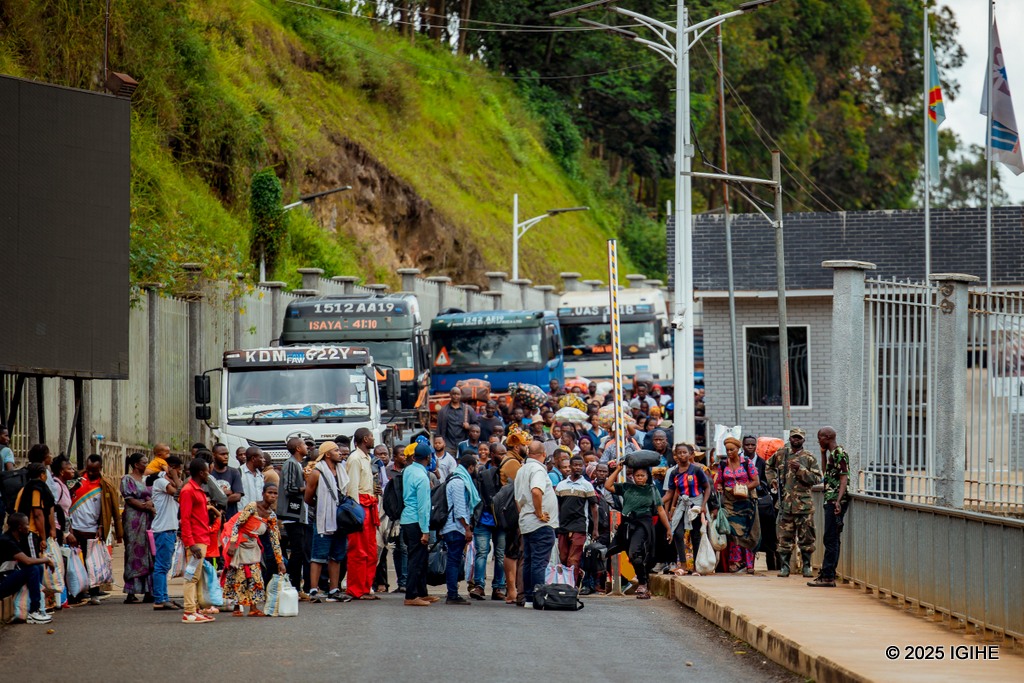
Rwanda’s health authorities have emphasized measures to prevent the spread of the disease. These include frequent handwashing and avoiding sexual contact, whether protected or unprotected, due to the high risk of transmission through such interactions.
Julien Mahoro Niyingabira, spokesperson for the Ministry of Health, has told IGIHE that the country’s preventive strategies include the possibility of vaccinating the population, with priority given to those at higher risk.
“There is a team in Rwanda currently studying how the vaccination could be rolled out. Should the vaccination process begin, we will inform the public accordingly,” Niyingabira stated.
He further noted that while vaccines have not yet arrived in the country, priority for vaccination will be given to the most vulnerable groups before any nationwide rollout.
“We will not start with the entire population. Certain groups are more vulnerable to infection than others. We will begin with them based on the available vaccines, and as we progress, other groups will also be considered. However, the vaccination program has not yet started in the country,” he emphasized.
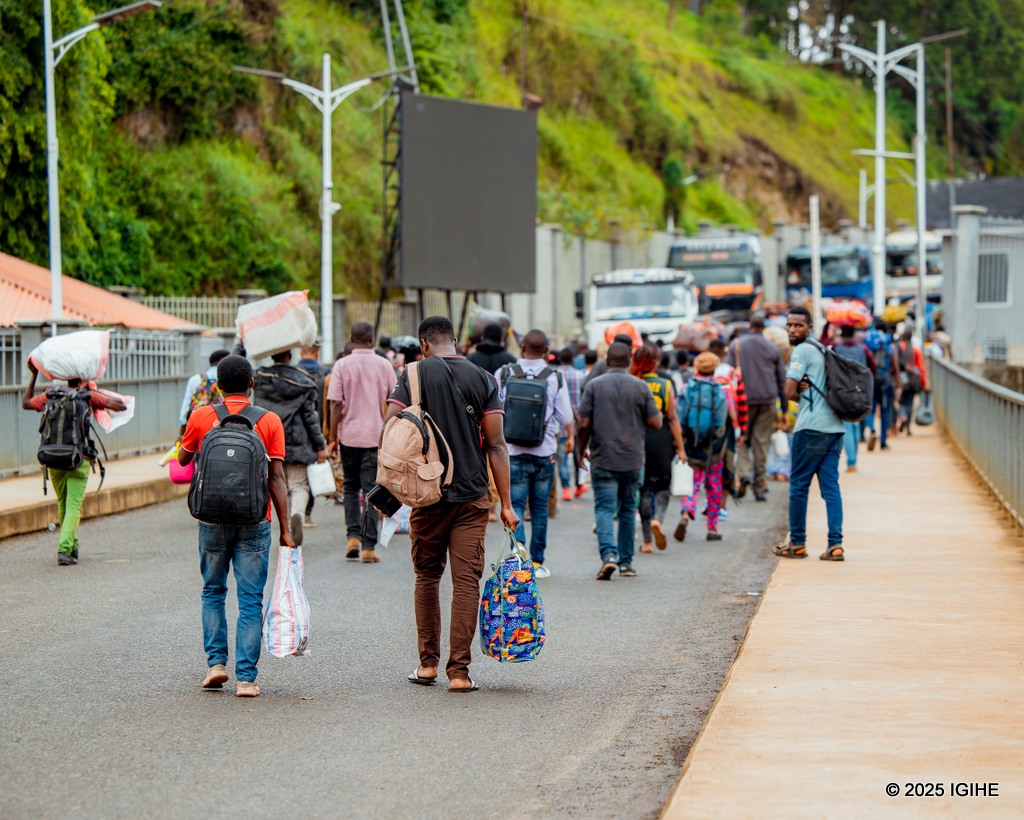
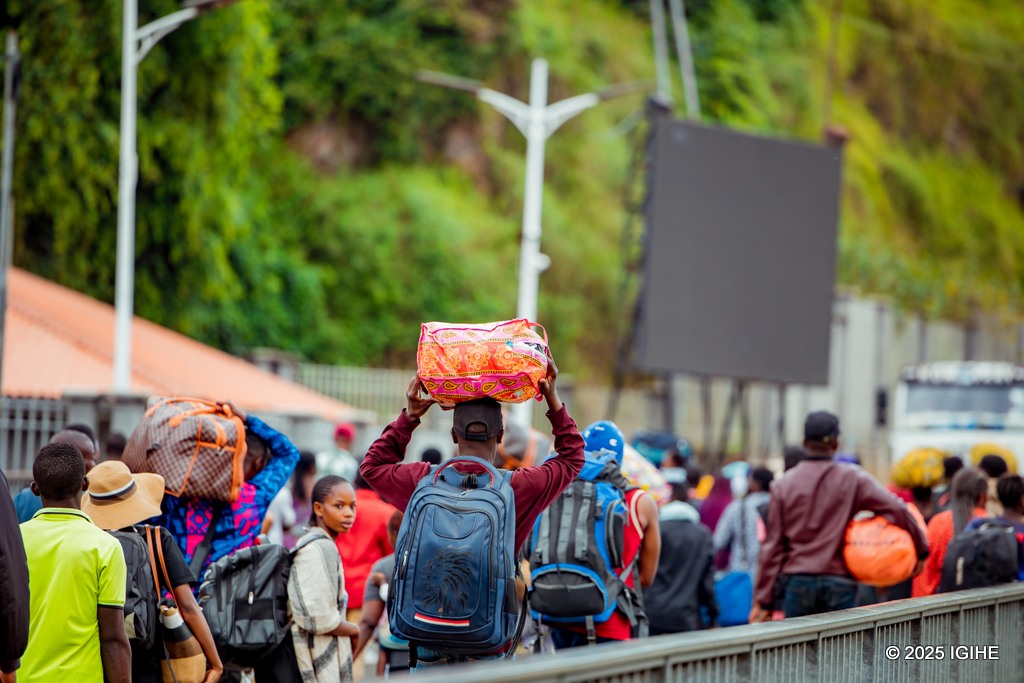
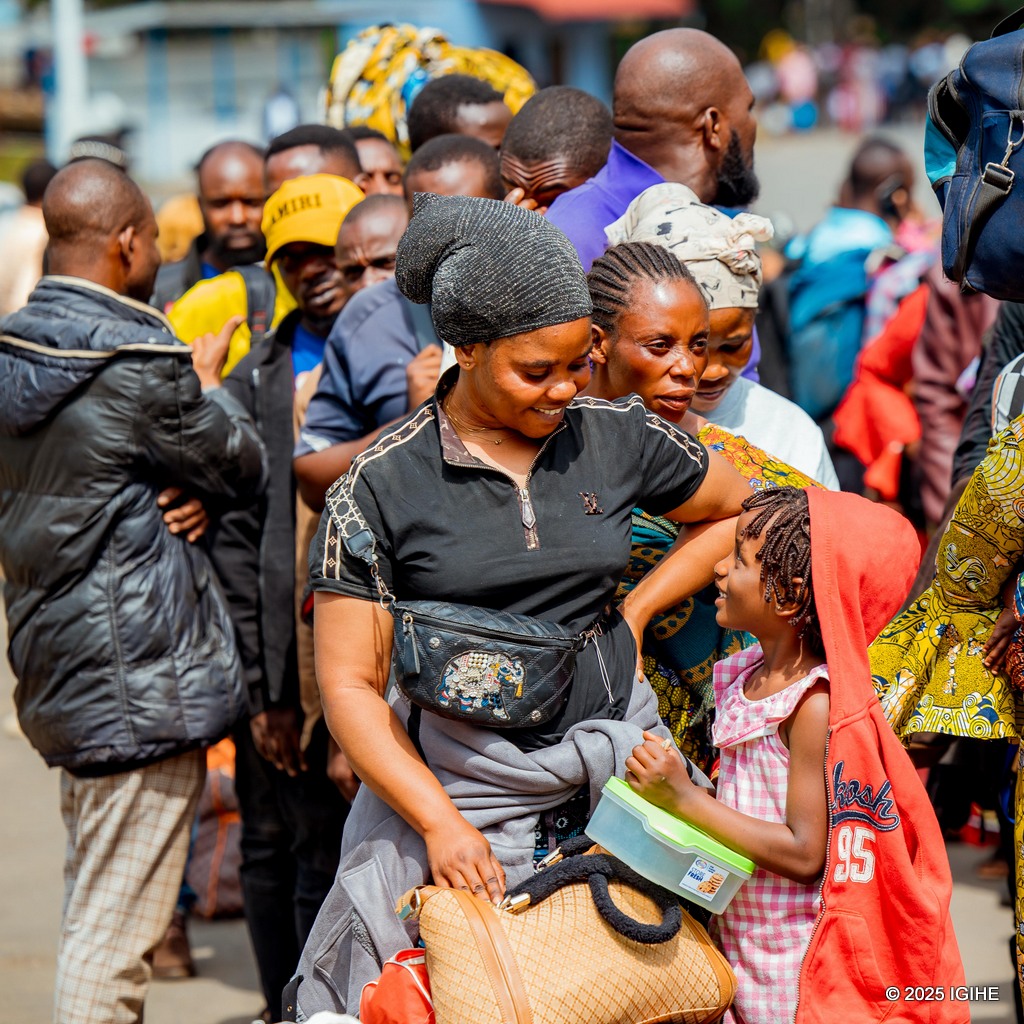
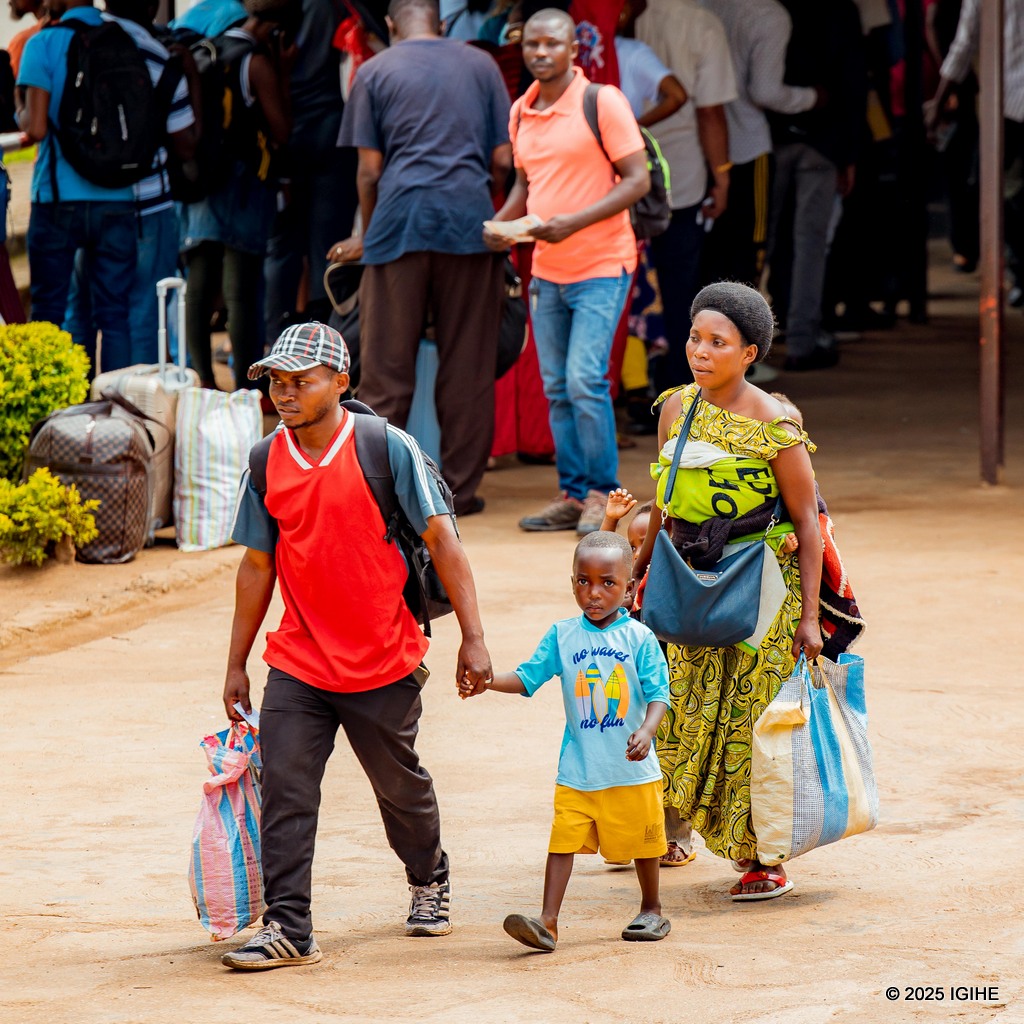
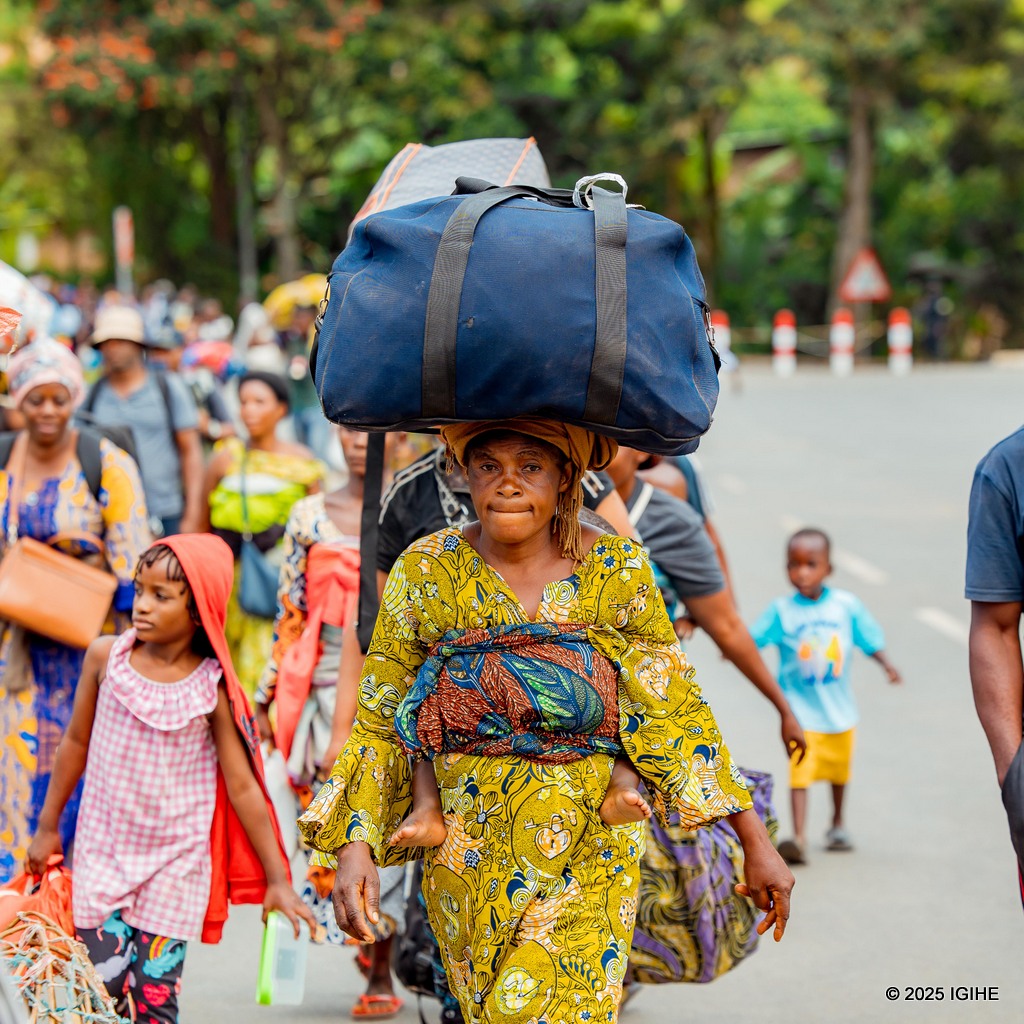
Niyingabira explained that cross-border traders in districts like Rubavu and other high-risk groups may be among the first to receive the vaccine.
“First, we need to secure the vaccines, and then the vaccination program can begin. Even when the vaccine arrives, it complements the existing preventive measures, meaning vaccination is one of the strategies we plan for Mpox prevention.”
The vaccines being distributed across African countries are largely provided by the African Union.
The health authorities have assured the public that the capacity to treat the disease is in place. As of now, the four individuals who had contracted Mpox in Rwanda have all been treated and discharged.
In the region, the Mpox outbreak has severely affected the Democratic Republic of Congo, where over 22,000 cases have been reported, with more than 715 fatalities this year alone. The Mpox virus has spread to 22 of the 26 provinces in the DRC, as well as 13 other African countries.
Globally, the World Health Organization (WHO) has committed $600 million to a six-month campaign aimed at combating the epidemic in affected regions.