Speaking at the Munich Security Conference in Germany, which began on February 14, 2025, Tshisekedi claimed that Rwanda had deployed troops to eastern DRC to exploit the country’s mineral resources.
He criticized the international community for not taking their demands for sanctions against Rwanda seriously, stating that global “hypocrisy” allows some nations to act with impunity.
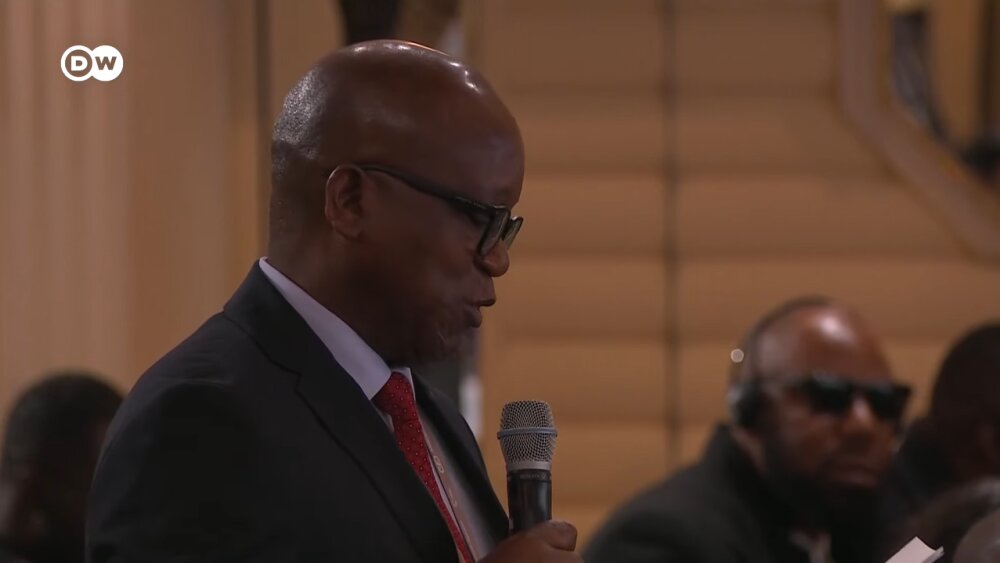
Minister Marizamunda reminded Tshisekedi that the conflict in eastern DRC has affected the entire region, including Rwanda, emphasizing that Rwanda has no interest in an unstable neighbor.
“The situation in eastern DRC concerns all of us as a region. Rwanda has suffered significant consequences from this crisis. However, Rwanda has nothing to gain from an unstable DRC. On the contrary, our vision for development is rooted in regional security and economic cooperation,” he stated.
He explained that in 2021, when DRC’s security situation was stable, Rwanda exported goods worth $683 million to the country. By 2022, DRC accounted for over 33% of Rwanda’s total exports.
“Why would Rwanda, a country committed to sustainable social and economic development, seek to disrupt this cooperation? Rwanda’s economic interests lie in peace, not conflict,” Marizamunda emphasized.
The Defence Minister firmly rejected DRC’s strategy of apportioning blame, reiterating that Rwanda had not and would never attack the DRC.
“We do not subscribe to the blame game. Rwanda has its own priorities, and we have never attacked the DRC nor will we ever do so,” he affirmed.
However, he clarified that Rwanda has taken defensive measures along its borders to prevent any threats originating from the DRC from destabilizing its security.
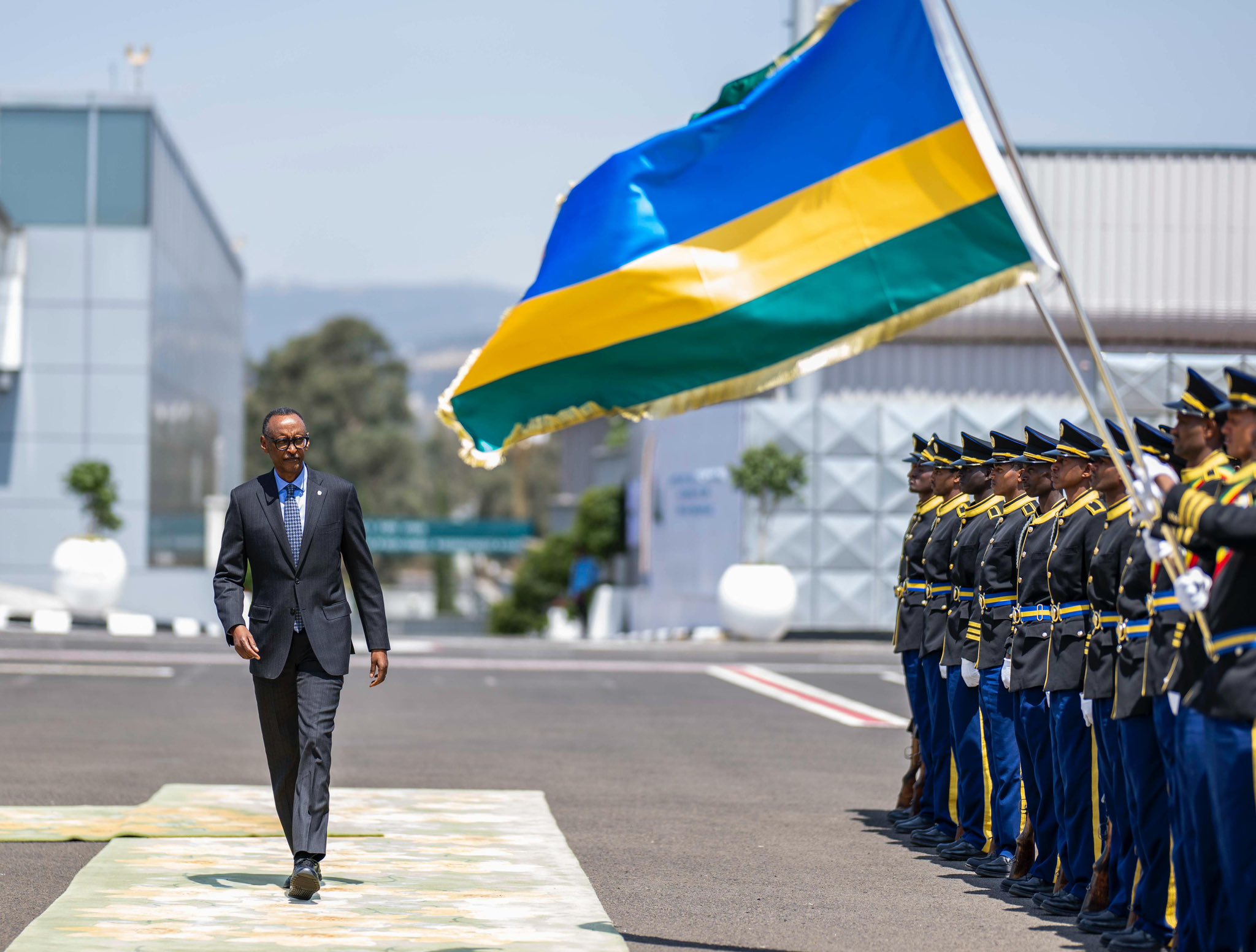
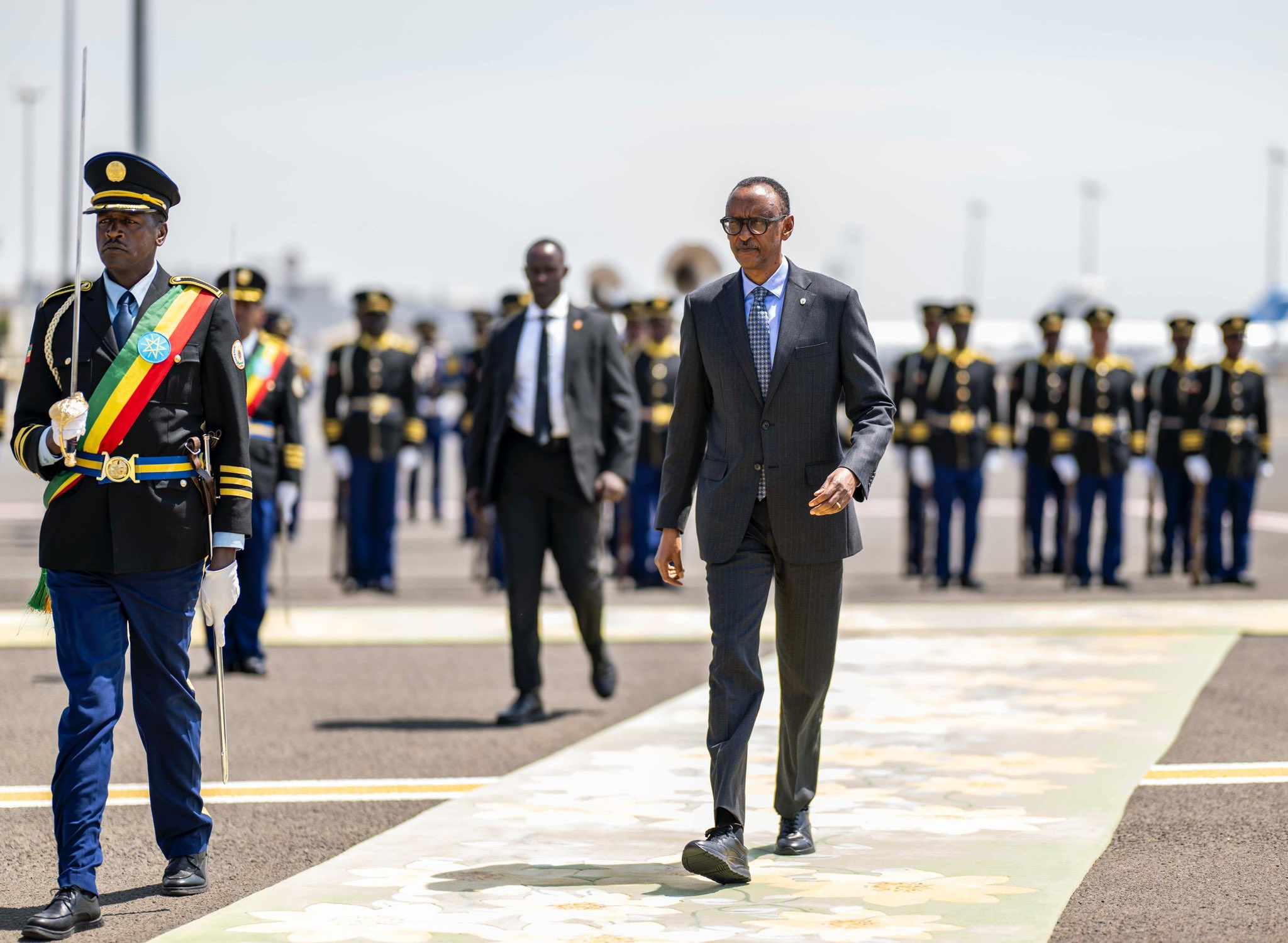
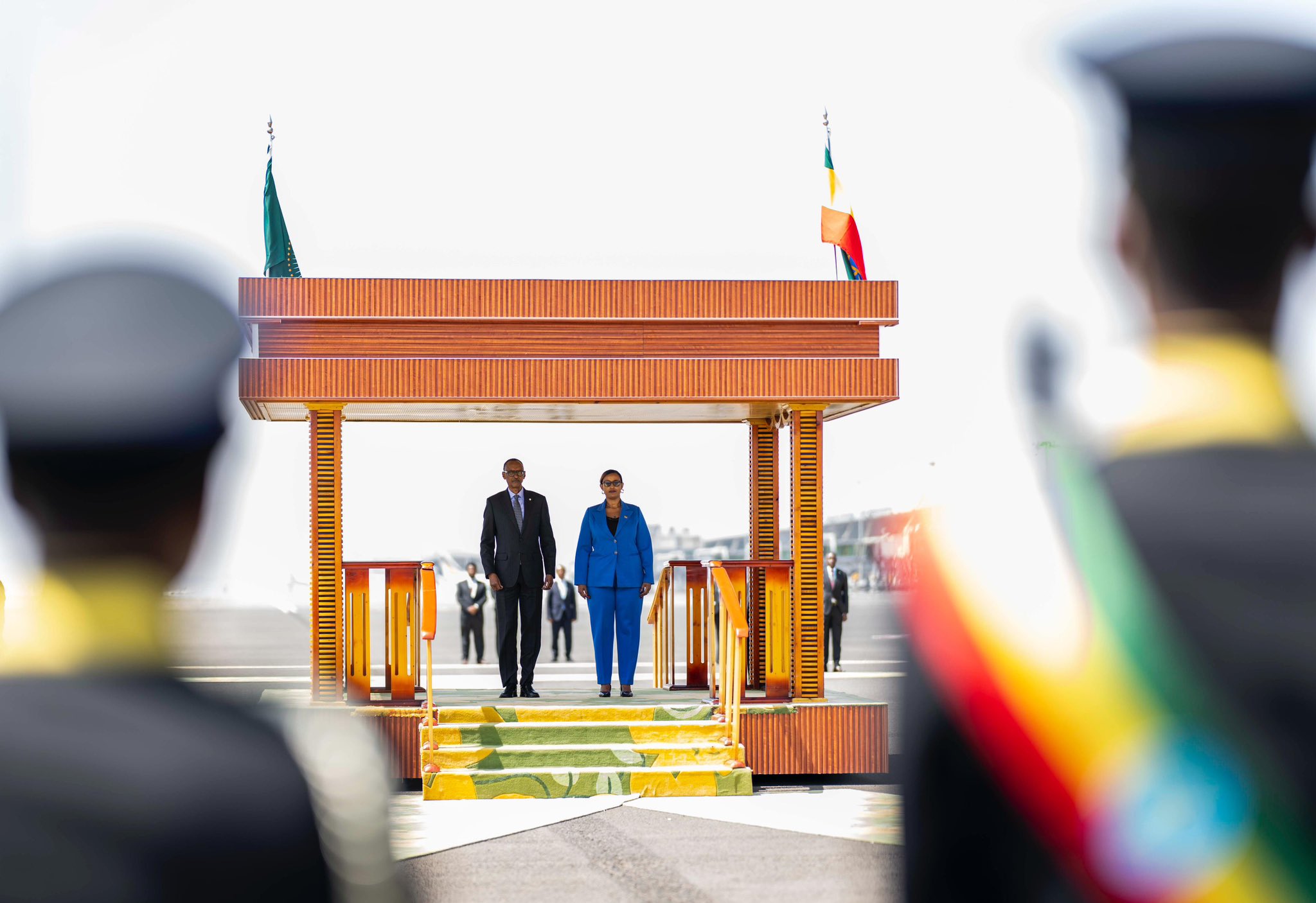
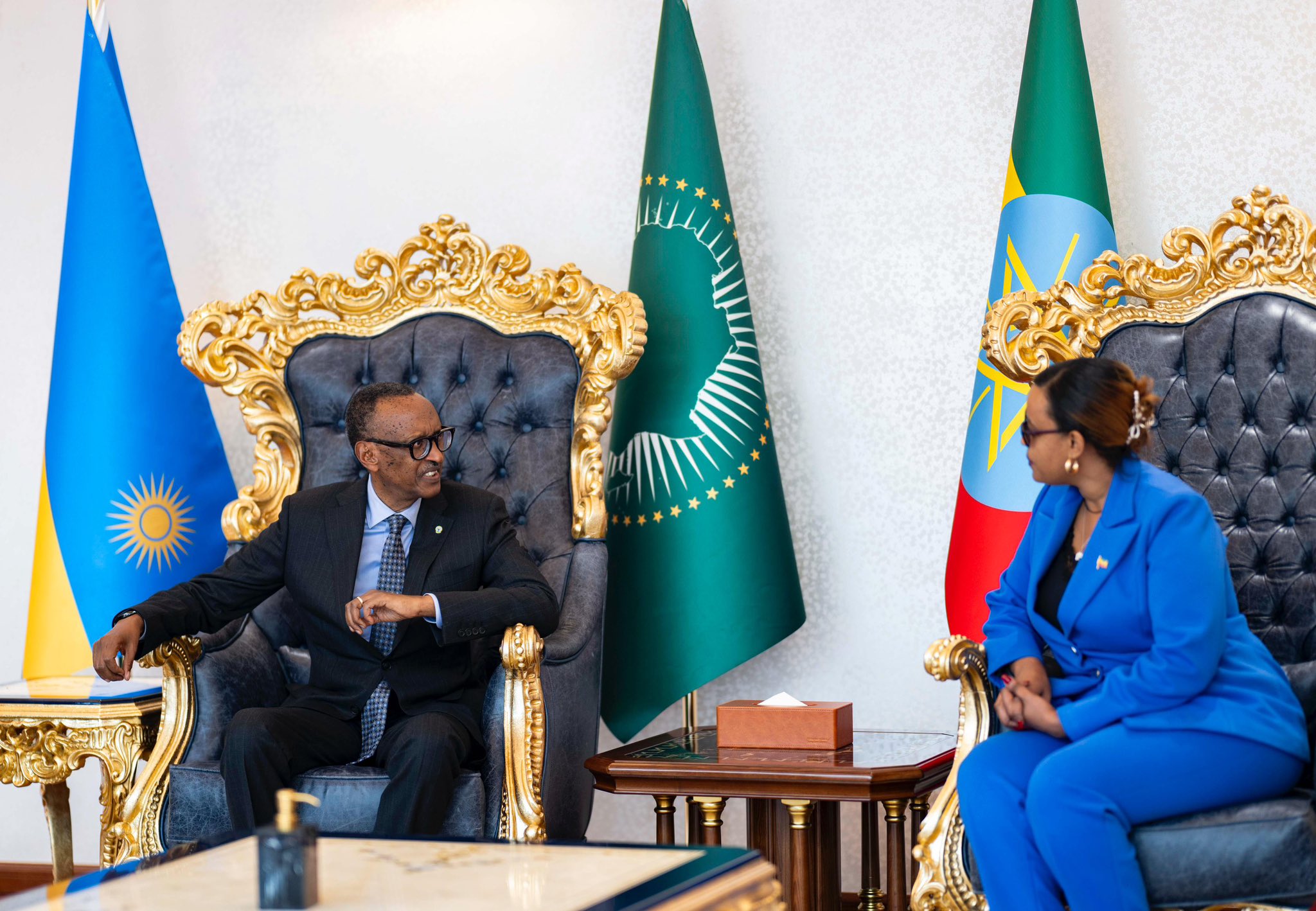
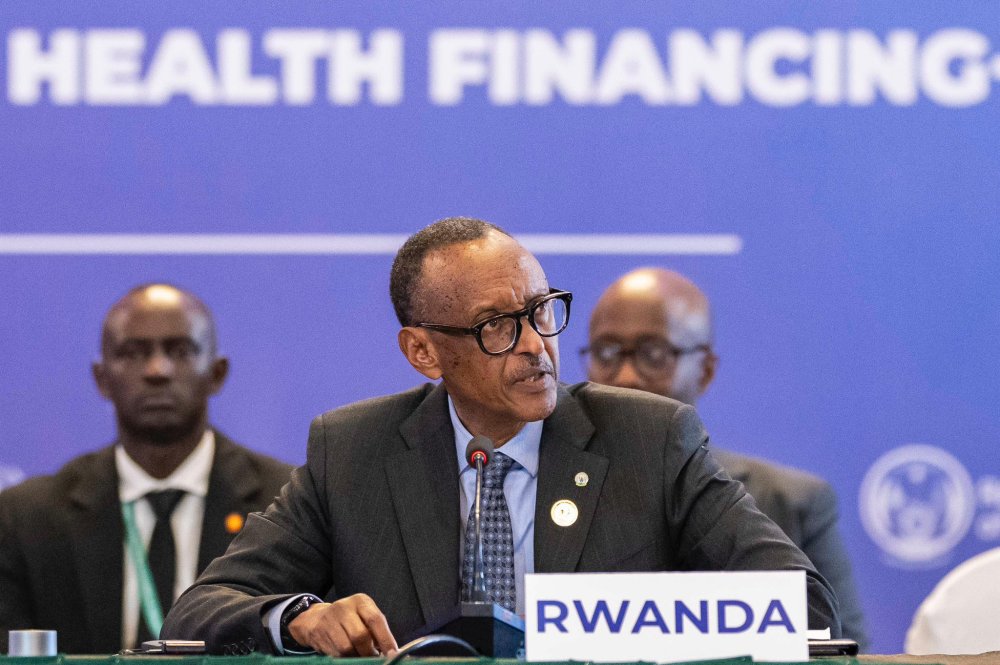
Speaking in Addis Ababa, Ethiopia, on February 14, 2025, during the 38th Ordinary Session of the Assembly of Heads of State and Government of the African Union (AU), President Kagame stressed the need for African nations to take decisive action.
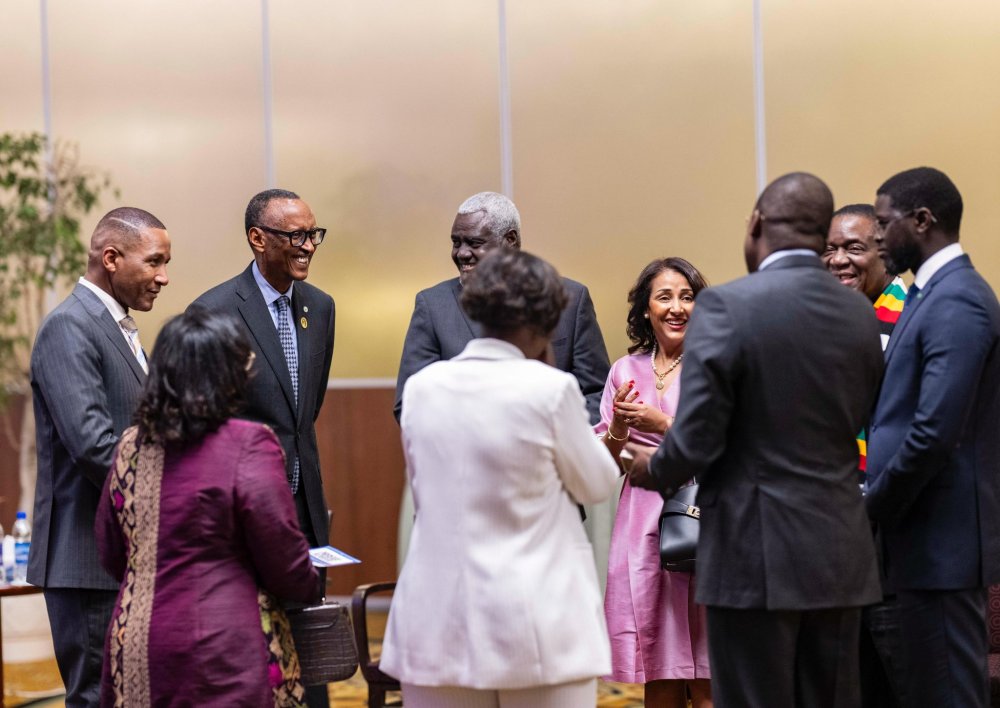
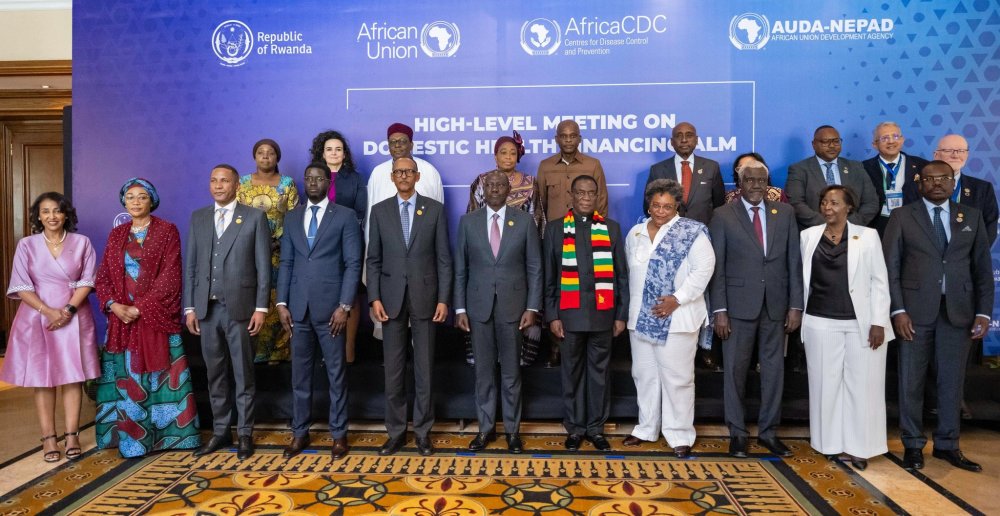
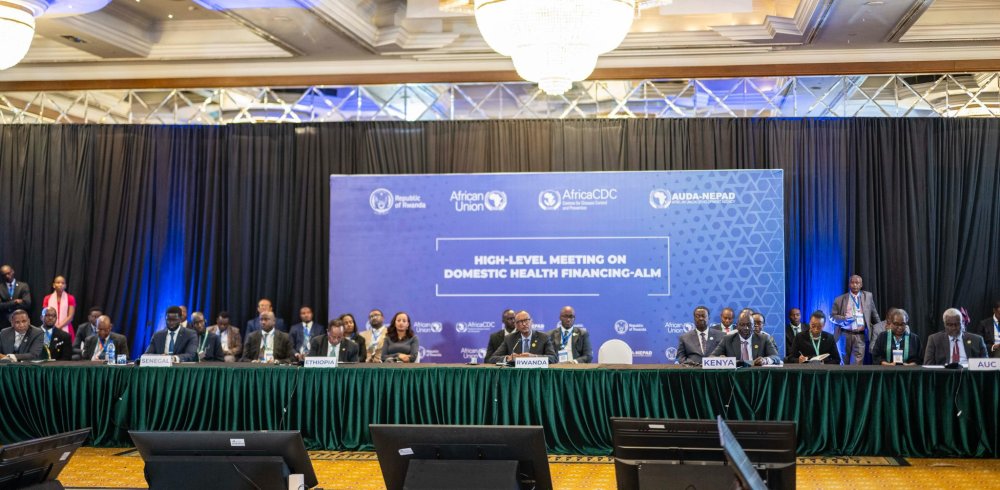
As the AU’s champion for advocating self-sufficiency in healthcare, President Kagame led a high-level meeting focused on mobilizing resources to strengthen Africa’s health systems.
The meeting was organized by the AU Commission, the Africa Centres for Disease Control and Prevention (Africa CDC), and AUDA-NEPAD, with discussions centered on healthcare innovation, private sector engagement, and philanthropic initiatives.
Kagame acknowledged that while Africa faces numerous challenges, it also has significant opportunities to address them. He highlighted the changing nature of global healthcare funding and urged African nations to invest more of their own resources in the sector while ensuring accountability in expenditure.
“We should not be intimidated by these challenges. The responsibility of building our continent, including strengthening our healthcare systems, lies with us. No one else will do it for us. This calls for us to take ownership of our problems and find ways to solve them,” Kagame stated.
Africa is rich in natural resources and has the potential for self-sufficiency in many areas, yet it struggles to fully harness these resources. For instance, the continent requires $1 billion worth of vaccines annually but currently produces only 0.2% of that amount.
This has been a long-standing concern for President Kagame, who has consistently advocated for change.
In June 2024, during the launch of the African Vaccine Manufacturing Accelerator (AVMA) in Paris, he reiterated the need for Africa to take control of its vaccine production.
He noted that while the COVID-19 pandemic had ended, efforts to establish local vaccine manufacturing should not slow down.
“The COVID-19 pandemic claimed millions of lives and further exposed global inequalities, including in healthcare. No country was spared from the virus’s impact, yet access to vaccines and medical supplies was deeply unequal and challenging,” he said.
The Head of State emphasized that this inequality was a wake-up call for Africa to establish its own vaccine production capabilities as a long-term solution.
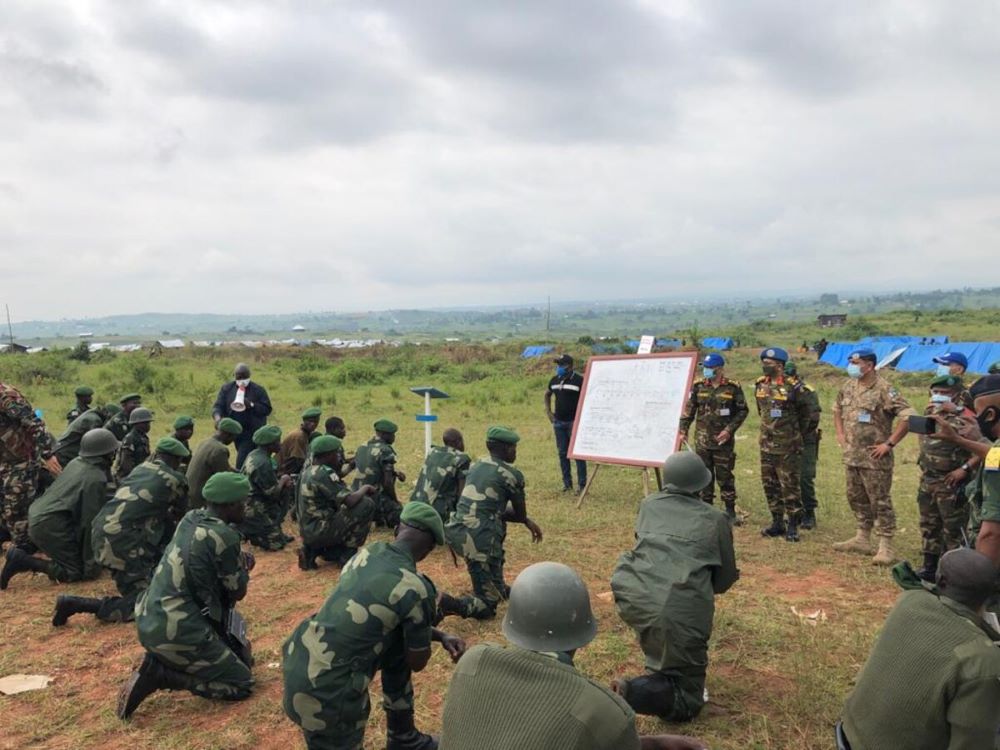
These soldiers were captured at different times after retreating from combat against the M23 rebel group in South Kivu.
The military prosecution had charged them with offenses including desertion, murder, attempted murder, and sexual violence.
However, 72 soldiers were acquitted after the court found no evidence linking them to any of the alleged crimes.
Additionally, 90 other soldiers are currently on trial at the Military Court of Uvira in South Kivu, also facing charges related to desertion.
Sibi was expelled after the WFP office in Burundi issued a directive instructing its staff to stockpile food, water, and cash sufficient for two weeks in case of a deterioration in security in Bujumbura.
French international radio journalist Esdras Ndikumana (RFI) reported that both officials left Burundi on February 14, 2025, traveling to Rwanda by air.
The directive, which later circulated on social media, caused controversy, with the Burundian government interpreting it as an attempt to spread panic among citizens and diplomats.
Concerns over security in Burundi have been growing amid the ongoing military gains of the armed M23 group, which has been defeating Burundian and Congolese troops in battles underway in South Kivu, eastern DRC.
South Kivu borders Burundi’s Cibitoke province in the northwest.
“They discussed the need for a political solution to the security crisis in eastern DRC involving all relevant parties. President Kagame reaffirmed Rwanda’s commitment to supporting a peaceful resolution that addresses Rwanda’s longstanding security concerns in a sustainable manner,” read a statement from the President’s Office.
The conflict between the M23 rebel group and the Congolese Armed Forces (FARDC) continues to escalate, with M23 recently seizing control of Goma and several other areas in North Kivu.
The DRC government has long accused Rwanda of backing M23 and providing it with military support in its fight against the Congolese army and its allied militias.
Kinshasa has also claimed that Rwanda has troops on its territory and has consistently lobbied the international community to impose sanctions on Rwanda, though these efforts have largely been unsuccessful.
Rwanda has repeatedly denied any involvement with M23, instead raising concerns over the Congolese government’s alliance with the FDLR, a group comprised of remnants of perpetuators of the 1994 Genocide against the Tutsi along with Burundian troops, European mercenaries, and SADC forces in what it sees as a direct threat to its security.
As various stakeholders explore possible solutions to the conflict, M23 recently declared its intention to continue its military advance toward Kinshasa, aiming to overthrow the current government.
However, the group has stated that it would be open to halting hostilities if Kinshasa agrees to dialogue, a proposition that President Tshisekedi has consistently rejected. On February 14, 2025, M23 announced the capture of Kavumu, a town in South Kivu, further expanding its territorial control in eastern DRC.
Meanwhile, leaders of the Southern African Development Community (SADC) and the East African Community (EAC) have urged the Congolese government to engage in talks with M23 as a pathway to lasting peace.
The issue at hand stems from Ssemakade’s reaction against a ruling in December last year where Musa Sekaana halted the Uganda Law Society extra ordinary meeting that was set to take place on 17th December 2024.
Ssemakadde accused Ssekaana of bias, corruption and having unholy alliances with government officials.
Court records indicate that between December 11 and December 22, 2024, Ssemakadde launched scathing and offensive posts on X under the hastag #SsekaanaMustGo where he claimed the judge was compromised and working against the independence of the legal profession.
In his landmark ruling, Justice Ssekaana vividly said that while criticism of judicial decisions is allowed, personal attacks against judges amount to contempt of court. He emphasized that the judiciary has a role to protect itself against scandalous attacks which discredit its independence.
This ruling comes at the height of disagreements between the Uganda Law Society led by Ssemakadde and the judiciary. Last week, Ssemakadde dragged his feet, banged the tables and refused to apologize for attacks on the judiciary.
This ruling also comes exactly 3 years since the same judge Ssekaana sentenced then Ssemakadde’s friend Hassan Male Mabirizi to 9 months in prison for contempt of court.
“The respondent has continued to make relentless attacks on the judge and the entire judiciary with the sole purpose of undermining Its authority. Such conduct erodes public confidence in the judicial system and must be punished,” reads part of the ruling delivered by Ssekaana.
In a separate ruling, Justice Ssekaana also overturned a decision by ULS and its election committee chairman, Moses Mwase, which had excluded Pheona Nabasa Gladys Wall from the list of nominated candidates for the Judicial Service Commission.
“The respondents were functus officio after nominating the applicant and had no legal basis to omit her from the final nomination list,” he ruled, ordering ULS to cover the costs of the application.
It has also been confirmed that Tshisekedi will not attend the 38th Ordinary Session of the Assembly of Heads of State and Government of the African Union (AU), scheduled for February 15-16, 2025.
Tshisekedi is currently in Munich, Germany, attending “a high-level political and security conference involving nearly 70 countries,” as explained by his spokesperson, Tina Salama.
According to Jeune Afrique, Tshisekedi’s plane is expected to depart from Germany at 8:00 PM and arrive in Kinshasa overnight between February 14 and 15, 2025.
Prime Minister Judith Suminwa Tuluka will represent Tshisekedi at the AU summit and has already arrived in Addis Ababa, Ethiopia, where the AU headquarters is located.
Tshisekedi’s early departure from Germany follows M23 rebels seizing key areas from the Congolese army, including the town of Kalehe, Kavumu, and its airport.
According to Congolese media, Prime Minister Suminwa has been tasked with urging AU member states to condemn Rwanda, which the Congolese government accuses of supporting M23, allegations that Rwanda has repeatedly denied and referred to as baseless.
The AU summit will also include key agenda items such as confirming Angola’s President João Lourenço as the new Chairperson of the AU and electing a new Chairperson of the AU Commission.
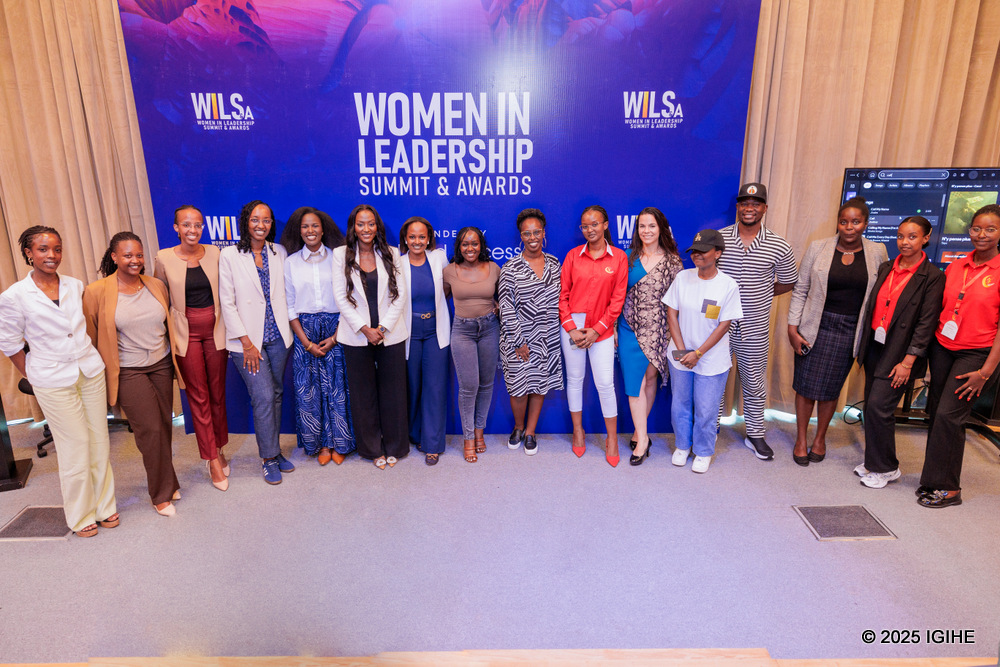
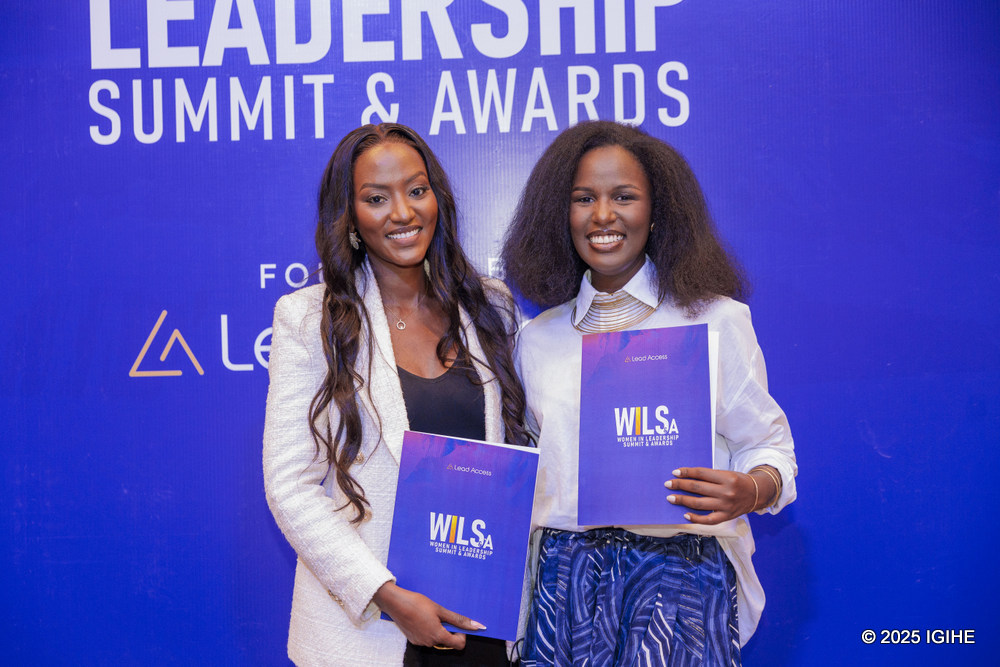
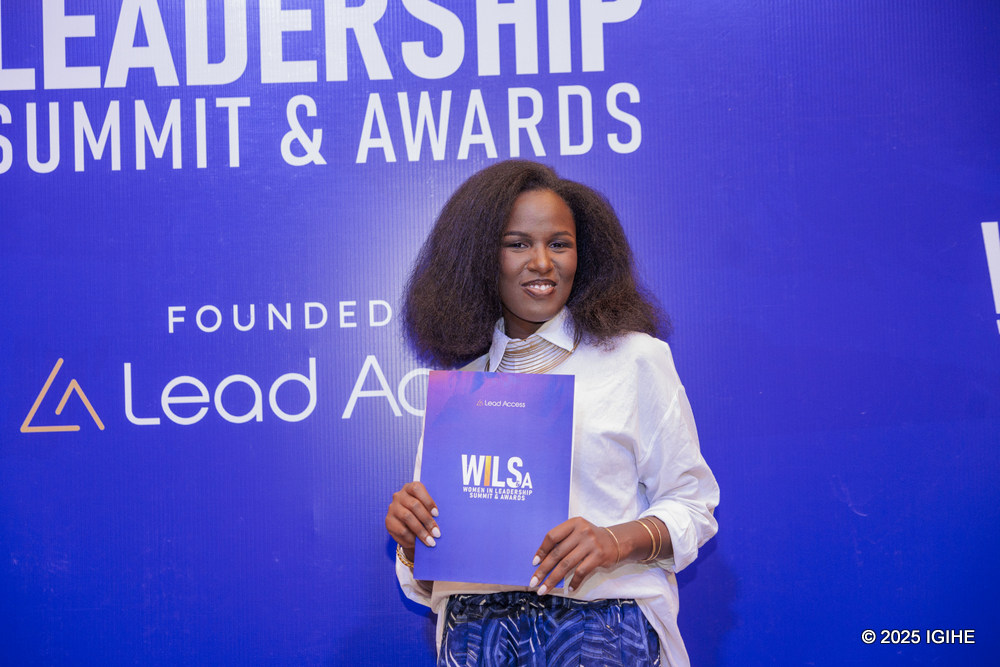
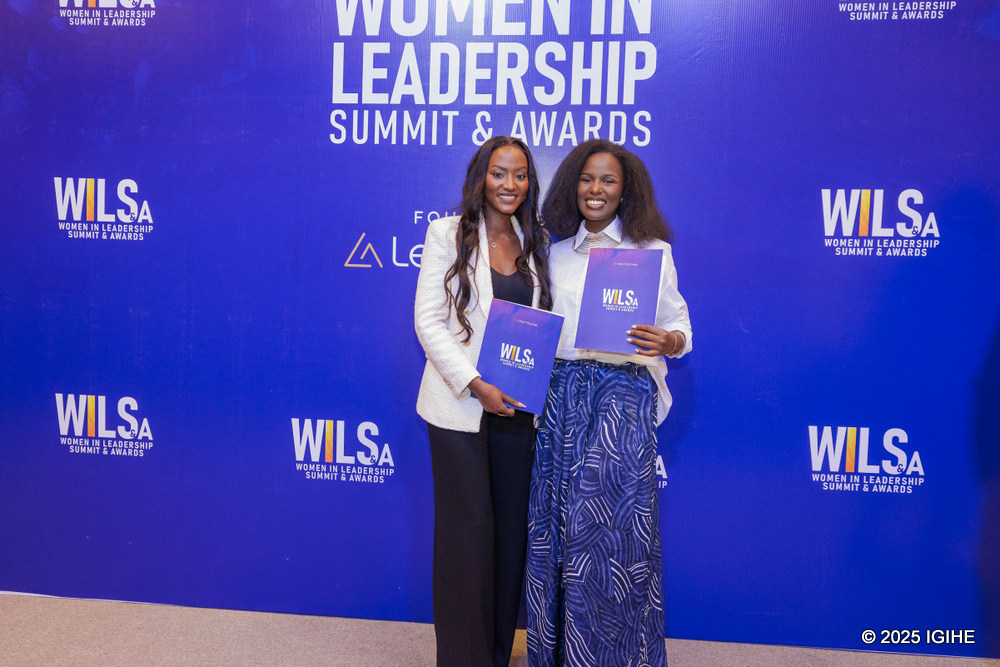
The WILSa 2025 is a conference that brings together young women and girls to celebrate all women who have made outstanding contributions in their respective fields.
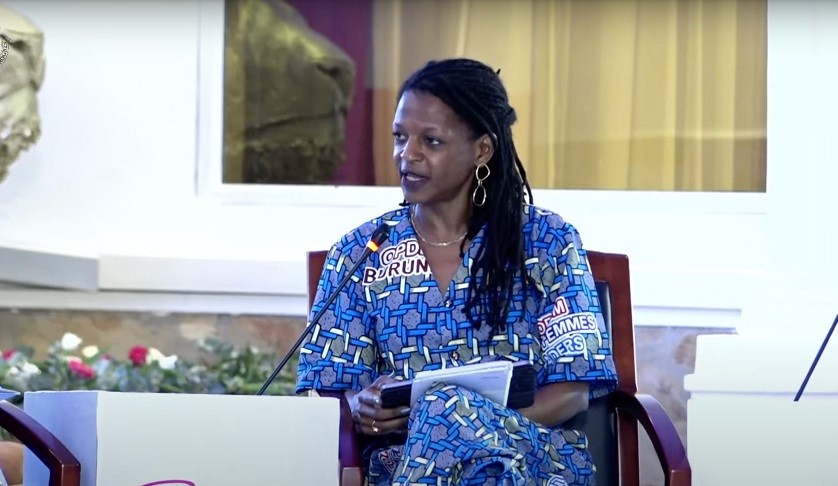
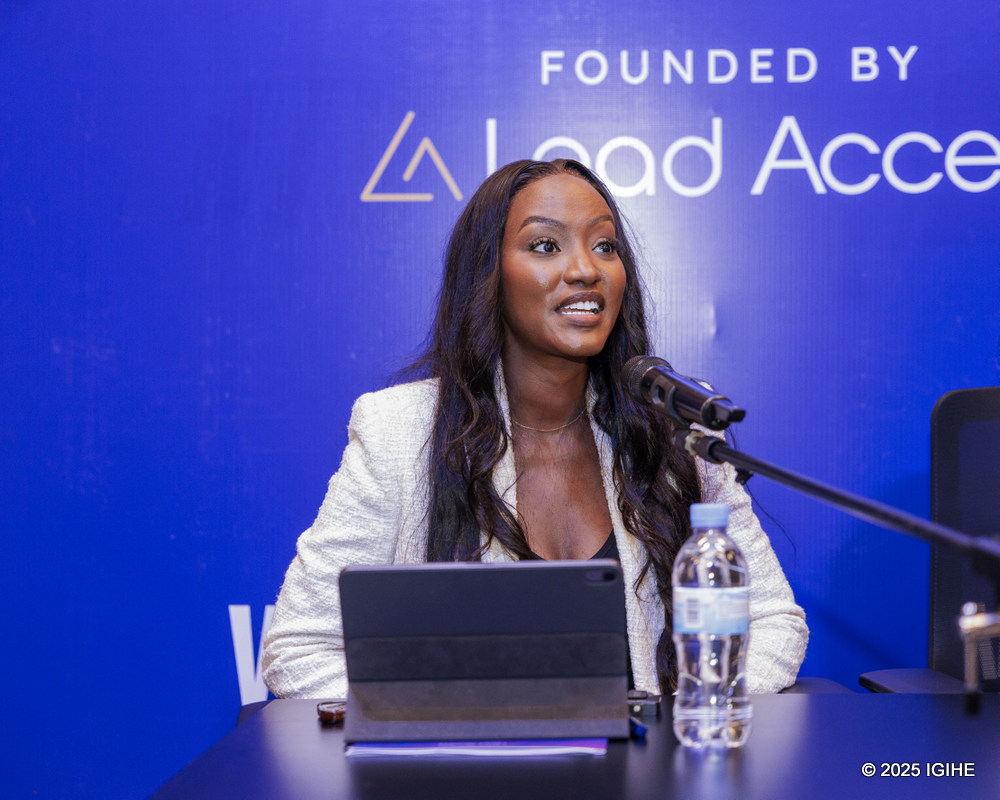
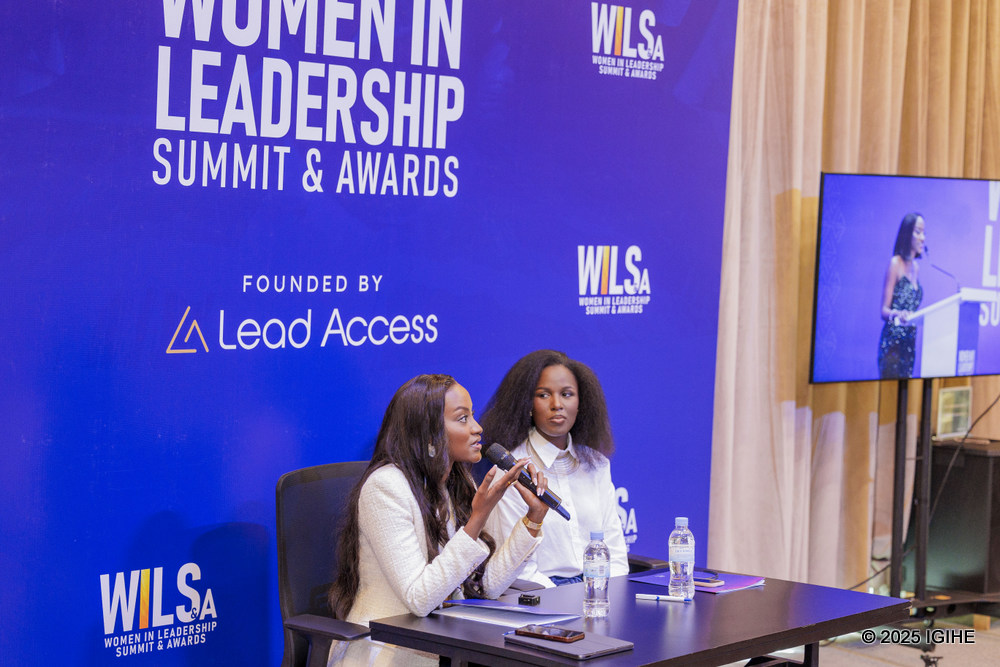
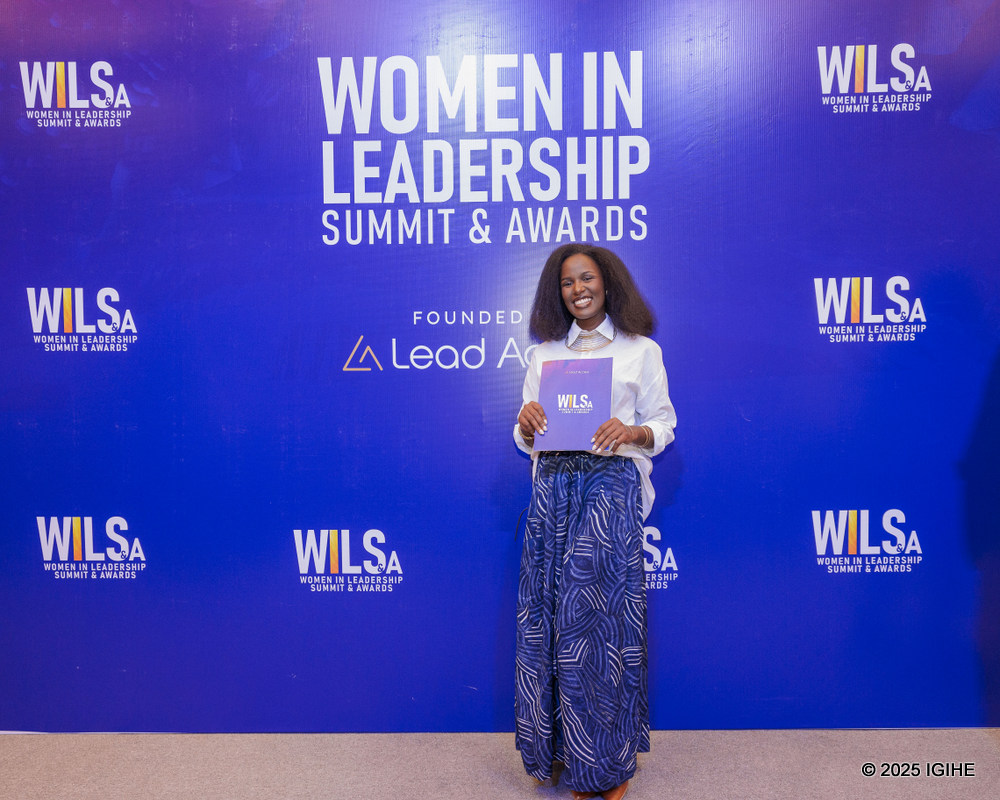
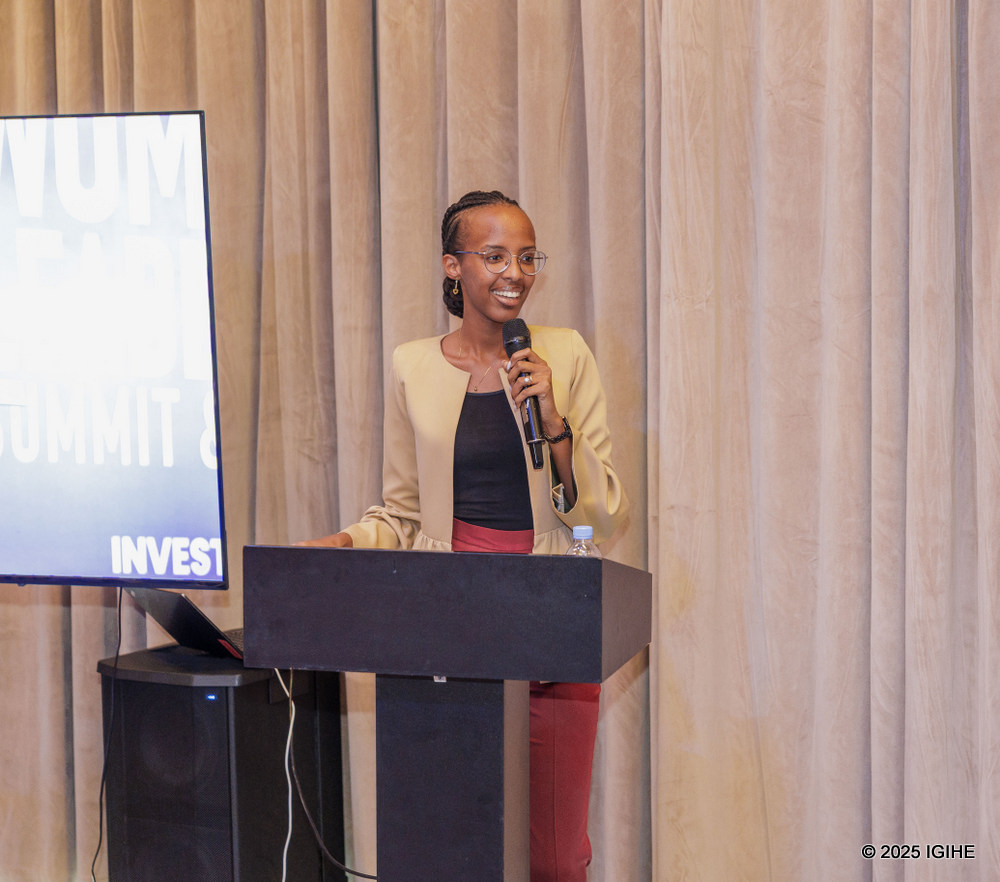
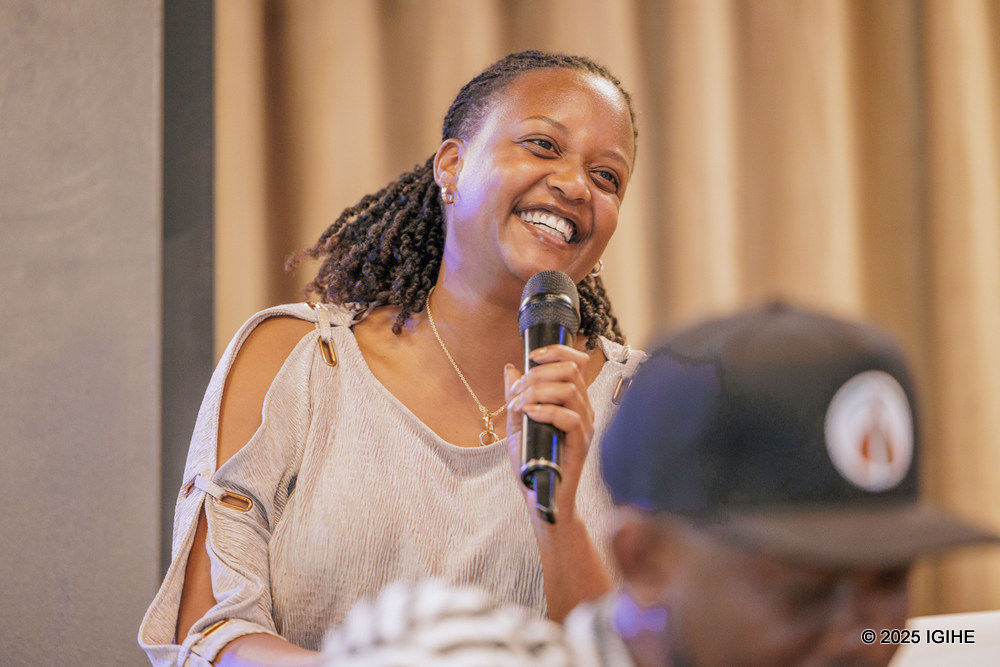
At the announcement of Boukuru’s appointment as Brand Ambassador for WILSa 2025, Iris Irumva, the CEO of Lead Access, a leadership firm that empowers leaders at all levels, revealed that they started working with Boukuru in December 2024 to prepare a special partnership aimed at amplifying the voices of women everywhere.
“Since December 2023, we’ve been hard at work with our very own Boukuru, crafting an extraordinary collaboration that amplifies the voices of women everywhere,” she said.
“This partnership is more than a project. It’s a call to action, a celebration of talent, and the spark for a year-long journey of empowerment and mentorship.,” she added.
Irumva further explained that in 2025, they will go beyond merely celebrating women’s and girls’ achievements to spreading a message that would energize and empower women across all sectors, reinforcing women’s leadership at every level.
“This year, we wanted to create something that doesn’t just celebrate women’s leadership but amplifies it in a way that reaches beyond words. That’s why we’ve collaborated with Boukuru, whose song “We Are Here- Turi Hano” is more than music. It’s a statement,” she emphasized.
She highlighted that the song symbolizes the need for the voices of women and girls to be heard at the workplace, in decision-making organiations, and in all important spaces. “It’s a call to all of us to support and invest in the leadership of women and girls,” she added.
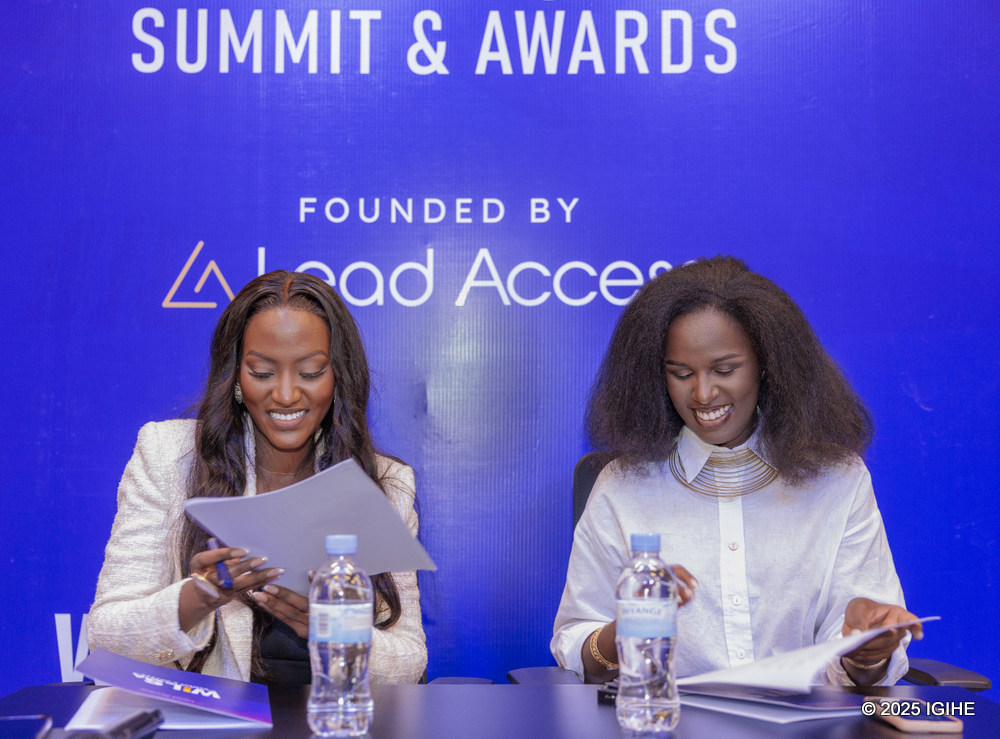
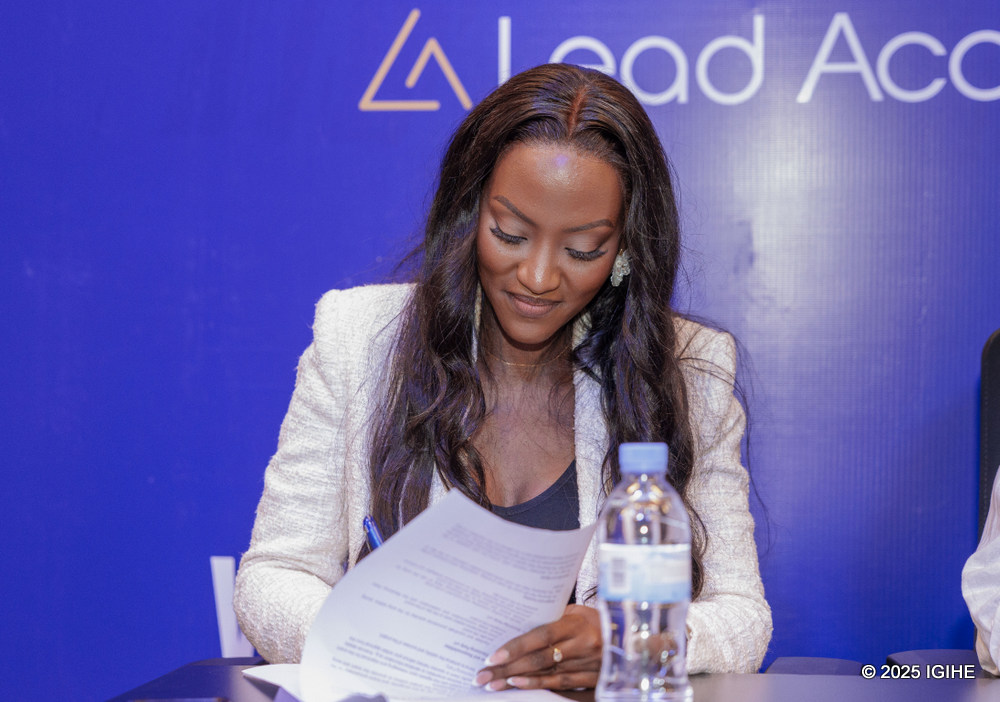
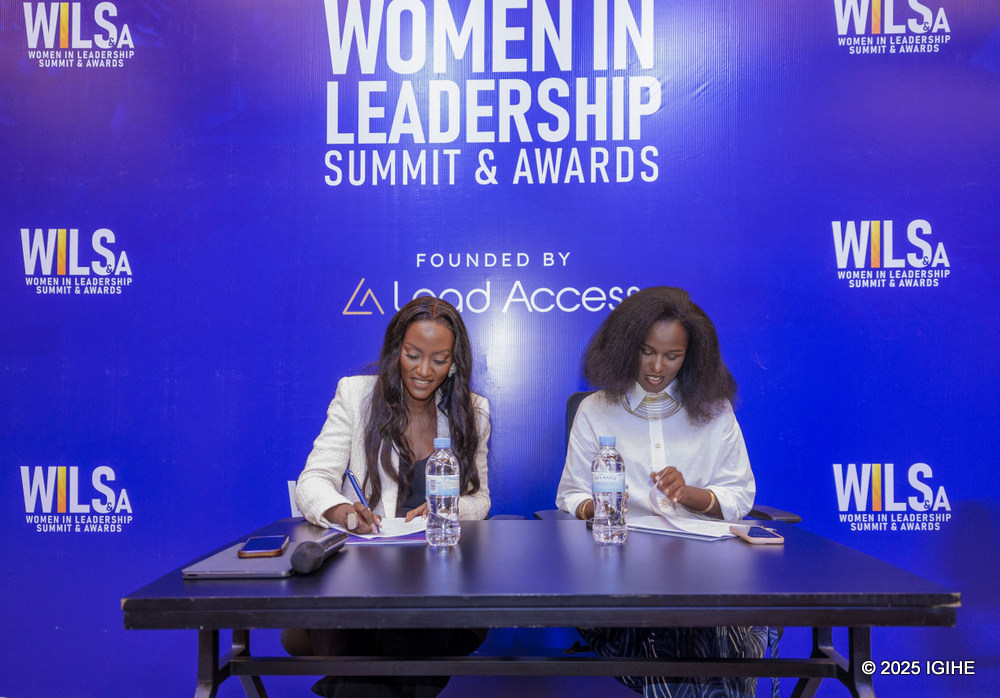
Shortly after, a Memorandum of Understanding (MOU) was signed with Boukuru as the official Brand Ambassador for WILSa 2025.
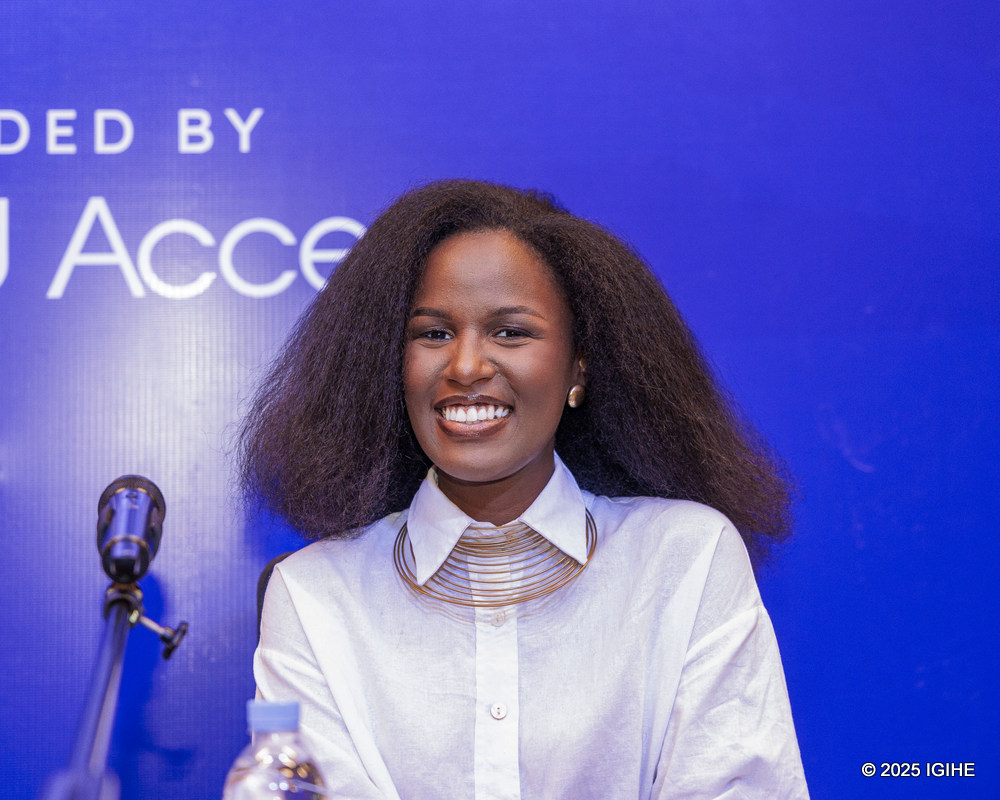
Boukuru expressed her excitement about the collaboration with WILSa, saying that the song “Turi Hano” was meant to highlight the importance of women in everyday life.
“When I worked on ‘Turi Hano,’ Irumva approached me, asking if we could create a powerful song that speaks to the value of women in leadership or wherever they may be. Wherever a woman is, she deserves respect. Whether at home, at work or anywhere else. So, I thought about creating a song that would convey this message,” she said.
She went on to share that the song signifies that even if women are not seen in certain places, they are present in other ways. She also pointed out that this song is not just for WILSa’s awards or conferences but is an anthem for every woman.
Boukuru mentioned that she chose to record the song in Kinyarwanda as it was specifically created for the Rwandan audience.
The WILSa 2025 awards ceremony will be preceded by the various Pre-Summit Workshops happening on 6th & 7th March, focusing on women in Agriculture, Technology, Entrepreneurship and the Arts.
On March 20, 2025, a large-scale conference will bring together women and girls from various sectors, followed by a day of intergenerational discussions and debates. The awards ceremony to honor the most outstanding women will take place on March 21, 2025.
The awards will recognize individuals in 15 categories, with three finalist nominees competing to win their category title, driven by public votes and jury’s input. Nominations for these awards opened on February 10, 2025, and will close on February 17. To nominate someone, visit the link http://wilsafrica.com/, select the category and fill out the details.
Irumva, who played a key role in Boukuru’s appointment as Brand Ambassador for WILSa 2025, revealed that this year, they plan to collaborate with more women and girls than ever before.
In 2024, the summit brought together 200 experienced women from various sectors, but this year, they aim to reach 1,000 women in Kigali and beyond.
She also disclosed that following the summit, a year-long mentorship program will be launched to empower women and girls to excel in every aspect of life. This program is scheduled to conclude in March 2026, paving the way for the next edition of WILSa.
The award categories will include; Entrepreneurship, Sports, Education, Arts & Culture, Advocate for Gender Equality, Science Innovation, Technology, Finance, Social Impact, Health & Wellness, Queen of Green (Environmentalist), Agriculture, Hospitality, Media & Communication and Lifetime Achievements.
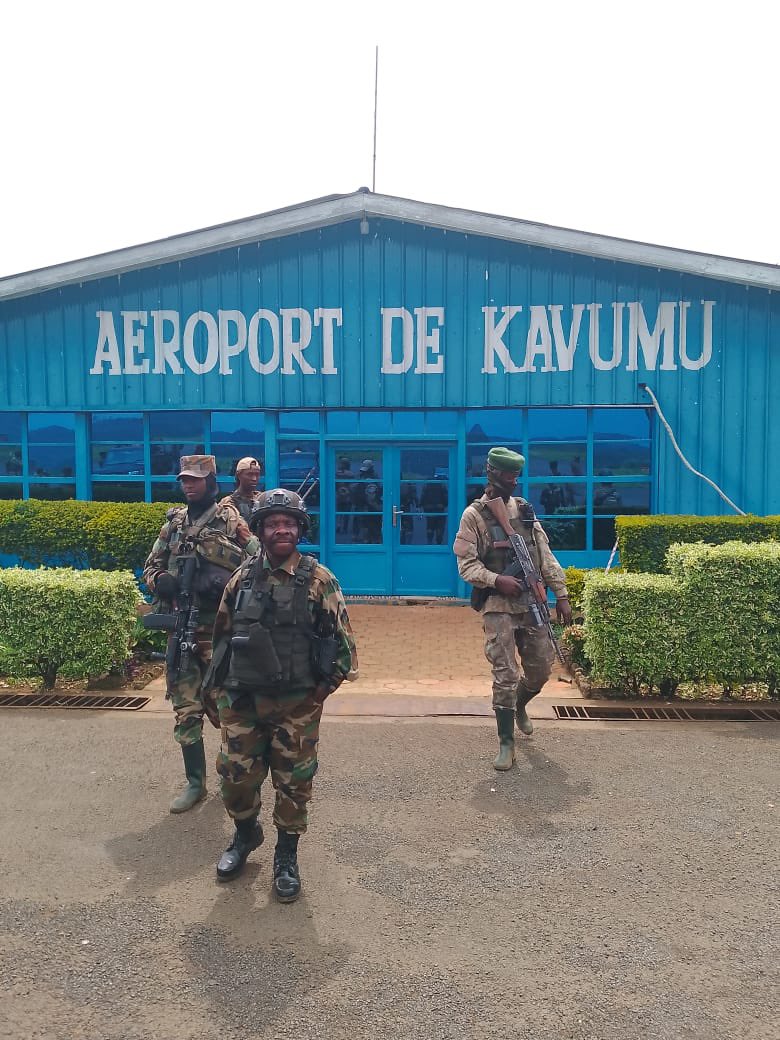
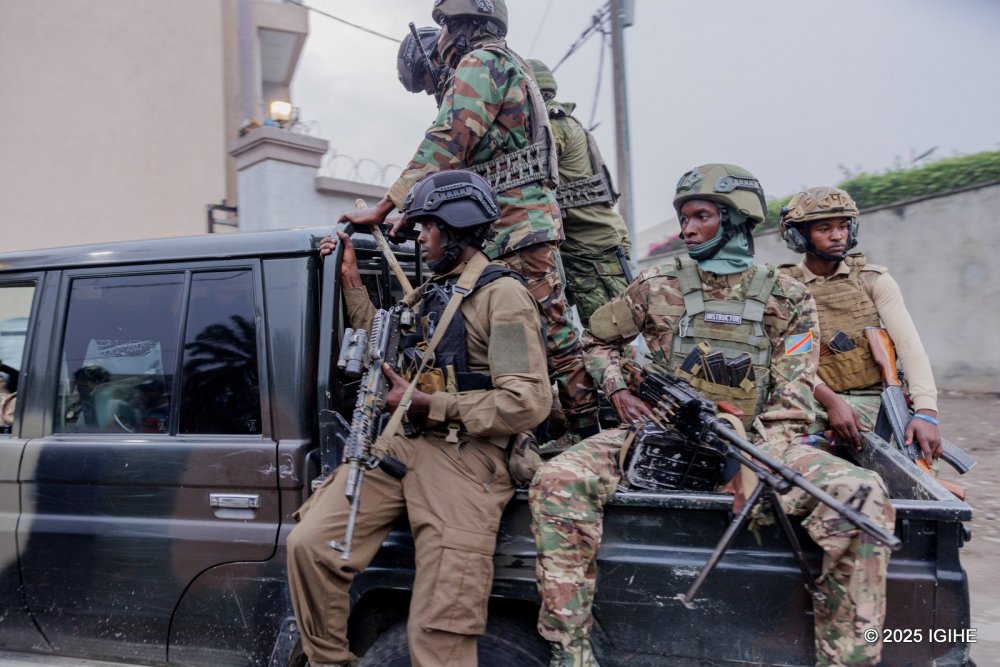
Before M23 entered Kavumu, a significant number of soldiers from the DRC’s coalition forces were seen fleeing the town, heading towards Bukavu, which is approximately 25 kilometres from Kavumu.
A resident in the town was heard saying, “They have fled. M23 has now reached Kavumu. M23 is chasing them. The soldiers are running fast.”
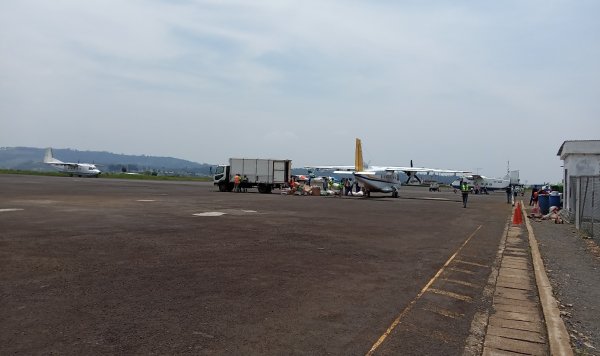
Kavumu is a strategic location in South Kivu, as it hosts an airport that was used by the DRC’s coalition forces to launch attacks on M23 positions.
This airport was also previously utilised by the United Nations Organization Stabilization Mission in the Democratic Republic of the Congo (MONUSCO) in South Kivu before its withdrawal in early 2024.
M23’s political spokesperson, Lawrence Kanyuka, confirmed the capture of Kavumu and its airport, stating that the move was aimed at neutralising threats from the area.
“As we have repeatedly emphasized, we have eliminated the threat at its source. Kavumu Airport posed a danger to the civilian population in the liberated areas and to our positions. Now, Kavumu and its surroundings, including the airport, are under the control of the AFC/M23,” said Kanyuka.
This capture comes after M23 fighters seized the Kabamba and Katana trading centres in Kabare territory during the night of 13 to 14 February 2025.
The DRC government’s coalition forces now fear that M23 may soon advance on Bukavu, the de facto capital of South Kivu.
Some soldiers have begun fleeing to other provinces, such as Tanganyika. Meanwhile, the DRC military continues its efforts to regroup and redeploy its forces for a counteroffensive.
This year’s summit is being held under the theme “Justice for Africans and People of African Descent Through Reparations,” with discussions focused on reparatory justice and racial healing.
The high-level gathering will deliberate on key political and socio-economic issues, aiming to advance the welfare and quality of life for African citizens.
As the AU Champion on Domestic Health Financing, President Kagame will on Friday afternoon chair a High-Level Meeting on Domestic Health Financing.
The session, convened in collaboration with the African Union Commission, Africa CDC, and AUDA-NEPAD, will explore innovative strategies to address financing gaps in Africa’s health systems. The discussions will particularly focus on the role of the private sector and philanthropic organizations in strengthening domestic health investments.
A crucial agenda item at this year’s summit is the election of the next Chairperson of the African Union Commission (AUC). The election will determine the leader responsible for driving the AU’s strategic vision and implementation of continental policies over the next four years.
Three candidates are seeking to succeed outgoing AUC chair Moussa Faki Mahamat. The candidates include former Kenyan Prime Minister Raila Odinga, Djibouti’s Foreign Minister Mahmoud Ali Youssouf and Madagascar’s Richard Randriamandrato.
Additionally, the summit will see the handover of the AU Presidency from President Mohamed Ould Cheikh El Ghazouani of Mauritania to President João Lourenço of Angola, marking a transition in the continental body’s leadership.
Beyond leadership changes, the Assembly will discuss and make key decisions on pressing challenges facing Africa, including conflict resolution, economic development, and regional integration. With Africa’s geopolitical landscape evolving, leaders are expected to propose solutions that will enhance unity, stability, and prosperity across the continent.









![The Inzora Service and Protocol team, founded by Tumukunde Nadine, known as Djadja [in the middle], welcomed the attendees at the event where Boukuru was introduced as the Brand Ambassador for the WILS Awards 2025.](https://en-images.igihe.com/IMG/jpg/boukuru_15.jpg)