White House Press Secretary Karoline Leavitt confirmed at a press briefing that U.S. Special Envoy to the Middle East Steve Witkoff and U.S. President Donald Trump “submitted a ceasefire proposal to Hamas that Israel backed and supported.”
“Israel signed off on this proposal before it was sent to Hamas. I can also confirm that those discussions are continuing, and we hope that a ceasefire in Gaza will take place so we can return all of the hostages home,” said Leavitt.
“I won’t comment further, as we are in the midst of this right now,” she added.
An Israeli official and a U.S. source familiar with the case confirmed that the proposed deal includes not only the 60-day ceasefire but also plans to release 10 living hostages and the remains of 18 dead hostages, CBS News reported.
Hamas said Thursday that its leadership had received a new Gaza ceasefire proposal from Witkoff through the mediators and was studying it.
“The Hamas leadership has received Witkoff’s new proposal from the mediators and is responsibly studying it in a way that serves the interests of our people, provides relief, and achieves a permanent ceasefire in the Gaza Strip,” Hamas said in a brief statement.
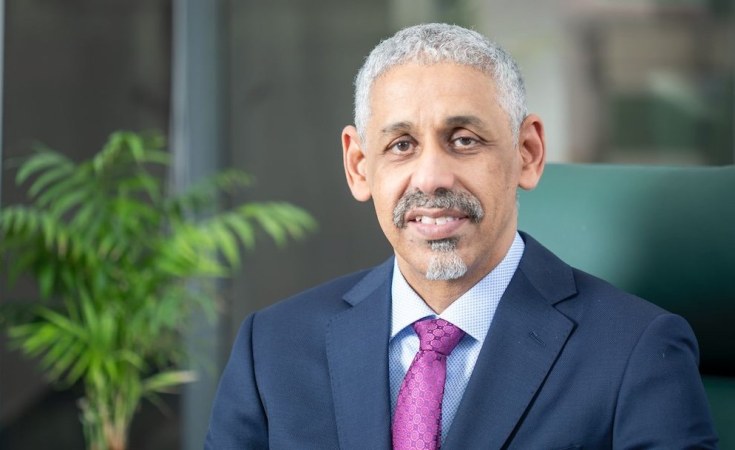
DR Tah secured more than three-quarters of shareholder votes in a closely watched election on Thursday, emerging victorious over four other candidates, including Amadou Hott (Senegal), Samuel Maimbo (Zambia), Mahamat Abbas Tolli (Chad), and Bajabulile Swazi Tshabalala (South Africa).
He is set to officially assume office on September 1.
His election comes at a pivotal moment for the AfDB, as the institution faces rising economic pressures across the continent and uncertainty over international support. Notably, U.S. President Donald Trump has proposed slashing $555 million in funding to the Bank’s key development fund, an essential financial lifeline for projects considered too high-risk for private investment.
The Chairperson of the African Union Commission, Mahamoud Ali Youssouf, has extended his warm congratulations to Dr. Tah, describing his election as a testament to his exceptional leadership and steadfast commitment to advancing Africa’s development agenda.
With a career in development finance spanning nearly four decades, Dr Tah brings deep experience and a reputation for reform. Most recently, he served for ten years as president of the Arab Bank for Economic Development in Africa (BADEA), where he oversaw a period of growth that saw the bank’s credit rating upgraded and its assets increase from $4 billion to $7 billion.
Earlier in his career, Dr Tah was Mauritania’s Minister of Economy and Finance from 2008 to 2015. He has also held positions at the Mauritanian Bank for Development and Commerce, the Islamic Development Bank, the Arab Authority for Agricultural Investment and Development (AAAID), and the country’s Food Security Commission.
An economist by training, Dr Tah holds a PhD from the University of Nice Sophia Antipolis in France, a master’s from Paris Diderot University, and a bachelor’s from the University of Nouakchott.
In a recent interview, Dr Tah emphasised the importance of innovation and a more assertive African voice in global economic forums.
“I believe that the AfDB has the responsibility to be the voice of Africa in the international arena as far as macroeconomics and economic development are concerned,” he told The EastAfrican.
“The bank has the legitimacy, the convening power, and the ability to do so,” he added.
He has also called for a shift away from excessive public borrowing toward more public-private partnerships to finance infrastructure. Dr Tah has criticised what he sees as unfair treatment of African economies in global credit markets and argued for reframing Africa’s image to unlock greater investment.
As he prepares to lead one of Africa’s most influential financial institutions, expectations are high that Dr Tah will focus on diversifying the AfDB’s funding base and leveraging his Gulf connections to expand the bank’s resources and reach.
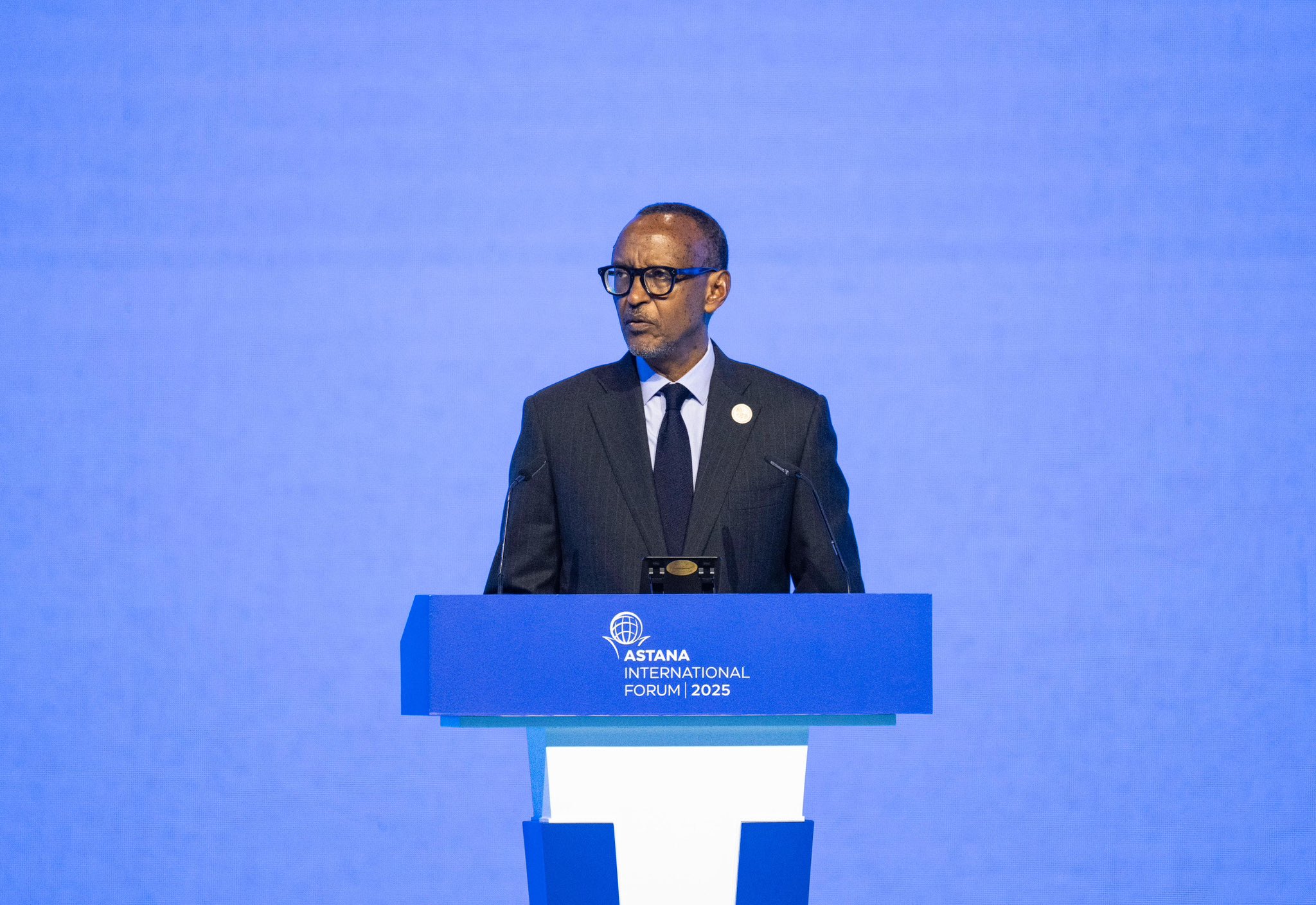
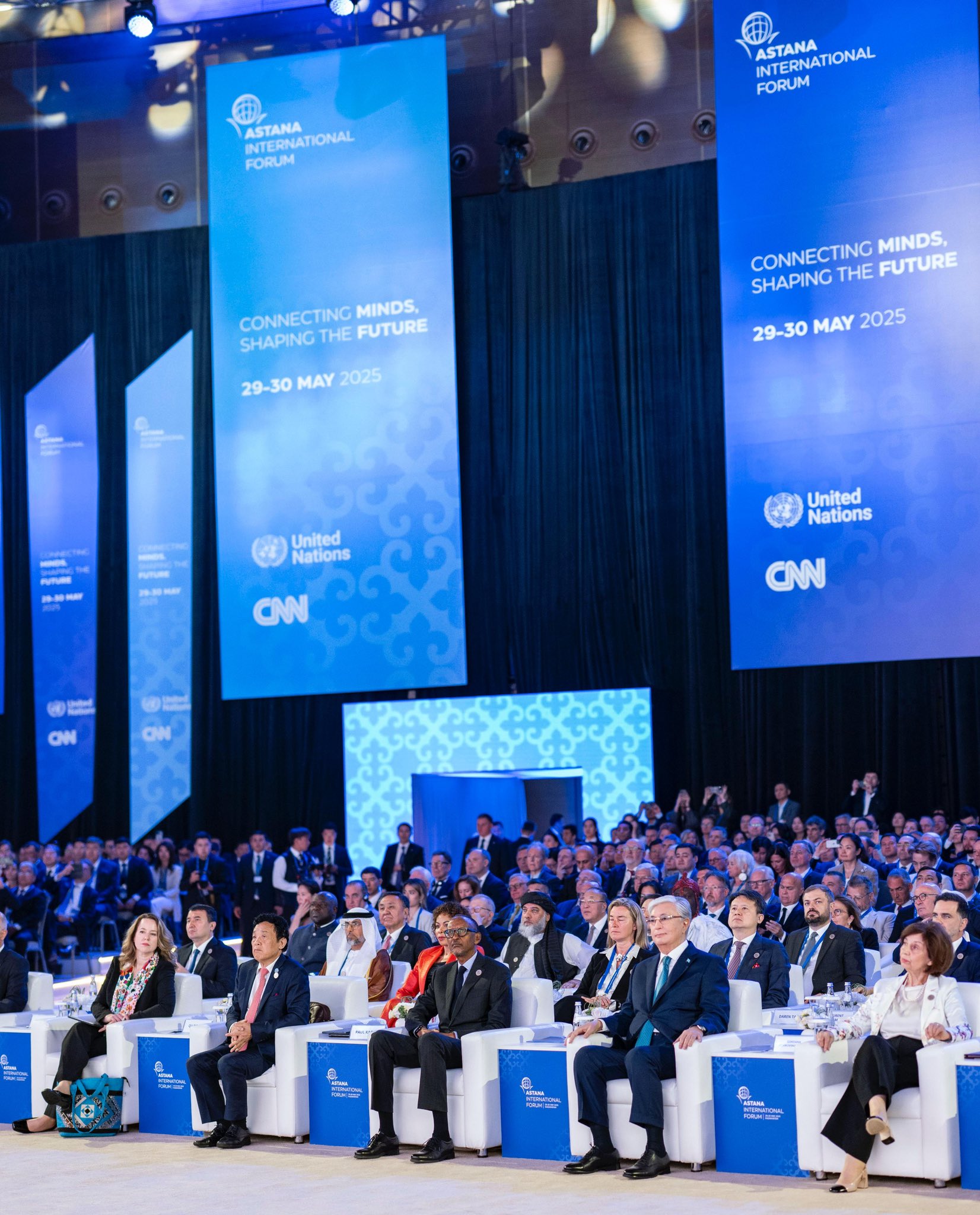
Speaking at the 2025 Astana International Forum in Kazakhstan, Kagame warned that the prevailing model of conflict mediation, dominated by ceasefires and short-term diplomacy, has consistently failed to deliver lasting peace.
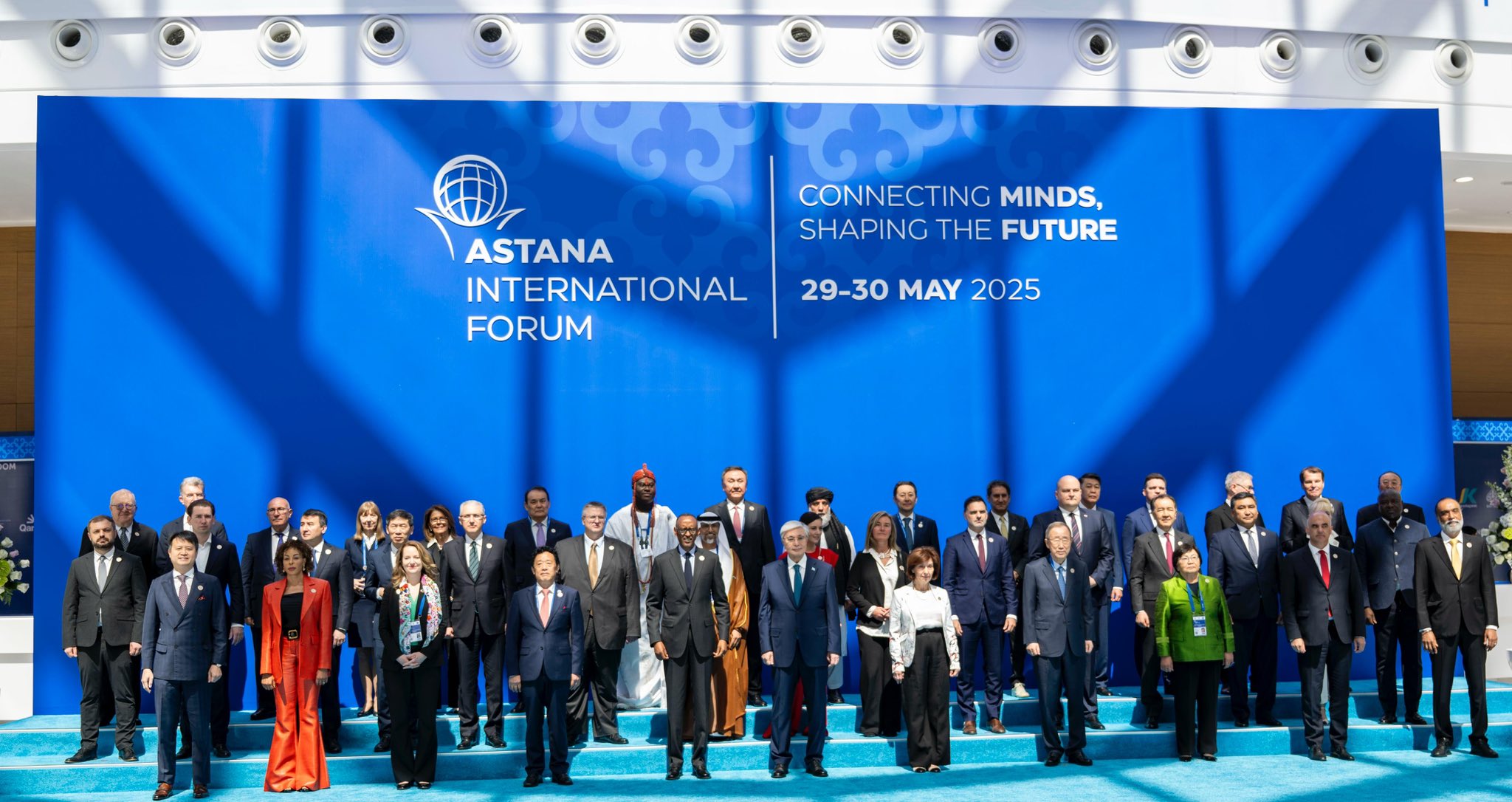
“There is more attention paid to managing conflicts rather than addressing the root causes,” Kagame told a packed plenary session, which included Kazakh President Kassym-Jomart Tokayev, North Macedonian President Gordana Davukova, and other global dignitaries.
“You can cool down the situation and a few months, a few years later, you have the same crisis getting worse or others emerging. So, you don’t just manage conflicts. You address the root causes.”
He pointed to longstanding unresolved issues and vested interests as the silent drivers of instability in various regions, including Africa, where conflicts continue to rage in Sudan and in Rwanda’s neighbour, the eastern Democratic Republic of Congo, where M23 rebels have in recent months captured large swathes of territory.
In the eastern DRC, Kagame has in the past accused the government of failing to address the conflict rooted in colonial border drawing, which has led to the continued marginalisation of Kinyarwanda-speaking communities, some of whom have taken up arms to demand inclusivity.
Beyond the Great Lakes region, Kagame’s message struck a chord in a year marked by multiple conflicts, including wars in Ukraine and Gaza.
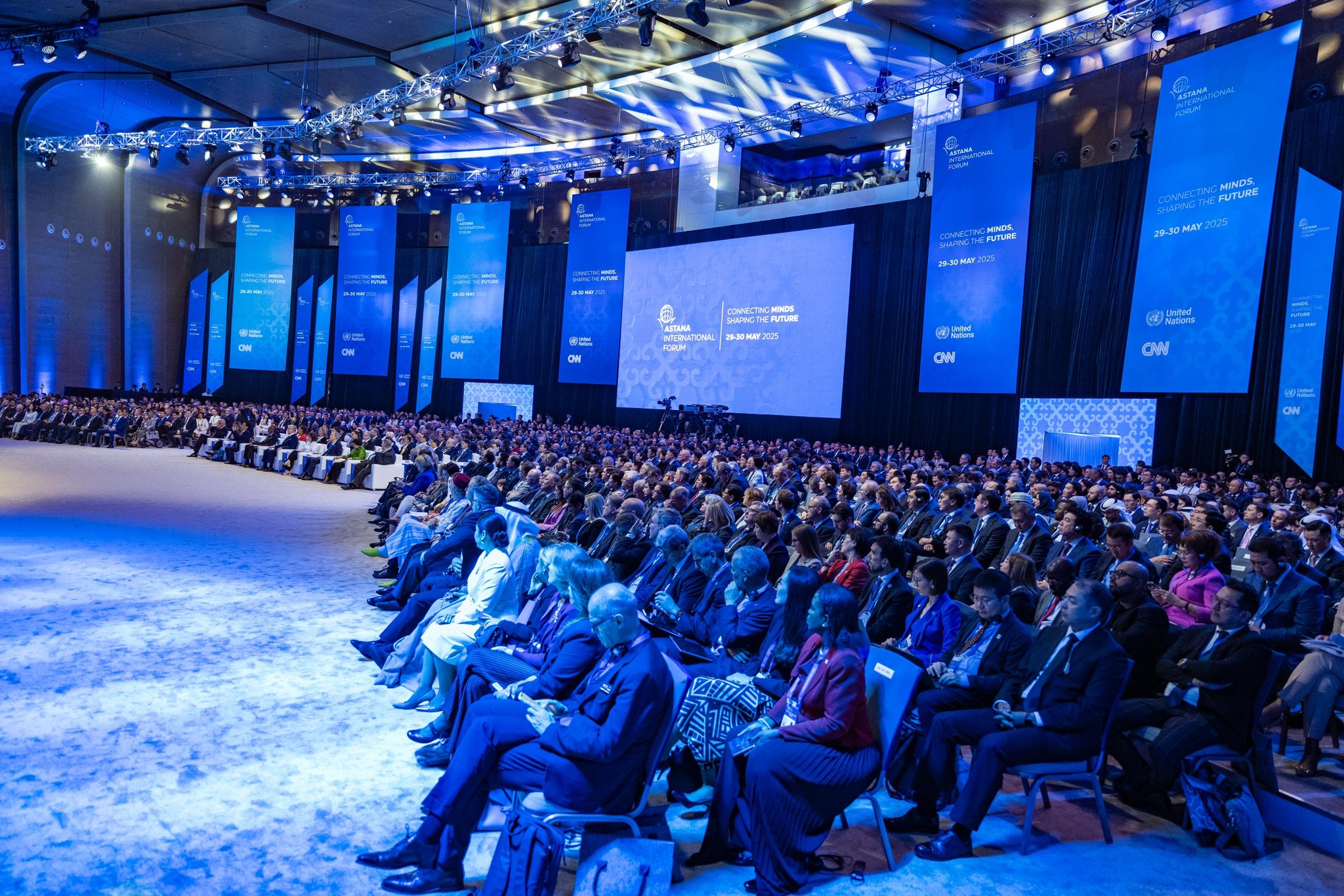
The Astana International Forum, themed Connecting Minds, Shaping the Future, brought together over 5,000 global participants to tackle interlinked global crises—from climate and energy to geopolitical tensions and economic resilience.
During the plenary session, President Kagame also elaborated on Rwanda’s post-1994 Genocide against the Tutsi recovery journey, highlighting the importance of resilience and homegrown solutions.
“We learned from our history when genocide was taking place and the rest of the world looked the other way,” he said. “We began putting our pieces together, creating that level of trust that gave us an opportunity to build institutions accountable to our people’s needs.”
While acknowledging the importance of external support, Kagame stressed that such aid is only effective when coupled with strong domestic commitment.
“We got support from a number of friends and partners, but this would not have been helpful, would not have had an impact if we were not standing together ourselves and doing our part from within,” he remarked.
Kagame stressed that this principle applies across the board, not just for small or developing nations, but for all countries seeking to secure their futures in an increasingly volatile world.
The president also turned a critical eye to the global financial architecture, calling it both
“structurally flawed and politically biased.”
He argued that developing nations continue to suffer from outdated risk assessments and unequal enforcement of international financial rules, which restrict access to capital and hinder development.
“There has been much talk of reforming the global financial architecture… But the problem is not just structural, it is political,” Kagame said.
He called for renewed momentum in South-South cooperation, particularly between Africa and Central Asia, as a strategic complement, not an alternative, to global engagement.
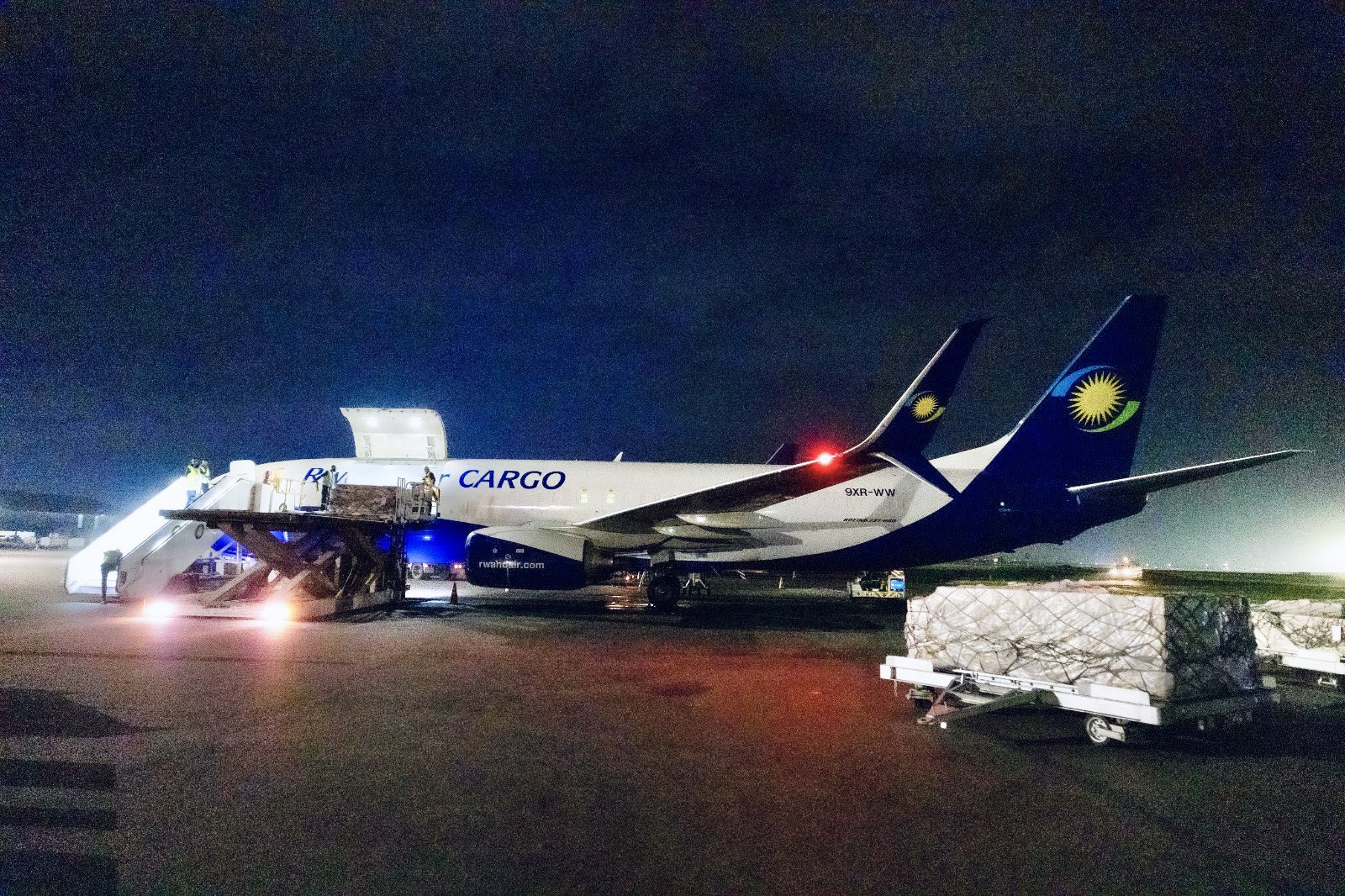
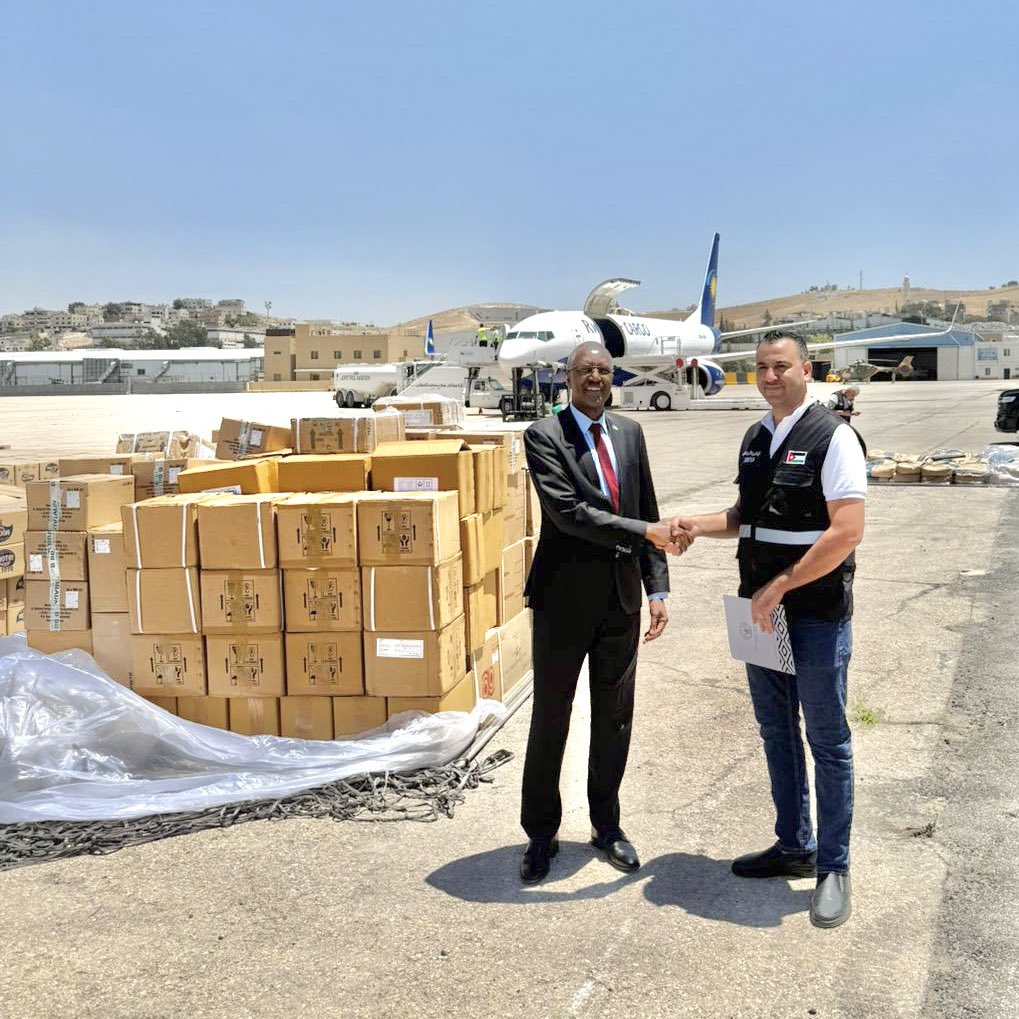
The latest consignment, which arrived in Amman, Jordan, on Thursday, May 29, 2025, comprises over 20 tons of foodstuffs and medical supplies.
In a statement, the office of the Government Spokesperson said the aid was received by the Jordan Hashemite Charity Organisation, which is facilitating the onward distribution to Gaza.
This marks Rwanda’s third humanitarian contribution to Gaza since the outbreak of the current conflict in October 2023.
The initial aid package, sent in late October 2023, consisted of 16 tons of essential medicines, food, and water. A second shipment followed on November 7, 2024, delivering over 19 tons of fortified food for children, medicines, and other critical supplies.
The consignments were transported by Rwanda’s national carrier, RwandAir, and coordinated in close collaboration with Jordanian authorities.
Last year, the Office of the Government Spokesperson reaffirmed Rwanda’s commitment to international relief efforts and reiterated the call for “an end to the conflict and the protection of civilian lives.”
The devastating conflict erupted on October 7, 2023, when Hamas launched a large-scale assault on Israel, prompting a massive Israeli military response in Gaza.
The violence has since escalated into one of the region’s deadliest confrontations, resulting in over 60,000 deaths and displacing hundreds of thousands of civilians. The scale of the humanitarian crisis has drawn widespread international concern and appeals for urgent aid.
Recognising this, RwandAir recently launched an innovative eSIM service that lets passengers enjoy seamless mobile connectivity in more than 160 countries without the hassle of swapping SIM cards or racking up sky-high roaming fees.
{{What is an eSIM?
}}
An eSIM, or embedded SIM, is a digital alternative to the traditional physical SIM card. Instead of inserting a card into your phone, you download a digital profile onto your device.
The eSIM enables you to activate a mobile data plan without needing to physically visit a store or handle any hardware. It’s a smart, flexible solution for modern travellers, especially those hopping across borders.
RwandAir’s eSIM service is tailored for globetrotters, offering a range of standout benefits that make staying connected abroad effortless. One of its biggest advantages is global coverage. You can connect instantly in over 160 countries without the need to swap SIM cards or search for local telecom shops.
According to the airline, the service also offers significant cost savings, with data plans that are up to 85% cheaper than the roaming rates typically charged by home carriers. As soon as you land, instant connectivity ensures that your eSIM activates automatically, allowing you to access mobile data immediately after stepping off the plane.
Another key benefit is that you can retain your primary number, and since the system is entirely digital, there’s no risk of losing or damaging a physical SIM card, adding a layer of convenience and security.
The service is ideal for frequent flyers and business travellers, digital nomads and remote workers, tourists exploring multiple countries, and anyone seeking a no-fuss, cost-effective way to stay online while abroad.
{{Step-by-step guide: How to use RwandAir’s eSIM
}}
{{1. Check device compatibility
}}
First, confirm that your device supports eSIM functionality. Compatible models include:
-* Apple: iPhone XS and newer, iPads with cellular capability
-* Samsung: Galaxy S20 and newer, Note 20 series, Fold and Flip models
-* Google: Pixel 3 and newer
You can check your phone’s settings or consult the manufacturer’s website for confirmation.
{{2. Purchase your eSIM plan
}}
Visit RwandAir’s official[ e-SIM page->https://amadeus-api.optionizr.com/api/esim/deeplink?site=P02XP02X] to choose a data package that suits your travel destination and needs. The process is straightforward and fully online.
{{Receive your eSIM profile
}}
After your purchase, RwandAir will email you a QR code or download link for your e-SIM profile.
{{4. Activate the eSIM on your device
}}
Depending on your operating system, follow these steps:
{{For iOS (Apple) devices:
}}
-* Go to Settings > Cellular > Add Cellular Plan
-* Scan the QR code or enter the download link manually
{{For Android devices:
}}
-* Navigate to Settings > Network & Internet > Mobile Network > Advanced > Carrier
-* Follow the prompts to scan the QR code or input the provided link
Once installed, your eSIM will connect to the best available local network when you land in your destination country.
For more than 30 years, eastern DRC has been destabilized by insecurity, primarily caused by armed groups, including the FDLR formed by remnant perpetrators of the 1994 Genocide against the Tutsi.
This ongoing insecurity has forced thousands of Congolese, mainly Rwandophones, to seek refuge in neighboring countries.
The refugee crisis, coupled with the DRC government’s failure to address the situation, gave rise to the M23 rebel group.
M23 claims to advocate for the rights of marginalized Kinyarwanda-speaking Congolese.
Since late 2021, M23 has been engaged in armed conflict with the Armed Forces of the Democratic Republic of Congo (FARDC), leading to further displacement and instability in the region.
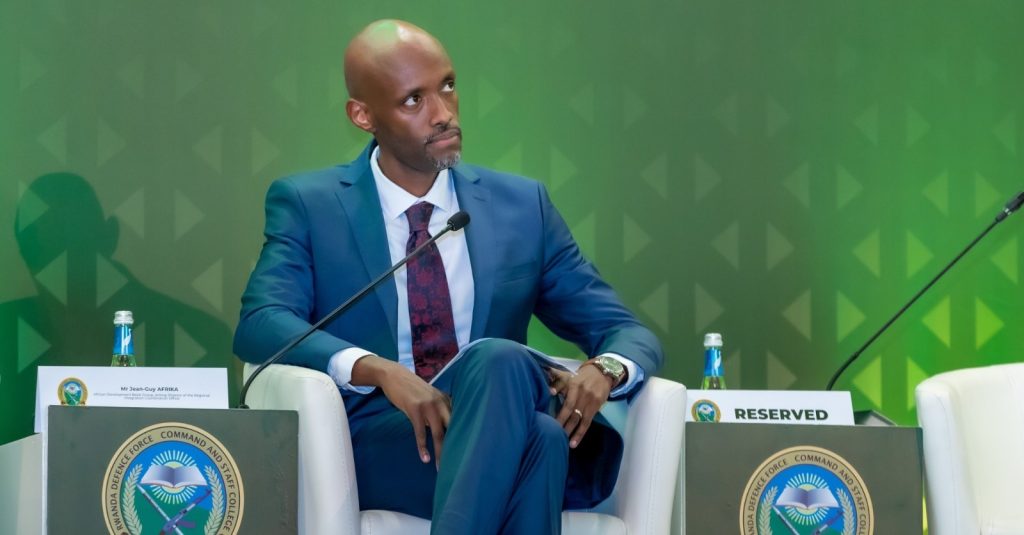
During an interview with Jeune Afrique, RDB CEO, Jean Guy Afrika, highlighted that investments was asked whether the conflict in eastern DRC, which shares a border with Rwanda, has affected investment in the country.
“I will start with the fact that the situation in the eastern part of DRC has in no way affected the flow of investments in Rwanda,” Afrika said.
“In 2024, the latest data shows we grew our registered investments by 32% to nearly 3.2 billion from a base of about 2.5 billion. That’s a fact, and we could share the data if needed.”
He attributed this resilience to Rwanda’s proactive defensive measures, which have prevented the conflict from spilling into its territory.
Significant investments in the country’s security architecture have created a safe environment, reassuring investors despite the instability caused by the DRC’s refugee crisis and clashes between the M23 rebels and the Armed Forces of the DRC (FARDC).
Afrika highlighted that the regional situation is stabilizing, with the Nairobi and Luanda peace processes merged into a single framework managed by the African Union (AU).
“At some point, the EAC and SADC were involved, but the two were merged and now managed by the AU with the signing of the principles of agreements,” he explained. “The path forward is much clearer now, and those fears that might have existed are in the past.”
This normalization has further bolstered investor confidence, contributing to a 30% jump in registered investments in 2024 compared to 2023.
The RDB’s success stems from its investor-friendly approach, particularly through its one-stop center, which integrates 24 agencies and offers over 400 services, including licenses and permits.
“The whole idea was to create a seamless experience for the investor,” Afrika noted. “When you operate in Rwanda, when you open a business, there is predictability in the regulatory environment, sanctity of contracts, and minimal red tape.”
This streamlined system addresses key pain points like land permits, titles, construction permits, electricity, and energy, ensuring a smooth experience.
“Initially, we had to tell our story, but increasingly, investors themselves are telling the story for us,” he added.
Rwanda’s strategic focus on sectors such as real estate, agriculture, tourism, and manufacturing has also driven growth.
“We target certain sectors: real estate, agriculture where we try to raise productivity, tourism, and manufacturing, a big sector,” Afrika said.
“Rwanda’s unique selling proposition is becoming increasingly clear: you will have a regulatory environment that is conducive, predictable, and allows you to do business the way you want to do it.”
To support long-term growth, the RDB is tracking company survival rates to identify and address their needs.
His daughter, Wanjiku wa Ngugi, confirmed his death in a brief yet moving Facebook post, calling not only for mourning but for celebration.
“He lived a full life, fought a good fight… let’s celebrate his life and his work,” Wanjiku’s post read in part.
Ngũgĩ’s daughter signed off her farewell with the Gikuyu phrase: “Rîa ratha na rîa thŭa. Tŭrî aira!”, loosely translated as “At sunrise and sunset, we are witnesses.” It was a poetic homage to a man whose words lit up dark times and whose legacy will continue to illuminate generations to come.
To celebrate Ngũgĩ’s life is to honour a man who challenged the very foundations of postcolonial thought and reimagined Africa’s literary identity on its own terms.
A pioneer of decolonisation in literature, Ngũgĩ used words as both sword and shield, fighting cultural erasure, linguistic imperialism, and political oppression. He wasn’t just a novelist. He was a defiant wordsmith, a pan-African thinker, and above all, a storyteller who rewrote the African narrative from the inside out.
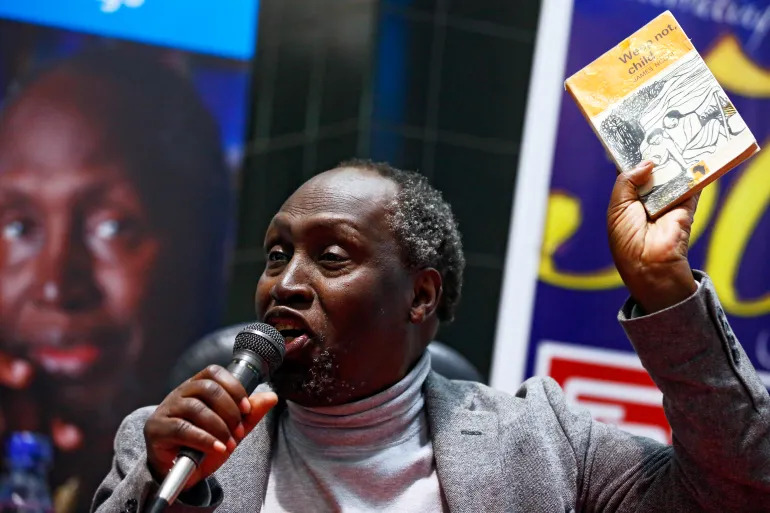
Born James Ngugi in 1938 in colonial Kenya, Ngũgĩ came of age during the Mau Mau uprising and the brutal suppression that followed. These formative experiences would later shape the raw, politically charged texture of his fiction. His first novel, Weep Not, Child (1964), was the first novel in English published by an East African. It was undeniably a historic achievement at the time.
Yet, even as he wrote in the language of the coloniser, Ngũgĩ’s stories always sought to humanise and dignify Africans. From The River Between (1965) to A Grain of Wheat (1967), he painted a nuanced portrait of a people grappling with the wounds of colonialism and the promises, often broken, of independence.
In the mid-1970s, Ngũgĩ underwent a dramatic ideological transformation. He denounced English as a medium for African literature, arguing that to truly decolonise the African mind, one must write in African languages. In Decolonising the Mind (1986), he described colonial languages as vehicles of alienation and control.
“Language, any language, has a dual character: it is both a means of communication and a carrier of culture,” he wrote.
This marked the start of a literary rebellion. Ngũgĩ adopted his birth name, abandoned English in favour of Gikuyu, and challenged other African writers to do the same. His critics called it idealistic. His supporters called it revolutionary. In truth, it was both, and it would shape African literary debates for decades.
{{Jailed for his words
}}
In 1977, Ngũgĩ and fellow writer Ngũgĩ wa Mirii staged a Gikuyu-language play, Ngaahika Ndeenda (I Will Marry When I Want), in a rural village. The play transcended mere art; it was an act of political insurgency. It exposed class divisions, land grabbing, and corruption in post-independence Kenya.
The state responded swiftly. Ngũgĩ was arrested and detained without trial in a maximum-security prison. Yet even behind bars, his pen did not rest. On toilet paper, he wrote Devil on the Cross (1980), the first modern novel written in Gikuyu. It was a profound act of cultural defiance, proving that indigenous languages could bear the weight of complex, modern narratives.
Like Petals of Blood, published in 1977, the novel deepened his critique of post-independence disillusionment and foregrounded the lives of Kenya’s working class, particularly how the new elite perpetuated the exploitation of the masses.
{{Exile and intellectual resistance
}}
After his release, Ngũgĩ faced threats, surveillance, and continued censorship. In 1982, following an attempted coup in Kenya, he went into self-imposed exile, first to Britain, then to the United States, where he taught at universities including Yale and UC Irvine. Though separated from home, he remained deeply connected to the African struggle.
In exile, Ngũgĩ published prolifically. Novels like Matigari (1987) and memoirs like Detained (1981) and Dreams in a Time of War (2010) kept his story, and Kenya’s, alive for a global audience. His essays, especially Moving the Centre and Something Torn and New, advocated for recentring African languages, thought systems, and worldviews in both education and culture.
{{A visionary for African cultural sovereignty
}}
For Ngũgĩ, literature was never an elite affair. It was a public instrument, a communal mirror. He championed the belief that Africa could never be truly free without linguistic and cultural liberation. His call was not just for African writers to return to African languages, but for education systems to be restructured around them.
He fiercely criticised what he saw as the Western stranglehold on African intellectual life, challenging the dominance of Euro-American publishing industries, curricula, and academic gatekeeping.
Ngũgĩ’s legacy is carved not just into the pages of books, but into the consciousness of a continent. His life asks uncomfortable questions: What is freedom without cultural self-determination? What is education if it divorces children from their heritage? What is literature if it only mirrors the worldview of the oppressor?
He proved that African languages were not relics. They were alive, powerful, and capable of shaping modern identities.
Across generations, young African writers, linguists, and educators continue to engage with Ngũgĩ’s ideas. His novels are taught in schools and universities around the world. His speeches and essays continue to ignite debates on decolonisation, cultural preservation, and the politics of language.
Even in death, Ngũgĩ wa Thiong’o remains a guide. His is a voice reminding Africa to tell its own story, in its own words.
He may be gone, but his story and his call to decolonise the mind will continue to echo across Africa and the world.
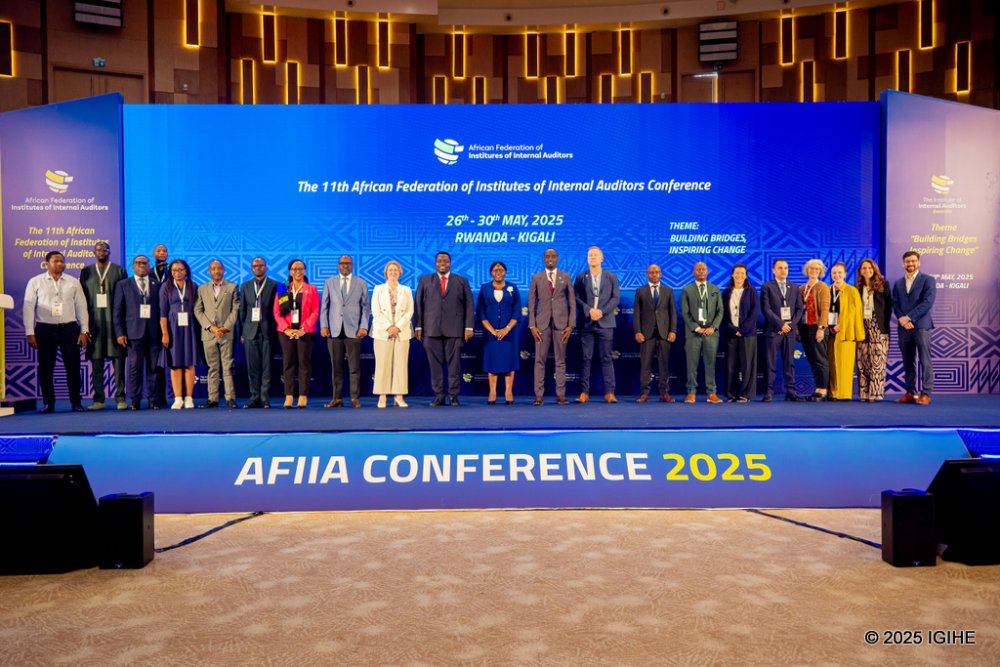
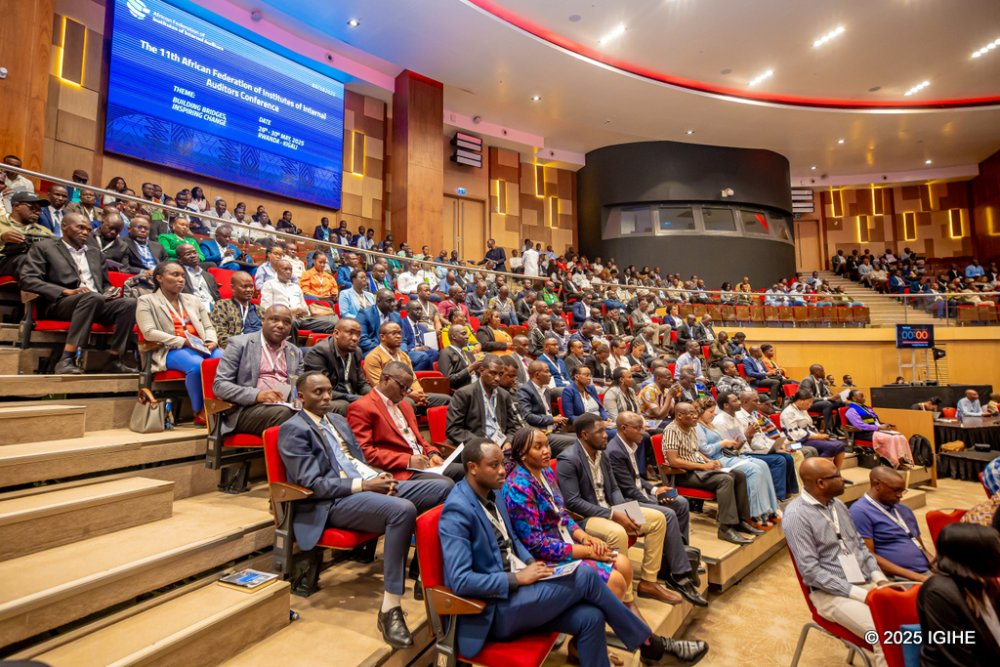
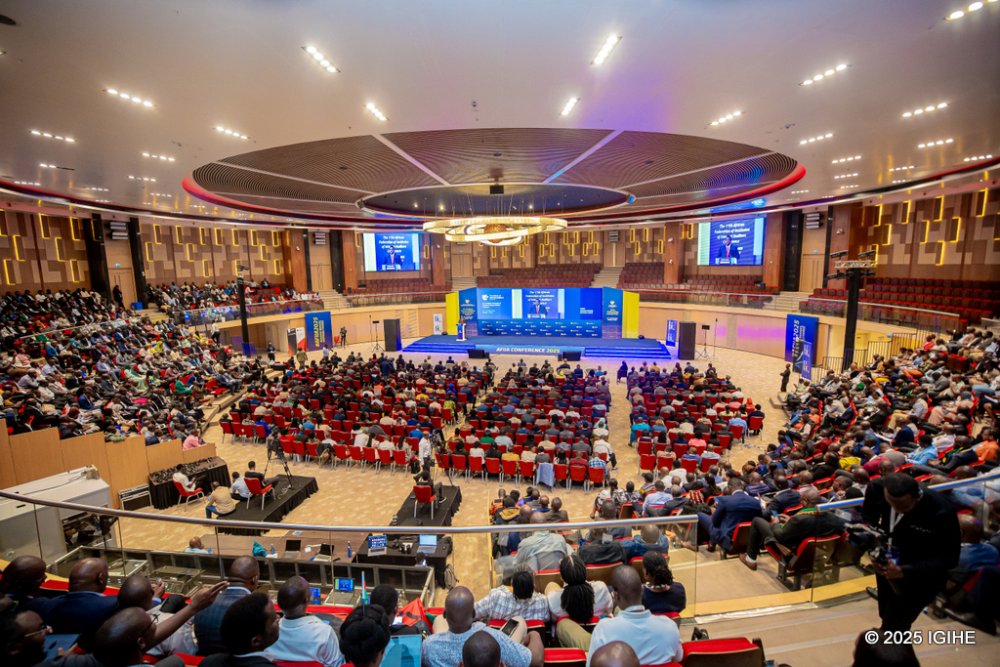
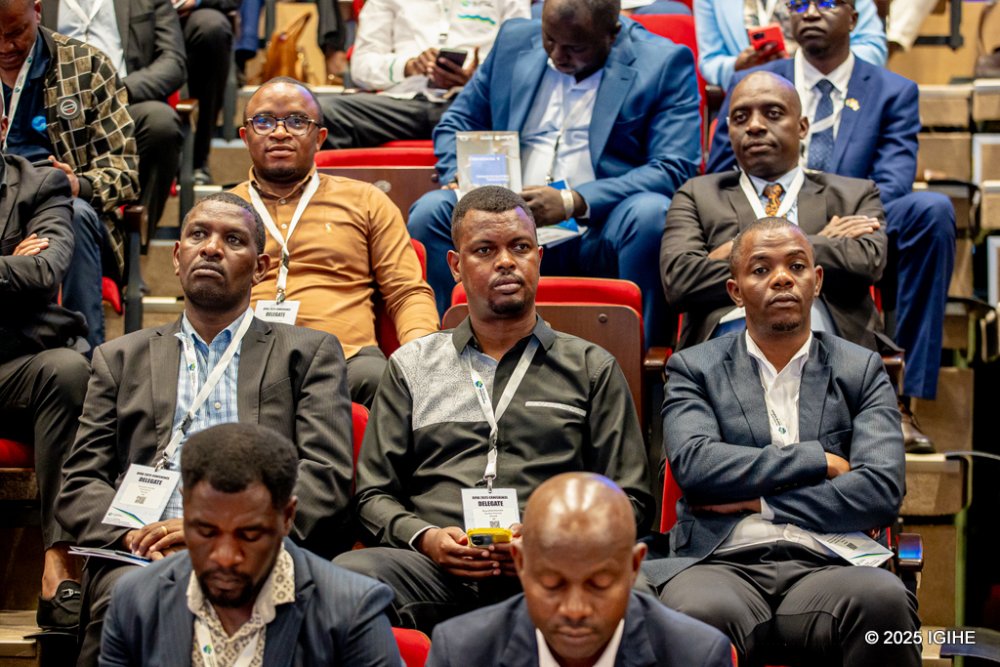
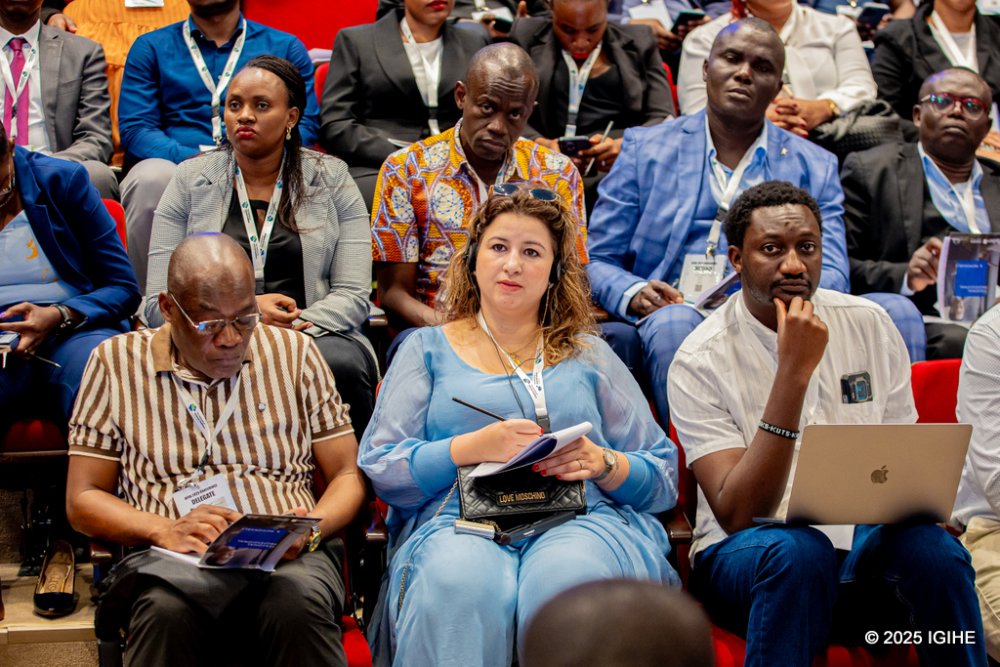
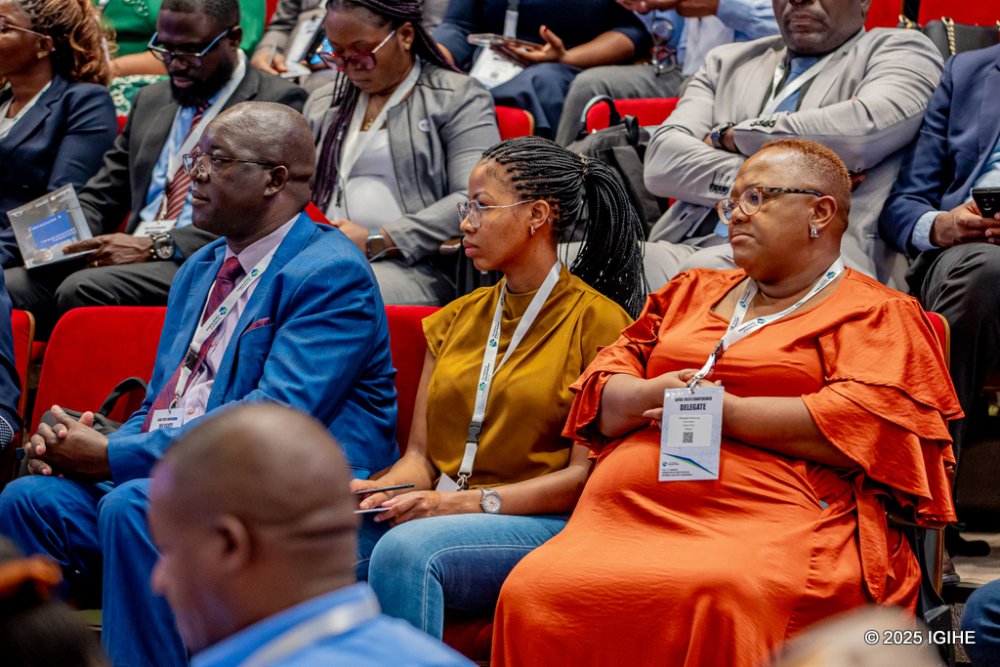
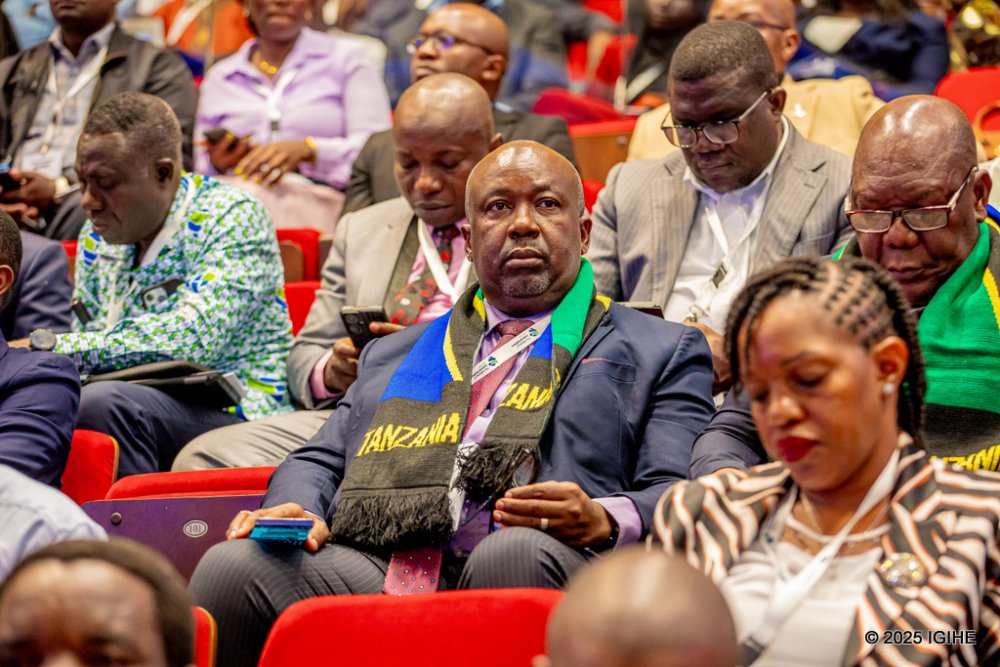
Hosting the event for the first time, Rwanda welcomed delegates from over 20 African nations and beyond to discuss the critical role of internal auditing under the conference theme, “Building Bridges, Inspiring Change.”
Kabera highlighted the engaging discussions, noting that presentations and “question patting” revealed “a lot of the challenges and what we are facing in the profession of internal audits,” particularly in navigating technology, emerging risks, and global contexts.
The minister emphasized Rwanda’s reliance on internal auditing as a “strategic pillar” of its governance model, which has driven the nation’s transformation since the 1994 Genocide Against the Tutsi.
“Internal audit gives organizations, both public and private, the tools to detect inefficiencies, prevent mismanagement, and ensure that resources are used efficiently and effectively,” he said. Kabera stressed that Rwanda’s culture of accountability, which demands “continually ask[ing] ourselves questions on whether we are doing the right thing,” has built strong institutions and sustained public trust.
Reaffirming Rwanda’s commitment to the profession, Kabera highlighted investments in institutional capacity, professionalization, and technology adoption.
He praised the Institute of Internal Audit of Rwanda for shaping ethical and innovative practices, adding, “We are proud to see the growth of the Institute of Internal Audit of Rwanda and its increasing influence.”
He urged other African nations to embed similar support for the profession, stating, “It is our wish that the spirit of supporting the internal audit profession be embedded across different countries in Africa.”
Addressing the delegates, Kabera called internal auditors “enablers of change,” with “a huge responsibility to be ethical in everything you do, to be independent, to advise on strategies for improvement.”
He encouraged embracing technology and data analytics to go “beyond the teams and team offices” and align with national development strategies. He also urged leaders to “give [audit] teams the space to speak the truth, the resources to grow, and the permission they deserve.”
The conference’s focus on public sector accountability, geopolitical challenges, and economic inequality reduction aligned with Kabera’s vision of auditors as drivers of sustainable development.
He encouraged delegates to “use this conference to rethink about the role of the audience and its function in the development of our countries” and to build “even stronger networks of accountability and innovation.”
Terry Grafenstine, Chairperson of the Global Board of Directors of The Institute of Internal Auditors (IIA), noted that corruption remains a significant challenge in many institutions across Africa and worldwide. She emphasized that internal auditors, by applying best practices, can serve as vital examples of good governance.
Mousa Diakite, a delegate from Benin attending AFIIA 2025, described the conference as an opportunity to share expertise, conduct research, and contribute to advancing good governance and improving audit practices in public and private institutions towards sustainable development.
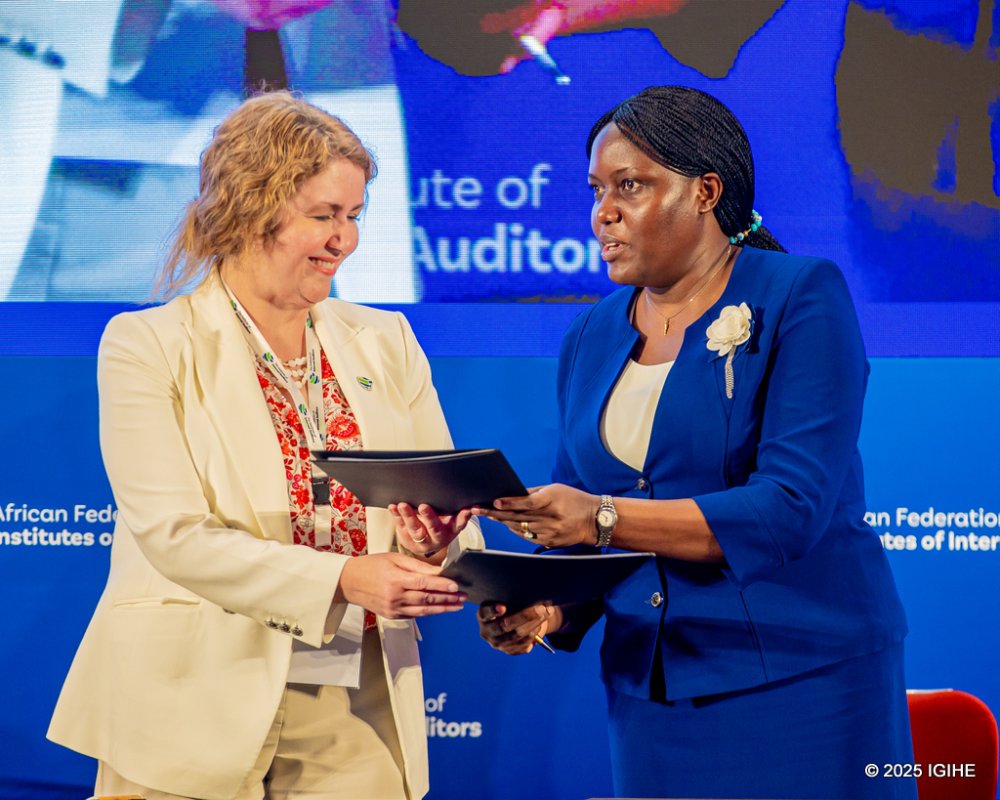
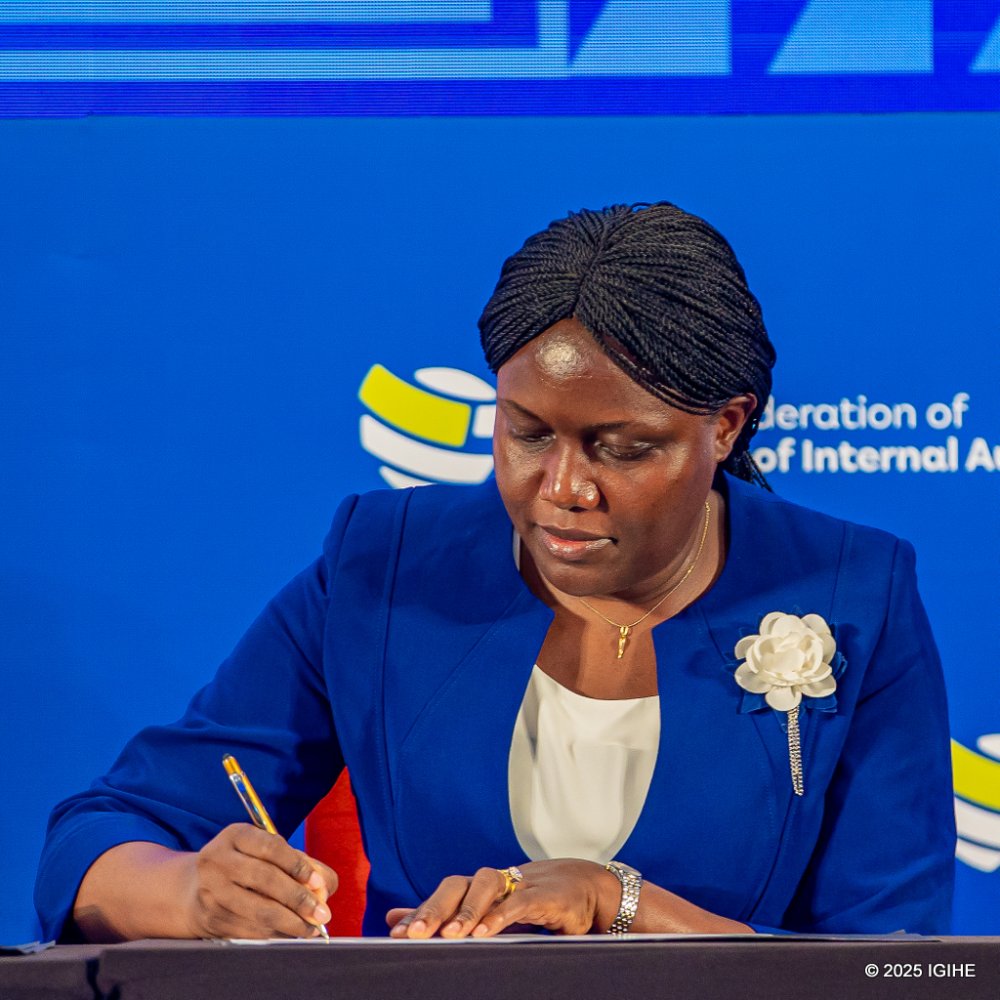
During AFIIA 2025, a partnership agreement was signed between the Global and African Chief Internal Auditors to strengthen collaboration in promoting the profession both in Africa and internationally.
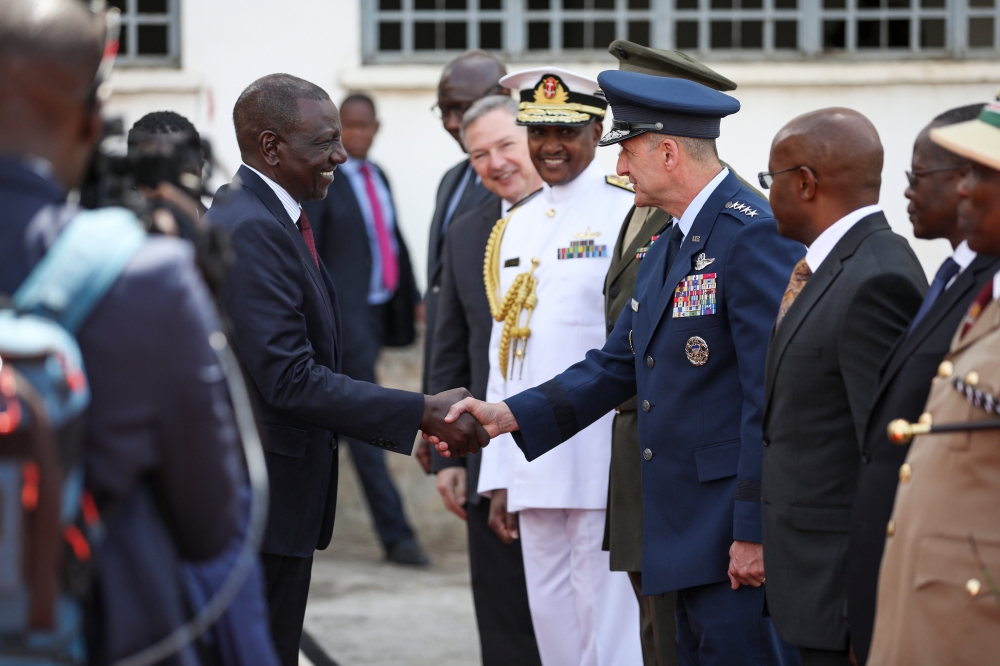
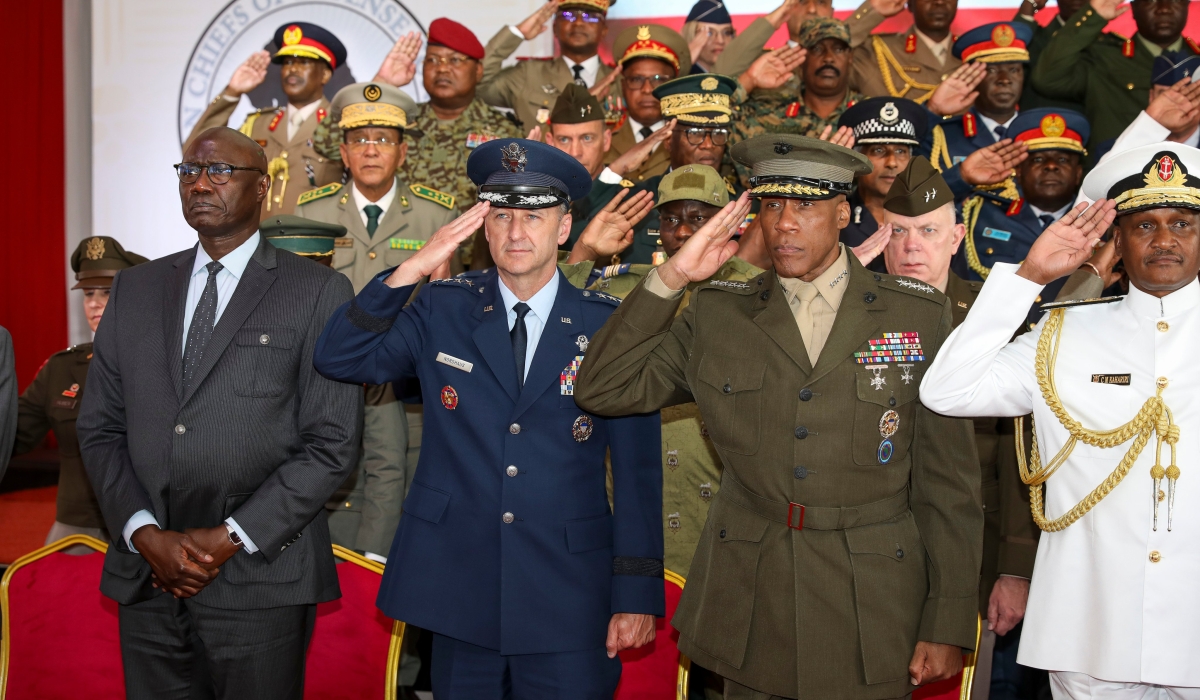
Speaking at the 2025 African Chiefs of Defense Conference in Nairobi, the Kenyan capital, the continent’s heads of armed forces emphasized that unity, enhanced coordination, and the sharing of intelligence and expertise will be crucial to neutralizing emerging threats to peace, stability, and cohesion.
Kenyan President William Ruto opened the one-day meeting, noting that insecurity, political strife, and the climate crisis present existential threats to peace and long-term development.
“Across the continent, we face increasingly asymmetrical and transnational threats, from terrorism and armed conflict to cyberattacks and environmental degradation,” Ruto said. “These challenges test the resilience of our institutions and demand that we reimagine our peace and security architecture.”
Kenya is the second African country after Botswana to host the African Chiefs of Defense Conference, which brought together senior policymakers, military leaders, security experts, and bilateral partners to discuss contemporary security challenges and explore lasting solutions.
This year’s conference, held under the theme “Strengthening African Security: Sustaining Unity of Effort,” highlighted the need for cooperation and partnerships to eradicate transnational security threats.
Ruto said Africa’s ability to accelerate development, eliminate poverty, and transform livelihoods largely depends on sustained investments in security and political inclusivity.
“We envision a future in which African states stand together in mutual defense of our sovereignty and values, where our military cooperation is not reactive but proactive and strategic,” he said.
The conference is taking place against a backdrop of profound shifts in the global security architecture, underlined by strategic competition, evolving technologies, and climate-induced fragility, said Soipan Tuya, Kenya’s cabinet secretary for the Ministry of Defense.
According to Tuya, these shifts necessitate the continent to recalibrate its defense apparatus to focus on foresight, resilience, and constructive engagement among disciplined forces.
Charles Muriu Kahariri, chief of the Kenya Defence Forces, said the gathering of African military leaders provides them with a platform to align their strategic objectives and a collective approach to tackling shared threats.
Kahariri also called on African countries to address the underlying political, economic, and social drivers of insecurity on the continent, using military force as a last resort.
His death was confirmed by his daughter Wanjiku wa Ngugi, through a post on her Facebook page. In the brief message, Wanjiku expressed grief and calling for a celebration of his life and work.
“It is with a heavy heart that we announce the passing of our dad, Ngũgĩ wa Thiong’o this Wednesday morning, 28th May 2025. He lived a full life, fought a good fight. As was his last wish, let’s celebrate his life and his work. Rîa ratha na rîa thŭa. Tŭrî aira!” Wanjiku wa Ngũgĩ wrote on Facebook, adding that the family spokesperson Nducu Wa Ngugi would announce details of his celebration of life soon.
Ngũgĩ wa Thiong’o was one of the most influential literary figures in Africa, widely known for his sharp critiques of colonialism, passionate advocacy for African languages, and commitment to portraying the continent’s complex history through literature.
Born on January 5, 1938, in Kamiriithu, Kiambu County, Kenya, Ngũgĩ came of age during British colonial rule, an experience that significantly shaped his worldview and writing.
He studied at Makerere University in Uganda and later pursued further education at the University of Leeds in the United Kingdom.
Ngũgĩ’s first novel, Weep Not, Child (1964), was the first novel published in English by an East African writer, marking the beginning of a powerful literary career. He followed it with other acclaimed works including The River Between (1965), A Grain of Wheat (1967), and Petals of Blood (1977), which cemented his reputation as one of Africa’s foremost voices for social justice and literary innovation.
In 1977, he co-wrote the play Ngaahika Ndeenda (I Will Marry When I Want) with Ngũgĩ wa Mirii. The politically charged piece, which criticized social injustice and inequality, led to his arrest and detention without trial for a year. It was during this imprisonment that he famously wrote Devil on the Cross on toilet paper.
That period also marked a turning point in his career: Ngũgĩ abandoned writing in English and adopted his mother tongue, Kikuyu, as a political and cultural statement in defense of African identity and linguistic heritage.
He later went into exile, living and teaching in the UK and the US. In America, he taught at institutions including Yale University and the University of California, Irvine, where he led initiatives on African languages and literature.
Ngũgĩ was also known for his critical essays, most notably Decolonising the Mind (1986), in which he laid out his philosophy of linguistic liberation for African nations, arguing that true decolonization could not happen without reclaiming indigenous languages.
Though he never won the Nobel Prize in Literature, Ngũgĩ was often cited as a leading contender and received numerous international awards and honors for his contributions to literature and intellectual thought.
Until his death, Ngũgĩ remained active in writing and public speaking, viewed by many as a moral compass and a relentless advocate for a self-affirming, decolonized Africa, one that speaks its own languages, tells its own stories, and honors its own history.