Noting that China is a trustworthy strategic partner of Kazakhstan, Kazakhstan’s Minister of Culture and Information Aida Balayeva said at the event that the close ties and high level of mutual trust between the two countries’ leaders have injected strong momentum into bilateral relations.
The books are rich in content, profound in thought, and highly relevant in practice, Balayeva noted, adding that it is an important piece of literature that will help Kazakh readers gain a better understanding of China.
Participants at the event said the book is a major work by Chinese President Xi Jinping that encapsulates his deep thinking on national and global governance and serves as a “window of ideas” for the international community to understand China.
Through reading this work, Kazakh friends across various sectors are expected to gain valuable insights for independently exploring a development path suited to their own national conditions, the event organizers said.
Around 300 representatives from political parties, media outlets, think tanks, and universities from both countries attended the event.
The Kazakh editions of the books were co-translated and published by China’s Ethnic Publishing House and Kazakhstan’s Foliant Publishing House. To date, the book has been translated and published in 42 languages.
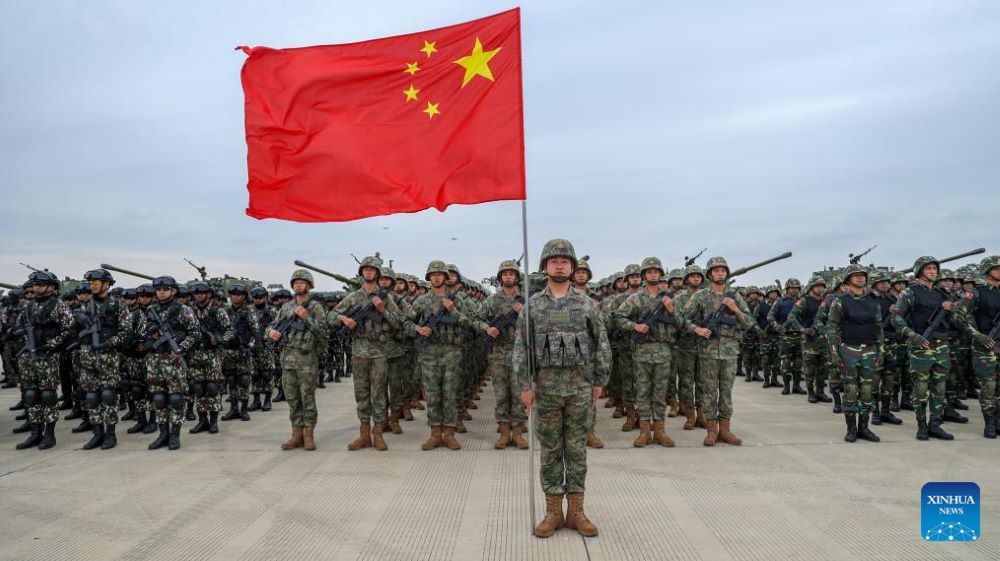
The new document, which will take effect on July 1, aims to implement the strategy of strengthening the armed forces through science and technology and regulate the process of awarding military scientific research.
The regulations establish a structured award system aligned with national and military strategic goals.
Key features include prioritizing combat effectiveness as the sole benchmark, refining award nomination and review procedures, and strengthening oversight on discipline and confidentiality.
The regulations are expected to enhance innovation vitality in military research, accelerate breakthroughs in defense technology, and provide high-quality scientific support for the cause of building a strong military in the new era.
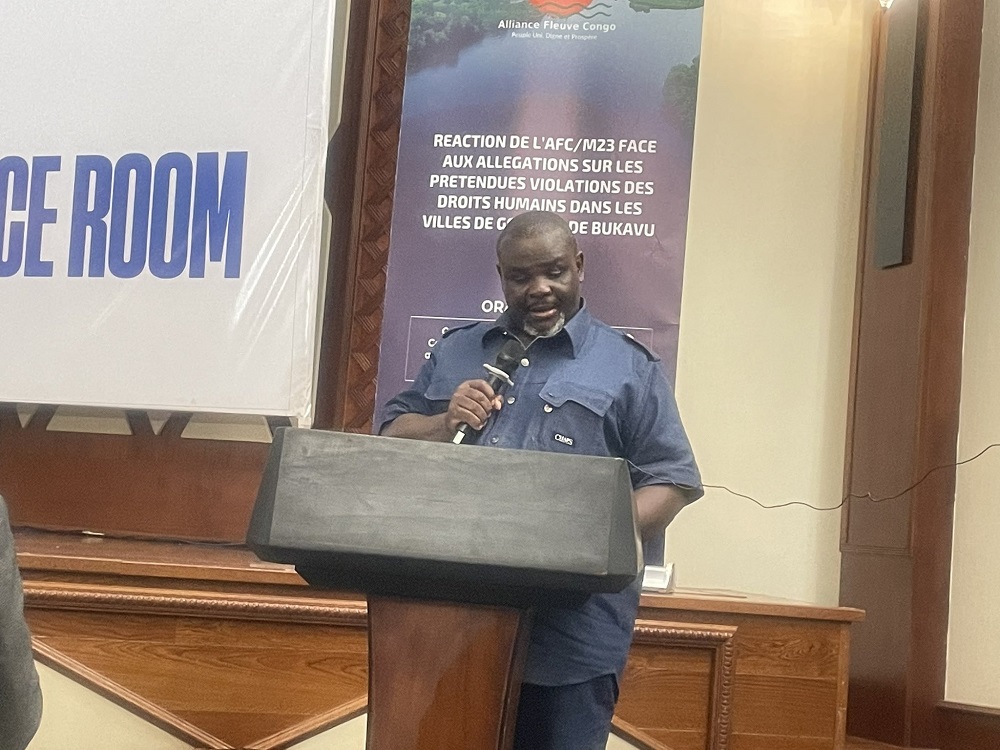
The group shared the figures on Friday, May 30, 2025, during the presentation of its human rights report on areas under its control, challenging earlier estimates by the DRC government and organisations like Amnesty International and Human Rights Watch.
Delion Kimbulungu, a secretary of the AFC/M23, stated that the group discovered the bodies in Goma between February 2 and 13.
“It’s clear that the figure of 3,000 announced by the Kinshasa government was fabricated,” Kimbulungu stated.
He also addressed separate claims linking the AFC/M23 to a deadly incident at Munzenze Prison in Goma.
According to Kimbulungu, the events at the prison, including a fire and mass escape, occurred before M23 fighters entered the city.
On the morning of January 27, videos circulated on social media showing Munzenze Prison engulfed in flames as inmates escaped.
The United Nations Human Rights Office later reported that 165 women died in the blaze and that all had been sexually assaulted by the fleeing prisoners.
UN Human Rights spokesperson Seif Magango confirmed the figures came from the DRC justice system, stating, “We haven’t independently verified the justice report, but we believe it is credible.”
“These incidents at Munzenze Prison happened before M23 forces got there,” Kimbulungu added, distancing the group from any involvement.
The AFC/M23 report includes supporting evidence and testimonies. It also outlines the state of human rights in Bukavu since the coalition took control of the city in February 2025.
Speaking at the 2025 Astana International Forum, Nduhungirehe hailed the strategic potential of Rwanda-Kazakhstan relations, noting the opportunity to leverage Kazakhstan’s central geopolitical position and infrastructure projects to enhance trade and connectivity with Africa.
“I believe that the relations between Kazakhstan and Rwanda—and Kazakhstan and Africa in general—are entering a new era,” he said.
“Kazakhstan has a very high trade volume with countries and blocs in the region, with trade with the EU at $50 billion, China at $ 45 billion, and Russia at $ 28 billion. But with Africa, it’s only $1 billion, which is still low, but it’s increasing,” he added.
Nduhungirehe highlighted Kazakhstan’s investment in infrastructure corridors such as the Trans-Caspian and the Trans-Afghanistan routes, which he said could connect Central Asia to Africa via the Indian Ocean, enhancing trade in key sectors including agriculture, mining, ICT and industry.
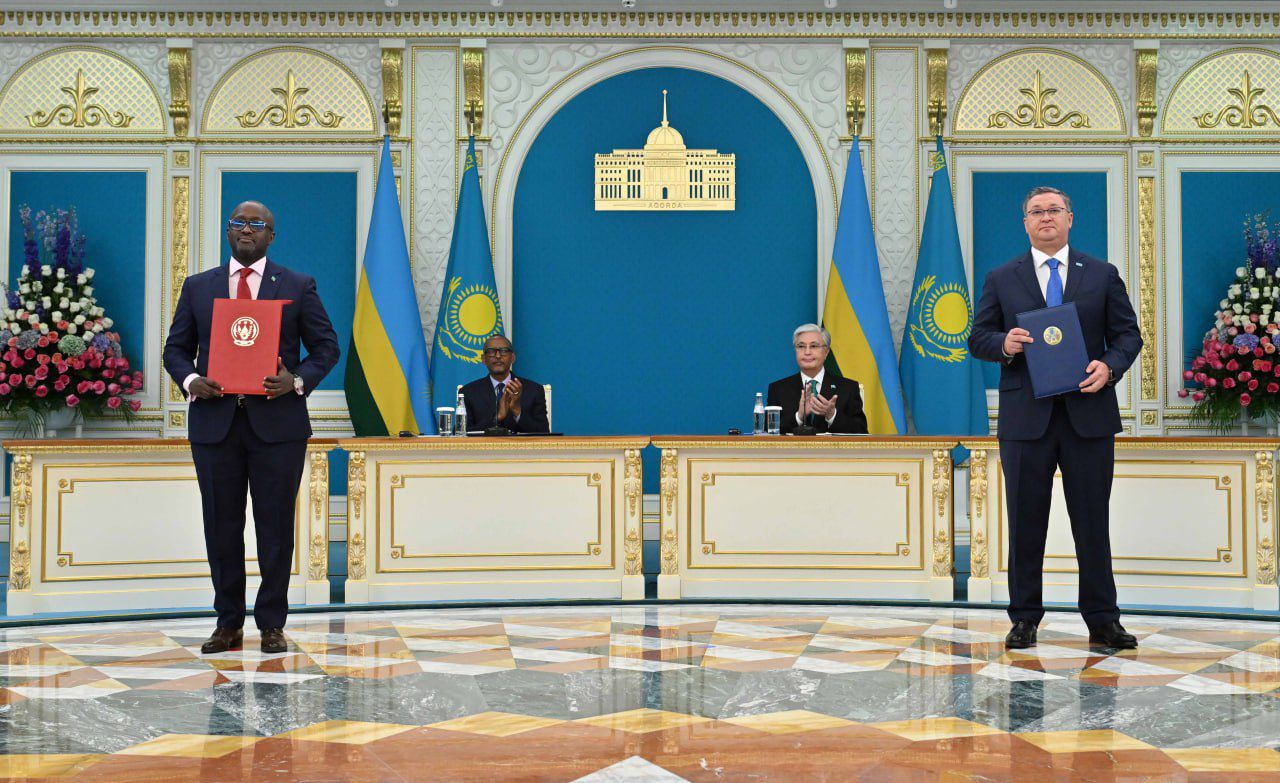
The minister’s remarks came as Rwanda and Kazakhstan recently signed a series of strategic cooperation agreements during President Paul Kagame’s official visit to the Central Asian nation.
The agreements, witnessed by President Kagame and President Kassym-Jomart Tokayev at the Aqorda Presidential Palace, cover key sectors including ICT, education, finance, mining, agriculture, and diplomatic relations.
During the visit, President Kagame praised Kazakhstan’s developmental achievements and its growing stature on the world stage.
“Kazakhstan has made remarkable strides in national development, matched by a growing and constructive role on the world stage. This speaks to your leadership, Mr President, and to the determination of the Kazakh people,” he said.
Tokayev, in turn, lauded Rwanda’s institutional strength and 8% economic growth, describing the country as a model of resilience. He reiterated Kazakhstan’s commitment to deepening ties with African nations.
Both leaders agreed to prioritise trade, investment, digital transformation, e-governance, and sustainable agriculture as key pillars of future cooperation. The new agreements are expected to pave the way for increased private sector engagement, knowledge exchange, and coordinated policymaking.
The Astana International Forum, held under the theme Connecting Minds, Shaping the Future, convened over 5,000 delegates from around the world to address pressing global challenges, including climate change, energy insecurity, and economic volatility.
This is a powerful recognition of a Rwandan-born institution that’s not just keeping pace with global banking standards but setting them.
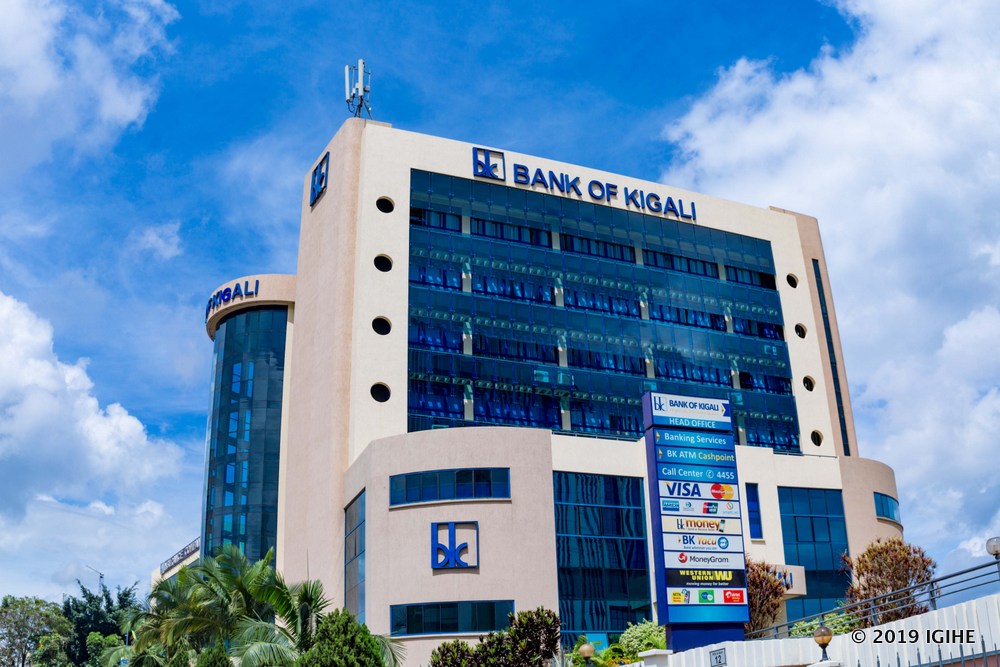
Bank of Kigali was recognized for its outstanding performance across key banking areas — from digital transformation and customer growth to sustainable financing and financial inclusion.
Commenting on the development, Dr. Diane Karusisi, CEO of Bank of Kigali said: “This award is not only a celebration of our performance — it is a celebration of our people, our partners, and every Rwandan who chooses to bank with us.”
{{Why BK? }}
In the past year, over Frw 207 billion was disbursed to small and medium enterprises (SMEs), fueling job creation and stimulating local business growth.
Additionally, Frw 62 billion was invested in agriculture and dairy, providing critical support to farmers and enhancing food security in the country.
Innovations in digital lending have also been a key driver. Through the BK Quick+ platform, loans of up to Frw 50 million are now available in as little as 15 hours, all via the BK Mobile App or Internet Banking. This has made financial access more efficient and convenient for many.
Moreover, financial inclusion has made significant strides. Over 5,100 agents have processed more than 5.6 million transactions, reaching deep into underserved communities and expanding access to financial services.
However, behind these impressive numbers are the real stories of individuals and businesses. Parents have been able to pay school fees, women are scaling up their businesses, farmers are able to purchase more seeds, young people are building their own ventures, and corporations are expanding operations.
To further deepen this impact, this year, Bank of Kigali introduced BIGEREHO Na BK, a nationwide campaign with a single goal: to help every Rwandan achieve their dreams.
Through tailored loan solutions such as Kataza na BK, which offers up to Frw 15 million for women-led businesses, Kungahara na BK providing custom financing for agricultural cooperatives, Tuza na BK offering instant Frw 500,000 loans for school fees, and BK Mortgages, which offers 100% financing with no down payment for first-time homebuyers, the bank has expanded its support to a broader audience.
This fifth consecutive win from Global Finance Magazine reaffirms Bank of Kigali’s pivotal role in shaping Rwanda’s financial landscape. The bank is not only proud of its achievements but also deeply committed to the continued progress and opportunities ahead.
{{About Bank of Kigali}}
Founded in 1966, Bank of Kigali is Rwanda’s largest commercial bank, serving over 1 million customers through an extensive branch network and digital channels. The bank is committed to fostering economic growth by providing innovative financial services to individuals, SMEs, and corporate clients.
{{About Global Finance Magazine}}
Founded in 1987 and headquartered in New York, Global Finance Magazine reaches over 50,000 readers in 193 countries and territories. The magazine’s annual Best Bank Awards are a trusted benchmark for excellence in the global financial community, recognizing institutions that combine strength, innovation, and customer value.
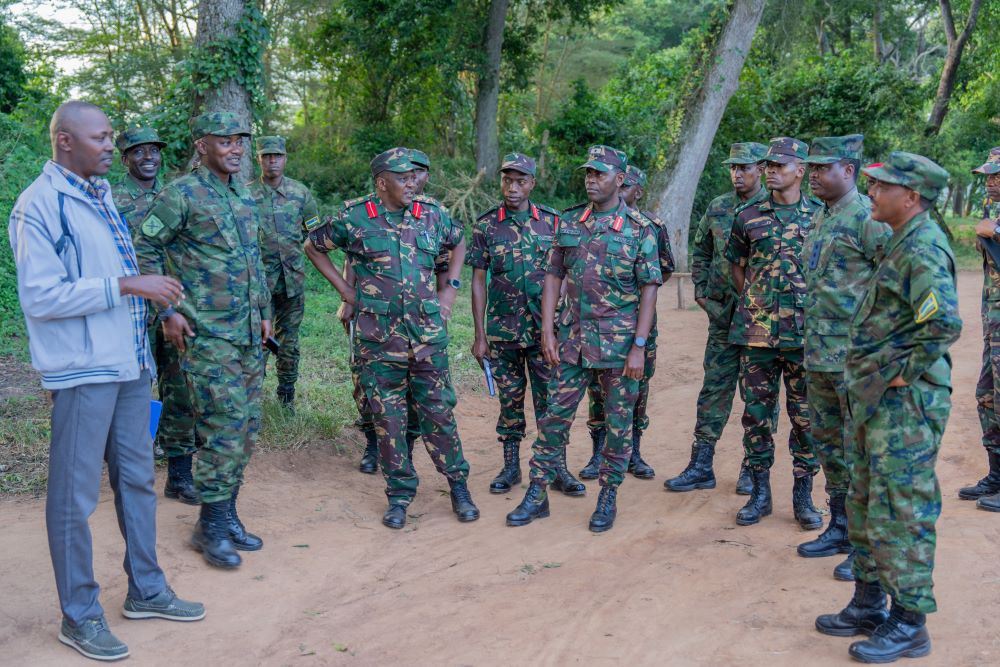
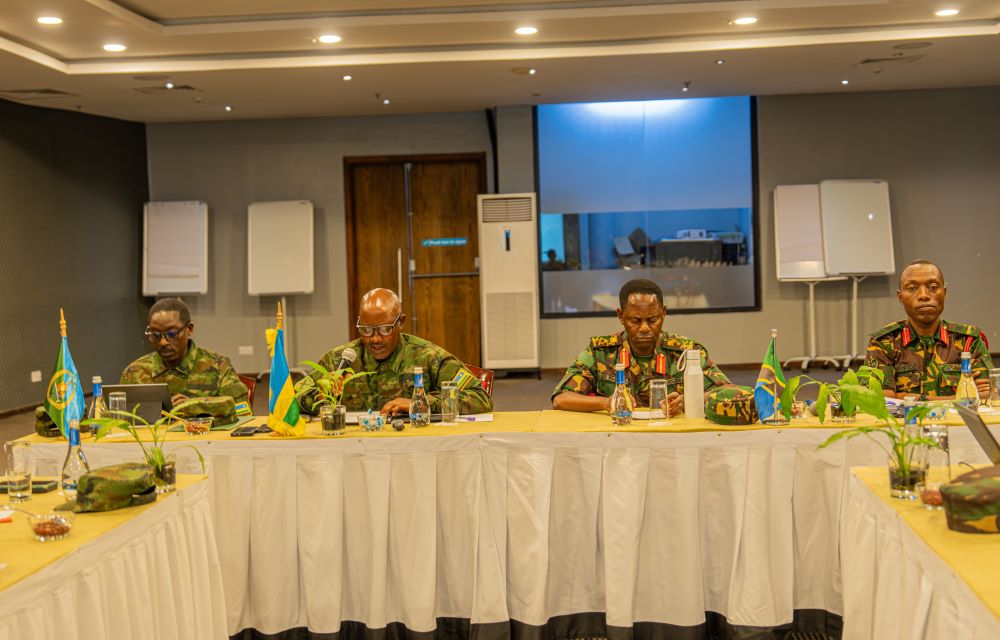
The commanders reviewed the progress made since the last session, focusing on efforts to combat illegal activities and improve security in border communities.
Both parties emphasized the importance of continued collaboration and joint initiatives to address emerging threats, while recognizing the positive outcomes achieved under the leadership of their respective Heads of State.
In his opening remarks, Brigadier General Pascal Muhizi, RDF 5 Infantry Division Commander, expressed gratitude to the Heads of State for their visionary leadership, steadfast commitment to peace, and support for regional integration.
He acknowledged that their leadership has created the political will and conducive environment for effective collaboration between the two armed forces.
Brig Gen Muhizi reminded the commanders that ensuring peace and security along the shared border is a collective responsibility, urging them to maintain vigilance and adopt a proactive approach.
He stressed the need for heightened awareness to address cross-border threats such as terrorism and illegal economic activities.
Brigadier General Gabriel Elias Kwiligwa, TPDF 202 Infantry Brigade Commander and head of the Tanzanian delegation, reflected on the success of previous meetings in resolving challenges.
He credited the trust, transparency, and mutual understanding between both sides for fostering peace and harmony along the border, benefiting the communities living in the area.
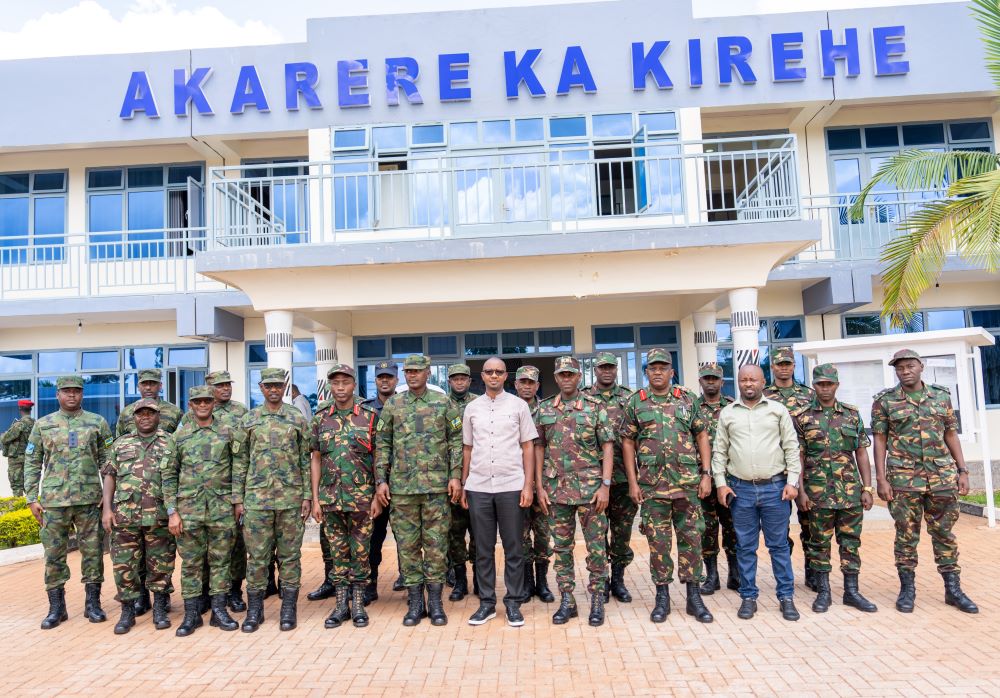
The delegation also paid a courtesy visit to Kirehe district officials, where they were welcomed by Mayor Bruno Rangira. They toured the Karushuga border area, which borders Tanzania’s Kaisho district, adjacent to Ngara district in Tanzania.
The judgment issued Wednesday by the international trade court is “temporarily stayed until further notice while this court considers the motions papers,” the appeals court said in its order.
The U.S. Court of Appeals for the Federal Circuit’s reinstating of Trump’s tariffs gives the administration some breathing room, local media reported on Thursday.
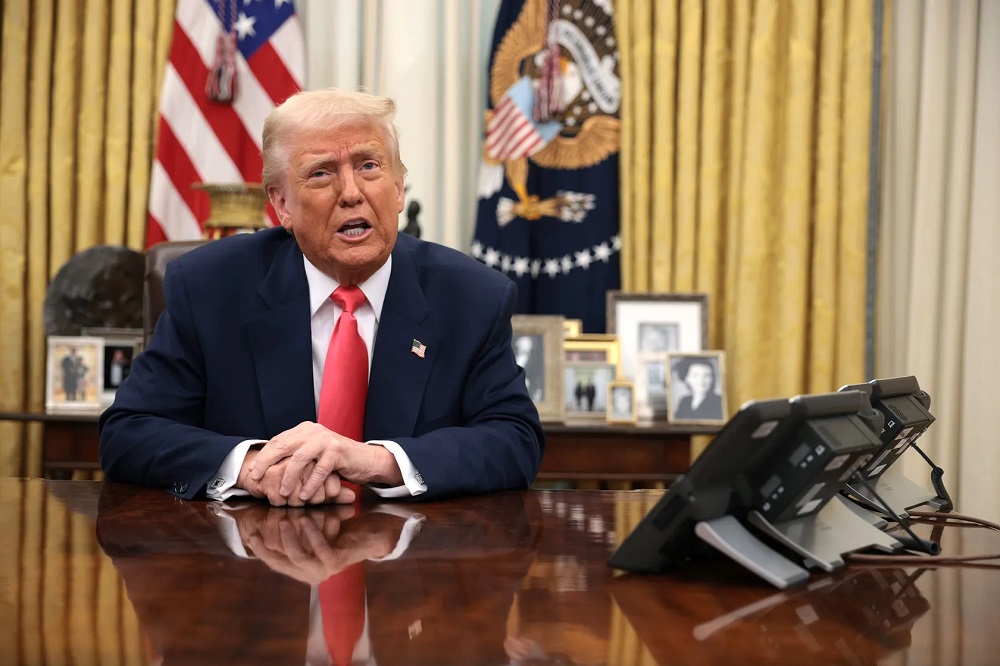
“Certainly the President is acting within his authority,” White House Press Secretary Karoline Leavitt said at a briefing Thursday. “All of the actions the President has taken rely on legal authorities that have already been granted to him by our nation’s existing laws.”
The judges at the international trade court ruled on Wednesday that the International Emergency Economic Powers Act Trump had invoked to enact tariffs did not “confer such unbounded authority” to presidents.
The block they imposed covered all of the retaliatory tariffs Trump issued in early April. They also barred the Trump administration from making any further modifications to the tariffs in question.
The administration filed a notice of appeal shortly after the ruling, asking the trade court to pause enforcement of the ruling during the appeal process. It also sought “interim relief” from the federal appellate court.
“The Supreme Court must put an end to this,” Leavitt said. “These judges are threatening to undermine the credibility of the United States on the world stage.”
Also on Thursday, U.S. District Judge Rudolph Contreras of Washington, D.C. issued a preliminary injunction blocking the Trump administration from collecting tariffs from two educational toy companies, Learning Resources Inc. and hand2mind Inc., who manufacture most of products in Asia.
Contreras, calling the tariffs “unlawful,” stayed his order for 14 days “so the parties may seek review in the Court of Appeals.”
On Thursday evening, the National Assembly approved a request from the Prosecutor General at the Court of Cassation to open legal proceedings against Mutamba, following hours of heated debate.
The decision was reached following mounting allegations that the minister authorised an irregular $19 million advance payment for the construction of a new prison in Kisangani, Tshopo Province.
The payment, reportedly issued under a single-source procurement deal, was made before the contract had received formal approval from the relevant authorities, raising concerns of procedural violations and possible embezzlement.
The case involves a total of $39 million allocated for the prison project. Parliamentary sources say the investigation seeks to determine whether Minister Mutamba abused his position by directing funds to an unapproved contractor.
The parliamentary commission in charge of the case had earlier urged the full assembly to authorise legal action, describing the allegations as “extremely serious” under Congolese law and calling for accountability.
“The charges against the Minister of State for Justice and Keeper of the Seals are of a gravity that demands legal consequences,” the commission noted in its report.
With his immunity lifted, Mutamba is now expected to appear before prosecutors in the coming days. The development marks a rare move against a high-ranking official and highlights the growing scrutiny over the management of public funds in President Félix Tshisekedi’s administration.
Mutamba has previously defended himself against the accusations, claiming he is being targeted for his efforts to root out corruption within the justice sector.
Nonetheless, the case adds to the broader debate around transparency and governance in the DRC, a country long plagued by allegations of financial mismanagement and weak institutional oversight.
If found guilty, the justice minister could face significant legal penalties and be forced to step down.
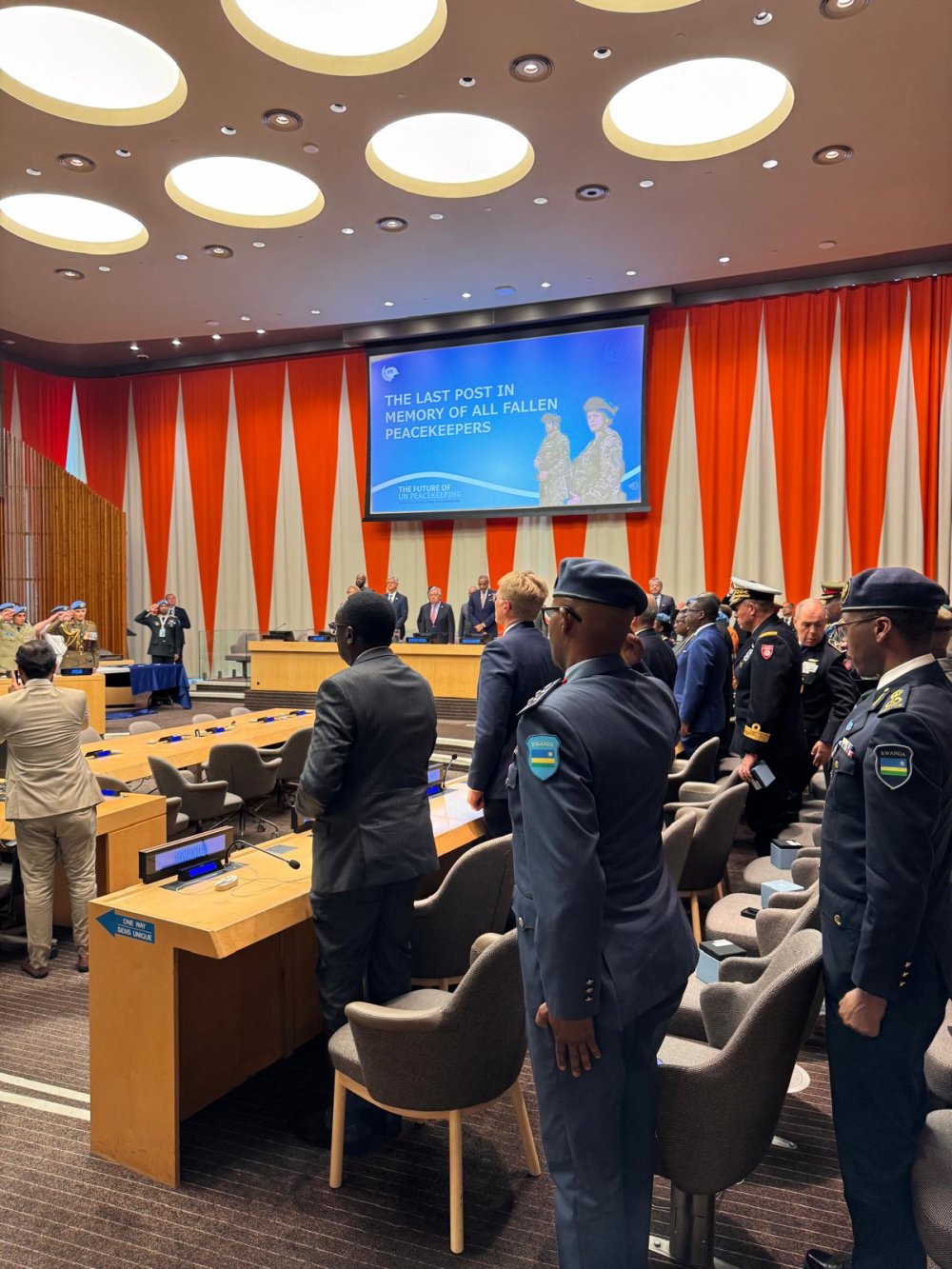
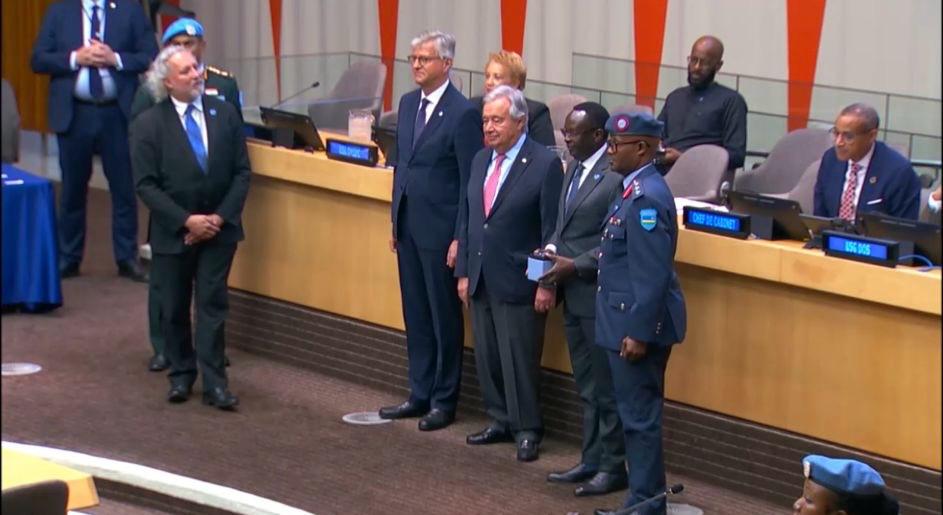
The ceremony, held on May 29, 2025, at UN headquarters in New York, was attended by UN Secretary-General António Guterres, who presented the prestigious medals.
The two Rwandan soldiers honored were Sergeant Major Fiston Murwanashyaka, who died on February 24, 2024, and Corporal Eliakim Niyitegeka, who passed away on July 11, 2024.
Both soldiers were killed while serving in the UN peacekeeping mission in the Central African Republic (MINUSCA).
The medals were received by Rwanda’s Ambassador to the United Nations, Martin Ngoga, on behalf of the families of the fallen soldiers.
The Dag Hammarskjöld Medals are named in honor of the second Secretary-General of the United Nations, Dag Hammarskjöld, who tragically died in a plane crash in Zambia in September 1961.
On July 22, 1997, the UN Security Council established these medals to honor those who sacrifice their lives while on peacekeeping missions under the UN’s mandate.
During the same event, UN Secretary-General António Guterres also laid a wreath to honor the 4,400 UN peacekeepers who have lost their lives since 1948.
“Over the decades, more than 2 million women and men have served in 71 missions across four continents,” said Guterres during the Dag Hammarskjöld Medal ceremony.
“In the communities and countries in which they serve, UN peacekeepers are an important symbol of the United Nations at its best. Together, they have helped improve millions of lives.”
Guterres acknowledged the complex challenges UN peacekeepers face in today’s world—terrorism, borderless crime, and misinformation, which have made them vulnerable to attacks.
He stressed the importance of adapting peacekeeping efforts to meet new realities in these difficult times.
Guterres also presented the UN Military Gender Advocate of the Year Award for 2024 to Squadron Leader Sharon Mwinsote Syme of Ghana.
Additionally, Chief Superintendent Zainab Gbla of Sierra Leone was awarded the Woman Police Officer of the Year Award. Both women served in the UN Interim Security Force for Abyei.
Thursday’s events marked the annual observance of the International Day of UN Peacekeepers, celebrated on May 29.