In a public notice dated Monday, June 16, 2025, the central bank confirmed that it is now implementing Regulation n° 89/2024, which amends existing rules governing foreign exchange operations.
The updated regulation, published in the Official Gazette on 30 May 2025, introduces strict pecuniary sanctions for unauthorised pricing, transacting, or auctioning in foreign currencies.
“Any individual or entity that prices goods or services, or transacts in foreign currency without prior authorisation from the National Bank of Rwanda commits an administrative fault,” the notice read.
Under the new regulations, individuals or businesses found pricing goods or services in foreign currency without prior authorisation will face a fine of Frw 5 million for a first offence, which doubles to Frw 10 million for any subsequent violations.
Those caught transacting in foreign currency illegally will be penalised 50 percent of the total amount involved in the first instance, and 100 percent of the amount for repeat offences.
Additionally, anyone who calls for or takes part in unauthorised foreign currency auctions will be fined 50 percent of the total auctioned amount.
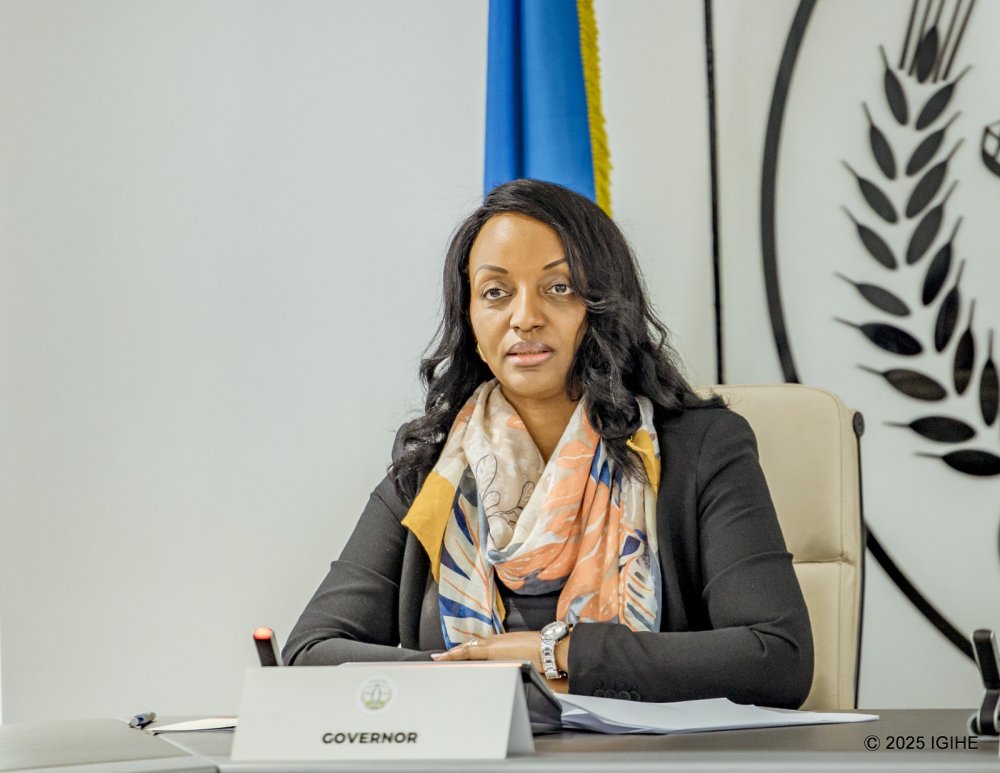
BNR Governor Soraya Munyana Hakuziyaremye emphasised that only certain exceptions apply, including transactions involving non-residents carried out by hotels, casinos, tourism operators, duty-free shops, and international schools, as well as payments related to imports or exports.
The regulator also encouraged the public to report suspicious or unlawful foreign exchange activities through official channels, including the Rwanda Investigation Bureau (RIB), Rwanda National Police (RNP), or local authorities.
The enforcement marks the start of a more aggressive stance by the central bank to stamp out unofficial foreign currency activity in Rwanda’s economy following concerns over growing informal use of foreign currencies, particularly in the real estate, where rent or services are sometimes quoted in US dollars.
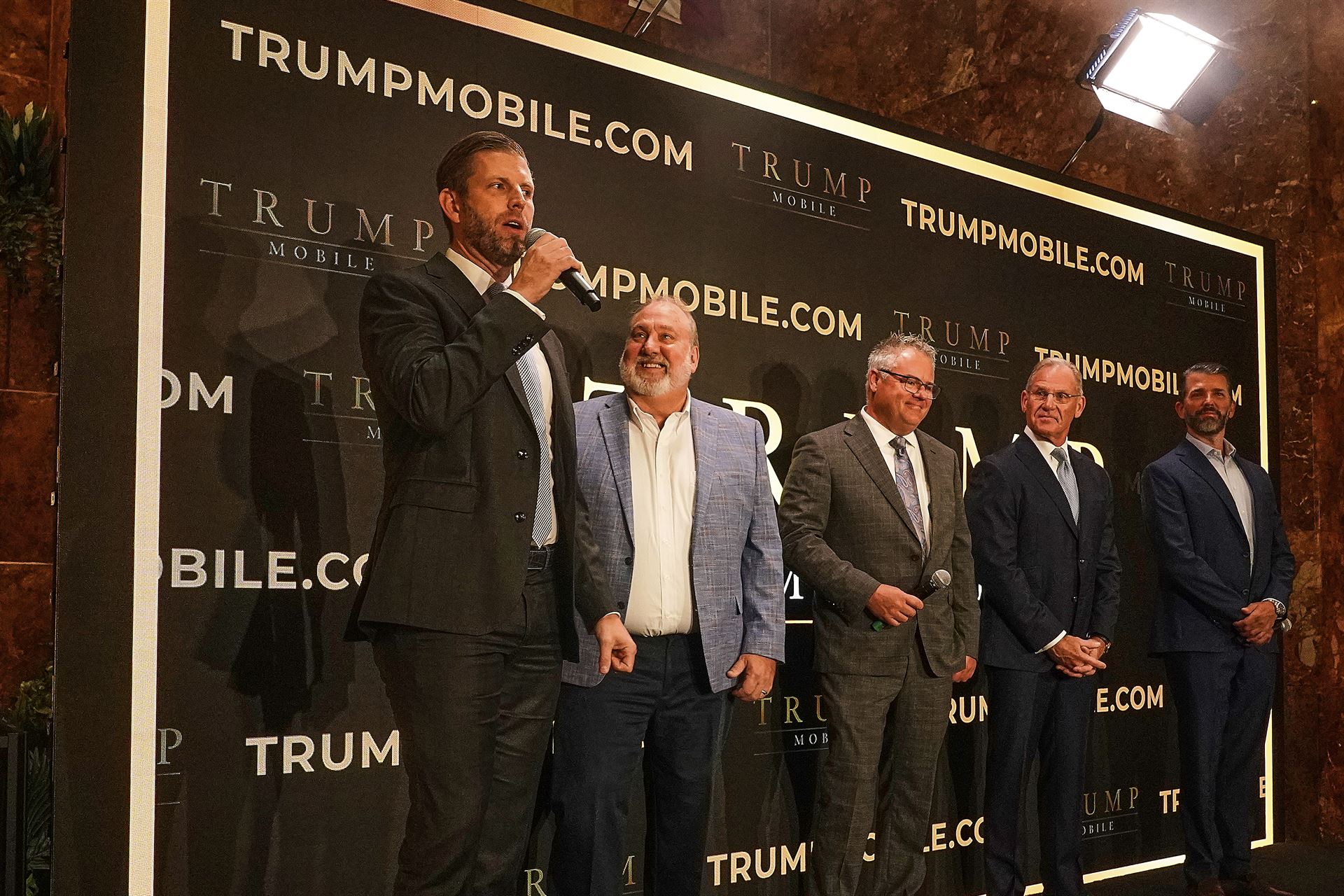
The Trump Organization said it will launch a mobile-phone service called Trump Mobile and plans to offer a U.S.-built smartphone later this summer, looking to take on the likes of Apple and Samsung.
“President Trump has targeted phone makers in his tariff push, threatening extra levies on Apple if it didn’t shift to domestic production. No major smartphone manufacturer currently makes its products in the U.S., as the displays, processors and cameras they use are mainly sourced from Asia,” reported The Wall Street Journal on Monday about the move.
The United States doesn’t have advanced manufacturing facilities akin to those in China or even India and Vietnam, where electronics assembly has expanded in recent years, nor does it have a mass of skilled laborers trained to do the required work, it noted.
The Trump Organization said the mobile service would work with all three major wireless carriers. It would rely on resale deals, known as mobile virtual network operator agreements, in which the carriers sell excess capacity on its networks and gain customers without having to bear the costs of marketing to them or signing them up.
The Trump Organization said customers would be able to use the new service using their existing phones, or purchase its T1 Phone beginning in August. They described it as a “sleek, gold smartphone” designed and built in the United States.
In the infrastructure sector, modern buildings play a vital role as Rwanda competes to attract financial institutions, including international ones, which require state-of-the-art facilities.
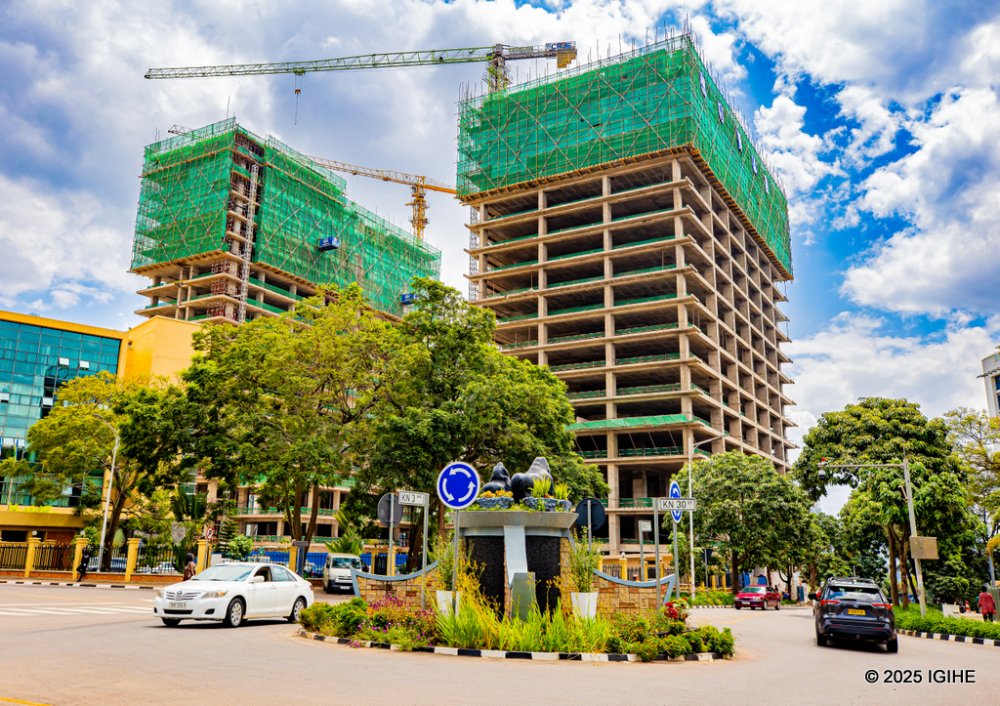
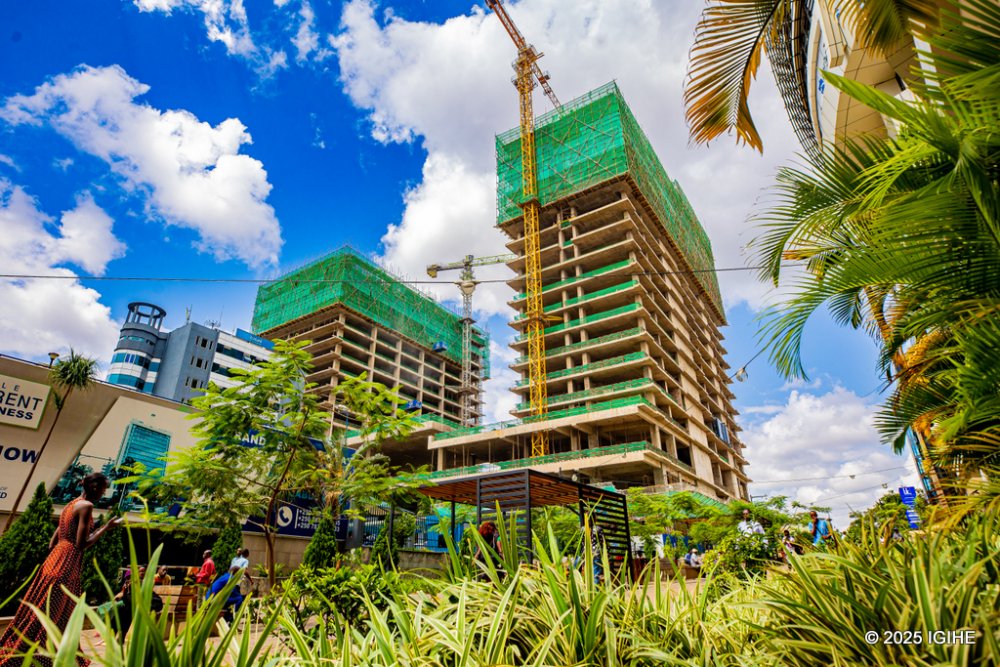
This need led to the conceptualization of the ‘Kigali International Financial and Business Square,’ a project featuring two identical towers. One building will accommodate commercial businesses, while the other will house a hotel and modern residential apartments.
Construction on the project began in 2022 and, barring unforeseen delays, is expected to be completed within 12 months.
Hannington Namara, Managing Director of Equity Bank Rwanda Limited, which is overseeing the construction, explained that the project aligns with the country’s ambitions to become an investment hub.
“This building is part of a partnership with the government, which has supported the construction. We are developing it as a Financial Center,” Namara explained.
“When a country aims big like this, you start to ask, ‘Where will the financial center be?’ Kigali has taken this challenge, and the area where we are building will become the Financial District. However, compared to other financial centers, more infrastructure is still needed,” he added.
Namara further emphasized that Rwanda’s goal to become a development center hinges on the advancement of infrastructure, including modern buildings.
“The idea emerged to help Rwanda build infrastructure that would accelerate its transformation into a financial hub. The project kicked off when His Excellency the President laid the foundation stone.”
The project, which is estimated to cost $100 million, is progressing steadily. Namara noted, “We are currently on the 17th floor of one tower, and the other is on the 13th floor. We are about 60% to 70% through with the main structure. While the early stages were slow, the pace has accelerated as we go higher.”
Namara also reassured that the building would be completed soon, with the first tower expected to be ready by March next year.
“We anticipate finishing the project by June next year, ahead of our initial target of July 2026. The other tower, near the Car Free Zone, which will feature a hotel and residential apartments, will be completed by June 2026, with its finishing work nearly done.”
Despite rain-related delays, Namara confirmed that there were no significant issues, adding, “There have been no budgetary concerns despite global price increases. We are confident we can meet our deadlines.”
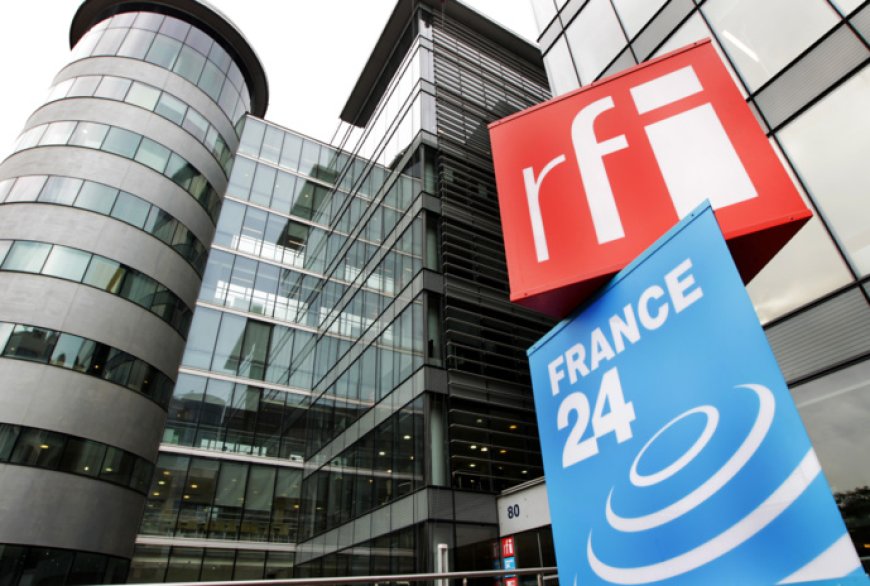
The announcement was made late Monday by the High Authority for Audiovisual and Communication (HAAC), the country’s media regulator.
According to HAAC, the decision follows “repeated failings” by both outlets, which allegedly aired biased and factually incorrect content that “undermines the stability of republican institutions and the country’s image.”
While the authority did not cite specific broadcasts, it stated that the measure was necessary to counter disinformation and interference, emphasising that freedom of the press “cannot be synonymous with disinformation.”
The suspension comes amid mounting political tensions in the West African nation, where President Faure Gnassingbé has faced growing opposition following constitutional changes approved in May.
The changes created a new position, President of the Council of Ministers, held by Gnassingbé with no term limits, a move critics have labelled a “constitutional coup” aimed at extending his rule indefinitely.
RFI and France 24 have been reporting on protests organised by opposition parties and civil society groups in response to the controversial reforms.
In a joint statement, the two broadcasters said they were “surprised” by the decision and reaffirmed their “unwavering commitment to the ethical principles of journalism,” expressing readiness to engage with Togolese authorities to clarify any concerns.
Since 2022, public demonstrations have been officially banned in Togo, following a deadly explosion at a market in Lomé. However, political tensions have continued to simmer, with critics accusing the government of stifling dissent.
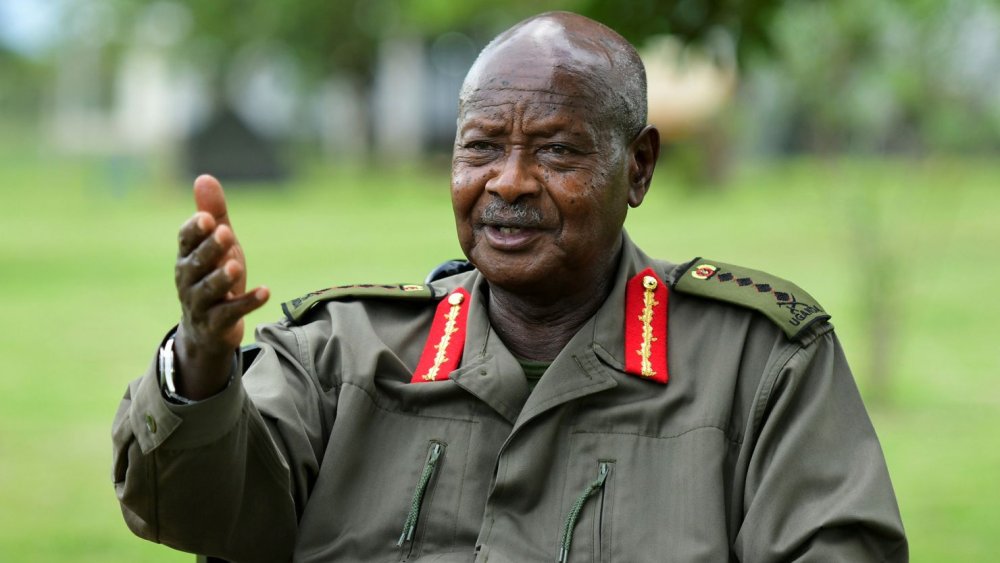
The law outlines circumstances under which civilians, accused of crimes such as possessing military equipment or collaborating with military personnel in serious offenses like treason or murder, can be tried in military tribunals.
A previous law permitting such trials was ruled unconstitutional by the Supreme Court in January.
Under the new law, qualified advocates at the High Court level will be appointed as judges to the General Court Martial. This development marks an important update to Uganda’s legal framework, expanding the role of military courts in the justice system.
“The law will deal decisively with armed violent criminals, deter the formation of militant political groups that seek to subvert democratic processes, and ensure national security is bound on a firm foundational base. If it ain’t broke, don’t fix it!,” army spokesperson Col Chris Magezi wrote on X after the bill was passed by MPs.
While the law has sparked significant debate, it represents a notable shift in how Uganda will handle certain types of criminal cases involving civilians and military matters.
Announced on Monday during the Cannes Lions advertising conference, the new feature will display ads from businesses in the app’s Stories-like “status” section, which is used by about 1.5 billion people daily.
This is the first time WhatsApp, which built its reputation on simplicity and privacy, will allow advertisements within the platform.
Meta, WhatsApp’s parent company, says the ads will be targeted using limited information such as users’ location, language, and interactions within the app. However, personal messages, calls, and contacts will remain off-limits for ad targeting, and WhatsApp promises that end-to-end encryption will stay intact.
“We work hard to protect the privacy of people’s communications,” said Will Cathcart, head of WhatsApp. “Some people only use WhatsApp for private chats and calls, and nothing is changing about that.”
The move follows years of internal debate. WhatsApp’s original founders, Jan Koum and Brian Acton, were firmly opposed to monetising the platform through ads, but both left the company years ago.
Meta had considered similar advertising plans before shelving them in 2020, only to revive the idea amid rising pressure to diversify revenue sources.
Meta’s advertising business remains robust, generating nearly all of its $164 billion in revenue last year, but WhatsApp has been one of its last major platforms to remain untouched by ads.
Analysts suggest this new strategy could unlock a significant, yet largely untapped, revenue stream from the world’s most popular messaging app.
In addition to the in-app ads, WhatsApp also plans to promote content creators and businesses through its “channels” feature, and will introduce paid subscriptions for exclusive updates.
Despite Meta’s reassurances, the change is likely to spark concerns among users and privacy advocates. However, the company insists that participation in cross-platform data sharing for ad targeting is optional, and users can manage their preferences through Meta’s Accounts Center.
“Putin and Erdogan condemned Israel’s use of force against Iran, which violated the UN Charter and other norms of international law,” the statement said.
The statement said both sides expressed the most serious concern over the ongoing escalation of the Iran-Israel conflict, which has already caused a significant loss of life and poses long-term consequences for the entire region.
The two leaders called for an immediate cessation of hostilities and urged both sides to settle their differences, including those related to Iran’s nuclear program, through political and diplomatic means.
Putin expressed gratitude to Erdogan for providing organizational support for the direct talks between Moscow and Kiev, noting that Russia has strictly adhered to the agreements reached during the Russia-Ukraine talks in Istanbul on June 2, including the return of bodies of dead service personnel and the exchange of prisoners of war.
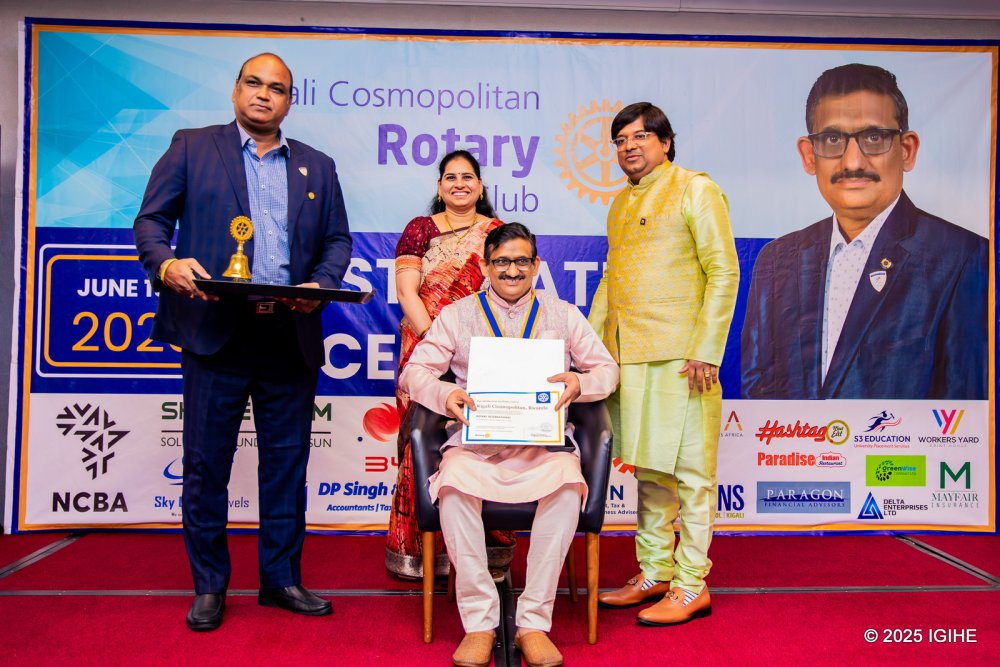
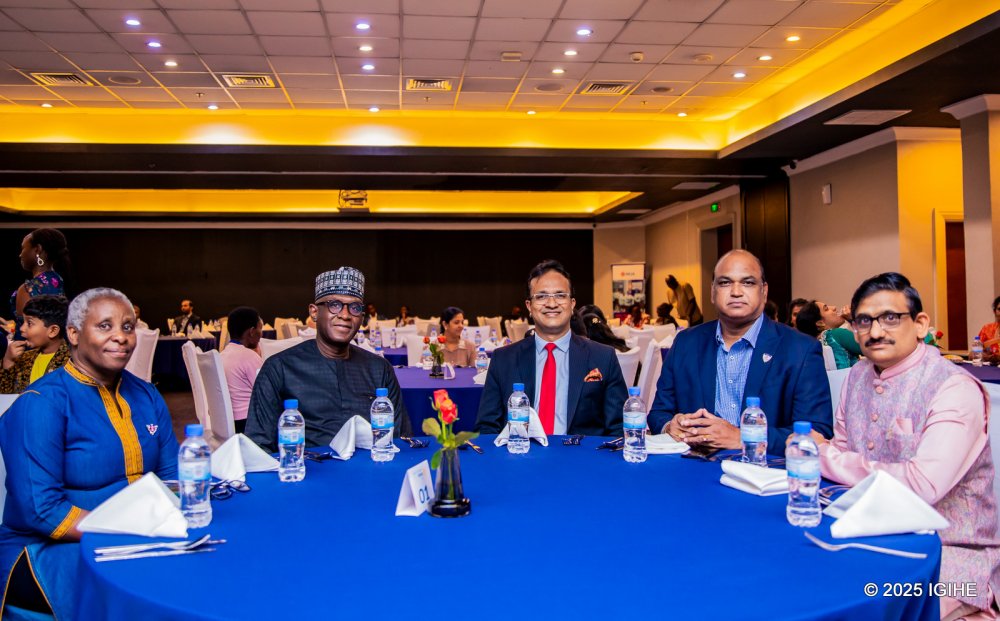
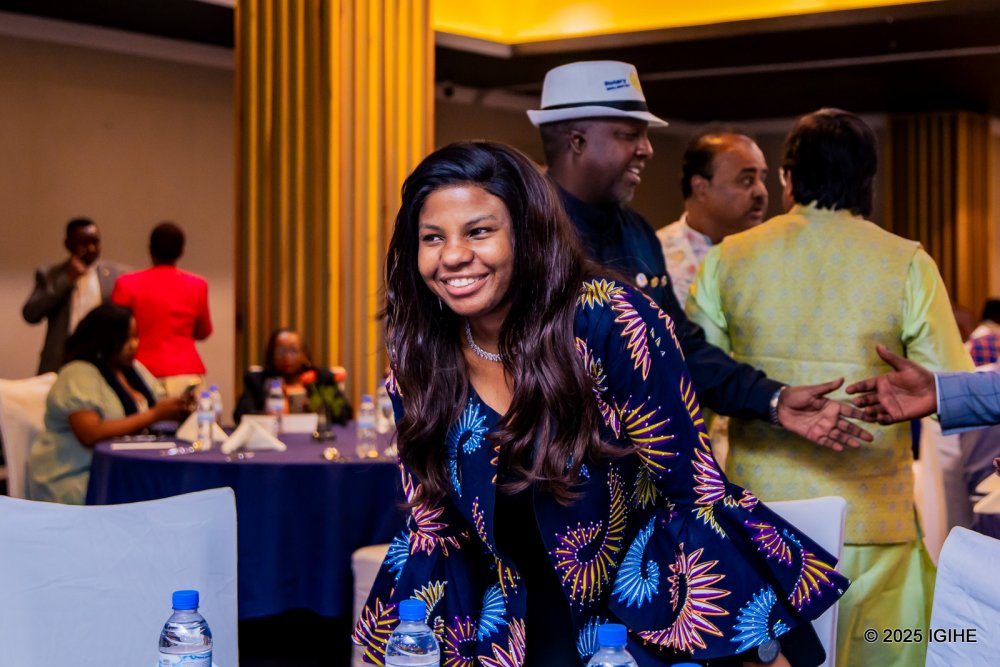
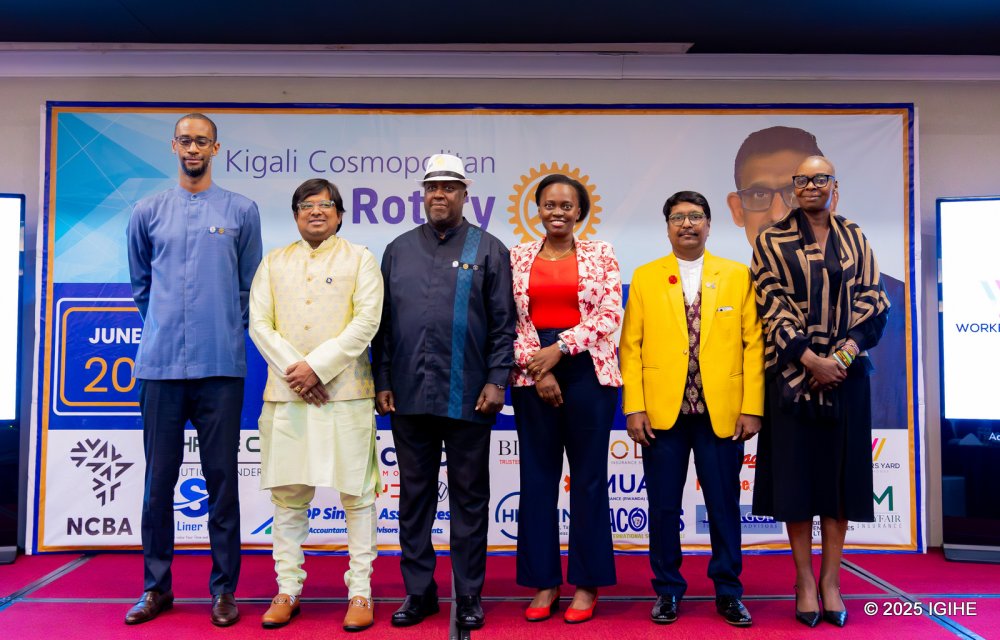
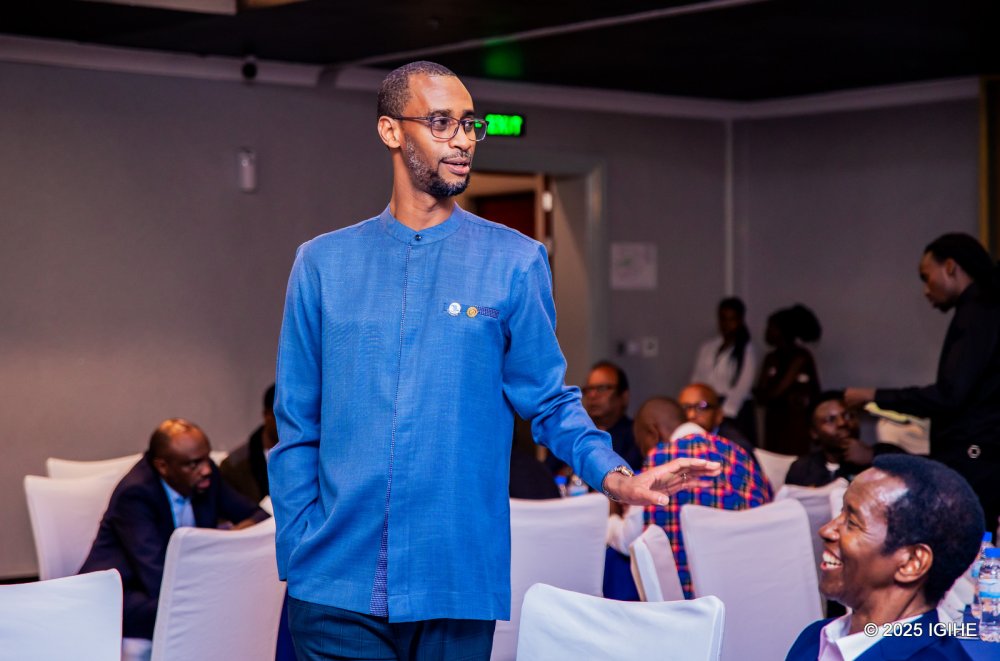
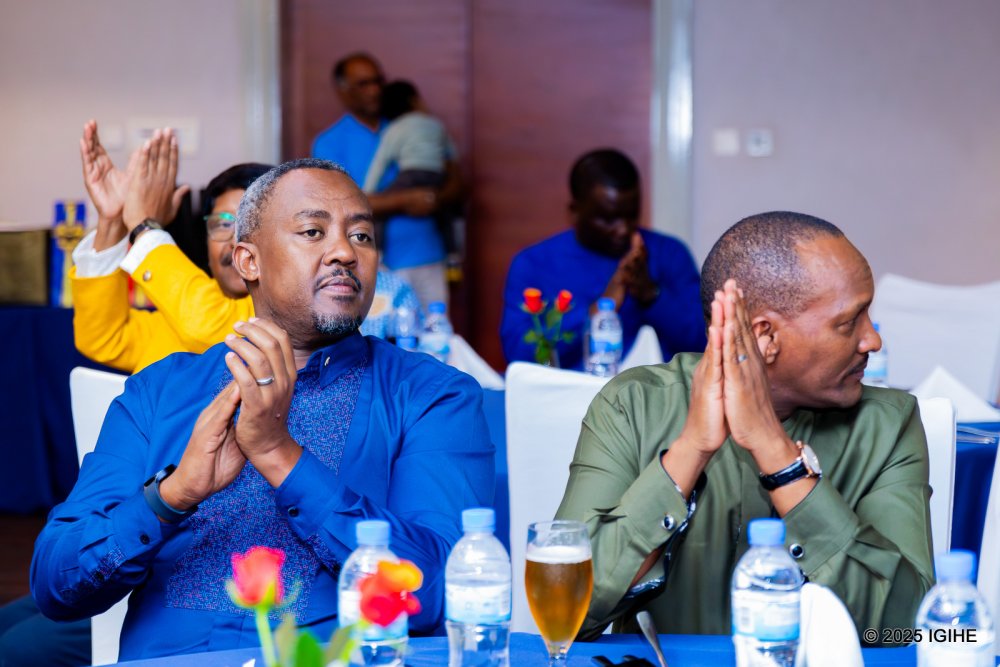
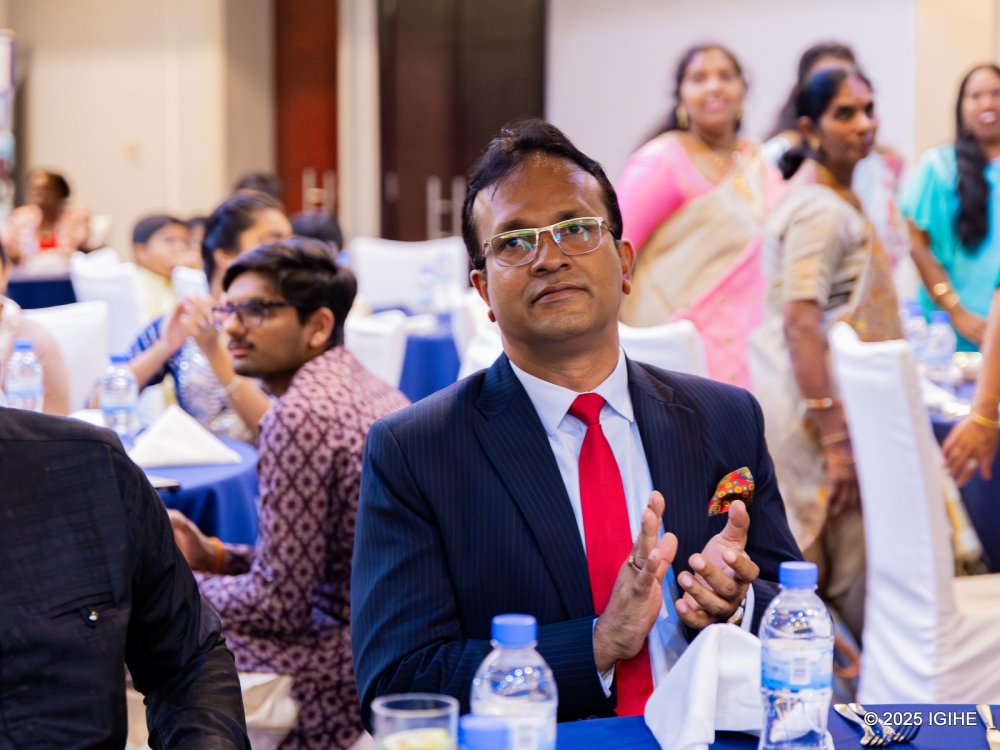
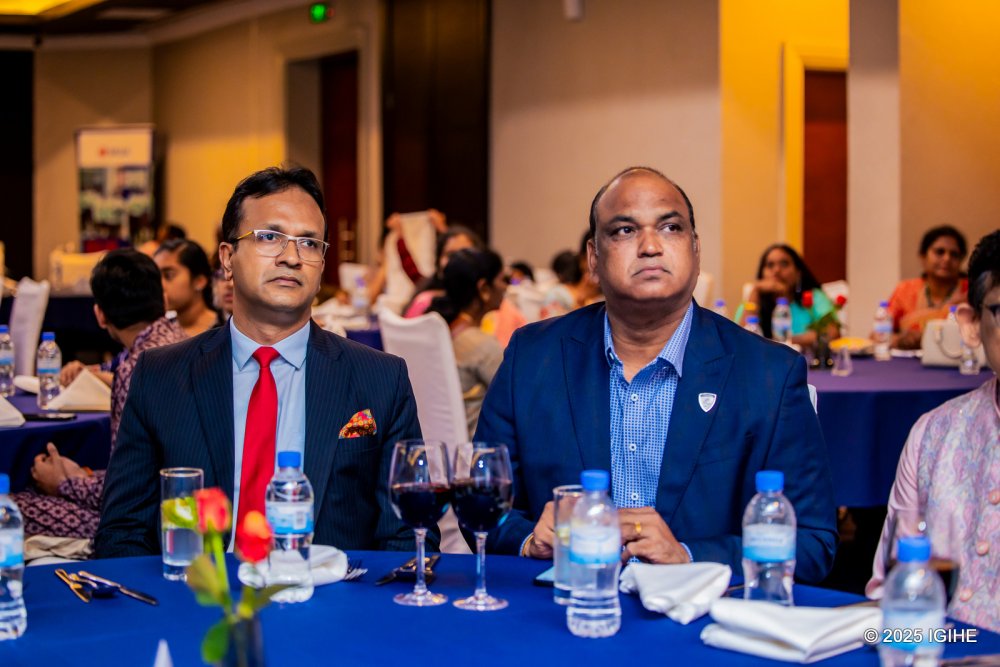
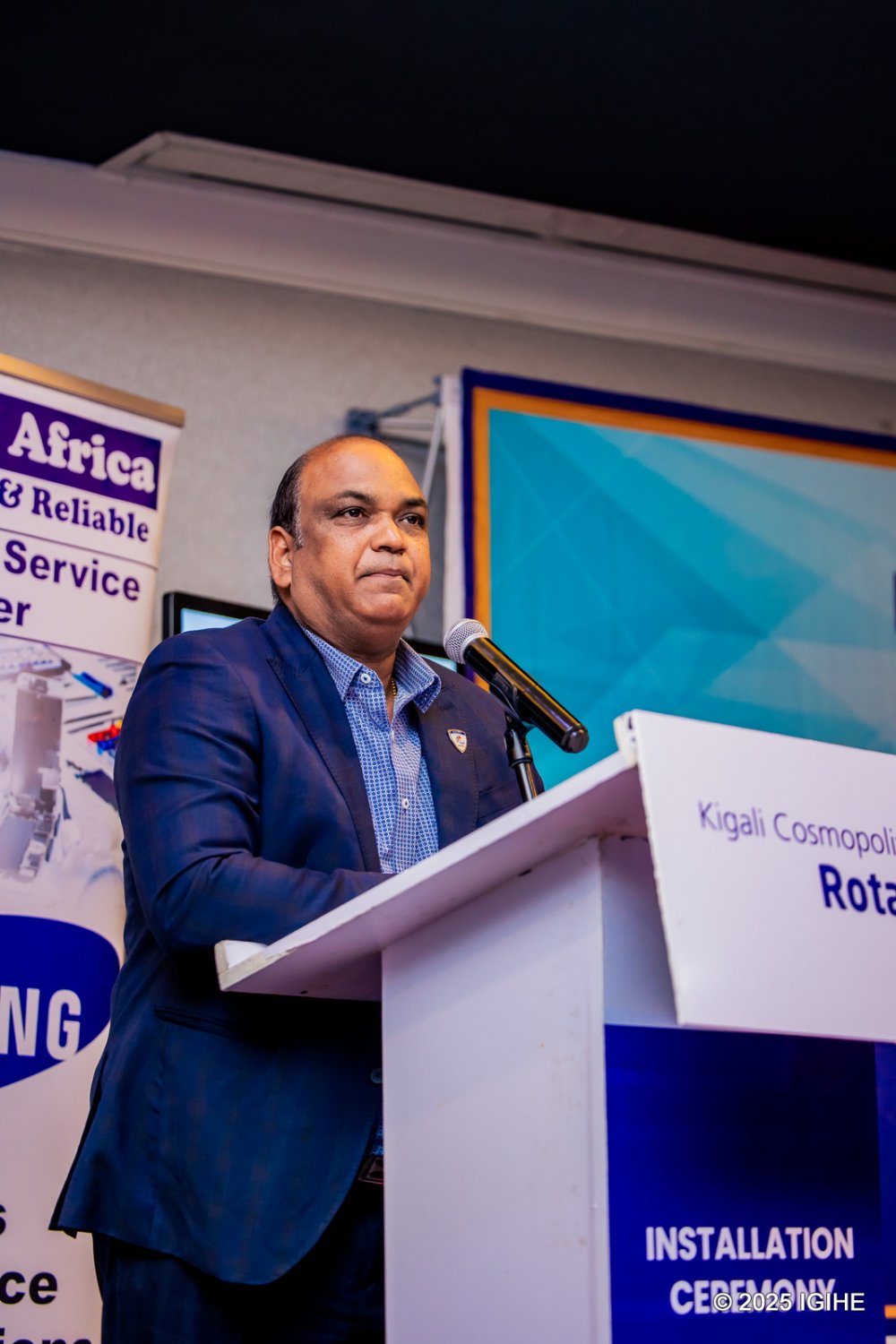
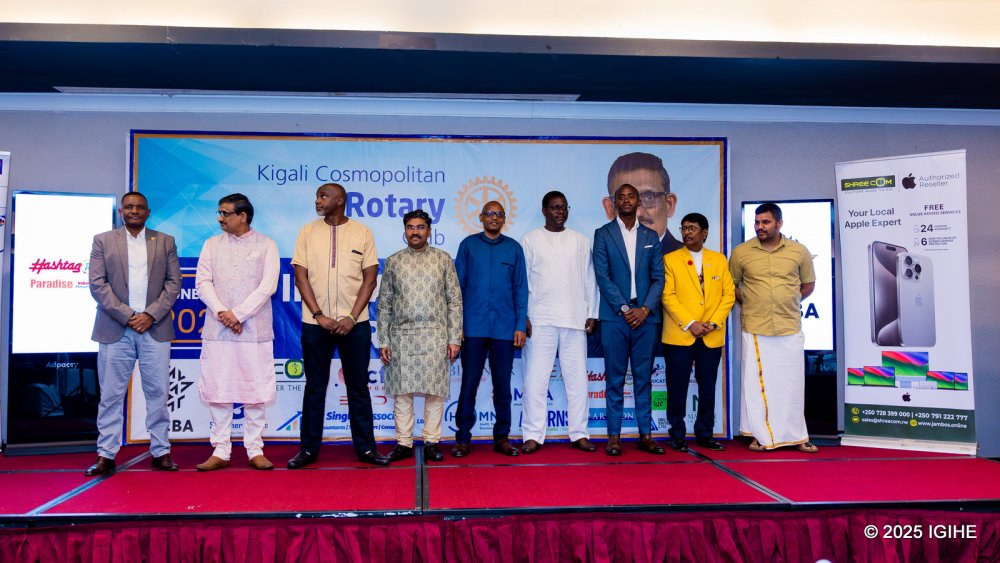
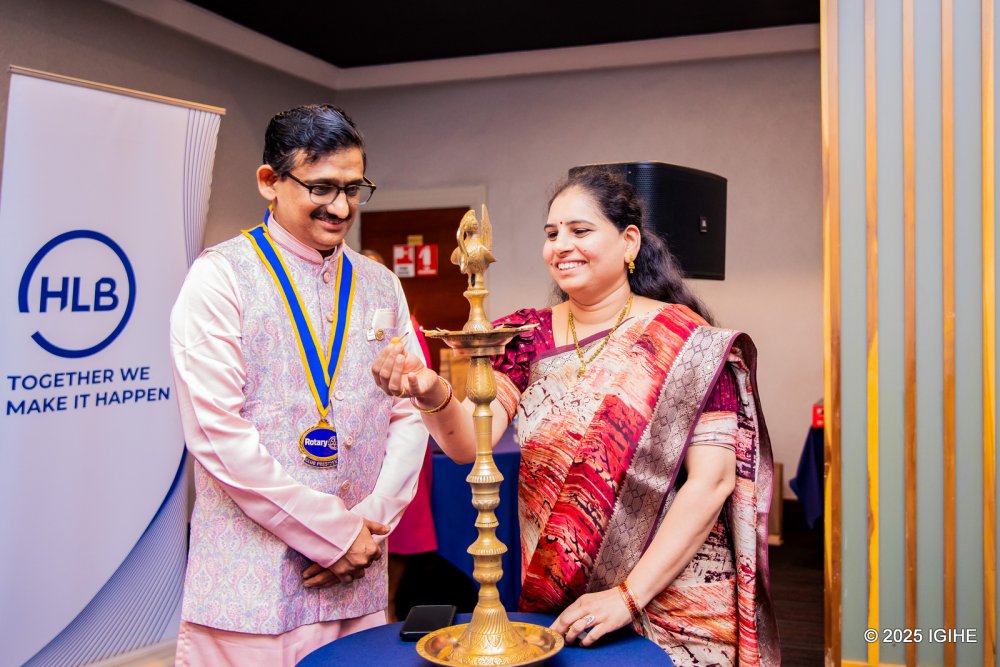
The event served not only as a transition of leadership from Outgoing President Srinath Vardhineni to Incoming President Srinivas Cheruvu but also as a celebration of purpose, unity, and service.
The evening opened with a symbolic gesture of lighting the ceremonial lamp, an act rooted in tradition, representing the light of service and hope Rotary brings into communities.
In his address, the newly installed President expressed deep humility and gratitude.
“This moment is not just about me, it is about all of us, about the legacy we uphold, and the future we will build together,” he said.
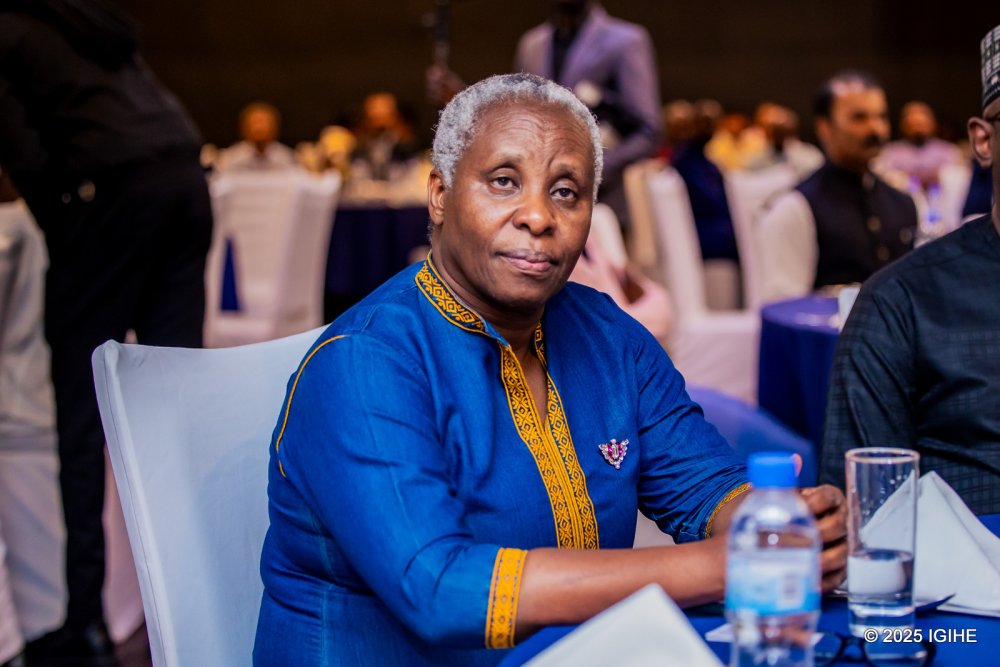
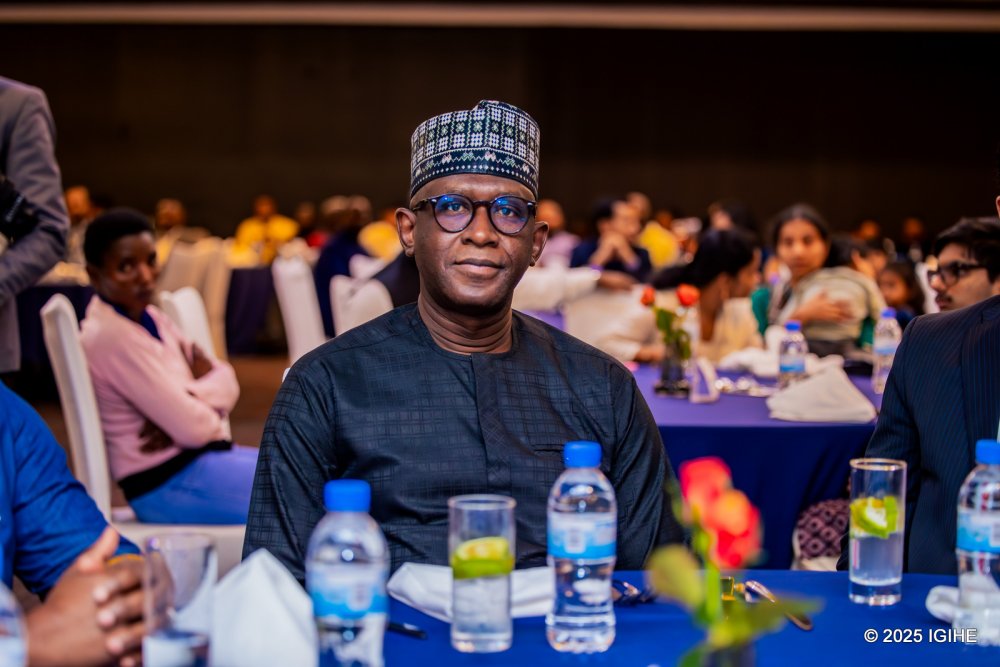
The presence of dignitaries, including High Commissioner of India Shri Mridu Pawan Das, Nigerian Ambassador Ibrahim Zanna, Deputy High Commissioner of Uganda Margaret Kedisi, Mr. Maurice Toroitich, MD NCBA Bank, Assistant District Governor Suman Alla of Rotary District 9150 added weight to the occasion. Their attendance reflected the club’s growing regional stature and its vision of service beyond borders.
Under Outgoing President Srinath Vardhineni’s leadership, the club saw notable achievements, membership growth, increased giving to The Rotary Foundation, and impactful projects such as a dental outreach program that screened over 3,000 children in partnership with the University of Rwanda.
Another highlight of the past year was a global grant project in collaboration with the Rotary Club of Wilton (USA) and REAP Rwamagana, which empowered 40 youth with vocational skills in tailoring and fashion design.
“These initiatives showcased the true magic of Rotary. I thank everyone for your unwavering support, offered full backing to the incoming team, and wish my President Elect Srinivas, all the very best,” reflected Vardhineni.
Cheruvu took time to appreciate the contributions of his predecessor, Srinath Vardhieni.
“Your dedication, vision, and unwavering commitment have left an indelible mark on our club,” he noted.
Looking forward, President Cheruvu outlined a vision grounded in continuity and deepened community impact. The club has committed to continue contributing to The Rotary Foundation and End Polio Funds in the Rotary year 2025–26.
“Each contribution we make, no matter the size, becomes a gift that multiplies, investing in humanity, empowering communities, and transforming lives,” he said.
Planned projects include support for a school catering to blind and deaf children by providing educational materials, training tools, and equipment. Another initiative aims to furnish medical equipment to health facilities serving vulnerable populations.
“Rotary is not just about changing lives, it’s about transforming communities with one service at a time,” Cheruvu emphasised.
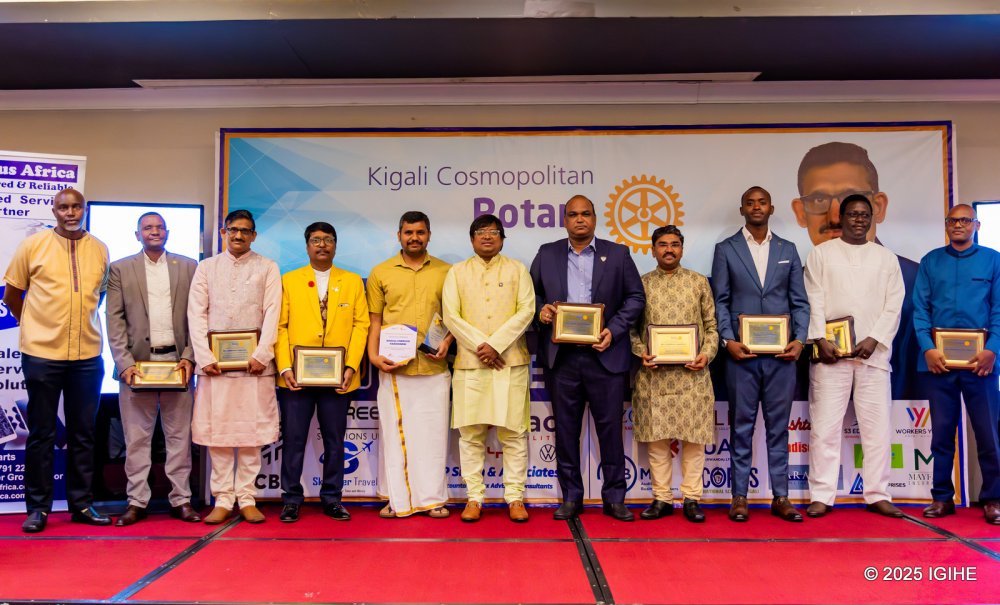
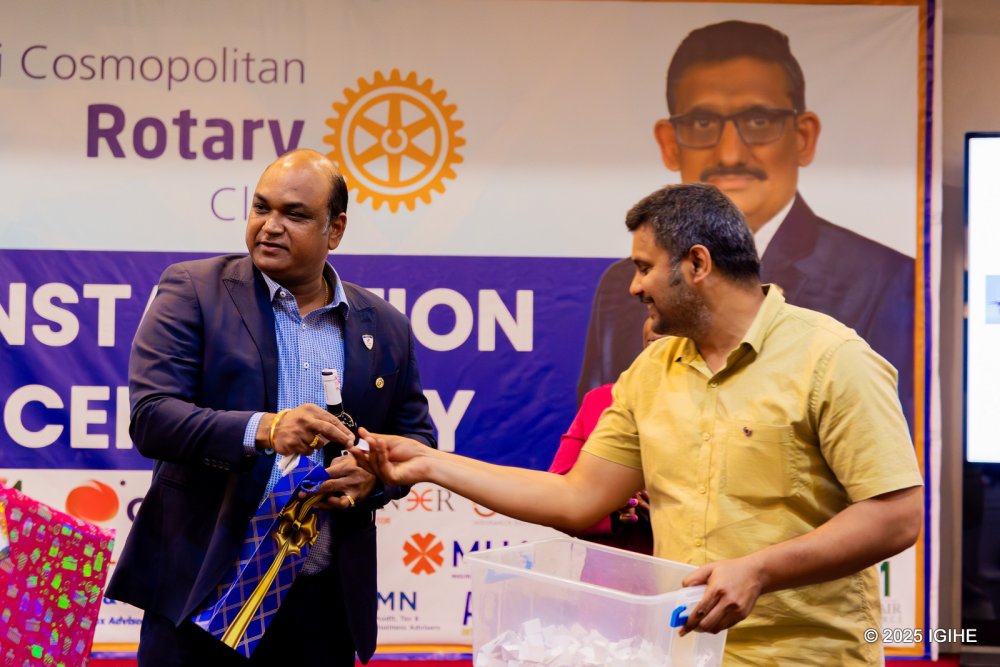
During the ceremony, the outgoing board members were recognised for their efforts in the past year. Rotarian Dr. Dinesh C. Maganti was honoured as Rotarian of the Year for his pivotal role in strengthening membership, supporting fundraising efforts, and leading community outreach.
“Let this be the year we deepen our connections, enhance our collaborations, and expand our impact… Alone we can do so little; together we can do so much,” said Cheruvu.
With a legacy of achievement behind and a promise of purpose ahead, the Rotary Club of Kigali Cosmopolitan stands poised to serve, inspire, and transform lives, one project, one person, one act of service at a time.
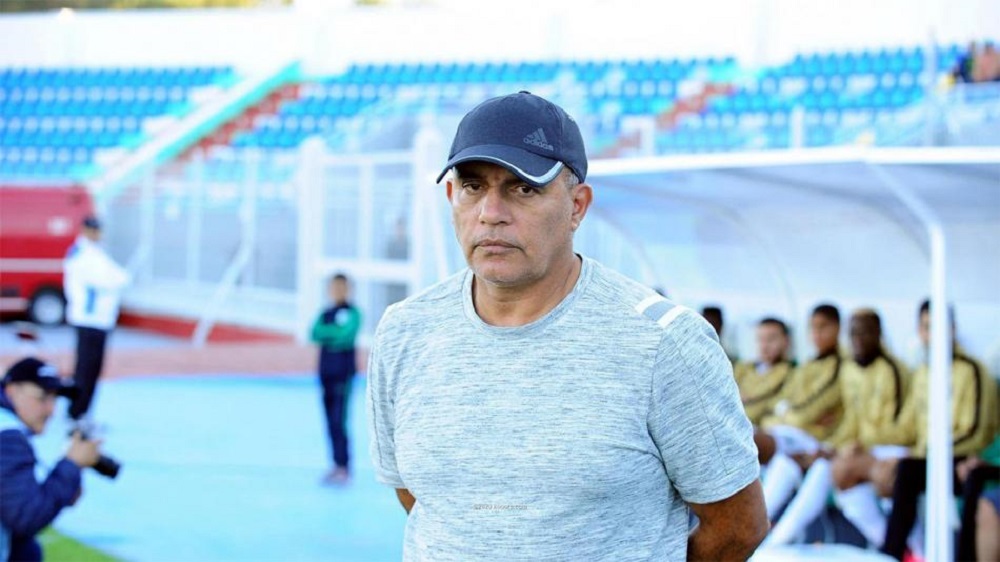
The 61-year-old boasts a wealth of experience on the African continent, having managed top-tier Moroccan sides such as RS Berkane, AS FAR, and Wydad Athletic Club. Talib holds CAF Pro and UEFA Pro coaching licenses and most recently managed Difaâ Hassani El Jadidi during the 2022/23 season. He later served as the Director of Sports at RCA Zemamra.
Talib is set to replace Serbian coach Darko Nović, who parted ways with the club just three games before the end of the 2024/25 Rwanda Premier League campaign. Nović’s tenure lasted 11 months, during which APR FC endured a mixed season—falling short in the CAF Champions League second preliminary round but eventually clinching the Rwanda Premier League title, albeit with difficulty.
Club insiders say Talib’s signing is part of APR FC’s broader strategy to revamp the squad and bring tactical discipline to the team, as they aim to make a deeper run in continental competitions.
According to Rwandan football journalist Kalisa Bruno Taifa, who closely monitors the club, Talib’s knowledge of African football and track record in developing competitive squads made him the top choice for the role.
In preparation for the new season, APR FC has already strengthened its squad with several local signings, including Hakizimana Adolphe, Iraguha Hadji, Bugingo Hakim, and Ngabonziza Pacifique.
The club is also in advanced talks with former right-back Omborenga Fitina and plans to bring in three foreign players. One of them, Ronald Ssekiganda from Uganda, signed earlier in January. The other two are expected to be an out-and-out striker and a creative midfielder to fill the No. 10 role.
With pre-season preparations set to begin soon, all eyes will be on how Talib reshapes the squad and instills a competitive edge as APR FC prepares for both domestic and continental challenges.
Speaking in a candid conversation on The Long Form podcast hosted by Sanny Ntayombya, Onyango-Obbo described the RPF as Africa’s first true statehood movement and shared vivid memories of encountering President Paul Kagame, who at the time was commander of its armed wing, the RPA, and whose quiet resolve in Rwanda’s rugged bush foretold his role in transforming a shattered nation.
Onyango-Obbo described the RPF’s struggle, which ended the 100-day Genocide against the Tutsi in July 1994, as unique.
“It was not a classical liberation movement against dictatorship,” he said. “It was to get the largely Tutsi refugee population to return home.”
He likened the movement’s geopolitical significance to the forces behind Israel’s founding, noting its improbable success. Operating deep in Rwanda’s hinterland, far from coastal supply lines, the RPF faced steep odds as a minority force, never exceeding 15% of Rwanda’s population even with full Tutsi support. Yet, under Kagame’s command, it triumphed.
Onyango-Obbo revealed that his access to the RPF, facilitated by childhood ties in Fort Portal and the group’s openness to African journalists, offered a rare perspective.
“The RPF was one of the first movements to give preference to African journalists to cover them,” he recalled.
Onyango-Obbo, then a budding journalist, travelled to Rwanda’s war-torn north and saw stark contrasts—abandoned government barracks stocked with beer and cigarettes, while barefoot RPF fighters in tattered t-shirts pushed forward.
Among them, Kagame, then a Major General, struck him as contemplative yet tough. His quiet resolve anchored the movement’s gruelling campaign after he stepped in to lead following the death of Fred Rwigema, just one day after the liberation war began.
“He was almost exactly as he is today,” he said, noting Kagame’s unassuming demeanour.
Unlike flamboyant rebel leaders like Angola’s Jonas Savimbi, Onyango-Obbo revealed, Kagame’s authority was subtle.
“He was contemplative, thoughtful, not rushed to judgment, but tough. Your first sense would be, ‘How is he the leader?’ He didn’t broadcast it visibly. As president, he has trappings that make him stand out, but back then, unlike Jonas Savimbi, who lived like a king in the bush, Kagame didn’t,” he observed.
“You needed to know him to understand his place. If you were a visitor, guessing the leader, you wouldn’t pick him.”
In the unforgiving Muhabura mountains, where RPF fighters endured brutal cold and some froze to death with guns still clutched in their hands, Paul Kagame’s unyielding grit stood out.
Onyango-Obbo, witnessing the rebels’ resilience in the mountains, became convinced of their unstoppable force.
“If they came down the mountain,” he believed, “they wouldn’t be stopped.”
Onyango-Obbo noted that Kagame’s relentless persistence, which later drove Rwanda’s successful methane extraction projects on Lake Kivu despite numerous failures, confirmed his unwavering belief that no challenge was insurmountable.
“His views have broadened, but he’s the same person. The idea of impossible doesn’t exist for him. He wouldn’t have succeeded if it did,” he explained.
“For example, after the war, they explored methane extraction. They had many failures, but he didn’t give up despite disappointments. Now, with methane plants on Lake Kivu, looking back to 2000, anyone would have thrown in the towel.”
He also shared his first impression of Rwigema, describing him as warm and easy to connect with, even from a distance.
“He was easily the most charismatic person I’ve met. He radiated it from a distance. He had a very easygoing personality. You wouldn’t imagine he was a soldier. It’s difficult for people who’ve been in the trenches to escape being soldiers, but he could,” he narrated.
The Ugandan author also shared a memory of seeing Rwigema in Kampala near the Diamond Bank building, heading to a bookstore.
“He drove up in a VW Golf, got out in jeans, an untucked shirt, and sandals, going to the bookshop. We shouted at him, he gave high-fives, greeted people in the street, alone, without guards. That’s the kind of person he was.”
In the interview, filmed in Nairobi, Kenya, the Ugandan journalist also recalled early warning signs of the Genocide against the Tutsi. Just weeks after the RPF’s October 1990 offensive, he visited a Ugandan border camp where Tutsi refugees bore machete wounds inflicted by Interahamwe militants.
“The infrastructure of the genocide was already baked into Rwandan society,” he said, lamenting journalists’ failure to foresee the horror.
Beyond Rwanda, Onyango-Obbo shared reflections on East Africa’s trajectory. He warned that Uganda, after nearly four decades under President Yoweri Museveni, faced a fractured future, potentially splintering into autonomous regions by 2070 due to regional distrust and unresolved grievances.
He predicted that the Democratic Republic of Congo (DRC) and Somalia could stabilise within 15 years, possibly through federalism or an al-Shabaab-led regime, while South Sudan and Burundi risked prolonged stagnation.