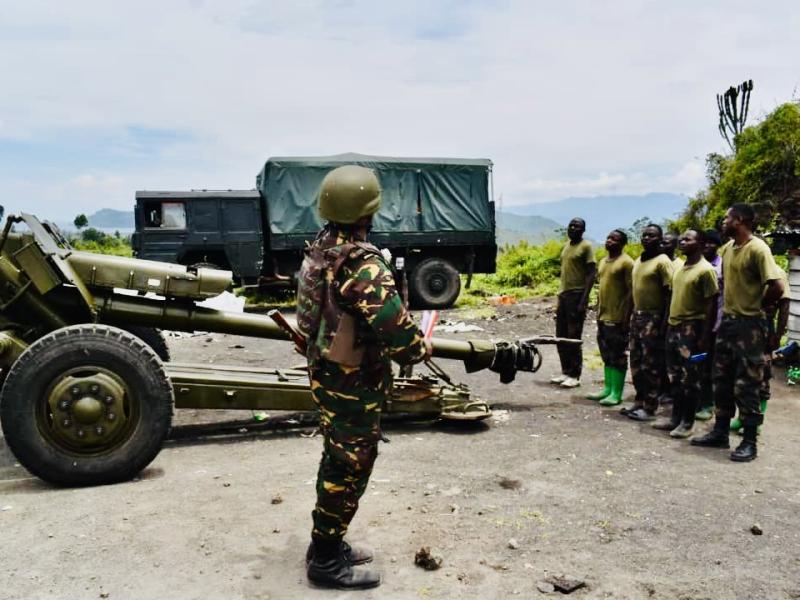
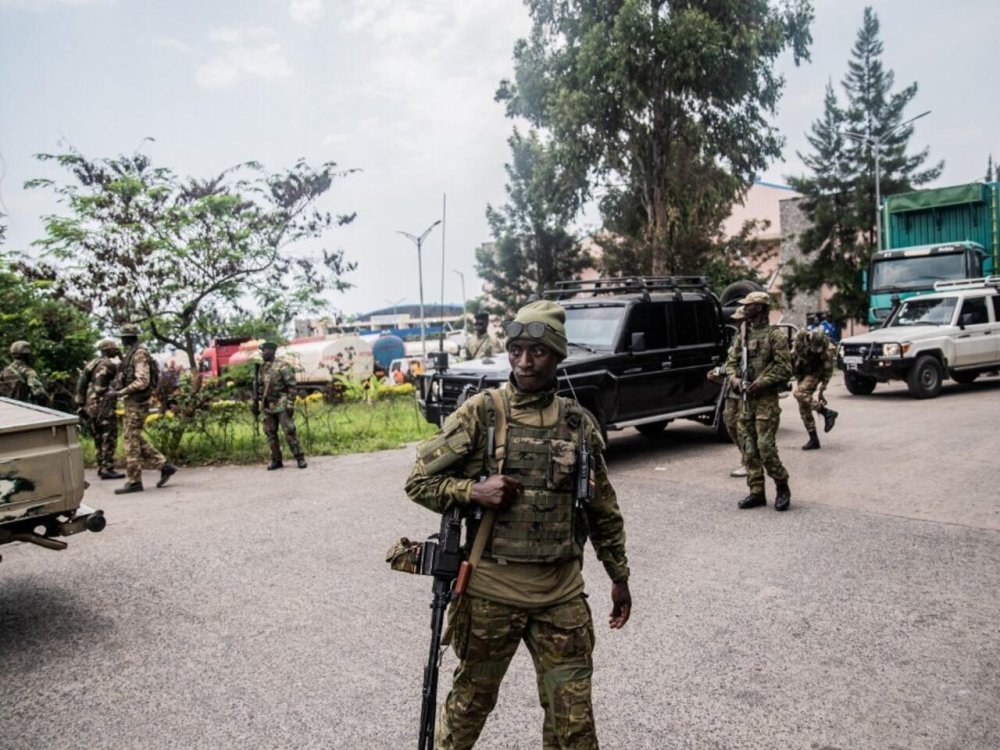
According to media reports, since September 14, SANDF aircraft — a Boeing 737 and an Il-76 — have been transporting soldiers and materiel from Lubumbashi and Kinshasa to Pretoria.
The phased withdrawal comes as SANDF faces disputes with the South African National Defence Union over unpaid allowances for troops deployed in the DRC.
South Africa’s troops were part of the Southern African Development Community (SADC) mission in the DRC. The block decided to end its deployment in March 2025, with repatriation formally starting in May. At that time, a large number of soldiers and equipment transited through Rwanda en route to South Africa.
The drawdown came amid concerns over worsening insecurity and humanitarian challenges in eastern Congo.
SADC had deployed its military intervention force, SAMIDRC, in December 2023 with an offensive mandate to defeat M23 and other armed groups. The force consisted of troops from South Africa, Tanzania, and Malawi.
Although the mission was extended by one year in November 2024 due to persistent hostilities between M23 rebels and the Congolese army, it struggled to meet its objectives and suffered significant battlefield losses, particularly during the offensives that led to the capture of Goma earlier this year.
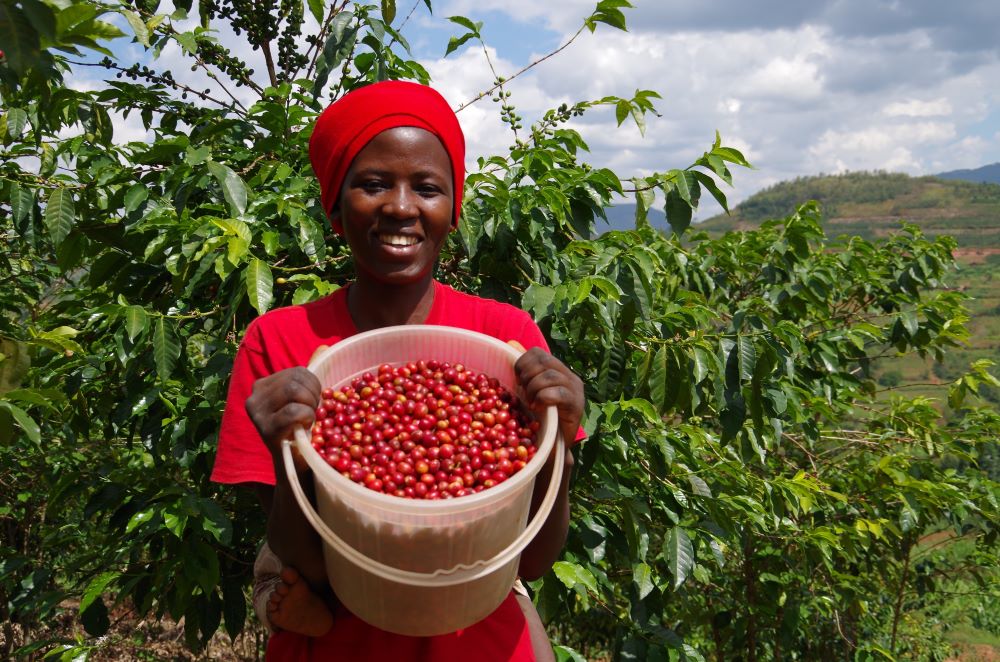
Their coffees, carefully selected to represent the future brand of Rwanda, based on the best quality coffee Rwanda can produce, have attracted numerous buyers, are slowly but surely winning international auctions, thereby steadily expanding their market.
“They taught us how to handle coffee from the farm all the way to the cup,” Moses Mbonimpaye, a coffee farmer and member of the KOPAKAKI cooperative, told IGIHE.
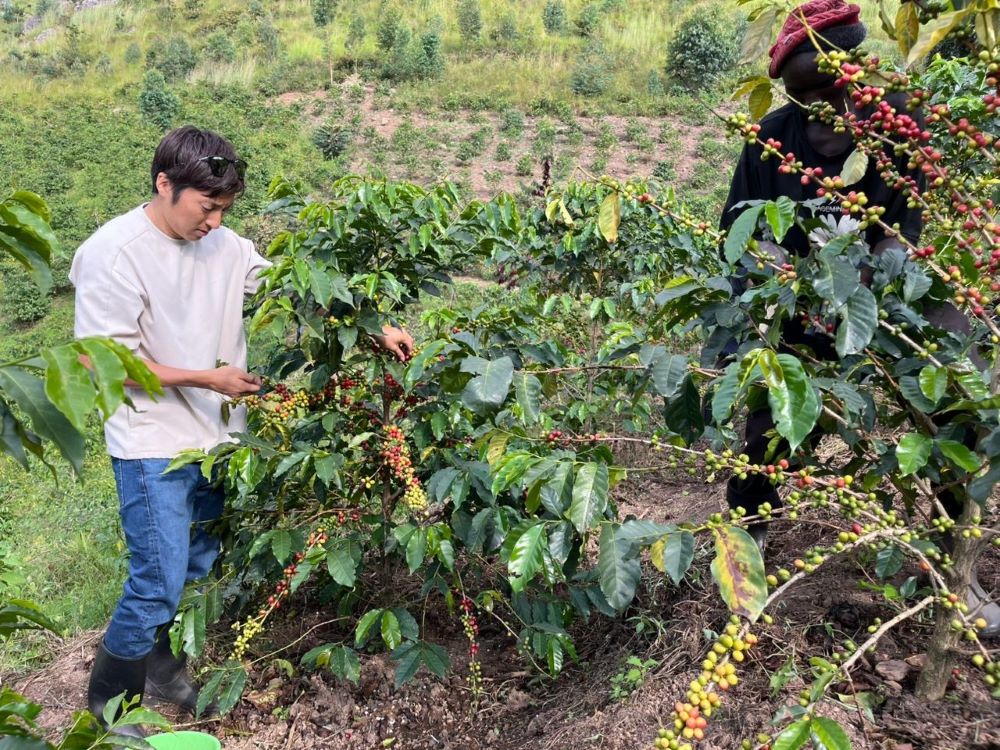
“Farmers knew about coffee, but the returns didn’t match their investments. An expert from JICA advised us to first help the farmer improve productivity at the tree level because that’s where it all begins,” he added.
Mbonimpaye noted that the program offered diverse training opportunities, including study tours to countries like Colombia, Costa Rica and the USA, to observe how top producers manage processing, rejuvenate old coffee trees, and prepare beans for export.
Benoit Habinshuti, representing the ARABICA Cooperative, said the process transformed their approach.
“Before, we processed coffee the way we thought best, without much ambition for the international market,” he said. “But after working with JICA, we realised the value of global trade. They showed us how to prepare coffee that meets export standards. Now, we are confident our coffee can compete internationally.”
{{Building skills and confidence}}
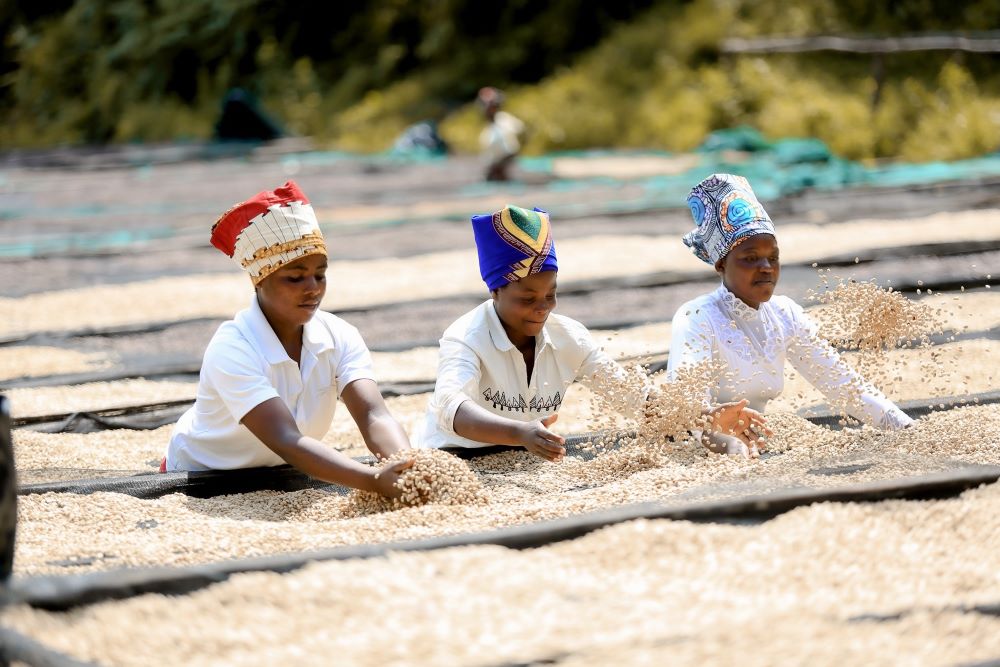
JICA’s interventions have been especially impactful for coffee cooperatives, which received technical assistance, training, and exposure to global best practices. They have transformed the industry, helping them achieve higher yields and reach broader international markets.
The collaboration began in 2013 when JICA committed to assisting Rwandan coffee farmers and exporters in producing beans of exceptional quality—authentic, flavorful, and competitive on the global stage.
In 2017, this commitment expanded through partnerships with the National Agricultural Export Development Board (NAEB) and the Rwanda Agriculture and Animal Resources Board (RAB).
Together, they launched two major projects focused on strengthening the entire coffee value chain. These initiatives aimed to equip farmers and processors with the technical knowledge and marketing skills needed to elevate Rwanda’s coffee internationally.
{{Rwanda to the world }}
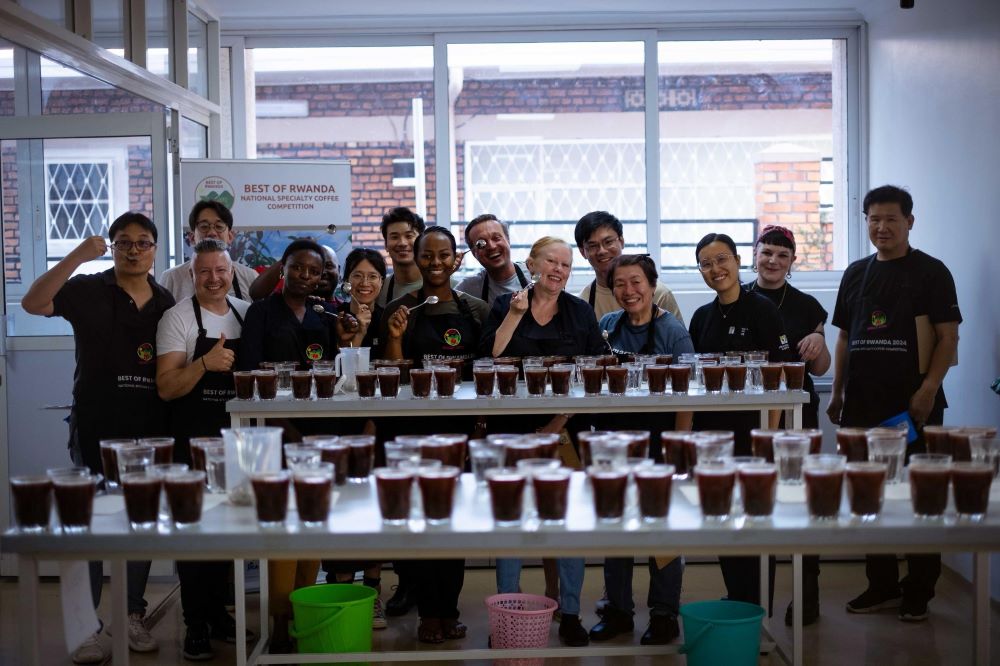
In 2024, JICA and NAEB introduced Best of Rwanda, an initiative designed to promote Rwandan coffee on the global stage. The initiative invites coffee processors to present their best beans, and the top 19 selected from nearly 300 nationwide entries, were auctioned to international buyers in 2024.
At these auctions, the highest price has spiked over Frw 100,000 per kilogram, and the other top 18 sells for no less than Frw 50,000 per kilogram, while the recent international purchase price for Rwanda’s coffee averages Frw 10,000 per kilogram.
Kosuke Nakajima, a JICA expert, emphasized that Rwandan coffee is steadily building a strong reputation worldwide and reaffirmed JICA’s commitment to supporting both farmers and exporters.
He added that ongoing efforts are focused on developing a distinctive Rwanda Coffee Brand—a label that can stand out globally, just as other coffee-producing nations have successfully done.
Participants in Best of Rwanda highlight that even those who don’t win international bids benefit from the exposure.
By observing peers and learning from international buyers, they gain insights into how to further refine their products. Many say the showcase is invaluable, drawing attention from major international companies and opening new doors for the sector.
The farmers’ appreciation comes as JICA marks 20 years since reopening its Rwanda office, where it has supported several sectors, including coffee.
The fighting escalated on Sunday, September 21, 2025, but ended with M23 defeating government forces and the Wazalendo militia.
According to Radio Okapi, heavy battles took place in Cisaza, Cibanda, Muyange, Karhuliza, and Kalongo.
Reports indicate that the clashes were so intense that M23 deployed armoured vehicles and other heavy weaponry.
Nzibira is one of the key towns in South Kivu, known for its mining activities, particularly coltan and gold. It had been an important area under FARDC control, meaning its loss would carry significant consequences.
On the same day, heavy fighting was also reported in North Kivu, particularly in the Masisi and Walikale areas.
The capture of Nzibira adds to other territories now controlled by AFC/M23 in South Kivu, including Bukavu. The group is also reported to be present in Mwenga, Kabare, Fizi, and Uvira.
But tensions that erupted early 2022 between the two neighbors derailed much of that progress. Some projects were suspended, while others slowed to a near standstill.
Among the most affected were the joint construction of a major hydroelectric plant, conservation of the Virunga parks, gold refining agreements, petroleum exploration in Lake Kivu, and the planned model village in Goma.
{{The Ruzizi III power plant}}
One of the flagship projects delayed by the diplomatic fallout is the Ruzizi III hydropower station, a joint initiative of Rwanda, the DRC, and Burundi.
In 2016, the three countries agreed to harness the Ruzizi River to produce 147 megawatts of electricity. Backed by the World Bank, the European Union, and the African Development Bank, the project was valued at $450 million and was expected to be completed by 2024.
However, regional disputes disrupted cooperation, causing repeated delays. Costs have since ballooned to an estimated $800 million. Earlier this month, Rwanda’s Minister of Infrastructure, Dr. Jimmy Gasore, inspected the site and announced that construction will formally begin in January 2026 and conclude by 2030.
Each partner country will contribute around $266 million and receive roughly 68 megawatts of power.
{{Park conservation efforts}}
In 2014, Rwanda, the DRC, and Uganda signed a pact to protect the Virunga mountain range and surrounding parks, an area spanning over 7,900 square kilometers.
Through the Greater Virunga Transboundary Collaboration (GVTC), the countries sought to coordinate anti-poaching operations and counter armed groups destabilizing the region, such as the FDLR.
Those efforts stalled after hostilities resumed. In October 2022, Kinshasa accused Rwanda of smuggling gorillas and monkeys, allegations Rwanda’s Deputy Permanent Representative to the UN, Robert Kayinamura, dismissed as “a colonial mindset.”
“For the past 28 years, Rwanda has been blamed for everything; lack of water, lack of electricity, lack of roads,” he said. “We need to move beyond this mentality and focus on real solutions.”
{{Gold refining agreement}}
The DRC, home to vast mineral wealth, has long struggled to add value to its resources due to limited refining capacity. In contrast, Rwanda operates the Gasabo Gold Refinery in Kigali.
In June 2021, the two countries signed an agreement allowing Congolese gold to be processed in Rwanda through a partnership between Sakima (Socièté Aurifère du Kivu et Maniema), a state-owned company in the DRC, and Rwanda’s Dither Ltd.
But just a year later, after M23 rebels seized Bunagana, Kinshasa suspended the deal, accusing Rwanda of backing the rebels; allegations Kigali has consistently denied.
{{Goma’s model village}}
The eruption of Mount Nyiragongo in May 2021 destroyed more than 1,000 homes on the outskirts of Goma. In a gesture of solidarity, President Paul Kagame visited the area and pledged to help rebuild, promising a modern settlement similar to Rwanda’s Kinigi model village in Musanze.
Congolese officials later toured Kinigi to study its design, and it was agreed that Rwanda would supply construction materials. The model village, estimated to cost over 26 billion Rwandan francs, was to be inaugurated on July 4, 2022.
By then, however, relations had soured, leading to setbacks in the implementation of the project.
{{Lake Kivu oil exploration}}
In 2017, Rwanda and the DRC signed an agreement to jointly explore petroleum deposits in Lake Kivu. The deal followed discussions between the two presidents in 2016 and aimed to identify reserves, estimate quantities, and plan for joint exploitation.
Following the Bunagana crisis, Kinshasa suspended cooperation and accused Kigali of supporting M23 rebels. Rwanda proceeded with exploration on its side of the lake. In January 2025, Kigali announced it had identified 13 potential petroleum blocks.
The discovery angered Kinshasa, prompting Prime Minister Judith Suminwa Tuluka to instruct her Minister of Hydrocarbons, Aimé Sakombi Molendo, to demand explanations from Rwanda Mining Board (RMB).
{{A path to reconciliation?}}
Since 2022, Angola and other mediators have attempted to restore relations. In September of that year, Presidents Kagame and Tshisekedi last met in New York, with President Emmanuel Macron of France facilitating talks.
In March 2025, the United States helped broker a peace framework, culminating in a June 27 agreement aimed at ending hostilities.
If relations improve, key joint projects including Ruzizi III, cross-border conservation and mineral processing could be revived, renewing hopes of regional integration.
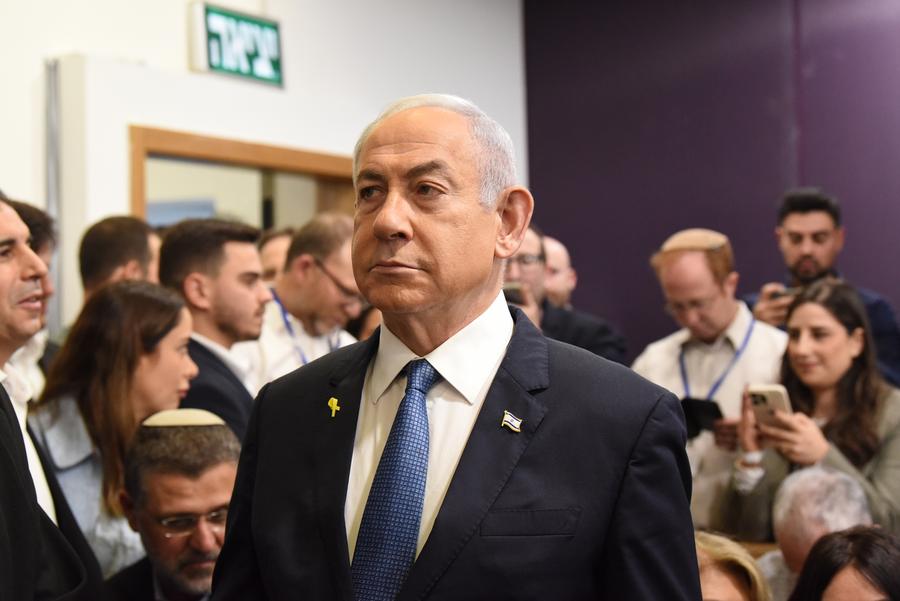
“I have a clear message to those leaders who recognize a Palestinian state after the terrible massacre of October 7,” Netanyahu said, referring to Hamas’ attack on southern Israel in October 2023. “You are giving a huge reward to terrorism.”
He added, “It will not happen, there will not be a Palestinian state west of the Jordan River.”
He added that he will give a response to the latest recognition after his return from the United States. “Wait for it,” he said.
Welcoming the move by the three countries, Palestinian President Mahmoud Abbas said, “It constitutes an important and necessary step toward achieving a just and lasting peace in accordance with international legitimacy,” according to a statement by his office.
Earlier in the day, British Prime Minister Keir Starmer said in a video statement that Britain “formally recognizes the State of Palestine,” calling for a shift back to a two-state solution.
Meanwhile, a joint media release by Australian Prime Minister Anthony Albanese and Foreign Minister Penny Wong said “Australia recognizes the legitimate and long-held aspirations of the people of Palestine to a state of their own.”
Canadian Prime Minister Mark Carney on Sunday also issued a statement on Canada’s recognition of the State of Palestine.
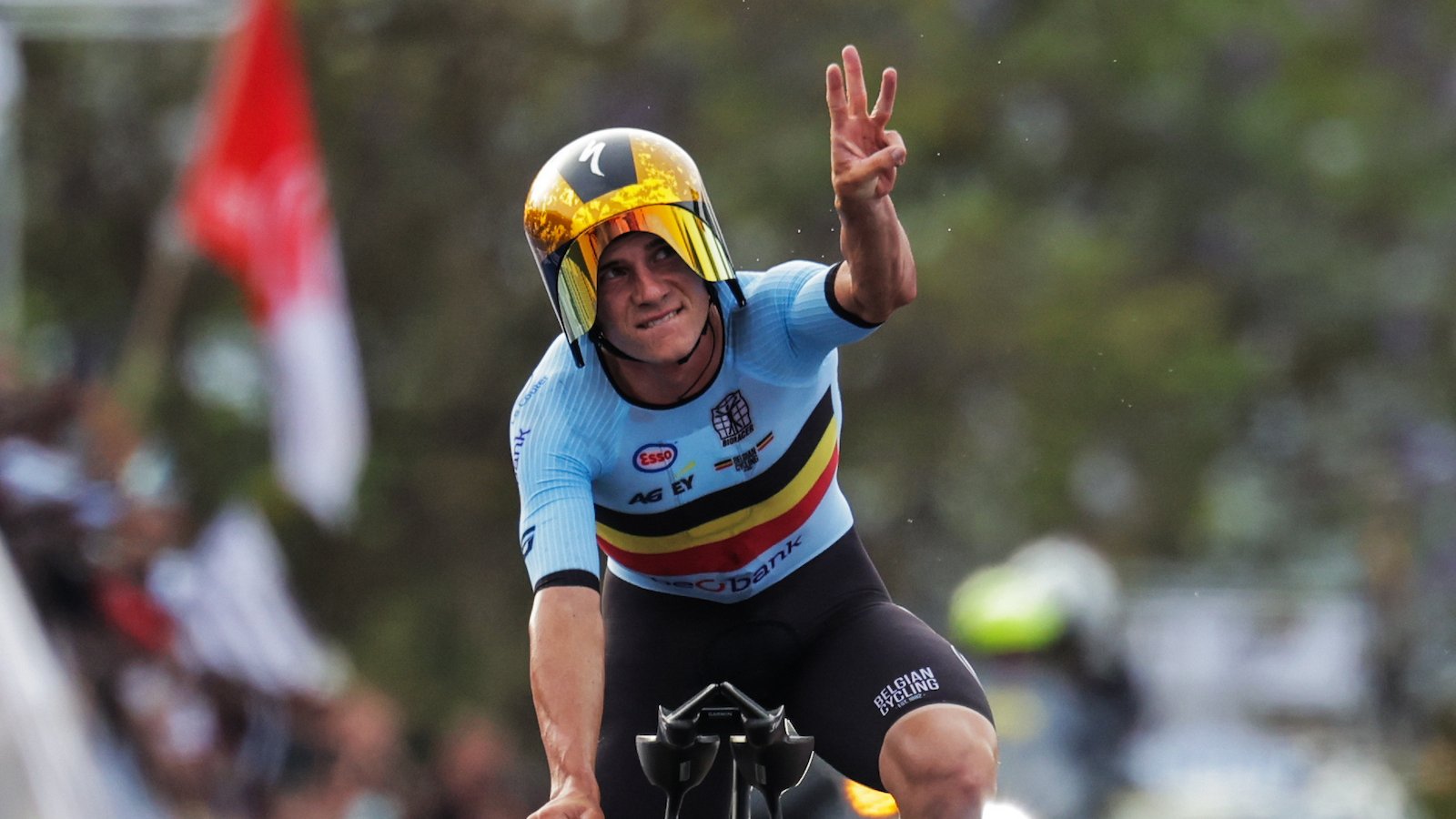
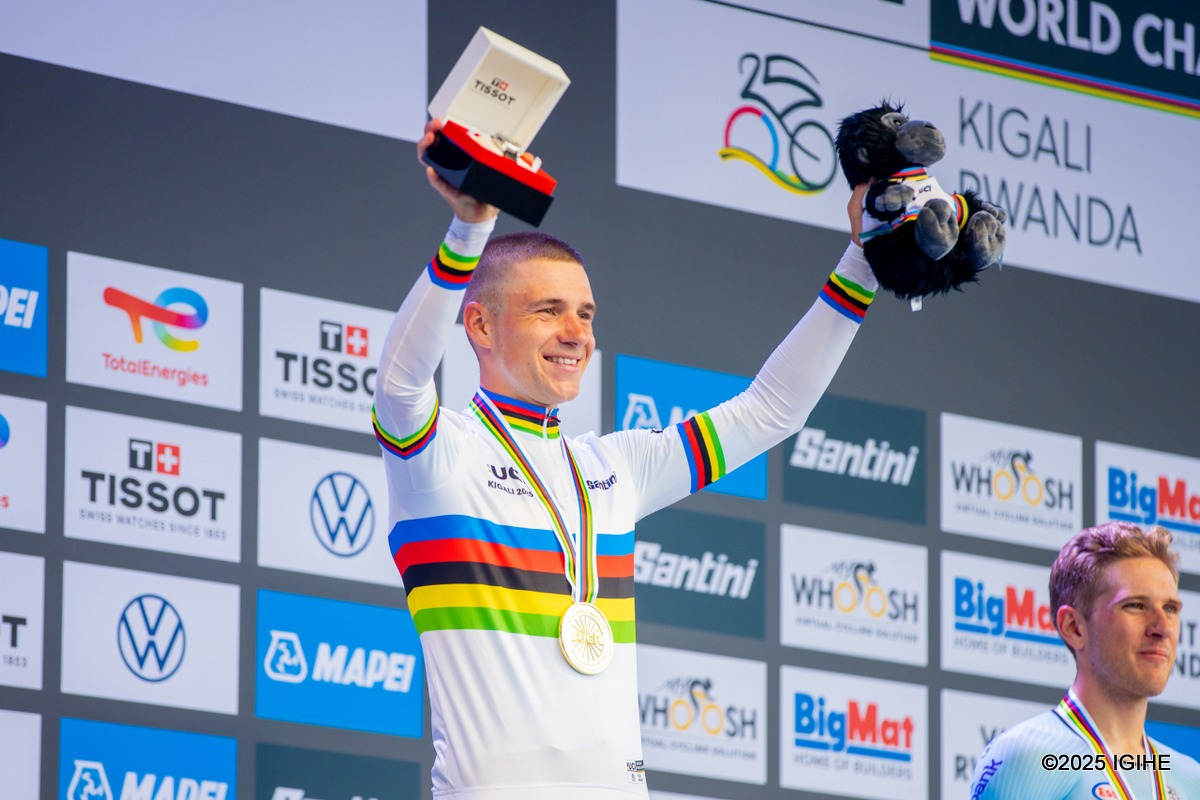
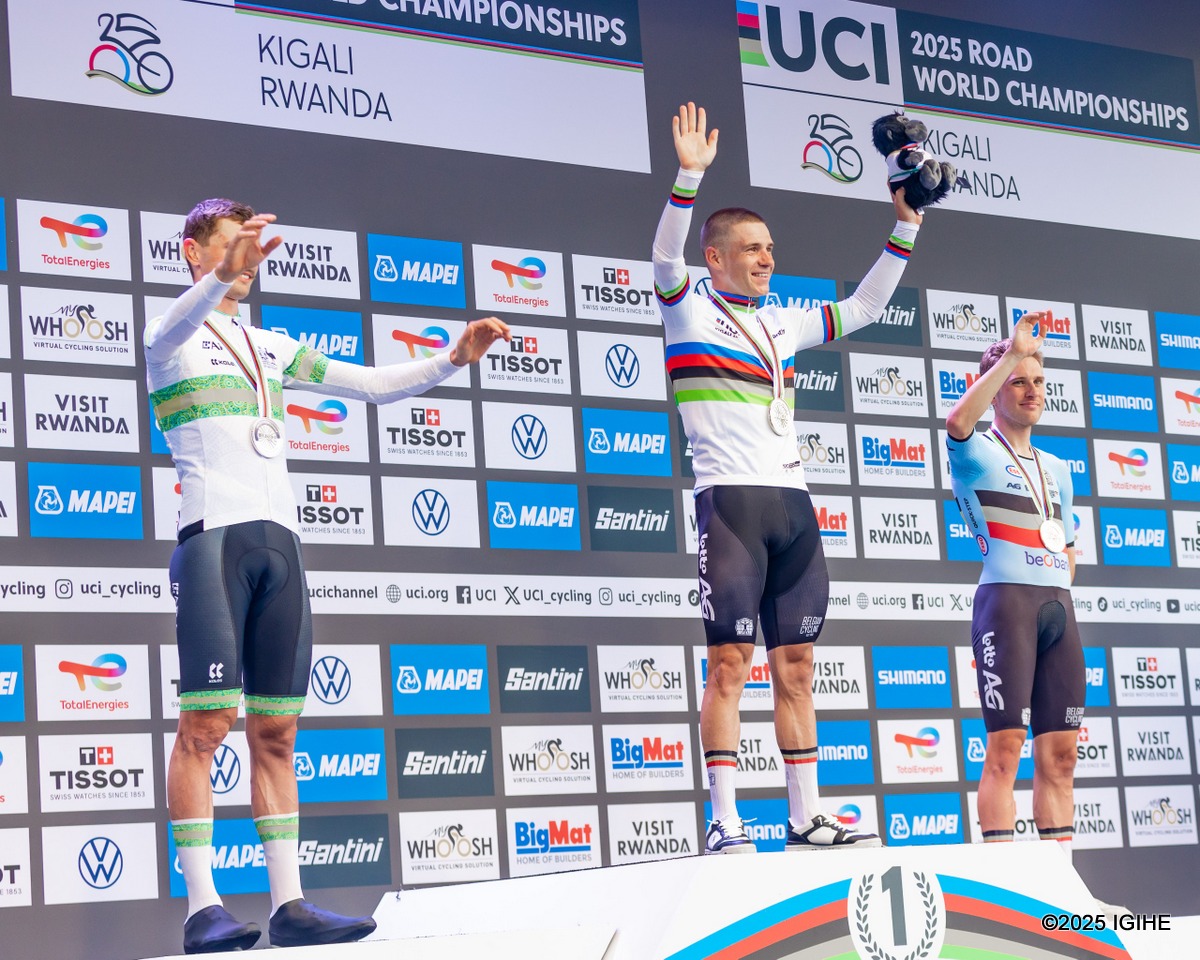
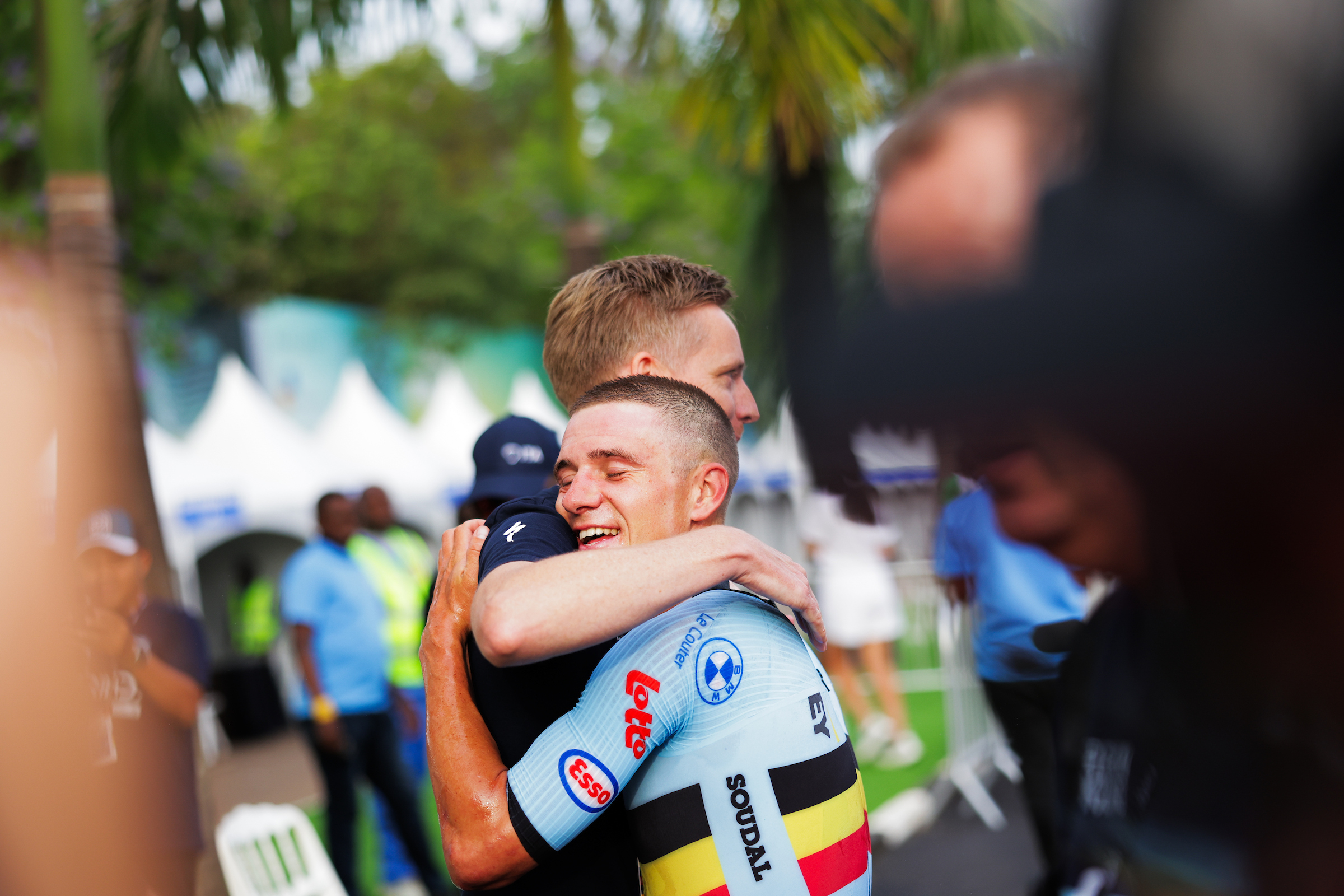
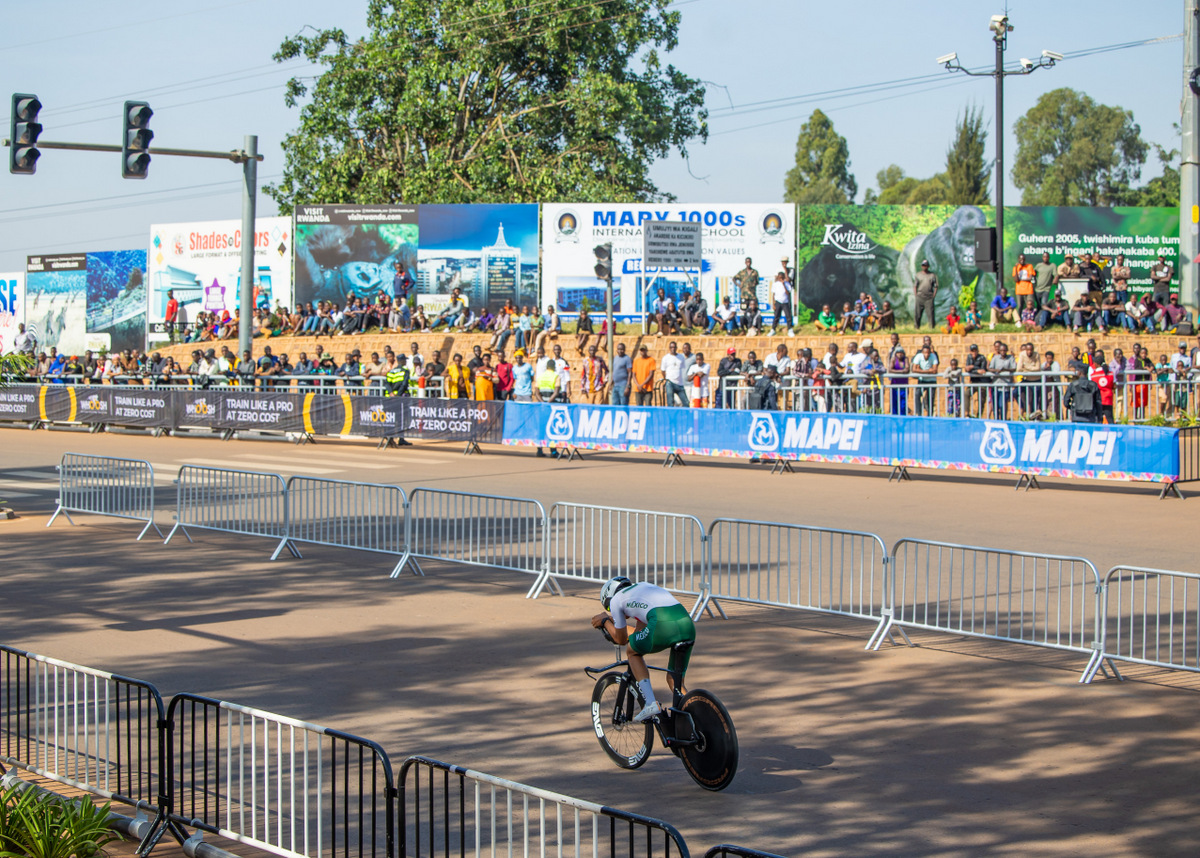
The 25-year-old star completed the 40.6-kilometre route in 49:46.03, averaging an impressive 48.9 km/h. His performance reaffirmed his dominance against the clock and ensured Belgium’s flag flew highest on the opening weekend of competition.
Evenepoel’s ride was a test of both physical strength and mental resilience, as Kigali’s steep climbs and cobbled sections pushed every rider to the limit.
“It felt pretty good right away on the first flat part; I could feel my legs turning. I held my pace without going over the limit. The first climb of the day was quite hard, along with the last two, so I really pushed it there,” he reflected on the effort required to secure gold.
“After that, I saw I had a big gap, so I kept a pace I could sustain until the bottom and then went flat out on every climb. I must say, the cobbles were brutal—I hated them at some point. It was so hard to push through them toward the end, but winning was the most important thing,” he added.
{{Vine takes silver, Van Wilder bronze
}}
Australia’s Jay Vine rode strongly to secure the silver medal, clocking 51:00.83 — over a minute behind Evenepoel, but still clear of the chasing pack. The bronze went to Evenepoel’s compatriot Ilan van Wilder, who stopped the clock at 52:22.10, giving Belgium two riders on the podium in Kigali.
{{Pogačar and Del Toro in the mix
}}
Pre-race favourite Tadej Pogačar, fresh from his fourth Tour de France title earlier this summer, had to settle for a disappointing fourth on his birthday. The Slovenian finished in 52:23.76, narrowly missing a medal. Rising Mexican sensation Isaac Del Toro followed closely in fifth with 52:26.89, adding another strong result to his breakout season.
Dutch rider Thymen Arensman, considered a podium contender, placed ninth in 53:25.71, while Swiss specialist Stefan Küng completed the top ten.
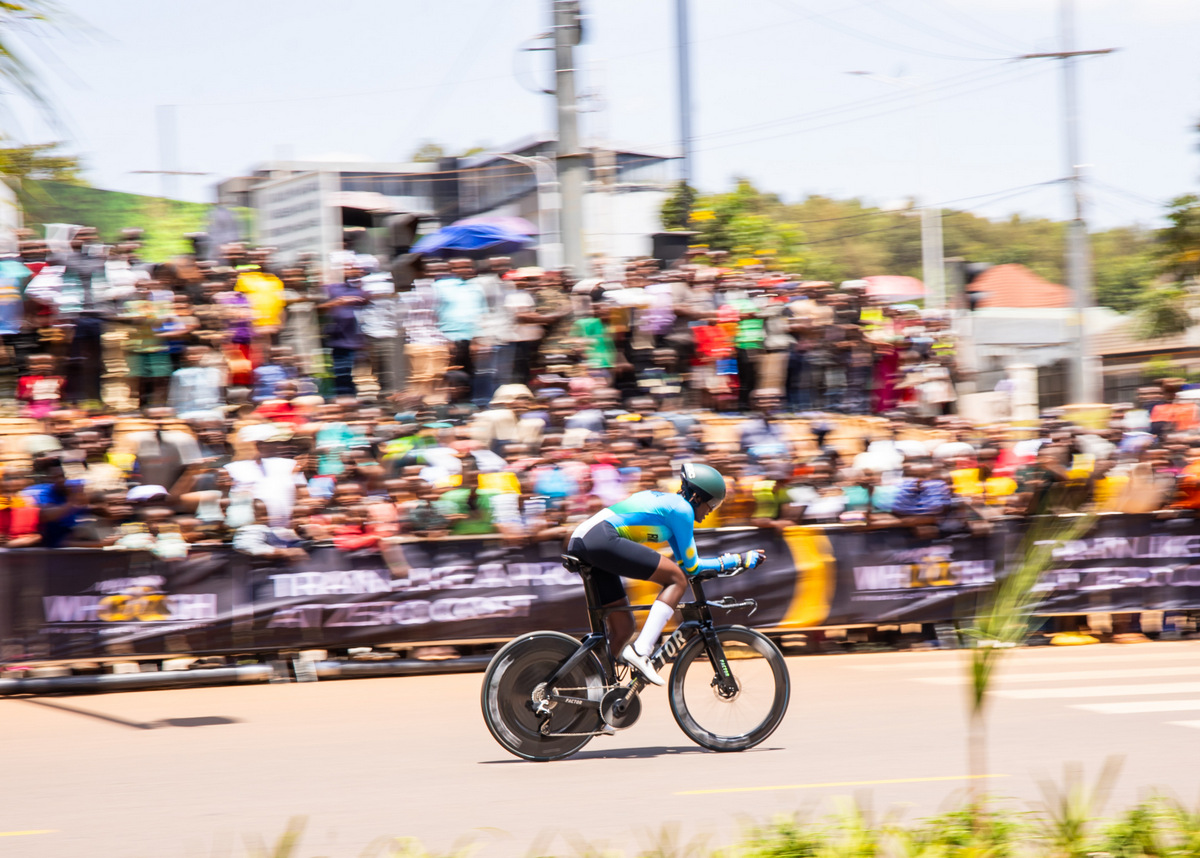
Rwanda’s cycling fans had plenty to cheer as two local riders lined up in the world championship field of 54 participants. Shemu Nsengiyumva delivered a spirited ride to take 25th place in 56:41.13, while Moise Mugisha came home 31st in 58:40.67
{{Men elite individual time trial – top 10 results
}}
“If Afghanistan doesn’t give Bagram Airbase back to those that built it, the United States of America, BAD THINGS ARE GOING TO HAPPEN!!!” the president wrote on his Truth Social account.
Located about 50 km north of Kabul, the Bagram Airbase was the hub of U.S. and NATO operations during the two-decade-long War in Afghanistan. The withdrawal of American forces in 2021 resulted in the Taliban taking control of the base.
During his recent visit to Britain, Trump said that the United States is “trying to take back” the Bagram Airbase. The remarks have attracted widespread attention and sparked speculation about whether the United States intends to redeploy troops to Afghanistan.
On Saturday, Trump told reporters at the White House that the United States is in talks with Afghanistan regarding regaining control of the airbase, saying, “We want it back, and we want it back soon, right away.”
“If they don’t do it, you’re going to find out what I’m gonna do,” said Trump.
Accompanied by Azerbaijan’s Minister of Youth and Sports, Farid Gaibov, Kagame toured the eight-year-old track, which has hosted F1 races for nearly a decade and is one of 24 circuits on this year’s championship calendar.
The visit coincided with Max Verstappen of Red Bull Racing claiming victory in the Azerbaijan Grand Prix, a win that brought him closer to reclaiming the season’s top spot from Oscar Piastri of McLaren.
Last year, President Kagame confirmed Rwanda’s bid to host a Formula 1 race, which would make the East African nation the first African host in three decades. Since then, discussions and preparations have been underway, with Minister of Sports Nelly Mukazayire confirming that the project is progressing steadily.
President Kagame’s tour of Baku follows visits to other notable circuits, including the Marina Bay Street Circuit in Singapore and the Lusail International Circuit in Qatar, highlighting Rwanda’s growing engagement with global motorsport.
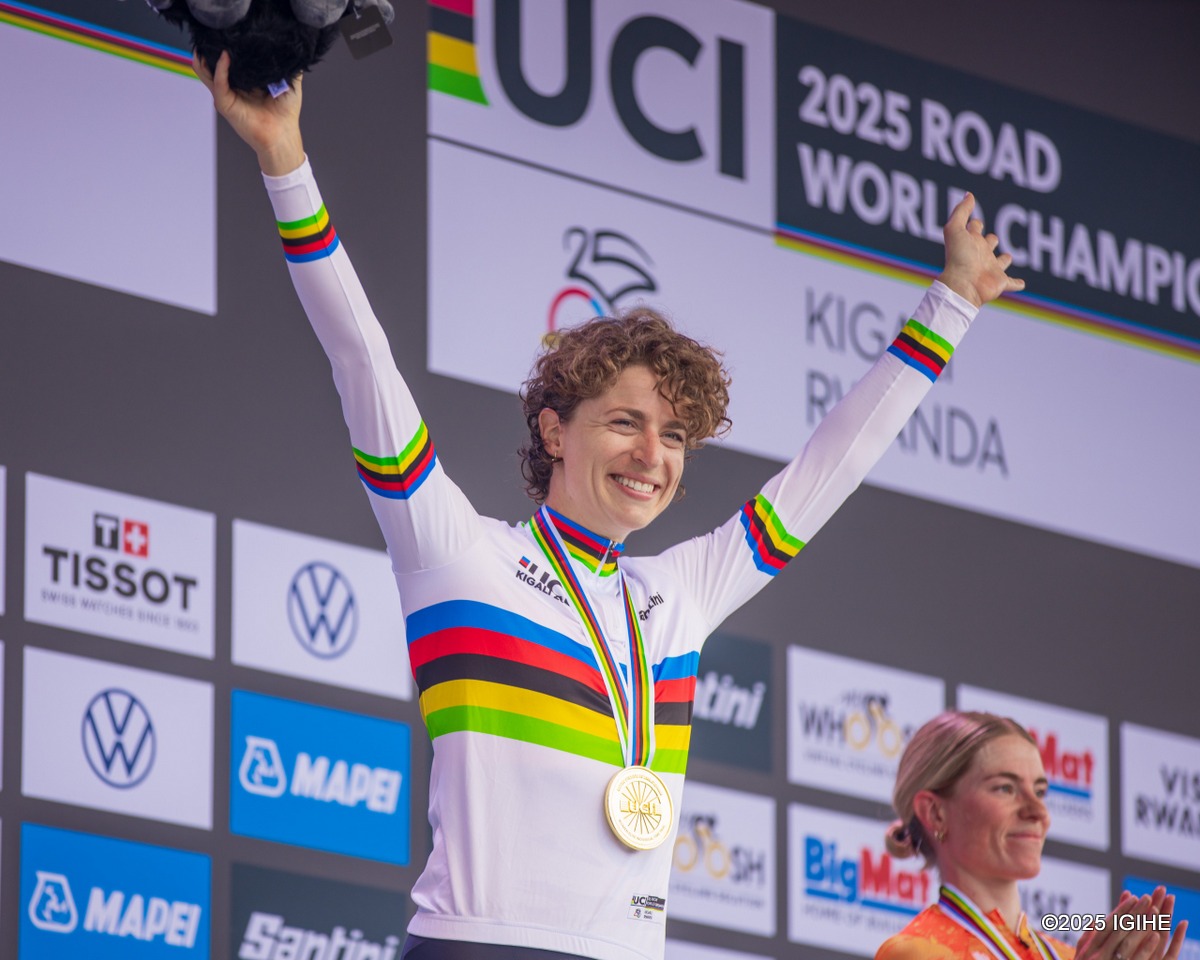
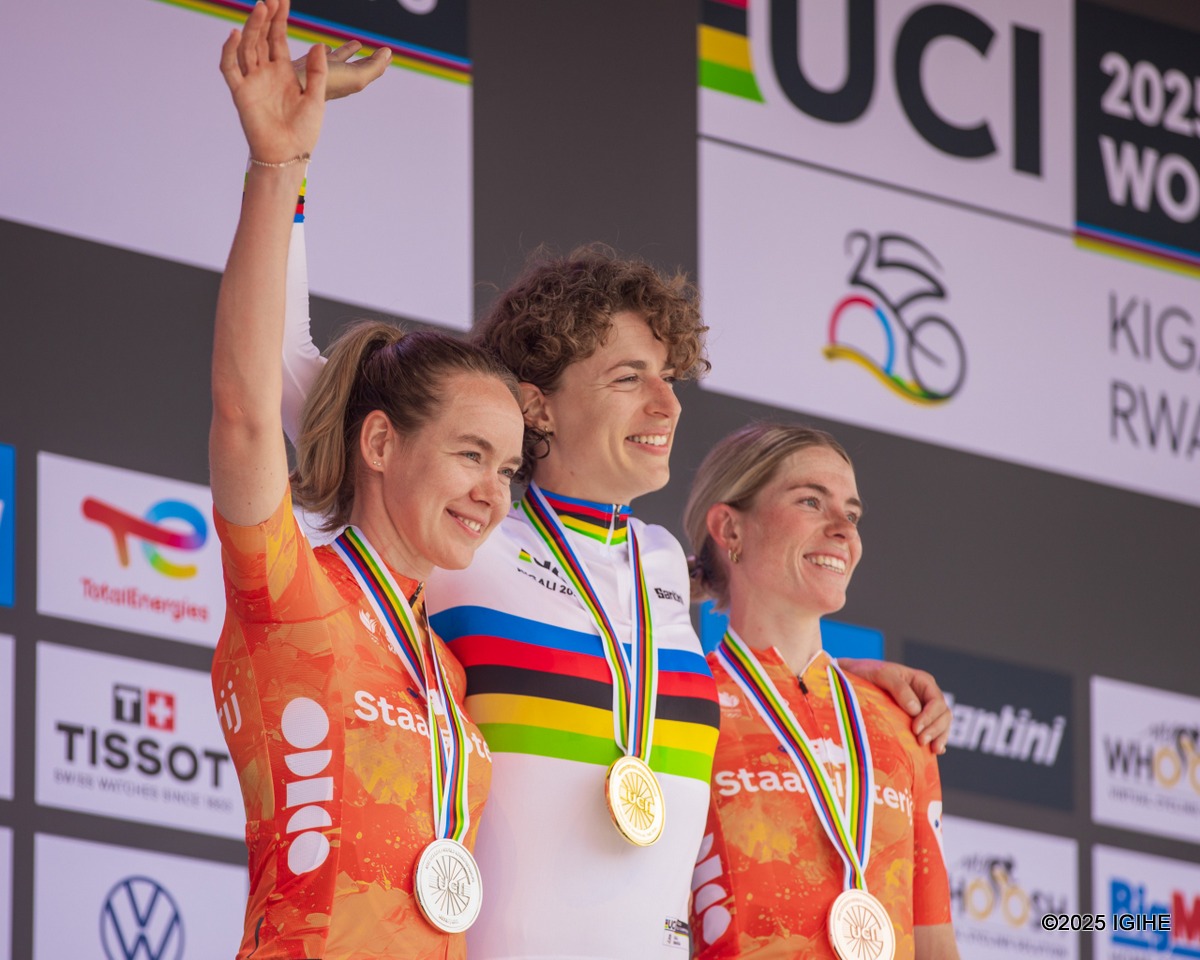
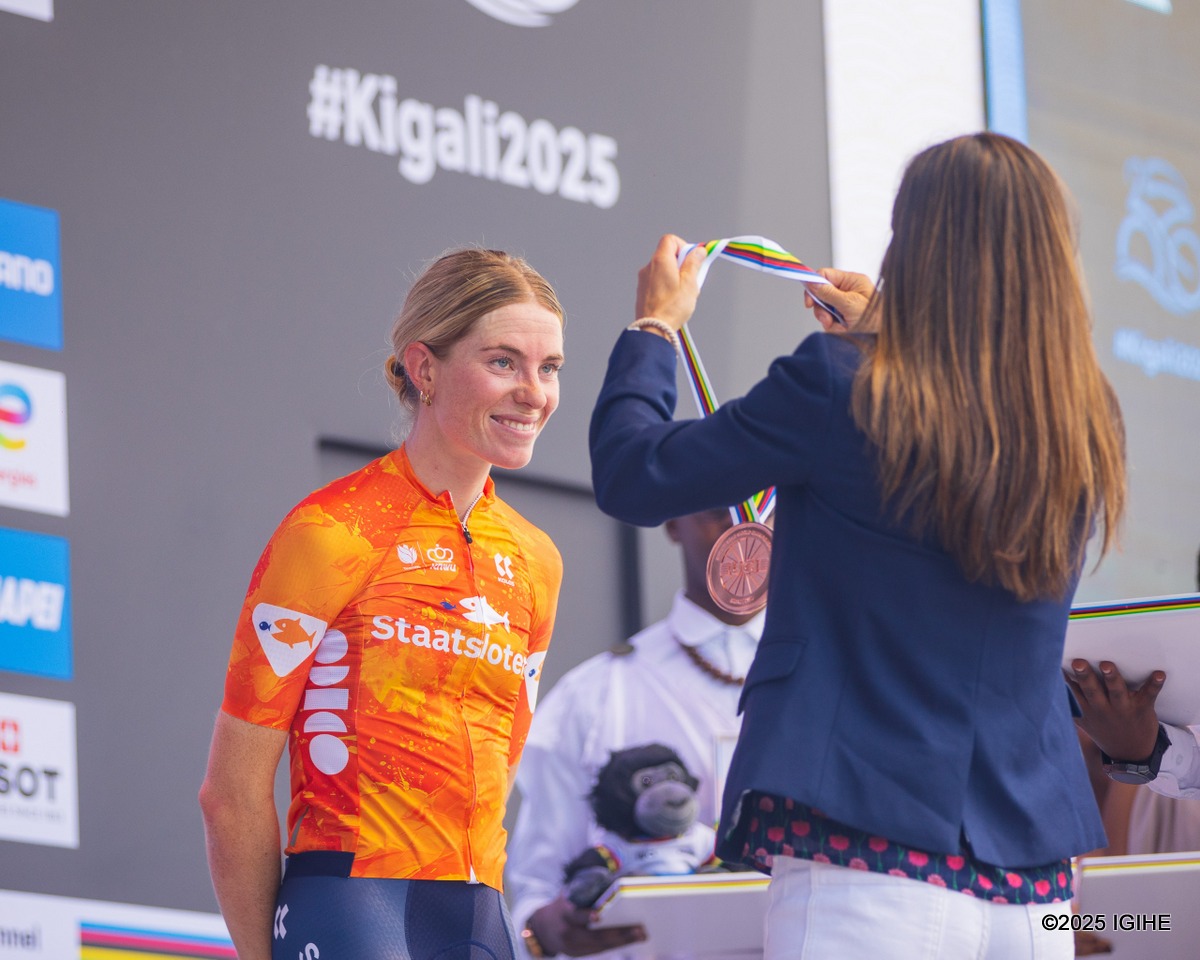
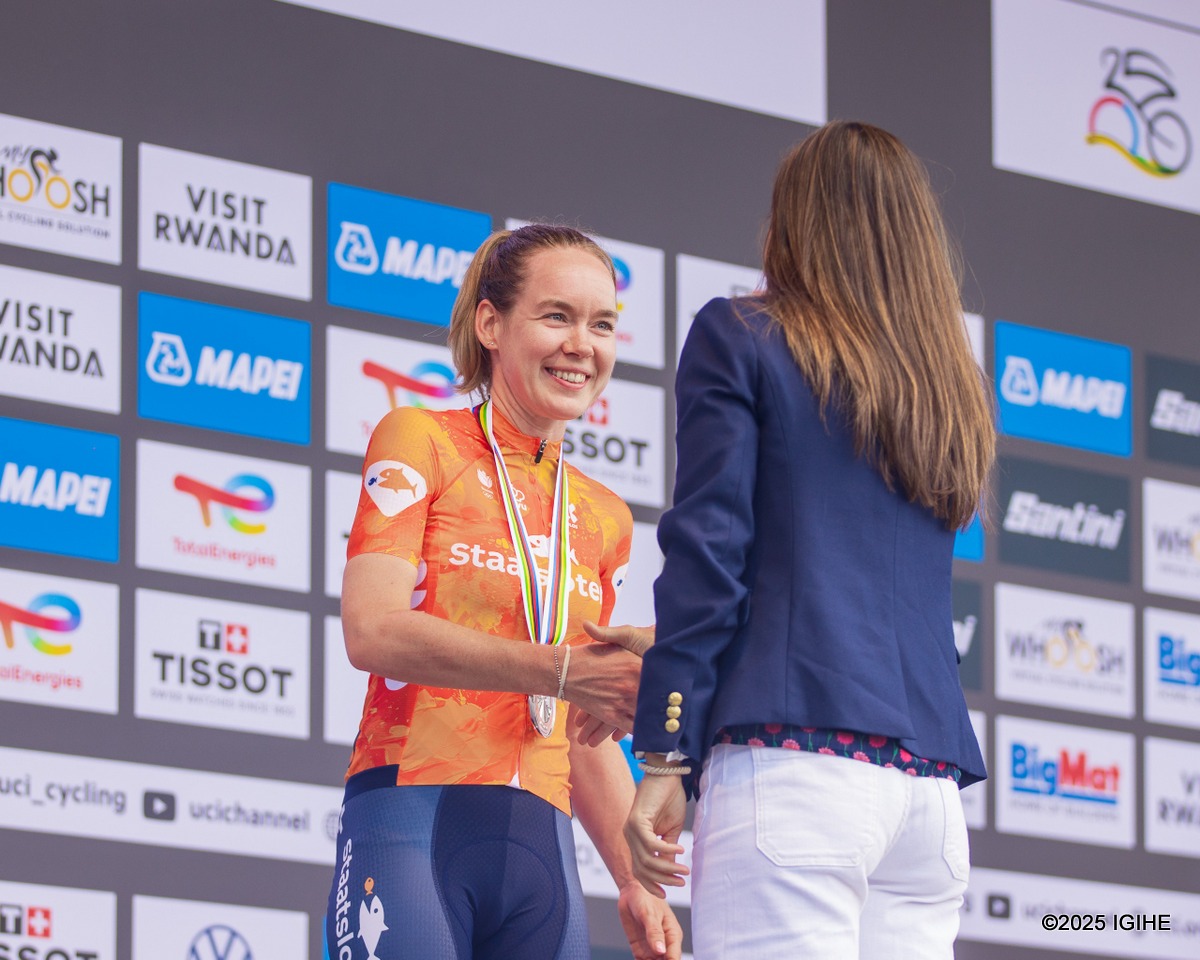
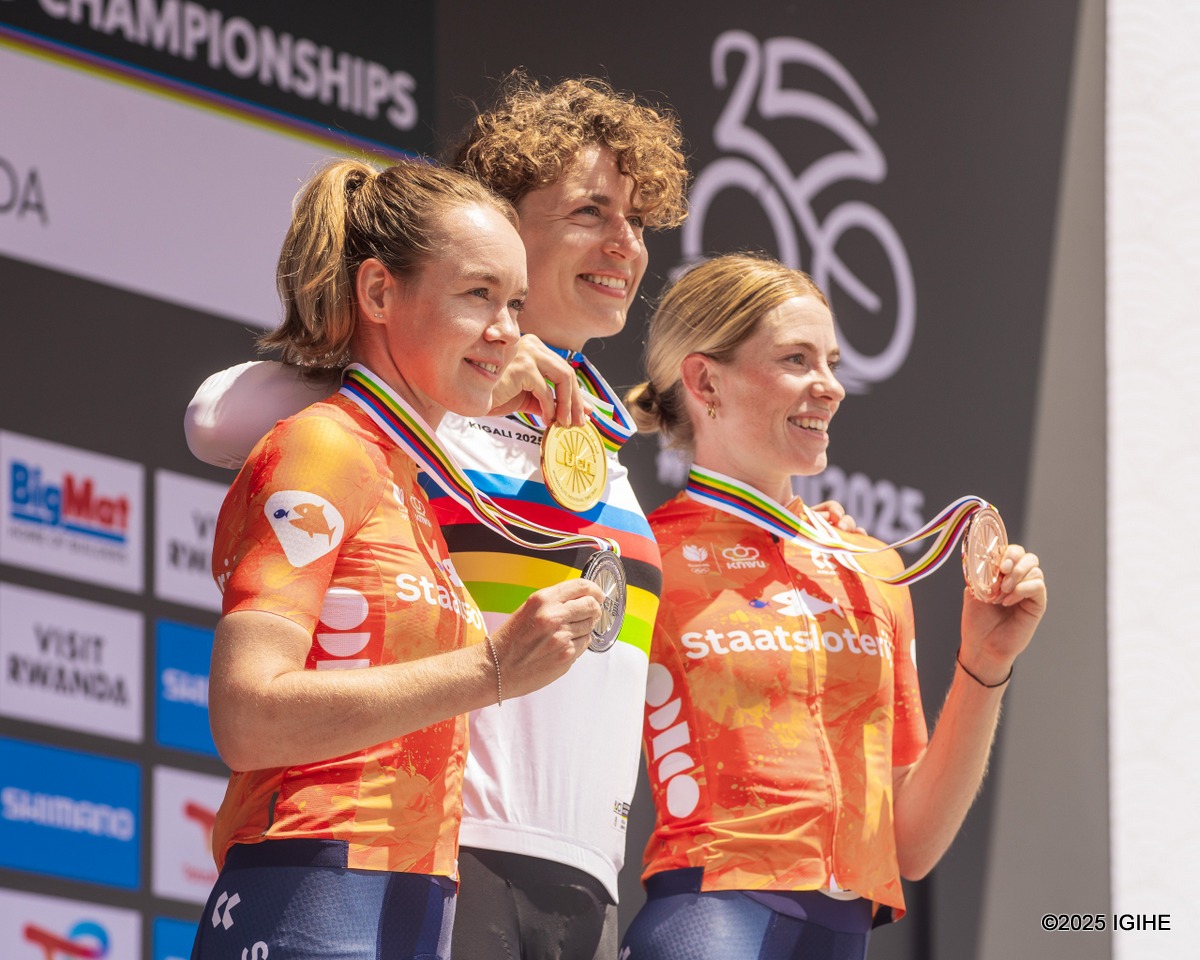
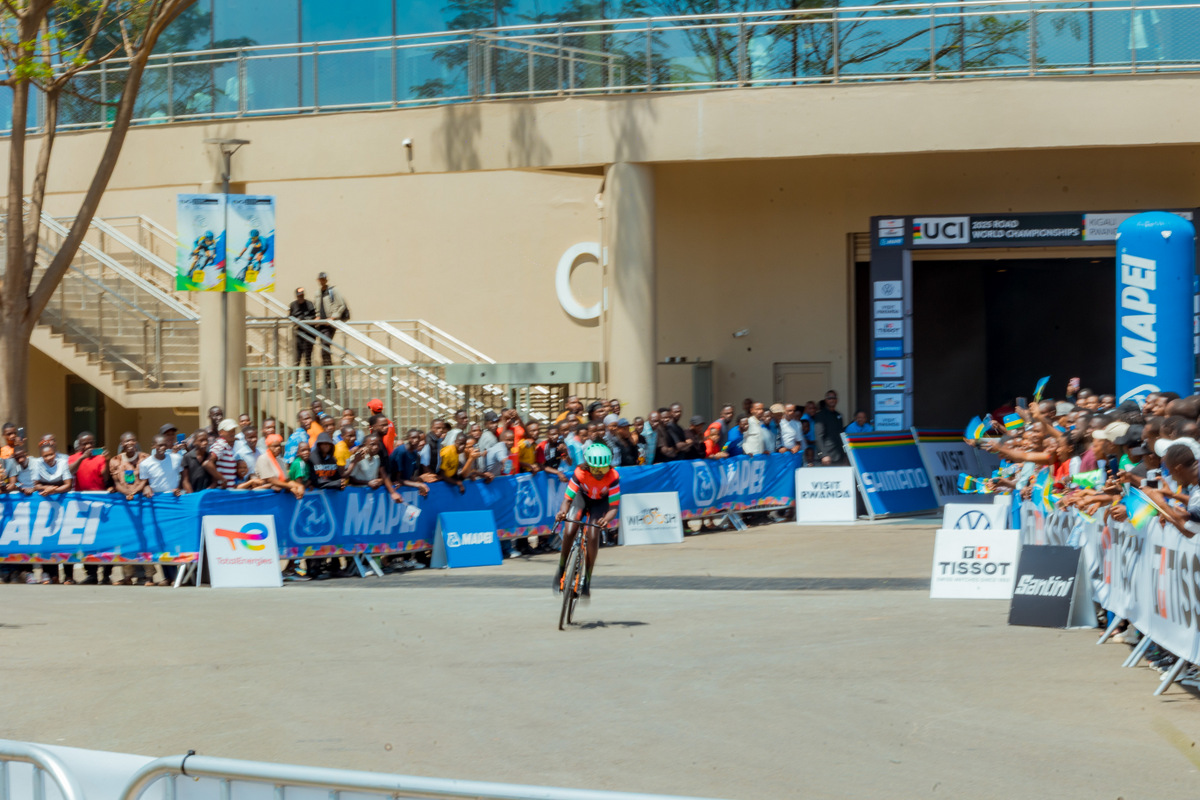
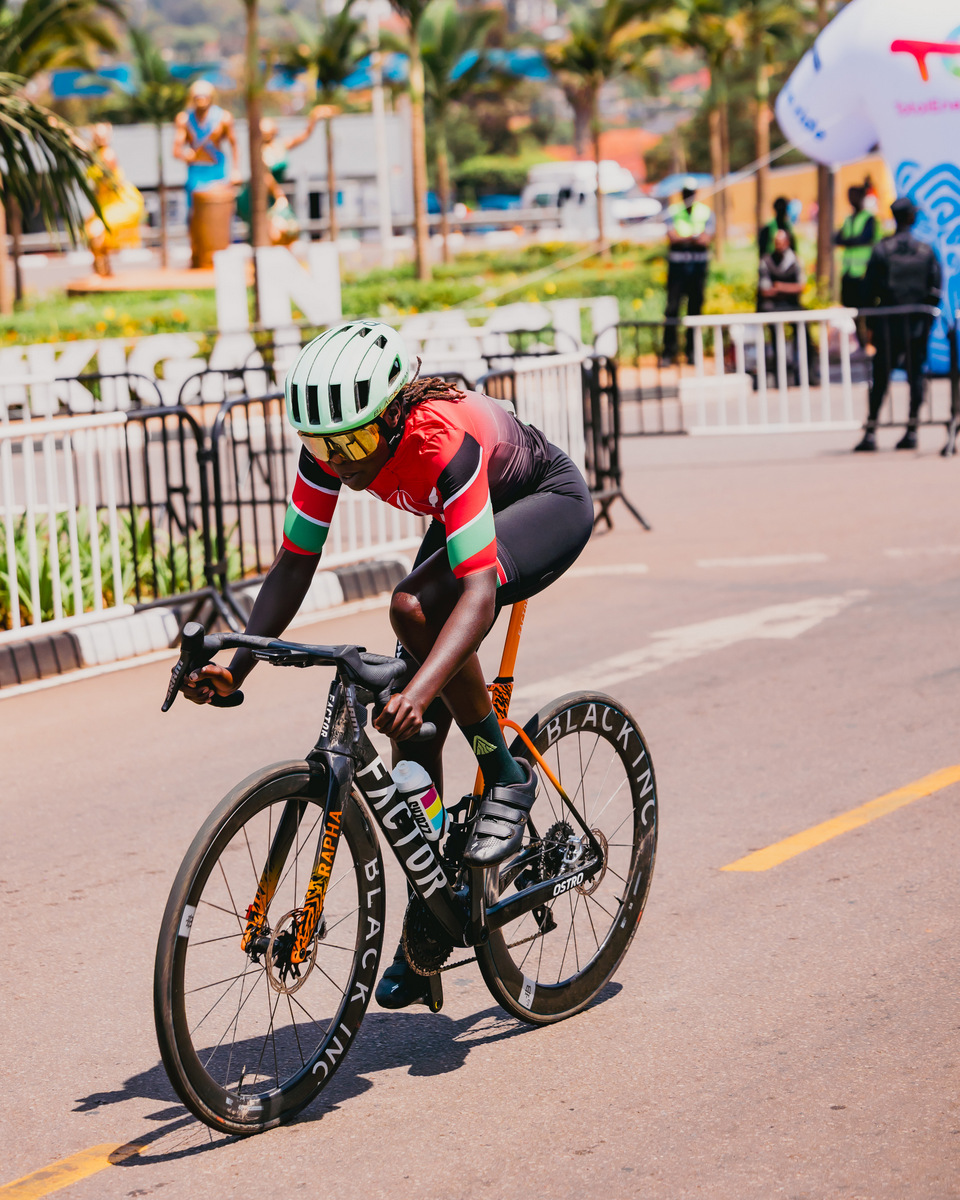
Racing a 31.2-kilometre course through the Rwandan capital, Reusser delivered a dominant ride, clocking 43 minutes 09 seconds at an average speed of 43.3 km/h. She finished nearly a minute ahead of Dutch veteran Anna van der Breggen, who took silver, with her compatriot Demi Vollering securing bronze.
The win marked a career milestone for Reusser, who celebrated her 34th birthday a day earlier. After taking silver in 2020 and 2021 and bronze in 2022, she finally stood on the top step to wear the rainbow stripes.
“I tried so many times… It makes me so happy that I can achieve this — both for myself and for the whole group around me. I am really full of love for these people,” she said with a beaming smile.
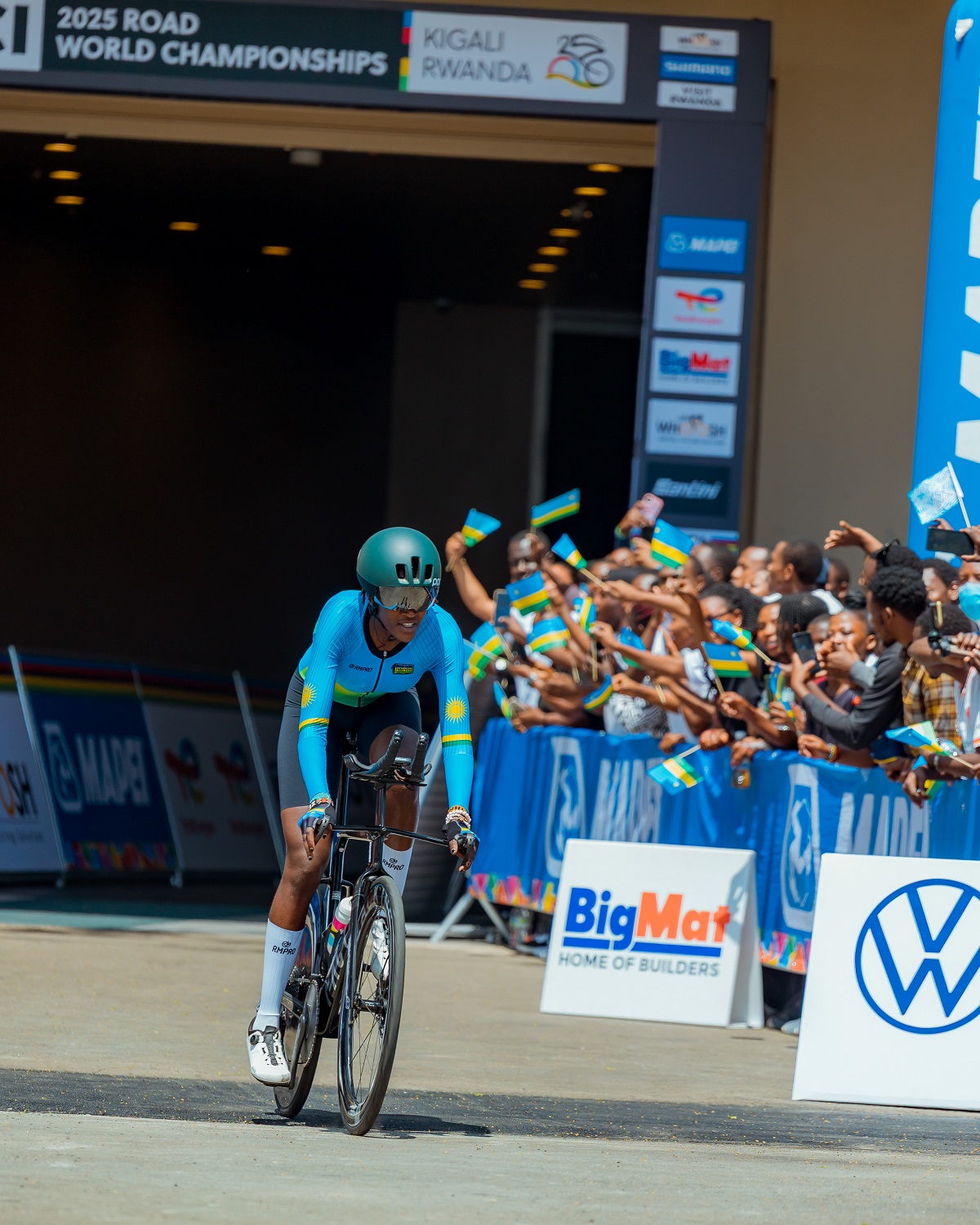
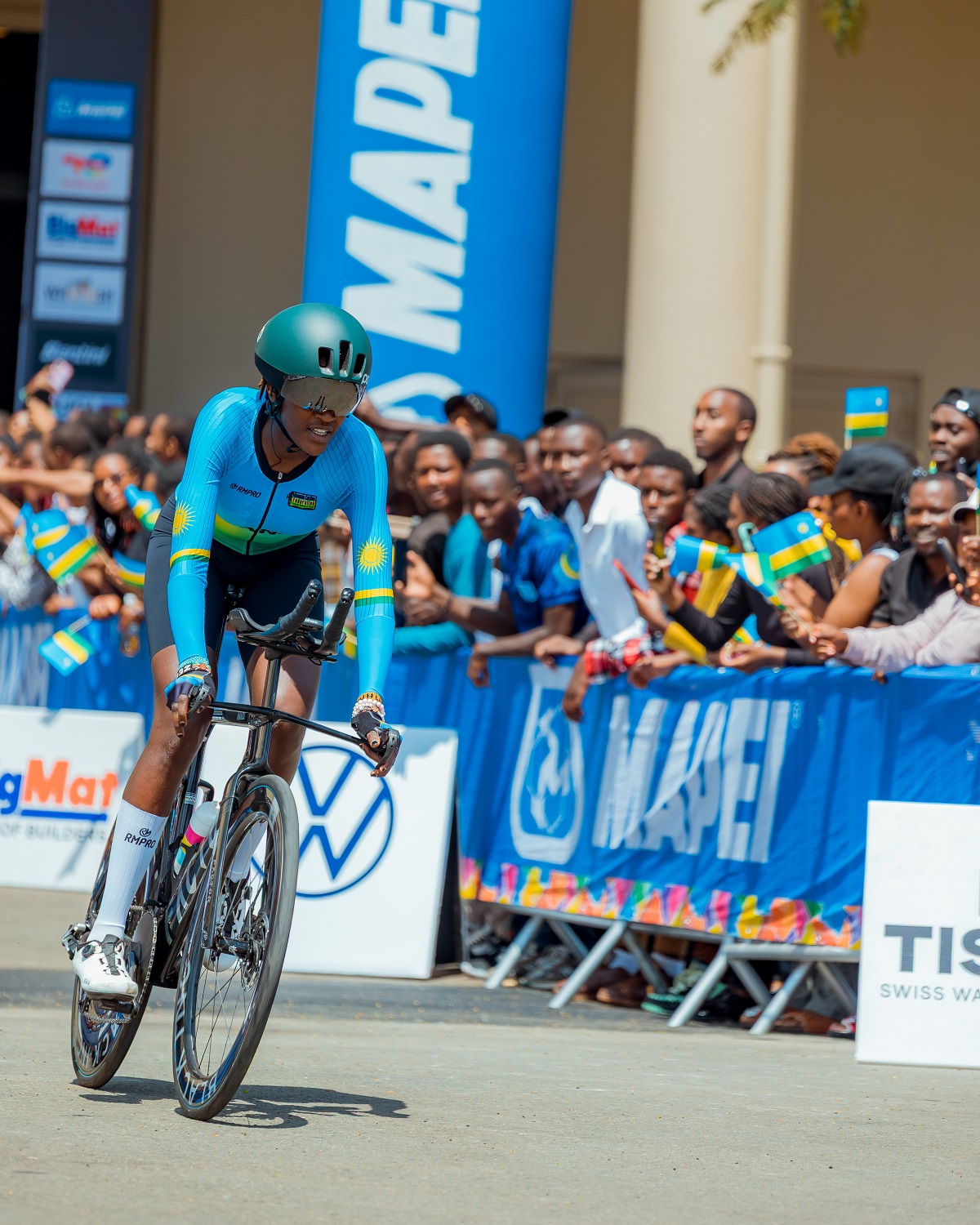
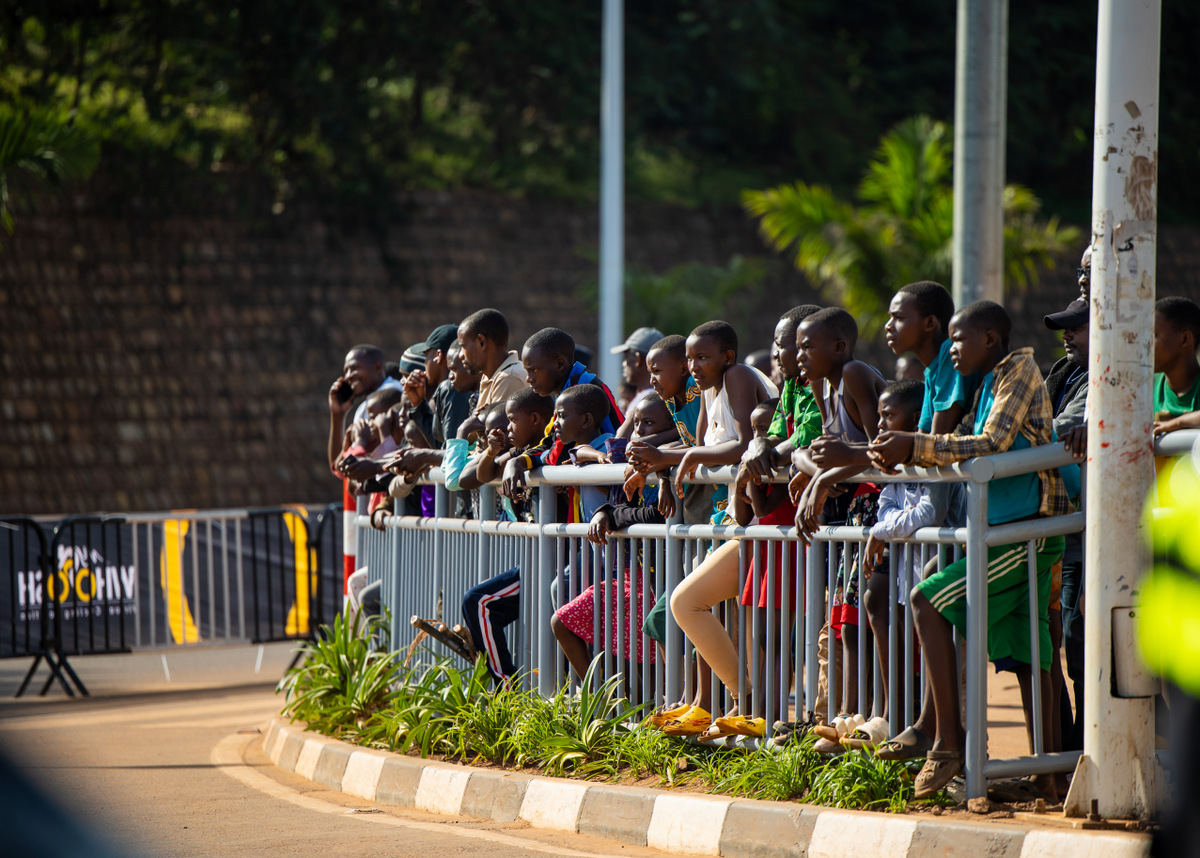
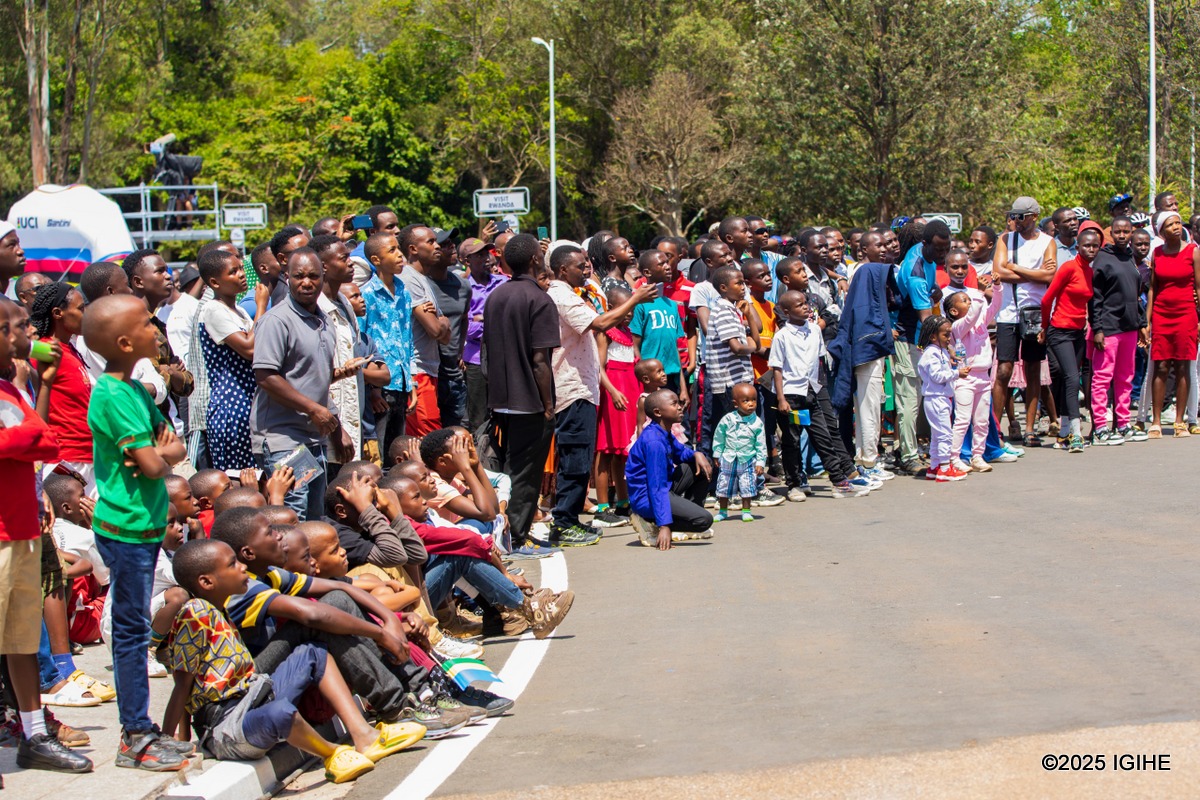
For the home crowd, there was special pride as Rwandan riders Xaveline Nirere and Diane Ingabire lined up in the time trial, representing Rwanda with determination. Nirere completed the 31.2 km course in a time of 50:07.67, while Ingabire finished in 52:57.79. Though outside of medal contention, their participation drew huge cheers along the route.
{{Women elite individual time trial – top 10 riders
}}
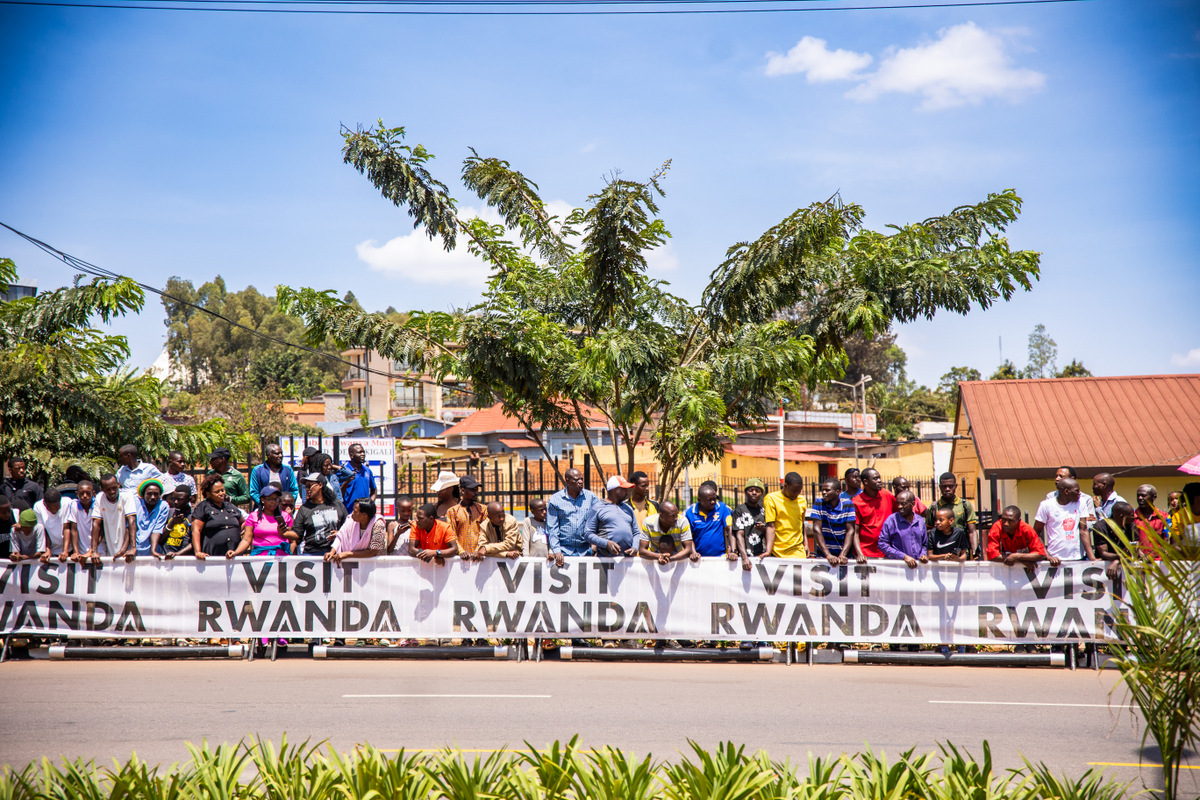
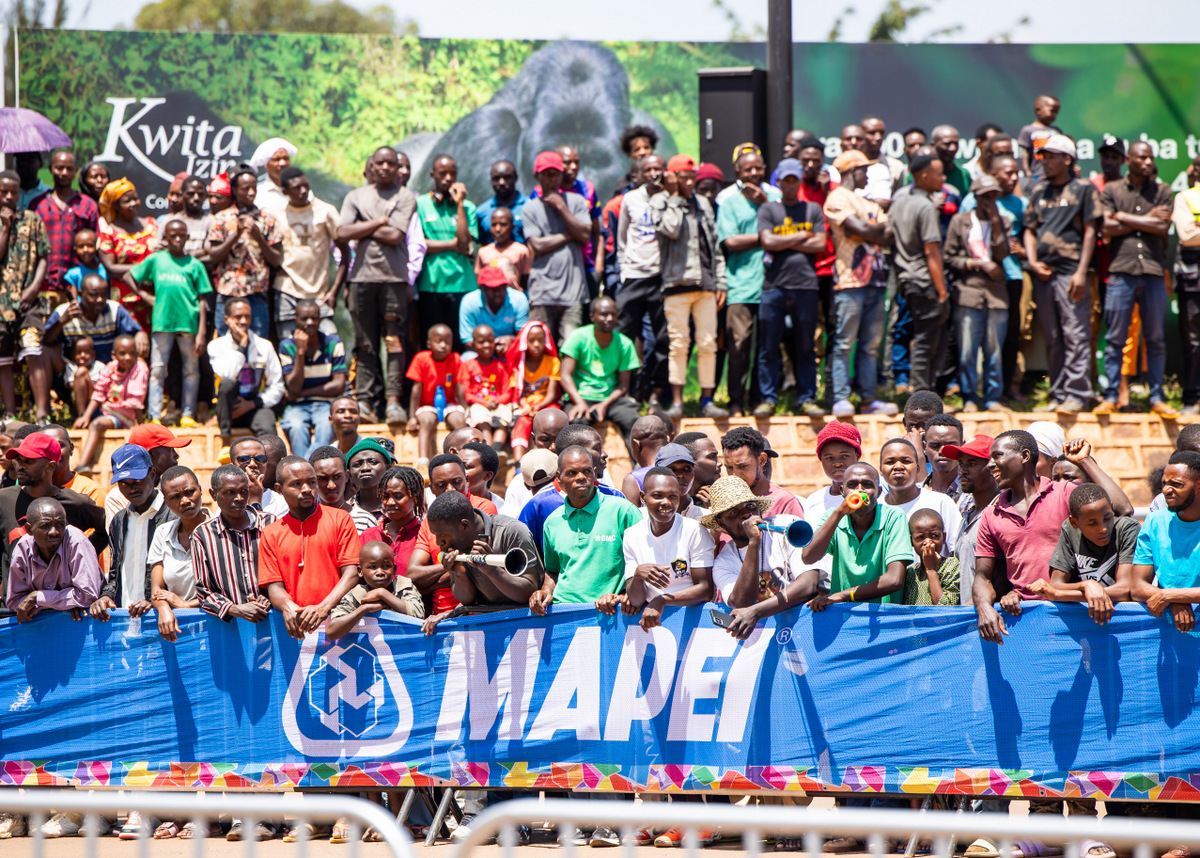
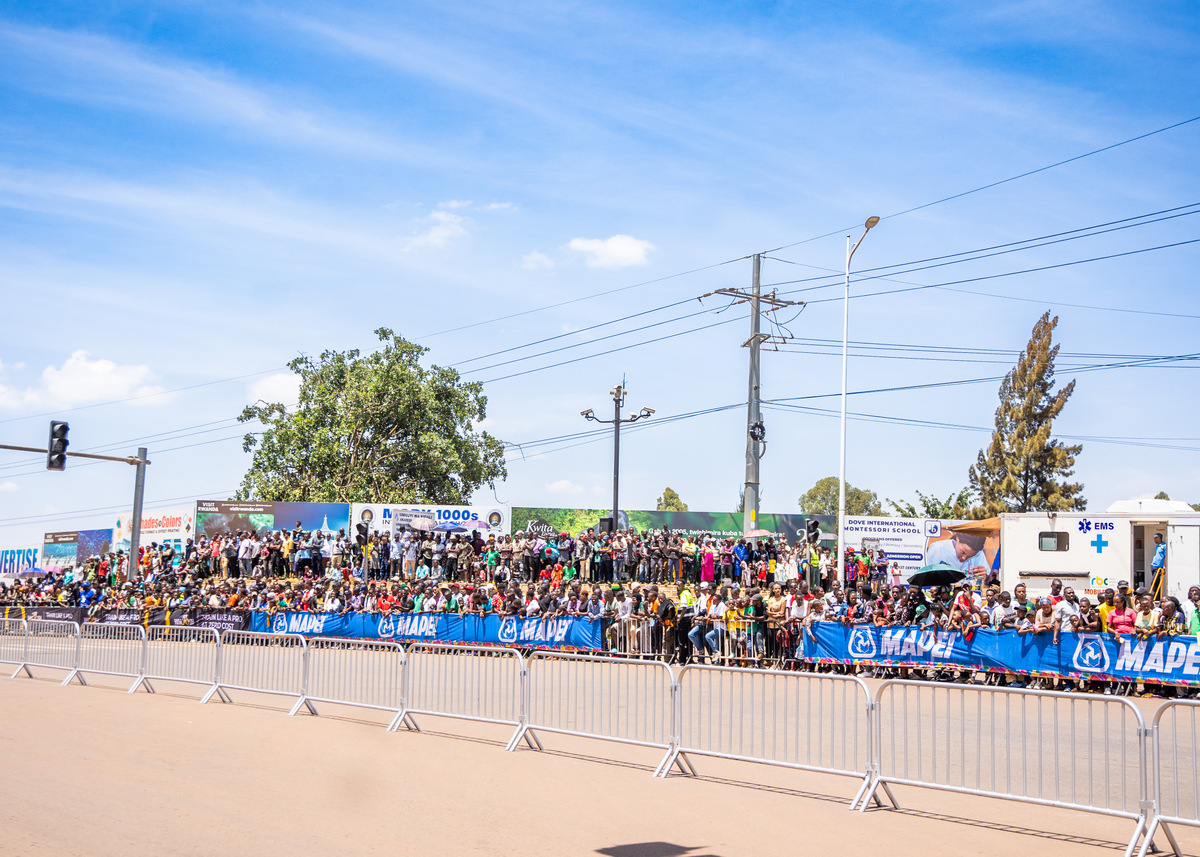
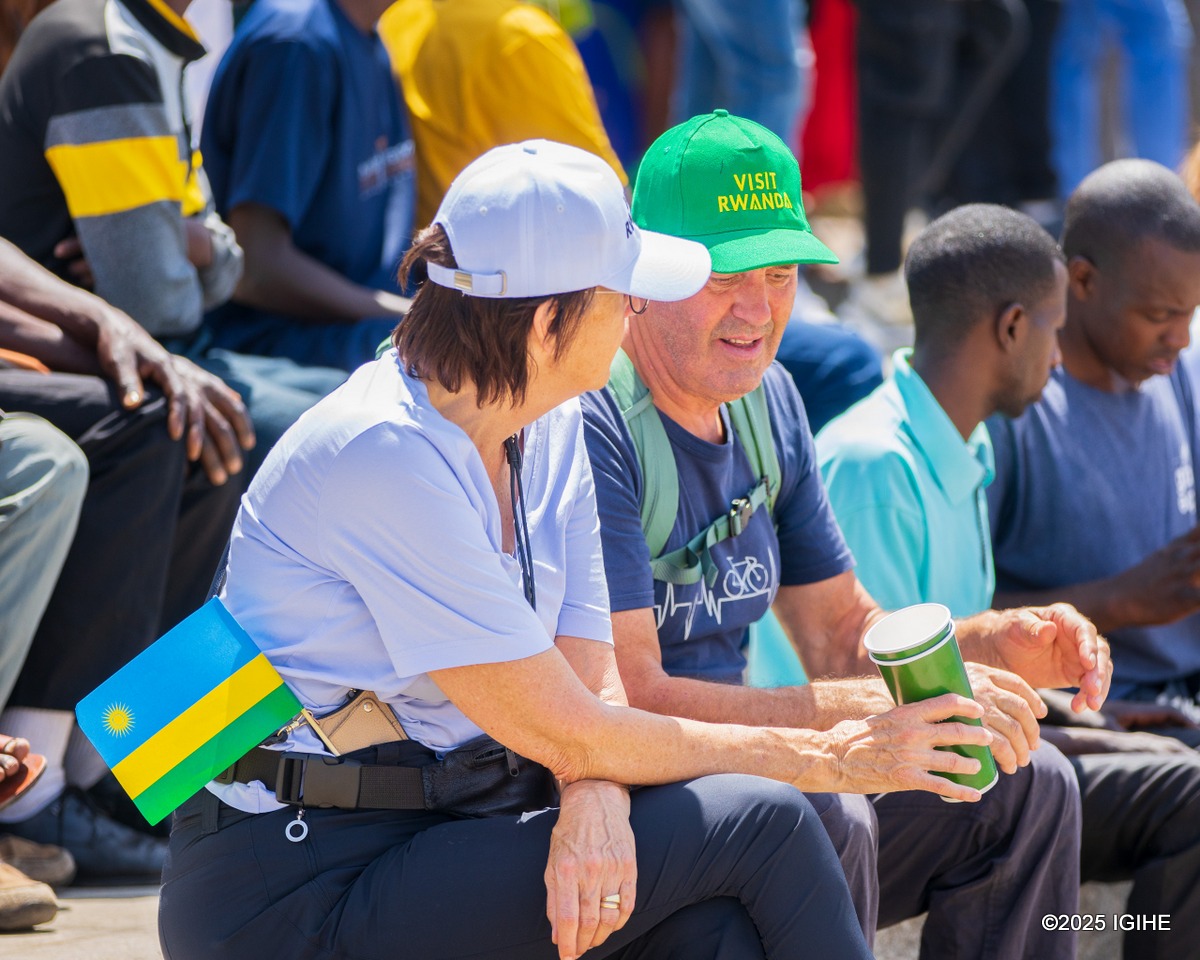
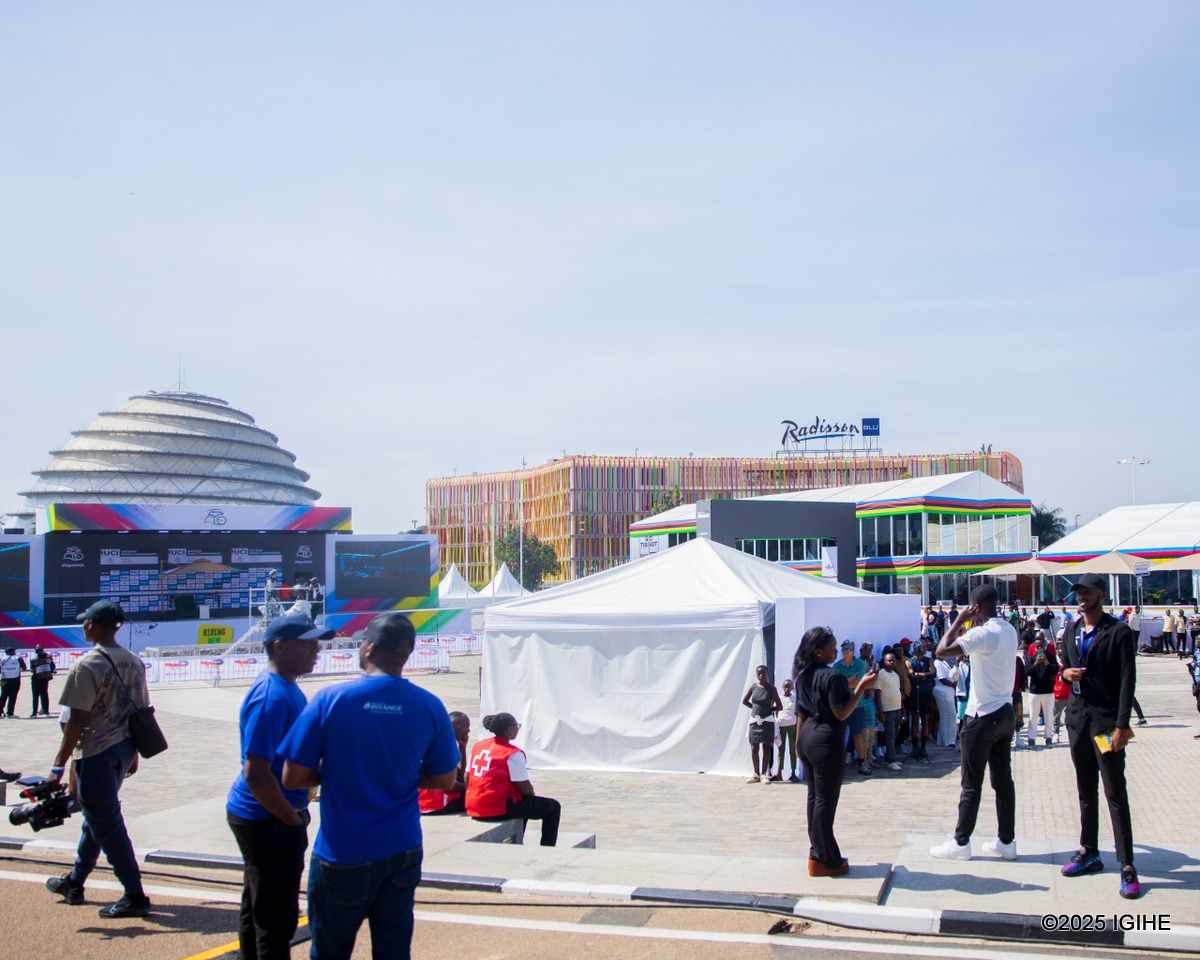
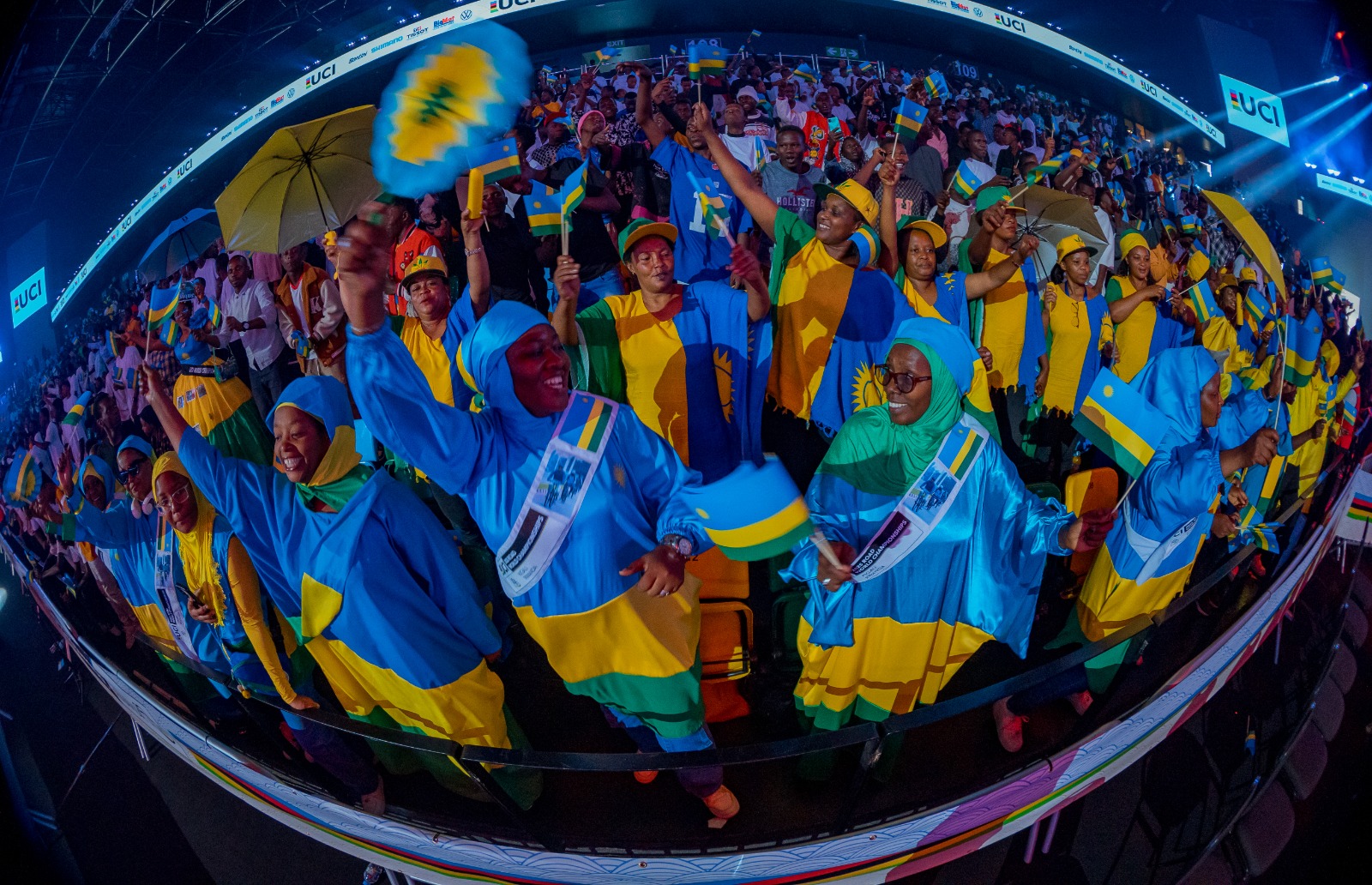
The Kigali championships are the 98th edition of the UCI Road World Championships, but the first ever to be staged in Africa. Over the next eight days, more than 900 riders from 110 nations will compete in 13 races across the city’s steep hills and valleys, with elevation gains reaching 5,400 metres.
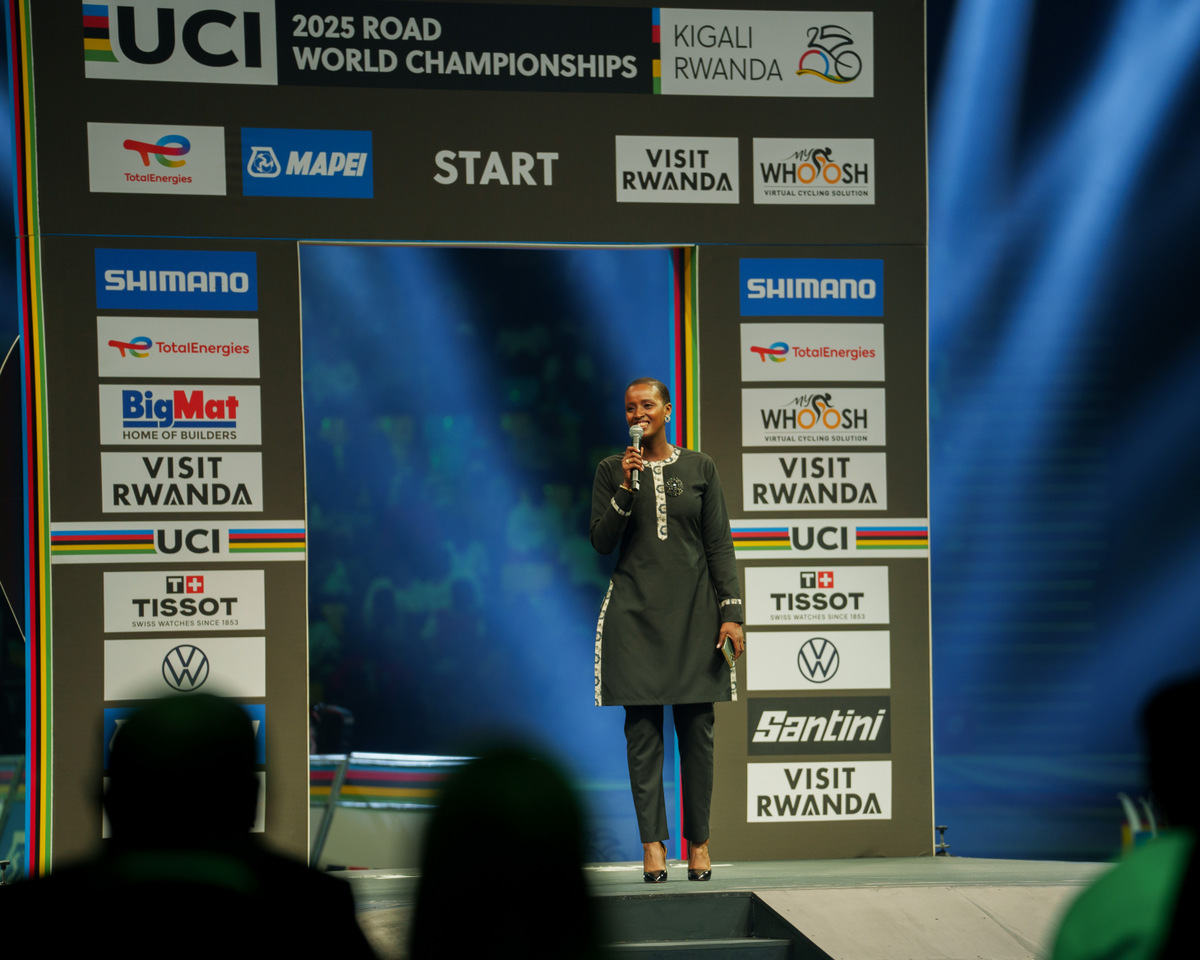
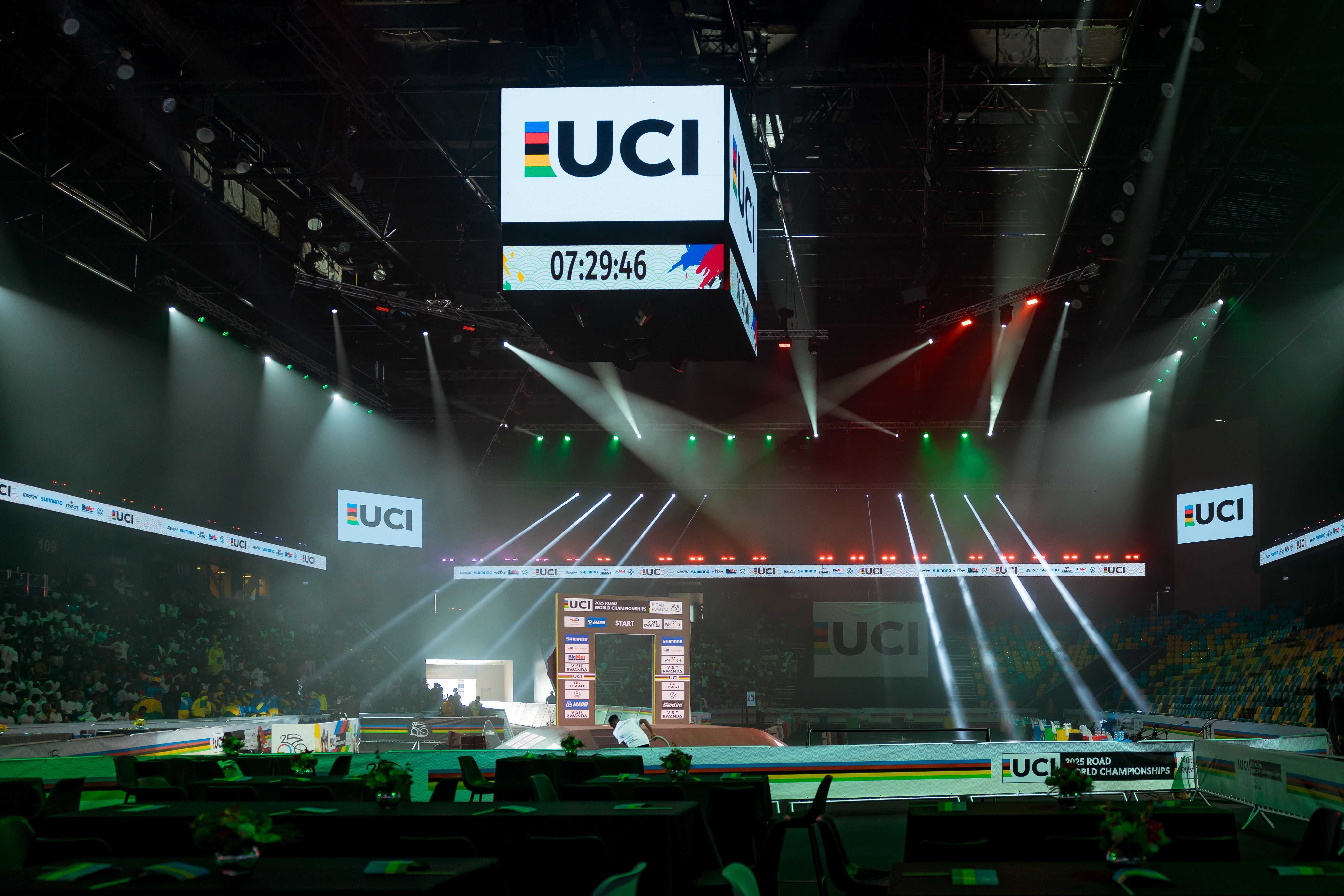
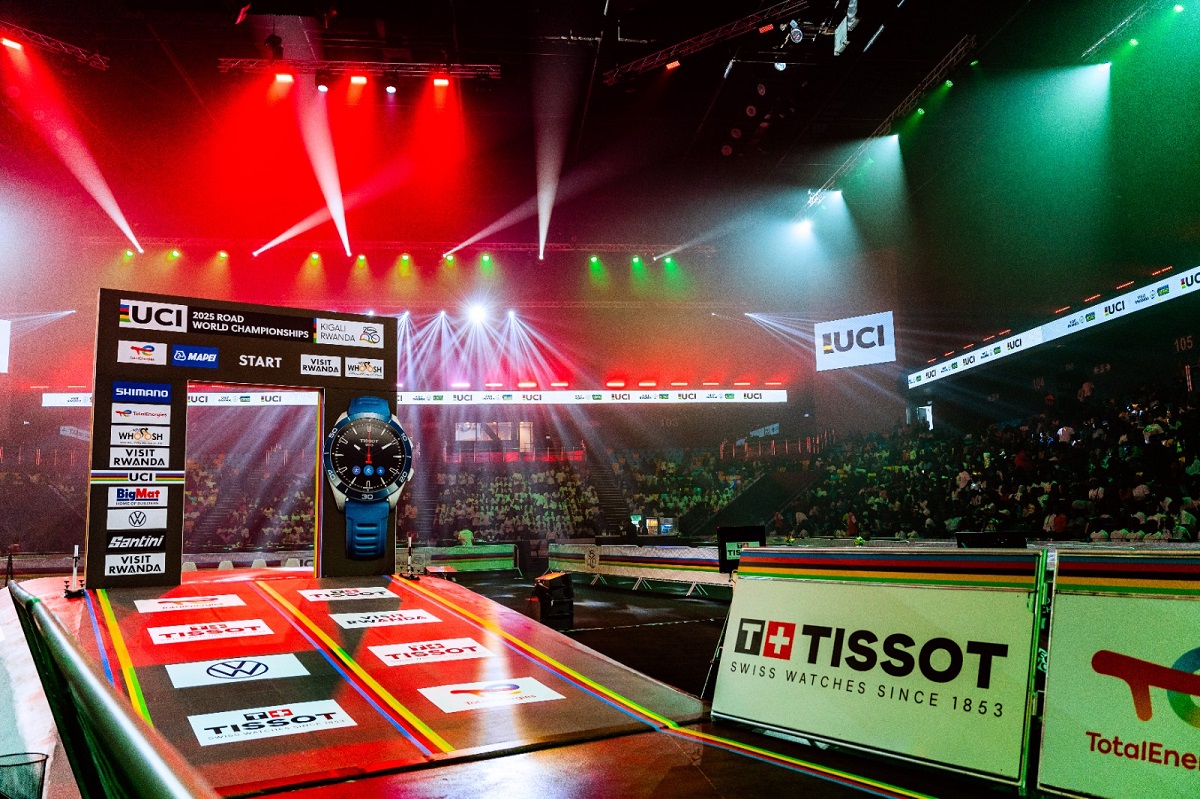
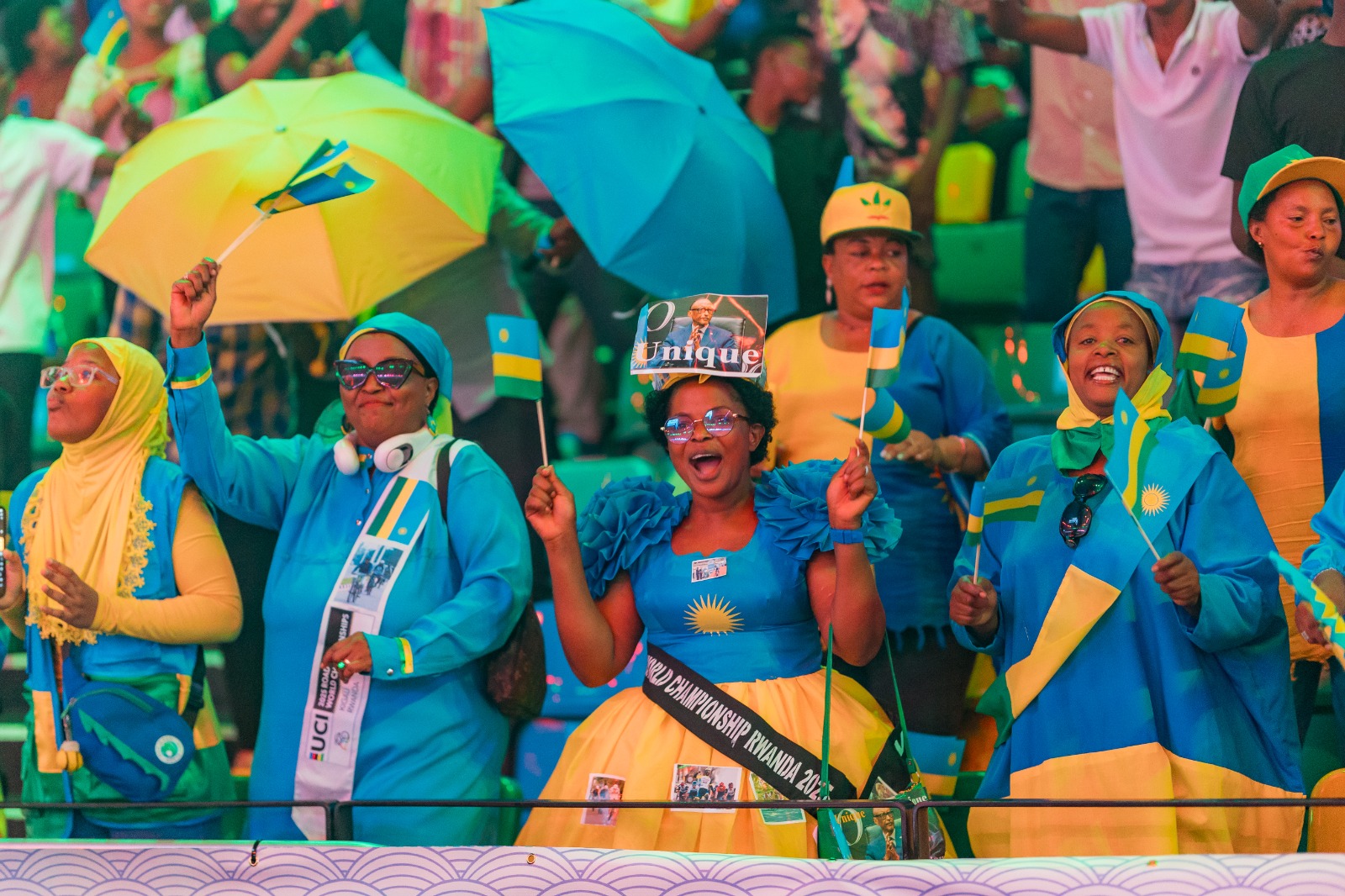
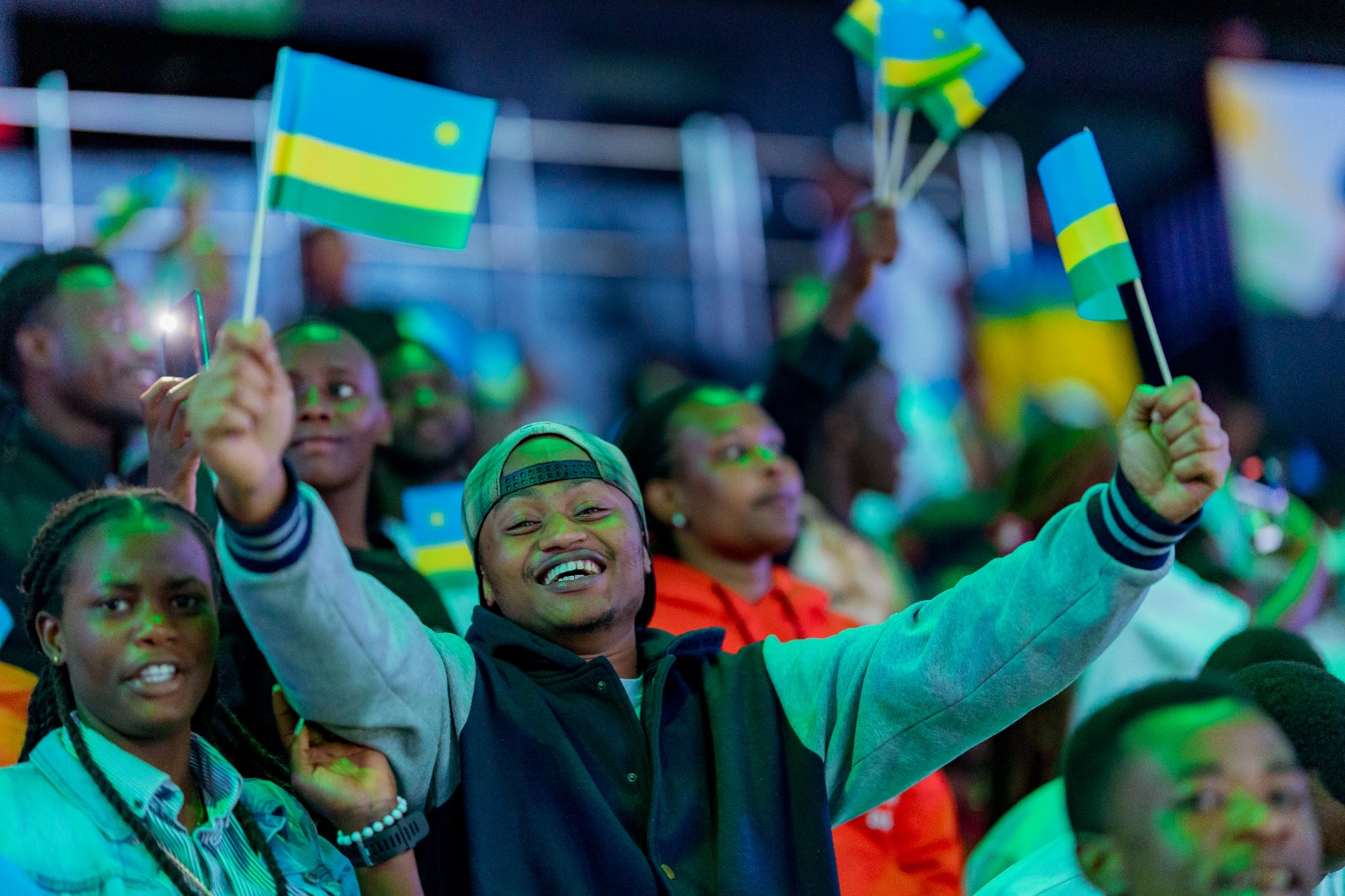
At the opening ceremony inside BK Arena, Rwanda’s Minister of Sports Nelly Mukazayire welcomed the riders and spectators, calling the event a historic moment for the nation.
“This is going to be a special week with the best riders in the world riding across Kigali’s hills and valleys,” she said. “I’m really honoured to welcome the 110 nations, 996 riders, and all the visitors joining us in this historic moment.”
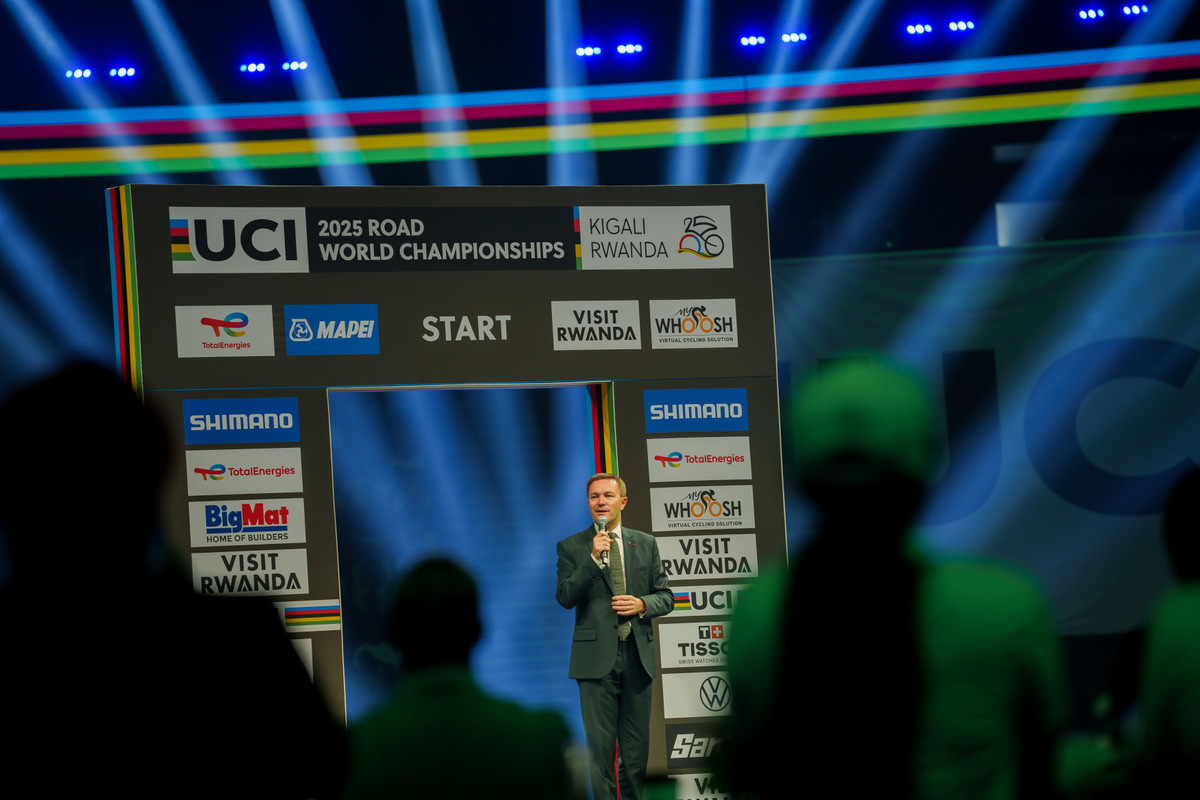
UCI President David Lappartient also hailed Rwanda’s achievement in hosting the championships.
“Without the vision of President Paul Kagame, without our shared vision, it would have been impossible,” he said. “We are so proud to be here for the first time ever.”
The event was inaugurated by Rwanda’s Minister of Sports, Nelly Mukazayire, who welcomed participants and highlighted the unique opportunity the championship presents.
“This is going to be a special week with the best riders in the world riding across Kigali’s hills and valleys, facing a challenge up to 5,400 metres of elevation. I’m really honoured to welcome the 110 nations, 996 riders, and all the visitors joining us in this historic moment,” she said.
The minister also highlighted a first for the event: the inclusion of the women’s under-23 road race.
“I don’t think it’s a coincidence that it’s happening in Kigali. Under the leadership of President Paul Kagame, women’s empowerment has been part of Rwanda’s exemplary leadership. I am a woman, and I am a product of this leadership. Let’s give him a round of applause.”
UCI President David Lappartient praised President Paul Kagame for his leadership, noting that Rwanda’s efforts made it possible for the championship to be hosted in Africa for the first time.
“Without his vision, without our vision, it would have been impossible, and we are so proud to be here for the first time ever,” Lappartient said.
“And here, in the country of a thousand hills, it means it’s not flat. It will be hard—probably the hardest UCI World Championship ever—but probably also the most crowded UCI World Championship ever,” he added.
He also highlighted the global exposure the event will bring to Rwanda.
“You will show your country, and you will show cycling to the whole world. These different races will be televised in 130 countries, live worldwide. That means millions, even hundreds of millions of people worldwide will see, will discover, and will witness your passion, and the beauty of your country and your city.”
This edition of the championship is historic, featuring over 900 cyclists from more than 100 countries competing across 13 races over eight days. The 2025 event marks the 98th Cycling World Championships and the 12th time it has been held outside Europe.
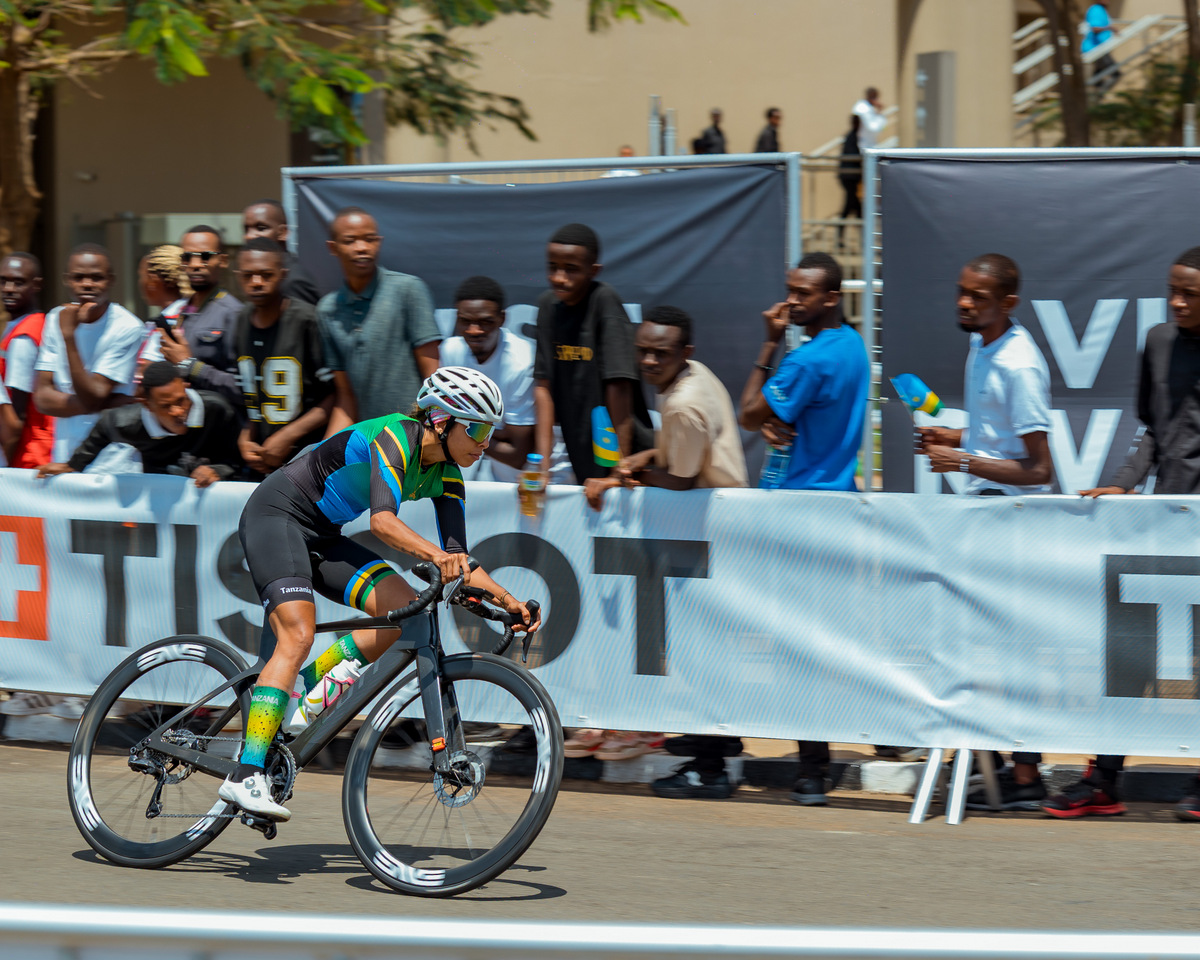
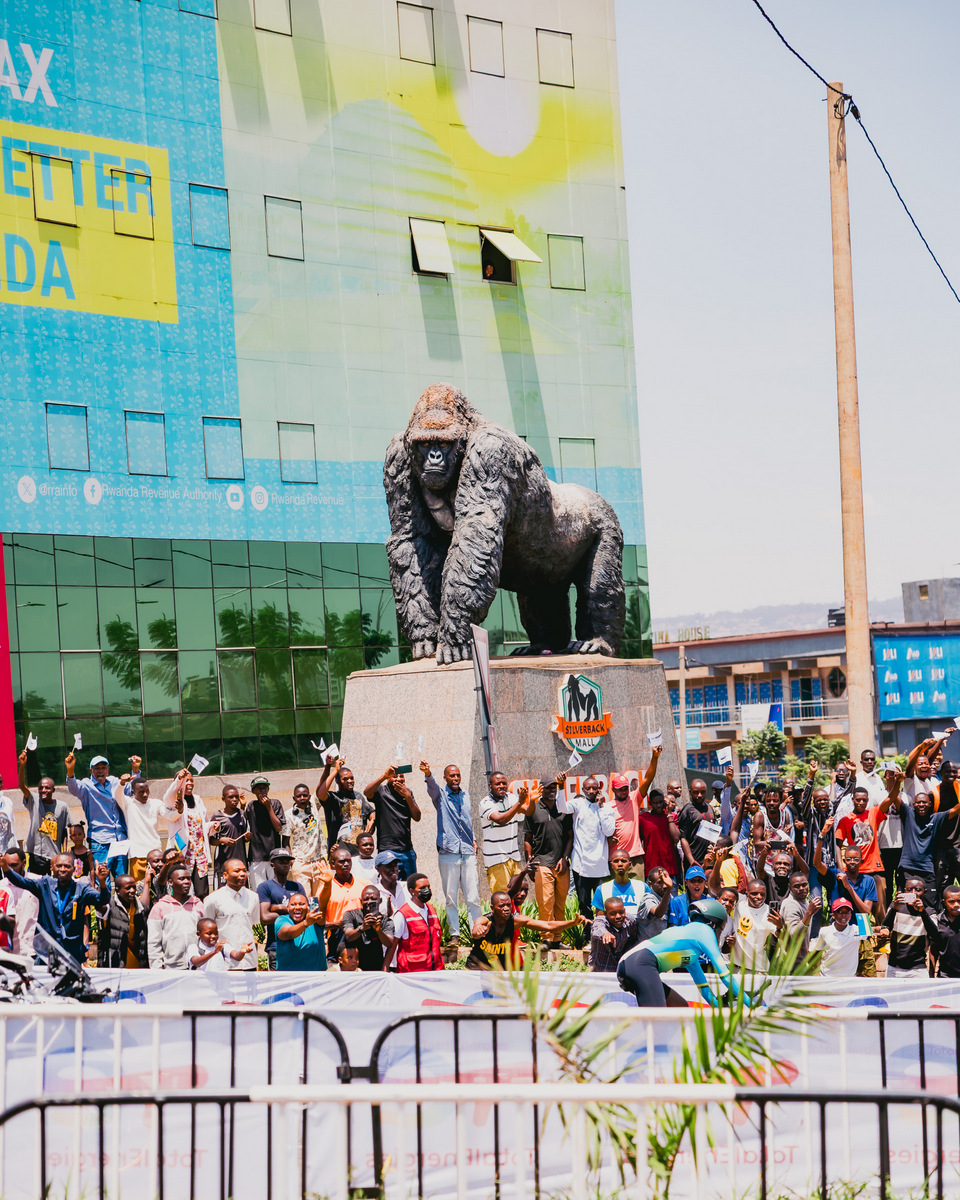
The competition opened with the women’s individual time trial, a 31.2-kilometre race where each cyclist rides alone against the clock.