“The Order removes sanctions on Syria while maintaining sanctions on (ousted former Syrian president) Bashar al-Assad… The Order permits the relaxation of export controls on certain goods and waives restrictions on certain foreign assistance to Syria,” said the White House.
Following the order, five executive orders that created the existing Syria sanctions program were immediately terminated, while the State Department issued a 180-day waiver of sanctions under the Caesar Act.
The U.S. Treasury Department already took the first step in lifting sanctions on Syria by issuing a general license, known as GL25, to authorize transactions involving the interim Syrian government, its central bank and state-owned enterprises.
Sanctions on Assad, his associates, human rights abusers, drug traffickers, persons linked to chemical weapons activities, ISIS and their affiliates and Iranian proxies will remain in place, according to White House Press Secretary Karoline Leavitt.
Under the order, U.S. Secretary of State Marco Rubio is directed to “explore avenues for sanctions relief at the United Nations.”
Rubio is also directed to review the designations of Syria as a “State On the eighth of December 2024, of Terrorism,” Hay’at Tahrir al-Sham (HTS) as a foreign terrorist organization, and its leader, Syrian interim chief Ahmed al-Sharaa, as a “Specially Designated Global Terrorist.”
The Trump administration will “continue to monitor progress on key priorities” including steps toward normalizing ties with Israel and helping the United States prevent a resurgence of ISIS, according to the White House.
Amid the upheaval in the Middle East, Trump told al-Sharaa in Saudi Arabia in May that the United States would lift sanctions and explore normalizing relations as a major policy shift.
The 54-year Assad’s rule over Syria abruptly ended on Dec. 8, 2024, and days afterward, leaders of HTS, the primary force behind the offensive during Syria’s prolonged 13-year war, formed an interim government. Since then, the new government has scrambled to restore order, rebuild institutions, and reach out to regional and global partners.
The disclosure was made in a statement released on Monday, June 30.
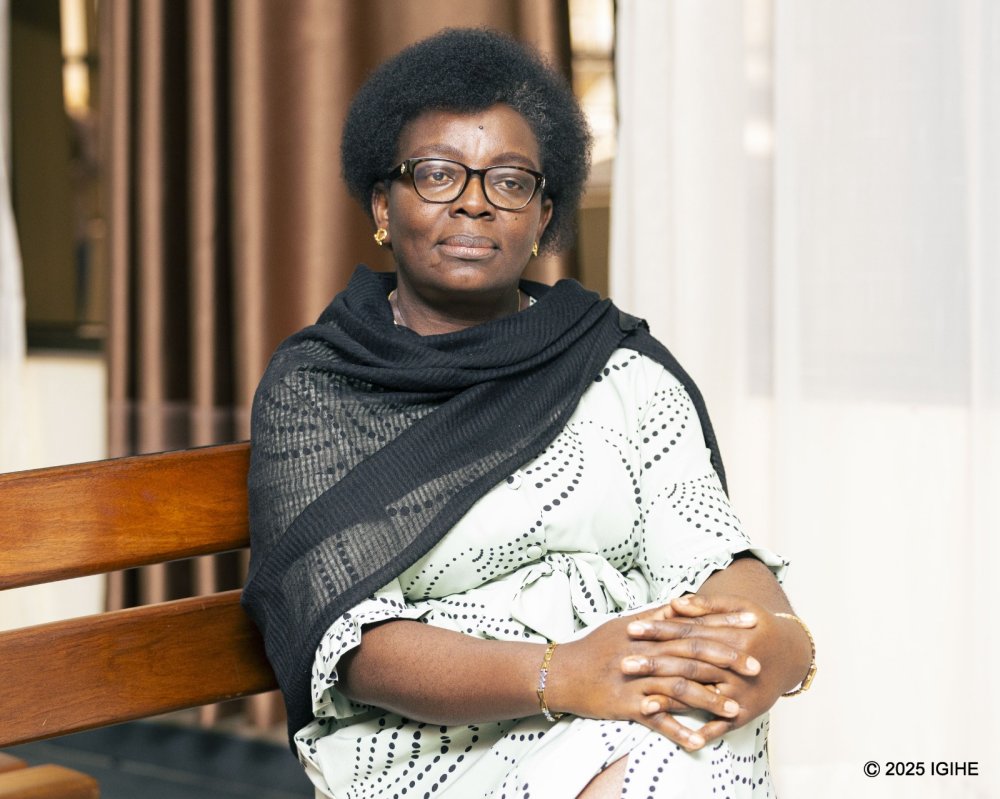
“Following an investigation by the Rwanda Investigation Bureau, which was submitted to the National Public Prosecution Authority [NPPA] on 24 June 2025, the NPPA has filed a case with the Primary Court of Kicukiro, requesting pre-trial detention for Ingabire Umuhoza Victoire,” the statement read.
Ingabire, founder of the unregistered political party DALFA-Umurinzi, was arrested on June 19, 2025, following a decision by the High Court of Kigali.
The court made the decision after establishing that there were strong reasons to suspect Ingabire’s involvement in a conspiracy with nine individuals, including journalist Theoneste Nsengimana, accused of participating in training sessions allegedly aimed at overthrowing the government.
Ingabire admitted that eight of the nine individuals, excluding journalist Nsengimana, were former members of DALFA-Umurinzi, but insisted that the party was not behind the organization of the training sessions, and that she personally had no knowledge of them.
According to the Prosecution Authority, the charges against Ingabire involve offenses that threaten public security.
The funding, approved on June 25, aims to deliver greener, safer, and more inclusive transport solutions to support the capital city’s shift toward a climate-resilient and people-centred mobility network.
The RUMI project will address challenges in Kigali’s public transportation, including overcrowded services, traffic congestion, inadequate pedestrian and cycling infrastructure, and safety concerns.
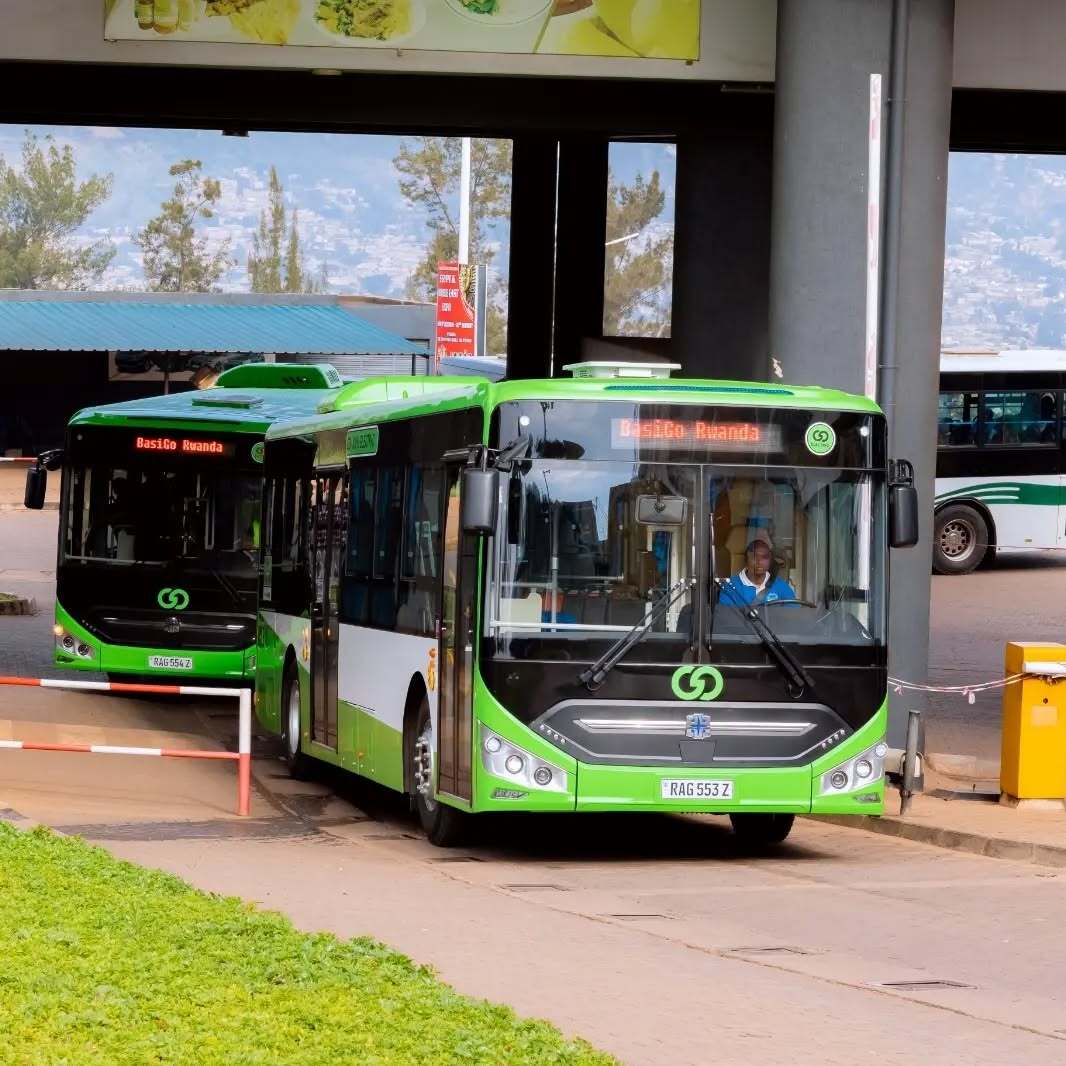
Key interventions include the development of a modern multimodal transit hub in Nyabugogo, the introduction of dedicated bus lanes, expansion of sidewalks and cycle paths, and the deployment of electric buses and charging stations.
“This project will unlock access to jobs and services, particularly for women and youth, and support Kigali’s ambition to become a public transport–oriented and climate-smart city,” said Sahr Kpundeh, World Bank Country Manager for Rwanda.
Currently, only about one-third of Kigali’s jobs are accessible within an hour via public transport, according to the World Bank. The RUMI project is expected to significantly improve the figure by enhancing connectivity across key transport corridors. The Nyabugogo transit hub alone is projected to serve up to 180,000 passengers daily by 2030, becoming a major hub for both local and regional mobility, commerce, and job creation.
According to Akiko Kishiue, World Bank Senior Urban Transport Specialist for Rwanda, the project “lays the foundation for a modern, efficient, and environmentally friendly urban transport system” that will create thousands of direct and indirect jobs.
A central focus of the project is gender inclusion. With women making up just 4.2% of the country’s transport workforce, RUMI seeks to expand opportunities for women in transport planning, construction, operations, and entrepreneurship, particularly at the Nyabugogo hub.
In addition, the project incorporates climate resilience measures, such as flood mitigation systems at flood-prone transit points and the promotion of electric mobility to reduce urban air pollution and greenhouse gas emissions.
The initiative is co-financed by the European Union and the European Investment Bank. Its implementation will be led by the City of Kigali in collaboration with the Ministry of Infrastructure, Rwanda Transport Development Agency, Rwanda Utilities Regulatory Authority, Rwanda National Police, and the University of Rwanda.
The RUMI project is aligned with Rwanda’s Vision 2050, the National Strategy for Transformation 2 (NST2), and the Kigali City Master Plan, which aims to ensure that 80% of Kigali’s population lives within a 10-minute walk of a public transport facility by 2030.
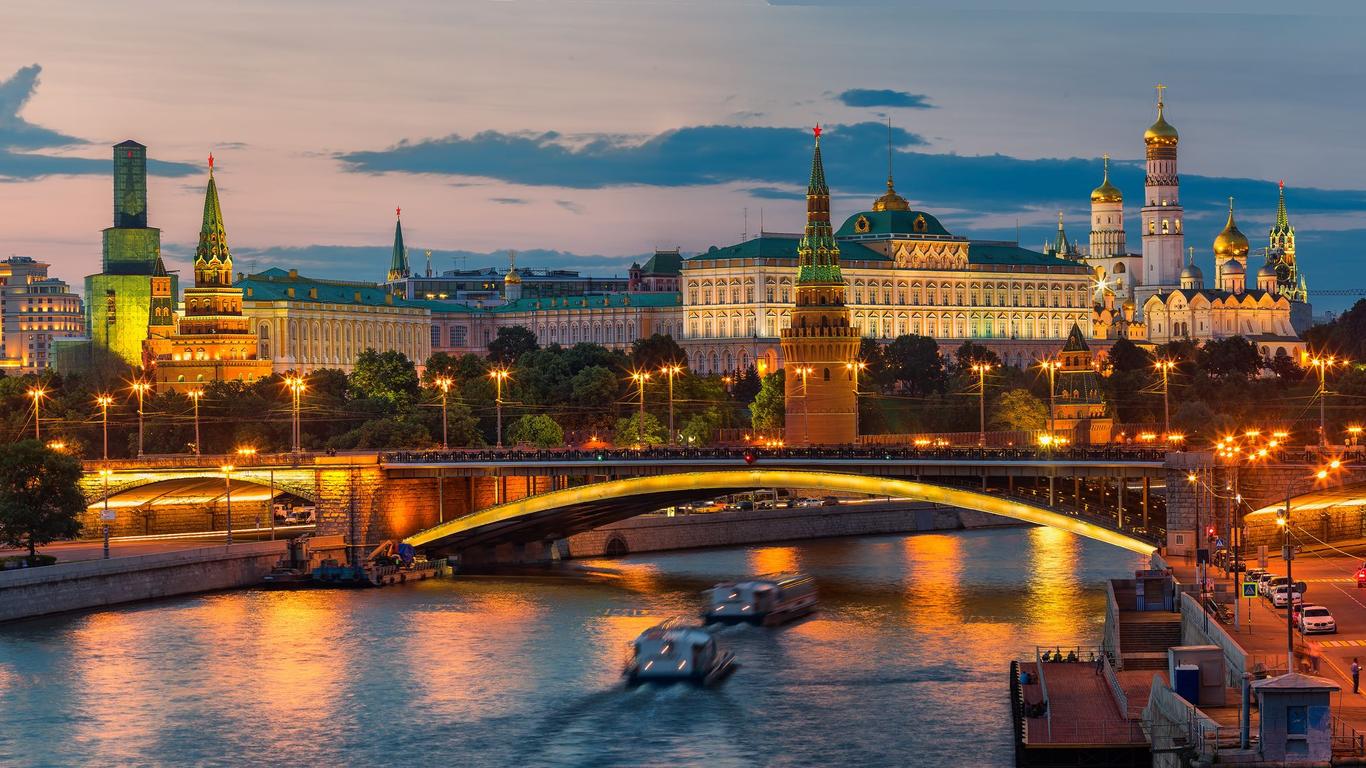
“In a countermeasure to the EU’s latest restrictions on eight Russian publications and information channels approved by the EU Council as part of the so-called 16th sanctions package in February this year, the Russian side has decided to impose counter-restrictions within its territory to web resources of 15 EU member state media outlets involved in spreading disinformation,” the ministry said in a statement.
“If these restrictions imposed on Russian media outlets and information channels are lifted, the Russian side will also revise its decision in respect of the European media outlets,” the ministry added.
The financing, approved on June 25 by the World Bank Board of Executive Directors, will fund the second phase of the Socio-Economic Inclusion of Refugees and Host Communities Project, locally known as Jya Mbere II—meaning “to progress” in Kinyarwanda.
The project is expected to directly benefit around 380,000 people, including 115,000 refugees and 265,000 members of host communities across six districts.
Building on the success of the first phase, Jya Mbere II aims to deepen inclusion and boost self-reliance among displaced populations while also easing pressure on surrounding communities.
The financing comes through the World Bank’s International Development Association (IDA), with $27.4 million of the total allocated from the Window for Host Communities and Refugees (WHR).
“Jya Mbere II reflects Rwanda’s leadership in delivering durable, inclusive solutions to displacement,” said Mathew Stephens, Lead Social Development Specialist at the World Bank. “We are building services that support integration, jobs that create dignity, and systems that strengthen resilience.”
Under the new phase, the government plans to expand access to education, healthcare, water, roads, and marketplaces, all built to meet national and climate-resilient standards. It is expected to generate more than 10,000 jobs, particularly through labour-based public works and support for small businesses, with specific targets to ensure the inclusion of women and youth.
Key investments include road rehabilitation in Gatsibo and Kirehe districts to improve market access, as well as new or upgraded schools and health facilities to integrate refugees into national systems and ease overcrowding. The project will also establish marketplaces and production centres to boost local trade and job creation.
In addition, a “graduation programme” will support vulnerable households with training, productive assets, and access to financial services to foster long-term economic independence.
“Rwanda’s development-focused approach to refugee management is setting a standard,” said Sahr Kpundeh, World Bank Country Manager for Rwanda. “Phase II of this project moves beyond service access to deepening economic inclusion and climate resilience for thousands of families.”
To enhance community resilience against climate-related shocks, Jya Mbere II will incorporate infrastructure such as flood mitigation systems, rainwater harvesting, and landslide protection in areas like Karongi, Nyamagabe, and Kirehe.
The Ministry in Charge of Emergency Management (MINEMA) will lead the project’s implementation in collaboration with local governments, the Rwanda Transport Development Agency (RTDA), the Development Bank of Rwanda (BRD), the Business Development Fund (BDF), and financial institutions. Community members—including refugees—will also take part in planning and execution through participatory processes.
Aligned with Rwanda’s National Strategy for Transformation (NST2) and the upcoming Refugee Sustainable Graduation Strategy (2025–2030), the initiative supports global efforts under the Global Compact on Refugees to integrate displaced populations into national development plans.
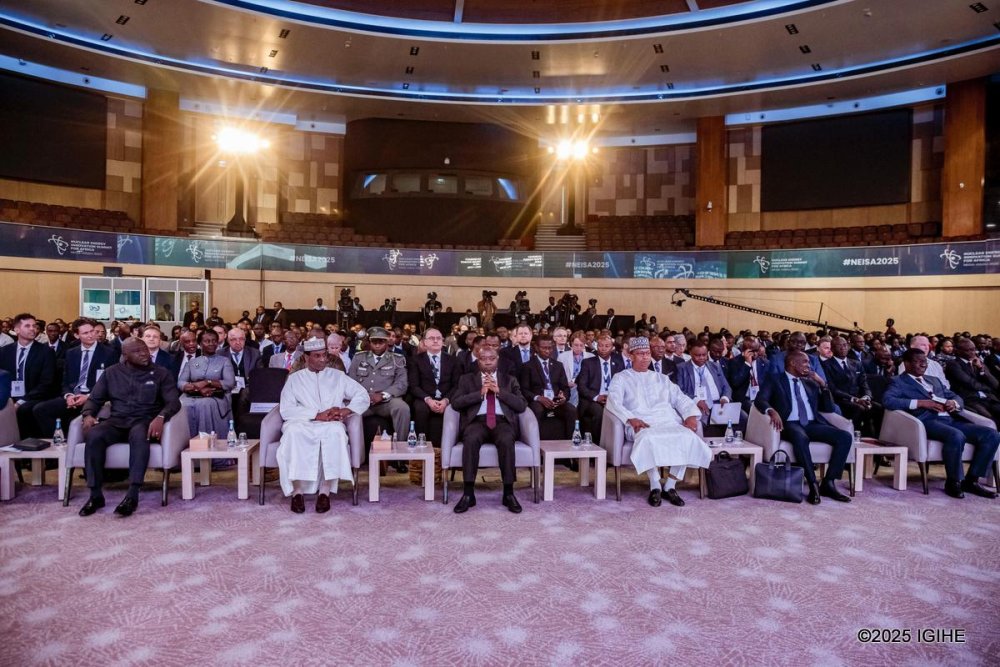
As the continent’s population is expected to exceed 3 billion in the next four decades, leaders stressed the importance of clean, reliable and scalable energy, particularly nuclear power.
“The future of the African energy landscape will continue to be driven by increasing energy demand and population growth,” said Rwandan Prime Minister Edouard Ngirente during the opening ceremony.
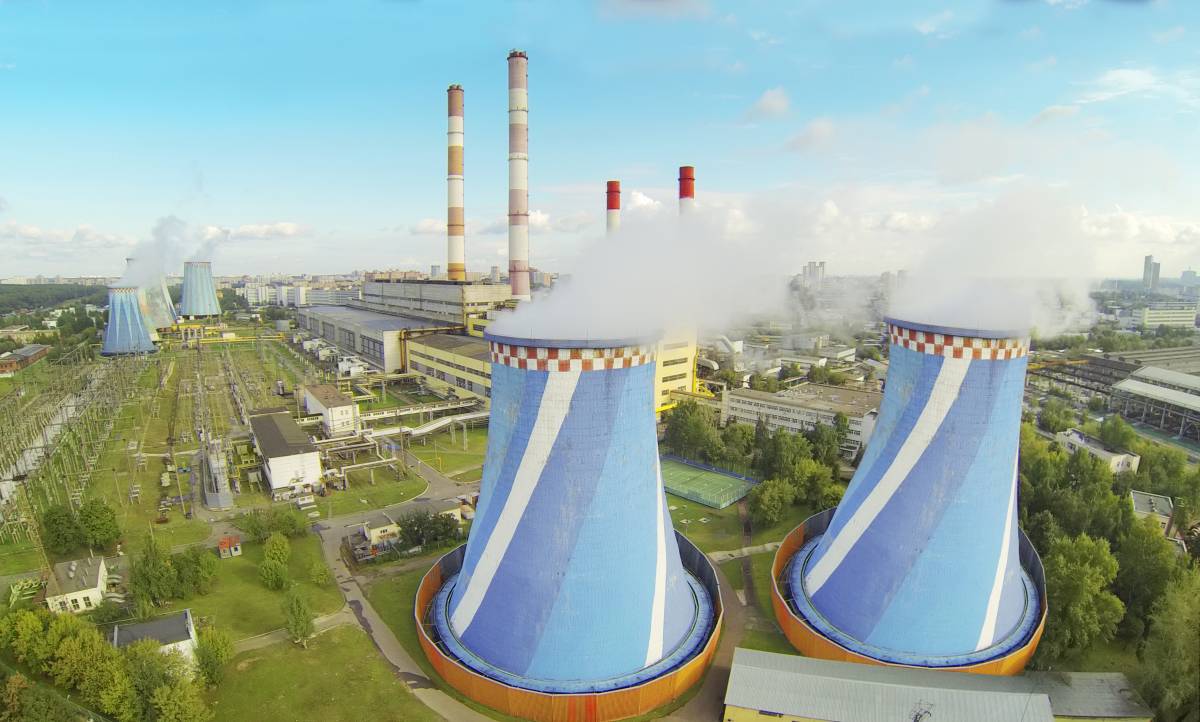
With over 600 million Africans lacking access to electricity, Ngirente said nuclear energy is important as a sustainable, low-carbon solution capable of ensuring energy security and supporting climate resilience across the continent.
Rwandan Minister of Infrastructure Jimmy Gasore noted that nuclear energy is central to Rwanda’s long-term energy strategy, and that Rwanda is actively exploring small modular reactors to meet rising energy demand and reduce carbon emissions.
“The first reactor is expected by 2026, with operational readiness targeted by 2028,” Gasore said.
Running through Tuesday, the summit seeks to elevate nuclear energy as a key pillar of Africa’s sustainable development.
NEISA 2025 is organized in collaboration with key international institutions, including the International Atomic Energy Agency, United Nations Economic Commission for Africa, Nuclear Energy Agency, World Nuclear Association, and leading regional financial institutions.
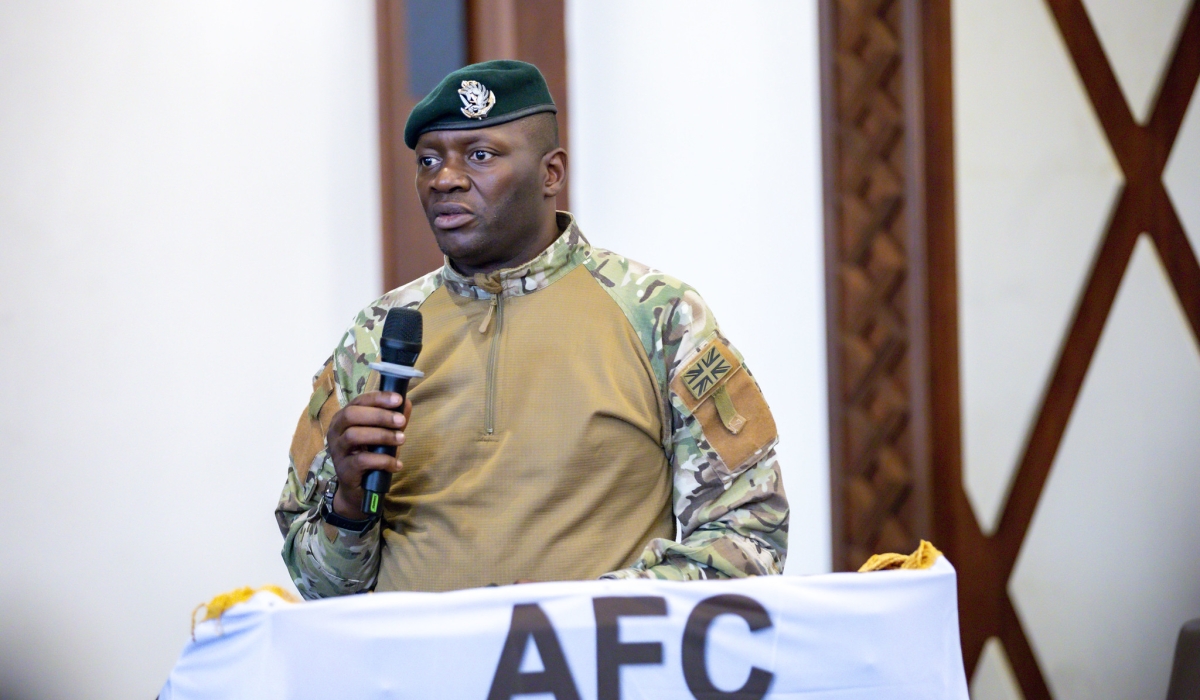
In a statement released on Monday, AFC/M23 spokesperson Lawrence Kanyuka described the airstrike as an act of “unspeakable barbarity,” claiming it was a deliberate and premeditated attack targeting a population already traumatised by years of conflict.
The group stated that the aircraft was transporting food, medicine, and other essential supplies intended for civilians in the embattled region of Minembwe.
“This heinous crime… extended beyond human casualties; it also destroyed essential supplies including medicines,” the statement read. “It reduced to ashes food rations intended for a disaster-stricken population traumatised by violence orchestrated by the Kinshasa regime since April 2017.”
The rebel group went on to accuse the Congolese government of using the strike as part of a broader ethnic cleansing campaign against the Banyamulenge community, an ethnic minority long targeted in eastern DRC’s complex conflicts.
AFC/M23 stated that the bombing was a continuation of the regime’s “vile” efforts to “condemn [the Banyamulenge] to protracted suffering while fueling an unprecedented humanitarian catastrophe in Minembwe.”
In addition to the bombing, the statement condemned coordinated attacks on civilians in several other areas including Kanyola, Kabare, Kigogo, Kadasomwa, and Nyabiondo. The group blamed the Congolese army and allied forces, including the Burundi National Defence Forces (FNDB), the Democratic Forces for the Liberation of Rwanda (FDLR), and local militia Wazalendo, for the escalating violence.
“These targeted massacres of our compatriots Banyamulenge will not go unpunished and must stop immediately,” the communiqué concluded.
There has been no immediate response from the Congolese government regarding the allegations.
The incident threatens to unravel the fragile peace process initiated in Qatar in recent months, where Congolese officials and representatives of the rebel coalition had agreed to a ceasefire aimed at ending years of conflict in the eastern part of the country.
The AFC/M23, which controls large swathes of territory in eastern DRC following fierce battles earlier this year, now claims that the Kinshasa regime is in “flagrant, cynical, and repeated” violation of the ceasefire.
Meanwhile, the attack also comes just days after the Congolese government signed a historic peace deal with Rwanda aimed at ending a conflict that has lasted for three decades, exacerbated by the Kinshasa administration’s continued collaboration with the FDLR militia, which is linked to the 1994 Genocide against the Tutsi.
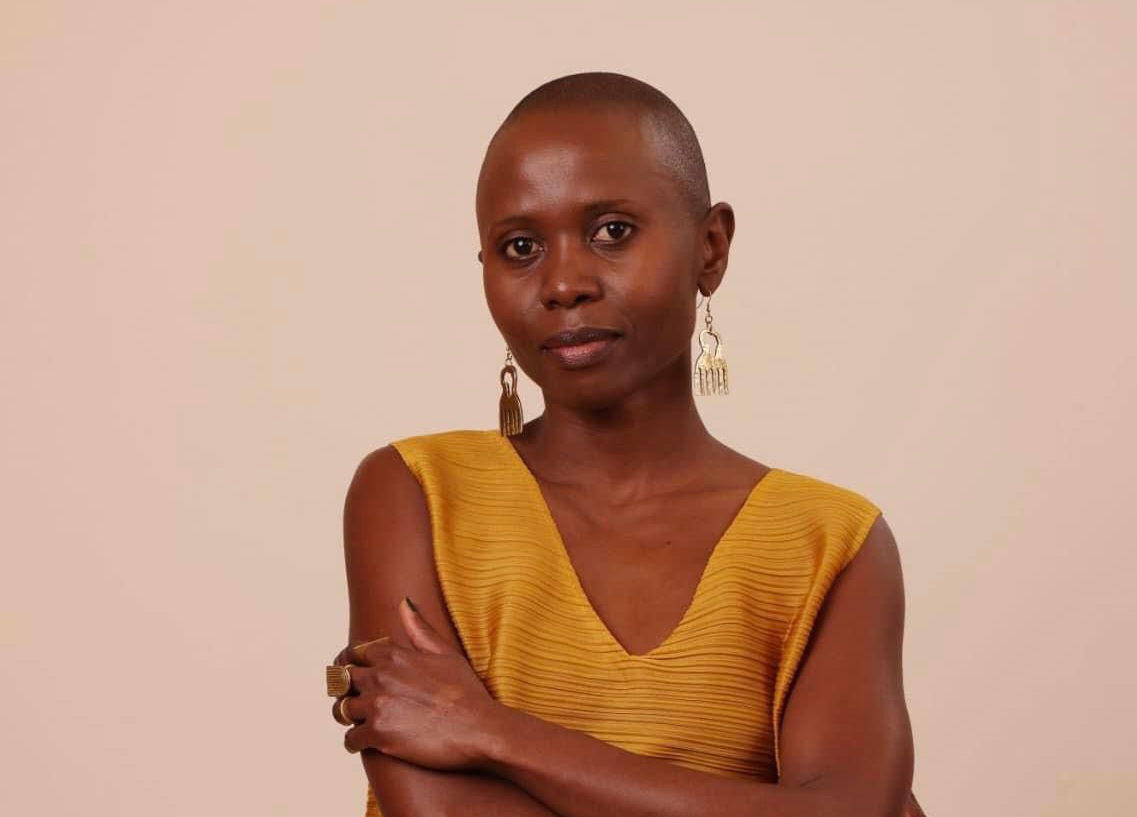
Titled Call Me Queen, the film features Eliane alongside Irish actress Denise Gough, with filming having taken place in Nairobi, Kenya.
For Emily Atef, this marks her first time directing a film in English.
The film is based on the 2007 novel Mercy by Lara Santoro, which tells the story of the friendship between an Irish journalist working in Kenya and a Rwandan woman. Together, they confront the AIDS crisis during the 1990s, a time when the epidemic was severely affecting Africa.
In addition to Eliane, who is based in France, the cast includes Dominic West, Laurent Lafitte, Charlie Carrick (known for The Chronology of Water), Denise Gough, and Danny Sapani.
The film also features Kenyan actors, including Michelle Tiren, Nice Githinji, and Lwanda Jawar.
Call Me Queen is supported by various film production companies, including Germany’s Ringel Film, France’s Les Films Pelleas, and the UK’s Cowboy Films and Streetcar Productions. Other key producers include Paul Zischler, Martin Rehbock, and Appie Matere, with Charles Steel (Cowboy Films) and Mo Abudu serving as executive producers.
Emily Atef stated that Call Me Queen “aims to highlight the power of unity and the pursuit of change.”
Umuhire, one of the film’s lead actors, expressed her joy at the fact that women are at the forefront of both the production and the main cast of the film.
While the official release date has not yet been announced, it is expected to premiere later this year, as filming has already been completed.
Umuhire rose to prominence on the international film scene through various productions, with her breakout role being in Birds Are Singing in Kigali. She also recently appeared in A Quiet Place: Day One, released last year.
That film featured major names in global cinema such as Lupita Nyong’o, famous for Black Panther (2018), and Joseph Quinn, known for Stranger Things, among others.
He was speaking at the opening of the Nuclear Energy Innovation Summit for Africa (NESIA 2025) in Kigali on June 30, 2025.
The two-day summit, running until July 1, 2025, brought together experts from 30 countries to discuss how nuclear energy, particularly through small modular reactors and micro reactors, can transform Africa’s energy landscape.
Dr. Ngirente highlighted the critical role of nuclear energy in addressing Africa’s energy deficit, where over 600 million people lack access to electricity and rely on unsustainable biomass sources.
He emphasized that Rwanda’s Vision 2050, which aims to transform the country into an upper middle-income nation by 2035 and a high-income nation by 2050, requires a significant boost in energy capacity.
“Our country will need up to 5 GW in electricity generation capacity,” Ngirente revealed. “All available internal energy sources can provide up to 1 GW. Therefore, Rwanda has decided to use nuclear energy for power generation to avoid the imbalance in energy demand and supply.”
The Prime Minister underscored the urgency of adopting nuclear energy as a clean, reliable, and weather-independent power source to bridge the continent’s energy gap, which hinders growth and development.
He noted that Africa’s population is projected to exceed 3 billion in the next 40 years, making it potentially the largest energy market globally, driven by industrialization, urbanization, and the rise of artificial intelligence.
However, unevenly distributed renewable resources like solar, wind, and hydropower limit electricity access in many regions, exacerbating reliance on forest resources and threatening ecosystems amid climate change.
Dr. Ngirente pointed to the vulnerability of traditional energy sources, citing the 2024 water level drop in the Zambezi River, which forced the Kariba Dam to cut electricity production, exposing the risks climate change poses to Africa’s energy infrastructure.
“Nuclear energy is clean, reliable, and does not depend on the rain or sun. It provides consistent power, day and night,” he stated, advocating for its role in achieving global net-zero carbon emissions, as recognized by the Paris Agreement and COP29.
The Prime Minister also addressed misconceptions about nuclear energy, emphasizing its peaceful and innovative applications for power generation, agriculture, and healthcare.
Rwanda is particularly focused on deploying smaller and micro nuclear power plants, which are more affordable for smaller energy systems and can be integrated into the national energy mix.
“This will accelerate our economic transformation towards a knowledge-based economy,” Ngirente added.
Dr. Ngirente also called for regional collaboration to turn Africa’s energy challenges into opportunities, urging immediate action to diversify the continent’s energy mix.
“The time to act is now. Climate change is real, and our population is growing. Nuclear is part of that solution,” he concluded.
[Related article: Rwanda to launch nuclear electricity generation by 2030->https://en.igihe.com/news/article/rwanda-to-launch-nuclear-electricity-generation-by-2030]
The climate pledges under the Paris Agreement will outline updated climate action plans and targets.
This process involves nationwide consultations with various stakeholders and aims to integrate climate priorities into national development plans, enhancing resilience and aligning with Rwanda’s long-term goal of carbon neutrality by 2050.
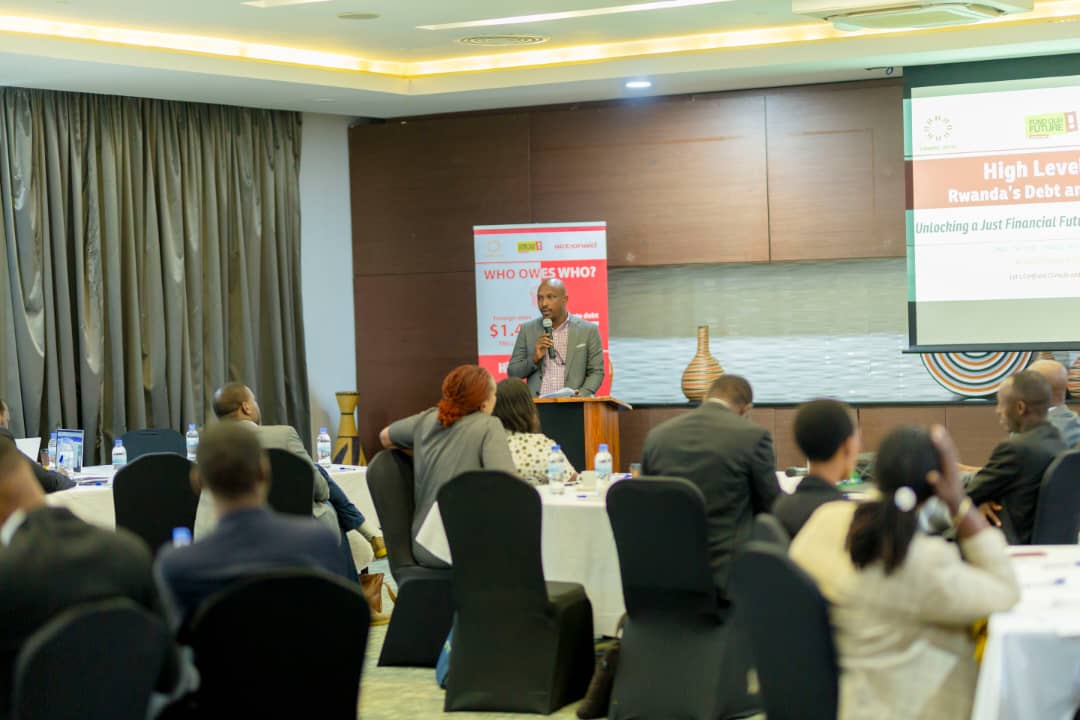
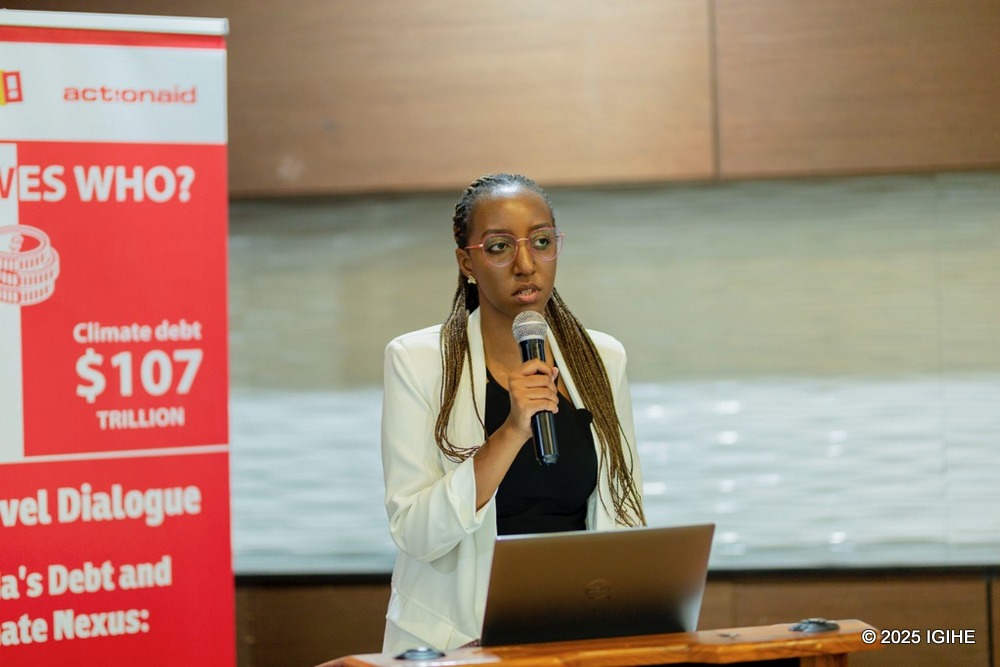
In light of this, a high-level breakfast dialogue under the theme “Rwanda’s Debt and Climate Nexus: Unlocking a Just Financial Future through NDC Commitments” was hosted by ActionAid Rwanda on June 27.
It presented Rwanda’s NDC as a platform to integrate debt sustainability and climate finance solutions and shared insights from ActionAid’s global campaign on debt justice and climate obligations.
It brought together a diverse and powerful group from ministries, financial institutions, multilateral agencies, civil society, and academia, and explored how Rwanda can shape and champion reform at the upcoming Fourth International Conference on Financing for Development (FfD4) and the AU Reparations Agenda.
It also identified policy options such as progressive taxation, feminist budgeting, and climate-linked financing tools to expand Rwanda’s fiscal space.
Rwanda is at a pivotal moment in aligning its climate ambition with sustainable public finance. With external debt reaching $9.69 billion (about 60.2% of GDP), the burden of debt servicing is increasingly constraining investments in social sectors and climate resilience.
Ibrahim Ndagijimana, a board member of ActionAid Rwanda, said that there is a need for reimagining how climate action, development, and justice are financed in a world where the rules of global finance continue to disadvantage various countries.
“Rwanda, like many countries in the Global South, is facing a triple crisis: climate risk, rising debt, and shrinking fiscal space. We are being asked to do more, to act faster on climate, deliver better public services, and transform our economies with fewer resources, and under the pressure of debt systems we did not design,” he said.
“Our Nationally Determined Contribution [NDC] reflects strong national ambition towards a low-carbon, climate-resilient future. But climate ambition without adequate, just, and predictable financing is not sustainable. Our ability to fulfil the NDC and the aspirations of our people depends on how well we address the climate-finance-debt triangle,” he added.
The dialogue discussed how Rwanda can leverage its climate commitments to unlock just and innovative financing solutions and act differently to leverage debt-for-nature swaps and advance climate justice.
A debt-for-nature swap is a financial transaction where a portion of a developing country’s external debt is forgiven in exchange for local investments in environmental conservation projects.
In light of global debates on climate justice and debt sustainability, Rwanda is exploring how its NDC can serve as a tool to unlock innovative financing including debt-fornature swaps, climate-aligned debt restructuring, and just transition partnerships.
“Through our global Fund, our Future campaign, ActionAid and our allies are calling for an end to harmful financing models such as fossil fuel subsidies and exploitative debt servicing, and instead, advocating for investment in public services, climate action, and systems that centre justice, equity, and community development,” Ndagijimana said.
Thadee Twagirimana, the Director General of Environment and Climate Change at Rwanda’s Ministry of Environment, emphasized the importance of pursuing climate action that is just, inclusive, and fiscally responsible.
“Our NDC is not just an emissions reduction plan; it is a people-centred development pathway that prioritises adaptation and resilience in agriculture, water, forests, and settlements, gender-responsive approaches that empower women and youth, and alignment with our national development goals under Vision 2050 and the NST2.
“We believe climate justice means ensuring that vulnerable populations are not asked to pay the price for a crisis they did not create. It also means that climate finance should not come at the cost of more debt,” he said.
Loretta Uwase, Programs, Policy and Business Development Lead at ActionAid Rwanda stressed the need of converting some of the debt into grants to alleviate the debt repayment burden and allow funds to be redirected into environmentally friendly initiatives.
“Africa bears the heaviest climate burden as 70% of climate finance to Africa is loans.
African nations pay $62 billion per year in debt service. Rwanda is also constrained by rising debt. High-emitting nations owe reparations. If such debts were to be cancelled, the funds saved could then be invested in other initiatives that improve people’s lives, such as healthcare, education, women’s empowerment, poverty reduction, climate resilience and more,” she said.
In response, Rwanda is charting a new path as it is developing a Sustainability-Linked Bond framework to raise financing aligned with climate and SDG targets.
“Through Ireme Invest, we are de-risking private sector participation in climate-smart sectors and we are actively exploring debt-for-nature and debt-for-climate swaps to redirect debt service towards green investments. But we cannot do this alone. These efforts require partnerships that are grounded in fairness, solidarity, and mutual accountability,” he said.
He said that as Rwanda looks ahead to the Fourth International Conference on Financing for Development (FfD4) and Africa’s emerging Reparations Agenda, Rwanda will continue to advocate for reforms that expand access to concessional and grant-based climate finance, recognise historical responsibility and climate debt owed to the Global South, and enable countries like ours to invest in resilience without compromising fiscal sustainability.
“We urge our partners, financial institutions, civil society, and the private sector to stand with us. Let us co-create solutions that make climate finance not only more available, but more equitable,” he said.
Uwase, Programs, Policy and Business Development Lead noted that converting some of the debt into grants for climate projects could reduce the burden of debt repayment and allow funds to be redirected into community environment friendly projects.
Uwase closed with a powerful truth from the Fund Our Future manifesto: ‘We are not asking for help; we are demanding justice.’
This is not just about financing, it’s about decolonizing the systems that created and perpetuate the climate crisis. It is about dignity, sovereignty, and giving communities the power and resources to shape their futures.
Rwanda can be the spark that ignites this transformation. Let this dialogue be the beginning of a new era, one where global finance serves people and planet, not profit. This is a moment for collective responsibility and bold action.