Speaking during a Fox News interview aired on Sunday, Trump stated he could disclose the identities of the potential investors within two weeks.
The president’s comments come as TikTok faces a looming September 17 deadline for its Chinese parent company, ByteDance, to divest from the platform or face a nationwide ban.
The sale is mandated under the Protecting Americans from Foreign Adversary Controlled Applications Act (PAFACA), which seeks to limit foreign influence over U.S.-based tech platforms due to national security concerns.
“I think President Xi will probably do it,” Trump said, referring to Chinese leader Xi Jinping, whose approval is likely required for ByteDance to move forward with any deal. ByteDance is headquartered in Beijing and has previously resisted selling the app.
On June 19, Trump extended the deadline for TikTok’s parent company to find an American buyer by another 90 days. This marked his third extension since the U.S. Supreme Court upheld the divestment law shortly before his second inauguration in January. The app briefly went offline in the U.S. ahead of the original deadline but was reinstated after Trump granted a temporary reprieve.
Despite initially backing a ban during his first term, Trump now supports keeping TikTok operational, citing its influence among young voters. He has floated various proposals, including a plan for American investors to acquire the platform and later sell a 50% stake to the U.S. government.
Several U.S. firms and Trump allies have expressed interest in acquiring TikTok, including Oracle’s Larry Ellison, Reddit co-founder Alexis Ohanian, and former Treasury Secretary Steven Mnuchin. Tech companies like Amazon, AppLovin, and Perplexity AI have also made bids.
White House Press Secretary Karoline Leavitt confirmed the administration’s commitment to ensuring Americans retain access to the app, which has over 170 million U.S. users.
“President Trump does not want TikTok to go dark,” she said.
Although TikTok denies posing any security risks, legal experts warn that any deal could face court challenges depending on its structure and compliance with U.S. law. For now, the app’s fate hinges on Beijing’s response — and whether Trump’s group of wealthy suitors can strike a deal in time.
The numbers reflect a sustained growth trend from 67,222 visitors in 2023 and 48,813 in 2022, according to park manager Ildephonse Kambogo.
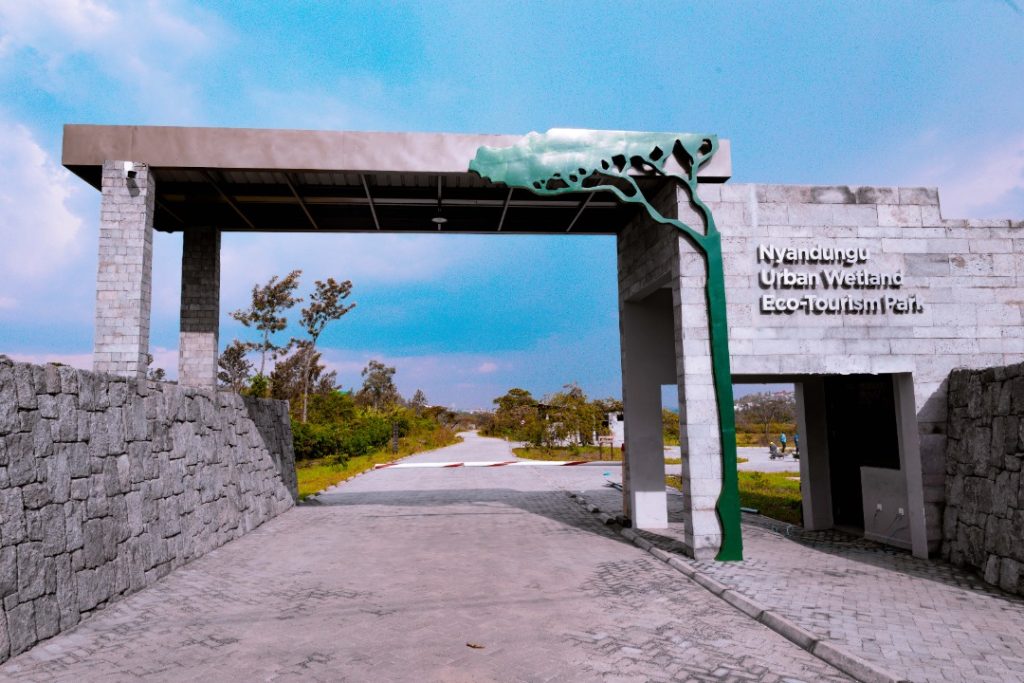
Opened to the public in July 2022 after six years of restoration work, Nyandungu Eco-Park is now one of the capital’s most treasured urban nature escapes.
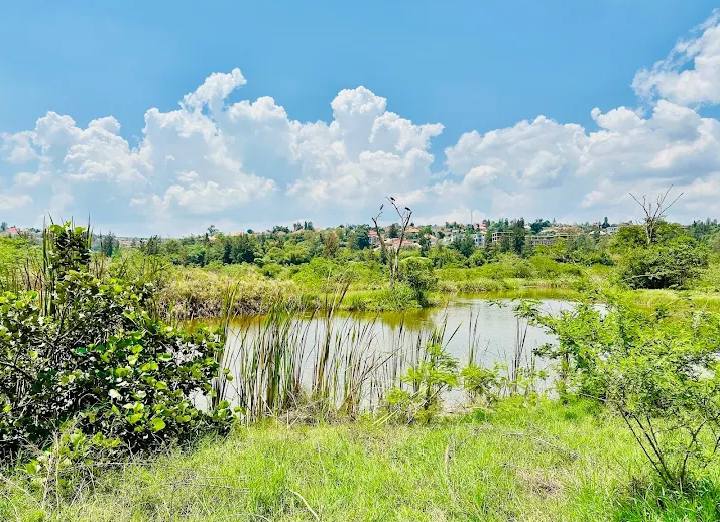
Spanning 121 hectares, including 70 hectares of wetlands and 50 hectares of forest, the park boasts over 62 indigenous plant species and is home to nearly 200 bird species that have returned following wetland rehabilitation.
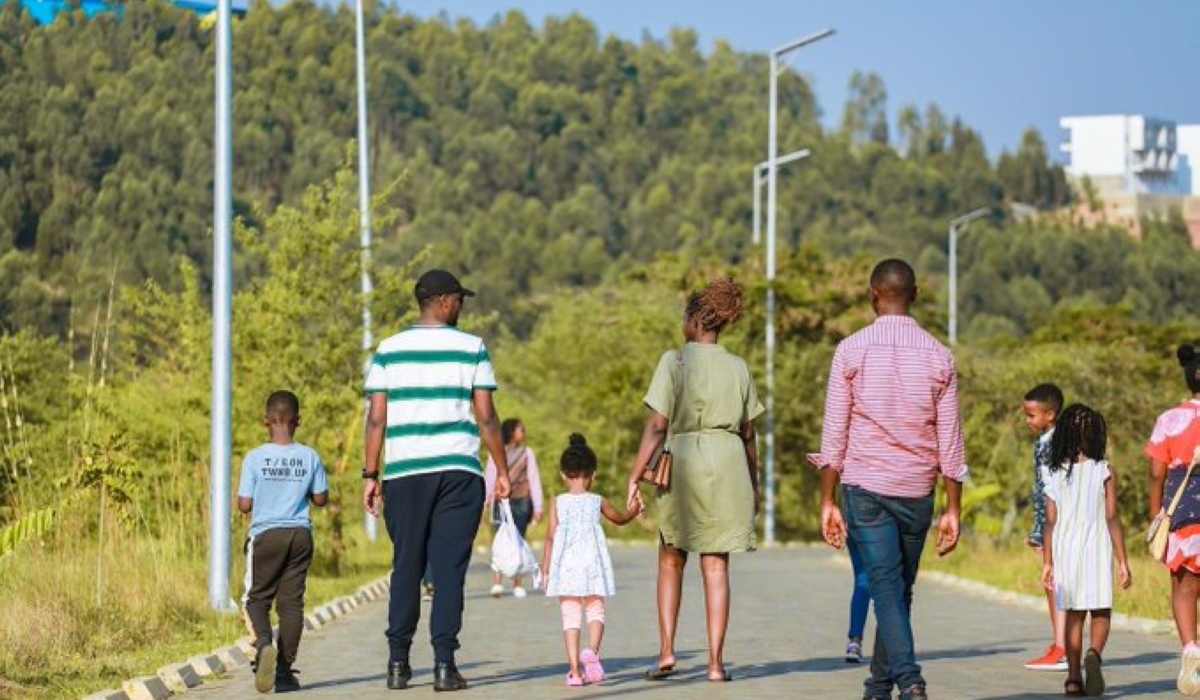
“The majority of our visitors, about 70 per cent, are Rwandans,” Kambogo told The New Times. “Foreign residents in Rwanda make up 20 per cent, while international tourists account for the remaining 10 per cent.”
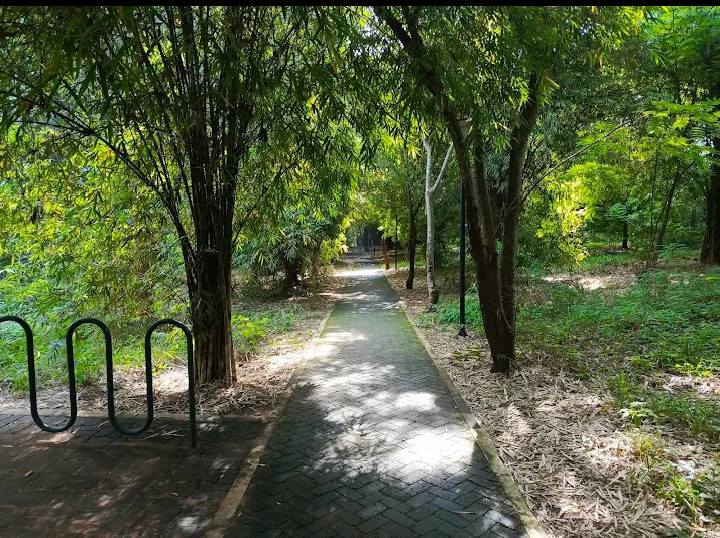
The park is set for a 43-hectare expansion, further strengthening its role in biodiversity conservation and climate resilience. Already, it offers visitors a unique blend of recreation and education through features such as a medicinal garden, Pope’s Garden, five catchment ponds, three recreational ponds, 10km of walkways and cycling lanes, an information centre, and a restaurant.
Nyandungu’s transformation from a degraded wetland into a thriving eco-tourism park was made possible through a Frw 4.5 billion investment under the leadership of the Rwanda Environment Management Authority (REMA).
The initiative, funded by the Rwanda Green Fund (FONERWA) with support from the UK Government, Italy’s Ministry for Ecological Transition, and the UN Environment Programme, aimed to showcase the potential of wetlands in urban flood mitigation, pollution control, and biodiversity recovery.
The restoration effort not only revitalised the wetland ecosystem, including the reintroduction of 17,000 trees from 55 indigenous species, but also created around 4,000 jobs.
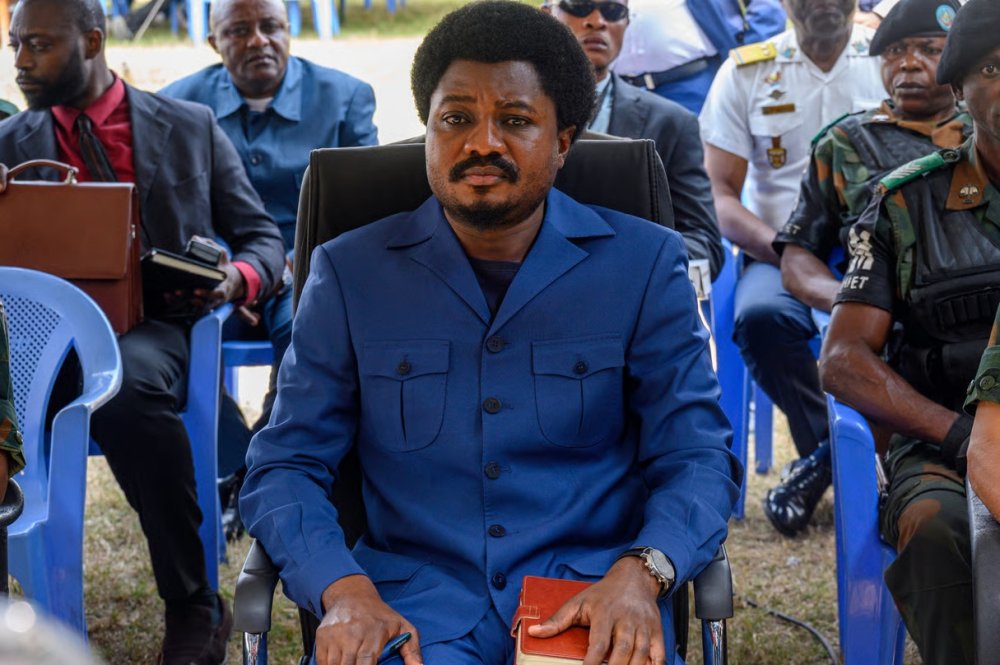
Sources in Kinshasa indicate that the court has already issued a formal notice to Mutamba, informing him that he must appear on that date.
Mutamba is facing charges of embezzling $19 million that had been allocated for the construction of the Kisangani prison in Tshopo Province.
The court’s decision to proceed with the trial follows a complaint filed by the Prosecutor General, Firmin Mvonde, after Parliament granted permission to continue legal proceedings against Mutamba.
When Mutamba appeared before the parliamentary commission handling his case, he admitted that the $19 million had gone missing, explaining that the funds had been diverted to the account of a fictitious company.
At the time, he apologised but claimed that individuals like Prosecutor Mvonde and Prime Minister Judith Suminwa Tuluka were targeting him in retaliation for the judicial reforms he had initiated.
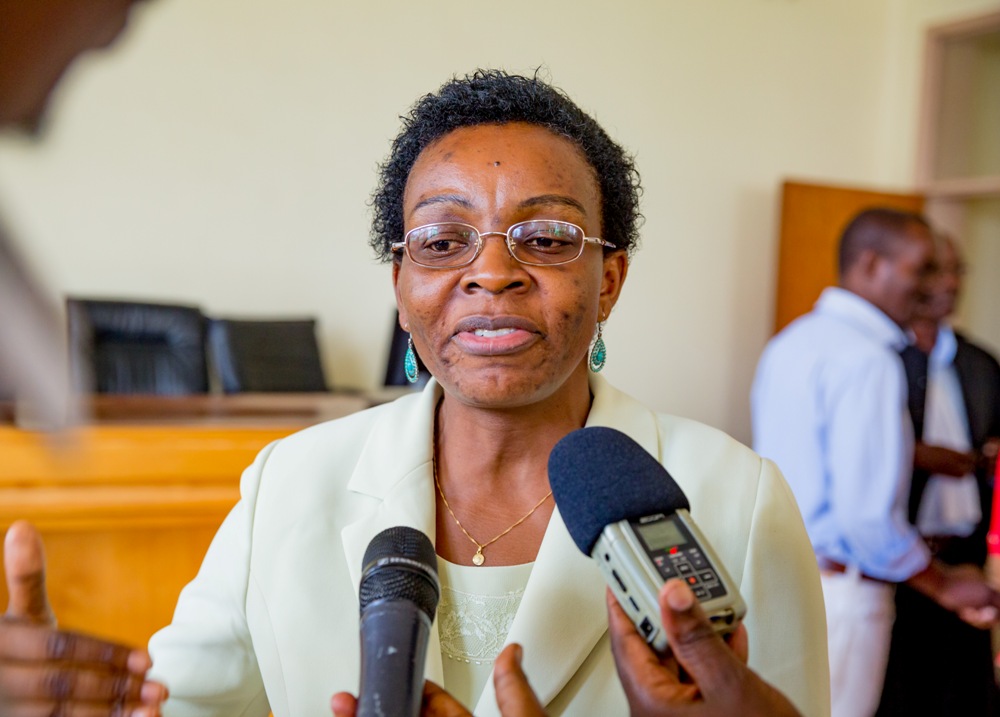
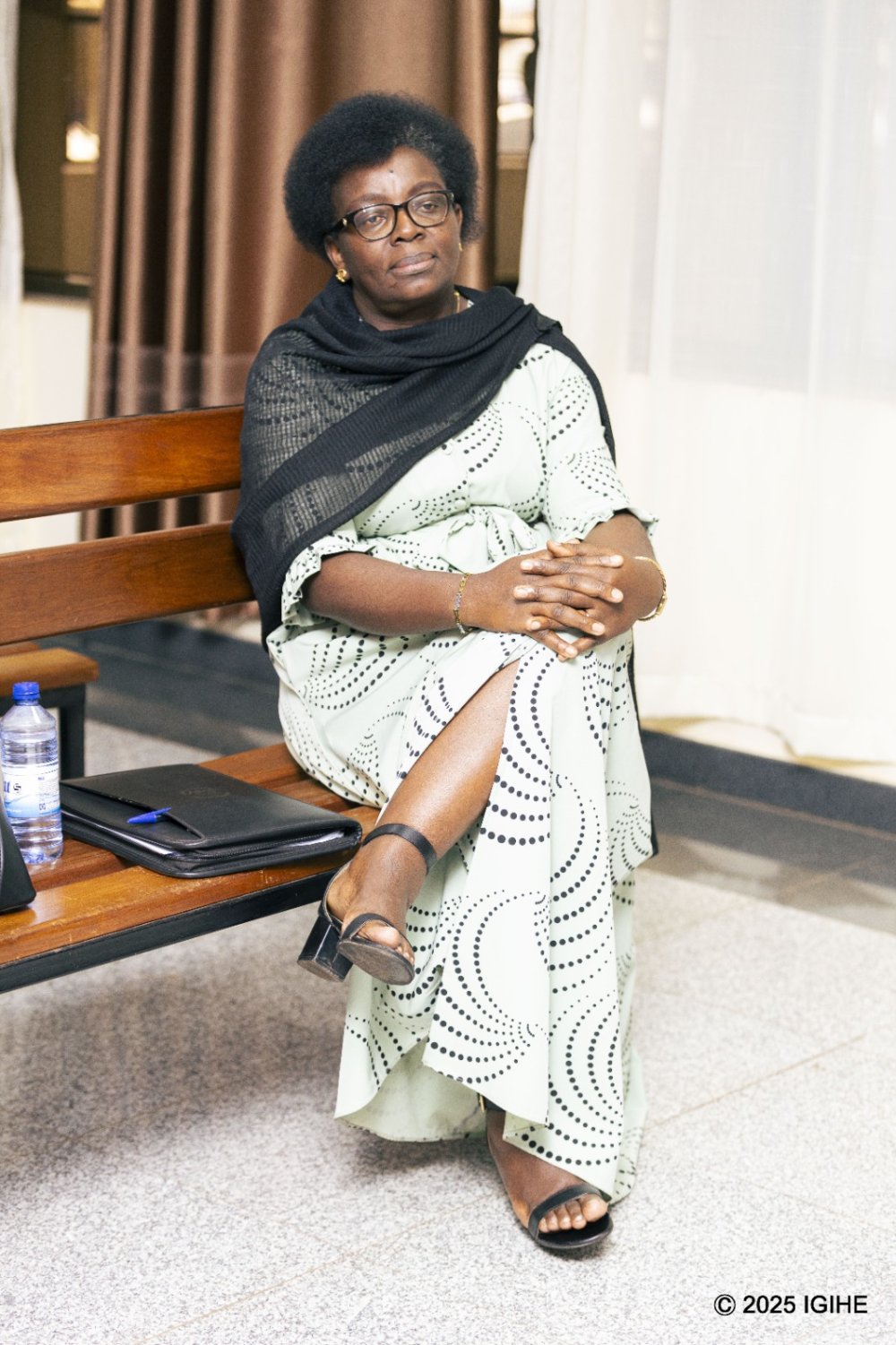
Within DALFA Umurinzi, Ingabire is known by several nicknames—some members refer to her as “IVU,” an abbreviation of her name, while others call her “Mukecuru” (Old Lady). These aliases appear throughout this report.
This article highlights some of the evidence presented by the Prosecution that led to her arrest. The case centres on messages exchanged between Ingabire and her party members, which are believed to be part of a plot that prompted her detention.
{{Origins of the charges
}}
DALFA Umurinzi is a political party founded by Ingabire following the dissolution of her previous party, FDU-Inkingi, which had been accused of collaborating with former FDLR members.
Within DALFA, Ingabire worked closely with individuals such as Sibomana Sylvain, who, according to information obtained by IGIHE, initially worked as her housekeeper.
In the party structure, Sibomana served as the national coordinator, acting as a link between party members inside and outside Rwanda.
Those familiar with Ingabire’s political activities may recall training sessions organised for party members. These sessions, coordinated by Sibomana and another individual named Assumpta, based in Switzerland, were designed to train party leaders on “how to remove a government without armed conflict—through mass civil resistance.”
Sibomana was responsible for organising these activities, as confirmed by WhatsApp messages presented in court.
{{Who is Sibomana Sylvain?
}}
Born in 1970 to Kinonko François and Mukamisha Immaculée, Sibomana hails from Kabageri Village, Mwendo Sector, Ruhango District, in the Southern Province. He currently lives in Mataba Village, Kigarama Cell, Kigarama Sector, Kicukiro District.
In 2014, he was sentenced to six years in prison by the Rusizi High Council Court for inciting public unrest.
{{Current charges against him
}}
Sibomana now faces a series of serious charges. He is accused of creating or joining a criminal organisation and of conspiring to endanger state security or harm the President. In addition, he stands charged with inciting public unrest, defying the law, and organising or participating in illegal meetings or protests.
Authorities also allege that he spread false information and propaganda aimed at damaging Rwanda’s international image, as well as disseminating unfounded rumours.
As part of DALFA Umurinzi’s activities, Sibomana coordinated English-language training sessions for members.
{{Key dates and events
}}
In August 2021, Sibomana informed members via WhatsApp about upcoming training sessions and shared both a book and a video to help them improve their English and grasp the course content.
August 14–20, 2021: Sibomana instructed trainees to download the Jitsi Meet app and use pseudonyms for anonymity.
August 20: He asked a participant, Nzabandora, to use a fake name, suggesting options like “Turkey,” “Morocco,” or “Egypt.”
August 14: Participants, including Nzabandora, received the English book Blueprint for Revolution and its French translation Comment faire tomber un dictateur… by Serbian activist Srđa Popović.
Popović’s video content was also shared to help participants familiarise themselves with English and prepare for the sessions.
{{Who are Popović and Milošević?
}}
Slobodan Milošević was the President of Serbia from 1989 to 1997 and later the President of Yugoslavia until 2000. He is infamous for his role in the Yugoslav Wars and was overthrown during the 2000 “Bulldozer Revolution.”
Srđa Popović is a Serbian activist and co-founder of the Otpor! youth movement, which played a major role in the peaceful overthrow of Milošević through non-violent protest and creative civil resistance.
{{More evidence from WhatsApp
}}
August 23, 2021: Sibomana sent Nzabandora a link to download Jitsi Meet.
August 28: Using a phone number registered to Leonille Gasengayire, he shared the training schedule—sessions were set for September 13, 16, 20, and 23, from 5:00 to 6:30 PM.
September 2: He sent a YouTube link to help participants study the trainer’s delivery style.
September 8: A reminder was sent for a trial session scheduled for September 9.
September 9: Sibomana shared the meeting link and sent participants Rwf 1,000 via MoMo to purchase internet data.
Participants included: Pepino (moderator), Grace (Sibomana), Flanlin (Rucubanganya Alexis—DALFA representative in Ngoma), Brown, Clever, VD, and Sacha.
The first session, titled Vision for Tomorrow, discouraged violent resistance and instead promoted alternative ways to confront the regime in a country where public protests are not permitted.
The second session, held on September 20, 2021, was led by Sandra and Anna and focused on strategies for removing the government.
During the training sessions, four key strategies were discussed as potential methods to challenge the government. The first involved mobilisation and persuasion, aimed at encouraging citizens to stand up to the regime without provoking a violent response. The second strategy centred on protest, using public demonstrations to show presence and determination in confronting state authority.
The third tactic was non-cooperation, which entailed refusing to pay taxes and boycotting government programmes as well as locally produced goods, including those under the “Made in Rwanda” label.
Lastly, the dilemma tactic was introduced—an approach designed to create scenarios that would compel the government to make difficult or unpopular decisions, particularly as the number of active participants increased.
{{Planned operations to destabilise the government
}}
The participants are said to have organised their activities under a series of planned operations, each aimed at undermining the government through targeted acts of civil resistance.
One such initiative was Operation Shira Ubwoba Udahungetwa Ugahungeta, which focused on street vendors frequently subjected to harassment by law enforcement. The plan involved the use of protest songs as a tool to highlight and amplify the vendors’ grievances.
Another was Operation Serwakira, which sought to mobilise landless citizens. The strategy began with the distribution of blank flyers, intended to spark curiosity. These would later be replaced with flyers bearing messages such as, “We’re tired of police brutality, heavy taxes, and disappearances.” To ensure wide circulation, motorcyclists were to be hired to distribute them across different areas.
The third, Operation Umuturage Imbere, addressed issues like forced evictions, oppressive taxation, and the mistreatment of street vendors. As part of this campaign, participants would wear T-shirts emblazoned with the word Kangondo—a reference to a community evicted in recent years—during court proceedings and large public gatherings, in an effort to draw attention to the plight of affected citizens and stir public sentiment.
This investigation, grounded in intercepted communications and witness testimony, forms the basis for Ingabire’s most recent arrest and prosecution. Prosecutors say more evidence will be unveiled as the case proceeds.
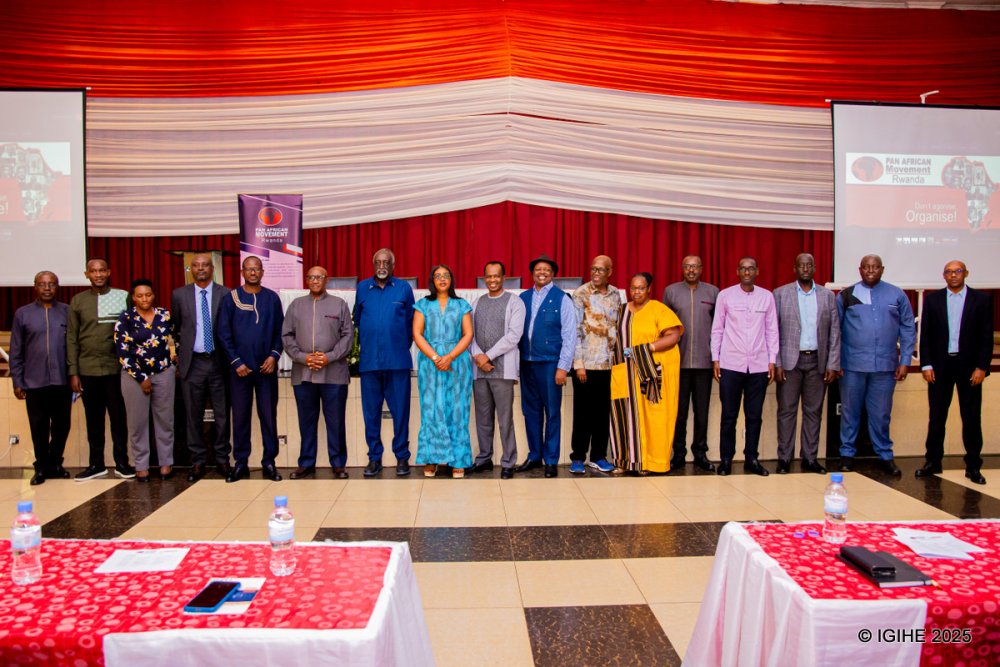
The elections took place during a consultative meeting held on June 29, 2025. This follows a previous round of elections in May 2025, which saw Protais Musoni re-elected as the chairperson of PAM Rwanda.
The newly elected commissioners will assume their three-year term beginning on July 1, 2025.
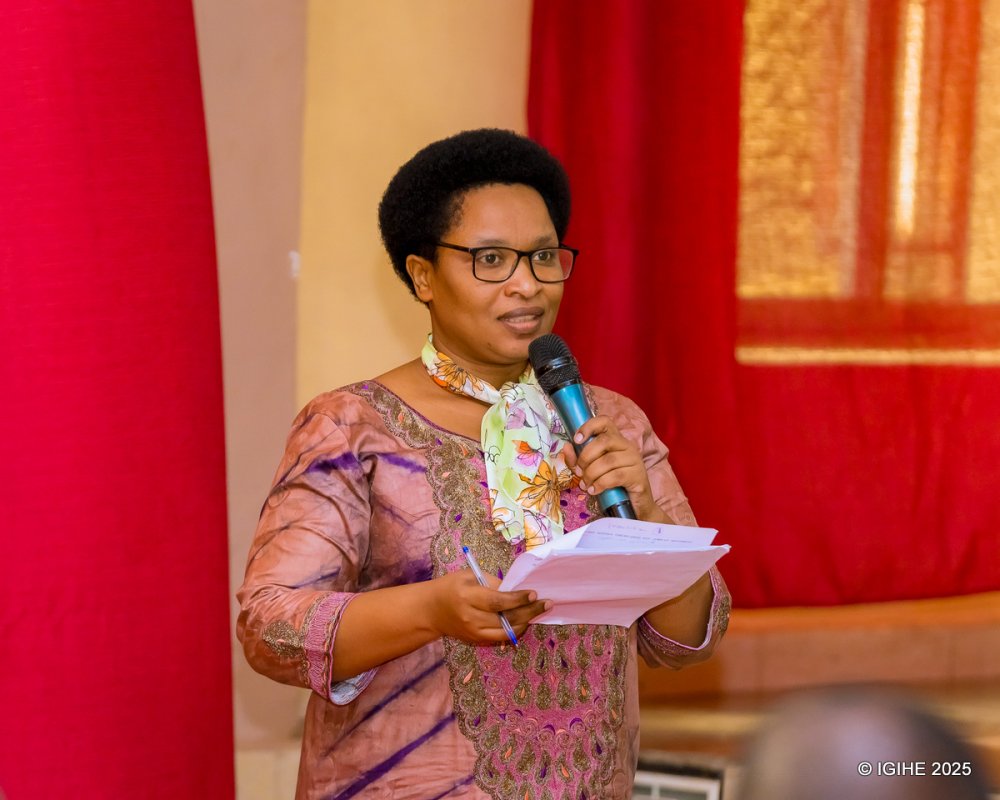
Athanasie Nyiragwaneza, the Secretary General of PAM Rwanda, outlined the priorities for the organization over the next three years.
These include strengthening the presence of PAM Rwanda representatives in villages and schools, as well as increasing the number of members.
Additionally, the organization plans to conduct research to address ongoing challenges related to African integration and foster stronger regional relationships.
Among the newly elected commissioners are prominent individuals such as Tito Rutaremara, Dr. Mulefu Alphonse, Amb. Vincent Karega, Amb. Joseph Mutaboba, Jean Bosco Rushingabigwi, and Amb. Williams Nkurunziza, among others.
Chantal Tuyishimire, one of the newly elected commissioners, shared her vision for the next three years.
She emphasized the importance of using information to understand challenges and find solutions, particularly in relation to the African Continental Free Trade Area (AfCFTA), while also prioritizing youth engagement.
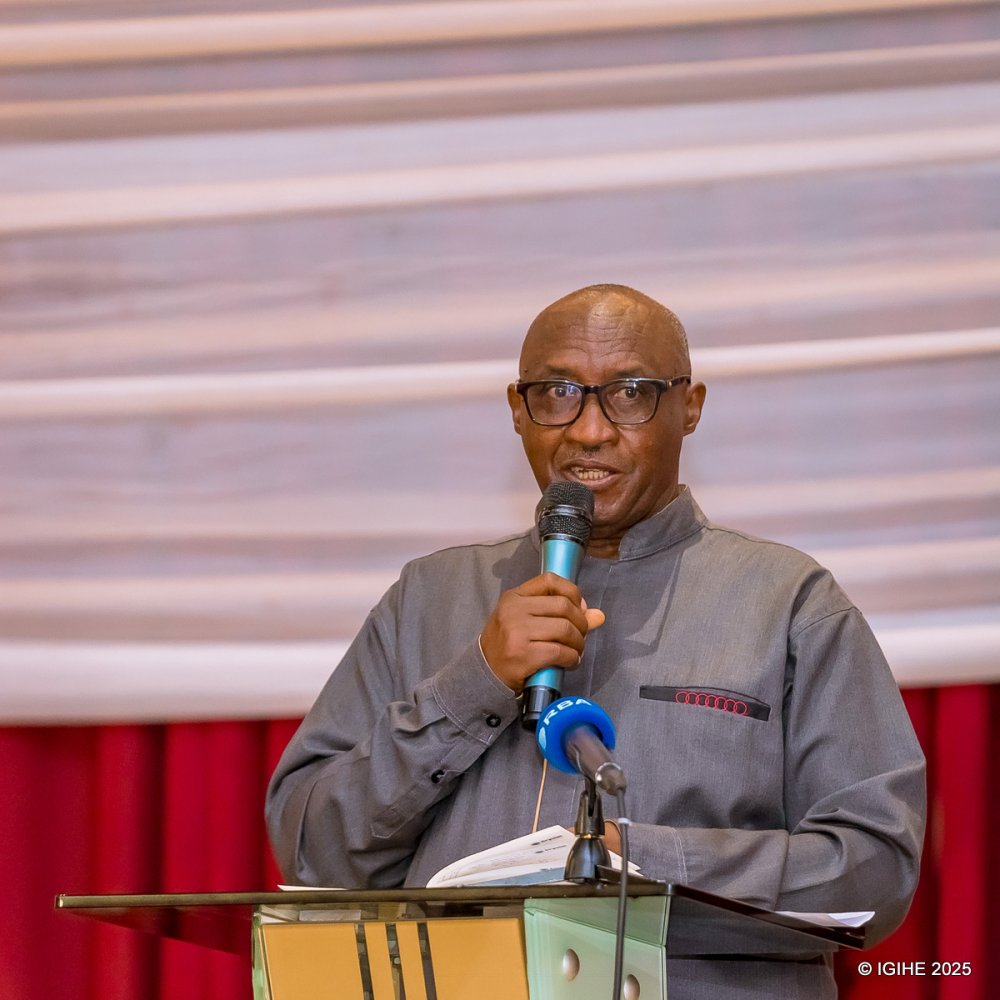
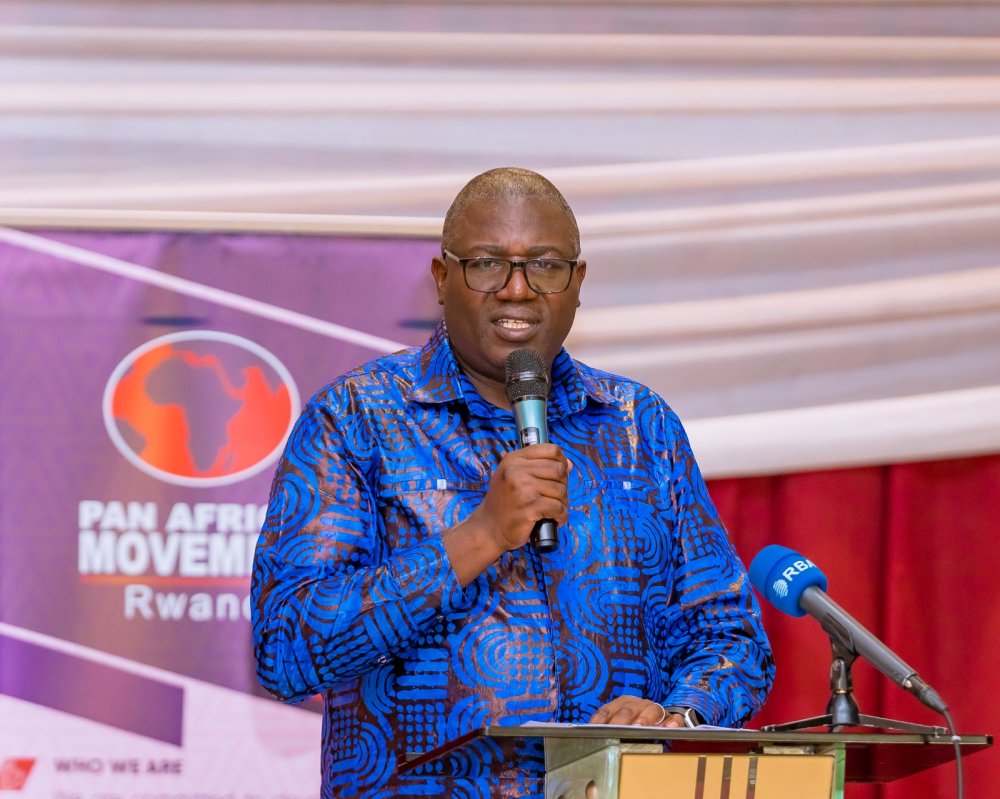
PAM Rwanda Chairperson Musoni Protais, addressed the challenges Africa faces in achieving self-reliance, recognizing both internal and external factors.
He stressed that the solution lies in changing the mindset of Africans to overcome these challenges.
PAM was founded in 1946, after World War II, and Rwanda became a member in 2015.
The movement’s goal is to inspire self-reliance and unity among Africans, aiming to make Africa a leading and influential force globally by 2063.
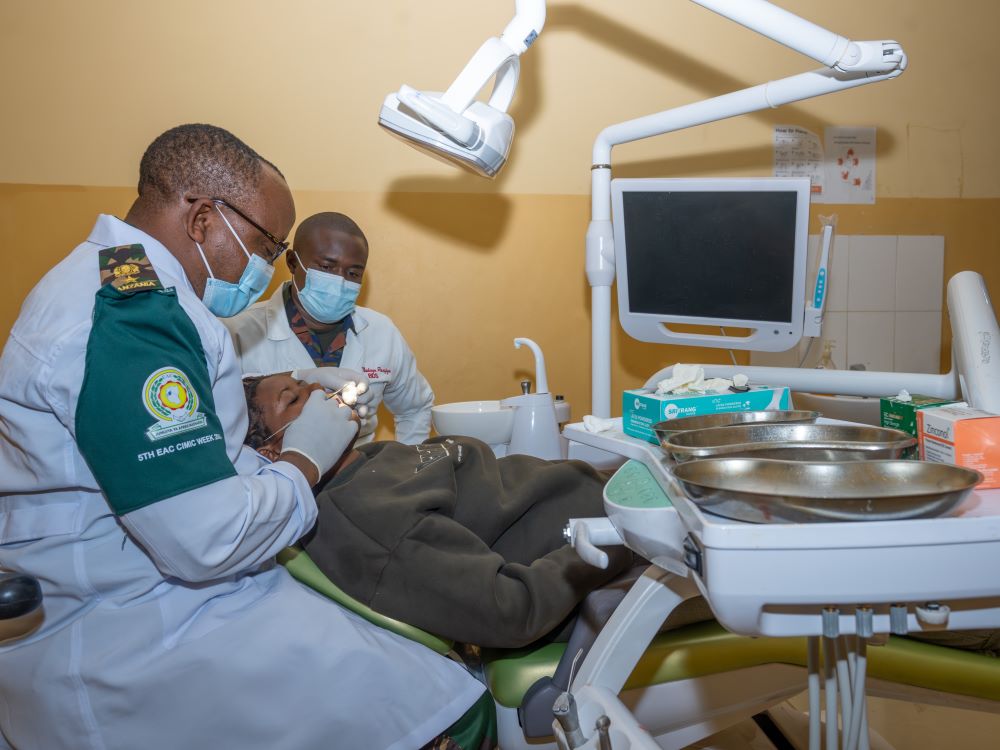
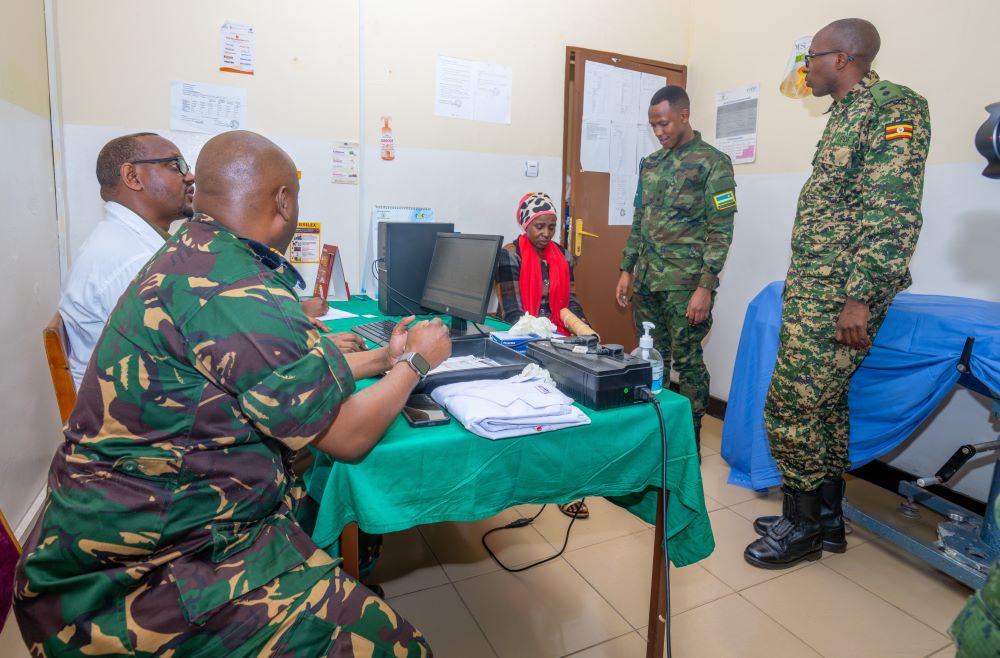
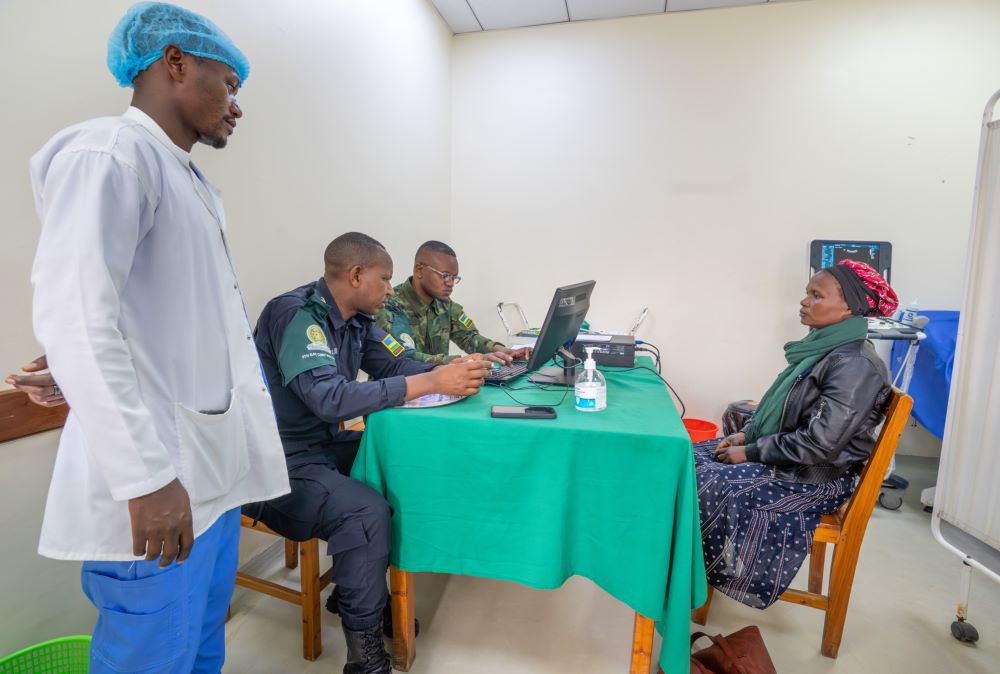
The initiative includes a wide range of activities designed to strengthen ties between the military and civilians across the region.
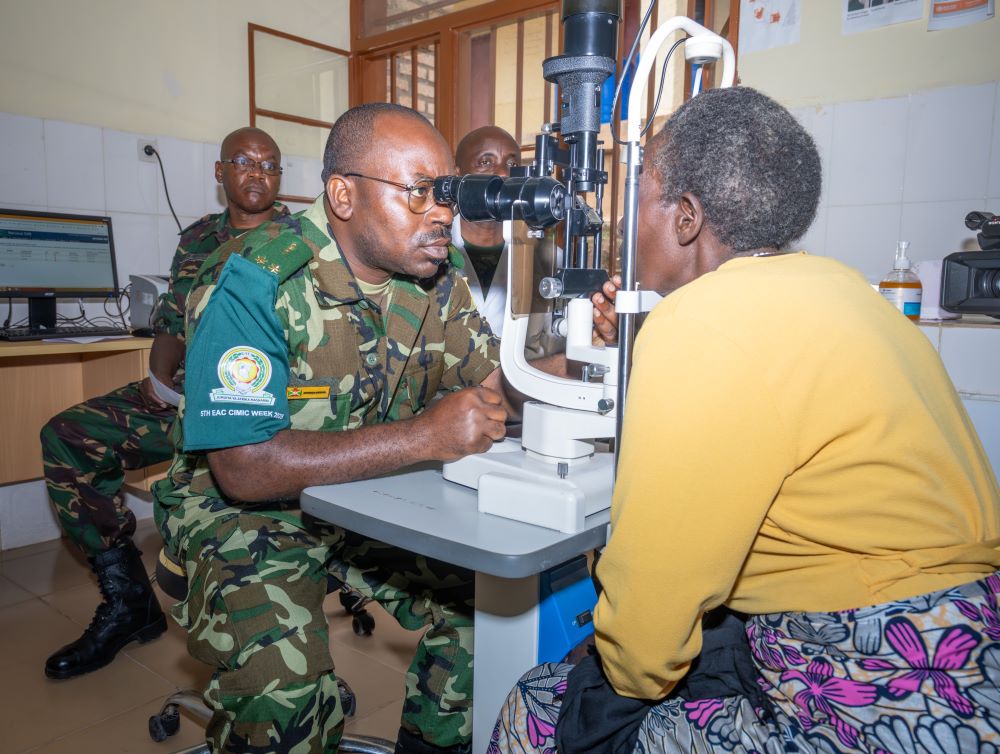
In Nyanza District, residents have welcomed the free medical services being provided at the district hospital, noting the convenience of receiving treatment close to home and at no cost.
Uwibogoye Rusi, a patient treated at Nyanza District Hospital, shared her experience, explaining that she previously had to travel to Kabgayi Hospital for treatment, incurring costs for transport and medication.
“Now, I am happy to get treatment from medical specialists here in Nyanza. They are treating us for free, and the medicines are provided at no cost,” she said.
Dr. Dufitumukiza Jerome, Director General of Nyanza District Hospital, emphasized the significance of the EAC Armed Forces’ support.
“Previously, we had to refer patients to advanced hospitals because we could not treat certain conditions. Now, with the help of these specialists, we can treat patients locally, free of charge, and the medicines are also provided for free,” he said.
“These services are typically costly, but now they are offered for free. The initiative is also helping us reduce long waiting lists for surgeries and specialist appointments. Many surgical procedures are not normally available at district-level hospitals like ours. The patients we expect to treat in just five days would otherwise have had to wait up to five months. With the support of experts from across the region, we can now close that gap,” he added.
Dr. Dufitumukiza expressed gratitude to the RDF leadership for deploying the needed medical specialists and acknowledged the broader contribution of the RDF to Rwanda’s liberation and continued commitment to rebuild the country.
Lt Col Dr. Justus K. Bwaley from Kenya Defence Forces noted that EAC CIMIC Week plays an essential role in fostering regional cooperation and professional exchange.
“Working alongside fellow doctors from EAC partner states allows us to build strong bonds, share medical expertise, and overcome clinical challenges together. Ultimately, our people benefit from this collaboration. We need more opportunities like this to further the EAC’s mission of regional integration,” Dr. Bwaley said.
In addition to medical services in Nyanza and Ngoma, EAC Armed Forces personnel are also engaged in a variety of community development projects. These include the installation of solar panels, floor tiles, and clean water facilities for underserved communities.
This regional effort is being implemented in conjunction with the Defence and Security Citizen Outreach Programme 2025, which is taking place nationwide in celebration of kwibohora31 and the 25th anniversary of the Rwanda National Police’s partnership with citizens.
The initiative is also designed to reinforce the bond between the EAC Armed Forces and the people, reflecting shared values of unity, integration, and mutual support among partner states.
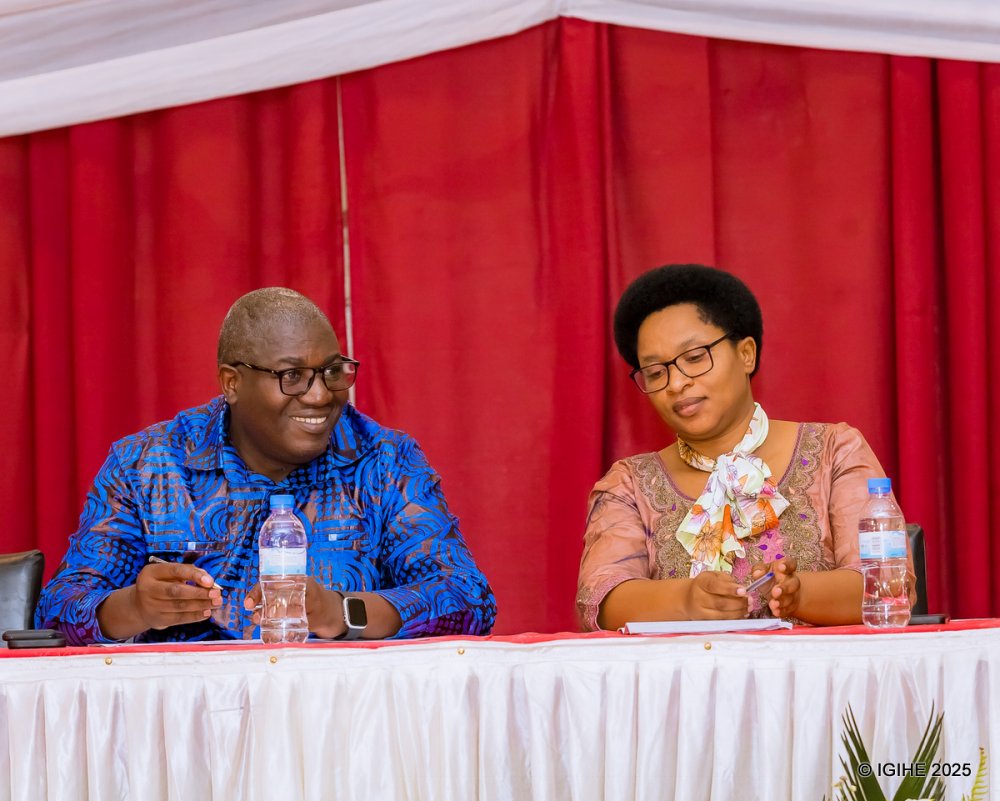
Minister Mugenzi made the remarks during a Pan African Movement Rwanda symposium held in Kigali on June 29, 2025.
Dr. Mugenzi noted that African-led solutions are more effective for solving the continent’s problems than allowing the population to disperse in search of prosperity elsewhere, often risking their lives and contributing to the development of other regions.
“It deeply saddens me to see Africans dying in the sea trying to find solutions in Europe. That is potential we are losing. And when we get there, they tell us, ‘That’s how Africa has always been,’ and label us as ignorant. Yet once we’re there, they use us to drive their development, extracting value from us,” he said.
He stressed that many of the answers to Africa’s challenges exist within the continent, but a mindset shift is needed, one that values what Africa has to offer.
“Instead of our people perishing in the Mediterranean, they should seek solutions in other African countries, because those solutions exist here too. We must value our own, and that starts with valuing ourselves and earning the respect of the international community,” he added.
Dr. Mugenzi also emphasised that self-worth includes embracing African languages. Beyond each country’s native tongues, he recommended Swahili as a unifying language for continental gatherings, noting that it is widely spoken and indigenous to Africa.
“A local solution is better than a foreign one. True self-reliance means building on our own capabilities, with each individual actively seeking answers to their immediate challenges. When you wait for someone else to solve your problem, you’ve already made yourself part of the problem. These issues are ours—and so are the solutions,” he added.
According to data from the International Organisation for Migration (IOM), over 20,000 Africans died or went missing in the Mediterranean Sea between 2014 and 2024 while attempting to reach Europe. In 2024 alone, an estimated 2,452 people lost their lives or disappeared.
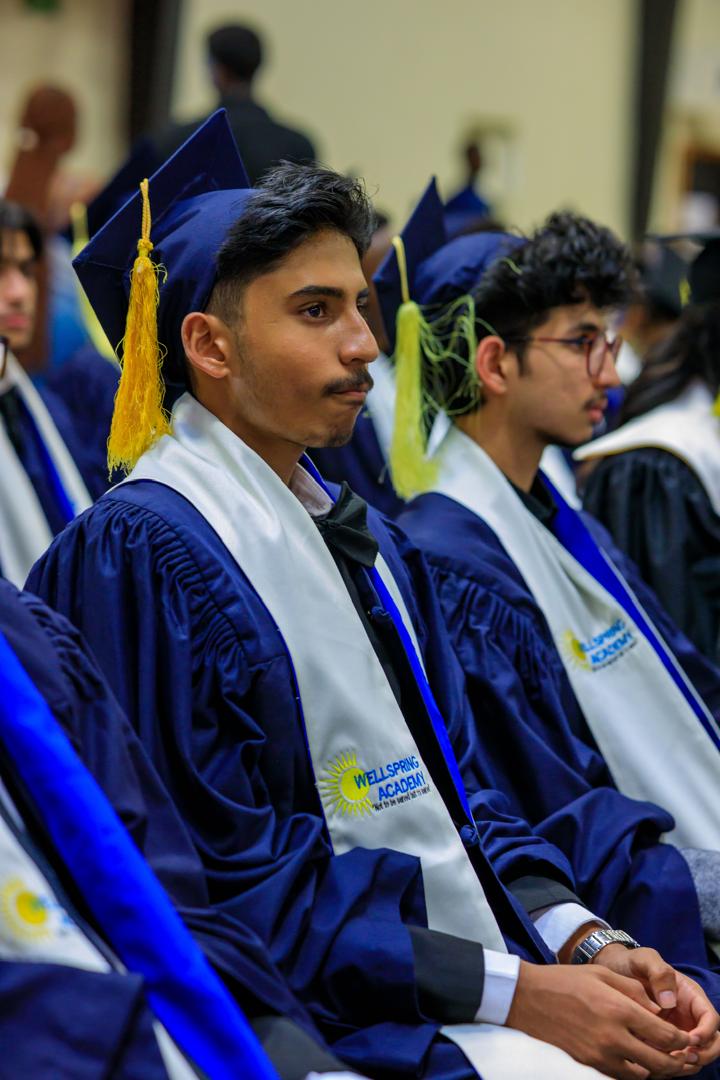
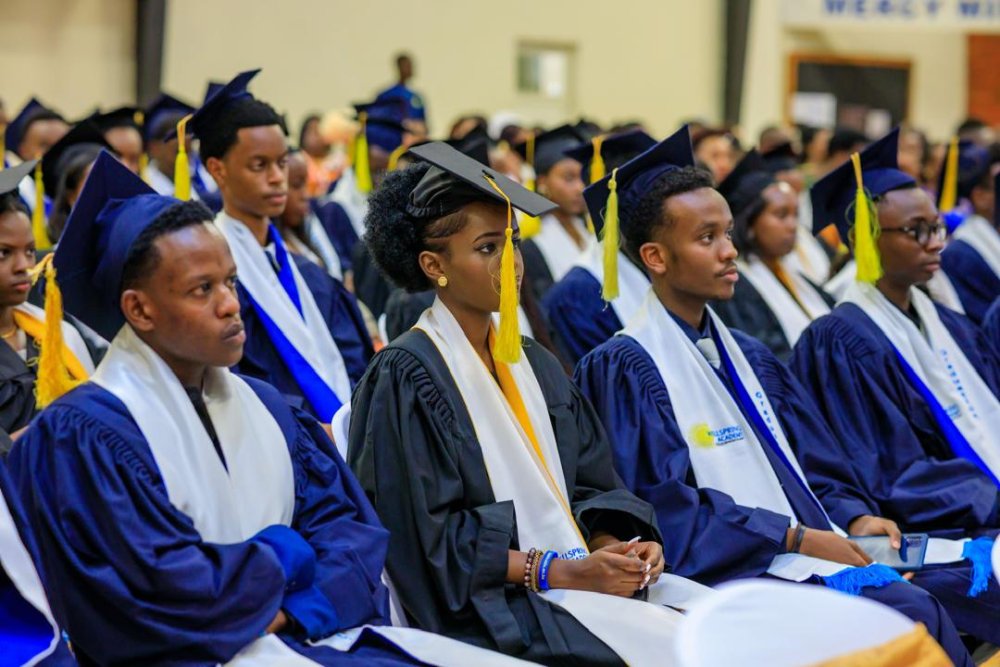
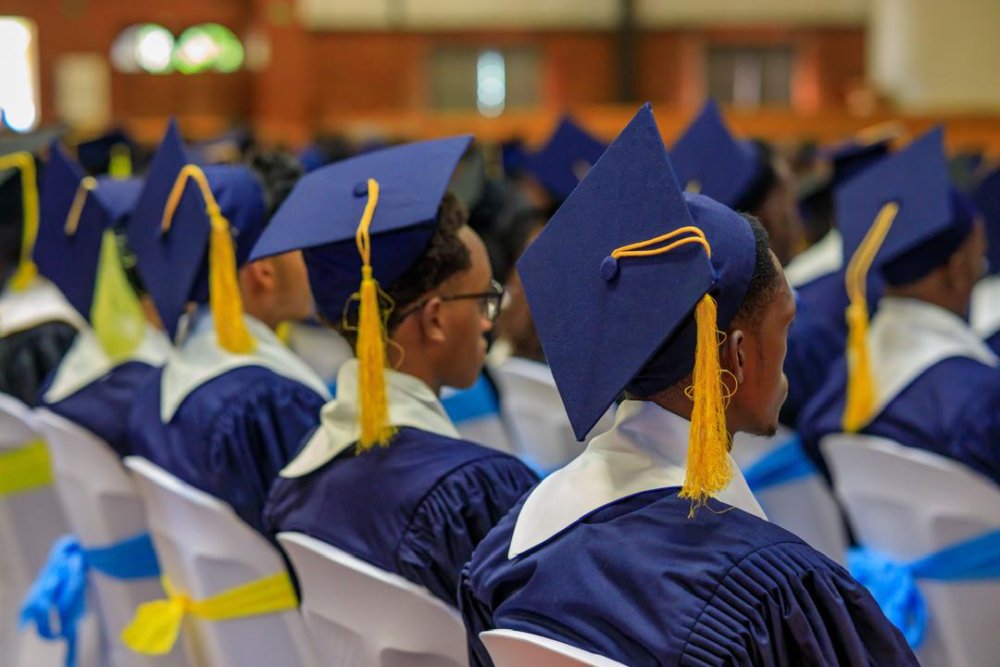
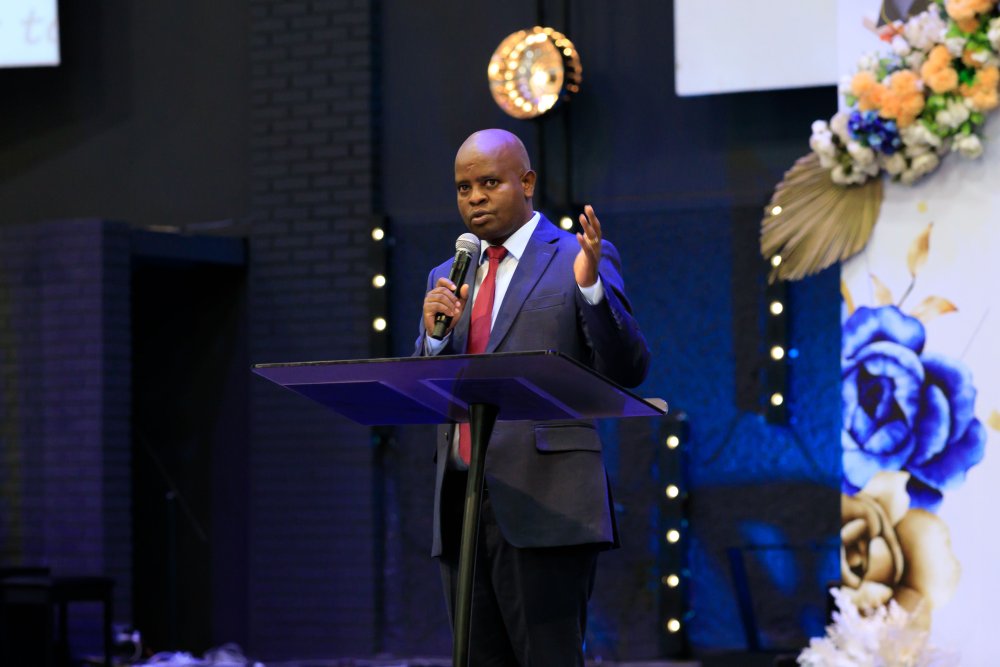
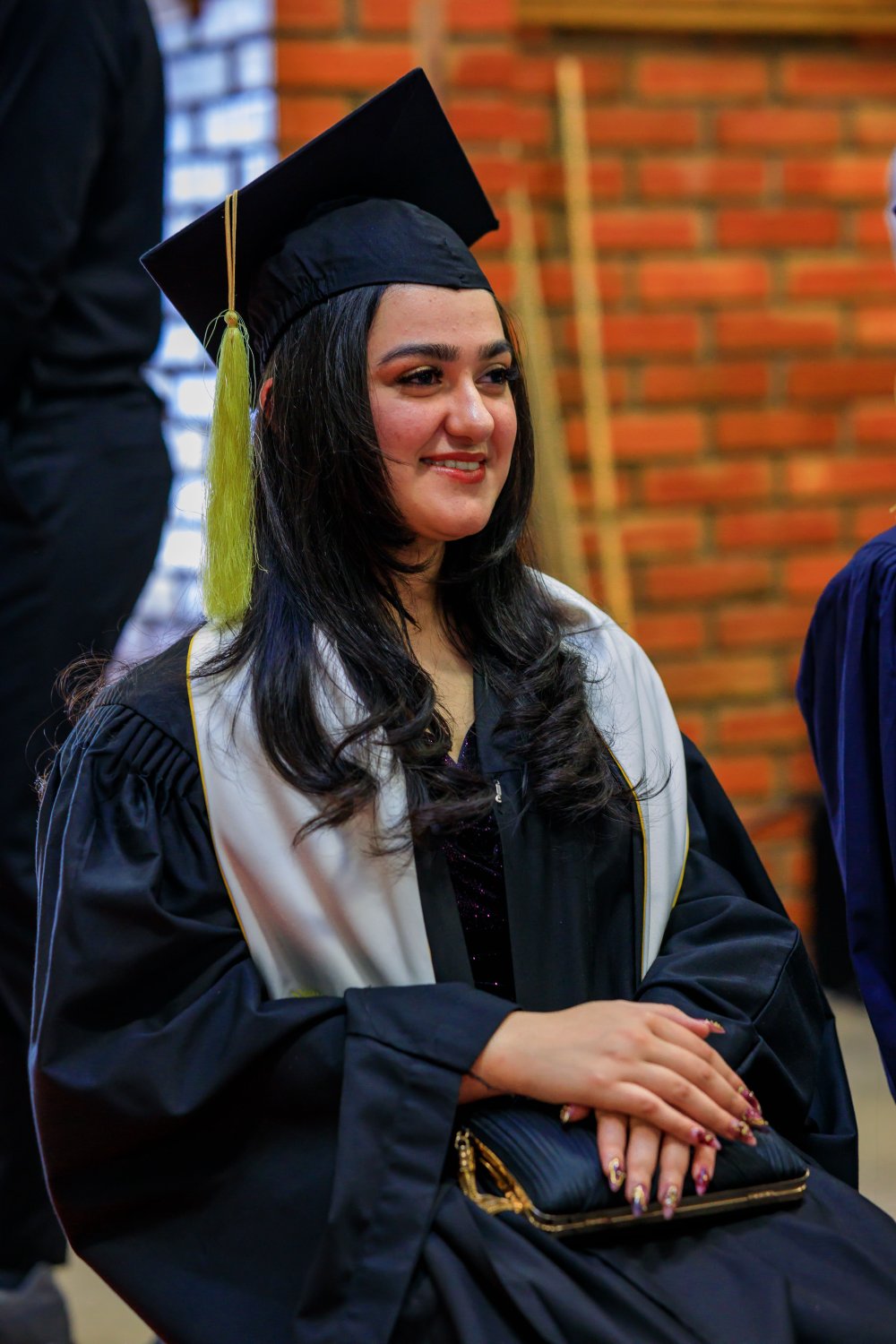
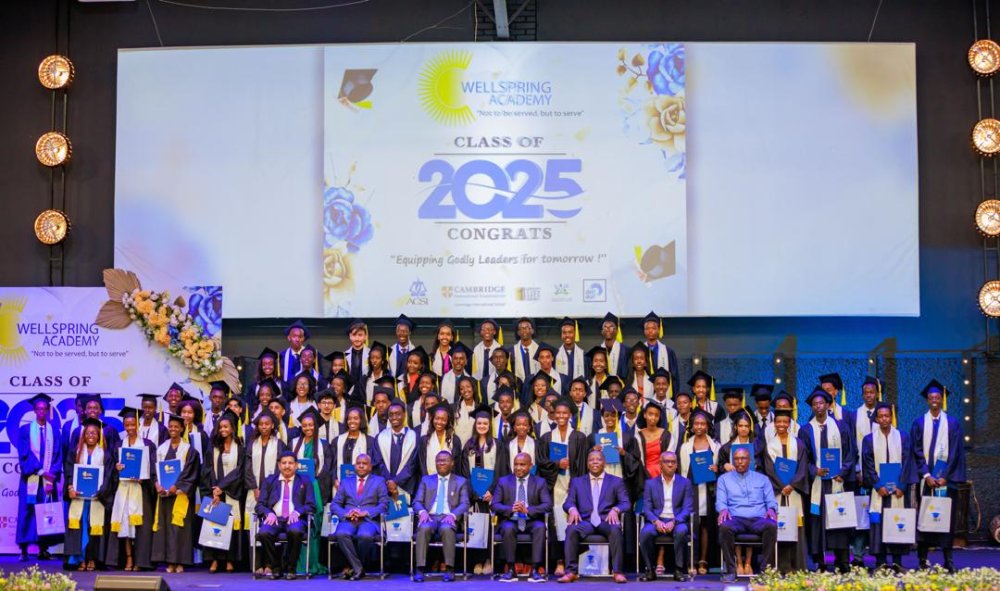
Speaking at the graduation ceremony for 74 senior six students, including 39 boys and 35 girls, Rudakemwa emphasised the importance of translating learning into impact.
“One of our school’s key goals is to provide a strong foundation built on godly values while equipping students with practical, world-class knowledge,” he said. “Let these values guide you in all that you do, and ensure the education you’ve received becomes a tool for building a better future, not something that remains unused.”
He noted that Wellspring Academy has continued to grow in reputation, consistently attracting more applicants than it can accommodate, which he attributed to the public’s confidence in the school’s mission and standards.
Rudakemwa also reaffirmed the school’s openness to students from various backgrounds. Although founded on a Christian ethos and culture of prayer, Wellspring welcomes all students willing to respect the school’s values and code of conduct.
“Representing the Minister of Education, Eng. Pascal Gatabazi, a Chief Technical Advisor at the Ministry, congratulated the graduates and encouraged them to embrace life beyond the classroom with resilience and confidence.”
“Completing secondary education is a remarkable achievement. I wish you all success as you strive to become professionals and pursue your dreams,” he said. “Face the future with courage, and trust in your own potential.”
Also addressing the graduates was Pastor Peter Nkunzingoma, Senior Pastor of Christian Life Assembly, who reminded students to safeguard their well-being and keep their faith central to their ambitions.
“Whenever you seek success or strength in life, turn to God and ask for His guidance and presence in all you do,” he said.
Established in 2007 by Christian Life Assembly, Wellspring Academy began with just 106 students. Today, it is recognised among Rwanda’s top international schools, offering the Cambridge curriculum. The school aims to deliver high-quality education while nurturing ethical, visionary leaders who will contribute to Rwanda’s progress and promote its values around the world.
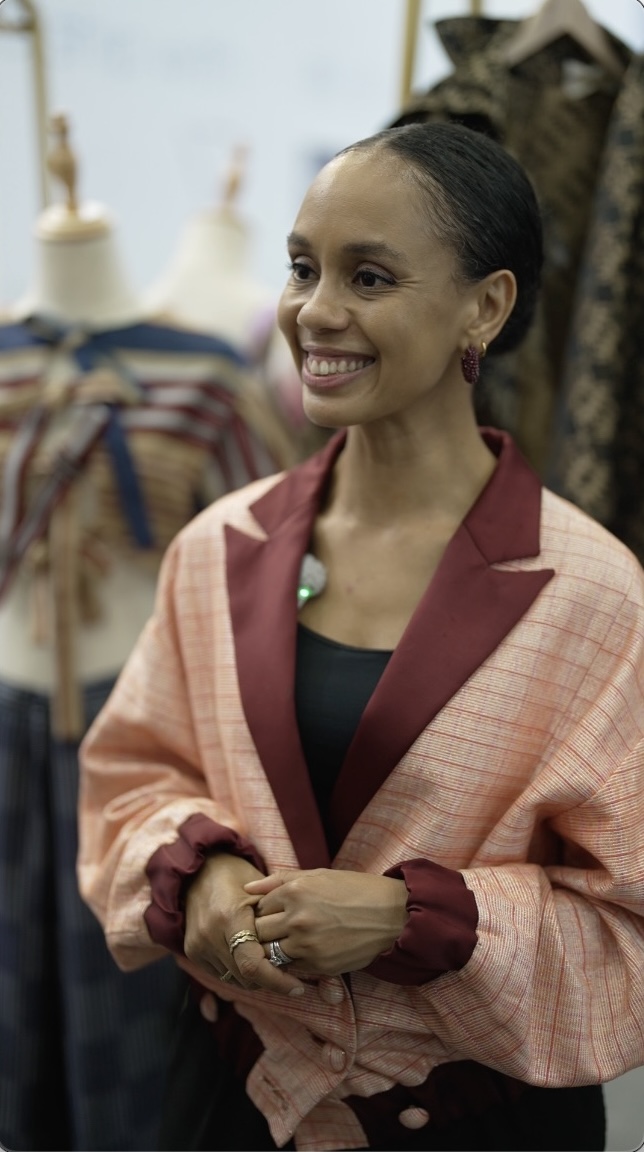
Kenyan entrepreneur and former diplomat Hannah Ryder is at the forefront of this movement, leading efforts to spotlight designers who seamlessly blend tradition with modernity. Her Africa Reimagined project aims to showcase African fashion that resonates with the diverse and evolving tastes of the Chinese market.
A striking example of this cultural fusion was seen at the expo, where Development Reimagined staff member and hanfu enthusiast Chen Huiyi paired a Rwandan-designed blouse with traditional Chinese hanfu. This combination reflects a shared vision of preserving cultural heritage by integrating it into everyday life.
“The best way to preserve traditional culture is to ‘wear it out’, letting more people see it and fusing it with daily life,” says Chen. “That’s also what our African designers hope to do.”
African designers who participated in the expo share this philosophy, aiming to introduce their cultures through fashion that bridges history and the present.
Designers from across Africa are actively entering the Chinese market, with ambitions to establish physical stores in addition to showcasing at major events. South African designer Thula Sindi, known for his AfricaRise stores in Johannesburg and Pretoria, sees a strong opportunity for mutual exchange.
“African businesses need to be in China the way Chinese businesses are in Africa,” Sindi said. He plans to open a store in Shanghai, viewing the city as a cosmopolitan gateway with efficient logistics for online shopping and delivery. For Sindi, the strategy is clear: African fashion competes not on trends or price, but on uniqueness, quality, and timeless appeal.
He believes African designs offer something special and enduring, perfectly aligned with the Chinese market’s evolving tastes.
Fellow South African designer David Tlale shares this vision and is actively exploring ways to expand his brand in China. He acknowledges the challenges of entering a new market, including protecting intellectual property and managing cost structures.
Nonetheless, he is enthusiastic about learning from China’s advanced textile technologies to enhance competitiveness. Tlale sees the growing Africa-China partnership as an opportunity for creative cross-pollination that benefits both fashion industries.
Ryder believes the diversity of the Chinese market is an ideal match for African luxury fashion. She highlights the appeal of African brands that emphasise sustainability, unique production methods, and distinctive fabrics.
As China’s consumer base grows wealthier and more sophisticated, demand for authentic and varied offerings is rising, and African designers are well-positioned to meet that demand.
Beyond individual consumers, growing interest from buyers and retailers suggests a promising future in which African fashion establishes a lasting presence in China.
This cultural blending through fashion represents a broader narrative of exchange and collaboration, where tradition is honoured, innovation is embraced, and new expressions emerge that speak to both heritage and the modern world.
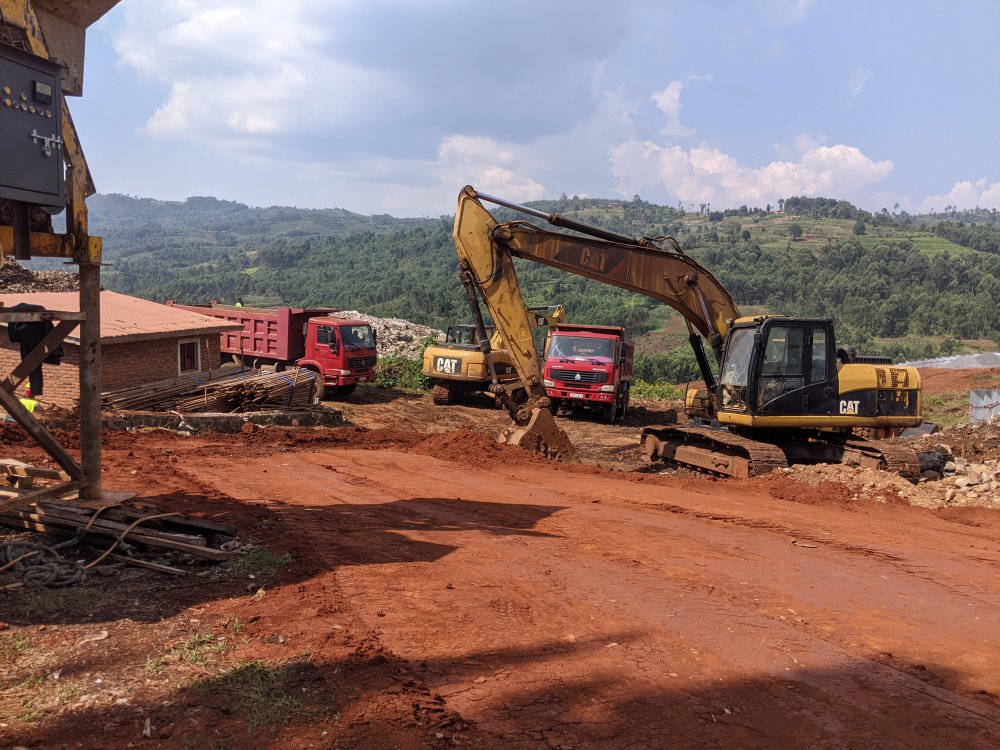
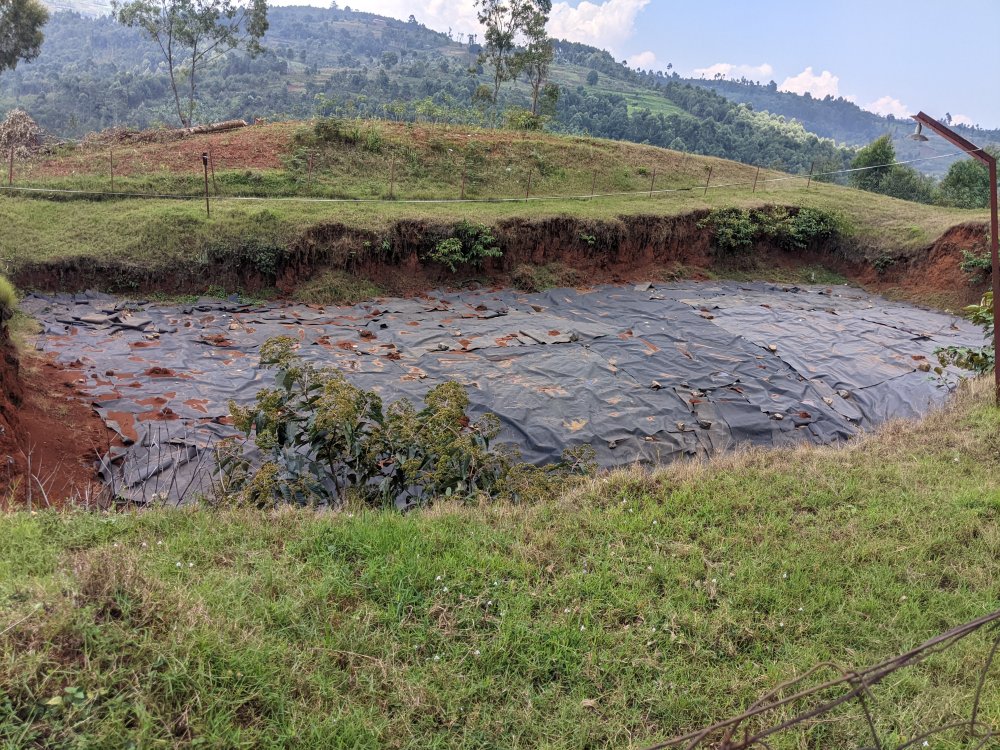
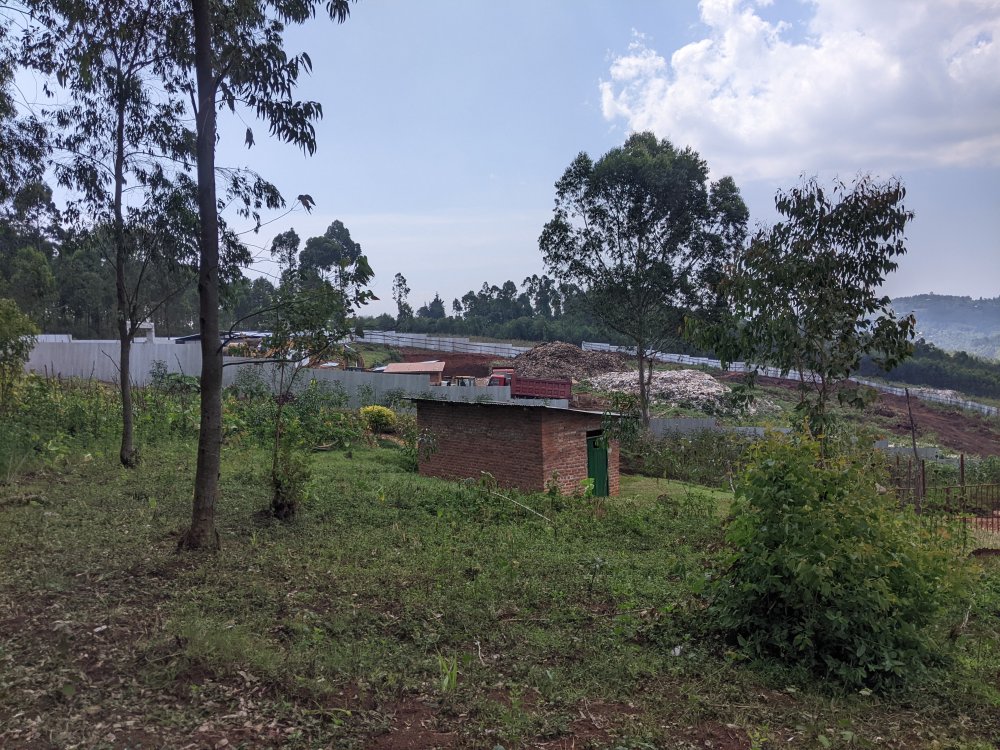
Located in Ruhimbi Village, Ruganda Cell, Kamembe Sector, approximately 20 kilometres from Rusizi town, the facility will be the first of its kind in Rwanda’s Western Province and is expected to serve neighbouring districts as well.
Once completed, the plant will treat up to 42 cubic meters of faecal waste and 13 tonnes of solid waste daily. Organic waste will be converted into compost, while non-biodegradable materials like plastic and paper will be recycled into reusable products.
Rusizi District Mayor Phanuel Sindayiheba told IGIHE that the facility will play a key role in improving public hygiene and protecting the local ecosystem.
“All waste from Rusizi town will be collected and sorted at the site. Biodegradable waste will be turned into compost, while plastics—such as bottles often seen in Lake Kivu and the Rusizi River—will be recycled into reusable materials,” he explained.
The project is being implemented by the Government of Rwanda through the Water and Sanitation Corporation (WASAC Group).
According to Robert Bimenyimana, Public Relations and Communications Manager at WASAC, construction of the Faecal Sludge Treatment Plant (FSTP) and the accompanying modern landfill began in March 2025 and is expected to be completed by March 2026.
“The facility will include separate zones for faecal sludge treatment, composting of organic waste, and sorting and recycling of non-biodegradable waste such as plastics and paper,” he said.
Once operational, the facility is expected to significantly boost waste management capacity in the region, reduce pollution, and support Rwanda’s broader sustainability and sanitation goals.