Elected in February 2016, Uwiyoboye is the Coordinator of the National Youth Council (NYC) in Nyarubaka Sector of Kamonyi District. She had received no training until mid last year when Noyau de Paix opened a civic education camp meeting for 700 youth committee members from five districts.
Running from July 2017 to June 2018, the one-year project was funded by Rwanda Governance Board (RGB) and the United Nations Development Programme (UNDP) at a tune of Rwf25 million.
“We attended the training and learned of the importance of working closely with other authorities like local leaders in serving the country. We built up synergies to serve the country. We built 12 latrines and 12 vegetable gardens for 12 different vulnerable households in Kamonyi. We also encouraged our fellow youth to participate in the last year’s presidential elections,” said Uwiyoboye.
She said these activities have positively changed the image of the youth in their communities because adult especially elderly people are now looking at the youth as important members of the community, differently from the years back when they were considered as indifferent on the community’s activities.
“The demand for help is too high; people are asking us to do the same as we did in their neighbouring areas. We are commitment to reaching out to a bigger number of the disadvantaged,” she added.
Olivier Mahoro, the Coordinator of NYC in Bweramana Sector, Ruhango District, shared similar gains from the project, saying his peers have now understood their responsibilities towards the nation and working hard to meet them.
“We had our physical strengths for the work of construction but we needed some money to buy materials for the roof; so Noyau de Paix supported us with the skills and finances. This project has become a stimulus for us to do more; we are keeping on helping the vulnerable within our communities,” he said.
Hassan Jean-Aimé, the Coordinator of NYC in Cyanika Sector of Burera District, said “We have acquired to set targets as performance contracts (Imihigo). Youth are often indifferent about politics but we have got to know that politics affect our lives in one way or another whether we get involved or not. We have understood our role in our communities’ development. We were challenged by rainstorms during our concluded activities but we are now going to do more in this dry season. We have got courage and love for these activities.”
The youth were recounting achievements Friday during an event to close the project in Muhanga District.
According to Hyacinthe Kabalisa, the Projects’ Coordinator at Noyau de Paix, this is a platform of 25 local organisations but the concluded project saw the intervention of only three including Kabgayi Diocese of the Catholic Church for the project’s implementation in the districts of Kamonyi, Muhanga and Ruhango; Peace and Durable Development in Burera and Peace House in Bugesera District.
Kabalisa said the project intended to raise civic education among the youth and encourage them to help tackle the shortage of proper latrines and high rates of stunting among children, issues that are occurring in many communities around the country.
The project saw 700 youth members attend civic education training and went out to mobilise their peers who built 59 latrines, 58 vegetable gardens, renovated two residential houses, developed seven stoves and cemented three houses, among other activities targeting the vulnerable households in the five districts.
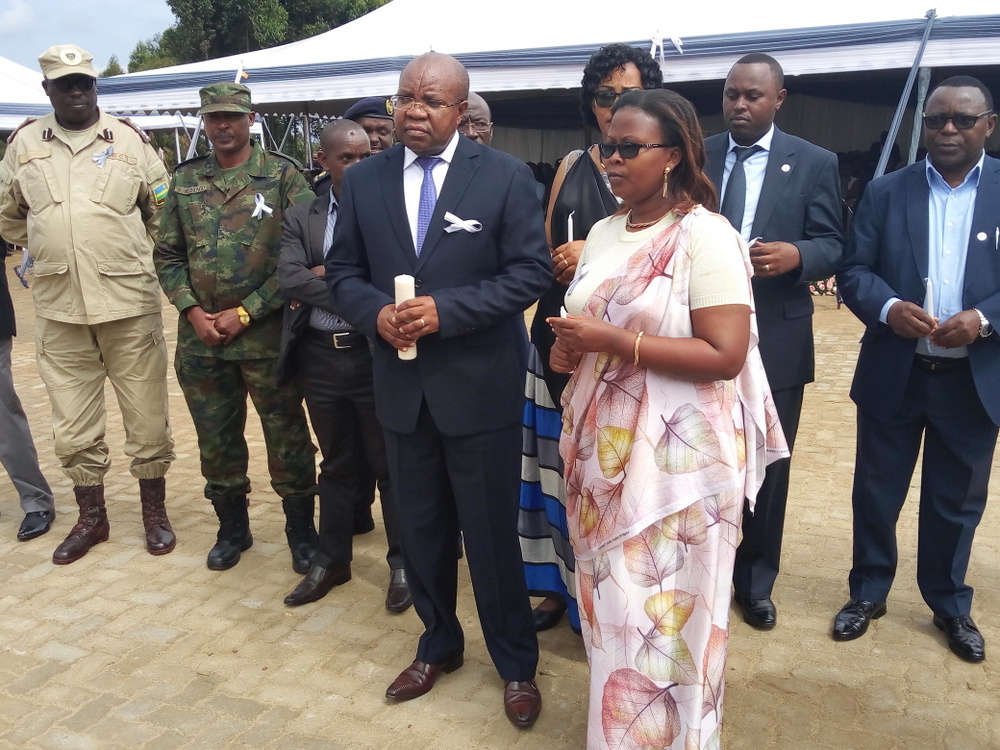
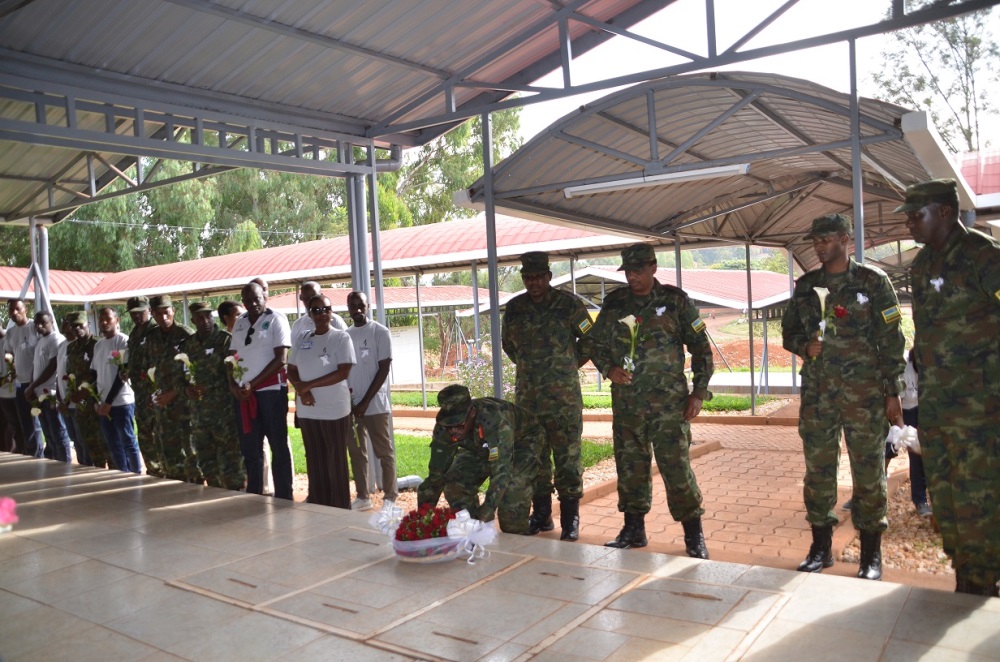
The event took place Saturday at the ceremony to commemorate the victims of 1994 genocide against the Tutsi in Rusizi.
Survivor, Vestine Utamuriza said that the remains of their families had been poorly buried as the rains and floods have been damaging them.
“We are pleased to see the remains of our beloved fallen families rested in safe place. Previously, they were buried in unsafe place where it used to rain on them,” she said.
It is anticipated that all remains of the genocide victims across Rusizi District will be moved to three District Genocide Memorial Centres which are Nyarushishi, Mibilizi and Kamembe.
Nyarushishi Genocide Memorial Centre is home to 4738 victims.
Speaking at the event, Senator Appolinaire Mushinzimana said that the memorial is well constructed so that more remains could be buried there.
According to Mushinzimana, the memorial is capable to receive remains of over 10,000.
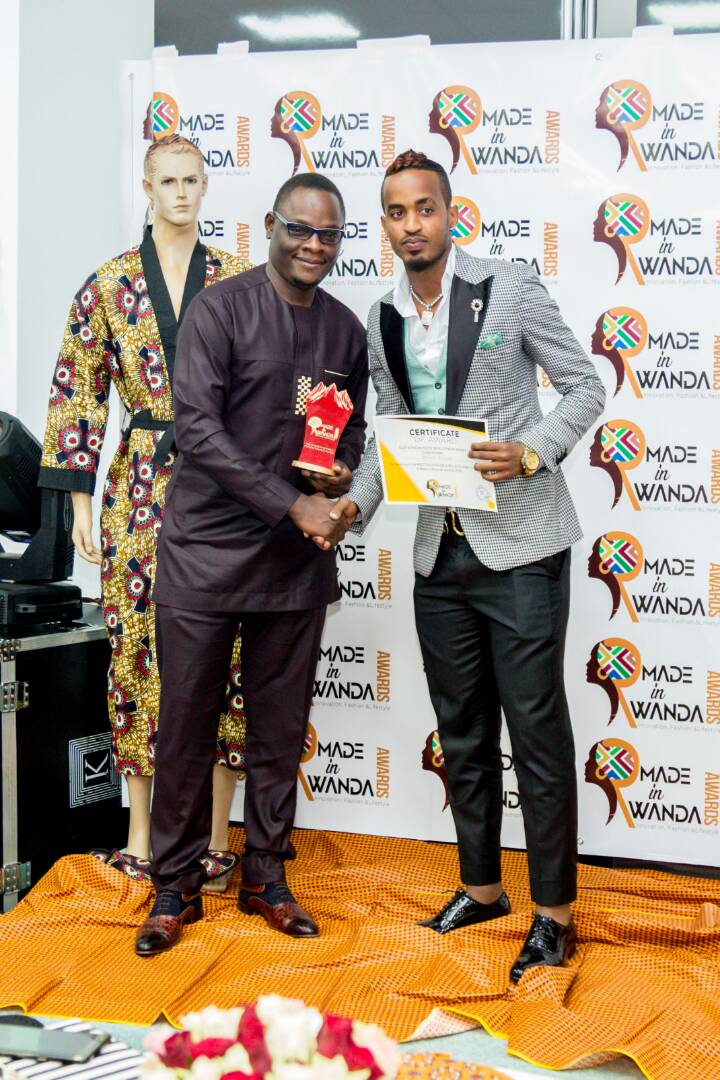
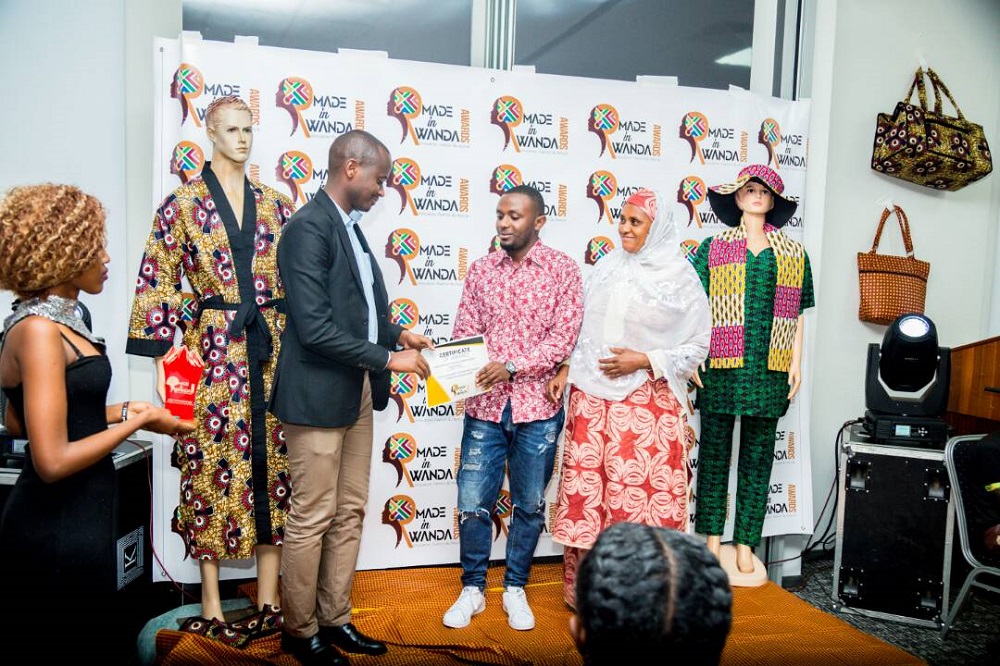
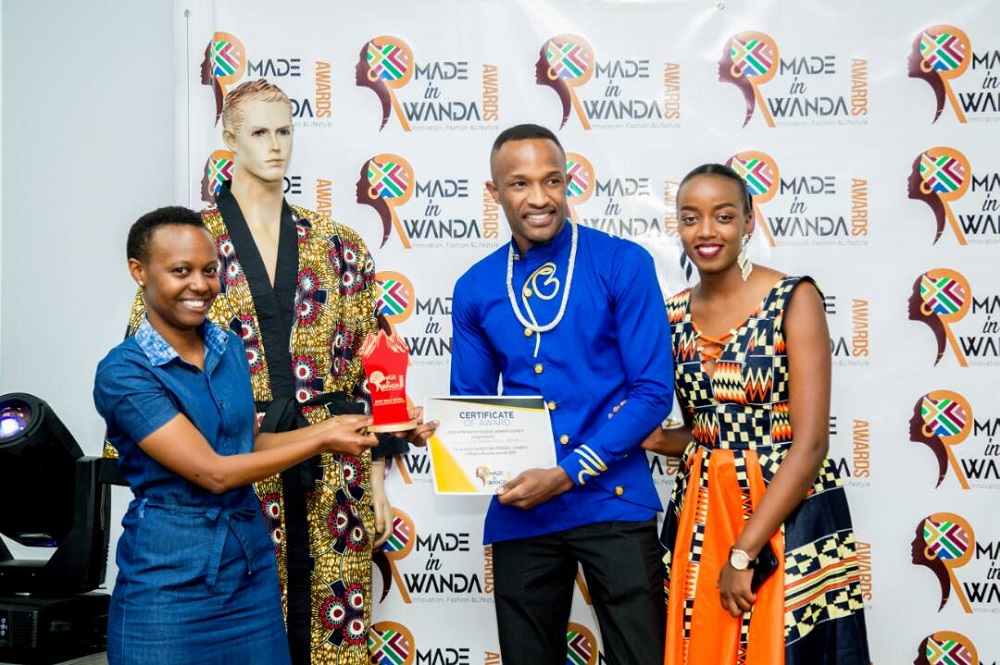
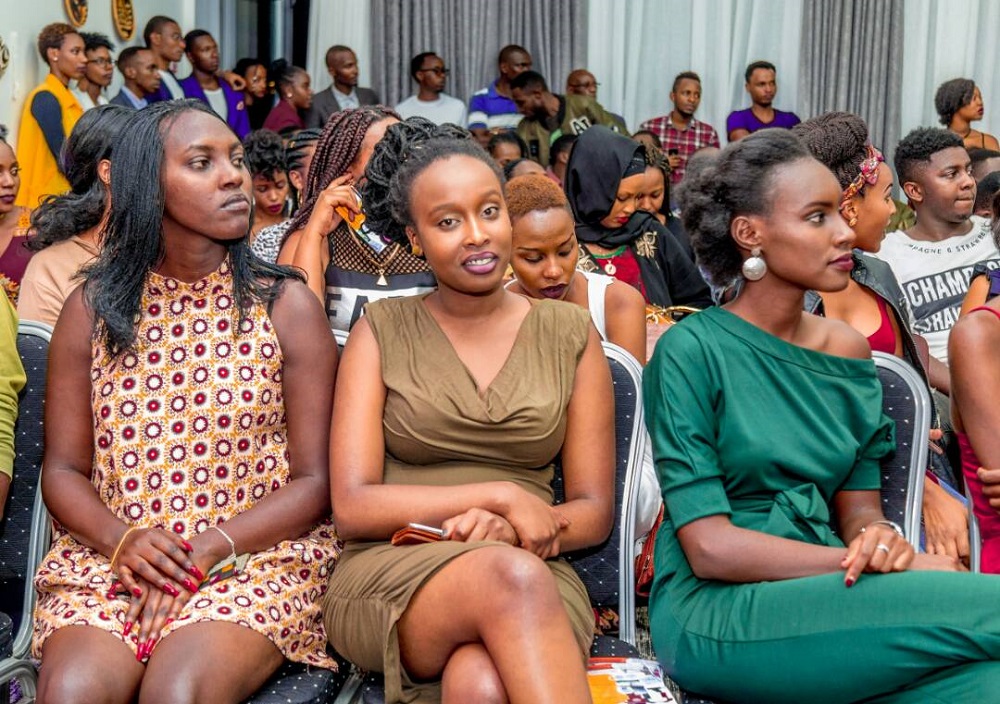
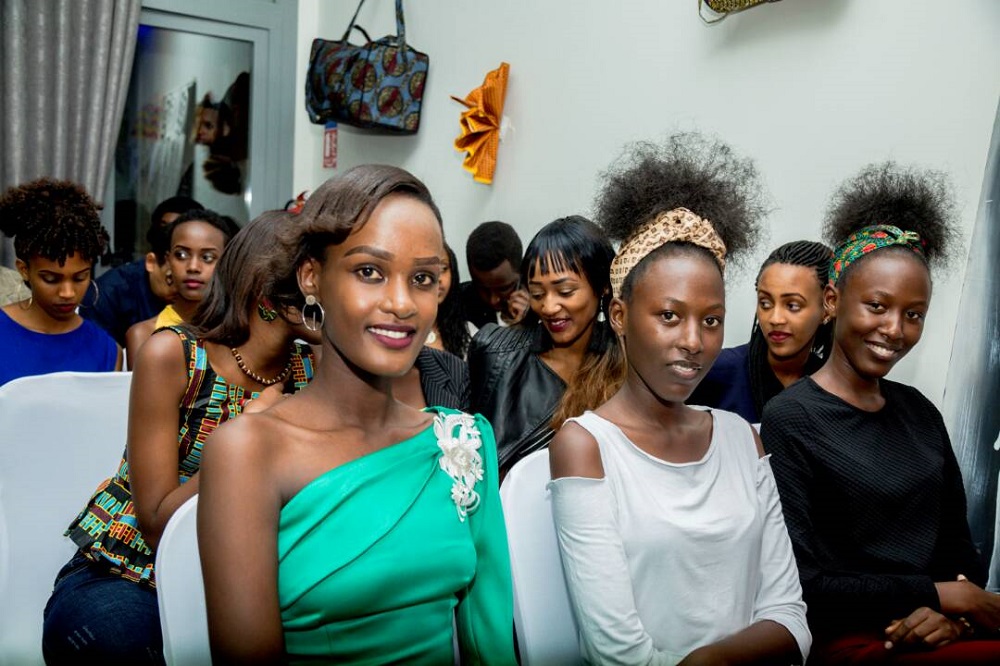
Made-In-Rwanda’s best and brightest gathered at Onomo Hotel to receive awards in an event organized by East African Youth Development Agency in a bid to recognize individuals, companies and institutions that have contributed to the country’s economic growth by creating and promoting Rwanda’s domestic products, both locally and internationally.
The awards were given out in ten competitive categories, with five special recognition awards for Lifestyle, Fashion, and Innovation.
During the selection, 60% of votes were from the net while the remaining 40% were to be given by a special panel of judges. Another category was the people’s Choice, which involved a person who was voted most from the public.
Notable public figures from entertainment and media were found at the event. Yannick Mukunzi, a player from Rayon Sports was awarded as ‘Best Fashionable Male Celebrity, Songbird Knowless Butera was awarded as ‘Best Fashionable Female Celebrity’ while DJ Pius was awarded for making the ‘Fashionable music video of the year’.
Kamanzi Uwizera Gloria who spoke in the name of the organizers said that the event was organized in a way of encouraging the young & creative minds of Rwanda, and use the event as an opportunity to promote Rwanda’s products, both locally and internationally.
“The Made-in-Rwanda awards will be an annual event, as a way of expressing gratitude towards those who promote ‘Made-In-Rwanda’ products.” Kamanzi Uwizera Gloria said
{{2018 Made-in-Rwanda Awards winners
}}
Best Fashionable Female Celebrity: Knowless Butera
The International Day of the African Child, observed annually on 16 June, was established in memory of the young boys and girls killed during the 1976 Soweto Student Uprising, on this date. This international day therefore reminds us of the need to safeguard the sanctity of children’s lives and rights, while recognizing institutions and causes that make sure that African children are able to reach their full potential. Furthermore, it is a call for action for the world to engage itself in making sure that these initiatives are spread, and can impact even more African children.
The theme for this year’s celebration is “To leave no child behind for Africa’s Development”, in line with the objectives of Agenda 2030, and this can be established by promoting every child rights to education and health, as the starting points to children’s development.
{{Understanding our context
}}
Africa’s population is increasing at a fast rate.
In 8 years, her population has gone from 1.04 billion to 1.28 billion people, and of these 1.28 billion, 580 million are children. Africa’s child population accounts for almost a quarter of the world child population and 42.9% of Rwanda’s population is under the age of 15. These exponential numbers already predict a continuous increase but also emphasize the need for these children to have even more access to quality health and education, to become the empowered and dignified people able to drive the sustainable development of this continent.
So to play its part in the realization of this vision, Imbuto Foundation, have built at the core of all socio-economic work, a holistic model following the growth of our citizens from childhood, to adolescence, youth and adulthood.
{{Healthy beginnings
}}
Imbuto Foundation’s first programme, Family Package, was launched in 2001 in response to the severe HIV and AIDS epidemic, heightened by mass rapes during the 1994 Genocide.
According to the National Centre for Biomedical Information, in 2001, the rate of mother to child transmission of HIV&AIDS Virus was 30.5%. Having observed these staggering statistics, Imbuto Foundation’s call for action through Family Package, was to engage these mothers in standard health care practices that would ensure that they are in good health, and for their children to be protected from infection.
Thus, Prevention of Mother to Child Transmission (PMTCT) services were made imperative in order to give these children a fair chance at life. Such initiatives have allowed Rwanda to spearhead the goal of reducing the rate of HIV prevalence among pregnant women to 0.8%. Other services offered in this programme include family planning, nutritional balance, psychosocial support and partner involvement.
To date, 26,647 HIV+ people are followed up the PMTCT component.
A nurtured and developed mind is important for a child to grow and compete within their environment. It has been widely recognized that children need this developmental stimulation at earlier stages of their childhood, in order to flourish in school. Having identified the need for a programme that would provide basic cognitive and language skills, Imbuto Foundation started the Early Childhood Development and Family (ECD&F) project in 2013. Currently implemented within 15 districts, this project supports children aged between 0-6 years with integrated health and nutrition services offered in ECD centres, but also through home visitations and home-based services. To date, 14,434 children and 12,856 parents have benefited from these integrated ECD services, and children like Kubaho Jabo from Rwamagana ECD centre are prime examples of the benefits of these integrated services.
Kubaho Jabo has since he completed this ECD programme, gone on to become top of his class in Primary 1, with an average of 90%. Thanks to the ludic interactions taught through these ECD services, it has been observed that children improve their social skills and have better communication with those around them.
{{Knowledge as a tool for empowerment
}}
According to the Statistical Yearbook 2017 published by the National Institute of Statistics of Rwanda, the dropout and repetition rates are 18.4% and 5.7% respectively. One of the reasons for these dropout rates were students being discouraged by their poor performance.
To answer this challenge, Imbuto Foundation focused on the need to reduce these dropout rates and launched the “Twige Neza Dutsinde” project, which translates to “Let us study well and succeed”. This project, still in its pilot phase, aims at improving access to remedial learning services by pairing students into learning clubs with teacher-mentors. The focus of this initiative is to help students improve their numeracy and literacy skills, and is currently operating in 10 districts with 5 primary schools in each district.
It is important for a child to be raised and educated with values and a mindset that leads to success and self-actualization. It is even more important for these values to be instilled in them at a young age to protect them from anything that could put them at a disadvantage.
Adolescent girls in Rwanda face numerous issues related to their Sexual Reproductive Health and Rights (SRH&R) because they sometimes lack adequate education on the notion. To ensure that these young girls are emancipated and allowed to evolve, Imbuto Foundation empowered them through the 12+ project, which equipped girls aged 10-12 years with Sexual Reproductive Health (SRH), financial fitness and leadership skills. These young girls also have mentors; young women aged 18-25 with whom they get to discuss the challenges they face, in a safe space.
{{Staging the course for a thriving future
}}
Africa has made tremendous efforts towards ending AIDS. According to UNAIDS, since 2010, there has been a 56% drop in new HIV infections among children. Though these numbers are promising, there is still a lot of work to be done. Empowering the youth with information on Adolescent Sexual Reproductive Health and Rights (ASRH&R) as well as HIV&AIDS is the first step towards this continuous fight. Imbuto Foundation’s contribution and response is communicated through the Adolescent Sexual Reproductive Health and Rights (ASRH&R) and Mountain Movers projects.
The Adolescent Sexual Reproductive Health & Rights project was started in 2010 and it links in and out of school youth with their health centres in order to access youth-friendly services availed at their nearest health centres. Campaign and sensitization events are also used as an approach to communicate the importance of Sexual Reproductive Health (SRH) in their lives and the need to communicate its importance to their peers.
The Mountain Movers project, equips the youth with knowledge on HIV and Tuberculosis (TB) prevention so that they can access the prevention and treatment services available at the health centres. Another component that is used in both these projects is the Parents-adolescents Communication (PAC) forums, which gather parents and their children to discuss SRH issues.
In an effort to facilitate the art of conversation between parent and child, a guide document in the format of a booklet, “Tuganire Mwana Wanjye” loosely translated to “Let us discuss together, my child”, was developed.
These forums help break down barriers between these two generations, and allow a safe environment for conversation. Initiatives like these do play a fundamental role in helping children access their rights to quality health and education, for a brighter future.
Thanks to various catalyzing collaborations, Imbuto Foundation continues its journey to fulfill its vision of a nation made of empowered and dignified Rwandans, starting with the protection and promotion of children’s rights, while observing every year, the International Day of the African Child, as a reminder that we all have a role to play in advocating for policies and programmes leaving no child behind.
Niyigena Jean de Dieu, one of the Orphans living in Niboyi Peace Village thanked Rwanda Patriotic Army that saved them from the hands of the killers. They also congratulated the Rwanda Military Hospital for its endless support in either medication or other various support, but mostly in its long-lasting comfort that gives them hope to live.
“We are very thankful for all what you did, your support when we were too young requesting for every needs but now we have become responsible, we can help others” Niyigena said.
The Commandant of Rwanda Military Hospital, Col Dr Jean Paul BITEGA promised an unwavering and continued support to the orphans in their long journey of rebuilding their lives. He reiterated that fighting the genocide and its ideology requires concerted efforts by maintaining what has been so far achieved. “Rwandan youth should be ready to contribute and support the visionary Rwandan leadership”, Col Bitega told the Niboye Peace Village Genocide Survivors before handing to the village the collected military hospital’s support to the orphans.
Every year, Rwanda Military Hospitals spares time to commemorate the 1994 Genocide against the Tutsi and comforts Niboye Peace Village Orphans, as a sign of showing them love, comfort and solidarity.
The op-ed recently published in The East African by Professor Lisa Delpy Neirotti is typical of this prejudice. A recognized expert in sports marketing, she is perfectly entitled to her opinions. But not to her own facts, and her mistakes are numerous.
First, memorial sites of the Genocide against the Tutsi are not tourist attractions. They have never been marketed as such, and never will be. These are sacred places of burial and remembrance for Rwandans. Visitors to our country who wish to better understand our history are of course very welcome to visit the memorials. But to claim, as Professor Neirotti does, that Rwanda’s only two attractions are gorillas and death, betrays profound contempt.
Second, interest in visiting Rwanda is rising, not falling, as she asserts. Rwanda’s three main national parks – Akagera, Nyungwe, and Volcanoes — saw a 6% increase in visitor numbers in 2017. It is easy to see why. Rwanda is one of the safest and most hospitable countries on the planet. It also the only place where tourists can see the “Big Five” (lions, elephants, rhinos, leopards, and buffalo), as well as the critically endangered mountain gorilla and several bird species endemic to the high-altitude rainforest in Nyungwe National Park.
Rwanda’s attractions are varied and exciting. With the launch of the Congo-Nile trail, sports and mountain biking enthusiasts from all over the world are flocking to Rwanda, and we are also home to East Africa’s only canopy walk.
Third, Rwanda’s tourism strategy is not based solely on wildlife. Conference and meetings tourism is growing fast, driven by strategic investments in RwandAir, world-class hotels, and the iconic Kigali Convention Centre, one of Africa’s largest and most modern. Citizens of any country in the world can get a visa on arrival in Rwanda.
In 2017, Rwanda earned US$42 million from this segment, this year’s earnings are projected to be US$74 million. We have hosted the World Economic Forum, and two African Union Summits. Nearly 30,000 international delegates are descending on Kigali this year to participate in more than 90 confirmed international meetings. Last month, the International Congress and Convention Association ranked Rwanda the third most popular destination in Africa for hosting international events.
Rwanda’s visitors have varied accommodation options, ranging from major international hotel chains such as Radisson Blu, Marriott, and Serena, as well as the award-winning boutique eco-lodge, Bisate Lodge, where Ellen DeGeneres and her wife Portia de Rossi stayed on their visit last month.
Our country has come a long way. Today, Rwanda has over 10,000 hotel rooms, up from just 600 in 2001. Professor Neirotti claims there are no flights from Rwanda to the UK, but in fact RwandAir has been flying to London-Gatwick since May 2017, alongside more than two dozen other destinations, including Brussels, Dubai, Mumbai, and most major cities in East and West Africa. New routes to the United States and China are set to launch in 2019.
Arsenal is one of the most popular teams, in the most-watched league, of the world’s most popular sport. The Arsenal jersey is seen 35 million times a day. The ‘Visit Rwanda’ deal has created enormous global interest, which is exactly what we wanted. Whatever opinions they have about the deal, people are talking like never before about Rwanda as a tourism destination.
Ultimately, in Rwanda, we are going to pursue our goals the way we think best, just as every other country should. For us it is already a win.
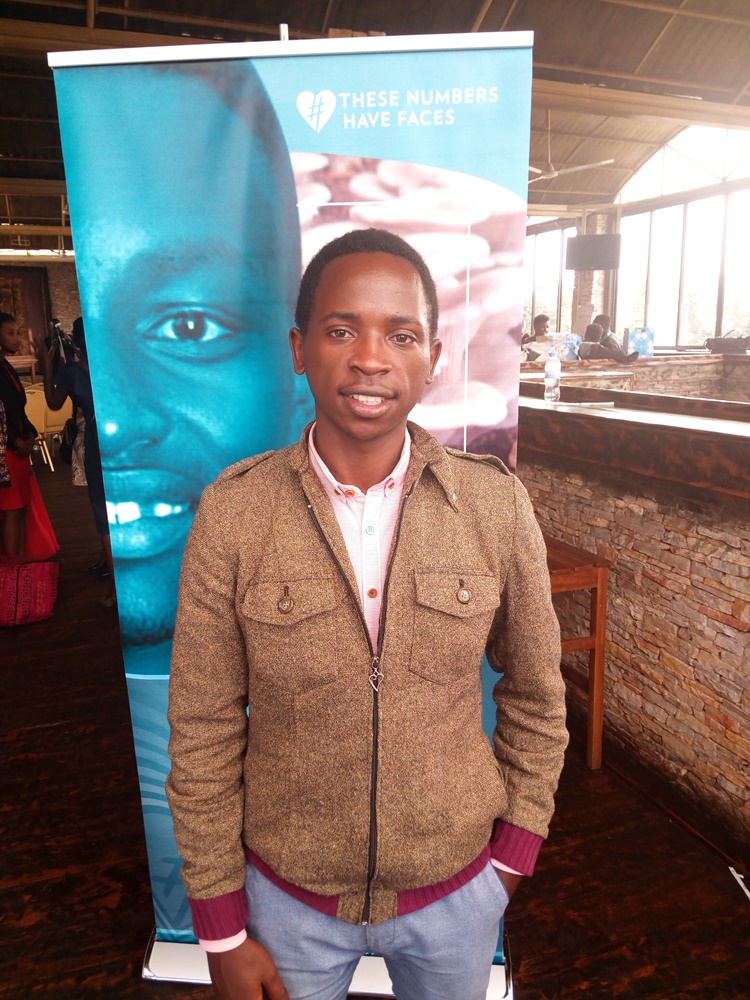
He does his business from Kirehe District of the Eastern Province.
The head of Real Green Gold Company got his idea back in 2016 after completing university studies.
He says he conceived the business idea of exporting ripe bananas to the European market but found no way out.
“I challenged myself and wondered that if people in Europe consume ripe bananas from South-America, why Rwandans having such quantity of bananas do not export them? I had no farm for banana plantation and had no investment,” he says.
Nshimiyimana has started selling ripe bananas and different varieties of banana on the local market.
Nshimiyimana attributes his achievements to the support by an international non-profit organization, These Numbers Have Faces.
At the beginning, besides having the business idea, Nshimiyimana had no capital, mentor nor advisor on the ways to implement his business idea.
“After pitching my business idea to These Numbers Have Faces, they validated it and supported me in all ways towards implementation. At the beginning (in April 2016), they gave me starting capital of $500 non-refundable which facilitated me to rent a farm and planted new banana plantation. At this point, I had proved that the business was possible,” he says.
“In October, 2016 they gave me refundable investment of $1,000 which I successfully used and refunded,” he said adding that he targets to acquire new funding which would facilitate him to export ripe bananas to the European market.
“Recently, I was speaking to Rwandans living in Europe; they told me that bananas are expensive. As we have RwandAir flying Europe, I need to use such advantage and start exportation in the near future,” he explained.
Currently, Nshimiyimana employs five permanent workers and plans to start training 300 neighbors on modern banana plantation growing practices.
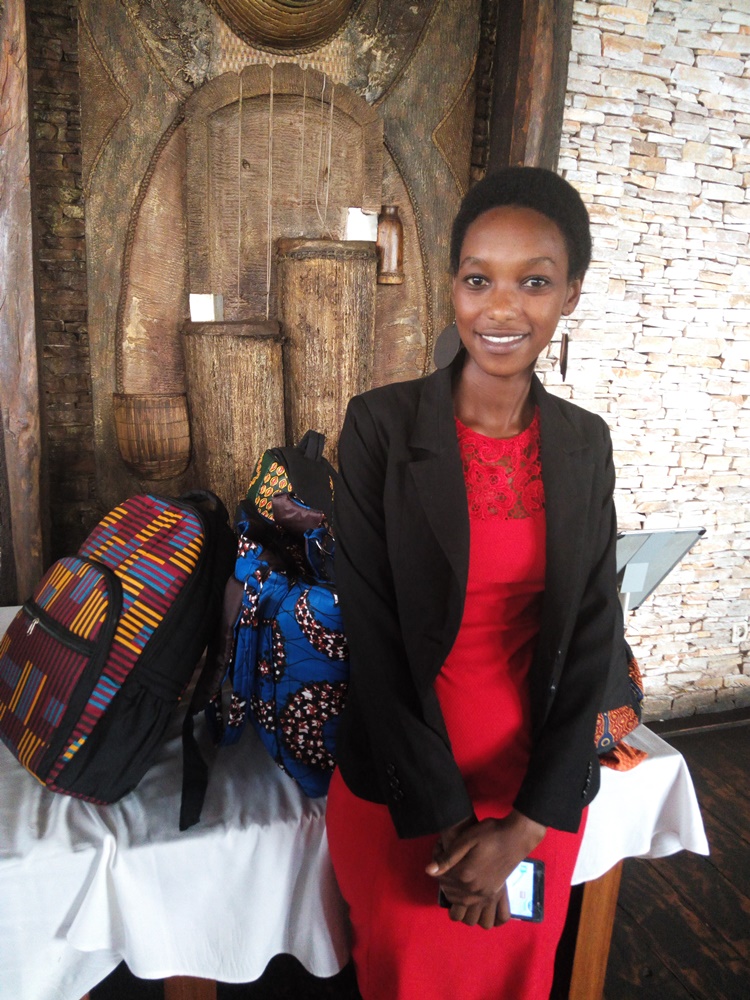
Like Nshimiyimana, Jeannette Umutoniwase, the head of Inzira Dreams Network, a handicraft business making clothes, bags and jewelries was also facilitated by the organisation.
The Nyarugenge based businesswoman was trained in making trendy objects.
“I joined this organization in November last year. My business was to recycle plastic bottles and make earrings; I was trained in making productive objects and currently, I am making bags, clothes and shoes,” she said.
According to Umutoniwase, the project has become successful in terms of financial income.
“At the beginning I used to earn Rwf20,000 per month, but last month only, I earned Rwf244,000 free from other expenses,” she said adding that she employs two workers.
The youth were sharing their business experiences Friday in Kigali at the graduation ceremony of 30 youth who were supported and mentored by These Numbers Have Faces through their Accelerate Academy.
According to the Director of Accelerate Academy, Olivier Habumugisha the programme supports youth with finances and materials to implement their projects.
“They are working in different sectors of the economy of the country; we support them in all ways so that they develop themselves and contribute to the country’s development,” he explained.
The Executive Director of These Numbers Have Faces, Jim Pressenell, said that the youth businesses are contributing to the development of communities.
“Young entrepreneurs are identifying a problem and creating solutions to that problem. They are making a difference in all kinds of lives in Rwanda,” he said.
He says that the biggest challenge they face is many entrepreneurs seeking to join the programme.
The Programme has graduated 82 business people since it was launched back in 2015.
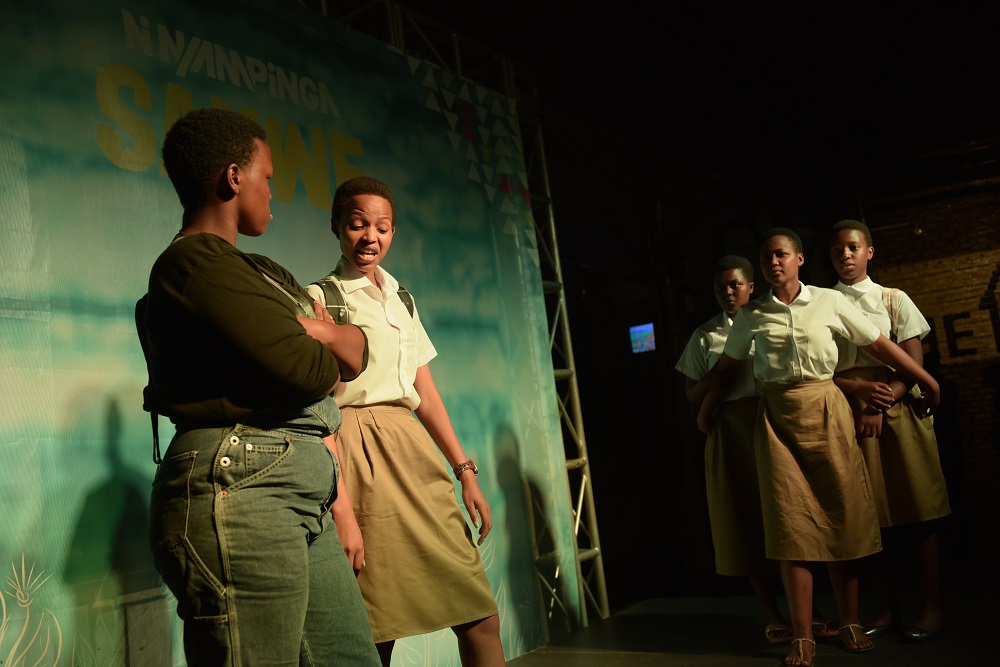
Ni Nyampinga Sakwe, a hugely popular radio Soap Opera follows the lives of its seven young characters with the challenges and friendships they face along the way. The song Iyo Wishimye – meaning ‘When We Are Happy’ – marks the end of season 2 and it is a celebration of friendship and creativity.
The drama was the first initiative by Ni Nyampinga brand – set up by Girl Effect Rwanda – to allow the topic of platonic friendships to be explored through the story lines.
Emma Roscoe, Country Director of Girl Effect Rwanda, voiced her enthusiasm for the way the audience had warmed up to the radio drama.
“We’ve been so pleased to hear back from our audience how much they enjoyed series 2. As the young characters continue to explore the challenges and opportunities of being teenagers we are pleased to know our audience are relating to their storylines and both enjoying and learning from their lives.”
At the end of series 1, the five girls in the cast came together to form a band and released a song. However, by the end of series 2, the boys have also become part of the band too – Iyo Wishimye is a powerful celebration of the positivity of young people coming together.
“We know from the release of our first single, Uri Njye how popular the music element of Ni Nyampinga Sakwe is.” Emma Roscoe continued, “Our audience has been asking us for another song and we are really happy to be sharing Iyo Wishimye with them. Music is such a powerful way of connecting with our audience and helping us to build on the key messages both in the drama and also in our other Ni Nyampinga platforms like the magazine, website, talk radio shows and clubs.”
Ni Nyampingai Nyampinga is Girl Effect’s flagship brand—a creative non-profit that uses media and mobile technology to empower girls, in Rwanda. Made by girls, for girls Ni Nyampinga wants to create a world in which girls are educated, healthy, safe and economically empowered. We believe that when girls do well, everyone benefits. Together with girls across Rwanda, we want all girls to feel empowered to make decisions about their own lives and act on them.
Nduhungirehe was speaking Friday in Press Conference in Kigali. He openly revealed that there are poor relations between both countries.
“No secret there are problems. Last month Rwandans were arrested and tortured in Uganda, though they were later on released,” he said.
He said that both countries continue discussions on solving issues which would lead to the relations restoration.
“Despite Rwandans facing unjustified arrests and torture; other group of 40 people was arrested at Uganda-Tanzania borders heading for military rebel activities. This alerted us and started discussions,” he explained.
He said that both countries have had different discussions. There are those between Foreign Affairs, Cooperation and East African Community Affairs Minister, Louise Mushikiwabo and her Ugandan counterpart, Sam Kuteesa.
He said that President Paul Kagame and Yoweri Museveni also discussed the matter.
Nduhungirehe said that the joint commission that would discuss relations restoration is expected to meet in the near future.
“Problems are still there, that is why we should collaborate with Uganda in solving them, we need to tackle them from the ground. As East African Community member countries, we should foster good relations,” he added.
Nduhungirehe said that Rwanda continues to promote international relations in order to sustain benefits of the country.
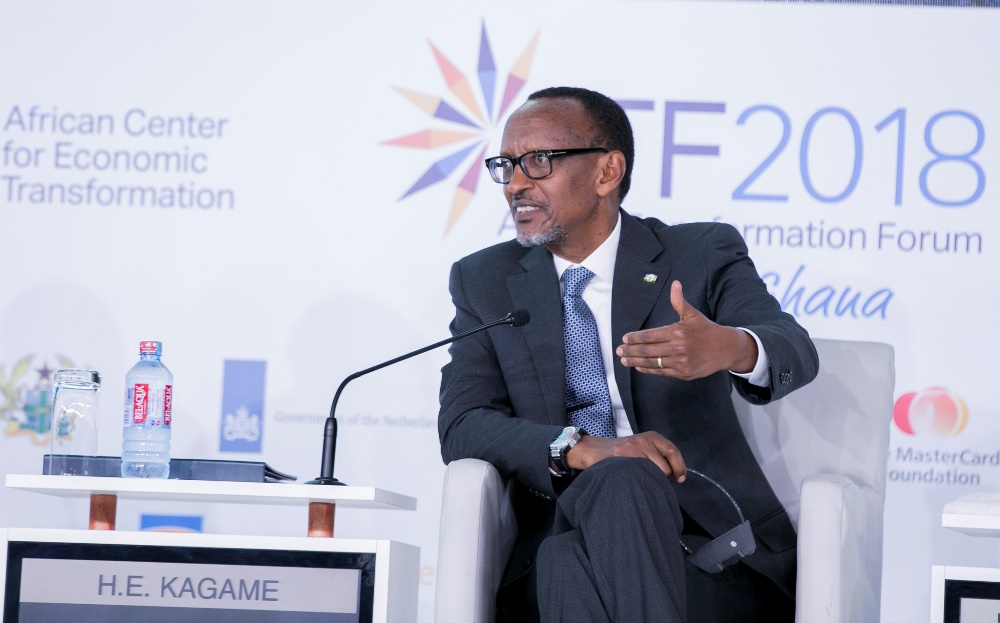
Kagame was speaking yesterday in Accra, Ghana, where he is attending the African Transformation Forum.
“Today I speak as President of my country but I also wear the hat of AU Chairperson. But to me it is more than that because everything happening on the continent is intertwined and it is important that we highlight things that need to be done that benefit us all,” he said.
Kagame said that to talk about transformation is to talk about people and resources that need to be put to good use.
“We are talking about the management of these resource, the political will and process that must accompany all these actions for us to be where we want to be. It is evident that Africa has all kinds of resources for us to move fast if we want to and there is no excuse, we haven’t found any justification that says Africa has an abundance of natural resources and yet continues to be poor decade after decade,” he highlighted.
“There is no excuse for us to be like this. Therefore the purpose of these discussions is to identify what is it that is critical and examine the mistakes we make that need to be corrected in order for us to move forward and prosper as a continent,” Kagame said.
Kagame mentioned that key components to transformation lie primarily in investing in people, in partnerships between the private and public sector and the policies that have been put in place to help achieve transformation of a continent.
“One thing we must all understand is that it is not just about understanding the problem but how effectively you execute it. We all share a common understanding of these are priorities but execution is where the problem lies and this is a mindset issue,” he noted.
According to Kagame, if the rest of the world is shunning Africa and say they want to be more inward looking, it is a reminder to Africans that the closer they come together and the more intra Africa trade they engage in, the better off they are and the failure to do so bears consequences.