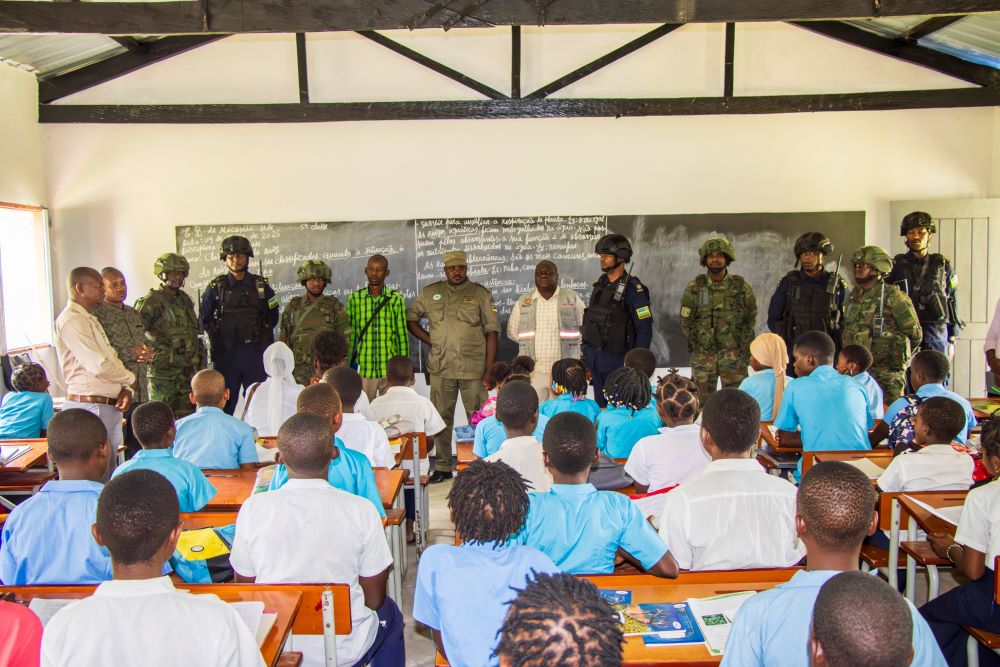
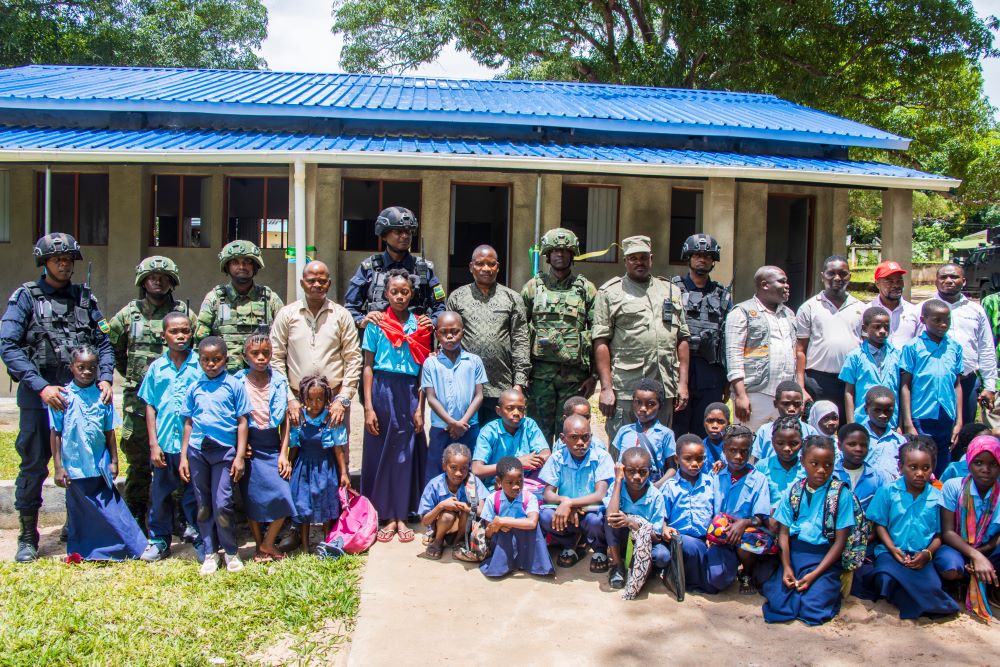
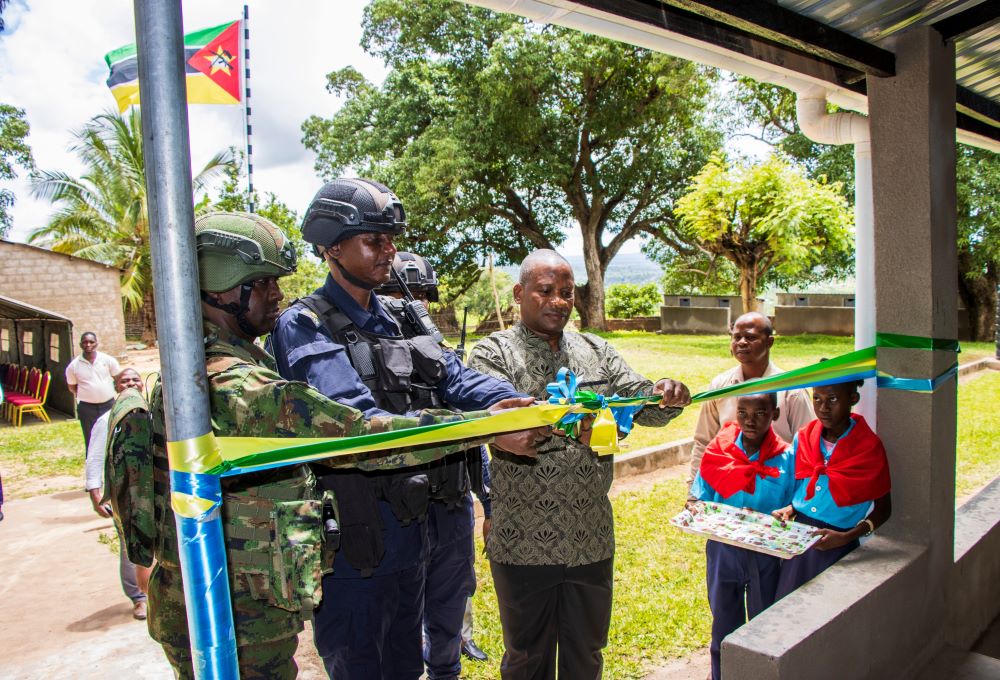
The ceremony was attended by local administrative authorities from Macomia District, community members, teachers, students from this school, security forces, as well as members of the Rwanda Security Force.
On behalf of the Rwanda Security Forces leadership, Lt Col Frank Rwabugande, RSF Head Civil and Military Cooperation, highlighted that the support was provided as part of an effort to help promote education for students and to strengthen the collaboration between the Rwanda Security Force and local communities in Mozambique.
“This school is more than a building; rather a symbol of unity and cooperation that presents the enduring brotherhood and solidarity between the people of Rwanda and Mozambique. It presents shared commitment to peace, security and stability through unity, development and education,” remarked Lt Col Rwabugande.
He underscored that lasting peace goes beyond military operations and therefore requires empowering communities through the rebuilding of infrastructure, such as schools and markets, to secure a better future for all Mozambican people.
Tomás Badae, the Administrator of Macomia District, commended the rehabilitation of the school, noting that in previous years the school had not been in use because it had been damaged by terrorist activities. He therefore expressed appreciation to the Rwanda Security Forces for helping to restore confidence among the population.
He urged teachers, parents and students to take good care of the rehabilitated school.
The ceremony was attended by local administrative authorities from Macomia District, community members, teachers, students from this school, security forces, as well as members of the Rwanda Security Force.The school was handed over on March 9, 2026.The facilities were completed within three months and accommodate 150 pupils.Mozambican officials with representatives of RSF at the official inauguration.
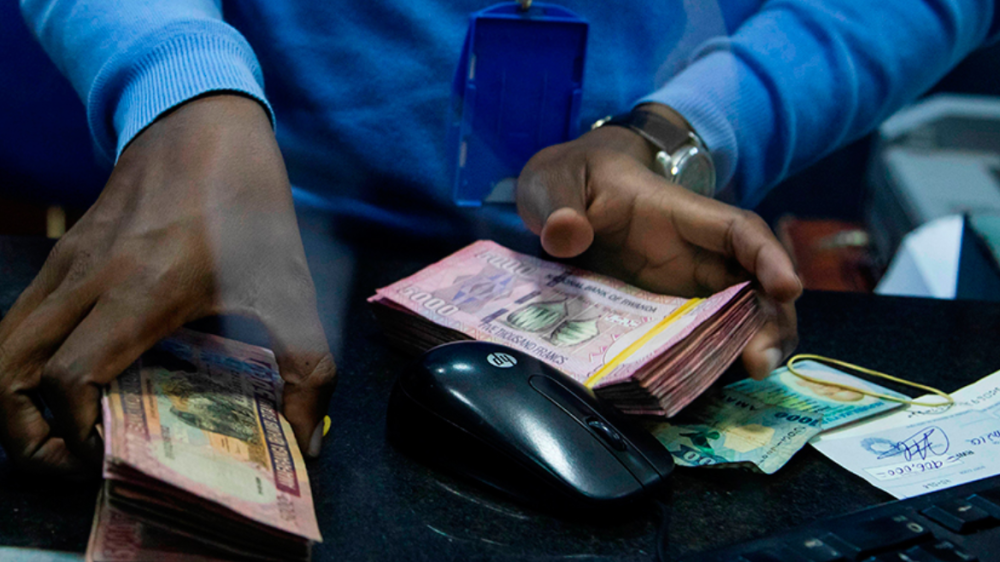
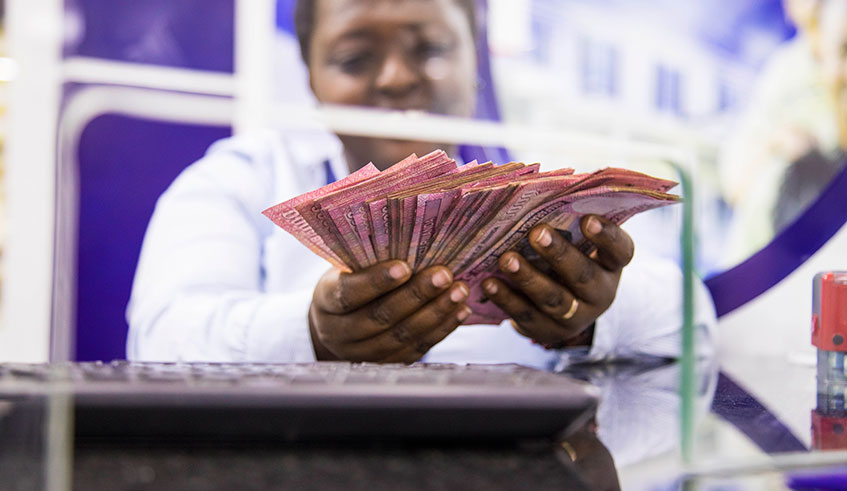
The report shows that prices increased 0.9 percent in February compared with January 2026, indicating continued pressure on the cost of living as households face higher spending on key goods and services. On average, inflation stood at 7.4 percent over the past 12 months, reflecting a steady rise in consumer prices across the economy.
Several sectors recorded notable price increases over the past year. Housing, water, electricity, gas and other fuels, which constitute a large share of the consumer basket, rose by 12.3 percent, while restaurants and hotels registered a sharp 19.9 percent increase. Prices for alcoholic beverages and tobacco also climbed significantly, increasing by 18.3 percent, while transport costs rose by 8.6 percent.
Food prices, which account for a large share of household spending, increased more moderately compared with other sectors. The category of food and non-alcoholic beverages rose by 4.6 percent annually, with bread and cereals increasing by 11.7 percent and meat by 9 percent, while vegetable prices recorded a smaller annual rise of 3.4 percent.
The report also points to sharp increases in the health sector, where prices surged by 71.1 percent over the past year, though the category represents a relatively small share of the consumer basket.
Meanwhile, core inflation, which excludes volatile items such as fresh food and energy, rose by 9.6 percent year-on-year, suggesting that underlying price pressures remain. On a monthly basis, core inflation increased by 0.9 percent in February.
Energy prices also played a role in the rise in consumer costs, increasing by 20 percent annually and 2.6 percent compared with January, reflecting higher fuel and electricity expenses.
The CPI measures the average change over time in prices paid by households for a basket of goods and services. The index is calculated using data from more than 1,600 products collected monthly from markets, shops, hospitals and other service providers across the country.
Economists closely watch inflation trends as they influence purchasing power, household spending and policy decisions. In the month under review, the National Bank of Rwanda (NBR) raised its key interest rate by 50 basis points to 7.25 percent in a move aimed at curbing rising inflation.
Inflation in Rwanda increased to 8.9 percent in January 2026, up from 8.0 percent in December 2025, exceeding the Central Bank’s target range of 2–8 percent.
The rise, Central Bank Governor Soraya Hakuziyaremye said, was driven largely by higher energy costs, electricity tariffs, fuel prices, and supply constraints on fresh food, particularly vegetables affected by below-normal rainfall.
“The Monetary Policy Committee has decided to increase the Central Bank Rate to 7.25 percent to limit second-round effects of recent price increases and support a timely return of inflation to the target range,” she stated.
The latest report from the National Institute of Statistics of Rwanda (NISR) shows that prices increased 0.9 percent in February compared with January 2026, indicating continued pressure on the cost of living as households face higher spending on key goods and services.
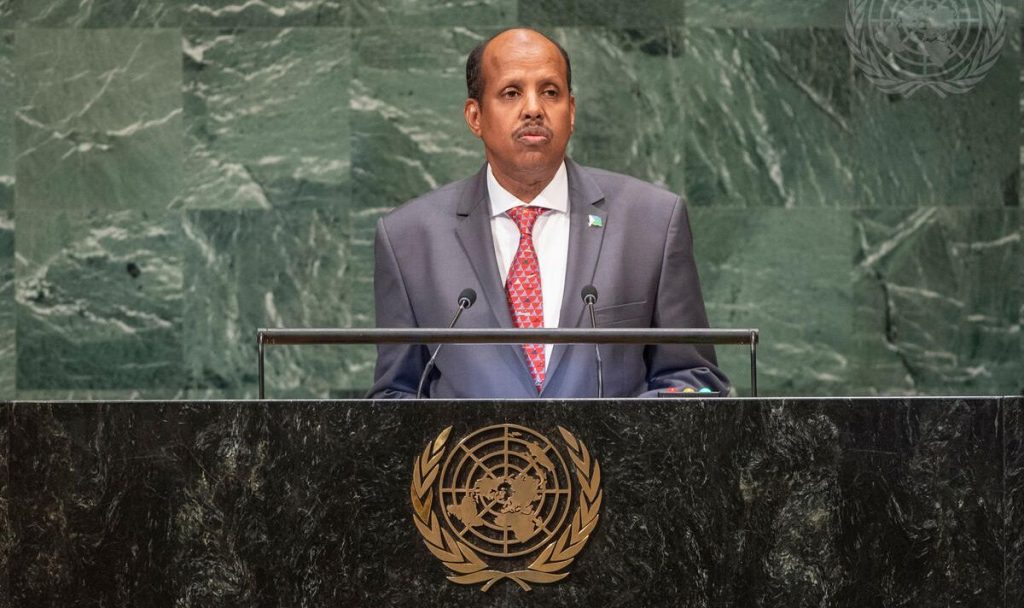
The chairperson said in a statement that he is closely following developments in the region, which are marked by “concerning incidents that are escalating tensions and undermining regional stability.”
He expressed deep concern over recent attacks on critical infrastructure, including energy and transport facilities, which further heightened tensions and is threatening regional and global economic stability.
Highlighting that such actions are disrupting vital supply chains and have far-reaching implications for international trade and energy markets, he condemned any violation of international law, including infringements on the sovereignty and territorial integrity of states.
He called on all related parties to exercise maximum restraint, prioritize dialogue and diplomacy, and work toward a swift de-escalation of the situation, in accordance with the principles and purposes of the Charter of the United Nations.
“Rising oil prices and disruptions in trade routes are already affecting markets, including the export of perishables from Africa, while disruptions to airspace are impacting African airlines and travel connectivity,” Youssouf said.
He reiterated the 55-member continental organization’s commitment to international law, the peaceful resolution of disputes, and the preservation of international peace and security.
African Union Commission Chairperson Mahmoud Ali Youssouf has warned that military escalation in the Persian Gulf threatens regional and global economic stability.
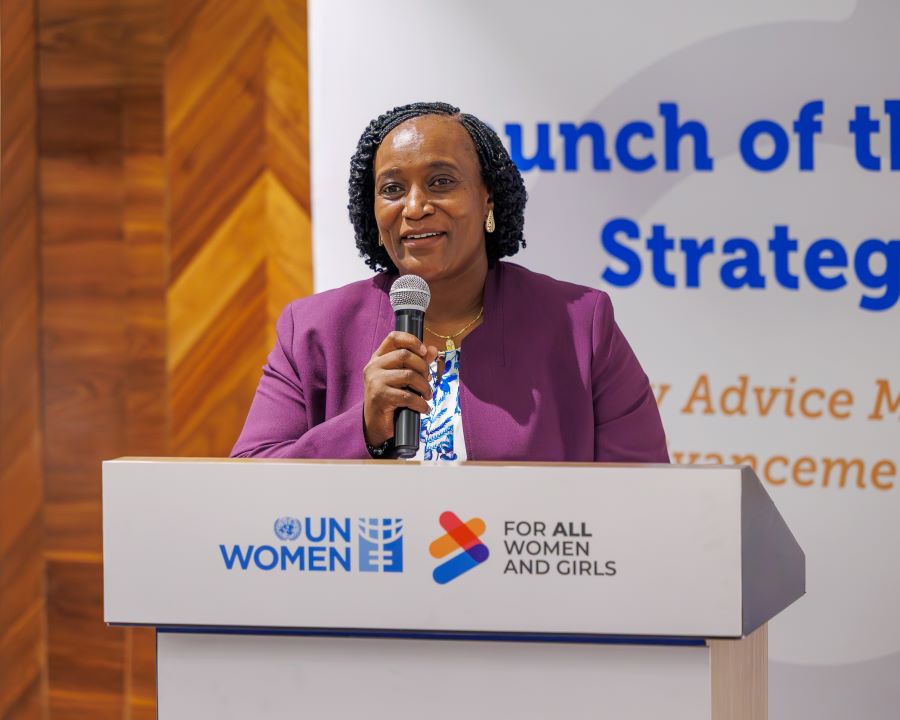
Delivering Rwanda’s national statement on March 9, the Minister of Gender and Family Promotion, Consolée Uwimana, said the country remains committed to strengthening women’s rights through inclusive policies, access to justice, and increased participation in governance.
Uwimana noted that access to justice plays a critical role in achieving gender equality and addressing structural barriers that affect women’s rights and dignity.
“In Rwanda, access to justice is understood not only as having access to courts, but more importantly, benefitting from policies and legal frameworks that are responsive to women’s realities,” she said.
The minister highlighted several initiatives Rwanda has implemented to promote the welfare and protection of women and girls. Among them are the Isange One Stop Centres, which provide comprehensive services to survivors of gender-based violence and human trafficking.
The centres offer free and integrated support, including medical care, psychosocial assistance, legal aid, investigations, referrals to prosecution services, temporary shelter, and reintegration support for survivors.
Minister Uwimana also pointed to Rwanda’s strong record in women’s representation in leadership and governance.
Women currently hold 64 percent of seats in the Chamber of Deputies, 46 percent in the Senate, and 55 percent in the judiciary, making Rwanda one of the countries with the highest levels of women’s political representation globally.
Uwimana added that women are also increasingly visible in emerging sectors such as biotechnology, space science, and climate governance.
Beyond national borders, Rwanda has extended its efforts to support women and girls affected by conflict. The minister cited the relocation of a girls’ school from Afghanistan to Rwanda in 2021, which enabled the students to continue their education in a safe environment.
Concluding her remarks, Uwimana quoted Paul Kagame, who in his International Women’s Day message emphasised the role of women in Rwanda’s transformation.
“We celebrate the foundational role women continue to play in Rwanda’s transformation. Your ingenuity and leadership continue to affirm a simple truth: a nation can only truly progress when inclusion and equality are upheld in every sphere,” Kagame said.
The annual CSW session brings together government leaders, policymakers, and civil society representatives from around the world to review progress and accelerate action toward gender equality and women’s empowerment.
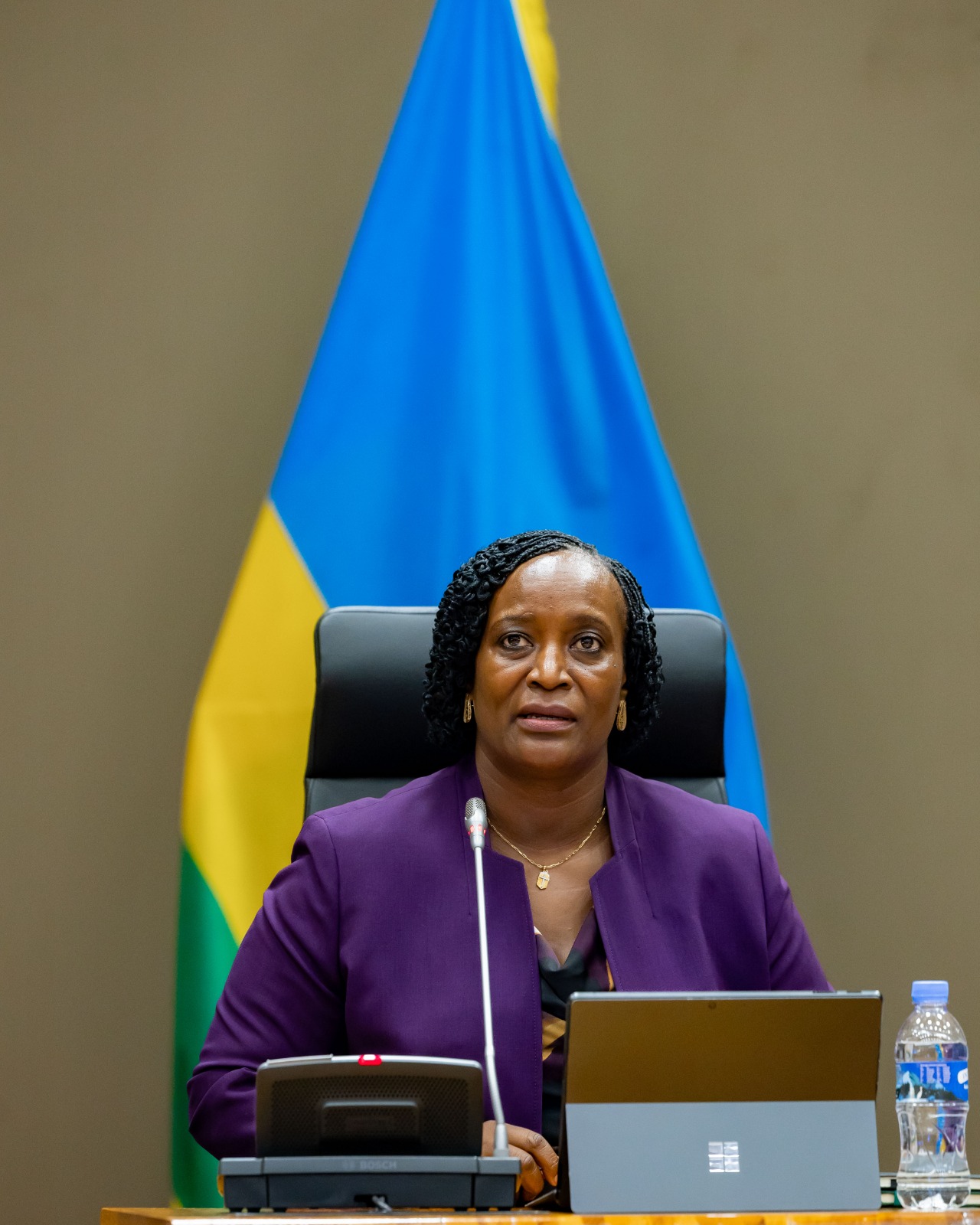
The Minister of Gender and Family Promotion, Consolée Uwimana, said Rwanda remains committed to strengthening women’s rights through inclusive policies, access to justice, and increased participation in governance.
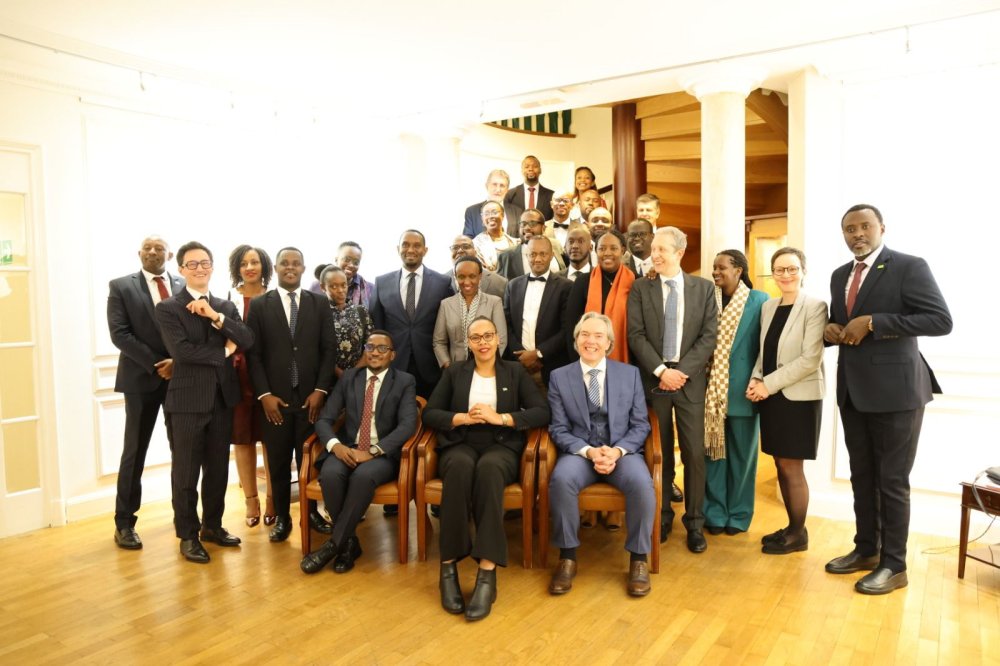
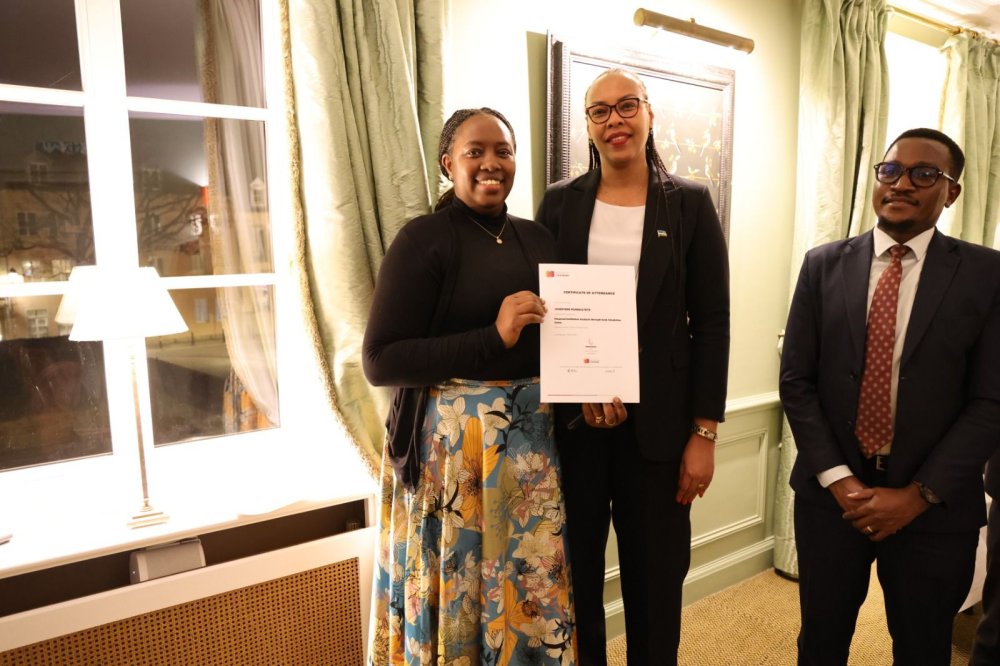
Implemented by the House of Training, ATTF in collaboration with the Rwanda Bankers’ Association (RBA), the program marks the graduation of its very first cohort.
Designed to support high-potential leaders in advancing to executive roles, the ABLP combines intensive training modules, international case studies, practical workshops and banking simulations. The programme equips participants with skills to navigate a rapidly evolving financial landscape shaped by digital transformation, financial innovation, governance requirements and sustainable finance.
Participants represented nine Rwandan banking institutions, including:
BK, BRD, BPR, Ecobank, NCBA, Bank of Africa, I&M Bank, Access Bank and Equity Bank.
Throughout the programme, participants attended key modules covering digital transformation and fintech, leadership and people management, strategy and internal governance, as well as sustainable finance and ESG principles.
The programme concluded in Luxembourg, one of Europe’s leading financial centres, where participants took part in the B@NKSIM banking simulation, a practical exercise allowing them to manage virtual banks and make strategic decisions related to risk management, regulation, financial performance and value creation.
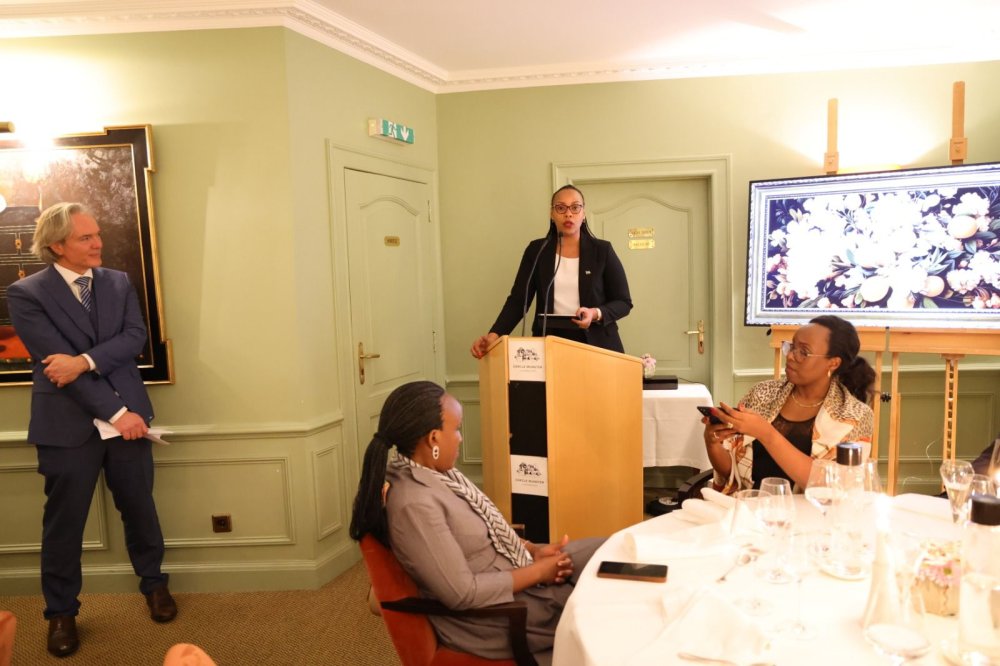
The program concluded with a closing dinner, during which Rwanda’s Ambassador to Luxembourg, Aurore Mimosa Munyangaju, congratulated participants for successfully completing the demanding program and commended their commitment to strengthening Rwanda’s banking sector.
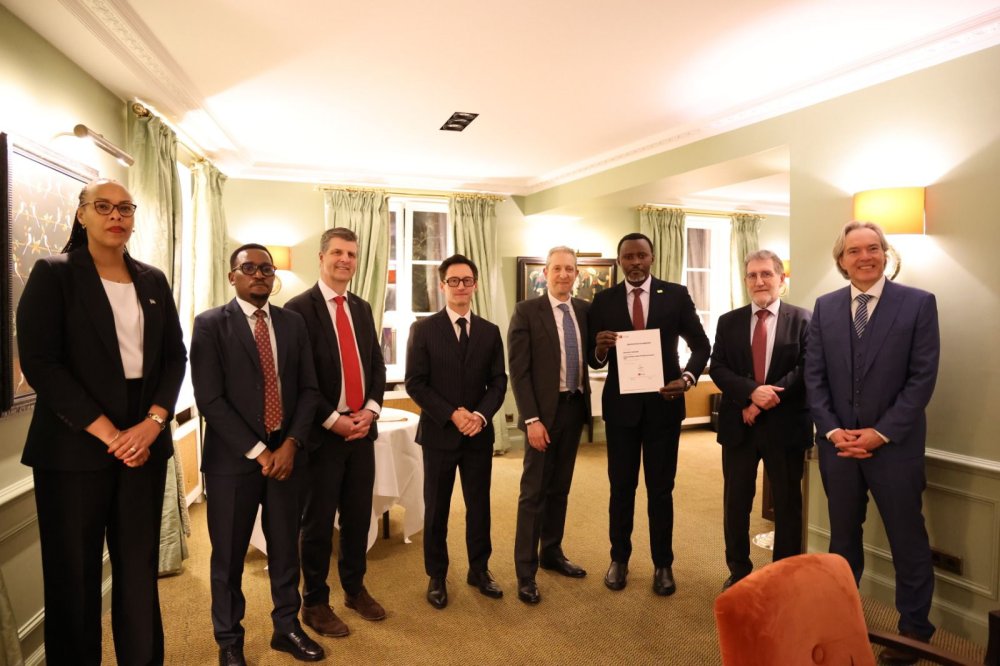
The Ambassador also expressed gratitude to the Government of Luxembourg, through the Ministry of Foreign and European Affairs, Defence, Development Cooperation and Foreign Trade, for supporting this important initiative.
According to her, the program highlights the strong cooperation between Rwanda and Luxembourg, while also showcasing the fruitful partnership between the Rwanda Bankers’ Association and the House of Training – ATTF in developing leadership capacity in Rwanda’s financial sector.
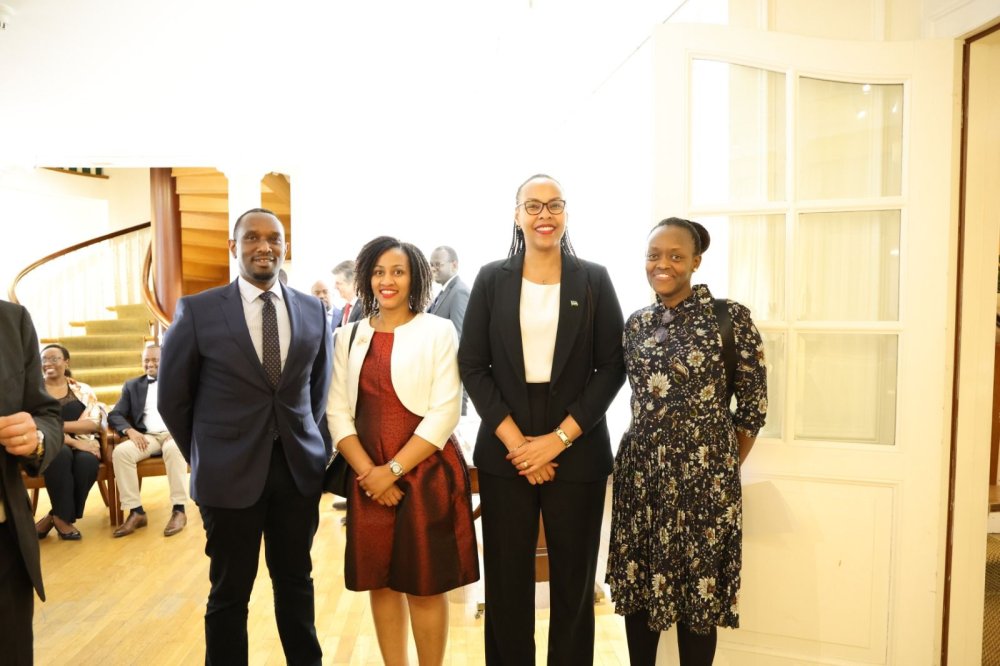
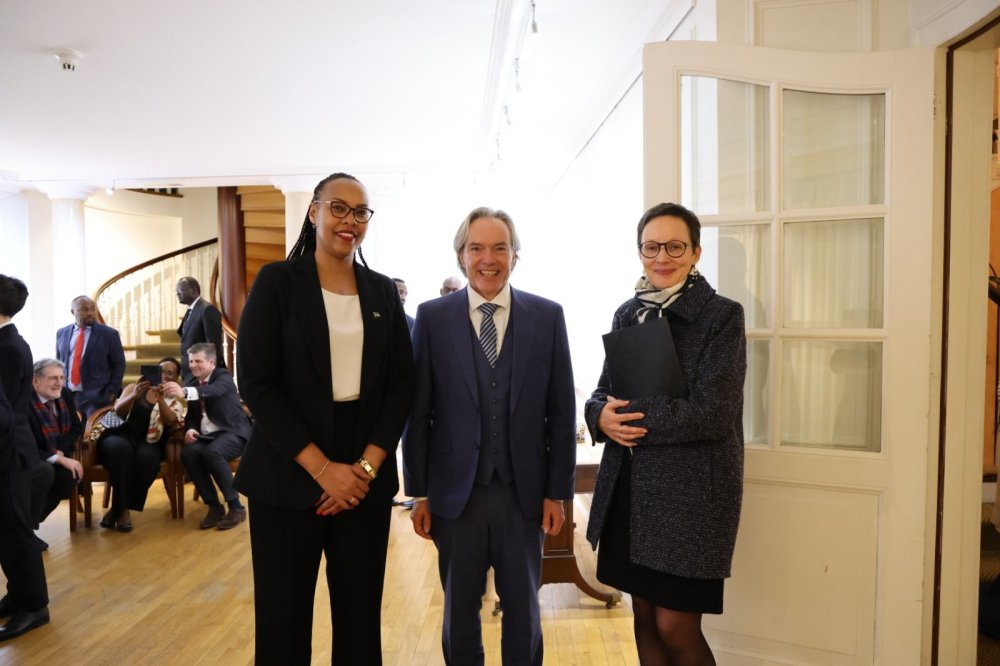
Participants represented nine Rwandan banking institutions. Ambassador to Luxembourg, Aurore Mimosa Munyangaju, congratulated participants for successfully completing the demanding program.A delegation of 21 senior executives from Rwanda’s banking sector participated in Luxembourg in the final phase.
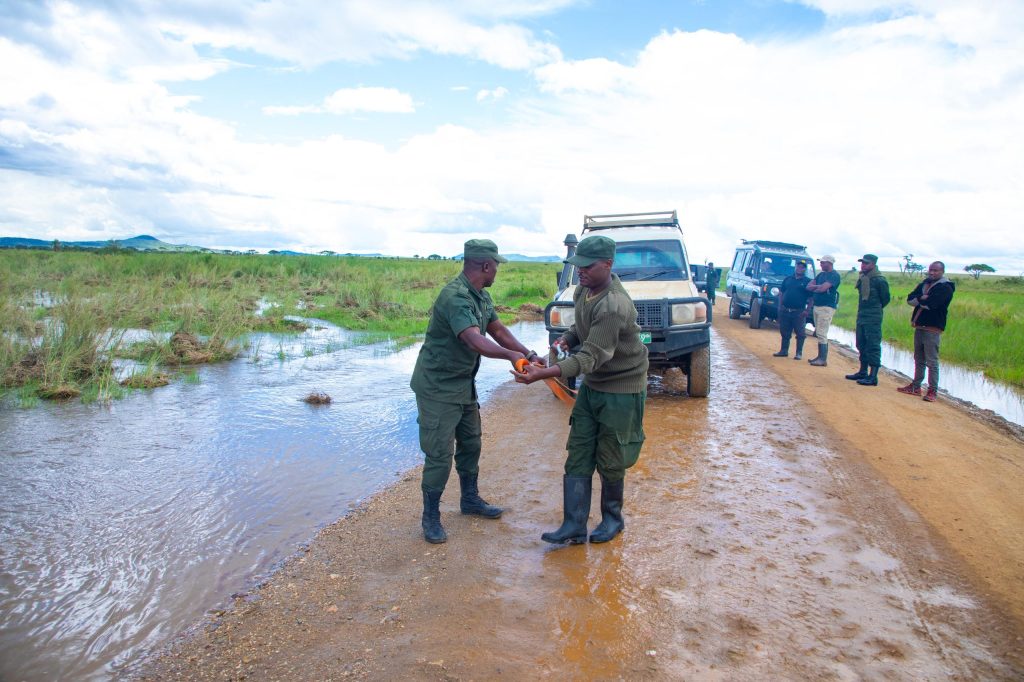
Kijaji made the remarks late Sunday during an inspection tour of the park, where she assessed the damage caused by recent downpours linked to climate change, which had left several tourist vehicles stranded for extended periods.
She said the government would urgently release the funds to ensure the timely rehabilitation of the affected infrastructure, including bridges and roads critical for tourism activities in the park.
“I urge tour guides to strictly follow instructions from rescue officers deployed by the Tanzania National Parks Authority in areas affected by the rains,” Kijaji said.
Serengeti Chief Park Warden Ismail Omary said the park had already taken emergency measures following the damage, including temporary repairs to roads and bridges, deployment of security personnel, and provision of emergency accommodation for stranded visitors and drivers.
Omary added that park authorities also assisted in rescuing stranded vehicles and waived overstay fees for tourists whose departures were delayed due to damaged roads.
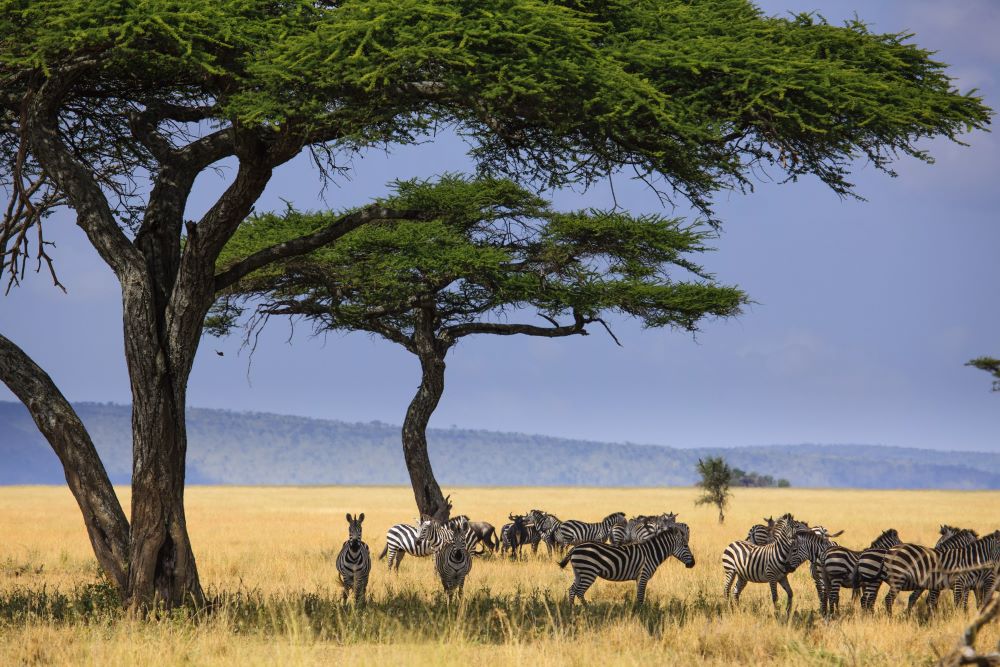
Serengeti National Park in northern Tanzania is a vast protected savanna ecosystem covering about 14,750 square kilometers, famous for its sweeping grasslands, scattered acacia trees, rocky kopjes, and one of the highest concentrations of wildlife in the world.
Tanzania will allocate 8.1 billion Tanzanian shillings (about 3.2 million U.S. dollars) to repair roads and bridges damaged by heavy rains in Serengeti National Park.
Speaking to PBS News, Araghchi warned that Iran had no intention of slowing its military response. “The firings continues, and we are prepared. We are well prepared to continue attacking them with our missiles as long as needed and as long as it takes,” he said.
He also ruled out diplomatic talks with Washington, citing past experiences during earlier negotiations. “I don’t think talking with Americans anymore would be on our agenda,” Araghchi said, adding that Tehran had “a very bitter experience of talking with Americans.”
Trump, however, suggested the conflict might not last long. Speaking at a news conference in Florida, he said: “It’s going to end soon and if it starts up again, they’ll be hit even harder.” The president had earlier described the campaign as a “short term excursion.”
The remarks came as tensions escalated across the Middle East. Iran, now led by newly appointed supreme leader Mojtaba Khamenei, launched a new wave of missile and drone attacks targeting Saudi Arabia, Bahrain, Qatar, the United Arab Emirates and Israel. Another missile was fired toward Turkey but was intercepted by NATO air defenses before reaching its target.
Meanwhile, the conflict has rattled global markets and energy supplies. The closure of the strategic Strait of Hormuz, through which about 20% of the world’s crude oil passes, sent oil prices above $100 a barrel before they later dropped.
French President Emmanuel Macron said France and its allies were considering a “purely defensive” naval mission to help reopen the waterway once the most intense phase of the fighting subsides.
As fighting spreads across several fronts, oil traders, policymakers and governments worldwide are closely watching the region, fearing further disruption to global energy supplies and shipping routes.
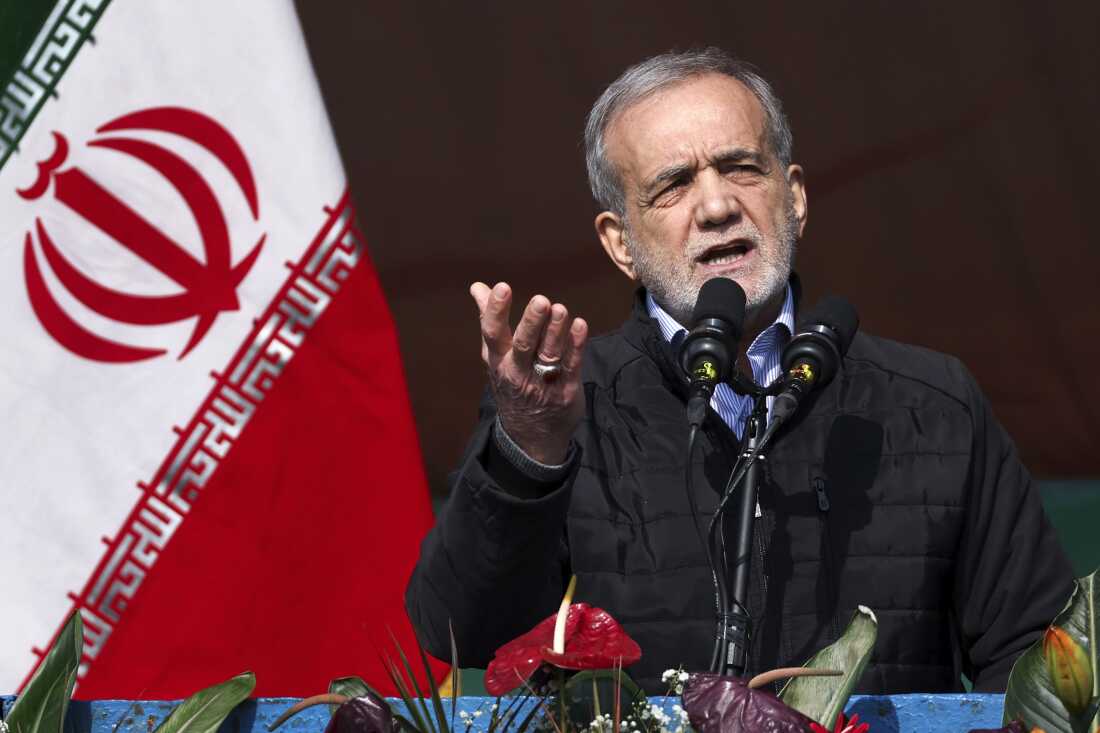
In this photo released by the Iranian Presidency Office, President Masoud Pezeshkian speaks during a rally commemorating anniversary of 1979 Islamic Revolution that toppled the late pro-U.S. Shah Mohammad Reza Pahlavi and brought Islamic clerics to power, in Tehran, Iran, Monday, Feb. 10, 2025. (Iranian Presidency Office via AP, file)
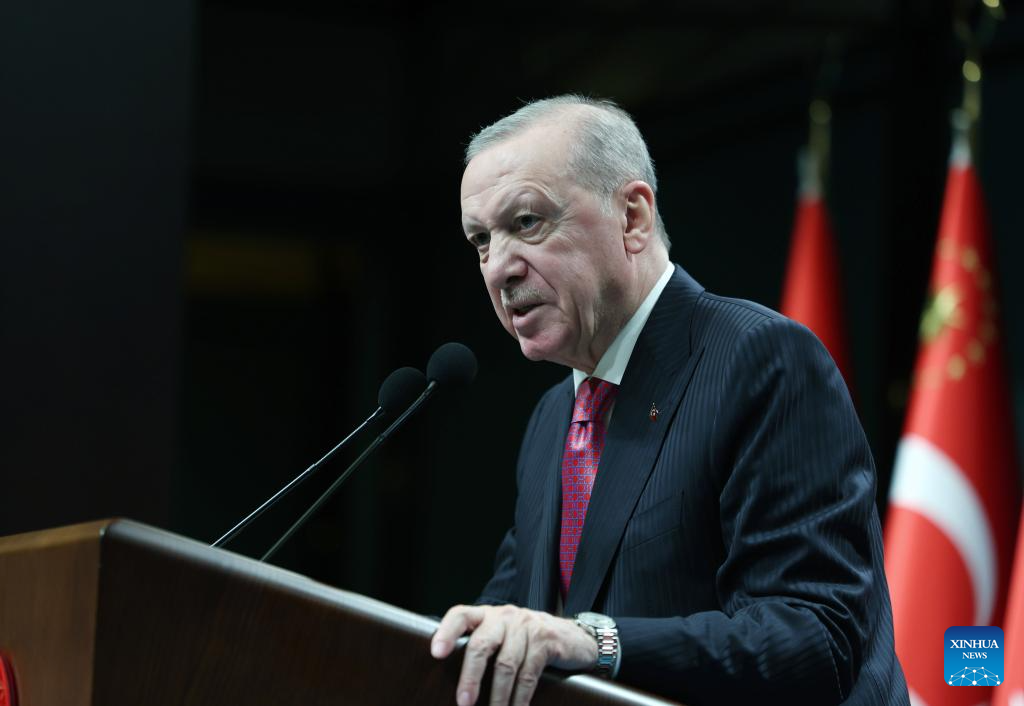
Speaking after a cabinet meeting in Ankara, Erdogan said all relevant institutions are working in coordination and remain on alert in response to the evolving security environment. He added that the government’s primary objective is to shield the country from the ongoing turmoil in the region.
His remarks came after a missile launched from Iran was intercepted over Türkiye’s southeastern province of Gaziantep earlier on Monday. The ballistic munition, which had entered Turkish airspace, was neutralized by NATO air and missile defence assets deployed in the Eastern Mediterranean. The ministry confirmed that there were no casualties or injuries.
“We are closely monitoring all developments with our experienced teams. We are not letting our guard down. Our goal is to keep our country away from this fire,” he said.
The president stated that Türkiye had delivered the necessary warnings to Iran, but “wrong steps” continued to be taken despite those warnings.
“Despite our warnings, wrong and provocative steps that could strain Türkiye’s friendship continue to be taken,” he said. “No one should pursue a course of action that would cast a shadow over our thousand-year-old neighborly and brotherly ties and leave deep wounds in the hearts and minds of our nation.”
“In the context of today’s incident, I once again remind that there should be no insistence or stubbornness in persisting in mistakes,” Erdogan said.
He added that Türkiye’s airspace was being monitored around the clock against potential threats. “Our F-16s, airborne early warning aircraft and tanker planes are observing our airspace 24/7 against possible threats,” he said.
Turkish President Recep Tayyip Erdogan speaks at a press conference following a cabinet meeting in Ankara, Türkiye, on March 9, 2026. Erdogan said on Monday that Türkiye is maintaining a high level of vigilance amid escalating regional tensions, warning that “provocative steps” could strain Ankara’s relations with Tehran.
“The President of the Republic informs that, in accordance with the implementation of the Constitution, the government has ceased its functions and that he will soon proceed with the appointment of a new prime minister, in line with the provisions stipulated by the Constitution,” the communique said.
According to the communique, the secretaries-general of each ministry will handle routine affairs until a new prime minister is appointed and a new government is formed.
No specific date has yet been announced for the appointment of the next head of government.
The dissolved government, formed on Oct. 28, 2025, followed the appointment of Herintsalama Rajaonarivelo as prime minister on Oct. 20, 2025, three days after Randrianirina was officially sworn in as Madagascar’s head of state.
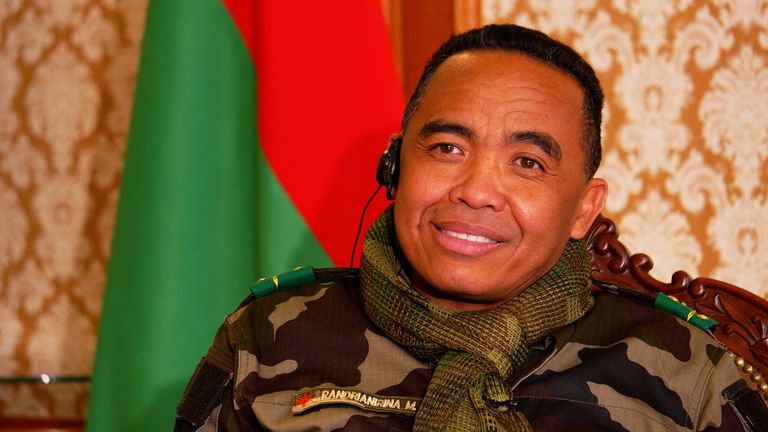
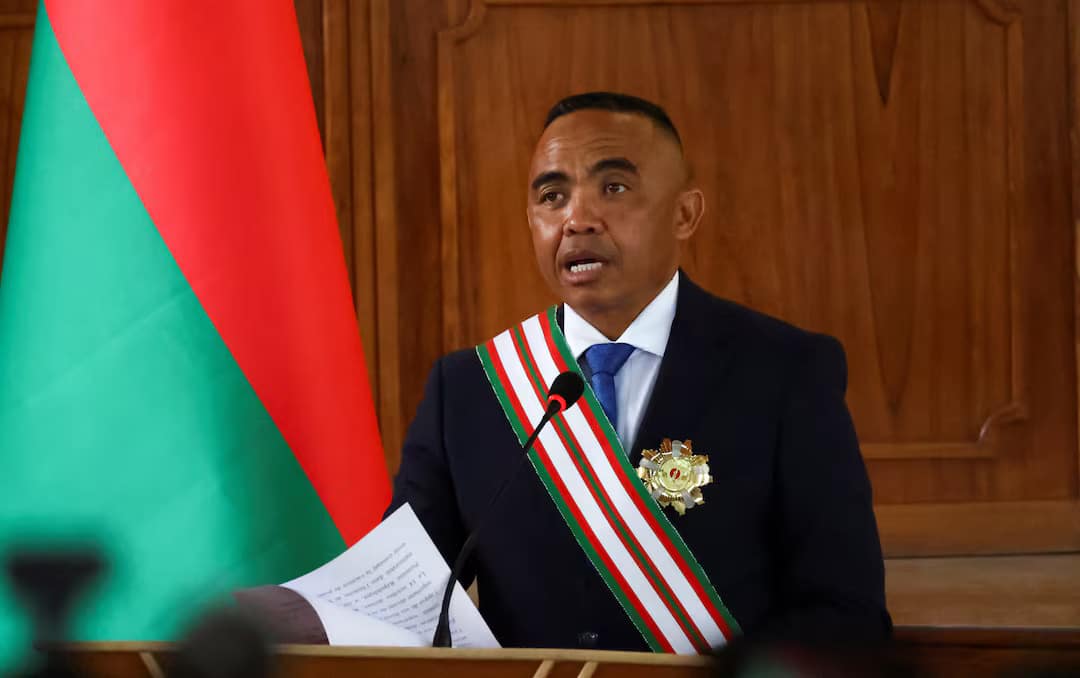
Madagascar’s President Michael Randrianirina has dissolved the government.
The discoveries were made during a six-week scientific expedition led by researchers from the UK Centre for Environment, Fisheries and Aquaculture Science (CEFAS) aboard the research vessel RRS James Cook.
According to BBC, the team explored waters surrounding the Cayman Islands, Anguilla, and Turks and Caicos Islands, areas where much of the deep ocean had never been studied before.
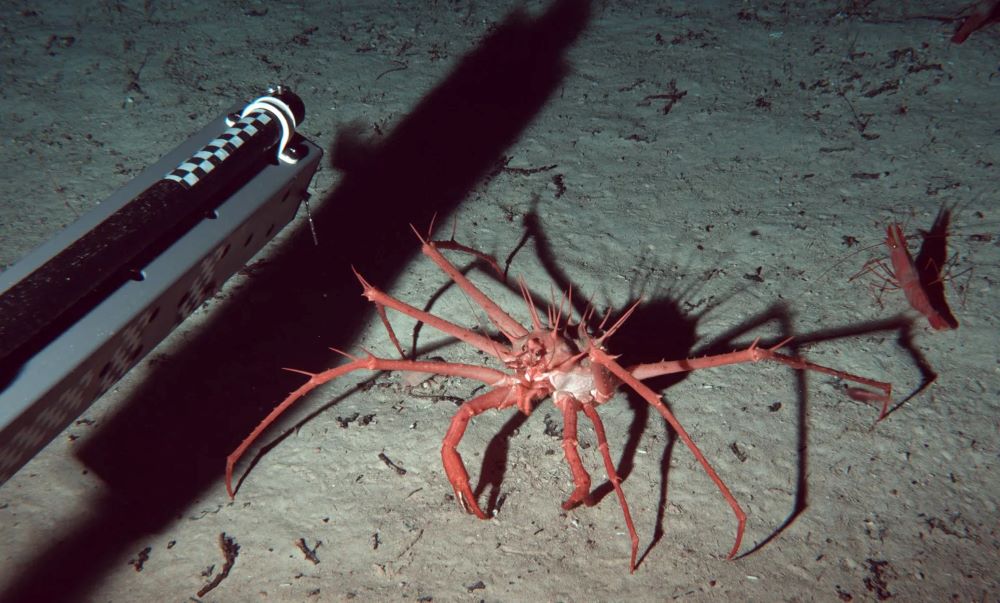
Working day and night, scientists used deep-sea cameras and acoustic mapping equipment capable of withstanding extreme pressure to explore depths of up to 6,000 meters (19,700 feet).
Because existing maps were outdated and sometimes inaccurate, researchers had to navigate parts of the ocean floor that had never been properly charted.
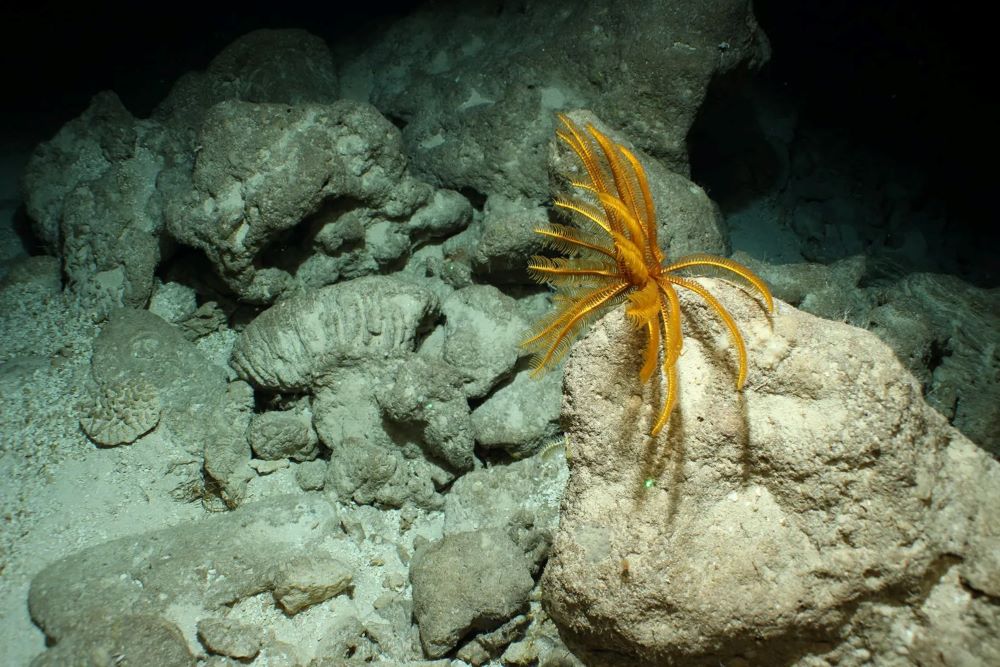
The expedition revealed remarkable biodiversity. Scientists recorded nearly 14,000 individual marine specimens and identified about 290 different types of sea life.
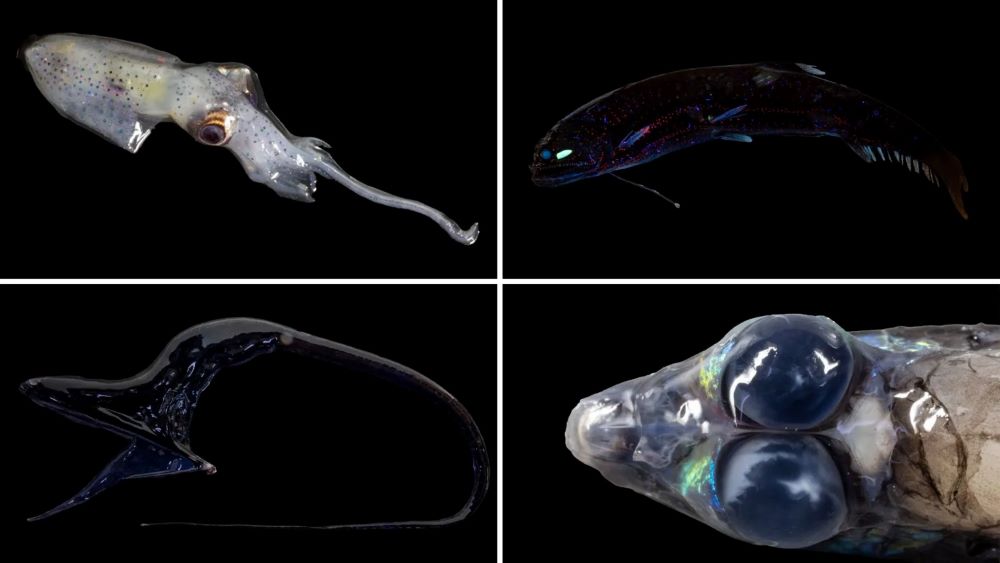
Among them were strange and rarely seen species, including a pelican eel with a glowing pink tail used to lure prey, a barreleye fish with upward-pointing tubular eyes, and a dragonfish with a luminous rod beneath its chin.
Dr James Bell, who led the expedition, said the discoveries highlight just how little humans know about the deep ocean.
“This is the first step into environments people have never seen, and in some cases didn’t know existed,” he said.
“Just yesterday we found a kind of type of swimming sea cucumber, and we still don’t know what it is,” he added, describing the diversity as “really, really astonishing”.
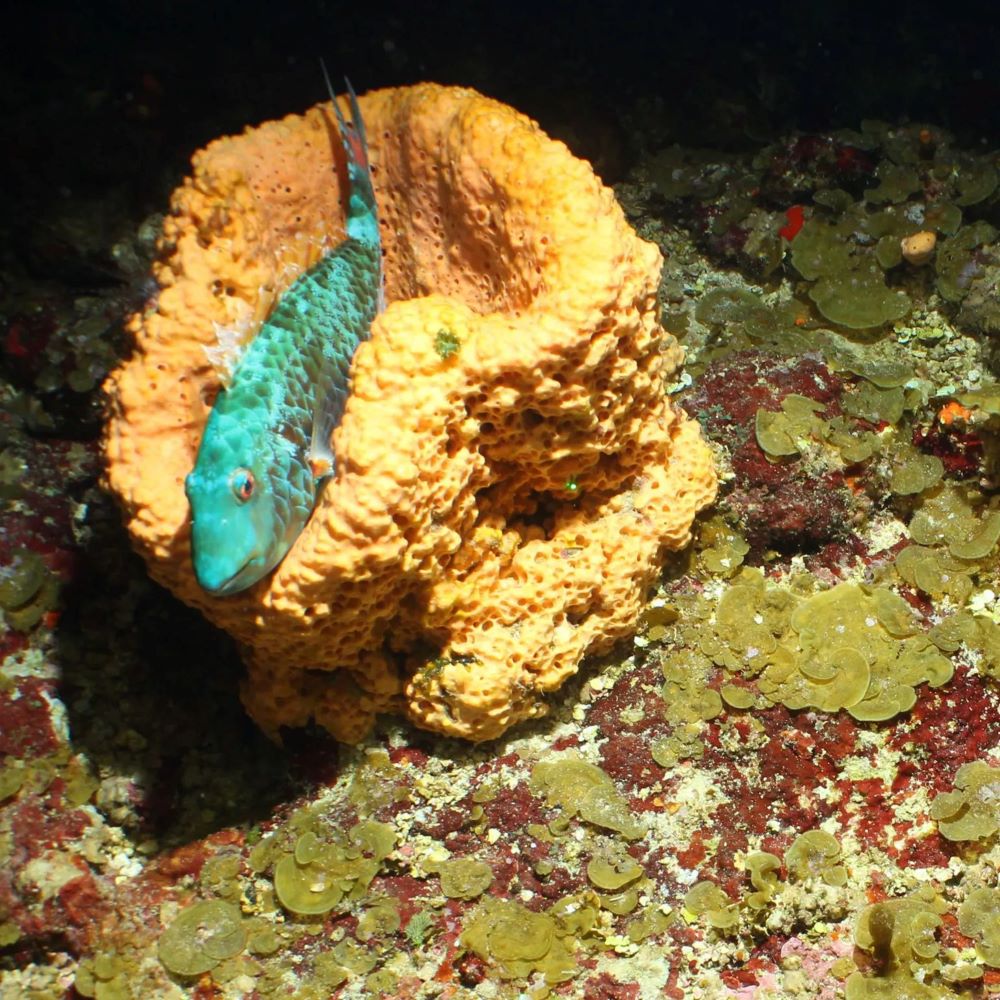
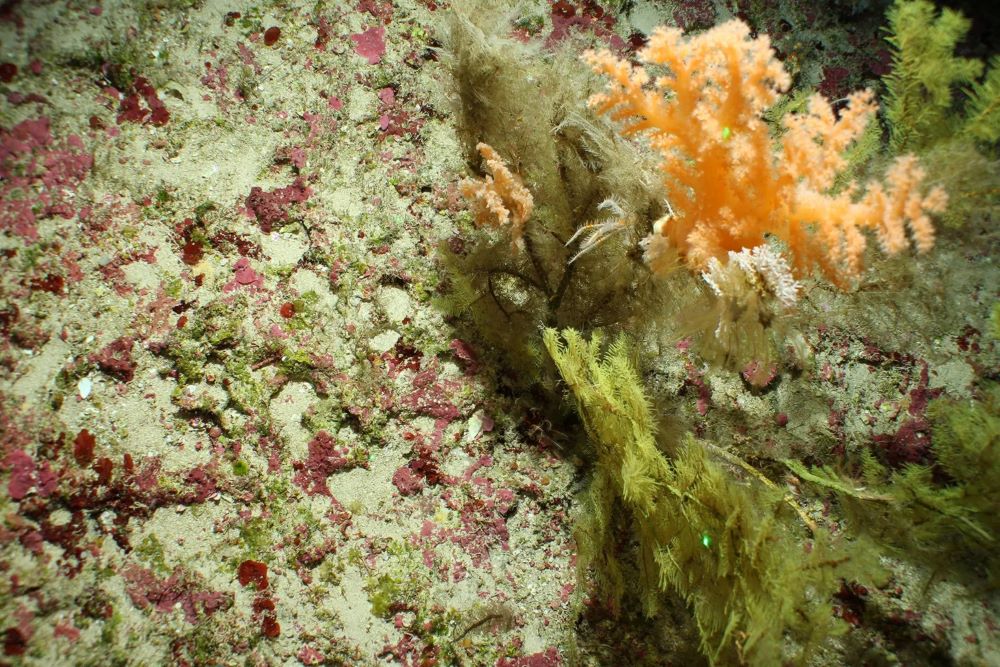
One of the most striking discoveries was an underwater mountain called Pickle Bank, located north of Little Cayman. Rising from a depth of about 2,500 meters to just 20 meters below the sea surface, the mountain’s slopes were covered with vibrant marine life.
Video footage shows bright blue, yellow and orange coral formations, with fish darting between whip-like coral branches and jelly-like sea sponges.
Researchers say the area may contain one of the healthiest coral reefs in the Caribbean. Unlike many reefs across the region, it appears untouched by the stony coral disease that has devastated coral ecosystems in recent years.
Deep reefs such as this are often protected by their depth. They are also less exposed to rising ocean temperatures, which scientists say have damaged around 80 percent of the world’s corals since 2023.
The team also mapped nearly 25,000 square kilometres of seabed and captured more than 20,000 images of deep-sea life, including glowing lanternfish and unusual cephalopods.
Despite these advances, Dr Bell noted that much of Earth’s ocean remains unexplored.
“We know the surface of Mars or the Moon better than we know the surface of our own planet,” he said. “We can’t do that for our ocean. We have to map it bit by bit using acoustic instruments on ships.”
Among the most surprising findings was a steep underwater ridge in Turks and Caicos Islands waters. The ridge rises about 3,200 meters high and stretches 70 kilometres along the seabed, a major geological feature that was missing from existing maps.
The researchers also discovered a massive vertical sinkhole known as a blue hole south of Grand Turk.
“Imagine taking an ice cream scoop out of the sea-floor. That’s what we saw, a crater about 300m wide to 550m below sea level,” Bell explained.
The blue hole could rival the famous Great Blue Hole in size. Surprisingly, cameras sent into the formation revealed life inside, including sponges, sea urchins and several fish species.
Near Anguilla, the team confirmed the existence of a coral reef nearly four kilometres long after local fishers reported pulling up pieces of coral from the area. Some of the black coral found there may be thousands of years old.
“It tells us that these environments are really pristine and healthy,” said Bell.
The findings will help scientists and local authorities better manage marine ecosystems and identify sustainable fishing opportunities for island communities. The research is also part of the UK’s Blue Belt Programme, which supports conservation in British Overseas Territories.
“Our islands were literally born from the sea,” said Kelly Forsythe from the Cayman Islands Department of Environment. “But when it comes to our offshore environments, we really haven’t had a chance before to discover what’s out there.”
Researchers say the discoveries will also support global efforts to protect 30 percent of the world’s oceans by 2030 through marine protected areas.
“Anyone can draw a box on a map and say, ‘That’s a marine protected area’,” Bell said. “But unless you know what’s in it, you don’t know if that’s useful at all.”
An enope squid (Enoploteuthidae squid), dragonfish (Neonesthes), pelican eel (Eurypharynx pelecanoides) and barreleye (Opisthoproctus soleatus)Scientists used specialist deep sea equipment to survey marine biodiversity on the sea-floorMesophotic coral in Turks and CaicosPickle Bank Ancient Reef, Cayman