The three-day meeting, taking place from 24 to 26 March 2026, brings together the RDF 5th Infantry Division and the TPDF 202 Infantry Brigade, whose areas of responsibility lie along the shared border between Rwanda and Tanzania.
The RDF delegation is led by Major General Ruki Karusisi, Commander of the 5th Infantry Division, while the TPDF delegation is headed by Brigadier General Gabriel Elias Kwiligwa, Commander of the 202 Infantry Brigade.
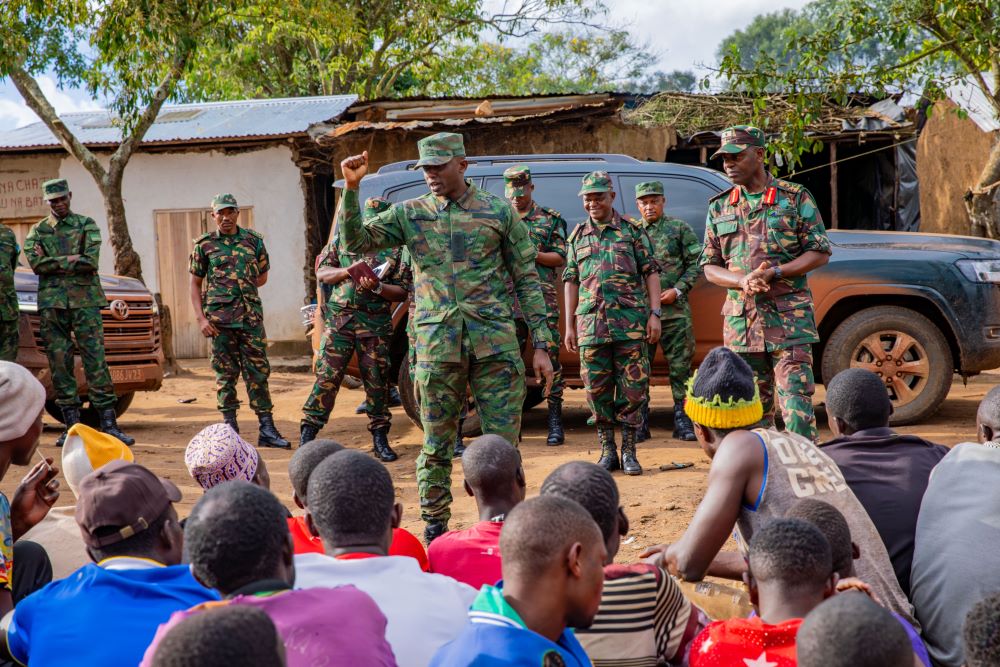
On the first day, commanders conducted joint field visits to key border areas to assess prevailing security challenges and engage with local communities. The visits focused on raising awareness about the dangers of illegal border crossings and unlawful fishing activities in shared water bodies.
The delegations visited border communities including Nyarubare and Katwe villages in Kyerwa District, as well as Nyakakoni Village in Kayisho Sector on the Tanzanian side, opposite Rwanda’s Rwimiyaga Sector.
These areas are characterized by porous borders, with lakes, rivers, and swamps, particularly the Akagera River frequently used for unauthorized crossings.
Commanders identified these locations as hotspots for smuggling and other illicit cross-border activities, emphasizing the urgent need to strengthen preventive measures and enhance joint efforts to curb illegal movements and improve overall border security.
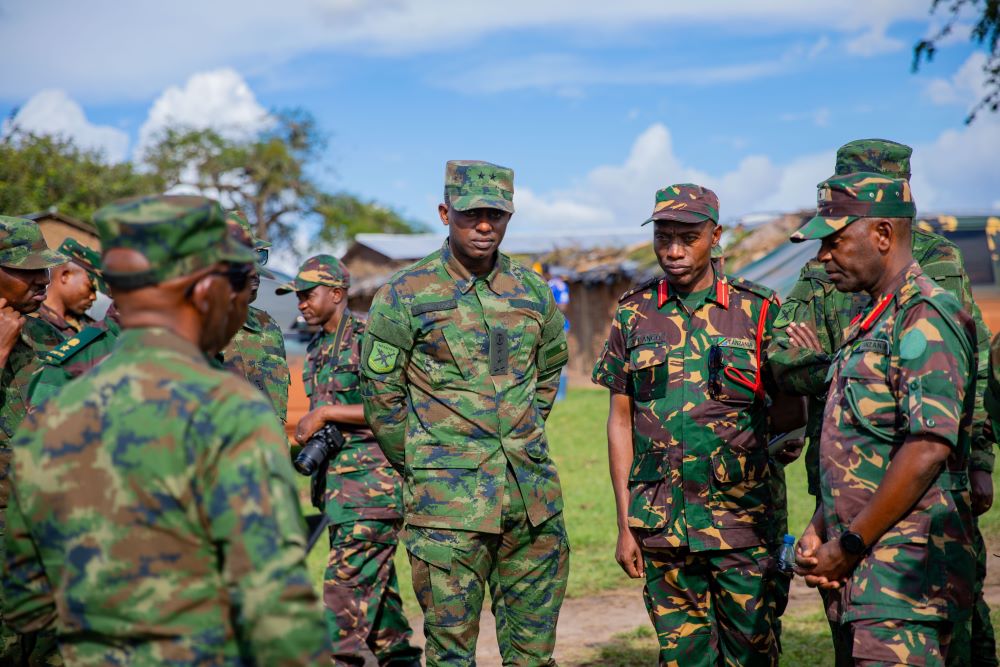
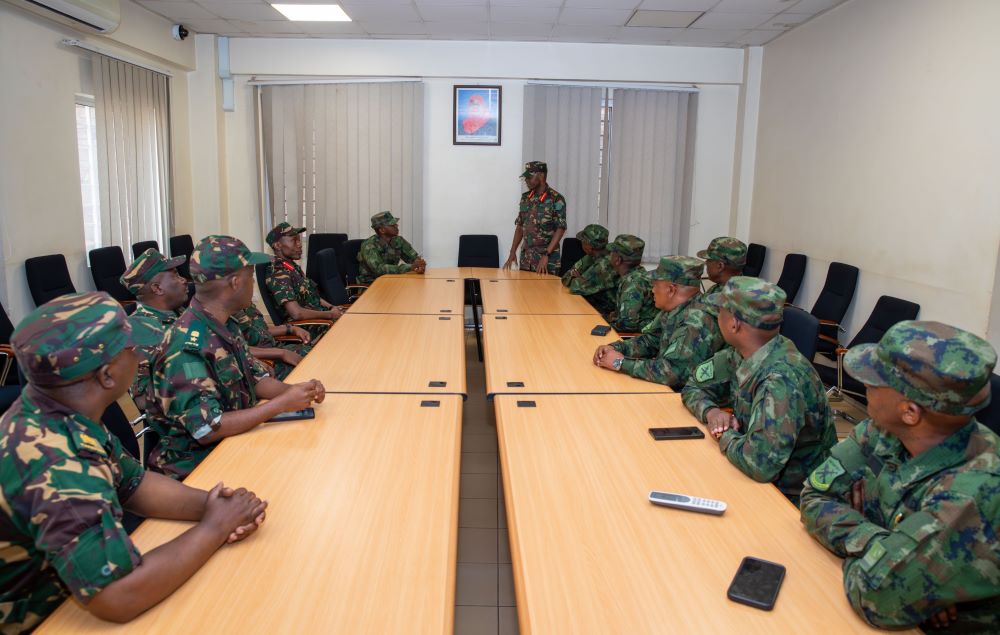
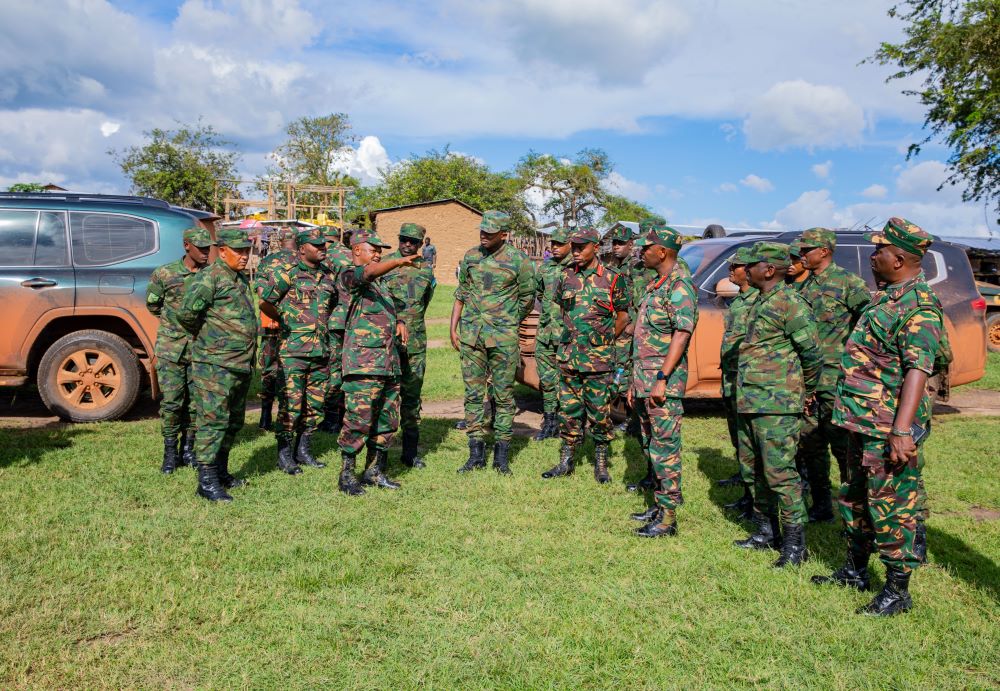
Commanders interact with local communities to raise awareness on illegal border crossings and related risks.Delegations from RDF and TPDF conducted field visits to assess security conditions along the shared border.Military leaders from Rwanda and Tanzania engage in joint discussions during the Proximity Commanders’ meeting.RDF and TPDF officials inspected key border areas identified as hotspots for cross-border activities.
The Head of the Tuberculosis Division at the Rwanda Biomedical Centre (RBC), Dr. Habimana Mucyo Yves, said that although the disease has decreased compared to previous years, it has not been eliminated.
He made the remarks on March 23, 2026, during the national commemoration of World Tuberculosis Day held in Gasabo District.
“From July 2024 to June 2025, we recorded 8,196 TB patients. While the numbers have not significantly dropped, we are confident that through collaboration with community health workers, the disease can eventually be eradicated,” he said.
Dr. Habimana noted that one of the key strategies involves strengthening the role of community health workers in raising awareness about TB prevention and encouraging early testing.
He emphasized that 27% of all TB patients were referred to health facilities by community health workers, highlighting the progress made in combating the disease.
Tuberculosis remains among the top 10 causes of death globally and disproportionately affects people living with HIV.
The World Health Organization (WHO) Representative in Rwanda, Dr. Brian Chirombo, said that global data from 2024 shows that more than 10.7 million people contracted TB, with 1.23 million deaths, including 150,000 among people living with HIV.
In Rwanda, TB prevalence has significantly declined over the years, dropping from 238 cases per 100,000 people in 2000 to 62 cases per 100,000 in 2024.
Recent data from the National Institute of Statistics of Rwanda (NISR) also shows a general decline in TB-related deaths.
The mortality rate was 6.1% in 2019, 6.4% in 2020, rising to 7.9% in 2021, before dropping to 5.7% in 2022, 4.8% in 2023, and 4.5% in 2024.
Dr. Habimana said Rwanda aims to eliminate tuberculosis entirely by 2035, noting that advanced diagnostic tools such as chest X-ray machines are increasingly being used to detect the disease early.
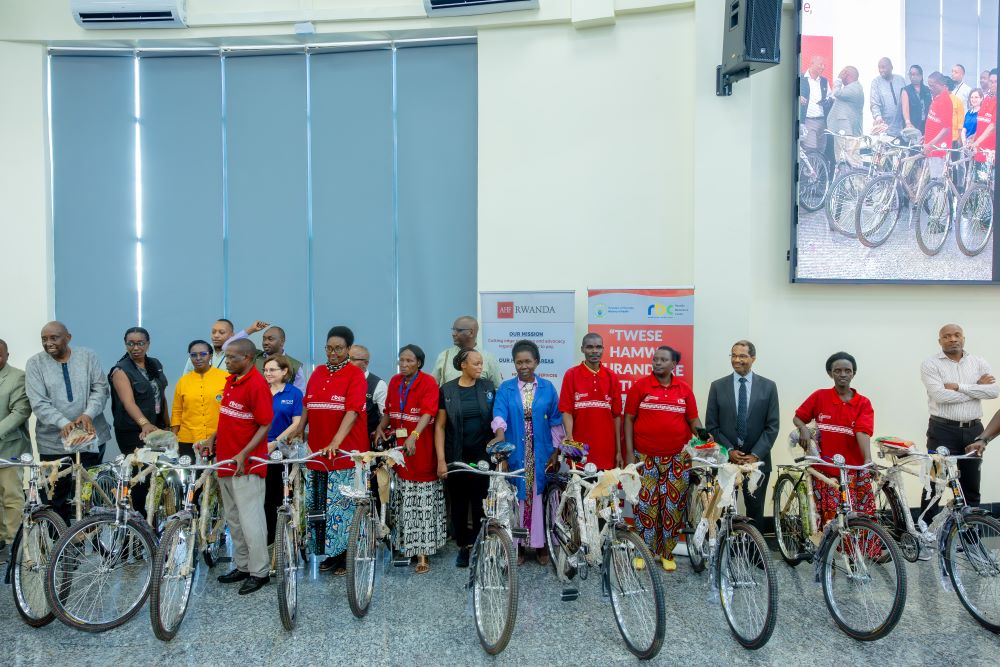
The Head of the Tuberculosis Division at the Rwanda Biomedical Centre (RBC), Dr. Habimana Mucyo Yves urged Rwandans not to be complacent as TB has not been eliminated.Outstanding community health workers received bicyclesThe event was an opportunity for participants to undergo TB check ups
According to the ruling, the judge will reassess whether the conditions for house arrest remain in place once the period expires.
The decision follows a statement from Attorney General Paulo Gonet, who supported easing Bolsonaro’s detention conditions due to his health condition.
Bolsonaro is serving a final sentence of 27 years and three months in prison for leading an attempted coup in 2022.
He suffered a health episode on March 13 at a military police facility, which prompted his urgent transfer to a hospital in Brasilia. Medical reports showed respiratory complications and bilateral bacterial bronchopneumonia. According to the latest update, he is recovering well and is expected to leave intensive care within 24 hours.
The former president had previously been under house arrest but was returned to preventive detention in November, after violating the terms of his electronic monitoring.
The former president had previously been under house arrest but was returned to detention in November after violating electronic monitoring terms.
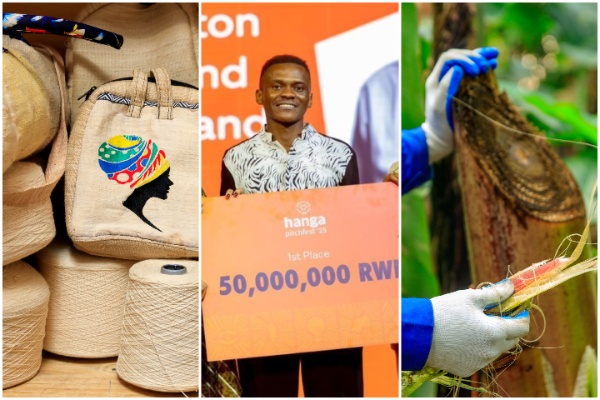
At the centre of that transformation is Jonathan Shauri Kalibata, a mechanical engineer trained at Rwanda Polytechnic and the founder of Re-Banatex, a startup turning discarded banana stems into textile fibres. His work recently gained national attention after winning Hanga Pitch Fest 2025, a platform organised by the Ministry of ICT and Innovation (MINICT) and the Rwanda Development Board, with support from partners including UNDP.
For Shauri, the idea did not begin in a lab, but in memory.
Growing up, banana stems were part of everyday life, playthings, discarded remnants, and later, invisible waste. Years later, that same material would become the raw input for an emerging textile innovation.
“Banana plants only produce fruit once,” he explains. “After harvesting, the stems are usually thrown away without any economic value. We are giving them that value.”
Re-Banatex turns banana stems into textile fibres.
From agricultural waste to industrial input
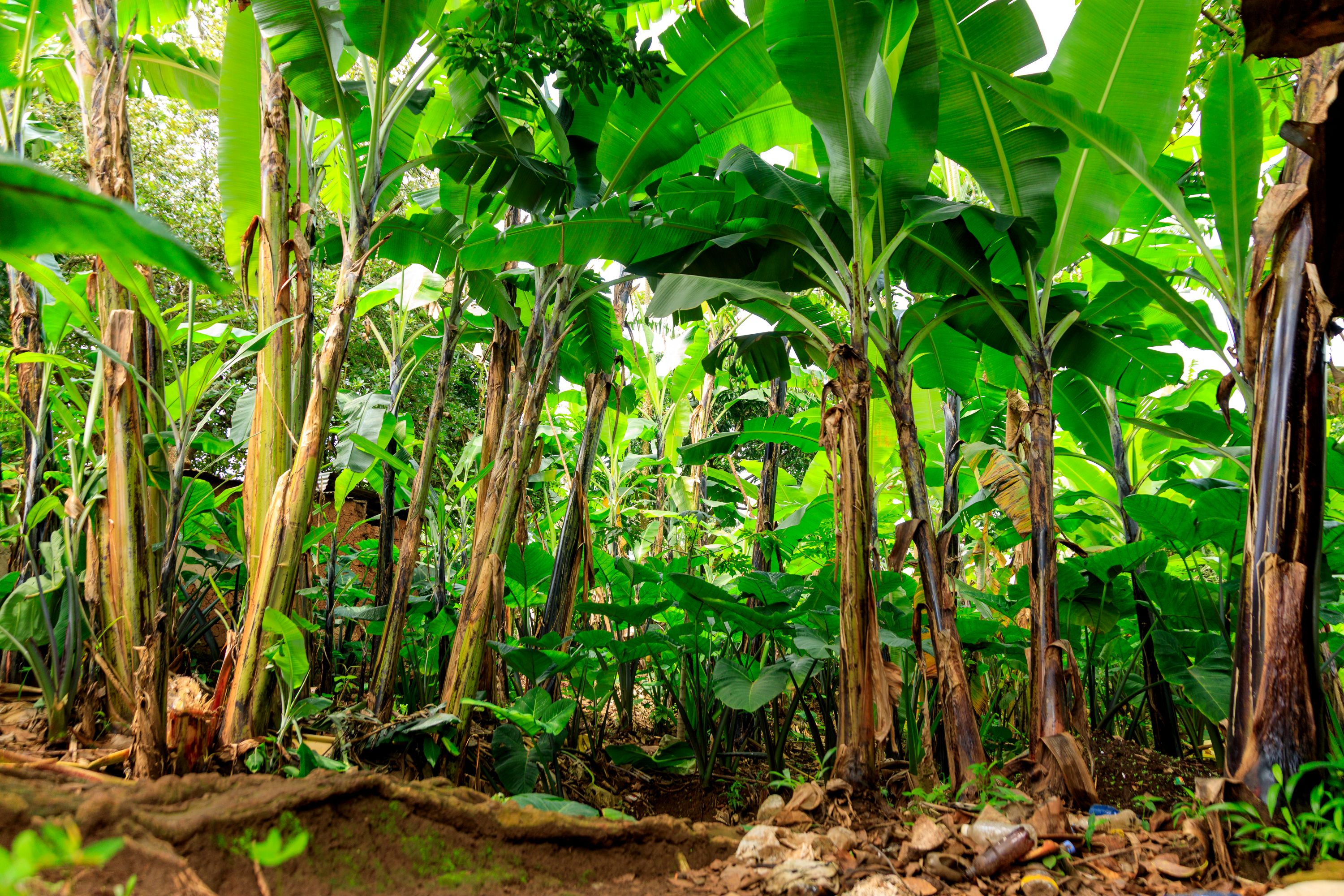
Rwanda’s position as one of the region’s major banana producers means large volumes of post-harvest biomass are generated daily. Traditionally left to decompose or be discarded, these stems are now being reclassified by Re-Banatex as a resource rather than waste.
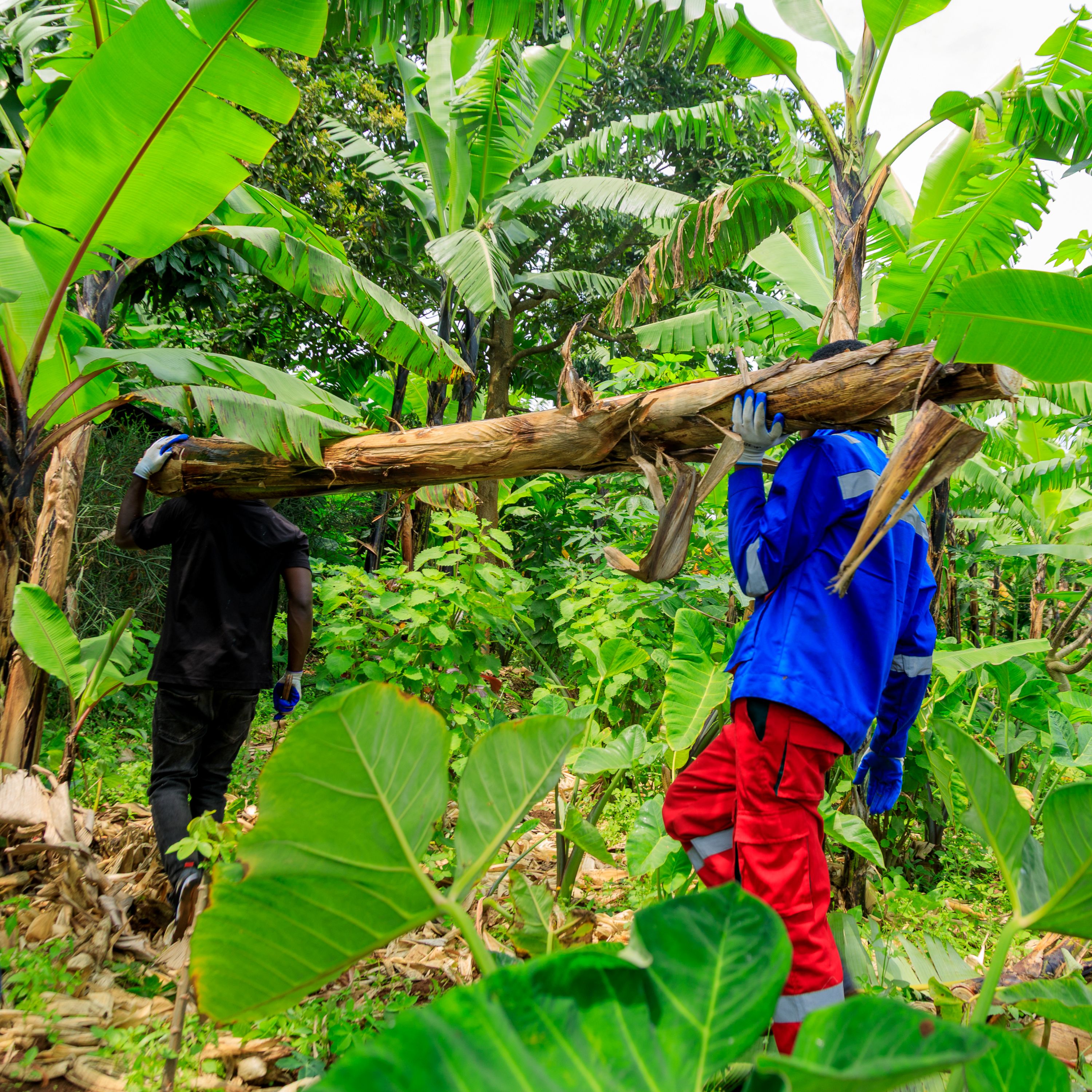
The process begins at the farm level. Re-Banatex works directly with banana farmers, purchasing stems after harvest at a rate of 100 Rwandan francs per meter. The arrangement is simple but impactful, allowing farmers to earn income from material that previously had no market value, while the company secures its primary raw input.
Rather than relying on dried material, the startup uses fresh banana stems. According to Shauri, fresh stems yield stronger fibres, which are better suited for textile production.
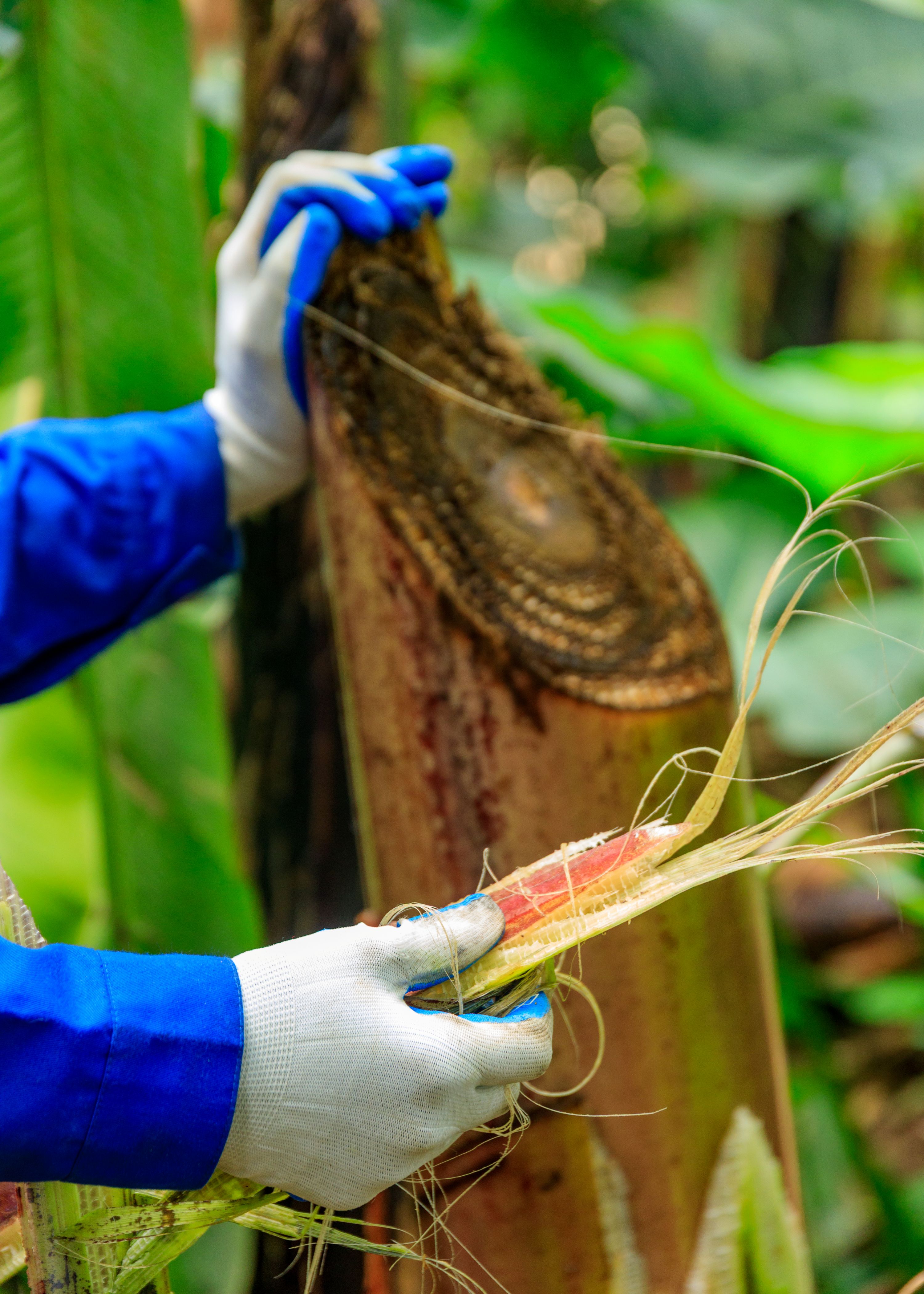
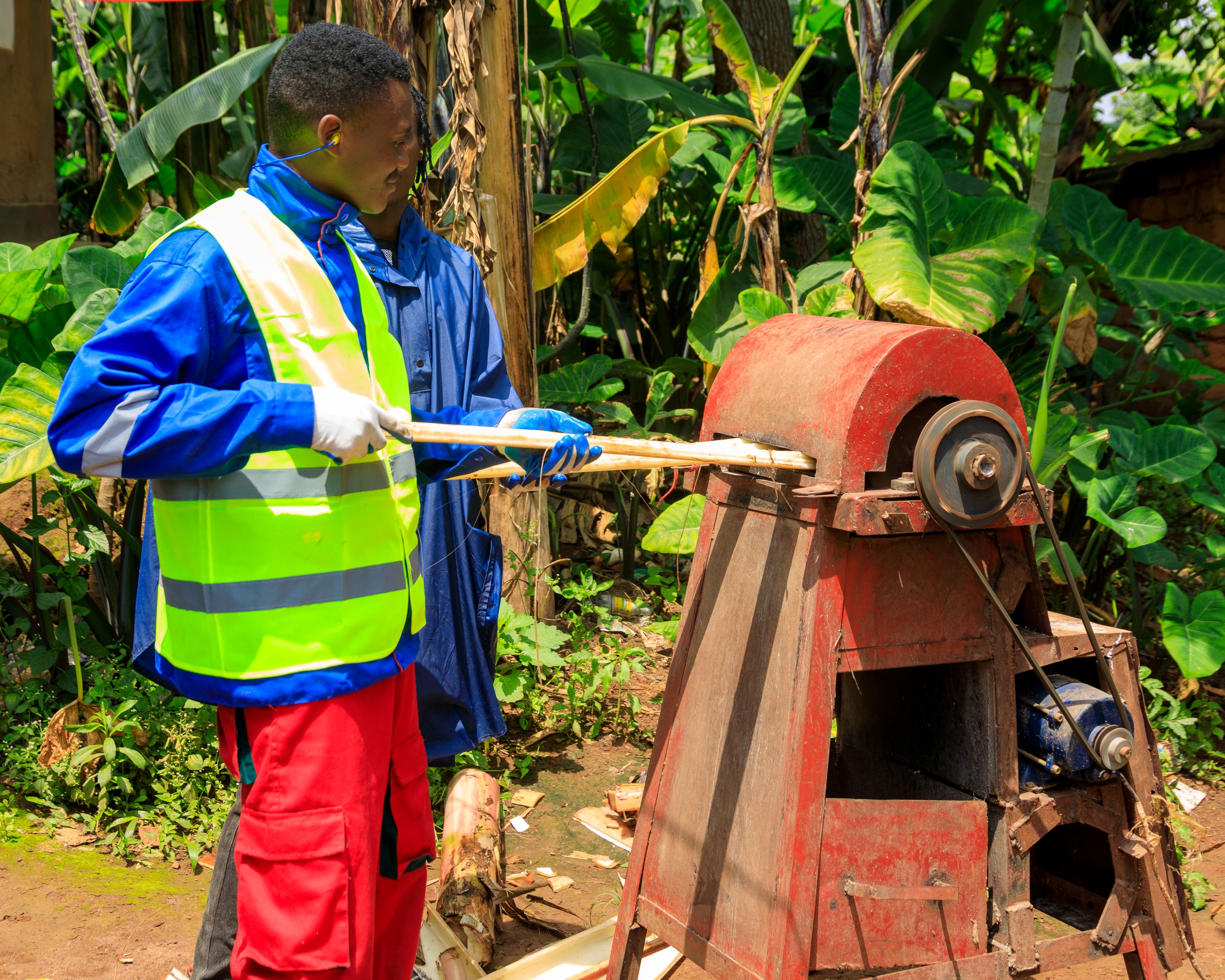
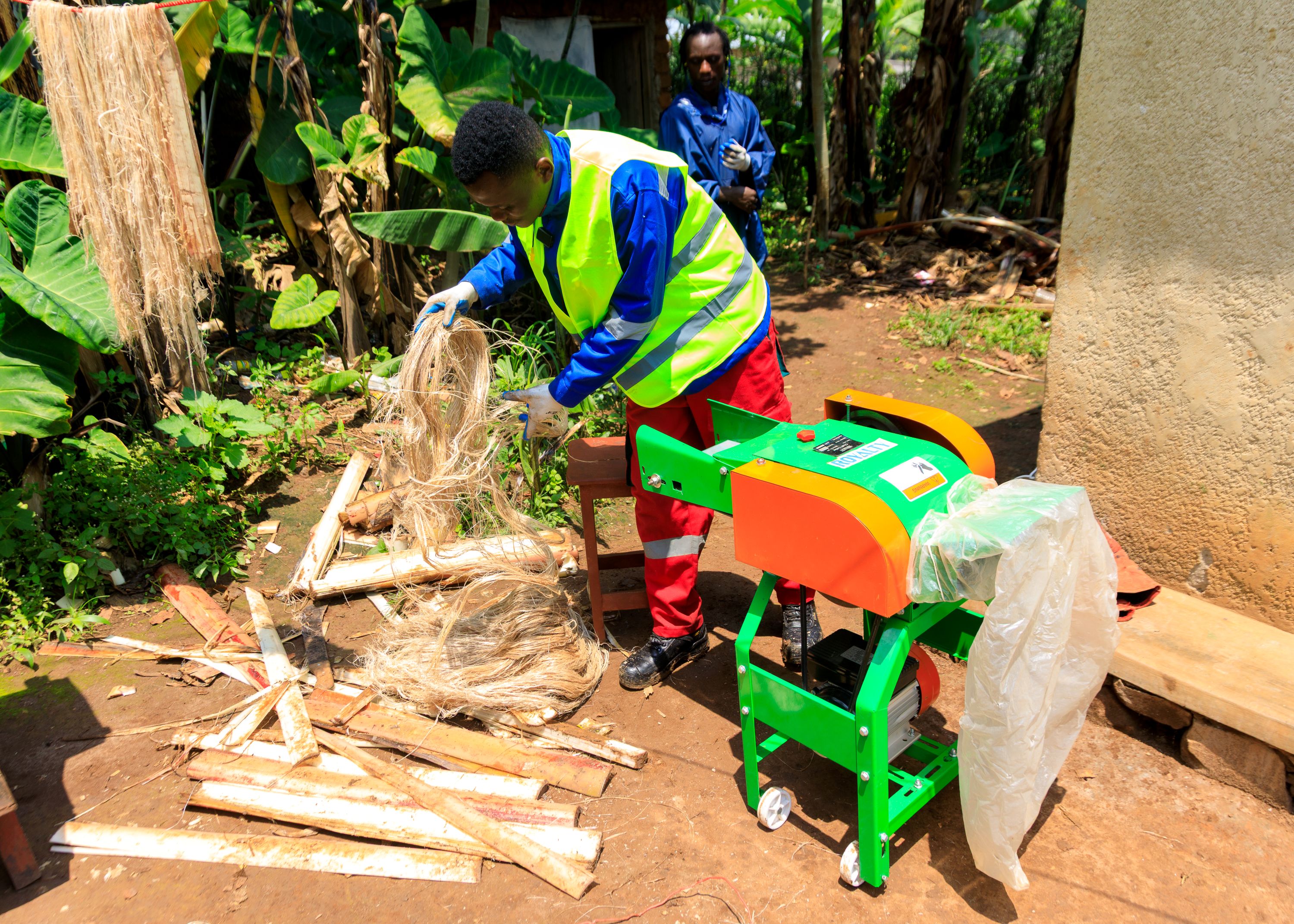
Once collected, the stems are transported to processing sites where fibres are extracted. Initially, this process was manual with workers physically beating the stems to reveal the fibres inside. Over time, the team engineered machinery to improve efficiency and consistency.
Re-Banatex buys banana stems that were often discarded by farmers.
Engineering a new material
What begins as a thick, water-rich stem is transformed through a multi-stage process into usable fibre. The stems contain multiple layers, each with potential applications, though Re-Banatex continues to explore ways to utilise even the inner portions more effectively.
After extraction, the fibres are dried and processed into a softer form suitable for blending. This intermediate material is then mixed with cotton and spun into yarn, which can be woven into fabric using loom machines.
The result is a plant-based textile that can be used in a range of products, including bags and shoes to carpets and garments.
Shauri notes that the company is still expanding its material applications, reflecting the experimental nature of the innovation.
Rather than relying on dried material, the startup uses fresh banana stems. According to Shauri, fresh stems yield stronger fibres, which are better suited for textile production.
Trial, error, and iteration
Re-Banatex’s journey has not been linear.
The team’s first fabric prototype, Shauri recalls, was far from market-ready. It was stiff, rough, and visually unappealing. But rather than discouraging the team, it became a turning point.
“It was very bad,” he admits. “But it gave us feedback that pushed us to improve.”
That early failure led to experimentation with blending banana fibres with other materials, including cotton. The goal, as Shauri recalls, was to improve texture, durability, and usability while maintaining sustainability.
The company also began exploring ways to repurpose byproducts from the extraction process. The residual material left after fibre extraction is not wasted as it can be used as fertiliser, animal feed, or even for mushroom cultivation.
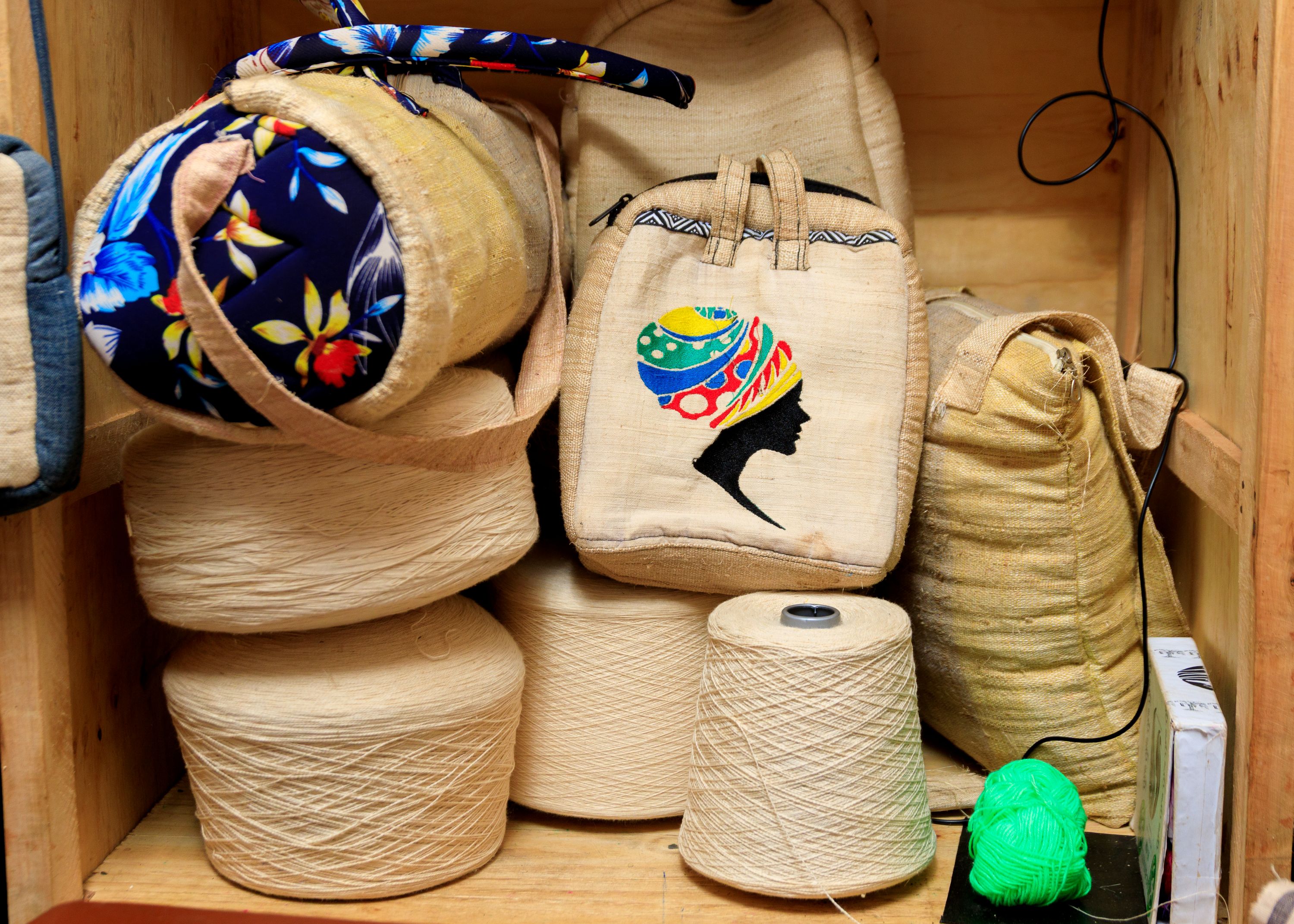
The textile material extracted from banana stems is used in the fashion value chain to make products such as bags.
Building a circular value chain
Beyond the technical process, Re-Banatex is building a value chain that connects farmers, engineers, and designers.
Farmers benefit from an additional income stream. Designers gain access to locally produced, eco-friendly materials. And the startup positions itself at the intersection of agriculture, manufacturing, and sustainability.
“We bring banana farmers, fashion designers, and other stakeholders together,” Shauri says.
The company’s products, including woven fabrics and finished goods like bags, are already being introduced to local designers. These collaborations are helping test market acceptance while refining product quality.
Like many early-stage innovations, Re-Banatex has faced resistance. Introducing a new material into a market accustomed to synthetic and imported textiles has required persistent education and outreach. Early reactions from designers were sceptical, particularly when presented with initial fabric samples.
At the same time, scaling production and transitioning from manual to industrial processes has been a technical and financial challenge.
There were moments of doubt.
“At some point, I felt like giving up,” Shauri reflects. “But innovation requires resilience.”
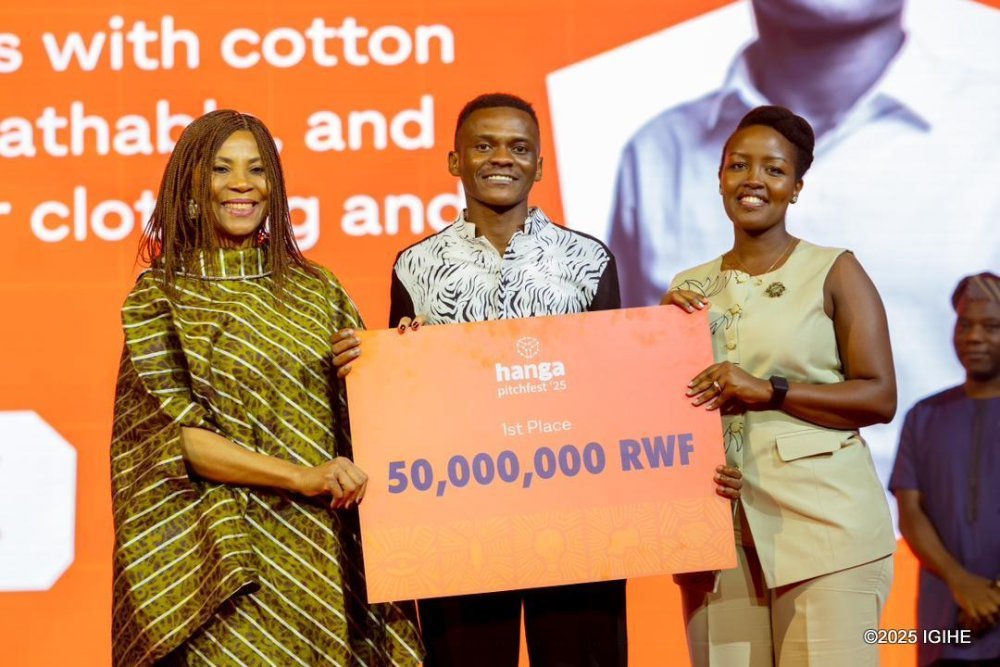
The co-founder says winning Hanga Pitchfest 2025 marked a significant milestone for Re-banatex.
Recognition and momentum
Winning Hanga Pitchfest 2025 marked a significant milestone for Re-banatex. As one of the Rwandan government’s premier innovation platforms, the competition has empowered hundreds of startups since its inception in 2021 by bridging the gap between raw ideas and market readiness. To date, it has disbursed over Rwf 600 million in direct grants, providing the critical capital and mentorship needed for entrepreneurs to scale their solutions.
For Re-Banatex, the prize of 50 million Rwandan francs extends beyond financial support. It represents validation from institutions such as MINICT and the Rwanda Development Board, signalling confidence in the startup’s potential.
Shauri says the recognition is already accelerating the company’s transition toward industrial-scale production. The start-up is in the process of importing new machinery to automate processes such as fibre carding and spinning, with plans to fully industrialise operations within months.
Re-Banatex is in the process of importing high-tech machinery to replace their mechanical processes as they look to fully industrialise their idea.
Aligning with “Made in Rwanda”
Re-Banatex’s ambitions extend beyond entrepreneurship. The company sees itself as contributing to Rwanda’s broader industrial and sustainability goals, particularly within the “Made in Rwanda” agenda.
By sourcing raw materials locally and reducing reliance on imported synthetic fibres, the startup is attempting to close gaps in the textile value chain.
“In the future, we want ‘Made in Rwanda’ to truly mean made from Rwanda’s own resources,” Shauri explains.
Over the next five to ten years, Re-Banatex aims to position itself as a leading player in eco-friendly textile manufacturing in Rwanda and across Africa. The vision includes expanding production capacity, improving material quality, and influencing a shift toward sustainable alternatives in the fashion industry.
For now, the journey continues, rooted in experimentation, driven by local resources, and sustained by a belief that waste can be transformed into value.
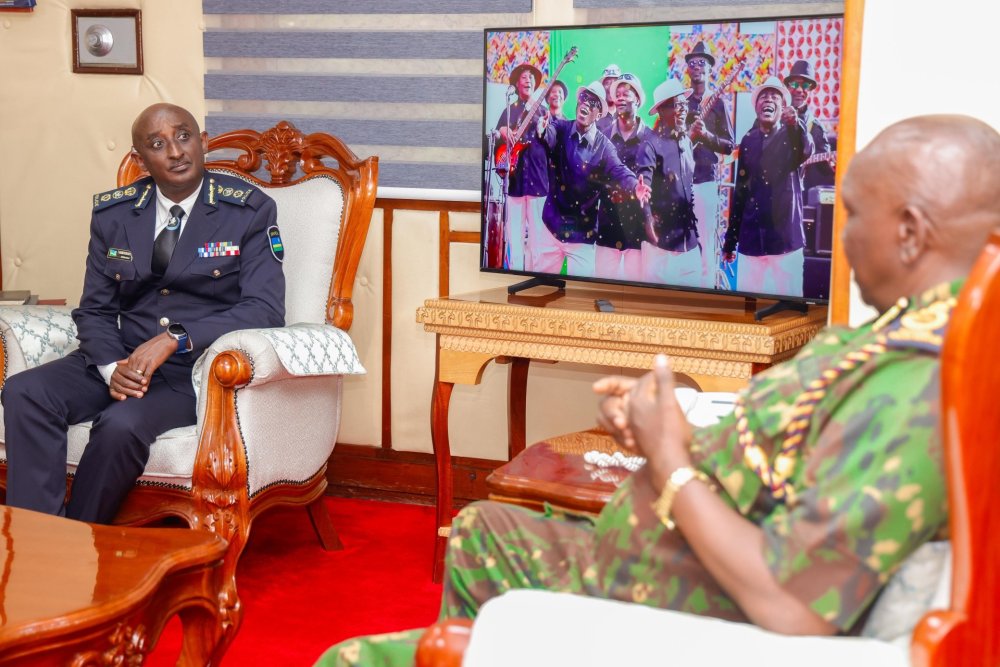
The discussions between CG Felix Namuhoranye and Douglas Kanja took place on March 24, 2026, in Nairobi, Kenya.
Their talks focused on areas of mutual interest in policing and explored ways to further strengthen the existing cooperation between the Rwanda National Police and the Kenya National Police Service.
Both Police chiefs also discussed the preparation of a cooperation agreement and agreed to work together on combating cross-border and emerging crimes.
CG Namuhoranye and his delegation also toured Police Training Institutions in Kenya, including the National Police Service Senior Staff College–Emali and the National Police College–Kiganjo. At both institutions, the IGP interacted with directing staff and trainees to align training programmes with the contemporary, evolving policing environment.
CG Felix Namuhoranye also invited his counterpart to attend events in May when the Rwanda National Police will celebrate its 25th anniversary.
Rwanda and Kenya already collaborate in various sectors, including security. In November 2026, the Chief of the Kenya Defence Forces, Gen Charles Muriu Kahariri, visited Rwanda and held talks with his Rwandan counterpart, Gen Mubaraka Muganga.
The discussions between CG Felix Namuhoranye and Douglas Kanja took place on March 24, 2026, in Nairobi, Kenya.The Inspector General of Rwanda National Police (IGP), CG Felix Namuhoranye is on an official working visit to Kenya, where he held talks with his Kenyan counterpart, Douglas Kanja.
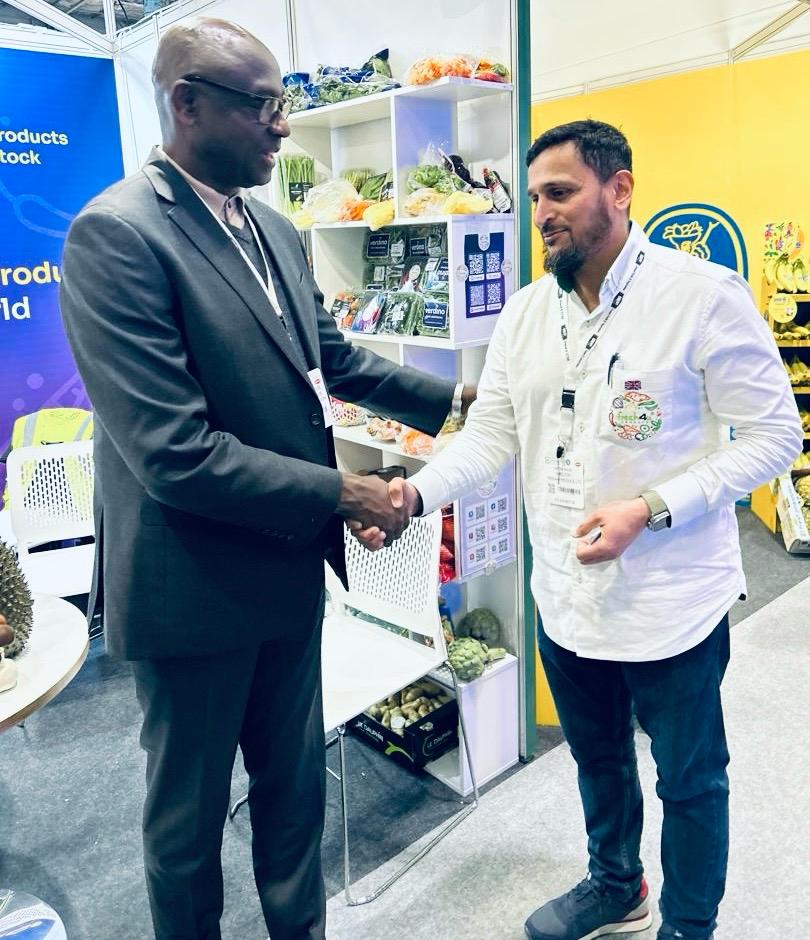
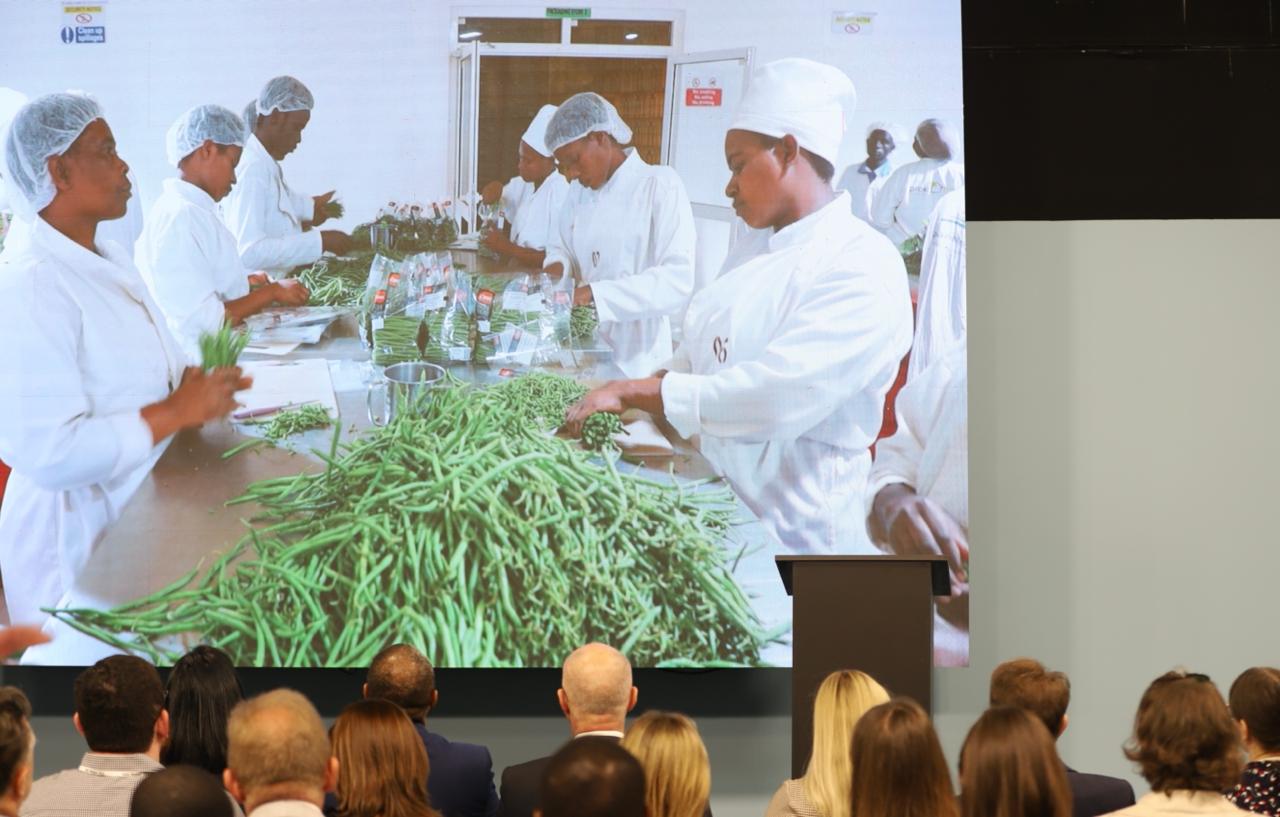
Rwanda is set to take part in the International Food & Drink Event (IFE) for the second time, with this year’s edition scheduled from March 30 to April 1 at ExCeL London. The country’s renewed participation highlights its growing ambition to establish itself as a credible and competitive player in the global agri-food market.
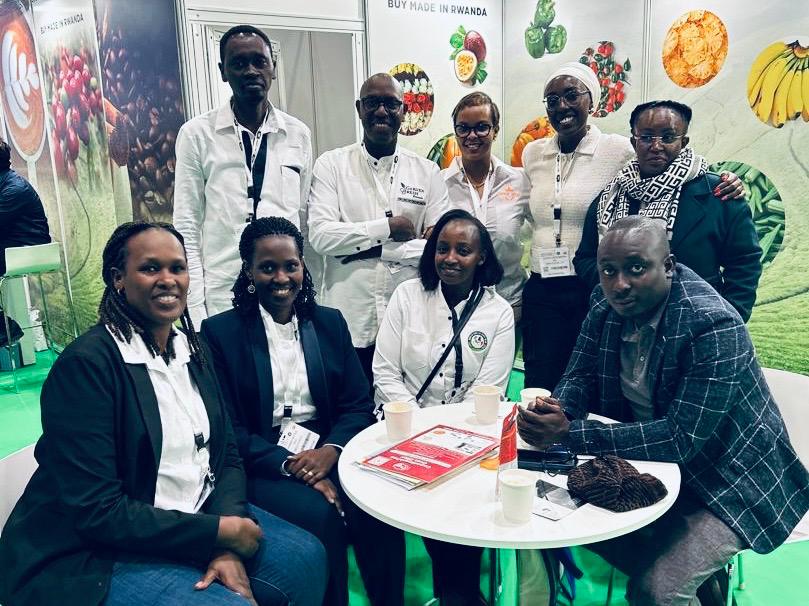
A delegation of representatives from Rwandan companies is expected to travel to London for the event, showcasing a range of locally produced goods and engaging directly with international partners.
Rwanda’s participation will be coordinated by the Embassy of Rwanda in the United Kingdom, in collaboration with the National Agricultural Export Development Board (NAEB).
Considered one of the leading B2B events in the sector, IFE brings together thousands of professionals from the food, beverage, and hospitality industries each year. For Rwanda, this platform represents far more than just visibility, it serves as a strategic lever to boost exports, build new partnerships, and showcase the quality of its products on the international stage.
Building on a first successful participation, the country returns with a clearer vision. The objective is to capitalize on previous experience, increase its visibility, and sustainably position its products, particularly coffee and tea, among international buyers and distributors.
In the lead-up to the exhibition, Rwandan women entrepreneurs will also take part in the SheTrades Rwanda – UK Study Visit, scheduled from March 25 to 28, 2026. Organized under the SheTrades Commonwealth+ Programme and implemented by the International Trade Centre (ITC), this initiative will bring together 16 women-led businesses from the agrifood and coffee sectors.
During the study visit, participants will engage in market visits across London and Birmingham, meet UK-based buyers, and gain first-hand insights into market entry requirements, consumer trends, and business practices. The programme aims to strengthen their export readiness and expand their international networks ahead of IFE 2026.
At the heart of Rwanda’s broader strategy is a strong commitment to promoting a national know-how that is continuously evolving, supported by initiatives aimed at improving product quality, traceability, and local value addition. This approach aligns with broader efforts to move up the value chain and diversify export markets.
By participating in IFE 2026, and through complementary initiatives such as the SheTrades study visit, Rwanda is embracing a proactive approach, leveraging major international platforms to accelerate its integration into global value chains. Beyond mere presence, this participation highlights the country’s increasingly assertive positioning within the global agri-food landscape.
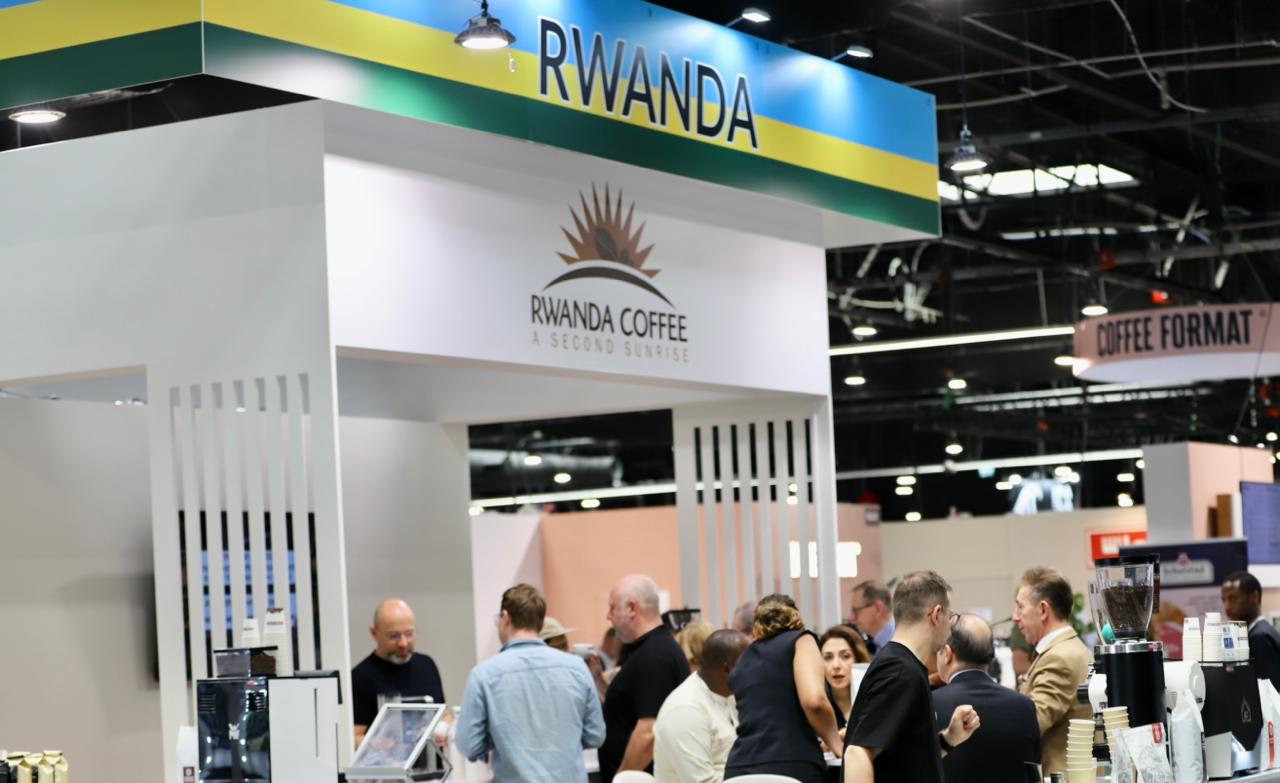
Rwanda pavilion at the previous edition of IFE in London (Illustration photos)
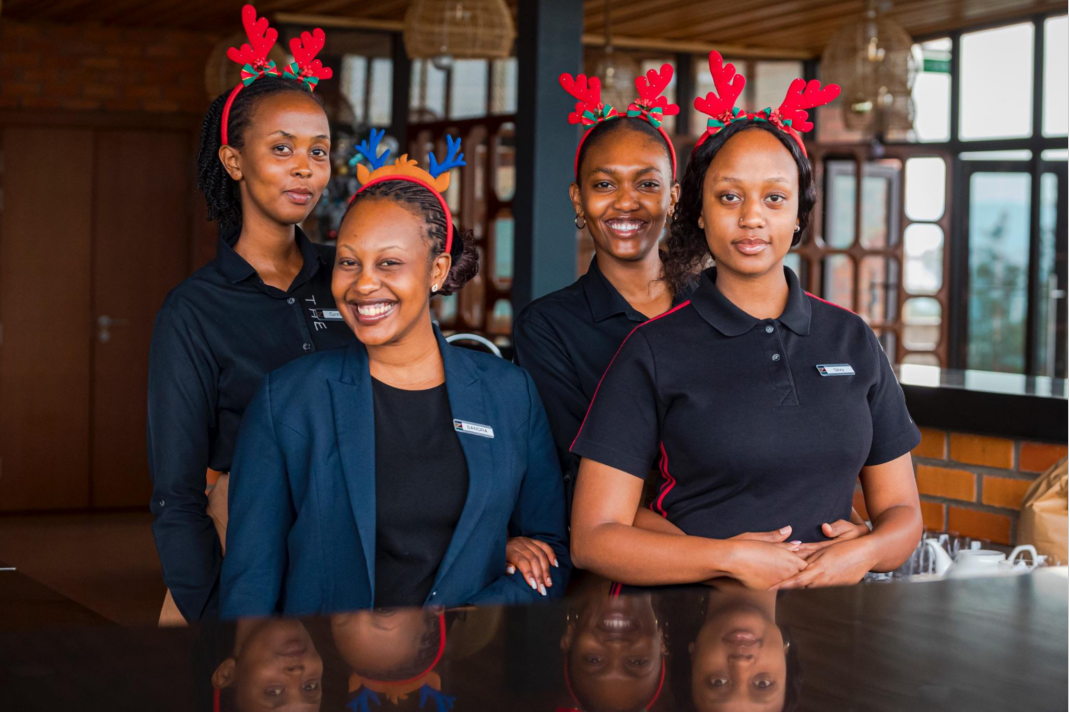
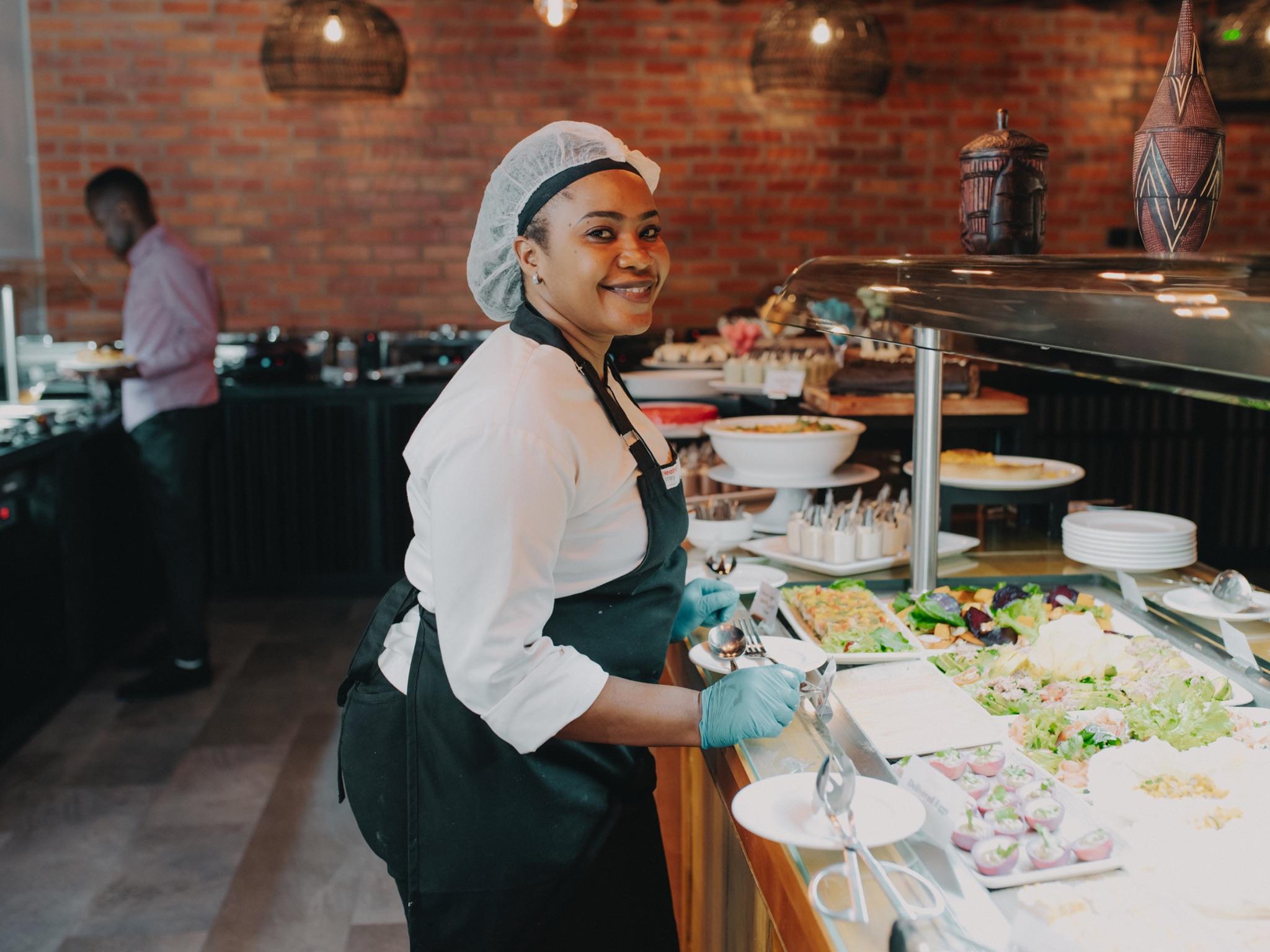
In less than a year of operations, 41% of the hotel’s employees are women. Not as a result of a last minute diversity push, but because women were present, active, and essential at every stage of the hotel’s journey, from the earliest days of construction through to the team running the property today. Their contribution is not a footnote in the story of Zaria Court Hotel. It is central to it.
A hotel built with more than materials
Great hotels are not simply constructed; they are crafted. The difference lies in the people involved and the care they bring. At Zaria Court Hotel, that philosophy is visible in unexpected places.
In the hotel’s conference room, a striking ceiling installation handcrafted entirely by women greets every guest who enters. It is more than a design feature; it is a declaration. A reflection of what the hotel stands for: African talent, craftsmanship, and the belief that the most powerful details are those made by human hands.
Across the property, this same attention to detail is evident in the warmth of the spaces, the precision of the finishes, and the overall guest experience from arrival to departure, creating a place that feels intentionally built.
Operations driven by excellence
Running a world-class hotel is a high-stakes, detail-driven undertaking. Every day at Zaria Court Hotel, women are at the centre of that work, leading teams, shaping guest experiences, and upholding the standards that come with one of the world’s most recognised hospitality brands.
What that figure represents goes beyond representation, it is a workplace culture where women are trusted with responsibility and decision making from day one. Women at Zaria Court Hotel hold roles spanning sales leadership, marketing, front of house operations, and culinary teams, present not just across the floor, but across the org chart. This does not support work. This is leadership.
“Being a woman at Zaria Court Hotel is a privilege that allows me to bring empathy, care, and attention to detail into every guest experience. It’s also an opportunity to grow professionally and show that women can lead, excel, and make an impact in hospitality,” says Flavia Mbabazi, Head of Sales, Zaria Court Hotel, Tapestry Collection by Hilton.
This leadership is reflected consistently in both performance and in the sense of ownership over what the hotel represents.
Rwanda’s ambition, reflected
Rwanda has built a strong reputation on the global stage as a destination for investment, tourism, and world-class events. That reputation is shaped by institutions and people who refuse to be ordinary, and Zaria Court Hotel is one of them.
In a region where hospitality is among the fastest growing sectors, the example set here matters. A workforce that is nearly half women, achieved within the hotel’s first year, demonstrates what becomes possible when women are centred not as a statement, but as a strategy. Rwanda has long been cited as a global leader in women’s representation at the legislative level, and this progress is increasingly visible across business and operations.
“It’s powerful to see strong representation of women across all levels at Zaria Court Hotel. It reflects both the hotel’s commitment to empowerment and Rwanda’s wider progress in promoting women in leadership. This strengthens the brand’s identity as inclusive and forward thinking, while contributing meaningfully to the country’s growth,” says Chiquita Mugabo, Marketing Manager, Zaria Court Hotel, Tapestry Collection by Hilton.
More than a hotel
The Tapestry Collection was built on a simple but powerful idea: the most memorable hotels are those with genuine character, shaped by the people and places around them. At Zaria Court Hotel, that character is unmistakably Rwandan, unmistakably African, and unmistakably built by women.
The practical lesson for the hospitality industry is this: inclusion by design, hiring with intention, building roles that welcome women at every level, and measuring outcomes from the start does not compromise standards. It creates them. For those in the industry ready to move beyond pledges to practice, Zaria Court Hotel offers a working blueprint and an open door.
A note as Women’s Month draws to a close
As March comes to an end and the world pauses to celebrate women, it is worth asking a question that goes beyond tributes and campaigns: are we truly creating space for women to build, lead, and leave their mark?
Zaria Court Hotel answers that question not with words, but with action and with data. In less than a year of operations, 41% of its people are women, reflected not only in its workforce, but in its craftsmanship and daily operations. This is a story that did not begin on Women’s Day and will not end when March does.
The most meaningful way to honour women is not to celebrate them once a year. It is to include them from the very beginning. To trust them with the blueprint as much as the welcome desk. To build institutions where their excellence is not the exception, but the expectation. Zaria Court Hotel has set that example, and set it early. The question now is who follows it.
Zaria Court Hotel Kigali is Rwanda’s first urban lifestyle hotel, located in the heart of Kigali Sports City, steps from BK Arena and Amahoro Stadium. The 80-room property features locally-inspired interiors, multiple food and beverage outlets, event spaces, and a heated pool. Inspired by the vision of Masai Ujiri, the hotel is part of Tapestry Collection by Hilton and offers guests access to Hilton Honors benefits while maintaining its distinctive, community-driven character.
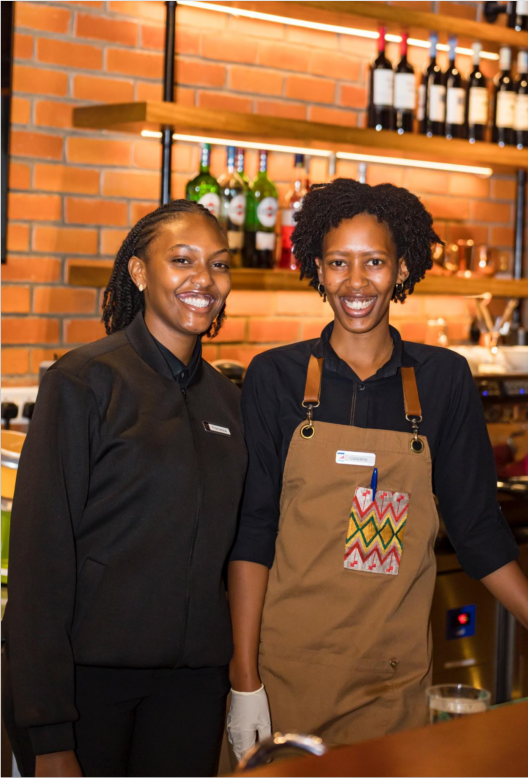
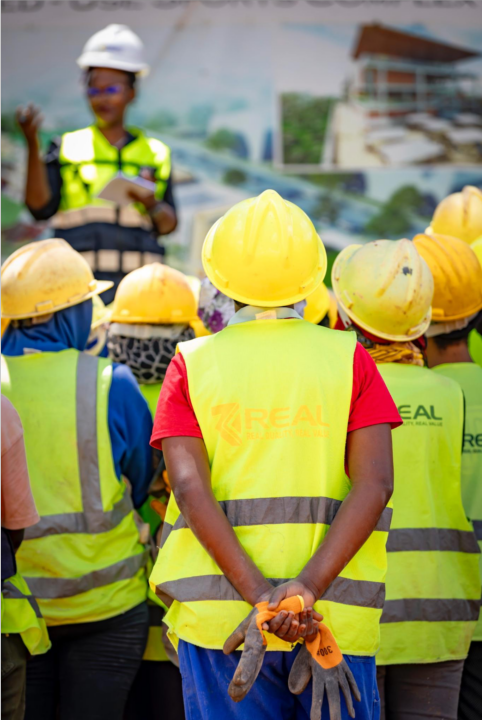
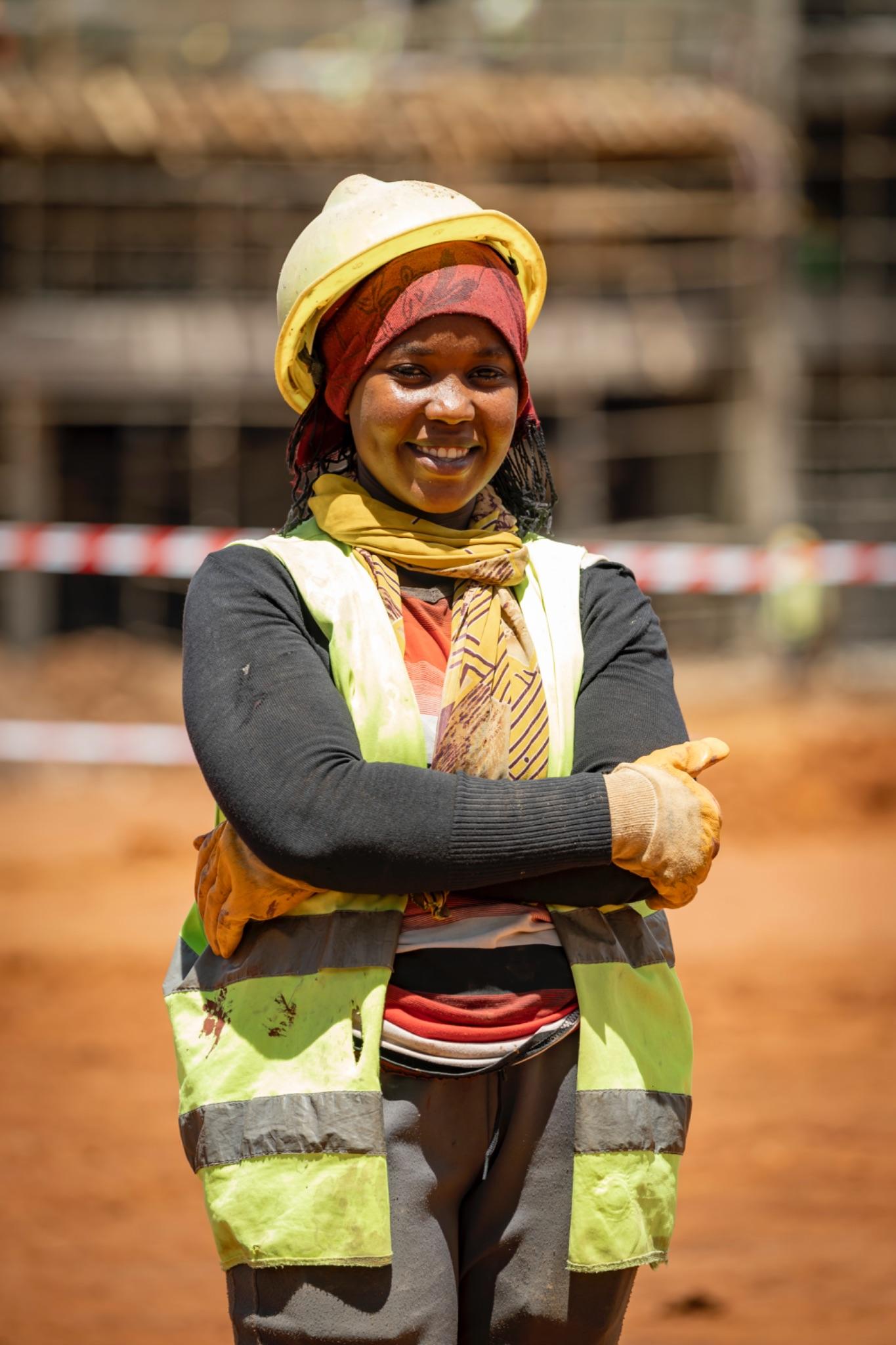
Female staff showcase attention to detail across all areas of the facilityWomen staff members at Zaria Court Hotel contribute to every aspect of daily operations.Women are integral to the daily life, culture, and operations of Zaria Court Hotel. Female employees help maintain the hotel’s high standards and distinctive style. In the hotel’s conference room, a striking ceiling installation handcrafted entirely by women greets every guest who enters.
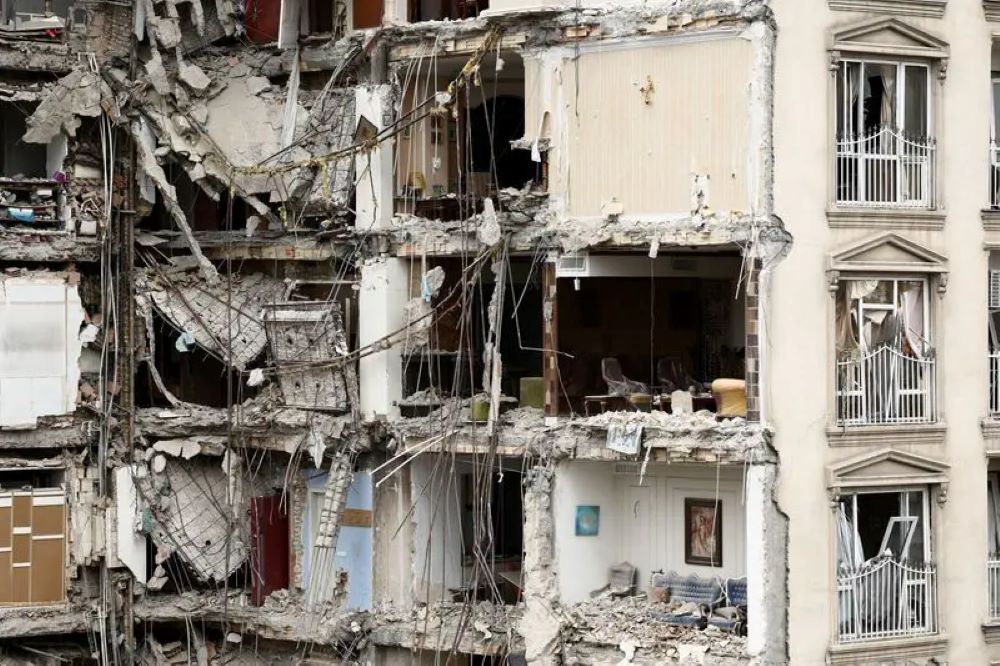
The Trump administration is eager to “find an off-ramp from the conflict as it grapples with its economic fallout,” said the report.
The plan addresses Iran’s ballistic missile and nuclear programs and discusses maritime routes, referring to the Strait of Hormuz, it said.
However, it was unclear how widely the plan, delivered by way of Pakistan, had been shared among Iranian officials and whether Iran was likely to accept it as a basis for negotiations, said the report.
It was also unclear whether Israel was on board with the proposal, the report added.
Israel’s Channel 12 also reported on Tuesday that Washington has delivered Tehran a 15-point plan for a month-long ceasefire deal.
The TV channel, citing sources familiar with the matter, said U.S. President Donald Trump’s advisors Steve Witkoff and Jared Kushner are promoting the plan for an immediate pause in hostilities, using a 30-day window to finalize the 15-point plan.
The plan demands that Iran dismantle its nuclear capabilities, cease all uranium enrichment, and provide a permanent commitment to never seeking nuclear weapons, the channel reported.
Additionally, Tehran would be required to halt funding and arming allied groups in the region and guarantee that the Strait of Hormuz remains open to international shipping, the channel said, adding that in exchange, Washington is offering full sanctions relief, assistance in developing a civilian nuclear energy project in southern Iran’s Bushehr, and the removal of the “snapback” mechanism threat that enables the reimposition of previously lifted UN sanctions on Iran.
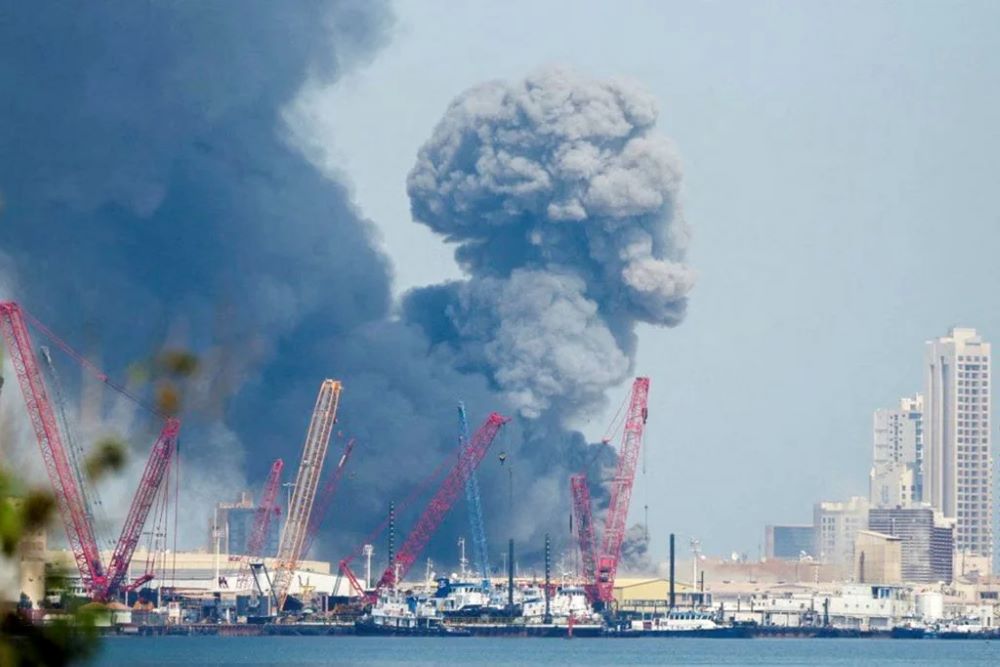
For now, there is no indication that the war will let up imminently. The White House said Tuesday that as diplomacy was underway, military strikes on Iran were continuing.
The plan allegedly addresses Iran’s ballistic missile and nuclear programs and discusses maritime routes, referring to the Strait of Hormuz.
“Our world is the most violent it has been since World War II. The number of people uprooted and forced to flee their homes is increasing by the hour,” Jorge Moreira da Silva, executive director of the United Nations Office for Project Services (UNOPS), said in a statement on Monday.
The devastating conflict in the Middle East has crossed borders, shaken the world economy amid exponential price hikes in oil, fuel and gas, he said.
He pointed out that developing countries in Asia and Africa are likely to suffer the most severe impacts, and the number of people living in hunger globally is likely to increase by tens of millions this year, he said.
He urged all parties to implement all UN Security Council resolutions and end this chaos and people’s suffering through diplomatic and peaceful solutions.
UNOPS, formerly a part of the United Nations Development Programme (UNDP), was established as a separate, self-financing entity within the UN system on Jan. 1, 1995. Headquartered in Copenhagen, Denmark, it provides project management, procurement and infrastructure services in more than 100 countries worldwide.
UN says the world is currently experiencing its most violent period since World War II as the escalation in the Middle East continues
Earlier reports from Congolese sources suggested an attempted intrusion at the hotel, with government spokesperson Patrick Muyaya asserting that assailants who allegedly targeted Nyakeru were neutralized by presidential security.
Rumors from DRC side quickly circulated in media and social circles linking the incident to external actors, including Rwanda, though these claims remain unverified.
In a statement released on Wednesday, the embassy clarified that reports of an attempted intrusion were misleading and misrepresented the actual events.
The statement explained that an unarmed member of a Rwandan VIP security detail “inadvertently encountered security agents of a DRC delegation in a hotel hallway accessible to all guests,” as both delegations were staying at the same hotel.
The embassy added that the Rwandan security member was “briefly restrained from accessing the elevator by the DRC security agents, which was inappropriate and wrong behavior in a common area,” but emphasized that the situation “was eventually resolved without further escalation.”
“Following this incident, the Rwandan party made a decision to change hotels, but were harassed and filmed by unknown persons as they checked out and departed. Despite this provocation, the Rwandan team was restrained and professional at all times, and carefully avoided any confrontation,” the statement reads.
“There has been gross misrepresentation of what transpired, including blatant dishonesty by the DRC Minister of Information in a press conference last night. These contemptible lies should be disregarded and condemned,” the embassy added.
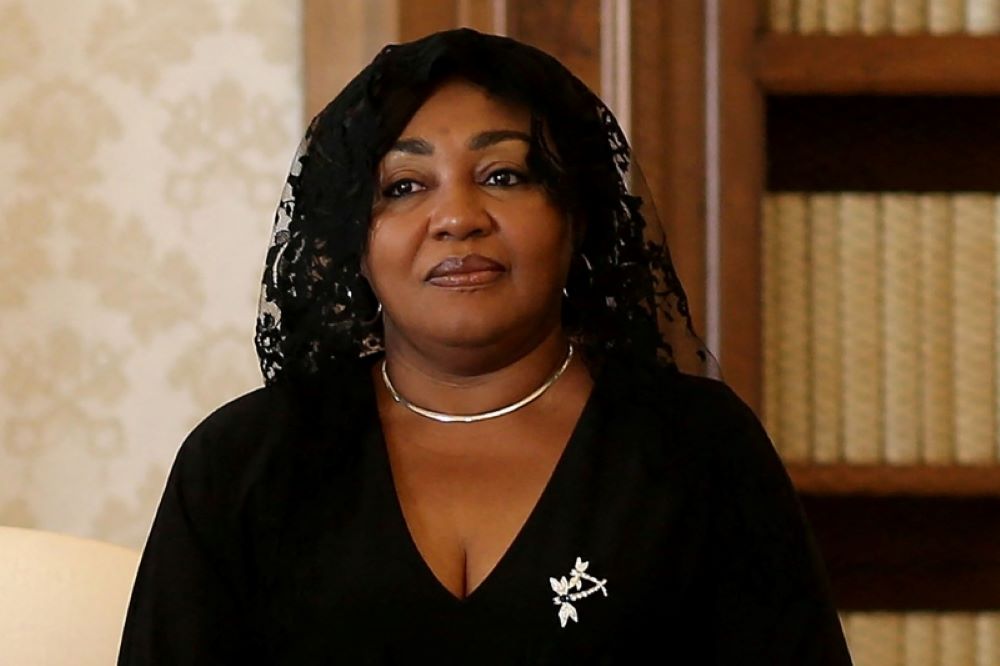
Nyakeru has traveled to the United States for an official visit.