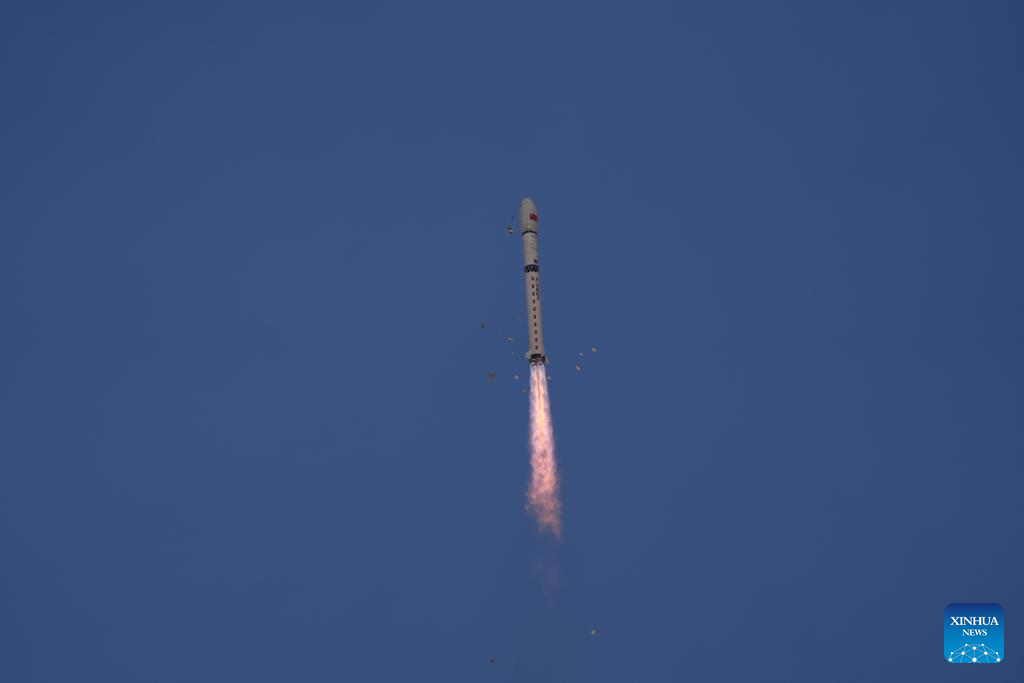
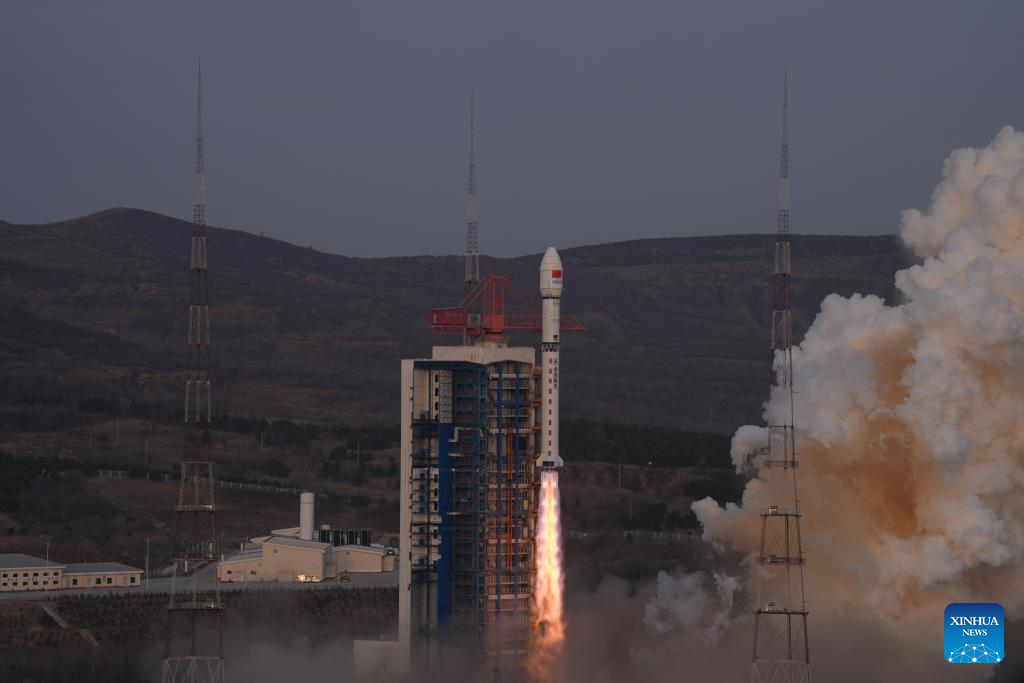
The rocket blasted off at 6:51 a.m. (Beijing Time) from the Taiyuan Satellite Launch Center in north China’s Shanxi Province and sent the pair of satellites, Siwei Gaojing-2 05 and Siwei Gaojing-2 06, into their preset orbit.
It was the 634th flight mission of the Long March series rockets.
A Long March-2D carrier rocket carrying two new satellites blasts off from the Taiyuan Satellite Launch Center in north China’s Shanxi Province on March 26, 2026.A Long March-2D carrier rocket carrying two new satellites blasts off from the Taiyuan Satellite Launch Center in north China’s Shanxi Province on March 26, 2026. The rocket blasted off at 6:51 a.m. (Beijing Time) and sent the pair of satellites, Siwei Gaojing-2 05 and Siwei Gaojing-2 06, into their preset orbit.A Long March-2D carrier rocket carrying two new satellites blasts off from the Taiyuan Satellite Launch Center in north China’s Shanxi Province on March 26, 2026.
Arnault has nearly 40 years of experience in international diplomacy, focused on peace settlements and mediation, and an extensive background leading UN missions in Africa, Asia, Europe and Latin America, according to a note to correspondents issued by the Office of the Spokesperson for the UN secretary-general.
Arnault’s most recent assignments include his service, between 2015 and 2018, as delegate of the secretary-general to the Colombia peace talks and then as special representative of the secretary-general for Colombia, when he led UN efforts to verify the implementation of the 2016 Final Peace Agreement in that country.
From 2019 to 2020, he was the secretary-general’s personal envoy for Bolivia, and in 2021, Arnault was named the secretary-general’s personal envoy on Afghanistan and regional issues.
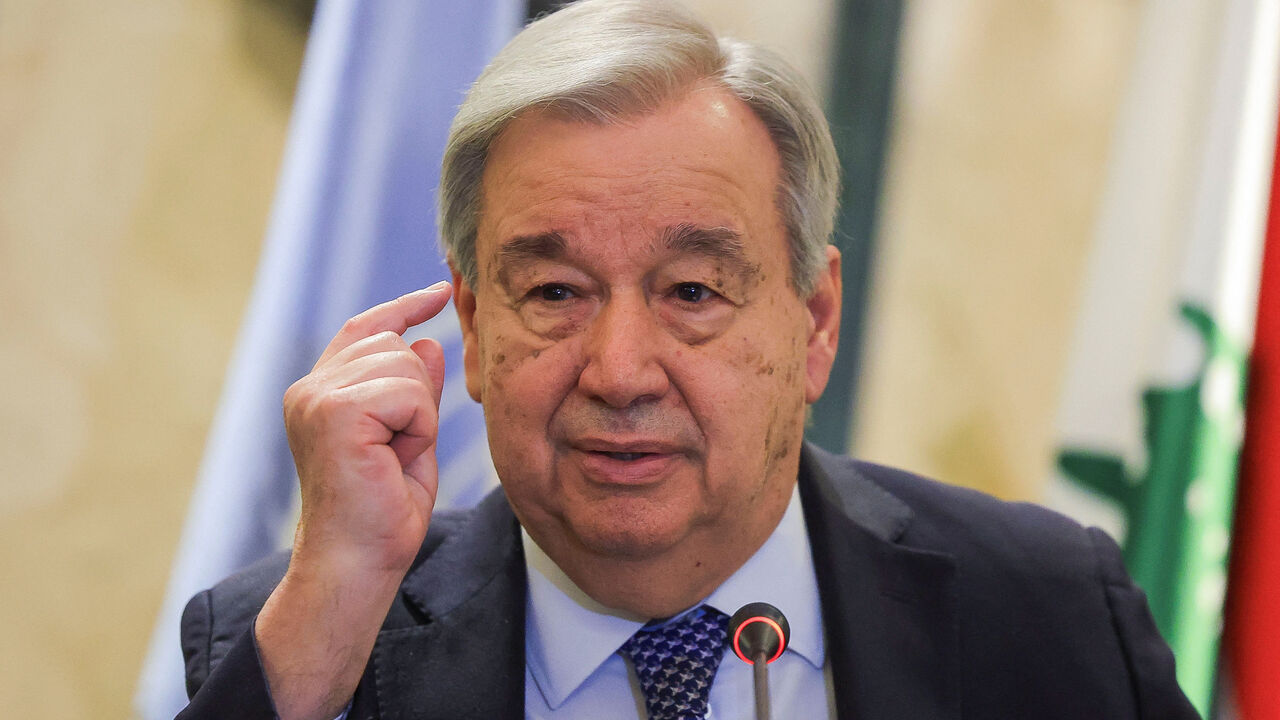
United Nations Secretary-General Antonio Guterres gestures during a press conference, following an escalation between Hezbollah and Israel amid the U.S.-Israeli conflict with Iran, in Beirut, Lebanon, March 14, 2026. Photo by Reuters
Iranian Foreign Minister Abbas Araqchi said that while messages have been exchanged through third‑party countries, there have been no direct talks or negotiations between Tehran and Washington.
“Messages being conveyed through our friendly countries and us responding by stating our positions or issuing the necessary warnings is not called negotiation or dialogue,” he explained.
In contrast, speaking at an event in Washington, President Trump said Iranian leaders “are negotiating, by the way, and they want to make a deal so badly,” and suggested they are reluctant to admit it publicly “because they will be killed by their own people… and afraid they’ll be killed by us.”
The U.S. proposal is reported to include about a 15‑point plan that aims to end hostilities, reopen critical shipping routes like the Strait of Hormuz, and limit Iran’s ballistic missile capabilities though the White House has not disclosed precise details. Iran has also reportedly told mediators that any ceasefire must include conditions involving Lebanon.
The conflicting comments come as the war continues to have a severe global impact. Fuel shortages have driven up prices around the world, and markets briefly rallied at hopes of a ceasefire before those hopes eased.
United Nations leaders and other international actors are urging a diplomatic end to the conflict, underscoring the urgent need for de‑escalation after nearly four weeks of intense fighting.
Iran says it is reviewing a US ceasefire plan but no talks; Trump says Tehran leaders want a deal.
“President Trump does not bluff and he is prepared to unleash hell,” she said at a White House press briefing. “Any violence beyond this point,” she said, will be because Iran “refused to understand they have already been defeated and refused to come to a deal.”
Leavitt declined to reveal whom Washington is negotiating with over how to end the war with Iran.
“We’re not going to get into the details of these negotiations and conversations that continue to take place as, of course, you can imagine, they are very sensitive diplomatic discussions,” she said.
Leavitt argued the war, breaking out on February 28, remains on track to endure for four to six weeks.
There are no talks or negotiations between Iran and the United States, said Iran’s foreign ministry spokesman Esmail Baghaei in an exclusive interview with India Today on Wednesday.
“No one can trust U.S. diplomacy,” Baghaei said, noting that Iran had a very catastrophic experience with U.S. diplomacy, evidenced by U.S. attacks during negotiations over the nuclear issue in the past.
Ebrahim Zolfaghari, spokesman of Iran’s main military command Khatam al-Anbiya Central Headquarters, said the United States is negotiating with itself due to its internal strife.
He urged the United States to stop disguising its defeat as “an agreement,” adding, “the strategic power the enemies would brag about has turned into a strategic defeat.”
White House Press Secretary Karoline Leavitt gestures at a White House press briefing in Washington, D.C., the United States, March 25, 2026. U.S. President Donald Trump will “unleash hell” if Iran refuses to make a deal over the ongoing U.S.-Israeli war against Iran, White House Press Secretary Karoline Leavitt said on Wednesday.
The funding, approved during the WTO Ministerial Conference in Yaoundé, falls under the third phase of the Enhanced Integrated Framework (EIF), a global initiative designed to help poorer nations strengthen their participation in international trade.
The EIF was established by developed countries to support least developed nations in improving their trade capacity, particularly by helping them access international markets. The program focuses on building technical skills, enhancing production standards, and supporting small and medium-sized enterprises (SMEs).
It also provides training for workers and entrepreneurs seeking to expand into global markets. Since its launch in 2005, the program has been updated every ten years and is now entering its third phase.
Speaking to IGIHE on the sidelines of the conference, Sebahizi welcomed the development, noting that Rwanda will have another decade to leverage such support in strengthening its SME sector.
“This means we have another 10 years to support small and medium enterprises in Rwanda to meet quality standards and access international markets,” he said.
He highlighted that many of Rwanda’s existing export promotion initiatives, such as the “Zamukana Ubuziranenge” program, already benefit from donor funding, including resources from the EIF.
Institutions like the International Trade Centre (ITC) also play a key role in supporting SMEs through training and export facilitation, using funds from the same framework. Similarly, several United Nations Development Programme (UNDP) initiatives supporting entrepreneurs rely on EIF financing.
“In essence, many of the programs in Rwanda that help SMEs export their products are supported by these funds,” Sebahizi explained.
Although there are no precise figures showing how many businesses have benefited so far, Rwanda is preparing to actively compete for the newly approved funding.
To access the funds, the country must submit detailed proposals outlining how the money will be used.
“If we need, for example, $2 million, we must present a solid business plan and compete with other countries seeking the same support,” the minister said.
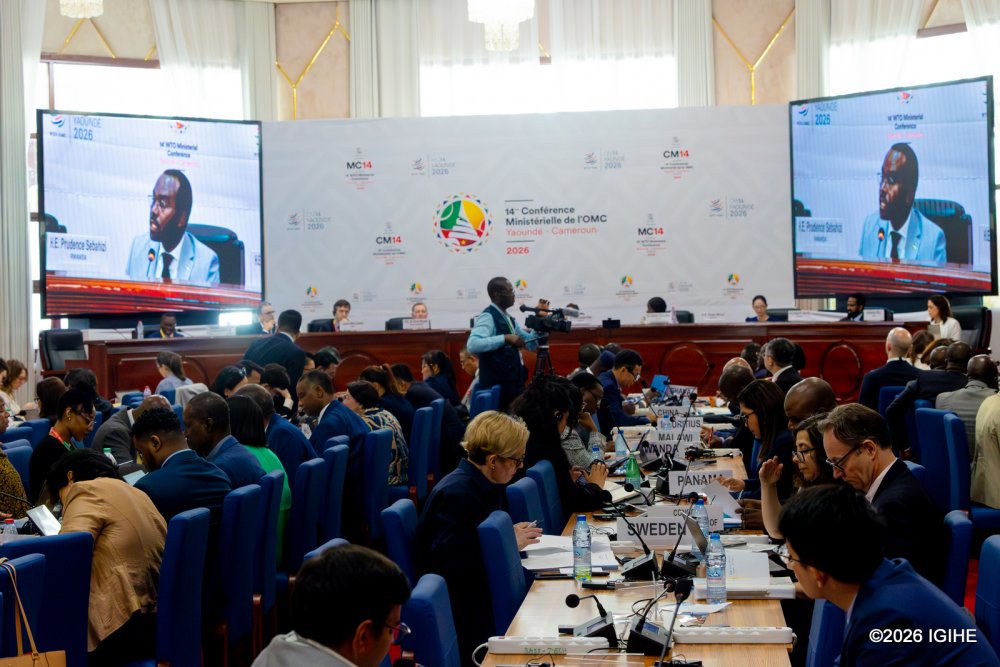
Minister Prudence Sebahizi speaks during the WTO Ministerial Meeting in Yaoundé.Rwanda’s Trade Minister Prudence Sebahizi addressing a joint WTO–World Bank session in Cameroon.
He pointed out that this rate is significantly lower than the 37% tariff Rwanda had already been paying on textile exports, despite arguing that such charges are inconsistent with international trade law.
The minister is among participants of the World Trade Organization (WTO) Ministerial Conference in Yaoundé, Cameroon.
On Wednesday morning, he addressed a joint session organized by the World Bank and the WTO, where he outlined Rwanda’s strategies to boost trade through services, job creation, and inclusive economic growth. In an interview with IGIHE, Sebahizi noted that the meeting comes at a time when the global trading system faces persistent challenges, particularly related to institutional reforms and the failure of some countries to adhere to established trade rules.
He emphasized that one of the core principles of international trade is non-discrimination. According to this principle, imported goods should be treated equally regardless of their country of origin. However, recent trends show that some countries are imposing tariffs based on origin, undermining these rules.
“There are fundamental principles guiding international trade law, especially non-discrimination,” he said. “But we have recently seen countries imposing tariffs depending on where goods come from.”
Sebahizi added that while preferential trade agreements may allow certain countries to export goods duty-free, countries without such agreements should still be treated according to WTO rules. He stressed the need for a return to proper implementation of these principles.
Addressing the U.S. tariffs specifically, the minister noted that although they have had some impact, Rwanda has not suffered significant losses. He explained that the tariffs apply to goods already being exported to the U.S., and that Rwanda had long faced even higher duties on key exports like garments.
“In reality, Rwanda has not lost much because we were already facing a 37% tariff on clothing exports to the U.S. market,” he said. “Now, under the new measures, Rwanda falls under a 10% tariff category.”
He added that while the reduction may appear beneficial, the broader issue lies in the inconsistency of applying or adjusting tariffs on goods from developing countries, which itself contradicts international trade norms.
Sebahizi further stated that, aside from the United States, Rwanda has not encountered other countries imposing trade barriers that violate global trade rules.
Minister Prudence Sebahizi speaks during the WTO Ministerial Meeting in Yaoundé.Minister Prudence Sebahizihas dioscussed Rwanda’s trade outlook amid shifting global tariff policies during an interview on the sidelines of the WTO meeting in Yaoundé.
In a statement citing the Global Tuberculosis Report 2025 released by the World Health Organization, the Rwanda Biomedical Center (RBC) said tuberculosis cases in the country fell from 238 to 62 per 100,000 people between 2000 and 2024, while deaths dropped from 77 to 3 per 100,000 people over the same period due to various health interventions.
The interventions cited by the RBC include increasing the role of health workers in awareness campaigns, promoting early detection and supporting treatment in villages. In addition, the agency highlighted the extension of free diagnosis and treatment of tuberculosis to health facilities across the country.
During an event held on Tuesday to mark World Tuberculosis Day, Albert Tuyishime, in charge of disease prevention and control at the RBC, reaffirmed the government’s commitment to curbing tuberculosis by 2035.
Tuberculosis is an infectious disease caused by bacteria that spread through the air when an infected person coughs or sneezes.
However, in Rwanda, a lack of awareness among many people about how tuberculosis spreads, its symptoms and prevention measures calls for more public education, health officials said.
About 600,000 people with tuberculosis in the African region are either undiagnosed or not receiving treatment every year, according to the World Health Organization.
Tuberculosis is an infectious disease caused by bacteria that spread through the air when an infected person coughs or sneezes.
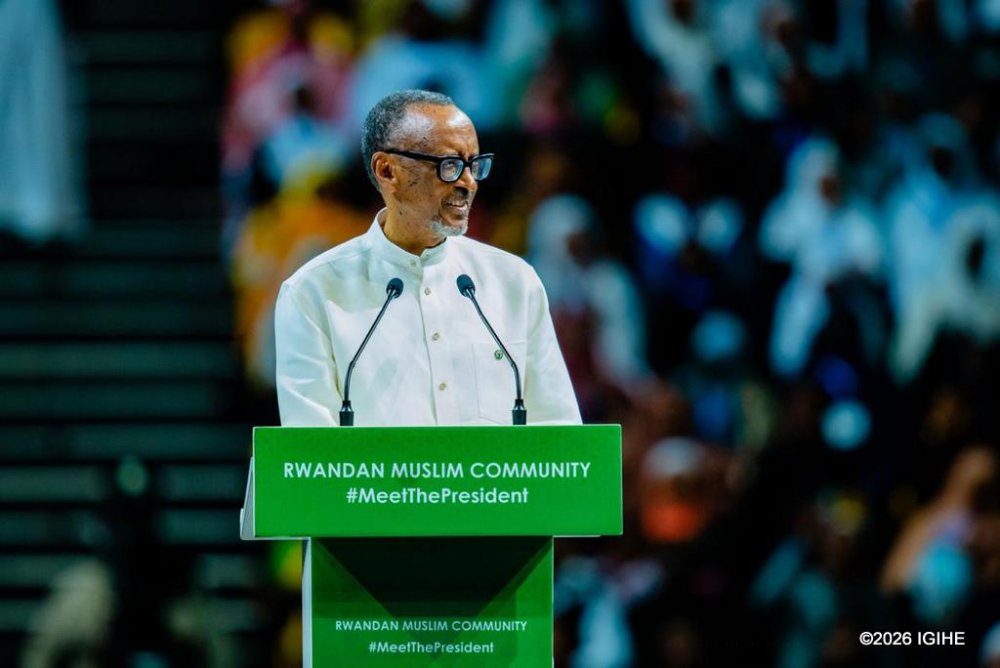
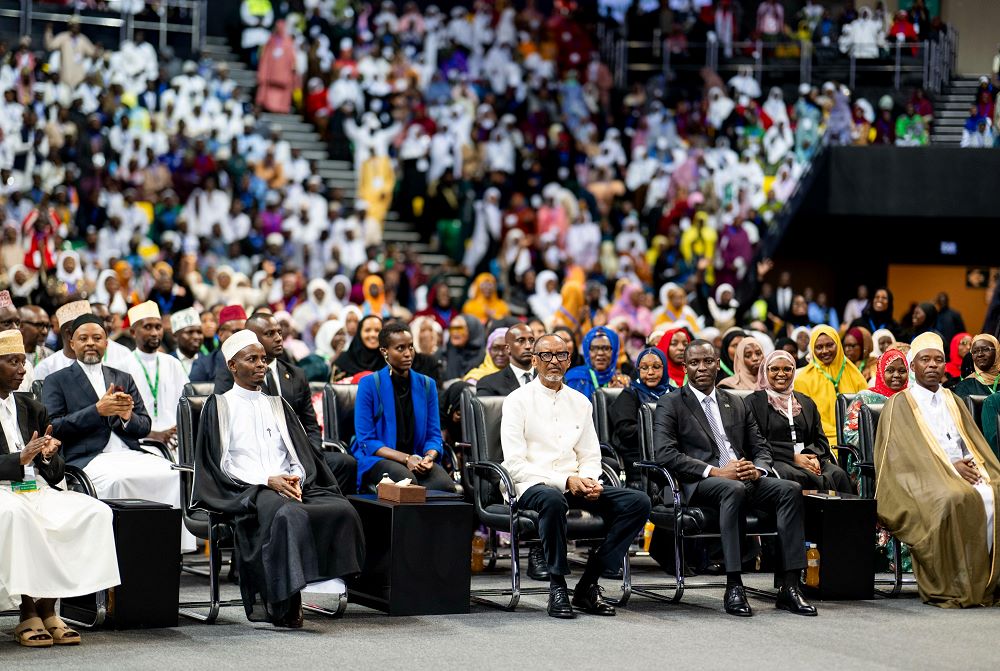
The Head of State made the commitment on March 25, 2026, during a meeting with members of the Muslim community, where he reiterated the government’s support for their development initiatives.
“We have a responsibility to support you. That support is there and will be provided,” Kagame said.
The pledge follows earlier commitments dating back to 2011, which had yet to be fully implemented. Kagame acknowledged the delay, describing it as an obligation he intends to fulfill.
“There are things that were promised, and I recently learned they were not handled as they should have been. I take that as a debt that must be settled,” he said.
Reaffirming his position, the President stressed urgency in resolving the matter. “This year will not pass without it being done. It will be resolved. When we meet again, it will not be you asking me, but me asking you what you have done with it,” he added.
Call for shared responsibility in development
The head of state went on to say that after the difficult history that Muslims in Rwanda, and Rwandans in general have endured, now is the time to effect change, with all citizens playing a role in the country’s development.
“It is a path to transform lives, improve governance, and change mindsets so that Rwanda can progress, with every Rwandan contributing and no one being excluded. Many of the things you now value are praised because they did not exist before, but when someone does what is right and expected, it should not require excessive recognition,” Kagame said.
He urged Rwandan Muslims to actively participate in the country’s development initiatives, alongside all other citizens.
“To make change happen, you must also take part. For Rwanda to transform, all Rwandans need to contribute. Regarding religious institutions, it is understandable to set rules for their functioning and for places of worship to fulfill their responsibilities, and everyone should support that. But for things to run smoothly, these institutions themselves must first operate properly and do what is right,” he said.
President Kagame explained that the government has established mechanisms to monitor the functioning of religious institutions to ensure accountability and prevent people from hiding behind them to exploit citizens.
“In Rwanda, our work, our politics, and our governance aim to put things in the right order. No one is denied peace in any way,” he said.
“The measures put in place by government authorities to ensure proper alignment were meant to prevent abuses. This did not apply only to Muslims; it applied to all religions and faith-based institutions… [where some people could sometimes] use religion to pursue personal gain and take advantage of others.”
“It is like putting up barriers, stopping people, deceiving others about who you are, and beginning to take their property… this should never happen in any religion,” he added.
Kagame assured Rwandan Muslims that the history of marginalization and exclusion they have faced, like other Rwandans, will not be repeated.
The Mufti of Rwanda, Sheikh Sindayigaya Musa, expressed gratitude to the President for engaging with the Muslim community and assured that they will continue to play an active role in the country’s development.
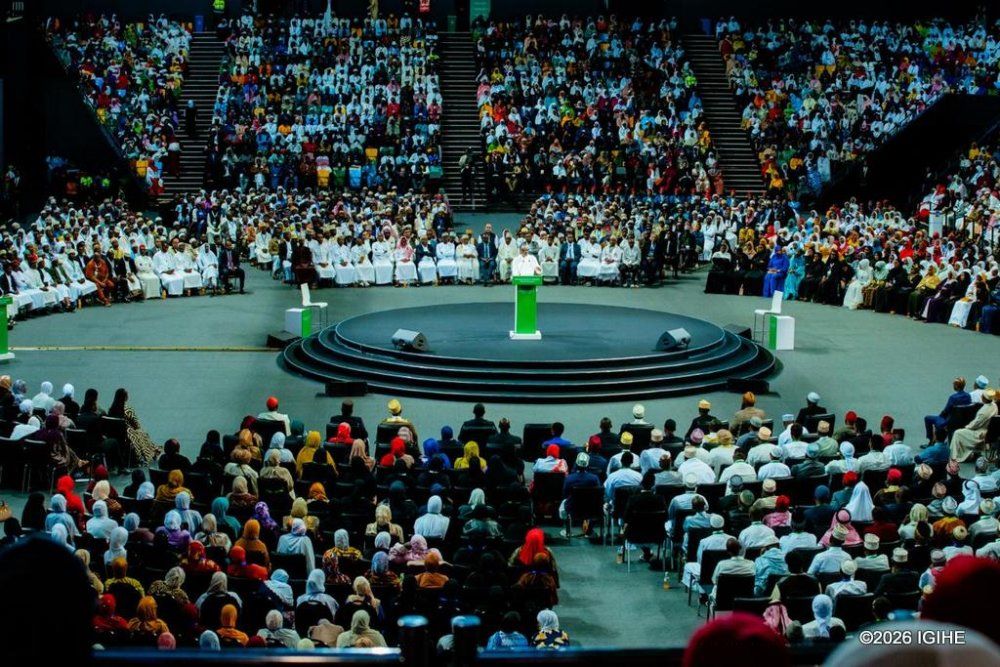
Muslims thanked President Kagame for his engagement and support for the community. President Kagame encouraged muslims’ active participation in Rwanda’s progress.The meeting took place at BK Arena.
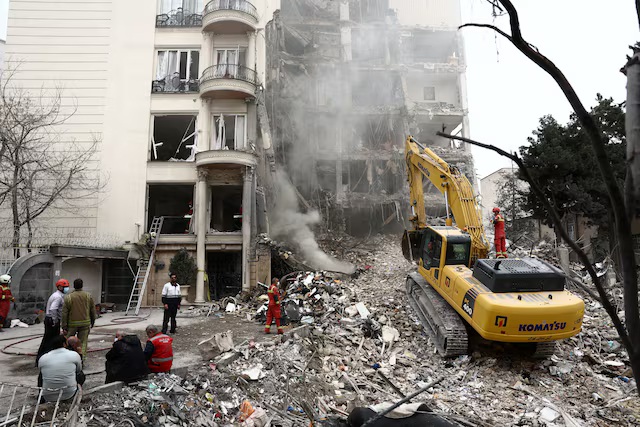
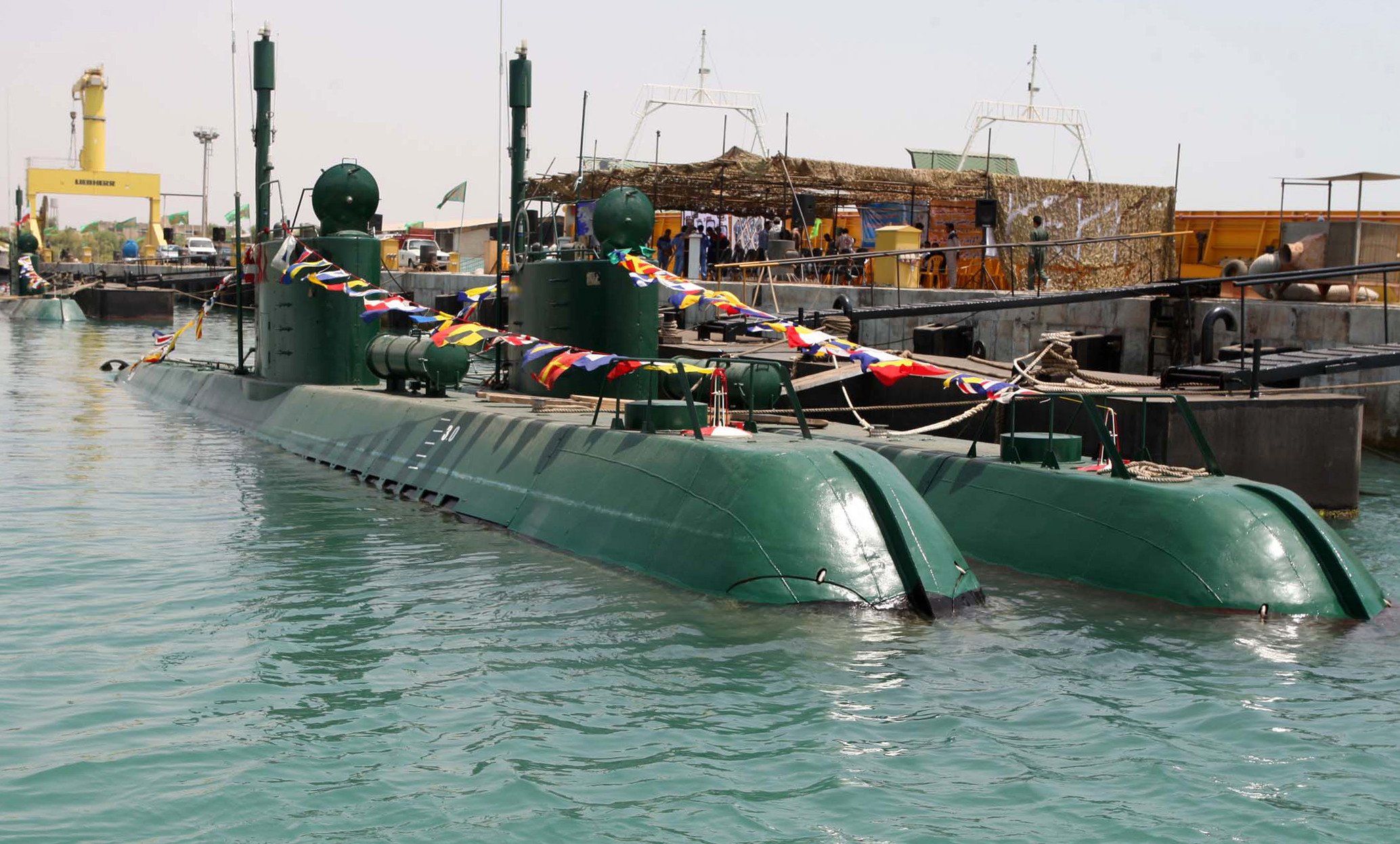
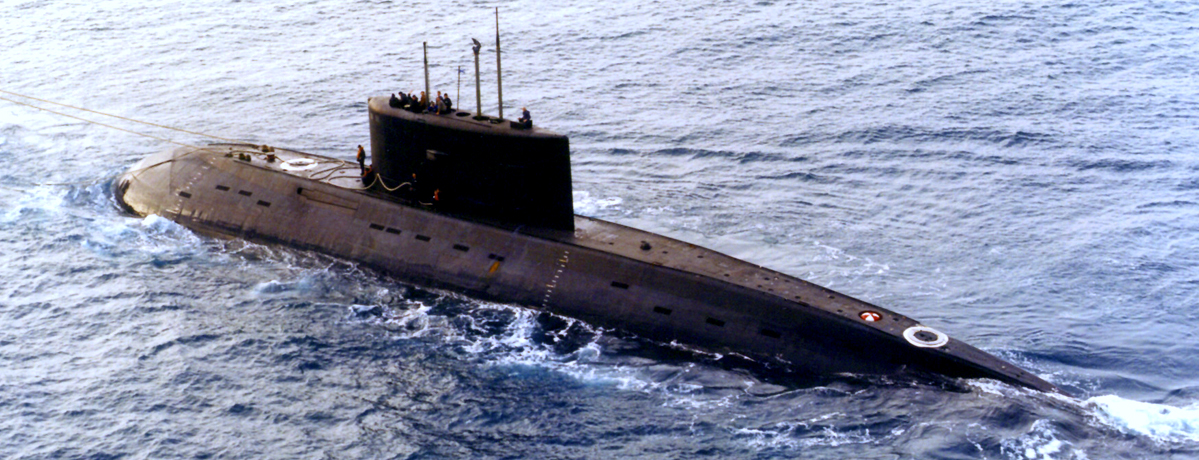
“The center is the only facility in Iran responsible for the design and development of submarines and support systems for the Iranian Navy,” an Israeli military spokesperson said, adding that Iran also produces various models of unmanned vessels at the site.
The strike “significantly limits” the Iranian Navy’s ability to manufacture new and advanced submarines and upgrade its existing fleet, the spokesperson said.
Separately, the military said it has completed two waves of large-scale airstrikes targeting government sites in Tehran on Wednesday.
Meanwhile, multiple sirens were activated across Israel on Wednesday amid Iranian missile launches, including in Tel Aviv and Hadera, where one of Israel’s key power stations is located.
A large plume of black smoke was seen in the area, but the military said the missile hit an empty field, and the Israel Electric Corporation said in a statement that no damage was caused to its facilities.
No casualties have been reported so far.
Also, Israeli Defense Minister Israel Katz said Wednesday that the country has dropped over 15,000 munitions on Iran since the start of the nearly month-long conflict, about four times the number used in the Israel-Iran war last summer.
The developments came amid heightened regional tensions following joint U.S.-Israeli attacks on Iran that began on Feb. 28, prompting retaliatory attacks by Iran and its regional allies on Israeli and U.S. interests across the Middle East.
Israel said the latest strike “significantly limits” the Iranian Navy’s ability to manufacture new and advanced submarines and upgrade its existing fleet.
The Communications Regulatory Authority of Namibia confirmed that Starlink’s applications for both a telecommunications service licence and access to radio spectrum were rejected, according to a notice published in the government gazette earlier this week.
The regulator said Starlink only satisfied three of the six legal criteria required for approval. A key issue was non-compliance with Namibia’s local ownership laws, which require that at least 51% of a telecommunications company be owned by Namibian citizens or entities. Starlink, being wholly foreign-owned, had not obtained an exemption from this requirement.
Authorities also raised concerns related to national defence and public security, arguing that Starlink’s ownership structure presented challenges around jurisdiction and enforcement of regulatory obligations.
In addition, the regulator pointed to past instances in which Starlink was found to have contravened Namibia’s Communications Act and failed to respond to a regulatory summons, describing the conduct as showing “a total disregard” for the sector’s governance framework.
Despite the rejection, the regulator noted that Starlink met criteria related to competition, technical and financial capacity, as well as frequency availability.
Starlink has been expanding its presence across Africa, operating in several countries including Rwanda, but has encountered regulatory hurdles in others due to local ownership requirements and policy restrictions.
In Namibia, authorities previously issued a cease-and-desist order in November 2024, stating that the company had been operating without a licence and advising the public against using its services.
The regulator said it may reconsider the decision within 90 days, either on its own initiative or following a petition from an affected party.
Starlink has been expanding its presence across Africa, operating in several countries, but has encountered regulatory hurdles in others due to local ownership requirements and policy restrictions.