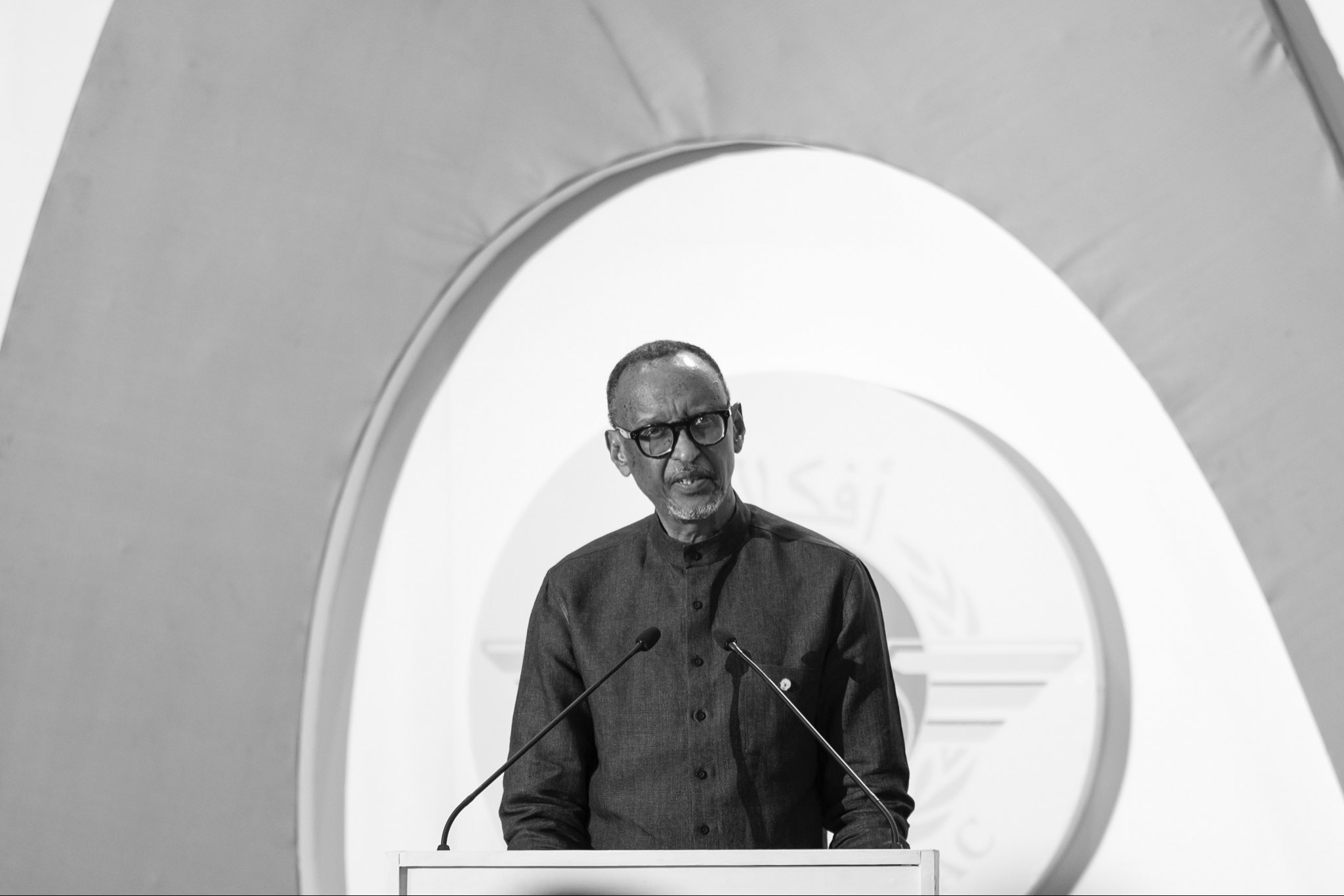
President Paul Kagame has urged global investors and financial institutions to view Africa as “a strategic opportunity, not a risk,” saying the continent should be seen as a driver of growth rather than a high-risk destination.
Speaking at the African Air Transport Convention and Expo 2026 in Lomé, Kagame emphasised that Africa’s transformation depends not only on policy reforms but also on how capital is mobilised into key sectors such as aviation.
“Investment in Africa should not be viewed as a risk but as a strategic lever that drives economic growth,” he said.
Kagame called on development banks, sovereign wealth funds, institutional investors and private capital to play a stronger role in financing infrastructure needed to improve air connectivity, including airports, maintenance facilities and fuel supply chains.
He noted that financing alone is not sufficient, stressing that regulatory reforms and policy coordination must accompany investment to unlock the sector’s full potential.
The President highlighted persistent structural barriers in African aviation, including high taxes and fees on air travel, which he said remain among the highest globally.
He pointed out that such costs limit mobility, discourage investment and weaken trade links across the continent.
Kagame stressed the need for predictable and harmonised regulatory frameworks, arguing that a single aviation market can only function effectively when rules and standards are aligned across countries.
He described the Single African Air Transport Market (SAATM) as the right framework for integration but said it requires clear timelines and measurable outcomes to deliver results.
The President also cited Rwanda’s visa liberalisation policy as an example of how openness can stimulate economic activity.
“In Rwanda, we removed this particular barrier because we wanted people to visit, connect and discover opportunities,” he said, adding that the policy had contributed to increased business activity, tourism and expanded air links.
Kagame noted that Africa’s growing youth population will play a central role in driving future trade, innovation and mobility, making it essential for governments to create enabling conditions for development.
He underscored that Africa’s experience demonstrates openness and cooperation are powerful drivers of development, stressing that no region can reach its full potential while remaining fragmented.
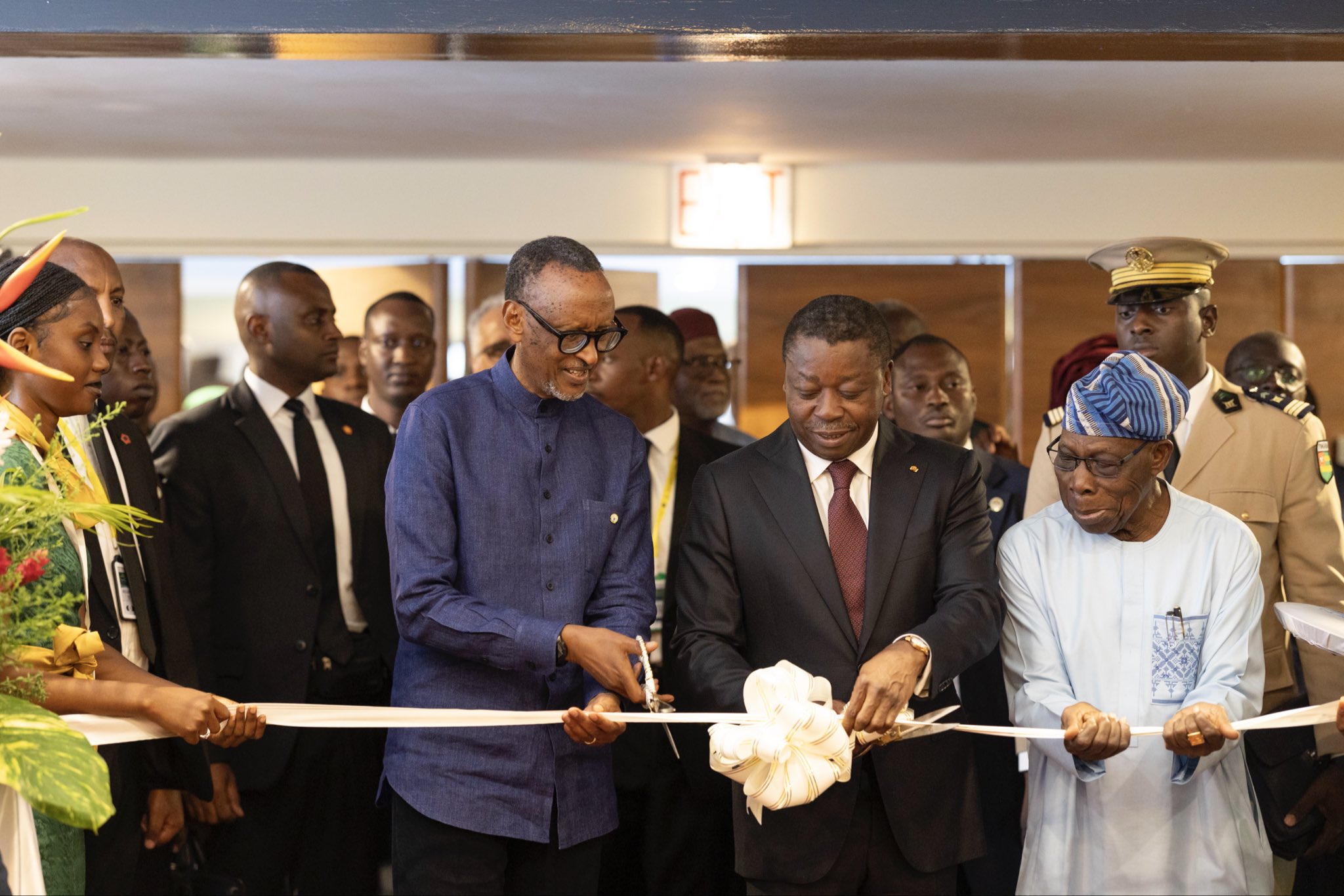
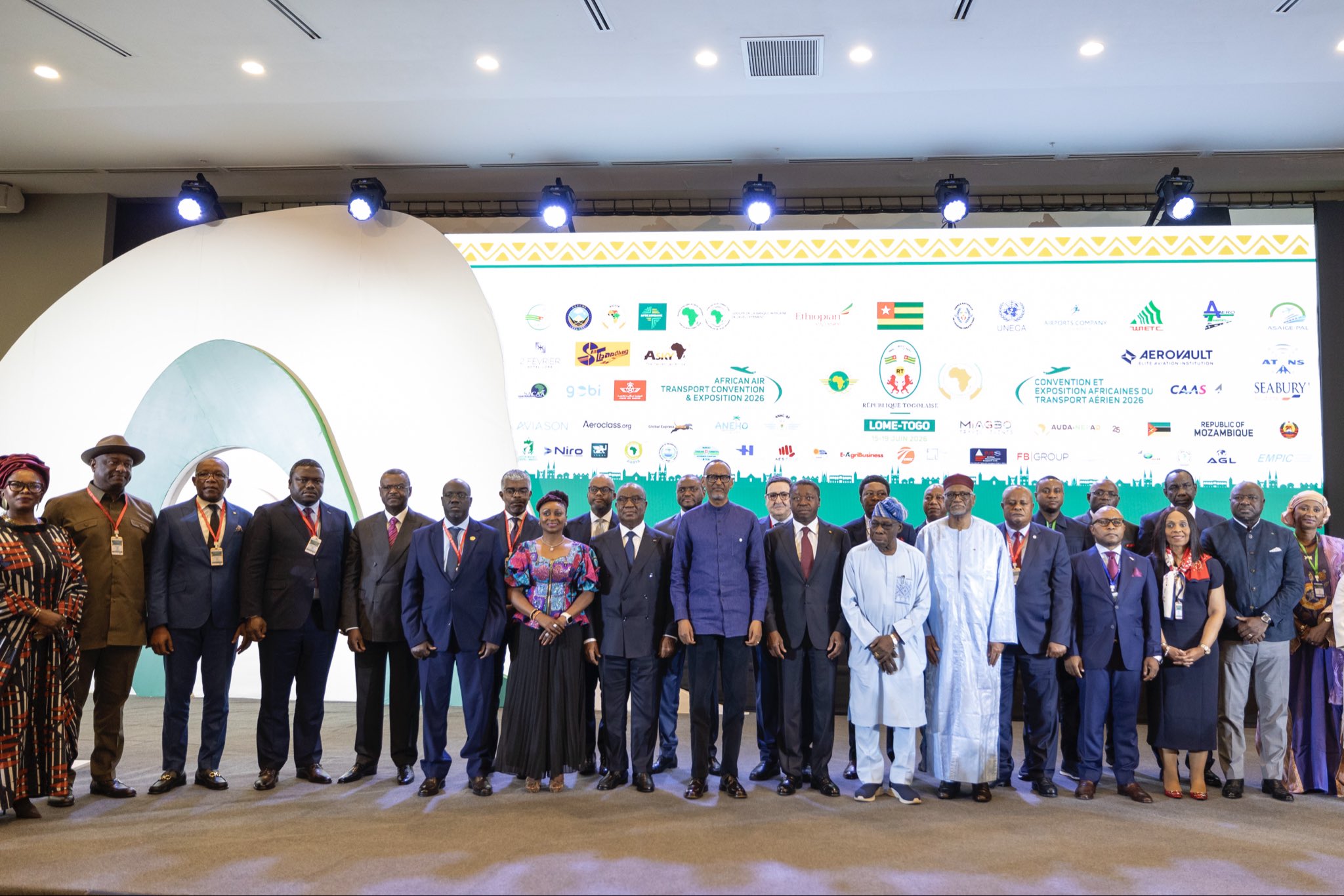
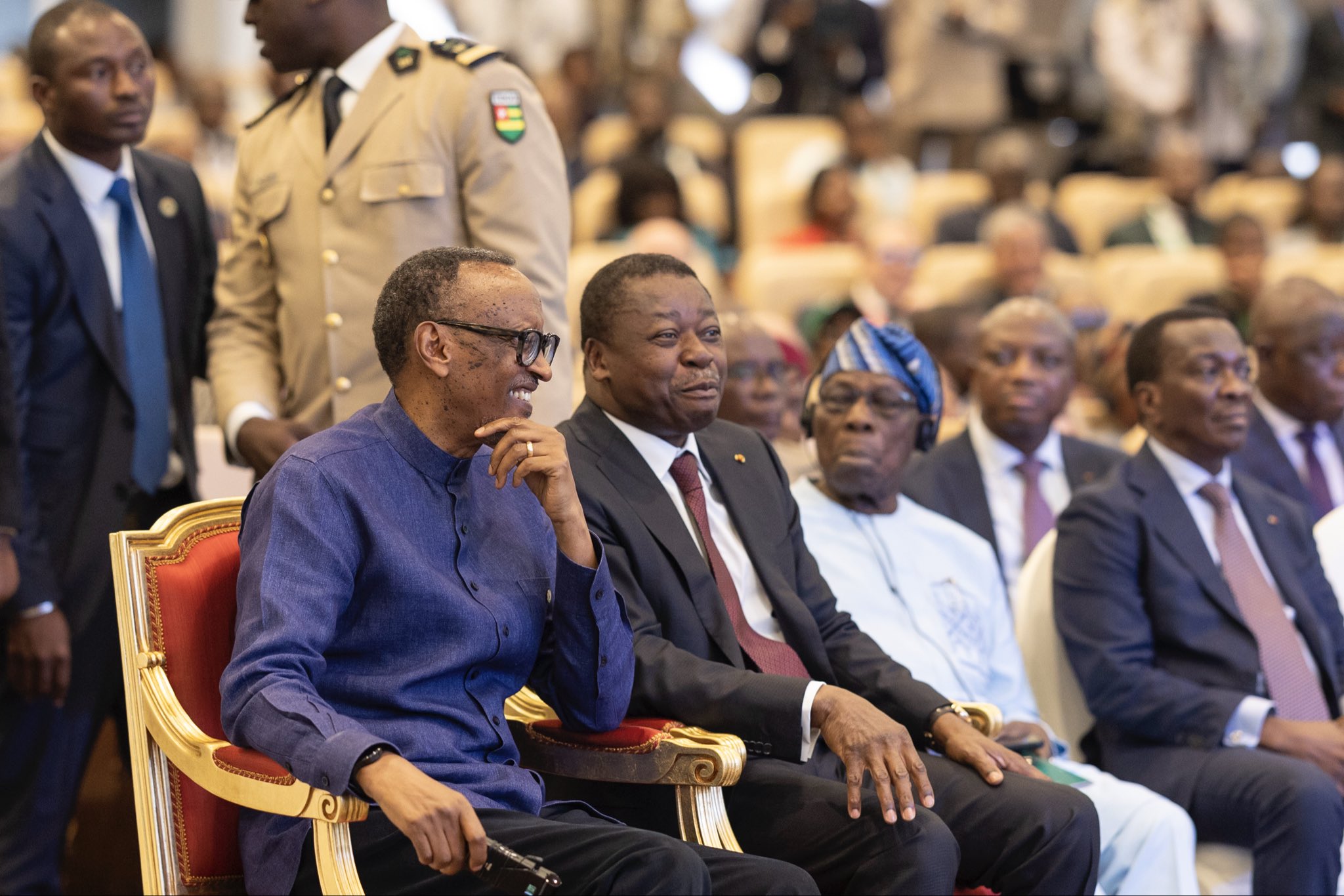
Speaking at the African Air Transport Convention and Expo 2026 in Lomé, Kagame emphasised that Africa’s transformation depends not only on policy reforms but also on how capital is mobilised into key sectors such as aviation.President Kagame attended the opening ceremony of the African Air Transport Convention and Expo 2026 in Lomé.Kagame thanked the Government of Togo and President Faure Gnassingbé for hosting the convention and championing efforts to improve air transport across the continent.
Speaking at the opening ceremony of the African Air Transport Convention and Expo 2026 in Lomé, Kagame said air connectivity is central to Africa’s ability to act collectively and unlock its economic potential.
“For decades, we have spoken about integration, trade and free movement. We know what has to be done. We just have to do it,” he said.
Kagame thanked the Government of Togo and President Faure Gnassingbé for hosting the convention and championing efforts to improve air transport across the continent.
The Head of State noted that although Africa is home to nearly a fifth of the world’s population, it accounts for only a small share of global air traffic. He attributed this gap to the high cost and difficulty of travel within Africa, observing that in many cases the fastest route between two African cities passes through another continent.
“This weakens trade, discourages investment and prevents business from operating at scale,” Kagame said.
He emphasised that the Single African Air Transport Market (SAATM) provides the right framework for transforming the sector but requires stronger implementation.
“What it now needs are clear timelines and measurable outcomes,” he said.
Kagame also highlighted the importance of investing in modern airports, aircraft maintenance capacity and reliable fuel supply chains to support the growth of the aviation industry.
He urged development banks, sovereign wealth funds, institutional investors and private capital to view investment in Africa as a strategic opportunity rather than a risk.
“Investment in Africa should not be viewed as a risk but as a strategic lever that drives economic growth,” he said.
The President further called for urgent action to address barriers that continue to hinder the sector, including high taxes and fees on air travel, which he said are among the highest in the world.
“Reducing these costs is vital,” Kagame said, adding that regulatory alignment across countries is equally important to ensure predictable and consistent standards throughout the continent.
He also pointed to Rwanda’s visa liberalisation policies as an example of how removing barriers can stimulate economic activity.
“In Rwanda, we removed this particular barrier because we wanted people to visit, connect and discover opportunities,” he said, noting that the move contributed to stronger business activity, increased tourism and expanded air links.
Kagame said Africa’s growing young population will increasingly drive trade, innovation and mobility, making it essential for leaders to create conditions that enable future generations to succeed.
He described the convention as an important platform for building consensus on the future of African aviation and called on leaders and stakeholders to turn commitments into results.
“The task ahead of us is very clear,” Kagame said. “I’m sure all of us are prepared for that task.”
President Kagame arrived in Togo on Monday and is expected to hold a bilateral meeting with President Faure Essozimna Gnassingbé on the sidelines of the summit to discuss matters of mutual and regional interest.
President Kagame attended the opening ceremony of the African Air Transport Convention and Expo 2026 in Lomé.In his address, President Kagame said air connectivity is central to Africa’s ability to act collectively and unlock its economic potential.Kagame thanked the Government of Togo and President Faure Gnassingbé for hosting the convention and championing efforts to improve air transport across the continent.
The three-day summit will focus on a range of issues, including the Russia-Ukraine conflict, the Middle East tensions, balanced and sustainable economic growth, as well as artificial intelligence development, according to its agenda.
French President Emmanuel Macron said on Monday in a social media post that France would work with its “allies and partners” during the summit to help facilitate a ceasefire between Ukraine and Russia.
U.S. President Donald Trump will arrive in Evian on later Monday afternoon.
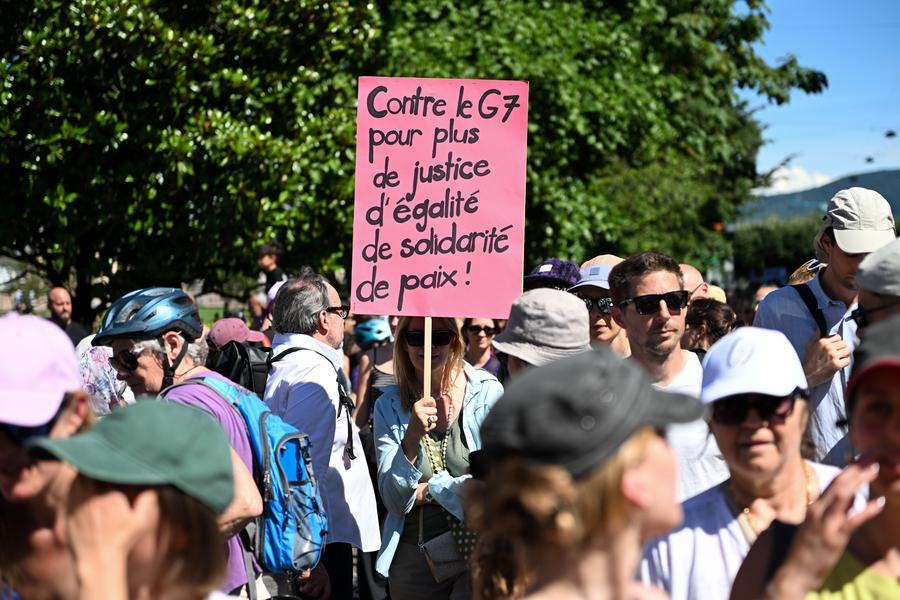
Before the summit, massive protest was staged in Geneva, Switzerland, on Sunday. It was organized by a “No G7” coalition of multiple groups and organizations, in what they describe as an effort to resist “fascism and imperialism”.
French newspaper Le Monde, citing police sources, reported that around 20,000 demonstrators took part in the protest at around 7 p.m. on Sunday evening. Several clashes between protesters and the police were reported near the United Nations headquarters in Geneva.
Some shops in busy commercial areas and near government buildings in Geneva’s old town had to board up their storefronts with wooden panels since last week, leaving only narrow entrances, to guard against possible looting or vandalism during the protest.
The G7 summit triggered major riots in Geneva in 2003 when it was first held in Evian.
Switzerland has stepped up security measures in recent days. The authorities have announced the deployment of some 4,000 military personnel while closing most of its 35 border crossings with France. France, for its part, has reportedly mobilized around 16,000 police and gendarmerie for the summit.
Swiss newspaper Le Temps criticized the summit, saying that G7 no longer reflects current global geopolitical landscape, and the summit was “ruining the lives of local residents.”
The G7 comprises the United States, Britain, France, Germany, Italy, Canada and Japan. France holds the rotating presidency of the group this year.
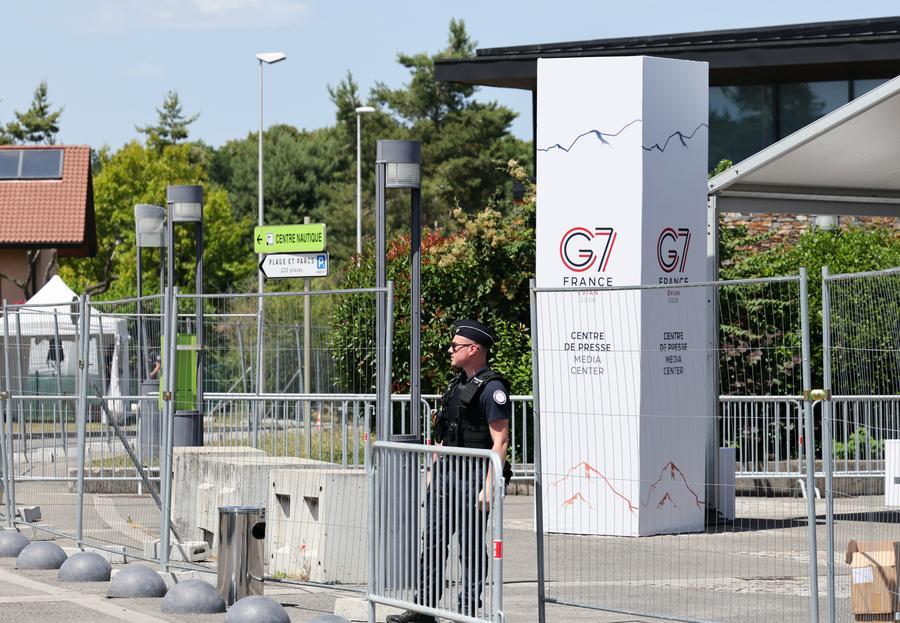
Protesters march during a massive demonstration against the Group of Seven (G7) Summit in Geneva, Switzerland, June 14, 2026. (Xinhua/Lian Yi)A security member is seen near the G7 summit International Media Centre in Publier, France, June 15, 2026. (Xinhua/Wu Huiwo)
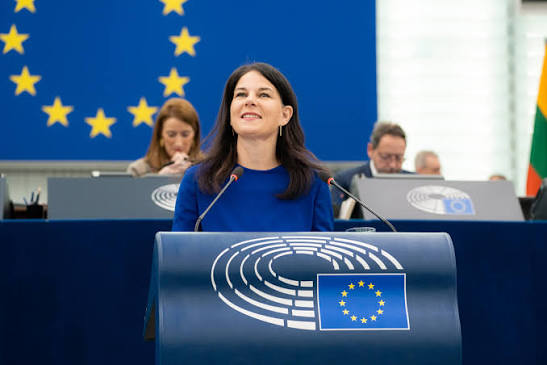
“The president of the General Assembly reiterates the secretary-general’s statement welcoming the announcement that the United States and Iran have agreed to a memorandum of understanding to cease hostilities and open the Strait of Hormuz after months of fighting that has led to thousands of civilian deaths and injuries, the destruction of civilian infrastructure, destabilization in the region and global economic upheaval,” said Baerbock in a statement.
She thanked the mediators and called on all parties to fully comply with the immediate and permanent ceasefire, including in Lebanon, and to utilize this opportunity to find diplomatic solutions to all disputes in line with the UN Charter and international law.
This is the only way to bring lasting peace to the Middle East, ensure the safety and security of all countries and people in the region, and end the suffering of innocent civilians, said the statement.
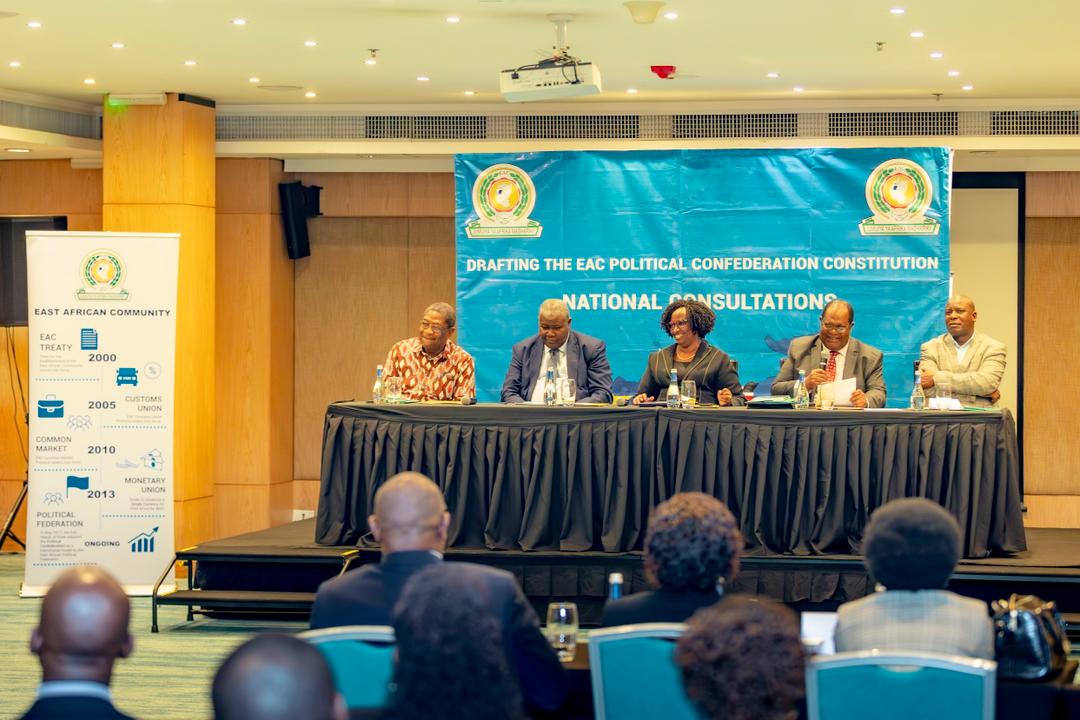
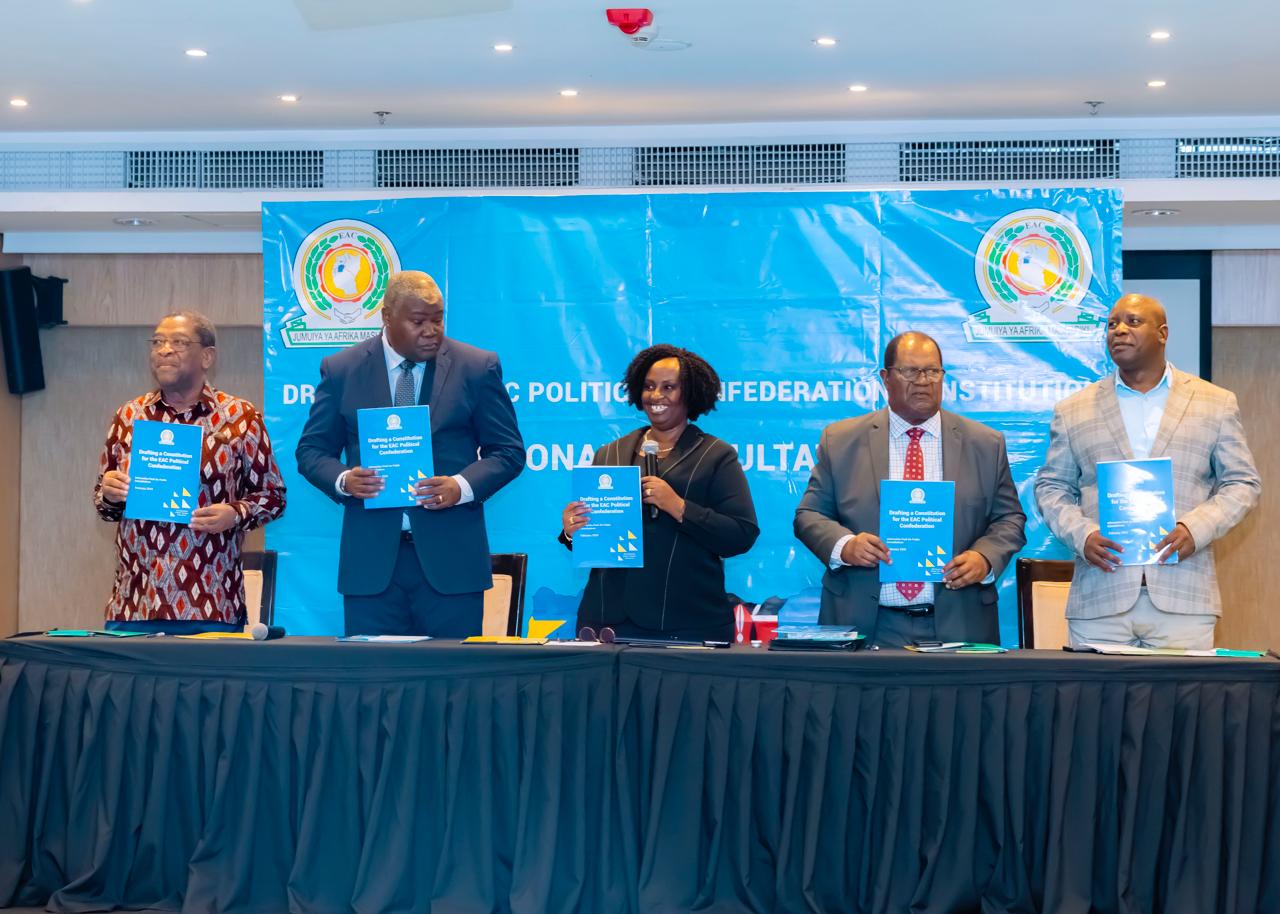
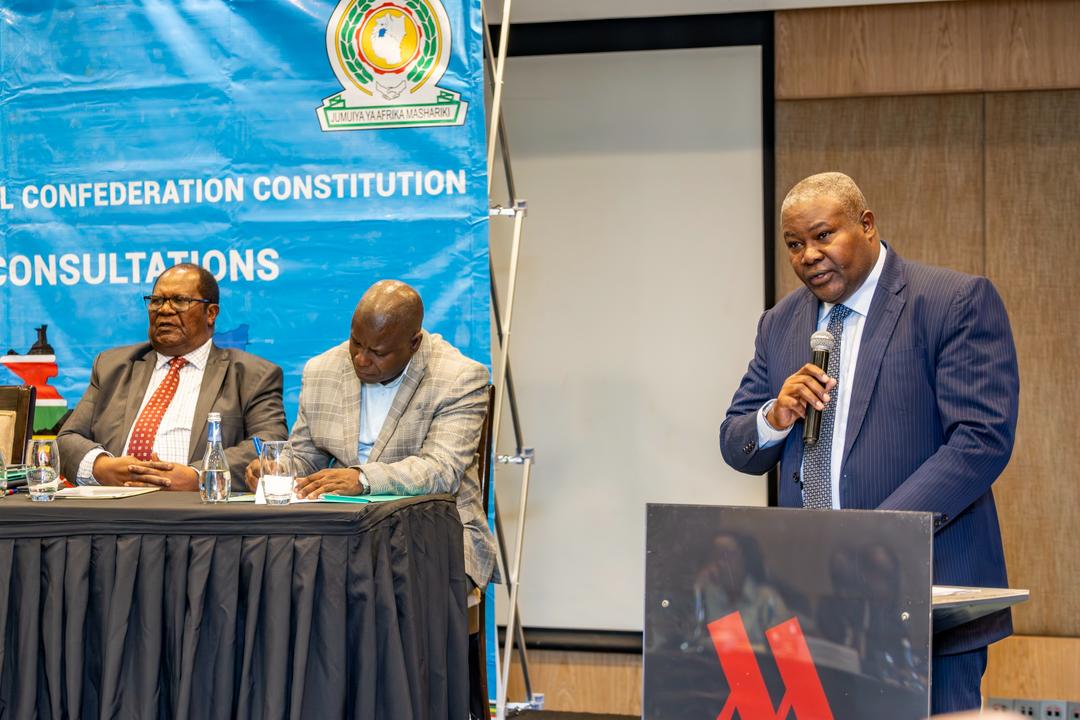
The consultations will run until June 27 and form part of a broader regional exercise being conducted across EAC Partner States to shape the governance framework of the Political Confederation, the transitional model towards the eventual Political Federation of East African States.
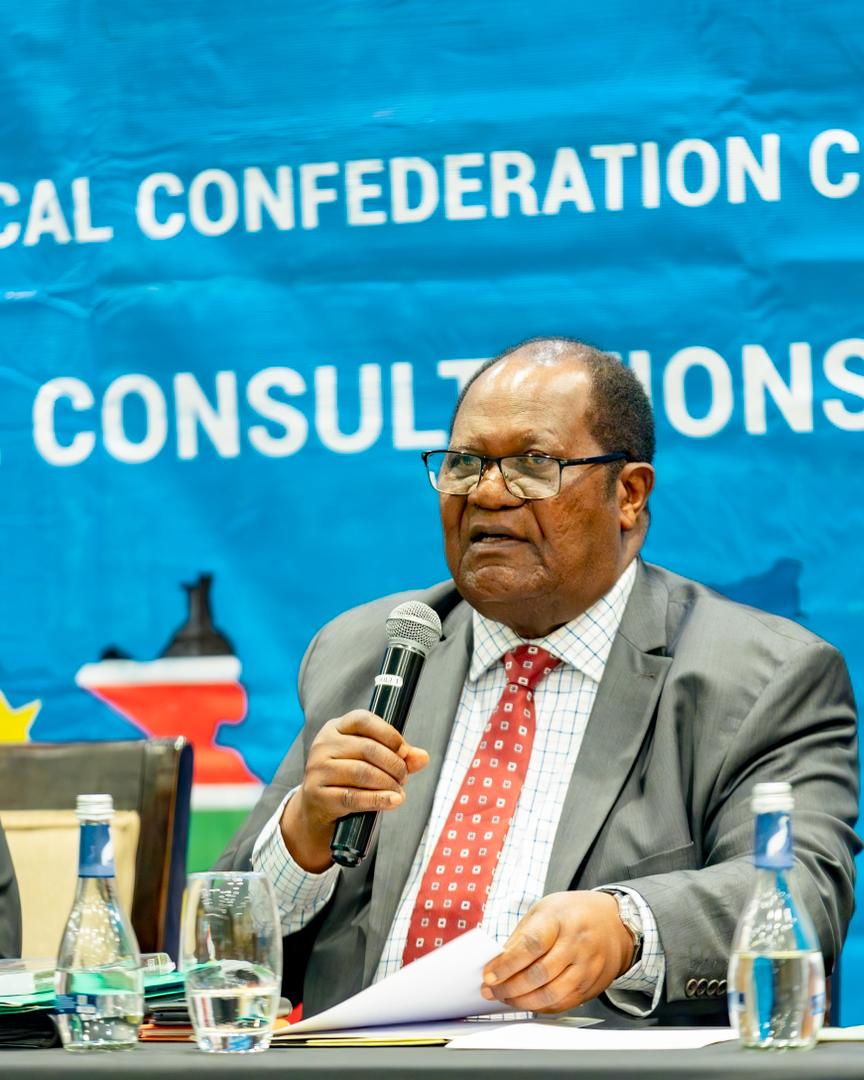
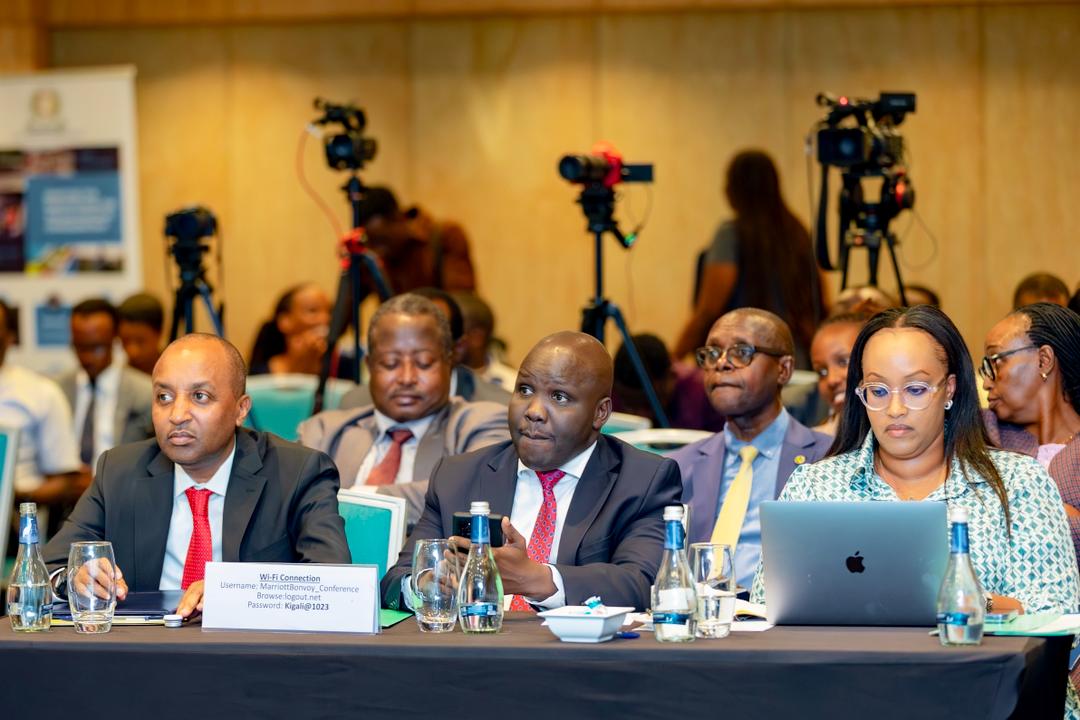
Speaking during the launch at the Kigali Marriott Hotel, Chairperson of the EAC Team of Constitutional Experts, Justice Dr. Benjamin Odoki, said the process had entered a critical phase after years of legal, institutional and comparative studies undertaken by experts appointed by the EAC Council of Ministers.
“The Summit of Heads of State and the Council of Ministers entrusted us with the responsibility of drafting the Constitution for the East African Political Confederation as a transition towards the ultimate goal of establishing a Political Federation, one people, one country,” Odoki said.
He noted that the team, composed of constitutional experts from the eight EAC Partner States, had already completed consultations in Burundi, Uganda and Kenya, where citizens overwhelmingly expressed support for deeper regional integration.
The consultations seek to collect views from citizens and stakeholders that will inform the proposed model of the Political Confederation before the drafting of the Constitution begins.
According to the EAC Secretariat, consultations in Rwanda will be conducted in Kigali and other designated centres, including Rubavu, Huye and Nyagatare, bringing together representatives from government institutions, Parliament, the judiciary, academia, civil society, the private sector, youth and women groups, faith-based organisations, persons with disabilities, political parties and the media.
EAC Secretary General Ambassador Stephen Mbundi said the consultations reflect the Community’s commitment to a people-centred integration process, as required under the Treaty establishing the EAC.
“This is not merely an exercise. The Treaty is very clear that the Community is people-centred, and therefore, citizens must be consulted when major decisions about our integration are being made,” Mbundi said.
He said the views gathered across the region would provide the foundation for drafting the Constitution of the Political Confederation and help define the governance structures that will guide the next phase of East African integration.
Mbundi also revealed that the 25th Ordinary Summit of EAC Heads of State had directed Partner States to complete the consultation process this year, with progress expected to be reported to the 26th Summit.
The Political Confederation was adopted by EAC Heads of State in 2017 as a transitional model towards the Political Federation. It represents the fourth pillar of regional integration after the Customs Union, Common Market and Monetary Union.
While significant progress has been made under the first three pillars, EAC leaders believe stronger political cooperation is necessary to accelerate integration and address shared challenges in governance, peace and security, foreign policy, economic development and regional competitiveness.
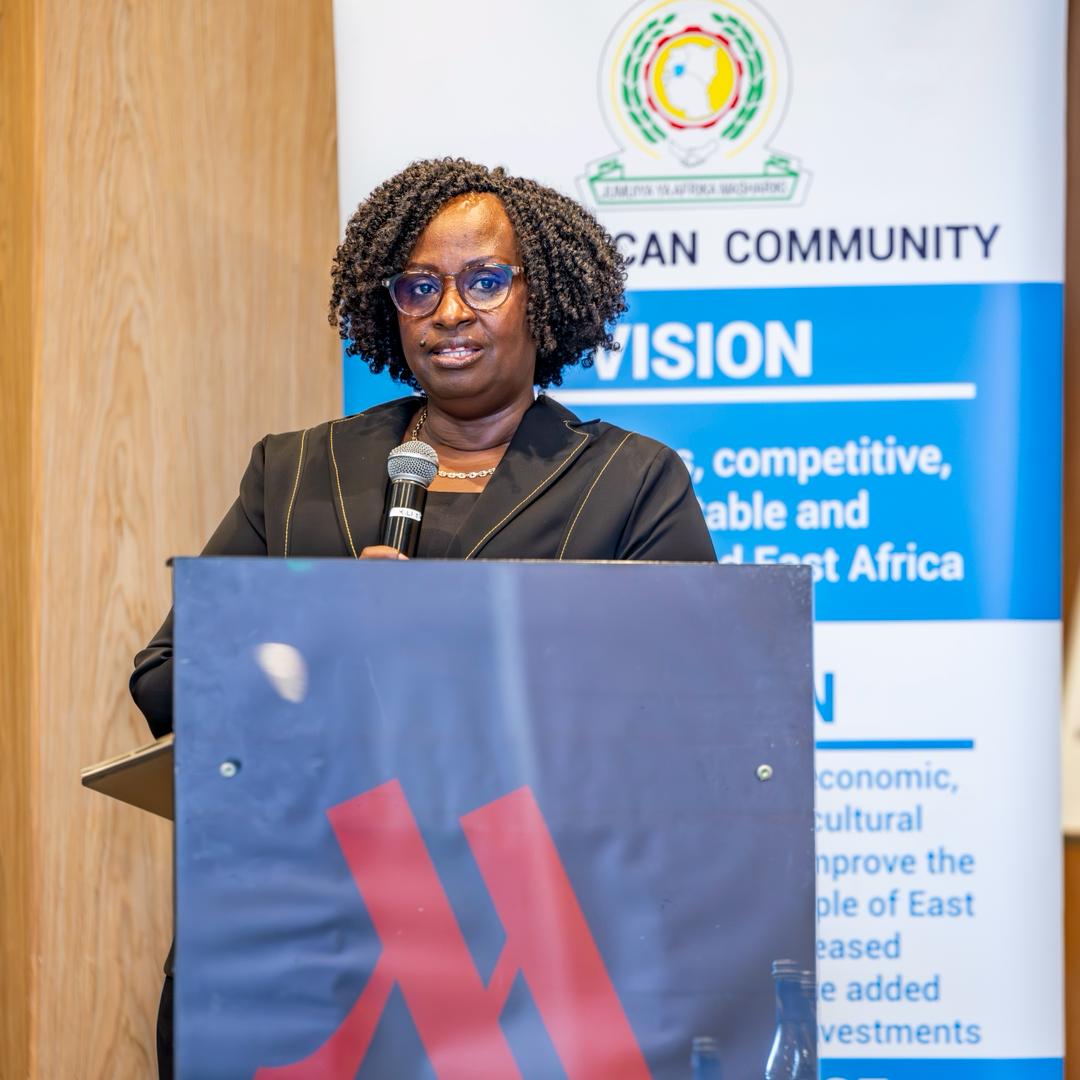
Launching the consultations on behalf of the Government of Rwanda, Minister of State for Foreign Affairs Dr. Usta Kaitesi described the exercise as a significant milestone in Rwanda’s contribution to the regional integration agenda.
“The future of our region cannot be shaped by governments alone. It must be informed by the views, aspirations and expectations of the citizens whose lives will be affected by the decisions we make,” she said.
Kaitesi emphasised that Rwanda hopes to hear from all segments of society, including youth, women, entrepreneurs, farmers, academics and religious leaders, to ensure that citizens have ownership of the integration process.
She noted that a more integrated East Africa could create larger markets, more opportunities for young people, stronger institutions and a greater collective voice for the region on continental and global issues.
The consultations come as the EAC continues implementing the Monetary Union Protocol, with Partner States targeting 2031 for full implementation. During a media engagement, officials acknowledged that challenges such as macroeconomic convergence requirements, the COVID-19 pandemic and global economic shocks had delayed some integration milestones.
However, Secretary General Mbundi said practical measures such as cross-border mobile money transfers are already being implemented to strengthen financial integration and prepare the ground for a future common currency.
As consultations continue across Rwanda over the next two weeks, EAC officials say the process will help ensure that the proposed Constitution reflects the aspirations of East Africans and lays the foundation for a more united, prosperous and politically integrated region.
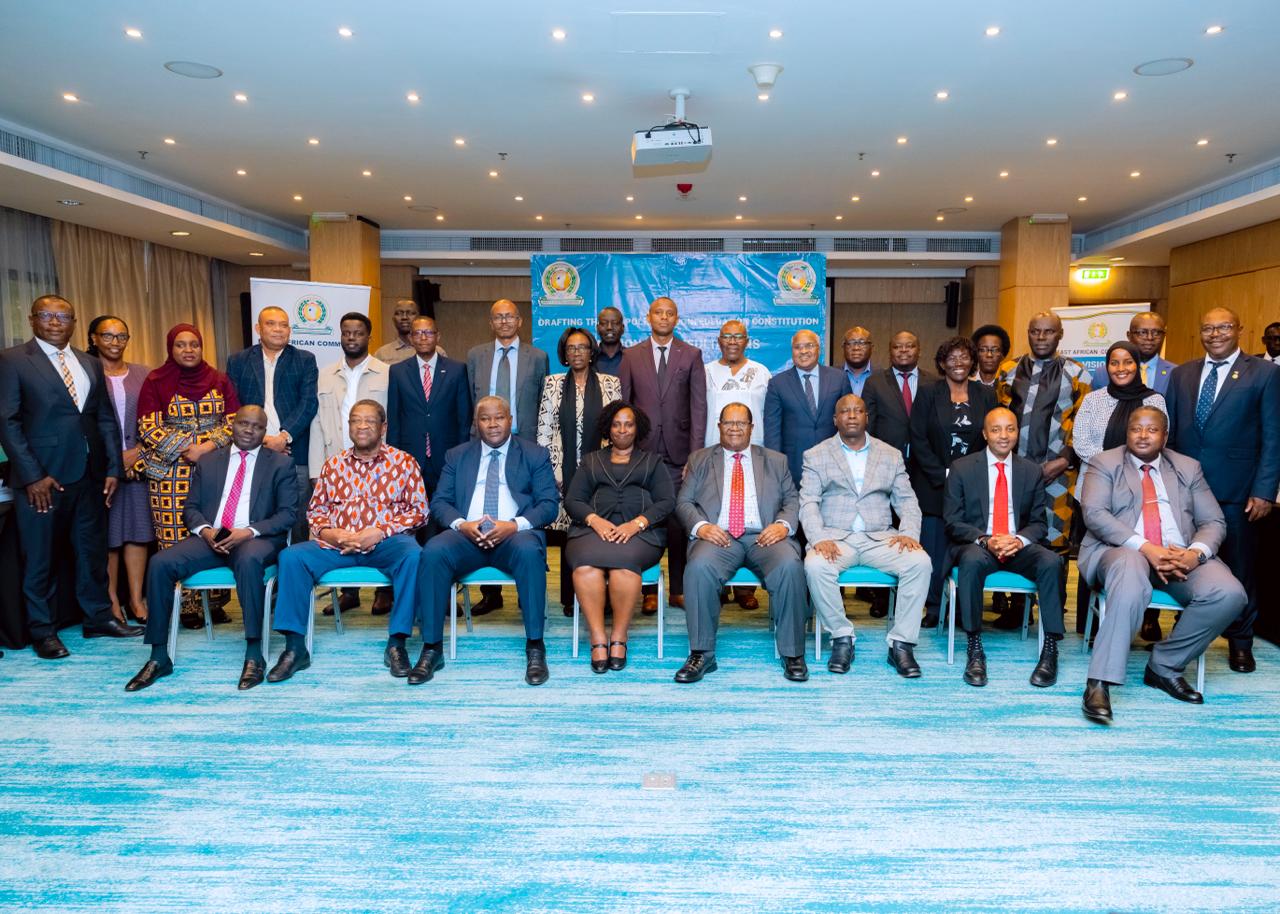
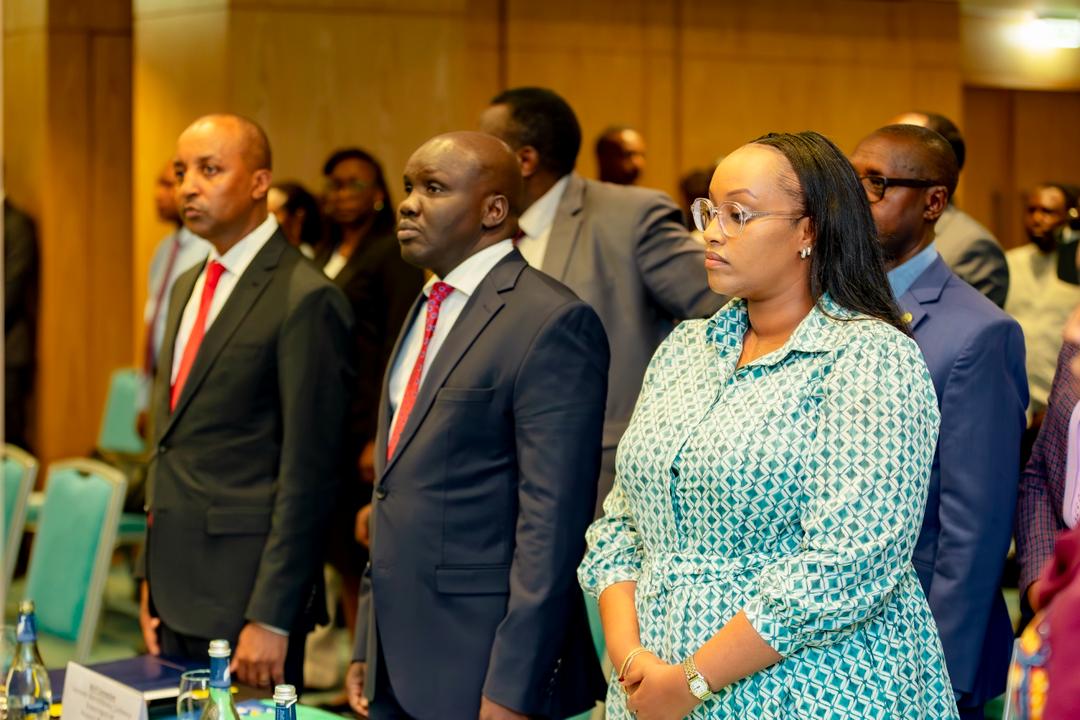
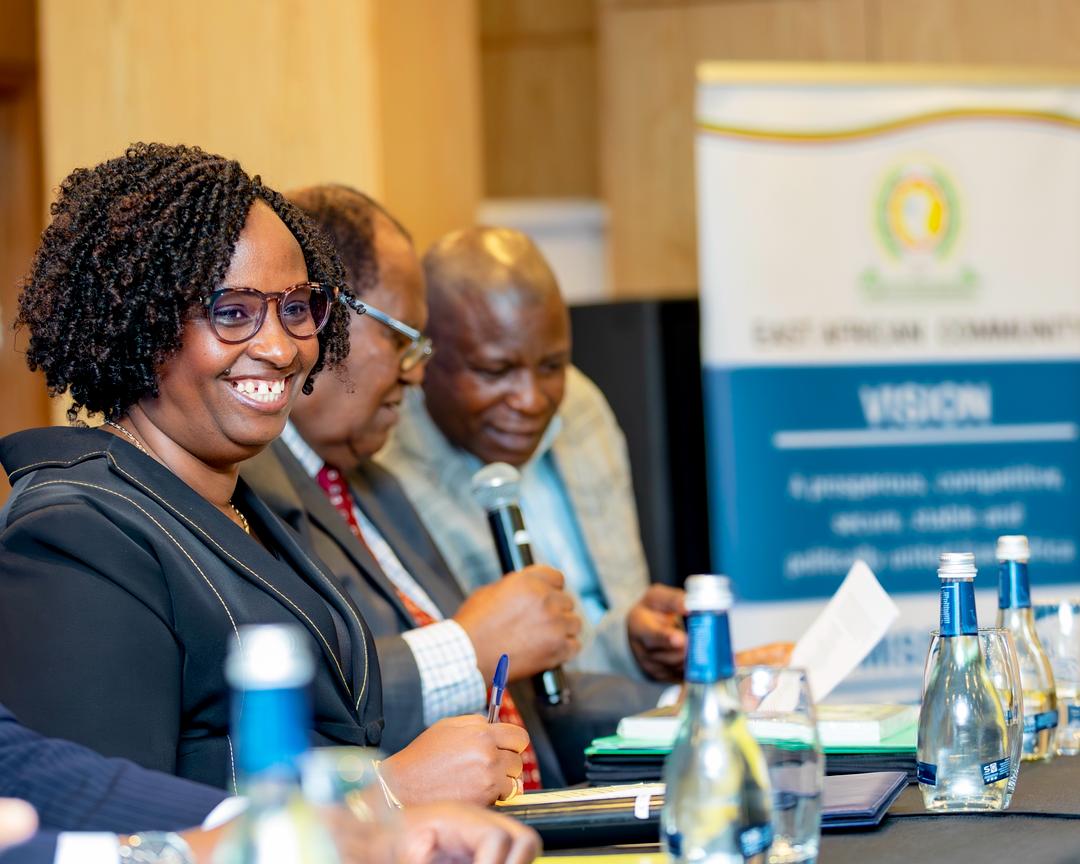
The consultations will run until June 27 and form part of a broader regional exercise being conducted across EAC Partner States to shape the governance framework of the Political Confederation.The launch took place at the Kigali Marriott Hotel.Chairperson of the EAC Team of Constitutional Experts, Justice Dr. Benjamin Odoki, said the process had entered a critical phase after years of legal, institutional and comparative studies undertaken by experts appointed by the EAC Council of Ministers.Minister of State for Foreign Affairs Dr. Usta Kaitesi described the exercise as a significant milestone in Rwanda’s contribution to the regional integration agenda.EAC Secretary General Ambassador Stephen Mbundi said the consultations reflect the Community’s commitment to a people-centred integration process, as required under the Treaty establishing the EAC.The consultations come as the EAC continues implementing the Monetary Union Protocol, with Partner States targeting 2031 for full implementation.
Founded in 2016, NLCA-K and NLA were established with a vision of combining academic excellence with Christian values through the Accelerated Christian Education (ACE) curriculum, raising the next generation of leaders in Rwanda and beyond.
The anniversary celebration will take place on Saturday, June 20, 2026, at the New Life Bible Church Kigali Auditorium. The event will bring together students, parents, staff, alumni, partners, and members of the wider community to reflect on the schools’ journey and achievements over the past decade under the theme drawn from 1 Samuel 7:12: “Ebenezer—thus far the Lord has helped us.”
Over the past 10 years, the schools have grown to serve 371 students across two campuses, offering education from nursery through high school. The institutions seek to equip learners not only with academic knowledge but also with leadership skills, strong moral character, and a Christ-centered worldview.
Pastor Fred Isaac Katagwa, Executive Director of Africa New Life Ministries, expressed deep gratitude for God’s faithfulness over the decade.
“Ten years ago, we stepped out in faith to establish these schools as beacons of Christ-centered excellence. Today, seeing 371 students equipped with academic rigor, moral character, and a biblical worldview is a powerful testimony of what God can do through obedient hearts. As we celebrate this Ebenezer moment, we remain committed to raising a generation of leaders who will transform our nation and the nations for the glory of God.”
NLA Students celebrate their success during a sports tournament hosted by Ntare Louisenlund School, highlighting the schools’ commitment to developing well-rounded learners through athletics, leadership, and character formation.
The celebration will feature worship, reflection, and recognition of the students, teachers, families, and partners who have contributed to the schools’ growth and development over the years.
Ms Ingrid Kaneza, Principal of New Life Christian Academy – Kigali, said the schools remain committed to nurturing both the academic and personal growth of their students.
“What we see in our students every day—their curiosity, compassion, and faith—is proof that when a school holds firmly to its values, it shapes more than minds; it shapes the future of a nation. We are immensely proud of every child who has walked through these doors, and we look forward to the next ten years with great expectation,” she said.
Students engage in focused independent learning at the school’s learning center, reflecting the ACE model’s emphasis on self-paced education, character development, and academic excellence.
As part of the celebrations, the schools will launch a 10th Anniversary Yearbook, documenting key milestones, student life, and the growth of both campuses since their inception.
Looking ahead, Africa New Life Ministries has outlined plans for the next decade that include expanding campus facilities, strengthening partnerships with churches and educational institutions across East Africa, and building relationships with leading universities around the world, including Ivy League institutions.
Students, staff, and community members of New Life Christian Academy–Kigali gather in remembrance during the commemoration of the 1994 Genocide against the Tutsi, honoring the lives lost and reaffirming a commitment to unity, resilience, and a future free from hatred.
The anniversary event will also serve as a platform to unveil this vision for the future as the schools seek to broaden opportunities available to their students while maintaining their commitment to christian-centered education.
Africa New Life Ministries is a Christian organization dedicated to transforming lives and communities across Rwanda through the proclamation of the Gospel of Jesus Christ and Acts of Compassion. Through education, sponsorship, leadership development, and community initiatives, ANLM works to equip individuals and families to thrive and contribute positively to society.
Graduates celebrate a significant milestone during the New Life Leadership Academy graduation ceremony, marking the culmination of years of academic achievement, leadership development, and faith-centered learning.
The high-level Convention is hosted by Faure Essozimna Gnassingbé, President of the Council of Ministers of Togo, and jointly organised by the African Civil Aviation Commission and the African Union. It brings together transportation ministers, civil aviation authorities, airline and airport executives, aircraft manufacturers, investors, and other key stakeholders from across the continent.
The forum seeks to accelerate the implementation of the Single African Air Transport Market (SAATM) while promoting a more resilient, sustainable, and competitive aviation sector across Africa.
President Kagame is expected to deliver remarks during the official opening ceremony of the Convention, highlighting Rwanda’s engagement in regional and continental efforts to strengthen air transport connectivity and cooperation.
On the sidelines of the summit, President Kagame will also hold a bilateral meeting with President Faure Essozimna Gnassingbé to discuss matters of mutual and regional interest.
President Paul Kagame was received by Faure Essozimna Gnassingbé, President of the Council of Ministers of Togo.The high-level Convention is hosted by Faure Essozimna Gnassingbé, President of the Council of Ministers of Togo, and jointly organised by the African Civil Aviation Commission and the African Union.President Kagame will also hold a bilateral meeting with President Faure Essozimna Gnassingbé on the sidelines of the summit to discuss matters of mutual and regional interest.
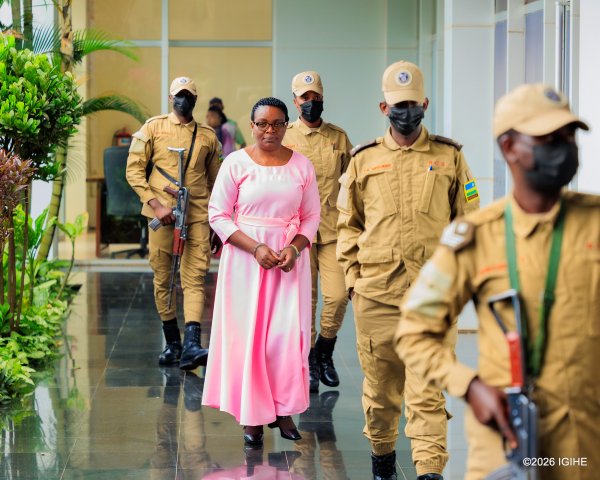
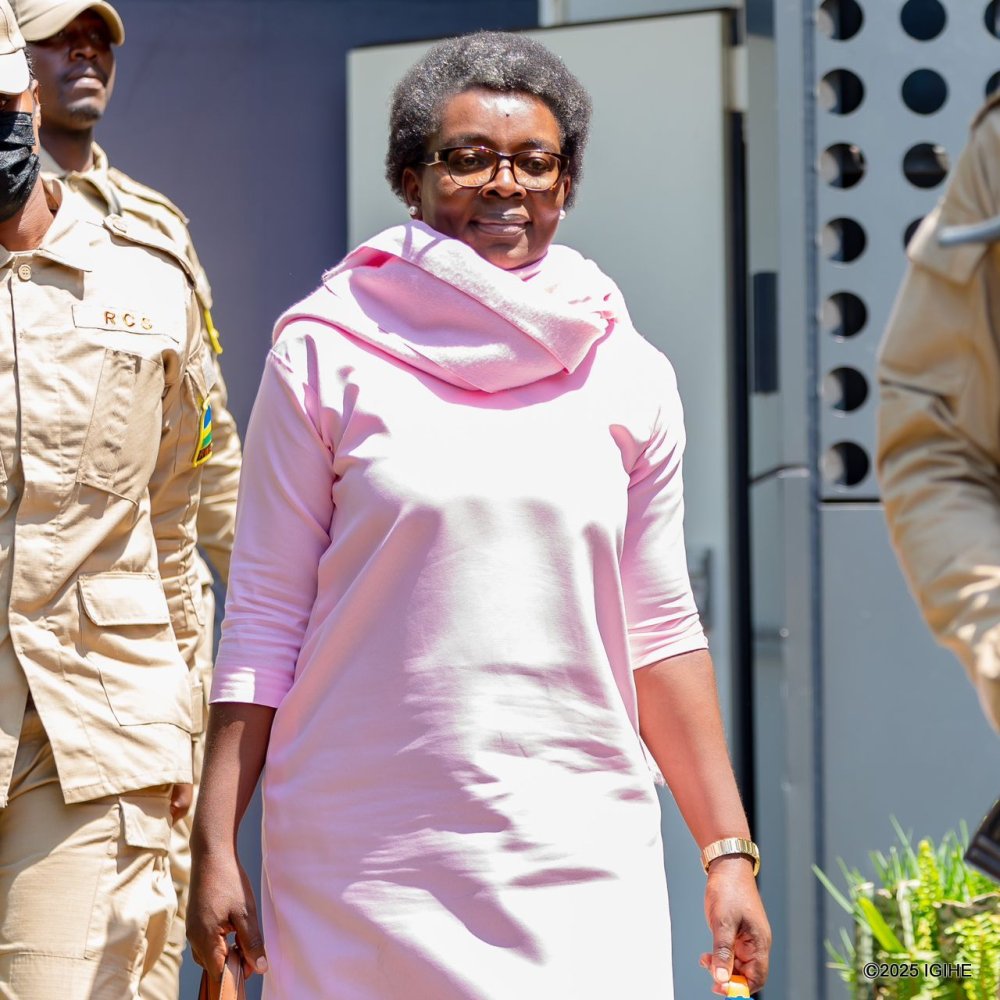
Ingabire is facing multiple charges, including forming and participating in a criminal group, inciting public disorder, undermining government, spreading false information and propaganda intended to damage Rwanda’s reputation abroad, disseminating false rumours, plotting against state authorities, and incitement to protest.
The charges are linked to training sessions conducted in 2021 involving members of the then-unregistered political group DALFA Umurinzi. Prosecutors allege that participants received training from foreign instructors using material including the book Blueprint for Revolution by Serbian author Srdja Popovic.
The sessions were reportedly coordinated by Sibomana Sylvain, who is also a co-accused in the case.
Request to postpone proceedings
Before the prosecution presented its case, Ingabire raised her hand and informed the court that she was not prepared to proceed.
“I understand the prosecution is about to present its case, but I am not ready to stand trial due to several obstacles,” she told the court.
She later explained that her legal team, Me Gatera Gashabana, Me Bikotwa Bruce, and Me Gashema Félicien, had written to the court on June 10, 2026, outlining challenges affecting her ability to prepare a proper defence.
Ingabire argued that she was not in a suitable condition to proceed, citing physical, emotional, and other constraints affecting her preparedness.
Grounds presented by the defence
She outlined four main grounds for requesting a postponement. First, she said she had been unable to meet with her co-accused, who attended the same training sessions, which she considers necessary for preparing a coordinated defence. She stated that prison authorities had denied such meetings.
Second, she raised concerns over limited communication with her family, who are abroad. She said she has only been allowed to communicate with her husband, who is currently hospitalised, and has not been able to speak with her children. She argued that this restriction undermines her ability to prepare adequately, citing international standards on the rights of detainees to maintain family contact.
Third, she cited health and detention conditions, stating that basic personal care items, including toothpaste and skin lotion, were not consistently provided, affecting her well-being.
Fourth, she said she had been restricted in practising her religion and requested the court to ensure her basic rights, including freedom of worship, are respected.
Her lawyers informed the court that they had submitted multiple written complaints, including letters dated May 18, June 2, and June 11, 2026, outlining the difficulties faced in preparing the defence.
Me Bikotwa Bruce argued that there was no legal justification preventing Ingabire from meeting co-accused persons to prepare her case. Me Gatera Gashabana further requested that the trial chamber conduct a visit to the detention facility to assess her conditions firsthand and address the concerns raised.
Prosecution response
The prosecution dismissed the objections, arguing that none of the issues raised constituted valid legal grounds for adjournment.
“These are not legal obstacles to the continuation of the trial; they are emotional claims by the accused and her lawyers. We consider them delaying tactics,” the prosecutor stated.
The prosecution further argued that the inability to meet co-accused persons does not violate any legal provision and therefore cannot justify suspending proceedings. It added that concerns about communication with counsel would be more relevant, but no such restriction had been demonstrated.
On religious practice, the prosecution maintained that detainees in Rwanda retain the right to worship. Regarding complaints about hygiene items, it argued these were unrelated to the merits of the case and did not justify postponement.
Court’s direction
The presiding judge asked Ingabire how many meetings she would require with her co-accused to prepare her defence. She responded that at least four meetings would be necessary.
The court also instructed the defence to submit all documentation supporting claims that formal requests had been made to prison authorities and relevant institutions regarding access to co-accused and other facilities.
After hearing submissions from both sides, the court adjourned the session and scheduled the hearing to continue on June 16, 2026, at 11:00 a.m.
Victoire Ingabire is facing multiple charges, including forming and participating in a criminal group, inciting public disorder, undermining government, spreading false information and propaganda intended to damage Rwanda’s reputation abroad, disseminating false rumours, plotting against state authorities, and incitement to protest.
In response to this shift, HC Solutions, an HR consulting and talent acquisition firm, is planning the Inzira AI Summer Camp, an initiative aimed at equipping secondary school students with practical artificial intelligence skills during the upcoming school holiday.
The organisers say the program is designed to introduce students to AI in a structured and guided environment, with a focus on aligning learning with real-world employment needs.
According to Jane Kalisa, Senior HR Consultant at HC Solutions, the initiative reflects the company’s broader vision beyond traditional recruitment services.
“HC Solutions is not just an HR firm. We also have a Department of Technology,” she said. “In this department, we will be providing AI training during the summer holiday. This camp targets students in Senior 4 to Senior 6.”
She explained that the goal is to keep students meaningfully engaged during the holiday while preparing them for future careers in a technology-driven economy.
“We are going to engage the students so they learn how to use AI and remain productively occupied during the holiday,” Kalisa said. “This will not only help the students, it will also help parents and the country at large. Once they complete the program, they will be able to apply this knowledge in their daily lives and future careers.”
Beyond training, HC Solutions also sees the initiative as a long-term bridge between education and employment, with plans to connect trained students to job opportunities in the future.
“As an HR firm, we are building a strong database,” Kalisa added. “When these students finish school, we will be able to connect them with clients who need professionals with AI expertise.”
From an industry perspective, experts warn that the impact of AI on the labor market is already visible, with companies increasingly seeking candidates who can work with automation tools and deliver faster, more efficient results.
Igor Kabirigi, Tech Lead at HC Solutions, said the demand is already reshaping recruitment expectations.
“It’s not only children who need this. The labor market is also being heavily affected by AI,” he said. “Every company we work with is now asking for new hires who can automate processes and produce reports in a short time using modern AI tools.”
He emphasized that early exposure is critical in ensuring students are not left behind as workplaces evolve.
“That’s why children matter. It is far better to train them while they are still in school so that when they enter the workforce, they already understand how the new world operates,” he explained.
The Inzira AI Summer Camp is scheduled to begin on July 13 at Kigali Parents School in Kimironko. The curriculum is built around current labor market needs and includes modules such as AI automation for business processes and prompt engineering, which focuses on how to effectively communicate with AI systems to generate accurate outputs.
Organizers say the program will also include interactive and practical activities designed to make learning engaging while maintaining critical thinking skills.
“Our lead coach has extensive experience and has implemented similar programs in Kenya and Nigeria,” Kabirigi said. “We have developed a safe approach to teaching AI that does not make students lazy and preserves their critical thinking skills.”
HC Solutions believes the initiative represents a model for future skills development programs linking education to employment readiness.
“We believe this will be the first of its kind run by a company with deep roots in the labour market,” Kalisa said. “It will bring a dynamic shift in how students see themselves now and in the future.”
The organisers also plan to expand the training beyond students, targeting working professionals who may need support adapting to AI-driven workplace changes.
“In everything we do today, incorporating technology makes work better,” Kabirigi said. “Finance uses it, health uses it, every sector benefits from technology to improve efficiency, save time, and reduce costs. After this program, we plan to scale it to the existing labour force.”
Rwanda recently strengthened its national focus on artificial intelligence through the approval of a new National Artificial Intelligence Agency by the Cabinet on June 8. The move is part of the country’s broader digital transformation strategy aimed at promoting innovation, strengthening AI governance, and ensuring the safe and responsible use of emerging technologies across sectors.
The new agency is expected to coordinate AI development, support capacity building, and enhance data governance frameworks while encouraging innovation in both the public and private sectors. It also reflects Rwanda’s ambition to position itself as a regional leader in responsible AI adoption, with a strong emphasis on ethical standards and inclusive technological growth.
Speaking recently, Senyoni, who currently serves as Secretary of the Rwanda Demobilisation and Reintegration Commission (RDRC), recounted his experience within the military hierarchy during the final years preceding the 1994 Genocide against the Tutsi.
He explained that he joined the former Rwandan Armed Forces in 1984 and later received specialized training abroad in military administration and secretarial services. In 1987, he was assigned to the Secretariat of the Army High Command.
In 1990, after the launch of the liberation struggle by the Rwanda Patriotic Front (RPF), Senyoni was transferred to the military camp in Gako, where he coordinated administrative and financial affairs. As the war intensified, he continued carrying out secretarial duties related to military operations.
By April 1994, Senyoni was still serving in that role and became directly involved in documenting one of the most consequential meetings held after Habyarimana’s plane was shot down on April 6.
“On the evening of April 7, 1994, Bagosora, who was then Chief of Staff at the Ministry of Defence, convened a meeting of senior military officers at the former École Supérieure Militaire, which I believe is now part of UR-CST,” Senyoni recalled.
“Meeting notes were usually taken by hand. The handwritten records from that meeting were brought to the military secretariat, where I typed them before they were forwarded to the Ministry of Defence.”
According to Senyoni, one of the key resolutions adopted during the meeting was the appointment of Bagosora as President to succeed Habyarimana.
“The meeting concluded that Bagosora should become President of the Republic and replace Habyarimana,” he said. “However, when the minutes reached the Ministry of Defence, French military advisers working under military cooperation arrangements reviewed them and warned that if Bagosora became President, the RPF would immediately accuse the military of shooting down the presidential plane and carrying out a coup.”
Senyoni said the French advisers urged military leaders to follow constitutional procedures instead. The officers accepted the advice, effectively ending Bagosora’s ambitions to assume the presidency.
“At that point, they instructed members of the Presidential Guard to bring Théodore Sindikubwabo from Butare,” he said.
Meanwhile, the Genocide against the Tutsi had already begun. Prime Minister Agathe Uwilingiyimana had been killed, along with Joseph Kavaruganda, the President of the Constitutional Court. Violence was spreading rapidly across Kigali.
Under Rwanda’s constitutional arrangements at the time, if the President could no longer perform his duties, the office would pass either to the Prime Minister or the Speaker of Parliament.
Since Uwilingiyimana had already been murdered, Sindikubwabo, who was then Speaker of Parliament, became the constitutional successor. However, he was in Butare, in southern Rwanda.
Senyoni said confusion and divisions within the Presidential Guard complicated efforts to bring him to Kigali.
“The soldiers sent to retrieve him believed he was being brought to Kigali to be killed,” Senyoni said. “They transported him poorly in a pickup truck borrowed from a convent. He was not even wearing socks.”
According to Senyoni, Sindikubwabo arrived at Army Headquarters visibly frightened, convinced he would be killed. However, later that evening, Radio Rwanda announced that he had become President.
“The Genocide continued, and eventually we fled to what is now the Democratic Republic of the Congo. I crossed into Bukavu,” he said.
Senyoni remained in the DRC until 2010, when he decided to return to Rwanda. Three of his five children returned with him and later received educational support from the Imbuto Foundation.
Today, he says he is grateful for the opportunity to serve Rwanda once again. He has spent the past 15 years as Secretary of the RDRC and regularly encourages former combatants still living in eastern DRC to return home.
He emphasized that Rwanda remains open to those willing to reintegrate and urged all Rwandans to continue safeguarding national unity and reconciliation.
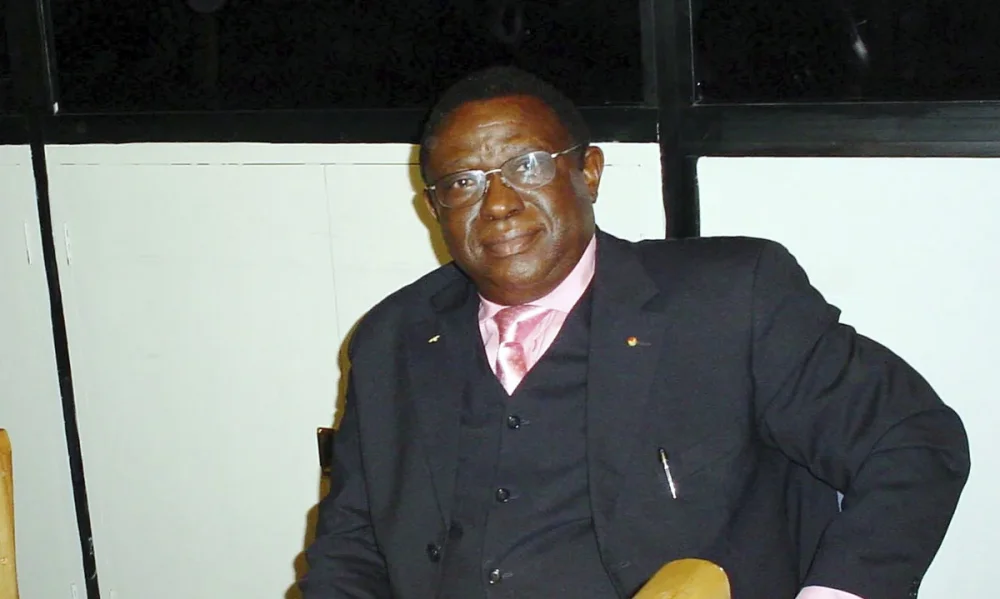
Alphonse Senyoni, who typed the minutes of the meeting that initially designated Théoneste Bagosora as president, said the plan was abandoned following advice from French military advisers.Senior officers in the former Rwandan Armed Forces (Ex-FAR) had agreed to appoint Col. Théoneste Bagosora as successor to President Juvénal Habyarimana before the proposal was later dropped.