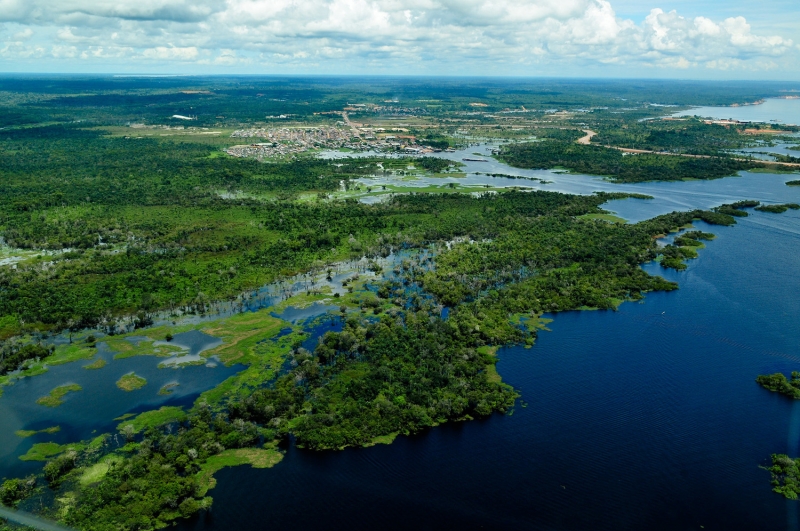
Each year, these remarkable fish undertake the longest migration of any freshwater species, traveling between 8,000 and 12,000 kilometers from the foothills of the Andes to the Atlantic Ocean.
Scientists have only recently uncovered the full scale of this journey, which can last for 12 to 15 years. However, while the journey itself is an incredible natural phenomenon, it is now at risk due to human-caused disruptions. Dams and hydropower projects along the Amazon River and its tributaries are blocking the fish’s migratory routes, altering water quality, and disrupting essential seasonal flooding that sustains the region’s ecosystems. These obstacles threaten the fish’s life cycle, which relies on specific environmental conditions to thrive.
The dorado catfish plays a critical role in the Amazon’s ecosystem as an apex predator, helping to maintain balance in the food web. Its migration also supports local economies, as the species is a key source of protein for millions in the region and fuels commercial fisheries. A new report from the Convention on the Conservation of Migratory Species of Wild Animals (CMS) calls for urgent action to protect migratory freshwater species like the dorado.
Governments and experts are encouraged to discuss a multi-species action plan that focuses on safeguarding migration routes, restoring connectivity, and promoting sustainable fishing practices.
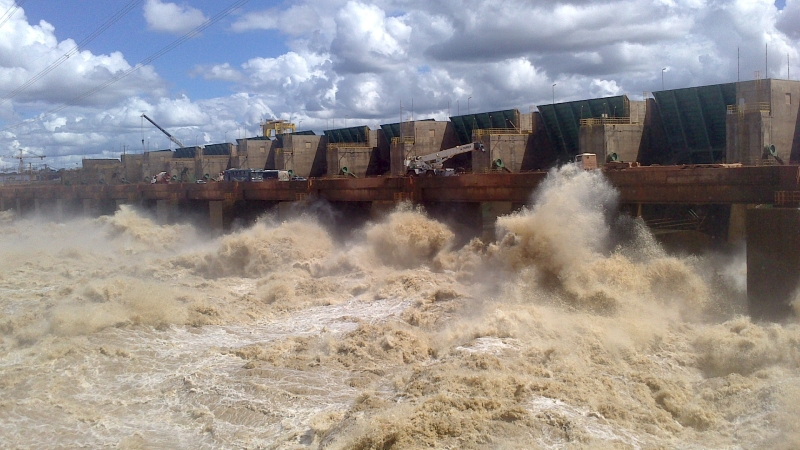
The Santo Antonio Hydroelectric Plant being constructed on one of the rivers travelled by the dorado catfish. Credit: Reginaldo Rodrigues / Wikimedia Commons
This remark highlighted a universal and profound question: should one evaluate an official’s performance based on short-term economic gains, visible projects, formal accolades, or tangible improvements in people’s well-being?
Xi answered with what he described as “a correct understanding of what it means to perform well,” a guiding principle for officials that prioritizes people’s well-being and values long-term, tangible results that may not be immediately visible, yet delivered through sound decision-making and concrete actions.
In late February, the Communist Party of China (CPC) Central Committee, with Xi at the core, initiated a Party-wide study campaign, prodding its members, particularly officials at the county and director level and above, to fix their mindset regarding governance performance so as to deliver results that “stand up in practice, in the eyes of the people, and over the course of time.”
The campaign, which will run until July, aims to correct misguided views on governance that often breed vanity projects, hidden risks, heavy burdens on local communities, and public discontent.
It marks the latest effort by Xi, who is now general secretary of the CPC Central Committee, Chinese president, and chairman of the Central Military Commission, to strengthen the Party’s self-governance, following last year’s initiative on improving conduct.
“The ever-improving effectiveness of the Party’s self-governance is the ultimate guarantee for economic and social development,” Xi said.
That emphasis was reiterated during an inspection tour on Monday, when Xi stressed Party leadership and Party building in developing the Xiong’an New Area — a fledgling modern city about 100 km south of Beijing — into an innovation hub and a model of high-quality development. Xi urged Xiong’an officials to step up to their responsibilities, devote themselves to policy implementation and deliver good results.
Party theorists said the latest study campaign focuses on strengthening the Party’s political development and its ranks of officials. As China has entered the opening year of the 15th Five-Year Plan (2026-2030), the fulfillment of its development goals will largely depend on whether officials act with a proper understanding of governance achievement and a down-to-earth approach.
Eduardo Regalado, a researcher at Cuba’s International Policy Research Center, said fostering a correct view on performance among officials has emerged as a key concept in the CPC’s governance framework for the new era, and will help China transform its development model toward greater quality, efficiency, and equity.
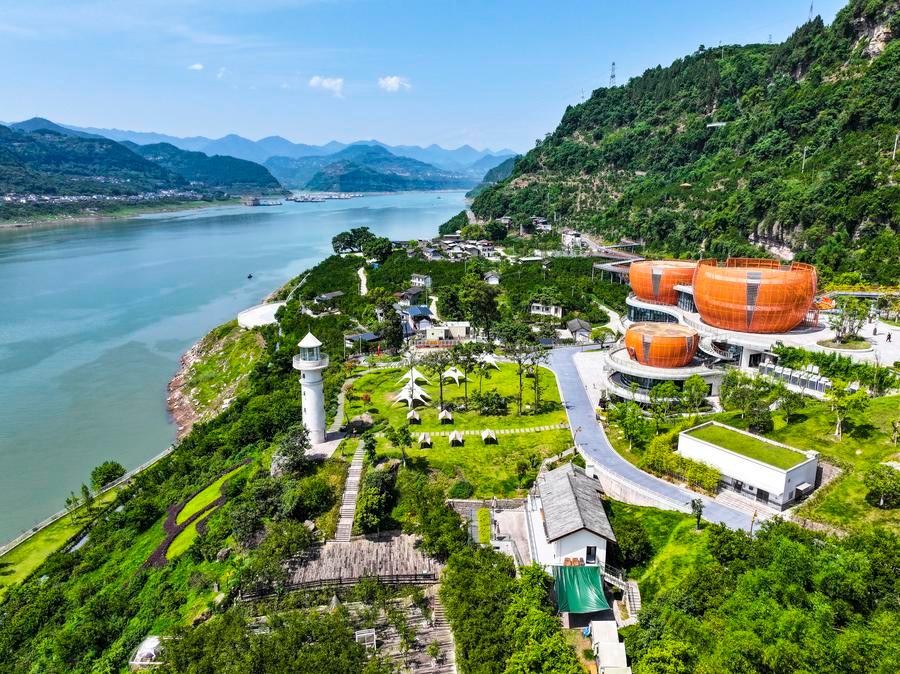
An aerial drone photo taken on May 15, 2024 shows an eco-cultural tourism area along the Yangtze River in Wanzhou District of Chongqing, southwest China.
People first
A key target of the campaign is to stamp out the tendency among some officials to sacrifice public well-being in seeking to polish their performance records.
At a high-level meeting, Xi condemned the squandering of funds on facade painting in some rural areas at a time when they had freshly shaken off poverty or were still grappling with poverty.
Xi said spending lavishly to whitewash the walls there — something that neither feeds nor clothes the people — is “futile and a waste of public funds.”
While some officials err on the side of recklessness, some others deliberately choose inaction. Some play it safe and shy away from responsibility, believing that “the more dishes you wash, the more you break.”
Xi has on many occasions lashed out at such non-acting “nice guys” and “fence-sitters,” saying that those who lack dedication will achieve nothing and jeopardize critical endeavors.
Conversely, one paragon of good governance frequently cited by Xi is Jiao Yulu, a humble Party chief of the little-known rural county of Lankao in central China’s Henan Province in the early 1960s.
Confronted with sandstorms, floods and widespread soil salinization that left many residents struggling to feed themselves, Jiao and his colleagues worked tirelessly to plant shelter-belts in combating encroaching sands and flooding, and help Lankao gradually overcome chronic food shortages. However, Jiao did not live to see the full results of these efforts, succumbing to liver cancer at age 42 in 1964.
Xi was deeply moved when he first read Jiao’s story as a middle school student. He said Jiao’s spirit, defined by a people-first approach and tireless, selfless dedication, had served as a guiding light throughout his own journey from a grassroots official to China’s top leader.
In the early 1980s, while working in Zhengding County in north China’s Hebei Province, Xi helped cut the state grain procurement quotas that had earned the area a reputation as a “high-yield county” — after learning that some farmers there were left without enough to eat.
“Zhengding would rather give up the fame as a national model for high grain production than compromise the well-being of our people,” he said.
For Xi, governance should be guided by the needs of the people rather than political showmanship. An official’s true pursuit, he has said, should not be high office, but living up to people’s expectations.
Drawing on his firsthand experiences of rural hardship as a teenager, Xi launched a nationwide campaign to eradicate extreme poverty shortly after assuming the Party’s top post in November 2012, mobilizing the entire Party apparatus toward the goal. Under his leadership, China lifted nearly 100 million rural residents out of absolute poverty in eight years.
Viewing poverty alleviation not as an endpoint but a stepping stone toward the people’s expectations of a better life, Xi then pivoted to a broader vision — pursuing common prosperity for all, and building a great modern socialist country by the middle of the century.
But setting the right goals is only part of the task. Xi has therefore placed strong emphasis on improving the institutional framework governing officials’ conduct. He has stressed that, alongside fostering the right mindset, it is essential to strengthen systems that constrain and supervise the exercise of power.
Meanwhile, to encourage officials to take on responsibilities, Xi set clear selection and appointment benchmarks.
Officials who make errors with good reform intentions or due to lack of experience must be protected and distinguished from those who violate discipline and the law deliberately or to seek illegal gains, according to the “three distinctions” principle he proposed.
“Officials should be selected and promoted based on what they have done, what they have accomplished, and whether their work is recognized by both the Party and the people,” Xi said in remarks published in Qiushi, the Party’s flagship magazine, in March after the study campaign’s launch.
“Preference must be given to those who dare to take responsibility, show initiative, deliver results adeptly and demonstrate outstanding performance,” Xi said.
Proceed from reality
The latest campaign on fostering a good governance culture underlines the need to proceed from reality and respect objective laws.
This call aims to address problems such as some localities slavishly replicating others’ successes, which reflects an over-reliance on a single model and a lack of pragmatic, well-conceived decision-making.
At last year’s Central Economic Work Conference, Xi criticized certain localities for blindly chasing trends irrespective of local conditions, either by jumping on the bandwagon of developing the chip industry or being eager to follow suit with the “new trio” projects — electric vehicles, lithium batteries and photovoltaics.
Xi has on many occasions stressed the importance of grounding solutions in local conditions, which is also a hallmark of his governance approach.
He has often likened policy-making to finding the right key for each lock — an idea that rejects one-size-fits-all solutions and emphasizes tailoring policies to different conditions.
Whether discussing urban development or energy policy, Xi has cautioned against ideas detached from reality. Under his leadership, China has made solid progress in green transition and set ambitious goals to peak carbon dioxide emissions before 2030 and achieve carbon neutrality before 2060.
Yet these commitments do not mean pursuing an unrealistic sweeping shutdown of traditional energy projects such as coal.
In 2024, during a visit to Chongqing Municipality in southwest China, Xi emphasized that while green development must advance, ensuring a stable energy supply is vital.
“Fill the belly first, then eat well,” he said, cautioning against an overly idealistic approach.
Xi has also warned against misguided views on achievements that lead to “inflated statistics,” sham project launches or “invoice-driven” GDP — a phenomenon where local authorities use rebates to attract shell companies and engineer a false boom.
This practice is now listed as a key rectification task for 2026.
Xue Jiping, chairman of an optical fiber manufacturer, noted that curbing such abuses has given law-abiding firms a true sense of security, boosting their confidence in expanding investments.
The fight against fabrication echoes Xi’s longstanding insistence on integrity. In 2017, after Liaoning Province in northeast China reported negative growth following a crackdown on falsified economic data, Xi affirmed the value of such honesty.
He said while the real figures might not appear impressive, they were “truly good-looking” because they were authentic, pledging the central authorities’ unwavering support for those exposing real conditions rather than promoting fake prosperity.
On March 12, China’s national legislature approved a GDP growth target of 4.5-5 percent for 2026, while promising to “strive for better in practice.”
The same pragmatism is reflected in the 15th Five-Year Plan, approved by lawmakers on the same day. It says GDP growth will be kept within a reasonable range, with annual targets set in light of circumstances. Other targets set in the blueprint also demonstrate a down-to-earth approach.
“These arrangements reflect a clear value orientation: development cannot rely on flashy gestures or grandstanding. Officials must roll up their sleeves and focus on real results,” said Yu Shaoxiang, a research fellow at the National Academy of Chinese Modernization under the Chinese Academy of Social Sciences.
“As we embark on the 15th Five-Year Plan period, we must clear away the mire and purify the air,” Xi said, urging officials to adopt a truth-seeking and pragmatic approach when drafting national and local plans.
“All plans must be grounded in reality, pursuing solid growth without inflated figures, and promoting high-quality, sustainable development. Those who act rashly, escalate targets layer by layer or launch projects indiscriminately will be held accountable,” he said.
Long-term perspective
Since the outset of his tenure as a public servant, Xi has stressed that serving the country’s long-term interests, instead of seeking personal recognition or immediate acclaim, is what matters.
This approach reflects a particular understanding of governance — one that treats development not as a sprint within a single term of office. Xi has warned against the temptation to chase quick wins or “instant results” through short-term, high-impact projects, likening such practices to exhausting resources for fleeting gains.
Few areas illustrate the need for such long-term thinking more clearly than cultural heritage preservation and environmental protection, where the benefits often take years, even decades, to fully emerge.
When working as the acting governor of Fujian between 1999 and 2000, Xi chose to halt a mining project in the city of Sanming, after the site was found to contain fossils and artifacts that shed light on early human activity in that region. It was later recognized as one of the most significant archaeological discoveries in southern China.
This approach was again spotlighted years later while Xi was working in neighboring Zhejiang Province. During a local inspection tour, officials guided him to an industrial park they were eager to showcase. But when Xi learned that many of the factories there were little more than outdated industries relocated from more developed neighboring regions, his face darkened.
“What is there to see here?” he asked. “Leverage your own strengths and protect the green mountains and clear waters here — that should be your greatest governance achievement.”
The message was unmistakable: chasing quick economic numbers at the cost of long-term ecological health was not the kind of achievement that counted.
About a decade later, the same calculus, namely prioritizing long-term ecological security over short-term expansion, shaped Xi’s policy toward the Yangtze River, China’s longest river and a vital economic artery.
In 2016, at a high-level meeting focused on the Yangtze River Economic Belt, Xi opened with a blunt message to local officials: “You may be disappointed today — this is not a discussion about development, but about protection.”
He made clear that environmental recovery should be placed at the top of the agenda, highlighting a comprehensive assessment of development not only based on speed, but also on sustainability and long-term benefits.
The implications of this emphasis on the health of the environment extended far beyond the river itself. It confirmed that strategic foresight, conscientious planning and thorough execution should be the defining features of China’s development model.
The study campaign on governance mindset, meanwhile, was launched right before the rollout of the 15th Five-Year Plan, the penultimate one in China’s drive to basically achieve modernization by 2035.
Since the 1950s, these plans have served as both metronomes and navigators of China’s development, guiding the country’s transformation from scarcity to the world’s second-largest economy.
“The scientific formulation and sustained implementation of five-year plans is important governance experience of our Party and a key political advantage of socialism with Chinese characteristics,” said Xi, who led the mammoth effort behind the drafting of the country’s three most recent five-year plans.
This planning system places a premium on foresight. Hou Yongzhi, a researcher with the Development Research Center of the State Council, said the 109 major projects outlined in the 15th Five-Year Plan span multiple key areas of Chinese modernization, with a considerable share focused on cultivating new industries and emerging sectors.
Designed to lay foundations for the future, these projects will provide strong support for China’s economic growth and people’s well-being, Hou noted.
Alexander Davey, analyst at Berlin-based Mercator Institute for China Studies, said in an interview with German magazine Der Spiegel that China’s five-year plans act as a compass for Party cadres and government officials. For them, the plans signal how they should work and what they need to achieve.
Emphasis on long-term planning also helps explain why Xi has repeatedly urged officials to value not only visible achievements, but also the less visible work that lays the groundwork for future development.
“The rejuvenation of the Chinese nation is a relay race, in which the baton must be passed on from one generation to another, with each generation striving to run its own leg well,” Xi said.
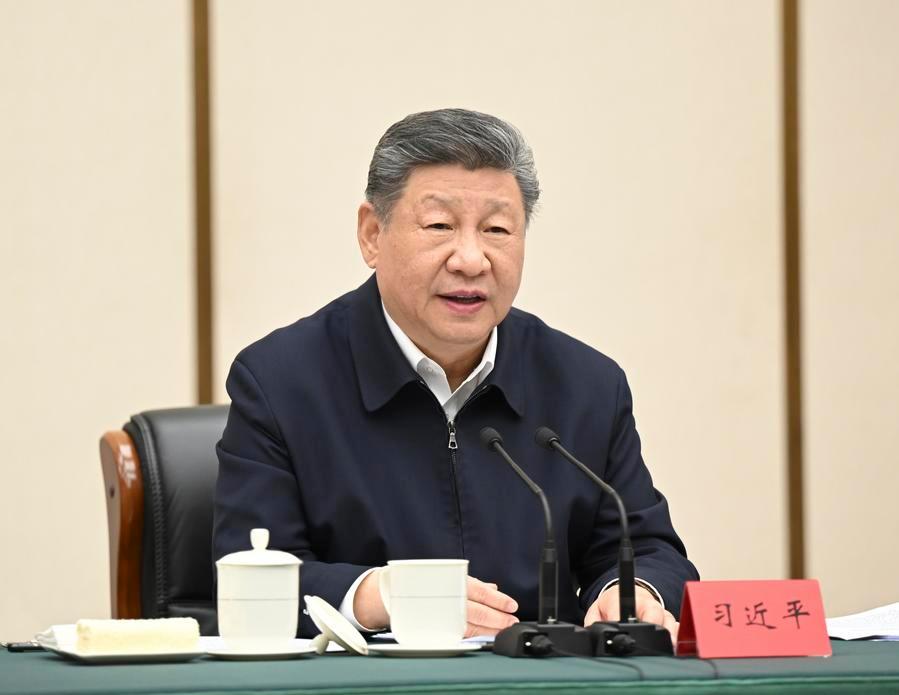
Chinese President Xi Jinping, also general secretary of the Communist Party of China Central Committee and chairman of the Central Military Commission, chairs a symposium on further advancing the high-quality construction and development of the Xiong’an New Area in the Xiong’an New Area, north China’s Hebei Province, March 23, 2026.
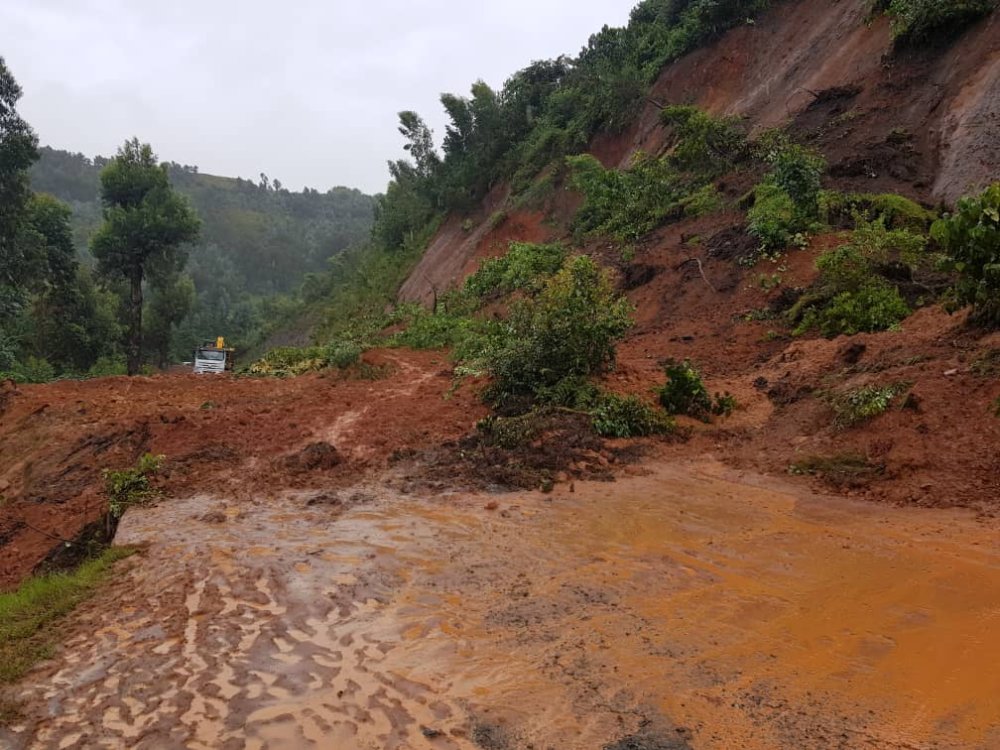
The rainfall, which started around 7 AM and continued until 5 PM, had already saturated the soil in the area, which had been experiencing heavy rains since the beginning of March.
The motorcyclists, who were returning from Gasenyi Trading Center, were caught by the landslide. The victims were Imanirafasha Diedonné, 23, from Nyabiguri Village, Gasharu Cell, and Ishimwe Chance, from Gasharu Cell, Gashanga Village.
The passenger, Harerimana Joseph, 42, from Karambo Village, Murengezo Cell, is currently receiving treatment at Kibuye Referral Hospital.
Fabien Ngendo, the Acting Executive Secretary of Mutuntu Sector, expressed condolences to the families of the deceased and urged residents to be more cautious.
He said, “We urge the community to remain vigilant, as the continuous heavy rainfall in Karongi has caused the soil to become unstable.”
Meteo Rwanda, the Rwanda Meteorological Agency, has forecasted above-average rainfall in March 2026, which could lead to more natural disasters.
This tragic event follows another similar incident three days earlier in Gashari Sector, Karongi District, where a landslide destroyed a house, resulting in two fatalities.
The Ministry of Emergency Management (MINEMA) recently reported that from January 1, 2025, to March 18, 2026, weather-related disasters, including heavy rains, landslides, and lightning strikes, have claimed the lives of 207 people nationwide, injured 432, and damaged 2,341 homes, with 35 completely destroyed.
The Houthis control much of northern Yemen. They have stayed largely on the sidelines since the U.S. and Israel struck Iran on Feb. 28. The restraint contrasts with the Houthis’ actions during the Gaza war, when they repeatedly targeted shipping and disrupted global trade.
Why are the Houthis holding back? Will they join the fight? What would their involvement mean for energy markets? Here’s what you need to know.
Strategic restraint
After the Feb. 28 strikes, the Houthis pledged “full support” for Iran. Leader Abdul-Malik al-Houthi said March 5 that the group has its hands “on the trigger,” but has yet to act.
On Thursday, al-Houthi repeated that his group stands ready to take military action if the Middle East conflict escalates, while reaffirming close ties with Iran.
Analysts say the group is exercising “strategic restraint,” arguing that entering such a major war carries serious risks for the Houthis.
Joining the conflict would likely trigger U.S. and Israeli strikes on Houthi-controlled areas in northern Yemen, a region already under severe economic strain after years of war and blockade. Sustained bombardment could cost the Houthis both territory and public legitimacy.
A broader offensive could also give Yemen’s internationally recognized government an opening to launch a counteroffensive. The two sides have been at war for more than a decade. The Yemeni government has warned the Houthis against dragging the country into the wider conflict.
Possible action
On March 20, Houthi political bureau member Mohammed al-Bukhaiti told Russian state media the group was weighing all options, including blocking the Bab el-Mandeb to ships from “aggressor countries.”
He said any closure would target only vessels from states attacking Iran, Lebanon, Palestine, or Iraq.
The Wall Street Journal reported on March 21 that Saudi officials are working to keep the Houthis out of the fight. The U.S. and Israel are also trying to avoid provoking them, a U.S. official said.
Maysaa Shujaa al-Deen, a researcher at the Sana’a Center for Strategic Studies, said the signal to act may not have come because Iran does not yet need it.
Given Iran’s proximity to the conflict, a Houthi intervention may be seen as a card held in reserve — to be played only if fighting escalates into a full-scale ground war or a total blockade of Iranian interests.
Potential impact
Iran is already restricting traffic through the Strait of Hormuz, a vital energy corridor, pushing up oil and gas prices.
The Bab el-Mandeb Strait connects the Red Sea to the Gulf of Aden and is a key chokepoint for shipping between the Atlantic, Indian Ocean, and Mediterranean. If the Houthis were to block it, global energy supplies could face a double disruption.
Reuters reported that the U.S. is considering deploying troops to secure the Strait of Hormuz and potentially strike Iran’s Kharg Island, about 15 miles off the Iranian coast, which handles roughly 90 percent of the country’s oil exports.
An Iranian military source issued a stark warning, saying that reckless U.S. action in Hormuz could trigger a second crisis. “They should be careful not to add another strait to their problems,” the source said.
On March 21, U.S. President Donald Trump threatened to “hit and obliterate” Iranian power plants unless Tehran reopened the Strait of Hormuz within 48 hours. He later ordered a five-day delay on strikes following “productive” talks with Iran, and on Thursday, extended the deadline another 10 days to April 6.
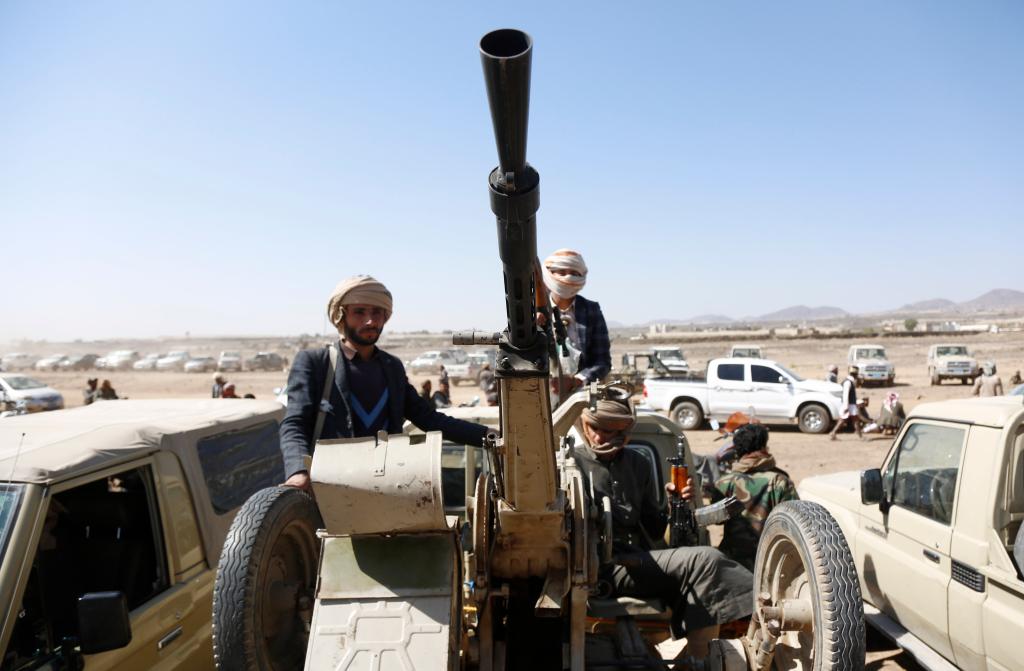
Armed men loyal to the Houthi group participate in an armed tribal rally supporting the resumption of attacks against Israeli ships, in Sanaa, Yemen, on March 11, 2025.Vessels of Iran’s Islamic Revolution Guards Corps are seen during a ceremony marking the National Persian Gulf Day at the Persian Gulf near Bushehr, Iran, April 29, 2024. Yemen’s Houthi group fighters ride a vehicle with a heavy machine gun during a weaponized rally against Israel, at Arhab district north of Sanaa, Yemen, Nov. 3, 2025.
A team of researchers from Baylor College of Medicine and international collaborators found that metformin targets a small protein in the ventromedial hypothalamus (VMH), a part of the brain that helps regulate energy and blood sugar levels.
The protein, called Rap1, is crucial for metformin’s action. When metformin suppresses Rap1 activity, it causes special nerve cells in the VMH to become more active, helping to lower blood sugar.
To test this, the research team used lab mice engineered to lack Rap1 in their VMH. These mice did not respond to metformin, showing that Rap1’s presence is necessary for the drug to function properly. The findings suggest that metformin works not only by acting on the liver and gut but also through direct action in the brain.
Further experiments were conducted where metformin was delivered directly into the brains of diabetic mice. Even though the doses were much smaller than the oral doses typically used, the mice still showed significant reductions in blood sugar. This experiment confirms that the drug’s effects are not limited to peripheral organs but also directly involve the brain’s regulation of blood sugar.
The research also showed that metformin activates SF1 neurons in the VMH, which are essential for blood sugar control. Without Rap1, these neurons did not respond to the drug, further reinforcing the idea that this brain pathway is critical to metformin’s function.
This discovery is a game-changer in diabetes research. It not only alters our understanding of how metformin works but also opens the door to developing new treatments that target brain pathways for better blood sugar control. The study also raises questions about the drug’s potential impact on brain aging and overall brain health, offering exciting possibilities for future research.
With this new insight, scientists are now exploring how metformin’s action in the brain could lead to more effective treatments for diabetes and other related health conditions.
Metformin’s long-hidden brain pathway may redefine how diabetes is treated.
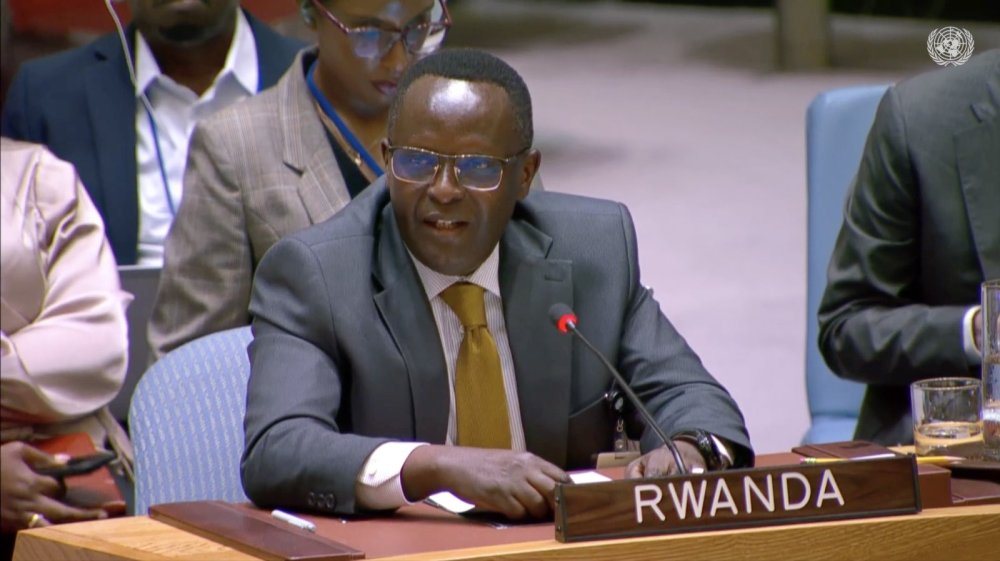
He was speaking at the UN Security Council briefing on the United Nations Organization Stabilization Mission in the Democratic Republic of the Congo (MONUSCO) on March 26, 2026, where he reaffirmed Rwanda’s commitment to a political resolution for the region, calling for a focus on the root causes of the conflict.
Amb. Ngoga made it clear that the conflict in eastern DRC is not of Rwanda’s making, noting that the country remains deeply concerned about the presence of the FDLR, a genocidal group founded by the perpetrators of the 1994 Genocide against the Tutsi.
According to Amb. Ngoga, the FDLR’s ideology remains unchanged and continues to spread throughout the region, posing a constant threat to Rwanda.
“The FDLR is not an ordinary armed group. It is a genocidal force, founded by remnants of those responsible for the 1994 Genocide against the Tutsi in Rwanda, and its genocidal ideology has never changed,” said Ngoga. “For Rwanda, it remains an ever-present threat, particularly given the devastation our country suffered as a result of that ideology.”
Amb. Ngoga stressed that eliminating the FDLR and its ideology is critical to any credible and lasting solution to the conflict in eastern DRC.
“Addressing the threat of FDLR is indispensable to any credible and lasting solution to the conflict in Eastern DRC,” he asserted. “This group must be neutralized, and their ideology and its vectors, such as hate speech, must be eradicated.”
Rwanda’s Permanent Representative to UN, Amb. Martin Ngoga stressed the need to neutralize FDLR to ensure as sustainable solution to eastern DRC protracted conflict.
Root causes of the conflict in DRC
Amb.Ngoga highlighted the internal dynamics of the conflict in DRC, stating that the root causes of instability in the region must be addressed by the Congolese themselves.
He emphasized the importance of the Doha Framework for Peace, which provides a platform for dialogue to address these internal issues and drive long-term peace in the region.
“The Doha Framework for Peace provides an important platform for dialogue aimed at addressing these internal drivers of instability. Progress in this process is therefore essential,” Amb. Ngoga explained.
He also pointed out that, alongside the Doha process, the implementation of the Washington Peace Agreement will be crucial in creating the conditions for a sustainable political settlement.
The Ambassador further emphasized that the peace process must address long-standing issues, including the return of refugees who have spent decades in camps.
“This track also provides the framework to finally resolve enduring challenges, such as the dignified return of refugees who have remained in camps for nearly three decades – Three hundred thousand in the region and many others in western countries,” he said.
International collaboration and accountability
Amb. Ngoga acknowledged the vital role of international partners, including the United States, Qatar, and the African Union, in supporting the peace process. He emphasized that the success of these efforts depends on continued impartial engagement, rooted in facts and verifiable evidence.
“Decisions and actions taken in support of peace must reinforce the credibility of these processes and ensure that all parties remain equally bound by the commitments they have made,” Amb.Ngoga stated.
“Enforcement and support mechanisms should apply equally and justly to all parties. In other words, enforcement and support mechanisms for these peace processes must be not only even-handed but also be seen to be even handed,” he added.
Former FDLR Secretary General Brig Gen Gakwerere was tranferred to Rwnda after his arrest last year.
Humanitarian crisis and the need for immediate action
The Ambassador also addressed the rising humanitarian consequences of ongoing hostilities, particularly the increasing use of drones and aerial attacks in civilian areas.
These attacks have caused significant civilian casualties, including a recent tragedy in Goma, where a humanitarian worker and several civilians lost their lives.
“Recent months have also seen an escalation in the use of drone strikes and other aerial attacks in populated areas. As the report notes, such attacks have already resulted in civilian casualties,” Amb. Ngoga explained.
From January to March, Congolese army, FDLR, and other allied groups carried out several drone attacks, including one on March 9, 2026, in Minembwe, which damaged infrastructure, and another on March 19, 2026, that hit civilian homes, destroying buildings and causing numerous casualties.
Amb. Ngoga called for an immediate ceasefire and the establishment of conditions to protect vulnerable communities and support ongoing political processes.
“These developments underscore the urgent need for a ceasefire and for conditions that can effectively protect vulnerable communities and support ongoing political processes,” he stated.
Amb. Ngoga reiterated Rwanda’s commitment to the Washington Peace Agreement and the Doha Framework for Peace. He emphasized the importance of turning agreements into tangible progress on the ground and ensuring that the agreed monitoring mechanisms are effectively implemented.
“If we remain focused on implementation and on addressing the root causes of this conflict, we have a genuine opportunity to move toward a durable and lasting peace in the region,” Ngoga concluded. “Rwanda pledges to play its part honestly and fully.”
Following missile strikes and joint operations by Iran and allied resistance groups that damaged U.S. military infrastructure in West Asia, some surviving U.S. personnel have taken refuge in hotels in regional countries, including Bahrain and the UAE, said the report.
The hotels and civilian places used by the U.S. military personnel are not limited to those in Bahrain and the UAE, the informed sources were quoted as saying. And substitute bases and places sheltering foreign forces have also been detected in other regional states.
The U.S. Marines have been transferred to Djibouti’s international airport and deployed to the region, said the report.
Security inspect outside the Erbil Arjaan by Rotana hotel, in Erbil, northern Iraq, March 6, 2026. (AFP Photo)
The force, likely to include infantry and armored vehicles, would be added to the roughly 5,000 Marines and thousands of paratroopers from the 82nd Airborne Division already ordered to the region, said the report, citing Department of Defense officials.
It is unclear exactly where the forces will be deployed in the Middle East, but they are expected to be within striking distance of Iran and its Kharg Island, a crucial oil export hub, the report added.
“All announcements regarding troop deployments will come from the Department of War. As we have said, President Trump always has all military options at his disposal,” Anna Kelly, deputy White House press secretary, was quoted as saying.
Trump said earlier on Thursday that he would pause planned strikes on Iranian energy facilities for 10 more days, until April 6 at 8 p.m. Eastern Time, claiming that talks between the two sides were “going very well.”
Iran has publicly rejected a 15-point peace plan proposed by the White House but is privately considering meeting with unspecified U.S. negotiators in Pakistan in the coming days, said a report from The New York Times.
The United States and Israel launched massive attacks on Iran on Feb. 28, disrupting global shipping, driving up oil prices and shaking the global economy.
Reports indicate that Pentagon is considering deploying up to 10,000 additional ground troops to the Middle East
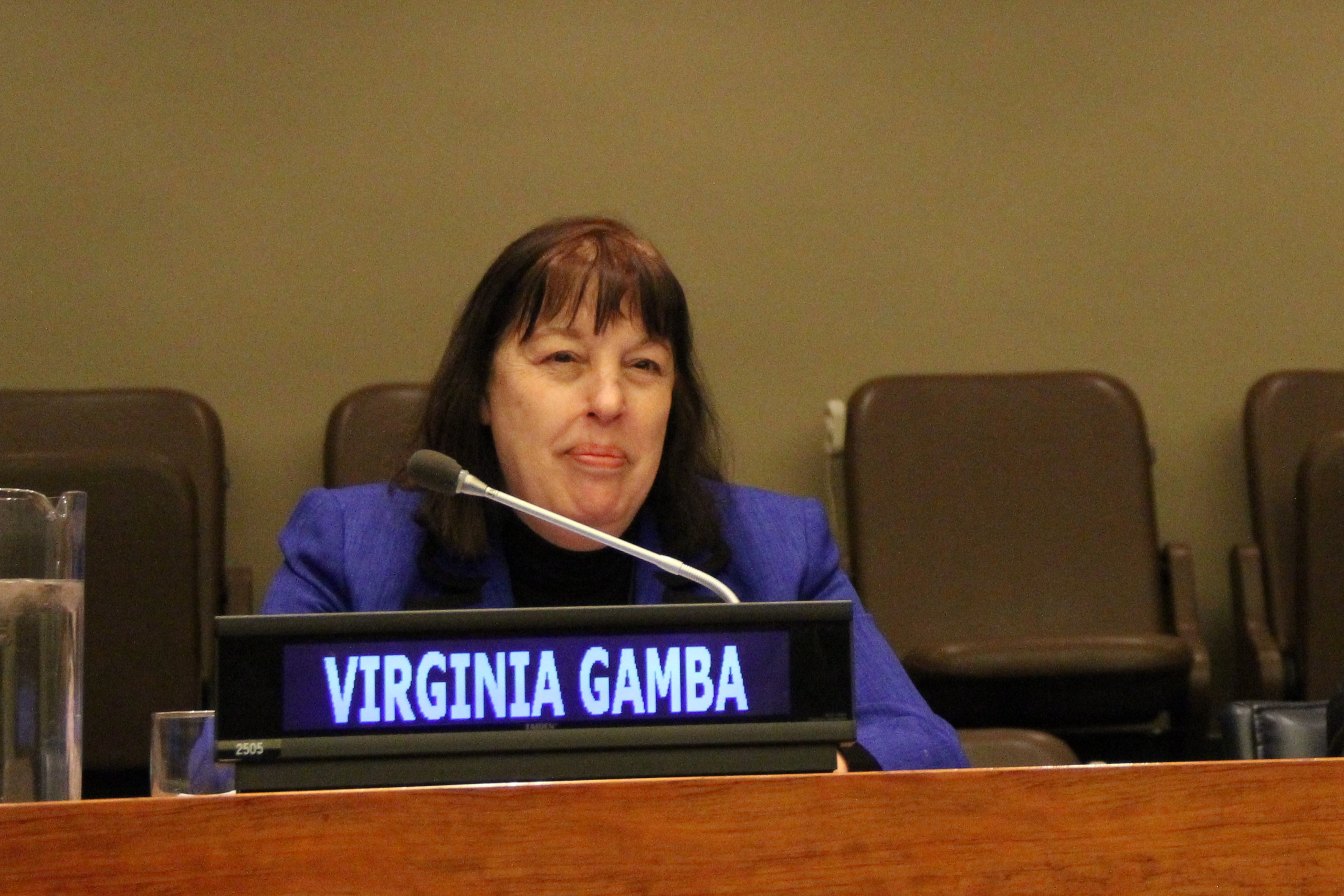
The Maldives has notified the president of the UNGA and the president of the Security Council of its decision to withdraw its nomination of Gamba, according to a note to correspondents issued by the spokesperson of the Office of the President of the UNGA.
With the withdrawal, there are four candidates for the next UN secretary-general: former Chilean President Michelle Bachelet, originally nominated by Chile, Brazil and Mexico; Rafael Grossi, the current director general of the International Atomic Energy Agency, nominated by Argentina; Macky Sall, former president of Senegal, nominated by Burundi; and Rebeca Grynspan, economist and former vice president of Costa Rica, nominated by Costa Rica.
According to documents posted on the website of the United Nations on Thursday, Chile has withdrawn its nomination of Bachelet, but she will remain as a candidate nominated by Brazil and Mexico.
Antonio Guterres, the current and ninth secretary-general of the United Nations, took office in January 2017. The next UN secretary-general will take over the role from Jan. 1, 2027.
At the spring, Niyonambaza Rachel Aisha, a representative of the women, remembers how different life used to be.
“In our daily lives, many things have changed. Before, we did not have clean water,” she says.
For more than two decades, cooperation between the Government of Rwanda and the Government of Japan, implemented through the Japan International Cooperation Agency (JICA), has quietly transformed rural water services. Behind each functioning water point are people like Rachel.
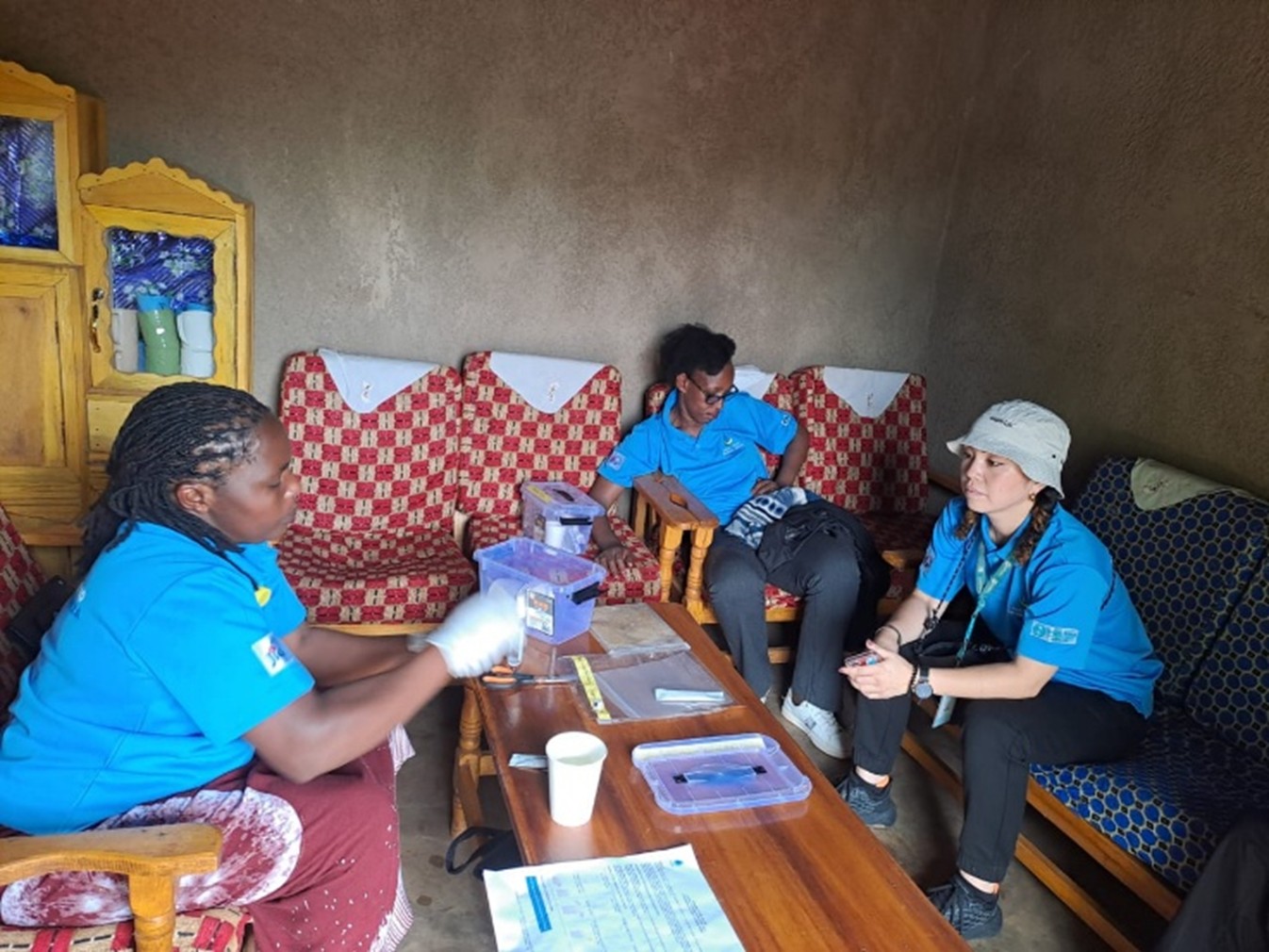
A community environmental health officer conducts an E. coli test at the household level for Kampambara Spring, Kazo Sector, Ngoma District, on February 23, 2026.
Before the rehabilitation of Kagezi spring under the “Project for Rural Water Supply Services and Infrastructure Management Development (RWASOM2)” in October 2024, fetching water was a daily struggle.
“The water was dirty and contained worms. Many in our community fell ill from unsafe water,” Rachel recalls.
Today, the spring is capped, channeled, and protected. Clear water now flows through a tap onto a clean concrete platform. The improvement is visible, but its deeper impact is measured in health and dignity.
“When you have clean water, you have good health. Now children go to school and study well because they are healthy,” Rachel says.
Seeing the transformation, Rachel and her community have committed themselves to protecting the spring. Every Saturday, they clean the area and ensure it remains safe.
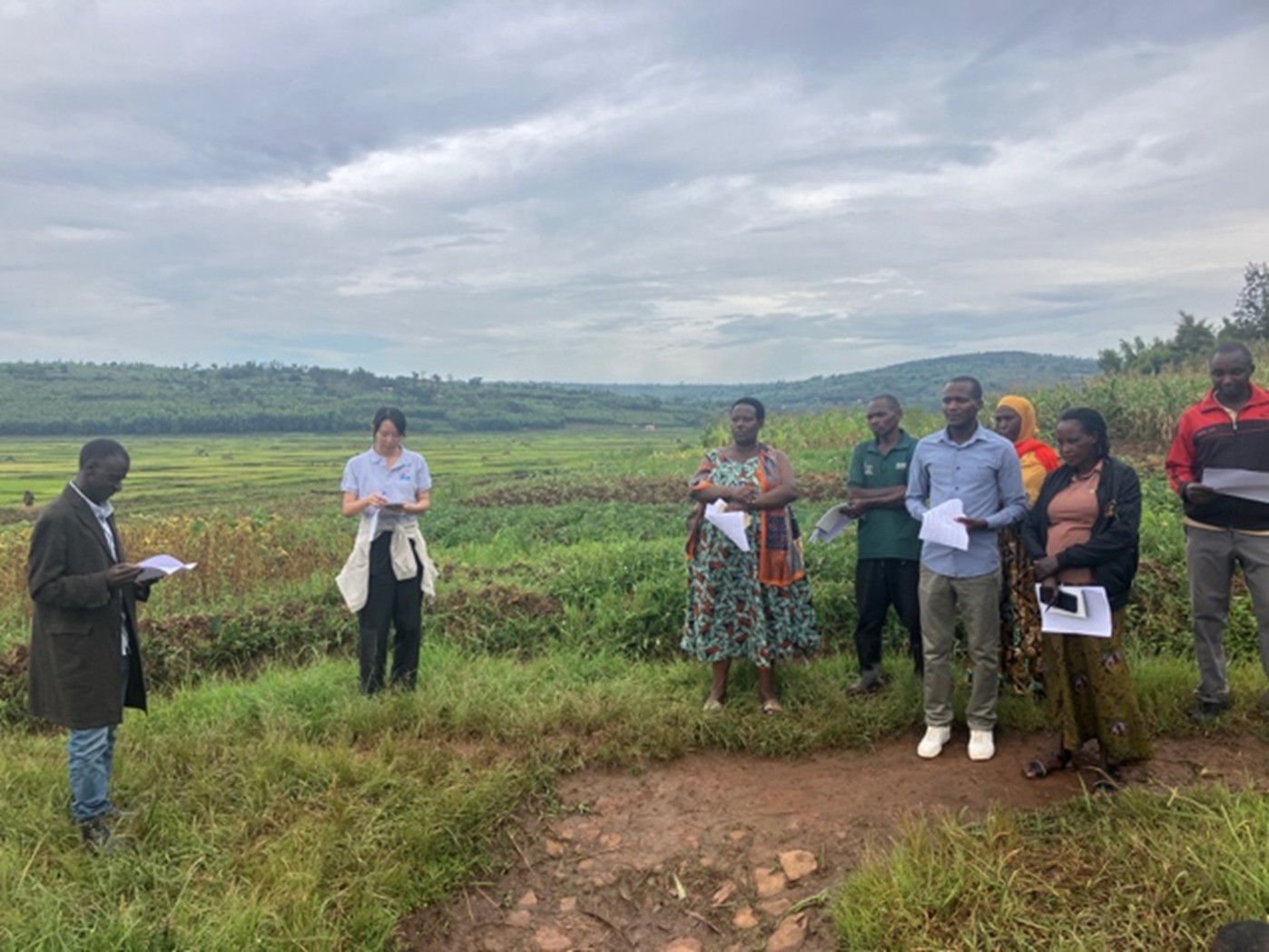
Transect walk during the workshop on CWSP monitoring for Rwamatabaro Spring in Rubona Sector, Rwamagana District, on February 5, 2026.
Building systems, strengthening communities
At the national level, rural water management is coordinated by the Water and Sanitation Corporation (WASAC). For Vincent de Paul Mugwaneza, Director of Water Supply at WASAC Development, the partnership with JICA has been both technical and transformative.
“Our projects with JICA are designed to address existing challenges. Before implementation, we ensure they align with national water strategies and are likely to deliver real, measurable impact,” he explains.
JICA’s long-standing cooperation has gone beyond infrastructure development; it has helped build a stronger and more sustainable ecosystem for water supply management by strengthening management structure, training private operators, and providing district teams with tools for planning, monitoring, and maintenance.
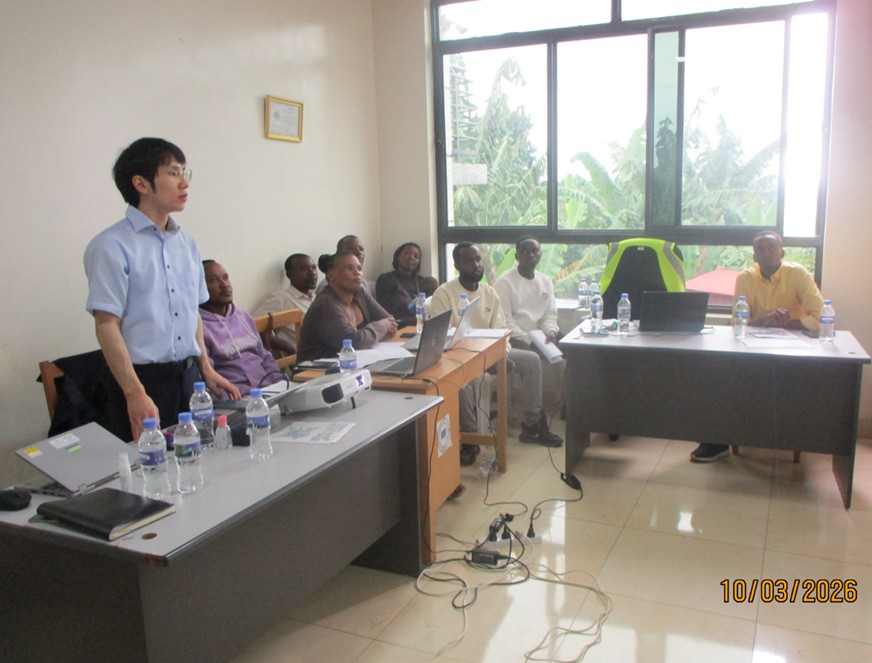
Business development training for sustainable water management for staff of AYATEKE Star Company Ltd (PO-Gatsibo), 10–12 March 2026.
RWASOM’s JICA expert Satoshi Ishida notes that sustainability depends less on construction and more on post-project management.
“Private operators manage rural pipelines and contribute a royalty fee equivalent to 10% of their revenue to WASAC, which funds major repairs and facility renewal plans,” he says.
The project improved how private operators plan repairs, shifting them from reactive to preventive management. Ishida adds that mapping facilities with GIS helps operators prioritise investments and promotes a culture of preventive maintenance.
Measurable improvements have followed. “We track functioning versus non-functioning systems and citizen complaints. These indicators provide a clear picture of progress,” Mugwaneza explains.
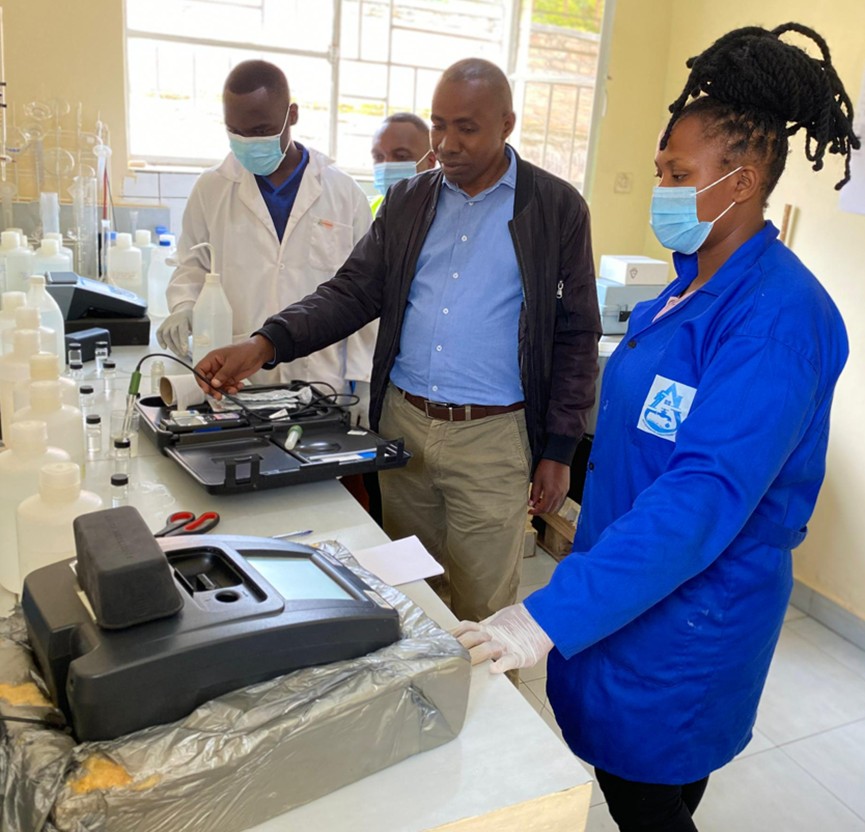
Refresher training for staff of Waterways Creation Ltd and Patto Water Ltd on conducting water quality testing for physico-chemical parameters, February 13, 2026.
On the ground, district officers ensure that systems continue to run. In Eastern Province, Nderabakura Jean Claude, District WATSAN Officer, monitors water points across wide rural areas.
“We must know how many water points we have, which are functioning, and why some are not,” he explains.
Training supported by JICA has expanded the district’s technical capacity. Officers now develop expansion plans using GIS and QGIS, design pipelines on paper, and calculate realistic budgets. Ishida notes that embedding skills in WASAC, districts, and communities ensures that knowledge is institutionalised rather than reliant on external experts.
Water quality monitoring is also essential. “We test chemical and biological parameters, check chlorine levels, ensure pH balance, and supervise cleaning of storage tanks,” Jean Claude says.
The impact is clear: waterborne diseases have decreased, even in health facilities.
Protecting gains
Despite progress, challenges remain. In some rural areas, vandalism and illegal connections threaten infrastructure, particularly during dry seasons. JICA has introduced digital monitoring and mapping tools to help operators respond quickly.
“Mapping water systems and sharing operational reports online allows rapid identification of failures,” Ishida explains.
“Some cut pipes for mud bricks or industries,” Jean Claude notes, adding that security patrols and community sensitisation have reduced incidents.
Yet even amid constraints, the principle of community ownership remains central.
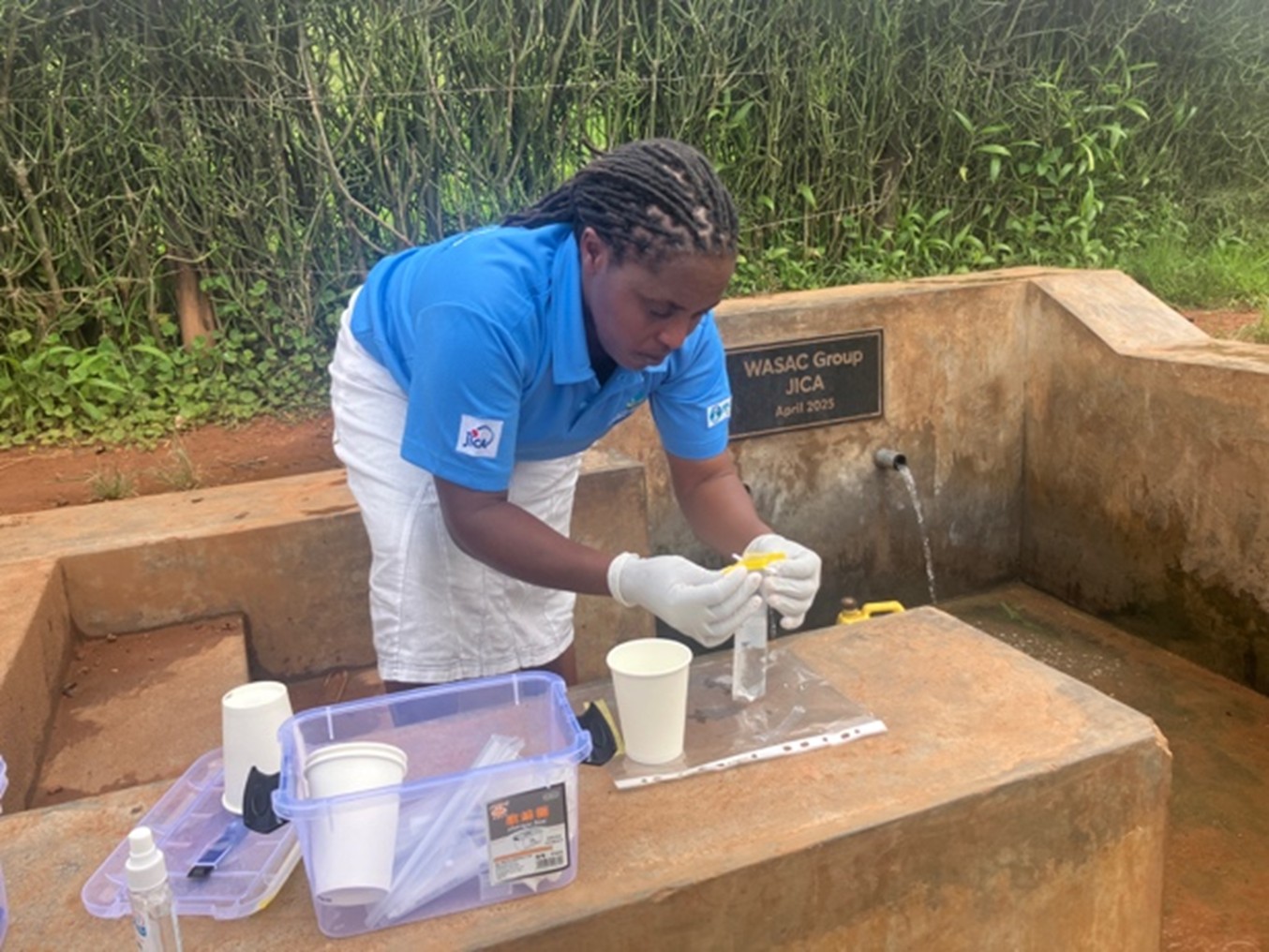
Staff of Waterways Creation Ltd measuring residual free chlorine in Ngoma District, February 10, 2026.
To strengthen that ownership, JICA volunteers are rooted in the community and dedicated to protecting water sources. Over the past two decades, 61 JICA volunteers in water and sanitation have been placed in rural districts, supporting daily operations, data management, maintenance training, and hygiene promotion. Before these interventions, many boreholes with handpumps were not functioning.
“The government’s development policy emphasises citizen participation,” Jean Claude says. “When citizens request infrastructure and see it delivered, they appreciate it. They recognise its value and become more willing to protect and maintain it.”
Rachel embodies that spirit. At Kagezi Spring, they do not wait for breakdowns. They clean drainage channels, check for cracks, and keep watch.
“Now we have been given water, and we also have the responsibility to protect it,” she says firmly. “No one is allowed to damage it.”