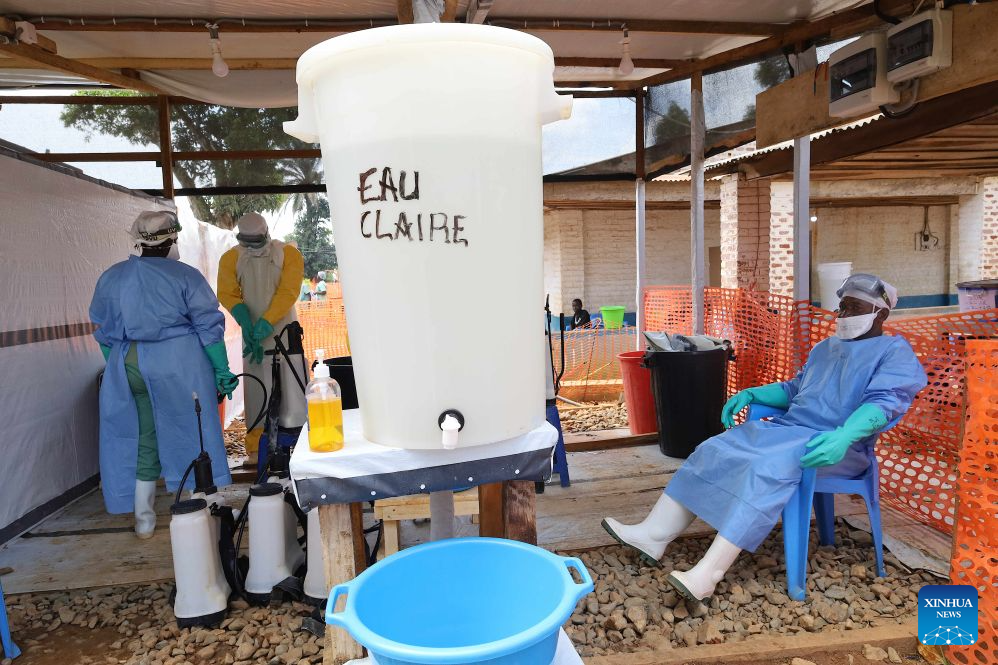
According to figures released by the DRC health ministry, the country has reported 1,003 confirmed cases, including 254 deaths, with an overall case fatality rate of 25.3 percent.
A total of 365 patients are currently in isolation or hospitalized, while 100 patients have recovered, the update said. The contact follow-up rate across the three affected provinces stood at 58 percent.
Despite the rise in cases, Ebola response efforts remain active, with heightened surveillance, intensified community outreach, and ongoing efforts to strengthen case management and diagnostic capacity, authorities said.
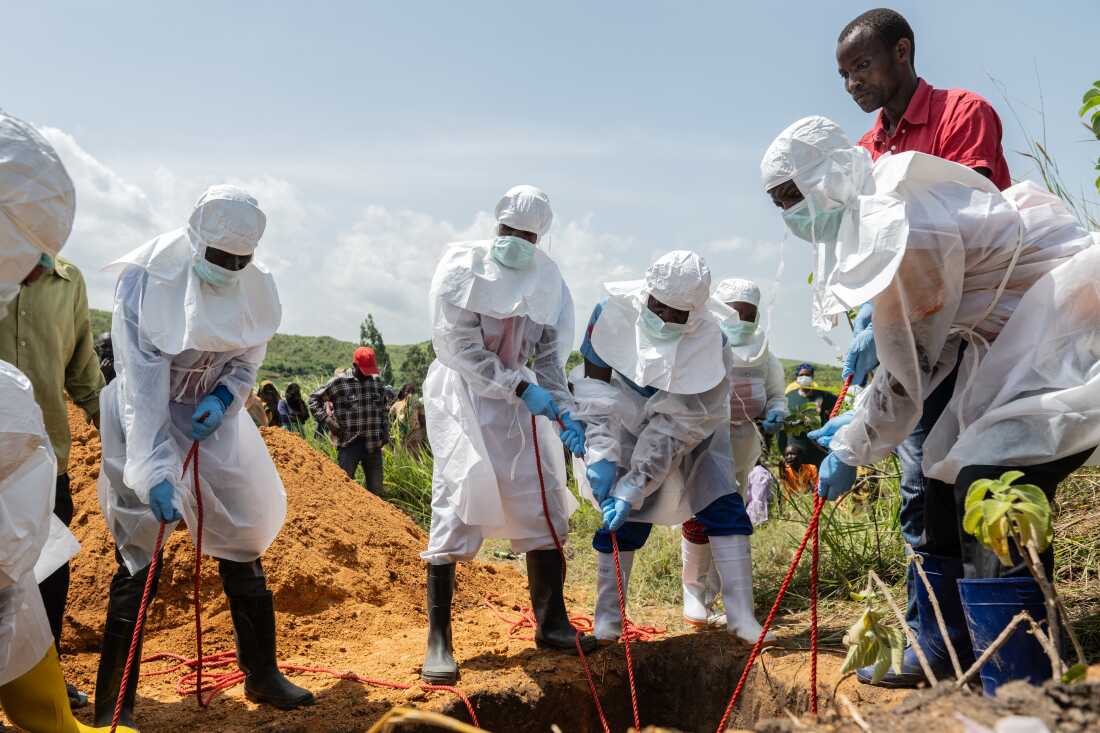
Red Cross workers bury an Ebola victim at the Rwampara Cemetery, in Rwampara, Congo, Saturday, May 23, 2026.
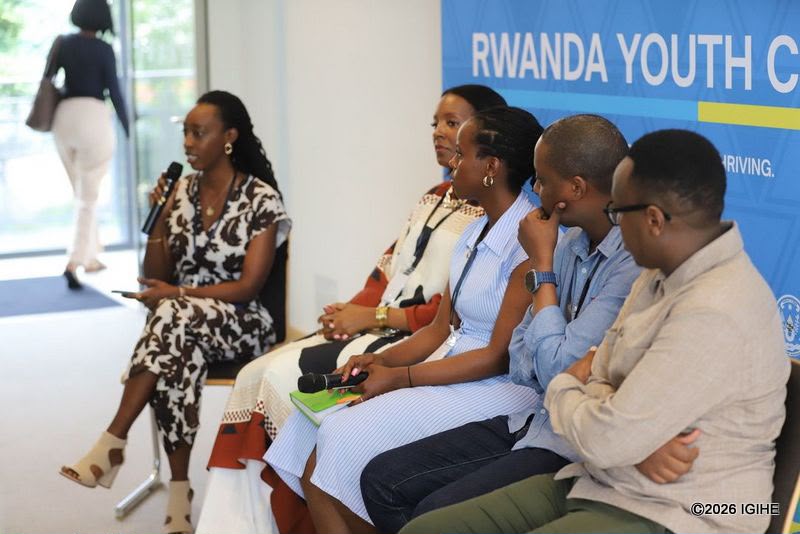
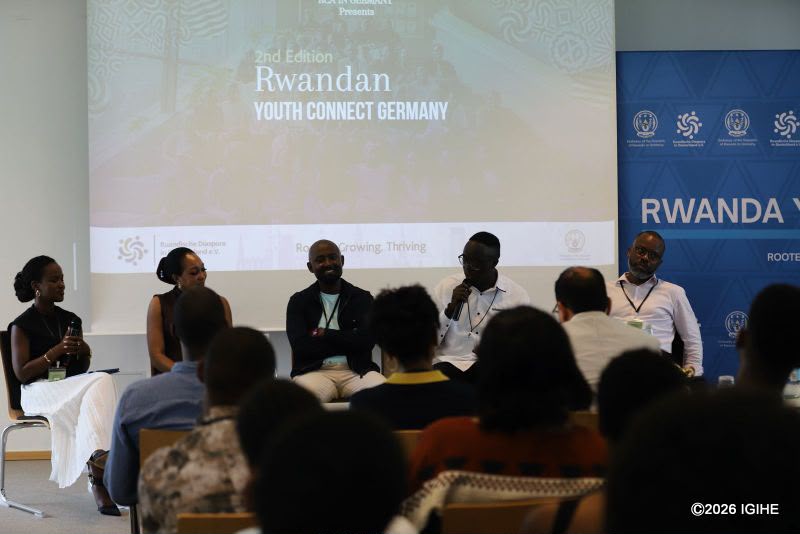
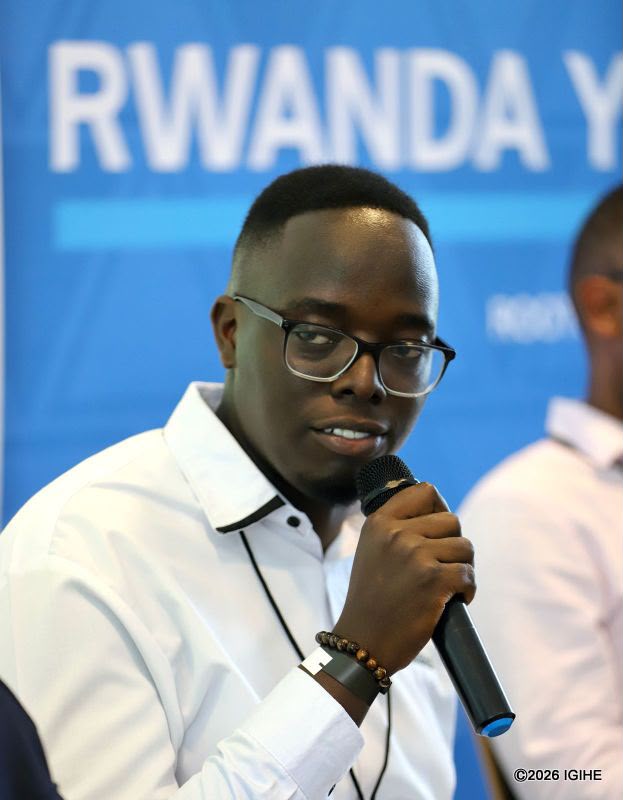
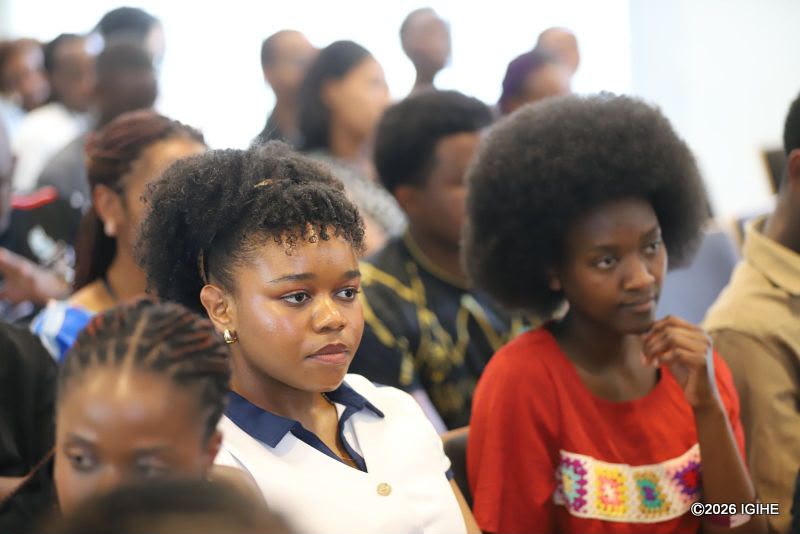
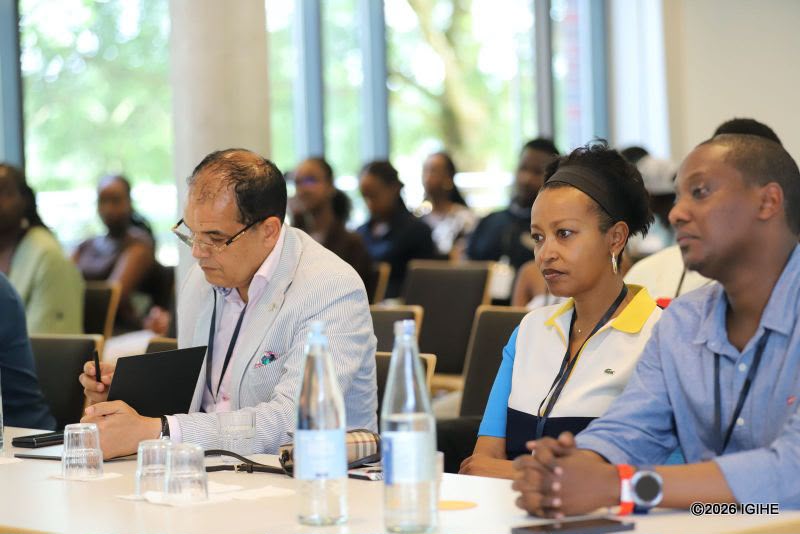
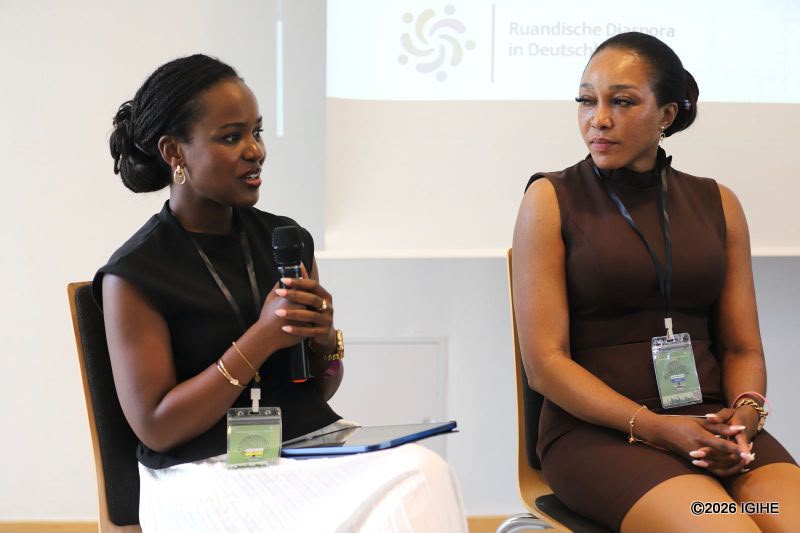
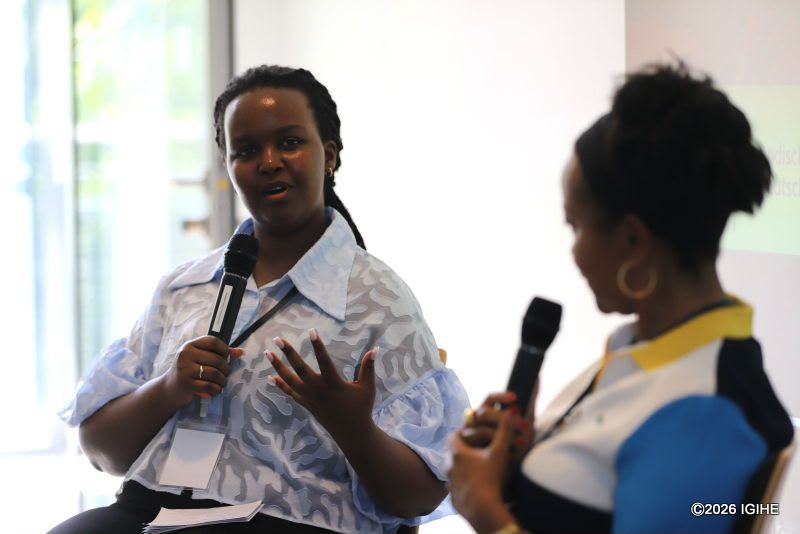
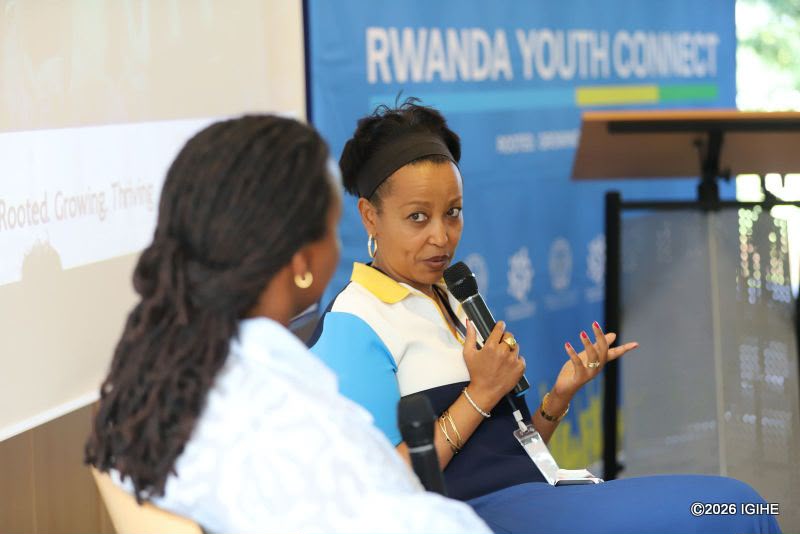
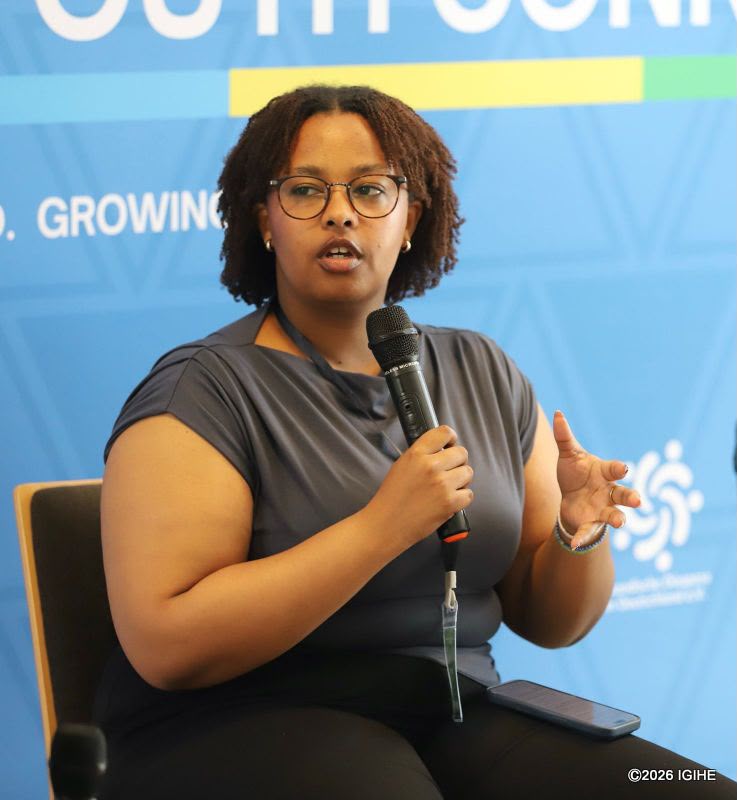
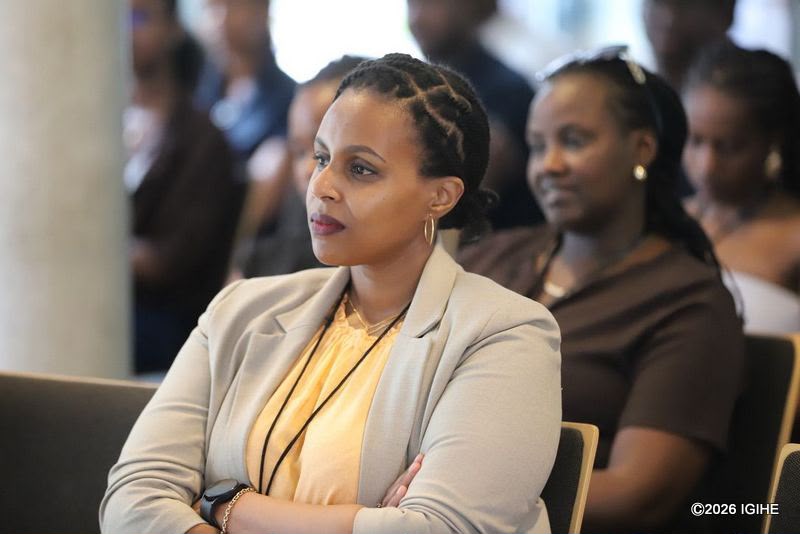
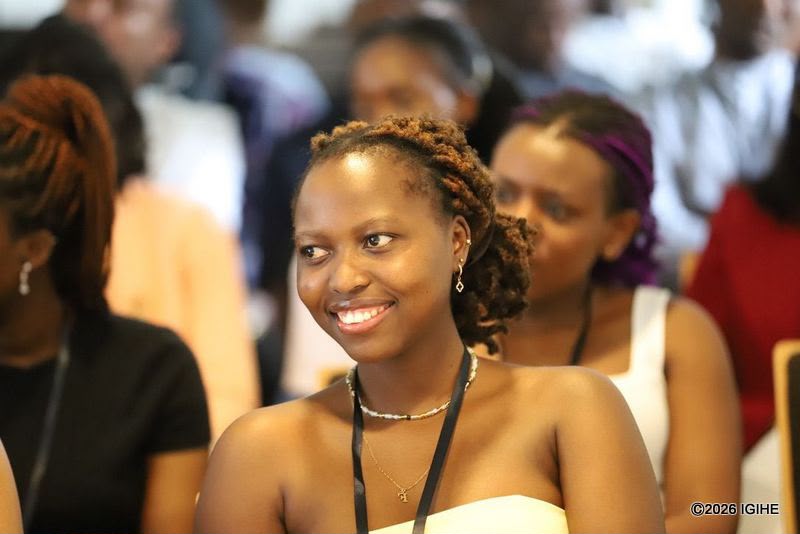
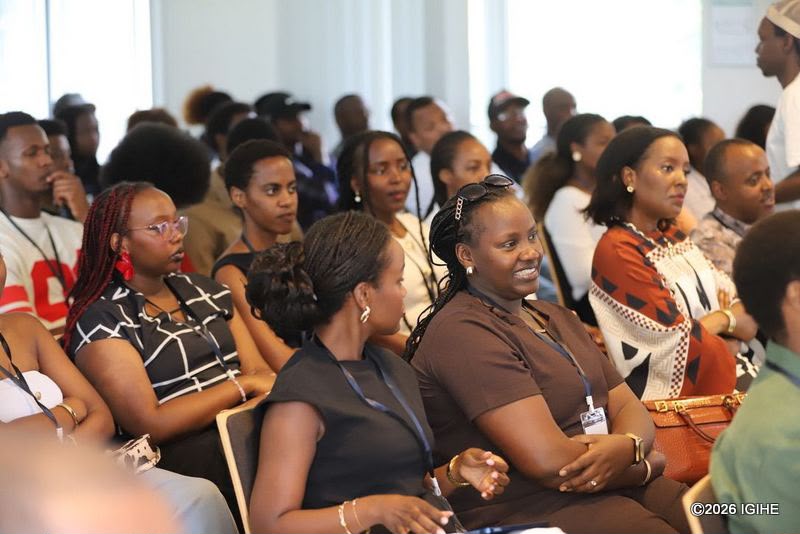
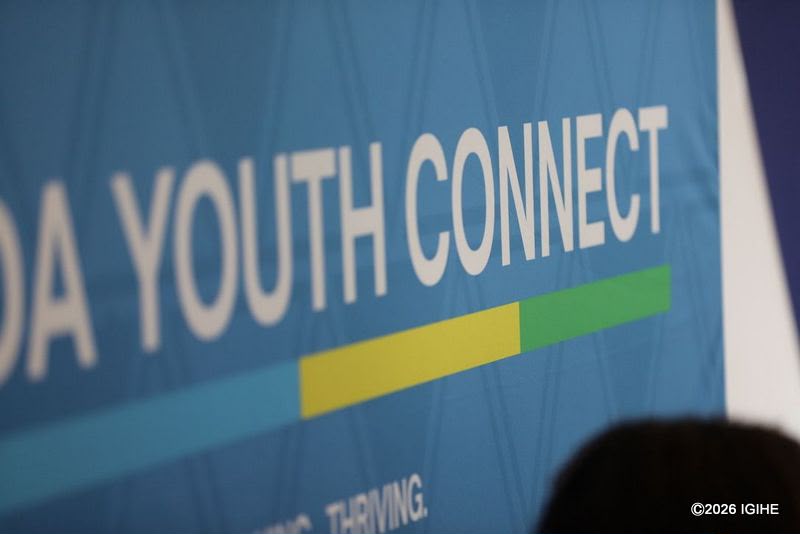
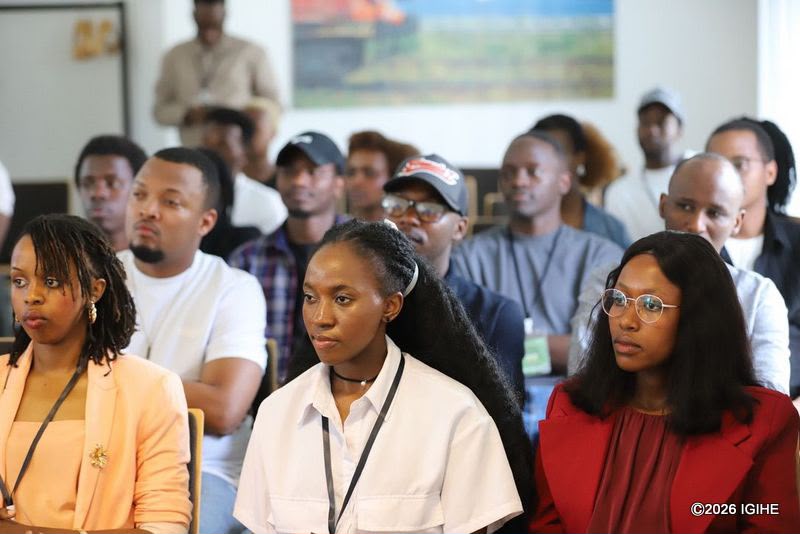
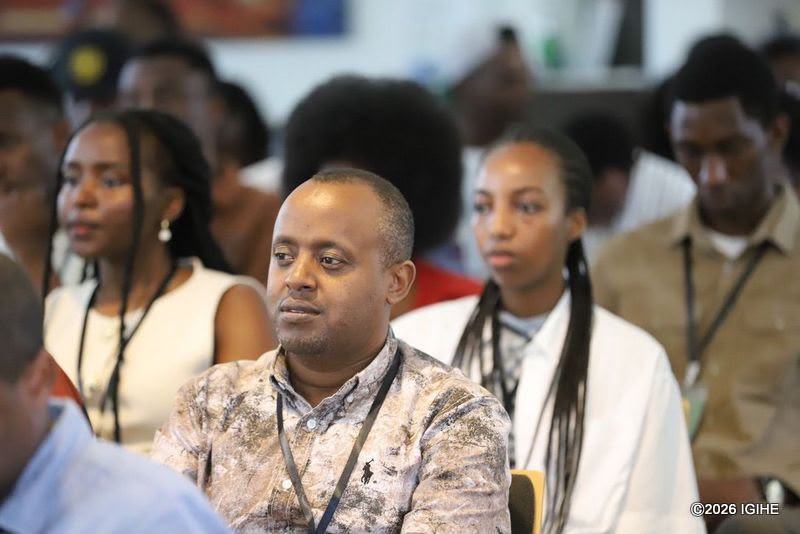
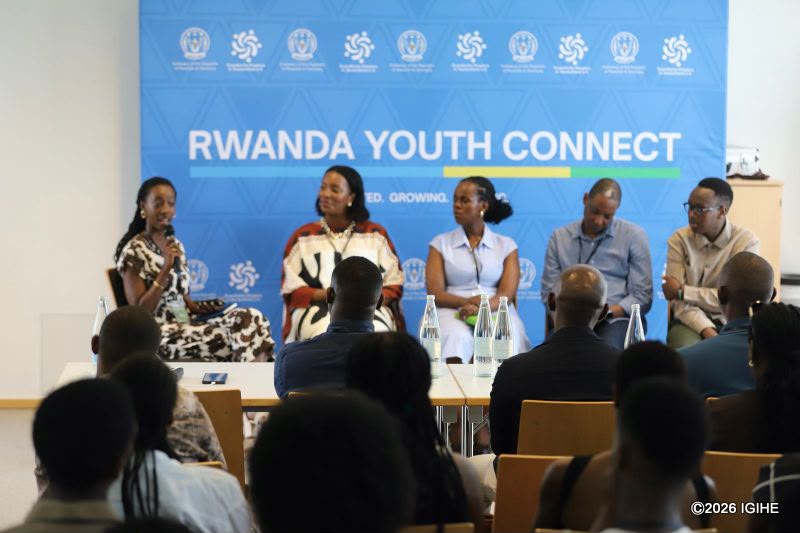
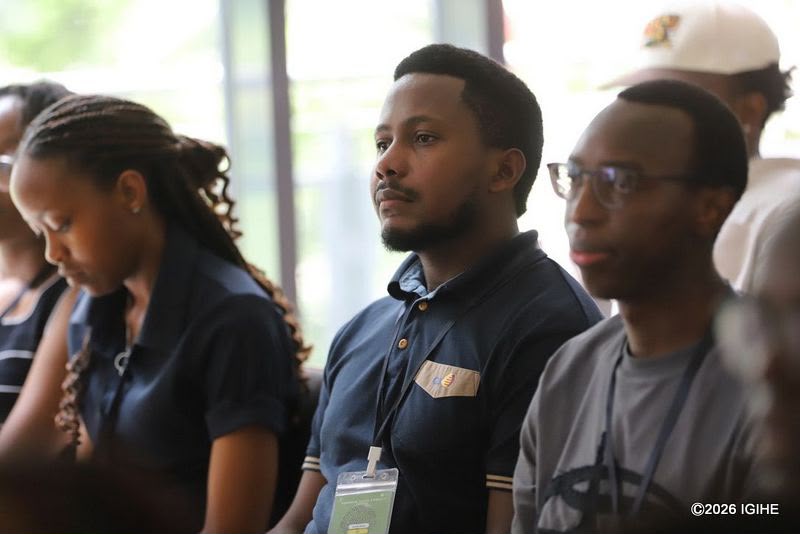
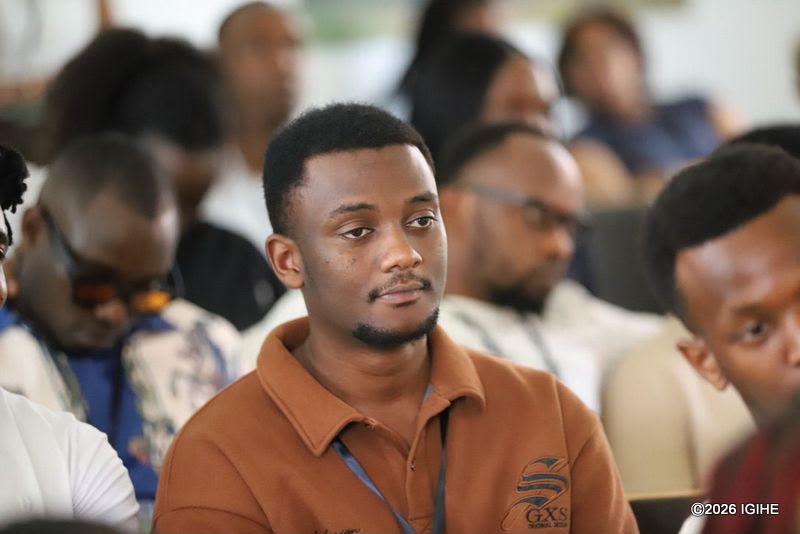
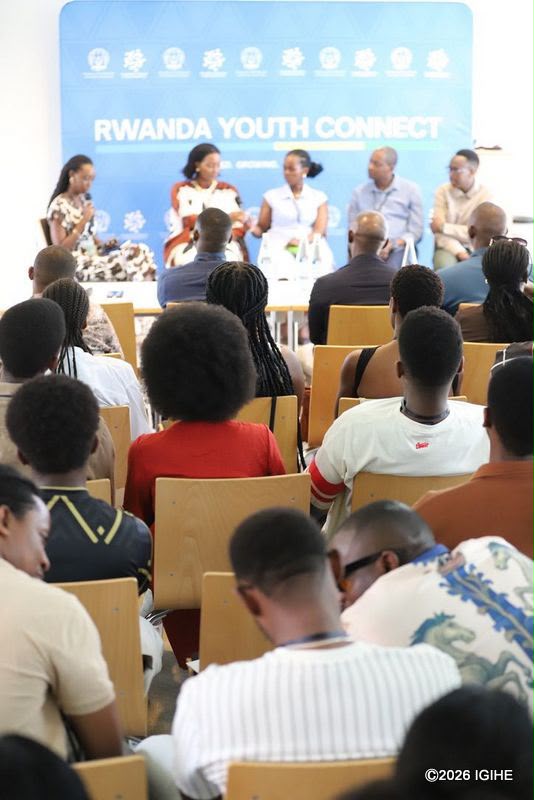
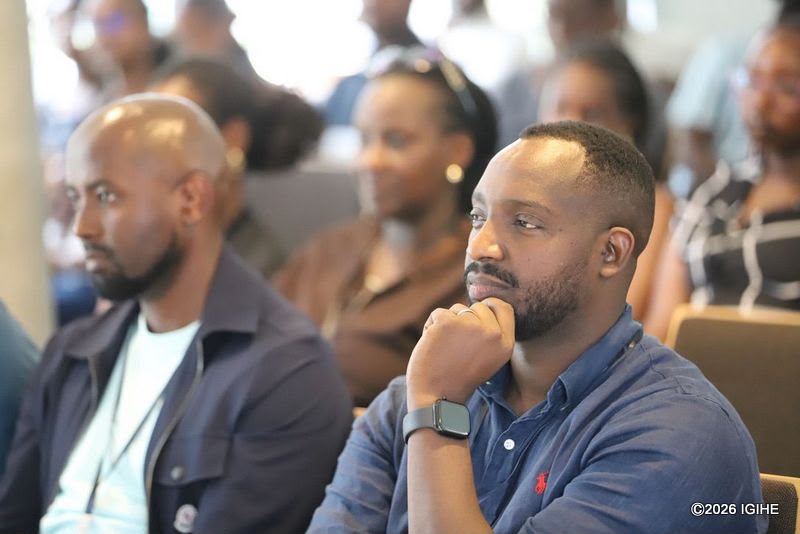
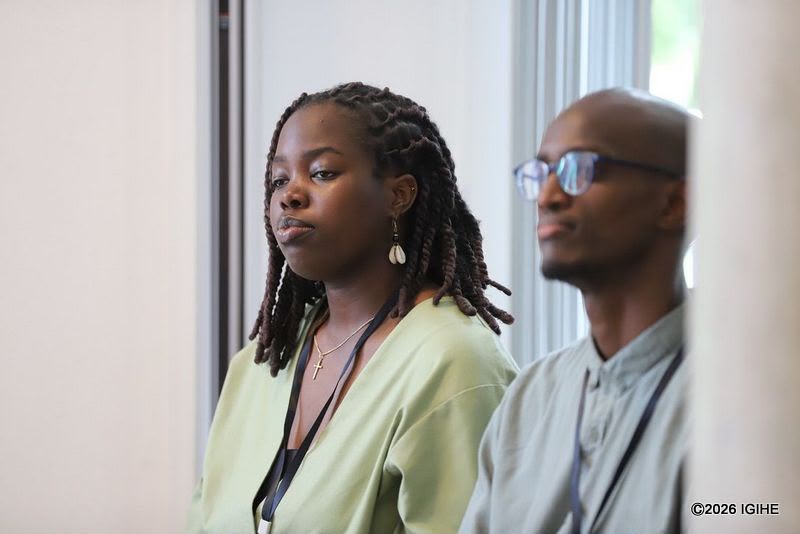
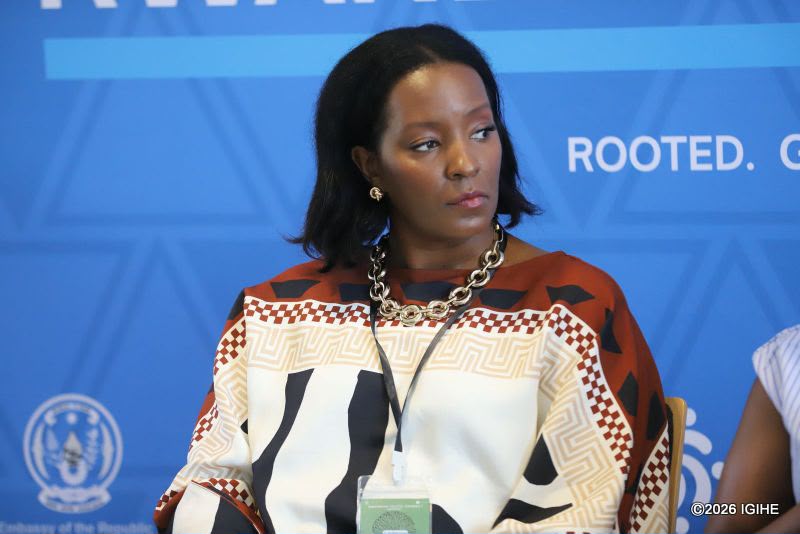
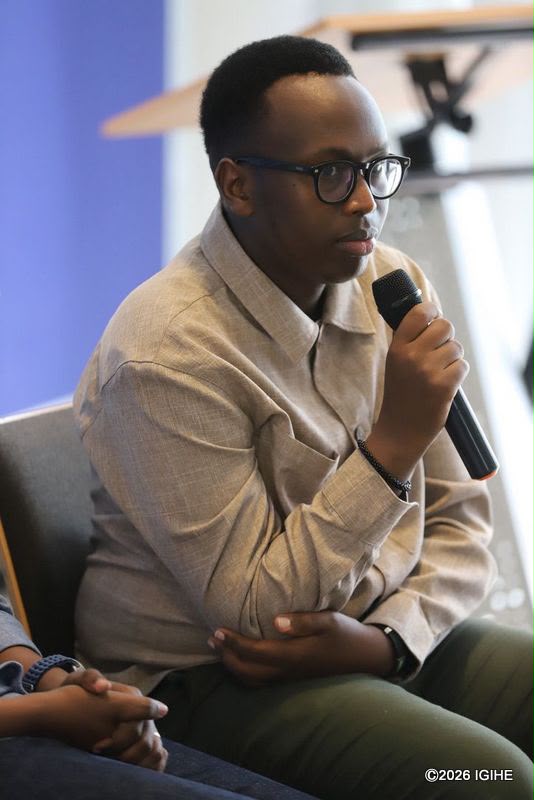
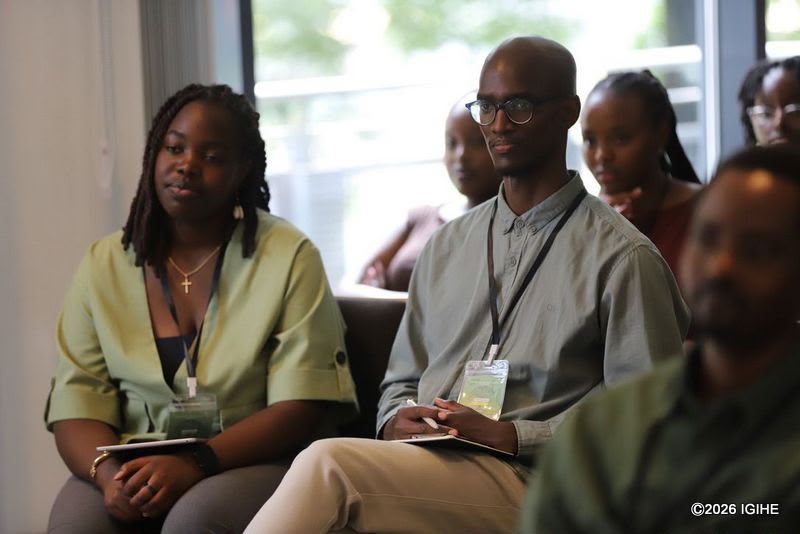
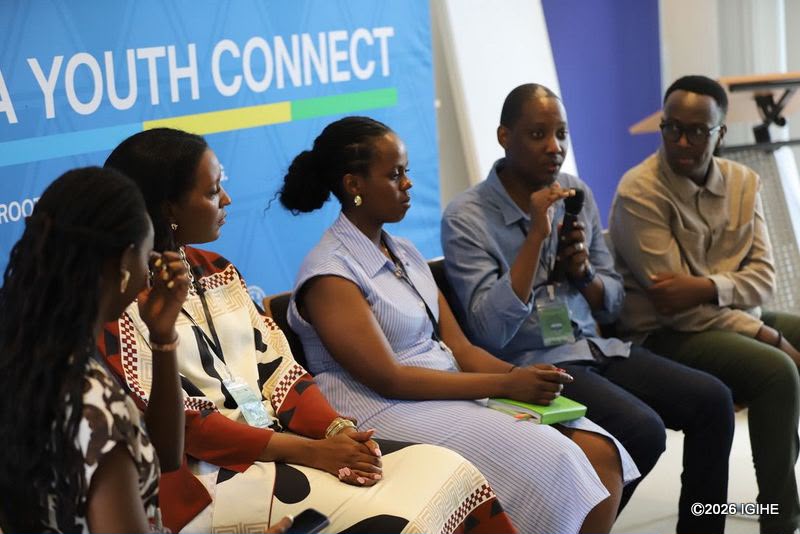
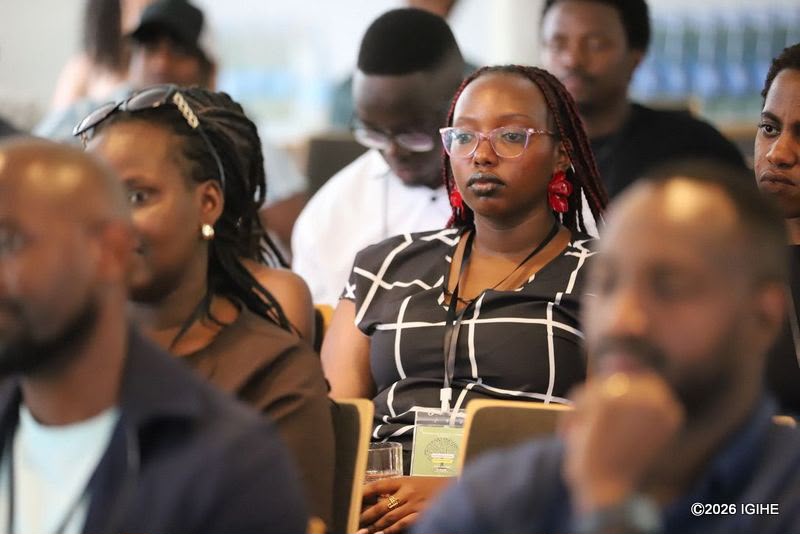
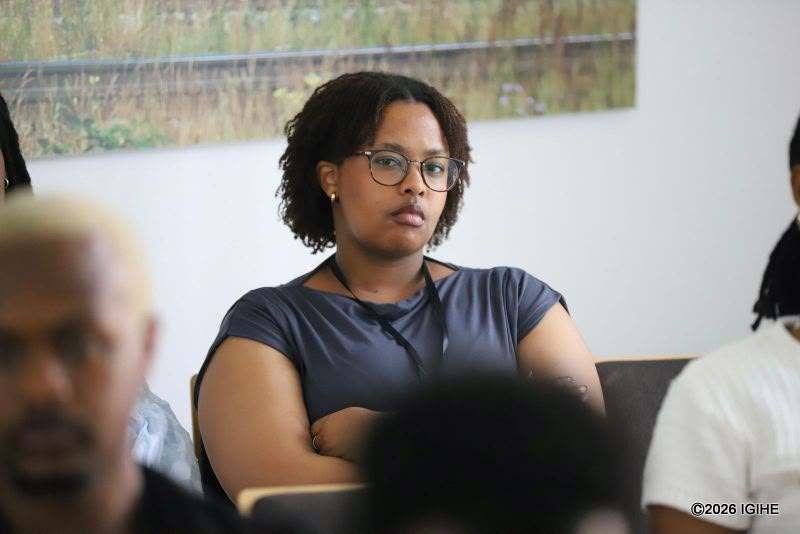
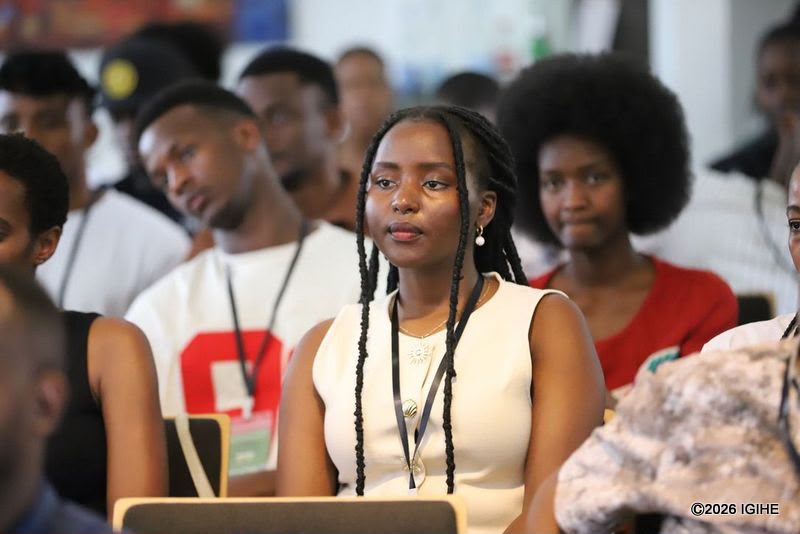
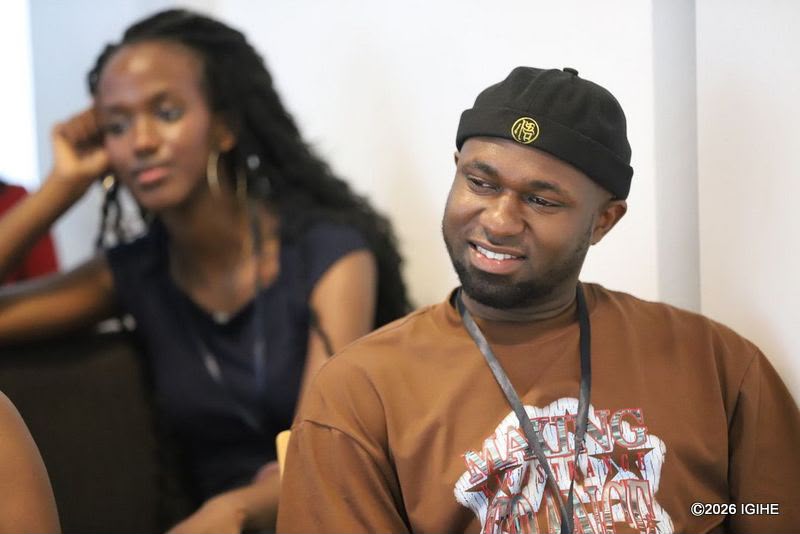
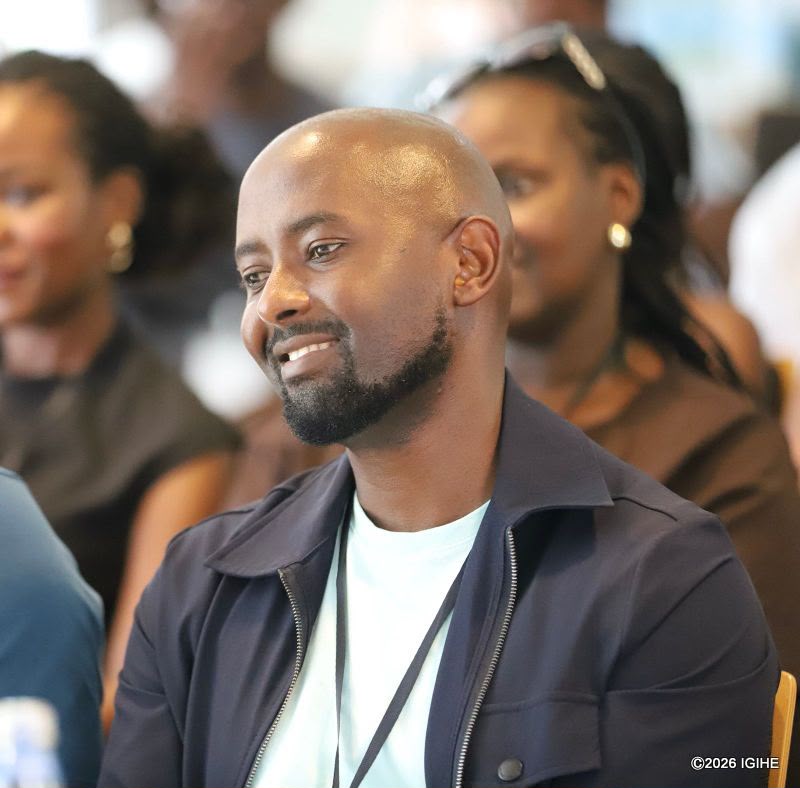
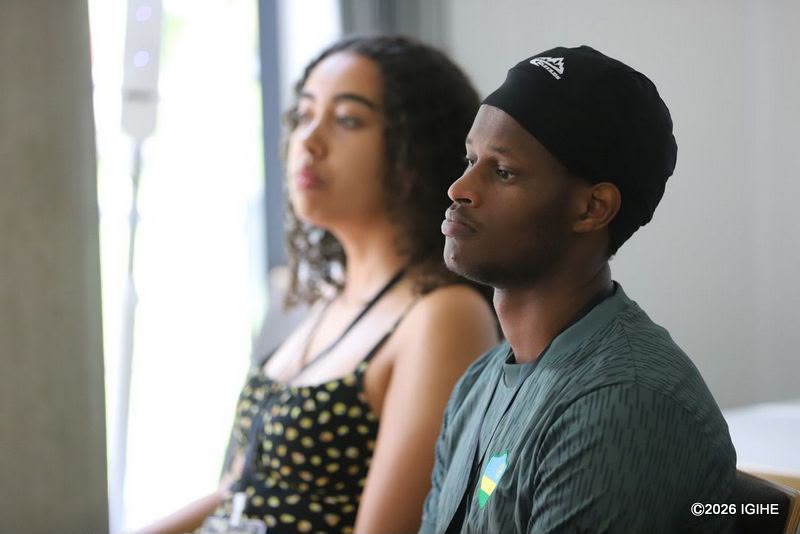
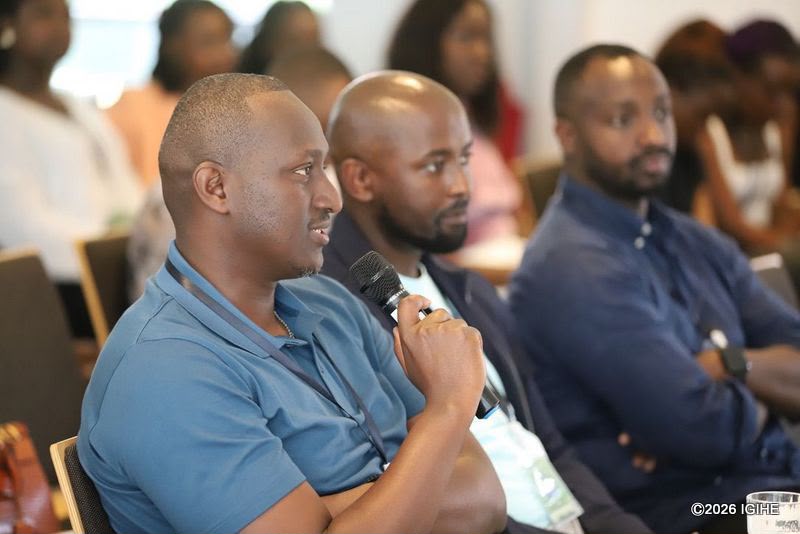
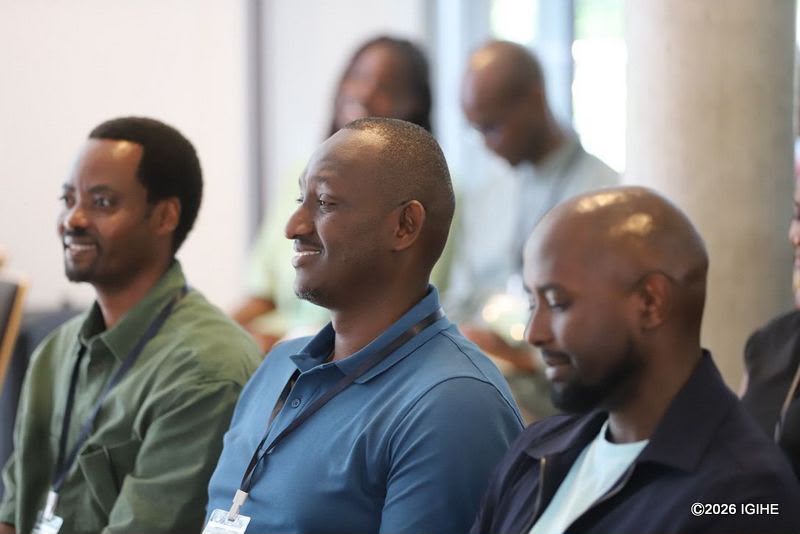
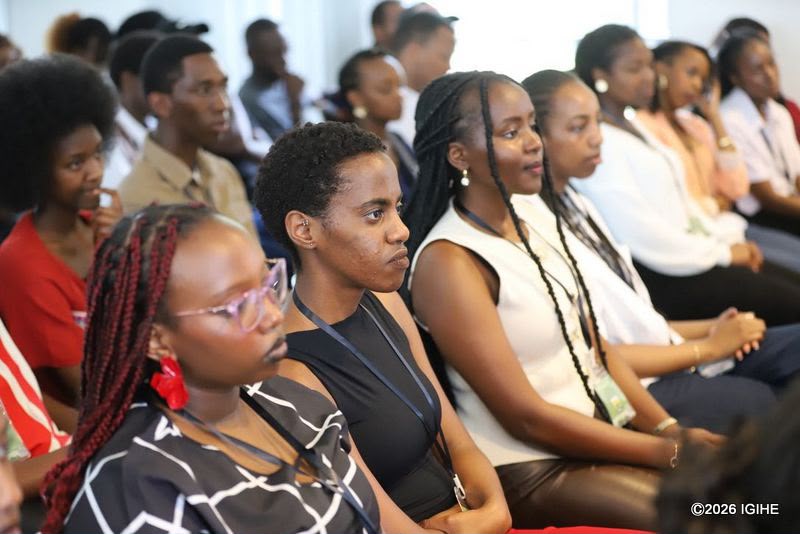
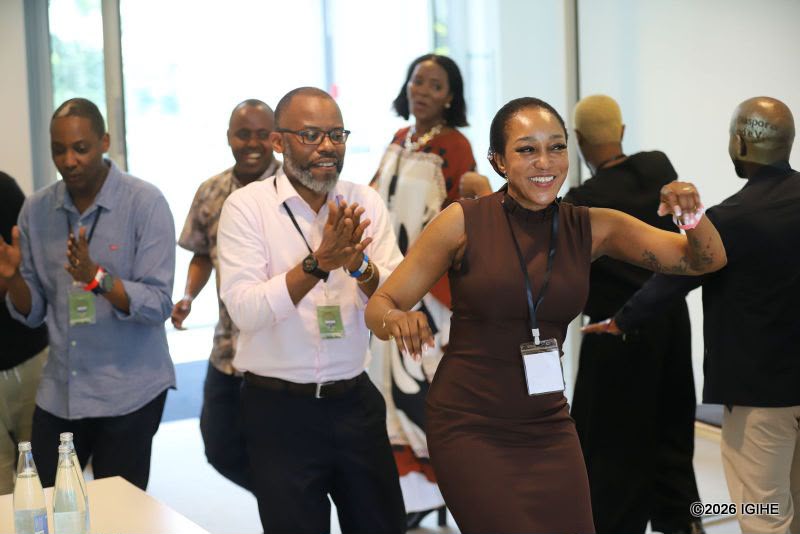
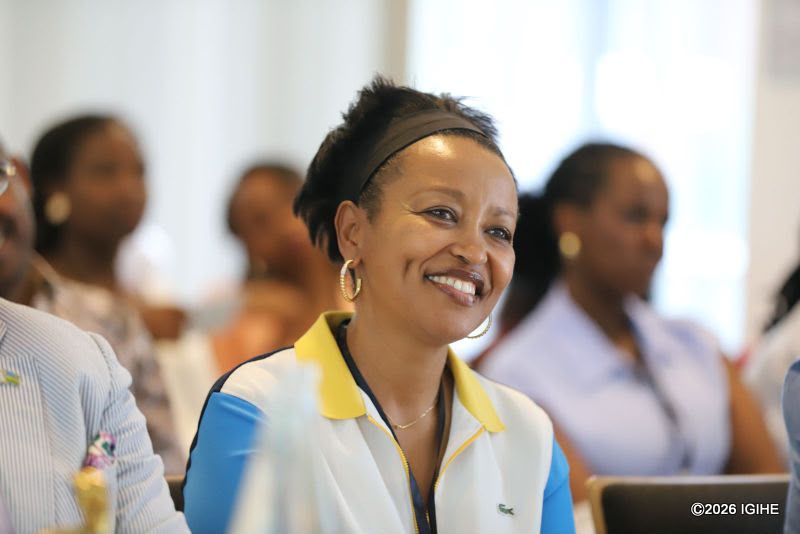
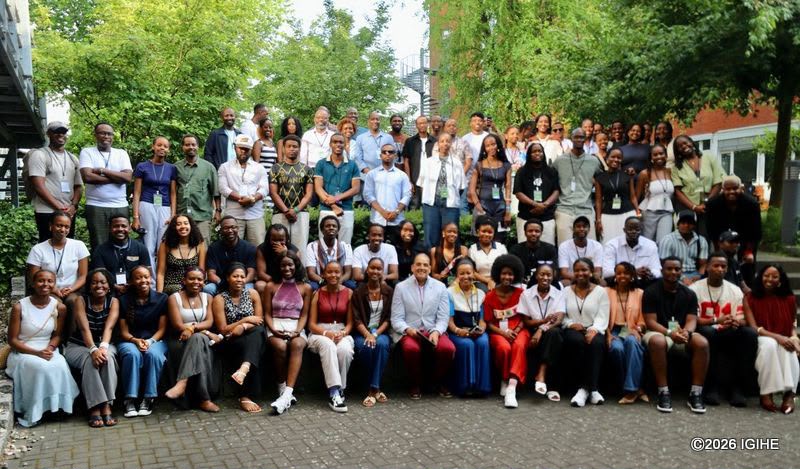
Held under the theme “Rooted. Growing. Thriving.”, this year’s edition highlighted a committed generation determined to build bridges between their host country and their country of origin.
One of the event’s distinctive features was that it was entirely coordinated by young people themselves, demonstrating their sense of responsibility and their ability to mobilize and unite their peers around shared goals.
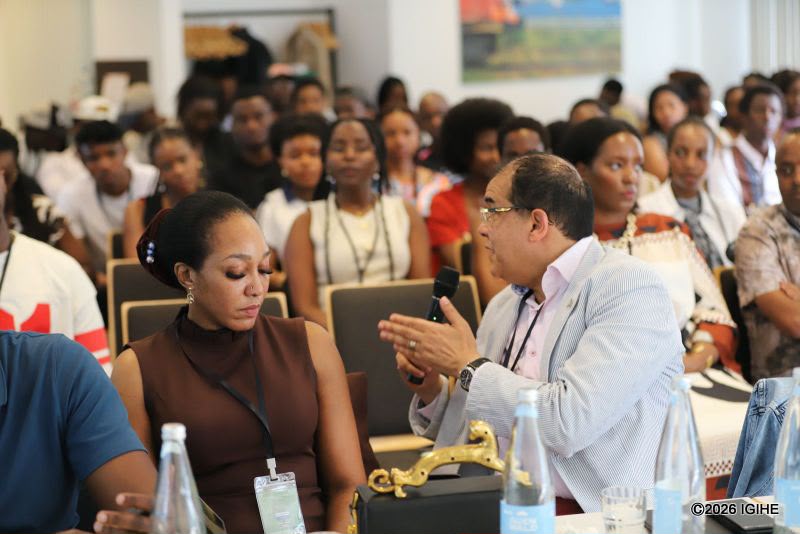
To attend the gathering, some participants travelled hundreds of kilometres, with several spending more than six hours on the road to reach Hamburg and reconnect with fellow Rwandans living across Germany. Beyond the conference itself, the event represented a rare opportunity to meet, expand professional and social networks, and strengthen ties within a community spread across a vast country.
The main activities on June 20 focused on discussions and thematic panels addressing issues that matter to young people in the diaspora.
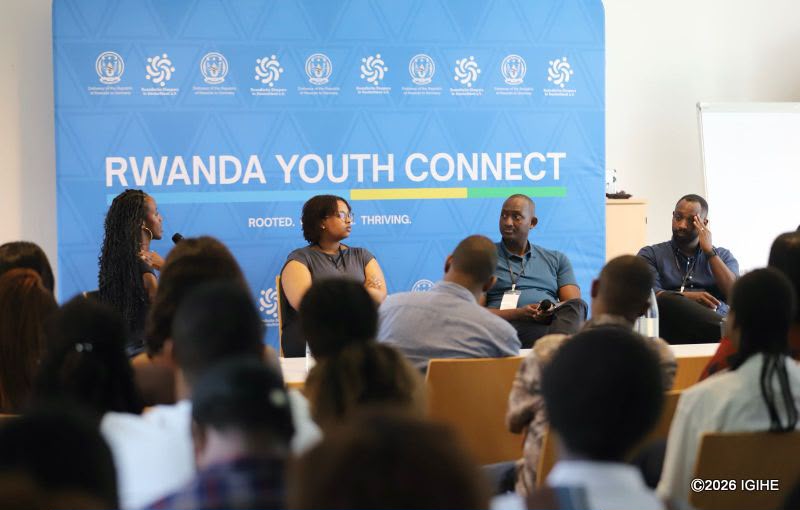
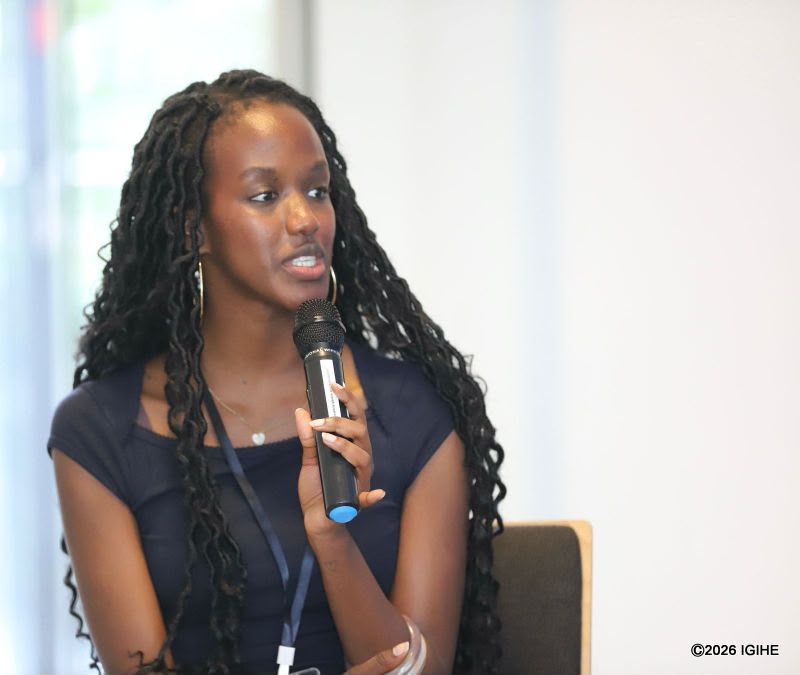
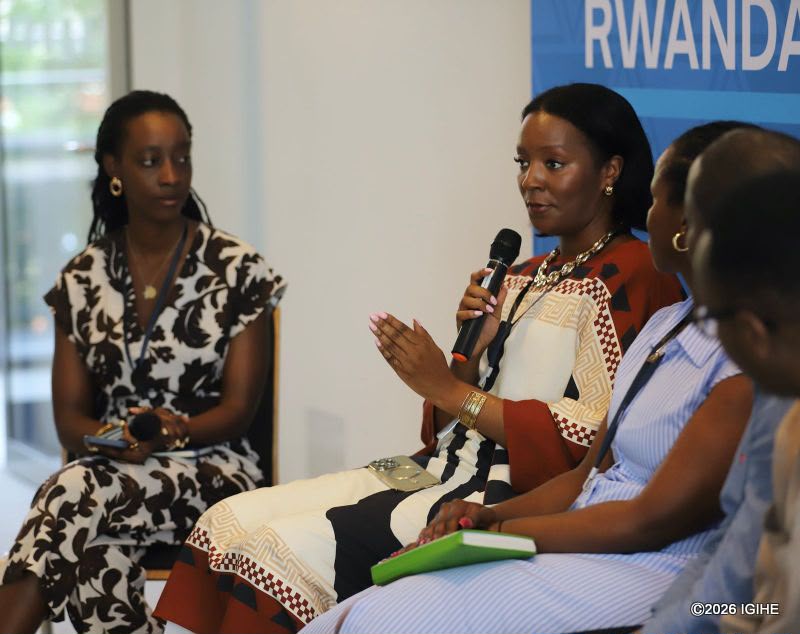
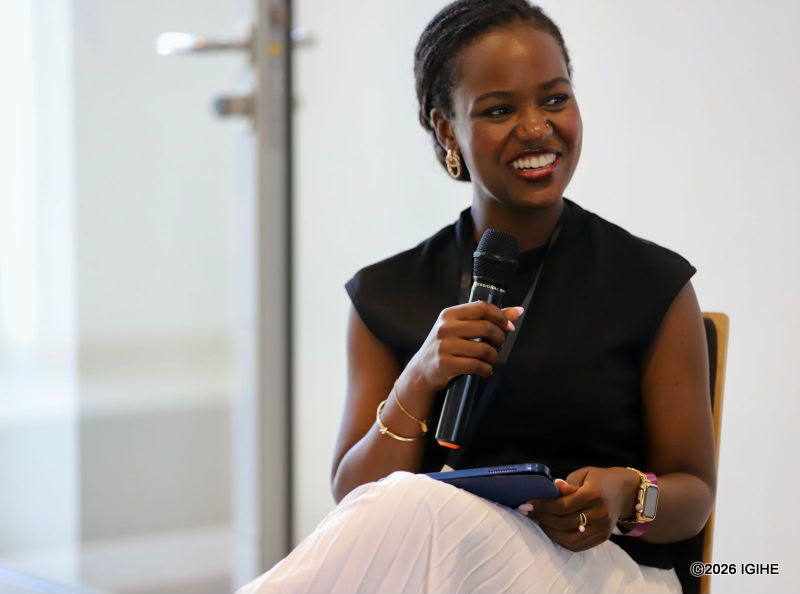
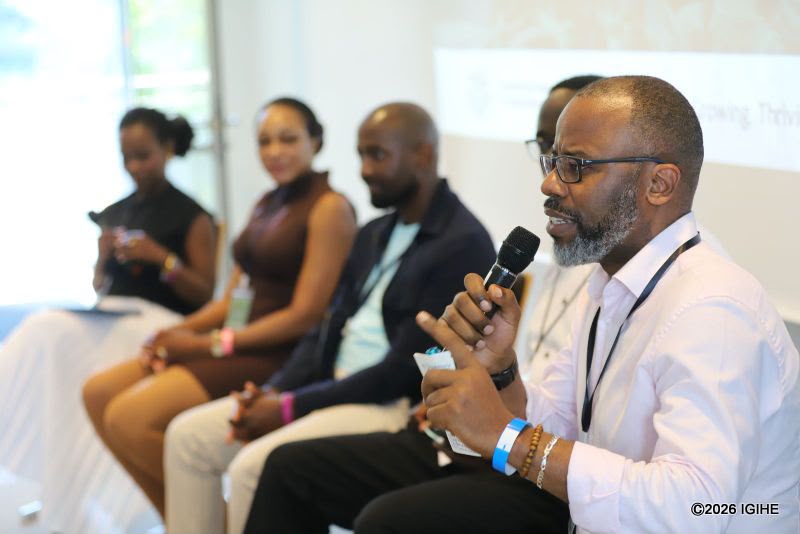
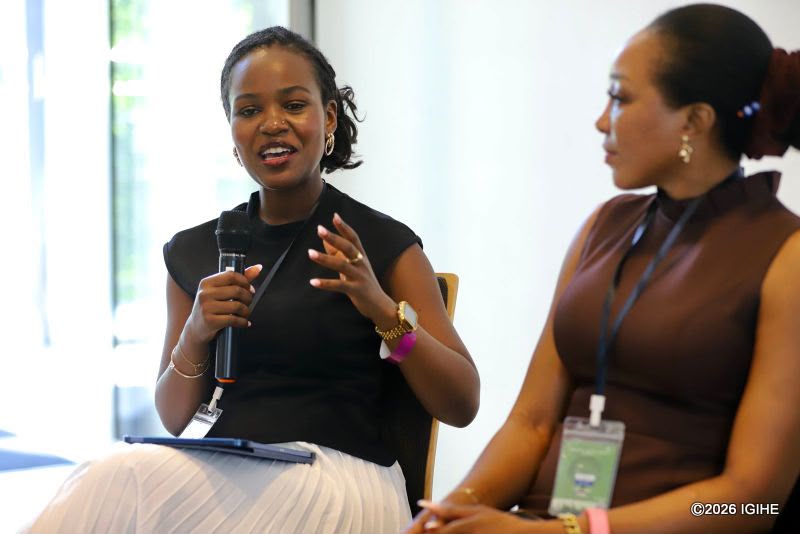
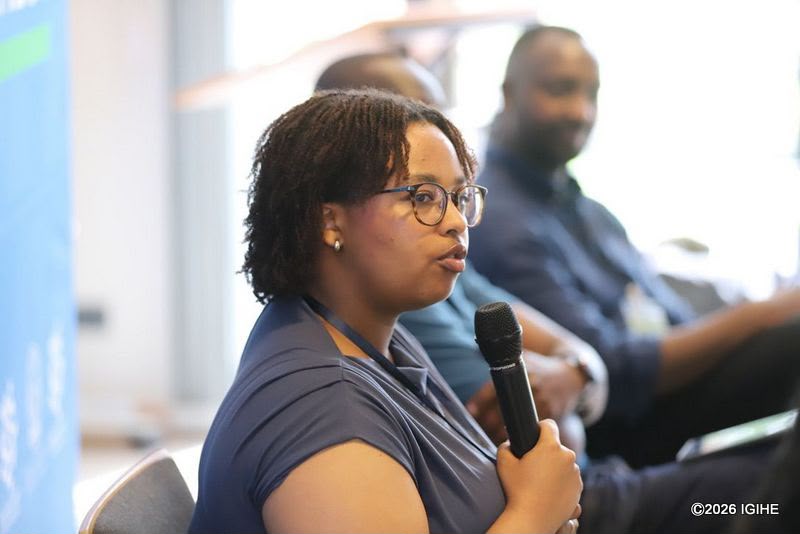
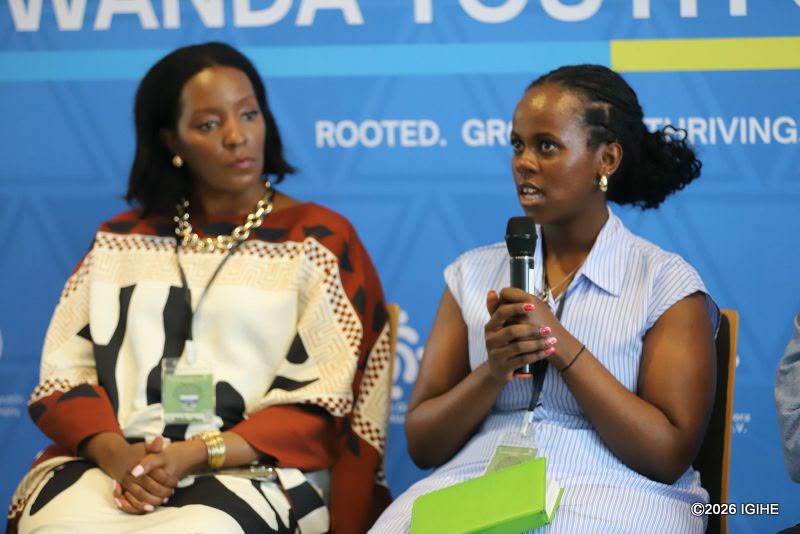
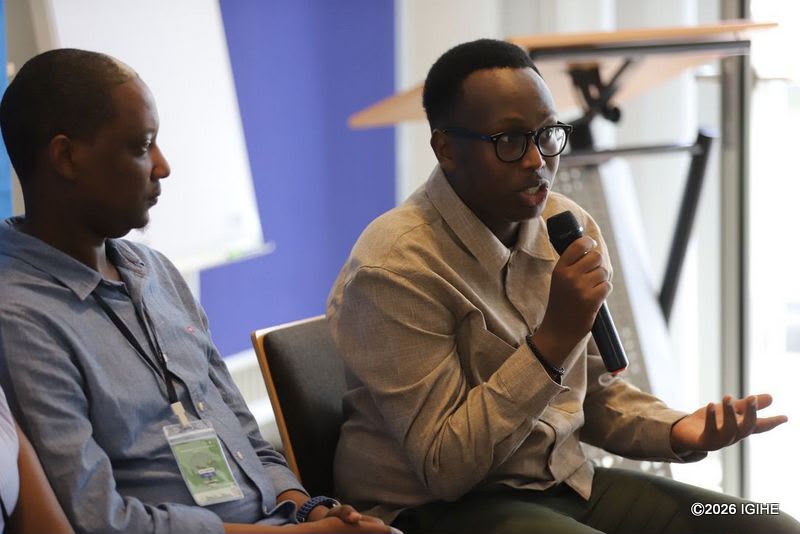
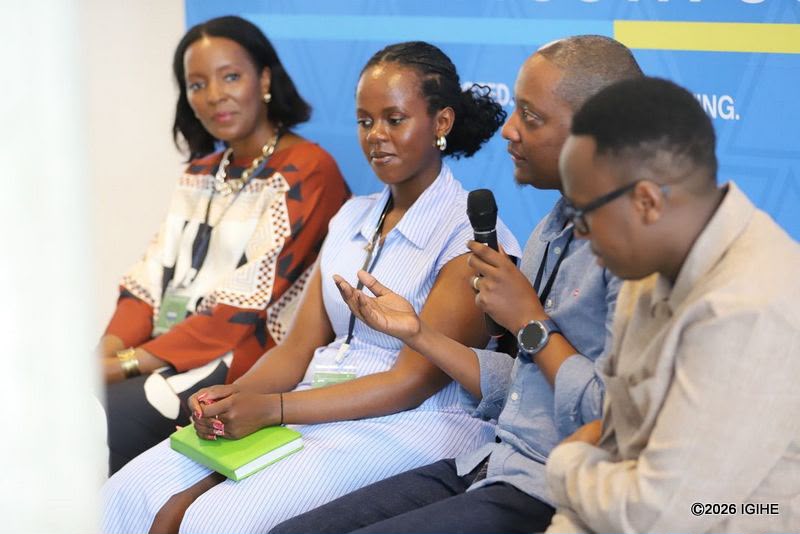
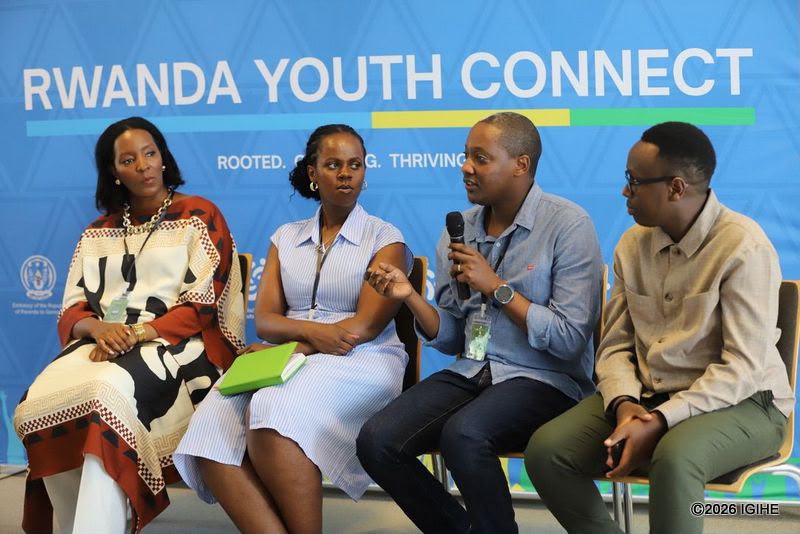
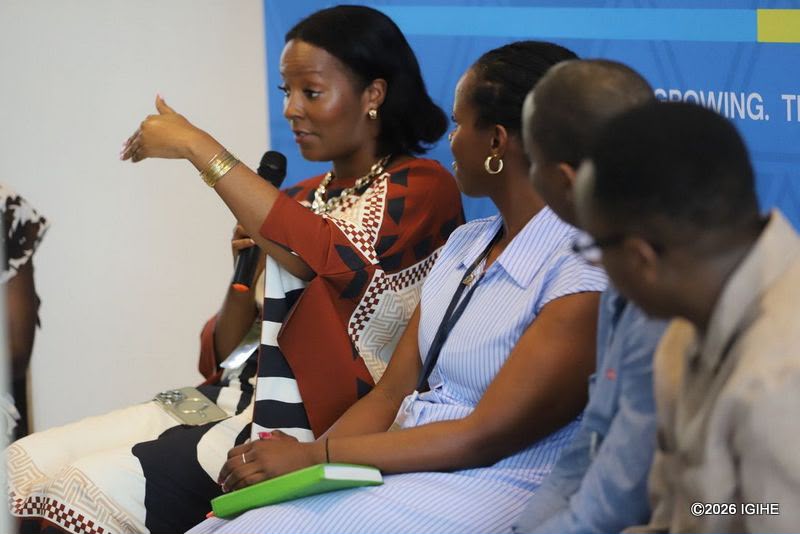
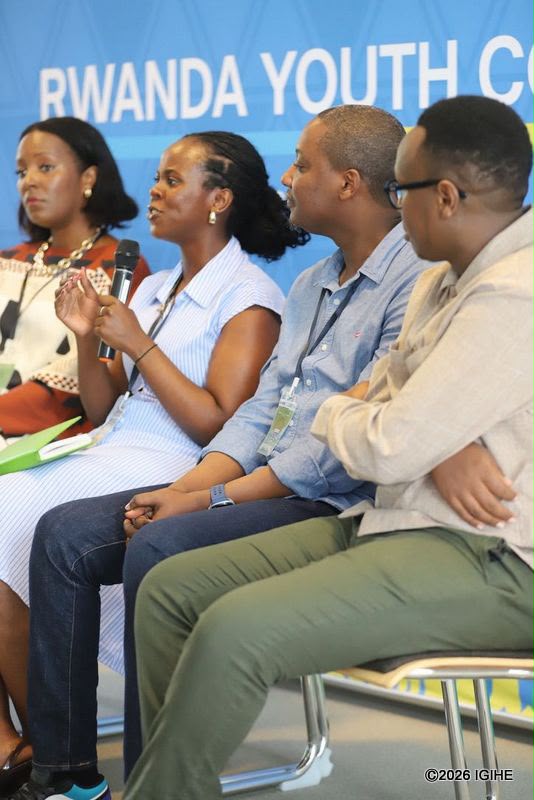
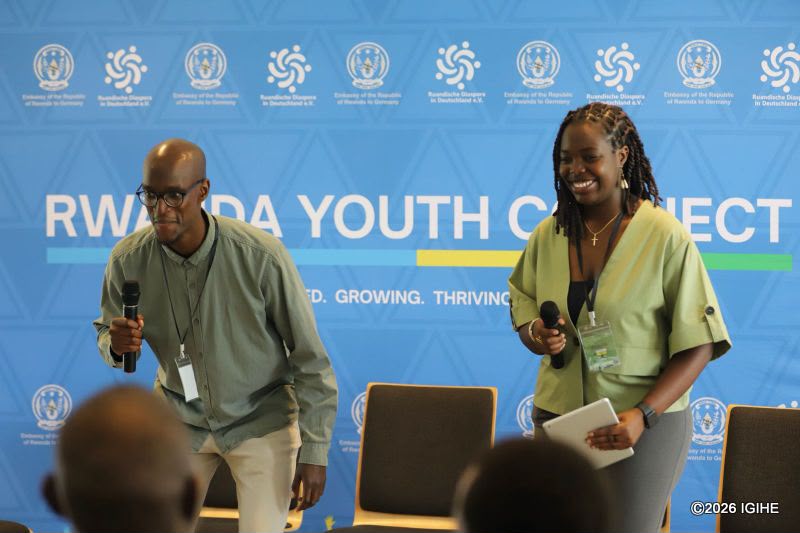
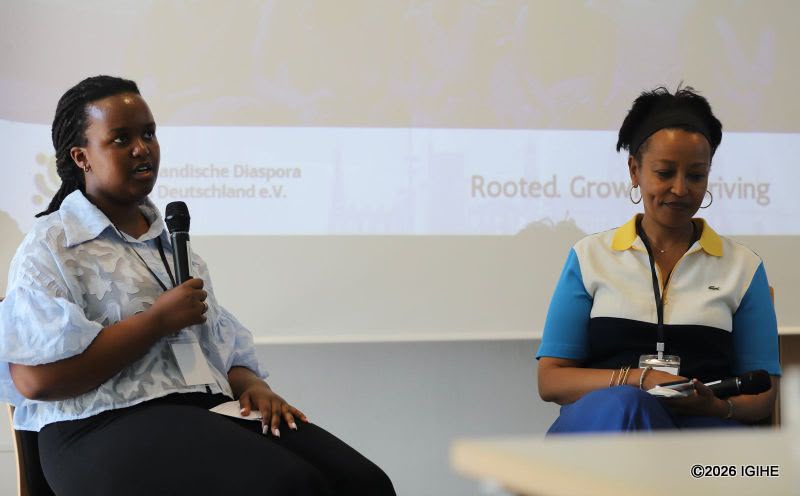
The first panel, “Rooted in Values, Connected by Purpose: Rwandan Youth in the Digital Era,” moderated by Daisy Igihozo and featuring Gildas Mukunde, First Secretary at the Embassy of Rwanda in Germany, alongside Anaïs Usanase and Amani Shema, emphasized the importance of preserving Rwandan values in an increasingly digital world and using digital tools to strengthen community engagement.
The second panel, “Success Beyond Career: Empowering Rwandan Youth with Skills, Resilience, and Responsibility,” moderated by Samantha Kayitete Murera, brought together Dr Kaneza Elisabeth, Moise Mwiseneza and Leilla Umutoni to discuss resilience, leadership, responsibility and skills development.
The third panel, “Insights on Financial Literacy, Legal Awareness, and Pathways to Entrepreneurship,” moderated by Delice Perle Ikirezi and featuring Ange Bella Kabano, Musafiri Sebiziga, Protogene Hahirwabayo and Guillaume Habarurema, focused on financial literacy, entrepreneurship and the importance of collective investment.
A conversation titled “Rooted Identity Beyond Borders: Belonging and the Global Rwandan Experience,” led by Nadège Akamanzi with Madame Jeanne Adili Ndatirwa, further explored questions of identity, belonging and the role of Rwandans living abroad in shaping the country’s future.
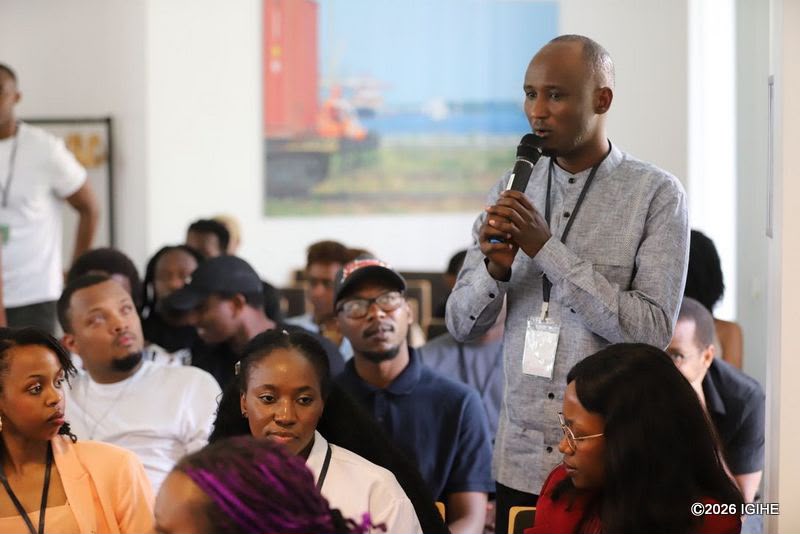
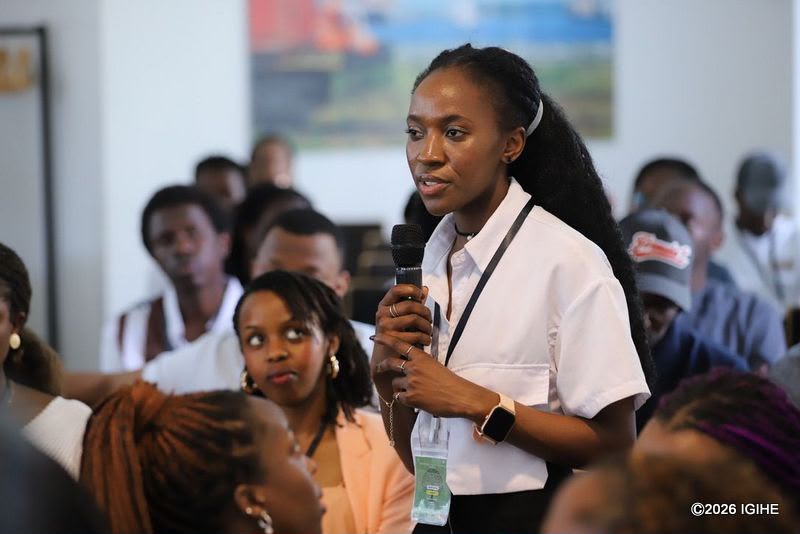
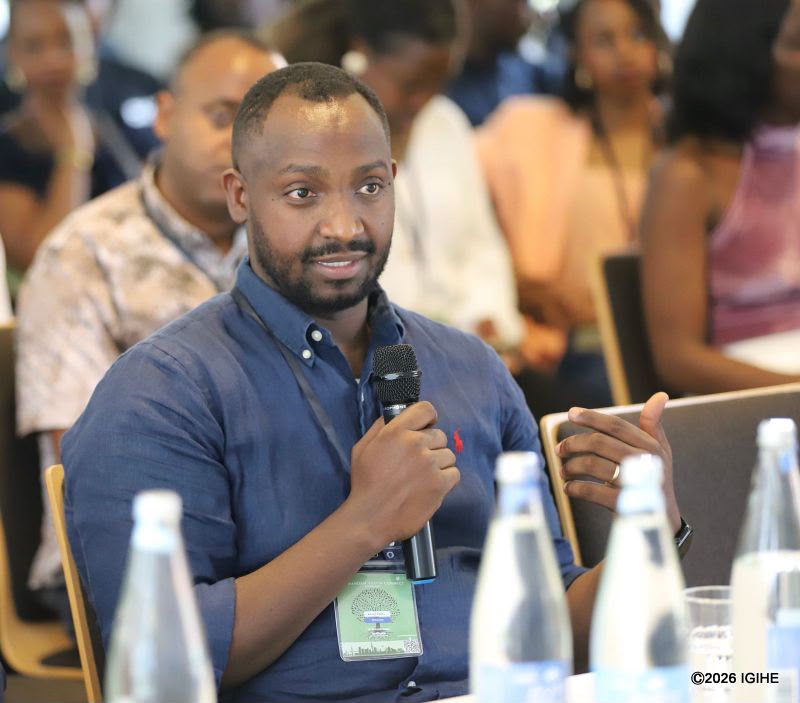
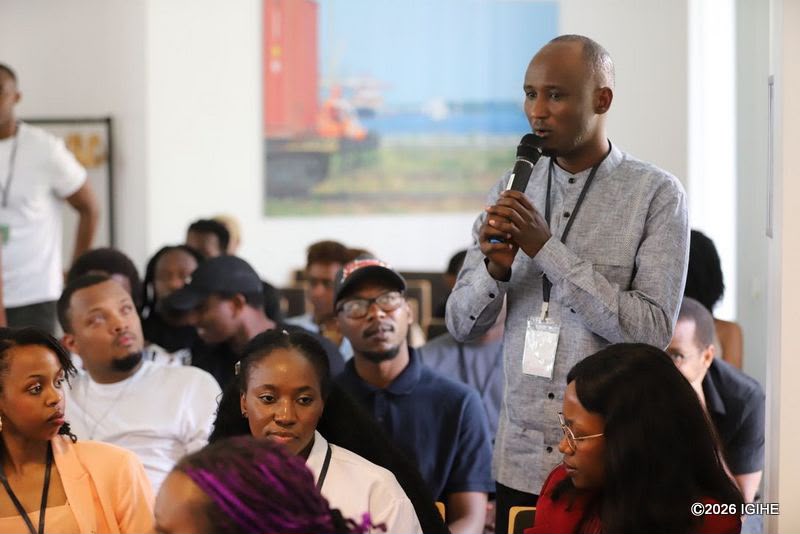
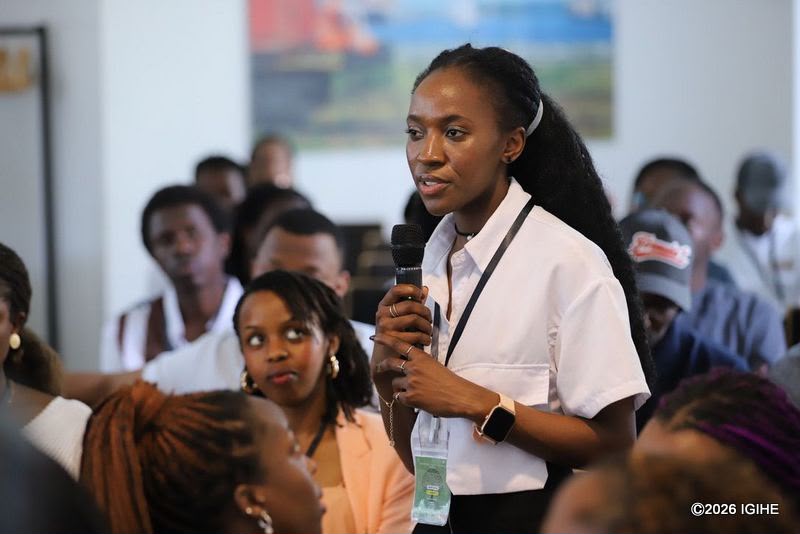
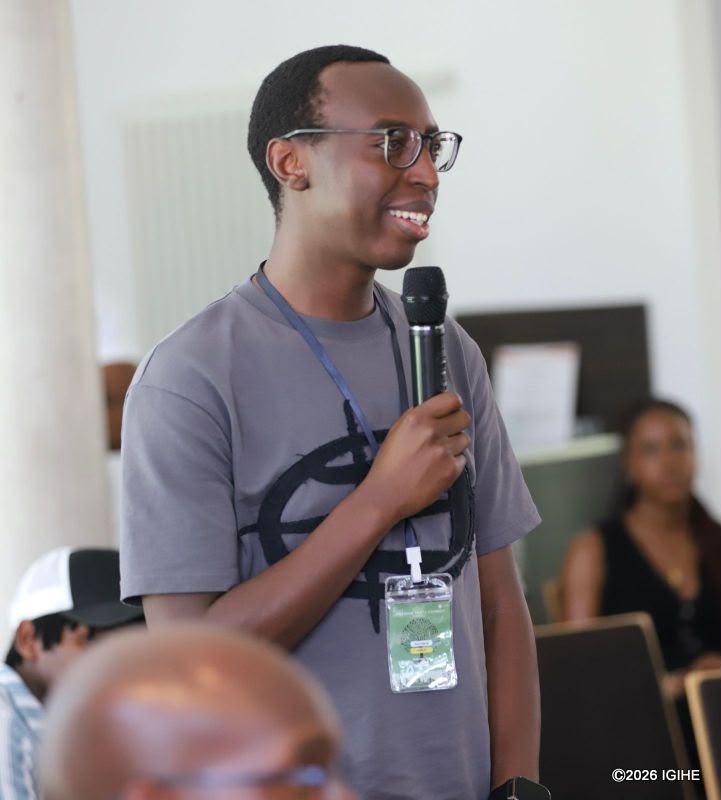
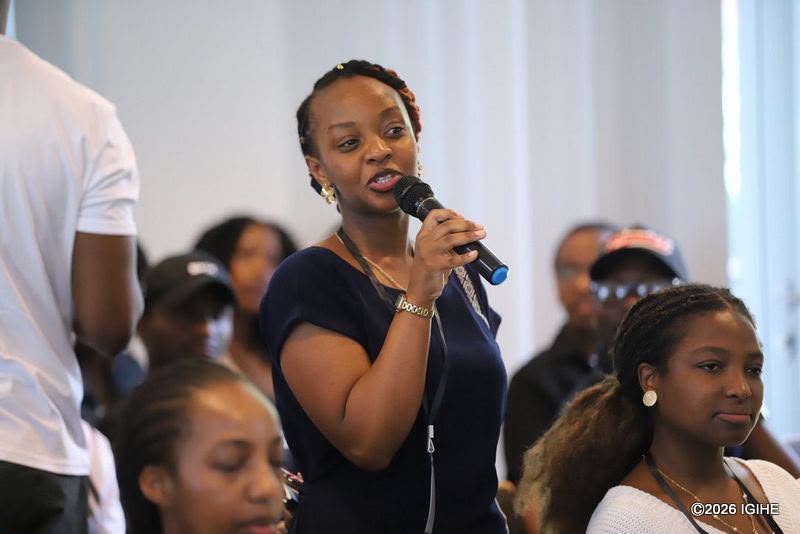
Beyond the panel discussions, participants also took part in open exchanges that allowed them to share personal experiences, daily challenges and powerful testimonies about navigating life between Rwanda and Germany. These discussions revealed a common reality: despite the distance, their attachment to Rwanda remains deeply rooted.
The event also featured a session on youth engagement in Germany, facilitated by Naomi Ikamba and Moise Mwiseneza, highlighting the importance of further structuring youth-led initiatives across the country.
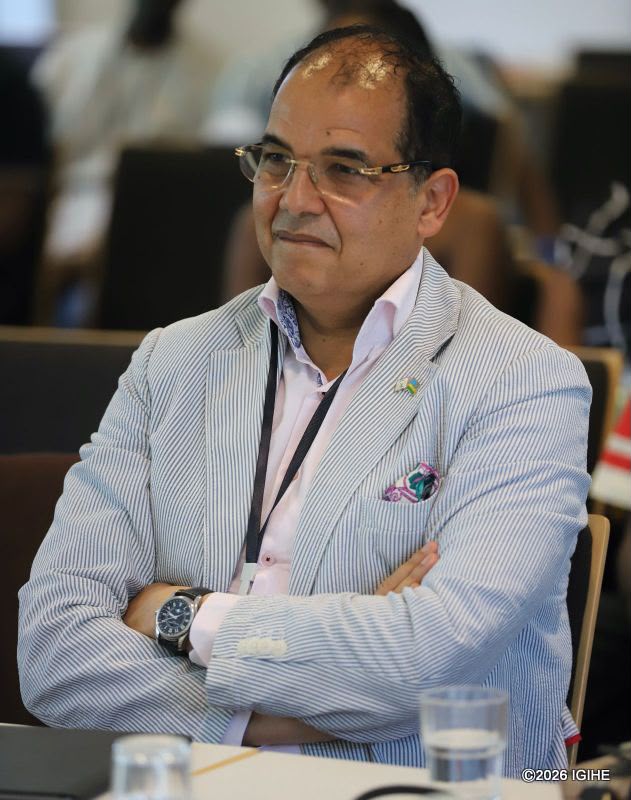
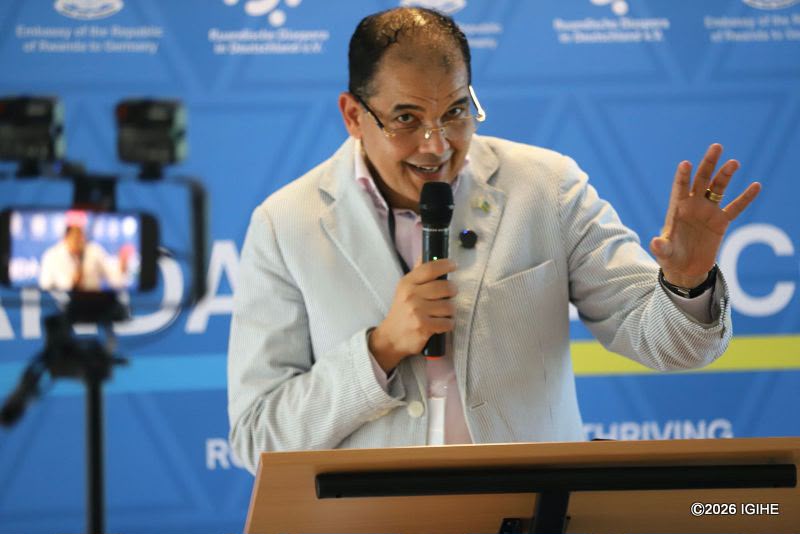
The highlight of the gathering was the closing address delivered by Rwanda’s Ambassador to Germany, Igor Cesar, who reminded participants that they are not mere observers of Rwanda’s development but active contributors to its future.
Addressing the young audience gathered from different German cities, he stressed that the diaspora is considered Rwanda’s “sixth province” and encouraged them to remain organized, united and ambitious.
Drawing on the example of the Rwandan community in Kaiserslautern, he demonstrated how a simple collective initiative can generate meaningful impact, citing a solidarity mechanism that helped finance health insurance for vulnerable people in Rwanda.
He also encouraged young people not to separate their lives in Germany from their Rwandan identity, but rather to transform the skills and experiences acquired abroad into opportunities for Rwanda, including through collaborative entrepreneurial projects.
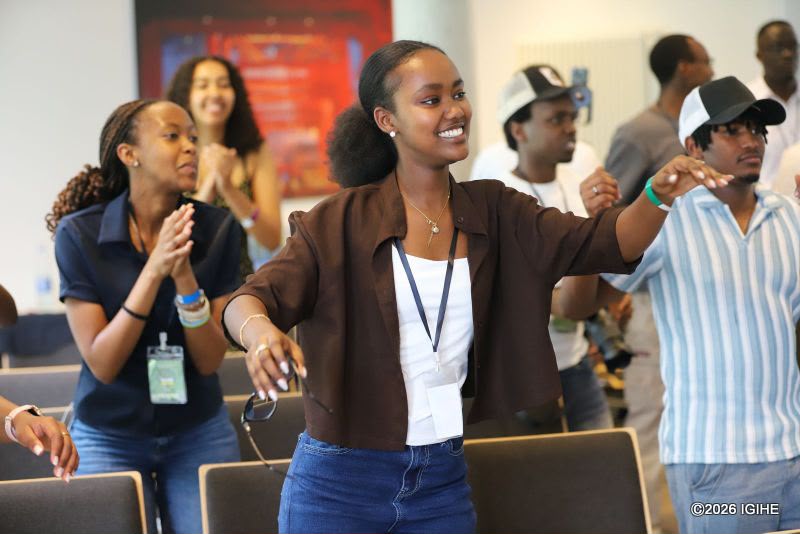
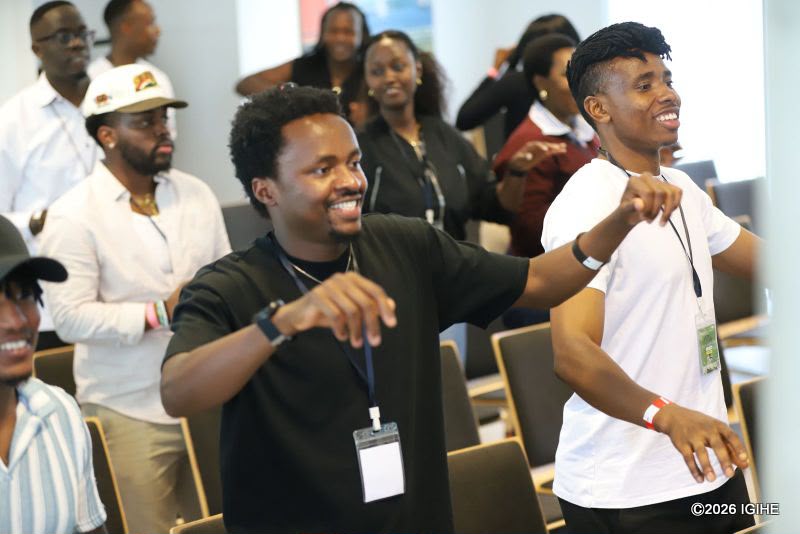
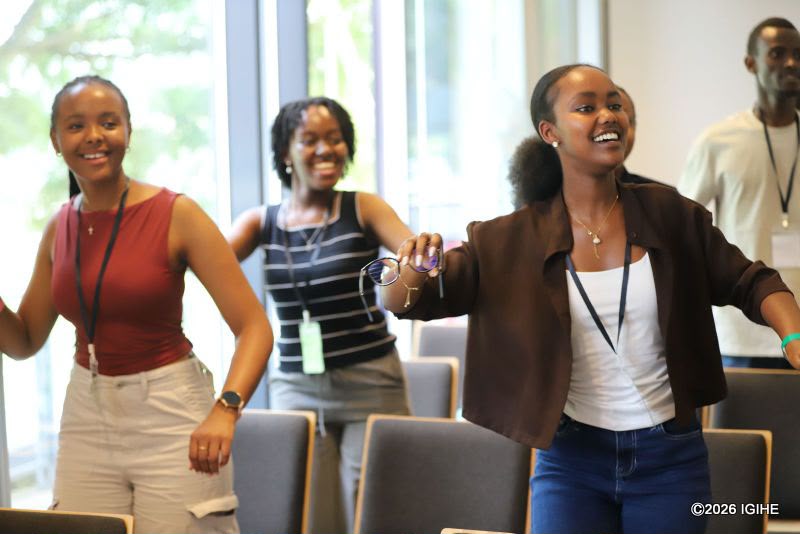
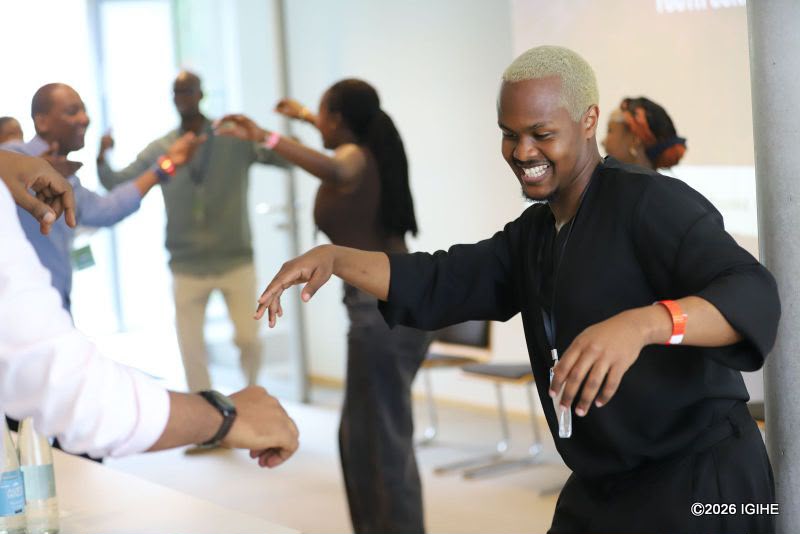
After the official discussions and speeches, participants gathered for an evening of cultural performances, music and moments of fellowship.
More than a celebration, the evening became a space for meaningful connections among young Rwandans from different parts of Germany. Participants strengthened friendships, built new relationships and expanded a network that now extends beyond regional boundaries.
These moments perfectly embodied the spirit of Rwanda Youth Connect Germany: bringing together young members of the diaspora to share experiences, support one another and jointly contribute to Rwanda’s future.
Rwanda Youth Connect Germany 2026 demonstrated that beyond geographical distances, a united, organized and deeply rooted generation can become a powerful force for national development.
The message that resonated throughout the event was clear: the Rwandan youth in the diaspora are not simply preparing Rwanda’s future; they are already helping to build it.
In 2025, the Rwandan diaspora injected US$639.84 million into Rwanda’s economy, reaffirming its essential role in the country’s development.
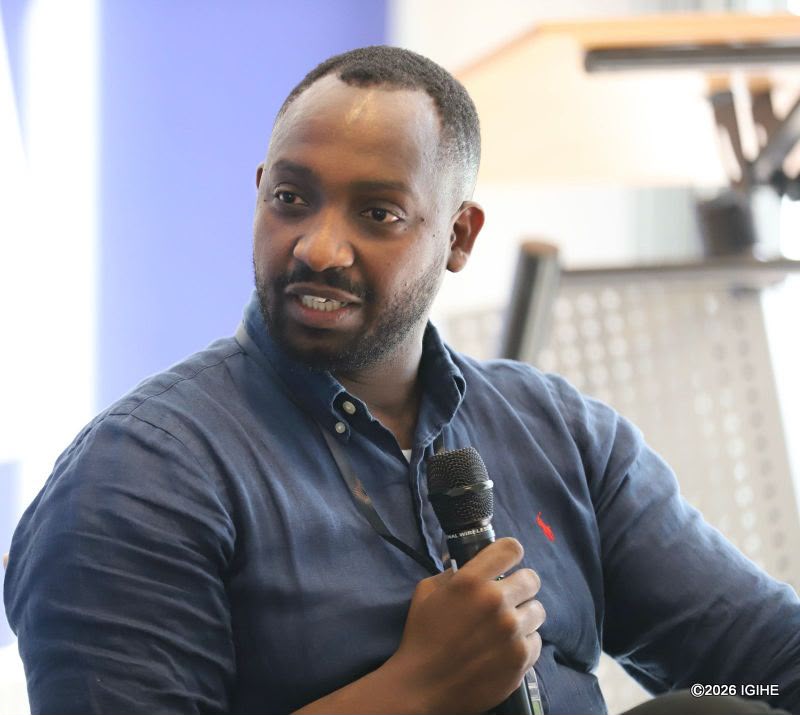
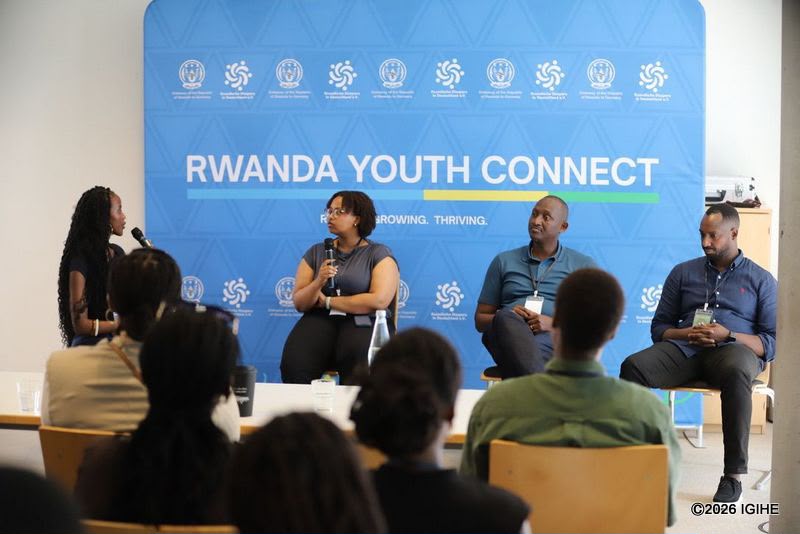
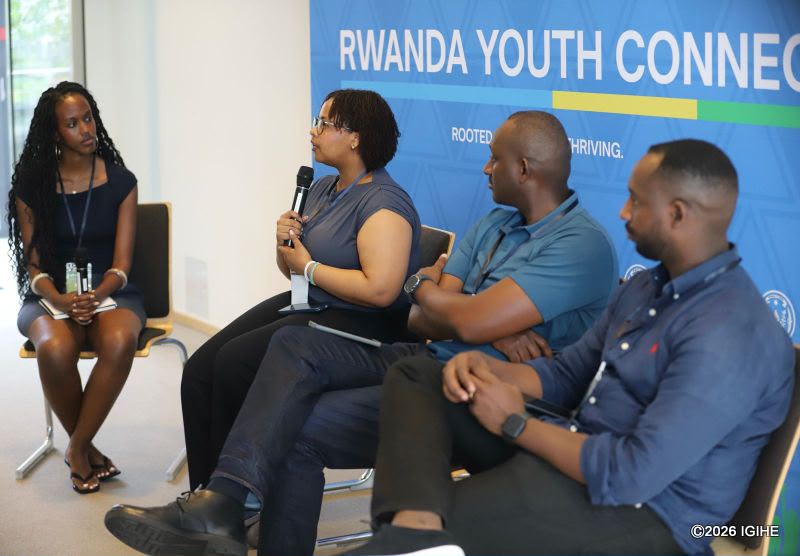
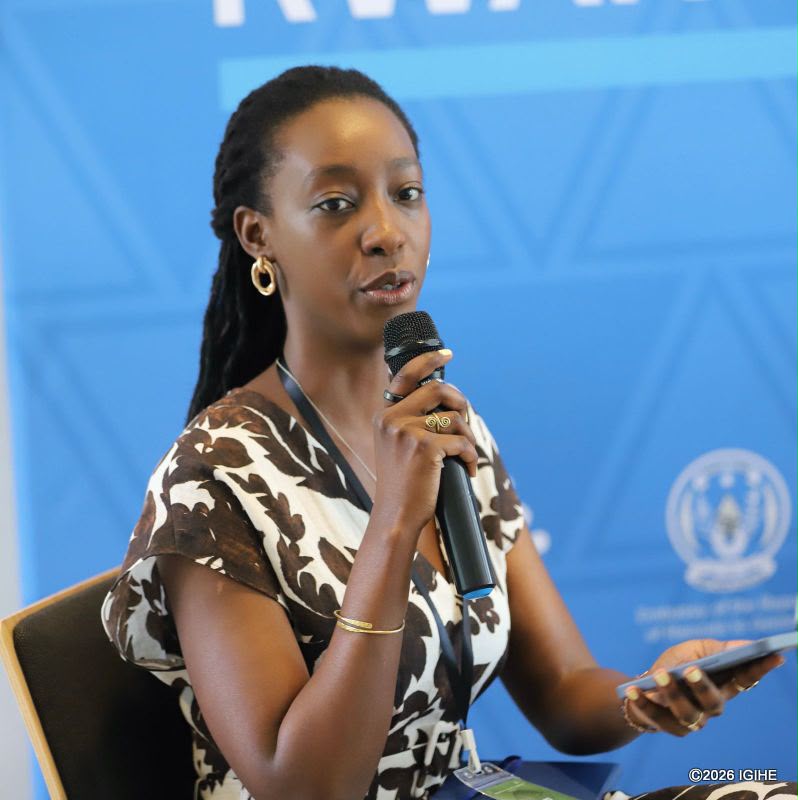
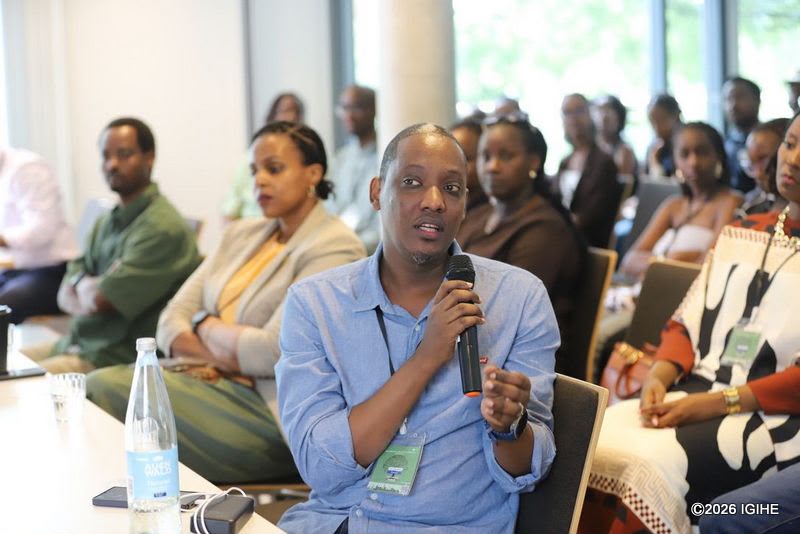
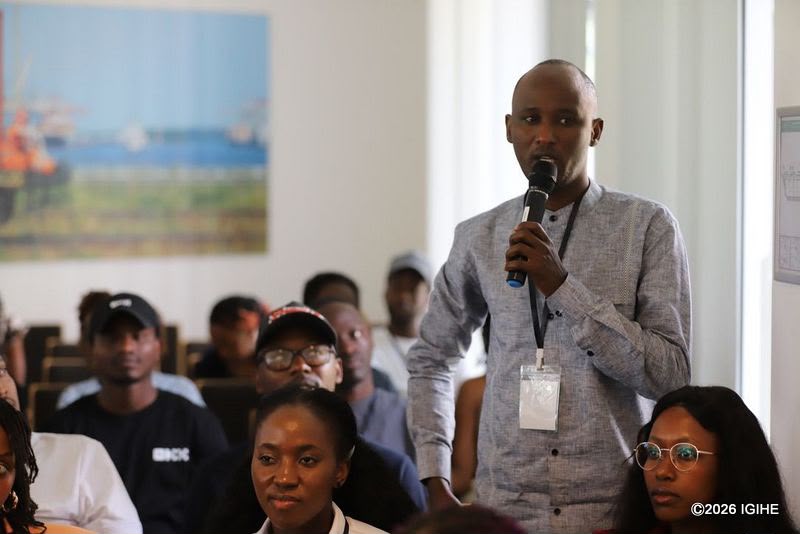
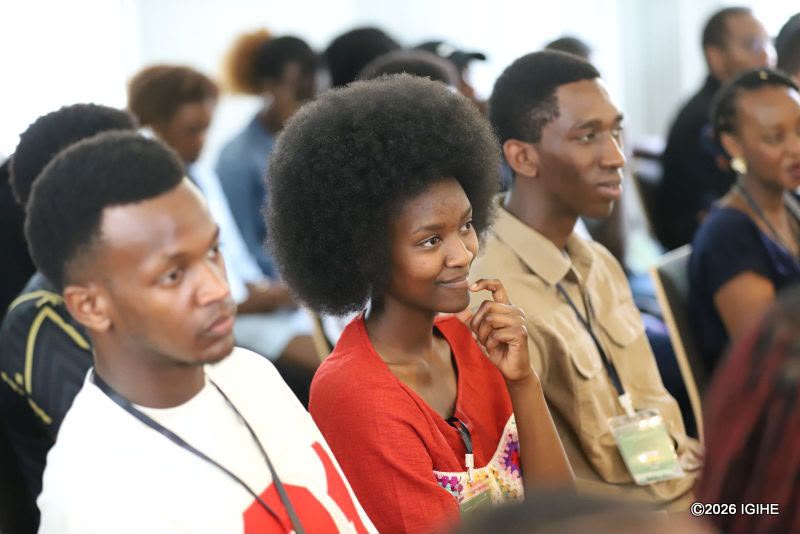
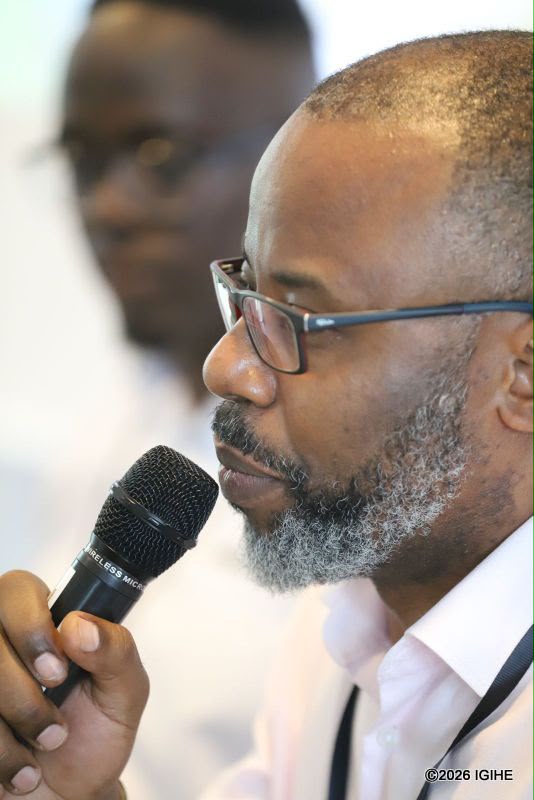
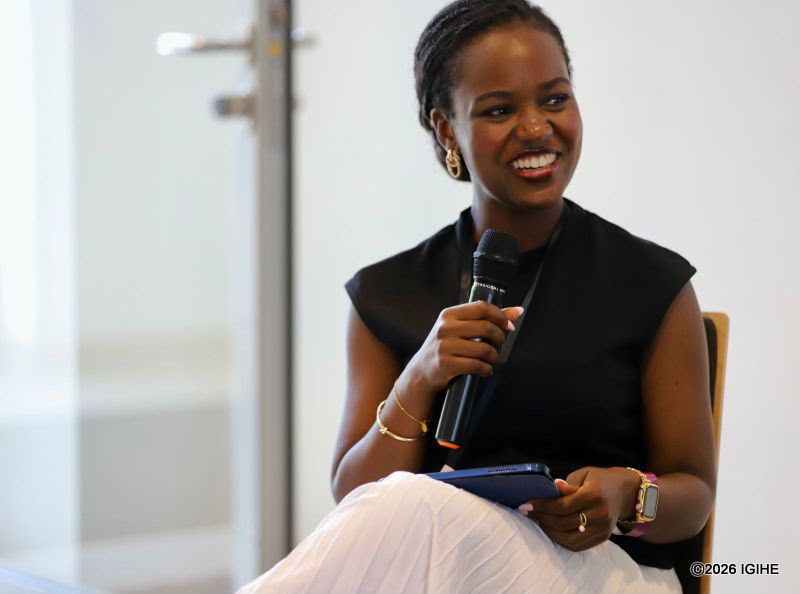
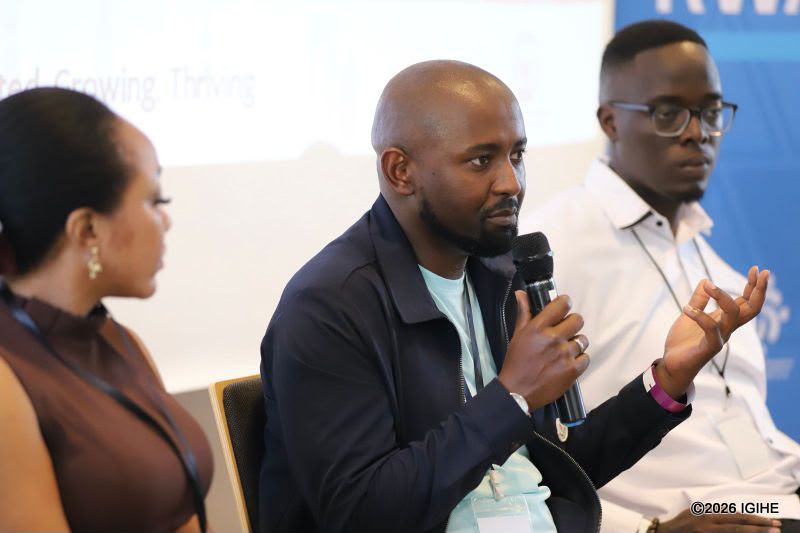
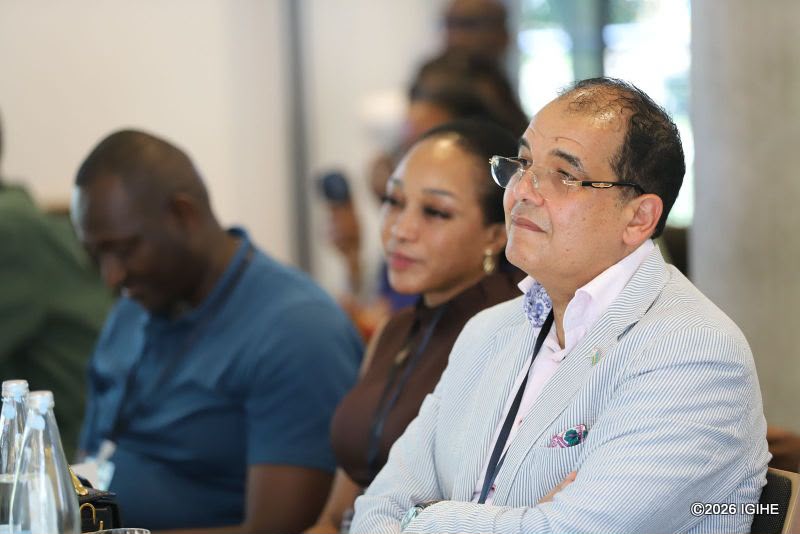
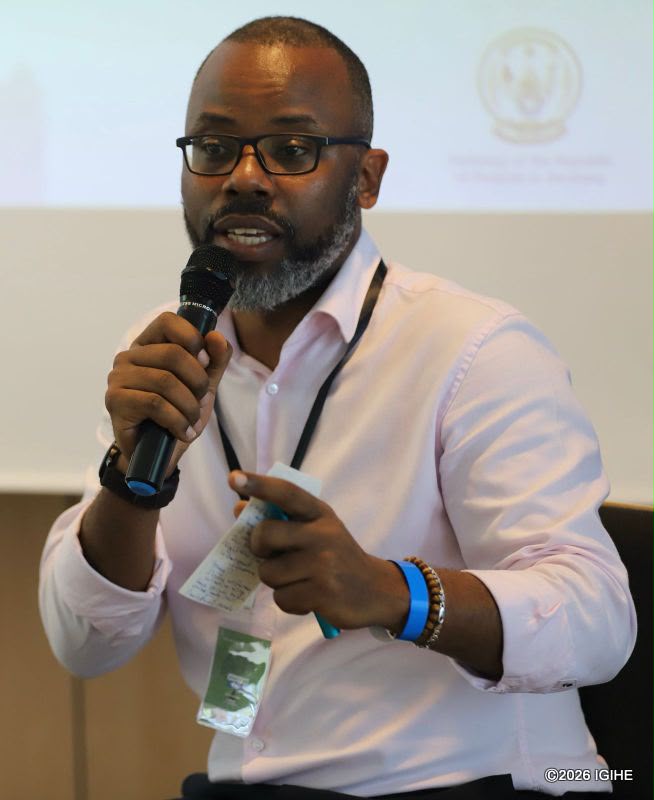
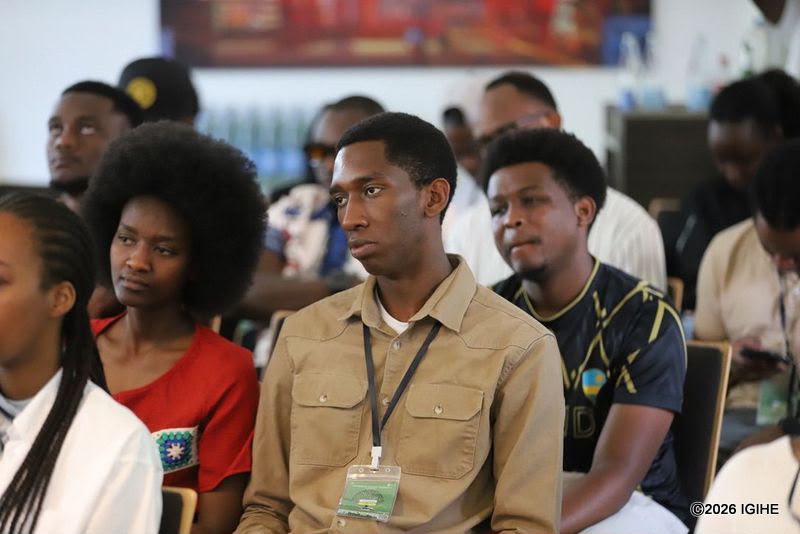
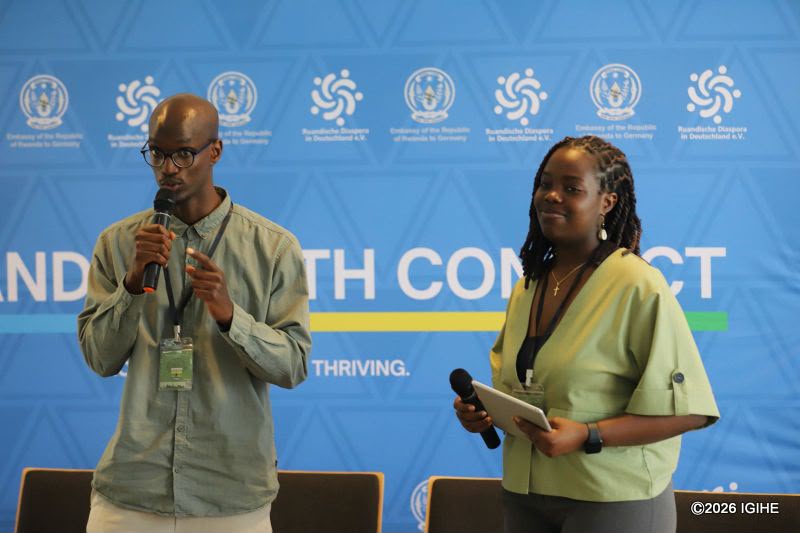
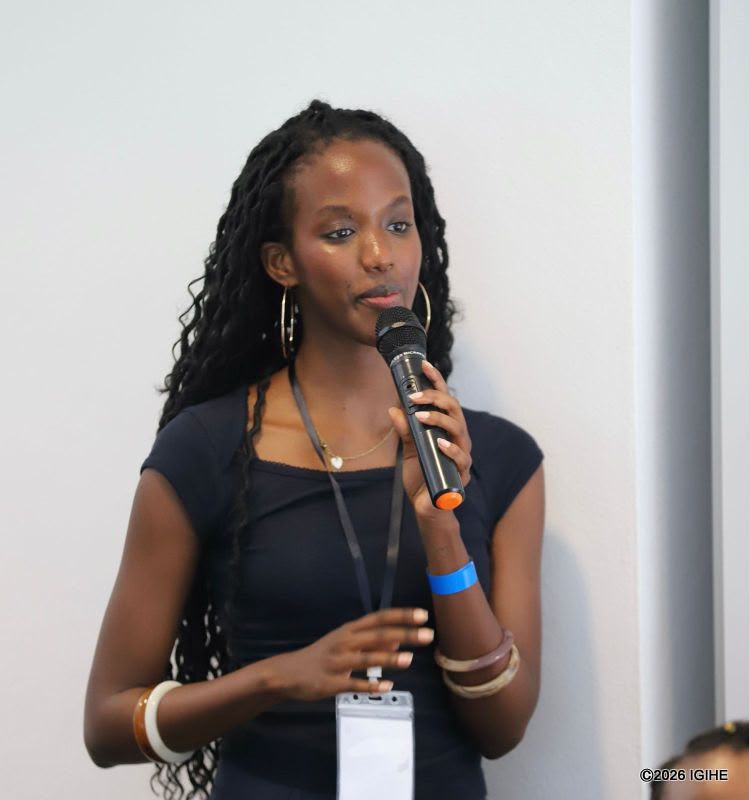
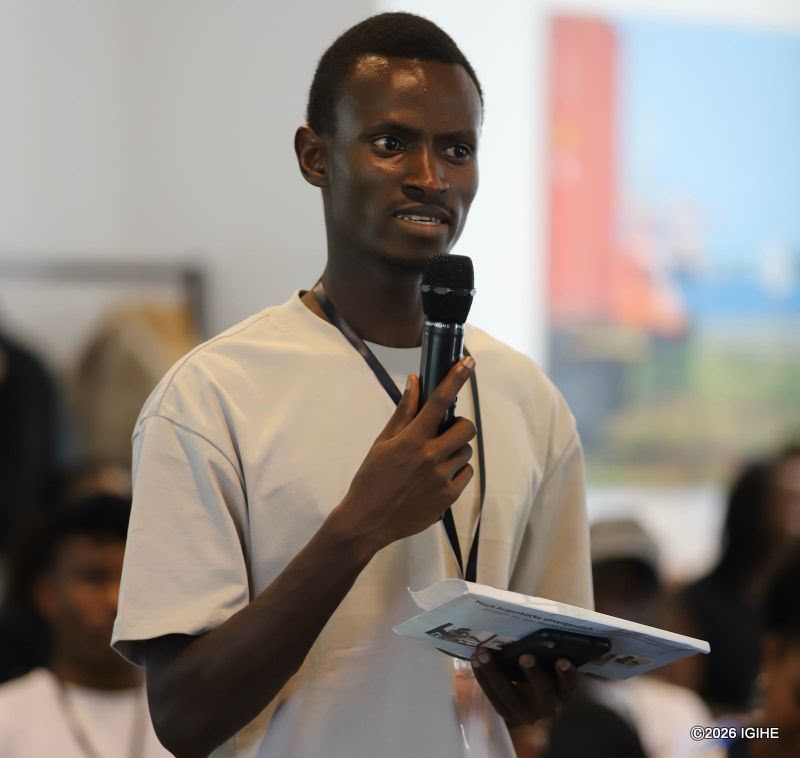
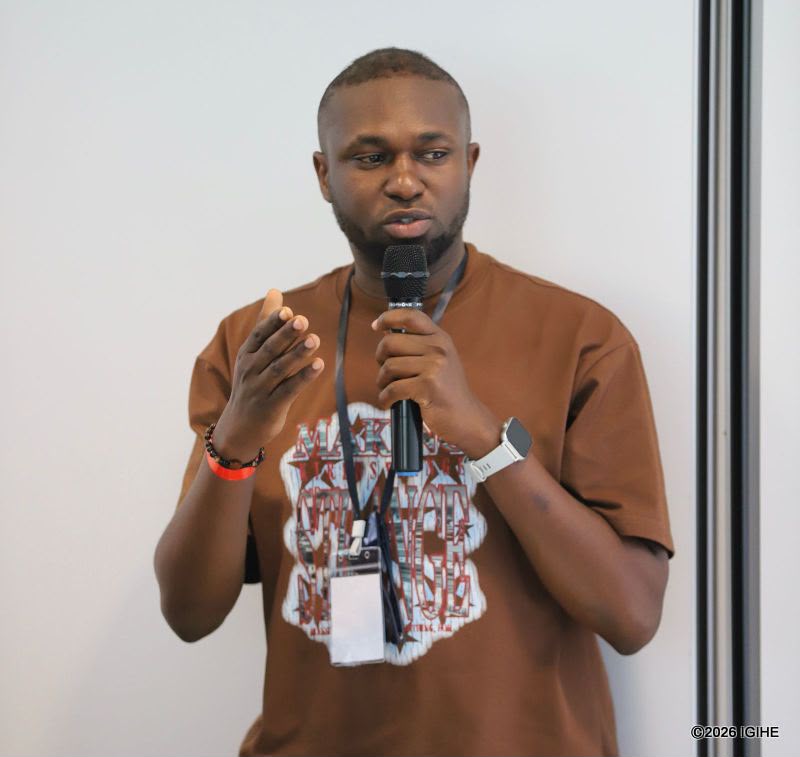
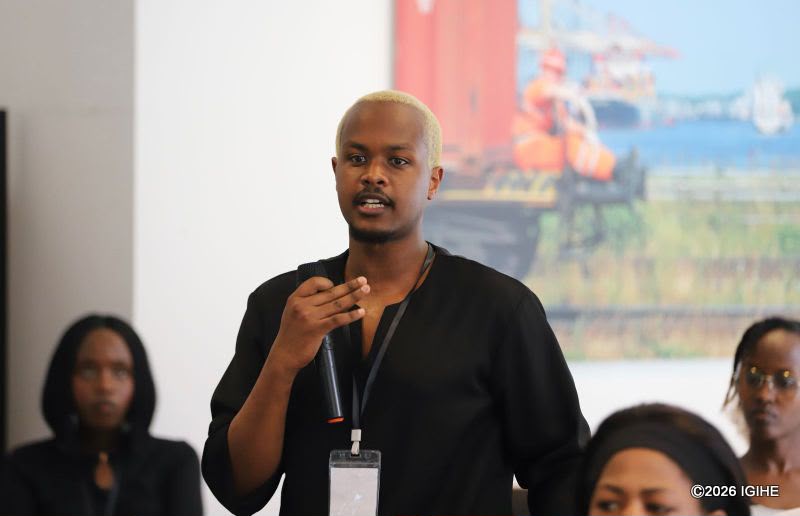
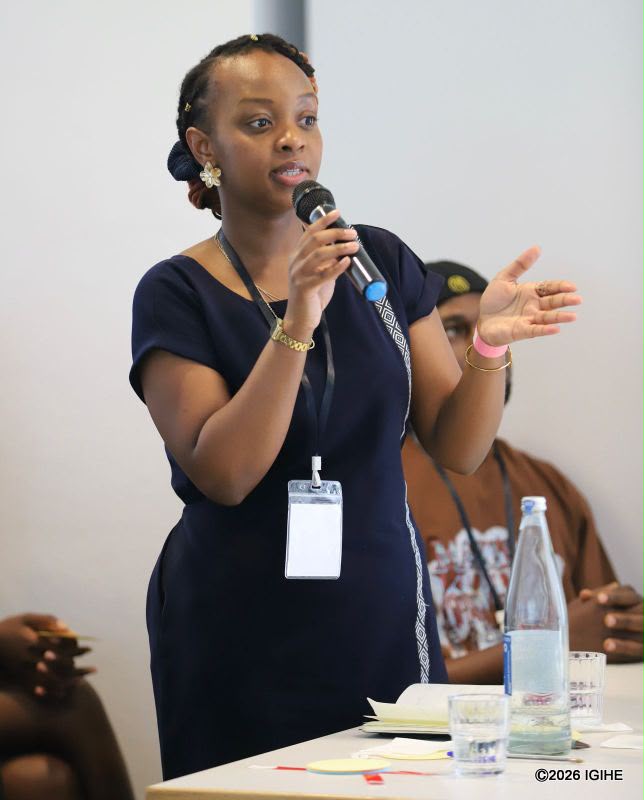
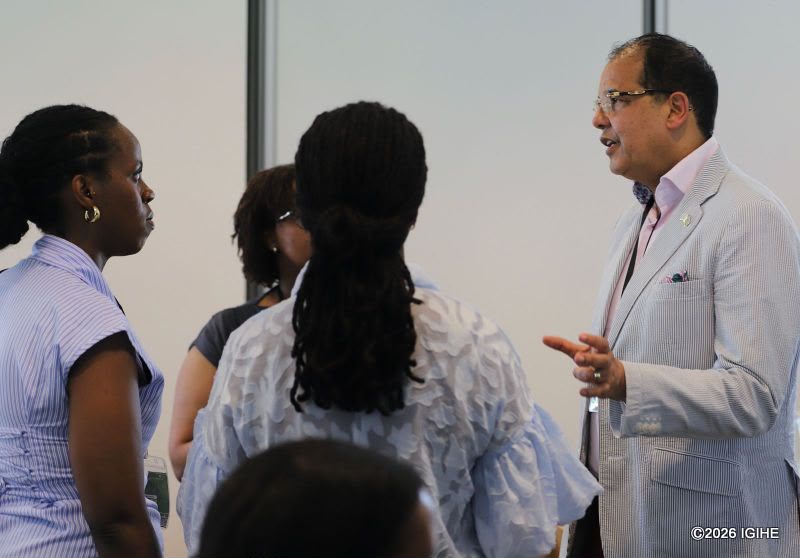
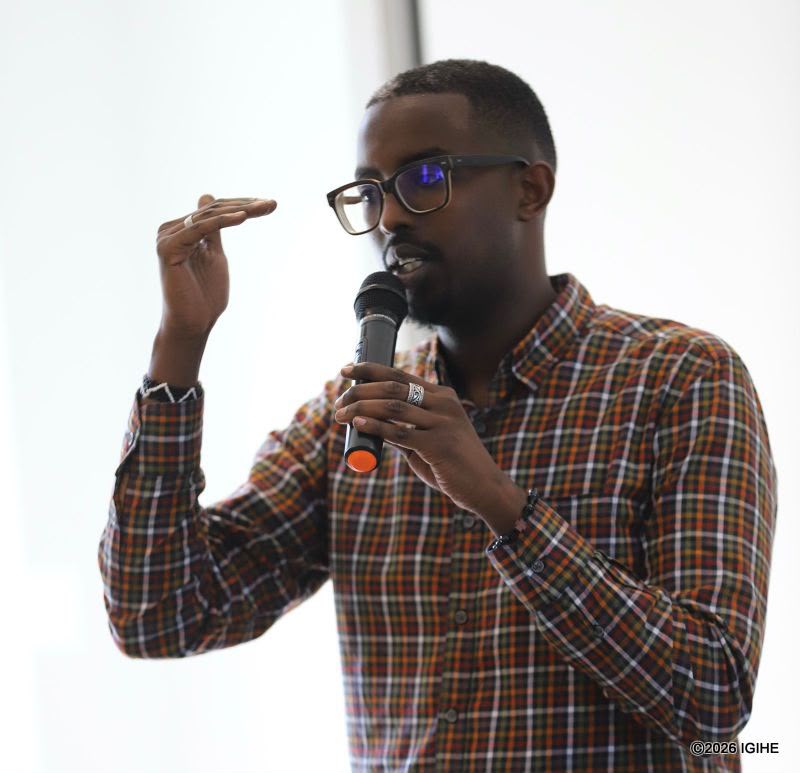
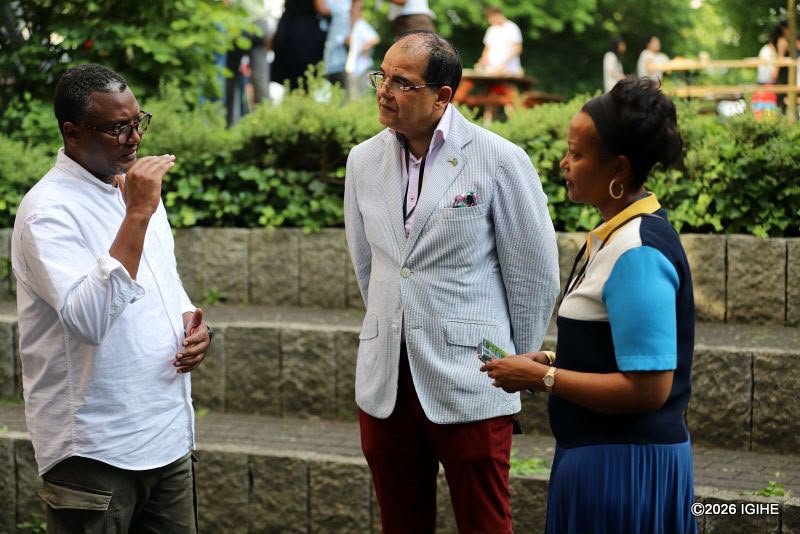
Held under the theme “Rooted. Growing. Thriving.”, this year’s edition highlighted a committed generation determined to build bridges between their host country and their country of origin.The first panel, “Rooted in Values, Connected by Purpose: Rwandan Youth in the Digital Era,” was moderated by Daisy Igihozo.The second panel, “Success Beyond Career: Empowering Rwandan Youth with Skills, Resilience, and Responsibility,” was moderated by Samantha Kayitete Murera.The third panel, “Insights on Financial Literacy, Legal Awareness, and Pathways to Entrepreneurship,” was moderated by Delice Perle Ikirezi.A conversation entitled “Rooted Identity Beyond Borders: Belonging and the Global Rwandan Experience,” led by Nadège Akamanzi.Mrs. Jeanne Adili Ndatirwa, wife of Rwanda’s Ambassador to Germany, Igor Cesar, also contributed to a deeper reflection on issues of identity and the sense of belonging among Rwandans living abroad.Attendees performed and enjoyed traditional Rwandan dances. The highlight of the gathering was the closing address delivered by Rwanda’s Ambassador to Germany, Igor Cesar, who reminded participants that they are not mere observers of Rwanda’s development but active contributors to its future.IGIHE spoke with Ambassador Igor César and his wife, Jeanne Ndatirwa.Rwanda Youth Connect Germany 2026 thus demonstrated that, beyond geographical distances, a united, organized youth deeply connected to its roots can become a true force for development.
The trend gained massive popularity through social media platforms and celebrity influence, especially after being showcased by artists like Dua Lipa, who helped propel the design into mainstream beauty culture.
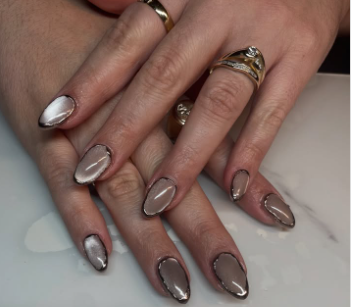
Unlike traditional nail styles that rely on solid colors or simple patterns, halo nails focus on light, contrast, and depth. The design typically utilizes a contrasting base color, which is then framed at the top and bottom borders with a lighter, metallic, or shimmering tone.
This effectively creates a “halo” ring around the nail’s center, which often features a soft, diffused aura effect. Nail artists frequently use chrome finishes, iridescent powders, or magnetic cat-eye polishes to achieve this reflective look, making each manicure appear slightly different depending on the lighting and angle.
One reason halo nails are so popular is their versatility. They can be subtle and elegant for everyday wear or bold and dramatic for special occasions.
Some designs use soft pinks and nude tones for a natural glow, while others experiment with vibrant colors like sunset orange, navy, or neon shades for a more striking effect. This flexibility allows people to personalize the trend according to their personal style.
Another appeal of halo nails is their low-maintenance nature; because the color concentrates on the outer framing and the cuticle cuff, natural nail growth is far less noticeable over time. While achieving the perfect symmetrical arcs requires a steady hand or precision nail tape, beauty enthusiasts enjoy replicating the look both at home and in professional salons.
Overall, halo nails represent a modern shift in nail fashion toward creativity, individuality, and expressive minimalism. They combine structural simplicity with artistic detail, proving that even subtle designs can make a powerful style statement. As nail art continues to evolve, halo nails remain a standout trend that blends elegance with innovation in a beautifully framed way.
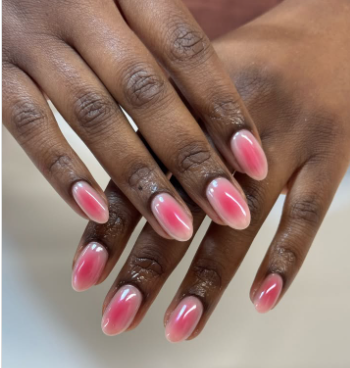
Glossy pink nails are highly flattering, featuring a soft hot pink gradient with an aura effect and a shiny, polished finish.
Relasss died on the morning of Tuesday, June 16, while awaiting trial at the High Court in Abuja in connection with a financial-related case.
He had been held in pre-trial detention since 2023 after a court denied him bail, citing concerns that, as a foreign national without Nigerian citizenship, he could abscond if released.
According to local media reports, correctional authorities convened an emergency management meeting following his death to establish the circumstances surrounding the incident. The meeting reportedly also reviewed the state of healthcare services available to other ill inmates.
Sources cited by Sahara TV alleged that inmates are required to pay for basic sanitary supplies for sick prisoners instead of having such essentials provided by the correctional service. The reports claim that inmates are asked to contribute 15,000 Nigerian naira (about $11) for hygiene materials.
The same sources further alleged that prisoners must also cover the cost of being transferred to hospitals outside the correctional facility for specialized treatment, a practice they claim contributed to Relasss’ death after he was unable to access medical care in time.
The allegations have not been independently verified.
The Nigerian Correctional Service has not publicly commented on the claims or the circumstances surrounding Relasss’ death. Sahara TV reported that the agency’s spokesperson, CSC Jane Osuji, did not respond to requests for comment.
The investigation is expected to determine the circumstances of the Rwandan national’s death and examine broader concerns over access to healthcare for inmates within Nigeria’s correctional facilities.
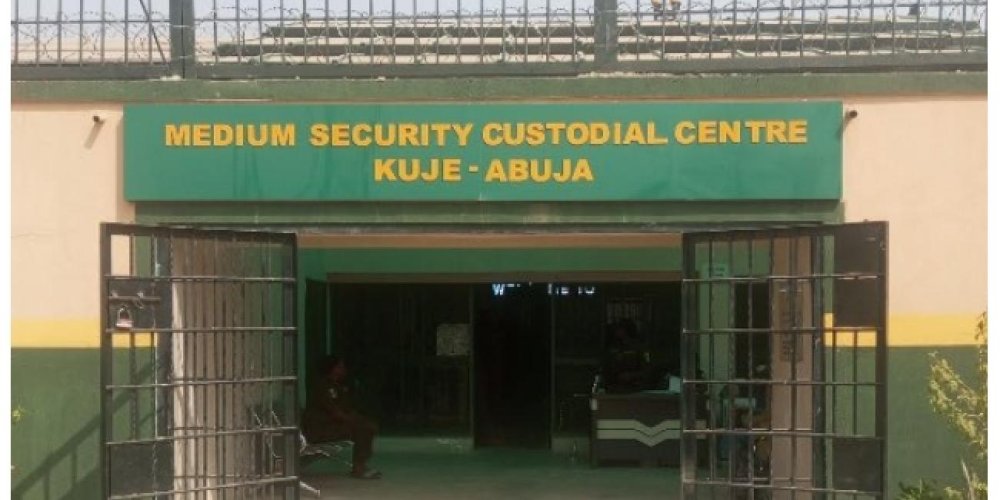
Nigeria’s National Correctional Service (NCS) has launched an investigation into the death of a Rwandan national, Benjamin Relasss, who died while in custody at Kuje Correctional Centre, amid allegations that he was denied timely medical care.
The proposal was presented during a high-level symposium held in Kigali on June 19, where government officials, fashion industry stakeholders, and university representatives toured the future campus facilities.
The institution is currently undergoing accreditation in Rwanda and the United States before launching degree programmes in fashion design and fashion merchandising.
Officials said the initiative aims to bridge the gap between creativity and business by training students in design, merchandising, branding, and fashion marketing. They noted that while Africa’s creative economy is valued at more than $58 billion, the continent remains underrepresented in the global fashion industry, currently worth about $1.8 trillion and projected to reach $2.3 trillion by 2030.
The proposed school is intended to help address shortages in specialized training, infrastructure, and industry support that have limited Africa’s participation in the sector.
Speaking at the event, Minister of Trade and Industry Antoine Kajangwe said the project aligns with Rwanda’s ambition to develop a competitive textile and garment industry capable of serving regional and global markets.
“As we continue our industrialization drive, skills development will be a very important component of that process,” Kajangwe said, adding that the programmes will help develop strong Made-in-Rwanda fashion brands.
Kent State University’s Vice President for Global Education, Marcello Fantoni, said Rwanda was selected after extensive research across Africa because of its strong investment in education and human capital development.
“We are not coming here to teach Rwandans how to do fashion. Rather, we are here to help Rwandans teach the world how they do fashion,” Fantoni said.
The proposed university also plans to incorporate African textile history and trade routes into its curriculum while maintaining international academic standards.
According to officials, graduates will receive qualifications equivalent to those awarded by Kent State University in the United States. Discussions are also underway with Rwanda’s Ministry of Education to facilitate sponsorship opportunities and preferential tuition arrangements for eligible students.
The university says the project is expected to support job creation, entrepreneurship, sustainability, and talent development while positioning Rwanda as an emerging hub for fashion, textiles, and the broader creative economy.
The proposal was announced during a high-level symposium held in Kigali on June 19, where government officials, fashion industry stakeholders, and university representatives toured the future campus facilities.
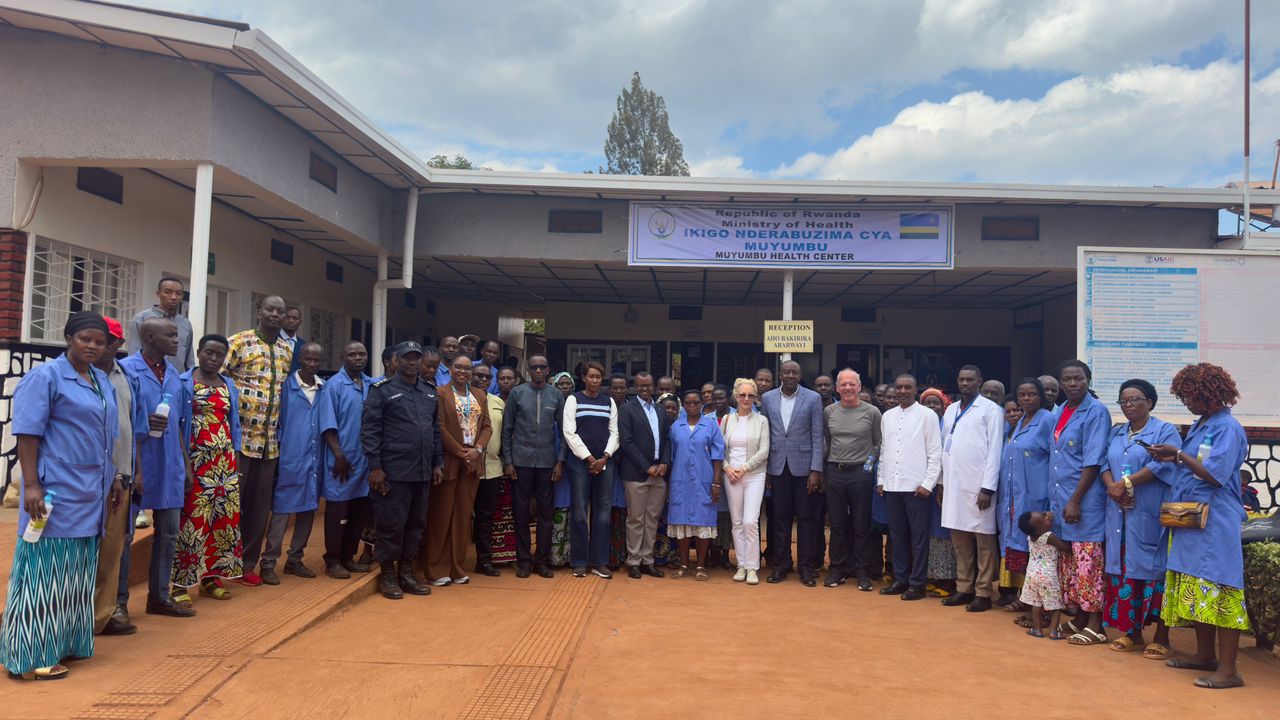
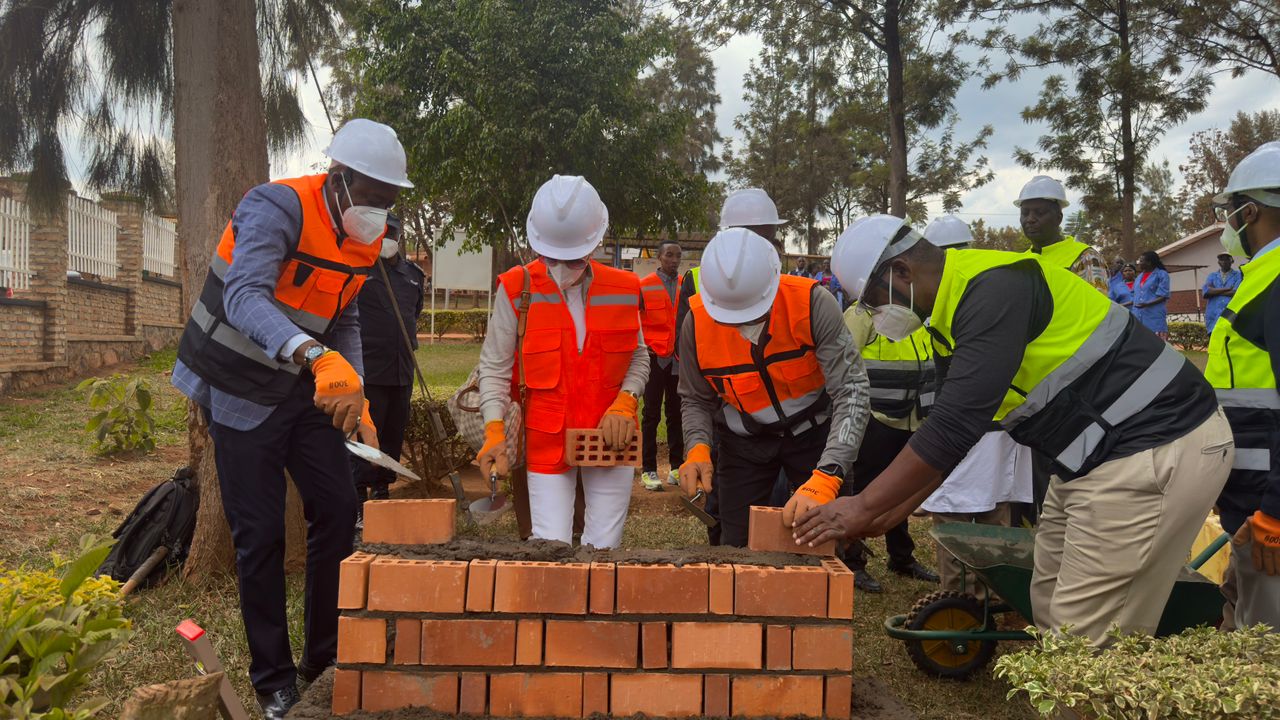
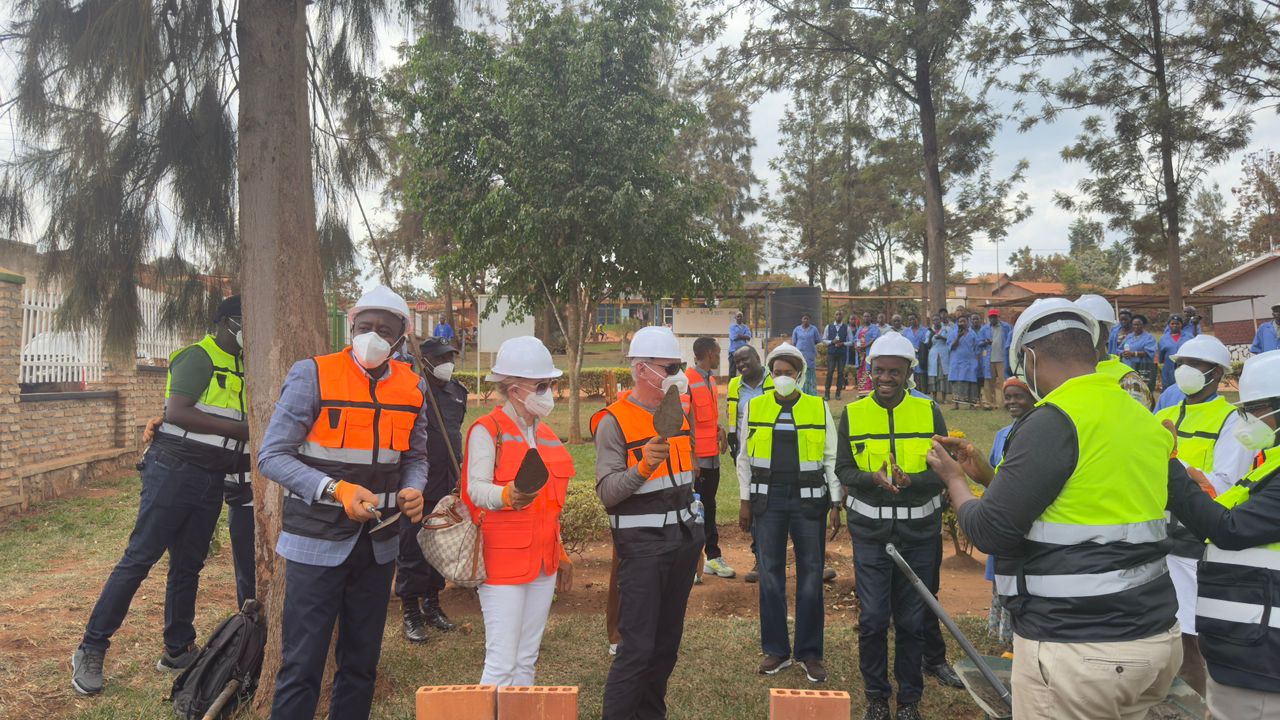
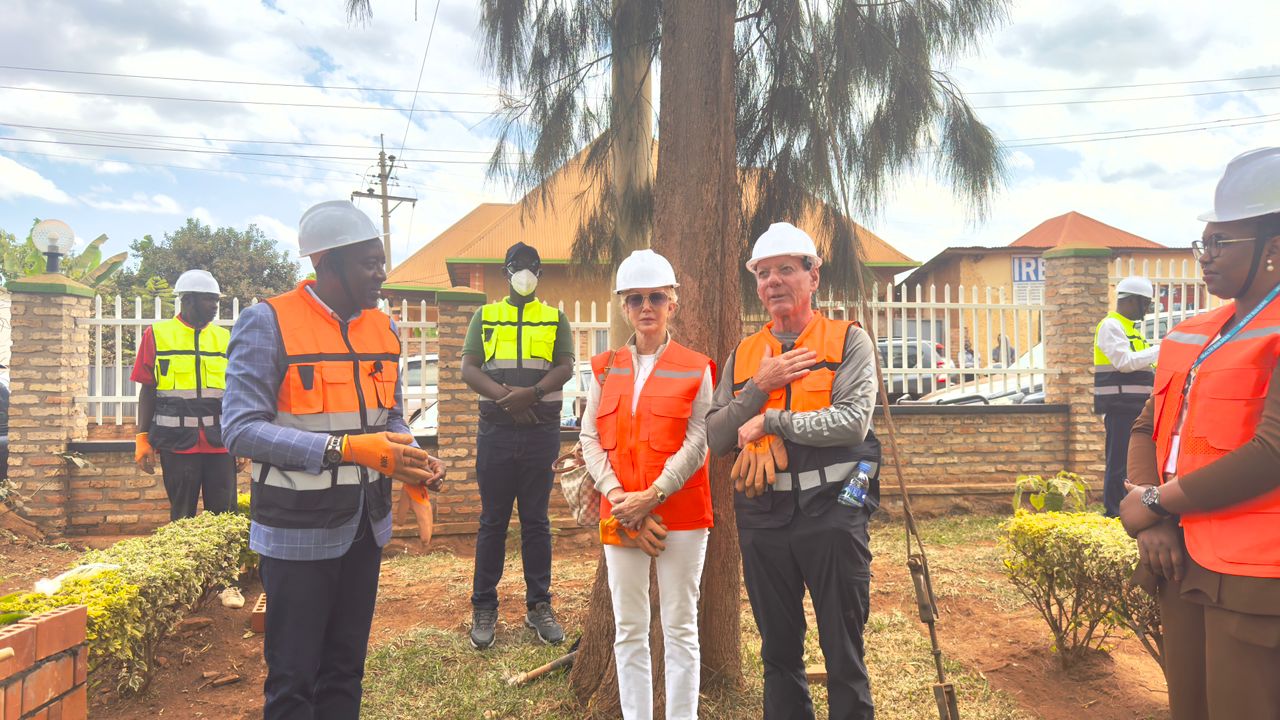
The upgrade of Muyumbu Health Center was officially launched on June 19, 2026, during a groundbreaking ceremony attended by local leaders, health officials, community representatives, and development partners.
The project is being implemented through a partnership between Health Builders, the Ministry of Health, and Rwamagana District, with philanthropic support from the Pace Family Foundation.
Among the supporters are Mr. Al Pace and Ms. Kristin Morch of Canada, whose philanthropy has helped finance the construction of five health centers and three health posts across Rwanda. Through the Pace Family Foundation, they are also the principal philanthropic supporters of the Muyumbu Health Center upgrade project, helping make this important investment in maternal, newborn, and community healthcare possible.
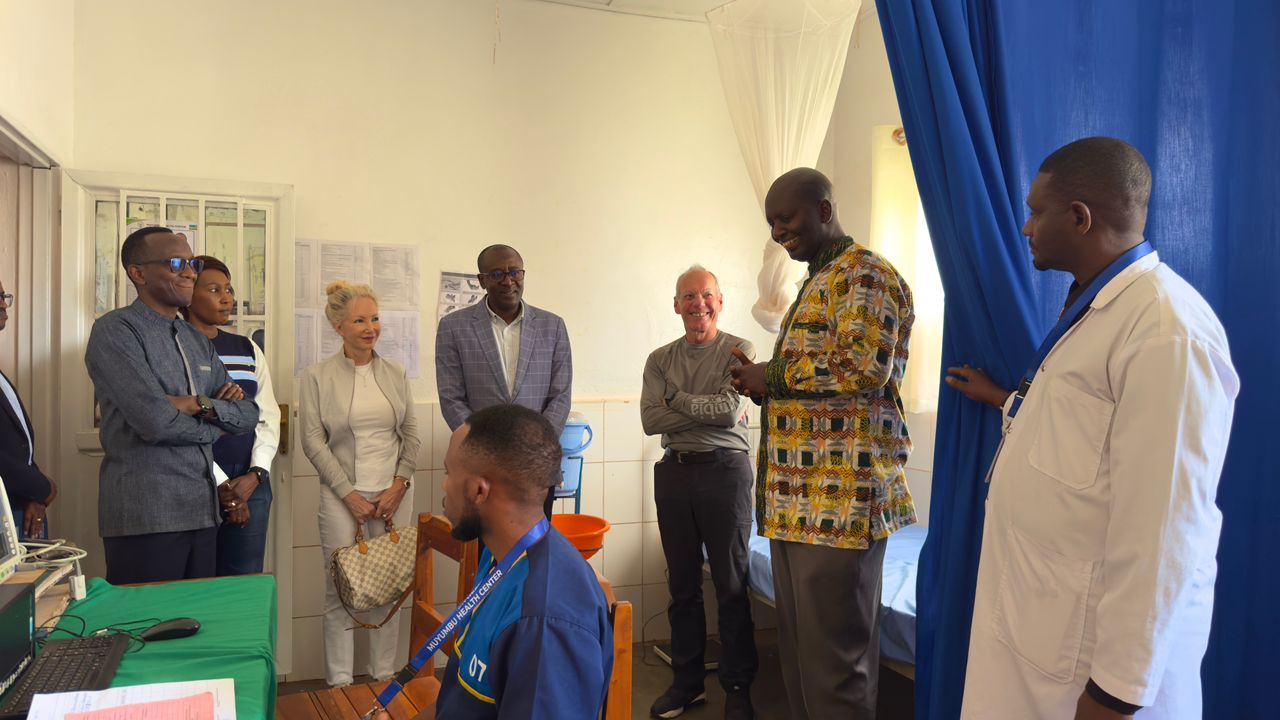
Built in 1987, the health center currently serves a rapidly growing population, but officials say increasing demand, aging infrastructure, and limited clinical space have strained its ability to deliver quality services, particularly in maternal care.
The upgrade project will include the construction of a new maternity block equipped with an operating theatre for surgical and emergency obstetric services, postnatal care rooms for mothers and newborns, and the renovation and reorganization of existing health center buildings.
It will also improve essential utilities, including water supply, electricity, sanitation, infection prevention systems, and overall facility safety.
Once completed, the expanded facility is expected to improve maternal and newborn health outcomes, enhance patient privacy and dignity, increase service capacity, and reduce referrals to Rwamagana Level Two Teaching Hospital.
Speaking at the groundbreaking ceremony, Rwamagana District Mayor Radjab Mbonyumuvunyi said the investment comes at a critical time for the growing population.
“Today, Muyumbu Health Center serves more than 62,000 people, and this number continues to grow. The current maternity unit is too small to adequately meet the needs of mothers and newborns. This project will provide modern maternity and postnatal facilities, improve patient privacy and comfort, and ensure that women receive quality care close to their homes,” he said.
Health Builders Executive Director Michel Musilikare said the project reflects the importance of partnerships in strengthening Rwanda’s health system.
“This groundbreaking represents more than the start of a construction project. It is an investment in healthier mothers, healthier children, and stronger communities,” he stated, adding that collaboration with government and donors helps bring life-saving services closer to communities.
Al Pace, a key supporter through the Pace Family Foundation, said the family’s involvement in Rwanda’s health sector is deeply rooted in personal and generational connections to the country.
“Healthcare has always been an important part of our family’s story. My father was a gynecologist, and Kristin’s father was a cardiologist. My brother-in-law and sister-in-law worked in Rwanda’s health system in 1997, and my sister worked here in 2000. Over time, these family experiences, connections, and conversations inspired us to support health system strengthening in Rwanda, a country that feels like a second home to us,” he said.
“We are honored to partner with Health Builders and the Government of Rwanda to help improve access to quality healthcare for mothers, newborns, and families in communities like Muyumbu,” he added.
Health Builders, a Rwanda-based non-profit organization established in 2007, works with government and development partners to strengthen health systems across the country through infrastructure development, training, mentorship, and equipment support.
The project is being implemented through a partnership between Health Builders, the Ministry of Health, and Rwamagana District, with philanthropic support from the Pace Family Foundation.The upgrade of Muyumbu Health Center was officially launched on June 19, 2026, during a groundbreaking ceremony attended by local leaders, health officials, community representatives, and development partners.Once completed, the expanded facility is expected to improve maternal and newborn health outcomes, enhance patient privacy and dignity, increase service capacity, and reduce referrals to Rwamagana Level Two Teaching Hospital.
In a statement released late Saturday, the club said the decision follows “unacceptable behaviour during GMT 2026 that adversely affected the team.”
The club also reiterated its disciplinary stance, stating that it “maintains a zero-tolerance policy on misconduct” and remains committed to “upholding the highest standards of discipline and professionalism.”
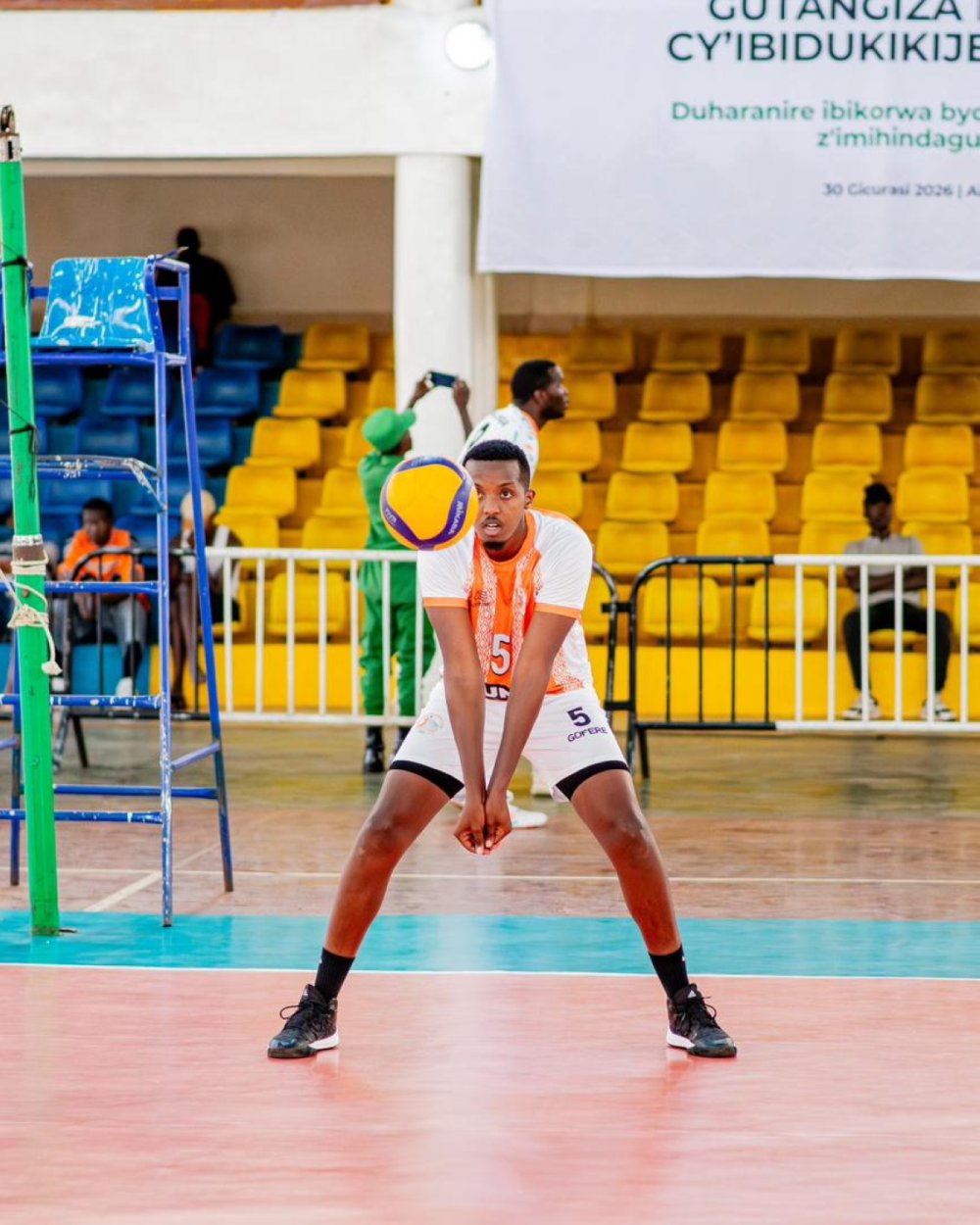
The sanctions come after Gisagara VC arrived late for its quarterfinal match against Police VC, resulting in a walkover defeat and elimination from the competition.
The club recently appointed Kwizera Marchal as head coach, though reports suggest internal tensions within the team, particularly between management and players.
Sources indicate that delayed player salaries have also contributed to unrest, with some players reportedly refusing to feature due to unpaid wages.
The 2026 Kwibuka Volleyball Tournament concludes on Sunday with classification matches across both men’s and women’s categories.
In the men’s category, REG VC will face Police VC in the third-place playoff, while APR VC meet Kepler VC in the final.
In the women’s competition, Police WVC take on Kepler WVC for third place, while APR WVC face KPC WVC in the final.
Gisagara VC has taken disciplinary action against players including Muvara Ronald. Cedric Ngaboyintwari has been suspended for 90 days. Kwizera Marchal is the head coach of Gisagara VC.
According to UK media reports, Starmer has come under increasing internal pressure following weeks of political uncertainty, with senior figures in the Labour Party urging him to make way for a new leader. Greater Manchester Mayor Andy Burnham has emerged as a leading contender to replace him, with supporters claiming he could command majority backing within the parliamentary party.
Speaking on Sunday, Business Secretary Peter Kyle acknowledged the growing political tension, saying the Prime Minister was “aware of the political realities” and would act in the national interest. However, he declined to confirm any final decision, describing the situation as fluid and uncertain.
The reported resignation plan would mark a dramatic turn in UK politics, just two years after Labour’s sweeping general election victory brought Starmer to power with a large parliamentary majority. Since then, his leadership has faced criticism over policy U-turns, declining poll numbers, and internal party divisions.
Starmer’s allies have insisted he would resist any leadership challenge, but pressure has intensified following Burnham’s strong political showing in recent contests, which has energised calls for a transition at the top of government.
If confirmed, Starmer’s departure would make him one of several UK prime ministers to leave office in rapid succession, reflecting ongoing instability in British politics and growing voter dissatisfaction with mainstream parties.
In Rwanda, his legacy is defined by scrapping the ‘Rwanda migration deal’ on his first day in office, as well as his failure to curb illegal Channel crossings and the resulting damage to voter confidence. The Rwanda scheme was first announced in April 2022 by the government of former Prime Minister Boris Johnson, following a deal with the Rwandan government.
Analysts say the potential leadership change could further reshape the Labour Party’s direction, particularly on immigration, public spending, and foreign policy, as it seeks to consolidate power ahead of the next general election.
Starmer has not yet made a formal public statement confirming his resignation, but government insiders suggest an announcement could come within days as pressure from within his party reaches a critical point.
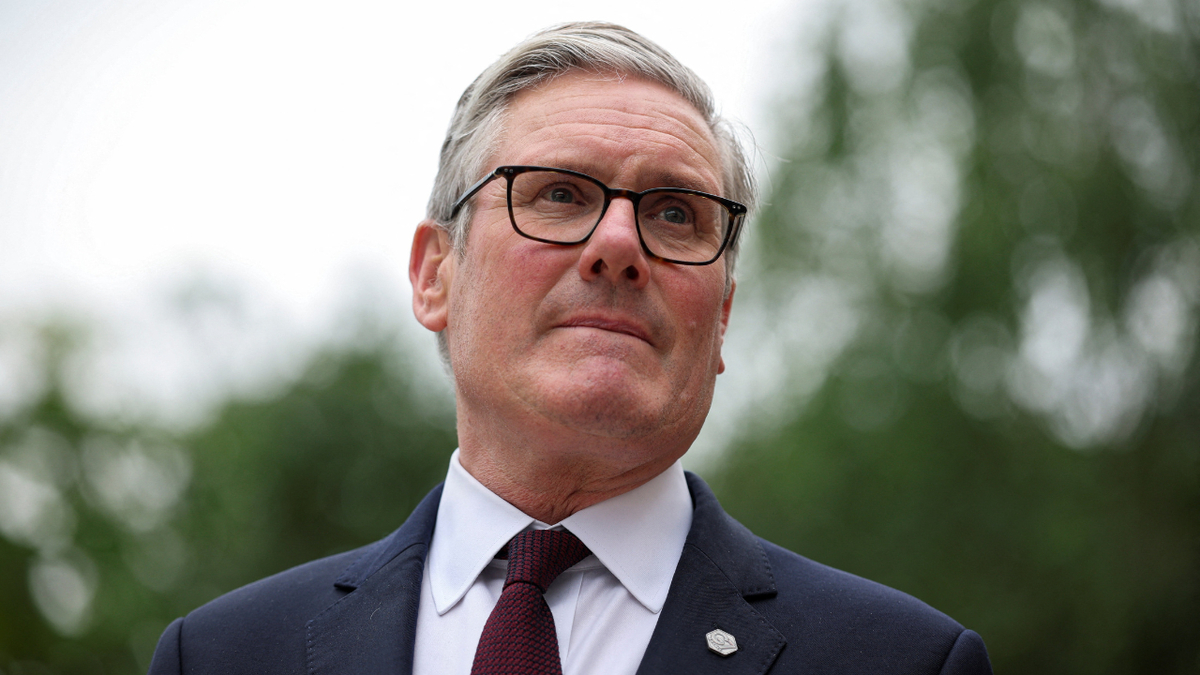
UK Prime Minister Keir Starmer is expected to resign on Monday after weeks of mounting pressure from Labour MPs calling for a leadership overhaul.
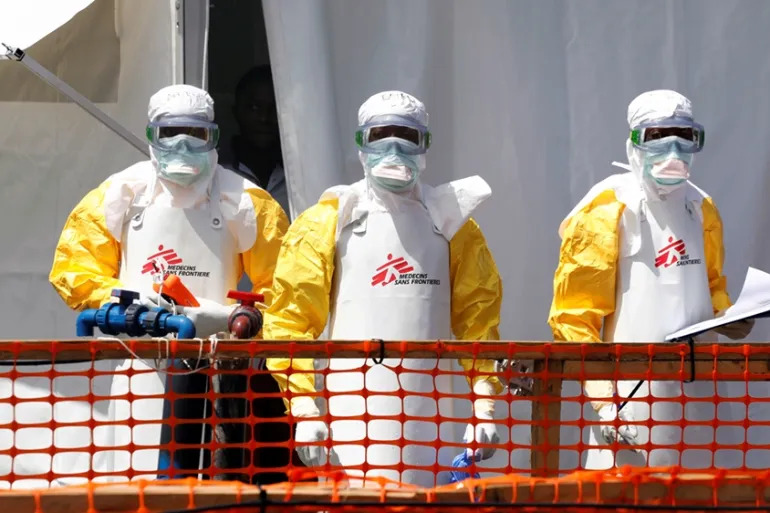
Twenty-three new confirmed cases, including two deaths, were reported Friday in the provinces of Ituri and North Kivu. Ituri remains the epicenter of the outbreak, with 874 confirmed cases and 201 deaths, accounting for more than 91 percent of the country’s confirmed cases.
A total of 92 patients have recovered, while 361 patients were in isolation or hospitalized.
The report also said 162 suspected cases were identified during the day, while the contact-tracing rate stood at 69.3 percent, below the 95-percent target set by health authorities.
At a press briefing Friday evening, DRC Health Minister Roger Kamba said the outbreak remained in an upward phase, with more confirmed cases expected as response teams expanded active case-finding and moved deeper into affected communities.
Kamba added that the authorities will only be able to say that the outbreak has reached its peak, plateaued, or begun to decline once the weekly figures have stabilized or begun to fall. For now, he said, efforts to detect cases, isolate and treat patients, and strengthen community engagement must continue.
The outbreak, caused by the Bundibugyo Ebola virus, was declared by the DRC authorities on May 15.
Red Cross workers bury an Ebola victim at the Rwampara Cemetery, in Rwampara, Congo, Saturday, May 23, 2026. (AP Photo/Moses Sawasawa) CORRECTION: City corrected to Rwampara, instead of Bunia
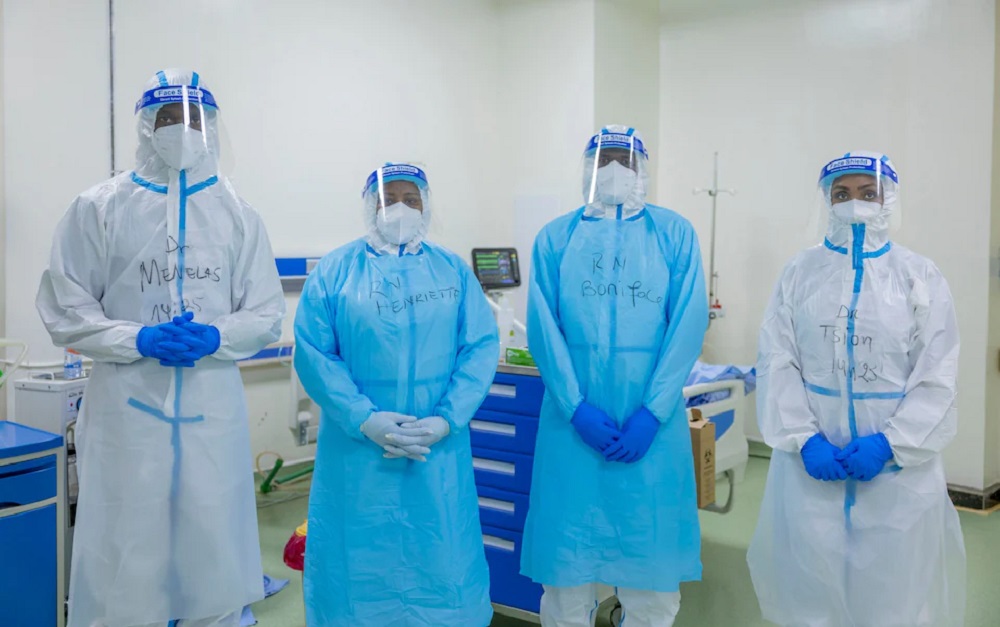
Published in Nature Health, the study was conducted by a multidisciplinary team of experts, including Dr. Menelas Nkeshimana, the Head of the Health Workforce Development Department at the Ministry of Health, alongside researchers from the Rwanda Biomedical Centre (RBC), the University of Rwanda, King Faisal Hospital, and other institutions.
While filoviruses such as Ebola and Marburg were already known to persist in certain body fluids after recovery, sexual transmission of Marburg had not been clearly documented in previous outbreaks across Africa. The new findings therefore, add important evidence to the understanding of viral persistence and post-recovery transmission risks.
Confirmed post-recovery transmission events
The study describes two separate transmission events in which recovered male patients, later confirmed to have viral remnants in semen, transmitted the infection to female partners through unprotected sexual contact.
Both men had previously been treated for Marburg and discharged after meeting clinical recovery criteria, including two consecutive negative blood tests taken 24 to 48 hours apart. No semen testing had been conducted at the time of discharge.
Shortly after discharge, both individuals engaged in unprotected sexual intercourse, after which both female partners developed symptoms consistent with Marburg infection and later tested positive.
Case A1 and Case A2
The first case involved a 25-year-old man (Case A1) who was infected between 8 and 15 September 2024 and developed symptoms on September 25, including fever, vomiting, nausea, diarrhoea, fatigue, and muscle and joint pain.
He was admitted to hospital on September 27 and tested positive for Marburg on September 28. He received treatment, including remdesivir, and was discharged on October 10, 2024, after clinical recovery and two negative blood tests.
Nine days after discharge, on October 19, 2024, he had unprotected sexual intercourse with a 21-year-old woman (Case A2). The woman developed symptoms on October 24 and was admitted to hospital on October 27. She tested positive for Marburg on October 29 and received treatment before being discharged on November 8, 2024.
Investigators found no alternative exposure to the virus apart from the post-discharge sexual contact.
Case B1 and Case B2
The second transmission event involved a 29-year-old man (Case B1) infected on September 23, 2024, who developed symptoms on September 30 and was admitted to hospital on 1 October after testing positive for Marburg.
He received treatment with remdesivir and showed clinical improvement. He was discharged on 15 October 2024 after two consecutive negative blood tests.
On October 19, 2024, he had unprotected sexual intercourse with a 29-year-old woman (Case B2). She developed symptoms on October 23, was admitted on October 25, and tested positive for Marburg on October 26. She was treated and discharged on November 5, 2024.
As with the first cluster, investigators did not identify any other plausible exposure route, making post-recovery sexual transmission the most likely explanation.
Laboratory and genomic findings
The research team conducted epidemiological investigations alongside partial genomic sequencing of viral samples. Although full genome recovery was not possible, sufficient genetic material was obtained to support outbreak linkage.
In Case A1, 71% of the viral genome was recovered, while in Case B2, 76% was recovered. The sequences were classified within Marburg clade B and showed close relation to strains previously identified in the Democratic Republic of Congo (1999–2000) and Uganda (2007–2009).
The sequences were labeled PZ112888 and PZ112889, and comparison with other outbreak data from Rwanda indicated strong genetic similarity, supporting a linked transmission chain.
Study limitations and public health implications
The researchers noted several limitations, including the inability to perform full viral sequencing and the lack of virus culture from semen samples due to limited laboratory capacity.
Importantly, no semen testing was performed before hospital discharge under earlier protocols, which relied solely on blood tests confirming the absence of detectable virus.
The researchers noted that these findings alter our understanding of post-recovery risks, stating: “While the persistence of filoviruses in immune-privileged sites like the testes has been documented, these findings provide definitive genomic and epidemiological confirmation of Marburg virus sexual transmission from recovered individuals. This underscores an urgent need to re-evaluate global discharge criteria…”
Following these findings, Rwanda revised its post-recovery monitoring guidelines for Marburg. New protocols now include testing of semen and other body fluids at defined intervals after recovery, as well as extended follow-up of survivors to better assess viral persistence and transmission risk.
Rwanda’s first-ever Marburg Virus Disease (MVD) outbreak was officially declared on September 27, 2024. Epidemiological investigations traced the origin of the outbreak to a zoonotic spillover event at a mining cave inhabited by Egyptian fruit bats (Rousettus aegyptiacus).
The index case, a 27-year-old miner who worked at the site, was subsequently admitted to King Faisal Hospital in Kigali, where the highly contagious virus quickly spread to healthcare workers.
Ultimately, approximately 78% of all confirmed cases involved clinical staff across two medical facilities in Kigali. While infections were detected in seven of Rwanda’s 30 districts, the highest concentration remained heavily localised within the three districts of Kigali City: Gasabo, Kicukiro, and Nyarugenge.
The outbreak resulted in 66 confirmed cases, 15 deaths, and 51 recoveries. In adherence to World Health Organisation (WHO) guidelines, the Government of Rwanda officially declared the end of the outbreak on December 20, 2024, marking 42 consecutive days, representing two full incubation periods, with zero new confirmed cases.
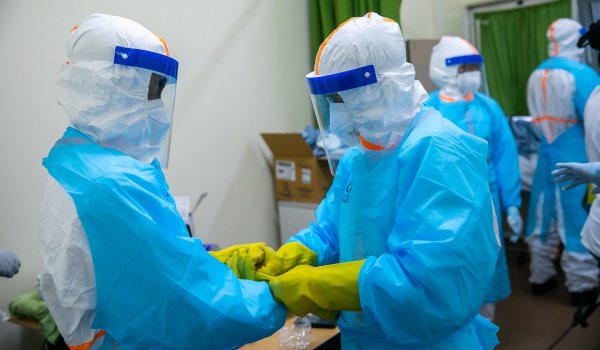
The Head of the Health Workforce Development Department at the Ministry of Health, Dr. Menelas Nkeshimana (first from the left), is among the medical professionals who responded to the Marburg outbreak and contributed to this study.