“I can say tonight that we are on track to complete all of America’s military objectives very shortly. We are going to hit them extremely hard over the next two to three weeks. We’re going to bring them back to the Stone Ages where they belong,” Trump said in a primetime address to the nation.
The president insisted that the negotiations between the United States and Iran “are ongoing” despite Iran’s denial, saying Iran’s “regime change has occurred because of all of their original leaders’ deaths” and “the new group is less radical and much more reasonable.”
“If there is no deal, we are going to hit each and every one of their electric generating plants very hard and probably simultaneously,” Trump said. He also signaled the U.S. military could target Iran’s oil infrastructure.
Trump again urged U.S. allies to “build up some delayed courage” and take the lead in reopening the Strait of Hormuz, suggesting Washington may end the U.S.-Israeli war with Iran without reopening the crucial global energy waterway, whose prolonged closure has fueled a global energy shock and sent oil and gas prices sharply higher.
“Go to the strait and just take it, protect it, use it for yourselves,” Trump urged U.S. allies, claiming again that the strait would “just open up naturally” with the end of the war.
Grappling with market volatility and public concerns over a drawn-out war, Trump argued the ongoing conflict, now in its fifth week, is far shorter than wars such as World War II, Vietnam or Iraq, and should be viewed as a necessary “investment” in the future rather than another prolonged conflict abroad.
Trump used the primetime address to justify the Iran war, tout U.S. military gains, and assure the U.S. public the war is nearing its end, local analysts say.
Markets reacted negatively to Trump’s address on his Iran war strategy, with S&P 500 futures falling 0.75 percent, Nasdaq futures down 1 percent, and Dow futures dropping more than 310 points.
Meanwhile, oil prices surged, with U.S. crude rising from about 98 U.S. dollars to nearly 104 dollars a barrel, while Brent crude climbed from around 99 dollars to 106 dollars.
Up to 67 percent of Americans believe that Trump does not have a clear plan for handling the situation in Iran, according to the latest CNN poll.
Trump insisted that the negotiations between the United States and Iran “are ongoing” despite Iran’s denial,
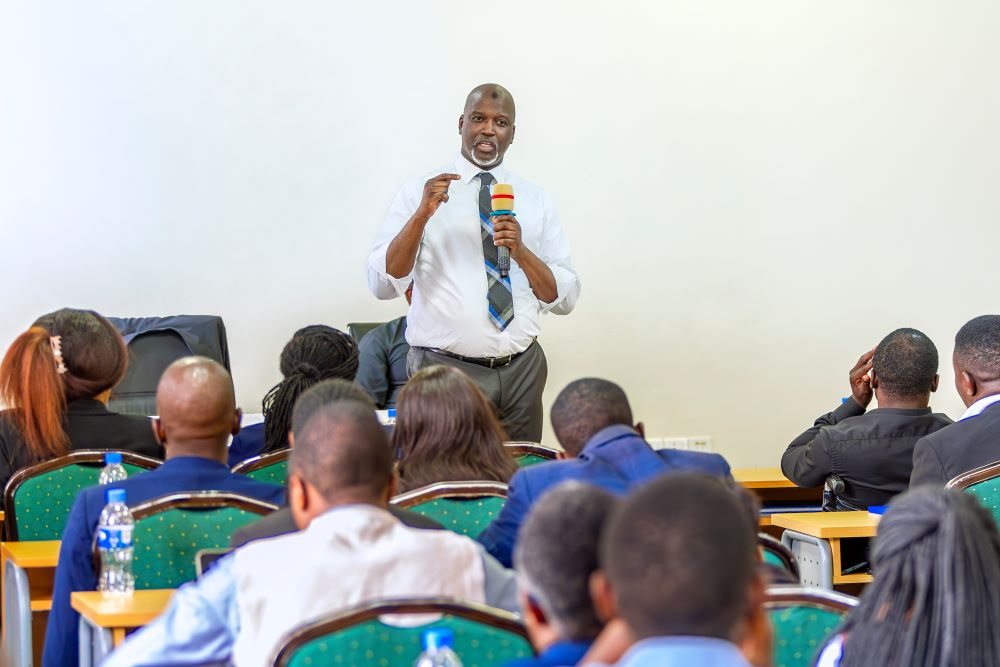
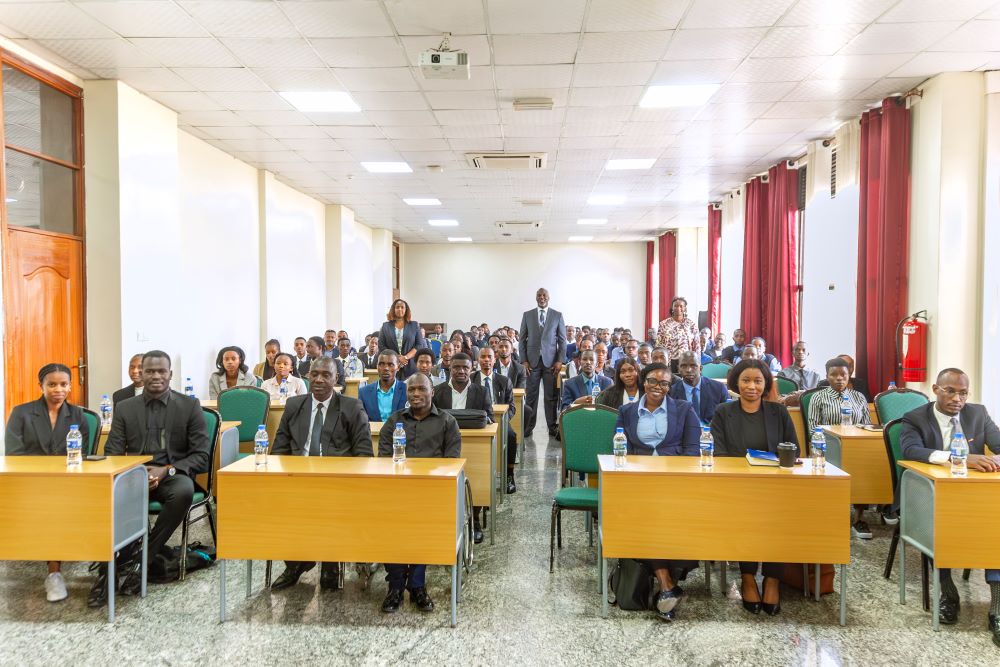
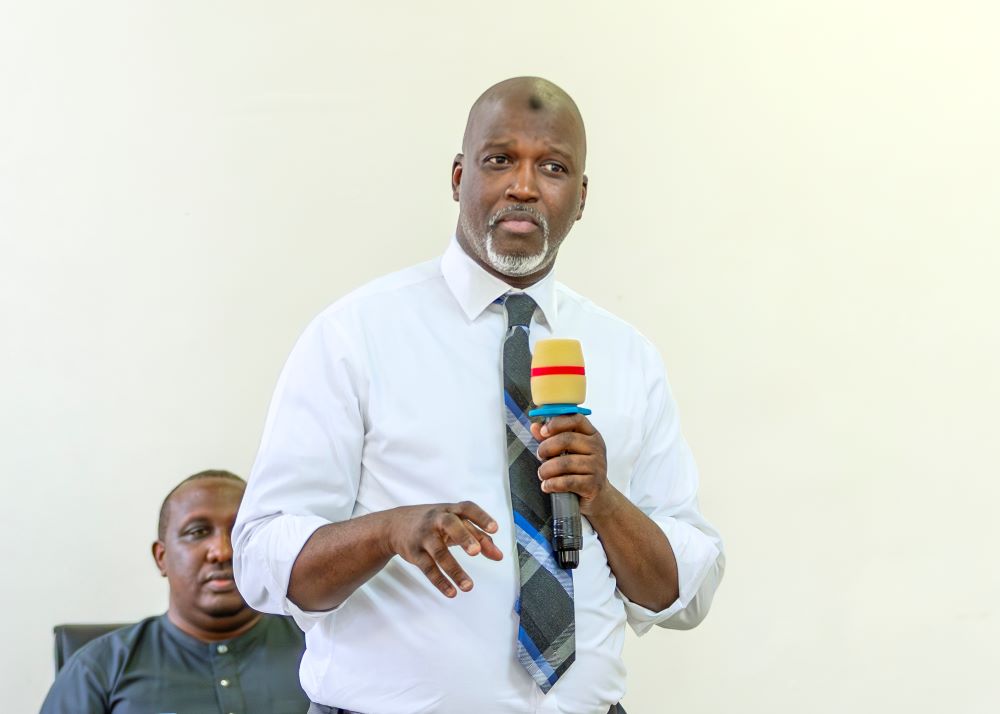
This lecture on “International Criminal Justice and the Genocide against the Tutsi: The Role of the ICTR and the Residual Mechanisms in Upholding Genocidaires Accountable,” was delivered on March 31, 2026 by Mr. Abubacarr M. Tambadou, the Registrar of the International Residual Mechanism for Criminal Tribunals.
The session provided a sweeping look at the pursuit of justice, the evolution of international criminal justice, and the complex human realities of post-genocide accountability.
Established by the United Nations Security Council, the International Criminal Tribunal for Rwanda (ICTR) faced a monumental and logistically impossible task: prosecuting the thousands of perpetrators involved in the genocide. Instead, the tribunal took a pragmatic and deeply symbolic approach.
“By prosecuting those who bore the greatest responsibility particularly top-level leaders in the political, military, religious, and business spheres the ICTR sent a clear message,” the lecture highlighted. “It demonstrated that absolutely no one is above the law, while simultaneously establishing global standards for fair trials and due process.”
Through its international authority, the ICTR successfully compelled nations across the world, especially from Africa and Europe to transfer fugitive suspects many of whom had fled Rwanda back into its custody to face trial.
Beyond individual prosecutions, the ICTR fundamentally reshaped international human rights law. The lecture placed special emphasis on the landmark case of Prosecutor v. Jean-Paul Akayesu.
For the first time in history, this case formally recognized rape and sexual violence as acts of genocide under international law, provided they were committed with the specific intent to destroy a targeted group.
“This ruling expanded the interpretation of the Genocide Convention,” the expert noted during the session. “It set a lasting, irrefutable precedent for all future international tribunals.”
Furthermore, the ICTR cemented the doctrine of command responsibility, ensuring that leaders could no longer turn a blind eye to atrocities, holding them legally accountable when they failed to prevent or punish crimes committed by their subordinates.
One of the most gripping moments of the lecture came from the personal testimony of a former ICTR prosecutor, illustrating the deep emotional toll of the tribunal’s work. Mr. Abubacarr recounted the visceral trauma of reading witness statements, which frequently resulted in recurring nightmares.
“Initially, I struggled so deeply with the horrific nature of the crimes that I refused to even shake the hands of the detained perpetrators,” the former prosecutor shared.
However, a pivotal shift occurred when they realized that cooperation from these lower-level detainees was the only way to build airtight cases against the senior architects of the genocide.
“By setting aside my personal judgment and choosing to treat the detainees with basic dignity, I gained their trust and cooperation,” the prosecutor explained. “It highlighted a difficult but necessary truth: while their crimes were horrific, the perpetrators were still human beings. Acknowledging that complexity transformed my understanding of justice and is essential for long-term reconciliation.”
Emmanuel Manzi, a DLP student in attendance, reflected on how deeply the tribunal’s history connects to the upcoming Kwibuka (commemoration) period.
“This lecture went far beyond legal insights,” Manzi observed. “It served as a powerful reminder of our shared responsibility in preserving memory and promoting unity among all Rwandans.”
As the nation prepares to remember the victims of the Genocide against the Tutsi, the session provided attendees with vital guidance for the days ahead. The core message emphasized the importance of standing in unwavering solidarity with the survivors of the Genocide against the Tutsi while firmly rejecting all forms of discrimination, division, and genocide ideology.
To put these principles into practice, attendees were encouraged to actively participate in national efforts and community events throughout the commemoration week, ultimately fostering an enduring culture of unity, compassion, and healing among all Rwandans.
The lecture ultimately served as a poignant reminder that the legacy of the ICTR is not just an academic or legal exercise. It is a living testament to the necessity of accountability, and a roadmap for a world striving to ensure that “Never Again” is a reality.
The lecture was delivered on March 31, 2026, at the Institute of Legal Practice and DevelopmentMr. Abubacarr M. Tambadou, the Registrar of the International Residual Mechanism for Criminal Tribunals delivered the lecture themed, “International Criminal Justice and the Genocide against the Tutsi: The Role of the ICTR and the Residual Mechanisms in Upholding Genocidaires Accountable.”
The program aims at preparing women for career advancement while achieving balance and success in their personal lives.
Launched in 2022 by Gate Consulting Group, a Rwandan firm specializing in leadership training, coaching, and strategic advisory services, LiftHerUp is a flagship initiative that equips women in the workforce with the skills needed to compete for leadership positions, prepares female university graduates to confidently enter the job market, and supports women entrepreneurs in scaling their businesses.
The LiftHerUp Women Professionals Mentorship Program is a nine-month training and mentorship journey that brings together accomplished women leaders and male allies who champion gender equality, ensuring participants gain both practical skills and diverse perspectives.
Participants are selected through a competitive application process, with organizations nominating high-potential female employees. The program is designed with flexibility in mind, enabling participants to balance their professional responsibilities alongside the training.
This year marks the second collaboration between Gate Consulting Group and Women in Finance Rwanda (WIFR), an organization committed to advancing gender equality in the financial sector.
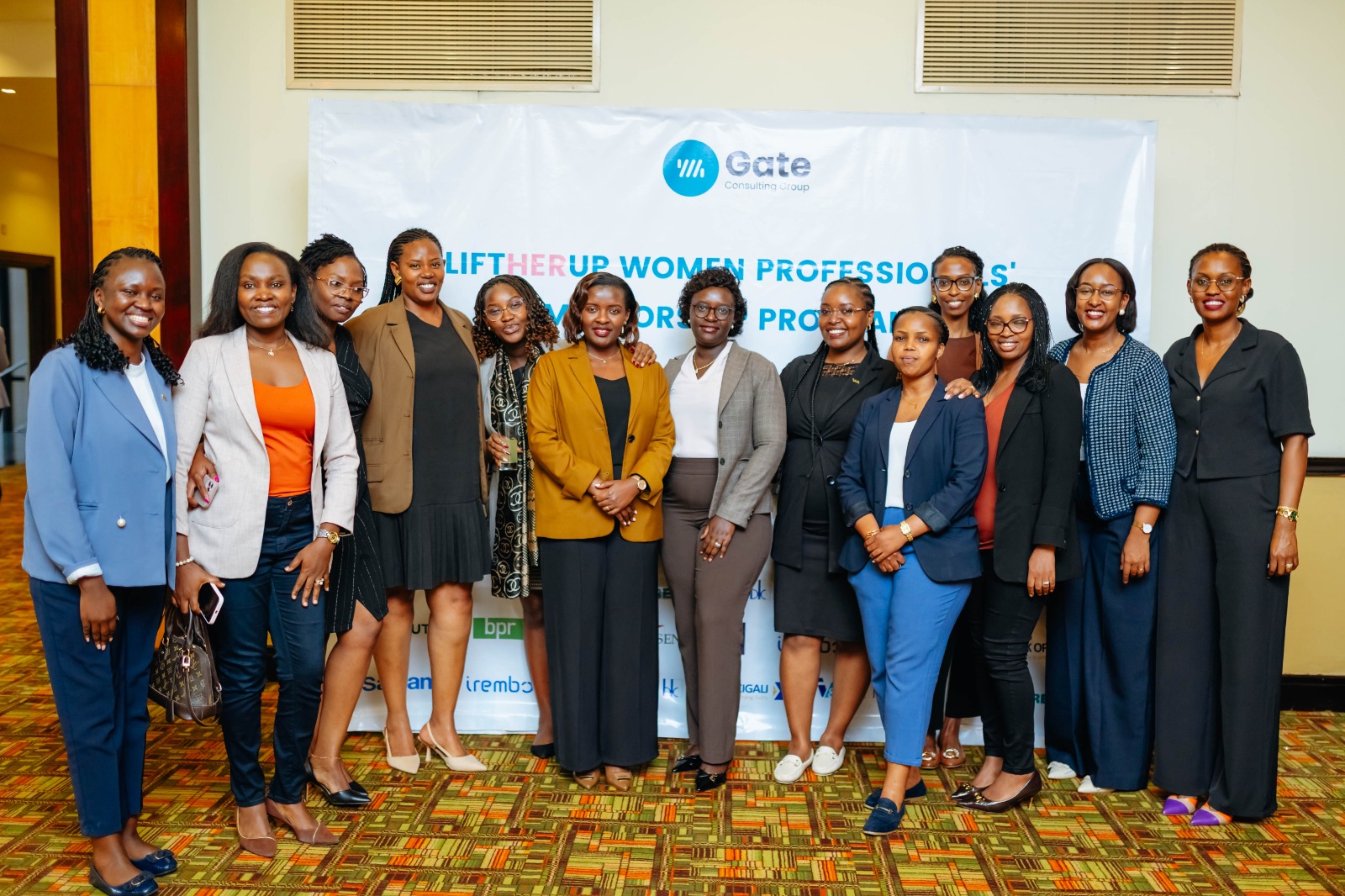
The fifth cohort, launched on March 18, 2026, is the largest to date, bringing together over 130 women from more than 20 organizations, supported by 40 experienced mentors. So far, the program has impacted 730 participants in 5 years.
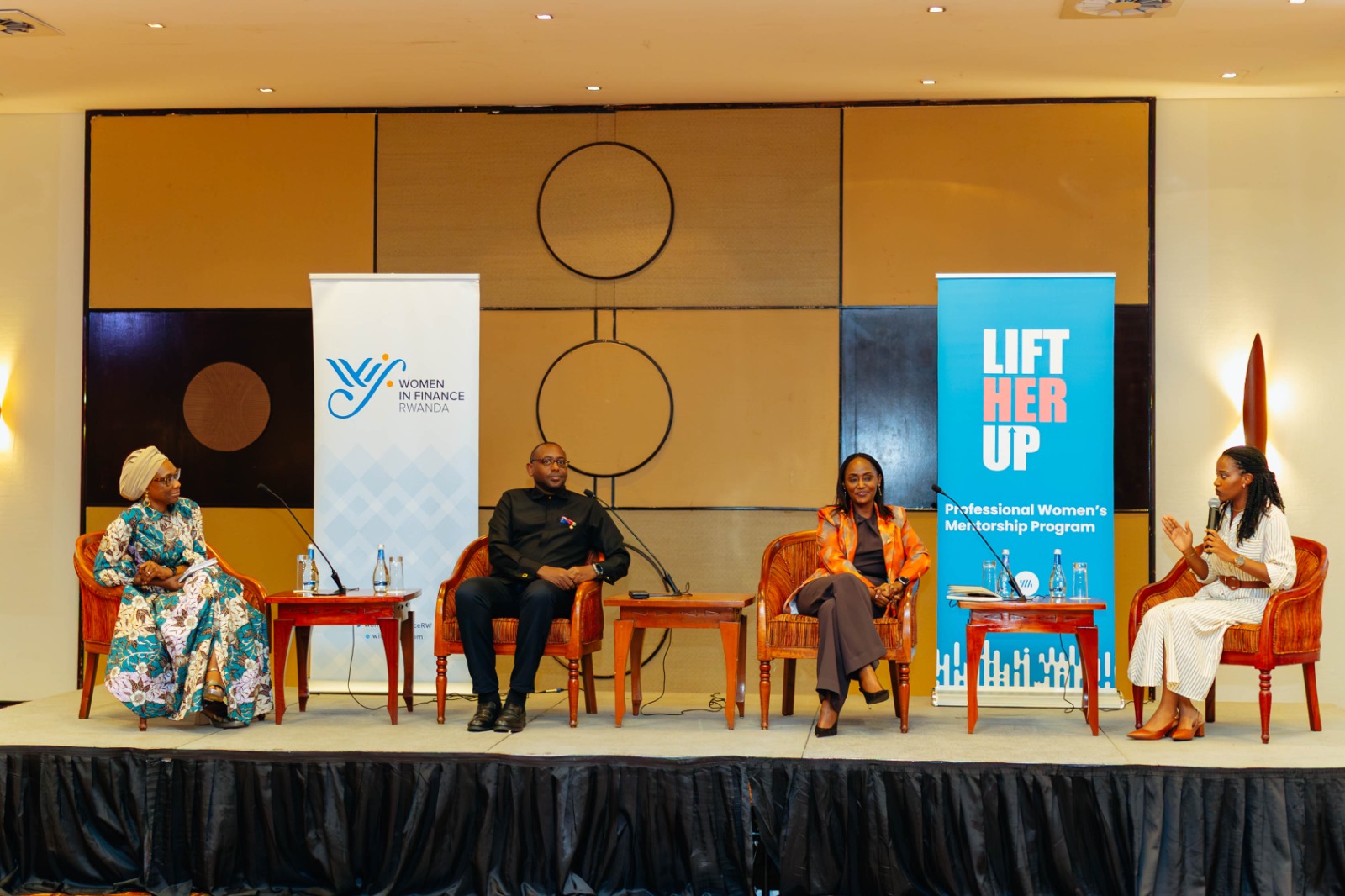
The launch event featured insights from distinguished leaders, including Aïssa Touré, Country Manager of the African Development Bank Group in Rwanda; Judith Muhongerwa, HR Strategist and Founder of Agile People Pro™ (UK); and Pierre Kayitana, Country Director of Zipline Rwanda. Their contributions set the tone for a powerful and impactful journey ahead for participants.
Salma Habib Nkusi, CEO of Gate Consulting Group and founder of the program, highlighted the program’s growth and impact over the past four years.
“Many women who have gone through this program have advanced in their careers because we prepare them for leadership roles. They now have the skills to excel in those positions,” she said.
She also noted that while the program has made significant progress, growing from an initial cohort of 30 participants, it aims to expand its reach beyond Kigali to support more women across Rwanda.
Participants in the fifth cohort have already expressed strong expectations for the journey ahead.
Umuringa Iriza Lucille, an employee at the Development Bank of Rwanda, shared that her experience at the launch highlighted the importance of working with structure and direction, not just effort.
“I expect to gain knowledge in decision-making and leadership. I want to ask questions, learn from my peers, and grow professionally. I am confident this experience will help me advance in my career,” she said.
Janet Ishiywe, who works at One Acre Fund Rwanda, said that doing the work alone is not enough; what really matters is keeping outcomes at the forefront when advancing your career.
She added that confidence in professional spaces comes from staying curious and continuously consuming a wide range of content, which helps you fit into different rooms and contribute meaningfully with your own perspective.
Kirabo Ritha, who works at Andersen, also shared that seeing that most of the trainers are capable women gave her confidence that it is possible. She added that she looks forward to learning from their experiences and how they overcame challenges
By the end of 2025, LiftHerUp had already trained over 600 women and girls, including 102 graduates from that year alone.
As the program continues to grow, it remains a key driver in empowering women across Rwanda, equipping them to break barriers, lead with confidence, and thrive in their respective fields.
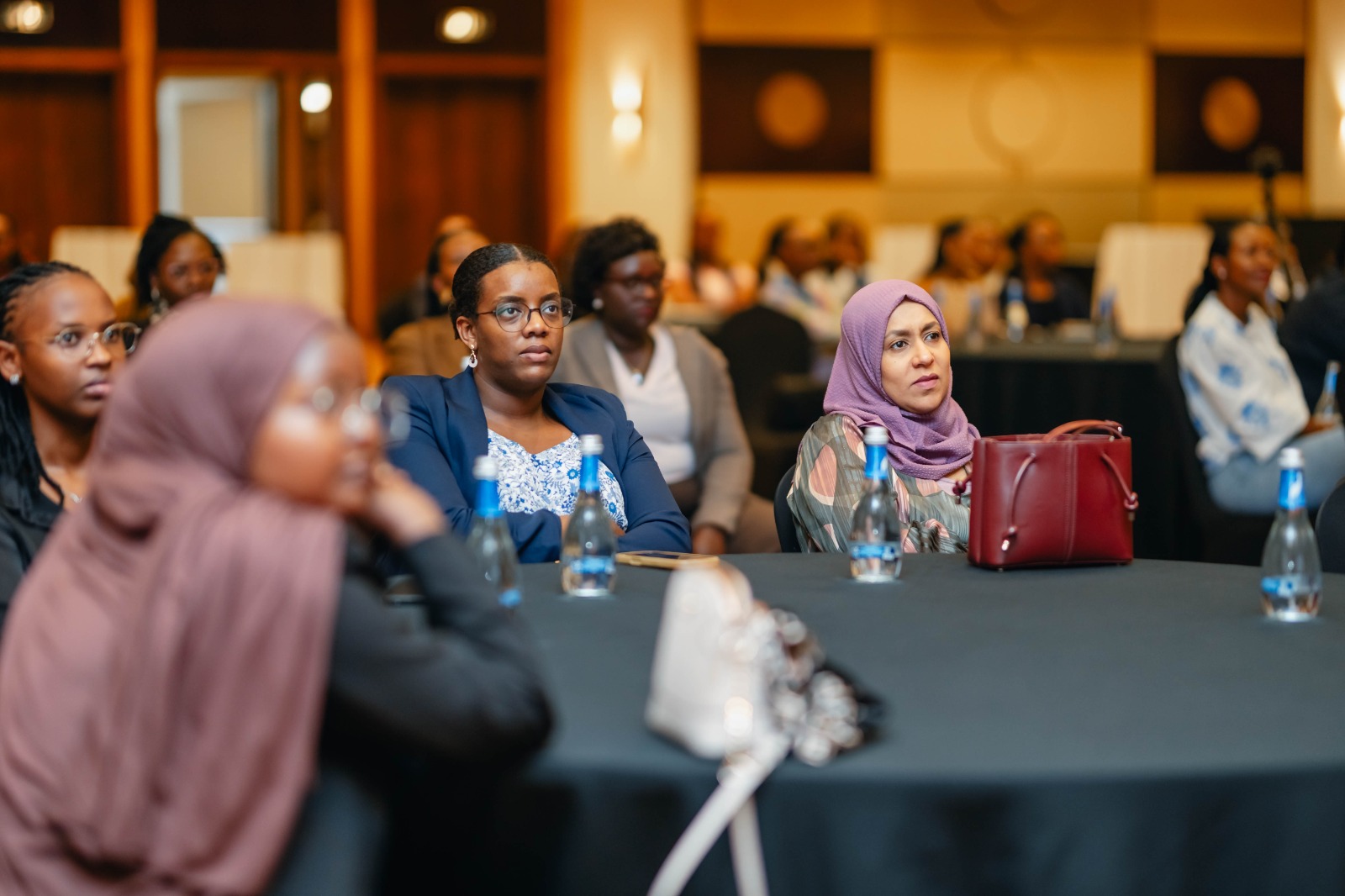
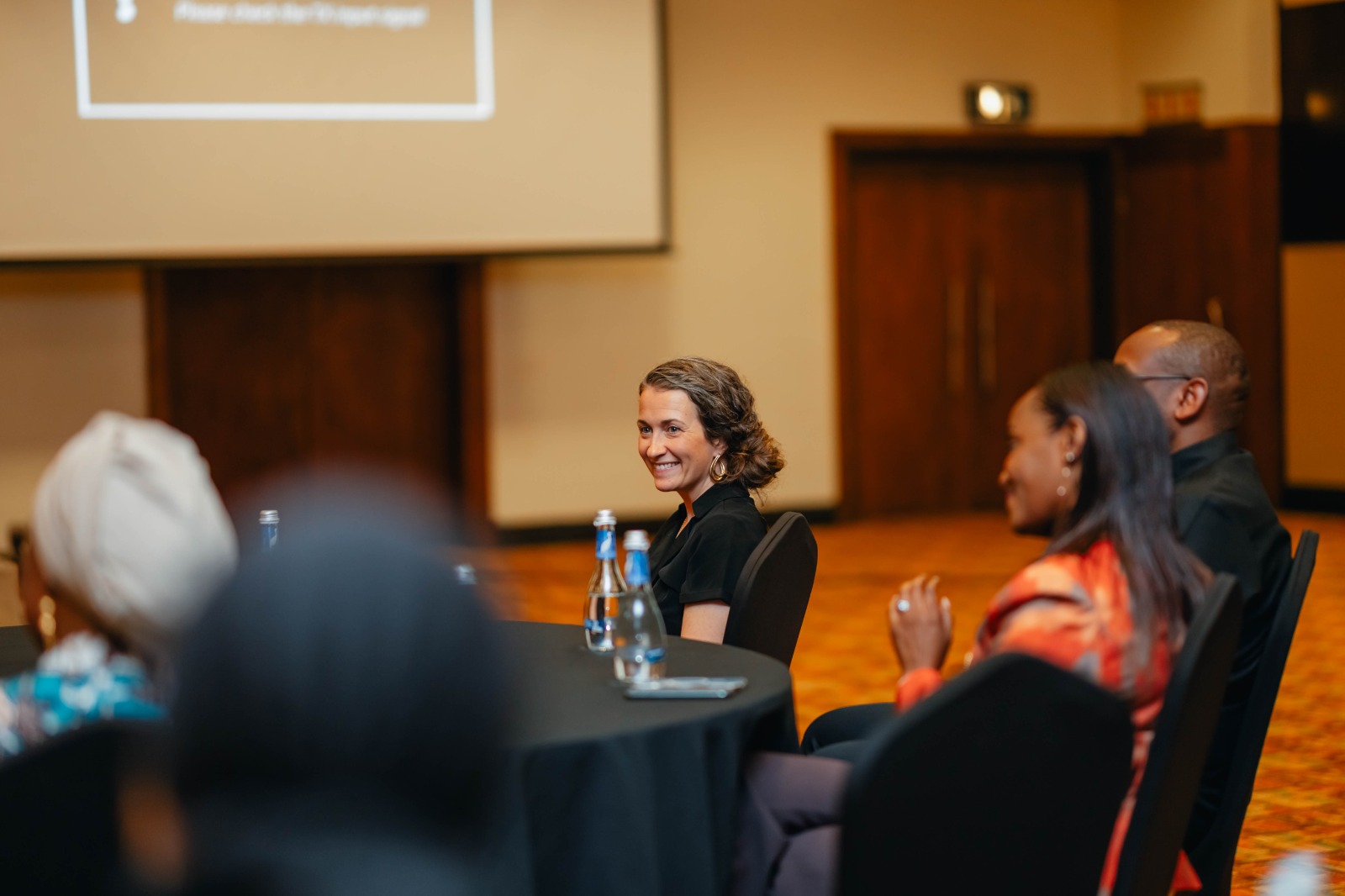
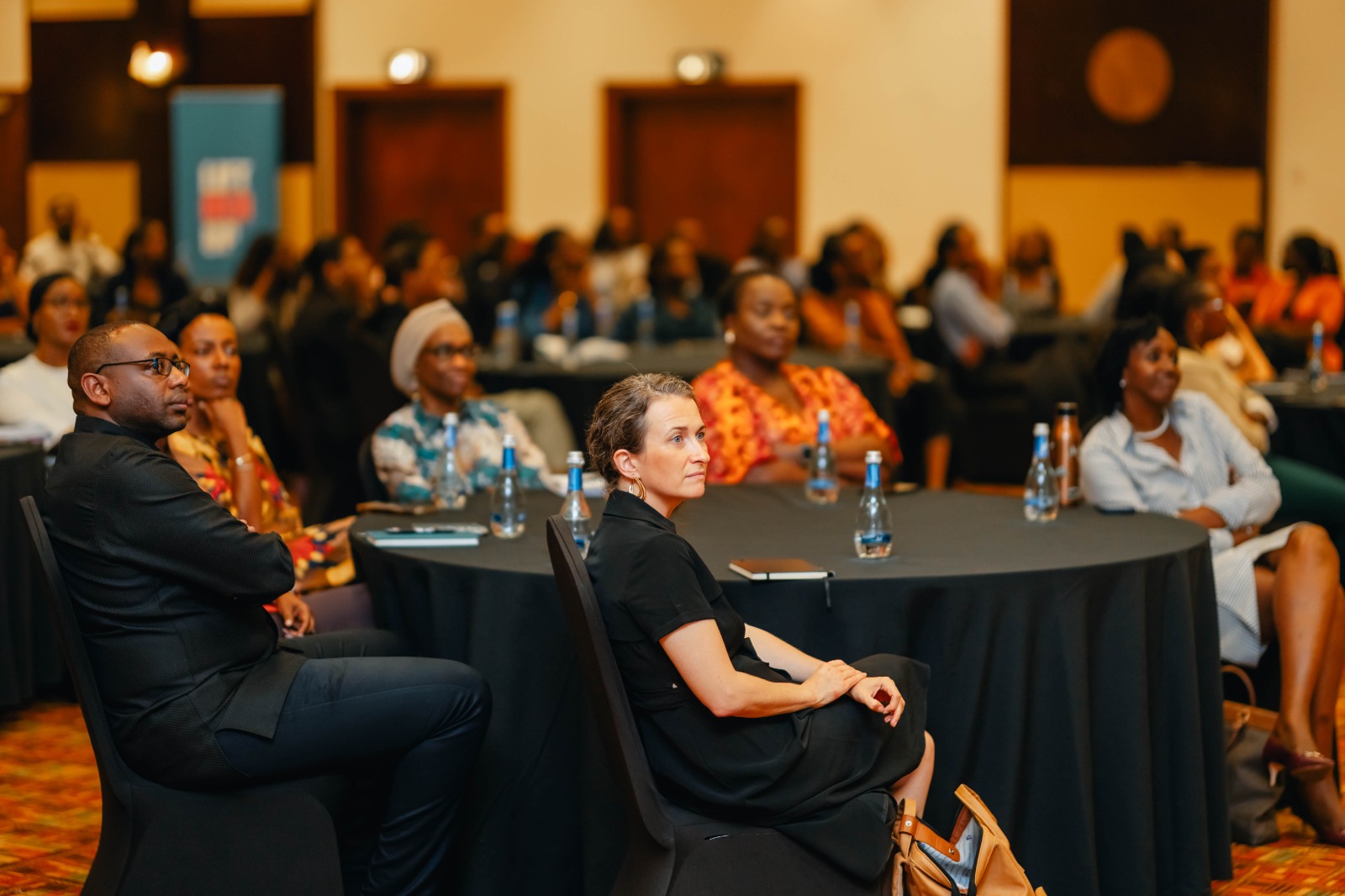
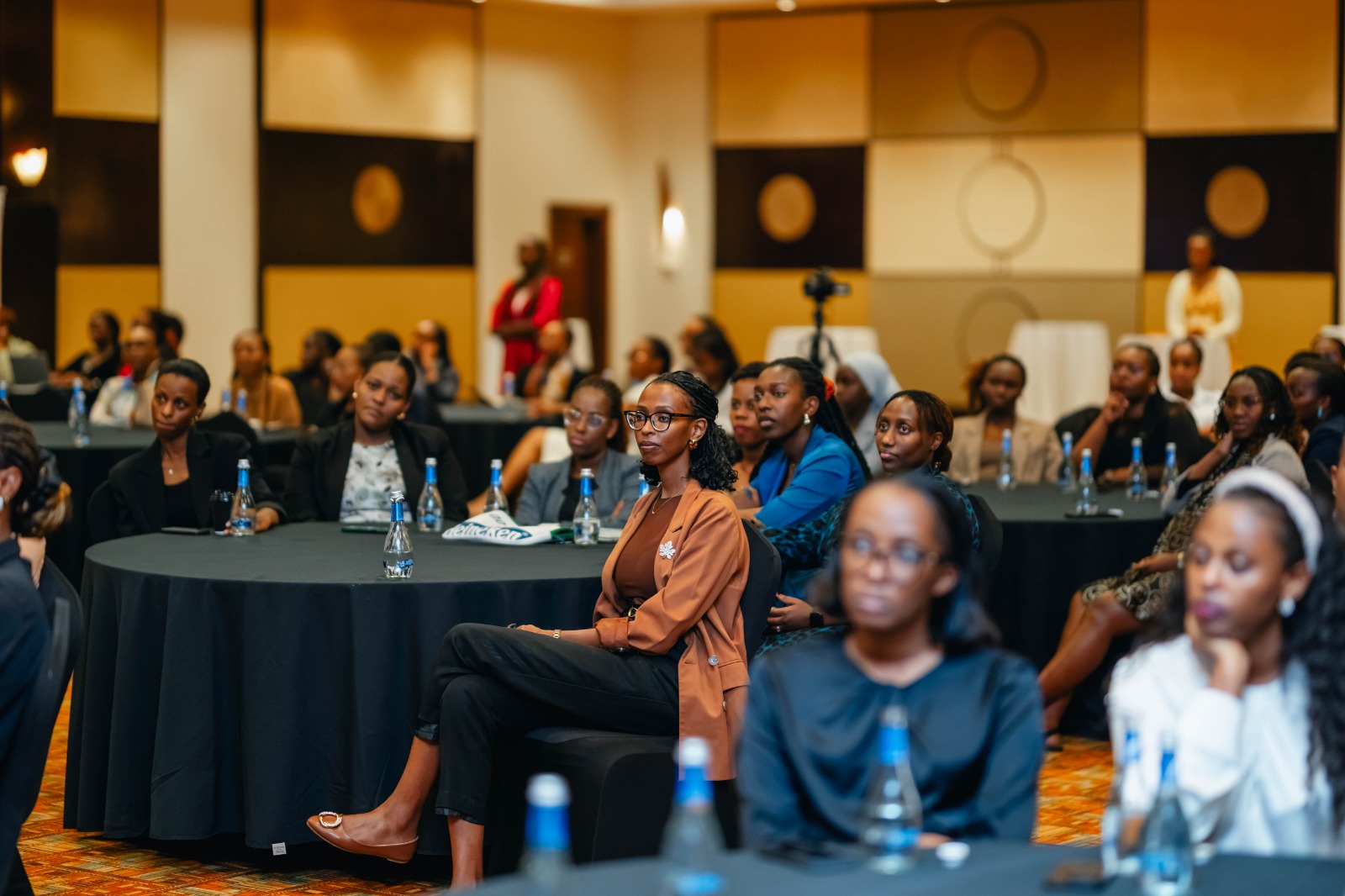
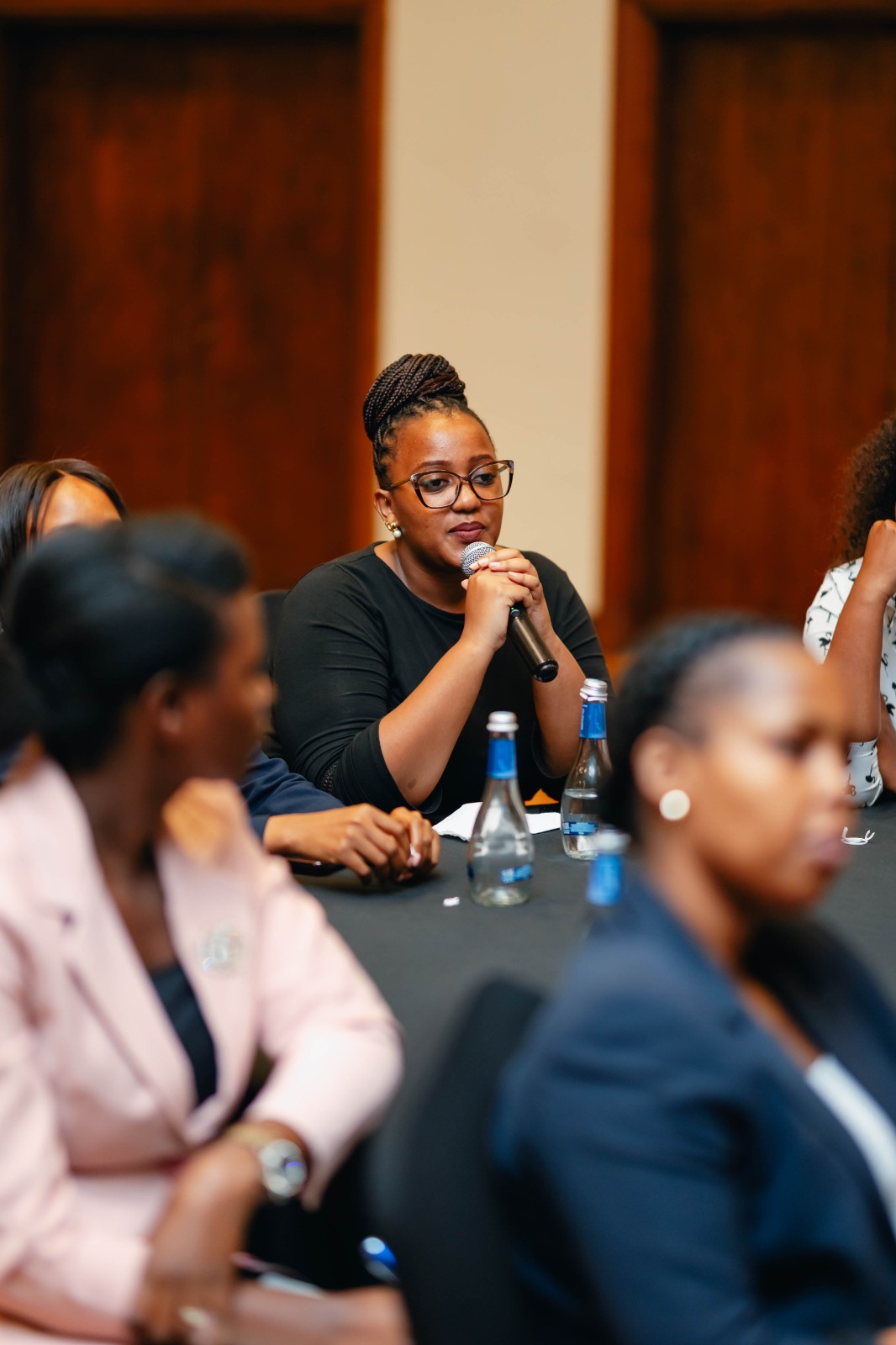
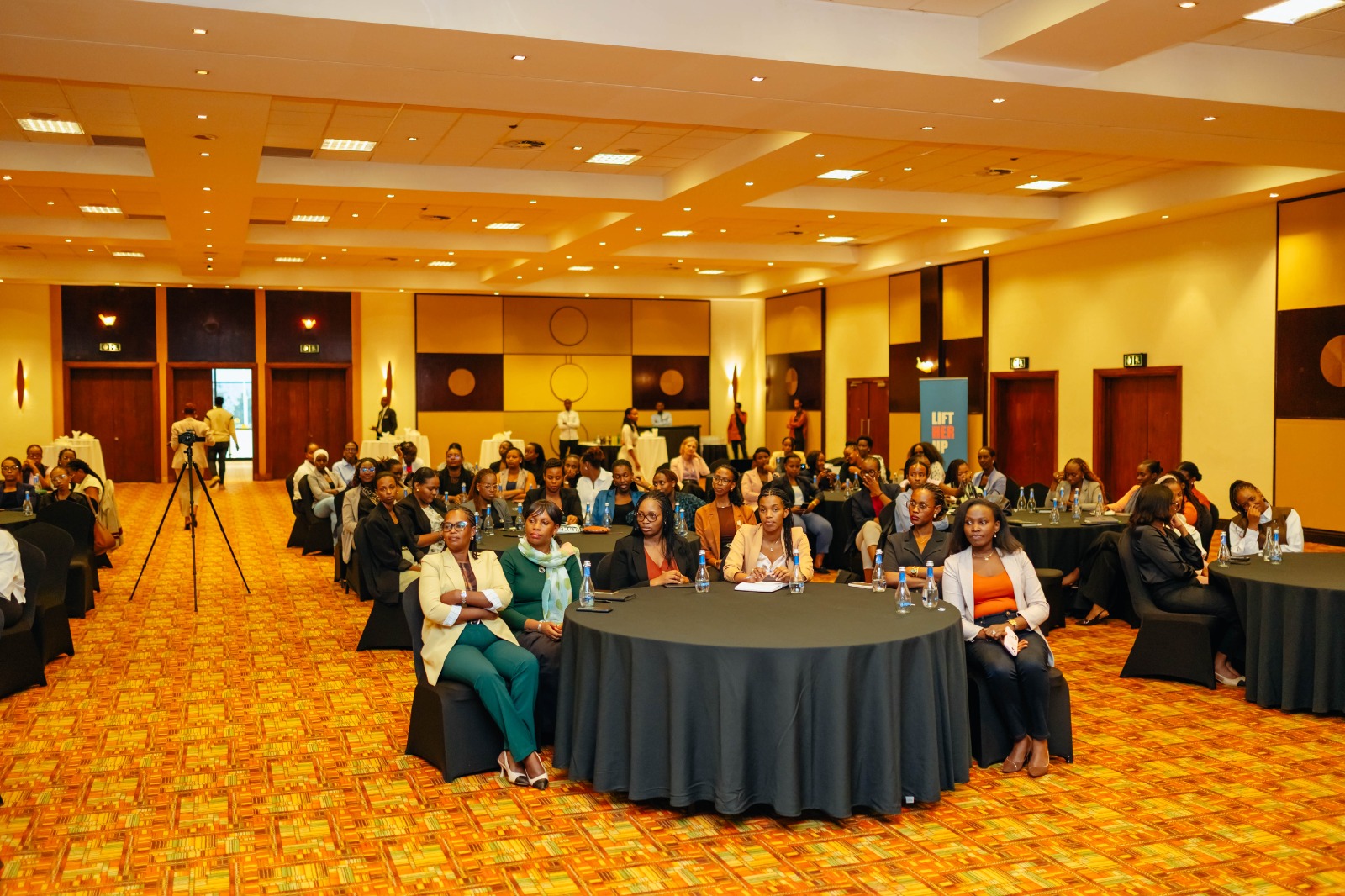
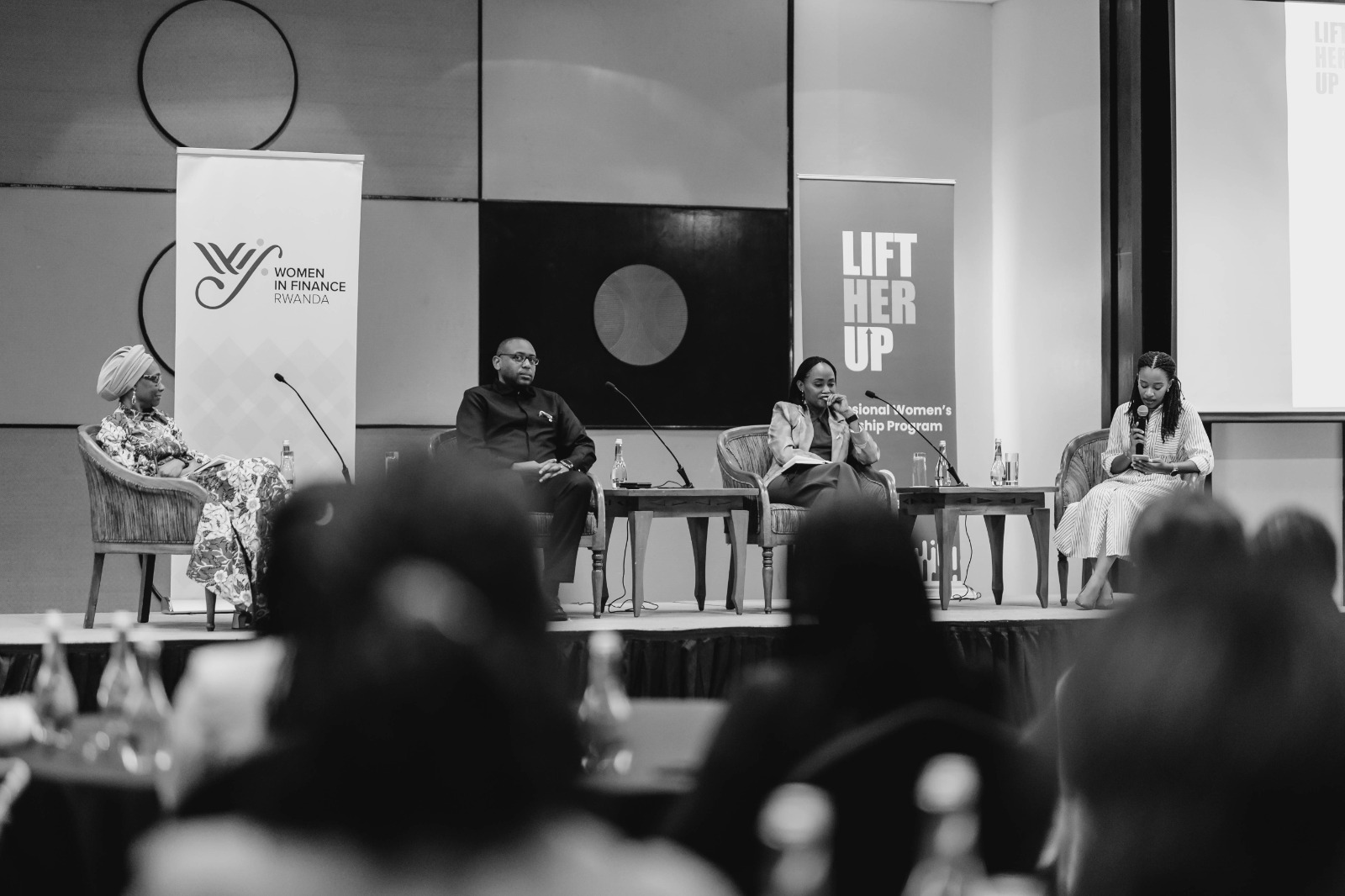
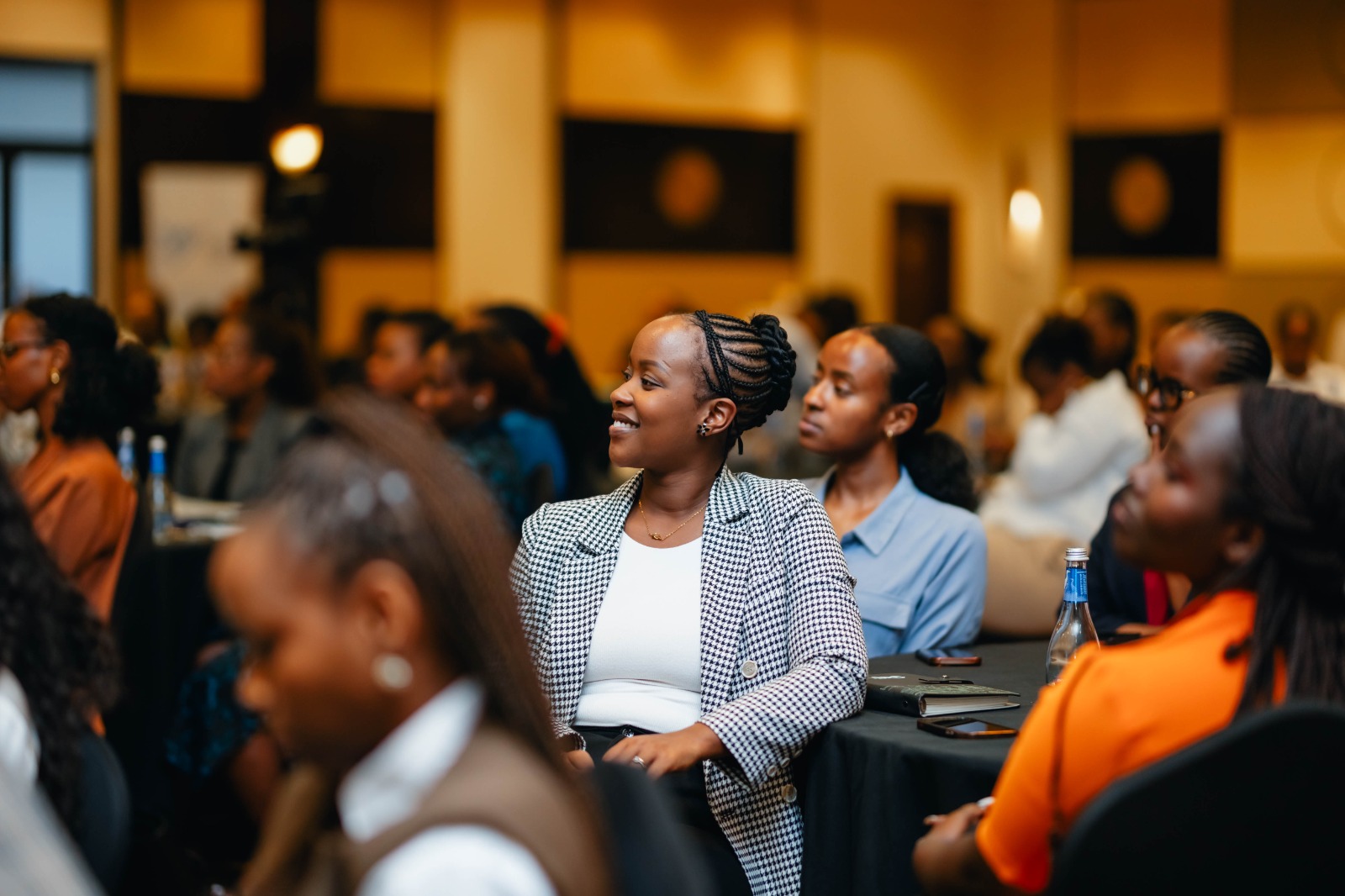
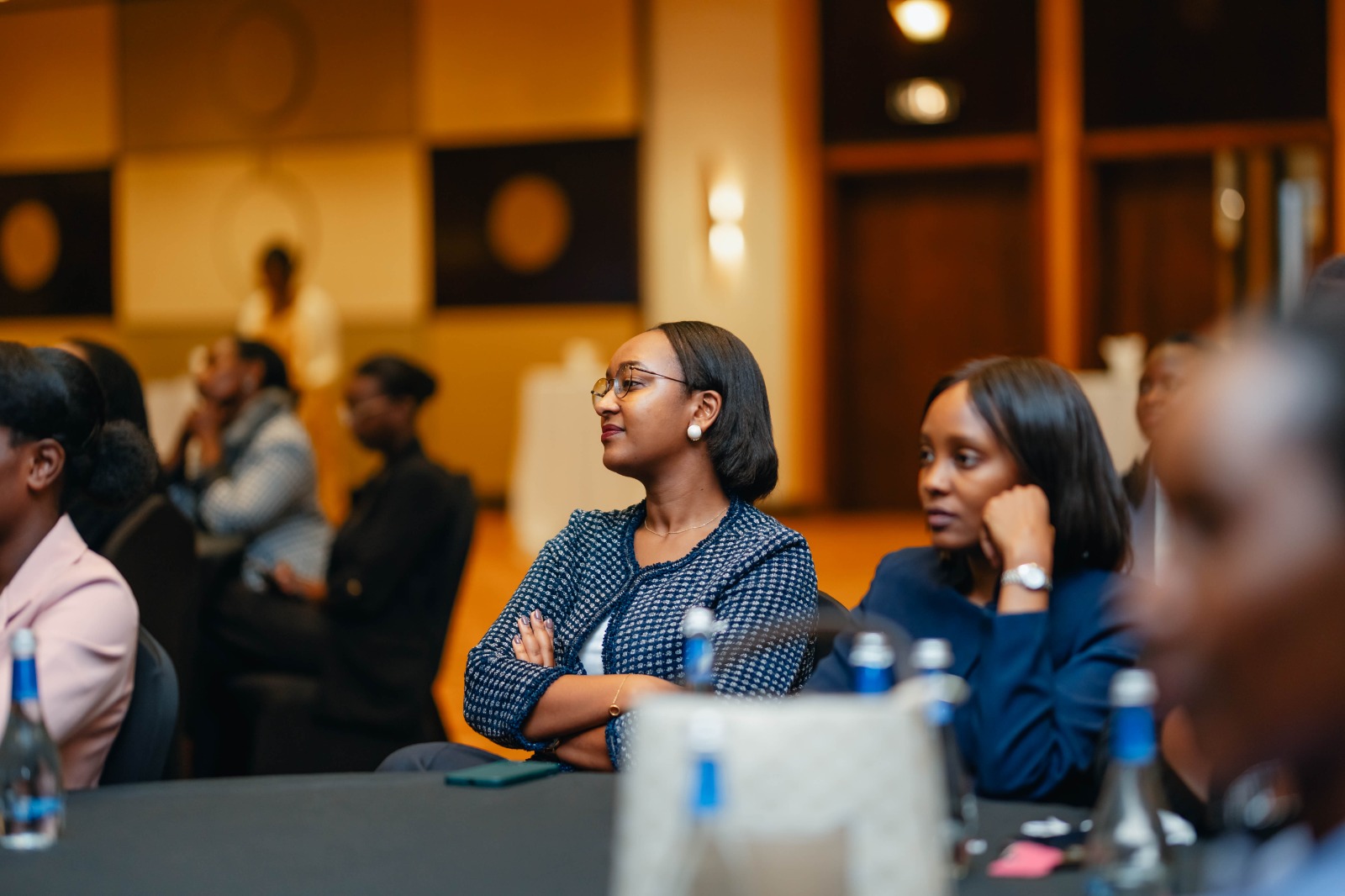
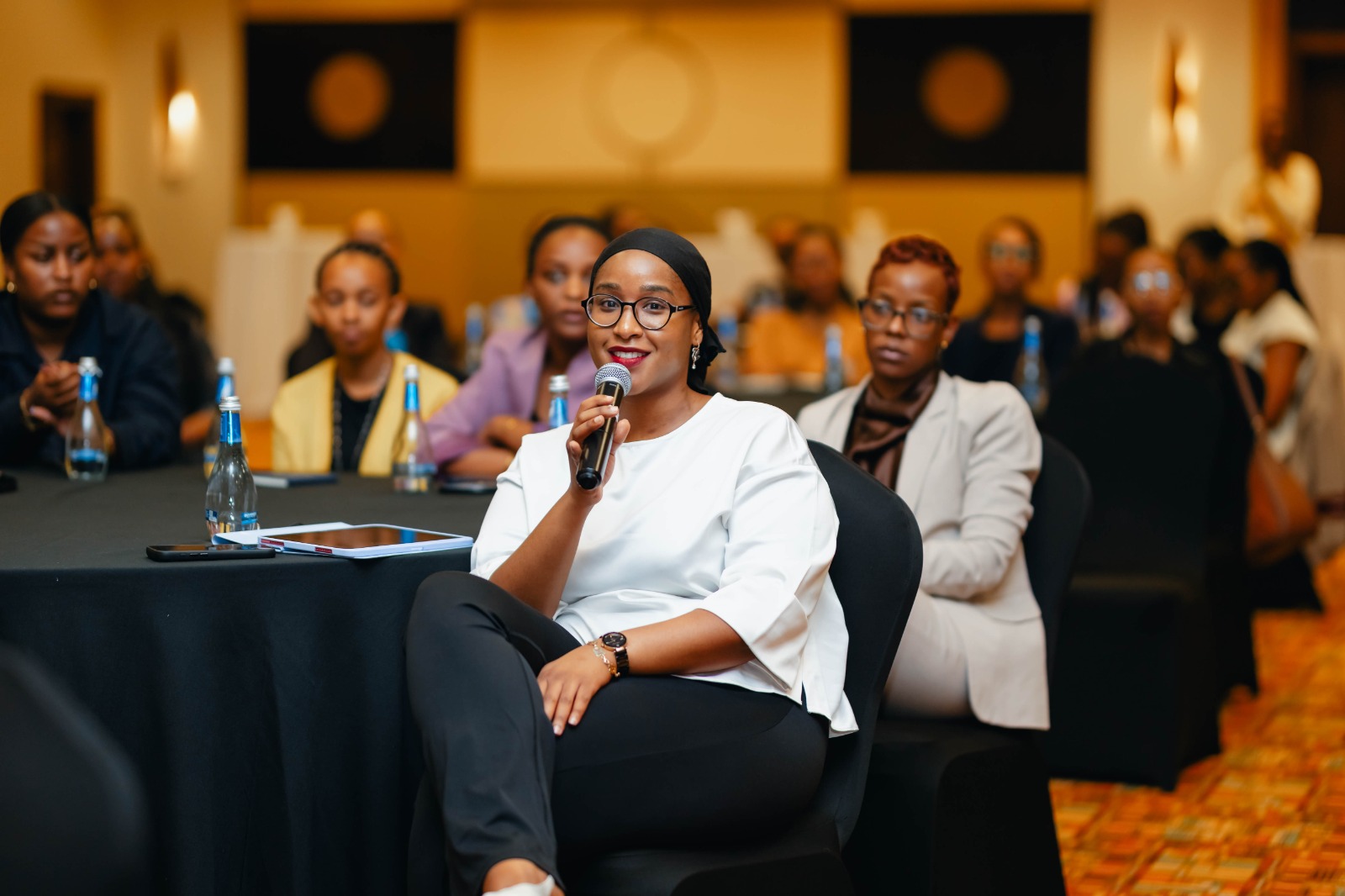
The fifth cohort launch highlighted LiftHerUp’s growing impact in equipping women with leadership and entrepreneurial skills.Young women and professionals attend the LiftHerUp cohort five launch, ready to begin their nine-month training journey.Leaders and participants gather at the fifth cohort launch of LiftHerUp, a program empowering women across Rwanda.The expansion of LiftHerUp reflects increasing efforts to empower women in leadership and entrepreneurship across Rwanda.Participants engage during the official launch of LiftHerUp’s fifth cohort, aimed at building future women leaders.A cross-section of attendees follows proceedings at the LiftHerUp fifth cohort launch event.
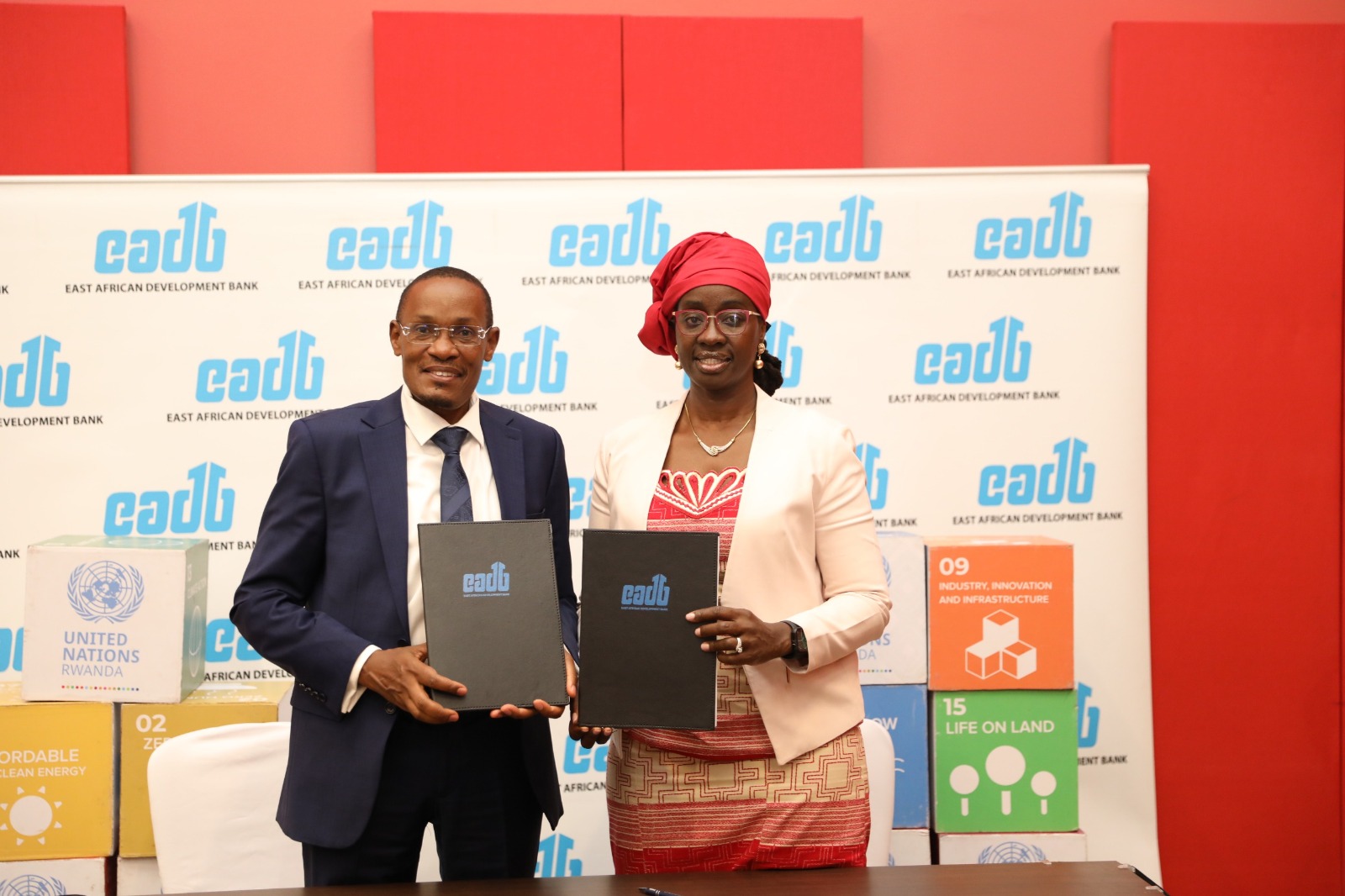
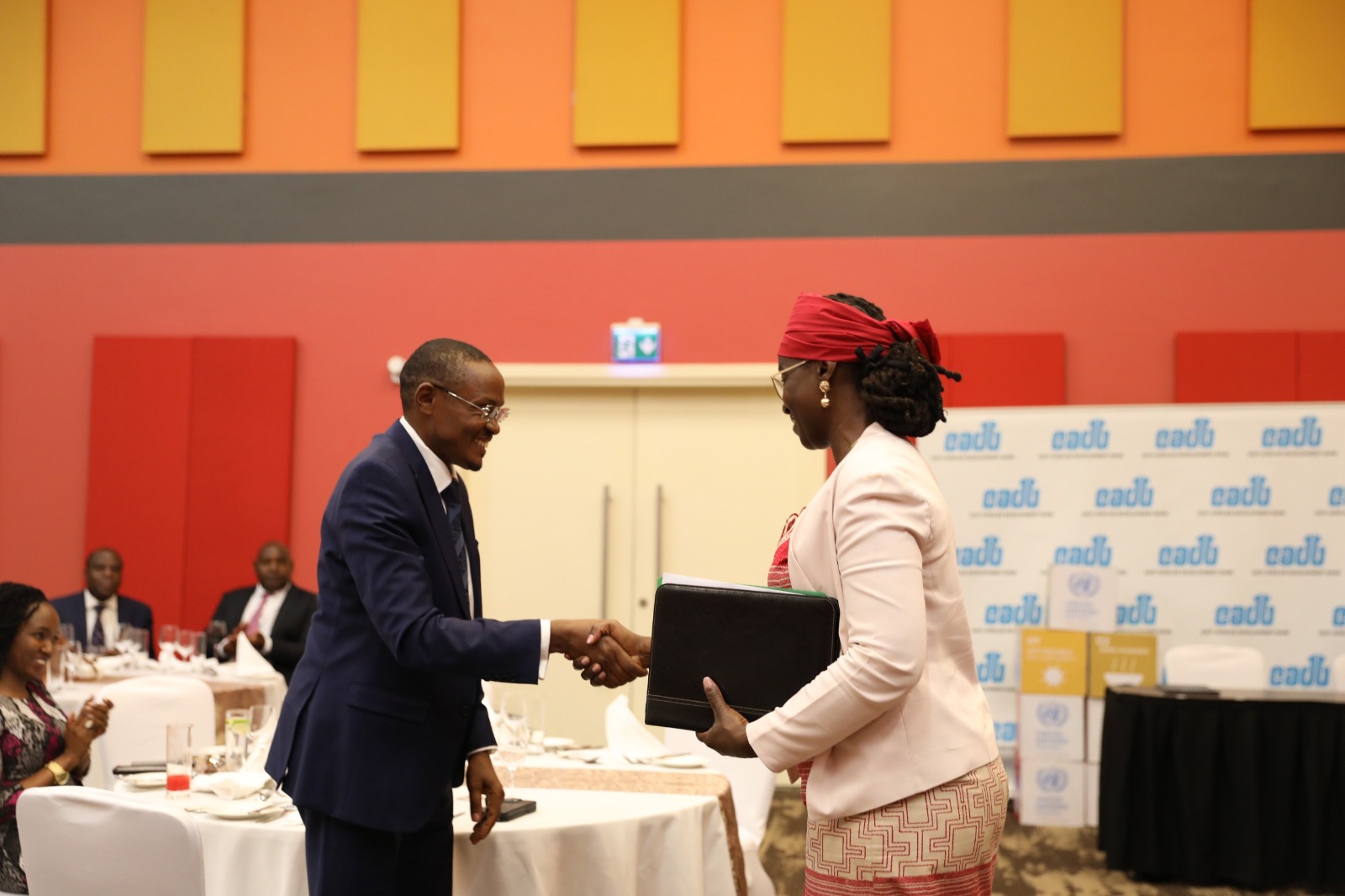
The agreement, signed on March 26, 2026, in Kigali, marks a strategic partnership that brings together EADB’s financial expertise and the UN’s technical capacity and convening power to support the growth and development of SMEs in Rwanda.
The two institutions said the collaboration seeks to strengthen support for SMEs, which are widely regarded as the backbone of Rwanda’s economy, driving job creation, innovation and inclusive growth.
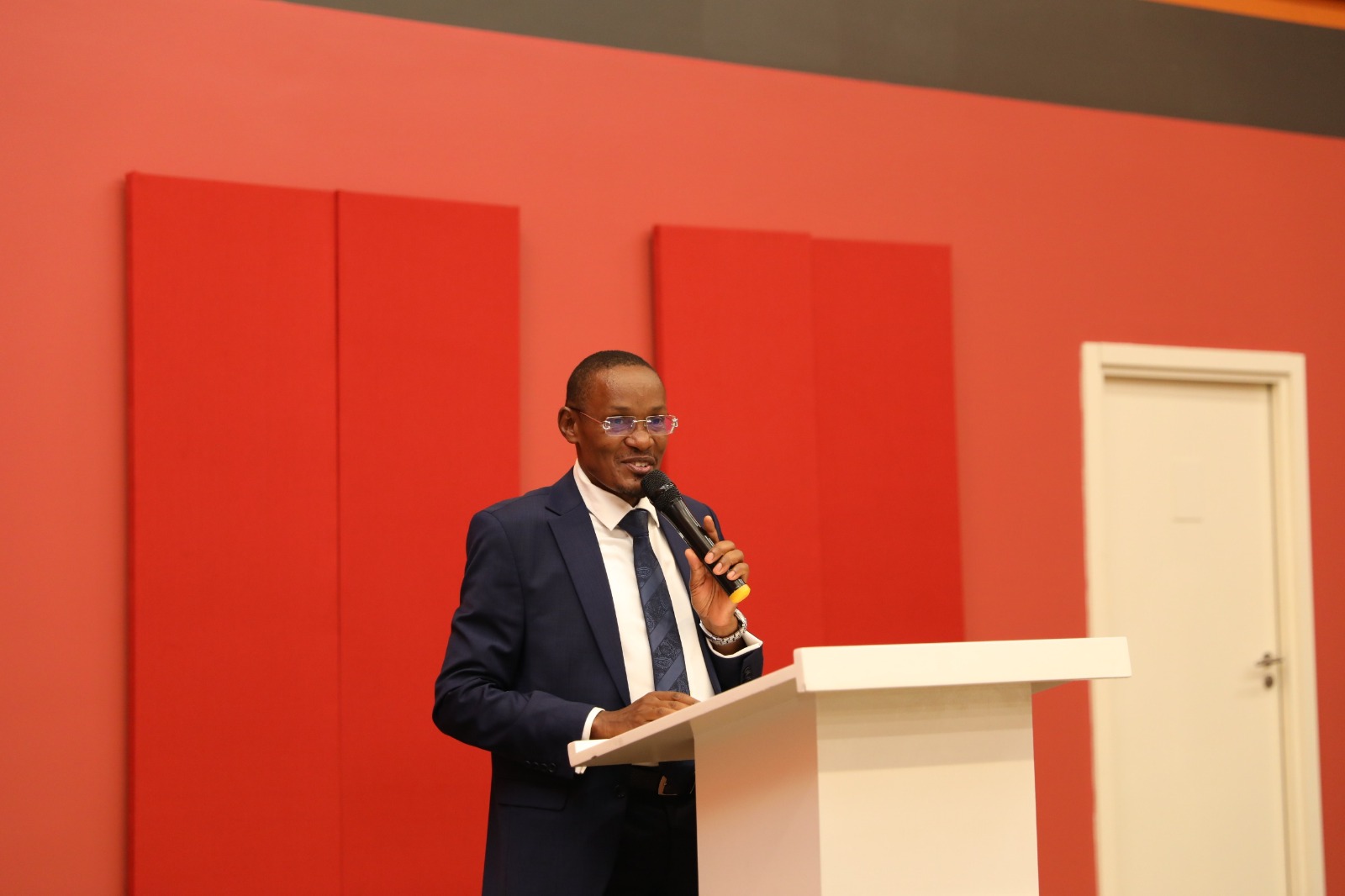
Speaking at the signing ceremony, EADB Acting Director General Benard Mono said the partnership is designed to provide a more coordinated and impactful response to barriers affecting SMEs.
“By combining the UN’s strength in technical expertise, capacity building, and social development with EADB’s role as a development finance institution, we are working to expand access to tailored financing, strengthen entrepreneurial skills, and support innovation, especially among youth and women-led enterprises. It will also address challenges faced by SMEs such as access to finance and capacity building,” he said.
Mono noted that the initiative will also help SMEs integrate into value chains, enabling them to scale and compete more effectively both regionally and globally.
EADB Director General Mr. Benard Mono and UN Rwanda Resident Coordinator Dr. Fatmata Lovetta Sesay shake hands at the signing ceremony.
The partnership aligns with Rwanda’s broader national priorities of promoting private sector growth and building a resilient economy.
On her part, Fatmata Lovetta Sesay, the UN Resident Coordinator, described the MoU as a shared commitment to unlocking the full potential of SMEs and entrepreneurs across the country.
“Ultimately, this collaboration will contribute to job creation, strengthen SME growth and sustainability, and expand economic opportunities on a larger scale,” Sesay said.
Sesay noted that the partnership builds on engagements between the two institutions since 2024, anchored on EADB programmes that already support over 500 SMEs across sectors such as agriculture, commerce, transport and manufacturing.
She added that the partnership will be implemented through a clear plan, with a steering committee providing strategic guidance and a technical working group managing day-to-day activities.
Under the agreement, the partners will co-develop tailored financial solutions such as concessional loans, blended finance, guarantees and equity instruments, alongside targeted technical support and knowledge-sharing initiatives.
SMEs remain central to Rwanda’s economic transformation, and this partnership is expected to unlock new opportunities, strengthen their growth, and accelerate inclusive development across the country.
Established in 1967, the East African Development Bank is owned by its four member states including, Rwanda, Kenya, Uganda and Tanzania, as well as other development and commercial financial institutions. The Bank provides financial and technical support to projects that contribute to socio-economic development and regional integration across the region.
EADB Acting Director General Benard Mono said the partnership is designed to provide a more coordinated and impactful response to barriers affecting SMEs.EADB Director General Mr. Benard Mono (left) and UN Rwanda Resident Coordinator Dr. Fatmata Lovetta Sesay display their copies of the signed agreement.
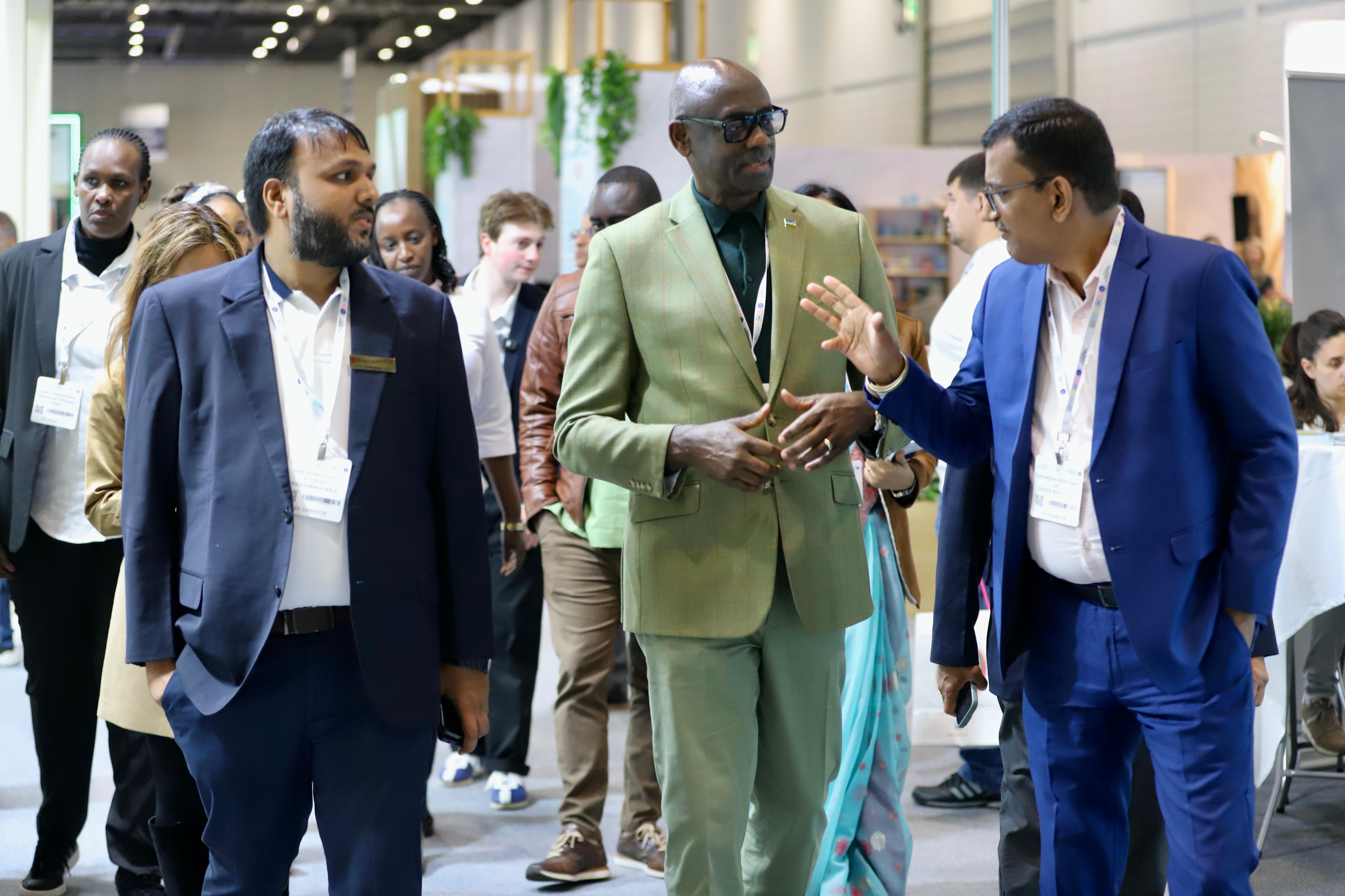
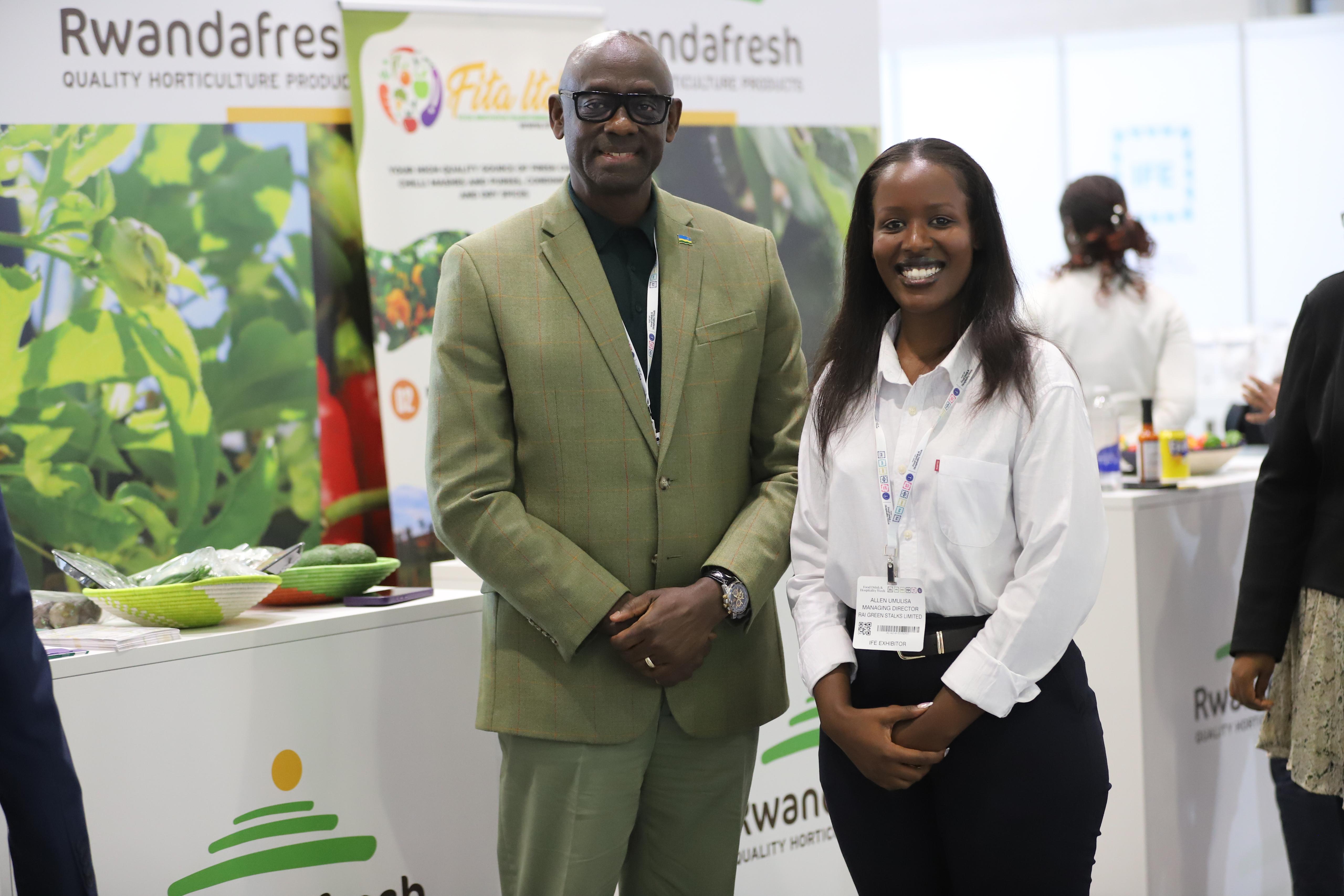
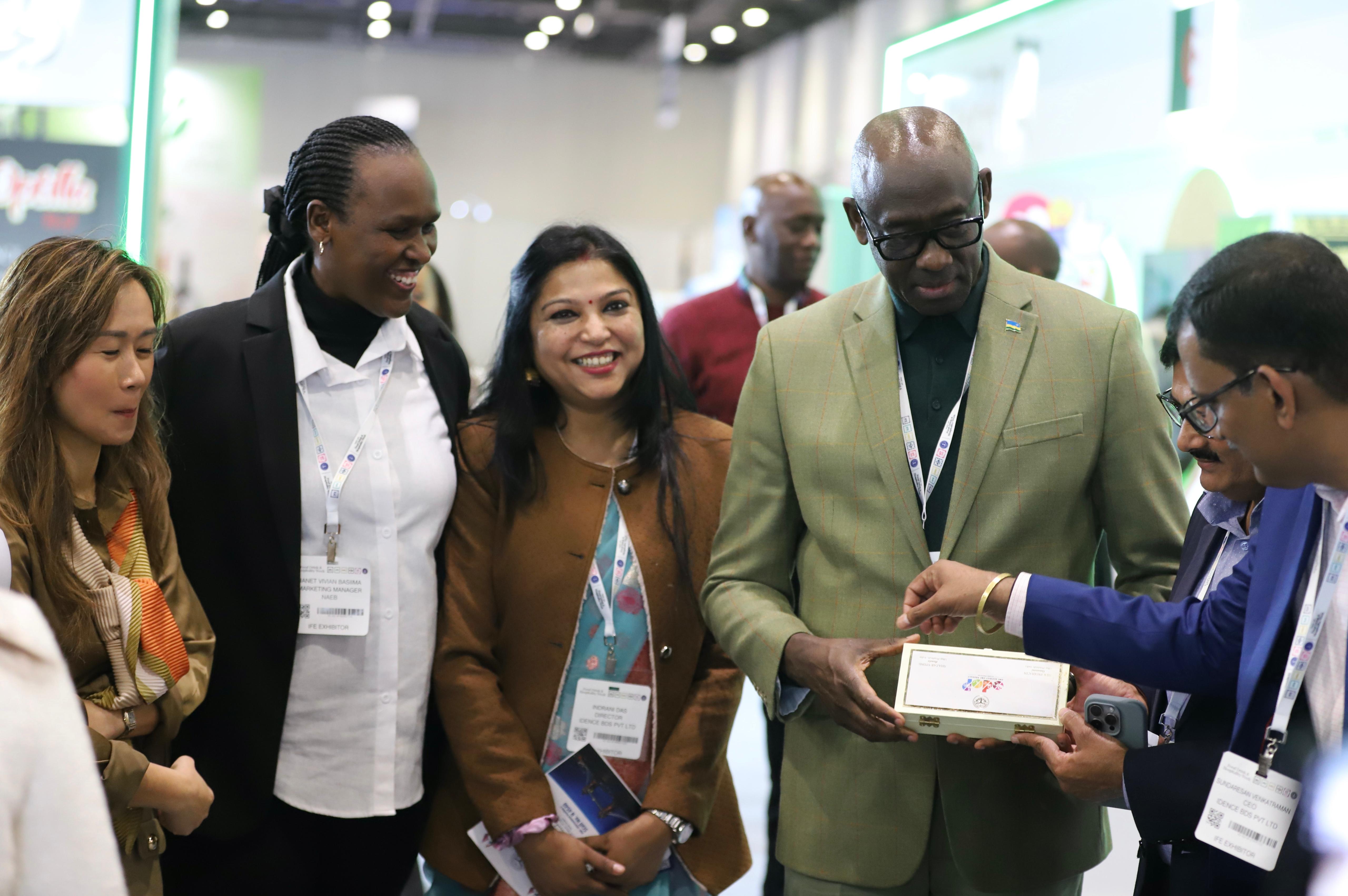
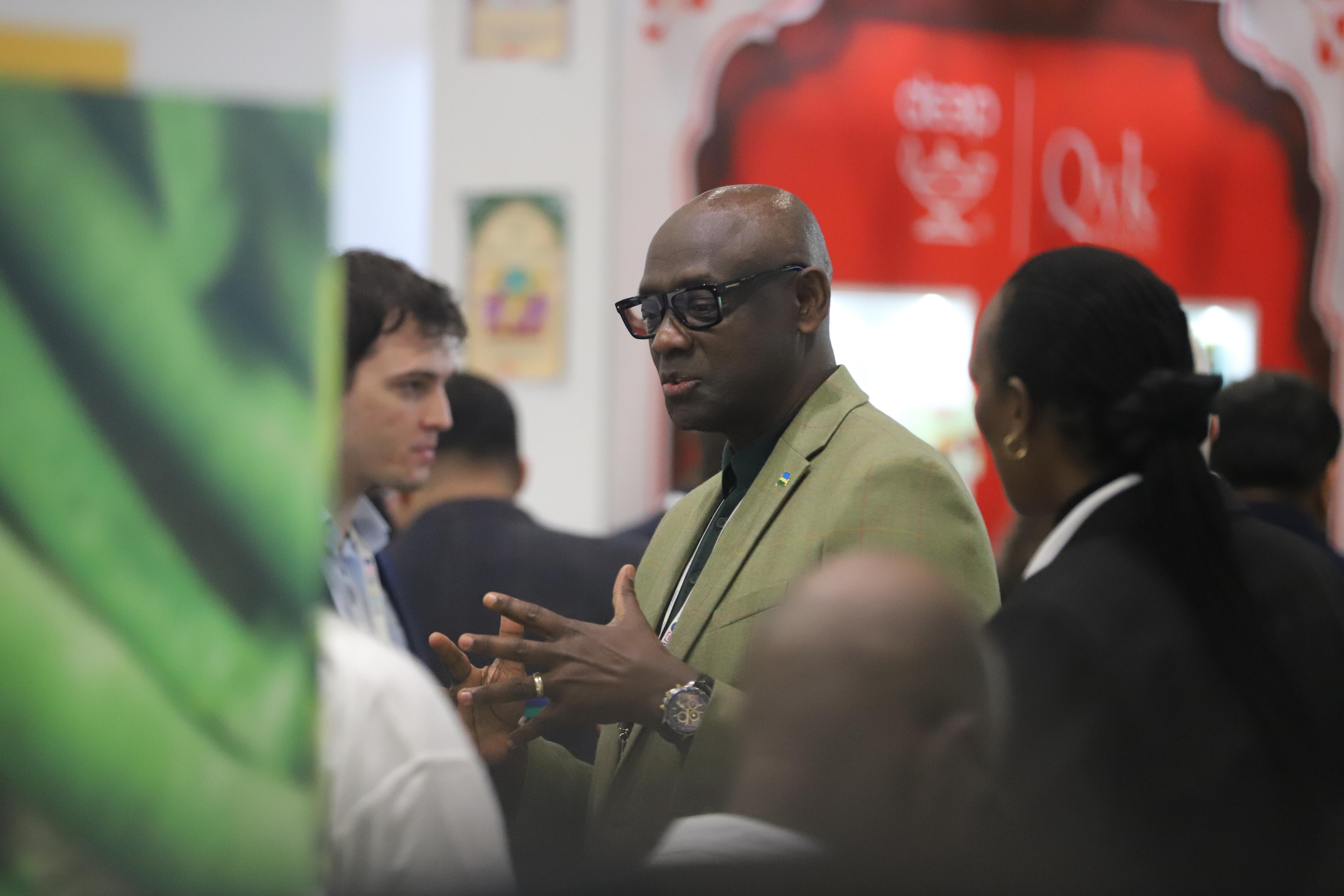
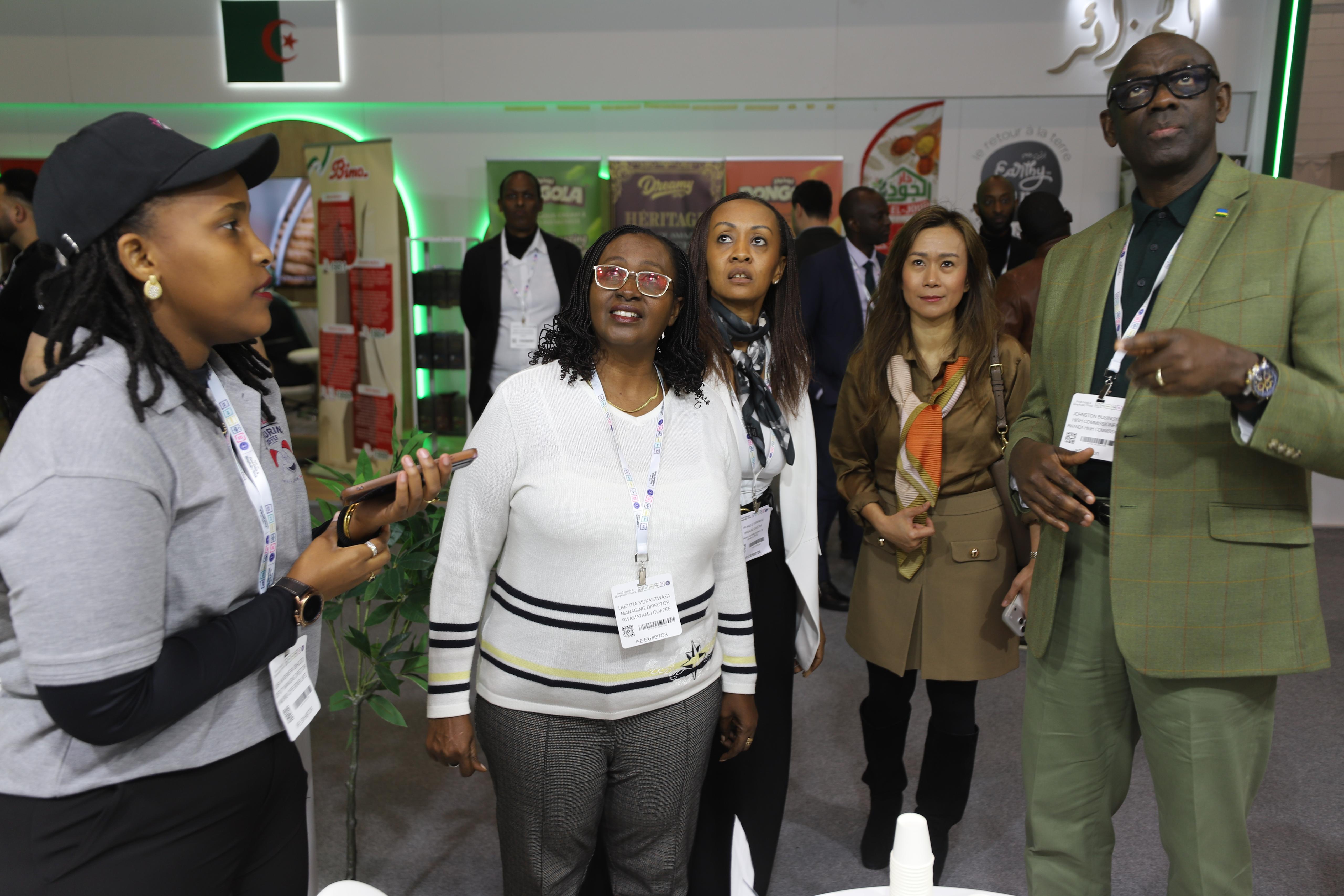
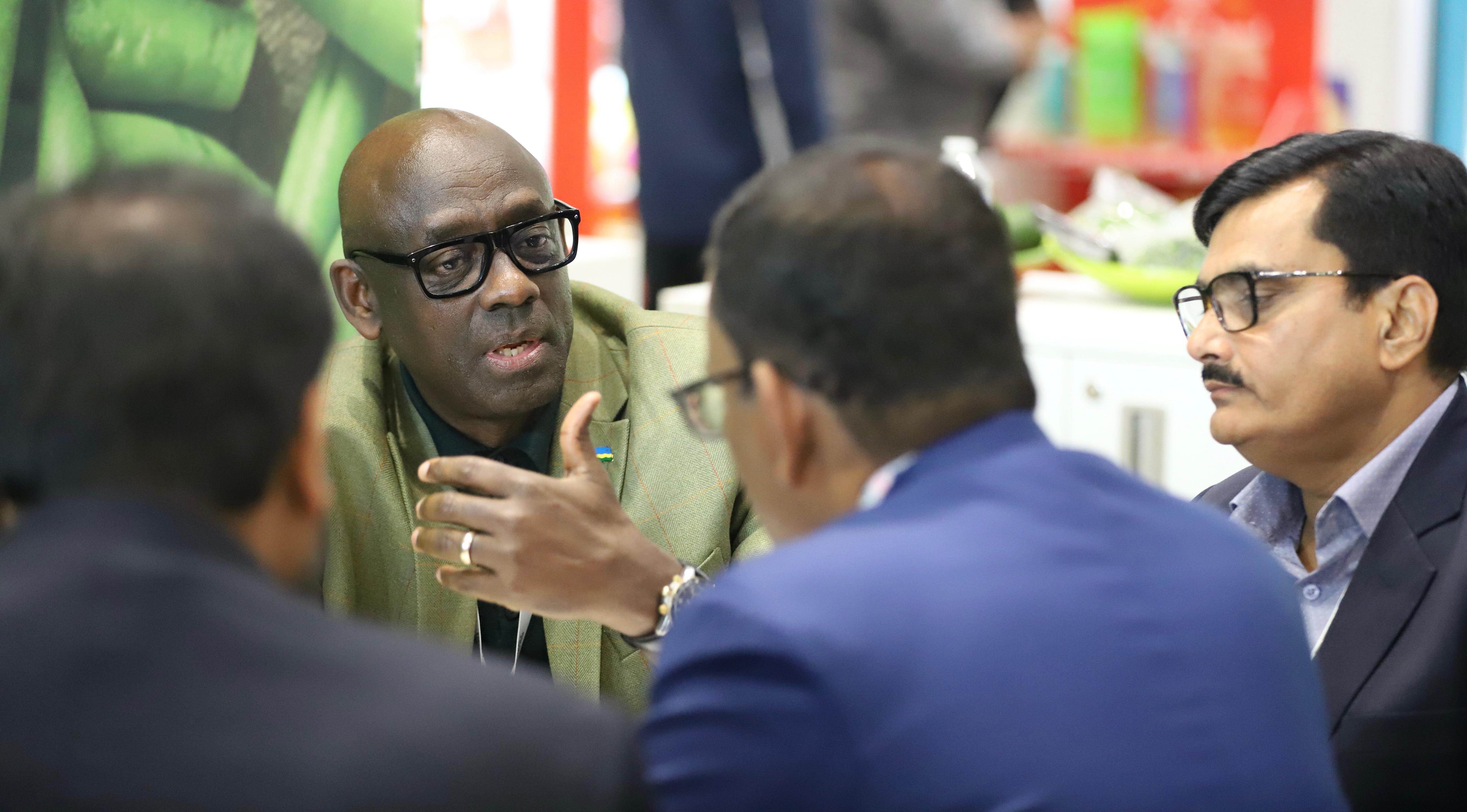
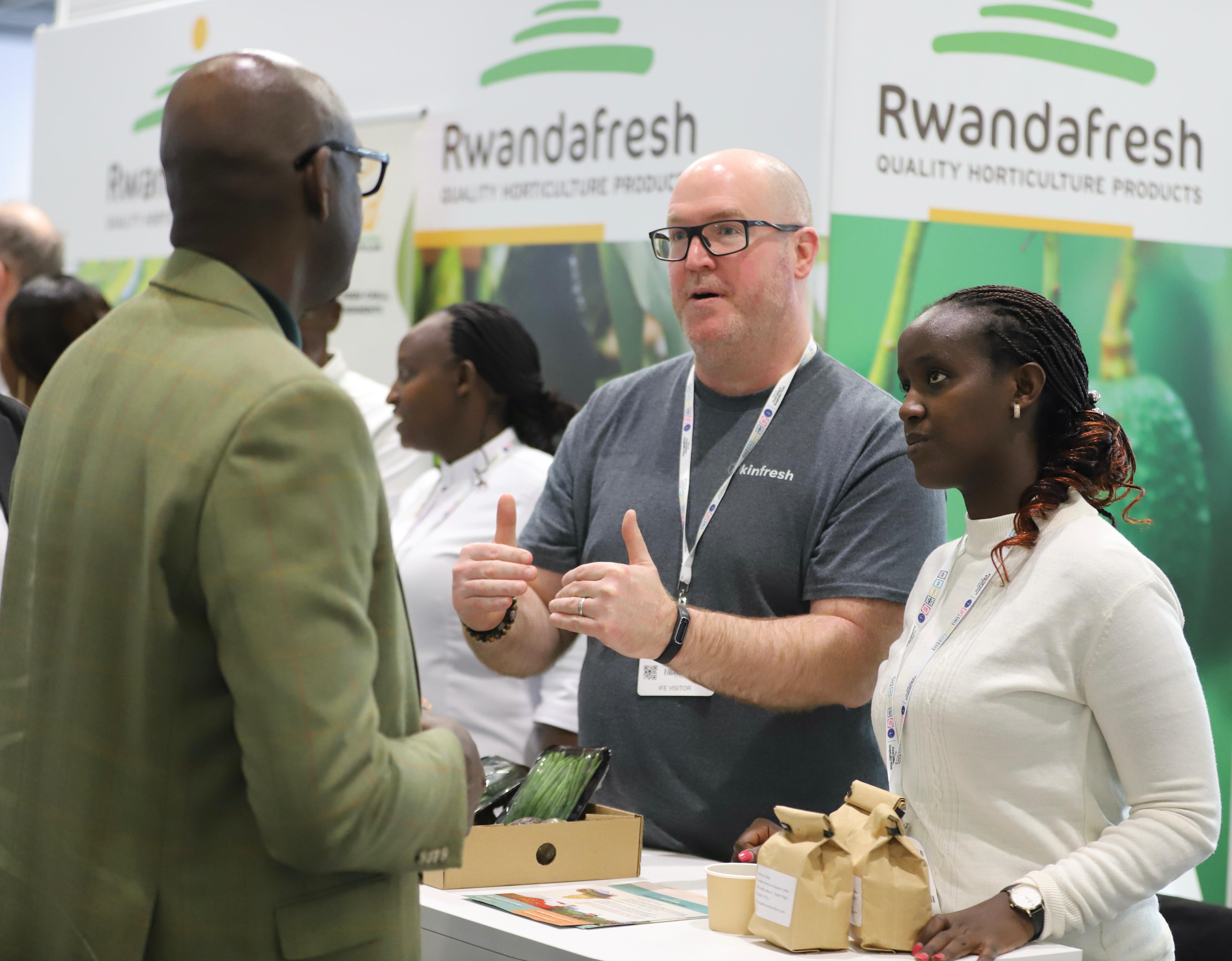
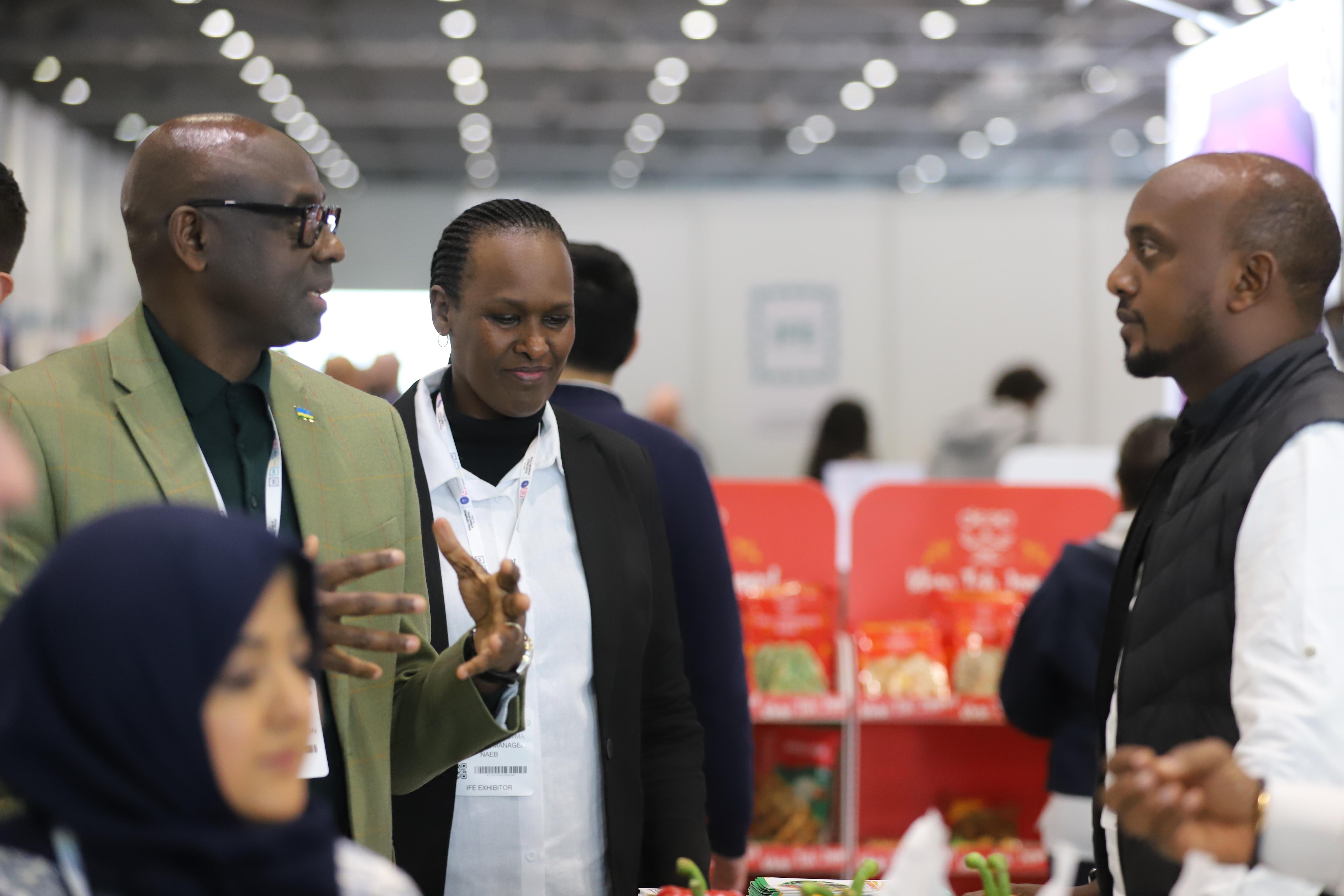
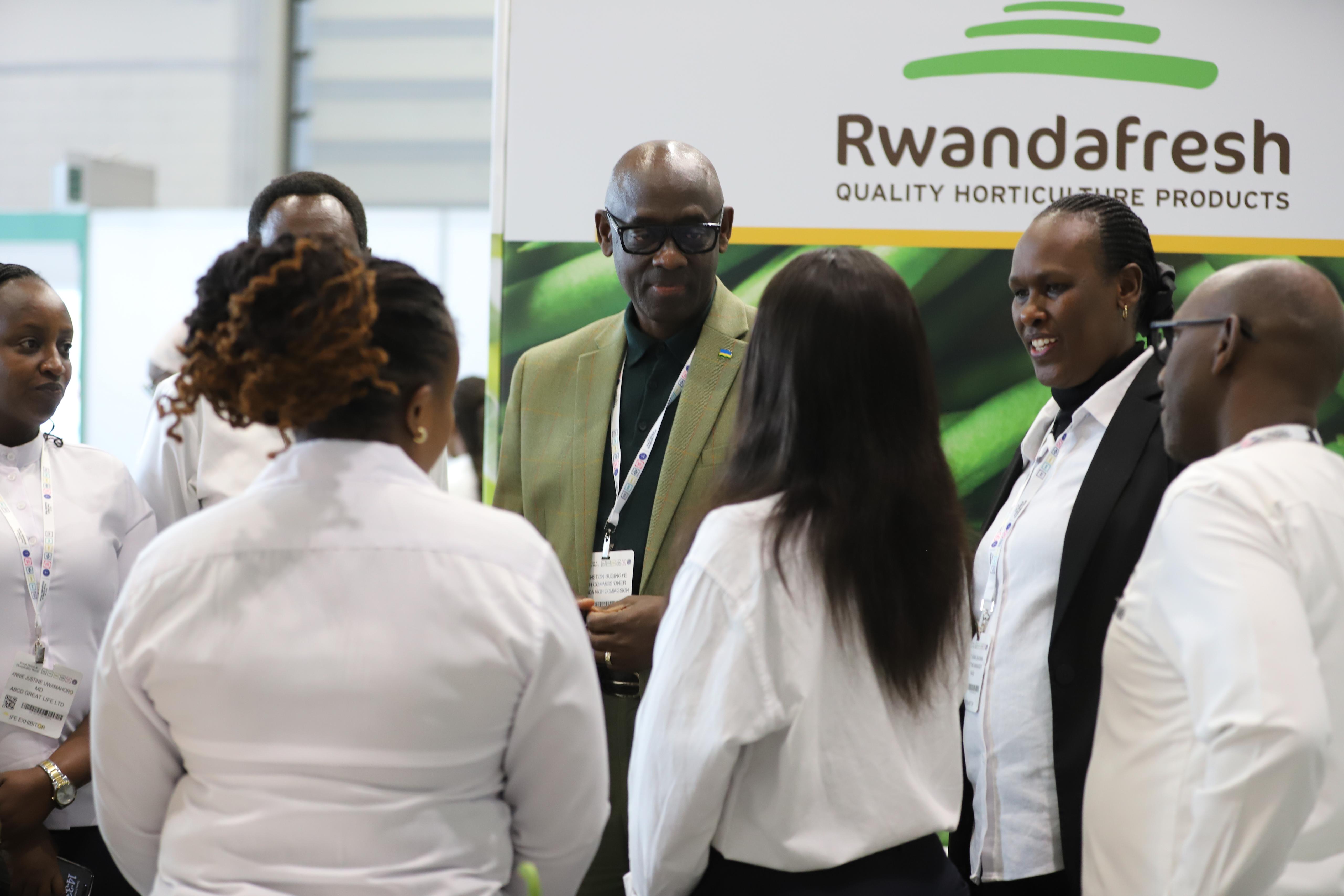
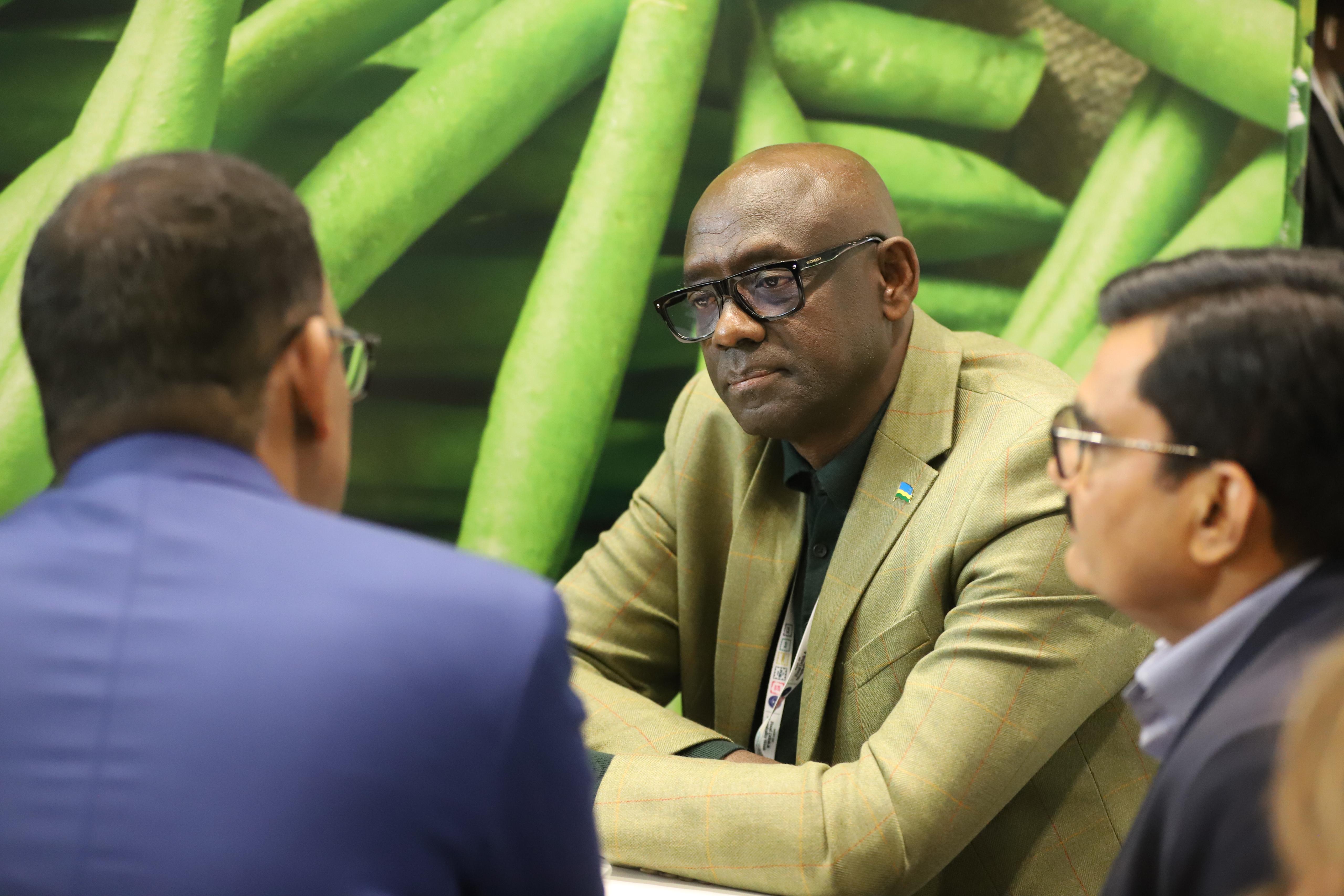
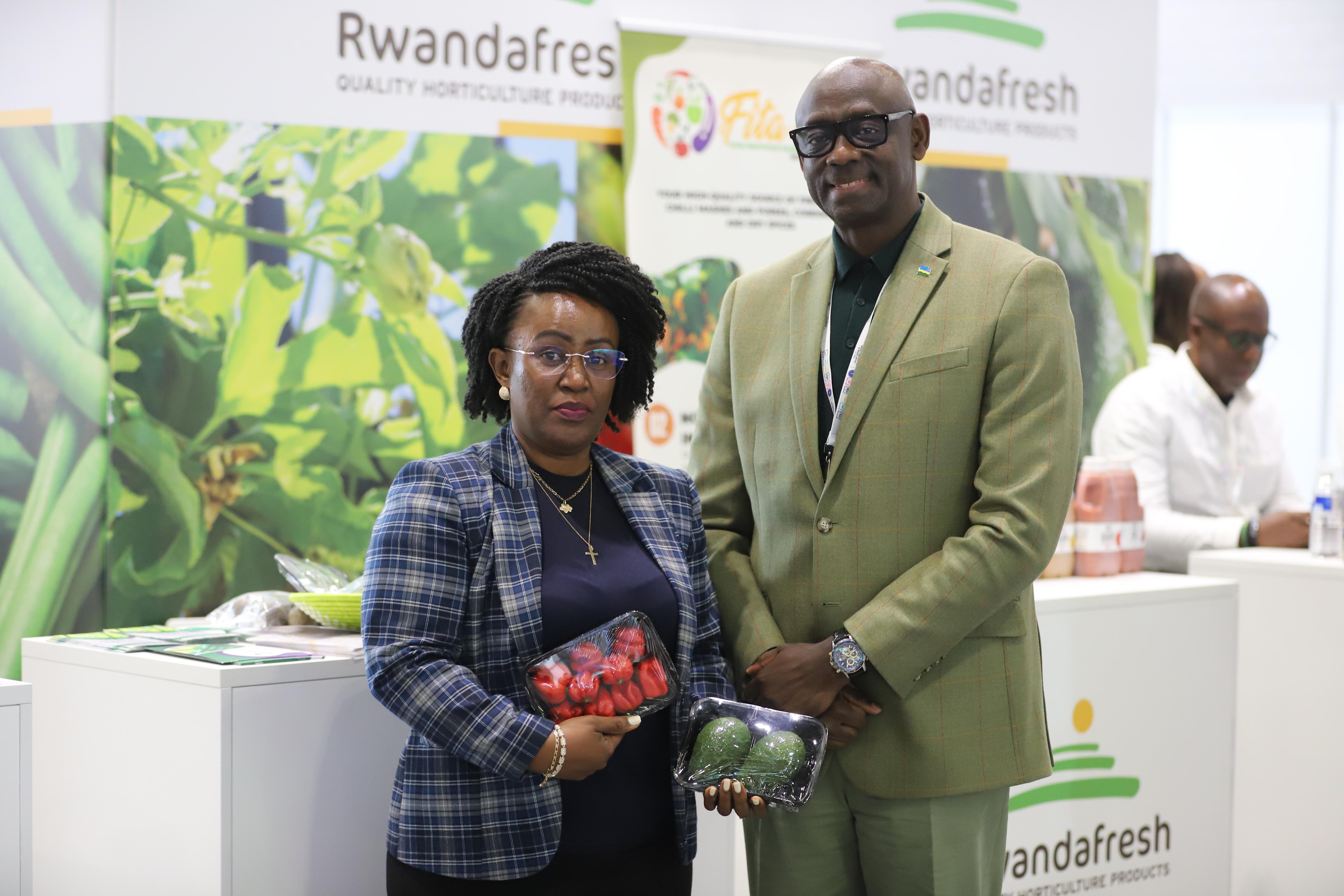
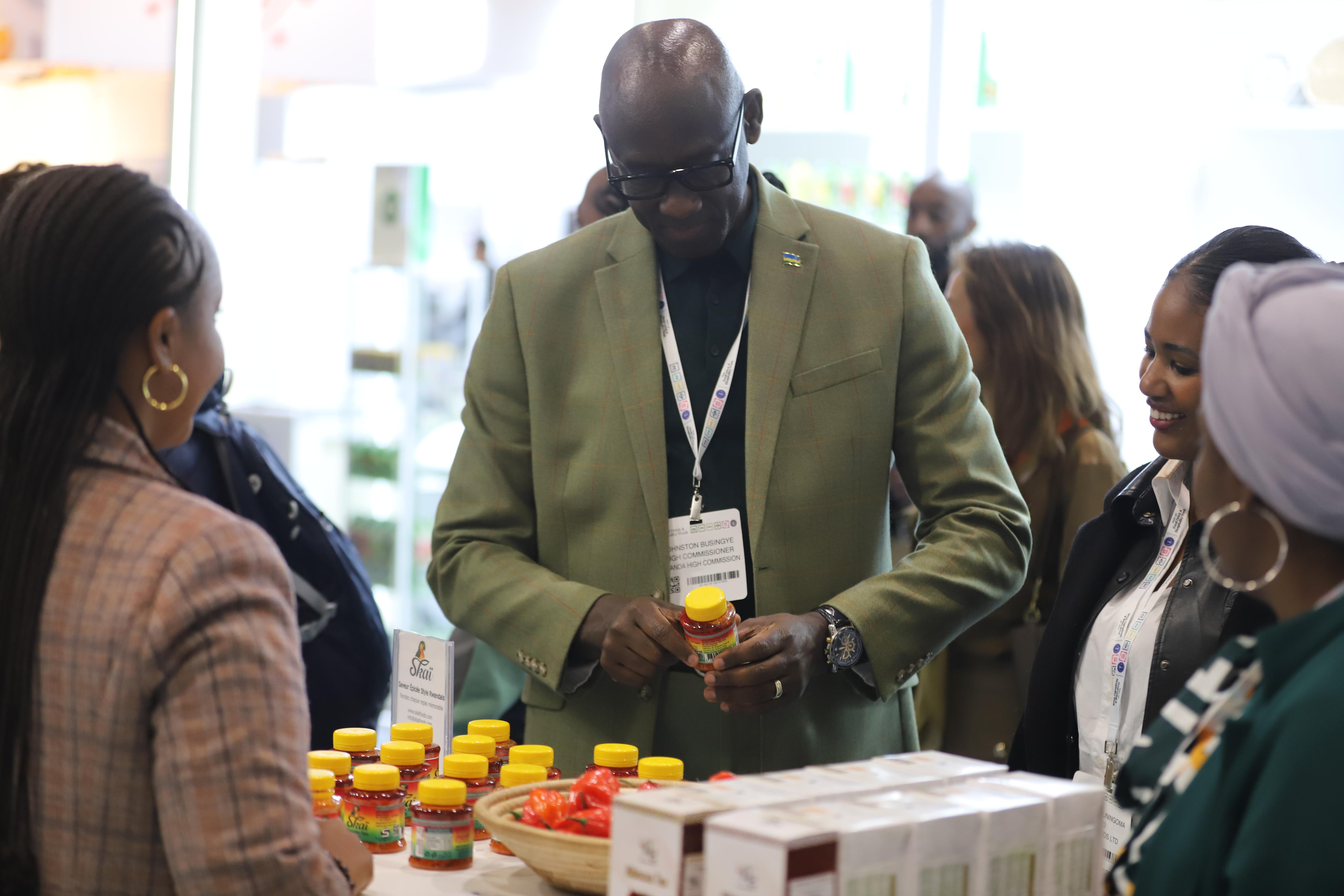
He made these remarks on March 31, 2026, during his visit to Rwandan exhibitors participating in a food and beverage trade fair taking place in the United Kingdom.
This year’s edition of the exhibition, known as the International Food and Drink Event (IFE), ran from March 30 to April 1, 2026 at ExCeL London.
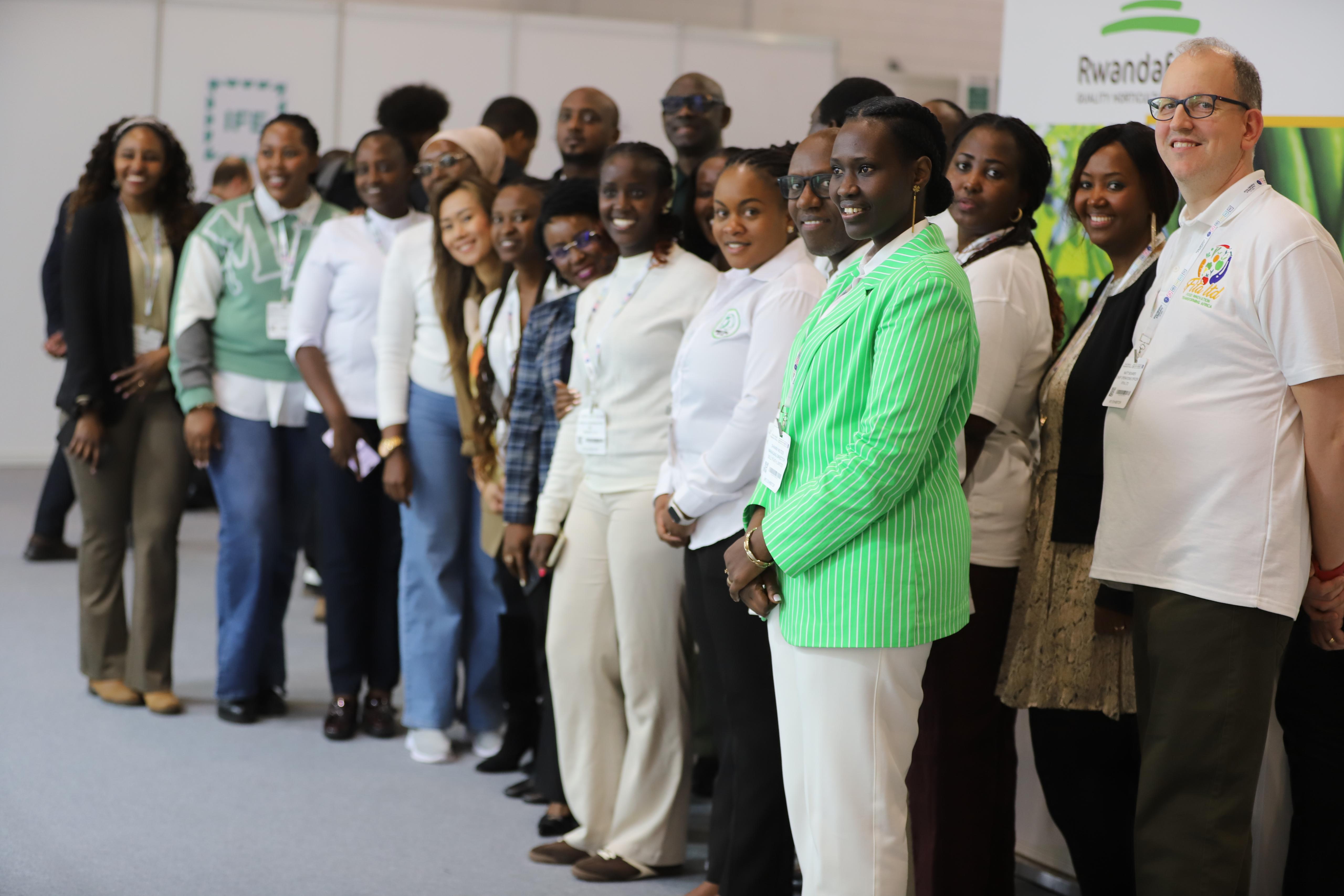
Rwanda is represented by around 20 participants from the agriculture and agro-processing sectors.
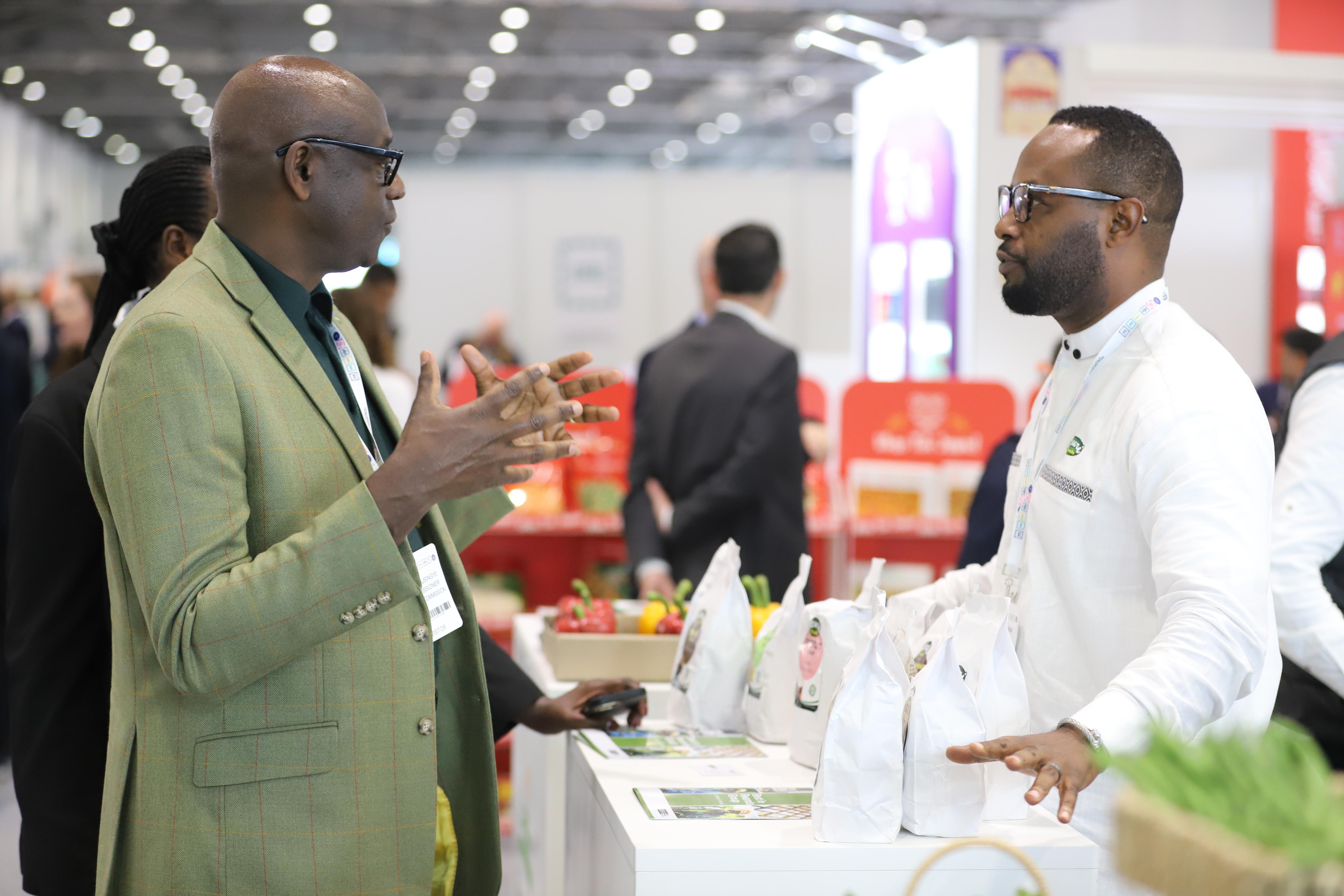
In an interview with IGIHE, Amb. Busingye noted that participation in such exhibitions has helped Rwandans build confidence and gain visibility.
“Since Rwandans started participating, there are clear achievements. The first is confidence, coming to showcase the food and beverage products made in Rwanda.
“This is very significant because historically we were not present in these markets. Today, especially young people, have stepped up and are actively engaged with strong expertise,” he said.
He added that the exhibition has also highlighted the strong demand for Rwandan products in the UK, which is difficult to meet.
“The second is the market. Everyone I visited told me the same thing: demand here exceeds supply. This is a country that relies heavily on imported food. Everywhere I went, whether in food, beverages, or coffee, what they showed me is that there is a market they cannot satisfy,” he explained.
Amb. Busingye also pointed out that the UK offers a favorable environment for international trade, making it easier for Rwandan products to access the market.
He emphasized the importance for Rwandan producers to improve packaging and preservation to maintain product quality and appeal.
“What Rwandans need to learn is how to add value to their agricultural products, preserve them properly, and package them well so they can withstand transport, whether by air or sea, and remain attractive on shelves. Packaging is as important as the product itself, sometimes even more important,” he stressed.
UK as an alternative
The Ambassador also addressed the challenges exporters are facing due to the ongoing conflict in the Middle East.
This situation has significantly affected Rwandans who export fruits and vegetables to the United Arab Emirates and other countries in the region.
According to him, the UK can serve as a viable alternative while the situation remains unresolved.
“You can see that trade routes to the Middle East are currently disrupted, but here there is a very quick solution. Some have even told me they are ready to buy immediately if products are available.
“Among those here, some were already exporting to the Middle East. If we coordinate our efforts, the UK market can provide a short-term solution, because demand for food and agricultural products here cannot be fully met,” he said.
Amb. Busingye also noted, as per information from NAEB, discussions are ongoing to encourage Rwandan exporters to explore this market while awaiting stability in the Middle East.
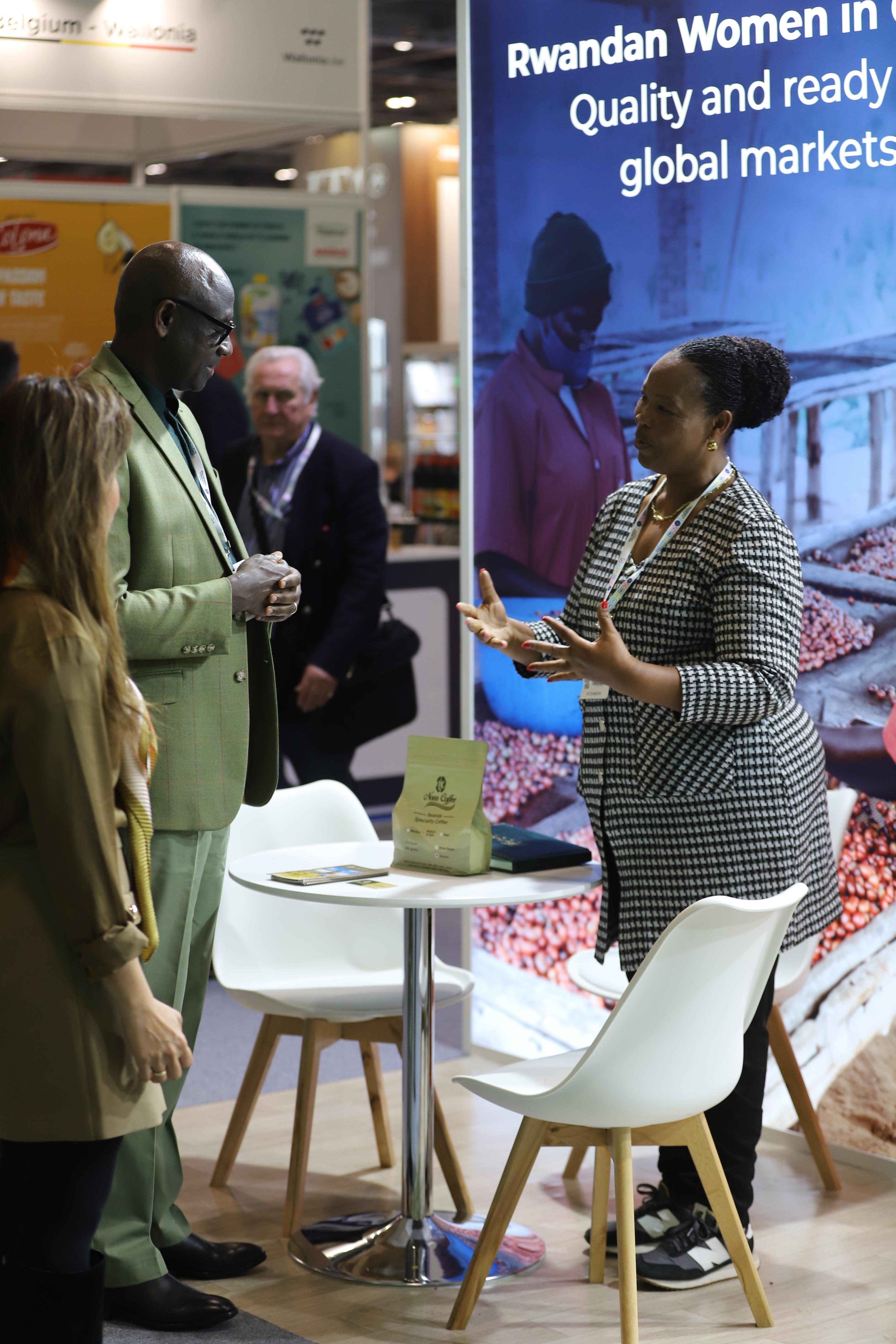
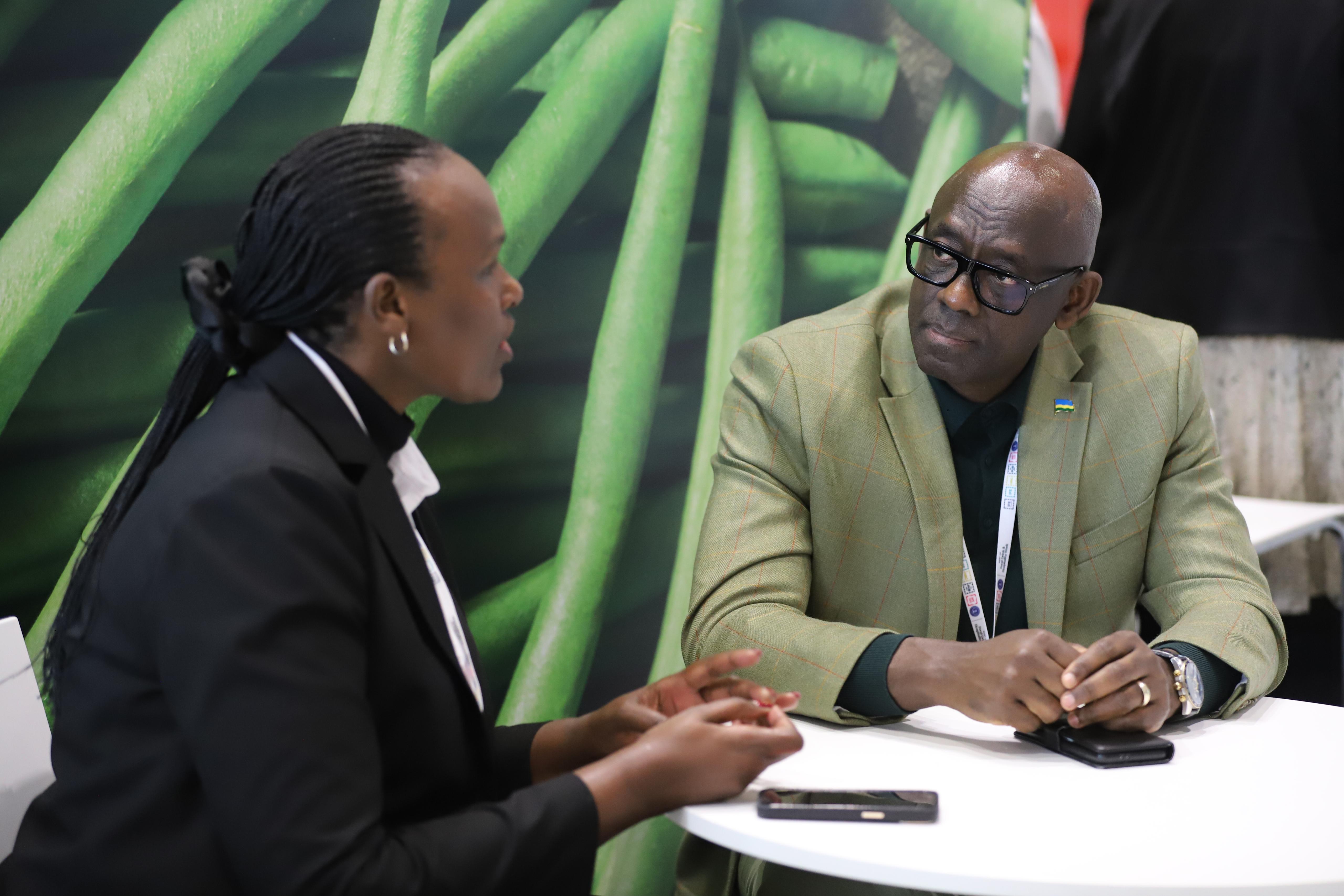
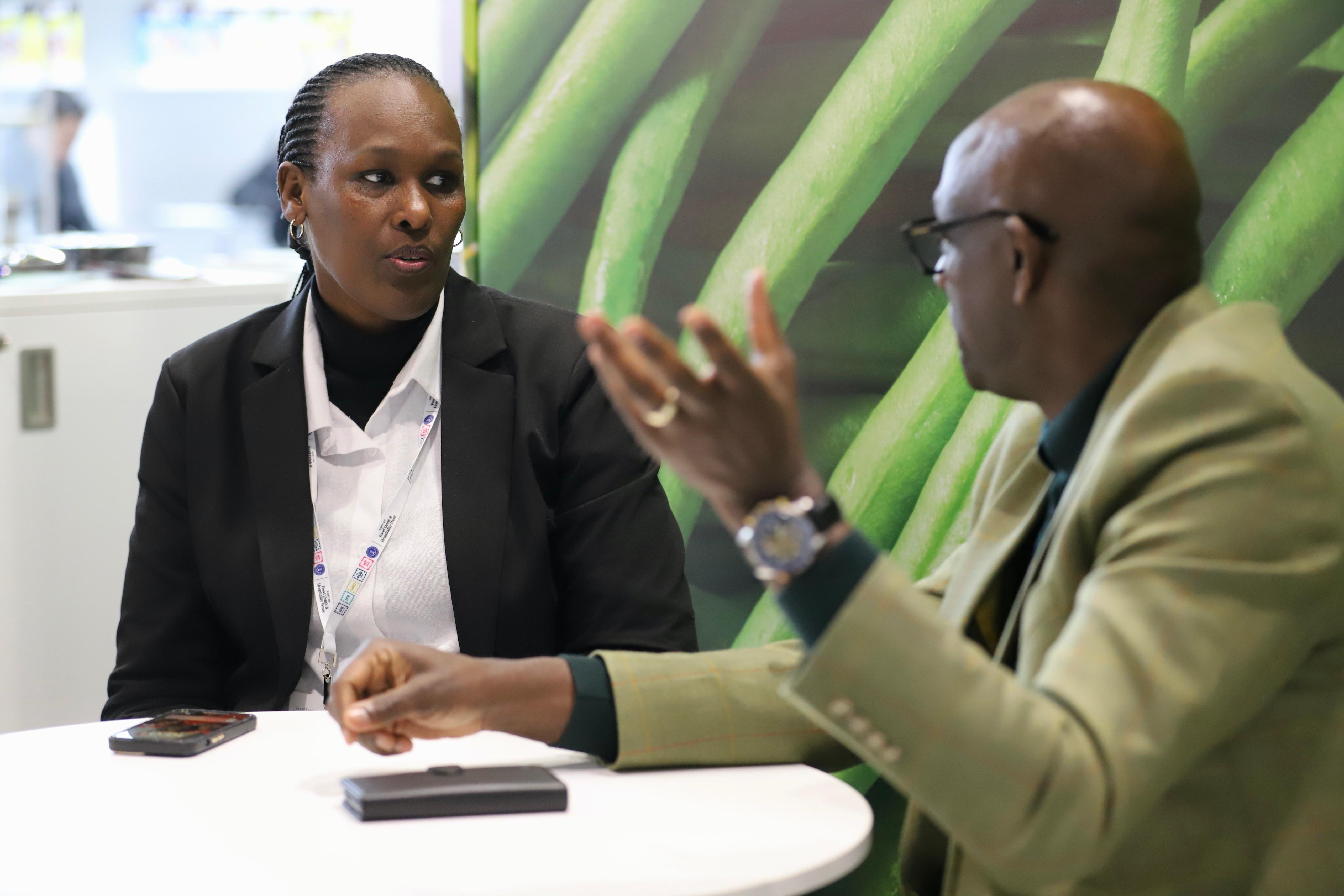
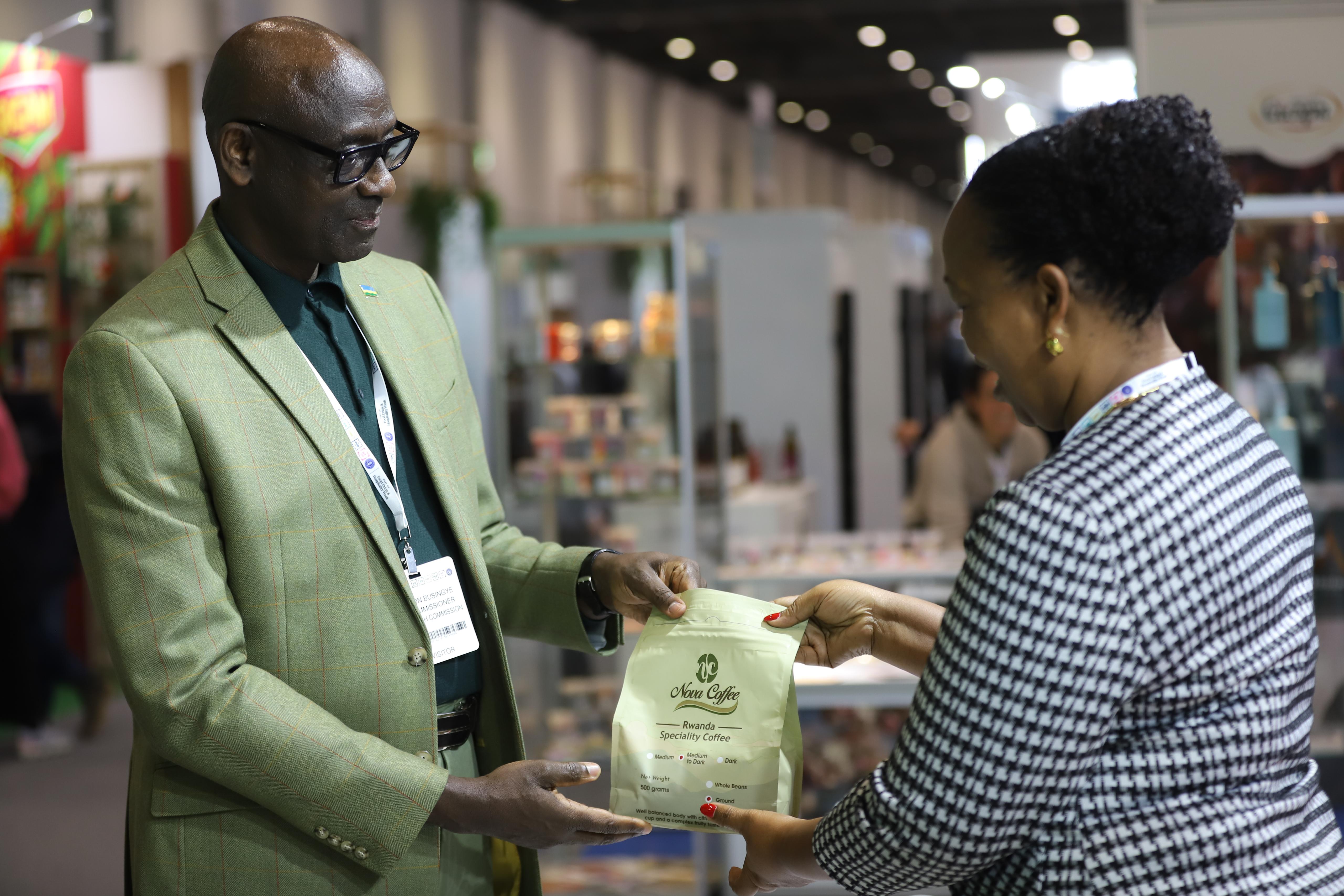
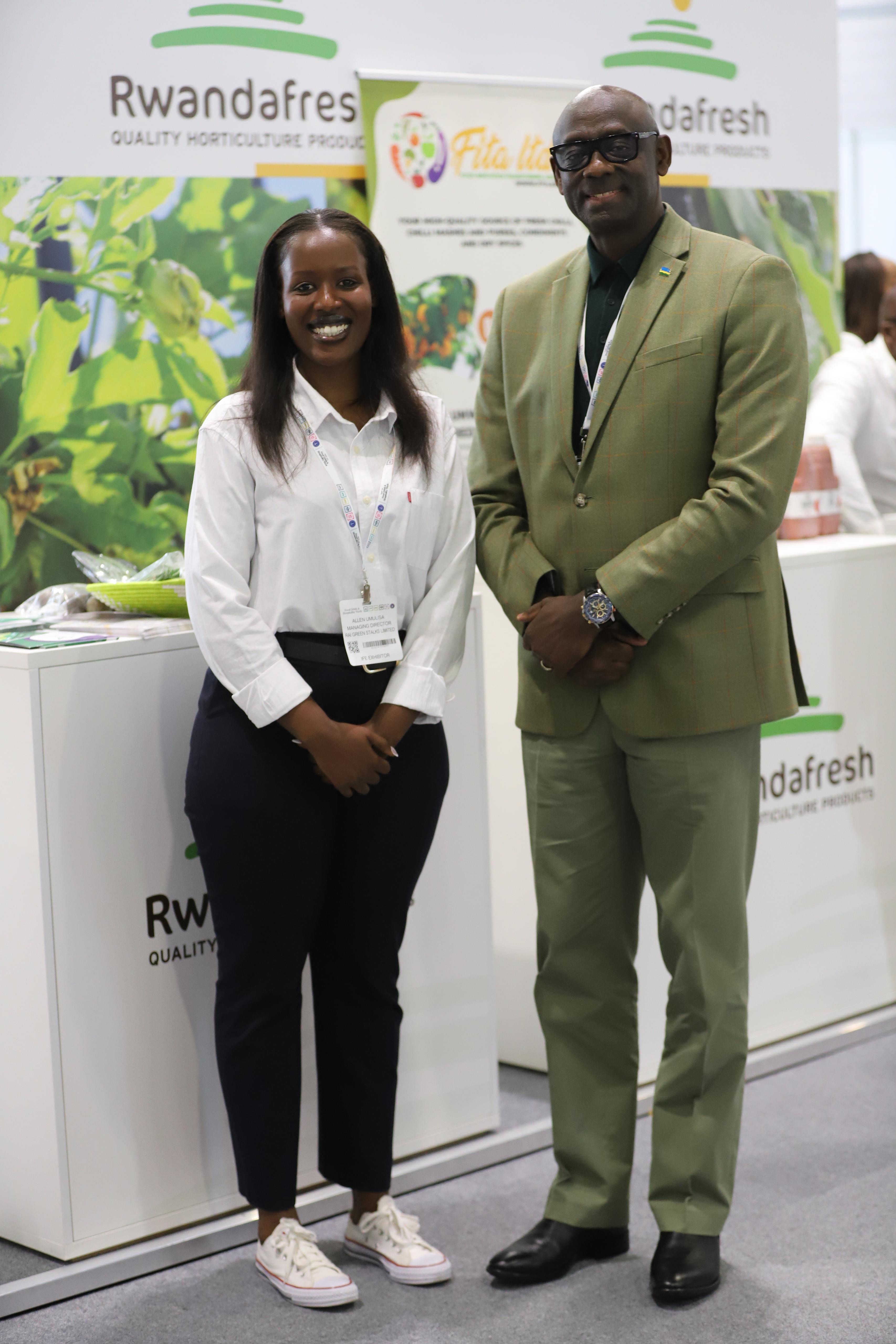
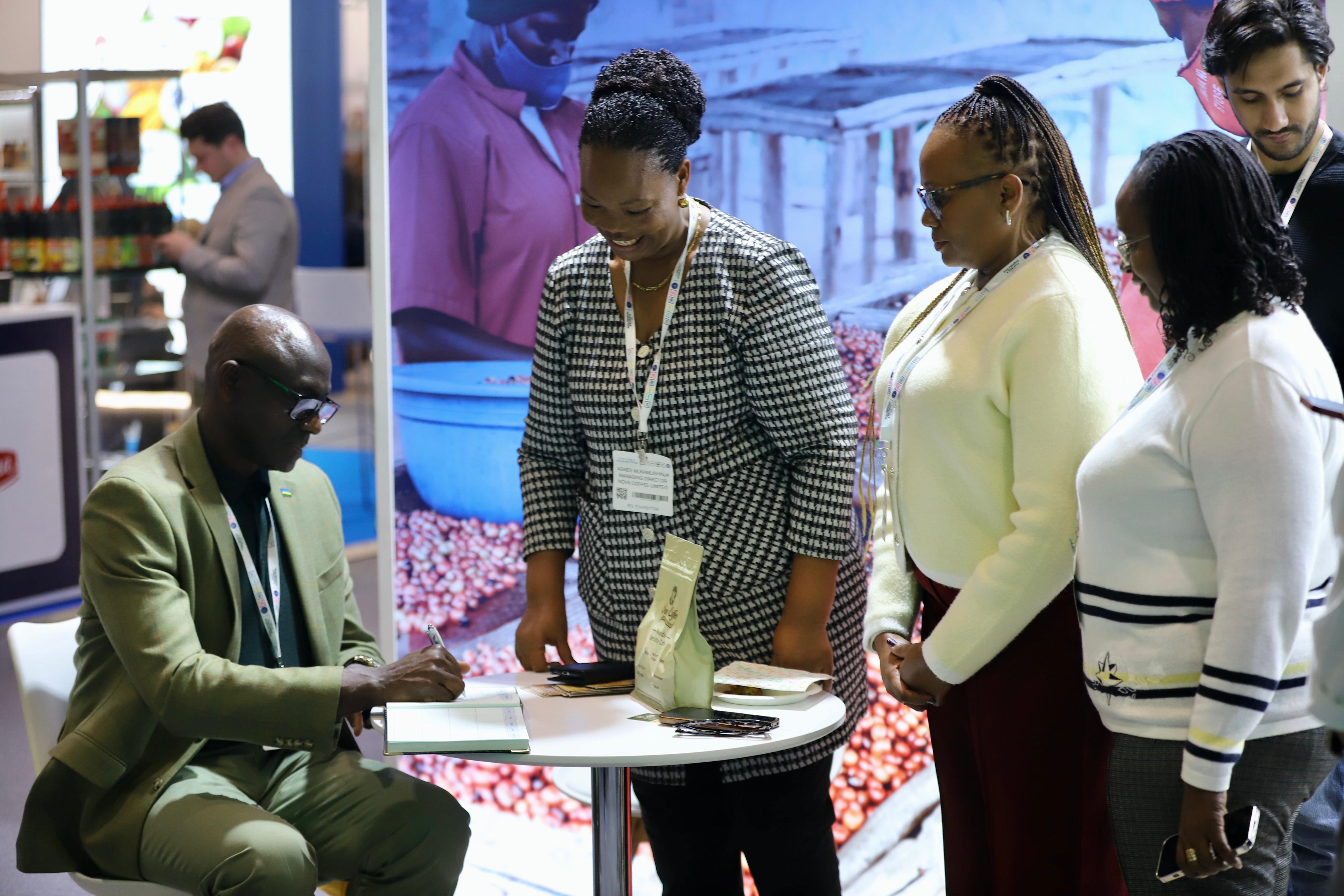
Amb. Busingye also visited the youth showcasing agricultural products at the exhibition. Ambassador Busingye interacted with women showcasing Rwandan coffee in the United Kingdom.Janet Basiima, Export Market Development and Innovation Division Manager at NAEB in a conversation with Ambassador Busingye. Amb. Busingye in an interview with IGIHE
A recent report by the World Travel & Tourism Council shows that while the city’s tourism sector has made a strong comeback, there is still room to attract a more diverse range of international visitors.
In 2025, Hong Kong welcomed an estimated 50.3 million tourists, down 22.9% from the 2018 peak of 65.3 million, but the industry has rebounded to nearly pre-pandemic levels.
Tourism remains a key pillar of the city’s economy, contributing over $56 billion and supporting more than half a million jobs.
However, the report notes that 76% of visitors currently come from Mainland China, highlighting the need to expand into new markets such as Southeast Asia, the Middle East, and India.
The council recommends a renewed focus on long-haul travel, business tourism, and curated visitor experiences.
From global conferences to cultural festivals, Hong Kong is being encouraged to reposition itself as more than just a shopping hub, offering richer and more diverse attractions to travelers.
“Hong Kong remains a global powerhouse, defined by world-class infrastructure and a unique cultural DNA that bridges East and West,” said Gloria Guevara. She emphasized that with strong partnerships and clear strategy, the city is “reclaiming its rightful place as a premier global destination.”
Government backing is also playing a major role, with significant investment planned to boost tourism marketing, events, and international connectivity.
Combined with its growing aviation capacity and strategic location, Hong Kong appears well-positioned to compete once again on the global stage.
New World Travel & Tourism Council (WTTC) research has revealed that Hong Kong, a Special Administrative Region of China, can re-establish itself as a go-to destination for international travellers by investing in key source markets.
These sea creatures, known for their ability to change color and move quickly, have long puzzled scientists.
Their evolution has been difficult to trace because they leave behind very few fossils and have complex genetic structures. However, a recent study published in Nature Ecology & Evolution is now shedding light on their origins.
Researchers from the Okinawa Institute of Science and Technology combined large genetic datasets with newly sequenced squid genomes.
This allowed them to build the most complete evolutionary tree of squid and cuttlefish to date. Their findings show that these animals likely began in the deep ocean millions of years ago.
Around 66 million years ago, Earth experienced a major extinction event that wiped out about 75% of all species, including the dinosaurs.
Surprisingly, squid ancestors survived. Scientists believe they found refuge in deep, oxygen-rich parts of the ocean, where conditions were more stable compared to shallow waters affected by acidification.
After the planet recovered, squid and cuttlefish began to spread into new environments such as coral reefs and coastal areas. The study describes this process as a “long fuse” evolution, where species change slowly for a long time, then suddenly diversify rapidly when conditions improve.
Today, squid and cuttlefish are among the most diverse and intelligent marine animals. This research not only explains their survival but also opens the door to understanding their unique features, from camouflage abilities to complex behavior.
Photo of a common cuttlefish (Sepia sp.) Credit: Keishu Asada
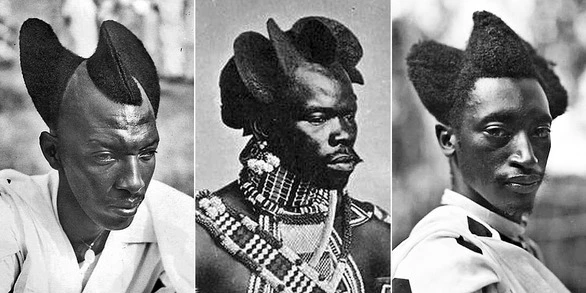
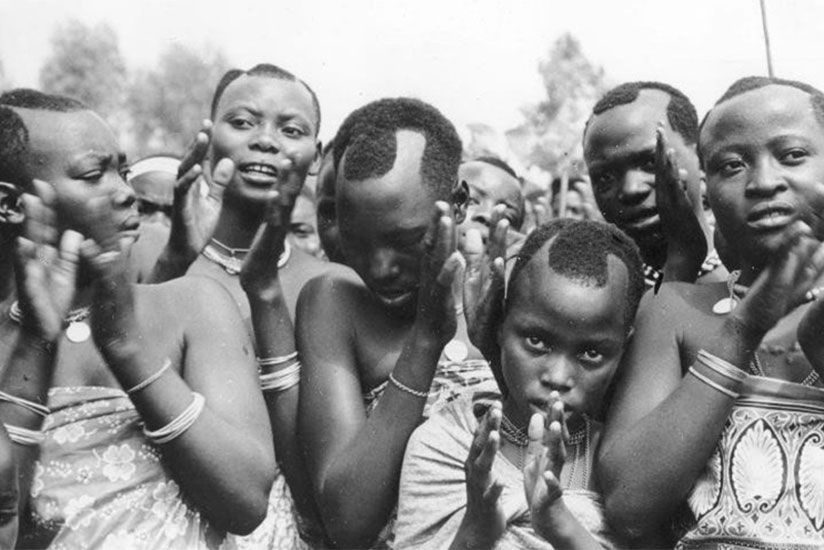
In Rwandan society, Amasunzu was more than a hairstyle, it was a symbol of status. Those who adorned it were often members of the elite, including warriors, leaders, and prominent figures. The hairstyle conveyed strength, prestige, and influence, and was especially prevalent among the ruling class and military elites.
Historically, Amasunzu functioned as a visual marker of power and distinction. Its unique design allowed the wearer’s social rank to be recognized instantly. The style was both a personal statement and a reflection of Rwanda’s cultural values.
Over time, however, the tradition declined as modern hairstyles and changing cultural trends gained popularity. Despite this, Amasunzu experienced a resurgence in 2018 when Oscar-winning actress Lupita Nyong’o sported the style at the Academy Awards.
Her appearance drew global attention to the elegance and cultural significance of Amasunzu, sparking renewed interest in traditional African hairstyles. Nyong’o’s choice bridged contemporary fashion with African heritage, inspiring many to embrace the style as a celebration of cultural identity.
Today, visitors interested in exploring the history of Amasunzu and other Rwandan cultural practices can visit the King’s Palace and the Ethnographic Museum.
The King’s Palace offers insight into the royal traditions of Rwanda, where Amasunzu was once a common sight among nobility. The Ethnographic Museum provides a broader perspective on Rwanda’s cultural diversity, showcasing hairstyles, clothing, and other traditions that have shaped national identity.
Today, Amasunzu remains a vital part of Rwanda’s heritage, a symbol of strength, nobility, and identity connecting the past with the present. Its revival reflects a broader movement to preserve and celebrate traditional African customs in modern life.
From the past to the present, Amasunzu is a mark of strength and nobility.A traditional hairstyle once worn by both men and women, symbolizing power, prestige, and cultural pride.Amasunzu, once fading over time, made a powerful comeback in 2018 when Lupita Nyong’o wore it on the Oscars red carpetLupita Nyong’o revived the traditional Amasunzu hairstyle at the 2018 Oscars.
He made the remarks following an announcement by the Congolese armed forces (FARDC) on March 29, 2026 that it had sent its deputy chief of staff, Lt Gen Nduru Jacques Ychaligonza to Kisangani to initiate operations to disarm FDLR fighters.
The Democratic Republic of Congo (DRC) has often claimed that the FDLR, terrorist group which Rwanda accuses of collaboration in destabilizing the region, is being used as a pretext.
Rwanda has shown that its fighters are already integrated into FARDC forces, both in combat operations in eastern Congo and in Kinshasa, and have long been involved in teaching genocidal ideology.
Lt Gen Nduru told the media on March 29, 2026 that he had been sent to eastern DRC, in the Kisangani area, to prepare operations against the FDLR. He stated: “They must surrender their weapons voluntarily or by force.”
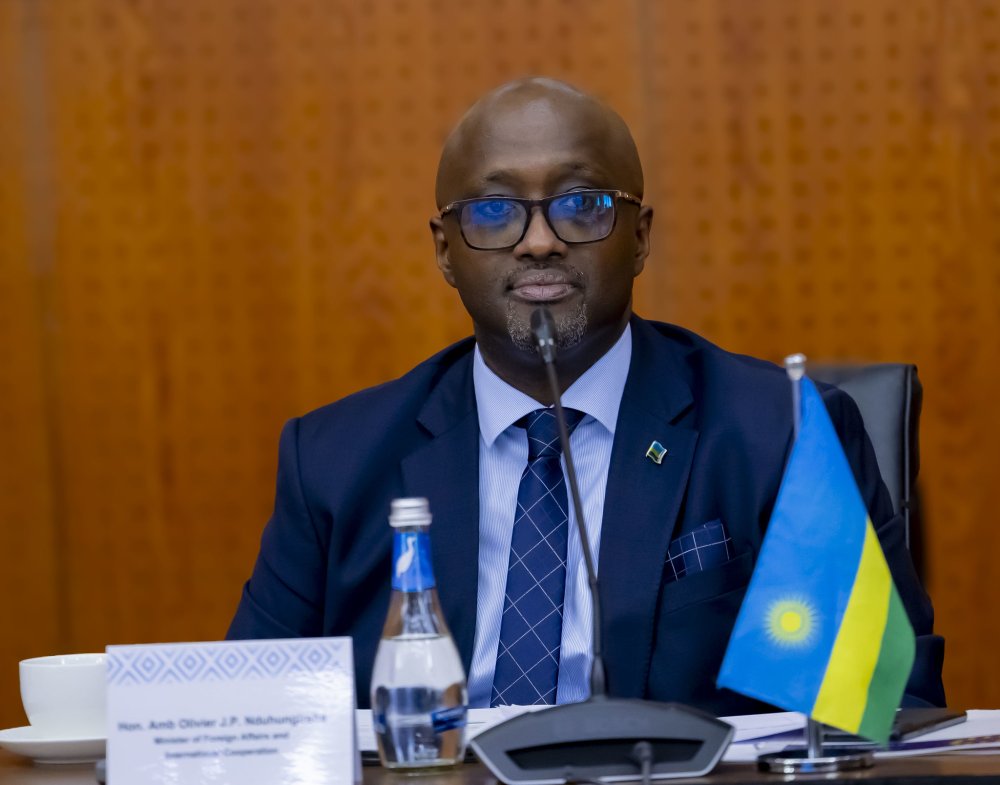
Minister Nduhungirehe, commenting on a report by RFI about FARDC’s push for FDLR disarmament, emphasized that agreements cannot be implemented through words alone.
“The implementation of the Washington Peace and Prosperity Agreements requires concrete actions on the ground, not empty words, unfulfilled promises, endless awareness campaigns, or a government cacophony over the existence or threat posed by the FDLR genocidaires,” he said.
The Concept of Operations (CONOPS) under the peace agreement signed by Rwanda and DRC in Washington, with support from the United States, indicates that the removal of Rwanda’s security measures will be preceded by actions by the DRC to dismantle the FDLR terrorist group.
Col (Rtd) Augustin Nshimiyimana, also known as Col Bora, a former FDLR combatant, recently told IGIHE that FARDC’s statements about dismantling the FDLR would be hardly achieved, given the ongoing collaboration.
“If they truly intended to act, they should start in Kinshasa, because the FDLR is there, and there are FDLR members within FARDC even today. These statements are deceptive—they plan the operation secretly, but instead of announcing it, they should act immediately because the FDLR is already within FARDC ranks. Where would they even pursue them when they are already integrated?” he wondered.
Previously, the number of FDLR combatants was estimated between 7,000 and 10,000 fighters.
Rwanda continues to emphasize its commitment to the Washington Peace Agreement signed on December 4, 2025 and supports the Doha process.
Minister Nduhungirehe has called for concrete actions to dismantle the FDLR.
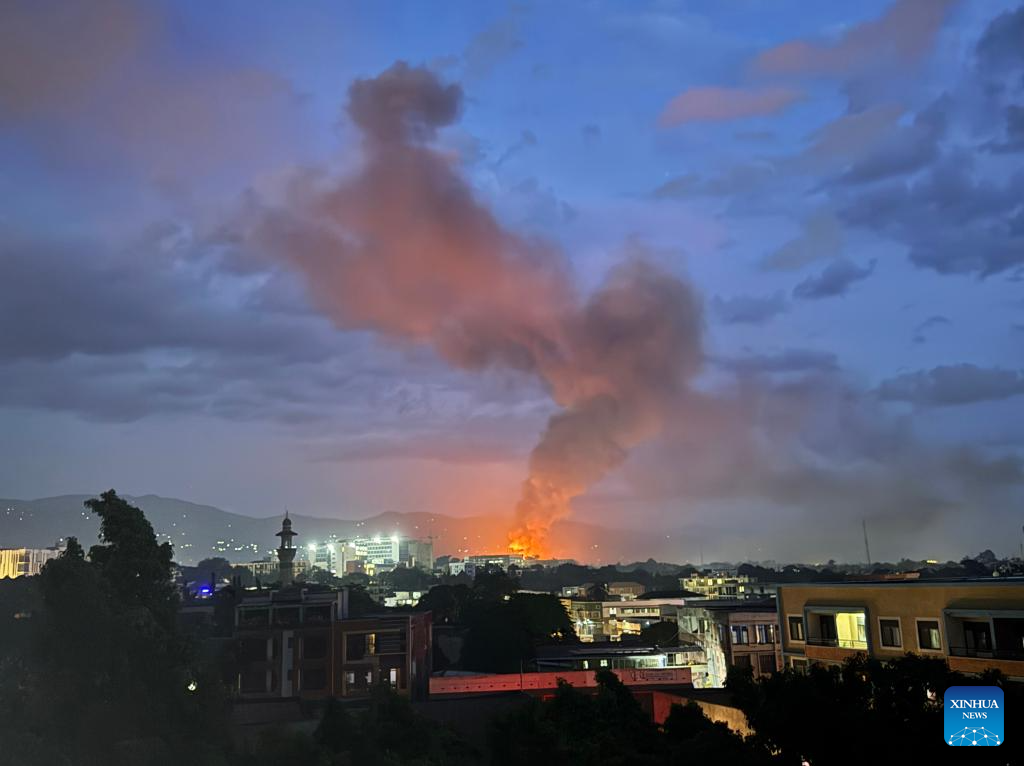
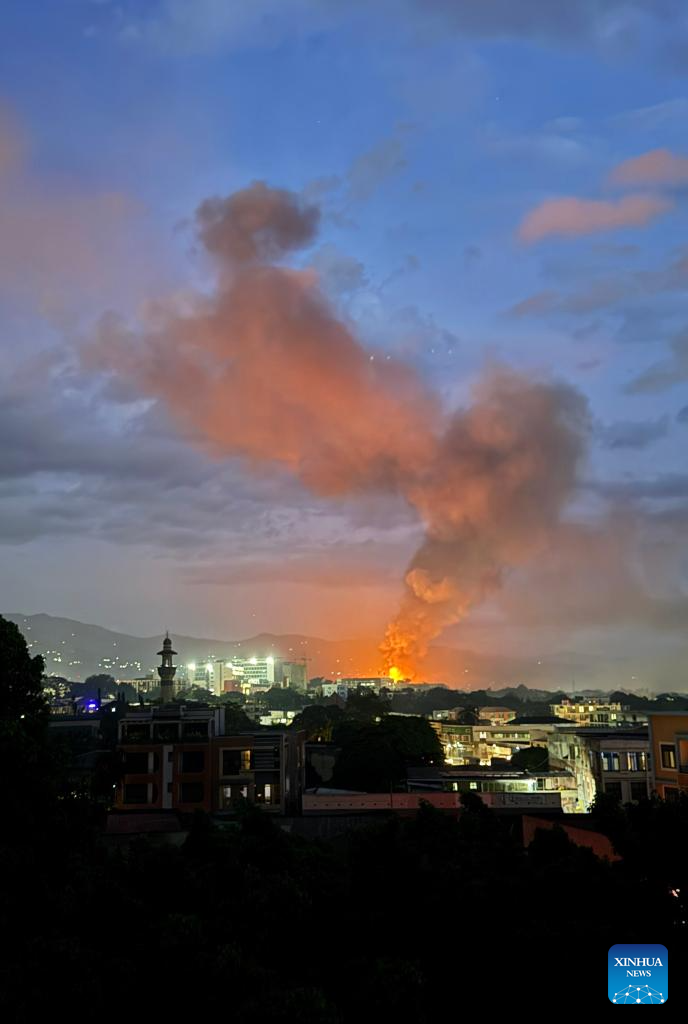
The incident occurred on the night of March 31 at a military facility known as “Base,” located in the Musaga area of Bujumbura.
Burundi’s military and the Ministry of Internal Security stated that the fire was caused by an electrical fault.
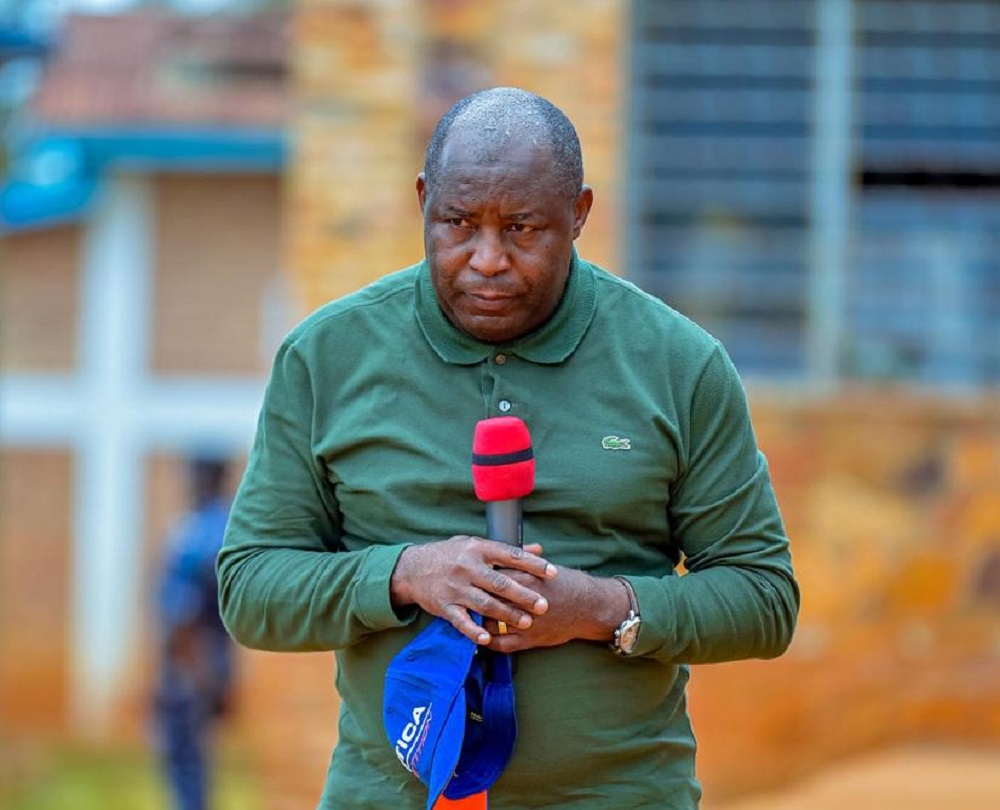
In a message posted on social media platform X, President Ndayishimiye expressed his sympathy to affected citizens and reassured the public.
“I extend my condolences to those affected by the fire that broke out in one of the depots at a military base in Musaga zone. We reassure all Burundians that national institutions are doing everything possible to respond and maintain security. May God protect Burundi,” he said.
The fire triggered a series of powerful explosions from the stored weapons, with blasts heard across several parts of Bujumbura.
According to reports by BBC, explosions were still being heard as late as 10:30 p.m.
The incident caused panic among residents, with some seen fleeing their homes. People living near the military base reported damage to their houses, forcing some to relocate to safer areas within the city.
Fragments from the explosions landed in residential neighborhoods including Kinanira 3 and 4, while others reached Ngagara Zone, particularly Quartier 9, located more than five kilometers from the site of the incident.
As of now, the full extent of the damage remains unclear, though reports indicate that several injuries and dozens of casualties have already occurred near the base and in other areas affected by the explosions.
President Ndayishimiye expressed his sympathy to affected citizens and rcalled for divine protection. Photo taken on March 31, 2026 shows smoke rising after explosions followed a fire at a military camp in Bujumbura Province, Burundi. Several blasts were heard in Bujumbura, Burundi’s economic capital, on Tuesday.