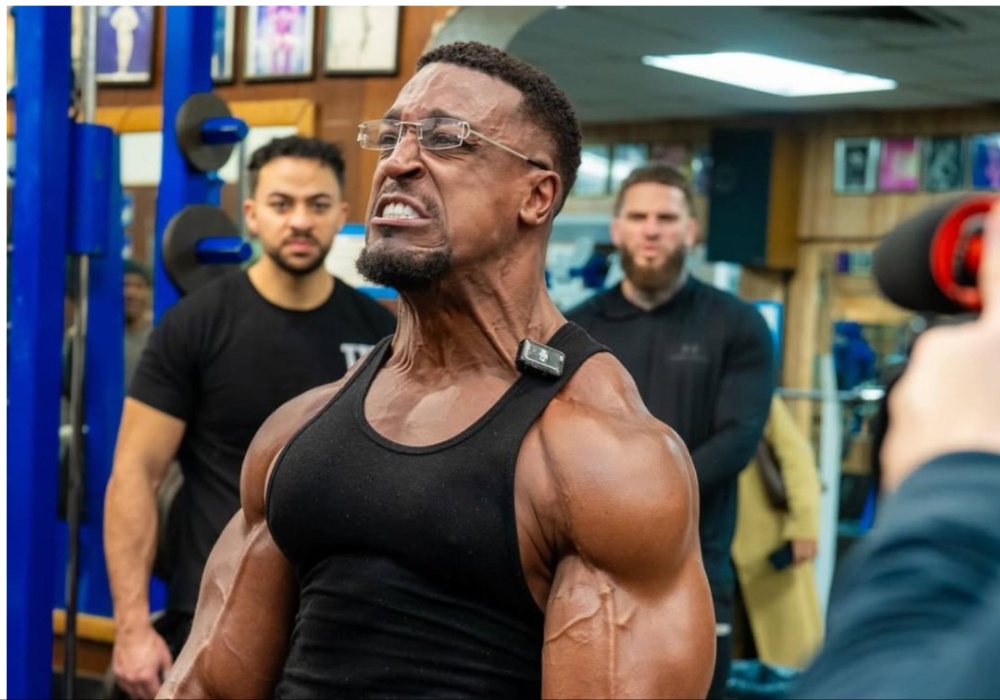
Hall, who has built a global following through viral, high-intensity fitness routines, recently teased the trip on his social media platforms.
In a series of clips showing him racing against cars and aircraft, the influencer repeatedly exclaimed “Africa,” signaling his forthcoming visit to the continent. He also shared a sequence of national flags outlining his planned itinerary, confirming that the tour will begin on June 28, 2026.
As part of the tour, Hall is expected to visit a series of African countries, including Algeria, Angola, Benin, Botswana, the Democratic Republic of the Congo, Burundi, Uganda, and South Africa, among others.
The 30-year-old influencer is known for his disciplined daily fitness regimen, typically carried out in the early morning hours. He says he has maintained this routine consistently for the past 15 years.
His upcoming African tour follows previous international visits to countries such as Germany, Puerto Rico, India, and the United Arab Emirates, where he has often collaborated with local creators and fitness enthusiasts.
In Rwanda, social media personality Kagarara has been among those inspired by Hall’s style of content creation. He began producing similar content after meeting American streamer IShowSpeed, who previously visited Rwanda.
Hall, who has built a global following through viral, high-intensity fitness routines, teased the trip on his social media platforms.The 30-year-old influencer is known for his disciplined daily fitness regimen, typically carried out in the early morning hours. He says he has maintained this routine consistently for the past 15 years.
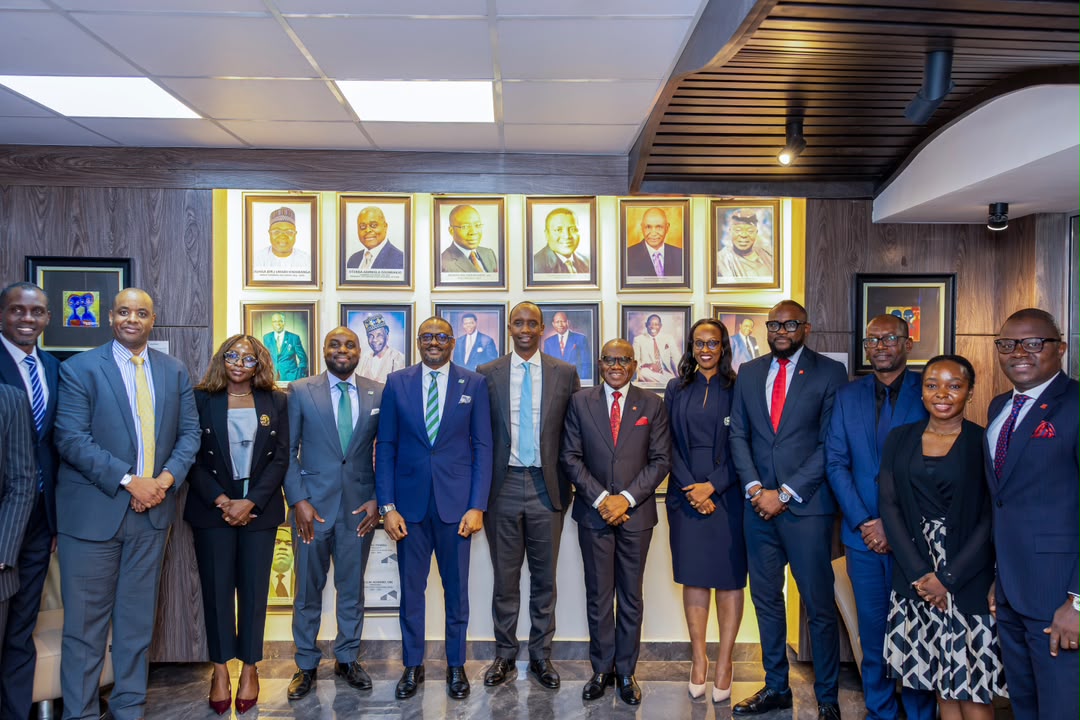
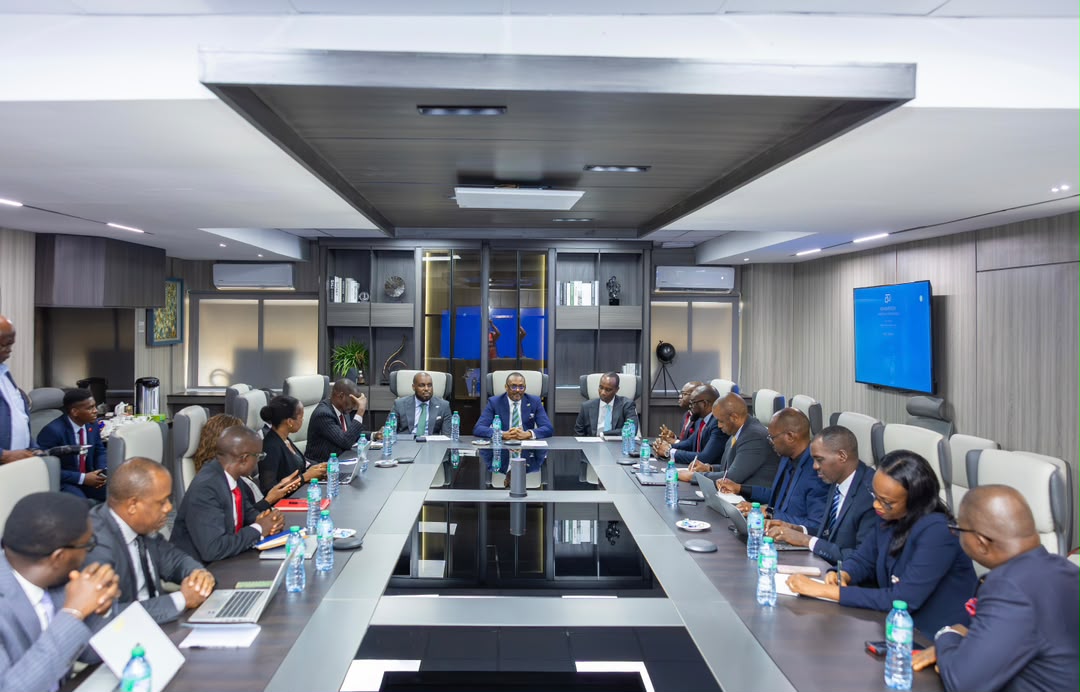
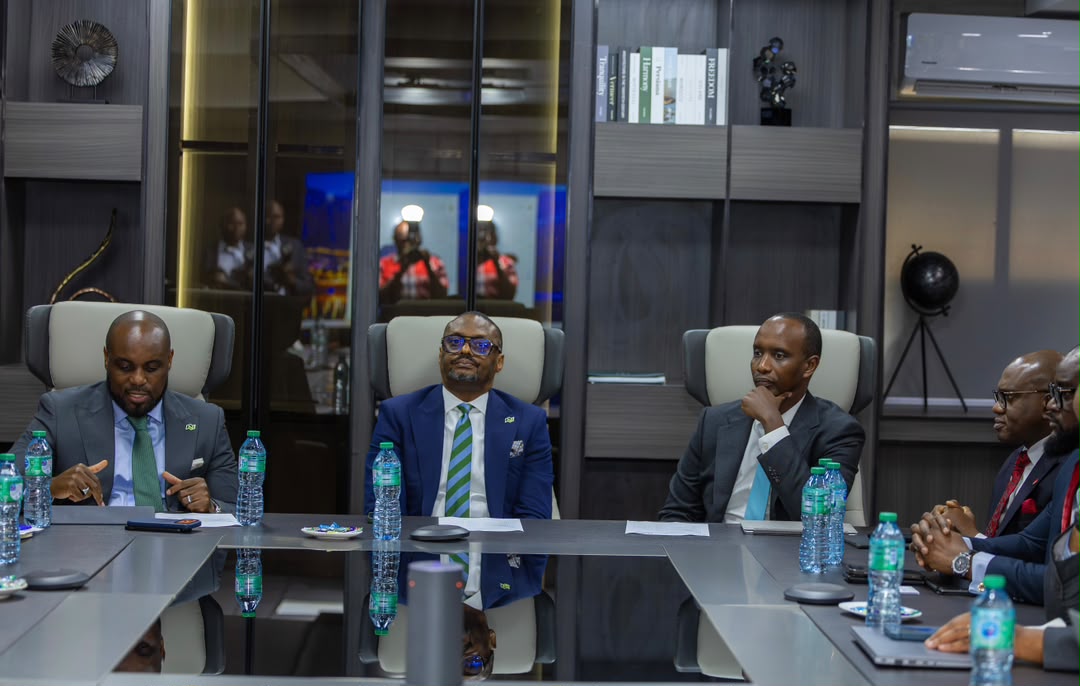
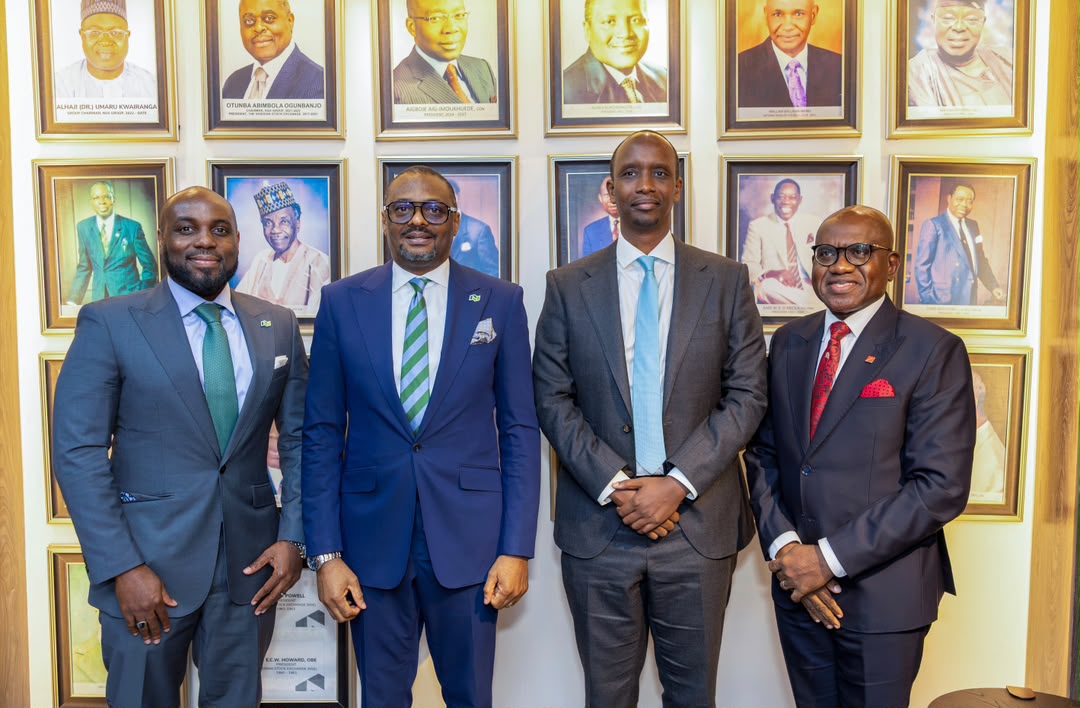
Led by Chief Executive Officer Romeo Ngarambe, the delegation held talks with the Nigerian Exchange Group and the Central Securities Clearing System in Lagos, drawing lessons from one of Africa’s largest capital markets.
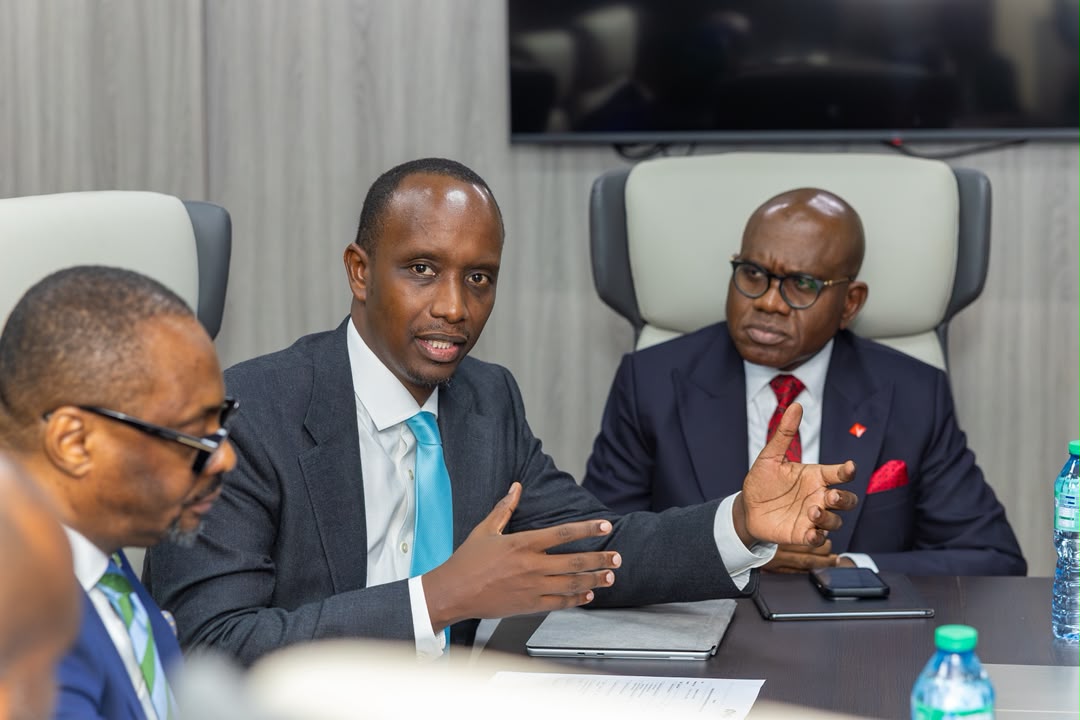
At the Nigerian Exchange Group, the delegation met Jude Chiemeka, Chief Executive Officer of Nigerian Exchange Limited, and Temi Popoola, Group Managing Director and Chief Executive Officer of NGX Group. The discussions covered market regulation, trading systems, investor access and opportunities for closer links between African exchanges.
The institutions also examined cooperation through the African Securities Exchanges Association and the African Exchange Linkage Project, which is designed to enable investors to access securities listed across participating markets.
Greater cross-border market access could widen the pool of investors available to Rwandan companies, support capital raising and improve the movement of investment funds between African economies.
During discussions with the Central Securities Clearing System, the delegation reviewed Nigeria’s experience in securities depository services, settlement-cycle reform, market dematerialisation, risk management and post-trade technology.
The engagement included lessons from Nigeria’s move to a T+1 settlement cycle, where securities transactions are completed one business day after trading. Faster settlement can reduce transaction risks, improve market efficiency and allow investors to access their securities and funds sooner.
Ngarambe said cooperation between African institutions was essential to building stronger and more accessible markets.
“African capital markets can grow faster when institutions share experience and adapt solutions that have worked on the continent. Our objective is to build efficient, trusted and accessible market infrastructure that supports investment in Rwanda and regional integration,” he said.
The delegation also held engagements with Nigeria’s Securities and Exchange Commission and Debt Management Office.
CMA Rwanda said lessons from the mission would support ongoing efforts to strengthen supervision, improve market infrastructure, expand investment products and attract domestic and international investors.
The cooperation is expected to contribute to a more connected African capital market in which businesses can access long-term financing and investors can participate in opportunities beyond their domestic markets.
The mission, led by CMA Chief Executive Officer Romeo Ngarambe, took place in Lagos where the delegation held engagements with key Nigerian financial market institutions
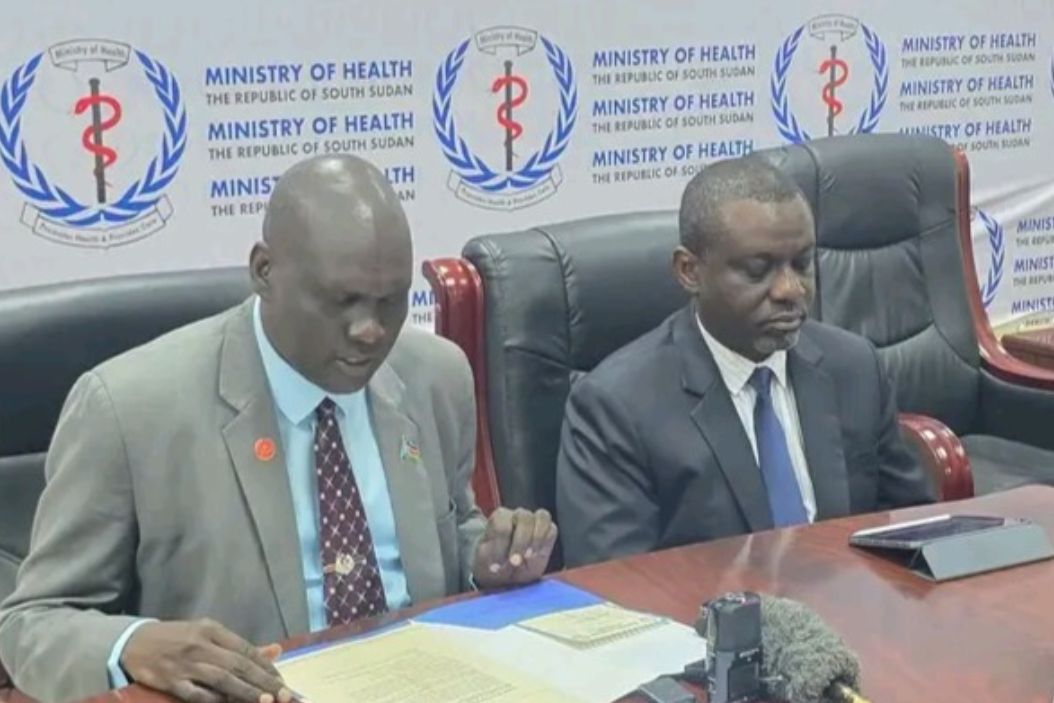
“There is no Ebola here. No one is dying here. But people are now dying because they are unable to travel abroad for medical treatment,” Francis Oromo, undersecretary in the Ministry of Health, told a joint press conference with the World Health Organization (WHO) in Juba, the capital of South Sudan.
According to Oromo, South Sudan activated its emergency response plan immediately after outbreaks were reported in neighboring countries by deploying response teams to high-risk states, strengthening surveillance, and expanding isolation capacity.
The ministry noted that all seven suspected Ebola cases identified nationwide, including four in Juba, tested negative.
As South Sudan remains at risk due to cross-border movement and its proximity to affected areas, health authorities are collaborating with neighboring countries, regional health bodies, and international partners to share information and strengthen disease surveillance.
Humphrey Karamagi, WHO representative in South Sudan, reaffirmed that the country remains Ebola-free, saying the detection and investigation of suspected cases demonstrate that the national surveillance system is functioning effectively.
“From a scientific point of view, WHO does not recommend border closures or travel restrictions,” Karamagi added.
Dr. Oromo Francis, Undersecretary at the Ministry of Health, and Dr. Humphrey Karamagi, WHO Representative in South Sudan, during a press conference in Juba on Ebola preparedness on Friday, June 26, 2026.
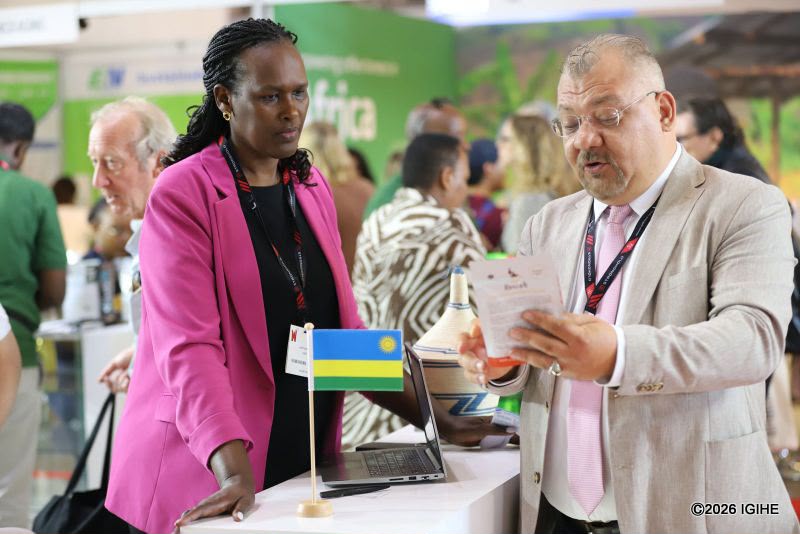
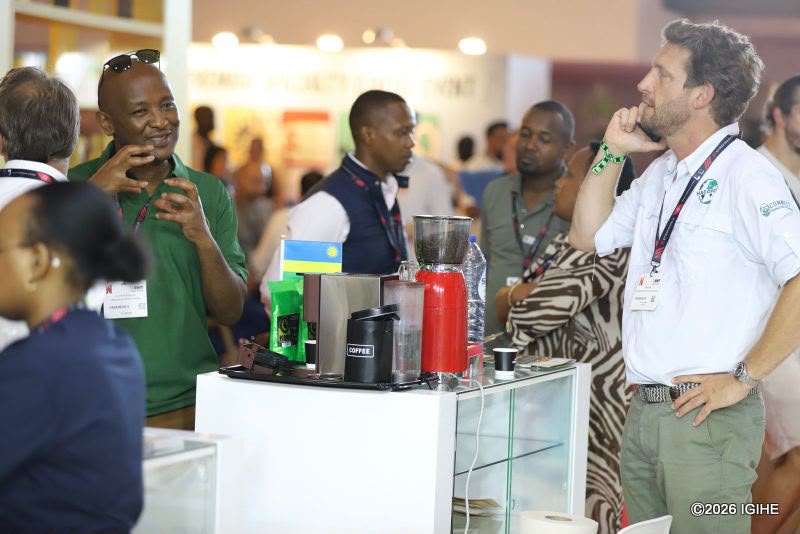
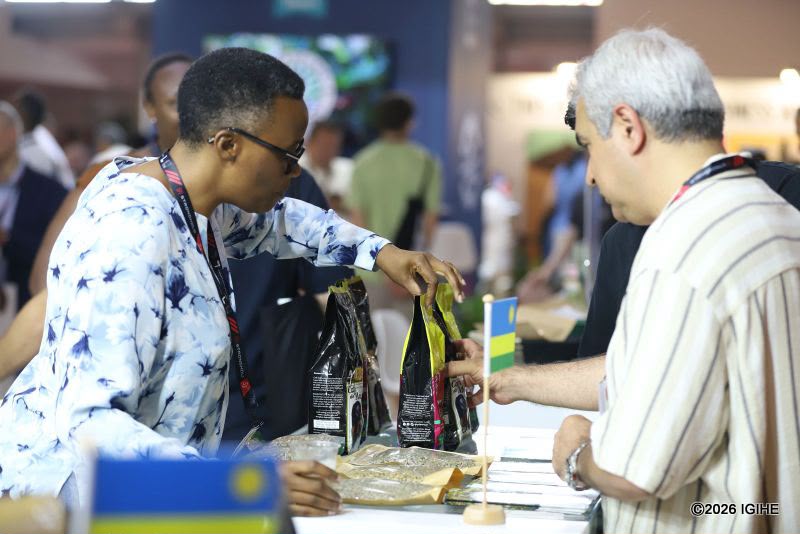
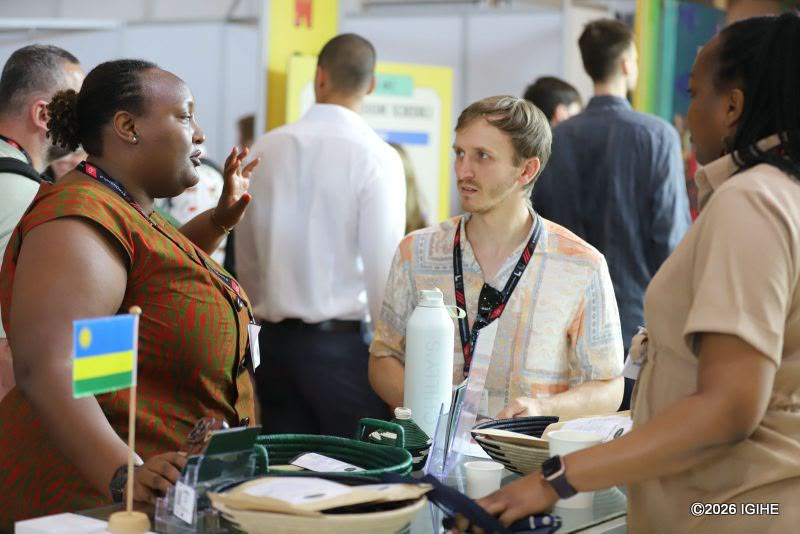
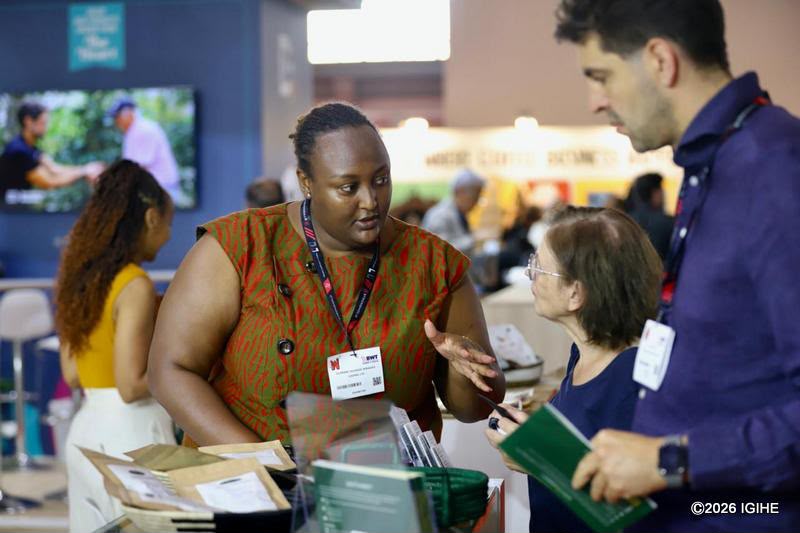
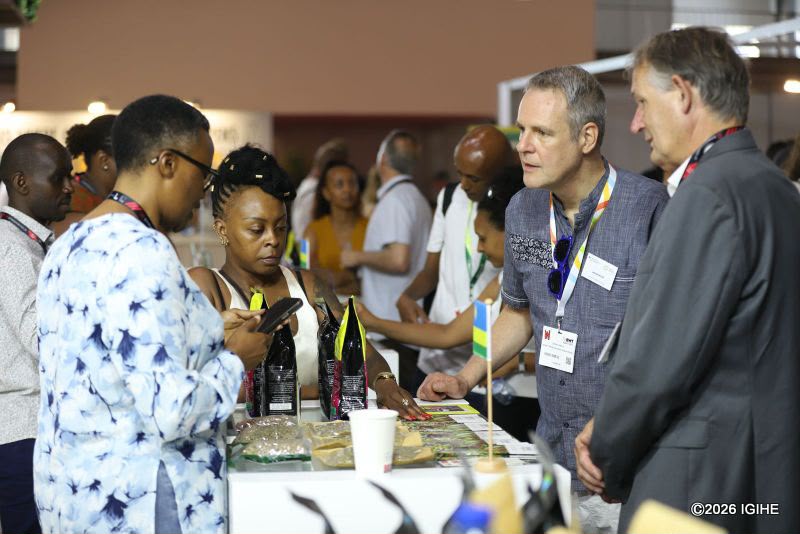
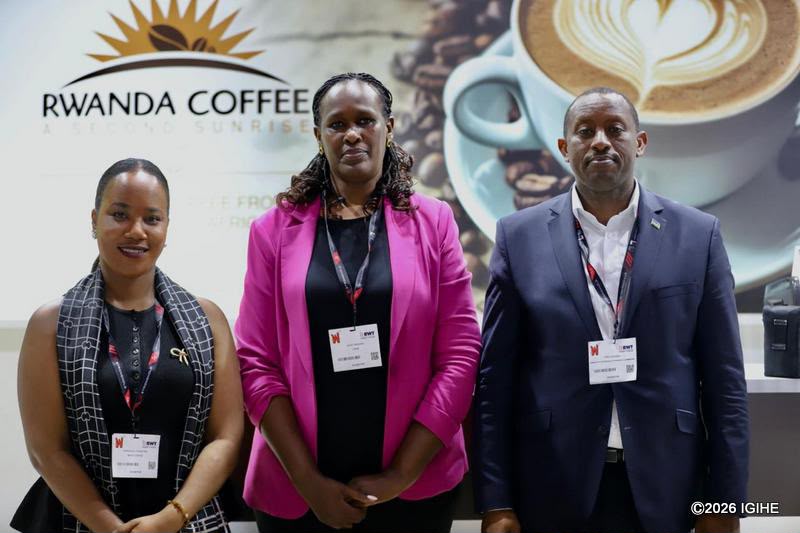
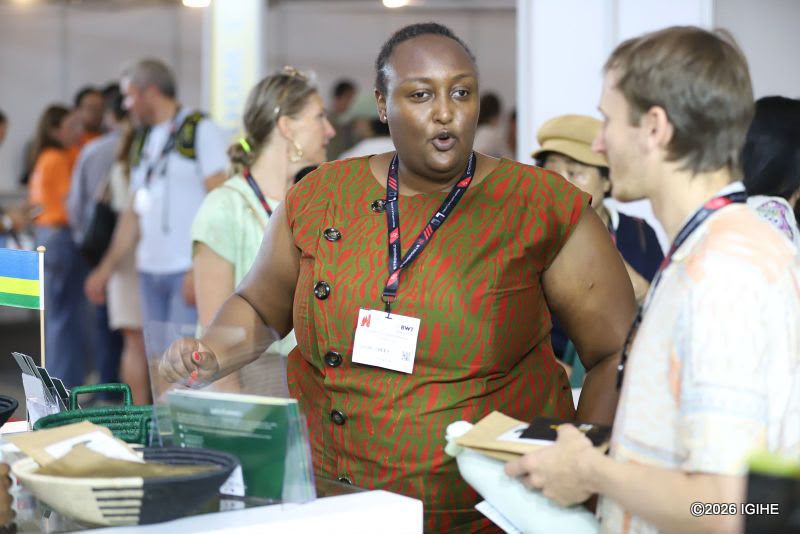
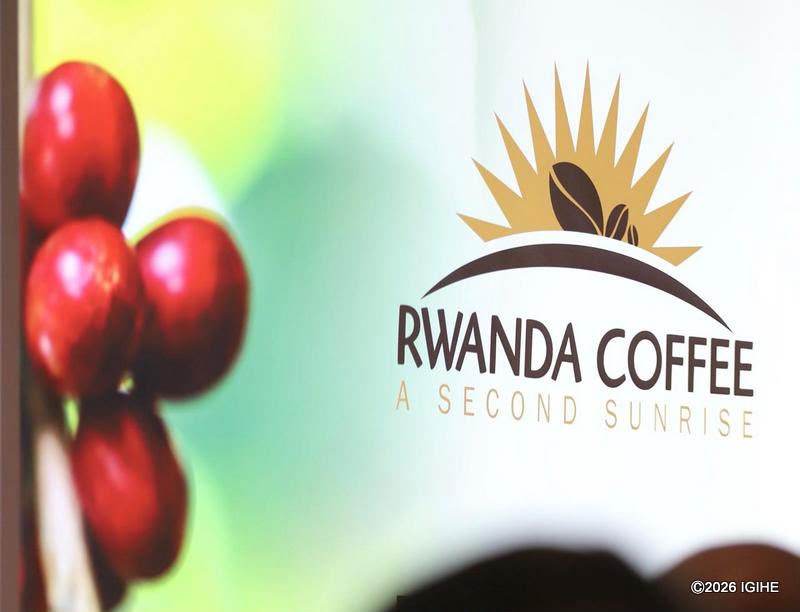
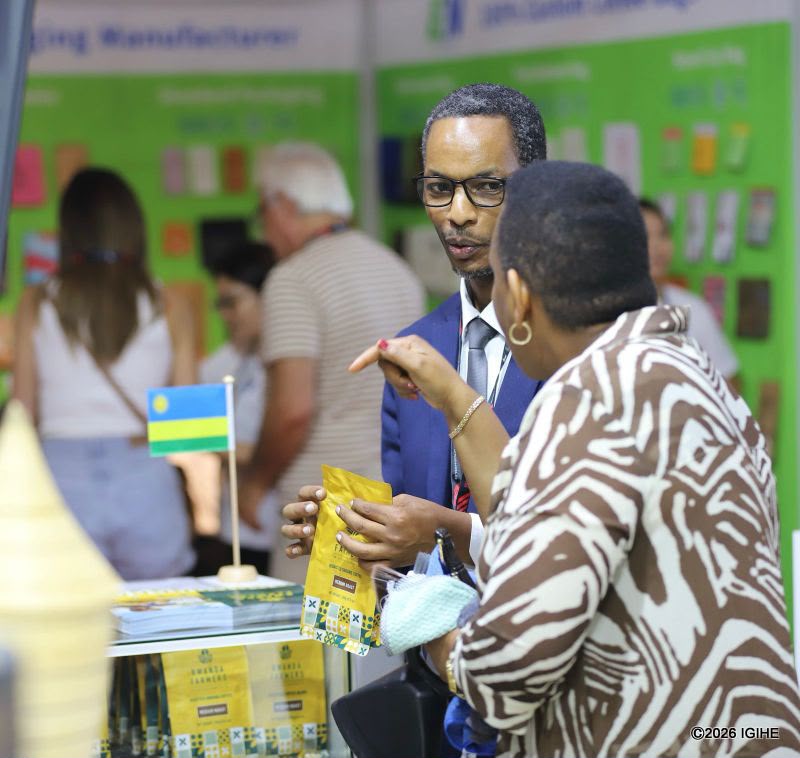
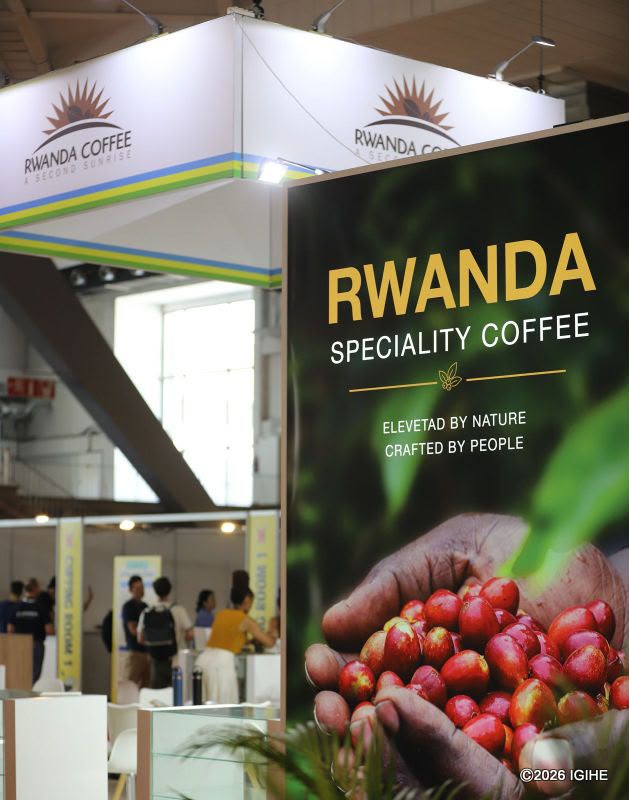
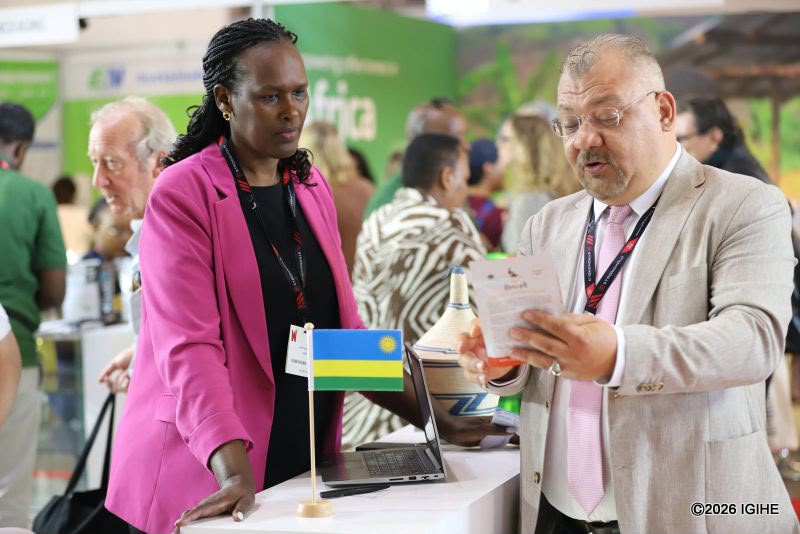
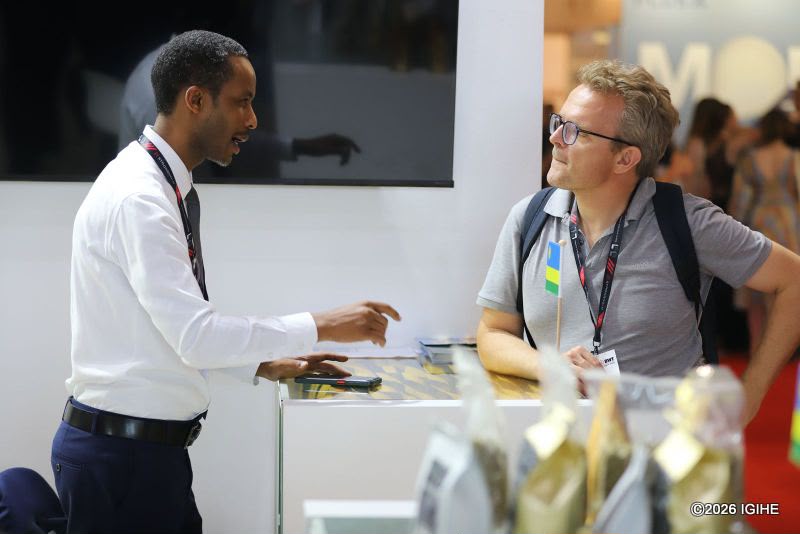
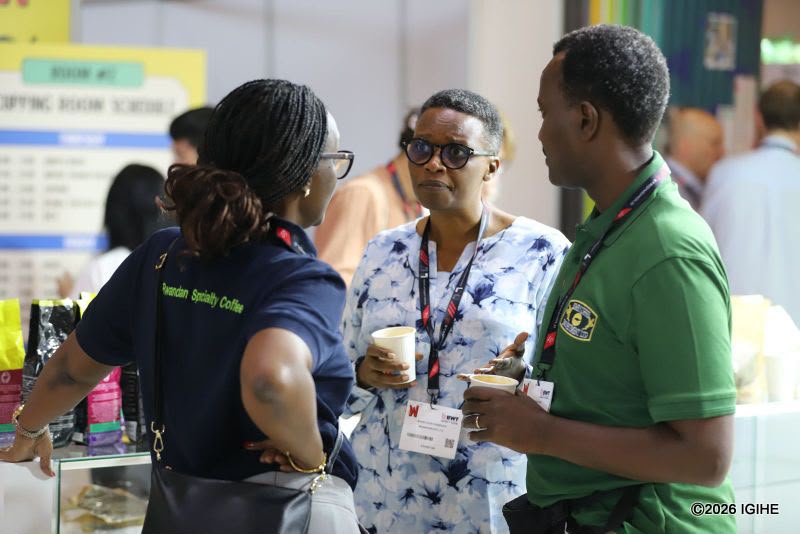
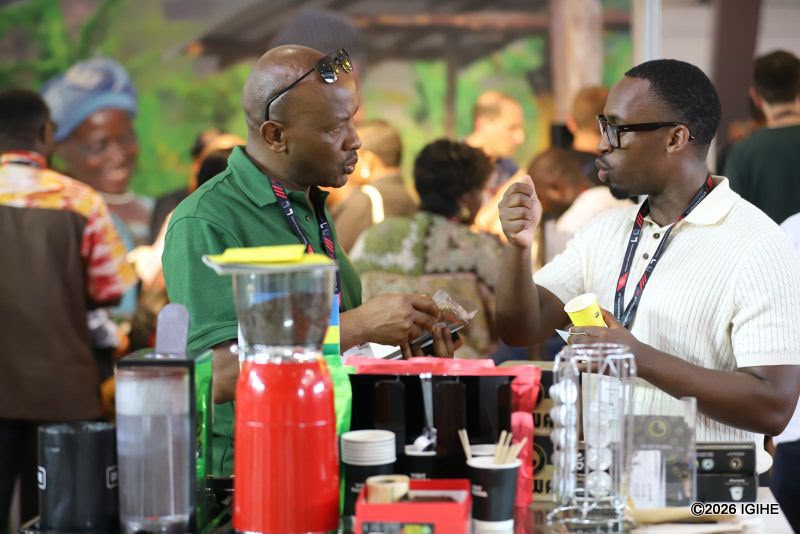
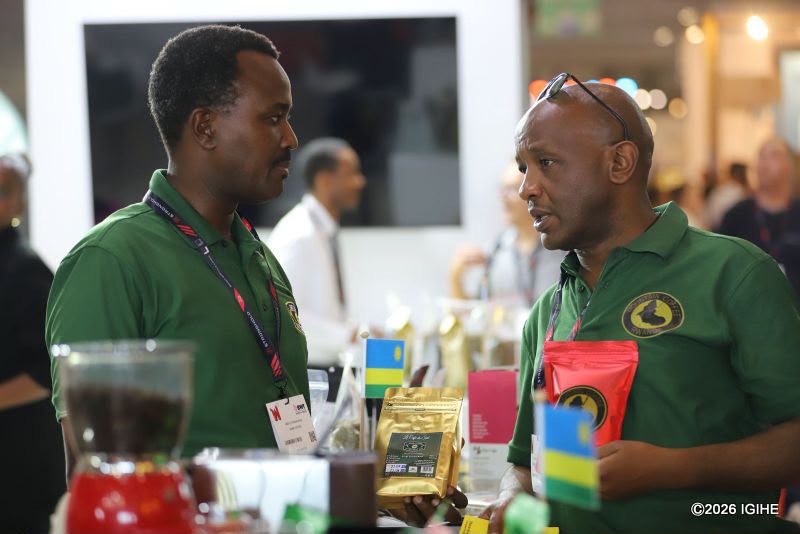
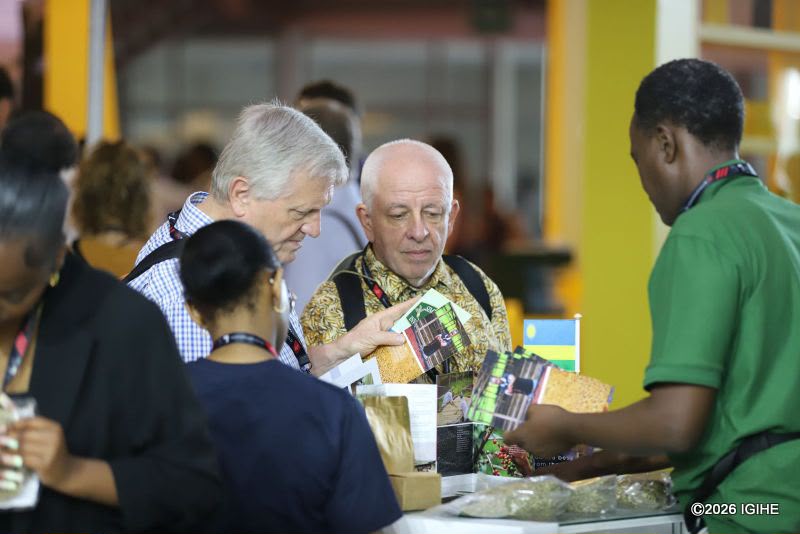
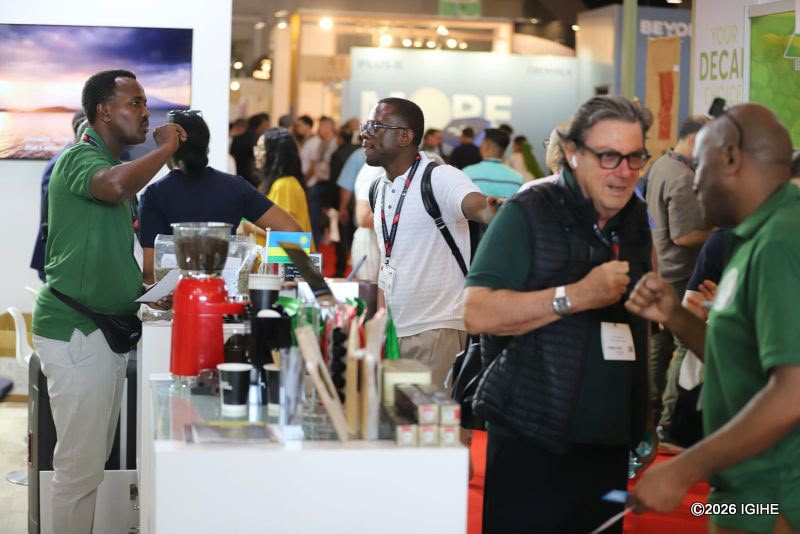
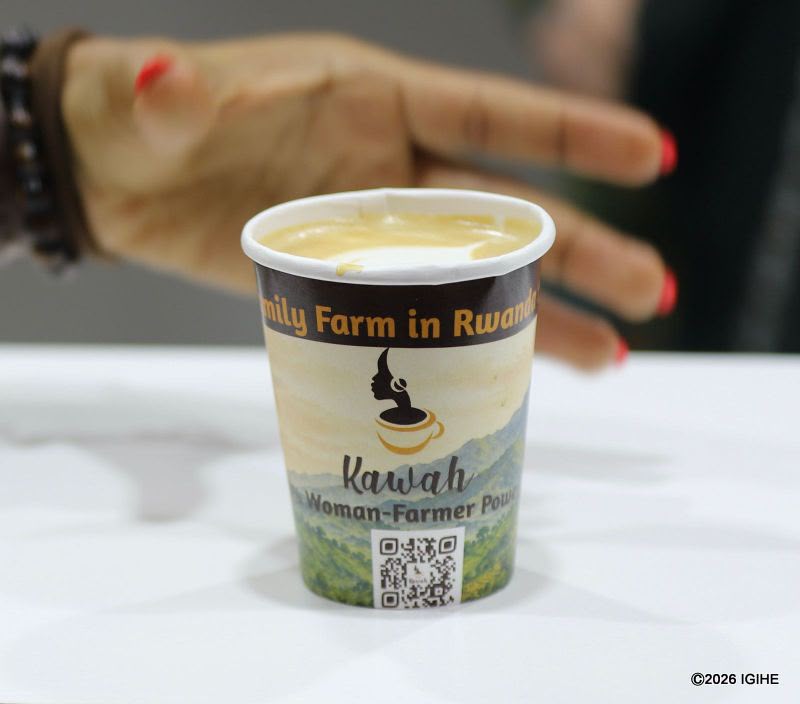
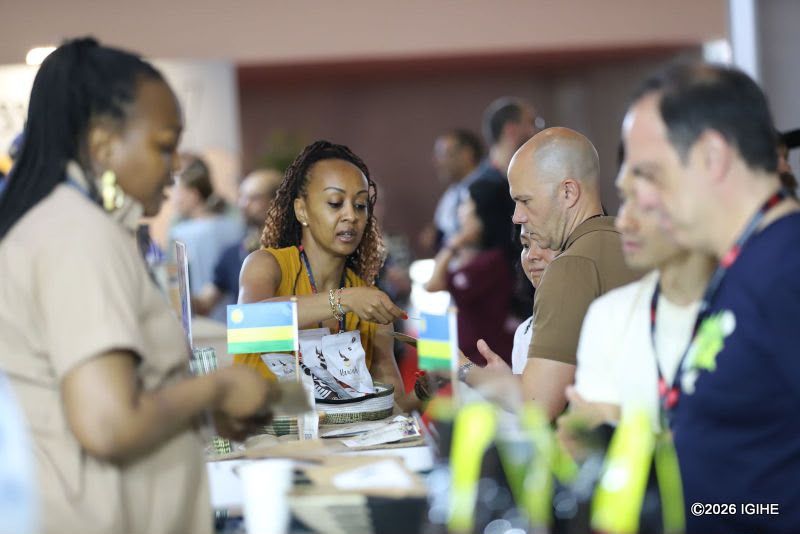
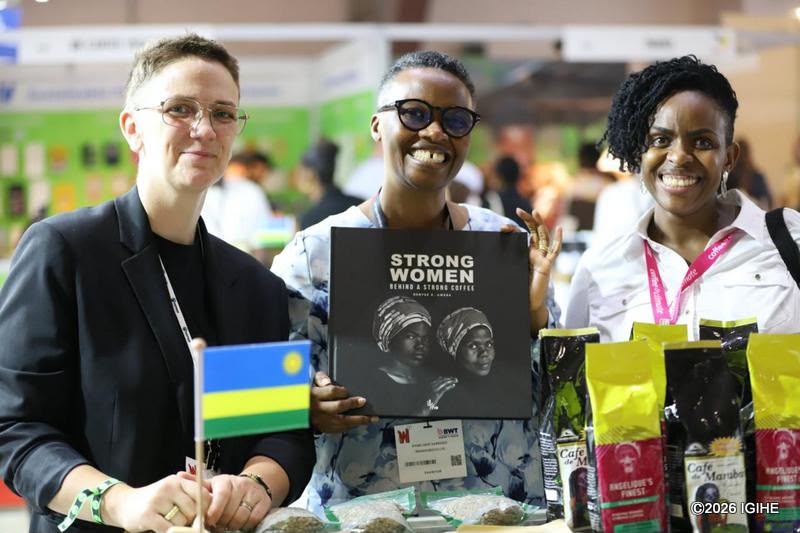
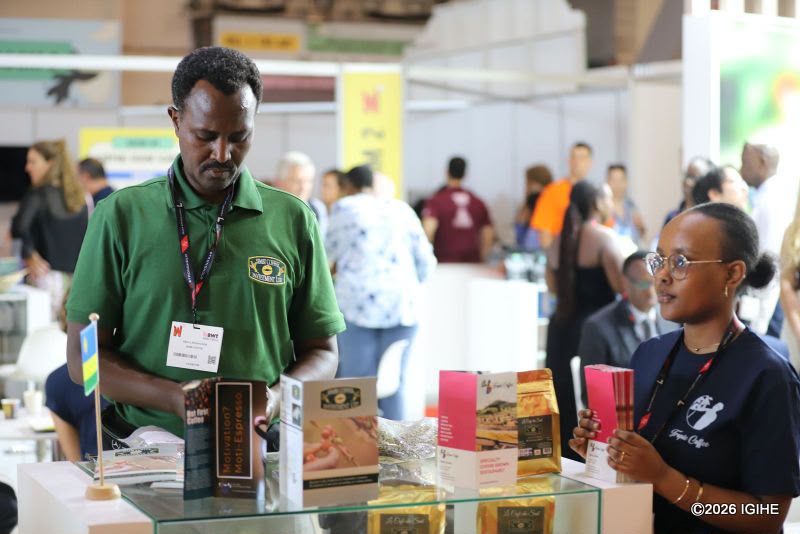
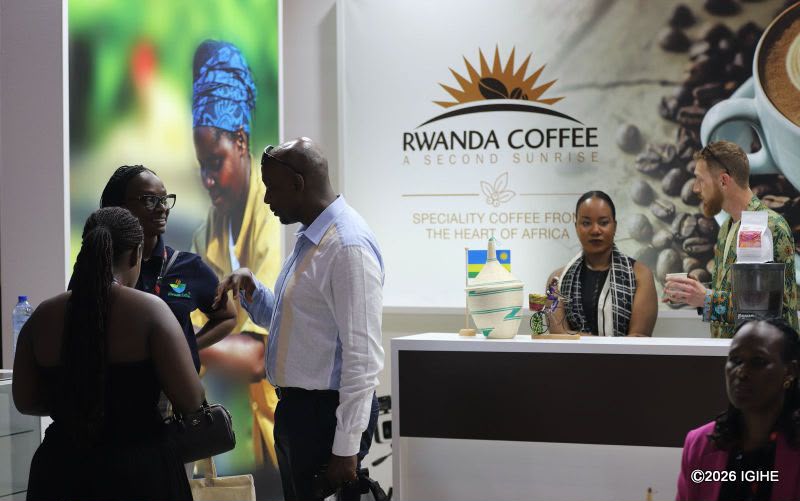
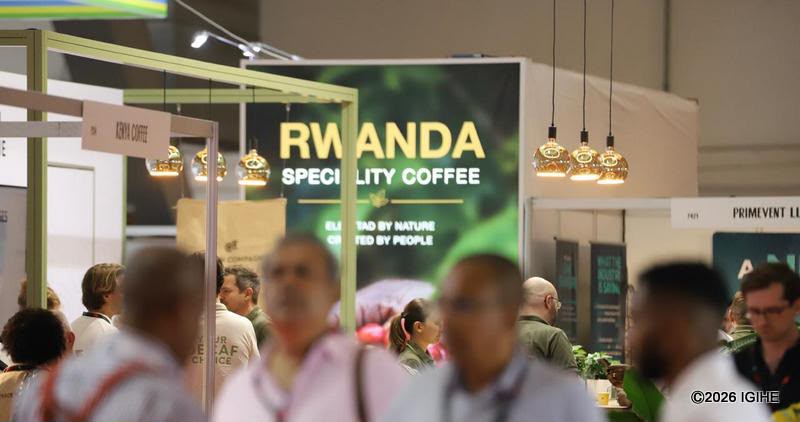
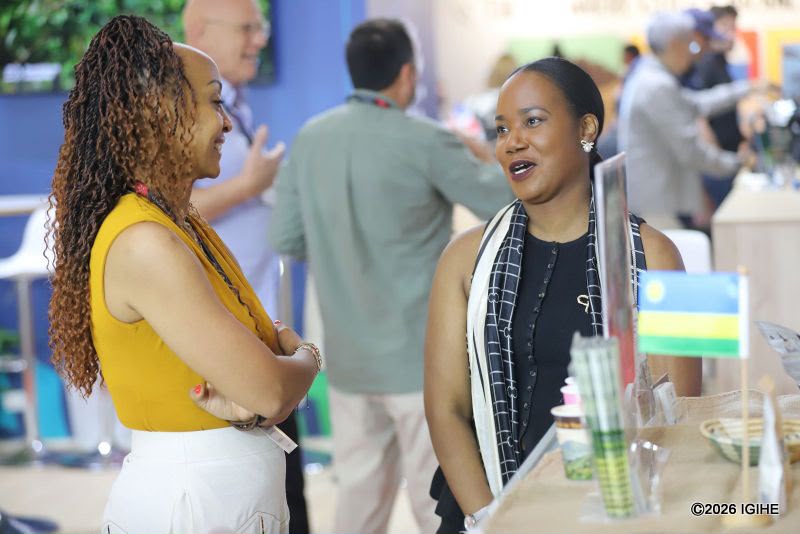
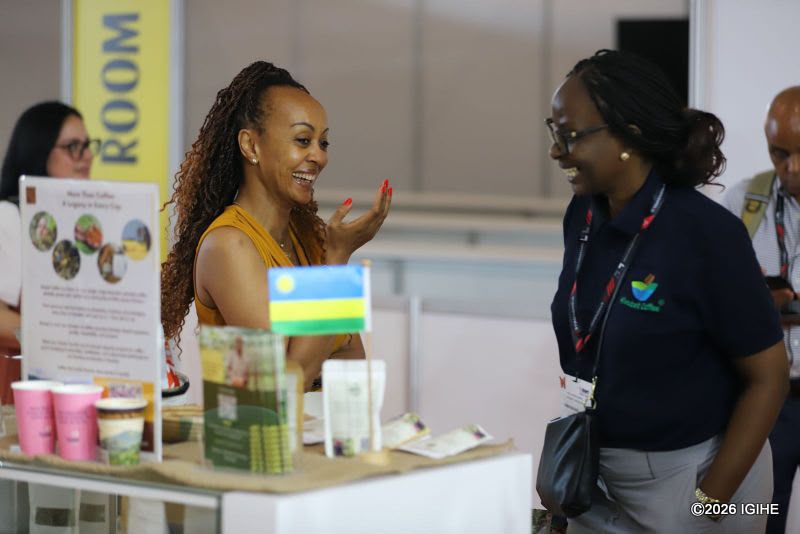
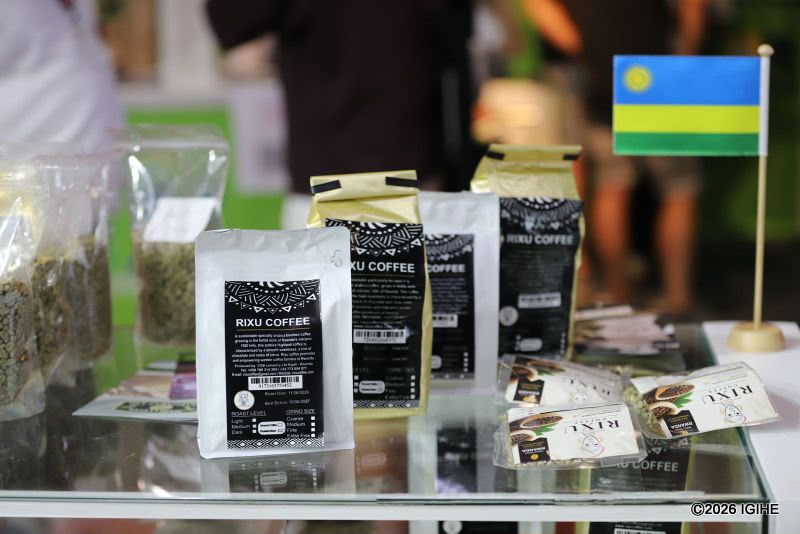
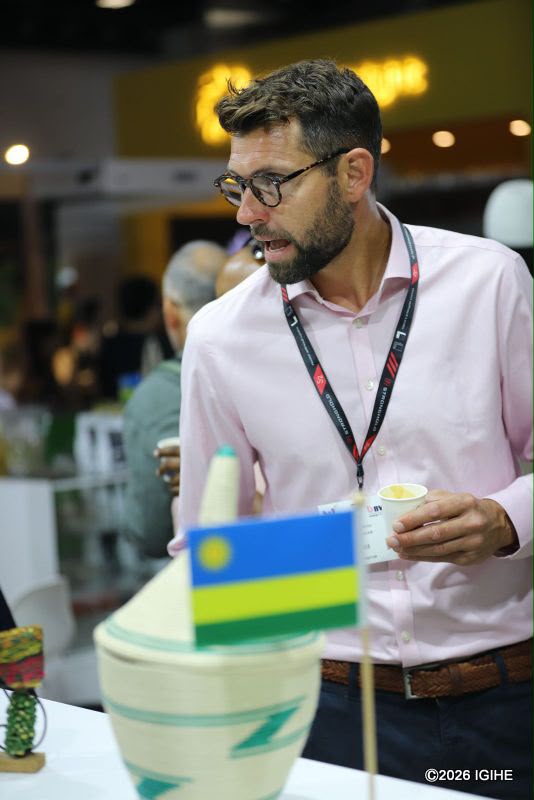
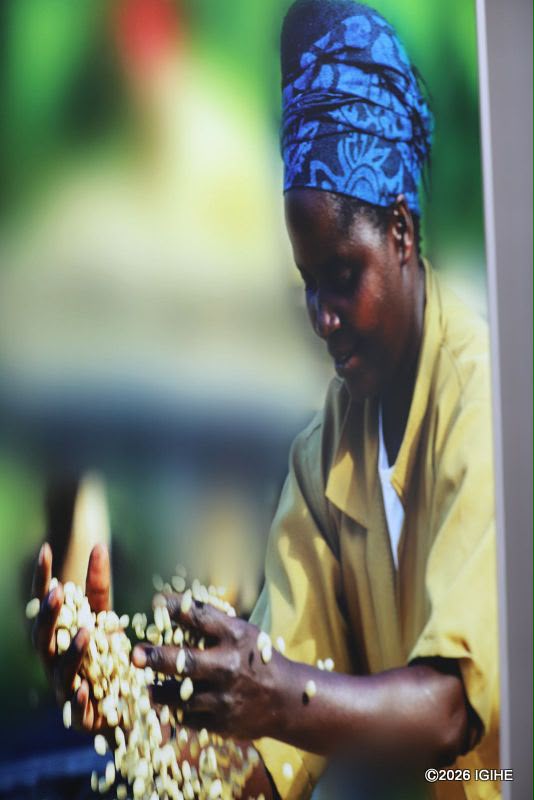
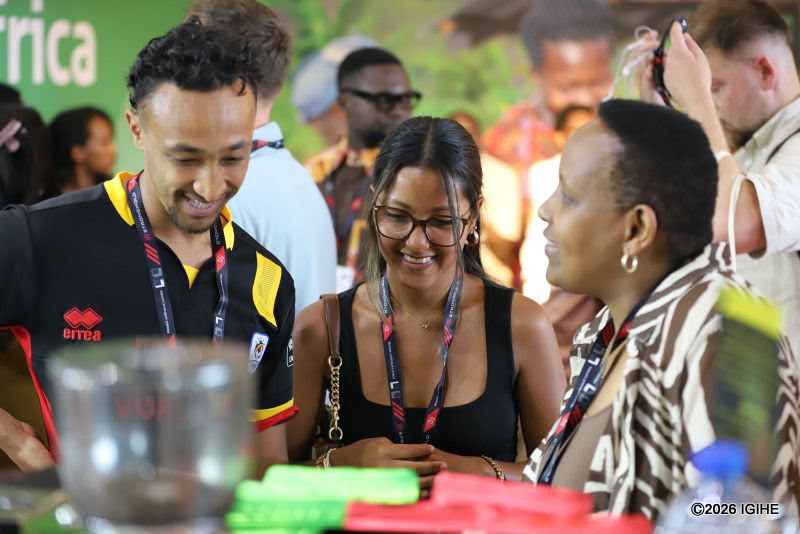
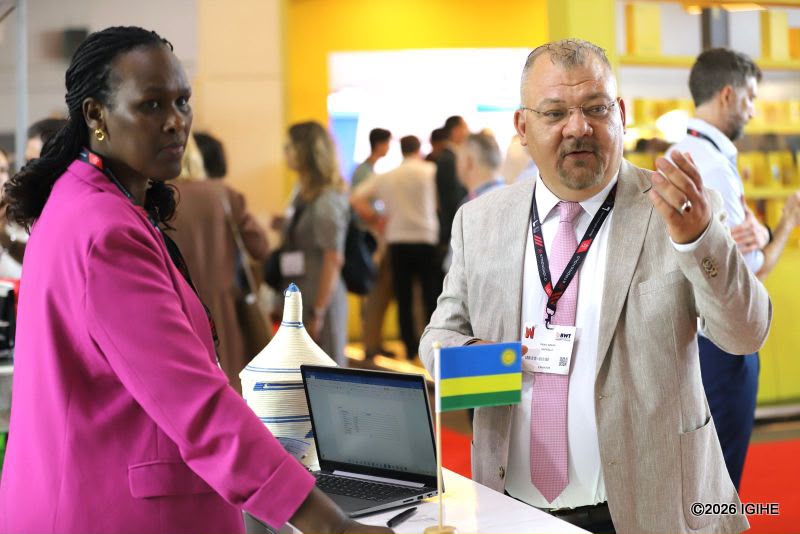
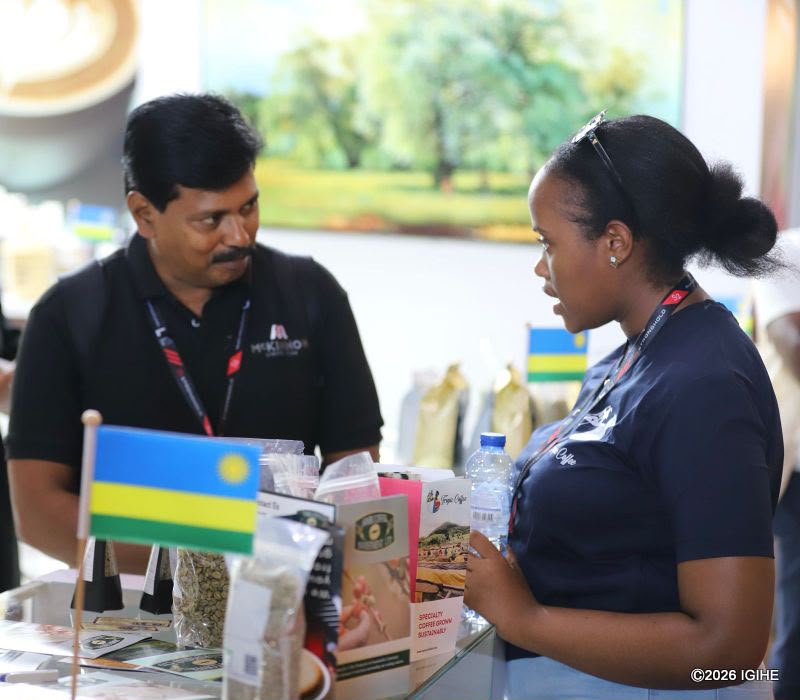
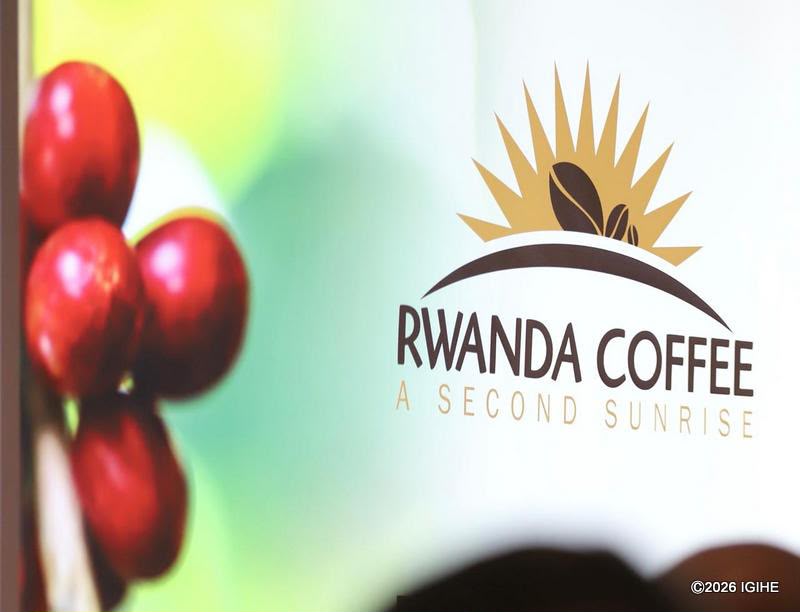
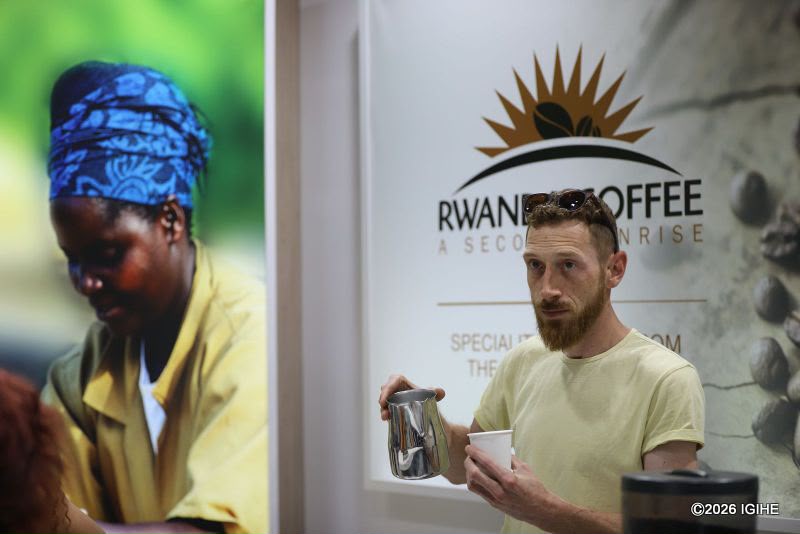
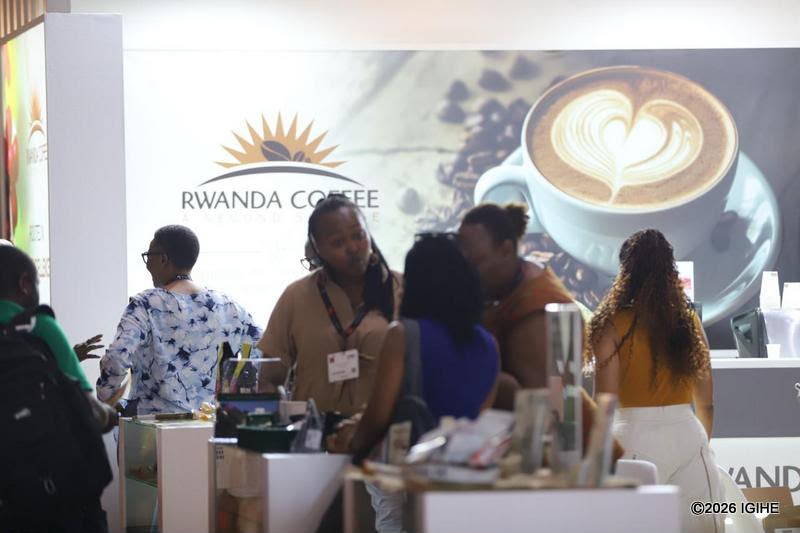
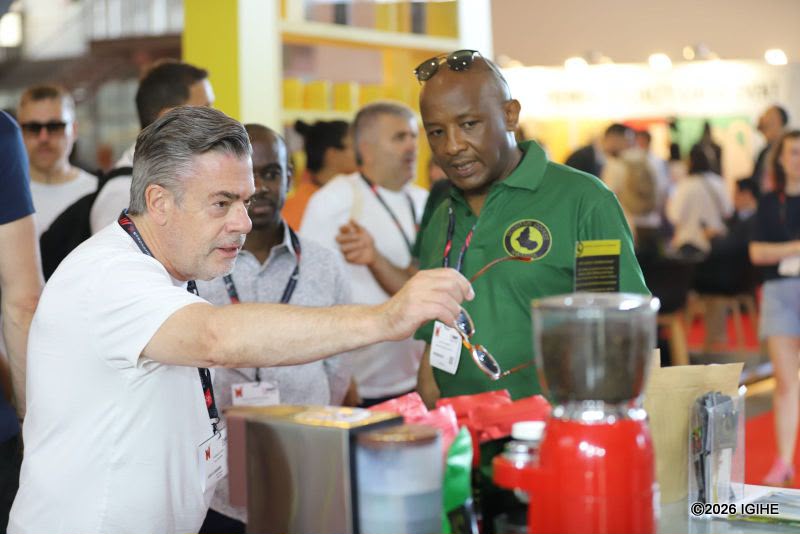
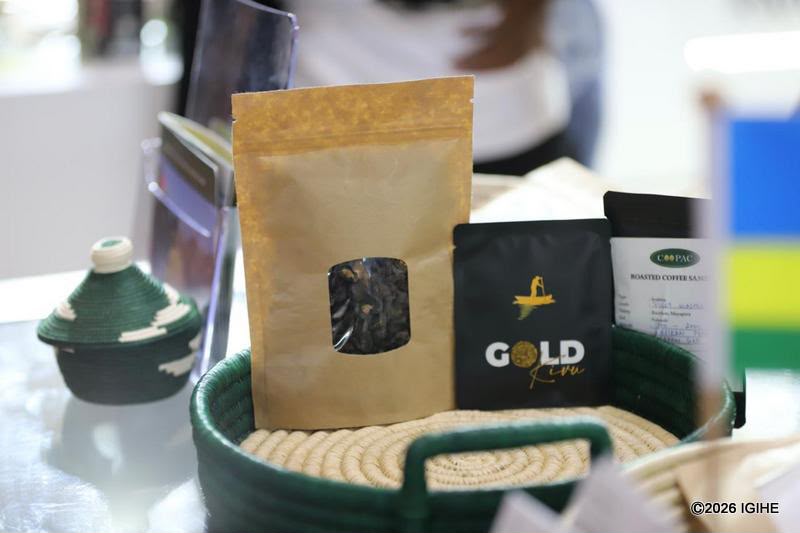
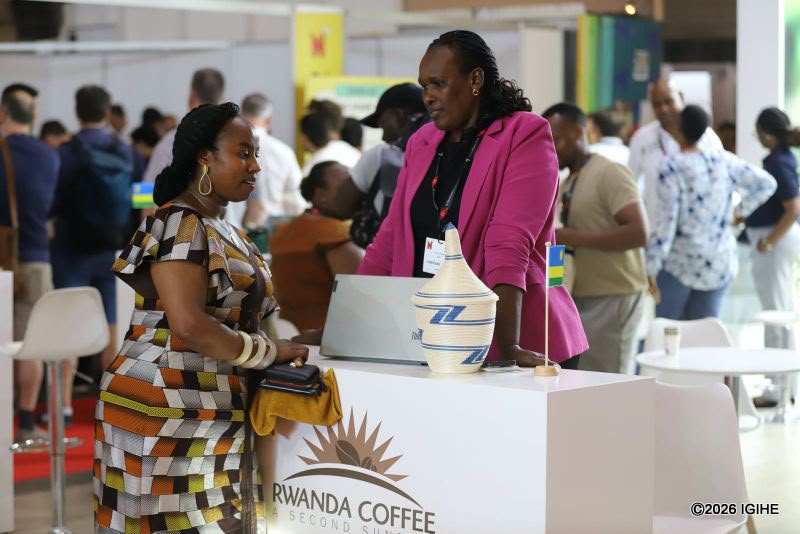
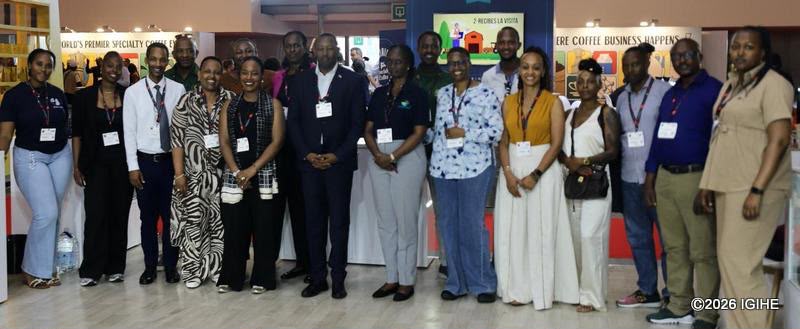
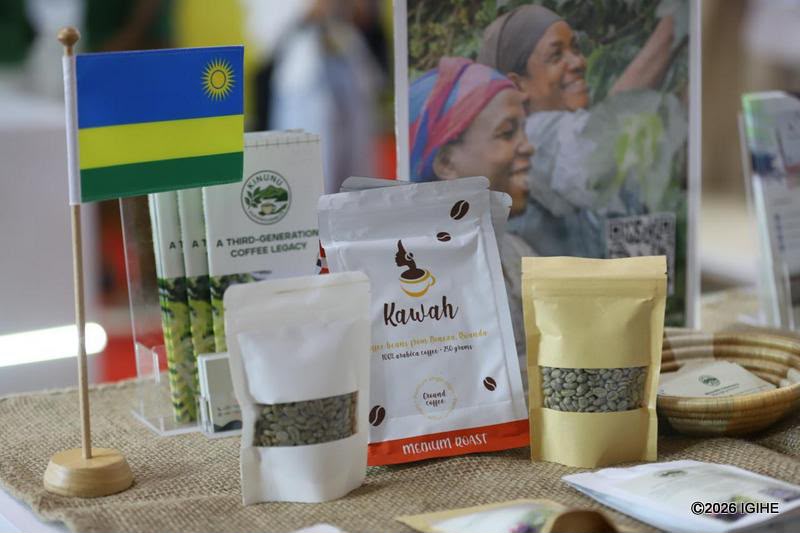
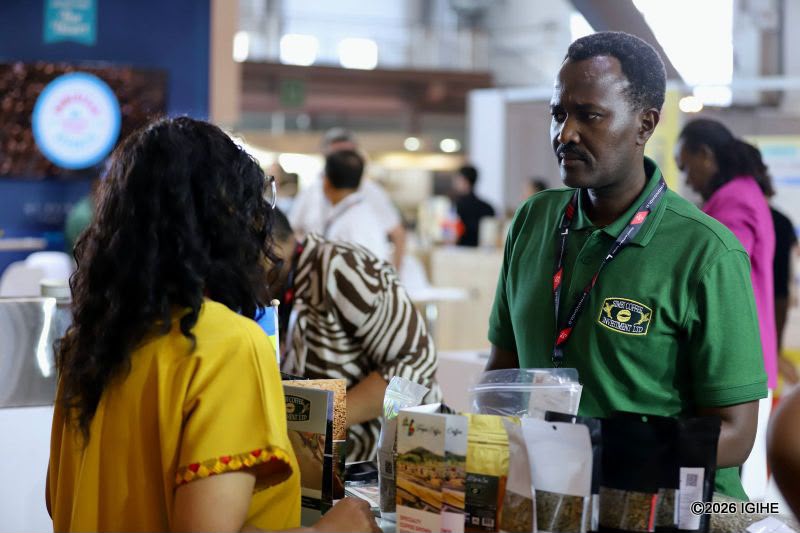
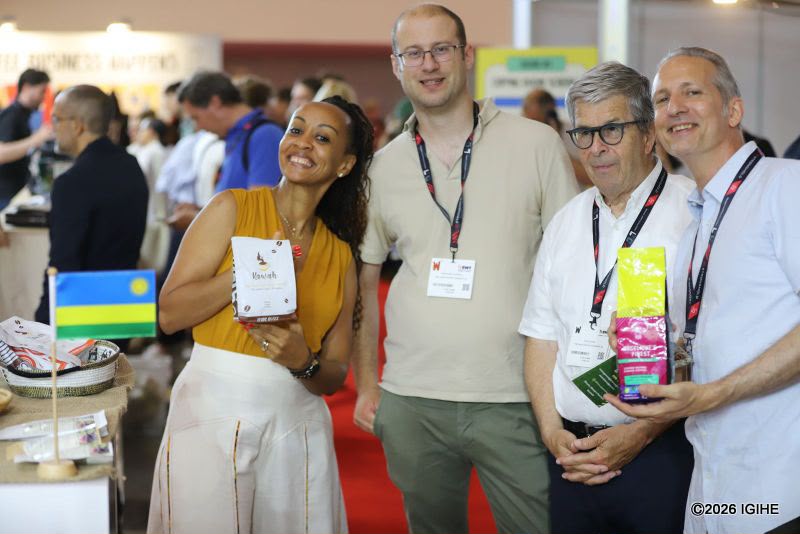
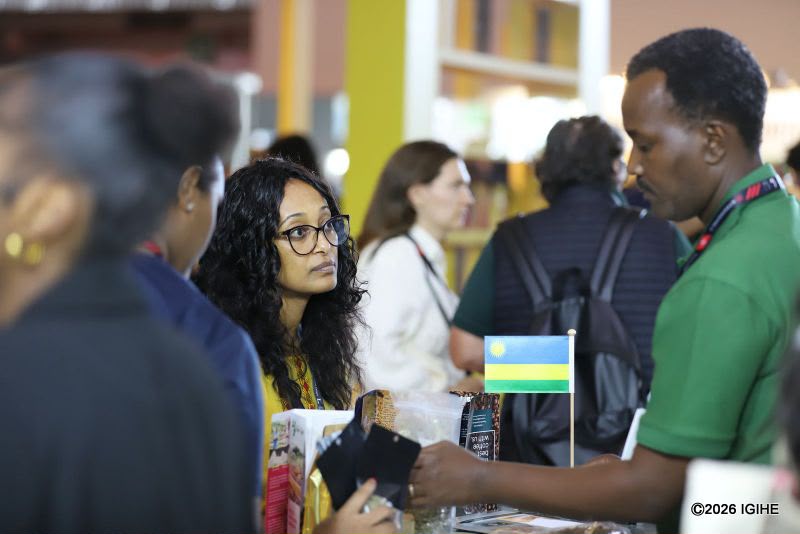
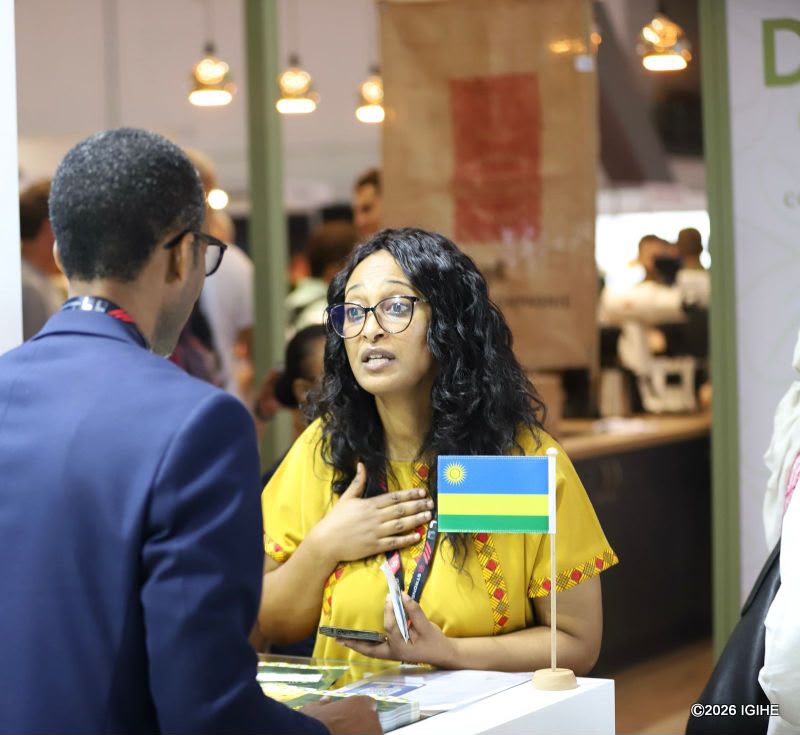
The exhibition, which opened on Thursday, has also brought together more than 30 Rwandan coffee companies involved in coffee processing, exporting, and trading.
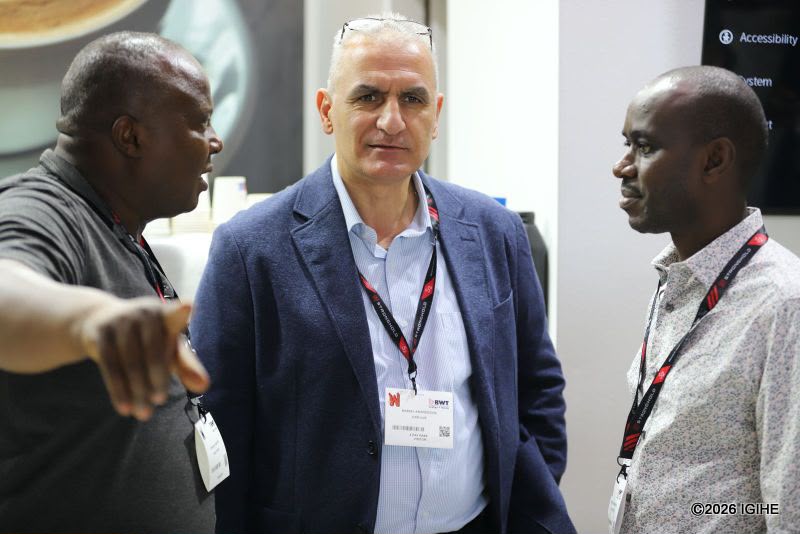
World of Coffee serves as a global platform where coffee producers, traders, buyers, and industry professionals exchange knowledge, explore new business opportunities, and strengthen partnerships.
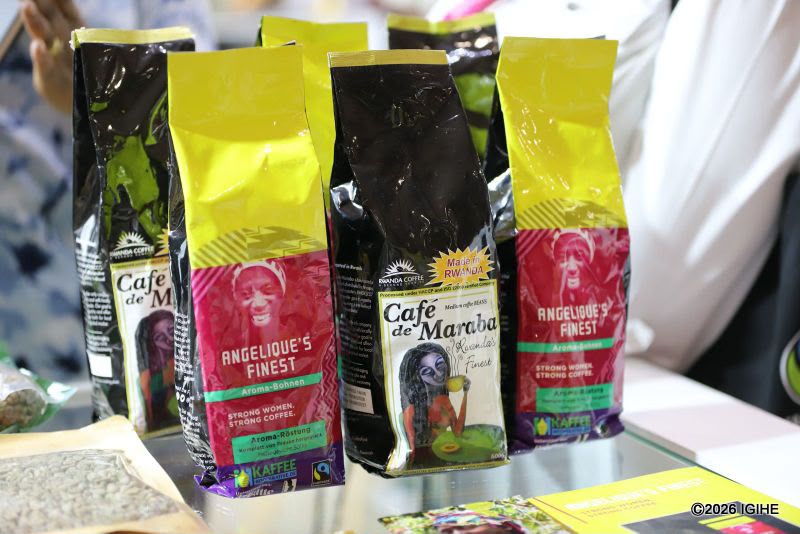
For Rwanda, the event offers an important opportunity to expand export markets while showcasing the exceptional quality of Rwandan coffee to an international audience.
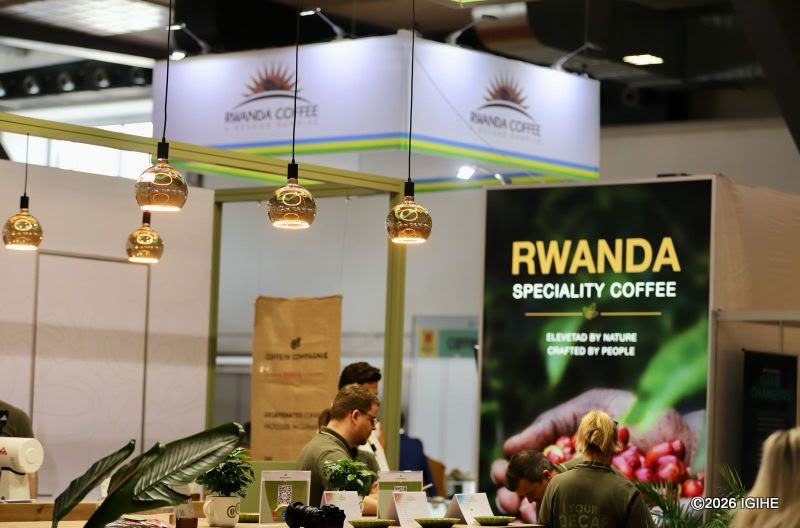
The three-day exhibition is being held at Brussels Expo and will conclude on June 27, 2026.
Thousands of participants from across the world, including coffee farmers, exporters, roasters, buyers, investors, and industry experts, are attending the event.
This marks the first time that World of Coffee has been hosted in Belgium.
Throughout the exhibition, participants will take part in business meetings, panel discussions, coffee tastings, international competitions, and networking sessions designed to foster collaboration across the global coffee sector.
Rwanda’s participation is part of its broader strategy to strengthen its position among the world’s leading producers of high-quality specialty coffee.
The country is showcasing the expertise of its coffee farmers, processors, cooperatives, and exporting companies, all of which play a vital role in the growth of Rwanda’s coffee industry and the national economy.
Europe remains Rwanda’s largest coffee export market, accounting for about 60% of total shipments, making the Brussels platform particularly important for deepening existing trade links and exploring new premium opportunities.
The participation comes at a time when Rwanda’s coffee sector is experiencing strong growth, generating a record $148.6 million in export revenues in 2025, a 65% increase compared to the previous year.
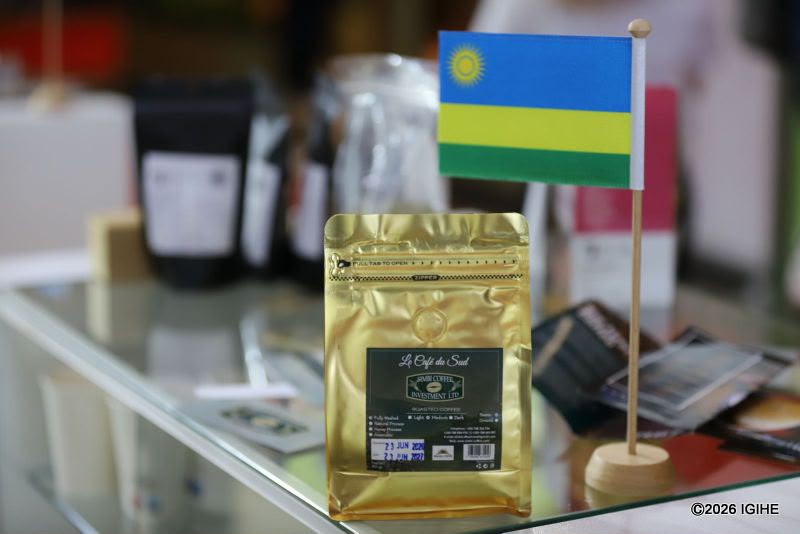
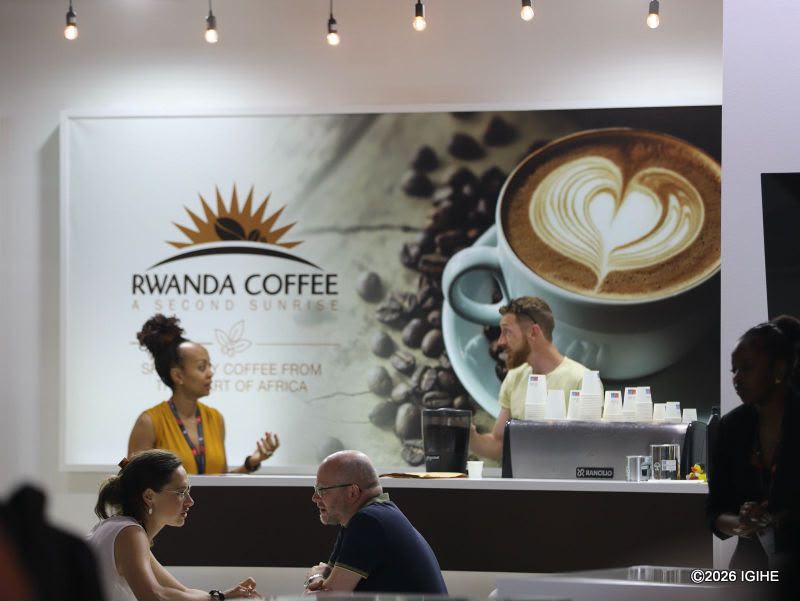
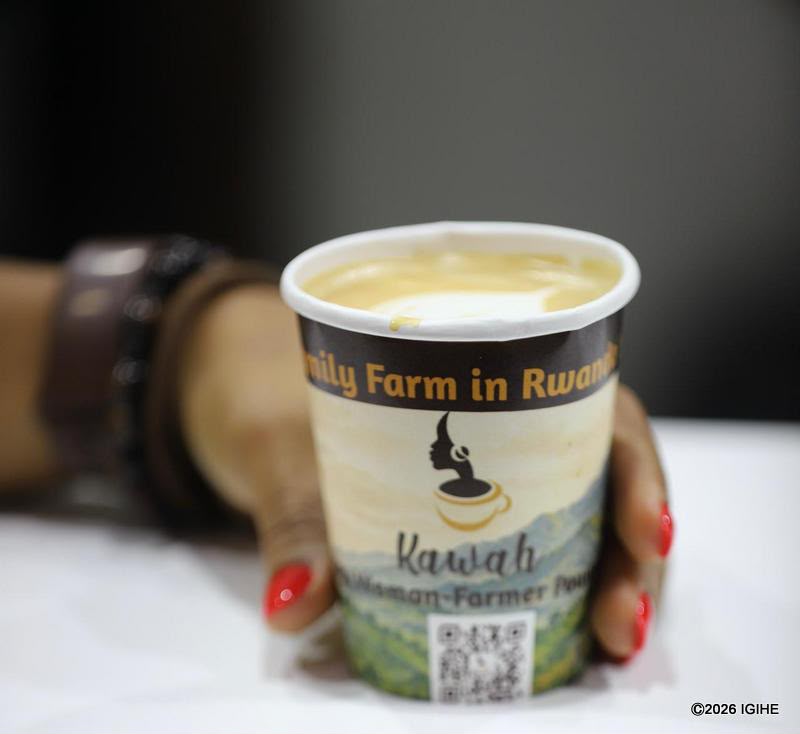
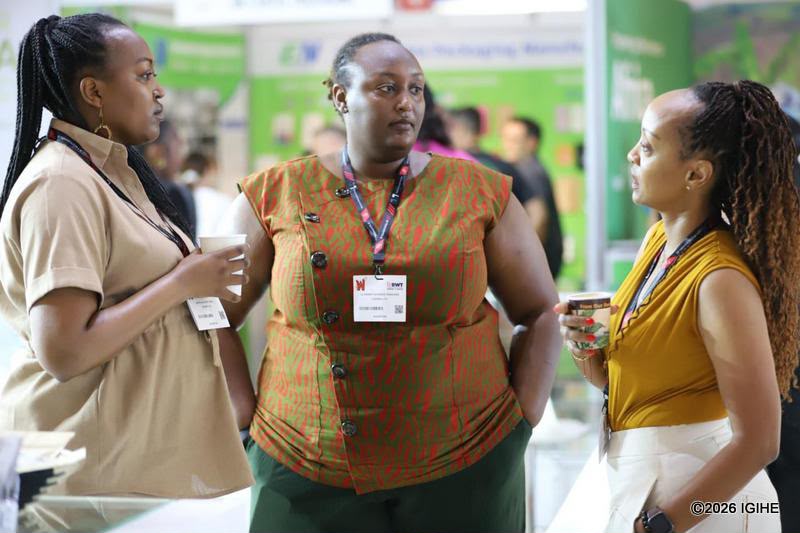
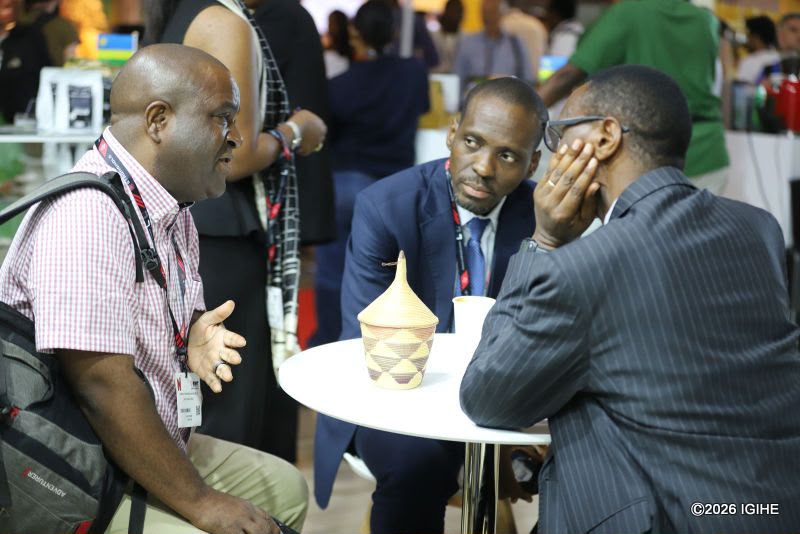
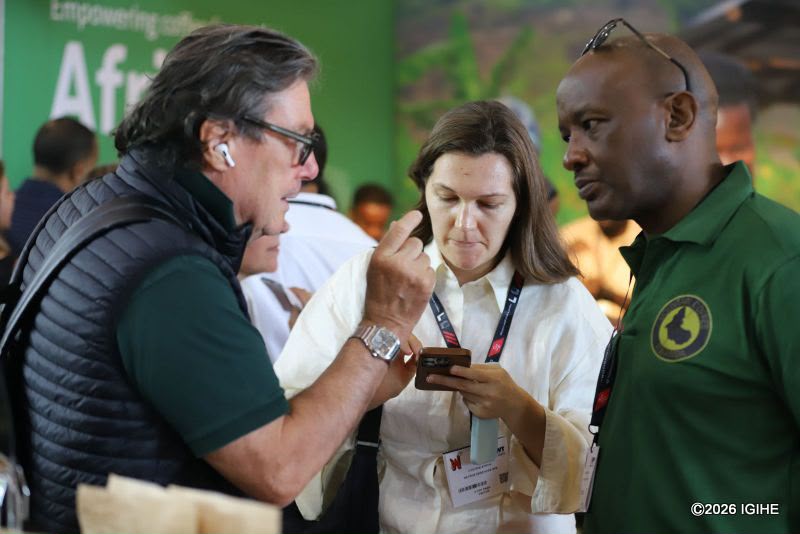
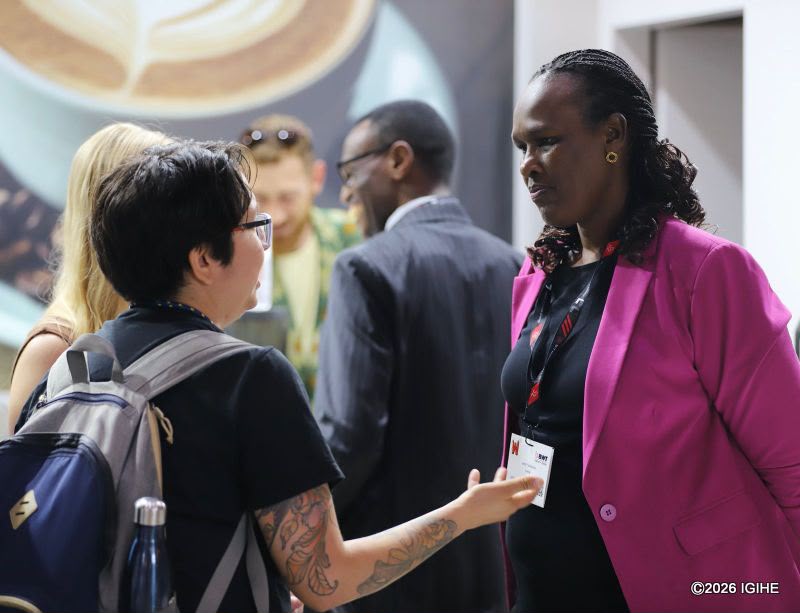
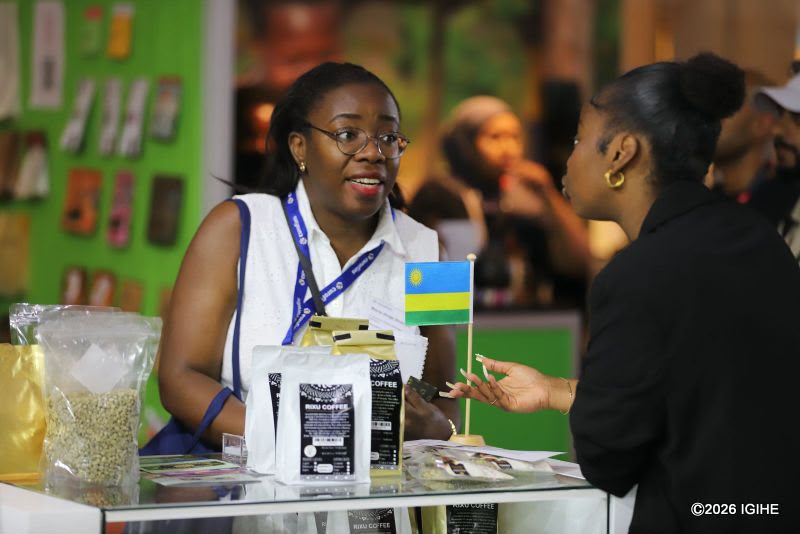
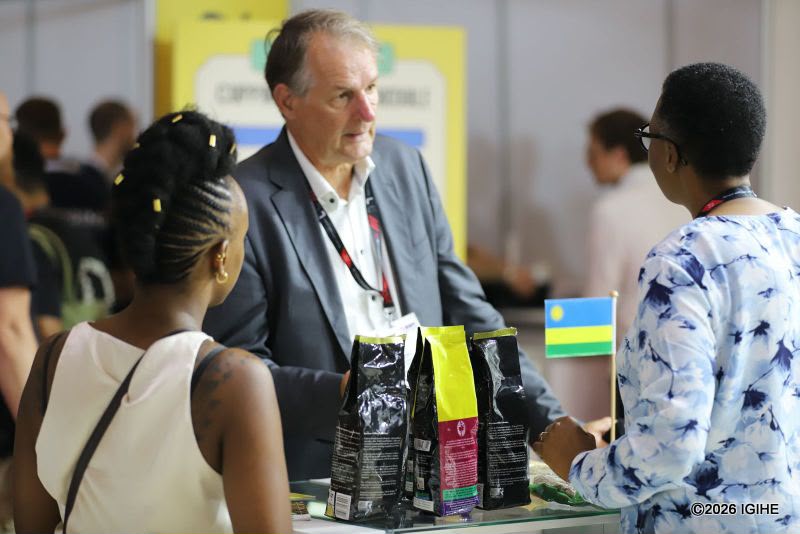
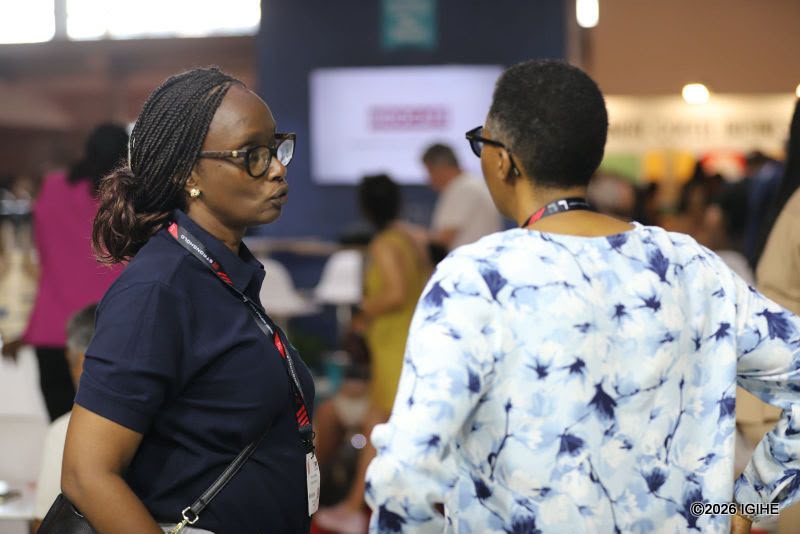
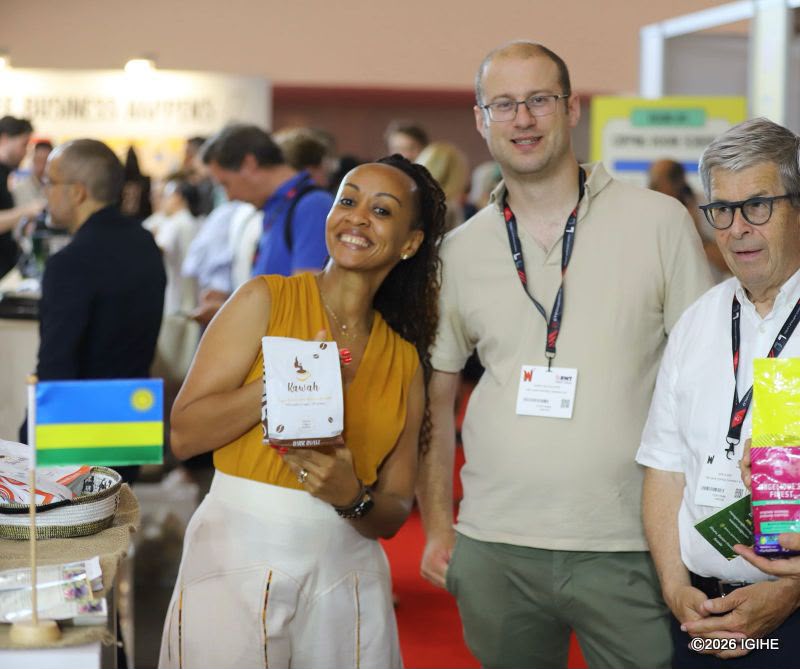
Photos from the opening day of the exhibition:
More than 30 Rwandan coffee companies involved in processing, exporting, and trading are participating.
World of Coffee serves as a global platform where coffee producers, traders, buyers, and industry professionals exchange knowledge, explore new business opportunities, and strengthen partnerships.For Rwanda, the event offers an important opportunity to expand export markets while showcasing the exceptional quality of Rwandan coffee to an international audience.
Designed for ambitious entrepreneurs ready to grow, the SIYB and DYB programmes equip participants with practical business and digital skills to strengthen their businesses, reach more customers, and unlock new opportunities in today’s digital economy.
The first phase of the programme brought together 125 entrepreneurs from Musanze, Huye, and Muhanga districts, all eager to learn, innovate, and grow. Over five days of intensive training, followed by six months of mentorship and business support, participants gained practical skills they could immediately apply to their businesses.
The impact is already visible.
The programme is already delivering results. Six months after the training, the endline survey showed that the share of entrepreneurs achieving stronger sales performance increased from 46.4% to 60.7%, while all surveyed businesses remained operational, demonstrating strong business growth and resilience.
But beyond the numbers are inspiring stories of transformation.
For Arsène Karambizi, Founder and Creative Director of The Noir Studios, the programme provided fresh insights into business growth and customer engagement.
“The training strengthened my understanding of business planning and market readiness strategies. It helped us shape a different service approach for our customers by ensuring that we use local context in our digital storytelling and communication services.”
For Hope Gloire Umwizerwa, Founder of Ubwuzu Events, the training helped unlock new opportunities for growth.
“The SIYB/DYB training transformed the way I run my business by equipping me with skills in business planning, financial management, leadership, and digitalization. Today, Ubwuzu Events has grown, strengthened its services, and created employment opportunities. I am sincerely grateful to the SIYB/DYB organizers and partners for investing in entrepreneurs like me and helping build a stronger future for our businesses.”
These stories reflect a growing community of entrepreneurs who are turning ideas into action, embracing innovation, and creating opportunities for themselves and others.
Following the success of the first phase, ILO and KinaRwanda have opened applications for the next phase of the SIYB and DYB programmes, which will be delivered in Kigali, Kayonza, and Nyagatare.
The new phase will support 425 entrepreneurs with practical business and digital skills, mentorship, and tools to grow their businesses. Whether you’re running a business, growing a side hustle, or pursuing a big idea, this is your chance to learn, connect, and grow.
Designed for ambitious entrepreneurs ready to grow, the SIYB and DYB programmes equip participants with practical business and digital skills.For Arsène Karambizi, Founder and Creative Director of The Noir Studios, the programme provided fresh insights into business growth and customer engagement.The first phase of the programme brought together 125 entrepreneurs from Musanze, Huye, and Muhanga districts.Over five days of intensive training, followed by six months of mentorship and business support, participants gained practical skills they could immediately apply to their businesses.
The concerns were raised during hearings based on the Auditor General’s report for the financial year ending June 30, 2025. The sessions were held on June 25, 2026.
PAC noted that a recurring issue within RTDA is the use of short-term road repairs that fail to provide lasting solutions, resulting in repeated damage and continuous public expenditure.
One of the cited cases was the Rusizi–Bugarama road, where Rwf 392 million was spent on routine repairs, yet the road continues to deteriorate.
In the Northern Province, MPs also questioned the Musanze–Rubavu–Nyakinama road, where only localized repairs are carried out despite the road requiring full rehabilitation. According to PAC, repeated patching works on the road have already cost about Rwf 2.6 billion.
PAC Vice Chairperson Murumunawabo Cecile questioned the value for money in such interventions, asking how minor repairs could require such substantial funding.
Another concern was raised regarding the Huye–Gisagara road, where drainage systems and bridges remain incomplete, despite extended dry periods. RTDA attributed the delays to weather disruptions affecting construction schedules.
MPs further pointed to the Ngororero–Mukamira–Meru–Nyabarongo road, where Rwf 980 million has been spent on minor repairs despite ongoing structural deterioration, raising concerns about weak maintenance planning.
Concerns over unsustainable repair methods
MP Karinijabo Barthélemy criticized the continued use of temporary materials such as laterite for road patching, saying they are quickly washed away by rain, leading to repeated spending.
MP Karinijabo said temporary road repairs were not delivering value for public money.
He argued that such approaches result in continuous loss of public funds and fail to deliver durable infrastructure.
“Where laterite is used, it does not last long. We end up constantly repairing roads while public resources continue to be spent. Heavy rains and traffic quickly damage these sections,” he said, adding that more durable solutions should be prioritized.
He further questioned why short-term interventions are chosen when longer-lasting alternatives are available.
RTDA responds to concerns
RTDA Director General Imena Munyampenda acknowledged that some of the interventions have not been implemented optimally, attributing the situation to the condition of aging road infrastructure and budget constraints.
He explained that many roads have exceeded their intended lifespan, making repeated repairs unavoidable.
“When a road has aged beyond its lifespan, any intervention is temporary. Damage will continue to reappear in other sections,” he said.
He also noted that RTDA is working on improving the durability of maintenance works within available resources.
Rwf 2.6 billion spent on Cyanika–Musanze–Nyakinama road
PAC also highlighted concerns over Rwf 2.6 billion spent on temporary repairs of the Cyanika–Musanze–Nyakinama road instead of long-term rehabilitation.
RTDA explained that the road, sections of which were constructed as far back as 1982, has reached the end of its design lifespan and continues to deteriorate over time.
After several hours of deliberations, PAC Chairperson Muhakwa Valens said the committee remained unconvinced by the explanations provided by RTDA, particularly regarding value for money.
“We conclude this session not satisfied with the explanations given on the use of public funds, as the interventions appear to have little lasting impact,” he said.
He emphasized the need for a shift toward durable infrastructure investments that reduce the frequency of costly repairs.
PAC Chair Muhakwa Valens concluded that the committee was dissatisfied with the explanations on road maintenance.
76 institutions flagged by audit findings
PAC revealed that 76 institutions are set to appear before the committee after receiving adverse audit opinions from the Auditor General, related to financial mismanagement, non-compliance, or improper use of public funds.
Other institutions were assessed based on partial implementation of audit recommendations or through special and ICT-focused audits.
RTDA Director General Imena Munyampenda acknowledged that some of the interventions have not been implemented optimally, attributing the situation to the condition of aging road infrastructure and budget constraints.Vice PAC Chair Cecile Murumunawabo noted that repaired roads quickly degrade.
The Seoul Central District Court delivered the ruling in a heavily watched, nationally televised session, capping off a tumultuous political scandal that has gripped the nation.
In addition to the prison term, the court ordered Kim to pay a heavy fine and forfeit the illicit gains.
The presiding judge delivered a scathing rebuke of Kim’s actions, stating that her conduct severely undermined public trust in the integrity of the presidential office.
“The defendant leveraged her status as First Lady to engage in systemic corruption, unhesitatingly accepting high-priced luxury goods and assets that are practically unattainable for ordinary citizens,” the court stated. “Her actions demonstrated a flagrant disregard for the law and ethics expected of public figures.”
The ruling closely aligned with the demands of the prosecution. An independent counsel team, led by special prosecutor Min Joong-ki, had previously sought a 7.5-year sentence, characterizing Kim’s actions as a structural “cash-for-posts” scheme.
The independent investigation revealed that Kim received roughly 300 million won (about $217,000 USD) worth of cash and valuables in exchange for political favors.
Among the illicit gifts was a luxury Van Cleef & Arpels necklace and earrings set from a construction chair, intended to secure a government chief of staff position for his son-in-law.
Kim was also convicted of accepting a gold turtle and a classic painting from a education official, alongside a Vacheron Constantin wristwatch from a robotics entrepreneur.
The sentencing marks a historic low point for the legacy of former President Yoon Suk-yeol, who was himself sentenced to life in prison in February for his December 2024 martial law declaration.
Legal representatives for Kim voiced strong objections to the verdict, asserting that the evidence was circumstantial, and confirmed they intend to file an immediate appeal.
Kim Keon-hee, the wife of South Korea’s former President Yoon Suk-yeol, was sentenced to seven years in prison on Friday after being found guilty of extensive corruption, including trading highly coveted government positions for luxury goods and financial favors.
The delegation also included former Liberian President Ellen Johnson Sirleaf, a member of the Mastercard Foundation Board, alongside other Board and senior leadership members.
According to the Office of the President, the discussions focused on strengthening the Foundation’s collaboration with Rwanda and exploring new ways to equip young people with the skills and resources needed to thrive in a rapidly evolving economy.
President Kagame has frequently emphasized that Africa’s youth are the continent’s greatest resource. He consistently challenges leaders to empower young people and highlights that a fair chance to succeed is the universal desire of youth across the continent.
“Africa is not short of talent or ideas. What it has lacked, at times, is alignment between vision and execution. Countries like ours can help bridge this gap by working more closely together and delivering results,” he said during a state visit to Botswana in May.
Thursday’s meeting comes as the Mastercard Foundation continues to scale its investments in Rwanda under its Young Africa Works strategy, which aims to enable 300,000 young Rwandans to access dignified and fulfilling work by 2030. The initiative places particular emphasis on supporting young women, rural youth, and refugees through education, entrepreneurship, and access to employment opportunities.
Digital transformation remains a key pillar of the Foundation’s work in Rwanda. Earlier this month, the Mastercard Foundation, in partnership with the Rwanda ICT Chamber, launched the inaugural EdTech Fellowship Rwanda to support local education technology startups. The first cohort of eight startups received grant funding and business mentorship to expand digital learning solutions, particularly in underserved communities.
The Foundation also supports student entrepreneurship through the Scholars Entrepreneurship Fund, implemented in collaboration with BAG Technologies at the University of Rwanda. The initiative provides innovation bootcamps, mentorship, and prototype grants to help students transform ideas into scalable businesses that address regional development challenges.
Beyond entrepreneurship, Mastercard Foundation has maintained long-term partnerships with higher education institutions, including the University of Rwanda, Carnegie Mellon University Africa, and the African Leadership University. These collaborations provide scholarships, leadership development, and technical training for young Africans, with a focus on students from disadvantaged backgrounds, refugees, and persons with disabilities.
The Foundation has also expanded programmes that strengthen Rwanda’s micro, small and medium-sized enterprises (MSMEs), improve access to inclusive finance for entrepreneurs, and create career pathways for young graduates through paid work placements and professional mentorship.
In sectors such as tourism, hospitality, and agriculture, Mastercard Foundation works with local partners to deliver market-driven vocational training and help young entrepreneurs integrate into commercial value chains, supporting Rwanda’s broader economic transformation agenda.
The meeting reaffirmed the longstanding partnership between Rwanda and the Mastercard Foundation as both sides seek to create more opportunities for the country’s growing youth population through innovation, education, and inclusive economic growth.
The delegation also included former Liberian President Ellen Johnson Sirleaf, a member of the Mastercard Foundation Board, alongside other Board and senior leadership members.According to the Office of the President, the discussions focused on strengthening the Foundation’s collaboration with Rwanda and exploring new ways to equip young people with the skills and resources needed to thrive in a rapidly evolving economy.
The win confirmed Ivory Coast’s place as Group E runners-up and marked a breakthrough in their fourth appearance at the tournament, finally progressing beyond the group stage.
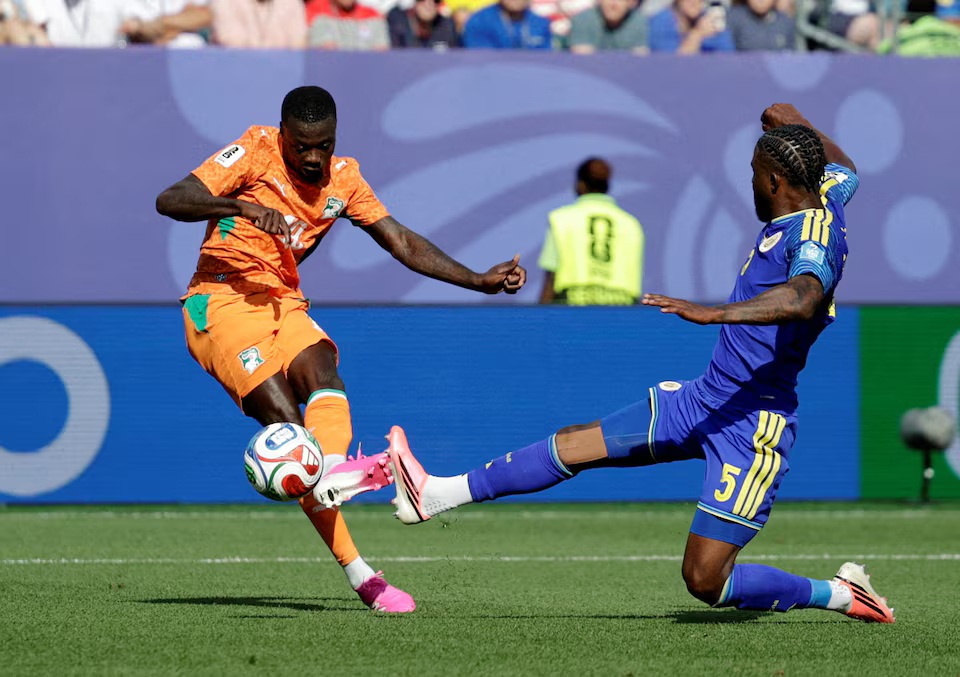
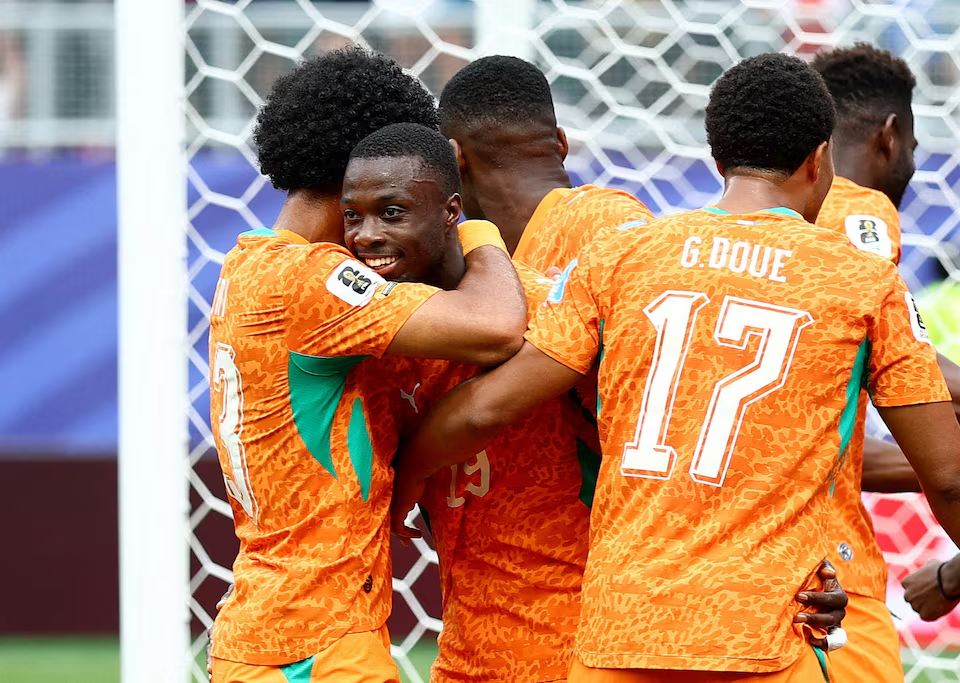
Star forward Nicolas Pépé delivered the decisive performance, scoring twice to secure the result. He opened the scoring in the first half after excellent build-up play from teenage talent Yan Diomande, before adding a second goal midway through the second half to seal victory.
Ivory Coast controlled the contest against a Curaçao side that needed a win to keep their own hopes alive, but ultimately failed to become one of the smallest nations ever to reach the knockout rounds.
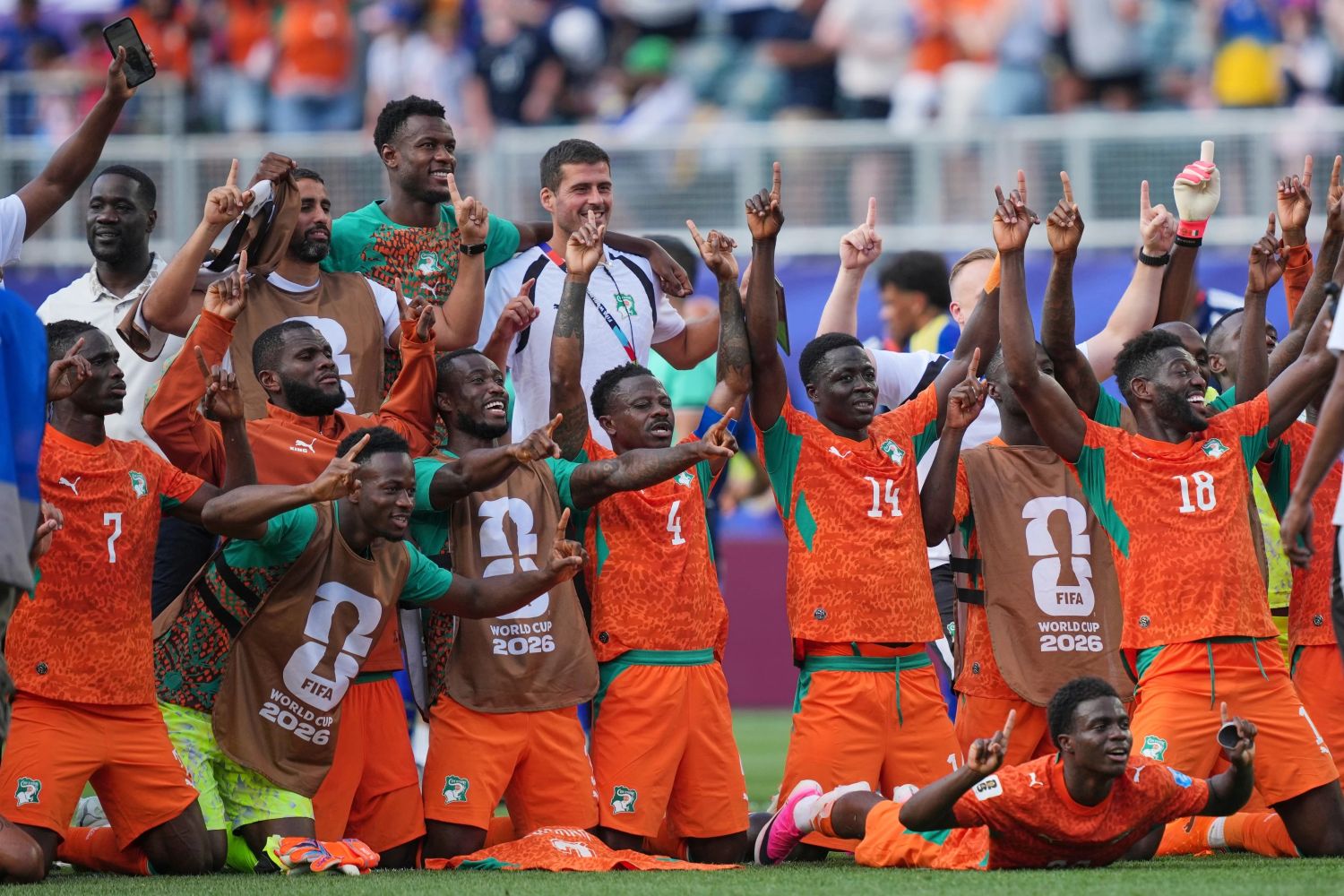
At full-time, emotional scenes followed as players dropped to their knees for a team photo and pointed to the sky in celebration of a historic achievement. The squad then continued celebrations in the dressing room, marking what they described as a long-awaited breakthrough.
“We aren’t setting any limits for ourselves,” Pépé said after the match. “I think we have huge potential.”
Ivory Coast’s path to qualification included a 1–0 opening win over Ecuador and a defeat to Germany, but results elsewhere, including Ecuador’s surprise victory over Germany, helped confirm their progression.
The Elephants will now face either France or Norway, depending on who finishes as runners-up in Group I, in their last-16 tie on June 30.
“If we aim to go all the way, it doesn’t matter who we play,” Pépé added, reflecting growing confidence within the squad after their historic qualification.
Meanwhile, another African side, Tunisia national football team, endured a difficult campaign as their World Cup journey came to an end. Tunisia suffered a heavy 3–1 defeat to the Netherlands in their final group match, finishing bottom of Group F after losing all three of their games.
Their tournament was marked by defensive struggles and inconsistency, having conceded 12 goals across the group stage. Despite moments of resilience, including brief spells of competitiveness against stronger opposition, Tunisia were unable to secure a point and bowed out after what their coaching staff described as a disappointing campaign.
Ivory Coast national football team made history on Thursday night as they defeated Curaçao 2–0 to secure their first-ever qualification to the World Cup knockout stage. Ivory Coast’s Nicolas Pepe celebrates scoring their first goal with teammates.
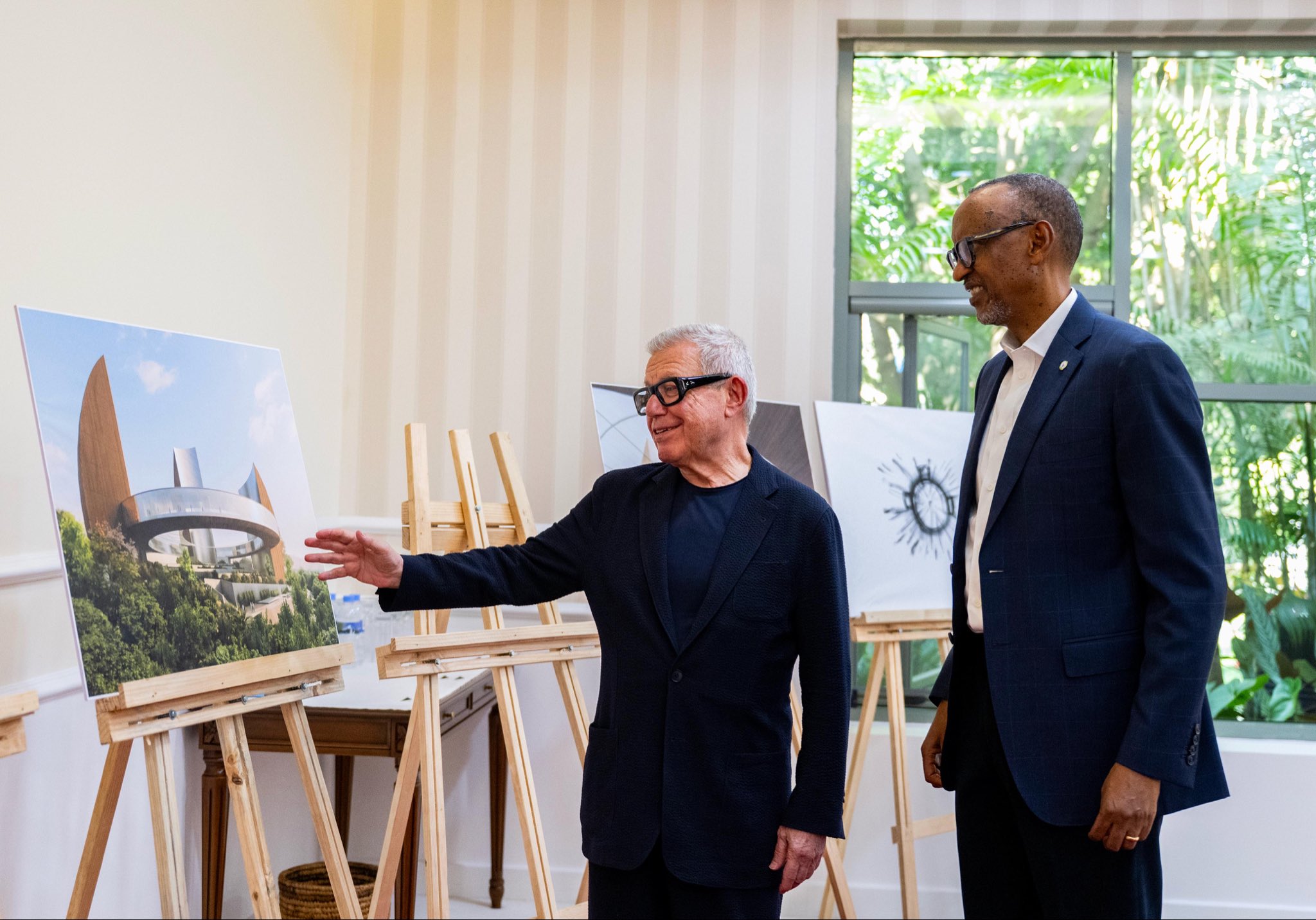
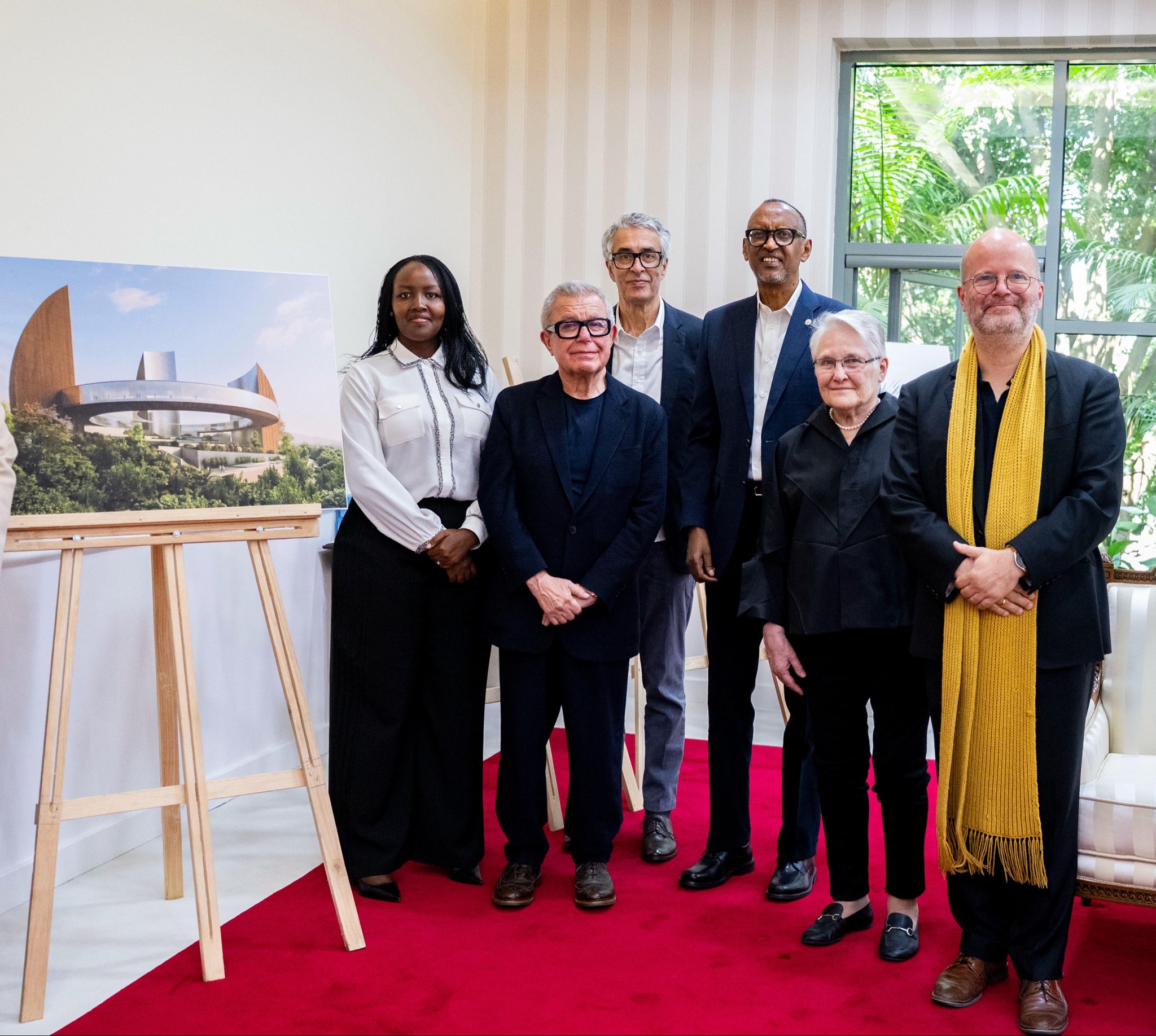
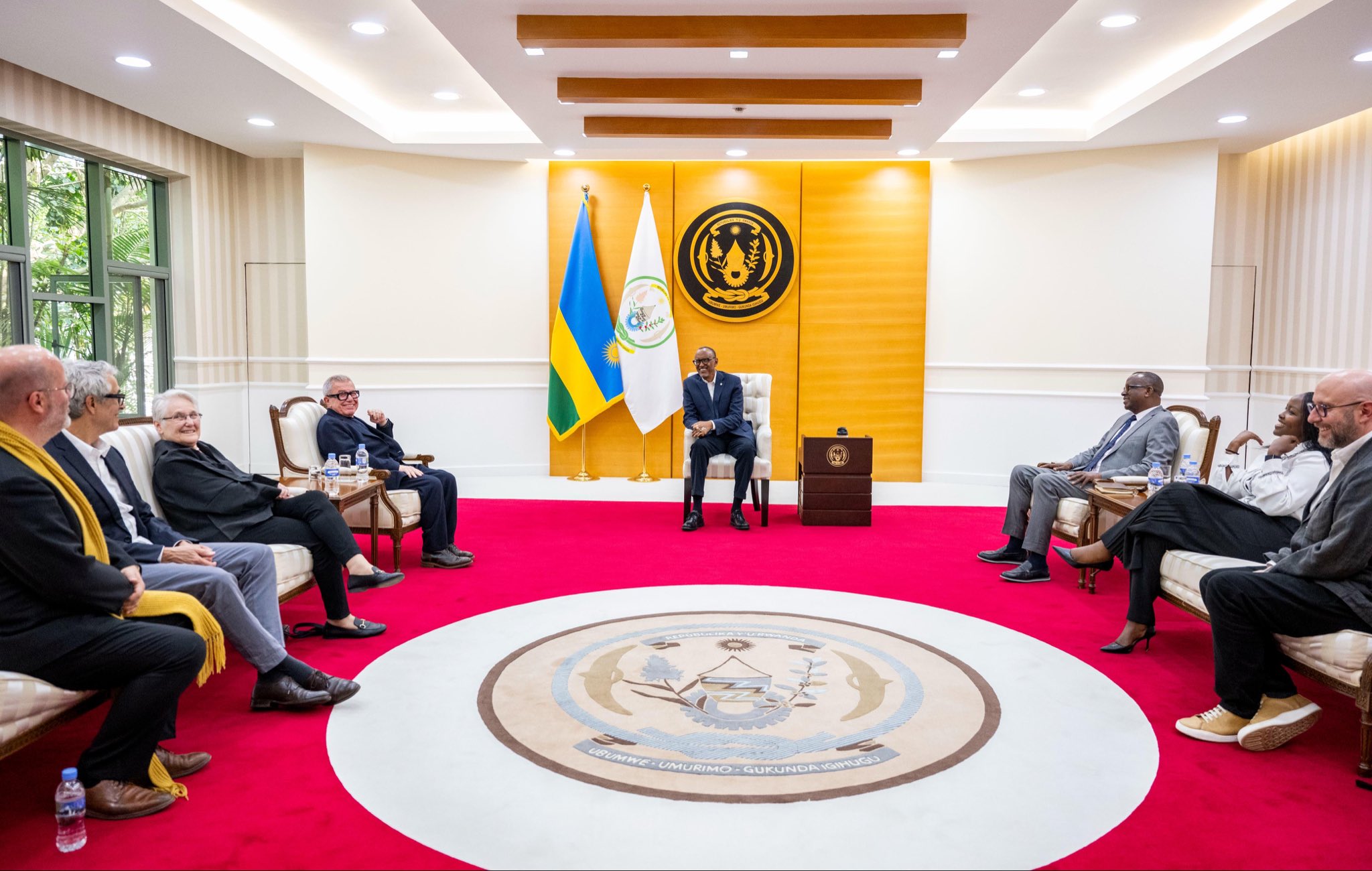
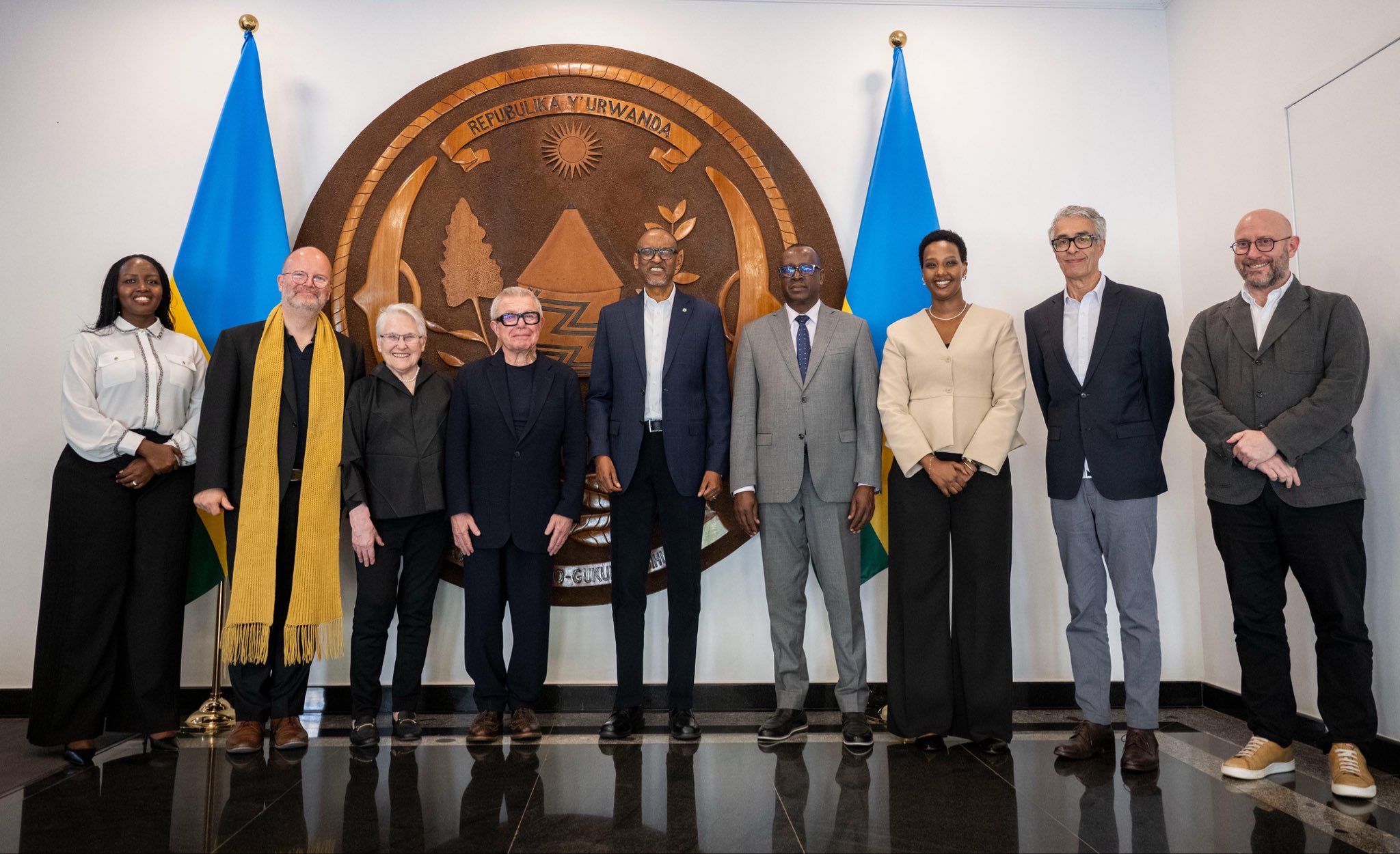
According to the Office of the President, the meeting took place at Urugwiro Village and brought together Daniel Libeskind, Founder and Principal Architect of Studio Libeskind; Nina Libeskind, Co-founder of Studio Libeskind; Stefan Blach, Partner at Studio Libeskind; and Holm Keller, Chairman of the kENUP Foundation.
The planned monument is expected to transform the Kigali Genocide Memorial in Gisozi, where more than 250,000 victims of the 1994 Genocide against the Tutsi are laid to rest, into a powerful space for remembrance, education, and reflection through cutting-edge technology and a deeply immersive, personal visitor experience.
The involvement of Studio Libeskind signals the project’s global significance. The New York-based architectural firm is widely regarded as one of the world’s leading practices in memorial architecture, renowned for designing spaces that confront historical trauma while promoting reflection, resilience, and healing.
Daniel Libeskind, who was born in Poland in 1946 to Holocaust survivors, has built an international reputation for what has become known as the “architecture of memory.” His designs draw on philosophy, literature, music, and history to create emotionally powerful spaces that tell stories through geometry, light, and movement.
Together with Nina Libeskind, who co-founded Studio Libeskind in 1989 and oversees its international operations, the firm has delivered some of the most important remembrance and memorial projects of the modern era.
Among its most celebrated works is the Jewish Museum Berlin, completed in 2001, which catapulted the studio onto the global stage. The museum’s distinctive zigzag form and its series of empty concrete “Voids” were designed to symbolize the absence left by the destruction of Jewish life during the Holocaust, creating an architectural experience that immerses visitors in the weight of history.
The studio also gained international recognition after winning the competition to develop the master plan for the World Trade Center site in New York following the September 11, 2001 attacks. Libeskind’s vision, known as “Memory Foundations,” sought to preserve the memory of the victims while enabling the site’s renewal, incorporating key symbolic elements that remain central to the area today.
More recently, Studio Libeskind designed the Dutch Holocaust Memorial of Names in Amsterdam, which commemorates all 102,000 Dutch victims of the Holocaust through a labyrinth of engraved bricks bearing individual names. In Canada, the firm designed the National Holocaust Monument in Ottawa, where fractured geometric forms and dramatic spatial experiences evoke themes of loss, displacement, and hope.
The planned National Genocide Monument in Kigali will build on this legacy of memorial architecture, bringing world-class expertise to Rwanda’s efforts to preserve the memory of the 1994 Genocide against the Tutsi and educate future generations.
While details of the final design have yet to be unveiled, the project is expected to create a powerful new destination for remembrance and learning, using immersive storytelling, innovative technology, and architectural symbolism to honor the lives lost and reinforce the enduring lessons of “Never Again.”
The discussions between President Kagame and the Studio Libeskind team mark a significant step forward in the development of what could become one of the world’s most important contemporary memorial sites, placing Rwanda alongside other nations that have used architecture as a powerful tool for remembrance, reflection, and collective healing.
Daniel Libeskind, who was born in Poland in 1946 to Holocaust survivors, has built an international reputation for what has become known as the “architecture of memory.”The planned monument is expected to transform the Kigali Genocide Memorial in Gisozi into a powerful space for remembrance, education, and reflection through cutting-edge technology and a deeply immersive, personal visitor experience.