The agreement was concluded on June 29, 2026, during the inaugural Joint Coordination Committee (JCC) meeting on peaceful nuclear cooperation between Rwanda and Rosatom in Moscow. The meeting was co-chaired by Dr. Lassina Zerbo of the Rwanda Atomic Energy Board and Rosatom First Deputy Director General Kirill Komarov.
The JCC reviewed progress across Rwanda’s nuclear programme, including plans for a nuclear power project, the establishment of a Centre for Nuclear Science and Technology, regulatory development, and workforce training. The session ended with the signing of a JCC protocol and an SMR-focused roadmap outlining next steps for implementation.
Komarov said the partnership has shifted from broad agreements to “systemic” cooperation focused on concrete projects, including infrastructure development and specialist training. He noted Rosatom’s readiness to support Rwanda through each stage of its nuclear programme.
Zerbo said the roadmap builds on cooperation dating back to 2018 and reflects Rwanda’s goal of incorporating nuclear power into its energy mix by the early 2030s. He emphasised that the programme is also an investment in science, skills, and long-term national development.
“Implementing a nuclear energy programme is first and foremost an investment in people, in science and in the country’s long-term development. The Joint Coordinating Committee allows us to move to substantive work across every track of our programme,” he noted.
The agreement consolidates earlier milestones, including a 2018 intergovernmental nuclear cooperation framework and a 2019 roadmap for establishing a Centre for Nuclear Science and Technology in Rwanda, which is expected to include a research reactor and supporting laboratories. More recently, in May 2026, both countries signed an MoU in Kigali focusing on nuclear medicine and advanced training.
The Rwandan delegation’s visit to Russia also included participation in the Obninsk New 2026 youth forum and technical tours of Rosatom facilities, aimed at strengthening expertise and institutional capacity.
The latest SMR roadmap is expected to guide the next phase of cooperation, aligning infrastructure development, regulatory readiness, and human resource training under a coordinated implementation framework for Rwanda’s emerging nuclear energy programme.
The agreement was concluded on June 29, 2026, during the inaugural Joint Coordination Committee (JCC) meeting on peaceful nuclear cooperation between Rwanda and Rosatom in Moscow.
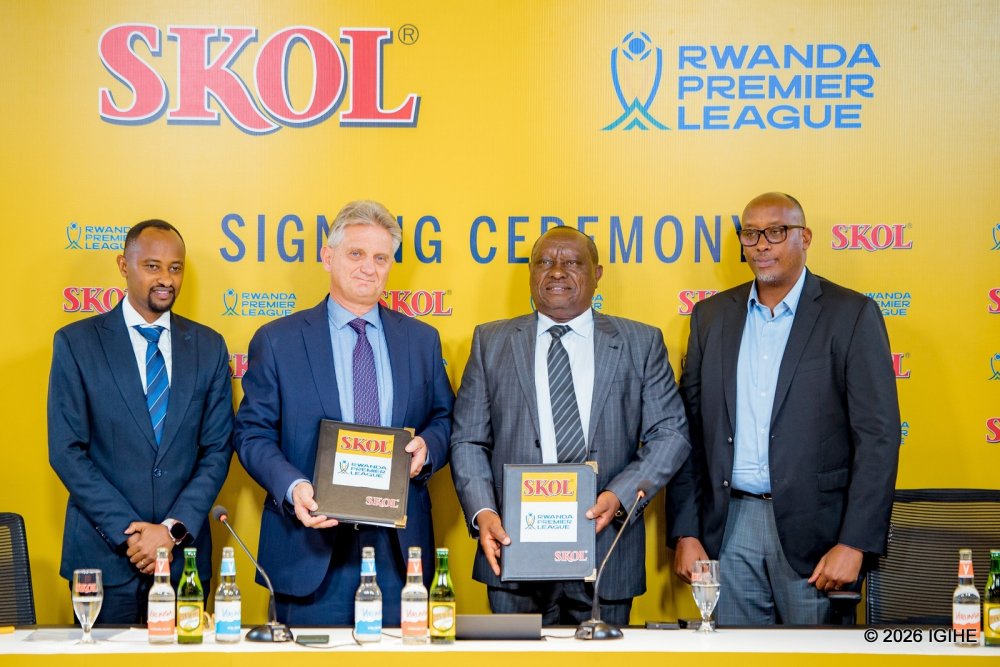
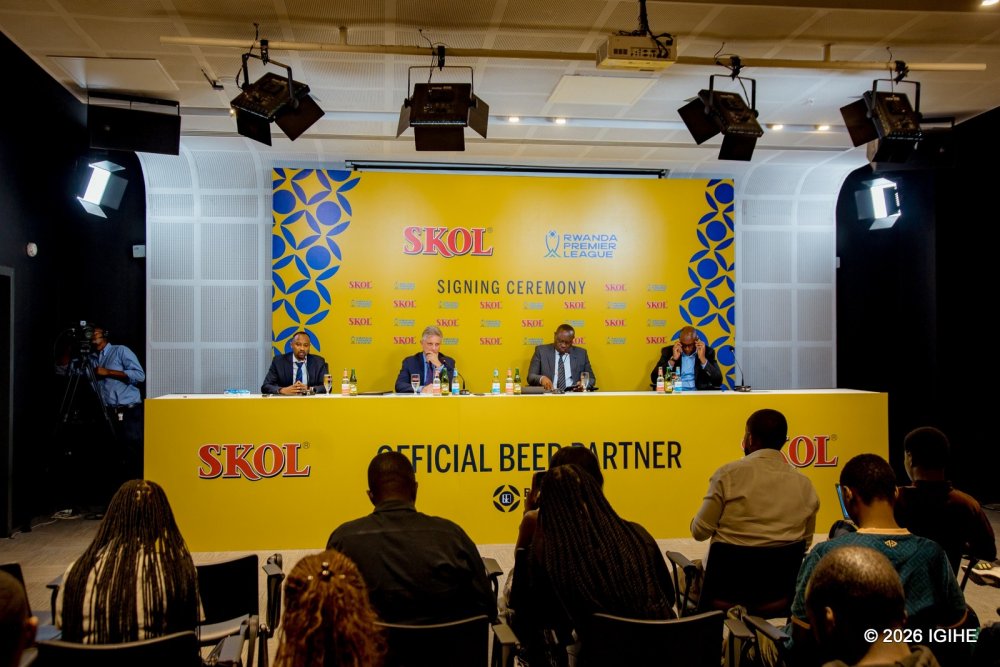
The partnership was launched at Amahoro Stadium in Kigali on June 30, 2026, and marks an important step in SKOL’s continued commitment to supporting the growth of sport in Rwanda.
Running across the 2026/2027, 2027/2028 and 2028/2029 football seasons, the collaboration aims to strengthen the professional development of the league, enhance fan engagement, and contribute to a more exciting matchday experience.
Through this partnership, SKOL and Rwanda Premier League will work together on a range of initiatives linked to league visibility, fan participation, performance recognition, digital engagement, stadium activations, and selected matchday experiences across the BK Pro League.
Speaking about the partnership, Mr. Eric Gilson, General Manager of SKOL Brewery Ltd, said: “From the very beginning, SKOL Brewery has been committed to supporting the development of sports across Rwanda, through various teams and disciplines. We strongly believe that sport plays a vital role in bringing people together, inspiring young talent, and contributing to national Pride.”
He added: “This partnership with the Rwanda Premier League represents an important milestone for SKOL. By joining the BK Pro League as Official Beer Partner, we are expanding our support to a national platform and reaffirming our commitment to the continued growth and professionalization of Rwandan football.”
For Rwanda Premier League, the partnership reflects the league’s ambition to build a stronger, more competitive, and commercially attractive football product for clubs, players, supporters, partners, and media stakeholders.
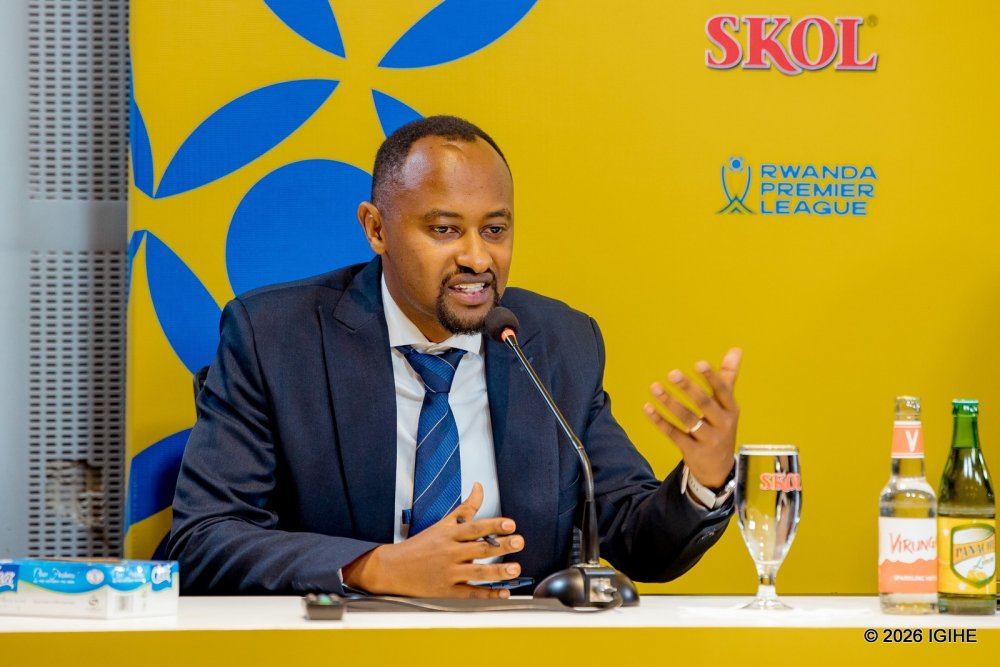
Jules Karangwa, Chief Executive Officer of Rwanda Premier League, said: “We are pleased to welcome SKOL Brewery Ltd as the Official Beer Partner of the BK Pro League. This partnership demonstrates a shared ambition to elevate Rwanda’s top football competition and create more value for clubs, players, fans, and the wider football community.”
He continued: “As the league continues to grow, partnerships of this nature are essential. They contribute to stronger visibility, improved matchday experiences, and greater recognition of football talent across the country. We look forward to working closely with SKOL throughout the next three seasons.”
The partnership will include fan engagement activities, selected stadium activations, media and digital visibility, performance recognition initiatives, and collaboration around key league moments. These activities are expected to contribute to a more vibrant football atmosphere while supporting the broader professionalization of the BK Pro League.
SKOL and Rwanda Premier League will also collaborate with clubs, stadium operators, media partners, and relevant stakeholders to ensure smooth implementation of the agreed activities in line with applicable regulations, venue requirements, and football governance standards.
Looking ahead, both parties share the ambition of seeing Rwandan football reach higher levels of competitiveness, visibility, and impact, with the long-term hope of contributing to the country’s football aspirations on the regional, continental, and global stage.
“Although I am unable to be present with you today, I would like to thank all our partners and stakeholders for their trust and commitment,” said Mr. Thibault Relecom, SKOL’s Shareholder in his message to the launch event. “Together, we are building something meaningful for the future of Rwandan sport.”
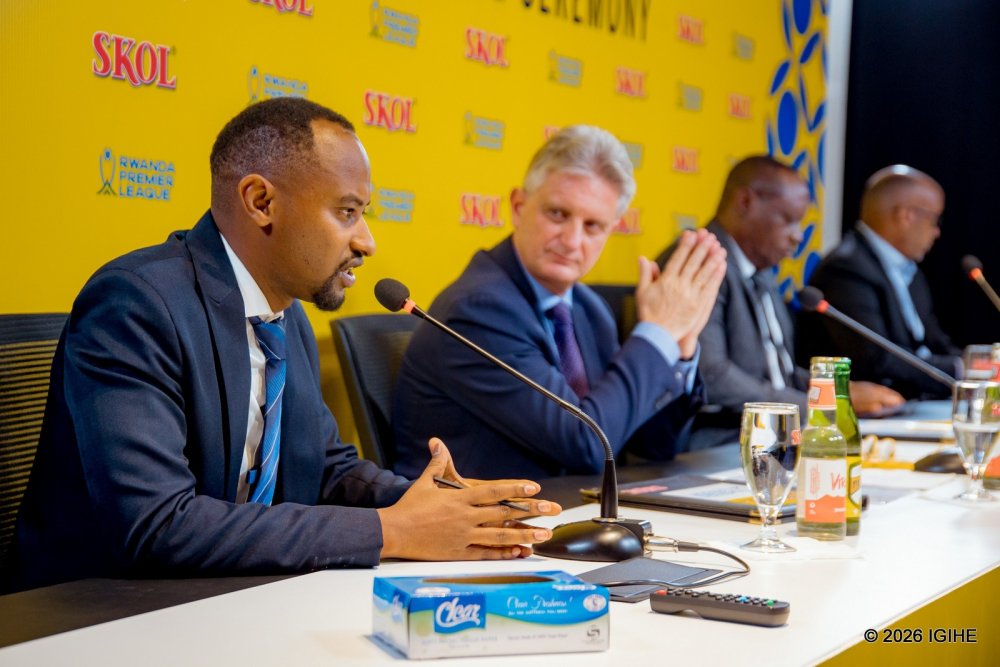
SKOL Brewery Ltd and Rwanda Premier League officials pose for a group photo after unveiling a three-season partnership that makes SKOL the Official Beer Partner of the BK Pro League.Rwanda Premier League Chief Executive Officer Jules Karangwa speaks at the partnership launch, highlighting the role of strategic collaborations in strengthening the country’s top-flight football competition.The partnership between SKOL Brewery Ltd and Rwanda Premier League will run through the 2026/27, 2027/28 and 2028/29 seasons, supporting the growth and professionalization of Rwandan football.
The planned job cuts are expected to be announced as early as next week, although the company has not yet made an official confirmation. Microsoft has also declined to comment on the report at this stage.
The upcoming workforce reduction is part of the company’s broader strategy to streamline operations while adapting to shifting business priorities, particularly its growing investment in artificial intelligence technologies.
In recent years, Microsoft has been restructuring its operations to improve efficiency, reduce costs, and strengthen focus on high-growth areas.
Reports indicate that the layoffs will mainly affect employees in sales and consulting, as well as parts of the Xbox gaming division.
Although the percentage of the workforce affected is relatively small, Microsoft’s large global employee base means that the cuts will still impact thousands of workers across different regions.
Microsoft, which employs more than 200,000 people worldwide, has undergone several rounds of layoffs in recent years as part of its ongoing restructuring efforts.
These changes have included simplifying management structures and reallocating teams toward strategic priorities such as cloud computing and artificial intelligence development.
Industry observers note that the move reflects a broader trend across the global technology sector, where major companies are increasingly balancing heavy investments in AI infrastructure with cost-cutting measures in other areas.
Several tech giants have recently announced similar workforce reductions as they respond to evolving market conditions and rising operational costs.
Despite the layoffs, Microsoft continues to position itself as a key leader in artificial intelligence, with significant investments in AI-driven products and services expected to shape its long-term growth strategy.
As the company enters a new fiscal period, further details about the restructuring are expected once an official announcement is made.
Microsoft to cut thousands of jobs in new layoff plan amid ai expansion strategy.
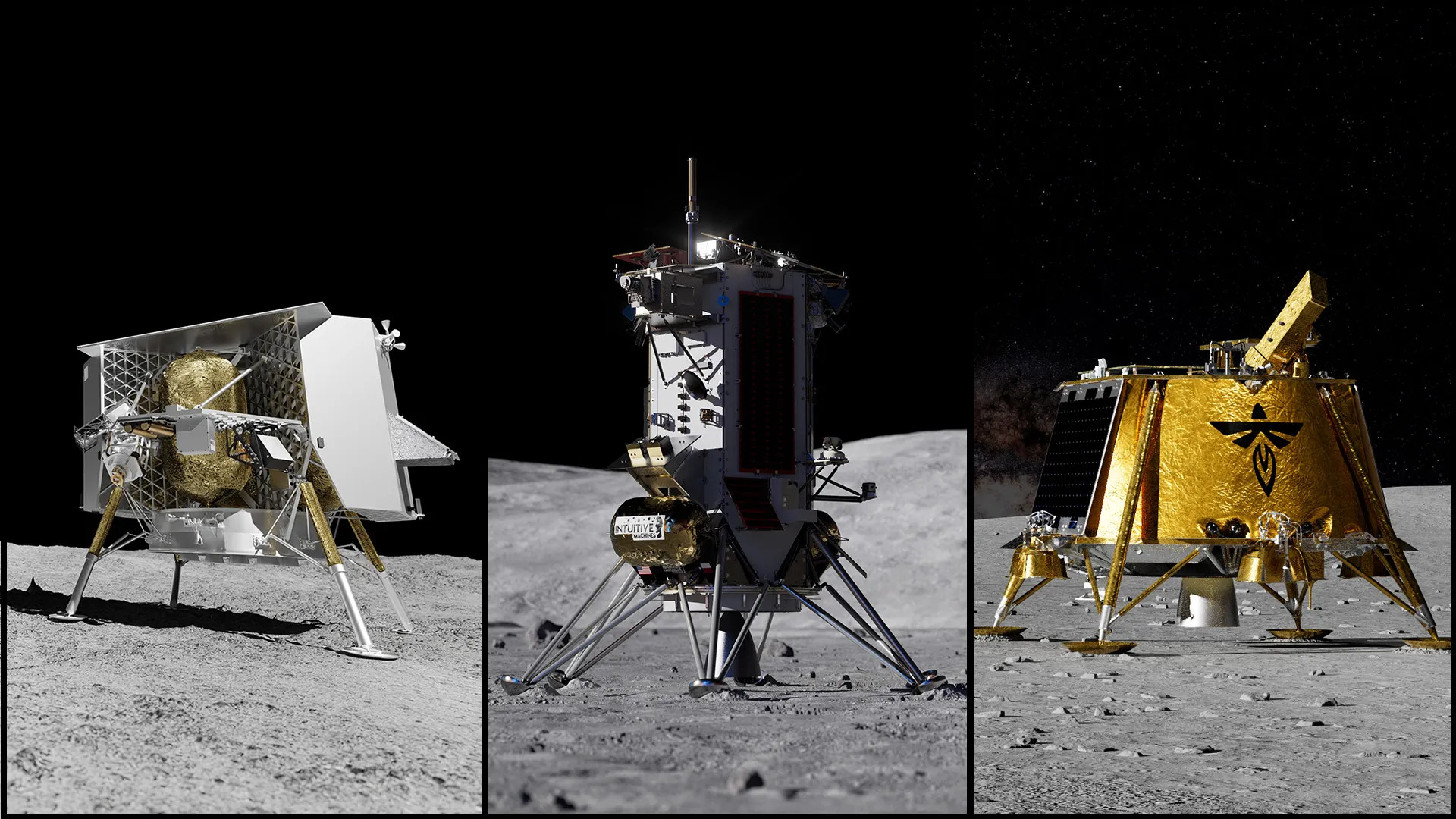
The three companies—Astrobotic, Firefly Aerospace, and Intuitive Machines—will deliver NASA science payloads to the lunar surface as the agency works toward establishing its first outpost on another celestial body.
According to NASA, Astrobotic has been awarded 297.9 million U.S. dollars for two deliveries, while Firefly Aerospace will receive 144.2 million dollars and Intuitive Machines 148.3 million dollars, each for one delivery. Each mission will use upgraded versions of previously flown lunar lander designs to support increased mission cadence.
Each delivery will carry three NASA payloads to the lunar surface, including Stereo Camera for Lunar Plume Surface Studies, Laser Retroreflector Array, and Linear Energy Transfer Spectrometer.
NASA said the newly announced awards will play a critical role in establishing the infrastructure for lunar surface operations.
“By flying the same science instruments on multiple landers, we will better understand potential hazards during landing and build out a global network of environmental data and location markers on the Moon,” said Joel Kearns, deputy associate administrator for exploration at NASA Science Mission Directorate.
NASA is advancing the Moon Base program, a long-term lunar exploration and infrastructure initiative designed to enable sustained human presence and expanded scientific and commercial activity on the lunar surface.
This push for robotic infrastructure follows on the heels of NASA’s historic Artemis II mission in April, which successfully sent a four-person crew on a nine-day lunar flyby.
The data collected from these upcoming 2028 commercial deliveries will be critical in future-proofing surface operations ahead of the planned Artemis IV mission, which aims to return humans to the lunar surface.
Three artist renderings depict commercial lunar landers from Astrobotic, Intuitive Machines, and Firefly on the Moon. NASA announced June 30 the landers will deliver more NASA science investigations and technology demonstrations to the lunar surface for NASA’s Moon Base Program.
According to the figures released Tuesday by the government, 609 patients were in isolation or hospitalized, while 189 people had recovered. The contact follow-up rate in the three affected provinces reached 82.7 percent.
The outbreak, caused by the Bundibugyo virus, remains “active” in the DRC, with transmission continuing in several hotspot areas, the World Health Organization (WHO) said in its report released on Tuesday.
Important operational gains had been made, including better contact follow-up, expanded decentralized laboratory capacity, increased treatment capacity and strengthened cross-border coordination, the WHO said.
However, the WHO warned that the response “remained below the level required to interrupt transmission rapidly,” citing the continued increase in cases and deaths, near-saturation of treatment facilities and insufficient infection prevention and control readiness in health facilities as signs that a stronger operational surge was urgently needed.
Beyond the health emergency, the outbreak is also raising alarms over its economic and social impact. A new assessment by the United Nations Development Programme (UNDP) warned on Tuesday that the Ebola crisis could push 985,000 more people into poverty in the DRC, with women disproportionately affected by the economic and health fallout.
The UNDP also warned that the crisis risks eliminating tens of thousands of jobs, disrupting education and healthcare services, and costing African economies up to 3.6 billion U.S. dollars if broader regional and global shocks intensify.
Even under a baseline scenario in which the virus is contained in the DRC and Uganda, the DRC could face real GDP losses of more than 1 billion dollars and the loss of 55,000 jobs, according to the UNDP assessment.
Meanwhile, the Africa Centers for Disease Control and Prevention (Africa CDC) on Tuesday called for urgent funding to support clinical trials for candidate therapeutics against Bundibugyo Ebola virus.
It said trials evaluating candidate therapeutics were being launched this week in Bunia, capital of DRC’s Ituri Province, epicenter of the outbreak, marking an important step in the response to a strain for which there is currently no licensed vaccine or therapy.
Africa CDC said financing for vaccine trials was largely in place, but a funding gap remained for therapeutic trials, which only secured 10 million dollars. It appealed for immediate additional financing, including 16 million dollars for a post-exposure prophylaxis study among exposed contacts and another 2 million to 3 million dollars to strengthen contact tracing needed for the trial.
“We have the science. We now need the funding to use it. Clinical trials must start this week, and every day of delay costs lives we could save,” Africa CDC Director General Jean Kaseya said in a statement on Tuesday.
The DRC declared the outbreak in mid-May. Health authorities and international partners have repeatedly warned that insecurity, population movement, pressure on health facilities and incomplete contact tracing continue to complicate the response.
Medical workers escort an Ebola patient to an Ebola treatment center in Mongbwalu, Ituri Province, the Democratic Republic of the Congo, June 20, 2026. (Xinhua)
From generating content to analysing consumer data, AI is enabling businesses to work faster and more efficiently than ever before.
The technology has become an essential tool for marketers worldwide, helping simplify tasks, improve productivity and support better decision-making.
According to OpenAI, the company behind ChatGPT, the platform is now used by hundreds of millions of people globally, demonstrating how quickly AI has become part of everyday life.
However, as businesses increasingly embrace AI, experts warn that technology alone is no longer enough to create a competitive advantage.
It is against this backdrop that NeuroBranding Academy Africa recently organised a sold-out Executive Masterclass in Kigali, bringing together marketing professionals, business leaders and communication experts to explore how neuroscience can help organisations better understand consumer behaviour and decision-making.
NeuroBranding strategist and Chief Executive Officer of NeuroBranding Academy Africa, Nurveen Ratty, said Artificial Intelligence has democratised content creation, allowing almost everyone to produce marketing messages quickly and at scale.
“The challenge today is no longer creating content,” Ratty said. “The challenge is creating content that people actually notice, remember and act upon.”
He explained that consumers are now exposed to thousands of marketing messages every day, forcing the brain to filter out most of what it sees.
“If everyone can produce content using the same AI tools, visibility becomes the real challenge. Businesses therefore need to understand not only what to communicate, but how the human brain processes information and ultimately makes decisions.”
Ratty noted that many organisations still believe that publishing more content automatically leads to better results.
“In reality, people are scrolling through thousands of messages every day. More content does not necessarily mean more impact. The brands that succeed are those that understand attention, emotion, trust and memory—the factors that influence decision-making long before a purchase is made.”
While AI continues to transform marketing, he stressed that it should be viewed as a powerful assistant rather than a replacement for human insight.
“AI can help us work faster, generate ideas and analyse data. But it cannot replace empathy, creativity or the psychology behind why people choose one brand over another. In the age of AI, understanding people is becoming the real competitive advantage.”
Among the participants was Sonia Umwali from the Marketing and Communications Department at the Rwanda Social Security Board (RSSB), who said the training complemented her existing knowledge by introducing practical ways of aligning communication with customer behaviour.
“We learned new approaches to marketing that go beyond what we were previously doing, focusing more on presenting information in a way that reflects how customers make decisions,” she said.
Jean Bosco Mugemangago, an employee at BPR Bank Rwanda Plc, said the masterclass highlighted the importance of balancing technology with human understanding.
“The training showed us that AI is a valuable tool, but lasting marketing success comes from understanding customers and responding to their real needs,” he said.
As Artificial Intelligence continues to reshape the marketing landscape, Ratty believes organisations that combine technological innovation with a deeper understanding of human behaviour will be better positioned to build stronger brands and long-term customer relationships.
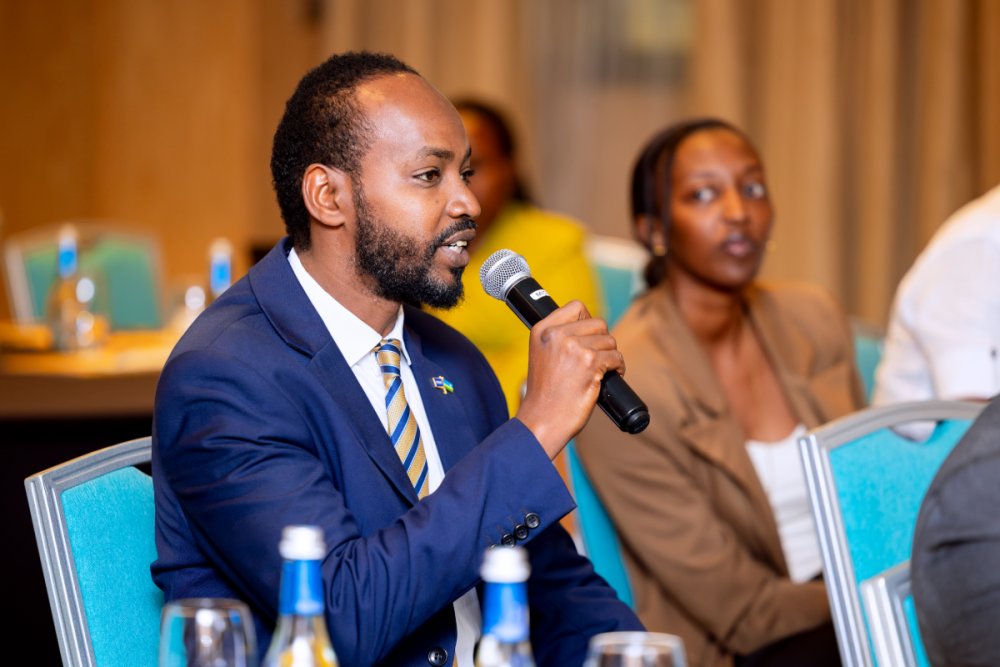
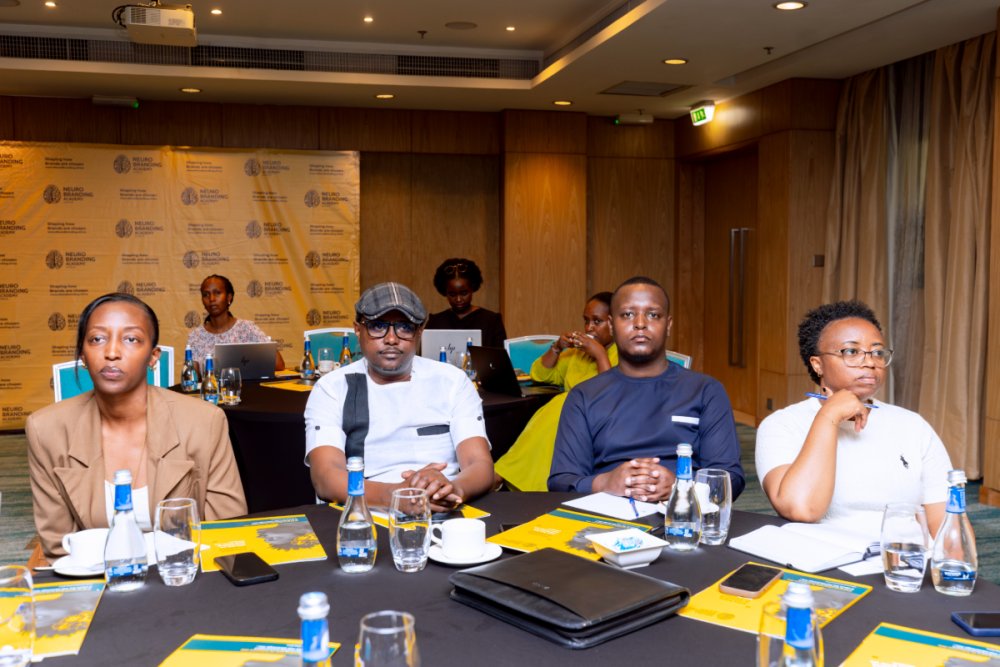
NeuroBranding strategist and Chief Executive Officer of NeuroBranding Academy Africa, Nurveen Ratty, said Artificial Intelligence has democratised content creation, allowing almost everyone to produce marketing messages quickly and at scale. Participants said the training complemented her existing knowledge by introducing practical ways of aligning communication with customer behaviour.
The resolutions were adopted during a Cabinet meeting chaired by President Paul Kagame at Urugwiro Village on Tuesday, June 30.
A key outcome of the meeting was the approval of a ministerial order introducing stronger incentives for reporting cases of tax evasion as part of ongoing efforts to reinforce tax compliance and safeguard domestic revenue.
According to a communiqué from the Office of the Prime Minister, the reforms are intended to further strengthen tax administration while simplifying compliance procedures for businesses and improving stakeholder engagement in tax policy formulation through the establishment of a permanent Tax Policy Committee.
Cabinet also approved simplified conditions for extending tax holidays for deposit-taking microfinance institutions, allowing eligible institutions to continue benefiting from a zero percent corporate income tax rate. In addition, it approved an increase in the annual turnover threshold required for certification of financial statements for tax purposes, easing compliance requirements for smaller businesses.
The government said the measures are aimed at improving compliance while maintaining a more efficient and business-friendly tax system.
Separately, Rwanda already operates a Value Added Tax (VAT) Reward Scheme designed to encourage consumer participation in tax compliance. Under the existing programme, consumers who request an Electronic Billing Machine (EBM) invoice with their registered phone number receive a reward equivalent to 10 percent of the VAT shown on the receipt.
The system also includes a whistleblowing mechanism through which consumers can report traders who fail to issue EBM invoices or under-declare sales. Verified reports submitted to the Rwanda Revenue Authority (RRA) via WhatsApp on 0739008010 may result in a reward equivalent to 50 percent of the penalty imposed on the non-compliant trader.
On governance, Cabinet approved a Presidential Order relating to elections of local administrative entities and a Prime Minister’s Order governing elections of members of the Executive Committees of the National Women Council, National Youth Council and National Council of Persons with Disabilities.
The updated framework is intended to strengthen representative participation from the grassroots to the national level, with emphasis on women, youth and persons with disabilities. It also introduces clearer eligibility requirements and procedures for filling vacancies, aimed at reinforcing transparency and the integrity of local leadership structures.
Cabinet further approved four draft laws authorising the ratification of financing agreements with international development partners supporting health, agriculture and social protection programmes.
These include a credit facility from Agence Française de Développement (AFD) to strengthen the resilience of Rwanda’s healthcare system, as well as grant and financing agreements with the International Bank for Reconstruction and Development (IBRD) and the International Development Association (IDA) covering health emergency preparedness, agricultural transformation and social protection reforms.
Cabinet also approved applications for mineral and quarry licences.
In diplomatic matters, it granted agrément to four proposed representatives, including ambassadors from Sudan and the Republic of Korea, the Chief Representative of the Japan International Cooperation Agency (JICA) Rwanda Office, and Rwanda’s proposed Honorary Consul to Ireland.
Ministers also briefed Cabinet on upcoming national programmes, including the 16th cohort of Itorero Indangamirwa, the nationwide rollout of the 2026 Defence and Security Citizen Outreach Programme (DSCOP), and the upcoming Rwanda Agricultural Show in Kigali.
Cabinet was further briefed on Rwanda’s economic performance in the first quarter of 2026, which recorded 10 percent growth driven by strong performance across agriculture, industry and services.
According to the National Institute of Statistics of Rwanda (NISR), Gross Domestic Product (GDP) at current market prices was estimated at Rwf 6.3 trillion in Q1 2026, up from Rwf 5.3 trillion recorded in the same period of 2025.
The services sector remained the largest contributor to the economy at 52%, followed by industry at 24%, agriculture at 19%, while net direct taxes accounted for 5%.
From monitoring crops and tracking environmental changes to managing disasters and urban growth, the ability to access accurate information from space has moved from being a long-term scientific ambition to an everyday operational need.
This shift has also pushed aerospace companies to rethink not only how satellites are built, but how they process and deliver data. Increasingly, the focus is turning toward intelligent systems that can analyze information directly in orbit, reducing delays and improving the speed of decision-making.
It is within this fast-evolving space industry that Star Vision Aerospace Group Ltd, a Chinese AI-native aerospace company headquartered in Zhejiang Province, is positioning itself as both a technology developer and a global partner in satellite innovation, including cooperation with emerging space actors such as Rwanda.
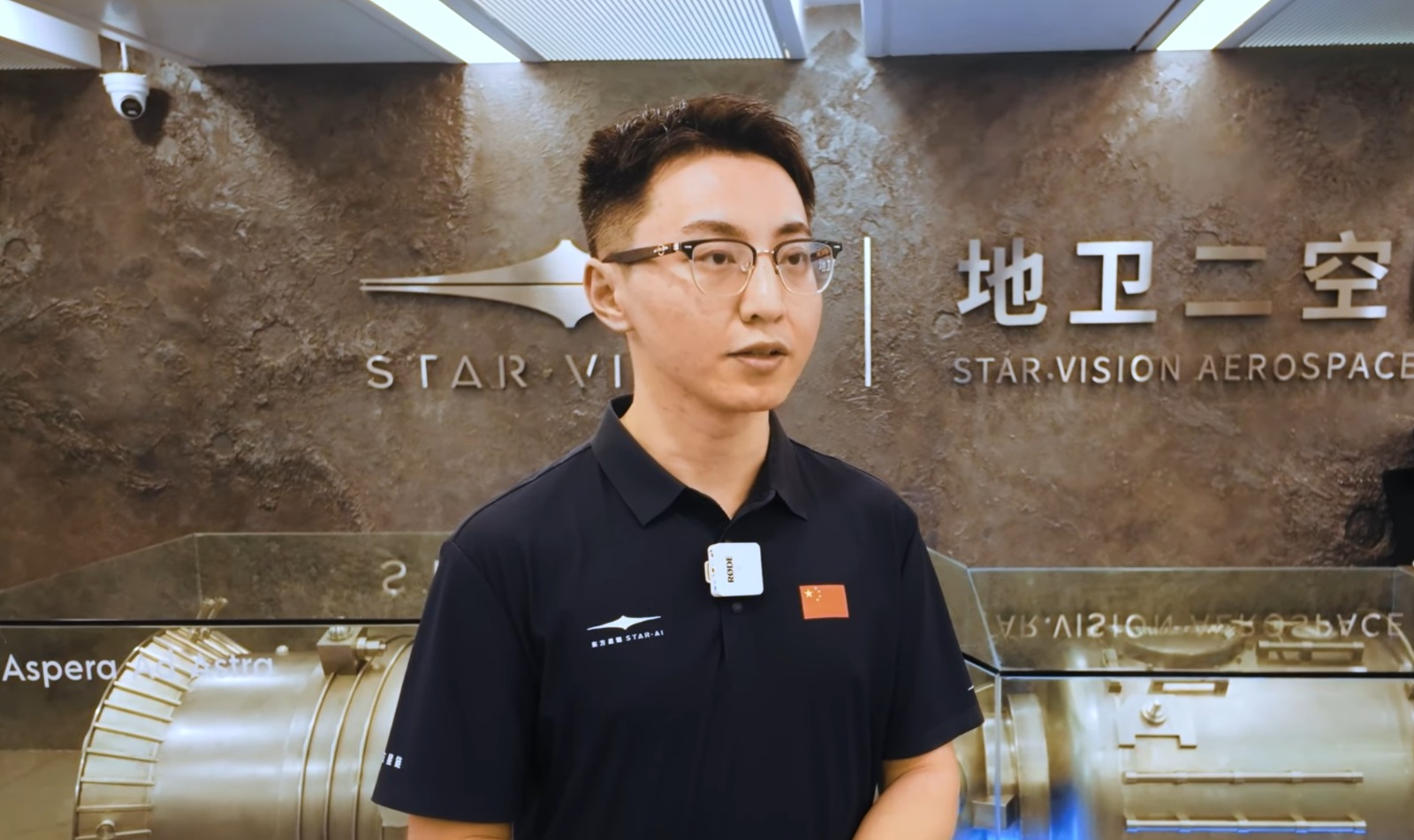
During a recent interview with IGIHE at Star Vision headquarters in Hangzhou, the capital of China’s Zhejiang Province, Curtis Ma, Director of Global Alliance at Star Vision, outlined how the company is building what it calls “AI-native” satellites and expanding its international footprint.
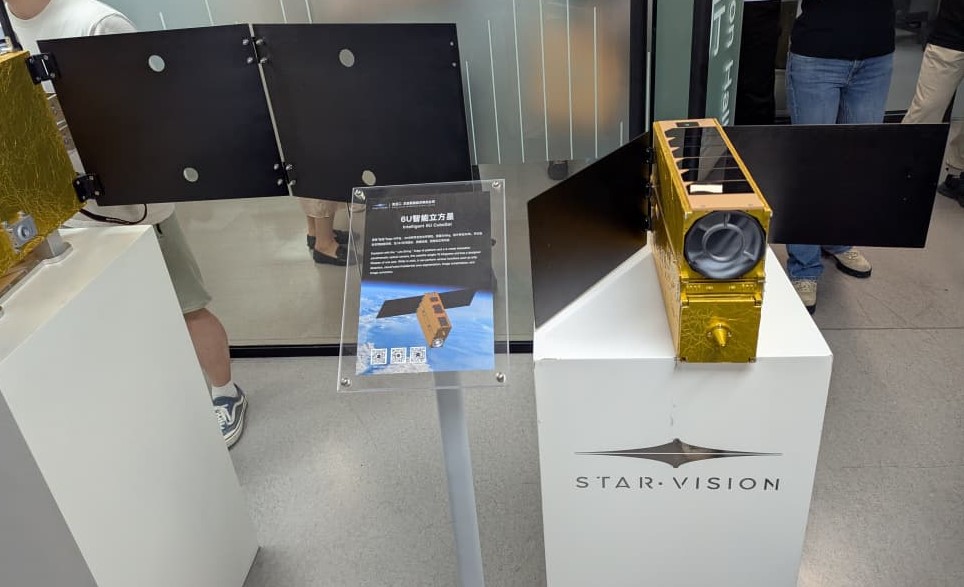
“Star Vision is an AI-native aerospace company,” Curtis said. “When we say AI-native, it means that all of the satellites we have launched so far are equipped with AI payloads.”
According to him, the integration of artificial intelligence into satellite systems is not just a technological upgrade but a response to long-standing inefficiencies in data delivery. Traditionally, satellite data would take days to be processed and transmitted back to Earth, limiting its usefulness in time-sensitive situations.
“The reason we make satellites smart is that previously, when you wanted data from a satellite, it would take a long time—about two to three days,” he explained. “The delay was too much. But right now, with our AI payload, the satellites can do edge computing. They can extract useful information directly from satellite data and send it back to the ground very quickly. We can now receive data within an hour.”
Beyond efficiency, Star Vision’s technological model is also defined by its international reach. The company has already entered the global commercial satellite market, including partnerships beyond China.
“We are also the first company to have exported commercial satellites to foreign countries, specifically to the Sultanate of Oman in 2024, where we launched our first national AI satellite,” Curtis noted.
Star Vision is also expanding its ambitions into deep space exploration, marking a transition from Earth-focused satellite operations to lunar missions. The company is part of China’s broader lunar exploration initiative.
“In addition, we are the first commercial company to join the Chinese lunar exploration project,” Curtis said. “We will launch two lunar robots to the south pole of the lunar surface between 2028 and 2029.”
Yet, beyond its technological milestones, the company places strong emphasis on openness and collaboration. Curtis stressed that Star Vision’s satellite ecosystem is designed to be accessible to international partners rather than operating in isolation.
“Our satellite system is not a closed environment. We open the platform to our foreign partners all over the world,” he said.
One of the most notable examples of this approach is Star Vision’s collaboration with Rwanda. In 2023, the company worked with the Rwanda Space Agency and Rwandan students to develop AI-driven space applications.
“In 2023, we worked with the Rwanda Space Agency and co-developed an AI algorithm for space with students and young talents from Rwanda,” Curtis said.
The collaboration focused on developing a ground segmentation algorithm over a period of several months. Once completed, it was deployed into orbit and is now actively processing satellite imagery.
“We spent a couple of months developing a ground segmentation algorithm, which we successfully uploaded to our satellite. It is now running well and sending data back to the ground,” he added.
The system allows for the identification of different land features, offering practical insights for environmental monitoring and planning.
“With the Rwanda-developed algorithm and the contribution of Rwandan students, we are able to analyze the ground and identify different features—for example, rivers, grasslands, agricultural farmland, and living areas,” Curtis explained.
He described this as a clear demonstration of how collaborative research and development can translate into real-world applications in space technology.
“This is the benefit of our own R&D, combined with contributions from Rwandan students.”
Launched in 2021, Star Vision operates five satellites in orbit. In total, its research and development efforts have resulted in more than 30 satellites being launched into space, reflecting the company’s rapid expansion in the global aerospace sector.
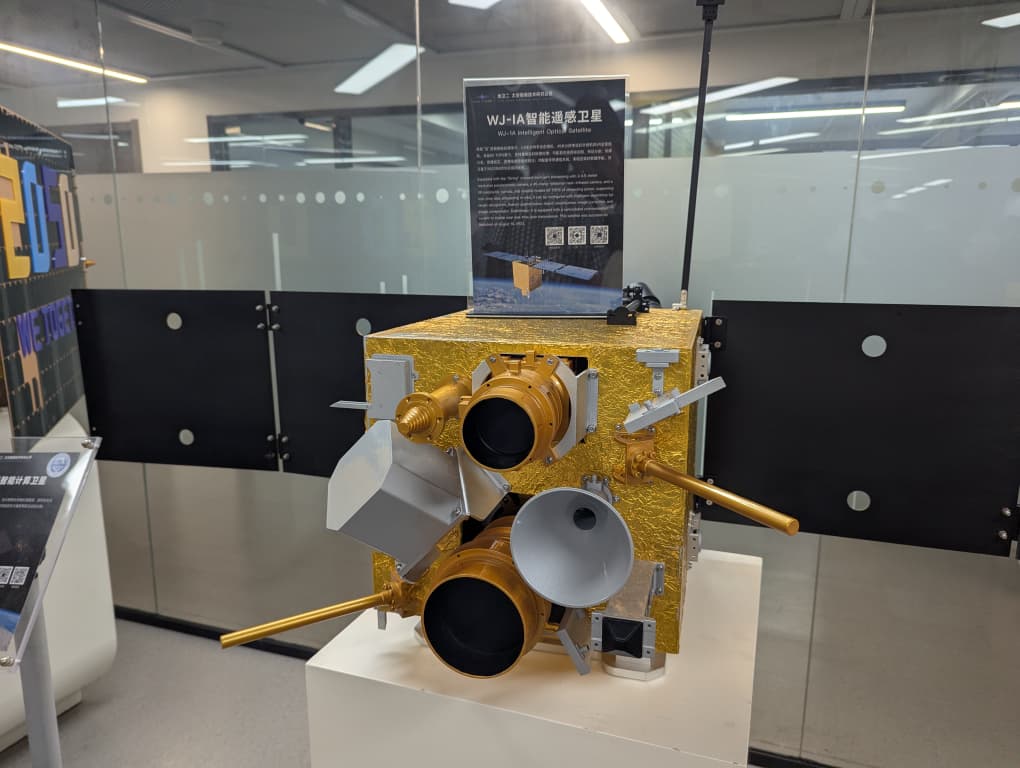
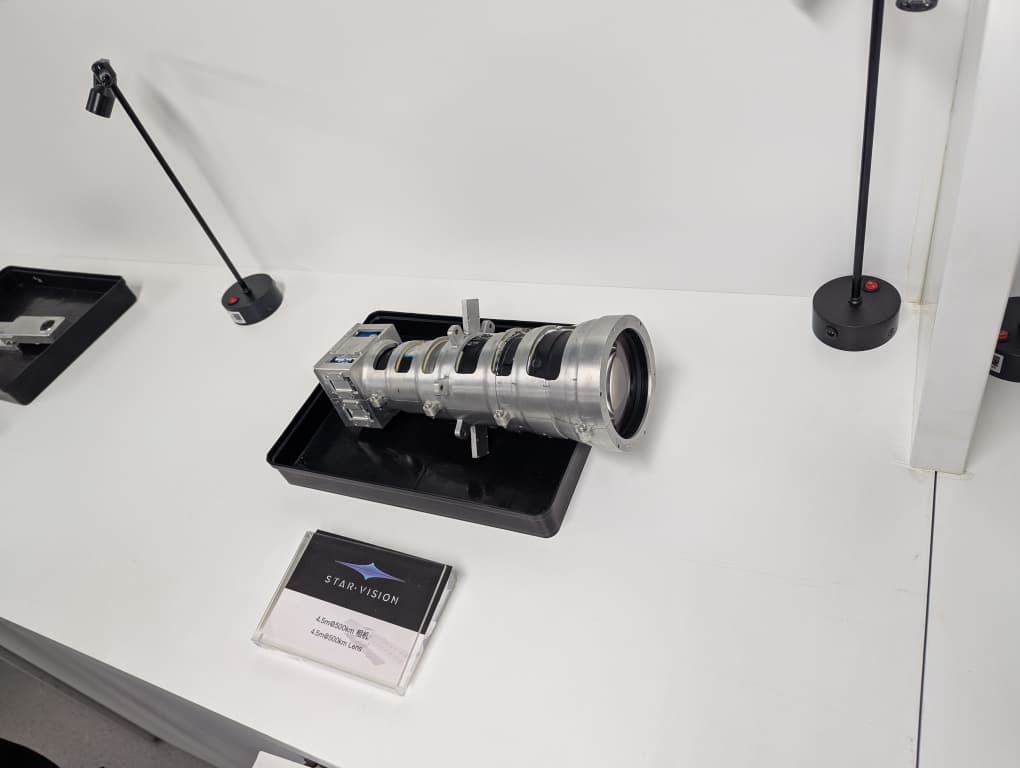
Curtis Ma, Director of Global Alliance at Star Vision disclosed plans to launch two lunar robots to the south pole of the lunar surface between 2028 and 2029. Star Vision satellite WJ-1A runs a ground segmentation algorithm co-developed by the Rwanda Space Agency to independently process images, eliminating the need for data downloads and facilitating real-time land usage assessment.Star Vision’s AI-native satellites are equipped with onboard artificial intelligence systems that process satellite data directly in orbit, significantly reducing the time needed to deliver critical information back to Earth.Since its establishment, Star Vision has contributed to the launch of more than 30 satellites, reflecting the company’s growing role in the global commercial aerospace industry.
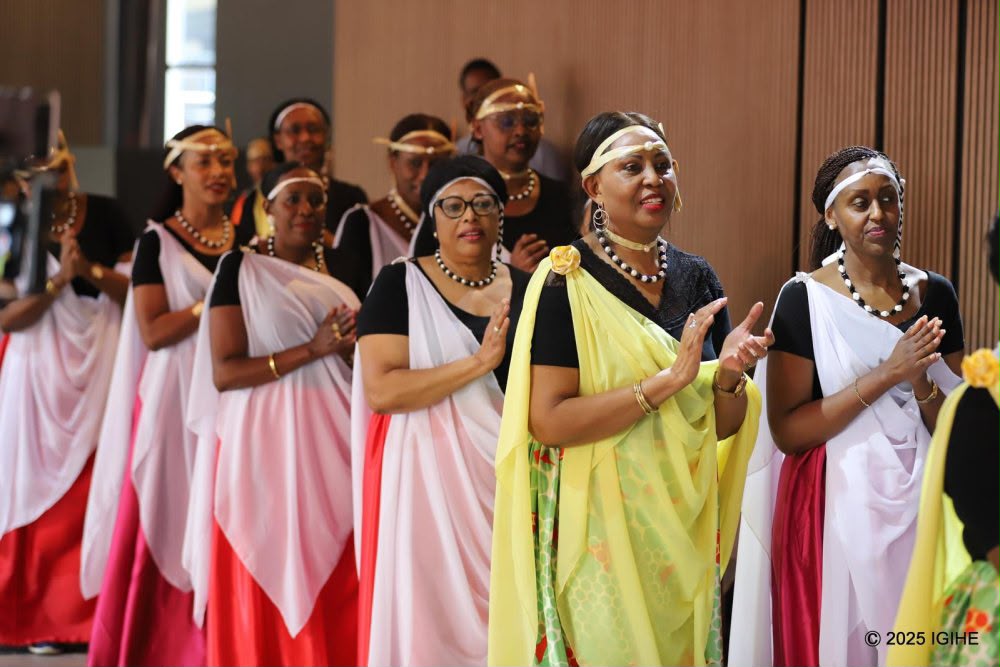
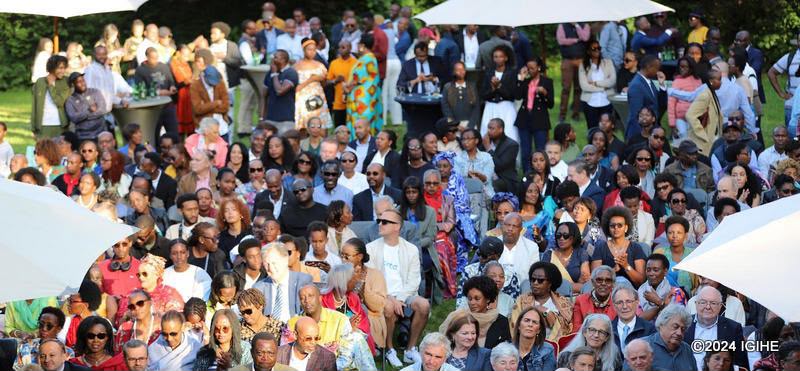
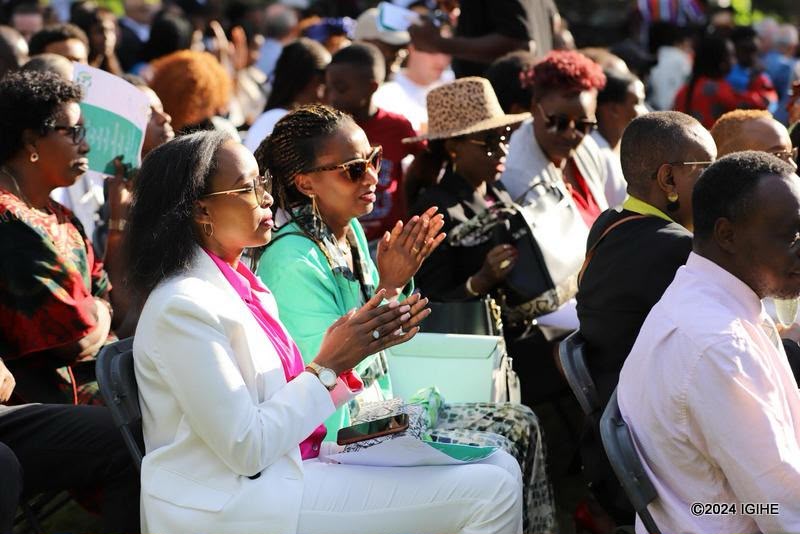
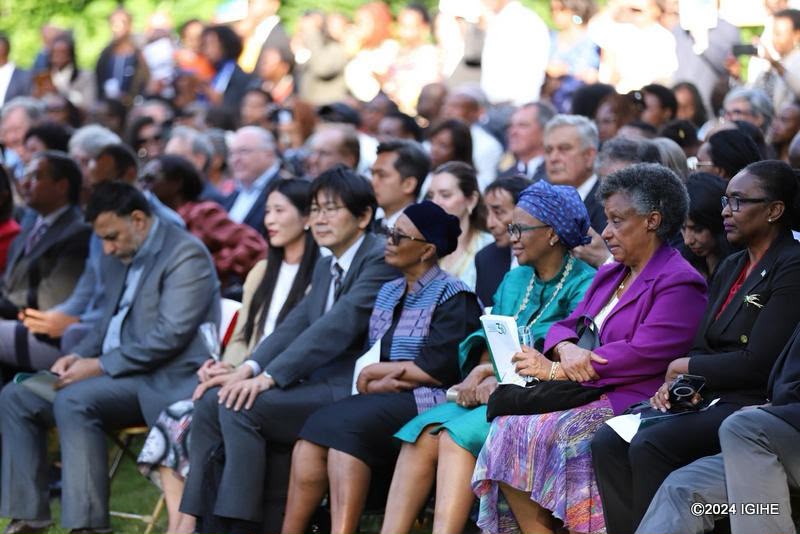
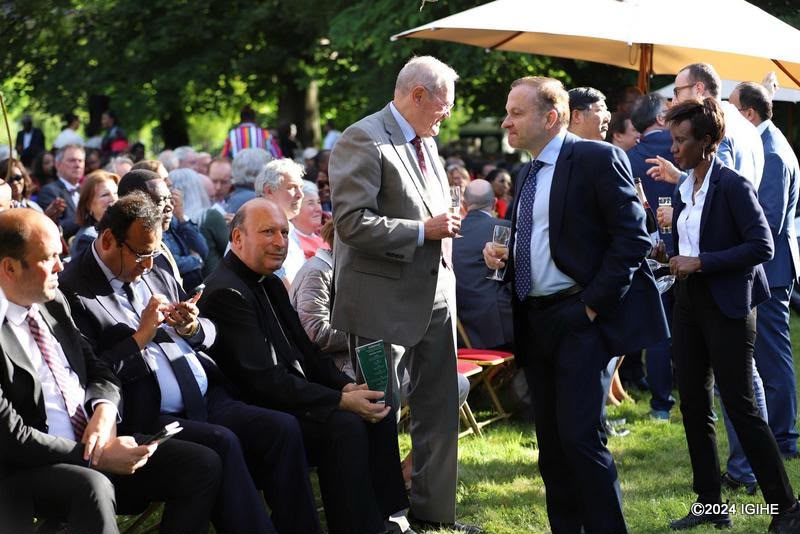
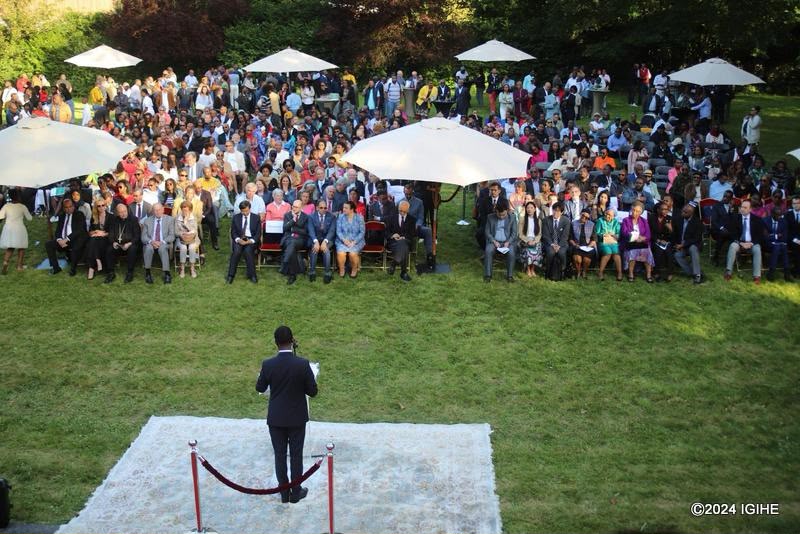
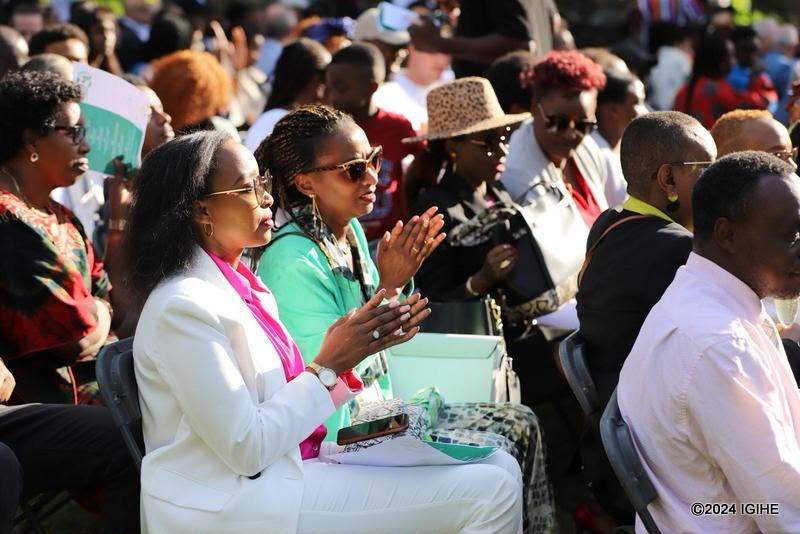
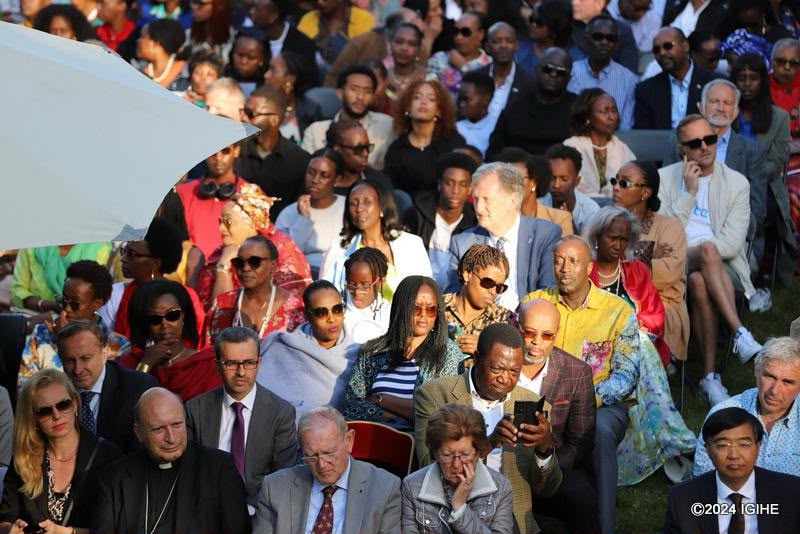
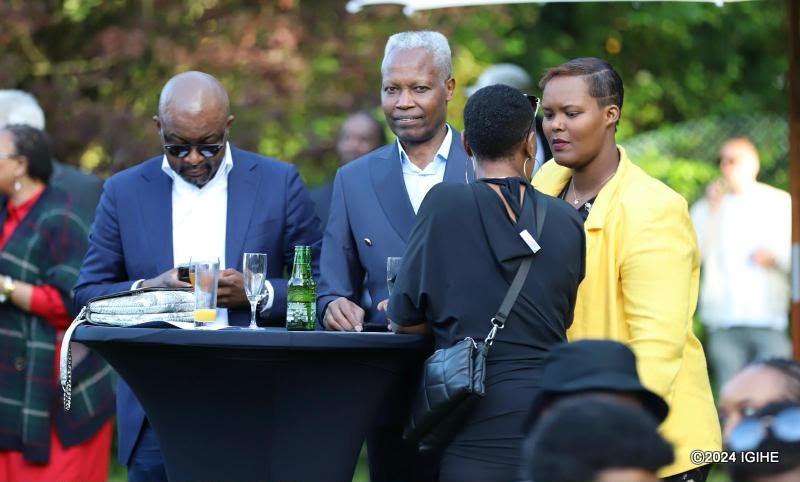
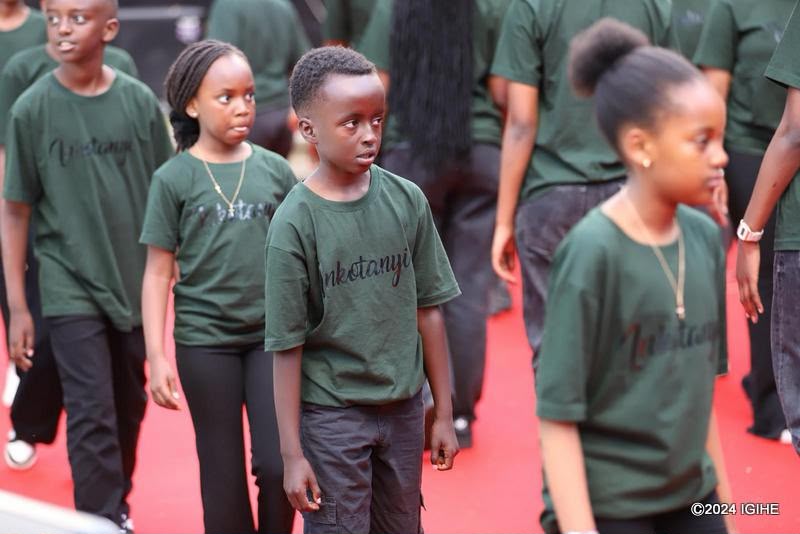
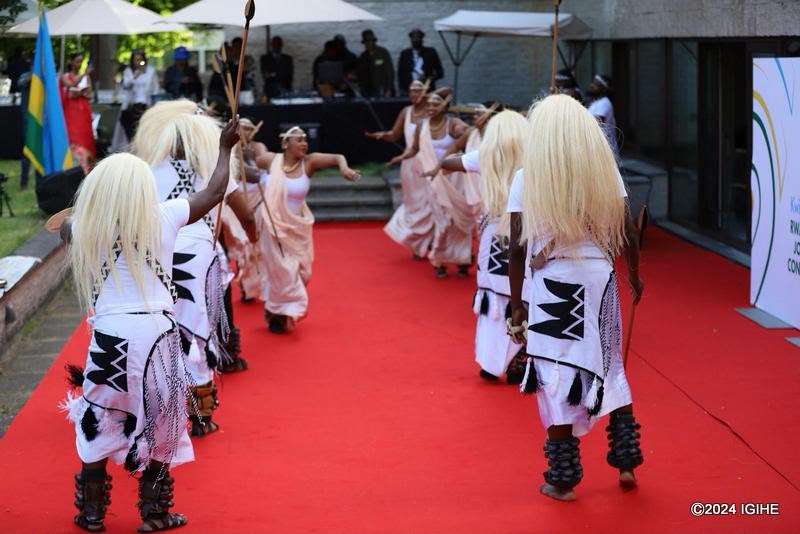
As every year, Rwandans living in Belgium and their friends will come together to commemorate and celebrate this historic day. The 2026 edition will feature two major highlights: a panel discussion and a cultural evening organized as part of the celebrations marking the 32nd anniversary of Rwanda’s Liberation.
The first part of the day will be dedicated to a panel discussion entitled: “Rwanda, Kwibohora32: From Liberation to Emergence, Agaciro as the Foundation of Dignity and Integrity.”
The event will bring together experts and speakers from various fields, including history, politics, economics, trade, psychology, governance, and technology. Participants will reflect on Rwanda’s journey from liberation to its current emergence while highlighting the role of Agaciro, a core value of dignity, integrity, and resilience that characterizes the Rwandan people.
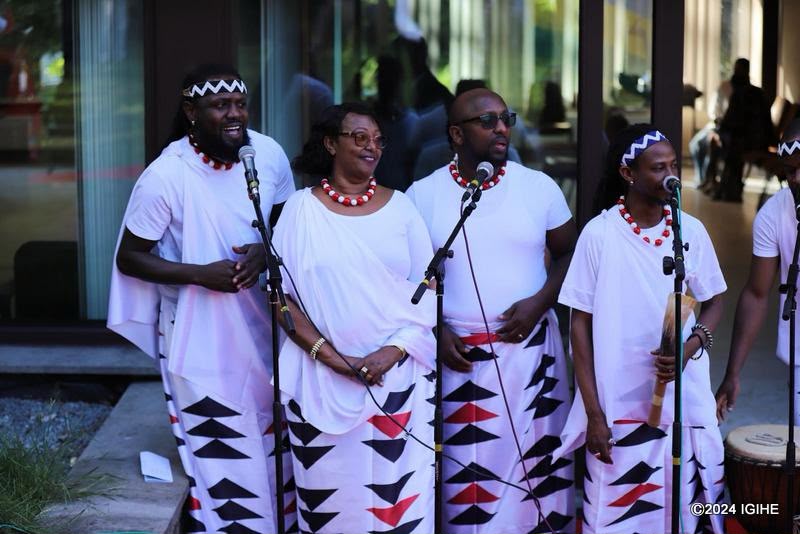
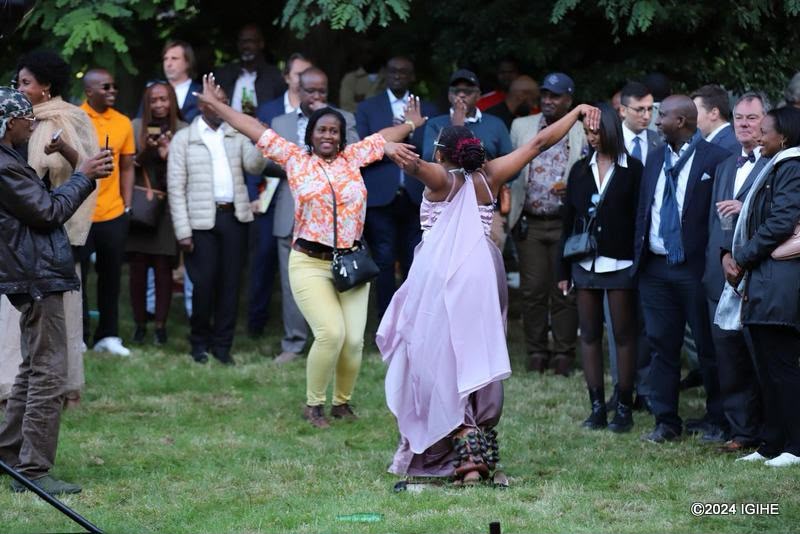
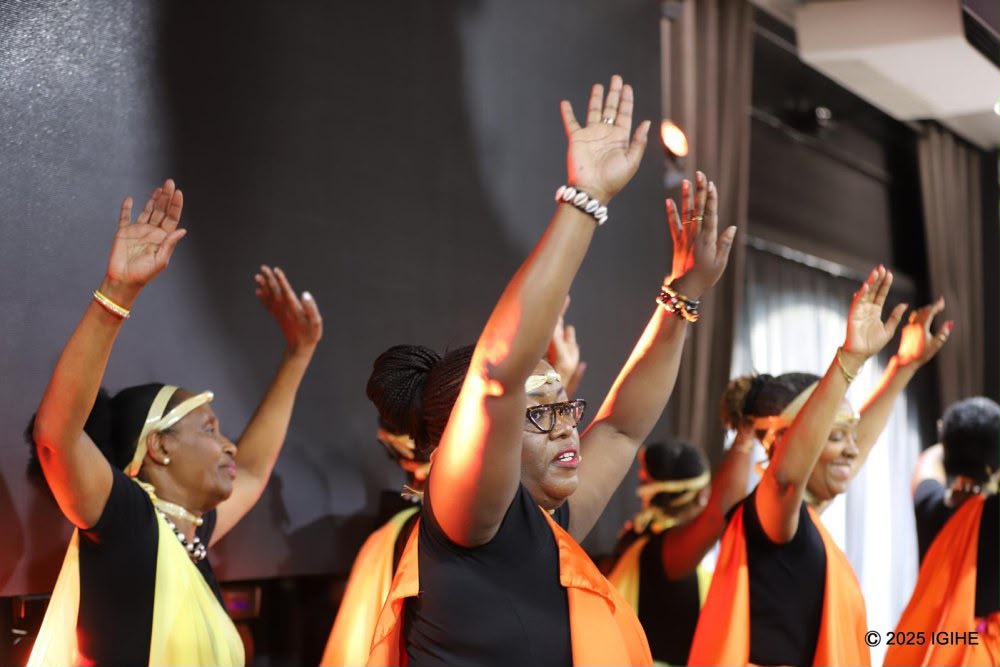
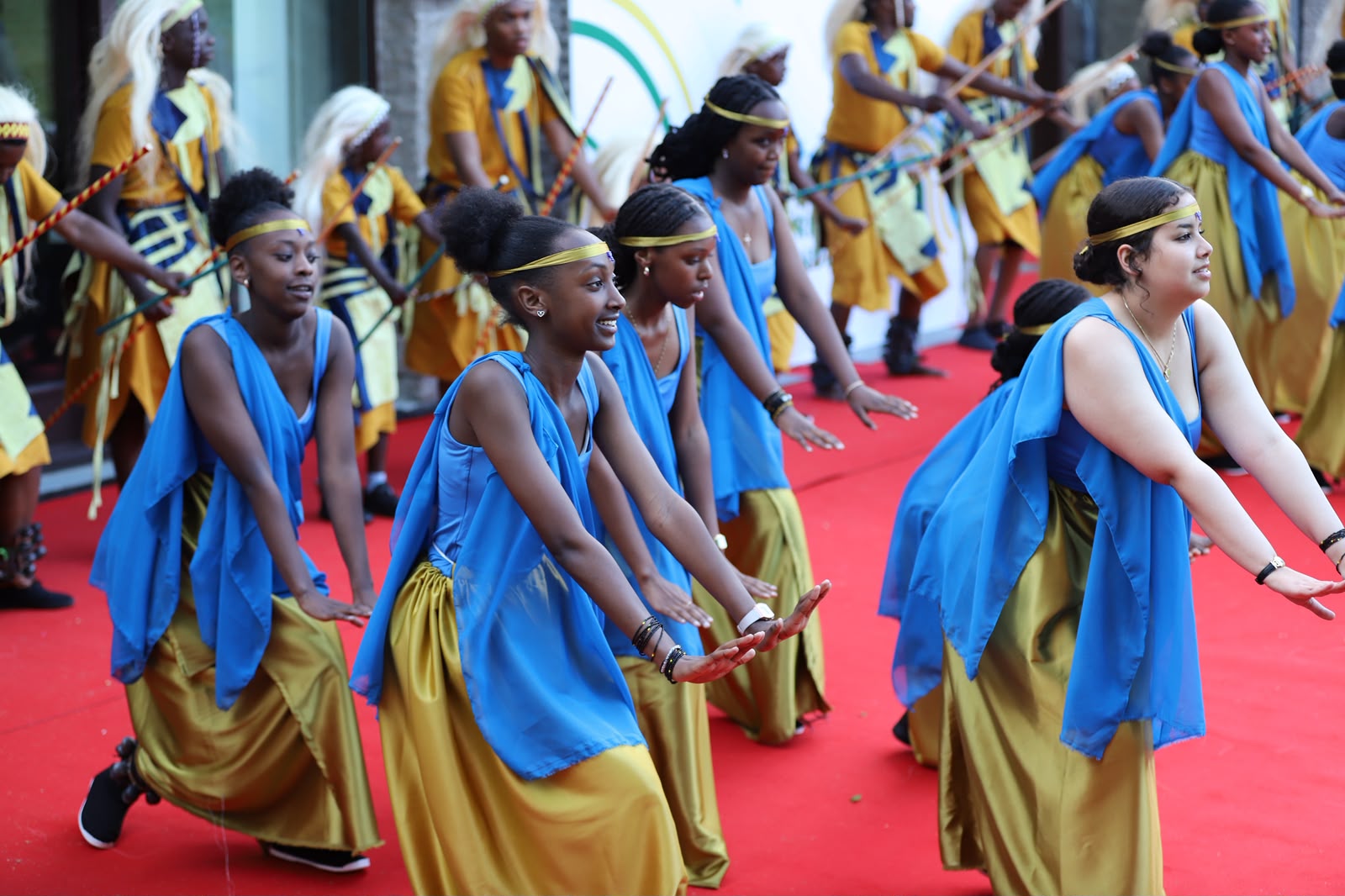
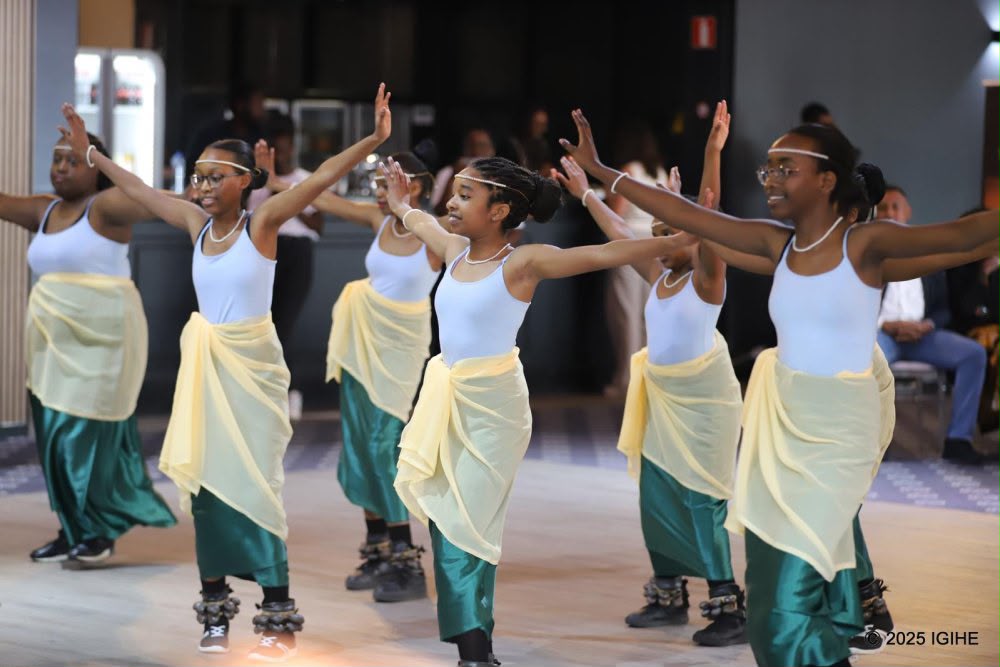
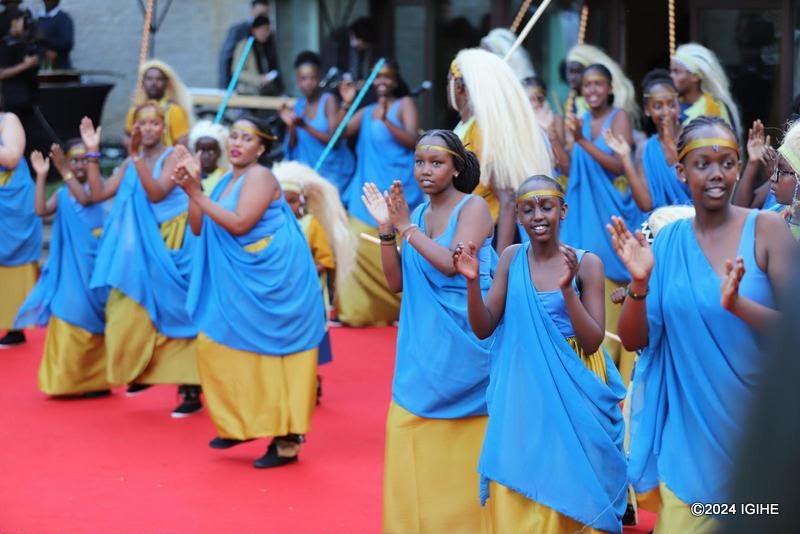
The second part of the day will feature a concert organized in celebration of Kwibohora32, offering Rwandans in Belgium and their friends an opportunity to celebrate, connect, and enjoy a spirit of togetherness. The evening will also serve as a platform to promote Rwandan culture and strengthen ties within the diaspora through traditional and contemporary music.
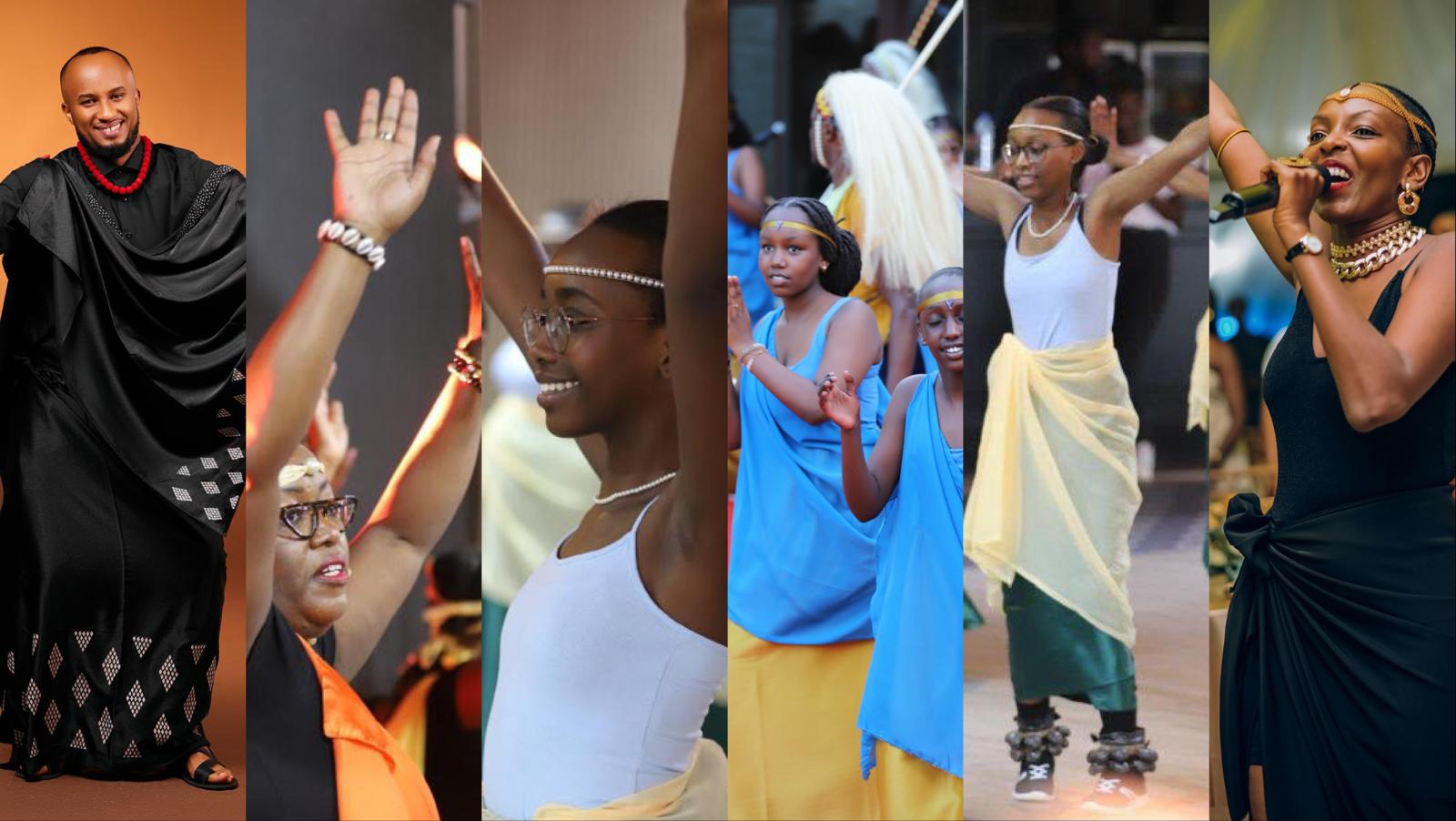
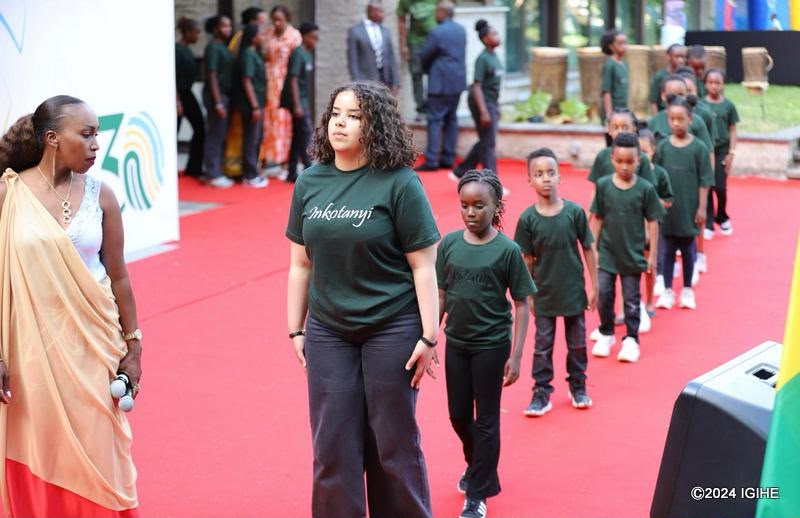
Among the artists expected to perform are Teta Diane and Cyusa Ibrahim, two renowned figures of Rwanda’s music scene. Young people will also take center stage through performances by the Itetero cultural troupe from Brussels and the Amaliza troupe from Charleroi.
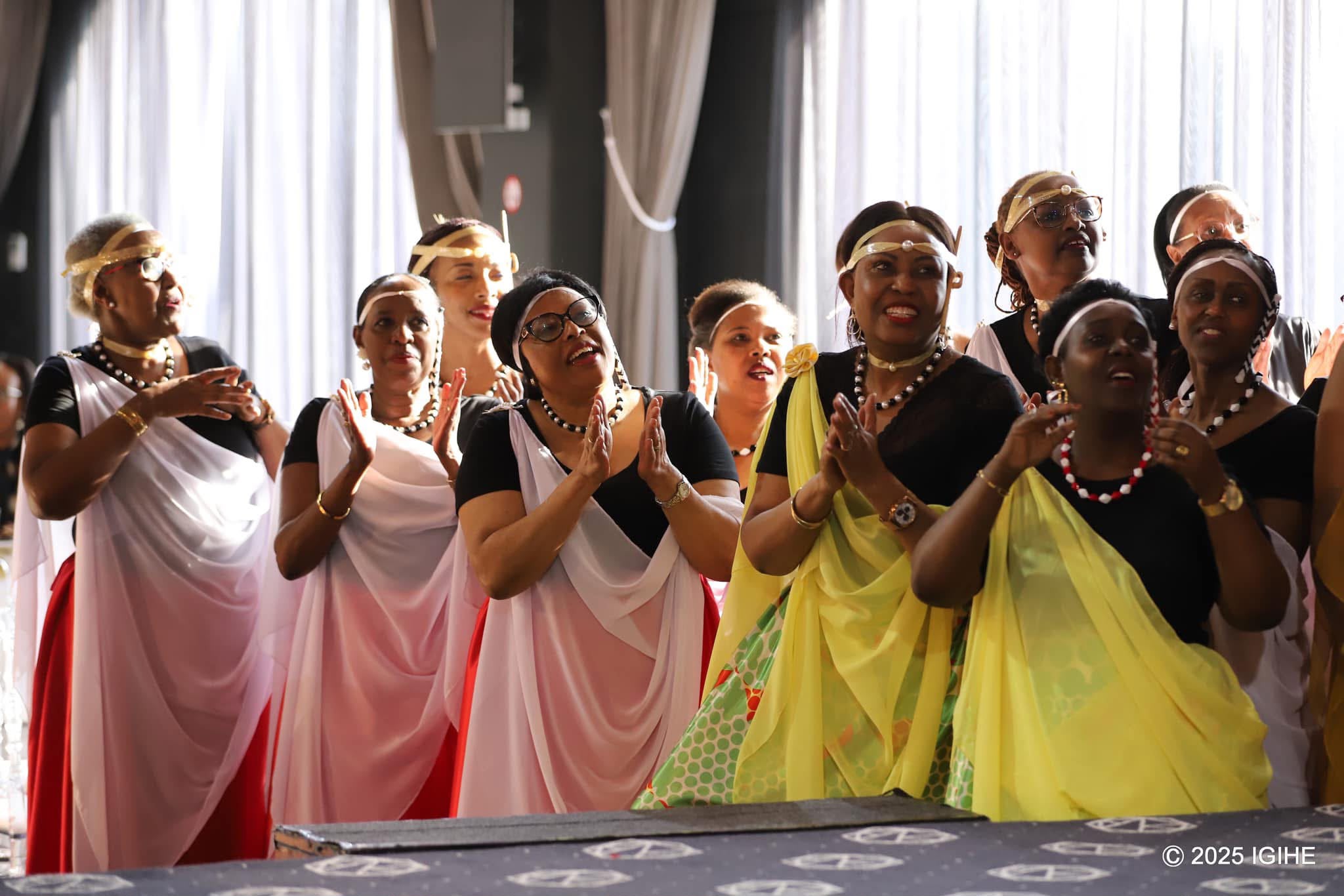
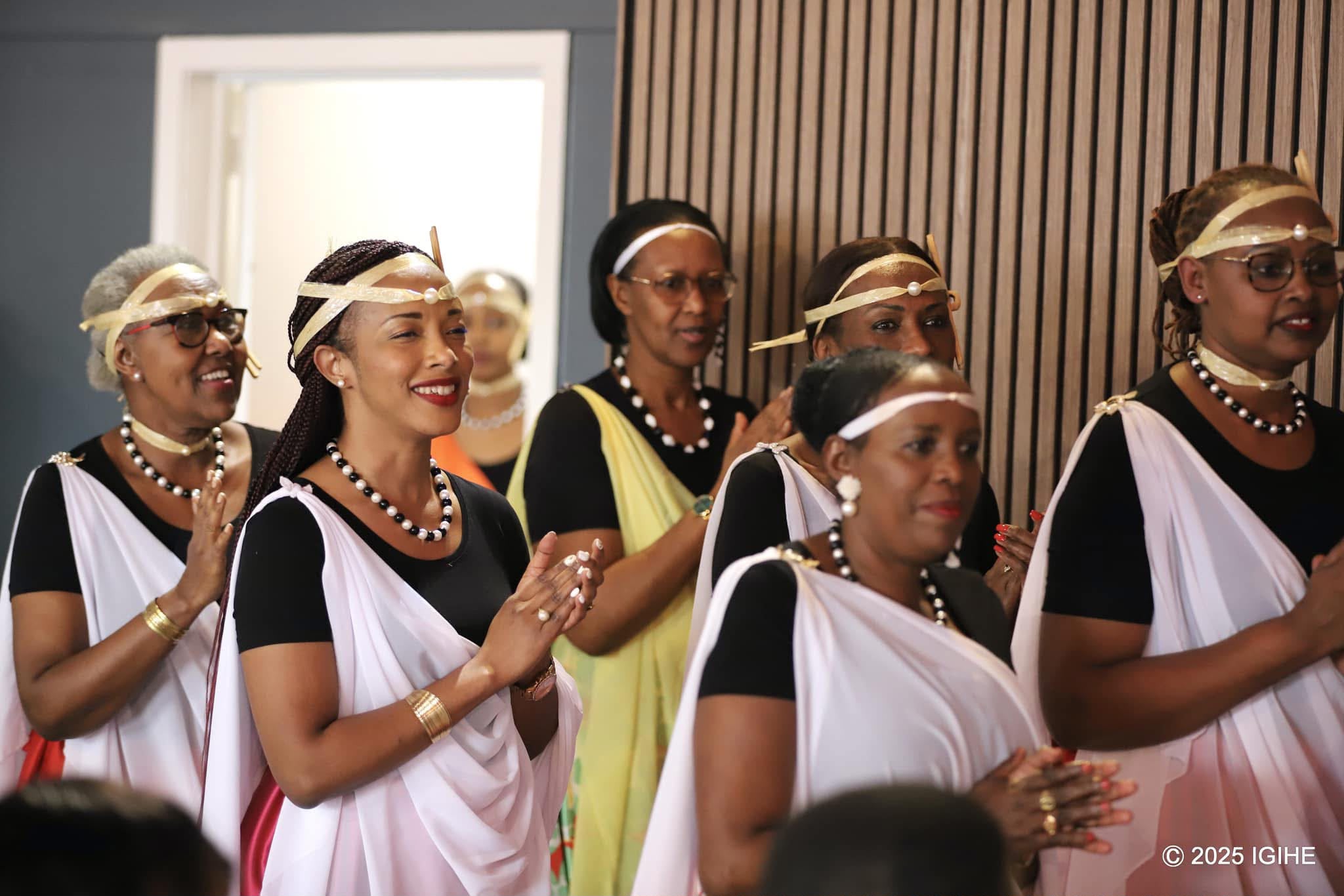
Parents will not be left out. Gathered within the cultural troupe Umurage, which means “Heritage,” they will also present performances showcasing Rwandan traditions and cultural heritage.
The activities will begin at 2:00 p.m. with the panel discussion, while the concert will start at 8:00 p.m. and continue late into the evening.
The entire program will take place at the Proximus Lounge, located at 51 Rue Stroobants, 1140 Brussels.
Participation is set at €35, a contribution intended to support the organization of the event.
In an interview with IGIHE, Kennedy Bizimana, one of the organizers, called on the community to attend: “We invite everyone to come in large numbers to discuss our history and share a moment of fraternity. This day should be celebrated so that younger generations understand its importance. It reminds us that after the tragedies Rwanda endured, Rwandans found solutions and rebuilt their country.
“Today’s Rwanda is a testament to the progress achieved through good governance and the vision of President Paul Kagame, who led the liberation struggle that ended the Genocide against the Tutsi and paved the way for the country’s development.”
Foreign ministers from OIF member states are gathered in Paris today for an unprecedented exercise in which each candidate will present their vision for the organisation’s future ahead of the election scheduled to take place during the Summit of Heads of State and Government in Phnom Penh, Cambodia, in November 2026.
For the first time, candidates seeking to lead the Francophonie will address representatives of member states in a formal presentation process, reflecting sweeping electoral reforms that have transformed how the organisation selects its Secretary-General.
The race features four candidates: incumbent Secretary-General Louise Mushikiwabo of Rwanda, Juliana Amato Lumumba of the Democratic Republic of the Congo (DRC), Coumba Ba of Mauritania, and former Romanian Prime Minister Dacian Cioloș.
Each candidate is allocated 45 minutes before the ministers—five minutes for a personal introduction, 20 minutes to present their programme, and another 20 minutes to answer questions from delegates representing member states.
Following the presentations, the ministers are expected to meet behind closed doors to assess the candidates and prepare recommendations for heads of state and government, who will make the final decision at the November summit.
End of the consensus era
Unlike previous OIF leadership contests, the 2026 election is being conducted under new rules that replace the organisation’s long-standing consensus-based system with a one-country, one-vote process.
Previously, member states sought to agree on a single candidate before an election, leaving little room for genuine competition. The revised electoral framework eliminates that requirement, giving each voting member an equal say regardless of its political influence.
The reforms were introduced during Mushikiwabo’s tenure as Secretary-General to address longstanding concerns about the organisation’s electoral process and strengthen transparency in leadership selection.
The new system was technically in place during Mushikiwabo’s re-election for a second term, but it was never put to the test because she ran unopposed.
This year’s contest therefore marks the first time member states will choose among multiple candidates through a competitive vote, making it one of the most significant institutional changes in the organisation’s history.
The OIF comprises 90 member states and governments, with 56 holding voting rights. African countries account for the majority of the electorate.
Mushikiwabo seeks third term
Much of the attention remains focused on Mushikiwabo, who has led the OIF since 2018 and is seeking a third mandate.
Her candidacy was endorsed by Rwanda after numerous member states encouraged her to seek another term during the Ministerial Conference of La Francophonie held in Kigali in November 2025.
Initially, only two countries had proposed that she run again. By the end of the meeting, however, more than 15 member states had expressed support for her candidacy.
Supporters argue that Mushikiwabo has strengthened institutional governance within the OIF, improved financial management and maintained stability throughout her two terms in office.
Her experience and backing from Rwanda, together with support from several influential partners, have made her widely viewed as one of the leading contenders.
Politics shapes the race
While four candidates are competing, the contest has also taken on a geopolitical dimension following the DRC’s decision to field Juliana Amato Lumumba.
Lumumba has built her campaign around the legacy of her father, Patrice Lumumba, and the DRC’s status as the world’s largest French-speaking country by population.
Observers say Kinshasa has invested significant political capital in her candidacy, with some viewing it as an extension of the broader diplomatic tensions between Rwanda and the DRC.
France, traditionally one of the OIF’s most influential members, has so far refrained from publicly backing any candidate ahead of the election, while analysts suggest Canada’s position may have evolved following the change in government from former Prime Minister Justin Trudeau to Prime Minister Mark Carney.
Mauritania’s Coumba Ba is also seeking the position, although she is not widely regarded as a frontrunner.
Meanwhile, Dacian Cioloș brings extensive European political experience to the race, but his candidacy faces scepticism from some African member states, which argue that the organisation’s leadership should continue reflecting the priorities of the continent that is home to the largest French-speaking population.
For Mushikiwabo, the election is an opportunity to secure a third term, following the precedent of former Secretary-General Abdou Diouf.
In the weeks leading up to today’s presentation, Rwandan officials have travelled extensively across OIF member states to rally support for Mushikiwabo’s candidacy while encouraging leaders to attend the November summit in Cambodia, where the organisation’s next Secretary-General will be elected.
Louise Mushikiwabo is seen as frontrunner for third term at the helm of the OIF. Juliana Lumumba has built her campaign around the legacy of her father, Patrice Lumumba, and the DRC’s status as the world’s largest French-speaking country by population.Coumba Ba is Mauritania’s candidate for the position. Former Romanian Prime Minister Dacian Cioloș is the only male candidate in the race.