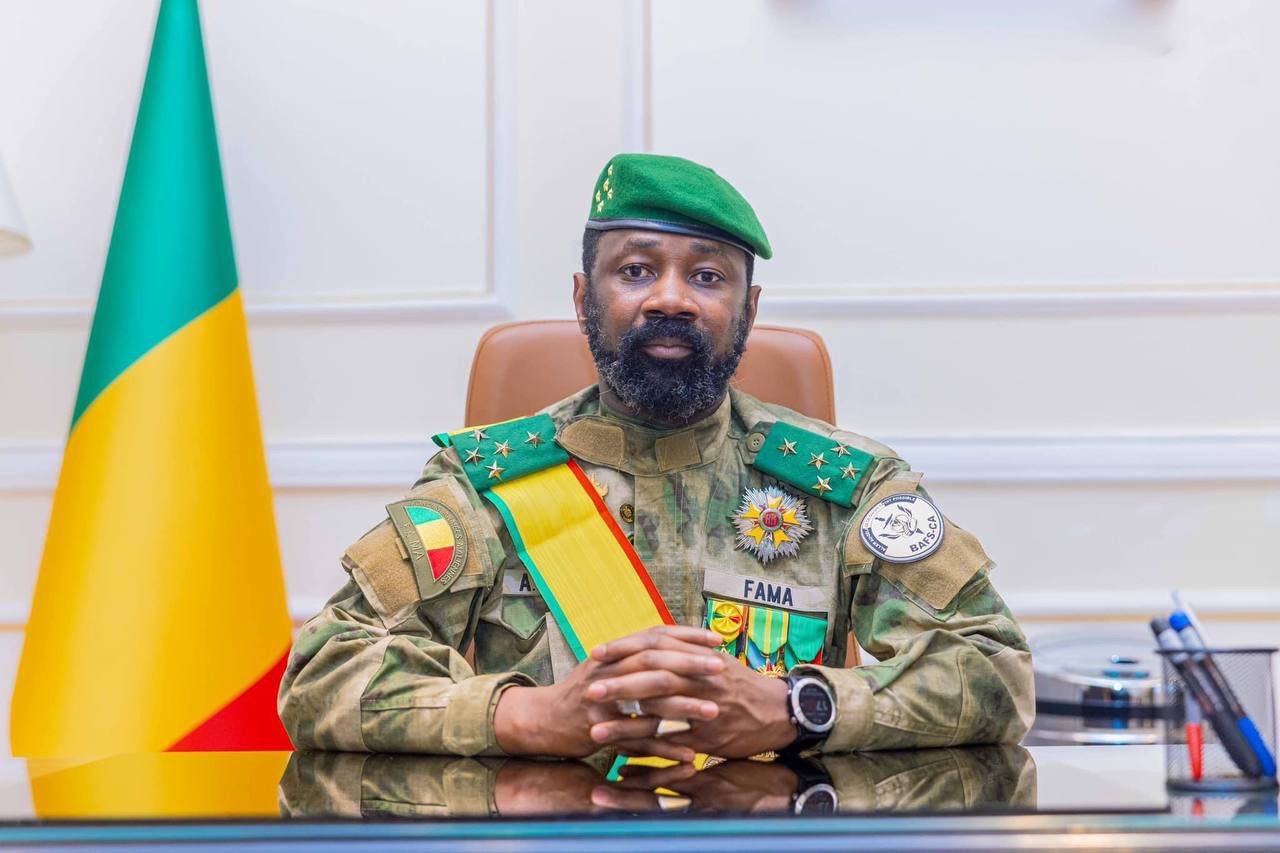
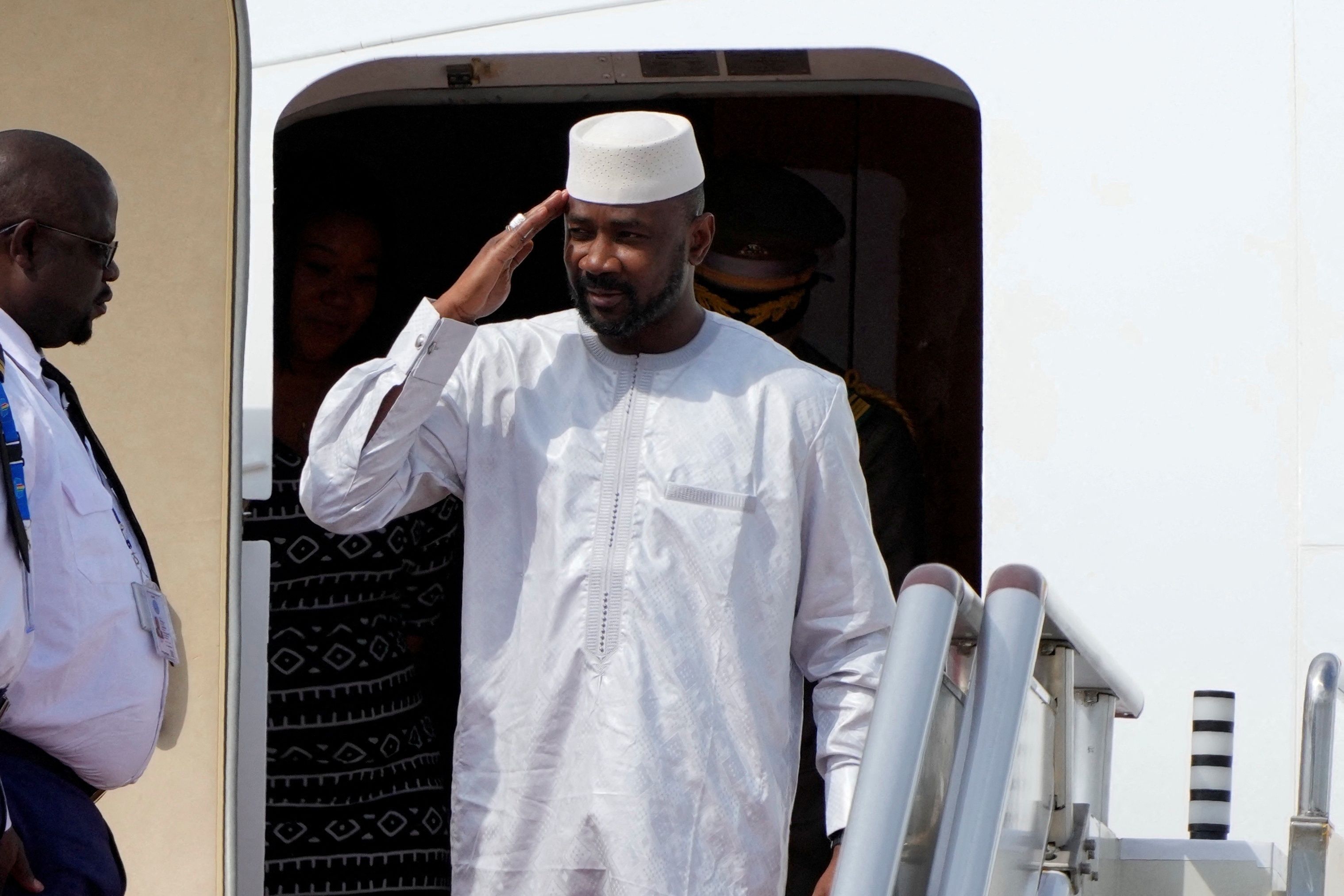
In a televised address to the nation at 8 p.m. local time, Goita said the April 25 attacks, which he described as “complex, coordinated and simultaneous,” targeted Bamako, Kati, Mopti, Gao and Kidal.
He said the assailants had been dealt a heavy blow thanks to the prompt response and professionalism of the defense and security forces, adding that the attackers had sought to create a climate of generalized violence in the localities concerned.
The head of state added that the security deployment had been reinforced, the situation was under control, and sweeping, search, intelligence-gathering and security operations were continuing.
Goita also paid tribute to Mali’s Defense Minister Gen. Sadio Camara, saying his passing represented “an immense loss for the Malian nation.”
He expressed condolences to bereaved families and sympathy to the wounded, while instructing the government to take all necessary measures to strengthen assistance to victims, support affected families and care for the injured.
He said the attacks were part of “a vast destabilization plan” devised and carried out by terrorist armed groups and their internal and external backers.
Goita also called on Malians to remain vigilant, trust the defense and security forces, and not give in to rumors, panic messages or manipulation, warning that disinformation could become a weapon in the service of terrorists.
Assimi Goita, Mali’s transitional president, said Tuesday that operations would continue until all groups involved in the April 25 attacks are neutralized and lasting security is restored across the country.
The encounter between PSG and Bayern Munich had drawn significant global attention. The French side entered the match as reigning champions, while the German club has been among the strongest teams this season.
PSG’s goals were scored by Khvicha Kvaratskhelia, who netted twice, João Neves, and Ousmane Dembélé, who also scored twice. Bayern Munich’s goals came from Harry Kane, Michael Olise, Dayot Upamecano, and Luis Díaz.
The return leg is scheduled to take place in Germany at Allianz Arena on Wednesday, May 6, 2026.
PSG reached the semi-finals after eliminating Liverpool FC with an aggregate score of 4–0 on April 14, 2026.
In a message shared on X the following day, President Kagame congratulated the club for reaching the UEFA semi-finals.
The partnership between Visit Rwanda and Paris Saint-Germain was first signed in 2019 and renewed in 2025, extending through 2028. Under this agreement, PSG promotes Visit Rwanda at Parc des Princes and features the branding on its training kits.
Since the partnership began, millions of fans worldwide have gained greater awareness of Rwanda through media coverage and the club’s global visibility. The collaboration has also supported youth development, with more than 400 children benefiting from football training through the PSG Academy Rwanda.
Each year, the French club sends players and legends to Rwanda, where they explore the country’s tourism attractions and share their experiences with global audiences.
Most recently, players including Océane Nathalie Toussaint Dit Marseille, Baby Jordy Benera, and Jade Le Guilly from PSG’s women’s team visited Rwanda in late February this year.
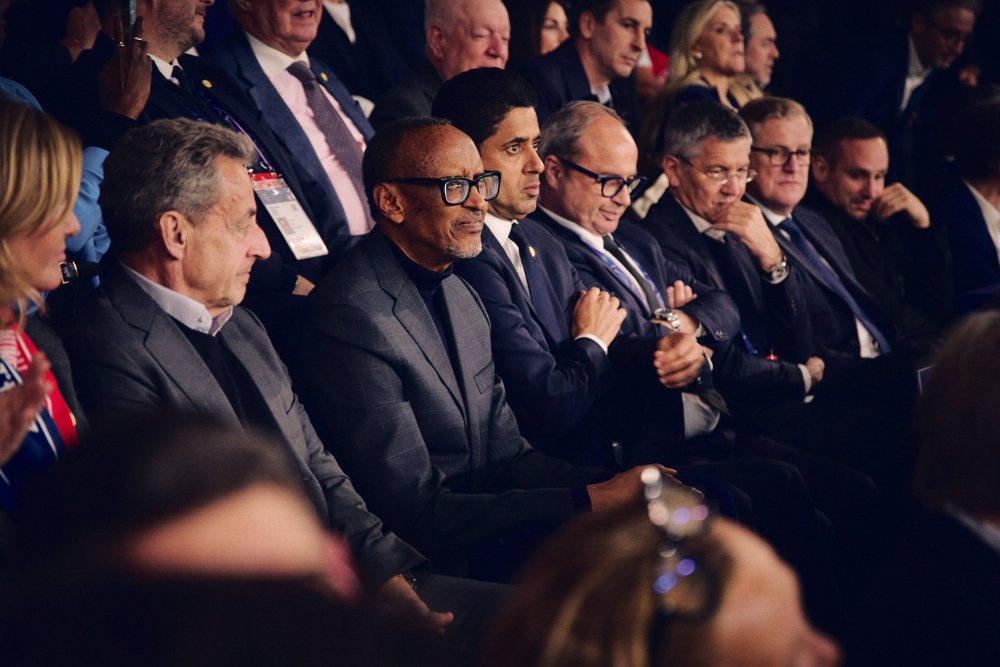
President Kagame was present at Parc des Princes as PSG secured a thrilling semi final win against Bayern Munich.President Kagame witnessed PSG edge Bayern Munich in a high scoring Champions League clash.President Kagame has attended PSG’s dramatic 5-4 victory over Bayern Munich in Paris.
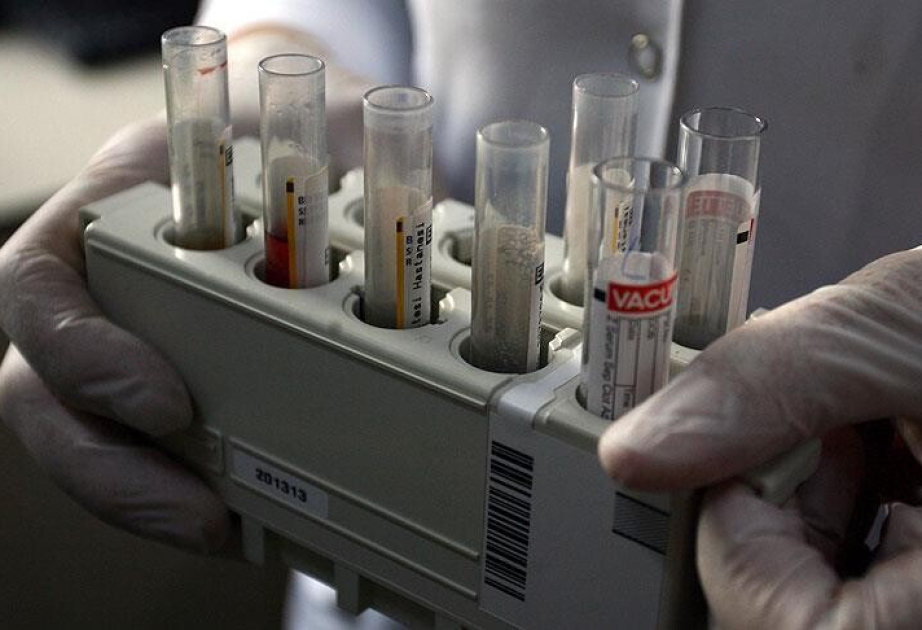
The report confirmed that hepatitis B virus (HBV) and hepatitis C virus (HCV) — together responsible for 95 percent of viral hepatitis deaths globally — claimed 1.34 million lives in 2024. Of these fatalities, 1.1 million were attributed to HBV and 240,000 to HCV, mostly resulting from liver cirrhosis and cancer.
Although preventable and treatable, transmission persists at an alarming rate, the report emphasized. In 2024, around 1.8 million new HBV and HCV infections occurred globally, with HBV and HCV each accounting for 900,000 new infections. As of 2024, approximately 287 million people, representing 3 percent of the world’s population, were living with chronic HBV or HCV.
The report documented measurable achievements since 2015, driven by sustained, coordinated global and national action.
Between 2015 and 2024, the annual number of new hepatitis B infections has dropped by 32 percent, showing progress with immunization and prevention programmes. HCV-related deaths decreased by 12 percent, mainly due to effective antiviral therapies.
The global prevalence of chronic HBV infection among children aged under five years fell from 0.8 percent in 2015 to 0.6 percent in 2024.
Meanwhile, the number of people living with HCV infection declined by 20 percent between 2015 and 2024, largely thanks to the scaling-up of curative treatments.
“Around the world, countries are showing that eliminating hepatitis is not a pipedream, it’s possible with sustained political commitment, backed by reliable domestic financing,” WHO Director-General Tedros Adhanom Ghebreyesus said.
However, significant shortfalls persist, and current rates of progress are insufficient to meet all 2030 elimination targets, the report warned. Between 2015 and 2024, new HCV infections decreased by only 8 percent, far below the global target of an 80 percent reduction by 2030. HBV-related deaths actually rose by 17 percent since 2015, due to limited diagnosis and treatment.
Under current trends, the global target of a 65 percent reduction in hepatitis-related deaths by 2030, compared with 2015, will not be achieved without rapid scale-up of testing and treatment, the WHO emphasized.
Major bottlenecks lie in testing and treatment access, the report said, noting that vaccine coverage also remains critically insufficient in high-risk regions.
To get the global response back on track, the report outlined priority actions, including scaling up treatment for people with chronic HBV and HCV infection, improving hepatitis B birth-dose vaccination coverage and the coverage of antiviral prophylaxis to prevent mother-to-child HBV transmission.
The number of people living with HCV infection declined by 20 percent between 2015 and 2024, largely thanks to the scaling-up of curative treatments.
Analysts warned that even brief interruptions of passage ripple through global markets and that prolonged instability risks evolving into a broader inflation and growth crisis.
Roughly 20 percent of global oil and liquefied natural gas passes through this narrow corridor linking the Gulf to global markets, making it one of the world’s most critical energy chokepoints. Shocks of this magnitude propagate rapidly through trade, finance and consumption, ultimately affecting household budgets across economies worldwide.
Largest oil supply disruption
Amid escalating geopolitical tensions, flows through the Strait of Hormuz have become increasingly volatile.
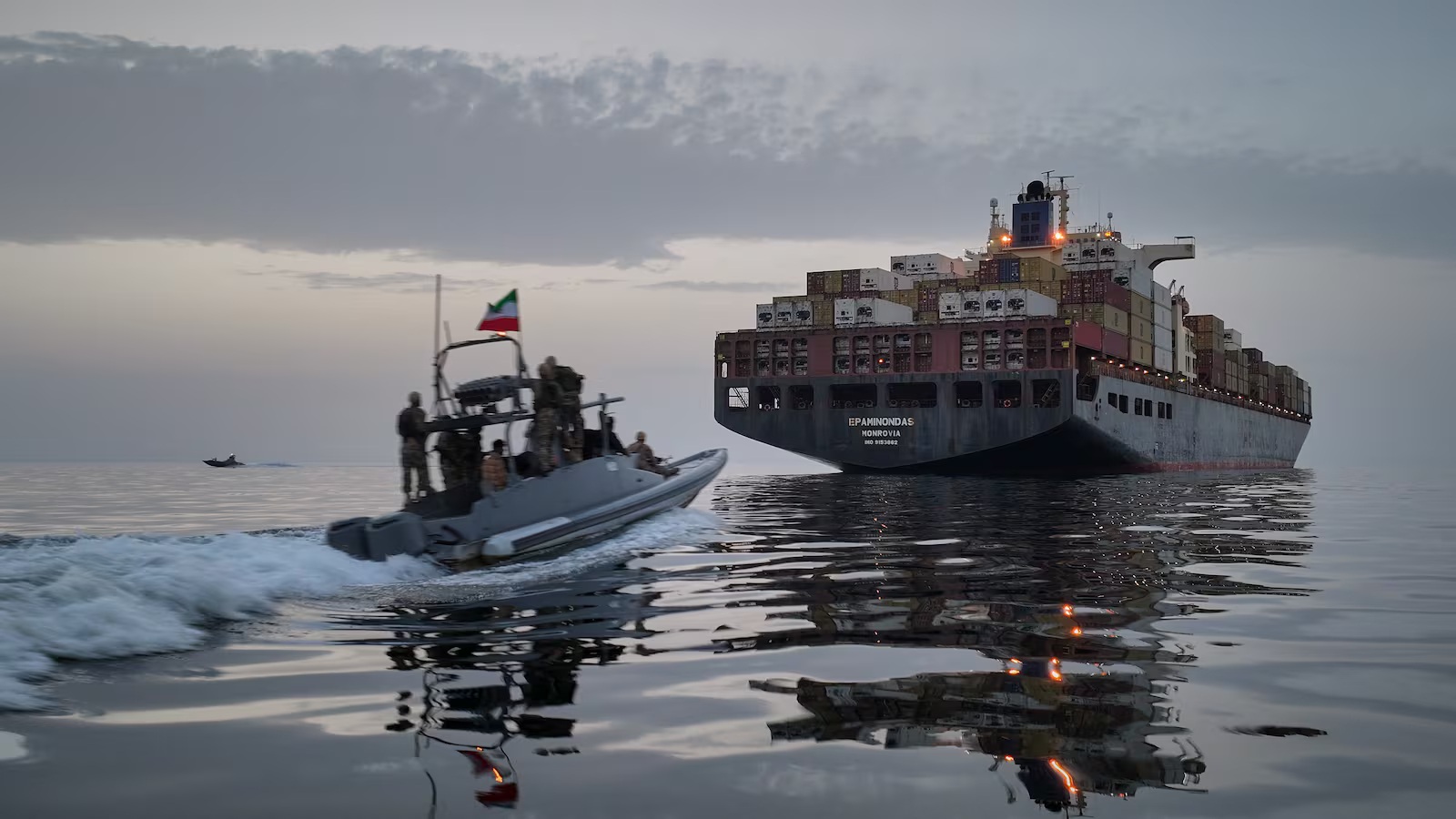
Data from shipping analytics firms show that prior to the escalation, an average of 45-50 oil tankers transited the strait each day. In the weeks since, that number has dropped by more than half, with fewer than 20 vessels transiting daily, and at times of heightened tension, falling to near zero as shipping temporarily halted.
Russell Hardy, CEO of Vitol, the world’s largest independent oil trader, warned that the market will lose at least 1 billion barrels of crude and refined products due to the crisis.
He noted that sustained attacks on Gulf energy infrastructure and repeated closures of the strait have already removed some 12 million barrels per day of production since late February. Analysts expected the global oil market to shift from an expected surplus into a deficit of about 750,000 barrels per day in 2026.
Fatih Birol, executive director of the International Energy Agency (IEA), said the war in the Middle East “is creating a major energy crisis, including the largest supply disruption in the history of the global oil market,” warning that without a swift resolution, impacts will intensify.
In response, the IEA has coordinated an emergency release of around 400 million barrels from strategic reserves in March, the largest ever, to stabilize markets.
Brent crude, the international benchmark, rose 63 percent in March, surpassing the 46 percent monthly gain recorded in September 1990 during the first Gulf War. Analysts estimate sustained instability could keep Brent crude between 100 and 190 U.S. dollars per barrel, with an average above 130.
Meanwhile, the shock is reshaping global flows. The London-headquartered maritime analytics firm Windward noted that crude shipments are increasingly rerouting toward the Gulf of Mexico, positioning the United States as a key export anchor amid Hormuz disruptions.
U.S. producers could benefit from higher prices, even as import-dependent economies bear the costs, analysts were quoted by Al Jazeera as saying.
“Conflict tax”
If the first layer of impact unfolds in supply, the second is felt in daily life. Reports point to a widening “conflict tax.”
The International Monetary Fund (IMF) identified energy as the main transmission channel, noting that for fuel-importing economies, rising prices act like a sudden tax on income.
Recent data showed these pressures are increasingly visible at the fuel pump. In the United States, gasoline prices rose by more than 24 percent in March alone, contributing significantly to a surge in retail spending driven largely by higher fuel costs.
In Asia, higher fuel and electricity costs are squeezing manufacturing output and household purchasing power, and in Europe, the crisis revives memories of the 2021-2022 gas shock. British officials warn that elevated food and energy prices could persist for months even after the conflict ends, reflecting delayed inflationary effects.
The real-world impact in other respects is increasingly visible. The war in the Middle East has triggered a sharp rise in air fares, with the lowest-priced economy tickets costing, on average, 24 percent more than a year ago, according to new research from the consultancy Teneo. The report said airspace restrictions linked to the conflict have forced airlines to reroute numerous flights, increasing fuel consumption and pushing up operating costs.
At the micro level, the consequences are equally tangible. In Ethiopia, a wholesale trader told Xinhua that fuel shortages delayed shipments by several days, causing goods to spoil and resulting in financial losses. In Portugal, consumers reported rising grocery bills eroding incomes, reflecting a broader cost-of-living strain.
“Even if the war is far away, the effect reaches people’s daily lives very quickly,” said Tiago Santos, a Brazilian immigrant working as a salesman in Lisbon, Portugal, capturing how geopolitical shocks in energy markets translate into lived economic pressure far beyond the region of conflict.
Structural adjustments
Beyond immediate shocks, analysts have pointed to longer-term changes. Restoring oil production to pre-conflict levels will likely take several months, depending on the extent of damage to oilfields and how smoothly shipping through the Strait of Hormuz resumes.
Even under a relatively constructive scenario, the Australia and New Zealand Banking Group (ANZ) analysts estimate that only 2-3 million barrels per day could return in the first month, with another 2-3.5 million barrels per day gradually coming back over the rest of the second quarter. However, they stressed that operational disruptions, damaged infrastructure and export bottlenecks mean the recovery will not be smooth or linear.
At a systemic level, the crisis is accelerating a reconfiguration of global energy and trade networks. Windward reported that alternative logistics patterns, notably overland transport corridors and destination shifts, are becoming increasingly normalized rather than temporary responses.
“This architecture is unlikely to unwind quickly, even if the ceasefire holds,” the report noted, adding that war-risk insurance, backlog pressure, congestion risk and unresolved transit governance mean that the current system has already moved from improvisation into operational normalization.
More broadly, the crisis highlights the vulnerability of maritime chokepoints and is prompting countries to diversify supply sources, expand strategic reserves and rebalance efficiency with resilience in global trade systems.
At the same time, the shock is reshaping the trajectory of the energy transition. Policymakers across regions have called for faster deployment of clean energy to reduce exposure to similar shocks.
South Korean President Lee Jae Myung has recently urged a rapid, large-scale transition toward renewables. European Commission President Ursula von der Leyen has called for speeding up “the integration of low-carbon, home-grown energy” to strengthen energy security.
“This fossil fuel crisis will happen again and again,” said UN Climate Change Executive Secretary Simon Stiell. “Sunlight does not depend on narrow and vulnerable shipping straits. Wind blows without massive taxpayer-funded naval escorts.”
Analysts warned that even brief interruptions of passage ripple through global markets and that prolonged instability risks evolving into a broader inflation and growth crisis.
In recent meetings, including a Monday discussion with top security officials in the White House, Trump opted to continue squeezing Iran’s economy and oil exports by preventing shipping to and from its ports, said the report.
The president assessed that the blockade, “a high-risk bid” to compel Tehran’s nuclear capitulation, carries less risk than other options — resume bombing or walk away from the conflict, the officials were quoted as saying.
They told the newspaper that Trump isn’t currently willing to drop his demand that Iran, at a minimum, vows to suspend its nuclear enrichment for 20 years and accepts restrictions after that point.
Trump reportedly told aides that Iran’s three-step offer to reopen the Strait of Hormuz and leave nuclear talks for later negotiations proved Tehran wasn’t negotiating in good faith.
White House spokeswoman Anna Kelly said the United States has met its military objectives in the war with Iran and that “thanks to the successful blockade of Iranian ports, the United States has maximum leverage over the regime” during negotiations to prevent Tehran from acquiring a nuclear weapon.
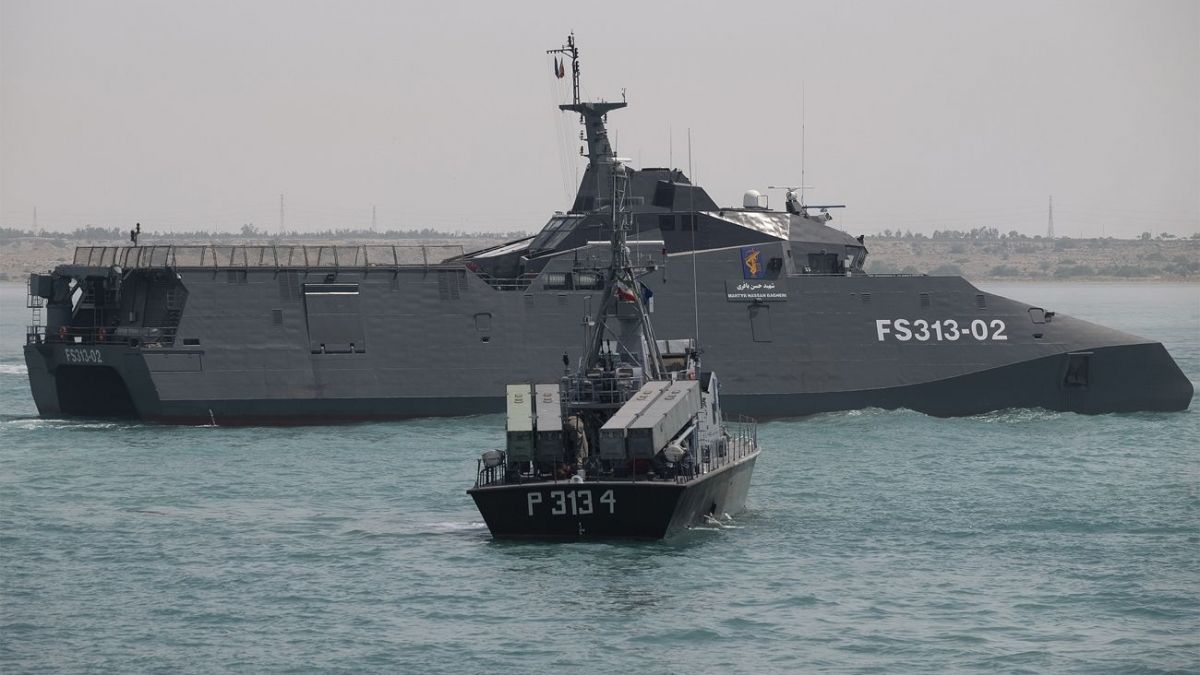
Yet extending the blockade also prolongs a conflict that has driven up gas prices, hurt Trump’s poll numbers and further darkened Republicans’ prospects in the midterm elections, said the report. It has also caused the lowest number of transits through the Strait of Hormuz since the U.S. and Israel launched massive attacks on Iran on Feb. 28.
The lack of a clear, decisive pathway has led some U.S. officials to conclude that the eight-week conflict will likely end with neither a nuclear deal nor a resumption of the war, a sentiment first reported by U.S. online media outlet Axios.
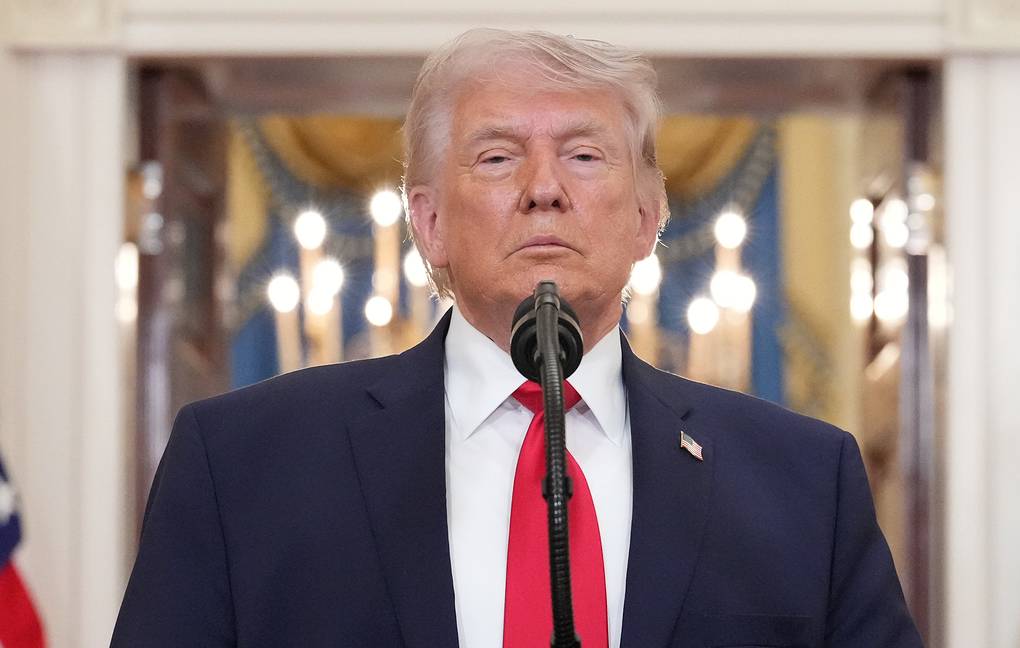
U.S. President Donald Trump has instructed his administration to prepare for an extended blockade of Iran as the ceasefire remains in place amid stalled talks.
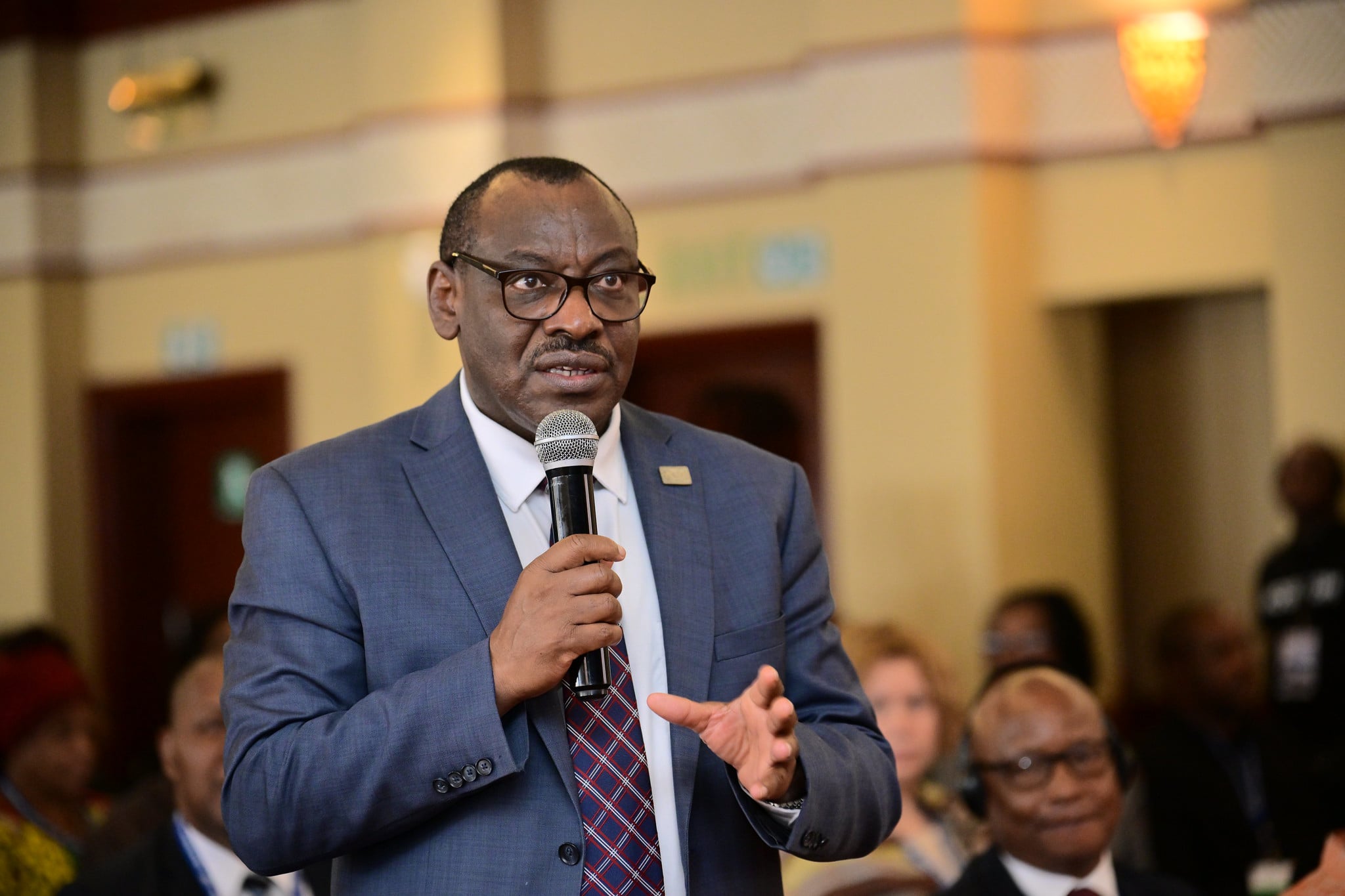
The call was made during the opening of the 12th session of the Africa Regional Forum on Sustainable Development in Addis Ababa, the capital of Ethiopia, under the theme “Turning the Tide: Transformative and Coordinated Actions for the 2030 Agenda and Agenda 2063.”
Speaking at the event, Claver Gatete, executive secretary of the UN Economic Commission for Africa, said Africa’s progress toward the implementation of the SDGs, especially in water and sanitation, energy, and infrastructure, is slow and continues to worsen inequality across the continent.
“Despite progress in expanding water access systems, lack of safety, reliability, and quality continues to constrain health, productivity, and economic transformation across the continent. Gains in energy and infrastructure sectors also are not creating enough jobs and improving competitiveness,” Gatete said.
He said that domestic resource mobilization must be complemented by targeted efforts to attract private investment in Africa as the continent strives to address its infrastructure development gap through partnerships.
Selma Malika Haddadi, deputy chairperson of the AU Commission, said Africa has recorded notable progress in areas such as infrastructure development, regional integration, and digital transformation, particularly under flagship initiatives such as the African Continental Free Trade Area.
Haddadi, however, said the continent is facing several challenges, especially in financing sustainable development, job creation, climate resilience, and addressing inequalities within and between countries.
“With less than five years remaining to achieve the Sustainable Development Goals, we must shift from incremental progress to transformational change. This requires stronger policy coherence between continental, regional, and national frameworks; increased investment in critical sectors such as water, energy, infrastructure, and sustainable cities; enhanced partnerships across governments, the private sector, civil society, and development partners,” she said.
Lok Bahadur Thapa, president of the UN Economic and Social Council, said that around 600 million people in Africa, which is nearly 43 percent of the population in the region, lack access to electricity, while many countries continue to face gaps in access to safe drinking water and other essential services.
“Africa faces a substantial financial gap of between 670 billion and 848 billion U.S. dollars annually, driven largely by rising debt vulnerabilities, fluctuations in foreign direct investment, low domestic resource mobilization, and sharply falling official development assistance,” he said, adding that Africa must focus on domestic resource mobilization to address its huge financing gap and achieve UN sustainable development agendas.
Claver Gatete, executive secretary of the UN Economic Commission for Africa, said Africa’s progress toward the implementation of the SDGs, especially in water and sanitation, energy, and infrastructure, is slow and continues to worsen inequality across the continent.
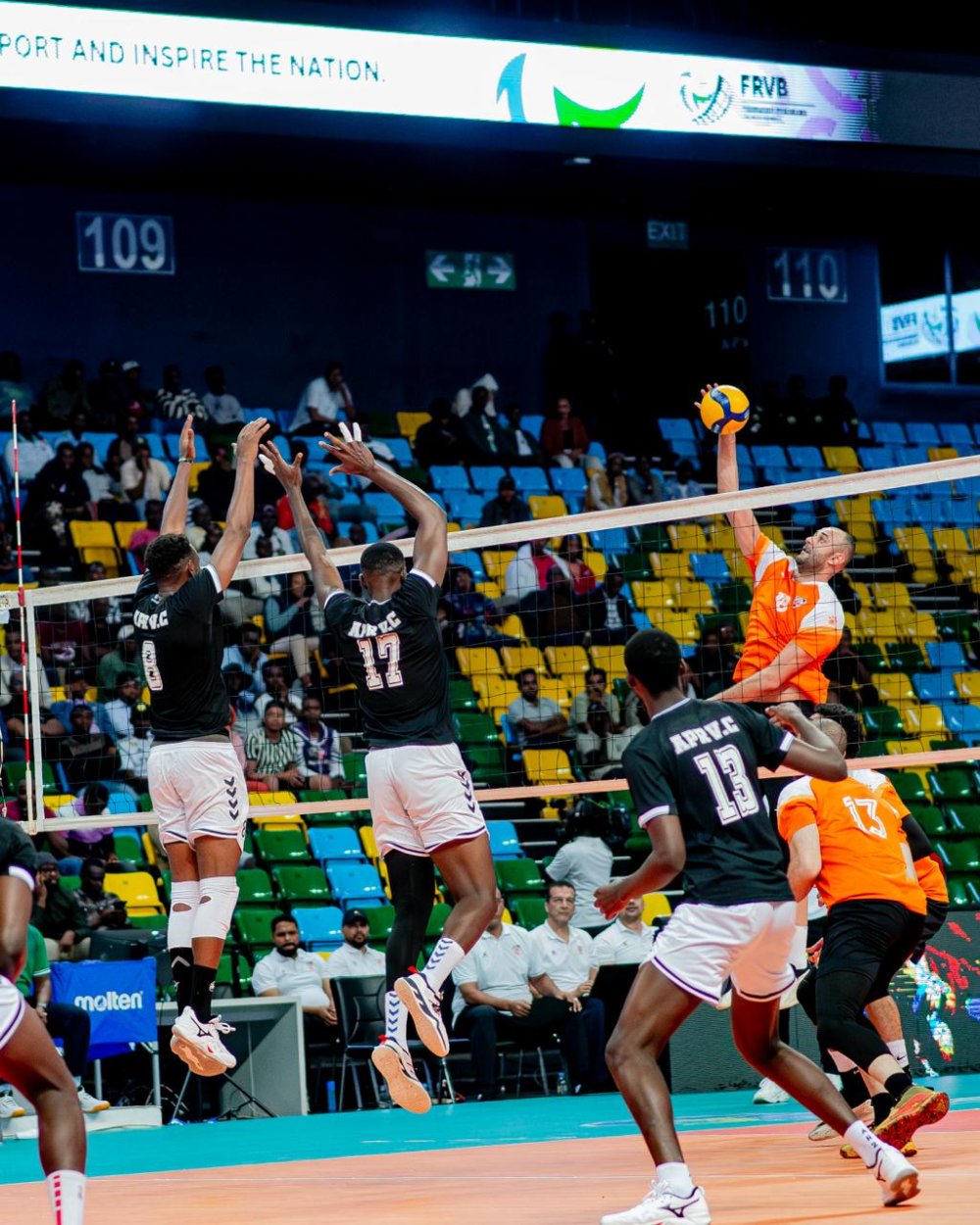
APR VC lost 3-0 (25-18, 25-18, 29-27) to Petrojet in their final Group A match played on Monday evening at BK Arena, missing the chance to finish the group stage unbeaten.
The army side found it difficult to break down the Egyptian club, which dominated the opening two sets with identical 25-18 wins. Head coach Sammy Mulinge made tactical adjustments, introducing players including Niyonshima Samuel and resting James Achuil, but APR could not turn the match around. They pushed hard in the third set and came close to forcing a fourth, but eventually fell 29-27.
Despite the loss, APR VC progressed to the knockout stage as third in Group A, behind Uganda’s Nemo Stars and Petrojet Sports Club. Nemo Stars secured top spot after defeating Cameroon’s Litto Team 3-0 (25-21, 25-16, 25-12).
In Group B, Egypt’s Al Ahly finished the preliminary round unbeaten after defeating AS INJS of Côte d’Ivoire 3-0 (25-13, 25-15, 25-17).
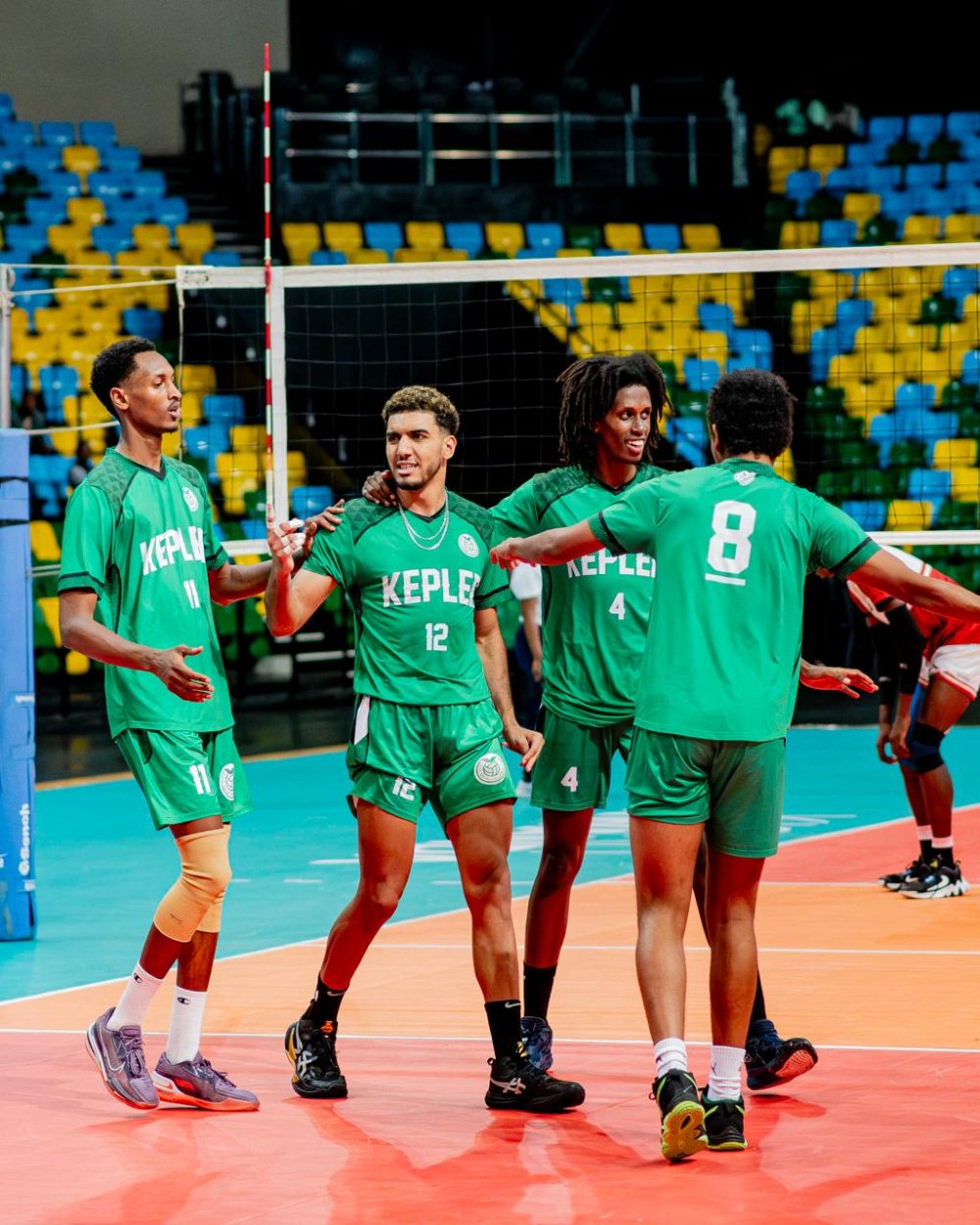
Rwanda’s Kepler VC also impressed, claiming their fourth victory of the tournament with a 3-1 win over Kenya’s Equity Bank (25-19, 20-25, 25-23, 25-18).
Police VC also maintained a perfect record in Group C, edging Kenya Ports Authority in a five-set thriller to close the group stage unbeaten. The Rwandan side won 25-20, 20-25, 25-19, 21-25, 15-12.
Elsewhere in the same group, Ethiopia’s Wolaitta Dicha Sports Club defeated Tanzania’s Prisons VC 3-0 (25-22, 25-22, 25-22), while Morocco’s Faith Union beat Ghana Army 3-2 (24-26, 25-14, 18-25, 25-23, 15-13).
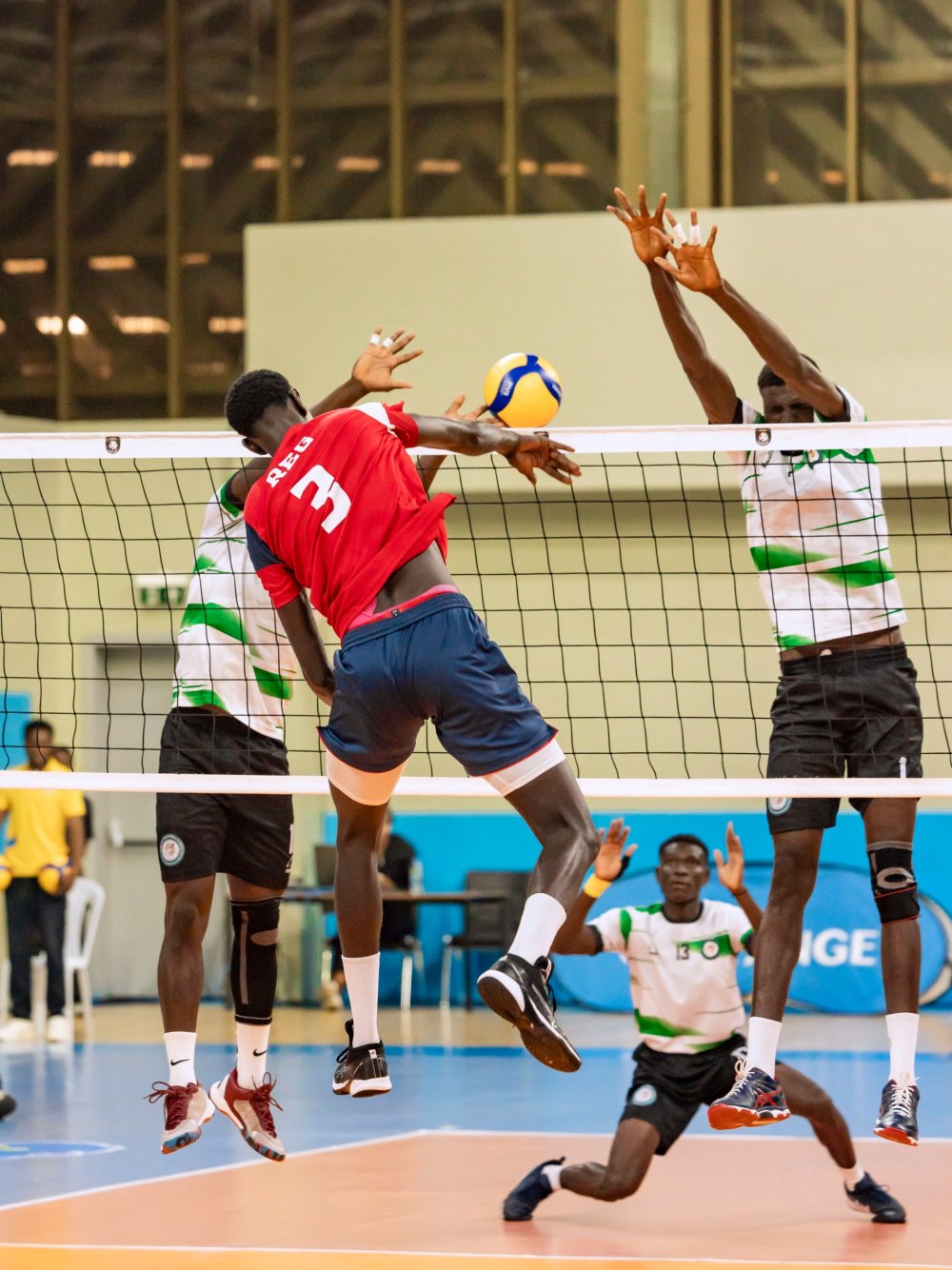
In Group D, REG VC delivered a dominant 3-0 victory over Ghana’s Kabili Sporting, winning 25-19, 25-21, 25-23.
Cameroon’s Port Autonome de Douala also secured a straight-sets win over Kenya’s General Service Unit, taking the match 25-14, 25-22, 25-20.
Teams qualified for the Round of 16
Group A: Nemo Stars, Petrojet, APR VC, Nigeria Customs
Group B: Al Ahly SC, Kepler VC, Sport-S VC, Equity Bank
Group C: Police VC, Faith Union, Ghana Army, Kenya Ports Authority
Group D: Port Autonome de Douala, General Service Unit, REG VC, Kabili Sporting
Round of 16 fixtures
REG VC will face Uganda’s Sport-S VC on Wednesday at 10:00 a.m., while Police VC will take on Nigeria Customs at 2:00 p.m. at BK Arena.
Kepler VC will play Kenya’s General Service Unit at 4:00 p.m., while APR VC will face Morocco’s Faith Union at 8:00 p.m.
Full Wednesday fixtures
Nemo Stars vs Kenya Ports Authority
REG VC vs Sport-S VC
Police VC vs Nigeria Customs
Kepler VC vs General Service Unit
Port Autonome de Douala vs Equity Bank
Petrojet SC vs Ghana Army
Al Ahly vs Kabili Sporting
Faith Union vs APR VC
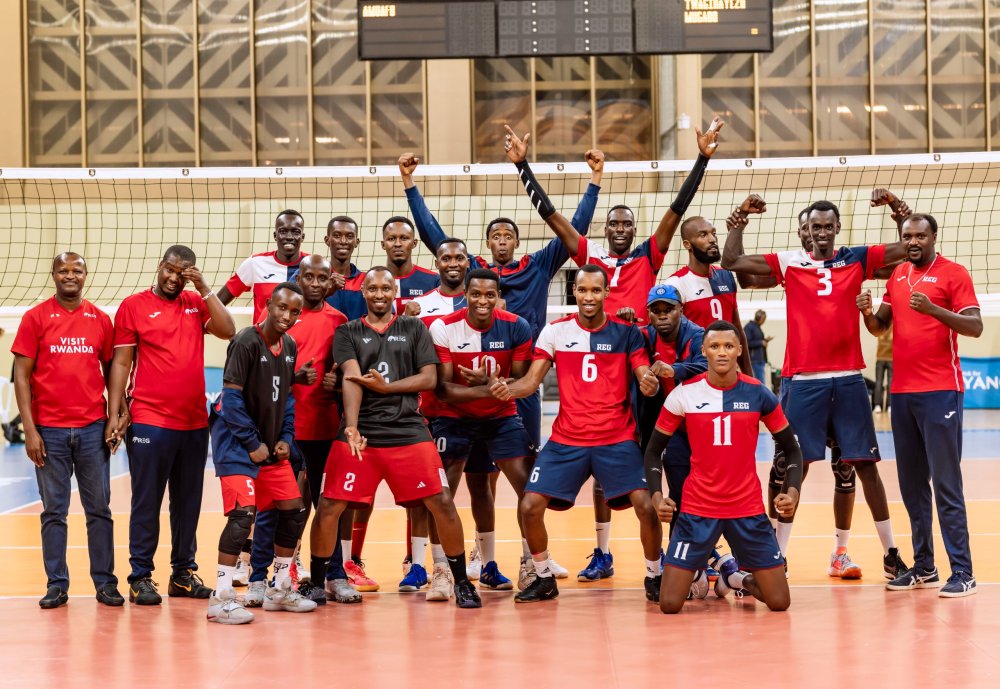
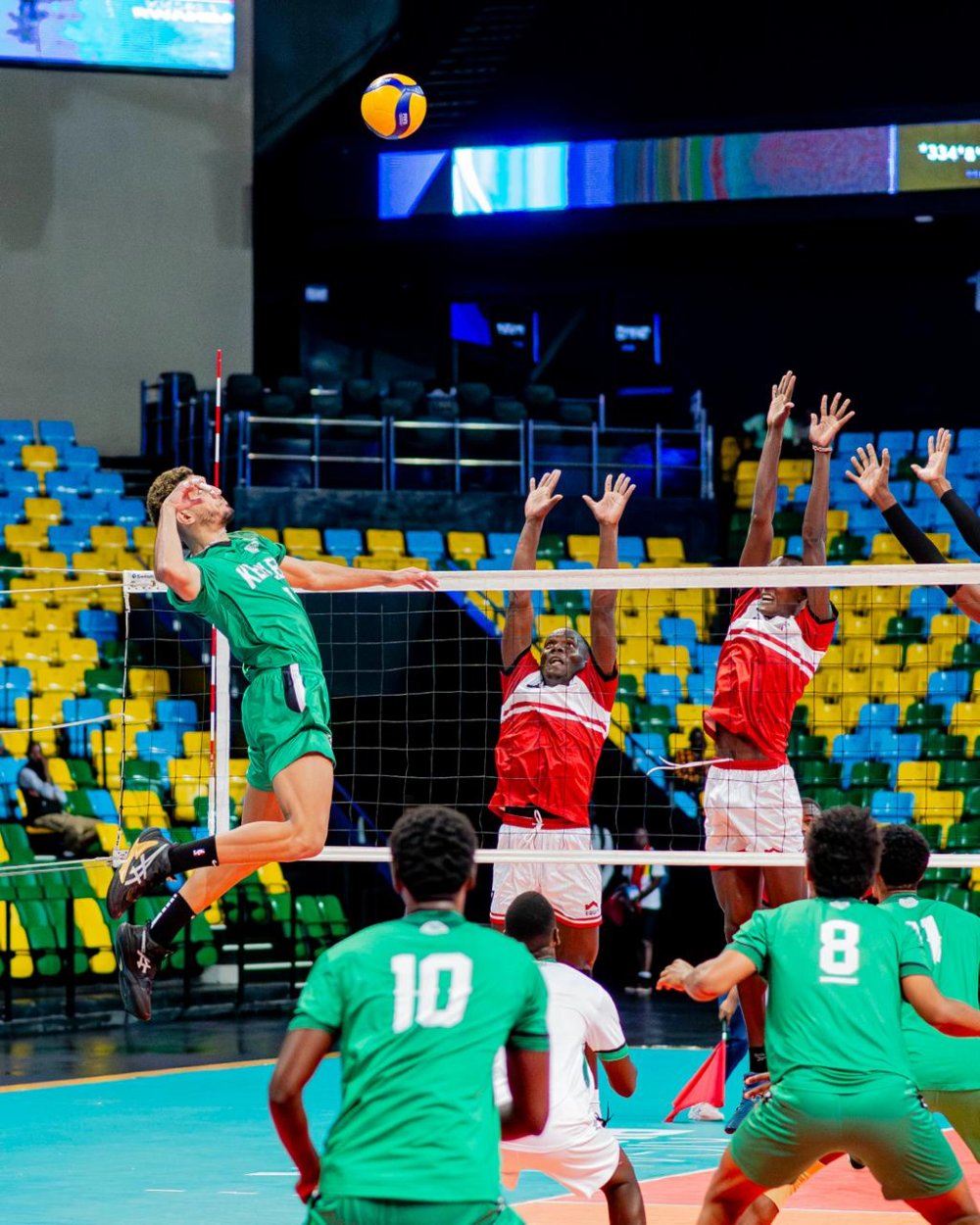
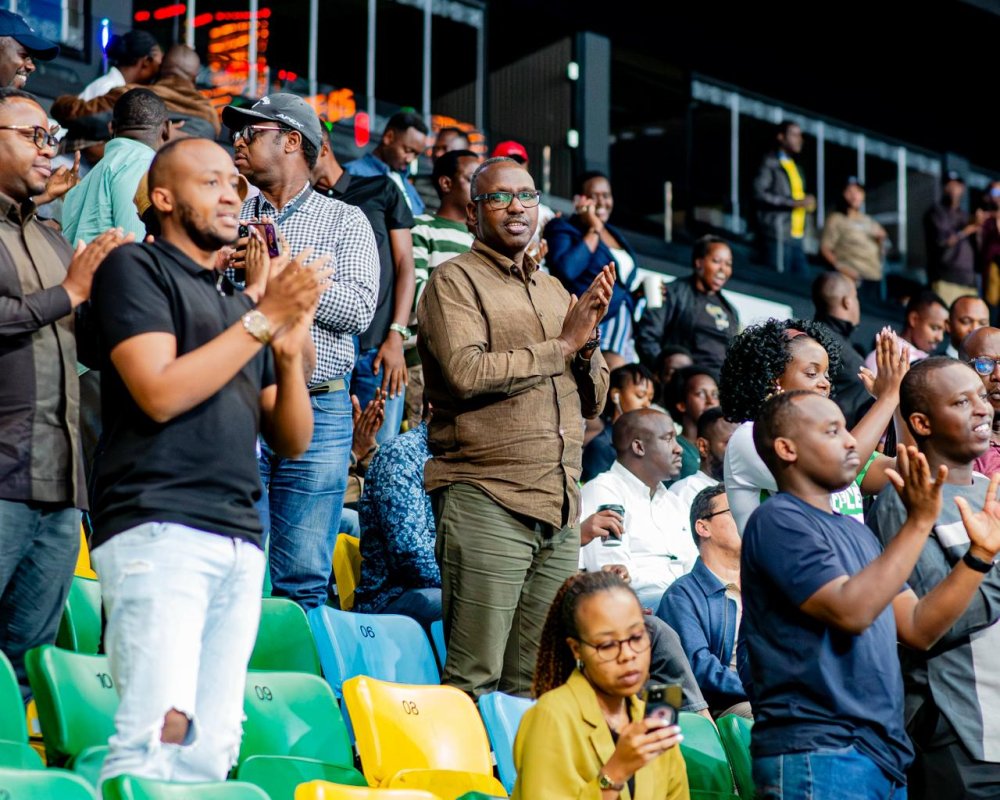
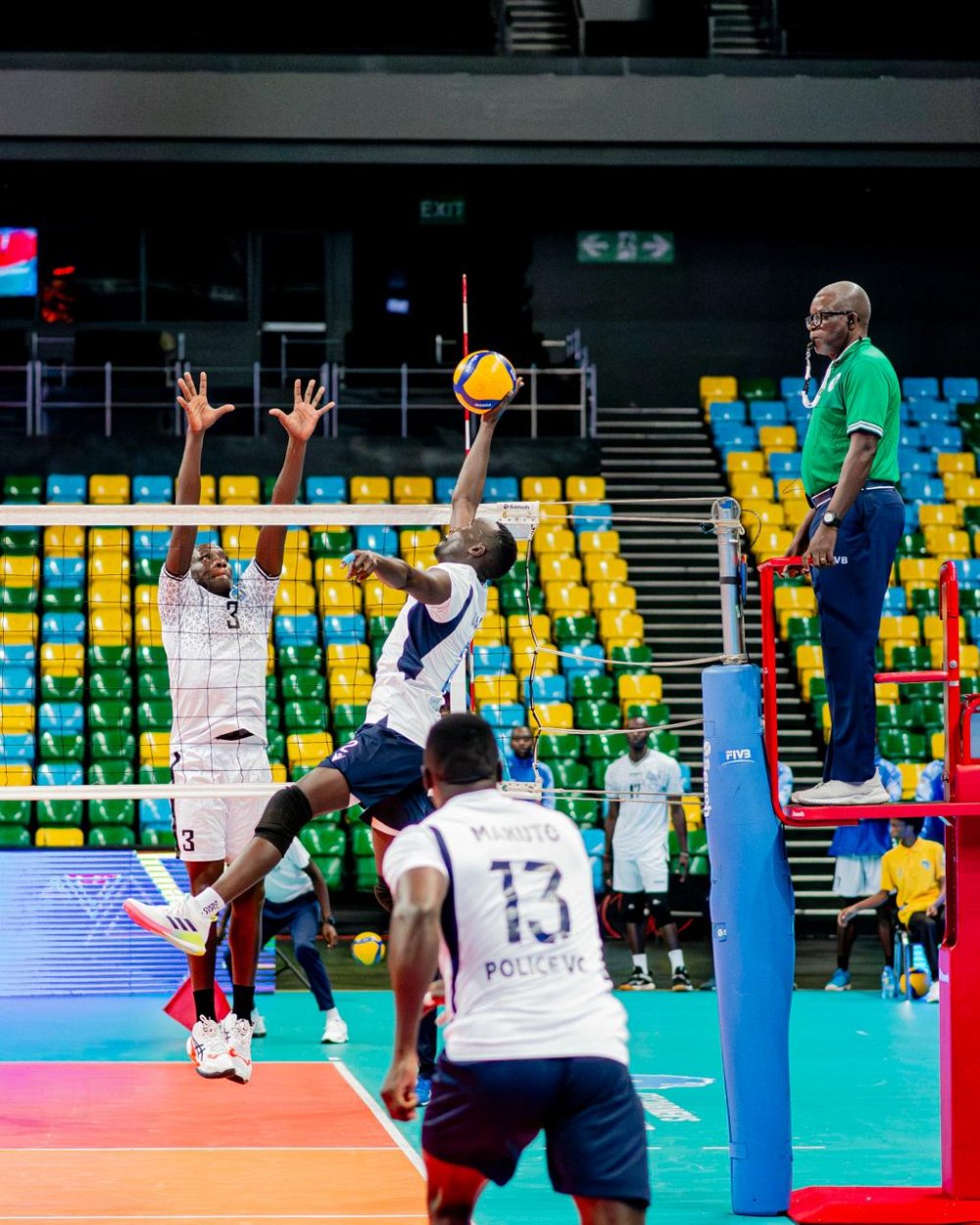
APR VC lost 3-0 (25-18, 25-18, 29-27) to Petrojet in their final Group A match played on Monday evening at BK Arena.REG VC secured a win that confirmed its progression, defeating Kabili Sporting of Ghana.There were jubilant scenes among REG VC players following their victory in the match played at Petit Stade in Remera.Kepler VC also secured a place in the Round of 16 after defeating Equity Bank.The only match Kepler VC lost in Group B was against Al Ahly.FRVB President Ngarambe Raphaël followed the match between Kepler VC and Equity Bank.Police VC was the only Rwandan side to go unbeaten in the group stage, winning all its matches.Police VC Team Manager, CSP Jackline Urujeni, was actively supporting her players from the sidelines.
The research shows that internalised stress, particularly feelings of hopelessness and the habit of suppressing emotional struggles, may have a stronger effect on memory decline than many people realise.
Researchers discovered that when older adults tend to hold stress deep inside themselves, instead of sharing it or finding ways to cope, it may quietly weaken their memory over time. In other words, it is not just ageing itself that affects memory; the way people respond to stress also matters.
“Stress and hopelessness may go unnoticed in ageing populations, yet they play a critical role in how the brain ages,” said Chen, who is also an assistant professor of neurology at Rutgers Robert Wood Johnson Medical School.
“Because these feelings are modifiable, our goal is for this research to inform culturally sensitive stress-reduction interventions to mitigate these feelings in older adults.”
The study looked at more than 1,500 Chinese American adults over the age of 60 living in the Chicago area. This group was considered significant because older Asian Americans have been studied less in relation to brain ageing, despite their growing population.
Researchers found that people with high levels of internal stress, especially those experiencing hopelessness and a tendency to keep problems to themselves rather than discussing them, showed faster declines in memory over time.
This pattern appeared stronger than the influence of other social factors, such as feeling connected to a community or having support from neighbours.
The scientists believe that cultural pressures may also contribute to this issue. For example, stereotypes around always appearing strong, successful, and resilient can make some people feel they should not show weakness or ask for help.
Such expectations may cause emotional struggles to go unnoticed or be ignored, even when they have a serious impact on mental and cognitive health.
One of the most hopeful findings from the study is that internal stress is something that can be addressed. Since it is closely linked to feelings such as hopelessness, which can be treated, researchers say there is an opportunity to improve emotional well-being and protect brain health.
They recommend developing support programmes and care strategies that are sensitive to the cultural backgrounds and lived experiences of older adults.
This approach, they say, could help preserve memory, improve emotional resilience, and support healthier ageing.
Stress is not only something people feel emotionally; it can also shape how the brain functions over time. By understanding its impact better and helping older adults manage it in healthier ways, researchers believe memory problems could be reduced and ageing made easier for many people.
A new study by researchers at Rutgers University has found that older adults who keep stress bottled up instead of talking about it may face faster memory decline, highlighting how emotional health can quietly shape brain ageing.
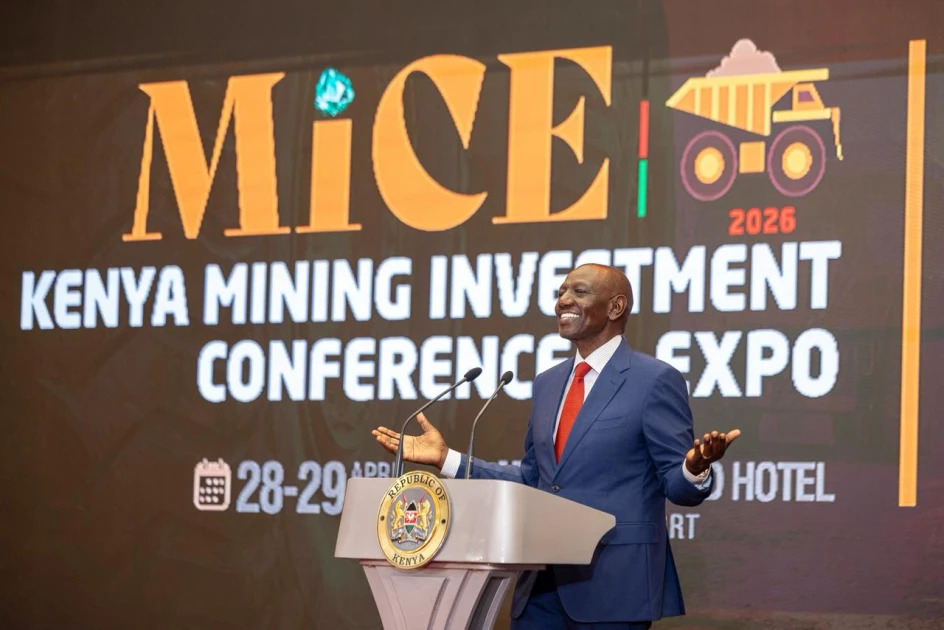
Speaking on Tuesday, April 28, during the Mining Investment Conference and Expo in Nairobi, the Kenyan Head of State said his comments were misrepresented and were never intended to demean any country.
“I was recorded when I was speaking to fellow citizens somewhere. It was supposed to be a private conversation, but someone decided that it should be public. But they also misrepresented the facts,” he said.
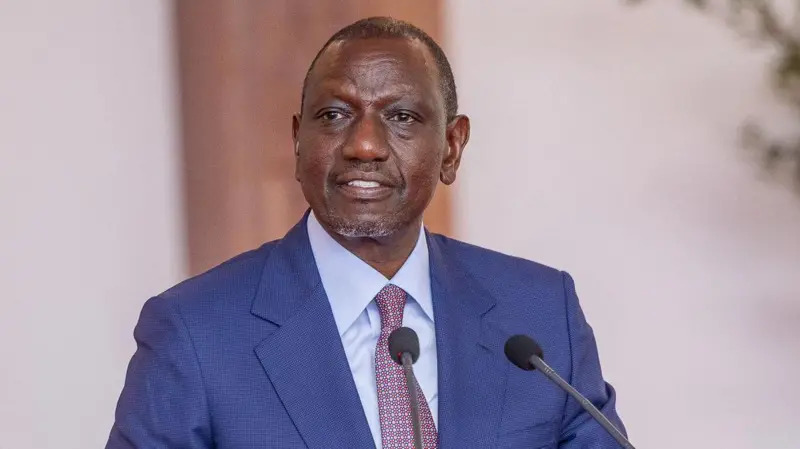
Ruto explained that his remarks were meant to highlight the proficiency of English across African countries, rather than compare or disparage nations.
“The facts are that I was talking about how we in Africa speak very good English. In fact, in some countries like Nigeria, if you don’t speak excellent English like the one we speak in Kenya, you may need a translator for you to understand the excellent English in Nigeria, so that was the comparison, but someone decided to take it out of context,” he said.
The President further expressed hope that the controversy would not affect relations between Kenya and Nigeria.
“My in-laws, I hope there will be no consequences for whatever was done,” he added, in reference to his family ties with Nigeria. Ruto’s daughter, June Ruto, is married to Nigerian national Alexander Ezenagu.
His clarification came moments after Nigeria’s Minister of Solid Minerals Development, Henry Dele Alake, addressed the matter in a light-hearted intervention during the same conference, saying Nigerians had “mandated” him to affirm their command of English.
“The people of Nigeria have mandated me to inform you and assure you that Nigerians speak good English,” Alake said, drawing laughter from delegates.
President Ruto had earlier sparked controversy on Monday, April 23, while addressing Kenyans living in Italy, when he praised Kenya’s education system and English proficiency, contrasting it with Nigeria’s accent.
“Our education is good. Our English is good. We speak some of the best English in the world. If you listen to a Nigerian speaking, you don’t know what they are saying. You need a translator even when they are speaking English,” he said.
Both Kenya and Nigeria use English as an official language, though each country has developed distinct accents shaped by local languages and cultural influences. Online exchanges between citizens of the two countries are often marked by humour, rivalry, and national pride.
President Ruto explained that his remarks were meant to highlight the proficiency of English across African countries, rather than compare or disparage nations.
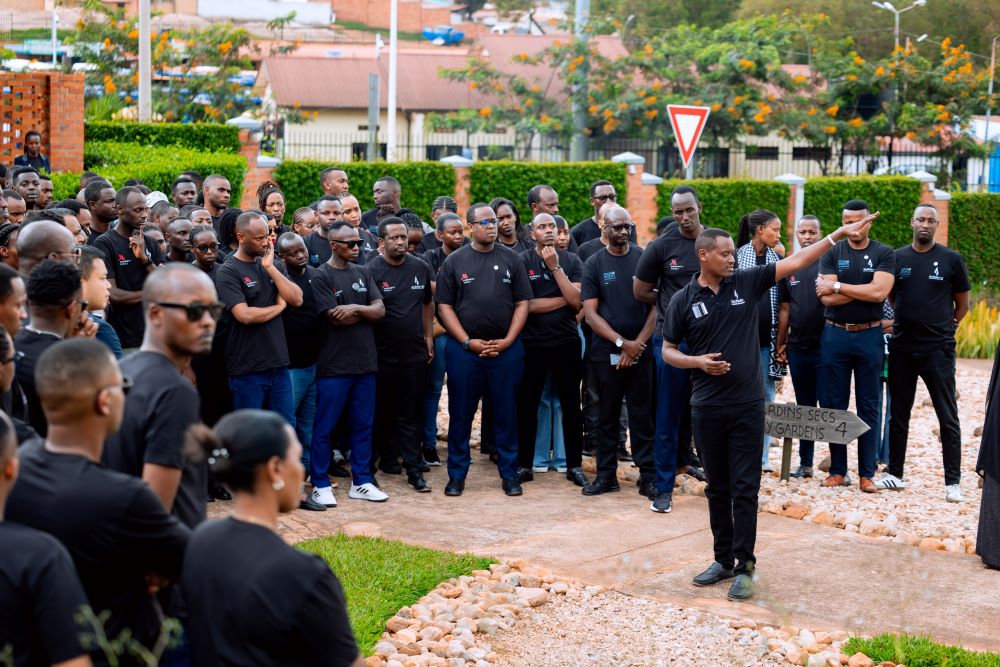
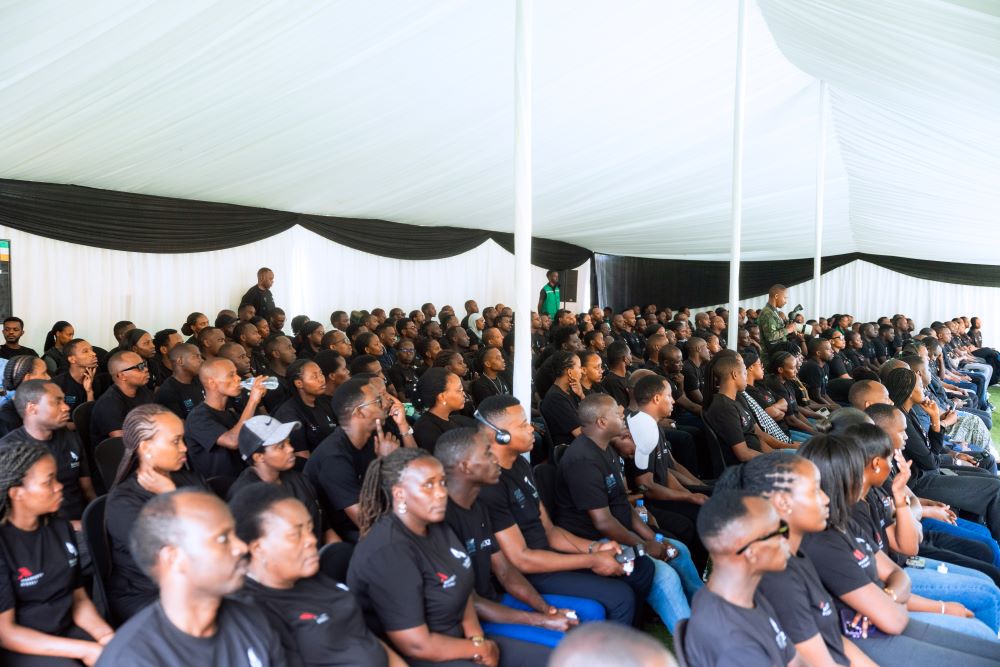
The visit, held on April 23, 2026, saw staff tour various sections of the memorial and receive a detailed briefing on how the Genocide was planned and executed. They were also taken through Rwanda’s post-genocide recovery journey.
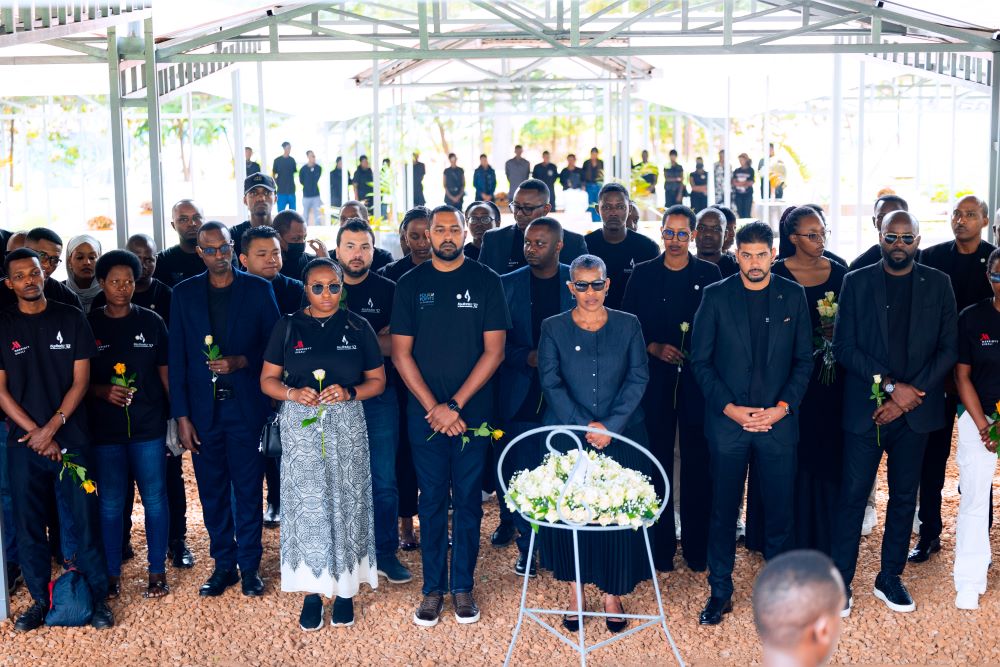
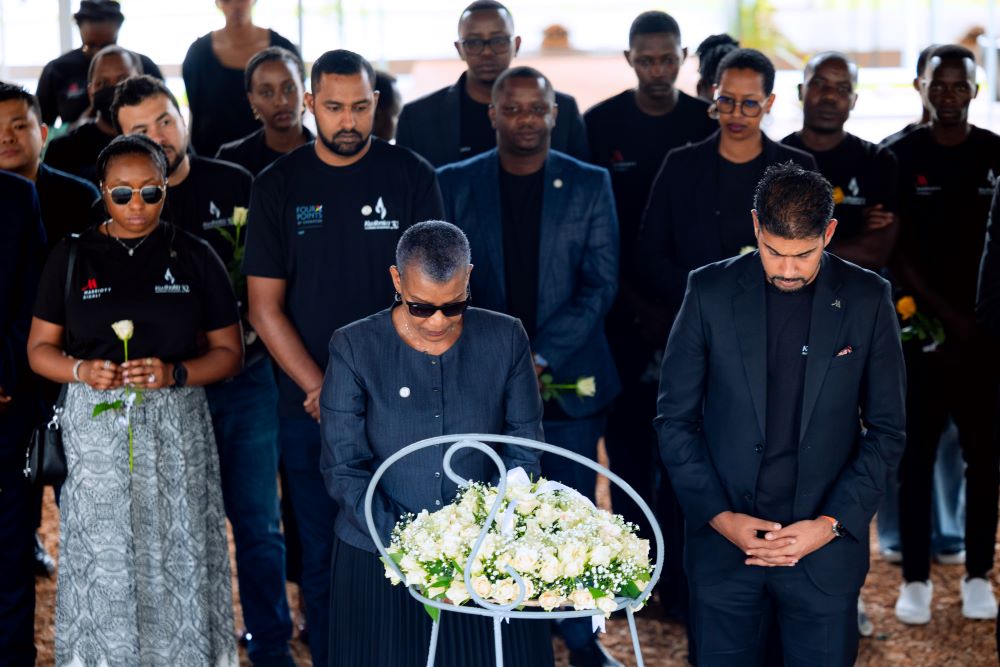
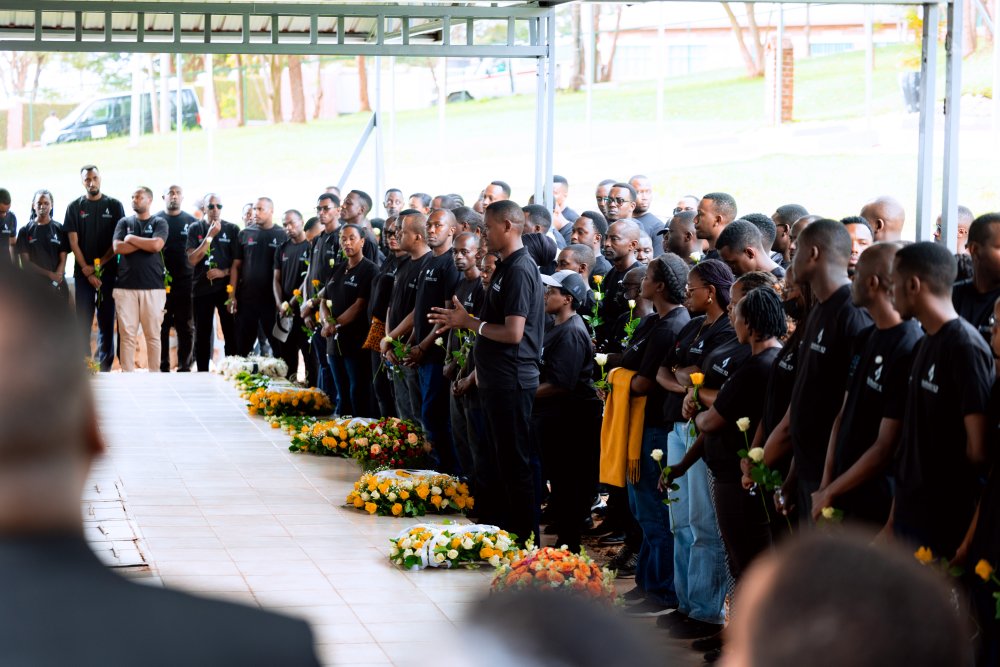
The employees later laid wreaths at the burial site where more than 105,000 genocide victims are laid to rest.
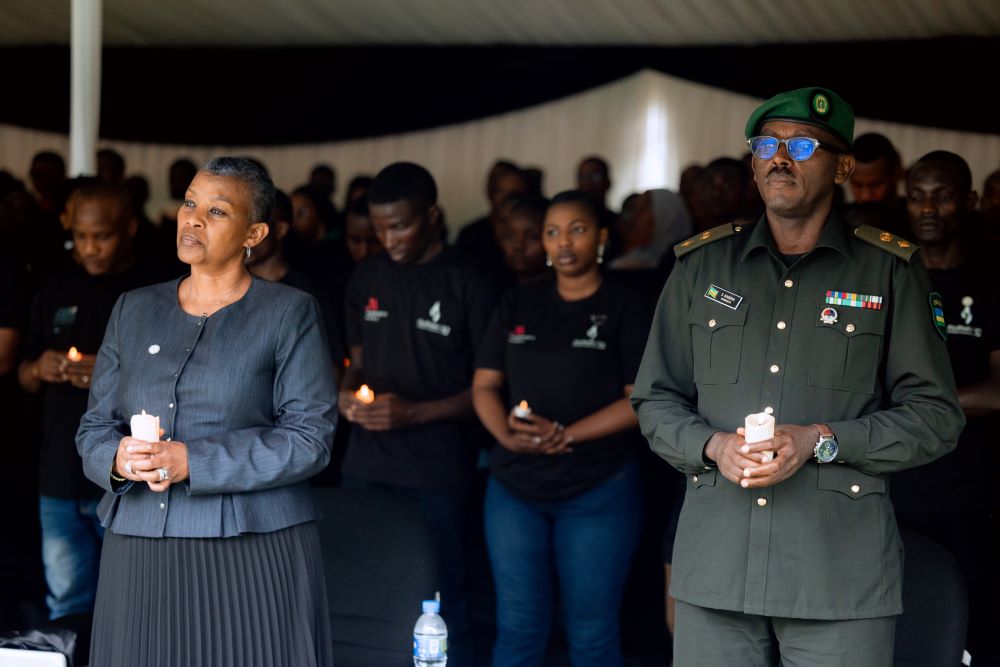
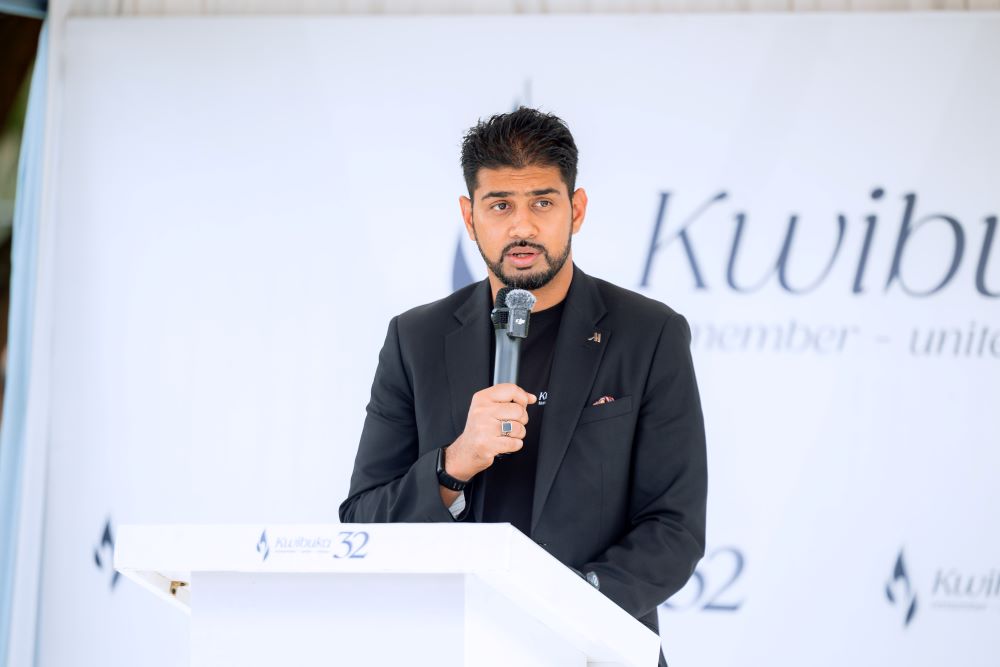
The General Manager of Kigali Marriott Hotel and Four Points by Sheraton, Aditya Chacko, encouraged staff, particularly young employees, to uphold values of unity, resilience, and responsibility in their daily work.
“The attitude of Rwandans, your courage, and your ambitions all demonstrate that you have chosen not to be defined by a painful past. I wish you continued progress,” he said.
The Deputy Spokesperson of the Rwanda Defence Force, Lt Col Simon Kabera, emphasized the importance of educating young people about the history of the Genocide against the Tutsi and the ideology that led to it.
He urged them to actively counter genocide denial and distortion, particularly on social media platforms widely used by youth.
“Our young people should learn how the Genocide was planned and executed, understand the path it took, and remain vigilant against those who still promote genocidal ideology so that it never happens again,” he said.
He further noted that commemorating the Genocide against the Tutsi is not only a national responsibility but also a shared human duty.
Karambizi Oleg Olivier, an official from the Ministry of National Unity and Civic Engagement responsible for strategies against genocide denial and revisionism, called on hotel staff to develop a deeper understanding of Rwanda’s history so they can accurately inform visitors.
He noted that, as hospitality workers engaging with many international guests, they have a responsibility not only to provide services but also to ensure visitors receive truthful accounts of Rwanda’s history, especially in cases where misinformation may exist.
Management of Kigali Marriott Hotel and Four Points by Sheraton Kigali reiterated their commitment to supporting Rwanda’s development agenda, including contributing to the country’s positioning as a leading tourism destination and supporting economic growth through job creation.
VIDEO: Staff from Kigali Marriott Hotel and Four Points by Sheraton Kigali recently visited the Nyanza Genocide Memorial as part of the 32nd commemoration of the 1994 Genocide against the Tutsi.
Speaking during the visit, Aditya Chacko, CEO of Kigali Marriott Hotel, emphasised… pic.twitter.com/0uVOwJGX2t
Employees of Kigali Marriott Hotel and Four Points by Sheraton paid a visit to the Nyanza Genocide Memorial in Kicukiro District The staff toured various sections of the memorial and received a detailed briefing on how the Genocide was planned and executed. They were also taken through Rwanda’s post-genocide recovery journey.The management and staff of Kigali Marriott Hotel and Four Points by Sheraton paid tribute to the victims laid to rest at the memorial site.The General Manager of Kigali Marriott Hotel and Four Points by Sheraton, Aditya Chacko, encouraged staff, particularly young employees, to uphold values of unity, resilience, and responsibility in their daily work.The employees laid wreaths at the burial site where more than 105,000 genocide victims are laid to rest.