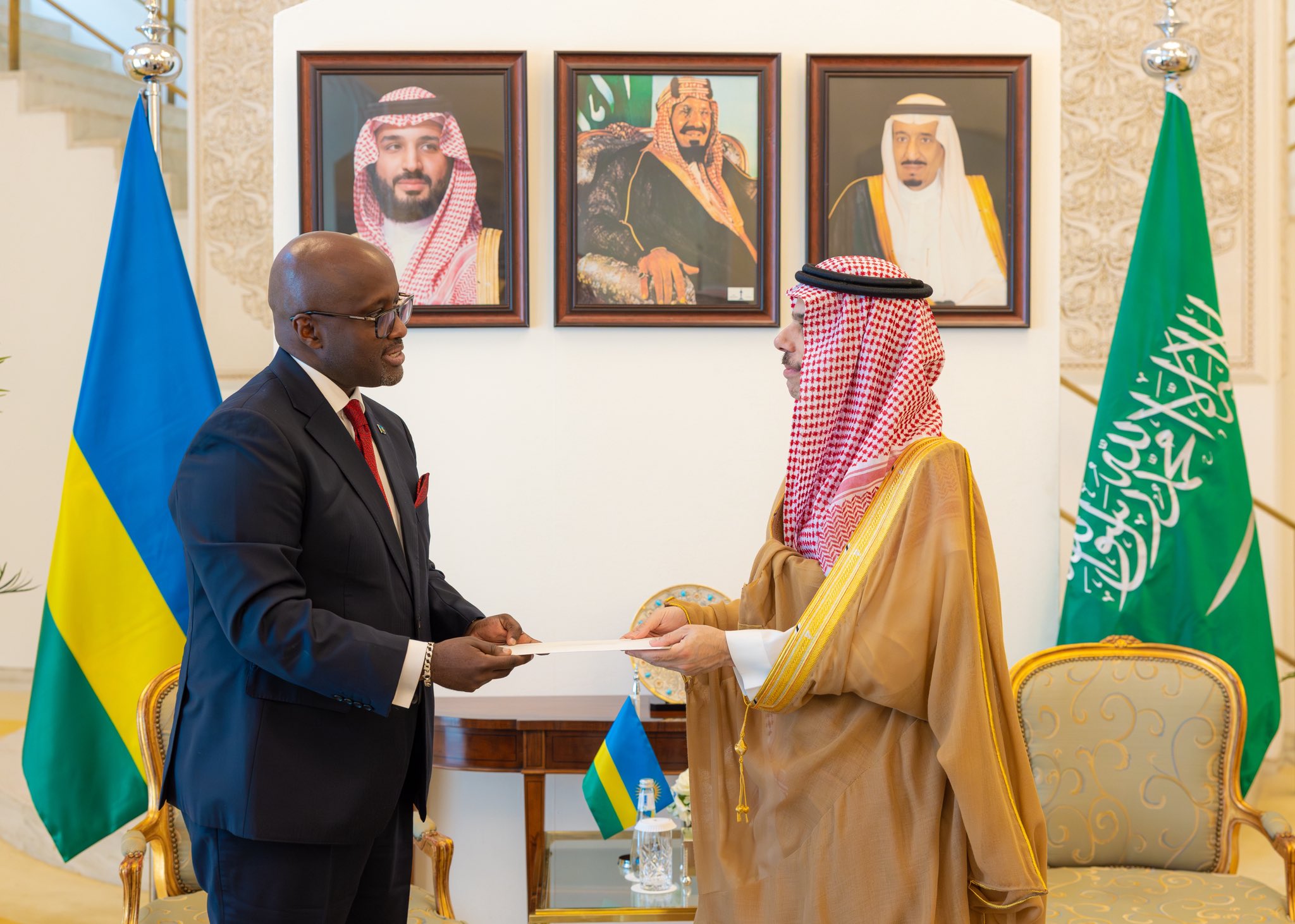
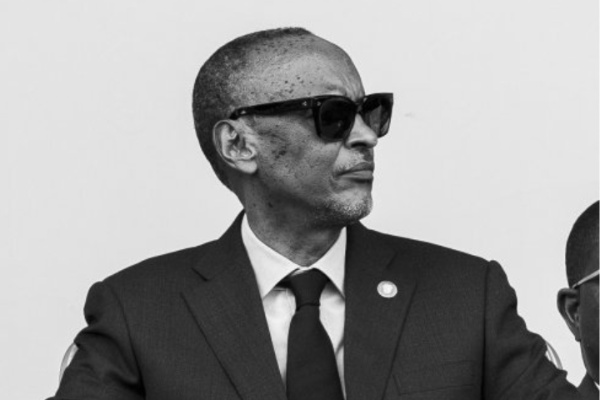
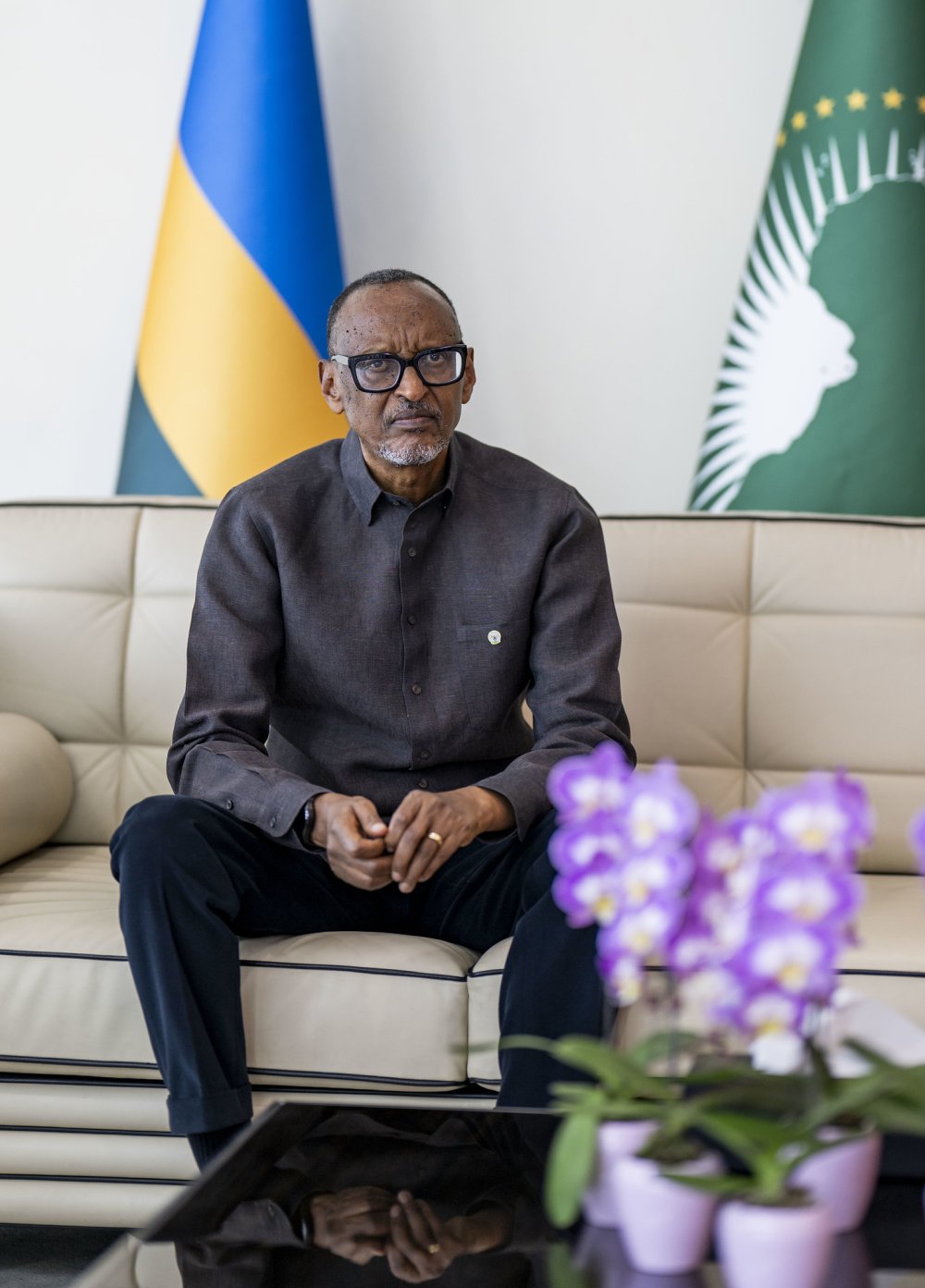
The message was delivered during a meeting at the Ministry of Foreign Affairs headquarters in Riyadh between Saudi Minister of Foreign Affairs Prince Faisal bin Farhan bin Abdullah and Rwanda’s Minister of Foreign Affairs and International Cooperation, Olivier Nduhungirehe.
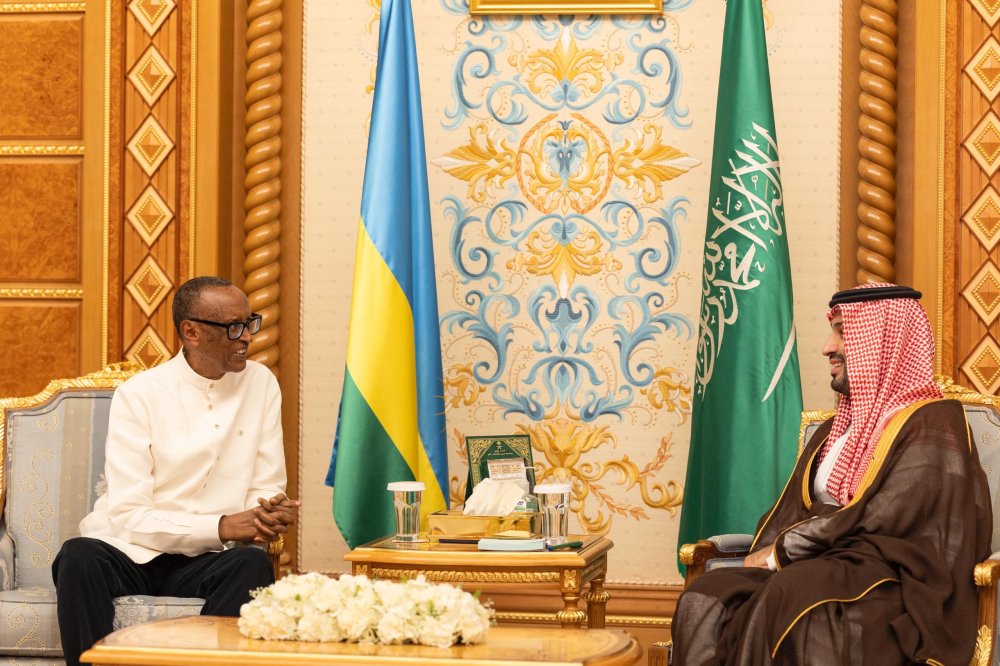
In his message, President Kagame expressed Rwanda’s solidarity with Saudi Arabia amid evolving regional circumstances, according to the Saudi Foreign Ministry.
The Middle East region has, in recent months, been experiencing heightened geopolitical tensions and security challenges, marked by escalating regional frictions involving Iran, Israel, and the United States.
These developments have unfolded alongside the ongoing Israel–Palestine conflict and the war in Gaza, rising instability in the Red Sea affecting maritime security, and broader tensions involving Iran and several Gulf states.
Collectively, these dynamics have continued to strain regional stability, disrupt key shipping routes, and impact international trade and energy flows.
Meanwhile, during the recent meeting, the two ministers also discussed bilateral relations between Rwanda and Saudi Arabia and reviewed a number of issues of common interest aimed at further strengthening cooperation between the two countries.
The meeting was attended by Vice Minister of Foreign Affairs Waleed Elkhereiji, Deputy Minister for Political Affairs Ambassador Dr. Saud Al-Sati, and Director General of the General Administration for African Affairs Saqr Al-Qurashi.
Rwanda and Saudi Arabia continue to cooperate on major infrastructure projects, including healthcare facilities, energy systems, and road development.
Saudi Arabia previously extended a $42 million loan to Rwanda for the construction of road projects covering a total of 150 kilometres, including the Nyagatare–Base–Rukomo and Huye–Kitabi roads, which were officially inaugurated last year.
Bilateral trade between the two countries has also grown steadily in recent years. Between 2022 and 2025, Saudi Arabia ranked among the leading destinations for Rwandan exports.
Data from the National Institute of Statistics of Rwanda (NISR) indicates that Rwandan exports to Saudi Arabia reached $1.2 billion between the first and third quarters of 2025.
In February 2025, Saudi Arabia’s Foreign Trade Authority (FSC) and Rwanda’s Private Sector Federation (PSF) established a joint commission aimed at strengthening trade cooperation between the two countries.
The commission is expected to support the expansion of trade and investment flows, as well as enhance cultural cooperation between the two sides, according to officials.
The message was delivered during a meeting at the Ministry of Foreign Affairs headquarters in Riyadh between Saudi Minister of Foreign Affairs Prince Faisal bin Farhan bin Abdullah and Rwanda’s Minister of Foreign Affairs and International Cooperation, Olivier Nduhungirehe.The most recent publicly reported engagement between President Kagame and Mohammed bin Salman took place in October 2025.
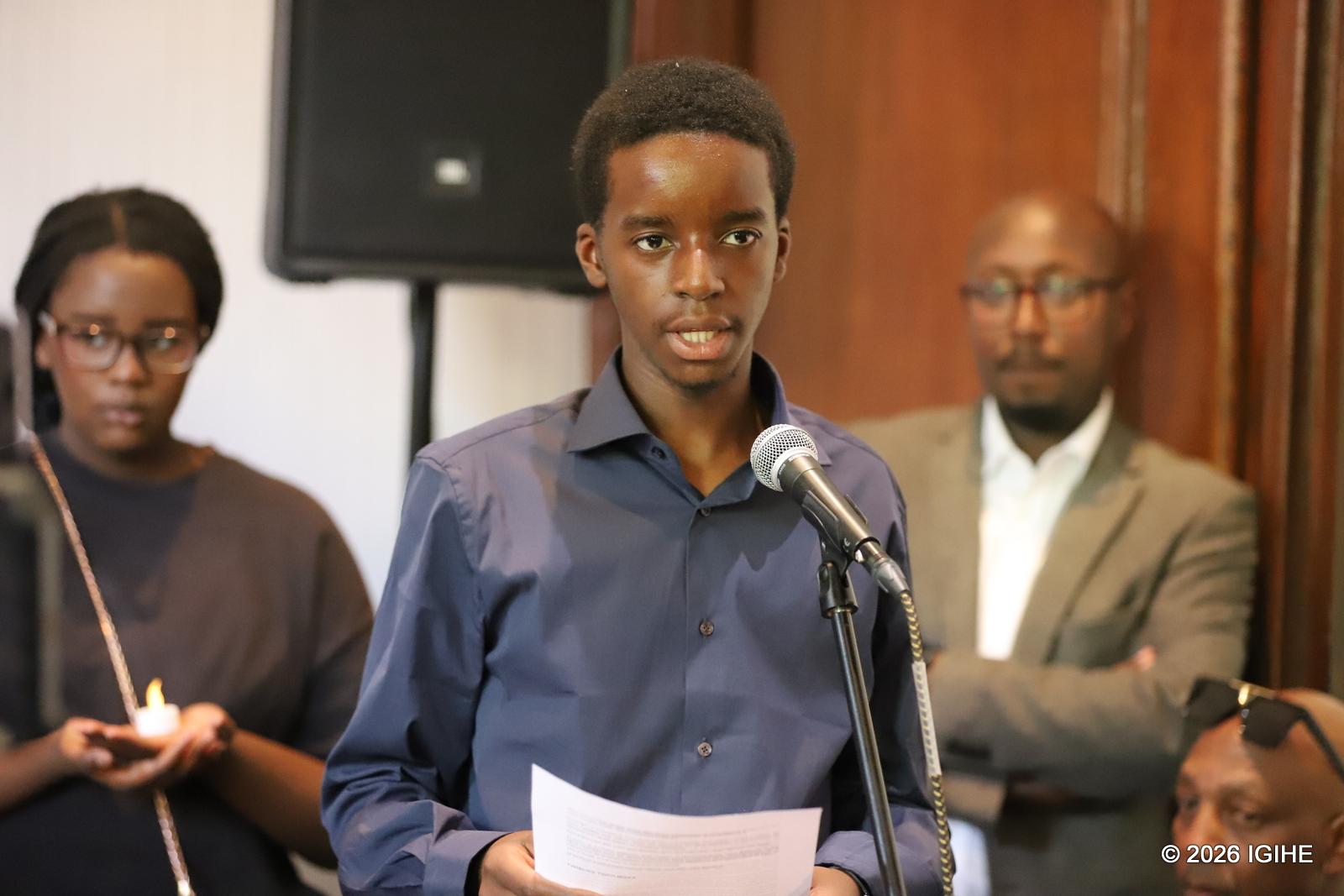
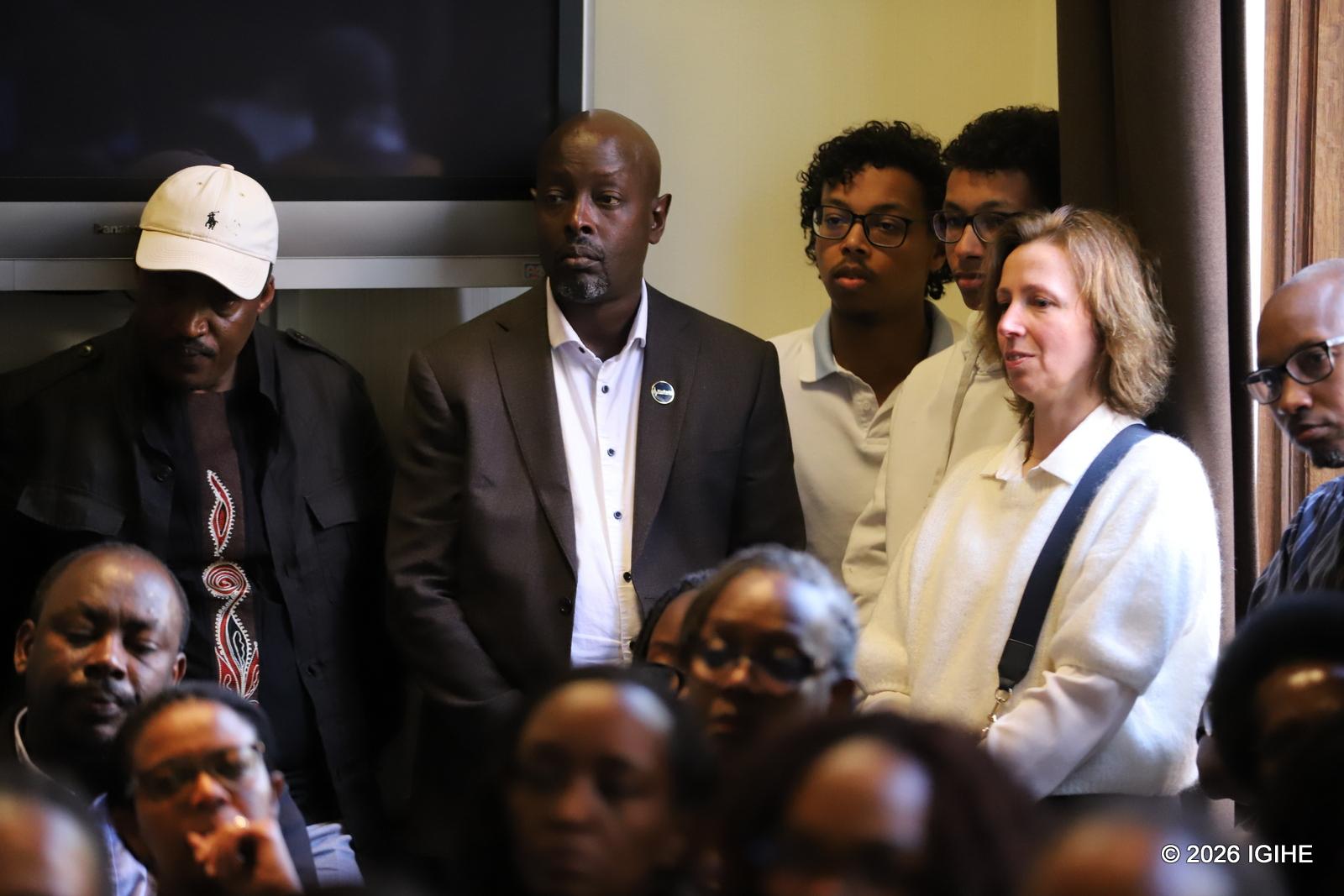
In front of survivors and the authorities of the City of Namur present on the occasion, the child spoke with remarkable sincerity and depth.
“I stand before you in memory of our loved ones who were killed in Rwanda during the 1994 Genocide against the Tutsi,” he stated at the outset, honoring those who lost their lives during the Genocide against the Tutsi.
In a speech filled with emotion, he spoke about shattered lives: men, women, and children—each with dreams, families, and unique stories. He reminded the audience that behind every victim was a life, a smile, a hope.
The young speaker also highlighted the enduring reality of grief. “This pain is not always visible. It is silent, but it is there,” he said, emphasizing the living memory carried by families and survivors.
Beyond remembrance, his message carried hope. He called for memory to become a foundation for building a better future: “Their memory can help us build something more just, more humane.”
Aware of his young age, he added with humility: “I cannot change what happened, but I can learn, remember, and believe in a different future, a future without violence where children grow up in safety and where solidarity prevails over hatred.”
Thirty-two years later, his speech reminded everyone of the importance of never forgetting, while holding on to a light of hope.
“Even after the darkest moments, it is possible to rebuild, to rise again, and to move forward together,” he stressed.
Finally, he expressed his gratitude for the efforts of reconstruction, remembrance, and reconciliation undertaken by the Rwandan government, noting that a future based on peace and dignity remains possible.
Through his simple yet powerful words, Christian Cyusa delivered a striking testimony, embodying both memory and hope for future generations.
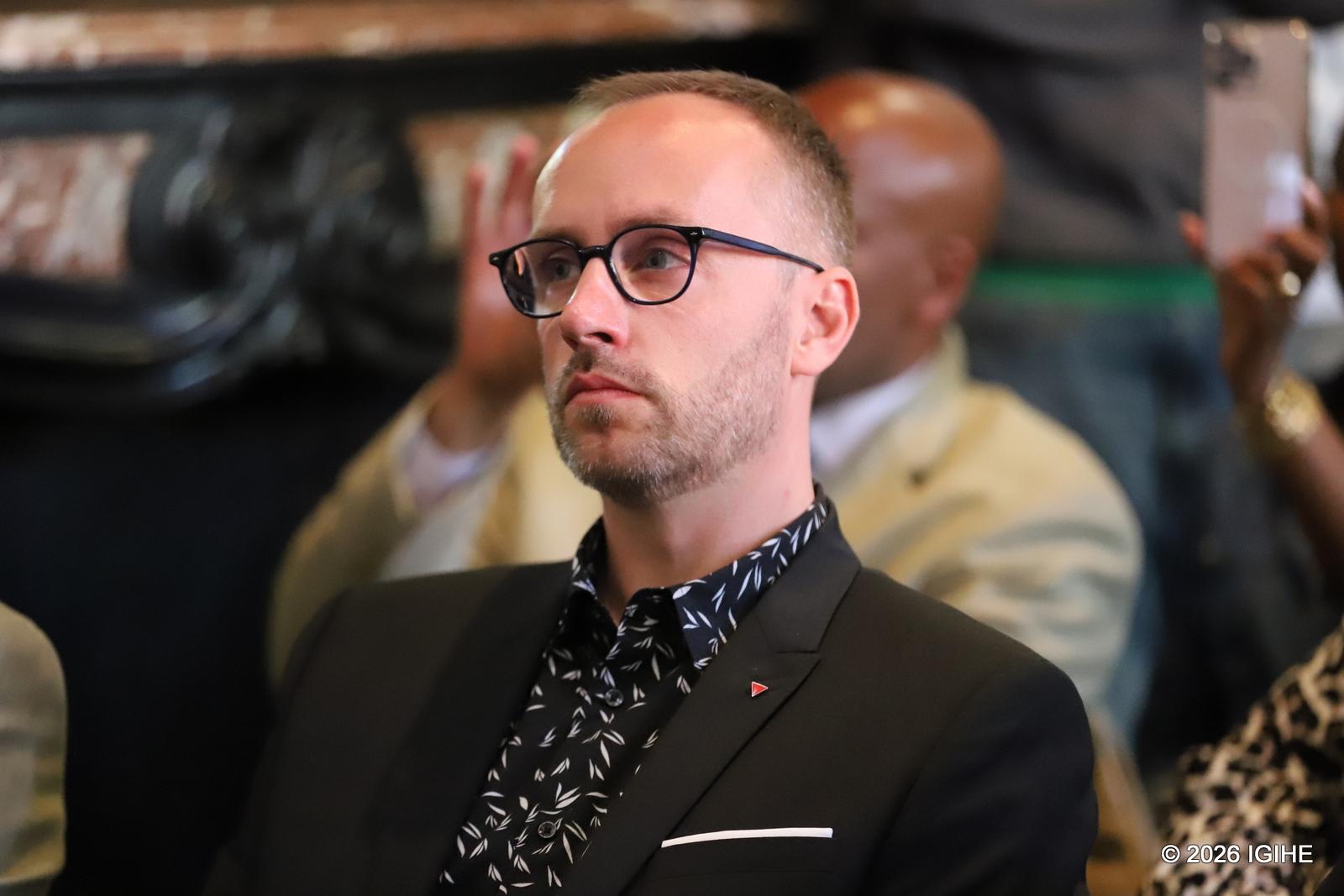
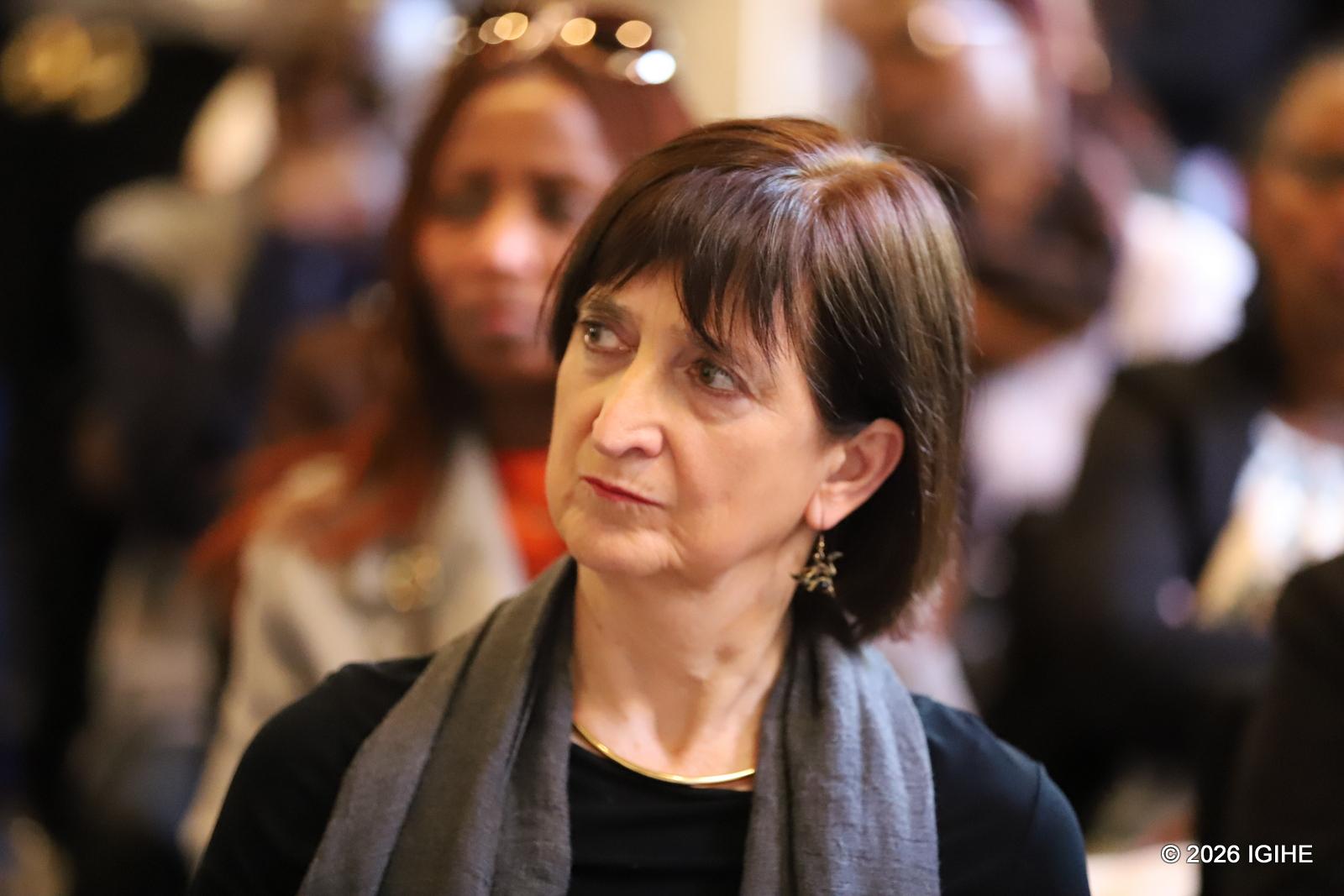
Christian Cyusa delivers a powerful tribute during the 32nd commemoration of the Genocide against the Tutsi in NamurChristian Cyusa’s tribute stirred deep emotions, as attendees reflected on the pain and memory of the victims.Speaking before survivors and local authorities, the young orator created a solemn ambience filled with remembrance and respect.As he honored the victims of the Genocide against the Tutsi, the audience was drawn into a moment of shared reflection and silence.The 32nd commemoration of the Genocide against the Tutsi in Namur was marked by a deeply emotional atmosphere as Christian Cyusa delivered a powerful tribute.
According to a communique from the Office of the President of Botswana issued on April 29, 2026, in Gaborone, the visit will be preceded by the Second Session of the Botswana and Rwanda Joint Permanent Commission on Cooperation (JPCC), set for 4-5 May 2026. The meetings are expected to reinforce both countries’ commitment to structured and results-oriented cooperation.
The State Visit is seen as a significant milestone in strengthening Botswana–Rwanda relations, building on progress achieved since President Kagame’s 2019 State Visit, during which the two countries agreed to establish the JPCC as a framework for deepening bilateral engagement.
During the upcoming visit, President Kagame and President Boko are expected to hold official talks focusing on key areas of cooperation, including digital trade, tourism, animal vaccines, transport connectivity, and collaboration within the diamond value chain. As part of the programme, President Kagame is also expected to visit the Diamond Trading Company Botswana (DTCB).
Several agreements are anticipated to be signed during the visit. These include frameworks on trade and investment cooperation, institutional collaboration between the Botswana Investment and Trade Centre (BITC) and the Rwanda Development Board (RDB), as well as a Double Taxation Avoidance Agreement aimed at facilitating smoother business and investment flows between the two countries.
In addition, a business forum is scheduled to take place on May 5, 2026, bringing together private sector stakeholders from both Rwanda and Botswana to explore investment and trade opportunities.
President Kagame will be accompanied by Cabinet Ministers, senior government officials, and members of the business community.
President Paul Kagame is scheduled to undertake a State Visit to Botswana from 6th to 7th May 2026, at the invitation of President Advocate Duma Gideon Boko.
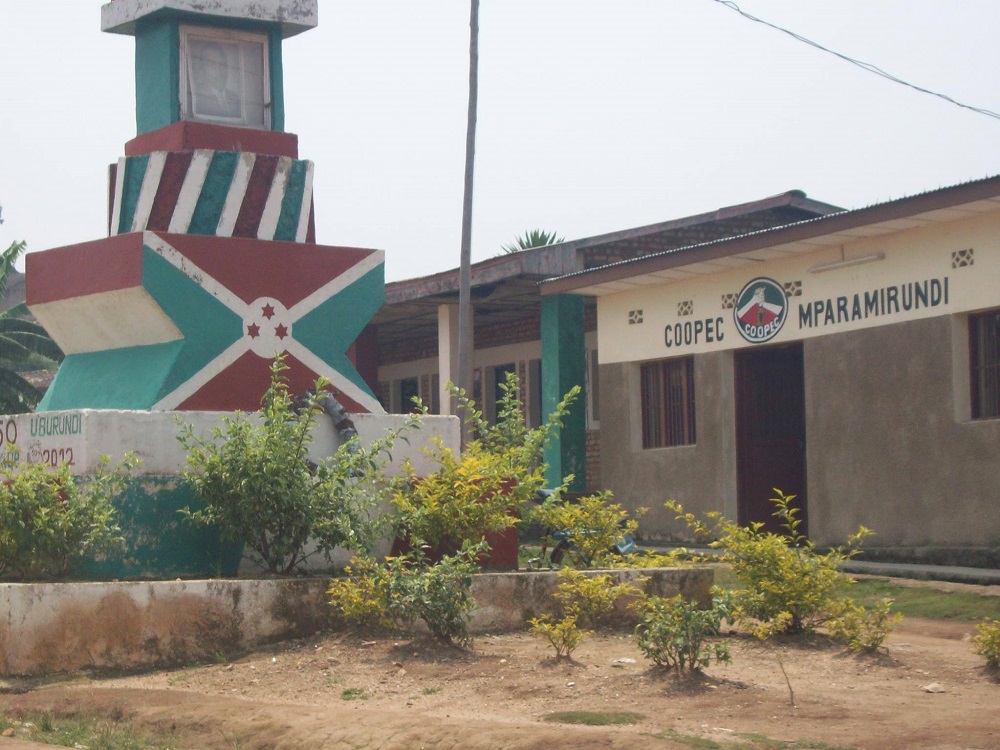
The incident reportedly occurred in the morning in Mparamirundi zone, Kayanza Commune, in Butanyerera Province, near the Rwanda–Burundi border. Police officers operating in the area arrested four people accused of engaging in smuggling activities.
According to police and local administrative officials, the suspects were found carrying between 40 and 60 kilograms of coffee, believed to have been intended for illegal cross-border trade. The border between the two countries has been closed for about two years.
The four individuals were taken to Mparamirundi police station. Reports indicate that two of them were subsequently shot dead on orders from the station commander, identified only as Franck.
Local media outlet SOS Médias reported claims that higher authorities may have instructed police operating along the Burundi–Rwanda border to use lethal force against those caught smuggling goods.
However, Burundian police have provided a different account. Authorities say the gunfire heard at the Mparamirundi station resulted from unrest, as residents allegedly protested and demanded the release of those arrested. Police maintain that shots were fired into the air to disperse the crowd.
Burundi’s Ministry of Public Security has dismissed reports of civilian deaths in Mparamirundi as false. In an official statement, the ministry confirmed that individuals had been arrested for illegally transporting coffee and would be brought before the courts.
“No one was killed in Mparamirundi zone, Kayanza Commune, Butanyerera Province. Those caught attempting to smuggle coffee will be prosecuted in accordance with the law,” the statement said.
Despite the government’s denial, other sources claim the two individuals were killed and have already been buried, with alleged instructions given to authorities to deny their deaths and state that they remain in custody.
The Archbishop of Kigali and President of the Episcopal Conference of Rwanda, Antoine Cardinal Kambanda, confirmed that the Church is examining the matter following widespread reactions online.
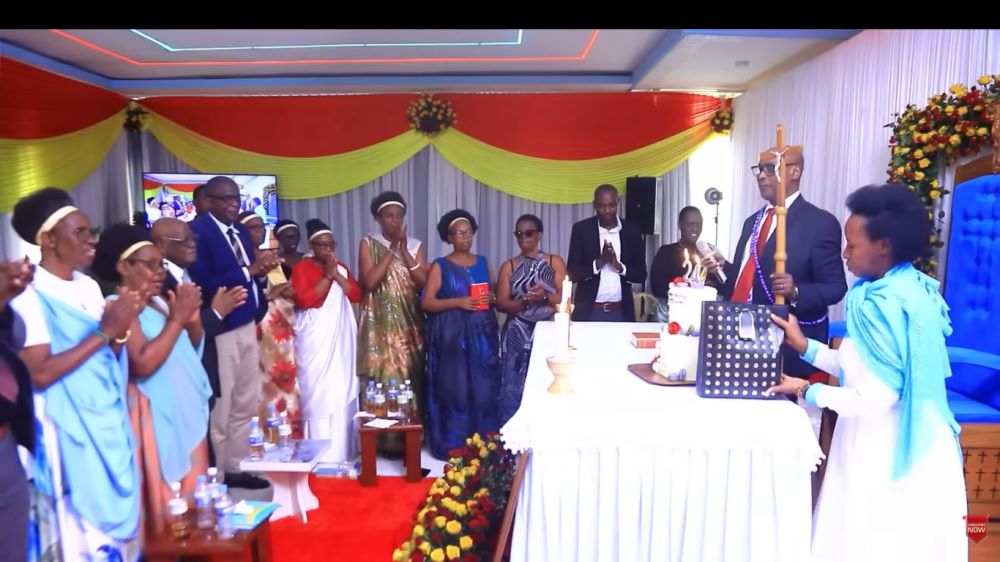
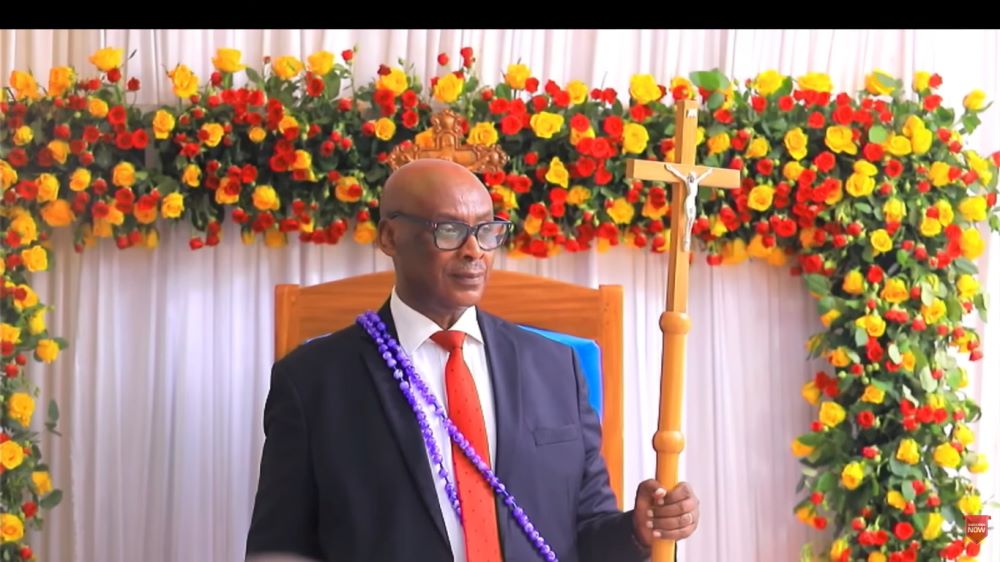
Reports and videos circulating on social media show a group of people gathered, announcing the installation of a leader they refer to as both “Pope” and “Parent of the Chosen.”
The individual presented as this leader is Faustin Harerimana, who was symbolically handed a staff, a cross, and a Bible, described as the word of God.
Harerimana stated that every baptized Catholic is “chosen,” suggesting that his movement is rooted in that belief. He also claimed to have received a mission, though he acknowledged that some leaders within the Catholic Church in Rwanda do not recognize it.
“Some Church leaders appear to oppose us, though not all,” he said. “This is actually their mission. They should be asking what kind of garment they have given Christians, and whether the wedding feast of the Lamb is being prepared here in Rwanda.”
He added that his group prays for Catholics to understand and follow what they call the message of “the Chosen.”
“We are not struggling in vain,” he said. “We are a prepared people, ready to unite with Christ in a kingdom of love, justice, and peace. At this moment, we pray for our brothers and sisters who do not yet understand us, so they do not set us against the Church. We are not against the Church; in fact, we believe we belong to it fully.”
Harerimana further argued that if all Christians embraced the identity of “the Chosen,” the country would experience greater peace, insisting that such a calling promotes love expressed through actions.
Responding to the development, Cardinal Kambanda told IGIHE that the Church is actively investigating the situation to clarify what has happened.
“We are looking into it to determine what should be done and to clear any confusion,” he said in a brief statement.
Some Catholic clergy have also weighed in. Father Theophile Niyonsenga, currently serving in Spain, noted that while he is unfamiliar with the group, the Church must carefully examine the origins and motivations behind such movements.
He cautioned that if the claims are based on alleged apparitions, the Church cannot rely on such grounds and warned that it could amount to serious doctrinal error.
Father Dominique Mundere, a student in Rome, expressed concern over why the group continues to associate itself with the Catholic Church despite its controversial claims.
Reports indicate that members of the self-proclaimed “Chosen” group are both within Rwanda and abroad, spread across different countries.
This development comes at a time when the Catholic Church in Rwanda recently marked 125 years since its establishment in the country. The Church currently comprises 236 parishes across nine dioceses, with over five million faithful, 1,160 priests and 3,884 nuns.
The group, known as “the Chosen,” claims to have installed their own Pope.The Archbishop of Kigali and President of the Episcopal Conference of Rwanda, Antoine Cardinal Kambanda, confirmed that the Church is examining the matter following widespread reactions online. Harerimana says he is not against the Catholic Church.
“Since 1980, Europe has been warming twice as fast as the global average, making it the fastest warming continent on Earth,” Celeste Saulo, secretary-general of the World Meteorological Organization (WMO), said while presenting the European State of the Climate Report 2025.
Fastest-warming continent
Europe suffered record or near-record climate extremes in 2025, with heatwaves, wildfires, marine heat and ice loss intensifying across the continent, the EU-funded Copernicus Climate Change Service and the WMO said in the report.
According to the report, at least 95 percent of Europe recorded annual temperatures above average, with prolonged heat spreading from the Mediterranean to the Arctic Circle.
Europe experienced its second-most severe heatwave on record, while sub-Arctic Fennoscandia endured a 21-day heatwave in July — the longest and most severe ever recorded in the region. Temperatures near and within the Arctic Circle reached or exceeded 30 degrees Celsius.
The findings align with broader Copernicus data showing that 2025 was the third-warmest year on record globally.
Hot and dry conditions fuelled Europe’s worst wildfire year on record. Wildfire data in the report showed that about 1.034 million hectares of land, an area larger than Cyprus, were burned in 2025. Wildfire emissions in Europe also reached their highest level on record, with Spain accounting for around half of the continent’s total fire emissions.
Extremes strain biodiversity and community
Numerous extreme events in 2025 – including drought, wildfires, and land and marine heatwaves – placed mounting pressure on biodiversity in marine and terrestrial ecosystems. Shrinking and shifting habitats, disrupted seasonal cycles and changing precipitation patterns have further intensified stress on nature.
The report highlighted concrete examples of climate change impacts on sensitive ecosystems, such as marine heatwaves damaging seagrass meadows in the Mediterranean Sea and wildfires affecting peatlands, underscoring the growing links between climate and biodiversity loss.
Separate findings from the Global Forest Watch platform showed that climate change-linked forest loss was also significant in Europe in 2025. In France, tree cover loss due to fire reached a record high in 2025 – seven times higher than in 2024. In Spain and Portugal, around 60 percent of all 2025 tree cover loss was caused by wildfires.
Extreme heat also takes a measurable toll on human health and productivity. A joint report by the Food and Agriculture Organization (FAO) and the WMO has warned that extreme heat is disrupting global agrifood systems, threatening over one billion people. It estimated annual losses of around 500 billion working hours worldwide due to heat stress.
FAO Director-General Qu Dongyu described extreme heat as a “major risk multiplier,” exerting mounting pressure on crops, livestock, fisheries, forests, and on communities and economies that depend upon them.
Call for urgent action
Citing Europe’s record heatwaves, European Centre for Medium-Range Weather Forecasts Director-General Florian Pappenberger said: “The 2025 report offers clear, actionable insights to support policy decisions and help the public better understand the changing climate we live in.”
The report also points to steps taken by European policymakers, including legally binding EU targets to restore at least 20 percent of land and sea areas by 2030 and all ecosystems in need by 2050. Broader frameworks such as the European Green Deal and EU Climate Law embed biodiversity protection within climate strategies.
However, despite these initiatives, the report underlined that progress must accelerate.
The European State of the Climate 2025 report “is a stark reminder that we must sustain and accelerate both adaptation and mitigation efforts,” said Dusan Chrenek, principal adviser for Digital Green Transition at Directorate-General for Climate Action, adding that Europe should further strengthen its Earth observation capabilities through advanced technologies.
Multiple reports released on Wednesday paint a stark picture of accelerating climate extremes, with Europe warming faster than any other continent.
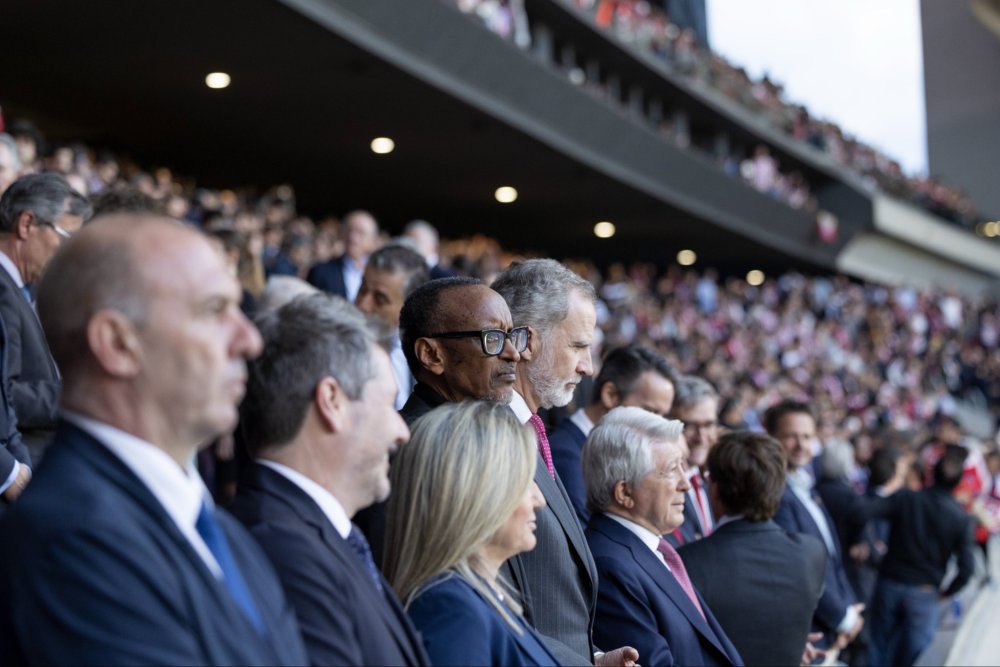
The Office of the President confirmed the visit in a statement released on April 30, noting that the President attended the fixture featuring two of Rwanda’s primary “Visit Rwanda” partners.
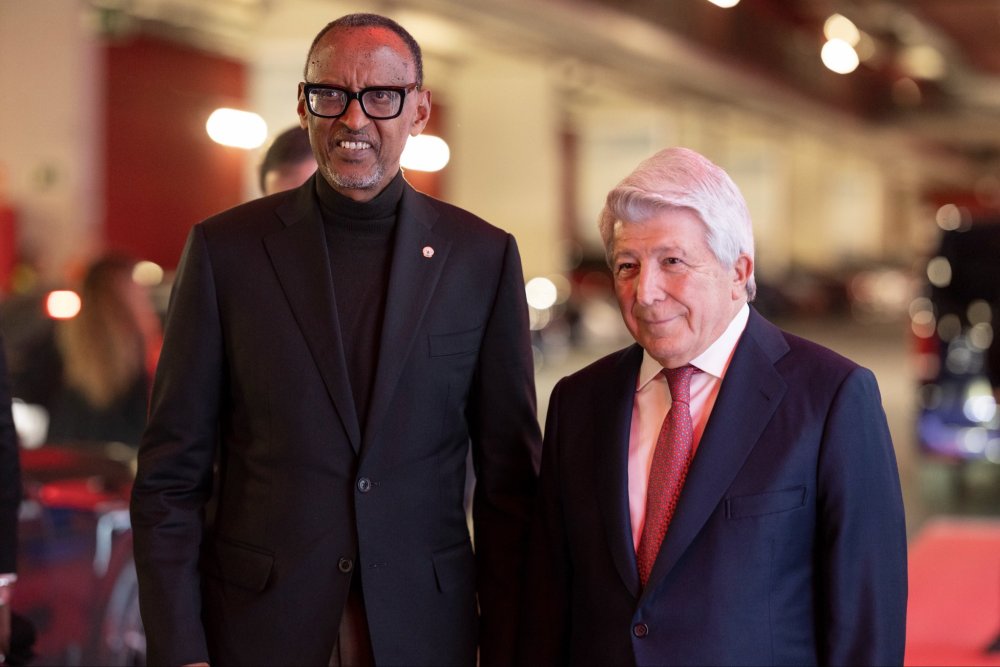
Upon his arrival at the stadium, President Kagame was received by Atlético Madrid President Enrique Cerezo Torres.
The match remained a tightly contested affair throughout both halves. Arsenal took the lead just before the interval when Viktor Gyökeres converted a 44th-minute penalty following a foul by Atlético defender Dávid Hancko.
President Kagame attends UEFA Champions League semi-final first leg between #VisitRwanda partners Arsenal FC and Atlético Madrid FC. pic.twitter.com/NbkF4AqxZM
Atlético Madrid found their response in the 56th minute after a handball by Arsenal’s Ben White led to a penalty, which Julián Álvarez successfully converted to level the score.
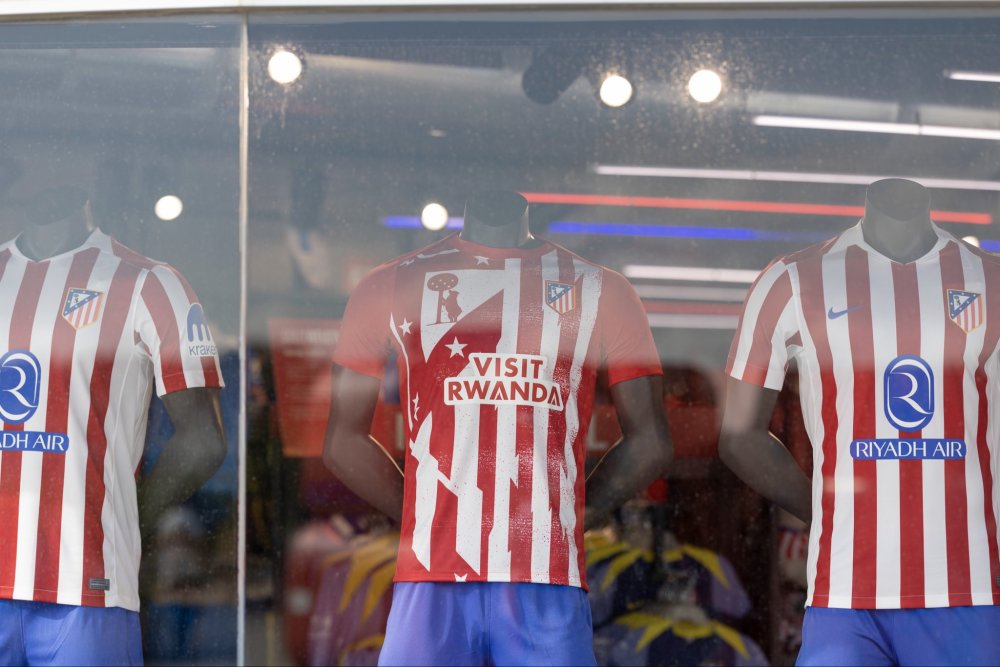
Both clubs maintain partnerships with Rwanda under the “Visit Rwanda” initiative, which promotes the country’s tourism and investment potential globally.
The partnership with Atlético Madrid, which runs from 2025 to 2028, includes branding at the club’s stadium and on training kits, as well as technical cooperation such as coaching development programs.
Meanwhile, the relationship with Arsenal has spanned eight years, featuring the “Visit Rwanda” logo on the club’s shirt sleeves and various promotional activities at Emirates Stadium, including player visits to Rwanda’s key tourism sites.
The result leaves the tie balanced ahead of the return leg, which is scheduled for May 5, 2026, at Emirates Stadium in London.
The latest appearance follows President Kagame’s attendance at another high-profile UEFA Champions League semi-final earlier in the week at the Parc des Princes in Paris, where Paris Saint-Germain defeated Bayern Munich in a 5-4 encounter.
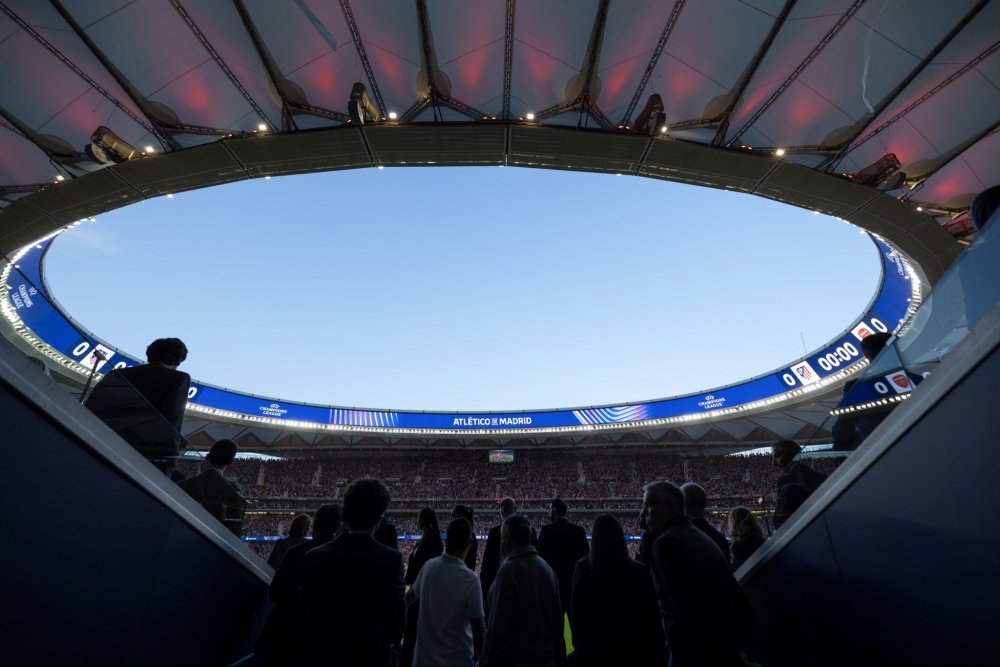
The match was played at the Riyadh Air Metropolitano Stadium.Upon his arrival at the stadium, President Kagame was received by Atlético Madrid President Enrique Cerezo Torres.There was a large turnout of fans at the Riyadh Air Metropolitano Stadium.President Kagame was presented with a gift by Atlético Madrid president Enrique Cerezo Torres.President Kagame engaged in talks with Atlético Madrid officials.President Kagame being received at the Riyadh Air Metropolitano Stadium.The Riyadh Air Metropolitano Stadium was packed with more than 70,000 football fans, including President Kagame.Atlético Madrid and Arsenal drew 1-1.The first leg between Atlético Madrid and Arsenal took place in Madrid.President Kagame follows the match between Atlético Madrid and Arsenal.Atlético Madrid promotes Rwanda’s tourism through the “Visit Rwanda” campaign.
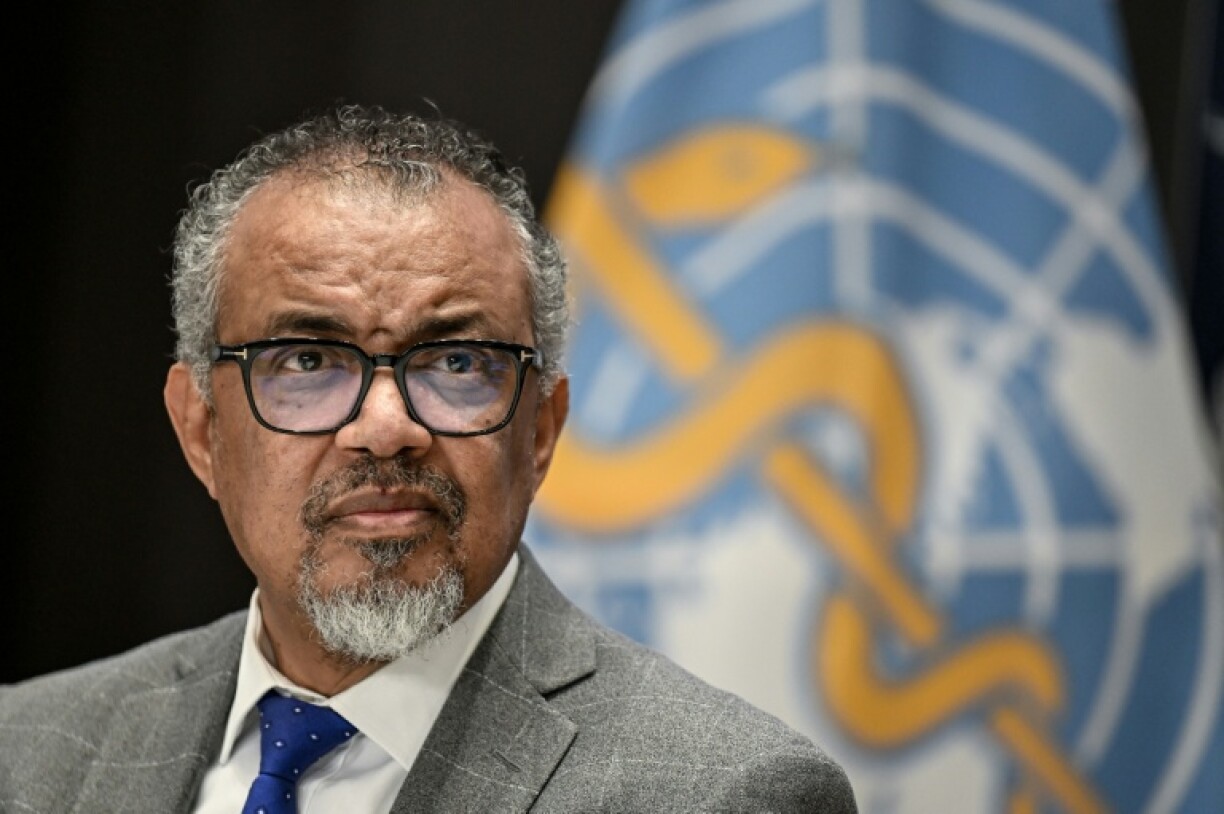
WHO Director-General Tedros Adhanom Ghebreyesus, director-general of the UN health body, expressed hope that the United States could clear its arrears before completing its exit, a requirement set by Washington itself.
While answering relevant questions at a press briefing hosted by the Association of Correspondents Accredited to the UN, Tedros outlined the two conditions for withdrawal: a one-year notice period and full payment of outstanding dues.
On his first day back in office in January 2025, U.S. President Donald Trump submitted a one-year notice of withdrawal from the WHO.
The United States has historically been the organization’s largest contributor. However, Tedros said there have been “no signals” that Washington intends to settle its dues.
He stressed that the issue extends beyond finances. “To be honest, it’s not about the money,” he said. “The issue is health security needs universality, and the United States, by withdrawing, makes itself unsafe and makes the rest of the world unsafe. So it’s lose-lose.”
“So our focus is not on the money. The focus is on helping the United States to understand and reconsider,” he added.
Tedros Adhanom Ghebreyesus has been the WHO’s director-general since 2017
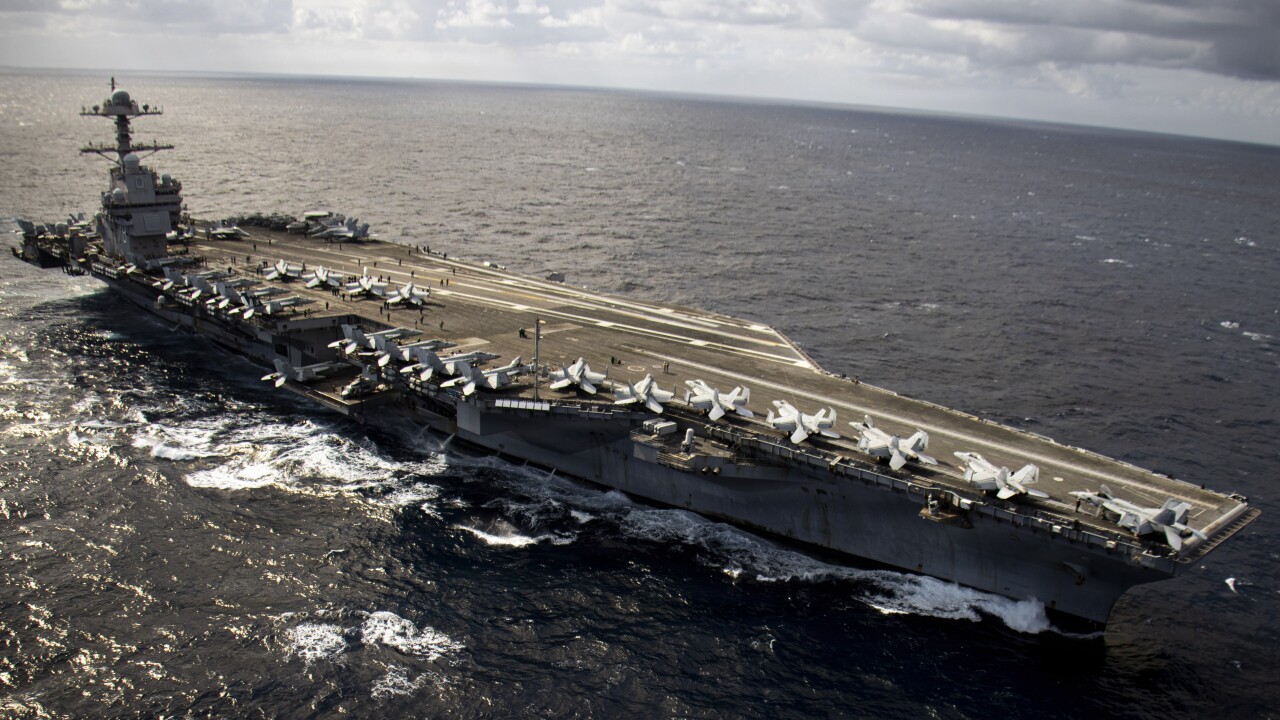
The move is “an expected relief for roughly 4,500 sailors who have been deployed for 10 months — but a loss of significant firepower as peace talks between the United States and Iran stagnate,” said the report.
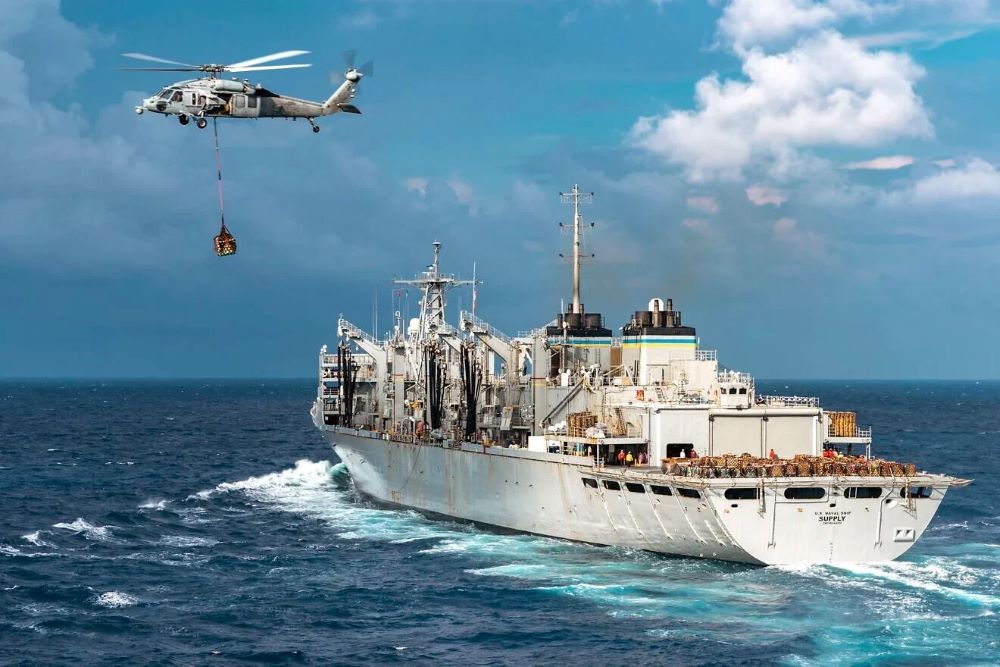
The Ford Carrier Strike Group began its latest deployment on June 24, 2025, departing from the U.S. state of Virginia for the U.S. European Command area of responsibility, later deploying to Latin America for counter-narcotics operations and then to the Middle East as tensions with Iran escalated.
It is one of three carriers operating in the Middle East region, alongside USS George H.W. Bush and USS Abraham Lincoln.
U.S. President Donald Trump is set to receive a briefing on new plans for potential military action in Iran on Thursday from the U.S. Central Command (CENTCOM), online media Axios reported on Wednesday.
“The briefing signals that Trump is seriously considering resuming major combat operations either to try to break the logjam in negotiations or to deliver a final blow before ending the war,” said the report.
CENTCOM has prepared a plan for a “short and powerful” wave of strikes on Iran — likely including infrastructure targets — in hopes of breaking the negotiating deadlock, it said, citing three sources with knowledge.
The U.S. aircraft carrier USS Gerald R. Ford will leave the Middle East and begin sailing for home in the coming days, the Washington Post reported Wednesday.
The decision, framed by Emirati officials as a “sovereign, strategic choice,” is believed to better align with the country’s long-term economic vision and production ambitions. However, experts argue that the move may steer the global energy geopolitics toward a more fragmented structure.
Sovereign decision
The UAE formalized its departure through a statement released by the official Emirates News Agency (WAM) on Tuesday, confirming its exit from both OPEC and the broader OPEC+ alliance.
The withdrawal is set to take effect on May 1, removing the group’s third-largest producer from its quota system. Analysts estimated that OPEC will lose about 15 percent of its capacity.
The decision followed “a careful look at current and future policies related to level of production,” Energy Minister Suhail Mohamed Al Mazrouei told Reuters, adding that the UAE did not raise the matter with any other country.
The sentiment was echoed by the Foreign Ministry, with its communications director Afra Mahash Al Hameli describing the exit on X as a “sovereign, strategic choice grounded in its long-term economic vision.”
Al Hameli said the move will give the country greater flexibility in using its energy capacity, strengthen national development, and reinforce market confidence.
Diverging paths
The UAE decision, analysts say, reflects a strategic pivot driven by its expanded production capacity and independent export routes, underscoring a broader ambition to become a versatile global energy leader beyond the cartel’s constraints.
Mohamed Nour El-Din Hashim, a Sudanese economist, believes the UAE’s exit is driven by a strategic desire to break free from OPEC production constraints to maximize oil revenues.
“This is true especially after Abu Dhabi has made substantial investments in expanding its oil production capacity in recent years,” Hashim said.
Though regional tensions almost paralyzed shipping through the Strait of Hormuz, the UAE possesses alternative export routes that grant it greater flexibility, he said, boosting its confidence in managing its oil policies “outside OPEC+ collective commitments.”
Aside from oil, the UAE harbors ambition to become a global energy hub in a broader sense, encompassing oil, gas, hydrogen and renewable energy, noted Emirati political analyst Abdulaziz Sultan Al-Mamari.
The country wants to pursue “greater autonomy” to better manage its “production levels” and meet its new role in the global market, Al-Mamari told Xinhua.
On a larger scale, Jumaa Mohammed, a politics professor at Iraq’s Tikrit University, argues that OPEC has increasingly struggled to balance the differing production strategies of its members.
“The strongest evidence: the UAE did not consult Saudi Arabia,” Mohammed said. “In GCC (Gulf Cooperation Council) culture, this has never happened before. Major decisions were always preceded by meetings and coordination.”
This, however, does not mean a political rupture within, Al-Mamari said.
“Gulf countries are undergoing a phase of economic and sovereign repositioning characterized by diversified tools and approaches, without affecting the foundations of strategic coordination among them,” he added.
Fragmented energy order
The UAE’s exit not only entails oil price volatility in the short term, regional experts argue, but also signals a shift from OPEC collective discipline toward a more fragmented, market-driven energy order.
Mohammed Belqasim Al Barghouti, a Syrian political economy professor, hold the view that the exit of a country the size of the UAE, an influential producer, could weaken OPEC’s cohesion, but not its overall influence.
“In reality, the organization’s weight today largely depends on a central axis led by Saudi Arabia within OPEC, alongside its partnership with Russia under OPEC+,” Al Barghouti said.
Thus, the impact will be more on the level of discipline within the alliance rather than a collapse of the organization, he said.
Still, any signal of fragmentation within OPEC could create volatility and uncertainty in oil prices, pointed out Oytun Orhan, a senior researcher at the Ankara-based Center for Middle Eastern Studies.
“If the UAE moves to increase production outside quota constraints, this could put downward pressure on prices, especially if it coincides with a slowdown in global demand,” the researcher said.
In the long term, Sudanese political analyst Abdul-Rahman Awad said, the decision potentially marks the beginning of a new phase where national calculations trump collective discipline.
The expert warned, “The UAE’s decision could mark the beginning of a new phase in the global energy market, where traditional blocs lose their ability to enforce collective discipline, giving way to more independent policies driven by national calculations.”
Al-Mamari also believes this could accelerate a structural shift away from collective supply management.
“The decision may form part of a broader structural transformation in global energy architecture, shifting from collective control mechanisms toward a more open model, governed by supply and demand dynamics and balances of power among producers,” he said.
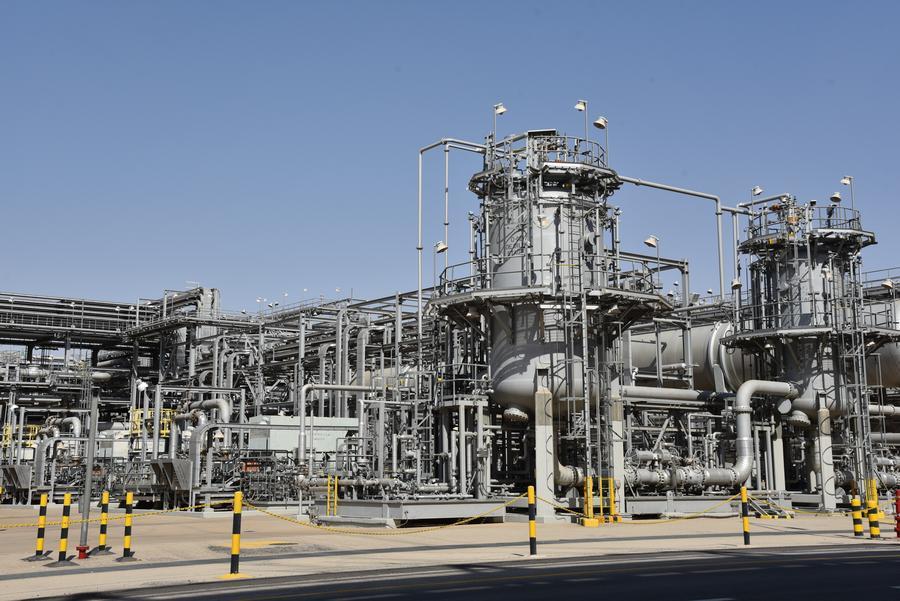
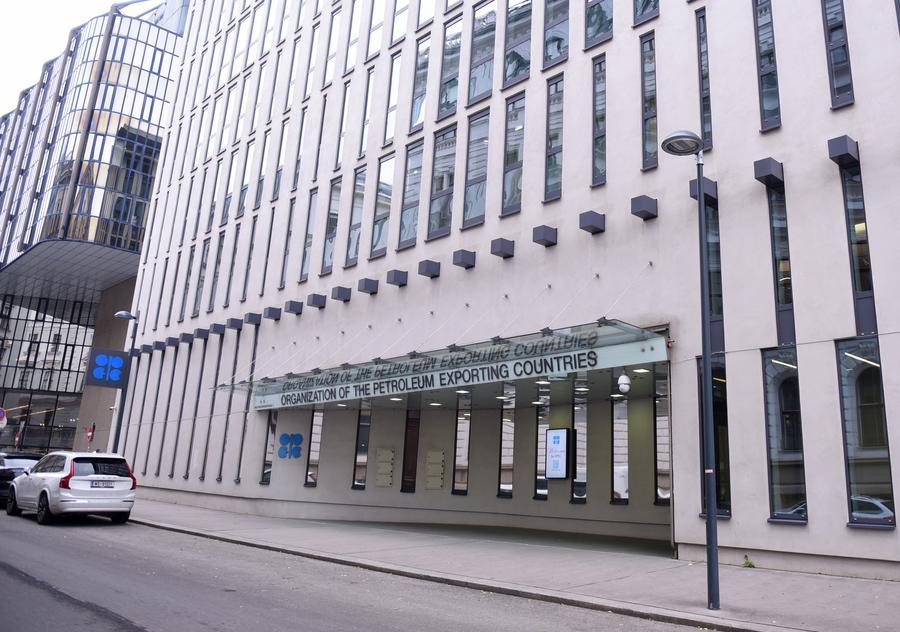
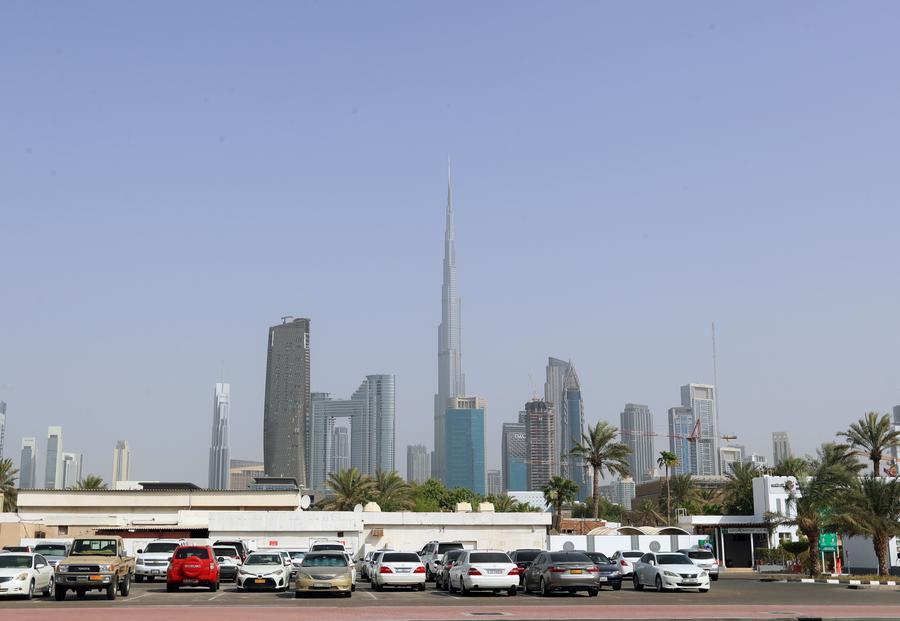
Photo taken on Nov. 30, 2023 shows the headquarters of the Organization of the Petroleum Exporting Countries (OPEC) in Vienna, Austria. (Xinhua/He Canling)Photo taken on June 28, 2021 shows the industrial estate of Saudi oil giant Aramco in Dammam, Saudi Arabia. (Xinhua/Hu Guan)This photo taken on Sept. 1, 2024 shows a view of Dubai, the United Arab Emirates. (Xinhua/Sui Xiankai)Photo taken on Sept. 5, 2022 shows the headquarters of the Organization of the Petroleum Exporting Countries (OPEC) in Vienna, Austria. (Photo by Wang Zhou/Xinhua)