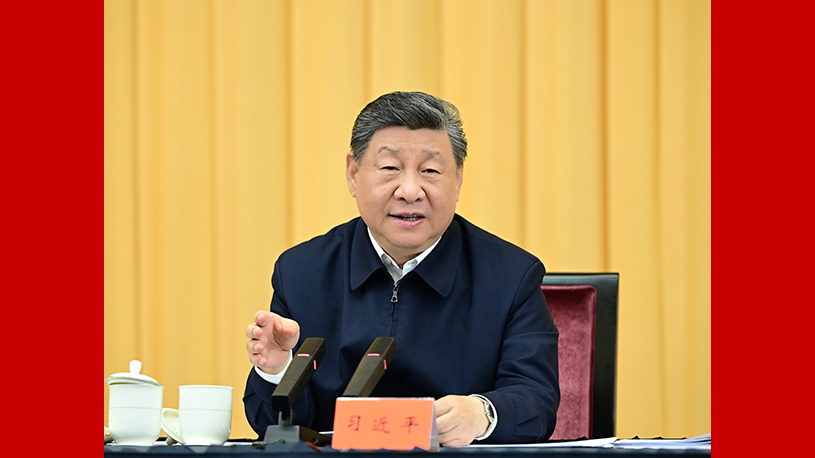
Xi, also general secretary of the Communist Party of China Central Committee and chairman of the Central Military Commission, made the remarks while attending a symposium on strengthening basic research in Shanghai.
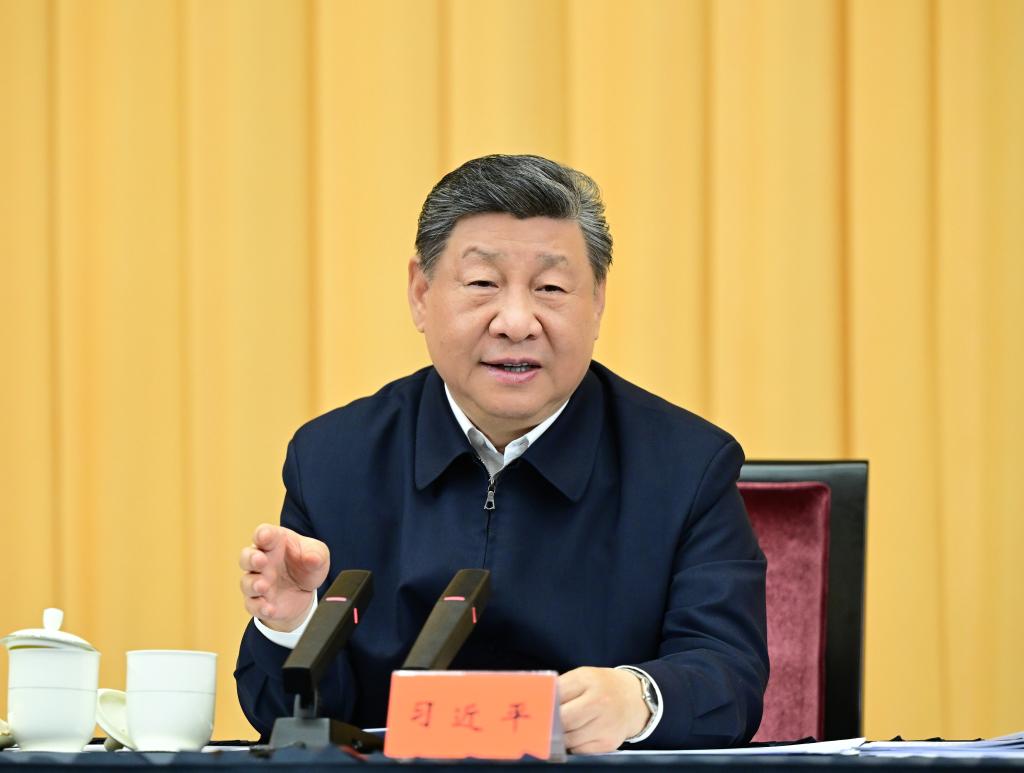
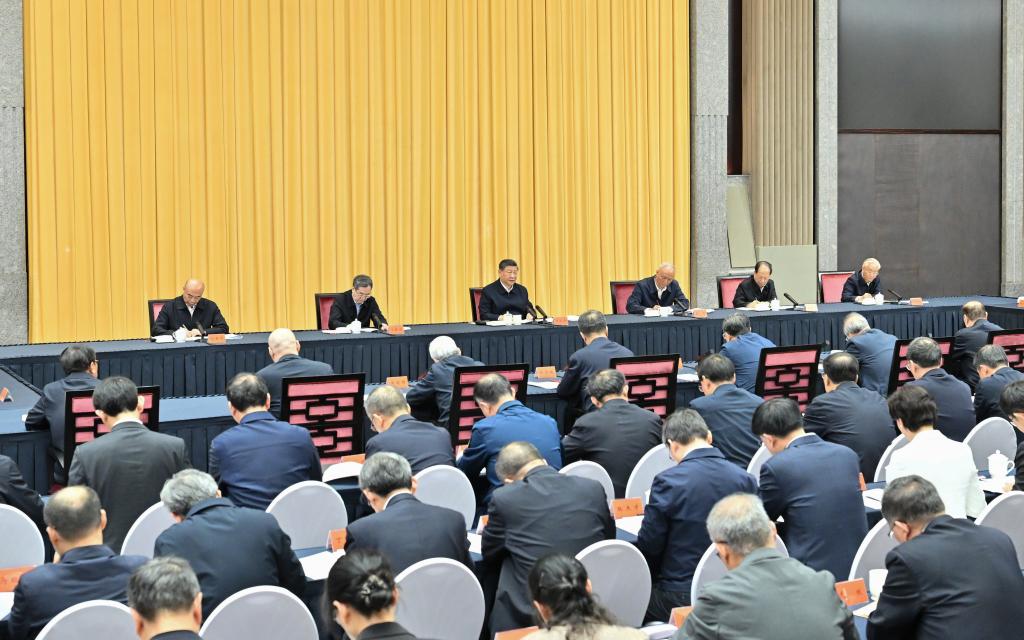
Xi, also general secretary of the Communist Party of China Central Committee and chairman of the Central Military Commission, made the remarks while attending a symposium on strengthening basic research in Shanghai.
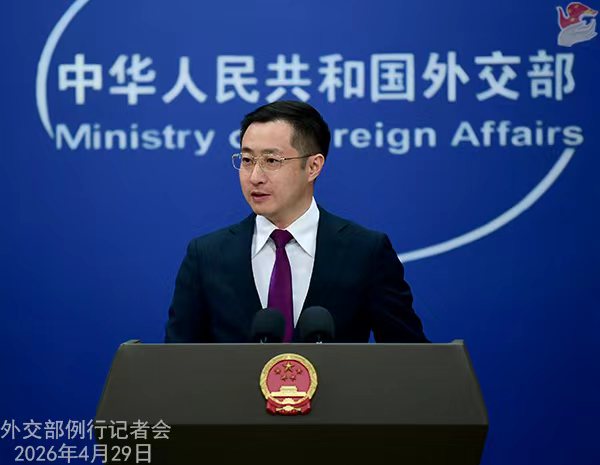
China’s zero-tariff policy for 53 African diplomatic partners demonstrates the shared commitment of China and Africa to contributing to global peace and development with stability, Chinese foreign ministry spokesperson Lin Jian said on Wednesday, adding that China will steadily enhance trade facilitation with Africa.
Lin made the remarks at a regular news briefing in response to a query about China’s zero-tariff treatment for African countries starting May 1, 2026.
“China has noted Africa’s eager anticipation and positive feedback on the zero-tariff measures,” Lin said.
He noted that global protectionism and unilateralism are on the rise, and the spillover effects of the situation in the Middle East have spread to adjacent continents. By sharing opportunities and pursuing common development through the zero-tariff policy, China and Africa have demonstrated their determination to contribute to global peace and development with stability, Lin added.
“China will continue to negotiate and sign economic partnership agreements for common development with relevant African countries. At the same time, it will upgrade the green channel for the export of agricultural products from Africa to China and steadily enhance trade facilitation between China and Africa,” Lin said.
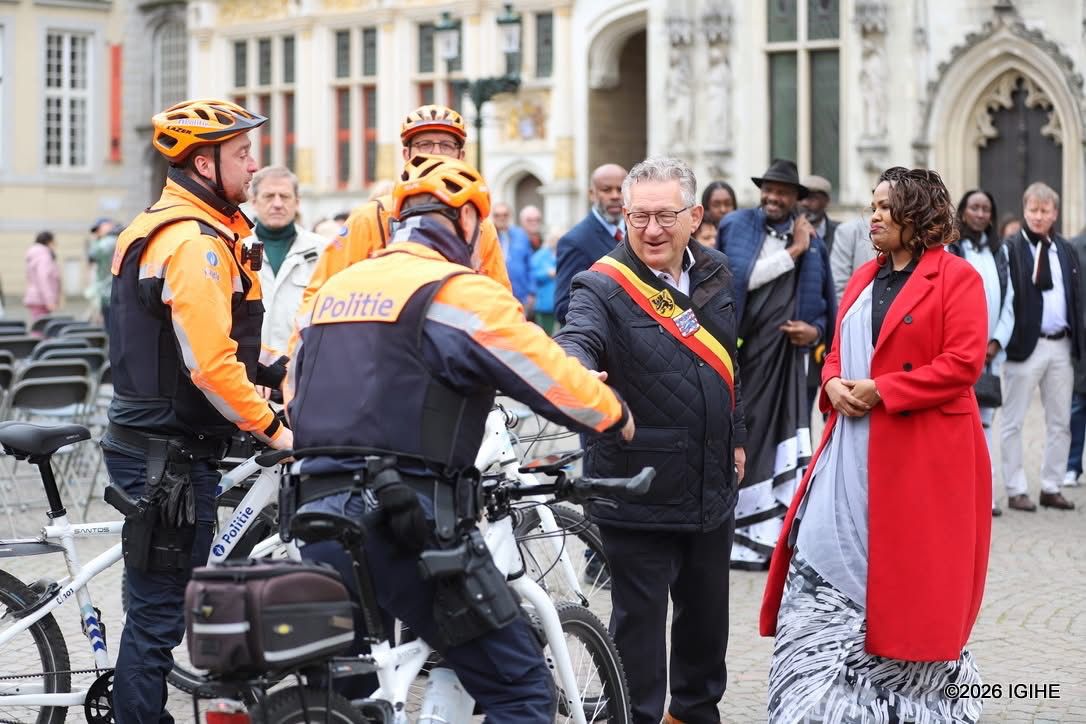
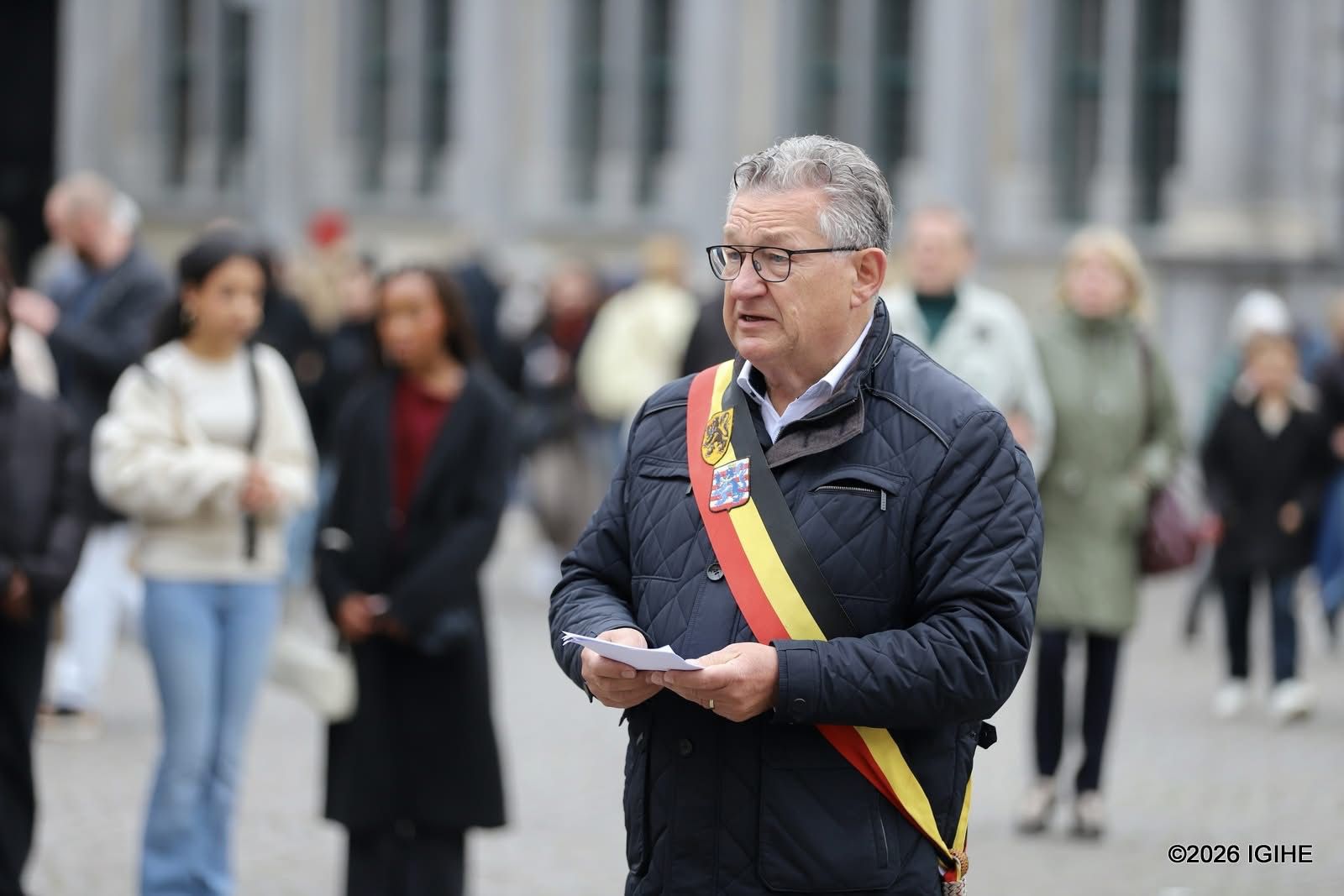
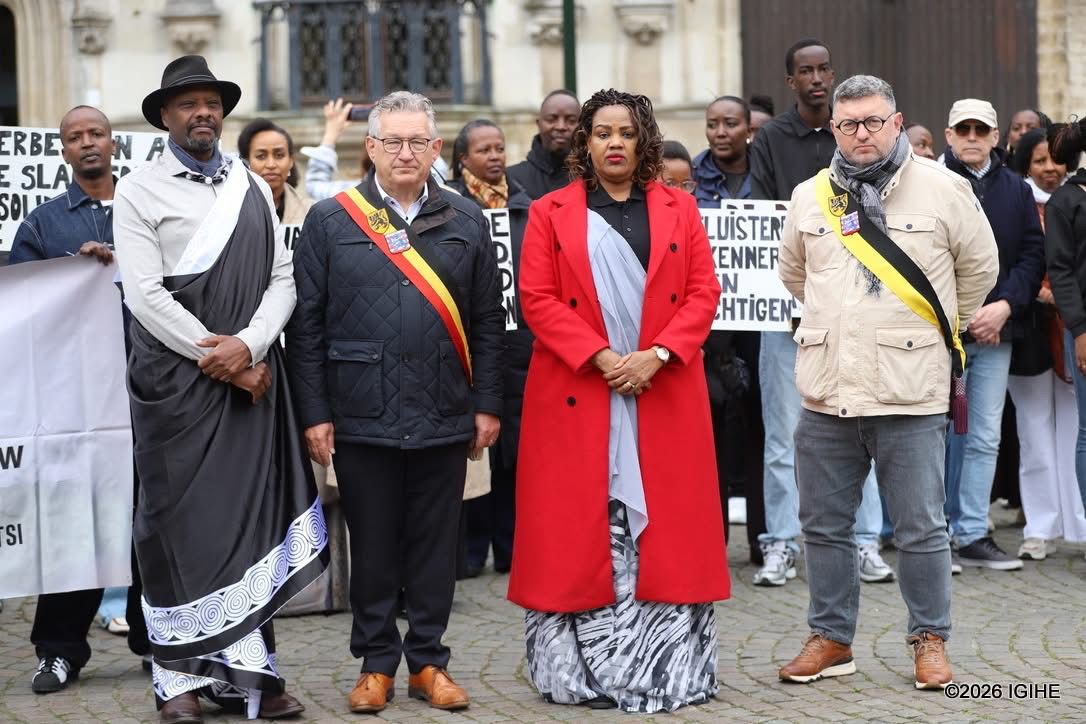
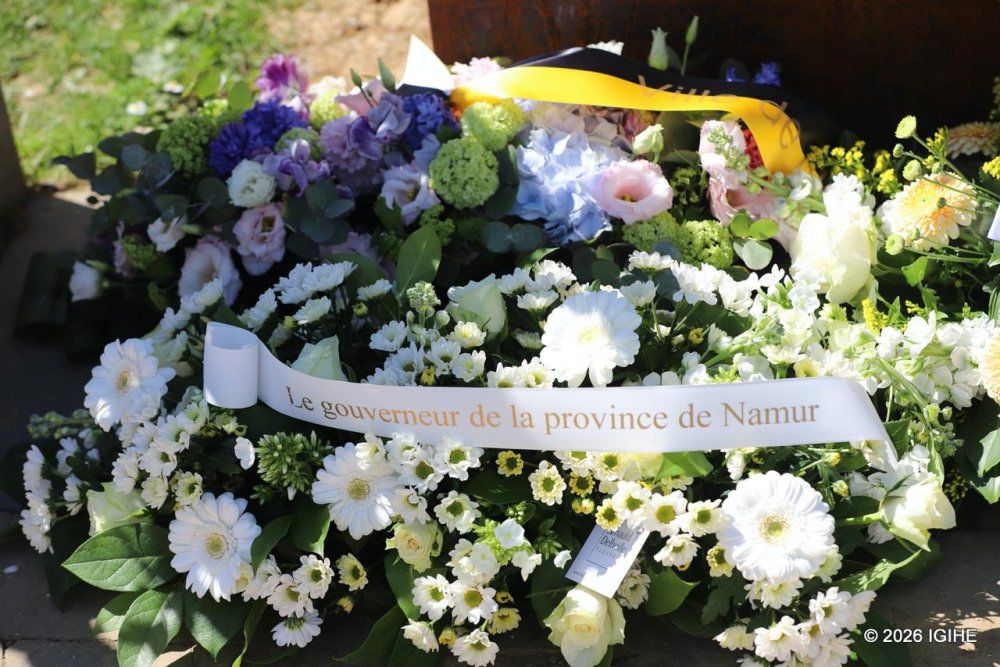
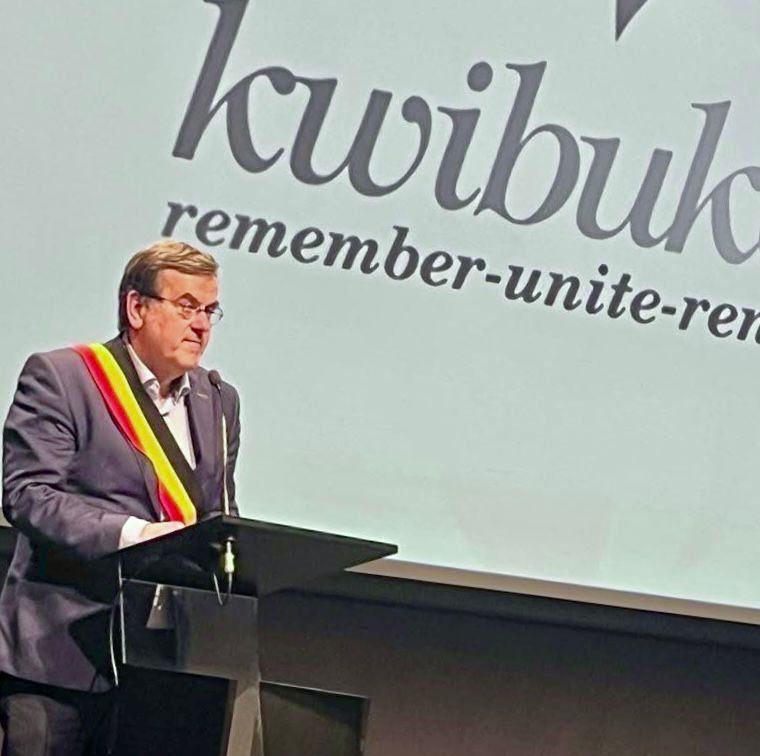
The Rwandan community and its friends gathered, as they do every year, to honor the memory of the victims, in a spirit of unity, dignity, and transmission.
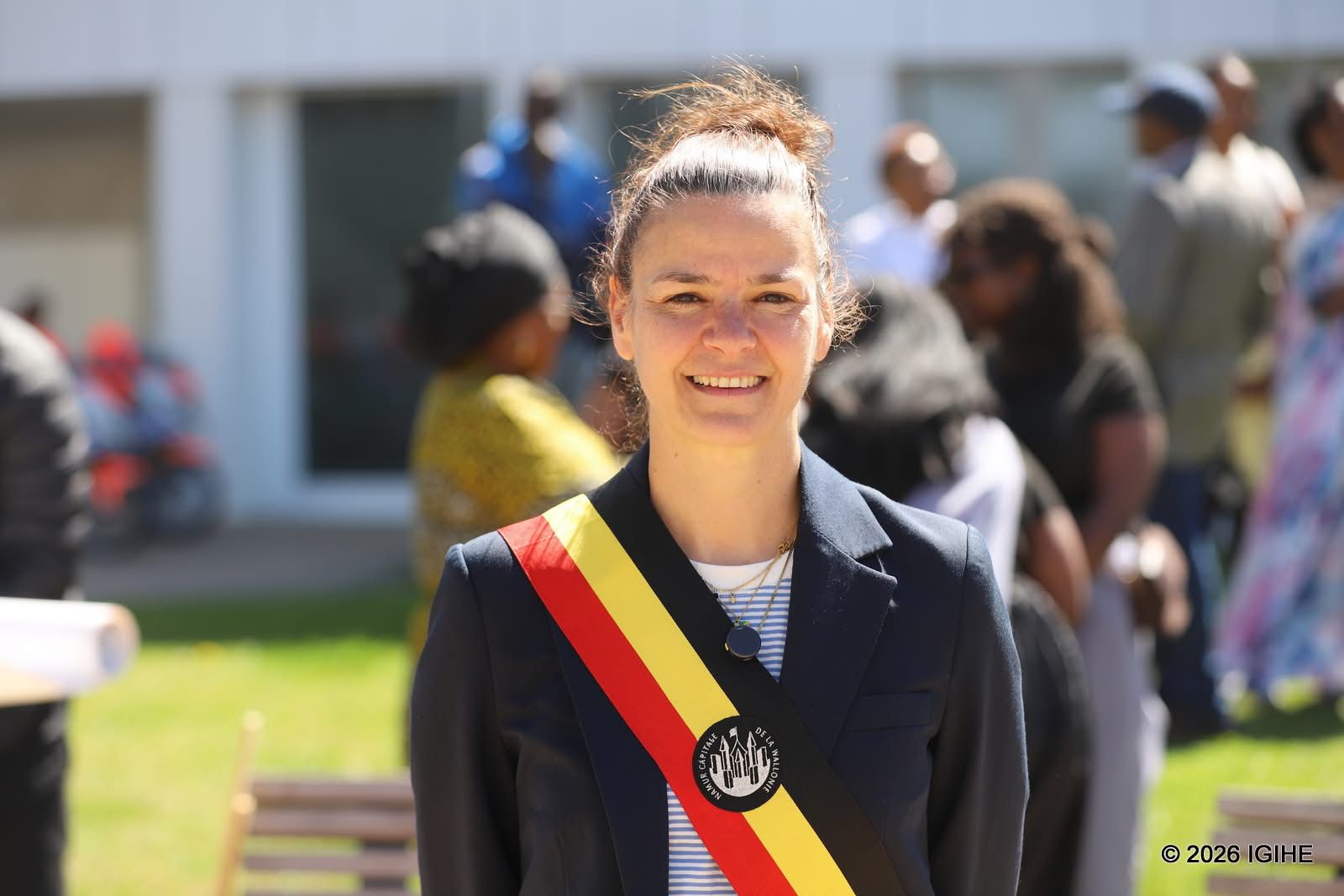
Kwibuka 32 is notably marked by a more visible engagement from Belgian local authorities. Representatives from several cities, including Bruges, Namur, Liège, and Brussels, actively took part in the events.
Compared to previous years, this evolution reflects a new dynamic. While some absences were noted in 2025, this year’s participation appears more consistent and deliberate. From April 7, marking the beginning of the commemoration period, several local officials were present, demonstrating their willingness to support this memorial initiative.
Beyond their presence, this involvement reflects a better understanding of the significance of Kwibuka in Belgium.
It highlights an institutional commitment to the duty of remembrance, free from political considerations and focused on honoring the victims.
The cities that will host upcoming commemorations in the coming weeks include Louvain-la-Neuve, Mons, Antwerp, Tournai, Charleroi, and Leuven.
Thus, Kwibuka 32 in Belgium reflects a positive development, driven by strengthened engagement and clear support from local authorities, an encouraging dynamic for the years to come.

karirima@igihe.com
Xi, also general secretary of the Communist Party of China (CPC) Central Committee and chairman of the Central Military Commission, sent the greetings on behalf of the CPC Central Committee.
This year marks the 105th anniversary of the founding of the CPC and the first year of the country’s 15th Five-Year Plan period (2026-2030).
Xi called on workers across the country to work hard, deliver solid results, and play a leading role in driving high-quality economic and social development.
Party committees and governments at all levels should safeguard workers’ lawful rights and interests, address their most pressing concerns, and encourage them to strive unremittingly for the country’s grand goals, Xi stressed.

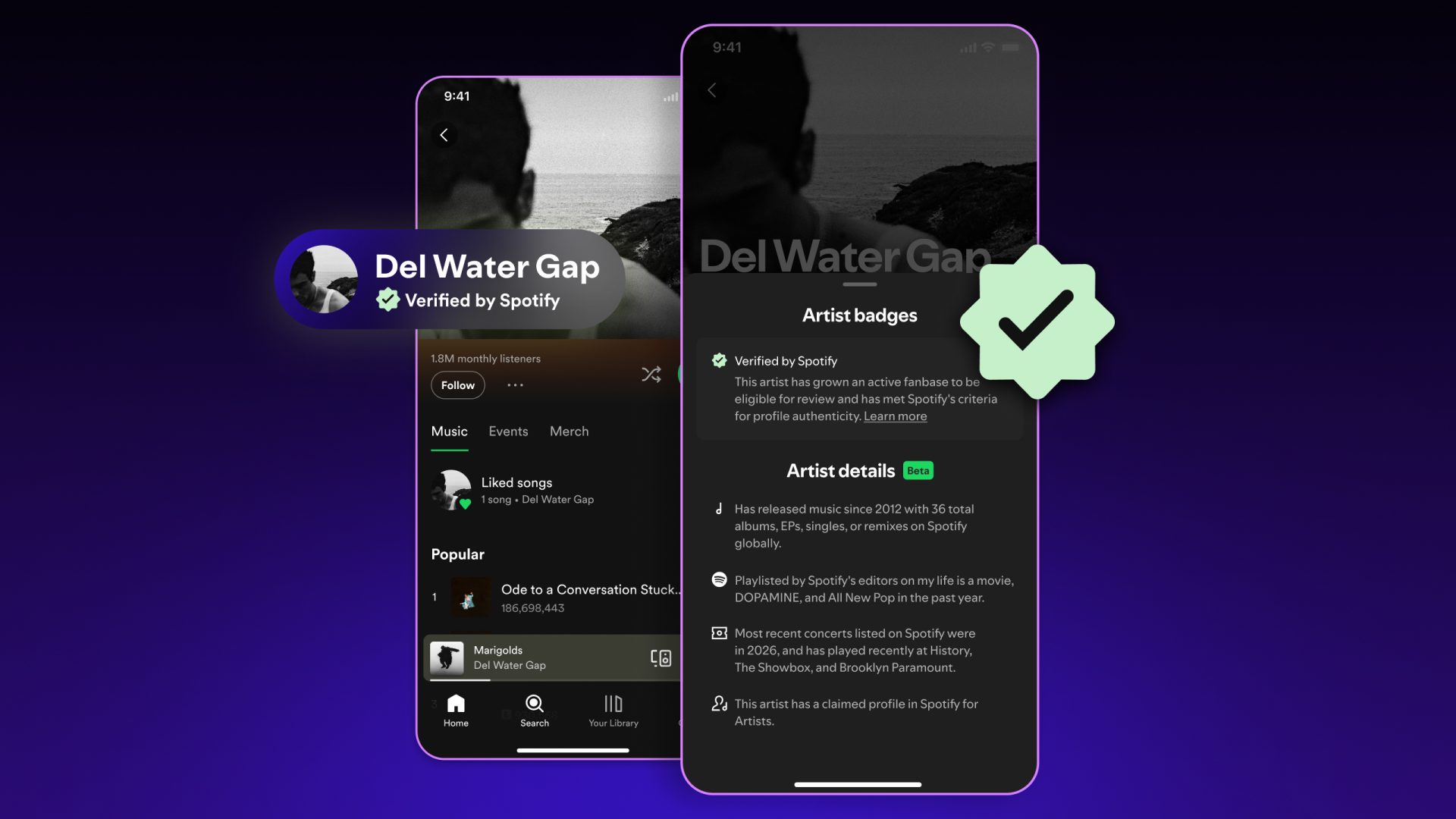
The feature comes as AI tools increasingly make it easier to produce songs and even entire “artists” that exist only in digital form. Under the new system, verified profiles will display a green checkmark and the label “Verified by Spotify” on artist pages and in search results.
To qualify, artists must demonstrate an authentic presence both on and off the platform. Spotify will look for indicators such as live concert activity, merchandise availability, and linked social media accounts on artist profiles. Accounts primarily representing AI-generated music or AI persona-based artists will not be eligible for verification.
The company will also require consistent listener engagement over time, prioritising artists with sustained audience interest rather than those who experience short-lived viral spikes. According to Spotify, more than 99% of artists actively searched for by listeners at launch will already meet the criteria, many of them independent musicians across a wide range of genres and regions.
“We’ve designed this new verification program thoughtfully with listeners and artists in mind, and we’ll continue to evolve this program over time,” Spotify wrote in a blog post. “Our goal is to make it easier for you to trust and understand the human artistry behind the music you listen to on Spotify, and develop long-term, meaningful connections with the artists and music you love.”
The rollout will take place gradually over the coming weeks due to the platform’s vast catalogue of artist profiles. Spotify noted that the absence of a badge does not mean an artist will be permanently excluded, as verification will continue over time.
In addition to badges, Spotify is introducing a new beta section on artist profiles highlighting career milestones, releases, and touring activity. The feature aims to give users clearer insight into an artist’s real-world activity and creative history.
These updates are part of Spotify’s broader response to rising “AI slop” and impersonation issues in music. The company has also been testing an “Artist Profile Protection” tool that lets artists review releases before they appear on their pages. This follows reports of widespread AI-generated impersonation tracks being removed across streaming services.
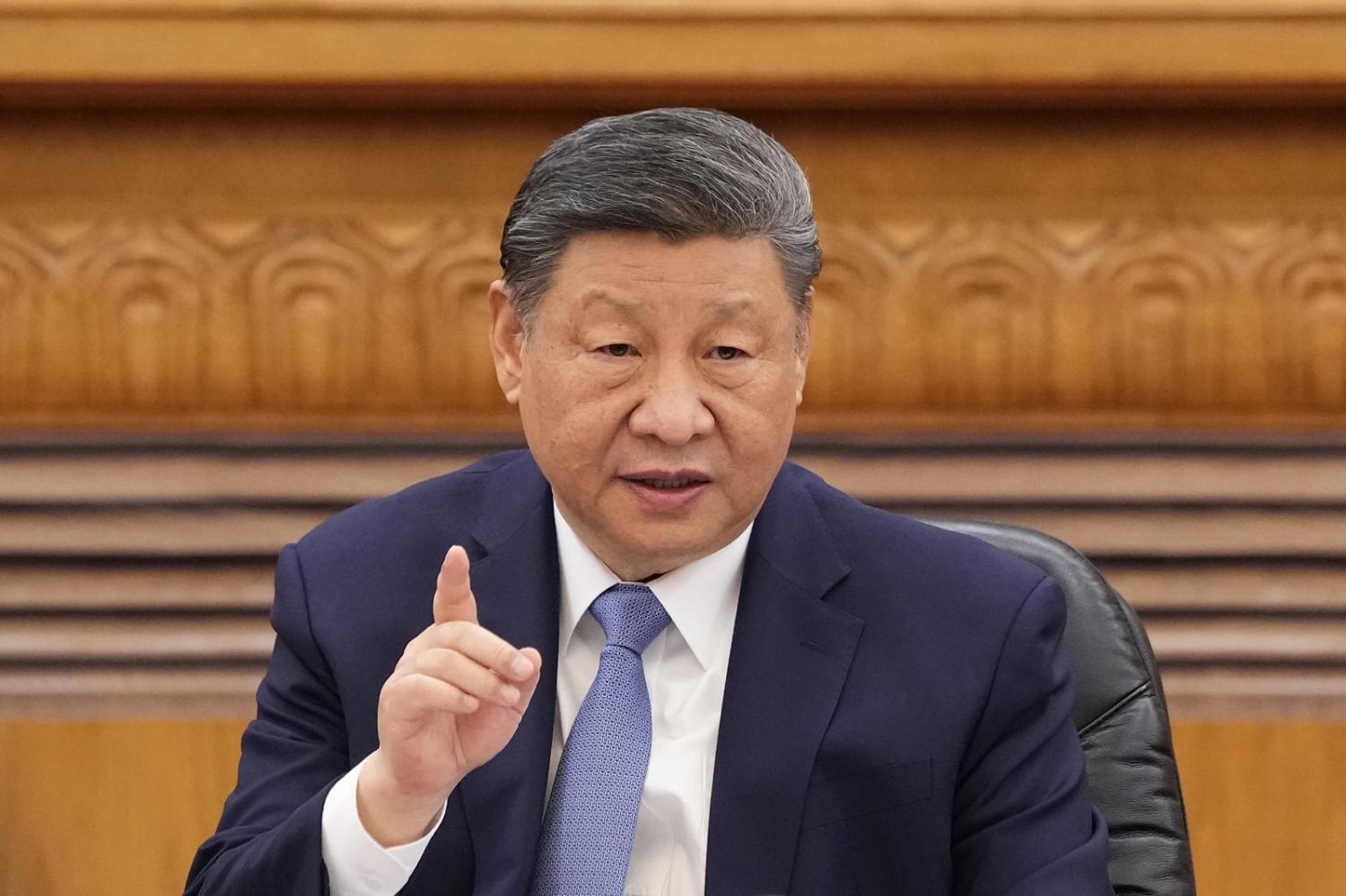
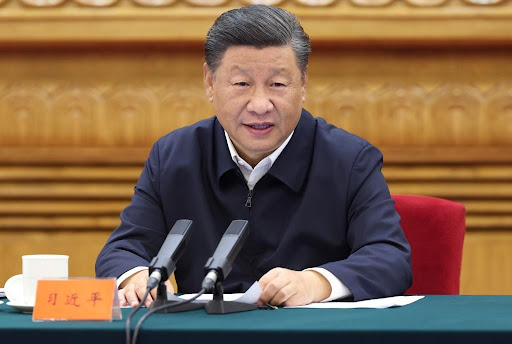
Xi made the remarks while presiding over a group study session of the Political Bureau of the CPC Central Committee on Tuesday.
The importance of disaster prevention, mitigation and relief work must be fully understood from a strategic perspective of ensuring both high-quality development and high-level security, Xi said.
To do a good job in such work, it is imperative to uphold the Party’s overall leadership, put people and their lives first, respect the laws of nature, prioritize prevention, push forward reform and innovation, apply systems thinking, and promote public participation, Xi said.
He stressed that reducing disaster risks and minimizing losses hinge on prevention before disasters occur, adding that safety requirements must be integrated into territorial space planning and construction planning, and that the safety standards for critical infrastructure in major cities and disaster-prone areas should be raised reasonably.
Xi called for continuous work to improve the country’s capacity to handle major disasters and catastrophes, such as strengthening monitoring and early warning systems and refining emergency response plans.
Stressing the need to strengthen scientific and technological support and legal safeguards for disaster response, Xi urged efforts to drive technological and industrial innovation in the emergency management sector.
Xi also called for improving grassroots emergency rescue systems and raising public awareness and preparedness for disasters.
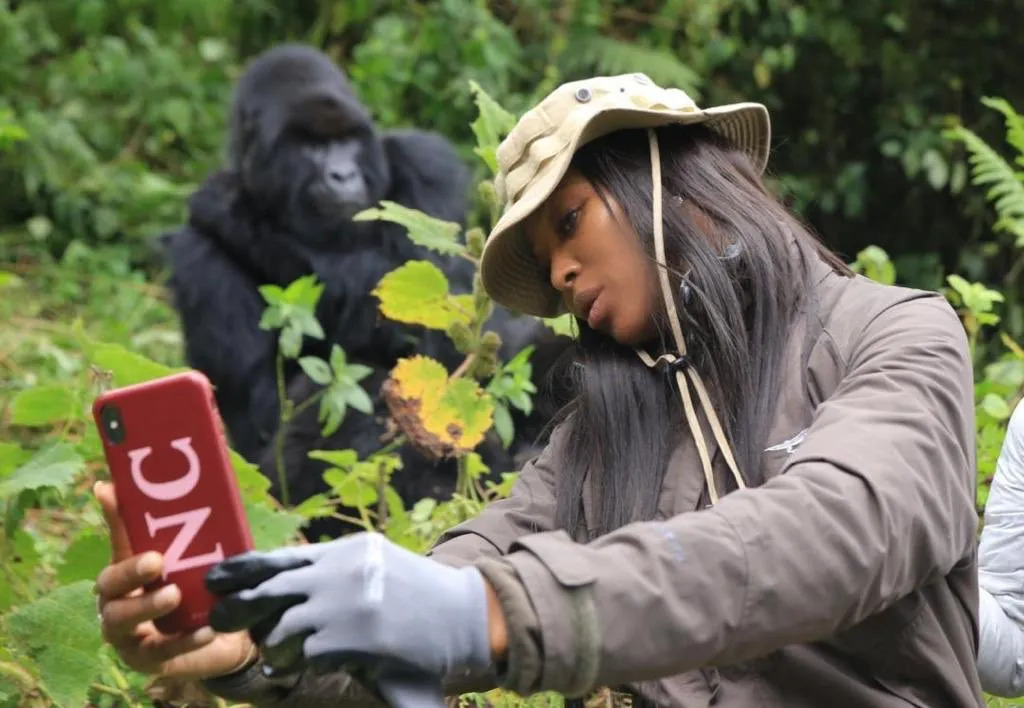
Total park revenue surged to $40.8 million, with the renowned Volcanoes National Park serving as the primary economic engine by contributing $35.8 million.
Beyond the mountain gorillas, the country successfully diversified its offerings, leading to a 22.8% growth in visitation to Nyungwe National Park, according to the 2025 annual report released by the Rwanda Development Board (RDB) this week. This surge was boosted by the debut of the Nyungwe Zipline, which, at 1,935 meters, is now recognized as one of the longest in Africa.
The hospitality sector complemented this growth with the launch of premier properties such as Bisate Reserve, Magashi Peninsula, and Munazi Eco Lodge, helping to drive total visitor arrivals to 1.49 million. While international air travel to the country grew by 23%, the EAC and DRC remained the strongest source markets for visitors.
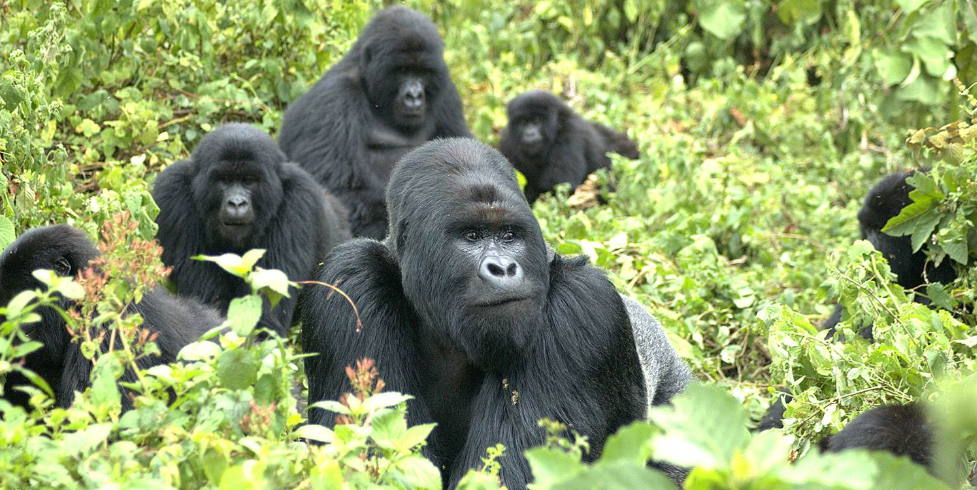
Conservation efforts in 2025 were highlighted by the Rhino Rewild Initiative, which saw the successful translocation of 70 southern White rhinos from South Africa to Akagera National Park. This initiative was mirrored by the 20th anniversary of Kwita Izina, where 40 baby gorillas were named, bringing the total number of names given since the program’s inception to 397.
Looking forward, the approval of the Rwanda Wildlife Conservation Master Plan sets a bold target to protect 12% of Rwanda’s land area by 2050. These conservation successes are being shared directly with the population through the Tourism Revenue Sharing Programme, which reinvested Rwf 4.7 billion into 82 community projects during the 2024-2025 cycle, with an increased commitment of Rwf 5.2 billion slated for the following year.

The economic impact of the sector was further amplified by Rwanda’s rise as a hub for sports and international gatherings. The MICE sector generated $94.7 million in 2025, a growth of 11.8% bolstered by major events like the first-ever UCI Road World Championships held in Africa.
Domestically, there was also a notable shift in engagement, as park visits by Rwandan residents rose by 8.1% to nearly 60,000 visitors, while total domestic tourism revenue increased by 3.5% to reach $821,093. This holistic growth across luxury, community, and domestic segments underscores a robust and sustainable future for the “Land of a Thousand Hills.”

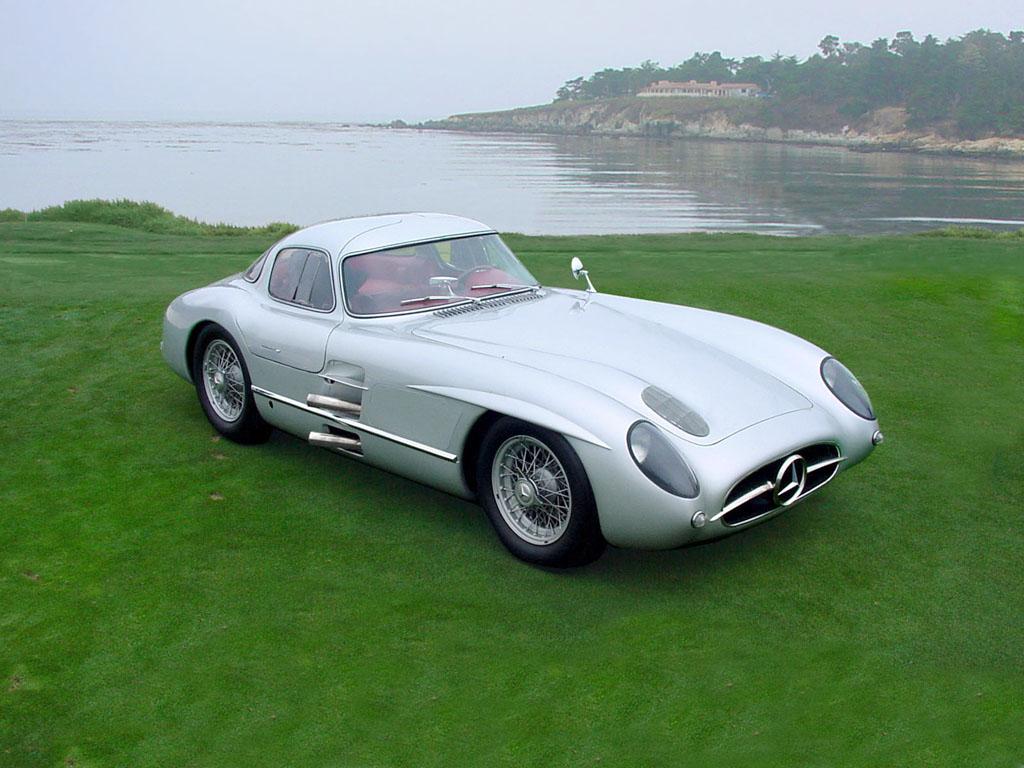
This vehicle is one of only two prototypes ever created, essentially serving as a road-legal version of the legendary Mercedes-Benz W196 R. Its sale remains a landmark event not just for its price, but also for its purpose. Mercedes-Benz confirmed that proceeds from the auction would serve as seed capital for the beVisioneers: The Mercedes-Benz Fellowship, a global initiative providing scholarships in environmental science for young people.
In the modern market, bespoke commissions from luxury manufacturers have reached similar levels of exclusivity and cost. The Rolls-Royce La Rose Noire Droptail, inspired by the Black Baccara rose, is estimated to cost over $30 million.

It is a masterpiece of craftsmanship, featuring an interior parquetry design made of 1,603 pieces of black sycamore veneer and a custom-integrated timepiece by Audemars Piguet. While it set the initial benchmark for the Coachbuild series, it has since been joined by the Rolls-Royce Arcadia Droptail, which reportedly reached a price of $31 million for a client in Singapore.
The auction market continues to show strong momentum in 2026, particularly for historic Italian marques. In January 2026, a 1962 Ferrari 250 GTO known as the “Bianco Speciale” (Chassis 3729GT) was sold at the Mecum Kissimmee auction for $38.5 million.

This specific car holds the unique distinction of being the only 250 GTO ever finished in factory white. Although it did not surpass the $51.7 million record set by another 250 GTO in 2023, its sale reinforced the model’s status as a premier investment asset.
The identity of the person who paid $143 million for the world’s most expensive car remains officially undisclosed by Mercedes-Benz, which describes the buyer only as a “private collector.” However, within the elite car-collecting community, the winning bid was placed by Simon Kidston, a renowned British car broker and consultant, acting on behalf of an anonymous client.
Intense rumours in the automotive press have frequently linked the purchase to Sir James Ratcliffe, the British billionaire and chairman of INEOS, who has a long-standing partnership with Mercedes-Benz and a known passion for rare engineering.









Imagine expecting a hot dry season, only for heavy rains to suddenly fall and destroy homes, crops, and infrastructure. Then, when people have planted and are expecting rainfall, prolonged sunshine and drought take over instead.
These unpredictable weather patterns are among the causes of natural disasters that continue to affect communities.
Many Rwandans still remember the devastating rains of May 2023, which triggered disasters that claimed 135 lives.
More than 2,100 houses were damaged, while another 2,763 were completely destroyed. Roads and other public infrastructure were also badly affected, and the impact is still visible today.
According to a report by the Ministry in Charge of Emergency Management(MINEMA), natural disasters are among the most expensive challenges facing Rwanda, costing the country around $300 million (more than Rwf 400 billion) every year.
To respond to these challenges and strengthen environmental resilience, the Government of Rwanda, through the Rwanda Water Resources Board (RWB) and other development partners, is implementing five major projects worth more than Rwf 735 billion.
These projects are aimed at helping Rwanda tackle climate change, reduce flooding, improve water resource management, generate electricity through sustainable resources, boost food security, and improve the livelihoods of communities living near the project areas.
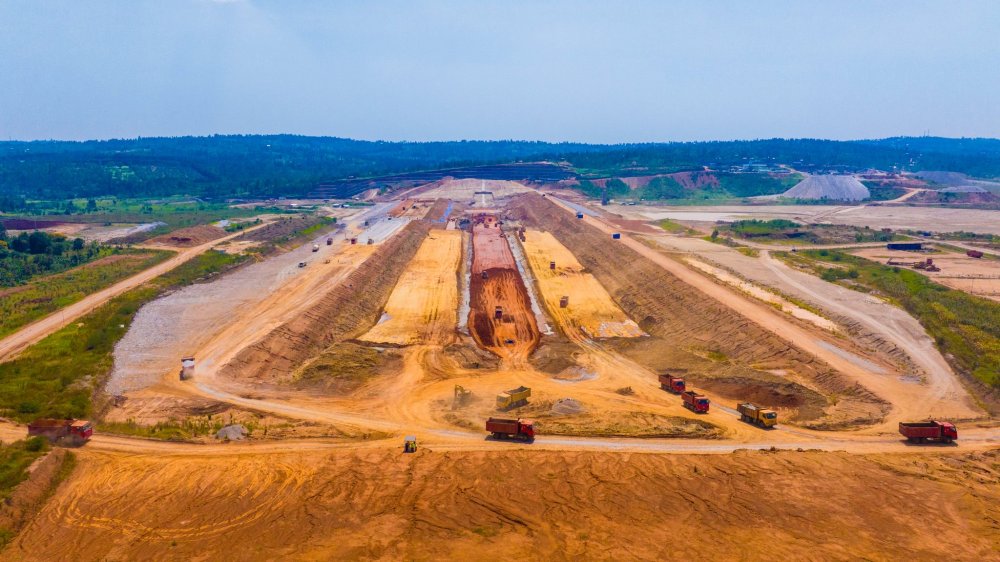
One of the flagship initiatives is the construction of the Muvumba Multi-Purpose Dam in Nyagatare District. The project is expected to be completed in March 2027, and construction has currently reached 46 percent.
The dam is being built on 400 hectares of land across Karama and Rukomo sectors, and it will also extend into Gatunda Sector in Nyagatare District.
Once completed, the dam will stand 39 meters high, with a crest stretching one kilometer and 160 meters in length.
It will have the capacity to store nearly 55 million cubic meters of water. This water will be used to provide clean drinking water to residents, irrigate farmland, supply livestock, and generate one megawatt of electricity.
The African Development Bank (AfDB) will provide €121.5 million (about Rwf 207 billion), covering 97.2 percent of the total project cost, while Rwanda will contribute 2.8 percent, equivalent to €2.688 million (more than Rwf 4.5 billion).
The dam will supply 50,000 cubic meters of clean water per day. It will also generate one megawatt of electricity and support irrigation on 10,000 hectares of farmland in the sectors of Tabagwe, Gatunda, Karama, Rukomo, Nyagatare, Rwempasha, Musheri, and Rwimiyaga.
Rwanda is also implementing another major initiative known as the Volcanoes Community Resilience Project (VCRP), which is funded by the World Bank. The project is being carried out jointly by the Rwanda Water Resources Board (RWB), the Rwanda Environment Management Authority (REMA), and Meteo Rwanda.
Scheduled to run from 2024 to 2028, the project is valued at $300 million (more than Rwf 438 billion). It focuses on reducing flooding, improving livelihoods, and implementing water management measures in volcanic areas.
The project targets communities living in the volcanic region and the Vunga Corridor. It is expected to strengthen flood control, improve water drainage systems, and uplift livelihoods in the districts of Musanze, Nyabihu, Rubavu, Gakenke, Burera, Rutsiro, Ngororero, and Muhanga.
Since implementation began, terraces covering nearly 400 hectares have been constructed, along with 332 anti-erosion structures and other interventions in the districts of Musanze, Nyabihu, and Rubavu.
More than 450,000 tree and crop seedlings have been prepared and planted on 1,184 hectares of land. In additio n, 357 water tanks have been distributed, while 167 cows have been provided to vulnerable families.
Another key environmental conservation initiative currently receiving strong support is the project aimed at protecting biodiversity in the Congo-Nile Divide.
Over the next three years, a biodiversity conservation project covering districts located along the Congo-Nile Ridge is expected to be completed.
This project is being implemented in 10 districts, namely Musanze, Nyabihu, Rubavu, Ngororero, Rutsiro, Karongi, Nyamasheke, Rusizi, Nyamagabe, and Nyaruguru.
It is valued at $50 million (more than Rwf 73 billion) and is being implemented by the Rwanda Water Resources Board (RWB) in partnership with stakeholders, including the Rwanda Forestry Authority (RFA).
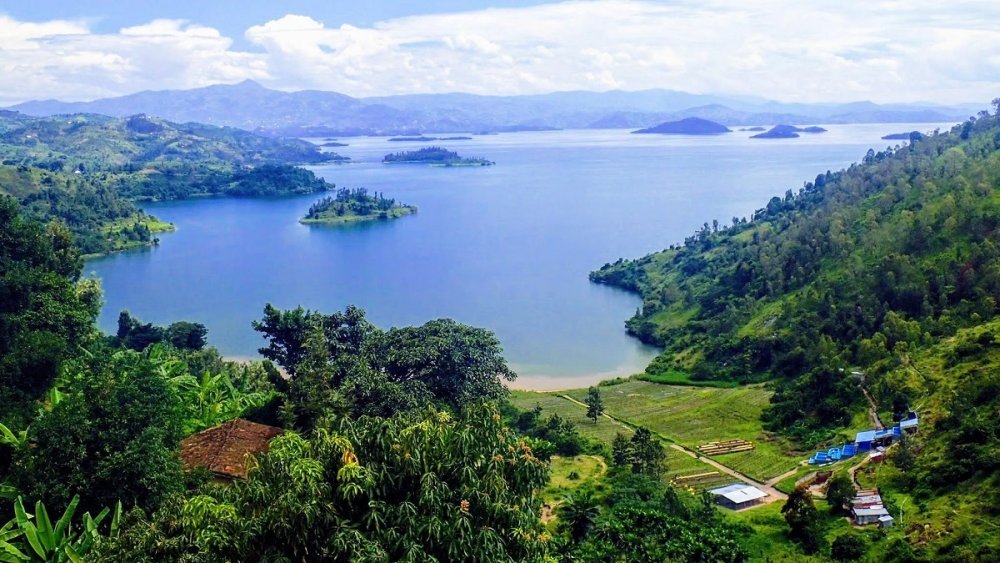
This project, titled “Building Resilience of Vulnerable Communities to Climate Variability in Rwanda’s Congo Nile Divide through Forest and Landscape Restoration,” will focus on conserving natural resources in the Albertine Rift section of the Congo-Nile Divide, which covers 444,600 hectares.
The initiative is expected to restore 5,000 hectares within Nyungwe National Park and Gishwati Forest, while 3,346 hectares will be planted with agroforestry trees. Terraces will be developed on 1,600 hectares of land, 8,500 households will receive clean and environmentally friendly energy solutions, and forests covering 2,500 hectares will be protected.
The project is also expected to create around 24,000 job opportunities.
In the districts of Karongi and Rutsiro, the Rwanda Water Resources Board (RWB) will focus on land restoration activities, including the construction of terraces on 1,673 hectares.
The works will also include rehabilitating 39 kilometers of water channels damaged by heavy rainfall, as well as restoring 300 hectares of land near rivers. These activities are expected to create employment for 3,500 people.
Environmental protection efforts also include another project aimed at combating floods and helping residents in western Rwanda build resilience against disasters.
This project is valued at $9 million (more than Rwf 13 billion). It will focus on addressing recurring floods, soil erosion, and land degradation.
To achieve these goals, water retention dams will be constructed and reinforced with grass cover, damaged drainage channels in Rusizi and Karongi will be rehabilitated, terraces will be built, and agroforestry trees will be planted. These interventions are expected to benefit more than 600,000 residents.
The project will also support the construction of six modern monitoring stations designed to provide early flood warnings, alongside the introduction of digital disaster alert systems.
These measures are expected to benefit 1.2 million people, while training programs on disaster preparedness and response will also be provided.
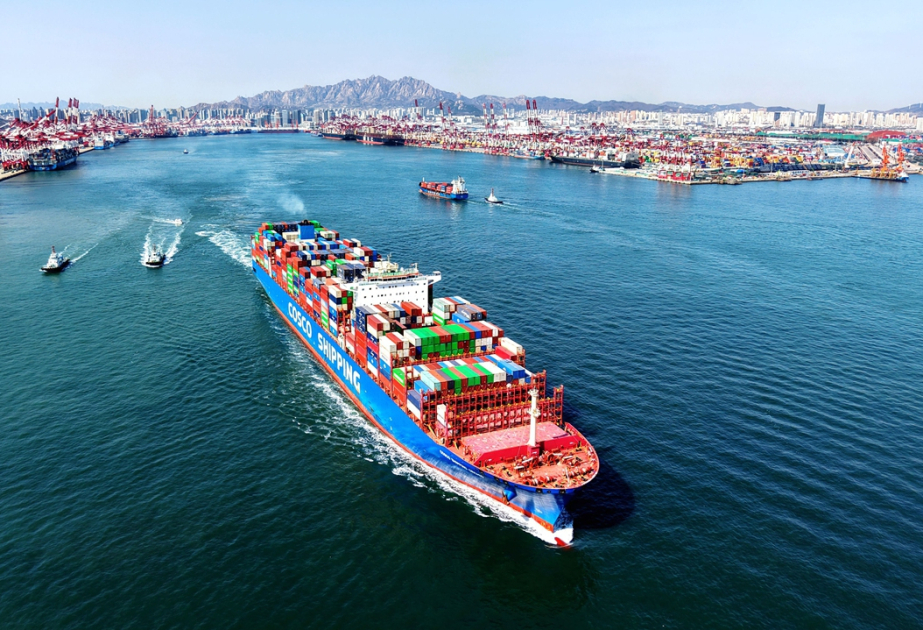
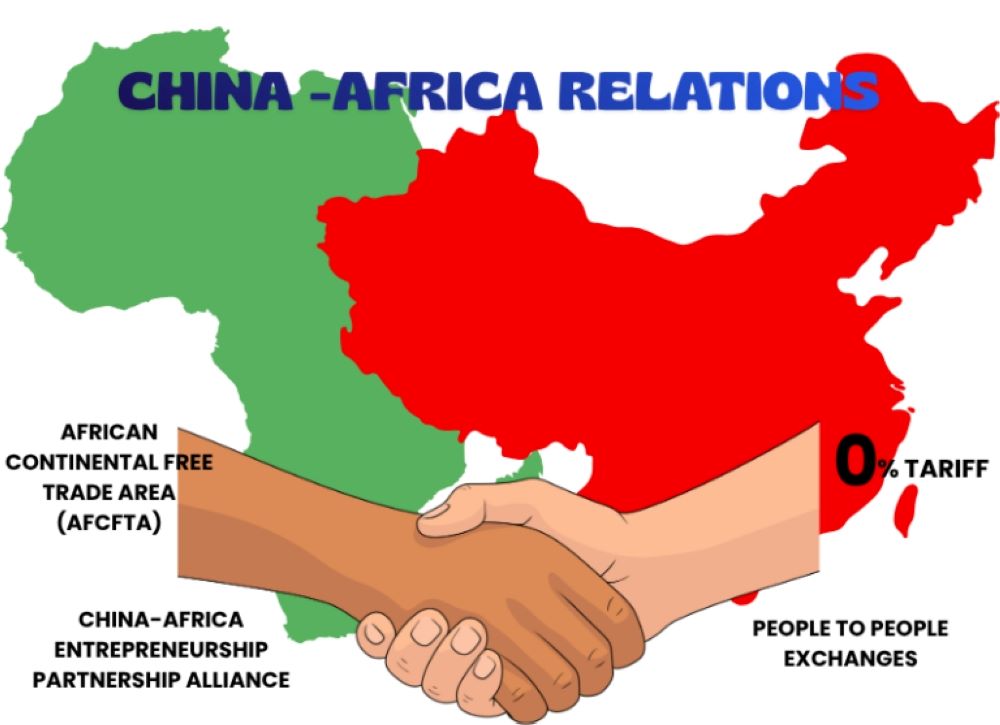
The inclusion of an additional 20 African nations under the zero-tariff treatment policy has demonstrated the nation’s active commitment to expanding high-standard opening up, according to the authorities.
From May 1, 2026 to April 30, 2028, China will grant zero-tariff treatment, in the form of a preferential tariff rate, to 20 African countries that have established diplomatic ties with China and are not classified as the least developed countries, according to an announcement by the Customs Tariff Commission of the State Council.
The announcement specified that for products under tariff quotas, only the in-quota tariff rate will be reduced to zero, while the out-of-quota tariff rate will remain unchanged.
During the two-year implementation period, China will continue to promote the negotiation and signing of the agreement of China-Africa Economic Partnership for Shared Development with relevant African countries, it said.
China’s latest move to apply zero-tariff treatment to an additional 20 African nations came after the country had granted zero-tariff treatment on 100 percent of tariff lines since Dec. 1, 2024 for 33 least developed African countries with which it maintains diplomatic relations.
The commission added that this move will play an important role in strengthening the economic and trade cooperation bond between China and Africa as well as advancing joint efforts to build an all-weather China-Africa community with a shared future for the new era.
Calling it a “significant measure,” China’s commerce ministry said Tuesday that with the expanded policy taking effect on Friday, China will become the first major economy to provide unilateral, full-coverage zero-tariff treatment to all African countries with diplomatic ties, and to all least developed countries with diplomatic relations.
In a statement, the ministry said that the zero-tariff arrangement is also an innovative and phased step as China and relevant African countries work toward the signing of the China-Africa Economic Partnership for Shared Development agreement.
It said that at a time when unilateralism and protectionism are on the rise, China’s move will expand the opening up of its market through zero-tariff treatment, creating development opportunities for African countries. Meanwhile, by negotiating and signing the China-Africa Economic Partnership for Shared Development agreement, China aims to ensure stable benefits for African countries and provide long-term, stable and predictable institutional safeguards for deepening China-Africa economic and trade relations.
As a concrete step demonstrating China’s unwavering commitment to expanding high-standard opening up and its initiative to open wider, the implementation of zero-tariff treatment for the 53 African countries will inject strong impetus into China-Africa trade and investment cooperation as well as Africa’s development, it said.
China’s policy announcement on Tuesday aligns with its broad efforts to build a new system of a higher-standard open economy through mutually-beneficial and open cooperation and expansion of institutional opening up over the coming years.
According to the outline of China’s 15th Five-Year Plan (2026-2030), the country will actively take the initiative to open wider and create a transparent, stable and predictable institutional environment. It has also pledged to improve the quality and level of trade and investment cooperation in the years through 2030.