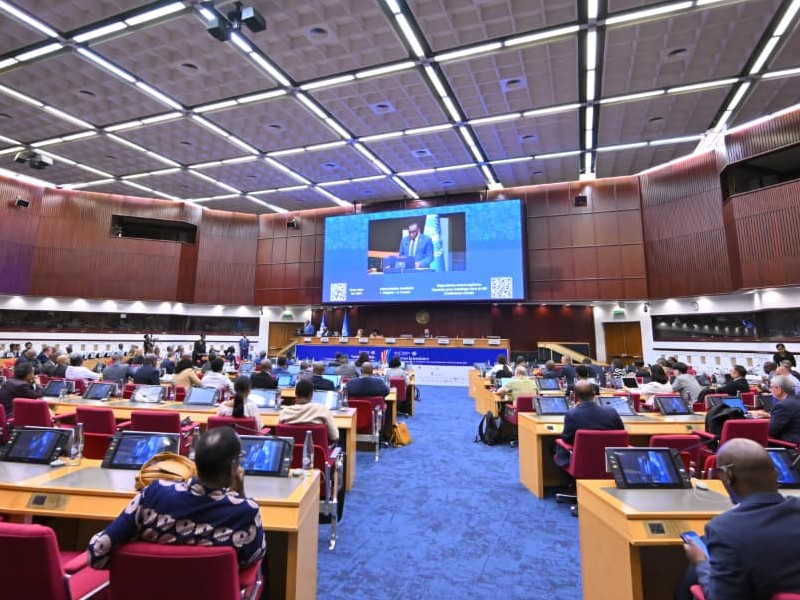
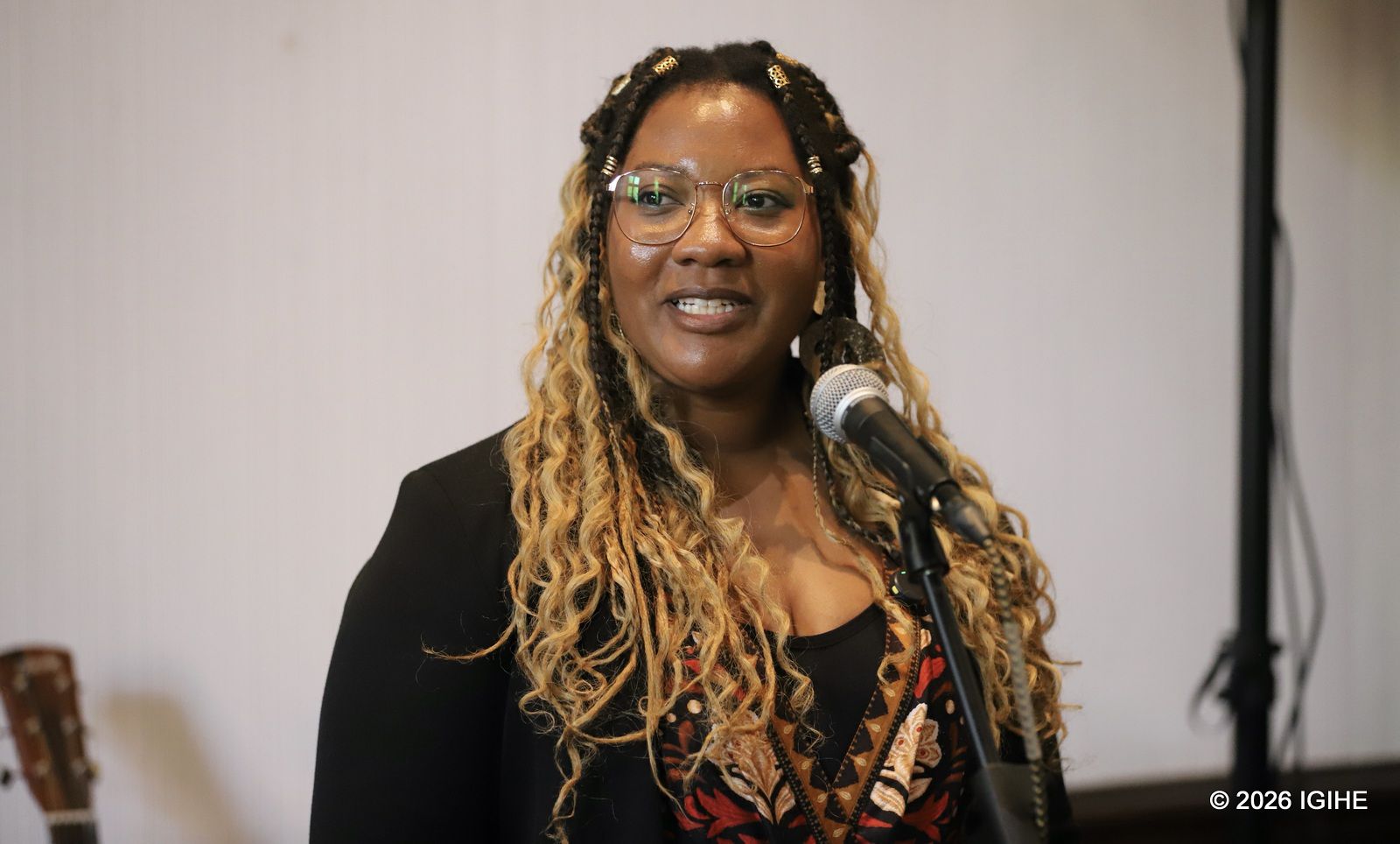
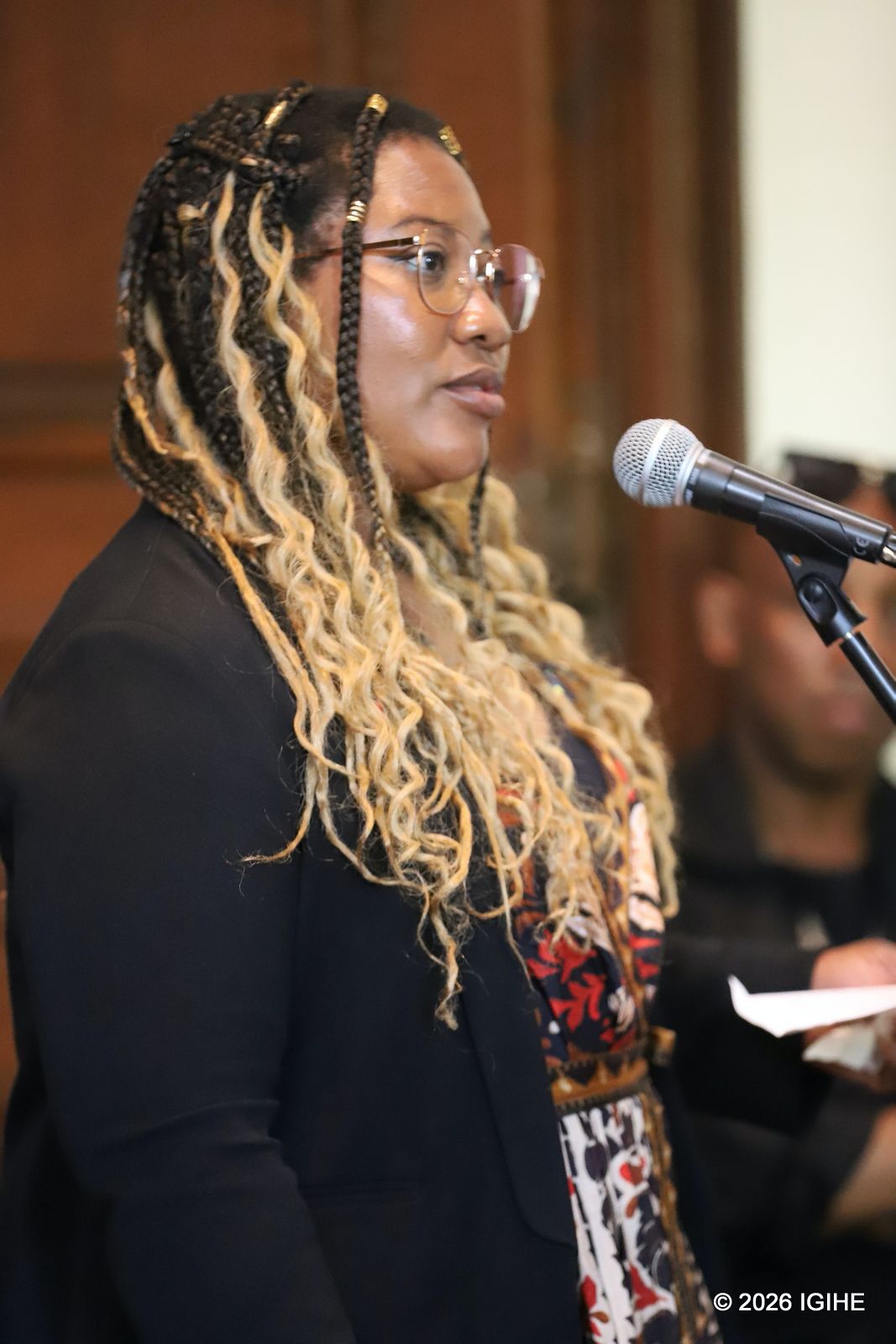
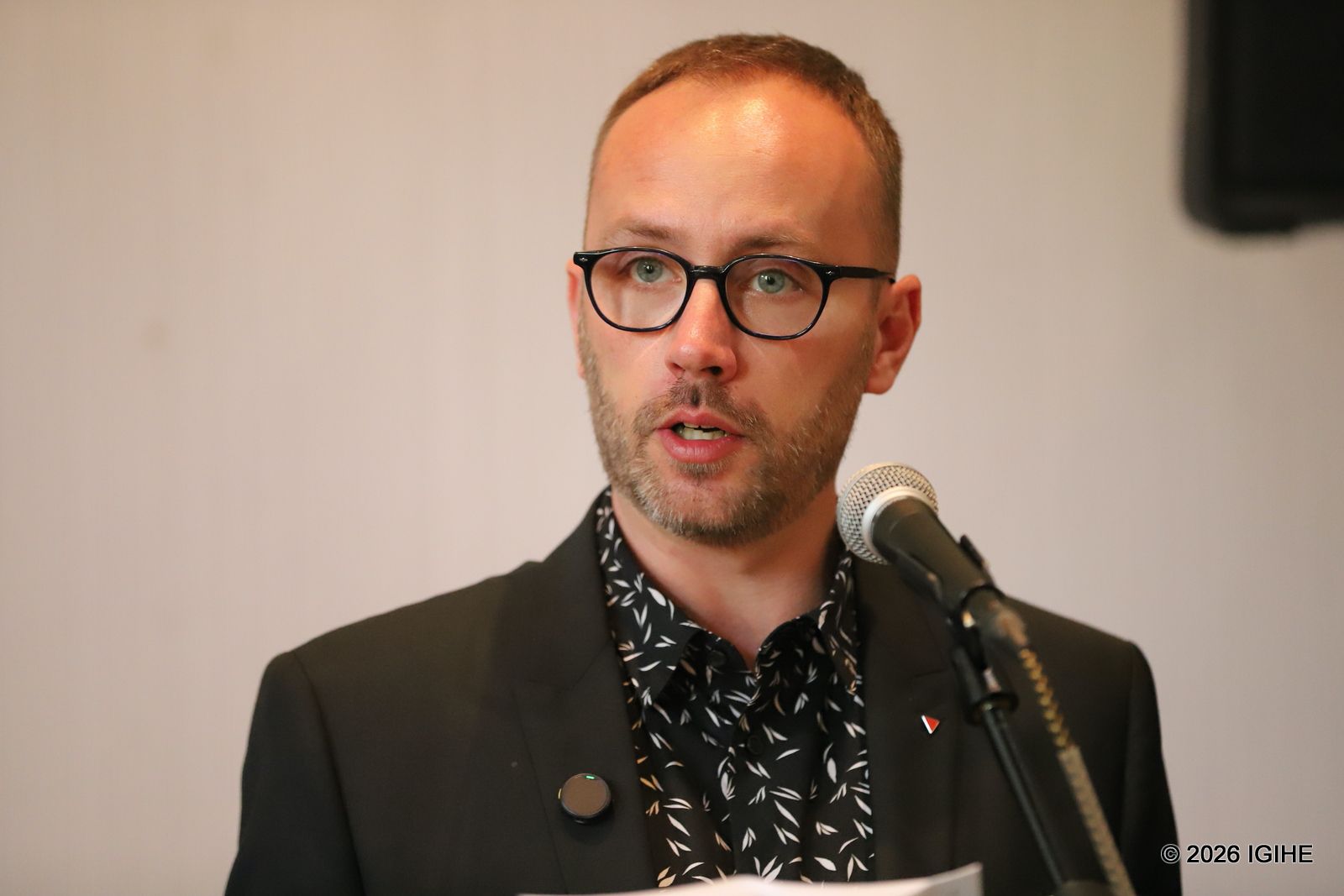
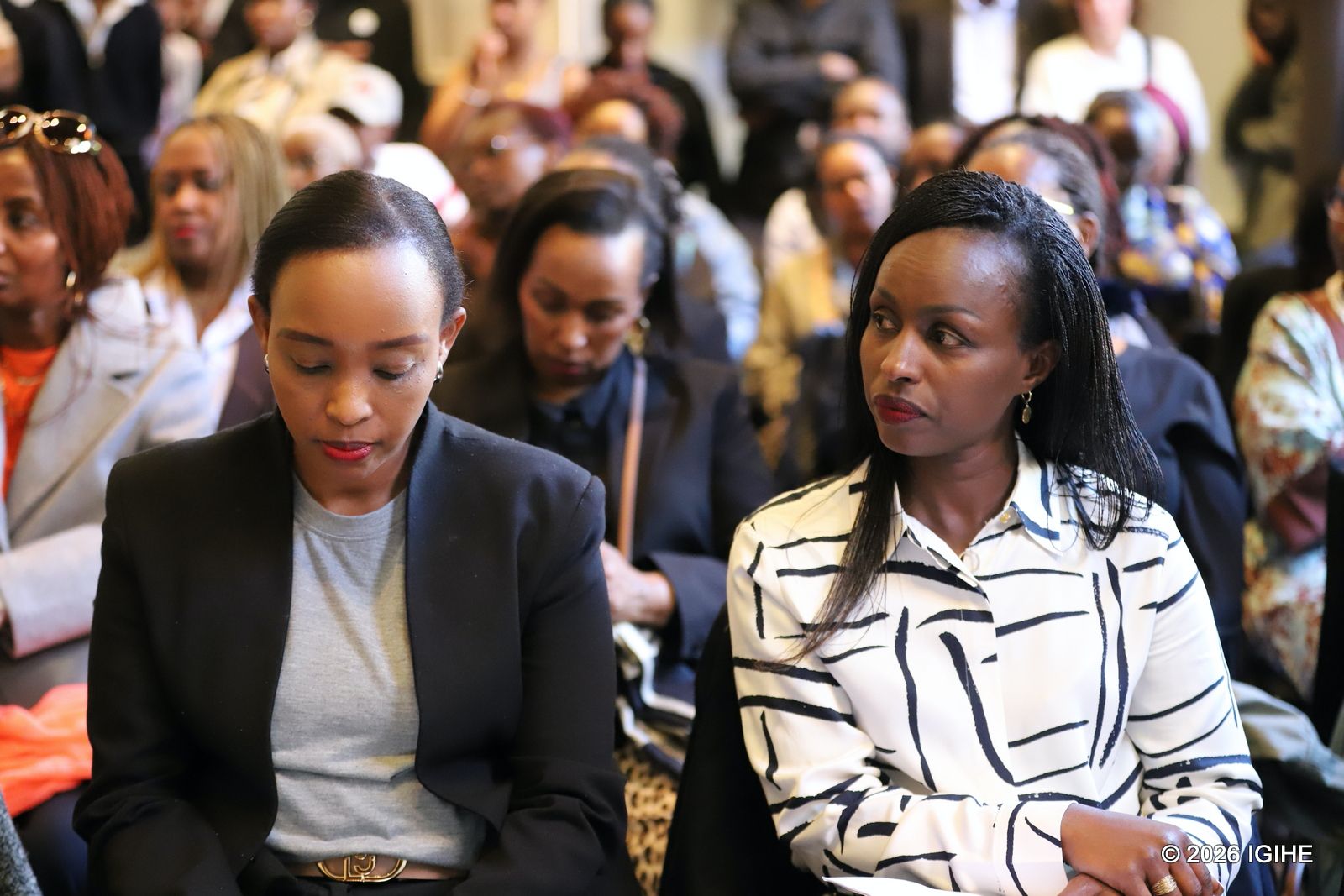
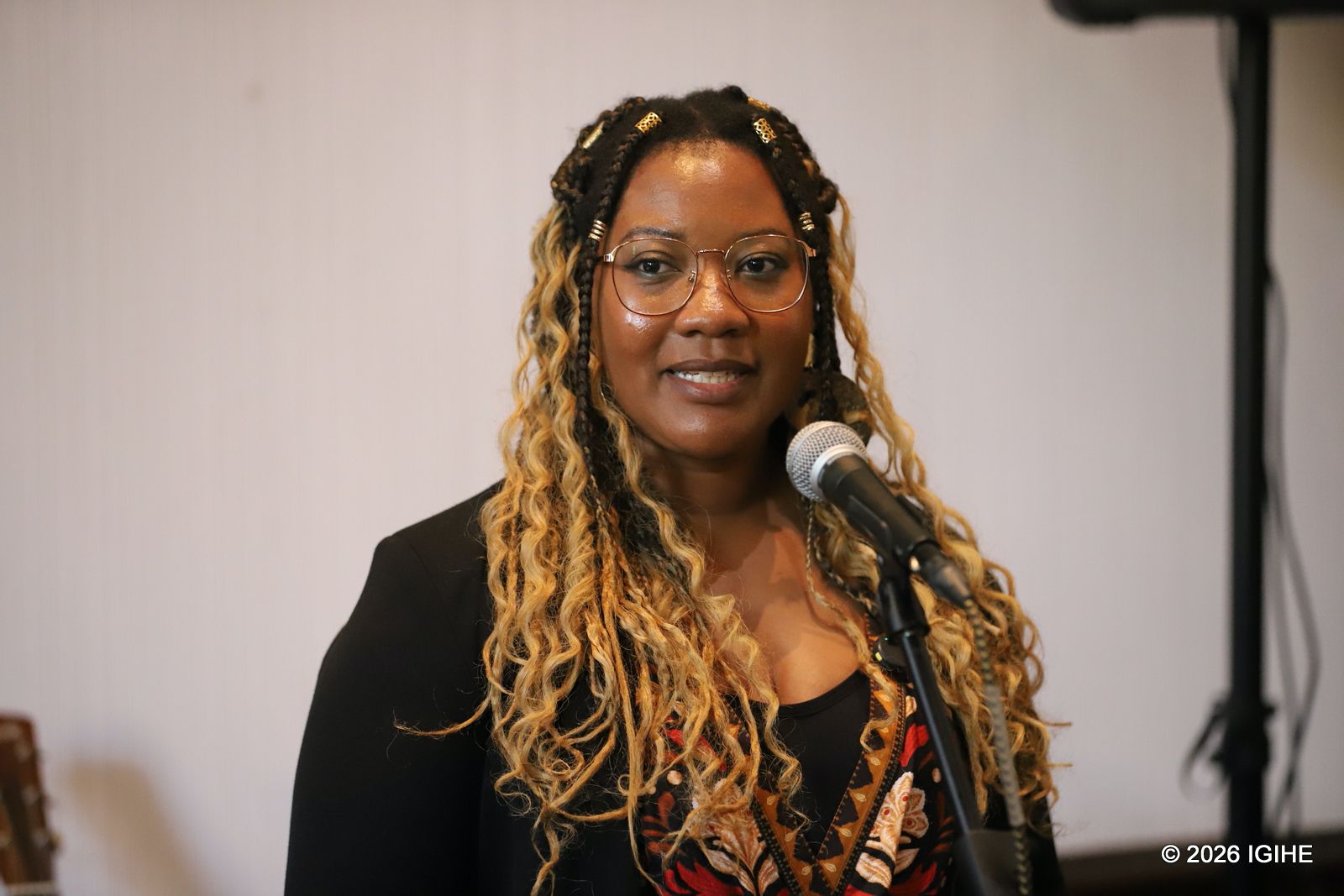
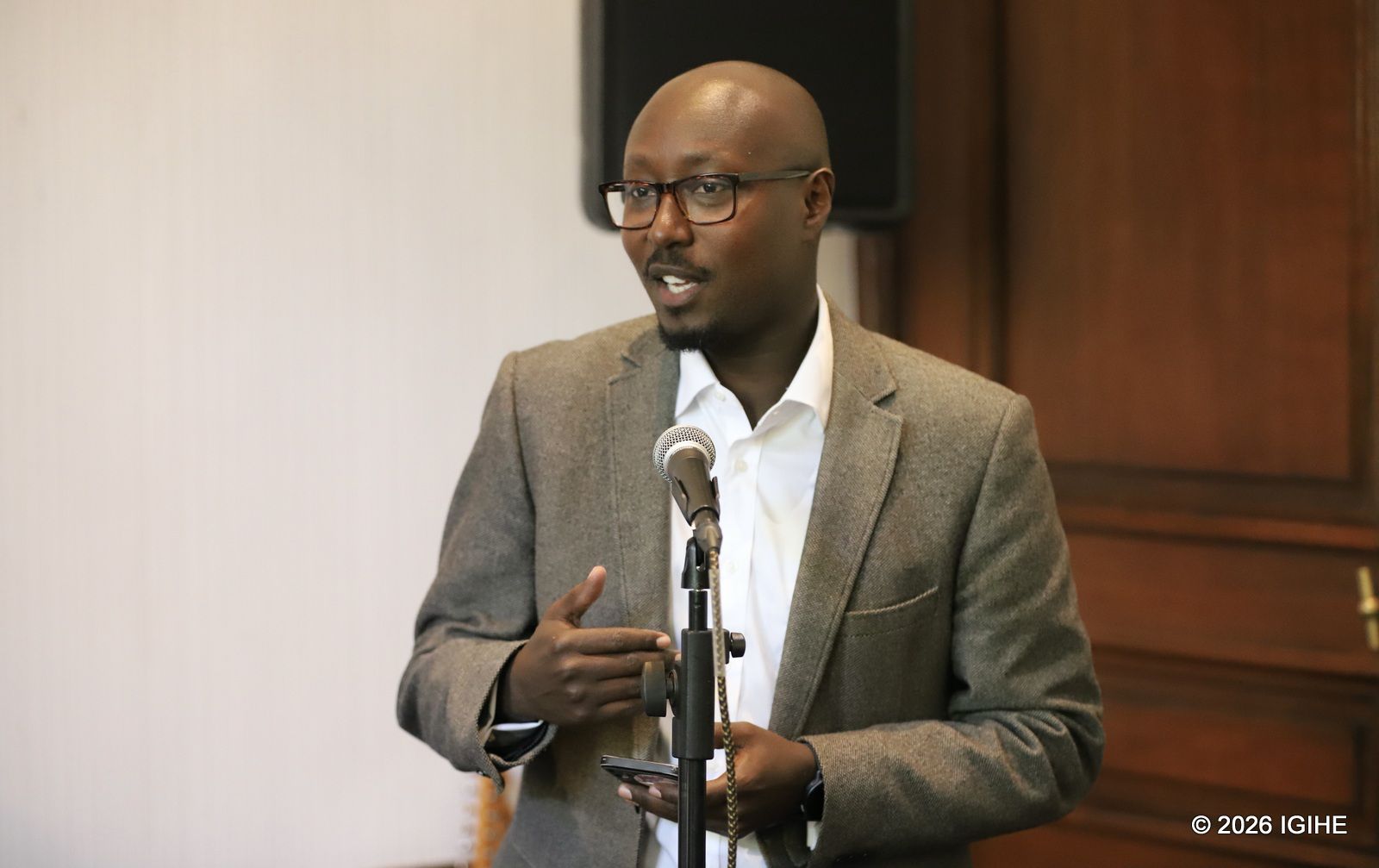
They made the call during the eighth African Science, Technology and Innovation (STI) Forum, held by the United Nations Economic Commission for Africa (UNECA) from Sunday to Monday in the Ethiopian capital of Addis Ababa.
Ugandan Minister of Science, Technology and Innovation Monica Musenero Masanza stressed the need for concerted continental efforts on STI as a central pillar to Africa’s socio-economic transformation, industrialization, value addition, and job creation.
“There is no question that STI is an essential ingredient for our nations and continent to move forward,” said Masanza. “We need to work jointly to scale practical projects. Africa does not lack ideas and strategies. Africa lacks execution at scale.”
The forum brought together African ministers responsible for STI, representatives of the African Union and various United Nations agencies, as well as private sector leaders and academia.
Noting that Africa continues to face significant digital and innovation gaps despite the opportunities presented by emerging technologies, UNECA Executive Secretary Claver Gatete emphasized that Africa must act with “urgency, coordination and ambition” to harness STI as drivers of economic transformation, inclusion and sustainable development.
“For Africa, the margin for delay has disappeared. The cost of inaction is rising. The choices we make today will determine whether we catch the next wave of global transformation, or miss it entirely,” Gatete said.
Gatete outlined five strategic priorities for Africa to turn innovation into a broad-based transformation, which include aligning STI with Africa’s economic transformation agenda, accelerating investment in digital public infrastructure, building future-ready skills at scale, deepening regional and continental coordination, as well as securing reliable, affordable and sustainable energy to power Africa’s digital transformation.
The forum brought together African ministers responsible for STI, representatives of the African Union and various United Nations agencies, as well as private sector leaders and academia.
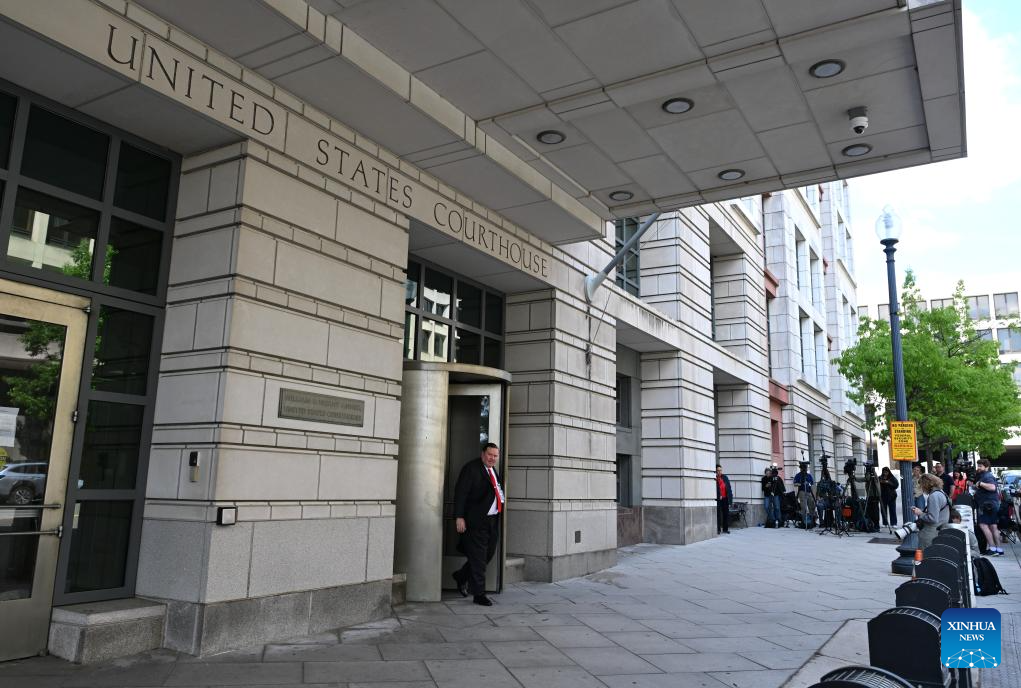
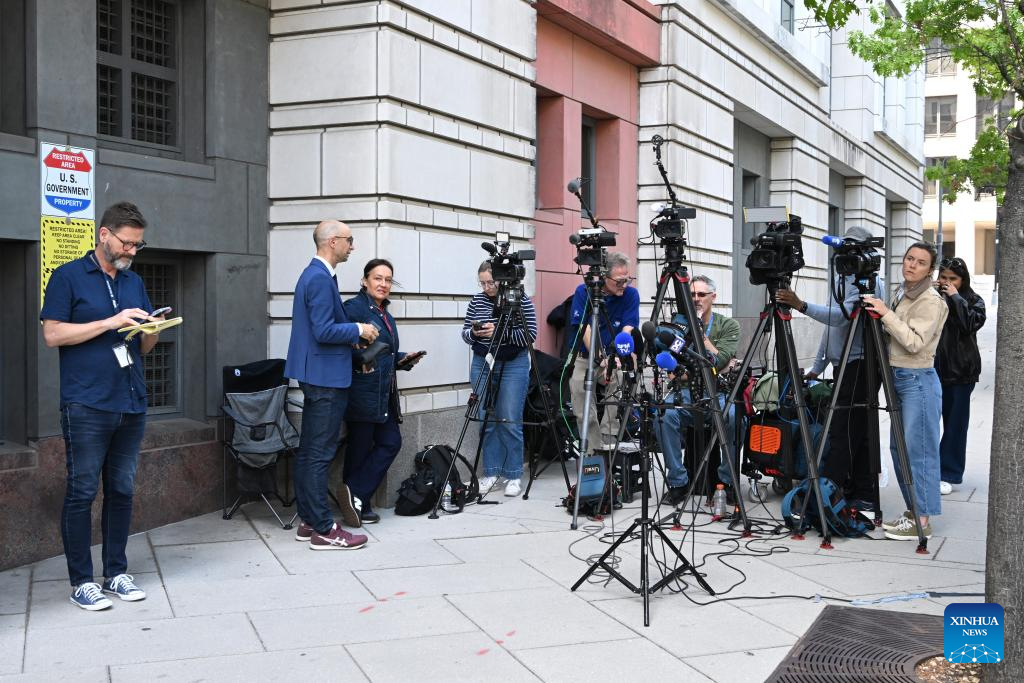
On Monday, Allen made his first court appearance at the U.S. District Court for the District of Columbia since the shooting.
He was charged with three criminal counts, namely, attempting to assassinate the president, interstate transportation of weapons, and discharge of a firearm during a violent crime.
The prosecutor said Allen had a 12-gauge pump-action shotgun and a .38 caliber pistol, and was also carrying with him three knives and other dangerous paraphernalia when he was arrested, CNBC reported.
According to law enforcement authorities, Allen, 31, traveled from California to Washington, D.C. by train and checked into the Washington Hilton hotel with weapons before the attack.
Allen reportedly sent an email to his relatives shortly before the shooting, in which he wrote that Trump administration officials were “targets, prioritized from highest-ranking to lowest.”
He also wrote: “I walk in with multiple weapons and not a single person there considers the possibility that I could be a threat.”
Live footage of the event showed that the suspect attempted to rush a security checkpoint and exchanged gunfire with law enforcement. A U.S. Secret Service officer was injured amid the shooting incident.
Trump, First Lady Melania Trump, Vice President JD Vance, and all Cabinet members were evacuated from the dinner after the shooting. Attendees were seen on the live broadcast ducking around their tables and taking cover.
Shortly after the security incident, U.S. Secret Service spokesperson Anthony Guglielmi wrote on X that the agency was investigating “a shooting incident near the main magnetometer screening area” at the dinner, in coordination with the Metropolitan Police Department.
Political violence has been frequent in the U.S. in recent years. Trump has been the target of multiple assassination attempts and death threats during his presidential campaign and as president. The most prominent example is the July 2024 assassination attempt in Butler, Pennsylvania, in which Trump narrowly survived while campaigning for president.
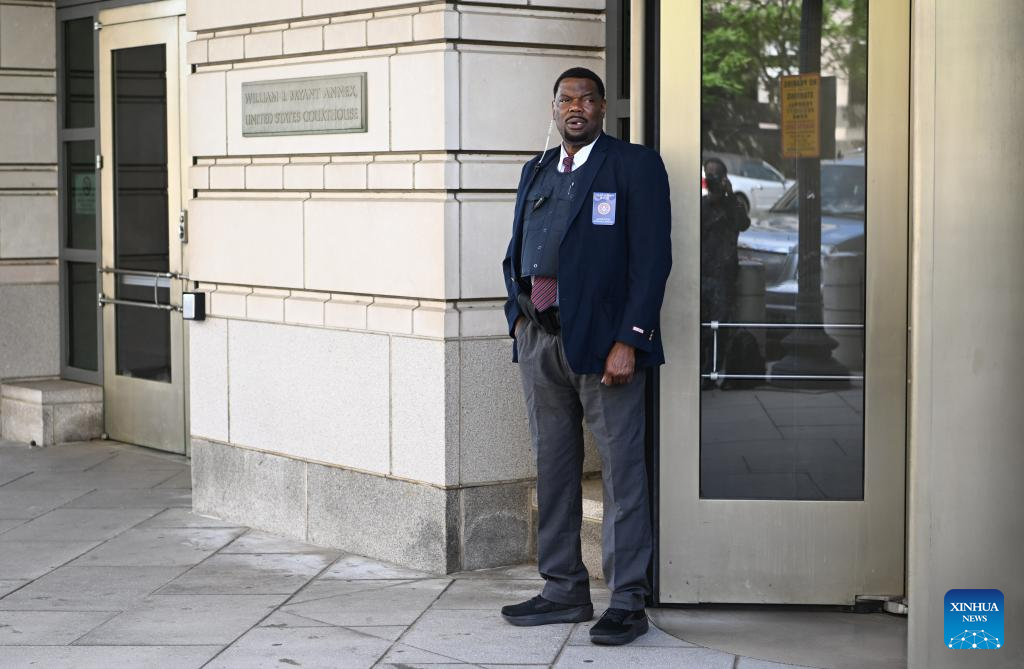
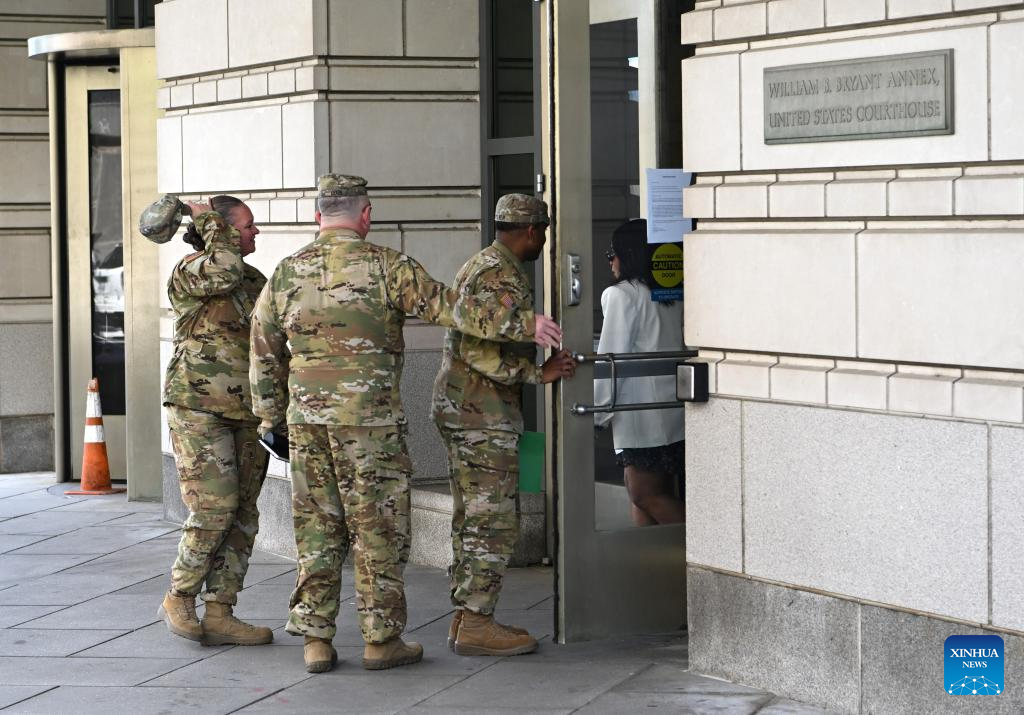
Media crews are positioned near the entrance to the U.S. District Court for the District of Columbia in Washington, D.C., the United States, April 27, 2026. A court security officer stands guard at the entrance to the U.S. District Court for the District of Columbia in Washington, D.C., the United States, April 27, 2026.Servicemen and a servicewoman enter the U.S. District Court for the District of Columbia in Washington, D.C., the United States, April 27, 2026. Media crews are positioned near the entrance to the U.S. District Court for the District of Columbia in Washington, D.C., the United States, April 27, 2026. Media crews are positioned near the entrance to the U.S. District Court for the District of Columbia in Washington, D.C., the United States, April 27, 2026.
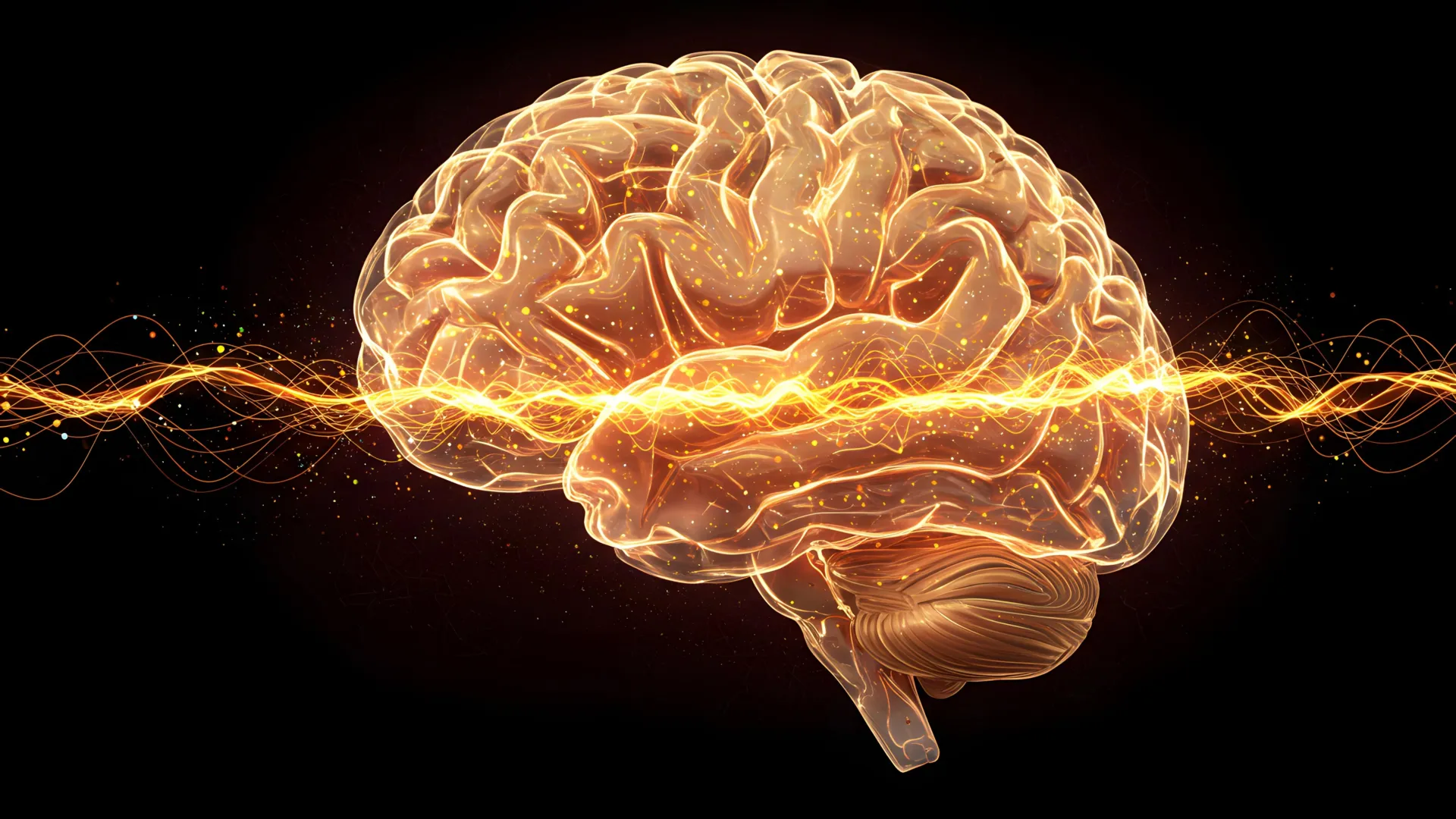
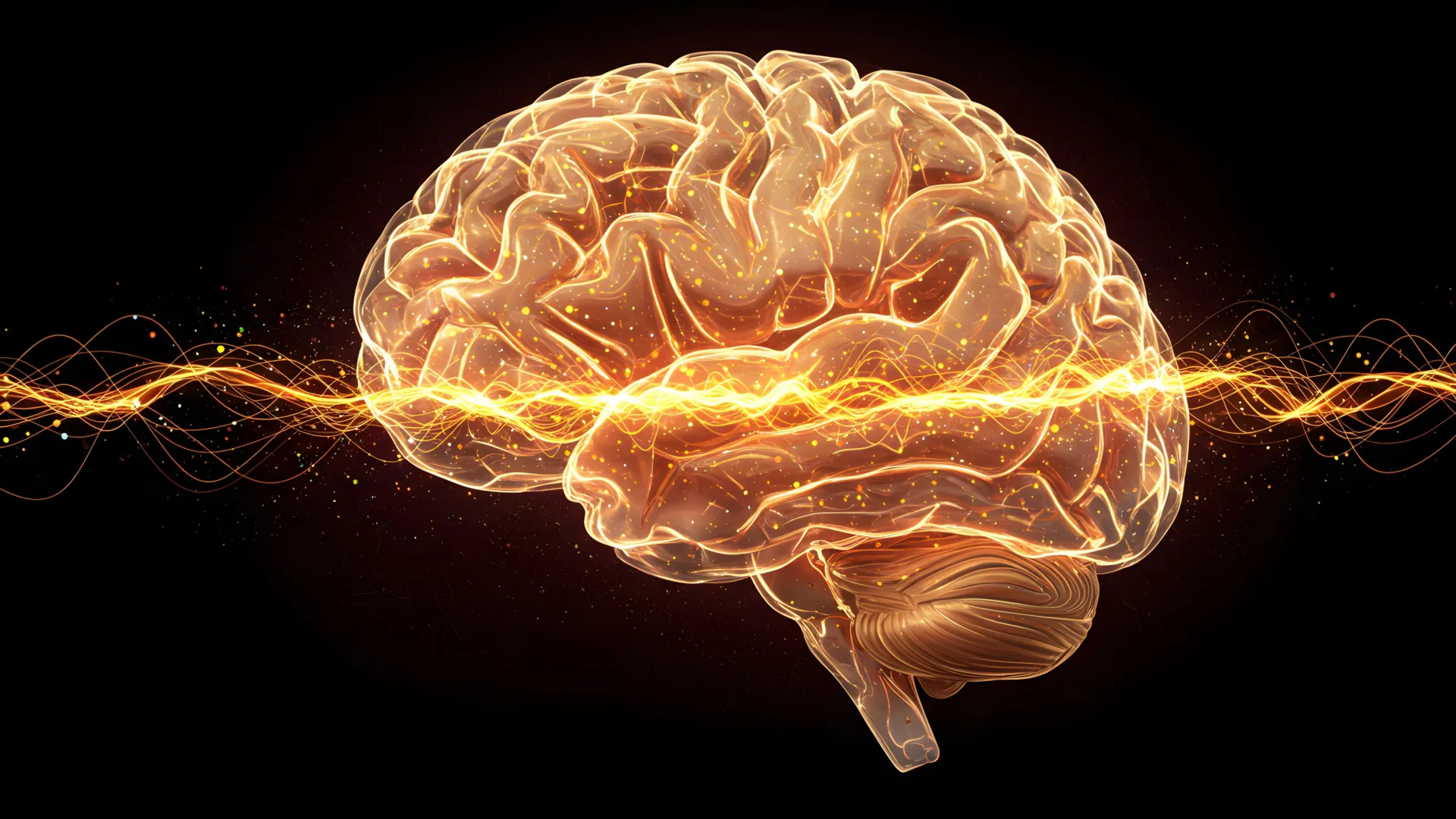
This breakthrough comes from researchers at the University of Colorado Boulder, who have found a small but powerful region of the brain called the caudal granular insular cortex (CGIC).
It turns out that this part of the brain might play a key role in deciding whether pain sticks around or fades away after an injury.
In their research, scientists found that when this part of the brain is activated, pain signals continue to be sent long after the injury has healed and that’s when pain can become chronic.
But if they could switch off this brain circuit, they found that pain would either stop or never even become chronic in the first place.
The cool part? They used advanced neuroscience techniques to pinpoint exactly how this area of the brain is linked to the rest of the nervous system. By turning off the CGIC’s neurons in animal models, they were able to stop chronic pain in its tracks. This could be a game‑changer in how we think about treating pain.
So, why does this matter? Well, many pain treatments, like opioids, try to block pain signals throughout the body, but they come with some pretty serious side effects, including addiction.
If doctors could target this specific part of the brain, it might allow them to treat chronic pain without those dangerous risks.
Instead of masking the pain, we could be looking at a way to actually stop the brain from sending the pain signals in the first place.
Though the research is still in its early stages (and has only been tested in animals so far), it’s a huge step forward in understanding why chronic pain sticks around.
This discovery suggests that chronic pain might not just be a physical issue, but something that the brain decides to keep sending.
If scientists can figure out how to turn that “switch” off, it could lead to new treatments that finally offer relief for those who suffer from long‑lasting pain.
Researchers have identified a hidden brain circuit that can turn short-term pain into chronic suffering.
The EU continues its attempts to pressure Russia by scaling up unilateral restrictive measures, the ministry said in a statement, adding that Brussels’ destructive actions grossly violate the norms of international law.
“We have also imposed restrictive measures against civil society activists and academics in European countries who hold hostile positions toward Russia, as well as members of national parliaments of EU member states and the European Parliament who voted in favor of anti-Russian resolutions and bills,” said the statement.
Russia has also barred entry to representatives of European institutions and EU member states involved in decisions on providing military aid to Ukraine, it added.
European Council President Antonio Costa said on Thursday that the EU has approved a 90-billion-euro (105 billion U.S. dollars) loan package for Ukraine, along with a 20th round of sanctions against Russia.
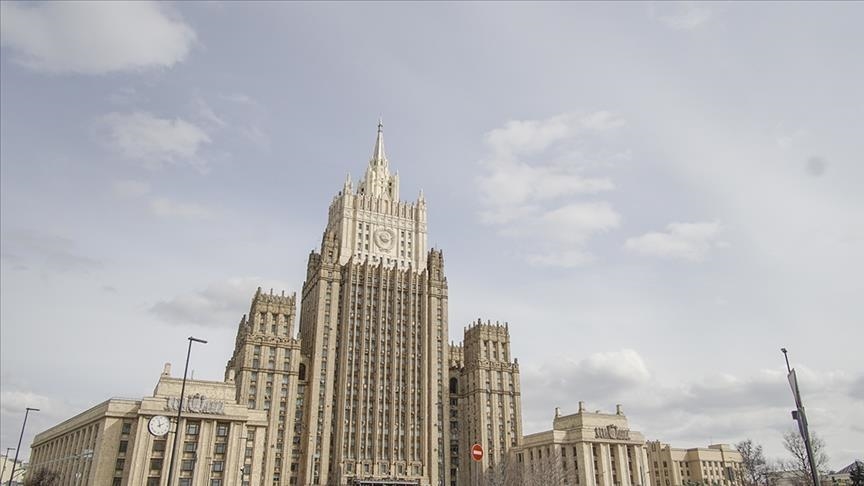
Moscow has largely expanded the blacklist of European Union (EU) officials banned from entering Russia in response to Brussels’ 20th sanctions package against Moscow, the Russian Foreign Ministry said on Monday.
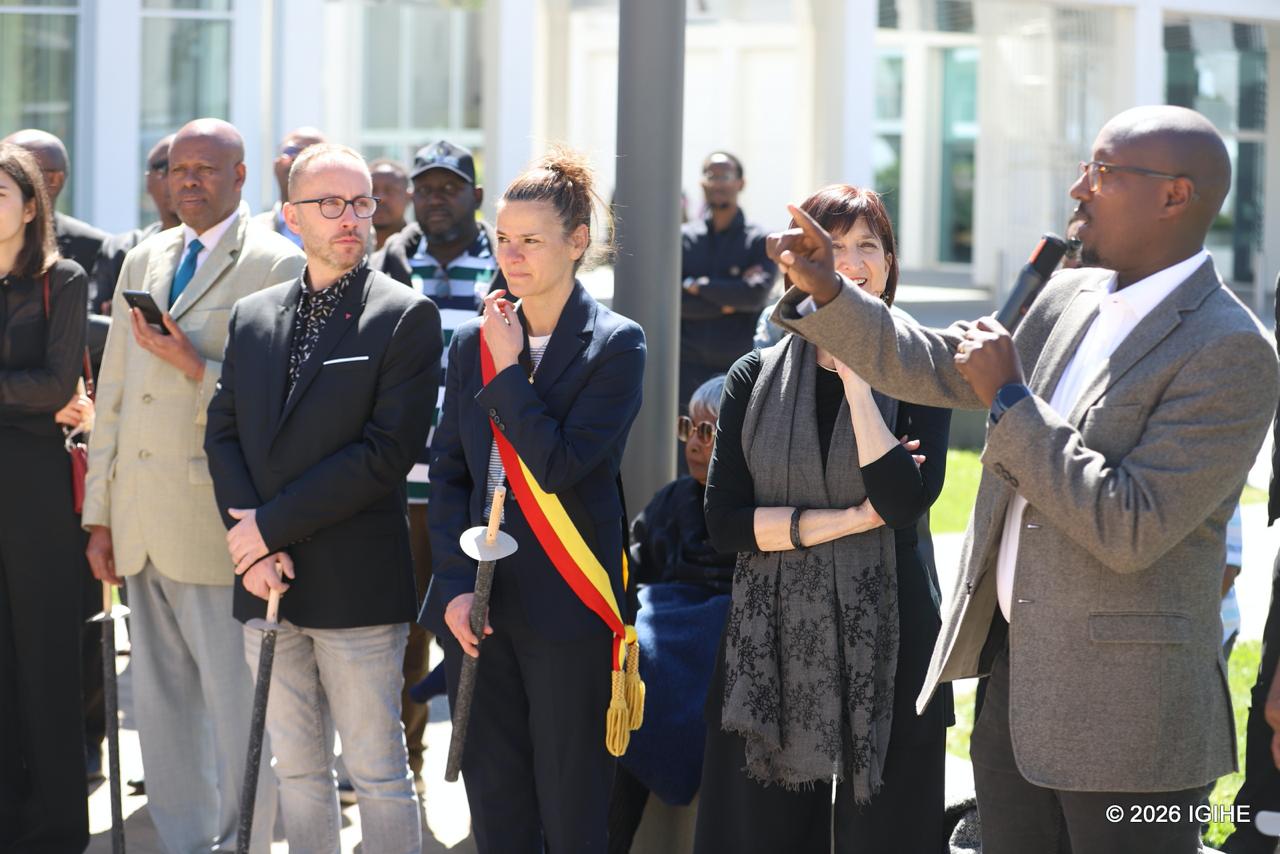
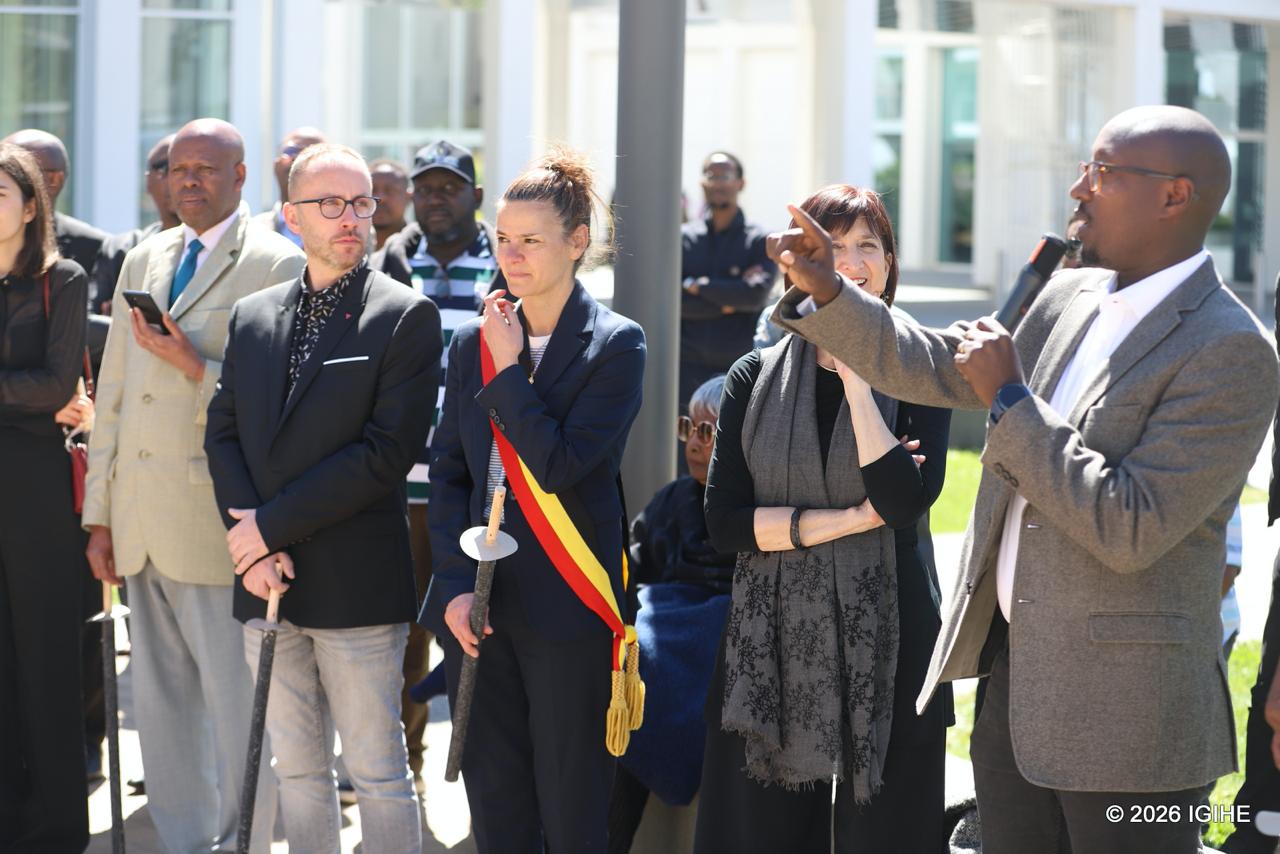
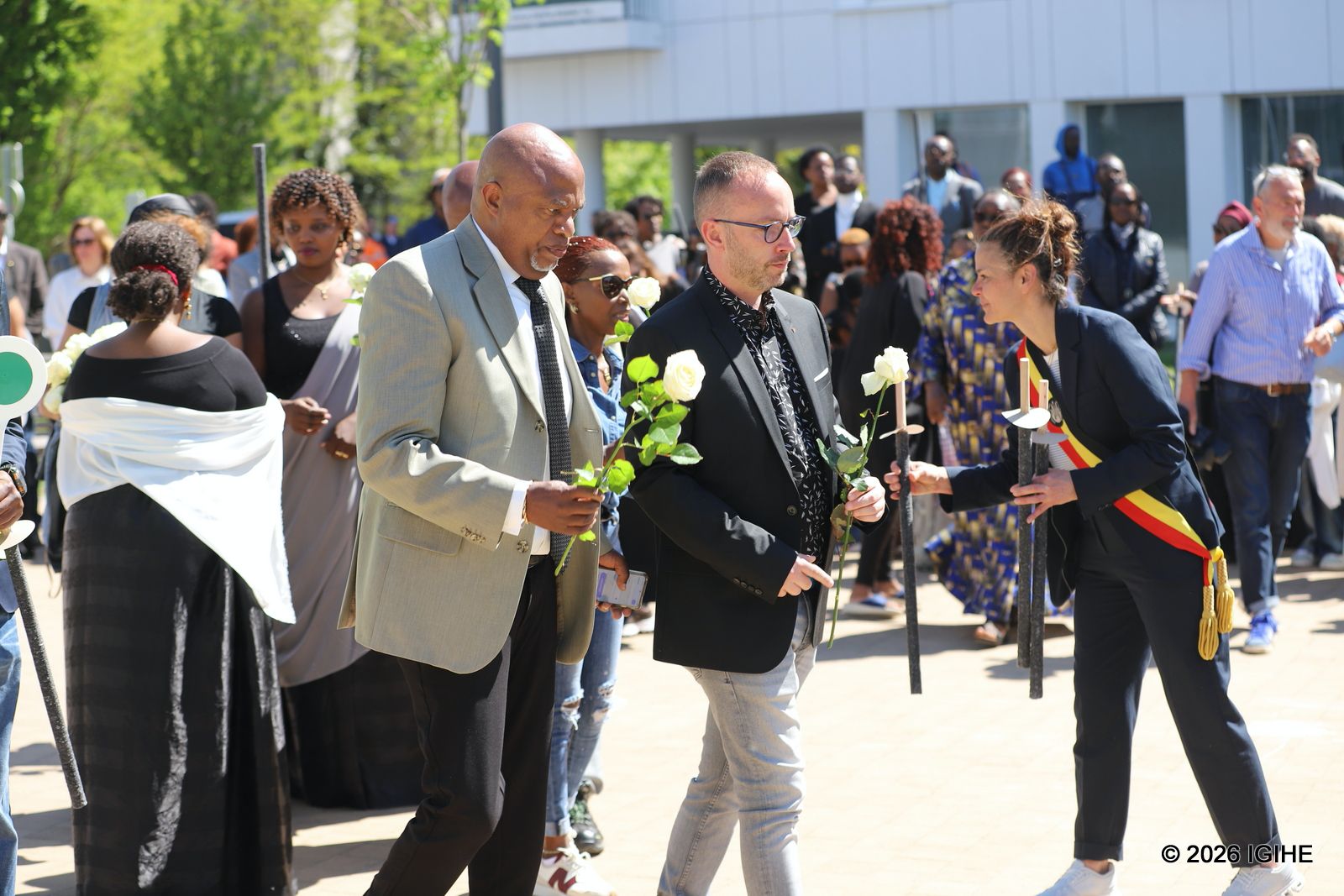
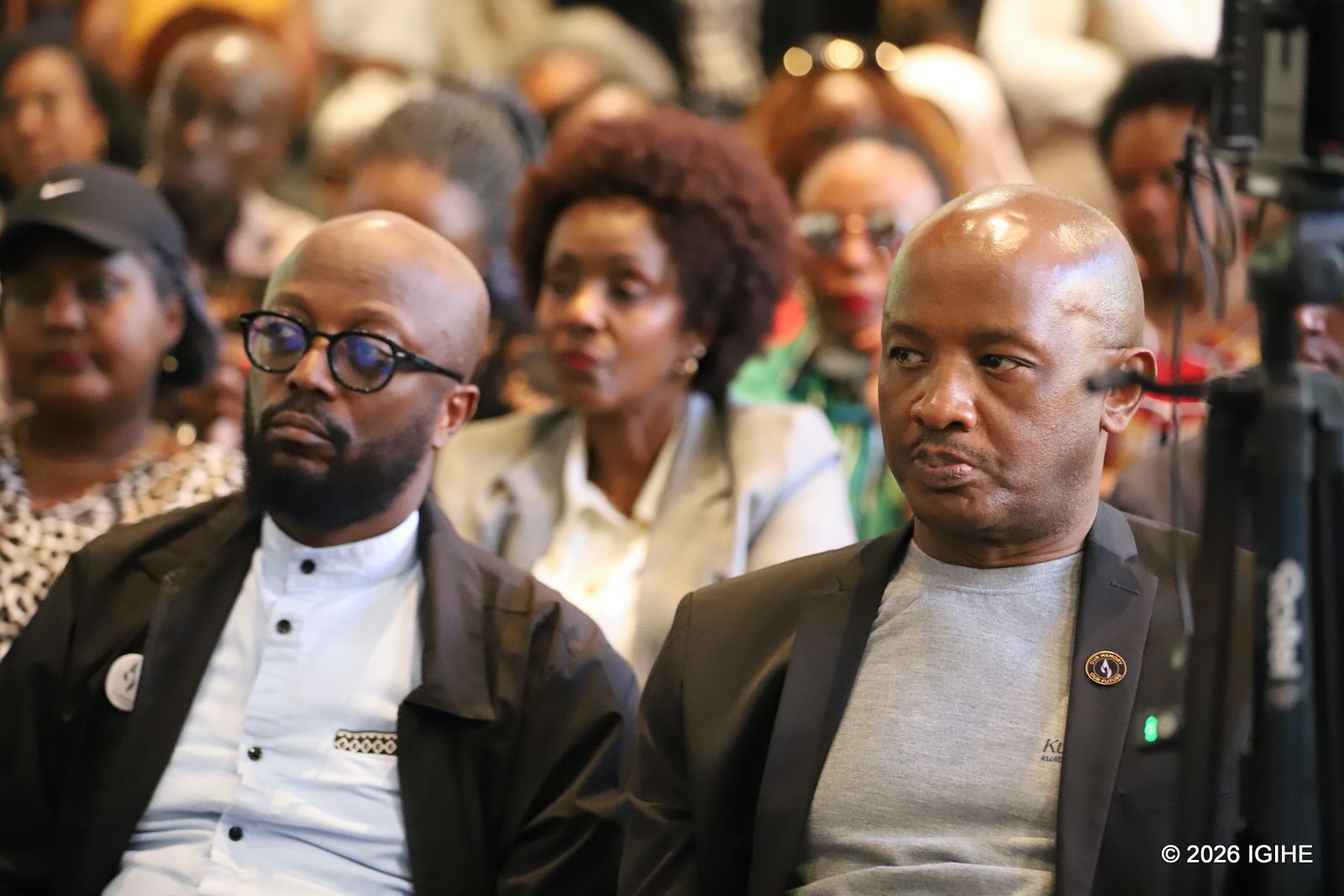
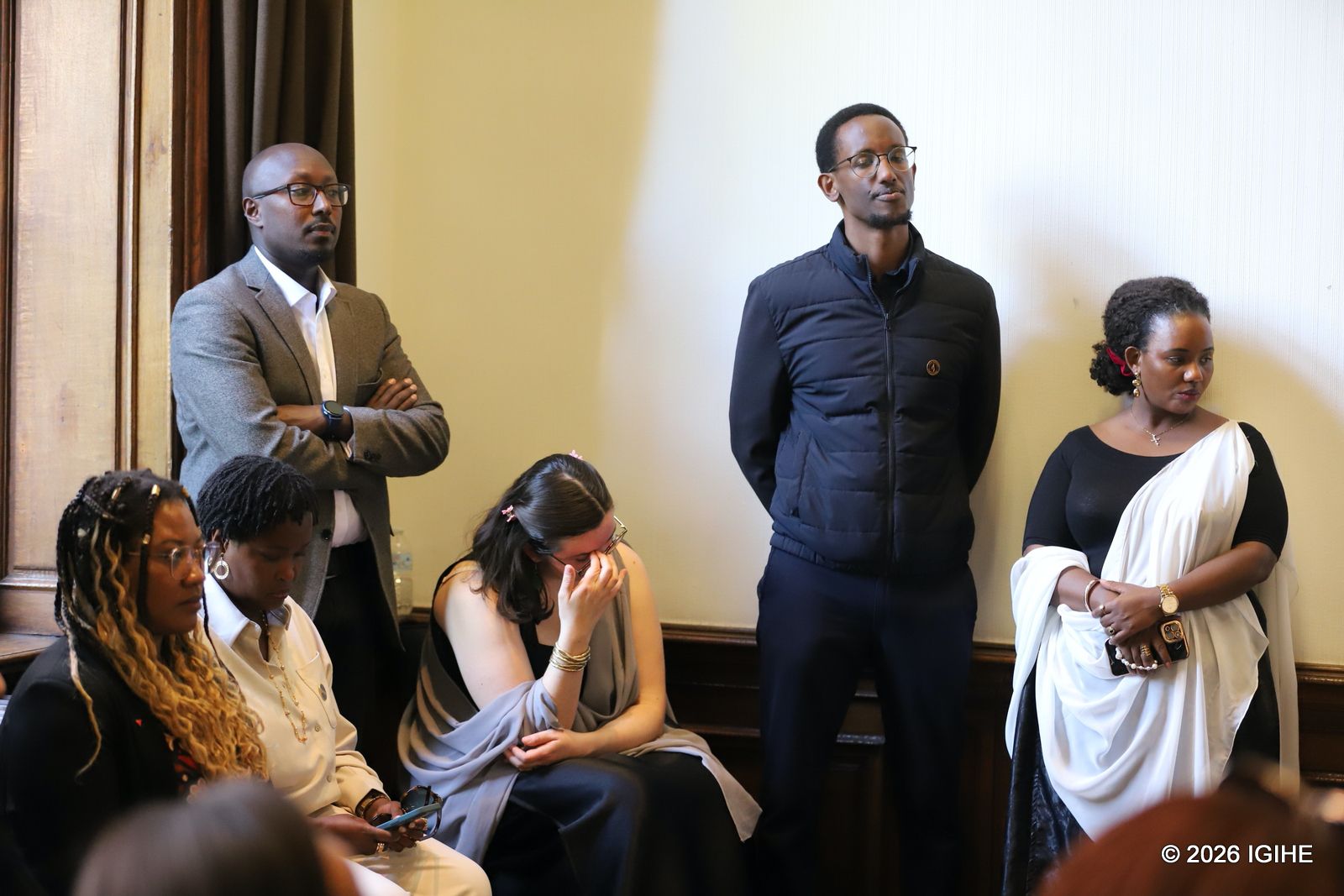
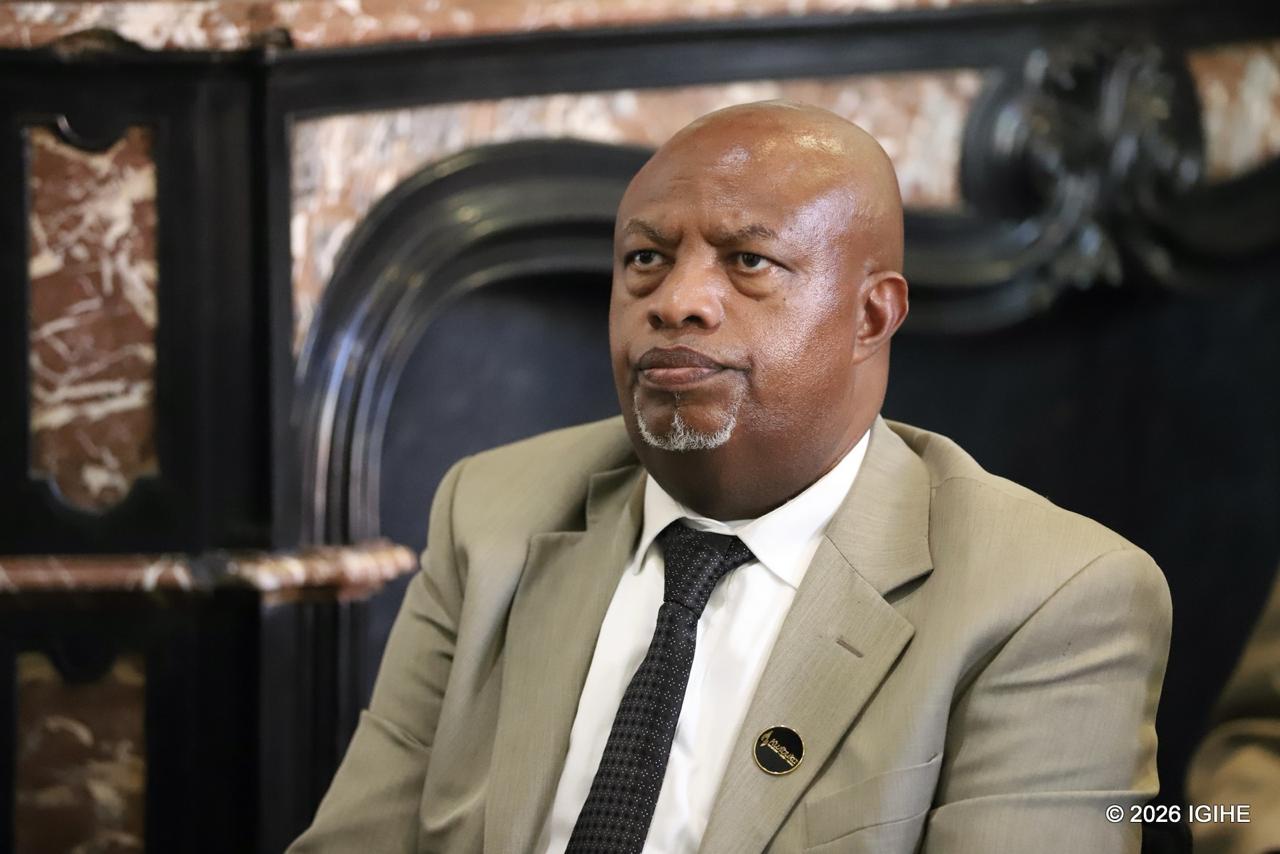
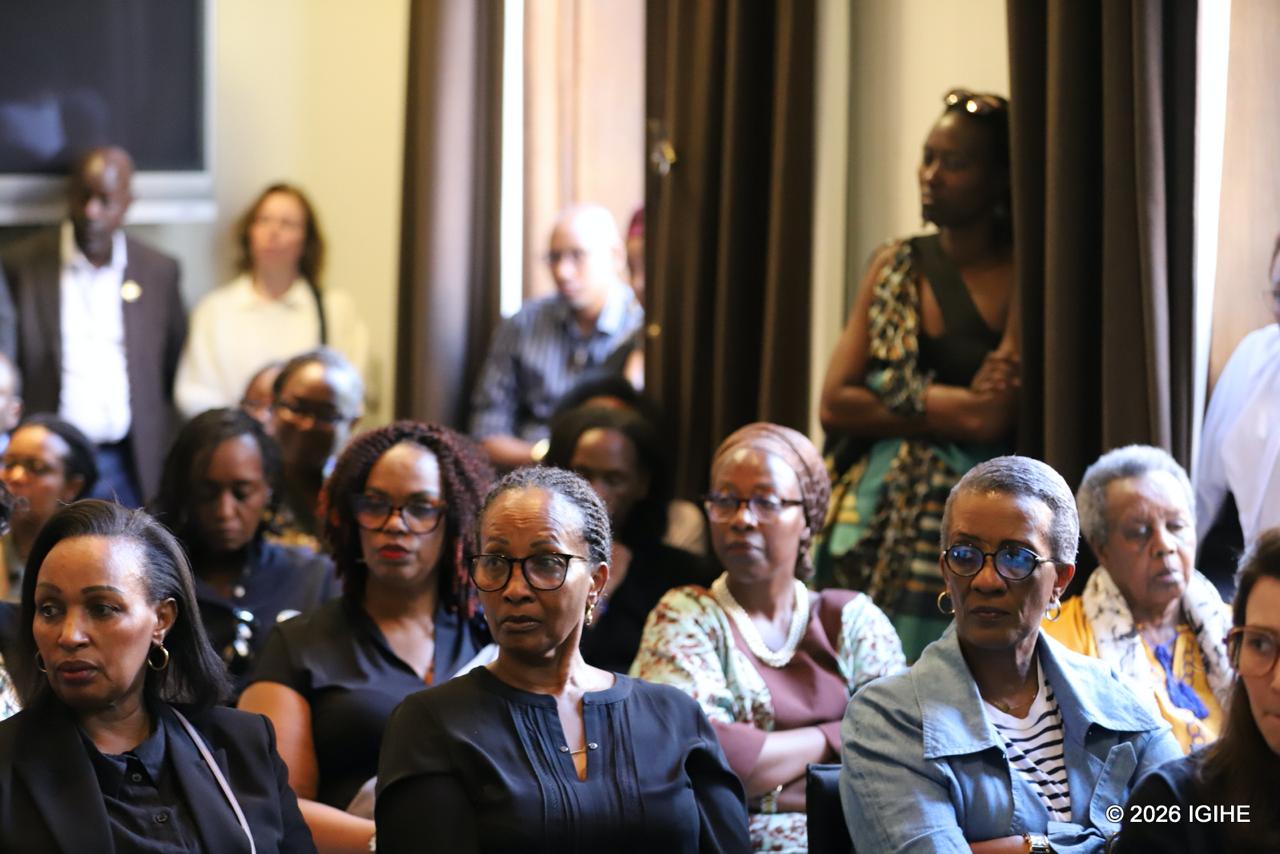
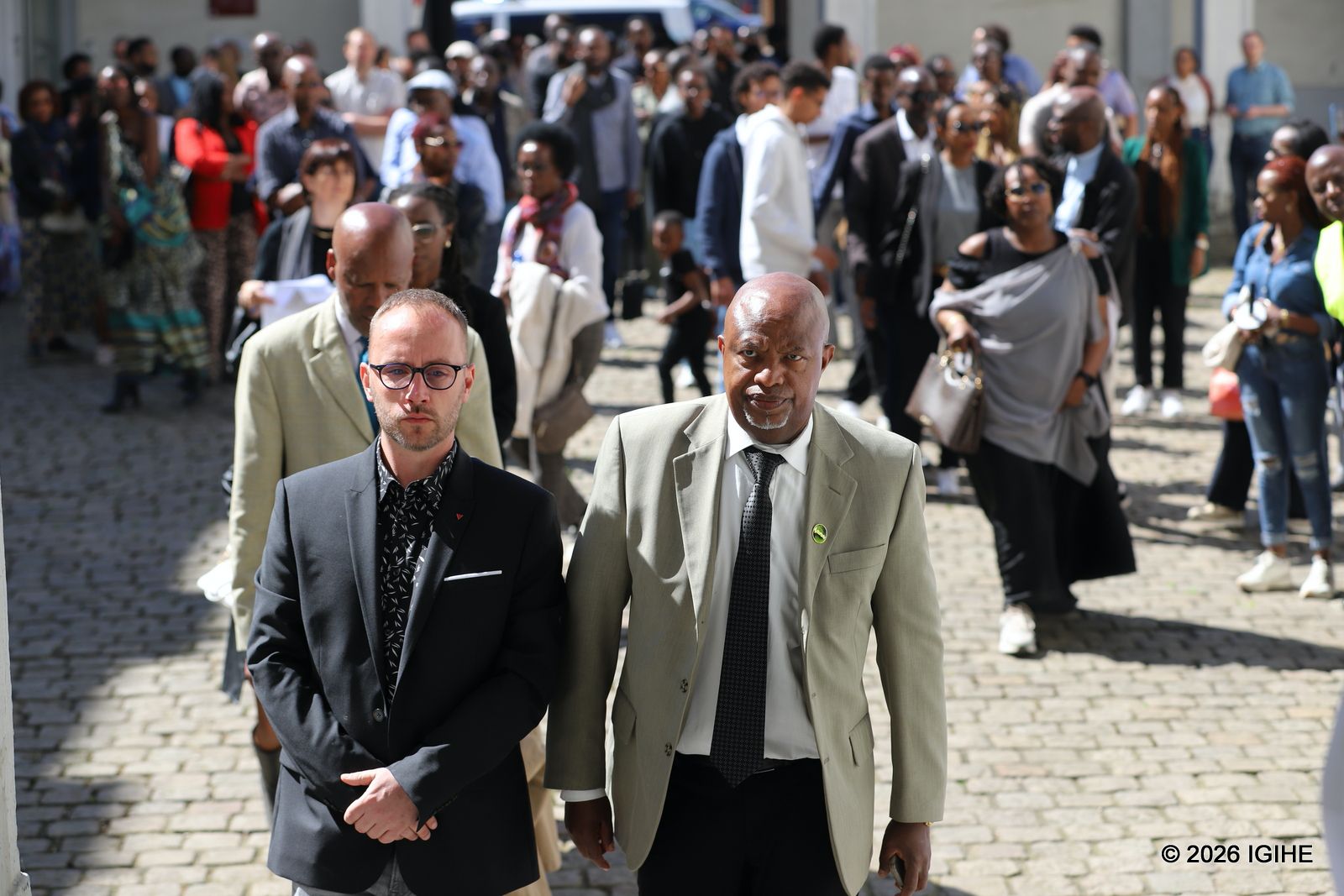
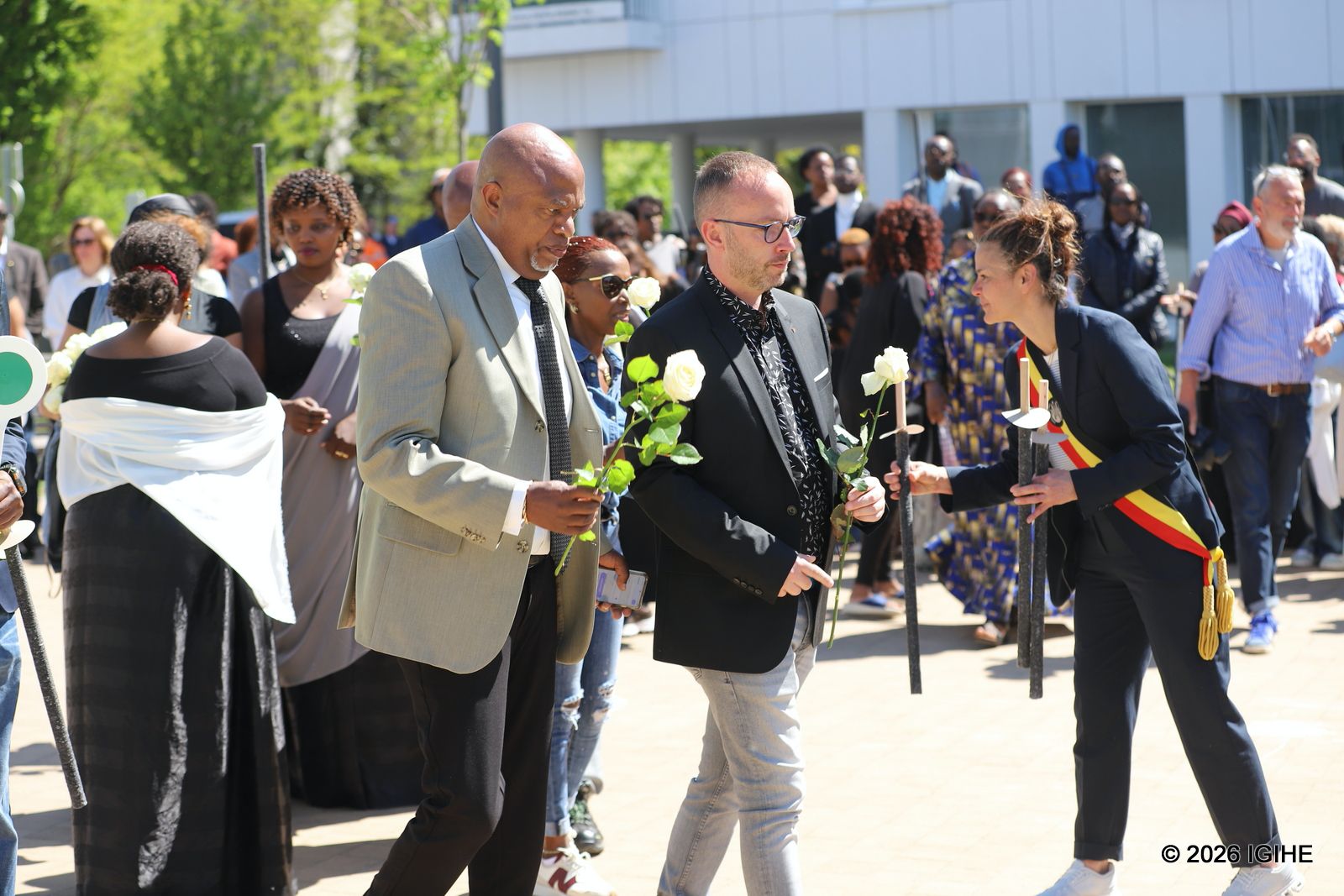
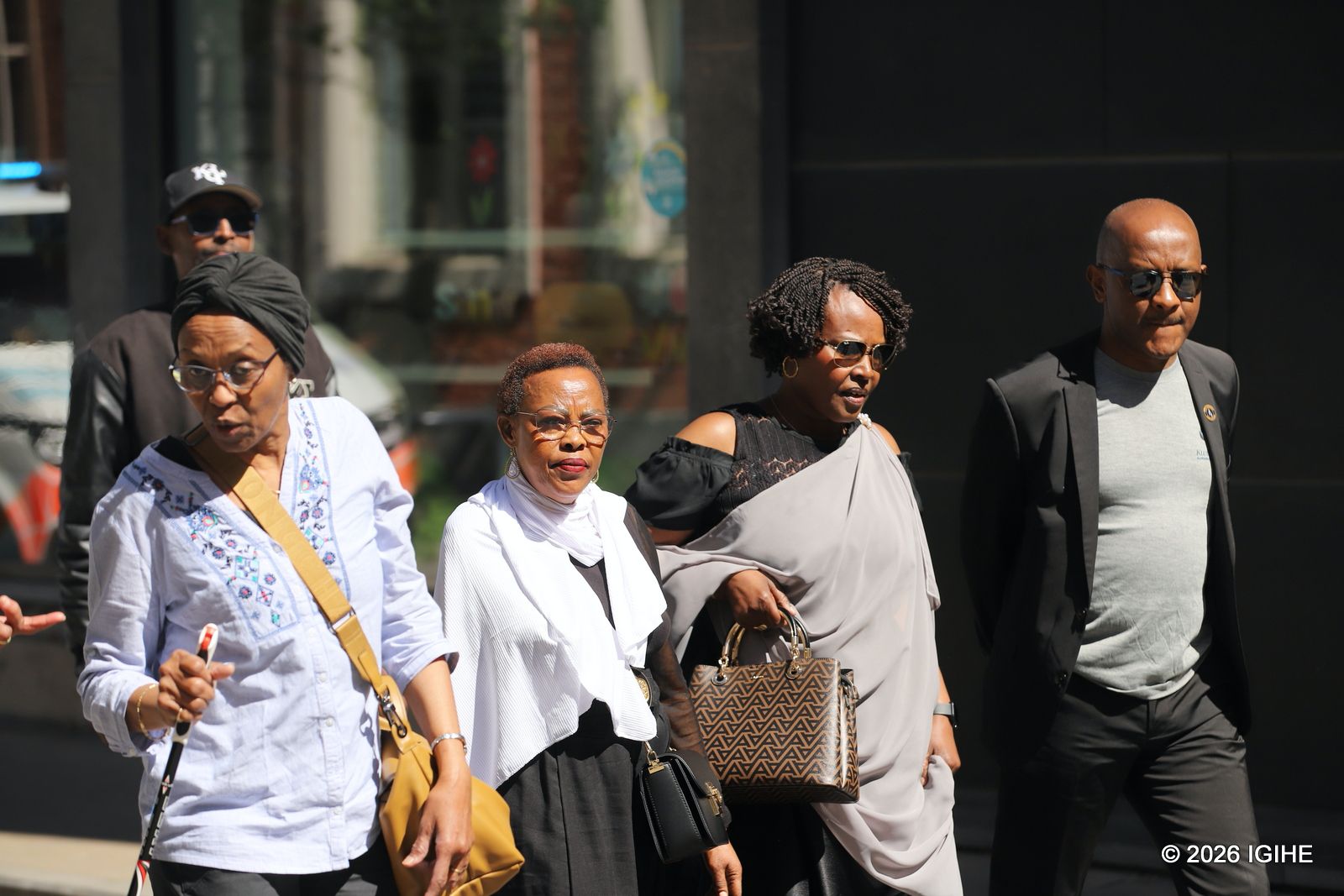
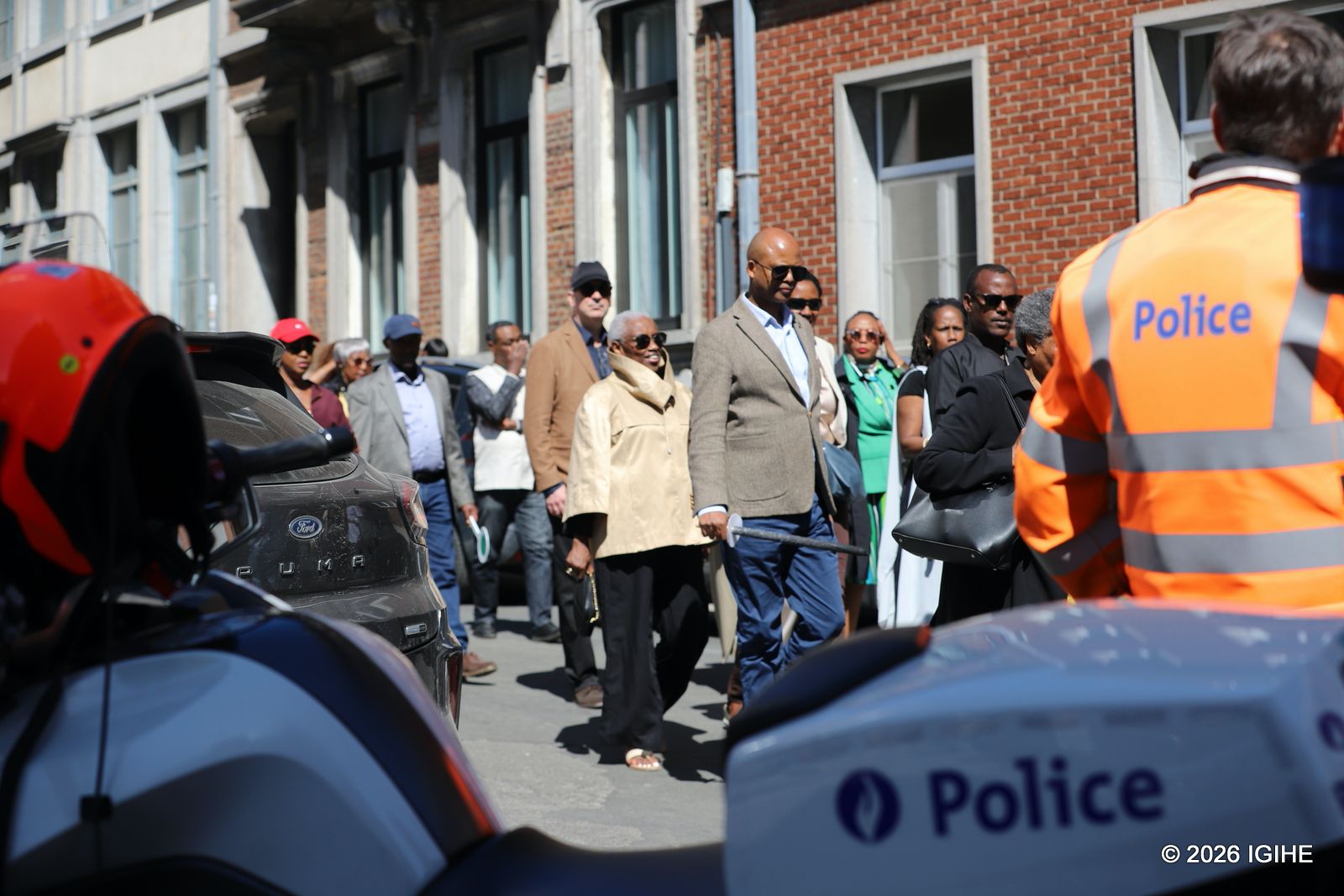
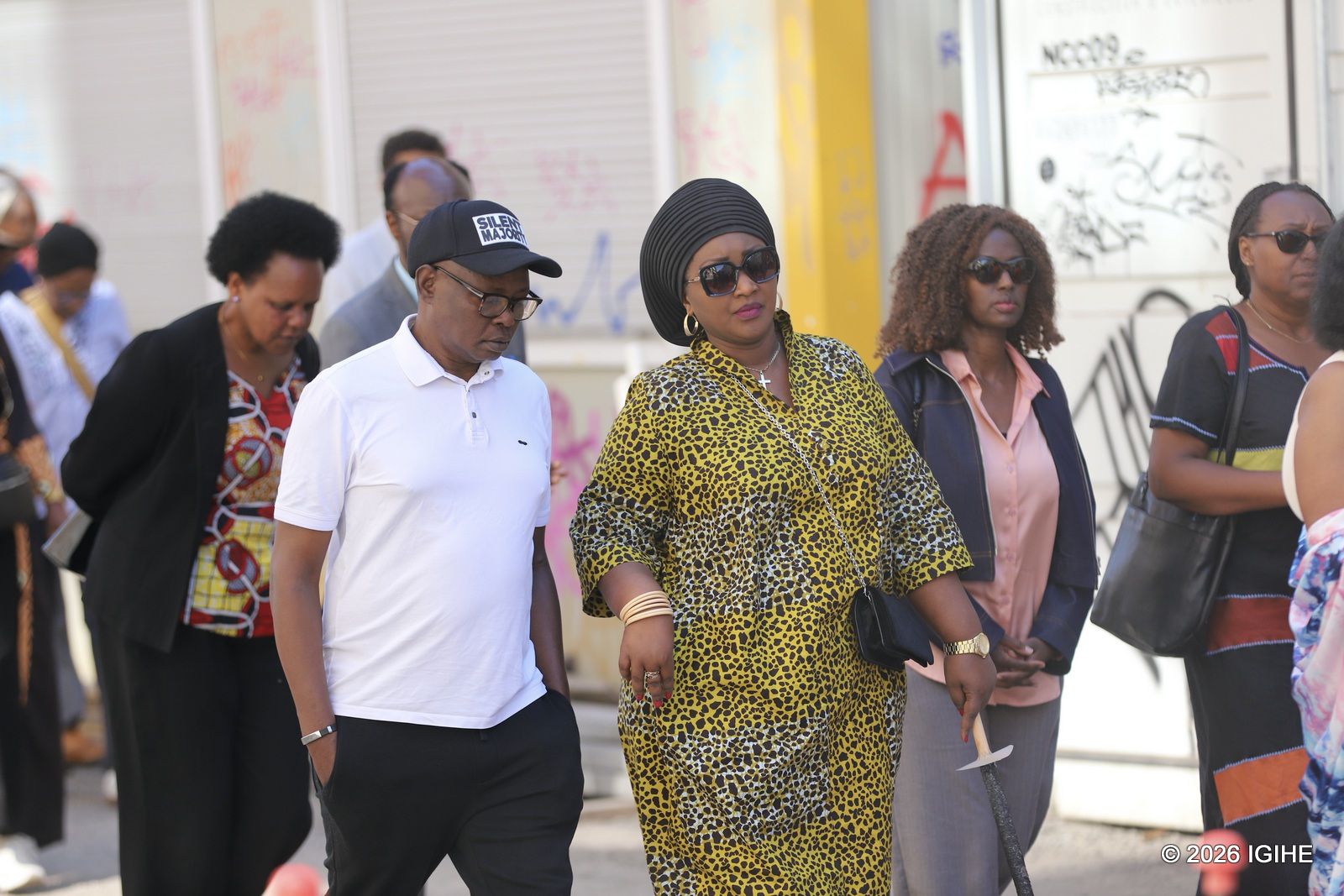
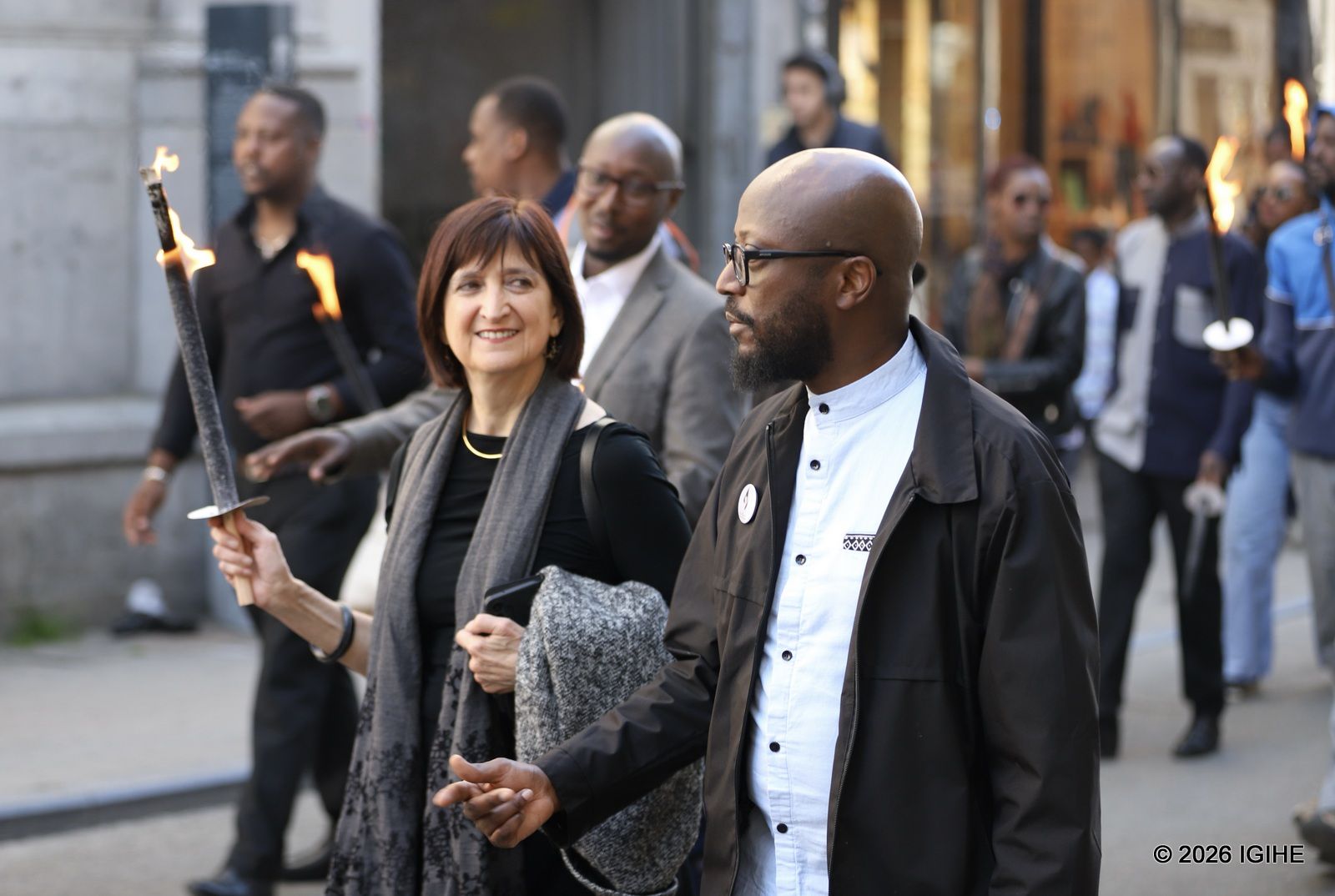
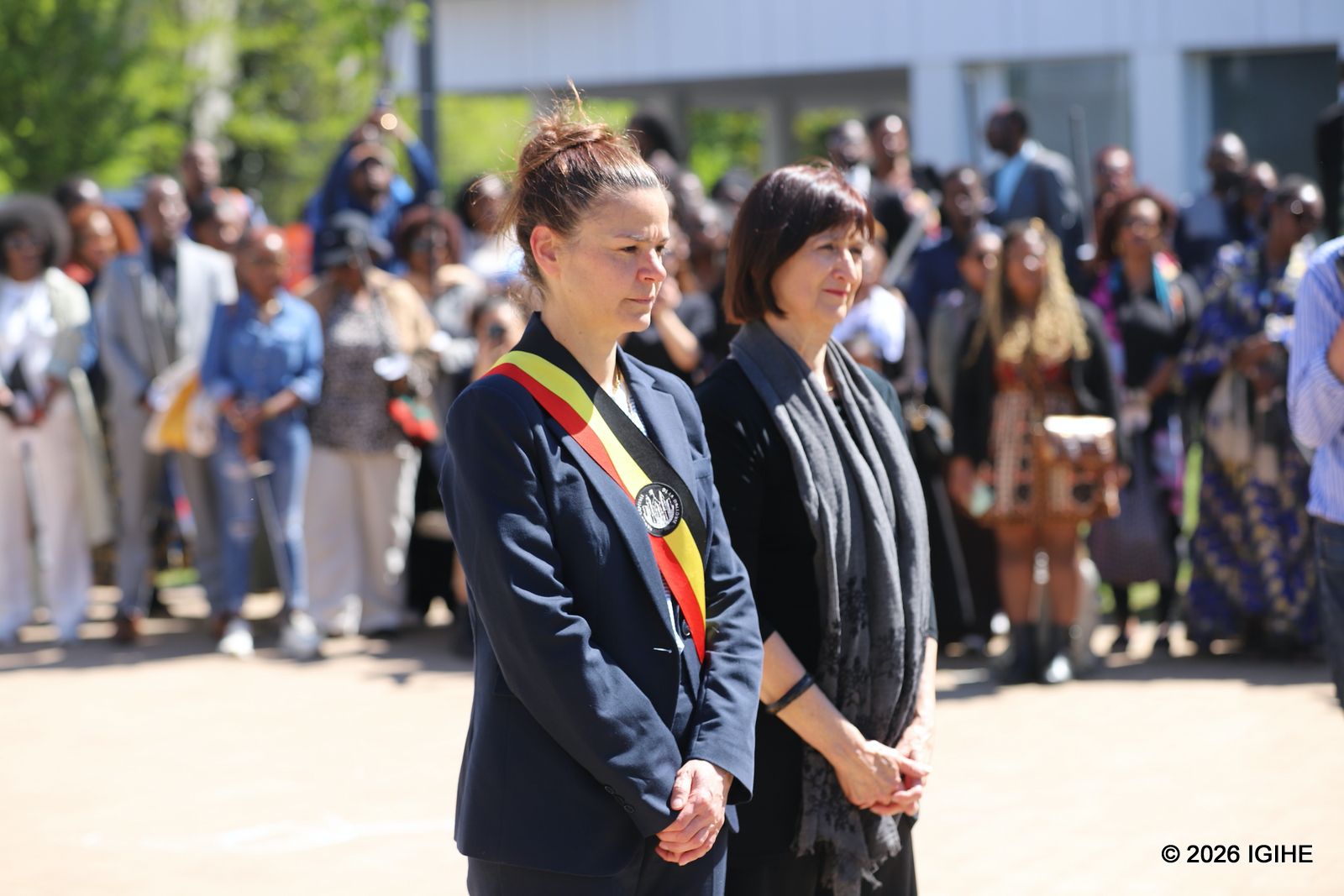
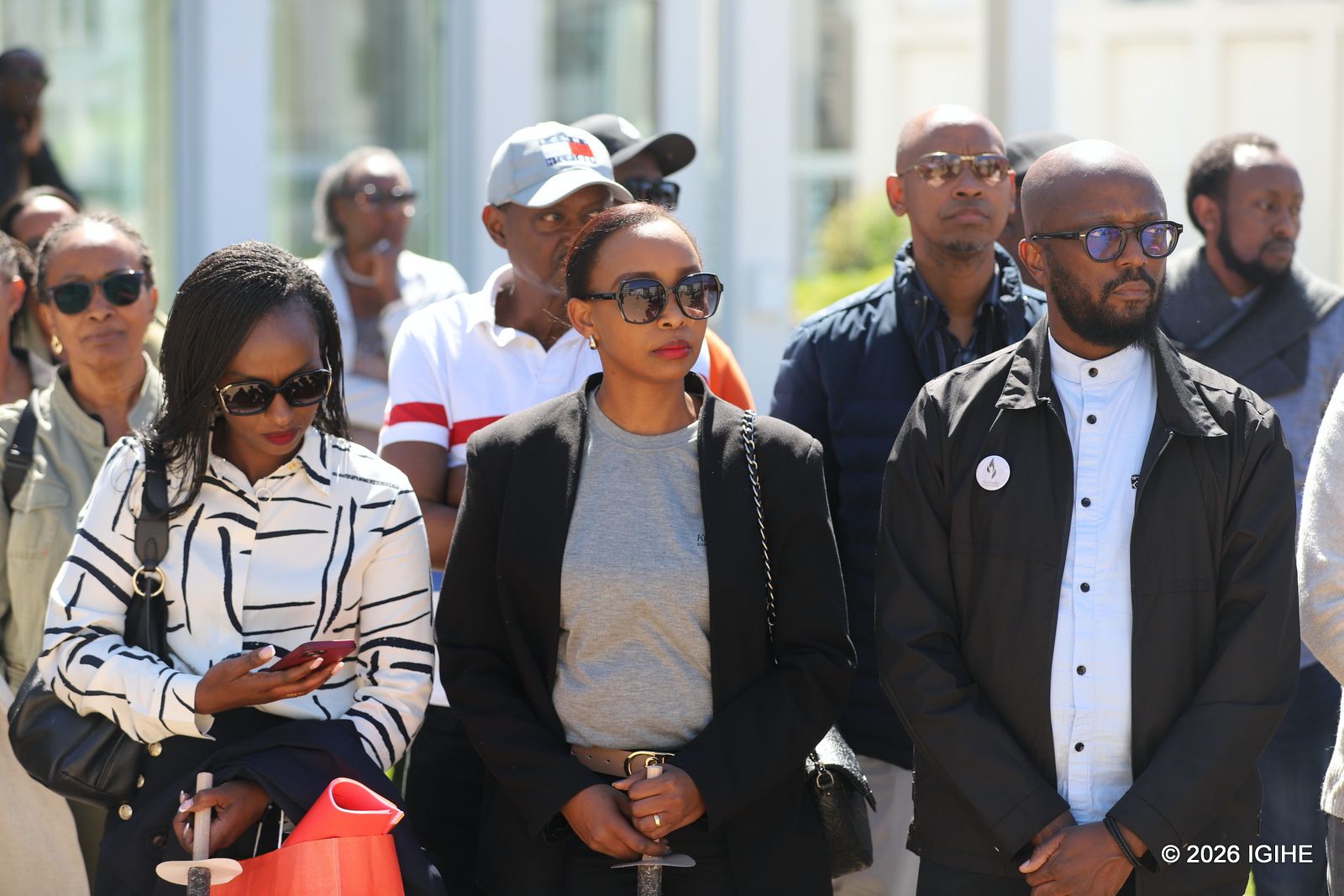
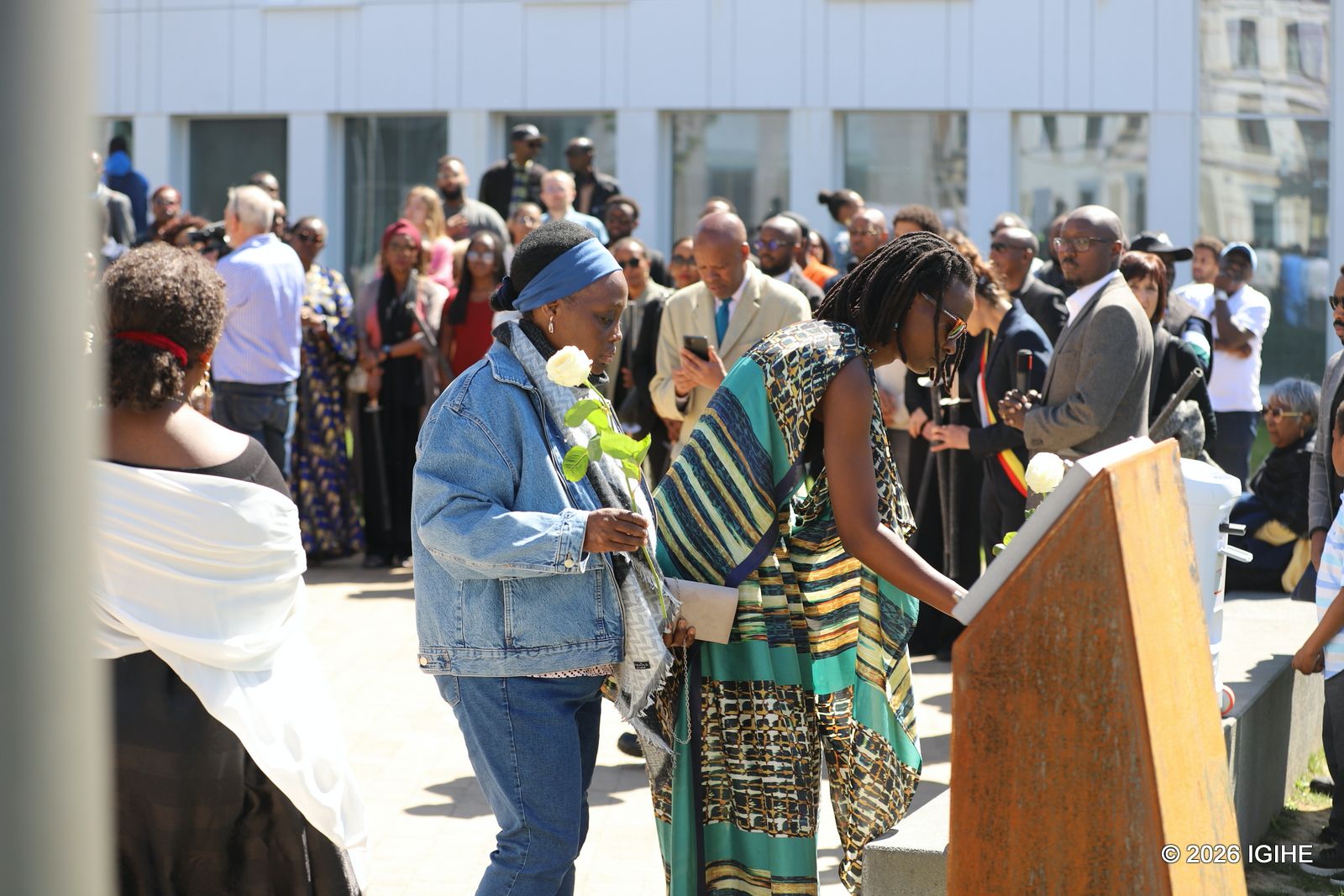
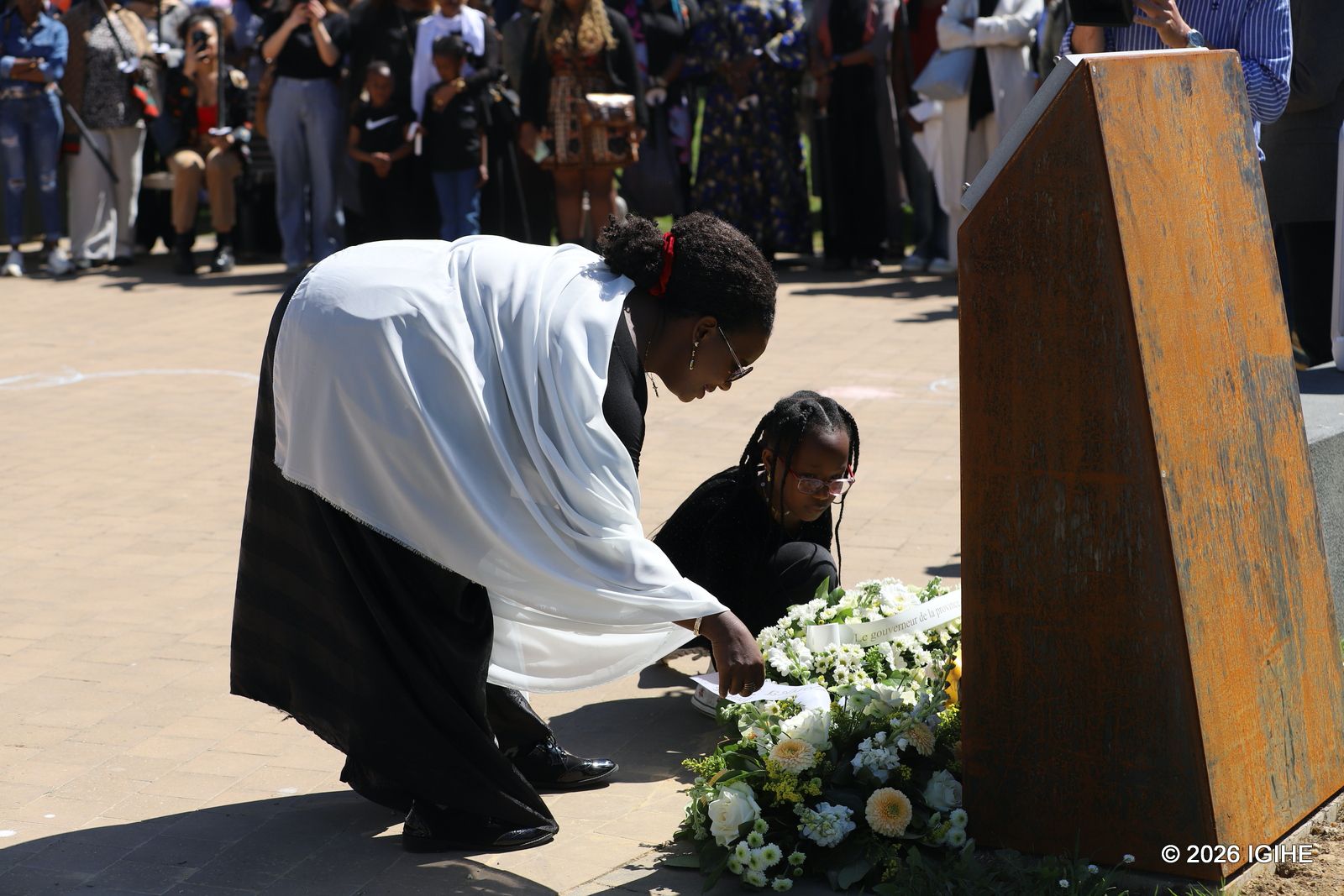
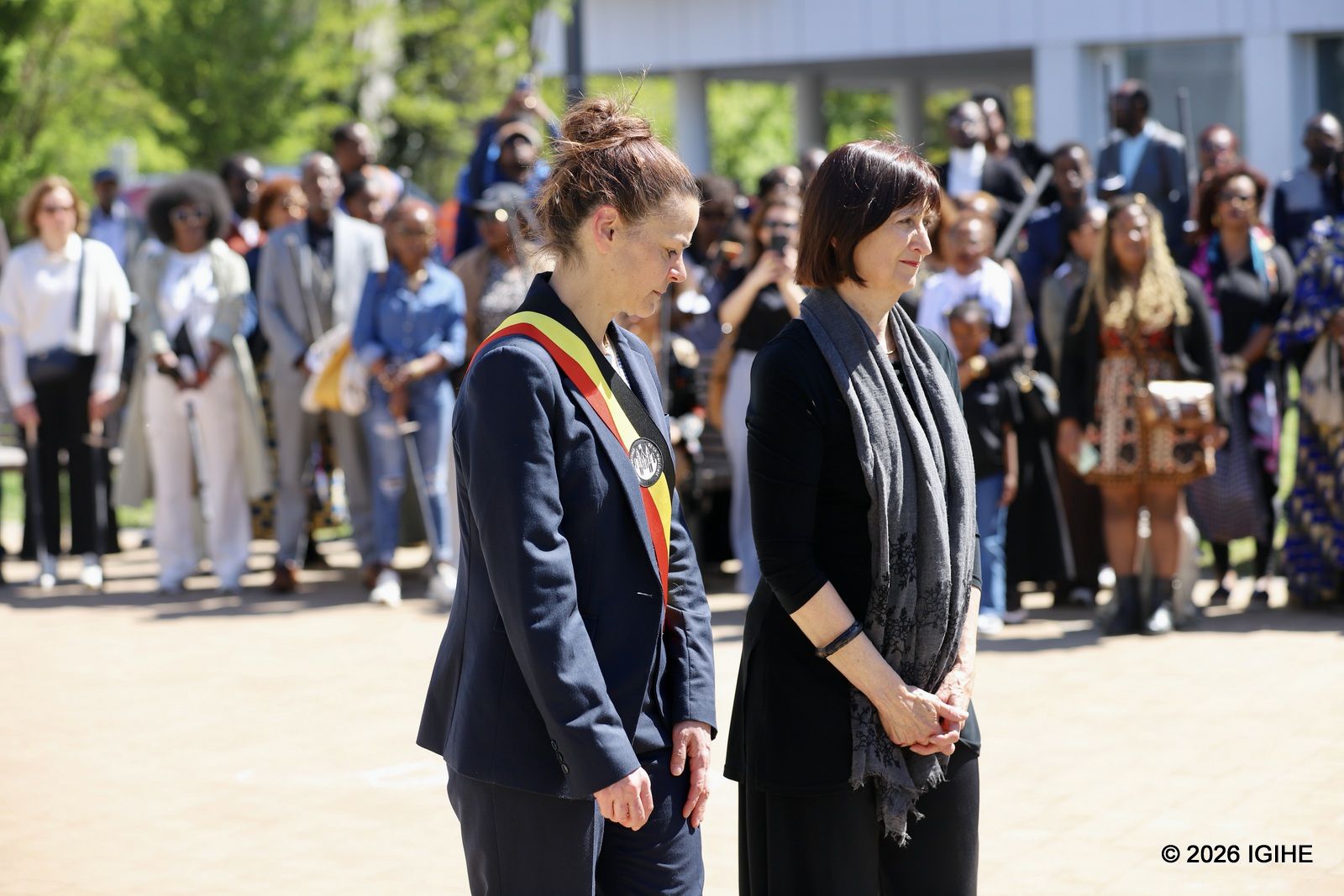
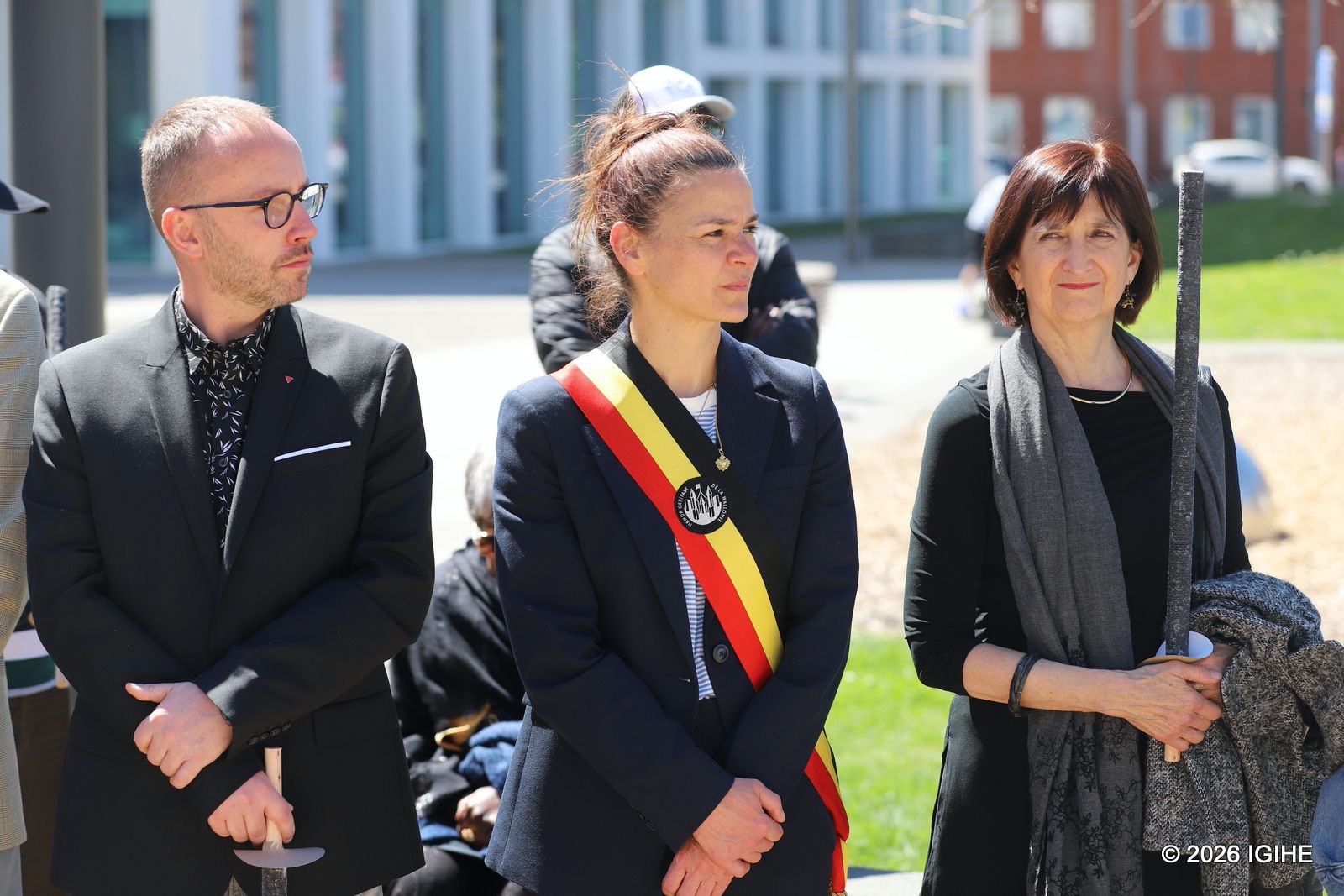
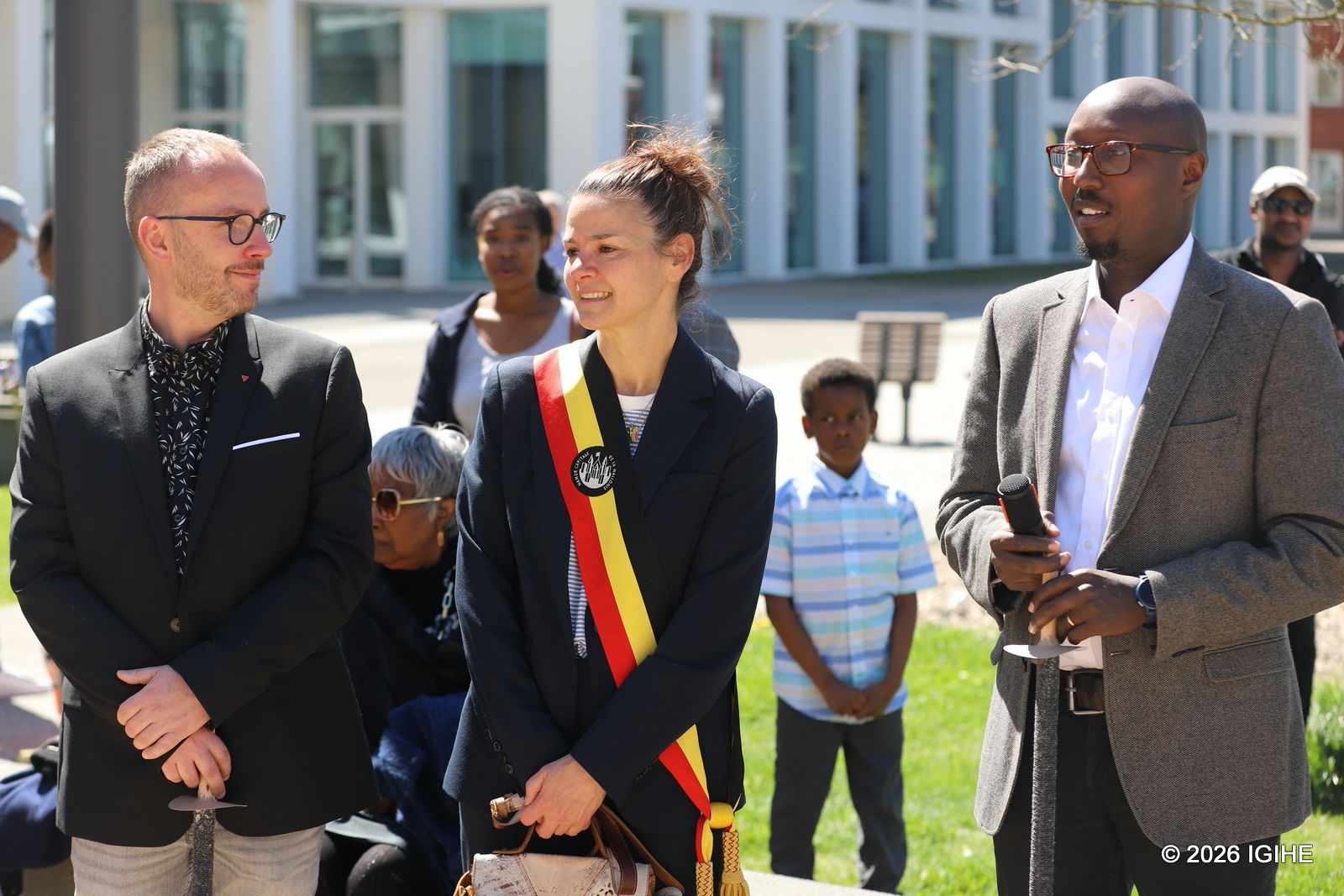
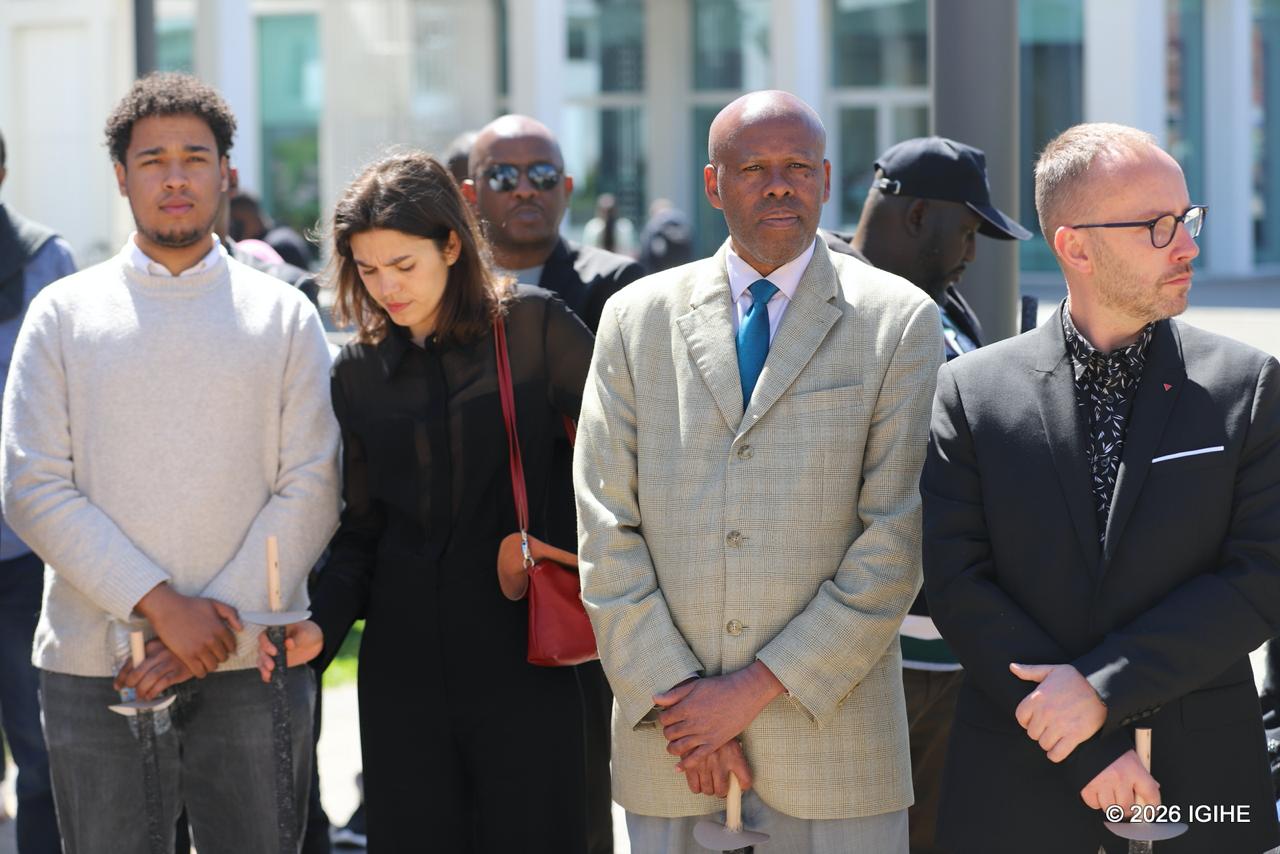
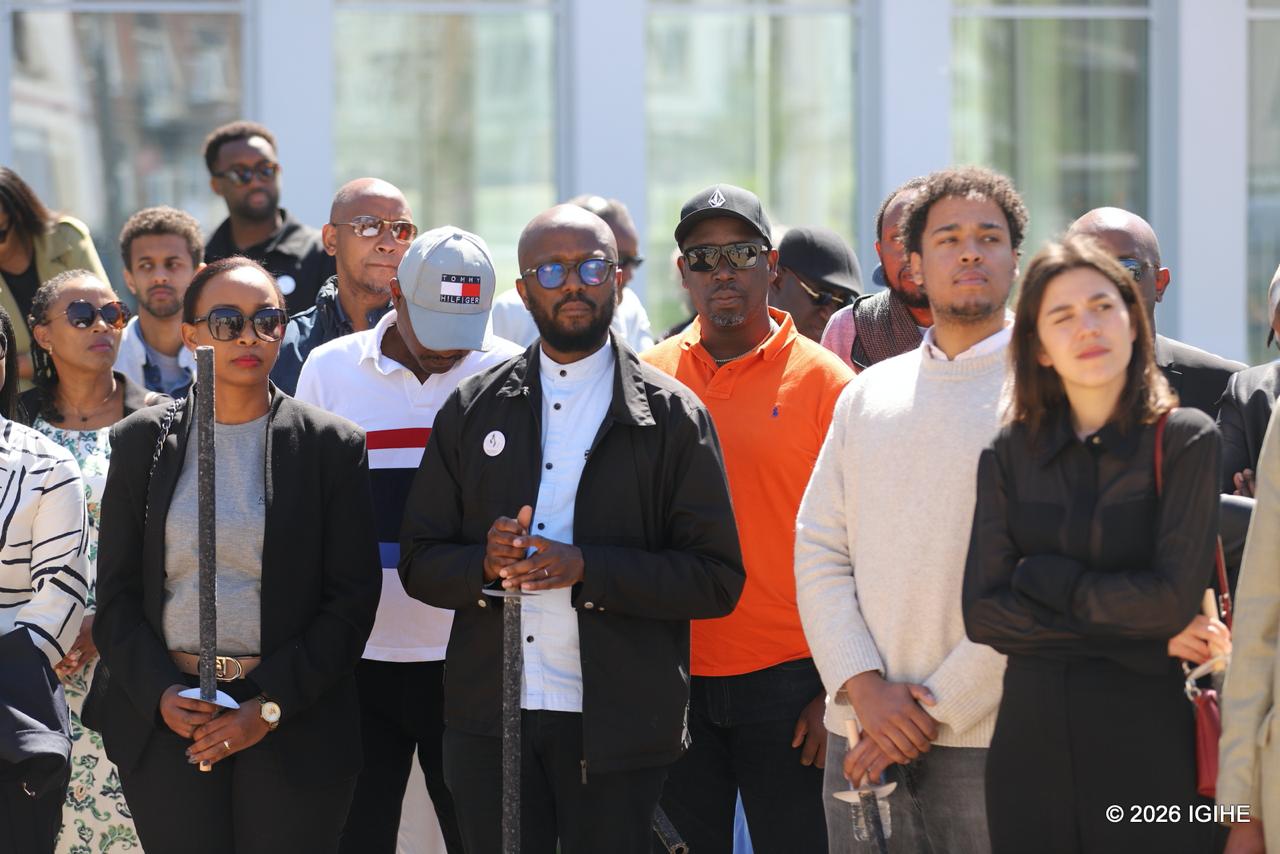
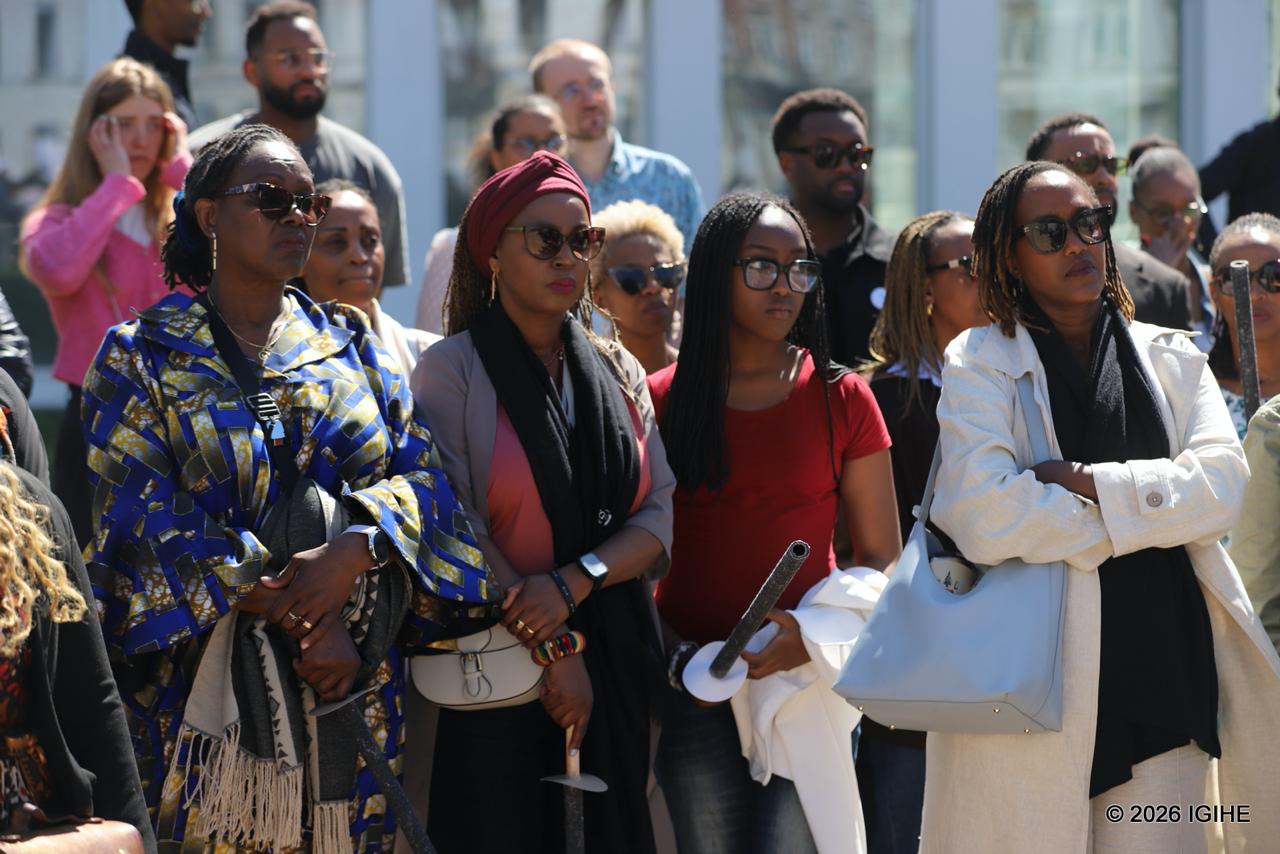
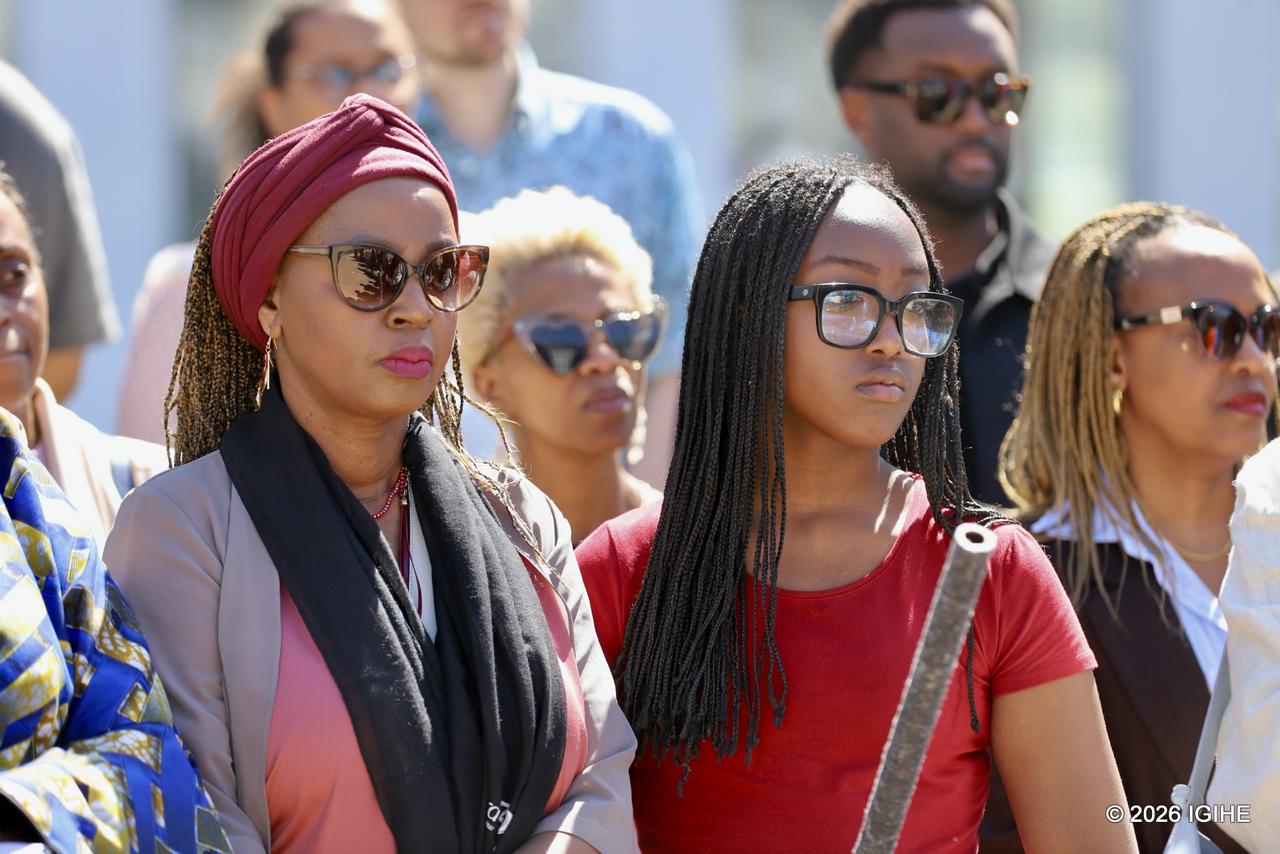
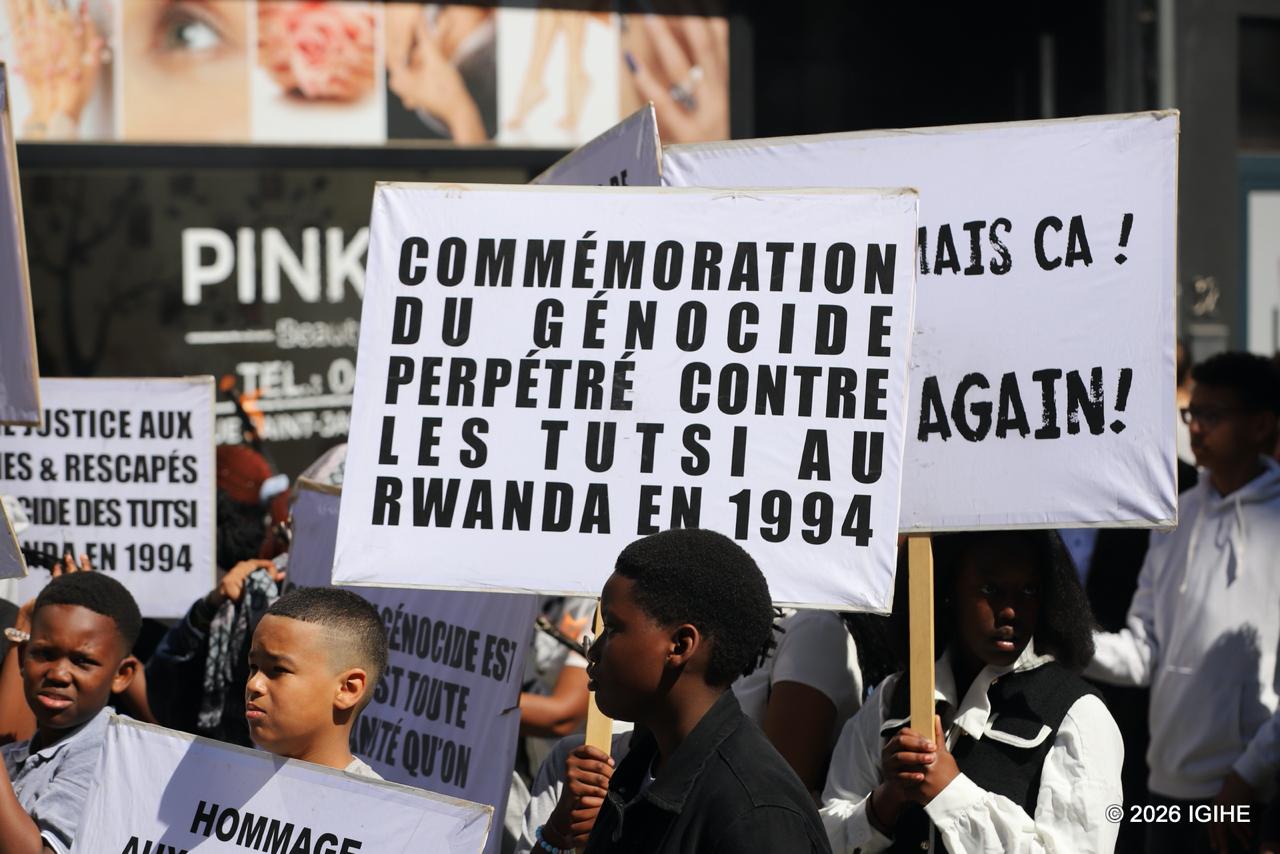
The event brought together, among others, the Acting Mayor of Namur, Charlotte Bazlaire, Claire Kayirangwa, representative of Ibuka-Memory and Justice-Belgium, Gakuba Ernest, President of the Rwandan diaspora in Belgium, as well as Karugarama Lionel, President of the Rwandan diaspora section in Namur, who also coordinated the ceremony.
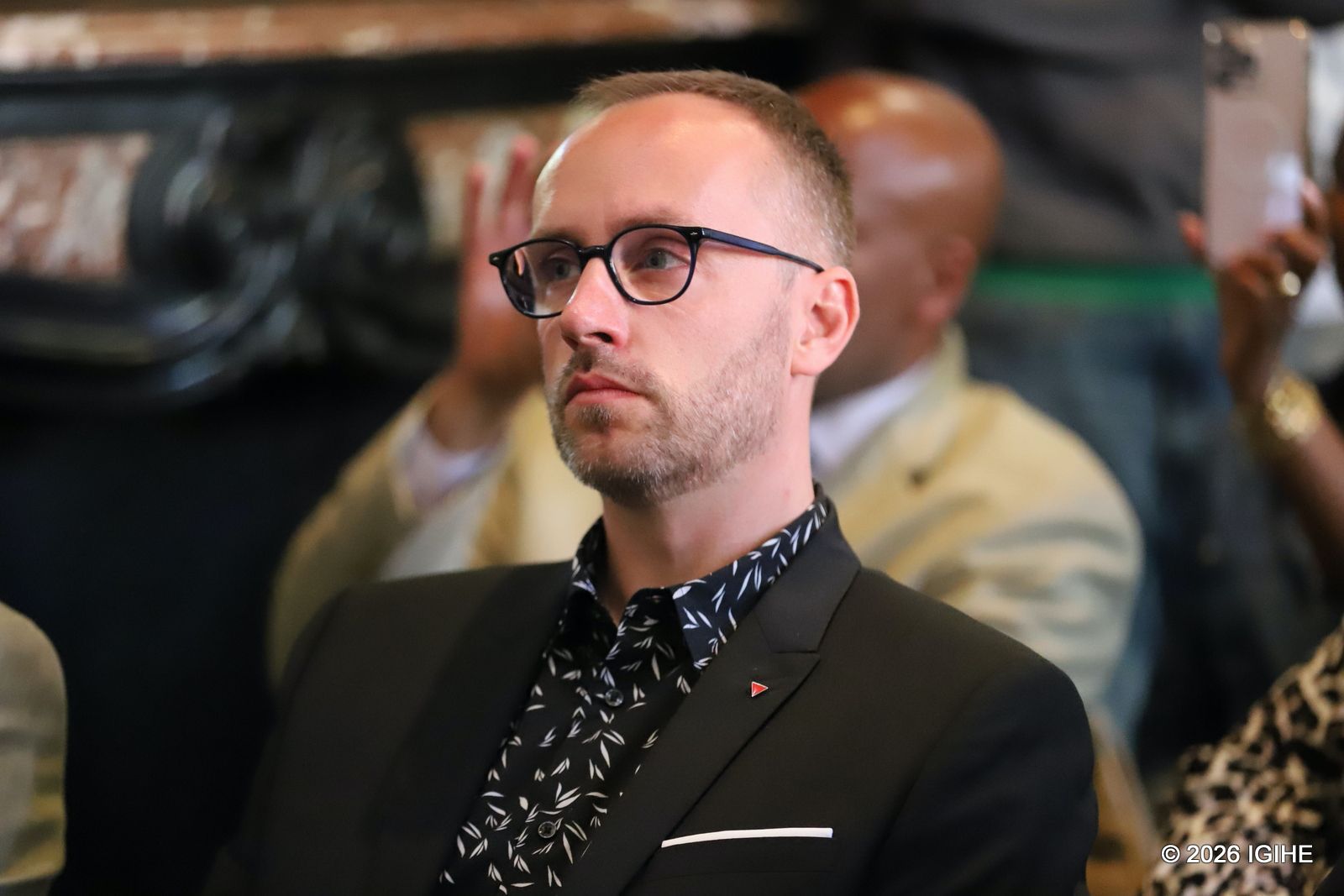
The President of “Les Territoires de la Mémoire,” Michaël Bisschops, who came from the Liège region, also took part in the commemoration, alongside representatives of various associations active in Belgium.
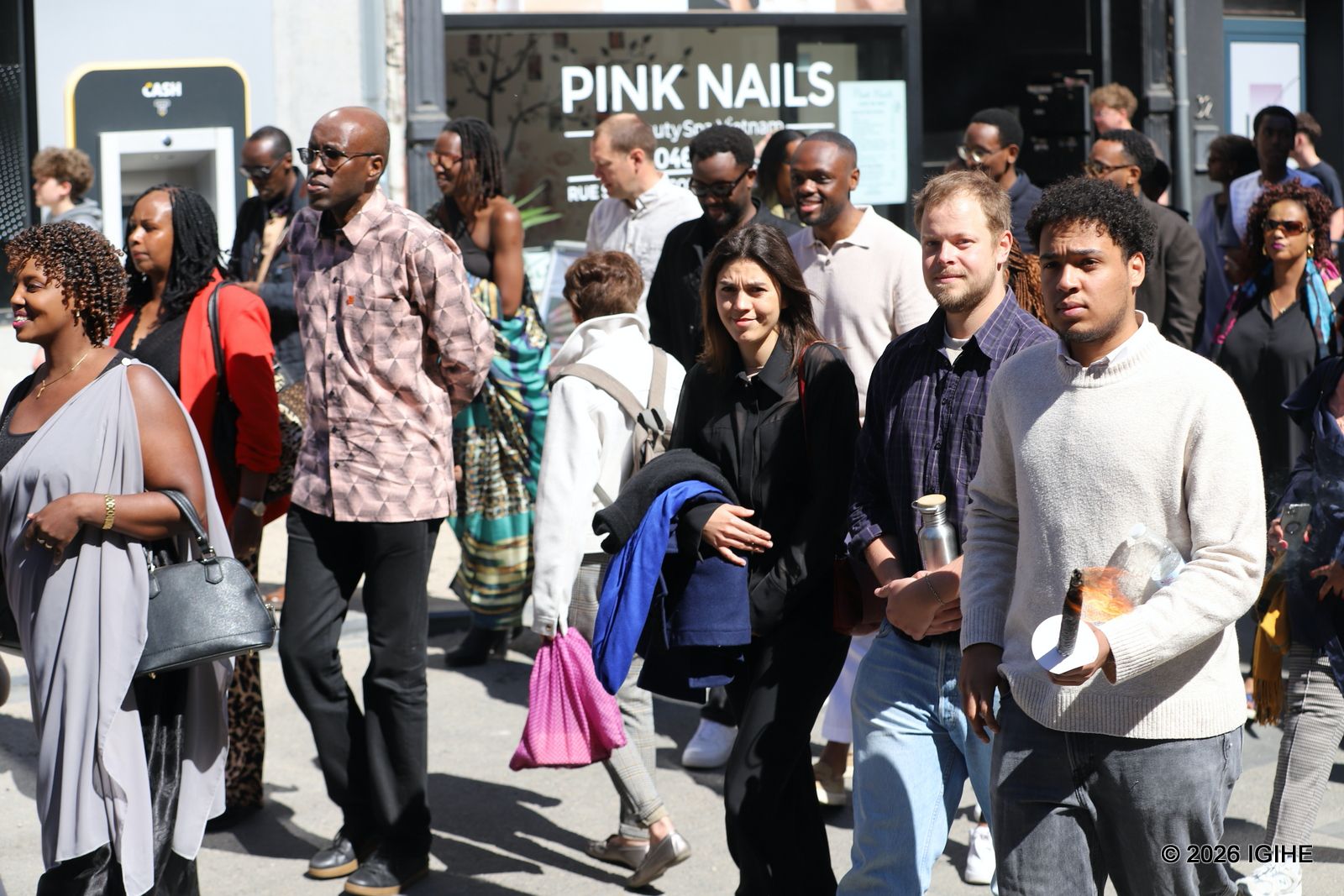
The commemoration held in Namur is part of a series of similar events organized in several cities, including Brussels, Liège, and Bruges.
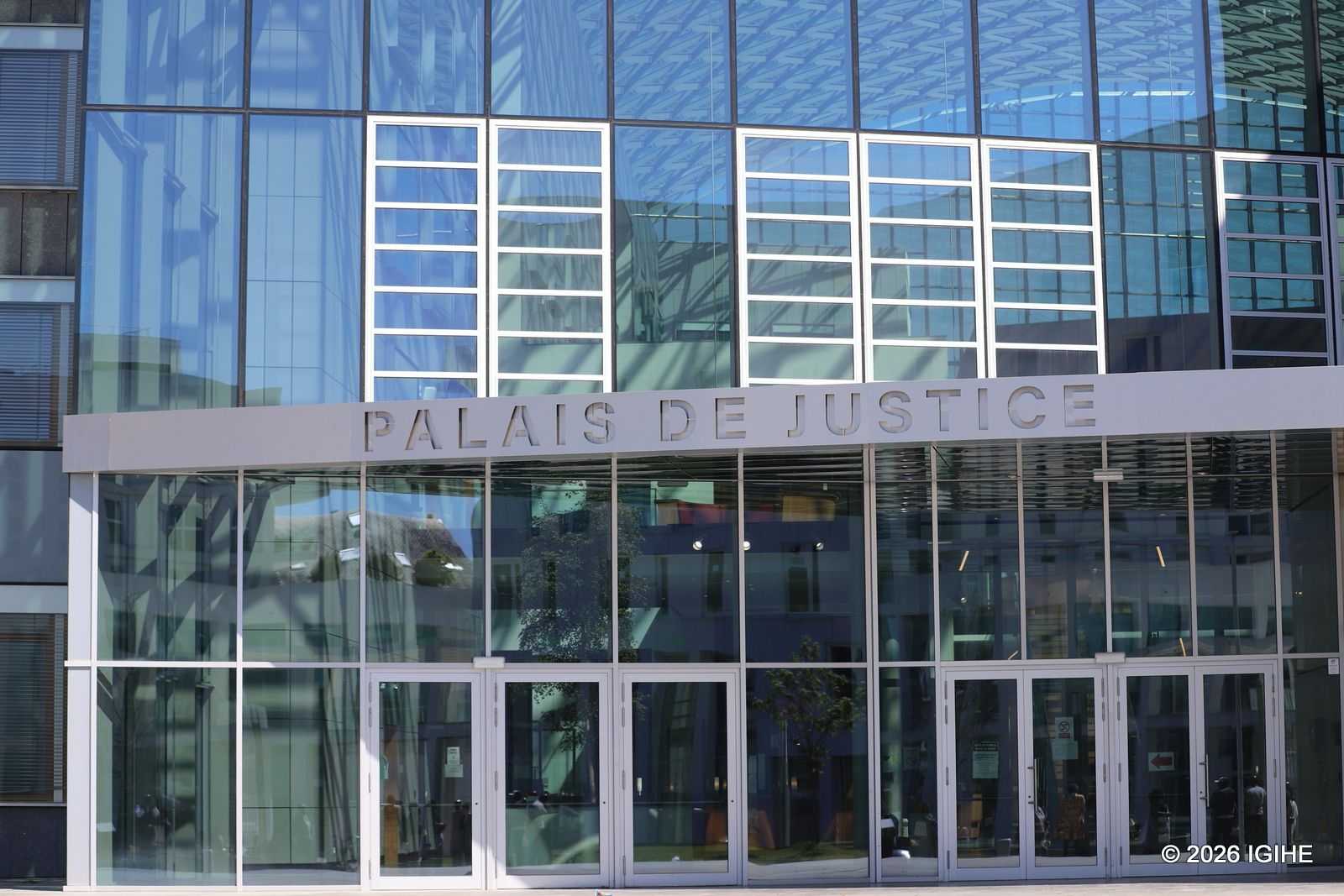
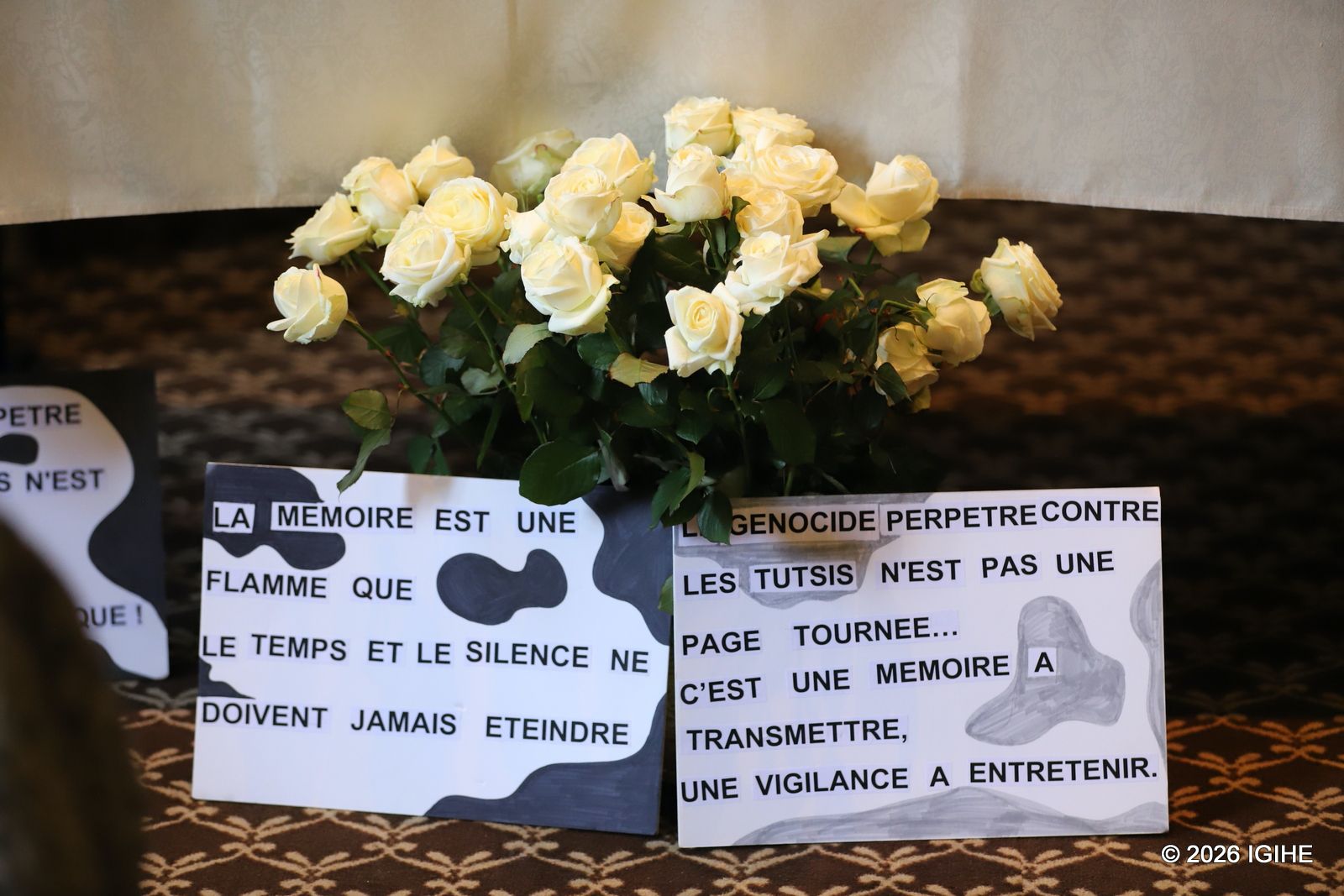
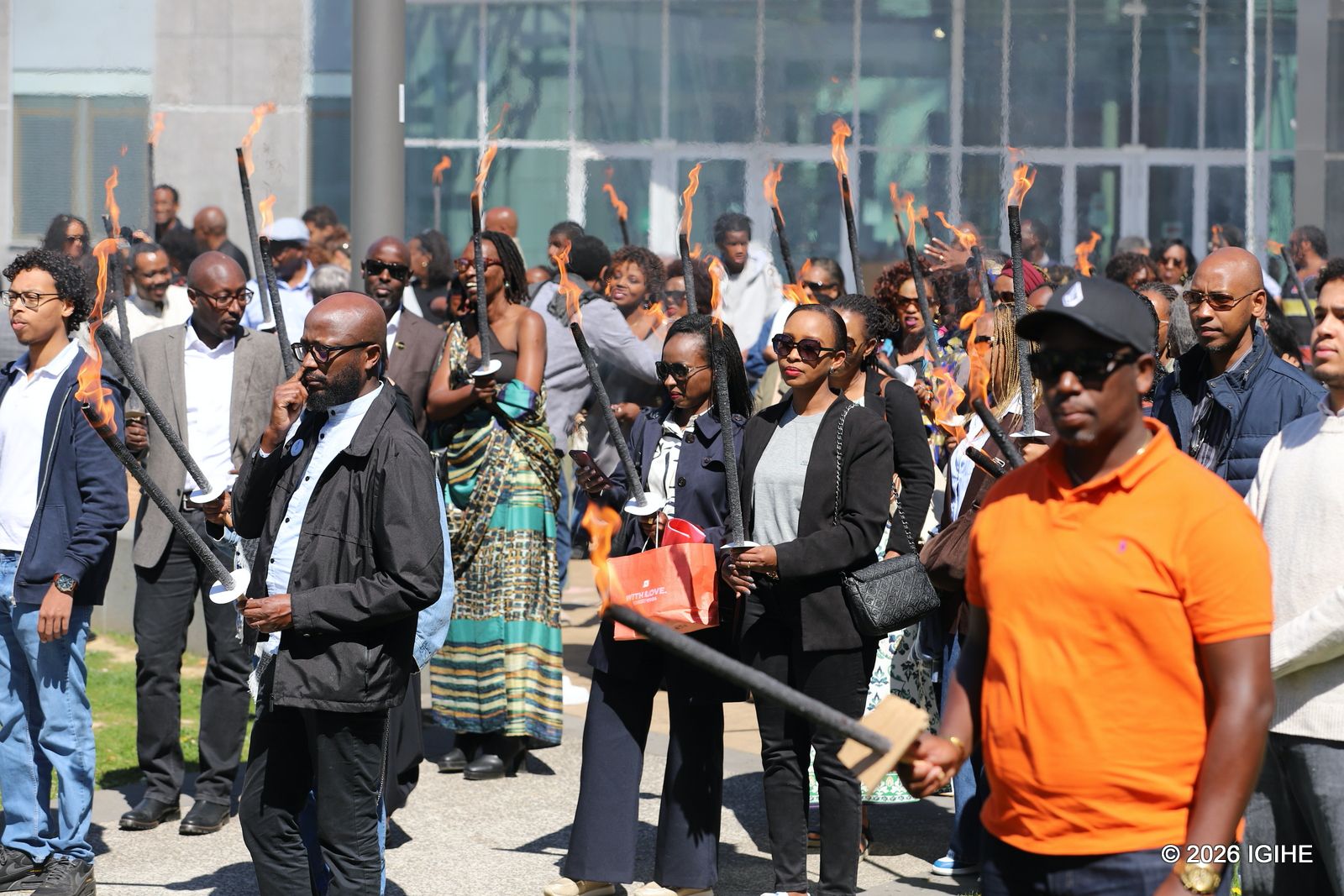
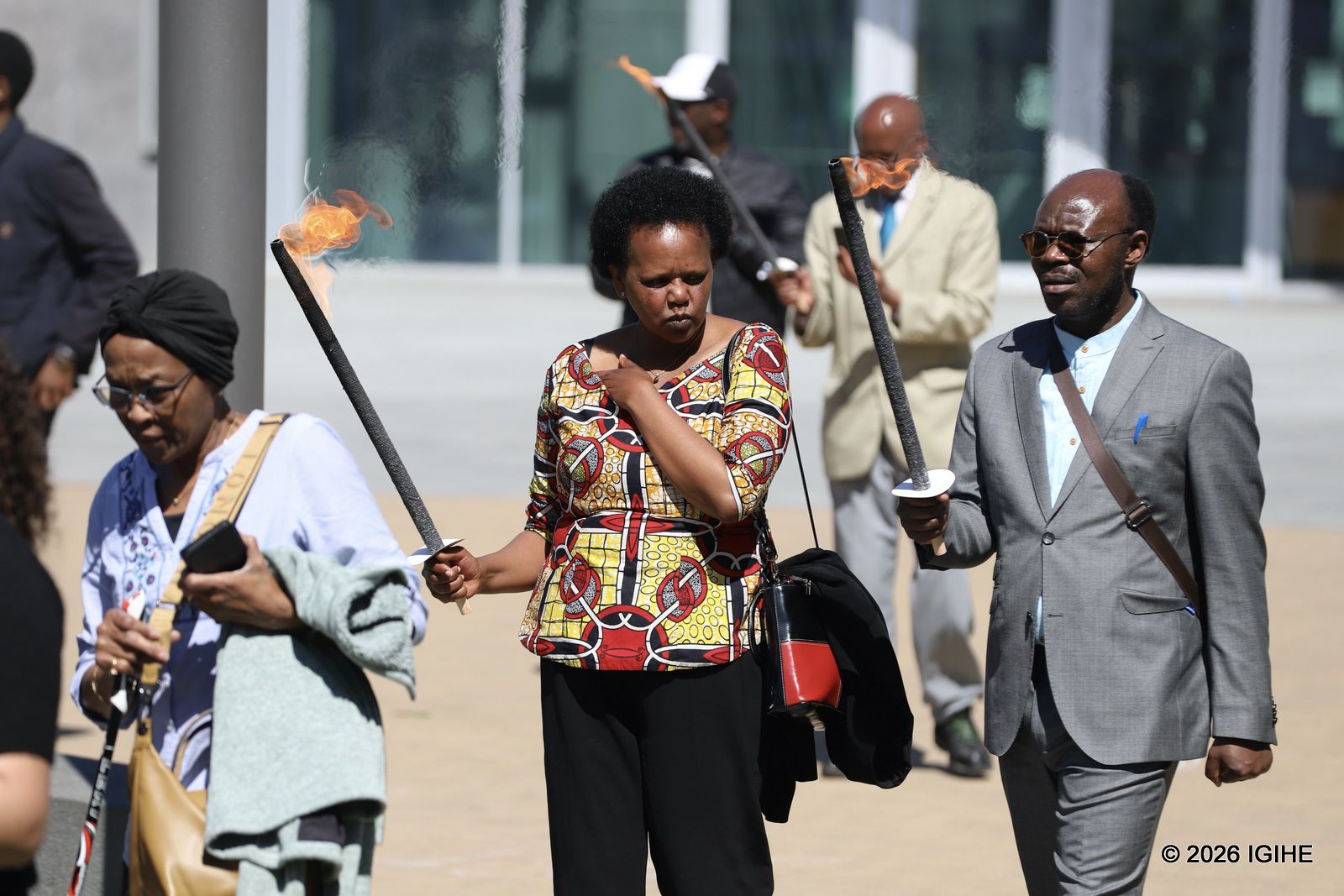
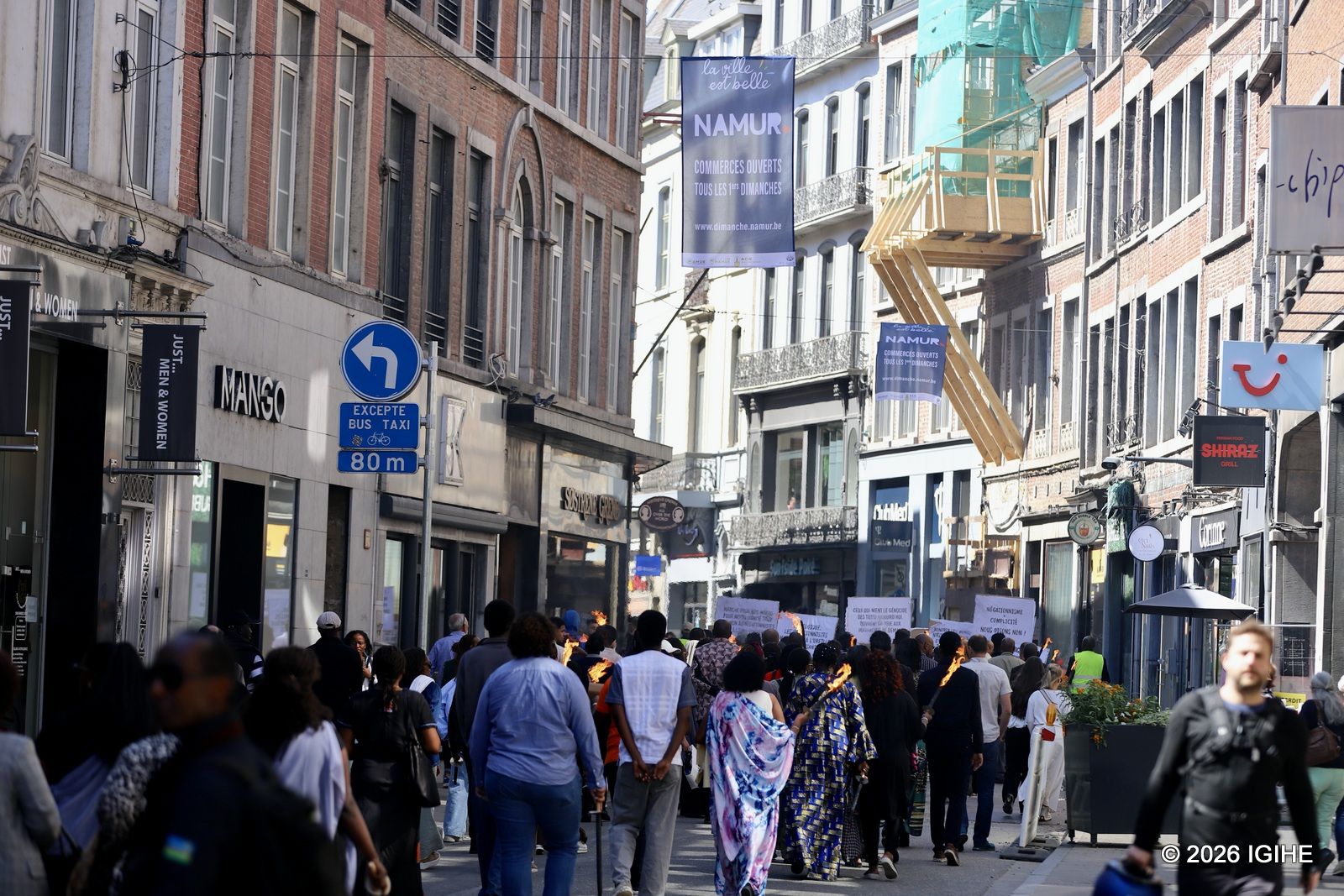
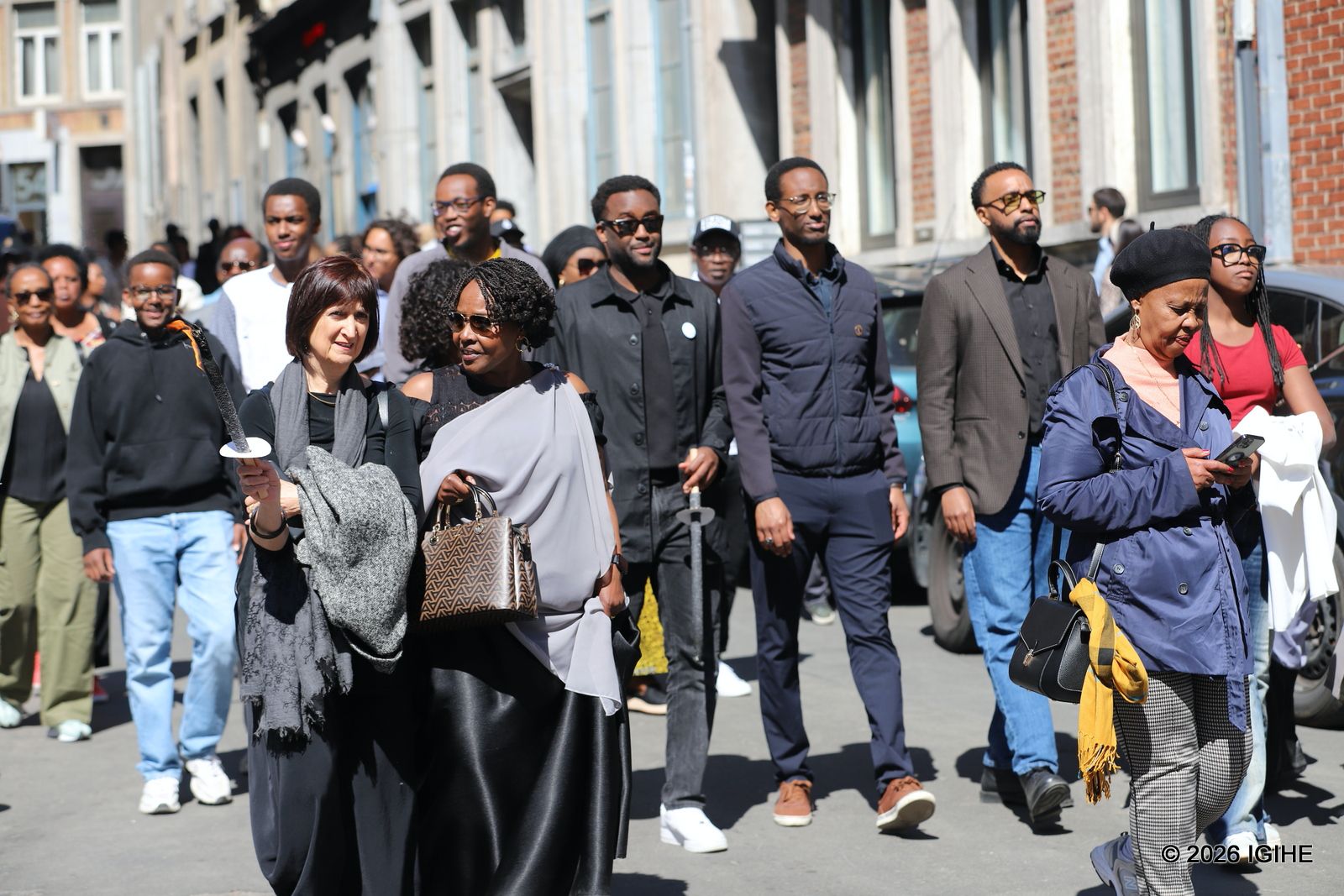
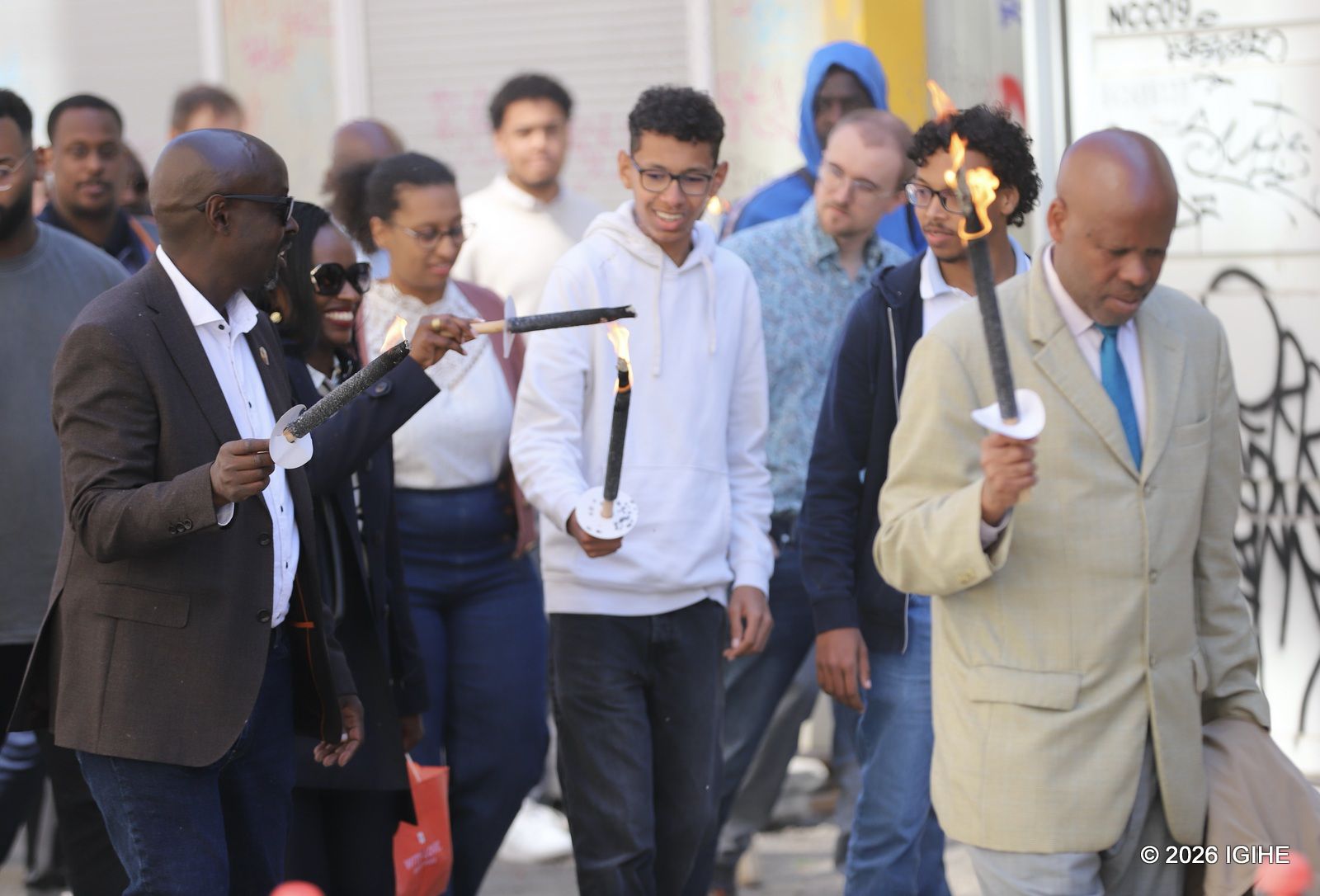
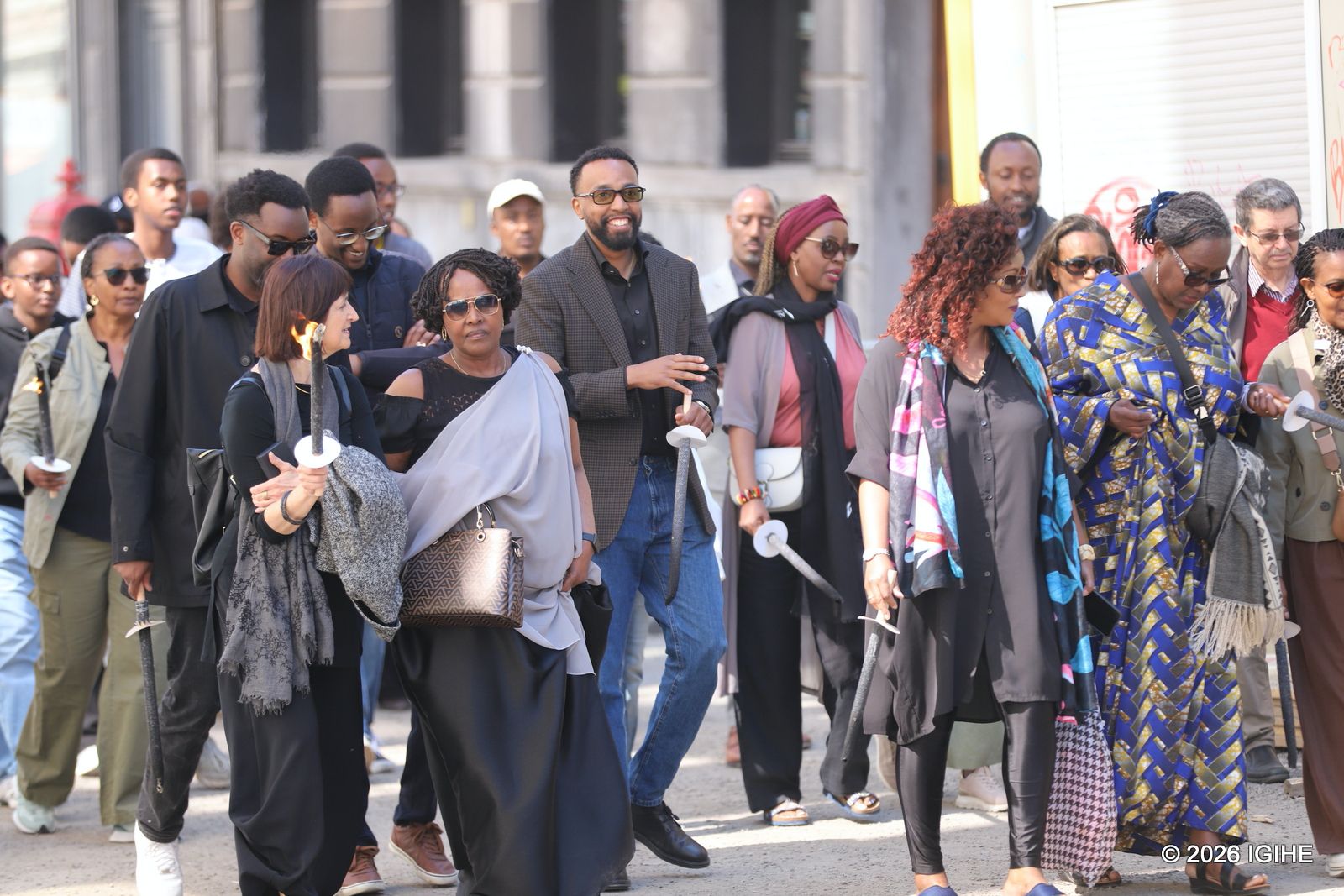
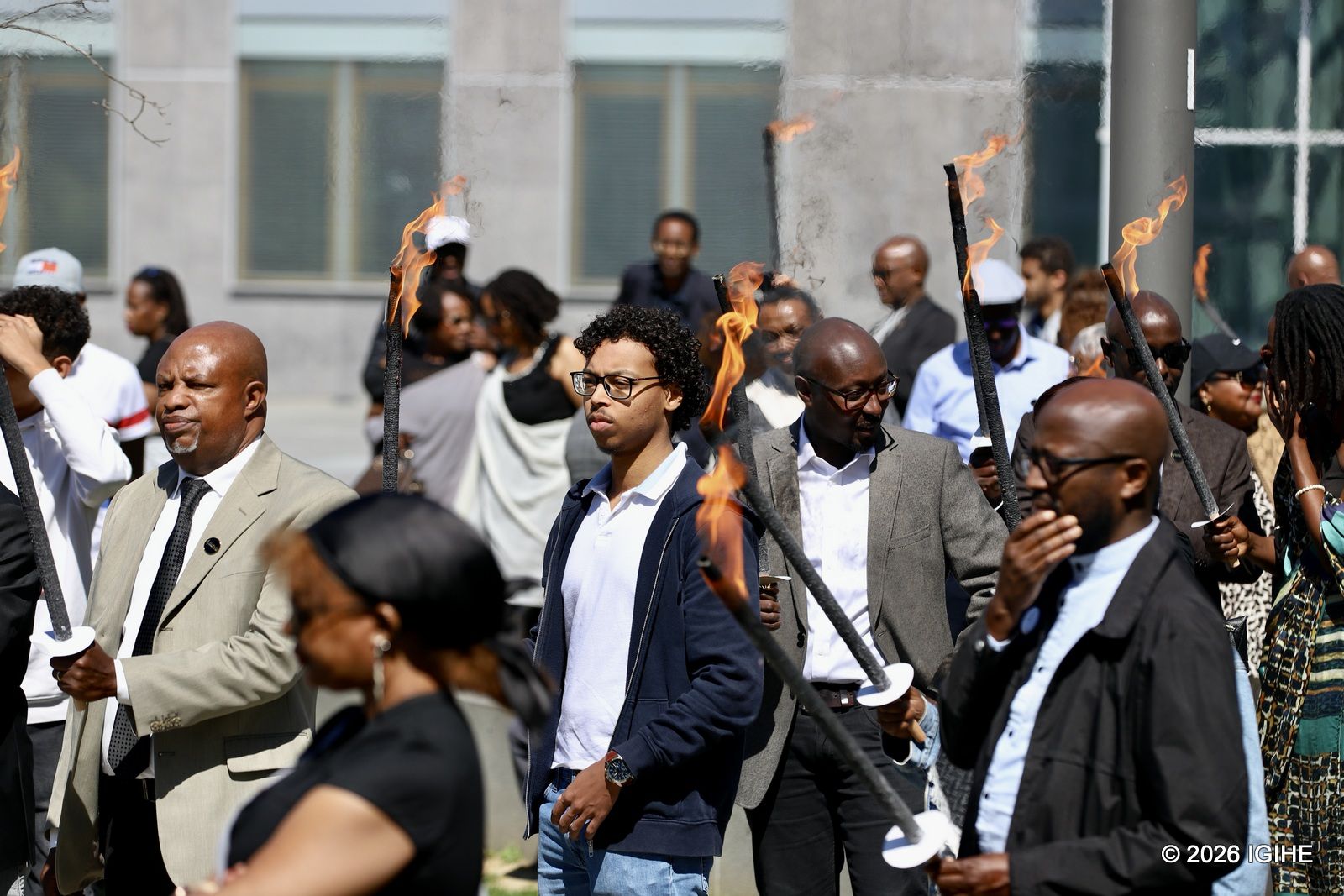
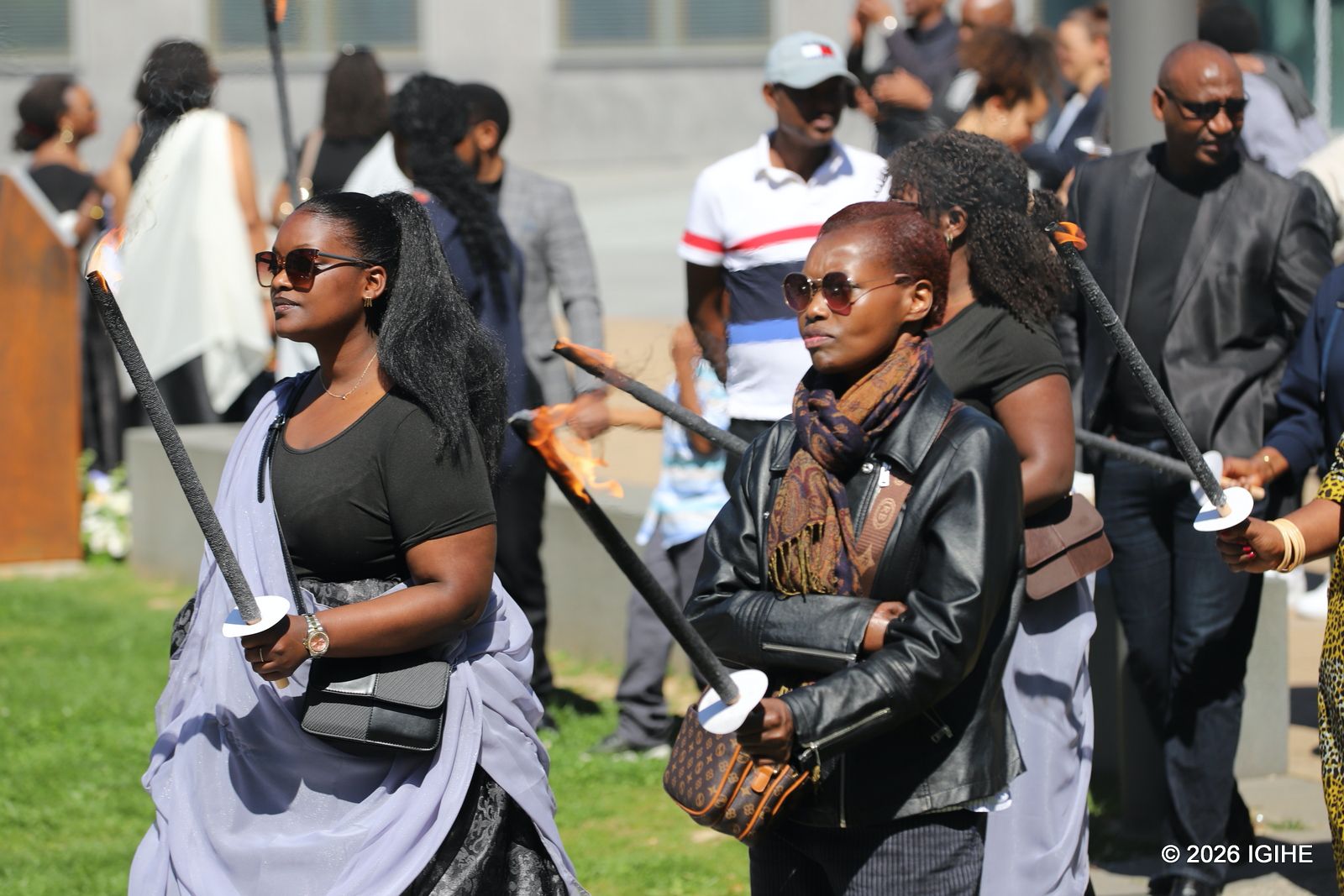
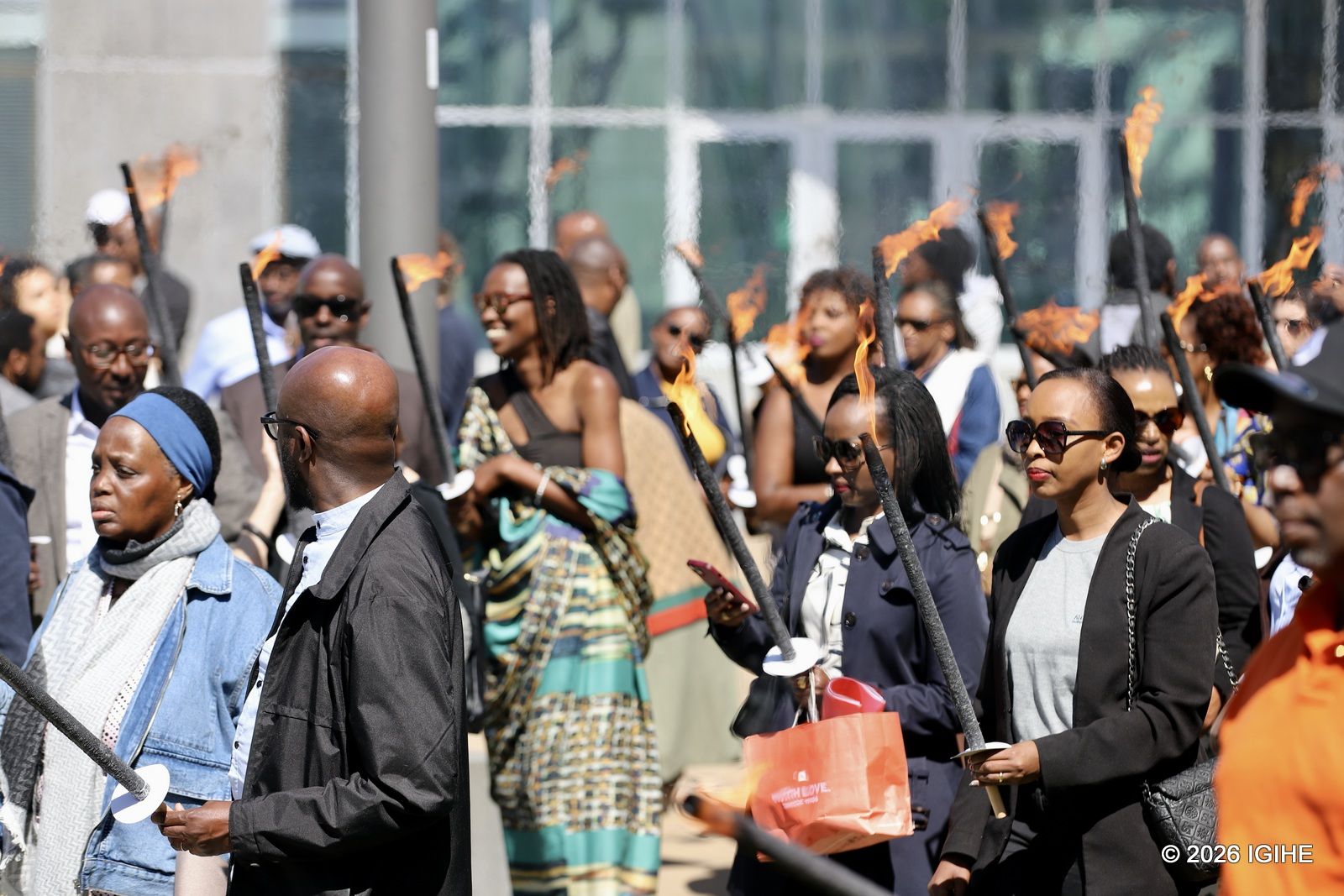
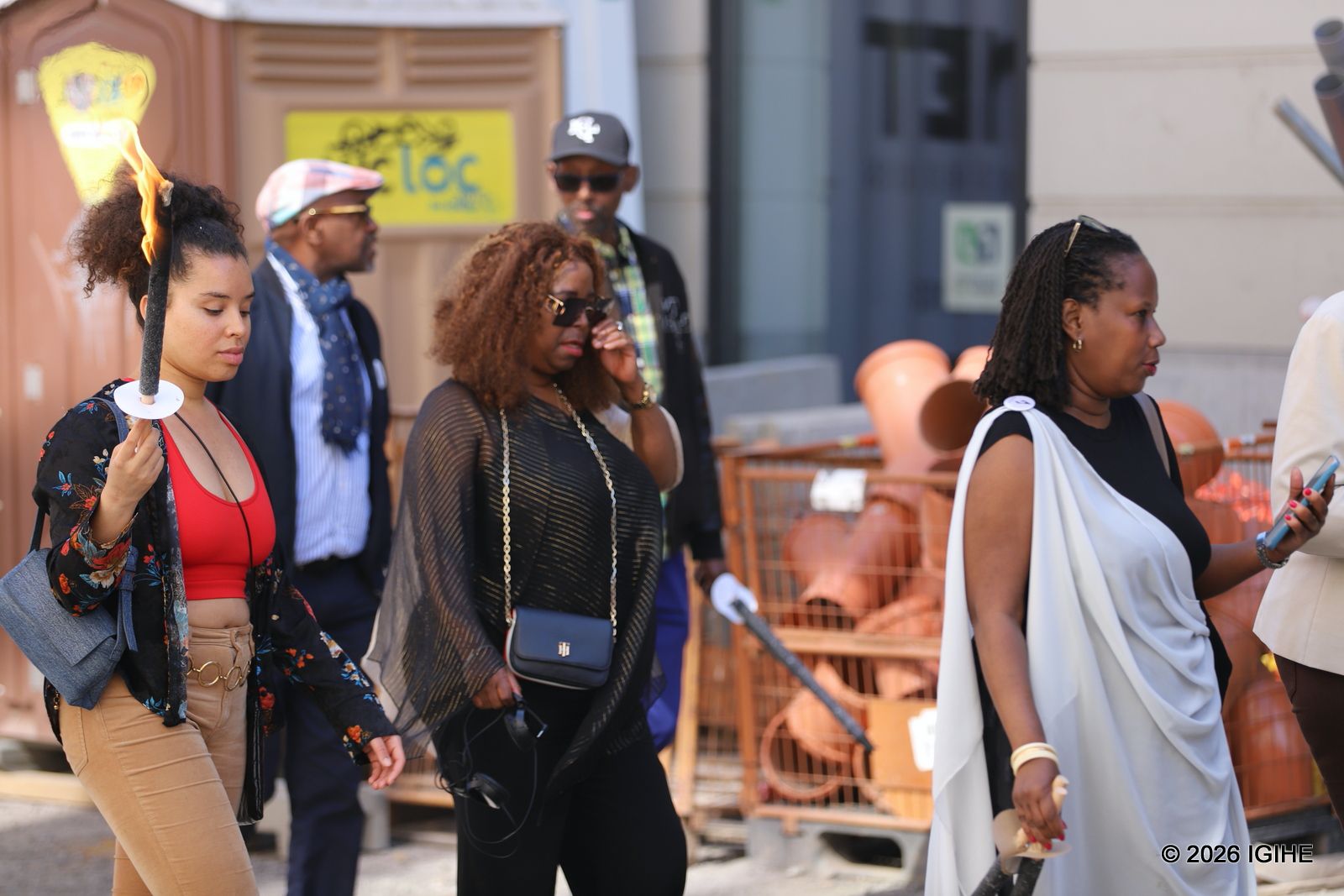
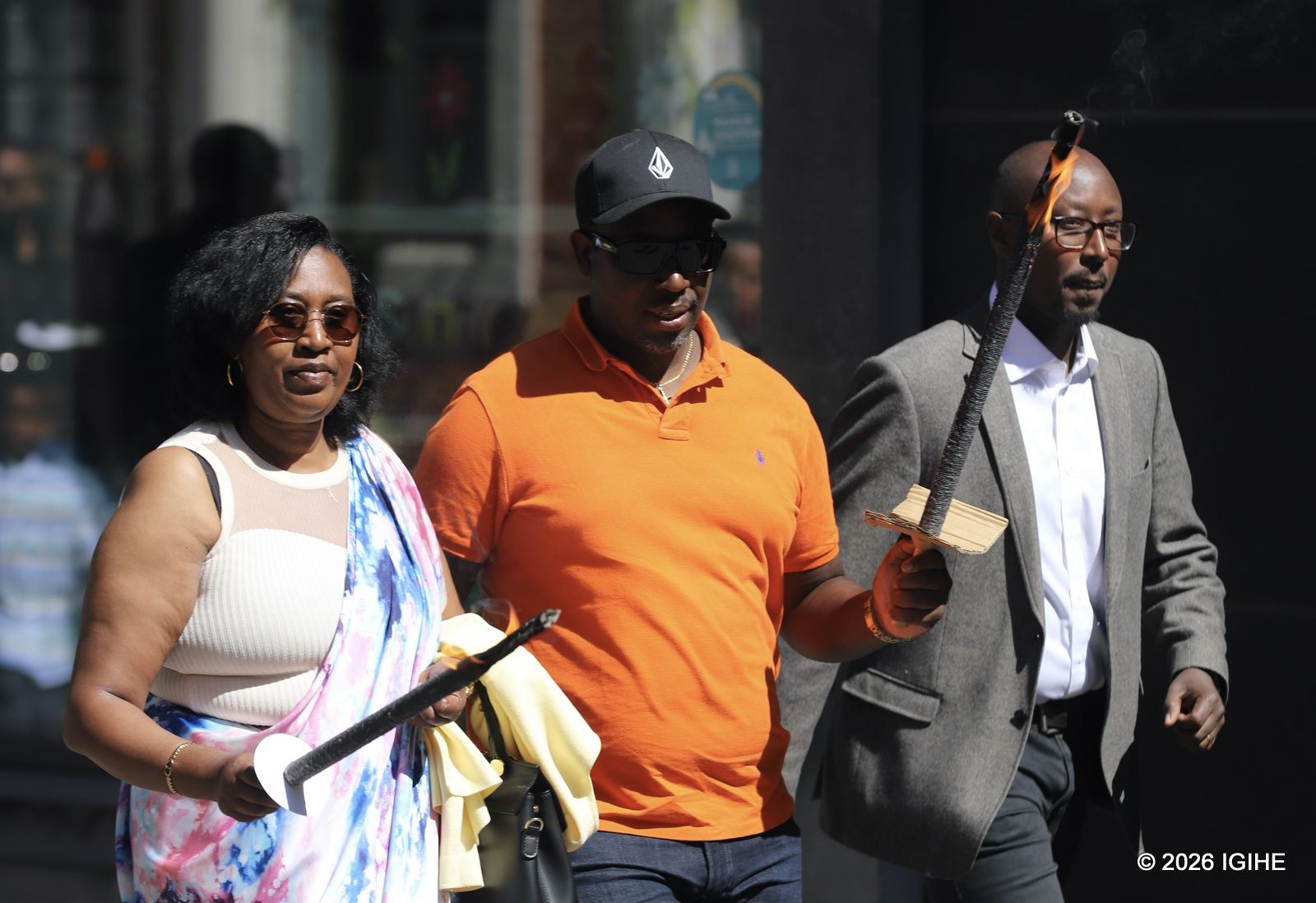
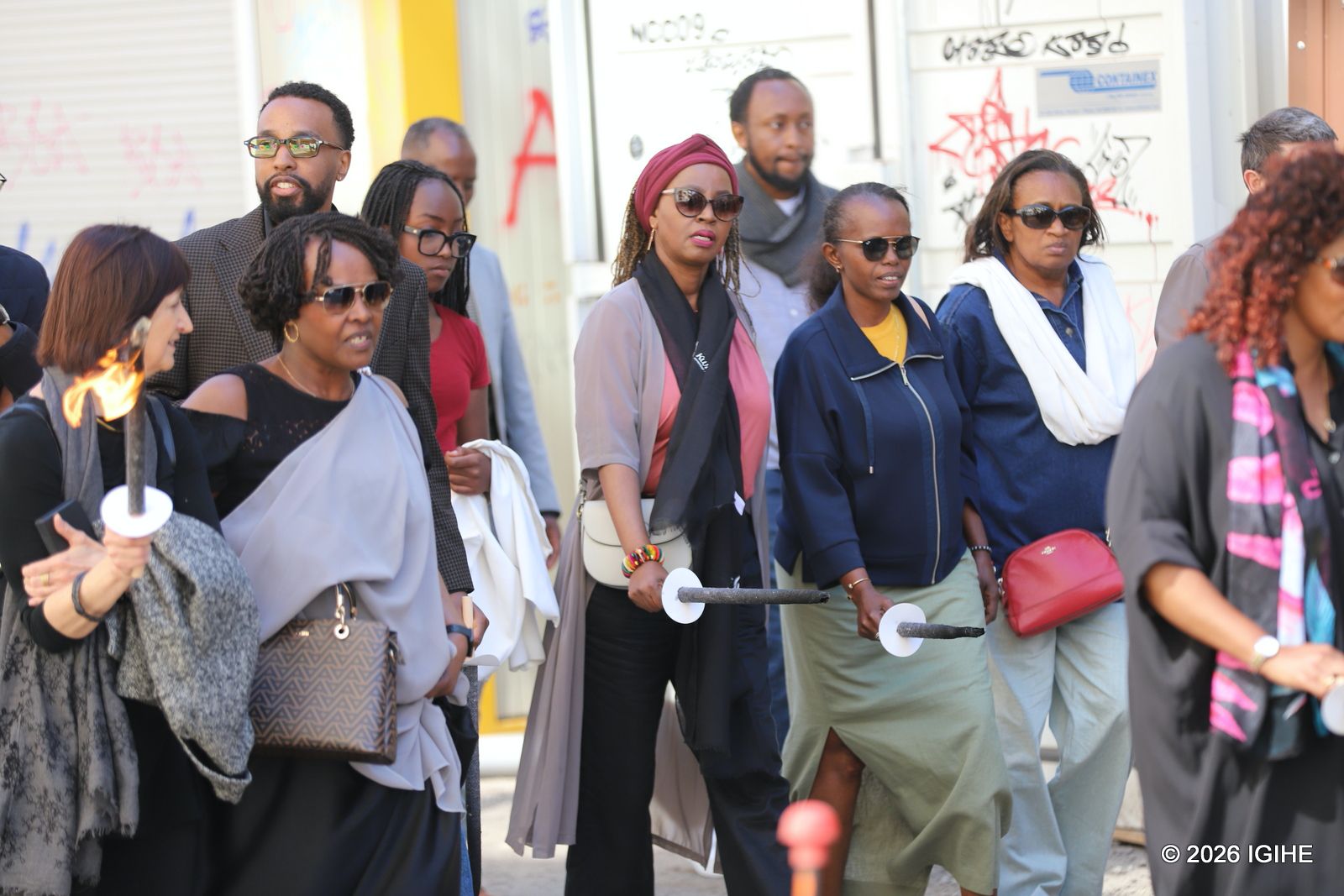
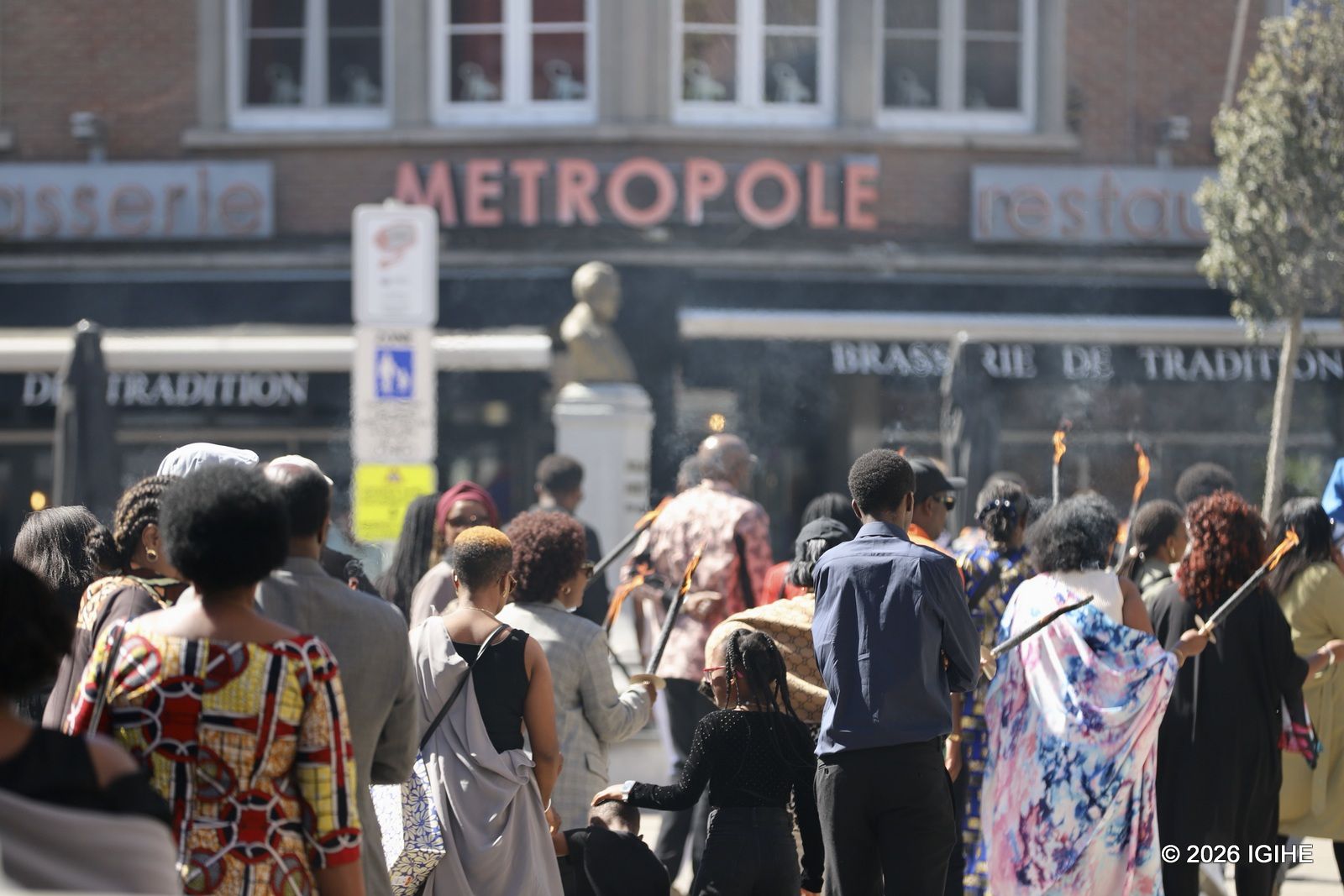
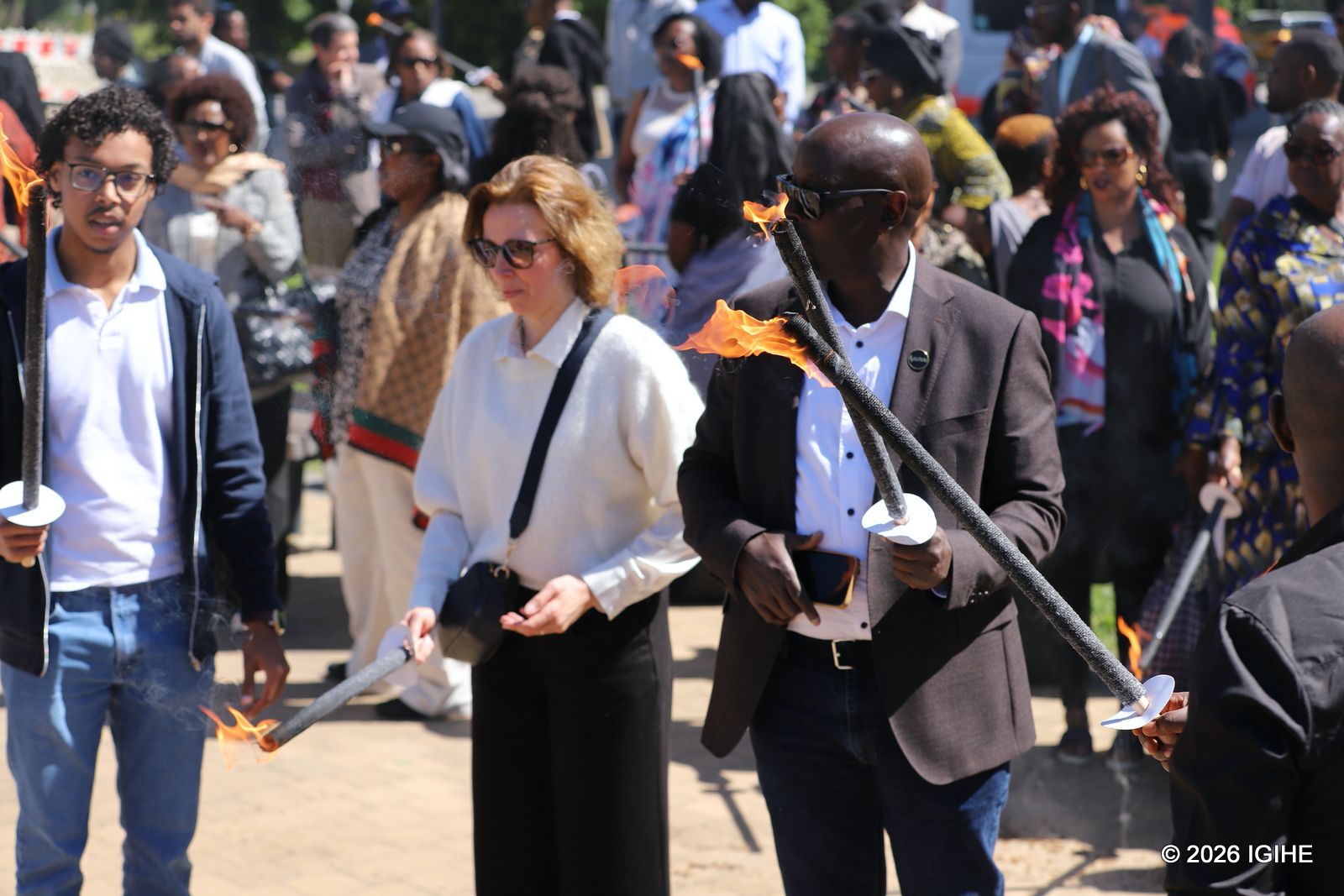
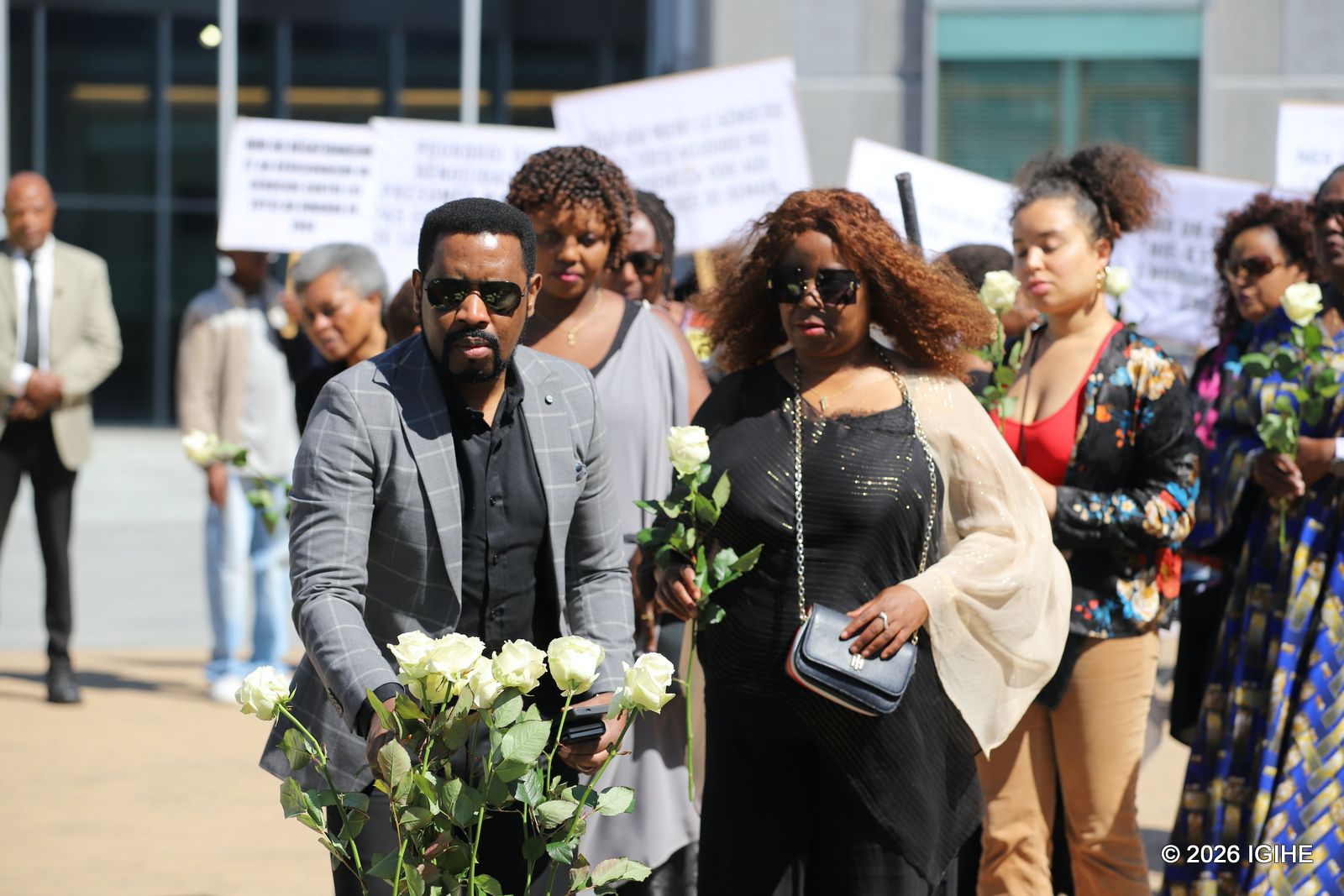
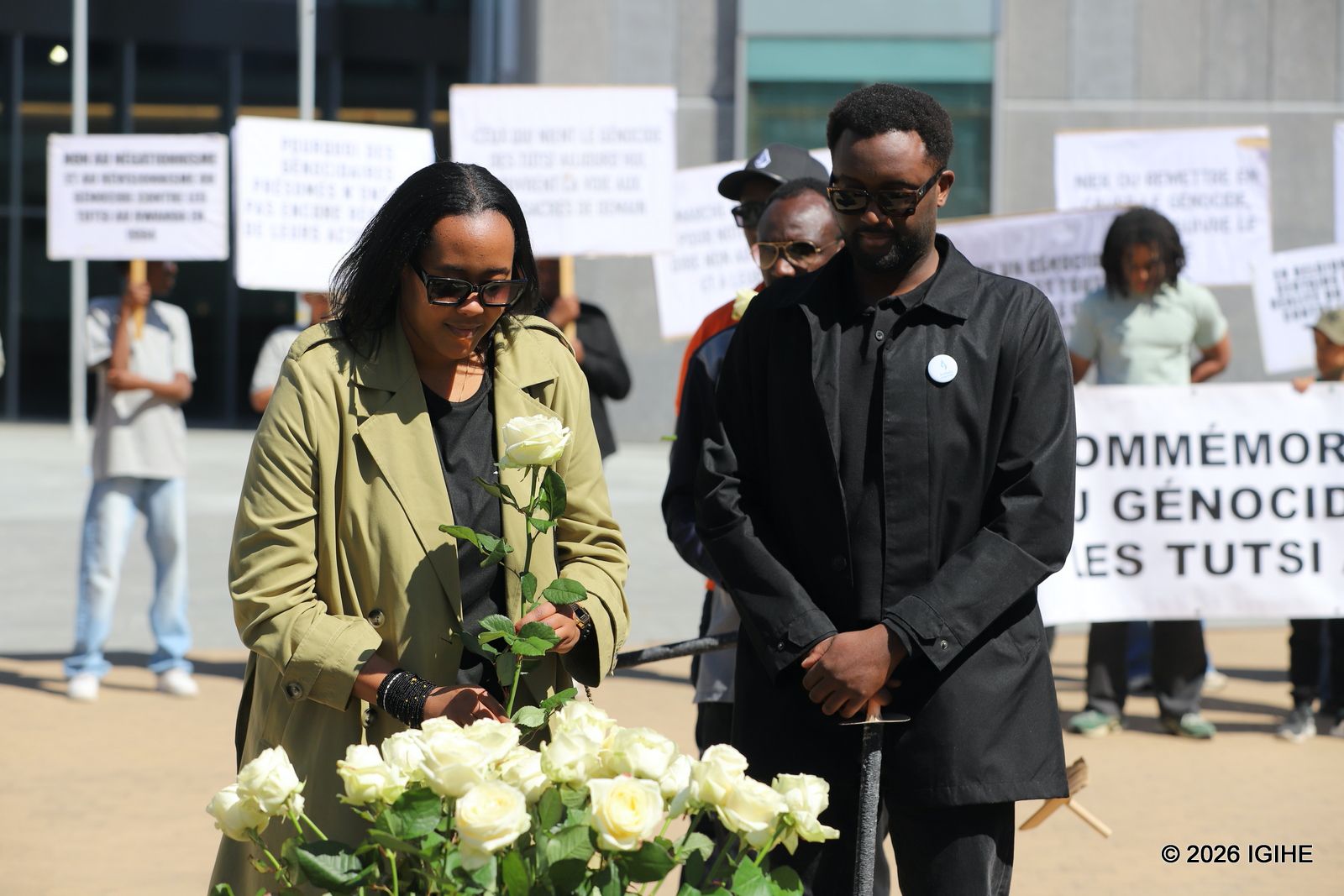
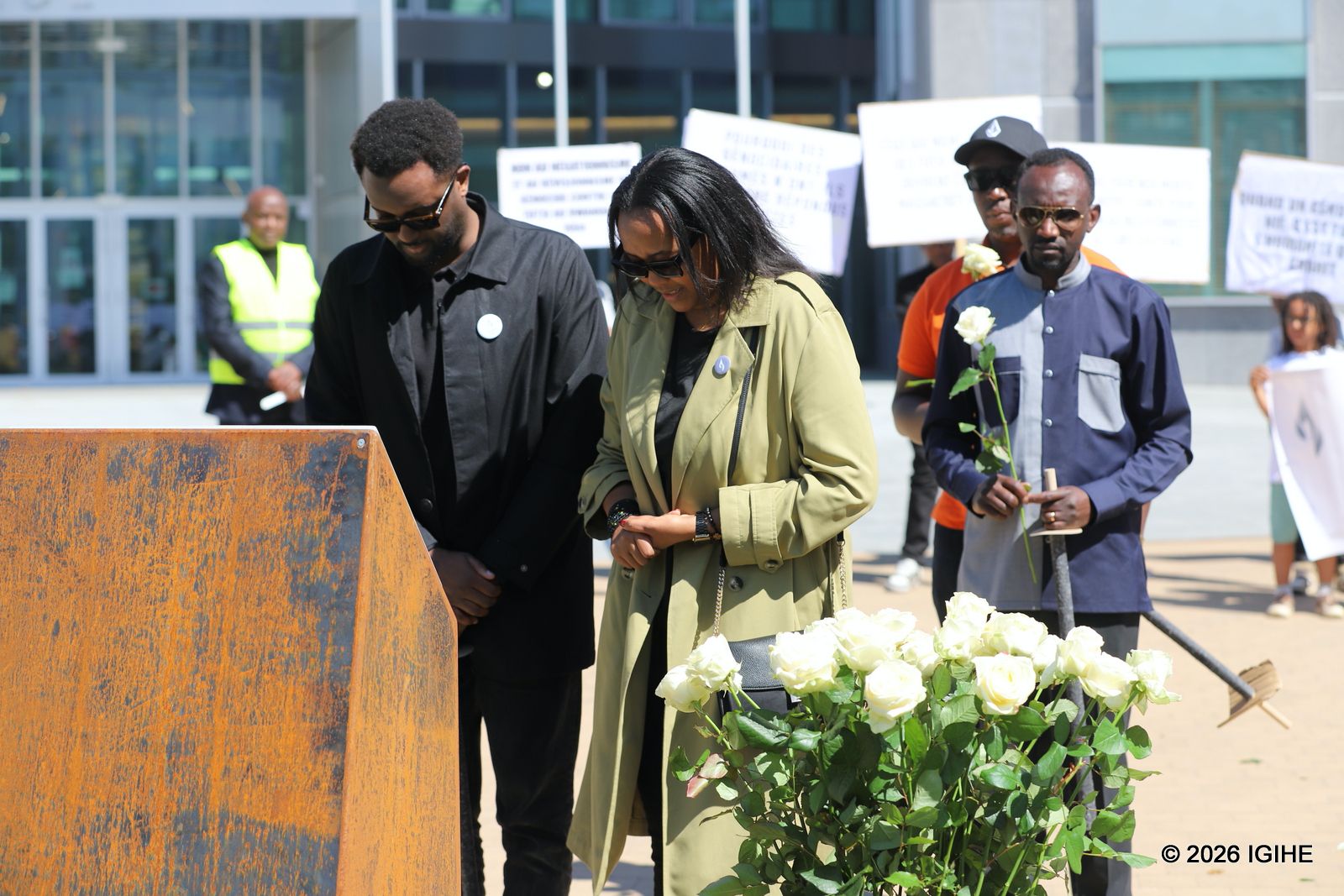
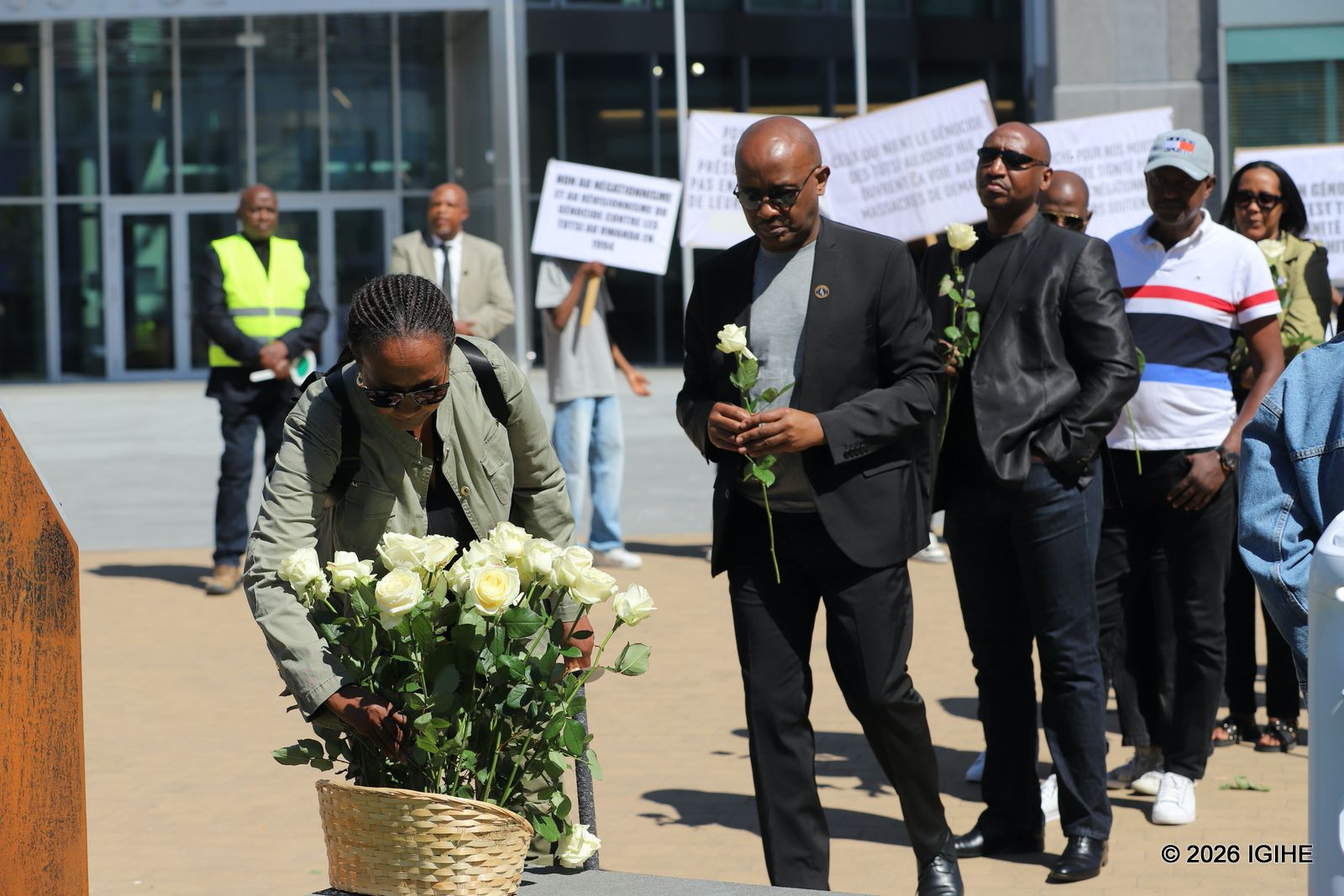
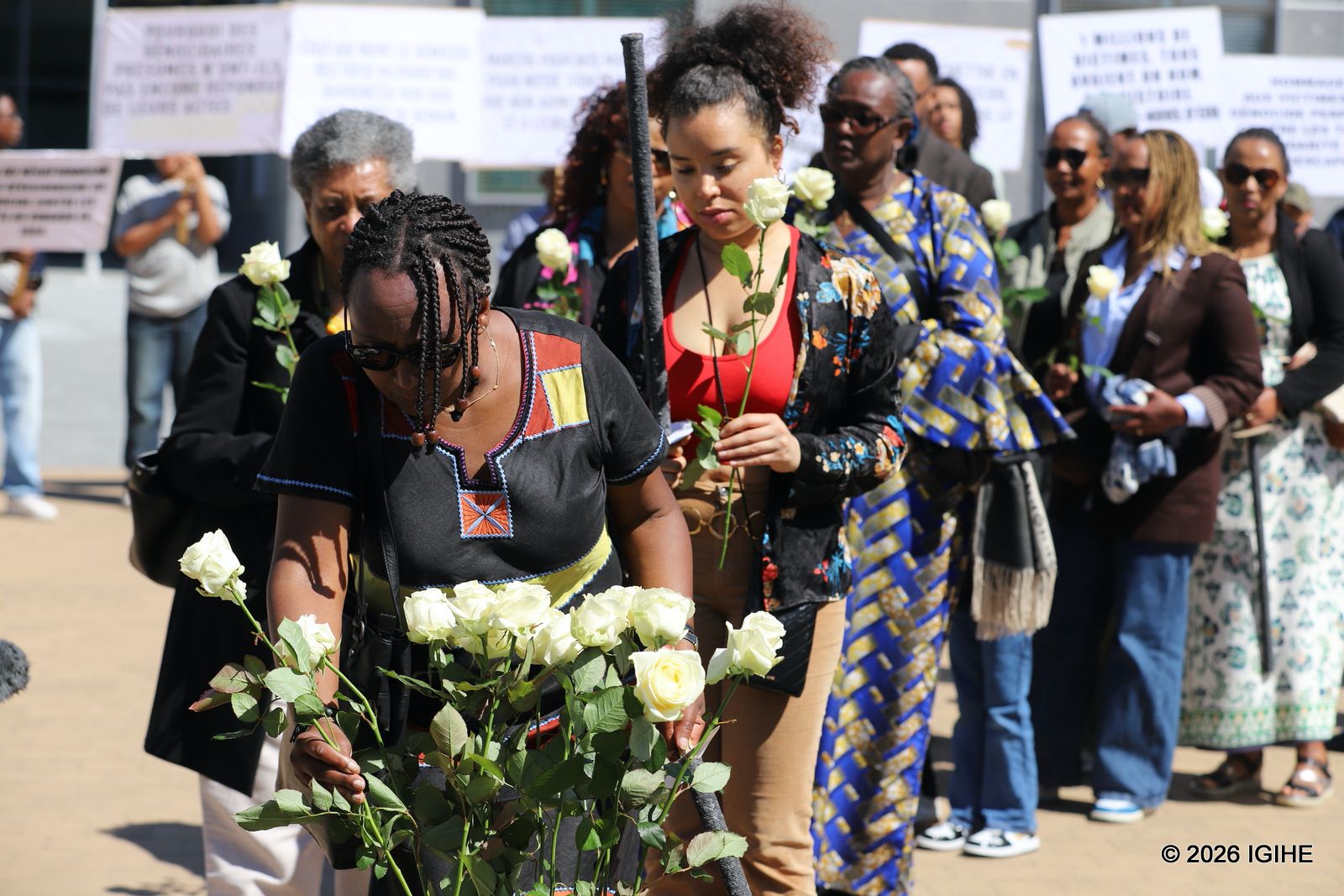
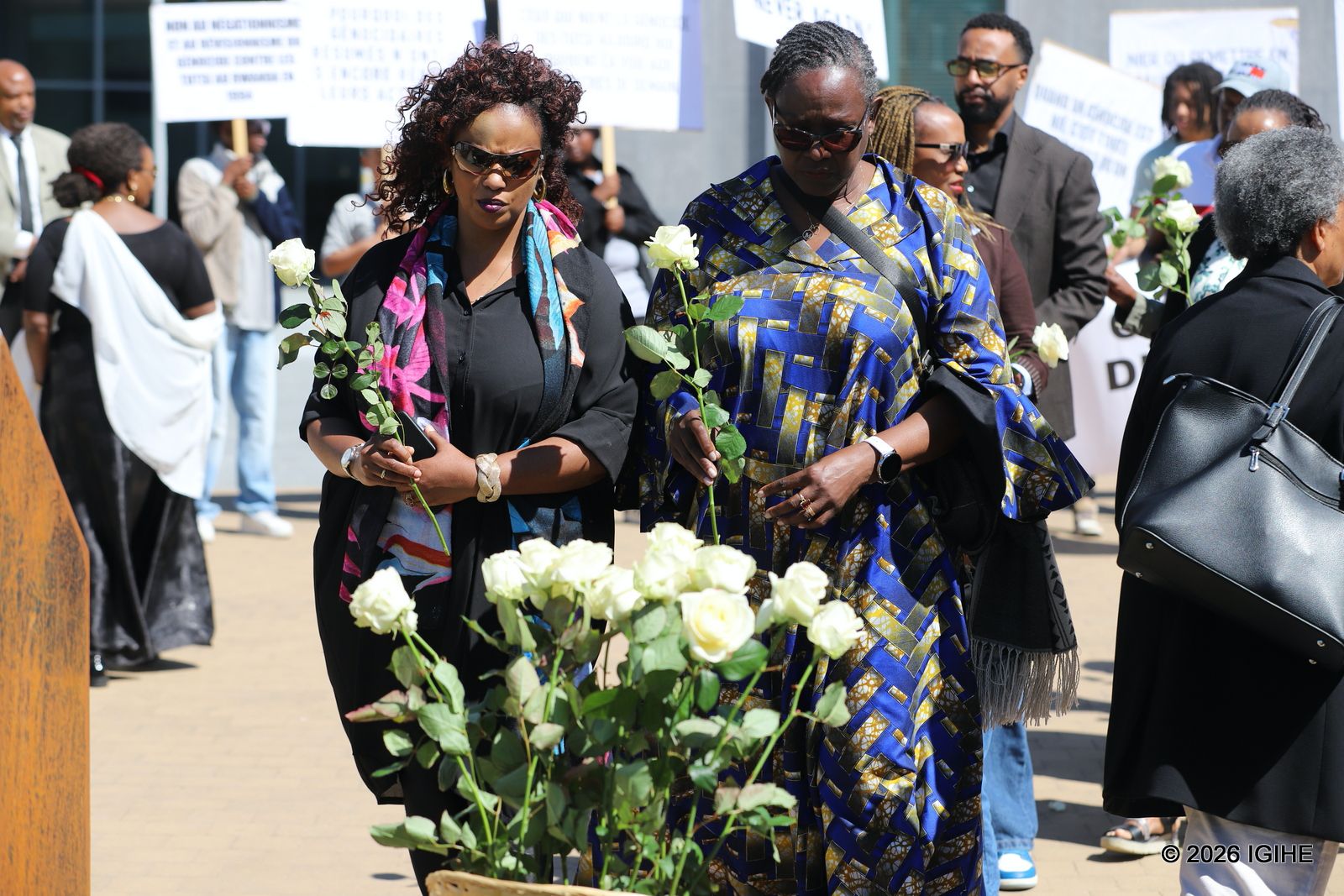
The event began at the memorial dedicated to the victims of the Genocide against the Tutsi, located in front of the Namur Courthouse. The memorial was relocated from the MusAfrica museum to make it more visible to the public, particularly in front of the Courthouse, thus allowing for better transmission of memory.
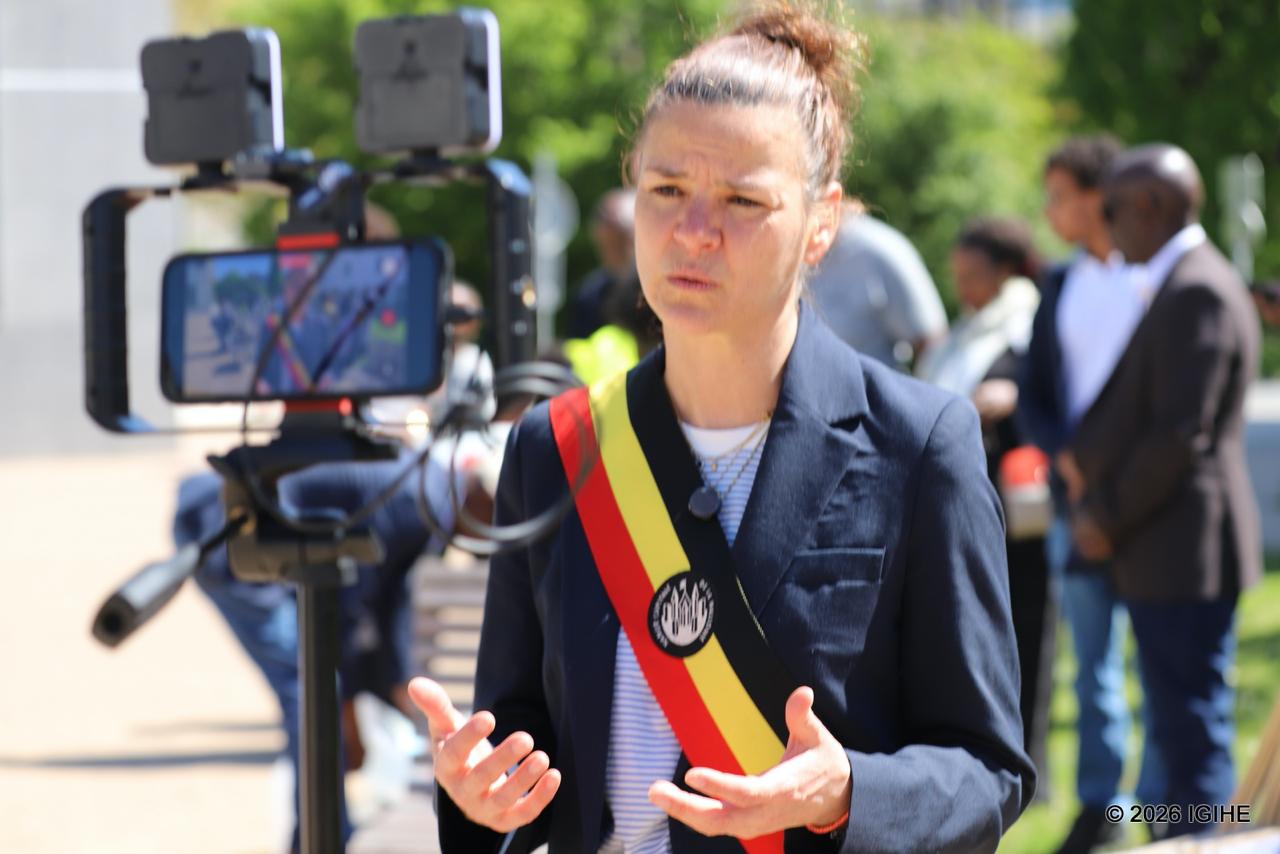
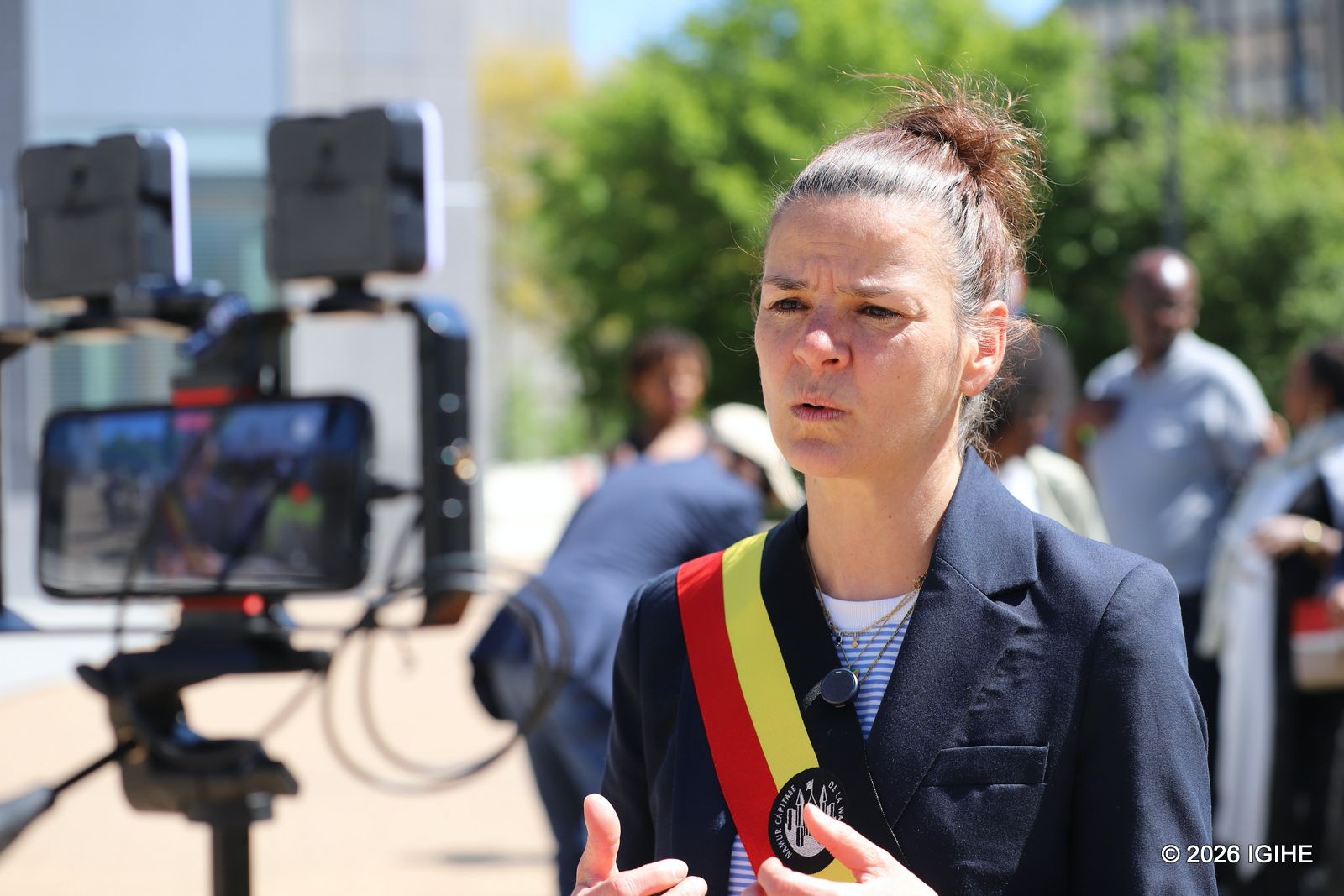
Speaking to IGIHE, the Acting Mayor of Namur, Charlotte Bazlaire honored victims of the genocide and called for collective efforts to prevent reoccurrence.
“It is an honor to be here representing the City of Namur during this 32nd commemoration. I am thinking of all those who were affected, in one way or another, by this tragedy.
“Thirty-two years later, the wounds are still present. I am here to remind people that in 1994, extreme brutality took place in Rwanda, and to raise awareness in today’s world about the importance of preventing the divisions that can lead to genocide,” she said.
Bazlaire added that her participation reflects a duty of remembrance, aimed at preventing any trivialization or forgetting of these tragic events.
She also welcomed the relocation of the memorial in front of the Courthouse, highlighting the symbolic importance of its visible location.
Claire Kayirangwa, representative of Ibuka-Memory and Justice-Belgium, thanked the organizers and participants, including friends of Rwanda.
“Your presence shows your commitment to ensuring that this history is never forgotten and that such a tragedy never happens again anywhere in the world. You have also come to support survivors and honor the memory of their loved ones,” she noted.
Speaking at the event, Michaël Bisschops, President of “Les Territoires de la Mémoire,” stressed that remaining silent in the face of such crimes is equivalent to a second killing.
“Keeping silent in the face of such barbarity is like killing a second time, as it allows it to happen again. Genocide does not begin with weapons, but with words that dehumanize people. Today is therefore a day to speak out, because we do not have the right to remain silent,” he said.
He emphasized that his presence from Liège reflected his commitment to preserving this memory and supporting survivors.
Akoeley Bernard, advisor at the CPAS of Namur, said she was only seven years old in 1994 and learned about these events through television.
“I could not understand how a human being could commit such acts. I felt a lot of anger and sadness, wondering why journalists were showing these images without being able to save the victims.”
She added that she later realized it was not only the media, but the entire world that had abandoned the Tutsi.
Akoeley also stressed that this tragedy is part of Belgium’s history, due to divisions inherited from the colonial period that contributed to the genocide.
Dorothée Klein, President of the CPAS of Namur, stressed the importance of the commemoration held in the city of Namur to honor victims of the 1994 Genocide against the Tutsi.
She noted that the gathering served as a moment to honor the memory of more than one million people who were killed, explaining that entire families were destroyed while others were displaced and scattered across the world. According to her, such acts of remembrance are essential to ensure that similar tragedies are never repeated.
Klein emphasized that even though the events took place far from Belgium, it remains important for communities in Namur to remember and share testimonies. She underlined that silence is not an option in the face of such crimes, as forgetting would amount to a second injustice against the victims.
“Although words fall short in the face of such atrocities, silence is not an option,” she said. “We must continue to speak and to remember, so that the victims are not lost to oblivion a second time.”
Klein further warned that genocide does not happen suddenly, but develops gradually when discrimination becomes normalized and tolerated.
She called for continued vigilance, stressing that societies must actively resist all forms of exclusion and dehumanization to prevent history from repeating itself.
The event also featured testimony from Claire Ruyuki, a survivor of the genocide, who spoke about the loss of her family members and shared a letter her father had written to her, encouraging her to continue her education and remain strong.
“Today, I am alive and I have children. They are my greatest treasure. Testifying is essential,” she said.
The day continued with an evening commemoration, including the screening of a testimony about the life of a genocide survivor, Providence Rwayitare, followed by a discussion with psychologists Annick Umutoni Rwampungu and Jacqueline Rwagatare.
Finally, a remembrance vigil led by Miheto Tatien allowed participants to view photos of genocide victims and reflect on their lives to honor their memory.
The next commemorations in the coming weeks will take place in Louvain-la-Neuve, Mons, Antwerp, Tournai, Charleroi and Leuven.
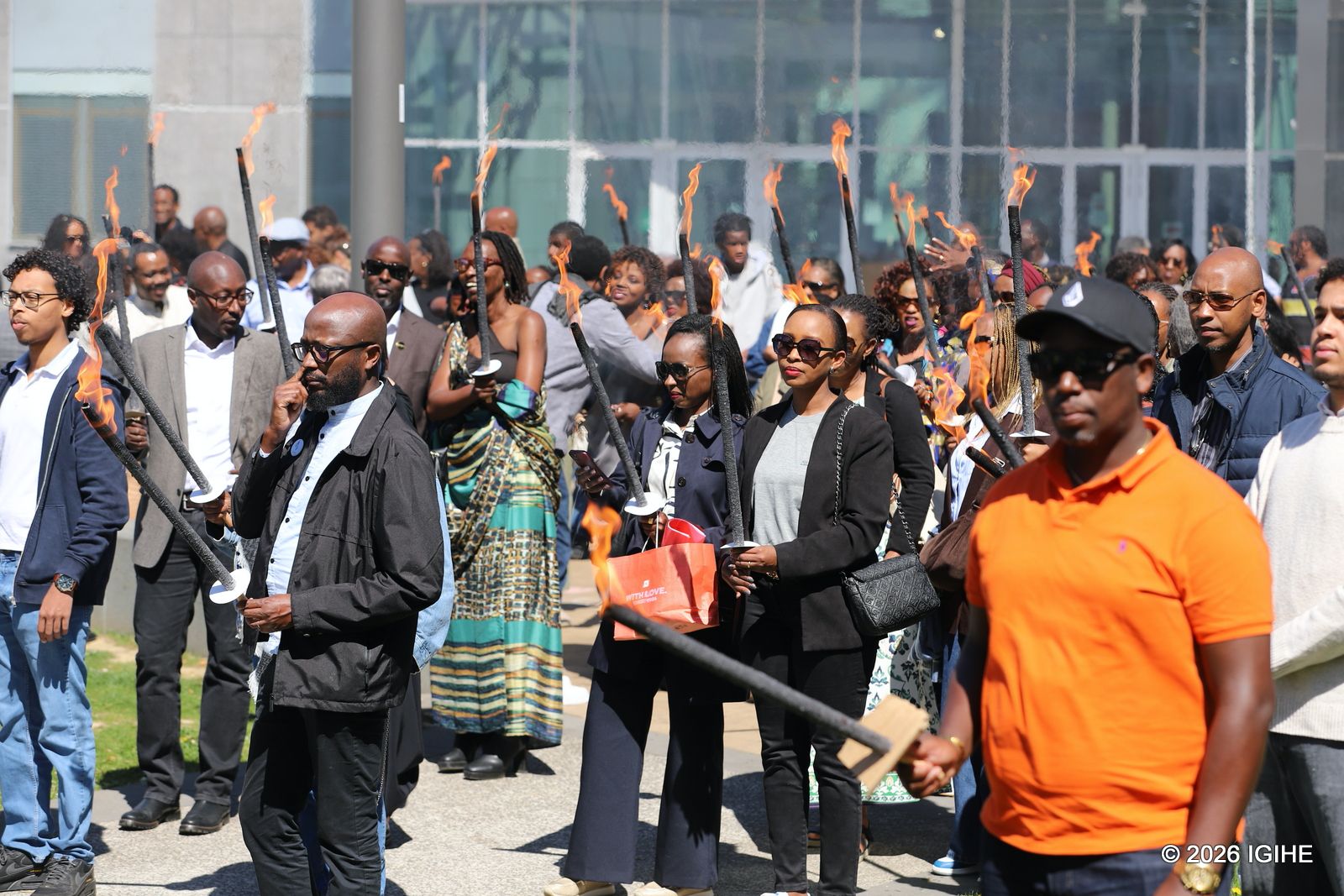
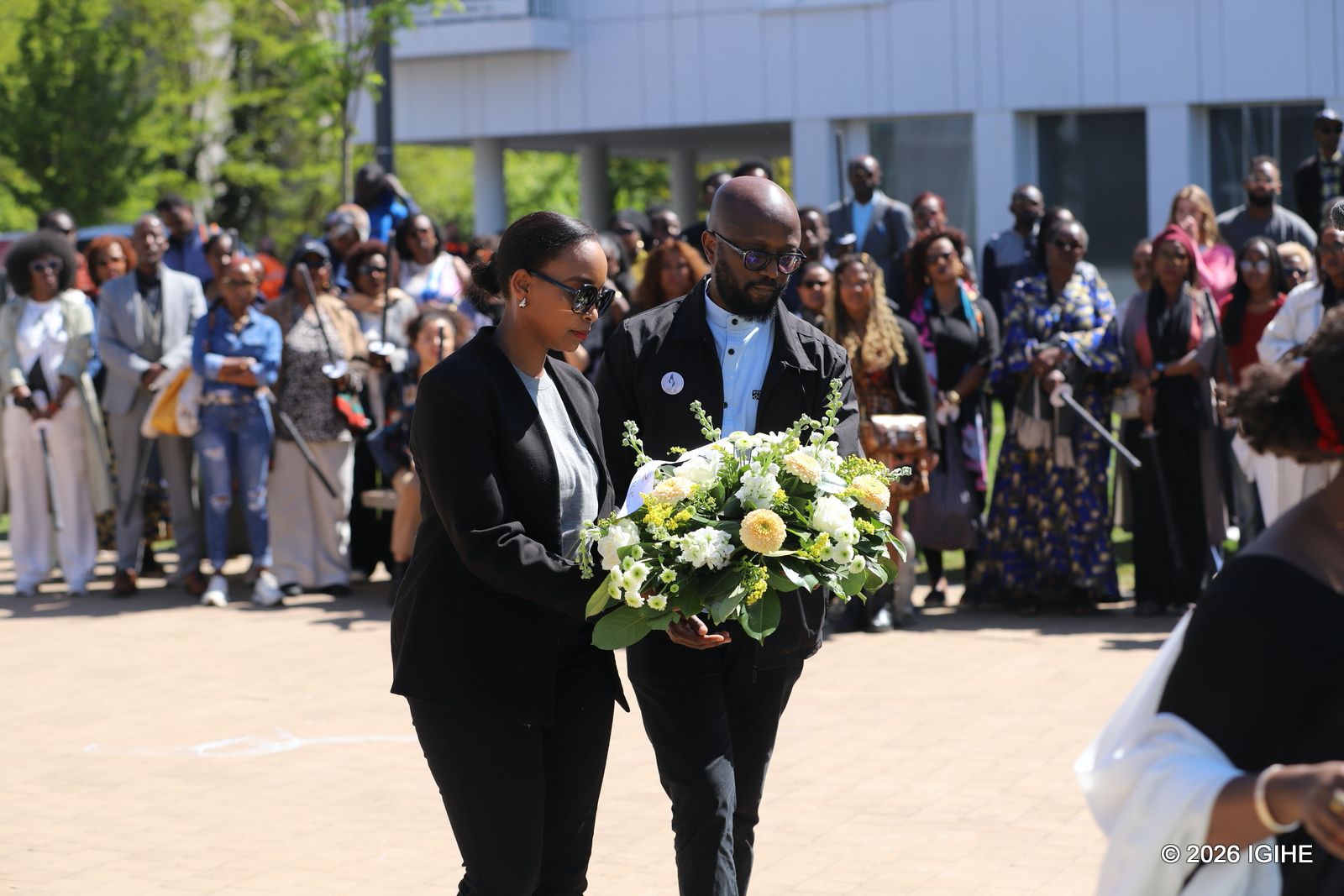
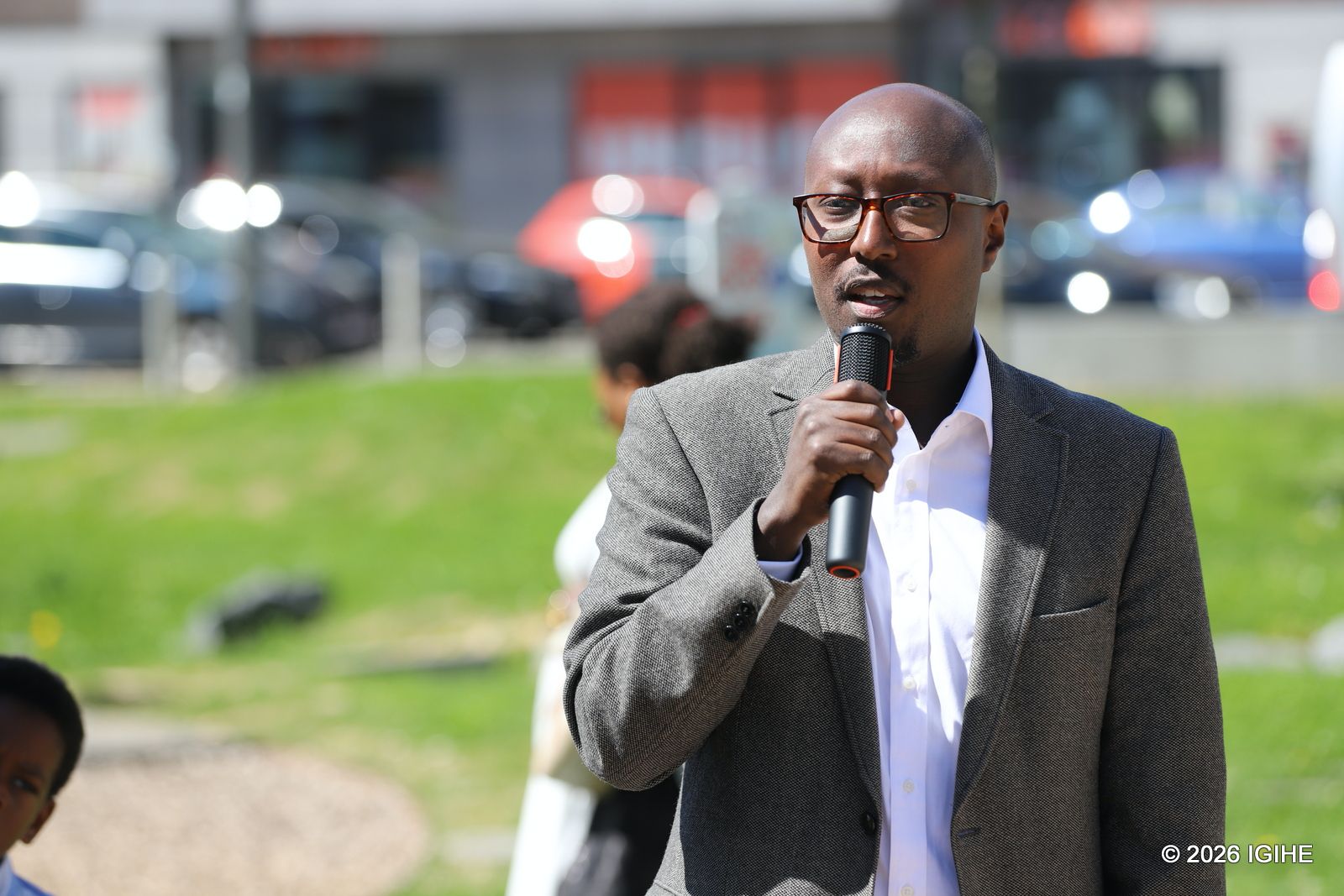
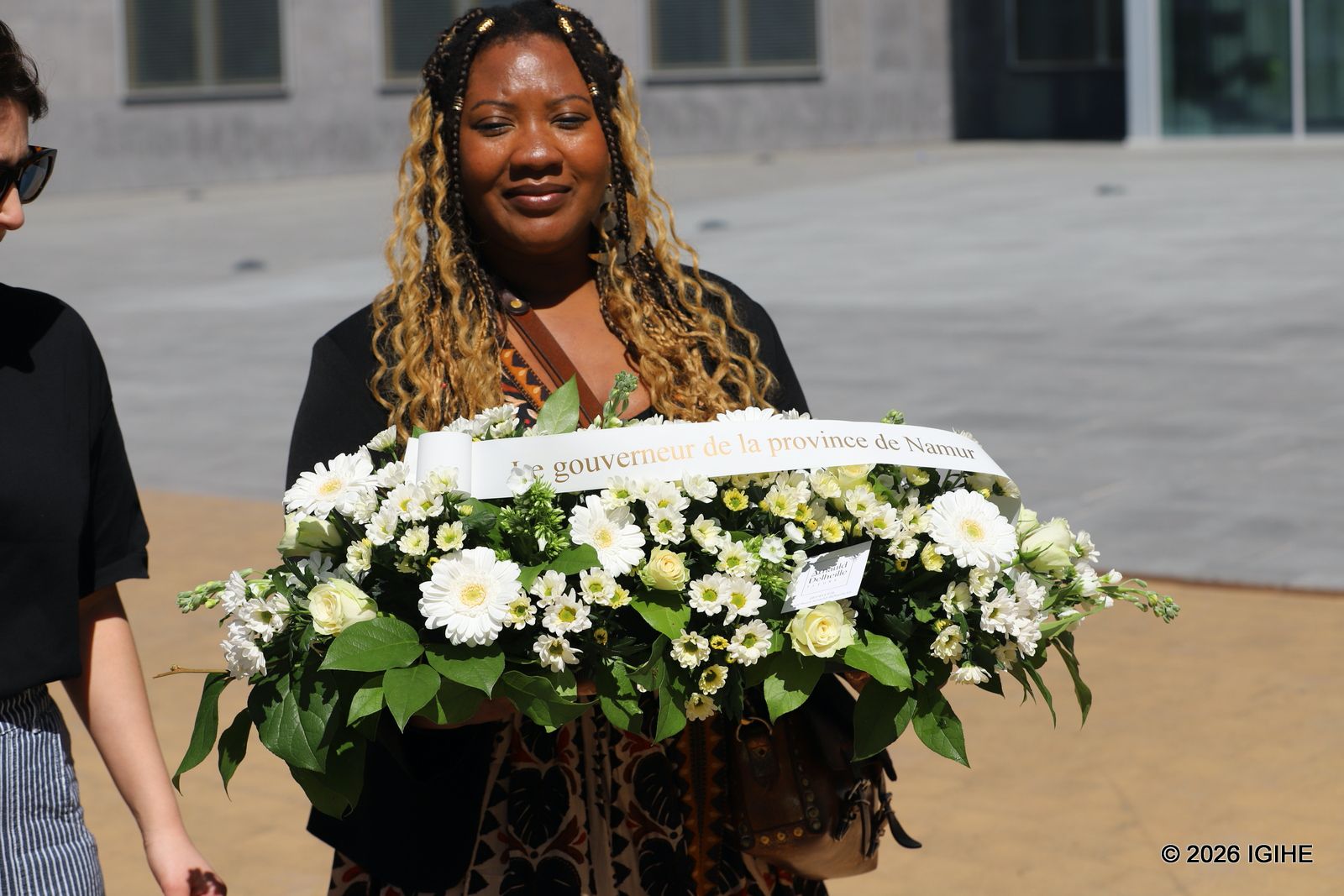
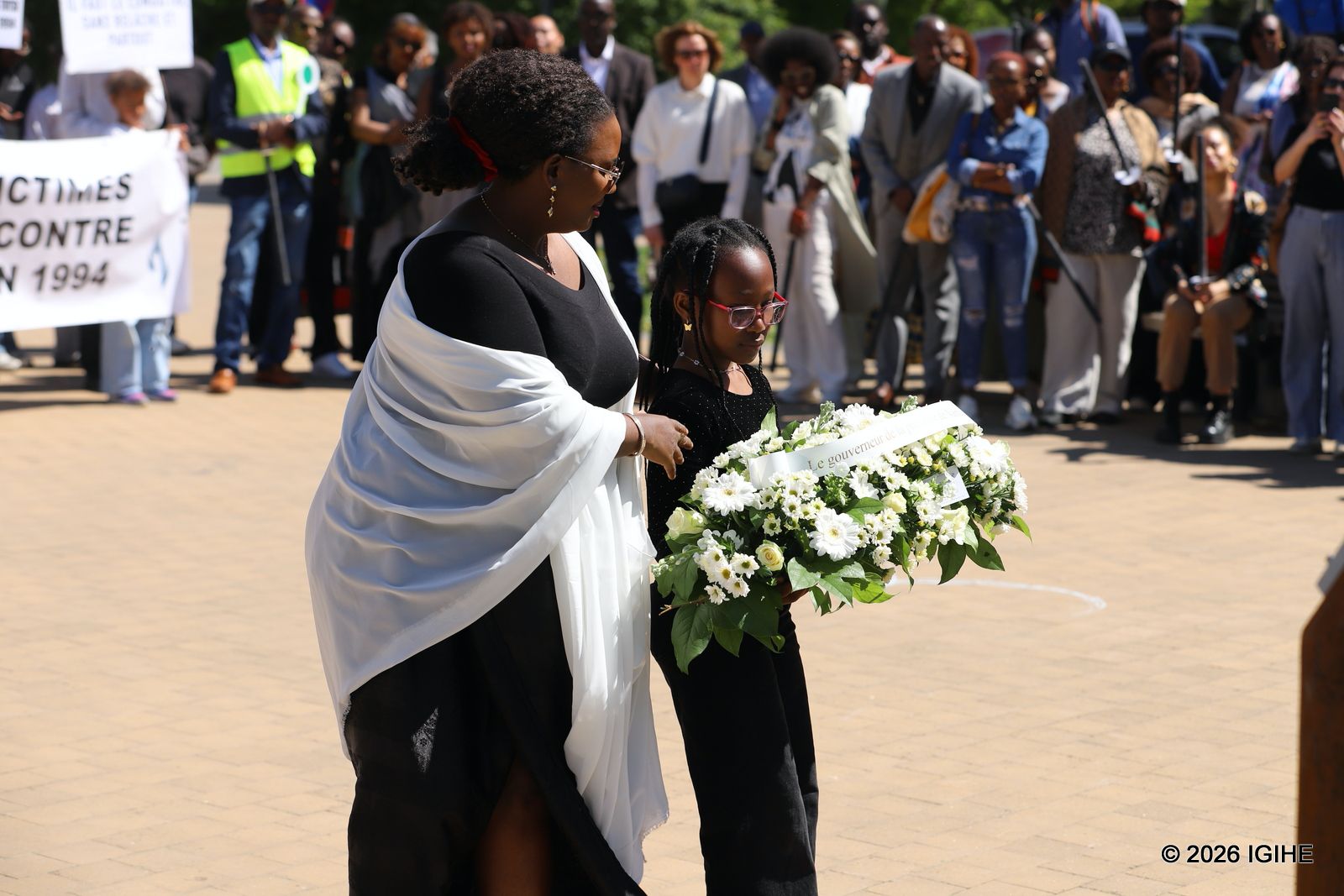
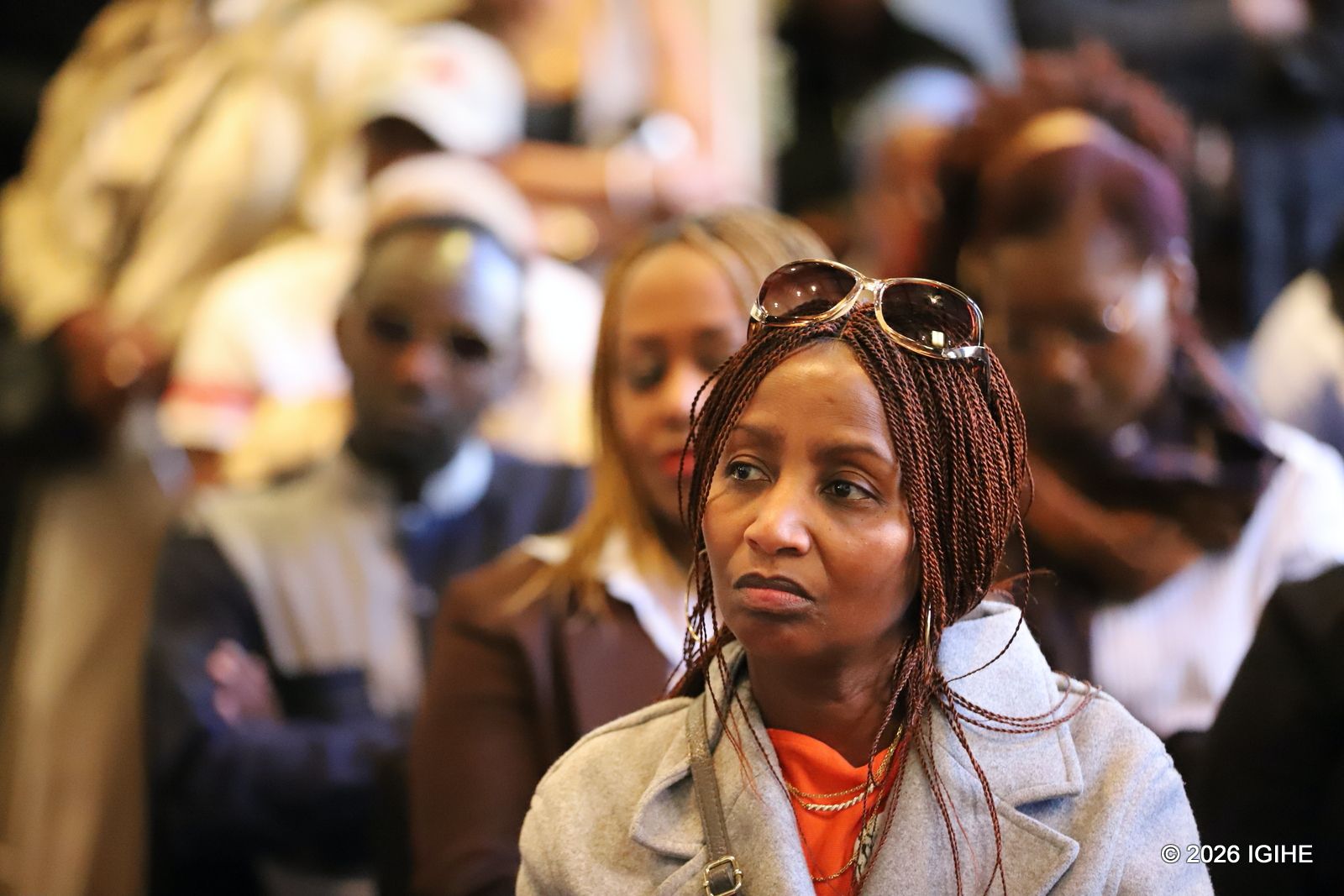
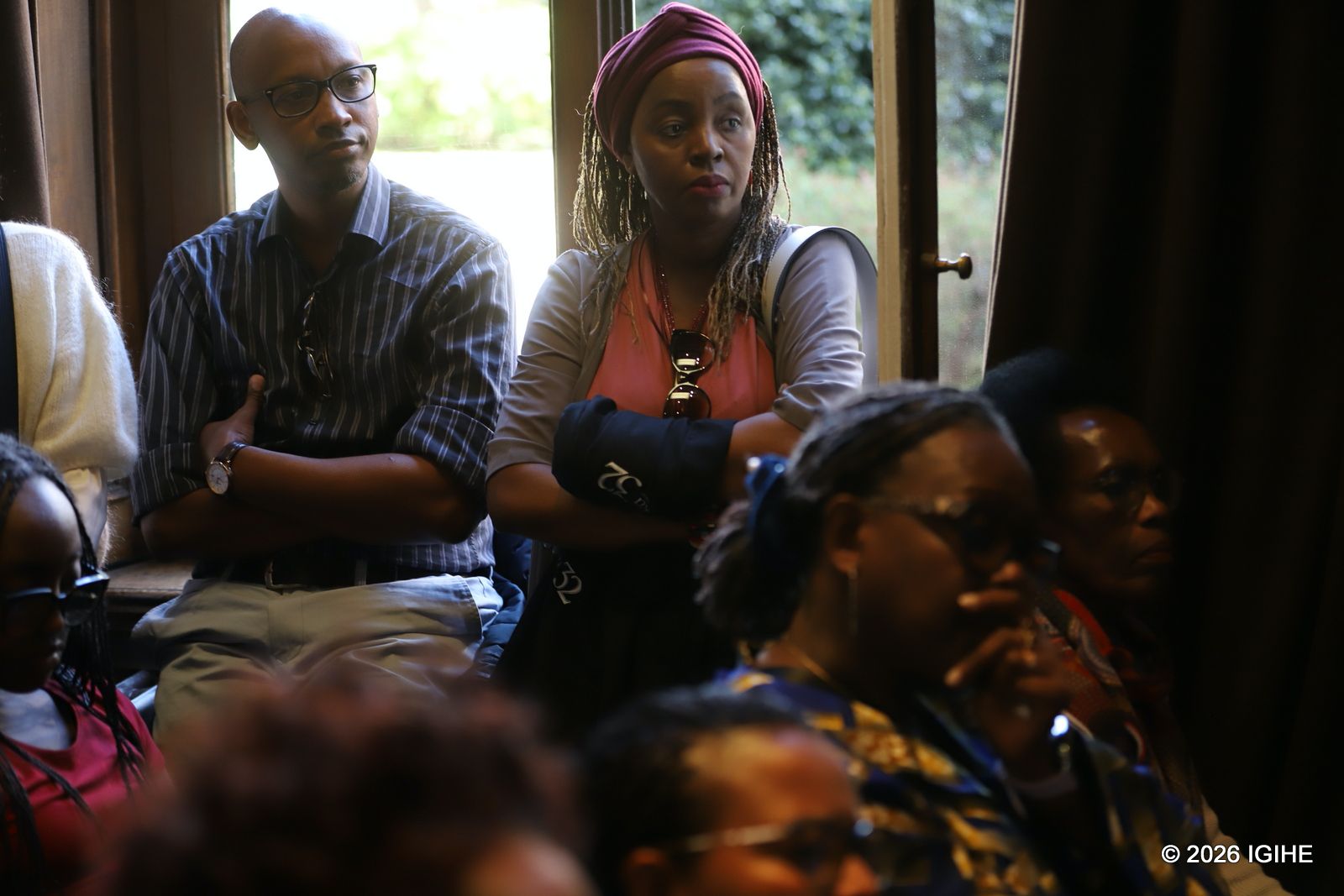
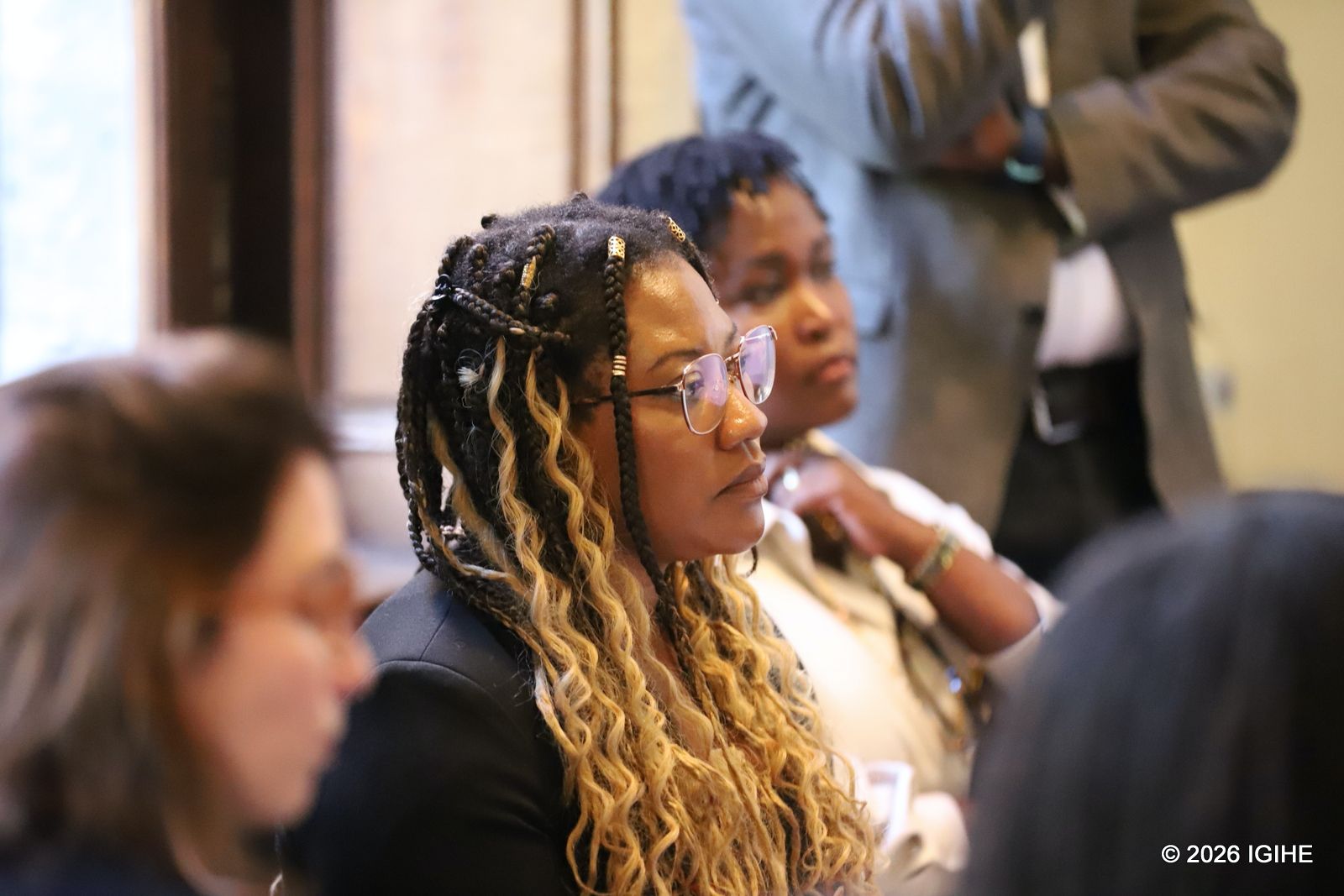
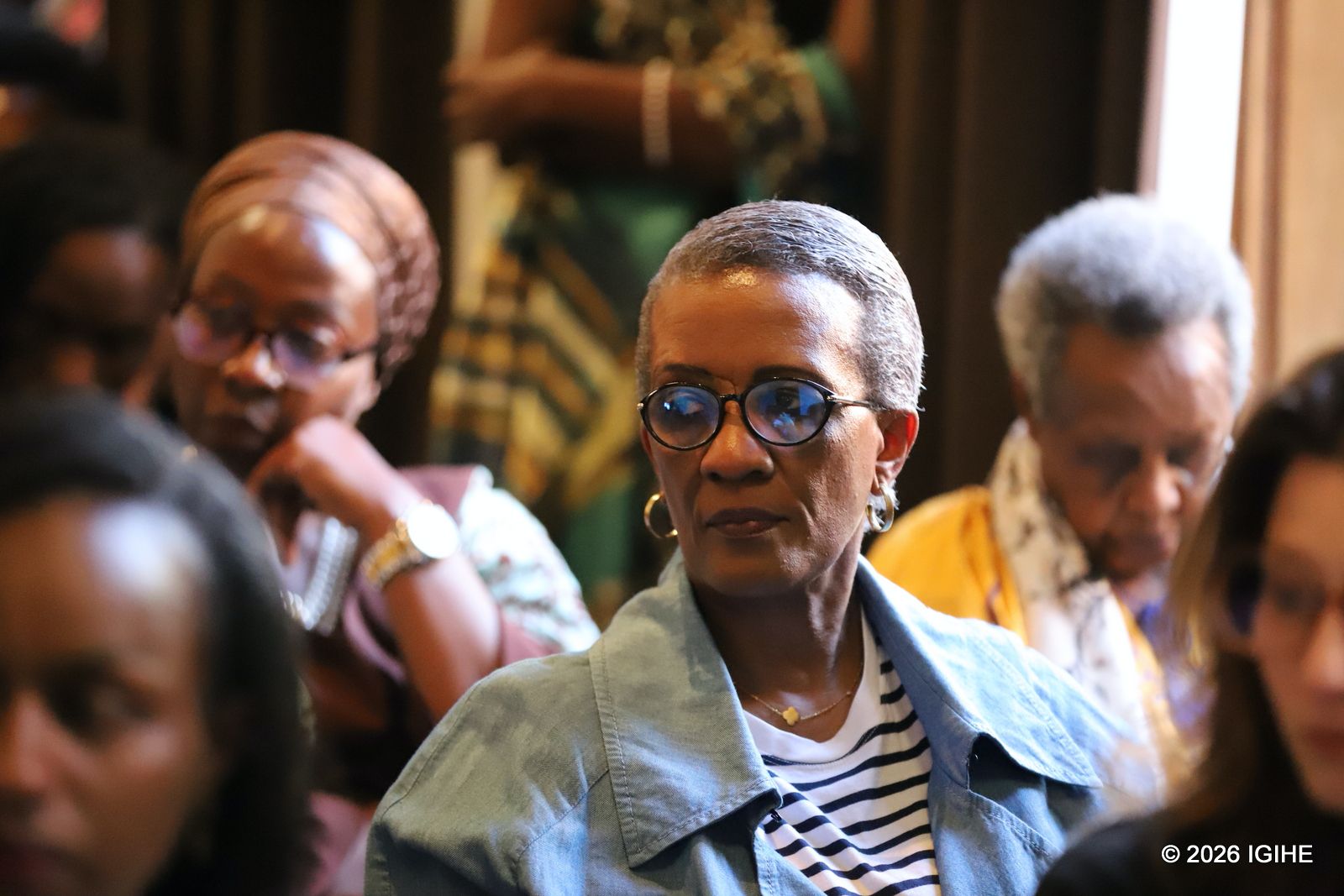
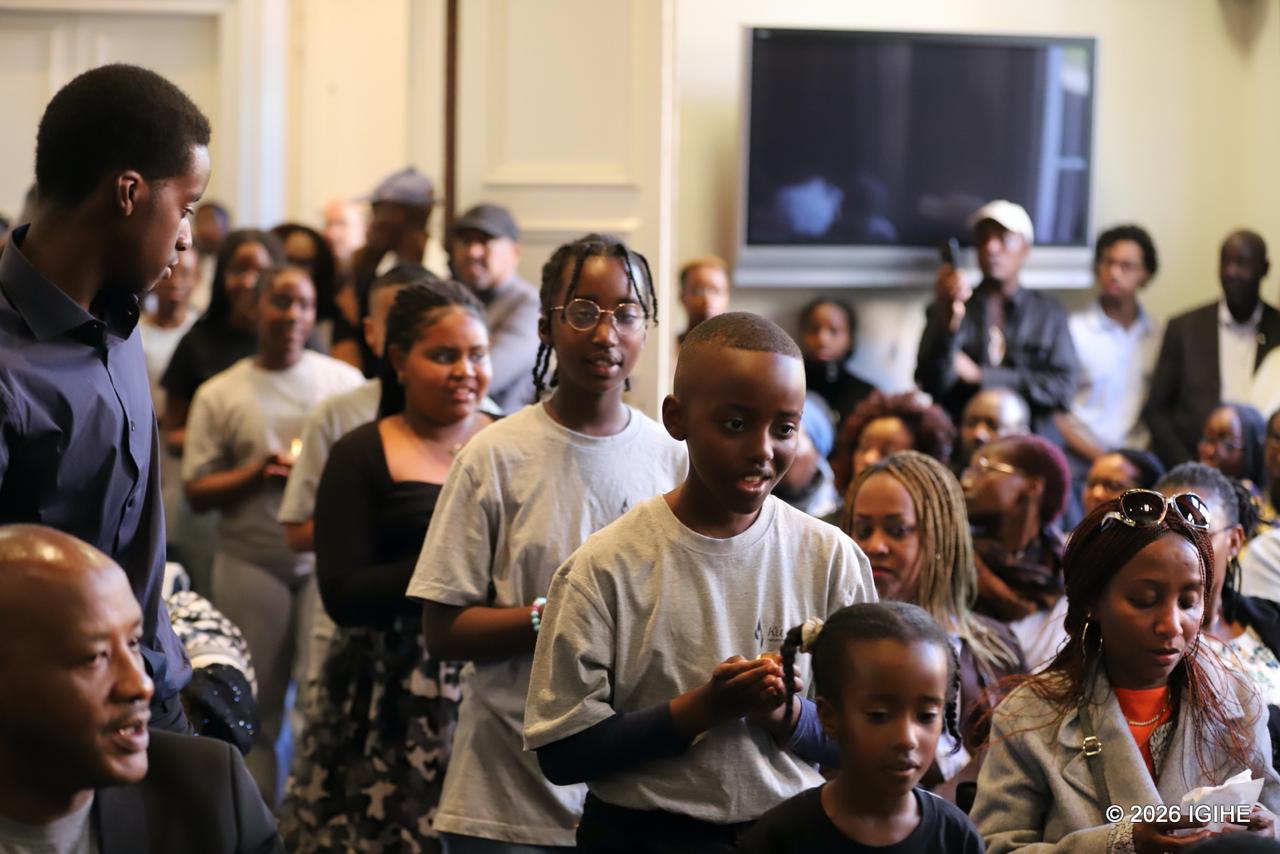
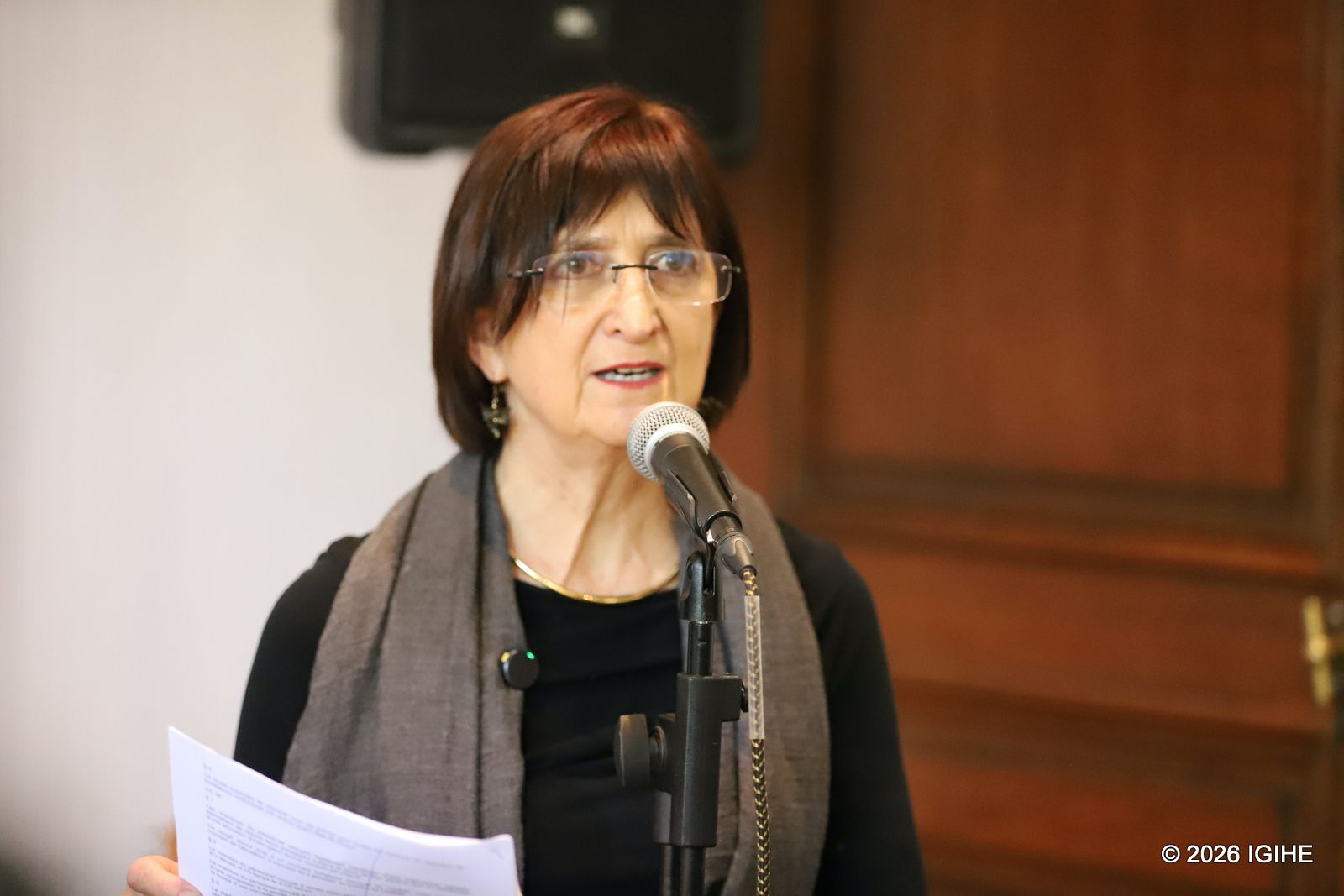
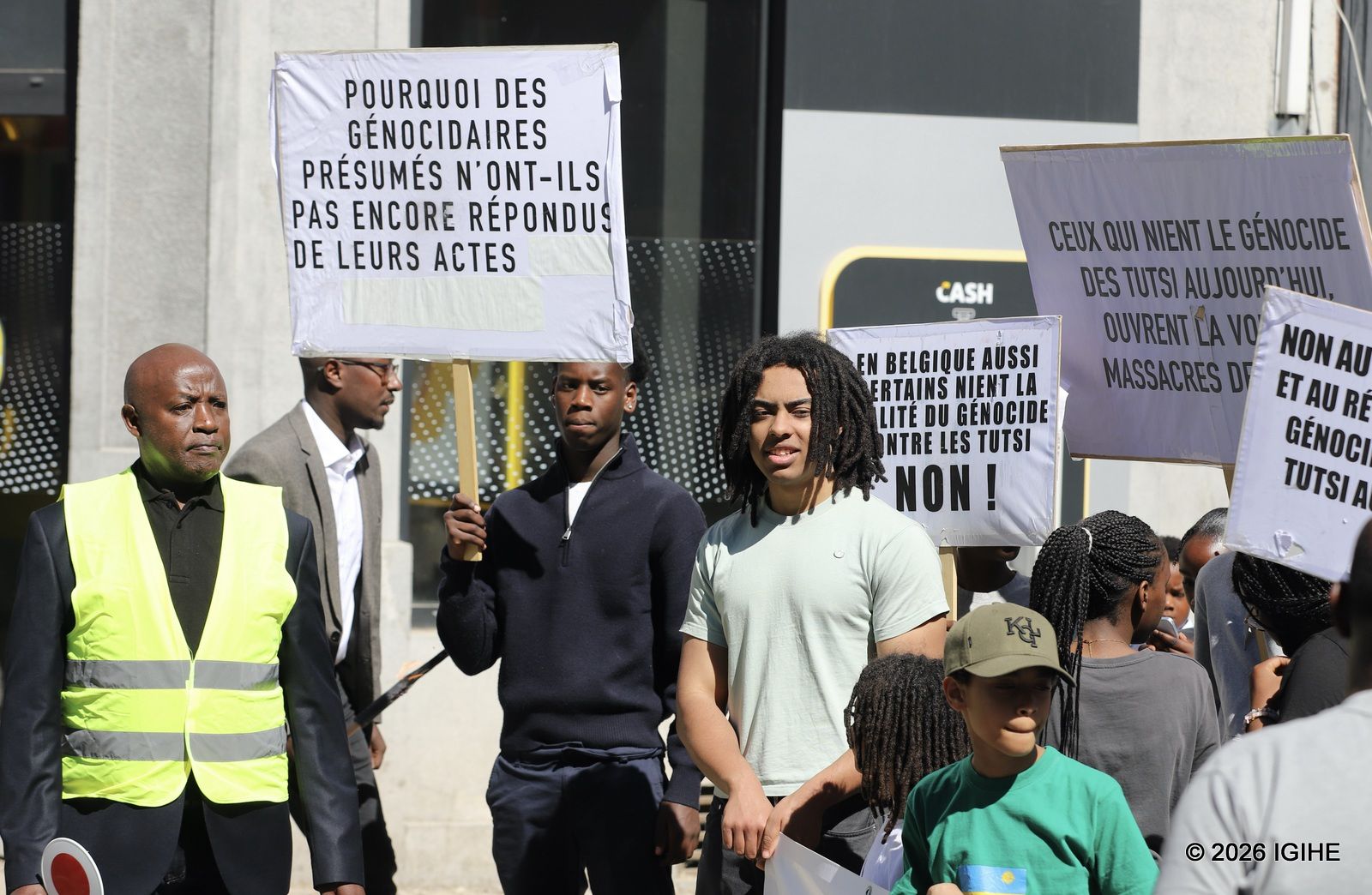
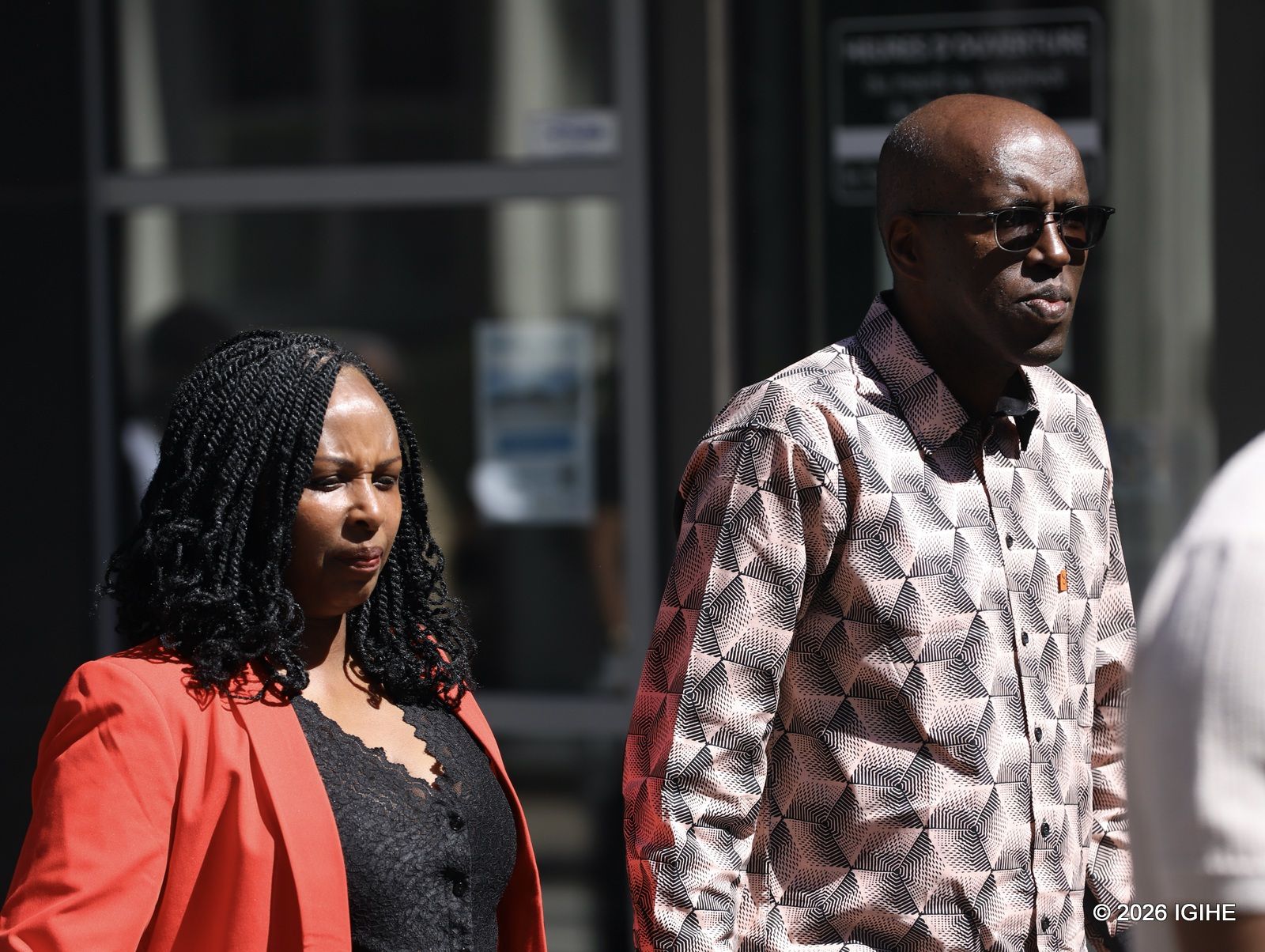
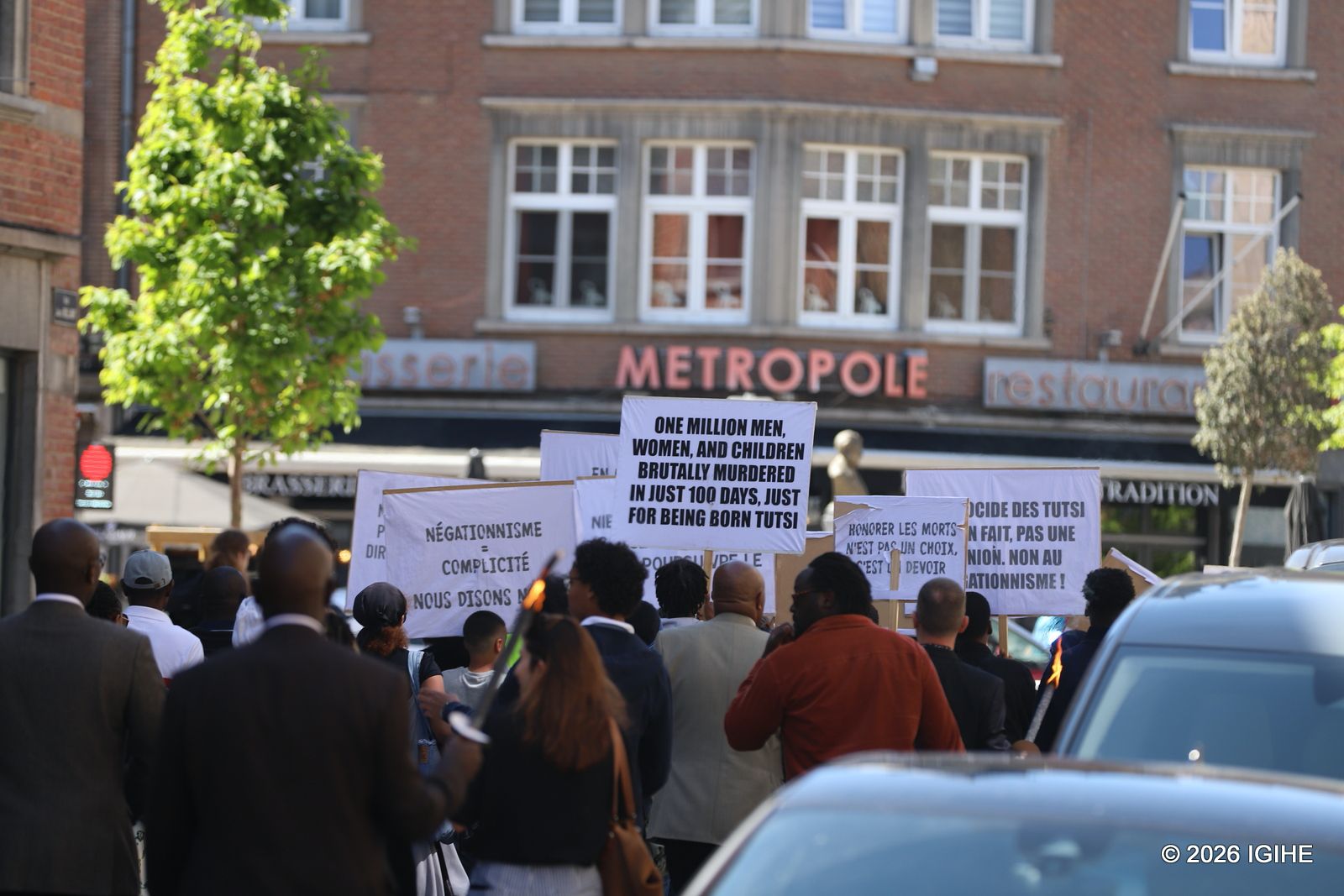
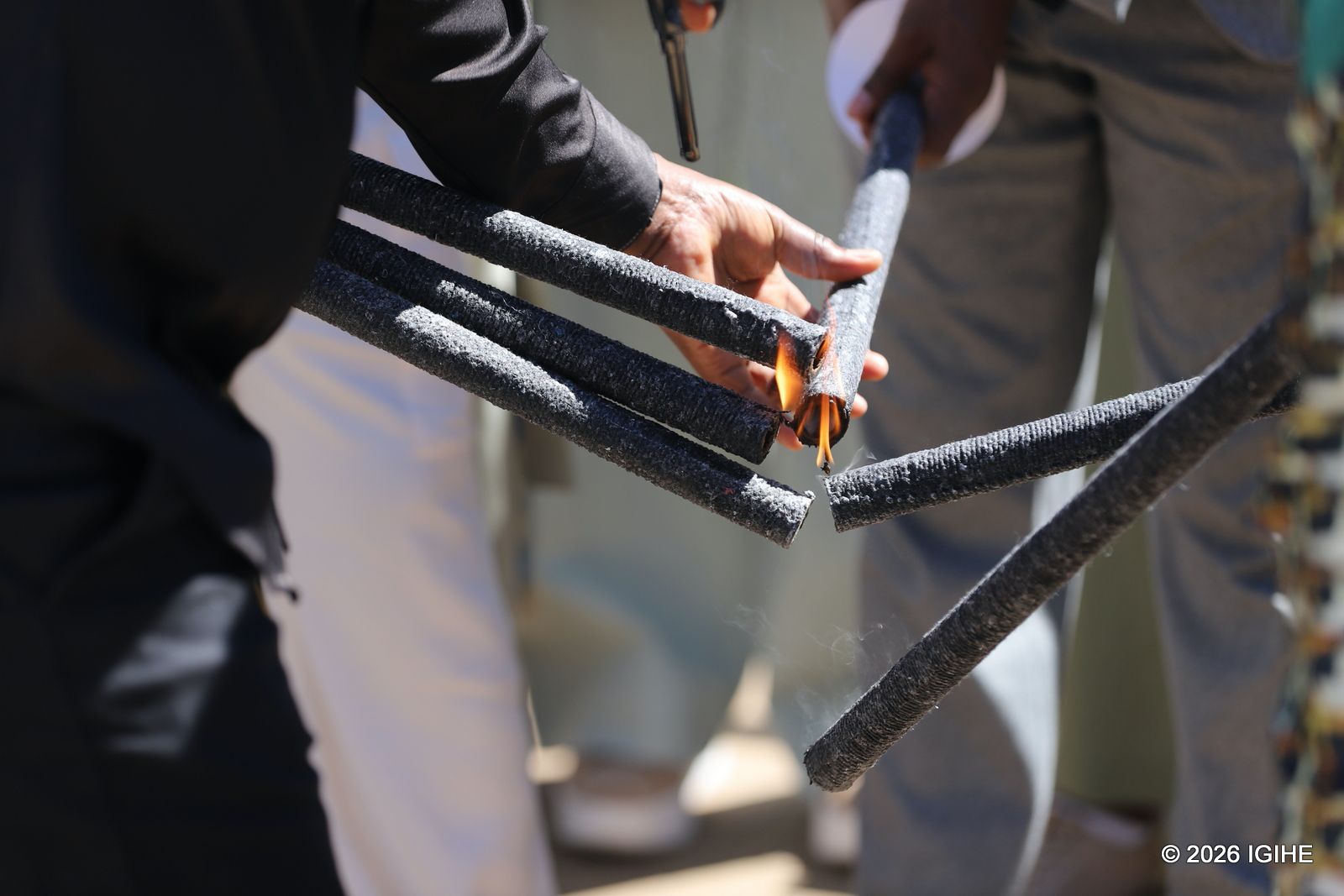
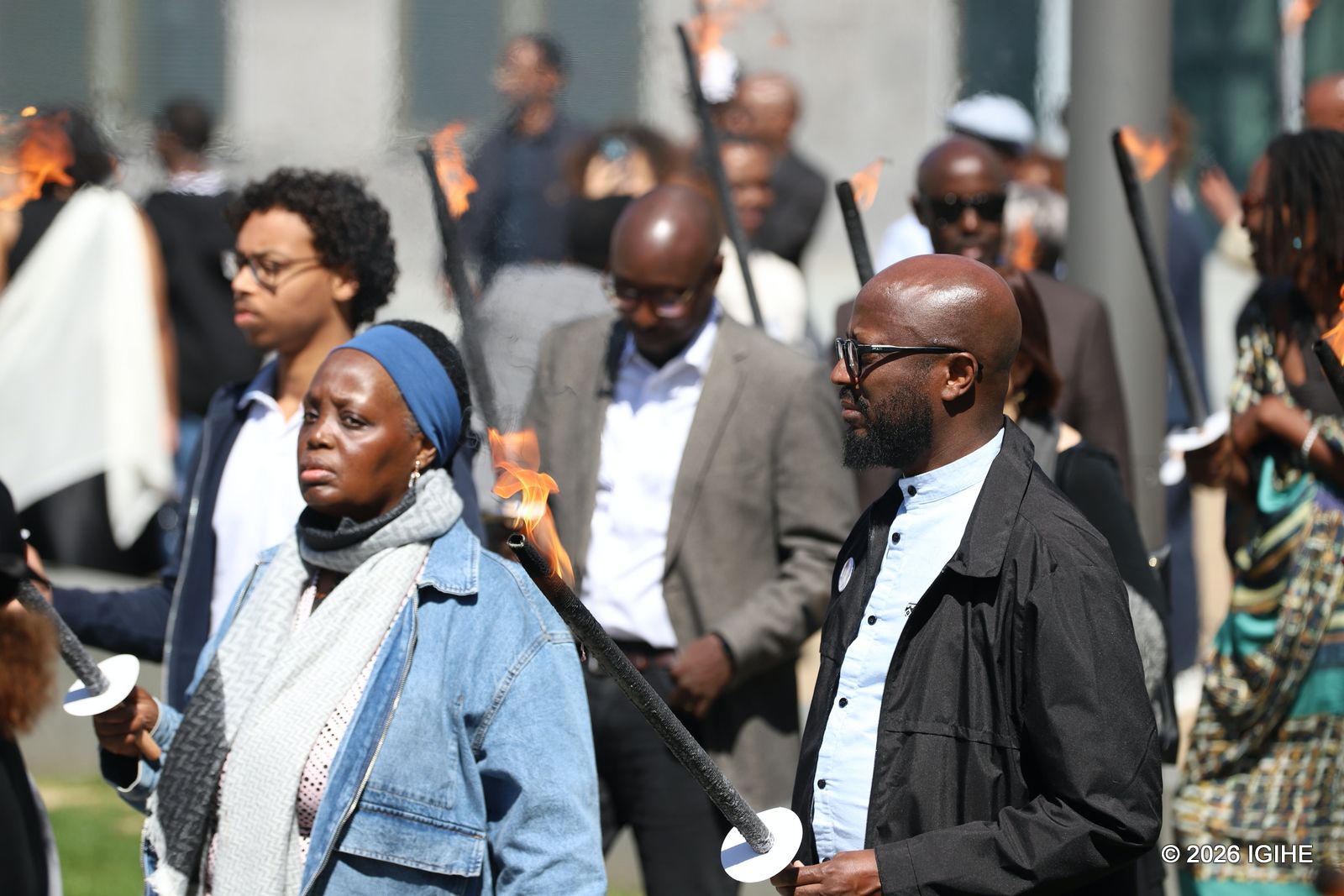
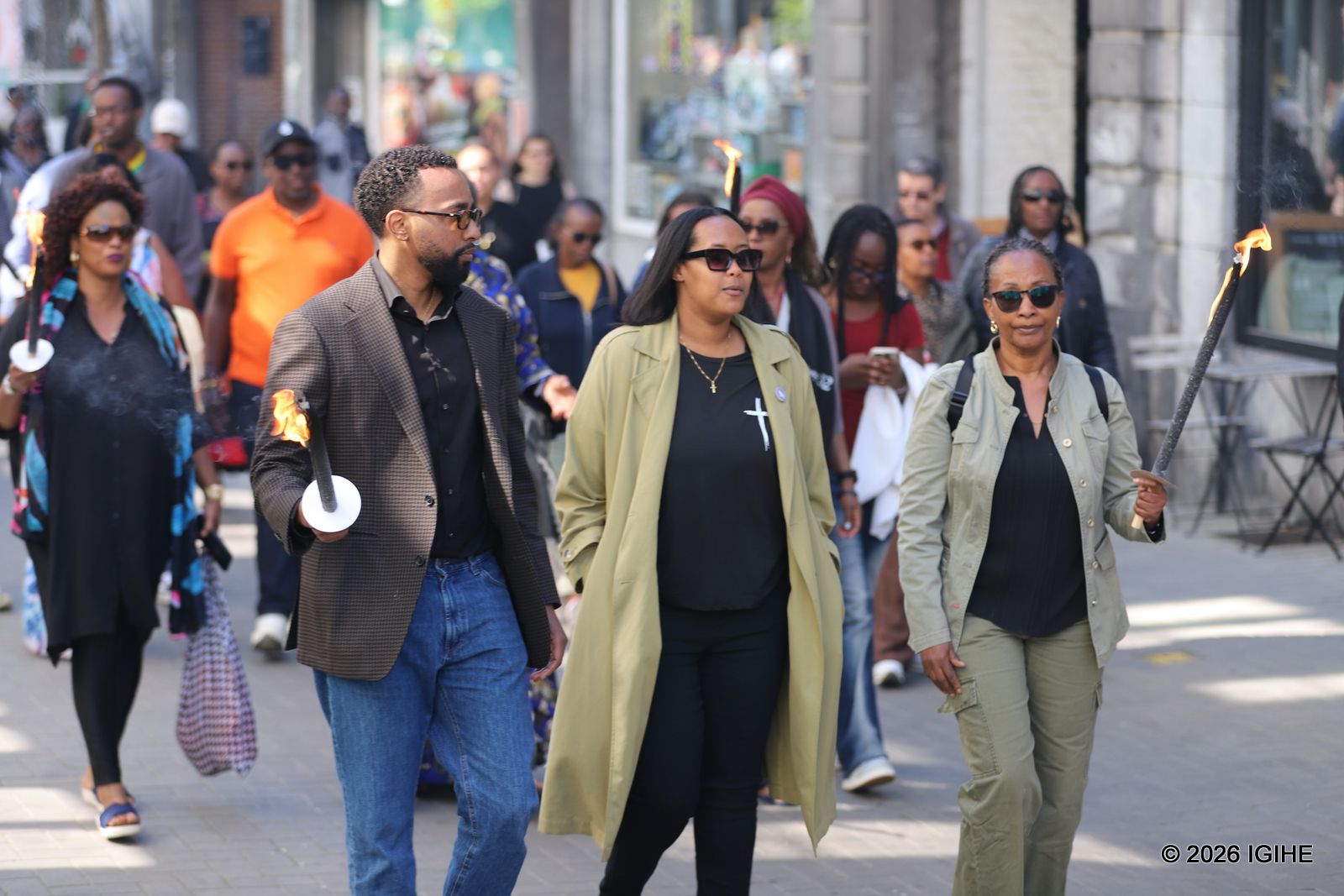
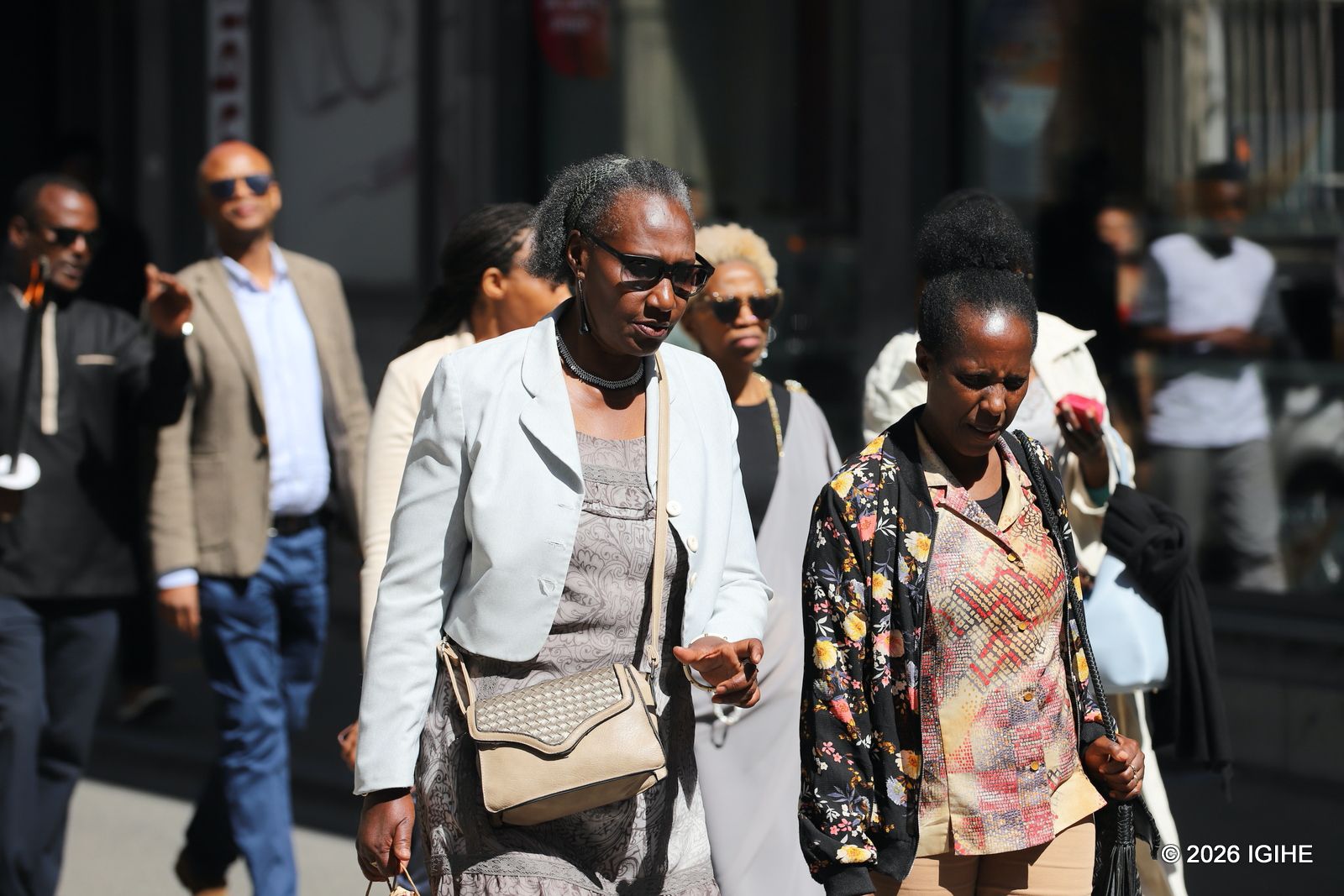
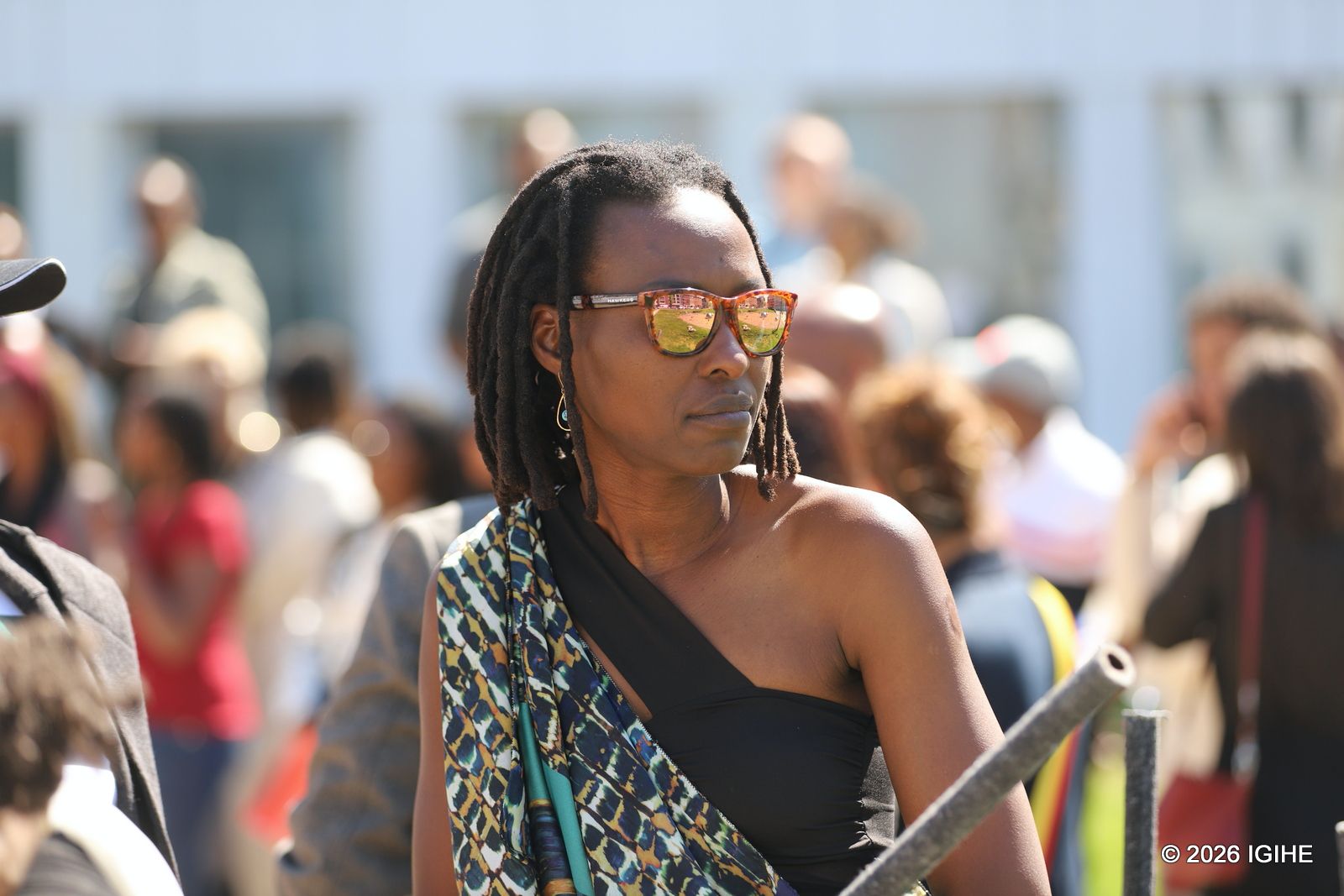
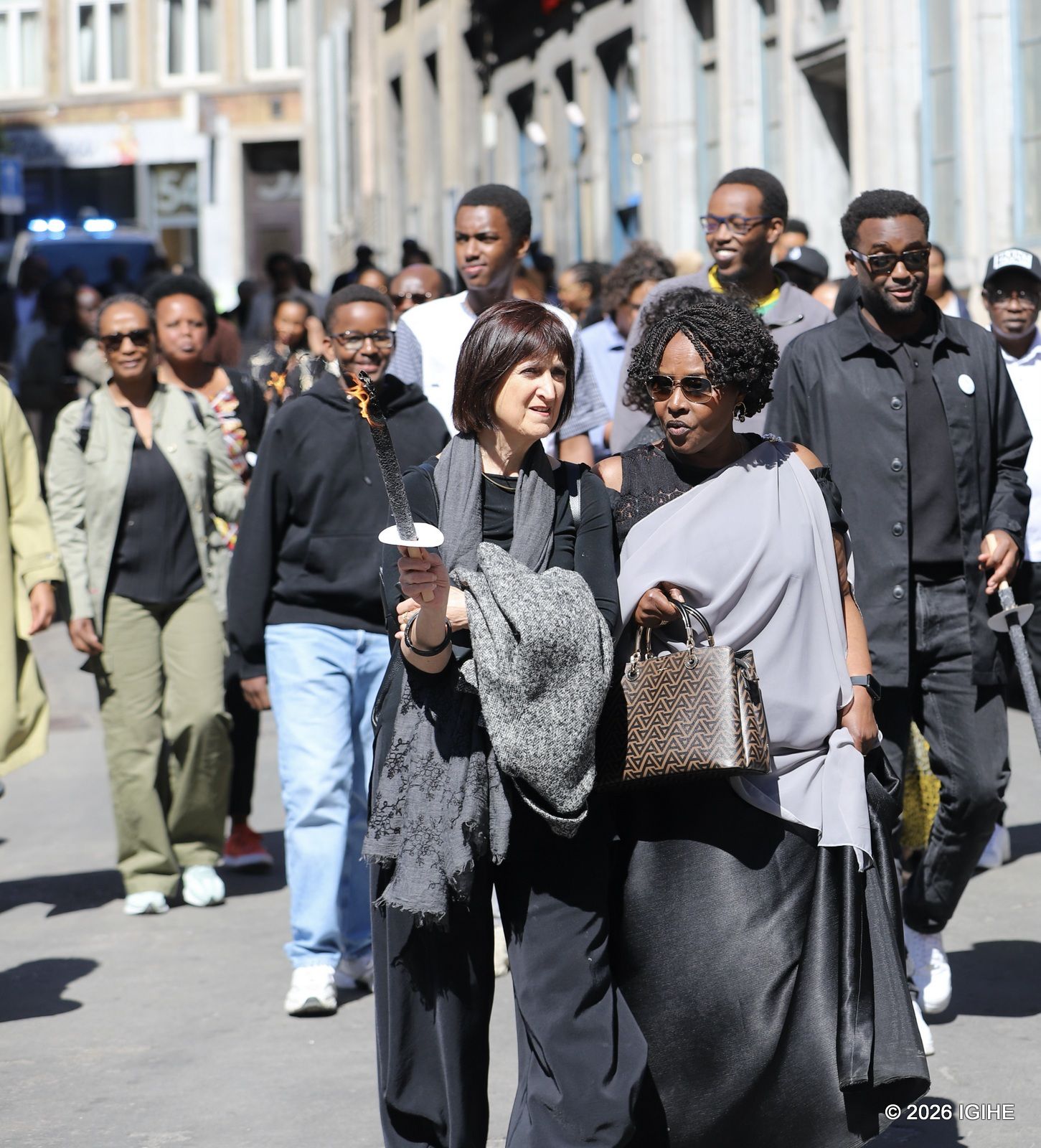
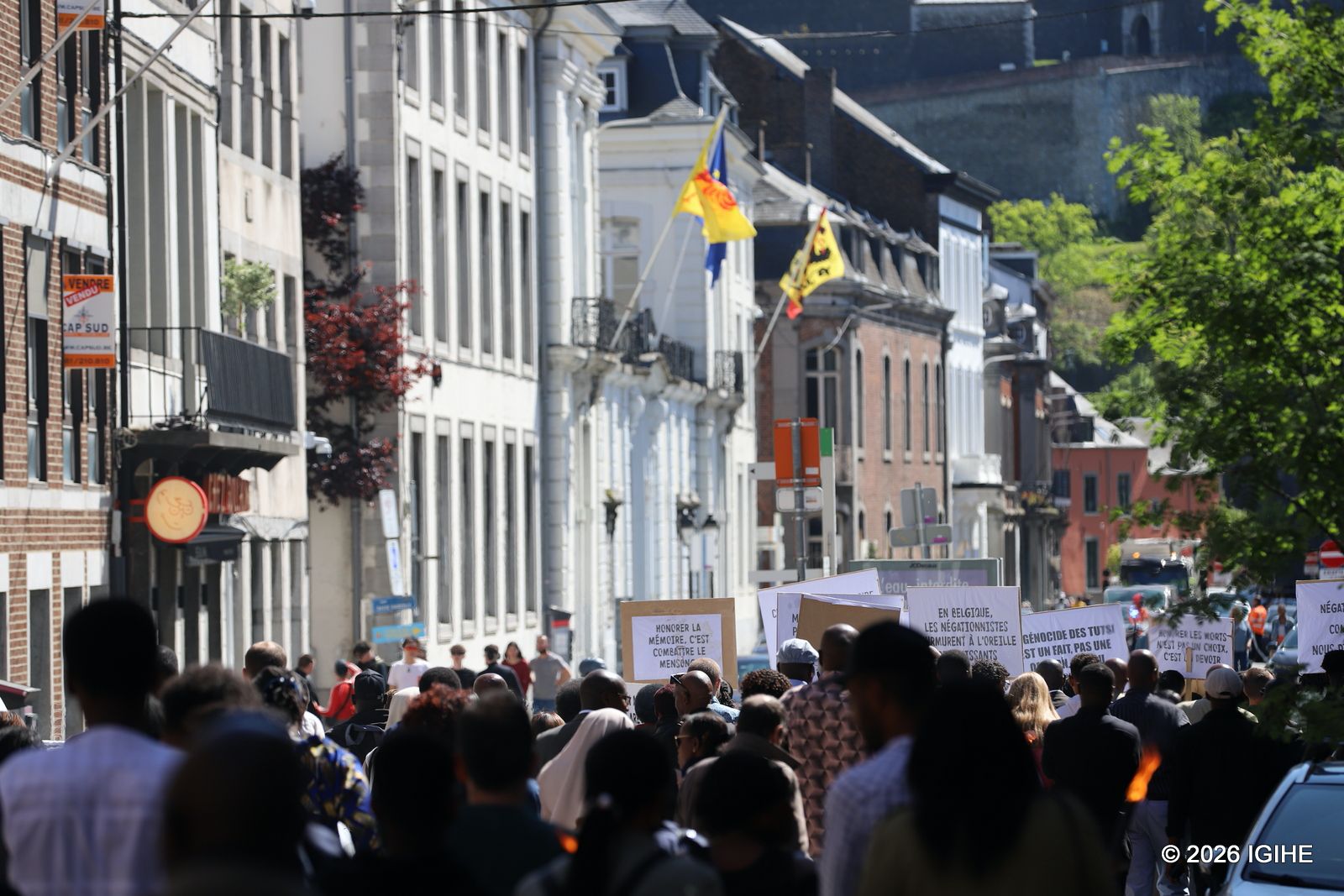
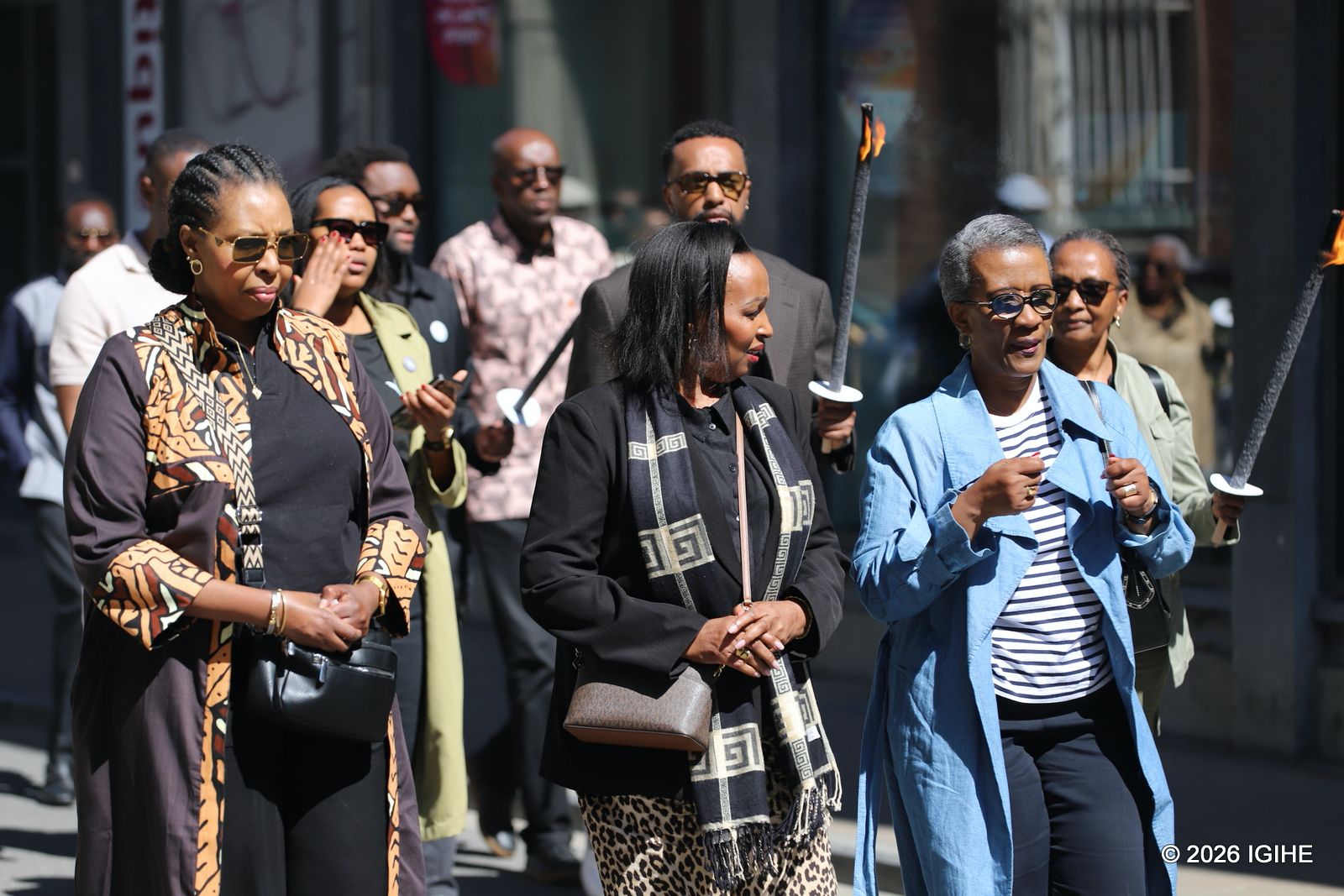
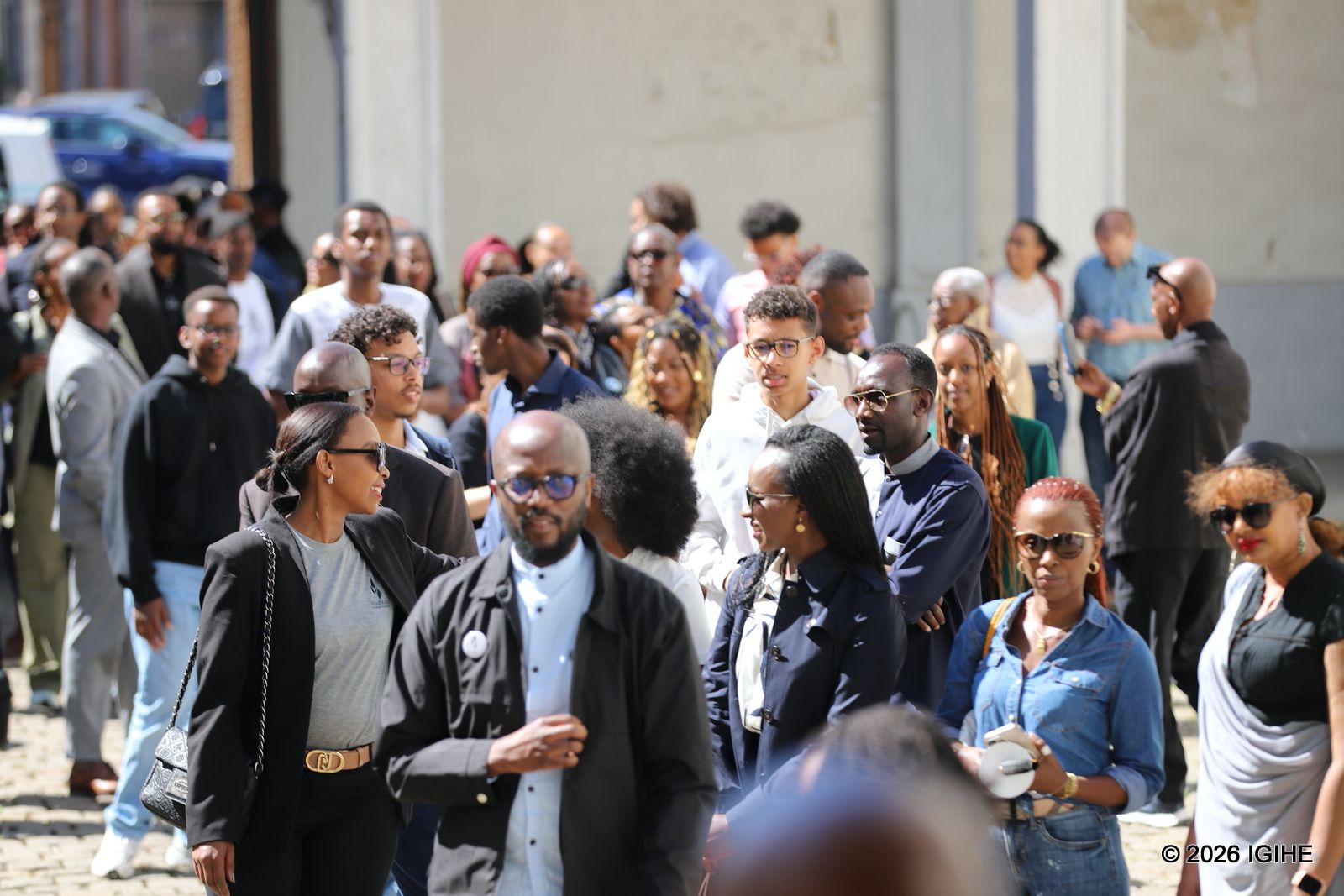
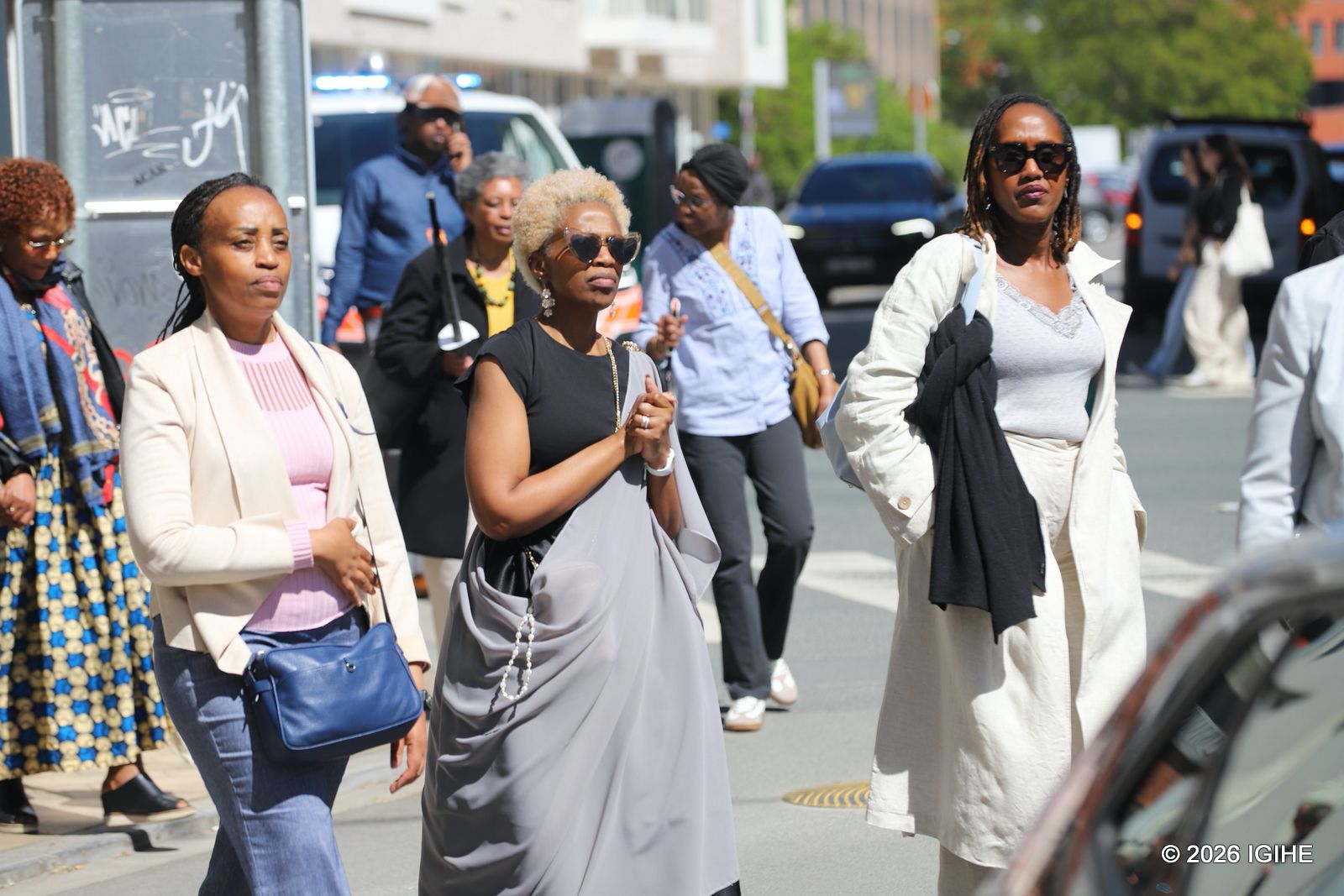
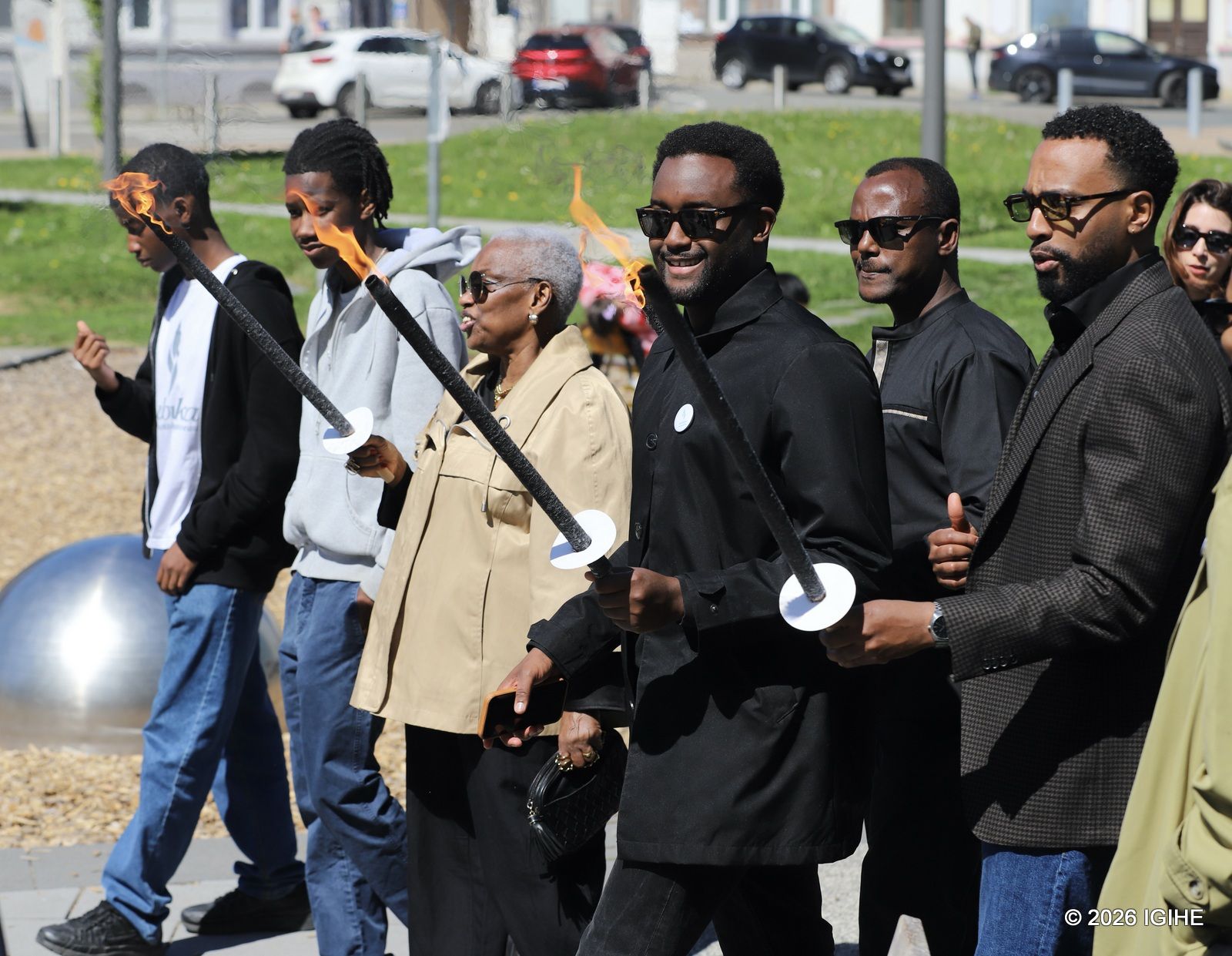
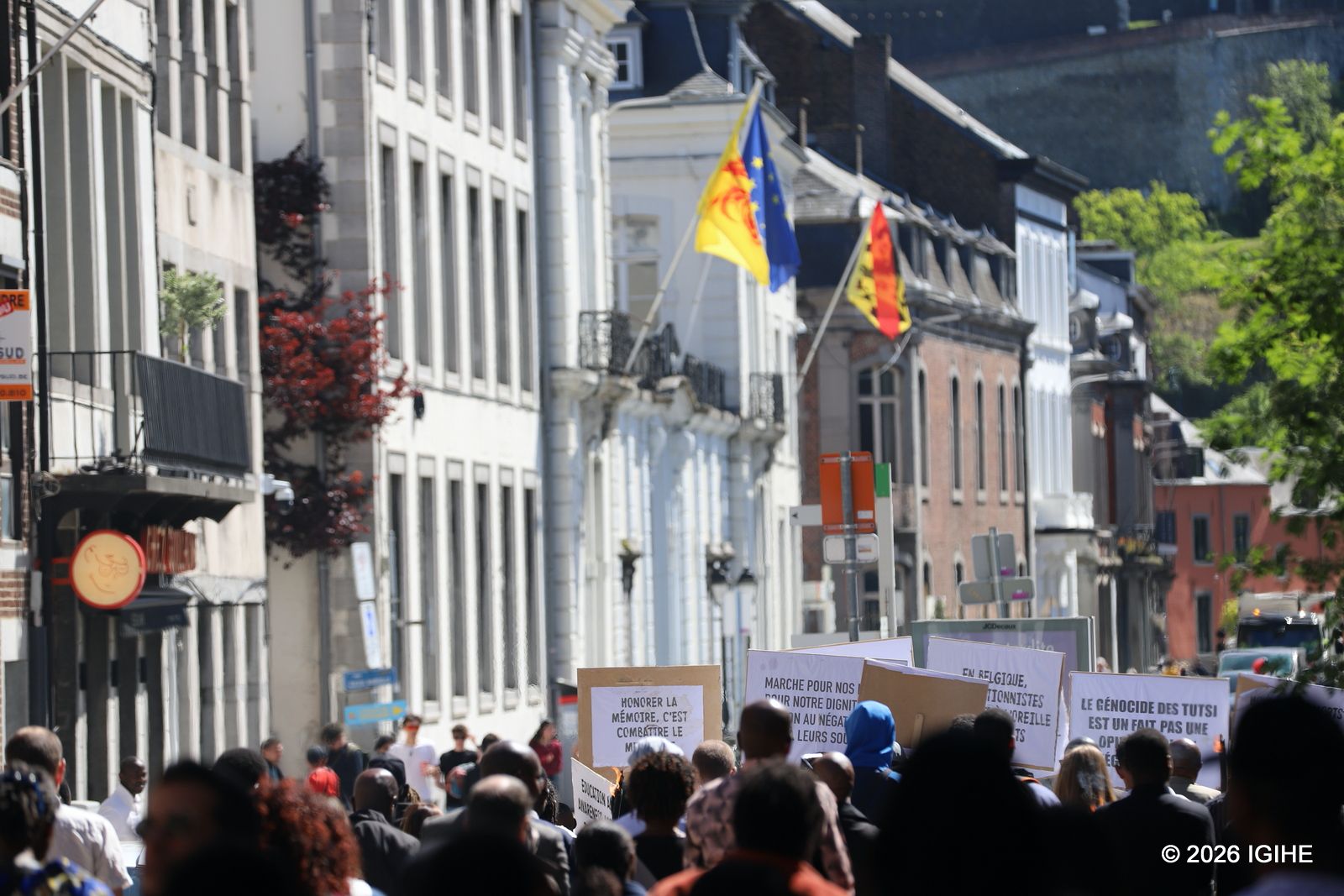
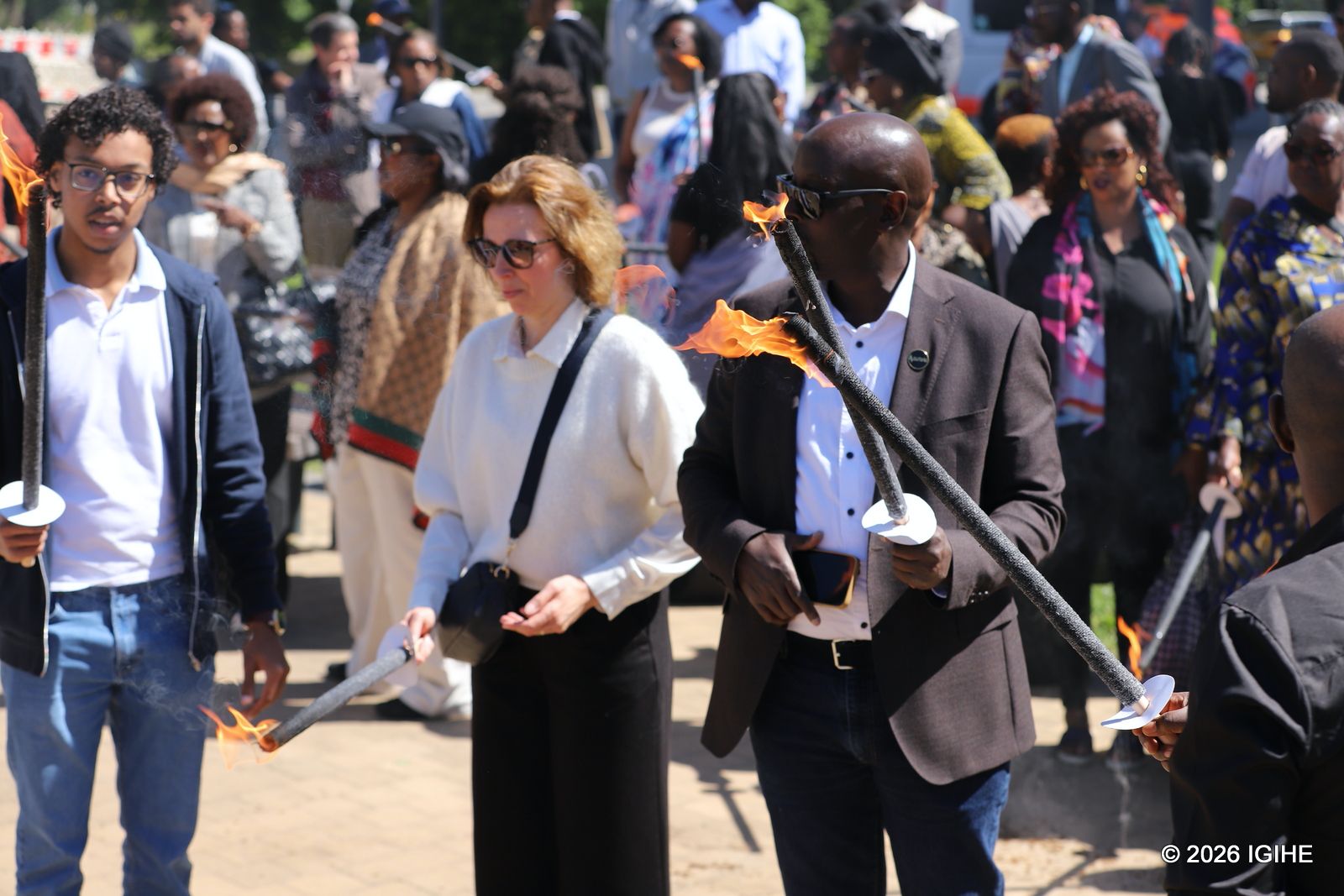
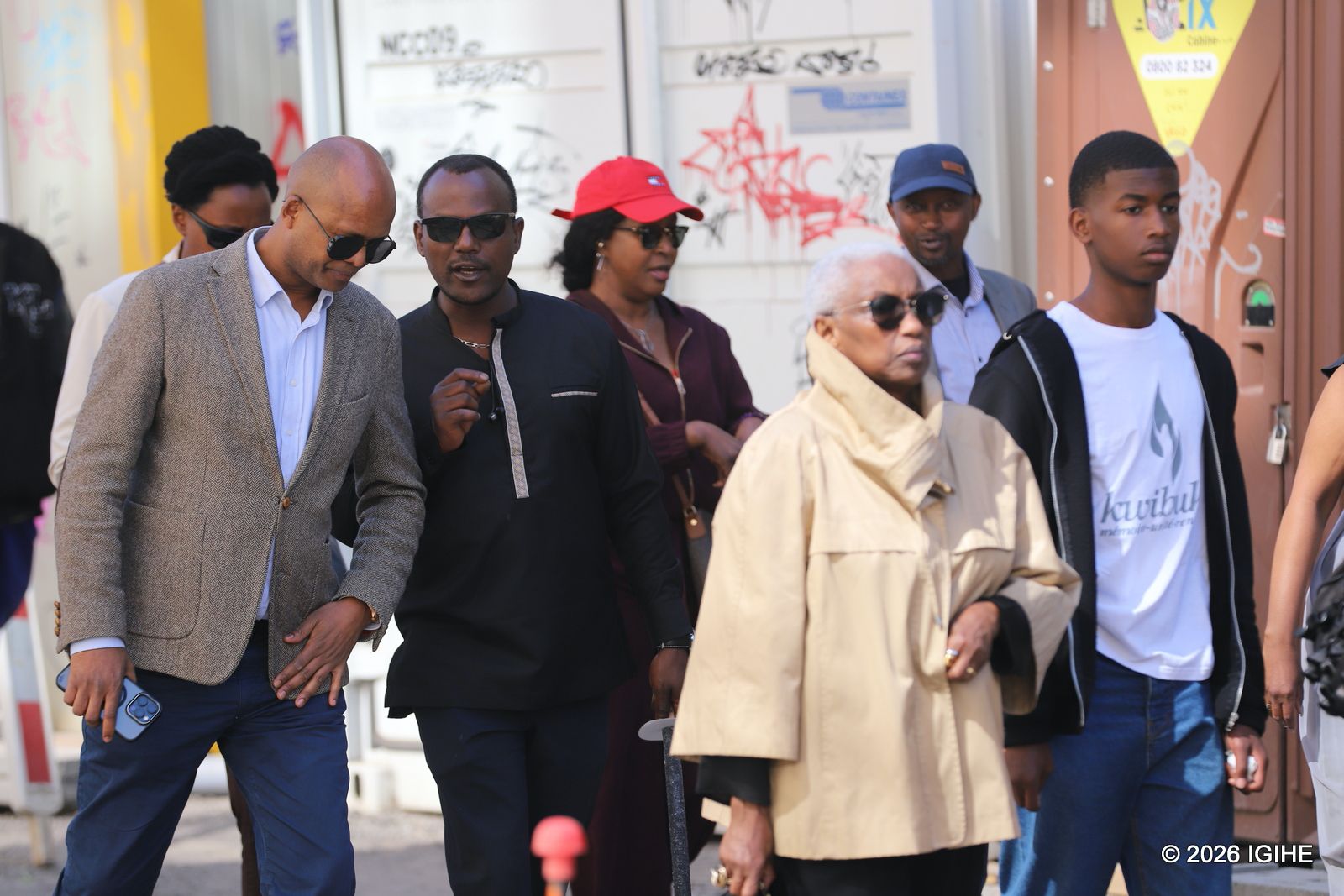
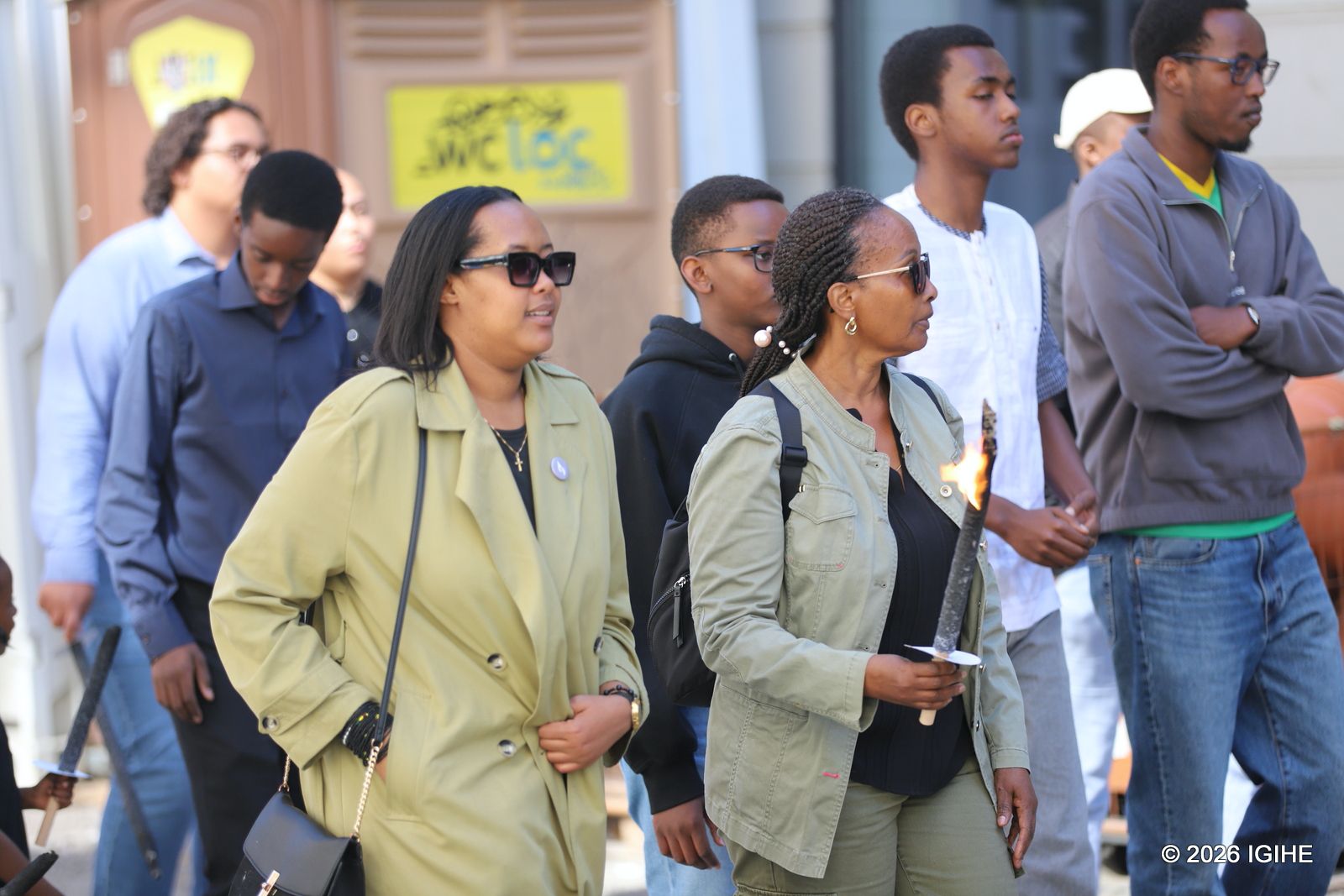
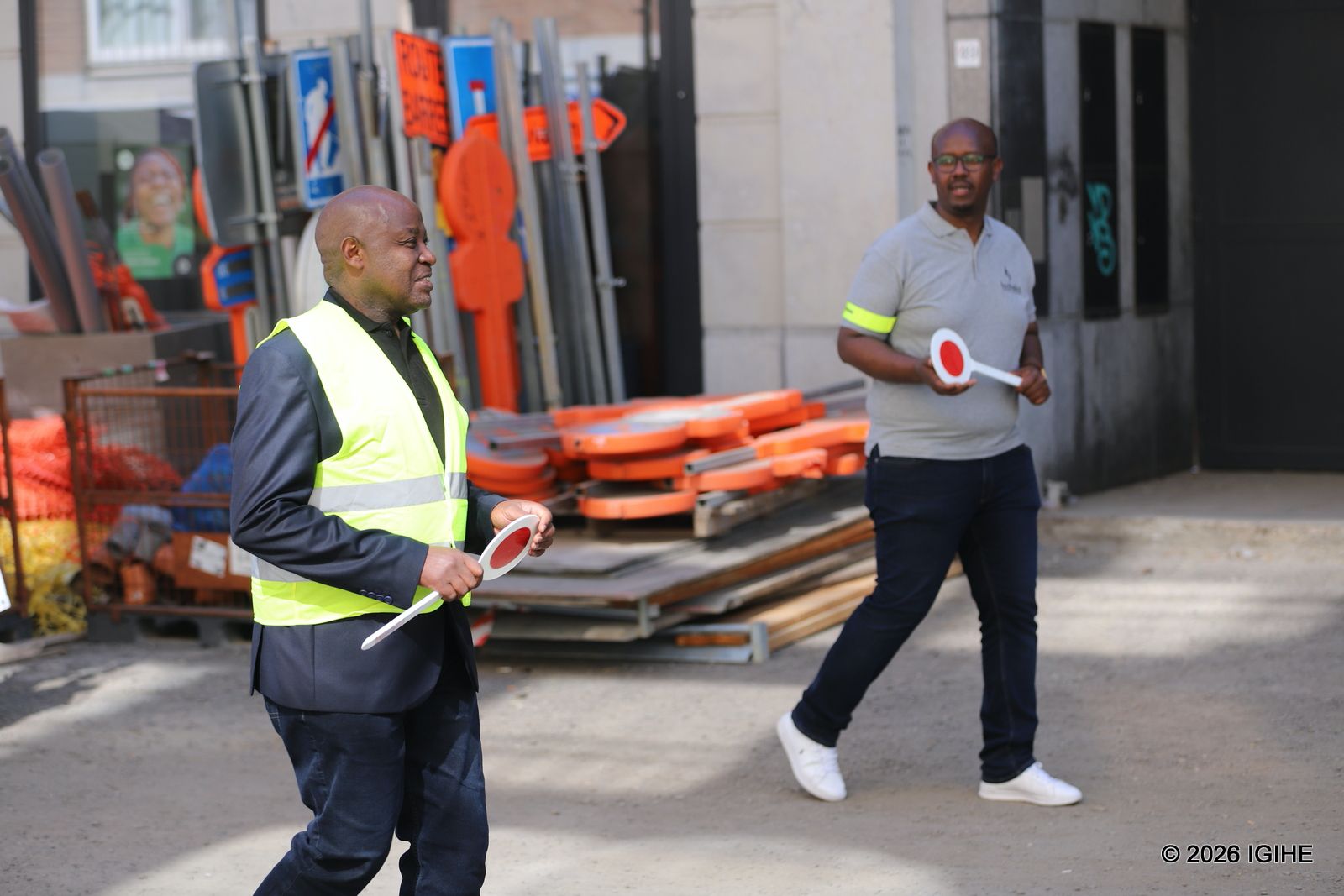
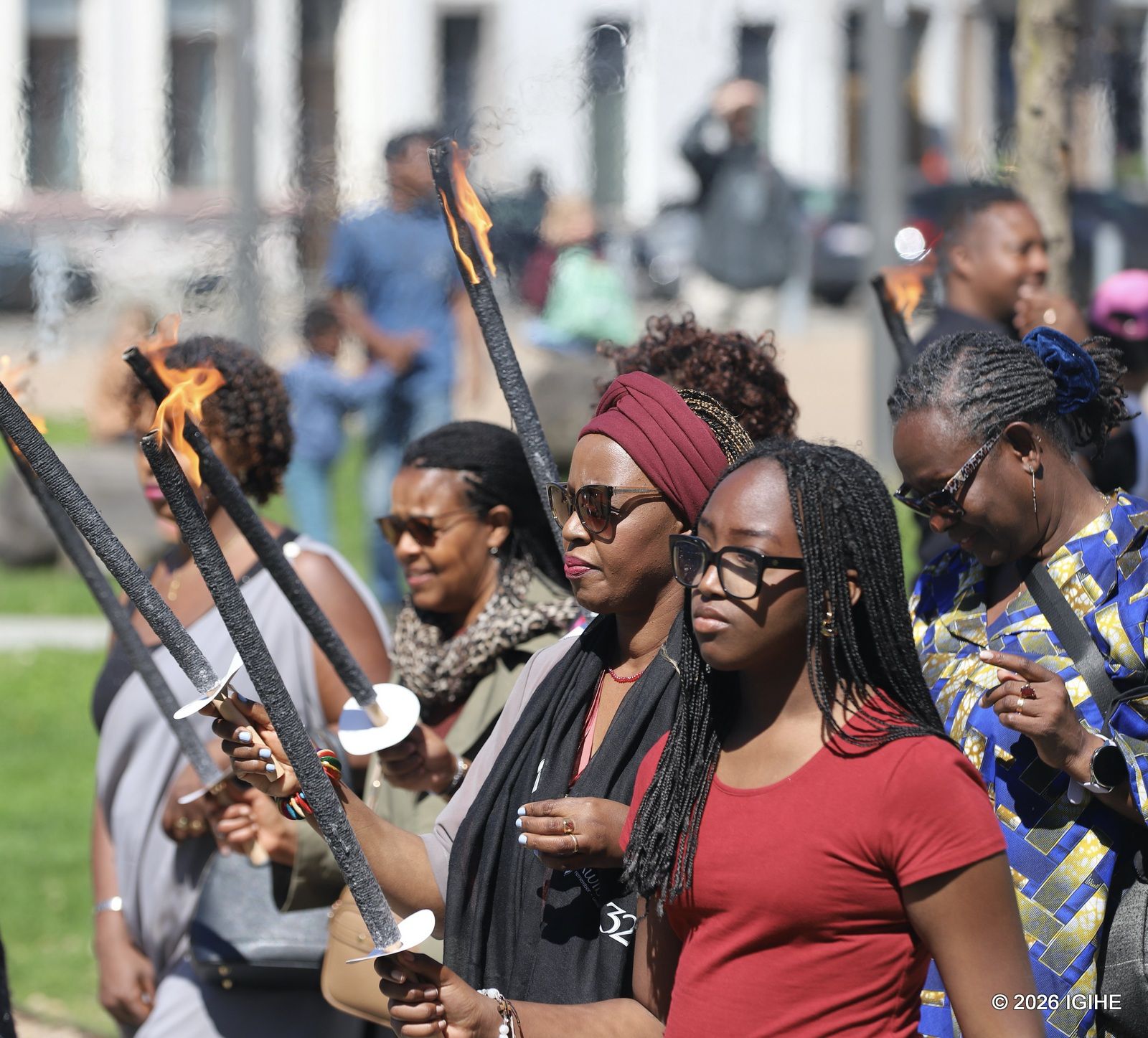
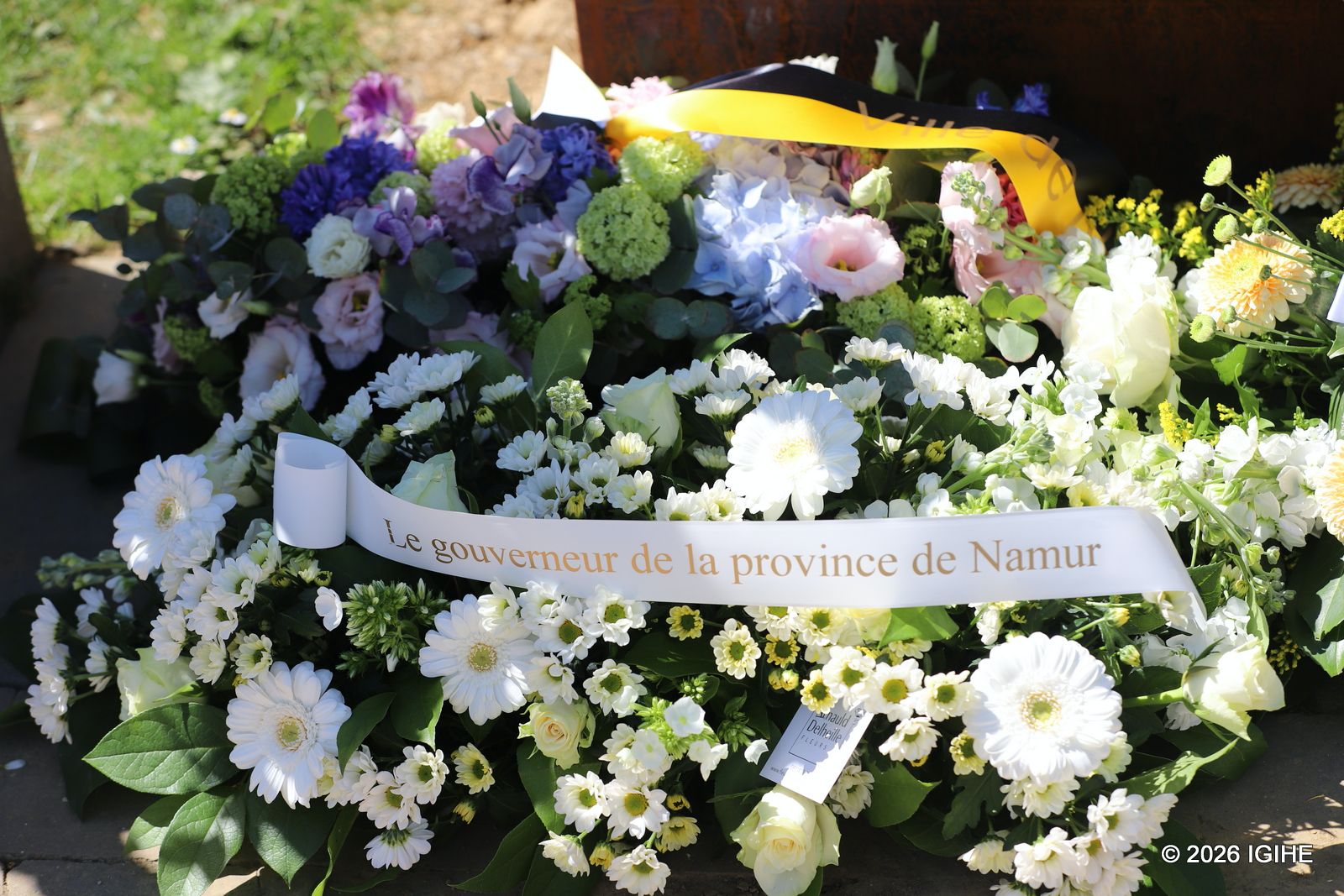
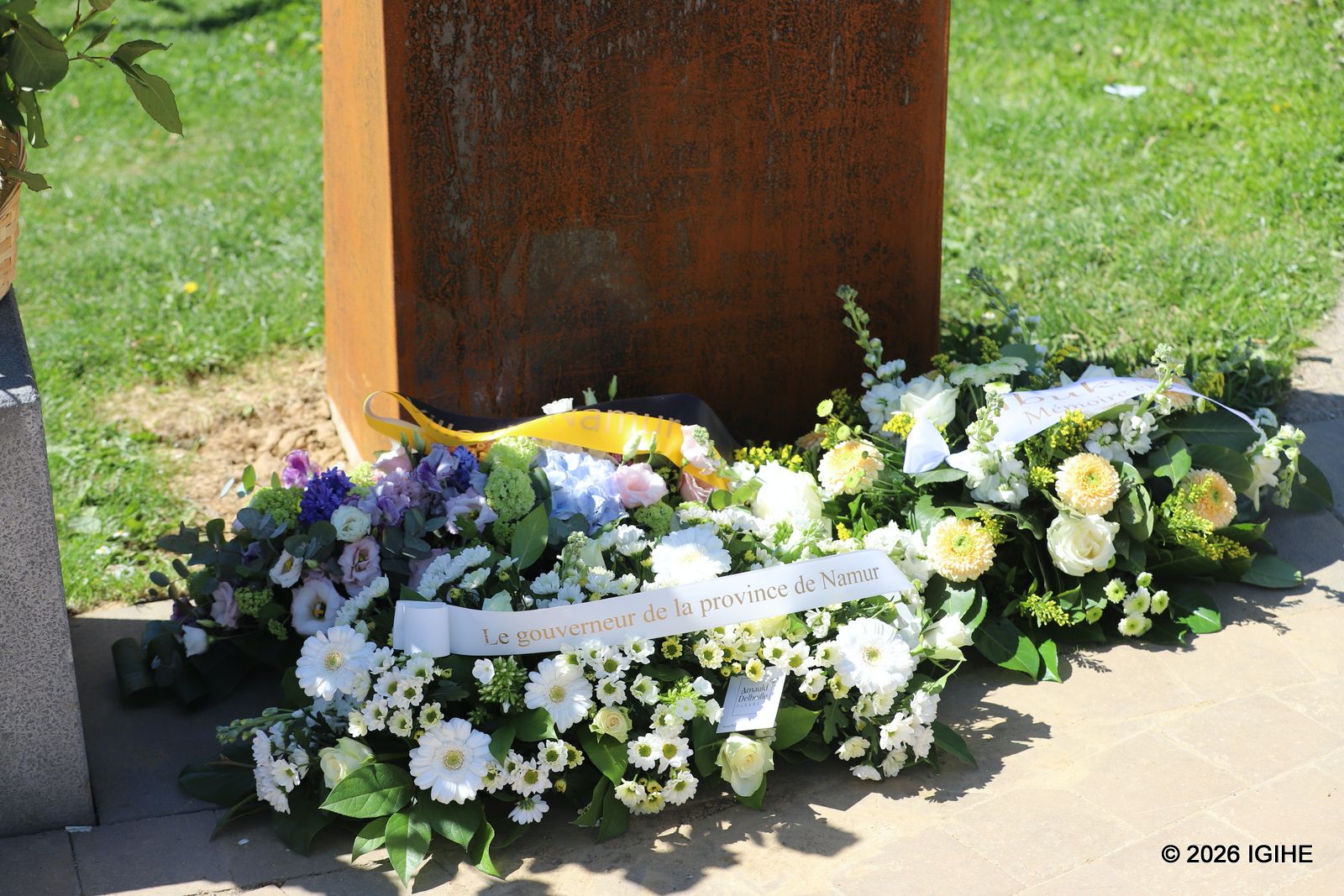
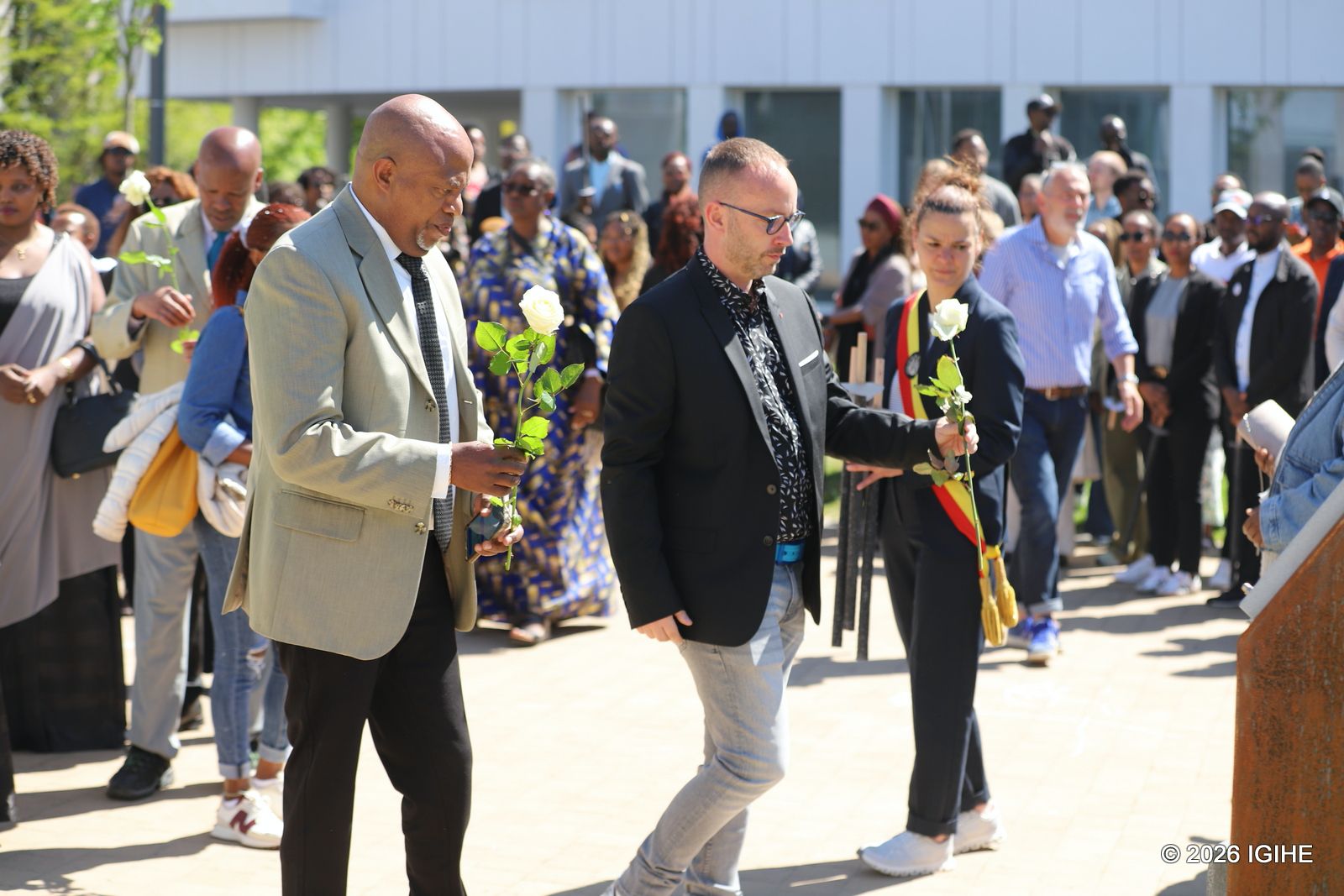
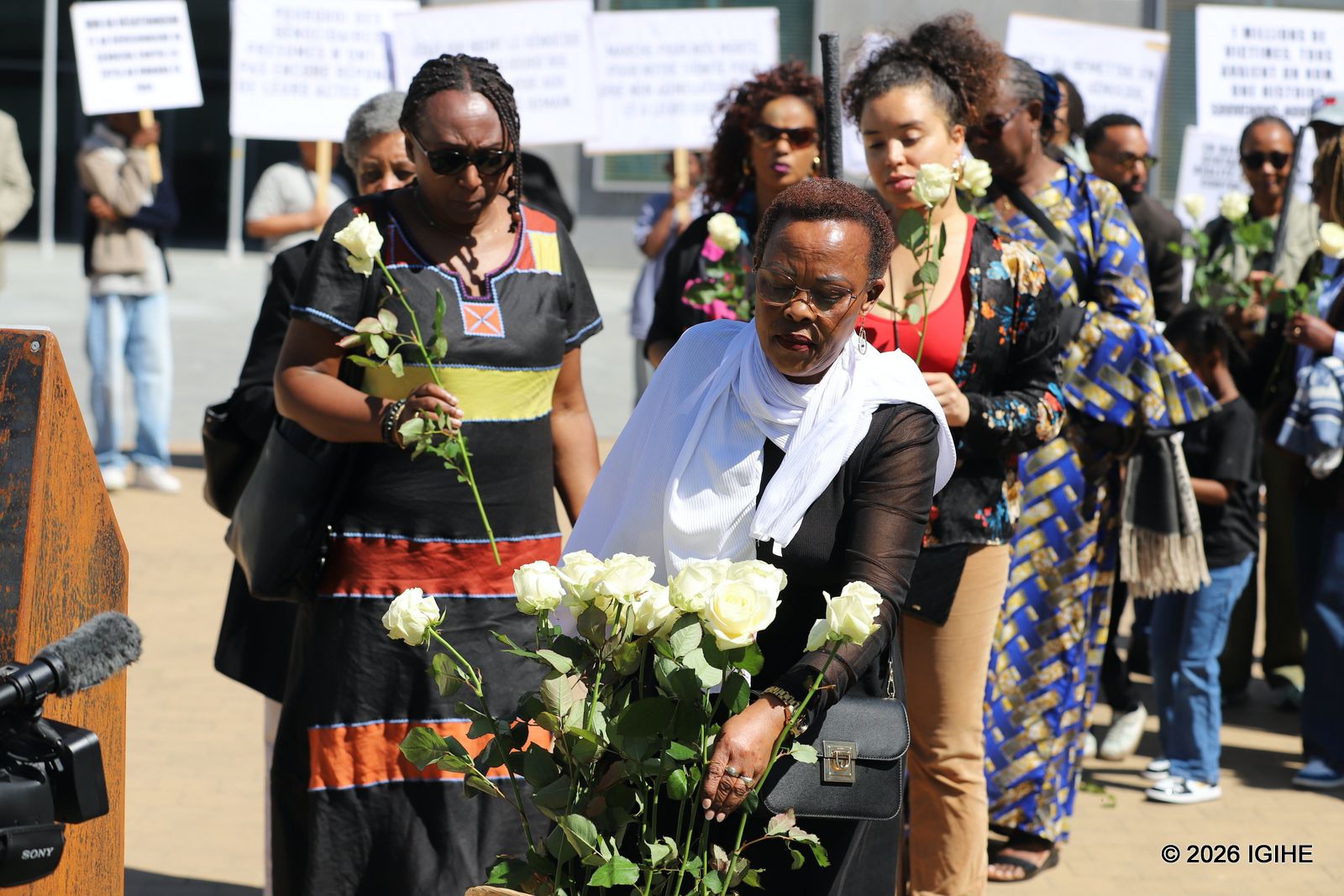
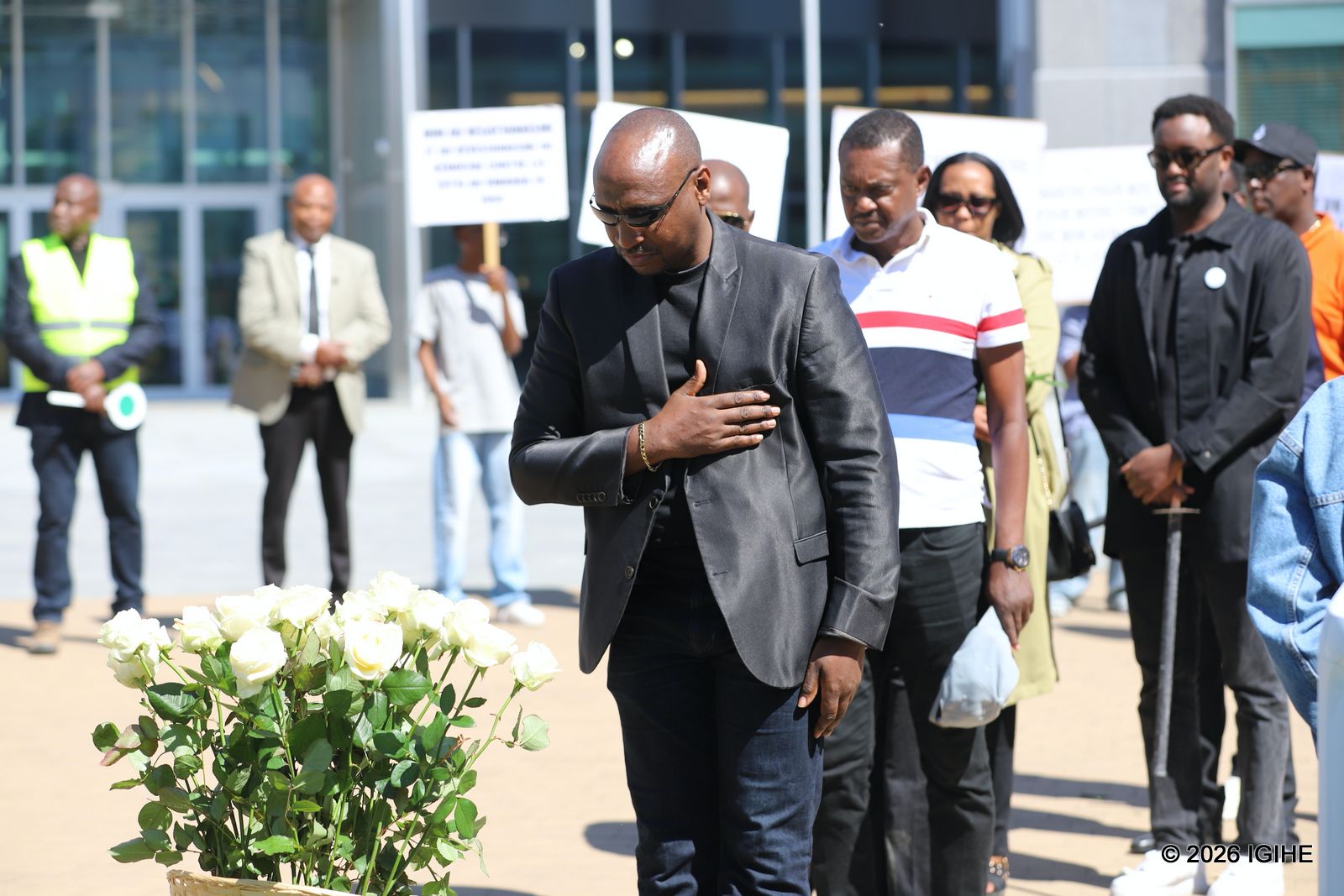
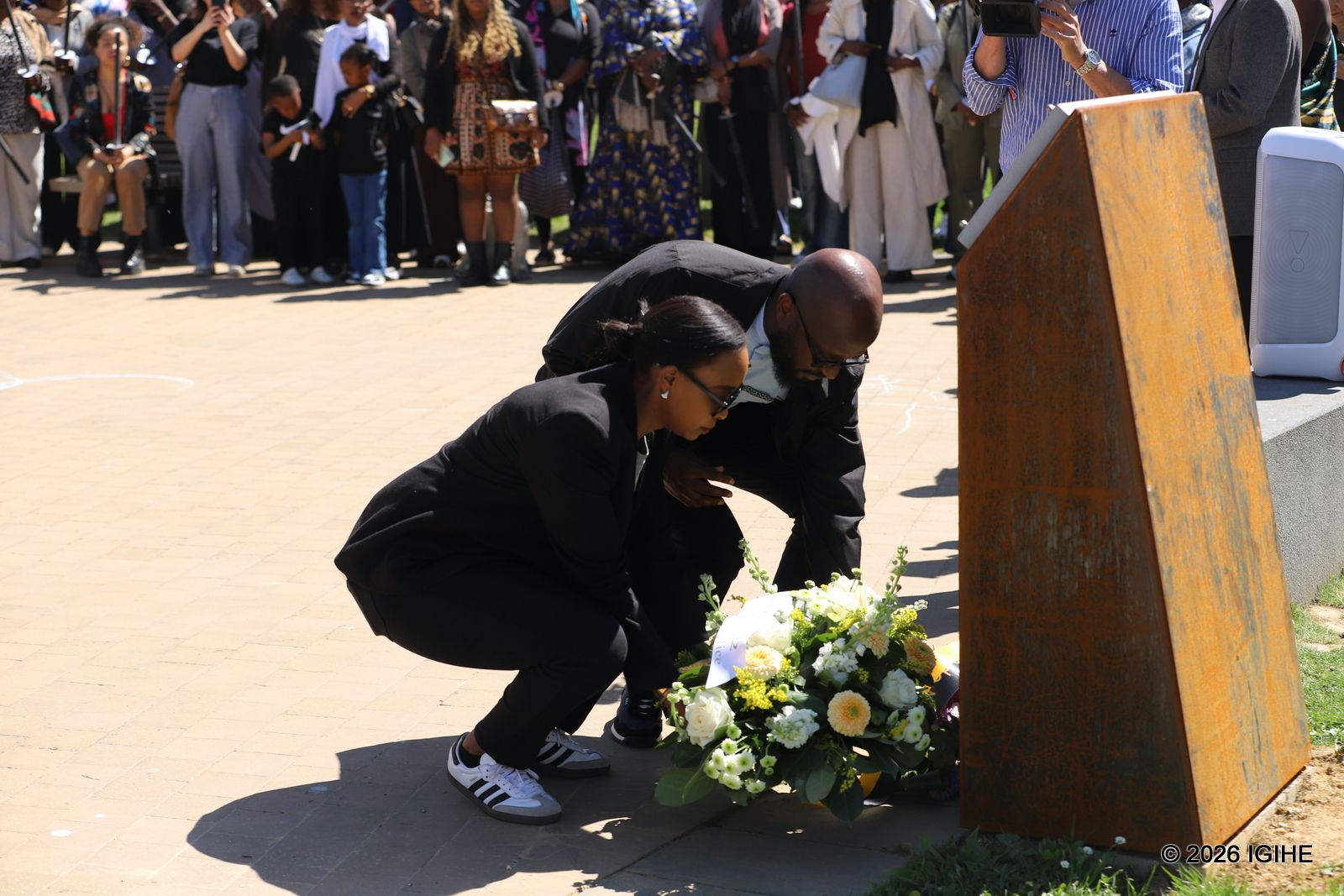
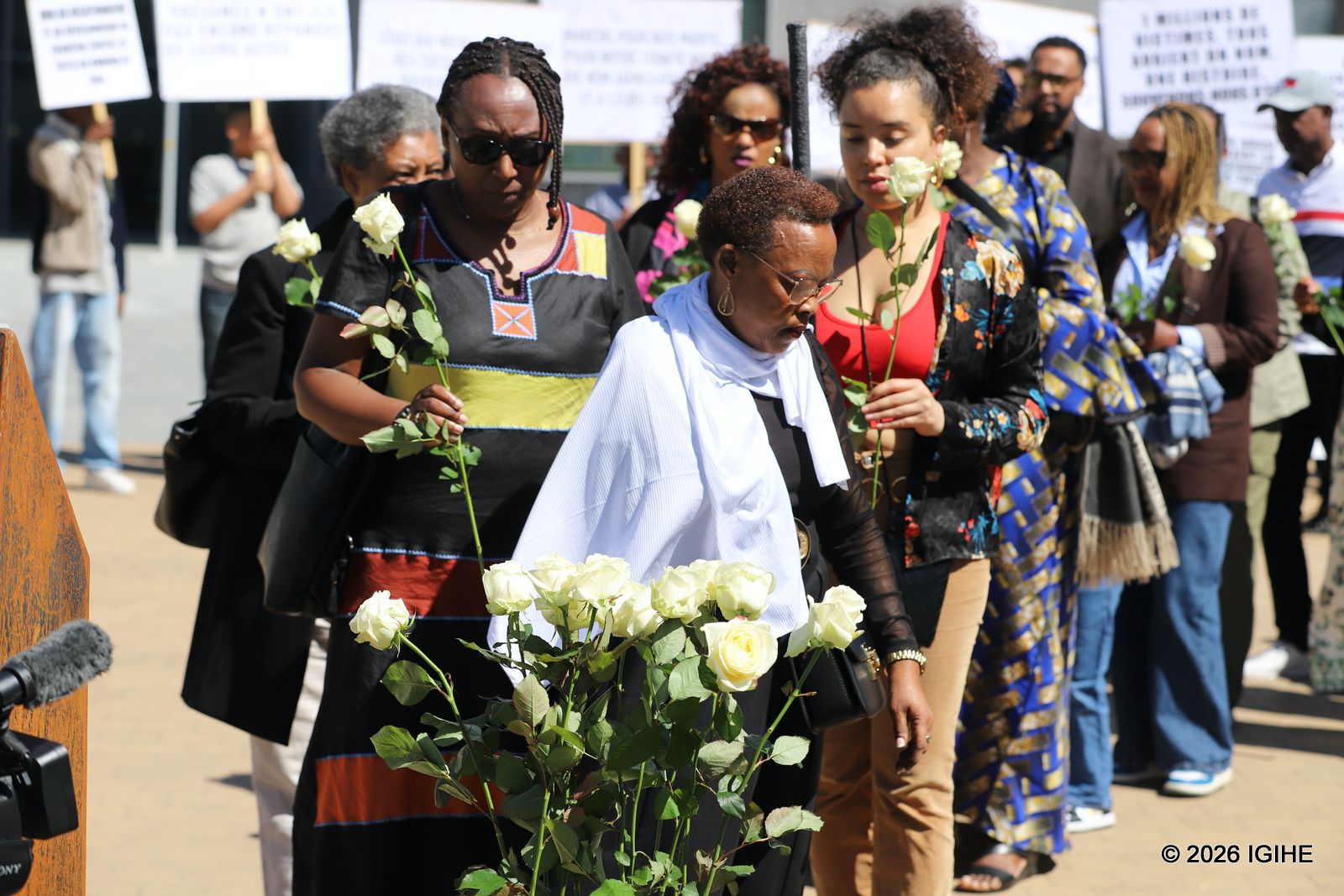
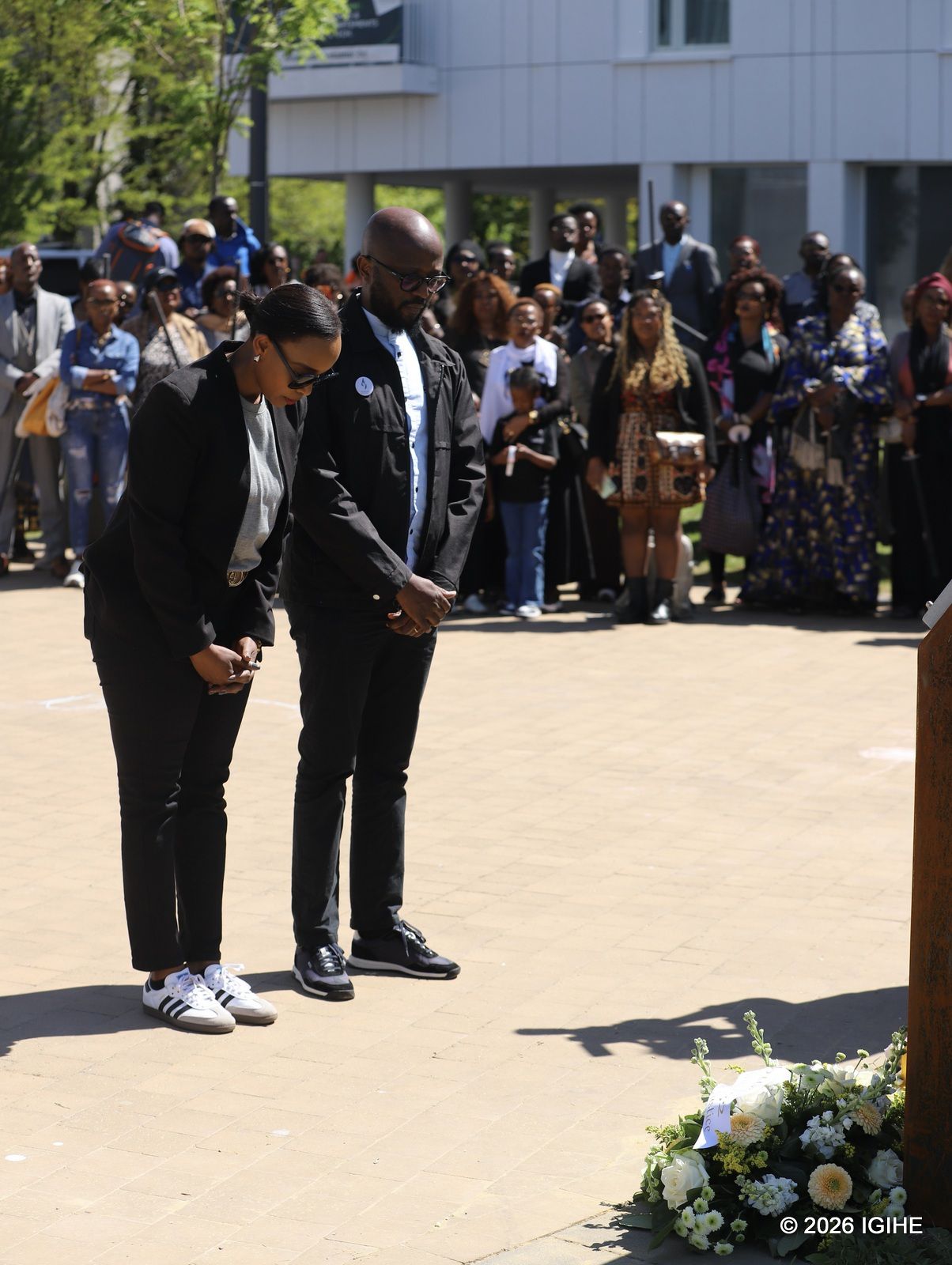
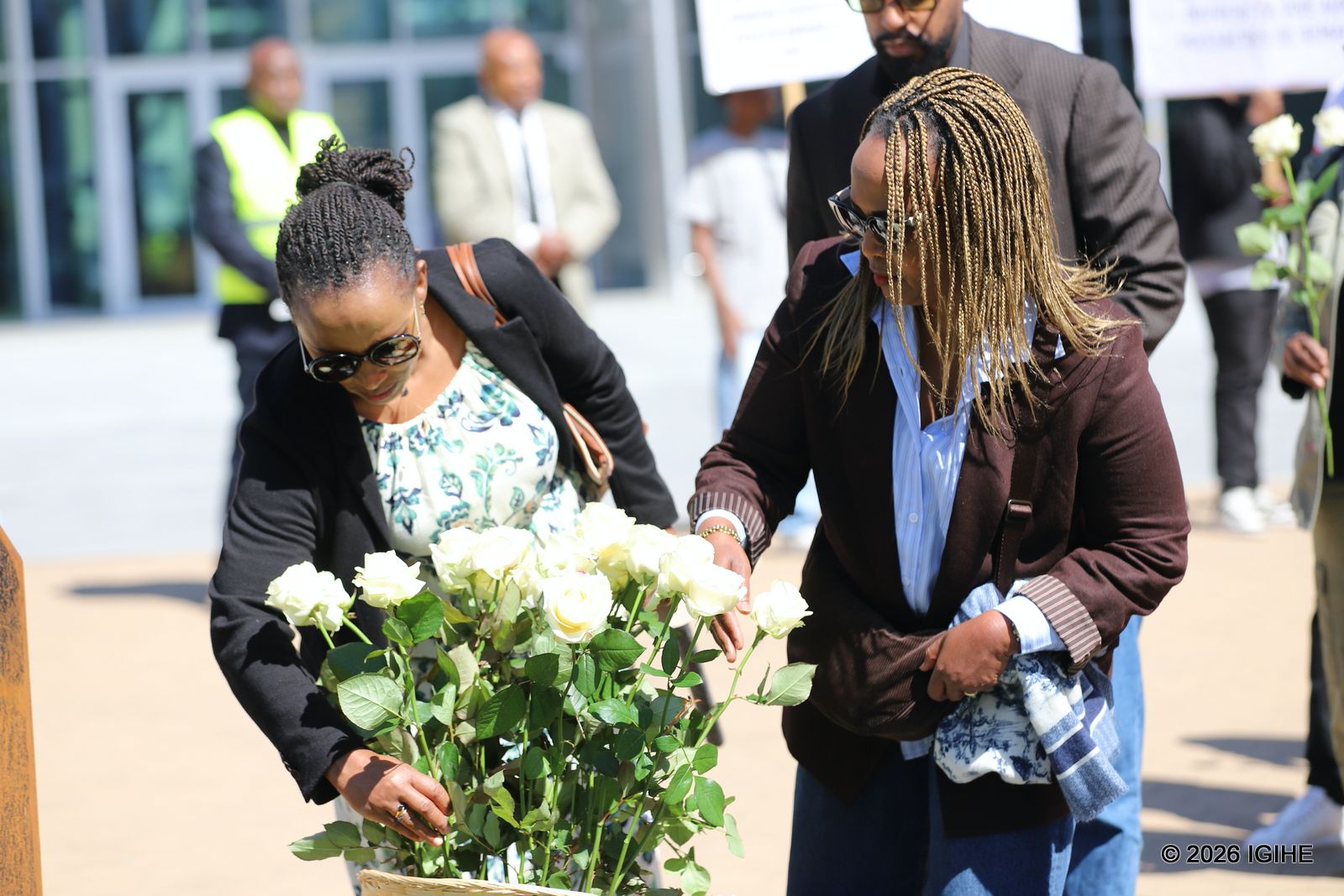
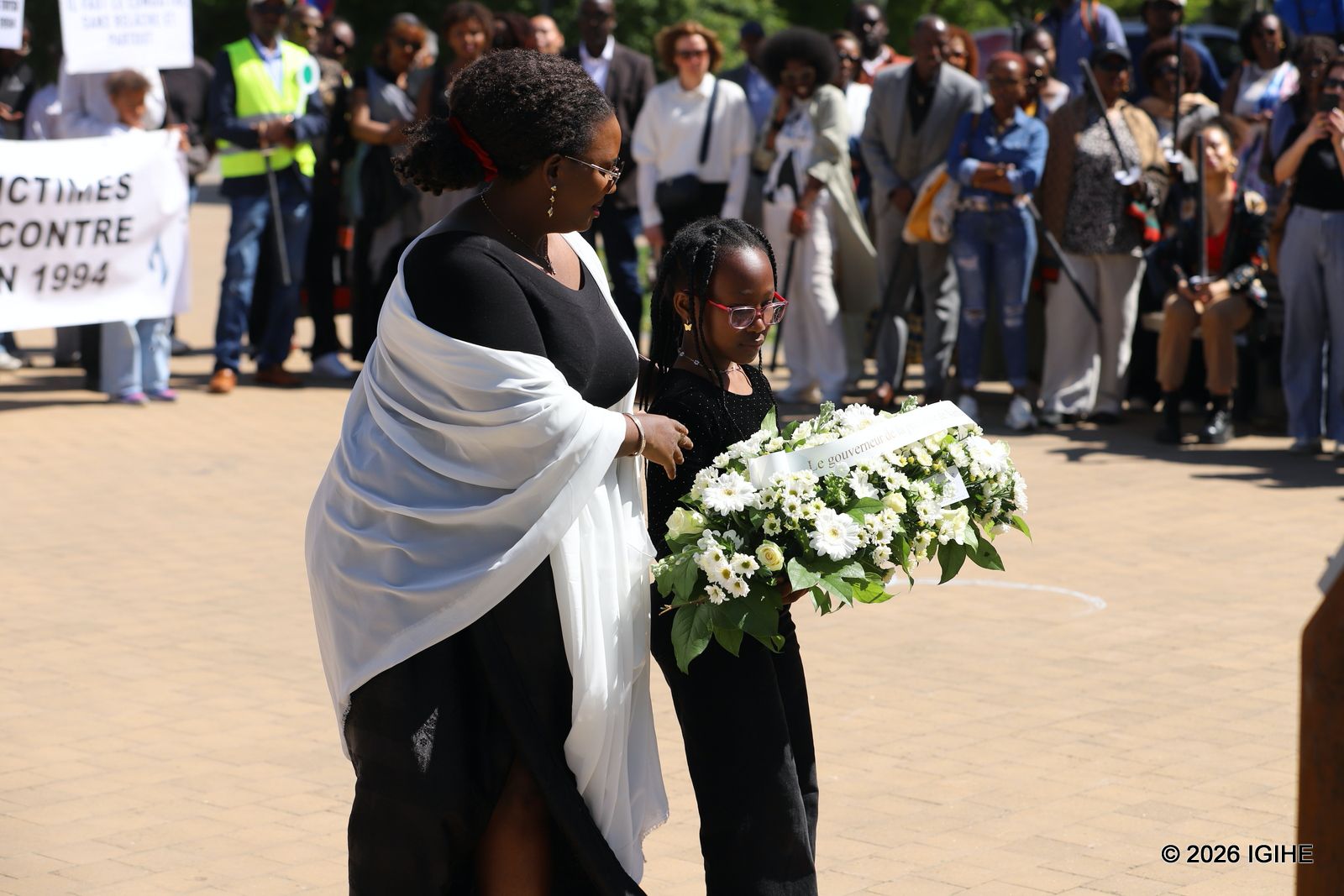
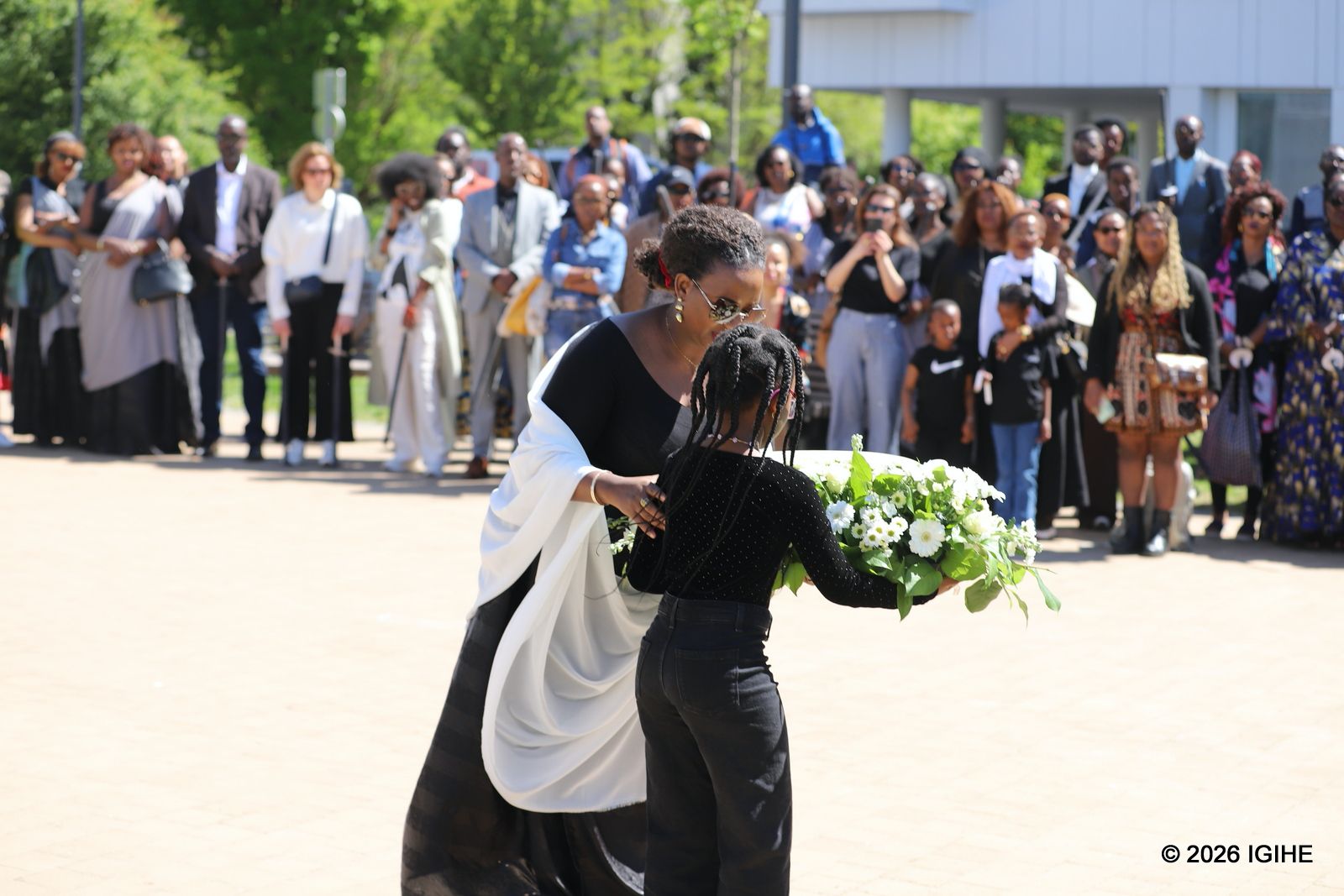
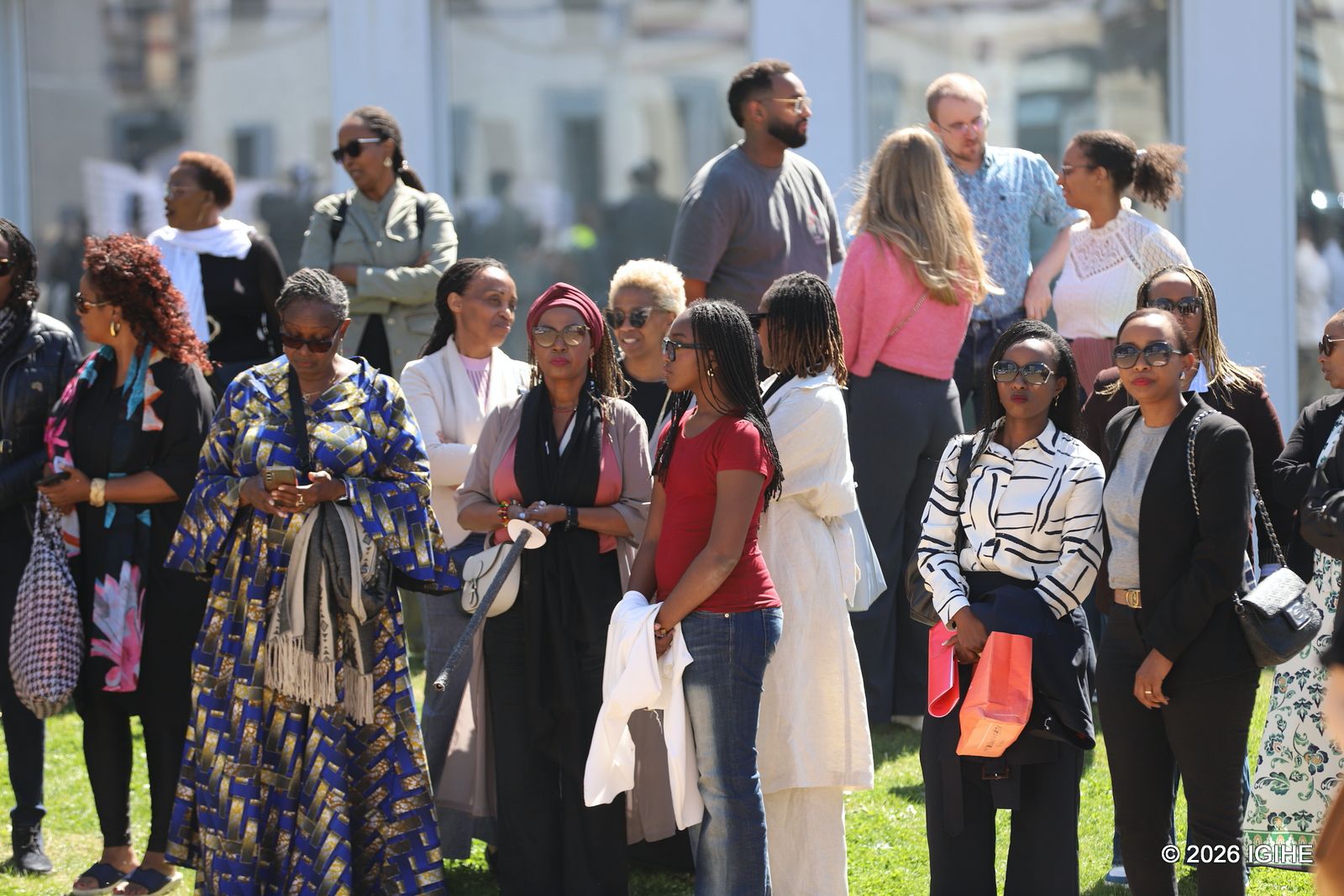
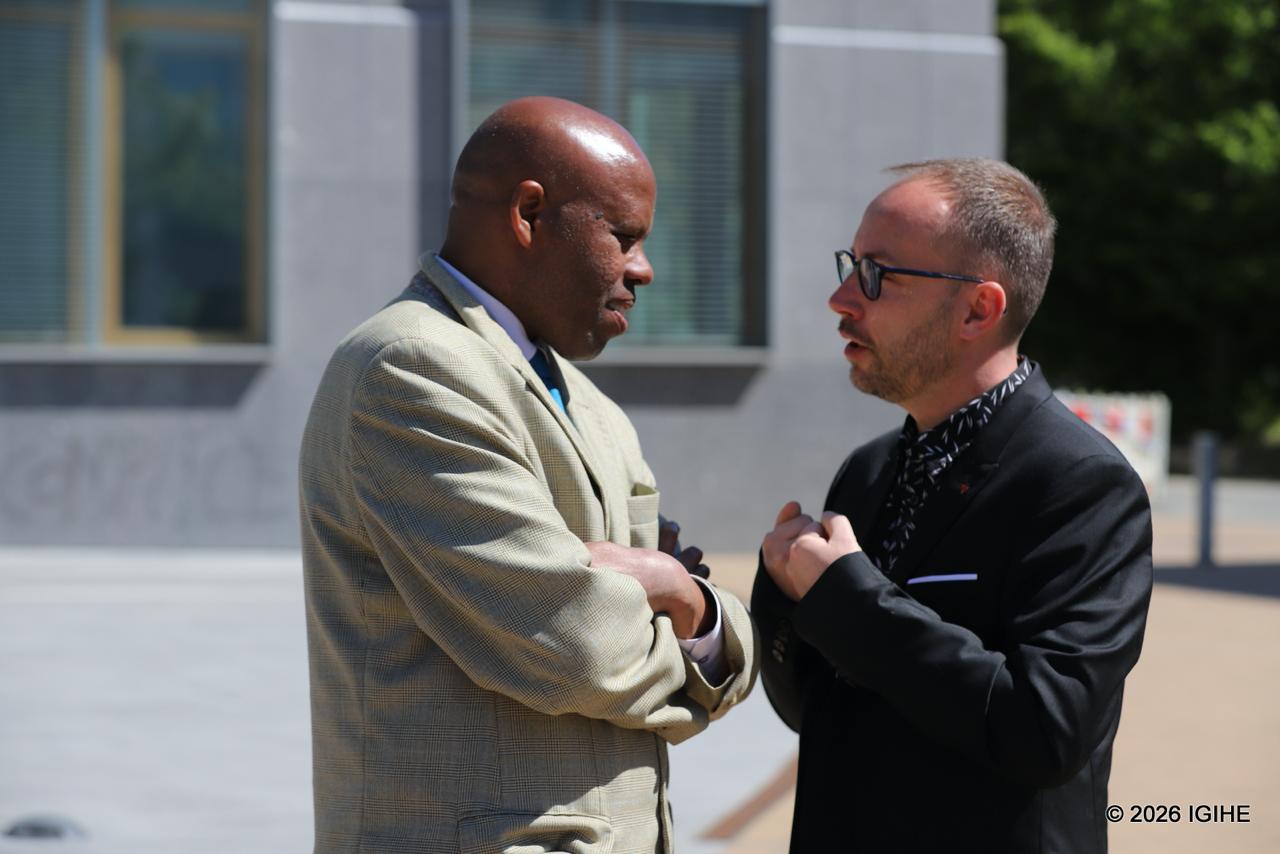
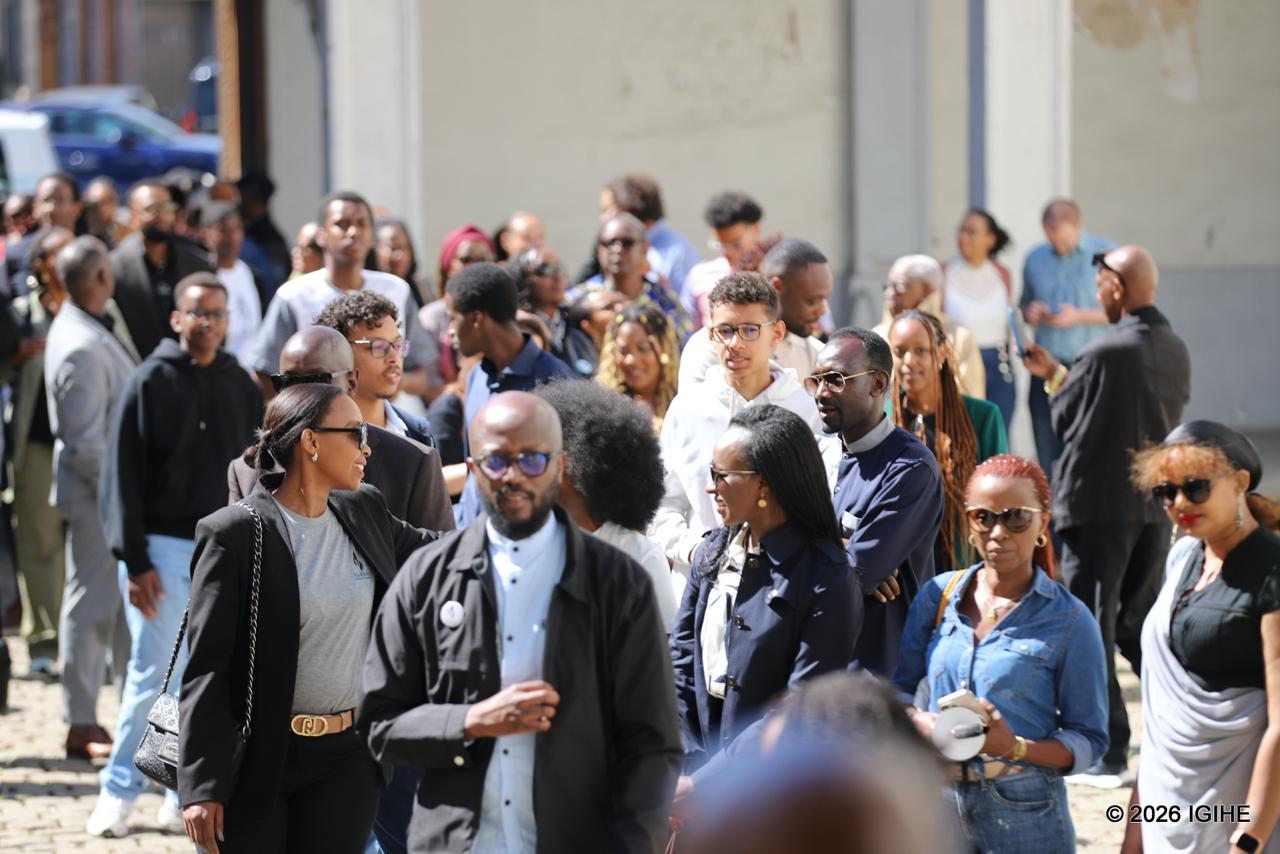
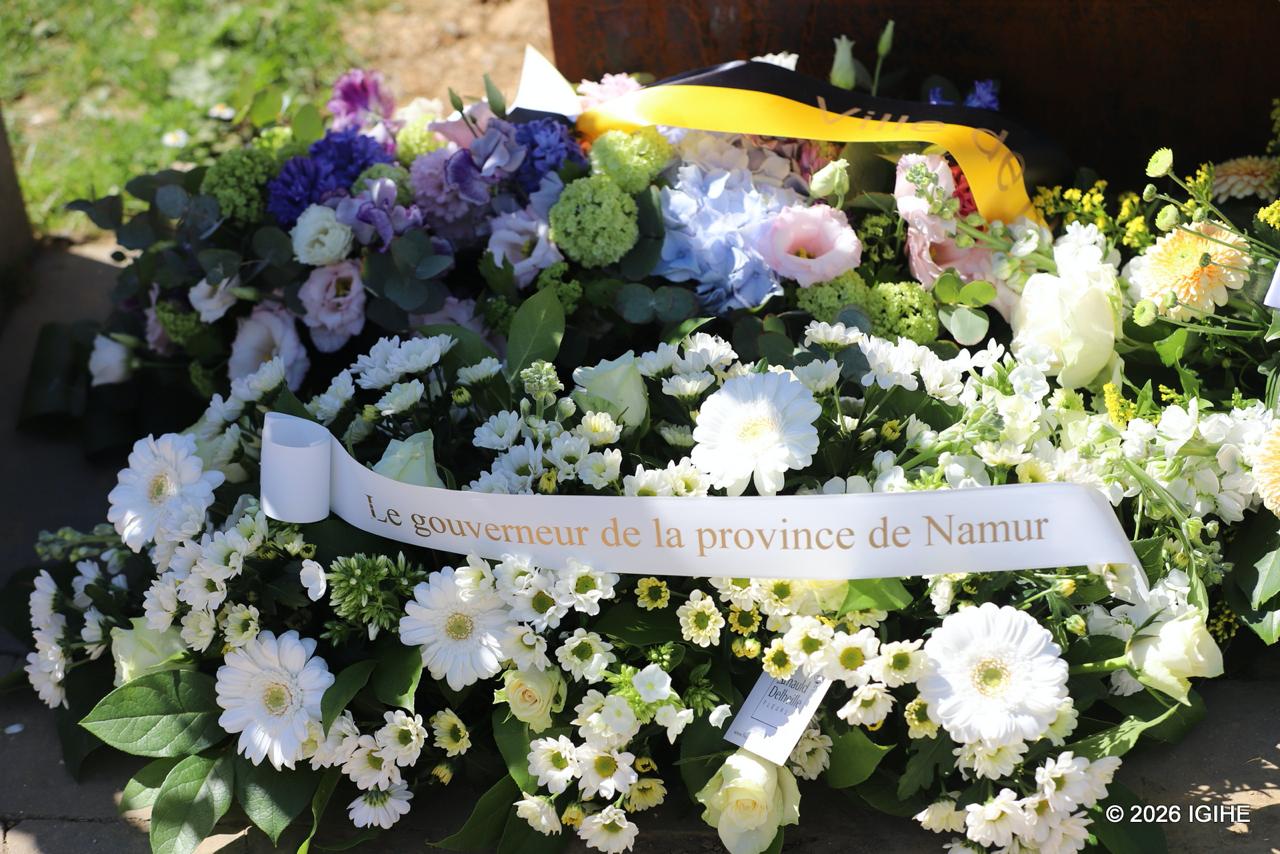
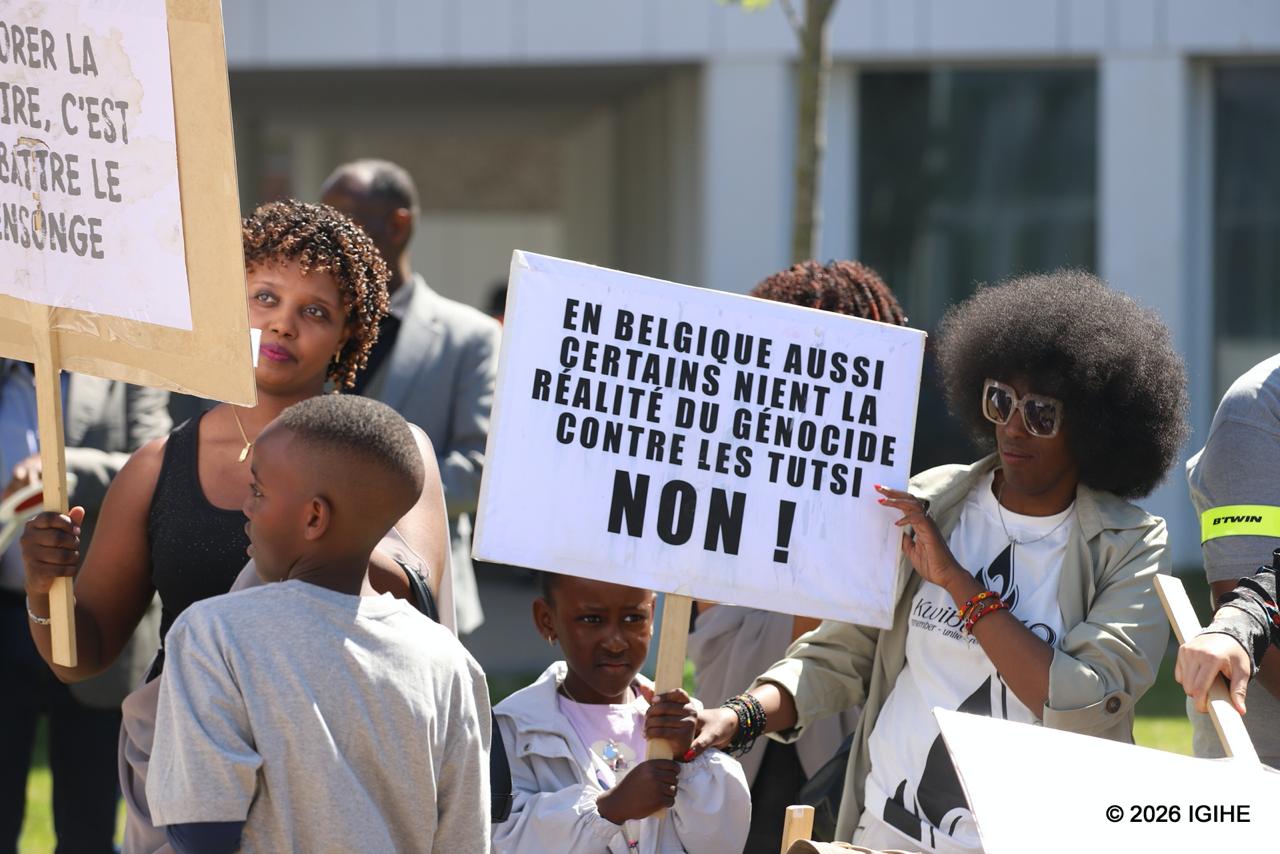
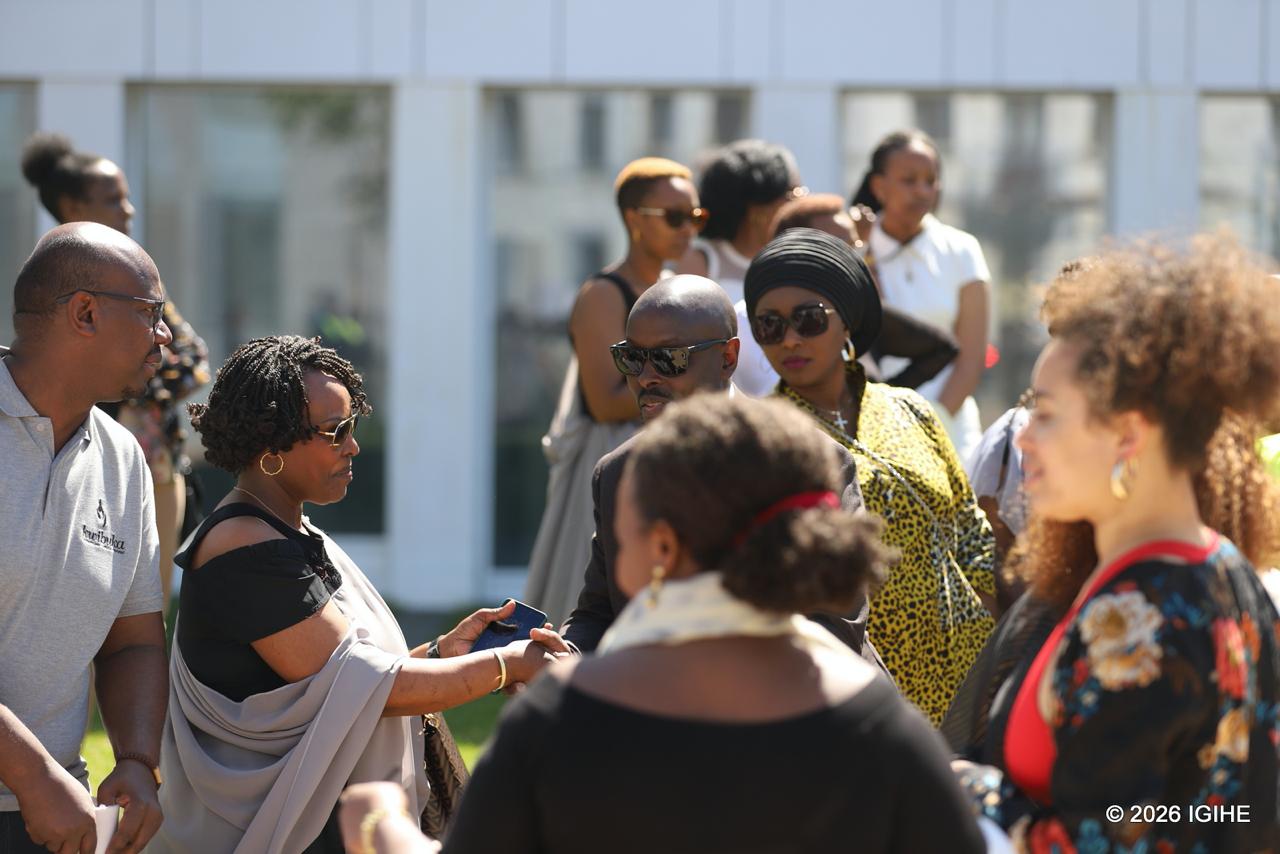
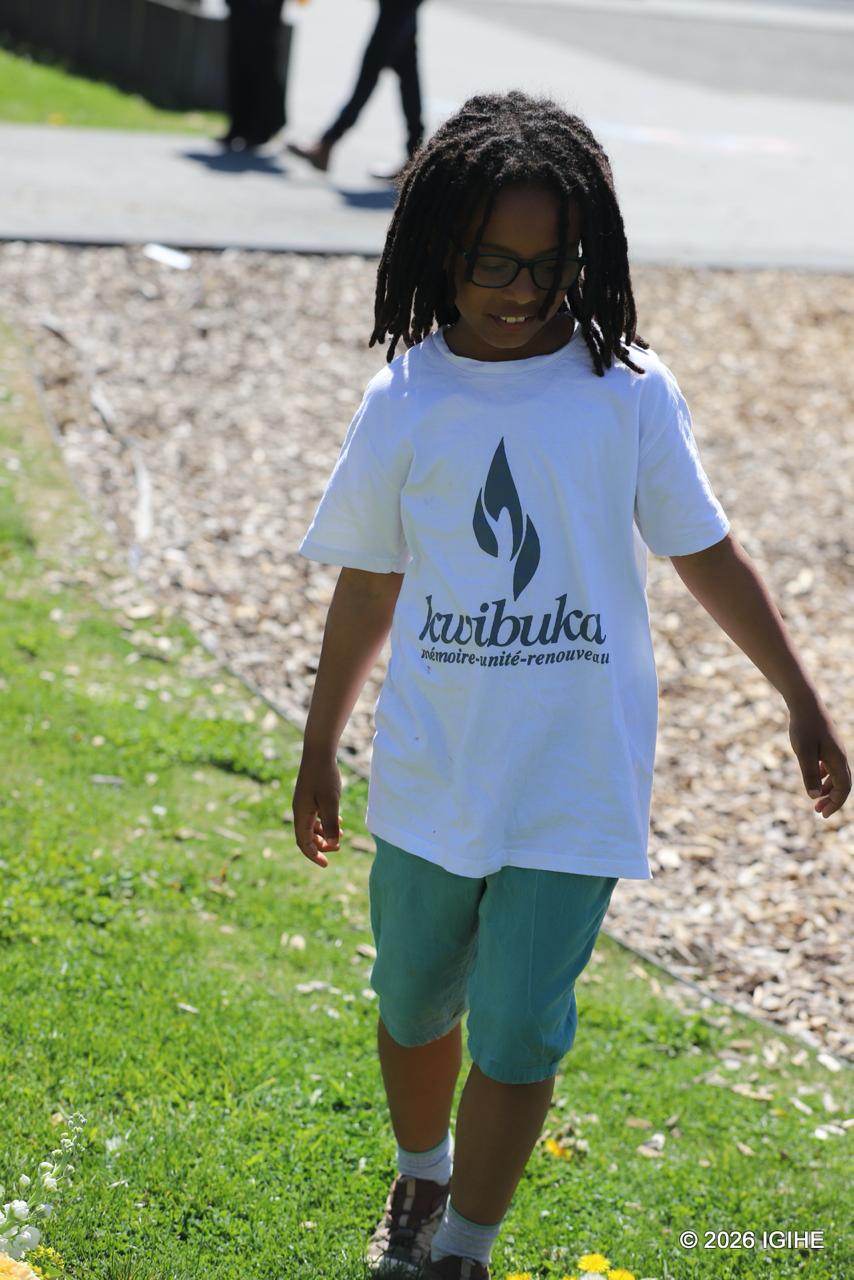
The ceremony in Namur began at the memorial dedicated to the victims of the Genocide against the Tutsi, located in front of the Namur Courthouse (Palais de Justice de Namur), where the remembrance walk known as the “torchlight march” (« marche aux flambeaux ») also started.The event featured a commemorative evening during which a short film depicting the life of a survivor of the Genocide against the Tutsi, Rwayitare Providence, was screened.Umutoni Rwampungu Annick also attended the eventJacqueline Rwagatare also took part in commemoration talks. The Acting Mayor of the City of Namur, Charlotte Bazlaire, speaking to IGIHE in front of the Namur Courthouse, where a memorial dedicated to the victims of the Genocide against the Tutsi in Rwanda is located.Claire Kayirangwa, representing Ibuka–Memory and Justice Belgium, and Gakuba Ernest, head of the Rwandan diaspora in Belgium, lay wreaths at the memorial in Namur.Michaël Bisschops, president of Les Territoires de la Mémoire, and Miheto Tatien pay tribute to the victims of the Genocide against the Tutsi in Rwanda.The memorial dedicated to the victims of the Genocide against the Tutsi is located in front of the Namur Courthouse.Karugarama Lionel, head of the Rwandan diaspora section in Namur, led the ceremony.Akoeley Bernard, advisor at the CPAS of the City of Namur, paid tribute to the victims of the Genocide against the Tutsi in Rwanda.The children, represented by one of their peers, paid tribute to the victims of the Genocide against the Tutsi.Claire Ruyuki, a survivor of the Genocide against the Tutsi shared her testimony. Marie-Emilie Gaju and her father, Jean-François Cahay, performed commemorative songs during the ceremony honoring the victims of the Genocide against the Tutsi in Namur.Karugarama Lionel, head of the Rwandan diaspora section in Namur, led the ceremony.Claire Kayirangwa, representing Ibuka–Memory and Justice Belgium, and Gakuba Ernest, head of the Rwandan diaspora in Belgium, lay wreaths at the memorial in Namur.Michaël Bisschops, president of Les Territoires de la Mémoire, and Miheto Tatien pay tribute to the victims of the Genocide against the Tutsi in Rwanda.Akoeley Bernard, advisor at the CPAS of the City of Namur, paid tribute to the victims of the Genocide against the Tutsi in Rwanda.The children, represented by one of their peers, paid tribute to the victims of the Genocide against the Tutsi.The memorial dedicated to the victims of the Genocide against the Tutsi is located in front of the Namur Courthouse.The Acting Mayor of the City of Namur, Charlotte Bazlaire, speaking to IGIHE in front of the Namur Courthouse, where a memorial dedicated to the victims of the Genocide against the Tutsi in Rwanda is located.
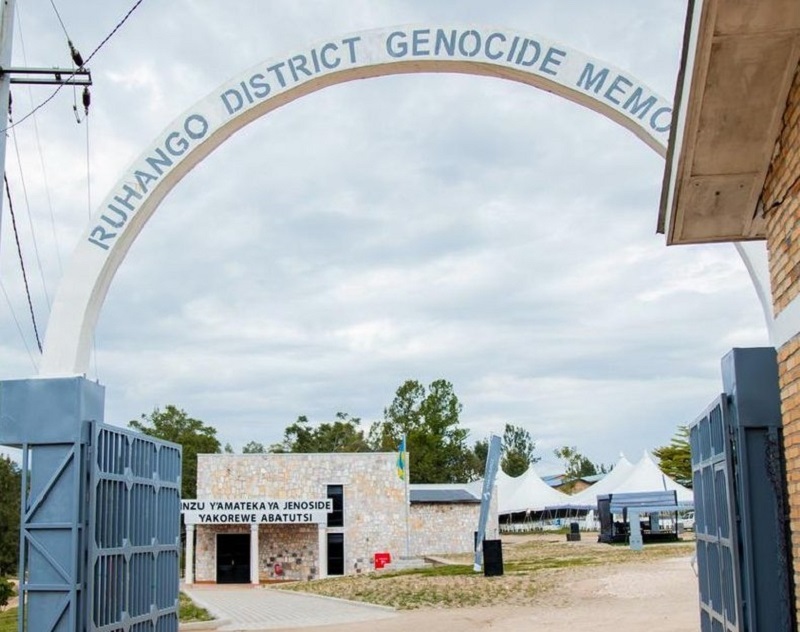
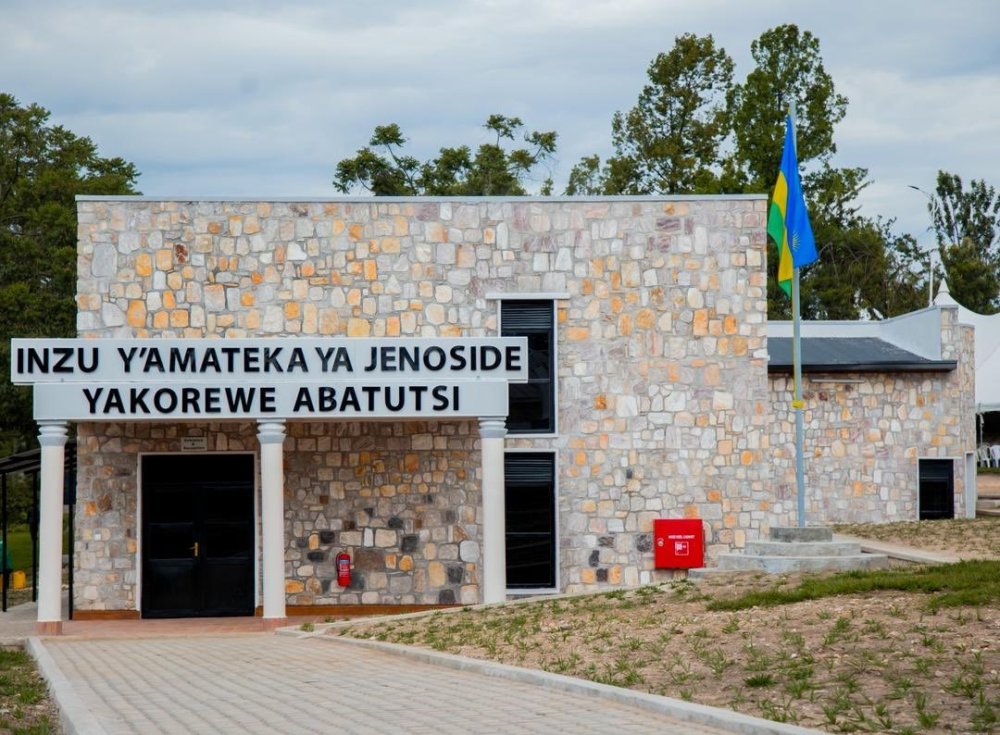
On April 26, 2026, during the commemoration of the Genocide against the Tutsi in former Commune Ntongwe (current Ruhango District and neighboring areas), survivors welcomed the completion of the center, saying it will help provide a clearer understanding of what happened in the area.
They noted that the building will highlight the brutality of the killings, how Tutsi in the region attempted to defend themselves, how the Genocide was stopped, and how survivors have since rebuilt their lives.
For survivors, the memories remain deeply painful. Innocent Munyawera, who was the only survivor in a family of ten, said the violence in the area was so extreme that it made him question humanity itself. Speaking about events in Kinazi, he referred to accounts that some perpetrators from Burundi committed extreme acts of brutality, including killing victims and eating their hearts.
“When we talk about Kinazi, we refer to what happened here, including the fact that Tutsi were killed and their hearts were eaten by some Burundians,” he said. “This is part of our history. But those who did this, even if they appeared human outwardly, were not human in their actions.”
Munyawera called for the names of all individuals involved in the killings, whether prosecuted or not, to be included in the “Dark Room,” including Burundians who participated in the violence.
He said: “We have many Interahamwe militia who betrayed us, and we also have Burundians who betrayed us. Some were tried, others were not, but we feel that in this Dark Room, their names should be included because their hearts were dark. It should be as if they are confined there for a certain time because of what they did.”
Representatives of genocide survivors association in the area confirmed that the “Dark Room” will include names and photographs of individuals identified as having played major roles in the killings, with the aim of using the space for education, especially for younger generations.
They said the section will include Kagabo Charles, former mayor of Ntongwe Commune; Burundian refugees; sector leaders from the 13 sectors that made up the commune; and Nsabimana Jacques, also known as “Pirato,” who led the CDR party in Ntongwe.
It will also include Placide Koloni, former sub-prefect of Ruhango; soldiers including Hitabatuma Rukeragabiro; Kanyandekwe Zephanie, a councilor of Kareba Sector; Kageruka Aristarque; Ntintanguranwa; and traders Munyentama Simon and his brother Nahayo Florent.
Speaking about Nsabimana Jacques, survivors recalled his role in preparations for the Genocide: “We have previously spoken about Nsabimana Jacques during a commemoration evening, where it was discussed that a pit near CND was dug as part of genocide preparations. He was the one who instructed that it be dug while he was head of Rutabo A school, claiming it was a school latrine. But in reality, it was part of genocide preparation. He had it dug around 1992, and it later became a place where our people were dumped.”
“All those perpetrators will be placed in this Dark Room. They will be confined there,” Munyurangabo added.
He further explained that although some Burundians who came from Ntega and Marangara were considered refugees and stayed in Nyagahama camp, their presence in the area was not related to asylum, but part of what he described as a coordinated plan under the government of Juvénal Habyarimana to implement the Genocide against the Tutsi.
“The Burundians came and carried out population surveys, identifying where Tutsi lived. They set up different roadblocks and gradually began targeting people until the Genocide plan was fully put into action.”
The genocide history center is part of the wider Ruhango Genocide Memorial, where the remains of 63,293 victims of the Genocide against the Tutsi are buried. On April 26, 35 recently retrieved remains were given a dignified burial, as survivors renewed calls for continued efforts to locate and properly bury all remaining victims.
This building has a lower section known as the “Dark Room,” where records of key perpetrators involved in the Genocide against the Tutsi will be placed.The Genocide against the Tutsi history center is located at Ruhango Genocide Memorial.
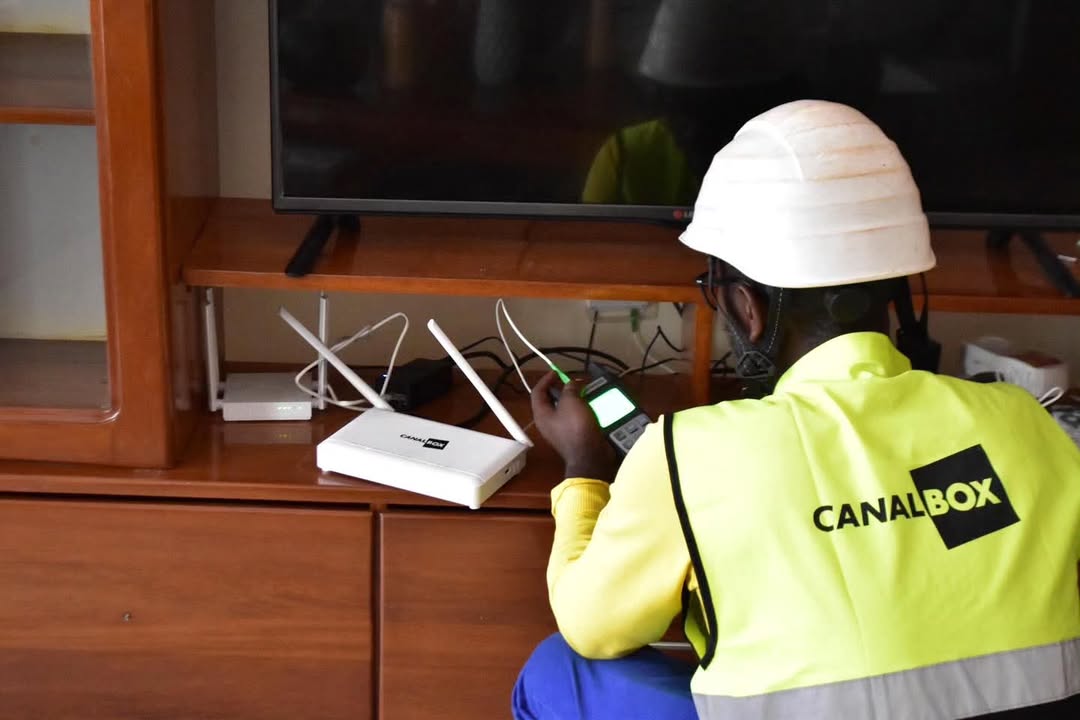
The Rwanda Utilities Regulatory Authority (RURA) has sanctioned internet service provider GVA Rwanda Ltd, commonly known as CanalBox, following days of widespread service disruptions that affected customers across Rwanda.
In a statement issued on Monday, April 27, RURA said the company had been penalised under Article 269 of Law No. 24/2016 for continued non-compliance with service standards. The regulator ordered CanalBox to compensate all customers affected between April 13 and April 20, 2026, and to pay daily penalties until it fully restores stable service.
Additionally, the company has been instructed to submit regular progress reports within prescribed timelines. RURA emphasised that it will closely monitor the operator’s compliance, warning that failure to meet requirements could lead to further regulatory action.
“GVA has committed to compliance, and RURA will continue to closely monitor progress to ensure full service stability. Failure to comply will result in further regulatory action,” RURA announced.
The sanctions follow earlier enforcement steps taken by the regulator. On April 21, RURA summoned CanalBox management after receiving numerous complaints about poor internet connectivity. The company was invited to a formal hearing to explain the disruptions and outline corrective measures.
The disruptions were initially linked to a major fiber optic fault with their international provider overseas, which impacted stability and speeds across their network.
The Rwanda Utilities Regulatory Authority (RURA) has sanctioned internet service provider GVA Rwanda Ltd, commonly known as CanalBox, following days of widespread service disruptions that affected customers across Rwanda.
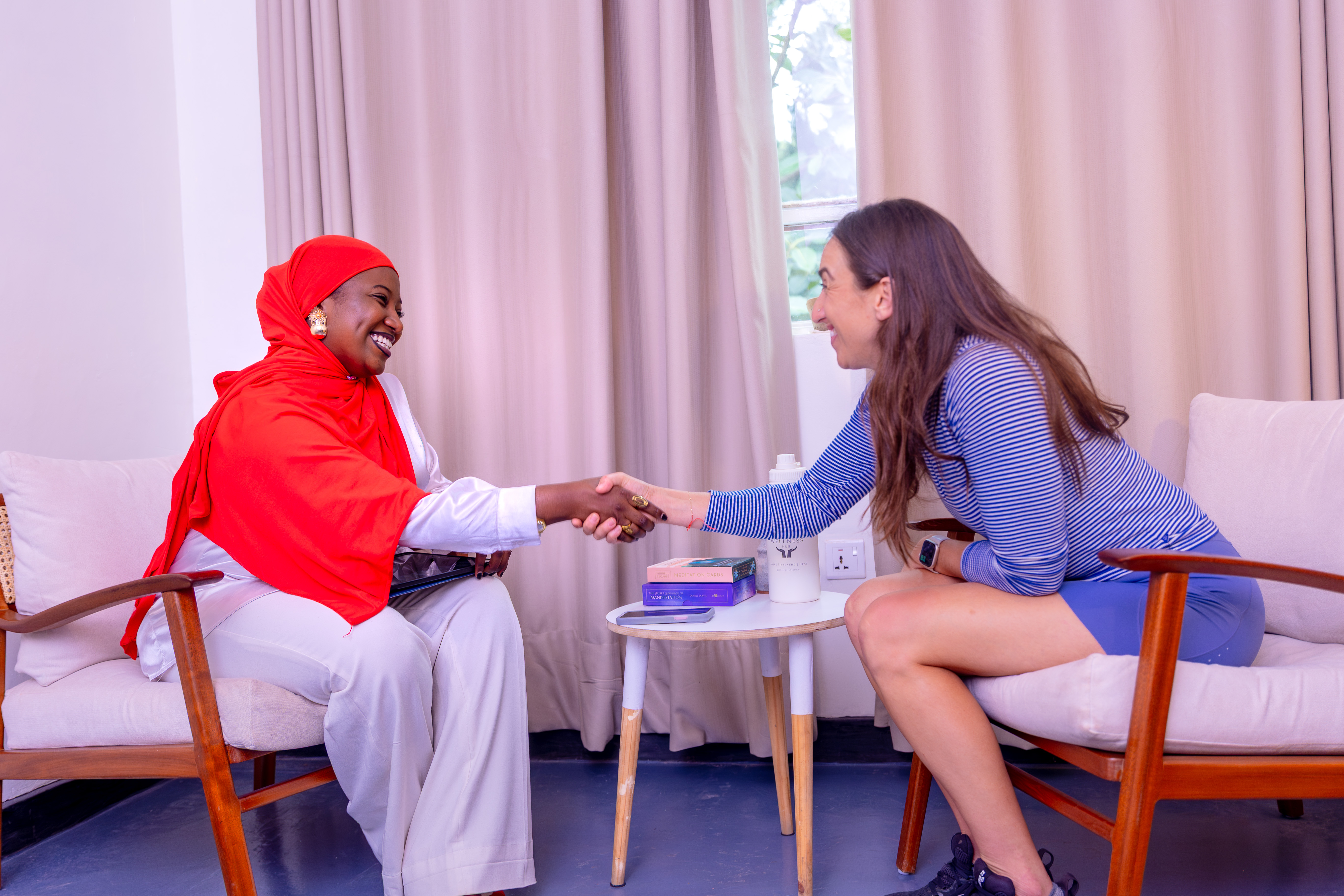
In an exclusive interview with IGIHE, she reflects on her journey from Australia to Rwanda, her evolving relationship with wellness, and her experience building a purpose-driven business rooted in community care.
Cynthia moved to Rwanda in 2022 with her husband, a heart surgeon, and their three children. Having previously lived in Israel and Ethiopia, she arrived in Kigali with little prior knowledge of the country, but quickly found inspiration in its vision, culture, and openness to new ideas.
“I didn’t know much about Rwanda initially, but as I started researching, I became inspired by the country’s vision, community, and culture,” she said.
This excitement fueled her transition into building the Kigali Wellness Hub, a space that blends wellness with a deep sense of community.
Drawing from her background in business and leadership, particularly her experience in fashion and marketing, Cynthia utilized her expertise to establish Kigali Wellness Hub.
“The vision for Kigali Wellness Hub came from recognizing a need in Kigali, a space where people could reconnect with themselves physically, mentally, and emotionally,” she explained.
Cynthia Fayman says Rwanda’s investment-friendly environment helped turn a vision into a thriving wellness hub in Kigali.
Rwanda, with its rapid growth and reputation for ease of doing business, stood out as the ideal place for Cynthia to establish her venture.
She noted that the country’s welcoming environment for foreign investment, along with its openness to new ideas and innovation, made the process of starting Kigali Wellness Hub both smooth and efficient.
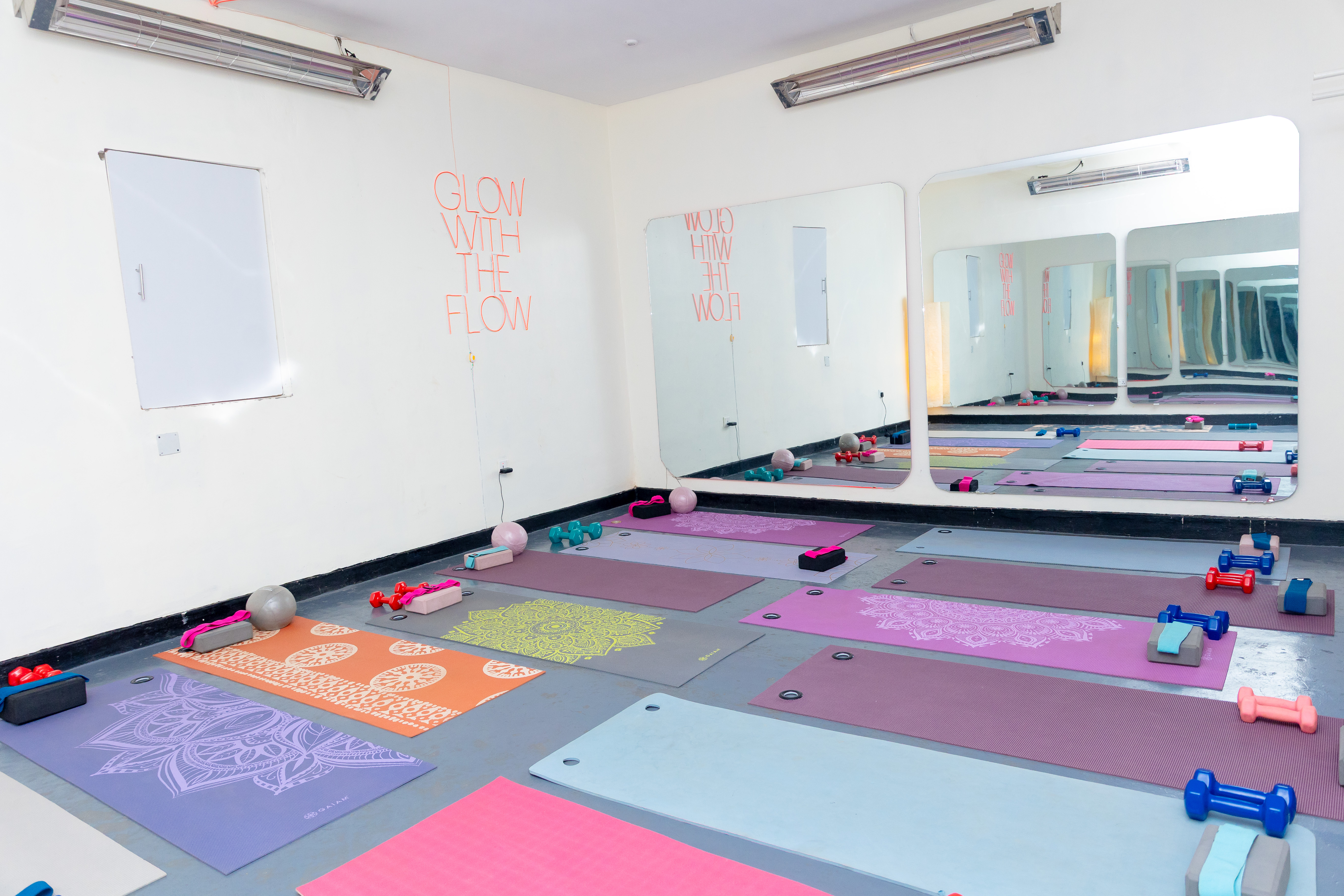
Kigali Wellness Hub is unlike typical gyms or fitness centres.
“What sets us apart is our intention behind every class and practice. Authenticity is key,” Cynthia shared.
In a sector often driven by trends, Cynthia emphasized the importance of staying true to the mission of supporting the local community’s well-being.
Kigali Wellness Hub offers more than just fitness; it’s a place to reconnect and recharge.
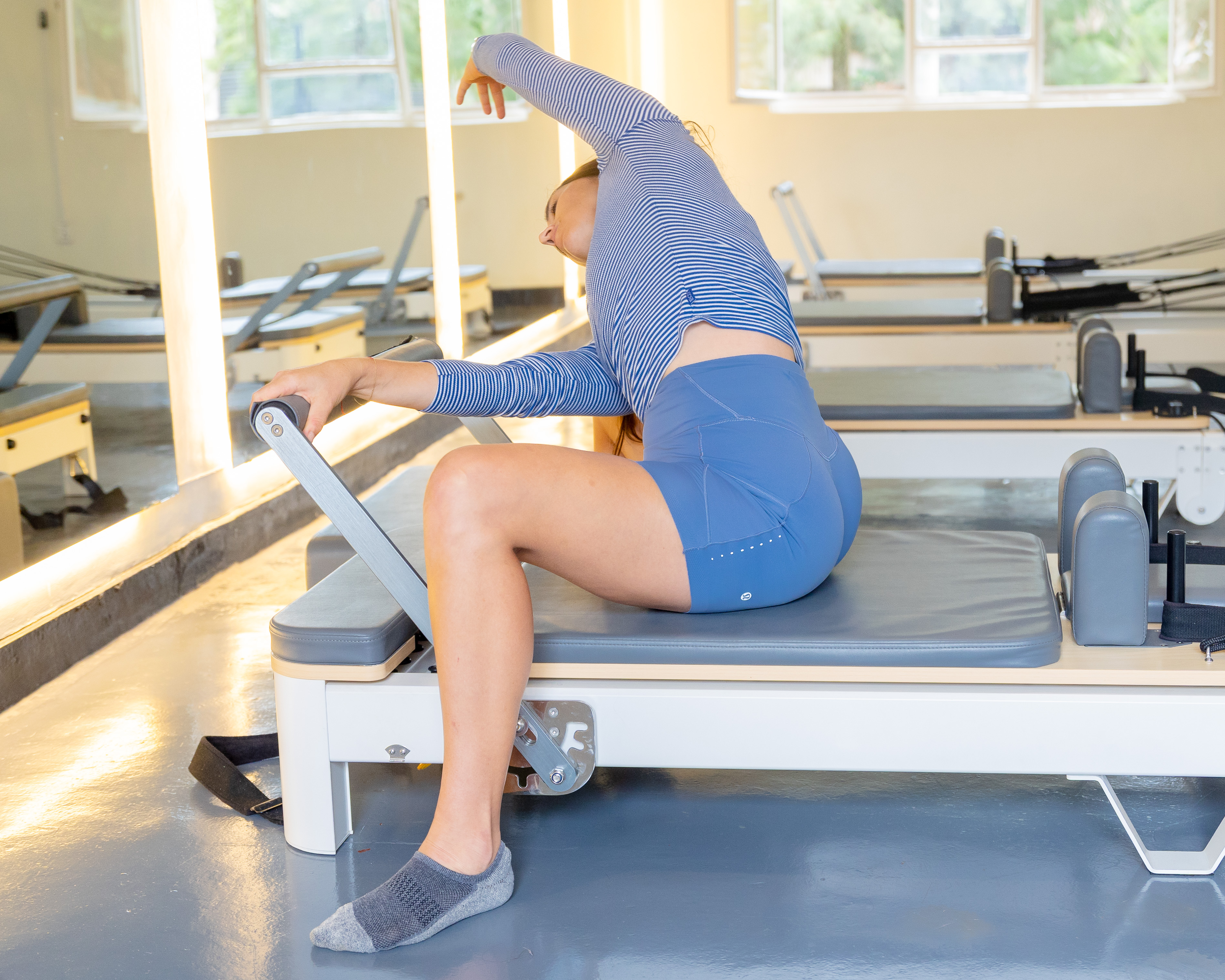
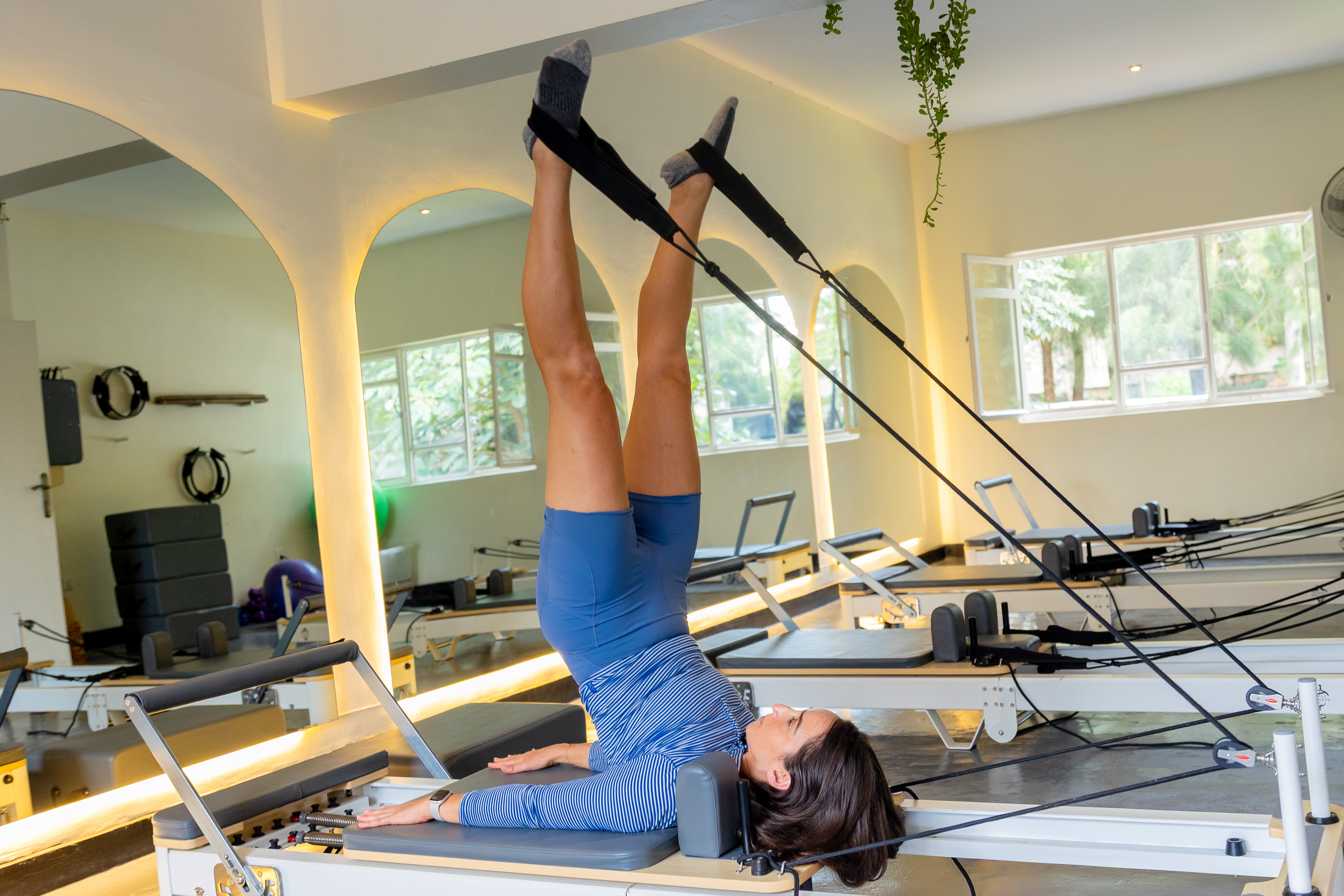
The wellness hub offers reformer Pilates, aerial yoga, Tai Chi, kids’ classes, and sound healing, focusing on genuine service rather than chasing fleeting trends.
The wellness center also supports local causes, such as running monthly movement sessions for the Rwandan Down Syndrome Organization, where children, youth, and families can experience the joy of movement together.
Like many entrepreneurs, Cynthia faced challenges, especially navigating cultural sensitivities in a new country.
“As someone who isn’t Rwandan, I’m always learning, asking for feedback, and evolving with deep respect for the culture,” she explained.
One of the major hurdles was creating a space that offered a sense of reconnection in a fast-paced city like Kigali, where people often find it difficult to slow down.
Despite the obstacles, Cynthia’s commitment to authenticity and community has allowed Kigali Wellness Hub to thrive, and the feedback from clients has been overwhelmingly positive.
“When people leave here feeling more confident and in control of their body and mind, that strength ripples into their work, relationships, and daily life,” she shared.
Kigali Wellness Hub is a space designed for holistic well-being where physical, mental, and emotional health come together.
Cynthia shared that the wellness hub sees an average revenue of 8.5 million Rwandan francs in slower months, with busy months reaching up to 13 million. A large portion of this revenue goes toward supporting the hub’s instructors.
Additionally, part of the business’s mission is to support local causes, and Cynthia is proud to contribute to these initiatives.
For those looking to enter the wellness industry or any other sector, Cynthia’s advice is clear: “Be authentic and have clear intention.”
She emphasized the importance of staying grounded and patient as growth takes time.
“Find something that inspires and connects with the community, stay consistent with your intention, and the business will expand naturally.”
As the interview wrapped up, Cynthia expressed her gratitude for the Rwandan government’s initiatives, particularly those that promote wellness, like eco-parks and car-free days.
“Thank you for creating spaces that minimize stress. You’re doing a great job, and we’re here to support,” she said.
Watch the full conversation in the video below.
In a sector often driven by trends, Cynthia emphasized the importance of staying true to the mission of supporting the local community’s well-being. A space for mind and body wellness in Kigali.The founder’s mission is to support individuals to live their best lives through authentic wellness practices.The hub is a place to reconnect and recharge.In an exclusive interview with IGIHE, Cynthia shares her journey from Australia to Rwanda and her passion for building a community-focused wellness hub.
Mbundi took over leadership at the EAC headquarters in Arusha from outgoing Secretary General Veronica Nduva of Kenya, following his appointment by heads of state during the 25th EAC Summit held on March 7. He will serve a five-year term ending in 2031.
Speaking after the handover ceremony, Mbundi said ensuring timely financial contributions from member states will be his immediate priority.
Mbundi also pledged to tackle non-tariff barriers that continue to constrain intra-regional trade, noting that their removal would boost competitiveness and facilitate cross-border commerce.
Beyond financial reforms, he outlined plans to enhance trade, improve the business environment, and reduce transport costs across the region, calling for climate-resilient infrastructure, particularly in road development, to address growing environmental challenges.
Mbundi took over leadership at the EAC headquarters in Arusha from outgoing Secretary General Veronica Nduva of Kenya, following his appointment by heads of state during the 25th EAC Summit held on March 7. He will serve a five-year term ending in 2031.
He made the remarks during a media discussion focused on ongoing changes in public transport across the city.
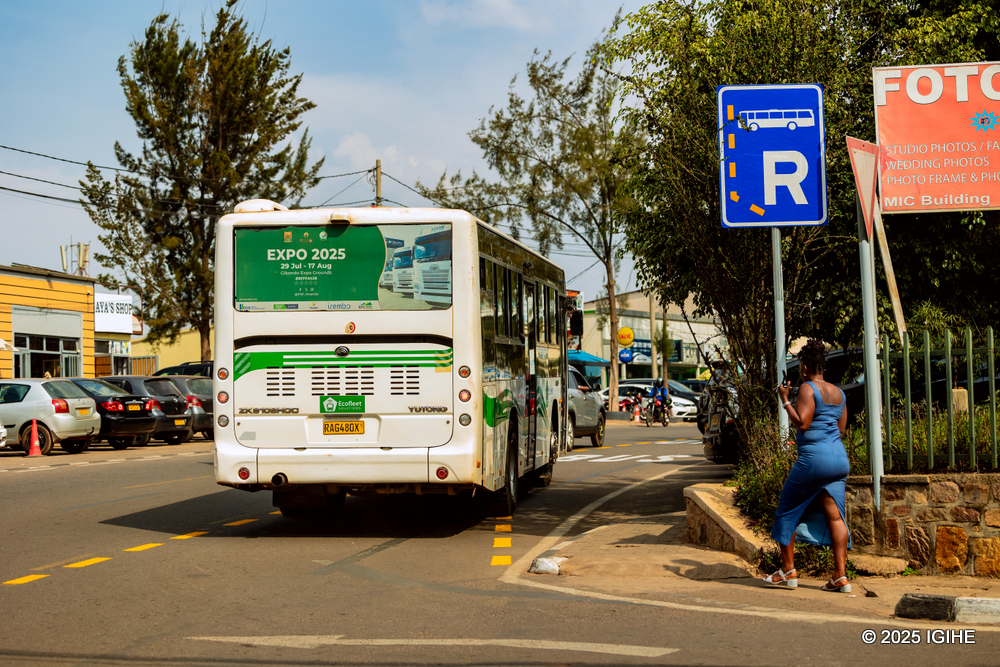
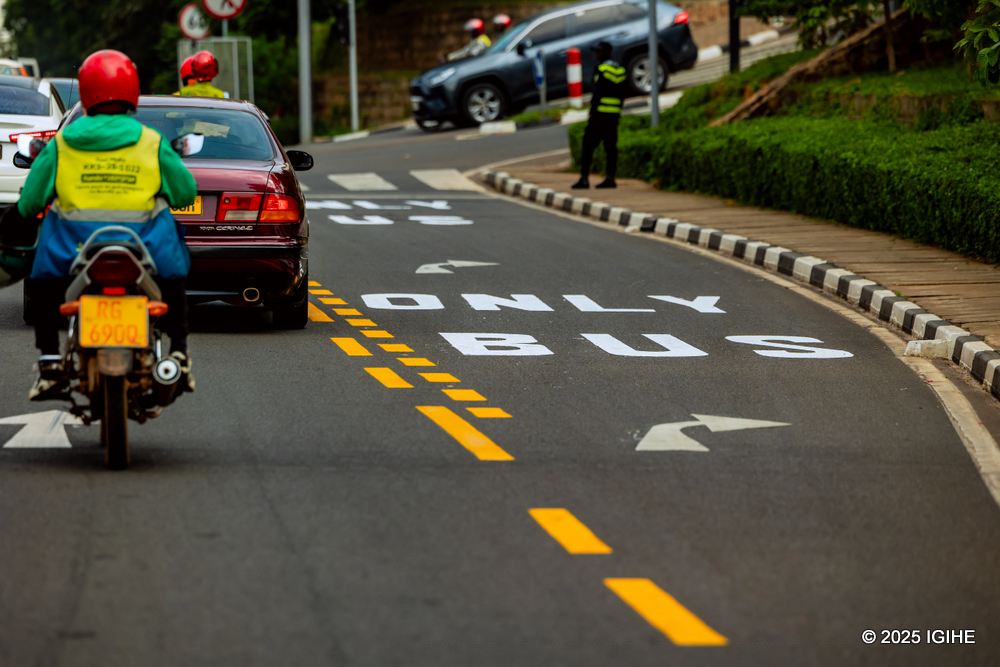
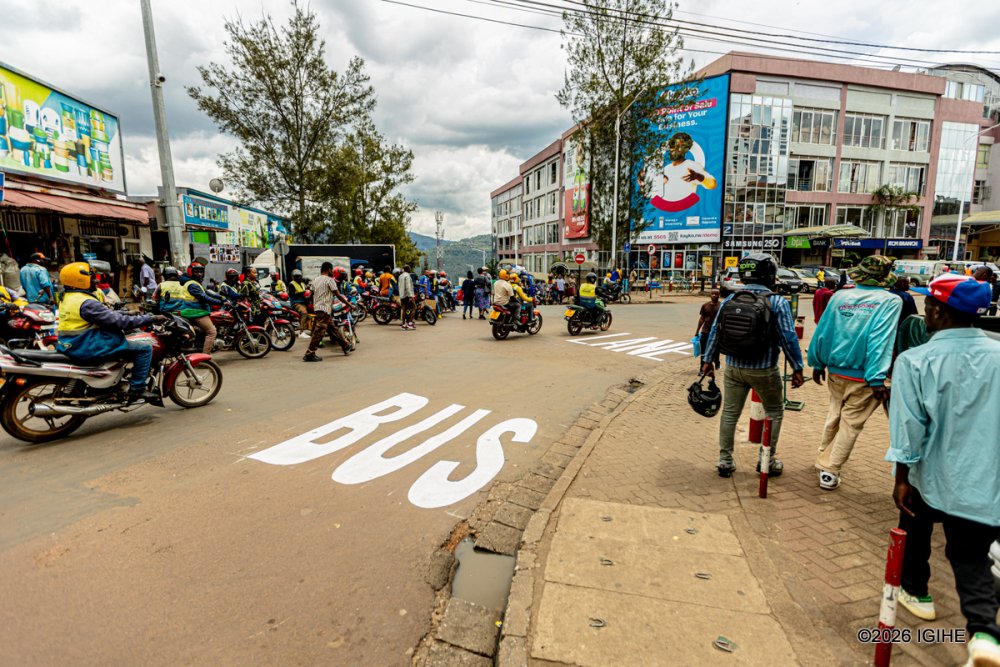
Currently, the City of Kigali has introduced dedicated bus lanes for public transport, while encouraging private car owners to opt for buses instead.
This move aims to improve fuel efficiency amid ongoing tensions in the Middle East, reduce traffic congestion, and speed up travel.
However, one of the major concerns raised by commuters is the lack of reliable, real-time information about buses. Many passengers spend long periods waiting at bus stops, sometimes only for buses to arrive already full.
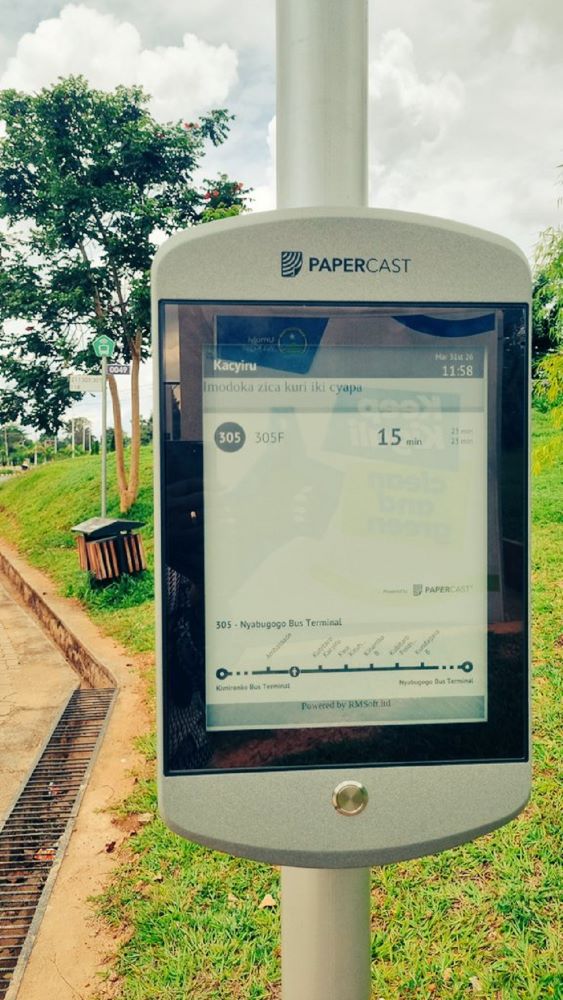
To address this, the new technology is expected to provide accurate, real-time updates on bus locations and available seats.
Rukera explained that although the system is already in use, it has not yet been officially launched as it is still undergoing testing.
“We have started using this technology, but we have not yet introduced it to the public because it is still being tested. As you know, with technology, you first test it thoroughly before presenting it,” he said.
He added that out of the 320 buses currently operating in Kigali, the system can already track their locations and monitor how they are being driven.
The next step is to integrate artificial intelligence capable of counting passengers on board and providing real-time updates.
Rukera also revealed that on routes such as Rwandex toward Sonatubes and Kacyiru, some bus stops are already equipped with smart displays showing estimated arrival times and passenger capacity.
“This is a project we have been working on for about six months. We started with existing systems that allow us to track bus movements and schedules, as well as monitor drivers. Our goal is to extend this information to passengers, not only at bus stops but also to those at home through a mobile application,” he explained.
He further noted that Rwanda is collaborating with the navigation platform Waze, allowing even those without the dedicated app to access nearby bus stop information via the internet, making it easier to plan their journeys.
Transport analyst Prof. Egide Karuranga, who also participated in the discussion, emphasized that adopting such technology will significantly improve public transport services.
He explained that passengers will be able to check, for example, if a bus scheduled for noon is delayed until 12:15, see that it will arrive in five minutes, and know whether seats are available before it arrives.
Karuranga added that such systems could also be expanded to better serve vulnerable groups, such as pregnant women and people with disabilities, by helping them decide whether to board a bus or wait for one with available seating.
He also pointed out the need to reduce the number of pedestrian crossings that cause buses to stop frequently, noting that this contributes to delays and increases the risk of accidents.
“Public transport is essential because it supports all aspects of sustainable development, from the economy to technology,” he said.
Karuranga further highlighted that traffic congestion, largely driven by the use of private cars, has a significant economic cost. He estimated that if a person spends one hour in traffic daily, it amounts to about 320 hours per year, equivalent to roughly 40 working days lost. When multiplied across many people, this has a serious impact on the national economy.
Kigali City spokesperson Emma Claudine Ntirenganya also encouraged residents to embrace public transport, noting that while it is not mandatory to leave private cars at home, doing so benefits both individuals and the country.
“When you choose to take a bus and leave your car at home, it is not just a personal benefit; it also serves the national interest, especially in these times, because it helps extend the country’s fuel reserves,” she said.
The ongoing efforts reflect Rwanda’s broader push to modernize public transport and promote more efficient, sustainable urban mobility in Kigali.
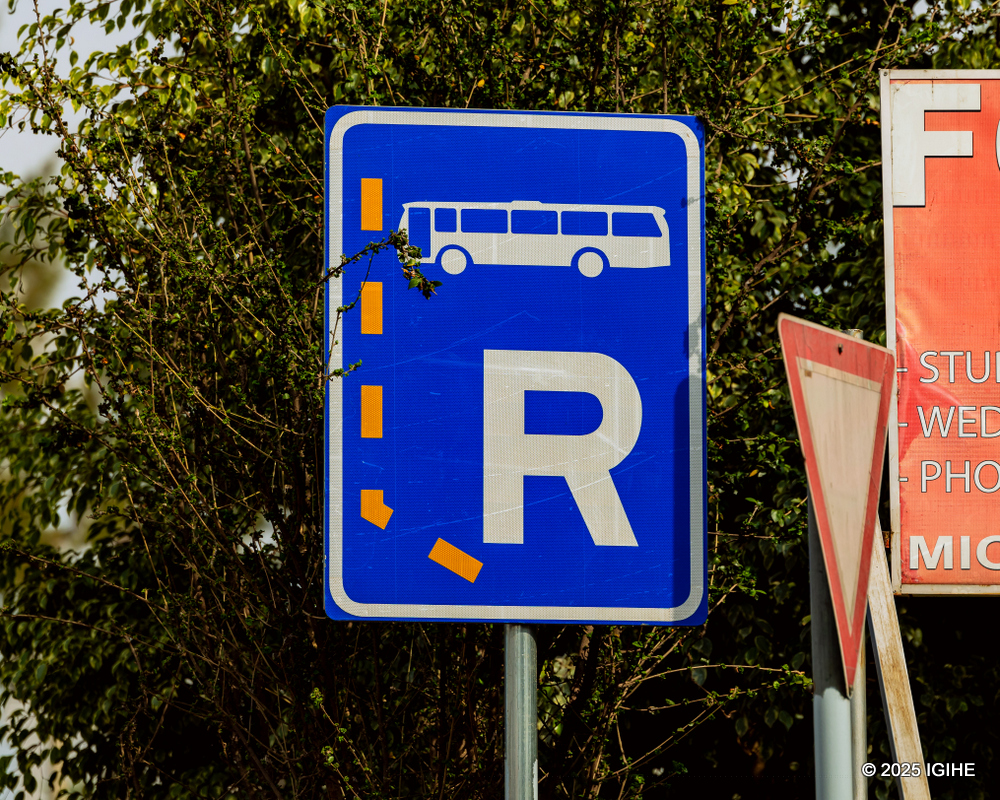
Rwanda has rolled out smart technology to help passengers track bus movements in real timeKigali residents are encouraged to use public busesDedicated bus lanes expected to improve traffic flow and public transport efficiencySome parking spaces for private cars have been removed to promote the use of busesSignposts indicating bus-only lanes have been installed in several areas.