The attacks by the U.S. “aggressive and terrorist” army violated the ceasefire between Iran and the United States, said Ebrahim Zolfaghari, the headquarters’ spokesman, according to Iranian media.
One of the targeted vessels was an oil tanker sailing from Iran’s territorial waters near Jask toward the Strait of Hormuz, while the other was entering the waterway near Fujairah in the United Arab Emirates, Zolfaghari said, adding that the targeted civilian areas included Bandar-e Khamir and Sirik, both in Hormozgan province.
He noted that Iran’s armed forces immediately retaliated by attacking U.S. military vessels east of the Strait of Hormuz and south of Iran’s Chabahar port, causing significant damage.
He warned that Iran would give a crushing response to any aggression without any hesitation.
Iran’s Islamic Revolution Guard Corps Navy said early Friday that Iranian forces carried out a “large-scale and precise combined operation” using ballistic missiles, anti-ship cruise missiles and explosive drones targeting U.S. destroyers.
It added that intelligence assessments indicated “significant damage” to U.S. vessels, prompting three destroyers to retreat from the Strait of Hormuz area.
U.S. Central Command (CENTCOM) said in a statement that U.S. forces intercepted “unprovoked Iranian attacks” and responded with self-defense strikes as their Navy ships passed through the Strait of Hormuz.
CENTCOM added that it “does not seek escalation but remains positioned and ready to protect American forces.”
President Donald Trump said on Thursday that no damage was done to the three world-class American destroyers that just transited out of the Strait of Hormuz.
In a Truth Social post, Trump said Iran suffered great damage and threatened that future attacks would be “a lot harder, and a lot more violent.”
Meanwhile, Fox News correspondent Jennifer Griffin quoted a senior U.S. official saying that the U.S. military carried out strikes on Iran’s Qeshm Port and Bandar Abbas, but added that it was not a restarting of the war or an end to the ceasefire.
Earlier, Trump announced that Project Freedom, the U.S. military operation to guide commercial ships out of the Strait of Hormuz, would be paused to see whether a peace deal could be reached with Tehran.
Trump said the decision was based on the request of Pakistan and other countries, as well as the “great progress … made toward a complete and final agreement with representatives of Iran.”
The project lasted for less than 48 hours before being suspended.
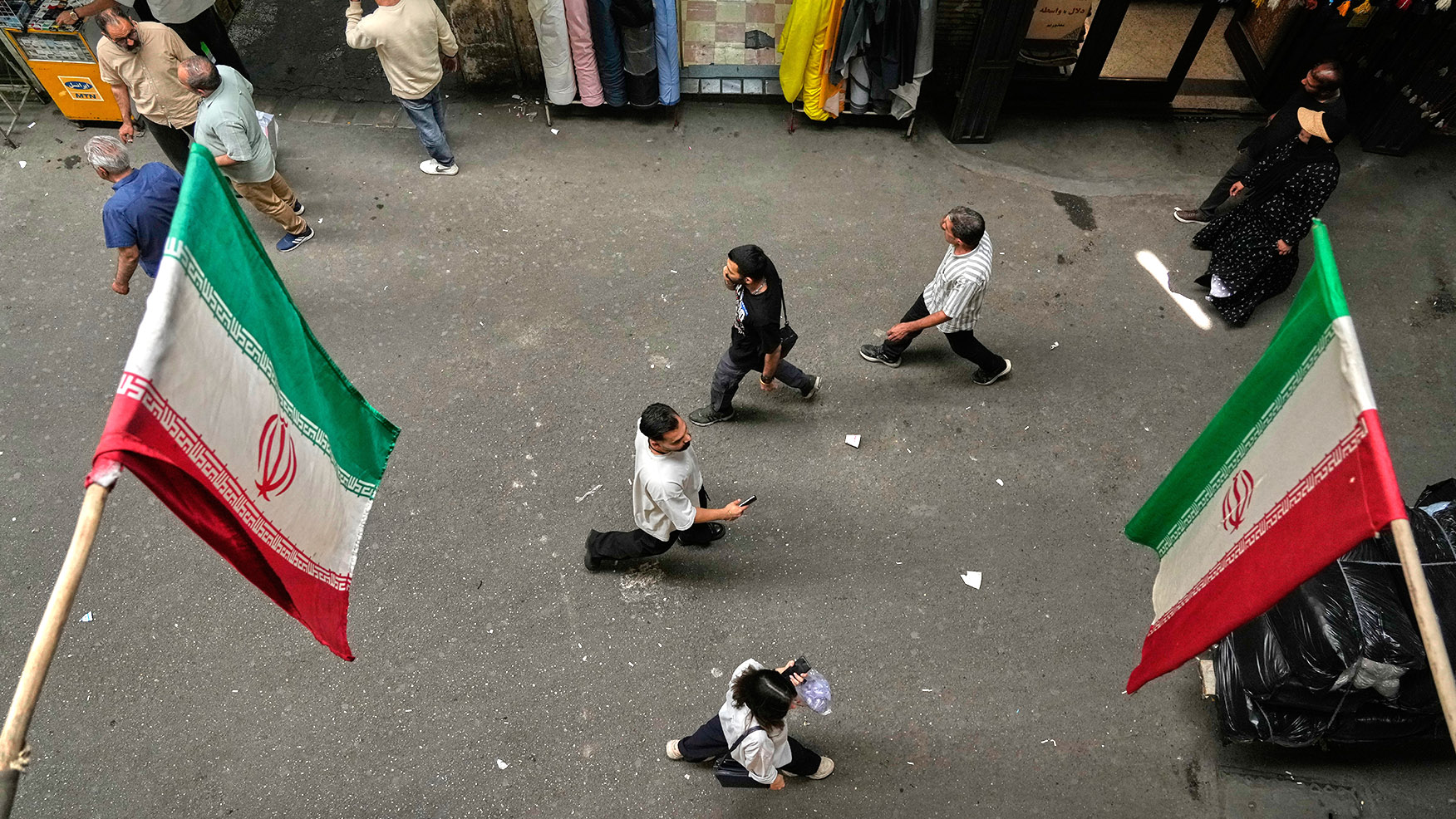
People walk as Iranian flags hang in the Grand Bazaar in Tehran, May 3, 2026. (PHOTO / AP)
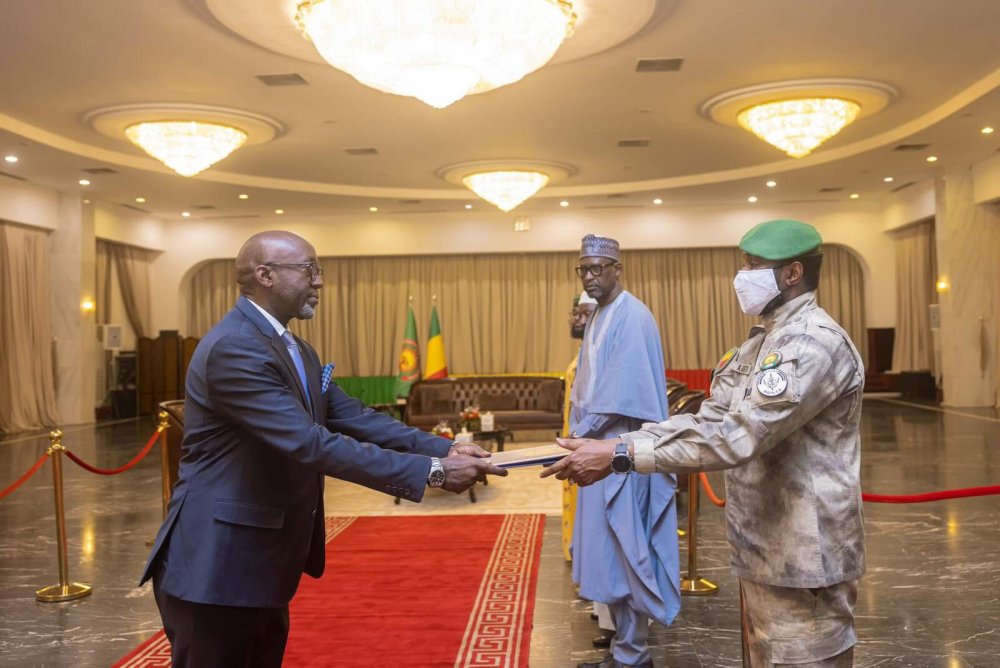
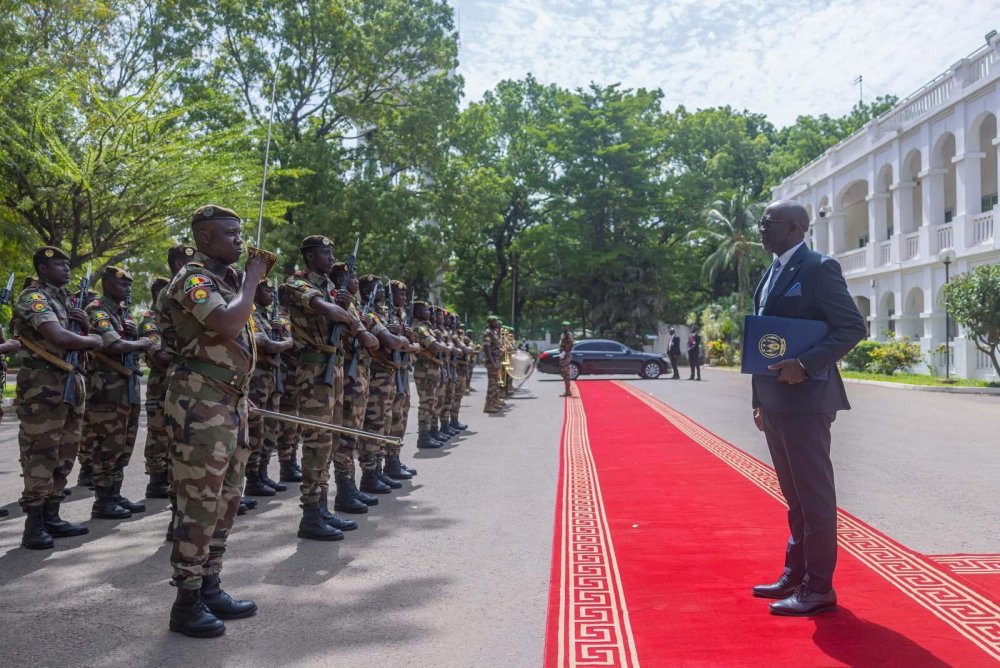
The ceremony took place in the capital, Bamako, on May 7, 2026. During his visit, Amb. Bizimana also participated in a meeting bringing together foreign diplomatic representatives in Mali to receive updates on the security situation following attacks that occurred on April 25, 2026.
Rwanda and Mali maintain strong bilateral relations based on friendship, cooperation, and a shared commitment to further strengthening ties between the two countries.
In 2024, Rwanda and Mali signed 19 cooperation agreements covering sectors including justice, mining, oil and gas, agriculture, fisheries, environment, climate change response, tourism development, higher education, transport, and the movement of people and goods, among others.
The two countries also cooperate in several other areas, including air transport, under agreements allowing airlines from both nations to use each other’s international airports.
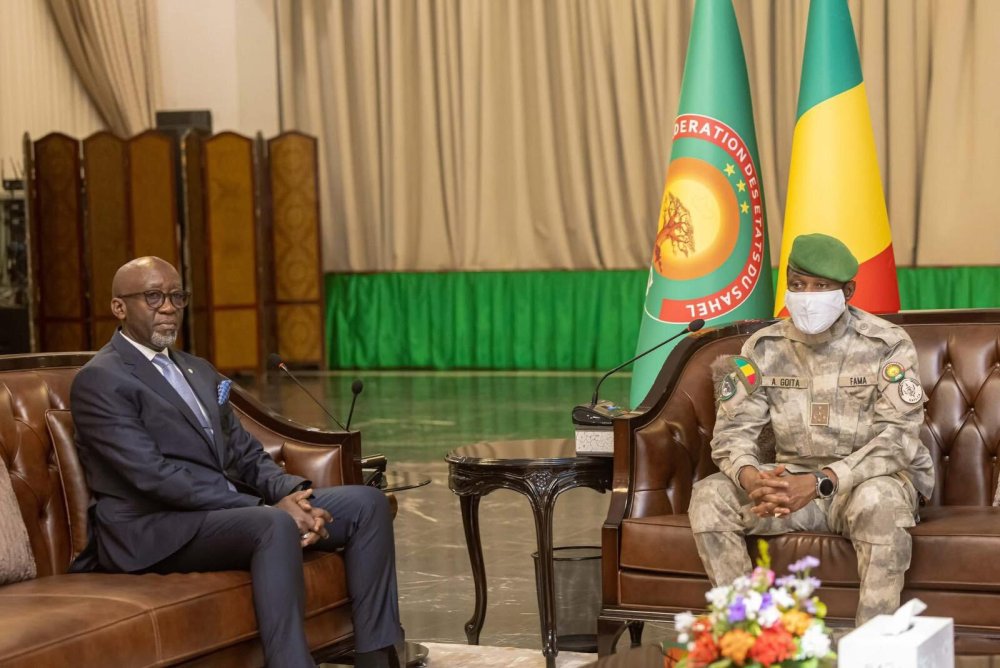
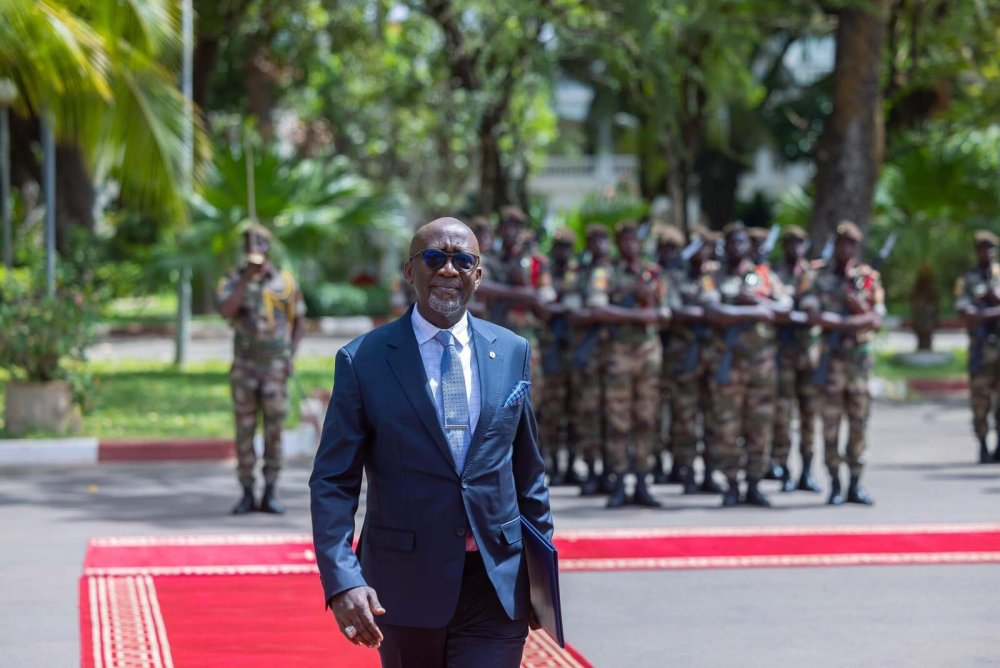
Amb. Festus Bizimana presented his credentials to Mali’s President Assimi Goïta in Bamako, marking his official accreditation as Rwanda’s ambassador to the West African country.Rwanda’s Ambassador Festus Bizimana presented his credentials to Mali’s President Assimi Goïta in Bamako, also joining diplomatic briefings on the country’s post-attack security situation.Amb. Festus Bizimana has been officially accredited as Rwanda’s ambassador to Mali after presenting his credentials to President Assimi Goïta during a ceremony in Bamako.Rwanda’s Ambassador to Senegal, Festus Bizimana, presented his letters of credence to Mali’s President Assimi Goïta in Bamako, formally accrediting him as Rwanda’s envoy to Mali on May 7, 2026.
The upper house of parliament passed the bill with 343 votes in favor and none against, after the revised draft law had already been approved by the National Assembly on Wednesday with 141 votes in favor and none against.
The bill seeks to establish a clearer and simpler legal framework for returning cultural assets acquired by France through illicit means, including looting, theft and sales conducted under coercion. It applies to cultural property acquired between 1815 and 1972, excluding military items and certain archaeological objects.
Under France’s longstanding principle of the inalienability of public collections, cultural objects could previously be returned to their countries of origin only through specific legislation on a case-by-case basis and in limited numbers.
The French Senate first passed the draft law on Jan. 29, and the National Assembly approved a slightly different version on April 13 with 170 votes in favor and none against. As differences remained between the two versions, a joint committee composed of seven deputies and seven senators worked to reconcile the differing provisions and submitted a compromise text on April 30.
French Prime Minister Sebastien Lecornu welcomed the draft law on social media platform X on Wednesday, saying that “this law is not intended to rewrite history, but allows us to take responsibility for returning improperly acquired cultural property.”
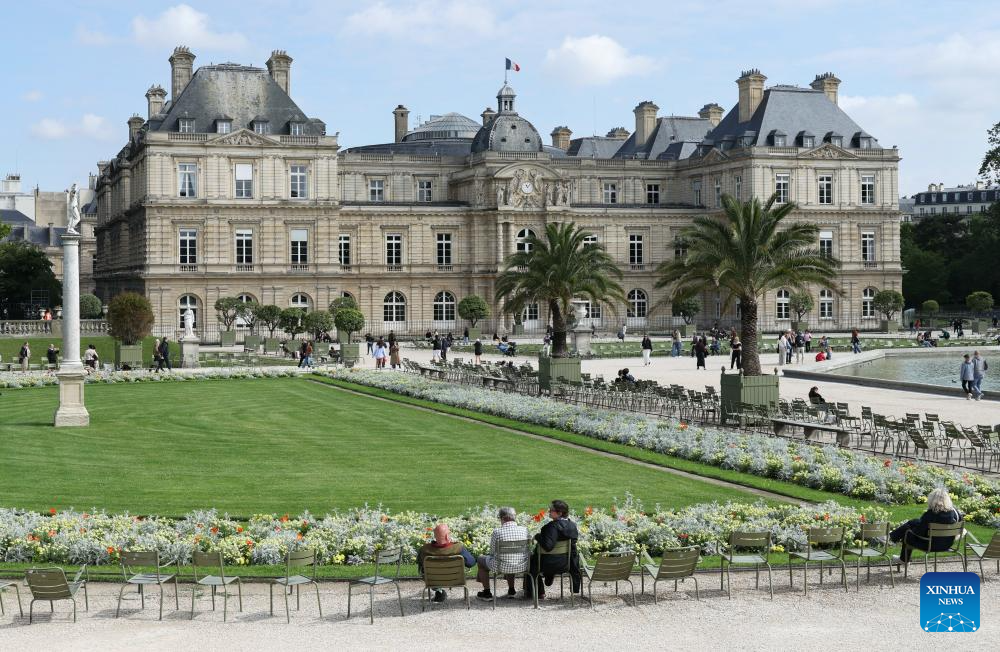
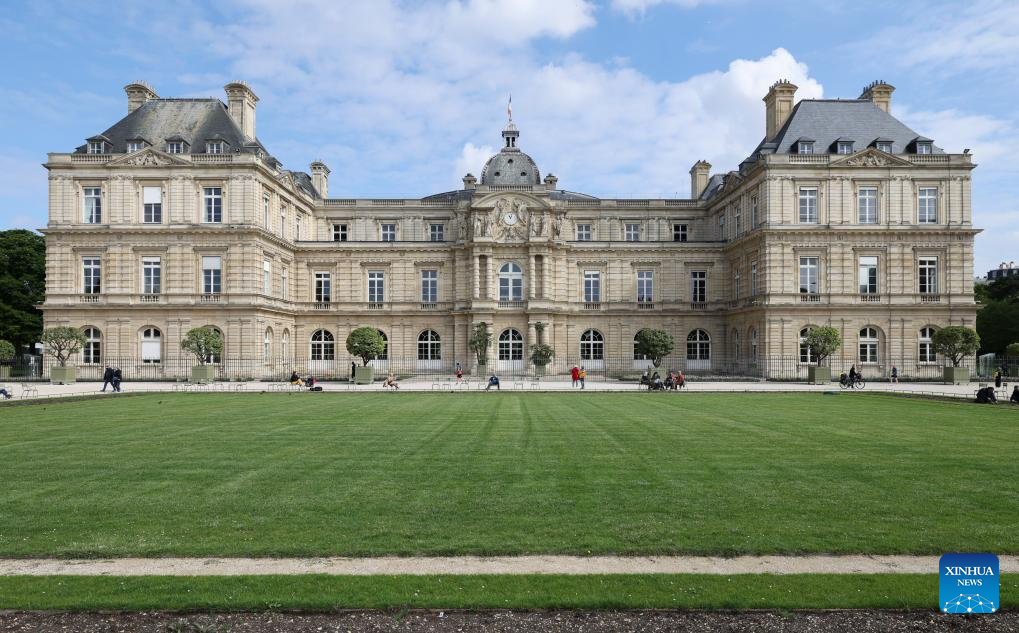
This photo taken on May 7, 2026 shows the French Senate in Paris, France. The French Senate on Thursday approved a draft law on the restitution of cultural property acquired through illicit appropriation, following a new round of debate. (Xinhua/Wu Huiwo)People enjoy their leisure time near the French Senate in Paris, France, on May 7, 2026. The French Senate on Thursday approved a draft law on the restitution of cultural property acquired through illicit appropriation, following a new round of debate. (Xinhua/Wu Huiwo)People are seen in front of the Louvre Museum in Paris, France, May 7, 2026. The French Senate on Thursday approved a draft law on the restitution of cultural property acquired through illicit appropriation, following a new round of debate. (Xinhua/Wu Huiwo)
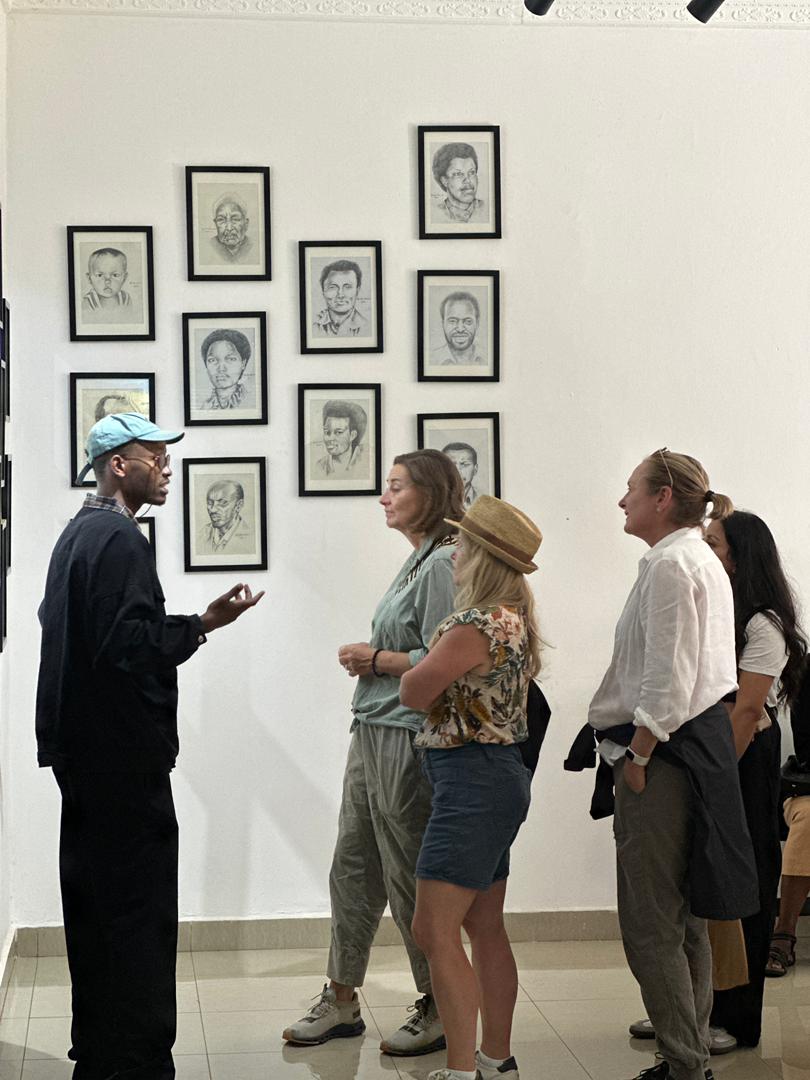
In a public statement issued on May 7, King Ngabo said the museum had been closed by the City of Kigali due to “outstanding rental payment obligations” that the museum and the wider art community had been unable to settle financially.
Ngabo further alleged that city authorities had confiscated museum collections, including artworks belonging to artists who had been working and exhibiting in the space, pending payment of the outstanding fees.
“Despite the ongoing challenges facing the cultural and creative economy in our country, and the difficulties visual artists continue to experience due to limited structural support and leadership that fully understands the industry, we remain hopeful that the City of Kigali will preserve and protect these artworks until the matter is resolved,” the statement read.
He described the collections as carrying “deep emotional, historical, educational, and cultural significance” beyond their financial value.
In response, the City of Kigali said the space had initially been provided free of charge from August 2023 to December 2024 as part of efforts to support young creatives and strengthen Rwanda’s cultural and creative industry.
According to the city, a rental arrangement was later introduced after the initiative expanded into a revenue-generating activity with paying visitors.
“As the initiative expanded and began operating as a revenue-generating activity with paying visitors, a rental arrangement was subsequently agreed upon jointly to support the sustainability, maintenance, and proper management of the facility,” the city said in a statement addressed to Ngabo.
The City of Kigali added that several engagements and reminders had been made regarding the obligations under the rental agreement, including discussions involving both the Ministry of Youth and Arts and the city administration.
“We remain firmly committed to supporting youth-led and creative initiatives. At the same time, ensuring the sustainability, proper maintenance, and fair management of public spaces is essential so that such opportunities can continue benefiting many other young creatives in the future,” the statement said.
The city also encouraged tenants to fulfil obligations agreed upon in rental contracts entered into “in good faith.”
Minister of Youth and Arts Dr. Utumatwishima Jean Nepo Abdallah also weighed in on the matter, stating that the arrangement between the City of Kigali and Ngabo was governed by a signed contract rather than a memorandum of understanding.
“Between the CoK and Ngabo, there was a clearly signed contract, not an MoU,” the minister said. “Ngabo couldn’t honour any part of the agreement and later wrote to us. We tried to help him renegotiate with CoK, but he insisted that a museum should simply function the way the artist wants.”
King Ngabo said the museum had been closed by the City of Kigali due to “outstanding rental payment obligations” that the museum and the wider art community had been unable to settle financially.
French prosecutors accuse Kanziga of role in planning the Genocide as one of the influential figures within the former ruling elite group known as the “Akazu,” and of participating in the Genocide between April 7 and 9, 1994, before being evacuated by the government led former French President François Mitterrand.
In August 2025, an investigating judge in France halted the inquiry into Kanziga, which had begun in 2008, arguing that there was insufficient evidence to charge her with involvement in the planning and execution of the Genocide.
However, after hearing an appeal from the Paris Prosecutor General, the French Court of Appeal ruled on May 6, 2026, that the investigating judge had relied on questionable reasoning in suspending the case and ordered the investigation to resume.
On May 7, IBUKA said the date of the court’s decision would remain historic and would always be remembered by Genocide survivors, including former neighbors of Habyarimana in Kanombe, Nyarugunga Sector of Kicukiro District.
IBUKA emphasized that Kanziga belonged to the “Akazu” (Inner Circle), a network dominated by members of her family, which it says planned and carried out the Genocide that claimed the lives of more than one million Tutsi in 100 days.
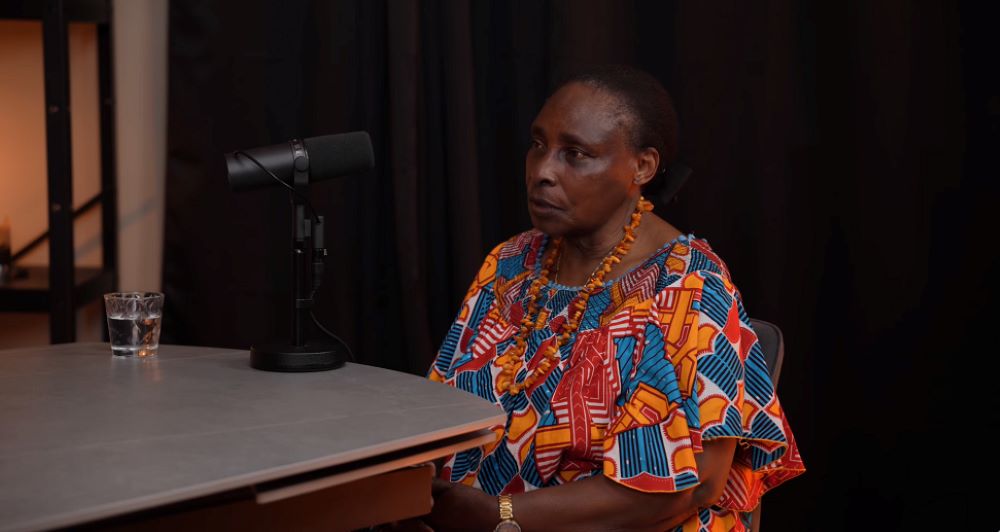
The family of Marie Chantal Niyonshuti lived next to Habyarimana’s residence in Kanombe, with no other home separating the two compounds. Eight members of her family, including her mother and seven siblings, were killed during the Genocide.
In an interview with IGIHE in April 2024, Niyonshuti explained that many Tutsi were killed near Habyarimana’s residence following the shooting down of his plane, allegedly on Kanziga’s orders after she became enraged by her husband’s death.
“Before dawn, they wanted that when people came to see the remains of the plane, there would be no Tutsi left here. They immediately took them to the military camp and burned them. They did not even wait for daylight. Anyone who survived may only have escaped from beneath the bodies because their time to die had not yet come,” she said.
Following the Paris court’s decision to reopen the investigation, Niyonshuti expressed hope that the inquiry would not be suspended again.
“I have waited 32 years for justice. I am still waiting. Please do not allow the investigation to be halted again,” she said.
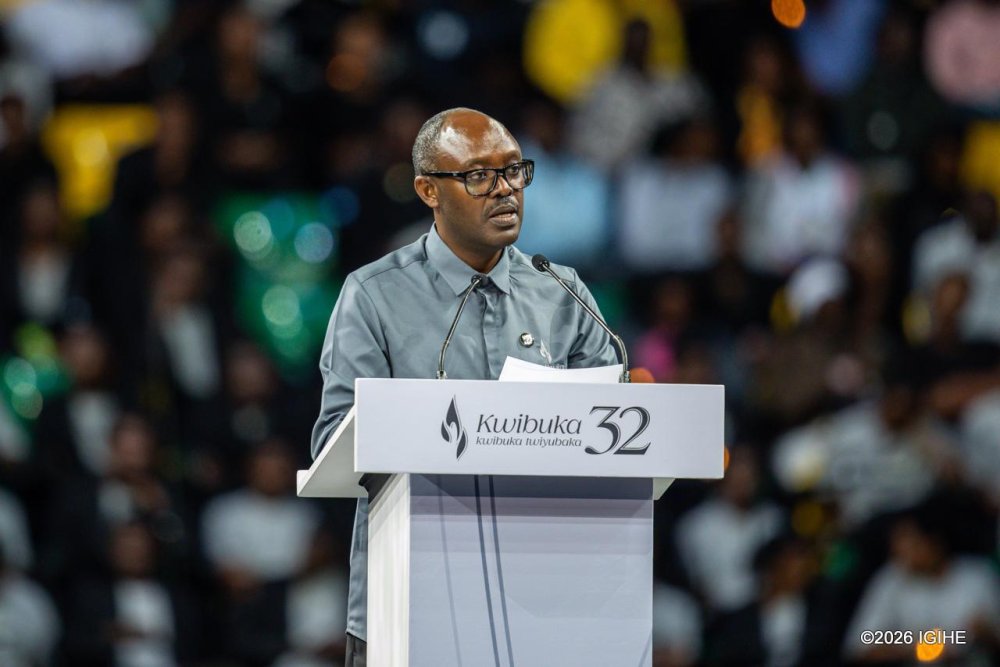
IBUKA President, Dr. Philibert Gakwenzire, said the organization is now focused on whether France will ultimately deliver justice. He added that Genocide survivors are prepared to testify about what they witnessed and endured.
“What concerns us now is what comes next. We ask the French justice system to remain on the path of hope that yesterday’s decision gave us. Survivors will be there, as always, to testify about what they saw and what they went through,” he said.
The investigating judge is expected to reexamine evidence and testimonies that had previously been overlooked but could help establish serious grounds to charge Kanziga with involvement in both the planning and execution of the Genocide.
IBUKA also stated that it stands ready to provide any assistance needed by the French justice system to ensure that the full truth in the case of Agathe Kanziga comes to light.
Marie Chantal Niyonshuti says she has waited more than three decades for justice following the loss of eight members of her family during the 1994 Genocide against the Tutsi.Agathe Kanziga, widow of former President Juvénal Habyarimana, remains under investigation by French authorities over alleged involvement in the planning and execution of the 1994 Genocide against the Tutsi.IBUKA President Dr. Philibert Gakwenzire says Genocide survivors are prepared to give testimony as France resumes investigations into Agathe Kanziga.
As of May 7, 2026, the outbreak has been linked to three deaths, including two Dutch nationals and one German passenger. A British passenger remains in intensive care in Johannesburg, South Africa, while additional confirmed and suspected cases are being monitored in the Netherlands, Switzerland, and Singapore.
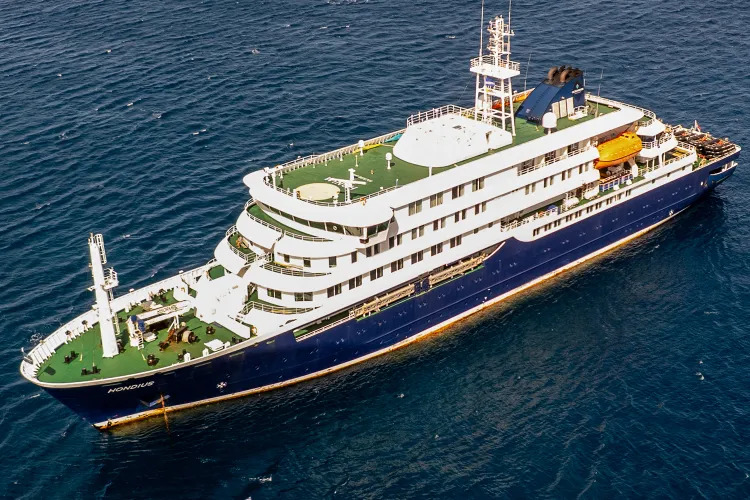
The Dutch-flagged ship departed Ushuaia, Argentina, on April 1 with 147 passengers and crew members from 23 countries. The vessel was later denied docking in Cabo Verde and is currently heading toward Tenerife in the Canary Islands as international health authorities continue investigations.
What makes Andes virus different?
Hantaviruses are typically spread through exposure to rodent urine, saliva, or droppings, often in poorly ventilated spaces where contaminated particles become airborne.
For decades, scientists believed human-to-human transmission was impossible. That changed with the discovery of the Andes virus in Argentina in 1995.
The Andes strain remains unique because it can spread between people through prolonged close contact, especially during the early stages of illness.
Health officials investigating the MV Hondius outbreak believe the virus likely spread among passengers after an initial infection occurred before or during the ship’s South American stops.
Despite concerns, experts stress that Andes virus does not spread easily like influenza or COVID-19. Transmission usually requires close and sustained exposure, and outbreaks historically remain limited in size.
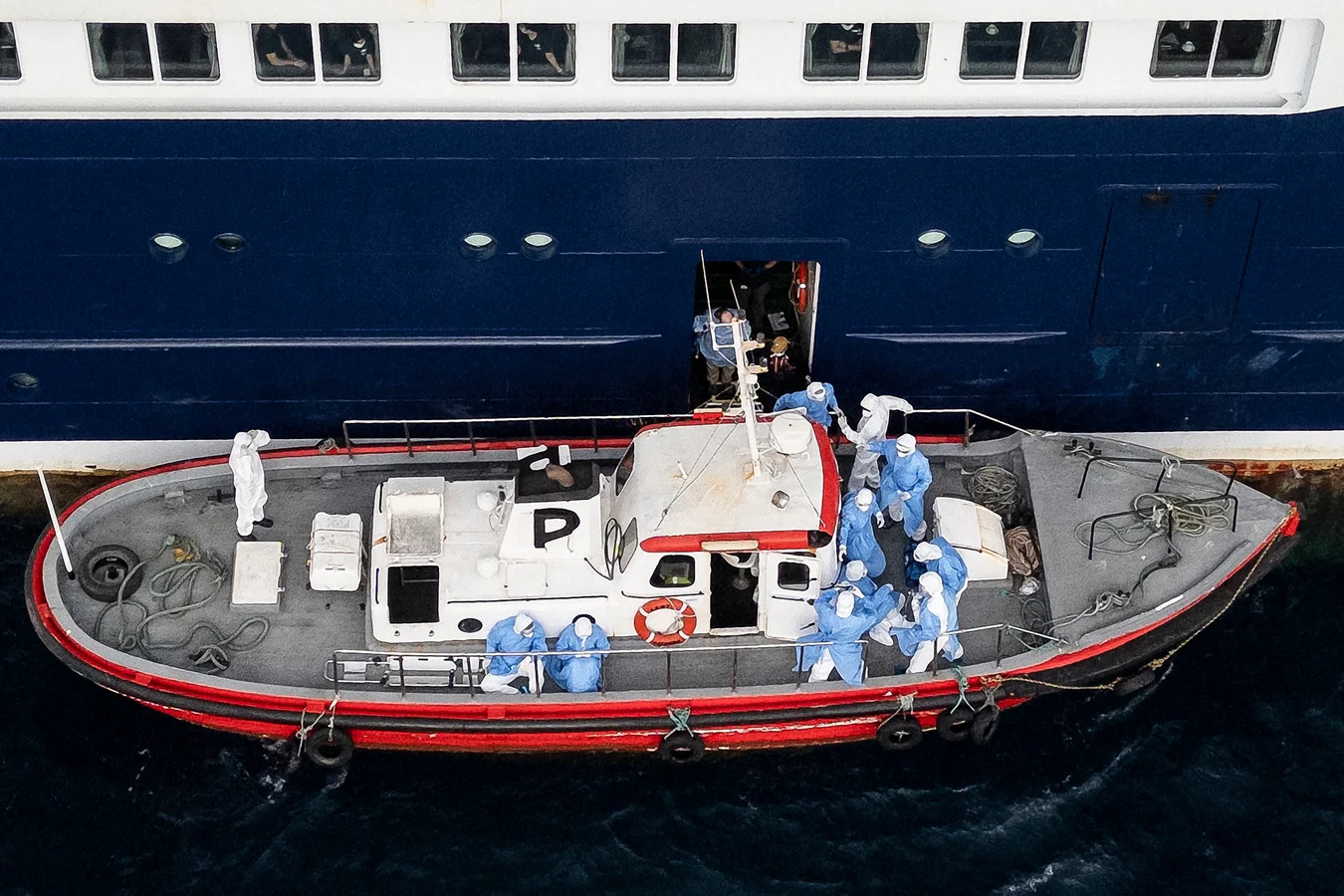
Health workers in protective gear evacuate patients from the MV Hondius cruise ship at a port in Praia, Cape Verde.
Symptoms and severity
Hantavirus infection often begins with flu-like symptoms, including fever, fatigue, muscle aches, headache, nausea, vomiting, and diarrhoea.
In severe cases, the illness rapidly progresses into Hantavirus Pulmonary Syndrome (HPS), a life-threatening condition that causes fluid buildup in the lungs, breathing difficulties, shock, and organ failure.
The mortality rate for HPS in the Americas can reach 40 to 50 percent. WHO says symptoms typically appear between two and four weeks after exposure, although onset can vary. Because patients can deteriorate rapidly, early hospitalization and intensive care are critical.
No vaccine or specific cure
There is currently no approved vaccine or antiviral cure for hantavirus pulmonary syndrome.
Treatment focuses on supportive care, including oxygen therapy, mechanical ventilation, careful fluid management, and intensive care monitoring. WHO advises that suspected cases be isolated quickly and transferred to hospitals capable of advanced respiratory treatment.
Although the antiviral drug ribavirin has shown some benefit against certain Asian hantavirus strains, it has not proven effective against the pulmonary form linked to Andes virus.
The long history of hantavirus
While the virus entered modern medicine relatively recently, historians believe hantavirus-related illnesses have existed for centuries.
Chinese medical records dating back to around 960 AD describe diseases involving fever and kidney failure consistent with hemorrhagic fever with renal syndrome, a form of hantavirus infection common in Asia and Europe.
Modern scientific understanding began during the Korean War in the 1950s, when more than 3,000 United Nations soldiers developed a mysterious illness near the Hantan River. In 1978, South Korean scientist Ho Wang Lee successfully isolated the virus from field mice, leading to the naming of the Hantaan virus and the hantavirus family.
Hantavirus became widely known in 1993 during the “Four Corners” outbreak in the southwestern United States. A sudden cluster of fatal respiratory illnesses struck New Mexico, Arizona, Colorado, and Utah, shocking health officials after healthy young adults died within hours of hospitalisation.
Researchers identified a new strain carried by deer mice called Sin Nombre virus, which caused Hantavirus Pulmonary Syndrome. Unlike earlier hantaviruses that mainly attacked the kidneys, this strain targeted the lungs.
Two years later, scientists in Argentina identified the Andes virus, which later became the first hantavirus proven capable of human-to-human transmission.
That risk became undeniable during the 2018–2019 outbreak in Epuyén, Argentina, where 34 people were infected and 11 died. The outbreak required strict quarantine measures and extensive contact tracing, strategies now being repeated during the MV Hondius crisis.
Despite the seriousness of the outbreak, WHO and Africa CDC continue to assess the overall public risk as low.
The virus does not spread efficiently in casual settings, and outbreaks generally remain small and localised. Authorities have also rapidly implemented isolation measures and international contact tracing.
Health agencies are currently monitoring passengers who disembarked earlier in the voyage, healthcare workers involved in treatment, and travellers exposed during medical evacuation flights.
Preventing infection
Most hantavirus infections worldwide still originate from rodents rather than humans.
WHO advises people to avoid dry sweeping or vacuuming rodent-infested areas because these activities can aerosolise infectious particles. Instead, wet-cleaning methods and disinfectants should be used. Proper ventilation, safe food storage, and avoiding rodent nests also remain important preventive measures.
The MV Hondius outbreak serves as a reminder that even rare diseases can quickly become international concerns in an era of global travel. More than seventy years after hantavirus was first identified during the Korean War, the virus continues to challenge scientists, especially when it crosses the rare boundary from animals to humans.
MV Hondius off the port of Praia, the capital of Cape Verde, on May 3, 2026.
The development has been confirmed by Rwanda’s Office of the President.
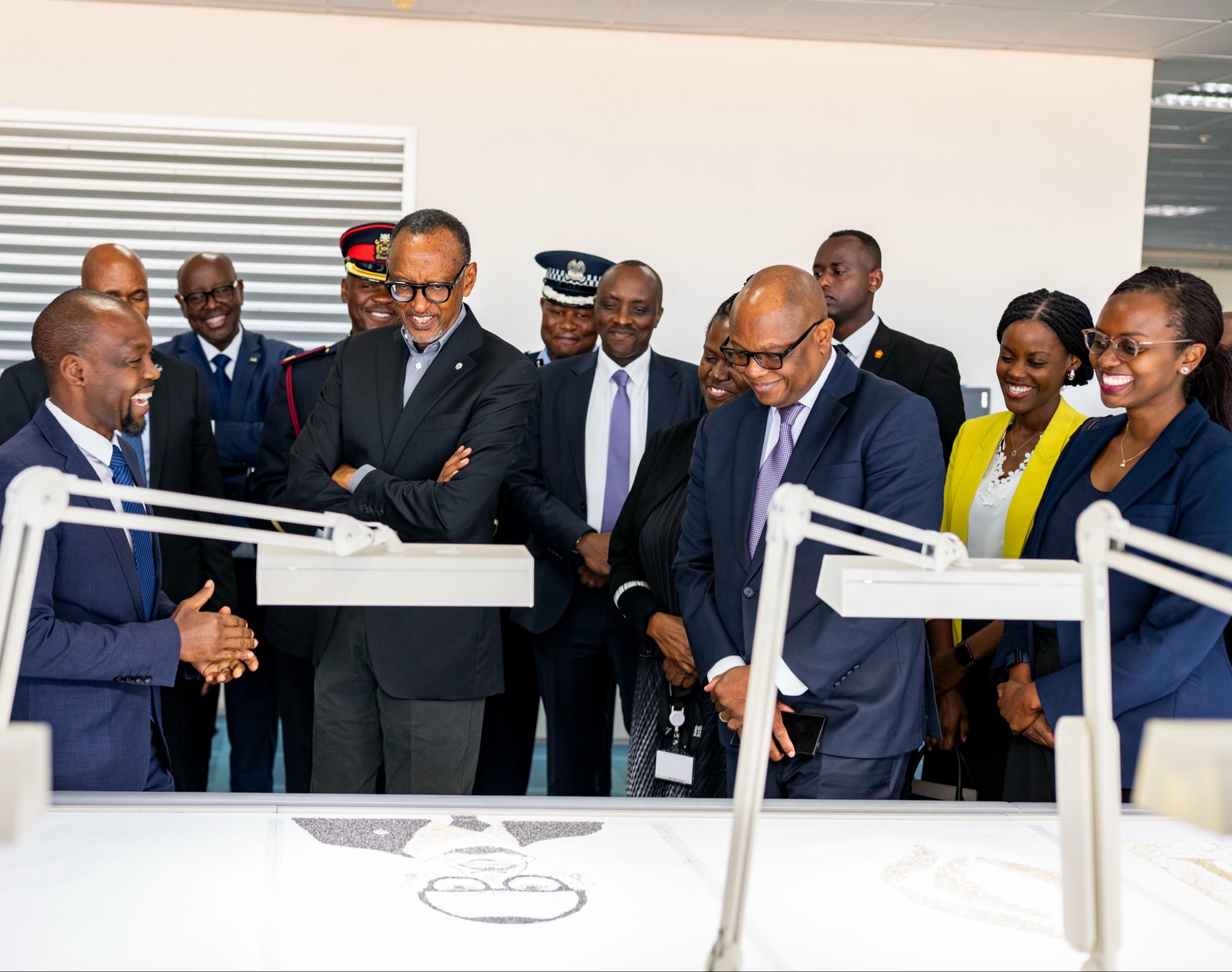
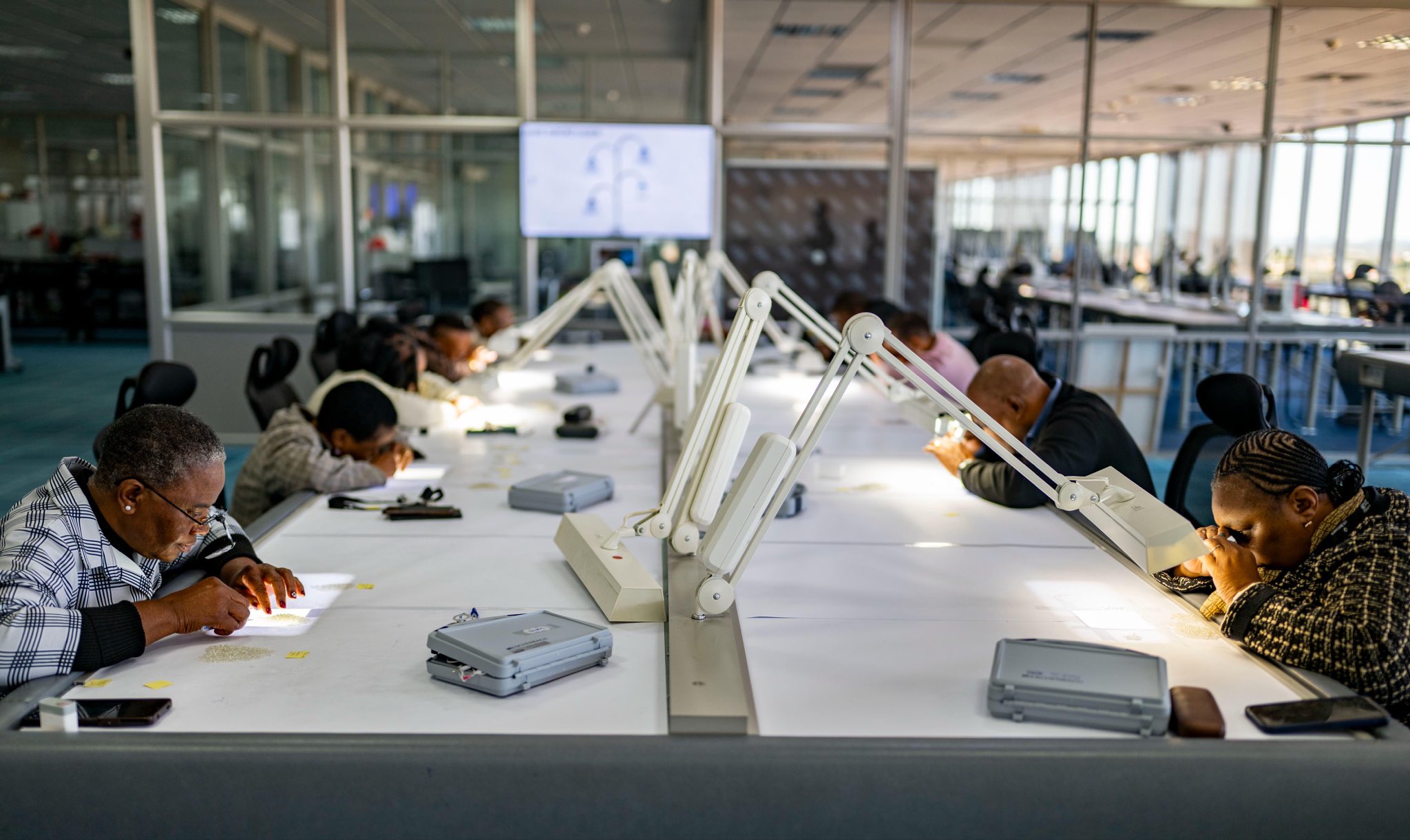
DTC Botswana is a 50/50 joint venture between the Government of Botswana and De Beers. The company is regarded as the world’s largest and most sophisticated rough diamond sorting and valuing operation, with the capacity to sort up to 45 million carats annually.
The visit to the diamond facility comes amid renewed efforts by Rwanda and Botswana to deepen economic cooperation and strengthen investment partnerships between the two countries.
On Wednesday, President Kagame and Botswana’s counterpart Duma Boko witnessed the signing of several bilateral agreements at the State House in Gaborone following bilateral talks between the two delegations.
The agreements covered avoidance of double taxation, visa exemption for holders of diplomatic, official, and national passports, air services, health cooperation, and broader economic, trade, and investment partnerships.
A cooperation framework between the Rwanda Development Board and the Botswana Investment and Trade Centre was also signed to promote private sector collaboration and facilitate investment flows.
During the engagements, President Kagame praised Botswana’s approach to natural resource management, particularly in the diamond sector, describing it as an example of forward-looking governance.
President Boko said the visit marked a strategic realignment between the two countries and stressed the need for swift implementation of the signed agreements.
President Kagame’s visit is his first State Visit to Botswana since 2019, when both countries agreed to establish the Joint Permanent Commission on Cooperation framework aimed at strengthening bilateral ties.
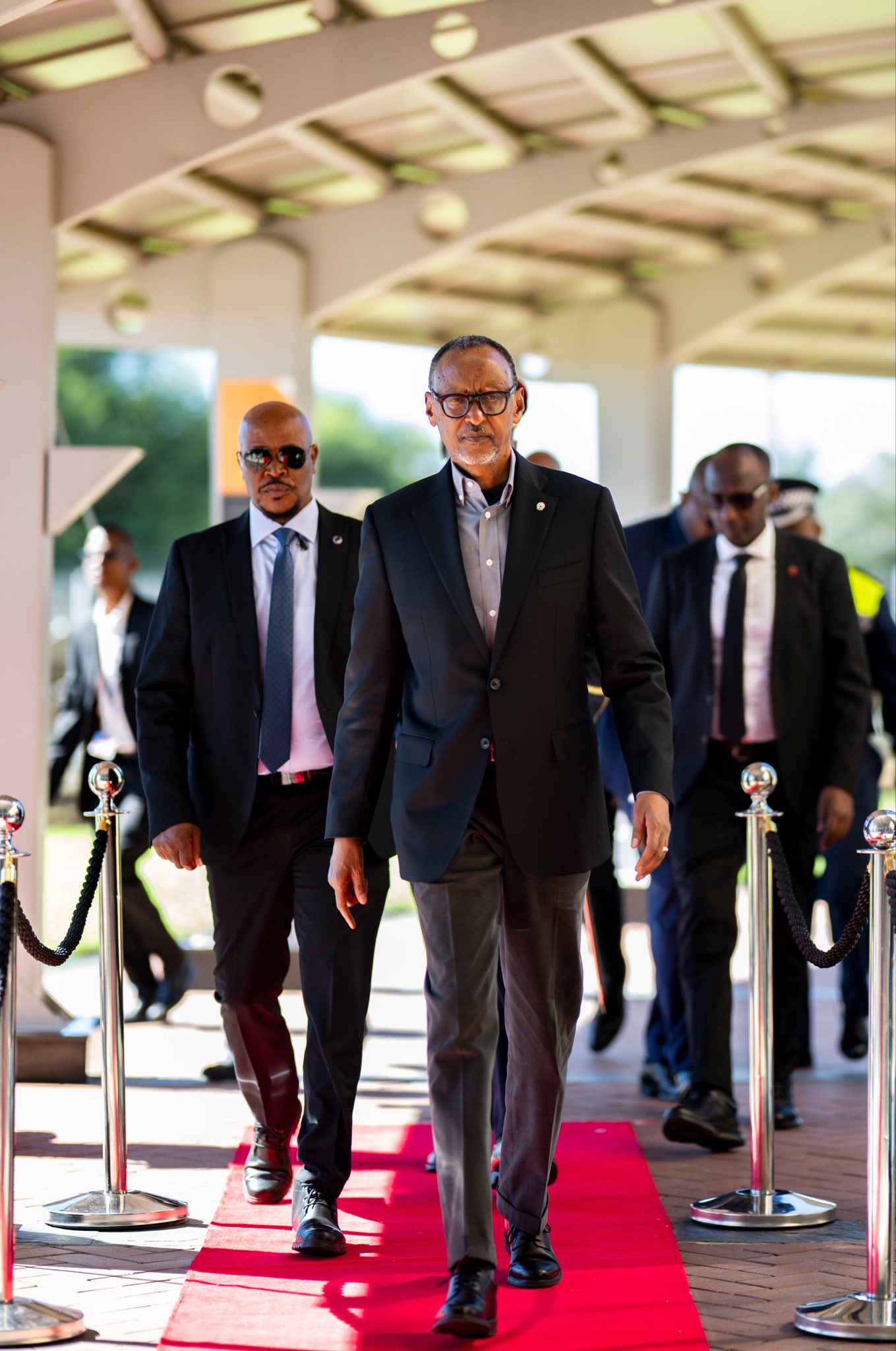
Kagame arrived in Botswana on Wednesday, May 6, 2026, where he was welcomed by his counterpart Duma Boko at Sir Seretse Khama International Airport.
Kagame explored Botswana’s diamond industry during a two-day State Visit.President Kagame toured DTC Botswana, the world’s largest rough diamond sorting and valuing facility, during his State Visit to Botswana.President Kagame’s Botswana visit featured high-level engagements, including a tour of one of the world’s most sophisticated diamond operations.
The announcement was made on May 6, 2026, during the launch of DNA Week at the University of Rwanda College of Science and Technology (CST).
The week-long event aims to raise awareness about DNA, widely regarded as the backbone of all living organisms, including plants, humans, and animals.
RAB revealed that since 2025, it has been working with various partners on a project that will result in the establishment of a center dedicated to developing enhanced crop seeds in Rwanda. The facility will be located at RAB’s Rubona branch in Huye District.
RAB’s Plant and Microbial Biotechnology Programme Coordinator, Dr. Bellancile Uzayisenga, said that the Rubona branch already has the capacity to identify diseases affecting crops.
However, she noted that this is not enough, as Rwanda still lacks the ability to locally produce genetically enhanced seeds.
She explained that the project launched in 2025 aims to train Rwandans with the necessary expertise while also establishing a model center capable of developing crops resistant to major diseases.
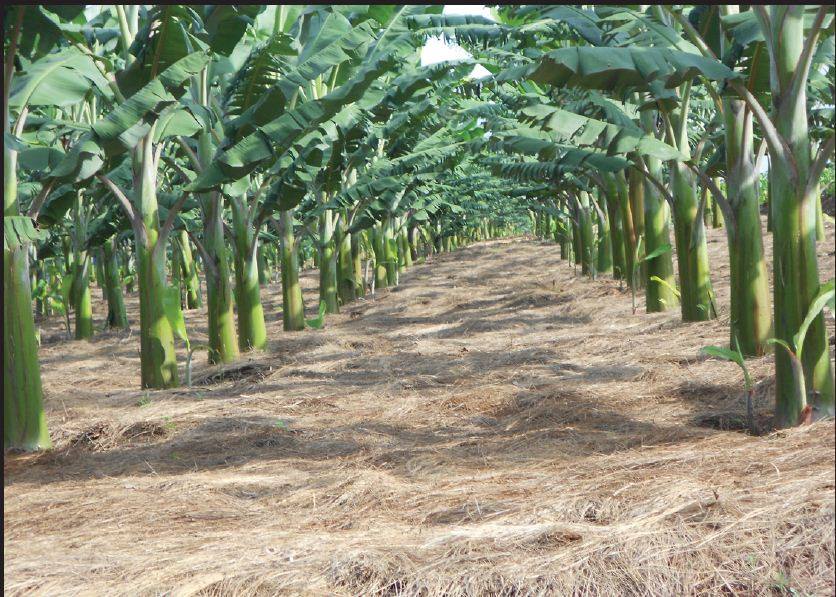
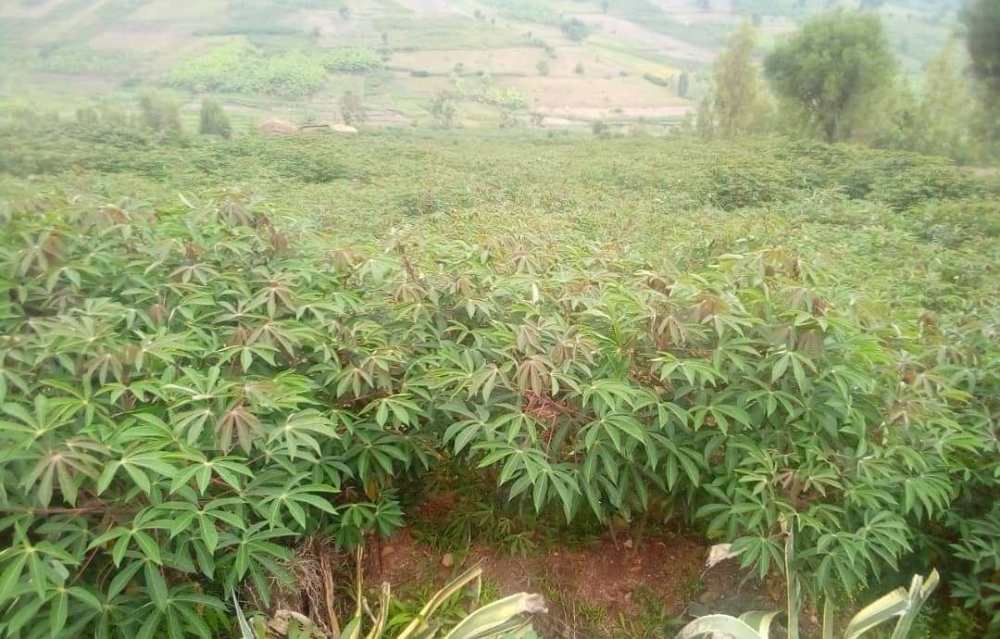
“Here in Rwanda and elsewhere, many crop diseases continue to affect production. For example, banana plants are severely affected by Wilt disease, cassava is attacked by Cassava Brown Streak Disease, and potatoes suffer from Late Blight. Through this project, enhanced seeds will be developed with the ability to resist these diseases,” she said.
Dr. Uzayisenga explained that the project will initially focus on bananas, potatoes, and cassava, before expanding to other crops. She added that neighboring countries could also benefit from the facility, as no similar center currently exists nearby.
“We already use enhanced cassava, maize, and potato varieties in Rwanda, but they were all developed outside the country. Under this new project, Rwandans themselves will gain the expertise to produce them locally. In particular, the popular Kinigi potato variety will be improved to increase productivity,” she said.
Dr. Uzayisenga also addressed concerns surrounding genetically enhanced crops, stressing that the technology only modifies the crop’s DNA structure without introducing harmful changes that could affect human health.
A lecturer in the Department of Biology at the University of Rwanda, Prof. Mutangana Dieudonne, said that while DNA-related courses are taught at the university, public understanding of the subject remains low.
He noted that plans are underway to extend awareness programs to secondary schools so students can develop a better understanding of DNA science from an early age.
Banana plants are among the crops that will be genetically enhanced through research conducted in Rwanda.Dr. Uzayisenga explained that the project will initially focus on bananas, potatoes, and cassava, before expanding to other crops.
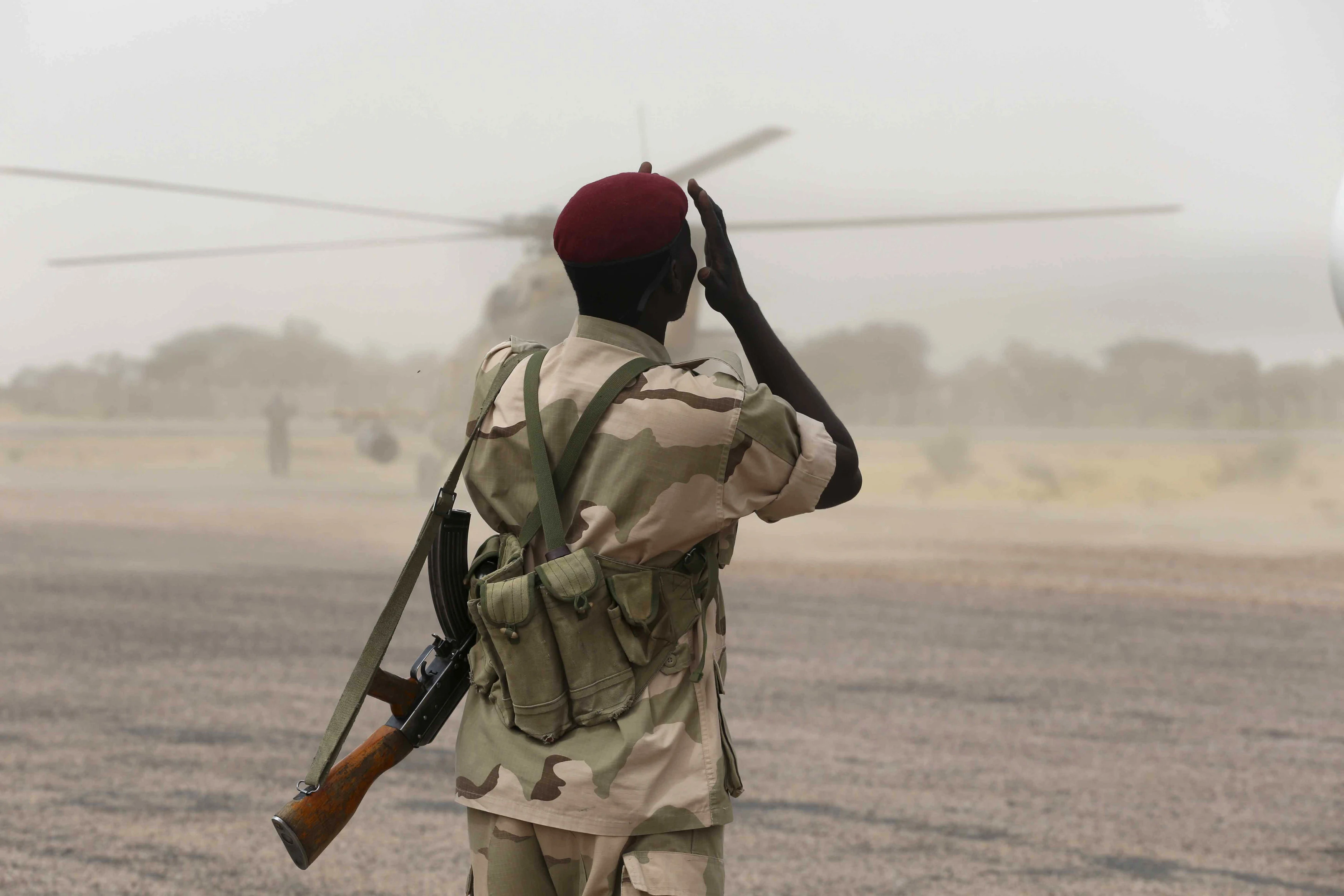
Twenty-three soldiers were killed and 26 others injured on Monday in an assault by Boko Haram militants on the Barka Tolorom island military base in the region.
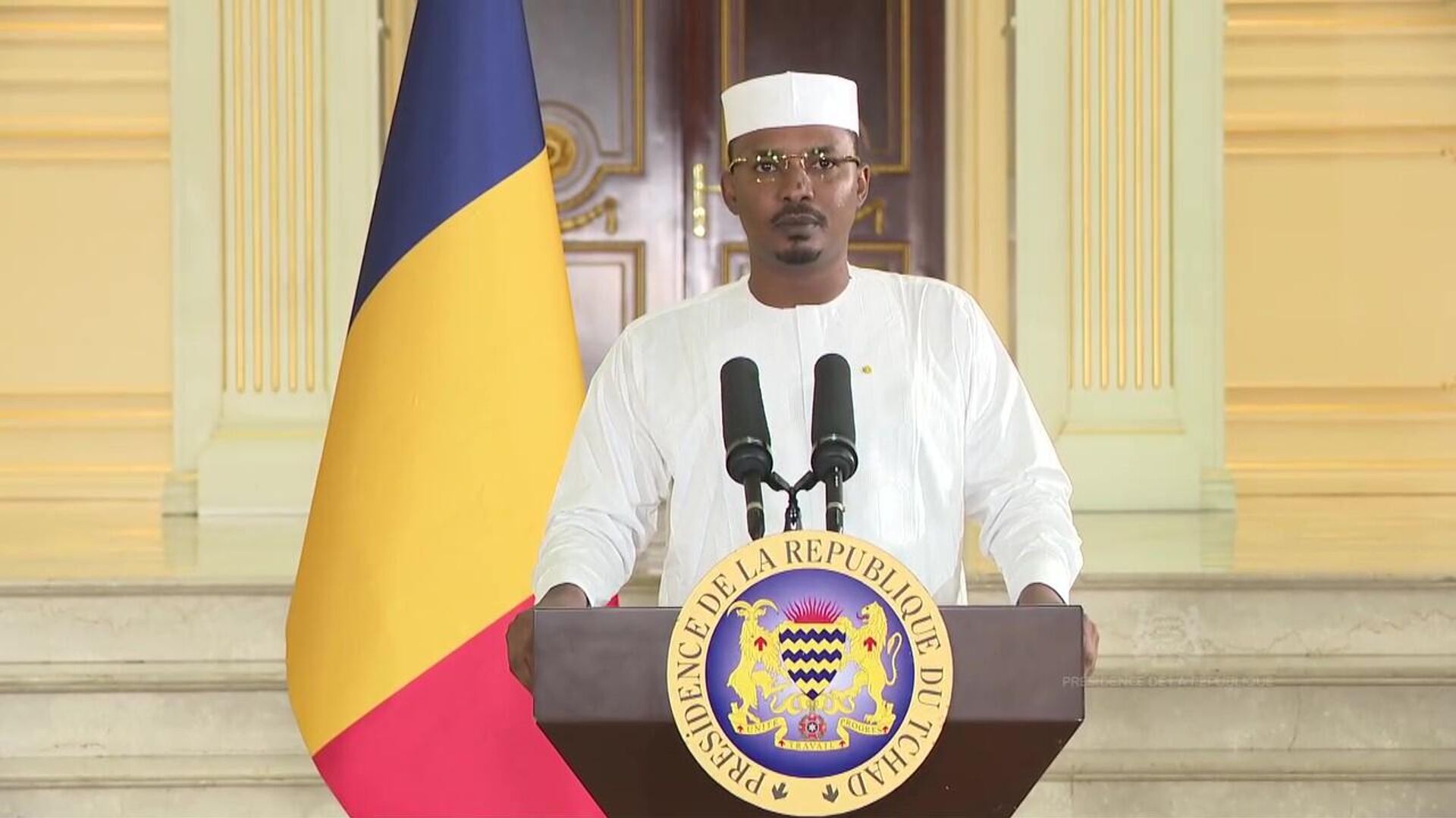
Late Wednesday, Chadian President Mahamat Idriss Deby Itno signed a decree declaring the mourning.
“During this period, flags are flown at half-mast and all festive activities are prohibited. Only religious music and prayers are permitted in the media and places of worship,” the decree stated.
The mourning declaration came just hours after local media reported another deadly Boko Haram attack on soldiers in Lake Chad on Wednesday. There was no official announcement regarding the number of casualties.
The Lake Chad region, bordering Nigeria, Niger and Cameroon, has long faced attacks by Boko Haram and its splinter faction, the Islamic State West Africa Province.
Chadian President Mahamat Idriss Deby Itno signed a decree declaring the mourning on Wednesday.
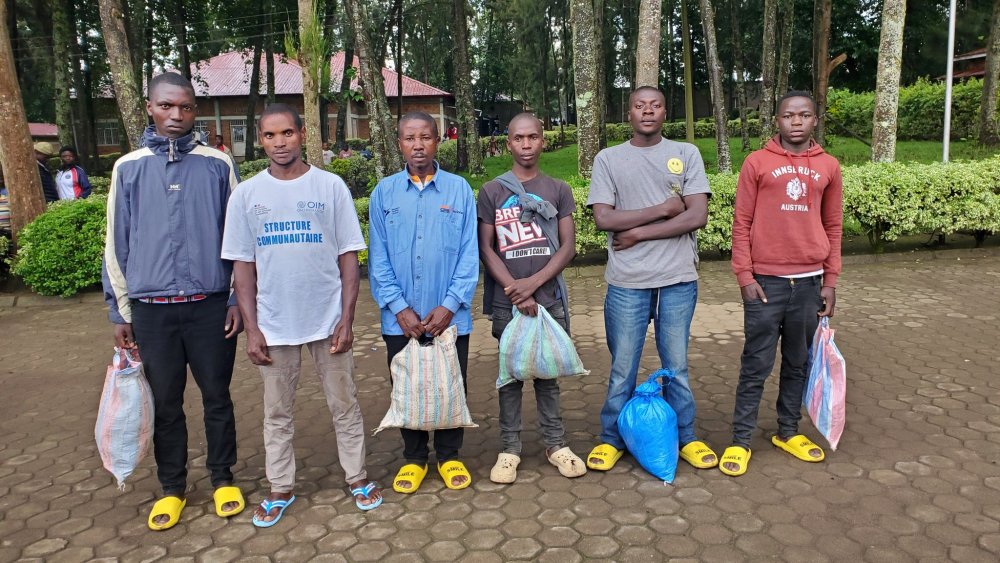
Data from the National Commission for Demobilisation, Reintegration and Rehabilitation shows that between January and May 6, 2026, Rwanda received 159 former FDLR fighters, a militia group formed by the perpetrators of the 1994 Genocide against the Tutsi.
Among those repatriated are six individuals who were part of a group of 317 Rwandans received on April 24, 2026.
The most recent returnees include a 56-year-old man and a 16-year-old minor, all originating from North Kivu in eastern Democratic Republic of Congo.
Since early 2025, when the M23 movement took control of Goma, several Rwandans previously held by the FDLR have voluntarily returned, the majority being women and children.
On some occasions, individuals attempting to disguise themselves as civilians have been identified by Rwandan authorities. Such cases are transferred to Mutobo for civic education and reintegration training before being reintegrated into their communities of origin.
The repatriation of FDLR members has continued in small groups as Rwanda awaits the implementation of planned operations by the Congolese armed forces to dismantle the group, in line with a 2025 peace agreement signed in Washington, D.C.
As of June 2025, the FDLR was estimated to have between 7,000 and 10,000 fighters, with many of its senior leaders based in Walikale and Masisi territories in North Kivu Province.
Data from the National Commission for Demobilisation, Reintegration and Rehabilitation shows that between January and May 6, 2026, Rwanda received 159 former FDLR fighters, a militia group formed by the perpetrators of the 1994 Genocide against the Tutsi.