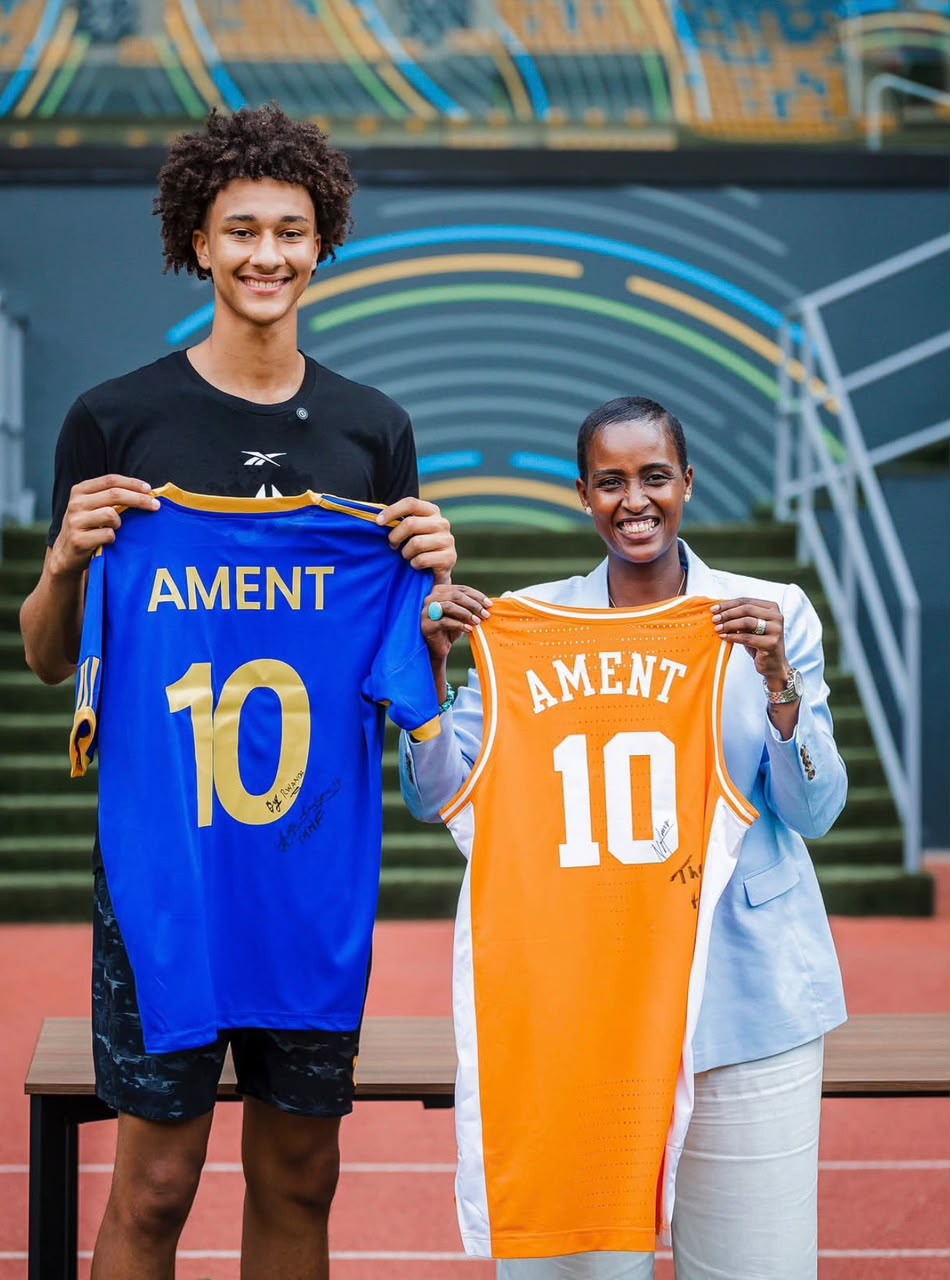
The Matchday 28 fixture of the BK Premier League, played at Kamena Stadium, saw Nduwayo net the third goal in the 61st minute. The goal came from a well-delivered corner kick taken by Ruboneka Bosco, which he successfully converted.
It marked the defender’s first goal for APR FC, coming in just his second start in the Rwanda Premier League since joining the club.
His debut appearance came earlier in the season during APR FC’s 2–1 win over Marine FC.
Speaking after the match, Nduwayo described the moment as an important step in his development.
“It’s just the beginning of a journey. I will keep working hard. I am being given opportunities, and I need to make the most of them,” he said.
The defender also credited his teammates for helping him settle and perform confidently on the pitch.
Nduwayo started due to Niyigena Clément’s injury, while Nshimiyimana Yunussu missed the match after picking up three yellow cards.
Since joining APR FC from Gasogi United during the summer transfer window, the young defender has quickly risen through the ranks, earning a national team call-up with the Amavubi. On Saturday, he delivered a composed display at the heart of defence alongside Ishimwe Abdoul, contributing to a clean sheet for APR FC.
It was a special moment of joy for Nduwayo Alexis, who scored APR FC’s third goal at Kamena Stadium.Nduwayo was making his second league appearance since joining APR FC.APR FC players were delighted to see the young defender score.
For the Bank of Kigali, this partnership is part of a broader commitment to supporting Rwandans in every walk of life. Having previously backed sports such as basketball and cycling, the bank now turns to football, becoming “Banki ya Ruhago”, a bank for the nation’s most followed game, as the next frontier for impact.
This moment builds on the steady progress made by the Rwanda Premier League in recent years to raise the profile of local football.
The launch of the BK Pro League represents the next phase, focused on strengthening the league’s financial base, supporting clubs, and deepening the connection between football and its fans.
As Rwanda’s premier division competition, comprising 18 clubs, the BK Pro League is set to elevate standards across the board through supporting clubs and players on and off the pitch.
At the heart of the partnership is a commitment to financial inclusion. For many players who have historically operated outside formal banking systems, this marks a shift. Through access to tailored financial solutions and support, players will be better equipped to build a lasting financial security beyond their careers.
Fans, too, will benefit from a more connected and engaging game with enhanced matchday experiences which will bring them closer to the clubs and players that define Rwanda’s football.
Speaking on the partnership, the Chairman of Rwanda Premier League, Yussufu Mudaheranwa said: “This partnership marks an important milestone for the Rwanda Premier League. We have been building towards a stronger, more competitive league, and this collaboration with Bank of Kigali allows us to accelerate that progress, supporting our clubs, strengthening the league’s foundations, and creating a better environment for players and fans alike.”
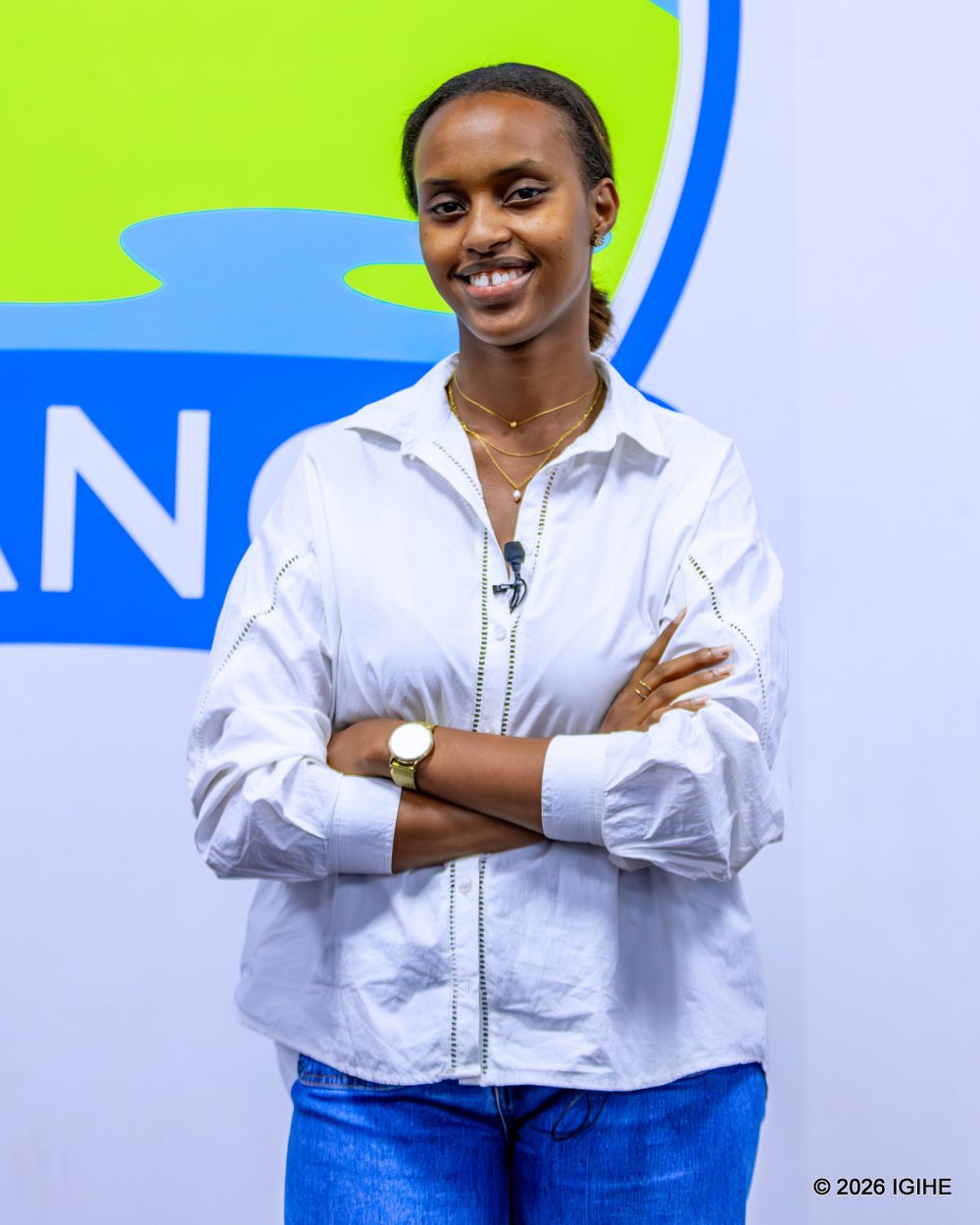
Speaking at the launch, Dr. Diane Karusisi, the CEO of Bank of Kigali, said: “We are not just putting our name on a league. We are investing in the future of the Rwandan football ecosystem, and through it, in the future of Rwanda. As a bank for Rwandans, we are committed to supporting them in every journey, including sport. By extending this commitment to football, we aim to promote financial empowerment and create opportunities for players, clubs, and communities alike.”
The President of FERWAFA, Fabrice Shema Ngoga also noted the broader impact of such collaborations on the football ecosystem: “Strategic partnerships such as this are key to advancing football development in Rwanda. We welcome Bank of Kigali’s commitment and believe this collaboration will contribute positively to the growth of the game at all levels.”
With a shared vision, the BK Pro League sets the stage for a stronger, more competitive future, one where football continues to grow, unite, inspire and create opportunity across Rwanda.
The President of FERWAFA, Fabrice Shema Ngoga noted the broader impact of such collaborations on the football ecosystem.The launch of the BK Pro League represents the next phase, focused on strengthening the league’s financial base, supporting clubs, and deepening the connection between football and its fans. For the Bank of Kigali, the partnership is part of a broader commitment to supporting Rwandans in every walk of life.
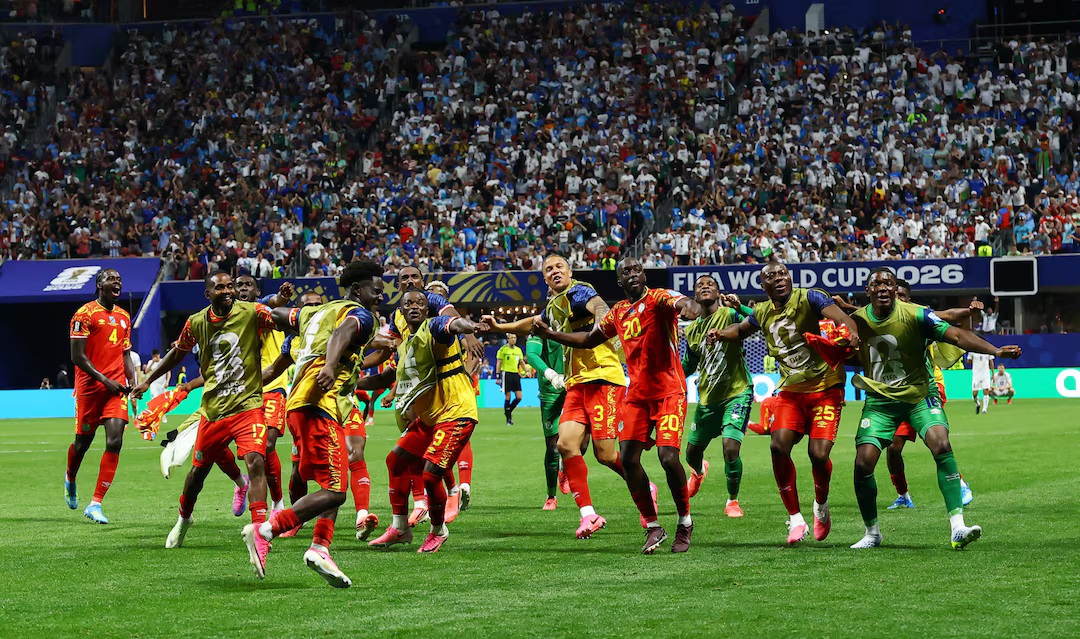
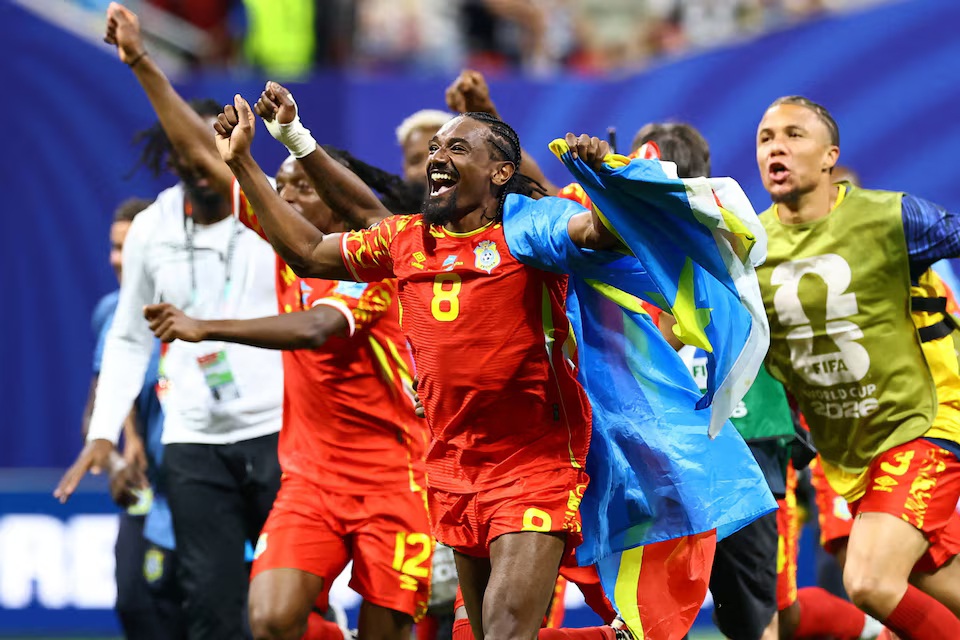
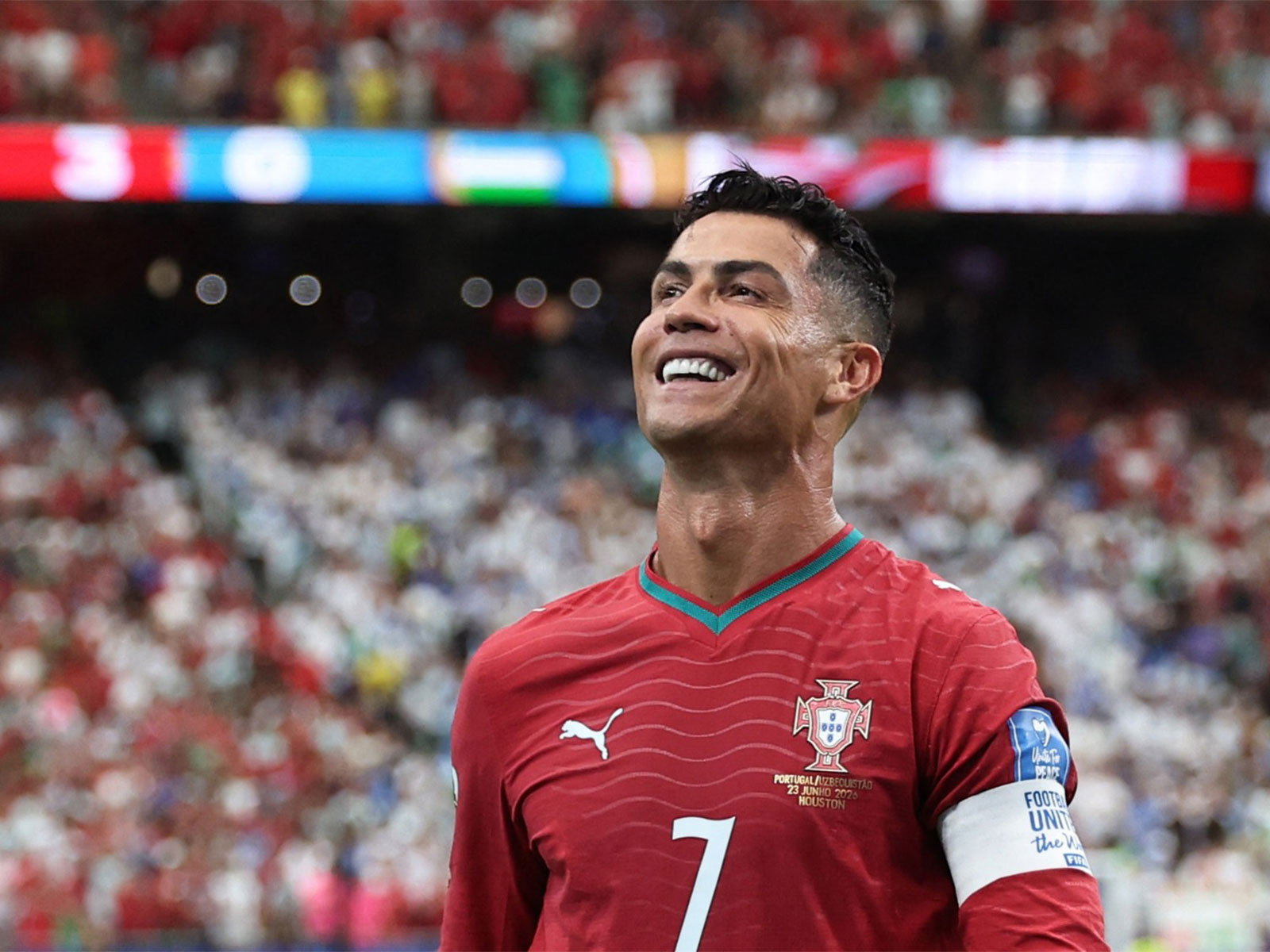
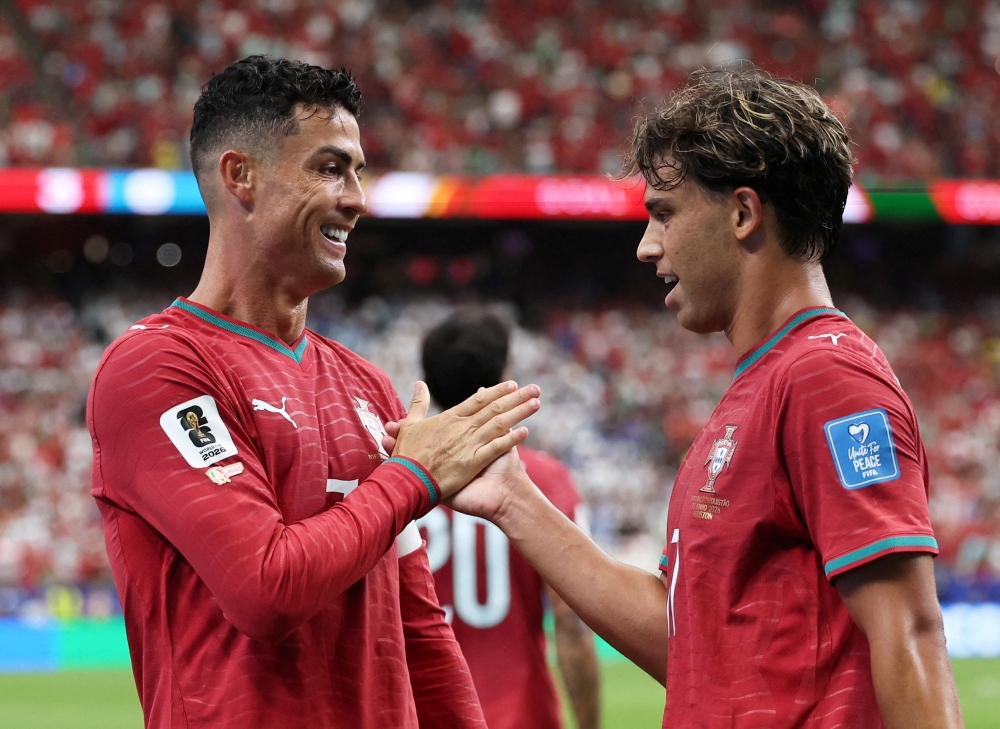
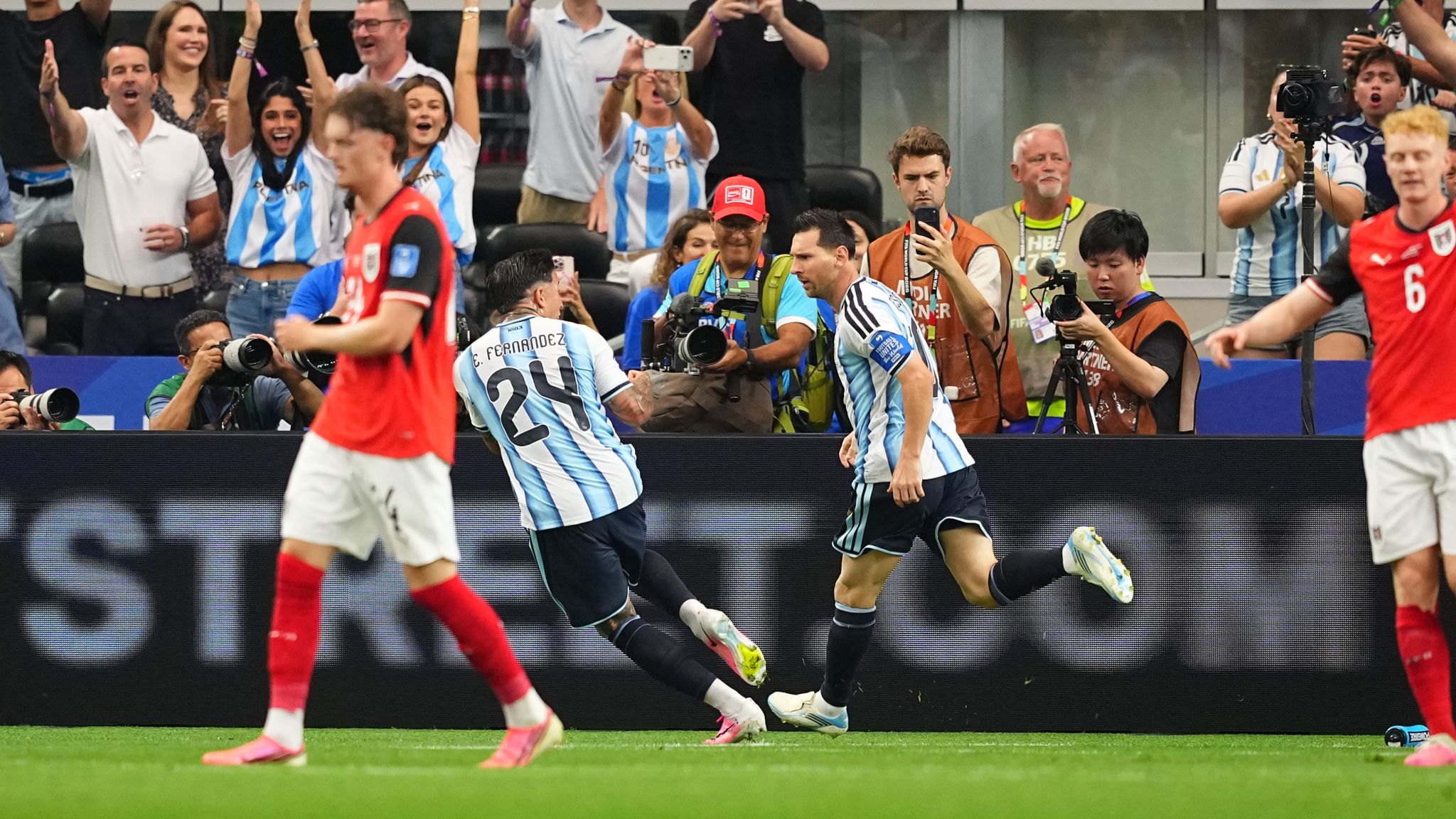
Uncertainty over Iran’s participation has persisted due to the ongoing war involving the United States and Israel. However, FIFA has maintained that the team is expected to compete as scheduled.
US special envoy Paolo Zampolli told the Financial Times that he had suggested to US President Donald Trump and FIFA president Gianni Infantino that Italy could take Iran’s place.
“I confirm I have suggested to Trump and Infantino that Italy replace Iran at the World Cup,” Zampolli said. “I’m an Italian native and it would be a dream to see the Azzurri at a US-hosted tournament. With four titles, they have the pedigree to justify inclusion.”
FIFA did not formally respond to the proposal but pointed to remarks by president Gianni Infantino, who said last week: “The Iranian team is coming, for sure.”
Zampolli’s suggestion was reportedly linked to diplomatic tensions between Washington and Rome, following criticism by Italian Prime Minister Giorgia Meloni of comments made by Trump regarding Pope Leo XIV.
Four-time champions Italy failed to qualify for the tournament after losing a playoff against Bosnia and Herzegovina last month, marking their third consecutive World Cup absence.
Iran are scheduled to face New Zealand and Belgium in Los Angeles on June 15 and June 21 respectively, before meeting Egypt in Seattle on June 26. The tournament begins on June 11 and will be co-hosted by the United States, Canada and Mexico.
Under FIFA regulations, the governing body holds sole discretion over any replacement if a team withdraws or is excluded. Article Six of the World Cup rules states that FIFA “may decide to replace the Participating Member Association in question with another association.”
Speaking in Washington last week, Infantino reiterated FIFA’s position on Iran’s participation.
“We hope that by then the situation will be a peaceful one. That would definitely help. But Iran has to come if they are to represent their people,” he said. “They have qualified. They’re a good team and they really want to play. Sport should be outside politics.”
In March, FIFA confirmed Iran’s fixtures would proceed as scheduled in the United States after reports that the Iranian federation had sought to move matches to Mexico due to safety concerns.
Iranian officials have since said the team is continuing preparations for the tournament, with football federation president Mehdi Taj stating that the squad remains committed to participation.
The idea of Italy replacing Iran has previously surfaced in past tournaments but has never been acted upon by FIFA. In this case, sources say there is currently no indication that Iran will withdraw or be excluded from the competition.
Italy players pose for a team group photo before a past match.
The men’s half-marathon world record was created by Uganda’s star distance runner Jacob Kiplimo at the Lisbon Half Marathon in Portugal last month.
At the inaugural E-Town half-marathon in 2025, Tiangong Ultra seized victory in two hours, 40 minutes, and 42 seconds, and only six out of the 20 competing teams successfully finished the 21.0975-kilometer race to make history.
In the second edition of the event on Sunday, humanoid robots made remarkable progress and demonstrated technological breakthroughs to become faster and more stable in running. The number of participating teams increased to more than 100 this year, including participants from Germany, France and Brazil.
In terms of competition rules, robots and human runners followed the same route but separate lanes to ensure safety, and the robot’s cutoff time was set at three hours and 40 minutes. The newly added format this year includes two ways of participation – remote control and autonomous navigation.
For teams in remote control, their finishing times need to be multiplied by a coefficient of 1.2. About 40 percent of the teams adopted the autonomous navigation to achieve better results.
“The setting of coefficient aims to guide and encourage the research and development of autonomous navigation, which represents a technological foundation for humanoid robots to be applied in more scenarios in our daily life towards future,” explained Liang Liang, deputy secretary-general of the Chinese Institute of Electronics.
On the human’s side of E-Town half-marathon, China’s Zhao Haijie took the men’s title in one hour, seven minutes, and 47 seconds, while his compatriot Wang Qiaoxia was crowned in the women’s race with 1:18:06.
Gold medalist “Flash” (C) of Qitiandasheng Team in the autonomous category poses during the awarding ceremony for the humanoid robots’ half-marathon at the Beijing E-Town half-marathon and humanoid robots half-marathon in the Beijing Economic-Technological Development Area in southeast Beijing, China, April 19, 2026. (Xinhua/Zhang Chenlin)Humanoid robot “Flash” of Pofengshandian Team in the remote-controlled category crosses the finish line during the Beijing E-Town half-marathon and humanoid robots half-marathon in the Beijing Economic-Technological Development Area in southeast Beijing, China, April 19, 2026. (Xinhua/Zhang Chenlin)
The international karate tournament will be held at the indoor sports and entertainment hall of Ecole Notre Dame des Anges in Remera, bringing together children, cadet, juniors, and senior athletes from Rwanda and beyond.
Previously staged in Huye, the championship features both male and female competitors aged six years and above, competing across different age and weight categories.
Young participants will compete in Kata (forms demonstration) and Kumite (sparring) based on age groups, while senior athletes will contest Kumite bouts according to weight divisions, in line with World Karate Federation regulations.
One of the tournament’s distinguishing features is the use of advanced Video Review (VAR) technology in scoring, allowing coaches to challenge refereeing decisions when they believe their athletes were denied deserved points.
The championship is also officiated by international referees and experts drawn from across the African continent.
Dieudonné Mwizerwa, Director of Zanshin Sport Solutions and the tournament organiser, said registration will open in June and run until the end of July 2026.
“This year, all preparations are well in place. We expect top international athletes to participate, and international referees from different African countries will officiate the matches,” he said.
Mwizerwa urged teams to register their athletes early and in large numbers, while also calling on supporters to attend and cheer on the competitors.
He also thanked FERWAKA and Martin Hardware & Twyford Rwanda, the main sponsor of the tournament, for their continued support.
He further encouraged other partners to collaborate with Zanshin in promoting karate development and nurturing young talent.
In the 2025 edition, Flying Eagles Karate Club won the Zanshin Karate Championship for Children, Cadets and Juniors (3rd Edition).
APR Karate-Do claimed the Zanshin Seniors Open Karate Championships (2nd Edition), which brought together senior athletes and was held at Hotel Credo in Huye District.
Participating teams included clubs from Rwanda and Kenya, as well as individual athletes from Gabon and the Democratic Republic of Congo.
The “Zanshin Karate Championship 2026” tournament will take place in Kigali from August 7–9. The karate tournament features both junior and senior categories.Dieudonné Mwizerwa, Director of Zanshin Sport Solutions and the tournament organiser, said registration will open in June and run until the end of July 2026.Teams from Kenya were among those that participated in the tournament during its most recent edition in 2025, which was held in Huye.
The results mark a historic milestone for the Rwanda Development Board, as every club carrying the nation’s flagship tourism brand has converged at the penultimate stage of Europe’s most prestigious competition.
The path to the final four was paved with high-stakes drama as the partner clubs navigated through Europe’s elite. Arsenal FC demonstrated a defensive masterclass to eliminate Sporting CP, holding firm for a goalless draw at the Emirates Stadium following a slim 1-0 victory in Lisbon to secure back-to-back semifinal appearances.
Meanwhile, Paris Saint-Germain silenced Anfield by overcoming Liverpool FC in a tactical heavyweight clash to continue their pursuit of a maiden Champions League trophy. In an all-Spanish affair, the “Visit Rwanda” newcomer Atlético de Madrid staged a gritty performance to knock out FC Barcelona, proving their mettle under the lights of the Metropolitano.
Finally, in the most explosive tie of the round, FC Bayern Munich dispatched Real Madrid in a 10-goal aggregate thriller, where a 4-3 victory in the second leg cemented the German side’s status as a tournament favourite.
FC Bayern Munich remains a key collaborator of Rwanda through a refined partnership that prioritises football development. This ongoing cooperation focuses on long-term impact, including the FC Bayern Youth Academy in Kigali, coaching exchange programmes, and grassroots initiatives aimed at nurturing Rwandan talent.
President Paul Kagame celebrated the clean sweep on social media, highlighting the synergy between the clubs’ on-field excellence and the nation’s global branding. The President noted that the performances of Atlético de Madrid, Arsenal, and PSG have shown consistency, excellence, and resolve.
He extended specific congratulations to the newest partner, Atlético de Madrid, alongside long-standing collaborators Arsenal and PSG, wishing them success as they head into the home stretch of the tournament.
“Proud to see three Visit Rwanda partners qualifying for the UEFA Champions League semi-finals! The performances of Atlético de Madrid, Arsenal and PSG have shown consistency, excellence and resolve, and we look forward to the games ahead!” President Kagame said in a post on X on Wednesday night.
The upcoming semifinal fixtures will see Paris Saint-Germain face FC Bayern Munich, while Atlético de Madrid takes on Arsenal. The upcoming semifinal fixtures will see Paris Saint-Germain face FC Bayern Munich, while Atlético de Madrid takes on Arsenal FC. These pairings ensure that “Visit Rwanda” will maintain a strong presence on the Champions League stage, with at least one partner club guaranteed a place in the final in Munich.
Arsenal FC demonstrated a defensive masterclass to eliminate Sporting CP, holding firm for a goalless draw at the Emirates Stadium following a slim 1-0 victory in Lisbon to secure back-to-back semifinal appearances.Paris Saint-Germain silenced Anfield by overcoming Liverpool FC in a tactical heavyweight clash to continue their pursuit of a maiden Champions League trophy.
The 6’6” centre, born in Mumias in western Kenya, was selected as the 13th overall pick in the first round of the WNBA Draft, placing her among the newest additions to one of the world’s most competitive women’s basketball leagues.
Okot is known for her strong presence in the paint, elite rebounding ability and growing offensive versatility, attributes that have made her one of the most promising frontcourt players in this year’s draft class.
Her journey began in 2020 at Zetech University in Kenya before she moved to the United States to pursue higher-level competition. She later played for Mississippi State University for two seasons before transferring to the University of South Carolina, where her development accelerated.
At South Carolina, Okot averaged 12.8 points and 10.6 rebounds per game while shooting 57.5 per cent from the field, establishing herself as one of the most efficient players in the programme. She was also part of the Gamecocks squad that reached the NCAA Division I Women’s Basketball Championship final, competing at the highest level of U.S. college basketball.
Her selection by the Atlanta Dream marks a major milestone not only for her career but also for Kenyan basketball, as she becomes the first player from the country to enter the WNBA.
The WNBA Draft is an annual event where franchises select top college and international prospects to strengthen their rosters ahead of the season, which runs from May to September. Draft order is determined by the reverse standings of the previous campaign.
Okot will wear jersey number 26 for the Atlanta Dream, with the jersey already available for fans.
She joins a draft class shaped by a new collective bargaining agreement that has raised the salary cap to $7 million per team, significantly improving rookie contracts and overall earnings. First-year players now earn over $270,000 (about Rwf 393 million), while top picks can earn up to $500,000. Okot’s rookie contract at pick 13 is estimated at around $289,133 (Rwf 420 million).
The Atlanta Dream also selected Indya Nivar (28th overall) and Kejia Ran (43rd overall) to strengthen their squad. The additions join a core that includes Allisha Gray, Rhyne Howard, and Angel Reese as the franchise looks to compete with top teams such as the Las Vegas Aces.
President William Ruto has congratulated her, saying her milestone “fills our nation with pride” and serves as inspiration for young Kenyan athletes.
Okot has previously described her rise as surreal, noting her gratitude for how far she has come since starting basketball only six years ago.
The 6’6” centre, born in Mumias in western Kenya, was selected as the 13th overall pick in the first round of the WNBA Draft, placing her among the newest additions to one of the world’s most competitive women’s basketball leagues.
On Sunday, April 12, 2026, FERWAFA officials joined residents of Remera Sector in commemorating the 32nd anniversary of the Genocide against the Tutsi. The event formed part of the nationwide Kwibuka32 remembrance activities.
Following the commemoration, FERWAFA shared a message from national team players, both those playing locally and abroad, reflecting on the importance of remembrance.
Kwizera Jojea, who plays for Rhode Island in the United States, said: “As a player of Rwanda’s national team, we take this moment to remember the 1994 Genocide against the Tutsi.”
Striker Biramahire Abeddy of Assabah FC in Libya and Bayisenge Emery of Rayon Sports directed their message to the youth, urging them to uphold unity and national values.
“As young people, the more we remember, the more we commit ourselves to preserving unity, peace, and development. We are the future of Rwanda, and it is our responsibility to contribute to building a country free from division.”
Nshuti Innocent, who plays for Al Wafaq Ajdabia in Libya, together with FERWAFA’s Commissioner for Women’s Football, Gicanda Nikita Valverde, stressed that it is the responsibility of every Rwandan to fight against genocide denial and ideology.
FERWAFA President, Shema Ngoga Fabrice, noted that remembrance plays a crucial role in strengthening national unity.
“Remembrance is a shared responsibility among all Rwandans, because a society that does not remember fades away. As sportspeople, we choose to be a pillar of reconciliation and development.”
In the message, which also featured FERWAFA’s Commissioner for Development, Kanamugire Fidèle, participants highlighted that making the right choices in life includes contributing to the continued building of a united Rwanda.
FERWAFA President, Shema Ngoga Fabrice, joined Remera residents to honor victims of Genocide against the Tutsi. FERWAFA President, Shema Ngoga Fabrice, noted that remembrance plays a crucial role in strengthening national unity.Amavubi players have urged the youth to remember as a way to honor victims of Genocide against the Tutsi.
Rwanda, alongside the international community, is currently marking the 32nd commemoration of the Genocide against the Tutsi, during which more than one million people were killed in just 100 days.
Speaking at an event held on April 10, 2026, in remembrance of journalists who were killed during the Genocide, Dr. Bizimana highlighted the critical role played by the media in fueling the violence.
He explained that several high-ranking government officials were actively involved in the leadership of RTLM while still serving in state institutions.
Among them was Donath Hakizimana, then Secretary General of the National Intelligence Service, who was responsible for supplying RTLM with information and recruiting loyal, hardline journalists.
Gaspard Musabyimana, now living in Belgium where he operates Radio Inkingi an outlet that continues to promote genocide ideology was in charge of programming and coordination with intelligence networks.
Also involved was Ferdinand Nahimana, one of the principal ideologues of the Genocide, who authored propaganda encouraging Hutu unity against Tutsis under what was called the “civil self-defense” (Auto-défense civile) campaign.
These individuals, along with others, formed influential committees that recruited skilled and trusted journalists, many drawn from ORINFOR and used them to orchestrate propaganda campaigns that encouraged the killing of Tutsis.
Those recruited included Noheli Hitimana, Joel Hakizimana, Ananiya Nkurunziza, Georges Ruggiu, Valérie Bemeriki, Joseph Gatsikira, and others known for their engaging and persuasive broadcasting style, often centered on music, sports, and general entertainment.
Dr. Bizimana emphasized that Habimana Kantano stood out as one of RTLM’s most influential figures. He cleverly used his popularity as a passionate fan of Rayon Sports to mobilize members of the Interahamwe militia and incite them to commit killings.
He noted:“Kantano was widely recognized as a devoted Rayon Sports supporter. He often wore the club’s attire and carried a drum wherever he went. He was highly popular, and whenever he spoke on RTLM, many young people listened closely because of his influence.”
RTLM broadcasts frequently included explicit hate speech, such as: “Tutsis, you cockroaches, we will kill you.”
RTLM began broadcasting on July 8, 1993, and quickly became popular, particularly among young audiences, due to its modern and engaging programming. The station aired a wide range of music, including Zouk, Rumba, American genres, gospel songs, and more.
Its large audience enabled it to spread hatred and extremist propaganda with alarming ease, significantly contributing to the rapid escalation and widespread nature of the killings during the Genocide.
Ferdinand Nahimana was the Director of RTLM.Habimana Kantano used his association with Rayon Sports to incite Hutu youth to kill Tutsis.
He made the remarks on April 10, 2026, at State House, Nairobi, during the signing of a lease agreement between the Kenya Railways Corporation and Zaria Group for the development of a modern arena and entertainment district under the Nairobi Railway City project.
President Ruto said the agreement marks a turning point in the transformation of Nairobi into a globally competitive capital, driven by structured planning, public-private partnerships, and coordinated urban regeneration.
He noted that the Nairobi Railway City master plan is designed to convert underutilised land in the city centre into a mixed-use district integrating transport, commerce, culture, sports, and public life, with the aim of establishing a vibrant 24-hour economy.
“It is true that this arena should have been built before the one in Kigali, and Ujiri would have wanted that to happen,” Ruto said. “But we thank God that finally we are doing it.”
He added that Nairobi’s slow decision-making processes had previously held back major opportunities for the city.
Ruto further revealed that he personally intervened in negotiations to finalise the agreement, including adjusting financial terms to ensure consensus was reached.
President William Ruto acknowledged that delays in decision-making and fragmentation slowed Kenya’s progress despite early conceptualisation of the project.
The President emphasised that the project reflects a shift toward private-sector-driven development, noting that government alone cannot finance all infrastructure needs.
He added that the Nairobi Railway City project will serve as a model for integrated urban development, supported by broader improvements in infrastructure, including roads, lighting, security systems, and cleanliness within the capital.
Ruto said the arena will not only serve sporting purposes but will also support music, arts, and the wider creative economy, positioning Nairobi as a regional hub for entertainment and international events.
He further said the project will complement other flagship developments such as the Talanta Stadium and the Bomas of Kenya conference facility, creating a comprehensive ecosystem for sports, culture, and business tourism.
The project, which is expected to be completed within 12 months, is projected to create up to 25,000 jobs annually across construction, operations, hospitality, and the creative economy.
President William Ruto witnessed the signing of a lease agreement between the Kenya Railways Corporation and Zaria Group for the development of a modern arena and entertainment district under the Nairobi Railway City project.
Zaria Group co-founder Masai Ujiri described the project as a historic milestone, saying it goes beyond sports to become a major driver of Africa’s creative economy.
“I’m actually overwhelmed, Your Excellency. This is historical. This is momentous,” Ujiri said.
He emphasised that the arena will not be limited to basketball, but will serve as a business hub for sports, entertainment, and the creative industry across Africa.
“In Africa, we don’t understand sports, entertainment, and the creative industry as a business. This is a business. This is going to become an economic driver,” he said.
Ujiri noted that the facility will provide young people with space to express themselves, adding that sports and the creative industry play a role in promoting peace, unity, and opportunity.
He also acknowledged Rwanda’s role in pioneering such developments, referencing Zaria Court and President Paul Kagame’s leadership in advancing sports infrastructure on the continent.
“President Kagame and Kigali and the Kigali arena have done an incredible job of at least starting this for us,” Ujiri said, adding that the Nairobi project will strengthen continental exchange in sports and entertainment.
The Nairobi Railway City arena is expected to become a key anchor for regional cultural and sporting exchanges, with plans for artists, athletes, and performers to circulate between African cities for events and competitions.
The Kigali complex was inaugurated by President Kagame in July 2025.
The $25 million world-class sports and lifestyle complex in Kigali was inaugurated by President Kagame in July 2025, during the Giants of Africa Festival, a pan-African celebration of youth, creativity, and sport. The event drew notable figures, including Nigerian billionaire Aliko Dangote, business leaders, creatives, and young talents from across the continent. The property recently joined Hilton’s Tapestry Collection as a franchised partner.
Zaria Court features an 80-room hotel, multiple restaurants, a rooftop lounge, a gym, co-working spaces, a podcast studio, a broadcast centre, and a large multipurpose arena for sports, concerts, and cultural events.
Outside, the facility includes five-a-side football pitches, a callisthenics area, children’s play zones, and open green spaces. A modular retail park, built from stacked shipping containers, provides affordable space for Kigali’s rising designers, food vendors, and small business owners.
The complex features an 80-room hotel, multiple restaurants, a rooftop lounge, a gym, co-working spaces, a podcast studio, a broadcast centre, and a large multipurpose arena for sports, concerts, and cultural events.