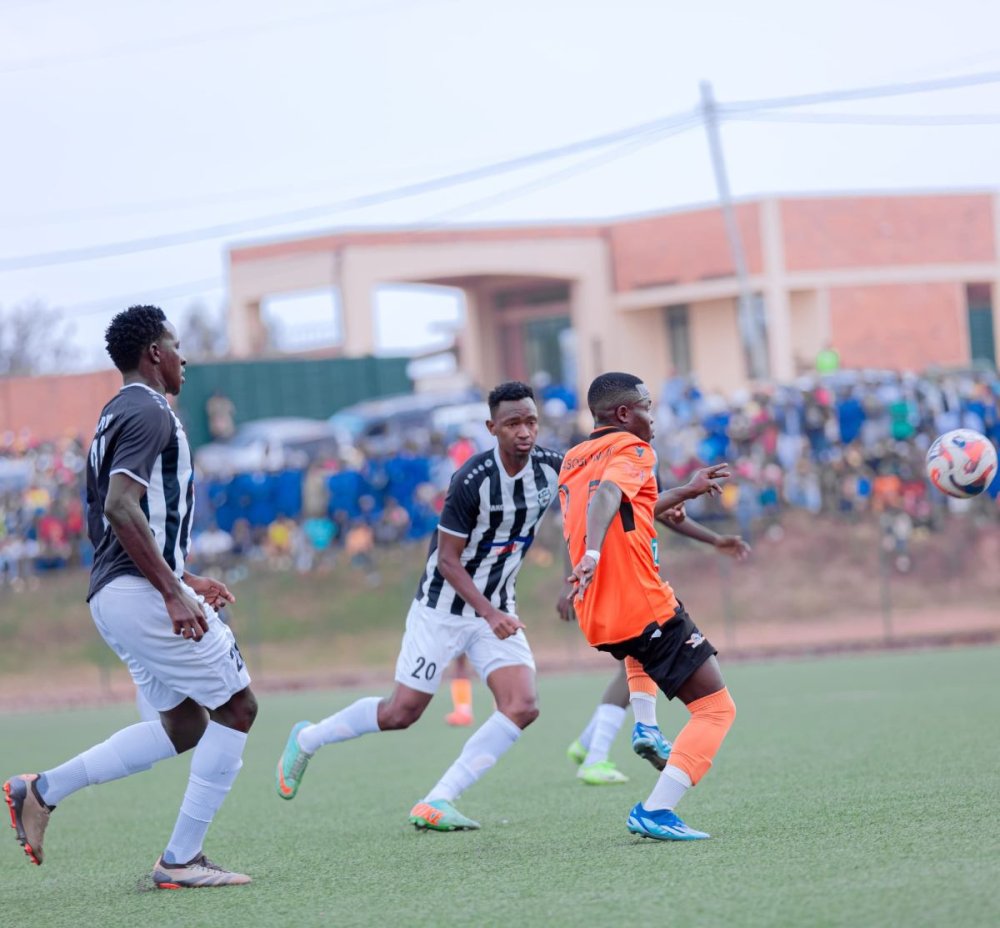
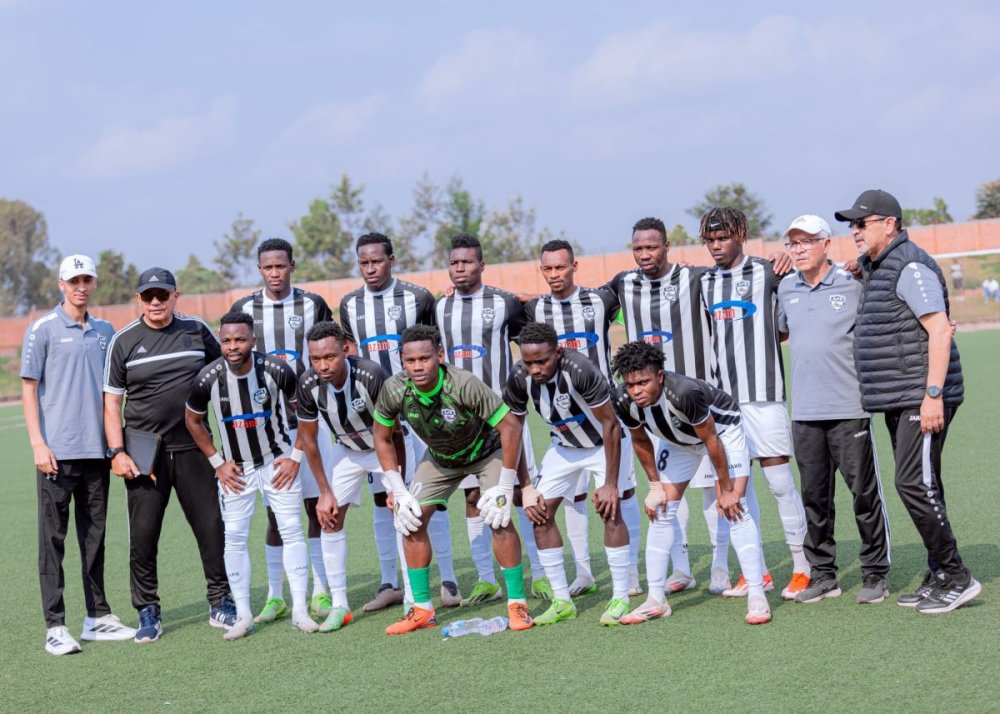
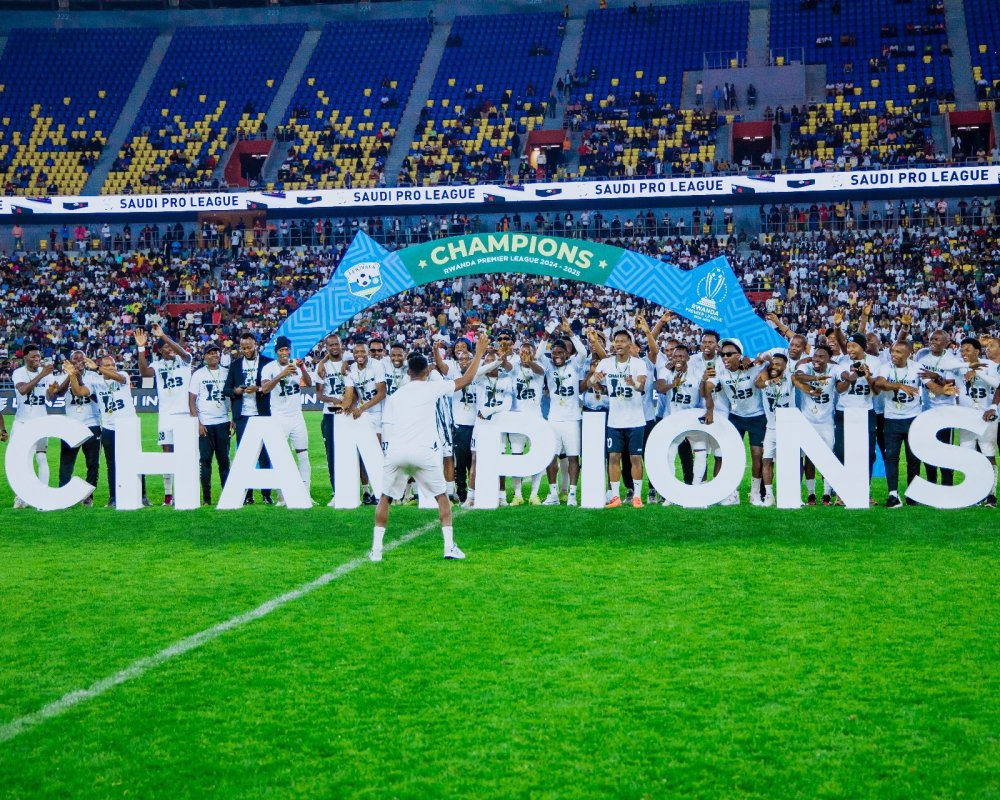
For APR FC, Rwanda’s reigning champions, the match is part of their pre-season schedule ahead of the 2025/26 campaign. The army side kicked off their warm-up games with a strong performance, defeating Gasogi United 4-1 in Shyorongi on Sunday.
For Nigeria, the encounter serves as a critical part of their build-up to the 2025 African Nations Championship (CHAN). The CHAN tournament features only players competing in their national domestic leagues and will run from August 2 to 30, co-hosted by Tanzania, Uganda, and Kenya.
Nigeria’s CHAN team will head to Zanzibar after the Kigali fixture to compete in Group D, where they are drawn alongside Senegal, Congo, and Sudan.
APR FC, meanwhile, has lined up more friendlies as part of their international preseason schedule. The club is confirmed to play Tanzanian powerhouses Simba SC and Azam FC in mid-August.
Discussions are also ongoing with South Africa’s Kaizer Chiefs, raising the possibility of another top-tier clash.
Before meeting Nigeria, APR will be back in action on Tuesday, July 22, in a friendly against Gorilla FC.
As Rwanda’s representatives in the upcoming Confederation of African Football (CAF) Champions League, APR FC hopes to break new ground this season.
The tournament will bring together 15 nations competing in Africa’s Davis Cup Group V, the continent’s lowest tier in the prestigious global competition.
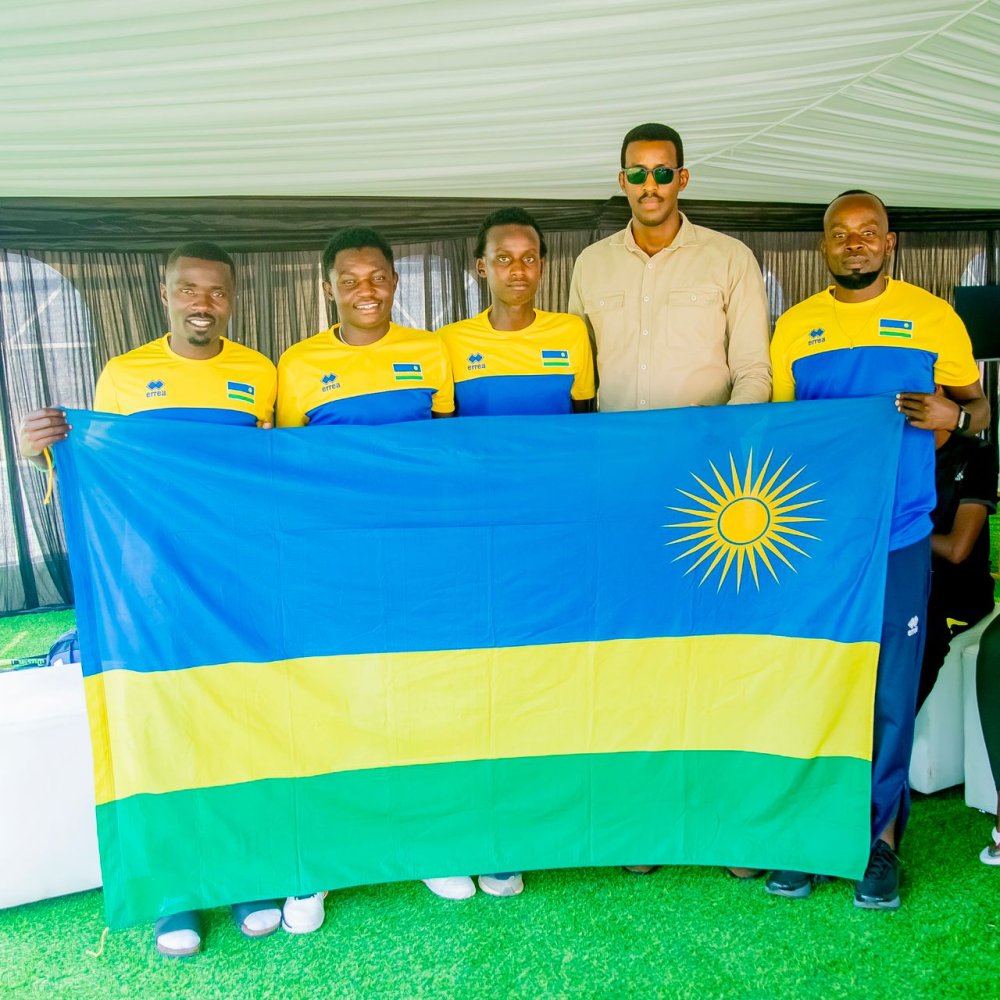
Team Rwanda features a strong line-up including Niyigena Étienne, Hakizumwami Junior, Ishimwe Claude, and David Manzi Rwamucyo. The squad is under the stewardship of head coach Habiyambere Dieudonné.
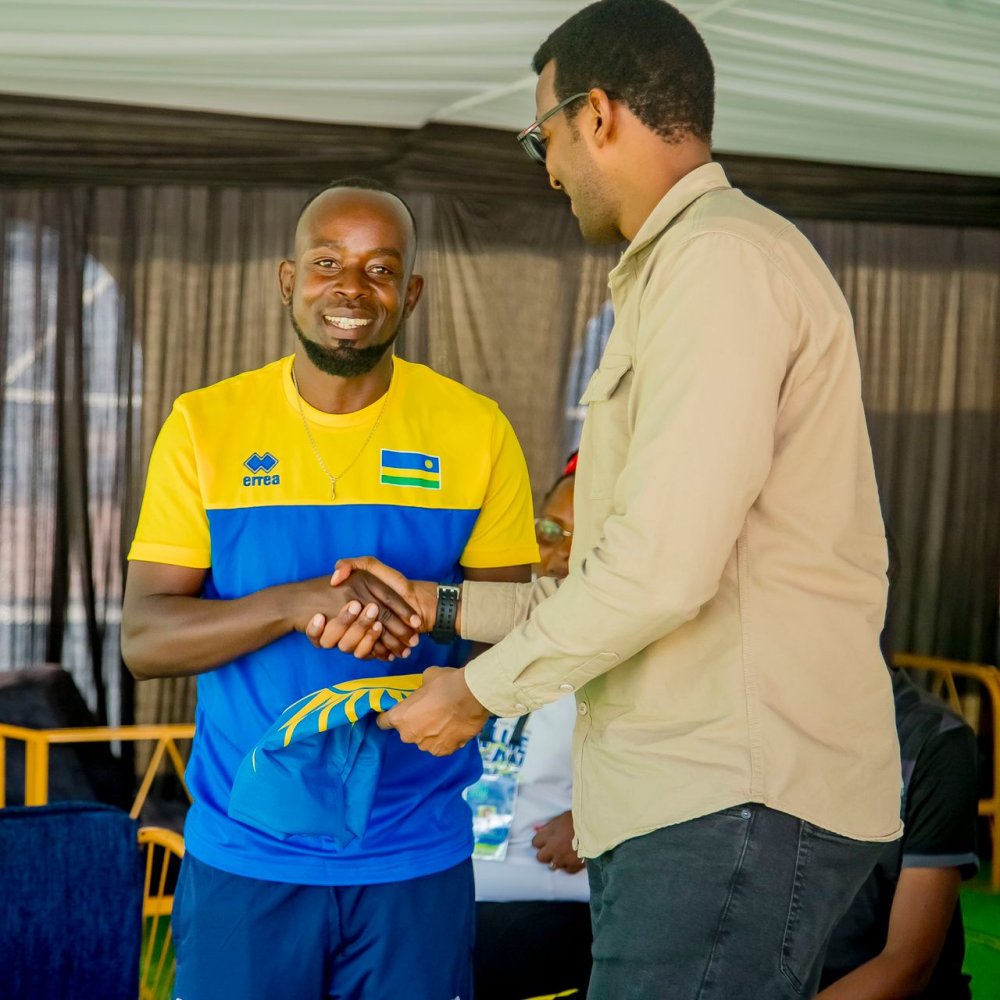
Before they departed from Kigali on Saturday, the players received the national flag from the Minister of State in the Ministry of Sports, Rwego Ngarambe, in a symbolic send-off ceremony.
The matches will be staged at the National Tennis Centre in Gaborone, with the 15 teams divided into three pools: one group of three teams, and two groups with four teams each.
To determine which two teams will earn promotion to Group IV, playoffs will be held between the top team in Group A and the top team in Group D, as well as between the winners of Group B and Group C.
Rwanda dropped to Group V following a tough outing at the Davis Cup 2024 in Angola, where it finished bottom of Group B behind Burundi, the Democratic Republic of Congo, and Kenya.
That 2024 squad, also coached by Habiyambere Dieudonné, included Habiyambere Ernest, Niyigena Étienne, Hakizumwami Junior, and Muhire Joshua. The team won only one of nine matches in the group stage and lost 2–1 to Angola in the relegation playoff.
Cameroon also suffered relegation from Group IV in 2024, finishing last in Group A, home to Senegal, Algeria, and Angola, before falling 2–1 to Kenya in the playoffs.
Rwanda’s best Davis Cup campaign came in 2019, when the national team, featuring Havugimana Olivier, Niyigena Étienne, Habiyambere Ernest, Uwizeyimana Mathieu, and guided by coach Rutikanga Sylvain, secured historic promotion to Group III.
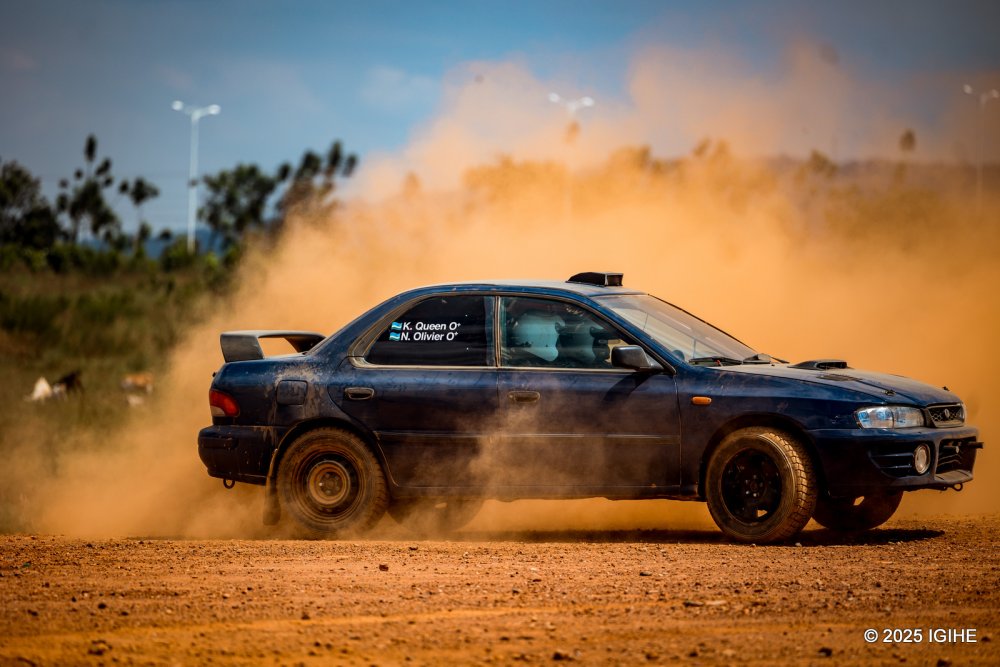
Though rally racing remains a niche sport in Rwanda, globally it’s known as one of the most demanding and dangerous disciplines in motorsport. Competed on rugged dirt tracks, rally stages often feature sharp turns, deep potholes, slippery surfaces, and narrow paths—conditions that test both the machine and the driver.
Racers are often required to maintain speeds exceeding 100 km/h in these unpredictable environments. As a result, the fatality rate in rally racing is considerably higher than in standard circuit racing, with statistics showing 5.7 deaths per 1,000 drivers in rally, compared to just 0.4 per 1,000 on paved tracks.
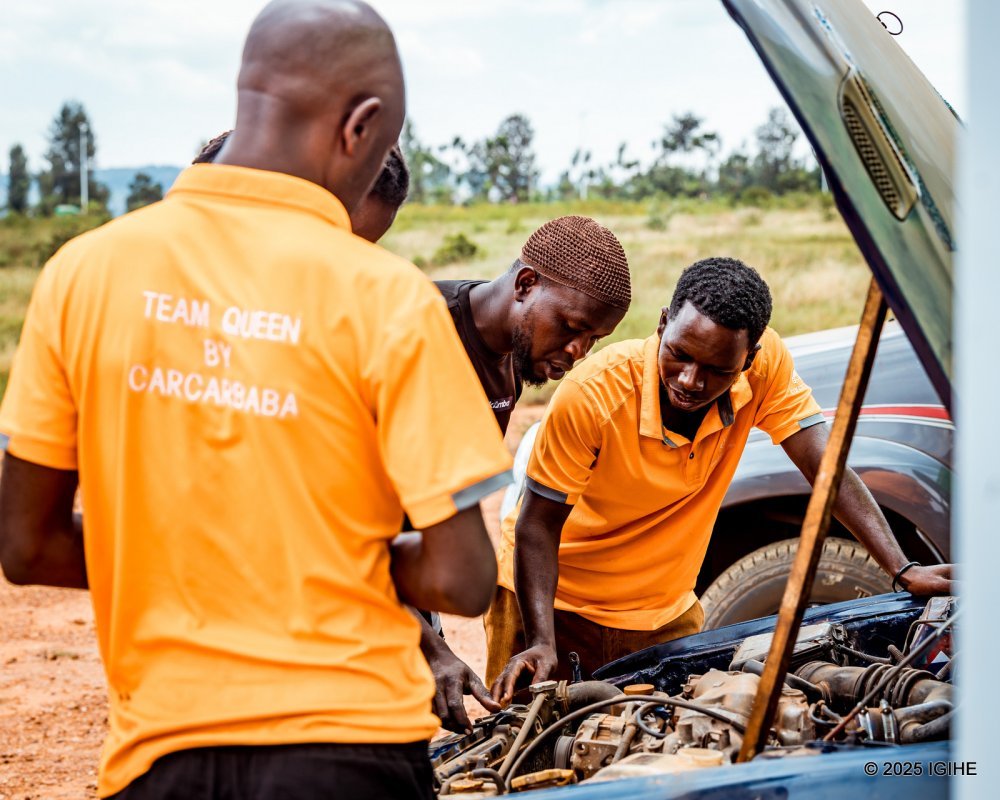
This is not a sport for the timid—or the underfunded. Rally cars are costly, and preparing one for competition involves steep expenses in maintenance, spare parts, and safety equipment.
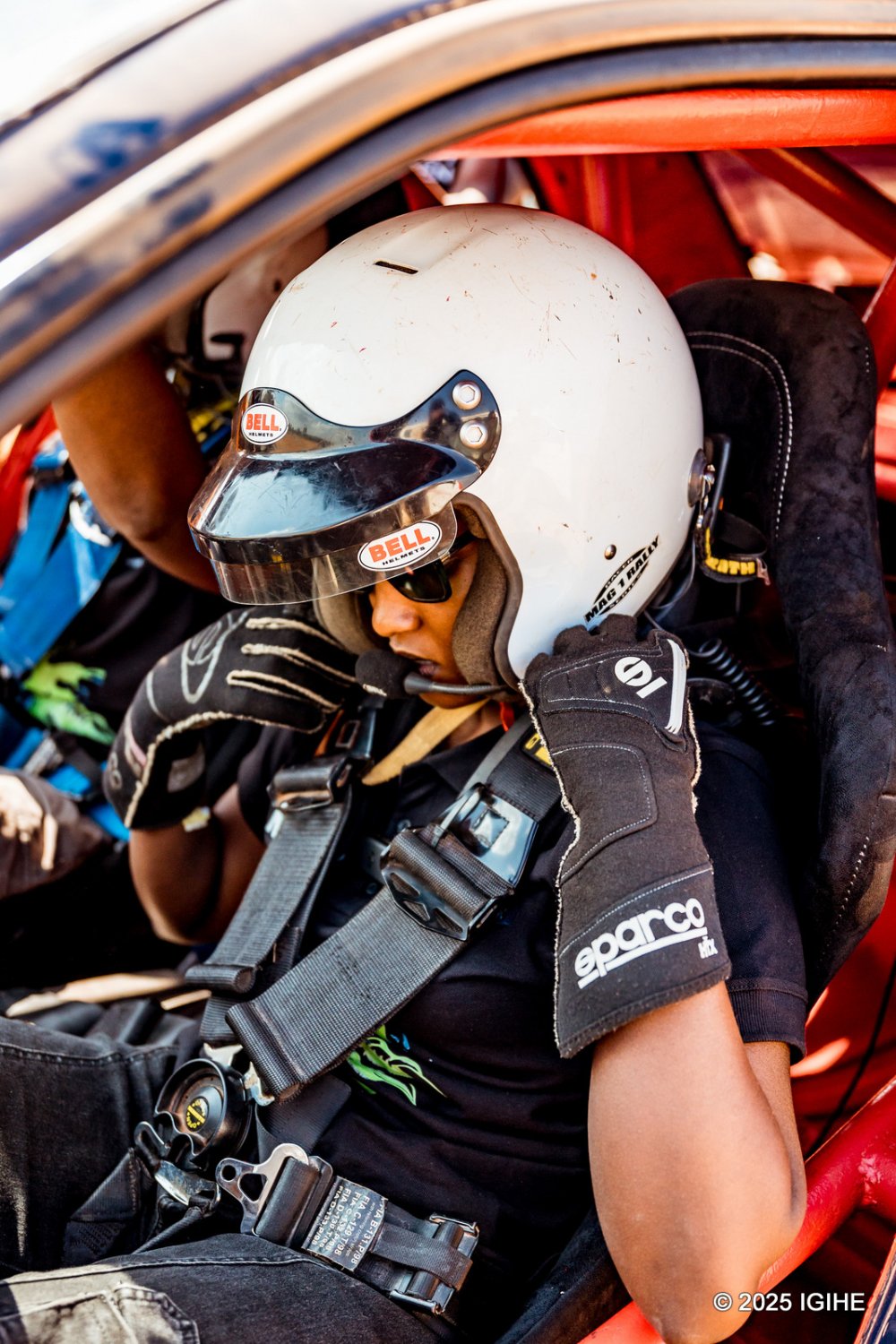
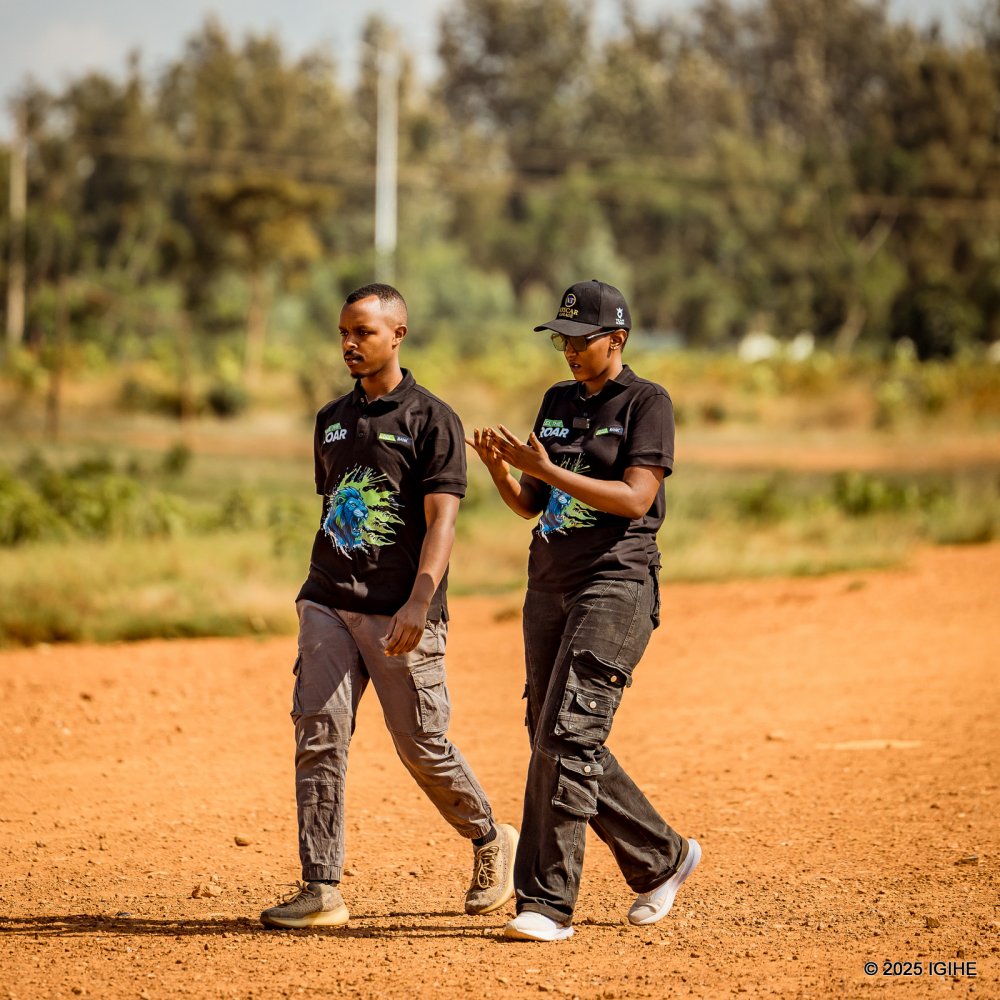
Yet Queen Kalimpinya has carved her space in this high-risk, high-adrenaline world. She is among the very few women rally drivers on the African continent and continues to turn heads both for her performance and her fearless attitude.
{{From pageants to podiums
}}
Kalimpinya first gained public recognition as a finalist in Miss Rwanda 2017, where she placed as Second Runner-up. But it’s her transition from beauty queen to rally queen that’s inspired a new generation of Rwandan girls.
In a recent interview with IGIHE, she recalled her early fascination with speed and vehicles.
“I grew up loving activities like cycling, things that were seen as ‘for boys’,” she said. “As I got older, I bought a motorbike and used it for everyday transport. That’s how people in the motorsport community first noticed me.”
Initially unfamiliar with rally racing, Kalimpinya accepted an invitation to try it out and was instantly hooked.
“They asked me to try, and I said, ‘I’m not afraid.’ The more I trained, the more I loved it. I started as a co-driver and eventually moved into the driver’s seat.”
After two years as a navigator, Kalimpinya took on the lead role. She credits her passion and determination as key to her progress.
{{Behind the wheel and beyond
}}
Kalimpinya approaches rally preparation with the mindset of a professional athlete. Once one event ends, she begins prepping for the next, usually held within one to three months.
“After every race, I immediately start preparing for the next one,” she explained. “This includes both the car and myself, without disrupting my daily work.”
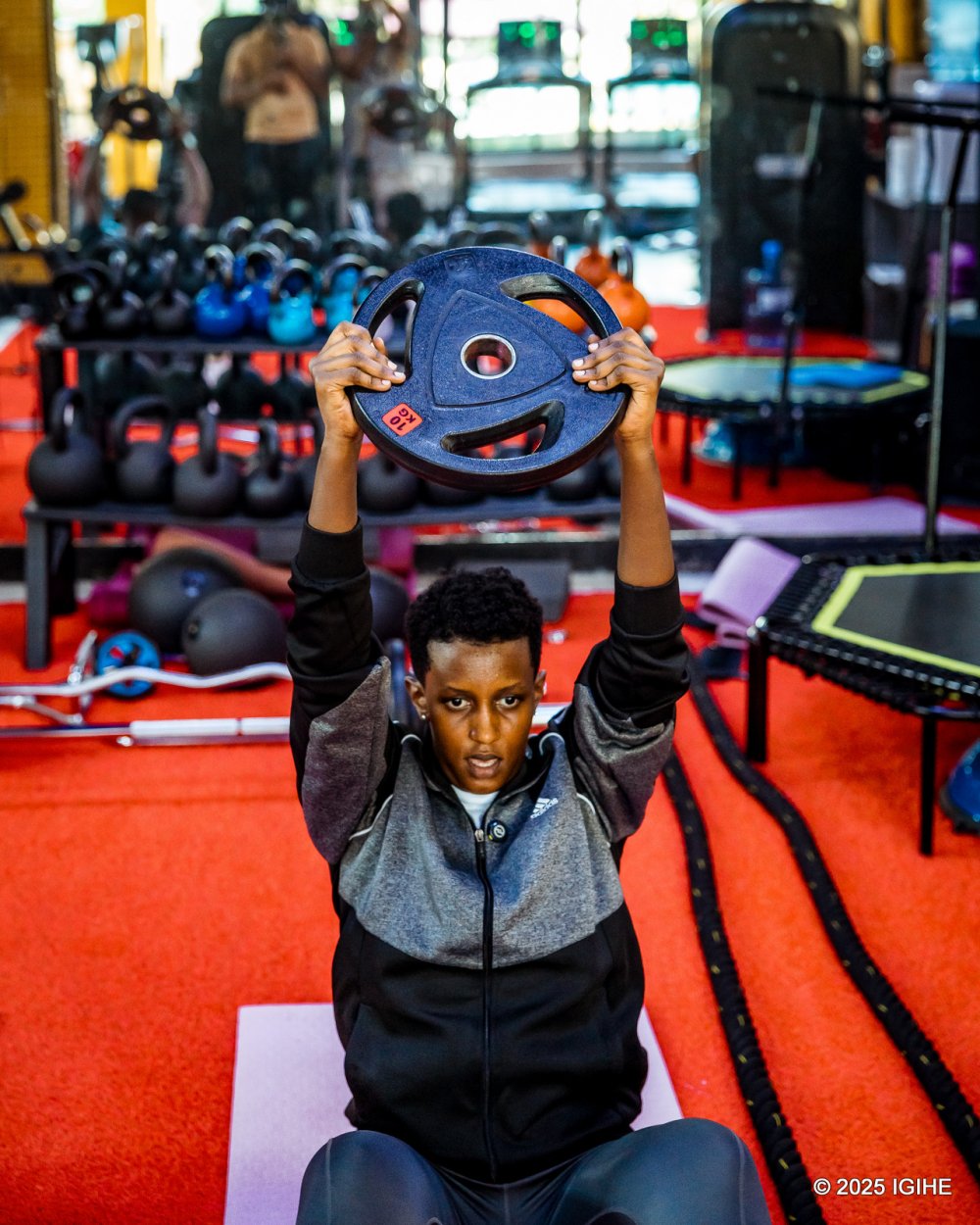
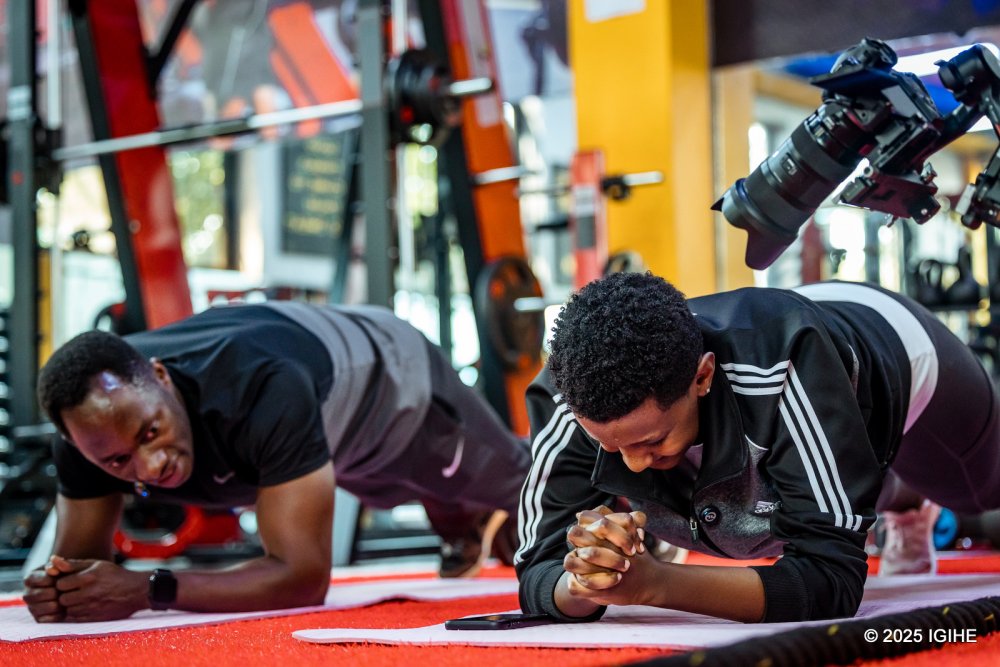
Her fitness routine plays a crucial role. Kalimpinya trains under coach Liberté, who focuses on cardio and core strength.
“Rally drivers need excellent cardiovascular fitness,” he said. “They must run, use machines to build endurance, and train the arms, legs, core, and back. Hydration and rest, 7 to 9 hours of sleep, are just as important.”
{{A sport that demands and inspires
}}
In March 2023, Kalimpinya made history as the first Rwandan woman to lead the National Rally Championship since Belgian driver Nathalie Cox did so in 2000.
While her career is marked by milestones, she acknowledges the financial demands of the sport.
“It’s an exciting sport that teaches you so much about vehicles,” she said. “But it requires funding, sponsors and partners. Hopefully, that will improve in the coming years.”
“Right now, I often rely on YouTube videos to learn. If we had professional coaching and better cars, we could compete at the highest levels. The car I share with Ngabo [her co-driver] is outmatched by others on the track. A new car would make a huge difference.”
{{When Lewis Hamilton took notice
}}
One of the most memorable moments in Kalimpinya’s journey came when Lewis Hamilton, the seven-time Formula 1 World Champion, shared a photo of her on his Instagram account.
“It was just after a tough race, at a time when I was thinking of quitting,” she revealed. “Balancing motorsport with work had become overwhelming, and I wasn’t seeing the results I hoped for. Then, he shared my photo. I hadn’t even told anyone I was struggling. It felt like a sign that I should keep going.”
The post renewed her motivation and served as a powerful reminder that perseverance pays off.
{{Trust and teamwork
}}
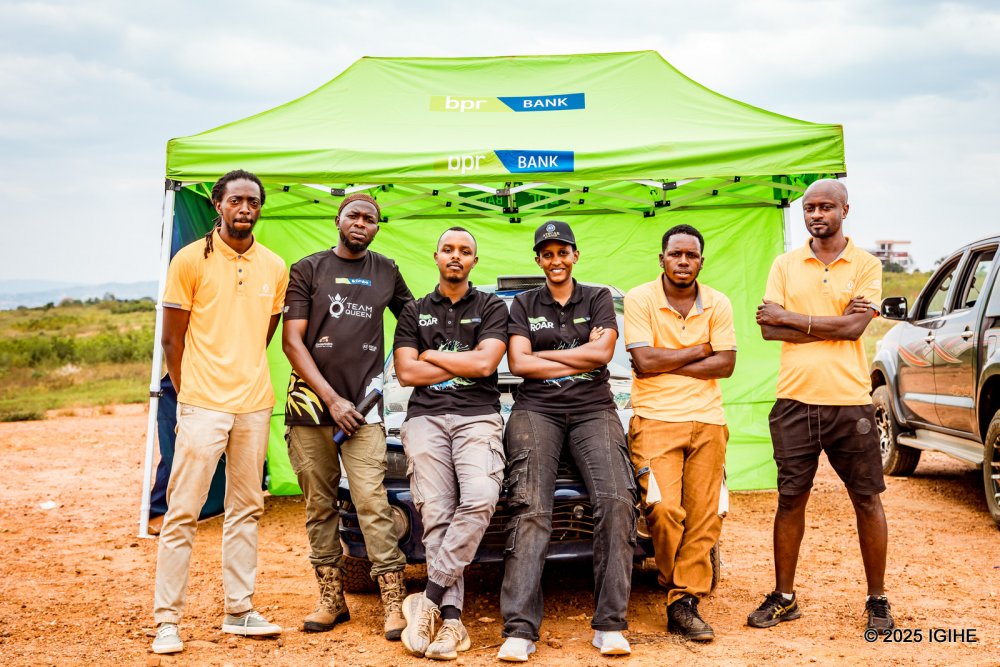
Kalimpinya races alongside Ngabo Olivier, her co-driver, who praised her rapid growth and dedication.
“From the beginning, she learned fast. She makes few mistakes now and drives like a seasoned pro,” he said. “She has the harder job—my life is in her hands. I just read the pace notes and time sections. She has to deliver.”
Though she hasn’t been involved in any major accidents, Kalimpinya has had her share of close calls.
“Once, I missed a corner and the car veered into bushes—I lost visibility and control,” she recalled. “Another time, I hit a tree. There was also a near-collision with a dog in Huye. I had to decide whether to hit it or stop and risk crashing. My co-driver urged me to hit it, but luckily it ran away just in time.”
{{Training the next generation
}}
Together with Garage ATECAR, Kalimpinya has launched Team Queen Academy, a program to train young aspiring drivers aged 16–18.
“We’re thinking about who we’ll leave the sport to,” she said. “We want to start with mechanical training, and once they’re eligible to drive, teach them competitive racing.”
In the most recent Rwanda Mountain Gorilla Rally, Kalimpinya finished fifth overall, cementing her place as one of Rwanda’s most exciting motorsport talents and a role model on and off the track.
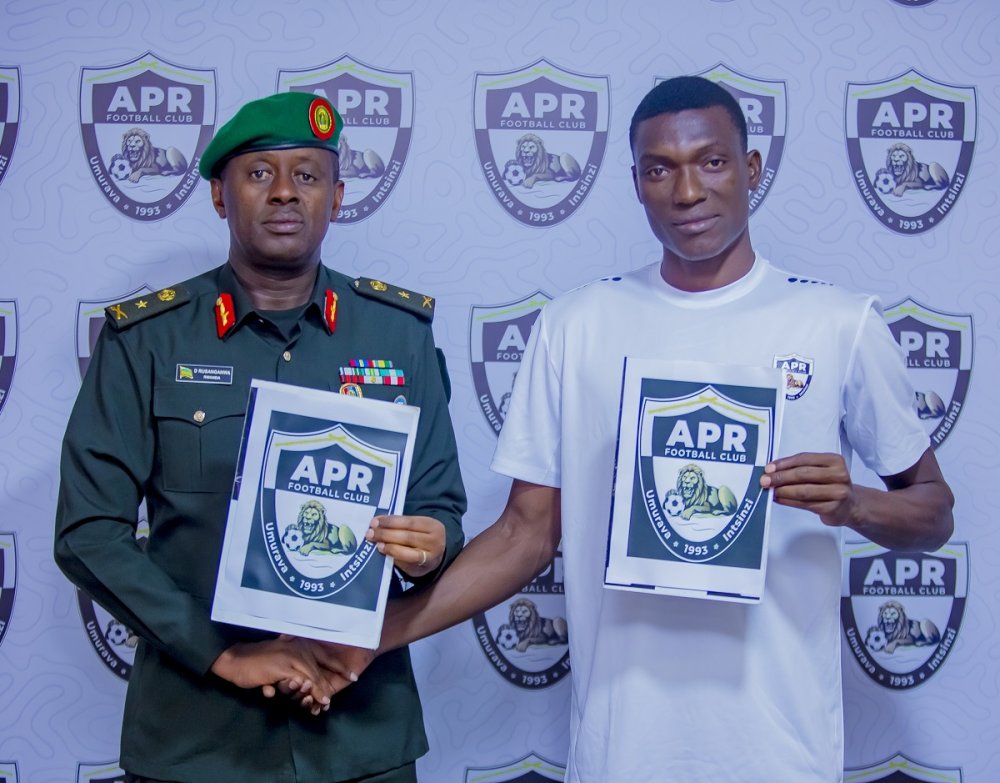
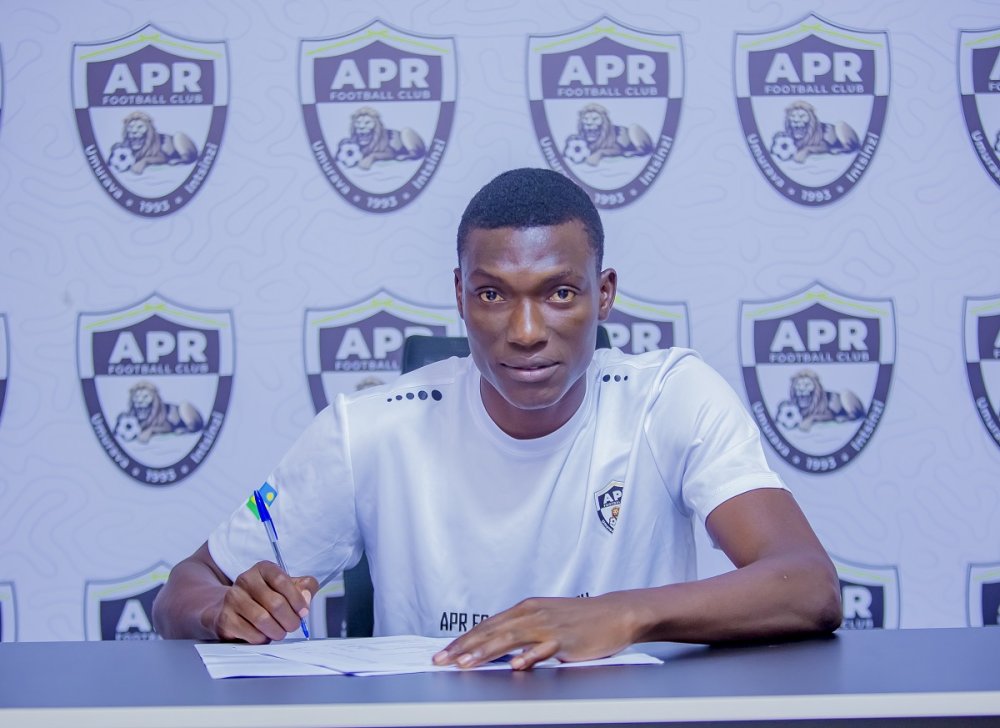
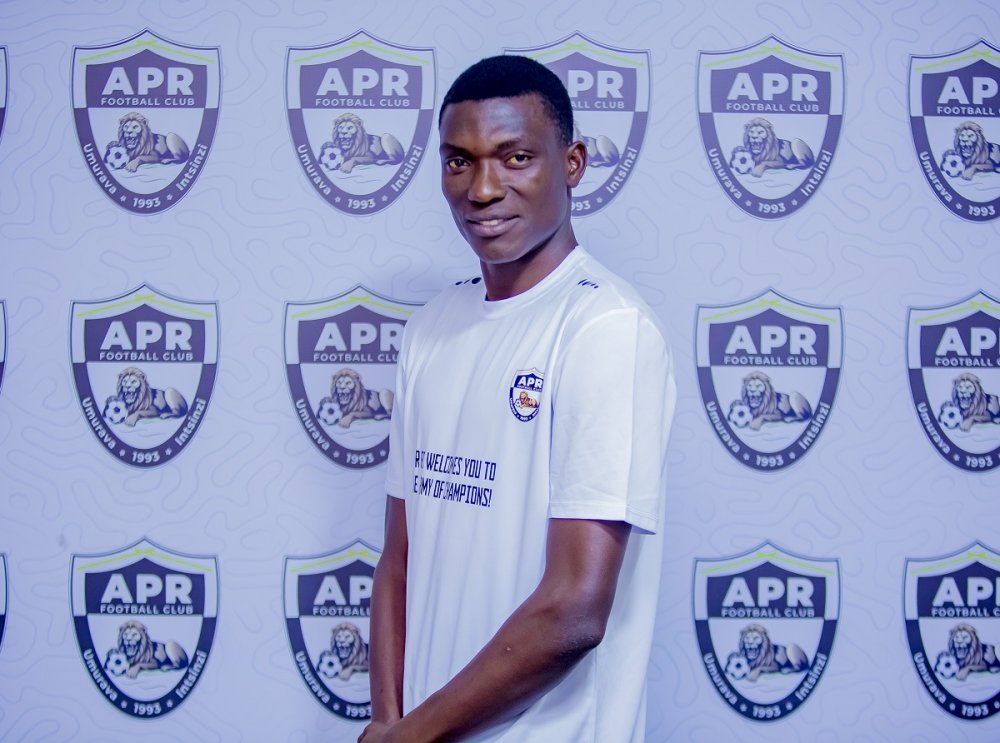
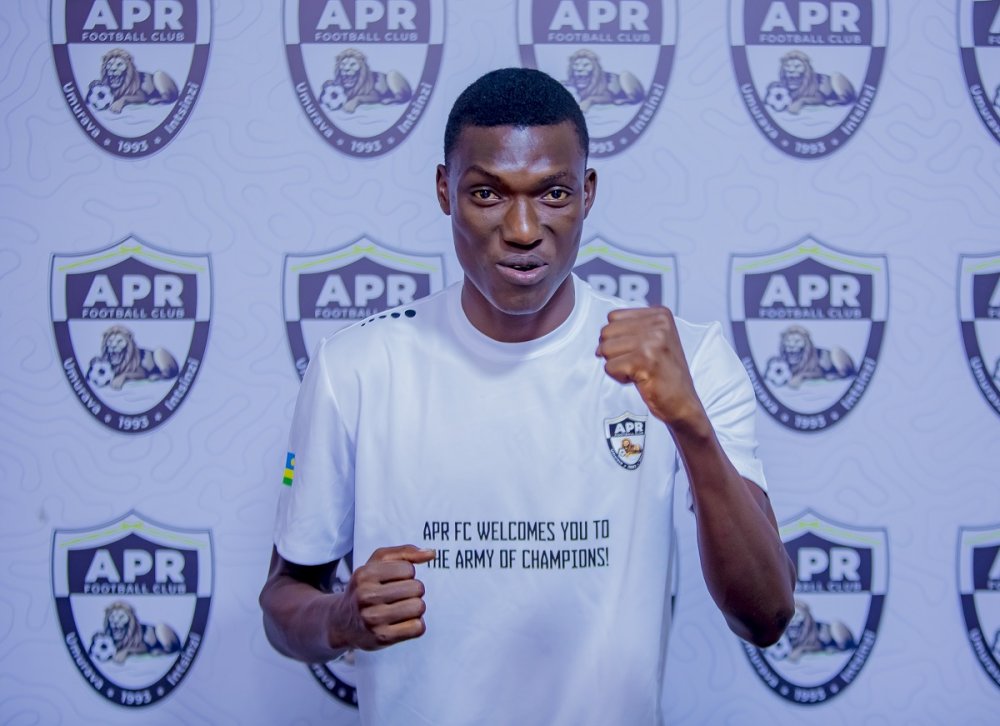
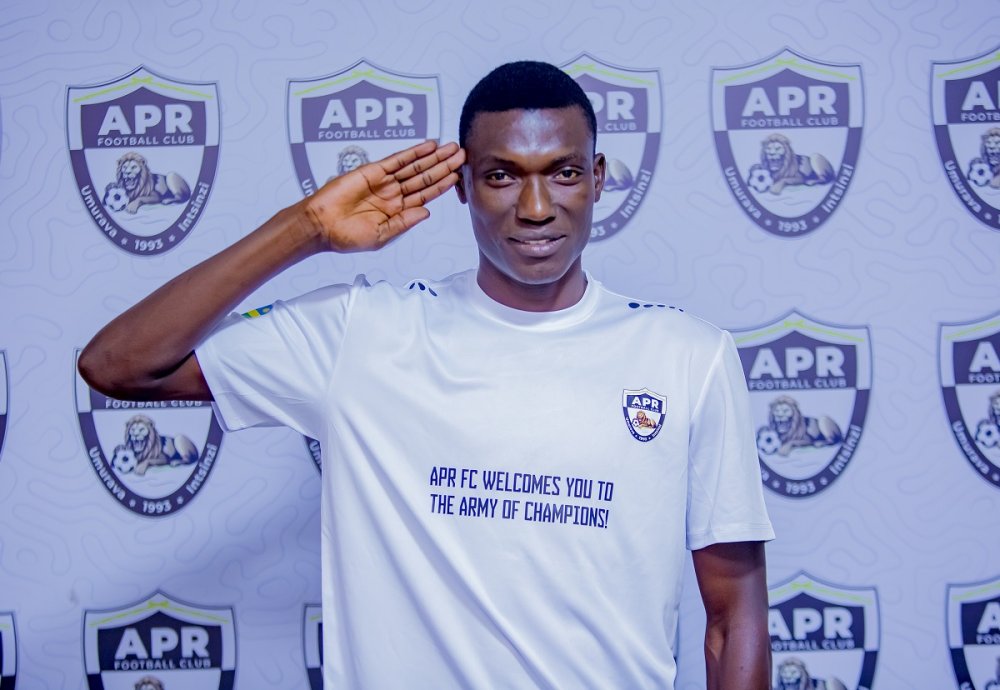
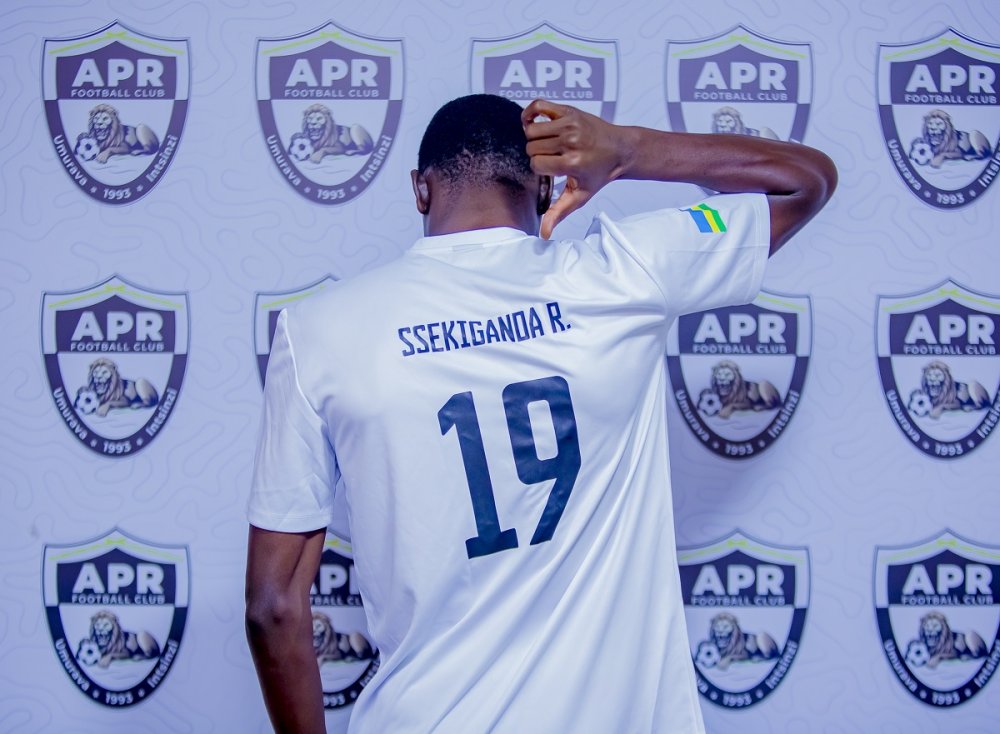
The announcement was made on Thursday, July 10, via the club’s official social media platforms. Ssekiganda joins from Uganda Premier League side SC Villa.
The 21-year-old, who was named in the 2024/25 Uganda Premier League Team of the Season, had long been on APR’s radar. However, the move was delayed due to his commitments with the Uganda national team.
Ssekiganda was recently part of the Uganda Cranes squad preparing for the 2024 African Nations Championship (CHAN), a tournament reserved for players competing in their respective domestic leagues.
With CHAN fixtures set to coincide with the start of the Rwandan Premier League, APR opted to bring the midfielder in early to allow him to integrate with the squad during pre-season preparations.
Ssekiganda is expected to be a key asset for APR FC across all competitions, with the club aiming for a strong campaign in the CAF Champions League.
Trump made the revelations in his Tuesday cabinet meeting at the White House, a day after FIFA President Gianni Infantino unveiled the organisation’s new offices in Trump Tower. The offices will also house the Club World Cup trophy until the tournament’s conclusion.
“I’ll be going to the game,” Trump told reporters after he was asked if he would be attending the final in East Rutherford, New Jersey.
Earlier, Infantino praised the cooperation received from U.S. leadership: “We’ve had tremendous support from the government, the President, and the White House team working on the current FIFA Club World Cup as well as next year’s FIFA World Cup.”
President Trump, whose tower has 58 floors, has long expressed a strong interest in sports and made headlines in February when he became the first sitting U.S. president to attend a Super Bowl game.
The FIFA Club World Cup, featuring 32 teams from around the globe, is doubling as a major test event ahead of the expanded 2026 FIFA World Cup, which the United States will co-host with Canada and Mexico. The 2026 tournament will see participation grow to 48 national teams, making it the largest World Cup in history.
MetLife Stadium, home to the NFL’s New York Jets and New York Giants, will host both the upcoming Club World Cup final and the 2026 World Cup final.
Jay-Jay Okocha, the Nigerian midfield maestro now aged 51, played for PSG from 1998 to 2002, making 84 appearances and scoring 12 goals. His former teammate, French right-back Didier Domi, 47, had two spells at the club, first from 1996 to 1998 and later from 2001 to 2004.
Okocha arrived at Kigali International Airport at 9:20 PM wearing PSG-branded gear, where he was welcomed by Domi, who had landed earlier.
The visit is part of a multi-day tour running through July 11. During their stay, the PSG legends are expected to explore Rwanda’s iconic sites, including Volcanoes National Park and various cultural and historical museums.
The Visit Rwanda–PSG partnership, initiated in 2019 by the Rwanda Development Board (RDB), promotes Rwanda as a premier tourism and investment destination. The collaboration showcases Rwanda’s natural beauty, vibrant culture, and locally made products to a global audience of football fans.
Through this partnership, PSG stars and international celebrities visit Rwanda to engage with its art, music, sport, and tourism sectors — enhancing the country’s image worldwide.
In April this year, Visit Rwanda and PSG renewed their partnership agreement through 2028, citing successful outcomes on both sides.
As part of the deal, PSG promotes the Visit Rwanda brand at its home ground, Parc des Princes, and features it on training kits. The club will also wear the Visit Rwanda logo on its sleeve during the Club World Cup semifinal clash against Real Madrid in the United States on Wednesday, July 9.
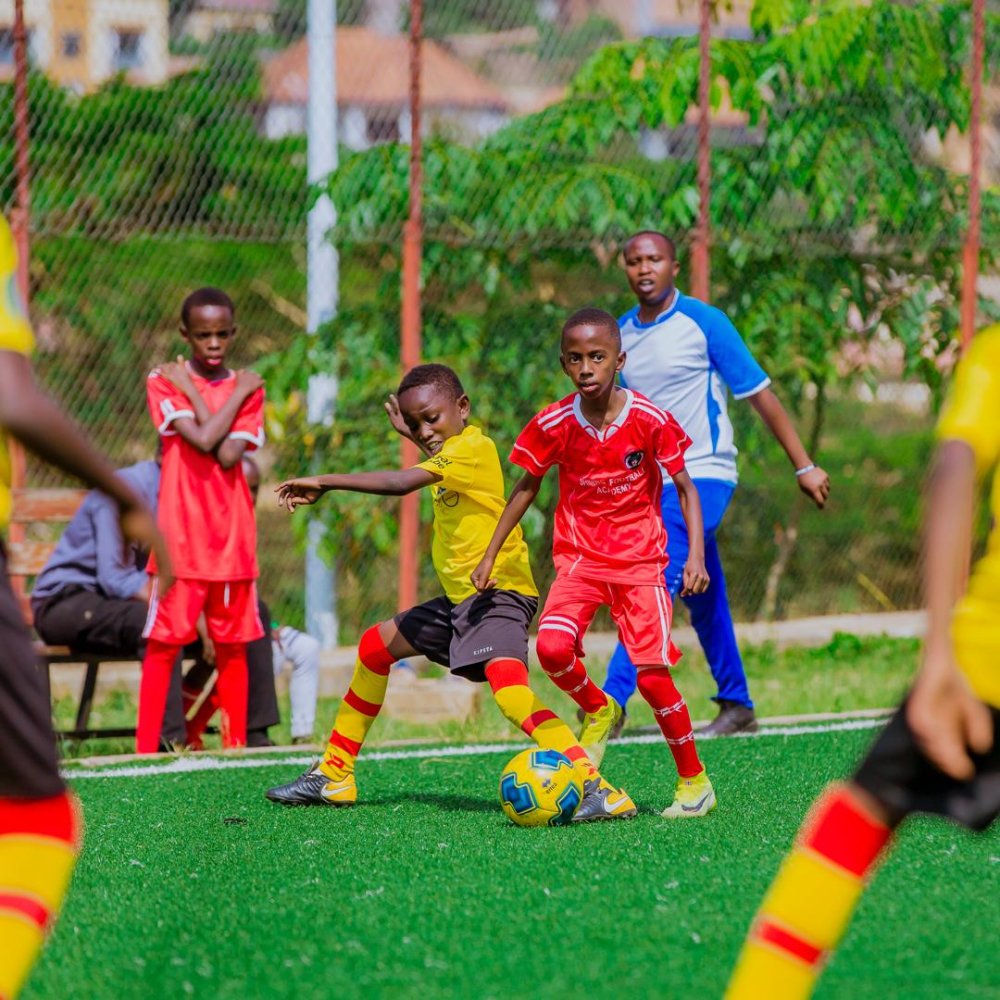
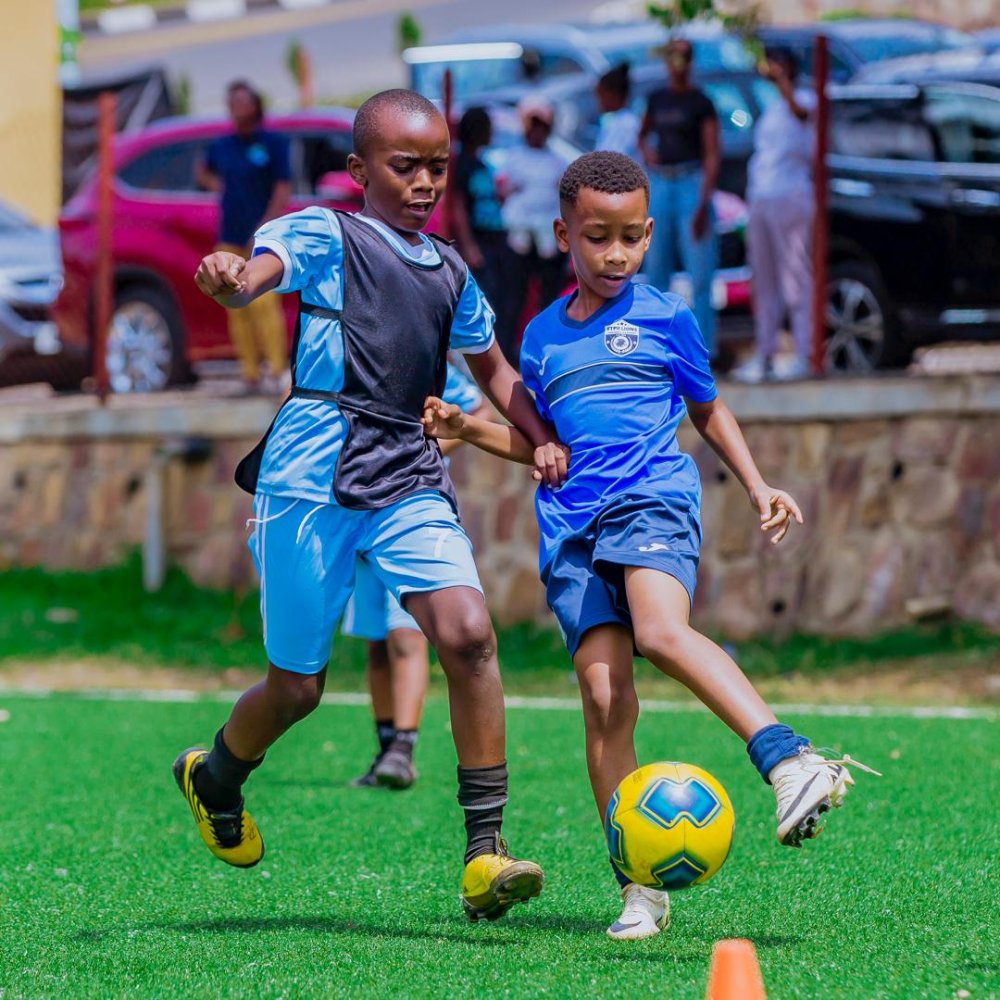
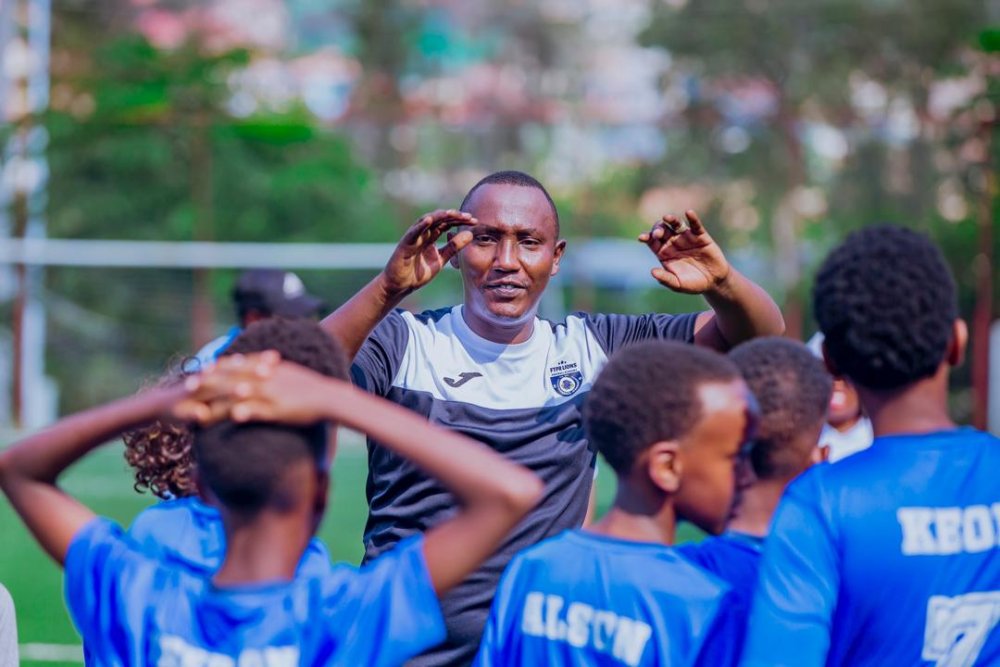
The selection process, held at Green Hills Academy in Kigali on July 4, 2025, involved children from various football academies across Kigali City, with a significant number from FTPR Lions Academy.
The event featured competitive matches among the participants, allowing coaches to evaluate and identify the most promising players.
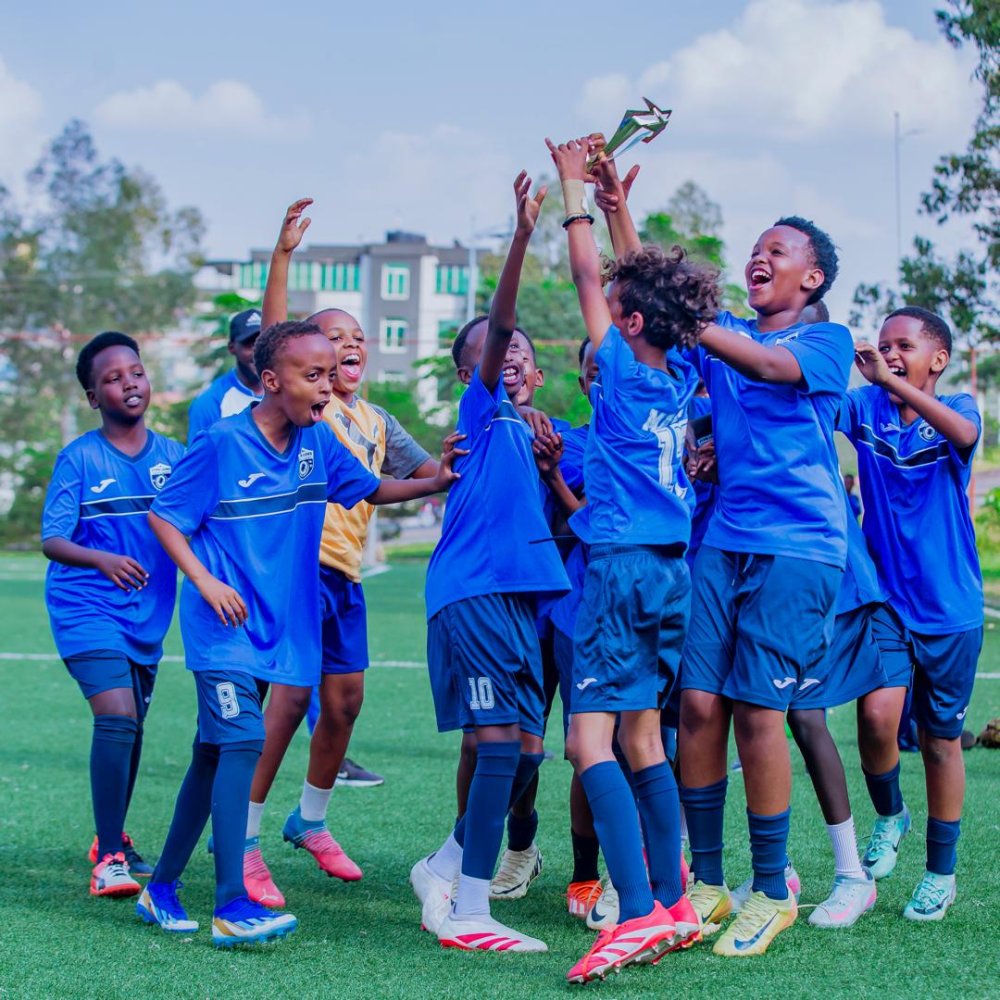
Shining Football Academy claimed victory in the Under-9 category, while FTPR Lions Academy secured the overall title, outperforming other academies, including Agaciro Football Academy, Centre Gikondo, and Esperance Football Academy.
The selected twelve will travel to England next week, supported by Green Hills Academy and Kigali International Community School.
Alain Mbabazi, Athletic Director at Green Hills Academy, expressed confidence in the initiative’s success, noting that the chosen players are expected to excel.
He also highlighted the potential for Arsenal to retain some of these talents based on their performance during the camp.
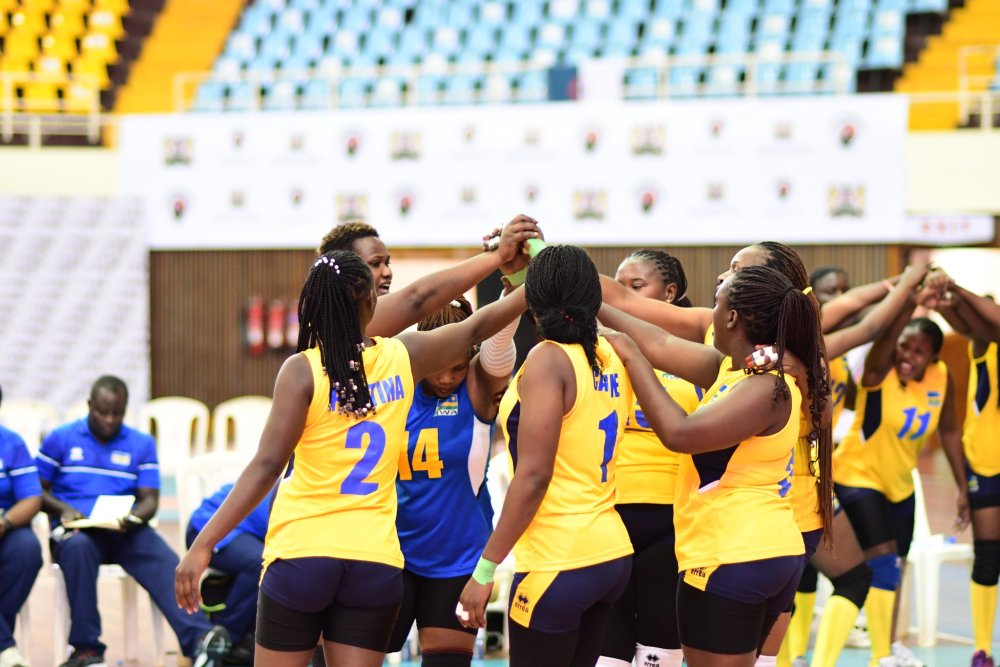
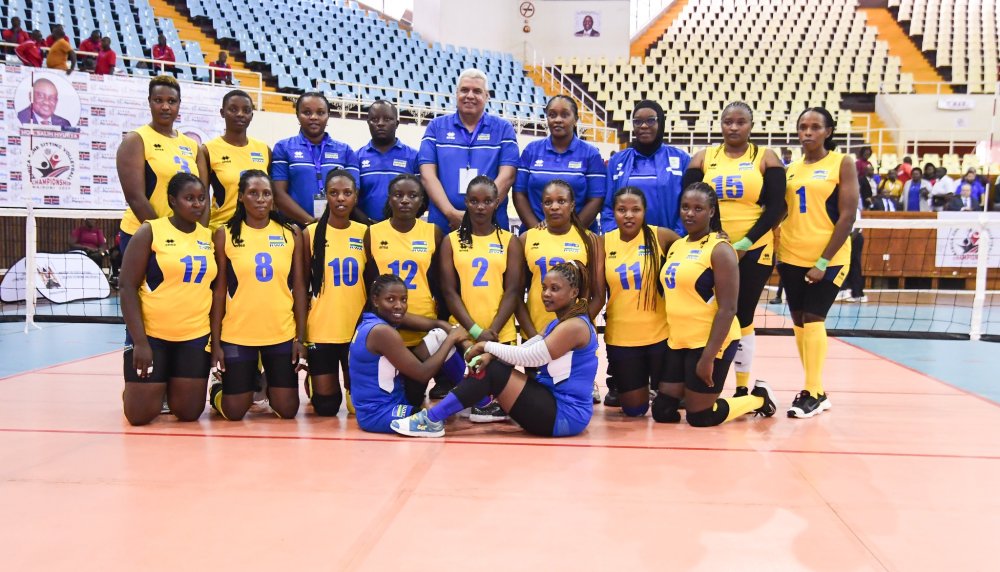
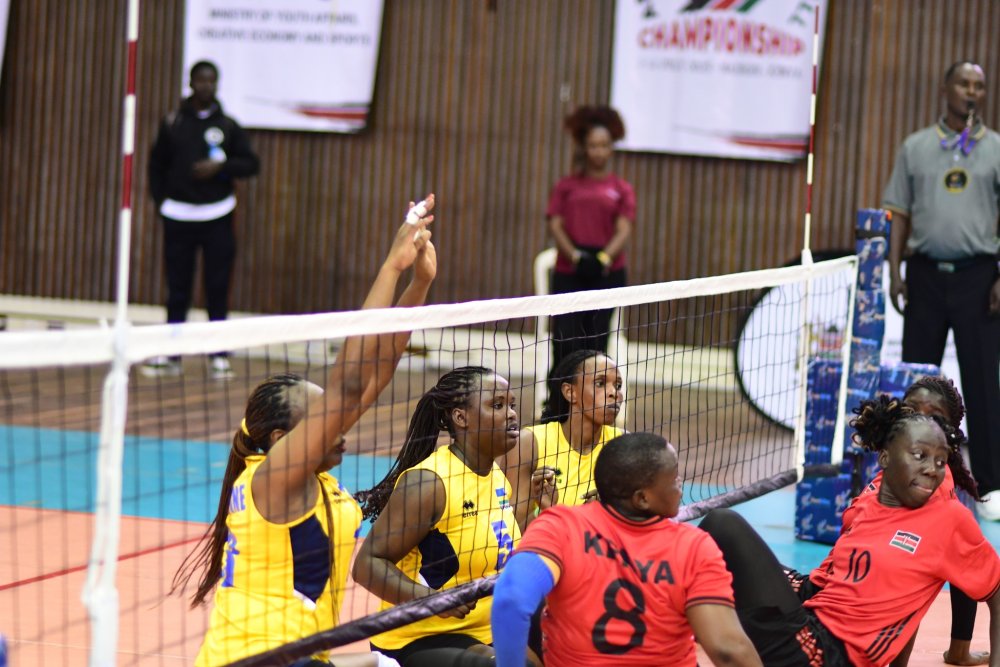
Rwanda and Kenya secured automatic qualification for the African Women’s Championship, as they were the only two countries to participate in the competition, which offered two available slots.
Nigeria was among the three countries that had initially confirmed participation in the tournament taking place in Nairobi but withdrew at the last minute.
In the match played on Friday at Kasarani Indoor Stadium, Rwanda defeated Kenya in straight sets 3-0 (16-25, 15-25, and 20-25).
Rwanda and Kenya are scheduled to play five matches in this tournament, which will conclude on Thursday, July 10, 2025.
In the men’s category, the competition has attracted six countries, including Rwanda, which will play its first match on Saturday against Algeria at 4:00 p.m.
Rwanda is in Group A alongside Kenya and Algeria, while Group B comprises Egypt, Morocco, and South Africa.
In 2024, Rwanda won the women’s title after defeating Kenya in the final, while the men’s team finished in third place after beating Algeria.
As the club marks this milestone, IGIHE spoke to Byusa Wilson, widely known as Rudifu, one of the club’s founding members when it was established in Mulindi, Gicumbi District.
Rudifu shared that the idea of creating the team originated with President Paul Kagame, who at the time was leading the Rwandan Patriotic Army (RPA).
“The idea came from President Kagame back in 1992. At the time, each battalion had its own team, and we used to play friendly matches—our Byumba team would play against the Nyagatare side, and so on,” he said.
“In 1993, President Kagame got wind of this and asked, ‘Why don’t we create a league?’ We continued playing until combat resumed, and we had to pause.”
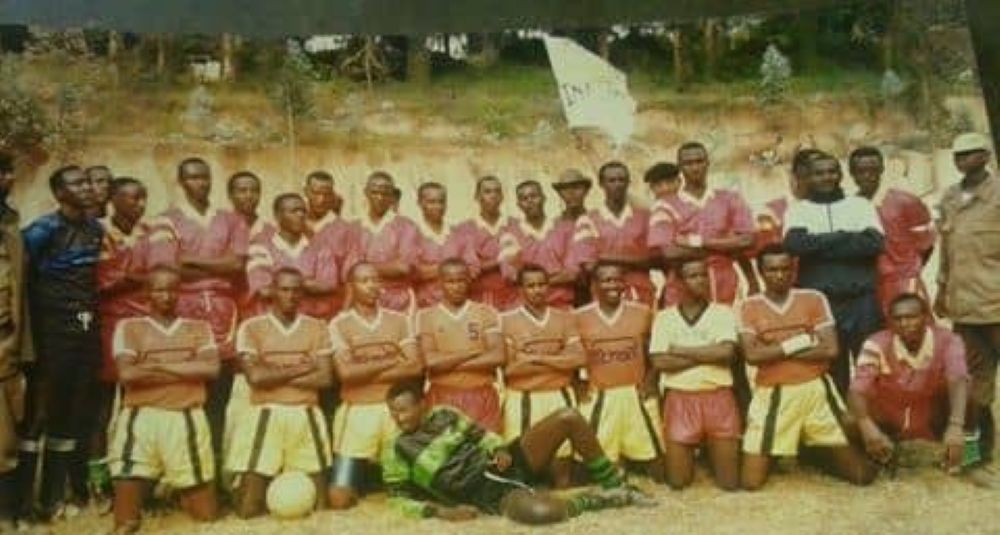
According to Rudifu, APR FC began with 32 players selected from a pool of 90.
“They selected 32 players out of 90. Those chosen became the first APR FC squad. This happened in April 1993.”
APR FC’s first match was against a team of PSD members who were visiting Mulindi. That same period also saw the launch of the club’s volleyball and basketball sections.
Among the original members were Uwimana Michael, Lt. Col. Alphonse Muyango, Gen. Mubarakh Muganga, Maj. Gen. Willy Rwagasana, Gen. Jean Bosco Kazura, and others.
{{Not born in black and white
}}
Interestingly, APR FC didn’t originally don the now-iconic black and white colours. Rudifu recounted how the team’s colours evolved:
“Many of us had come from Burundi and were fans of Vital’O FC, which wore mauve and white. One day, Katarebe, who was the president of Rwanda FC, attended a meeting with his close friend Kazura.”
“Kazura had played for Inter Star, which wore black and white. That’s how we ended up adopting those colours. But originally, we were mauve and white.”
{{Entering the league with spirit and purpose
}}
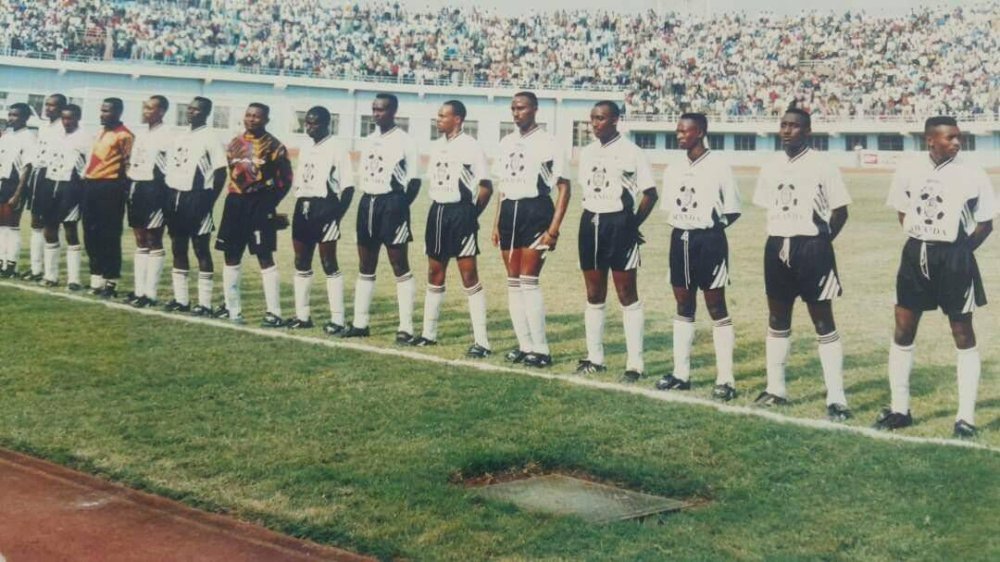
In 1996, APR FC entered the Rwandan Premier League for the first time and won it.
“We had no proper facilities, but what drove us was sheer determination,” Rudifu said. “We often said, ‘We came from the bush’—unlike other teams that had better conditions. What gave us the edge was our fighting spirit and the will to prove ourselves.”
The club was also founded with the support of three civilian members from the Rwandan Patriotic Front (RPF-Inkotanyi).
Some of the first notable players to join included Nshimiyimana Eric, Julien Ndagano, and Nkunzingoma Ramadhani.
“As players, we received a bonus—what we called a prime—on top of our military salary. The civilians, of course, had their own contracts,” Rudifu explained.
Now a coach at Intare FC, Rudifu credits APR FC’s continued success to strong leadership, consistent support for players, and a culture of fearlessness grounded in its history.
“The club’s leadership engages closely with players, and there’s a shared hunger for success. APR FC doesn’t fear any opponent.”
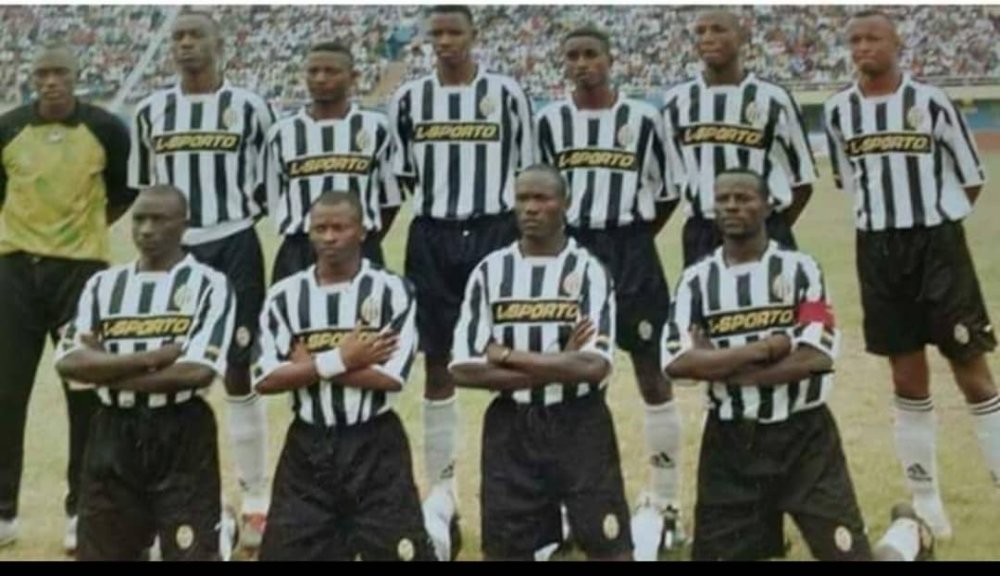
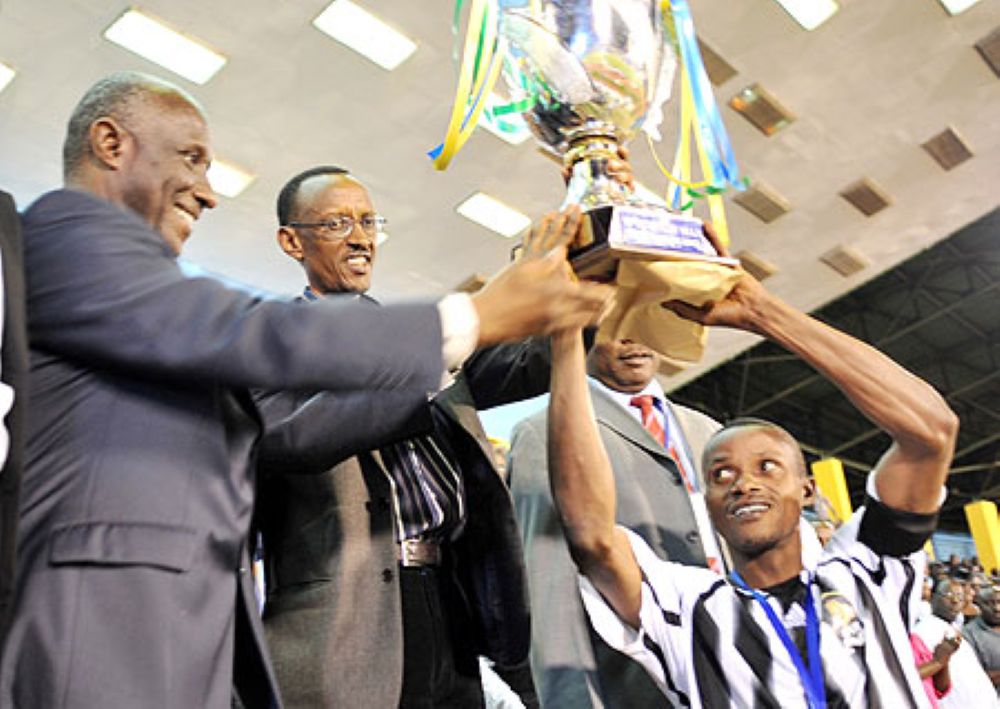
Over the course of its 32-year history, APR FC has built a legacy of unparalleled success in Rwandan football. The club has claimed the Rwandan Premier League title an astonishing 23 times, with victories spanning from 1995 to 2025. These championship seasons include 1995, 1996, 1999, 2000, 2001, 2003, 2005, 2006, 2007, 2009, 2010, 2011, 2012, 2014, 2015, 2016, 2018, and consecutively from 2020 through 2025.
In addition to its league dominance, APR FC has lifted the Peace Cup 14 times. The club first won the trophy in 1994 and went on to claim it in 1996, 1999, 2000, 2002, 2006, 2007, 2008, 2010, 2011, 2012, 2014, 2017, and most recently in 2025.
APR FC’s influence has extended beyond national borders as well. The team has triumphed in the CECAFA Kagame Cup on three occasions: 2004, 2007, and 2010, solidifying its reputation as a regional football powerhouse.
Two Kigali-based yoga instructors, Rebecca Gakwaya and Steffi Mushayija, have announced plans to launch a yoga training school aimed at equipping local instructors with the skills needed to expand access to the practice across the country.
In an exclusive interview with IGIHE on Saturday, June 21, as the world marked International Yoga Day, the duo revealed that they aim to have the school up and running by mid-2026.
Rebecca, who began practising yoga in 2012, and Steffi, a physiotherapist who discovered yoga’s benefits later, have been teaching community classes at Ivy Wellness Studio in Nyarutarama since returning from a yoga training course in Indonesia in 2024.
The duo’s mission is to make yoga accessible to all Rwandans, breaking down barriers of cost and misconception through their “pay what you can” classes held every Saturday at 11:00 a.m.
“Yoga is for everyone,” Steffi emphasised. “It’s not just for flexible people or Westerners, as some believe. It’s a practice that connects you to your breath and body, offering benefits from stress relief to physical health.”
Rebecca added, “Yoga is everything. In the day-to-day, we sometimes forget to breathe. You run into an issue, and the first thing that you do is kind of hold on to your breath. And the more you hold on to your breath, the more stress you encounter. It’s a tool for wellness that belongs in schools, hospitals, and workplaces.”
The duo teaches Vinyasa yoga, a dynamic style where movements flow with breath, tailored to suit beginners and seasoned practitioners alike.
Steffi noted the importance of proper guidance to prevent injuries, a concern she echoes from her physiotherapy background.
“Many try yoga once and feel pain because they push too hard,” Steffi said. “We adjust poses to meet people where they are.”
The inspiration behind the move to open a school stems from a desire to nurture more qualified local instructors who can spread the practice across the country.
“We want to create a program that trains Rwandans—by Rwandans,” said Rebecca.
“We see the demand, but we can’t reach every corner of the country. So we want to equip others who can.”
Yoga, an ancient practice that originated in India, emphasises the union of mind, body, and breath. Since its adoption as a UN-recognised international observance in 2014, International Yoga Day has become an annual moment to reflect on the practice’s global relevance.
Until the yoga teacher training school formally opens its doors, the pair continues to invite newcomers to their Saturday morning classes.
“The first step is to just show up,” said Rebecca. “Sit down, breathe, and feel. That’s how it starts.”