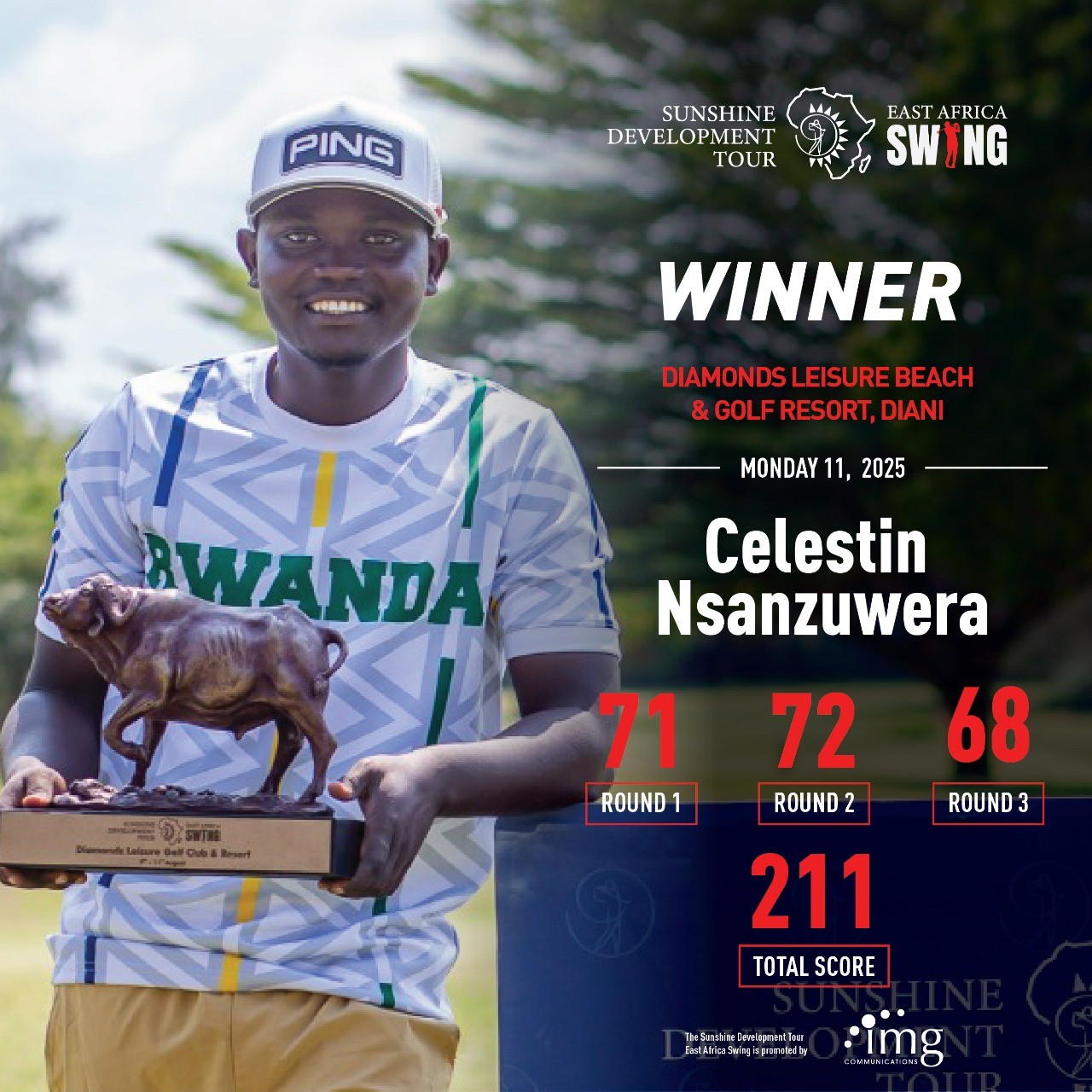
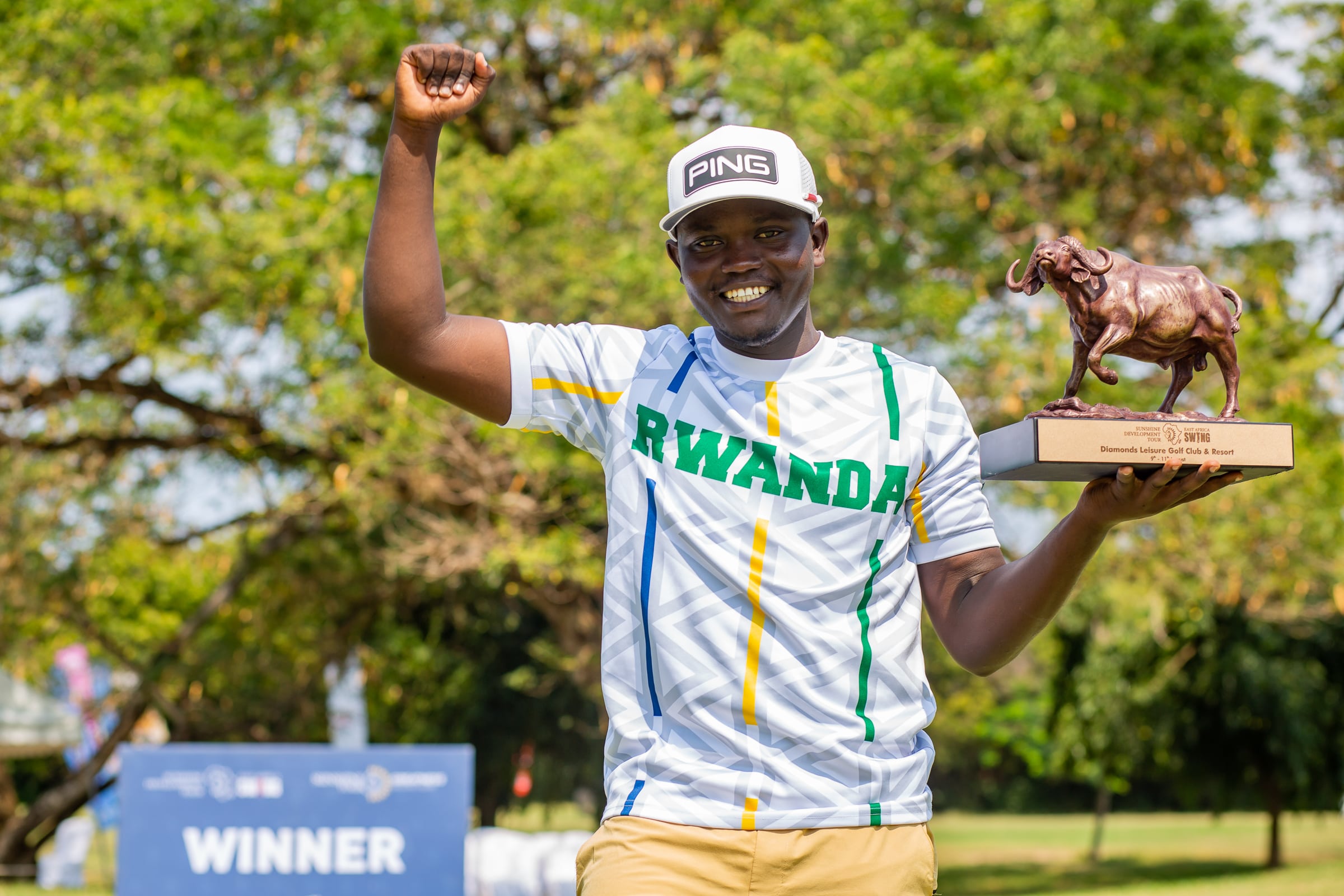
Celestin finished top of a competitive field of over 60 professional and amateur golfers from across Africa. Players competed for Ksh 2 million (about Frw 22 million) in prize money, as well as valuable Official World Golf Ranking (OWGR) and World Amateur Golf Ranking (WAGR) points.
This is Celestin’s second major win of the season after his success at the Q-School tournament. He also recently finished runner-up at Nyali Golf & Country Club. His strong form continued on the challenging coastal course, where he managed the tough conditions with skill and consistency.
Kigali Golf Resort and Villas (KGRV), a brand of Rwanda Ultimate Golf Course (RUGC) with the Rwanda Social Security Board (RSSB) as the main shareholder, warmly congratulated Celestin on his achievement.
“We are extremely proud of Celestin’s accomplishment. His talent and dedication inspire the Rwandan golf community and fans across the region. Kigali Golf Resort and Villas remains committed to supporting his journey as he continues to represent Rwanda on regional and international stages,” said Gasore Z. Gaston, Acting CEO of KGRV.
KGRV noted that Celestin’s success reflects Rwanda’s growing presence in the regional and international golfing arena, driven by strategic investments from RSSB and strong government support. Such initiatives have expanded opportunities for Rwandan athletes to compete at the highest levels while boosting the country’s profile as a golf and sports tourism destination.
The tournament will take place at Petit Stade, Kigali, from August 23 to 26.
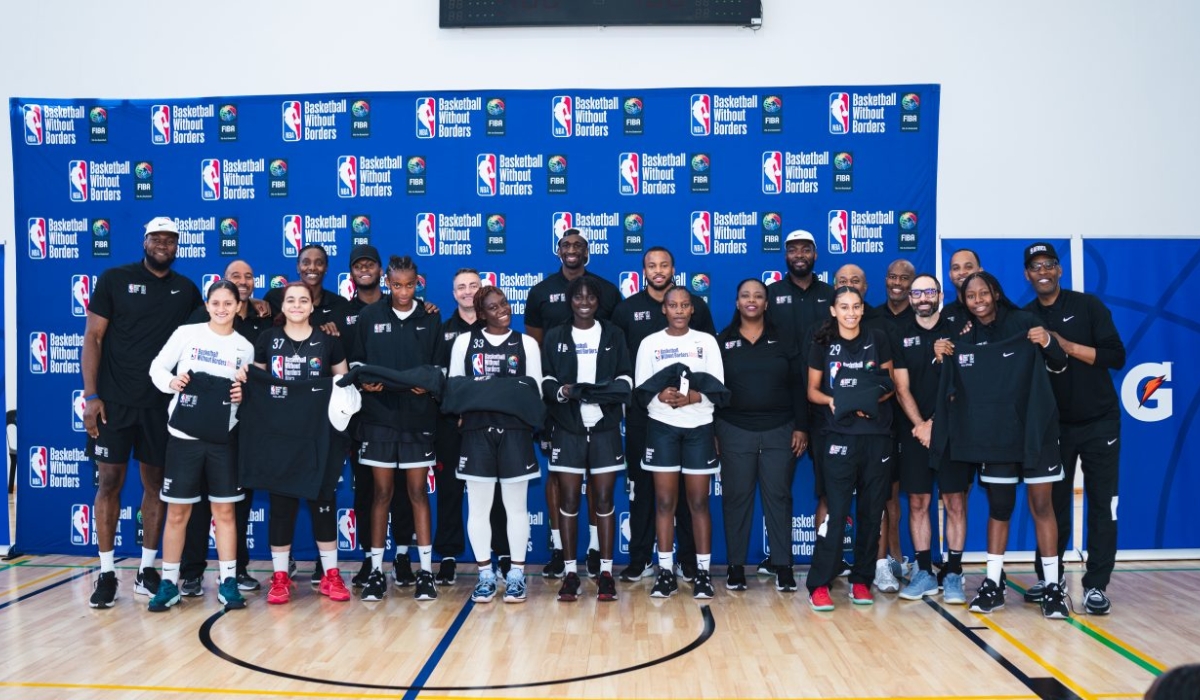
This marks a historic moment as the global basketball development and community outreach program, jointly organised by the NBA and FIBA, brings together 60 of Africa’s top male and female players aged 18 and under.
The young talents will receive elite coaching from current and former NBA, WNBA, and FIBA players and legends, while also engaging in leadership, life skills training, and social responsibility activities.
The NBA, in a statement on Monday, emphasised the importance of the camp in nurturing basketball talent across the continent, noting the growing momentum for the sport in East Africa.
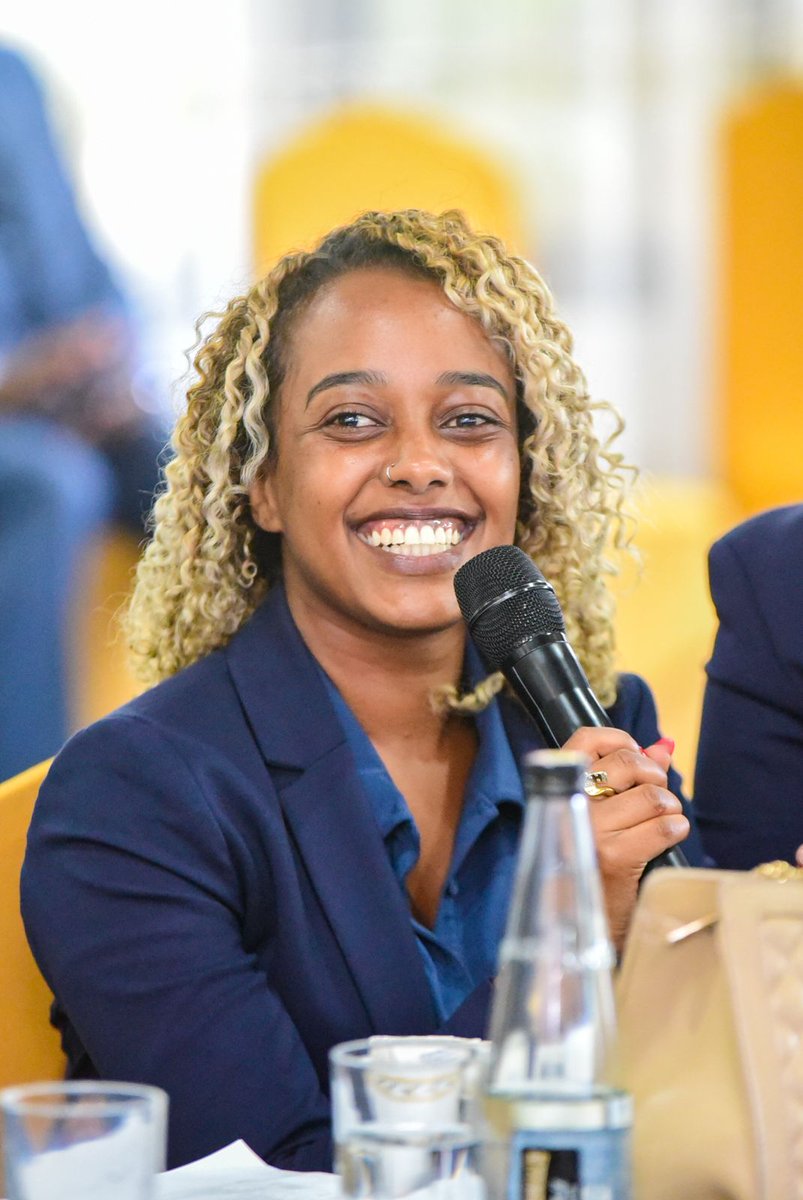
NBA Africa CEO Clare Akamanzi said the timing of the camp is perfect, reflecting the sport’s rapid growth in the region.
“Basketball Without Borders Africa continues to provide a platform for top young players from across the continent to continue their development and reach the highest levels of the game,” Akamanzi said.
“We look forward to bringing this year’s camp to East Africa at a time when there is incredible momentum around the game in the region.”
Previously, the Basketball Without Borders Africa camp has been hosted in several African countries, including Angola, Egypt, Senegal, and South Africa, making Rwanda the newest addition to the list.
FIBA’s Head of Players Unit, Kimberley Gaucher, highlighted Rwanda’s rising prominence in African basketball, citing the country’s recent hosting of major events such as the FIBA Women’s Basketball World Cup 2026 Pre-Qualifying tournament, four Basketball Africa League Playoffs and Finals between 2021 and 2024, and both boys’ and girls’ FIBA U-16 AfroBasket tournaments. Gaucher described the choice of Rwanda as “particularly significant” for the development of basketball in East Africa.
Since its inception in 2001, the Basketball Without Borders program has impacted over 4,600 participants from 144 countries and territories. Notably, 142 former campers have been drafted into the NBA and WNBA or signed as free agents, including stars like 2023 NBA MVP Joel Embiid and 2019 NBA champion Pascal Siakam.
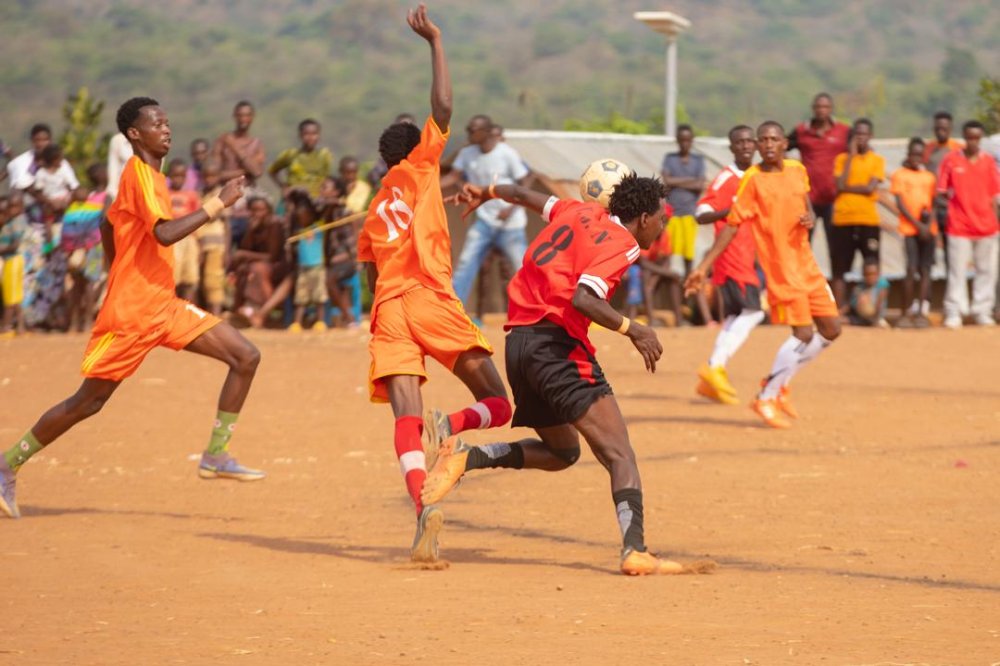
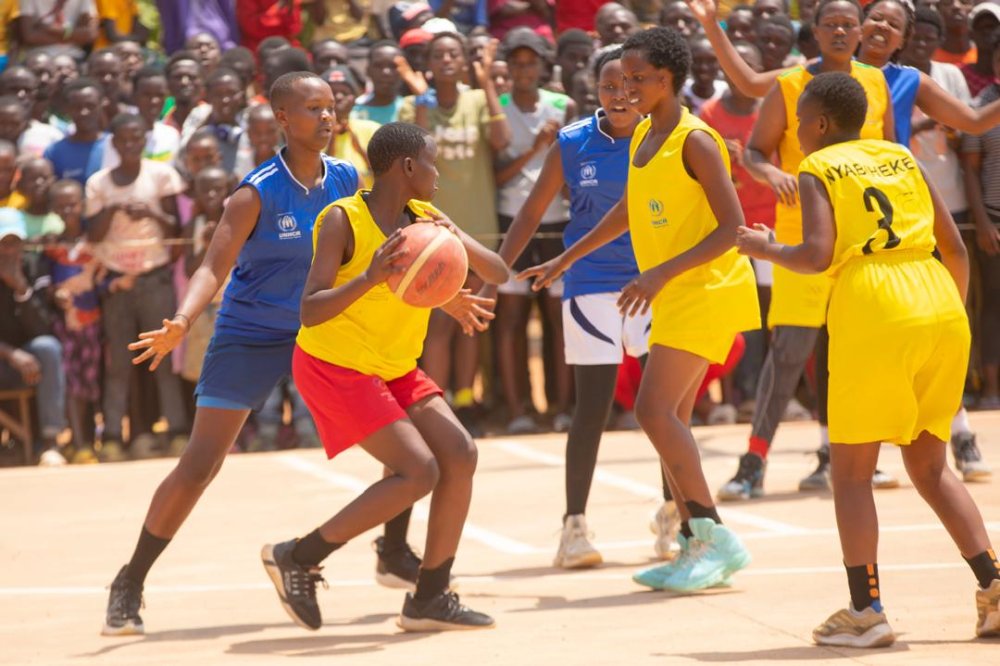
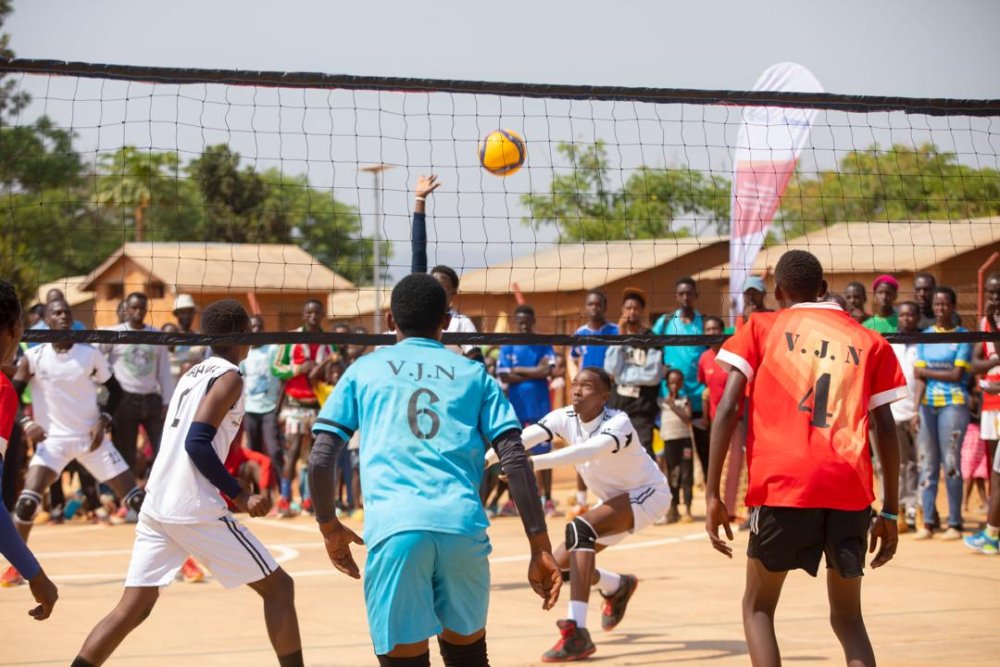
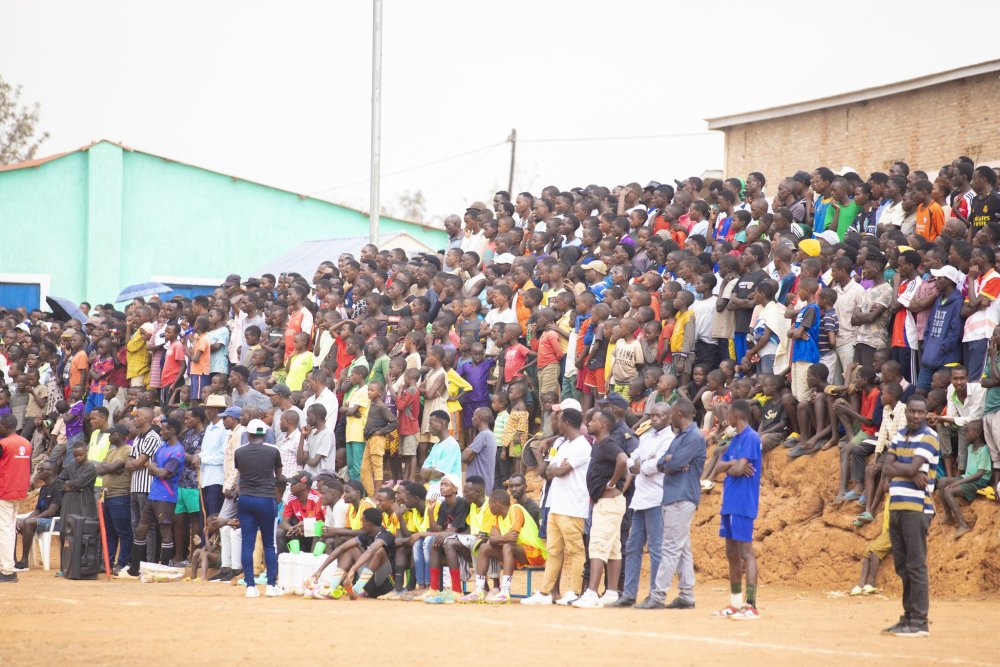
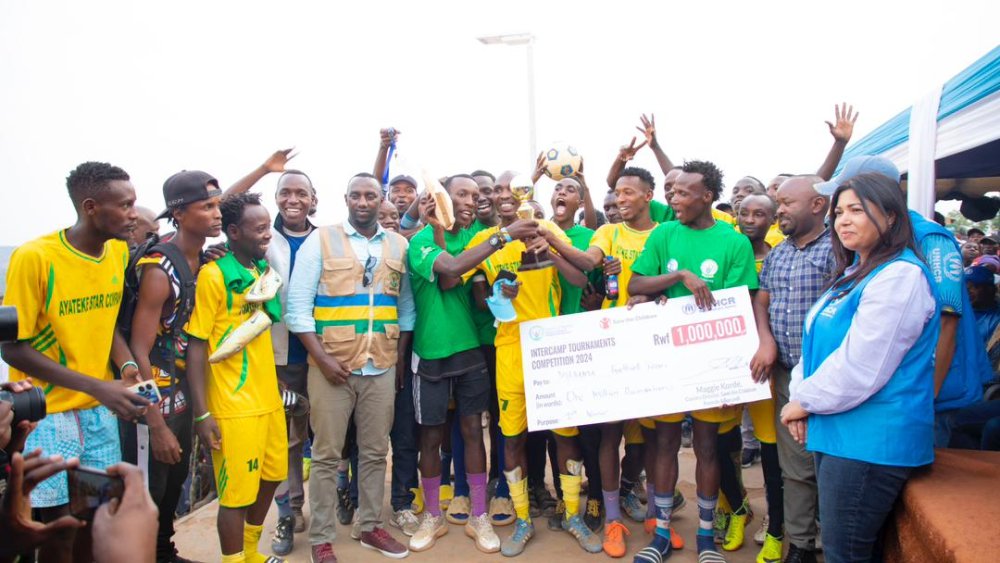
This year’s event will draw 49 teams representing seven refugee sites: Mahama Camp, Nyabiheke Camp in Gatsibo, Mugombwa Camp in Gisagara, Kiziba Camp in Karongi, Nkamira Transit Centre in Rubavu, ETM Gashora in Bugesera, and the Urban City side from Kigali.
The week-long tournament will feature six disciplines: football, taekwondo, basketball, volleyball, sitting volleyball, and karate.
The Ministry in Charge of Emergency Management (MINEMA), in partnership with various organisations, is staging the games to promote talent, unity, and sportsmanship among refugees.
Mahama Camp will be looking to defend its dominance after a stellar performance in last year’s edition, where it clinched the football title with a 1–0 victory over Kigeme and swept both the men’s and women’s basketball trophies.
Scheduled for 28–30 October 2025, the course marks a significant milestone in the continent’s development of para-sport coaching capacity.
This hands-on course, also known as “Part B,” is designed for club coaches and national team assistants who have completed or will complete “Part A,” the online theoretical module, by 1 October 2025.
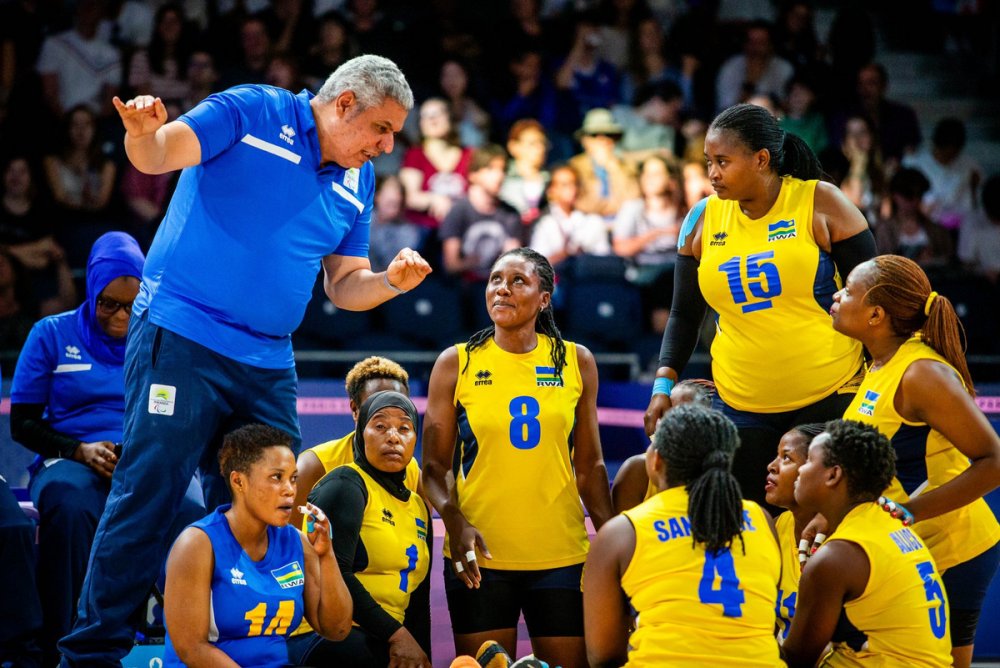
Held at the NPC Rwanda Gymnasium in Remera, the training will be led by Dr. Mosaad Rashad Elaiuty (Egypt) and Nathan Pretorius (South Africa), both certified World ParaVolley coaching tutors.
Rwanda has emerged as a continental leader in Sitting Volleyball, with national teams earning recognition for their outstanding performances across Africa.
However, the number of certified Rwandan coaches and African coaches in general with advanced knowledge of the sport remains low. Many still rely on techniques from regular volleyball rather than Sitting Volleyball-specific training.
To address this gap, the National Paralympic Committee of Rwanda (NPC-Rwanda), in partnership with the Ministry of Sports, approached World ParaVolley to request permission to host a specialised training course aimed at building the capacity of African coaches and others interested from beyond the continent.
“We have been granted the opportunity to host this training, and it’s a chance to elevate our coaches from Level 1 to Level 2,” said Jean Baptiste Murema, President of NPC-Rwanda, the organising body.
“This means we’ll have Rwandan coaches with proper knowledge of the game, rather than relying on what they’ve seen on TV or elsewhere. We hope that at least 30 coaches will emerge from the training with solid expertise, which will help establish Rwanda as a hub for this sport, as we envision.”
Participants are expected to arrive in Kigali by the evening of 28 October. The two-day course will run from 29 to 30 October, with departures set for the evening of 30 October.
The USD 220 fee, payable to the Rwandan Paralympic Committee, covers tuition, accommodation (at the Five to Five Hotel in Remera), meals, and local transport. International travel and visa expenses are the responsibility of participants. Those who have not yet begun the online “Part A” must also pay a €100 course registration fee to World ParaVolley.
The course will be conducted entirely in English and is open to both African and international participants.
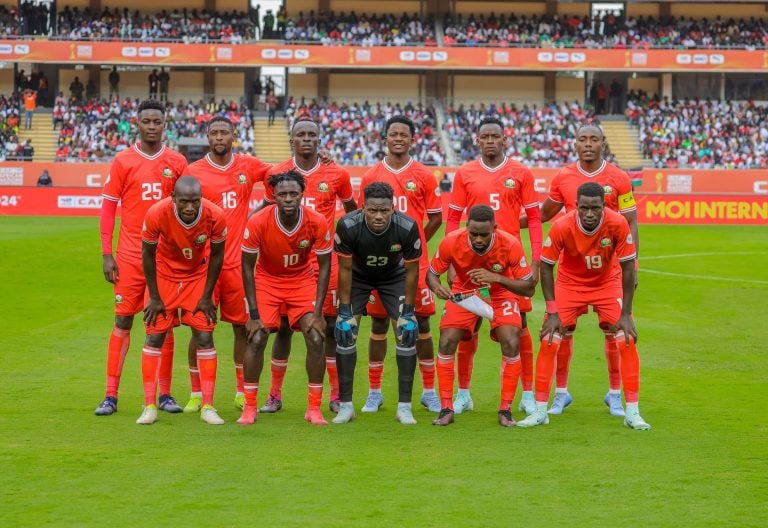
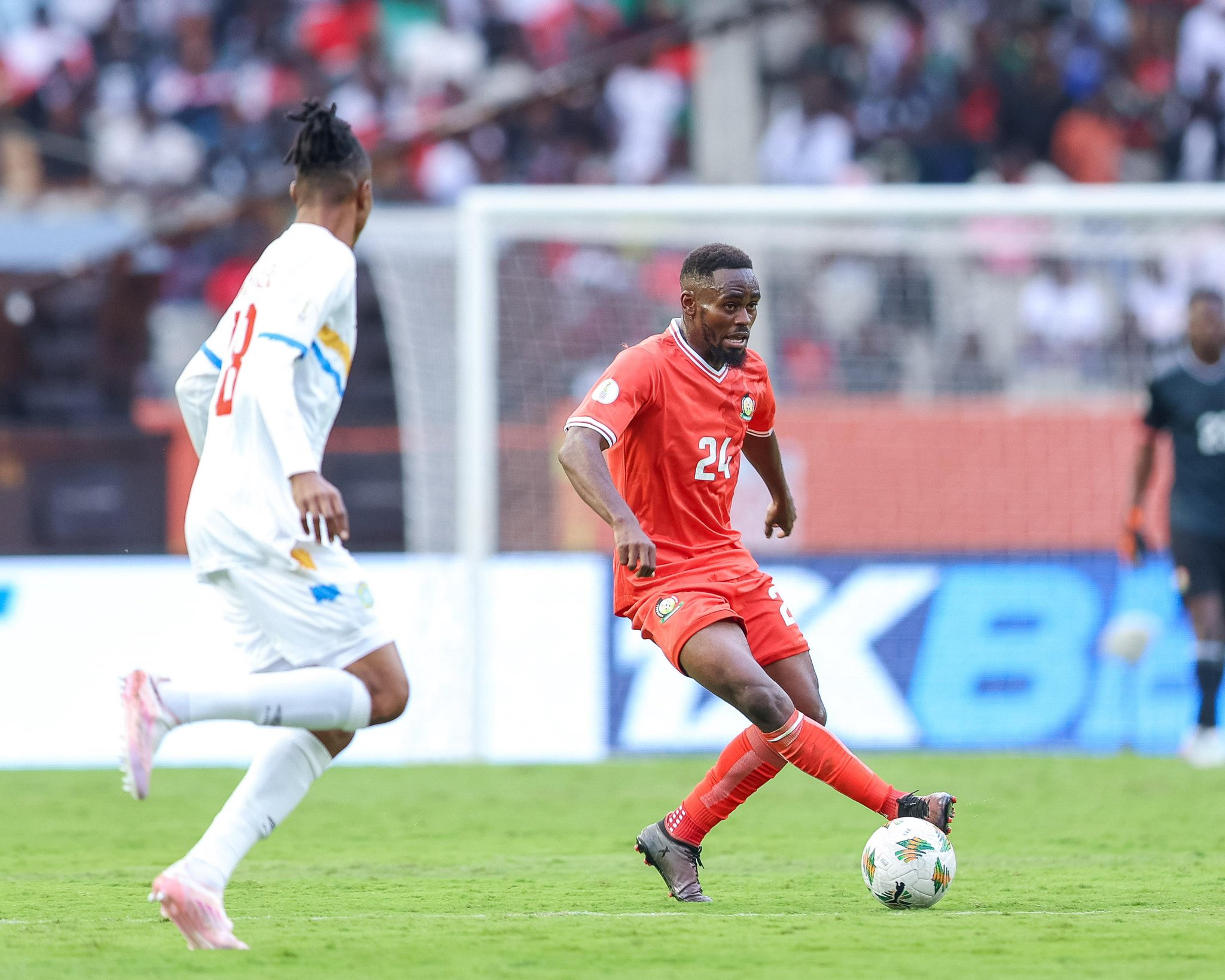
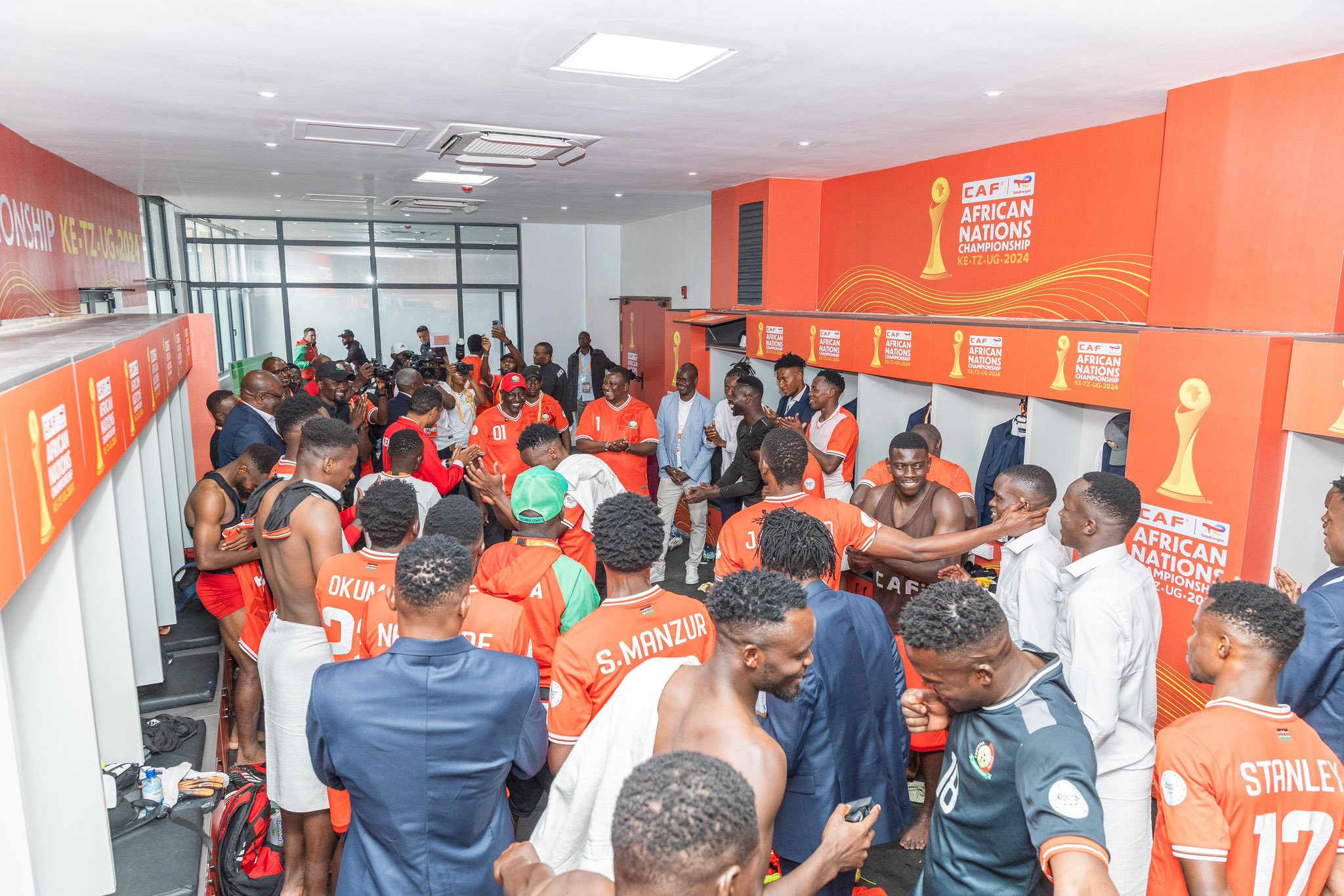
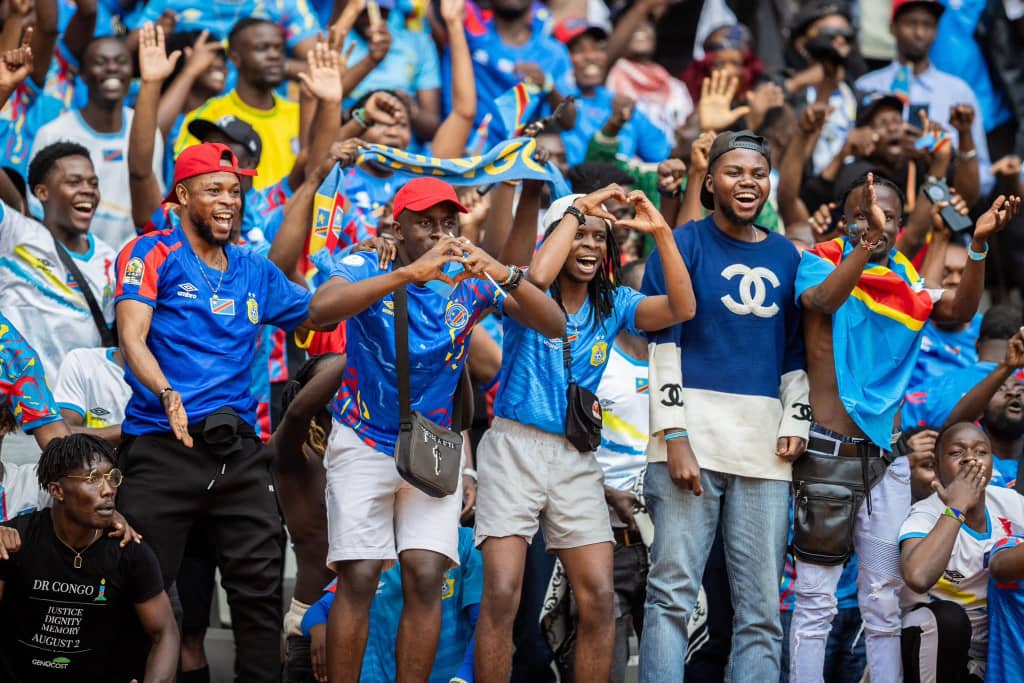
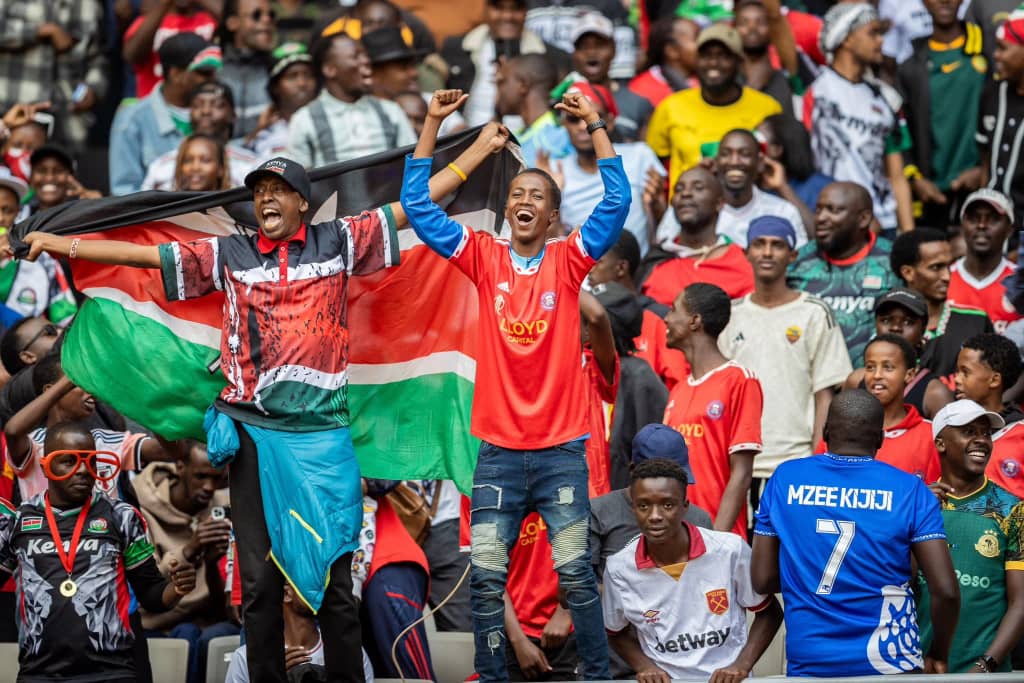
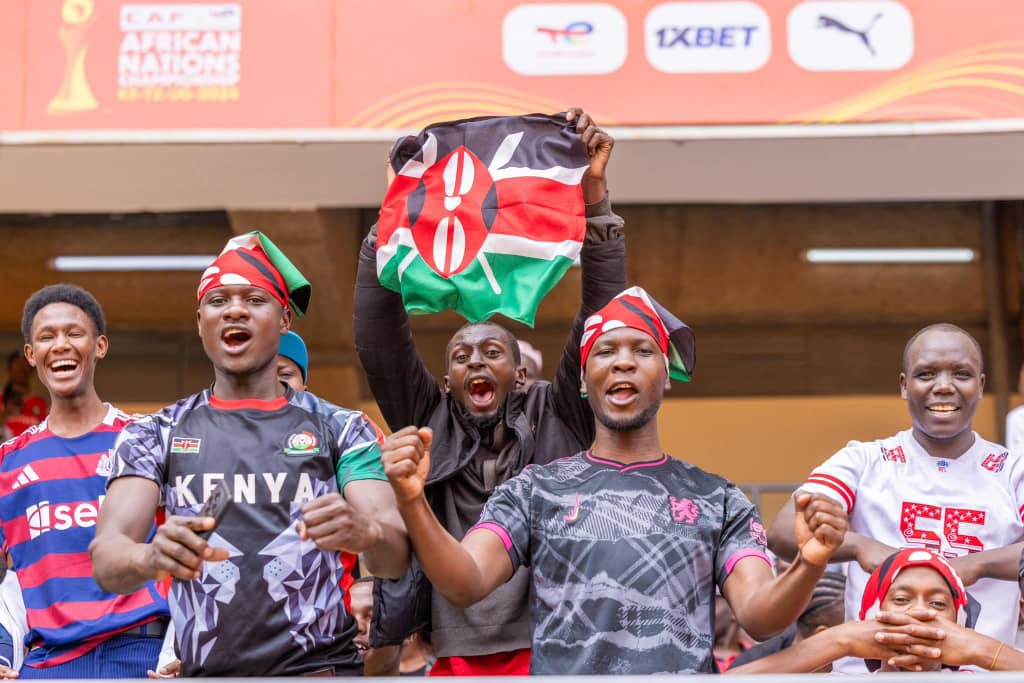
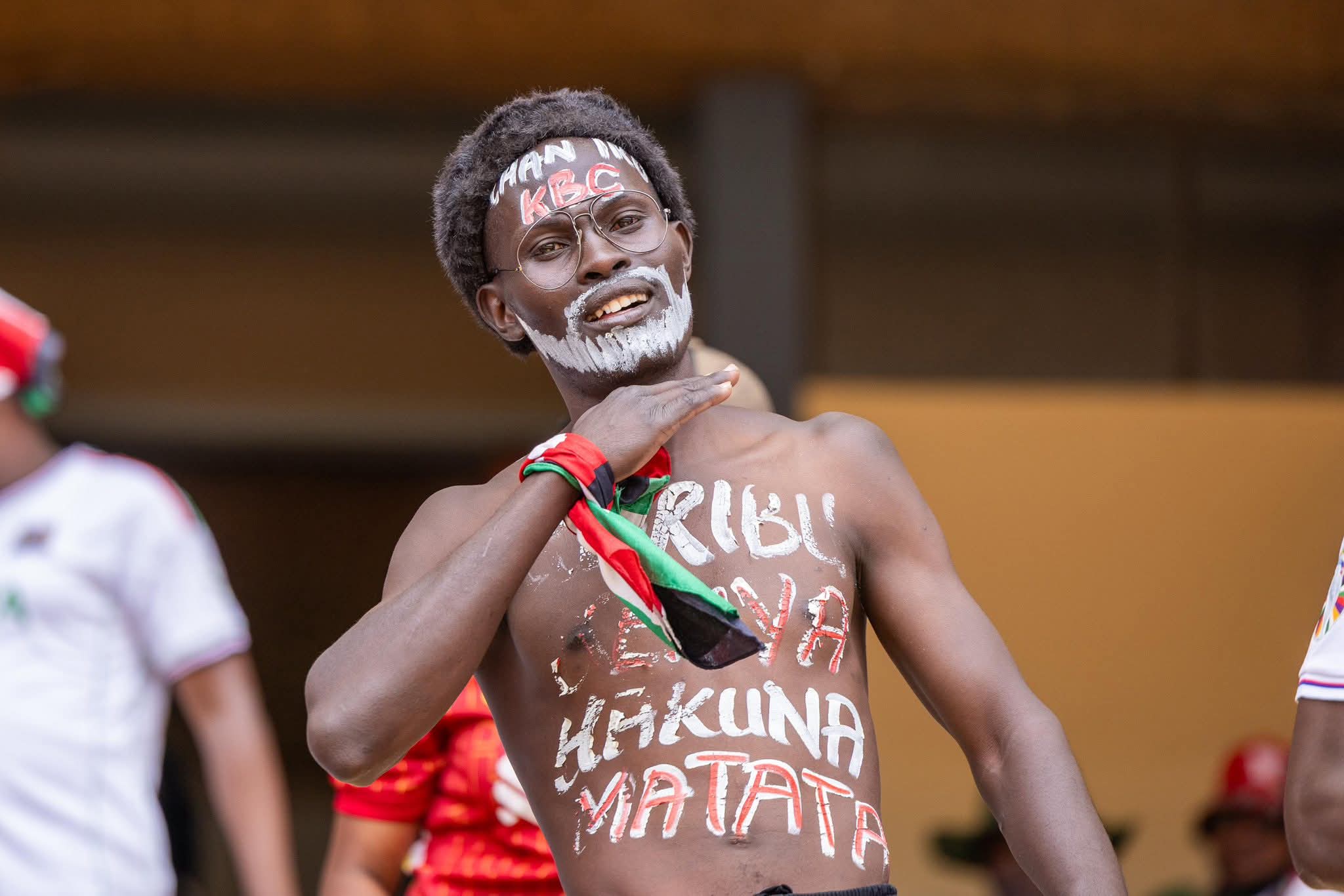
The decisive goal came just before halftime when Gor Mahia’s creative playmaker Austin Odhiambo danced through the Congolese defence and calmly slotted a left-footed shot into the bottom corner in the 45+2 minute. The lively crowd erupted as Kenya took the lead against one of Africa’s most experienced sides.
Odhiambo’s strike followed a pass from David Sakwa, showcasing Kenya’s attacking flair and composure on their debut in this continental tournament reserved exclusively for home-based players.
Despite DR Congo controlling early possession, Kenya grew in confidence and maintained a disciplined defensive structure that frustrated the visitors throughout the match.
In the second half, DR Congo increased their pressure, with players like Jonathan Mokonzi and Kitambala threatening with headers, and Heltone Kayembe forcing a notable save from Kenya’s goalkeeper Byrne Omondi. However, the solid defence, marshalled by Sylvester Owino and Alphonce Omija, stood firm to repel multiple late corners and protect the slim lead.
Harambee Stars coach Benni McCarthy, in his first major tournament at the helm, used tactical substitutions, bringing on Mike Kibwage and Marvin Nabwire in the final quarter to strengthen the midfield and close out the win.
The victory marks a proud start for Kenya, who are co-hosting the CHAN tournament alongside Uganda and Tanzania for the first time. The team will now face Angola on Thursday in what promises to be another tough Group A encounter, while DR Congo will look to recover against Morocco.
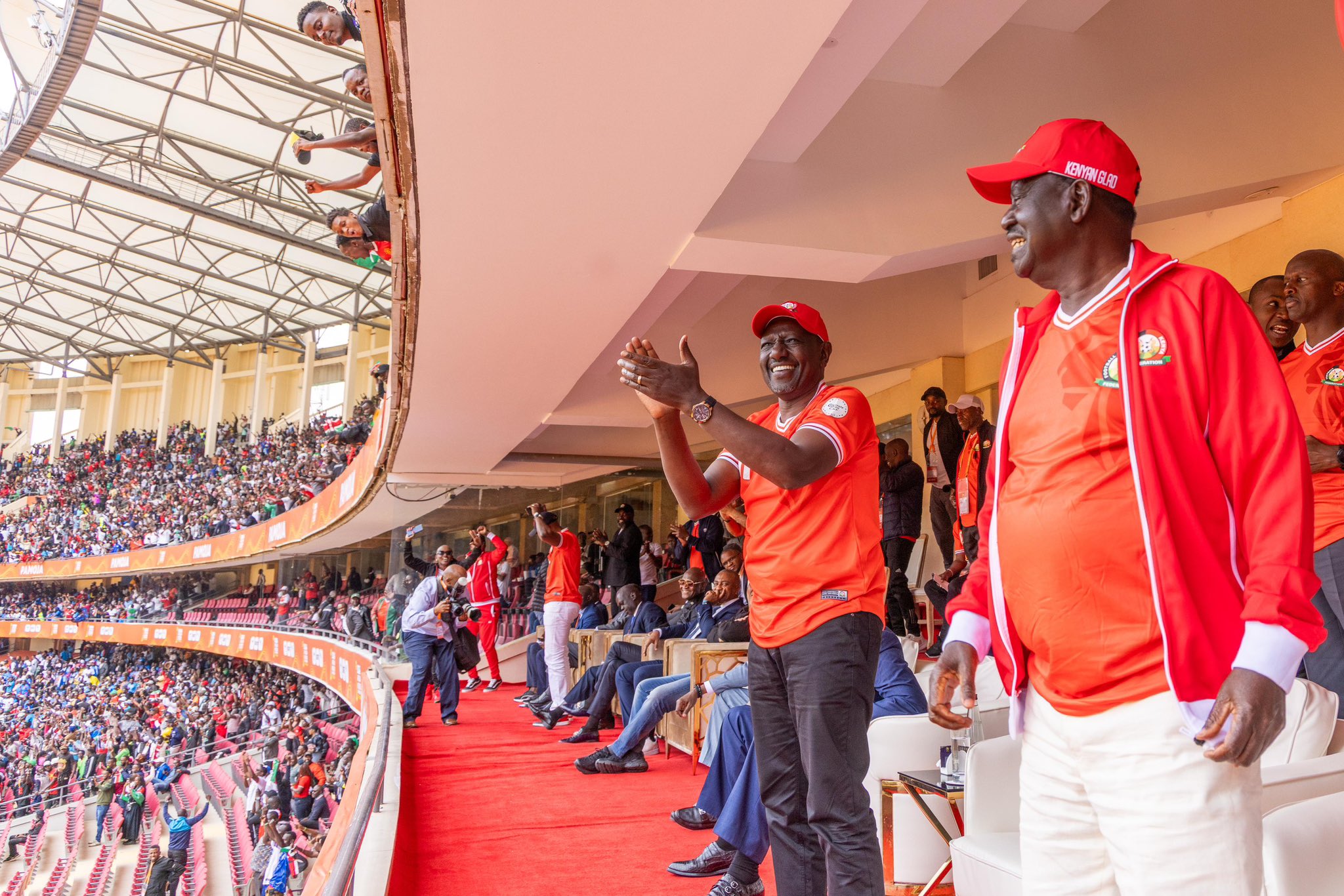
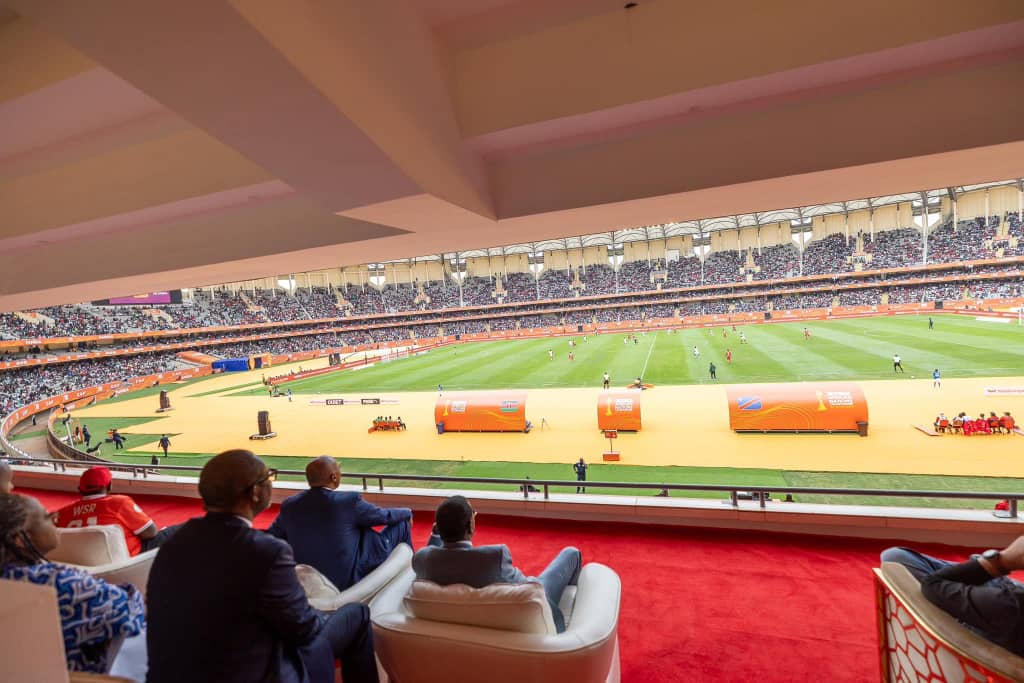
Adding to the excitement, Kenyan President William Ruto attended the match alongside former Prime Minister Raila Odinga, a passionate sports enthusiast. The day before, President Ruto pledged 600 million shillings (approximately Frw 6.7 billion ) in bonuses if the Harambee Stars clinch the CHAN title.
The president also promised incremental rewards for reaching the quarterfinals, semifinals, and the final, alongside match-win bonuses of Frw 10 million per player.
The CHAN 2024 tournament began on Saturday, August 2, in Dar es Salaam, Tanzania, where the Taifa Stars secured a commanding 2-0 victory over Burkina Faso, igniting the East African region’s enthusiasm for the championship.
Rwanda’s Amavubi failed to qualify for the tournament. In the qualifiers, they were eliminated after a 4-4 aggregate draw against South Sudan, losing on the away goals rule. This is the second consecutive time they’ve missed out on the CHAN tournament.
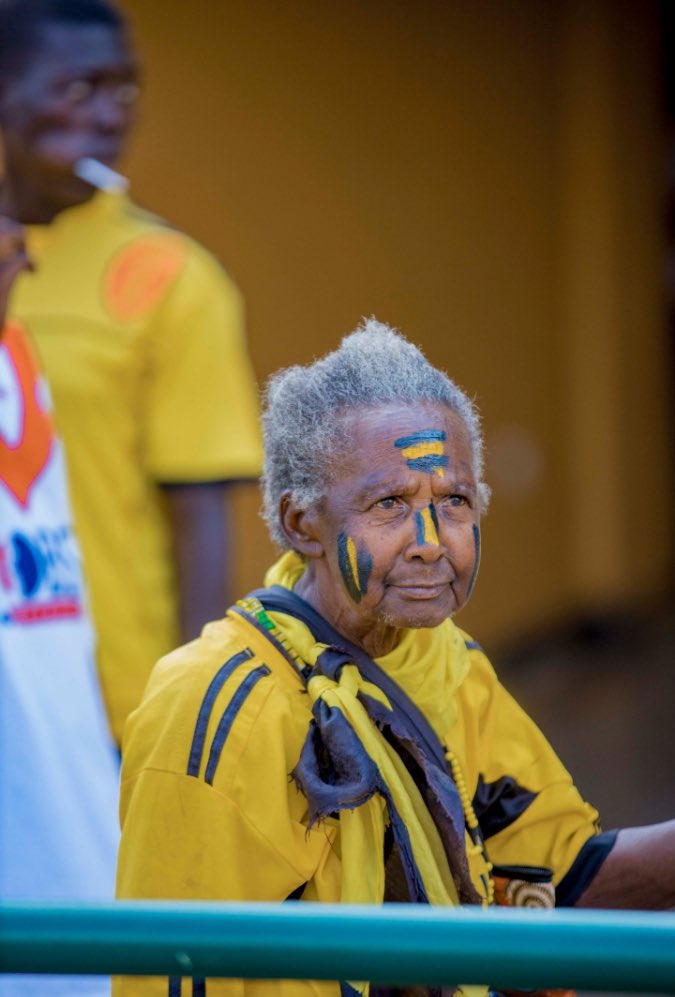
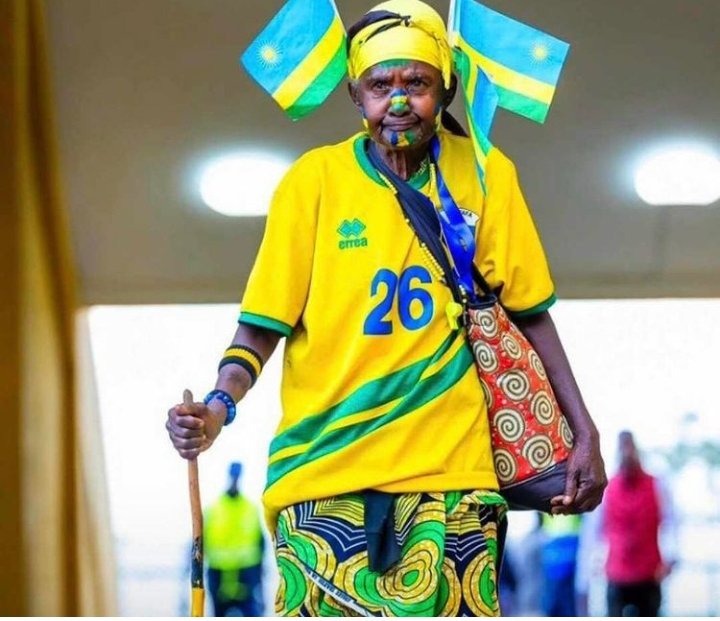
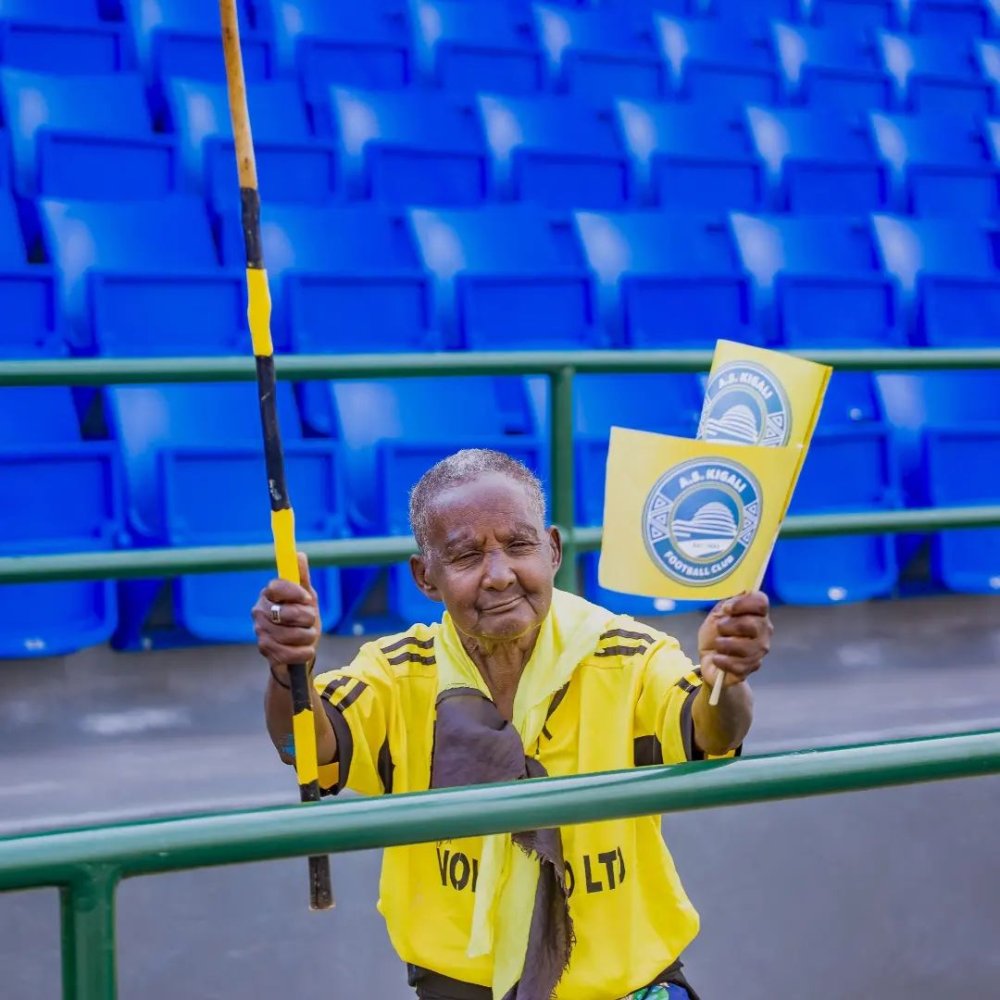
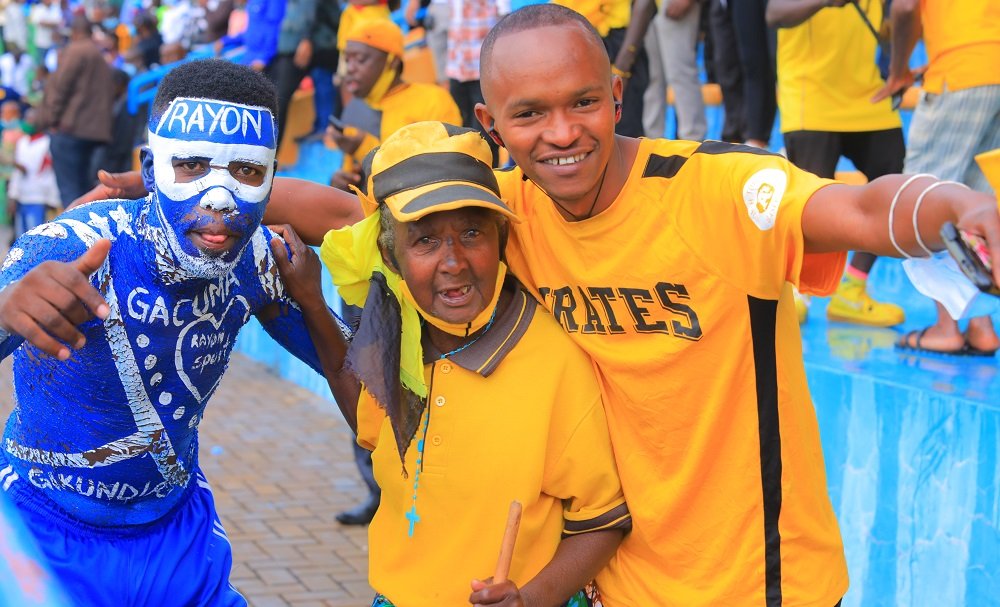
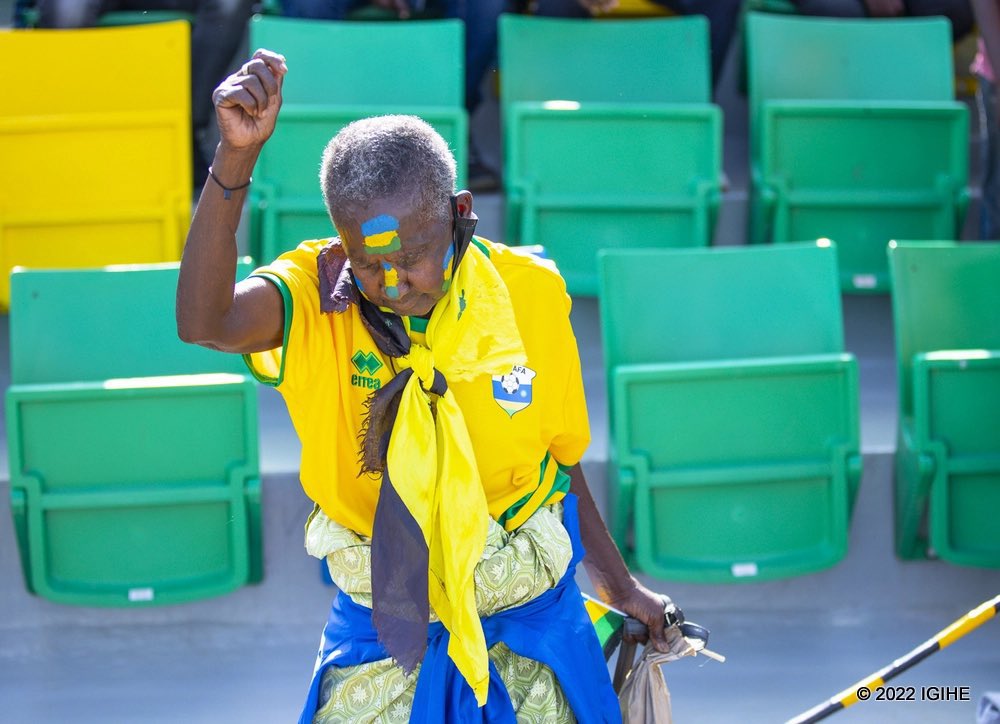
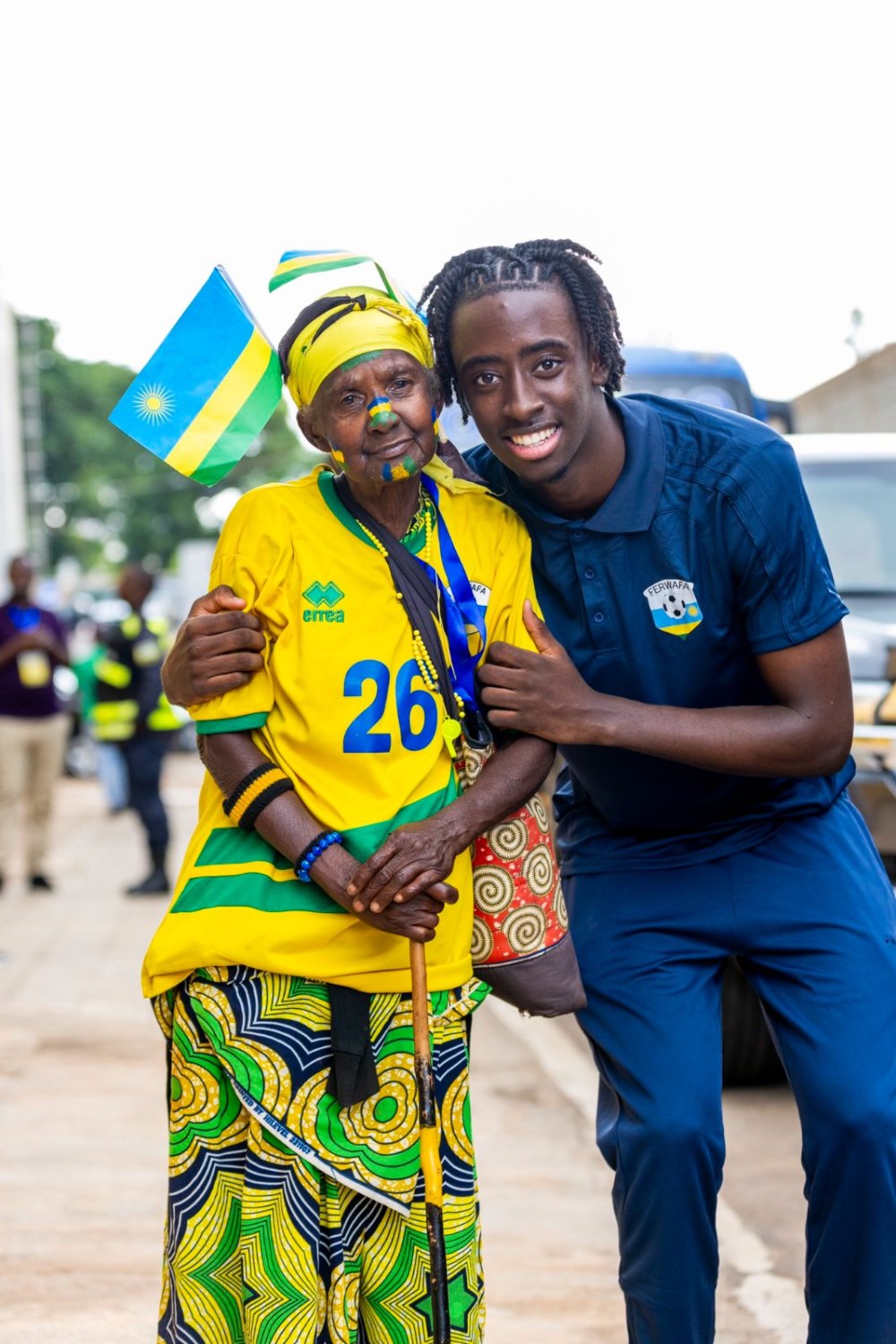
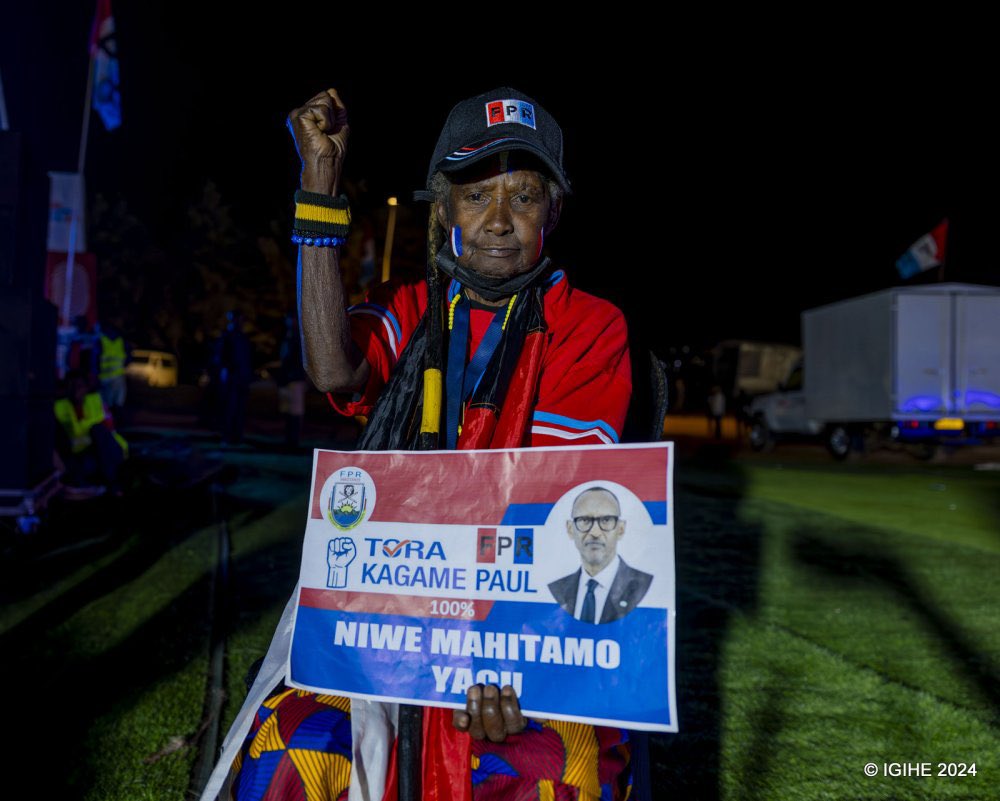
Mama Mukura, whose loyalty to the sport spanned over six decades, died at her home after battling illness. According to club officials, she had recently been discharged from hospital and passed away peacefully in the early hours of the morning.
“We were shocked to receive the news. She had gone to bed as usual, but this morning she was found lifeless,” said Gatera Edmond, spokesperson for Mukura VS.
Mukura VS, in collaboration with her family and members of the local football community, is now preparing to give her a fitting farewell.
Club officials described her as a “grandmother to all football lovers,” and said she would be remembered not only for her unwavering support but for the values she stood for: resilience, unity, and passion for the game.
Born in 1922 in Kabitoki Village, Save Sector, Gisagara District, Mukanemeye was the youngest of eight children. She left school early and worked as a cook for Catholic sisters in Kibeho. At 43, she got married but never had children; instead, she became a mother figure to generations of football fans.
Her love affair with football began in her school years and continued through adulthood. She often joined local boys in village matches and once attended a royal football match graced by King Mutara III Rudahigwa.
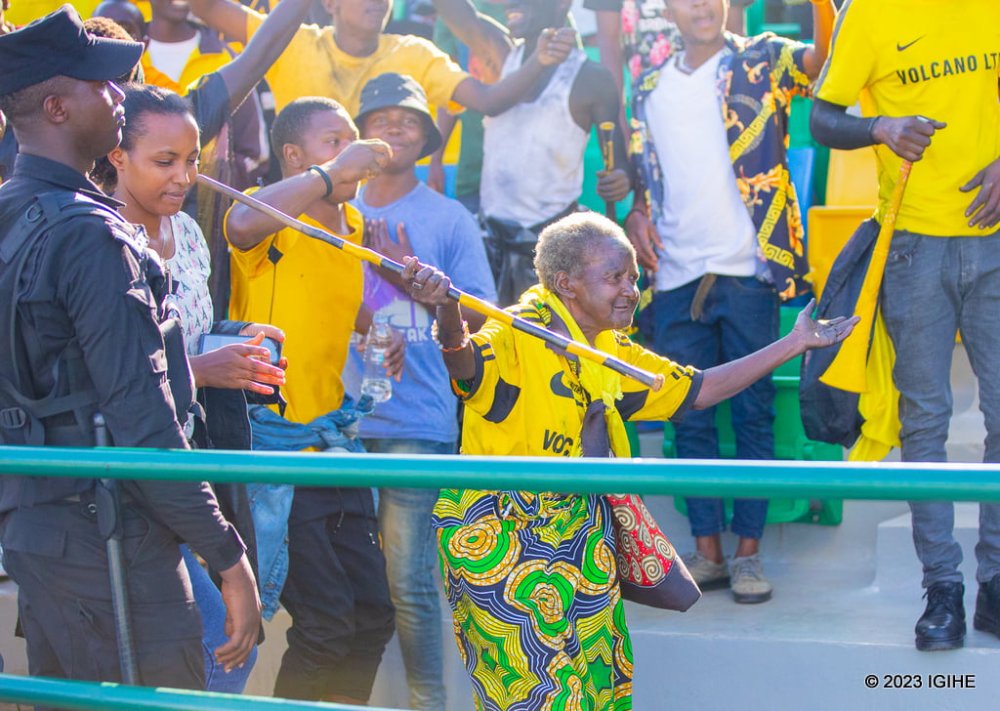
When Mukura Victory Sports was founded in 1963, she became one of its earliest and most loyal fans. Over the decades, she rarely missed a game in Huye and proudly wore the club’s colours, often cheering from the stands with unmatched enthusiasm. Her presence became synonymous with Mukura home games, earning her the nickname “Mama Mukura.”
Despite her allegiance to Mukura, Mukanemeye was also a devoted follower of Amavubi, Rwanda’s national team. In a 2022 interview with IGIHE, she recalled the joy football brought to her life and encouraged young people to embrace sports not just as entertainment, but as a source of unity and identity.
“We considered her the grandmother of all football fans, not just because she loved Mukura VS, but also because she deeply supported the national team. She was a role model to many, and it’s only right that we give her a respectful farewell and continue her legacy,” said Gatera.
Funeral arrangements are underway, with Mukura VS pledging to honour her with the respect befitting a club icon.
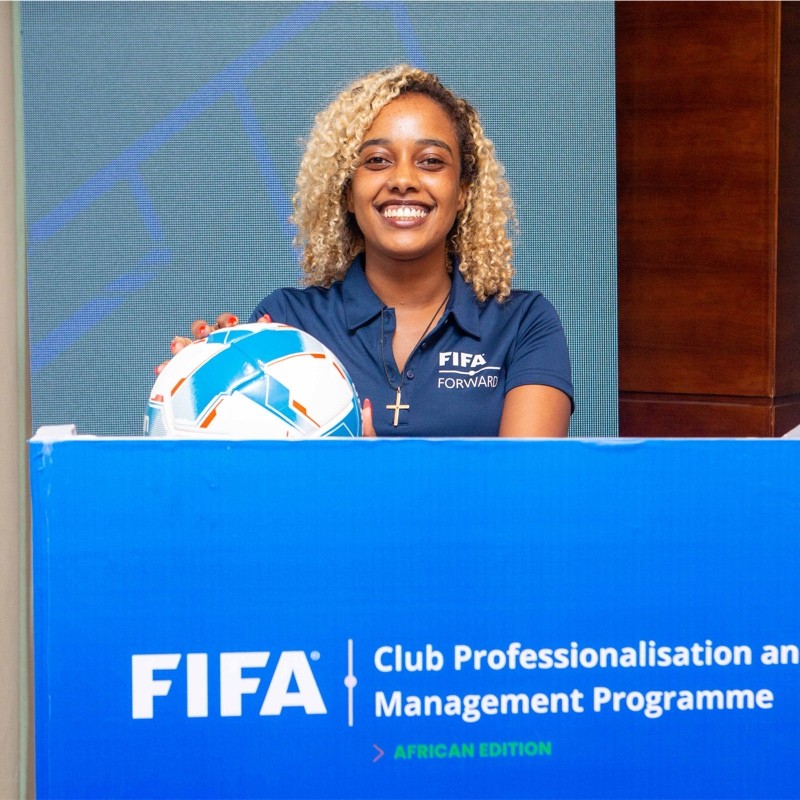
Abigail Lemma Hailemichael, FIFA’s Development Manager overseeing North, East, and Central African countries, recently spoke to IGIHE about ongoing projects and future plans that position Rwanda as a key player in the region’s football evolution.
Since the regional office was established in Kigali over four years ago, Rwanda has served not only as a strategic hub for FIFA’s operations but also as a pilot ground for innovative football development programs. Working alongside Davis Ndayisenga, the regional office head, Abigail coordinates efforts across 16 member countries, helping to implement FIFA’s global agenda locally.
One of the standout projects highlighted by Abigail is the recent approval for the installation of four artificial pitches across Rwanda. The synthetic turf pitches will be built in several districts, including Gicumbi, Rutsiro, and Rusizi, as well as at the Rwanda Football Federation’s (FERWAFA) training facility in Kigali.
The pitch near Kigali, in particular, will upgrade an existing accommodation centre, developed under the FIFA Forward program, transforming it into a fully operational technical centre.
In addition to the full-sized pitches, Rwanda is among five African countries selected to pilot the Mini Pitches Project, which involves constructing smaller, quality pitches in schools. This initiative aims to provide young players with better access to proper facilities right within their educational environments, promoting grassroots participation and talent development.
FERWAFA plans to roll out 10 such mini pitches this year, targeting schools recognised as football development hubs.
Rwanda also benefits from the FIFA Football for Schools Program, a continent-wide initiative that has already reached 12 countries under the supervision of the regional office. The program uses football as a tool to teach life skills to children, distributing hundreds of thousands of footballs and training coaches to engage youth through fun and educational football sessions.
Abigail emphasised that despite progress, challenges remain across the region, particularly regarding the limited financial and operational capacity of some member associations. To address these gaps, FIFA has focused on creating partnerships with commercial stakeholders and launched the FIFA Club Professionalisation and Management Program.
This initiative targets top leagues and clubs to enhance administrative skills, improve governance, and boost financial sustainability.
Looking beyond Rwanda, ongoing projects include the near-completion of the Kadiba Stadium in Uganda and the establishment of a national technical centre in Egypt.
The development manager also highlighted FIFA’s commitment to women’s football, detailing specialised programs aimed at increasing female participation, improving coaching and league structures, and raising the visibility of women’s football through targeted campaigns.
For young footballers and aspiring professionals in Rwanda and the wider region, Abigail shared an inspiring message, stressing that football is a platform full of opportunities. With dedication and support, it can open doors beyond the pitch, whether as players, coaches, referees, or sports administrators.
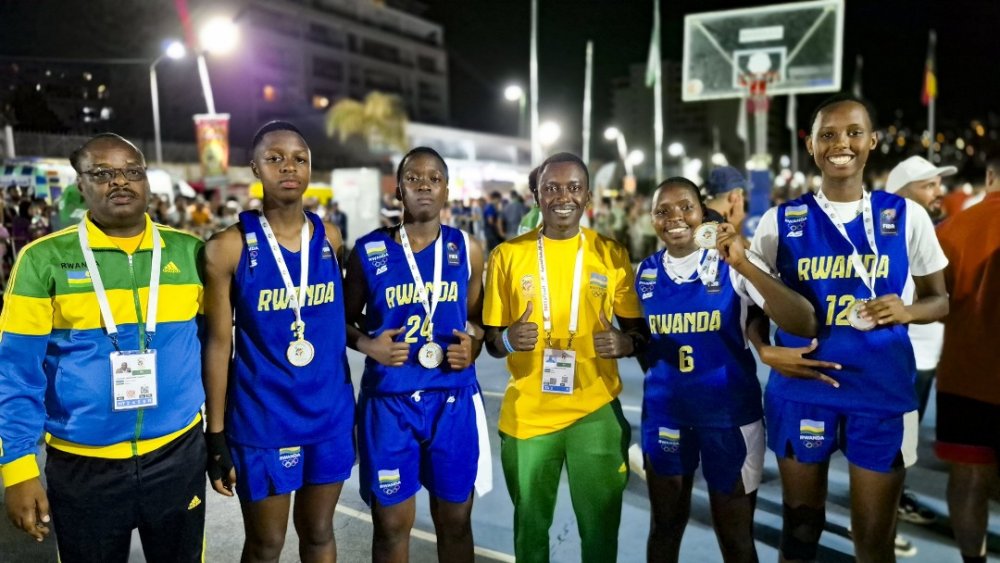
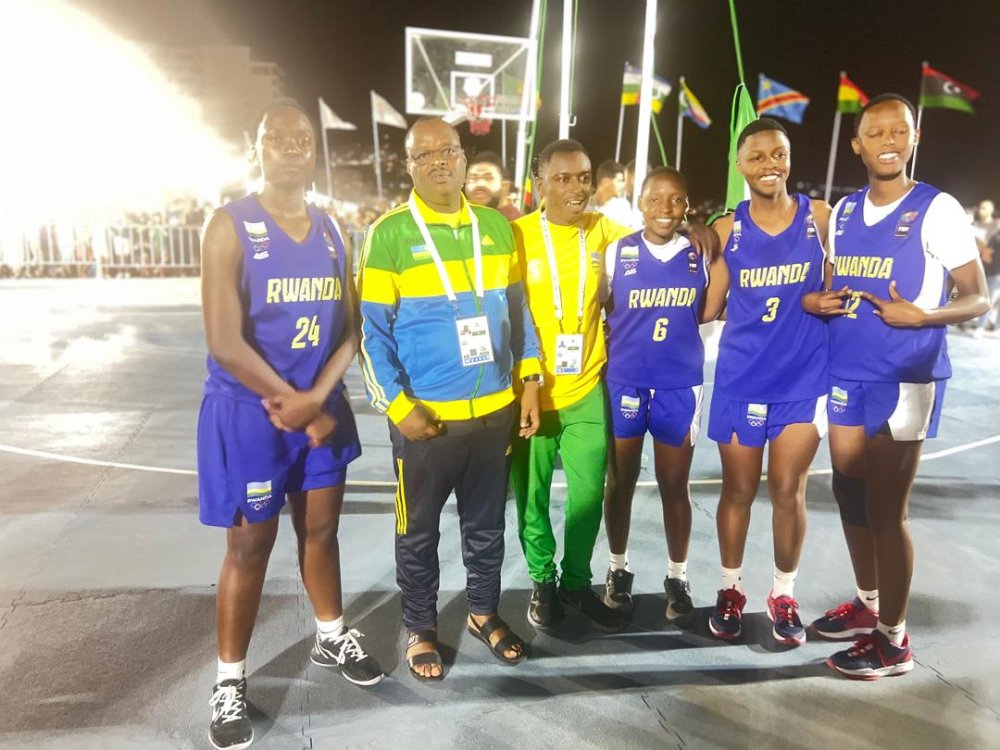
The Rwandan side edged Nigeria 12–11 in a thrilling final to secure top honours in the competition, which brings together athletes aged 14 to 17 from across the continent.
Earlier in the tournament, Rwanda had also defeated Nigeria 11–9 in the group stage and registered a dominant 20–10 win over hosts Algeria.
This maiden edition of the African School Games kicked off on July 27 and is scheduled to run through August 5, 2025. The multi-sport event has attracted participants from 52 countries, although Burundi and Somalia withdrew.
Rwanda is competing in two disciplines, 3×3 basketball and athletics, represented by both boys and girls.
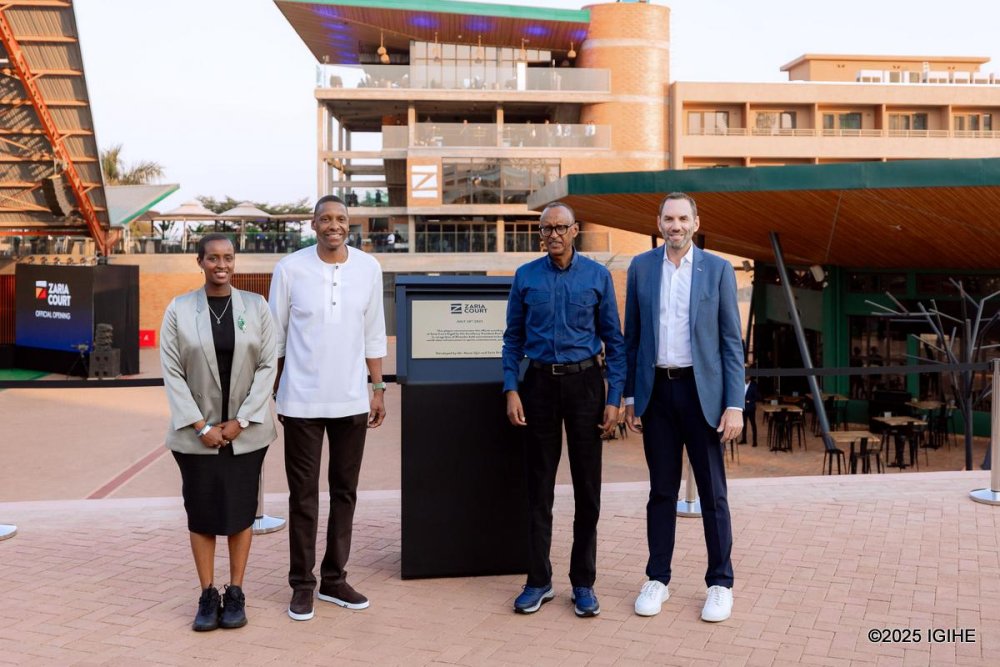
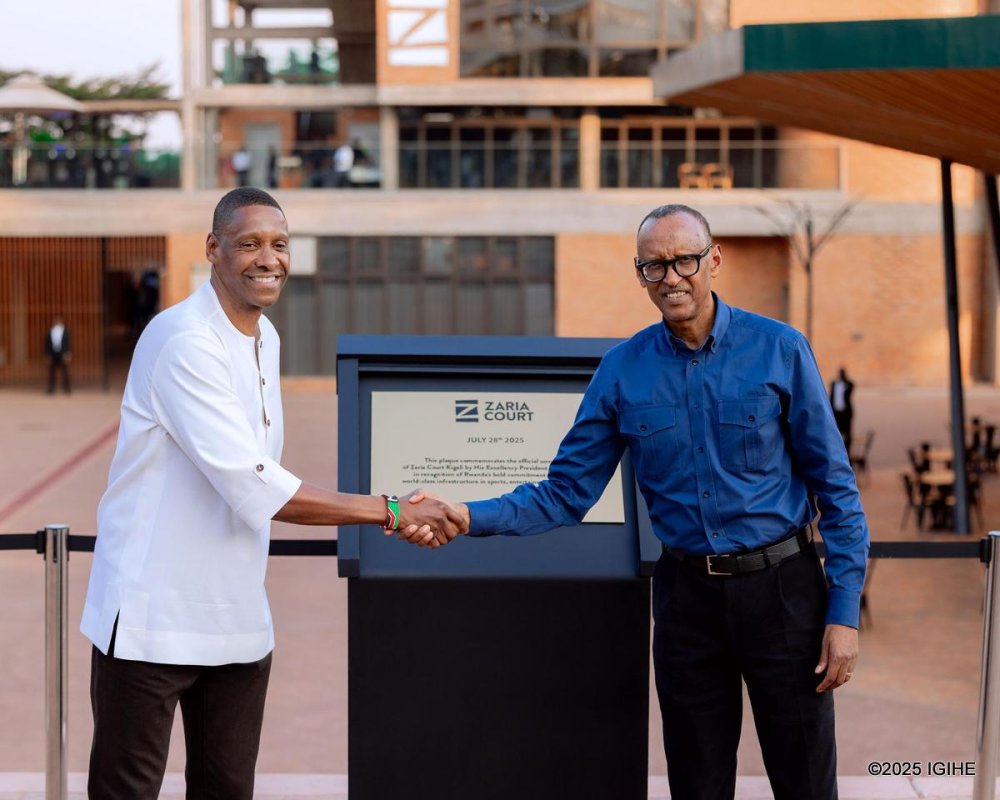
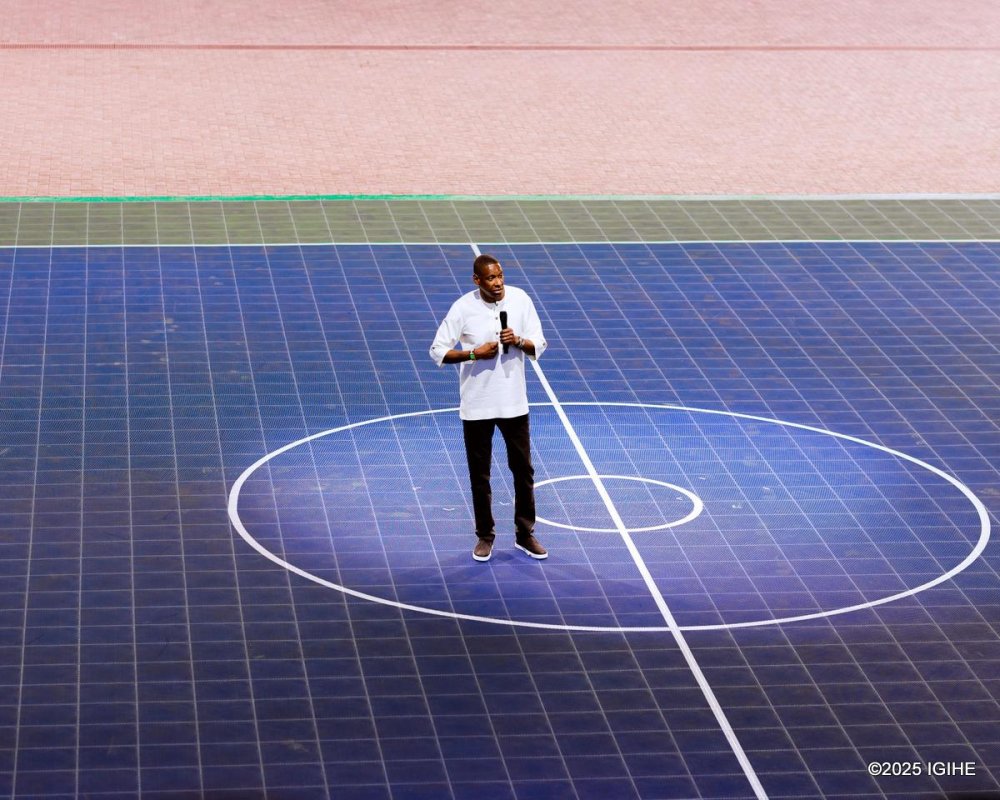
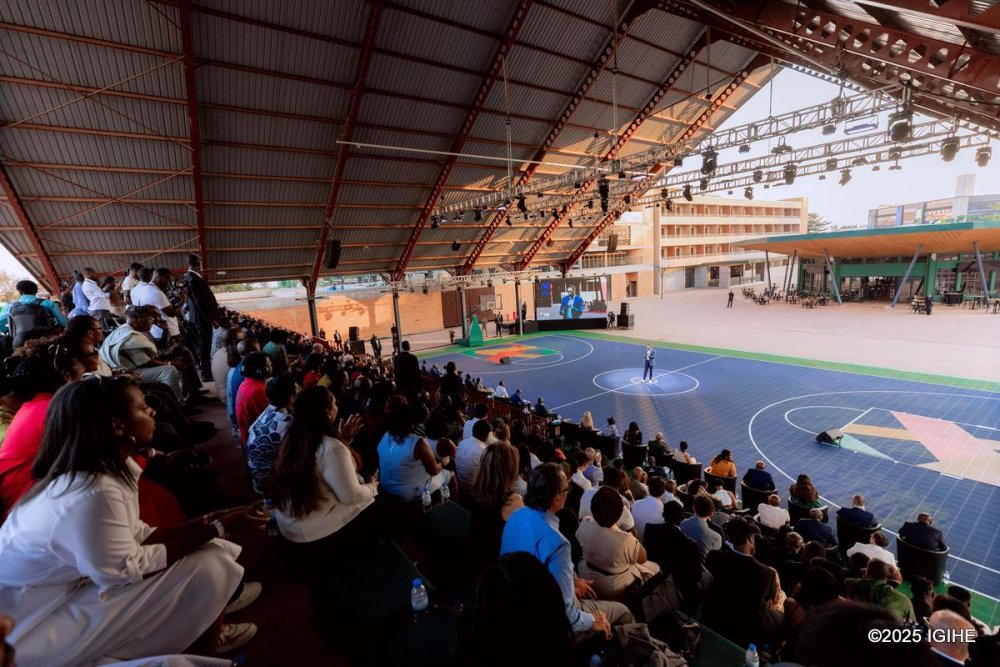
Speaking during the official launch of the facility in a question-and-answer session with Masai Ujiri, co-founder of Giants of Africa and the driving force behind the Zaria Court concept, President Kagame emphasised the power of enabling environments and investing in youth potential as keys to Africa’s transformation.
“In my mind, thinking about the youth of Africa, I don’t think about borders,” Kagame said. “We need to make sure that everything we do translates their hidden potential into reality. The youth are the first asset the continent has.”
The inauguration ceremony, held on the sidelines of the ongoing Giants of Africa Festival 2025 in Kigali, drew African business leaders, creatives, sports icons, and youth from across the continent. Among them was Nigerian billionaire Aliko Dangote, whom Ujiri praised for championing the African Renaissance initiative aimed at galvanising leadership and economic transformation across Africa.
Construction of Zaria Court Kigali began in August 2023, with President Kagame and Ujiri breaking ground on what was envisioned to be the first of several such hubs across Africa.
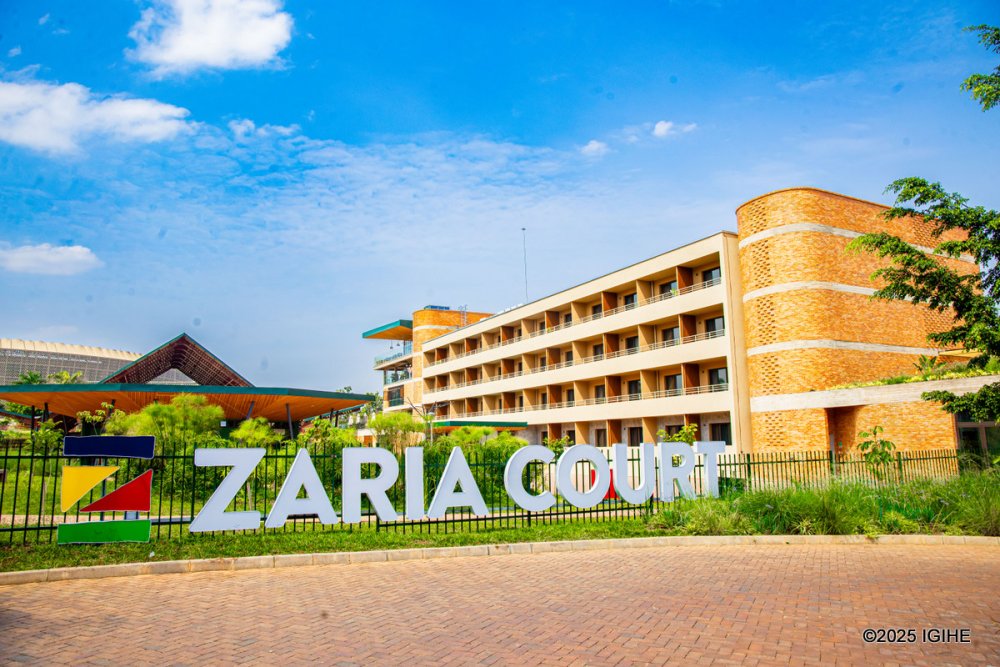
The complex now stands complete, featuring an 80-room hotel, multiple restaurants, a rooftop lounge, a gym, co-working spaces, a podcast studio, a broadcast centre, and a large multipurpose arena for sports, concerts, and cultural events.
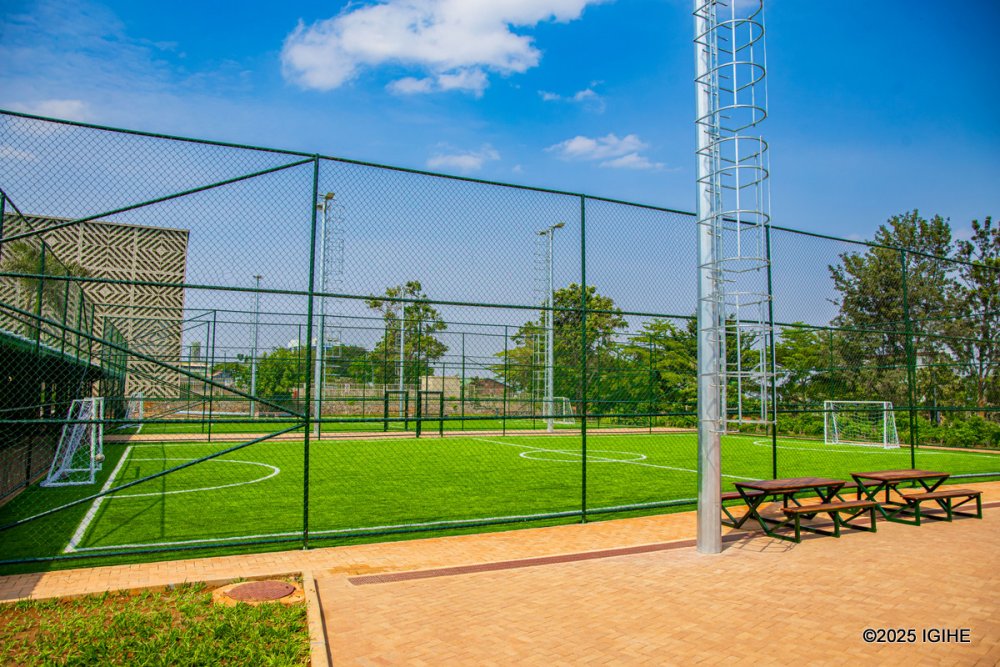
Outside, the facility includes five-a-side football pitches, a callisthenics area, children’s play zones, and open green spaces. A modular retail park, built from stacked shipping containers, provides affordable space for Kigali’s rising designers, food vendors, and small business owners.
“This is more than a building,” Ujiri said. “It’s an ecosystem. It creates community. It creates value. It shapes economies.”
In the heartfelt conversation with Ujiri, President Kagame shared his personal reflections on sports and leadership, admitting he was never an athlete himself but always saw the value in creating platforms for others to thrive.
“I wasn’t a sportsman by any standard,” Kagame said. “But I was a sportsman at heart, and often thought about what I missed. If I can enable those who can do more and benefit the whole country, then I’m the happiest person.”
He also spoke to the economic impact of sports, pointing to Rwanda’s own experience with the BK Arena and other investments as proof that sports can be a serious contributor to national development.
“This is no longer just about the future. It’s already happening,” Kagame emphasised. “Statistics show that even across Africa, sports can bring in billions to the continent. So, it’s not just a story anymore. The question is whether we choose to be part of reaping those benefits.”
Ujiri, visibly passionate, challenged African governments and private sectors to stop viewing sports as merely recreational and instead recognise it as a business and a growth engine.
“We’re not going to sit down and just let this happen anymore,” declared the former basketball player and president of the Toronto Raptors. “This is a template for Africa, an ecosystem that works. It brings people together. It builds community. And it creates real value.”
He further highlighted how Zaria Court, from design to execution, was a response to the lack of sustained investment in sports infrastructure across African cities.
“In Africa, we have stadiums right in the middle of the city, and they’re all destroyed. They were built 50 years ago with no vision. We paint them before competitions, then leave them to rot. We won’t accept that anymore.”
With plans to replicate the Zaria Court model in cities like Accra, Lagos, Dakar, Johannesburg, and Nairobi, Kigali’s success story is expected to serve as a catalyst for more sports-driven urban development across Africa.
During the event, NBA Africa CEO Clare Akamanzi underscored the economic potential of sports, stressing that nations sidelining it risk falling behind in development.
“Sports should be an economic priority for every country. If you’re not putting sports at the centre of your economic growth, then you’re already playing from behind,” she declared.
Echoing this, Amadou Gallo Fall, President of the Basketball Africa League, said the progress seen in Rwanda affirms the possibility of building a world-class professional basketball league on the continent.
“This gives us confidence that we can build one of the best professional basketball leagues in the world, right here in Africa.”
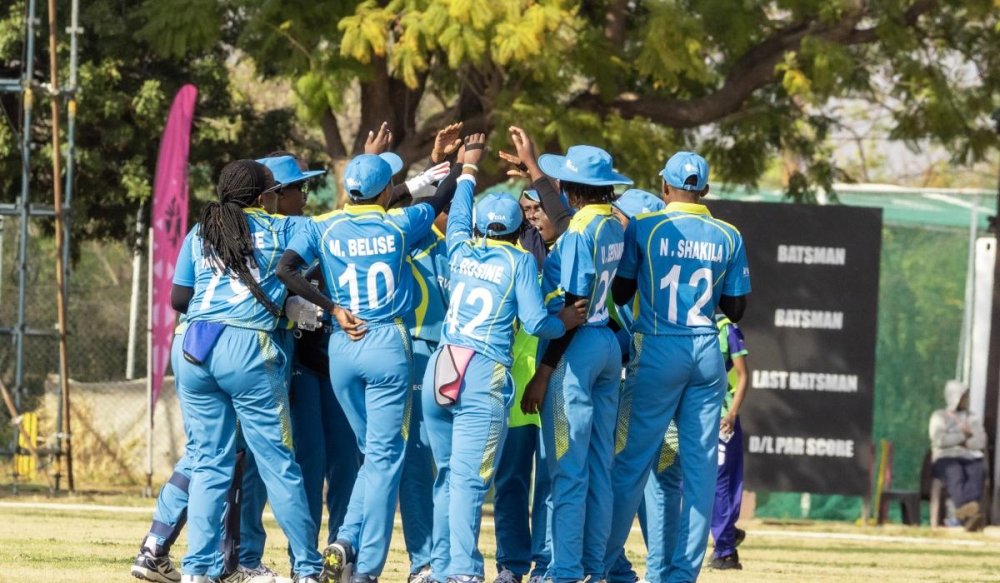
The historic achievement came after Rwanda defeated Sierra Leone by 51 runs in the final.
Rwanda batted first and posted a total of 135 runs in 20 overs, with Sierra Leone managing to take seven wickets. In response, Sierra Leone was bowled out for just 84 runs in 18.1 overs, falling short of the target and handing Rwanda a commanding victory.
With this win, both Rwanda and Sierra Leone have secured promotion to Division One, where they will join Uganda, Kenya, Tanzania, Nigeria, Namibia, and Zimbabwe.
The eight teams will face off in September 2025 in Namibia during the ICC Women’s T20 World Cup Africa Qualifier.
Only one team will earn a coveted spot to represent the continent at the ICC Women’s T20 World Cup, set to take place in India later this year.