This breakthrough, published in the U.S. scientific journal Proceedings of the National Academy of Sciences, is expected to significantly accelerate medical research and reduce costs in drug discovery and biotechnology, the researchers said.
Proteins are essential to biological functions and underpin medical advances such as the diabetes drug Ozempic.
However, despite the existence of billions of proteins in nature, scientists have identified the functions of only a small fraction, largely due to years of costly lab work.
“BetaDescribe” works like a specialized translator, turning raw biological data into clear, detailed descriptions of a protein’s function, metabolic role, and medical potential, according to the researchers.
The AI’s ability to rapidly generate evidence-based hypotheses about the functions of unknown proteins could significantly shorten the path from basic discovery to medical and industrial applications, the researchers concluded.
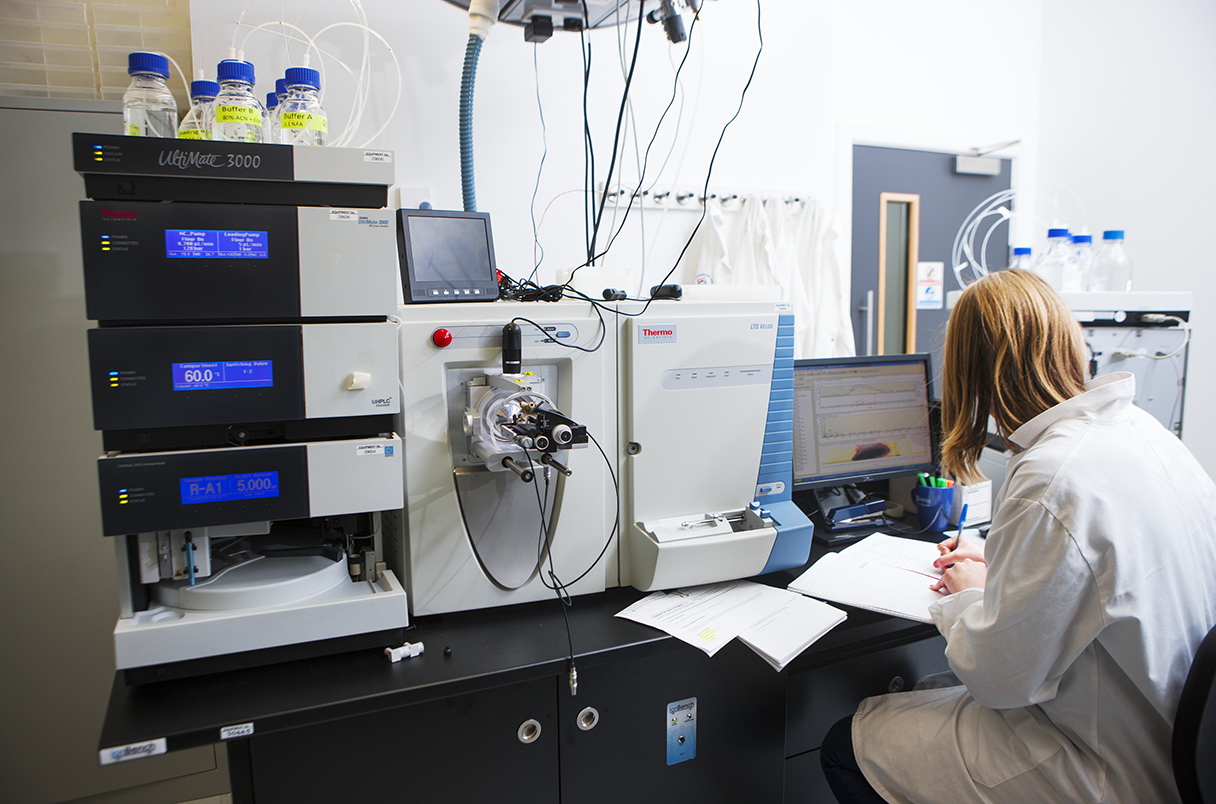
A researcher using a mass spectrometer to analyse proteins. Researchers have developed an AI system called “BetaDescribe” that translates complex protein sequences into readable natural-language descriptions, the Israel Institute of Technology said in a statement on Thursday.
The disruption began on June 12, 2026, when the Trump administration issued an emergency export control directive forcing Anthropic to pull its high-capability systems from service. The enforcement action followed weeks of rising concern after security researchers at Amazon documented a vulnerability where the underlying frontier models could be “jailbroken” to identify zero-day software vulnerabilities and assist in generating exploitation code.
Because Anthropic lacked a real-time automated nationality verification infrastructure to selectively block foreign access at the API level, the company chose to institute a total global service suspension to ensure compliance with federal law.
Following intensive negotiations and technical adjustments with American federal authorities, U.S. Commerce Secretary Howard Lutnick confirmed that the export controls were officially lifted on June 30, 2026. Anthropic achieved clearance by rolling out a specialized, real-time automated safety classifier layer designed to proactively intercept malicious code-generation and cyber-attack staging. Global access to the ecosystem officially went back online on July 1, 2026.
Launch of Claude Sonnet 5
Coinciding with the system restoration on June 30, Anthropic also officially launched Claude Sonnet 5. Positioned as a safer, highly accessible baseline designed for general use, Sonnet 5 introduces advanced autonomous capabilities with real-time cybersecurity safeguards enabled by default. The model is engineered to handle complex, multi-step software engineering work, including terminal operations and browser-based agentic workflows, at a fraction of the cost of flagship systems.
As part of the redeployment, Anthropic clarified the distinct operational roles and security controls governing its tier-five architectures.
Claude Fable 5 serves as the company’s flagship, widely released frontier model built for demanding reasoning and long-horizon agentic work. It is now globally available to public and enterprise developers across the Claude Platform with the newly mandated safety classifiers fully active.
Sharing the same raw capability as Fable 5, Claude Mythos 5 is a specialized version that completely lacks the standard safety classifiers, optimizing it for advanced vulnerability discovery and biodefense screening. Mythos 5 remains under strict federal oversight and is strictly restricted to deeply vetted U.S. critical infrastructure organizations through Anthropic’s Project Glasswing.
The developer friction trade-off
A company spokesperson emphasized that the updated rollout reflects “a continued commitment to responsible deployment and strengthened safeguards across its AI systems,” noting the addition of enhanced monitoring tools and filtering systems to improve model reliability.
However, industry analysts note that the rapid resolution highlights the growing tension between rapid AI development and stringent regulatory oversight. To satisfy the U.S. government mandates, Anthropic’s new automated safety classifier operates with a highly conservative safety margin. Early developer feedback indicates that while it successfully blocks malicious prompts, it frequently triggers “false positives”—inadvertently flagging benign requests during routine application coding and software debugging.
To keep developer workflows from crashing, Anthropic has integrated a fallback protocol that automatically down-routes a blocked request to be processed by the older, more permissive Claude Opus 4.8 architecture, illustrating the delicate trade-offs required to enforce watertight regulatory compliance on frontier AI.
Anthropic has resumed the global deployment of its most advanced frontier AI architectures, Claude Fable 5 and Claude Mythos 5, following an 18-day global access blackout triggered by sudden American federal export restrictions.
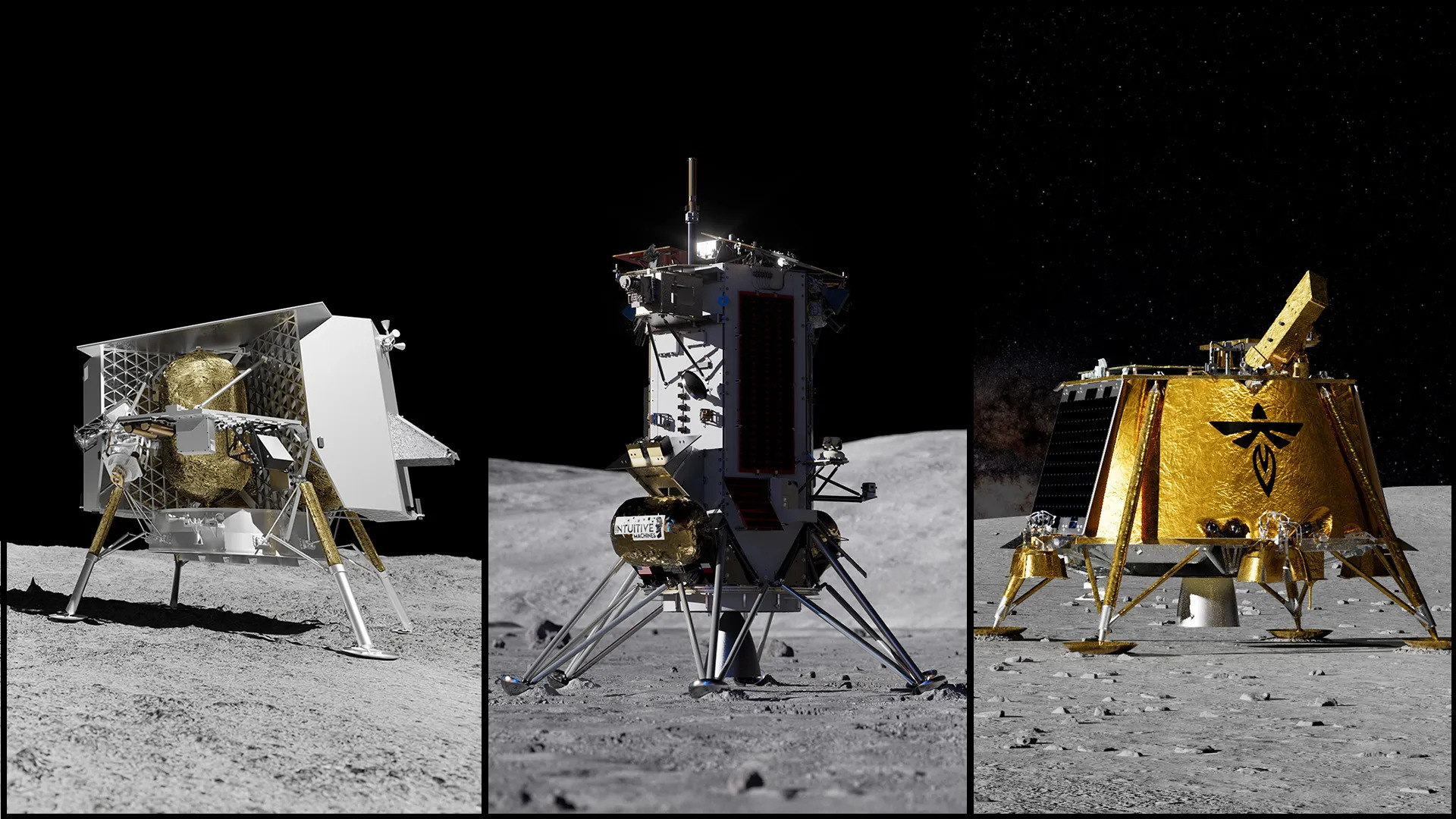
The three companies—Astrobotic, Firefly Aerospace, and Intuitive Machines—will deliver NASA science payloads to the lunar surface as the agency works toward establishing its first outpost on another celestial body.
According to NASA, Astrobotic has been awarded 297.9 million U.S. dollars for two deliveries, while Firefly Aerospace will receive 144.2 million dollars and Intuitive Machines 148.3 million dollars, each for one delivery. Each mission will use upgraded versions of previously flown lunar lander designs to support increased mission cadence.
Each delivery will carry three NASA payloads to the lunar surface, including Stereo Camera for Lunar Plume Surface Studies, Laser Retroreflector Array, and Linear Energy Transfer Spectrometer.
NASA said the newly announced awards will play a critical role in establishing the infrastructure for lunar surface operations.
“By flying the same science instruments on multiple landers, we will better understand potential hazards during landing and build out a global network of environmental data and location markers on the Moon,” said Joel Kearns, deputy associate administrator for exploration at NASA Science Mission Directorate.
NASA is advancing the Moon Base program, a long-term lunar exploration and infrastructure initiative designed to enable sustained human presence and expanded scientific and commercial activity on the lunar surface.
This push for robotic infrastructure follows on the heels of NASA’s historic Artemis II mission in April, which successfully sent a four-person crew on a nine-day lunar flyby.
The data collected from these upcoming 2028 commercial deliveries will be critical in future-proofing surface operations ahead of the planned Artemis IV mission, which aims to return humans to the lunar surface.
Three artist renderings depict commercial lunar landers from Astrobotic, Intuitive Machines, and Firefly on the Moon. NASA announced June 30 the landers will deliver more NASA science investigations and technology demonstrations to the lunar surface for NASA’s Moon Base Program.
From generating content to analysing consumer data, AI is enabling businesses to work faster and more efficiently than ever before.
The technology has become an essential tool for marketers worldwide, helping simplify tasks, improve productivity and support better decision-making.
According to OpenAI, the company behind ChatGPT, the platform is now used by hundreds of millions of people globally, demonstrating how quickly AI has become part of everyday life.
However, as businesses increasingly embrace AI, experts warn that technology alone is no longer enough to create a competitive advantage.
It is against this backdrop that NeuroBranding Academy Africa recently organised a sold-out Executive Masterclass in Kigali, bringing together marketing professionals, business leaders and communication experts to explore how neuroscience can help organisations better understand consumer behaviour and decision-making.
NeuroBranding strategist and Chief Executive Officer of NeuroBranding Academy Africa, Nurveen Ratty, said Artificial Intelligence has democratised content creation, allowing almost everyone to produce marketing messages quickly and at scale.
“The challenge today is no longer creating content,” Ratty said. “The challenge is creating content that people actually notice, remember and act upon.”
He explained that consumers are now exposed to thousands of marketing messages every day, forcing the brain to filter out most of what it sees.
“If everyone can produce content using the same AI tools, visibility becomes the real challenge. Businesses therefore need to understand not only what to communicate, but how the human brain processes information and ultimately makes decisions.”
Ratty noted that many organisations still believe that publishing more content automatically leads to better results.
“In reality, people are scrolling through thousands of messages every day. More content does not necessarily mean more impact. The brands that succeed are those that understand attention, emotion, trust and memory—the factors that influence decision-making long before a purchase is made.”
While AI continues to transform marketing, he stressed that it should be viewed as a powerful assistant rather than a replacement for human insight.
“AI can help us work faster, generate ideas and analyse data. But it cannot replace empathy, creativity or the psychology behind why people choose one brand over another. In the age of AI, understanding people is becoming the real competitive advantage.”
Among the participants was Sonia Umwali from the Marketing and Communications Department at the Rwanda Social Security Board (RSSB), who said the training complemented her existing knowledge by introducing practical ways of aligning communication with customer behaviour.
“We learned new approaches to marketing that go beyond what we were previously doing, focusing more on presenting information in a way that reflects how customers make decisions,” she said.
Jean Bosco Mugemangago, an employee at BPR Bank Rwanda Plc, said the masterclass highlighted the importance of balancing technology with human understanding.
“The training showed us that AI is a valuable tool, but lasting marketing success comes from understanding customers and responding to their real needs,” he said.
As Artificial Intelligence continues to reshape the marketing landscape, Ratty believes organisations that combine technological innovation with a deeper understanding of human behaviour will be better positioned to build stronger brands and long-term customer relationships.
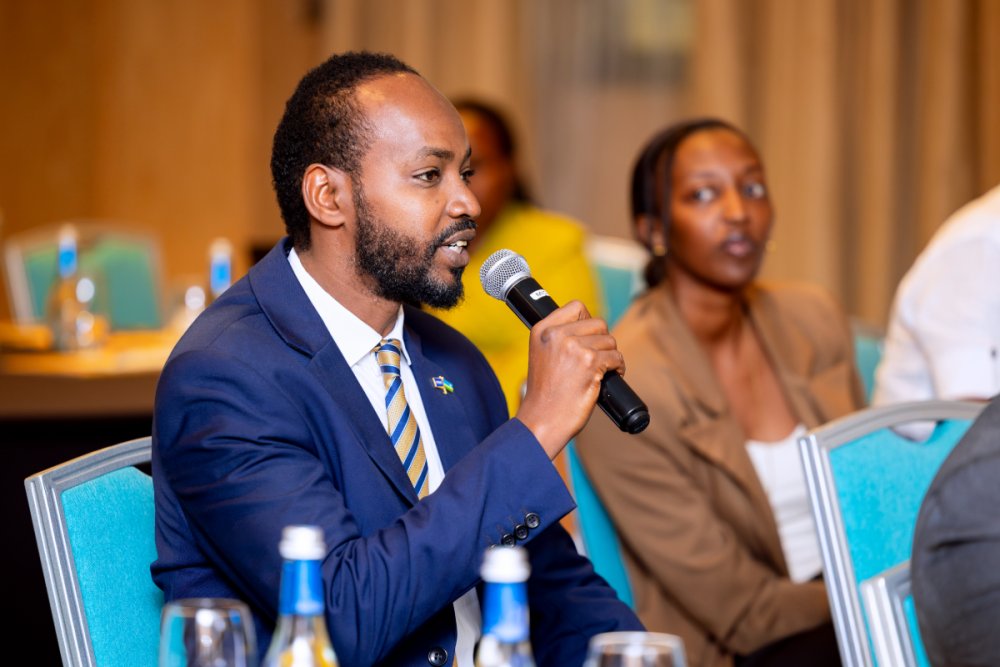
NeuroBranding strategist and Chief Executive Officer of NeuroBranding Academy Africa, Nurveen Ratty, said Artificial Intelligence has democratised content creation, allowing almost everyone to produce marketing messages quickly and at scale. Participants said the training complemented her existing knowledge by introducing practical ways of aligning communication with customer behaviour.
From monitoring crops and tracking environmental changes to managing disasters and urban growth, the ability to access accurate information from space has moved from being a long-term scientific ambition to an everyday operational need.
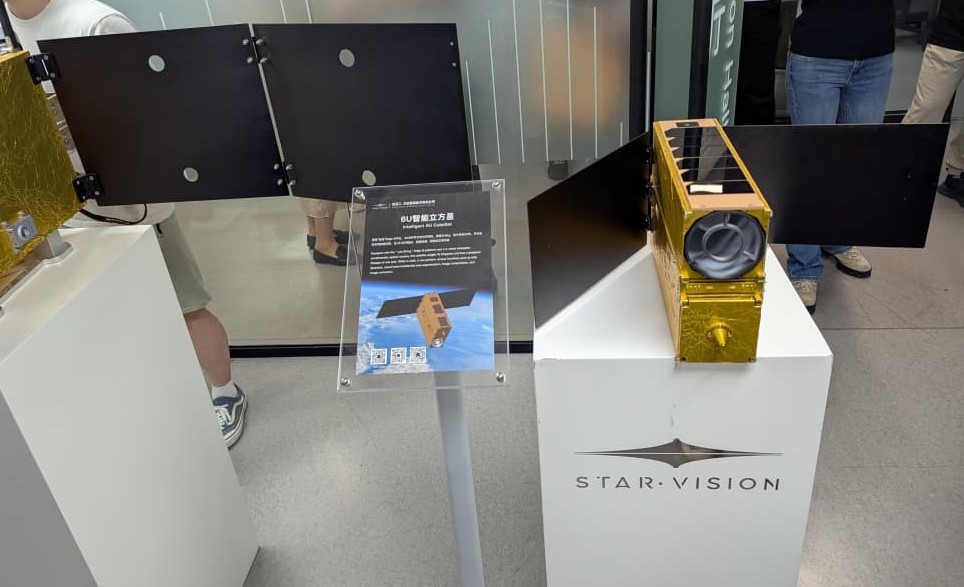
This shift has also pushed aerospace companies to rethink not only how satellites are built, but how they process and deliver data. Increasingly, the focus is turning toward intelligent systems that can analyze information directly in orbit, reducing delays and improving the speed of decision-making.
It is within this fast-evolving space industry that Star Vision Aerospace Group Ltd, a Chinese AI-native aerospace company headquartered in Zhejiang Province, is positioning itself as both a technology developer and a global partner in satellite innovation, including cooperation with emerging space actors such as Rwanda.
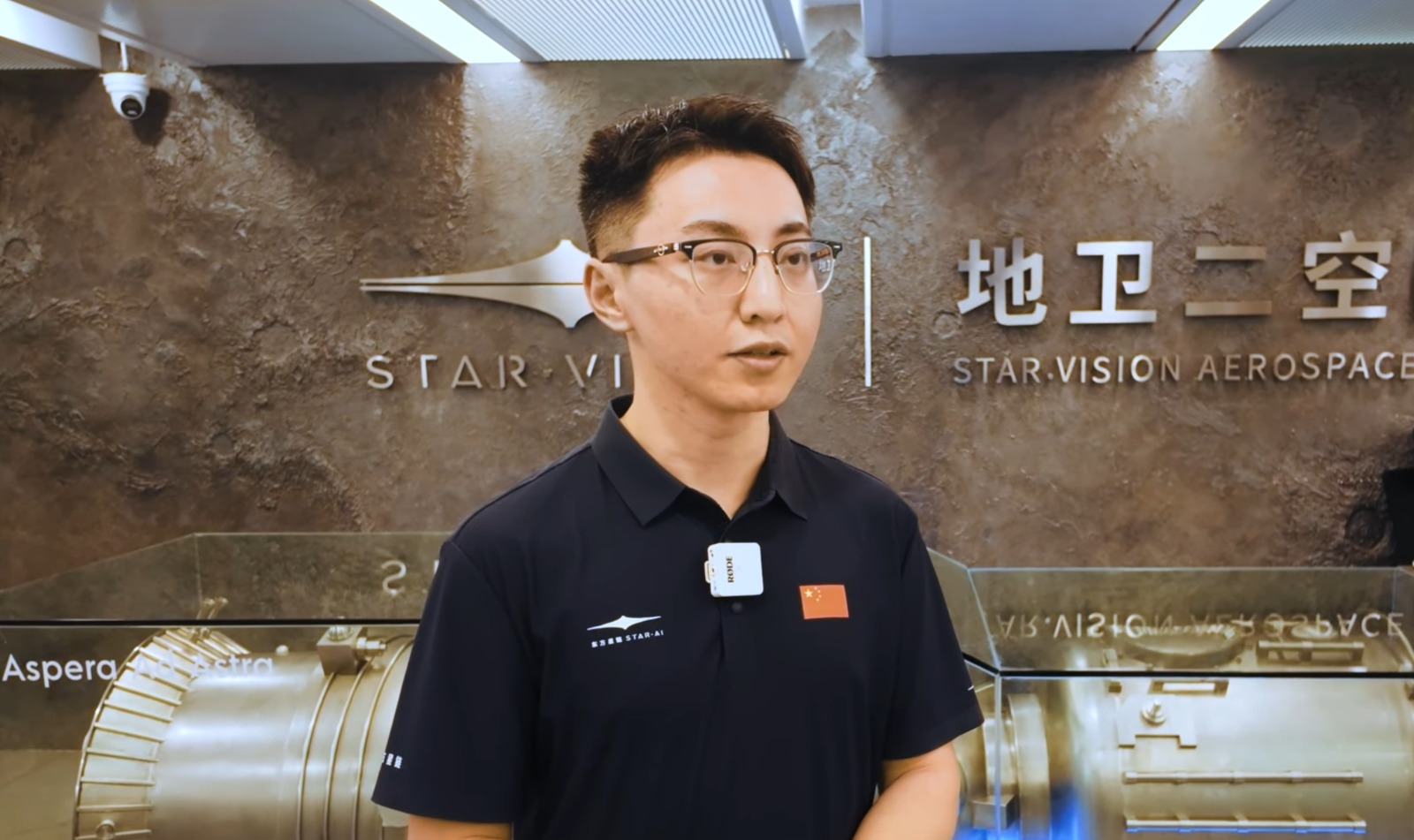
During a recent interview with IGIHE at Star Vision headquarters in Hangzhou, the capital of China’s Zhejiang Province, Curtis Ma, Director of Global Alliance at Star Vision, outlined how the company is building what it calls “AI-native” satellites and expanding its international footprint.
“Star Vision is an AI-native aerospace company,” Curtis said. “When we say AI-native, it means that all of the satellites we have launched so far are equipped with AI payloads.”
According to him, the integration of artificial intelligence into satellite systems is not just a technological upgrade but a response to long-standing inefficiencies in data delivery. Traditionally, satellite data would take days to be processed and transmitted back to Earth, limiting its usefulness in time-sensitive situations.
“The reason we make satellites smart is that previously, when you wanted data from a satellite, it would take a long time—about two to three days,” he explained. “The delay was too much. But right now, with our AI payload, the satellites can do edge computing. They can extract useful information directly from satellite data and send it back to the ground very quickly. We can now receive data within an hour.”
Beyond efficiency, Star Vision’s technological model is also defined by its international reach. The company has already entered the global commercial satellite market, including partnerships beyond China.
“We are also the first company to have exported commercial satellites to foreign countries, specifically to the Sultanate of Oman in 2024, where we launched our first national AI satellite,” Curtis noted.
Star Vision is also expanding its ambitions into deep space exploration, marking a transition from Earth-focused satellite operations to lunar missions. The company is part of China’s broader lunar exploration initiative.
“In addition, we are the first commercial company to join the Chinese lunar exploration project,” Curtis said. “We will launch two lunar robots to the south pole of the lunar surface between 2028 and 2029.”
Yet, beyond its technological milestones, the company places strong emphasis on openness and collaboration. Curtis stressed that Star Vision’s satellite ecosystem is designed to be accessible to international partners rather than operating in isolation.
“Our satellite system is not a closed environment. We open the platform to our foreign partners all over the world,” he said.
One of the most notable examples of this approach is Star Vision’s collaboration with Rwanda. In 2023, the company worked with the Rwanda Space Agency and Rwandan students to develop AI-driven space applications.
“In 2023, we worked with the Rwanda Space Agency and co-developed an AI algorithm for space with students and young talents from Rwanda,” Curtis said.
The collaboration focused on developing a ground segmentation algorithm over a period of several months. Once completed, it was deployed into orbit and is now actively processing satellite imagery.
“We spent a couple of months developing a ground segmentation algorithm, which we successfully uploaded to our satellite. It is now running well and sending data back to the ground,” he added.
The system allows for the identification of different land features, offering practical insights for environmental monitoring and planning.
“With the Rwanda-developed algorithm and the contribution of Rwandan students, we are able to analyze the ground and identify different features—for example, rivers, grasslands, agricultural farmland, and living areas,” Curtis explained.
He described this as a clear demonstration of how collaborative research and development can translate into real-world applications in space technology.
“This is the benefit of our own R&D, combined with contributions from Rwandan students.”
Launched in 2021, Star Vision operates five satellites in orbit. In total, its research and development efforts have resulted in more than 30 satellites being launched into space, reflecting the company’s rapid expansion in the global aerospace sector.
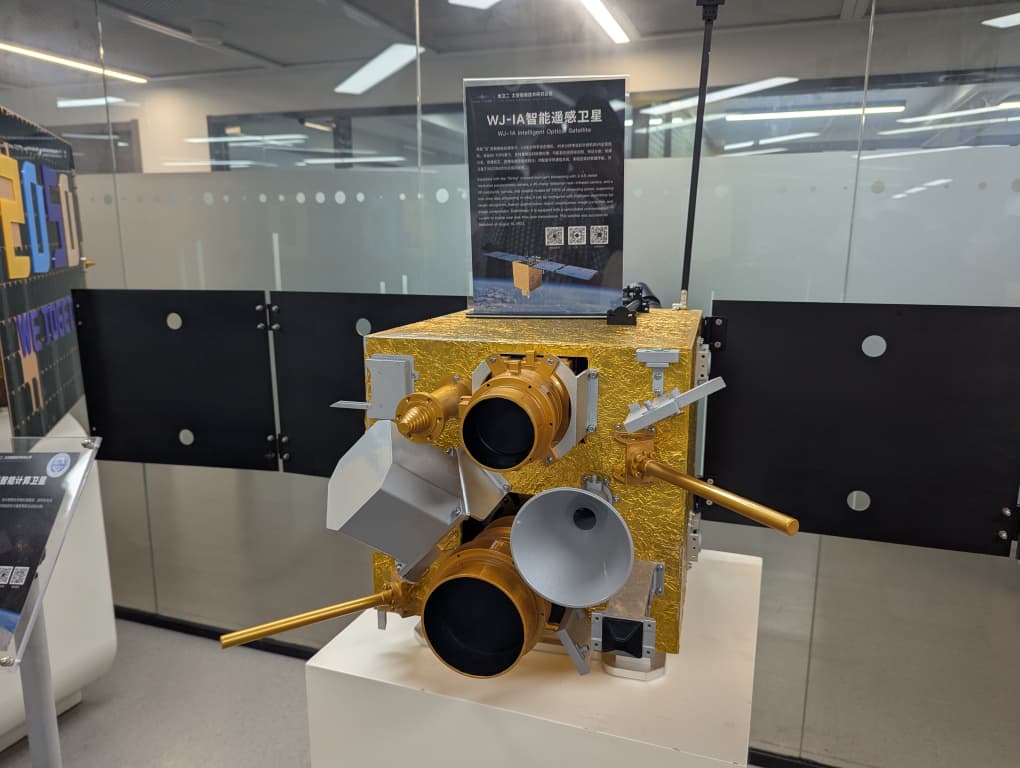
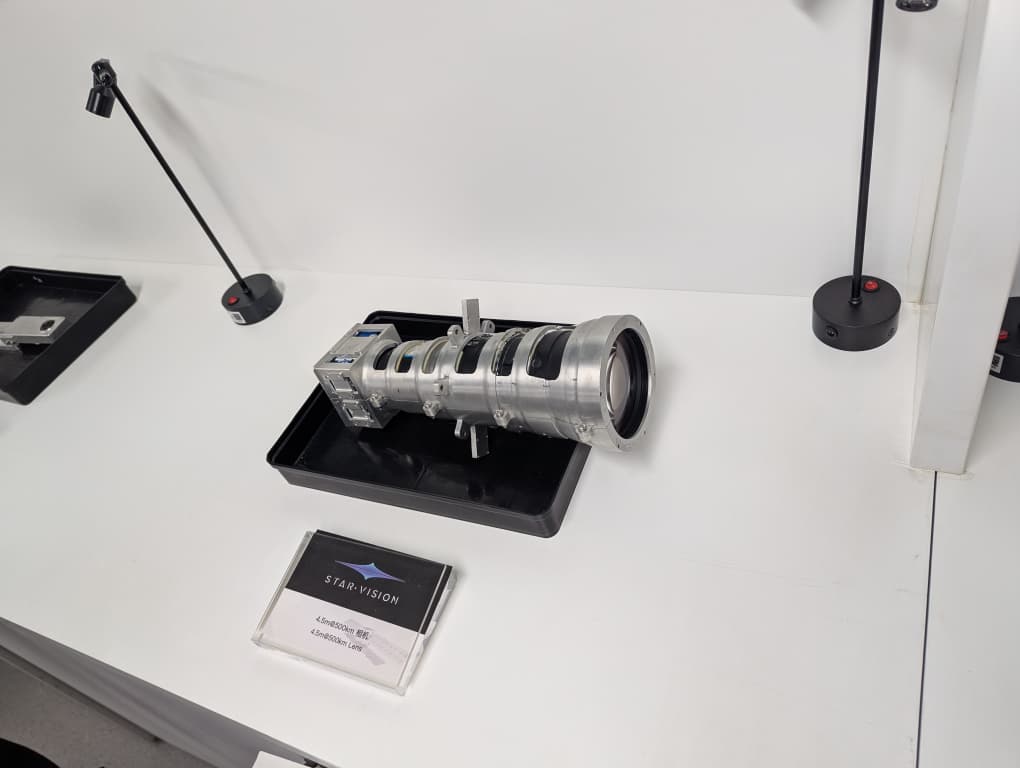
Curtis Ma, Director of Global Alliance at Star Vision disclosed plans to launch two lunar robots to the south pole of the lunar surface between 2028 and 2029. Star Vision satellite WJ-1A runs a ground segmentation algorithm co-developed by the Rwanda Space Agency to independently process images, eliminating the need for data downloads and facilitating real-time land usage assessment.Star Vision’s AI-native satellites are equipped with onboard artificial intelligence systems that process satellite data directly in orbit, significantly reducing the time needed to deliver critical information back to Earth.Since its establishment, Star Vision has contributed to the launch of more than 30 satellites, reflecting the company’s growing role in the global commercial aerospace industry.
In a blog post dated Monday, June 29, 2026, the Meta-owned messaging platform said the username update is designed to make it easier and safer for users to interact with new contacts and group conversations, where sharing a personal number can often feel intrusive.
“When someone new walks into your life – a classmate, a neighbour, someone you meet at an event – sharing a phone number can feel like a big step,” WhatsApp noted. “Sometimes you just want to chat without handing over your digits.”
The company said the same concern applies to group chats, such as school or community groups, where users may prefer to participate without exposing their personal contact details.
Under the new system, users will be able to reserve a unique username ahead of the full rollout later this year. WhatsApp said early reservations are being introduced due to the platform’s scale, with more than three billion users leading to high demand and overlapping name choices.
“For most people, choosing a WhatsApp username should be something unique that only people you want to contact you will know,” the company said, adding that a username generator will also be available to help users create suitable handles.
WhatsApp also confirmed that creators, small businesses, and organisations will be able to maintain consistency across platforms by reserving usernames matching their Instagram or Facebook handles.
The company emphasised that usernames are a key part of its broader privacy strategy, noting that there will be no public directory or search function to browse users. Instead, individuals will need to know the exact username to initiate contact.
To further enhance privacy controls, WhatsApp is introducing an optional “username key” that users can share with select contacts to determine who can reach them.
Once fully rolled out, users who enable usernames will also have their phone numbers hidden from first-time contacts.
“Once we launch usernames, when you message a person or business for the first time they will no longer see your phone number, if you enabled your username,” the company said.
Setting up a username reservation is available from this week via the app’s settings menu by navigating to Settings > Account > Username. WhatsApp said the process takes just a few seconds on the latest version of the app.
The feature will be rolled out gradually over the coming months, with users expected to receive notifications when it becomes available in their respective countries.
The Meta-owned messaging platform said the username update is designed to make it easier and safer for users to interact with new contacts and group conversations, where sharing a personal number can often feel intrusive.
The findings, published in Physical Review Letters, reveal how matter can organize itself in unexpected ways that extend beyond established theoretical models.
The research was conducted by the Nägerl group in collaboration with theoretical physicist Alvise Bastianello from CNRS and Université Paris-Dauphine.
The team focused on understanding how ultracold atomic systems behave when driven far from equilibrium, a condition that often leads to the emergence of novel physical phenomena.
In the experiment, ultracold cesium atoms were confined within a one-dimensional setup, allowing scientists to precisely control their environment.
By repeatedly tuning the strength of interactions between the atoms, the researchers were able to push the system into a highly dynamic state, revealing new forms of quantum behavior.
This controlled manipulation resulted in the formation of what is known as a fractional Fermi sea.
Unlike conventional quantum states that follow well-established theoretical predictions, this newly observed state displays a more complex and fragmented structure, suggesting that particles can organize in ways not previously anticipated.
The discovery challenges aspects of the widely used Tomonaga-Luttinger liquid theory, which has long been a cornerstone for understanding one-dimensional quantum systems.
While the theory successfully explains many known behaviors, the emergence of the fractional Fermi sea indicates that additional phases of matter may exist beyond its scope.
Researchers believe this breakthrough could have important implications for quantum simulation, a field that uses controlled quantum systems to model complex physical processes.
Access to new quantum phases may allow scientists to explore phenomena that are otherwise difficult to study in conventional materials.
Although still in the realm of fundamental research, the findings open new possibilities for advancing quantum physics.
The ability to engineer and observe such exotic states of matter highlights how much remains to be discovered when quantum systems are pushed beyond their usual limits.
As research continues, the fractional Fermi sea may become an important reference point in the search for new quantum phases and a deeper understanding of matter at its most fundamental level.
Physicists discover a new quantum phase of matter called a fractional Fermi sea.
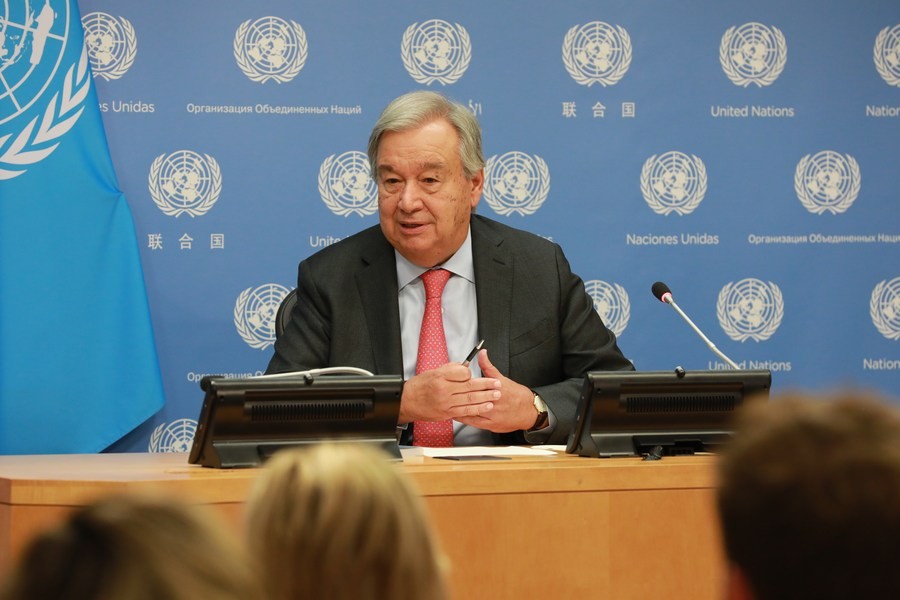
In his message on the International Day against Drug Abuse and Illicit Trafficking, observed annually on June 26, Guterres said illicit drug trafficking is not a victimless crime, “it inflicts profound harm on people and communities around the world while fuelling violence, crime and instability.”
The UN chief said the proliferation of synthetic drugs and the growth of online trafficking networks are compounding the crisis, while fragile health systems, persistent treatment gaps and limited access to support are undermining efforts to reduce stigma and address drug use disorders.
Noting this year’s theme challenges the world to forge solutions grounded in foresight, innovation and solidarity, he called on the international community to “recommit to the bold, innovative and evidence-based solutions this scourge demands.”
In its World Drug Report 2026 released Friday, the UN Office on Drugs and Crime (UNODC) said drug traffickers are exploiting technologies and global instability to introduce novel drugs, experiment with different trade routes and methods, and aggressively push into new markets.
“We have seen an unprecedented spike in new types of drugs on the market, and worryingly, some are more potent or dangerous than before,” said UNODC Executive Director Monica Juma. “And, we are already suffering the impact: millions of premature deaths and healthy years of life needlessly lost; drug trafficking networks that are distorting economies; the destruction of lives, communities and livelihoods; and the compounding of insecurity and violence.”
According to the report, an estimated 331 million people used a drug in 2024, which represents 6.2 percent of the global population aged between 15 and 64, compared to 5.2 percent in 2014. Cannabis remained the most widely used drug by far (256 million users) in 2024, followed by opioids (63 million), amphetamines (32 million), cocaine (25 million) and ecstasy (21 million).
The report found that illicit drug manufacturers continue to invent new synthetic drugs in attempts to skirt regulations and avoid detection, with five times more drug types found in seizures in 2024 than before 2000.
The increasing availability of novel synthetic opioids such as fentanyls, nitazenes and orphines on the market suggests that traffickers continue to search for alternatives to heroin, and a turn away from plant-based opiates toward synthetics could cause a permanent shift in the global opioid market, with ramifications on how these drugs are used and the harms therein, the report said.
The report showed that new trafficking routes and the gradual spread of methamphetamine production have created new markets for the drug, notably in the Near and Middle East, Africa and parts of Europe.
Cannabis production, trafficking and use are all evolving, likely in part due to the ongoing changes in perception toward the drug around the time when many jurisdictions, notably in North America, adopted legalization and/or decriminalization policies, according to the report.
Drug use can be associated with acquisitive crime, violence within families and social groups, and victimization of, and by, those who use drugs, the report said. But these outcomes are also influenced by wider factors, such as the context of the drug use and the personal histories of the people involved, including poverty, homelessness, poor mental health and contextual factors in the community such as a potential lack of access to drug treatment and social services, the report noted.
UN chief calls for harnessing technology to stop drug cyber-trafficking.
The groundbreaking discovery, announced on June 24, 2026, was made by an international research team led by the University of Oxford in collaboration with the University of Birmingham and the Observatoire de la Côte d’Azur. The team’s formal findings were published in the journal Monthly Notices of the Royal Astronomical Society.
The two planets, known as TOI-791 b and TOI-791 c, orbit a distant F7-type dwarf star located around 1,110 light-years from Earth in the southern constellation Volans.
While an F7-type dwarf star is slightly hotter and more massive than the Sun, scientists believe these planets actually retain a cold, pristine structure. They likely formed far out in the chilly outer fringes of their protoplanetary disc, allowing them to rapidly accumulate massive gaseous envelopes without being scorched or stripped away early on.
Although both planets are similar in size to Jupiter, their masses are incredibly small. TOI-791 b contains just 3% of Jupiter’s mass, while TOI-791 c holds only 5.9%. This results in atmospheres that are incredibly expanded and diffuse, giving them an almost “fluffy” structure comparable to fresh shaving foam.
Their calculated densities, 0.038 and 0.047 grams per cubic centimeter, respectively, are so low that they are less dense than actual cotton candy, which sits at roughly 0.05 grams per cubic centimeter. Jupiter, by comparison, is up to 35 times denser.
The story of their discovery spans nearly a decade and highlights a massive win for citizen science. Everyday volunteers participating in the Planet Hunters TESS project first flagged TOI-791 b as a candidate in 2019 and TOI-791 c in 2023 by meticulously combing through raw data from NASA’s Transiting Exoplanet Survey Satellite.
To confirm the existence of these featherweight worlds, astronomers had to pull off a historic feat of observational endurance. Because the planets take an exceptionally long time to orbit their star, the team utilized the specialized ASTEP telescope located at Concordia Station in Antarctica.
Taking advantage of the unbroken, freezing months of total Antarctic winter darkness, researchers were able to capture continuous 11-hour planetary transits, the longest ever recorded from the ground.
What makes this discovery uniquely significant is the rare architecture of the planetary pair. Out of nearly 6,300 exoplanets discovered by humanity, fewer than 40 are categorized as super-puffs, and finding two in the same solar system is a true “one-in-a-million” occurrence.
The siblings are also locked in a rare orbital dance known as a 5:3 mean-motion resonance, meaning the inner planet completes exactly five orbits for every three completed by the outer planet.
This synchronous movement causes the planets to gravitationally tug on each other over time. By measuring the subtle variations in their transit timings caused by this tug-of-war, the Oxford-led team was finally able to calculate their precise masses.
As research continues, scientists are already planning to use the James Webb Space Telescope to peer directly into these cotton candy-like atmospheres, unlocking brand new insights into the sheer diversity of worlds that exist across the galaxy.
Researchers find two unusually light jupiter-sized planets in distant star system
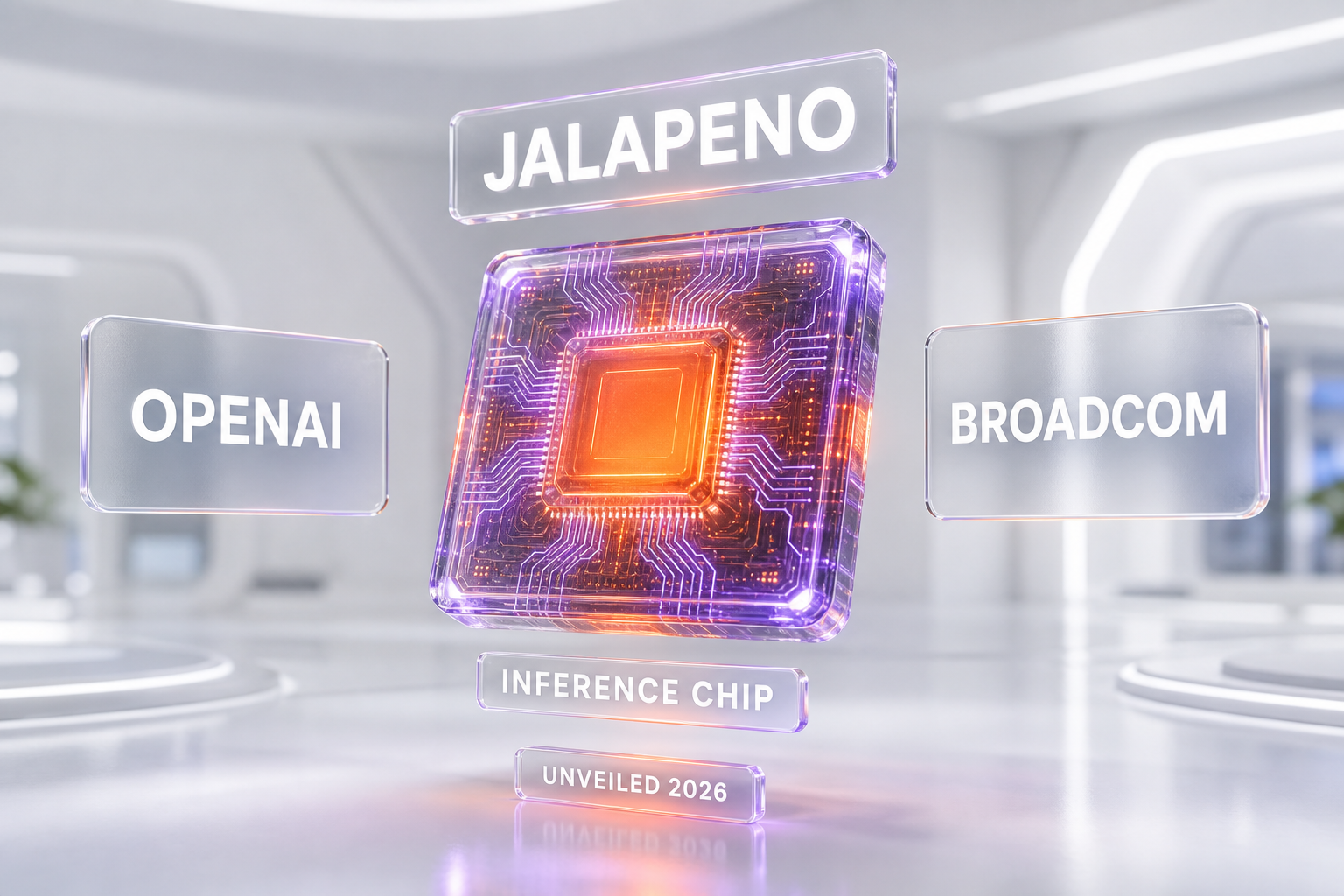
The firm says, unlike general-purpose graphics processing units (GPUs) used in most AI servers today, this Application-Specific Integrated Circuit (ASIC) is built from scratch strictly for AI inference, the day-to-day work of running an existing model to answer user prompts, write text, or execute code.
Why this matters
Today, most AI systems rely on powerful GPUs. While highly effective, these processors were originally designed for broad graphics processing, making them incredibly expensive and power-hungry when handling massive, everyday consumer traffic.
OpenAI’s new chip shifts the strategy toward total architectural optimization.
“Jalapeño was designed from the ground up for LLM inference using detailed insights from our close collaboration with OpenAI researchers,” Richard Ho, Head of OpenAI’s Hardware Program said at the launch.
“We optimized the architecture around the kernels, memory movement, networking, and serving patterns that matter most for frontier AI models. Based on early testing, Jalapeño will efficiently execute our most important workloads close to the hardware’s theoretical limits.”
What changes with Jalapeño?
By tailoring the hardware directly to the software, OpenAI and its partners say the chip delivers a few massive upgrades.
First, it brings drastically lower costs, with early industry reports indicating it could cut inference costs by roughly 50% compared to standard cloud infrastructure.
Second, the chip offers massive energy efficiency by delivering substantially better performance-per-watt than current state-of-the-art options. This allows data centers to pull more compute capacity out of the exact same power grid allocation.
Finally, the project achieved unprecedented development speed, moving from an initial blank-slate concept to final manufacturing readiness (tape-out) in just nine months. This process was partially accelerated by OpenAI using its own AI models to optimize the layout and architecture.
OpenAI co-developed the chip with semiconductor giant Broadcom, which provided critical silicon implementation and networking technology, including its Tomahawk networking platform. Physical server hardware, circuit boards, and rack integration are being handled by engineering partner Celestica, with manufacturing slated for Taiwan Semiconductor Manufacturing Company (TSMC).
OpenAI, the company behind ChatGPT, has announced a new custom-built computer chip called “Jalapeño.” It is designed to make artificial intelligence faster and significantly cheaper to run at scale.