This new device launched on March 27, 2026, is poised to redefine productivity for professionals, students, and teams by enabling seamless, real-time conversation capture and AI-powered transcription and summarization.
TicNote Pods integrate cutting-edge 4G connectivity, which allows users to record meetings, calls, lectures, or interviews directly, without needing a smartphone.
Equipped with dual recording modes—one for in-person conversations and another for virtual meetings—the earbuds automatically sync captured content to TicNote Cloud. Here, Shadow AI processes the audio, transcribing it, generating summaries, and even creating actionable tasks, making it easier for users to stay organized.
A standout feature of the TicNote Pods is their multilingual transcription capabilities, supporting over 100 languages in real-time.
This makes the device ideal for global teams and diverse work environments. The AI system can also convert recorded discussions into valuable project assets such as documents, slide decks, and landing pages, allowing users to transition quickly from conversation to execution.
With a focus on convenience and functionality, the TicNote Pods offer features like noise cancellation, premium audio quality, and up to 25 hours of continuous recording time. Available in navy blue and pearl white, the 4G version is priced at $299, with a Wi-Fi version set to launch soon.
TicNote Pods integrate cutting-edge 4G connectivity, which allows users to record meetings, calls, lectures, or interviews directly, without needing a smartphone.
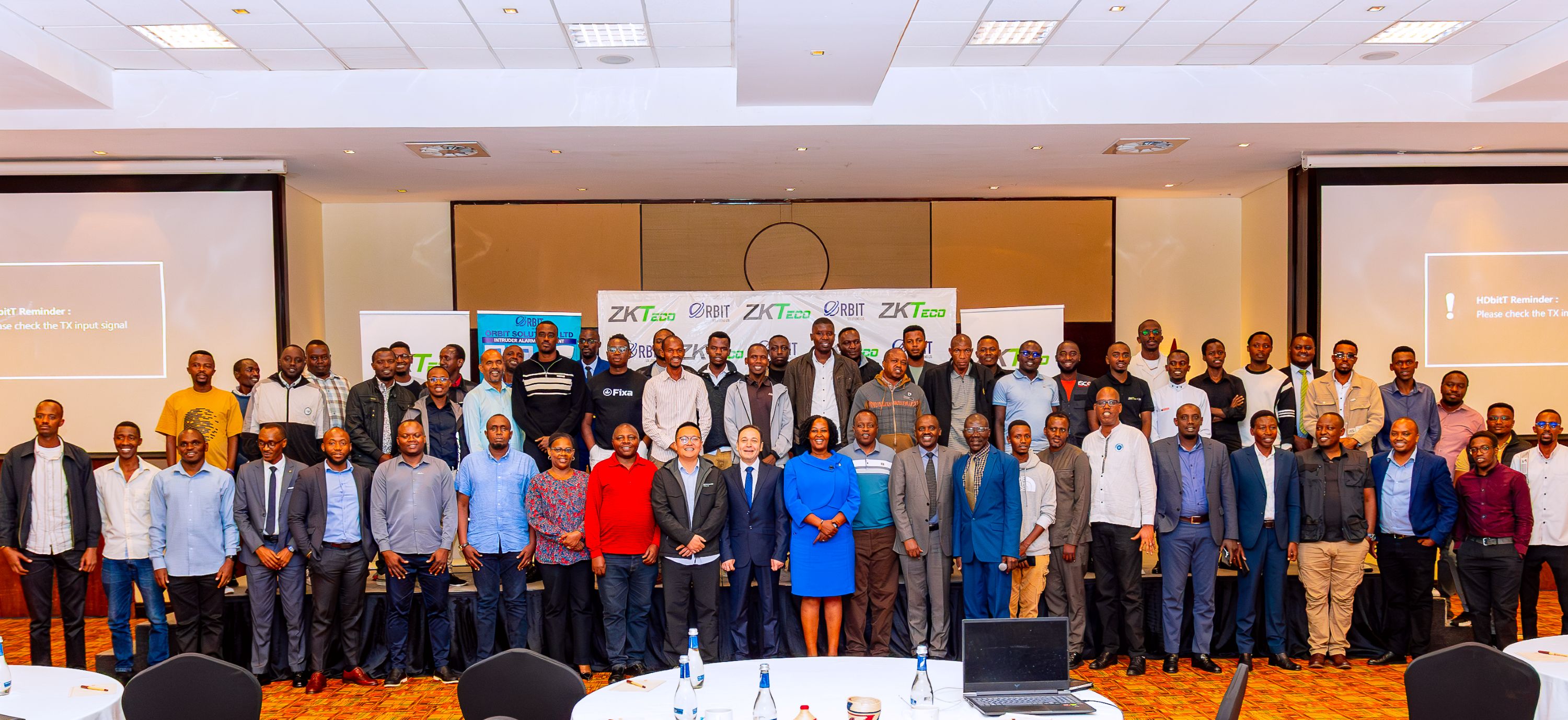
The event was designed to provide an understanding of modern access control, biometric systems, and intelligent surveillance solutions. With the theme “Effective, Reliable, and Efficient Security through Smart Access Systems”, the conference offered a deep dive into technologies that are redefining how organisations protect people, property, and information.
The conference was designed to provide understanding of modern access control, biometric systems, and intelligent surveillance solutions.
Orbit Solutions, a Rwandan company known for providing advanced electronic security equipment since 2014, has played a key role in bringing smart security solutions to businesses across Rwanda and the wider East African region. Through its exclusive partnership with ZKTeco, a global leader in biometric verification, AI-driven access control, and smart office platforms, the company offers everything from facial recognition and fingerprint devices to smart locks, fire detection systems, and CCTV solutions.
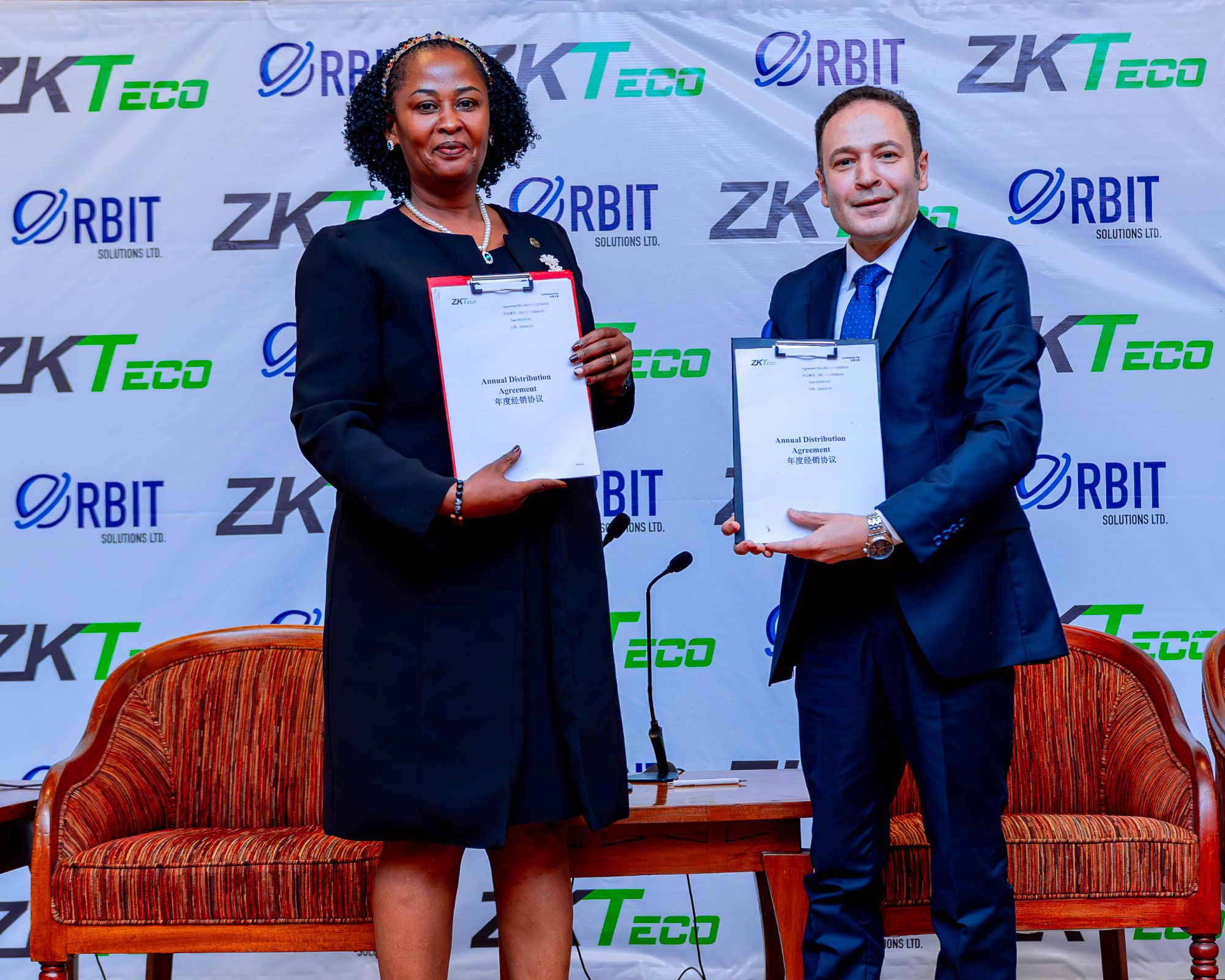
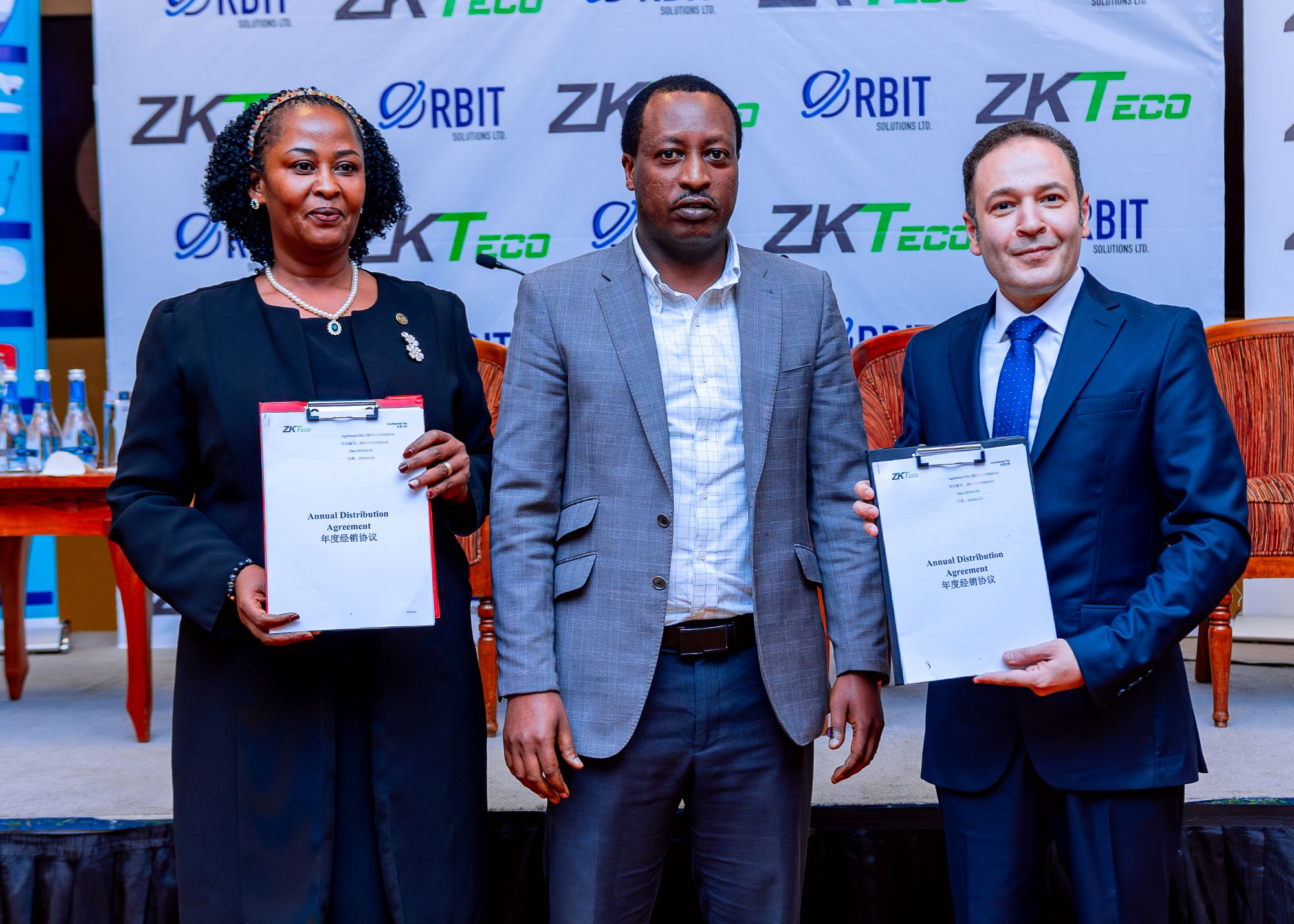
The conference also highlighted the long-standing partnership between the two companies, with the signing of a new agreement that strengthens Orbit Solutions’ role as ZKTeco’s official distributor in Rwanda. The agreement lays out plans to continue providing technical training, after-sales support, and expert guidance, ensuring clients not only access advanced security technology but also the knowledge to use it effectively.
Orbit Solutions Ltd Managing Director Jenipher Ingabire and ZKTeco East Africa Managing Director Mostafa Kamel signed a new partnership agreement during the Kigali conference.
Bridging technology and training
Organisers split the programme into two tracks. The morning session targeted technical teams, giving engineers and technicians a chance to handle the equipment, explore configurations, and understand integration with existing systems.
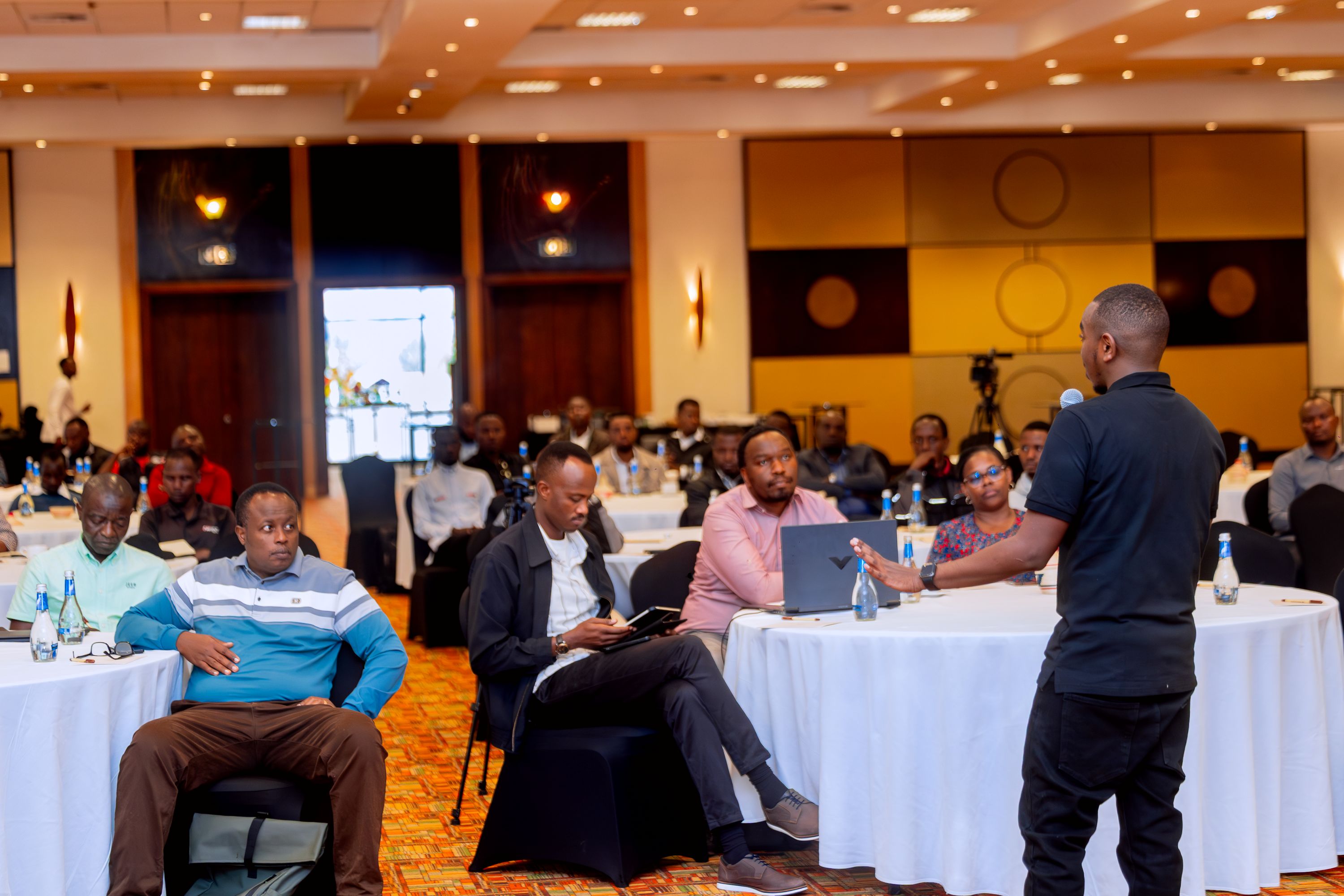
The technical sessions provided training on ZKTeco’s security ecosystem, covering access control, time and attendance systems, smart locks, parking solutions, and inspection technologies. Attendees gained insights into integrating biometric verification, AI, and advanced analytics into organisational security strategies.
Attendees were trained on ZKTeco’s access control, smart locks, and AI-powered security solutions.
The afternoon session focused on decision-makers, helping them grasp the strategic benefits of smart security, including improved efficiency, faster response times, and safer work environments.
A standout feature discussed throughout the day was ZKTeco’s AI-enabled CCTV technology. Unlike conventional cameras, these systems can detect fights, unauthorised access, or unusual behaviour in real time and send alerts directly to security control rooms, allowing teams to respond immediately rather than relying on manual monitoring or post-event review.
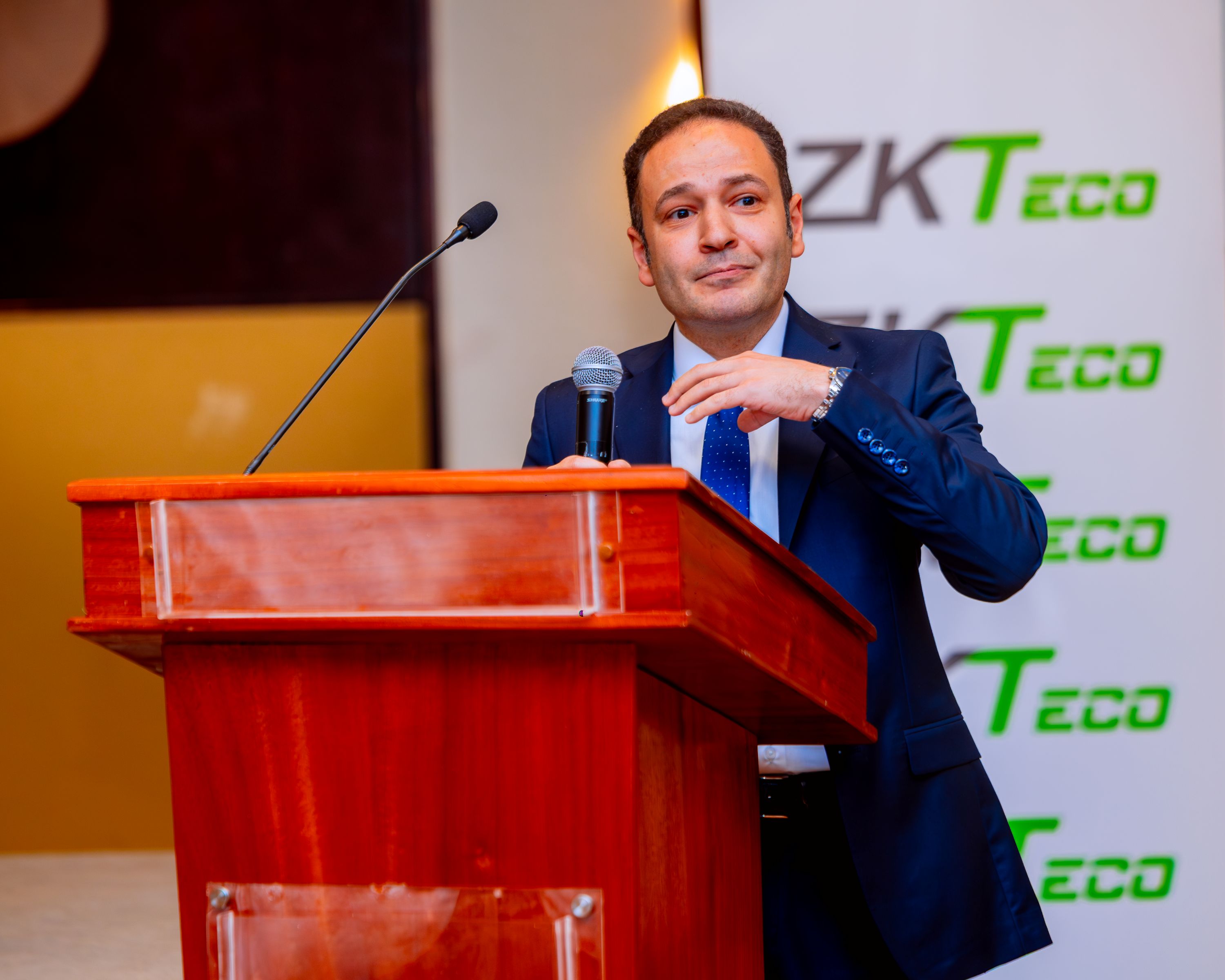
“With AI, CCTV moves from being a passive observer to an active partner in security,” explained Mostafa Kamel, Managing Director of ZKTeco East Africa.
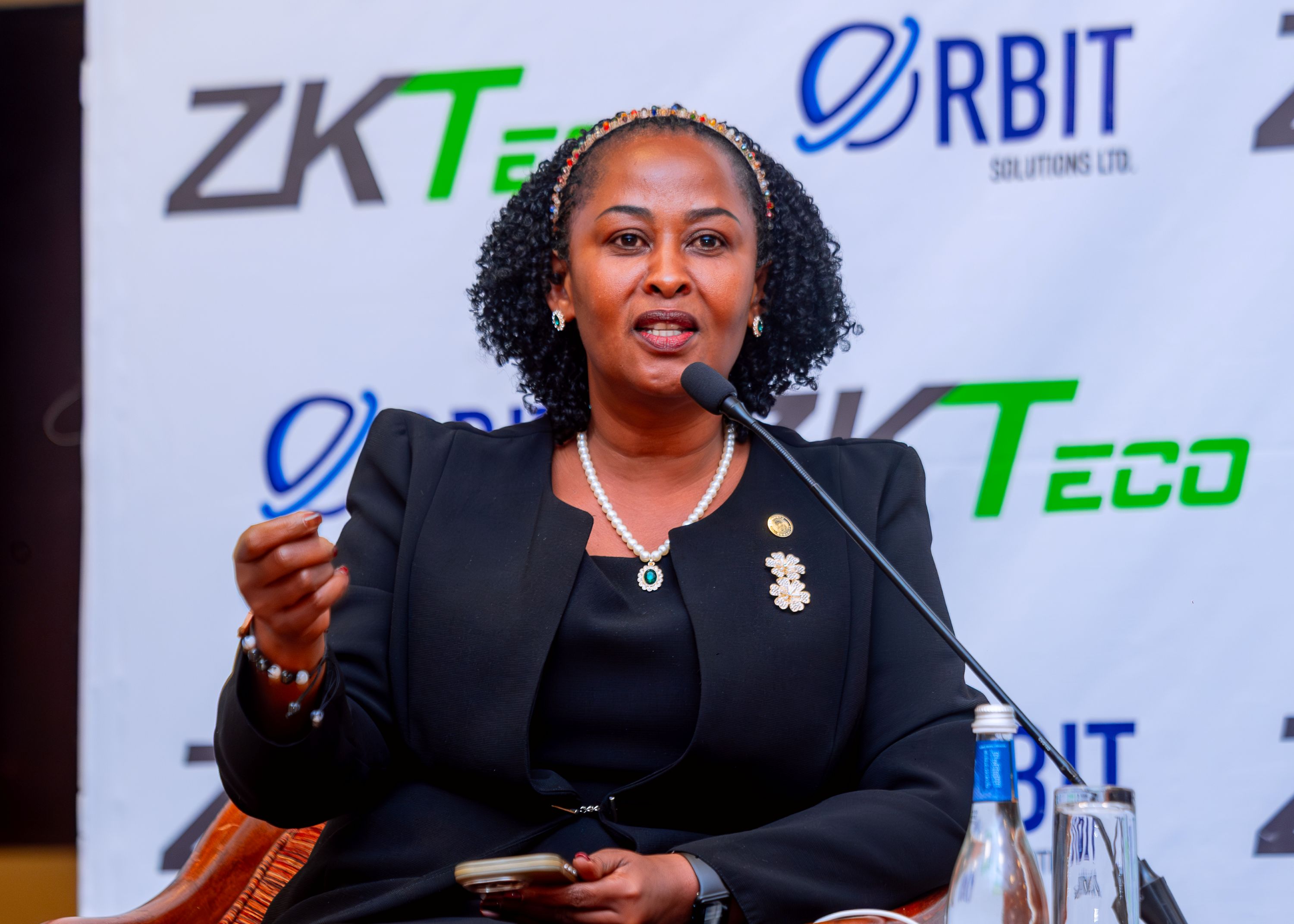
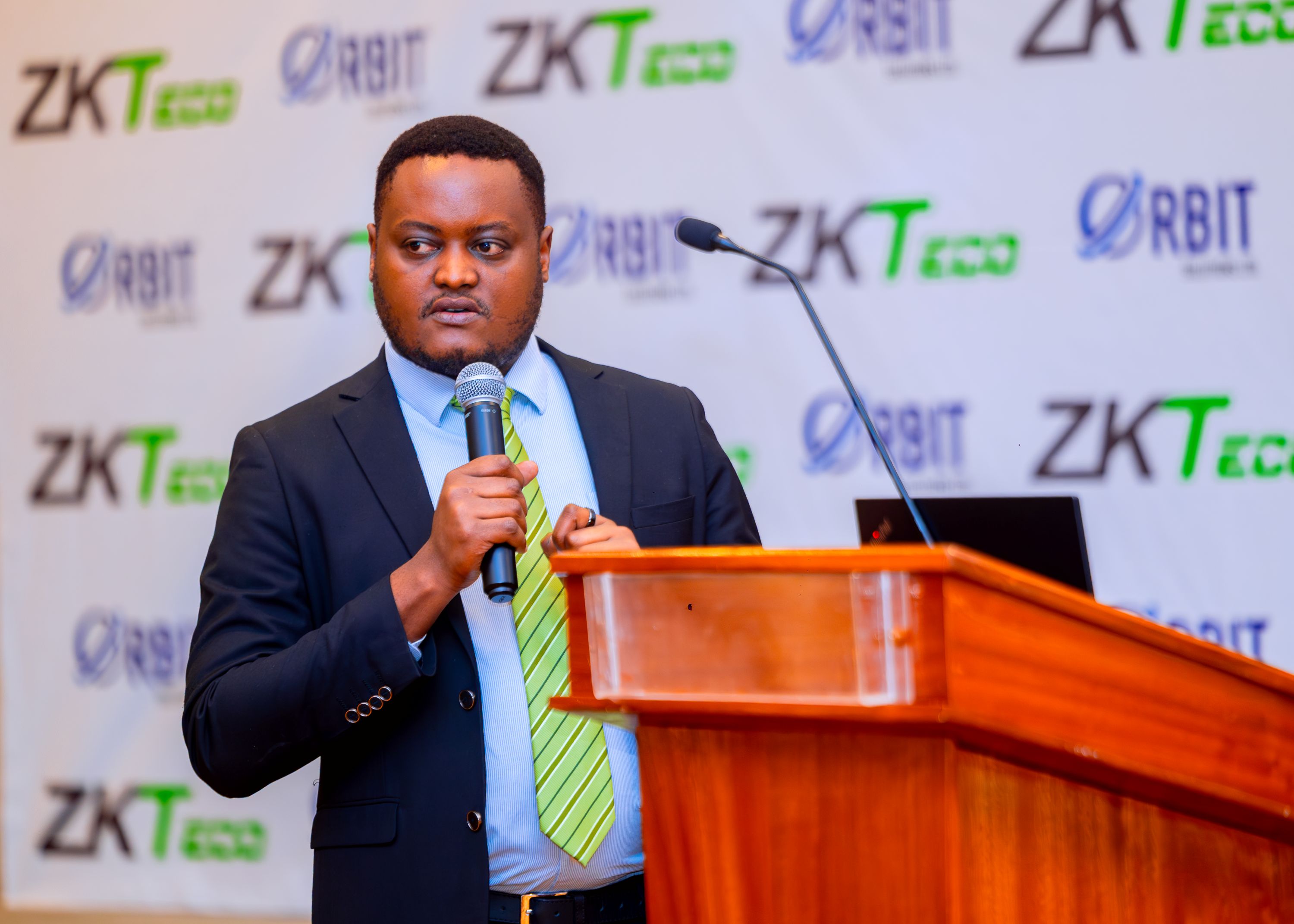
Orbit Solutions MD Jenipher Ingabire highlighted the company’s modern security solutions in Rwanda.
For Orbit Solutions’ Managing Director, Jenipher Ingabire, the conference was an opportunity to showcase the company’s approach to modern security in Rwanda.
“Access automation is no longer a luxury; it is a necessity. From residential developments to commercial facilities and critical infrastructure, the demand for secure, efficient, and intelligent access systems continues to grow,” she said.
Ingabire highlighted Orbit’s role as a distributor of a wide range of electronic security solutions, including biometric access devices, fire detection and suppression systems, CCTV cameras, metal detectors, and smart locks, all available locally and backed by technical support.
“We are a one-stop shop with everything available in stock. If we don’t have something, we can get it quickly through our strategic partnerships with suppliers. We have credit facilities available, so there is no project we cannot execute at any scale.”
Global expertise, local impact
Kamel highlighted how ZKTeco’s technology has been adopted globally, including by governments, multinational corporations, and logistics companies. He explained that the company’s research and development focuses on AI, biometrics, and cloud-enabled access control, ensuring solutions meet both international standards and local requirements.
Mostafa Kamel highlighted how ZKTeco’s technology has been adopted globally, including by governments.
He reminded organisations that only genuine ZKTeco products come with proper support, warranties, and compliance with privacy laws, cautioning that counterfeit devices could compromise security and create operational challenges.
Kamel also noted Rwanda’s growing role as a regional hub for technological innovation, highlighting the country’s openness to new solutions.
“Rwanda is a land of opportunity. By combining local expertise with global innovation, we aim to deliver comprehensive security solutions tailored to the region’s needs,” he said.
He further emphasised ZKTeco’s commitment to research and development, highlighting cutting-edge technologies such as visible-light 3D facial recognition, palm recognition from up to 30 metres, and AI-powered integration across security systems.
Conversations on the floor
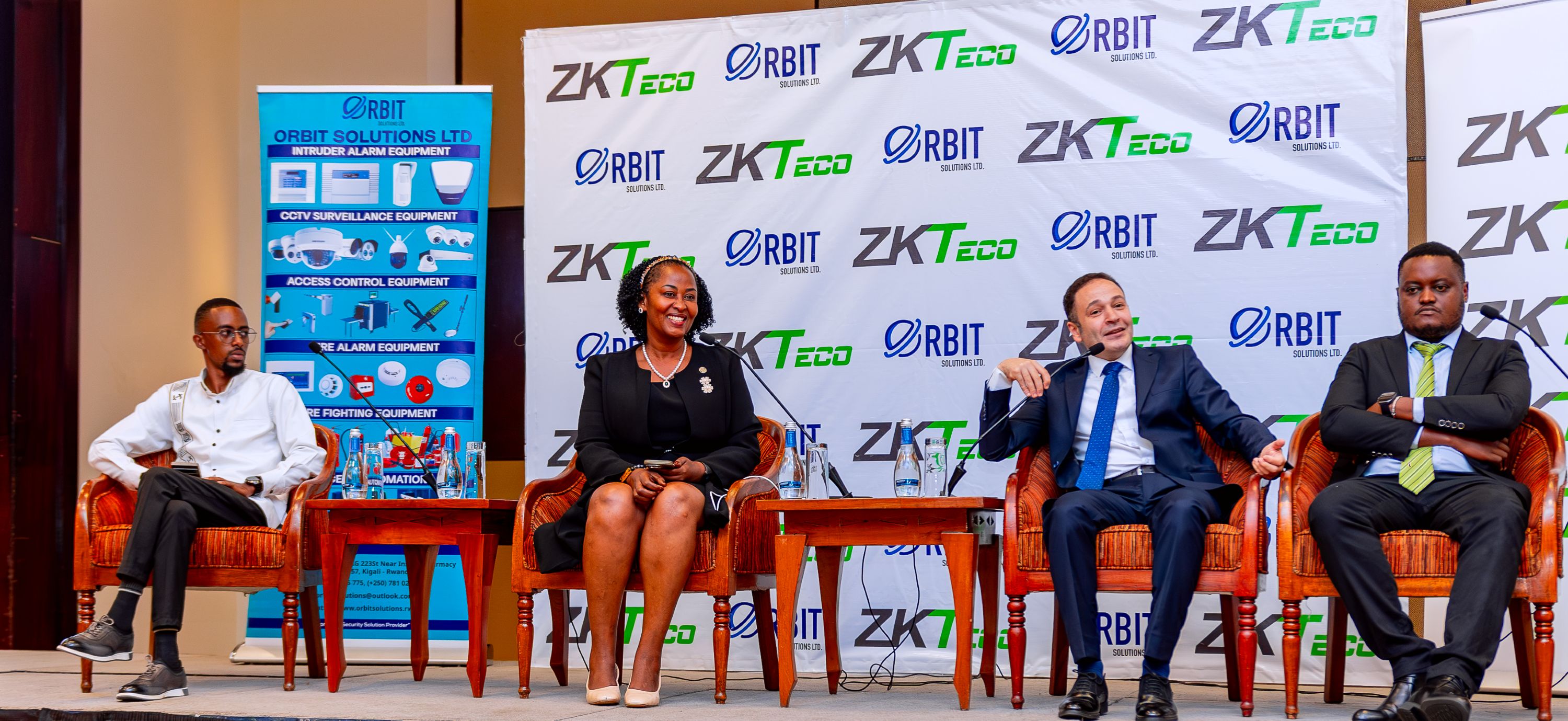
Panel sessions were lively, with participants exploring practical applications of AI and smart access systems. From corporate offices to public institutions, attendees discussed how technology can reduce reliance on traditional security personnel while increasing overall safety. One example: AI CCTV detecting a fight in real time can alert security, lock or unlock doors as needed, and even integrate with other systems such as fire alarms.
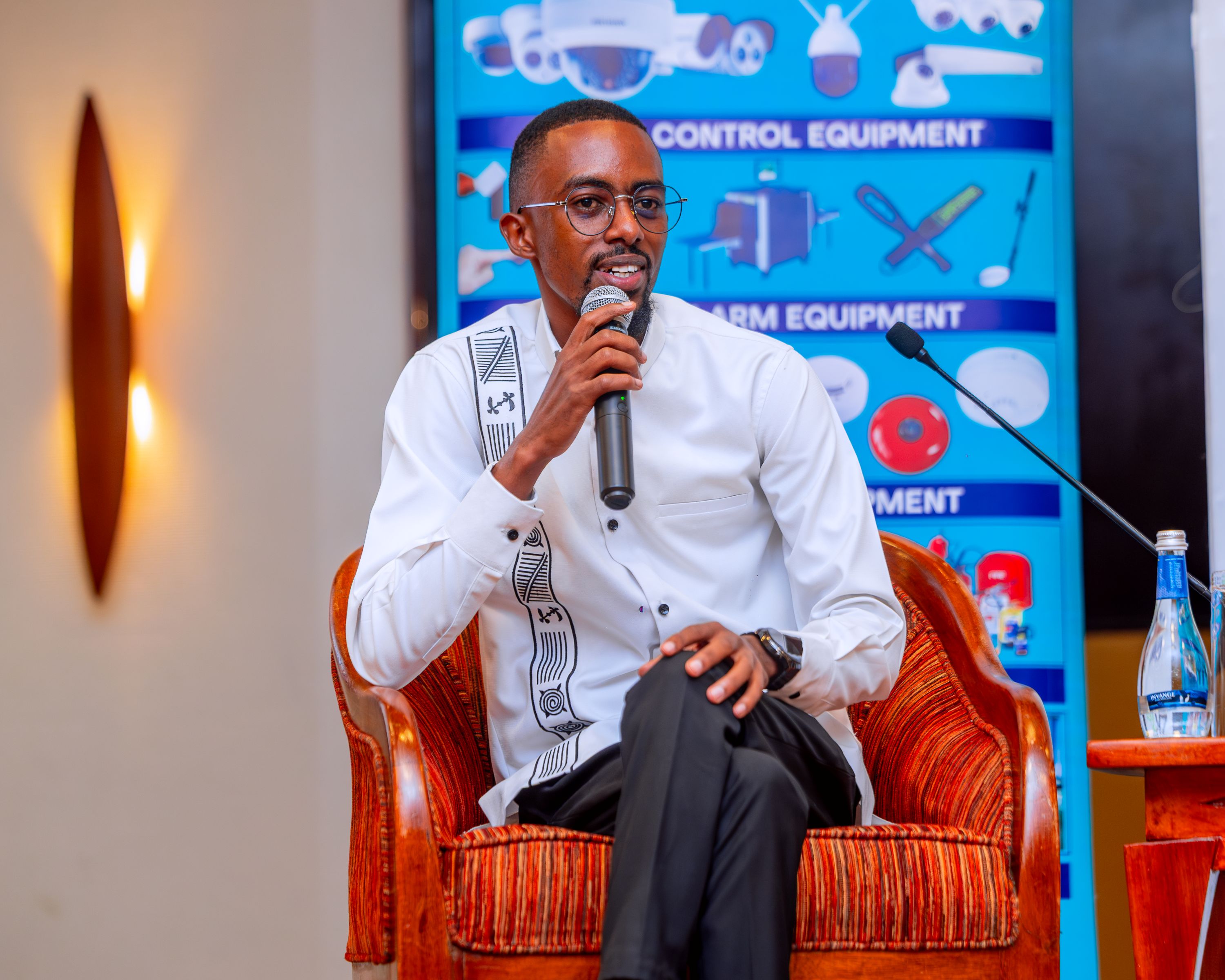
Panel sessions were lively, with participants exploring practical applications of AI and smart access systems.
The discussions also covered challenges, including budget constraints, integration with existing infrastructure, and staff training. Panellists encouraged organisations to view security as an investment in efficiency, rather than a cost.
Government support and collaboration
Decision-makers in attendance, including representatives from the Ministry of ICT and Innovation, underscored the importance of interoperable, reliable systems for Rwanda’s evolving digital infrastructure.
Thomas Ndayambaje, representing Minister Paula Ingabire, highlighted the strategic role of smart security technologies in safeguarding personal data and enabling safe access to digital services, particularly as Rwanda rolls out its national digital ID initiative.
“Even the smartest systems still require informed users,” emphasising the need for capacity building alongside technological deployment.
Thomas Ndayambaje represented ICT Minister Paula Ingabire at the event.
Ndayambaje further stressed that smart technologies, such as biometric authentication and access control systems, are essential in building trust within Rwanda’s digital ecosystem, enabling secure and seamless interactions across both public and private services.
He acknowledged the vital role of private-sector partnerships, pointing to the collaboration between organisations such as Orbit Solutions Ltd and ZKTeco as an example of how innovation can be brought closer to institutions and citizens.
The conference closed with a clear message for Rwanda’s growing security sector from Christine Uwase, Admin Manager at Orbit Solutions Ltd. Highlighting the skills, knowledge, and networks attendees had gained, she framed the event not just as a training session but as a catalyst for raising standards across the industry.
“As we leave this evening, kindly be the brand ambassador of effective, reliable, and efficient smart security equipment and accessories,” Uwase urged, positioning professionals as key drivers of a more secure, technology-enabled future.
Uwase’s remarks also underscored Orbit Solutions’ commitment as ZKTeco’s official distributor, ensuring that businesses and institutions across Rwanda have access to genuine products, local support, and the capacity to implement advanced security solutions, a message that resonates amid Rwanda’s push for digital innovation and modern infrastructure.
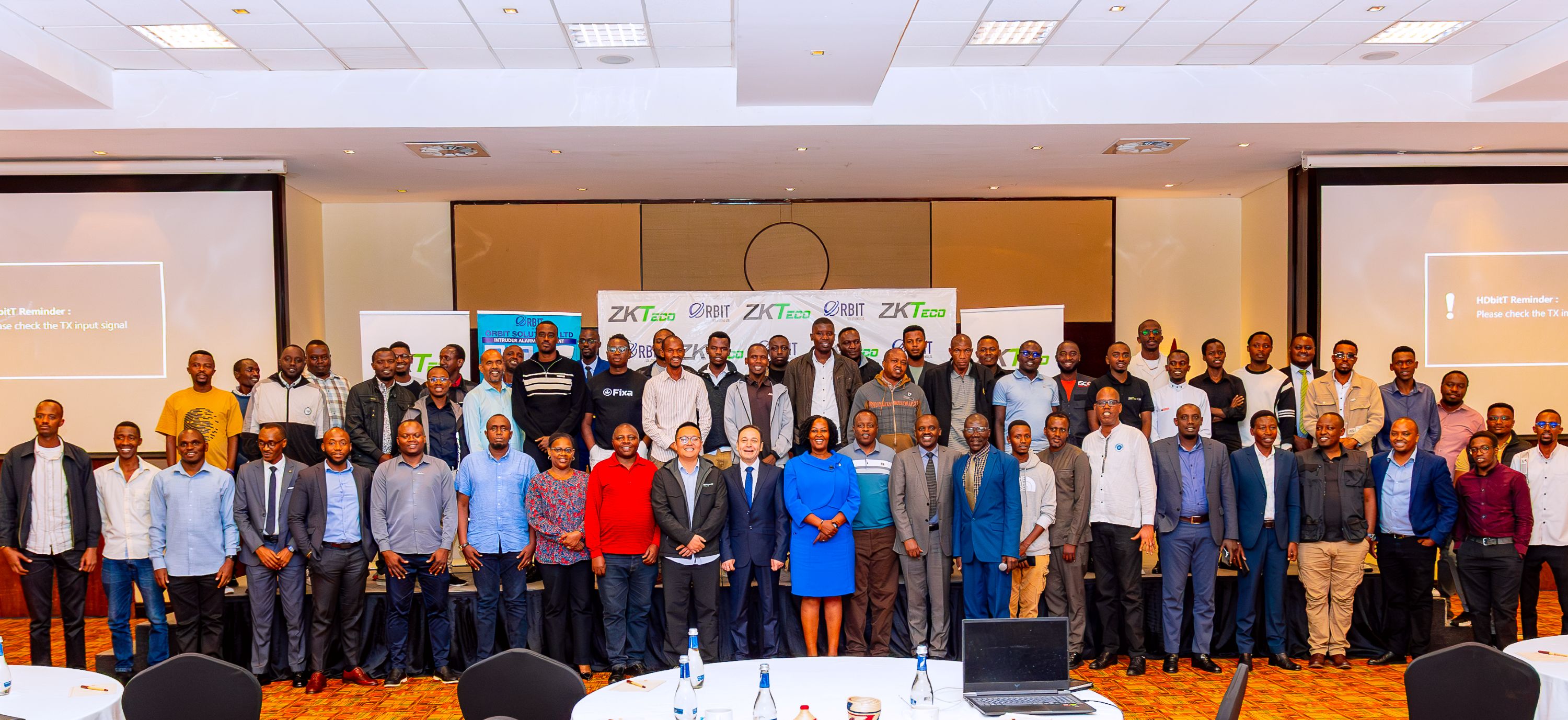
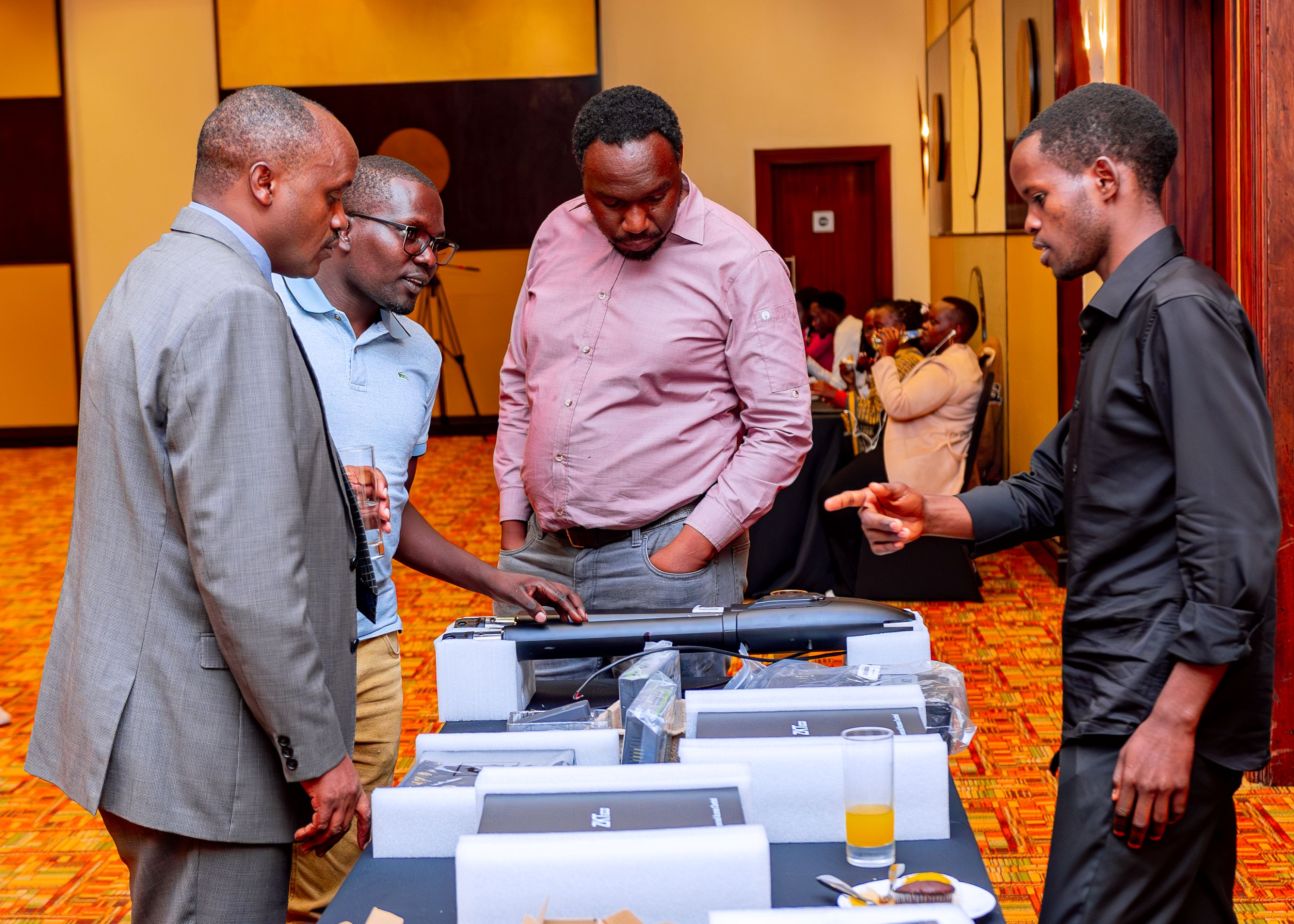
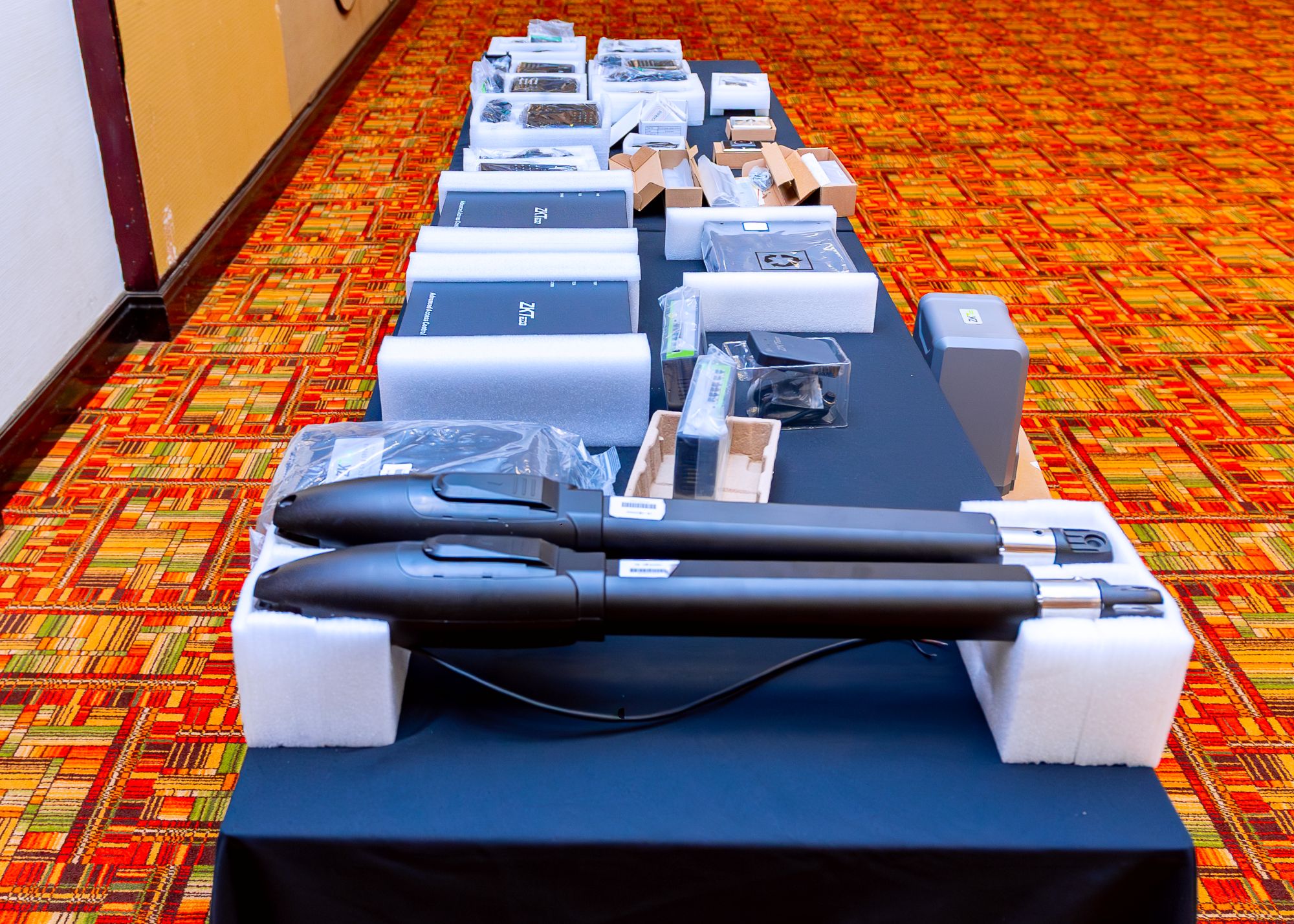
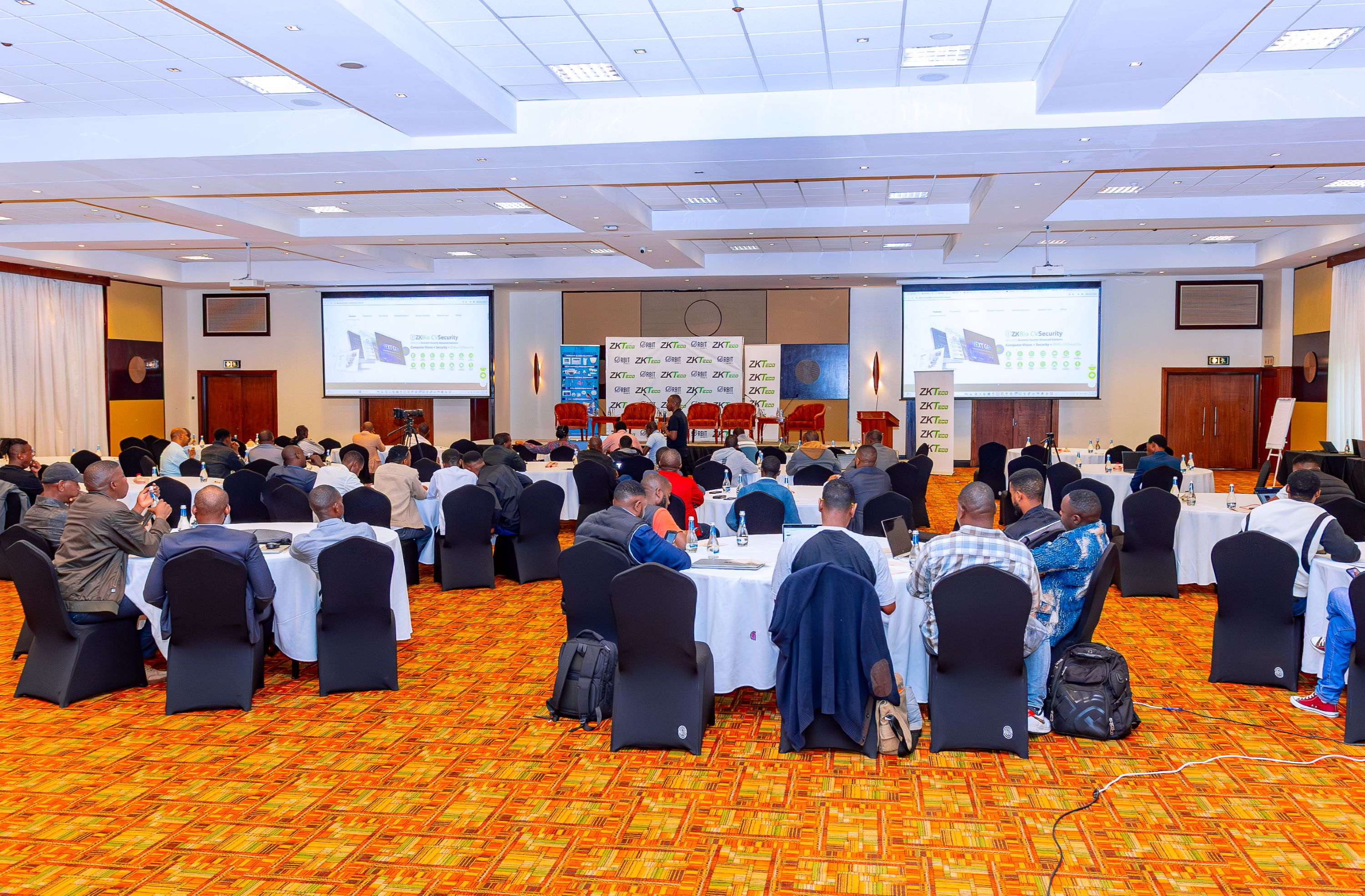
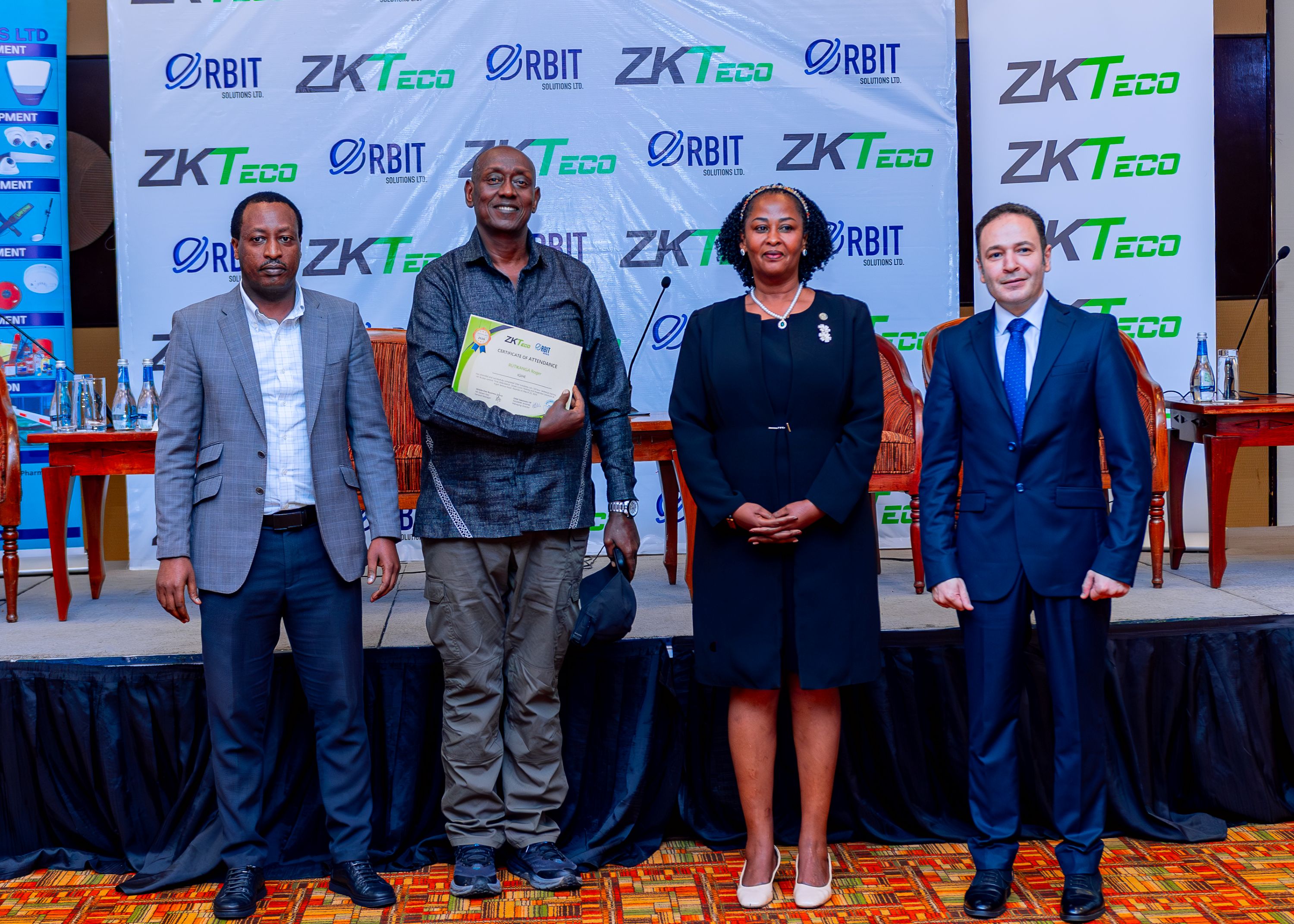
The conference brought together security professionals and decision-makers at Kigali Serena Hotel to explore modern security solutions transforming workplaces and institutions.Attendees explored security devices firsthand at the event.Participants represented various organisations, including banks and other key sectors.Participants actively engaged in interactive and practical sessions.From corporate offices to public institutions, attendees discussed how technology can reduce reliance on traditional security personnel while increasing overall safety.The conference also highlighted the long-standing partnership between the two companies, with the signing of a new agreement that strengthens Orbit Solutions’ role as ZKTeco’s official distributor in Rwanda. Participants were awarded attendance certificates.
The rocket blasted off at 6:51 a.m. (Beijing Time) from the Taiyuan Satellite Launch Center in north China’s Shanxi Province and sent the pair of satellites, Siwei Gaojing-2 05 and Siwei Gaojing-2 06, into their preset orbit.
It was the 634th flight mission of the Long March series rockets.
A Long March-2D carrier rocket carrying two new satellites blasts off from the Taiyuan Satellite Launch Center in north China’s Shanxi Province on March 26, 2026.A Long March-2D carrier rocket carrying two new satellites blasts off from the Taiyuan Satellite Launch Center in north China’s Shanxi Province on March 26, 2026. The rocket blasted off at 6:51 a.m. (Beijing Time) and sent the pair of satellites, Siwei Gaojing-2 05 and Siwei Gaojing-2 06, into their preset orbit.A Long March-2D carrier rocket carrying two new satellites blasts off from the Taiyuan Satellite Launch Center in north China’s Shanxi Province on March 26, 2026.
The Communications Regulatory Authority of Namibia confirmed that Starlink’s applications for both a telecommunications service licence and access to radio spectrum were rejected, according to a notice published in the government gazette earlier this week.
The regulator said Starlink only satisfied three of the six legal criteria required for approval. A key issue was non-compliance with Namibia’s local ownership laws, which require that at least 51% of a telecommunications company be owned by Namibian citizens or entities. Starlink, being wholly foreign-owned, had not obtained an exemption from this requirement.
Authorities also raised concerns related to national defence and public security, arguing that Starlink’s ownership structure presented challenges around jurisdiction and enforcement of regulatory obligations.
In addition, the regulator pointed to past instances in which Starlink was found to have contravened Namibia’s Communications Act and failed to respond to a regulatory summons, describing the conduct as showing “a total disregard” for the sector’s governance framework.
Despite the rejection, the regulator noted that Starlink met criteria related to competition, technical and financial capacity, as well as frequency availability.
Starlink has been expanding its presence across Africa, operating in several countries including Rwanda, but has encountered regulatory hurdles in others due to local ownership requirements and policy restrictions.
In Namibia, authorities previously issued a cease-and-desist order in November 2024, stating that the company had been operating without a licence and advising the public against using its services.
The regulator said it may reconsider the decision within 90 days, either on its own initiative or following a petition from an affected party.
Starlink has been expanding its presence across Africa, operating in several countries, but has encountered regulatory hurdles in others due to local ownership requirements and policy restrictions.
“We’re saying goodbye to the Sora app,” the Sora team said in a statement posted on the social platform X.
The team thanked users who had created and shared content on the platform, saying “what you made with Sora mattered” and acknowledging that the decision would be disappointing to many in its user community.
Sora, launched as a standalone app in September 2025, has been positioned as one of OpenAI’s major products in generative video.
OpenAI’s help-center materials as recently as March showed ongoing updates to Sora’s features, including editing tools and support for the newer Sora experience, suggesting that the shutdown represents a sharp shift in the company’s product direction.
In December 2025, OpenAI and The Walt Disney Company announced a three-year licensing agreement and a 1 billion-U.S.-dollar investment from Disney. Media outlets reported that the arrangement will no longer move forward following Sora’s shutdown.
“As the nascent AI field advances rapidly, we respect OpenAI’s decision to exit the video generation business and to shift its priorities elsewhere,” Disney said in a statement Tuesday, adding that it would “continue to engage with AI platforms to find new ways to meet fans where they are.”
Sora had launched as a standalone app in September 2025
ZYT plans to present its advanced AI system at the Beijing auto show in April 2026, calling it a “mobility foundation model.”
Unlike traditional autonomous driving systems that build specific modules for detecting obstacles such as cars, pedestrians, and traffic signals, ZYT’s AI takes a different approach.
The system learns from a diverse range of data sources, including road traffic video, drones, robots, motorcycles, and even cameras carried by people.
This broad learning model allows the AI to make flexible driving decisions across various urban environments. The result is an AI that performs seamlessly in complex driving scenarios, even better than its CEO in Shenzhen’s busy streets.
ZYT sees this technology extending beyond autonomous vehicles and has plans to apply it to other robots and machines in the future.
ZYT is positioning itself as a strong competitor in the self‑driving technology race, competing against Chinese companies like Xpeng and international giants such as Tesla.
The company is also targeting the commercial sector, especially in long‑haul trucking. ZYT has formed partnerships with major Chinese truck manufacturers, including XCMG, SHACMAN, and SINOTRUK, to introduce its AI system to the trucking industry. ZYT believes that its AI can help trucking companies reduce operating costs and save on fuel.
FAW Group, a state‑owned Chinese automaker, acquired a significant stake in ZYT (around 35.8%), alleviating concerns about DJI’s control and helping expand ZYT’s reach.
ZYT is also working to make its system compatible with cheaper chips, allowing regular passenger cars to adopt the technology. The first vehicles featuring the AI are expected to be released by 2027.
ZYT has no immediate plans to enter the U.S. market but is testing its AI technology in Europe through collaborations with automaker Volkswagen. ZYT’s global aspirations are evident as it aims to make a lasting impact on the self‑driving industry across multiple sectors.
ZYT’s AI technology is set to revolutionize both the passenger and commercial driving sectors with its ability to handle complex urban environments, positioning itself as a key player in the global race for autonomous technology.
ZYT readies AI that can outdrive its own CEO on Shenzhen streets.
This research involved a type of computing hardware known as neuromorphic computers, which are built to imitate how the human brain processes information.
Scientists have now shown that these machines can successfully solve partial differential equations (PDEs), a class of problems that are foundational to physics simulations, weather forecasting, fluid dynamics, and engineering tasks.
Until now, solving these equations typically required massive supercomputers that use enormous amounts of energy.
In contrast, the brain‑inspired systems demonstrated similar capabilities while using only a fraction of the power, suggesting a path toward far more energy‑efficient computing for scientific research and national security applications.
Researchers Bradley H. Theilman and James B. Aimone developed a new algorithm that allows this neuromorphic hardware to tackle such advanced calculations.
According to the team, the structure of this algorithm reflects how the brain might perform complex computations naturally, offering insight into both computing and brain function.
The study also highlights that these findings could greatly impact efforts to build the next generation of low‑energy computational systems.
If further developed, brain‑inspired computing could provide powerful alternatives to current systems used in high‑performance research, all while reducing electrical power demands.
Brain inspired machines are better at math than expected.
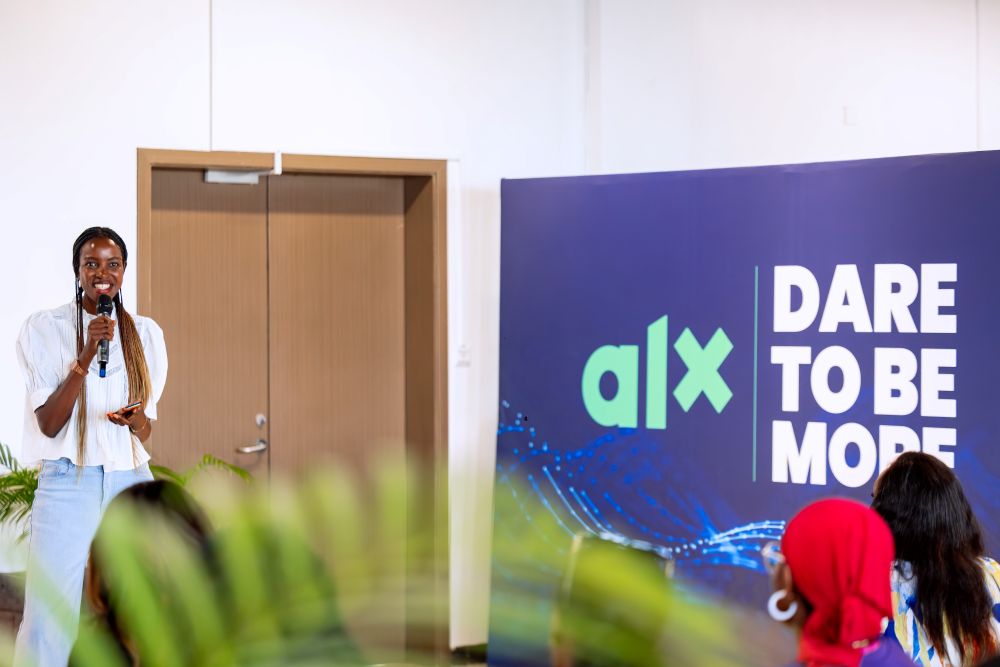
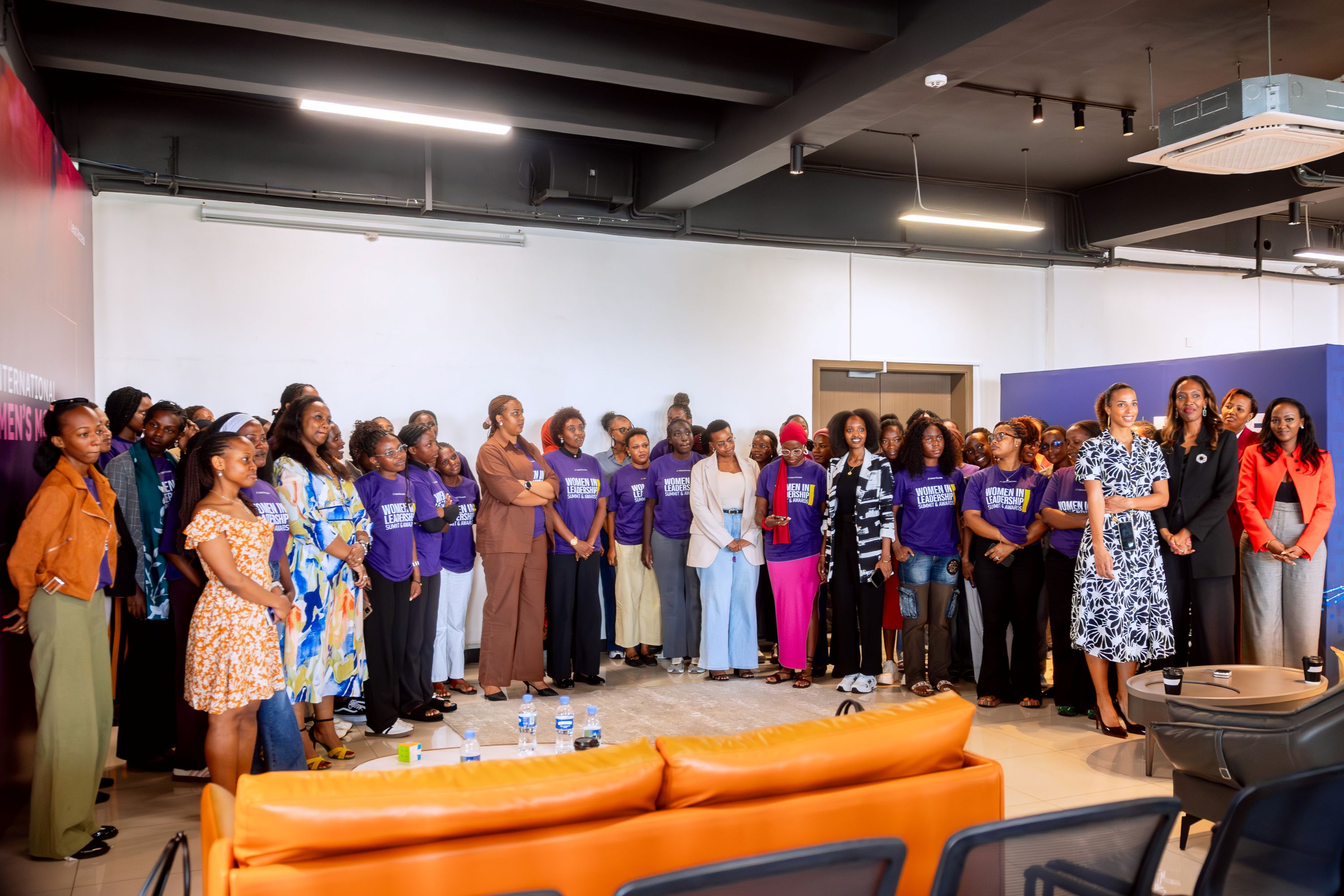
Over the course of a single week in March 2026, ALX Rwanda hosted and participated in two impactful Women in Tech engagements, one in collaboration with HerinTech on March 14 and another with Lead Access on March 17. While each event had its own focus, both were united by a shared mission of empowering women with the confidence, connections, and capabilities needed to thrive in tech.
Partnership-driven empowerment
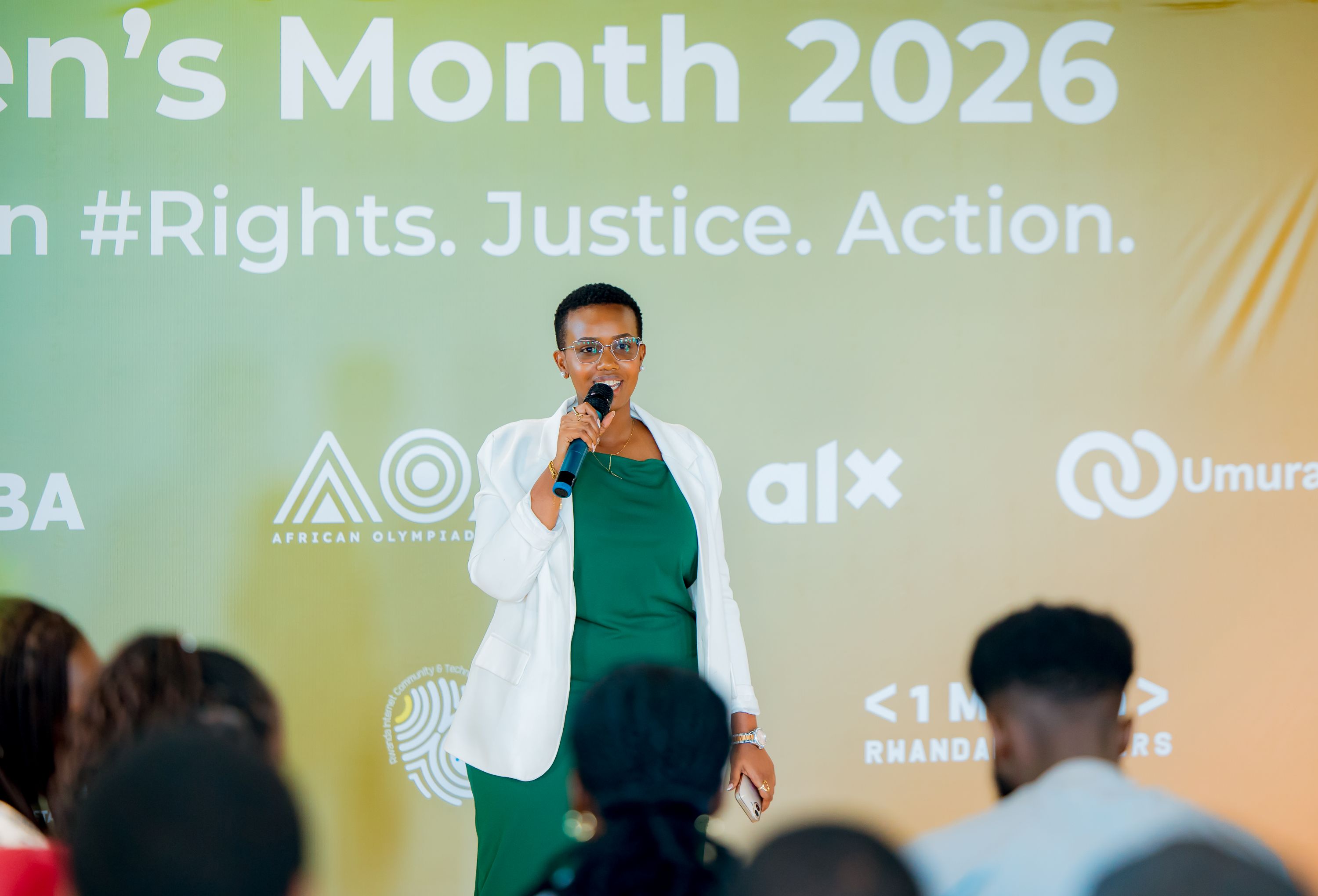
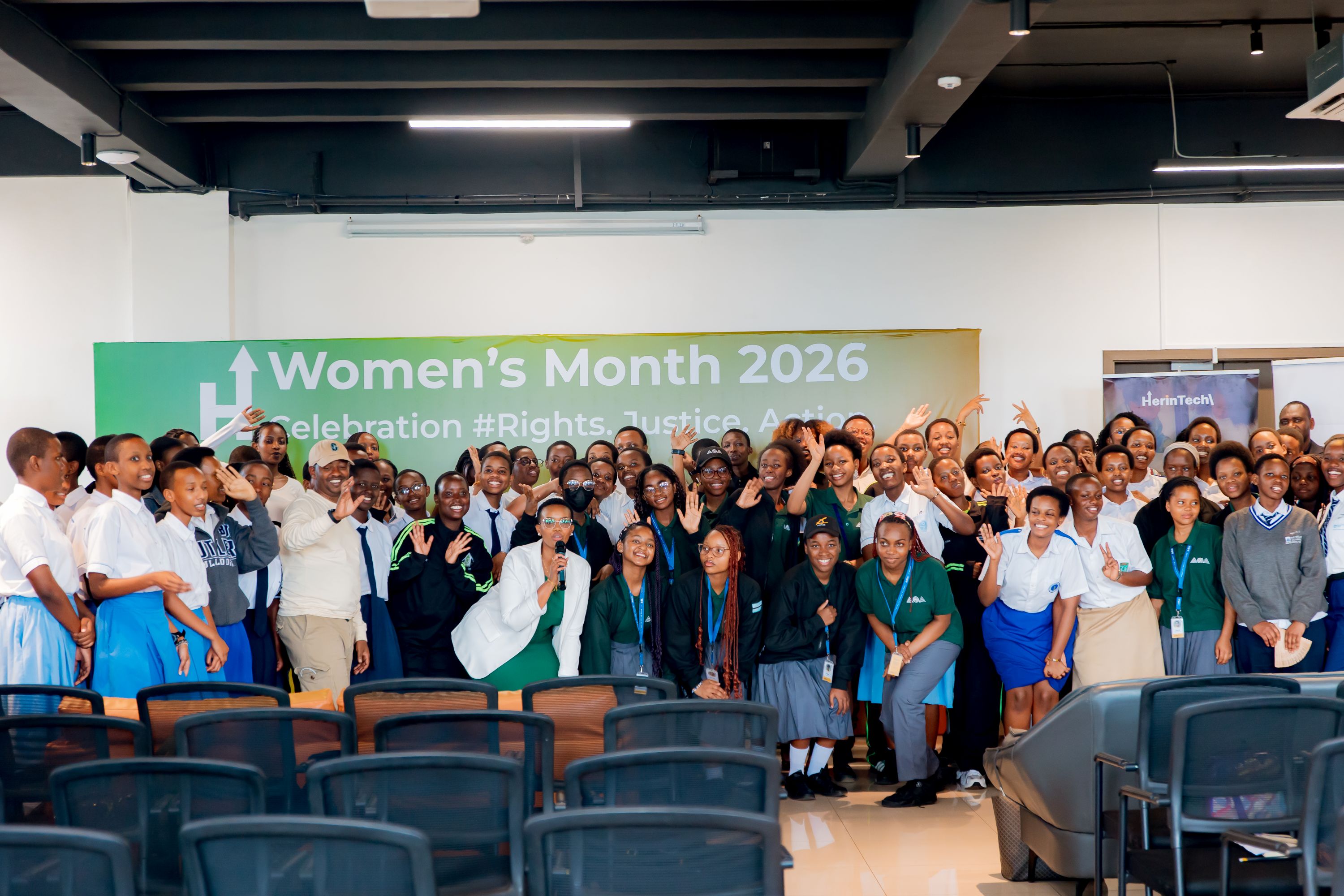
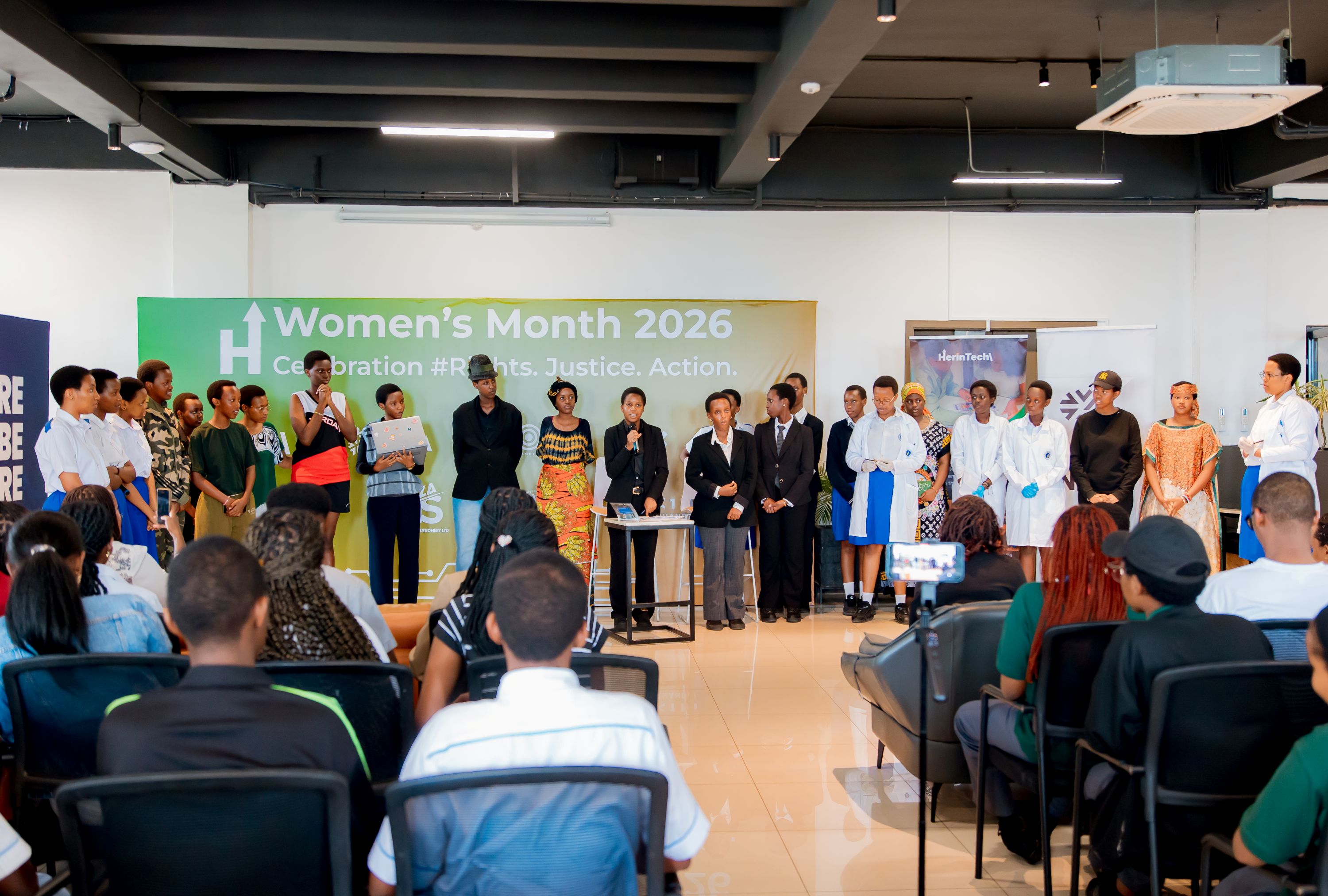
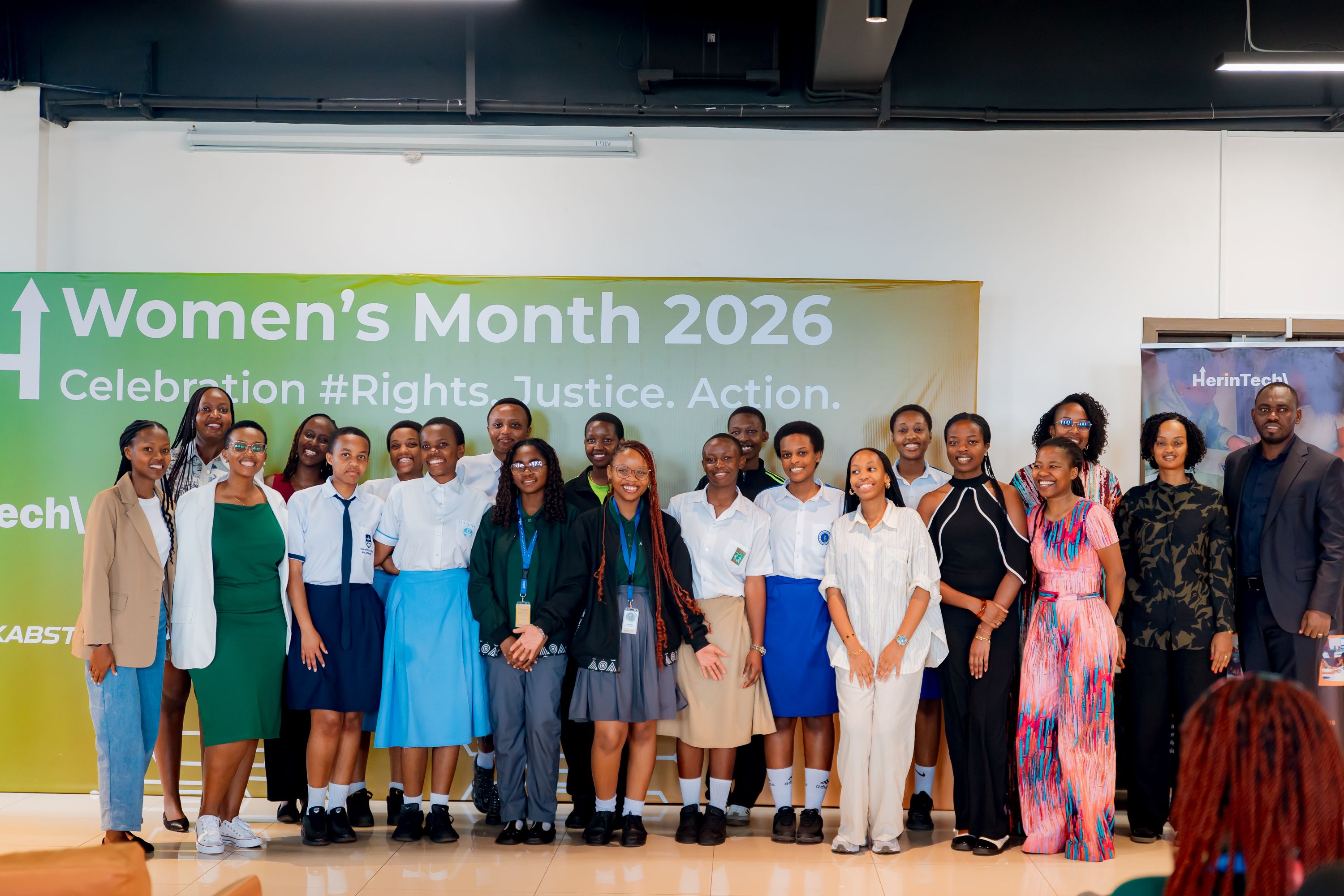
The March 14 engagement, organised in partnership with HerinTech, brought together young women, students, and industry professionals under the theme “Rights. Justice. Action. For All Women and Girls.” The session created a dynamic and inclusive space for learning, dialogue, and inspiration.
While each event had its own focus, both were united by a shared mission of empowering women with the confidence, connections, and capabilities needed to thrive in tech.
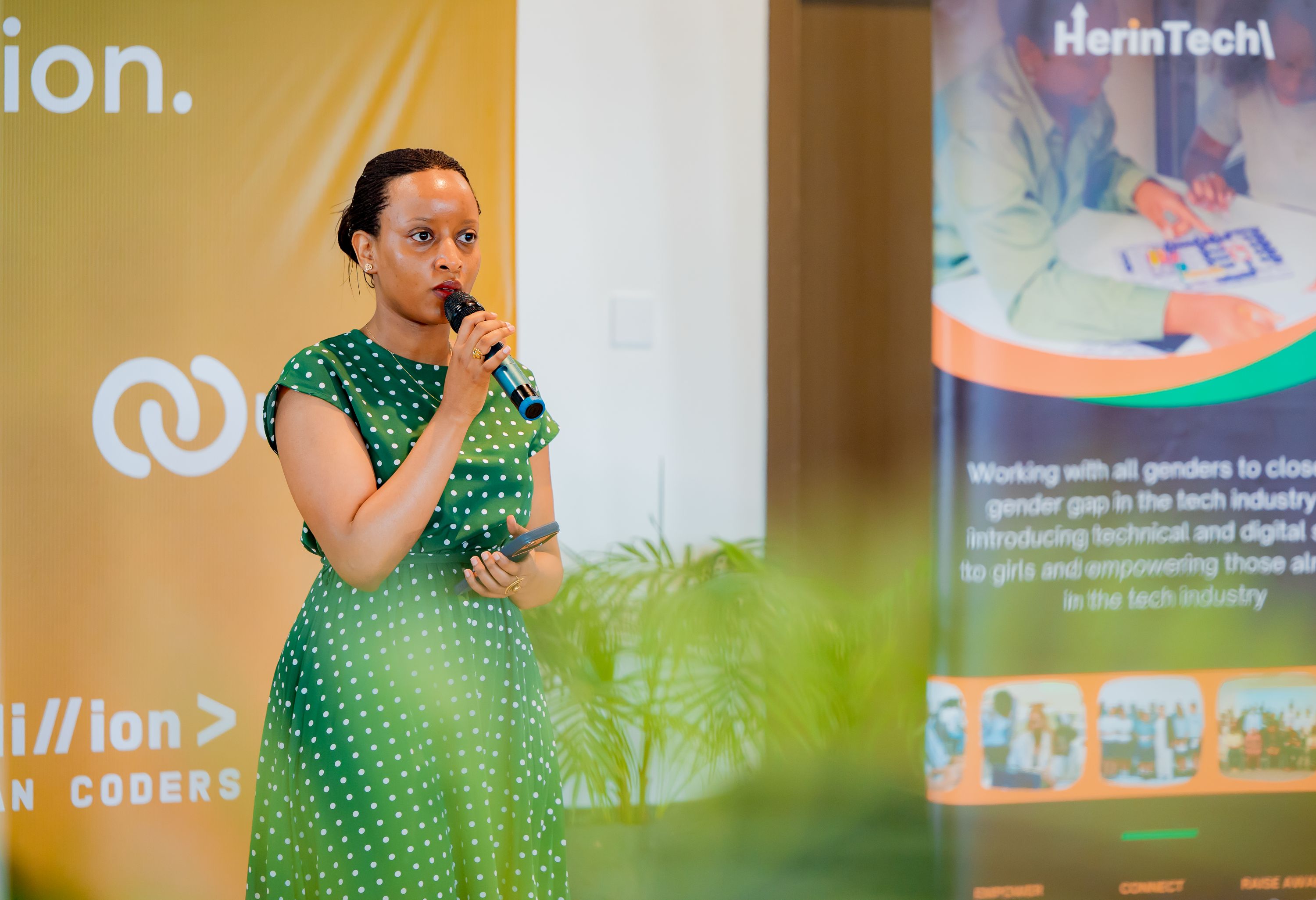
Speakers, including Linda Ikirezi, Founder of HerinTech, emphasised the importance of intentional collaboration in creating opportunities for women. Their message underscored a key reality that advancing women in tech requires ecosystems rather than isolated efforts.
The event featured contributions from industry professionals and partners, including Marie Grace Niwemukiza from the Ministry of ICT and Innovation, Arnould Gabiro, Software Engineer at Umurava, and Fleury, a representative from NCBA Bank spoke at the event. Sessions covered a wide range of topics, from career journeys in tech to often-overlooked conversations such as women’s reproductive health, creating a holistic environment that addressed both personal and professional development.
Linda Ikirezi, Founder of HerinTech, emphasised the importance of intentional collaboration in creating opportunities for women.
A panel discussion moderated by Liliose Gashugi brought together experienced professionals, including Simonneta Perles from Westerwelle Startup Haus Kigali, Eliane Irankunda Kamana from Irembo, and Resire Mboneko, a Kigali-based Information Security Manager. They shared candid insights on navigating male-dominated industries, with their collective message resonating strongly with participants.
“Show up—scared, nervous, or uncertain—but always show up.”
The engagement also featured presentations from young innovators, including students from SOS Technical School, demonstrating early-stage creativity and highlighting the importance of nurturing talent from a young age.
Panel discussions featured experienced professionals who shared candid insights on navigating male-dominated industries, with their message resonating strongly with participants.
The keynote speech by Grace Ingabire, CEO of RICTA, left a lasting impression. She spoke about the importance of being audacious, challenging stereotypes, and taking action before feeling ‘ready.’
Her message resonated deeply, noting that growth comes from stepping forward rather than waiting for perfection.
What followed was pure joy, with music, dance, and a lively after-party led by the students themselves. From Amapiano challenges to spontaneous moments of connection, the atmosphere reflected something deeper than fun, showcasing a sense of community, connection, and shared celebration.
ALX workshop with Lead Access
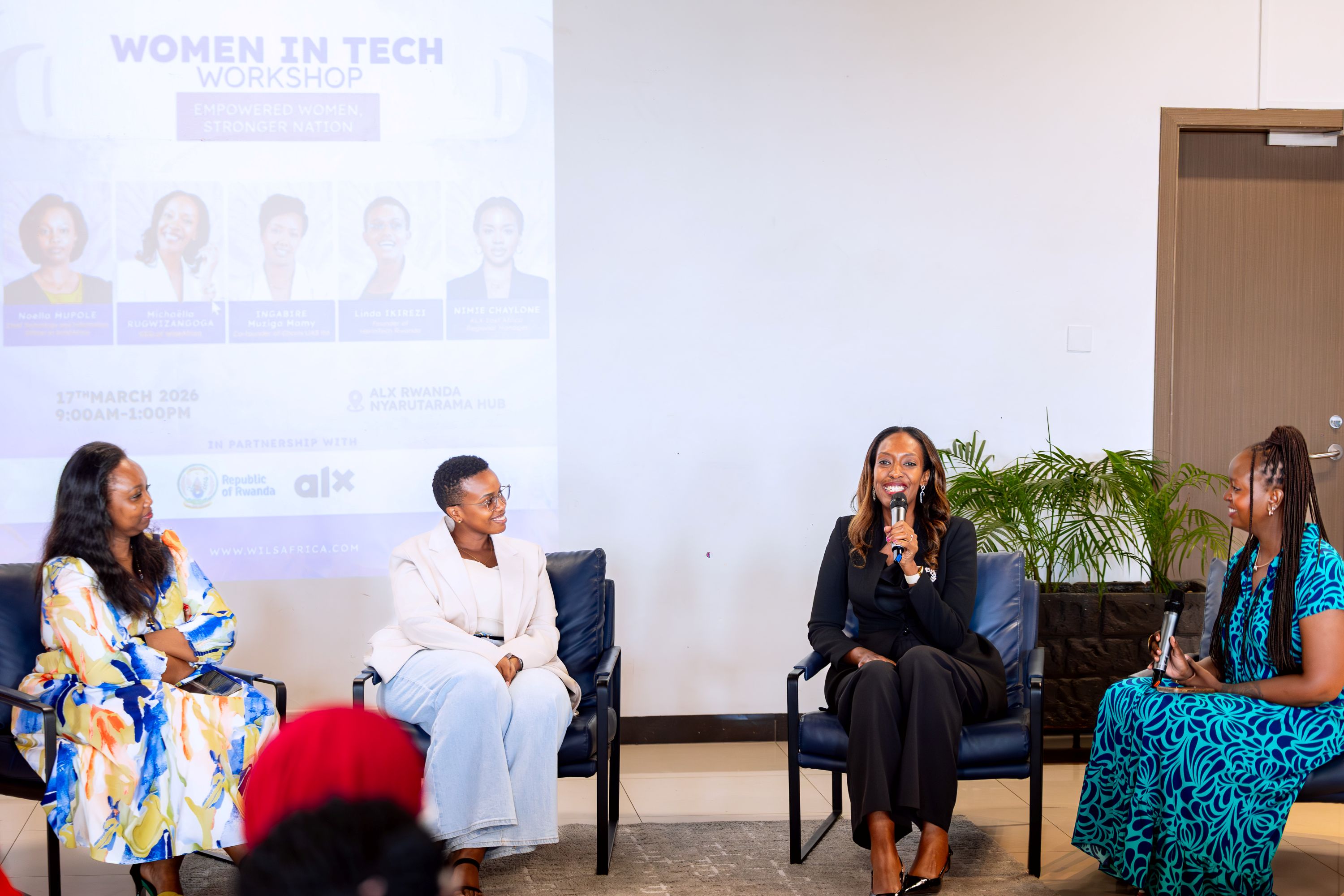
Just days later, ALX Rwanda, in partnership with Lead Access, hosted a Women in Tech workshop at the ALX Rwanda Hub in Nyarutarama. Held under the theme “Give to Gain”, the session brought together aspiring technologists, learners, and industry leaders in an interactive environment centred on mentorship, leadership, and innovation.
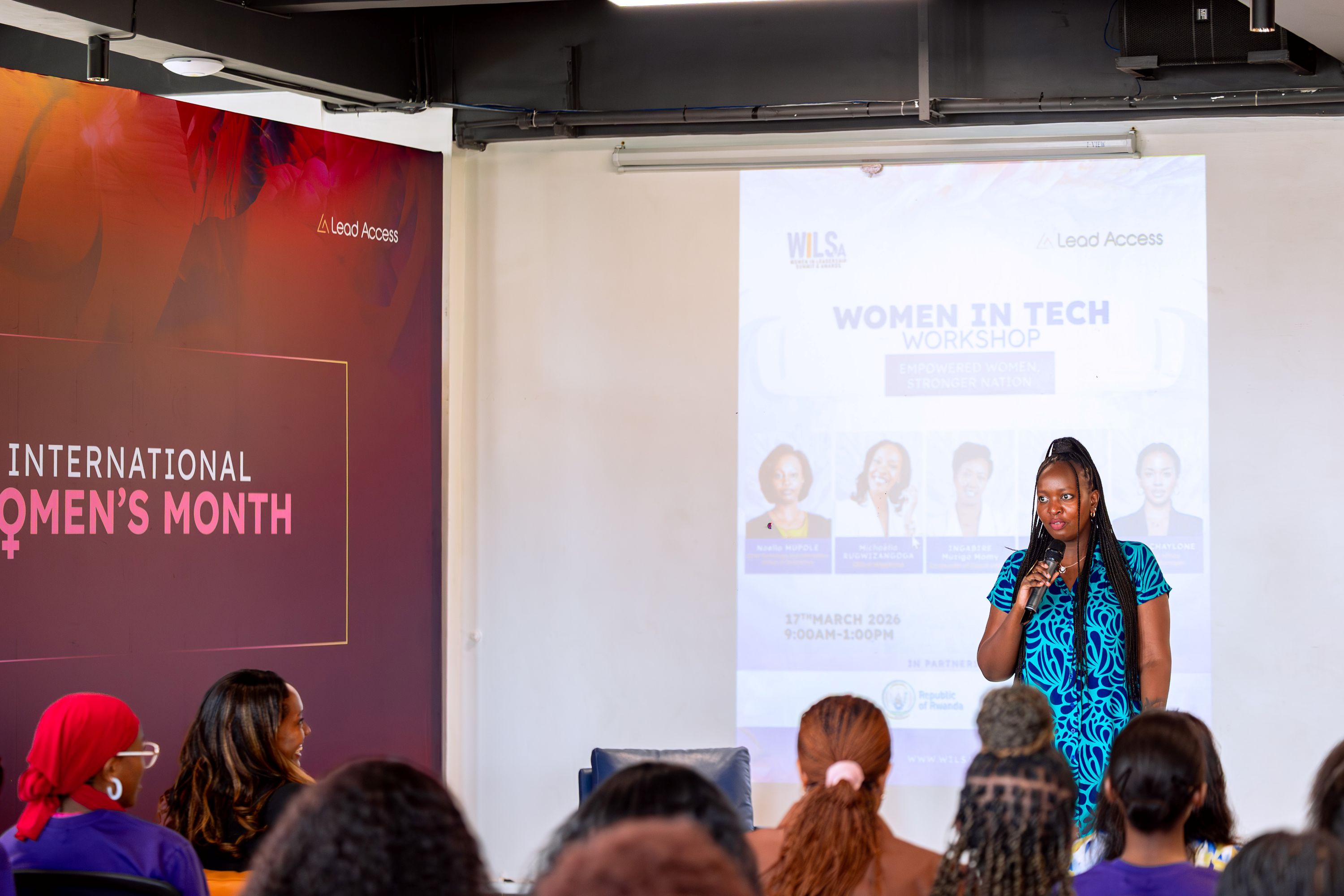
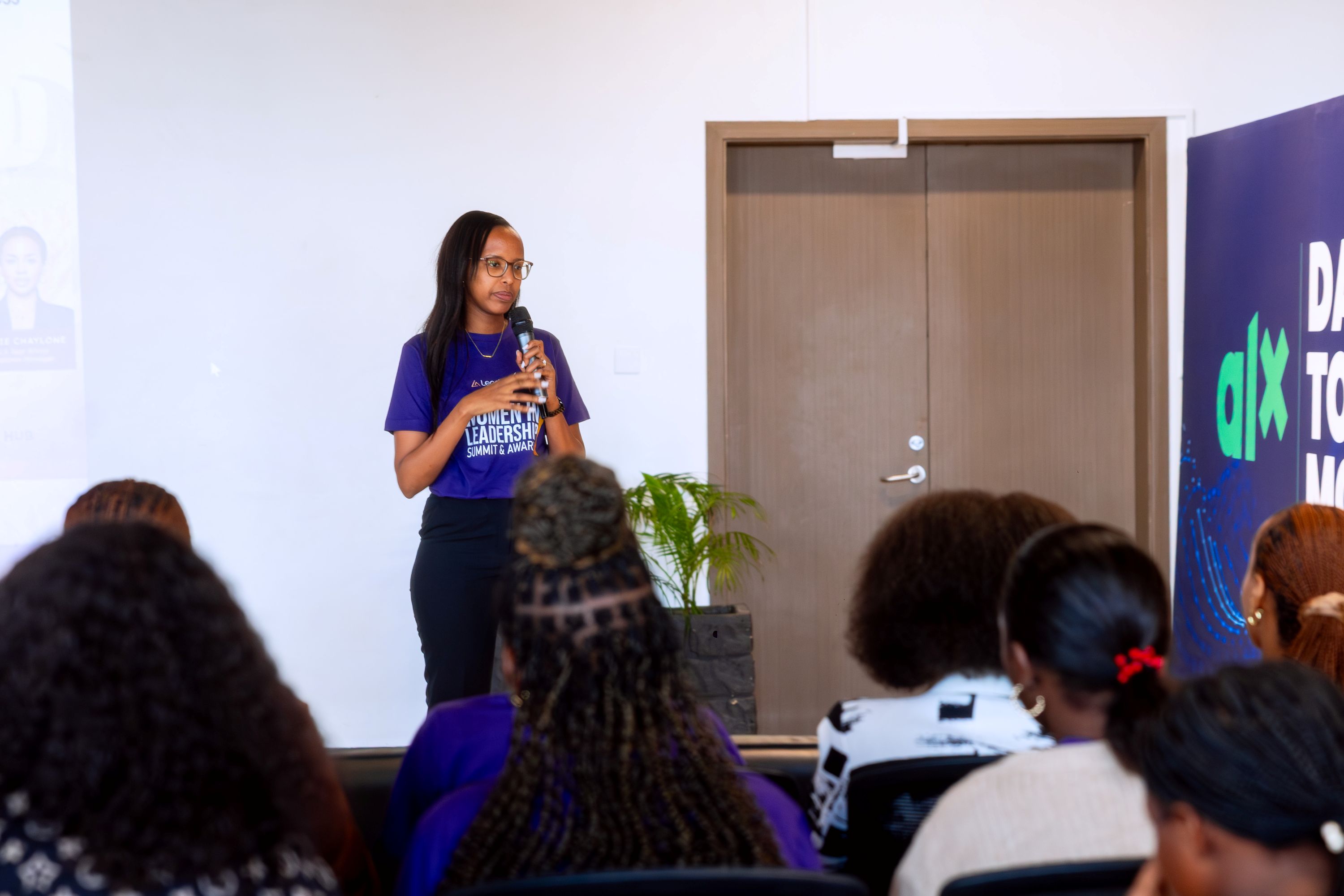
The workshop highlighted Rwanda’s growing position as a hub for digital talent and innovation. Speaking at the event, Sandra Kabongoyi, Partnership Manager at ALX Africa, emphasised the importance of inclusivity in shaping the future of the digital economy.
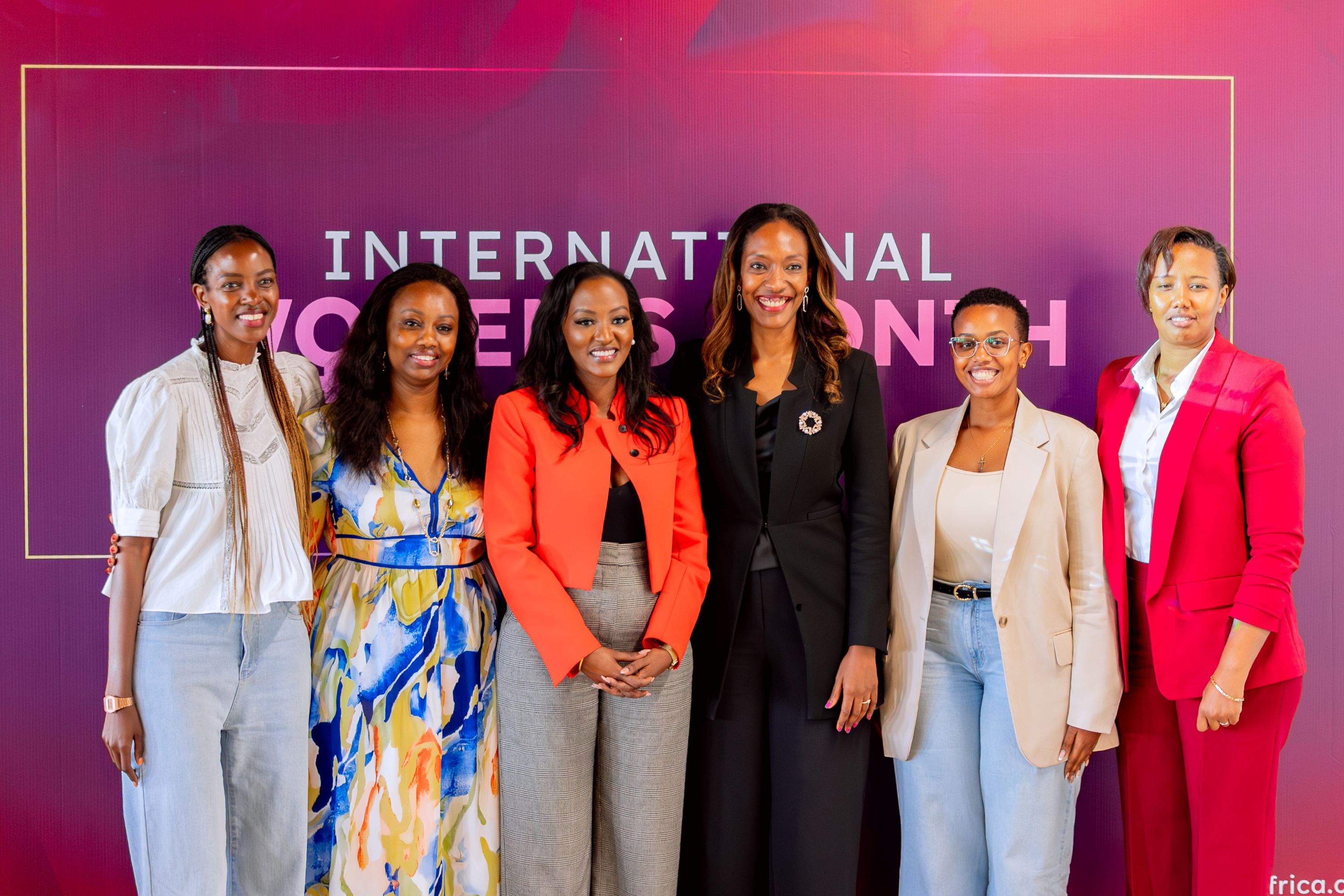
ALX Women in Tech events coincided with International Women’s Month, highlighting the celebration of women’s achievements while fostering dialogue, collaboration, and empowerment in the tech space.
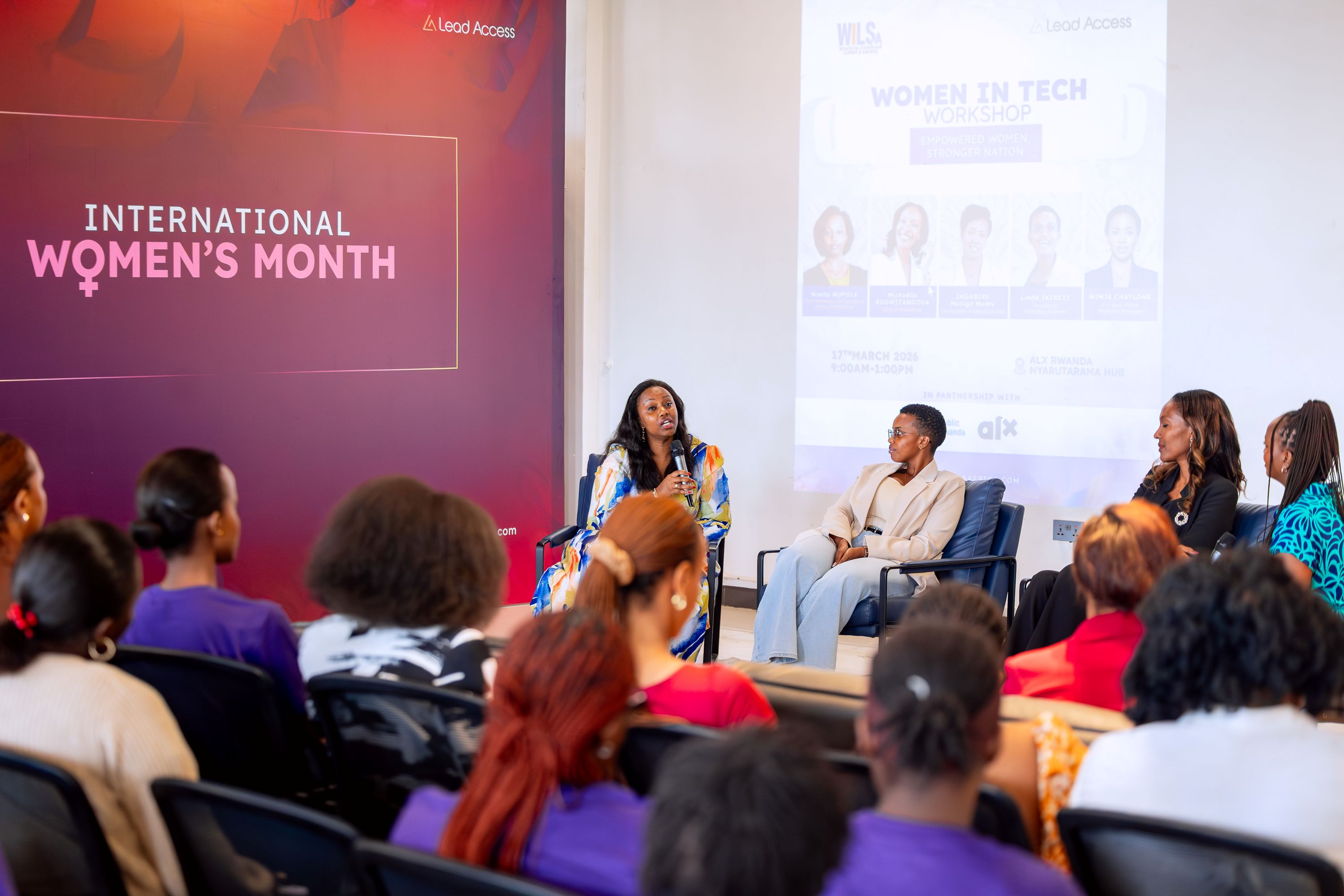
The program featured a panel discussion with prominent women in tech, including Noella Mupole, Chief Technology and Information Officer at Solid Africa, Linda Ikirezi, Founder of HerinTech Rwanda, and Michaëlla Rugwizangoga, CEO of WiseAfrica, moderated by Jacinta Gitau. The discussion explored personal journeys marked by resilience, persistence, and growth, with panellists sharing experiences overcoming gender barriers, self-doubt, and structural challenges.
A key message emerged throughout the session: mentorship and continuous learning remain essential pillars for women building careers in technology.
Michaëlla Rugwizangoga highlighted the broader ecosystem’s role in enabling women’s progress, while Ingabire Muziga Mamy, Co-founder of Charis UAS Ltd, delivered a motivational talk emphasising purposeful innovation and leadership:
“The future digital economy must be built by women, not just used by women.”
The engagements sparked inspiration, learning, and connection.
She further encouraged participants to tackle local challenges as a pathway to global relevance, reinforcing the idea that innovation often begins within one’s immediate environment.
For many participants across both events, the experience went beyond inspiration. It provided practical exposure, meaningful connections, and renewed confidence in their ability to pursue careers in technology.
Learners like Apophia Usanabaganwa from ALX Rwanda described the experience as transformative, noting how interactions with speakers and peers helped restore confidence and reaffirm ambition.
“I’m really happy about what happened today. We’ve been reminded that women are capable of everything,” she said. “My hope had dropped in recent days, but today it rose again because of the engaging words from the guests. Right now, I’m very confident that I’m able to do anything.”
She also highlighted the role of ALX in her personal growth, noting that the program has equipped her with practical skills, including AI Career Essentials, and valuable connections to support her career journey.
For many participants across both events, the experience went beyond inspiration. It provided practical exposure, meaningful connections, and renewed confidence in their ability to pursue careers in technology.
ALX at the centre of a growing ecosystem
Through both engagements, ALX Rwanda played a central role not only as a host but as a convener of partnerships, ideas, and opportunities. By working alongside organisations such as HerinTech and Lead Access, ALX continues to strengthen a collaborative ecosystem that supports women at different stages of their tech journeys.
At the core of ALX’s model is a focus on accessible, flexible, and future-ready learning. Through a hybrid model that combines intensive online technical tracks, ranging from software engineering and data science to AI career essentials, with in-person collaboration at its Kigali Tech Hub, the organisation bridges the gap between traditional education and the modern workforce.
By leveraging strategic partnerships with the Government of Rwanda and global tech entities, ALX focuses on large-scale youth employability, offering fully sponsored programs and advanced AI learning tools like “Chidi” to foster a knowledge-based economy and drive regional innovation.
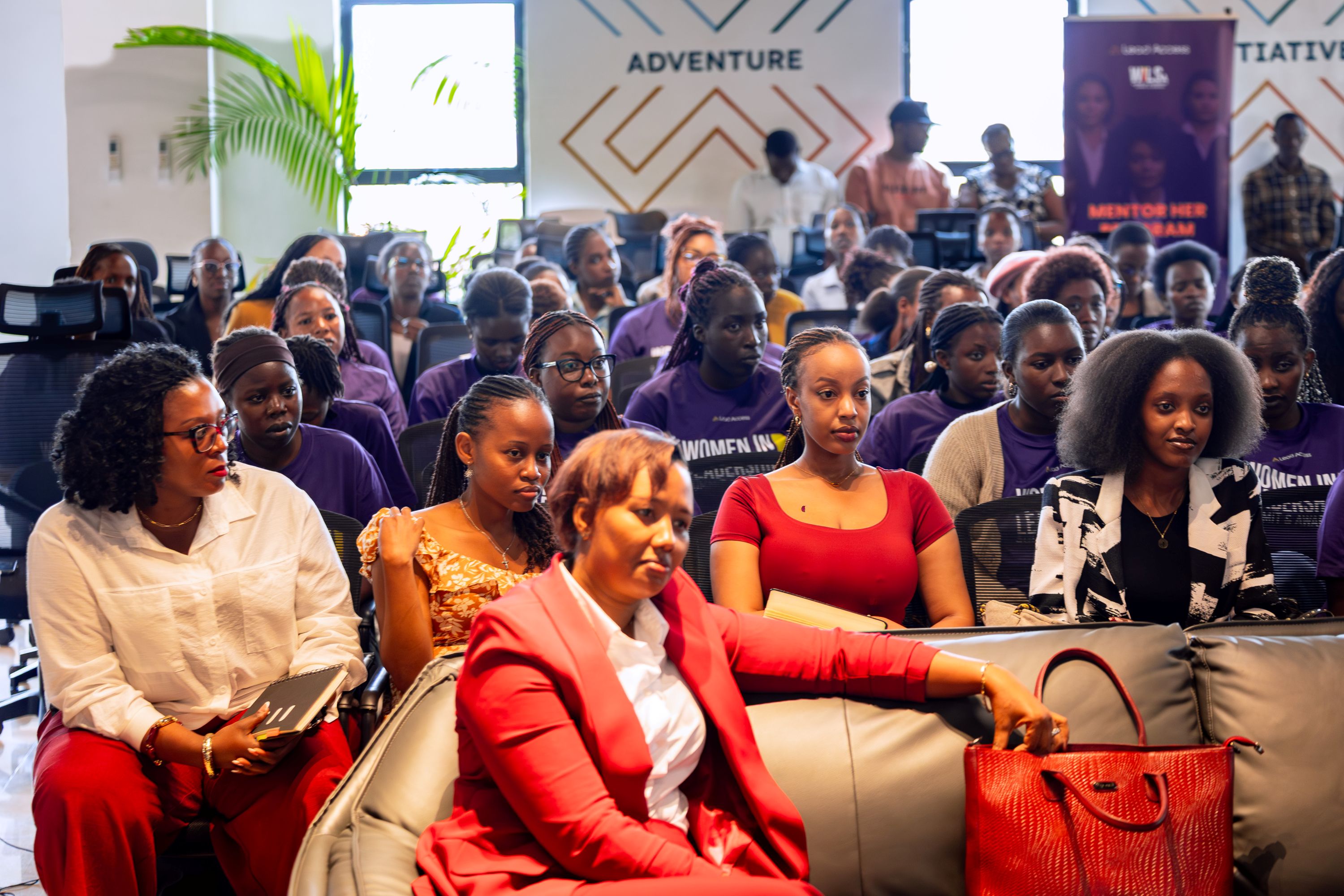
Dozens of young women in tech attended the events.Panellists shared real-world insights on navigating and thriving in tech careers. Held under the theme “Give to Gain”, the session brought together aspiring technologists, learners, and industry leaders in an interactive environment centred on mentorship, leadership, and innovation.Sandra Kabongoyi, Partnership Manager at ALX Africa, emphasised the importance of inclusivity in shaping the future of the digital economy.Through both engagements, ALX Rwanda played a central role not only as a host but as a convener of partnerships, ideas, and opportunities.For many participants, the experience went beyond inspiration, offering practical exposure, meaningful connections, and renewed confidence to pursue careers in technology.Participants gained valuable insights from experienced professionals in the Women in Tech space. The engagement also featured presentations from young innovators, including students from SOS Technical School.The participants cut a cake to mark International Women’s Month.The events offered practical exposure, meaningful connections, and renewed confidence to pursue tech careers.
Traditional agricultural robots are designed to identify ripe fruit and then grab it. But these systems often struggle because harvesting fruit like tomatoes requires delicate judgment; some fruit is easy to pick, while other fruit can bruise or be missed.
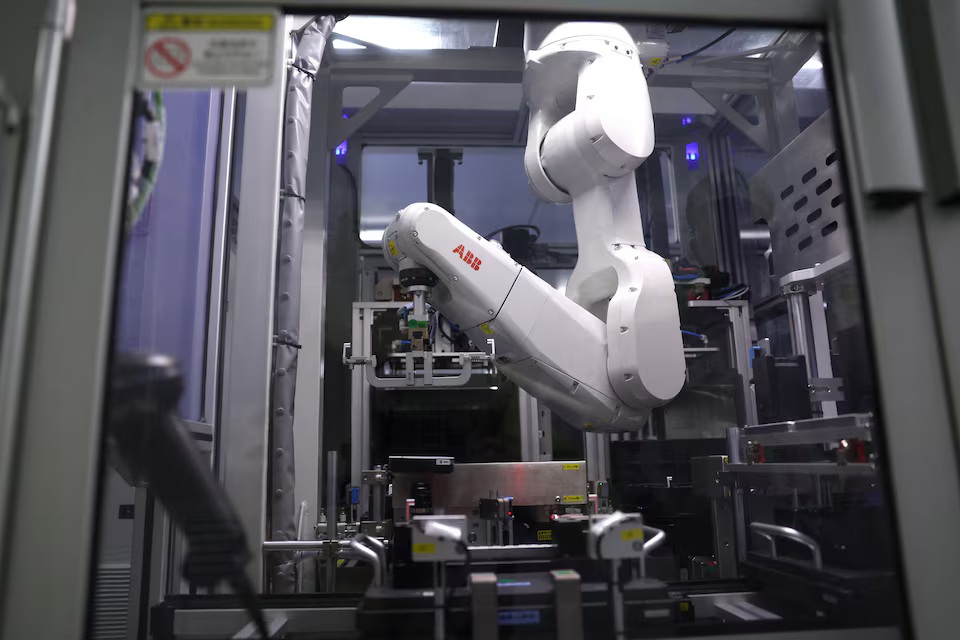
To address this challenge, researchers at Osaka Metropolitan University trained a robot to do something more advanced: predict how easy each tomato will be to harvest before attempting to pick it.
According to the study’s developers, this smarter approach drastically improves performance. As the research summary explains, the robot “decides how easy a tomato is to pick before trying to dramatically improve its success.” By adapting its strategy in real time, the robot achieved an 81 percent success rate in harvesting tasks much higher than conventional systems.
This improvement comes from giving the robot an ability to think before it acts. Instead of simply locating fruit, the system evaluates factors like position, shape, and accessibility. When it encounters a tougher harvest, it adjusts how it approaches the tomato, including changing its angle or grip. The result: a more adaptable and resilient harvesting machine.
One researcher described the innovation as a major step toward robot‑human collaboration on farms. By better understanding the complexity of harvesting tasks, robots can support human labour rather than replace it outright. This means farm workers could focus on supervision, quality assurance, and other skilled work while robots handle repetitive picking.
Experts say this technology could be especially valuable in regions where labour shortages and rising costs make traditional harvesting difficult. As farms grow and smart agriculture becomes more common, robots like this one may boost efficiency, reduce waste, and help ensure produce reaches markets quickly and in good condition.
The research is still evolving, but the results demonstrate how artificial intelligence and robotics are reshaping agriculture. By teaching machines not just to see but to strategise, scientists are bringing a future of smarter, more sustainable farming closer to reality.
AI‑powered tomato‑harvesting robot learns how to pick smarter.
The research was led by Professor Karim Jerbi from the Department of Psychology at the Université de Montréal, with participation from renowned AI expert Yoshua Bengio, postdoctoral researcher Antoine Bellemare‑Pépin (Université de Montréal), and PhD candidate François Lespinasse (Université Concordia).
The study was published in Scientific Reports and represents one of the largest direct comparisons ever made between human and AI creative performance.
To assess creativity fairly across humans and machines, the team employed the Divergent Association Task (DAT), a widely‑used psychological test that measures divergent thinking, or the ability to generate diverse and original ideas from a single prompt. Participants, both human and AI, were asked to produce ten words that were as unrelated as possible, a task designed to reveal creative thought patterns.
The results were striking: some AI models, including versions of GPT‑4, outperformed the average human on certain creativity tasks.
“Our study shows that some AI systems based on large language models can now outperform average human creativity on well‑defined tasks,” explained Professor Jerbi. However, the team also found that the top creative humans still had a clear advantage, especially among the most creative 10 percent of participants, whose scores surpassed every AI model tested.
In addition to simple word association, the researchers evaluated performance on more complex creative tasks, including poetry (haiku), plot summaries, and short stories. Here, the AI systems sometimes matched or exceeded average human performance, but the gap between AI and the most imaginative humans widened further, reinforcing the idea that AI excels at structured creativity but does not yet replicate the depth and originality of human expression.
The study also explored how creativity in AI can vary based on technological settings. For example, adjusting parameters like temperature (which affects how predictable or adventurous the AI’s responses are) influenced the diversity of its output. This finding suggests that AI creativity is not fixed and can be guided by human input and design choices.
Researchers emphasise that while AI systems are now powerful tools for idea generation and exploration, they are more likely to augment human creativity rather than replace it. “Generative AI has, above all, become an extremely powerful tool in the service of human creativity,” stated Professor Jerbi.
AI now matches or beats average human creativity, but top creative minds remain unmatched.