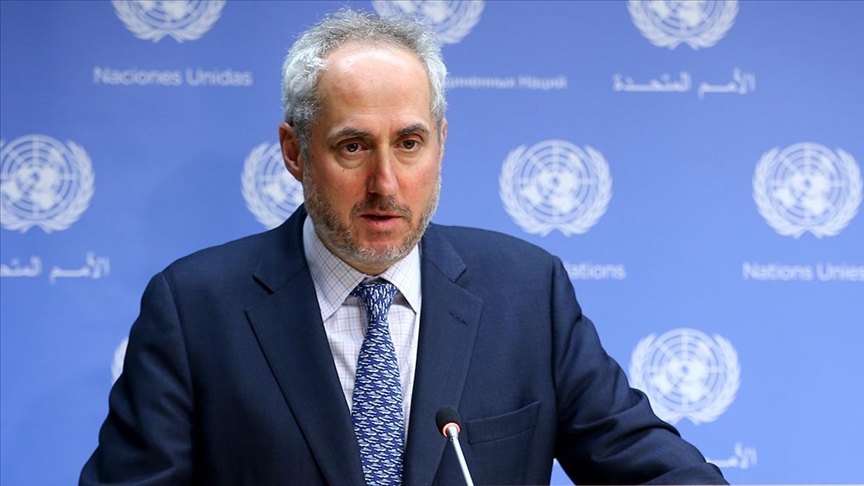
“I can tell you and reiterate yet again that we are very concerned about the heightened rhetoric we’re seeing around the region, by the heightened military activities, war games, or just increased military naval presence in the region,” Dujarric said at a daily briefing in response to a question posed by Xinhua about a letter the Iranian permanent mission sent to the UN chief and the president of the Security Council on Thursday.
“And we encourage both the United States and the Islamic Republic of Iran to continue to engage in diplomacy in order to settle the differences,” he said.
In the letter, Iran’s UN ambassador Amir Saeid Iravani said the country will respond “decisively and proportionately” to any military aggression, exercising its right to self-defense under the UN Charter, and urged the Security Council and the UN secretary-general to “act without delay, before it is too late.”
According to Dujarric, the letter has gone to the Security Council and to the General Assembly, as requested by Iran’s permanent mission to the United Nations.
Stephane Dujarric, spokesperson for the UN secretary-general
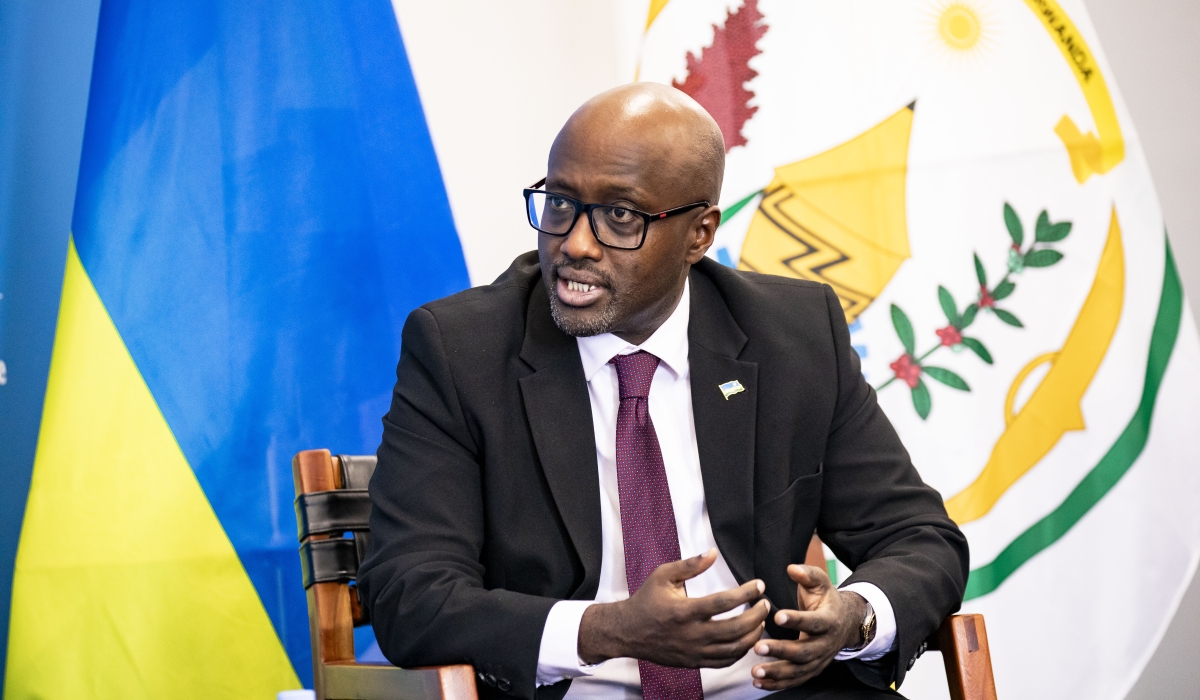
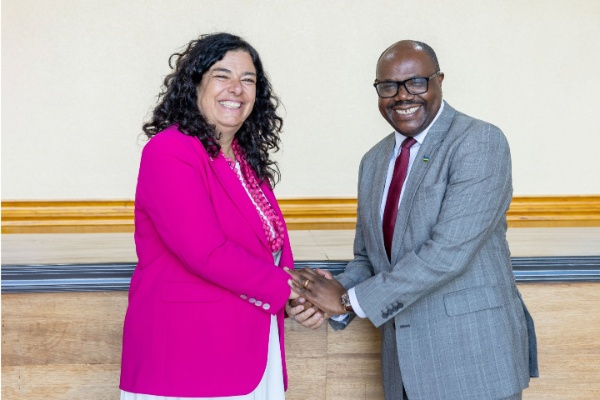
Amb. Nduhungirehe made the remarks on Thursday during a press briefing in Kigali alongside European Commissioner for Equality, Preparedness and Crisis Management, Hadja Lahbib.
Burundi’s President, Évariste Ndayishimiye, recently assumed the rotating chairmanship of the African Union during the bloc’s 38th Ordinary Session of Heads of State and Government held in Addis Ababa.
Ndayishimiye took office at a time when Burundian troops were engaged in military operations in eastern Democratic Republic of the Congo alongside the Congolese army coalition, FARDC. The African Union, which he now chairs, is also involved in facilitating dialogue between Rwanda and the DRC over the conflict in that region.
Beyond the fighting in eastern Congo, tensions between Rwanda and Burundi remain strained, largely due to Rwanda’s concerns over Burundi’s alleged cooperation with the FDLR terrorist group.
Speaking during a press briefing on Thursday, Minister Nduhungirehe acknowledged that Rwanda and Burundi are neighboring states and both members of the East African Community, but said that relations remain strained.
“As you know, Burundi closed borders with Rwanda. And also, which is more worrying, Burundi is involved in a conflict in eastern DRC in a negative way, because it has imposed a blockade against the Banyamulenge in Minembwe, preventing them from accessing markets, which aggravates the humanitarian situation,” he stated.
In that context, Amb. Nduhungirehe said Burundi’s involvement in mediation would be inappropriate.
“Although it has accessed the AU chairmanship, it is difficult for Burundi to get involved in mediation. We have a mediation of Togo, mandated by the African Union, with five facilitators. We believe that those facilitators and the mediators should continue their work of supporting the parties in implementing the Washington Agreement without the involvement of Burundi, which is a party to this conflict,” he added.
Relations between Rwanda and Burundi have deteriorated in recent years. On January 11, 2024, Burundi closed all border crossings with Rwanda, accusing Kigali of supporting the RED Tabara rebel group, an allegation Rwanda has repeatedly denied. Tensions further escalated amid claims that Burundi has cooperated with the FDLR in the eastern DRC conflict.
In July 2024, officials from Rwanda and Burundi met in Zanzibar during a retreat of foreign affairs ministers from East African Community member states, where both sides pledged efforts to restore relations. Despite subsequent meetings and diplomatic engagements, no concrete breakthrough has yet been achieved.
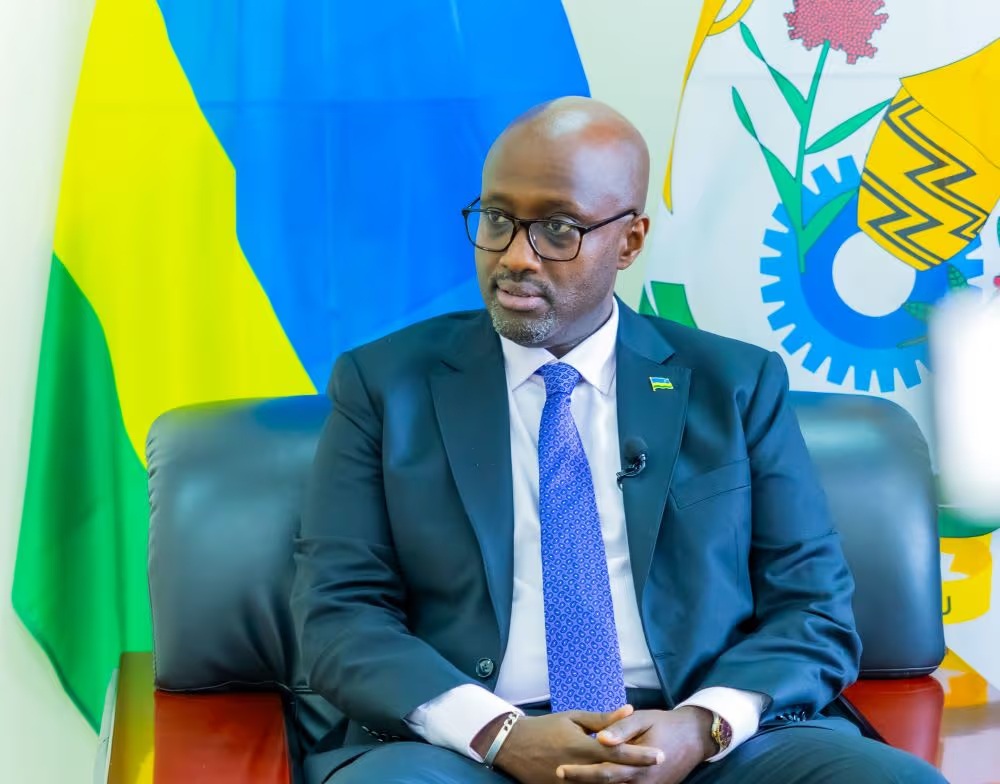
Rwanda’s Minister of Foreign Affairs and International Cooperation, Amb. Olivier Nduhungirehe said Burundi should not take part in AU-led mediation on eastern DRC crisis.
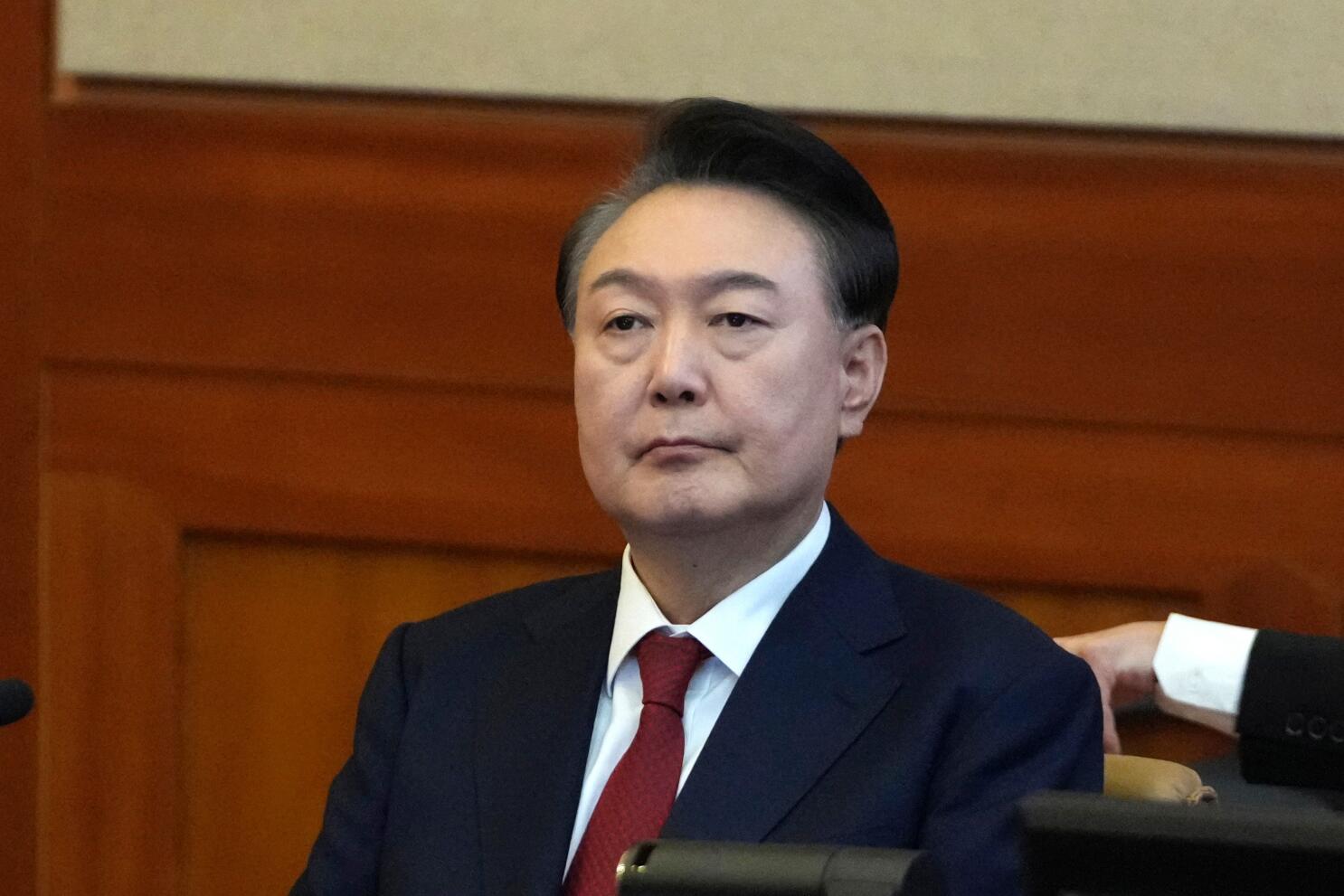
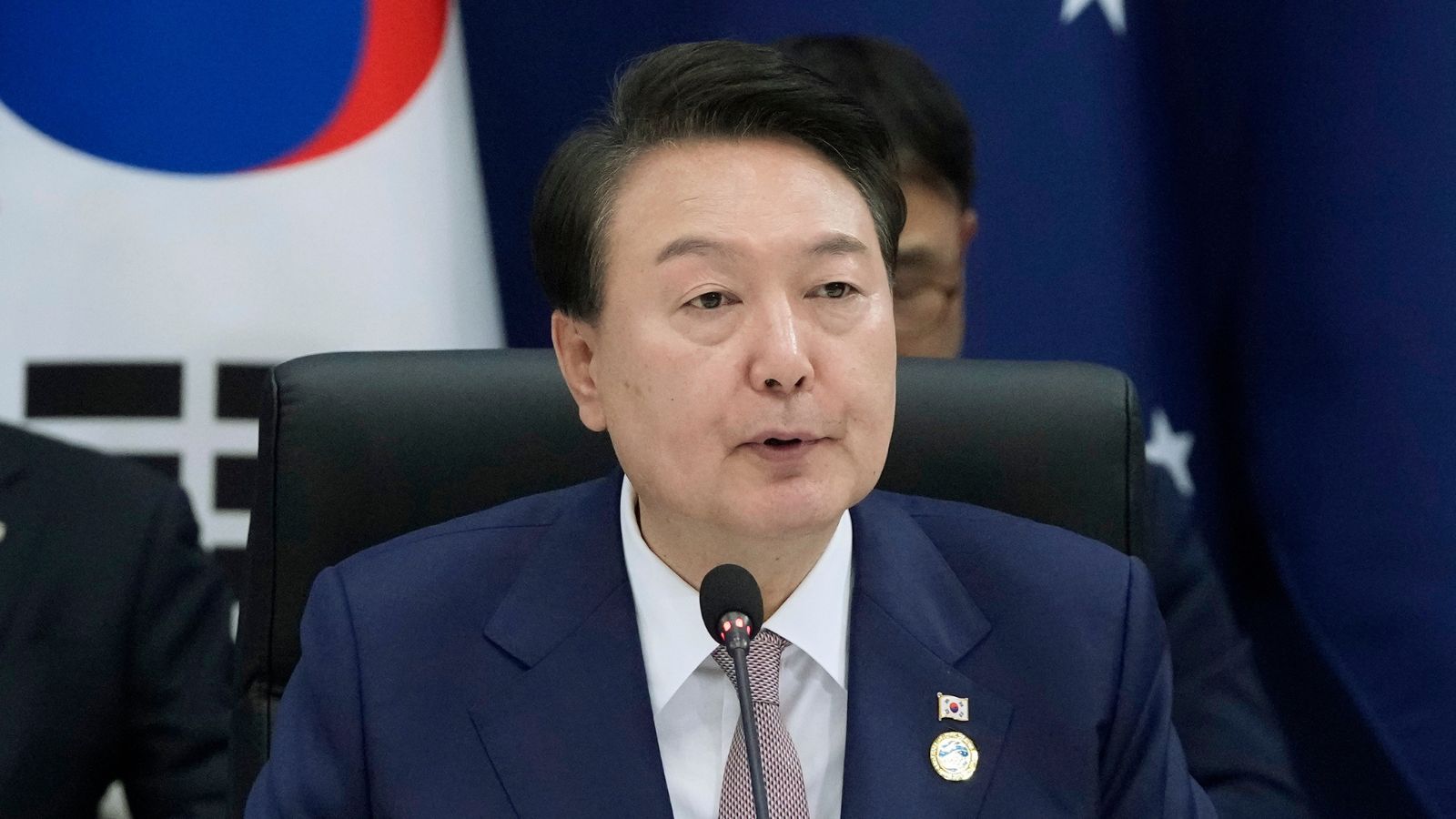
Yoon said in a statement that he deeply apologized to the public for the frustrations and hardships caused by his own shortcomings, although his decision to declare the emergency martial law was solely for the nation and the people.
He stressed that his desperate decision to save the nation was slandered as an insurrection, noting that the court’s ruling was unacceptable as it convicted him of insurrection because of the military entering the National Assembly building.
The Seoul Central District Court ruled on Thursday that the crux of Yoon’s martial law case was the fact that troops were deployed to the National Assembly, saying the impeached leader attempted to prevent the parliament from functioning properly for a significant period.
The emergency martial law was declared by Yoon on the night of Dec. 3, 2024, but it was revoked hours later by the National Assembly.
The constitutional court upheld a motion to impeach Yoon in April of 2025, officially removing him from office.
Yoon was indicted under detention in January of 2025 as a suspected ringleader of insurrection, becoming the first sitting president to be arrested and indicted.
S. Korea’s ex-president Yoon has regretted not living up to expectations.
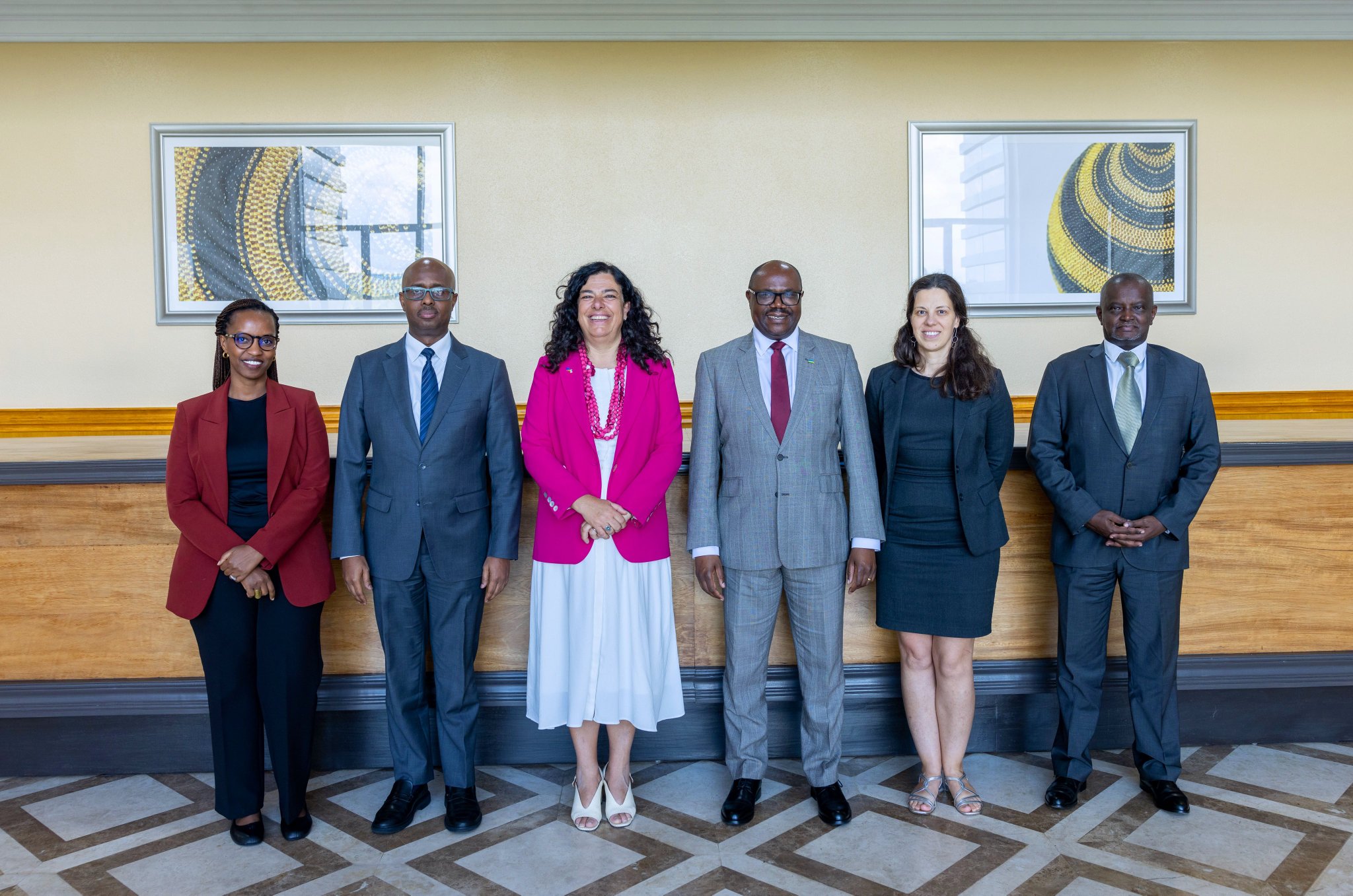
The talks come at a time when Rwanda–EU relations are undergoing a notable shift from traditional development assistance toward strategic, high-value economic cooperation. This transformation is largely driven by the EU’s Global Gateway strategy, a multi-billion-euro initiative aimed at building sustainable partnerships through investments in digital, energy, transport and health infrastructure.
Under the current multiannual financial framework, the EU allocated €260 million in grant funding to Rwanda for the 2021–2024 period, including €49 million in EFSD+ provisioning. For 2025–2027, an additional €134 million has been earmarked, alongside Rwanda’s participation in several multi-country EU programmes.
Through the “Team Europe” approach in Rwanda, the EU works alongside the European Investment Bank and member states including France, Germany, Belgium, Luxembourg, the Netherlands, Lithuania, Greece, Sweden, Austria and Denmark.
A key highlight of the evolving partnership has been support for Rwanda’s ambition to become a regional biotechnology and pharmaceutical hub. In October last year, during bilateral talks in Brussels between President Paul Kagame and Ursula von der Leyen, the EU announced €95 million in new funding to strengthen vaccine manufacturing in Rwanda.
The financing builds on earlier EU support of more than €93 million toward BioNTech’s Kigali facility, inaugurated in 2023 as the company’s first mRNA manufacturing site in Africa. The project is seen as a major step toward ensuring equitable access to vaccines and strengthening Africa’s capacity to respond to future health emergencies.
Rwanda’s development ambitions are guided by the National Strategy for Transformation and Vision 2050, which aim to achieve upper-middle-income status by 2035. The EU has positioned its cooperation framework to align with these goals, supporting economic transformation, green transition efforts and inclusive growth.
The discussions focused on further strengthening the longstanding partnership between Rwanda and the EU.
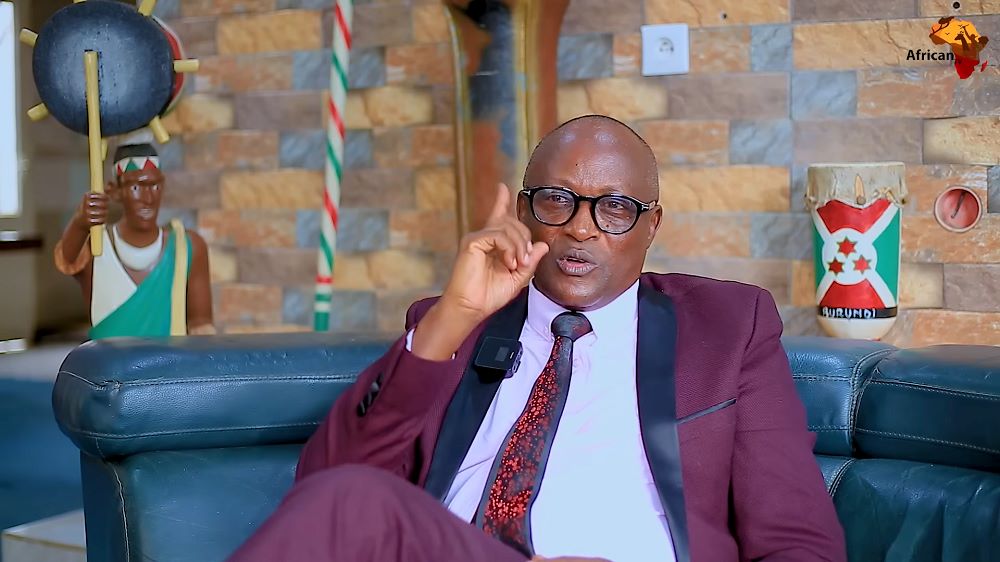
Speaking on Africa TV YouTube channel, Sindimwo suggested that those pressuring Rwanda to lift security measures along its border may have ulterior motives.
“If you come and tell me to lift my country’s defensive measures, what do you want? You want to attack me,” he said. “As for the Washington agreement, I don’t see anything meaningful in it given the ongoing tensions in the DRC.”
The government of the Democratic Republic of the Congo has called on countries including the United States to impose sanctions on Rwanda, accusing it of violating a peace agreement signed in Washington on December 4, 2025.
Sindimwo argued that sanctions would have little real impact on a country, noting that Burundi itself faced sanctions in 2016 yet continued to function. In his view, such measures mainly serve to intimidate.
“There are things that make me laugh,” he said. “They impose sanctions on you, so what happens? Were we not sanctioned? Did we stop existing? That is intimidation.”
At the National Dialogue Council held on February 5, 2026, President Paul Kagame explained that Rwanda deployed defensive measures along its border to prevent attacks by the FDLR terrorist group operating in eastern DRC.
President Kagame stressed that Rwanda will not accept any situation that undermines its security.
Sindimwo expressed support for Kagame’s decision to safeguard Rwanda’s security, saying no form of intimidation should prevent a leader from protecting their country and its citizens.
Gaston Sindimwo served as the Vice President of Burundi from 2015 to 2020.
The clarification followed remarks by Jeune Afrique journalist Romain Gras, who appeared to question why President Kagame did not attend the summit, noting that he had been in the United States over the weekend attending the NBA All-Star Game.
Responding to the comments, Nduhungirehe emphasized that many African leaders were also absent and that Rwanda had official representation at the highest level.
“President Paul Kagame did not personally attend the 39th Session of the African Union Assembly, just like nearly half of the African Heads of State. In Addis Ababa, he was duly represented by Prime Minister Justin Nsengiyumva. So, there is nothing new under the sun!” the minister said.
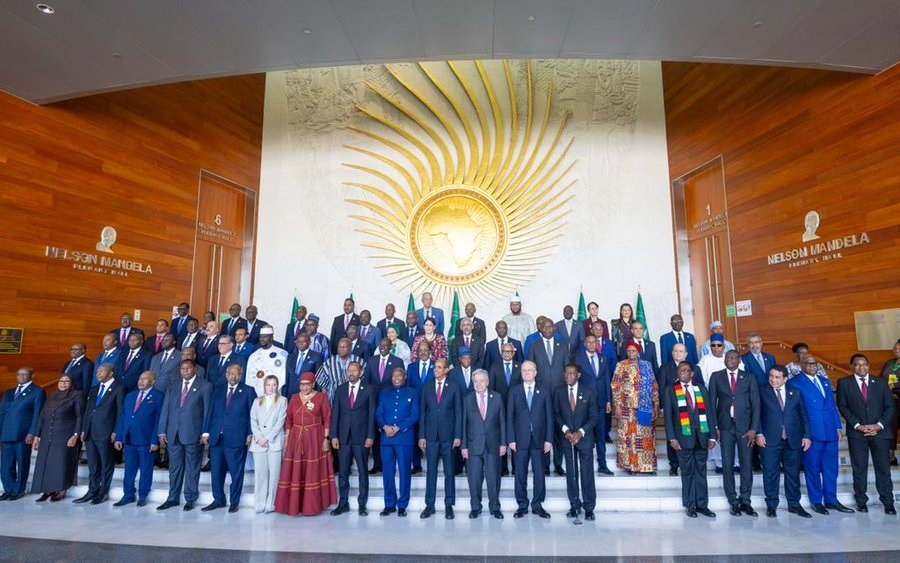
The AU summit was held in Addis Ababa, Ethiopia, on February 14 and 15, 2026. Rwanda was represented by Prime Minister Justin Nsengiyumva, who addressed key continental priorities, including health and security, in line with the AU’s Agenda 2063 framework.
On regional security, Nsengiyumva told fellow African leaders that the government of the Democratic Republic of the Congo continues to violate the Washington peace agreements and the Doha principles. He stressed that all parties concerned must honour their commitments to create conditions for sustainable peace.
The Prime Minister further argued that actors directly involved in the conflict in eastern DRC should not participate in mediation efforts led by the AU, warning that such involvement undermines trust and raises concerns over impartiality.
Meanwhile, President Kagame was in Los Angeles on a working visit. He met with Adam Silver, Commissioner of the National Basketball Association, and Deputy Commissioner Mark Tatum, to discuss ongoing cooperation between the league and Rwanda in developing basketball talent.
He also held talks with Steve Ballmer, owner of the Los Angeles Clippers, whose franchise promotes Rwanda’s tourism brand through the “Visit Rwanda” partnership launched in September 2025.
The NBA All-Star Game took place at the Intuit Dome, the Clippers’ 18,000-seat arena in Los Angeles, where Visit Rwanda branding has been displayed since last year.
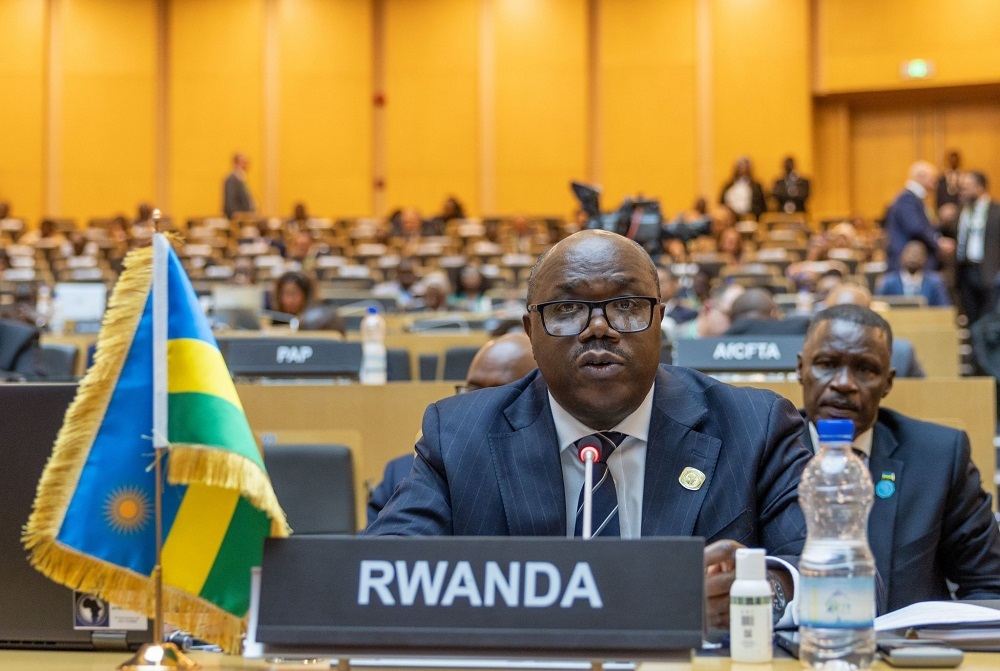
Nduhungirehe emphasized that many African leaders were also absent and that Rwanda had official representation at the highest level.President Paul Kagame was represented by Prime Minister Justin Nsengiyumva.
The summit, taking place from February 14–15, 2026, is being held under the theme: “Assuring Sustainable Water Availability and Safe Sanitation Systems to Achieve the Goals of Agenda 2063.” It marks the pinnacle of the AU Summit and brings together African leaders to deliberate on key political, security and development priorities.
Upon arrival at Bole International Airport, the Prime Minister was received by Ethiopia’s Minister of Peace, Mohamed Edris, and State Minister for Foreign Affairs, Ambassador Berhanu Tsegaye.
This year’s theme places water security at the center of Africa’s transformation agenda. With more than 400 million Africans lacking access to clean water, leaders are expected to discuss sustainable water management and sanitation systems as essential pillars for public health, climate resilience and conflict prevention. The discussions align with Agenda 2063, the AU’s long-term blueprint for inclusive growth and prosperity.
Beyond the thematic focus, the Assembly is expected to address high-stakes political and security issues. Leaders will review the situation in Sudan and South Sudan, deliberate on developments in the Sahel region, and appoint 10 new members to the Peace and Security Council, the AU organ responsible for decisions on peace operations and sanctions.
The summit also marks a leadership transition within the Union, as Angola hands over the rotating AU Chairpersonship for 2026 to Burundi.
On the margins of the summit, Prime Minister Nsengiyumva will attend the second Italy–Africa Summit on February 13, which will assess progress under Italy’s Mattei Plan aimed at strengthening political and economic partnerships with African countries.
On February 15, he is scheduled to participate in the AU High-Level Ad Hoc Committee on South Sudan, where regional leaders are expected to review the evolving security situation, assess progress in the implementation of the peace agreement, and deliberate on coordinated efforts to prevent further escalation of tensions.
“The decision follows allegations of voter inducement in today’s National Democratic Congress (NDC) primaries in the Ayawaso East Constituency, in which Mr. Baba Jamal, a candidate, participated,” the Presidency said in the statement.
The NDC held an internal election in the Ayawaso East constituency in the capital, Accra, to select a parliamentary candidate to replace a former legislator who passed away in January.
Mahama said that while allegations of vote-buying were made against multiple candidates who contested the primaries, Baba Jamal was the only serving public officer among them.
“Without prejudice to the ongoing internal party processes, and strictly in view of the standards of conduct expected of public officers, the president considers it necessary to act decisively to preserve the integrity of public office and to avoid any perception of impropriety or conflict with the Government’s code of conduct for political appointees,” the statement said.
Obasanjo was speaking at a high-level meeting of the African Union–East African Community–Southern African Development Community (AU–EAC–SADC) Panel of Facilitators on the eastern DRC peace process, held at State House in Entebbe and hosted by Ugandan President Yoweri Museveni on Wednesday.
“The issue concerns management or mismanagement of diversity within the DRC and the relationship of the DRC with its neighbours,” Obasanjo said, noting that the same fundamental challenges that triggered UN peacekeeping intervention in 1960 persist today. He said that while many actors claim to understand the crisis, differing diagnoses have slowed efforts to resolve it.
“Once you diagnose your disease properly, it is half solved,” he said, adding that peace can only be achieved if all stakeholders agree on the nature of the problem and apply the right solutions.
Obasanjo stressed that the African Union must remain at the centre of the peace process, even as international partners such as the United States, Qatar and France express interest in supporting stability in the region. He cautioned, however, that externally driven solutions risk failing to address local realities.
“A solution imported from outside Africa may not properly deal with the situation that we have in our hands,” he said, pointing out that the conflict involves multiple armed groups beyond the M23 and reflects long-standing, unresolved grievances.
President Museveni, in his remarks, said the conflict in eastern Congo is well understood in the region and should not have taken decades to resolve. He noted that Uganda hosts about 500,000 Congolese refugees, part of an estimated two million refugees living in the country.
“We know the problem so well,” Museveni said, citing strong ethnic and cultural ties between communities across borders in Uganda, South Sudan and the DRC.
“It is really a shame that it should take so long because it is easy to solve,” he remarked.
Museveni noted that while Congo once faced secessionist threats, the current crisis is driven by grievances rather than attempts to break up the country. He said this presented an opportunity for authorities in Kinshasa to address long-standing complaints and restore stability.
Obasanjo described Museveni as being in a unique position to contribute to the peace effort, citing his long involvement in regional affairs and the absence of strong opposition to his role among the stakeholders consulted, including leaders in Rwanda and Burundi, as well as representatives of the AFC/M23 rebel alliance.
Also present at the meeting was Faure Gnassingbé, President of the Council of Togo and the African Union’s lead mediator on the eastern DRC peace process. Obasanjo is part of a panel of experts appointed by the AU that includes former Kenyan President Uhuru Kenyatta, former Ethiopian President Sahle-Work Zewde, former Botswana President Mokgweetsi Masisi and former Central African Republic President Catherine Samba-Panza.
The panel was established in March 2025 following the merger of the Nairobi and Luanda peace processes into a unified framework aimed at harmonising regional and continental efforts to resolve the crisis. Its mandate includes guiding negotiations between the Congolese government and armed groups, including the M23, and overseeing the implementation of agreed measures such as the neutralisation of the FDLR militia.
Analysts say the root causes of the conflict include historical ethnic grievances, failed political settlements and persistent discrimination against some communities, particularly Kinyarwanda-speaking Congolese whose citizenship has often been questioned. The AFC/M23 movement says it is fighting to defend the rights of these marginalised groups.
Obasanjo said African leaders involved in the process had accepted responsibility for finding a durable solution.
“We will seek and look for an African solution to our African problem,” he said.
In an interview with IGIHE, Mayor Katembo stated that prior to AFC/M23’s takeover, the Congolese government had deployed fighters from the Democratic Forces for the Liberation of Rwanda (FDLR) in Goma, alongside the national army (FARDC) and Wazalendo militias, contributing to insecurity in the city.
“They brought the FDLR into the city,” Katembo said. “The FDLR is a foreign armed group, not Congolese. The Kinshasa government armed them to fight the Congolese, us, the AFC/M23. Those weapons were used to kill people here in Goma.”
According to the mayor, the Congolese government’s cooperation with the FDLR, Wazalendo militias, Burundian troops, forces from the Southern African Development Community (SADC), and European mercenaries was intended to protect President Félix Tshisekedi’s administration rather than ensure civilian security.
He noted that abuses were widespread. “Wherever the Wazalendo passed, they destroyed property, killed civilians, and looted. That was also the case with FARDC and the FDLR,” he said.
AFC/M23 seized control of Goma on January 27, 2025, following clashes with a coalition of Congolese government forces. Mayor Katembo said restoring security was the group’s immediate priority, including collecting weapons left throughout the city.
“When I assumed office, for two to three months, we collected between 30 and 40 weapons per day,” he said. “Weapons were being picked up from the streets across all neighbourhoods of Goma. At the time, the city was hosting more than 40,000 soldiers.”
{{Cross-border trade between Goma and Rubavu
}}
Goma and Rubavu, a Rwandan border town, are often described as twin cities due to their close proximity. The two are separated by the La Corniche main border post and the Grande Barrière crossing, which facilitate significant cross-border trade and movement involving Congolese, Rwandans, and foreign nationals.
Mayor Katembo said that restrictions imposed by the Congolese government, including the closure of banks, had disrupted daily life and commerce in Goma, prompting AFC/M23 to seek cooperation with neighbouring Rwanda to ease trade.
“We share a border with Rwanda, specifically with Rubavu,” he said. “Good neighbourly relations are a basic principle between countries. Rwanda is our neighbour today and tomorrow. Cooperation and peaceful coexistence are essential.”
He noted that the cost of the CPGL border pass, previously between 12 and 20 US dollars, has been reduced to 5 dollars under AFC/M23 administration.
According to Katembo, another travel document used as a passport substitute previously cost between 45 and 60 dollars when the Congolese government controlled Goma. That fee has now been reduced to 25 dollars.
AFC/M23 leader Corneille Nangaa has stated that more than 40,000 people cross the shared borders with Rwanda at Rubavu and Rusizi every day.
{{Measures to combat drug trafficking
}}
Drug trafficking, particularly cannabis smuggling into Rwanda via unofficial border routes, has long been a security concern along the Rwanda–DRC border, especially in the Rubavu area.
Authorities in Rubavu District have previously cited legal discrepancies between the two countries as a major challenge, noting that substances illegal in Rwanda may be permitted in the DRC, complicating joint enforcement efforts.
Mayor Katembo said addressing drug use and trafficking is a priority for AFC/M23, emphasizing the need for reforms in areas under its control to ensure long-term stability and youth protection.
Public awareness campaigns have been launched to discourage drug consumption and trade, he said, alongside efforts to identify and shut down illicit production of strong alcoholic beverages.
“As the leadership of Goma City, our focus today is combating drugs such as cannabis,” Katembo said. “People may come and go, but institutions remain.”
He warned that individuals found violating anti-drug and alcohol regulations in Goma will be arrested and detained at Munzenze Prison.