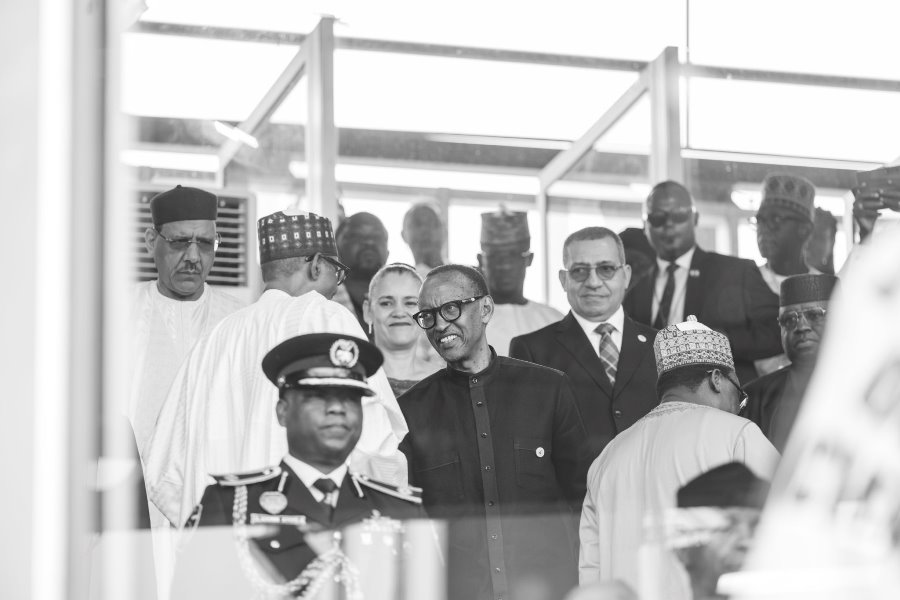
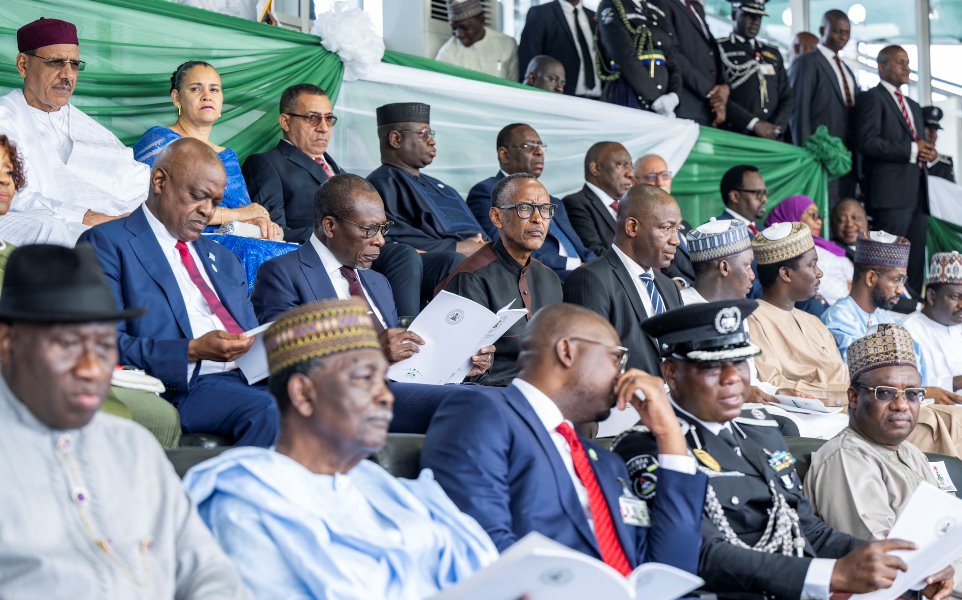
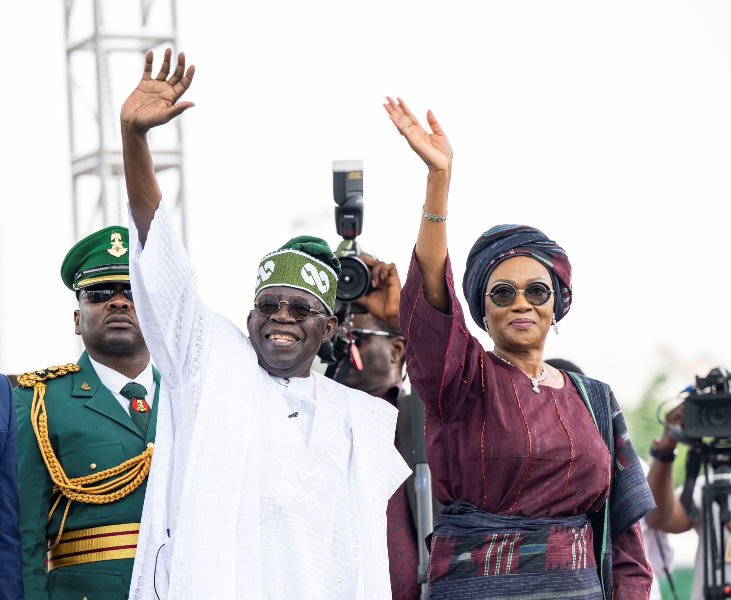
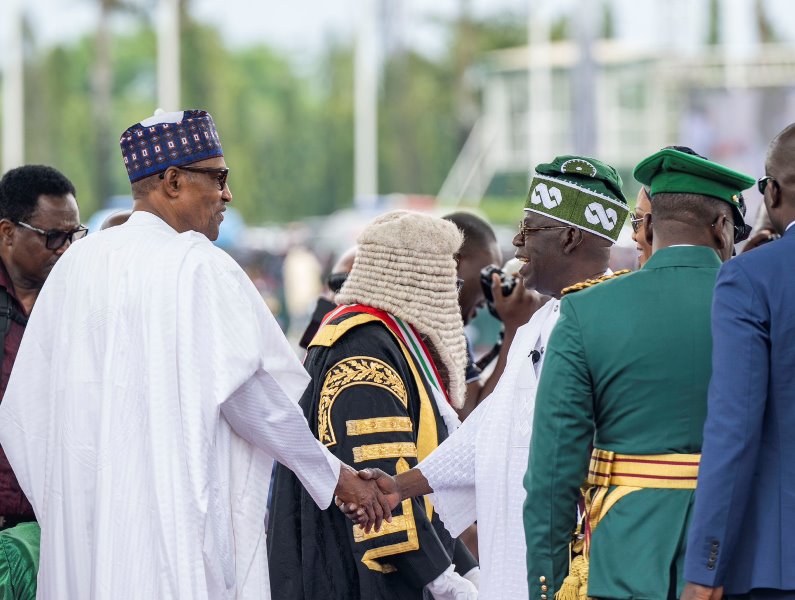
Bola Tinubu assumed office as Nigeria’s president on Monday 29th May 2023 amidst an era of unprecedented challenges for Africa’s most populous nation.
This development has elicited a range of responses from citizens, with some expressing optimism for a better life under his leadership, while others remain skeptical about the potential performance of his government compared to the previous administration.
The inauguration ceremony held in the capital city of Abuja was attended by thousands of Nigerians and several heads of government.
At 71 years old, Tinubu takes over the reins of a country projected to become the third most populous nation in the world by 2050, alongside the United States, India, and China.
Having previously served as the governor of Lagos, Nigeria’s economic hub, Tinubu has made assurances that he will build upon President Muhammadu Buhari’s efforts to bring democratic dividends to the populace.
The nation has been grappling with severe security crises, widespread poverty, and hunger, leading to mounting frustration and anger among its people. Tinubu’s commitment lies in addressing these pressing issues and fostering progress for the nation.
He won the elections with just 37 percent of the votes, which marked the lowest percentage of any elected Nigerian president since the transition from military to democratic rule in 1999.
Peng appreciated Denise Nyakeru’s efforts to improve the health and well-being of African women, children and adolescents as vice president of the Organization of African First Ladies for Development (OAFLAD).
Peng said that the Chinese side maintains friendly exchanges with the OAFLAD and is willing to strengthen cooperation and work together to contribute more to promoting the cause of women and children and building a China-Africa community with a shared future in the new era.
Peng introduced the positive achievements of the Spring Bud Project, a program launched by China Children and Teenagers’ Fund to help dropout girls return to school and improve teaching conditions in impoverished areas. Peng added it is hoped that the two sides could strengthen the exchange of experience in girls and women education to benefit the two peoples.
Noting this is the first time she and President Tshisekedi visited China, Denise Nyakeru thanked President Xi and Madame Peng for their warm and thoughtful reception, and they were deeply impressed by the vitality of China and the hard-working, heroic, and tenacious Chinese people.
Denise Nyakeru highly appreciated Peng’s long-term concern and support to the development of women, children and adolescents in African countries and looks forward to further strengthening exchanges and cooperation and jointly contributing to promoting Africa-China friendship.
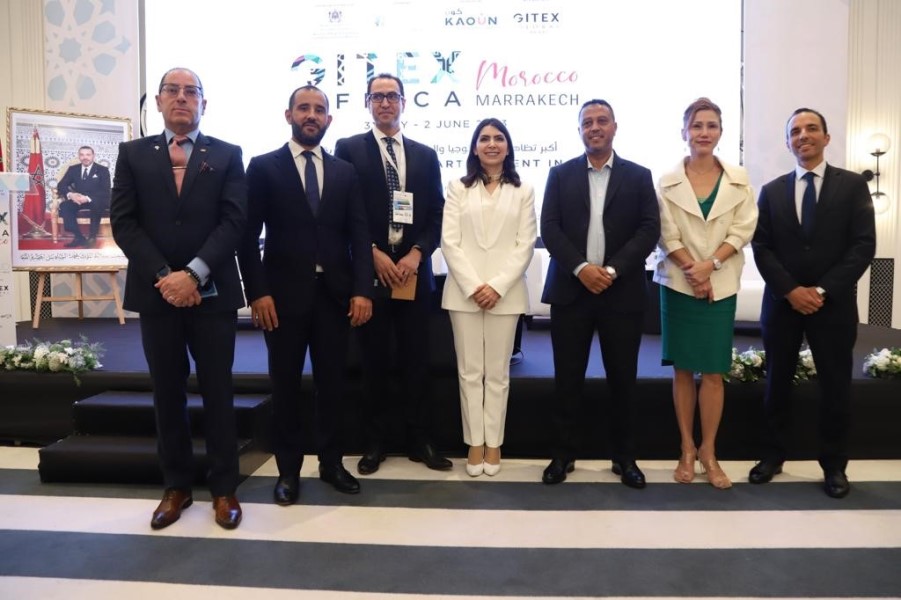
Addressing media at an industry roundtable briefing were senior executives from key exhibiting partners of Africa’s largest tech and start-up show, which makes its grand debut from 31 May – 2 June 2023 in the Red City of Marrakech.
Among these was Orange Maroc, Morocco’s second largest telecom operator. Ms. Hind Lfal, General Secretary of Orange Maroc said the French-headquartered multinational is steadfast in serving as the catalyst for technological growth while supporting Africa’s digital transformation and inclusion initiatives.
“As a Diamond Sponsor of the 1st edition of GITEX Africa, Orange Maroc is committed to accelerate the digital transformation of all companies, to support the development of innovative Moroccan start-ups, and to contribute to making Morocco a technological Hub in Africa,” said Ms. Lfal. “Thus, Orange is investing heavily in the most advanced connectivity networks locally and internationally as well as in modern and secure infrastructures supporting its trusted cloud offering.
“Orange relies on the expertise of a leading group present in 26 countries to provide the best customer service in the industry. Our commitment to excellence has been acknowledged through numerous awards and accolades, demonstrating our unwavering dedication to customer satisfaction.”
Chinese technology giant Huawei was one of the first exhibitors to sign-on for the 1st edition of GITEX Africa upon the show’s announcement to the world in October 2022 at GITEX Global in Dubai, the world’s largest tech and start-up event.
The tech titan opened its first office in Morocco in 2002, and has since created 8,000 local jobs underlining its commitment to augment Morocco’s digital transformation by providing a range of technological solutions and services to the public and private sectors while also training local talent in the fields of big data, AI, and coding.
Mr. Chakib Achour, Chief Strategy Officer at Huawei Morocco, said: “Science and technology development has accelerated Africa’s digital transformation, with Huawei being deeply engaged in the African continent for 25 years.
“GITEX Africa is the perfect opportunity to put real effort to develop our programs in the African region, and help companies to grow. The African region will be able to explore industry digitalisation trends and how technologies like cloud, AI, and 5G unleash industry values,” added Achour. “That’s why we’re coming to GITEX Africa – to unleash Digital for a new Africa.”
Dell Technologies is another headline GITEX Africa exhibitor and has been for last few decades a major enabler of organisations’ digital transformation in the region, providing technologies that empower efficiency, resilience, and progress.
“Dell Technologies, along with its partners, will showcase agile, secure, and future-ready IT infrastructure solutions at GITEX Africa 2023,” said Mr. Nawfal Saoud, General Manager, Morocco at Dell Technologies. “Innovation will fuel digital transformation projects, contributing to the realisation of the vision, at a time when the continent is embarking on ambitious plans to evolve African societies, generate inclusive economic growth, and stimulate job creation.
“We believe GITEX Africa presents a great opportunity to connect with organisations and stakeholders who are passionate about the digital transformation of Africa’s economy. We are looking forward to showcasing our end-to-end portfolio of solutions, which comprise multi-cloud, digital workplace, data, security, finance, client solutions and more.”
Other roundtable speakers addressing media about their GITEX Africa participation and aspirations towards advancing digital inclusion and sustainable economic development in the world’s second largest continent were Mr. Rachid Baarbi, Vice President of AUSIM; Mr. Ghassane Bouhia, Principal Advisor at EBRD; Mr. Imade Elbaraka, Morocco GM and Managing Partner at Deloitte Morocco Cyber Center; and Mr. Mohamed Ahazzam, Head of Presales – Francophone Africa at SAP North and West Africa.
“GITEX Africa is the ideal platform to catalyse digital transformation and innovation in the region,” said Mr. Bouhia. “By uniting key stakeholders, the event will generate the perfect momentum to empower start-up ecosystems and fuel Africa’s digital journey.”
Mr. Ahazzam added: “At GITEX Africa, SAP will showcase the latest innovations from solutions that embrace AI and Machine Learning, Blockchain, cloud and the Internet of Things (IoT). This showcase will allow the start-ups of the African region to accommodate around the uplifting digital transformation.”
Mr. Baarbi of AUSIM, an association committed to the development Morocco’s IT and digital sector, concluded: “We’re committed to continuing to promote discussions on the role of digitalisation in the transformation of Moroccan businesses, fostering national and international collaborations.
“AUSIM plays a crucial role in promoting the effective use of information and communication technologies across all sectors. Its objective during this major event is to foster the digital transformation of Moroccan businesses and support the development of the digital sector in the country.”
{{Uniting every community across Africa’s innovation ecosystem}}
GITEX Africa 2023 will welcome 900 exhibiting companies and start-ups, 250 leading investors, 250 conference speakers and 30 government delegations from more than 100 countries, while attracting tens of thousands of attendees from the across the continent.
The GITEX Africa Digital Summit will meanwhile lead ten conference tracks comprising 140-plus hours of mind-stretching content exploring the most pertinent transformational topics advancing Africa’s digital agenda, from generative AI and digital cities, or Fintech and agritech, to healthcare, energy, innovation, sustainable development goals, and a spotlight on the world’s most exciting start-up ecosystem.
GITEX Africa is held under the High Patronage of King Mohammed VI, under the authority of the Moroccan Ministry of Digital Transition and Administration Reform and hosted by the Digital Development Agency (ADD). The three-day super connector event is organised by KAOUN International.
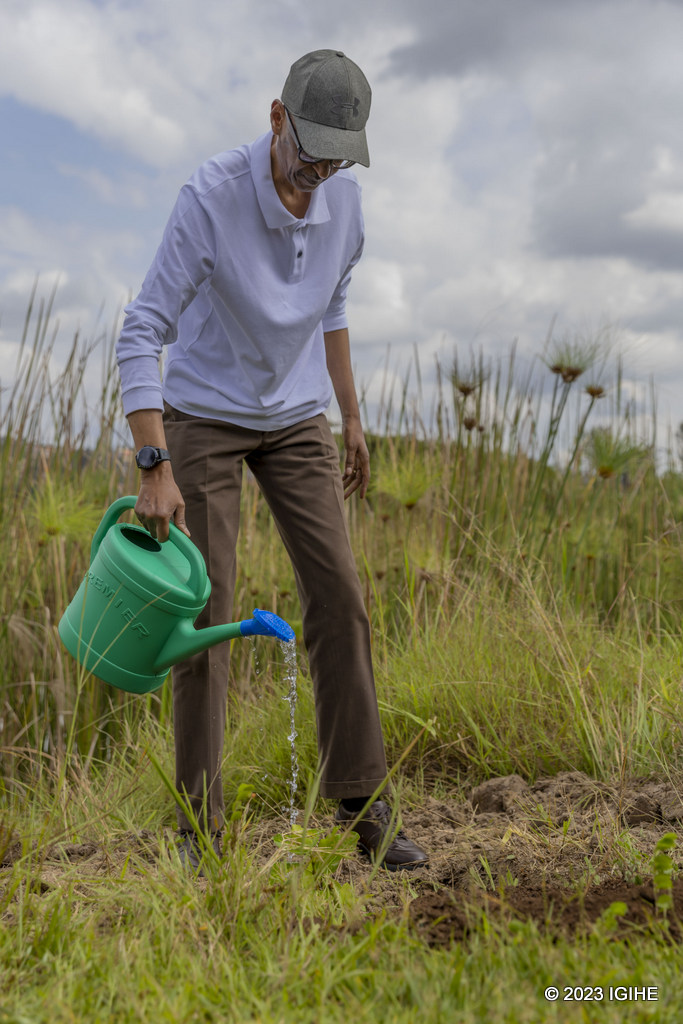
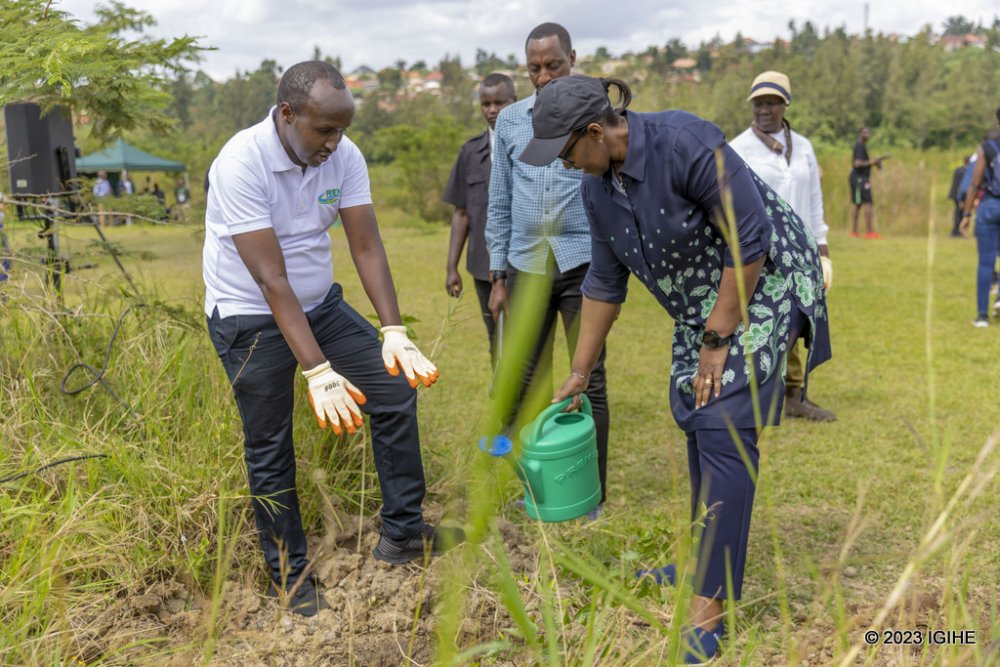
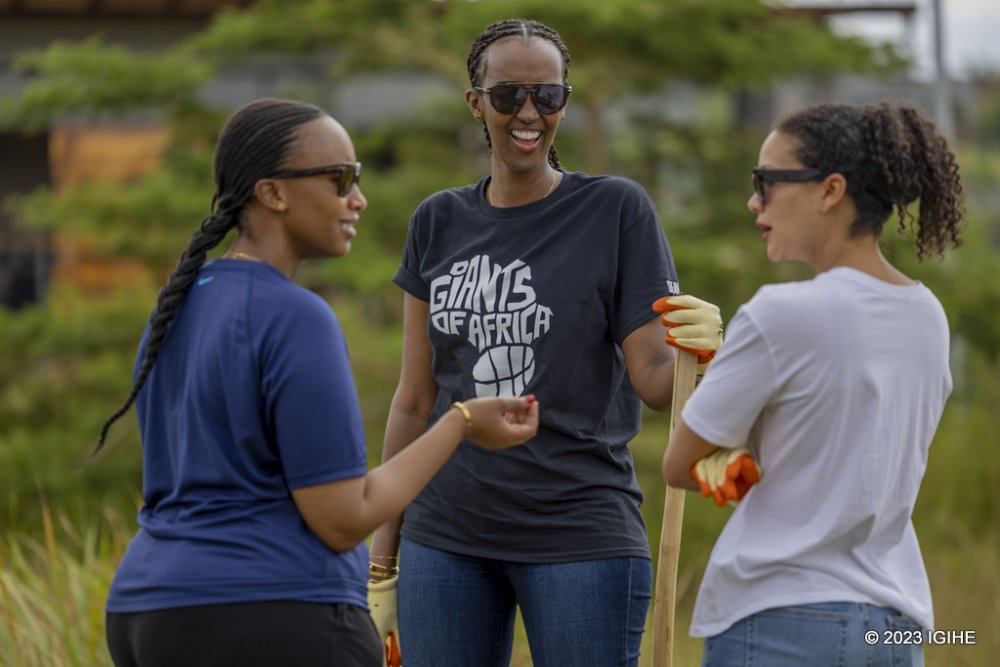
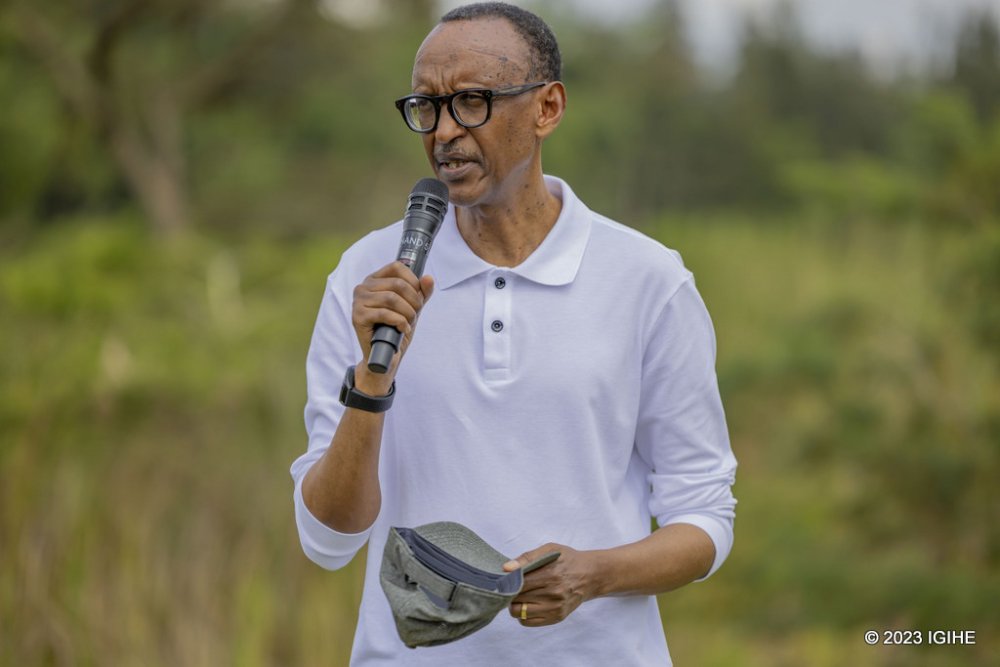
The monthly community work event was attended by guests who are in Rwanda for the Basketball Africa League (BAL) finals, which are scheduled to take place on Saturday. The finals will feature a face-off between AS Douanes from Senegal and Al Ahly from Egypt.
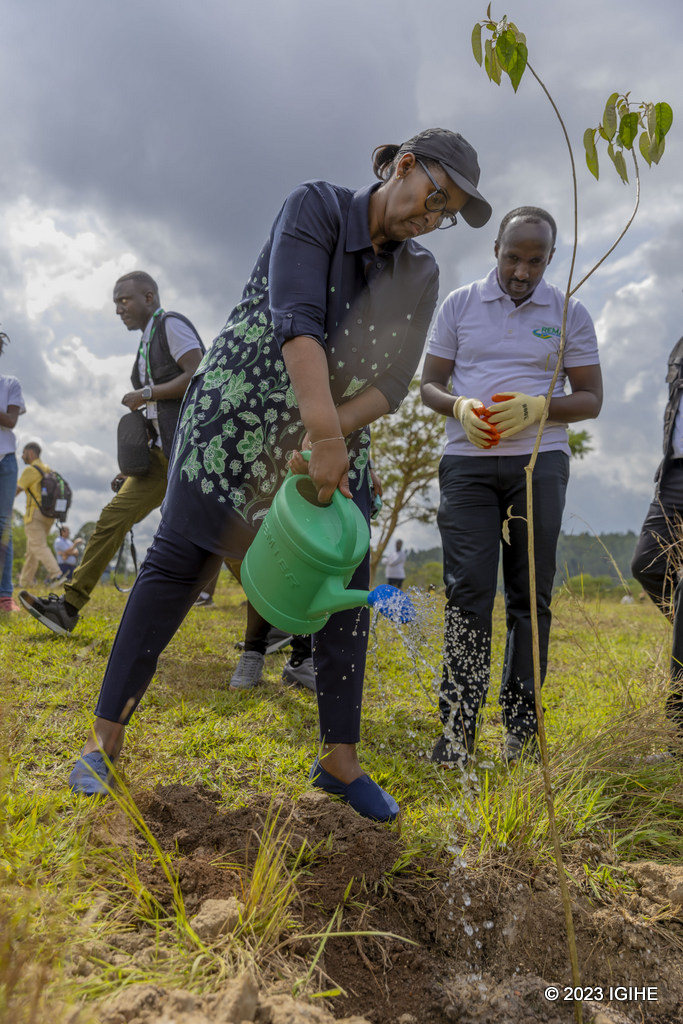
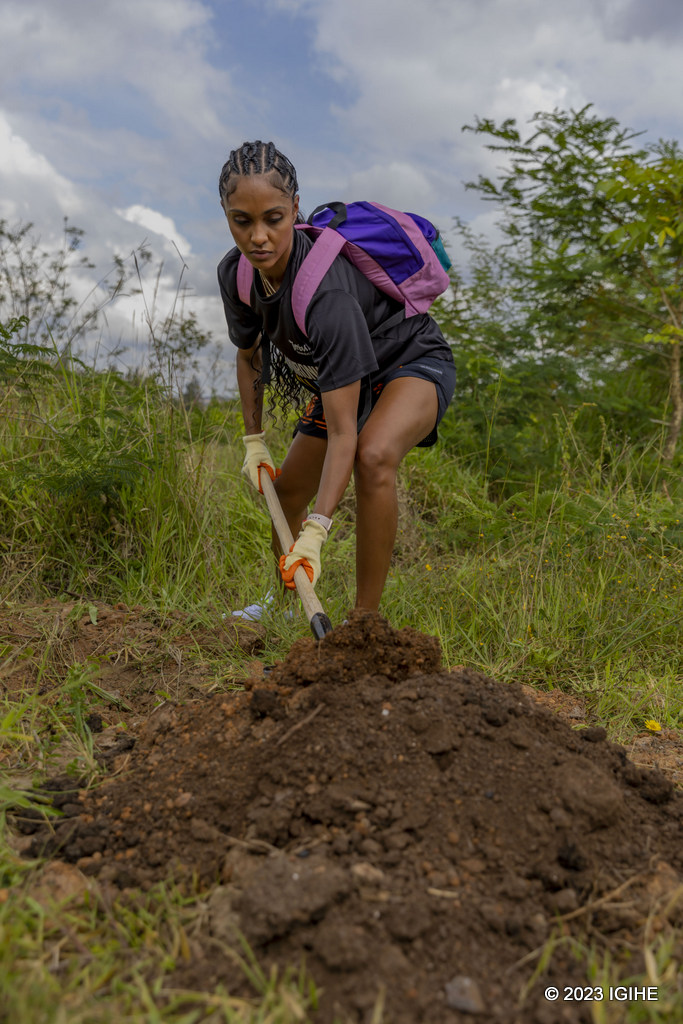
During the community work event, President Kagame familiarized the participating guests with the long-standing tradition of Umuganda in Rwanda.
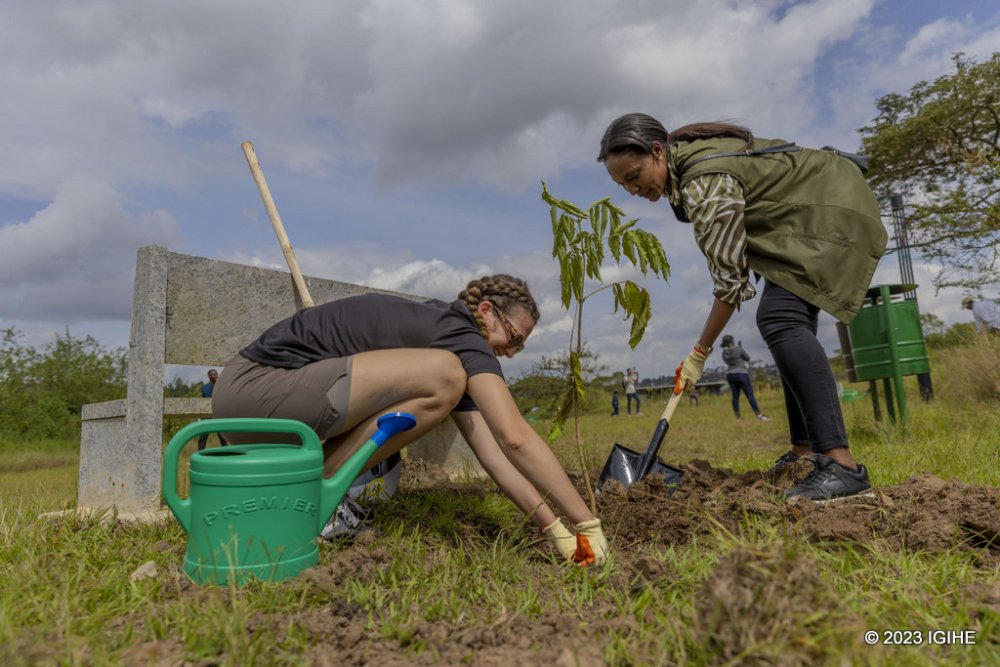
Umuganda serves as a platform to unite people for various community development initiatives, such as promoting hygiene, planting trees, and improving infrastructure among others.
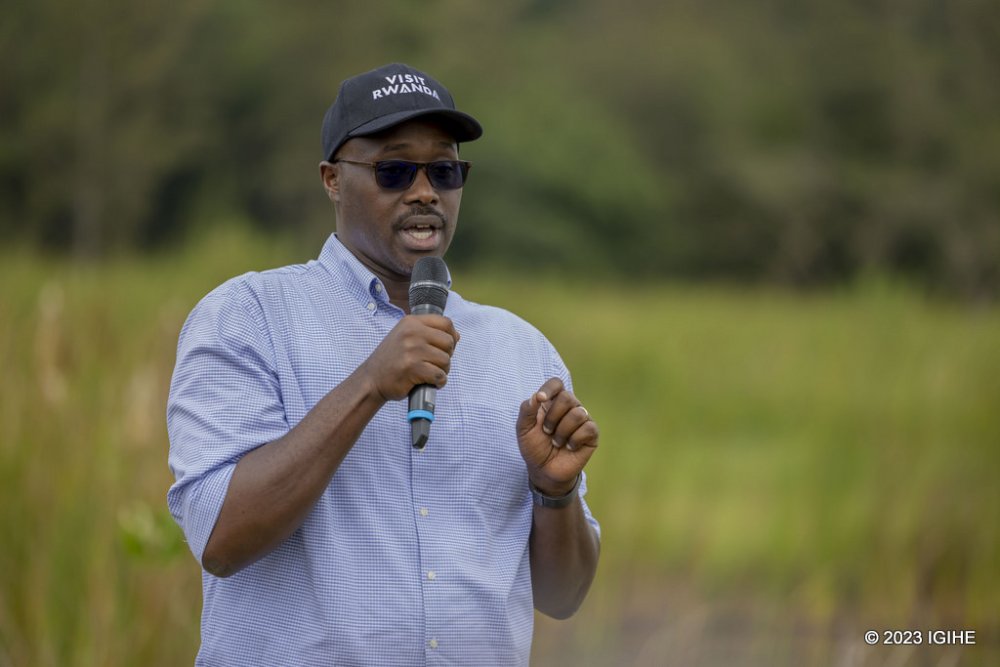
President Kagame expressed his gratitude to the guests for joining Rwandans in their community work efforts, emphasizing the significance of collective action for the betterment of society.
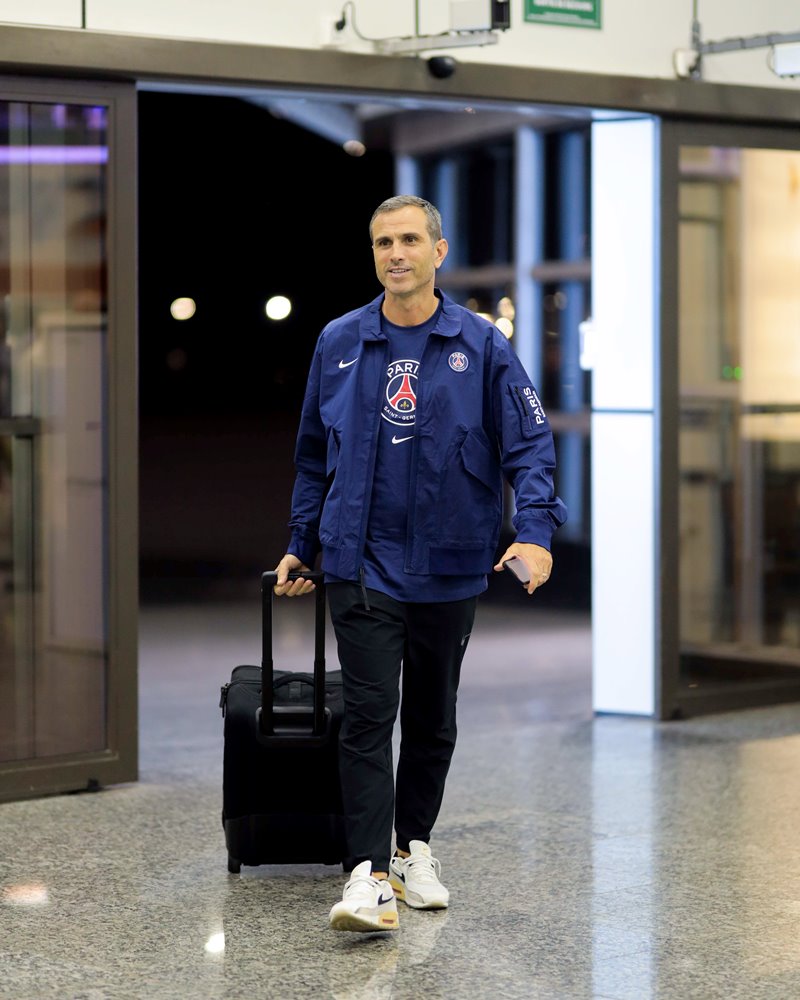
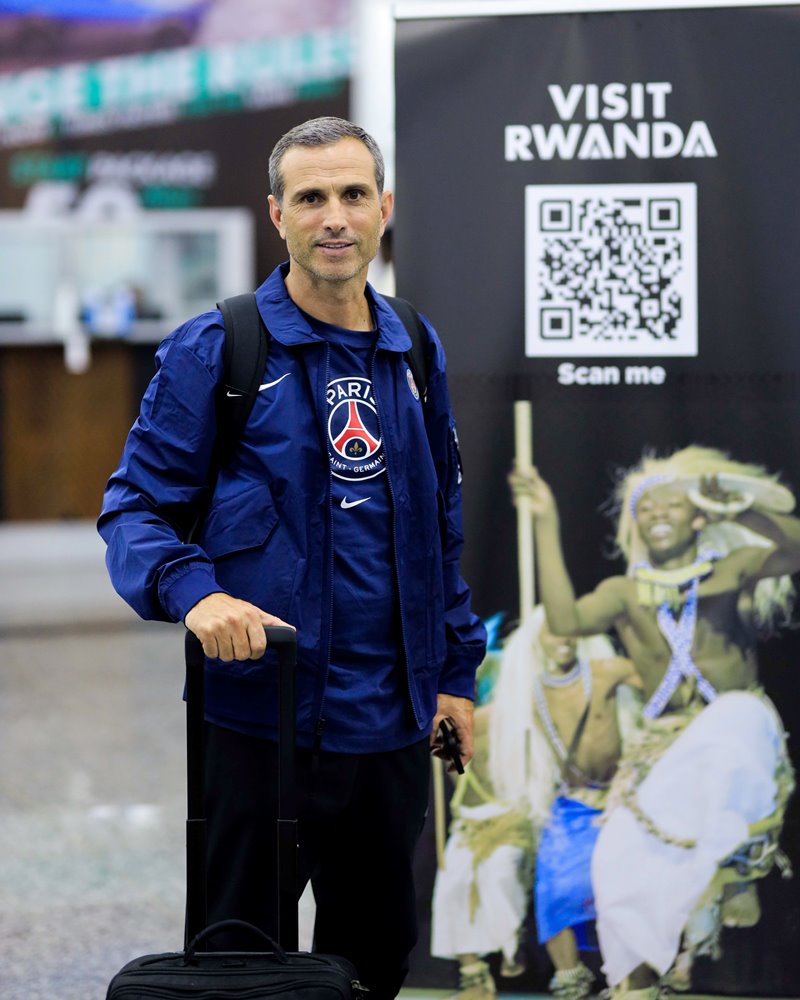
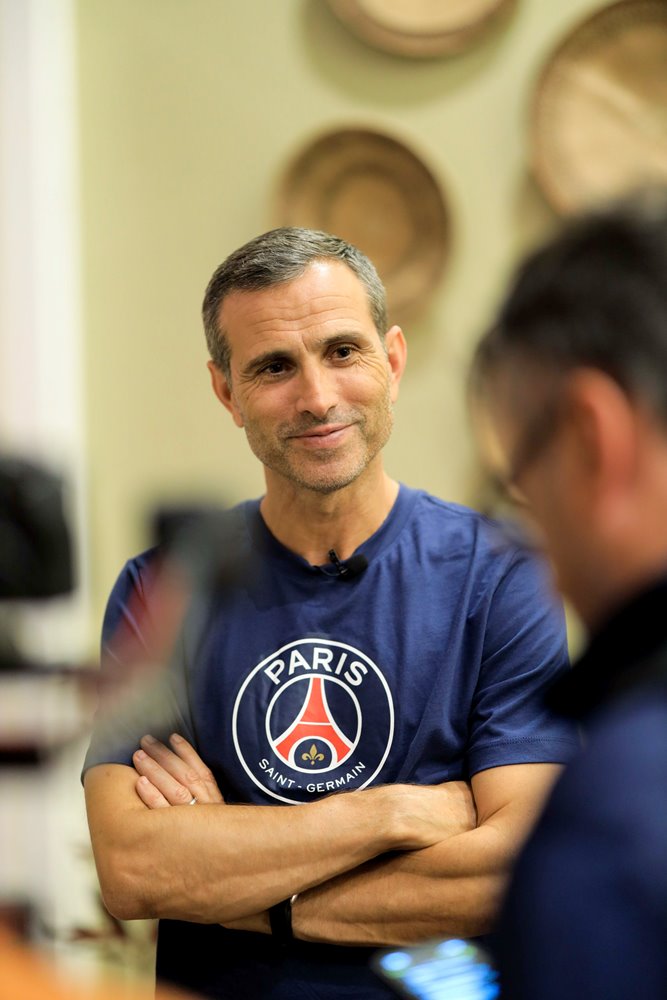
During his time in Rwanda from 26-29 May 2023, Pauleta and his delegation, including four French media, will explore and immerse themselves in Rwanda’s vibrant culture and captivating tourist attractions.
Pedro Pauleta, a former Portugal and Paris Saint-Germain FC striker, is one of PSG’s all-time leading scorers and a fan favourite.
While in Rwanda, Pauleta will also visit the PSG Academy in Rwanda located at the Huye District, Southern Province and join a training session with academy players. The PSG Academy trains future talents and encourages young Rwandans to pursue football as a professional career. Pedro will be joined in Huye by Nadia Benmokhtar, Head of Paris Saint-Germain Academy & Esport (International).
During his stay in Rwanda, the PSG legend will learn about Rwanda’s history and enjoy iconic attractions and experiences, including: Kigali Genocide Memorial, Basketball Africa League Final at the BK Arena, PSG Academy in Rwanda- Huye District, Southern Province, Gorilla trekking in Volcanoes National Park, Culinary and art experiences
Through the Visit Rwanda campaign, the Rwanda Development Board is working with Paris Saint-Germain to showcase the country as a premier tourism and investment destination in Africa and promote Rwandan tea and coffee. Rwanda and Paris Saint-Germain recently extended their partnership until 2025 after a fruitful initial three-year collaboration.
{{About Visit Rwanda}}
Visit Rwanda is the tourism and marketing initiative of the Rwanda Development Board, a government body responsible for fast-tracking Rwanda’s economic development by enabling private sector growth. Visit Rwanda works with local conservation, tourism, and development partners to create and market tourism experiences that benefit tourists, local communities as well as wildlife and ecosystems.
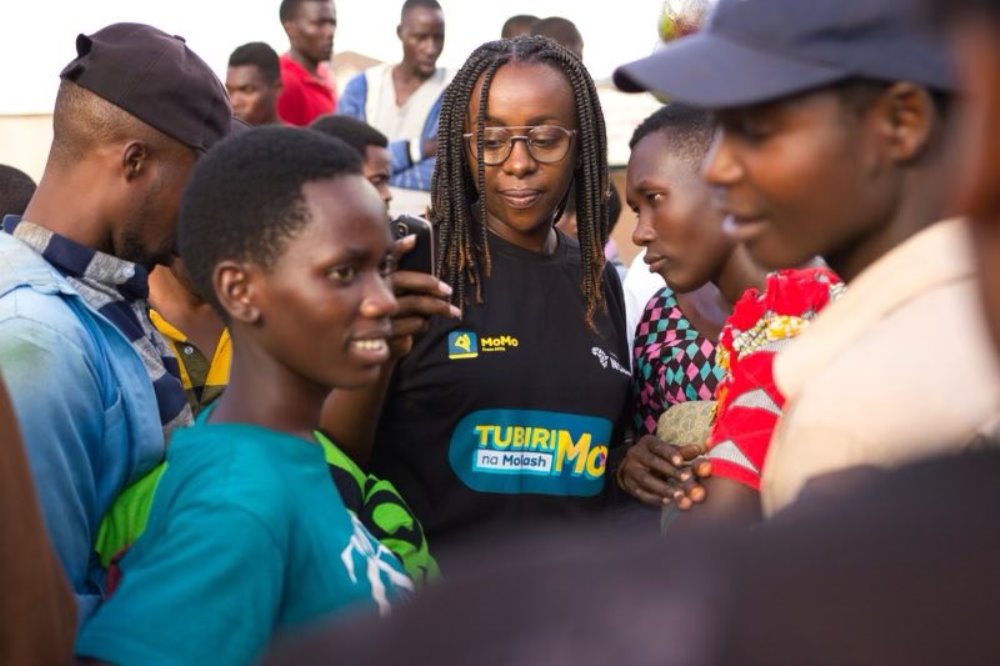
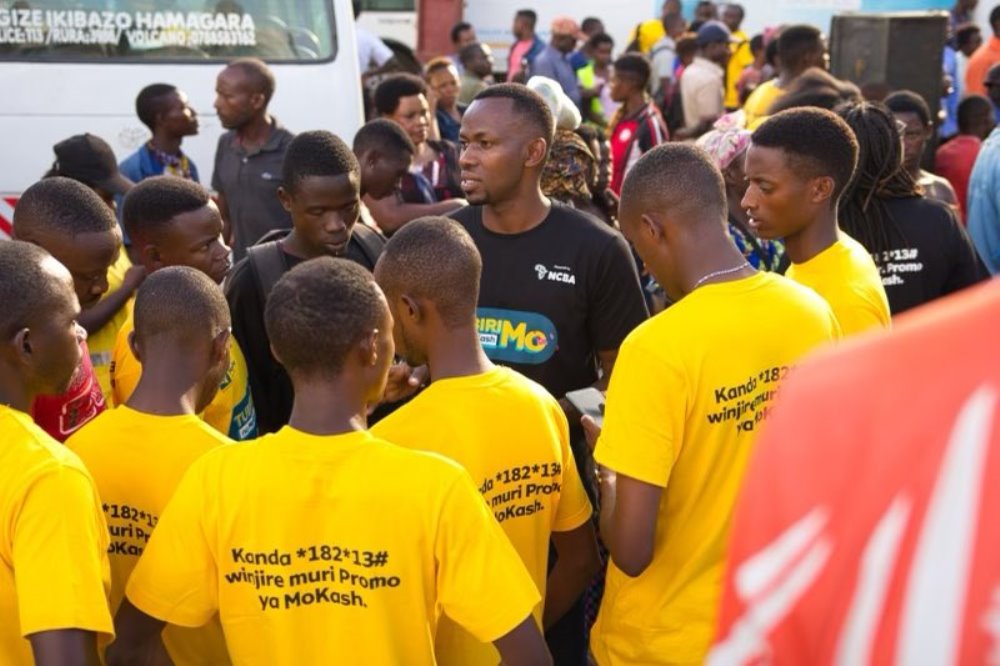
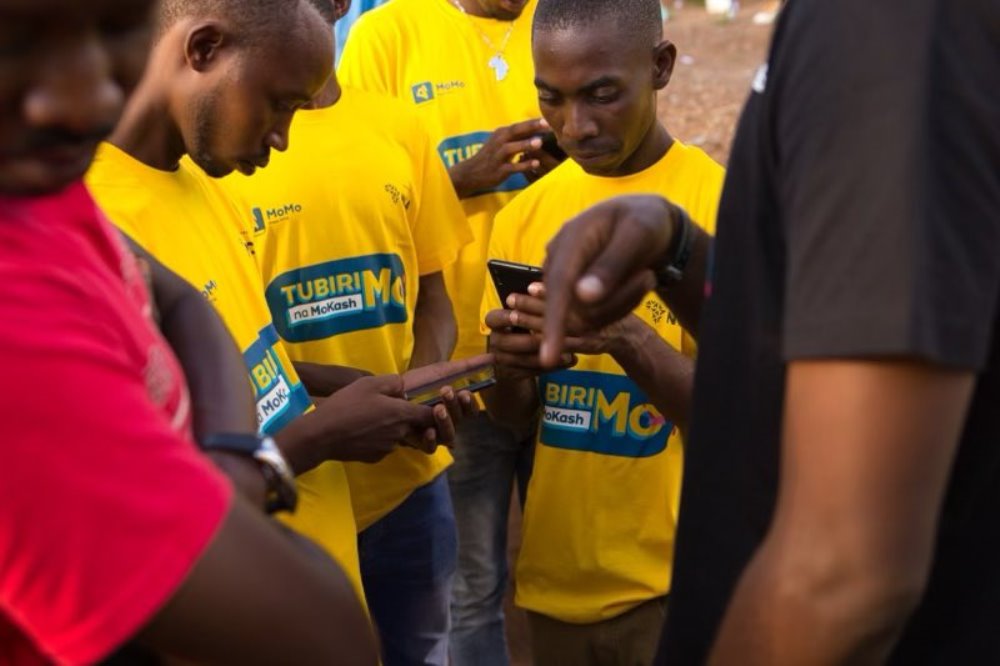
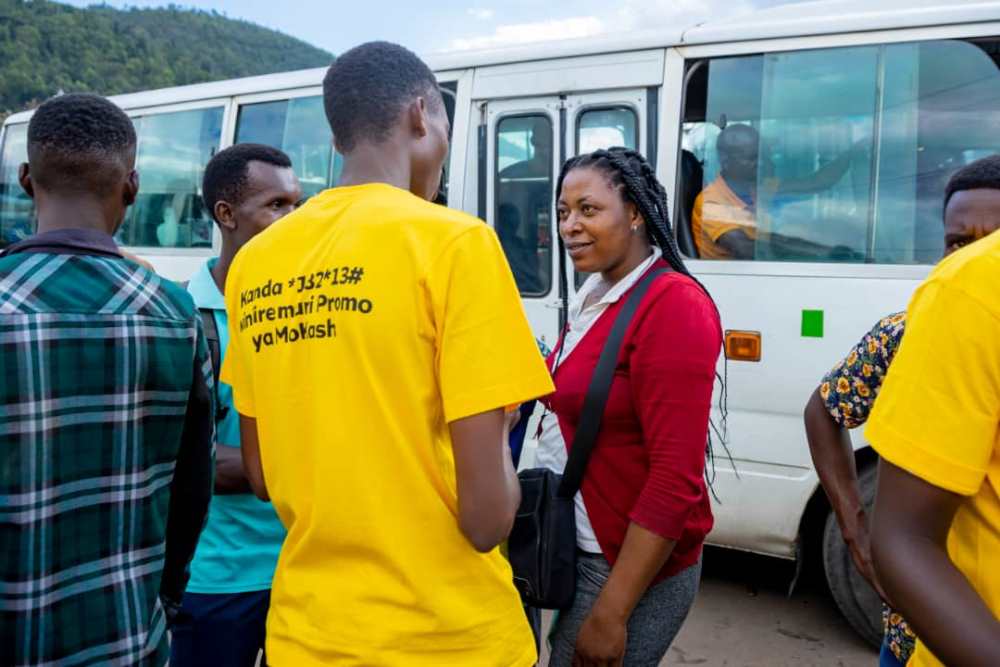
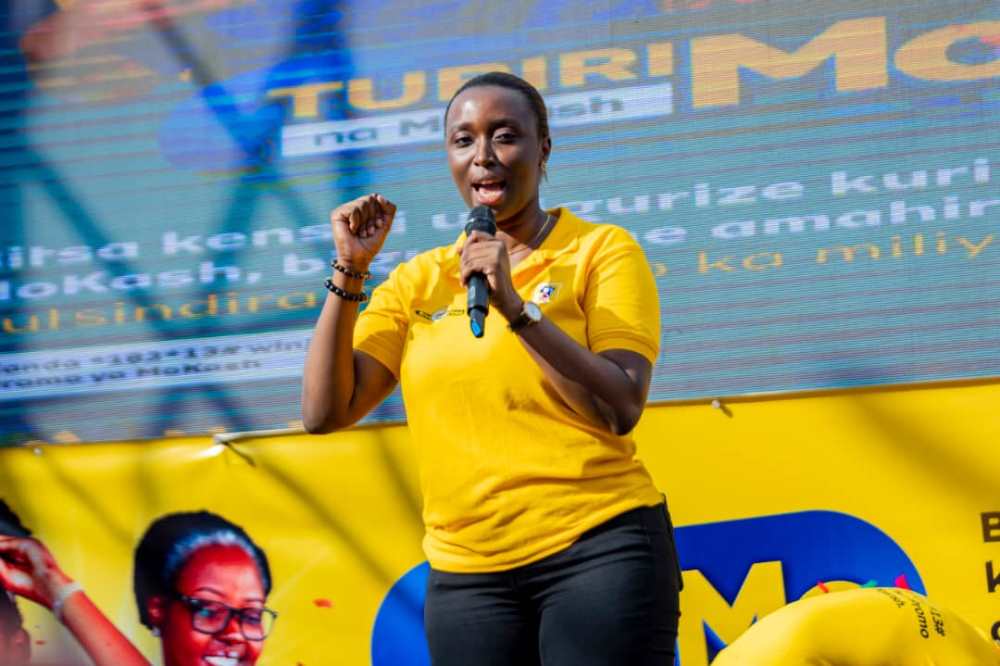
The campaign that is slated to last two months, will be rewarding twenty-five (25) customers a week of which fifteen (15) will be existing customers who actively participate by borrowing and saving within the campaign, and ten (10) will be new customers who opt-in to MoKash and demonstrate the highest frequency of savings. Additionally, there will be monthly cash prizes awarded at the end of each month. The customer with the highest frequency of savings and borrowing will receive various cash prizes of up to three million Rwandan Francs (Rwf 3,000,000). Furthermore, at the close of the campaign, the customer with the highest frequency of savings and borrowing will walk away with a grand prize of five million Rwandan Francs (Rwf 5,000,000).
Essentially, TubiriMo campaign is based on the concept that the more you save and borrow the more chances you have of winning.
Chantal Kagame, Mobile Money Rwanda Limited Chief Executive Officer highlighted “We are excited to kick off this TubiriMo campaign, offering our customers and even those who hope to join, exciting prizes to those who save and borrow with MoKash. TubiriMo is a call to action to make it happen. Whether it’s a business you’ve been meaning to start but have been short of capital or if there’s a plot of land you’ve been eyeing, you can make it happen by saving or borrowing with MoKash. Essentially, this campaign is underlined by our overarching mission to empower our customers with affordable and accessible loans as well as saving solutions that enable them to achieve their goals.”
Winners will be called on a weekly and monthly basis by MoMo Rwanda through this line 07840000000.
Lina M. Higiro, NCBA Bank Rwanda Chief Executive Officer also highlighting “We are thrilled to launch this ground-breaking campaign, ‘TubiriMO’, which aims to empower individuals and businesses alike to unlock their full potential through MoKash. With TubiriMO, we are providing our customers with an incredible opportunity to turn their aspirations into reality. Join us on a journey of financial empowerment and stand a chance to win big. Through affordable loans and innovative savings solutions, we are committed to empowering our customers and enabling them to achieve their goals. Let MoKash be your catalyst for success.”
MoKash is a suite of banking products that are offered to MTN Mobile Money customers to enhance the MTN Mobile Money value proposition. Saving increases chances of being eligible for a loan or higher limits. Customers also earn an interest of seven per cent per annum (7% pa) and have access to credit at an affordable fee of nine per cent (9%) of the amount borrowed. To-date, the product has over 3.6 million MTN mobile money subscribers and has disbursed over Rwf 110Bn in short-term micro-loans, Rwf7.8Bn in retail deposits and Rwf 9.2Bn in outstanding loans.
{{About Mobile Money Rwanda Ltd}}
Mobile Money Rwanda Ltd is MTN Rwanda’s FinTech subsidiary, established on 27th April 2021 to provide and manage Mobile Money services in Rwanda. The company has about 4.5 milllion subscribers over 65,000 Mobile Money agents and over 230,000 MoMoPay merchants across the country.
The penetration of Mobile Money has seen a continuous rise with the enhancement of existing offerings such as MoMoPay, MoMo eTicketing as a digital user-friendly ticketing solution, Tap&Go payments for bus services, Bill Payments, International & regional Remittances, Bulk Payments, Electricity purchase, Payment of Government services, Bank Push & Pull, MoKash Loans & Savings, and more.
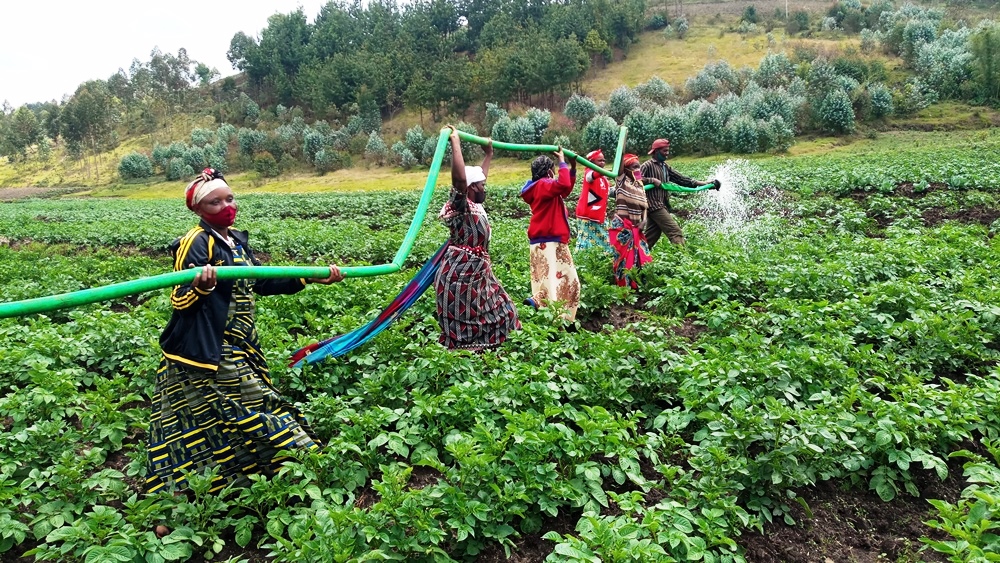
Supply chain disruptions partly caused by COVID-19 and the Ukraine crisis have made it difficult for African farmers who feed the population on the continent to have enough access to inputs such as fertilizer, it said.
“But the continent cannot continue to be defined by these shocks. We must focus on developing and strengthening the entire value chain of agriculture to ensure food security,” noted the statement.
“The current and future effects of climate change are a wake-up call for Africa to reorient its agriculture development agenda. Many best practices that have transformed the African agriculture sector are available to learn from and scale up,” it added.
The statement also called for interventions, including country-specific technologies, climate-smart technologies, and diversifying farming systems to ensure a robust agriculture sector to withstand internal and external shocks.
Organized by the African Continental Free Trade Area secretariat and the UONGOZI Institute, the two-day forum, under the theme of “Promoting intra-African trade to unlock agricultural potential in Africa,” brought together former and current African leaders to discuss and exchange ideas on ways to address pertinent challenges facing Africa.
“We call on all pensioners of the armed forces, including officers, non-commissioned officers, soldiers and all those who are able to carry arms, to go to the nearest military base to get armed,” Yassin Ibrahim Yassin said in a statement, adding that the move was intended to enable those people to defend themselves.
The statement stressed the Sudanese Army’s commitment to the humanitarian truce based on the moral responsibility to protect civilians and humanitarian aid, and accused the paramilitary Rapid Support Forces (RSF) of continuing its violations of the truce.
The statement described the clashes with the RSF as a “cities war” which has no time limits, stressing the Sudanese Army’s ability to defeat the remnants of the rebel force.
Earlier in the day, Saudi Arabia and the United States announced that Sudan’s warring parties are complying better with a seven-day cease-fire agreement signed on May 20 in the Saudi port city of Jeddah.
According to the agreement, which was brokered by Saudi Arabia and the United States and entered into force on Monday, the warring parties shall guarantee civilians’ freedom of movement throughout the country and protect them from violence, harassment, recruitment, or other abuses, as well as refrain from any violations of international human rights law. The parties shall also provide security guarantees for safe and unhindered access for humanitarian agencies.
In its latest update on the situation in Sudan on Wednesday, the International Organization for Migration said that the conflict in Sudan has forced more than 1.36 million people to flee their homes, including nearly 320,000 who have escaped to neighboring countries.
Sudan has been witnessing deadly armed clashes between the Sudanese Army and the RSF in the capital Khartoum and other areas since April 15.
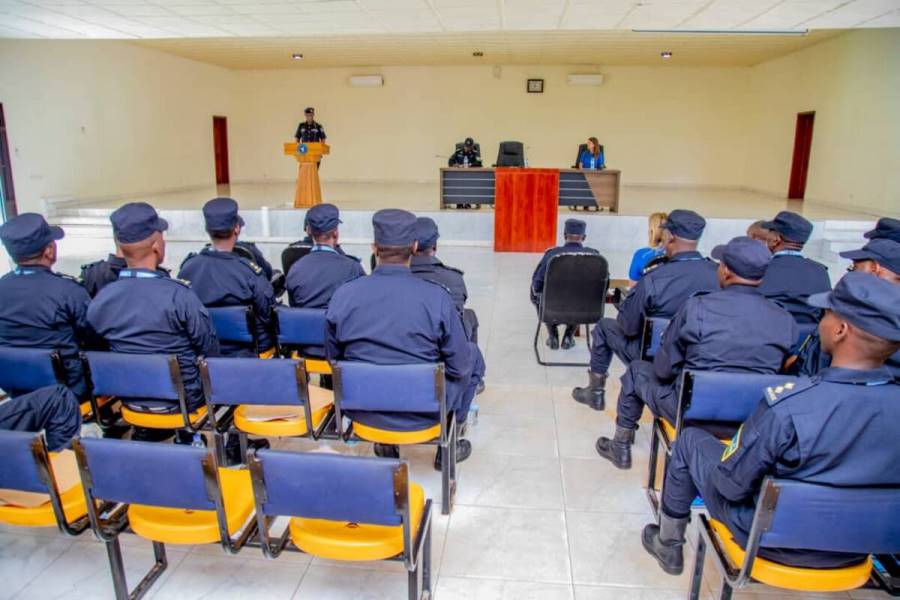
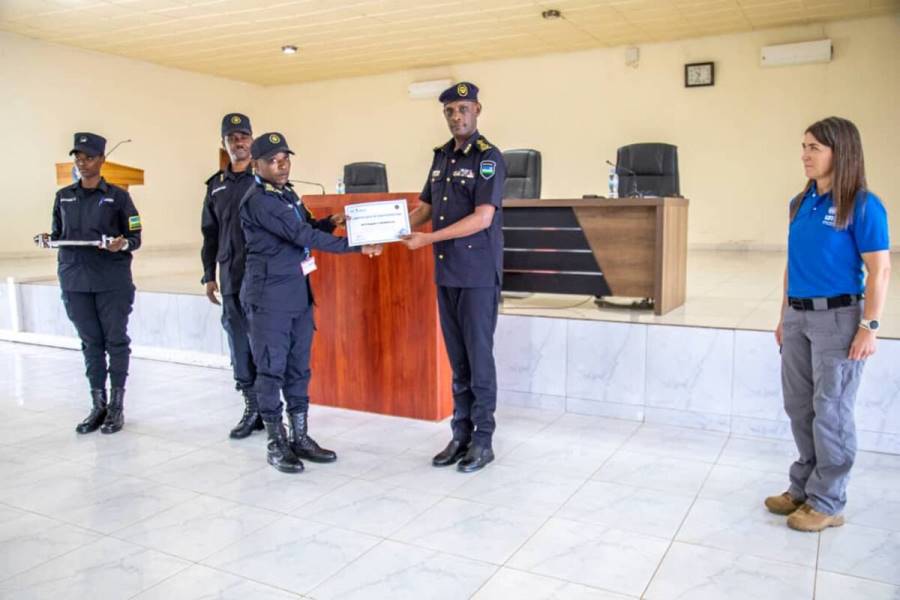
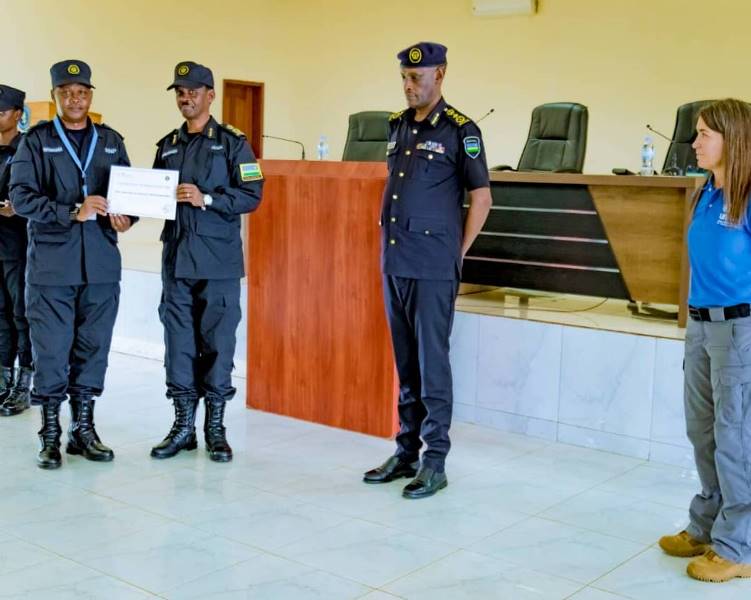
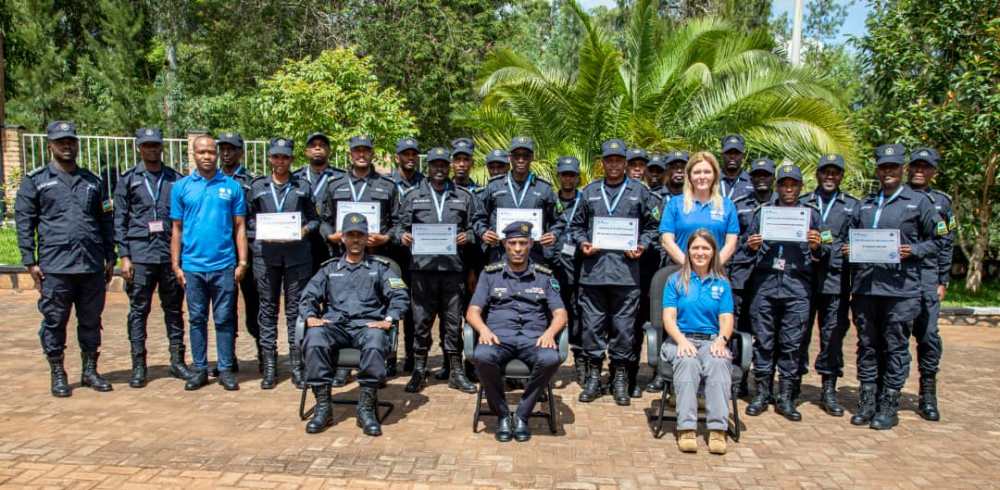
Commissioner of Police (CP) Bruce Munyambo, representing the RNP leadership, emphasized the significance of the training in reinforcing the force’s peacekeeping efforts. He highlighted the fruitful partnership between UNITAR and RNP, emphasizing that Rwanda National Police aims to contribute to peacekeeping missions for the betterment of the region and beyond.
CP Munyambo reiterated the importance of maintaining a competent, disciplined, skilled, and professional police force through regular training. He emphasized that this commitment aligns with the objective of achieving full operational capacity in mission areas. The CP reminded the trainees that the course has enhanced their capacity in peacekeeping operations training, urging them to effectively apply the skills acquired.
Eliane Maisonneuve, one of the UNITAR trainers, expressed gratitude to the trainees for their active participation throughout the course and acknowledged the support provided by the RNP leadership. She emphasized the continual learning process for trainers, highlighting the importance of learning from one another as facilitators.
Reflecting on the course, Assistant Commissioner of Police (ACP) Eugine Mushayija highlighted the diverse methodologies and modules that contributed to shaping them into effective trainers. ACP Mushayija expressed confidence in the skills acquired during the training and pledged to apply them in their respective training schools and programs.
Through the successful completion of the UNITAR course, Rwanda National Police continues to enhance its peacekeeping capacity, ensuring the development of competent trainers capable of meeting international standards in multinational peacekeeping operations.
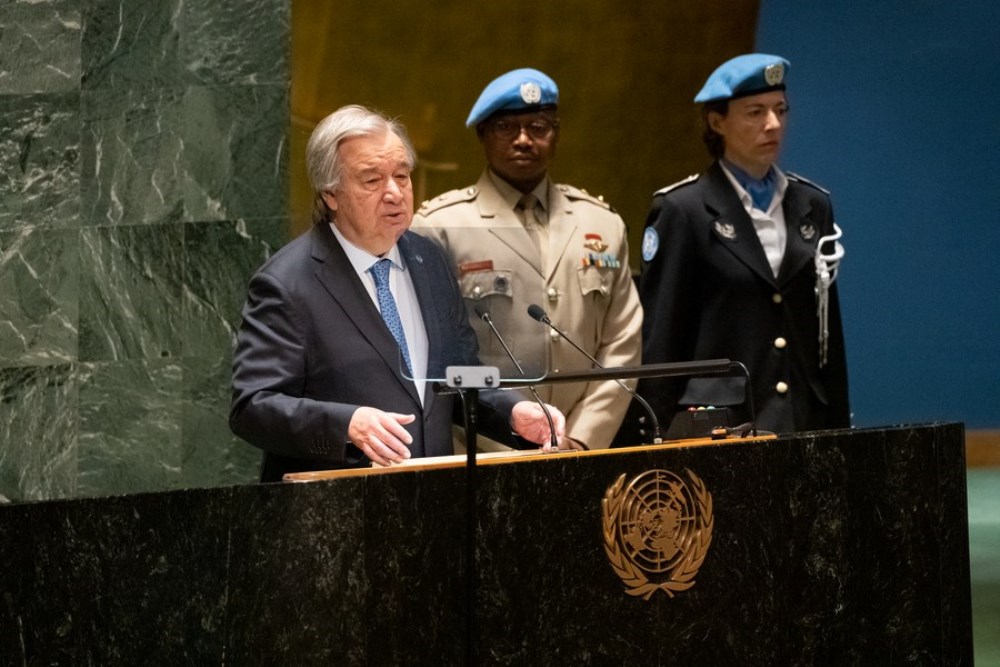
UN Secretary-General Antonio Guterres laid a wreath at the Peacekeepers Memorial in honor of the more than 4,200 UN peacekeepers who have lost their lives since 1948.
Moments later, he presided over a ceremony in the General Assembly Hall at which Dag Hammarskjold Medals were awarded posthumously to 103 military, police and civilian peacekeepers who lost their lives serving under the UN flag in 2022.
In remarks at the ceremony, Guterres said that for civilians caught in conflict, UN blue helmets who support security, stability and the rule of law in host countries are seen as “a beacon of hope and protection.”
“They represent the beating heart of the United Nations’ commitment to peace,” he said. “By bringing peacekeepers together from around the world, peacekeeping has also become an inspiring symbol of multilateralism in action.”
Thursday’s ceremonies were staged to observe the International Day of UN Peacekeepers, which falls on May 29, and to mark the 75th anniversary of UN peacekeeping.
The first UN peacekeeping mission was established in May 1948, when the UN Security Council authorized the deployment of a small number of UN military observers to the Middle East to form the United Nations Truce Supervision Organization to monitor the Armistice Agreement between Israel and its Arab neighbors.
According to a UN press release, more than 2 million peacekeepers from 125 countries have since served in 71 operations around the world. Today, 87,000 women and men are serving in 12 conflict zones across Africa, Asia, Europe and the Middle East.
Guterres pointed out that peacekeepers face a daunting array of rising global tensions and divides, and “are increasingly working in places where there is no peace to keep.”
“Despite all obstacles, our personnel persevere, risking their own lives in service of others,” said the UN chief. “I pay tribute to their service and sacrifice, which inspire our work every day.”
He expressed the commitment that the United Nations will do its utmost to support the peacekeepers, including improving their safety and security and the effectiveness of peacekeeping.
Guterres also presented the 2022 Military Gender Advocate of the Year Award to Captain Cecilia Erzuah, a military officer from Ghana who served with the UN Interim Security Force for Abyei.
Created in 2016, the award recognizes the dedication and effort of an individual peacekeeper in promoting the principles of UN Security Resolution 1325 on women, peace and security.
The resolution is a reminder that there can be no lasting peace without involving women at every step, Guterres said, noting that many negotiating teams and peace processes today are totally dominated by men.
“It’s up to all of us — governments, communities and local officials — to ensure that women play their full part, including as leaders, in building and maintaining peace,” he said.