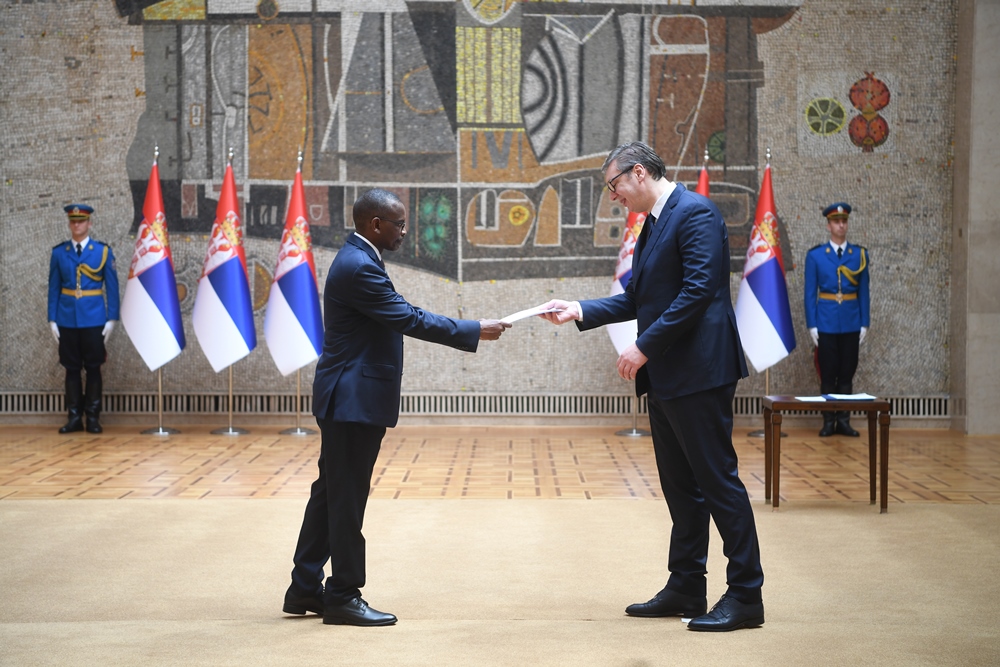
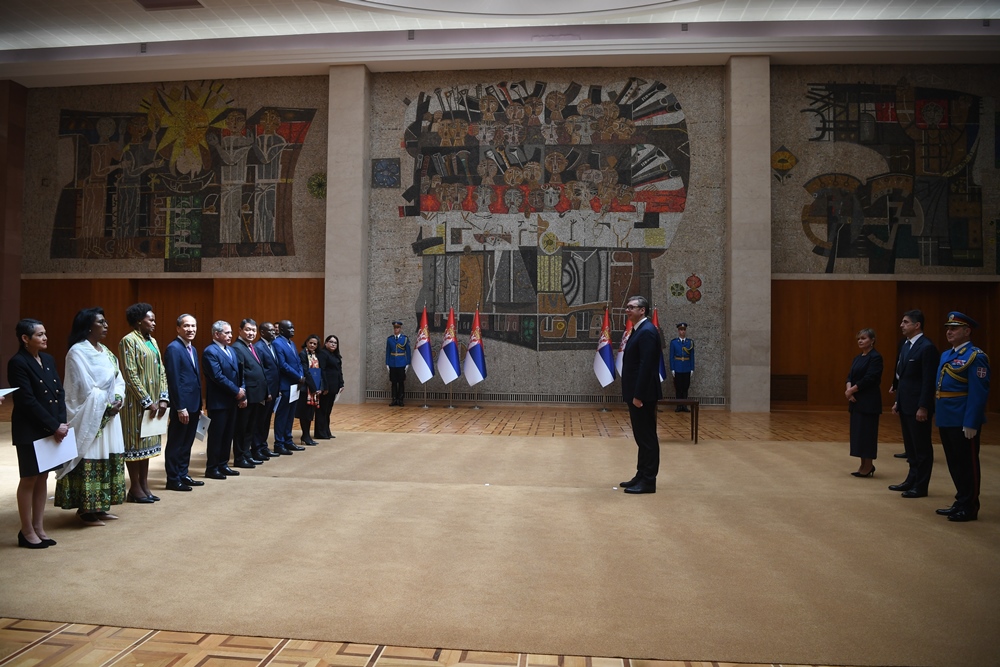
He presented credentials to the President of Serbia, Aleksandar Vui during a ceremony held on Monday 22nd May 2023.
The ceremonial event not only symbolizes the Ambassador’s formal accreditation, but also a commitment to deepening cooperation and fostering mutual understanding.
Following the presentation of credentials, Amb. Kamanzi delivered a message from President Paul Kagame to President Aleksandar Vui and the people of Serbia.
President Vui greeted Amb. Kamanzi warmly and assured him of his full support during his tour of duty.
In addition, the Serbian president conveyed his best wishes to Rwandan President Kagame and the Rwandan people.
Prior to presenting the letters of credence in Serbia, Amb. Kamanzi met with members of the Rwandan community in Serbia as well as friends of Rwanda.
Last month, Rwanda entered agreements with Serbia to import wheat and maize from the country. Meanwhile the East African country will also export coffee and tea to Serbia.
The latter exports 8.1 million tonnes annually.
With the current global crisis and shortage of supplies due to the Russia-Ukraine conflict, Rwanda is expected to largely benefit from Serbia- which is one of the largest exporters of cereals globally.
Before the crisis, 64% of Rwanda’s wheat imports were from Russia and Ukraine.
Rwanda also plans to send students to pursue technology related courses in Serbia.
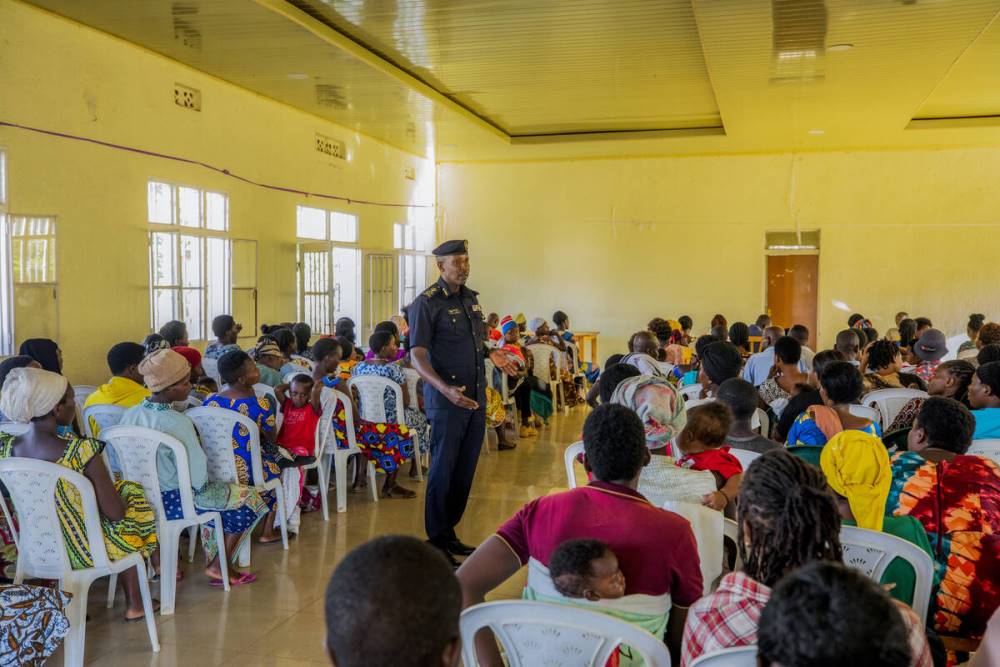
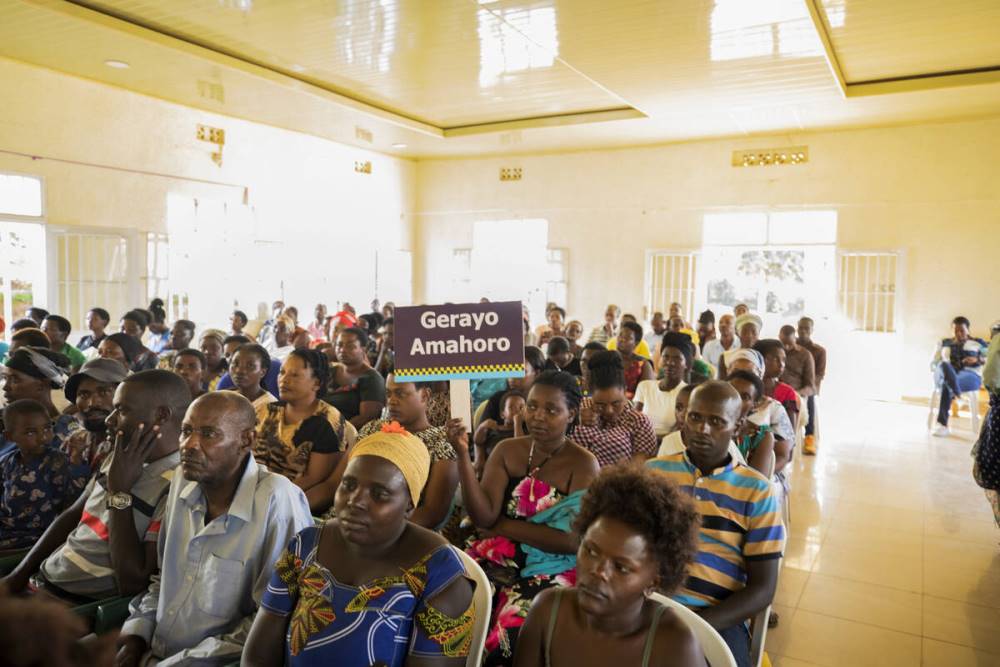
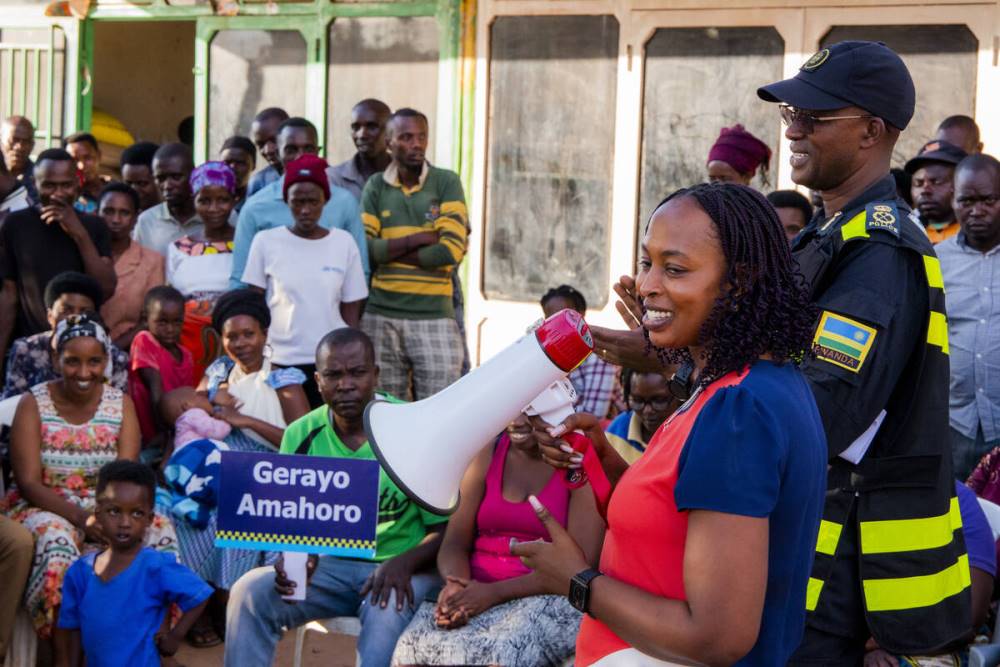
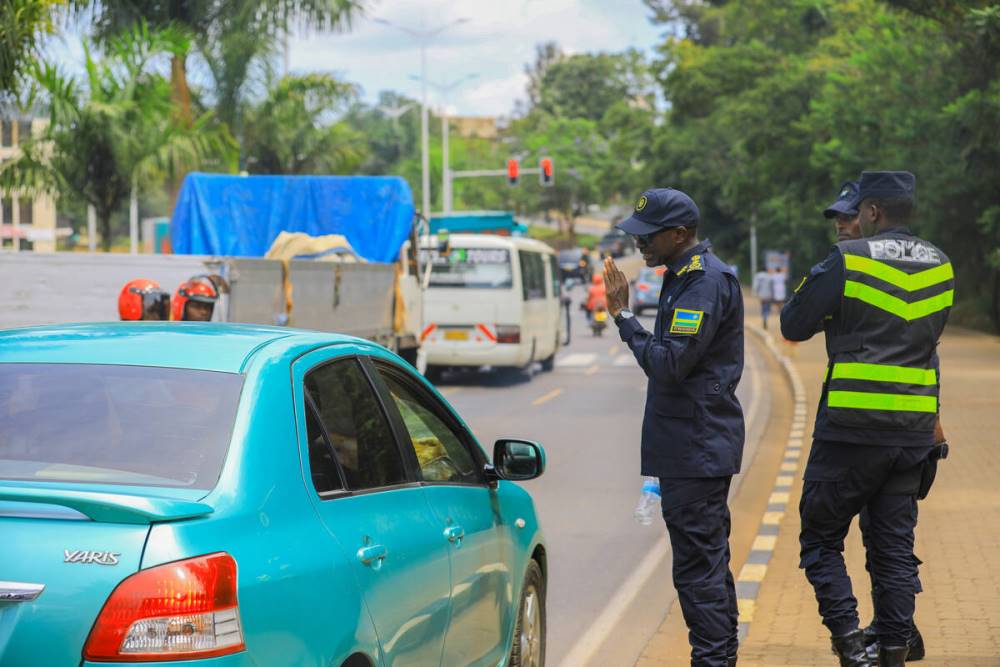
On Tuesday, May 23, Rwanda National Police addressed weekly village gatherings commonly known as ‘Inteko z’abaturage’ and reminded them of their responsibility as daily road users.
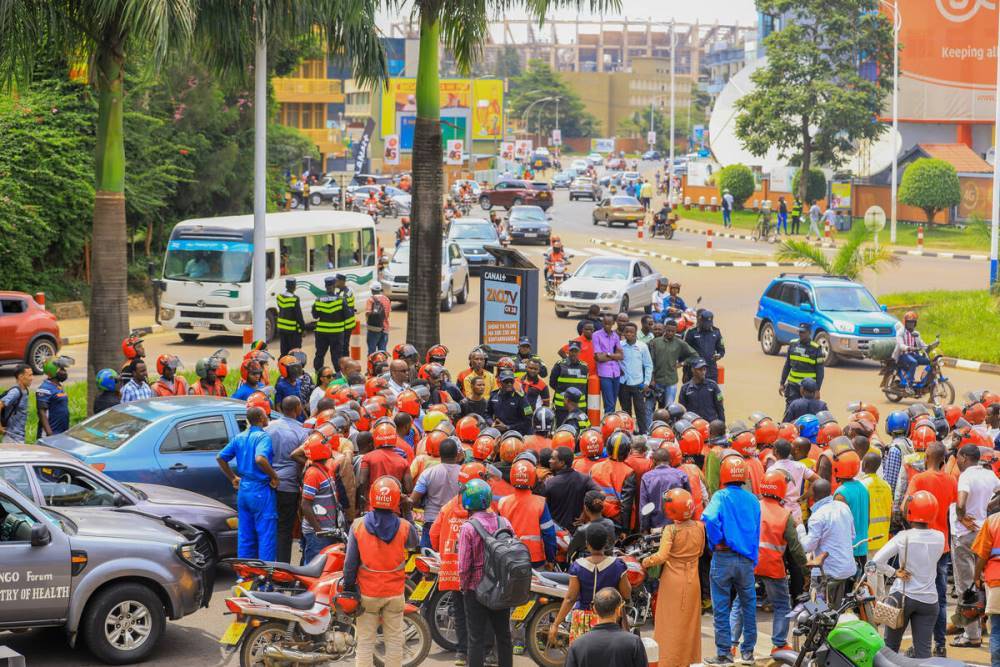
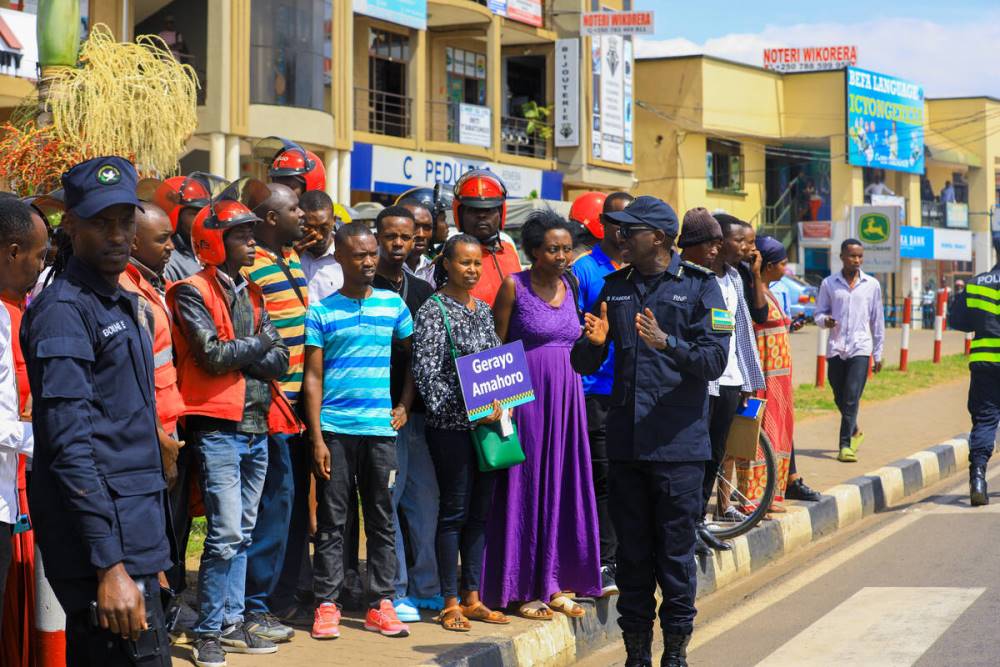
They were enlightened on traffic rules and regulations and urged them to comply with road safety standards not because they are bound by law but rather their choice to arrive safely to their destinations.
The RNP spokesperson, Commissioner of Police (CP) John Bosco Kabera stated that the road safety awareness campaign mission is to ensure safe roads for every road user and that everyone should participate.
“The ultimate goal of Gerayo Amahoro campaign is to reach every road user with road safety messages.
Drivers, passengers, motorcyclists, cyclists and pedestrians; all live in communities. They should know that they have a role in ensuring road safety as most accidents occur due to reckless human behaviours,” CP Kabera said.
He continued: “Road safety should be everyone’s responsibility, this is why we are disseminating road safety messages in the community so no one would be left out, every road user should be aware of traffic rules and regulations along with how to properly behave on the road for their own safety and that of others.”
Pedestrians, motorcyclists and cyclists are the majority victims or cause of road crashes.
CP Kabera hinted at careless behaviours of road users, which are likely to trigger fatal accidents like walking on the wrong side of the road, reckless crossing, drunk driving, dangerous overtaking and being distracted on the roads, among others.
Some of those, who attended Gerayo Amahoro awareness in different community gatherings, commended the Police efforts in educating all groups of road users countrywide to promote road safety culture.
“We were privileged to have our Police with us today in our community meeting. We discussed on different points of how to behave while on the road, there are some traffic rules and regulations that we were not aware of as pedestrians.
Only when every road user understands his or her role as a pedestrian, motorists and passenger, that we will all make our road safer for all,” said Jeannine Munyankindi, a resident of Muhima sector in Nyarugenge District.
She added: “I urge fellow parents to not let children on the road without supervision, we have to watch the kids and also teach them road regulations, pedestrian also should respect road signs. It is all about mindset and attitude change.”
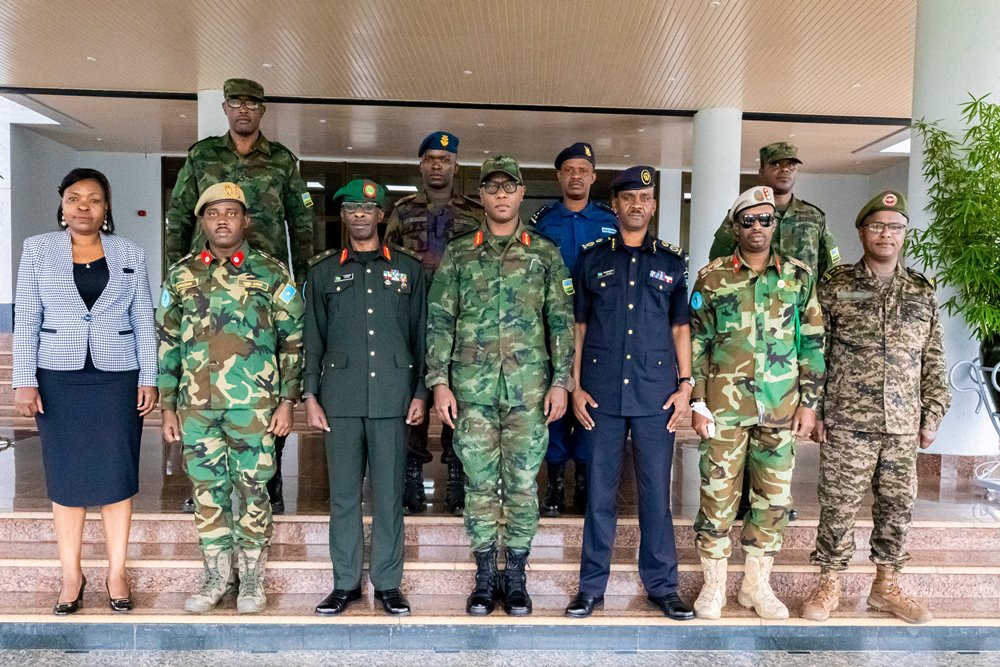
Personnel from Burundi, Comoros, Djibouti, Ethiopia, Kenya, Rwanda, Seychelles, Somalia, Sudan and Uganda participated in the training that aims to create synergies and enhance the knowledge and understanding of peace support mission planning, said the East African Standby Force (EASF) in a statement.
“We cannot fulfil our mandate of enhancing peace and security without an effective planning entity for our region,” said Uganda’s Chief of Staff of the Air Force Brig. David Gonyi.
He said the training will enable regional countries to respond to scenarios like terrorism, election violence and disaster management.
“There is no doubt that the commitment given to this learning process is a clear testimony that capacity building and enhancement have a place they deserve in Africa and the region,” Gonyi said.
The EASF, which consists of military, police and civilian components, was established to provide capability for rapid deployment of forces to carry out preventive deployment, rapid intervention, peace support and stability operations, and peace enforcement.
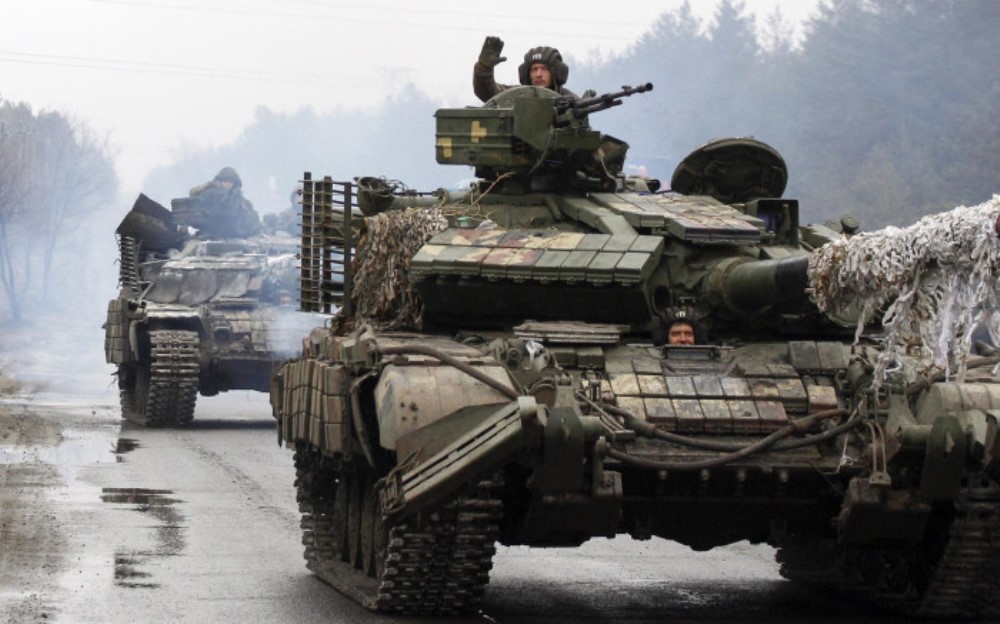
Borrell said after Tuesday’s EU defense ministers’ meeting that the overwhelming majority of member states had backed a proposal to increase the European Peace Facility budget by 3.5 billion euros (3.77 billion U.S. dollars), although he stressed that not all of it will be used to assist Ukraine.
“I still don’t have unanimity on this, and it’s still being discussed,” he said, adding that he expected the remaining “hurdles” to be surmounted soon. He recalled that more than 10 billion euros in military support have already been provided to Ukraine.
Borrell said EU countries had already provided Ukraine with 220,000 artillery shells and 1,300 missiles since March. These alone were worth 800 million euros and the EU was on track to provide 1 billion euros worth of ammunition.
“Our aim is to provide one million projectiles over the next 12 months,” Borrell said, adding that the EU had already trained 20,000 Ukrainian soldiers and was on track to train 30,000 by the end of the year.
He explained that as part of a three-pronged strategy, member states are being asked to provide ammunition from their own stocks. There is also an effort for the joint procurement of 155 mm caliber ammunition and to boost the capability of European industry to manufacture the necessary ammunition.
Jens Stoltenberg, secretary general of the North Atlantic Treaty Organization, attended the meeting and briefed ministers on the latest developments in the conflict in Ukraine.
Borrell welcomed the decision to initiate training programs for Ukrainian pilots on F-16 fighter jets. He said the training created a positive momentum that will eventually lead to the deployment of these jets in Ukraine.
“I am glad that pilot training has already started, and I hope that soon we will be able to provide this weapon to Ukraine,” he said prior to the start of the meeting in Brussels.
According to data from the Russian Unified State Register of Legal Entities, the deal was completed on Monday. The Avilon subsidiary has acquired Volkswagen’s car sales and after-sales service business, the spare parts warehouse and its financial services business in Russia.
Volkswagen Group Rus LLC owned an automobile plant in Kaluga with a capacity of 225,000 cars per year. It suspended production in 2022.
Avilon is a Russian car dealer with a portfolio of 44 brands, including Chinese brands Chery, Changan, Haval, FAW, Exeed, Geely, and Voyah. In 2021, Avilon sold 36,600 cars, with revenues amounting to 154 billion rubles (1.9 billion U.S. dollars).
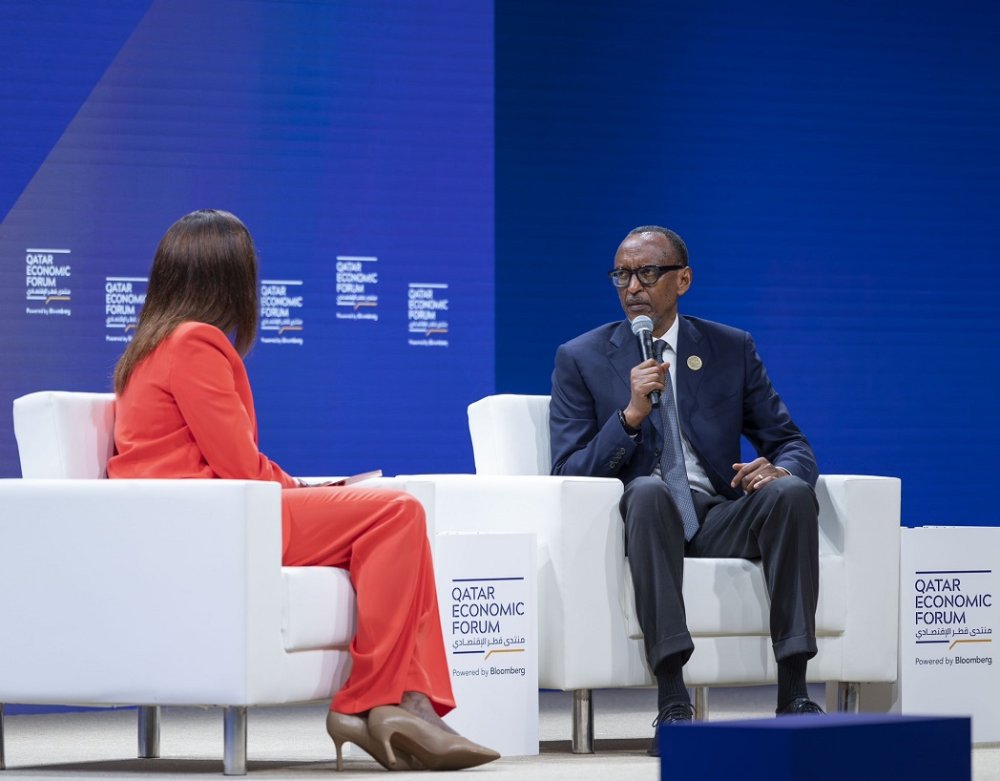
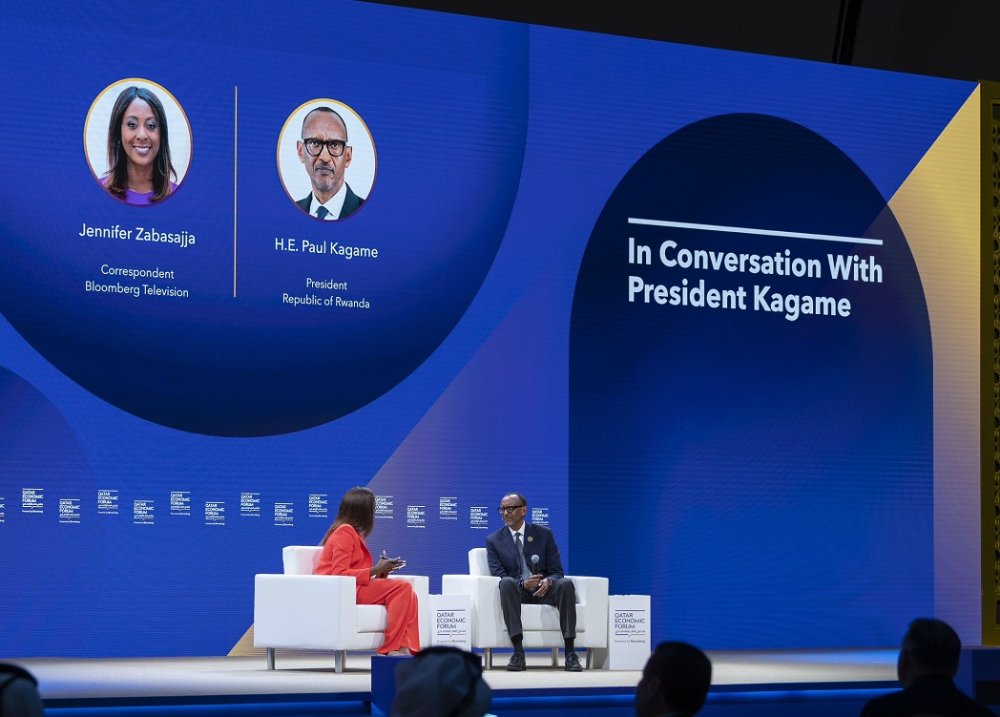
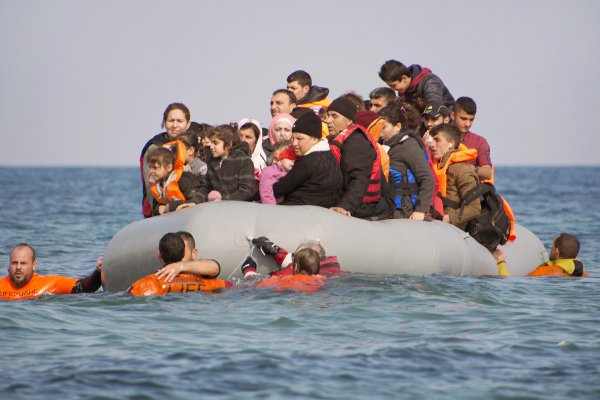
The Head of State made the disclosure at the 3rd Qatar Economic Forum reacting to a question about criticisms by a United Nations agency which recently claimed that sending migrants to Rwanda would bring potential harm.
Kagame was also asked to comment on possible benefits for Rwanda to pull from the Migration and Economic Development Partnership signed between Rwanda and UK in April last year.
“We did not really beg anybody to work with us or to send migrants to Rwanda. It’s an idea that developed to solve a problem. And migrant issues are about human capital gaps that exist and have these movements but the origin can also be instability in different parts of the world,” he said.
“The partnership, therefore, was forged around saying how do we address this problem? And there came a development partnership around that, which would mean resettling migrants who need to settle down and have the freedom to do what they want to do in places that they are stable,” added Kagame.
The President highlighted that In fact the current UK migration problem that is being talked about, came later following Rwanda’s interventions to help migrants from Libya.
He explained that the efforts have yielded fruits adding that more European countries are contacting Rwanda for similar agreements to address migrant crisis.
“We started with resettling, and receiving people from Libya, who were stuck in Libya because of instability that developed in Libya and there were many Africans coming from different parts of Africa caught up in Libya heading to Europe,” noted Kagame.
“It started in 2018, and we have heard a number of them brought to Rwanda. Some stayed, processed, others have gone to different countries but it has been done properly and saved lives of people who were caught up in the situation. Learning from that, that is how the UK [partnership works], and there are other European countries that have been contacting us to address this,” he added.
The President also reiterated Rwanda’s readiness to receive migrants working with UK.
Kagame’s comments followed statements by the United Kingdom (UK) Home Office accusing the United Nations High Commissioner for Refugees (UNHCR) of hypocrisy regarding their plan to send migrants and asylum seekers to Rwanda.
In 2019, the UNHCR played a crucial role in a program aimed at relocating migrants stranded in Libya. This initiative, supported by the Rwandan government and other partners, led to the establishment of a transit camp in Gashora, Bugesera District.
The migrants housed in this facility receive accommodation and necessary care. Since the program’s inception, over 1,500 migrants have been relocated to Gashora, with nearly a thousand of them being granted asylum in third countries.
However, despite this precedent, the UNHCR opposes the United Kingdom’s policy of relocating migrants to Rwanda. This position became evident during a recent hearing at the British Court of Appeal.
The UK Ministry of Interior has labelled the criticisms as a double standard given that Rwanda and the UNHCR already have a similar agreement in place.
The agreement signed last year sets the stage for the deportation of migrants and asylum seekers staying in the UK illegally to Rwanda.
The UK made this decision to discourage illegal crossings into the country and to reduce the budget spent on illegal migrants every year.
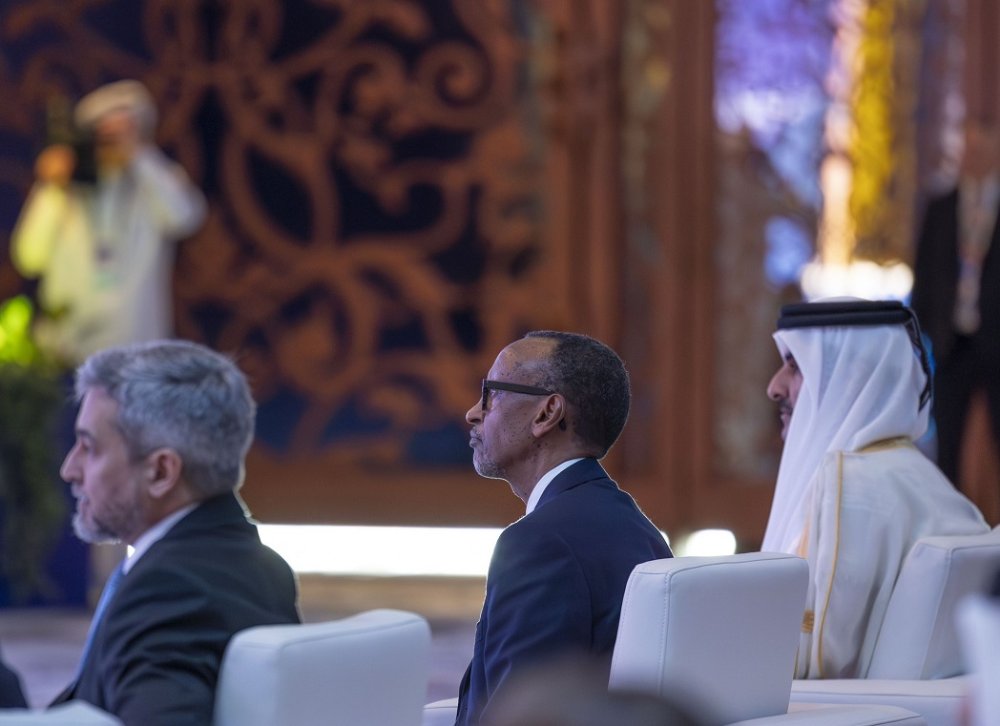
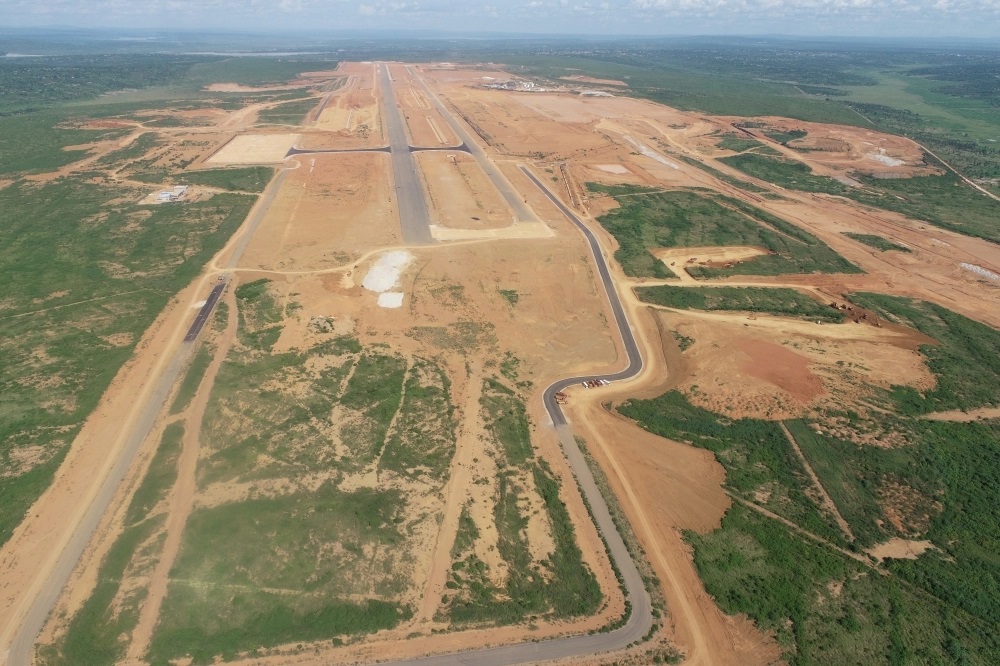
Speaking at the 3rd Qatar Economic Forum in Doha, Kagame addressed the partnership between Rwanda and Qatar, including their investments in RwandAir and the ongoing construction of Bugesera International Airport.
He emphasized the progress made through negotiations and the implementation of agreed plans, expressing the need to expedite the construction process for a prompt operational launch.
“We have done all that with negotiations and we are actually implementing what we agreed. We are partnering in the airline but we are also in the airport that we are jointly investing in. The work is in progress, we have gone a long way, we are just trying to speed it up to make sure that we are ready up and running in a short time,” President Kagame noted.
President Kagame also provided insight into the anticipated development by the end of this year, stating, “The airline is very strong already and is growing very fast. The airport, maybe, we should be around 70%. I guess next year, in the third or fourth quarter, we shall see things standing and going.”
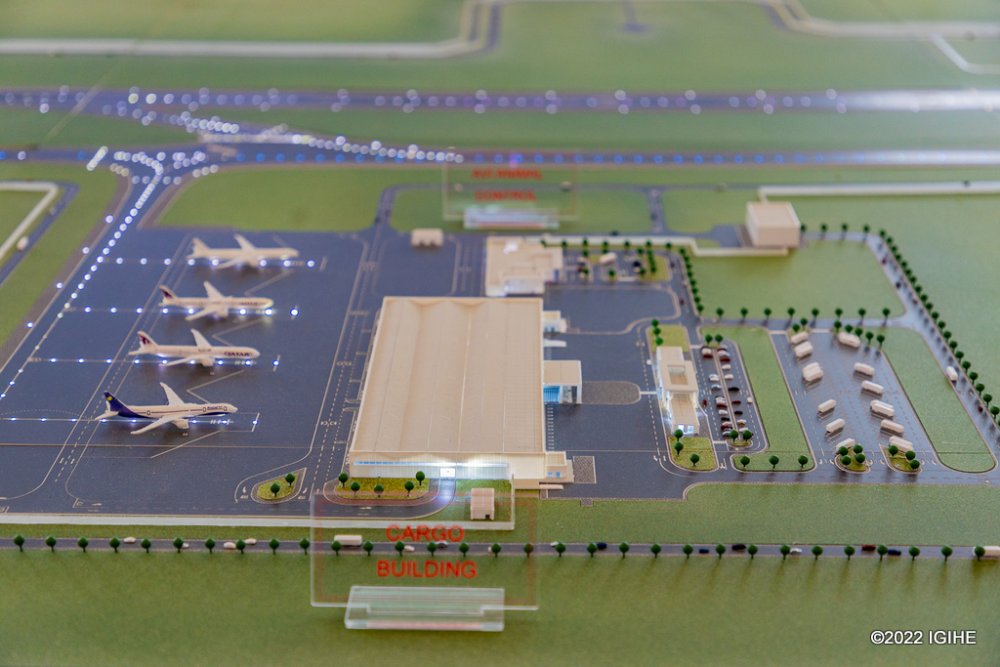
Bugesera International Airport project, with an estimated cost of US$2 billion, aims to position Rwanda as a hub for tourism, investment, and other services on the African continent.
Qatar Airways will hold a 60% stake in the airport and has recently announced plans to acquire 49% shares in RwandAir.
Once completed, the airport will cover an area of 130,000 square kilometers and have the capacity to accommodate at least 8 million passengers per year during its first phase.
The subsequent phase will further expand the capacity to accommodate 14 million passengers and handle 150 tonnes of cargo annually.
The initial completion date for the first phase, originally set for 2022, underwent changes due to master plan redesigns and construction delays caused by the Covid-19 pandemic.
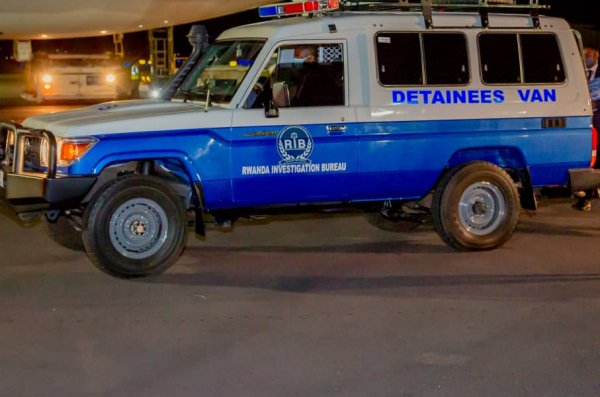
Since Monday evening, series of tweets started spreading, claiming that a minister had been arrested for receiving bribe at a hotel in Remera.
The person was described as an individual passionate about sports and an active participant in the popular bi-monthly sports event, Car Free Day, in Kigali. These rumors gained traction and sparked debates on various social media platforms throughout Tuesday, May 23, 2023.
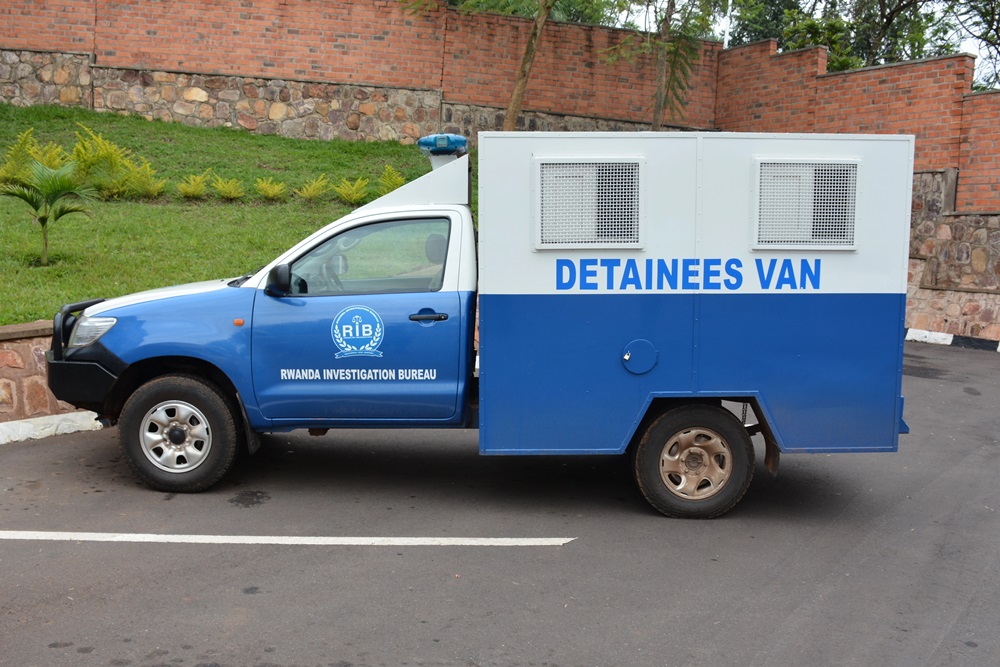
RIB’s spokesperson, Dr. Murangira B. Thierry has confirmed to IGIHE that the information was baseless and affirmed that no high-ranking official was arrested at the mentioned hotel.
“No high-ranking official has been arrested at a hotel. The information is unfounded,” he stated.
While arrests of high-ranking officials for corruption are not uncommon in Rwanda, it is important to note that such incidents do not correspond to the current case.
It is worth mentioning that the recent arrest of Edouard Bamporiki, the former State Minister in the Ministry of Youth and Culture, had attracted significant media attention.
In January, Bamporiki was sentenced to a five-year prison term by the High Court after being convicted of fraudulent acquisition and abuse of power. He is currently serving his sentence at Mageragere Prison.
The UK Ministry of Interior has labelled the criticisms as a double standard given that Rwanda and the UNHCR already have a similar agreement in place.
In 2019, the UNHCR played a crucial role in a program aimed at relocating migrants stranded in Libya. This initiative, supported by the Rwandan government and other partners, led to the establishment of a transit camp in Gashora, Bugesera District.
The migrants housed in this facility receive accommodation and necessary care. Since the program’s inception, over 1,500 migrants have been relocated to Gashora, with nearly a thousand of them being granted asylum in third countries.
However, despite this precedent, the UNHCR opposes the United Kingdom’s policy of relocating migrants to Rwanda. This position became evident during a recent hearing at the British Court of Appeal.
Lawyers representing a migrant advocacy organization argued that Rwanda is known for human rights violations and that transferred migrants would no longer receive protection from the United Kingdom.
Responding to these arguments, an official from the UK Ministry of Interior expressed their opinion in an interview with The Times, stating that “it appears hypocritical for the UNHCR to criticize our program with Rwanda while being involved in a similar initiative in that country.”
Under the Migration and Economic Development Partnership signed between Rwanda and the UK in April last year, the UK will provide an upfront investment of £120 million to fund invaluable opportunities for Rwandans and migrants, including secondary qualifications, vocational and skills training, language lessons, and higher education.
The agreement sets the stage for the deportation of migrants and asylum seekers staying in the UK illegally to Rwanda.
The UK made this decision to discourage illegal crossings into the country and to reduce the budget spent on illegal migrants every year.
Earlier this year, Rwanda and the UK signed an additional agreement aimed at expanding the provision of support for migrants to be deported to Rwanda.
Upon arrival, asylum seekers from African countries and others outside the continent will be treated with dignity, just like Rwandans. It is expected that those willing to return to their home countries will be assisted in doing so.
The initial plan was for the first migrants to arrive in Rwanda in July 2022. However, this deadline was postponed following a complaint filed by organizations advocating for migrants’ rights.
One family contesting their deportation to Rwanda argued that it is not a safe country for migrants.
During a recent hearing, the family’s lawyers claimed that Rwanda is known for human rights violations.
They further argued that if the United Kingdom chose to transfer migrants to Rwanda, they would no longer be under British protection and might lack the means to ensure their safety.
However, the UK maintains that Rwanda is a safe country for the resettlement of asylum seekers.