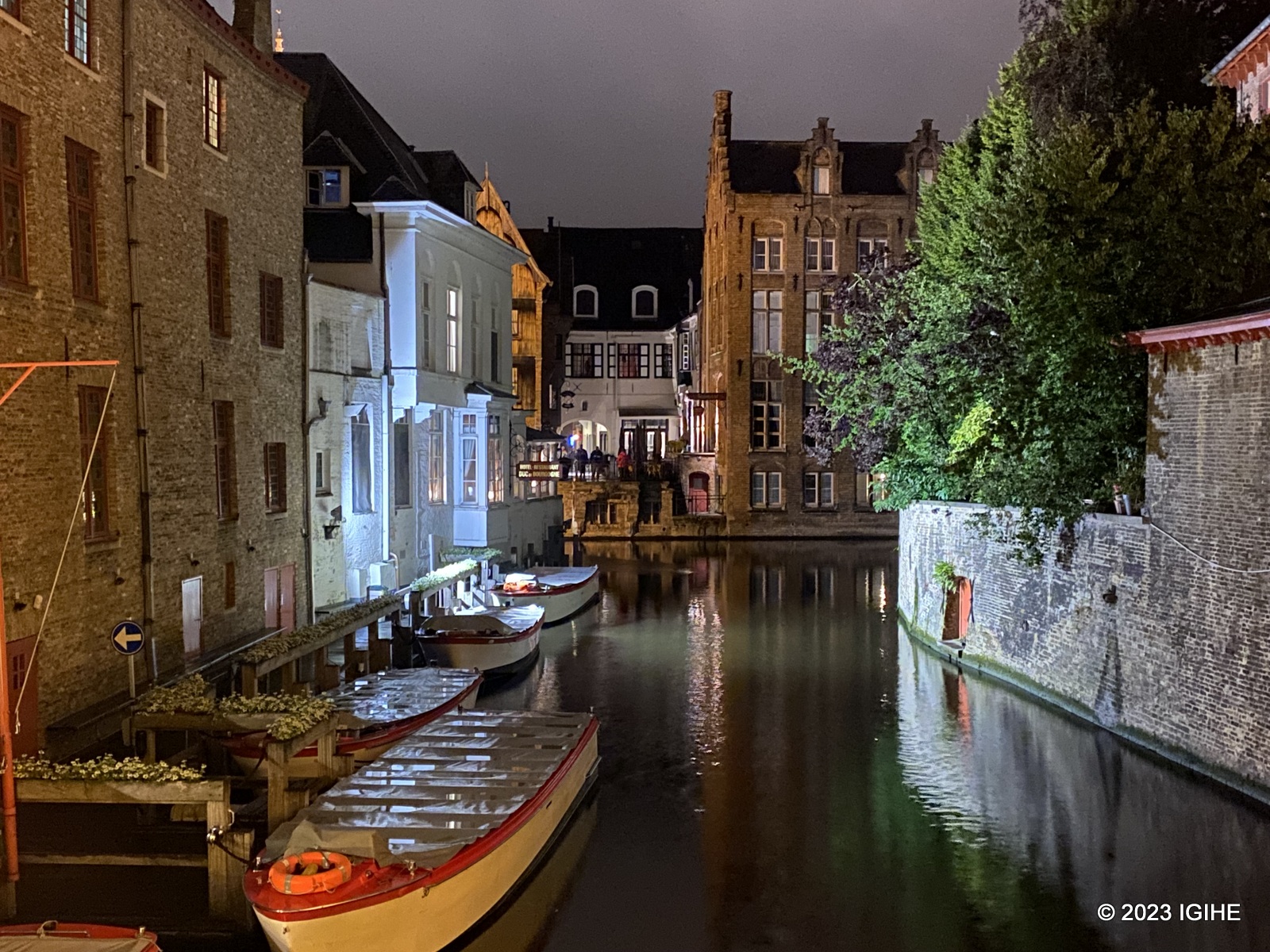
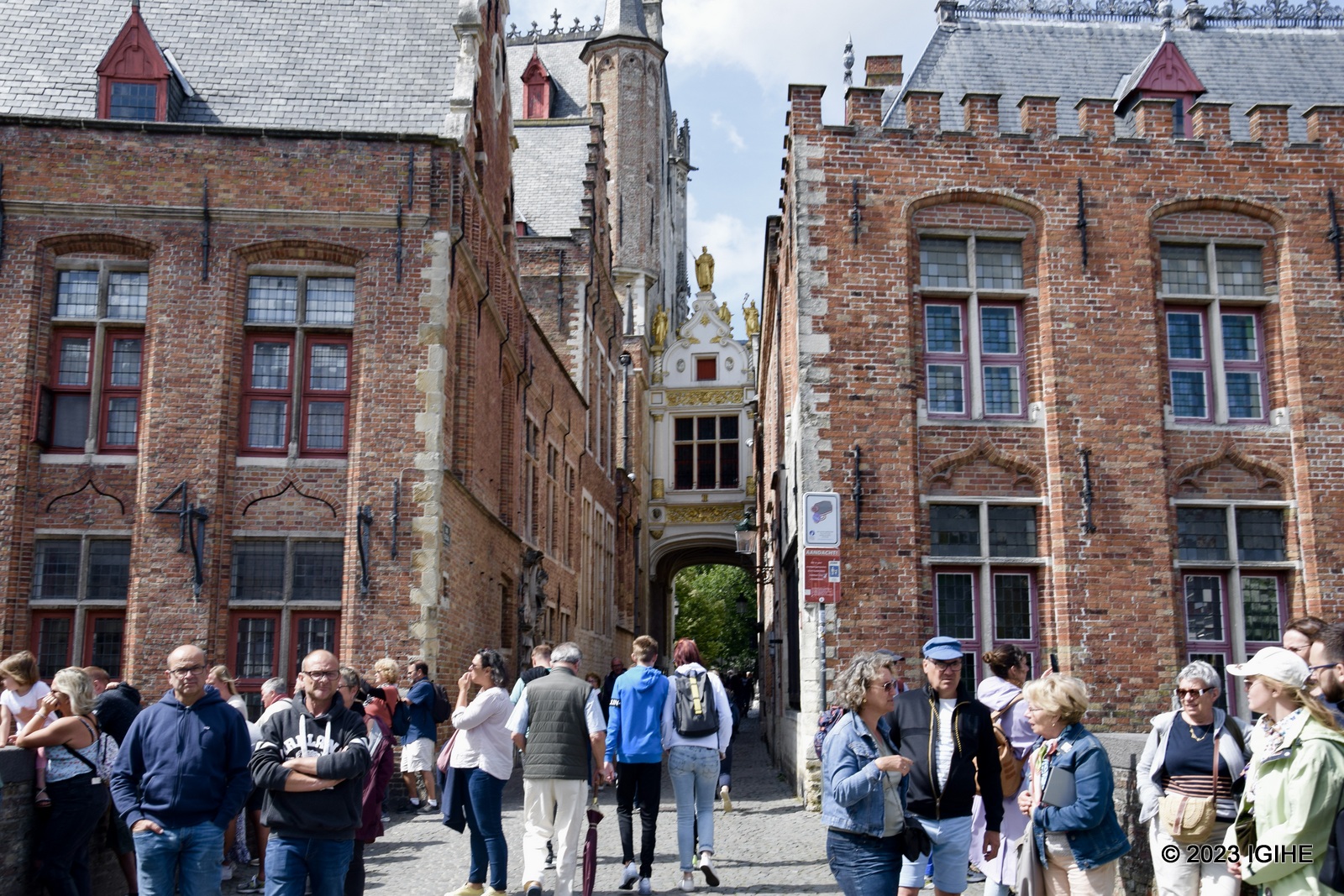
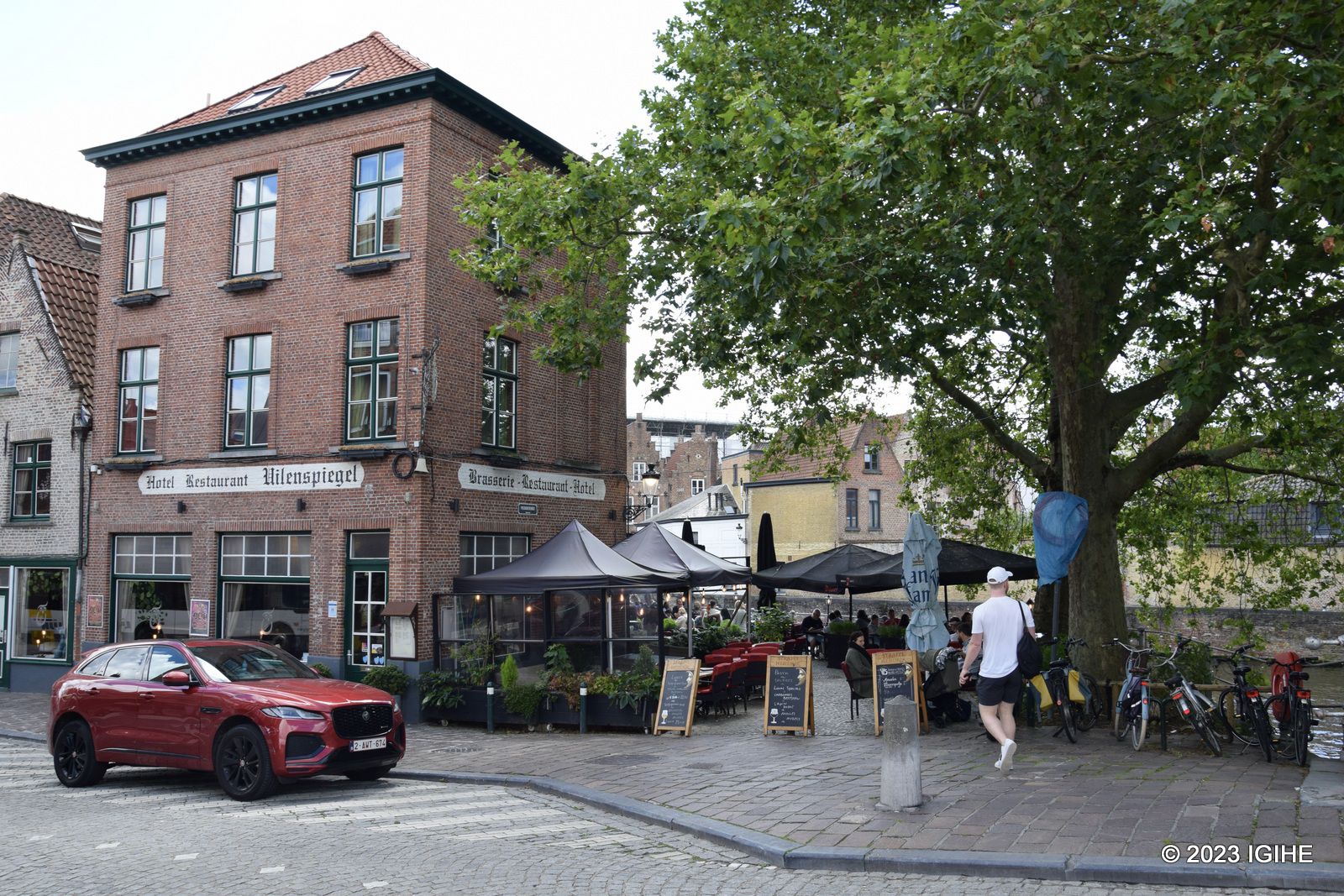
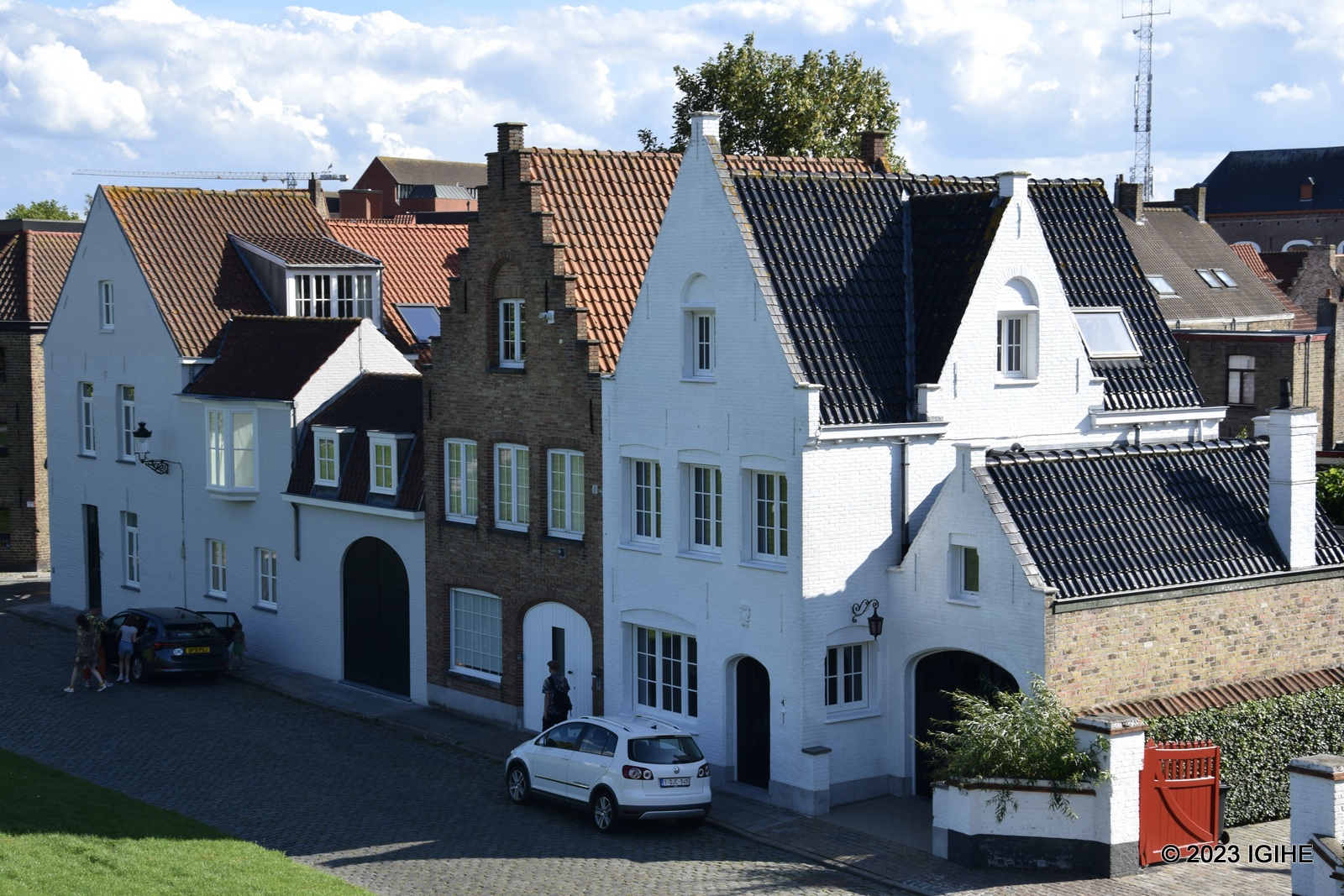
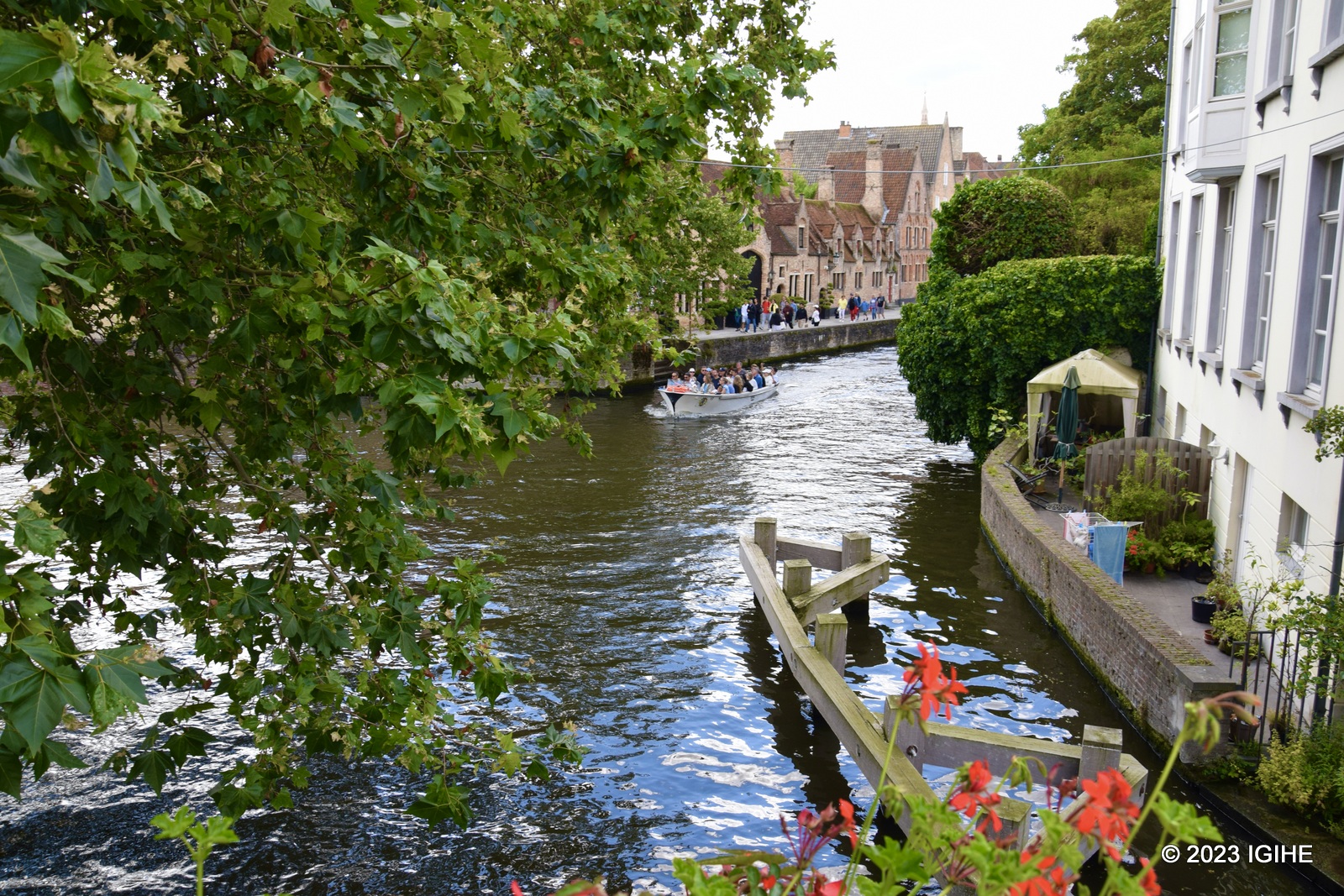
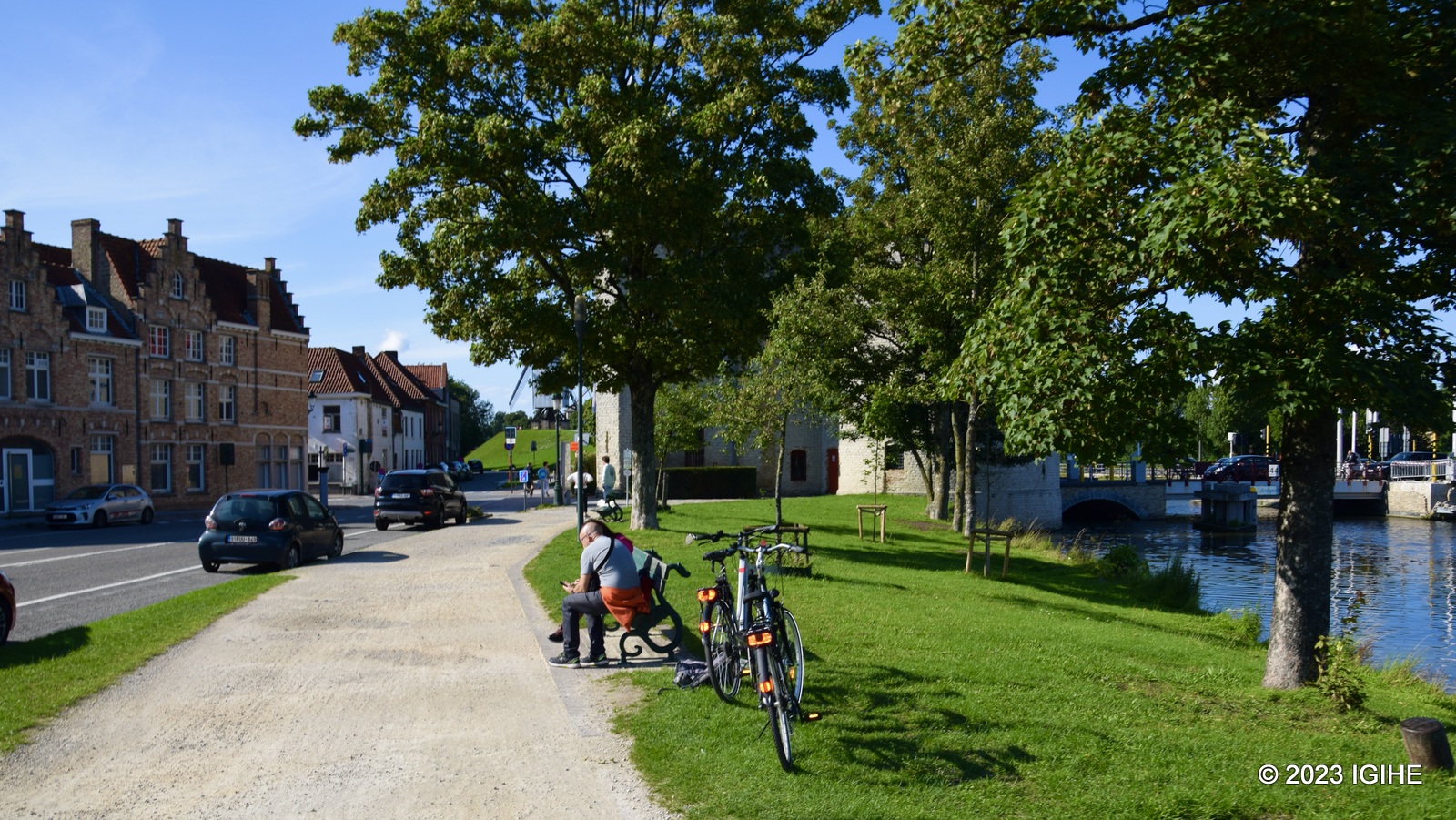
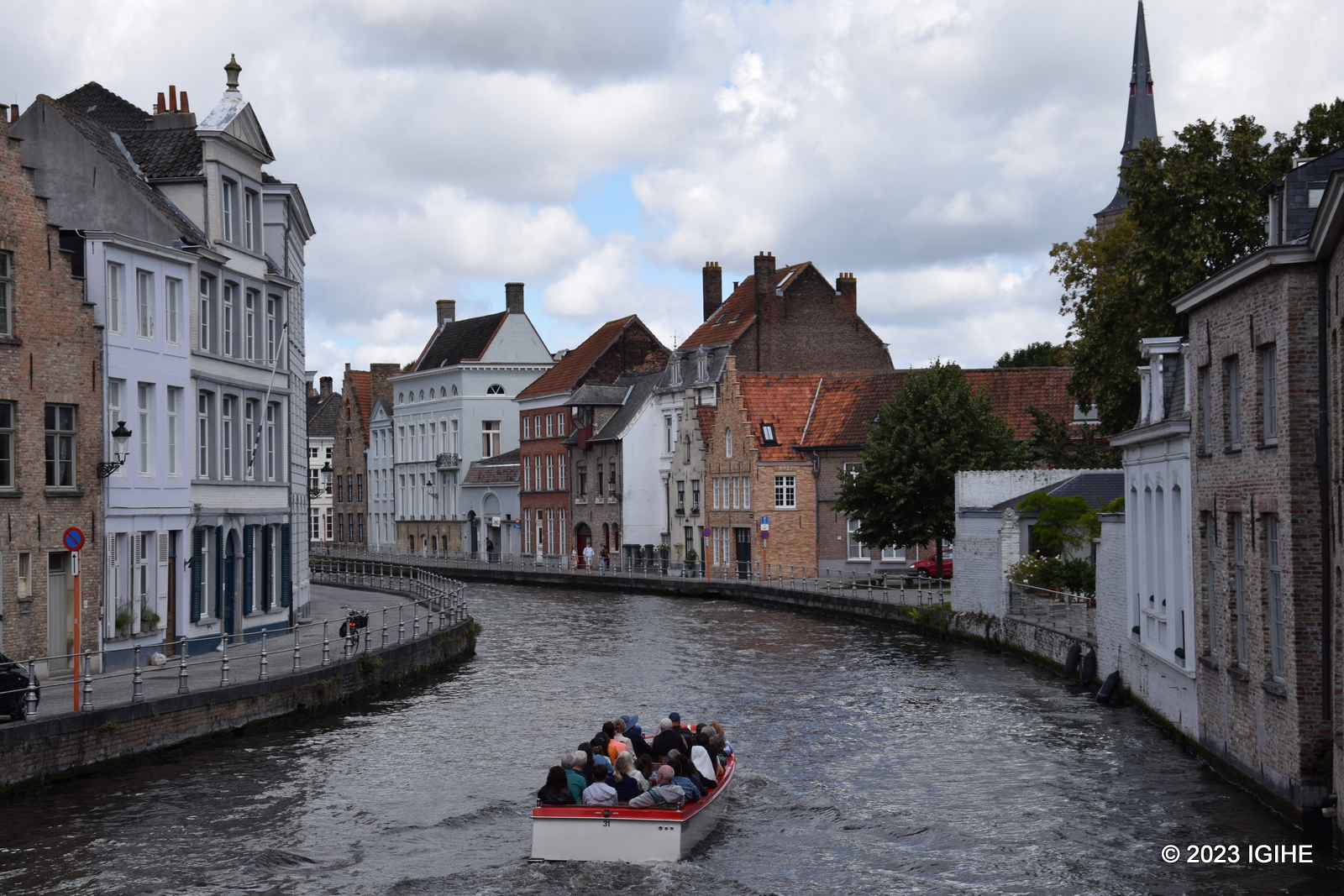
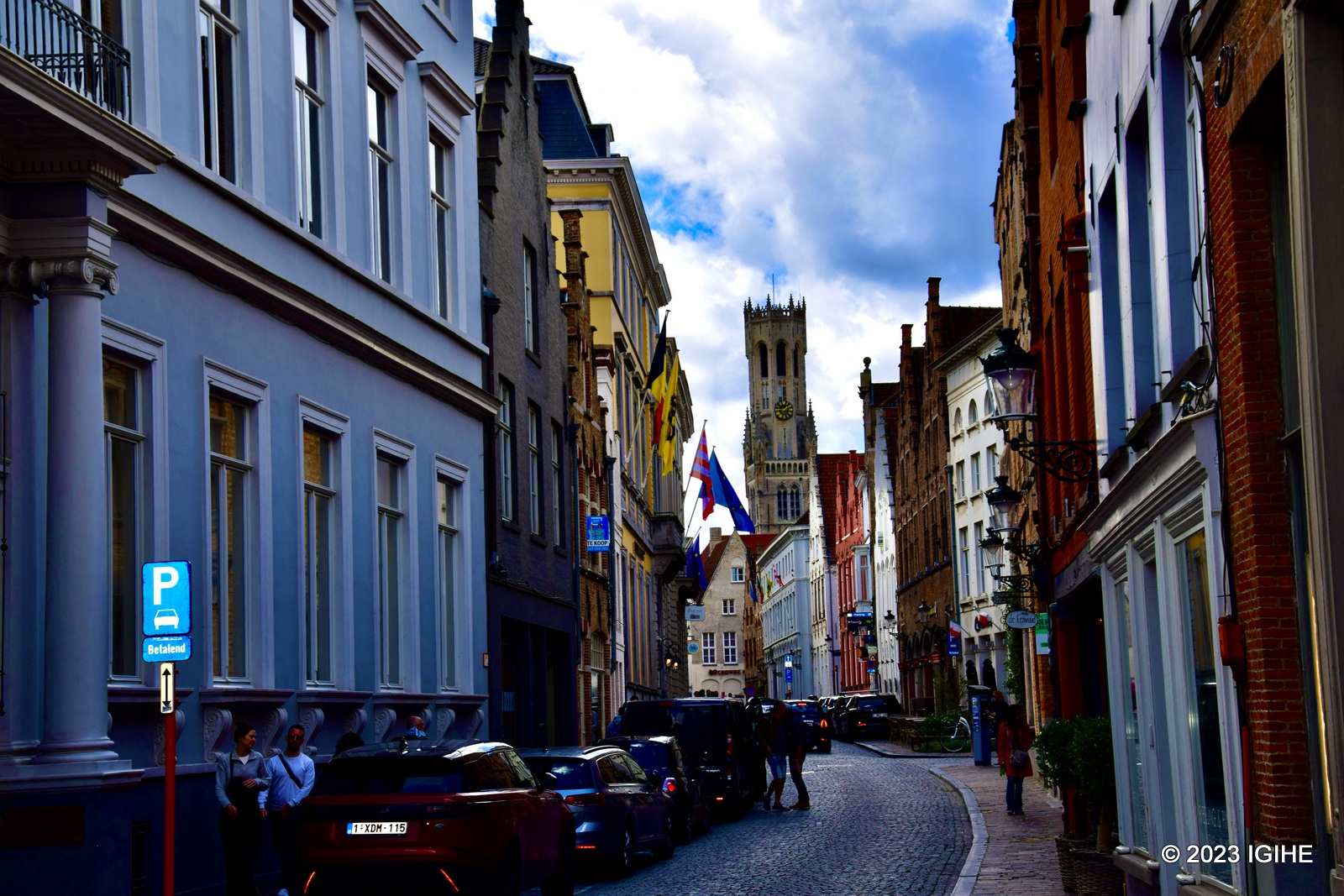
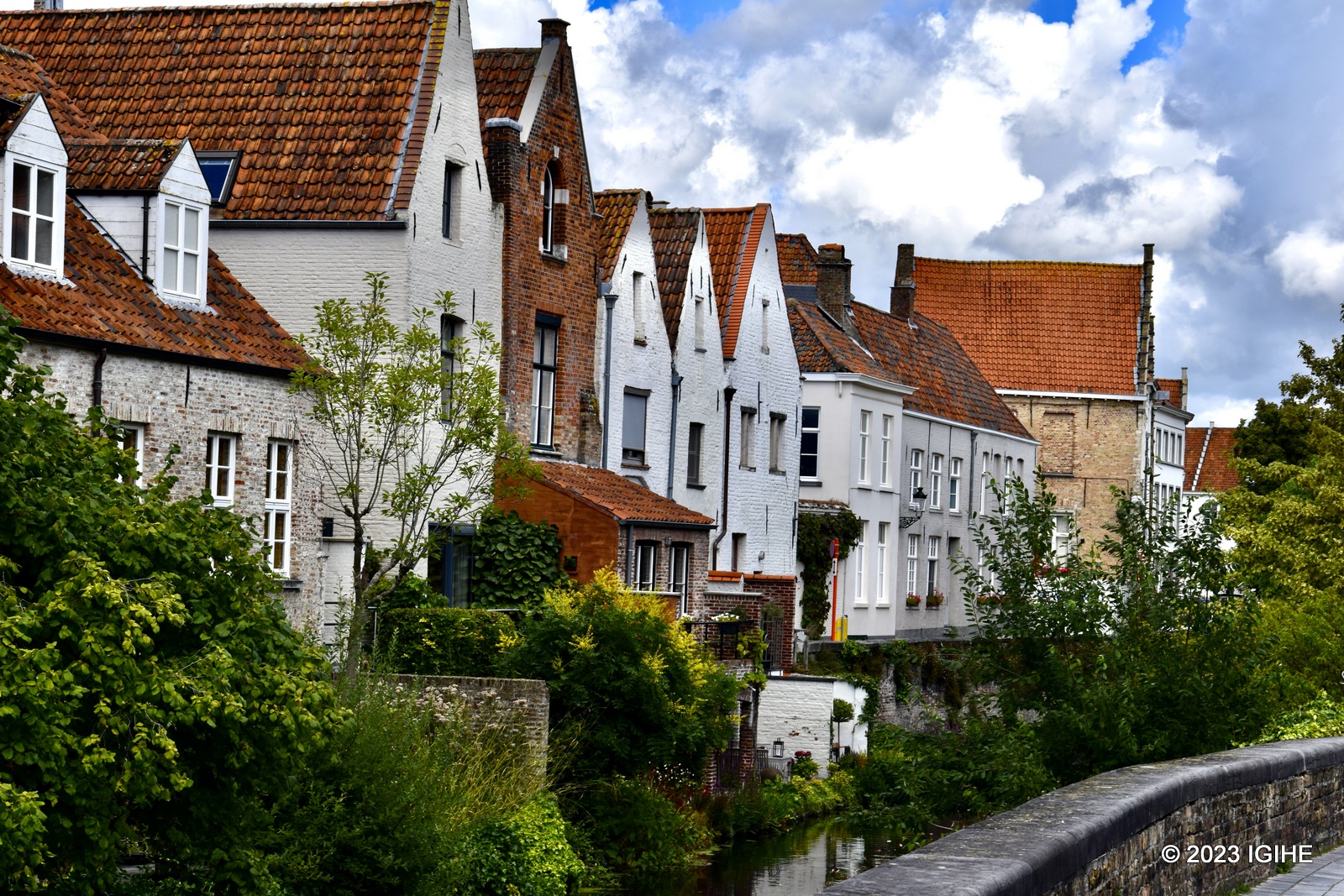
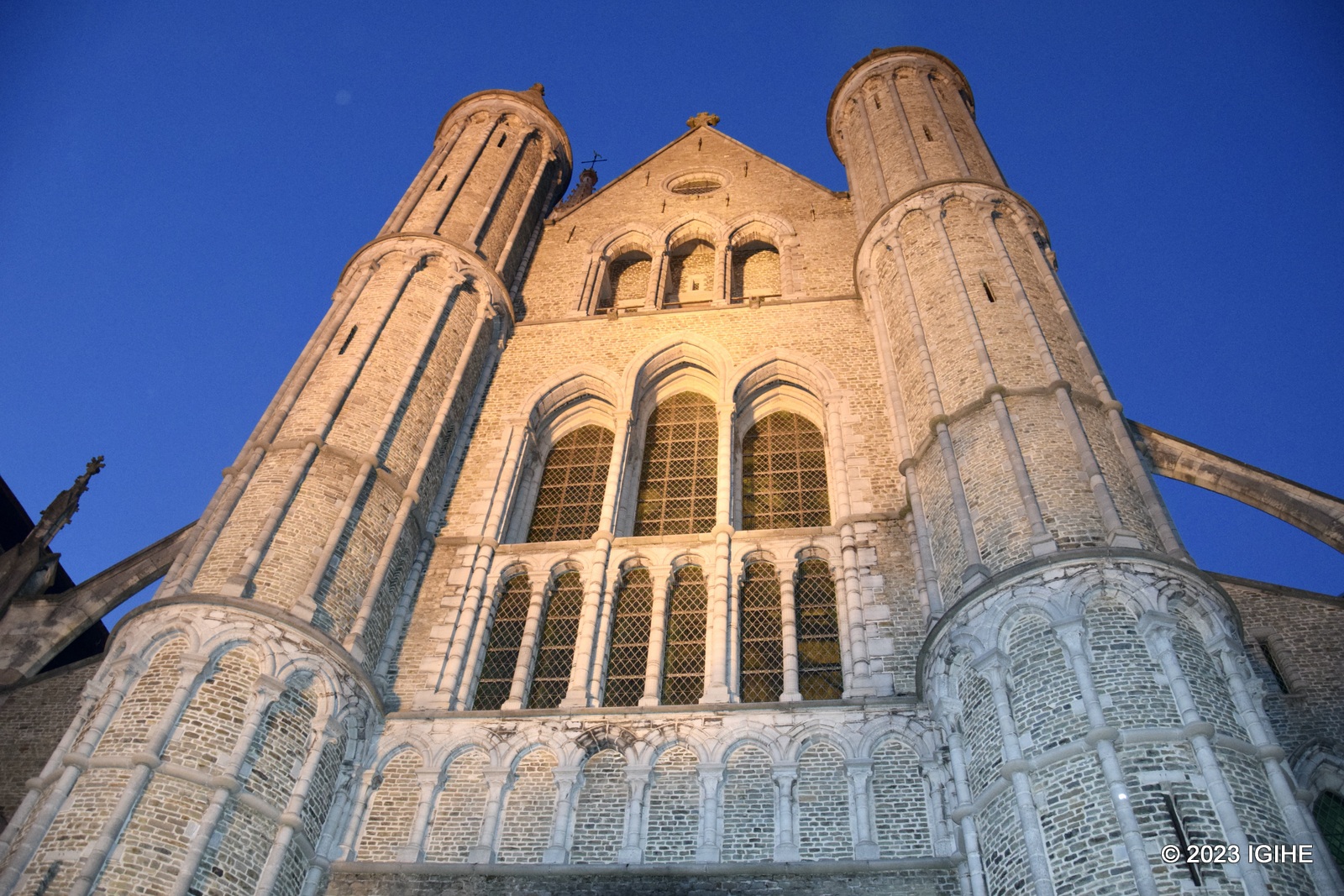
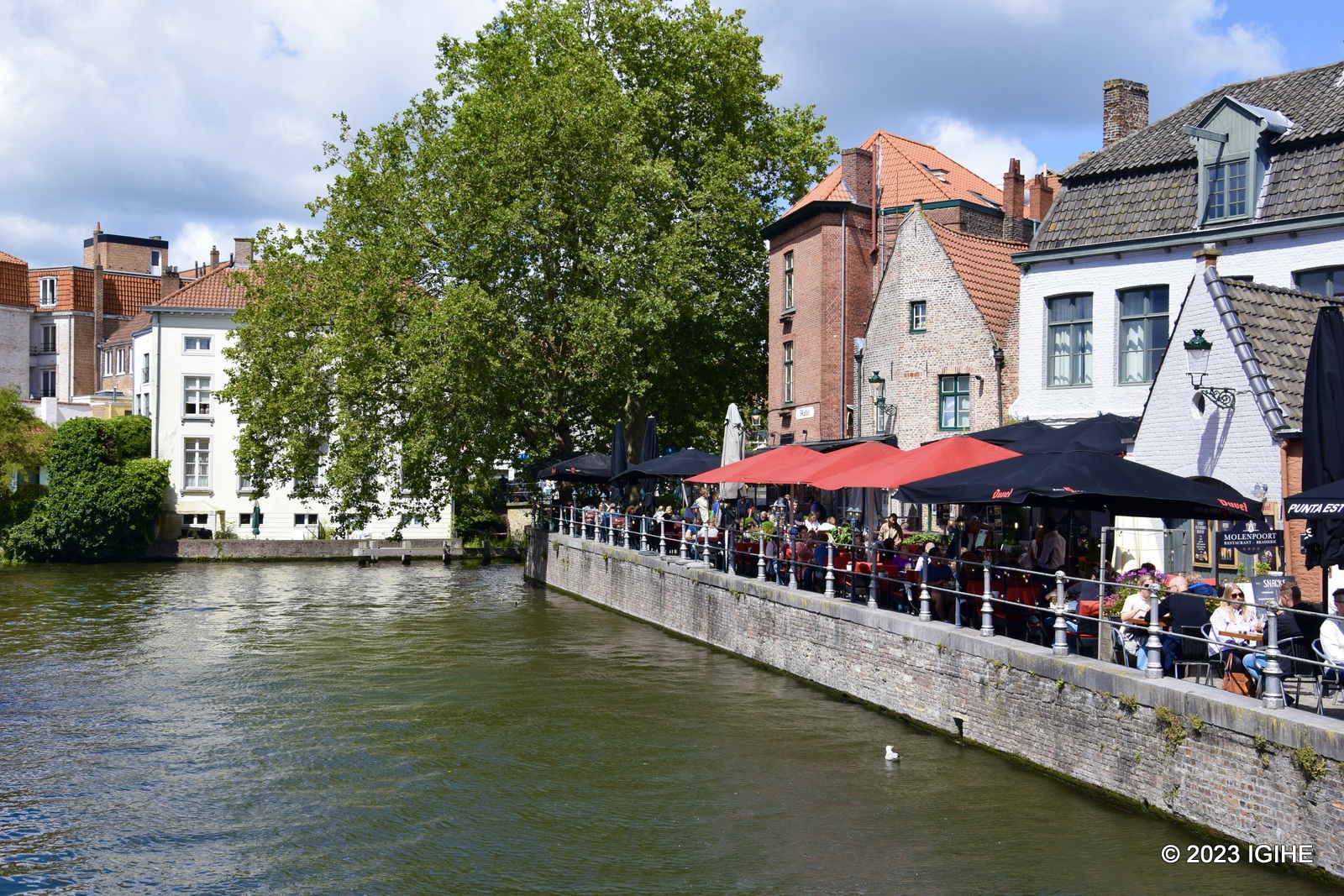
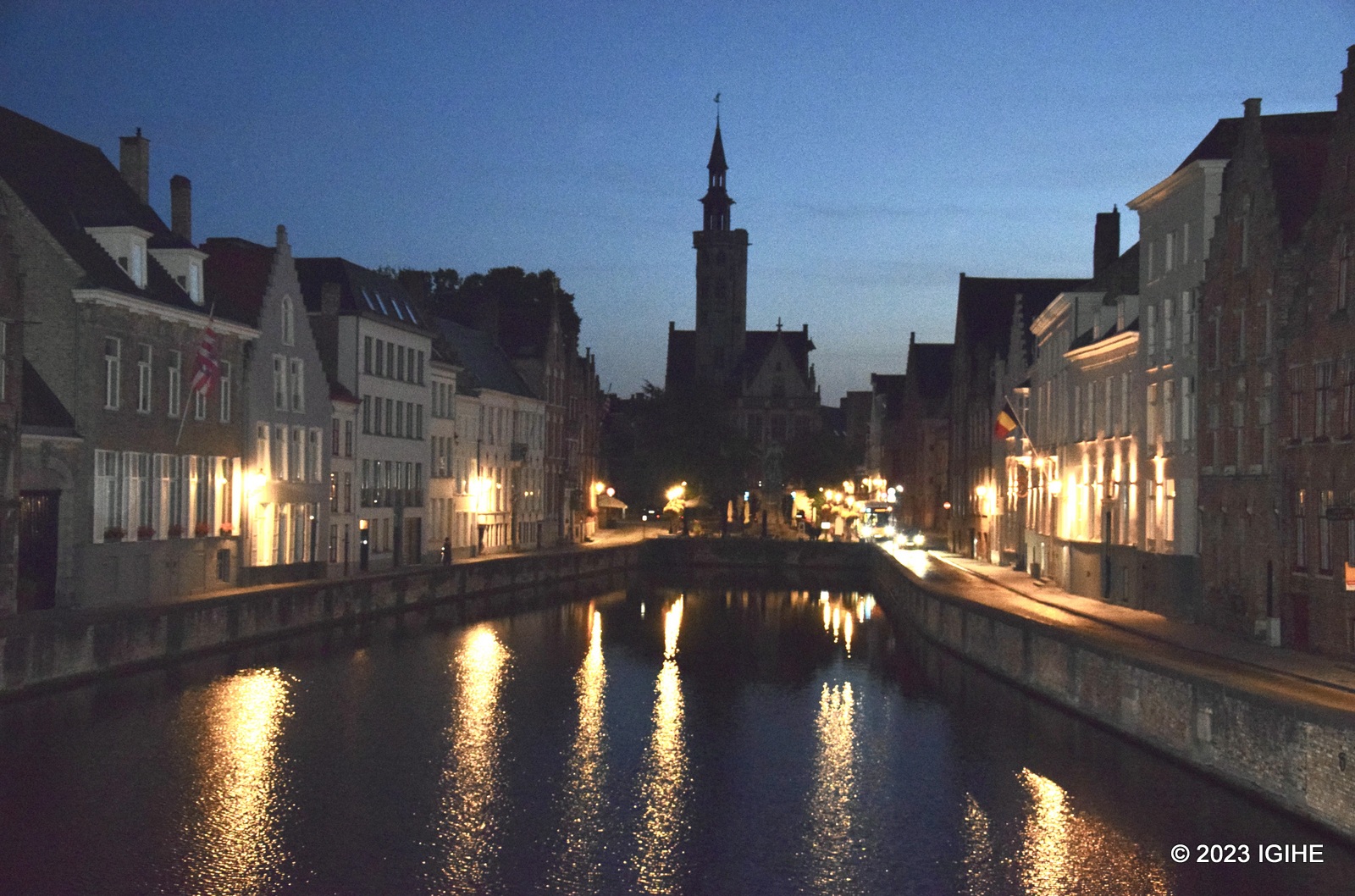
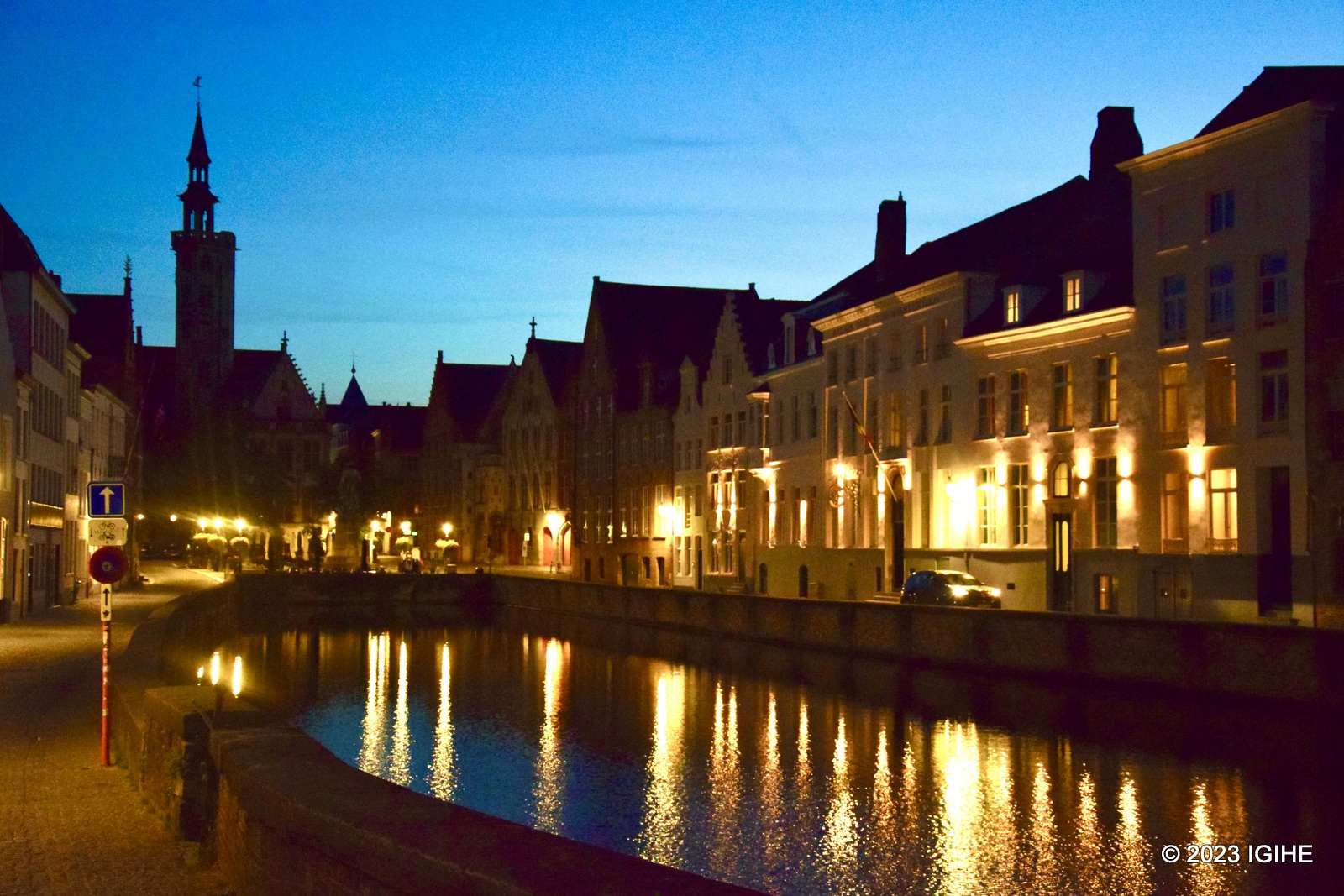
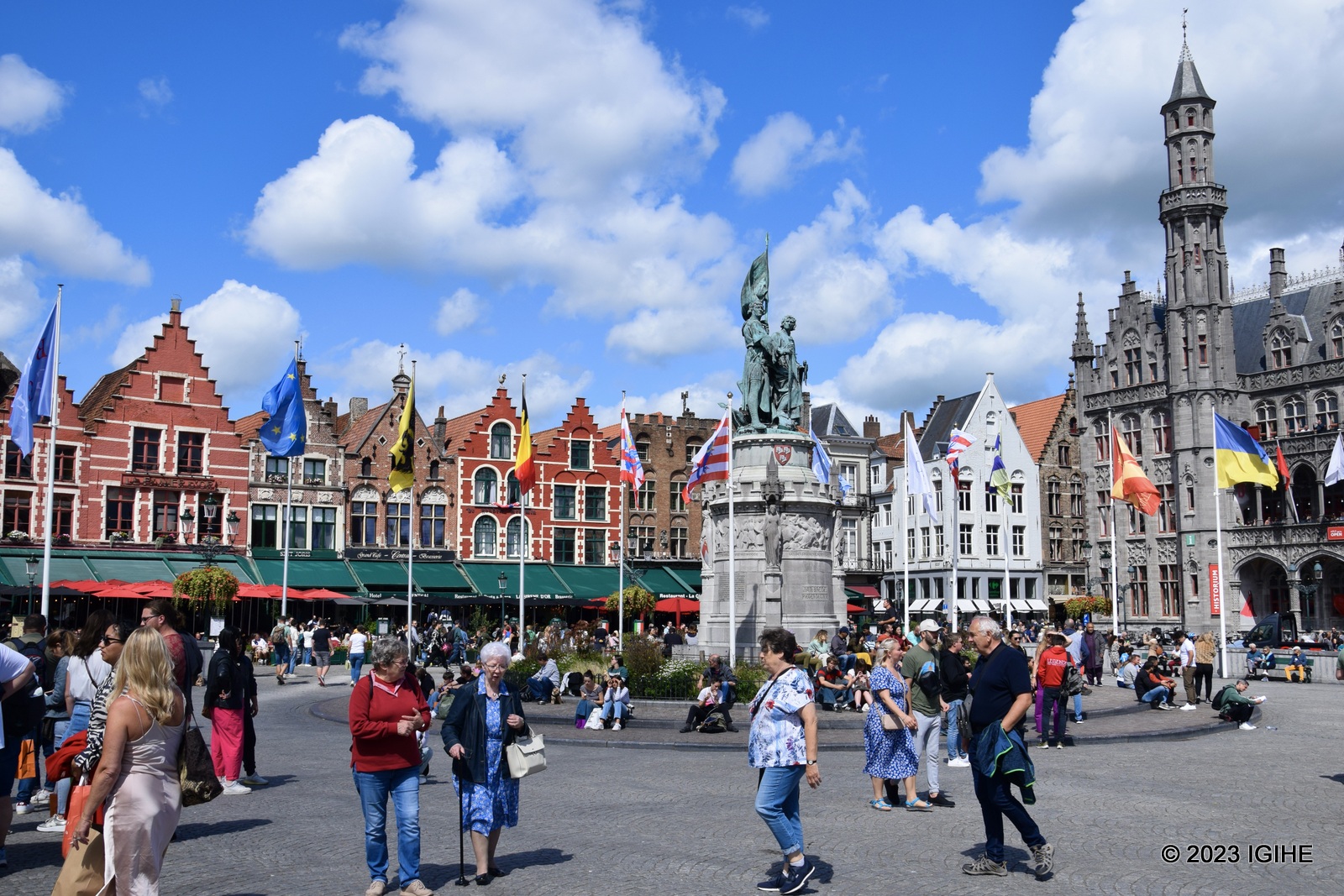
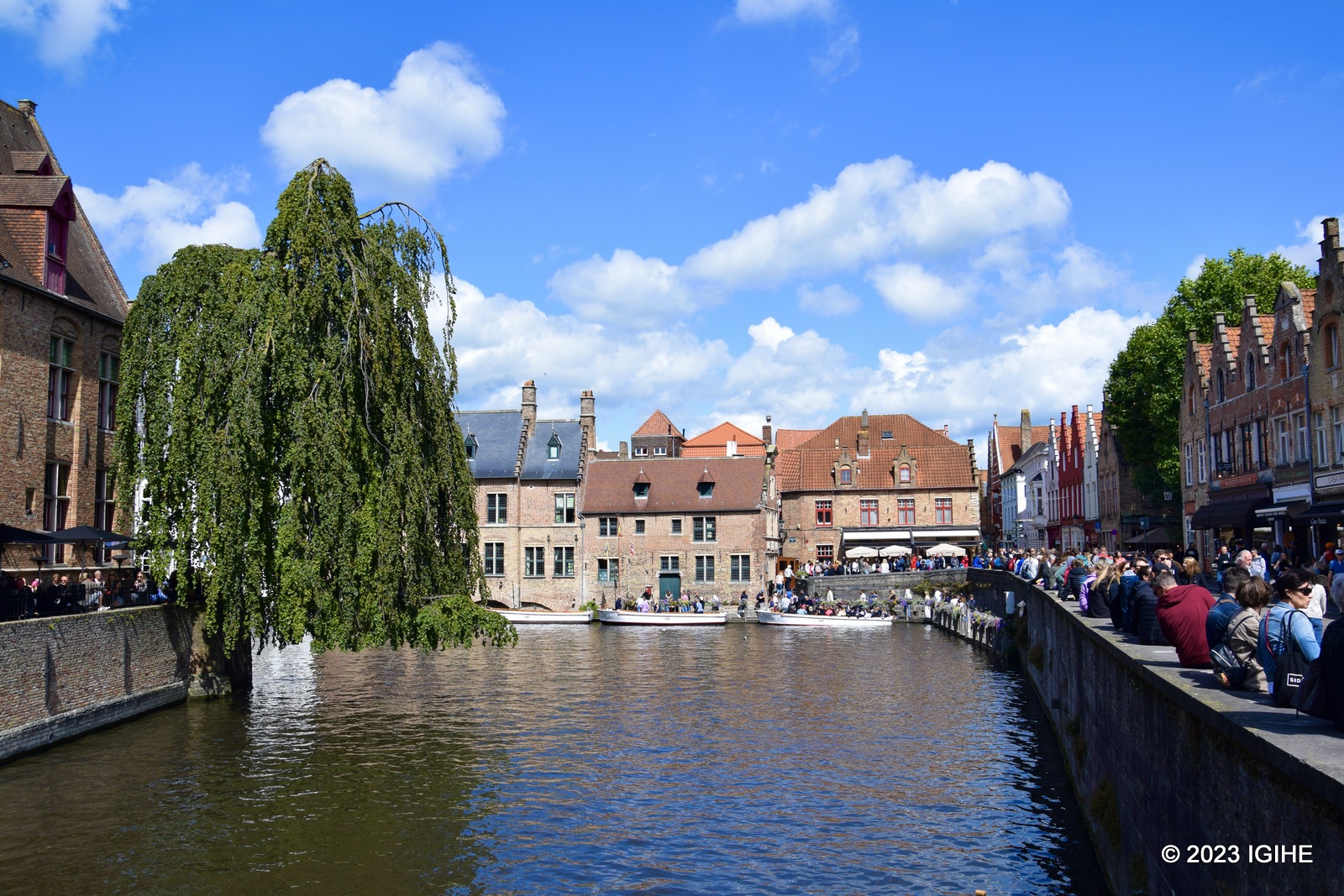
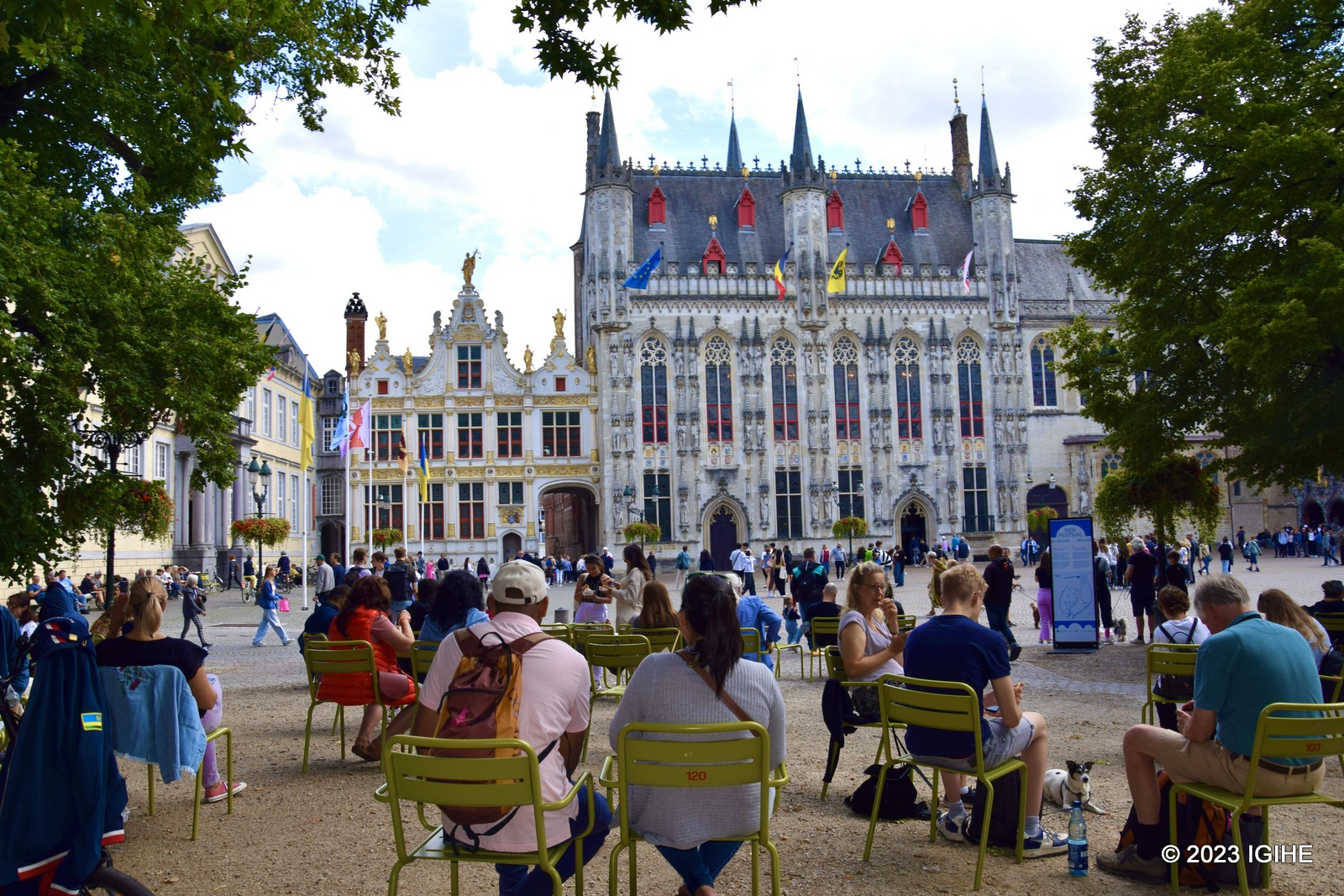
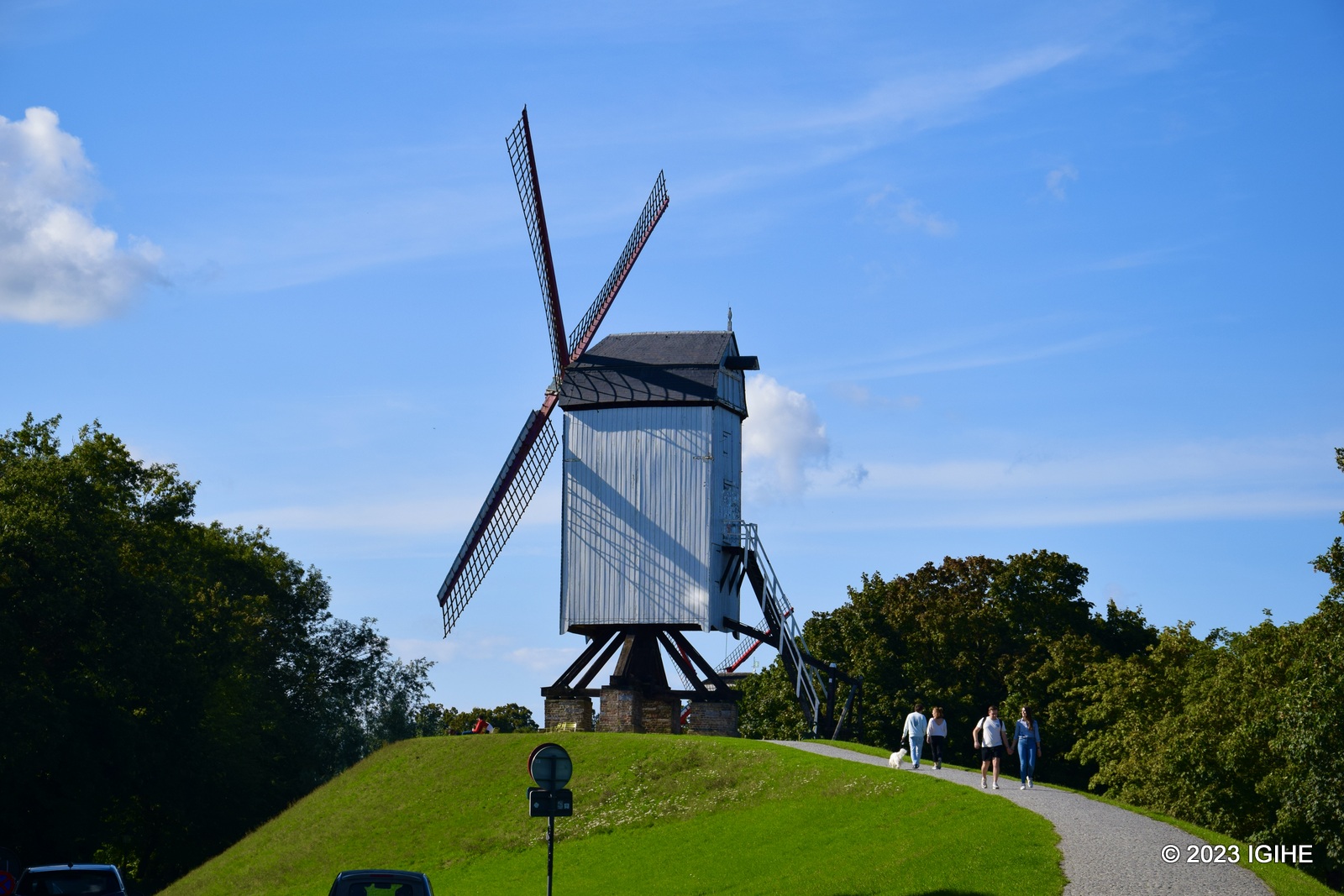
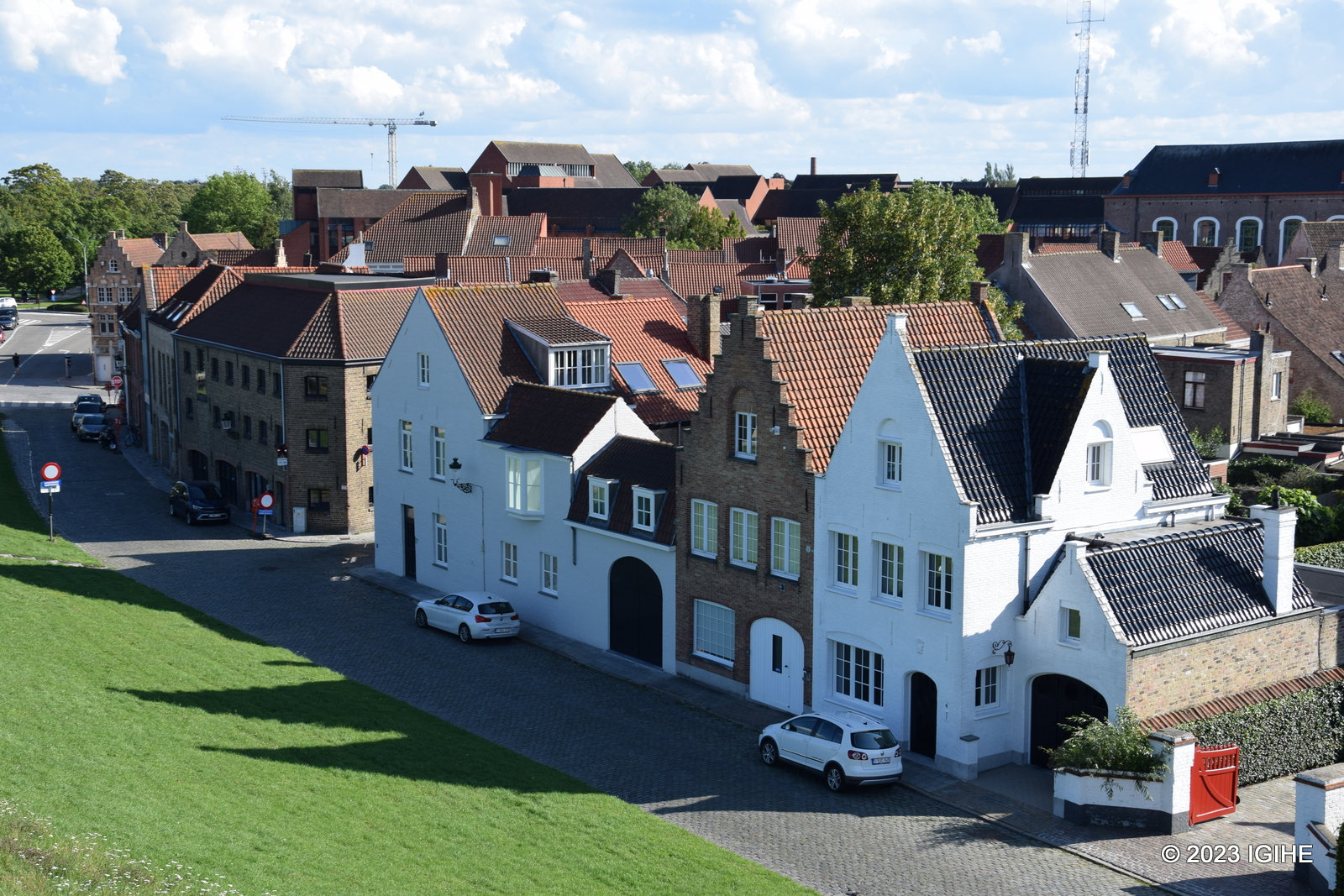
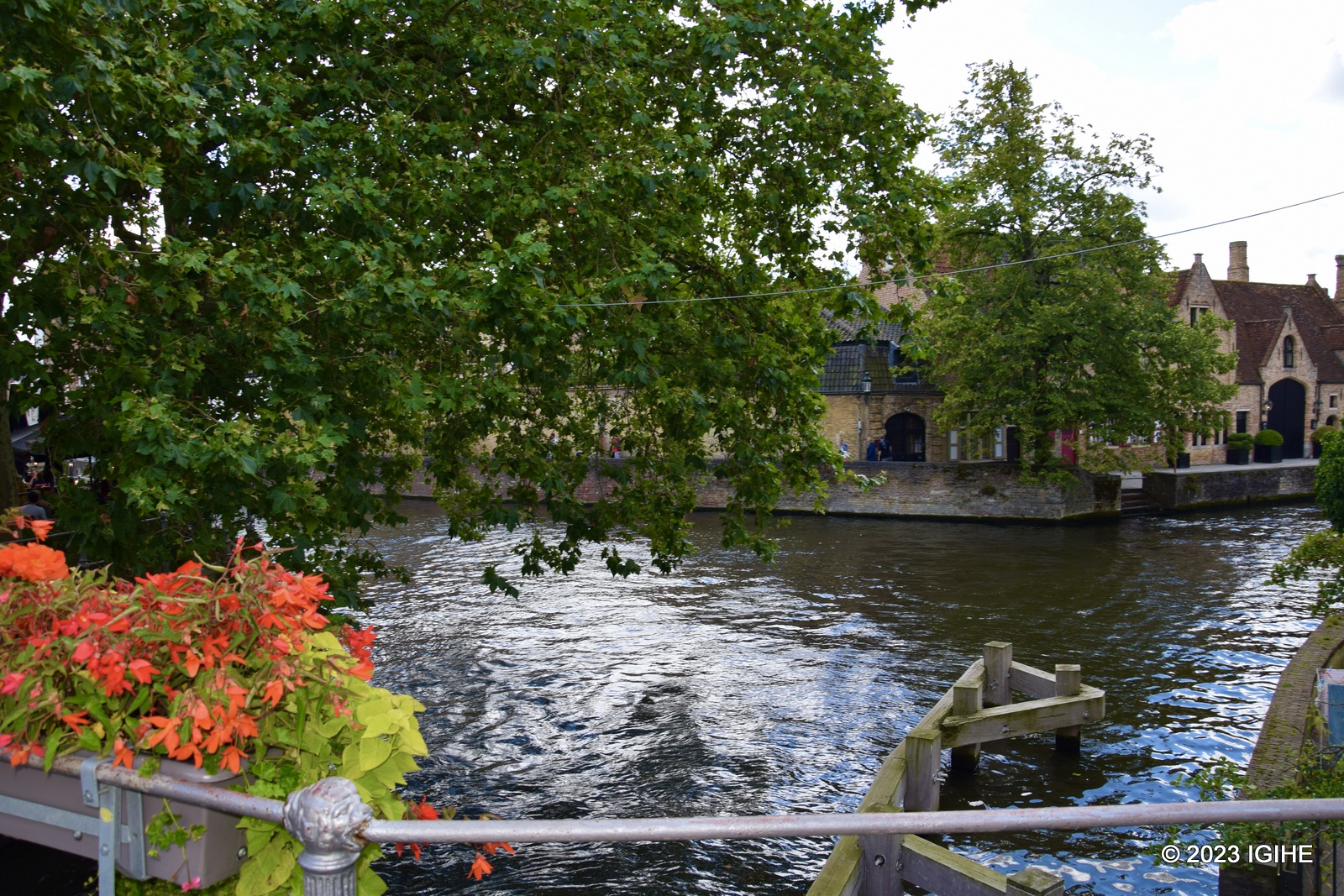
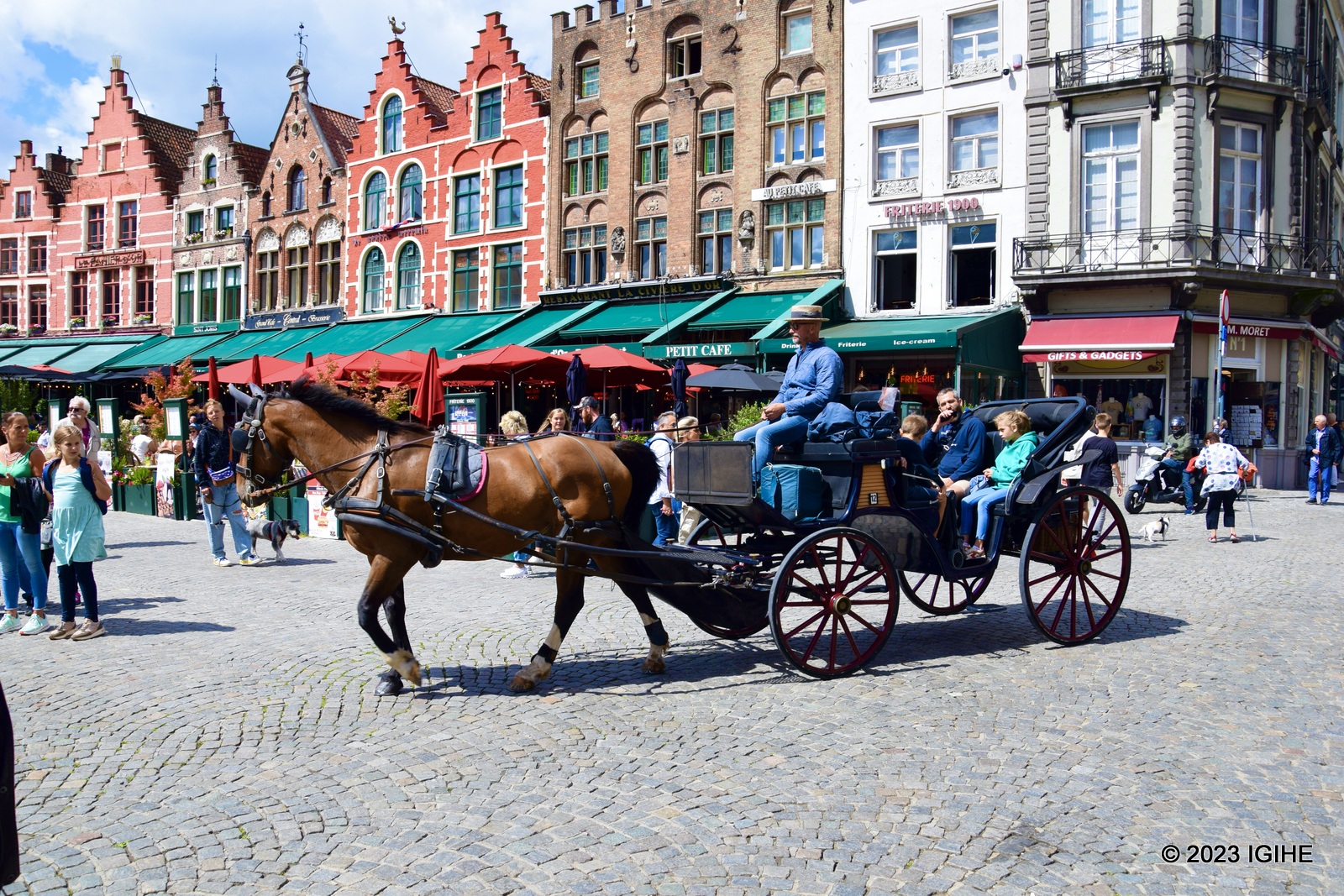
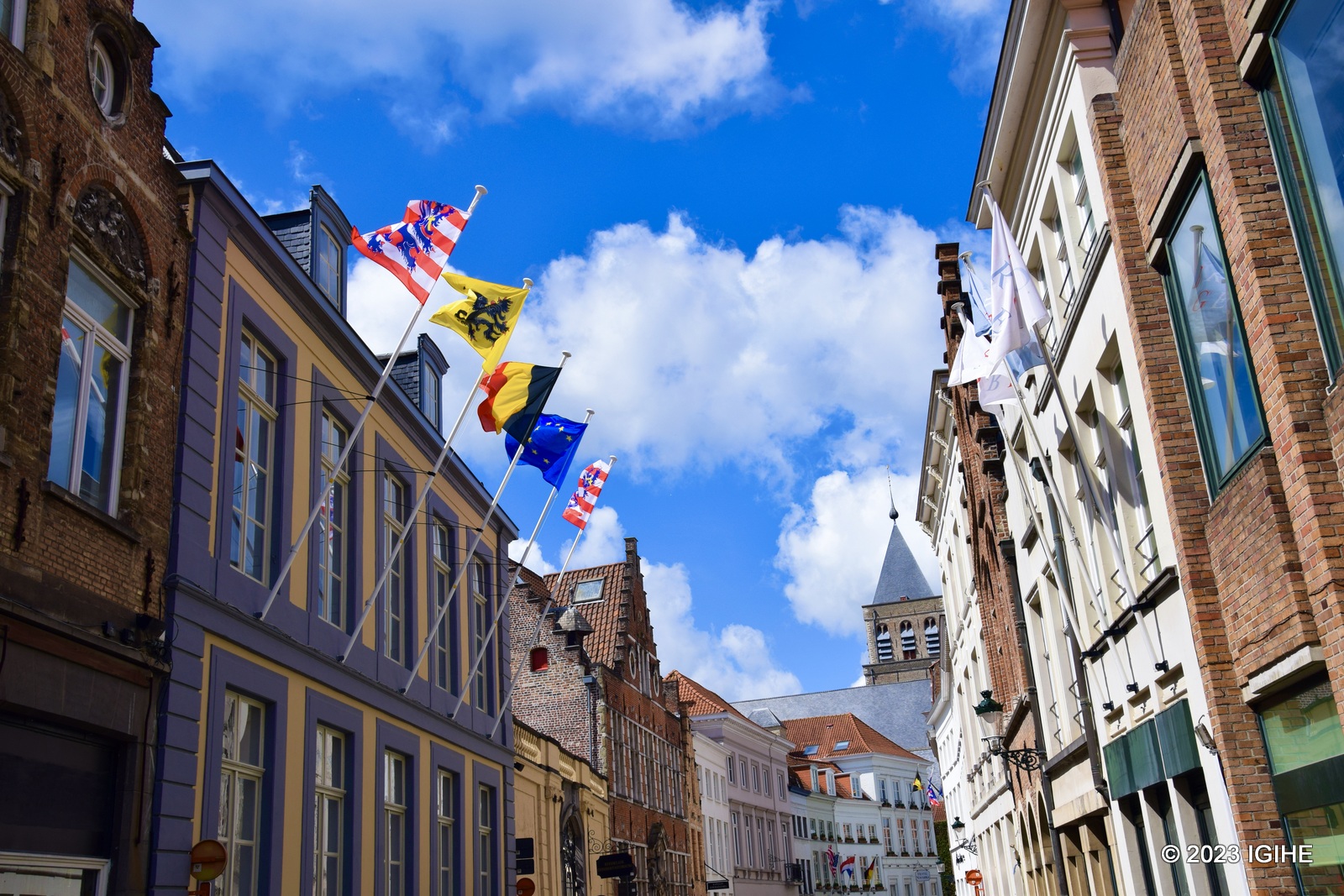
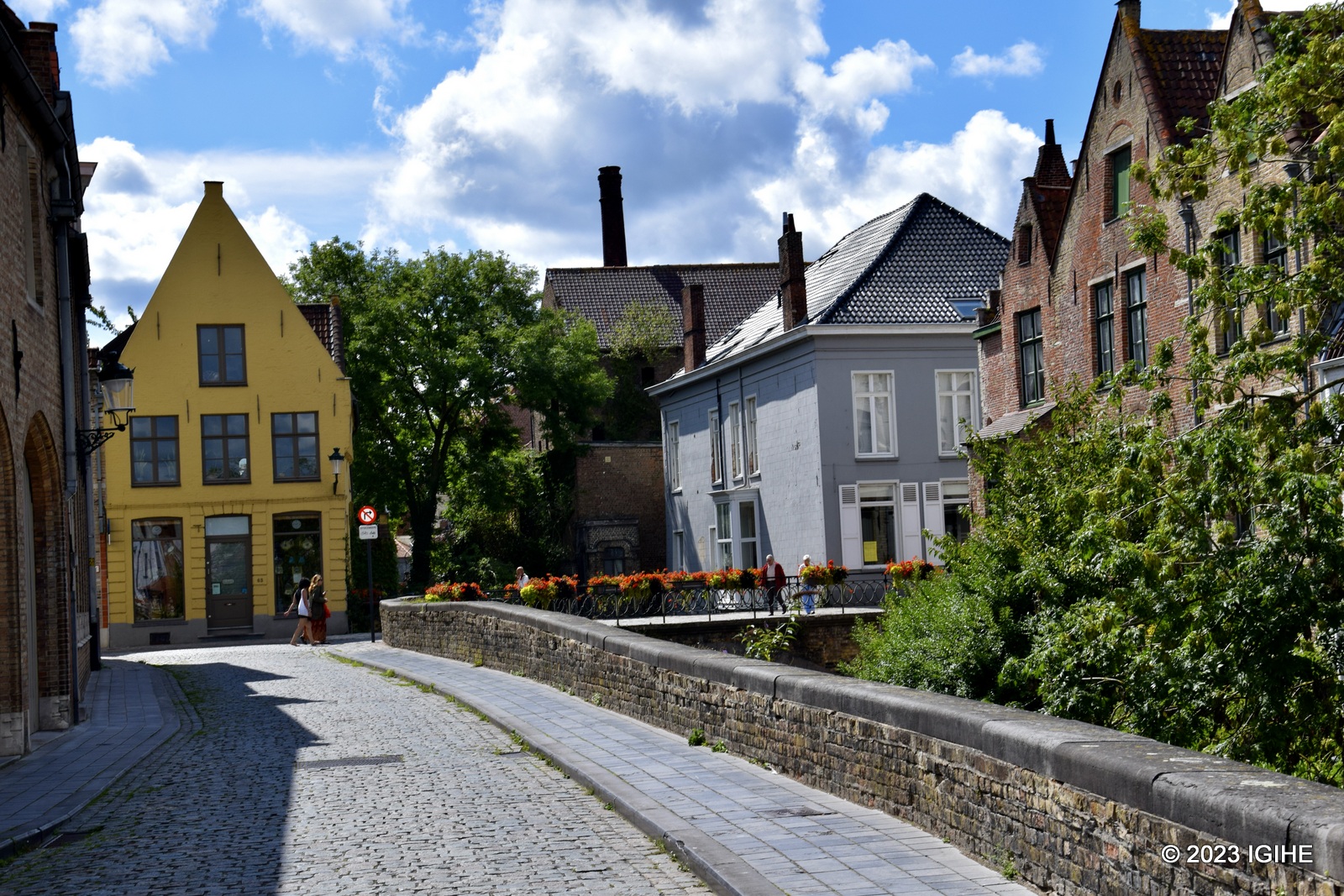
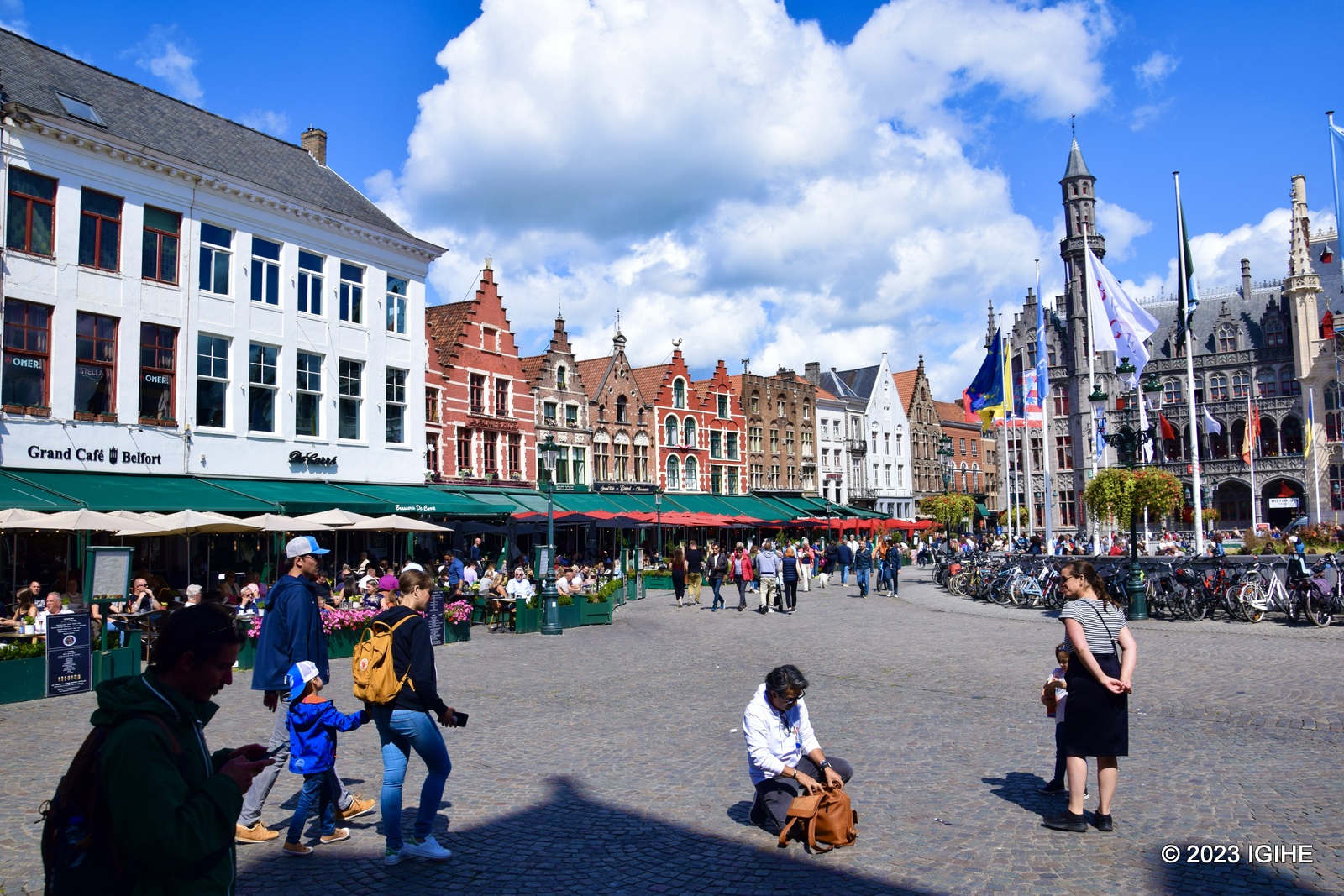
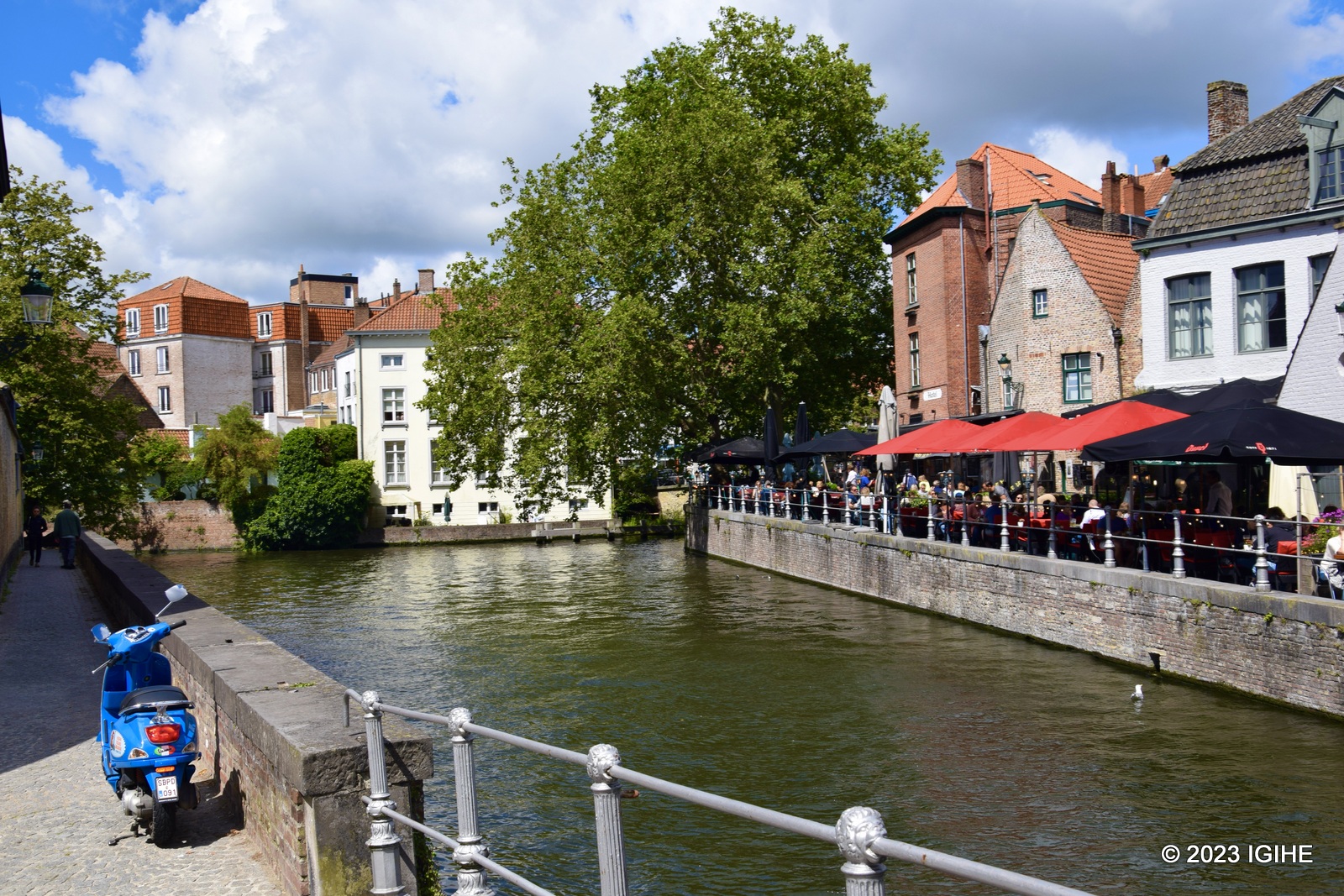
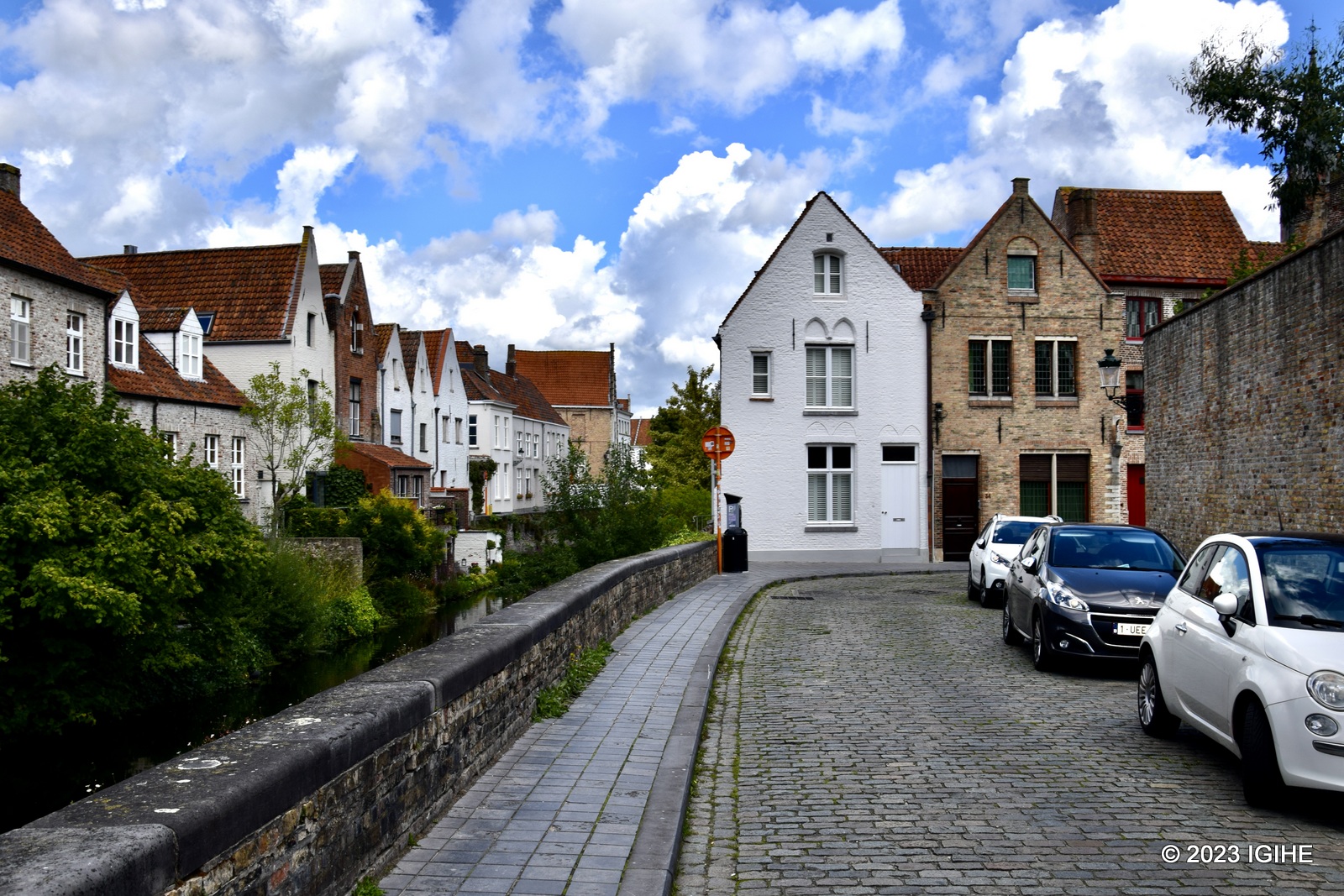
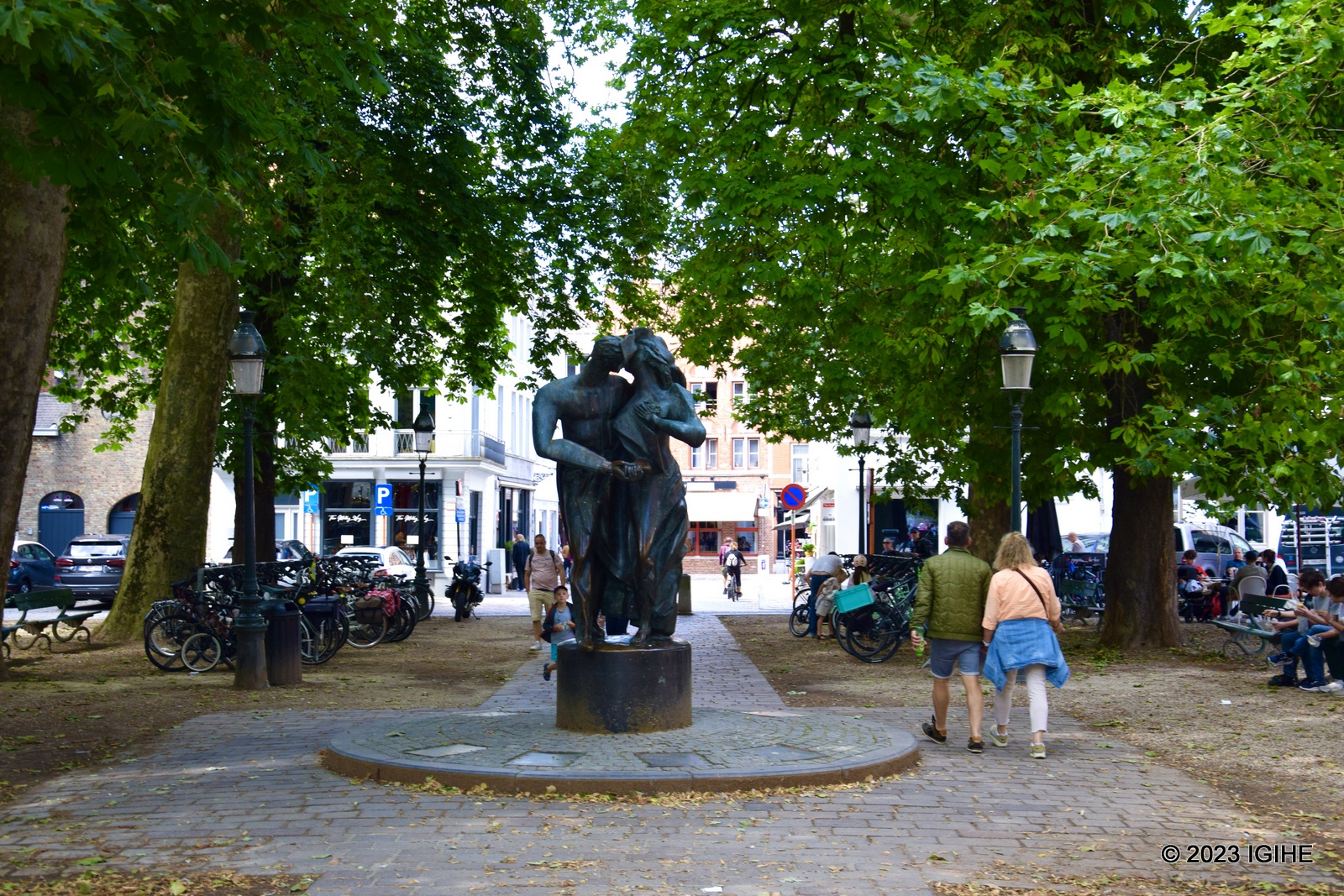
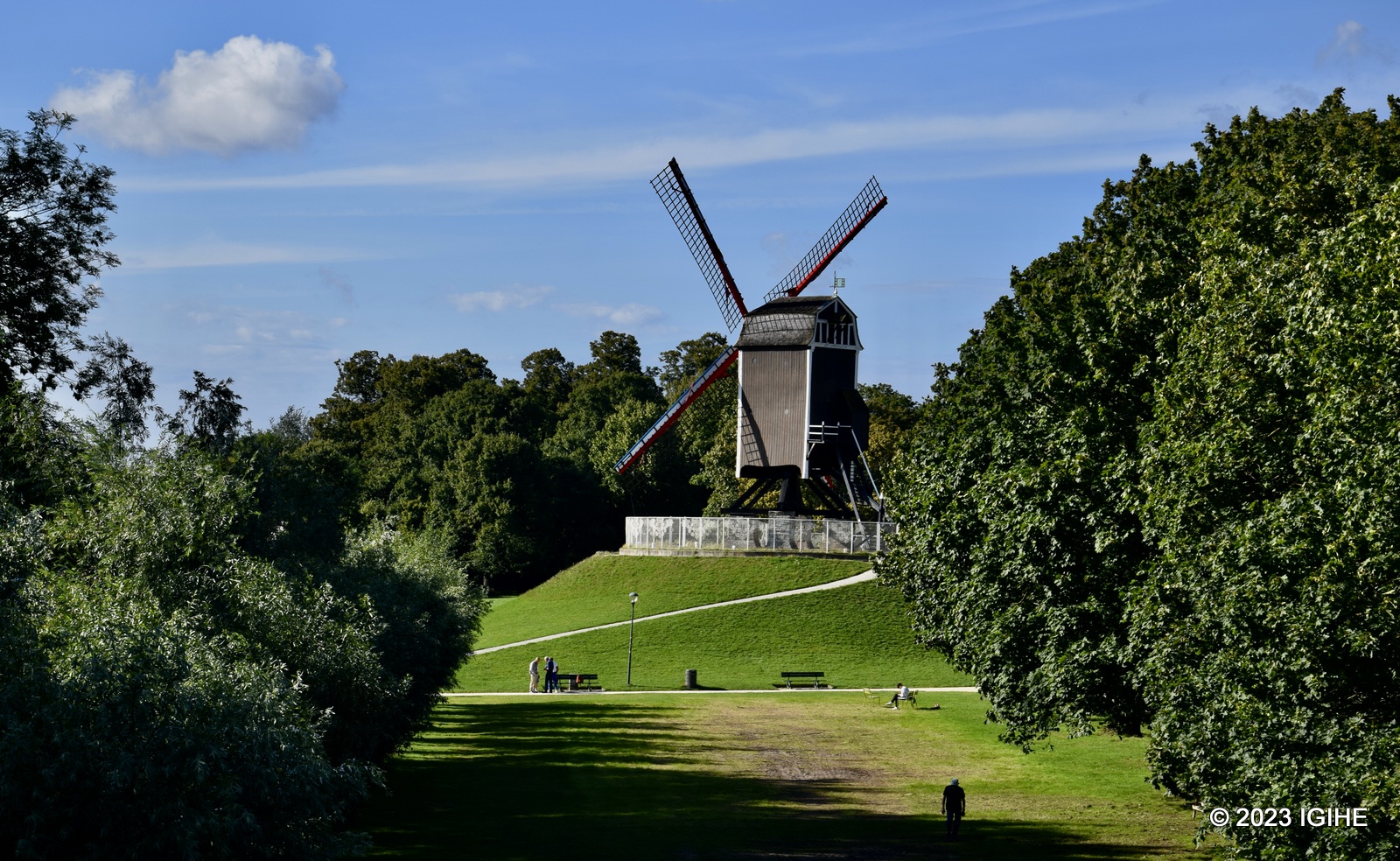
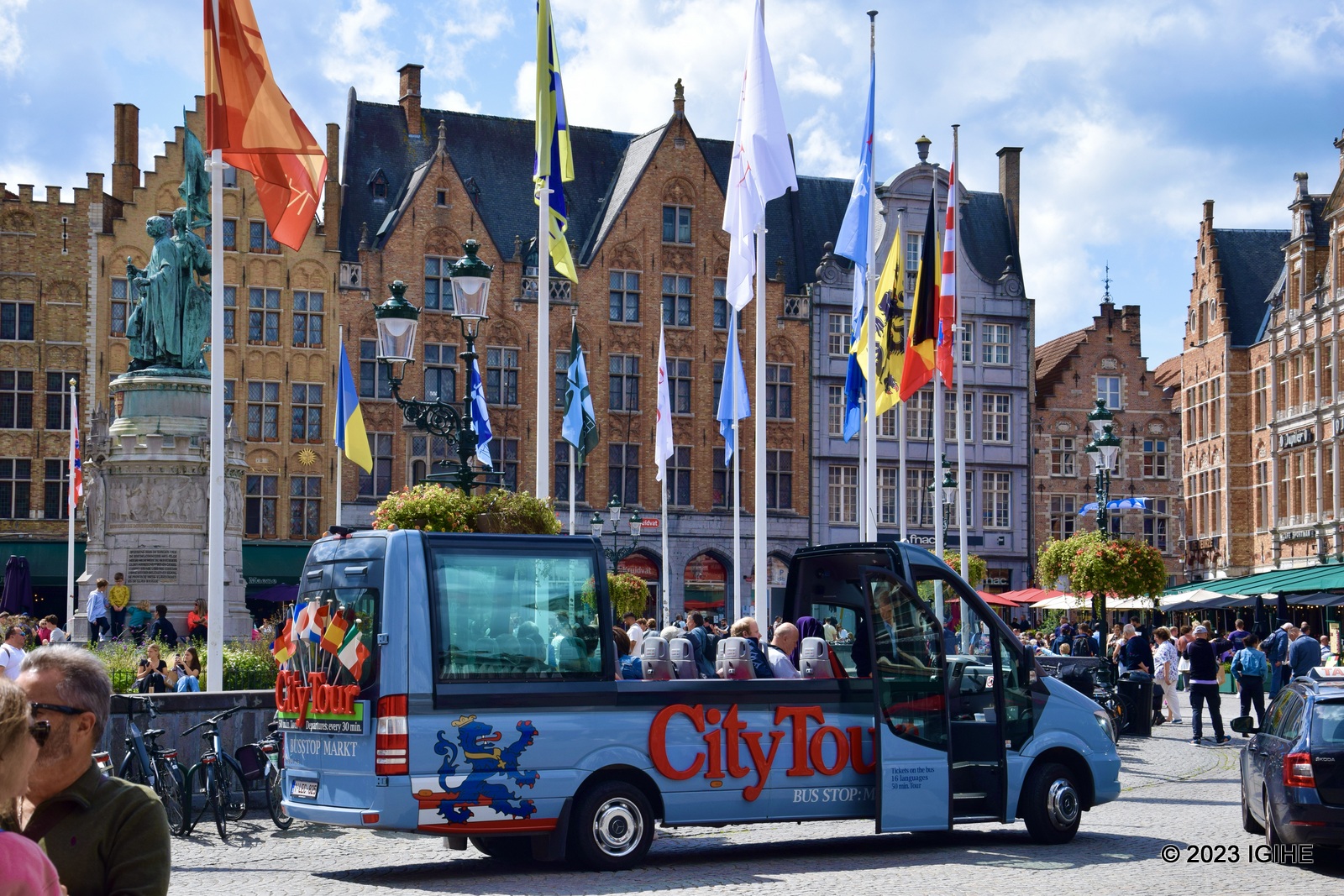
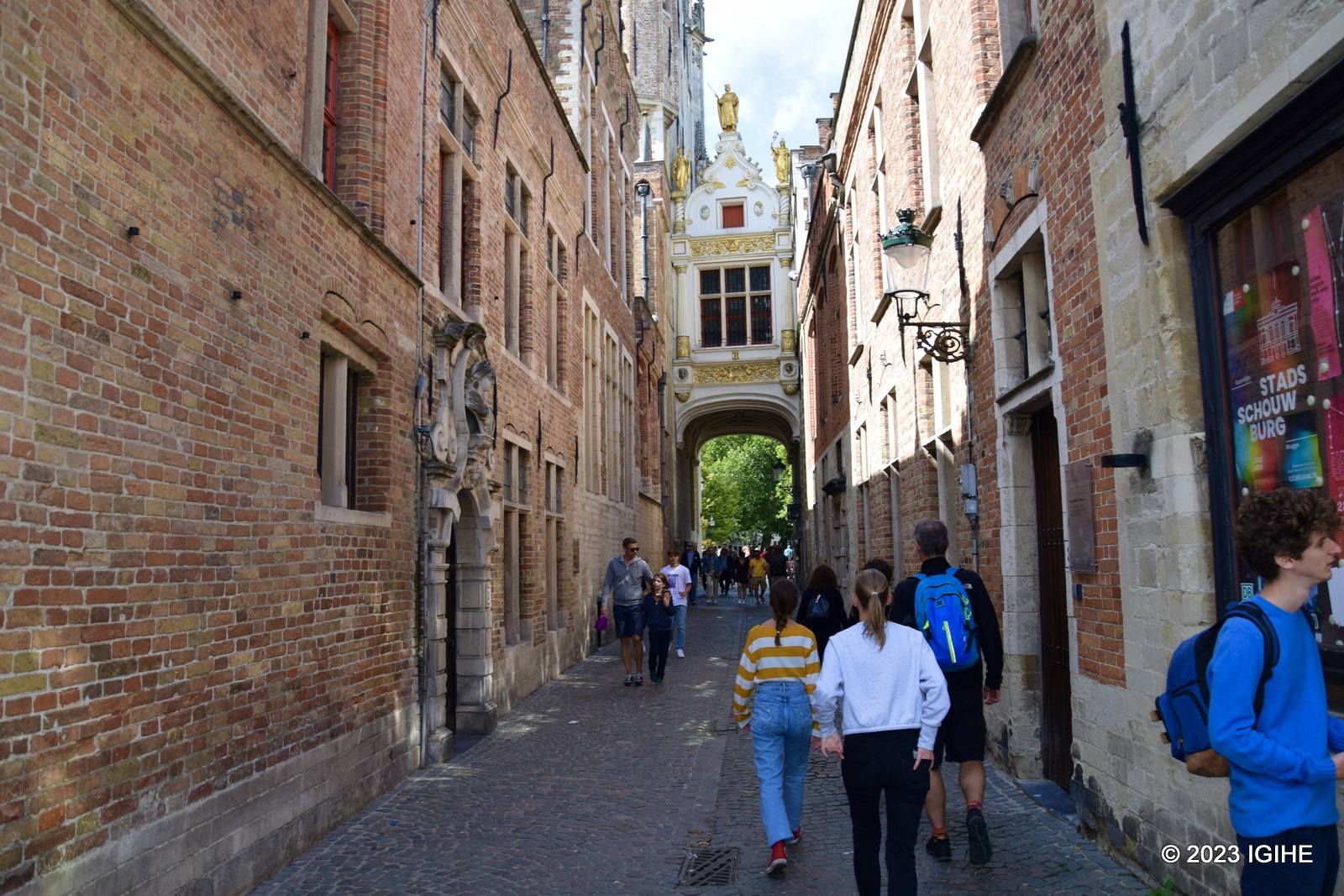
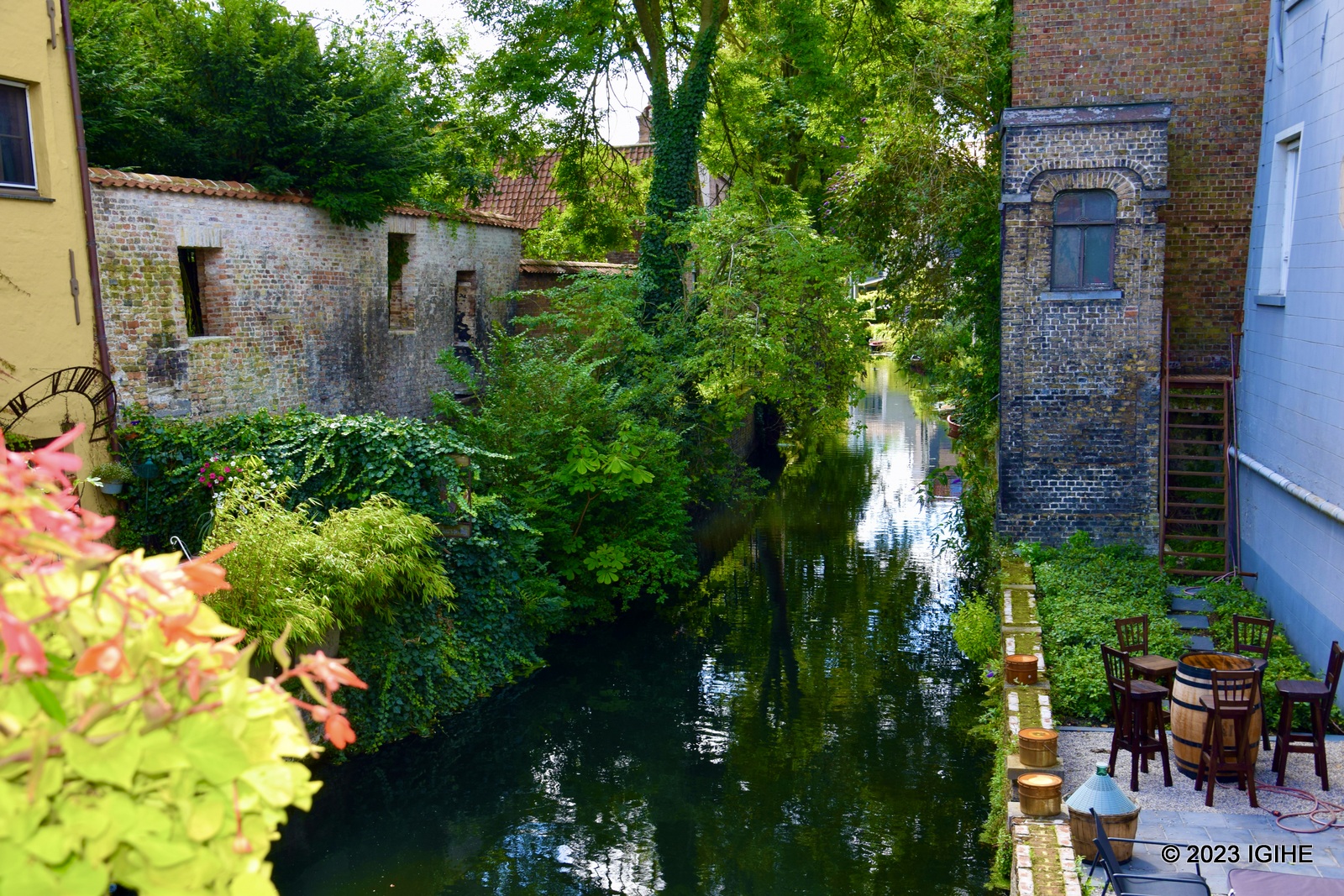
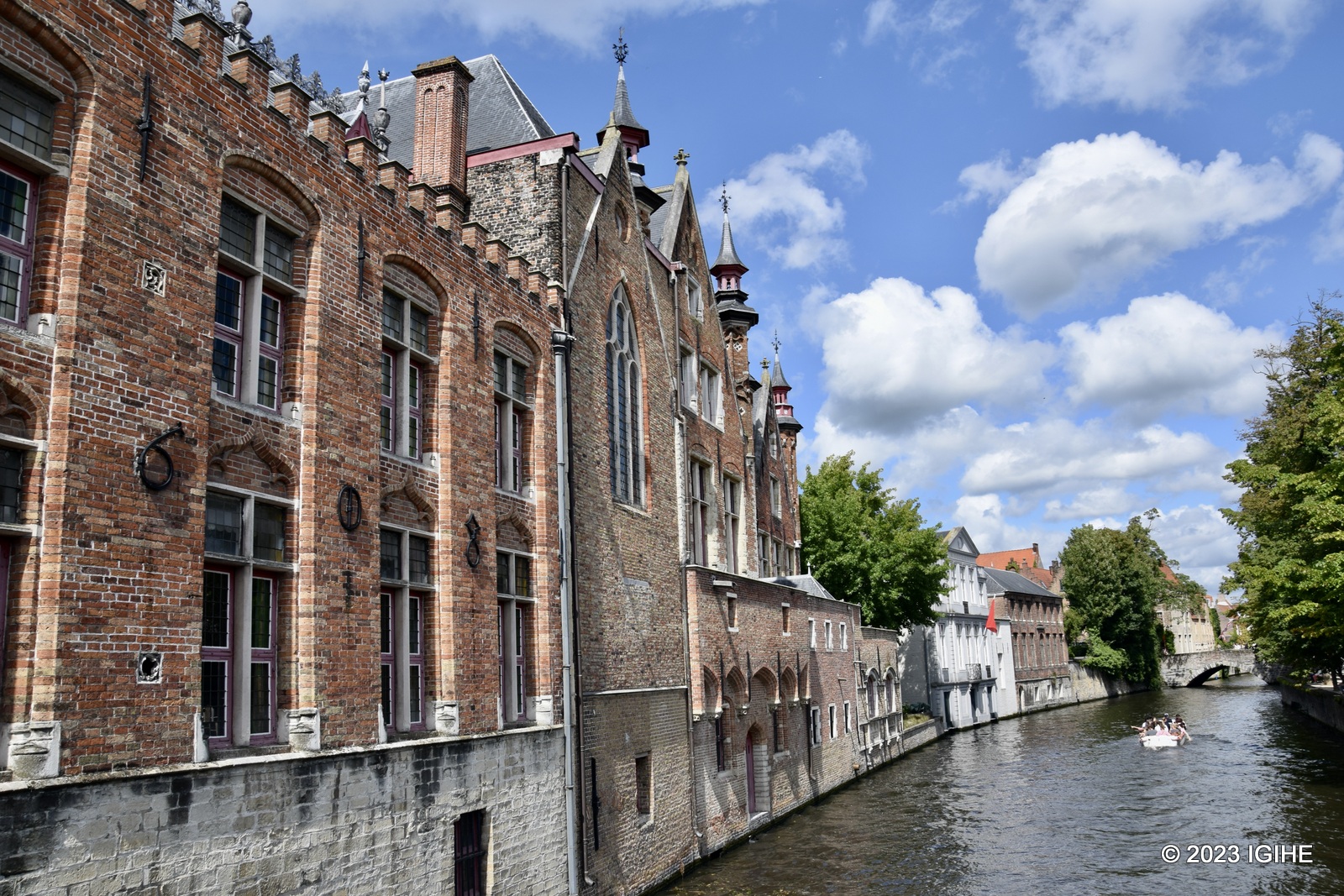
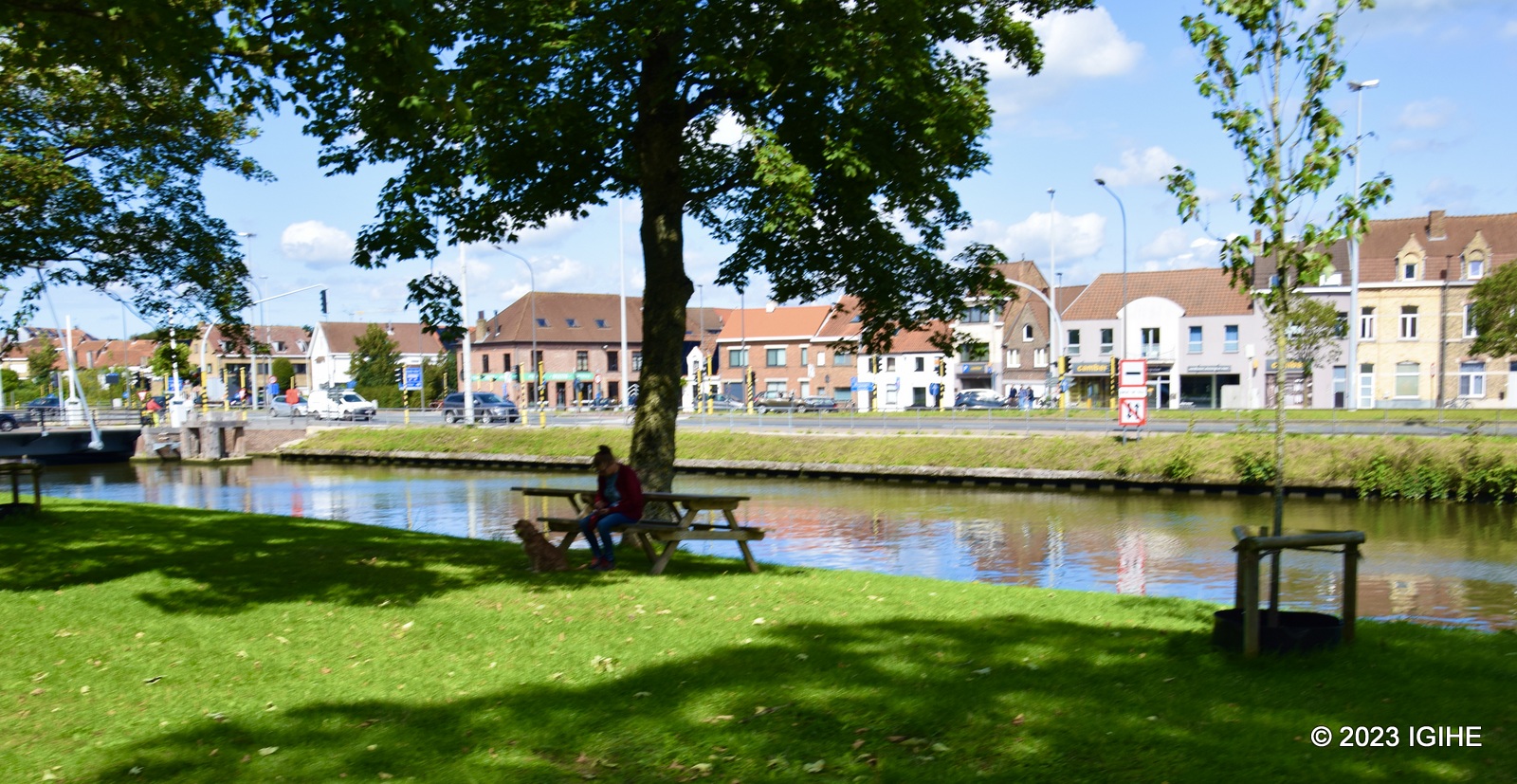
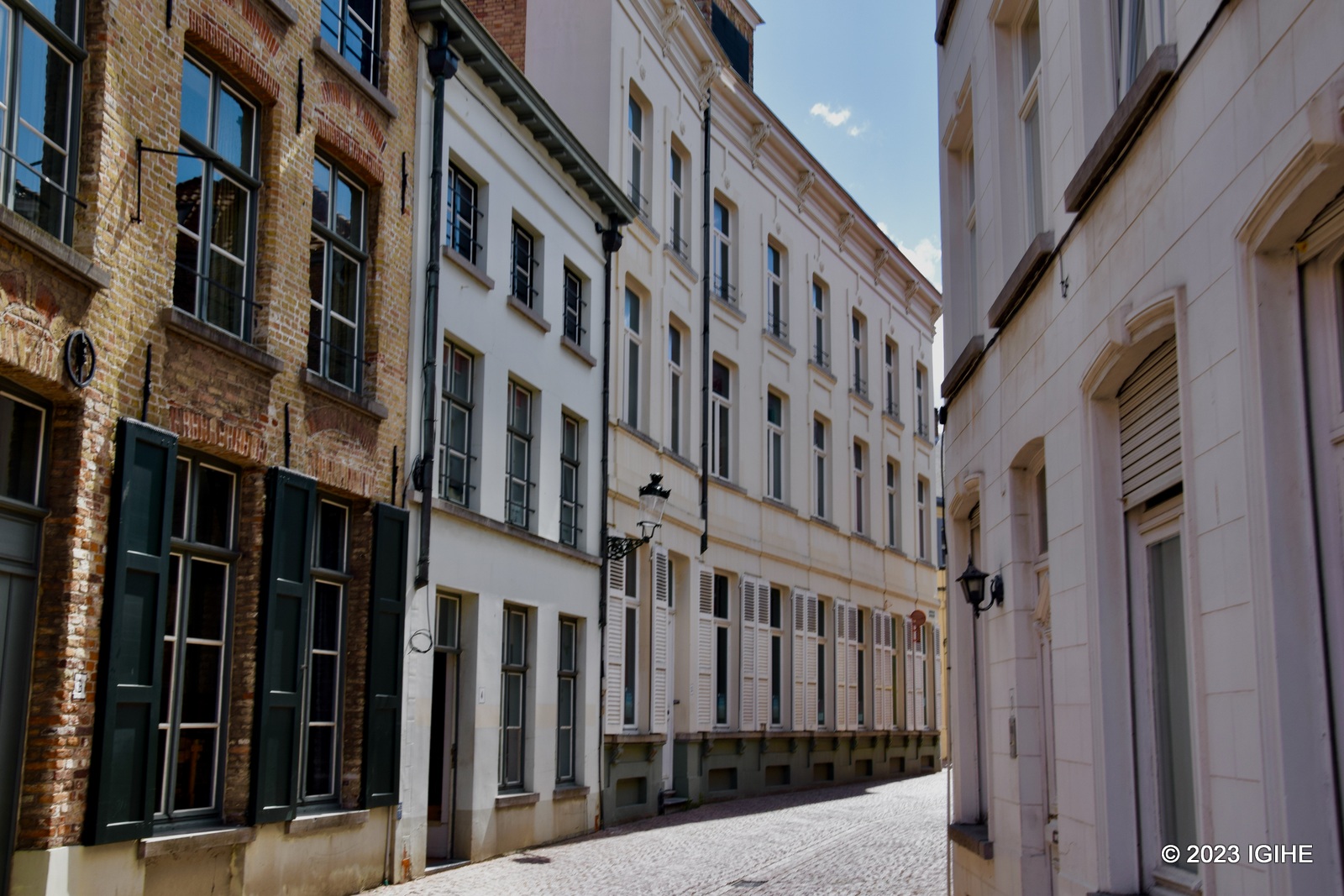
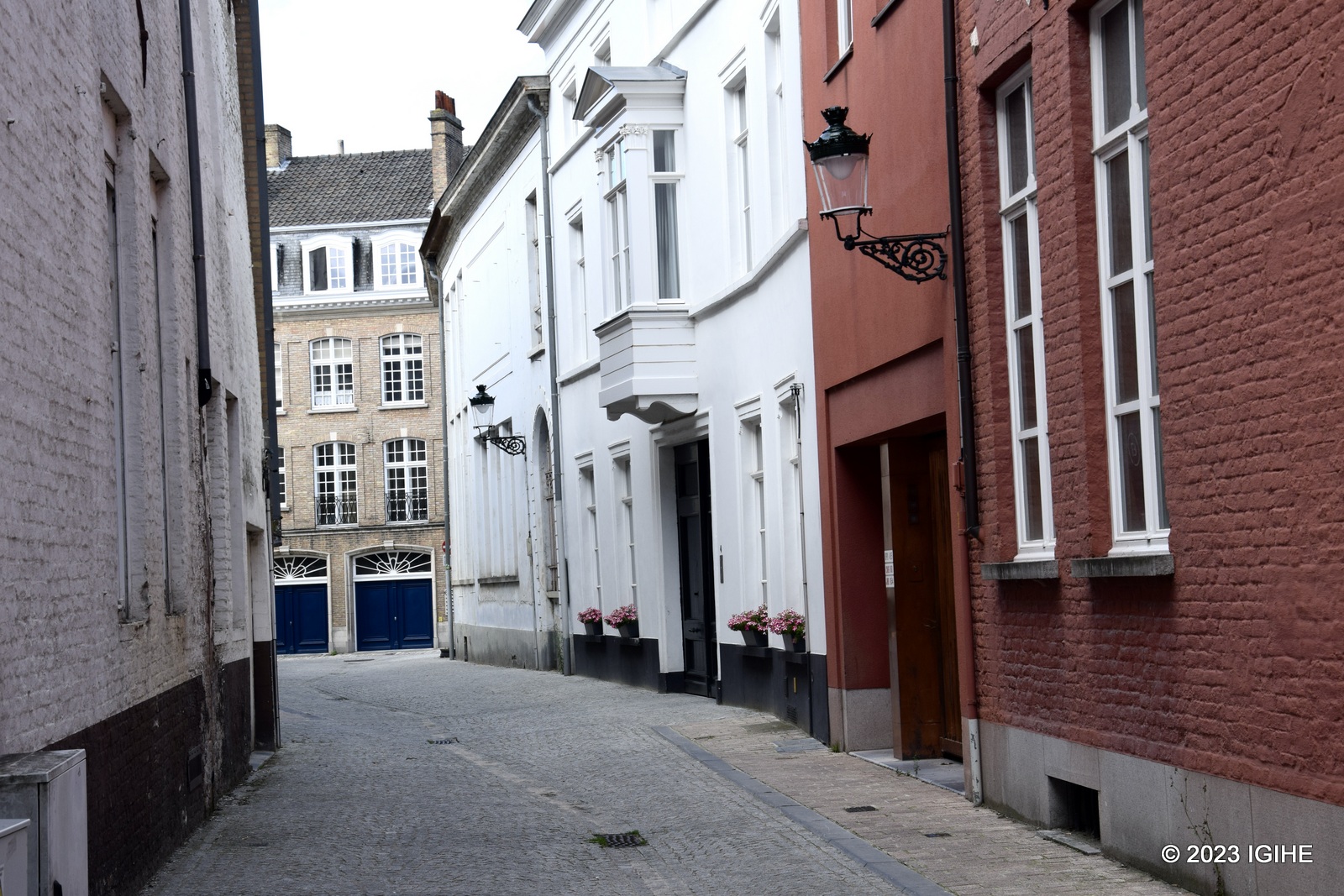
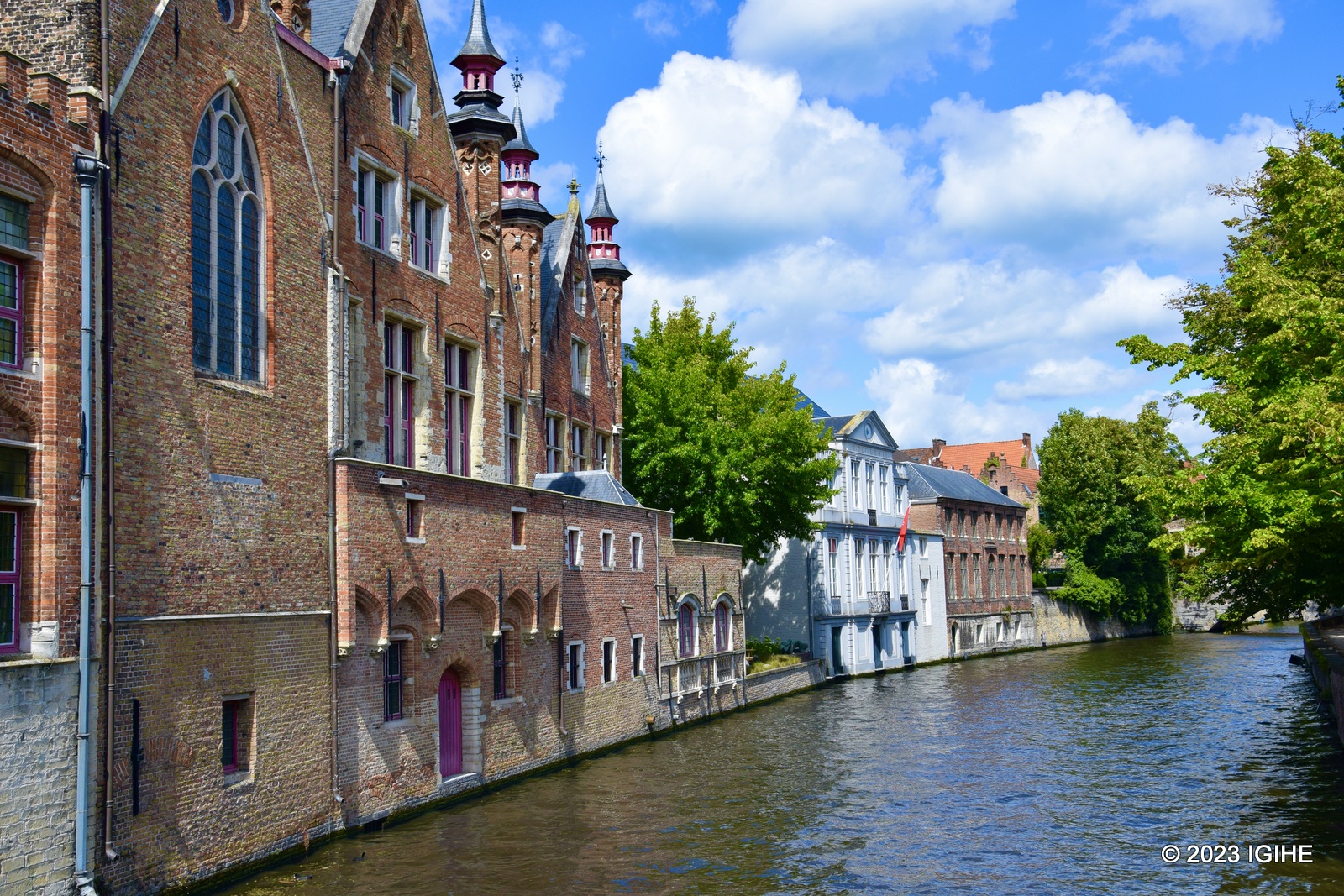
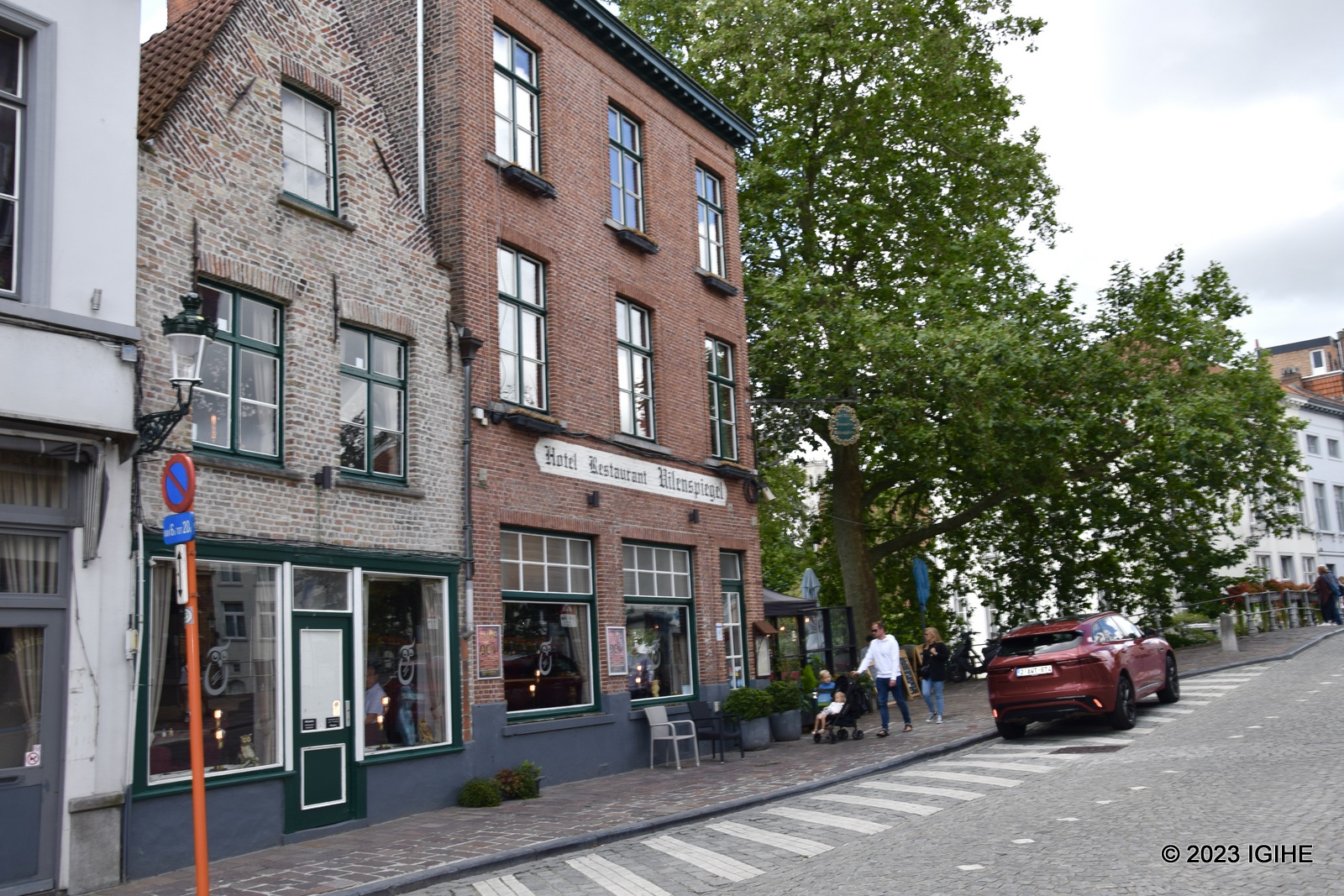
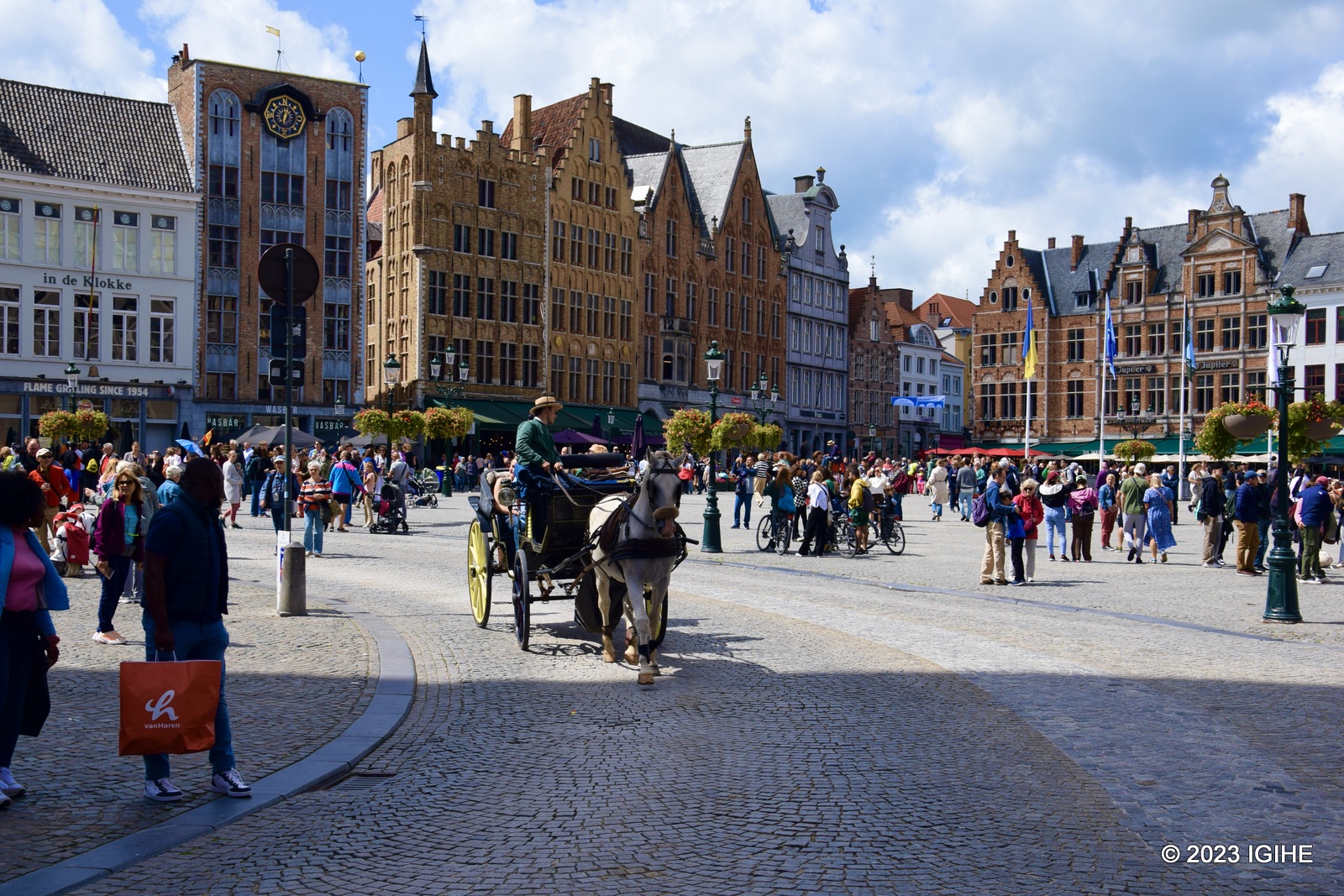
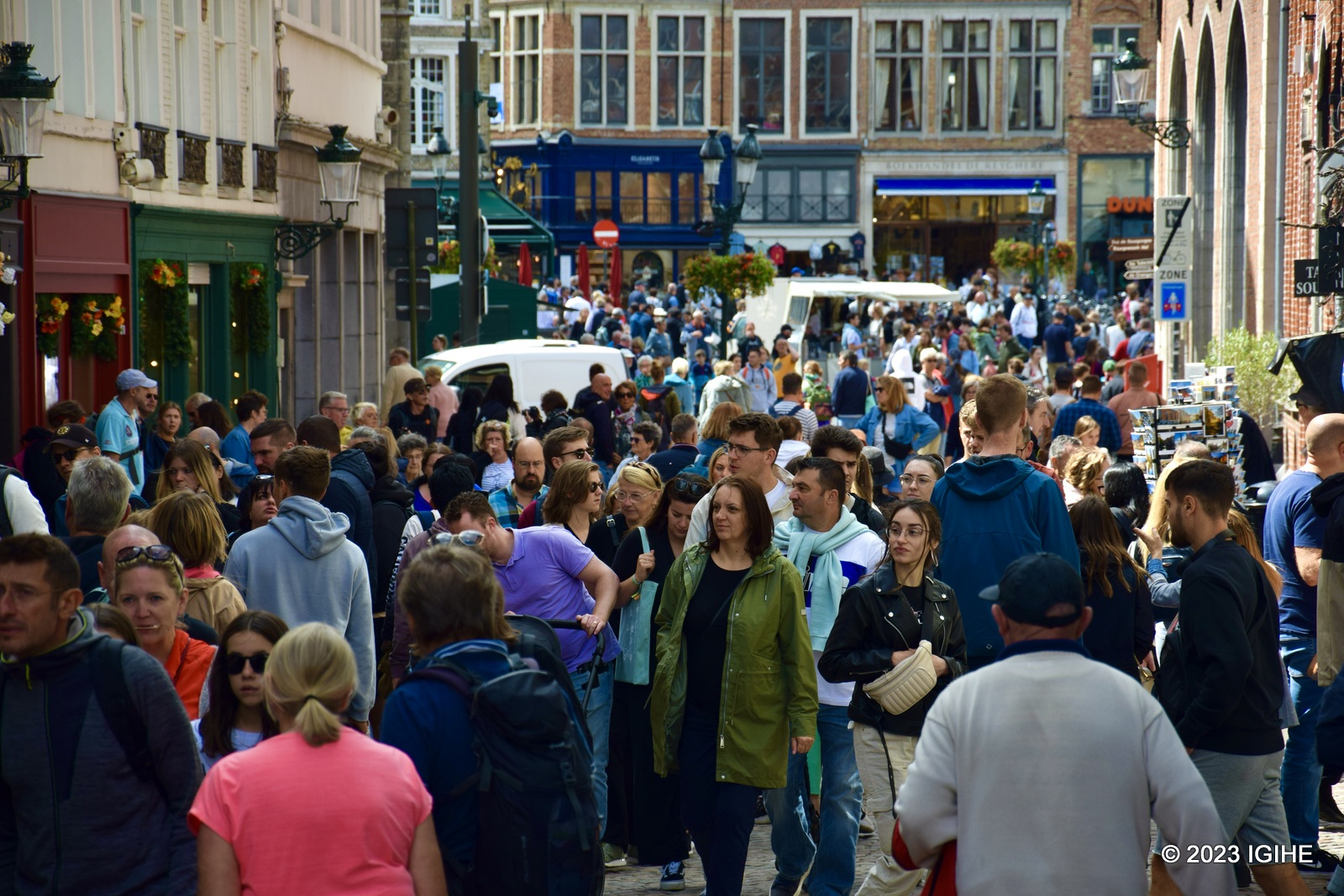
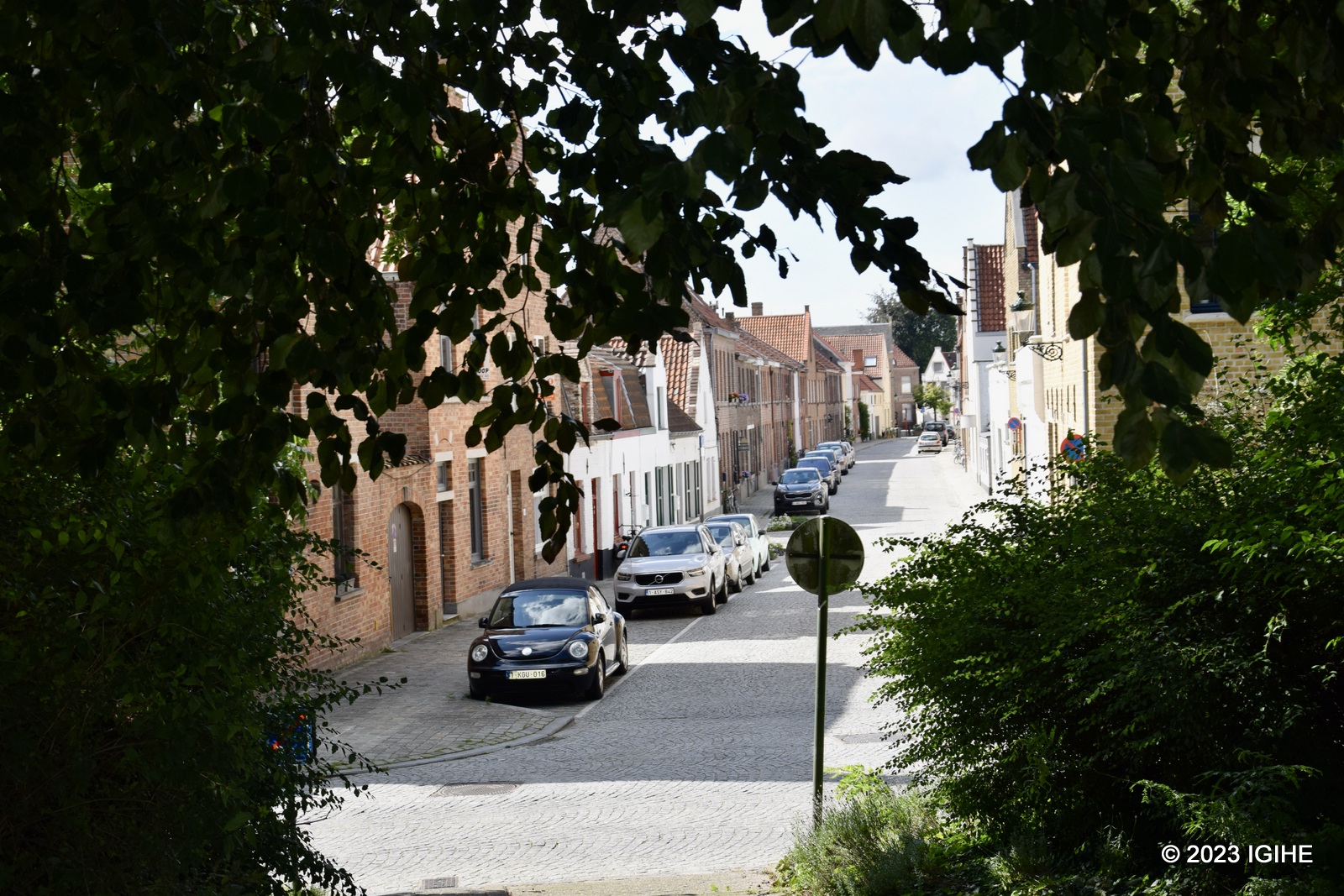
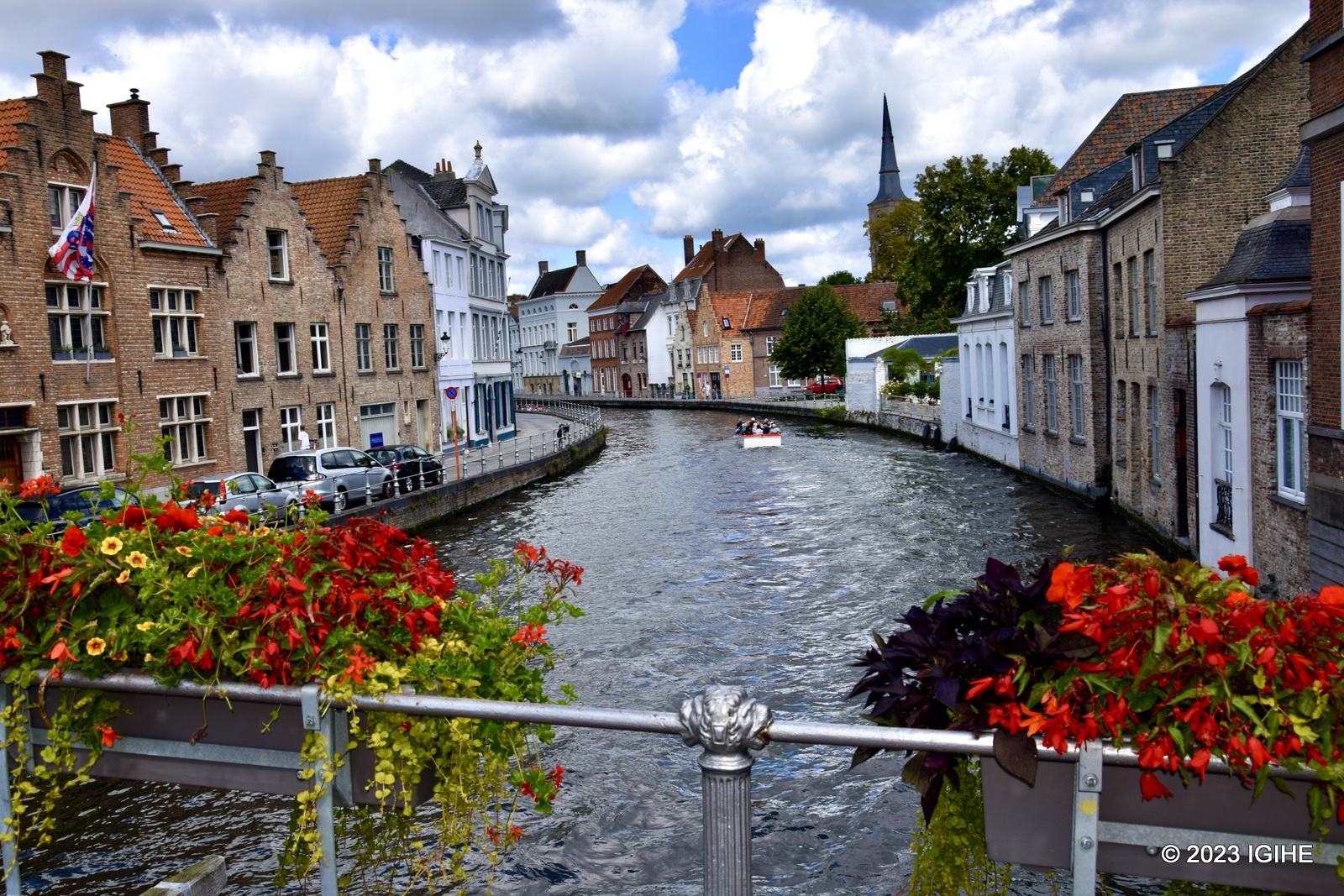
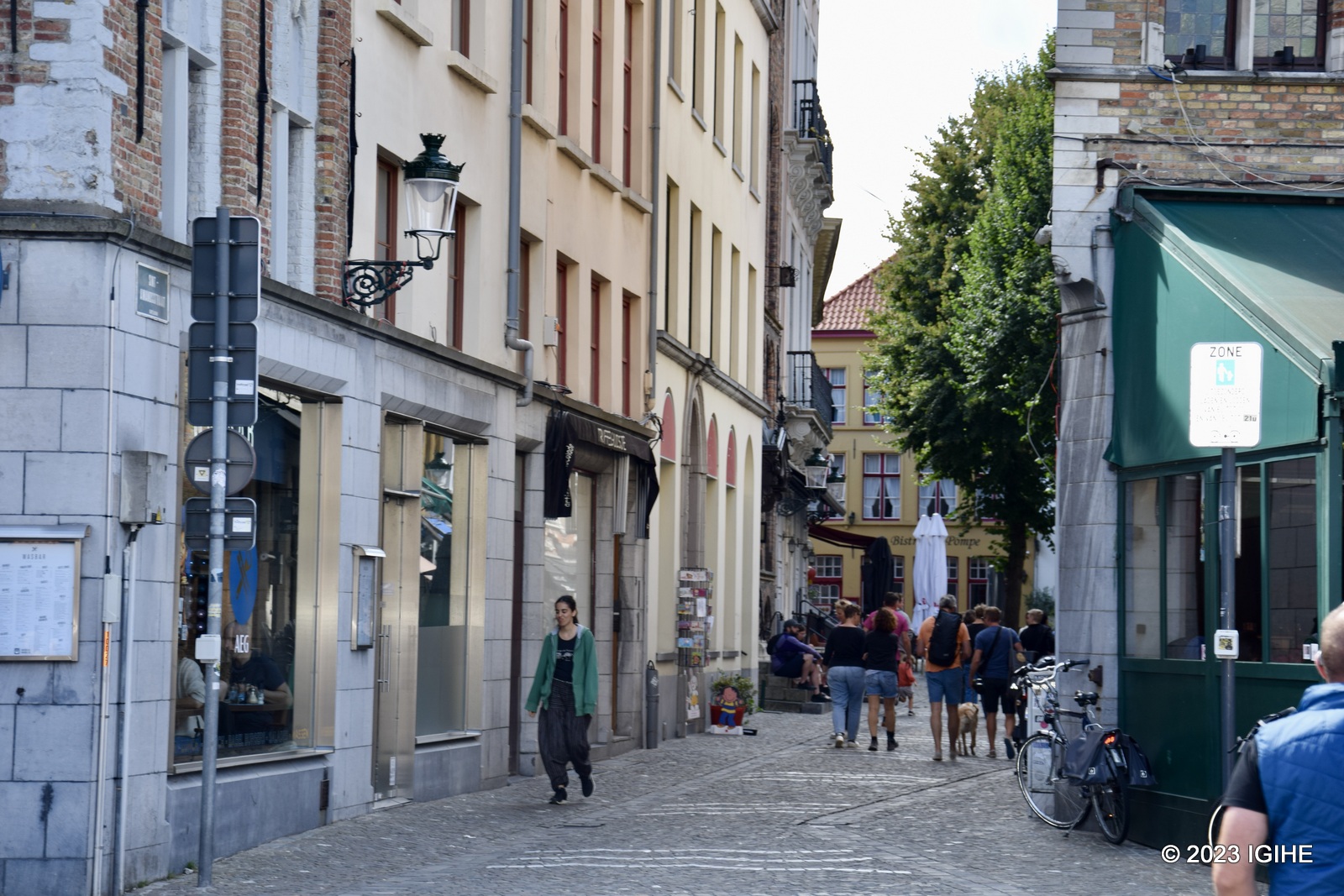
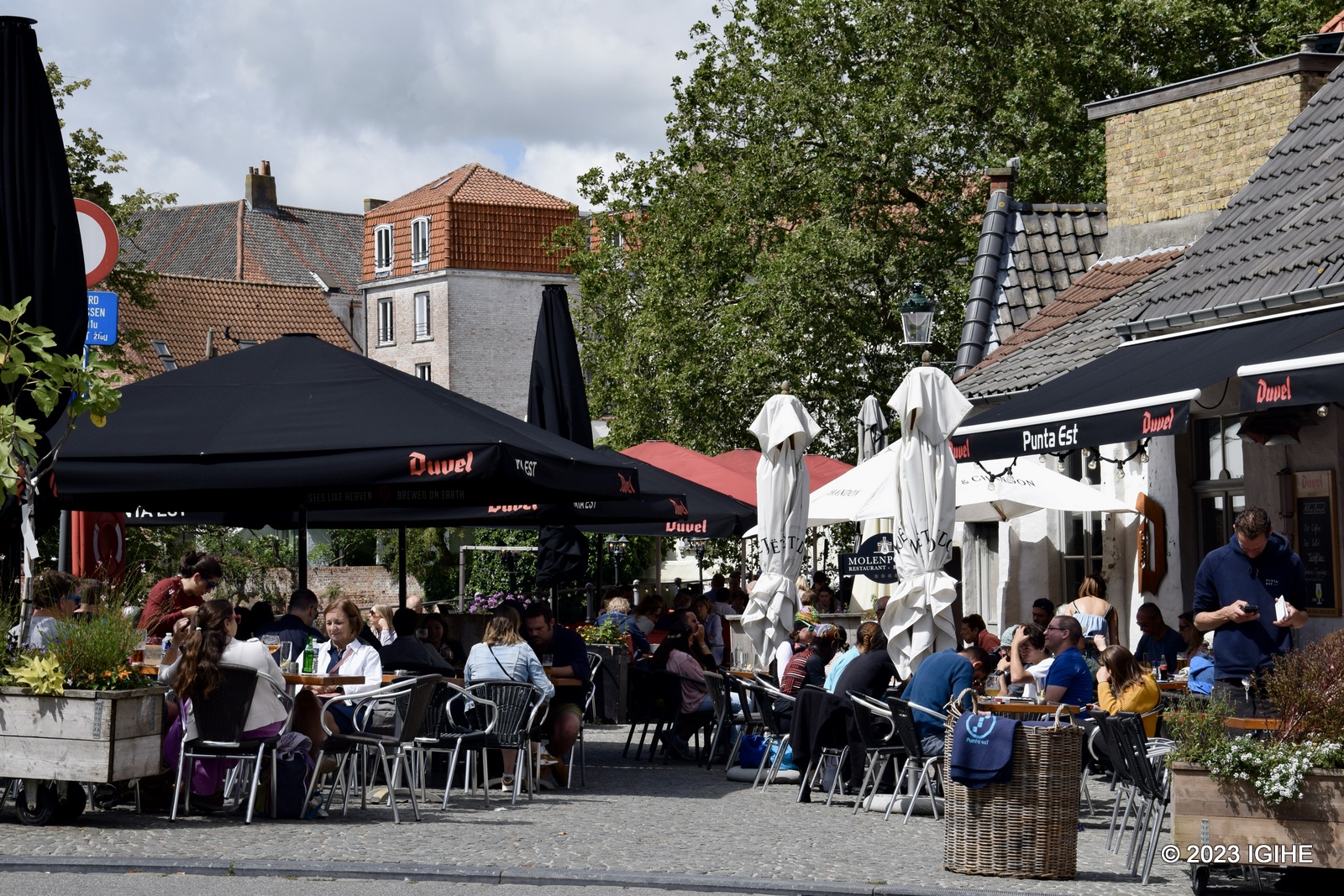
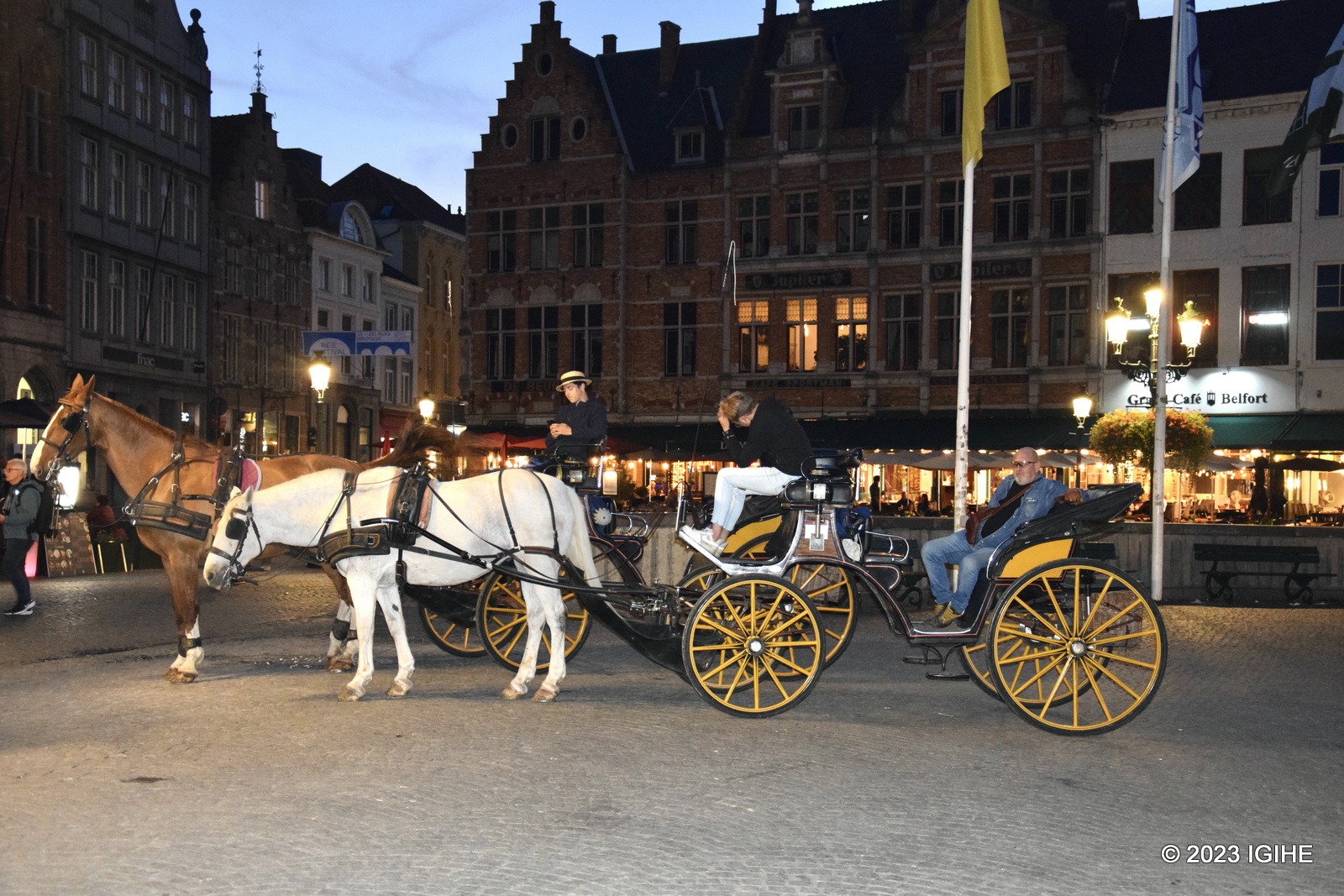
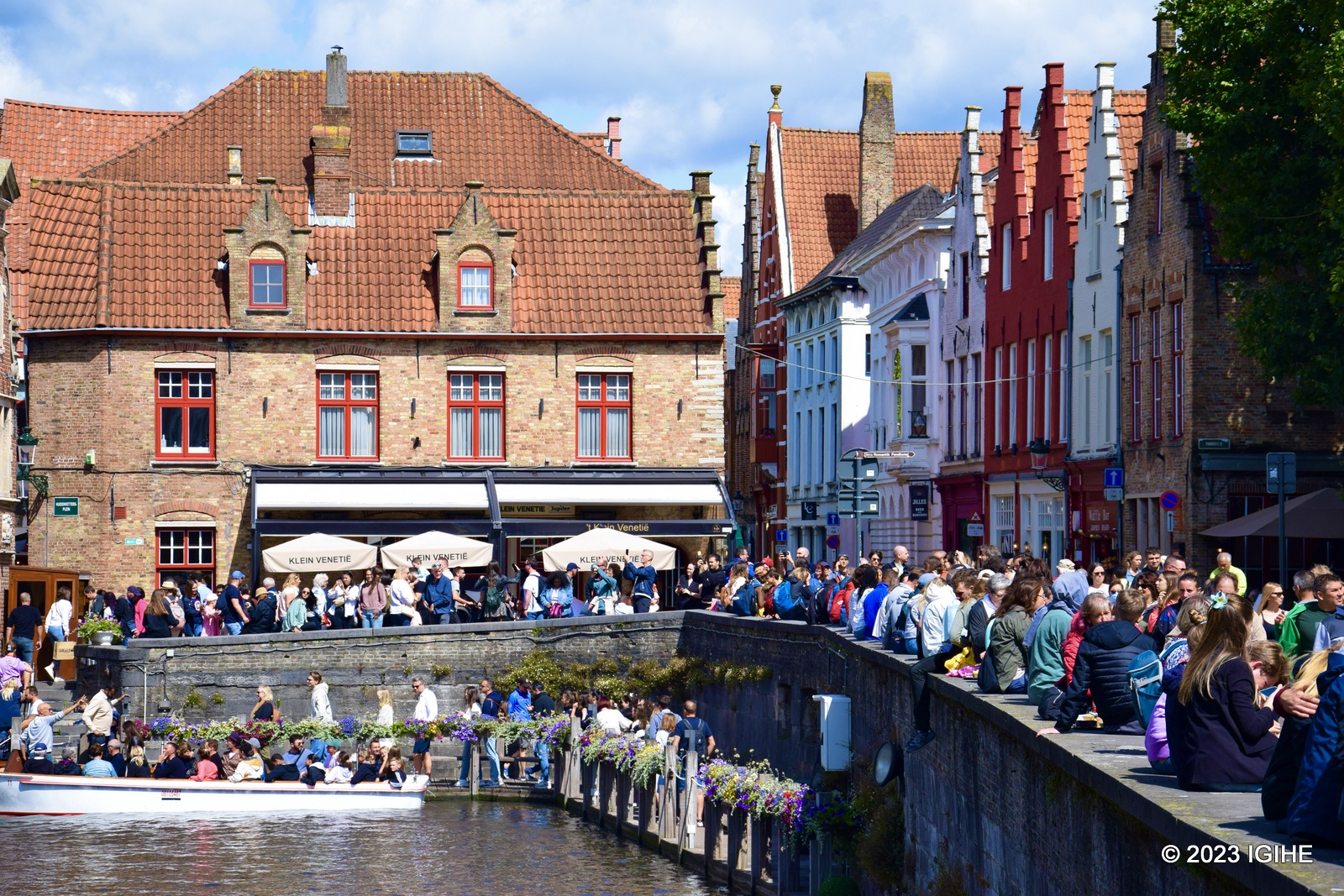
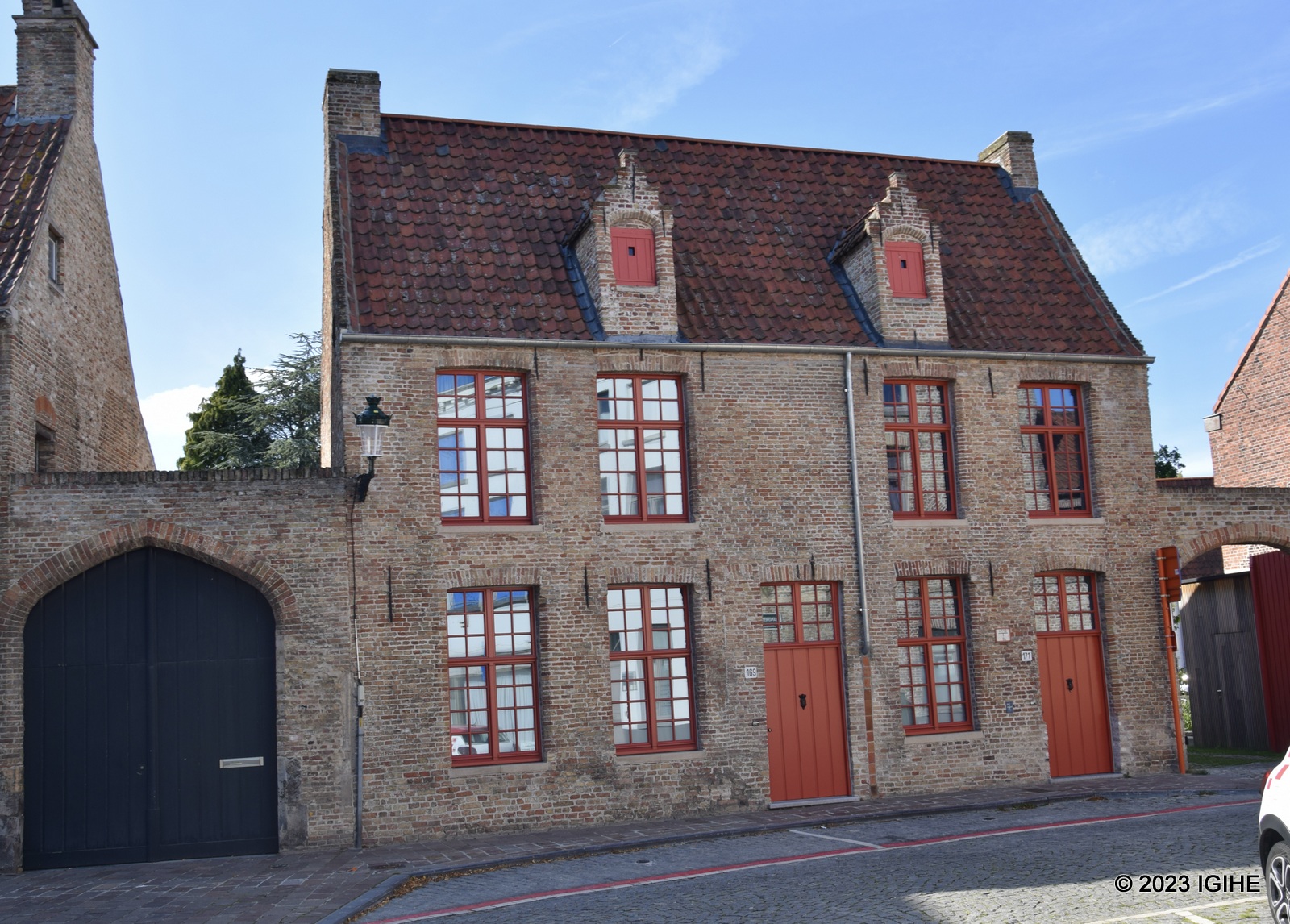
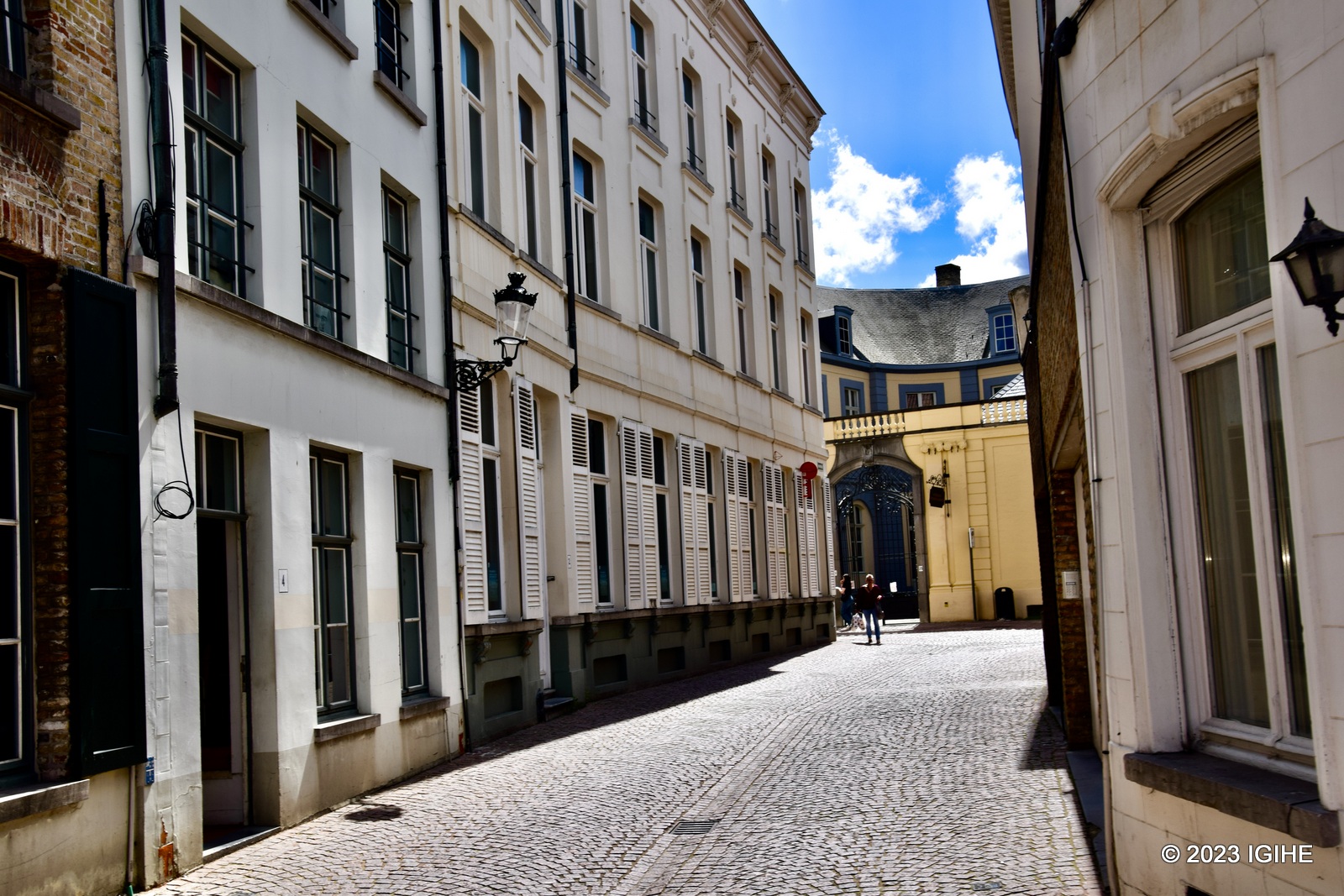
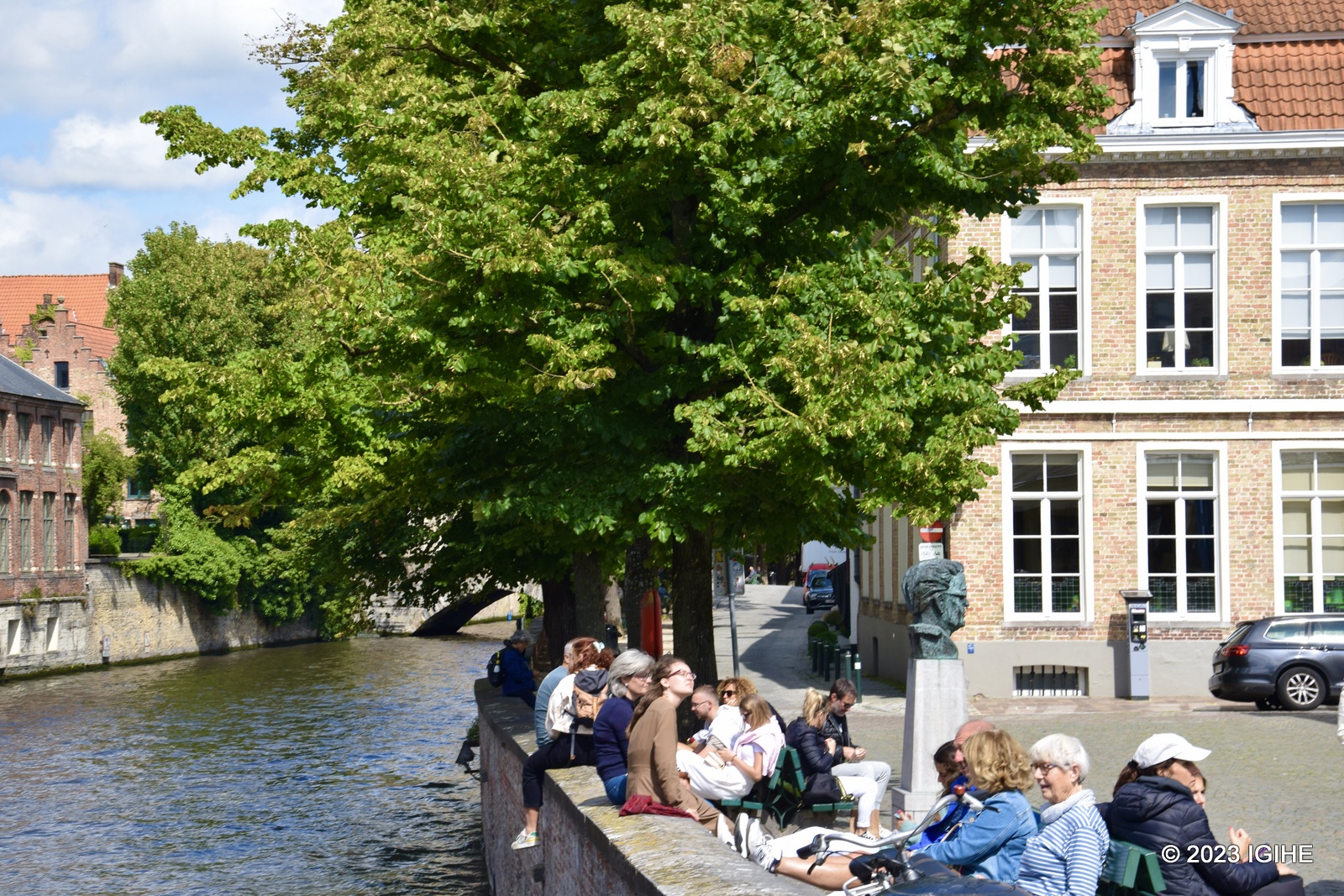
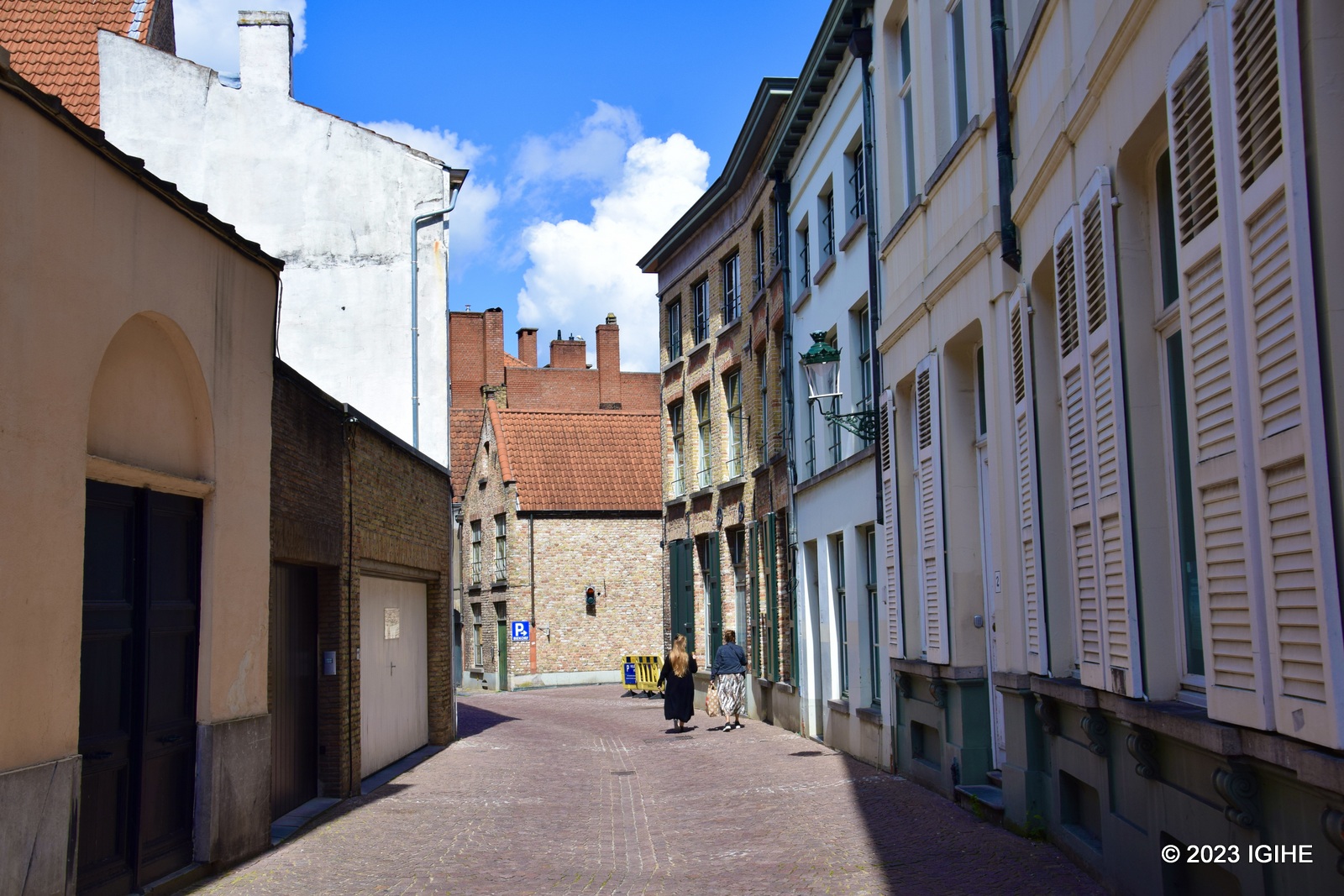
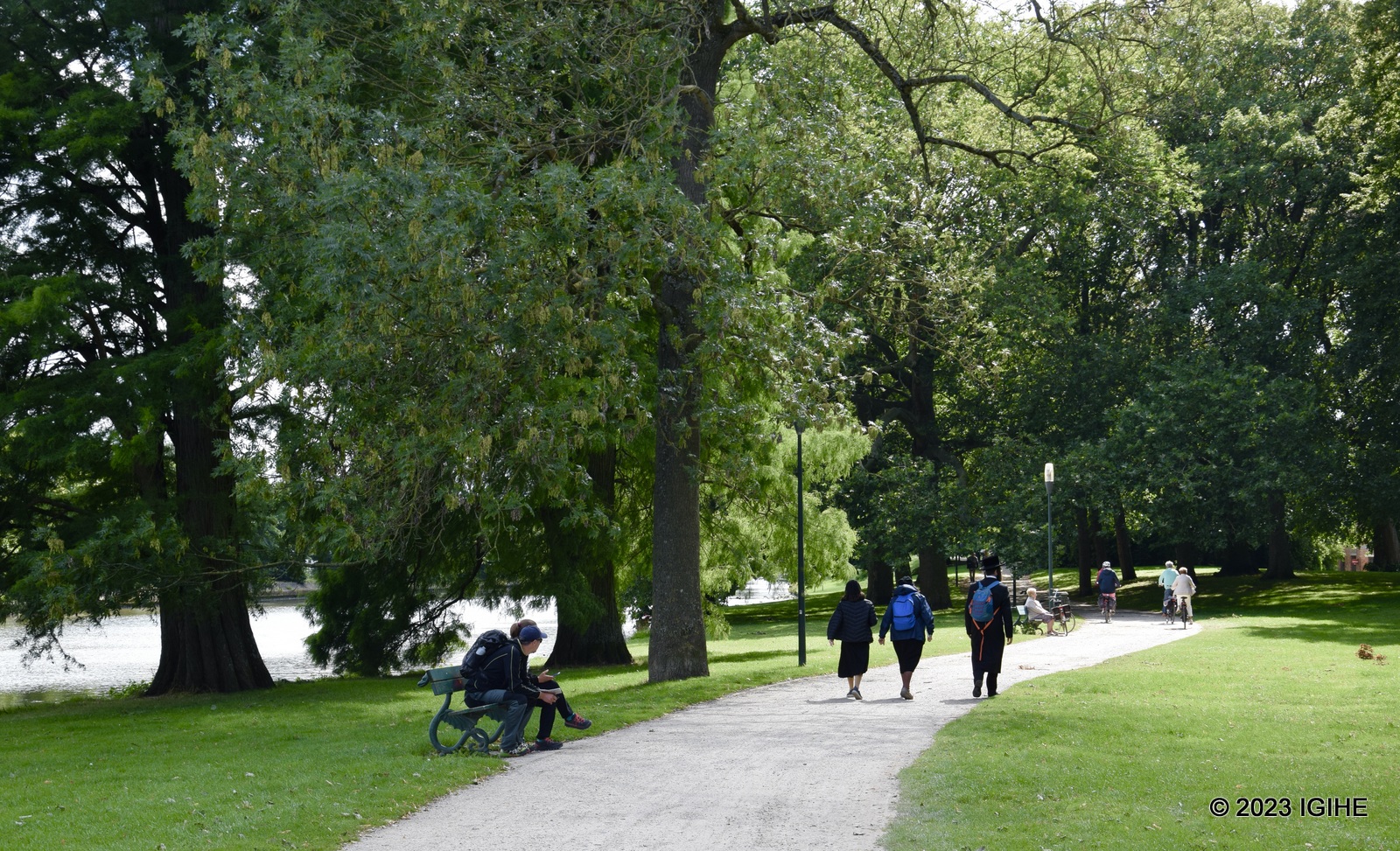
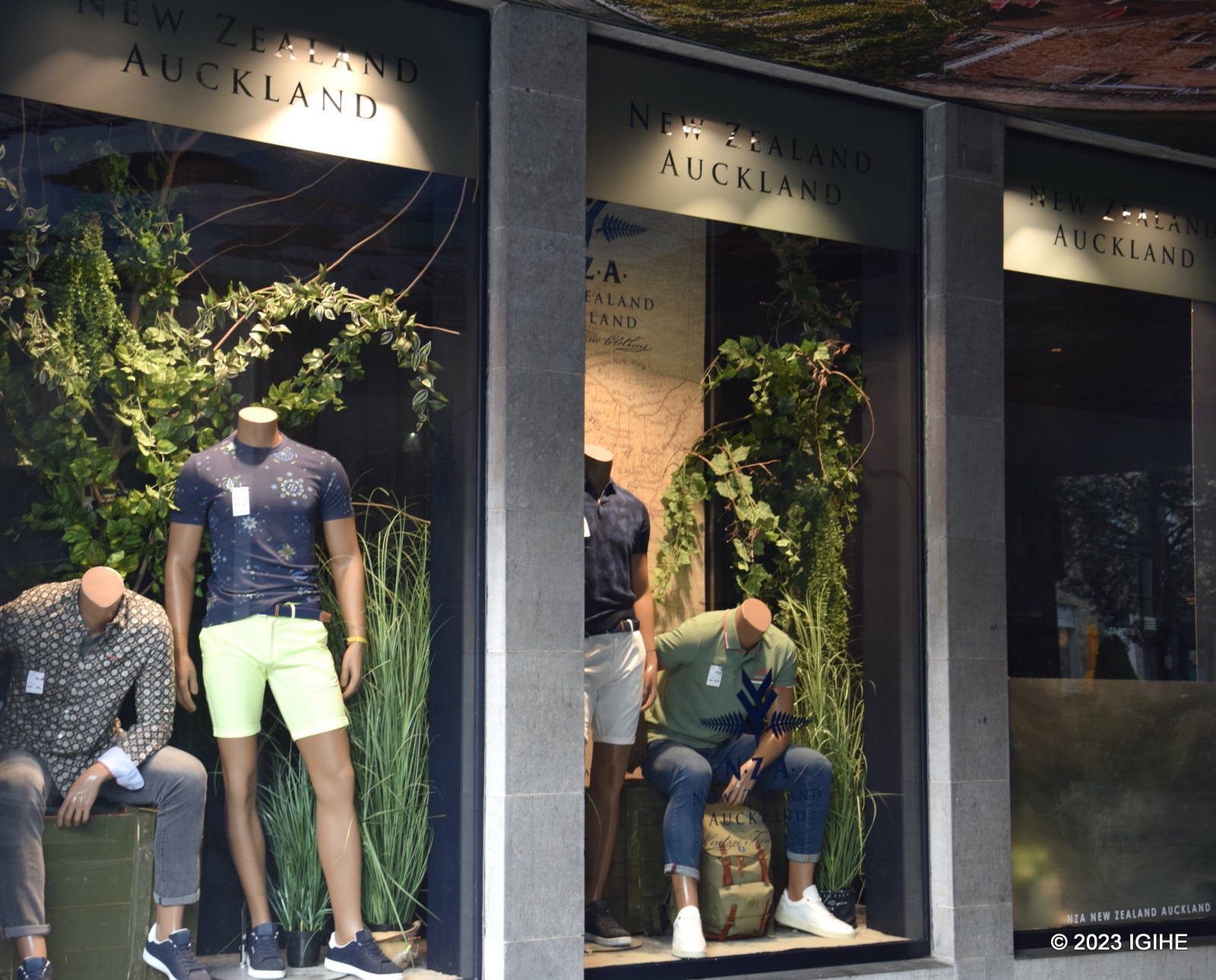
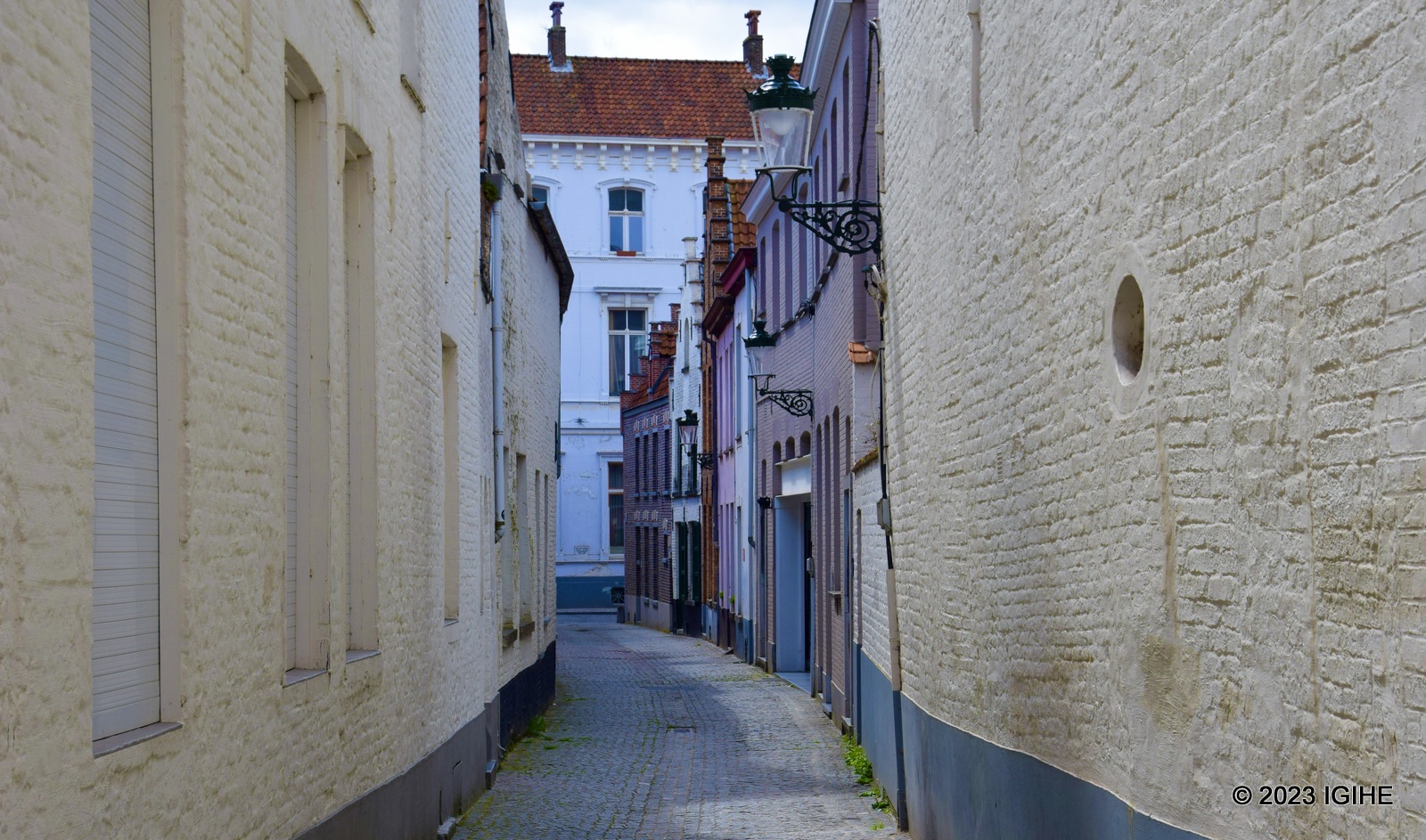
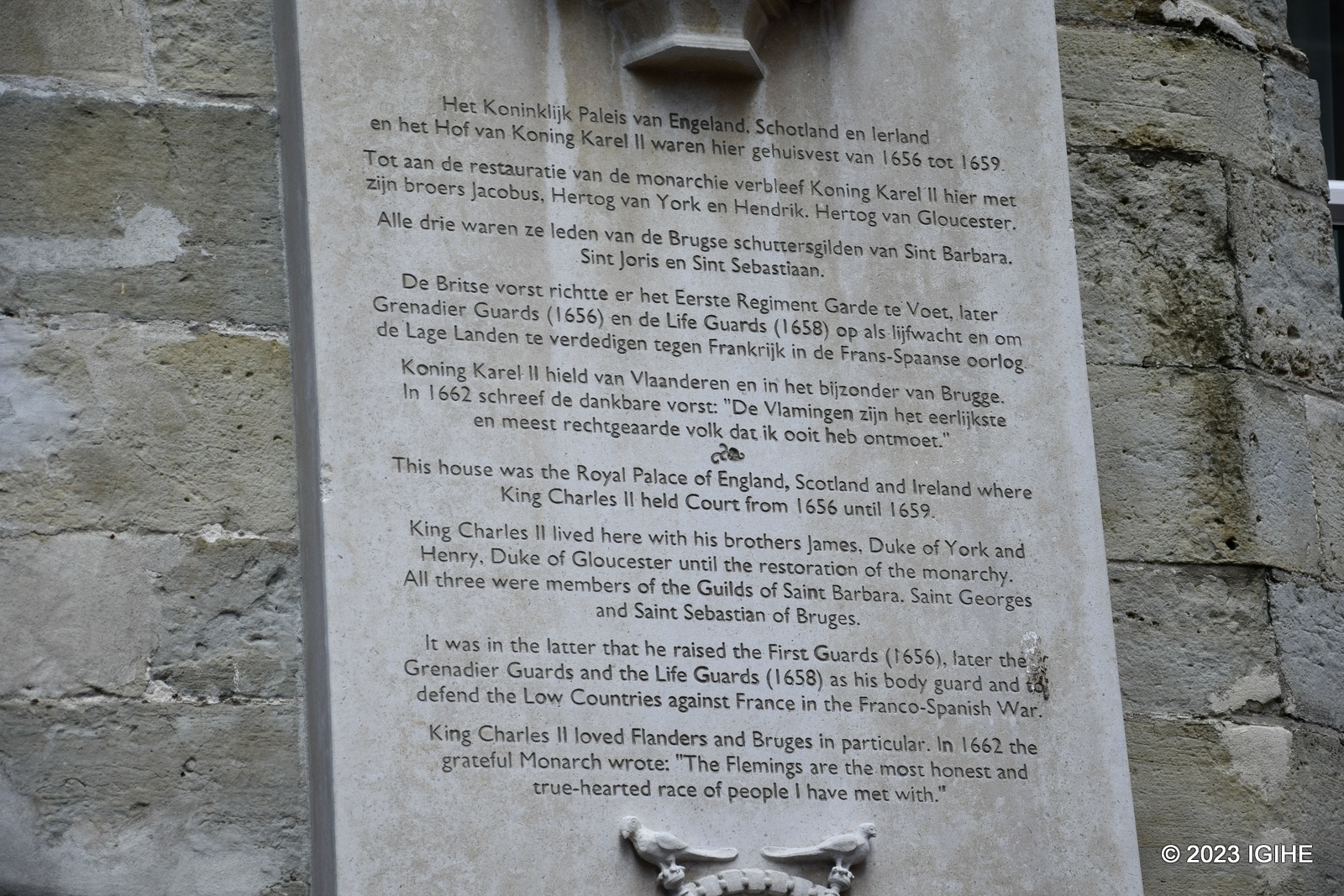
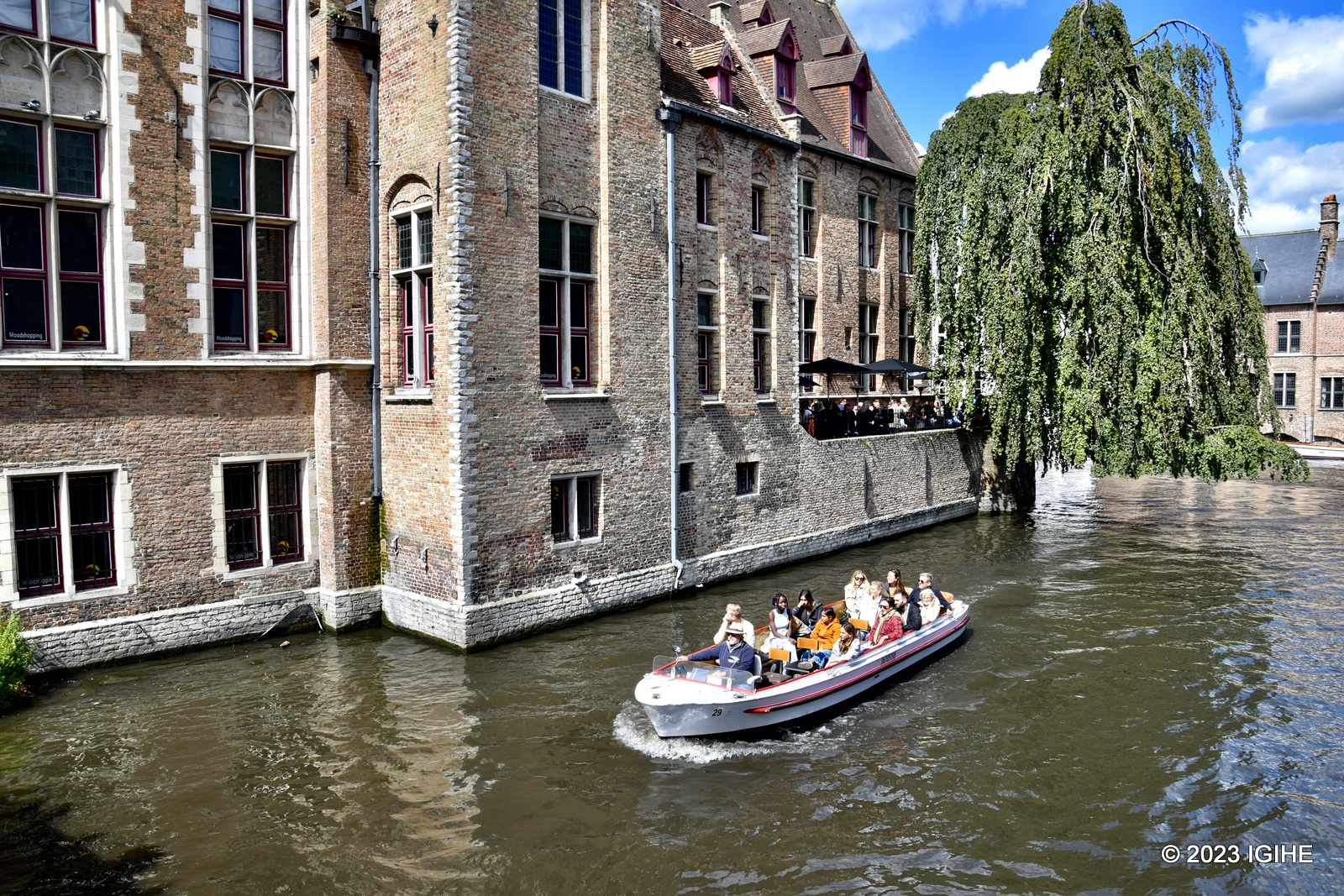
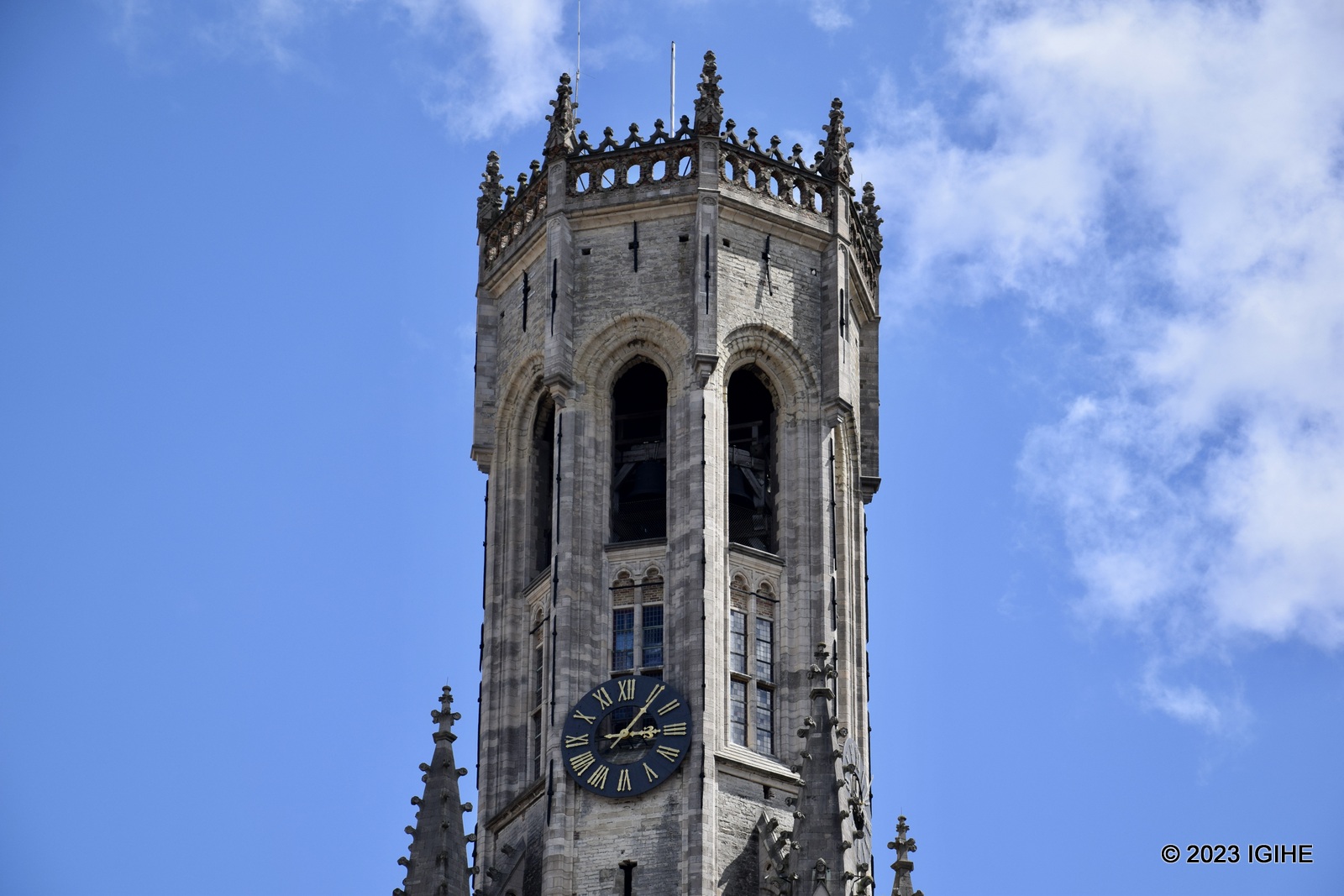
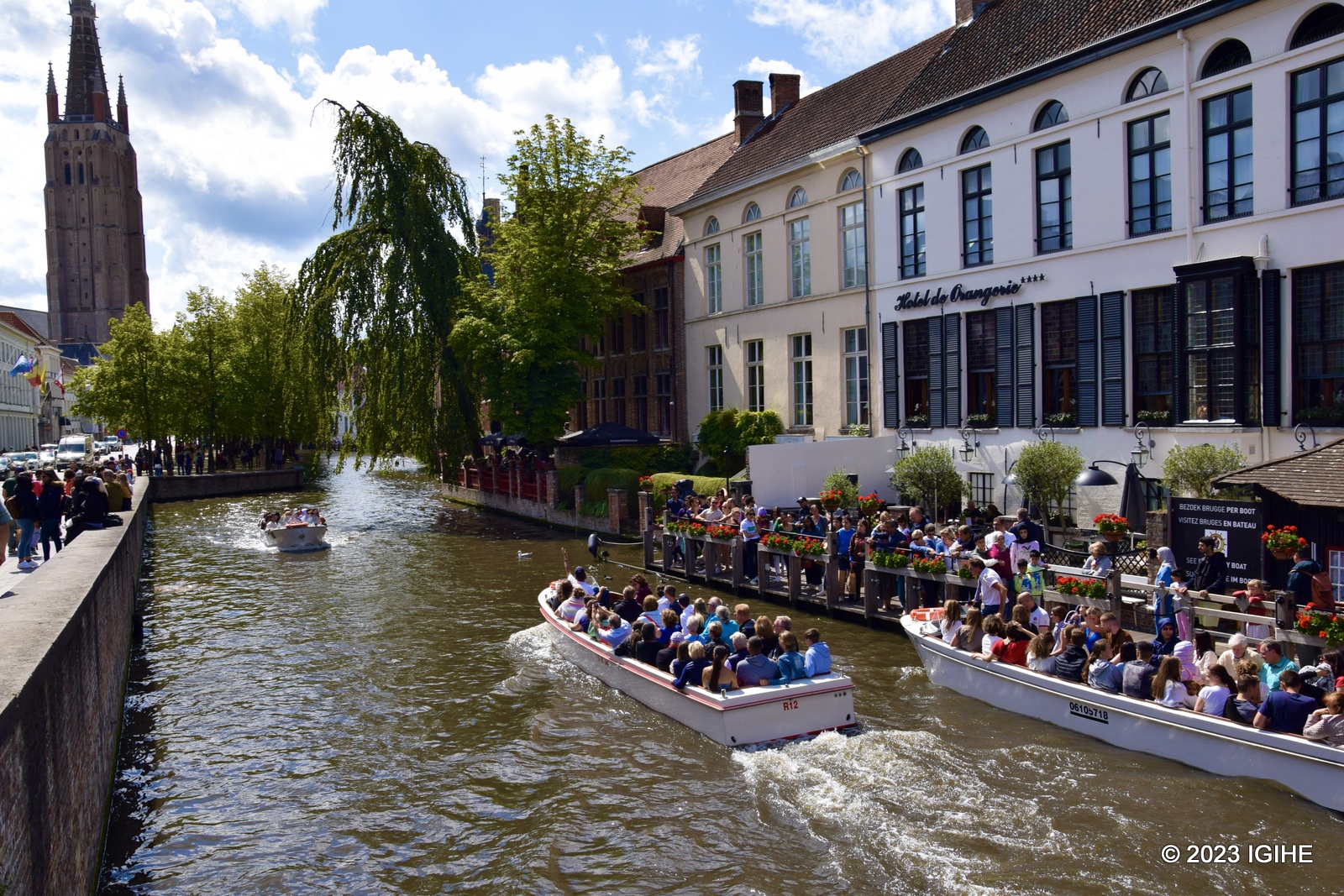
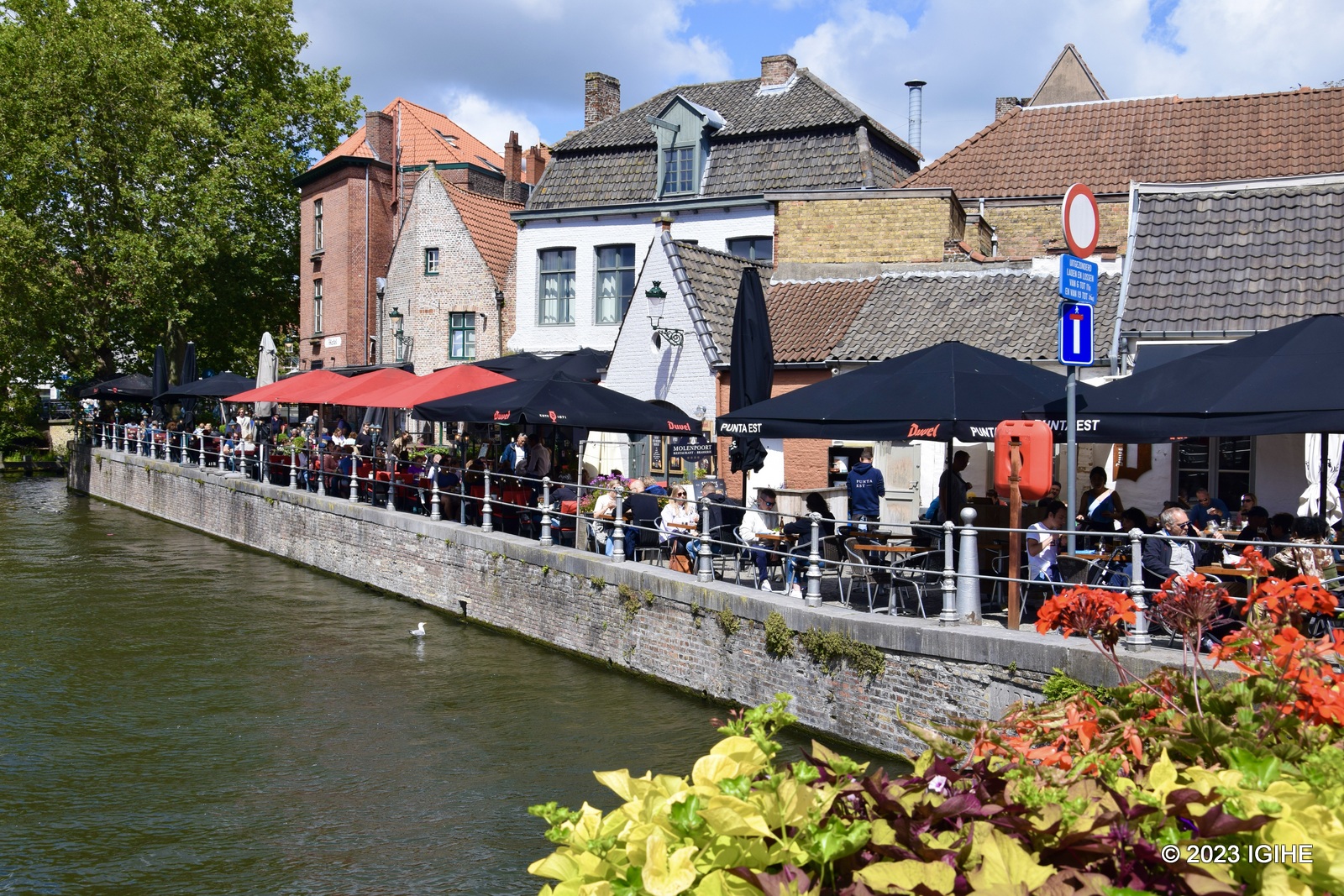
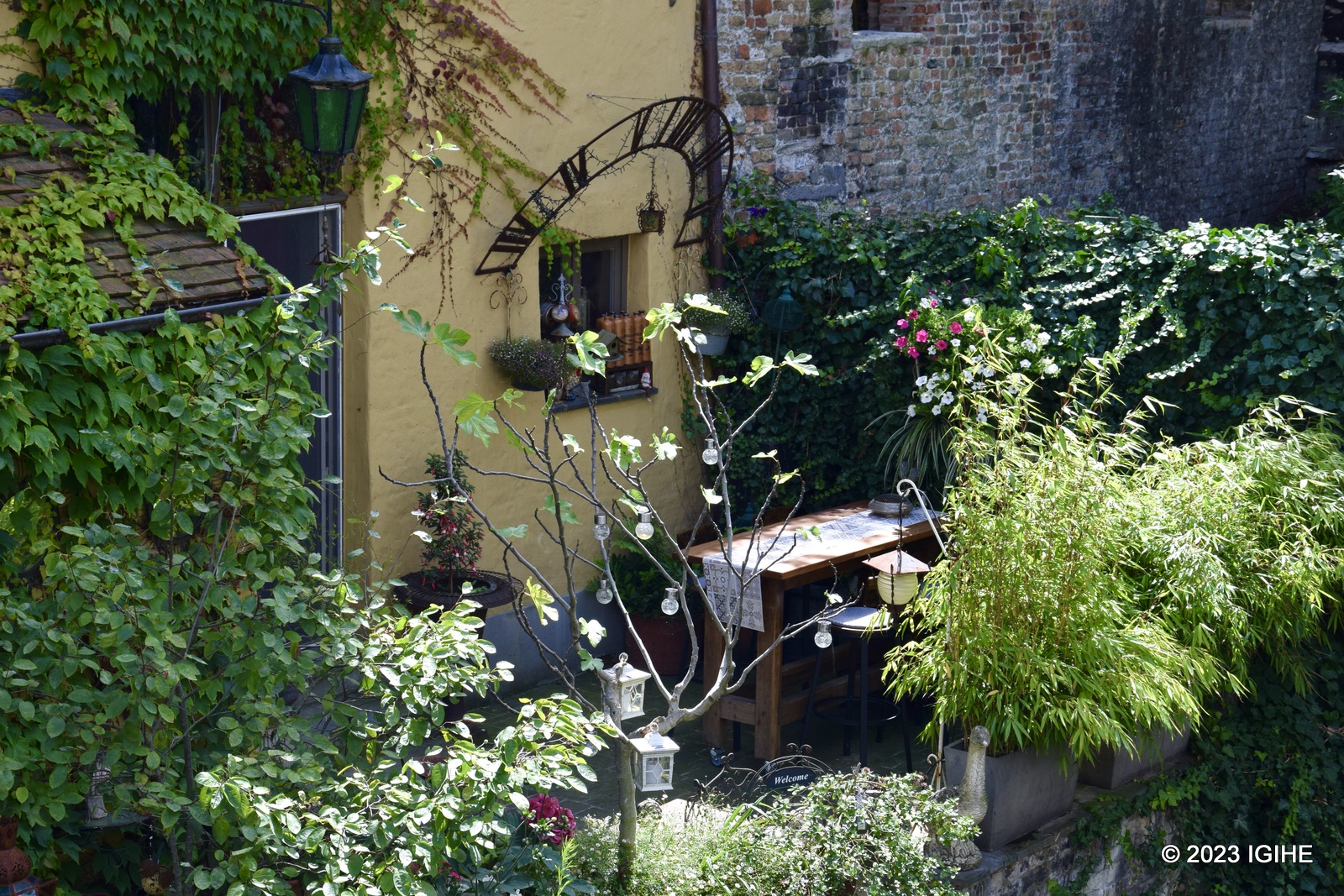
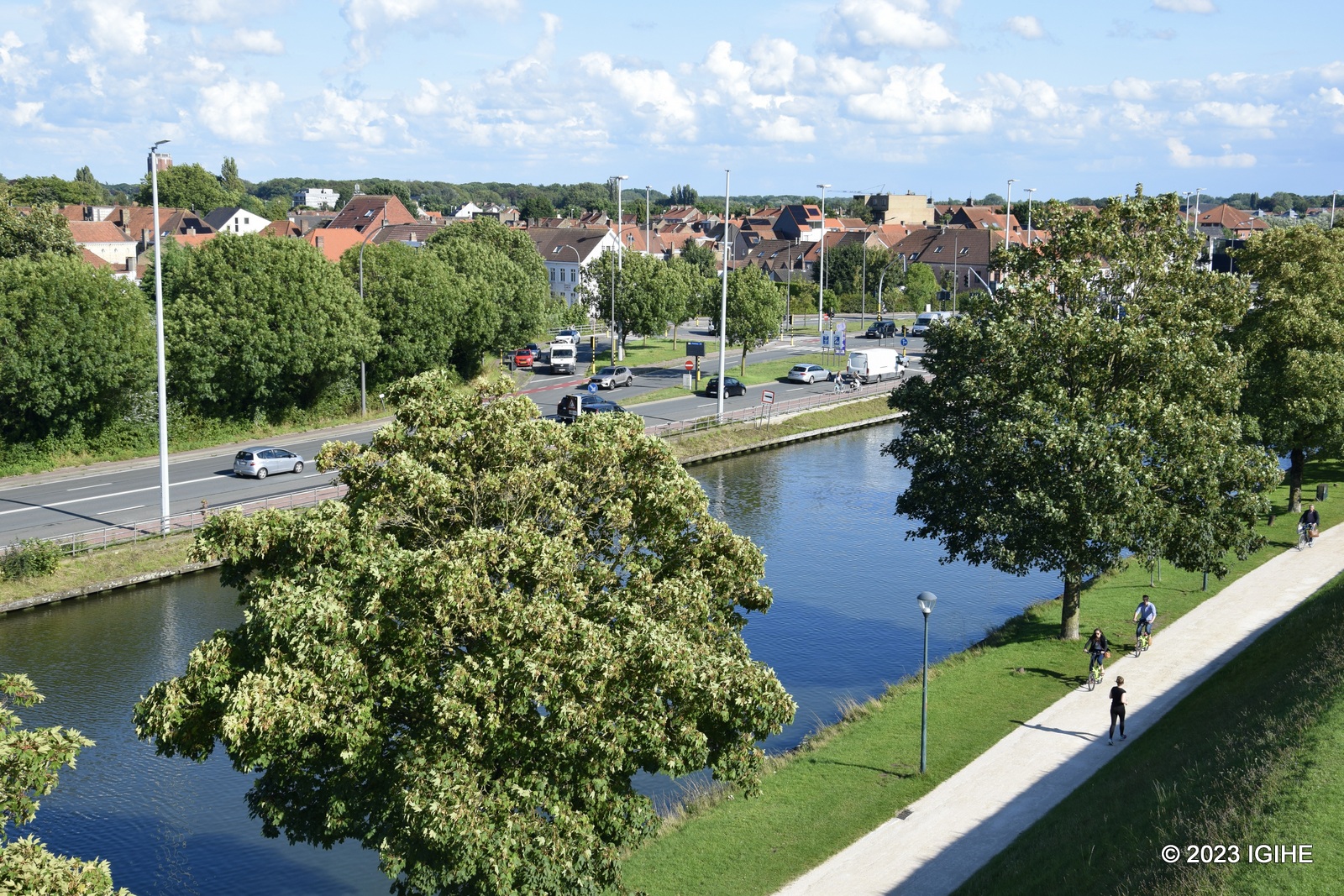
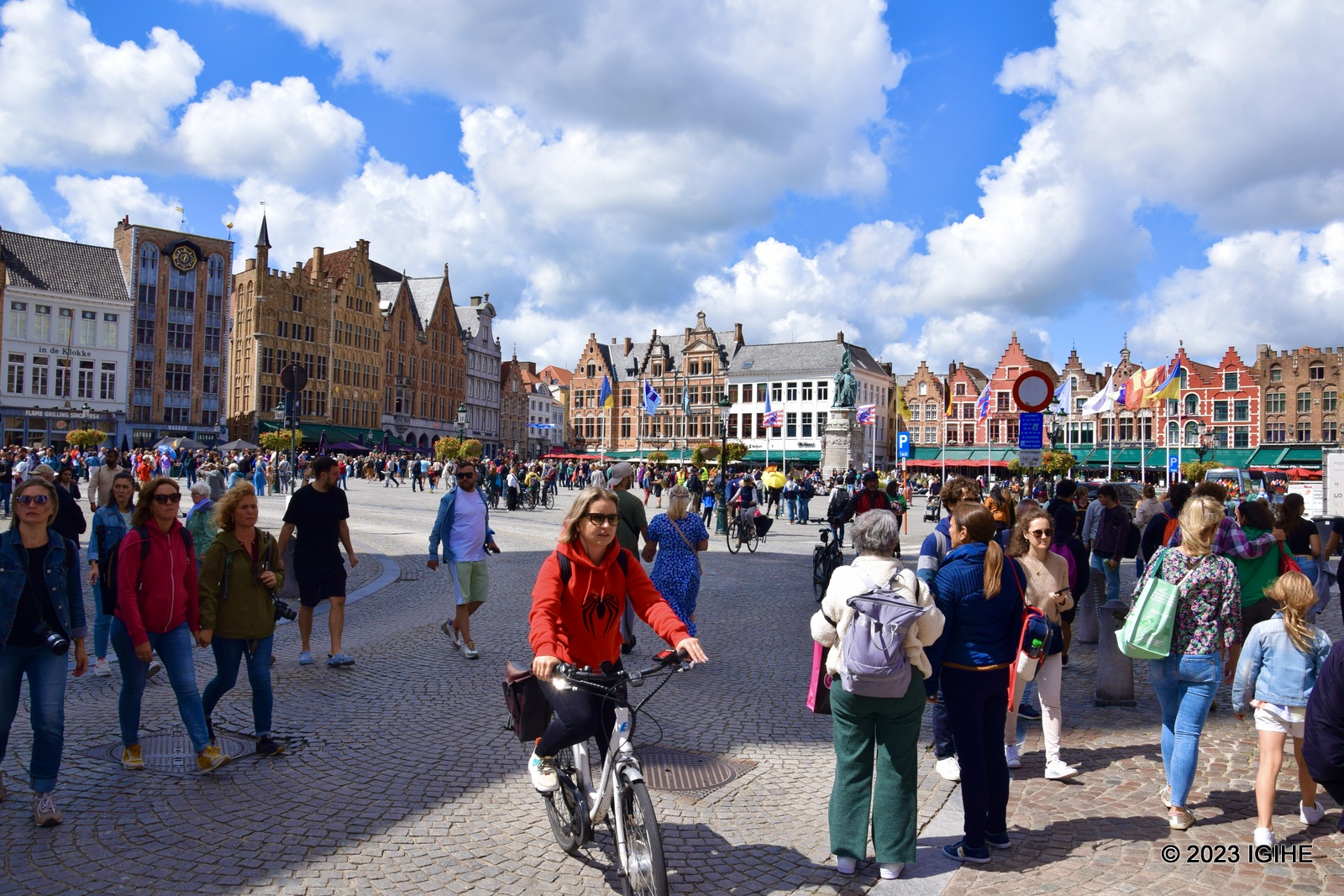
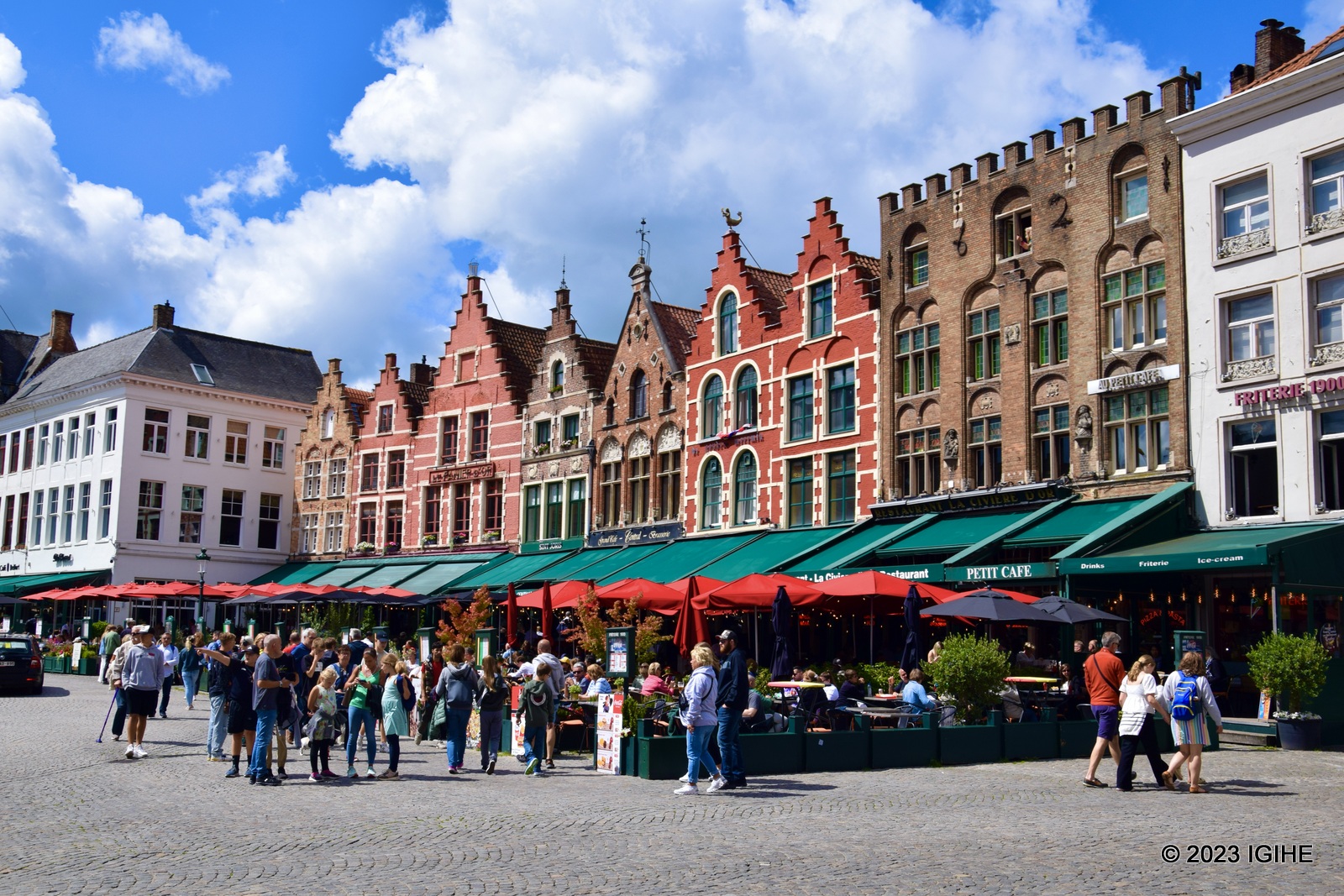
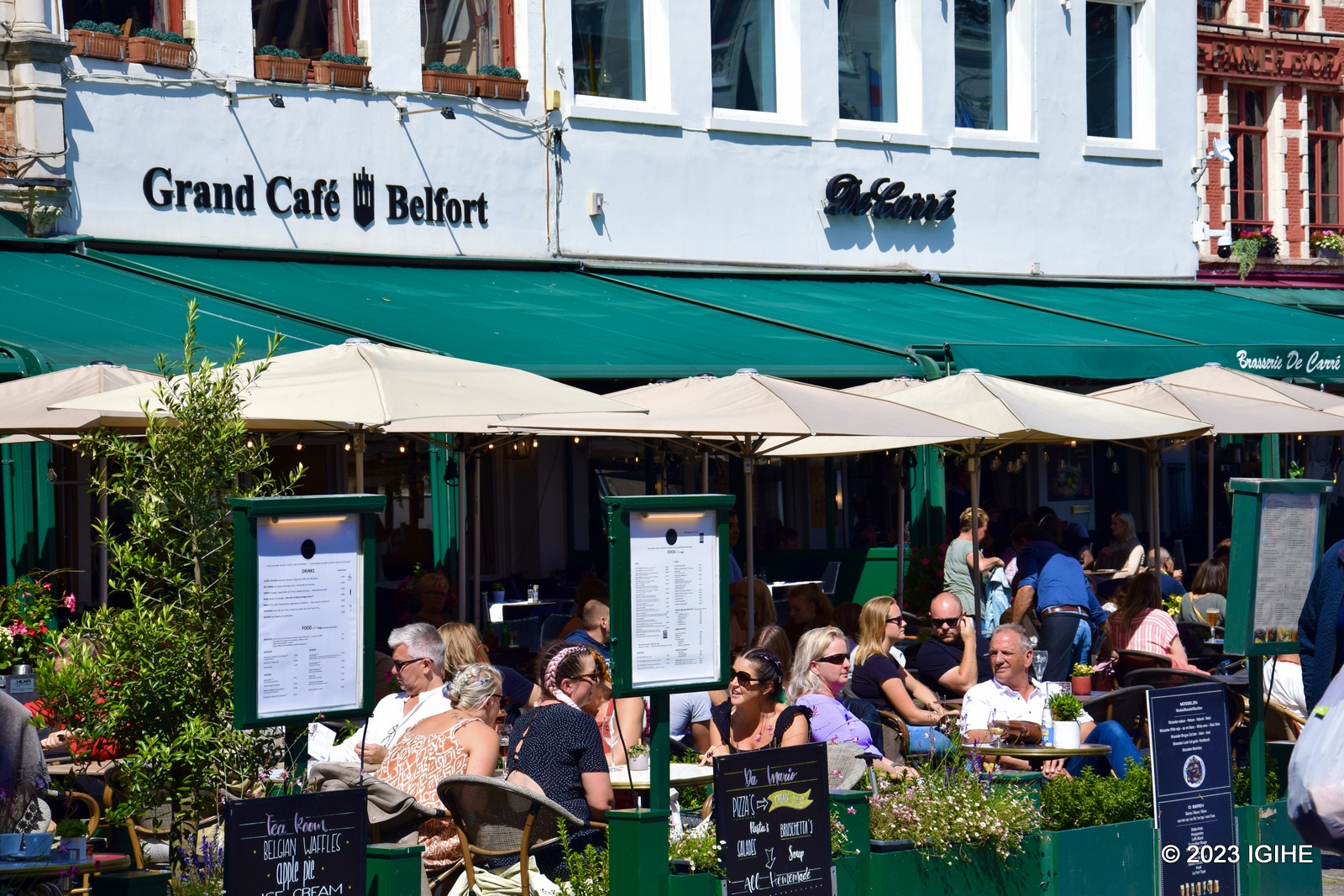
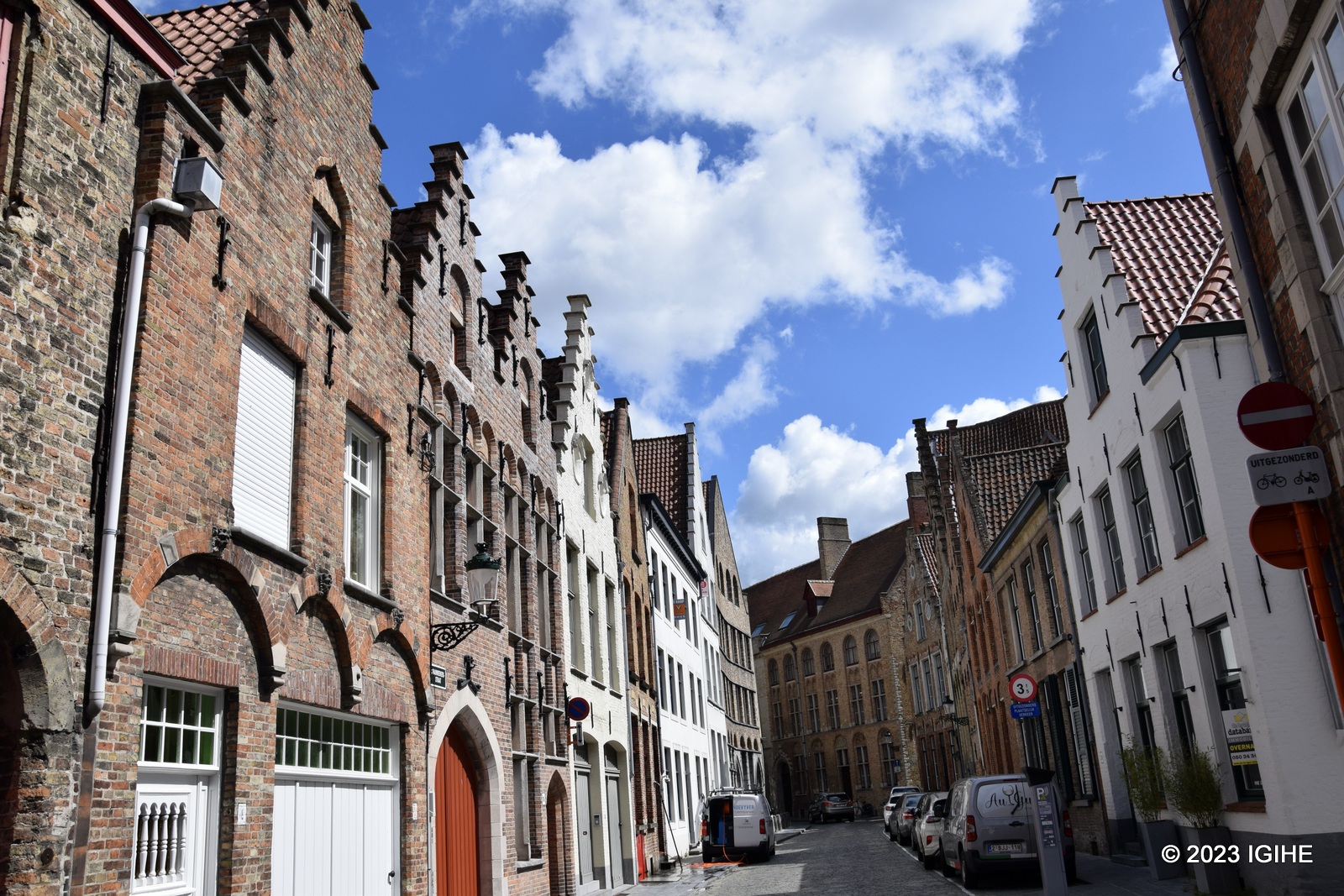
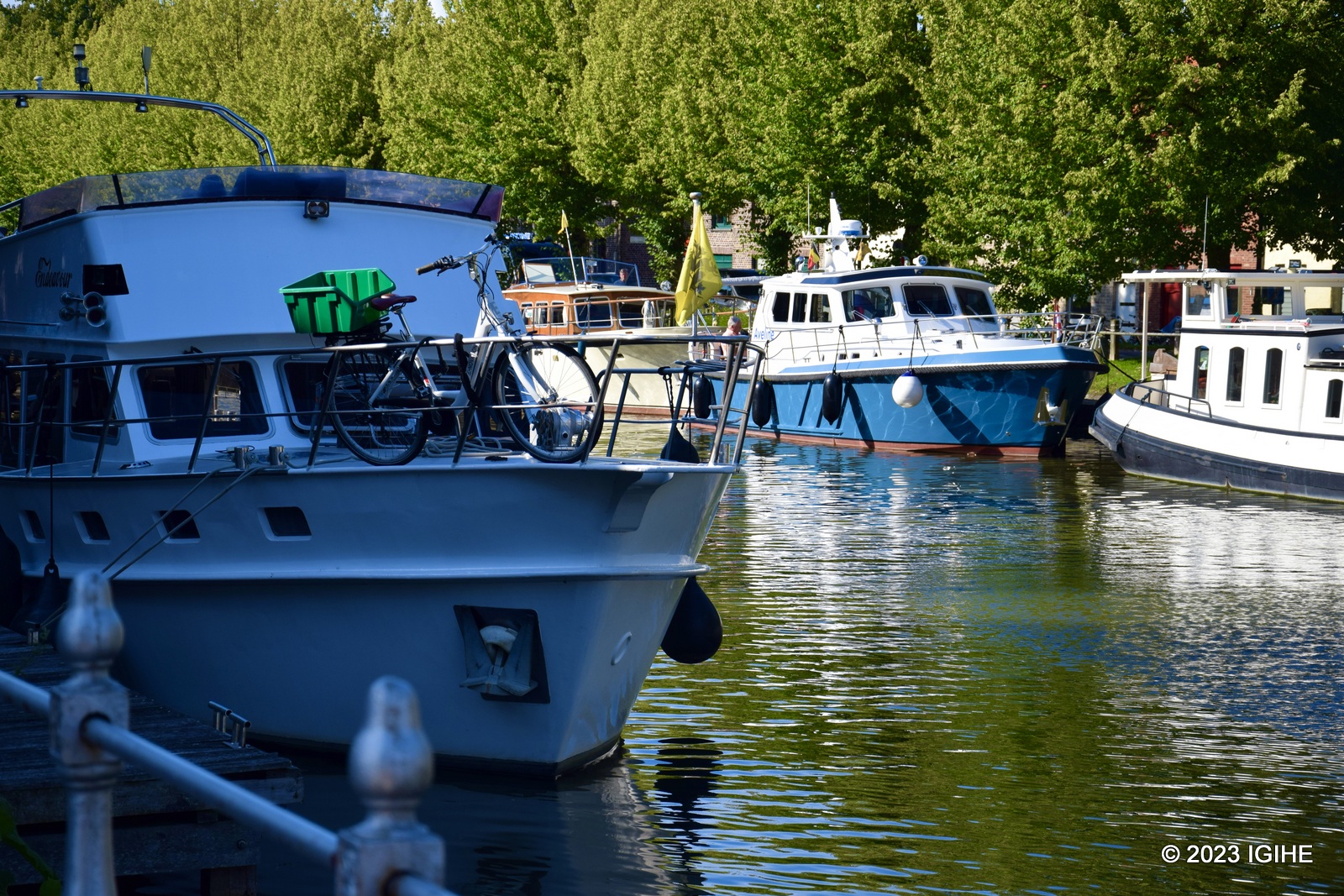
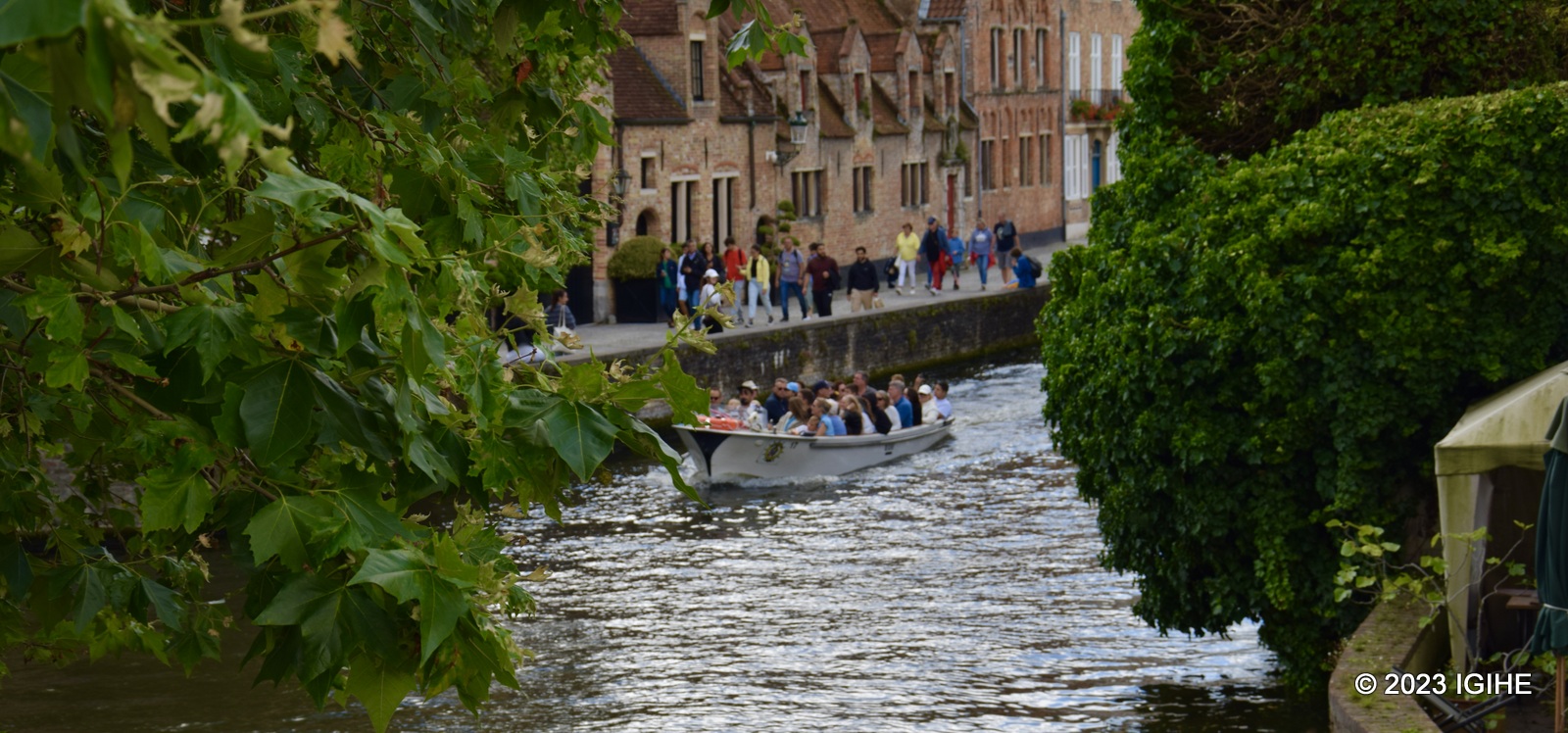
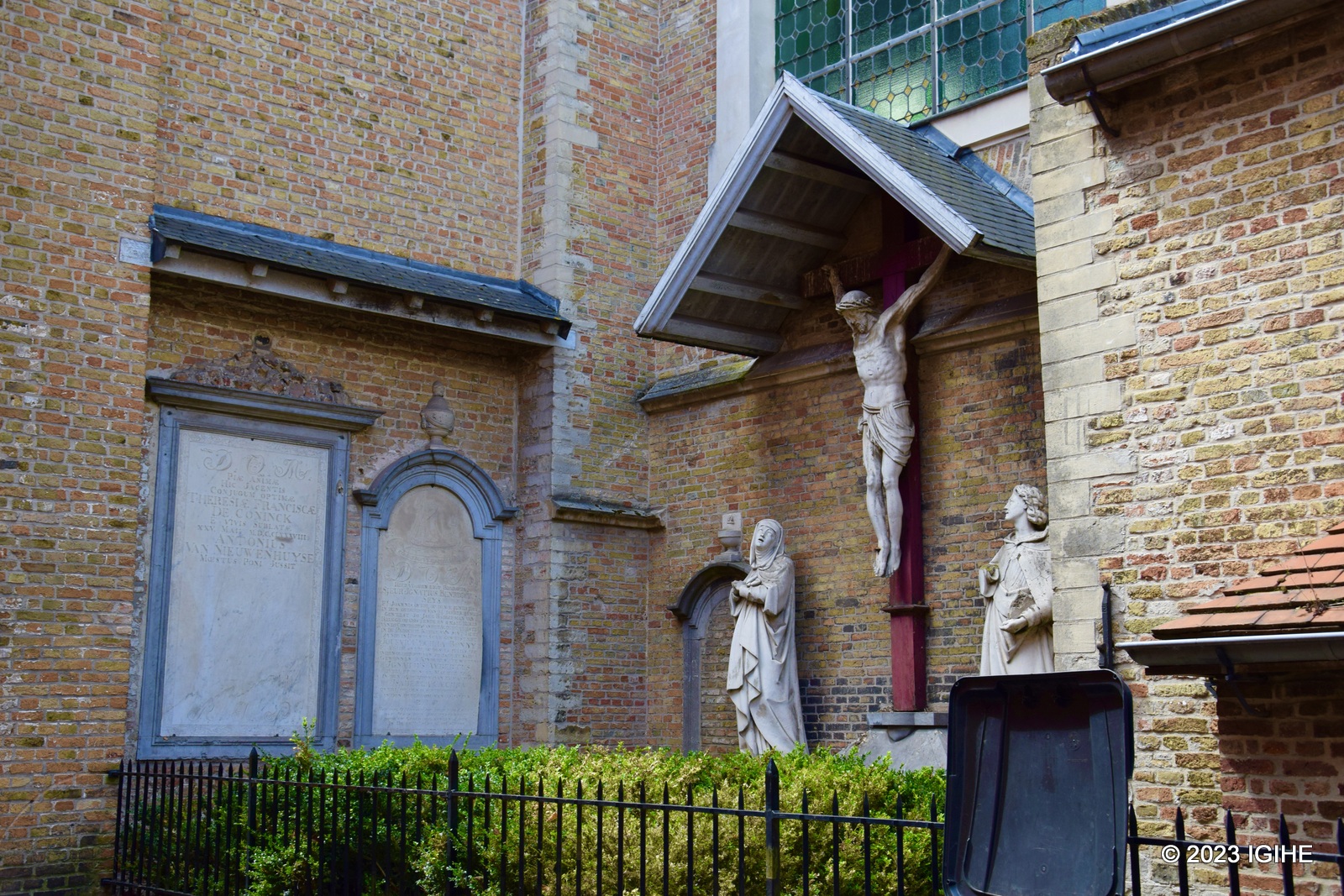
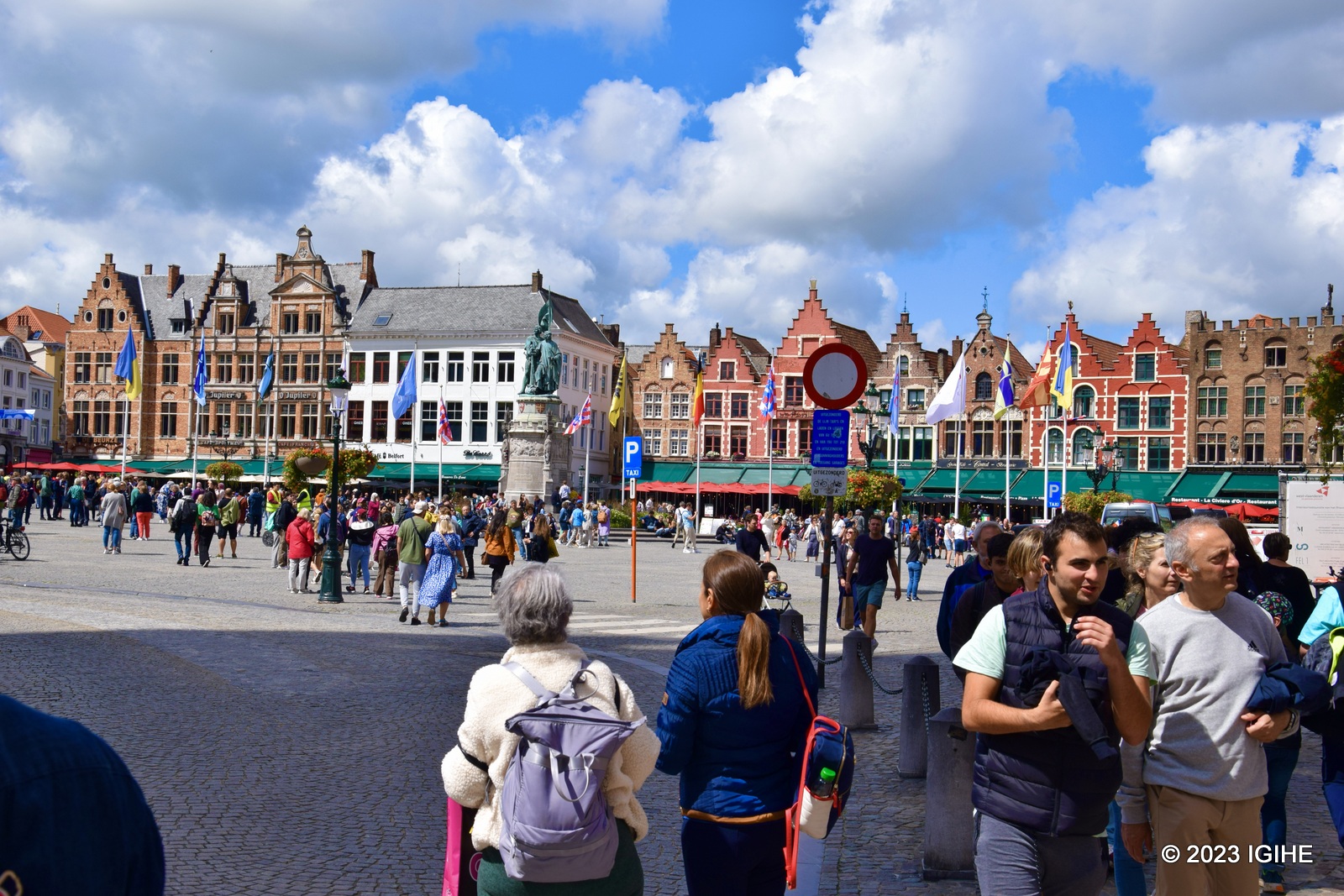
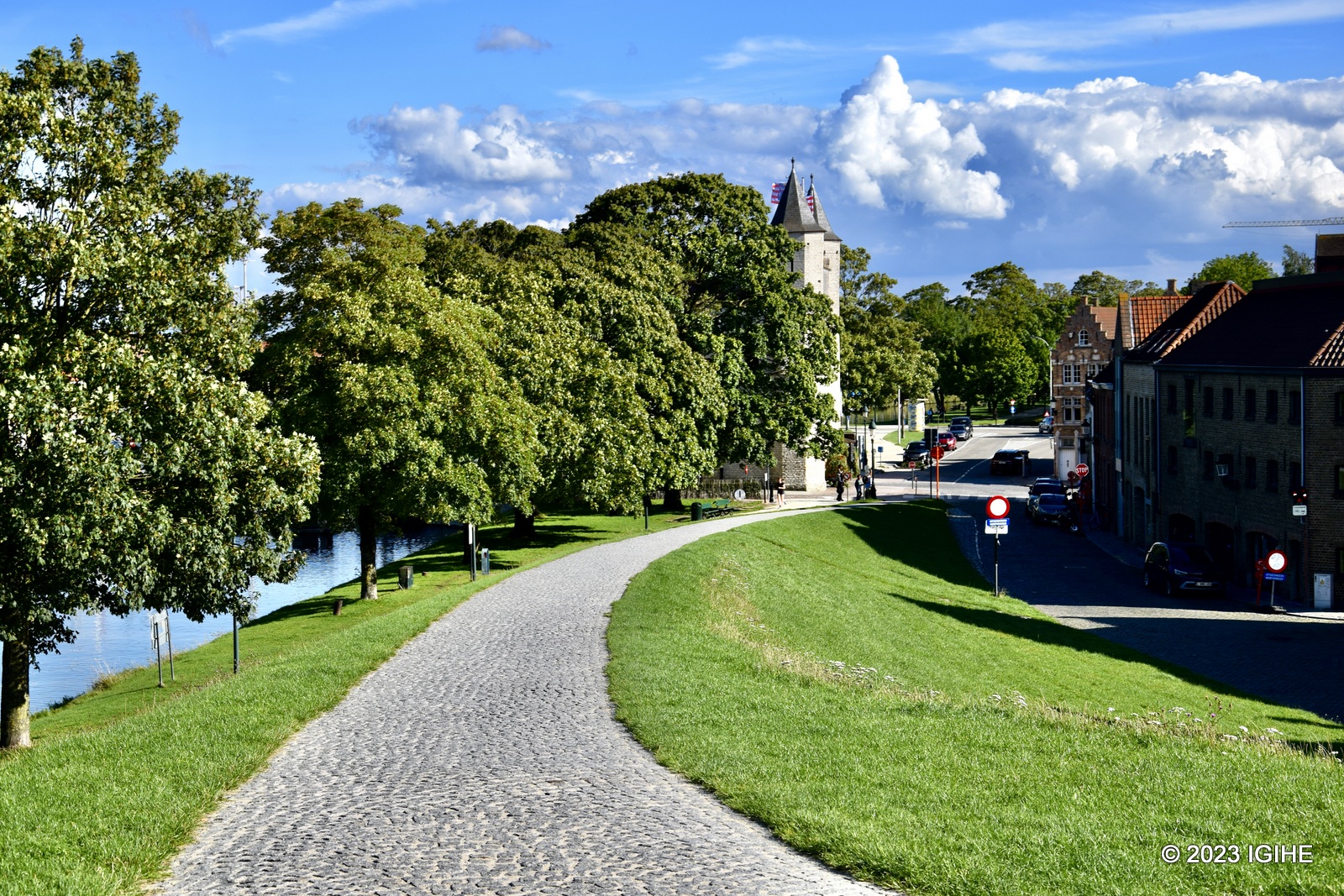
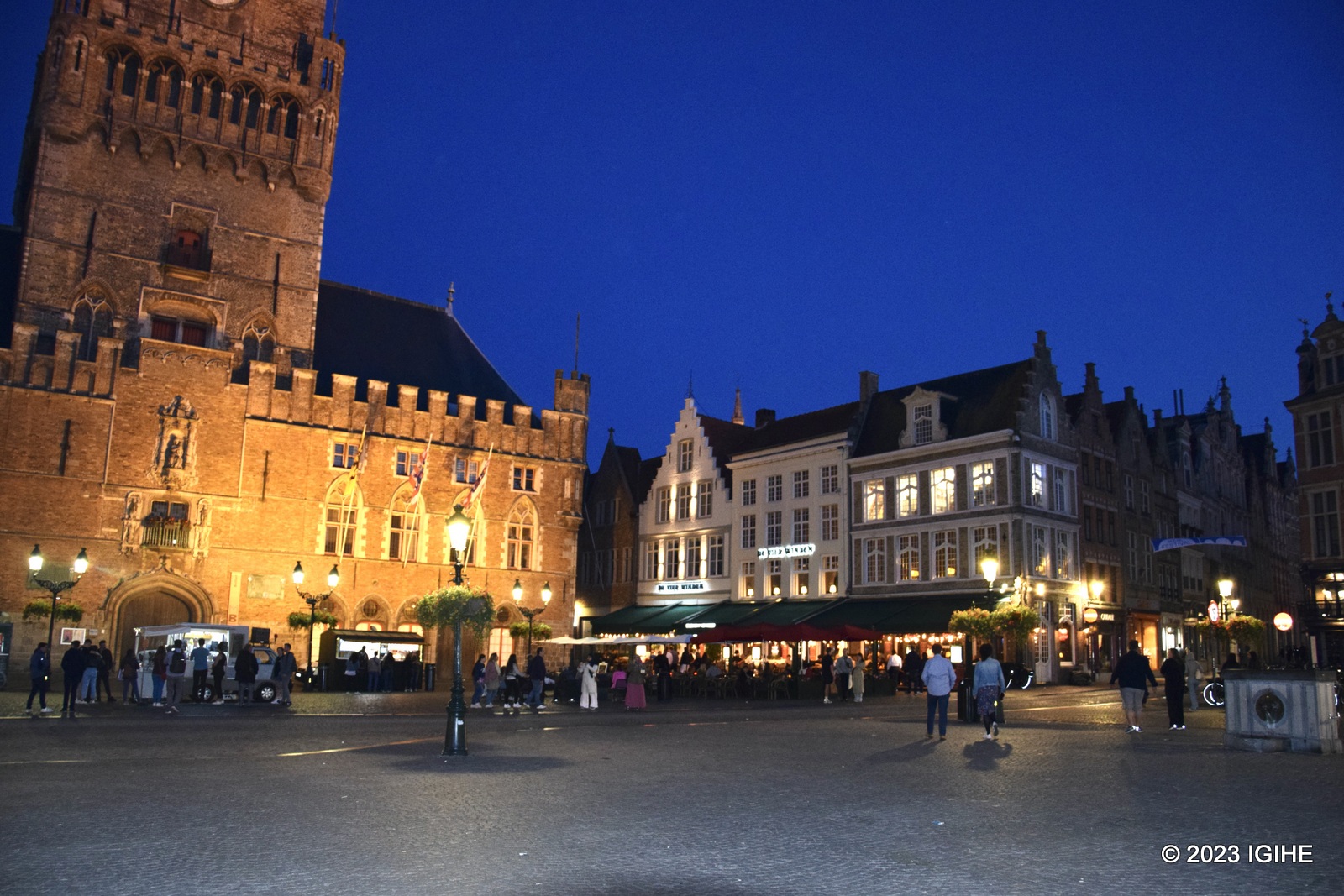
Bruges unveils a mesmerizing natural tableau that has garnered it a well-deserved reputation as a hidden treasure. A tapestry woven with centuries of preserved elegance, the city reveals its architectural grandeur and meandering “Canaux pittoresques” aqueducts, weaving a narrative of its past.
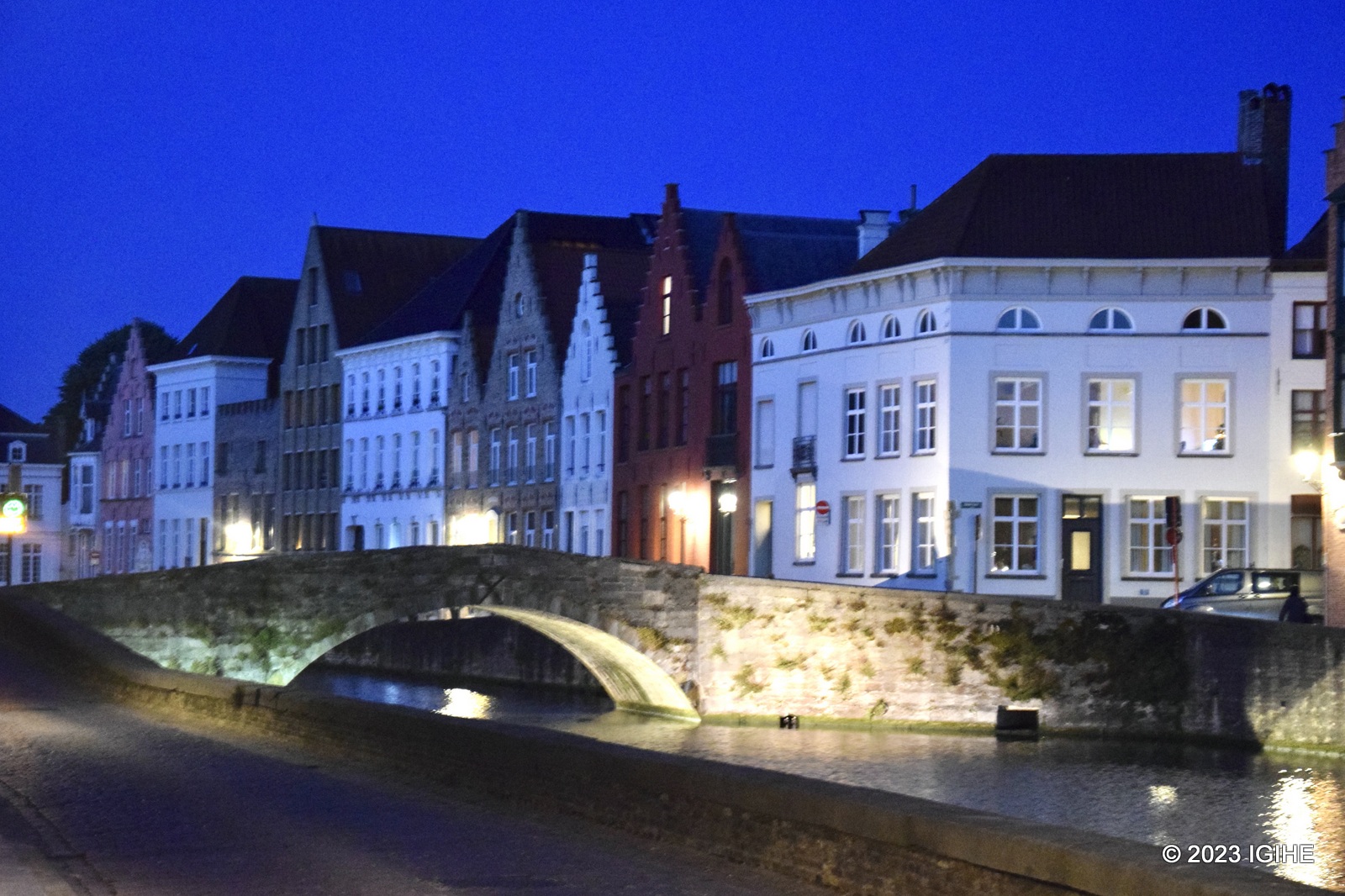
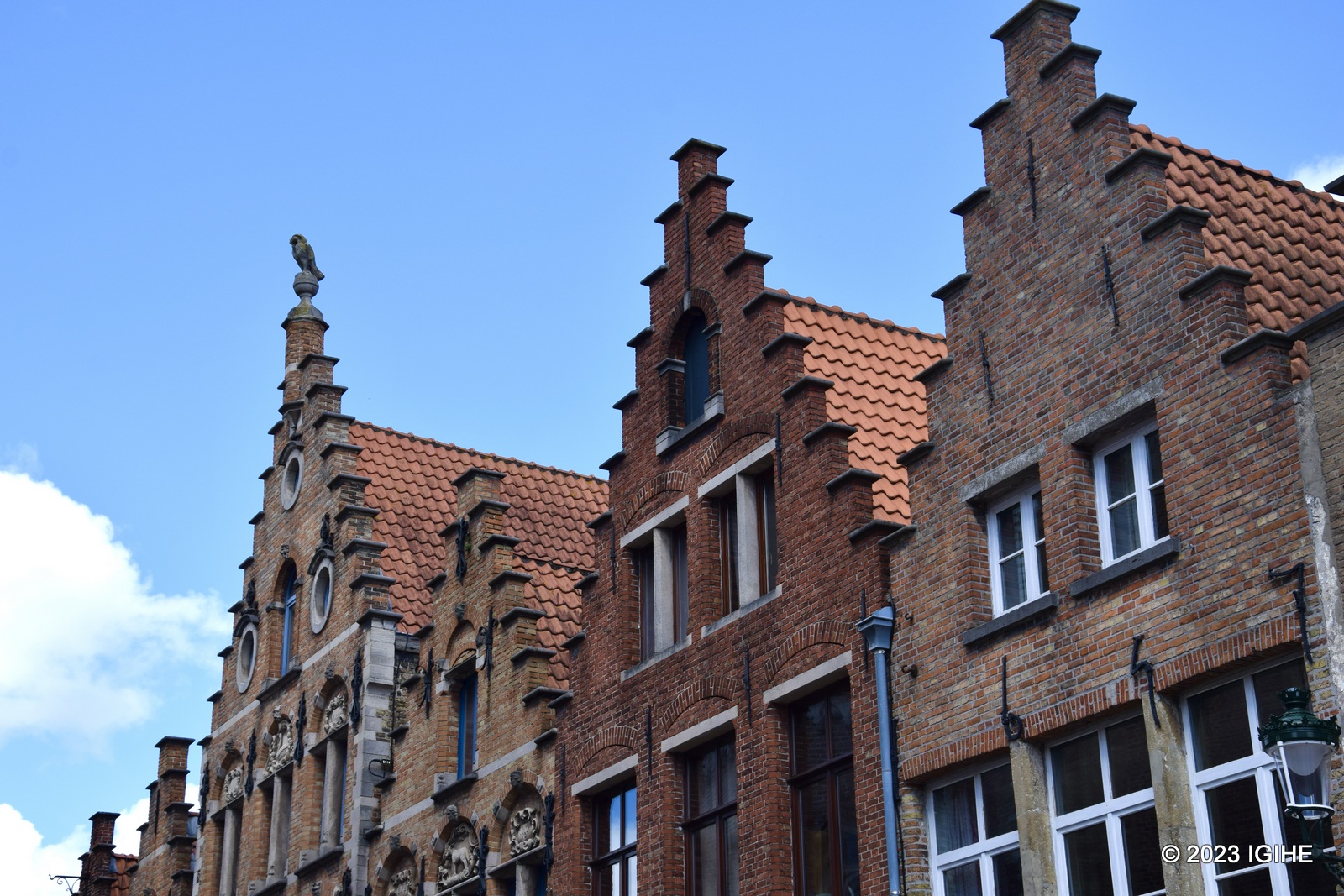
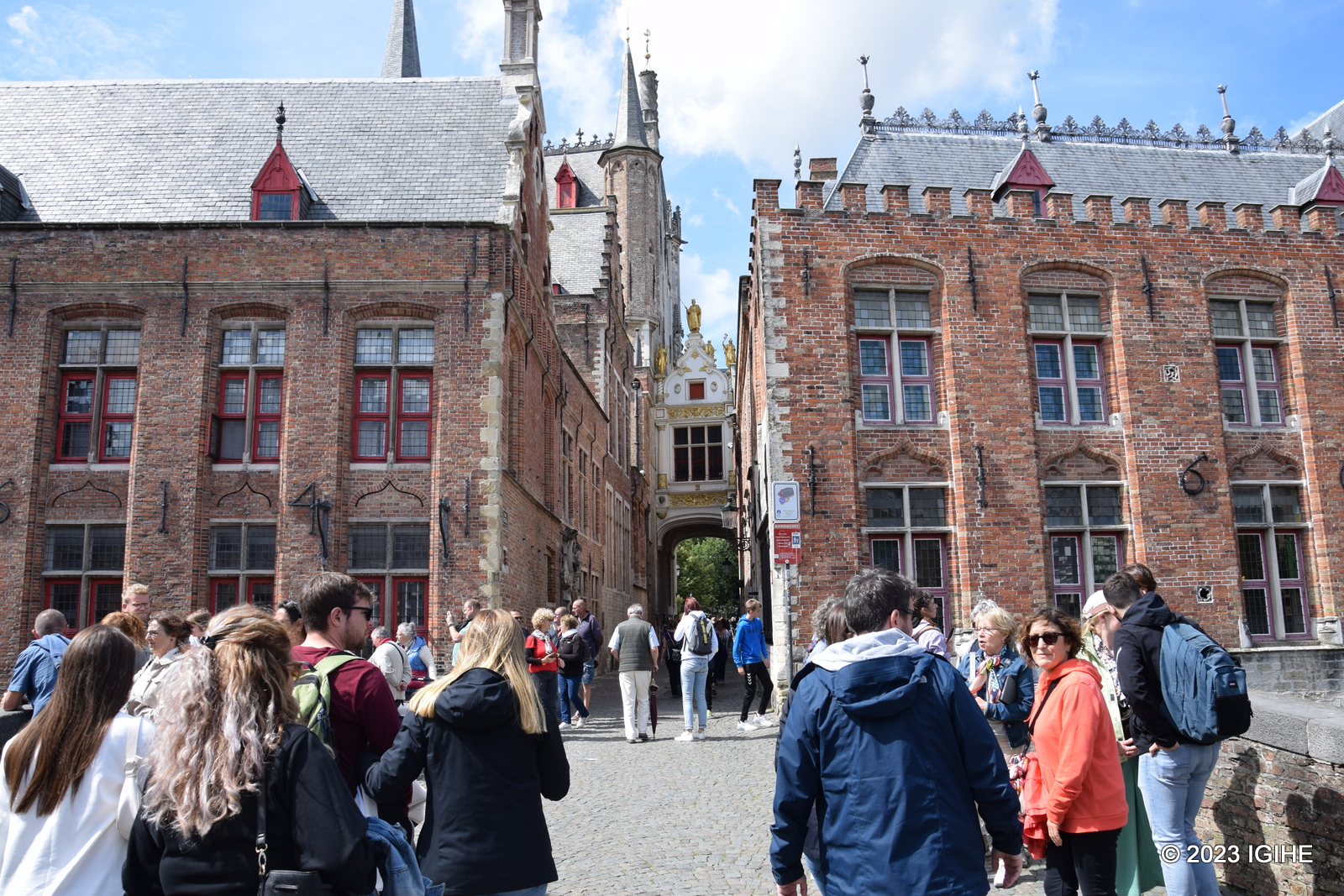
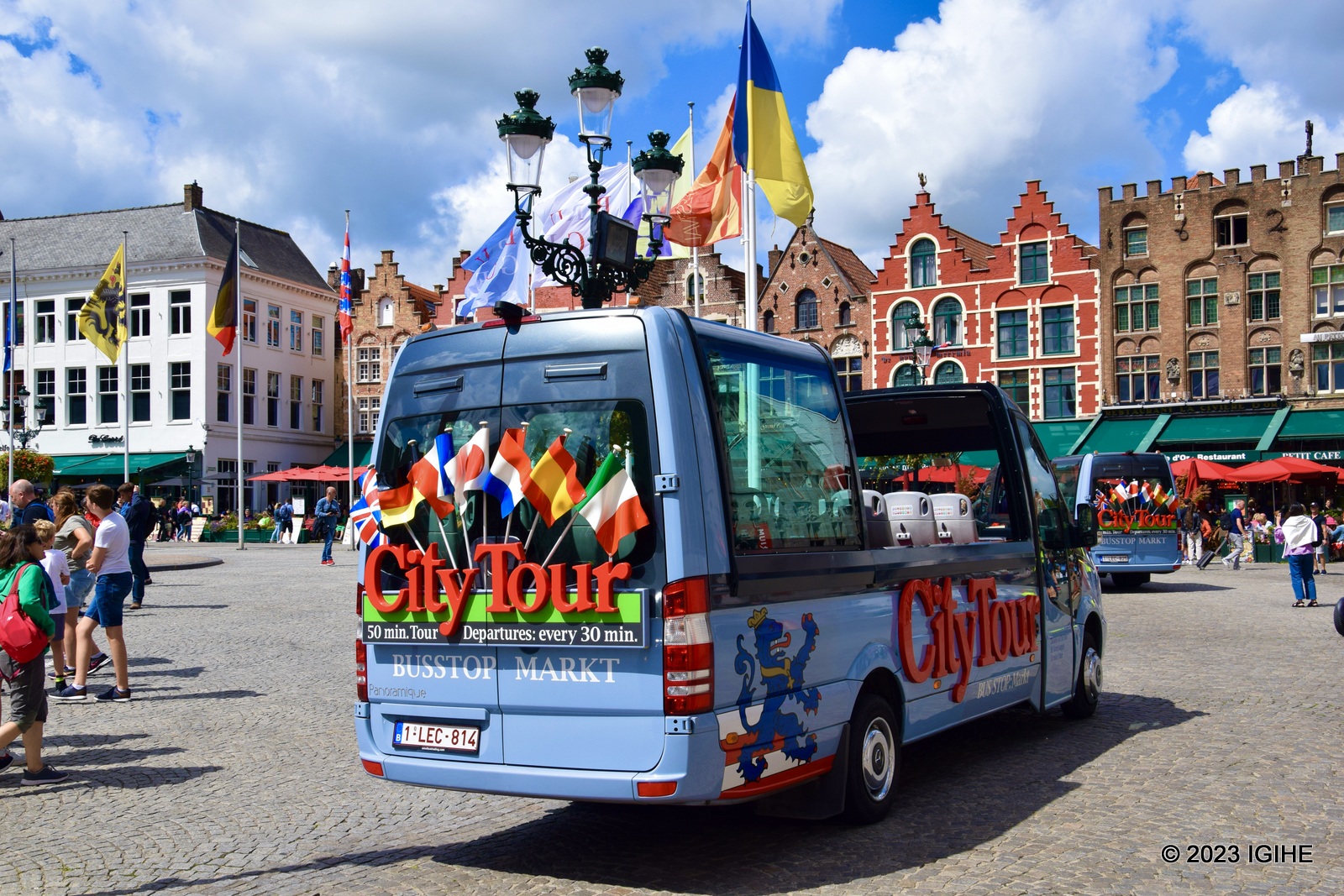
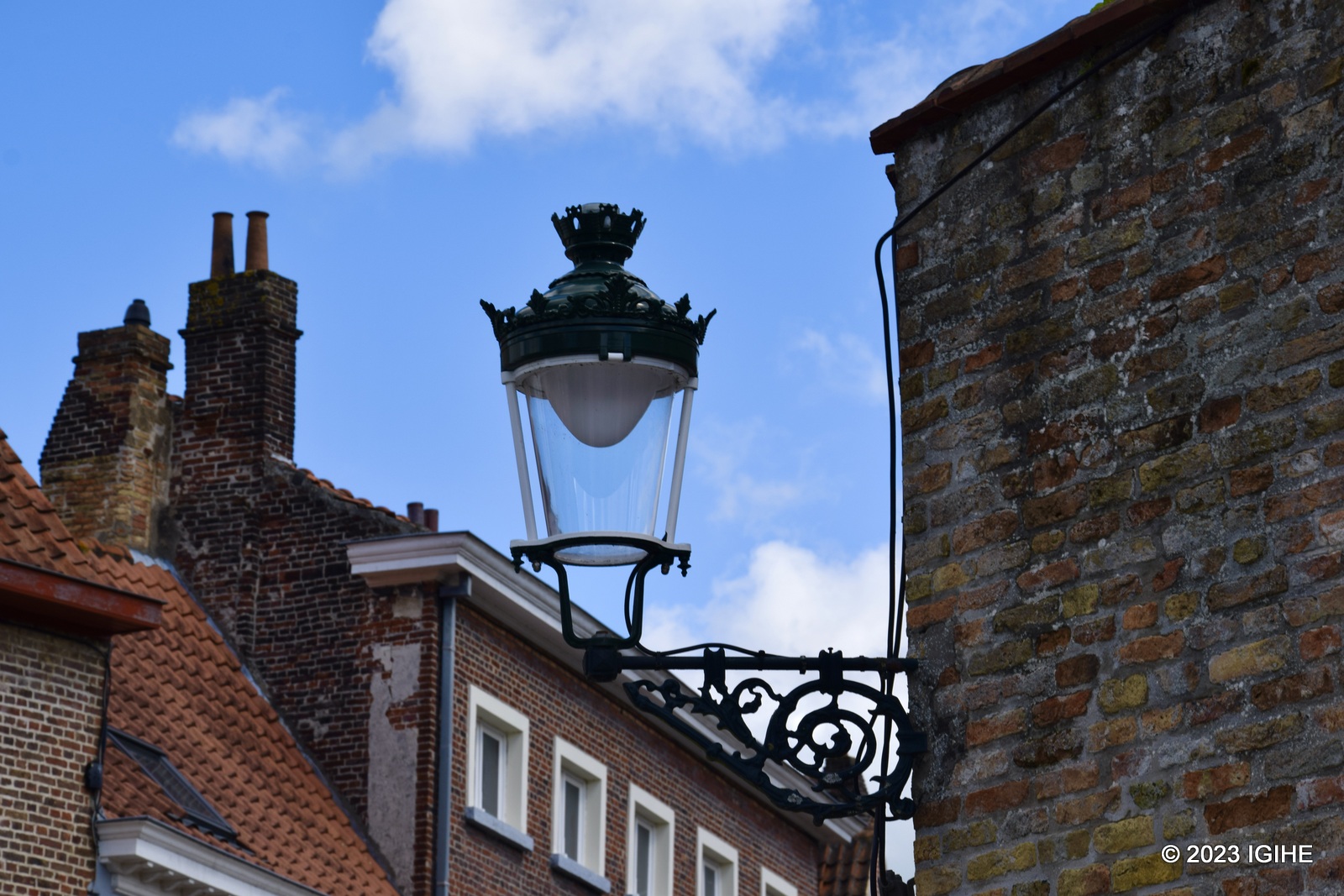
The city’s cobblestone streets, standing as steadfast relics of bygone eras, invite exploration. Eschewing modern tarmac or earth, these streets bear witness to the footsteps of generations. Adorned with an array of hues, the facades of the ancient houses mirror the city’s vibrant history. Each doorway beckons with promises of unique stories, a living testament to the passage of time.
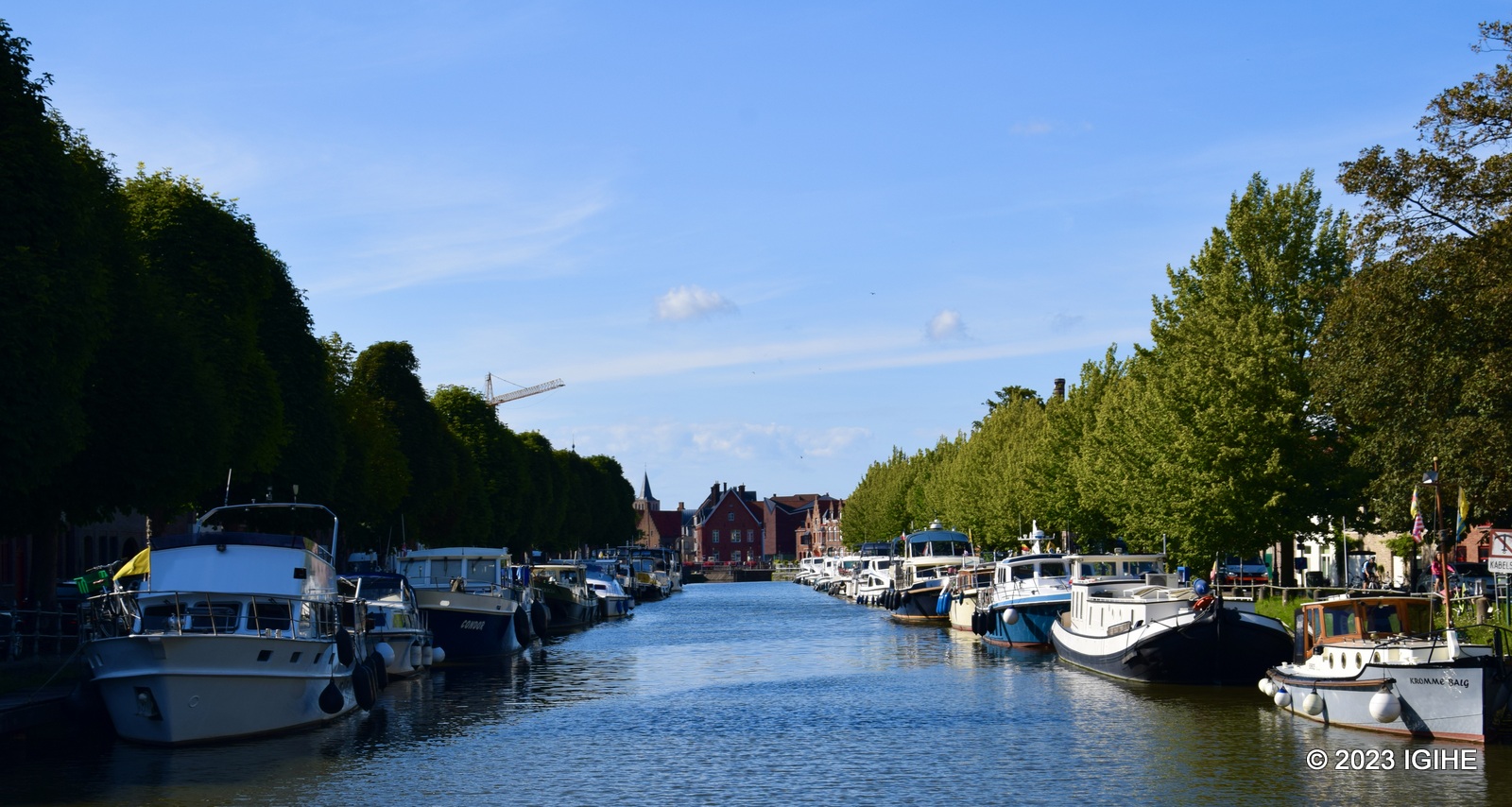
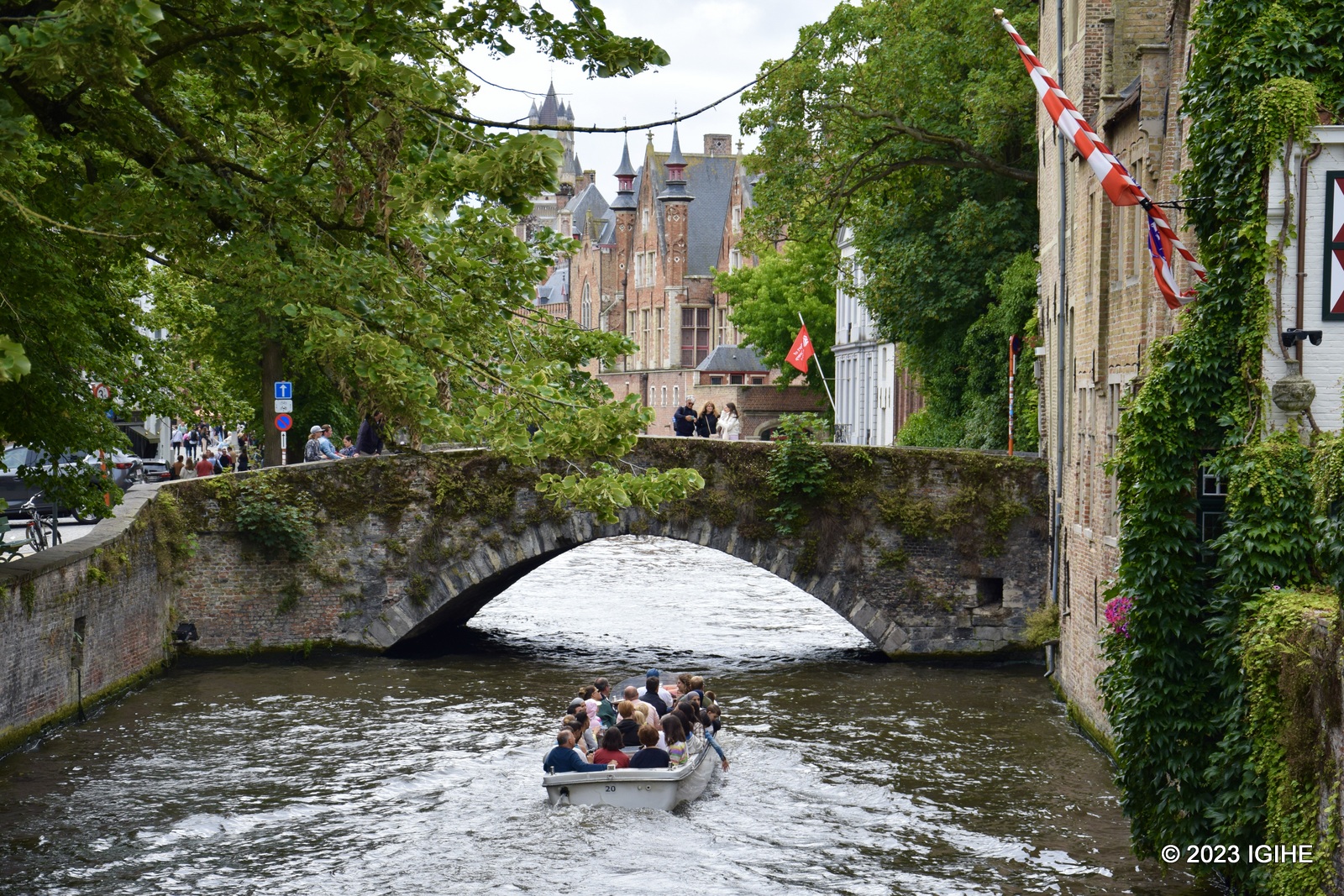
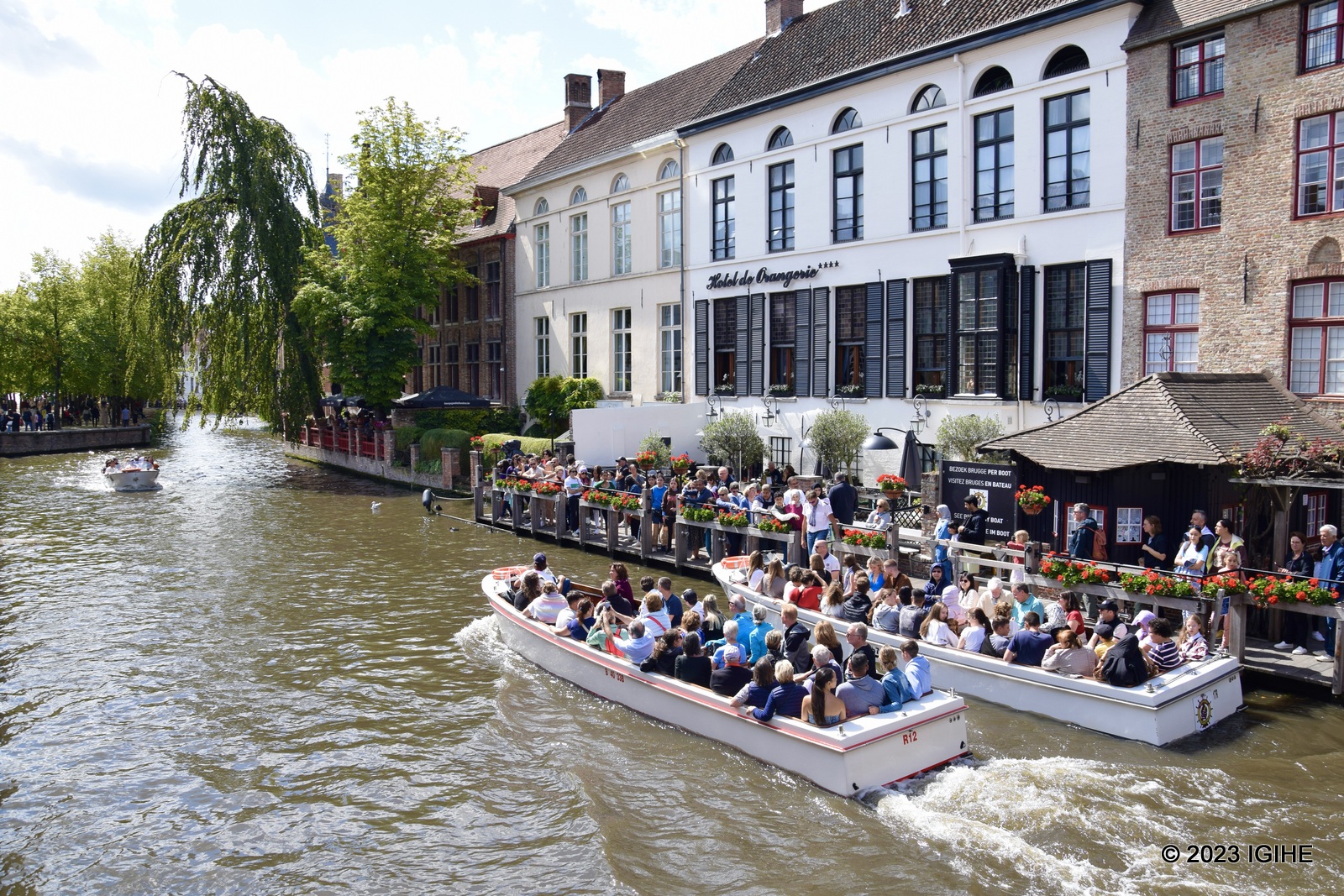
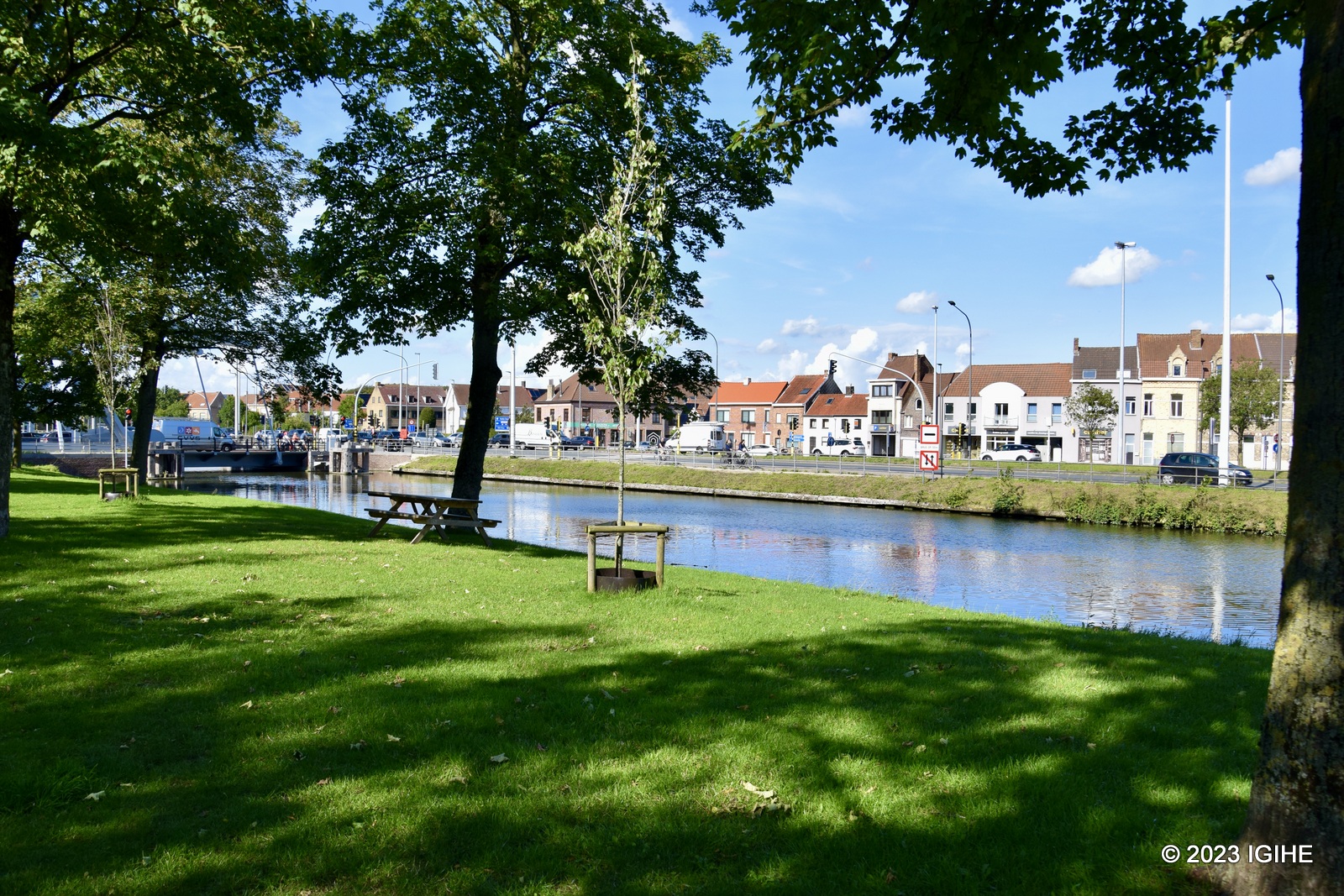
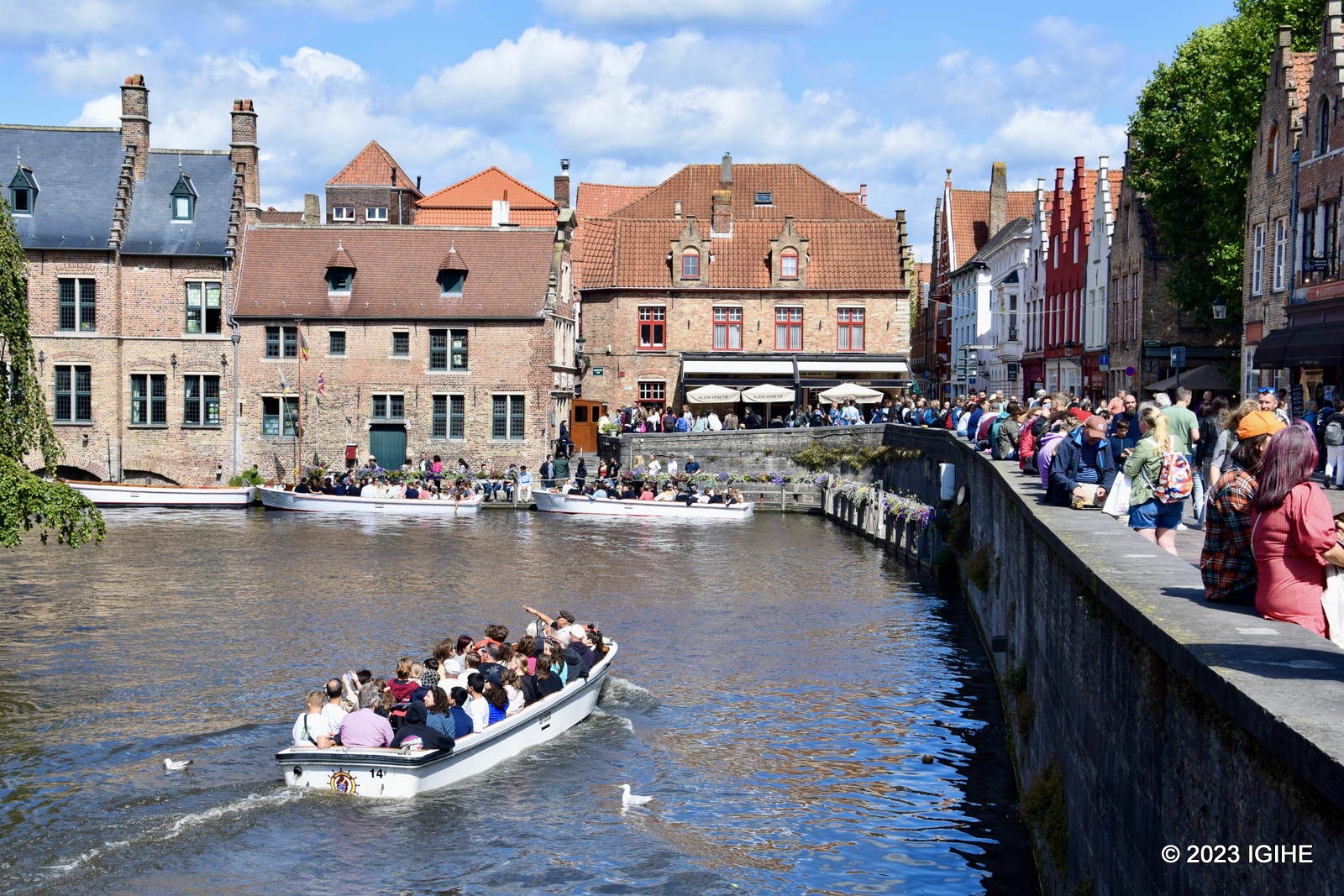
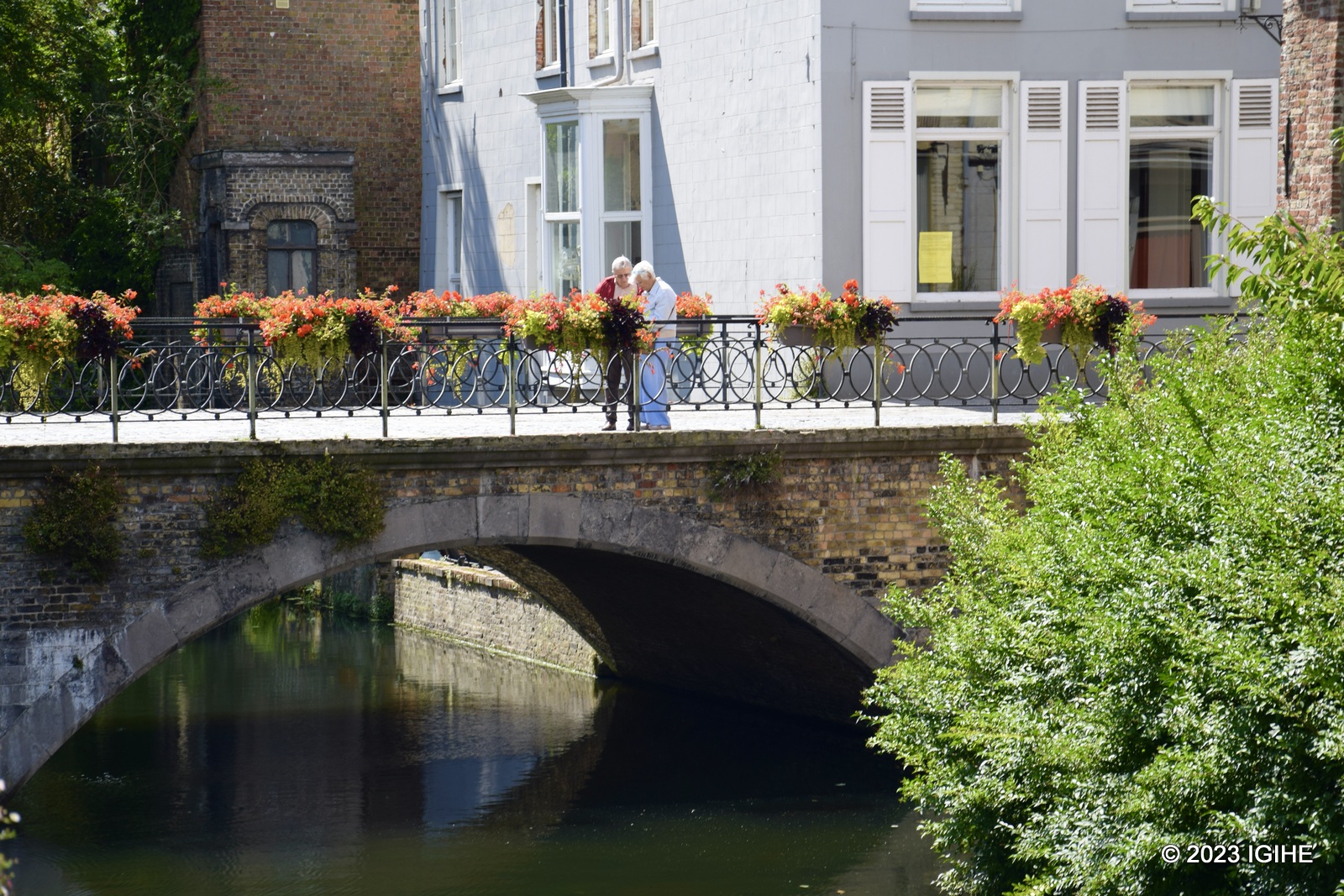
Often hailed as the “Venice of the North,” Bruges unveils its splendor through an intricate network of canals. Meandering like veins through the city’s heart, these waterways offer an enchanting perspective that captivates visitors. Embarking on a boat journey along these channels becomes an epitome of joy, allowing travelers to immerse themselves in the city’s picturesque charm.
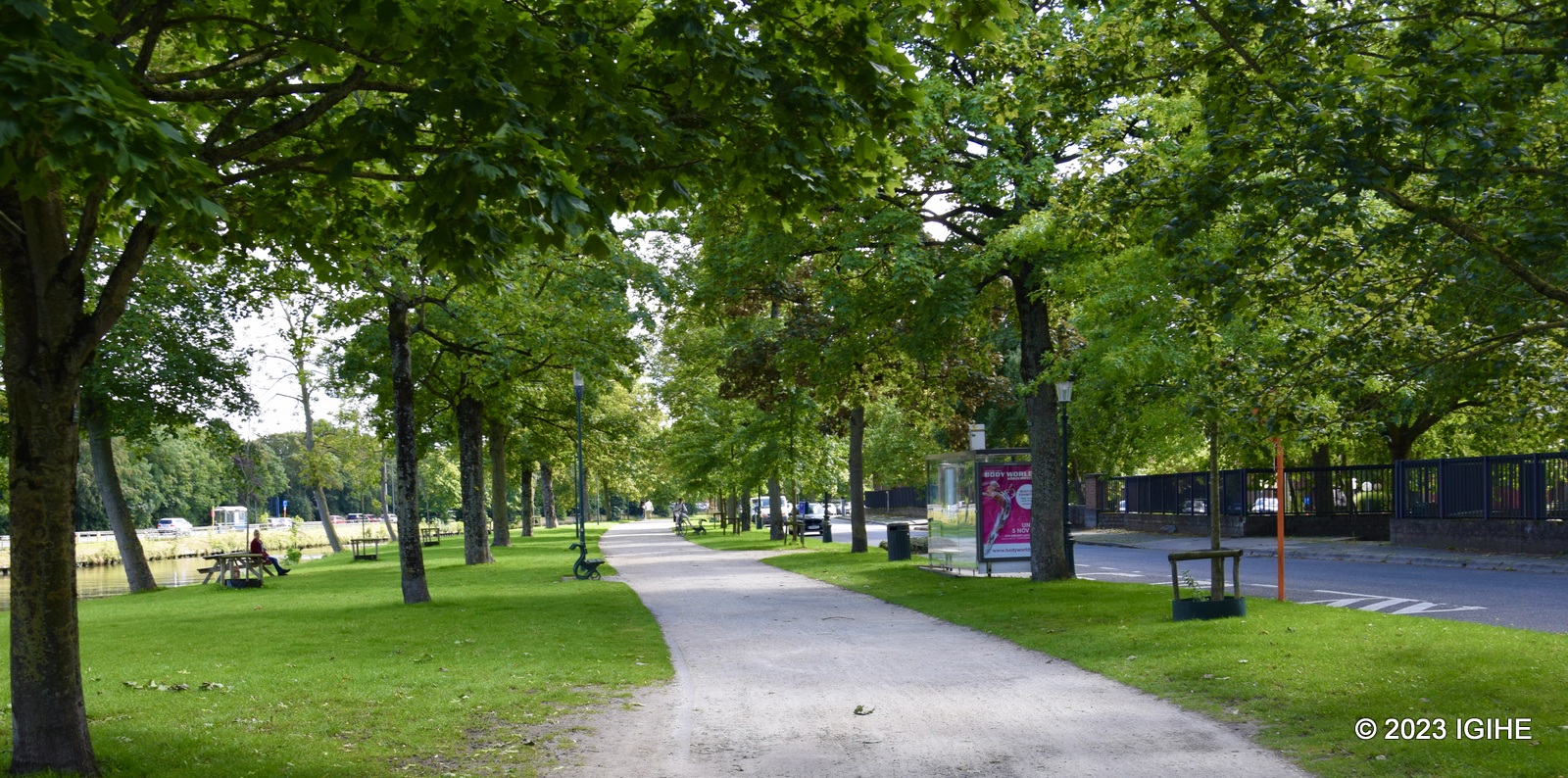
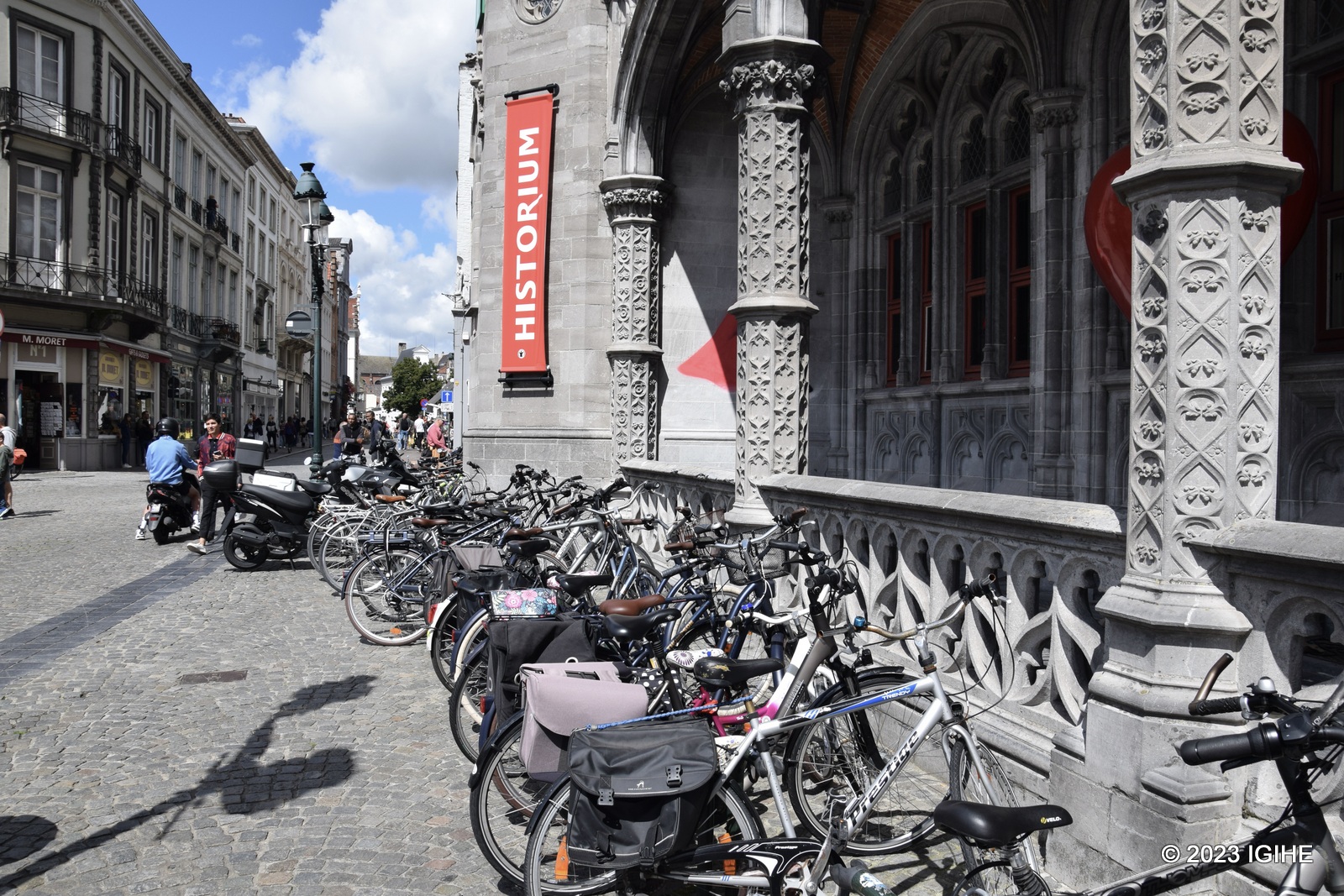
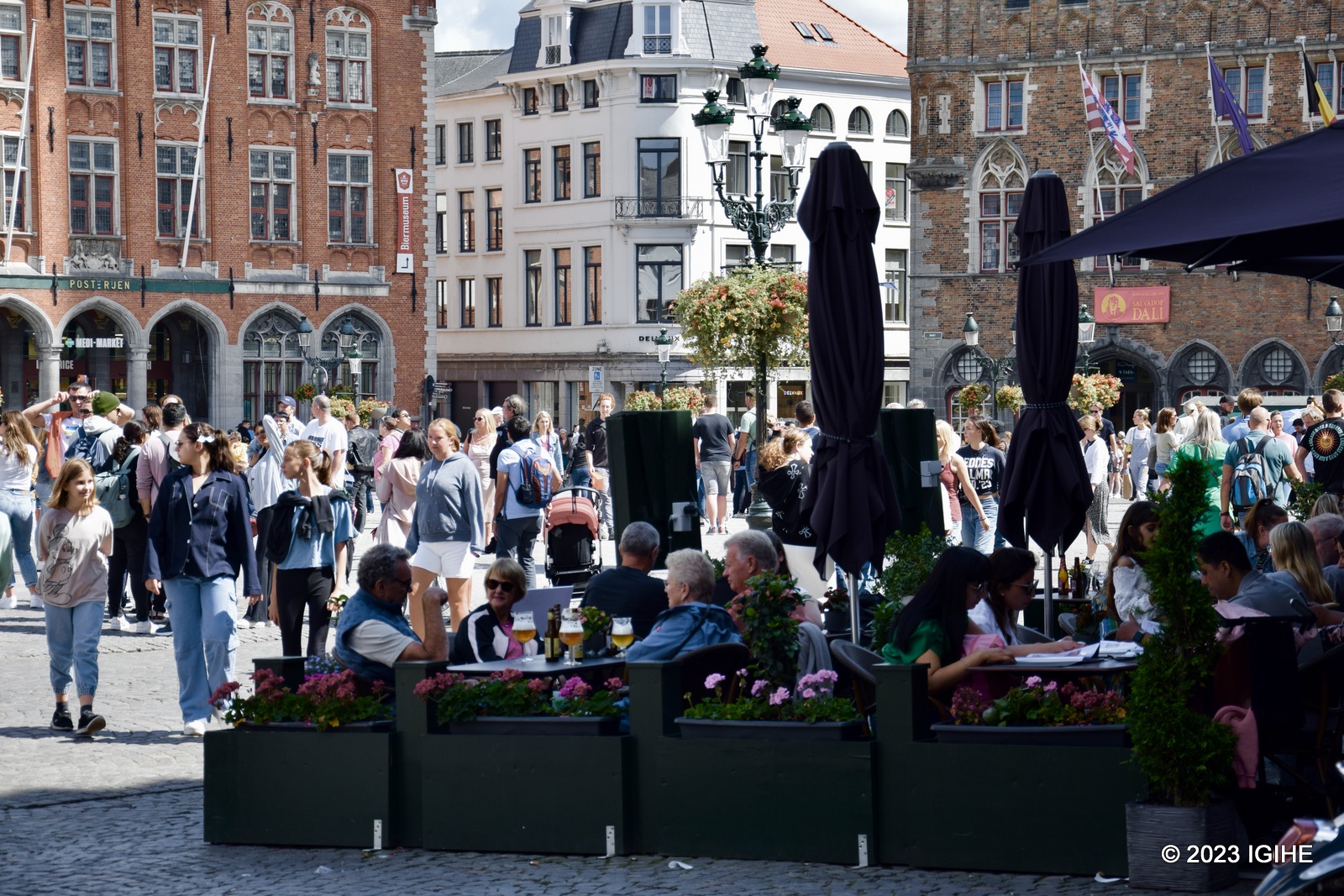
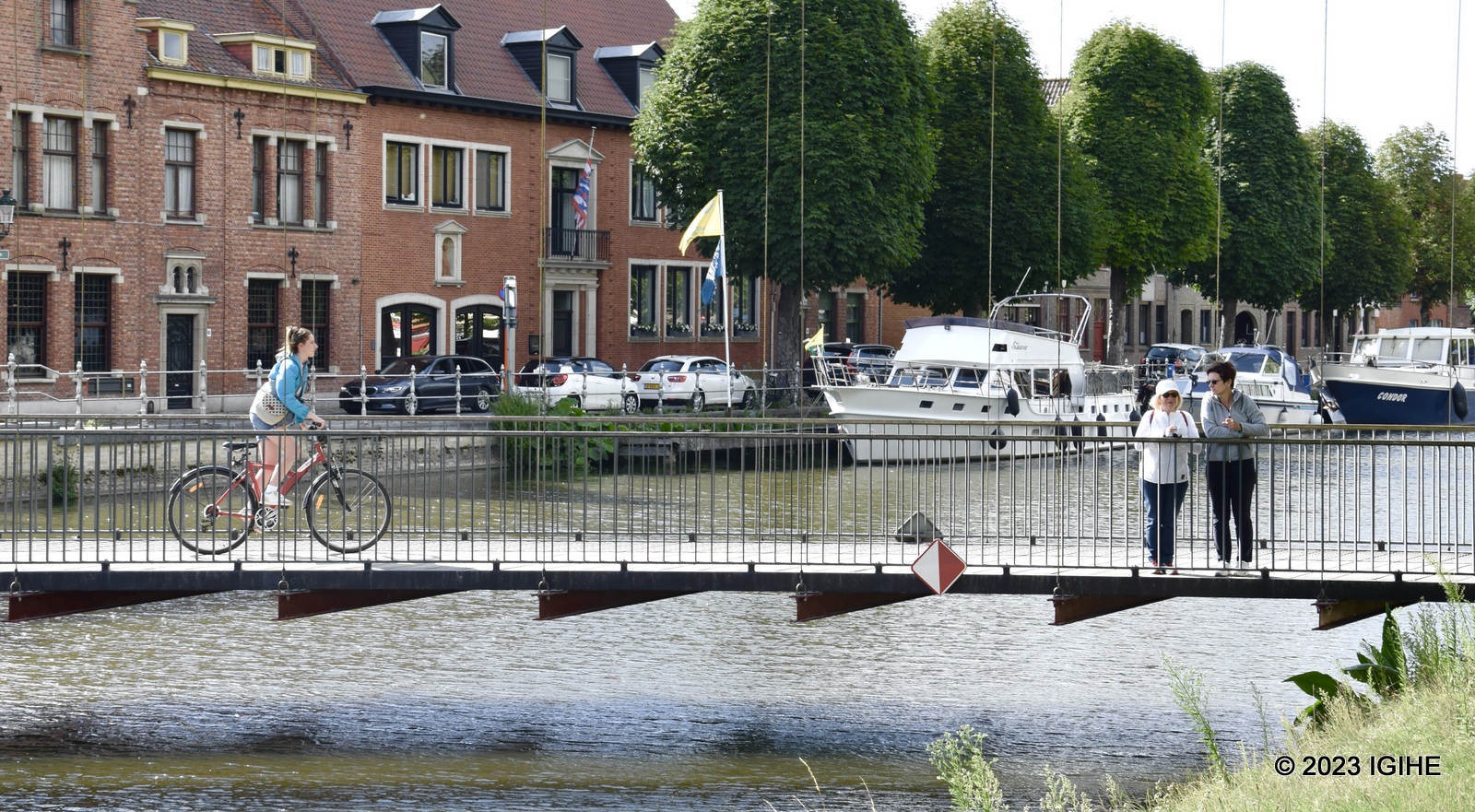
Bruges thrives as a city designed for leisurely exploration, best enjoyed on foot or bicycle. The leisurely pace allows for the appreciation of houses adorned in a spectrum of colors and waterways that soothe the mind. Walking these streets unveils a world where time slows, embracing the serenity that permeates every corner.
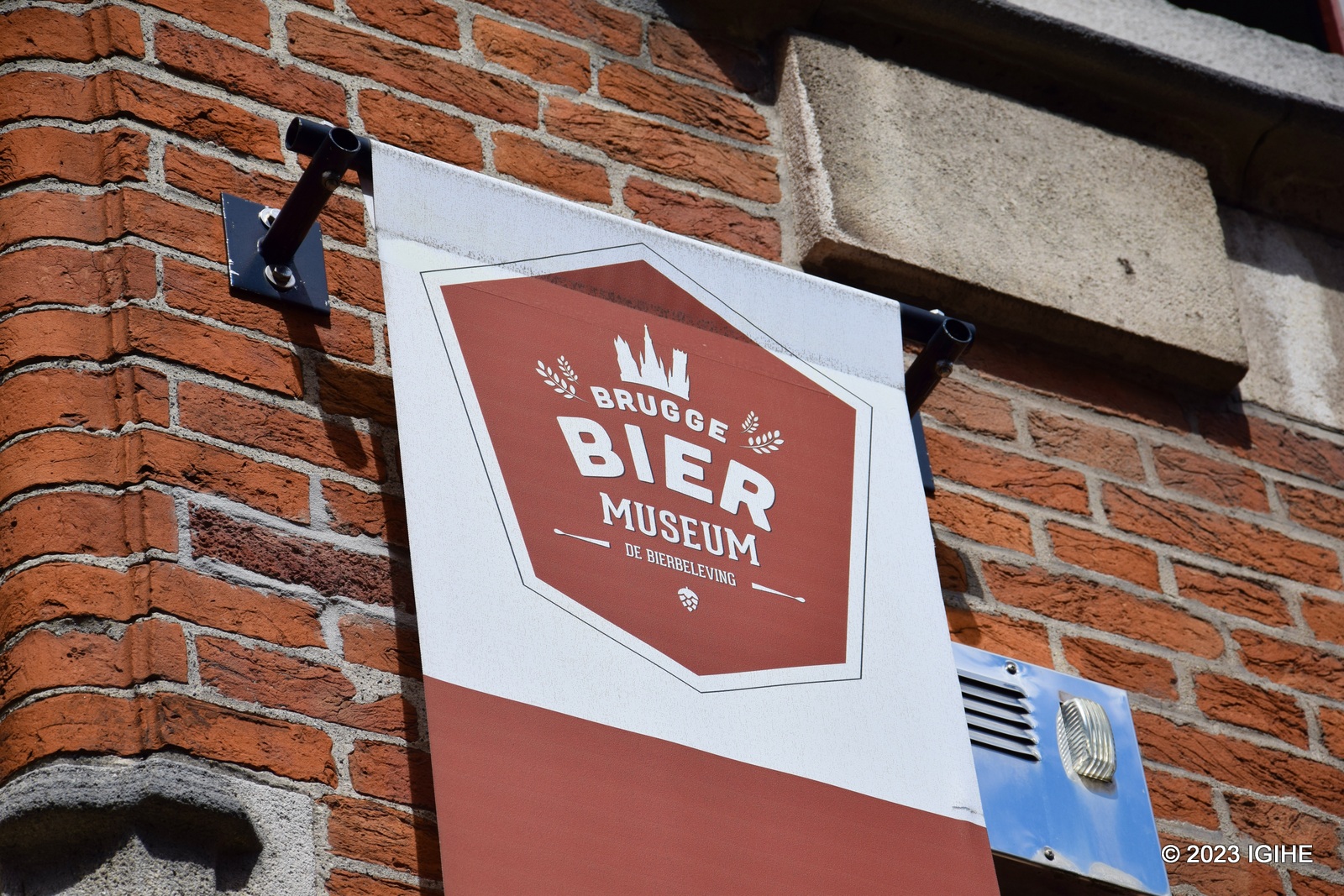
Within Bruges’ embrace lie captivating landmarks waiting to be discovered. The “Basilique du Saint-Sang de Bruges” and the venerable “Eglise Notre-Dame” stand as testaments to architectural excellence. The ascent of the “Les marches du Beffroi” offers a unique vantage, while the Museum of Beer (Musée de la bière) celebrates the city’s brewing heritage, epitomized by the renowned “Brasserie De Halve Maan.”
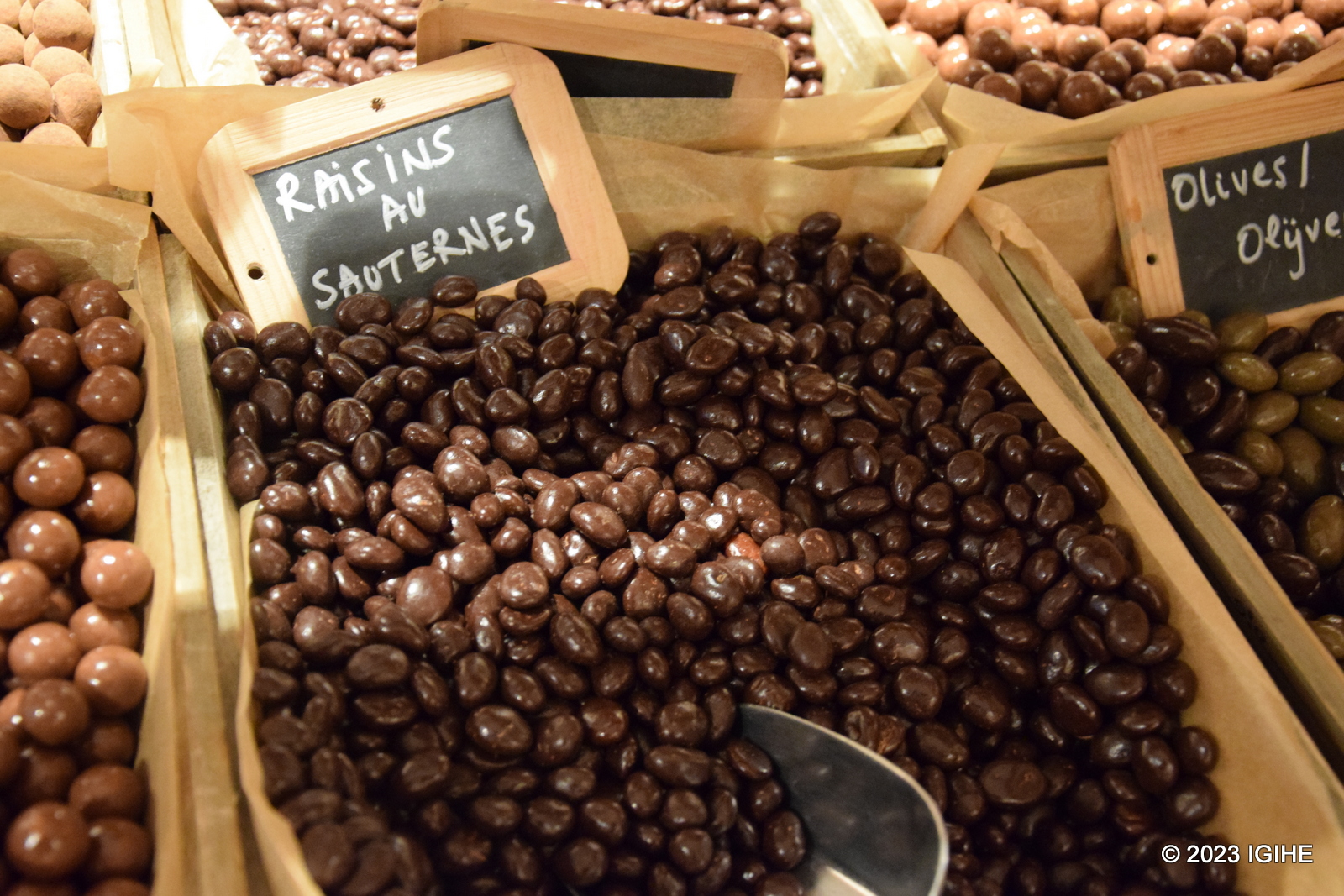
This city is renowned as the epitome of chocolate indulgence, housing a Museum of Chocolates that captivates the senses. For lovers of savory delights, the Museum of Fries “Musée de la Frite” stands as a culinary haven. The Historium museum serves as a portal to Bruges’ storied past, while the serene North Sea beach beckons for moments of tranquil contemplation.
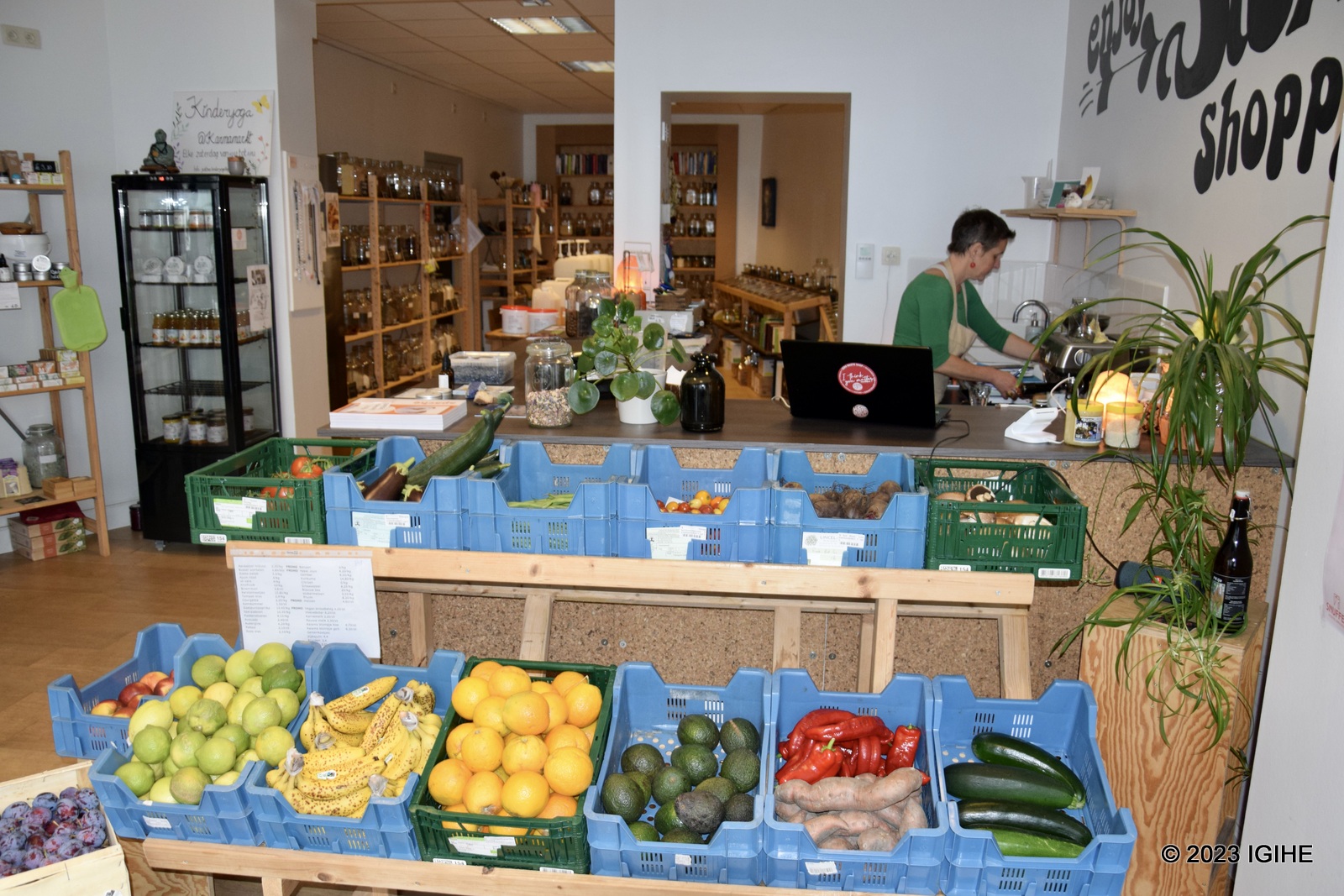
Bruges emerges as a culinary haven, where local produce takes center stage in its vibrant restaurants. A symphony of flavors sings in every dish, narrating the region’s culinary heritage with an original flair. Amidst this gastronomic abundance, coffee shops offer respite and rejuvenation.
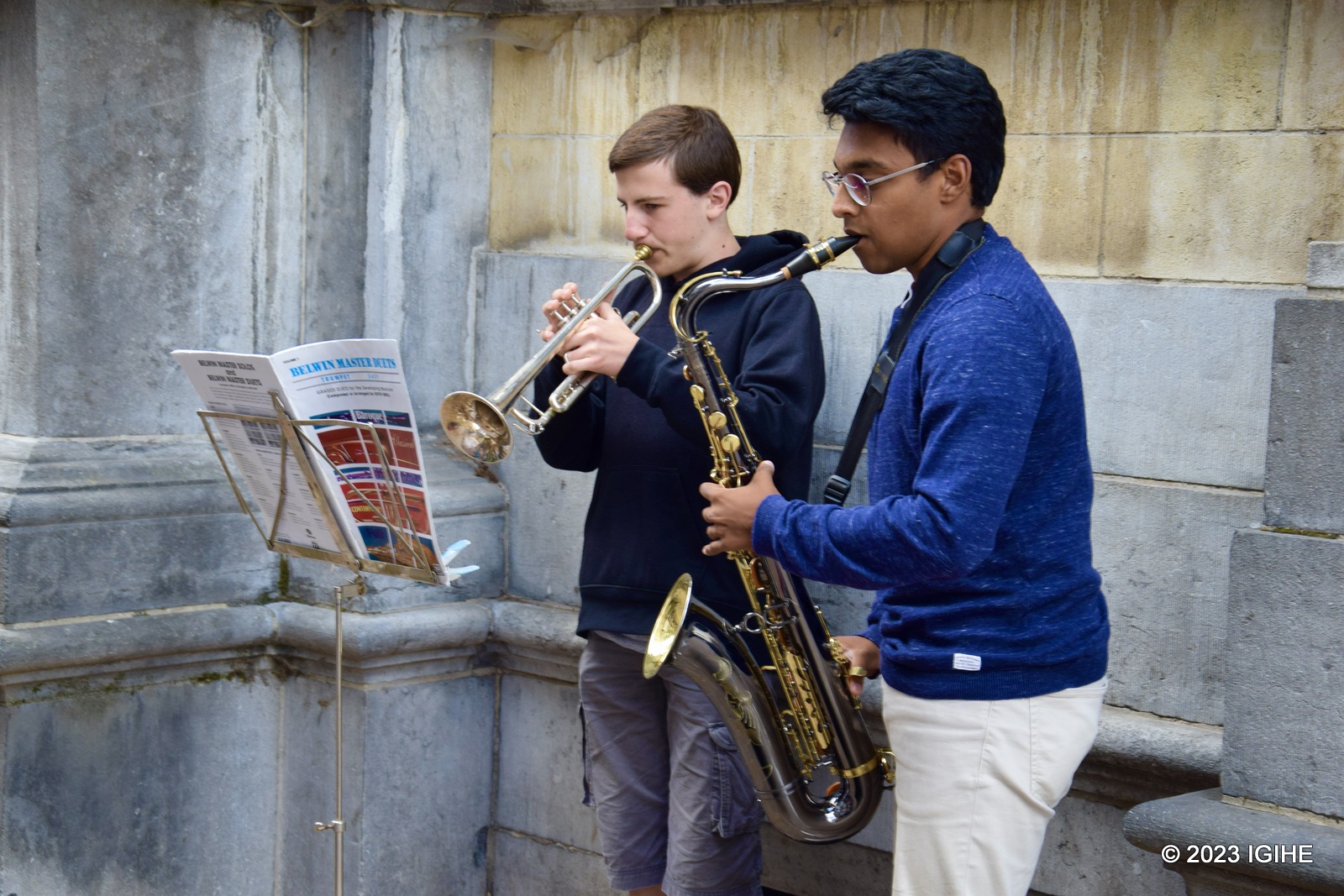
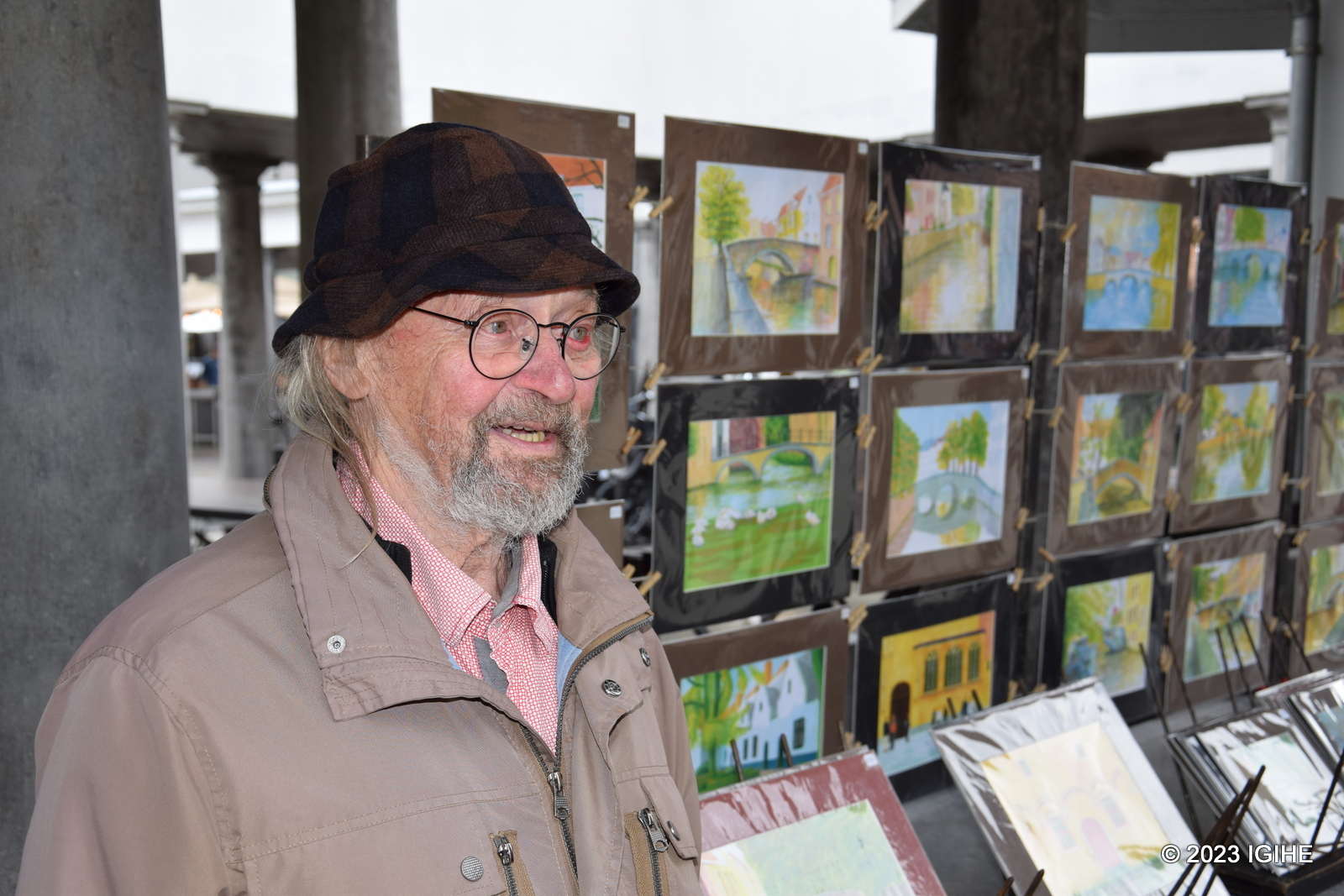
The city pulsates with artistic energy, embracing creators and their craft. Concerts and art exhibitions find a cherished home within its historic walls, creating an immersive cultural tapestry.
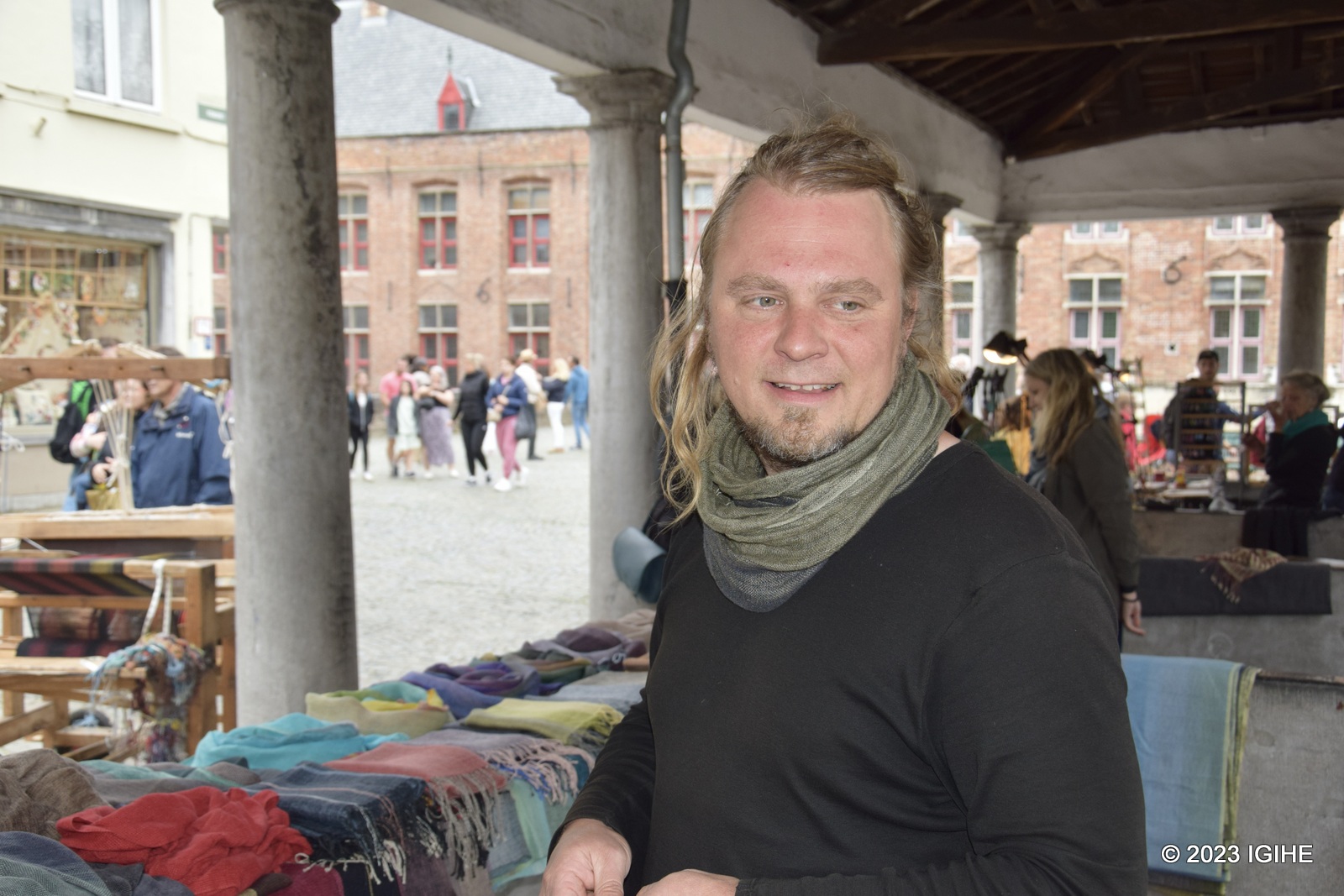
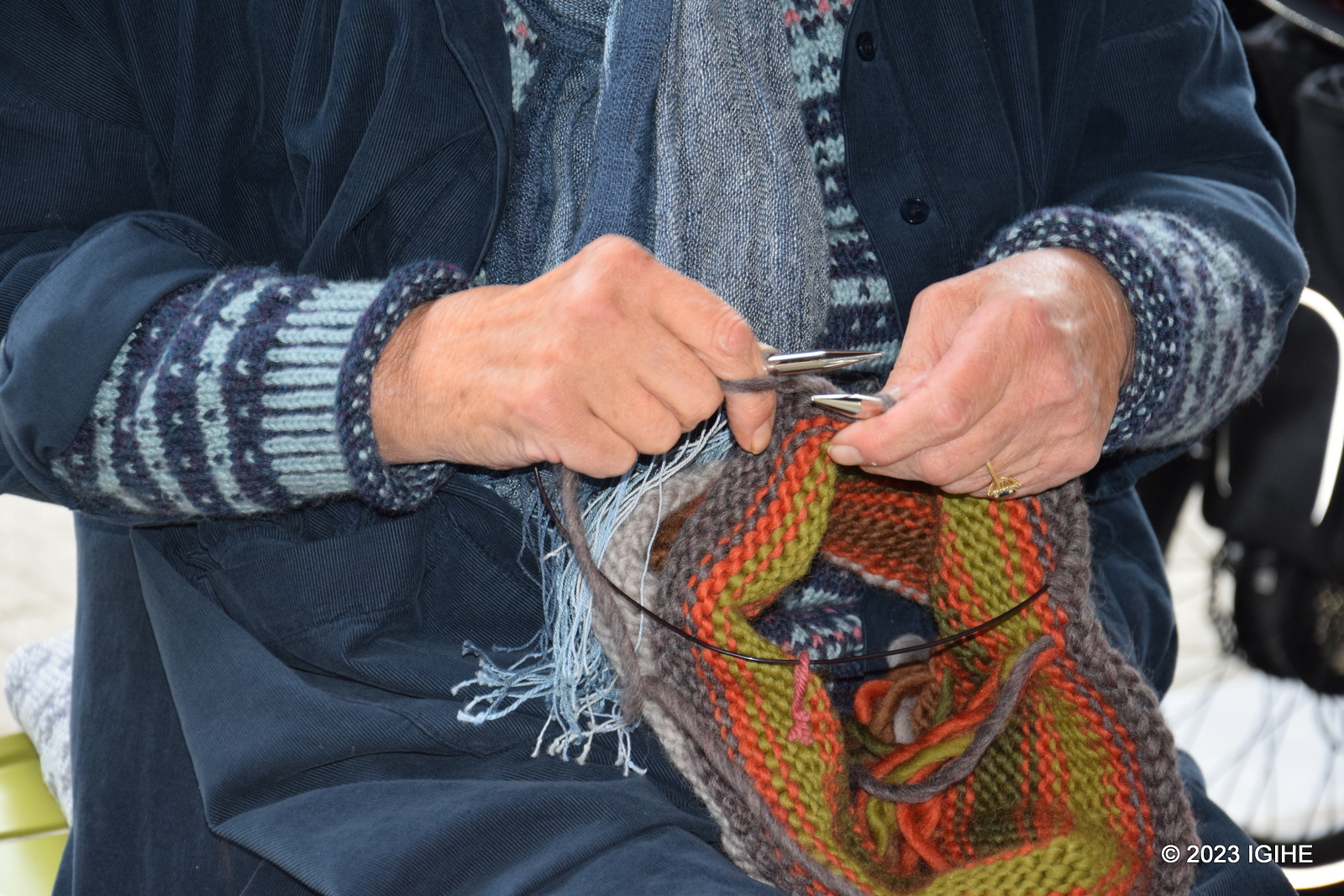
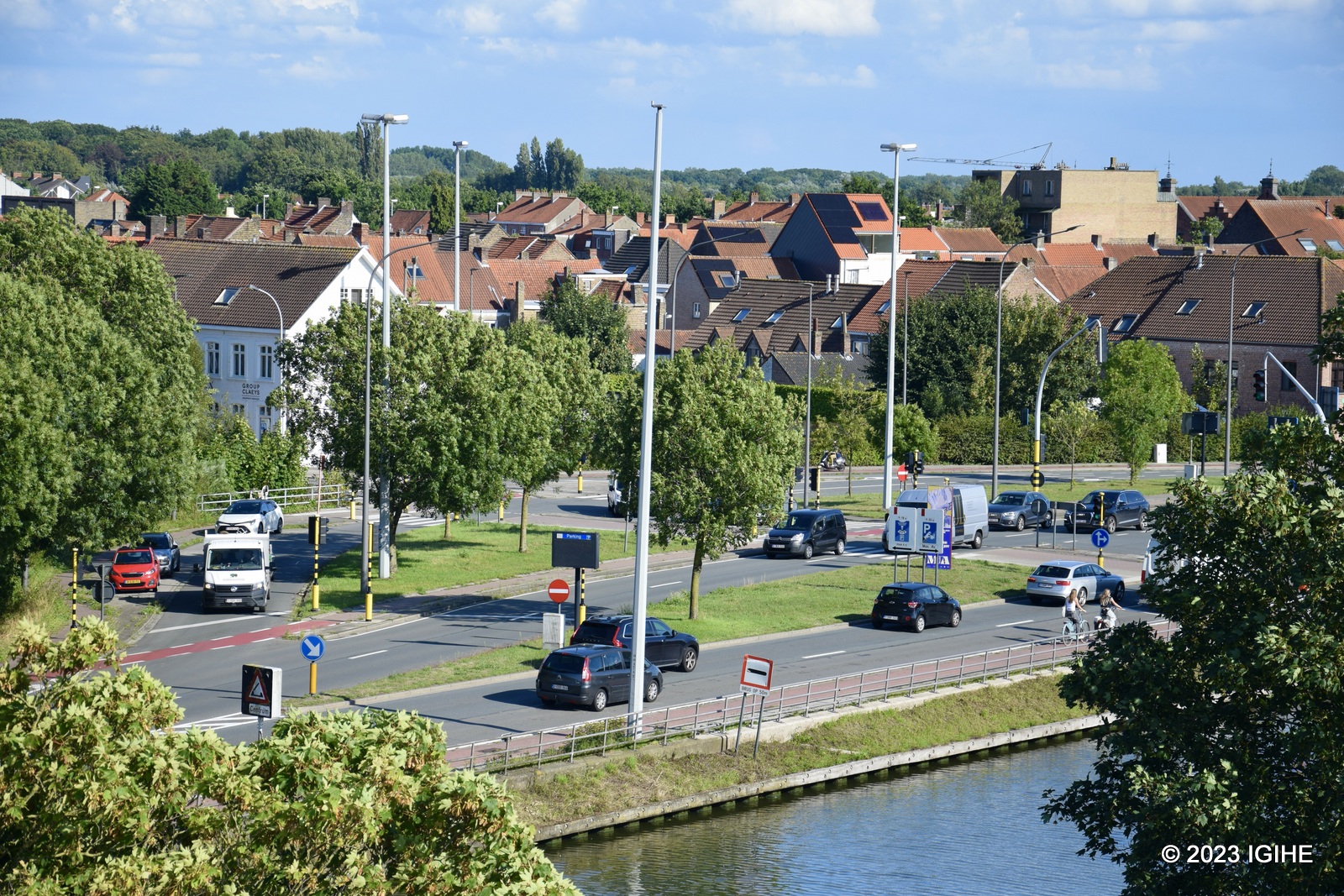
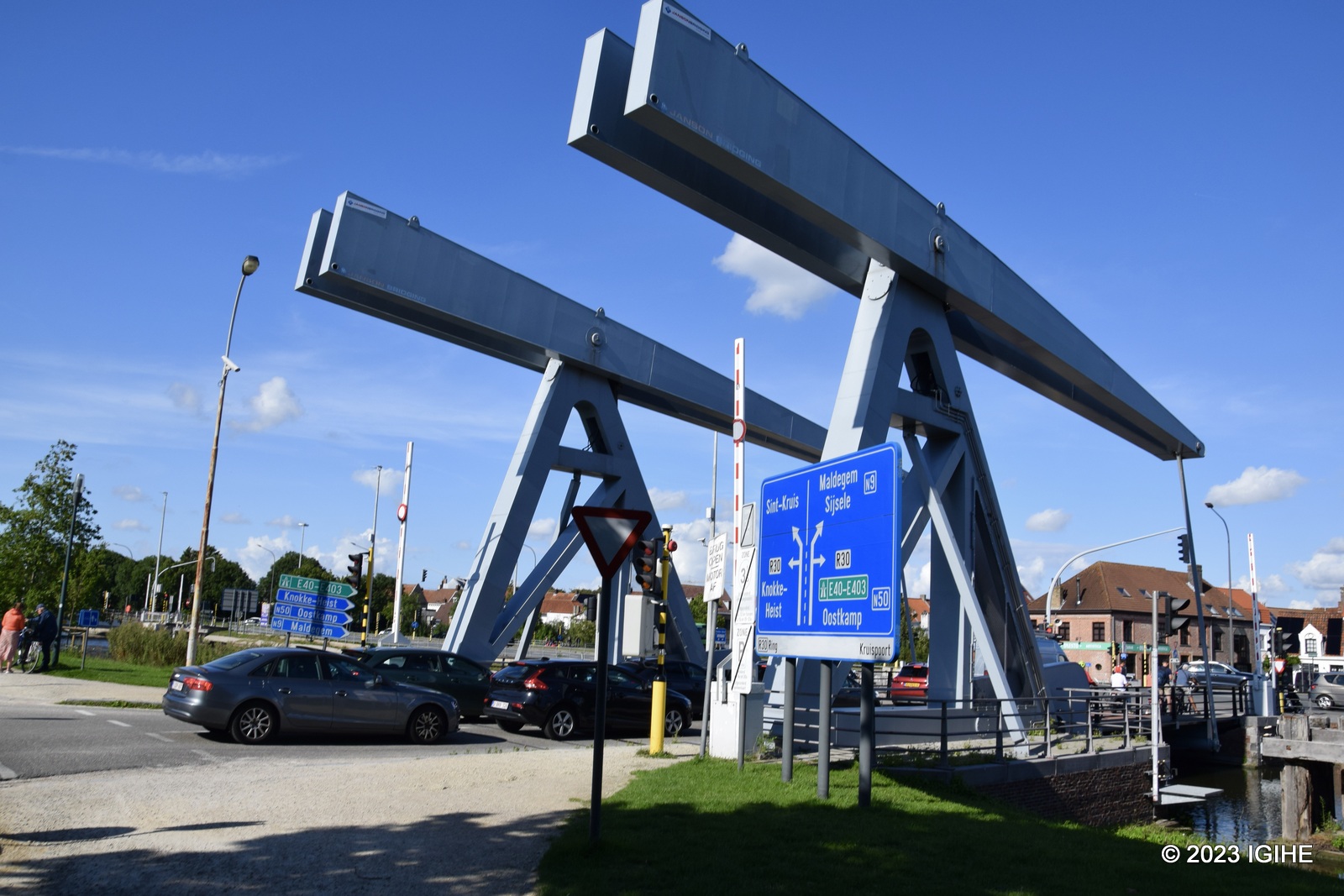
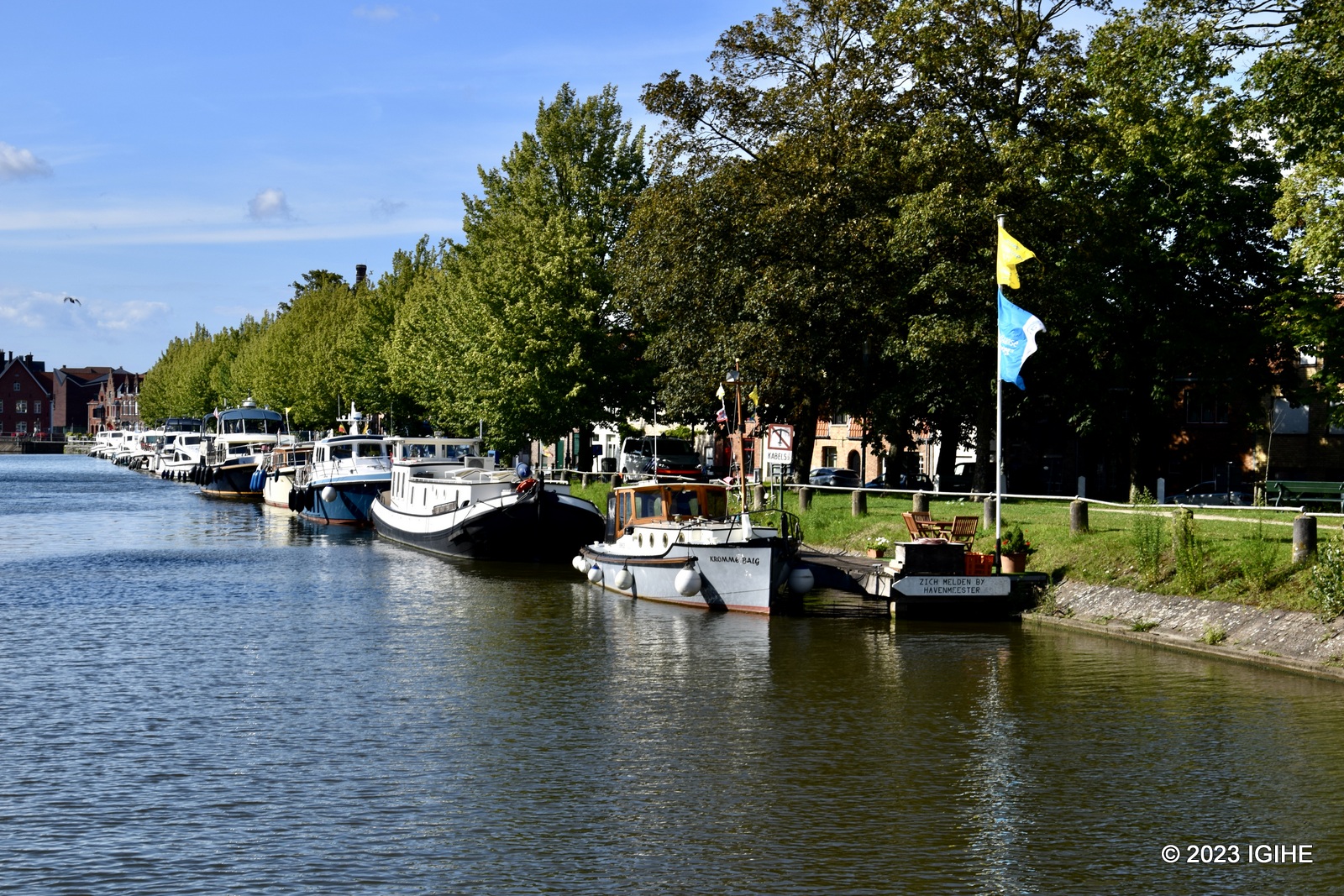
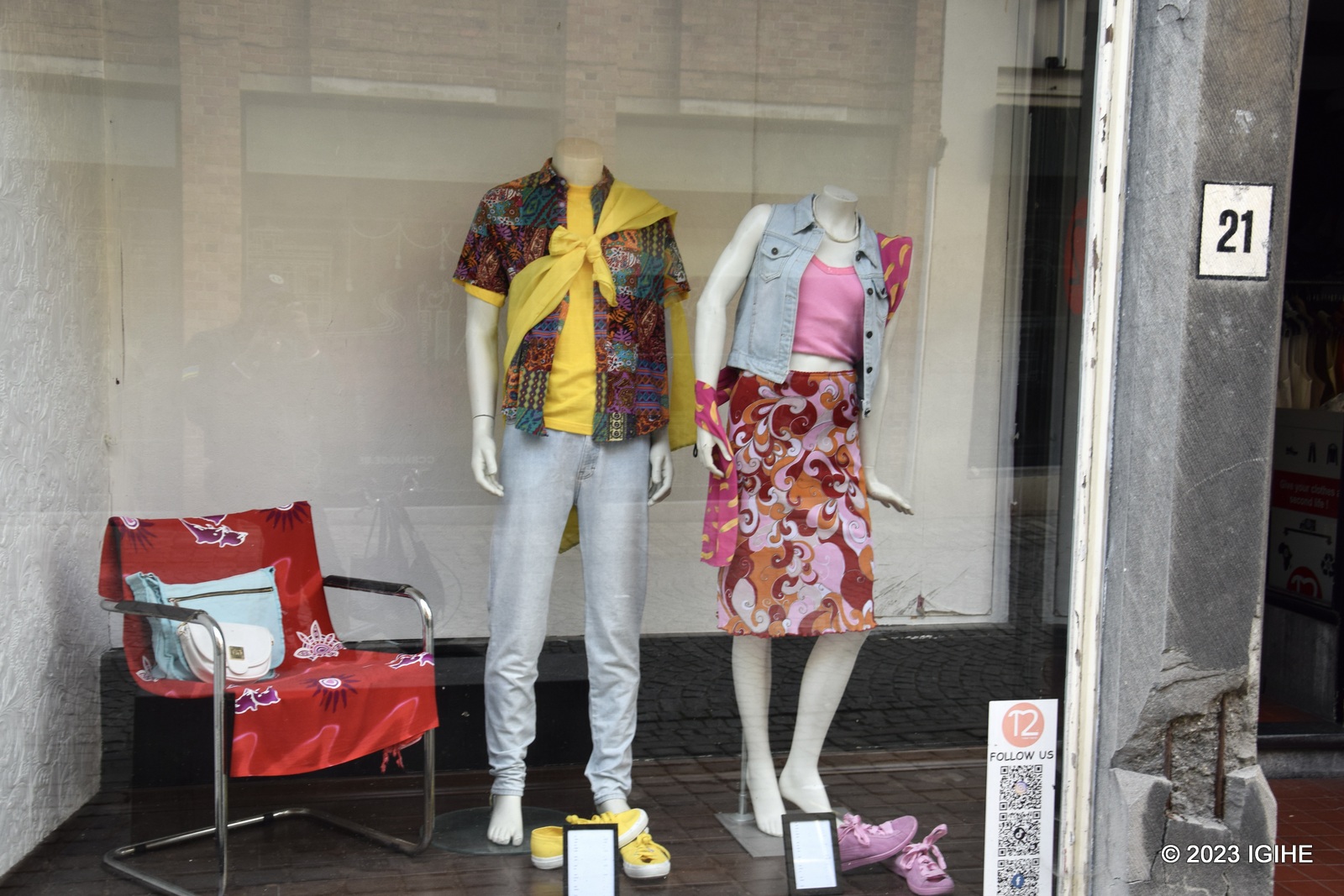
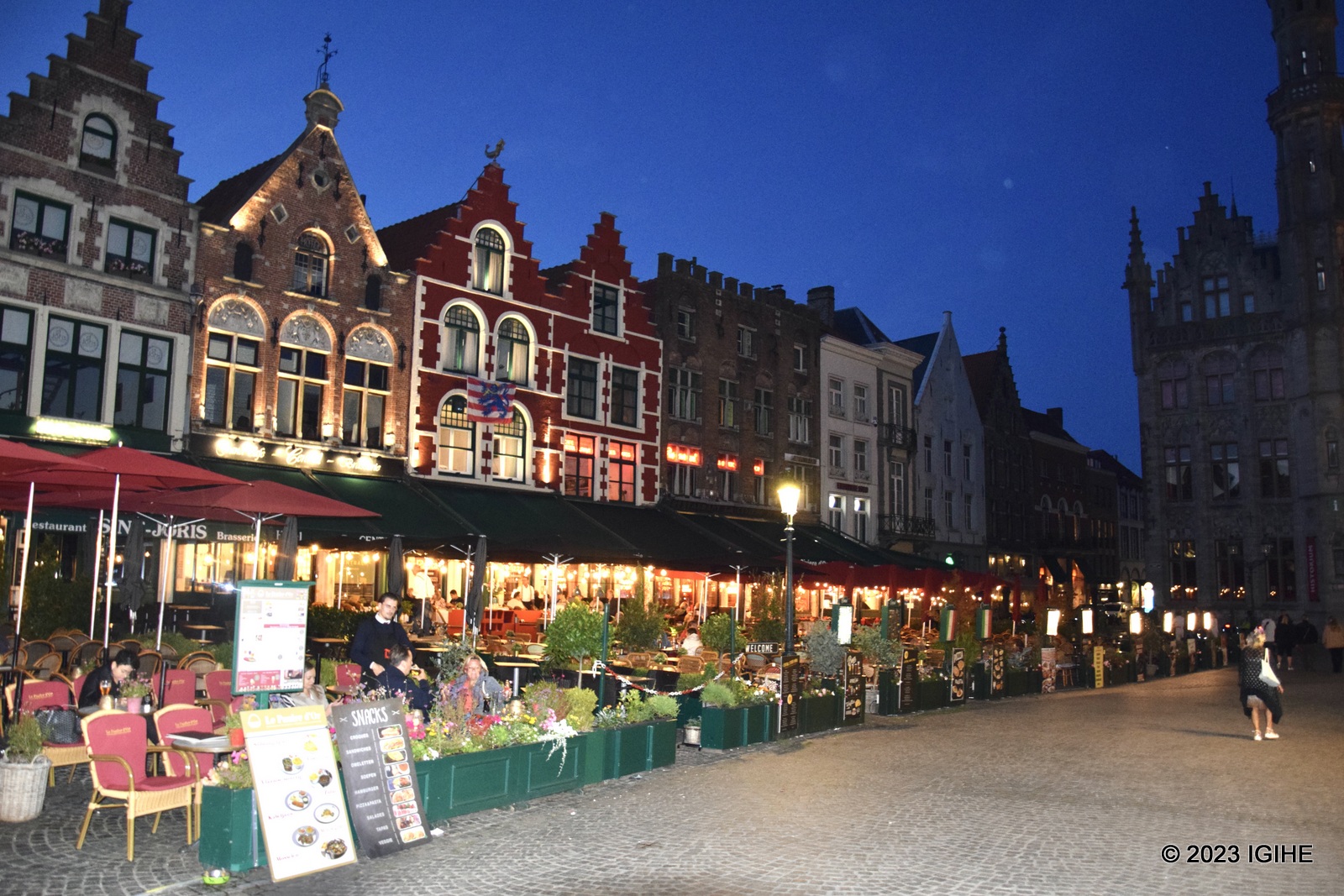
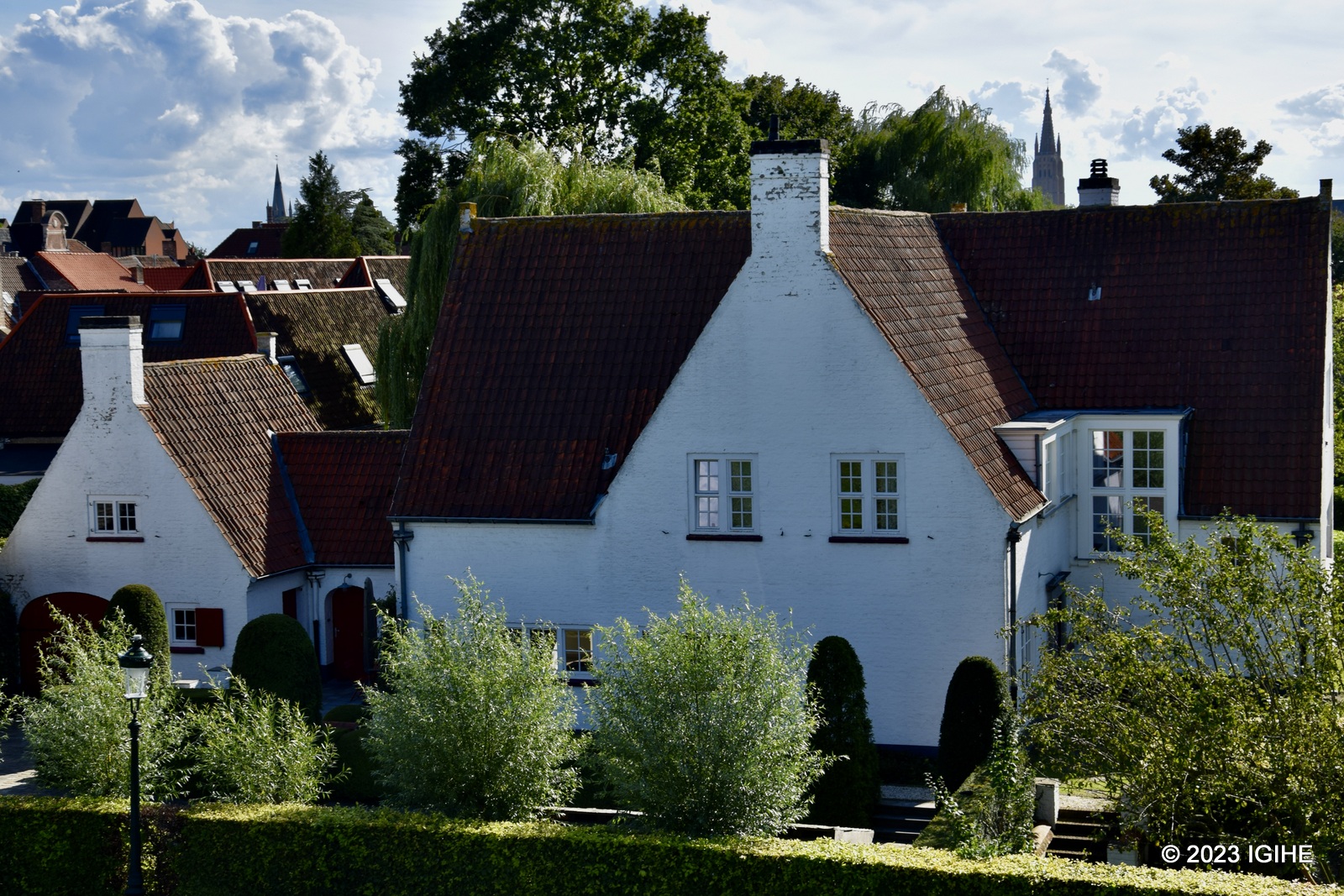
Embark on a visual odyssey as we share with you a glimpse of Bruges’ captivating essence through the lens of IGIHE’s photography.
A symphony of sights and stories awaits, inviting you to immerse yourself in the allure of this enchanting city.
Globally, the domain name registration count has surpassed 350 million, with a staggering 13.2 million registrations in 2022 alone. This surge underscores the growing importance of establishing a strong online presence for businesses, institutions, and entrepreneurs aiming to connect with the Rwandan audience they seek to serve.
An internet expert, who specializes in registering domain names for clients targeting the Rwandan market, stressed the urgency for businesses and organizations to act swiftly. “Time is running out for those seeking to serve a Rwandan audience or identify themselves as originating in Rwanda. Now is the time to secure domain names before they are snapped up by others with similar business names,” the expert advised.
Excitingly, a source at the Rwanda Internet Community and Technology Alliance (RICTA) revealed that there are still more than 2,000 premium domain names available for registration, encompassing diverse sectors and industries. These domain names comprise popular keywords, recognizable local brand names, and industry-specific terms, making them prime virtual real estate for anyone aiming to enhance their online footprint.
As Rwanda’s economy continues its diversification and embraces digital transformation, these premium domain names present unparalleled potential to attract more customers, expand market reach, and cement market presence.
Experts underscore the significance of securing premium domain names early on, as they can substantially impact a company’s online marketing strategy, search engine ranking, and overall brand recognition. Establishing a robust online identity through a memorable and relevant domain name can foster consumer trust and elevate a business’s credibility.
Additionally, ICT experts highlight the importance of local businesses embracing digital transformation and leveraging the internet’s power to reach a broader audience. By harnessing the available premium domain names, local entrepreneurs can compete not only on a national scale but also expand their reach to international markets, fueling Rwanda’s economic growth.
To facilitate this exciting opportunity, RICTA encourages interested businesses and individuals to explore the list of available domain names on their official website.
Incidentally, RICTA has created a new platform that will be used to auction .RW Domain Names.
With Rwanda’s digital landscape evolving at a rapid pace, securing premium domain names now can potentially yield exponential returns in the future. As the world becomes increasingly interconnected, businesses that invest in their online presence are best poised to thrive in the digital age.
The treasure trove of over 2,000 premium and valuable Rwandan domain names presents an extraordinary chance for businesses to stake their claim in the digital arena. By harnessing the power of these virtual assets, entrepreneurs can pave the way for a promising future and help Rwanda unleash its full digital potential.
A source at RICTA intimated that the new platform will be introduced to sell domain names at auction, further boosting opportunities for businesses and individuals to acquire premium web addresses.
Opinion & Public, is a leading multilingual Francophone and West African public relations firm. The CIGC is set to become an annual platform for public sector communication professionals to exchange ideas, delve into the latest trends, and redefine their approaches.
The theme for the debut event is “Fostering Trust between Youth and Government,” with the conference attracting prominent government communication experts from around the globe.
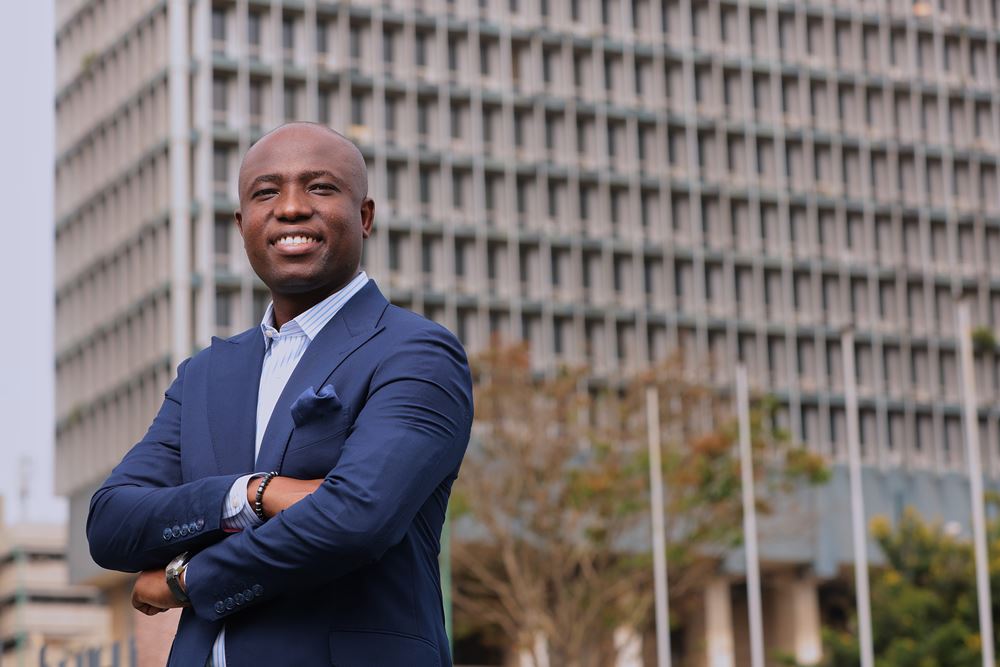
In an interview with IGIHE, Kwame Senou, the Founder and Senior Adviser of Opinion & Public BCW, shed light on the conference’s highlights.
He explained that attendees should anticipate insightful presentations, hands-on workshops, and engaging discussions covering a range of topics such as crisis communication, youth engagement, countering misinformation, and leveraging new media.
The conference also pledges a distinctive networking opportunity, enabling participants to connect with like-minded individuals and explore innovative and effective communication strategies with industry leaders. Notable speakers include Alex Aiken, Executive Director of the United Kingdom Government Communications Services, and Annie Mutamba, co-founder of Africa Communications Week, alongside other seasoned communication professionals.
{{Conference’s ideation }}
In a world increasingly embracing the digital revolution, African governments are working harder than ever to maintain their status as trustworthy sources of information. Over the past decade, changes in public sector operations and the surge in digital platform usage by citizens have elevated communication demands.
According to Kwame, the CIGC provides an excellent platform for participants to engage with industry luminaries, explore how public sector communication can bolster trust among young people and their governments, and acquire pertinent skills to achieve this goal.
“We’re thrilled to host this annual event and eagerly welcome government agencies, public institutions, international organizations, media, and educational institutions to join the conference,” he enthused.
{{Participation }}
As Kwame indicated, approximately 150 communication officials, top diplomats, business directors, and academic scholars in public governance are expected to attend. Attendees will have the chance to interact with over 50+ government officials, top diplomats, business directors, and academic scholars in public governance. They can engage with experienced speakers on current issues to strengthen existing business objectives.
{{Envisaged outcomes and impact }}
Kwame also elucidated that the conference’s primary objectives revolve around several key pillars. The event aims to foster capacity-building and developmental opportunities through immersive workshops and engaging dialogues.
“Moreover, we’re dedicated to nurturing a collaborative ecosystem that not only generates business prospects but also encourages innovation among esteemed industry experts,” he emphasized.
The conference is set to receive substantial media exposure through reputable media outlets and journalists in attendance, resulting in the dissemination of numerous stories across traditional, online, and social platforms.
Kwame underscored that the decision to organize this conference stems from a profound commitment to establish a robust information infrastructure supporting world-class communication practices within Africa’s public sector.
“Considering these goals, the overarching message we intend to convey to governments is two-fold. Firstly, while there’s an imperative to enhance communication strategies across key stakeholders, it’s equally crucial to recognize and prioritize communication with one of the most pivotal demographics – the youth. This strategic emphasis on engaging the youth underscores the fundamental essence of our theme and echoes the pivotal role they play as stakeholders,” he articulated.
Kwame asserted that, essentially, the conference serves as a potent platform to emphasize the significance of effective and inclusive communication, particularly with the youth. He believes that through this effort, the firm aims to strengthen the bonds of trust between governments and the younger generation, fostering a more connected, informed, and harmonious society.
{{Background}}
Opinion & Public BCW stands as a premier multilingual Francophone and West African public relations firm.
It represents WPP’s BCW brand in Ivory Coast. The firm’s mission revolves around facilitating impactful conversations that shape and influence public opinion, empowering organizations to attain their objectives in the African context.
With its comprehensive array of services, the firm offers tailored communication strategies to ensure client messages resonate with their intended audiences.
From thorough research and analysis to media relations management, public affairs, stakeholder engagement, and content creation, Opinion & Public BCW provides a holistic approach to guide brands through the intricacies of organizational communications and reputation management.
Besides, the firm boasts a team of experts equipped with the insights and tools necessary to make informed business decisions, driven by the goal of effecting meaningful change in people’s lives.
Opinion & Public BCW is predominantly owned by THOP The Holding Opinion and Public, a UK-registered communications group.
{{Genesis of establishment}}
Kwame revealed that Opinion & Public BCW emerged with dual objectives in mind. Firstly, its founders aimed to bridge the gap between Francophone and Anglophone Africa, facilitating seamless communication and collaboration. Additionally, the firm aimed to serve as a valuable resource for multinational companies seeking to operate or introduce their offerings to the Francophone African market.
“In addition, a significant focus of our mission has been to empower governments with the knowledge and tools required for effective communication strategies. We recognize the vital role that proficient communication plays in connecting governments with their diverse audiences, ensuring that their messages resonate and foster understanding,” he stated.
Kwame also shed light on the firm’s aspiration, where it seeks to drive exponential growth for the agency on the continent while concurrently expanding its range of services. “We are committed to consistently securing awards and pioneering innovative initiatives to further enhance our achievements,” he concluded.
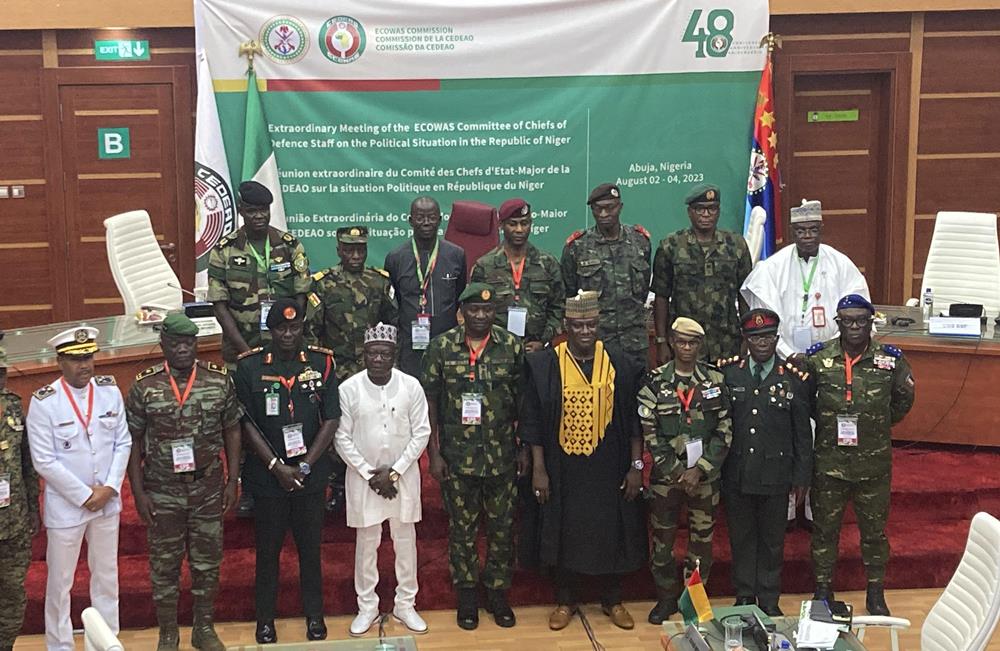
Ajuri Ngelale, the spokesperson for Nigerian President Bola Tinubu, told reporters that the move was made in light of the pre-existing consensus of the West African leaders on the Niger impasse.
The Nigerian president, who is also the current chairman of the authority of heads of state and government of the 15-member Economic Community of West African States (ECOWAS), ordered the new sanctions through Nigeria’s central bank, aimed at groups and individuals involved in the coup in Niger, said Ngelale.
Over a week ago, the regional bloc agreed to impose sanctions on Niger’s military leaders involved in the recent coup, saying that the military junta in Niger must cede power in a week and immediately release and reinstate the country’s elected president, Mohamed Bazoum, or the ECOWAS will take all necessary measures to restore constitutional order, including the use of force.
The ECOWAS leaders also agreed to impose financial and travel restrictions on Niger’s military leaders involved in the coup and establish a no-fly zone over the country. They decided to freeze Niger’s assets in the central and commercial banks of ECOWAS countries.
Ngelale said “no options have been taken off the table” in dealing with the situation in Niger, and there will be “far-reaching decisions” to be taken at the ECOWAS summit on Thursday concerning the bloc’s next steps.
The presidential spokesperson said Tinubu had widened consultations both domestically and internationally on the various fallouts and outcomes of the unfortunate situation in Niger.
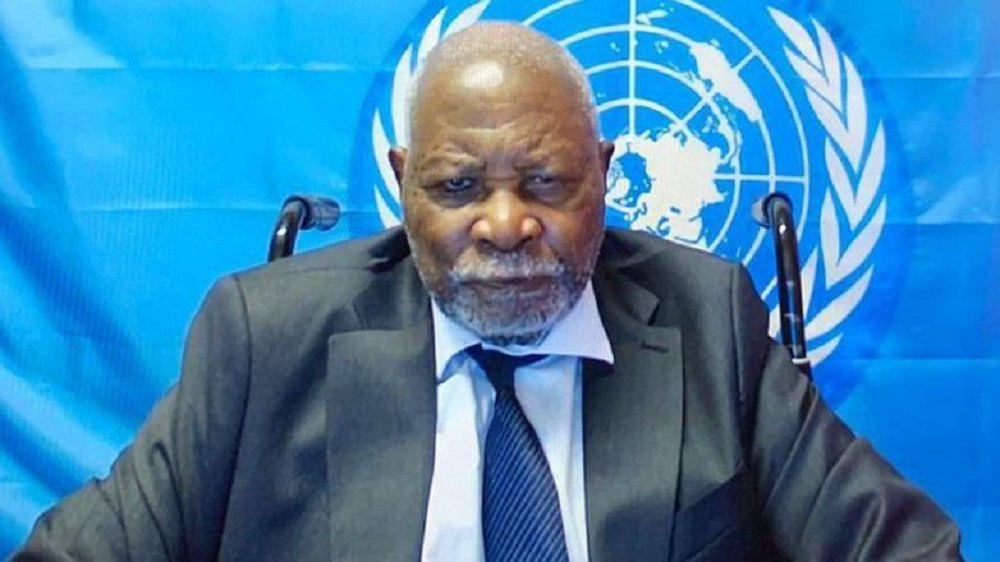
Kabuga stands accused of financing the 1994 Genocide against the Tutsi and co-founding Radio Télévision Libre des Mille Collines (RTLM), a media outlet that propagated hate speech and encouraged the killing of Tutsis.
Since September of last year, Kabuga, believed to be in his late 80s, has been undergoing trial at The Hague branch of the United Nations mechanism responsible for overseeing the International Criminal Tribunal for Rwanda operations.
The suspension, attributed to Kabuga’s deteriorating mental and physical health, follows an extensive assessment of his well-being. Reports indicate that Kabuga is grappling with severe cognitive disorders, including dementia and senility, as well as cardiac, pulmonary, and advanced osteoporosis conditions.
Due to these health challenges, the IRMCT has concluded that Kabuga cannot effectively participate in the legal proceedings, thus compromising the trial’s fairness standards.
Despite the serious charges against him, such as incitement to the genocide and multiple crimes against humanity, the trial’s progression has been halted indefinitely, as determined by the UN court.
Following Kabuga’s trial suspension, Rwanda government spokesperson, Makolo has told IGIHE that the country respects the decision but underscored that it is painful to victims and survivors of Genocide against the Tutsi. She also noted that Kabuga remains suspected of serious crimes.
On the other hand, survivors of the 1994 Genocide against the Tutsi have criticized the IRMCT’s decision. For them, the suspension is a painful reminder of unhealed wounds.
Kabuga, who managed to evade arrest for over two decades, was apprehended in France in May 2020.
In addition to the aforementioned mayors, the statement reveals that a number of other local government leaders in the Northern Province have also been removed from their positions after investigations exposed their shortcomings in fulfilling their obligations. Notable among those dismissed is Geoffrey Mushaija, the former provincial executive secretary, who has been replaced by Emmanuel Nzabonimpa in an acting capacity.
The three districts affected by these changes have appointed interim mayors: Hamis Bizimana will temporarily lead Musanze, Aimé-François Niyonsenga will serve as the acting mayor of Gakenke, and Jean Baptiste Nshimiyimana has been assigned a similar role in Burera.
Further personnel changes include the removal of Axelle Kamanzi, the vice mayor of Musanze in charge of social welfare, and Innocent Twagirimana, the executive secretary of Kinigi sector.
Various senior staff members within the three districts have also been let go.
These dismissals follow the recent resignation of Andrew Mpuhwe Rucyahana, who stepped down from his position as the vice mayor for economic development in Musanze District for similar reasons.
According to the statement issued by Prime Minister Edouard Ngirente, an investigation found that the officials in question had not adequately upheld their responsibilities to promote and safeguard national unity, a fundamental principle enshrined in the constitution. These actions were triggered in part by a recent gathering held in Kinigi Sector of Musanze District, which brought together individuals from across the country, ostensibly to partake in the installation of the chief of the Abakono clan.
This gathering was met with condemnation from various quarters, including the ruling party RPF-Inkotanyi, for being sectarian in nature. The Prime Minister’s decision to dismiss these officials was carried out in accordance with instructions from the President, who serves as the guardian of the Constitution. This Constitution obliges all government officials, whether elected or not, to uphold the core tenets of the Constitution.
The installation of the Abakono clan chief on July 9 attracted a significant number of attendees from all corners of the country, including government officials, local leaders, and individuals from private and security sectors. However, many individuals criticized the event for setting a concerning precedent in a nation that has a painful history of the Genocide against the Tutsi, an event largely fueled by sectarianism.
Subsequent to the gathering, several participants, including Esperance Nyirasafari, the Vice President of the Senate, issued public apologies and expressed their commitment to avoiding such discriminatory acts in the future. Justin Kazoza, a businessman who was installed as the chief of the Abakono clan, later apologized for his involvement and renounced his newly-acquired title.
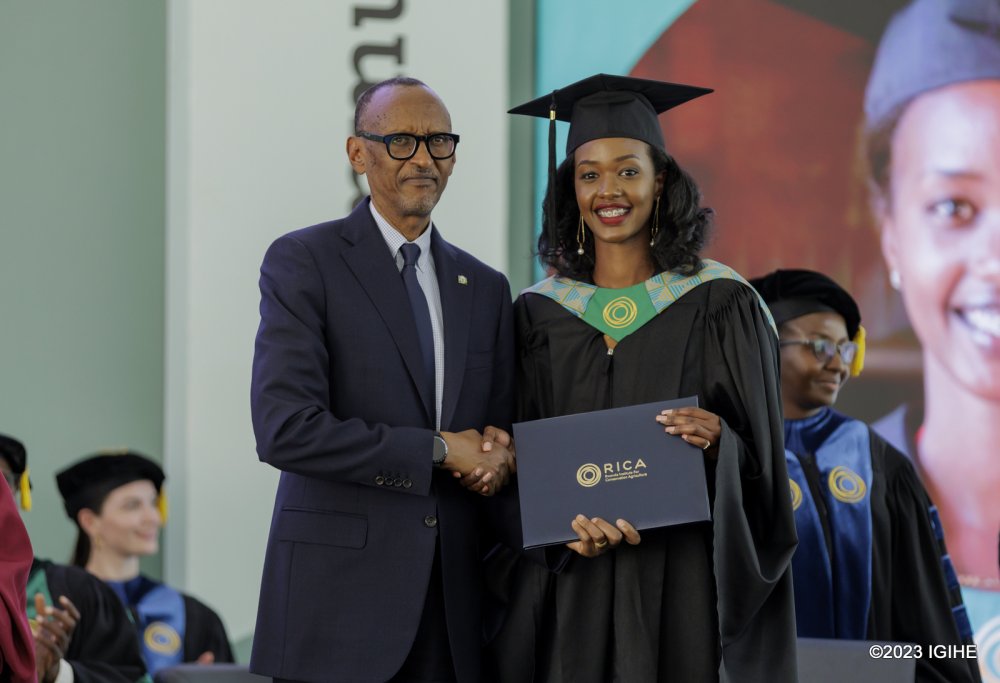
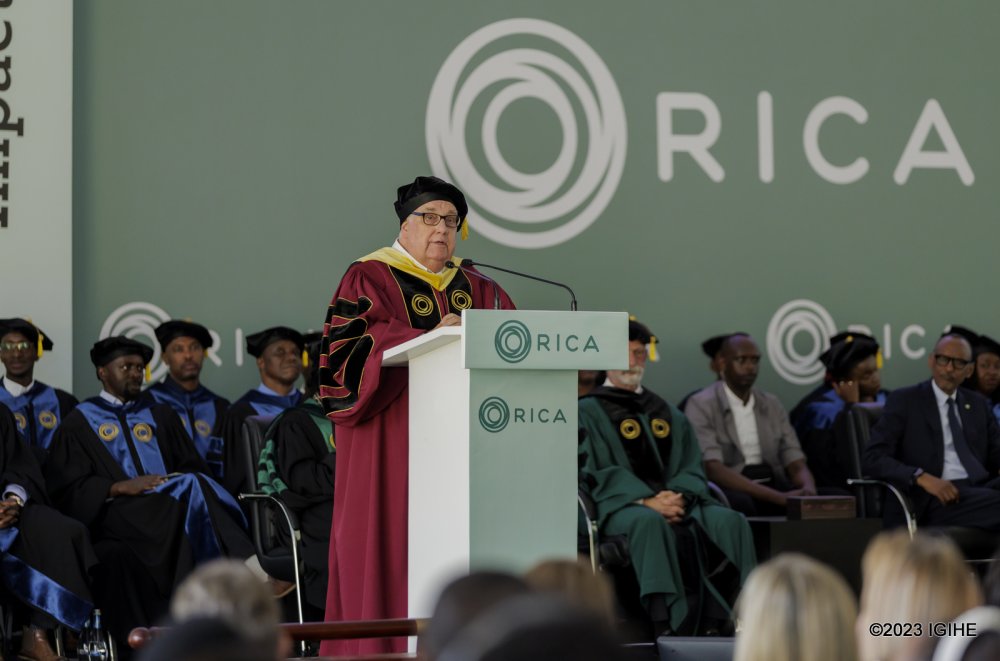
Speaking to participants of the ceremony held on 8th August 2023, Kagame’s first lesson was to “have a vision.” He advised the graduates to identify problems, dedicate their attention to solving them, and make those issues their purpose. He stressed that setbacks are inevitable but having a clear vision is the driving force that separates giving up from perseverance.
In his second lesson, Kagame cautioned the graduates about the doubters and naysayers they might encounter on their paths. He urged them to stay true to their convictions and to do what they believe is right, even if it means taking the less-traveled path. Kagame highlighted that true success often requires going against the norm and being prepared for criticism.
Lastly, Kagame emphasized the importance of collaboration and building meaningful relationships.
He stated that Africa’s challenges stem from a lack of productive collaboration and underutilization of collective wealth, not a scarcity of talent or resources. Kagame encouraged the graduates to surround themselves with like-minded individuals who inspire and motivate them to excel. He reminded them not to forget the relationships they have formed during their time at RICA.
Founded by Dr. Howard G. Buffet with the goal of preparing innovators and entrepreneurs in agriculture, RICA celebrated its first graduation ceremony, conferring Bachelor of Science degrees in Conservation Agriculture to 75 graduates.
Speaking to the graduates, Buffet urged them to continue working diligently to make RICA the most successful institution in Rwanda. He also shared essential elements for success, including judgment, anticipation, resilience in the face of failure, and the impact of interpersonal relationships.
Chichi Brave Ntaganira, representing fellow graduates, expressed gratitude for the unwavering commitment of RICA to their success. He acknowledged the challenges they faced as the first batch of students, but credited the school’s support for their achievements. Ntaganira highlighted that 60% of the graduates are already self-employed, running agricultural startups in areas such as service provision and input manufacturing in the seed industry.
Founded in 2019 through a partnership between American philanthropist Howard G. Buffet and the Rwandan government, RICA presents a comprehensive three-year program. This program leads to the attainment of a Bachelor of Science in Conservation Agriculture. Within this program, students have the option to specialize in either Animal Production or Crop Production, Mechanisation, and Food Processing.
RICA also places emphasis on nurturing leadership, entrepreneurship, and communication skills alongside the academic curriculum.
The 19-year old suspect was apprehended on Monday, August 7, at a site in Nduba Village, Congo-Nil Cell of Gihango Sector where provisional driving tests are being conducted.
Superintendent of Police (SP) Bonaventure Twizere Karekezi, the Police spokesperson for the Western region, said that the registered candidate had hired the arrested suspect to do the online test for him.
“The suspect was identified after he entered a code belonging to another candidate. It was later established that he had been hired to impersonate the candidate and was to be paid Rwf15,000. He was handed over to Gihango Police station for further management,” SP Karekezi said.
He warned against such malpractices and advised those seeking driver’s license to avoid such “criminal shortcuts”
Under article 276 of the law determining offences and penalties in general, any person, who, with fraudulent intention, produces a false written document, causes to write false statements, or produces a conflicting declaration, is considered to a commit the offence of forgery.
Upon conviction, he or she is liable to imprisonment for a term of not less than five years but not more than seven years and a fine of between Rwf3 million and Rwf5 million, or one of these penalties.
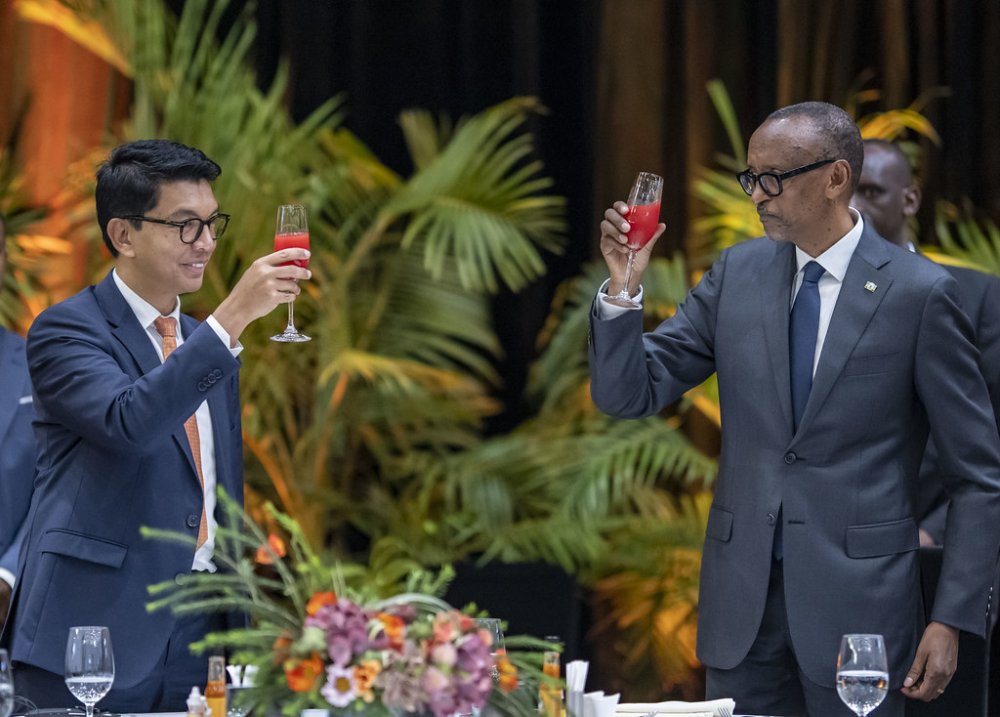
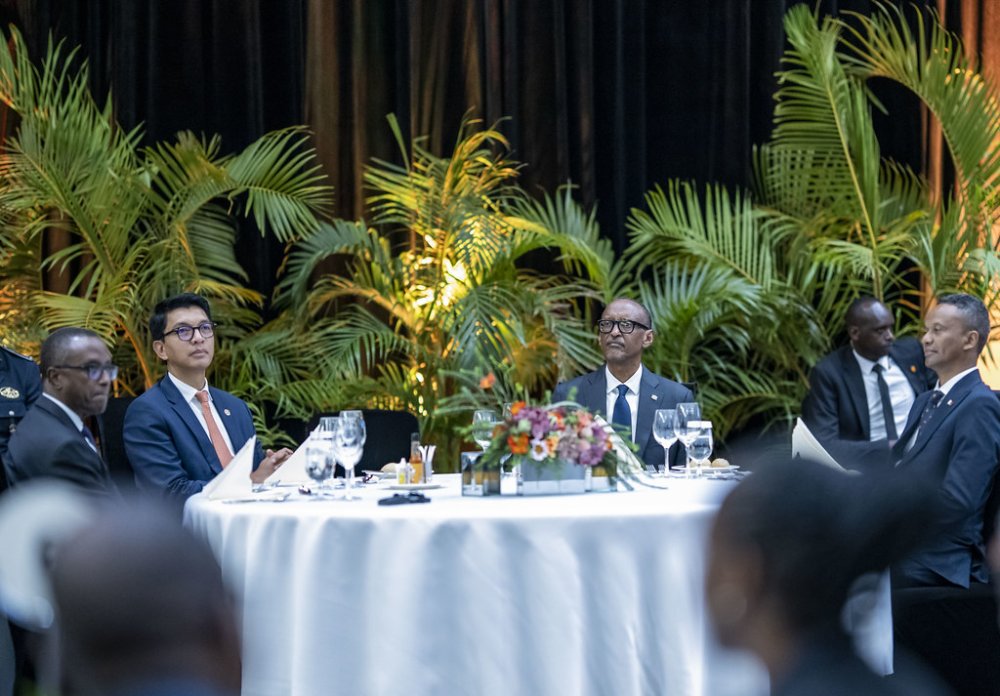
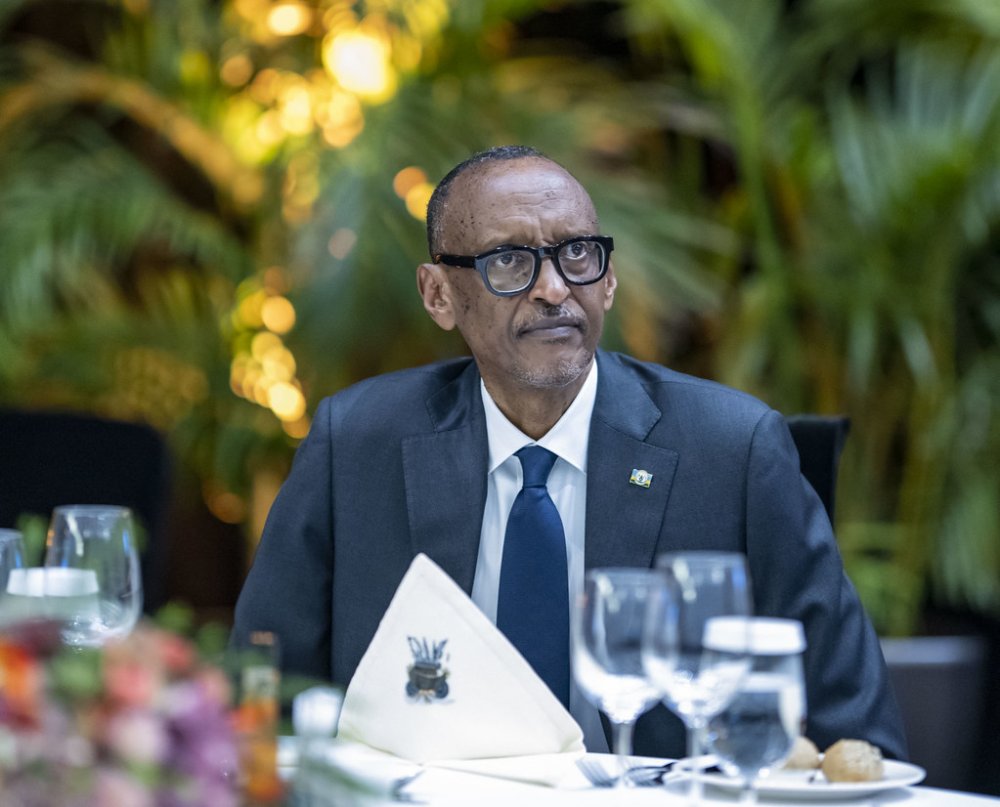
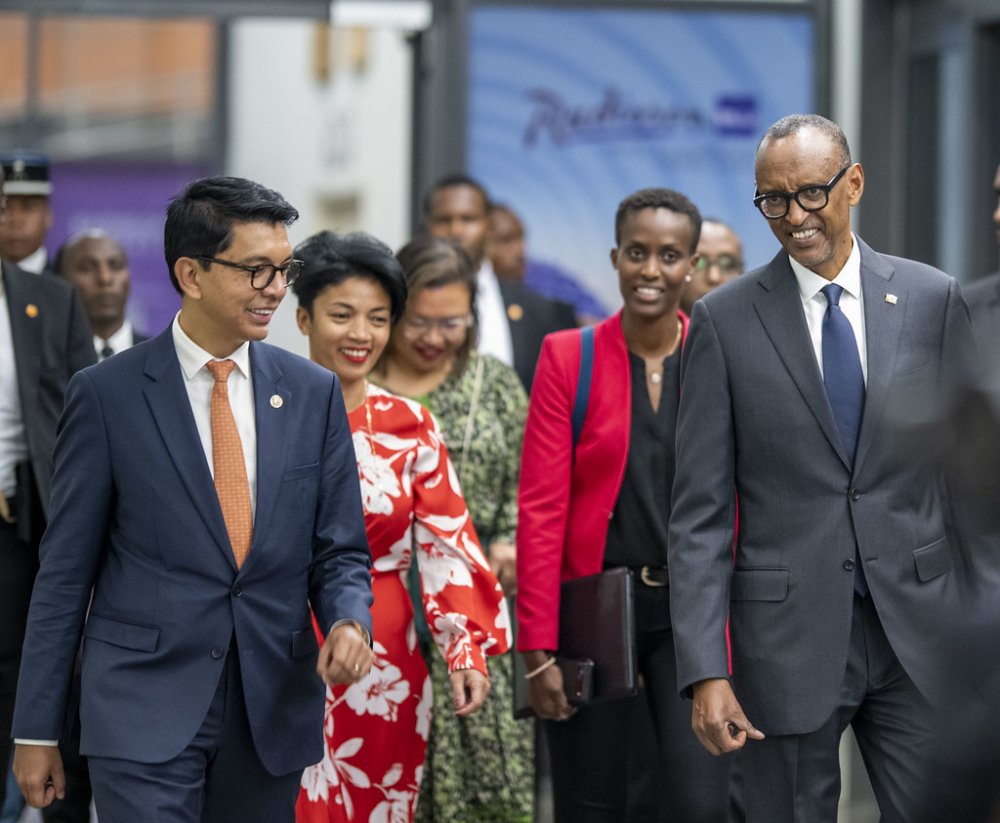
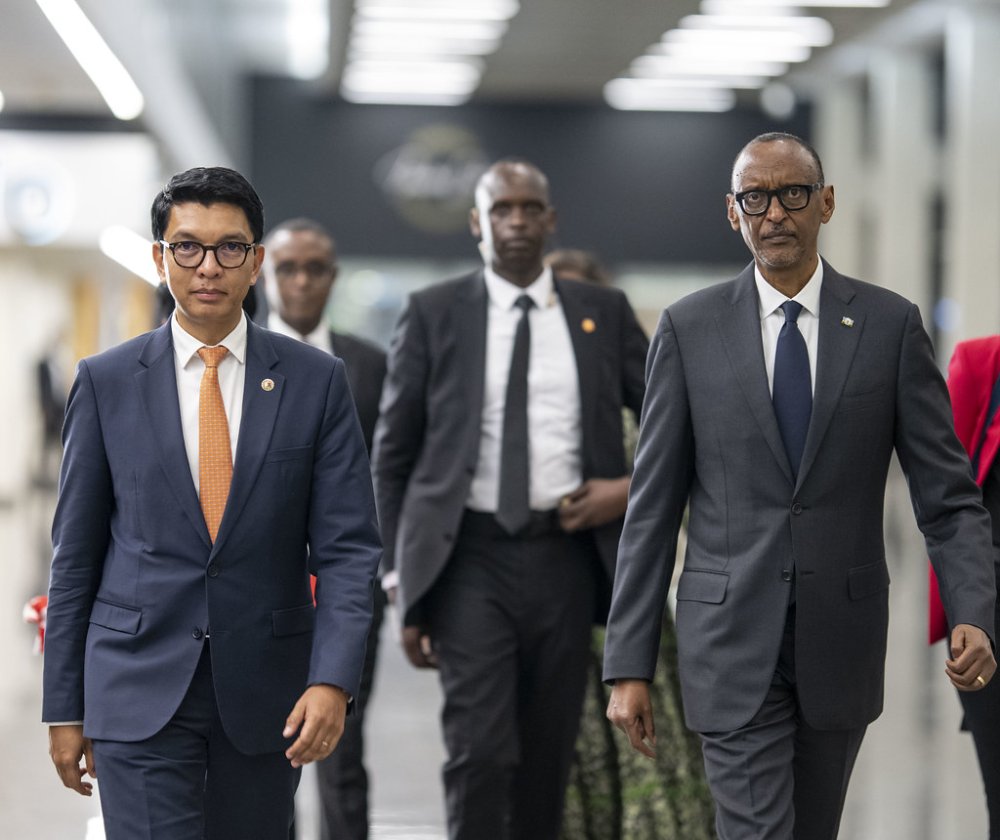
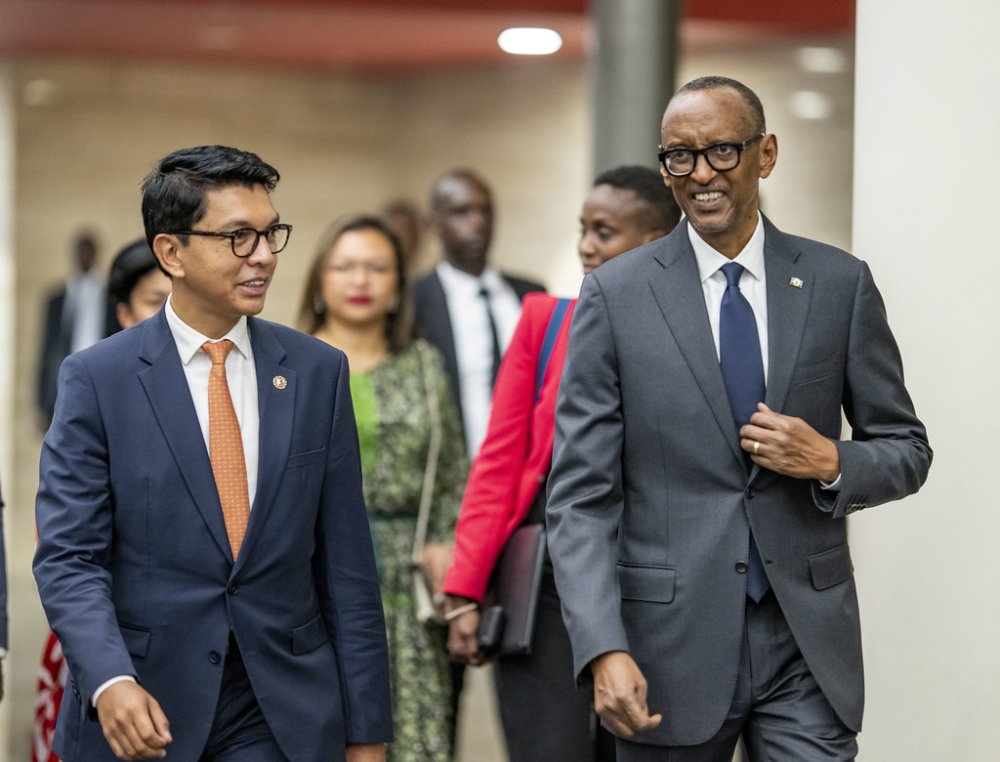
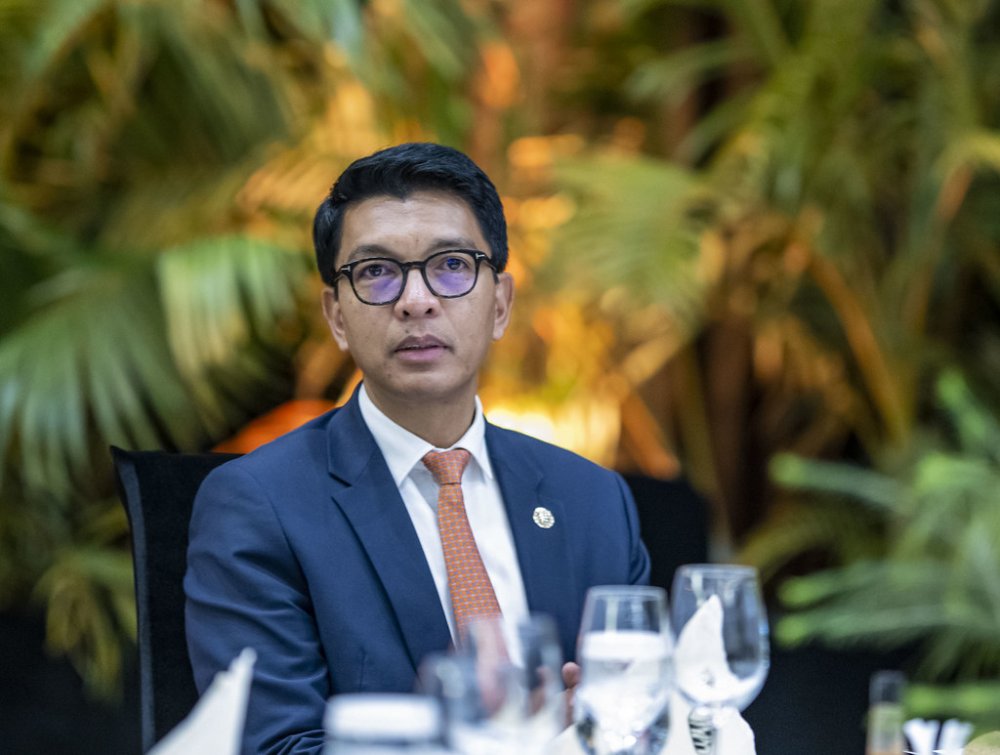
He made the remarks at a state dinner in honor of visiting President Andry Rajoelina of Madagascar on Monday 7th, August 2023.
As he hosted his counterpart to a dinner at Kigali Convention Centre, Kagame reminisced on the negative impacts the pandemic (COVID-19), climate change, and geopolitical tensions have brought onto the continent.
He, however, noted that having challenges is not the issue; instead, leaving those challenges unaddressed is.
“In Africa, it is sad that there are people who think we are cursed to have the challenges we have, yet they don’t appreciate what they have. That can be transformed to address those challenges,” he stated.
“It is true that Africa is blessed with natural resources, but this fact on its own cannot change the status quo. We must sit down together and carve out better strategies to benefit from our collective wealth. That is the purpose of visiting each other,” he added.
Kagame also expressed his dissatisfaction with foreign countries that have made it a point to violate everything in Africa and later come out to teach lessons about values and human rights.
“In Rwanda, we have tried to do our best to address our challenges the best way we can, and we will not stop doing so, no matter what anyone thinks about us. Those values we can talk and debate, but there are no values better than ours,” he stated.
To Madagascar, the president promised that they have a reliable friend in Rwanda and the people of Rwanda.
According to Kagame, Rwanda and Madagascar have a long-term objective to bring prosperity to their people and the African continent. The two countries also have international membership in the Common Market for Eastern and Southern Africa (COMESA) and Organisation Internationale de la Francophonie (OIF), which makes their relationship stronger.
In 2019, President Paul Kagame visited Madagascar and invited Rajoelina to visit Rwanda.
The Head of State also hinted at memories of his visit to Madagascar in 2019 and underscored the need for closer cooperation.
“We still have good memories of the visit we made to your country in 2019 that will make a big difference for our two countries. We wish to learn a number of things from one another as we respectfully work together to see that we move this continent closer to that place where we all want to be,” he remarked.
Rajoelina arrived in Rwanda on Sunday evening for a three-day state visit.
Before hosting the dinner on Monday, Kagame received his counterpart for discussions on areas of mutual interest at Urugwiro Village.
During the visit, Rwanda and Madagascar signed a private sector cooperation agreement to boost economic development as part of the Rwanda-Madagascar Business Forum.
The agreement was signed by Jeanne-Françoise Mubiligi, the Acting Chairperson of Rwanda’s Private Sector Federation (PSF), and Guy Foka, President of the International Commission of Groupement des Entreprises de Madagascar (GEM).
Rwanda Development Board (RDB) also signed an implementation plan of a previous MoU from February 2019, aiming to facilitate investment flow between Rwanda and Madagascar through capacity building and professional skill enhancement.
The heavy overall rains in the Beijing-Tianjin-Hebei region caused anomalous floods in several districts of Beijing and several localities in north China’s Hebei Province in the past few days.
At urgent times, the Communist Party of China (CPC) Central Committee with Xi Jinping at the core kept standing firm in putting the people first and once again provided powerful backing for all those affected.
{{Beijing must stand the test }}
Landing on the southeast Chinese coast on July 28, Typhoon Doksuri had not kept its realm in southern China as many other typhoons that weakened after landing but continued moving northward, bringing rain clouds to northern China.
President Xi closely followed the development of Doksuri, stressing that special precautions should be taken in the Beijing-Tianjin-Hebei region.
Late July and early August are the usual rainy season in China. In early July, Xi, also general secretary of the CPC Central Committee and chairman of the Central Military Commission, asked relevant authorities to enhance coordination, step up monitoring and early warning, and provide targeted guidance over disaster prevention and rescue efforts.
In the face of Doksuri, authorities immediately mobilized, and multiple disaster alerts for mountain torrents, floods and waterlogging were announced.
Typhoon Doksuri brought heavy downpours in north China and resulted in floods and geological disasters.
On July 30, over 2,800 passengers were trapped on the K396, K1178 and Z180 trains in Beijing due to railways cut off by the rainfalls, facing a shortage of food and water and no communication signals.
The situation quickly came to Xi’s notice and he immediately made instructions.
“Local authorities and relevant departments must get in touch with the trains and make every effort to arrange rescue and give out food and drugs to ensure the safety of the trapped passengers,” Xi said in an instruction.
During the following days of rescue, Xi repeatedly stressed sound logistics guarantees for those temporarily settling where the trains were stuck, urging efforts to transfer trapped passengers to Beijing as soon as possible while ensuring their safety.
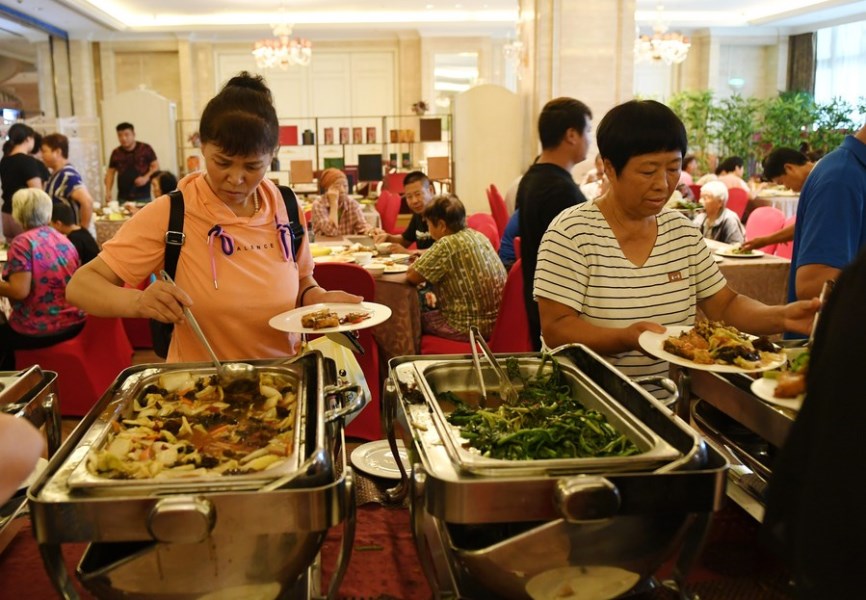
On Aug. 3, all the passengers were able to leave the temporary settlement spots.
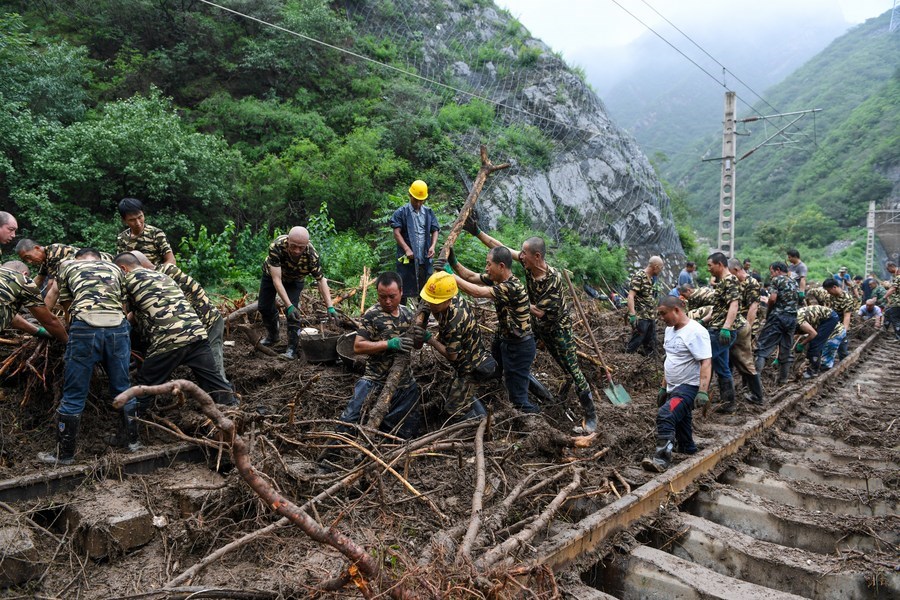
Amid the rescue, Xi continued to give instructions concerning all those suffering from the natural disaster, stressing efforts to make appropriate arrangements for people affected by the floods and geological disasters, promptly repair damaged infrastructure, including transportation, telecommunications and electricity facilities, and restore order in work and life as soon as possible.
Party members and officials must charge forward, and primary-level Party organizations must play their roles so that the people can feel like they have something to rely upon, said Xi.
“As a modernized metropolis, Beijing must stand the test,” he said.
{{All-out rescue efforts in Hebei }}
When Beijing was drenched, rainstorms also swept half of the counties and city districts in neighboring Hebei. Around 2.2 million people were affected.
Zhuozhou City in Hebei saw 60 percent of its urban areas immersed in water up to 6 meters deep.
Xi was deeply concerned about the disaster situation in Hebei. He learned about the water levels in places including Zhuozhou and instructed the province to mobilize rescuers and resources to promptly evacuate trapped individuals, ensure effective drainage in urban areas, and expedite restoring normal urban operations.
On Aug. 1, Xi demanded all-out search and rescue efforts to find people missing or trapped in floods.
The Organization Department of the CPC Central Committee has allocated 44 million yuan (about 6.16 million U.S. dollars) in funds to assist with flood control and disaster relief work in Beijing, Hebei and Tianjin.
On Aug. 4, the Ministry of Finance and the Ministry of Water Resources allocated 450 million yuan for disaster relief in Beijing, Tianjin and Hebei.
On the same day, the country earmarked an additional 100 million yuan from its central budget to assist in rehabilitation in Tianjin and Hebei.
Local authorities in Hebei mobilized large rescue forces to the flood-hit areas: 4,705 rescue teams consisting of 105,988 members were formed, and emergency departments of various levels exchanged information daily with the teams.
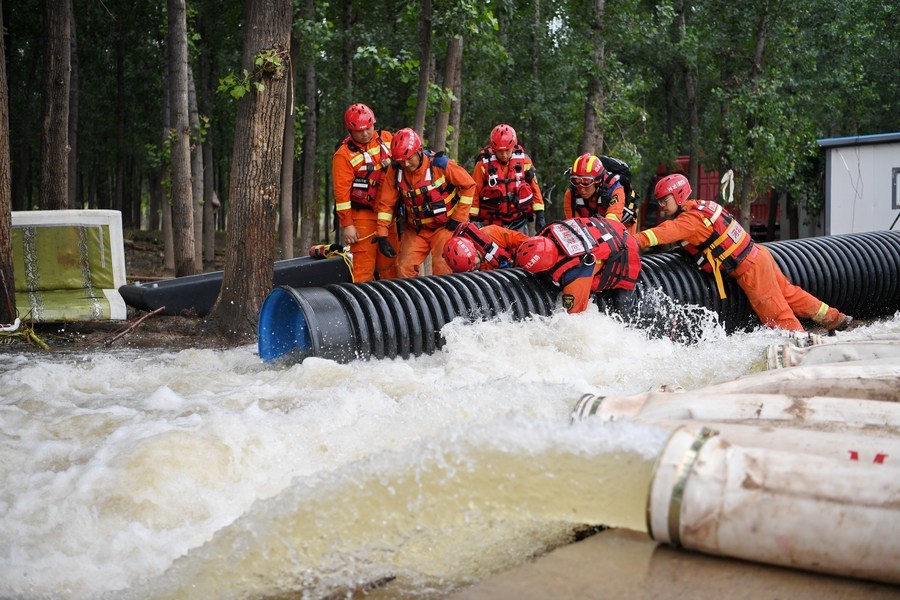
On Xi’s instructions, the central government and Beijing also sent support. The Ministry of Housing and Urban-Rural Development and the National Health Commission sent work teams and experts to guide the rescue efforts on site. Beijing Drainage Group dispatched four units of large-scale water pumps, 14 vehicles and 63 technicians to assist with water drainage.
Currently, the ongoing rain has significantly eased, but flood prevention remains a tough challenge.
Xi emphasized that all regions and relevant departments must strengthen monitoring, forecasting and early warning efforts and enhance inspection measures.
On Aug. 4, Xi warned the disaster-affected areas, especially those in mountainous regions, to be vigilant against secondary disasters and not lower their guard.
Authorities in Hebei strived to ensure the safety of flood detention areas and made every effort to minimize losses caused by flood detention.
As of Aug. 4, about 1.6 million people have been evacuated in Hebei, and expressways have all reopened. In the worst-hit Zhuozhou, all 402 villages resumed contact with the outside world, and electricity supplies were restored in 75 urban neighborhoods suffering power cuts due to the flood.
“After the rescue teams cleared the roads, villagers actively took part in relief efforts and transported supplies,” said Zhao Feifei, Party chief of Qiyu Township in the city of Baoding, Hebei Province, where a landslide took place.
“We are confident that we can help people restore normal life and production soon,” she added.