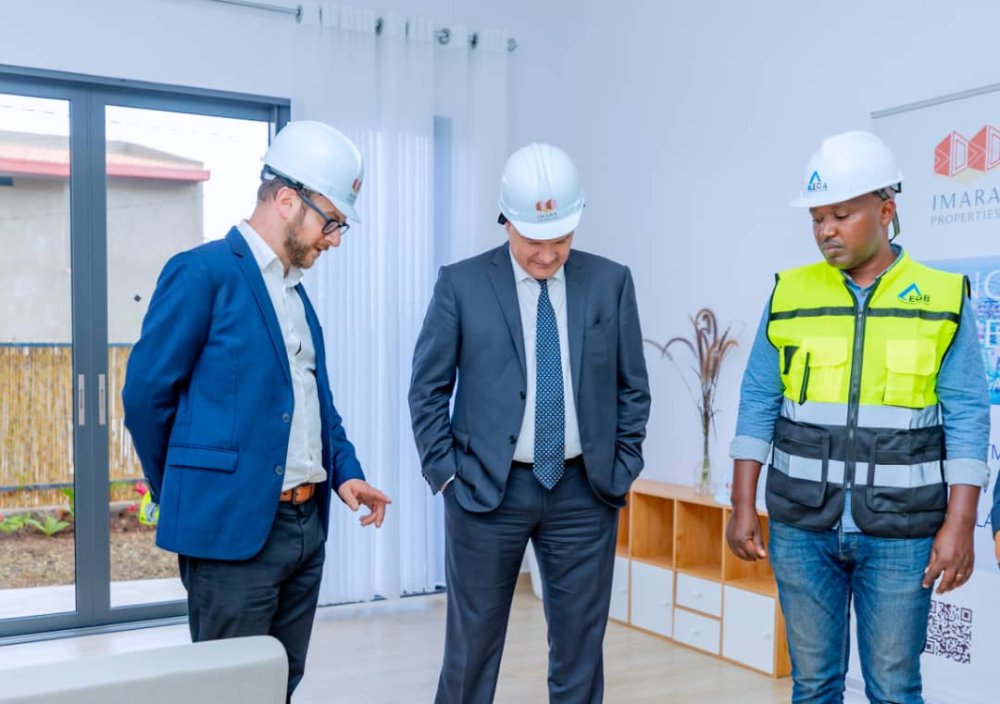
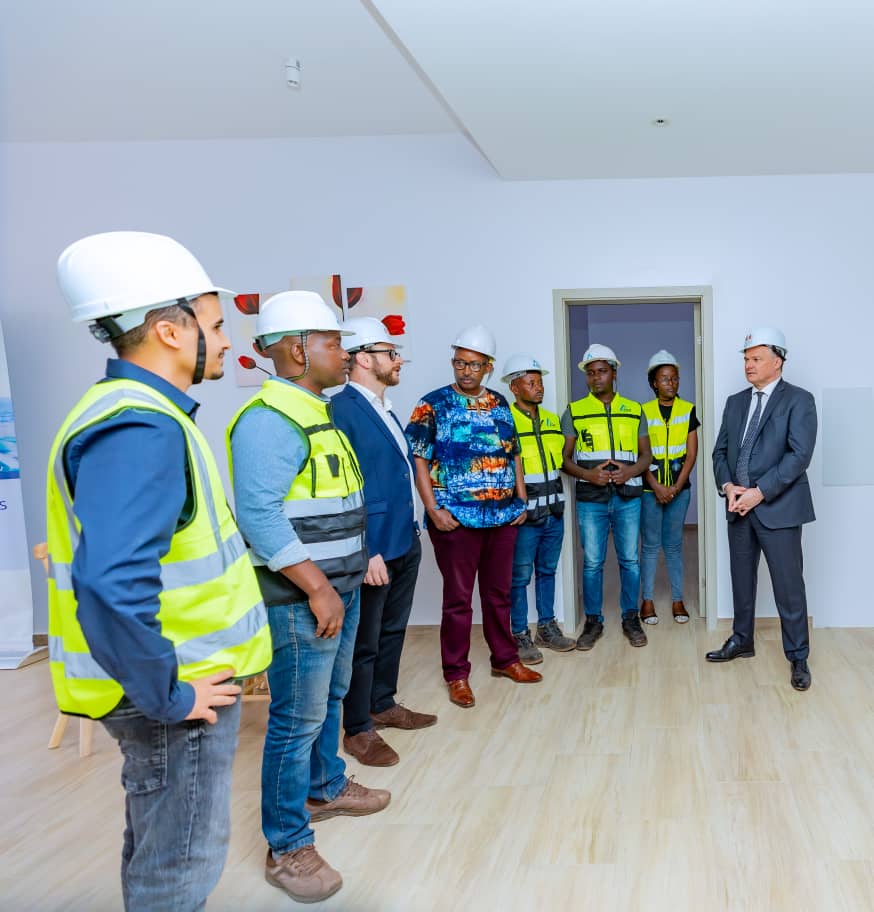
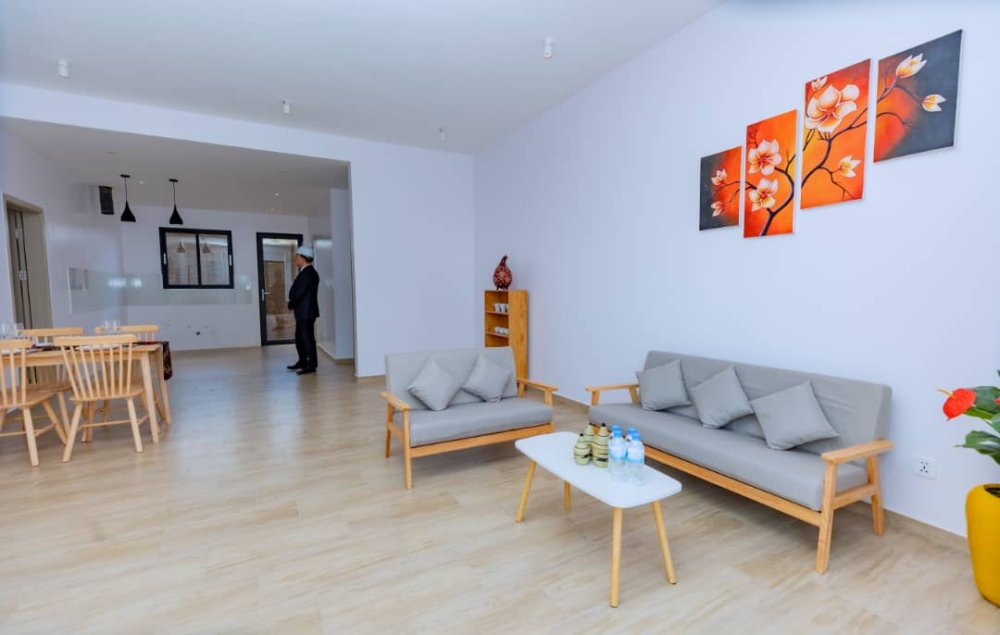
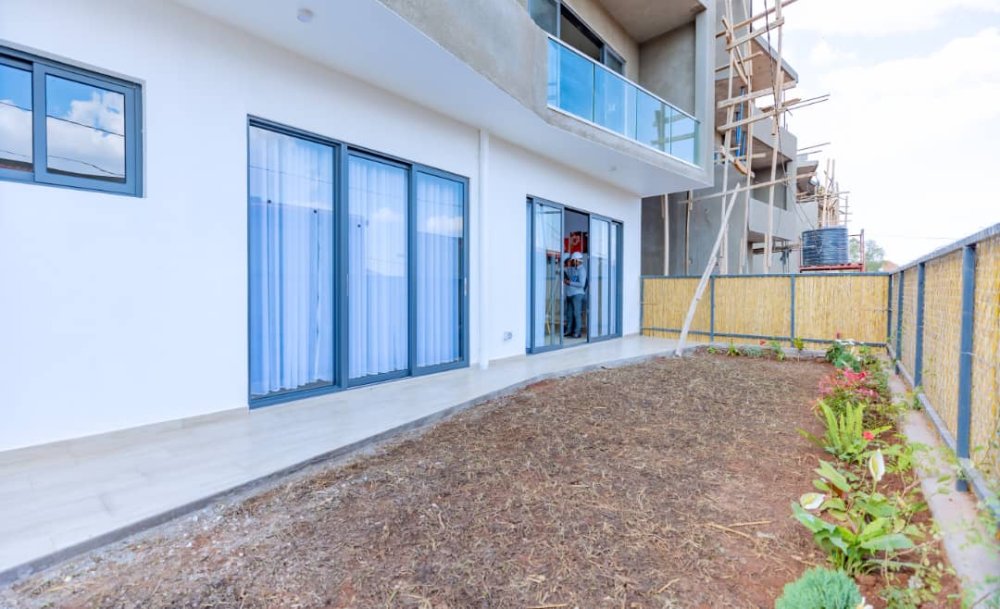
With an offer of apartments and villas adapted to the demand of the real estate market, Imara demonstrates its commitment to meeting the changing needs of the community.
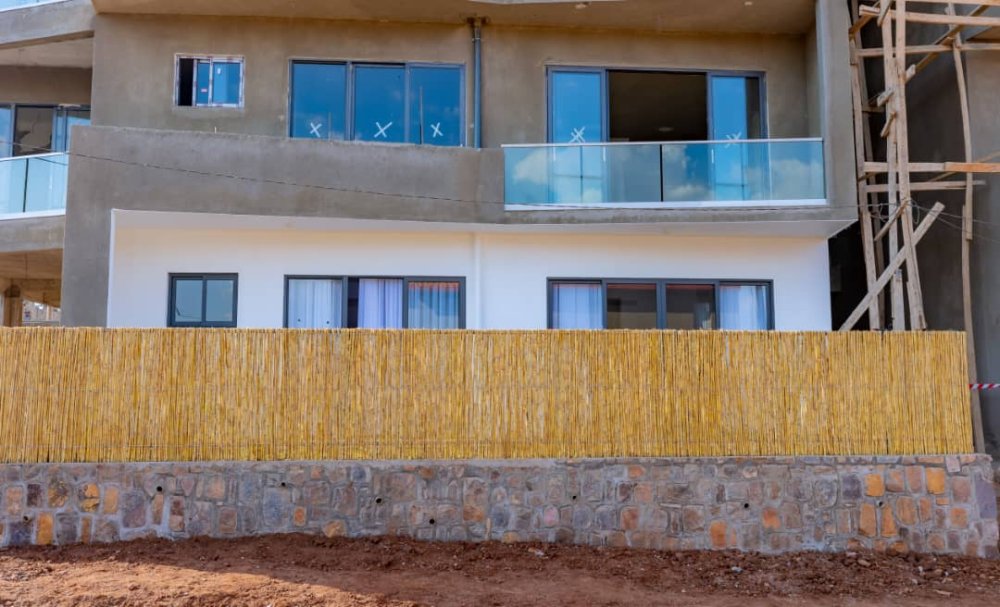
“Phase one, which consisted of the construction of fifteen houses on the hill of Rebero, was a great success,” says Managing Director David Benazeraf. Delivered a year ago, this residential complex is now completely inhabited with satisfied residents.
The phase two is underway in Rebero wih handover planned for November this year. It will build on the momentum of phase one. “We are building six houses and twelve apartments,” says Benazeraf, pointing out that the company is not only building housing, but also creating small communities with common facilities such as a swimming pool and a gym.
He confirms that phase three is under review, proof of the growing momentum of the company. The company has also launched Ituze Village in Kanombe.
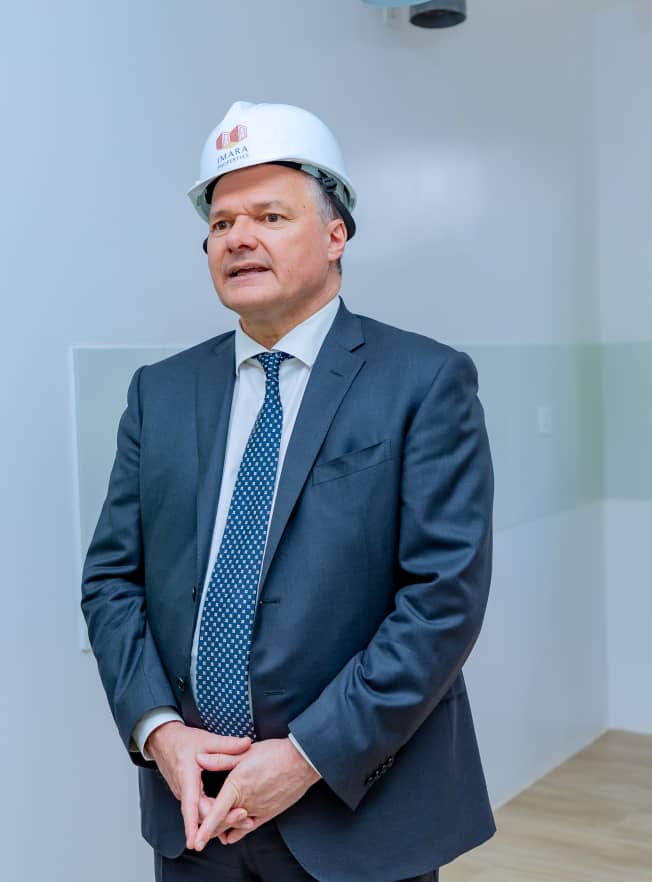
The French Ambassador to Rwanda, Antoine Anfré, salutes the efforts of Imara Properties, declaring that: “Imara Properties is a French-Rwandan company that calls on Rwandan expertise. It is an architectural and commercial success that must be continued.”
He also underlined that these apartments respond to the challenge of densification of the city of Kigali. “Traditional single-family housing is no longer suited to current challenges,” Anfré added.
Imara Properties’ innovative approach to real estate development is not only a response to contemporary challenges, but also an achievement that proves that innovation and creativity can thrive in the real estate industry.
Their innovative investing efforts are a true inspiration to others, demonstrating the transformative potential of the right combination of vision, local expertise and community engagement.
This project demonstrates the importance of international cooperation and partnership in addressing housing challenges in developing countries.
It is clear that the future for Imara Properties is bright and that the company is well on its way to continuing to push the boundaries of innovation in real estate.
Reportedly, on the 9th of August 2023, Umwari went to Lake Kivu alongside her companions with the intention of gathering wood sticks. However, unforeseen circumstances unfolded as these children veered away from their initial plan and chose to engage in swimming activities.
Despite having limited swimming skills, Umwari joined her peers in the water, and unfortunately, led to her drowning.
Saïba Gashanana, the executive secretary of Bwishyura Sector has told IGIHE that immediately following the incident, the Police Marine unit initiated a search and rescue operation.
“Her body was successfully recovered in the morning of Thursday 10th of August 2023, and was subsequently taken to Kibuye Hospital. Her body has been already buried,” he stated.
Gashanana issued an earnest appeal to parents, urging them to maintain close supervision over their children, particularly during holiday periods, in order to prevent tragic incidents like this. He emphasized the importance of discouraging children from wandering near Lake Kivu to mitigate the risk of avoidable fatalities.
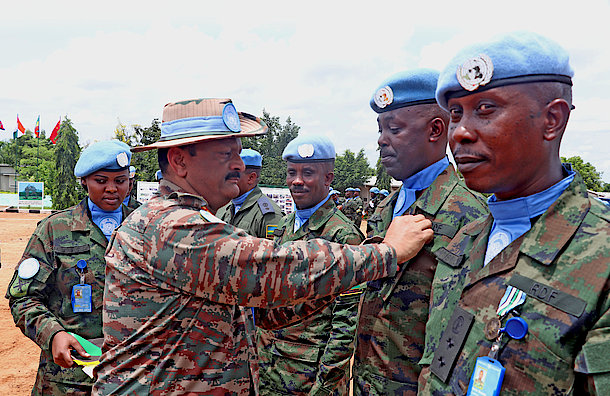
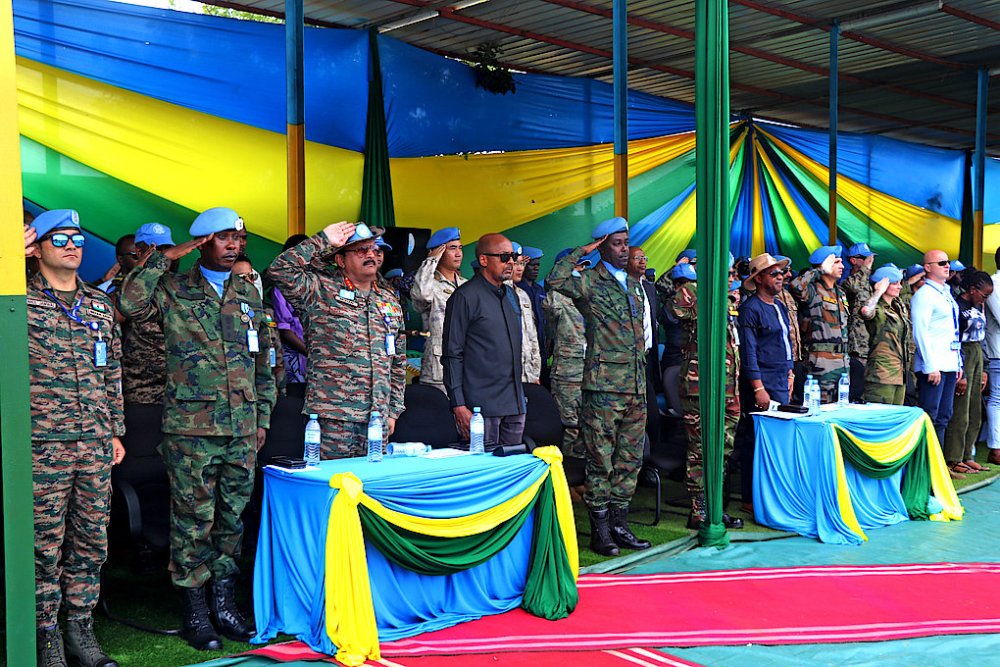
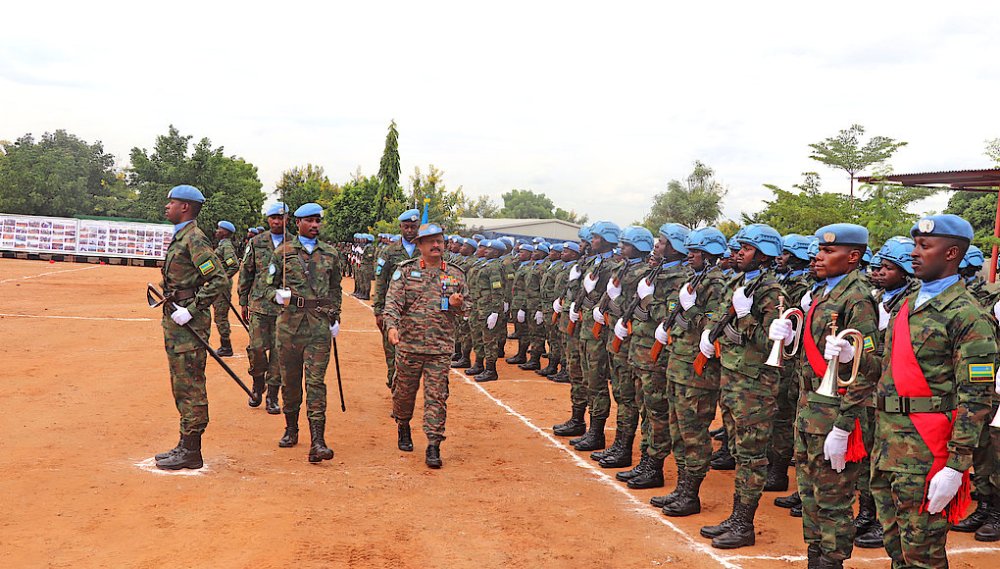
In his remarks, Rwanbatt-3 Contingent Commander, Col Bertin Mukasa Cyubahiro commended the UNMISS leadership, the Government of South Sudan, South Sudanese People Defence Force (SSPDF) and other stakeholders for their cooperation and mutual support in accomplishing the UNMISS mandate.
The High Commissioner of Rwanda to the Republic of South Sudan, Joseph Rutabana appreciated the work done and reminded both contingents to continue the commitment to preserve peace and stability in South Sudan and beyond.
The UNMISS Force Commander and the guest of honor, Lt Gen Mohan Subramanian appreciated Rwanbatt-3 and RAU 11 for their outstanding contribution to maintaining peace and security in South Sudan despite all constraints encountered.
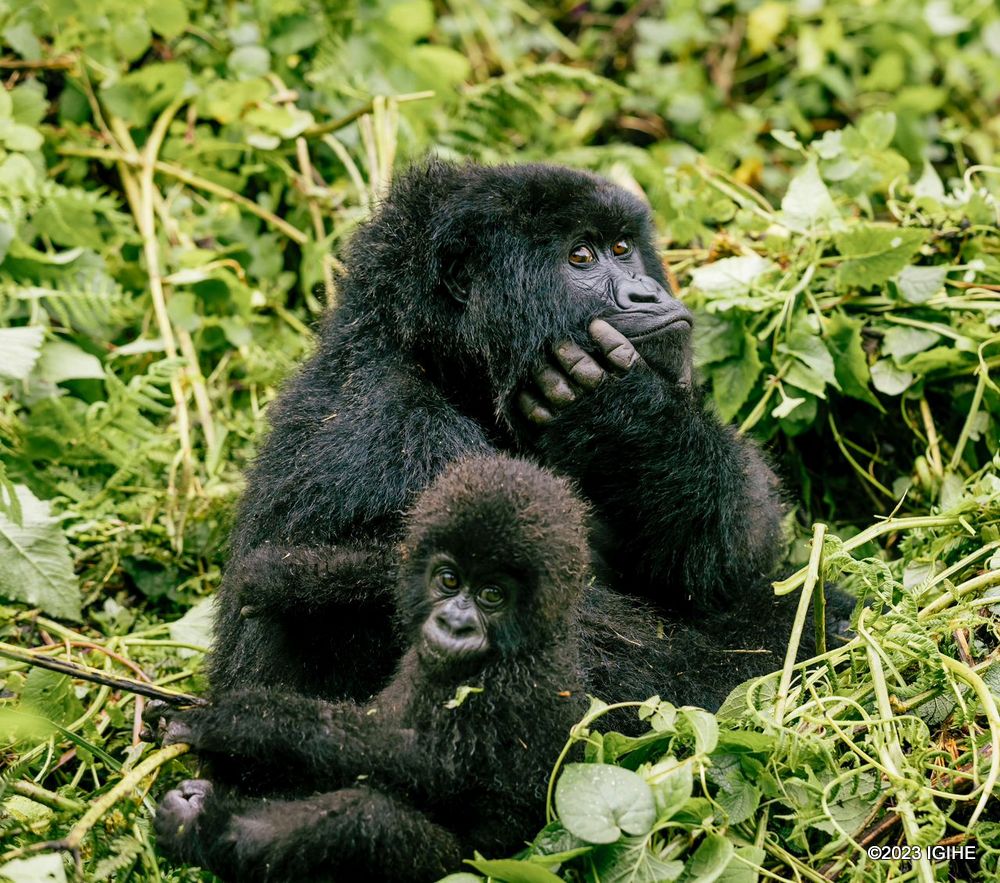
This 2023 edition will take place on the foothills of Volcanoes National Park in Kinigi, Musanze District, joining the communities living around the home of the endangered mountain gorillas in the ultimate celebration of nature and conservation.
The ceremony will see the naming of 23 baby mountain gorillas born in the last 12 months. 374 baby gorillas have been named since the beginning of the naming ceremony first held in 2005.
This year’s participants, to be announced closer to the event, will include prominent partners, conservationists, both international and local figures, dignitaries, and friends of Rwanda. The celebration aims to highlight Rwanda’s conservation achievements, particularly its successful approach to gorilla tourism characterized by low volume and high value. This strategy has not only facilitated the thriving of the gorilla population but also provided enhanced trekking experiences for visitors.
Current tourism statistics reveal that Rwanda’s revenue from tourism amounted to US$247 million during the first half of 2023, reflecting a notable 56% surge compared to the US$158 million reported during the same period in 2022.
Commenting on the development, Clare Akamanzi, CEO of RDB said: “We are thrilled to return to Kinigi this year for the 19th Kwita Izina Gorilla Naming ceremony. Our celebration marks the remarkable progress achieved in both tourism and conservation, notably the majestic mountain gorillas. Last year, gorilla tourism stood out as the best-performing segment, and the trend indicates that 2023 is poised for further growth, propelling us beyond recovery and closer to our national targets. This translates to greater benefits for communities, enriched experiences for tourists, and a thriving gorilla population, all thanks to the active engagement of stakeholders in their daily conservation.”
Akamanzi also emphasized Rwanda’s diversification of tourism revenue streams, promoting additional attractions and new offerings like the Meetings, Incentives, Conferences, and Events (MICE) and sports tourism sectors.
The upcoming Kwita Izina ceremony in the next month will also spotlight the Rwandan government’s initiatives to uplift the livelihoods of park communities while advancing wildlife conservation through the Tourism Revenue Share Program. This program, launched in 2005, aims to guide investments in areas surrounding Rwanda’s national parks by directing 10% of park revenues back to the communities.
Since its inception, the Tourism Revenue Share Program has channeled over Rwf10 billion (around US$9 million) into more than 1,000 community-based projects surrounding Akagera, Nyungwe, Volcanoes, and Gishwati-Mukura National Parks.
This year, RDB is launching two community projects: a maternity unit and a conservation unit for potato seeds, aimed at providing maternal healthcare and quality seeds in Muganza Sector, Nyaruguru District, Southern Province.
Moreover, RDB, in collaboration with the African Leadership University, will host the 2023 Business of Conversation Conference from August 29th to 31st, 2023.
Various events are planned as part of this year’s Kwita Izina celebrations, including the Rhino Velo Race in Akagera National Park, familiarization tours across the country for international tour operators and travel media, and a Kwita Izina concert.
{{About Kwita Izina}}
The Kwita Izina gorilla naming ceremony is modeled off a centuries-old tradition in which Rwandans name their children in the presence of family and friends. For three decades before the first official gorilla naming ceremony, park rangers and researchers named Rwanda’s mountain gorilla babies to monitor each gorilla in their family and habitat.
In 2005, Rwanda began officially naming mountain gorillas in what has become a global celebration of nature. By giving a name to these majestic animals, they are given the value they undoubtedly deserve.
The ceremony is, first and foremost, an opportunity to thank the communities that live around the gorilla habitat, Volcanoes National Park, research partners, vets and the dedicated conservationists, rangers and trackers who protect the gorillas daily.
Over the last fifteen years, more than 350 mountain gorillas have been named. Today, Kwita Izina forms part of an ambitious strategy to preserve Rwanda’s natural heritage and further expand the role of tourism in the country’s transformation. As a result of the naming ceremony, Rwandans from all walks of life understand the intrinsic value of gorillas and their contribution to the country’s economic prosperity. Rwandans have become gorilla guardians.
Overall, Rwanda has emerged as a conservation and sustainable tourism leader on the continent.
For instance, while in the 2010 Census, there were 480 mountain gorillas, the 2016 Census report indicated 604 individuals in the Virunga Massif. These efforts have contributed to the increase in mountain gorillas worldwide (1,063) and are categorised as no longer critically endangered.
Mugabowagahunde, previously served as the Executive Director of Research and Policy Development at the Ministry of National Unity and Civic Engagement. He takes over from Dancilla Nyirarugero, who held the position since March 2021. Meanwhile, Nyirarugero has joined the Rwanda Demobilization and Reintegration Commission as a commissioner.
Additionally, President Kagame appointed Dr. Patrice Mugenzi as the Director General of Rwanda Cooperative Agency (RCA), succeeding Jean-Bosco Harelimana, who was removed due to managerial failure in January.
The new appointment of the governor comes after the recent dismissal of several officials in Northern Province, including the provincial executive secretary and three district mayors.
The dismissals resulted from a multi-sectoral investigation that found these officials failed to uphold national unity and followed the resignation of the district Vice Mayor in charge of Economic Development over a gathering of the Abakono clan that was deemed sectarian.
The event, which saw the installation of Abakono clan chief, attracted over 600 people from all parts of the country and included, among others, government officials, local leaders and leaders in private and security sectors of different capacities.
The event was criticized as sectarian, and the newly-installed chief of Abakono clan, Justin Kazoza, subsequently apologized and renounced his title.
Experts argue that once the continent’s political leadership understands the power of coffee in transforming economies, it will bolster the continent’s efforts to internally trade the “strategic commodity” but also speak with a united force on the international market.
The meeting, dubbed the 2nd G-25 Heads of State Africa Coffee Summit, is convening from Aug. 7 to Aug. 10 under the theme “Transforming the African Coffee Sector through Value Addition,” which is in line with the theme of the 2023 African Union agenda that focuses on accelerating the implementation of the African Continental Free Trade Area (AfCFTA).
Ezra Suruma, Uganda’s former finance minister and an economist, told Xinhua in a recent interview that the 25 coffee-producing countries meeting together to speak with one voice is a major step in efforts to influence the international market.
“Coming together like for example petroleum countries have been coming together and influencing, we would also have more influence on the product that we have,” Suruma said.
Ugandan President Yoweri Museveni said at the meeting that Africa is losing a lot of income to the international market that continues to prefer taking coffee in its raw form. He told the delegates that out of the 460-billion-U.S.-dollar global coffee value, the coffee-producing countries only take 25 billion dollars and Africa gets only 2.4 billion dollars.
“A non-coffee producing country like Germany earns 6.85 billion dollars!! This is part of the iniquities of the present global parasitic system,” Museveni said.
The president said Africa must stop exporting products in their raw form but add value so that they can fetch more foreign exchange that can be used to fast track development.
Ethiopian President Sahle-Work Zewde urged international coffee trading companies to support coffee-producing African farmers technically and financially in the value-addition process.
Zewde said Africa should have a united and coordinated promotion of African coffee and fair price for the product in the global market.
Solomon Rutega, secretary general of the Inter-African Coffee Organization, said the coffee-producing countries have embarked on urging the non-coffee-producing countries to buy from them.
He said there are talks with South Africa which largely buys its coffee from Brazil, adding that countries in the Maghreb region including Algeria and Morocco have been urged to buy coffee directly from Africa instead of buying from Europe.
Rutega said Africa is also looking at emerging markets like China where it can sell coffee as a finished product.
Gerald Katabazi, a Ugandan coffee businessman said all efforts made to boost coffee earnings are good at the policy level but countries need to take an extra step to address the logistical challenges that the traders face. Also, countries still have many non-tariff barriers which affect trade, he said.
Rutega is optimistic that the coming into force of the AfCFTA agreement will help address some of the non-tariff barriers.
The World Bank estimates that the AfCFTA will increase Africa’s income by 450 billion dollars by 2035 and increase intra-African exports by more than 81 percent. According to the UN Economic Commission for Africa, this single market trade agreement will enable the African economy to reach the 29-trillion-dollar mark by 2050.
Abdourahamane Tchiani, president of the National Council for the Safeguard of the Homeland (CNSP), a governing body established by the soldiers after the coup, signed a decree on the appointment of new cabinet members, none of them from the ousted government.
Prime Minister Ali Mahaman Lamine Zeine will lead the new government, with generals from the CNSP heading the defense and interior ministries.
Leaders of the Economic Community of West African States are expected to meet Thursday in the Nigerian capital of Abuja to discuss their response to the military coup in Niger.
The funds will be allocated to 13 provincial-level regions: Beijing, Tianjin, Hebei, Shanxi, Inner Mongolia, Liaoning, Jilin, Heilongjiang, Zhejiang, Anhui, Fujian, Henan and Guangdong.
Some rivers have exceeded their warning levels in recent days and the Haihe River Basin has seen flooding due to Typhoon Doksuri, seriously damaging water conservancy facilities in some areas.
Earlier this month, the two ministries twice allocated funds to help people affected by the typhoon restore the order of life and production.
The agreement was signed in the Jordanian capital Amman during the second round of strategic dialogue between the two countries, according to the report.
The agreement was signed by Jordan’s Deputy Prime Minister and Foreign Minister Ayman Safadi and Rwanda’s Minister of Foreign Affairs and International Cooperation, Dr. Vincent Biruta.
Additionally, they signed two memoranda of understanding on the training of diplomats as well as population and urban development.
Dr. Biruta said the new agreements, together with the one signed in February on visa exemptions for diplomats, would facilitate communication and boost tourism, trade and investment between the two countries.
He also announced Rwanda’s decision to establish a diplomatic mission in Amman, underlining the country’s commitment to expanding cooperation with Jordan in various fields.
The two sides also exchanged views on global and regional issues of mutual interest and strengthening anti-terrorism cooperation in line with the Aqaba Process initiative, which was launched in 2015 by King Abdullah II of Jordan.
Safadi underlined the importance of an upcoming meeting in Rwanda under the Aqaba Process initiative to discuss anti-terrorism issues in Africa.
Also on Wednesday, King Abdullah II met Biruta and they discussed means of expanding cooperation between the two countries, especially in trade, tourism, investment, agriculture, and defense, according to a statement by Jordan’s royal court.
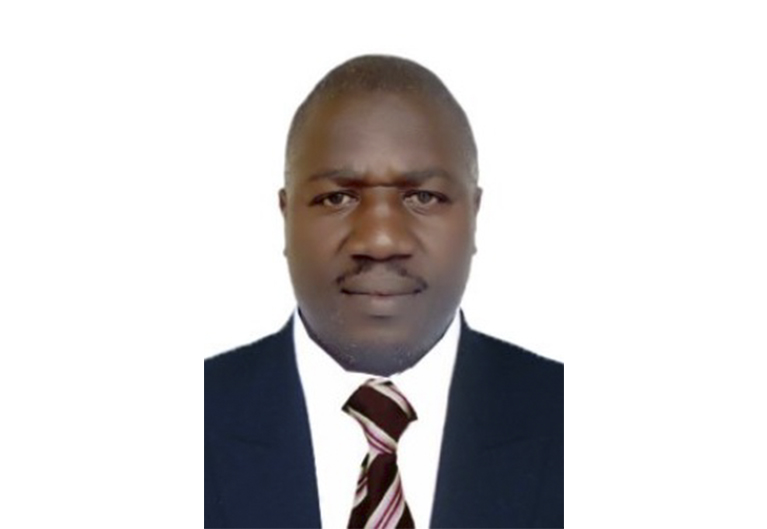
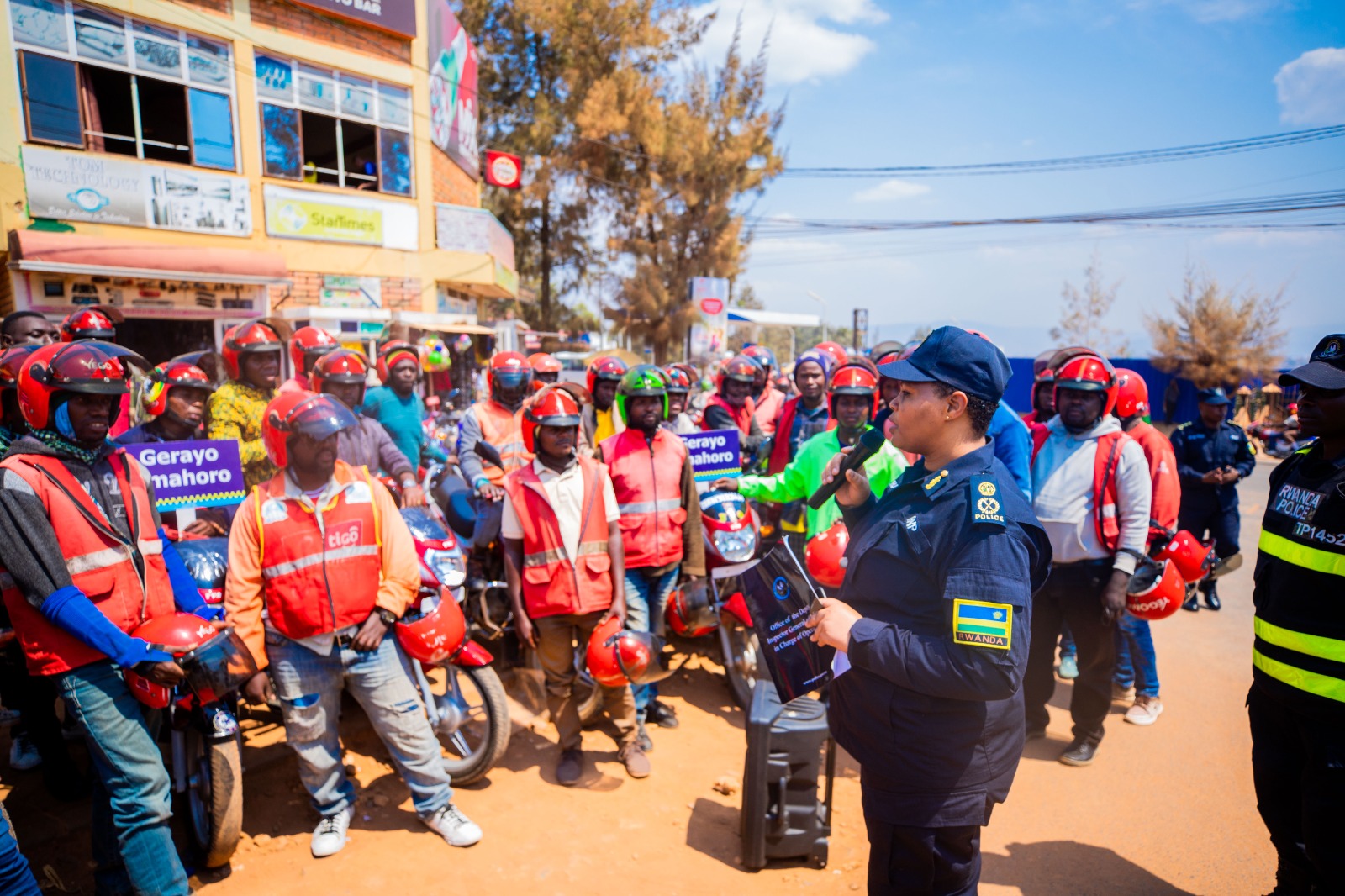
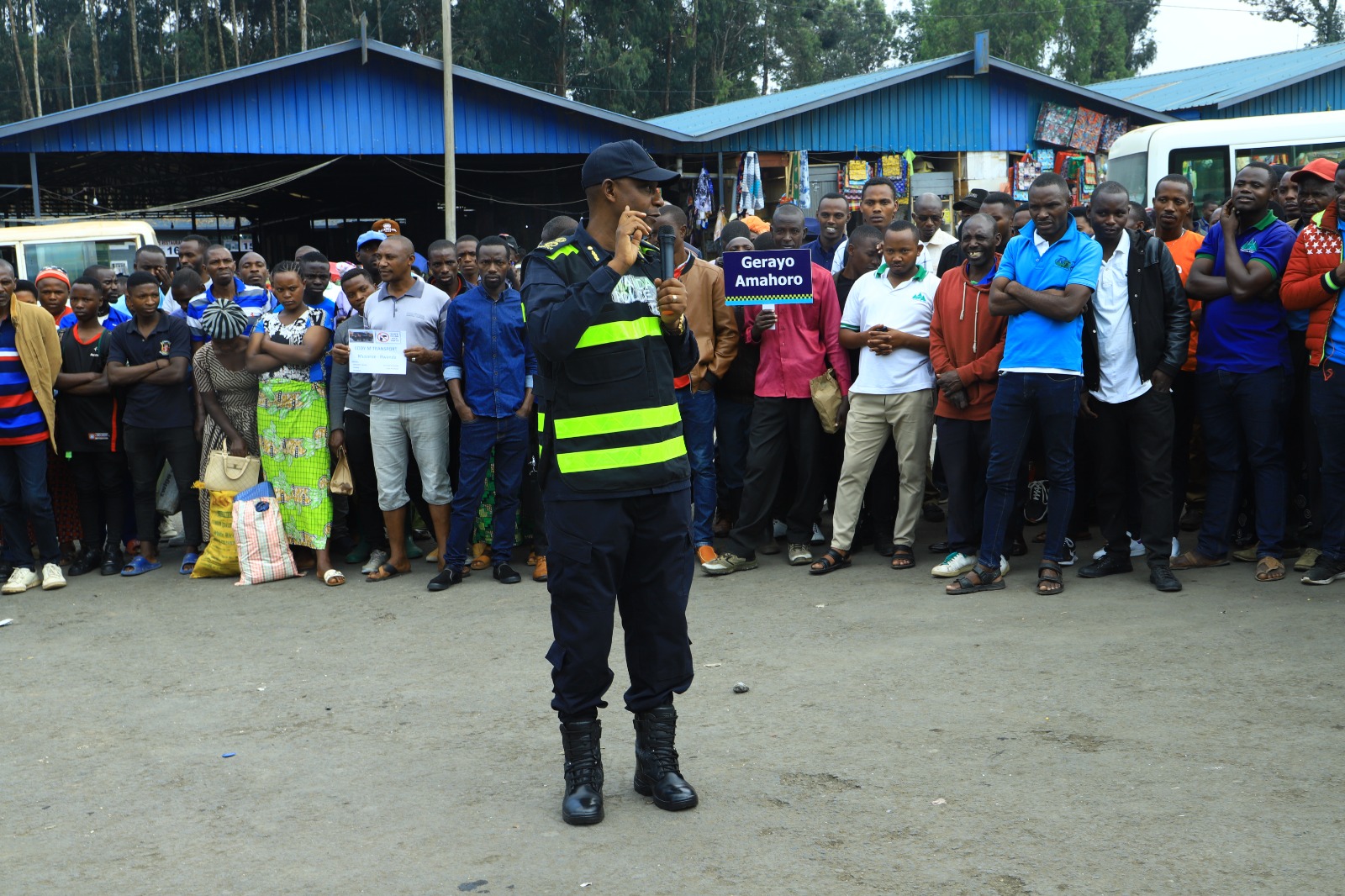
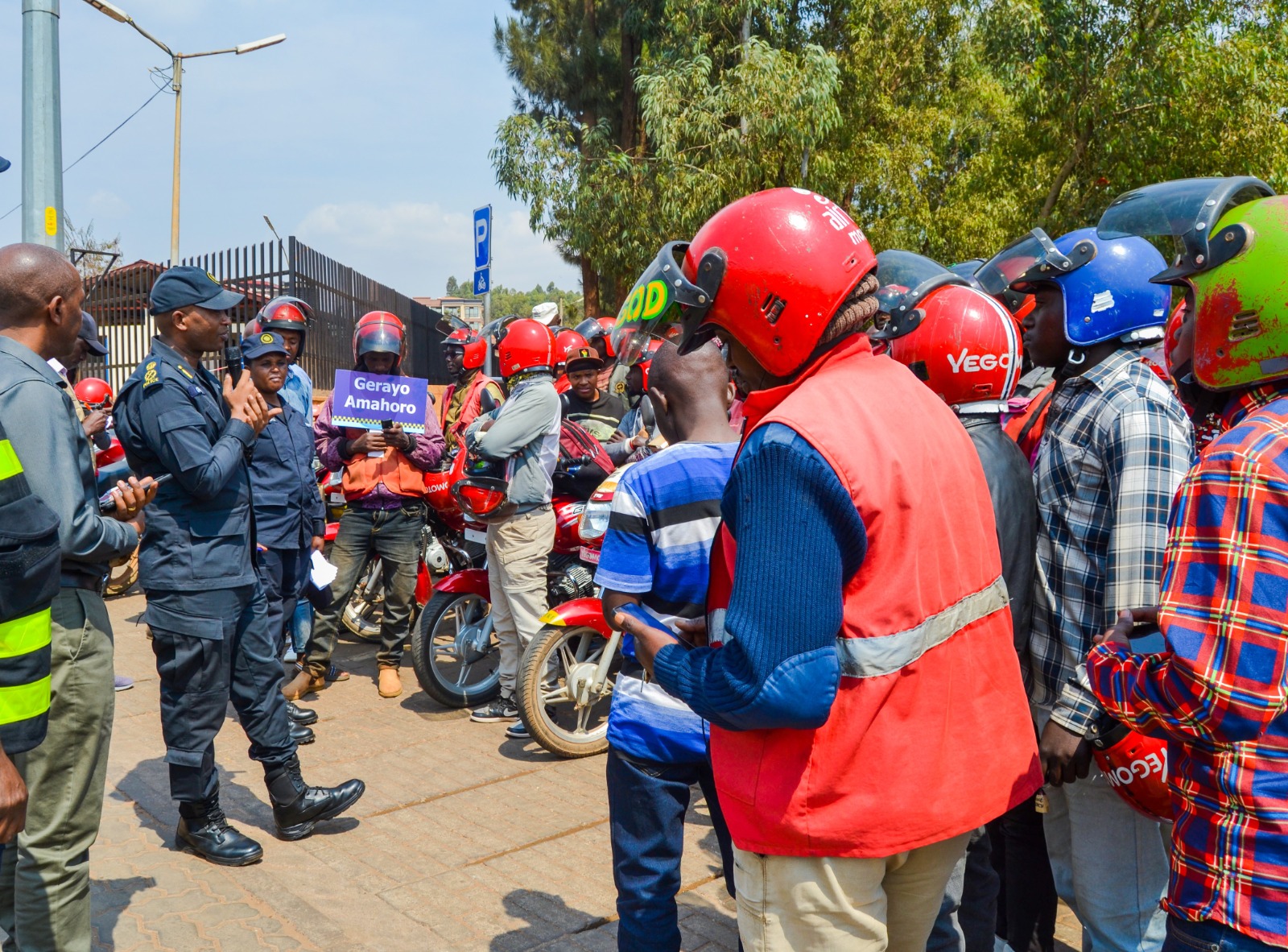
The countrywide campaign seeks to address three common lighting offences, according to Commissioner of Police (CP) John Bosco Kabera.
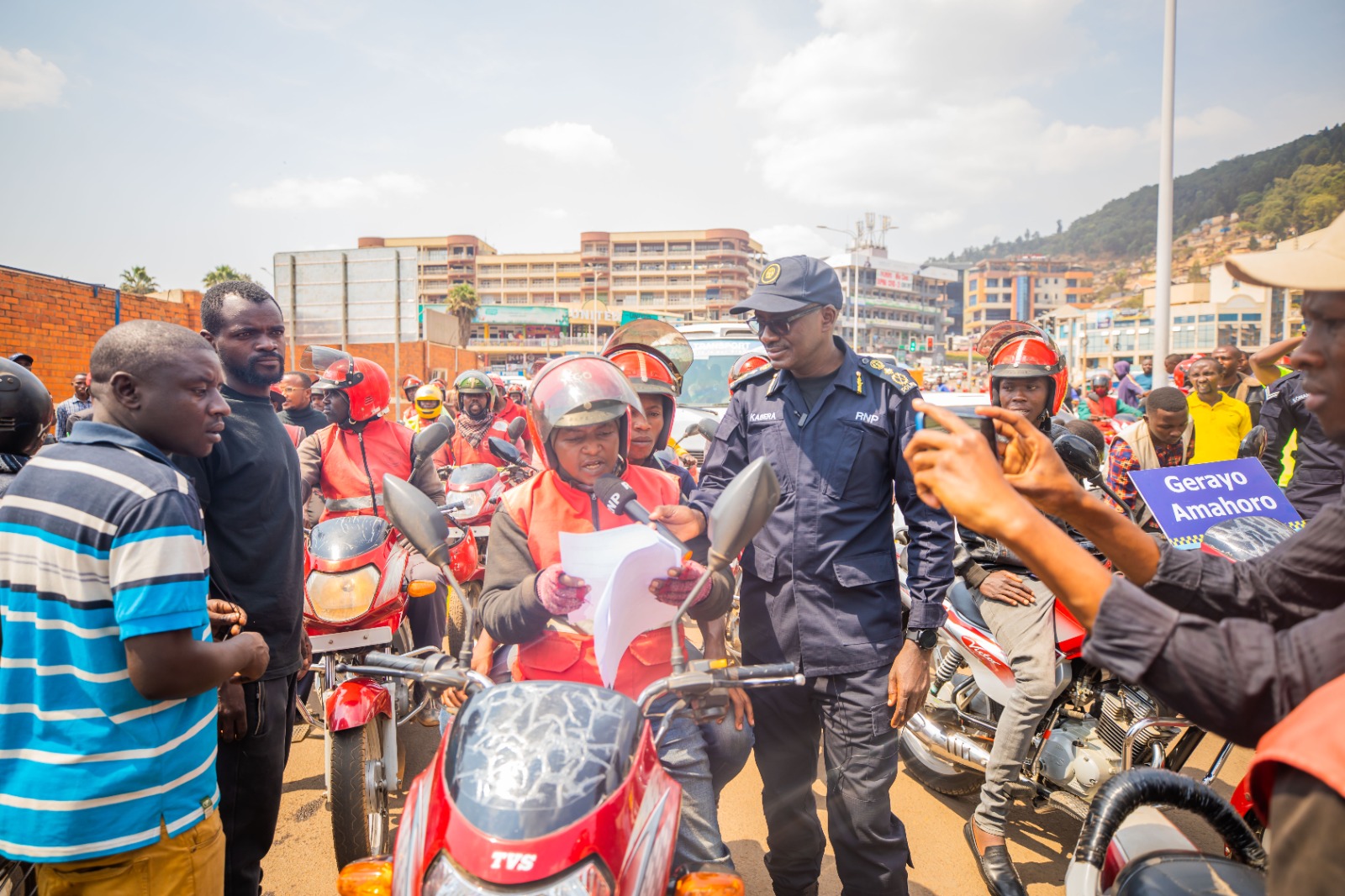
“Interior lighting in public vehicles at night is mandatory, and lights for motorcycles moving on the public way must be used every time and in all circumstances. These two traffic rules are in most cases violated.
Also, some motorists don’t turn on headlights at night, especially in cities or on roads with street lights, which causes road insecurity and likely accidents, or other crimes,” CP Kabera said.
Standards for public transport service under regulations N° 010/R/TL-TPT/TRANS/RURA/2021 of 14/12/2021, governing public transport bus services, partly, provides that a “vehicle must have interior lamps adequate for the reasonable convenience of passengers.”
Article 43 of the Presidential Decree No. 85/01 of 01/09/2002 regulating general traffic Police and road traffic, also elaborates on automobile lighting.
It provides that dim and bright lights must be lit, at the same time as the side lights, when, either between twilight and daybreak, either because of circumstances such as fog or heavy rain, or it is no more possible to see distinctly up to a distance of 100 metres.
Dim lights of motorbikes and mopeds, which move on the public way, must be used every time and in all circumstances.
CP Kabera observed that motorcycles are small and when in a distance can only be identified when their lights are on.
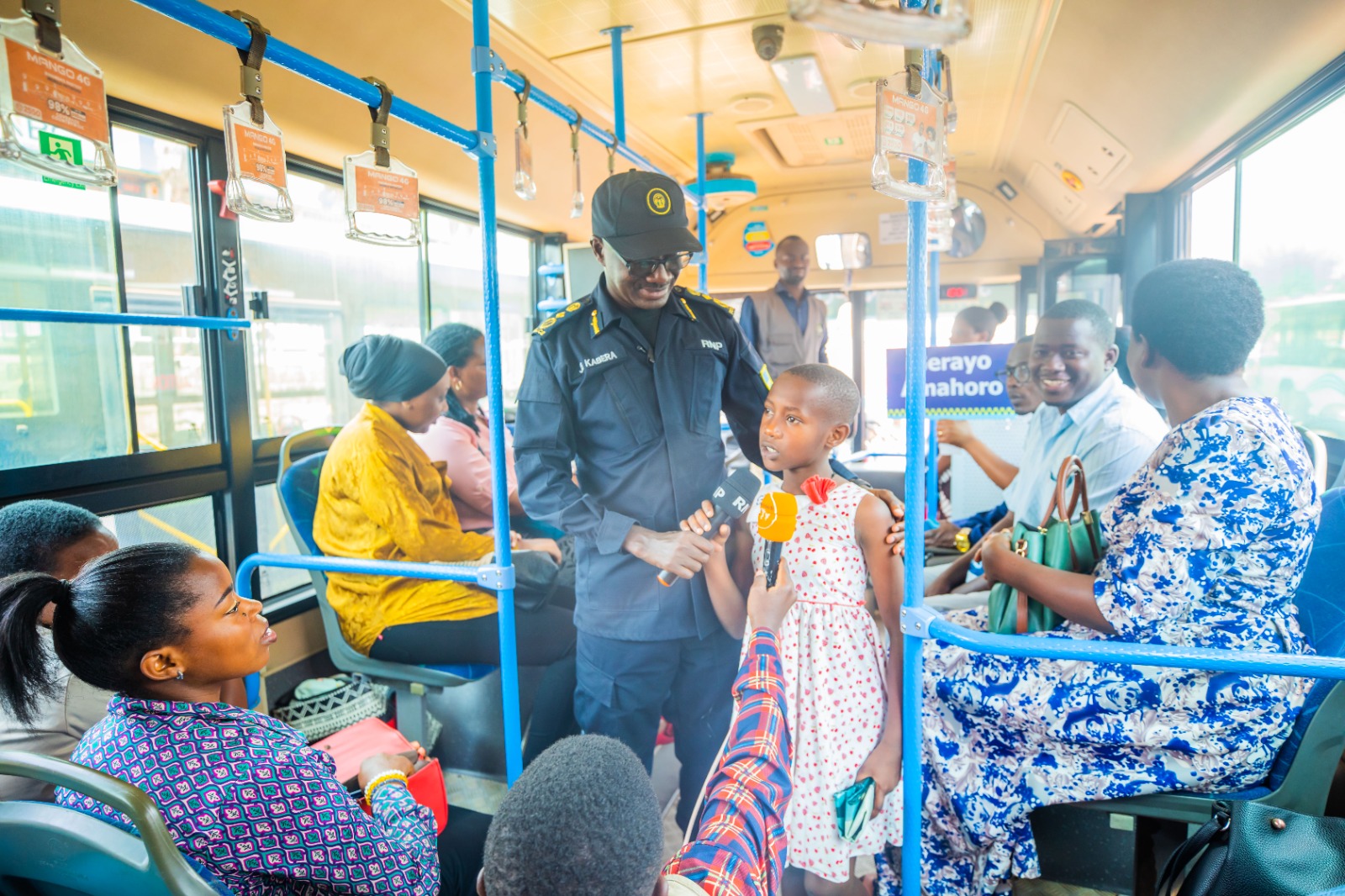
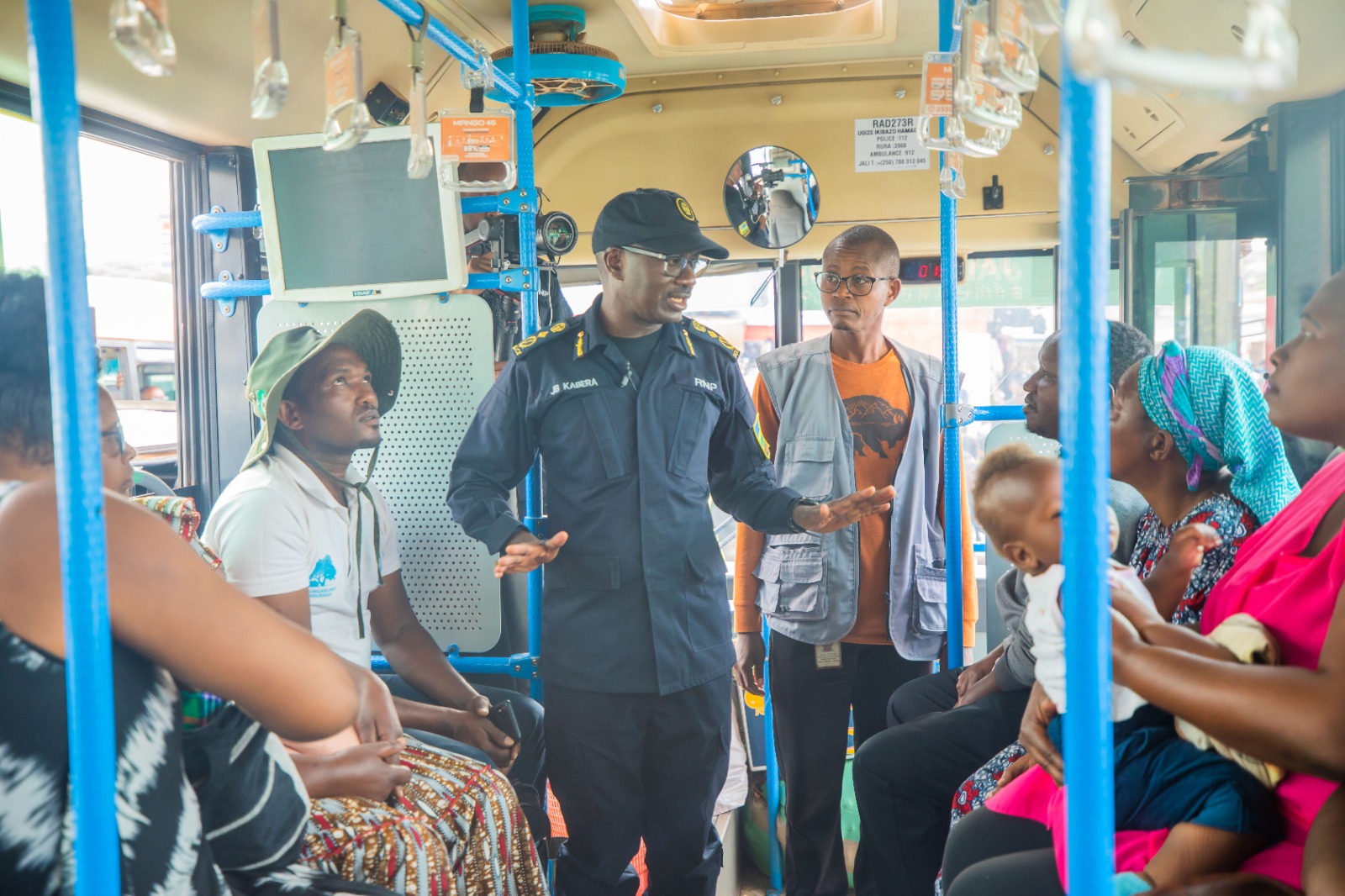
“Interior Illumination systems provide light to help the driver or passengers get clear visuals in the vehicle. It also prevents theft or any other unlawful tendencies sometimes carried out in the dark,” said CP Kabera.
Some drivers claimed that some passengers react negatively to interior lighting, but CP Kabera said that should not be entertained since lights are meant for their safety.
“This is a countrywide awareness on lighting, but we don’t wish to penalise anyone for these preventable violations,” CP Kabera pointed out.
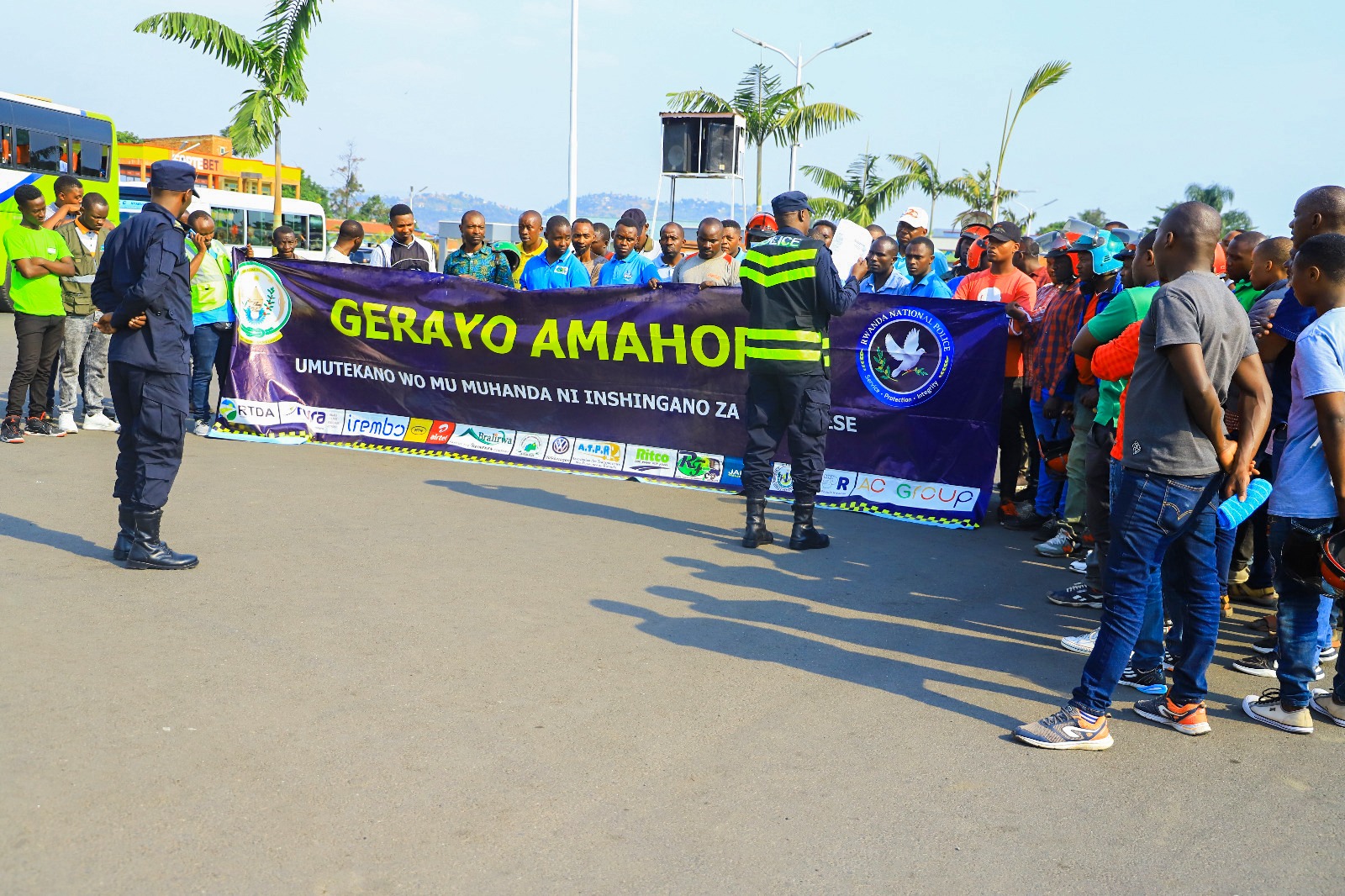
Across highways and in tax parks in different parts of the country, Police officers engaged drivers, taxi-moto operators and passengers and urged them to be responsive to lighting and maximum respect for all traffic rules and regulations to ensure safer roads for all.