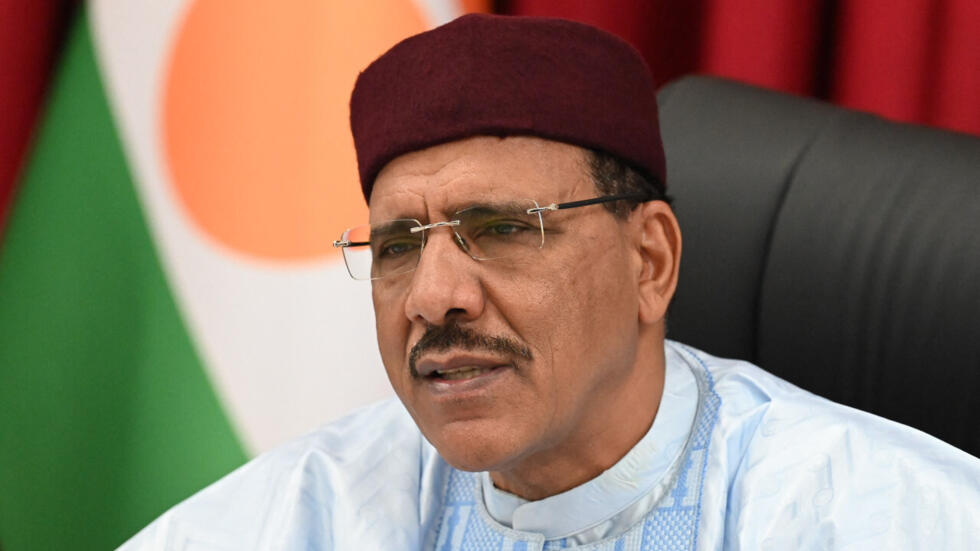
Bazoum would be prosecuted “for high treason and undermining the internal and external security of Niger,” said Col Maj Amadou Abdramane, a member of the country’s Defense and Security Forces and the National Council for the Safeguard of the Homeland (CNSP) that was newly established by soldiers.
The Economic Community of West African States (ECOWAS) has imposed sanctions on Niger in response to the recent coup and approved the deployment of a “standby force to restore constitutional order” in Niger as soon as possible but remains committed to finding a diplomatic solution to the crisis, with Niger’s coup leaders denouncing the sanctions as “illegal, inhumane and humiliating,” reported local media.
Soldiers in Niger detained Bazoum on July 26 and chose Abdourahamane Tchiani, former leader of the country’s presidential guard, to lead the CNSP, a governing body established by them after the coup.
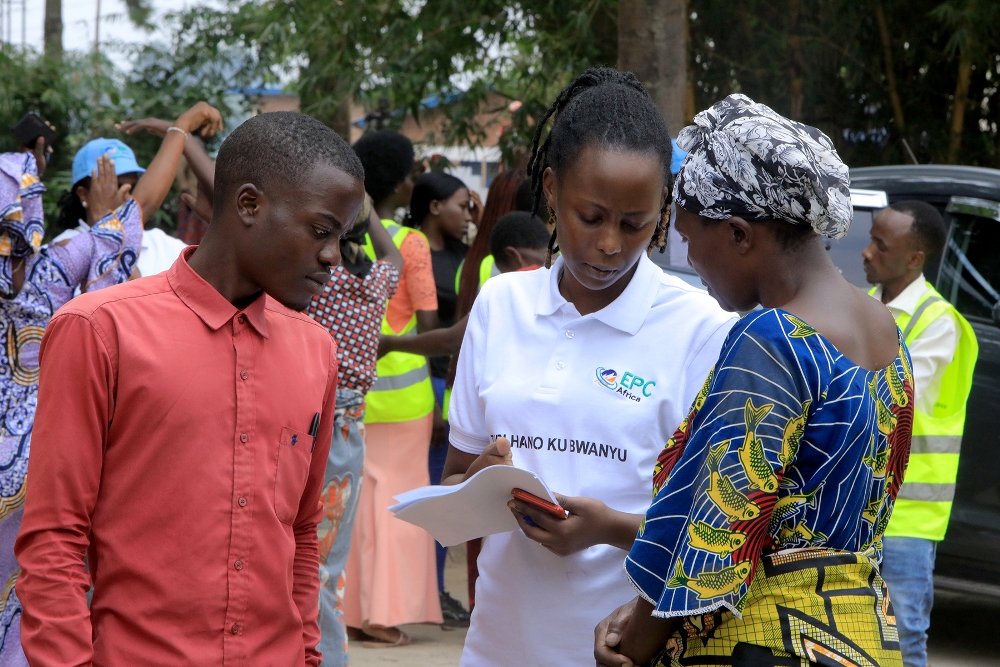
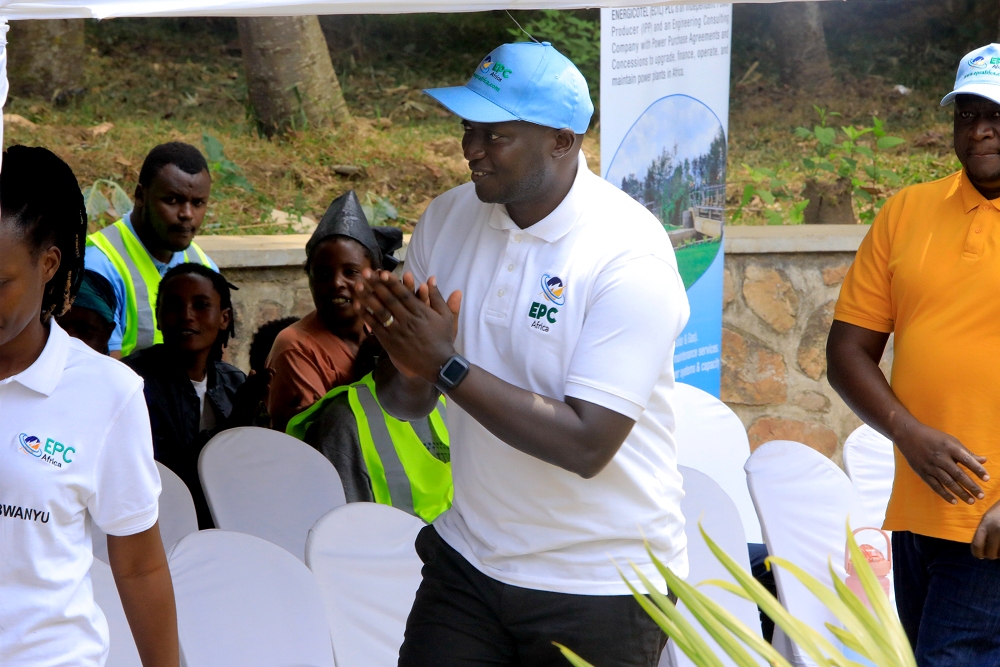
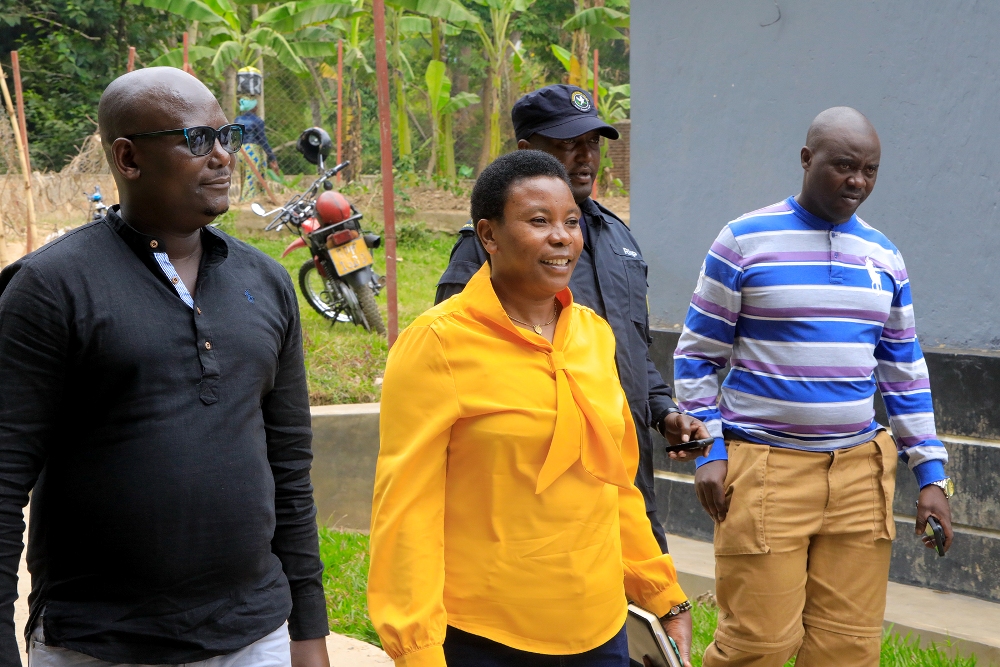
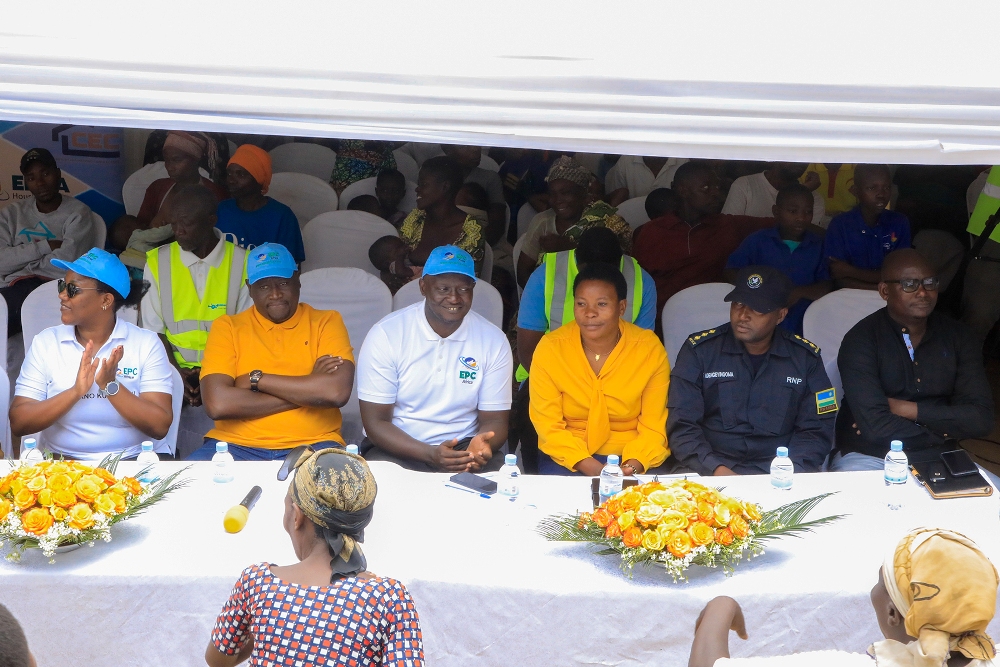
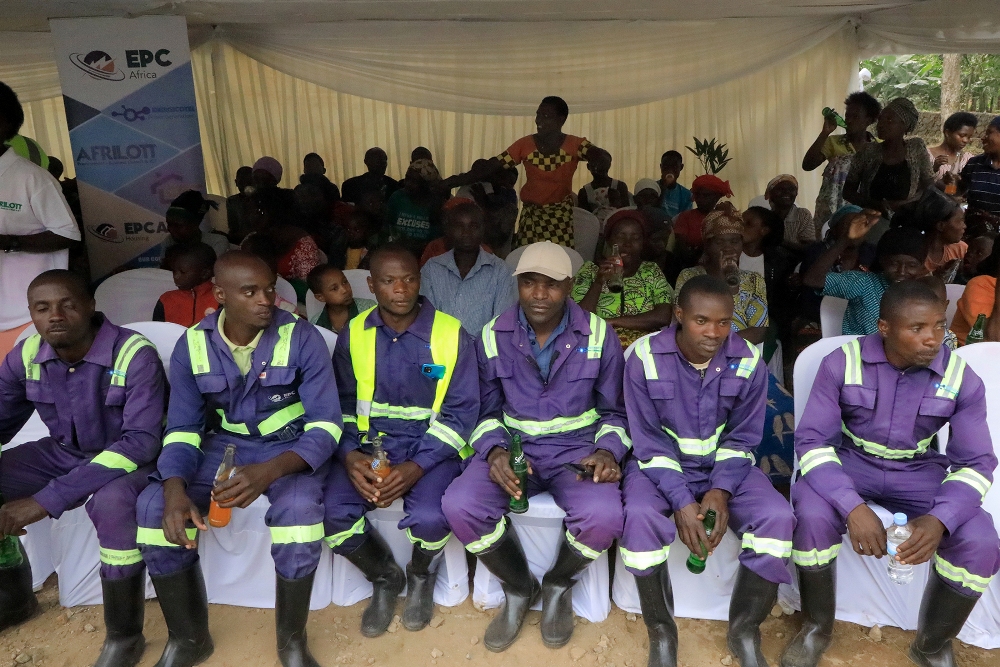
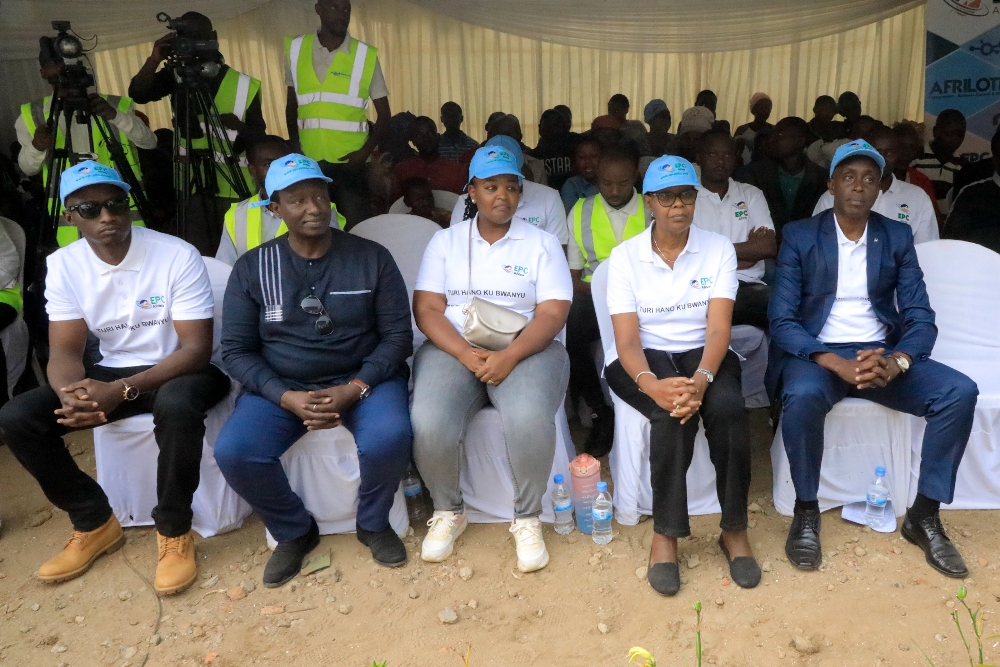
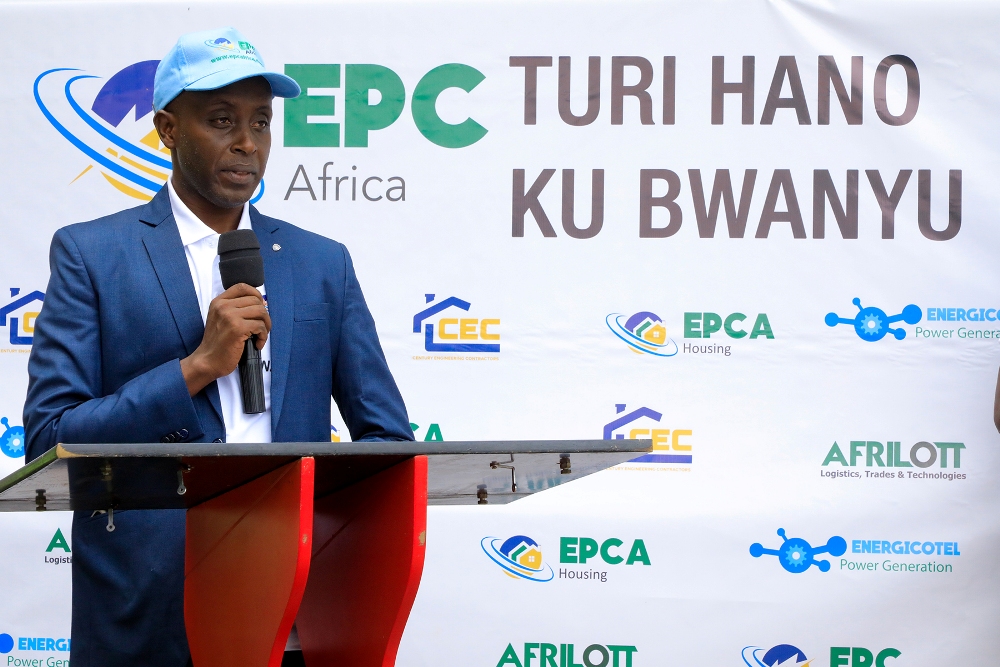
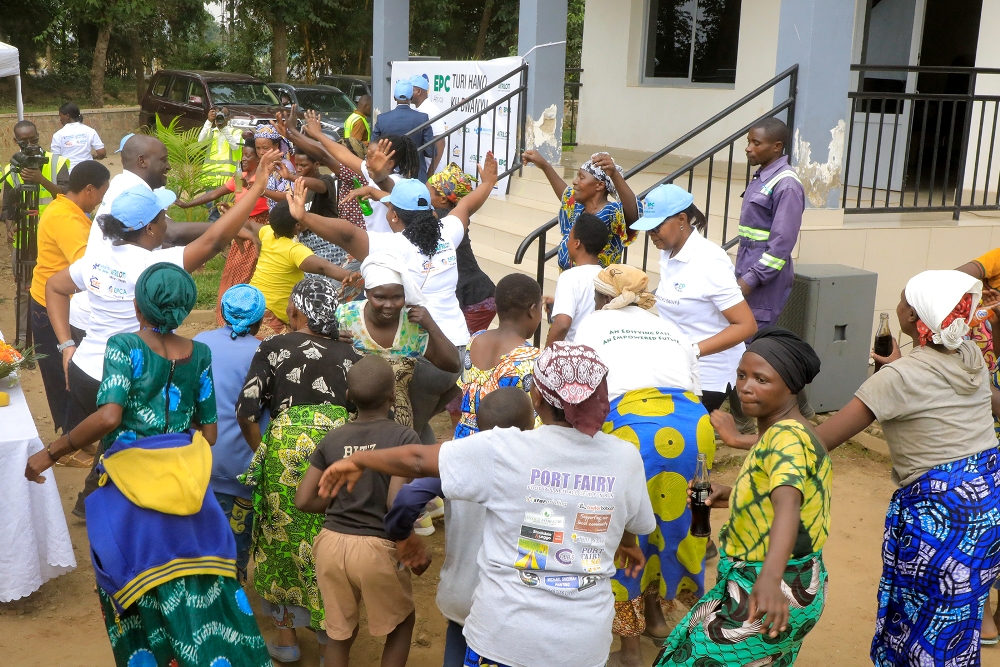
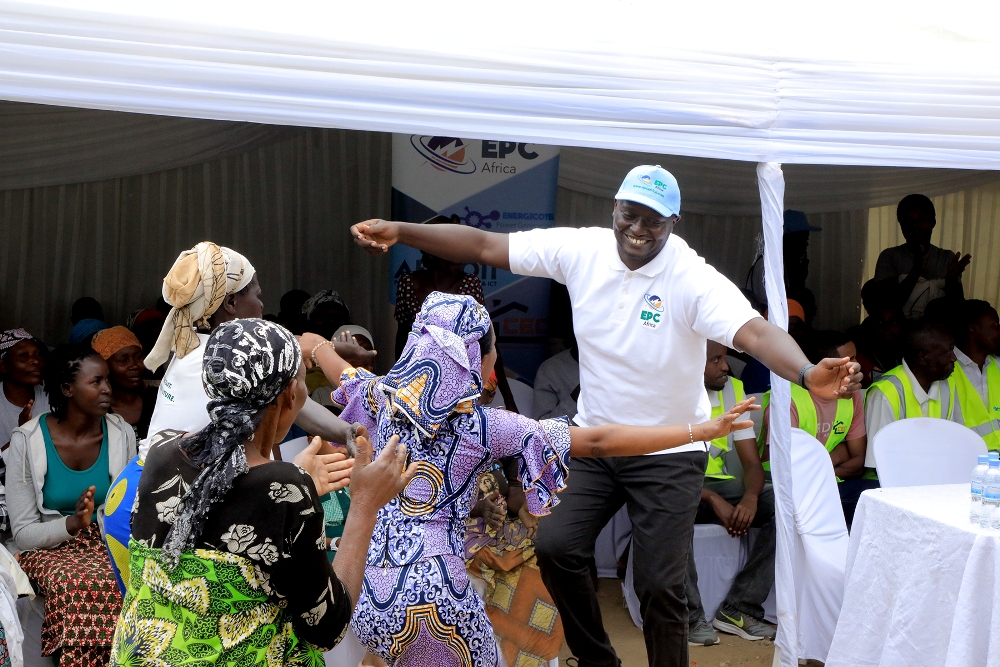
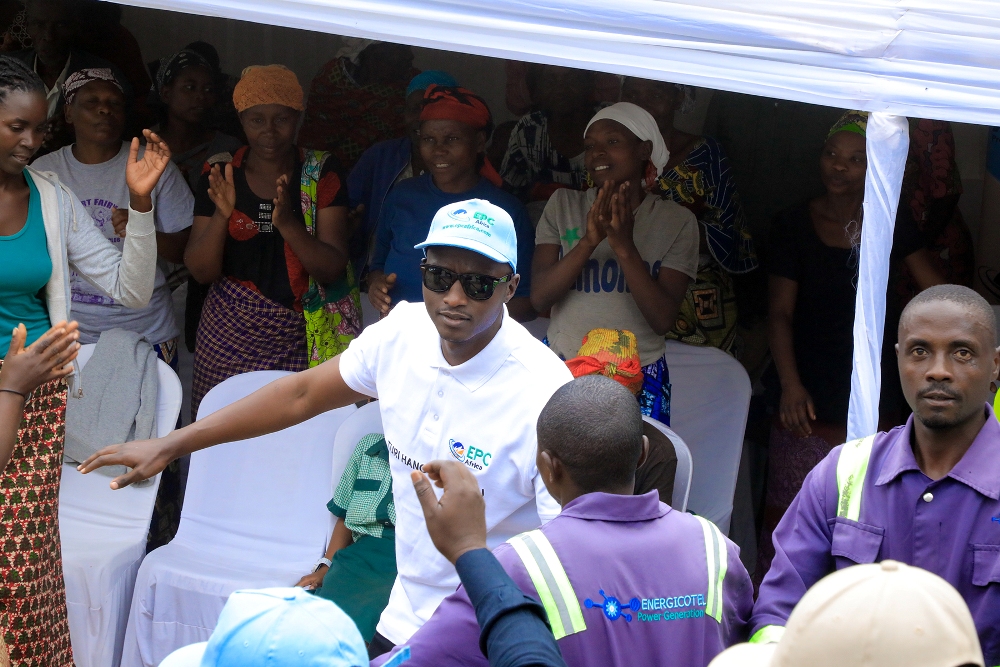
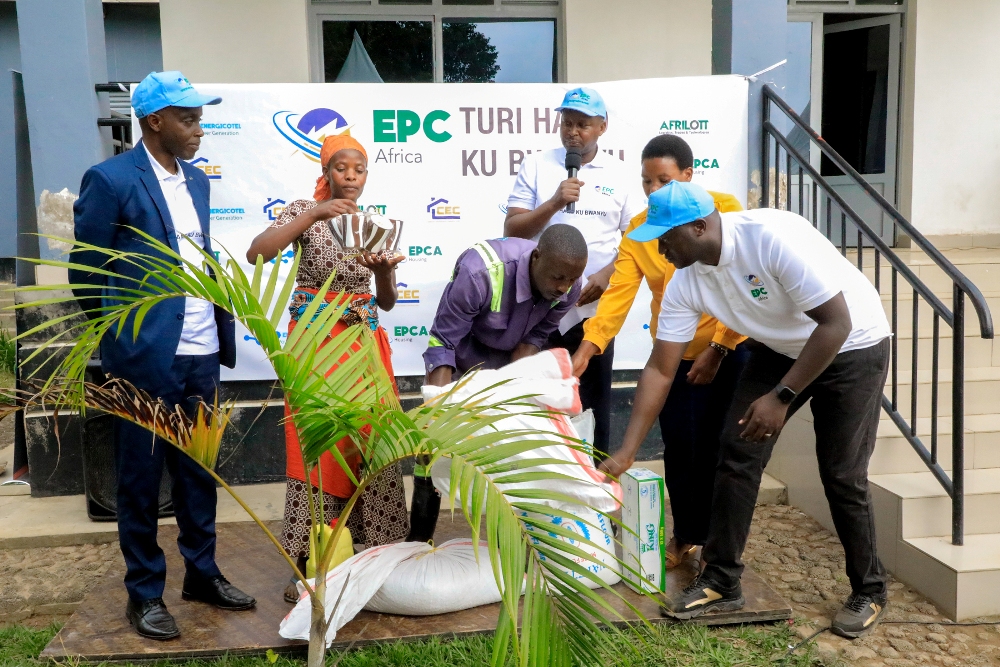
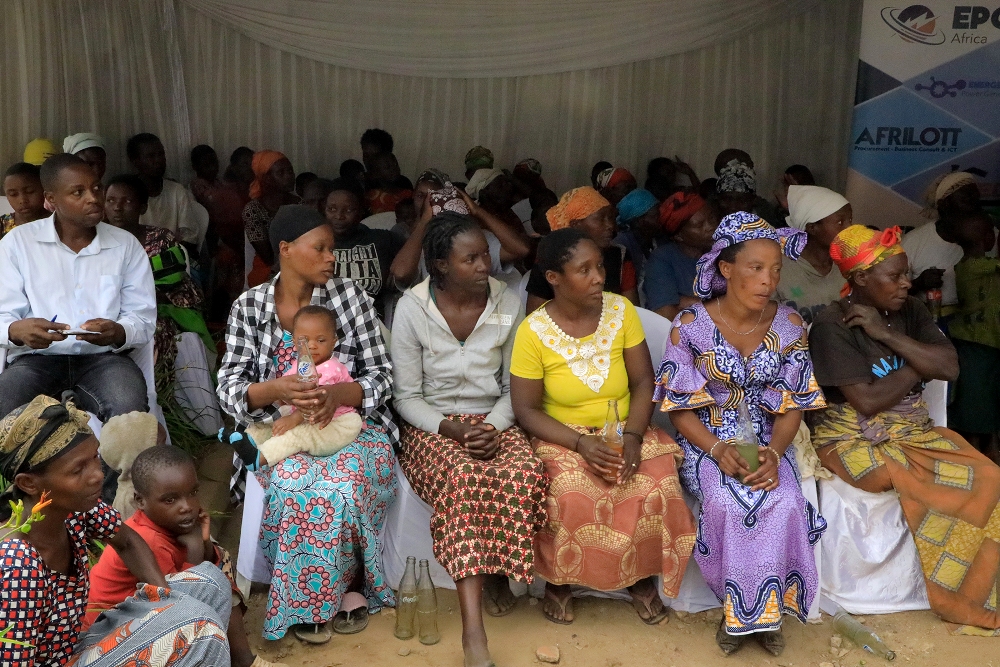
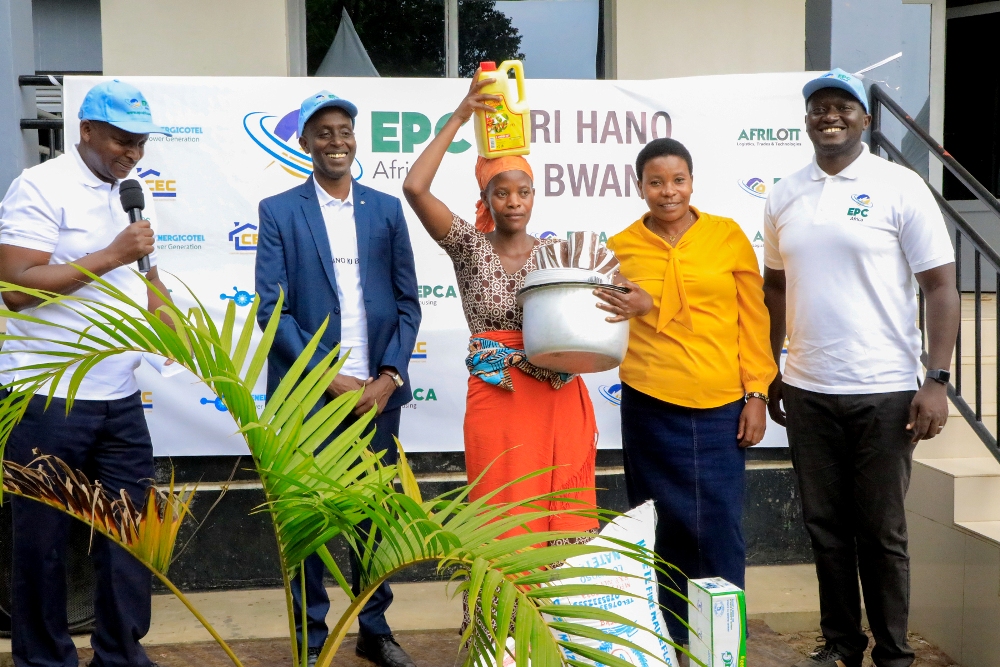
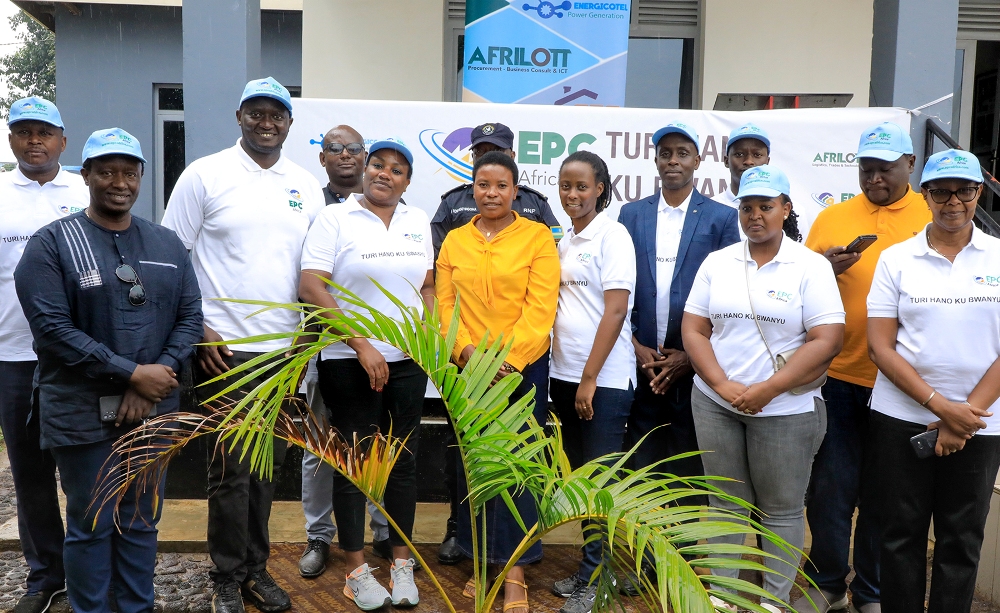
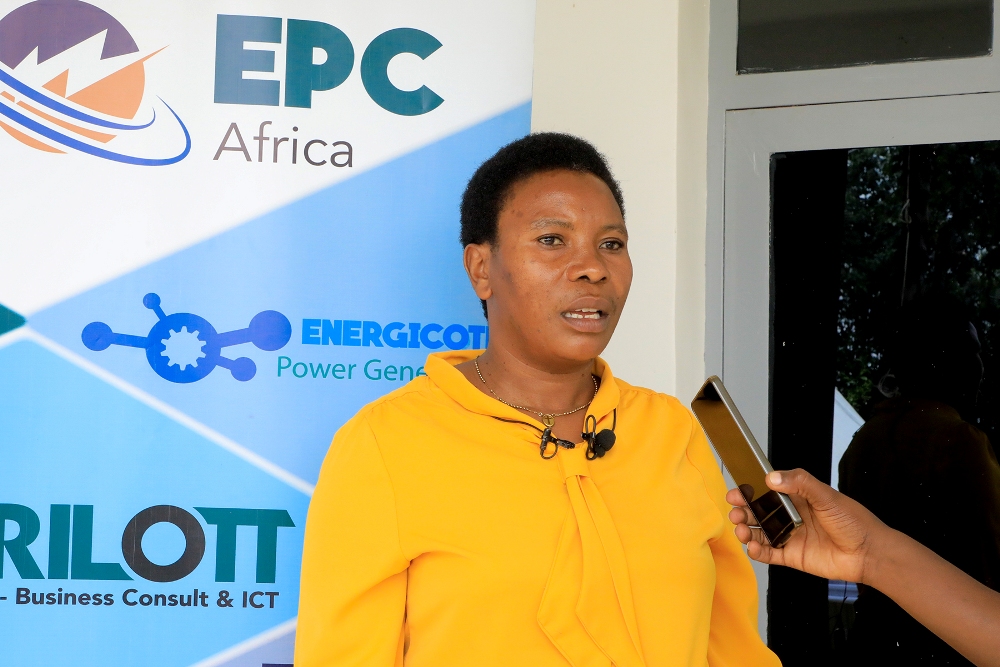
On Friday 12th August 2023, in Terimbere village, Nyundo sector of Rubavu district, EPC Africa group extended a compassionate hand to the residents of three villages within the Nyundo Sector of Rubavu District that have been significantly impacted by floods and landslides in May of this year.
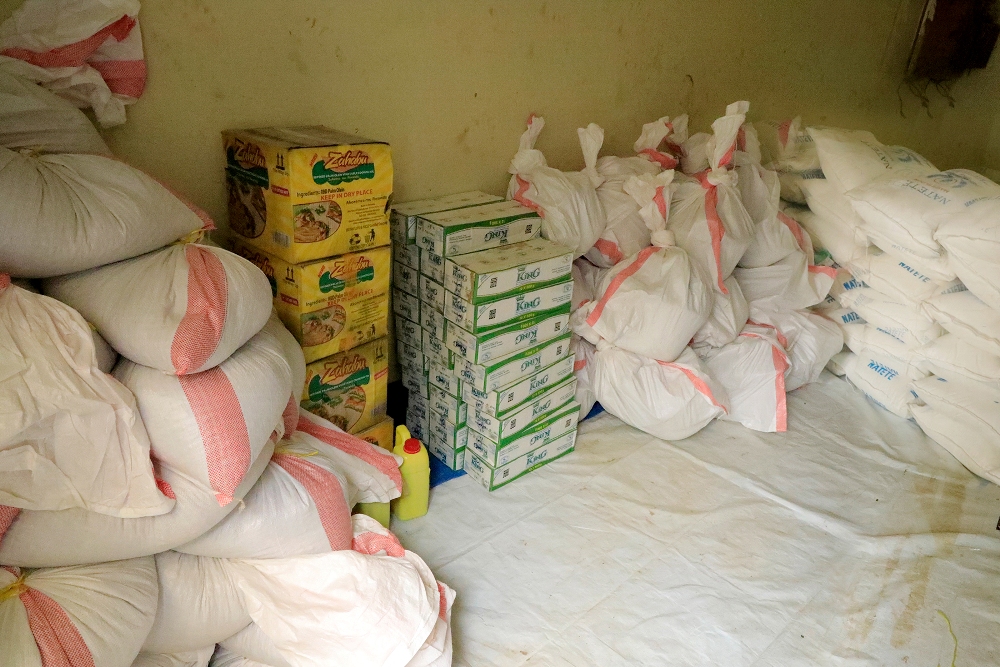
The affected residents received essential supplies including food such as maize flour, beans, cooking oil, as well as kitchen utensils, cleaning materials, and shoes.
This initiative underscores EPC Africa’s commitment to community welfare, particularly in times of distress.
Beyond these immediate provisions, EPC Africa Group shareholders and management have taken a pioneering step towards lasting transformation for these affected individuals. It has pledged three million Rwandan francs as a guarantor within the Umurenge SACCO microfinance framework. This noble approach enables citizens seeking to establish small businesses to access loans without requiring collateral.The beneficiaries expressed much gratitude, and they are thankful to Nyundo Sector that selected them, but also to EPC Africa Group that implemented this program, and promised to increase this pledged amount annually.
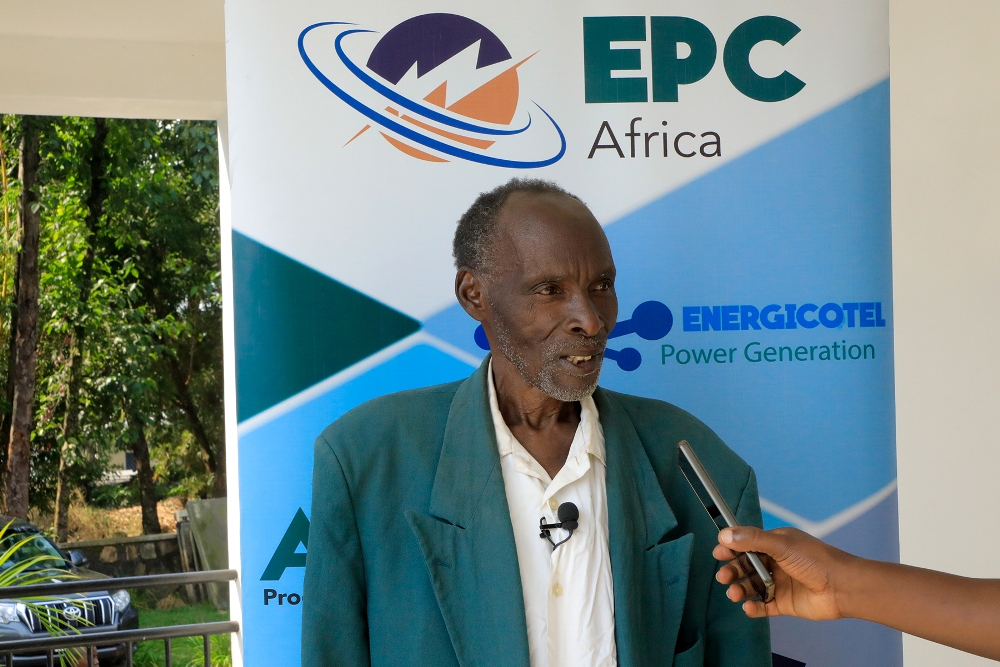
Jean Berchmas, a 75 -year-old widow shared his personal story stating that: “Before the disaster struck, I was living alone calmly. The calamity left my dwelling in ruins, So I thank God who brought you here, and leaders who think about us every day”. From this small loan he said, “I will initiate rabbit breeding, therefore start a small business that can generate income. May you be all blessed for this long-lasting solution to my challenges,” he added.
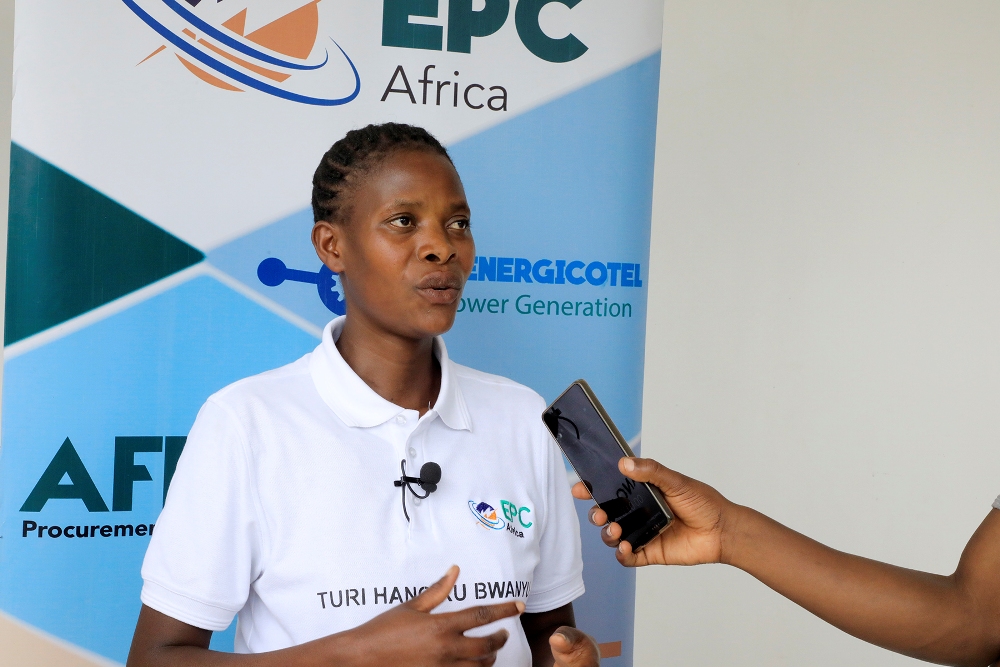
Manizabayo Vestine, another recipient of EPC Africa’s benevolence, echoed the prevailing sentiment. She acknowledged, “Our hearts are filled with joy, for this assistance is poised to redefine our lives. The relief package, comprising maize flour, cooking oil, beans, kitchen and dining materials signify that our children will no longer endure days of scarcity especially in this dry season. May you be blessed abundantly,” she said.
Nyiransengiyumva Monique, the Executive Secretary of Nyundo Sector, conveyed sincere appreciation on behalf of the impacted community. Nyiransengiyumva characterized EPC Africa as a steadfast sector partner, offering solace to individuals grappling with the aftermath of widespread calamity.She also lauded EPC Africa’s visionary approach, hailing its effort to empower individuals apprehensive about traditional loans due to collateral constraints. This transformative stance allows them to act as guarantors, granting access to credit and jumpstarting their ambitions.
Nyiransengiyumva explained, “Our mission involves aiding these individuals in honing their project blueprints, ensuring optimal utilization of the financial resources. With our intimate understanding of their needs, cultivated through our role as intermediaries, we will collaborate in refining their project proposals and expediting their submission to the SACCO.”
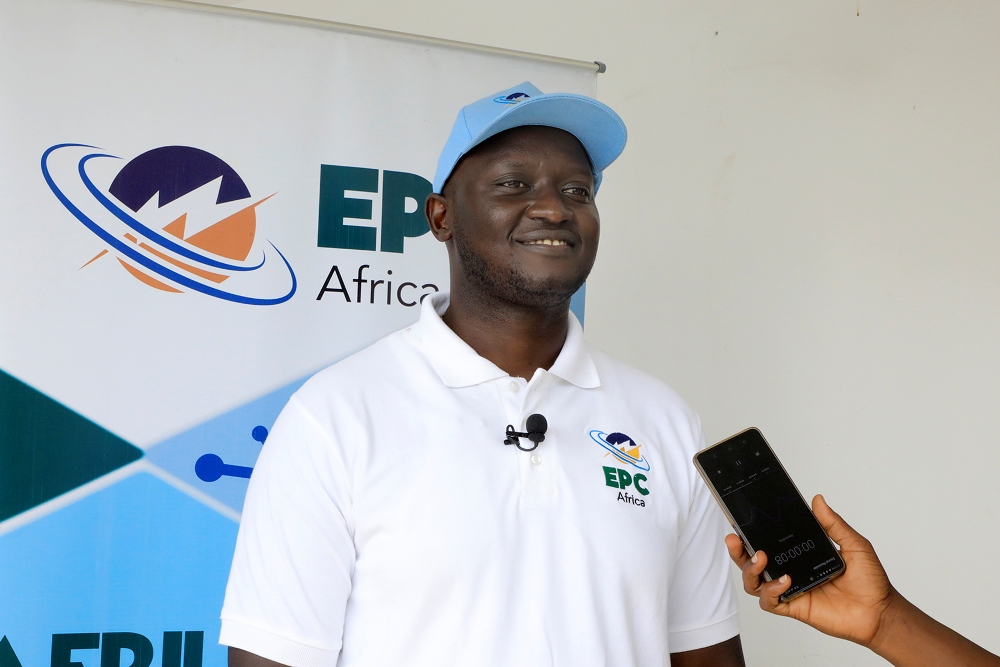
Turasenga Ferdy, the CEO of EPC Africa Group, articulated how the disaster had directly impacted their operations, including the Keya Hydropower plant and Rubavu Port project. This proximity to the affected region imbued them with a sense of neighborly responsibility, prompting their immediate response. Ferdy explained, “Just as a neighbor who thrives extends a helping hand, we stand united with the community. Our support within the SACCO sector stands as a tangible pledge, enabling the most affected members of the community to access financial assistance towards economic recovery journey.
EPC Africa’s commitment transcends the immediate crisis response. The company has contributed significantly to enhancing educational opportunities for underprivileged students through the EPC Africa Tubakunde Initiative for the past three years.
In the coming year, 2024, EPC Africa aspires to broaden its educational outreach, elevating the number of families benefiting from this initiative from 65 to an impressive 100 families. Such ongoing efforts reflect EPC Africa’s enduring commitment to holistic community socio-economic empowerment.
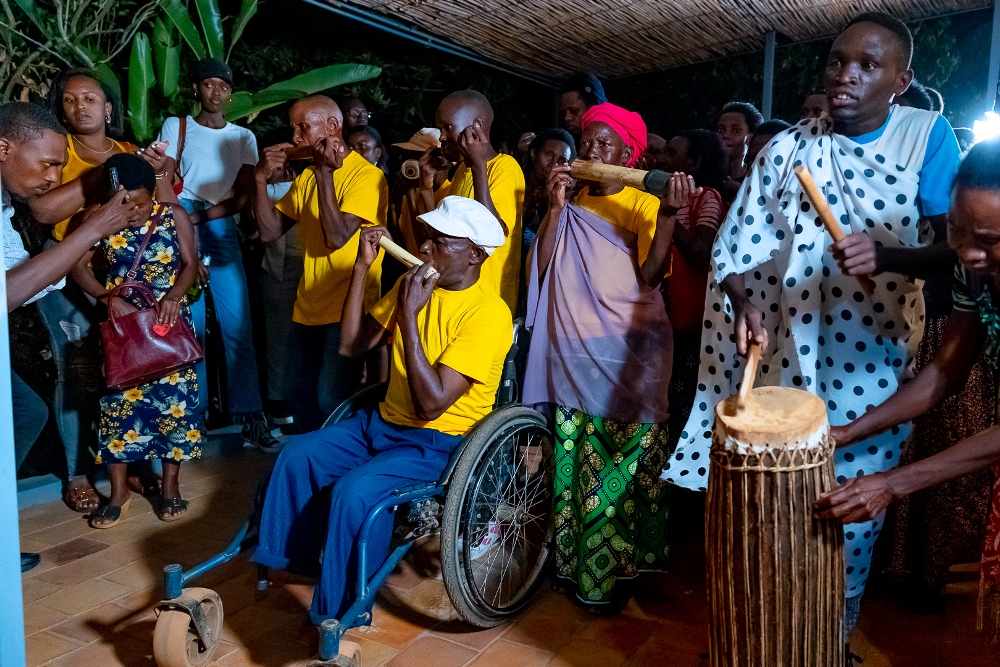
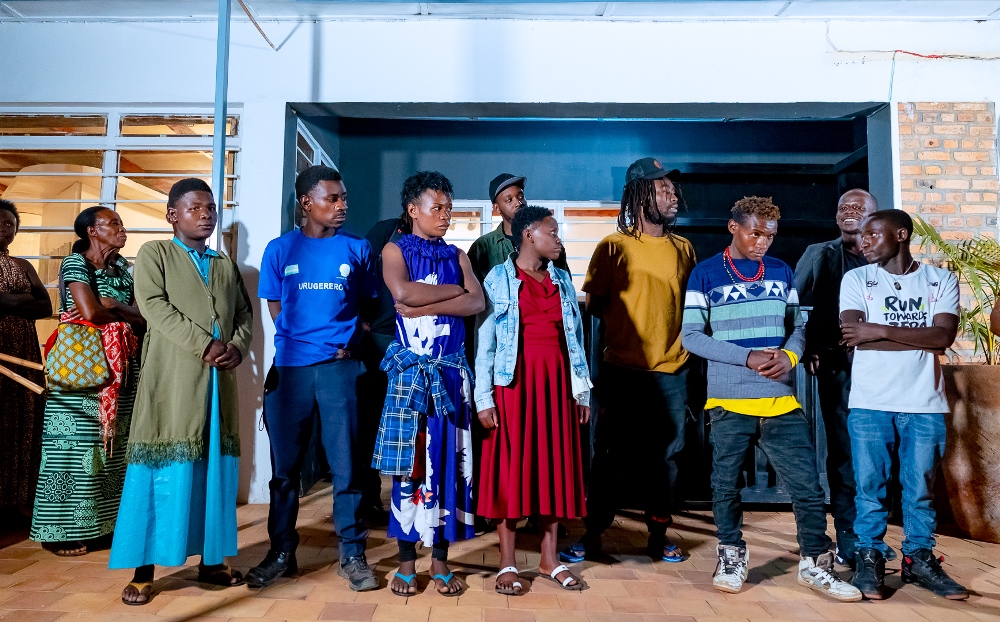
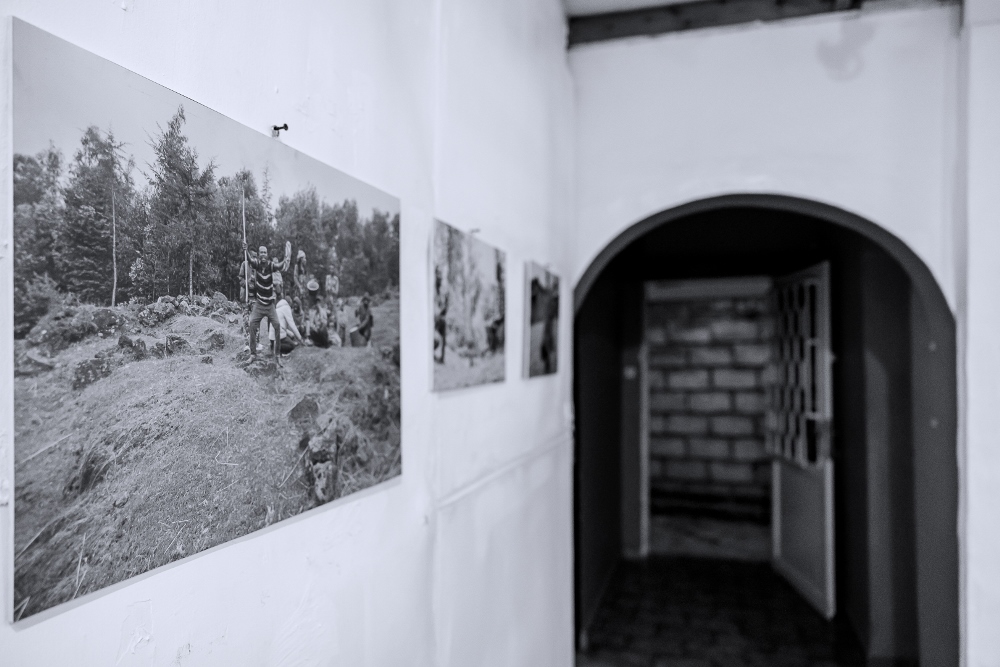
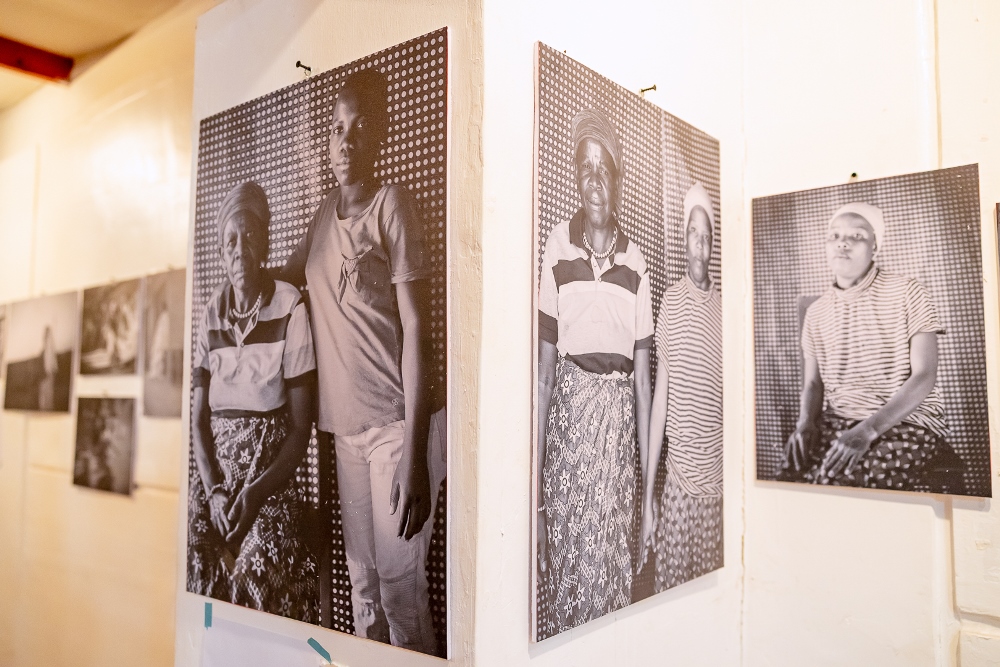
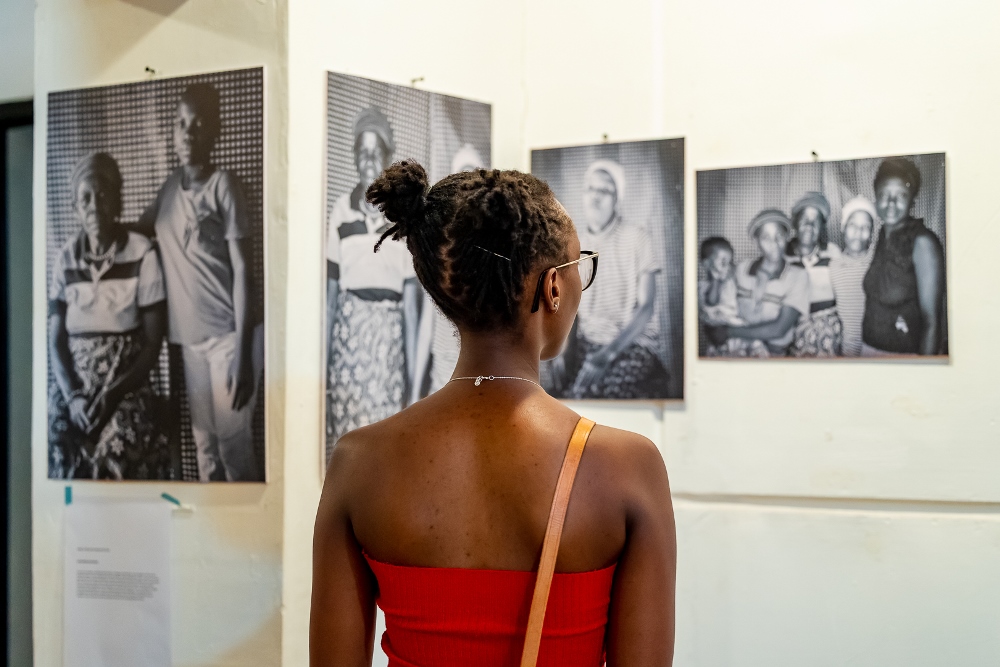
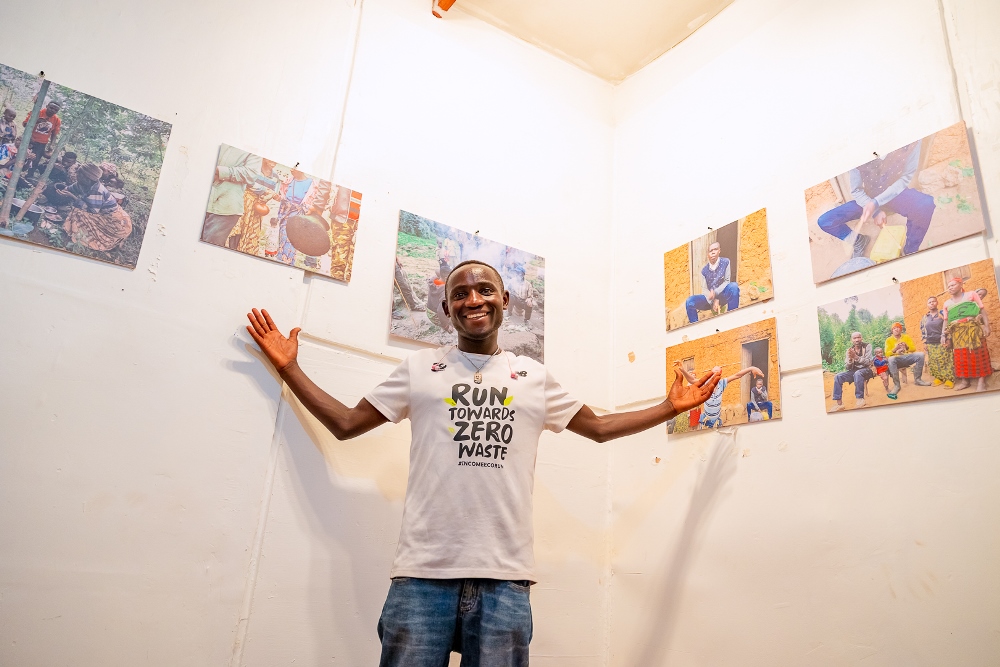
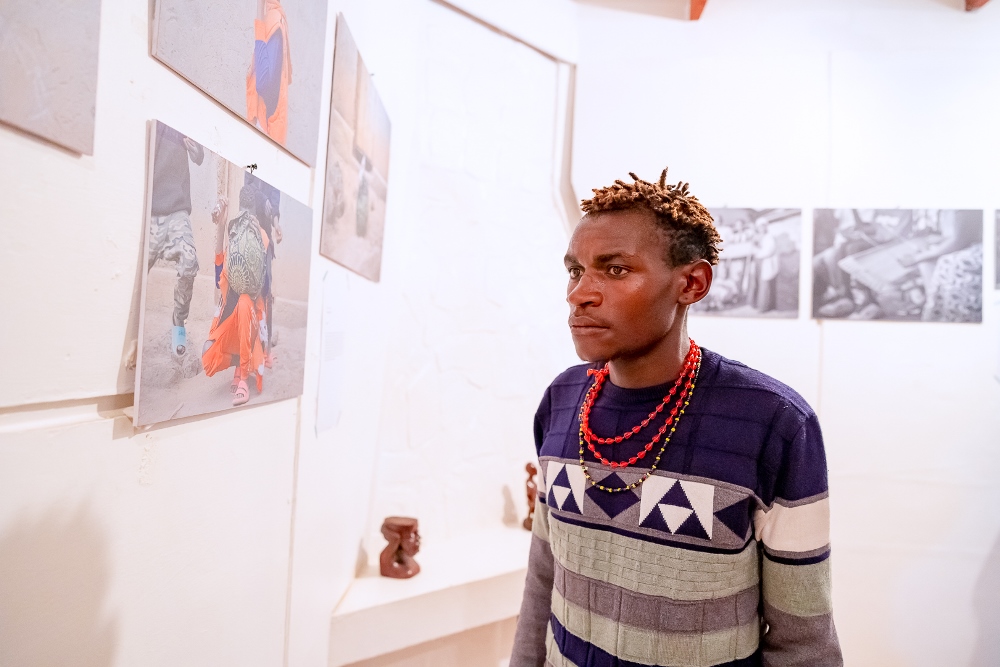
This unique showcase represents a collaboration between seasoned professionals based in Kigali, and six individuals from the communities of Gasogi and Nyabageni. Their collective endeavor led to capturing the essence of the musical heritage of historically marginalized people in photographic form.
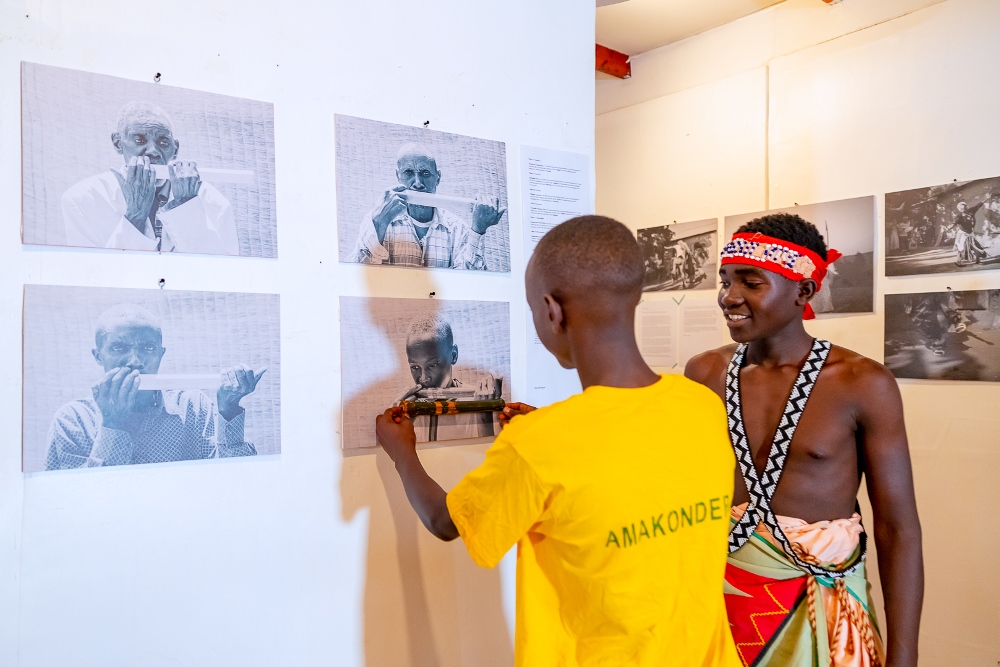
The resulting collection, brimming with vibrant images of chants, claps, and instrumentals, is a testament to the community’s resilience and enduring spirit. Each photograph in the exhibit, from contributors such as Alex Shema, Samson Eric, and Iris Twahirwa, among others, encapsulates a blend of talent and dedication, creating an immersive visual experience.
The project, receiving significant backing from Rights4Time and executed in partnership with AIMPO, Next Level Projects, and the Kigali Photography Center, is an invitation to experience Intwatwa music from a fresh perspective.
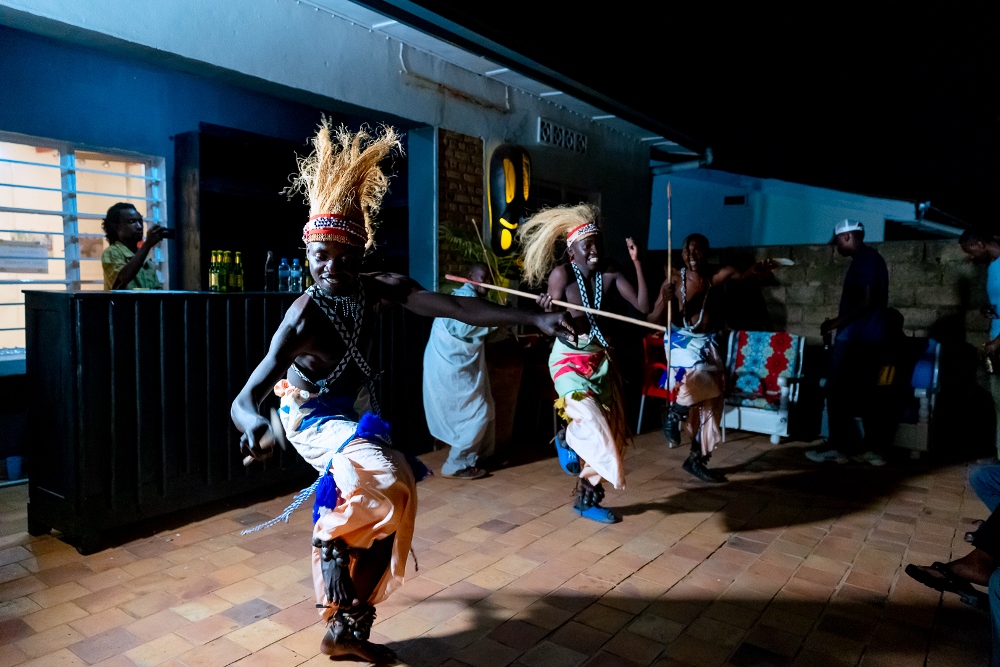
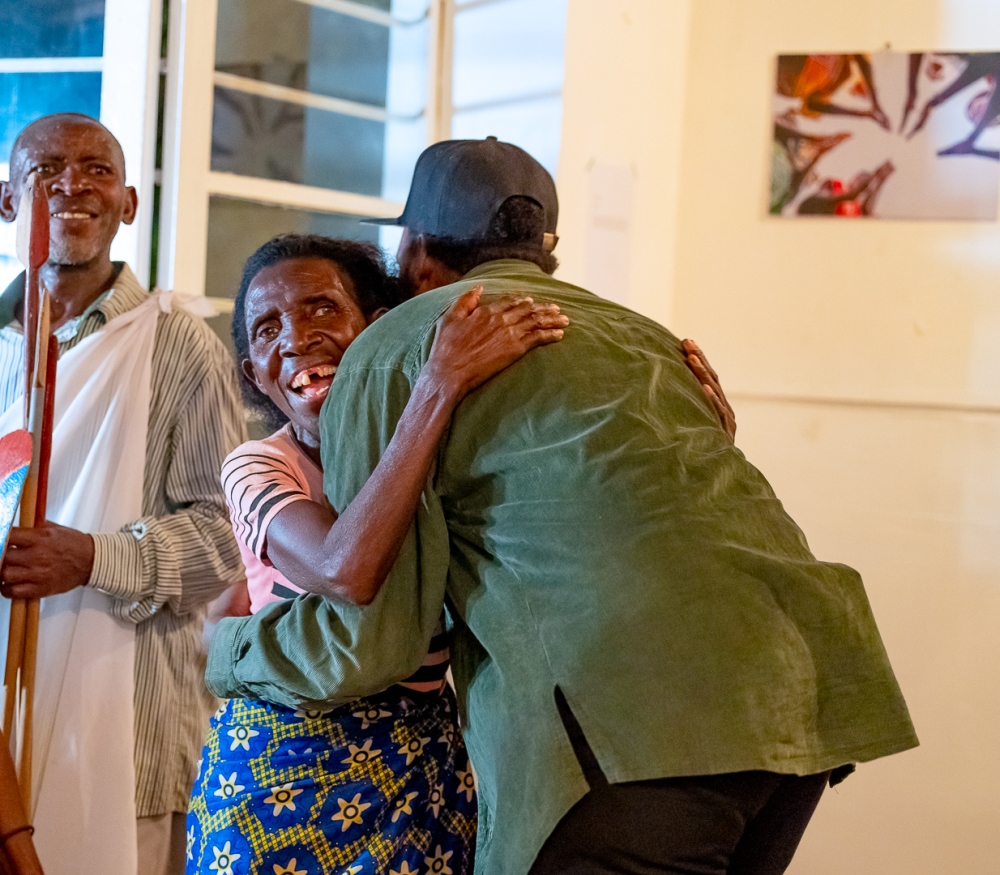
One of the highlights of the exhibition was the surprising dance performance and music from the community.
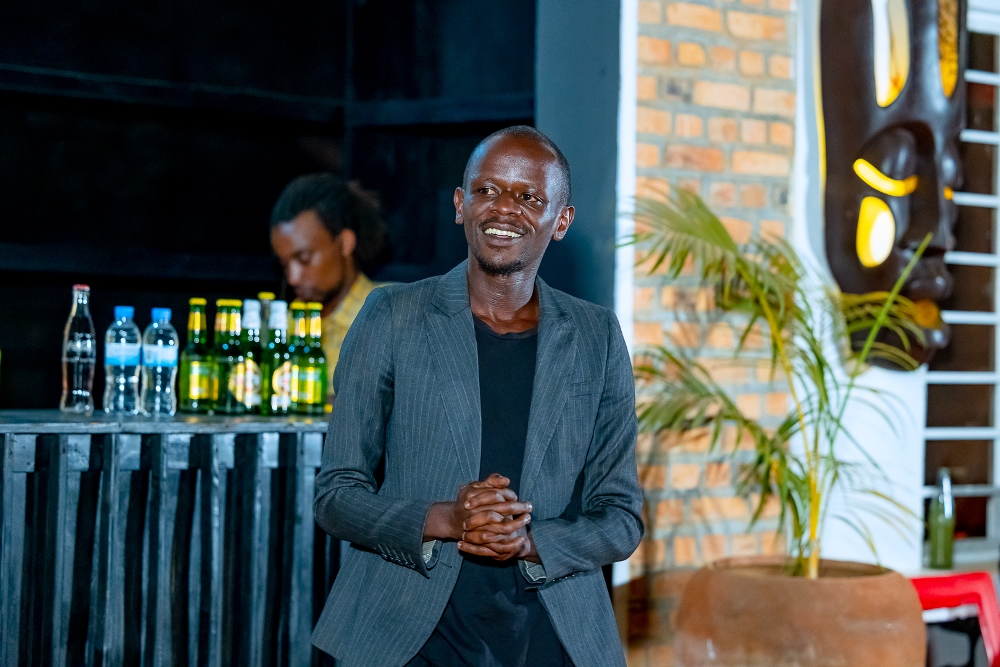
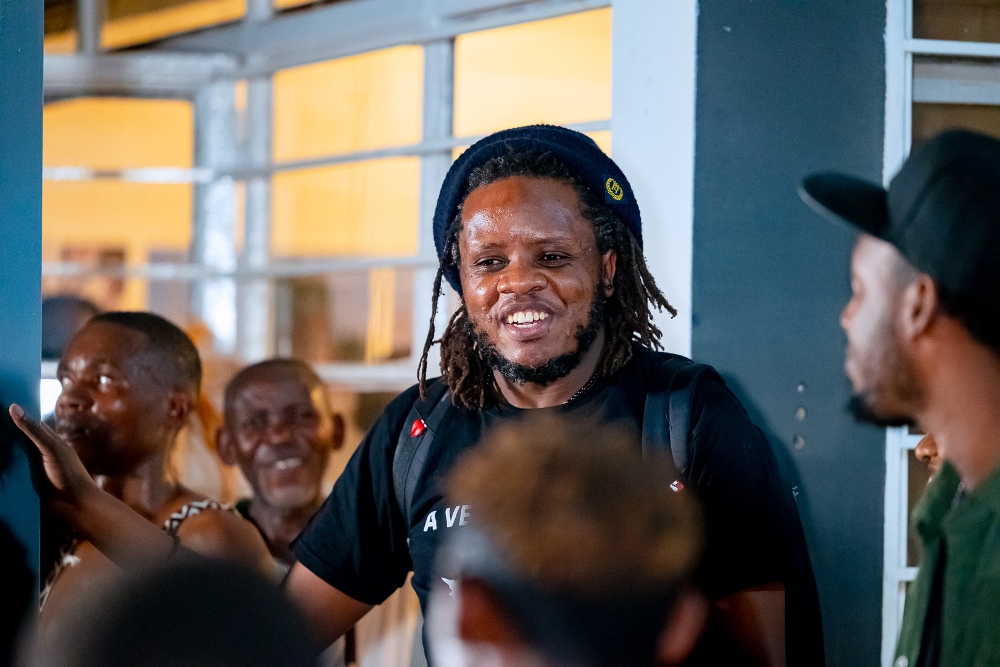
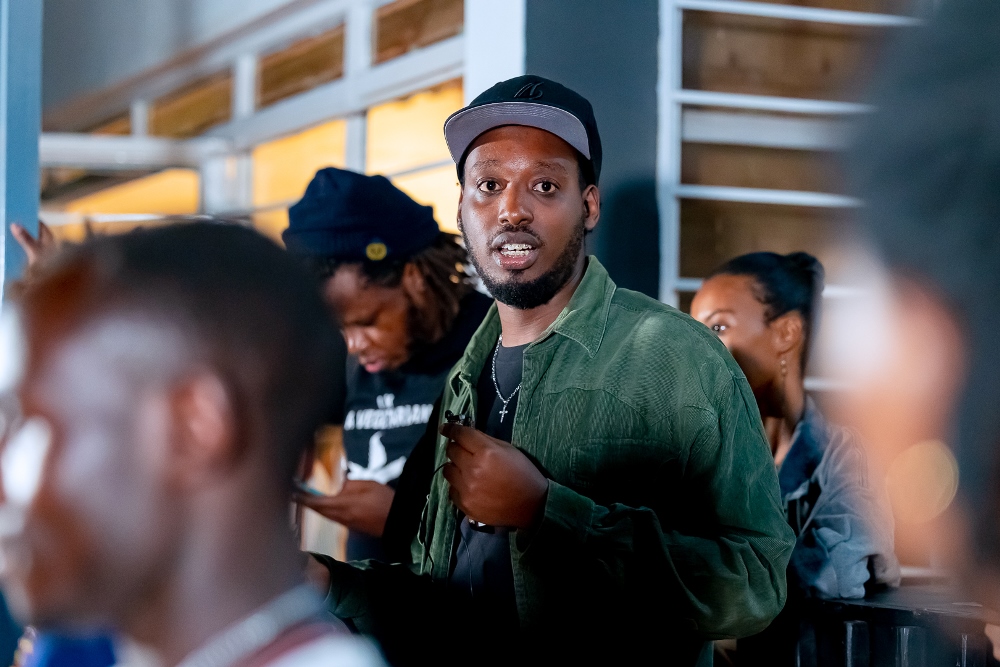
Rodriguez Iragena, the curator of the exhibition, who has been in the Rwandan creative industry for the last 8 years, and the organizer of the Virunga Festival, explained that Intwatwa is a rhythm, a melody just like Gushayaya or ikinimba, intwatwa is a rhthym in the rwandan culture.
“We recorded music and trained men and women from Nyabageni and Cyaruzingi. This work here is a project we have been working on for the last 3 months,” he said.
” I have learned a lot while doing this project, and at the top of what I have learned is that people can surprise you if you give them the opportunity to narrate their own stories,” Iragena continued.
Alex Shema, one of the artists in the exhibition also mentioned that he not only gained friendships but also learnt the musical heritage of Rwanda and how the music they make has been passed on for generations.
“The music was to serve the kingdom and entertain others in the community. Even though there is no active passing on of these musical skills, it is something they do so passionately as it’s in them. And that there’s so much we don’t know. As we embrace other cultures and try to include and adopt them, there’s still so much we can learn from our rich history and heritage,” said Shema.
Eric Samson, one of the community members who has learnt the art of photography, is a happy man, as his photos are displayed in the gallery. He says that he tried to combine his love for music and the new art of photography. He is a musician who uses readily or recycled available instruments such as a bottle of water or soda or clay vase.
As the attendees moved from one photograph to the next, the exhibition served as a reminder of how art can emerge from any corner, not just from those who wear the badge of a ‘professional.’
Kigali’s thriving arts scene, with exhibitions like this, continues to solidify its reputation as an epicenter for creativity and collaboration in the heart of Rwanda.
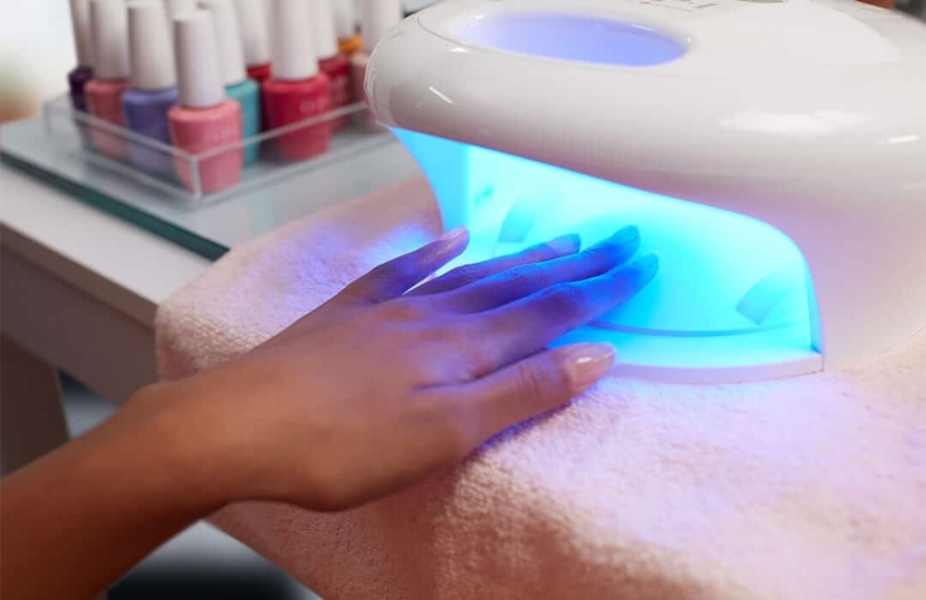
However, many women still prefer UV nail dryers claiming the gel polish lasts longer and looks better than other options.
We spoke with some of them to determine their awareness of the potential risks they expose themselves to.
Betty Isimbi, a university student in Kigali, told IGIHE that she has heard about the health risks posed by UV machines to her skin but has chosen to overlook it. “Everything nowadays is said to be causing cancer, not to mention death. Until I see someone who has died as a result of doing their nails. I don’t think I’m yet ready to stop doing mine,” she remarked with a laugh.
Charlene Furaha, also a university student, mentioned she first learned about the news from her neighbors. Later, when she asked her favorite nail technician about it, he told her, “These are just rumors with business-oriented motives. Maybe another company has a new product in stock, and the claims about the harm of the current machines are propaganda to get them off the market.”
Gloria Mutesi acknowledged the health risks of using gel polish but stated that regardless of the potential consequences, she won’t stop doing her nails.
According to ‘Nature Communications’, research conducted by scientists from the University of California San Diego and the University of Pittsburgh suggests that prolonged use of UV machines can lead to DNA damage and mutations in human cells, possibly increasing the risk of skin cancer.
The researchers tested three different cell types, including two from humans and one from mice, with varying levels of UV exposure. Under acute exposure, the cells were exposed to a UV machine for 20 minutes, taken out for an hour, and then placed back in for another 20 minutes. Under chronic exposure, they were subjected to the machine for 20 minutes daily over three days. The research found that a single 20-minute session resulted in 20-30% cell death, while three consecutive sessions caused 65-70% of the exposed cells to die.
Speaking to IGIHE, Philbert Zimulinda, National Metrology Services Division Manager at Rwanda Standards Board (RSB), urged salons and distributors to invest in the latest UV machines that adhere to international standards to mitigate the risk of cancer among users.
“The technology of UV machines has been periodically reviewed since 2006, 2013, and recently in 2022. The latest machines clearly indicate the drying time for each product (gel polish): 30 seconds, 60 seconds, and 90 seconds,” he stated.
Zimulinda emphasized that as RSB, it’s their responsibility to keep the public informed about the latest findings and technological improvements to ensure people’s safety. He also mentioned that RSB collaborates closely with regulators like Rwanda Inspectorate, Competition and Consumer Protection Authority (RICA), and Food and Drug Administration (Rwanda FDA) to inspect salons and regulate the import of substandard UV machines.
“We’ve shared international import standards with RICA to enforce import standards,” he noted. “The 2022 import standard consists of two parts: visible labeling of information for consumers and indicated tests from the manufacturer,” Zimulinda added.
The mere mention of working in a massage parlor or being a frequent visitor tends to evoke certain societal perceptions. The reactions can range from raised eyebrows to dropped jaws, and often these individuals are unfairly pigeonholed. Regrettably, much of the labeling is done from a standpoint of ignorance. Many people base their opinions on hearsay, often distorted, about spa activities—typically negative—and some have mistakenly entered places posing as spas that were not genuine.
To shed light on this topic, we interviewed professionals working in spas in Kigali who shared their insights. Before delving into their perspectives, let’s clarify what a spa truly is.
{{Understanding spas}}
As mentioned earlier, a spa serves as a sanctuary for relaxation, catering to the well-being of the body, mind, and soul. It’s a haven where individuals can find relief from stress, depression, insomnia, pain, anxiety, and fatigue within a relatively short span, typically an hour or more, as the duration of services varies among spas.
{{Diverse services offered}}
Spa services encompass a wide range of offerings, varying from one establishment to another based on factors such as location, specialization, and type. Some of the most popular services include massage therapy, facials, body scrubs, waxing, manicures, and pedicures.
{{Types of spas}}
Spas come in various forms, each catering to different preferences and needs. Here are some common types:
{{Day Spa:}} These establishments provide a serene environment for massages, facials, and other relaxation treatments. Packages at day spas may even include access to saunas or steam baths.
{{Destination Spa:}} Located within resorts or luxury hotels, these spas offer exclusive spa services to their guests. The experience often involves holistic treatments, healthy cuisine, physical activities like yoga and hiking, and scenic surroundings.
{{Medical Spa: }} These spas operate under the supervision of medical professionals and offer aesthetic treatments like Botox, chemical peels, and laser therapies.
{{Mineral Springs Spa: }} Natural hot springs spas utilize mineral-rich hydrotherapy treatments using various types of water, including sea water, thermal water, and natural mineral water.
{{Overcoming negative perceptions}}
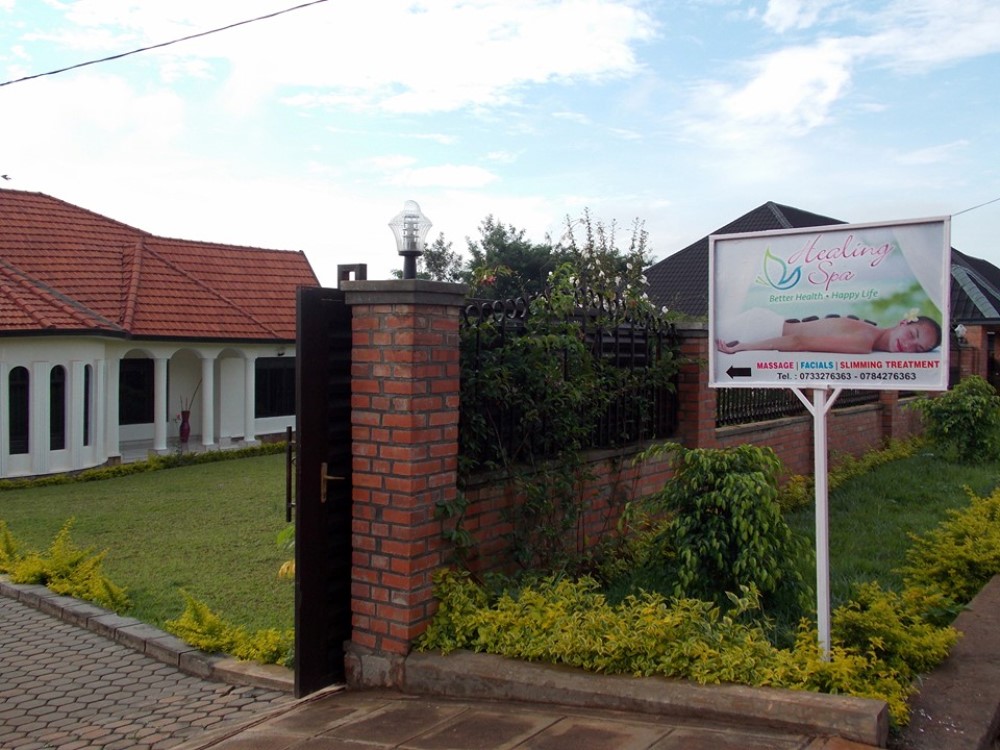
Misconceptions surrounding spas primarily stem from a lack of understanding and exposure to the true nature of these establishments. Justine Nazziwa, Managing Director of Healing Spa in Kibagabaga, emphasized that the negative perception often arises from the rise of unprofessional establishments operating under the guise of “spas.”
Solange Umuhoza, a therapist at Ylang Ylang Spa, refuted the notion that spas are places of immorality, emphasizing that genuine spas offer legitimate relaxation services. She highlighted the importance of choosing established and reputable spas to ensure a professional experience.
Emily Nakkungu, a massage therapist at Sunset Spa, shared that while external judgments can be hurtful, maintaining a clear conscience and professionalism is key. She also pointed out that clients’ behaviors can influence perceptions, mentioning instances where inappropriate client requests affected the reputation of the profession.
{{The power of mindset}}
Clients also play a role in shaping their spa experience. A regular spa-goer noted that enjoying a massage hinges on one’s mindset. Approaching the experience with a wellness-oriented perspective, rather than harboring misguided expectations, can lead to a more fulfilling experience.
{{Choosing quality and professionalism}}
Ultimately, the reputation of the spa industry rests on the distinction between genuine, professional establishments and unscrupulous ones. It’s crucial for individuals seeking wellness and relaxation to choose reputable spas with a track record of professionalism.
As the number of spas in Kigali continues to grow, concerns arise regarding the impact of unregulated practices on the industry. With “professional” spa owners worrying about unfair associations, it becomes imperative to educate the public and uphold the standards of legitimate spas. By doing so, the industry can thrive, offering individuals a legitimate means of relaxation, rejuvenation, and overall well-being.
These initiatives include the Vision 2020 and the Economic Development and Poverty Reduction Strategy (EDPRS) on a national scale, along with the Sustainable Development Goals (SDGs). The nation is also considering additional programs such as the Vision 2050, the National Strategy for Transformation (NST1), and Agenda 2063 to align with its long-term aspirations.
Over the years, Rwanda has undergone reforms aimed at transforming the livelihoods of its citizens, yielding noticeable improvements, as evidenced by the rise in life expectancy from 51.2 in 2002 to 64.5 in 2021 and further to 69.6 in 2022. Notably, poverty rates have also seen a decline, with the percentage dropping from 60.4% in 2000 to 38.2% in 2017, and extreme poverty plummeting from 40% to 16% within the same timeframe.
The pursuit of poverty reduction remains a central pillar of Rwanda’s Vision 2050, and the country is committed to eradicating extreme poverty by 2024 under the NST1. The results of the 2022 Housing and Population Census reveal that Rwanda’s population has now exceeded 13 million.
An analysis of the census data concerning poverty reveals that 887,508 individuals live in conditions of extreme poverty, while 3,139,395 are struggling with poverty. This aggregates to a total of 4,026,903 individuals living below the poverty line, which corresponds to 30.4% of the registered population.
A stark disparity between rural and urban areas is evident, with rural regions harboring the larger proportion of individuals in poverty at 3,502,686, equivalent to 37.3%, compared to 13.4% in urban areas. At the provincial level, both the Western and Southern provinces exhibit a similar 35% poverty rate, while the percentage drops to 34.6% in the Eastern Province and significantly lowers to 9.5% in Kigali City.
Notably, the 2012 census had previously identified the Western and Eastern provinces as having the highest poverty rates at 42% each. At the district level, Gisagara, Nyanza, Rutsiro, Nyamagabe, Ngororero, Nyaruguru, Gatsibo, Nyagatare, and Ngoma have poverty rates ranging between 37% and 45%. In districts such as Nyamasheke, Rubavu, Rusizi, Burera, Karongi, Kirehe, Nyabihu, Kayonza, and Ruhango, the poverty rate falls within the range of 32% to 36%.
Conversely, districts like Rulindo, Muhanga, Rwamagana, Musanze, and Gakenke boast poverty rates below 30%.
Within Kigali City, Kicukiro showcases the lowest rate of poverty at 6.7%, followed by Nyarugenge at 9% and Gasabo at 11.1%. The census data also sheds light on the characteristics of these poverty-stricken populations, often characterized by factors such as residing in homes with light roofing structures and having limited educational attainment, often stopping at the primary school level or not attending school at all.
The report further identifies a majority of them as widows, divorcees, or members of households prone to disputes. Internet access is scarce in these households, and they tend to have larger families.
The report suggests that many rely on subsistence agriculture with limited yields, possess average knowledge, and frequently relocate in search of means of sustenance. Notably, individuals aged 30 to 44 constitute the majority of the population living in poverty. The National Institute of Statistics of Rwanda (NISR) posits that this age group’s vulnerability to poverty could be associated with establishment of independent households.
The recent Labor Force Survey of February 2023 reveals that the working-age population (16 years and above) reached 7.9 million, of which 3,803,942 individuals were employed, 792,115 were unemployed, and 3,380,192 individuals were not part of the labor force.
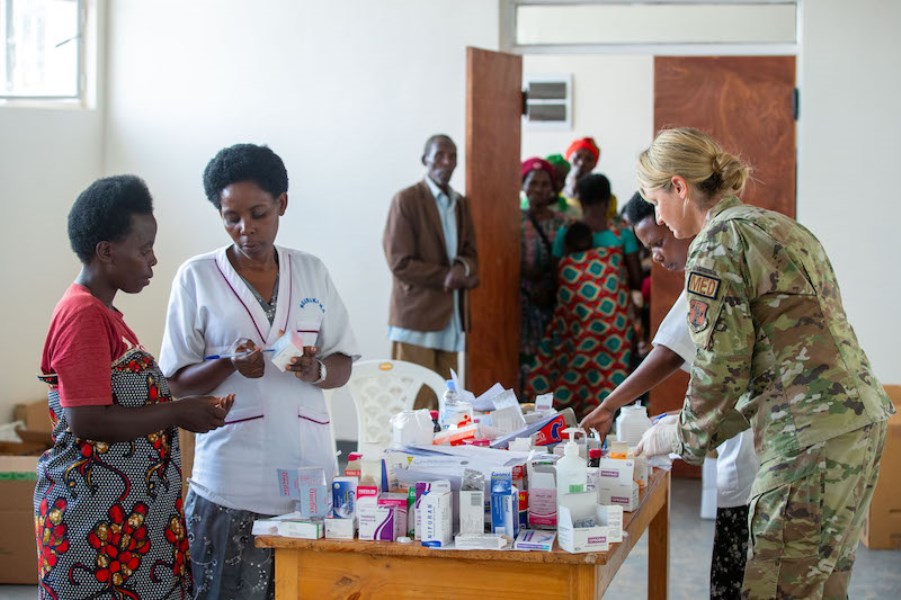
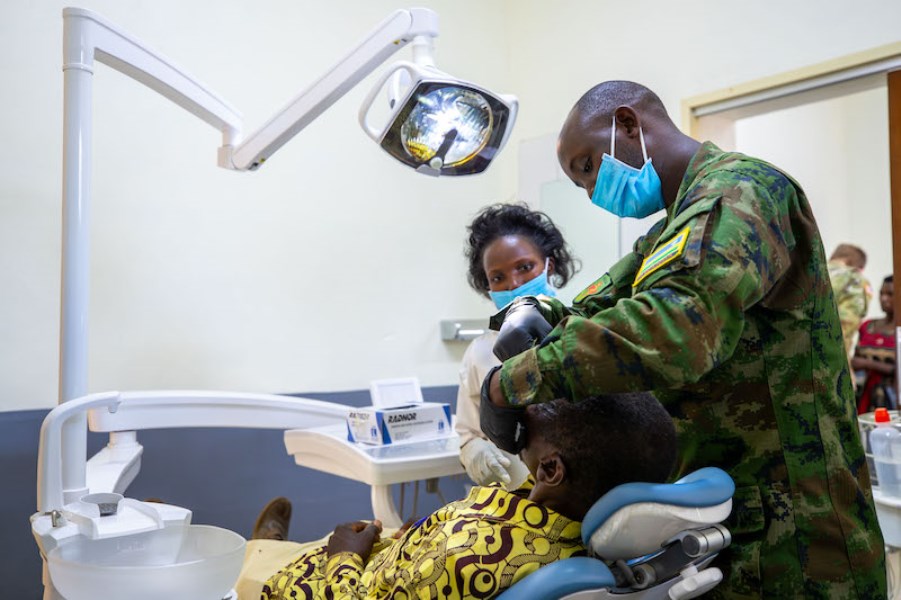
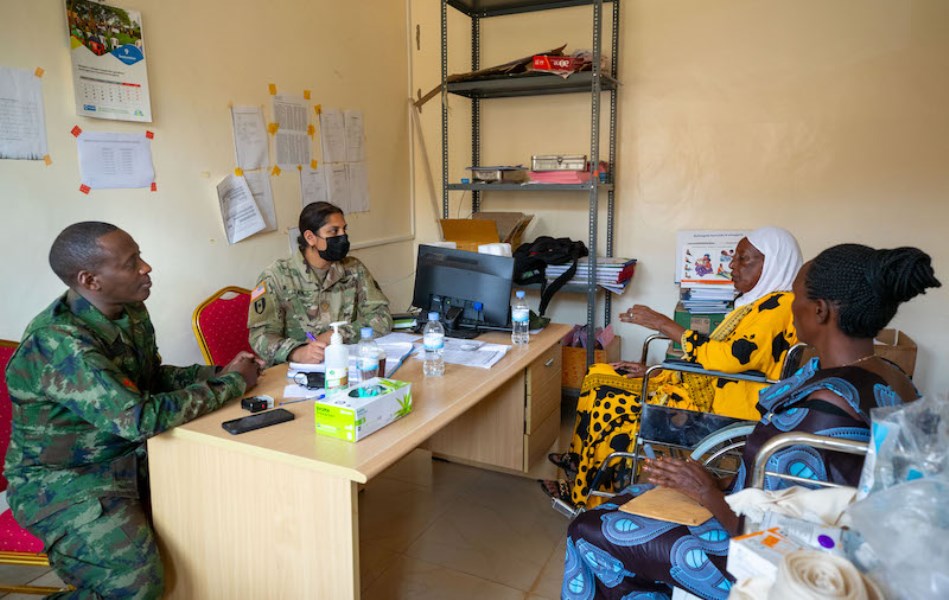
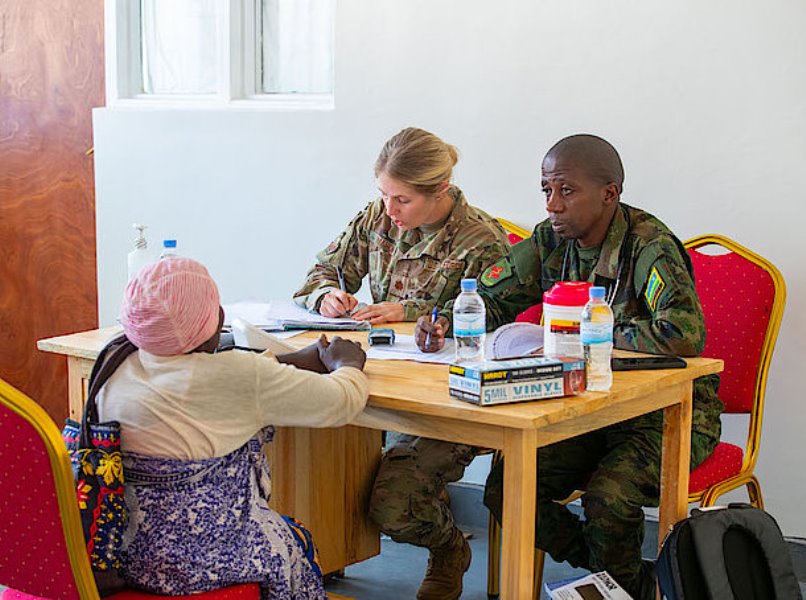
Accprding to the Ministry of Defence, two thousand people have been treated and the exercise is expected to continue in the future.
The services provided included Orthopedics, General Surgery, Internal Medicine, Gynecology, Ophthalmology, ENT (ear, nose and throat), Pediatrics, Dental and Clinical Psychology.
Lt Col Dr John Bukuru said the exercise was successful and was important in this area where many people make long distances to reach the health care services, which is a challenge for them to access medical treatment. He recommended that frequent medical outreaches of this kind are always a solution.
Ibrahim Nshizirungu, the Head of Ngeruka Health Centre thanked RDF and US medical personnel for a great partnership that allowed medical specialists to treat people at the health centre level.
He said that people got the required medical services, emphasizing that as a medicalised centre of Ngeruka, with now a medical doctor visiting on weekly basis, they shall continue to receive people coming to seek specialised medical services in collaboration with Nyamata District Hospital and Rwanda Military Hospital as the higher referral hospital.
The immigrants, including a woman and three minors, were saved in waters about 100 km off the coast of Moroccan port town Tarfaya on Thursday, the report said.
After receiving first aid, the immigrants, who were from sub-Saharan Africa, were sent to the port of Laayoune on Friday, where they were handed over to the Royal Gendarmerie for the routine administrative procedures, it noted.
In a statement at the end of an extraordinary summit in the Nigerian capital of Abuja, the regional bloc reiterates its strong condemnation of the coup in Niger, saying it upholds all measures and principles agreed upon by the urgent ECOWAS summit on July 30.
The ECOWAS leaders “direct the (ECOWAS) committee of the Chiefs of Defense Staff to activate its standby force with all its elements immediately,” and be ready for the deployment of the ECOWAS standby force to restore the constitutional order in Niger, said the statement.
The bloc also said it would enforce all sanction measures, in particular border closures and strict travel bans, on all individuals or groups whose actions hinder peaceful efforts to restore constitutional order in Niger.
The ECOWAS said all options are on the table for the peaceful resolution of the crisis, and warned member states against “directly or indirectly hinder(ing) the peaceful resolution of the crisis.”
This move by the West African bloc to mobilize the regional standby force followed the refusal of Niger’s military junta to cede power to ousted President Mohamed Bazoum.
The primary objective of the regional standby force is to restore stability and order while facilitating the return to constitutional governance in Niger, Omar Alieu Touray, president of the ECOWAS Commission, told reporters during a briefing in Abuja.
The military in Niger detained Bazoum on July 26 and chose Abdourahamane Tchiani, former leader of the country’s presidential guard, to lead the National Council for the Safeguard of the Homeland, a governing body established by the soldiers after the coup, which has been since exercising legislative and executive authority.
The coup, the third of its kind in West Africa in three years, has drawn condemnation from many African countries, which view the unconstitutional change of power as a threat to stability and development on the continent. The international community fears instability in the Sahel region would breed extremism.
The ECOWAS comprises Benin, Burkina Faso, Cabo Verde, Cote d’Ivoire, The Gambia, Ghana, Guinea, Guinea-Bissau, Liberia, Mali, Niger, Nigeria, Senegal, Sierra Leone, and Togo.
Guang Cong, the deputy special representative of the Secretary-General (Political) for South Sudan, said there is an urgent need for the adoption of the national elections act by the revitalized transitional national legislative assembly, the reconstitution of the National Constitutional Review Commission, the National Elections Commission, and the Political Parties Council.
“Despite the growing calls for elections in the public domain, we are concerned about the lack of progress in key electoral and constitutional benchmarks. As it stands, the conditions for South Sudan to hold elections are not in place yet,” he said during the plenary meeting of members of the Revitalized Joint Monitoring and Evaluation Commission (RJMEC) in Juba, the capital of South Sudan.
Cong noted that 2023 is a critical “make or break” year for free, fair, and credible elections in 2024.
He disclosed that the transitional security arrangements are behind schedule, adding that the latest call by the presidency directing the immediate deployment of the necessary unified forces, and the commencement of phase II of training the second batch is a welcome development.
The parties graduated about 53,000 unified forces in the first batch in August last year. In total, they are supposed to graduate 83,000 unified forces made up of police, army, intelligence, wildlife, and prisons.
“It goes without saying that the security of the country before, during, and after the elections is non-negotiable,” Guang said. “With less than four months left in 2023, all parties to the peace agreement are therefore urgently requested to demonstrate their political will by expediting the implementation of key outstanding benchmarks of the (extended) roadmap. Political will, pragmatism, and leadership are paramount.”
Cong also commended the transitional unity government for its open refugee policy that has seen the arrival of more than 213,000 people displaced by conflict in neighboring Sudan since April 15.
He, however, warned that the prolongation of the conflict in Sudan continues to adversely impact South Sudan.
“The congestion and increased competition over scarce resources in the border areas, if not duly addressed, could exacerbate tensions between the returnees and host communities,” Cong said.
He revealed the UNMISS has intensified its patrols and reinforced its presence in Renk town of Upper Nile state where it is working with the government to mitigate and prevent any potential outbreak of violence.
“We acknowledge the effective cooperation we have with the government of Upper Nile, the South Sudan People’s Defense Forces, the South Sudan National Police Service, and the National Security Service. Furthermore, we continue to call for national and international funding to ensure support for people fleeing the conflict,” he said.
Charles Tai Gituai, the interim chairperson of the RJMEC, said the first batch of unified forces is still redundant and awaiting redeployment. He added the unification of the mid-level echelons of the command structure is not complete as the parties continue to haggle over power-sharing ratios.