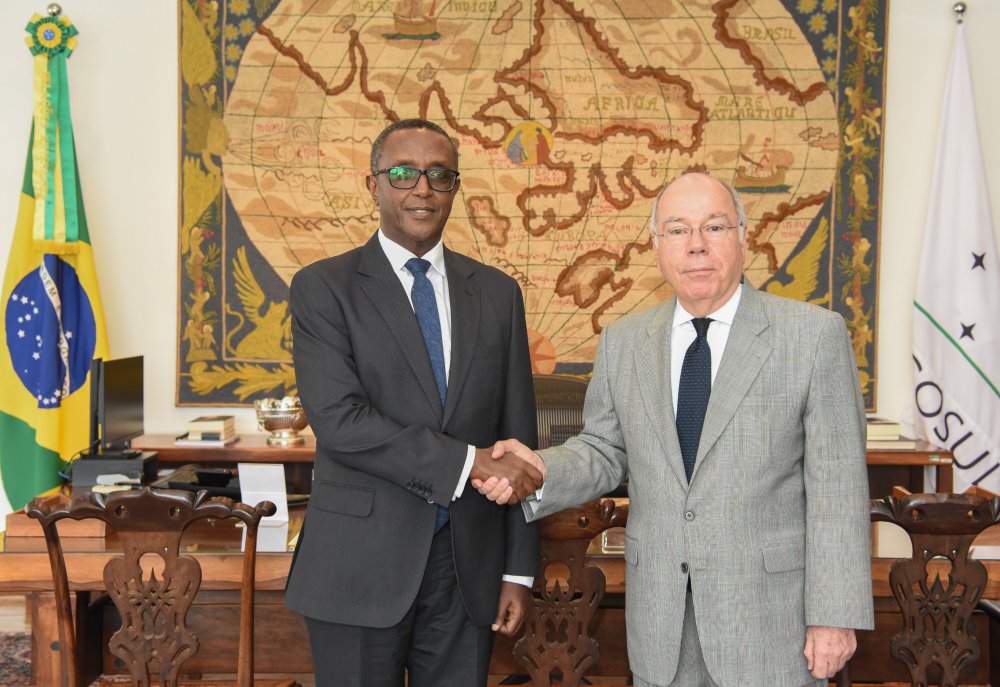
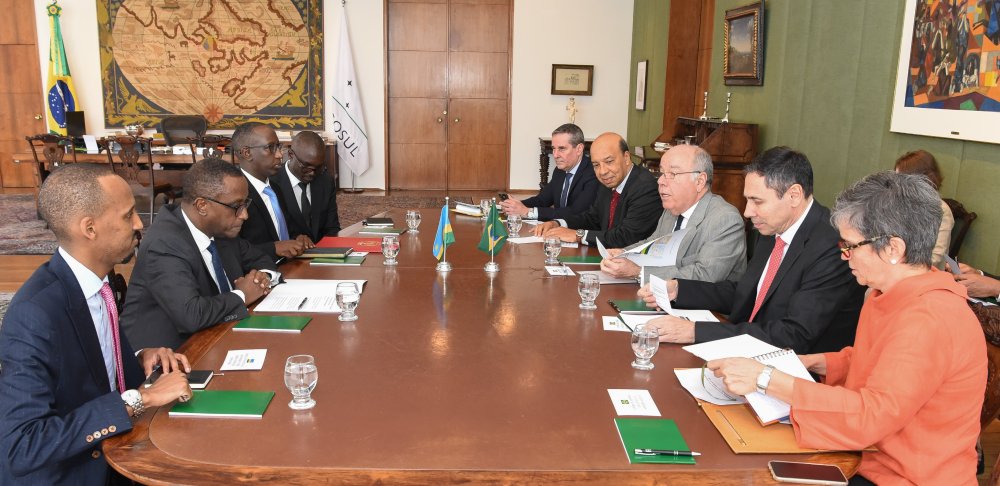
The primary objective of this visit is to reinforce bilateral cooperation and boost trade between Rwanda and Brazil.
Dr. Biruta held productive meetings with senior officials from the Brazilian Federal Government, including Ambassador Mauro Viera, Minister of Foreign Affairs.
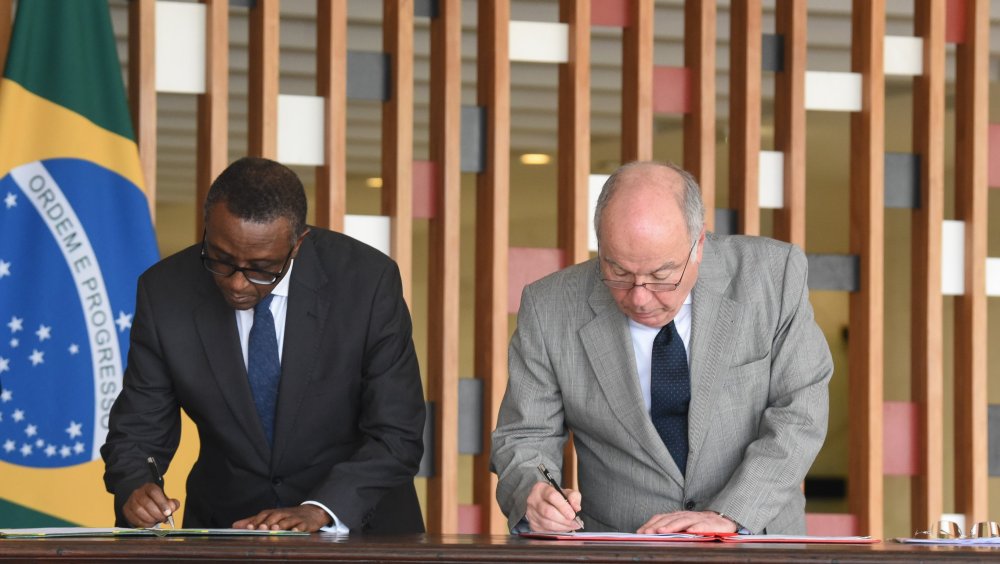
During this visit, both officials signed two important agreements; one concerning the transfer of sentenced persons, and another Memorandum of Understanding (MoU) aimed at waiving visa requirements for holders of Diplomatic and Official Passports.
During discussions with his counterpart, Dr. Biruta emphasized the great potential for cooperation in sectors of mutual interest, notably Agriculture, Trade, Investment and Air services and hinted at efforts to deepen cooperation.
“We have also agreed that a Rwandan business mission will visit Brazil in the near future. This visit will serve as a significant step towards deepening economic relations and fostering greater understanding between our nations,” he told members of the press in Brasilia.
On international affairs, Dr. Biruta congratulated Brazil for its role on the Chairmanship of the United Nations Security Council for the month of October and exchanged views on pressing issues related to peace and security, particularly in the African Great Lakes region.
They recognized the need for concerted efforts to address security challenges, and the need to work together to promote stability and prosperity in the region.
They also discussed the critical issue of climate change and its far-reaching implications. Both nations share deep concerns about the impact of climate change on their respective regions and are committed to addressing this challenge through collaborative efforts.
Rwanda and Brazil established diplomatic relations in 1981. In recent years, both countries have shown mutual interest to explore ways to strengthen bilateral relations and enhance cooperation.
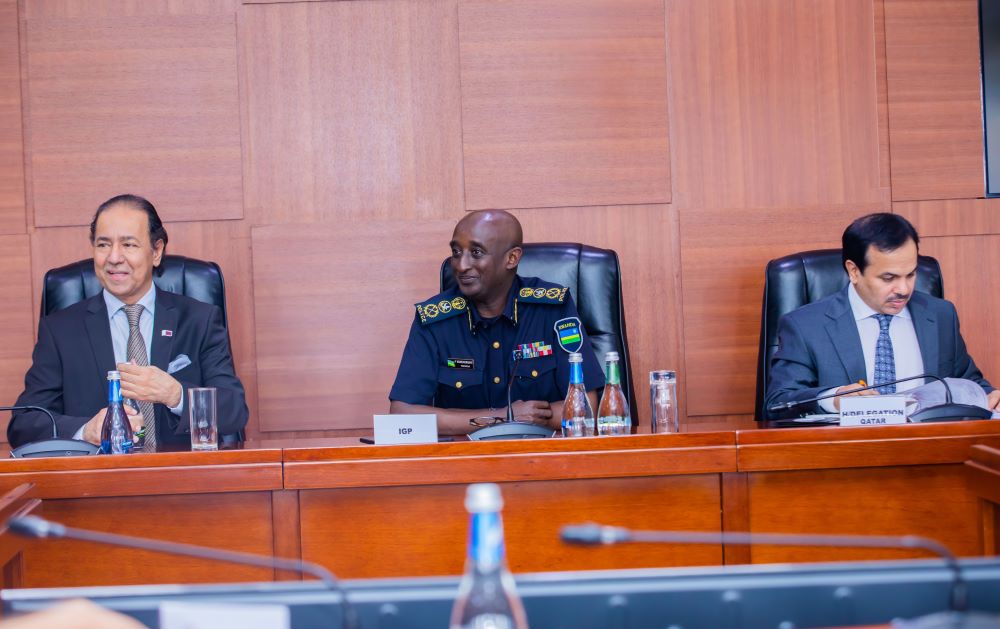
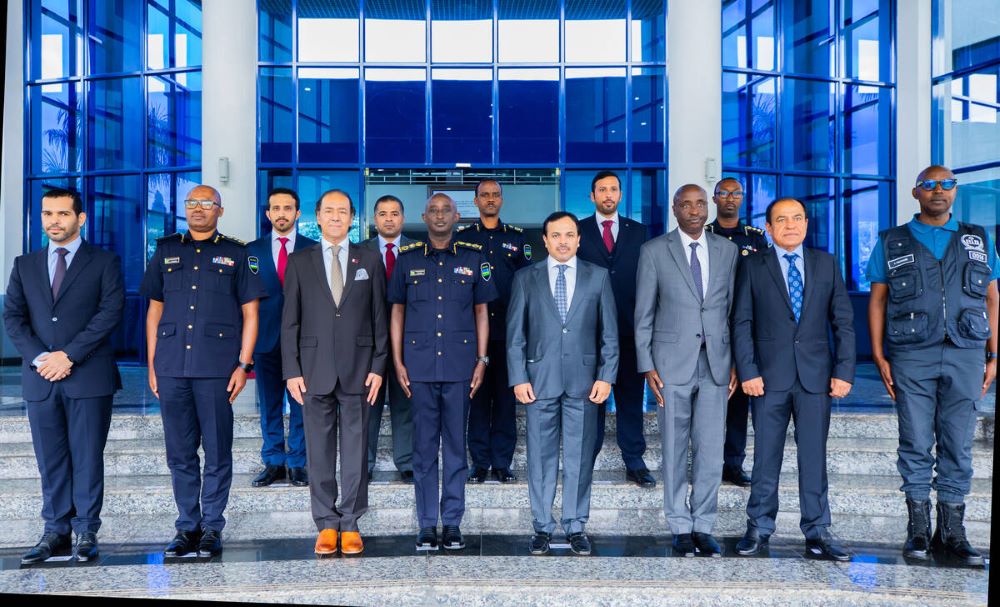
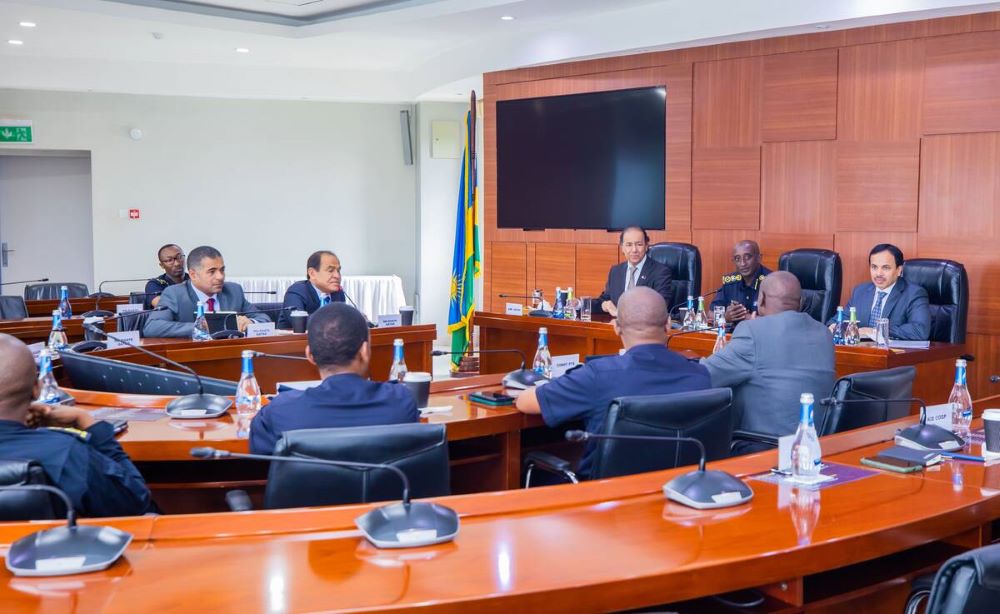
The delegation was headed by Col. Khalid Ali H S Al – Kaabi, the head of International Relations in Qatar’s Ministry of Interior.
Present was also Misfer Faisal Mubarak Al Ajab Al Shahwani, the Ambassador Extraordinary and Plenipotentiary of Qatar to Rwanda.
Discussions centred on strengthening partnership in security matters, including capacity development.
IGP Namuhoranye said that the stronger relations between Rwanda and Qatar sets a tone for engagements in policing and security matters.
Amb. Shahwani appreciated the existing relations between the Government of Rwanda and State of Qatar.
“The relations between Qatar and Rwanda are very strong and amazing. We will continue to build on that in various aspects, including security,” Amb. Shahwani said.
Col. Kaabi said that the visit is aimed at “taking relations from basic to the strategic level”
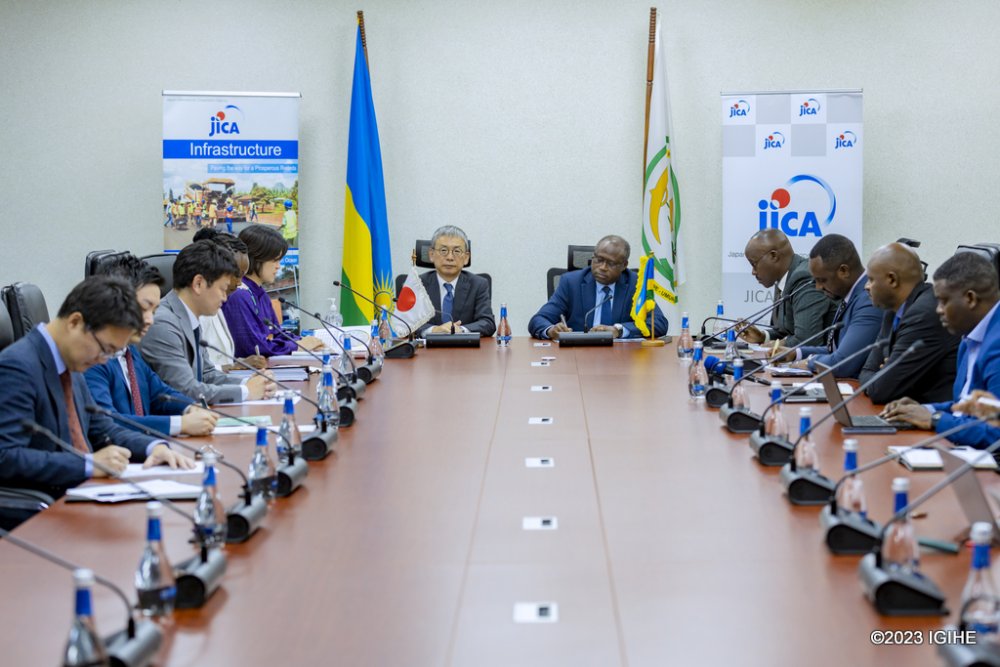
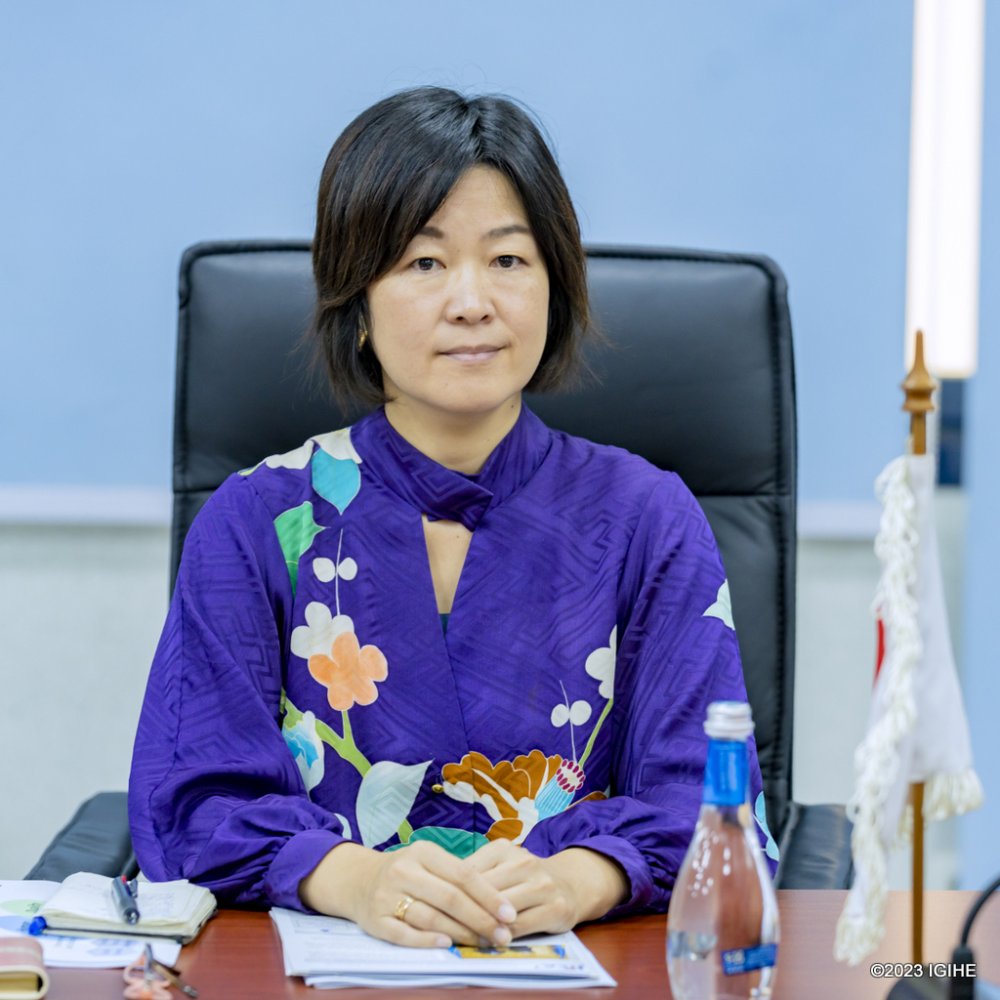
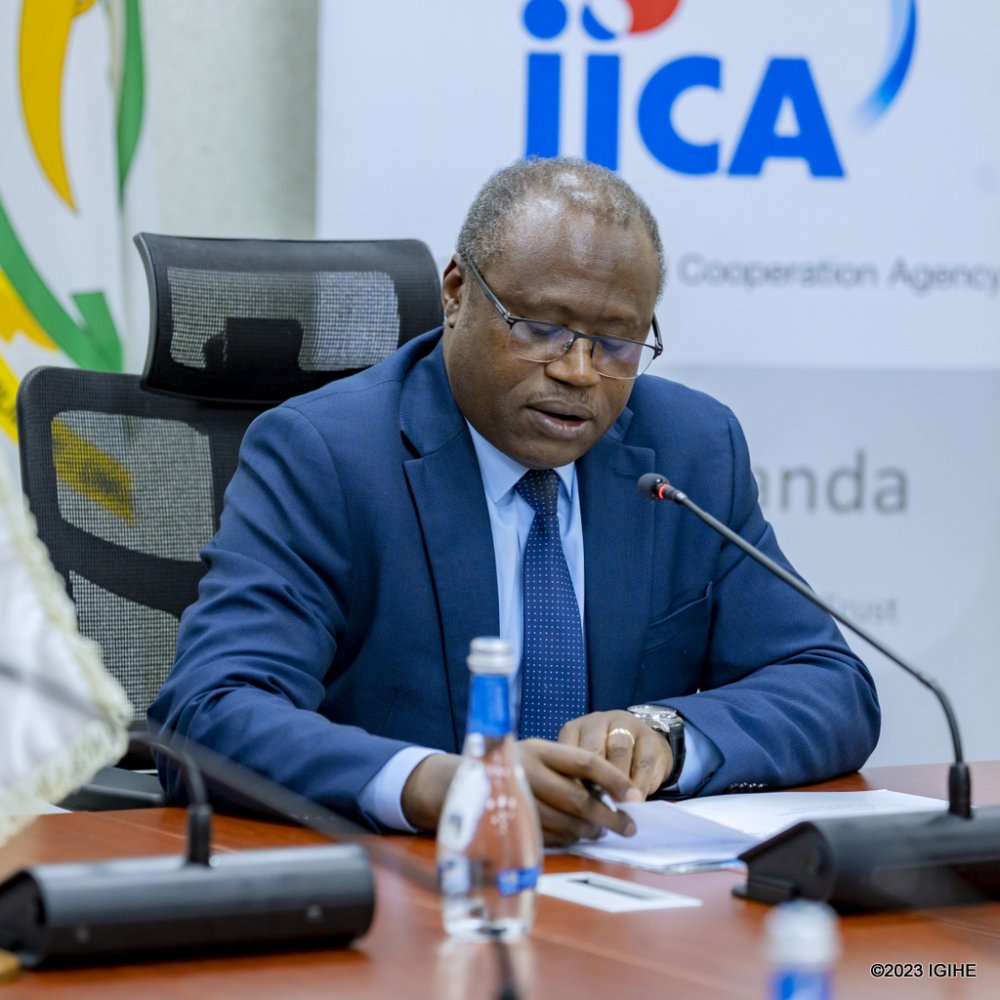
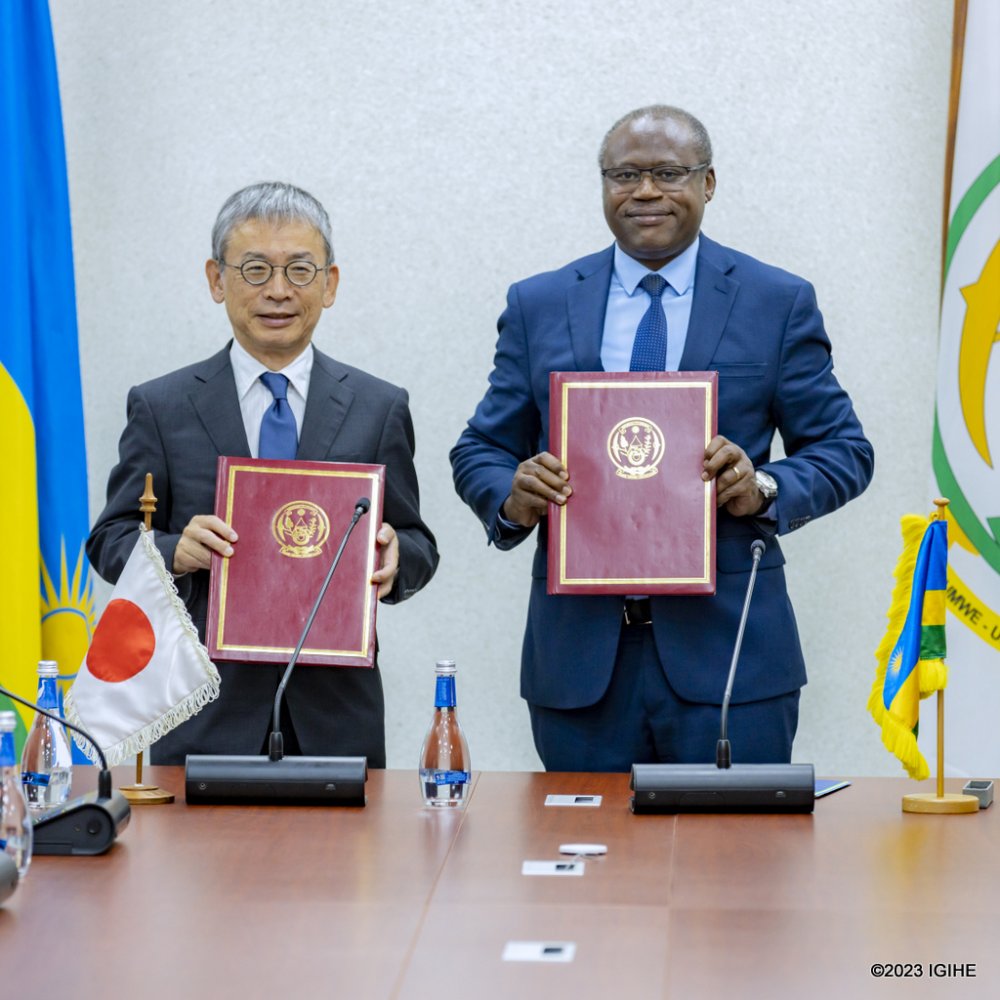
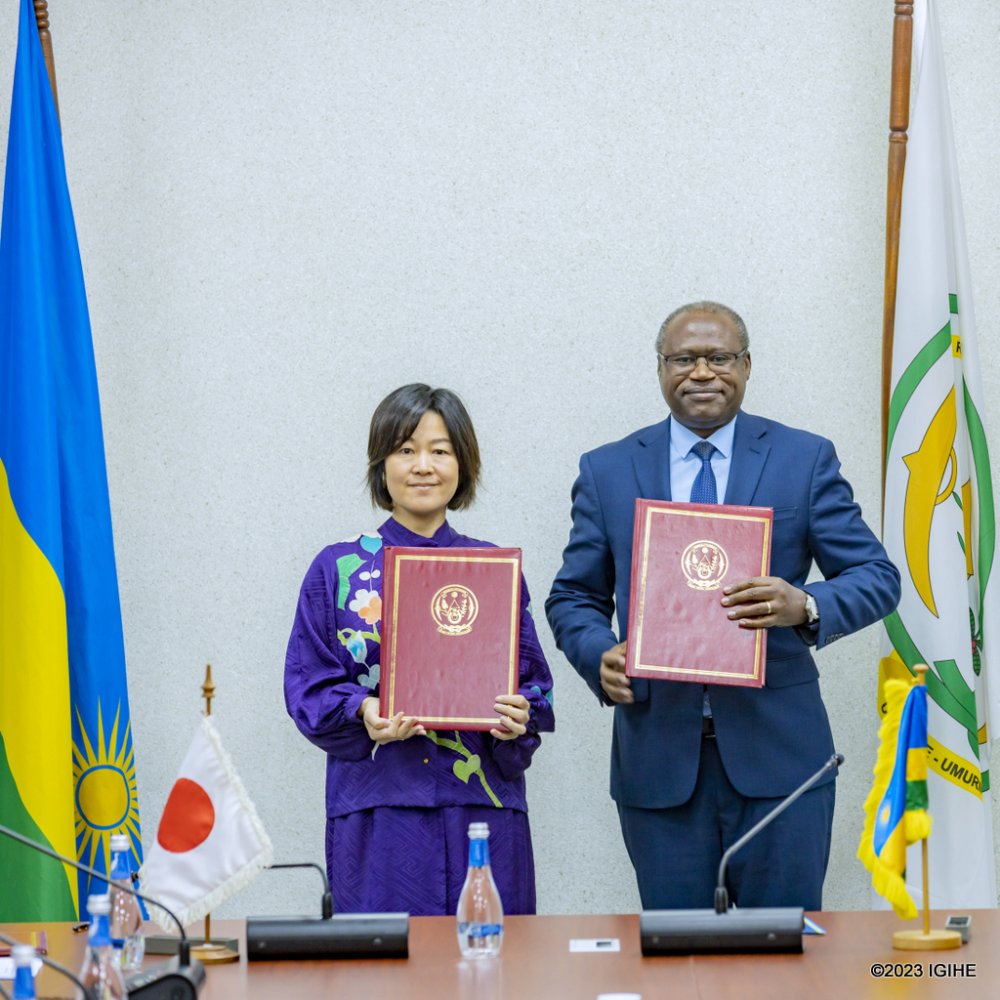
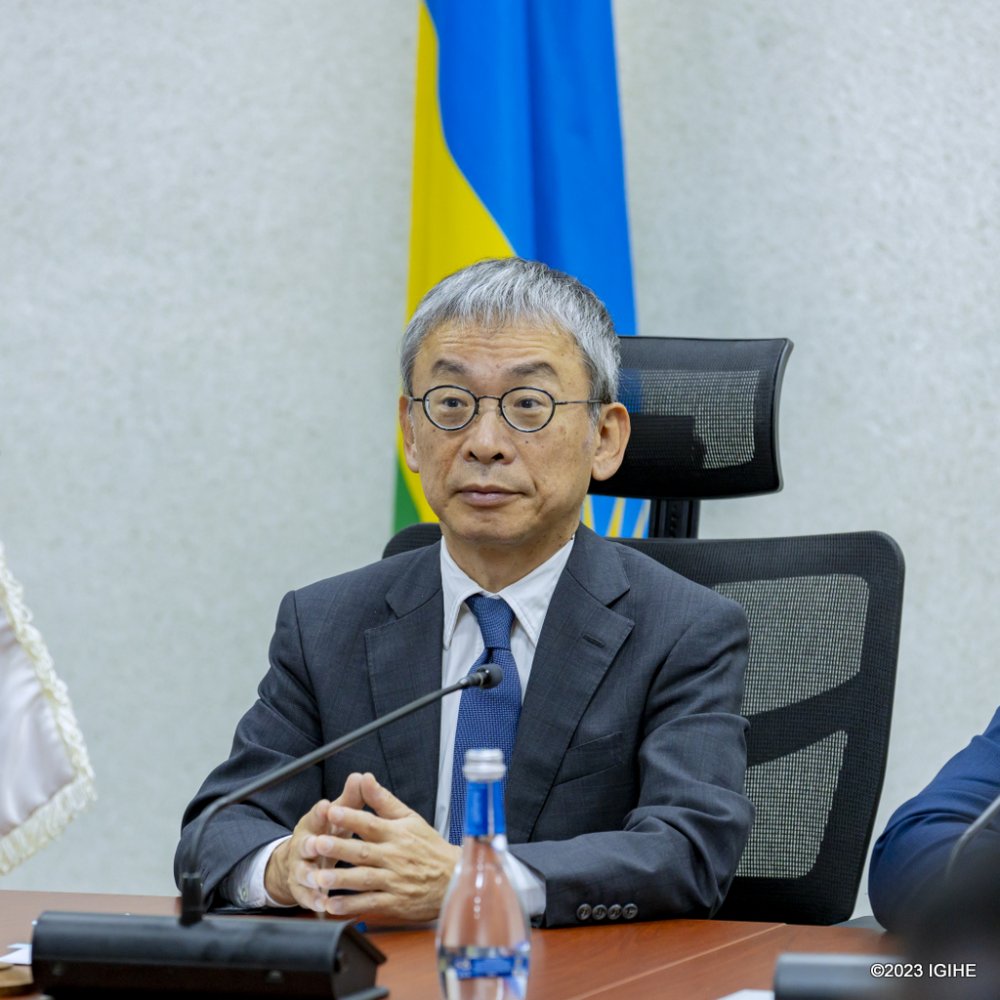
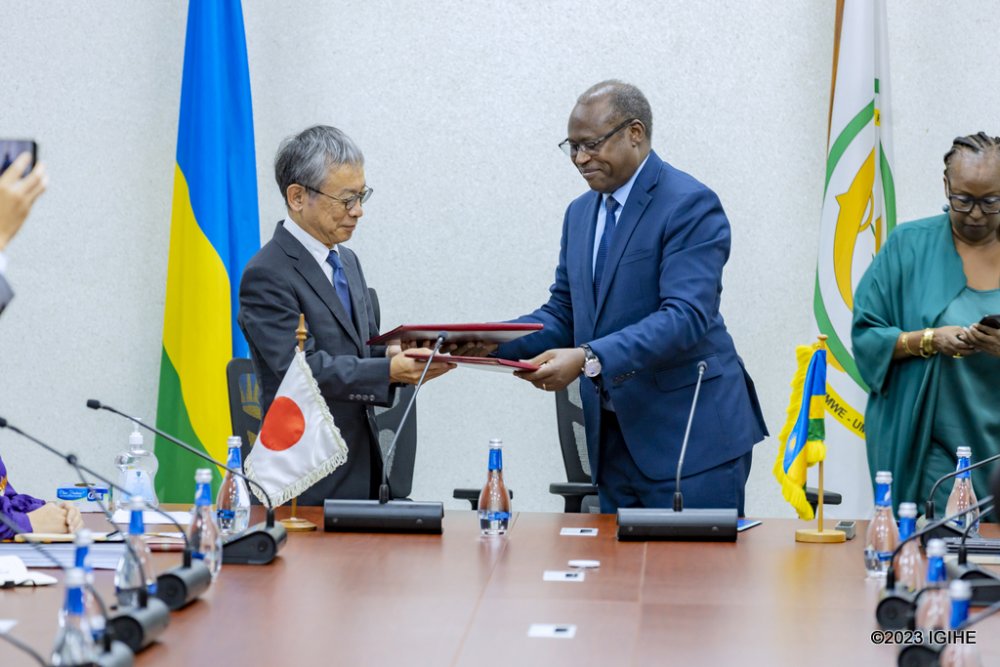
On the same occasion, Ms. Minako Shiotsuka, Chief Representative of Japan International Cooperation Agency (JICA) signed a Grant Agreement (G/A) with Minister Ndagijimana for the same project.
The project will contribute to the improvement of traffic flow and safety in Kigali through the development of a traffic control system and signal control system together with intersection improvements. The population of Kigali will considerably benefit from the project as it will reduce congestions which will make it timesaving.
The works will include the installation of traffic lights at selected 20 junctions with connecting the fiber network and establish the traffic control center in the City of Kigali which will have the interconnection with the traffic police system. The project will also work on the improvement of intersections to improve the traffic flow.
Commenting on the development, Minister Ndagijimana said, “The intelligent transport system will be a game changer in terms of reducing congestion improving safety, mobility, convenience and efficiency of transport within and through Kigali. Efficient and sustainable transport systems are critical for accelerating trade, which benefits businesses and boosts the economy.”
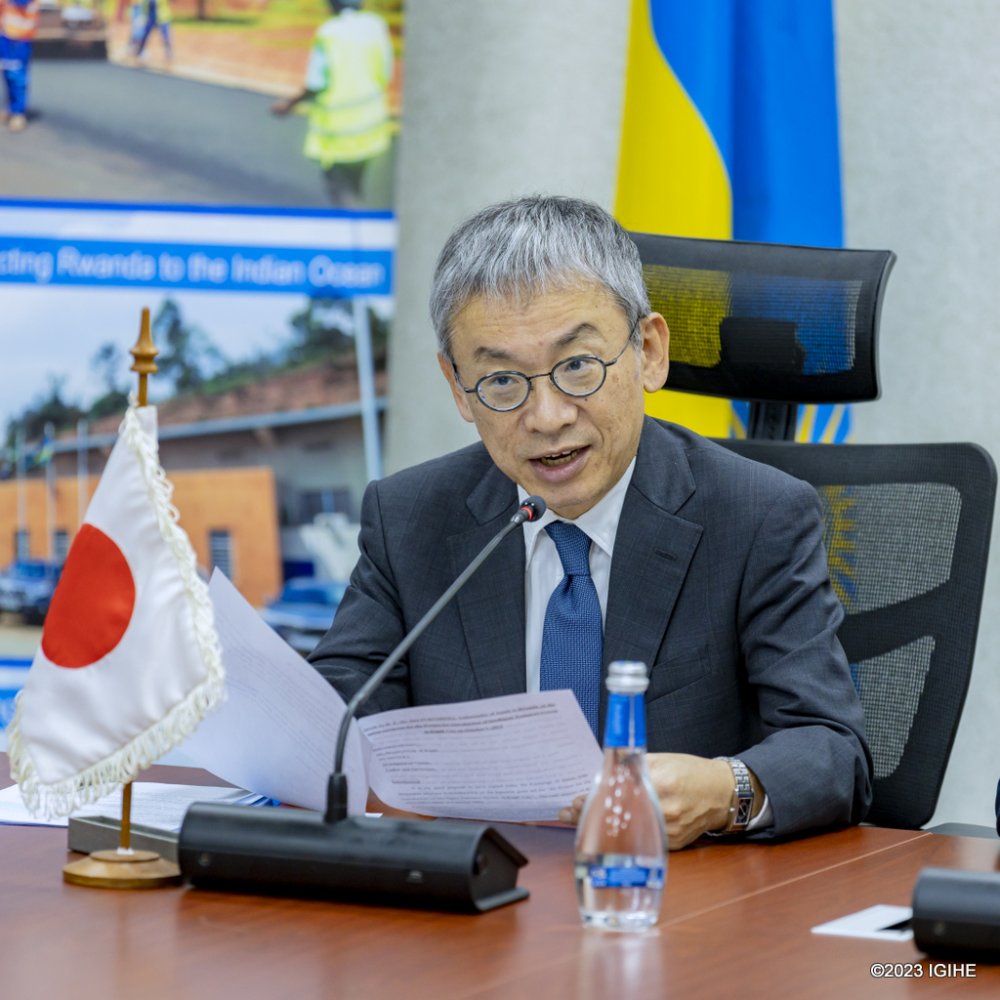
Ambassador Fukushima said that Rwanda, as a landlocked country, has an integral role to play as the nodal point between the ‘Central and Northern Corridor’.
Rwanda is expected to expedite the trade in the region and continent under The African Continental Free Trade Agreement (AfCFTA).
“It is the sincere hope of the Government and the people of Japan that this Grant assistance will contribute to improve the lives of Rwandan people and economic development of the country,” Ambassador Fukushima concluded.
The project is aligned with “Ease of mobility and efficient transport “in the fourth pillar ‘Urbanizations and Agglomeration’ in the Vision 2050, aiming at ‘Economic Growth and Prosperity’ and ‘High Quality and Standards of Life for Rwandans’.
Japan has been supporting the Government of Rwanda in the infrastructure sector through JICA, mainly developing the economic infrastructures such as one-stop border post, road improvements, improvement of Substations and Distribution Network, and in water sector, strengthening water supply infrastructure, and operation and maintenance of water supply system through grant aid project as well as technical cooperation.
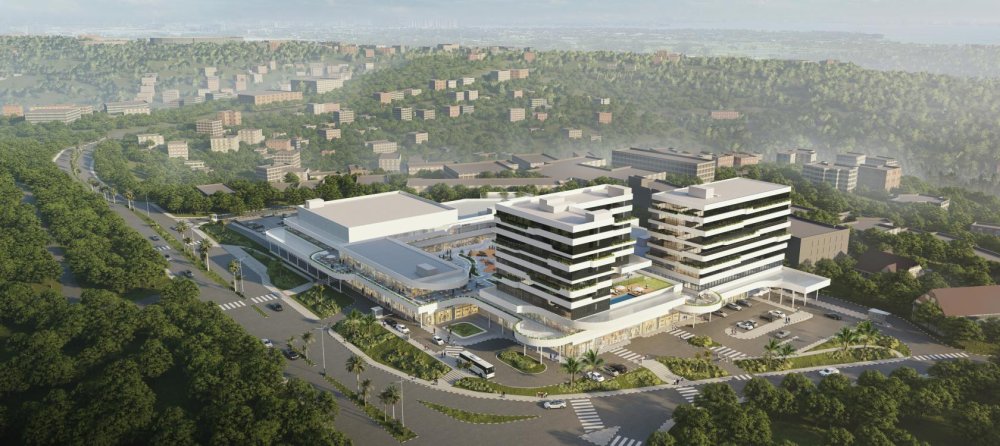
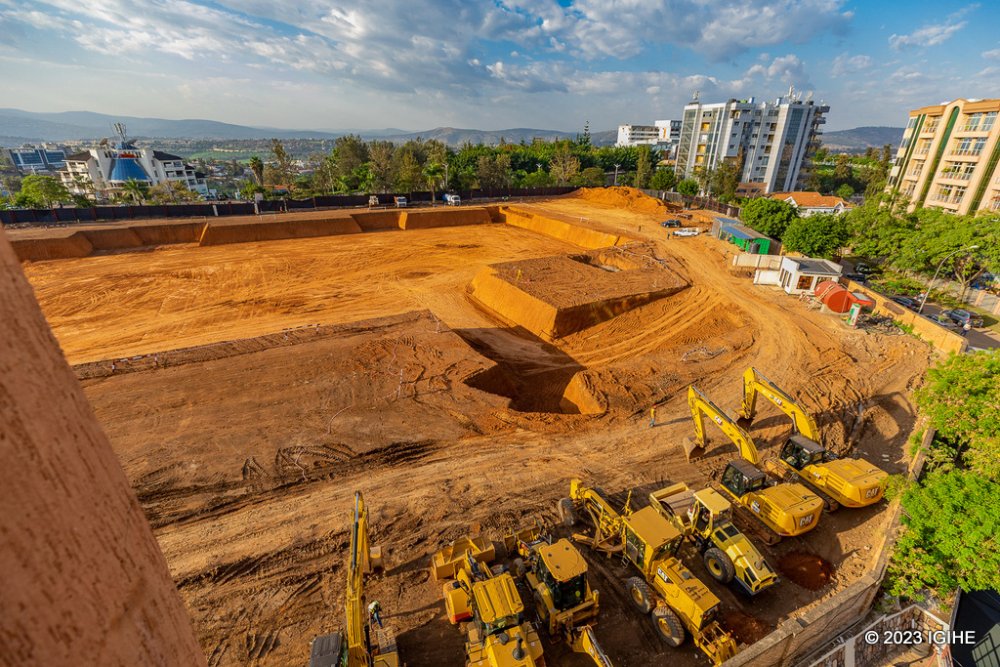
Inzovu Mall will be situated opposite the Kigali Convention Center, ensuring it becomes a beacon for international visitors. With Kigali’s population growing at an annual rate of 4 percent, this development aims to meet the rising demand for commercial, office, and convention space within the city.
IFC and Proparco are injecting $17.5 million each into this transformative project, which boasts a multifaceted approach. Inzovu Mall is expected to be completed to the tune of $68 million. It will encompass a shopping and entertainment area, serviced apartments, and an office building featuring co-working spaces. Notably, this ambitious endeavor is expected to generate over 700 local jobs, a significant boost to the local economy.
One of the project’s standout features is its commitment to green building practices. Inzovu Mall is set to pursue EDGE certification, showcasing its dedication to sustainability and environmentally-friendly construction techniques. This commitment is perfectly aligned with the Paris Agreement, and it’s at the heart of Proparco’s new strategy, emphasizing “Acting together for greater impacts.”
Louis-Victor Duval, Deputy Managing Director of Groupe Duval, expressed his pride in supporting Rwanda’s sustainable growth through Inzovu, while Amena Arif, IFC Country Manager for Rwanda, emphasized the project’s role in fulfilling Kigali’s growing need for business infrastructure and job creation.
Philippe Lagier, Head of Financing for the Services Sector at Proparco, highlighted how Inzovu Mall exemplifies Proparco’s mission towards a more sustainable and resilient economy in Rwanda. The project’s eco-conscious approach will undoubtedly leave a positive mark on the environment.
Besides, Inzovu Mall is expected to pioneer the use of energy-efficient materials and technologies, effectively reducing greenhouse gas emissions. This contributes significantly to Rwanda’s ongoing efforts to combat climate change, aligning with the World Bank Group’s mission to create a poverty-free world on a livable planet.
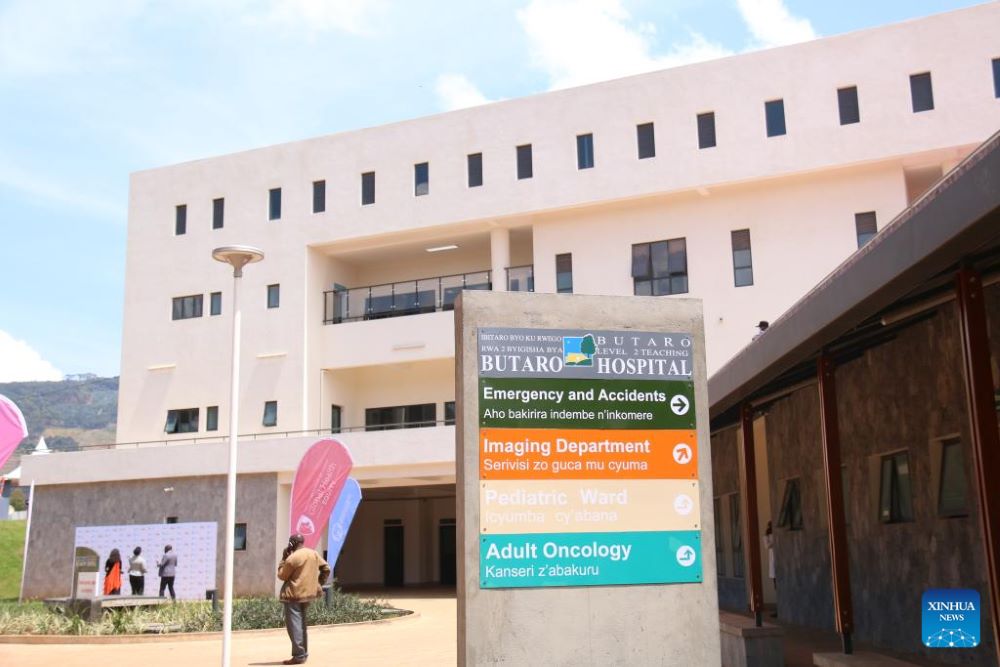
The Butaro Level II Teaching Hospital, which was expanded from 150 beds to 256 beds, now features upgraded emergency, intensive care, imaging, and oncology facilities.
The hospital catered to a population of almost 350,000 before the renovation and expansion. With the hospital’s capacity now increased, however, it will be better equipped to accommodate the growing population and function as a teaching facility for health professionals from the University of Global Health Equity and other schools.
Speaking at the event, Rwandan Minister of Health Sabin Nsanzimana said that the hospital would enable the local community to access healthcare without having to travel as far as Kigali, the capital of Rwanda, for medical care.
“As we build hospitals, we also ensure that we train doctors, nurses, engineers and others who will work in this beautiful infrastructure. We acquire the best and most advanced equipment to avoid transfers to Kigali for imaging, diagnosis, laboratory testing and medical treatment,” he said. He further emphasized that the government would play a coordinating role and actively ensure that patients across Rwanda can access the best healthcare services.
“This is an important milestone in access to healthcare services because this hospital will treat more people and provide new services such as an emergency department, imaging and oncology services for children and adults. Moreover, the teaching aspect is coming to rural areas, which means that access to healthcare is not limited to urban settings,” Nsanzimana told Xinhua at the event.
He commended the high-quality infrastructure and expressed appreciation for the architects and engineers who worked on the project, noting that the hospital represents a symbol of friendship and partnership.
Maurice Mugabowagahunde, governor of Northern Province, which exercises jurisdiction over Burera District, said that the hospital marks not only the culmination of two years of hard work and dedication but also symbolizes a new era in healthcare for the province. Mugabowagahunde expressed gratitude to the Chinese company responsible for building the hospital and praised the expansion of the facility, which now includes more space, additional services and more rooms to accommodate patients from the region and beyond.
Kong Lingshun, a representative from CCECC, hailed the Rwandan Ministry of Health and the Butaro Hospital team for their support during the construction phase. “We hope that we can continue to play a role in Rwanda’s medical, health and livelihood projects, and we will continue to contribute to Rwanda’s future development with reliable quality and guaranteed speed.”
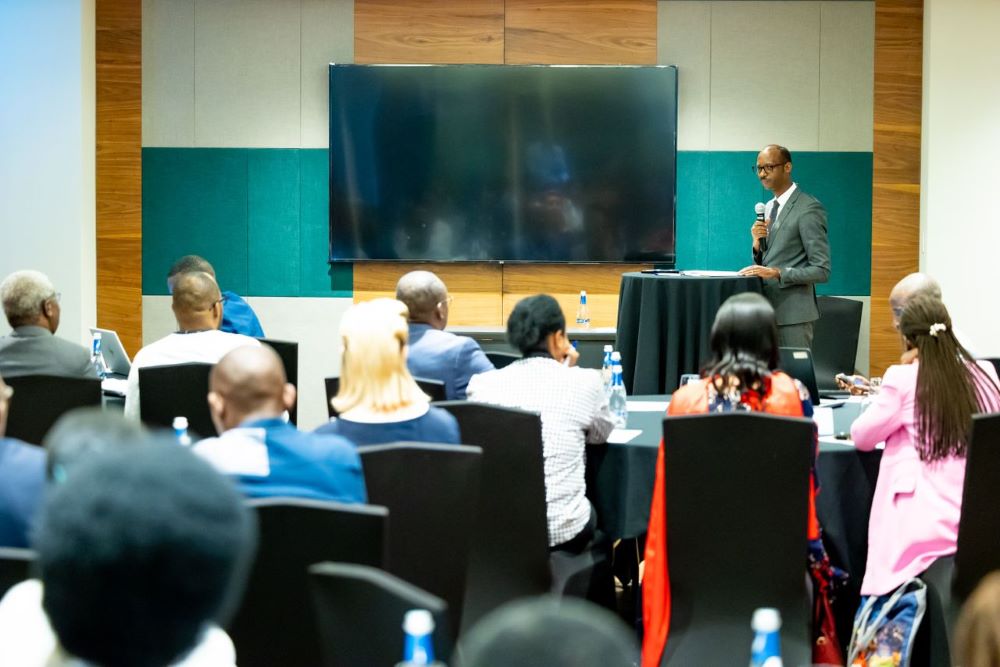
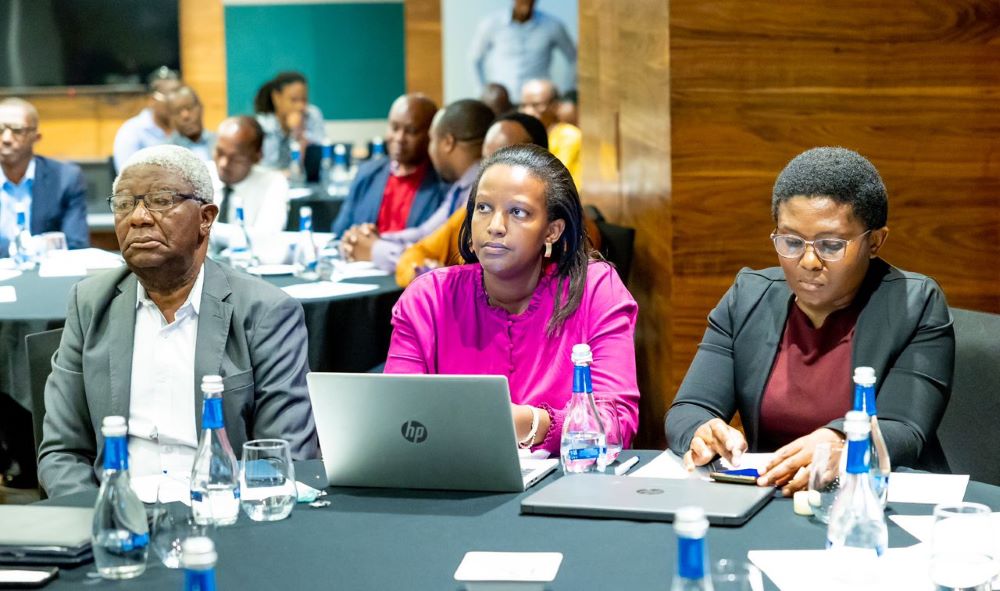
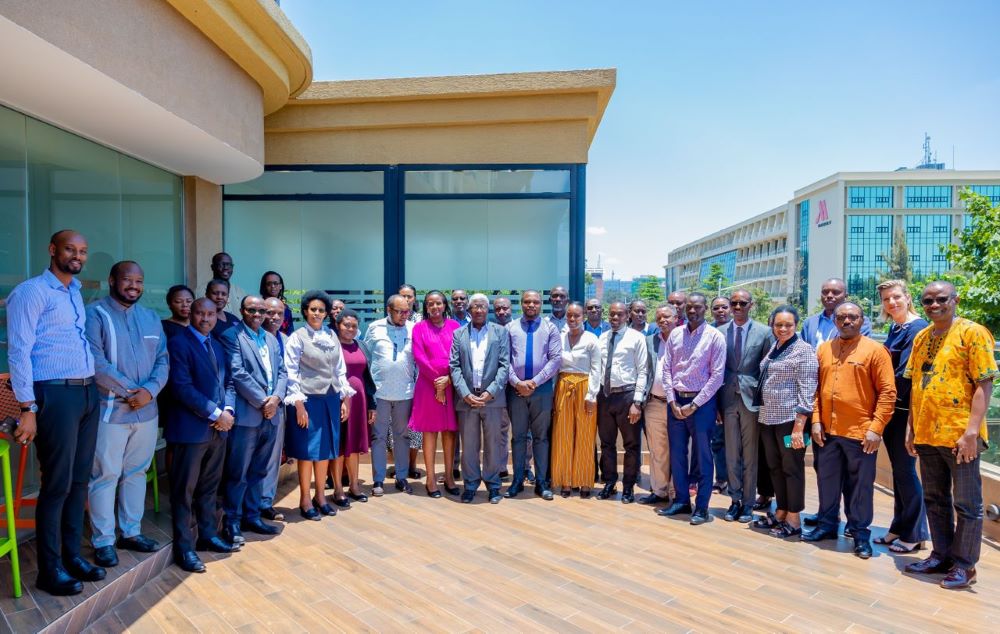
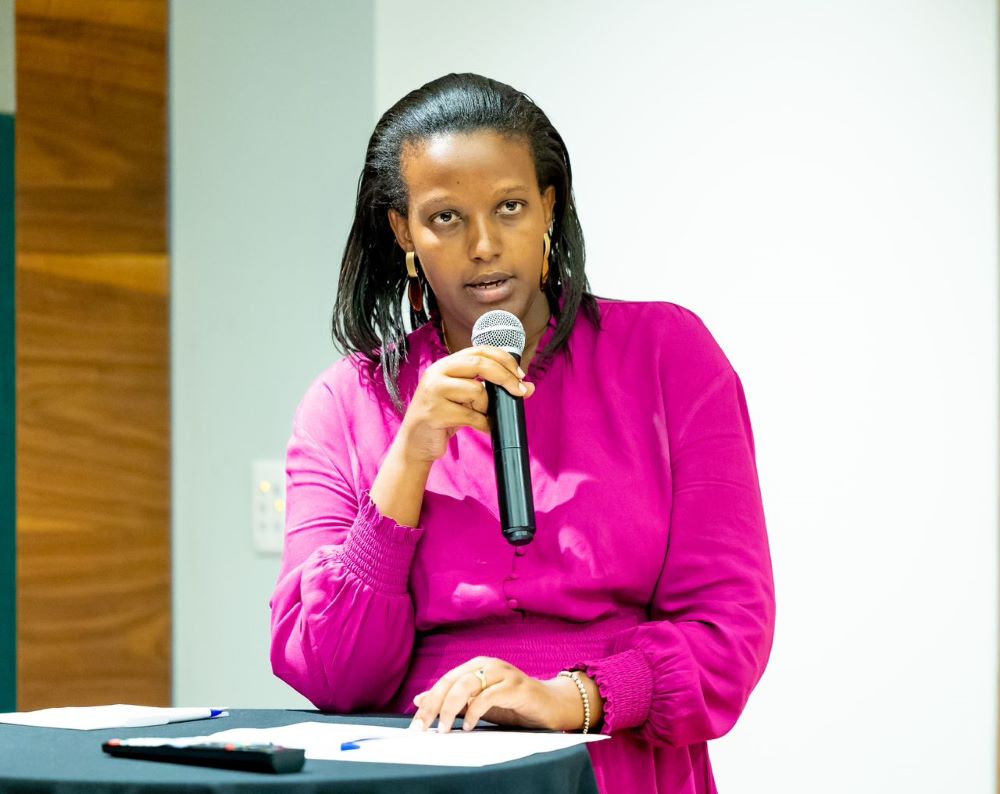
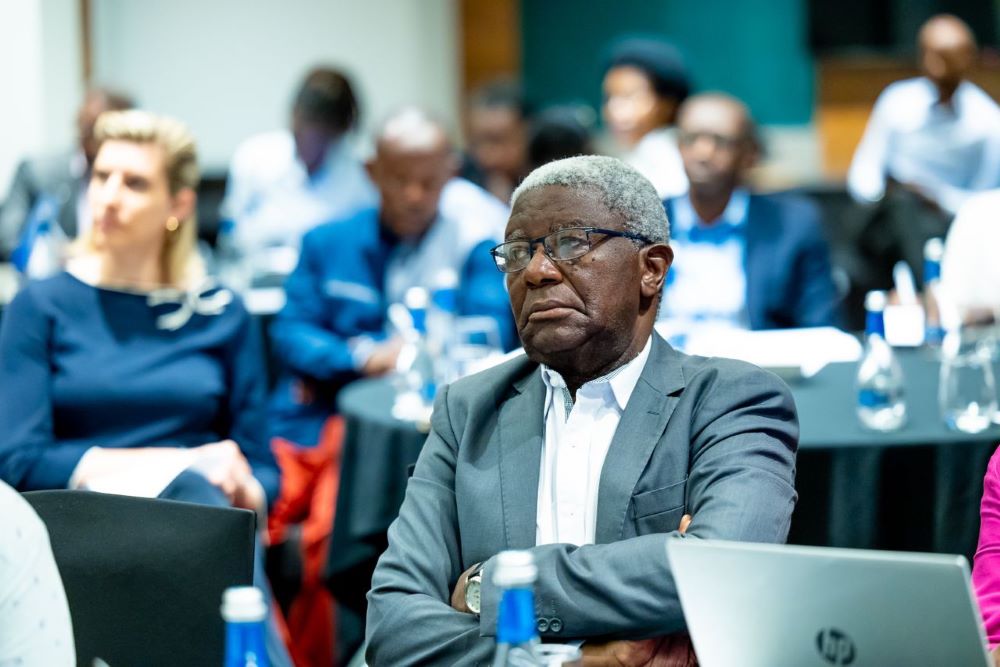
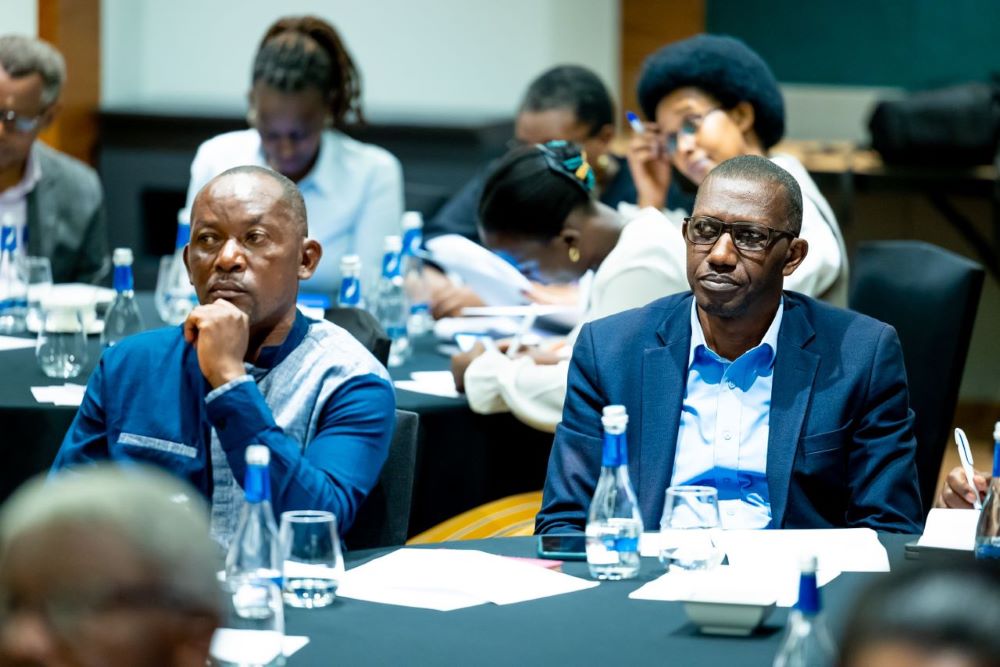
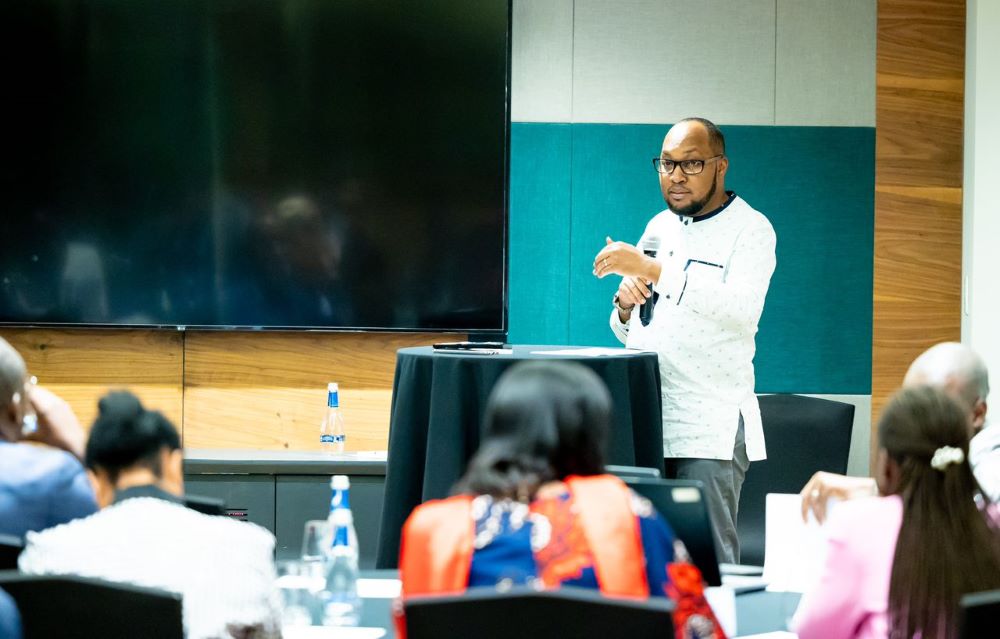
The call was made on 4th, October, 2023 at Four Points by Sheraton Hotel in Kigali during a ‘High Level Consultative Meeting’ hosted by RCSP and Africa Platform for Social Protection (APSP).
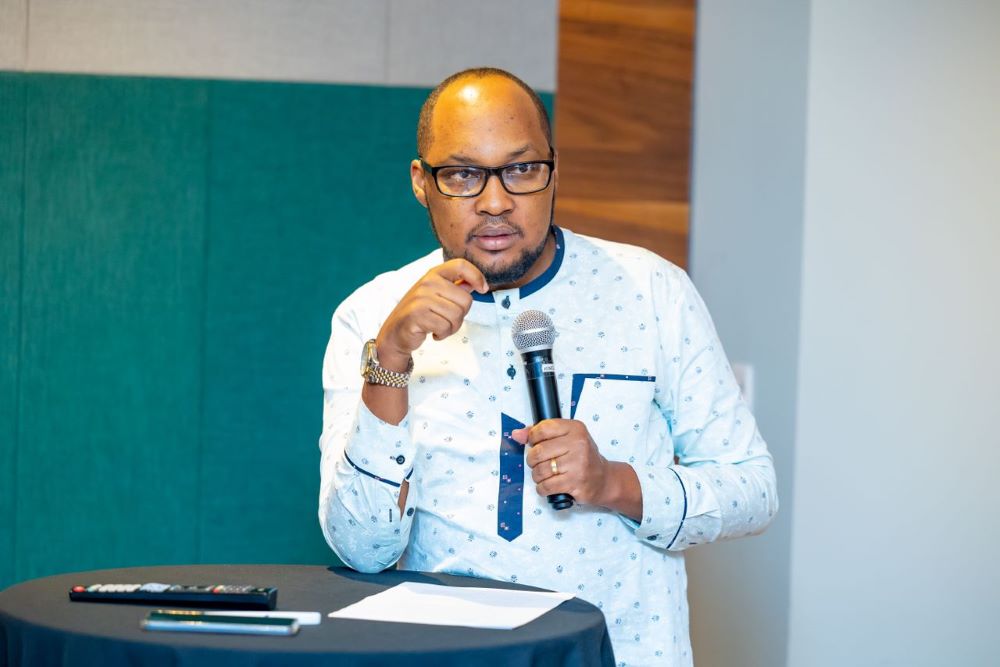
While speaking to the participants, Joseph Nkurunziza, the Chairperson RCSP highlighted the importance of the protocol not only to the African continent but precisely in Rwanda, making reference to two of his family friends in retirement that need fundraising to get further treatment.
“Social protection can provide direct support to people living in extreme poverty and who are unable to access microcredits,” he stated, disclosing RCSP’s advocacy efforts, responsibility and commitment on issues affecting the general public.
RCSP in collaboration with APSP organised the meeting to create awareness and request the Government of Rwanda to discuss on government guidelines for the ratification of International Protocols and Rwandan legal frameworks on social protection and social security.
“In a world where progress is often measured by economic growth and technological advancement, we shouldn’t forget the fundamental truth. The true measure of our society’s greatness lies in how we treat our most vulnerable citizens.”
“It is not enough to celebrate economic prosperity while ignoring the plight of those who struggle to access the basic necessities,” remarked Nkurunziza.
William Ndegeyinka, Senior State Attorney in Charge of International Justice and Judicial Cooperation at the Ministry of Justice, acknowledged the protocols’ elaborative and progressive mechanisms which align with Rwanda’s dedication to the well being and rights of its citizens.
“Citizen’s social protection and social security remain among Rwanda’s key priorities. For instance, the constitution of the Republic of Rwanda lays out fundamental principles that the country commits itself to upholding and ensuring respect, building a state committed to promoting social welfare and establishing appropriate mechanisms for equal opportunity to social justice,” he explained.
“To give effect to this constitutional fundamental principle, policy, legal and institutional frameworks have been put in place,” added Ndegeyinka.
He further commended the meeting’s diversity stating that it aligns so well with Rwanda’s approach and affirmed existing collaboration between the government, its partners and stakeholders.
In February 2022, the African Union (AU) Heads of State and Government adopted the groundbreaking African Charter on Human and People’s Rights to Social Protection and Social Security protocol. With 39 articles at its core, this protocol recognizes that social protection and social security are not mere luxuries but inherent rights of every citizen.
While the protocol represents a significant step forward, it currently awaits ratification, having been signed by only two countries: Niger on May 27, 2022, and Sao Tome and Principe on February 16, 2023.
Dr. Tavengwa Nhongo, Director of the Africa Platform for Social Protection (APSP), has issued a heartfelt call to Rwanda to lead the way in ratifying the protocol.
Rwanda’s unique position lies in the fact that it has already signed and ratified most of the articles contained in the protocol, including provisions for People with Disabilities (PWDS) and the Elderly. Dr. Nhongo expressed his hope, saying, “I am hoping that Rwanda will be the number one country to ratify the protocol in Africa because the drafting of the protocol is underpinned from a declaration that came from here [Kigali declaration on social security and social protection].”
APSP, a network of organizations operating at national and regional levels, is dedicated to promoting and strengthening the social contract between states and citizens. Their mission aligns with the broader goal of securing social protection and security for all.
On the home front, the Rwanda Civil Society Platform (RCSP), comprising 12 member organizations, has been tirelessly advocating for the ratification of the protocol. Established in 2004, RCSP aims to foster partnership, inclusion, and amplify voices within Rwandan society, ultimately enhancing citizen participation in sustainable development.
According to Angelique Kabeza, the Executive Secretary of RCSP, civil society plays a pivotal role in pushing for the ratification of the protocol.
Their efforts, in collaboration with APSP and other stakeholders, signify Rwanda’s commitment to realizing the principles enshrined in the African Charter on Human and People’s Rights to Social Protection and Social Security. Rwanda’s potential to become the first African nation to ratify the protocol stands as a testament to its dedication to the well-being and rights of its citizens.
The Minister was speaking on Wednesday, October 4, during an interaction session that brought together Rwanda National Police (RNP), Rwanda Investigation Bureau (RIB) and journalists, held at the RNP General Headquarters in Kacyiru.
The interaction session was also attended by the Minister of Justice and Attorney General, Emmanuel Ugirashebuje, Inspector General of Police (IGP) Felix Namuhoranye and RIB Secretary-General, Col (rtd) Jeannot Ruhunga.
It was held under the theme: “Effective partnership towards a safer and crime-free environment.”
{{Emergencies }}
“Security is generally good throughout the country except these days of heavy rains and disasters; strong winds, floods, thunderstorms, and fire outbreak,” Minister Gasana said.
Between January and June, this year, alone, the Minister said that disasters destroyed about 6000 houses, 66 classrooms, 63 bridges, 1490 hectares of gardens and killed 681 livestock.
{{Crimes}}
“Despite the improving security, we still see crimes related to vandalism of utility distribution lines like electricity and water connectivity; theft, assault, narcotic drugs and psychotropic substances, defilement, smuggling; all which account for 93 percent of crimes registered in the country,” Minister Gasana said.
Most crimes, he said, were influenced by abuse of drugs, drunkenness and domestic conflicts.
{{Role of media in security}}
Minister Gasana embarked on the role of media in community policing and security by holding those responsible accountable, disseminating information on safety and security and being the voice of the people.
“The media reports what we do and sometimes we also receive concerns of the people through the media. You serve as a link between RNP, RIB, other institutions and the public, and that plays a crucial role in accountability and service delivery,” he said.
The Minister of Justice and Attorney General, Emmanuel Ugirashebuje reiterated the role of media in ensuring justice, identifying suspected criminals, investigations and evidence collection.
“Investigative journalism fights poor services, corruption, keep leaders in check, help Rwandans to understand the law; it is a voice for human rights and fair justice,” Minister Ugirashebuje said.
IGP Namuhoranye shed more light on vandalism of power and water distribution lines, hi-tech traffic enforcement cameras and road safety.
{{Vandalism of power lines}}
“The issue of vandalism of power, water and cyber distribution lines is of great concern affecting all aspects of life in terms of security, health and economic activities. There are measures in place to fight this high impact crime, including operations targeting chains involved, including vandals and scrap dealers,” IGP Namuhoranye said.
At least 829 cases of vandalism targeting energy transmission and distribution lines, were recorded between January and September, this year.
Most cases of vandalism affected service cables, cross-arms stolen from pylons, earthing wires, underground cables, meters, twisted cables, circuit breakers, surge arrestors, and transformer damages, among others.
Rwanda National Police also recovered at least 12360 metres of stolen electricity cables in the same period, and scores of vandals arrested, including 50 apprehended in August alone.
{{Road safety }}
On the issue of road traffic enforcement cameras, IGP Namuhoranye disclosed that plans are underway to erect camera signages across the country, but added that it should not be where cameras are but rather respecting traffic regulations to arrive safely.
“There are behaviors especially by cyclists and taxi-moto operators, which pose threat to road security. We are addressing this mainly through awareness,” he said.
Pedestrians account for the majority 30 percent of victims of road carnage followed by taxi-moto operators with 27 percent and cyclists with 25 percent.
However, most accidents are caused or involve taxi-moto operators (25 percent), and cyclists (15 percent) largely due to speeding, reckless driving or riding, driving on wrong lane and wrong overtaking.
IGP Namuhoranye said: “We believe in the role and power of media and this interaction session between media, Police and RIB builds strong partnership to jointly serve and ensure the safety and well-being of the people.”
He urged journalists to always ensure fairness and balanced reporting, and to avoid rumours, adding that RNP appointed regional and traffic spokespersons as well as other communication channels to facilitate access to information.
He further urged the media to be the voice in protecting the young people against alcoholism, which is affecting youth development.
“We are in operations against liquor stores, restaurants, shops and supermarkets that have been turned into bars.
Businesses should operate in accordance with the awarded license. We urge businesses and those holding events to avoid noise pollution, which affects rights and beliefs of other people,” the Police Chief said.
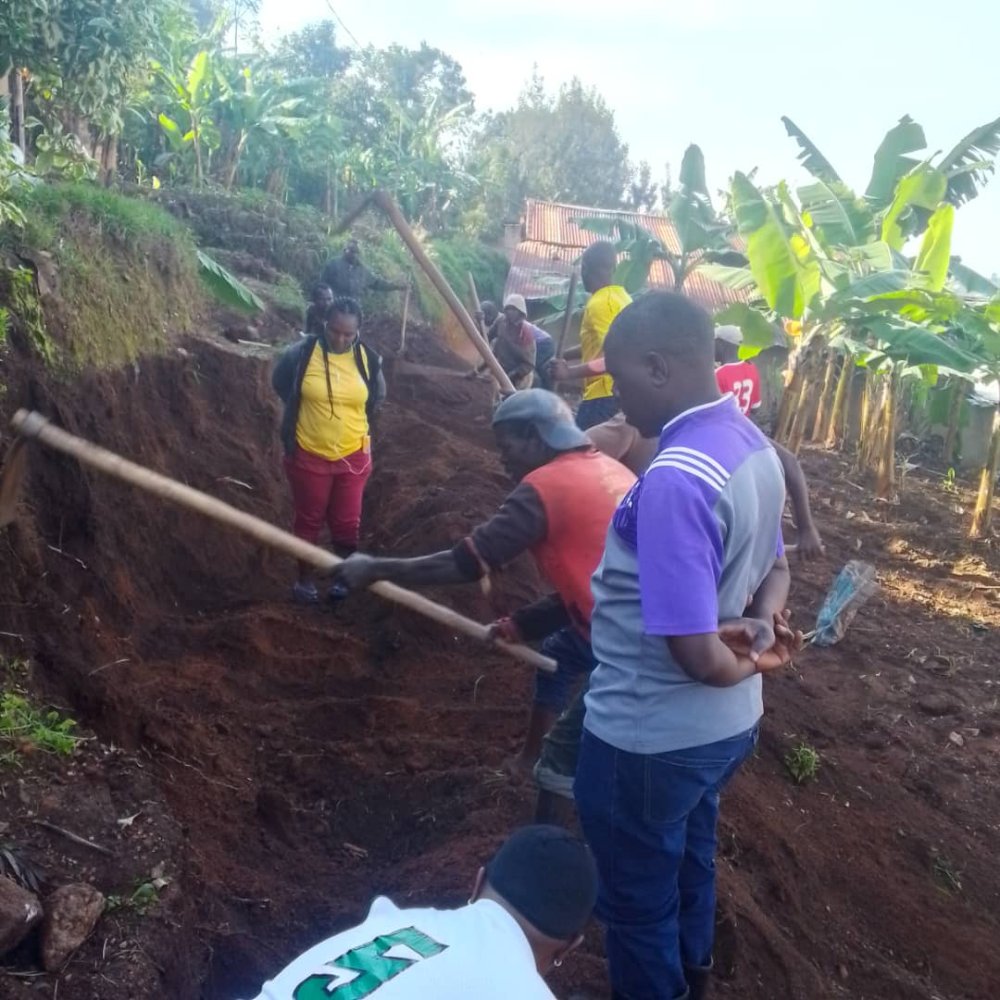
They were found on Tuesday, October 3, 2023, during excavation work for a fence’s foundation.
Alphonse Mutsindashyaka, the Executive Secretary of Ngoma Sector, confirmed to IGIHE that the property owner promptly alerted local authorities when the remains were initially discovered.
“We immediately initiated a search for more remains and recovered a total of 35 on the first day. Excavation efforts will continue on Wednesday, as darkness fell towards evening hours,” Mutsindashyaka said by press time on Tuesday.
He emphasized that discovering these remains in an area where people lived before the Genocide against the Tutsi serves as a stark reminder that the truth about this dark chapter in history still needs to be acknowledged.
He further explained that various mechanisms have been put in place to facilitate the sharing of information, even for those who wish to remain anonymous, through designated suggestion boxes.
As of now, no one has been arrested for concealing information regarding the discovered remains.
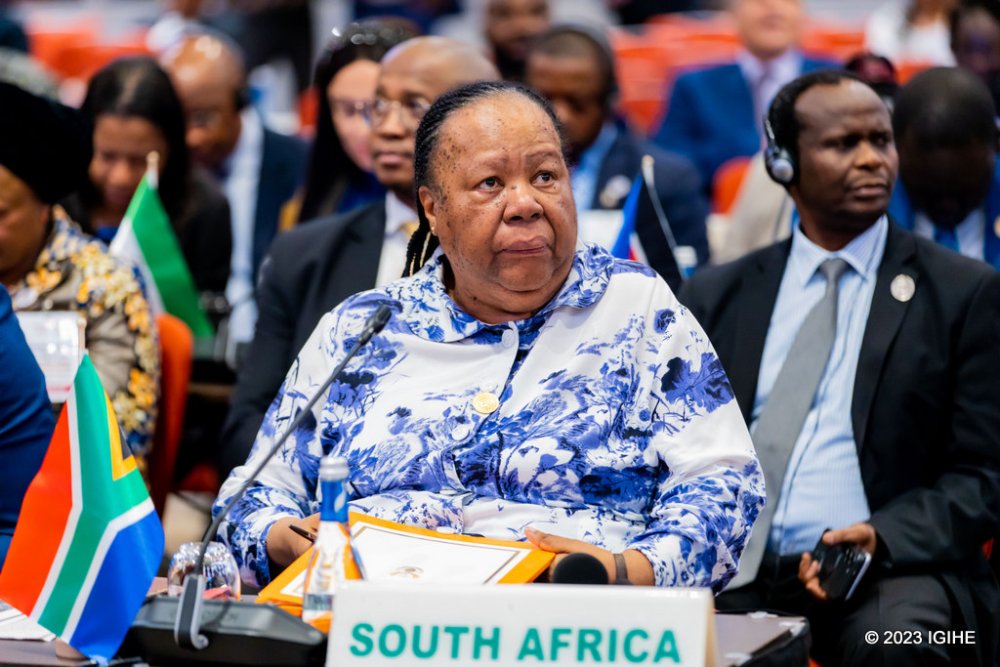
The disclosure was made during an interview with IGIHE on the sidelines of a 3-day retreat for foreign ministers of African Union member countries in Kigali where Pandor stated that this matter could be resolved before the end of 2023.
It has been nine years since South Africa suspended visa issuance to Rwandans traveling with ordinary passports. During this period, individuals were required to obtain diplomatic or service passports to enter South Africa. This decision led to mutual expulsions of diplomats, with three Rwandan representatives sent back from Pretoria and Rwanda reciprocating by expelling six South African diplomats from Kigali.
The tensions stemmed from Rwanda accusing South Africa of supporting subversive activities on its territory, which had resulted in attacks. In return, South Africa had accused Rwandan diplomats of involvement in an attack on the residence of Kayumba Nyamwasa.
Despite numerous summit discussions on this issue, a compromise had remained elusive. While the South African President had hinted at a resolution during his recent visit to Rwanda, years had passed without tangible progress. In her interview with IGIHE, Pandor assessed the progress of negotiations on this matter as a 6 out of 10.
“We are addressing it. We have been having good discussions between our two countries’ ministries of foreign affairs and I believe the matter will be resolved very soon. We did have these problems just before Covid-19 and it interfered with the work already done. I believe we will resolve it,” she said.
“We are having very good discussions, minister Biruta and myself, and I think between the two of us and our ministers responsible for immigration, we will find a solution,” added Pandor.
She also discussed the presence of Rwandan forces in Mozambique, emphasizing their close coordination with the Southern African Development Community (SADC) in the initial stages of their mission.
The Dutch prosecutors revealed this development on Tuesday, October 3, 2023.
He was initially taken into custody in July 2022, but later, the Dutch High Court denied his extradition to Rwanda.
Despite Rwanda’s extradition request in 2012, the Dutch Court rejected his extradition, citing concerns about an unfair trial.
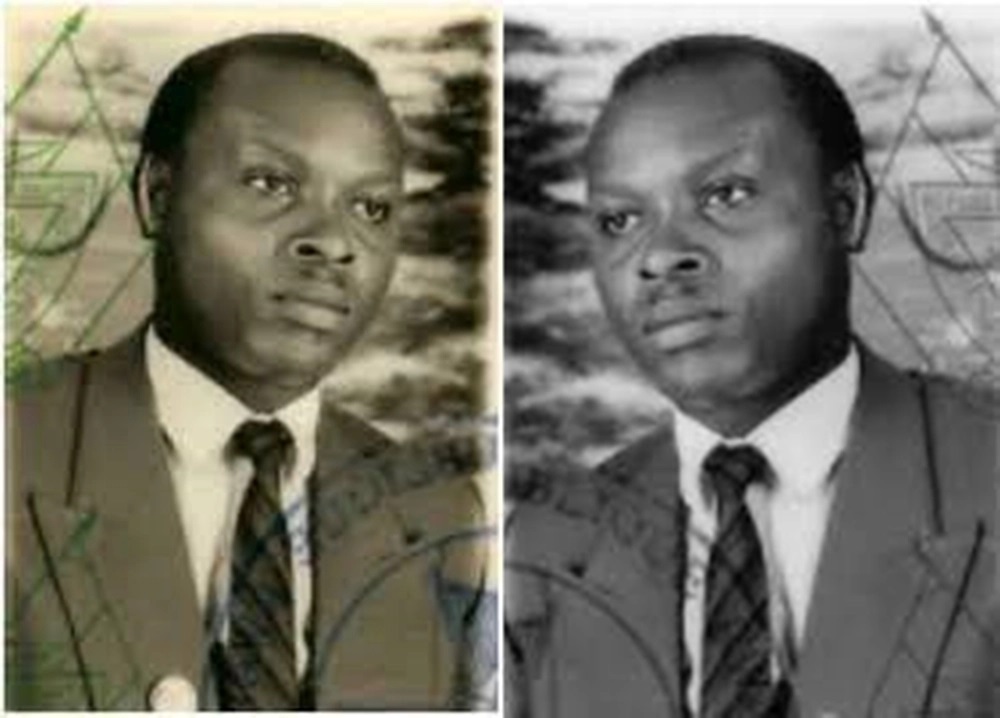
Rwanda accuses Karangwa of his alleged involvement in the massacre of nearly 30,000 Tutsis in April 1994, who sought refuge at Mugina parish in the current Kamonyi District, in the former Mugina commune, Gitarama prefecture.
During a hearing in December 2022, the former officer vehemently denied these accusations. He had been residing in the Netherlands since 1998 and acquired Dutch citizenship in 2002, but his Dutch nationality was revoked due to these charges.
Although his extradition was initially denied due to his current role as a quasi-political opponent, numerous voices, both in Rwanda and internationally, have risen against this initial decision of non-extradition.
Karangwa was born in former Mugina Sector, in the current Kamonyi District.
Between 1992 and 1993, he served as an intelligence officer in the former Rwanda Armed Forces (EX-FAR).
During the Genocide against the Tutsi, thousands of Tutsi citizens had sought refuge in the nearby parish of Mugina in April 1994.
It is said that the mayor of Mugina, who had tried to protect fleeing Tutsis, was killed by militia members, giving the army, police and militias free rein.
According to sources, Maj Karangwa was closely involved in the planning and execution of the massacres in Mugina, including the supply of weapons to militias that killed Tutsis.
The man and his accomplices are said to have led some 80 Tutsi civilians that had managed to escape the parish massacres to a house that was subsequently set on fire. Karangwa is also accused of having supplied the fuel.
It is said that, prior to the massacres, the man had chaired a meeting calling for Tutsi civilians to be attacked and killed. He is also alleged to have played a part in the assassination of the mayor of Mugina.