Rwanda, renowned for its top-tier coffee, has already carved its place in the global market. Since 2017, Rwandan coffee has consistently outshone coffee produced by other countries such as Brazil, Colombia, and Ethiopia. In the 2021/2022 fiscal year, Rwanda exported an impressive 15 million kilograms of coffee, resulting in revenues that surpassed $75 million.
Kibirizi coffee enjoys a distinctive reputation in international markets, thanks to the unwavering dedication and rigorous training imparted to the coffee growers responsible for its cultivation.
These farmers receive comprehensive training to fine-tune their farming practices, ensuring a flavor profile that is second to none.
Johnson Busingye, Rwanda’s High Commissioner to the United Kingdom, expressed his pride in this remarkable achievement, sharing on X account, formerly Twitter “Starting from October 15, 2023, Kibirizi Coffee Factory’s coffee is available in all Waitrose stores, one of the largest and most respected retailers in the UK.”
Behind this story of success lies the dedication of 1,130 committed farmers, each tending to coffee plantations covering less than one hectare of land, supplying the Kibirizi factory.
Paul Turton, the CEO of Pact Coffee, highlights the outstanding nature of Kibirizi coffee, emphasizing that it goes beyond being just a charitable initiative. He underscores that these small-scale coffee farms produce exceptional quality and flavor that distinctly distinguishes it in the English market.
Turton also goes on to explain that the fair pricing of this coffee will directly lead to an enhancement in the living standards of Rwandan farmers. He expresses his enthusiasm for the approach adopted by Waitrose, recognizing coffee as a powerful tool for economic transformation in Rwanda.
For British consumers, the flagship varieties, Bourbon Cream Espresso and Fruit & Nut Espresso, will be available in 200-gram packages, priced at £6.95, equivalent to over 10,000 Rwandan francs.
The BRI has become a pivotal platform, connecting nations and building a shared future. With 151 countries, representing almost 75% of the world’s population and over half of the global GDP, joining the BRI as of January 2023, its potential for global economic growth is nothing short of extraordinary.
Experts project that by 2040, the BRI could increase the world GDP by a staggering $7.1 trillion annually, benefiting world trade by overcoming the frictions caused by inadequate infrastructure.
Over 50 African countries have joined the BRI, embracing the rewards of improved infrastructure, reduced unemployment, and expanded trade opportunities.
Driven by the BRI, Chinese companies have undertaken awe-inspiring infrastructure projects in Africa. Over the past 23 years, they have constructed or upgraded more than 10,000 kilometers of railways, nearly 100,000 kilometers of roads, approximately 1,000 bridges, and 100 ports.
These transformative projects have not only enhanced trade, but they have also created over 4.5 million jobs, breathing new life into African communities.
Through the BRI, China and Africa share their development experiences. Successful projects in different corners of Africa exemplify the positive outcomes of this collaboration. Lives have been transformed, incomes have grown, and prosperity has flourished.
Noteworthy Belt and Road projects in Africa include the development of El Hamdania Central Port in Algeria, the continent’s second deep-water port. The Export-Import Bank of China has played a crucial role by lending approximately US$1 billion to Djibouti, funding almost 40 percent of its substantial infrastructure and investment projects.
The Belt and Road initiative has brought significant advancements, bridging Ethiopia and Djibouti through the Addis Ababa–Djibouti Railway and Ethiopia-Djibouti Water Pipeline. Furthermore, Djibouti has witnessed numerous infrastructure developments, including a military base and ships deployed from China’s South Sea Fleet.
In Egypt, the Belt and Road has introduced various projects, such as a Chinese industrial zone in the Gulf of Suez, an electric train system for the new capital, and investments in the Western Sahara. Kenya experienced a transformative moment when Premier Li Keqiang signed a cooperation agreement in May 2014 to construct the Mombasa–Nairobi Standard Gauge Railway, Kenya’s most significant infrastructure project since independence, costing US$3.2 billion.
Among others, Nigeria witnessed commercial operation of the Abuja-Kaduna railway line in July 2016, constructed by China Civil Engineering Construction Company (CCECC), representing one of Nigeria’s first standard gauge railroad railway modernization projects.
Sudan received China’s assistance in establishing its oil industry and providing agricultural support for the cotton industry. In Tanzania, a momentous $2.2-billion contract was signed with a Chinese company in December 2022, aiming to build a railway line connecting the Indian Ocean port of Dar es Salaam to Mwanza on Lake Victoria, with future links to Burundi, Democratic Republic of Congo (DRC), Rwanda, and Uganda.
Chinese companies have contributed to Uganda’s development by financing two major hydroelectricity projects – the Karuma Hydropower Project and Isimba Hydroelectric Power Station, with loans from the Export-Import Bank of China covering approximately 85 percent of the funding, while the government of Uganda provided the remaining 15 percent.
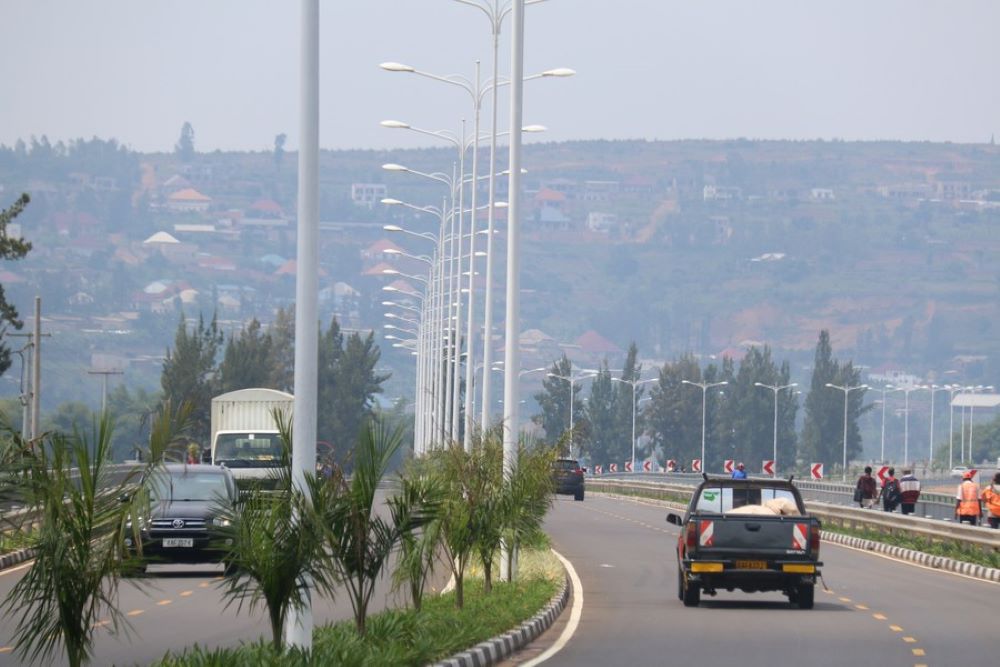
Rwanda has also experienced significant transformation due to Chinese investments, particularly in infrastructure facilities. Projects like the Integrated Polytechnic Regional College (IPRC) Musanze, Masaka District Hospital, and road upgrades, including the 13km Bugesera Airport highway and flyover in Kicukiro district, have contributed to Rwanda’s economic and social development.
The Belt and Road Initiative continues to drive remarkable progress in Africa, forging strong ties between China and African nations, while fostering economic growth and cooperation across the continent.
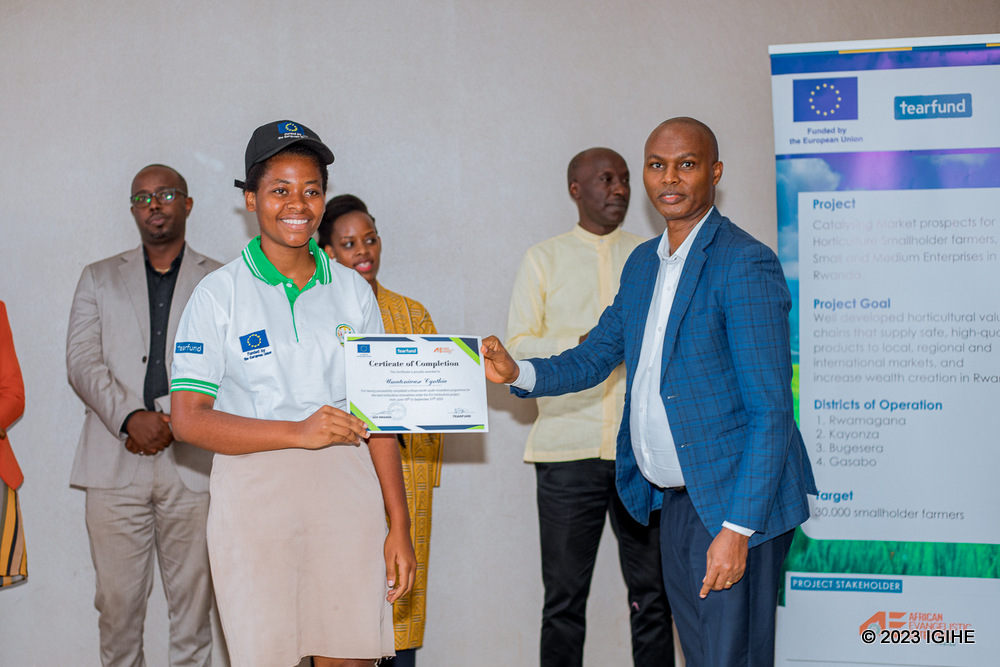
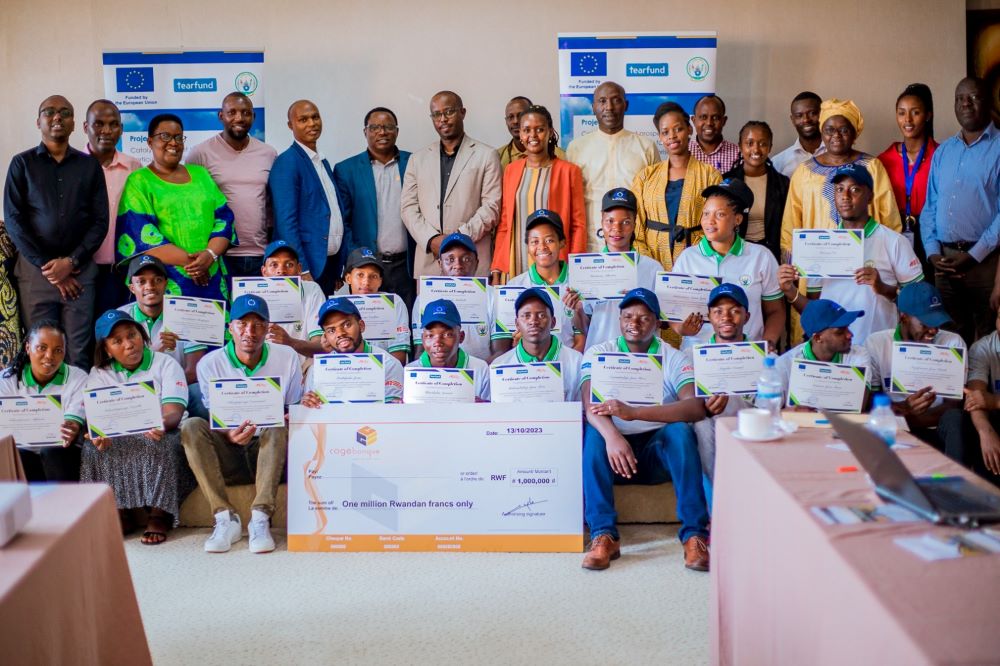
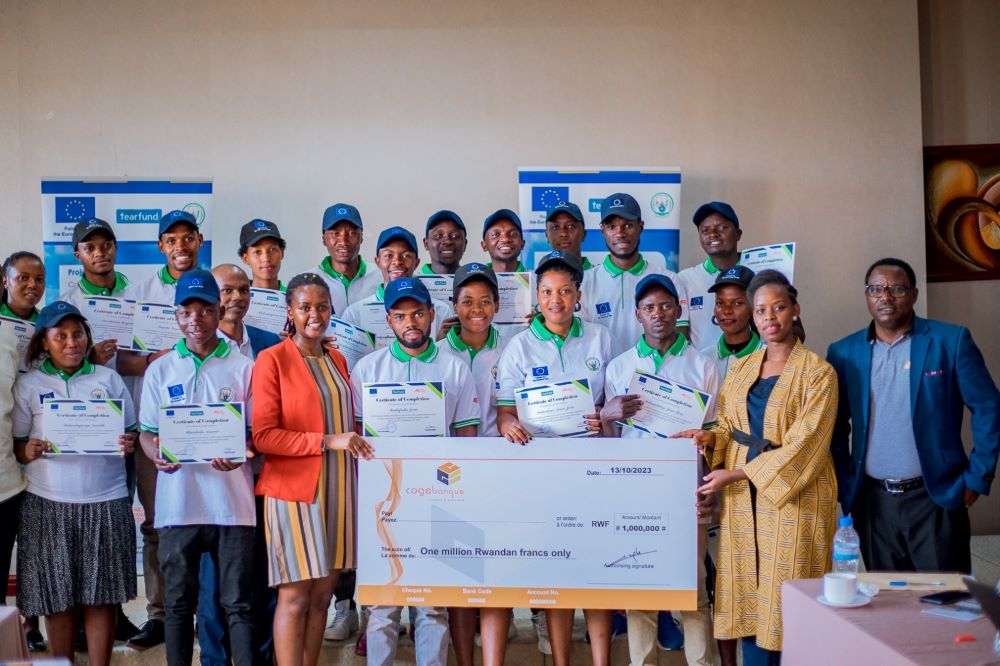
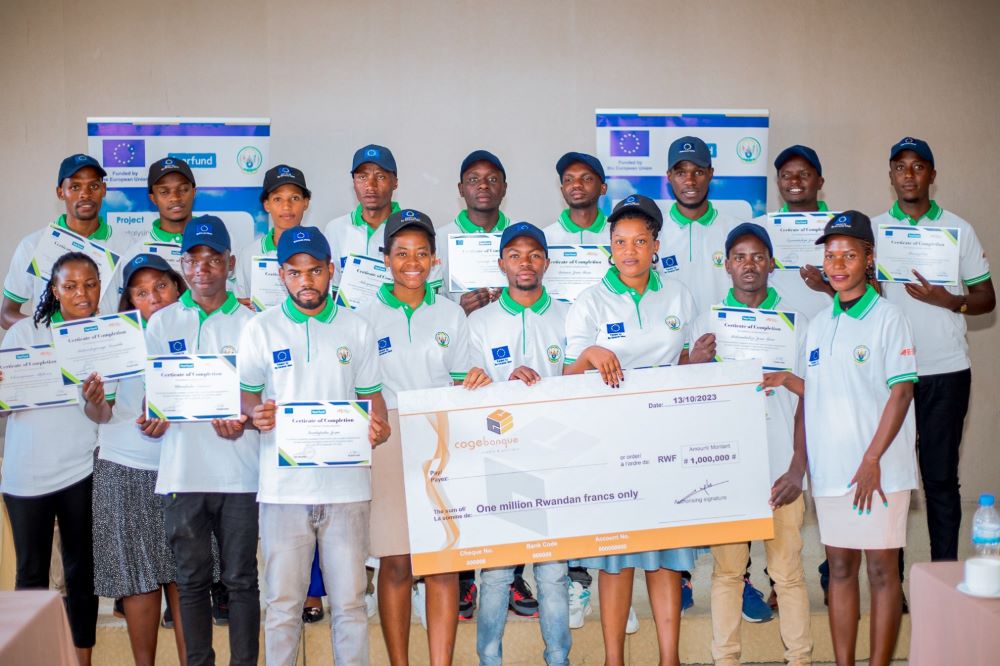
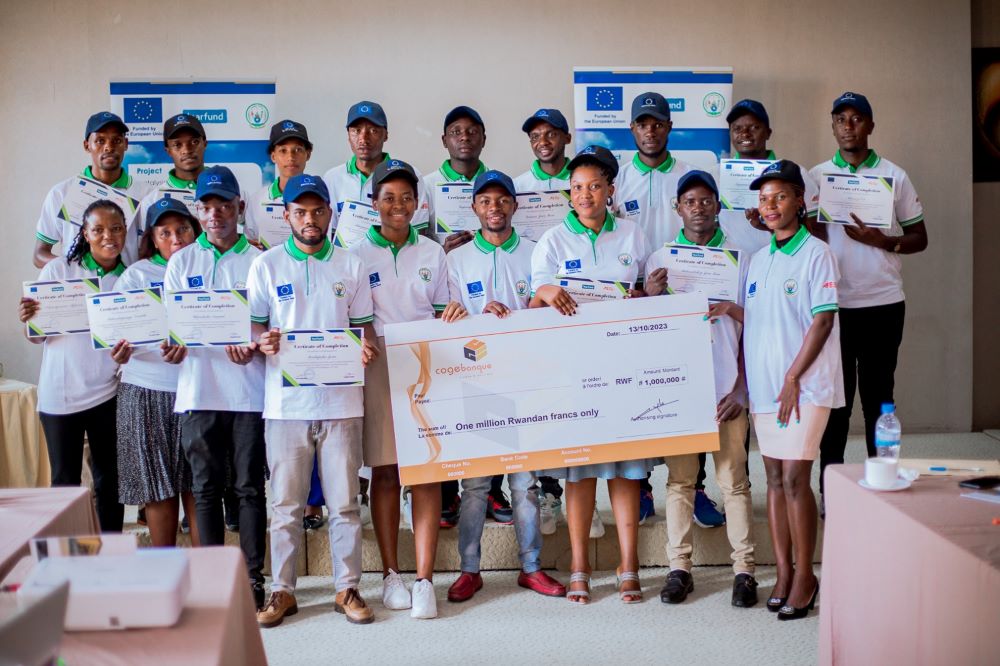
The primary objective of this program is to enhance the entrepreneurial acumen of young individuals by helping them conceptualize, manage, and expand their promising and inventive ideas. This marks the official completion of the first phase of the program on October 13, 2023. This Horticulture project is slated for completion by 2025, with numerous young entrepreneurs set to receive training on bolstering horticulture practices to increase yields, enhance product value, and tap into lucrative markets.
During the closing ceremony, Fred Mugisha, the Chief Finance and Operations Officer at AEE Rwanda, underscored the significance of engaging youth in agriculture as a means to bring in fresh, capable hands and instigate positive transformations. Mugisha expressed gratitude to the European Union, Tearfund, and all project partners, including the Ministry of Agriculture, Ministry of Youth, NAEB, RYAF, districts, and other collaborating institutions and organizations working towards the development of Rwanda. He also acknowledged the commitment of the participating youth to embrace professional agriculture.
Graduates of the training program are eager to implement the knowledge they have gained into their projects. Additionally, they are poised to use the Rwf1 million funding to expand their agricultural products. For example, Emelyne Mukamugema, a chili farmer, highlighted how the program enhanced her understanding of chili processing, enabling her to produce chili powder and chili oil. She plans to utilize the financial support to expand her operations, acquire essential equipment, and seek additional funding from partners to bring her vision to fruition.
Nzamutashya Jean Pierre, specializing in sustainable and climate-resilient agriculture, emphasized the importance of selecting the right project, developing a business plan, managing, and collaborating with supportive partners. Pierre aspires to extend his impact globally by sharing his newfound knowledge with farmers worldwide, aiming to improve their farming practices, businesses and lives.
The entrepreneurs have been trained in four distinct categories: six of them focused on value addition, particularly for chili, while two received training in modern agricultural practices that conserve soil and adapt to climate change. An additional five entrepreneurs received training in compost production and pesticide making, and another five were educated in the use of modern and automated irrigation technology.
Uwiringiye Simeon, the project’s Manager at AEE Rwanda, underlined the training’s goal of making a difference in the realm of vegetable and fruit farming by equipping passionate young individuals with the requisite knowledge. He urged the trained youth to persist in their endeavors and assured them of continued support and monitoring. He also called upon project partners to support these youth in utilizing their newfound knowledge productively.
Simeon expressed gratitude to Agri Research Unguka Ltd, YEAN, IPRC Gishari, and Nyarutarama Business Incubation Center for their invaluable contributions to the project, as well as RYAF and the districts of Gasabo, Bugesera, Rwamagana, and Kayonza for their ongoing support.
Representing the Ministry of Agriculture in the event, Mukamugena Alice, an expert in horticulture value addition and market department at Minagri, emphasized the ministry’s role in daily monitoring of such activities. She stressed the importance of collaboration with various agencies to ensure that these projects reach their full potential. She lastly said that MINAGRI will continuously point out possible opportunities that the youth can grab.
The AEE Rwanda disclosed that an initial investment of around Rwf35 million was made in the first phase of the training program.
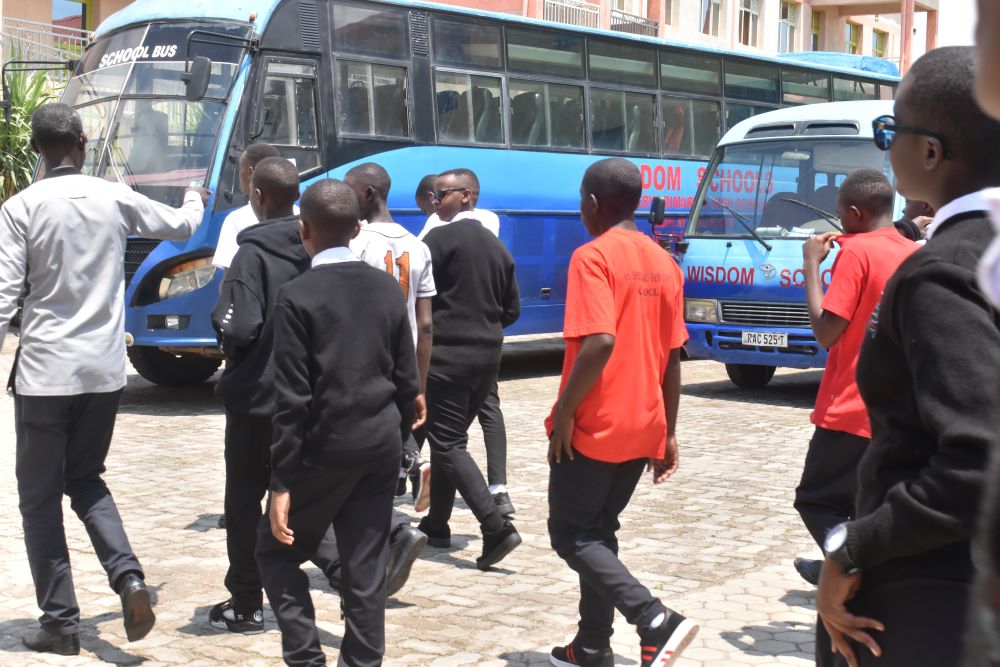
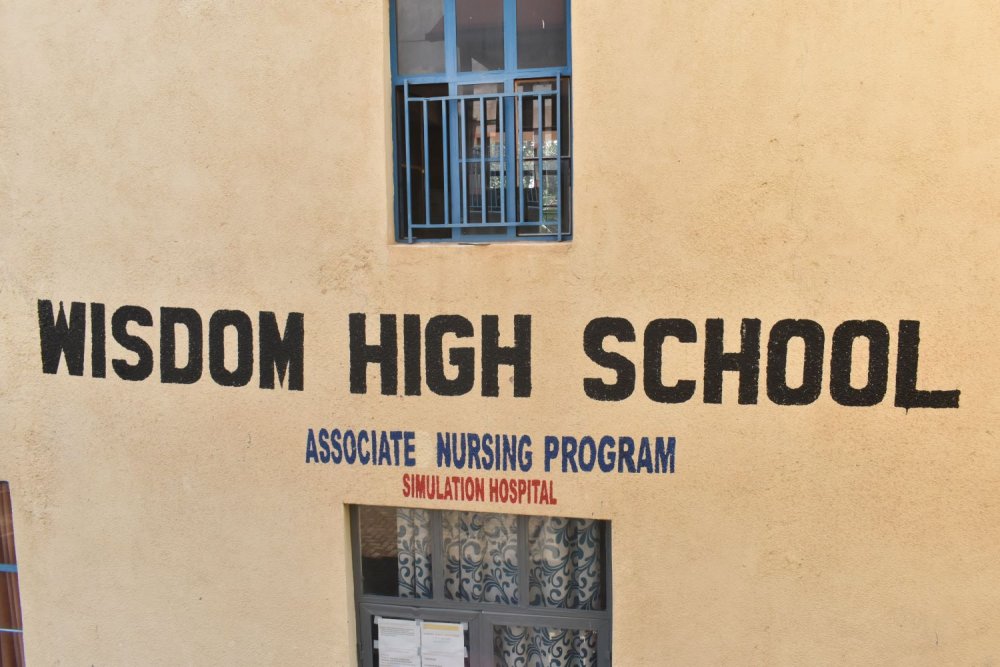
At Wisdom School, every child is warmly welcomed, as the school is dedicated to helping students achieve academic milestones.
The school’s management places a strong emphasis on education rooted in the Bible, Rwandan culture, and international standards. At Wisdom School, no child fails because they receive quality instruction to foster outstanding performance. Equipping students with knowledge and ensuring their understanding empowers them to apply wisdom effectively, helping them tackle the challenges of our ever-changing world.
Evariste Bizimana, the head of the Sciences Department at Wisdom School, emphasizes the practical know-how provided to students. This approach ensures that students not only grasp their lessons but also know how to apply this knowledge in their future endeavors. Graduates of Wisdom School are equipped with the skills to create their own opportunities both while at the school and beyond.
“At Wisdom School, we instill an entrepreneurial spirit in our students. We aim to raise individuals who won’t burden their families or their country but will instead contribute to solving the challenges faced by the nation and the world as a whole. Choosing Wisdom School for your child ensures a brighter future,” he added.
The school strongly discourages students from limiting themselves to locally accredited curricula and encourages them to explore internationally accredited options while fostering a culture of research.
Elie Nduwayesu, the Director of Wisdom Schools Rwanda, expresses gratitude to parents who have entrusted their children to the school and encourages others to follow suit. He assures parents that their children will receive a well-rounded education suitable for global standards. Students who graduate from Wisdom School are confident individuals who can make a positive impact in Rwanda and beyond.
Wisdom Schools Rwanda offers a comprehensive range of Science, Nursing, and Accounting/Accounting options. Students are instructed in Kinyarwanda, English, French, Swahili, and Chinese, which equips them with international language competencies.
To accommodate the growing demand from parents, Wisdom Schools Rwanda has opened additional branches in Nyamasheke, Karongi, Ngororero (Western Province), Runda/Kamonyi (Southern Province), and Muyumbu, Fumbwe/Nyagasambu, Kayonza, Kiramuruzi, and Kabarore (Eastern Province). These branches complement the existing locations in Nyabihu, Rubavu, Burera, and Musanze, where Wisdom Schools Rwanda is headquartered.
Wisdom School welcomes students from around the world, and parents are encouraged to visit the schools for more detailed information. You can also find additional information on their website at www.wisdomschoolsrwanda.com or contact them via phone at 0784188101, 0782406217, 0788768880, 0788992098, or 0783336661.
It’s not that I intend to intrude, but some things are simply unavoidable. How can you tell your eyes not to wander?
Until I figure that out, let me share my thoughts on this matter.Serving oneself as much food as desired is perfectly fine, but not finishing it is a problem we can no longer ignore.
Traditionally, dining etiquette told us never to “clean our plates”, as leaving some food was considered polite. However, times have changed, and the consequences of wasting food are significant.
A report by the World Resources Institute reveals that “one third of food produced globally is lost or wasted, resulting in economic losses of an estimated $1 trillion a year and roughly 37% per capita in sub-Saharan Africa.”
Alarming statistics continue to emerge. A statement by Oxfam on September 20, 2023, indicated that one person dies of hunger every four seconds. These facts cannot be ignored.
Oxfam is a global movement of people, working together to end the injustice of poverty.
Wasted food has a severe environmental impact too. If wasted food were a country, it would be the third-largest producer of carbon dioxide globally, following the United States and China. According to the Environmental Protection Agency (EPA), 22% of landfill waste is food, which, during decomposition, releases methane—a potent greenhouse gas even more harmful than carbon dioxide.
September 29th is recognized as the “International Day of Awareness of Food Loss and Waste.” This day reminds us of the critical role sustainable food production plays in promoting food security, nutrition, and environment sustainability.
So, the next time you serve yourself food, remember to “bite what you can chew.” Avoid loading your plate with more than you can finish. By doing so, you not only avoid wasting precious resources involved in preparing that food but also show consideration for those who are less fortunate.
Your choices regarding food wastage reflect your character. Wasting food implies a lack of empathy, greed, selfishness, and carelessness. Let’s make a conscious effort to change our habits and contribute to a world where food is cherished, not squandered. Together, we can make a difference and work towards a future where no one goes to bed hungry.
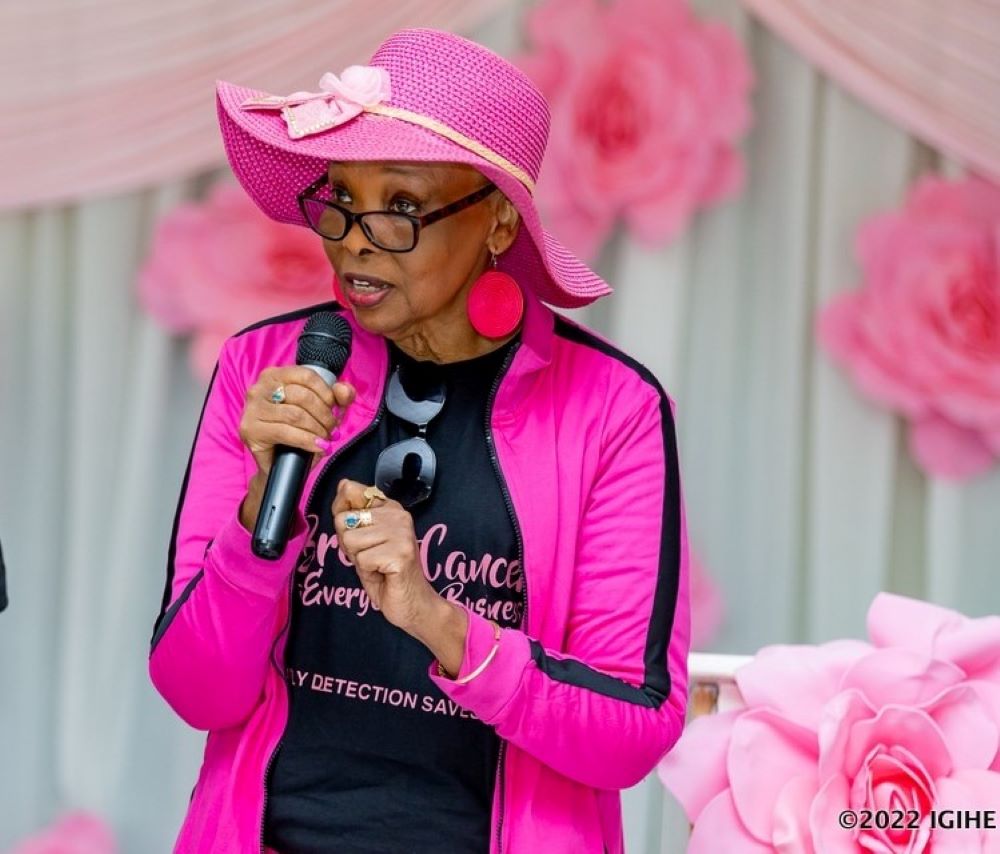
“Today is a beautiful day,” Philippa beams, in an exclusive interview with IGIHE ,the indomitable gratitude emanating from her every word. Her vivacity is contagious, as she opens up about her passion and life’s mission. “This is the Pink Wellness House, our haven for patients, survivors, and anyone seeking knowledge about breast cancer. It’s my heart’s project, my way of honoring my sister’s memory.”
She holds up a pink ribbon, a symbol universally recognized as a sign of solidarity in the fight against breast cancer. For Philippa, it carries profound personal significance. “Breast cancer entered our lives through my sister, who, tragically, didn’t survive,” she reflects. “But after her loss, I became a Pink Lady – a grandma pink, Nana pink, and Auntie pink – you name it.”
The story Philippa shares is heartrending. The circumstances of transporting her sister’s body from England to Rwombashi, Congo, encapsulate the emotional turmoil she faced. She couldn’t explain the magnitude of the impact, but she knew it was profound. Her resolve to tackle breast cancer head-on was ignited.
Surviving breast cancer, Philippa realized her privilege lay in her awareness. The knowledge of the disease, its symptoms, risk factors, treatments, and options were her lifeline, something her sister never had the opportunity to grasp. It was a privilege shared by countless women in high-income countries but denied to those in Rwanda, Uganda, and other parts of Africa. The question became her life’s mission: Does your location determine your fate in the face of breast cancer?
A seasoned educator, Philippa decided to turn herself into a walking poster. She donned pink wherever she went, a visual cue for anyone curious about the pink lady. This served as a conversation starter, a chance to inform and educate people about breast cancer. She became a pink ambassador, her story a beacon of hope.
In 2007, Philippa ventured to Rwanda to assess the state of breast cancer awareness and treatment. The shock of discovering the absence of oncologists and proper cancer services compelled her to take action. She met 27 women who had undergone mastectomies, their breasts taken from them. One woman’s breast had been erroneously removed, leaving her with the sick one and once Philippa approached her . Her resolute declaration, “I can’t die as a Rwandan woman without a breast,” was the catalyst for Philippa’s return.
Stigma, silence, and shame were rampant. Philippa realized that awareness was the key to early detection, the key to survival. She and BCIEA took on the role of educators, dispelling myths, such as it is a communicable disease, it will kill you, it is a curse and so much more providing evidence-based information to empower individuals. Three simple words became their mantra: “Kunde” (Love yourself), “Imenye” (Know yourself), and “Isuzumishe” (Get checked).
The Pink Wellness House became a haven for patients and survivors, a place where crafts made with love and care, like knitted knockers, served to rebuild shattered self-esteem. They provided breast prosthesis to help women regain their confidence, bridging the chasm of negative body image that often accompanies breast cancer.
But BCIEA’s reach extends beyond this physical haven. Philippa emphasizes the importance of prevention through her wellness garden, where women learn to cook for their health. .
From a small group of 80’s, BCIEA now reaches thousands. And these people have been impacted through different awareness strategies such as a walk happening on Sunday 15th October 2023, with a Theme {{“Why Do You Walk” }}. Starting From at BK Arena to Green Hills Academy , a walk to raise breast cancer awareness, has become an annual highlight that aims to dispel misconceptions that perpetuate stigma.
In the warm embrace of the Pink Wellness House, Philippa De Cuir’s vision is taking shape. In her unwavering commitment to awareness and education, she offers a lifeline to women, men, and children alike. Philippa’s story is a testament to the power of knowledge, love, and resilience, a story that promises a future where breast cancer is not whispered in hushed tones but openly discussed, where myth and stigma are replaced by hope and healing.
According to the World Health Organization (WHO), in 2020, there were 2.3 million women diagnosed with breast cancer and 685,000 deaths worldwide. By the end of 2020, 7.8 million women were still living after being diagnosed with breast cancer within the previous 5 years, establishing it as the most common cancer globally.
The WHO Global Breast Cancer Initiative (GBCI) aims to decrease global breast cancer mortality by 2.5% annually, potentially preventing 2.5 million breast cancer deaths worldwide between 2020 and 2040.
A reduction in global breast cancer mortality by 2.5% each year would prevent 25% of breast cancer deaths by 2030 and 40% by 2040 among women under 70 years old. The three key strategies for accomplishing these goals are: promoting early detection, ensuring timely diagnosis, and offering comprehensive breast cancer management.
Years before this significant event, Xi, who has served as the general secretary of the CPC Central Committee since November 2012, became the first leader in the Party’s history to propose the idea of cultural confidence.
Xi Jinping Thought on Culture follows thoughts in five other spheres — military, economy, ecological civilization, diplomacy, and the rule of law — all significant components of Xi Jinping Thought on Socialism with Chinese Characteristics for a New Era. Taking note of the latest thought, keen observers have said that it may be the most essential and all-encompassing one to date.
Xi believes that without profound cultural confidence and a thriving culture, the great rejuvenation of the Chinese nation is unattainable.
His conviction is reflected in his support for significant cultural landmark projects, such as the China National Archives of Publications and Culture and the Chinese Academy of History, which he visited in June.
Speaking at a meeting on cultural inheritance and development following the visit, Xi called for efforts to build modern Chinese civilization.
The emphasis on culture by China’s top leader this year has not gone unnoticed, generating attention from home and abroad. An ancient civilization is experiencing a renaissance through the integration of the fundamental tenets of Marxism with fine traditional Chinese culture, according to many voices.
{{A LEADER’S PASSION FOR CULTURE}}
Xi’s profound interest in culture has significantly influenced his political as well as private life. Foreign media perceive him as not only possessing the demeanor of a national leader but also the distinctive cultural allure of the East.
He has often mentioned that while he enjoys a handful of hobbies, reading is his “greatest passion.”
In his childhood, Xi was deeply touched by the story of Yue Fei, a Southern Song Dynasty (1127-1279) military commander. Yue took “Jing Zhong Bao Guo,” or “serve the country with unreserved loyalty” as his motto and lived up to it. Xi has long remembered these four characters, calling them the pursuit of his entire life.
In the 1960s and 1970s, Xi spent seven years in Liangjiahe, Shaanxi Province, as an educated youth. During this period, he threw himself into studying classic Marxist works and literature — both Chinese and foreign tomes. He read “Das Kapital” three times.
The impact of Xi’s grounding in China’s classic literature has had a profound influence on his political career.
For example, he once wrote a classical poem to commemorate Jiao Yulu, a county cadre known for his selfless devotion to the people. During his tenure as Zhejiang’s provincial Party chief, Xi urged officials to enrich their knowledge of traditional culture. In Shaoxing, where China’s best-known calligrapher Wang Xizhi lived in the 4th century, Xi suggested local cultural officials memorize Wang’s masterpiece, “The Preface to the Poems Composed at the Orchid Pavilion.”
After assuming the Party’s top post, during a seminar on literature and art, Xi said that fine traditional Chinese culture forms a solid foundation for China to stand firm amid the tide of global cultural currents.
Xi’s cultural literacy fosters a distinct connection with those close to him, and it’s certainly not a manufactured public image as seen with certain Western politicians. His language style adeptly transitions between simplicity and classical eloquence, effortlessly articulating the governing principles of Chinese Communists and China’s positions and viewpoints.
In the recently published first two volumes of “Selected Works of Xi Jinping,” classical texts were referenced numerous times.
“What a joy to have friends coming from afar!” Foreign guests often hear this line in Xi’s welcome speeches, the well-known line of “The Analects of Confucius.” He often presents the bilingual editions of “The Art of War” and “The Analects of Confucius” as state gifts.
A decade ago, during his visit to Qufu, the birthplace of Confucius, Xi said he should take a closer look at two reference books about Confucian thoughts. Now the two books have been translated into 16 languages, including English, German and Korean, and distributed across the world.
“He is not only an ‘advocate’ of fine traditional Chinese culture but also an ‘ambassador’ for civilizational exchange and mutual learning,” commented a netizen.
In Chinese tradition, personal refinement and a strong character are prerequisites for a qualified leader. Xi epitomizes such a tradition of cherishing rites and virtue.
He demands officials at all levels prioritize family values, often citing philosopher Mencius, who said that the root of the world is in the state, and the root of the state is in the family.
Photos of his family grace the bookshelves of Xi’s office, and often, before attendees of events gather for group photos, he invites senior participants to sit in the front row.
He has also shared ancient stories of upright officials to remind Party members to be humble and cautious in exercising power.
Words like “lifeline,” “fountainhead,” and “foundation” are often used by Xi to describe the significance of fine traditional Chinese culture.
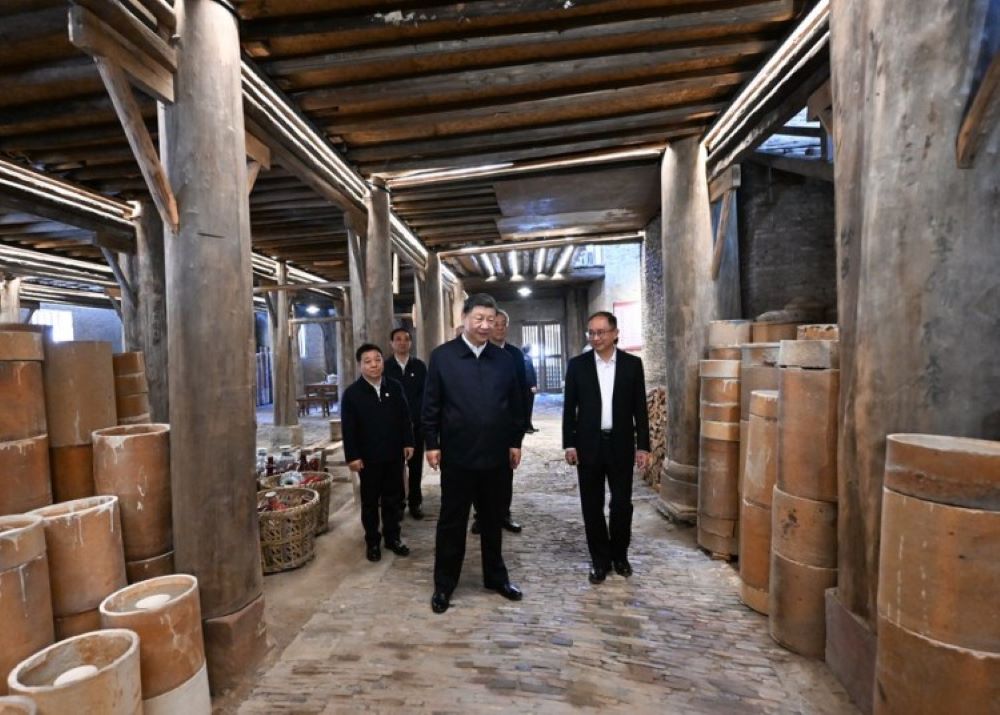
Xi’s political career has taken him across China. Wherever he was sent, he would delve into local history and culture and visit cultural heritage sites to understand the state of cultural preservation in each locality.
In the early 1980s, when he worked as the Party chief of Zhengding County, Hebei Province, Xi first asked local authorities to identify and ensure the protection of two old locust trees and initiated a survey of local cultural heritages. Today, Zhengding, with a history of more than 1,600 years, stands as a renowned historical and cultural site in China.
Xi’s commitment to cultural preservation continued even after becoming the country’s top leader. He pushed for projects to facilitate better preservation of Chinese cultural classics like the “Revitalization Library” project and a comprehensive collection of Chinese traditional paintings.
Xi emphasized “promoting the creative transformation and innovative development of fine traditional Chinese culture.” This signifies that the inheritance and development of culture do not imply a simple return to tradition.
Xi has advocated for “bringing cultural relics to life.” In present-day China, enthusiasm for cultural relics and traditions is on the rise, and digital technology is enriching the cultural experience of all Chinese.
The cultural vitality and creativity of the nation are booming. Between 2012 and 2022, the annual operating income of major cultural enterprises nationwide doubled, increasing from 5.6 trillion yuan to 12.2 trillion yuan (1.7 trillion U.S. dollars).
The core socialist values upheld by China are prosperity, democracy, civility, harmony, freedom, equality, justice, the rule of law, patriotism, dedication, integrity and friendship.
In a world where thoughts and cultures are constantly evolving, Xi has creatively integrated the essence of fine traditional culture into these values, presenting a more enriched essence than the “universal values” defined by some Western countries.
Xi has consistently prioritized the work of public communication.
He insists on following the guiding role of Marxism in the ideological field, emphasizing the importance of “the overall leadership of the Party.” He calls on the news media to improve the capacity of dissemination, guidance and influence.
Xi himself set an example long ago. During his tenure in Zhejiang, he published over 200 short articles in a dedicated column on the front page of the Zhejiang Daily. With a tone to communicate on equal footing, he promptly addressed the concerns of the public.
Xi pays great attention to new developments and trends in culture. In a country with more than 1 billion internet users, he advocates for cyberspace governance to ensure the internet serves people’s best interests.
“Cyberspace is a common spiritual garden for hundreds of millions of people,” he said.
Xi introduced the great founding spirit of the Party, the great spirit in the fight against COVID-19, the great spirit of fighting poverty and the Silk Road spirit, among others.
He strongly condemned historical nihilism and led the efforts to promote the national spirit with patriotism as the core and the spirit of the times centering on reform and innovation to realize the Chinese Dream.
In the report to the 20th CPC National Congress, Xi proposed building cultural confidence and strength. This vision mirrors China’s economic rise trajectory and is believed to bring about a confident nation with a strong cultural appeal.
Topics like “Why are the Chinese becoming more confident?” trend on social media platforms. “Why shouldn’t they be confident? … They have a history that goes back nearly 5,000 years. Their culture is rich, refined and elegant. Their dominance in science and technology is exemplary,” answered a netizen from the United States.
An uninterrupted civilization of 5,000 years is thriving under Xi’s leadership. While other nations seek to solve lingering problems, Xi shows the world his cultural vision and commitment.
{{INTEGRATION: A PROFOUND “CHEMICAL REACTION”}}
The CPC has embarked on a significant endeavor to integrate core Marxist principles with China’s profound cultural heritage and implement them in the governance of a nation with over 1.4 billion people.
At the helm is Xi, who depicts the effort as a profound “chemical reaction.”
Xi has employed culture in governance. He has put forward the people-centered philosophy of development by merging the Marxist concept with the ancient Chinese philosophy that underscores people as the foundation of the state. “The people are the state, and the state is the people,” he said.
Xi — a leader who has displayed his commitment by submitting his Party membership application 10 times at his younger age — holds that the well-being of the people is the utmost goal. To this end, he had forsaken the comforts of Beijing to serve in impoverished rural areas and led officials on field visits to address people’s concerns.
Over the past more than a decade, China has achieved remarkable milestones, including building the world’s largest infrastructure network and social security system, forming a sizable middle-income group, eradicating absolute poverty, and advancing toward common prosperity.
Xi’s commitment to putting the people first not only enriches the people-centered Marxist concept but also modernizes traditional Chinese ideas like “the people as the foundation of the nation” and “the people as the highest priority,” said Hong Xianghua, a professor at the Party School of the CPC Central Committee.
Xi is steering China on the path of socialism with Chinese characteristics in the new era, which has its distinct cultural underpinnings.
He has emphasized the importance of maintaining the centralized and unified leadership of the CPC, likening it to a game of Chinese chess, in which the Central Committee serves as the commander and various aides play their roles while adhering to an overarching strategy.
This approach is widely viewed as striking a balance between order and vitality, stability and development, echoing China’s millennia-old tradition of “rule by rites.”
George Magnus, a scholar at Oxford University’s China Center, said China and Western countries may speak to a common agenda of peace, development, equity, justice, democracy and freedom, but China uses Marxism and its own ancient culture to define a very different version of what these mean.
Xi has put forward a new development philosophy featuring innovative, coordinated, green, open and shared development. The modern concept can also find its roots in China’s profound cultural heritage.
During a high-level meeting, Xi conducted a thorough assessment of the trajectory of global development in modern times, emphasizing the crucial role of innovation in the pursuit of building a strong nation.
Under Xi’s guidance, China has established pilot demonstration zones and pioneer areas for Chinese modernization in places like Shanghai, Shenzhen and Zhejiang to explore top-down institutional innovation.
China has ranked first globally in international patent applications for multiple consecutive years and boasts world-renowned scientific achievements such as the quantum science satellite “Mozi” and the dark matter particle explorer satellite “Wukong.”
Observers have noticed that Xi frequently incorporates medical terms like “preventive healthcare,” “meridian pathways,” and “addressing the root cause, rather than just addressing symptoms” into his governance strategy.
These concepts are drawn from the field of traditional Chinese medicine (TCM), renowned for its holistic and dialectical philosophy. Xi has referred to TCM as the “key to unlock the treasure trove of Chinese civilization.”
As the world’s second-largest economy grapples with significant transformation challenges, Xi has stressed the importance of ensuring the seamless flow of the economic cycle, drawing parallels to regulating the main vessels within the human body.
Under his leadership, China has implemented various measures aimed at addressing bottlenecks, promoting economic circulation, and unleashing domestic demand potential. They include stimulating consumption in key sectors such as home furnishings, automobiles and electronics, and expediting the establishment of a unified national market.
In the first half of this year, China’s GDP grew by 5.5 percent year on year, showcasing remarkable resilience and vitality amid concerns about global inflation.
Xi’s emphasis on “humanistic economics” is gaining traction throughout China. This perspective offers a humanistic interpretation of the Chinese economy, resulting in a fascinating blend of the ancient and the contemporary.
For example, the city of Suzhou, dubbed “Venice of the East” by Marco Polo, has largely preserved its centuries-old city layout. It blends millennia-old pagodas with towering skyscrapers, creating a unique landscape where traditional culture enriches a thriving business environment.
Xi has advocated that ancient philosophical concepts, such as “systematic thinking” and “dialectical thinking,” can be applied to help tackle myriad challenges today. These principles have proven to be essential in striking a balance between reform, development and stability, as well as in preserving the environment and effectively managing natural resources.
In addressing wealth disparities and urban-rural gaps, Xi has called for urban-rural integration and coordinated development in regions like the northeastern provinces, the Beijing-Tianjin-Hebei region, the Guangdong-Hong Kong-Macao Greater Bay Area, and the Yangtze River Economic Belt. This approach aligns with the Chinese adage that emphasizes a holistic regional perspective: “One who fails to plan for the whole situation is incapable of planning for a partial area.”
To reverse environmental damage, Xi demanded that polluting factories address problems or face closure. The country issued a 10-year ban on fishing to protect China’s longest river, the Yangtze.
Xi issued six instructions to demolish illegally constructed villas in the Qinling Mountains, home to giant pandas, snub-nosed monkeys, and many other rare wild animals.
From the concept of “lucid waters and lush mountains are invaluable assets,” to “humanity and nature make up a community of life,” Xi’s ecological civilization concept embodies traditional Chinese wisdom and resonates with Karl Marx’s vision of Communism in addressing contradictions between humanity and nature.
Chinese people today enjoy improved air quality, with a nearly 60 percent reduction in average PM 2.5 levels from 2013 to 2022 and a significant decrease in heavily polluted days by over 90 percent.
Xi considers change and openness as enduring elements of China’s history. The China International Import Expo, which he planned and promoted, has provided global exhibitors with a significant platform to showcase flagship products and services. It has become a symbol of China’s commitment to openness.
On democracy, Xi stresses that the most reliable and effective systems for a country are always the ones that take root in and draw nourishment from their own soil.
In Jiangxi, villagers gathered in ancestral halls to discuss matters of their concern. In Fujian, fishermen voiced their opinions at mediation stations located on bamboo rafts. In Hainan, villagers held political meetings and took part in democratic processes while sitting on plastic benches under the sun.
Throughout China, people employ age-old practices from their ancestors to resolve everyday conflicts, build consensus, and implement Xi’s concept of whole-process people’s democracy.
Xi’s view on legal disputes may find resonance with the ancient philosopher Confucius, who envisioned a world without the need for litigation. In a similar vein, Xi noted that China’s national conditions determine that China should not rely on litigation as the first and last resort.
Xi has reiterated promoting the “Fengqiao experience,” recognized by foreign media as an “effective social governance plan deeply rooted in Chinese culture.”
During a recent visit to Fengqiao in Zhejiang, Xi stressed the significance of relying on the people, resolving issues at the grassroots level, and addressing conflicts proactively. This underscored his commitment to promoting the “Fengqiao experience” in China.
Xi is unwavering in his stance against those who infringe upon the interests of the people. After the 18th CPC National Congress, he led the Party in elevating inspections into a strategic tool for internal oversight.
The term “inspection” is uncommon in contemporary international political discourse, but it shows the CPC’s commitment to self-reform. This unique Chinese system of supervision, rooted in ancient traditions, serves as a potent instrument, akin to a metaphorical sword of Damocles.
Xi noted that the CPC’s inspections serve as an important tool for the country and the Party, and underscored that they differ from those practiced in ancient times when self-important inspectors wielded unlimited power.
China, a multi-ethnic nation, has long forged a sense of unity among its 56 ethnic groups. Xi has stressed the importance of fostering a strong sense of community for the Chinese nation and encouraged all ethnic groups to “unite closely like pomegranate seeds.”
Xi has called for the strengthening of the Chinese spirit, characterized by unwavering determination and confidence. He has emphasized the importance of firmly steering the course of China’s development and progress within its own control.
The results are clear. Chinese astronauts have successfully entered their own space station, and the country has unveiled its plans to land astronauts on the moon by 2030. The burgeoning new energy vehicle sector has also extended its reach globally. These achievements exemplify the indomitable national spirit that has persisted throughout China’s 5,000-year history.
BLAZING A NEW PATH
Xi’s worldview is prominently reflected in his proposition of the concept of building a community with a shared future for humanity. Introduced in 2013, this idea has gained broad international recognition and has been incorporated into documents of international organizations such as the United Nations.
The concept of a community with a shared future for humanity inherits the ideal of a “community of free individuals” from Marxism, and it deeply aligns with the over 2,000-year-old Chinese aspiration for an ideal society where “the common good is pursued for all.”
According to Xi, the Confucian idea of “Ping Tian Xia” does not mean conquering the world or ruling over it; instead, it means enabling the common people to escape poverty and live in peace with ample food and clothing.
British scholar Martin Jacques commented that while China seeks its own modernization, it is also providing opportunities to the world, especially developing countries.
As human society faces severe challenges of deficits in governance, trust, development and peace, Xi has called on the world to enhance solidarity and cooperation, drawing from the traditional wisdom of “acting in good faith and being friendly to others” and “fostering good neighborliness.”
With a history of thousands of years, “China will continue to influence the world, but it’ll do that from within its own borders” and “won’t try to control other countries,” said Stephen Perry, chairman of Britain’s 48 Group Club.
Xi has often referenced the concept of “harmony” from ancient Chinese philosophy when engaging with international guests.
In his view, competitive confrontation runs counter to the prevailing global trends of the era and is insufficient to tackle both domestic challenges and the pressing global issues the world is confronting.
When meeting a U.S. congressional delegation in October this year, Xi said the Chinese civilization has been developing uninterrupted for more than 5,000 years. It has all along striven to stay abreast with the times, learned from others in the spirit of inclusiveness, and adhered to the philosophy of peace that highlights cooperation and exchanges.
Since the outbreak of the Ukraine crisis, China has made numerous efforts to promote peaceful settlement. “The more challenging the situation becomes, the greater the need to preserve space for peace. And as problems intensify, our commitment to pursuing dialogue must remain steadfast,” Xi has said.
In March, in response to Xi’s initiative, delegations from Saudi Arabia and Iran held talks in Beijing, reaching an agreement to resume diplomatic relations and reopen embassies and foreign missions.
It is worth noting that China’s cultural confidence is not “exceptionalism” or “isolationism.”
In 2015, Xi put forward humanity’s shared values of peace, development, fairness, justice, democracy and freedom — all of which contain the Chinese nation’s philosophy of benevolence, people orientation, integrity, righteousness, concordance and seeking common ground.
In 2023, Xi proposed the Global Civilization Initiative, which emphasizes inclusiveness and mutual learning over division and conflict. This initiative extends and enriches the age-old wisdom encapsulated in the Chinese saying, “The beauty of harmony lies in diversity.”
It is a strong rebuttal to notions such as the superiority of certain civilizations and the clash of civilizations.
Xi said that Chinese civilization features remarkable inclusiveness, hence why the “Thucydides trap” does not apply to China.
In France, he quoted the Chinese saying, “radish or cabbage, each to his own delight.” In Belgium, he mentioned that the Chinese people are fond of tea while the Belgians love beer; though tea and beer are different, they can both be enjoyed.
“If all civilizations can uphold inclusiveness, the so-called ‘clash of civilizations’ can be avoided and the harmony of civilizations will become reality,” Xi said.
He upheld the banner of common development in a world where trends of unilateralism, protectionism and bullying are on the rise. Metaphorically, he has extended a welcoming invitation to people from all countries to board the “express train” of China’s development.
This year marks the tenth anniversary of the Belt and Road Initiative (BRI) proposed by Xi. This modern version of the ancient Silk Road aims to enhance global connectivity and promote common prosperity by fostering closer ties among countries.
Over the past decade, over three-quarters of countries across the world and over 30 international organizations have signed cooperation agreements under the BRI, generating nearly a trillion U.S. dollars in investments. BRI projects have helped 40 million people globally escape poverty.
Xi proposed the Global Development Initiative, which has also received widespread support. Over 70 countries have joined the “Group of Friends of the Global Development Initiative” established on the platform of the United Nations.
Xi has a strong resolve to advance global green development. He pushed for China’s ratification of the Paris Agreement on climate change, and set ambitious goals for China to peak carbon emissions before 2030 and achieve carbon neutrality before 2060.
This means China, as the world’s largest developing country, is striving to achieve the highest reduction in carbon intensity globally, reaching carbon peak and neutrality within the shortest time.
In the pursuit of modernization, China pushes for material and cultural-ethical advancement, fosters a harmonious coexistence between humanity and nature, and upholds peaceful development.
London-based long-time China specialist Keith Bennett noted that all these reflect China’s cultural traditions and the adaptation of Marxism to the Chinese context.
For centuries, much of humanity’s modernization experience has been derived from the West, and many believed that modernization equated to Westernization.
However, this “myth” is gradually being debunked. The escalating issues of wealth disparity, social division, and materialistic desires in Western countries expose the limitations of Western-style modernization, while China’s unique approach of integrating Marxism with its fine traditional culture offers humanity a new choice for achieving modernization.
“We always feel the West is superior. We were always told that to progress, we must be one of them. But we realize that this cannot be the case,” Malaysian Prime Minister Anwar Ibrahim said in a video message to a forum in Guangzhou earlier this year. “We started looking at our own experience, our own history, and our own contributions of our forefathers.”
Sourabh Gupta, a senior fellow at the Institute for China-America Studies in Washington, said China’s rise will not follow the path of the Western powers. Beijing cherishes and advocates for the diversity of world civilizations. It is not so much an anti-Western message as it is a non-Western message to those interested in lending an ear.
A report released by researchers from the University of Cambridge last year stated that 62 percent of citizens in developing countries have a positive view of China. This is the first time since the data collection began that China’s favorability among developing countries has surpassed that of the United States.
The Chinese nation, which once created a splendid civilization, suffered humiliation and misery for more than a century after 1840. Xi has expressed profound distress about this, stating, “This historical tragedy must never be repeated!”
Today, China is showcasing a grand vision where its 1.4 billion people are collectively advancing toward modernization. This signifies not only the aspirations of the Chinese people but also provides an alternative rebuttal to the “end of history” theory, with Xi standing as the leader of this momentous journey.
Over a century ago, Karl Marx proposed the advancement of humanity and the realization of human emancipation. The relay baton of history has been passed to the generation of Chinese Communists represented by Xi.
As he aptly expresses it in his words: “The best inheritance of history is to create new history; the greatest tribute to human civilization is to create a new form of human civilization.”
The first incident occurred on October 12, 2023, when a man was monitoring his fields in Kayovu cell in Ndego sector.
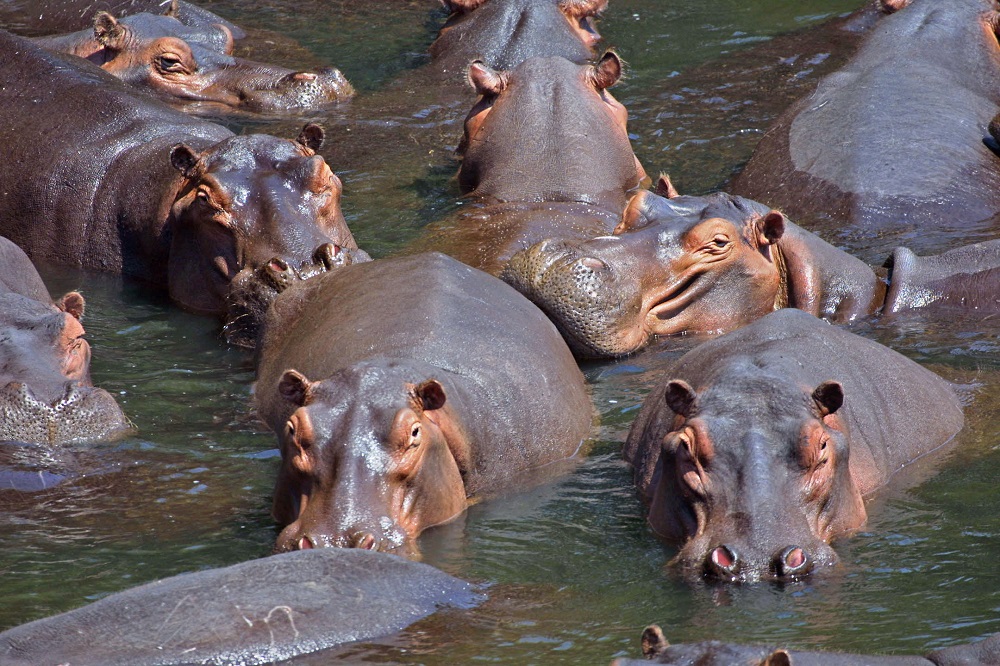
He and a companion were guarding their rice paddies to prevent hippos from encroaching on their crops. In broad daylight, a hippo caught them off guard, injuring one of the men on the shoulder.
Displaying remarkable bravery, his partner attempted to divert the attention of the hippo, allowing them both to escape the danger.
Kabandana Patrick, the executive secretary of Ndego sector, confirmed the incident and underscored the threat posed by these animals, particularly during nighttime. He assured the community that steps would be taken to address this danger.
Another incident unfolded in the Murundi sector, specifically in the Buhabwa cell, at around 5 a.m. A 29-year-old man, preparing his land for agriculture, was unexpectedly confronted by a hippo that bit his leg.
Benon Gashayija, the executive secretary of the Murundi sector, revealed that the victim received immediate medical attention and is currently in stable condition. He also cautioned residents about the risk associated with these animals, especially near water sources that serve as habitats for hippos.
Local authorities are urging vigilance and advising against approaching areas where hippos are frequently sighted, especially after nightfall.
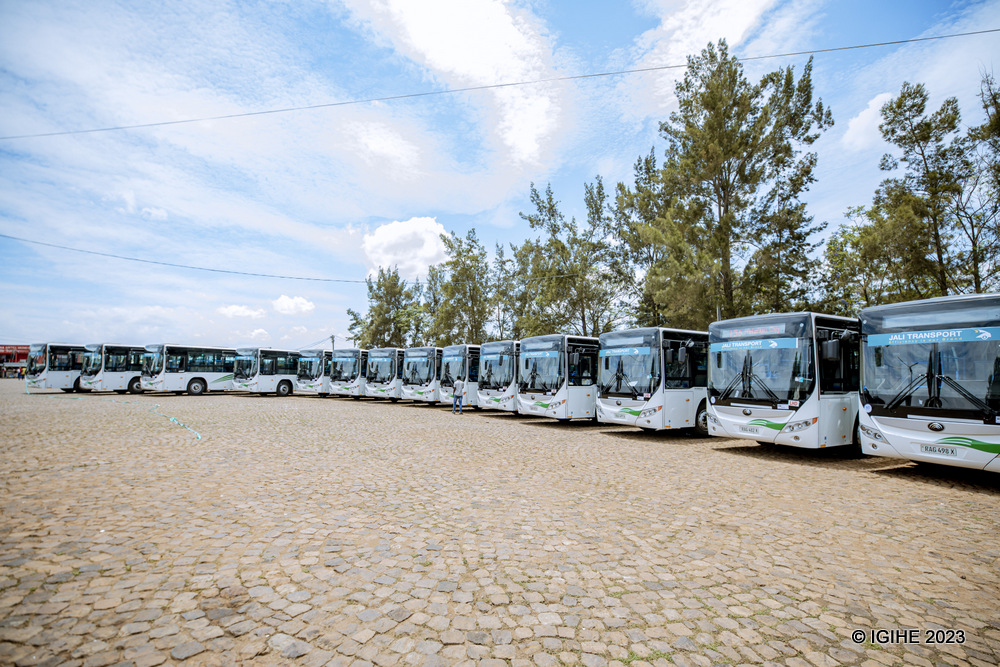
These newly acquired buses are set to serve various routes including routes such as Kimironko-Downtown and Kimironko-Nyabugogo.
Dodo Twahirwa, the Chief Executive Officer of Jali Investment Ltd, emphasized that these additions are expected to alleviate the transportation woes in Kigali by reducing long queues and the delay in bus arrivals. To facilitate this enhancement, the company has invested over Rwf3 billion.
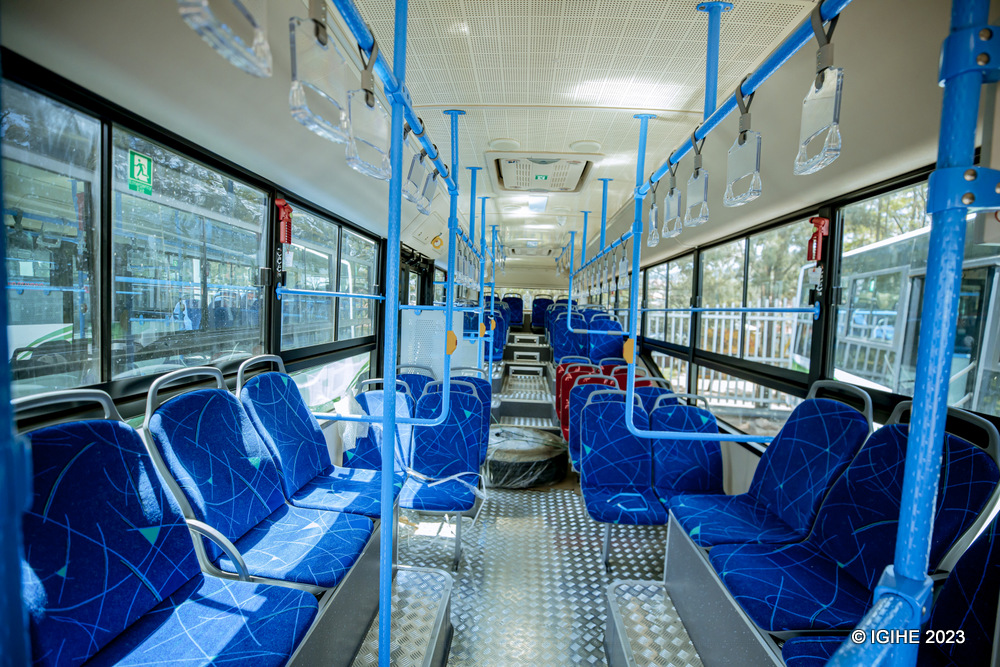
Each of the new buses has the capacity to carry up to 70 passengers, a significant boost for the city’s overcrowded public transport. Data from the City of Kigali suggests that at least 300 buses are required to effectively address the public transport issue in the city.
Dr. Merard Mpabwanamaguru, Kigali City Vice Mayor in Charge of Urbanization and Infrastructure, reiterated the government’s commitment to implementing measures to improve public transport.
Currently, Jali stands as the leading bus company in Kigali, operating across three distinct zones: Zone IIIA, Zone IIIB, and Zone IV. It operates alongside counterparts such as Kigali Bus Service (KBS), Royal Express, and the recently added Volcano Bus Company, all contributing to the effort to alleviate transportation challenges in Kigali.
Originally known as the Rwanda Federation of Transport Cooperatives (RFTC), Jali Transport Ltd has been in the transportation business since 2012, initially owning coasters and city buses. This news of the introduction of new buses has brought relief and excitement to public transport users in Kigali. It is expected to significantly reduce the long waiting times and overcrowding issues that commuters have endured.
A once heavily polluted Serbian village has turned into a cleaner and more prosperous place to work and live. This story shows how Chinese investment raised the standards for green mining and transformed an old industrial area in the heart of Europe.
[{{Click here to watch the video}}->https://english.news.cn/20231012/47415d3cc1294ff6a78b3d781f8cdfda/c.html]