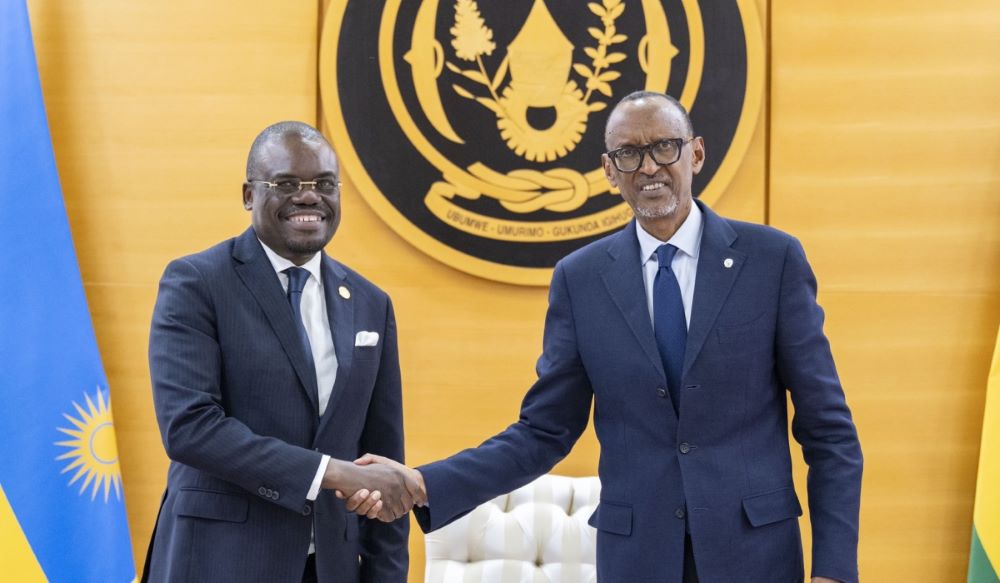
Dr. Jean Kaseya assumed the role of Director of Africa CDC during the 36th General Assembly of the African Union on February 19, 2023.
He succeeded Dr. John Nkengasong from the Democratic Republic of Congo and is set to serve a four-year term in this capacity.
Rwanda has already taken delivery of the initial shipment of six ‘BioTainers,’ which will be utilized to construct a facility dedicated to producing mRNA-based vaccines for Covid-19, Malaria, and tuberculosis.
This manufacturing facility will be situated within the Kigali Special Economic Zone, in the Masoro area of Gasabo District.
Rwanda was one of the first African nations chosen to host such a facility, and it is anticipated that this initiative will significantly bolster vaccine production on the African continent.
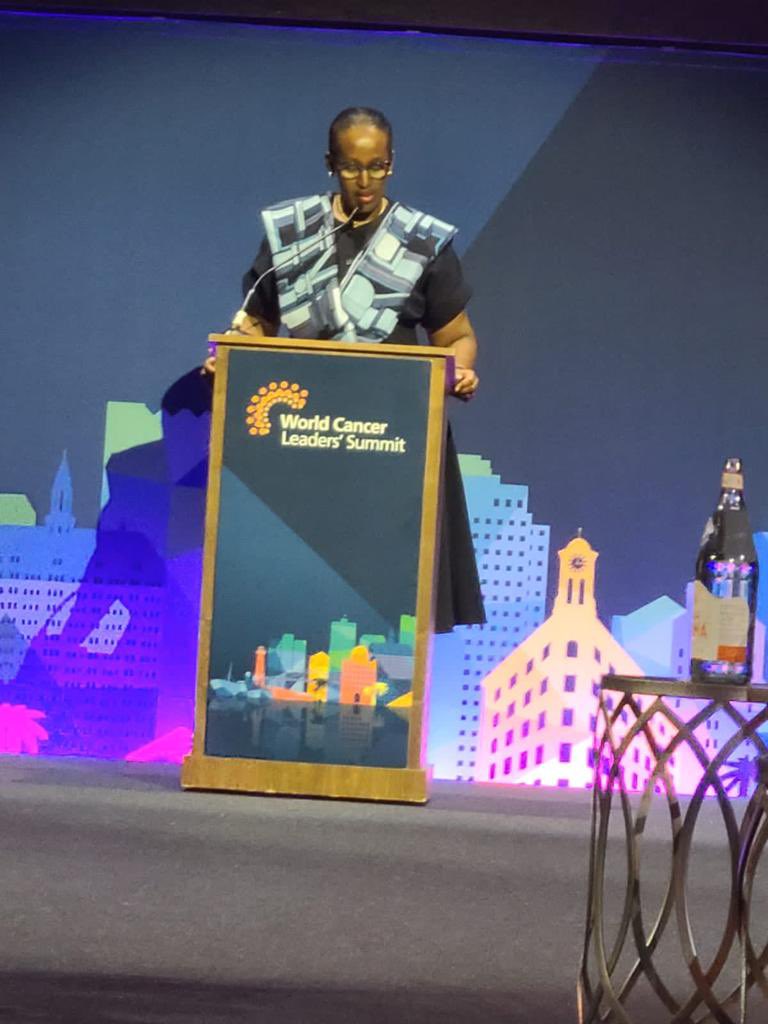
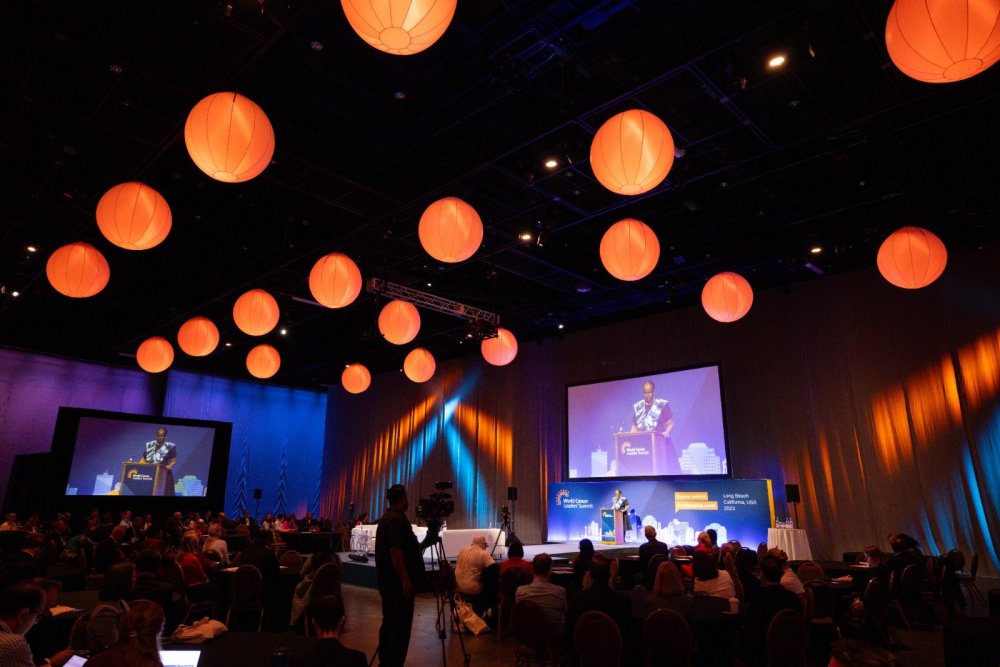
She has urged global leaders to shun complacency in the fight against rising cancer incidences, but rather confront healthcare systems’ failure in providing equitable treatment.
Mrs. Jeannette Kagame also observed that incidence and survival disparities depict the world as one that considers cancer screening, accurate diagnostics and access to advanced care, as privileges of a select few, noting that no race, gender, or economic status should ever own the exclusive right to basic human empathy, whether in policy or in medicine.
“We must confront the dynamics behind the failures of our healthcare systems that perpetuate such inequalities,” she said.
In 2020, about 40 percent (equivalent to four million) of cancer-related deaths could have been avoided, by implementing effective cancer prevention strategies, which are attainable across all continents, including in low-income countries.
Mrs. Kagame encouraged leaders to reflect on the toll in human lives that must be endured before global cooperation can ultimately triumph over cancer. This victory may necessitate various measures, such as universal healthcare access, the promotion of healthy lifestyles, widespread screening programs, regulated pricing for cancer treatments, increased funding for research, and more equitable access to clinical trials.
She emphasized that Rwanda firmly believes in providing cancer care to all, regardless of location, gender, age, or financial means. As an example, she highlighted the achievement of a 93 percent vaccination rate among young girls against cervical cancer since the introduction of the Human Papillomavirus vaccine in 2011.
The efforts that were followed by the establishment of Butaro Cancer Center of Excellence which provides integrated diagnostic, therapeutic, and palliative care services to cancer patients from Rwanda and beyond, as well as the Rwanda Cancer Center at the Military Hospital that offers comprehensive care including diagnosis, surgical oncology, chemotherapy and radiotherapy.
Mentioning the Newly Launched IRCAD Africa the First Lady said, it is poised to become Africa’s largest hub for medical training and research in minimally invasive surgery and digestive cancer research and thus, propelling medical research in Africa to new heights.
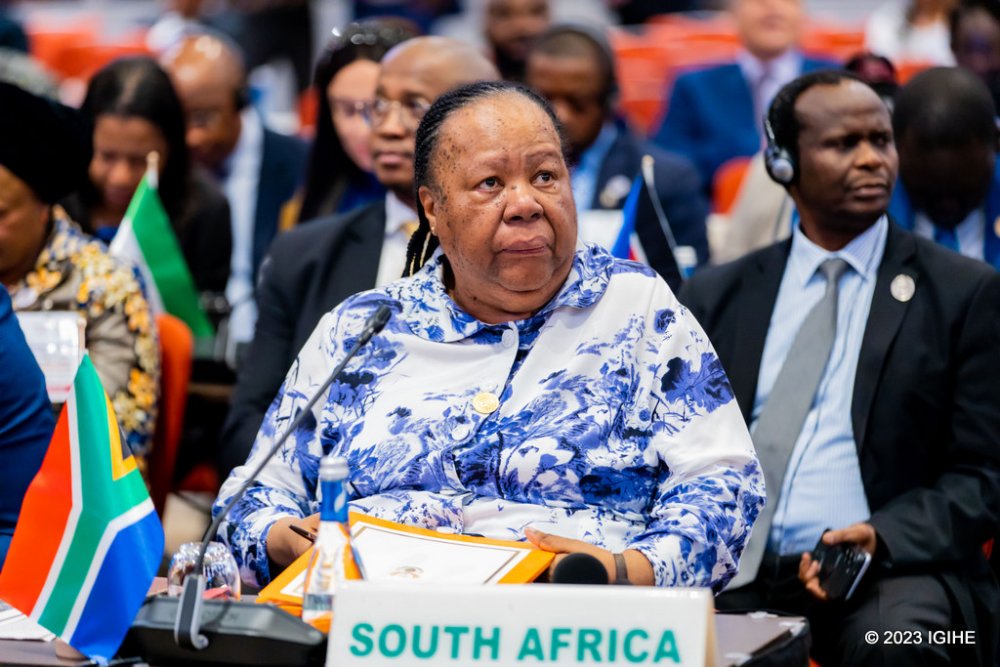
According to East African News, Naledi Pandor disclosed that she received a request to call Hamas leader Ismail Haniyeh to discuss humanitarian support.
“Minister Pandor and the Hamas leader discussed how to get the necessary humanitarian aid to Gaza and other parts of the Palestinian Territories,” the Department of International Relations and Cooperation (DIRCO) said in a statement.
The ministry condemned allegations in local media of government support for the brutal assault which left more than 1,400 dead, mainly civilians, in Israel.
Israel declared war on Hamas after the Islamist group’s fighters broke through the heavily fortified Gaza border on October 7, and also took at least 199 people hostage.
Israel has hit Gaza with air strikes that have killed more than 2,700 people, imposed a crippling siege on the territory and demanded residents in the north of the strip move south ahead of a major urban ground assault.
DIRCO said the claims were “untrue” and “meant to impugn the Minister and the Government of South Africa”.”During the call, and in line with the government’s position, Minister Pandor reiterated… solidarity and support for the people of Palestine and expressed sadness and regret for the loss of innocent lives both Palestinians and Israelis.”
“We do not have a bilateral relationship with Hamas. We have bilateral ties with the Palestinian Authority,” presidential spokesman Vincent Magwenya wrote on X, formerly Twitter. “Support for the Palestinian struggle against occupation does not equate to support for Hamas,” he said.
Over the weekend, President Cyril Ramaphosa along with several African National Congress (ANC) officials sporting Palestinian flags and keffiyeh scarves pledged their solidarity with the Palestinians.
“As people and an organization that has struggled against an oppressive system of apartheid, we do pledge solidarity with the Palestinians and as the African National Congress we have always pledged our solidarity with them,” Ramaphosa said.
Several pro-Palestine and pro-Israel protests have taken place across South Africa.
“As people and an organization that has struggled against an oppressive system of apartheid, we do pledge solidarity with the Palestinians and as the African National Congress we have always pledged our solidarity with them,” Ramaphosa added.
Several pro-Palestine and pro-Israel protests have taken place across South Africa.
The scholarship program, initiated in 2021 under the esteemed patronage of Mrs. Maïté Relecom, has emerged as a motivation and opportunity for the children of SKOL Brewery Ltd.’s employees, pursuing secondary and undergraduate studies.
The endeavor extends its support to encompass students pursuing Technical and Vocational Education and Training (TVET), embodying a holistic approach to education.
The program signifies a profound investment in the youth, particularly the children of SKOL Brewery Ltd employees, aiming to provide the resources and encouragement necessary for their educational and skills development. Mrs. Maïté Relecom, as the patron, has played an instrumental role in shaping this noble cause, elevating the initiative to the pinnacle of success.
Over the three years, this initiative has proven to be immensely successful, with 187 students benefiting from the scholarship program at the secondary school level. Additionally, 18 diligent and aspiring scholars pursuing their undergraduate studies with the support of this program, marking a significant milestone in their educational pursuits.
SKOL Brewery Management and Mrs. Maïté Relecom expressed their delight and satisfaction in witnessing the program’s transformative impact, not only on the lives of the recipients but on the broader community. As the initiative continues to grow and evolve, SKOL Brewery Ltd remains committed to nurturing future generations, empowering them to realize their potential and contribute positively to society.
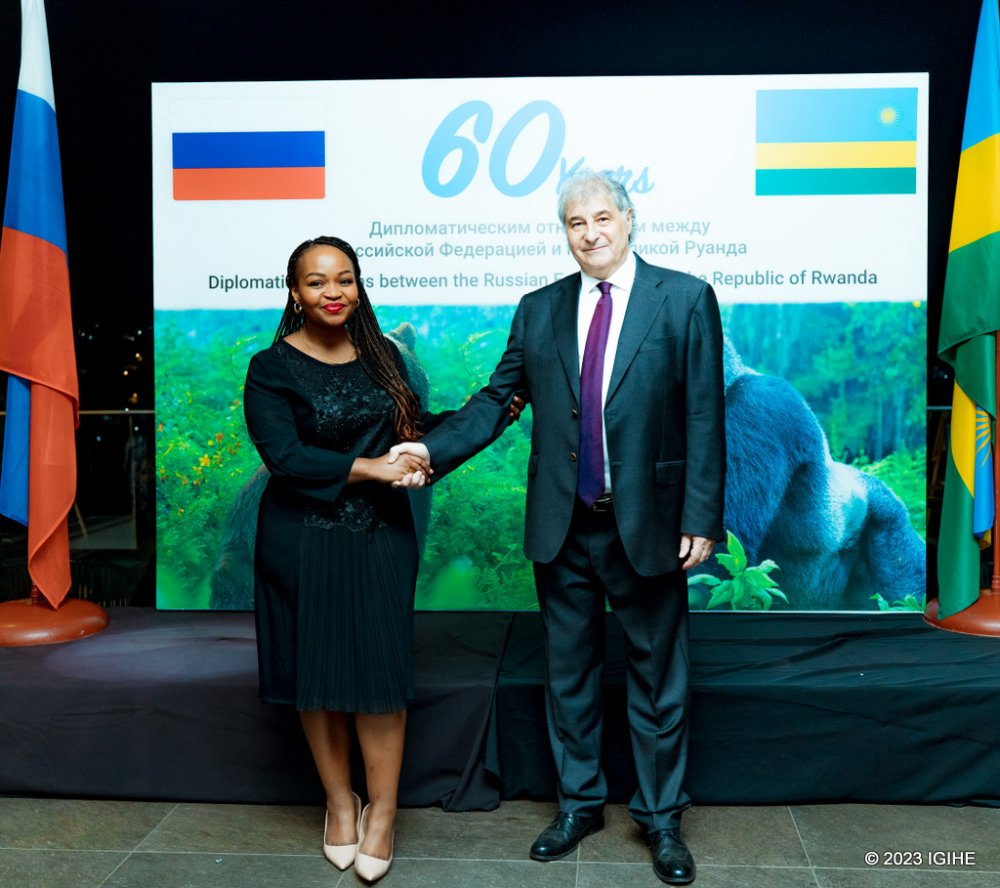
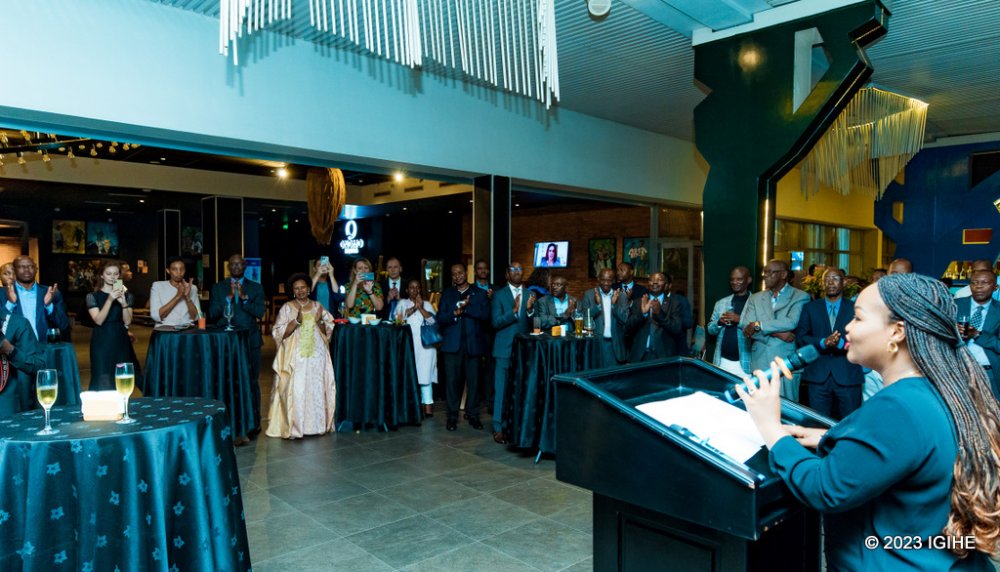
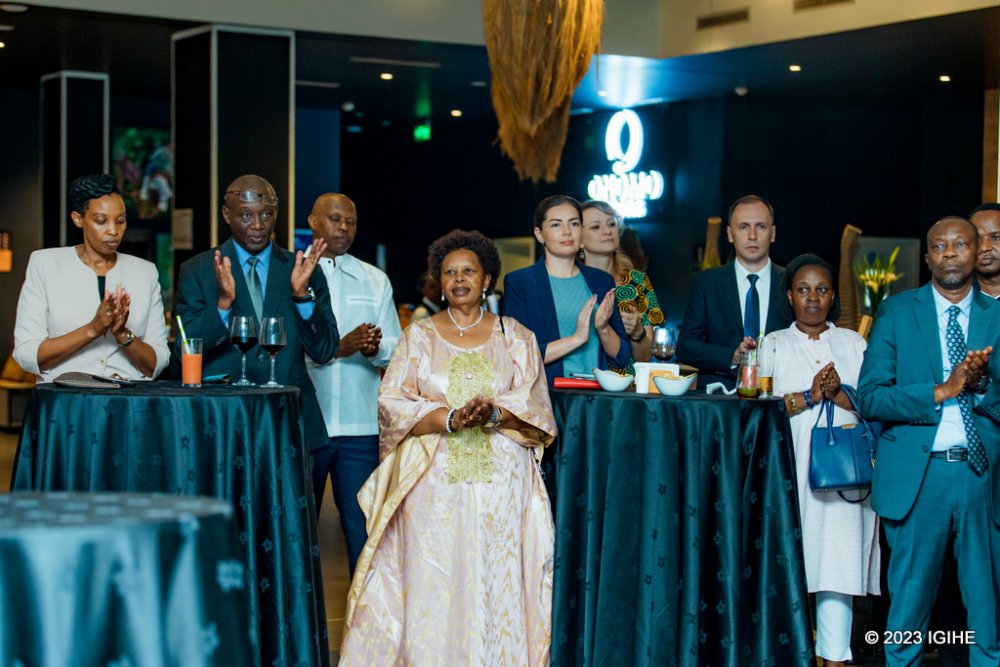
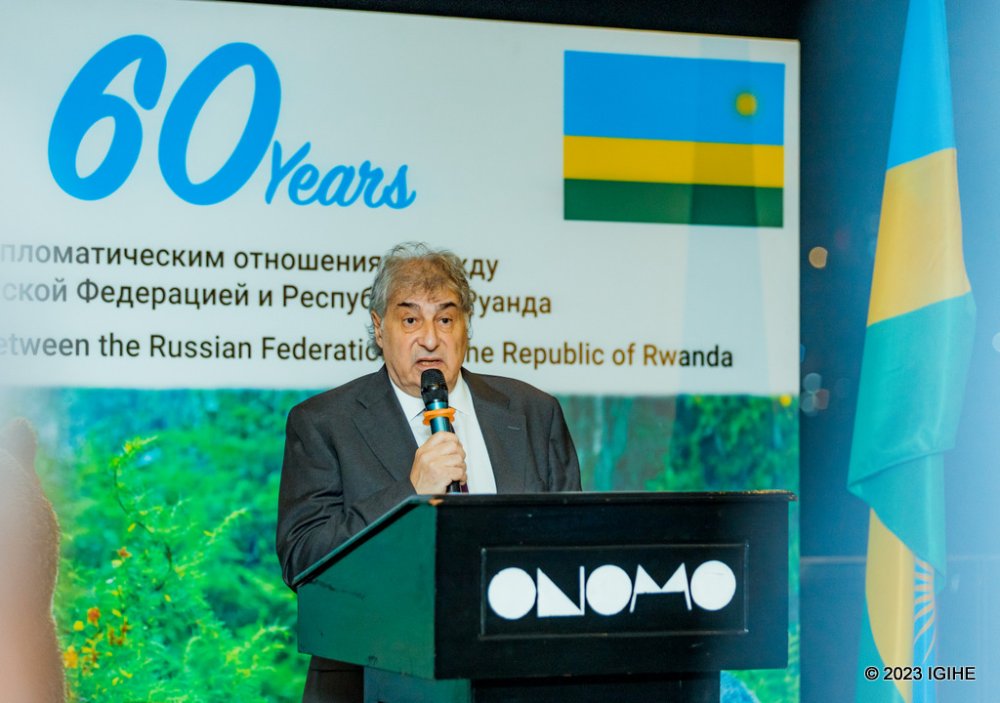
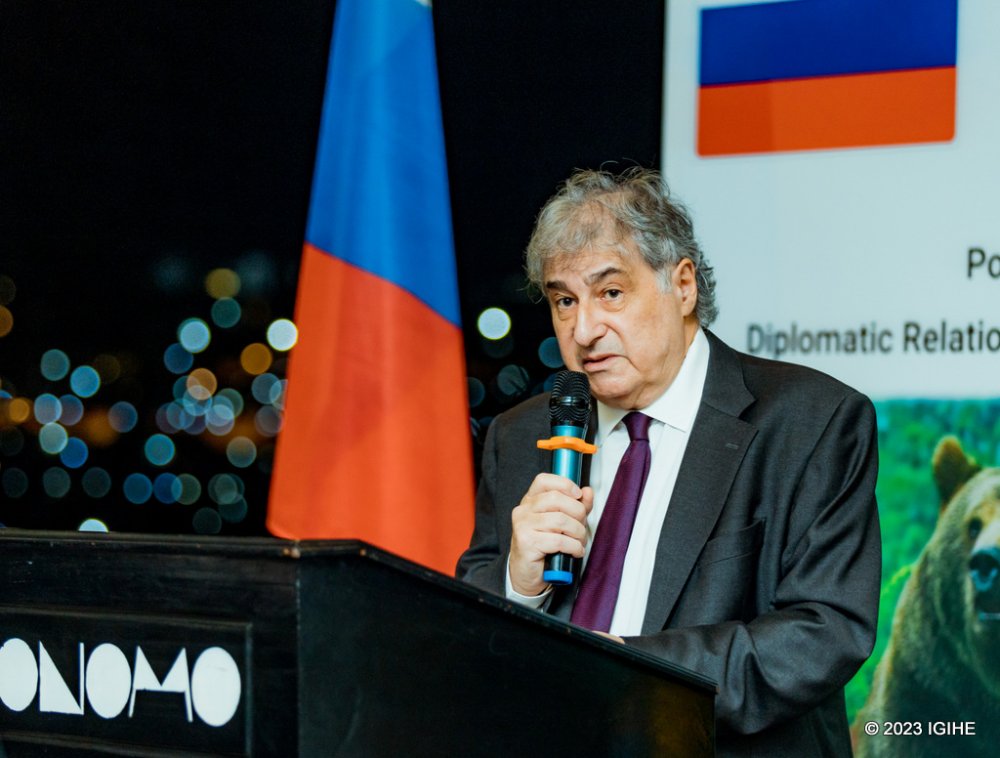
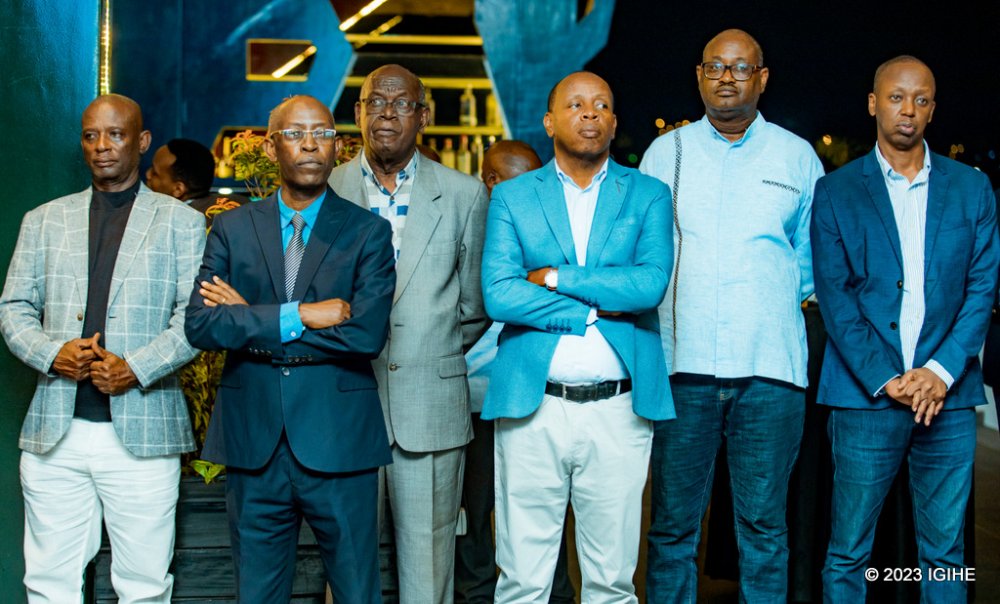
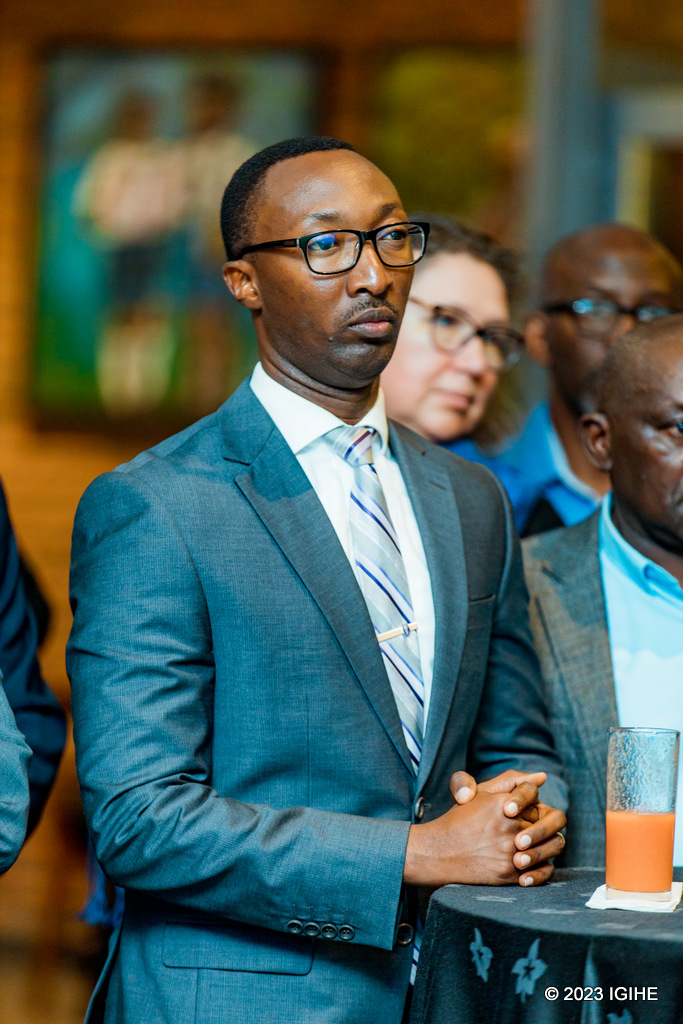
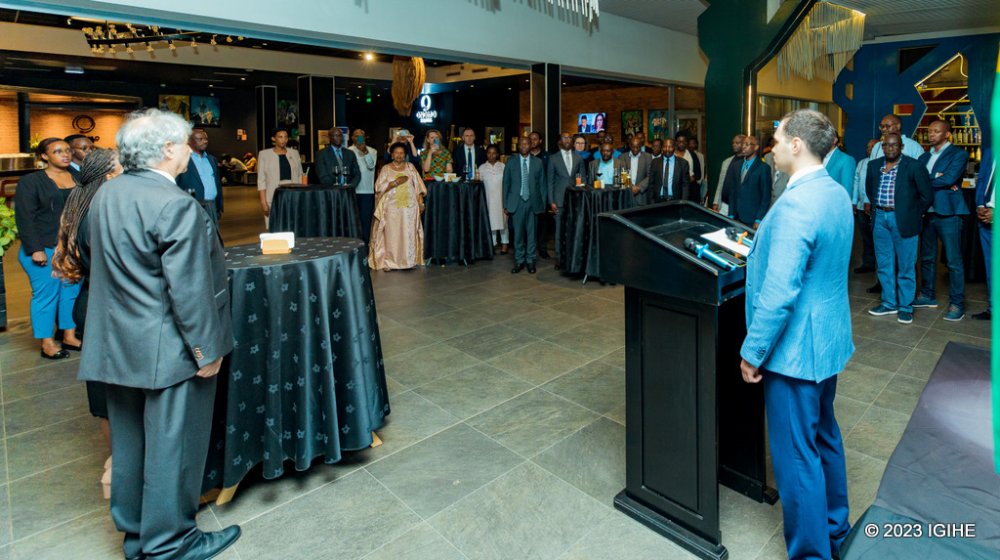
Russian Ambassador to Rwanda, Karén Chalyan, expressed his excitement about the warm welcome he and his fellow countrymen received during his five-year stay in Rwanda.
He emphasized the mutual respect and shared beliefs in international laws that unite both nations.
Amb. Karén commended Rwanda’s stance on not interfering with other countries’ principles and sovereignty regarding human rights.
He also praised the exceptional performance of Rwandan troops and police forces during their peacekeeping missions worldwide, noting that Rwandans excelled in aviation training at military academies.
Furthermore, he highlighted the positive progress in the partnership between Russia and Rwanda in the field of nuclear energy, expected to contribute to Rwanda’s development.
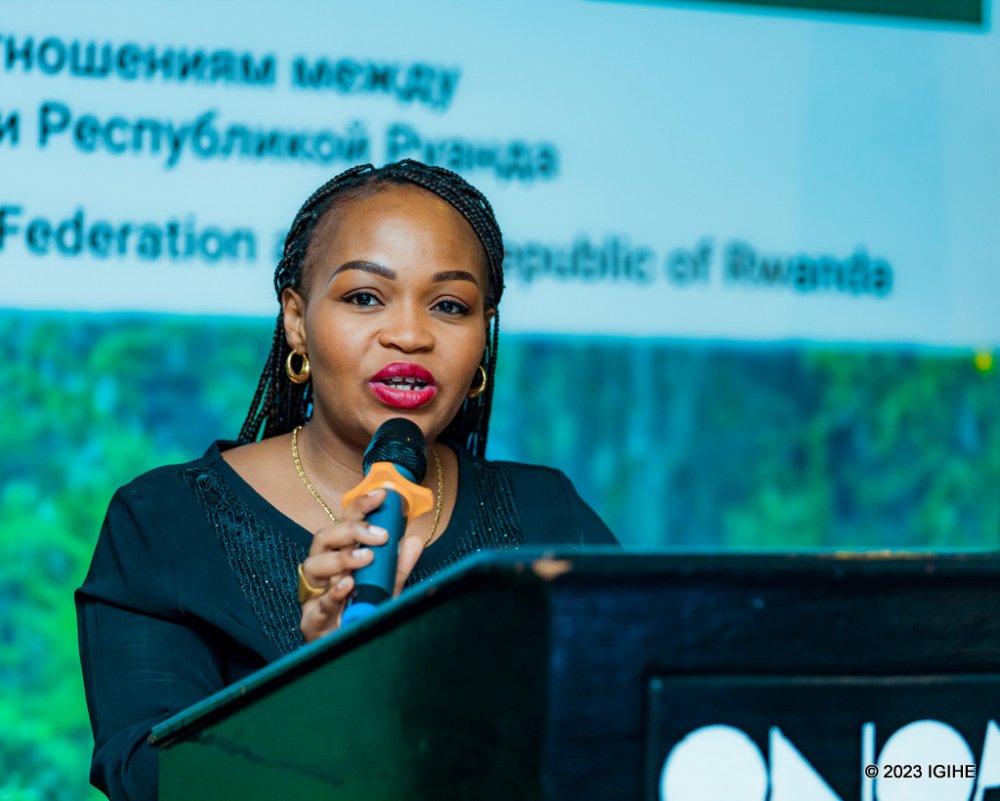
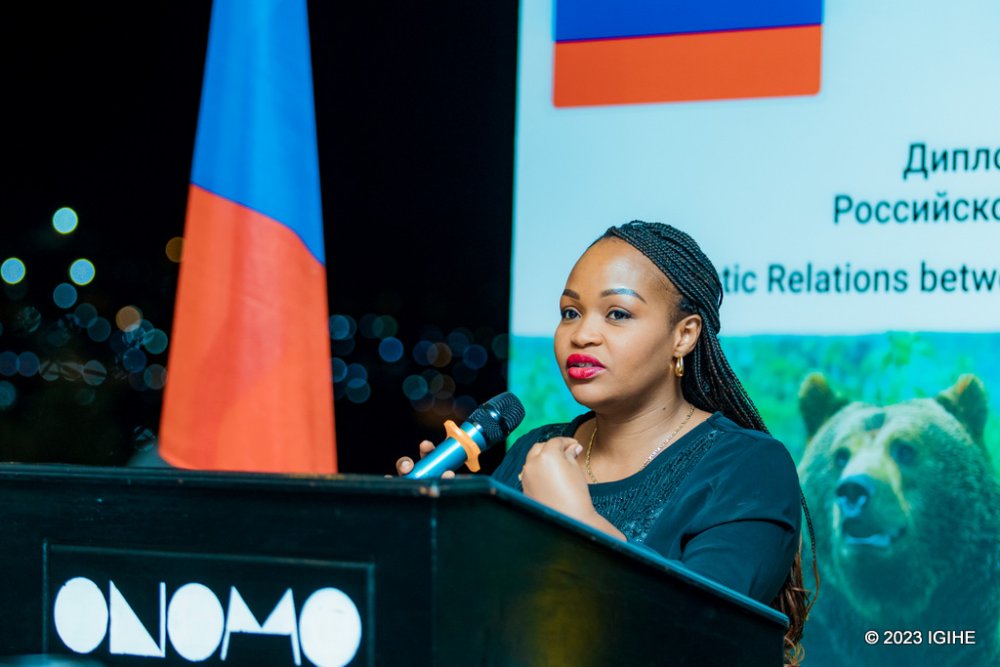
Clementine Mukeka, the Permanent Secretary in the Ministry of Foreign Affairs, stated that Rwanda and Russia had been committed to fostering cooperation since 1963, resulting in significant achievements and collaboration in various areas for the benefit of their citizens, including education, energy, and peace and security.
She mentioned that Russian universities have welcomed thousands of Rwandan students who contributed to their country’s development.
Mukeka also welcomed the recent initiative where the Russian Federation would provide free online Russian language courses to Rwandan students.
Both countries have collaborated successfully in various areas, including health and the training of Rwandan healthcare professionals in Russia. They also have cooperation in countering terrorism and addressing security threats.
Trade between the two nations flourished before the COVID-19 pandemic, but it encountered setbacks in the wake of the pandemic and the Russia-Ukraine conflict.
Before 2020, Rwanda had imported significant quantities of cereals and fertilizers from Russia. In 2017, Rwanda’s imports from Russia were estimated at US$20 million, which increased to US$31 million in 2018.
The demonstration, conducted for HAPS research purposes in Rwandan airspace by SoftBank and the Government of Rwanda, marked the world’s first publicly announced delivery of 5G connectivity from a HAPS UAV in the stratosphere.
The successful 5G connectivity demonstration follows a stratospheric flight test conducted in Rwanda in June 2023, during which the HAPS UAV prototype carried a mockup of the payload with a similar weight and dimensions.
SoftBank’s stratosphere-ready communications payload continuously delivered 5G connectivity for approximately 73 minutes in the stratosphere at a maximum altitude of 16.9km and performed as expected in demanding atmospheric conditions.
During the test, the stratosphere-ready 5G communications payload enabled a 5G-based Zoom video call between a smartphone at the test site in Rwanda and SoftBank team members in Japan.
Since the radio waves transmitted and received from the 5G communications payload installed on the HAPS UAV prototype in the stratosphere operated on the same frequencies as existing smartphones and devices, a regular 5G smartphone was used in the test.
The successful stratospheric 5G communications test is a milestone achievement that originates from a Memorandum of Understanding signed in July 2020 by SoftBank’s subsidiary HAPSMobile Inc.and the Ministry of ICT and Innovation of Rwanda, under which both parties pledged to conduct a Joint Research Project (JRP) that aimed to study the productive use of HAPS to provide mobile Internet connectivity in Rwanda and other solutions.
More recently, SoftBank and the Government of Rwanda’s Ministry of Education signed a Partnership Agreement in June 2023 to provide educational technology (EdTech) services in Rwanda using Non-Terrestrial Network (NTN) solutions.
Building on the results of this successful stratospheric 5G connectivity demonstration, SoftBank and the Government of Rwanda will study potential HAPS use cases and commercial implementation in Rwanda, and other regions of Africa, in the JRP framework. Use cases under consideration include the digitalization of schools and communities in rural communities without Internet connectivity.
Commenting on the development, Junichi Miyakawa, President and CEO of SoftBank Corp., said, “I am thrilled that our 5G payload performed in the stratosphere far beyond our expectations. This test marks an important step forward in our aim of bridging the digital divide with HAPS and other NTN solutions. We are grateful to the Government of Rwanda for their unwavering support and look forward to working with them to study use cases for commercial implementation.”
Paula Ingabire, Minister of ICT and Innovation of the Republic of Rwanda, stated that the successfully conducted 5G delivery stratospheric test is promising.
“It represents a significant step towards narrowing the digital divide and enhancing digital inclusion with innovative solutions. Furthermore, it underscores our dedication to establish Rwanda as a premier global destination for pioneering and visionary individuals from across the globe, where they can harness our supportive policies and regulatory flexibility to explore cutting-edge innovations that address development challenges. We extend our appreciation to SoftBank, our partner in this Joint Research Project, and look forward to furthering our partnership beyond the proof of concept phase,” she said.
Guided by the SoftBank Group’s corporate philosophy, “Information Revolution – Happiness for everyone,” SoftBank Corp. operates telecommunications and IT businesses in Japan and globally.
In the fiscal year ended March 2023, SoftBank Corp. registered 5,912.0 billion yen of revenue, 1,060.2 billion yen of operating income and 531.4 billion yen of net income.
Building on its strong business foundation and compelling number of customer touchpoints, SoftBank Corp. is expanding into non-telecom fields in line with its “Beyond Carrier” growth strategy while further growing its telecom business.
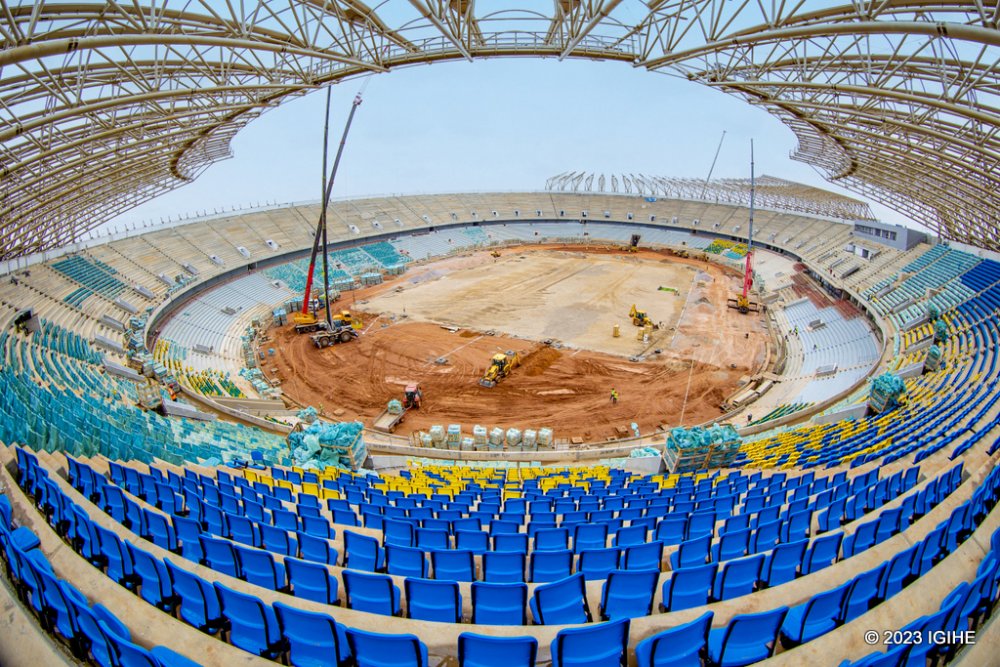
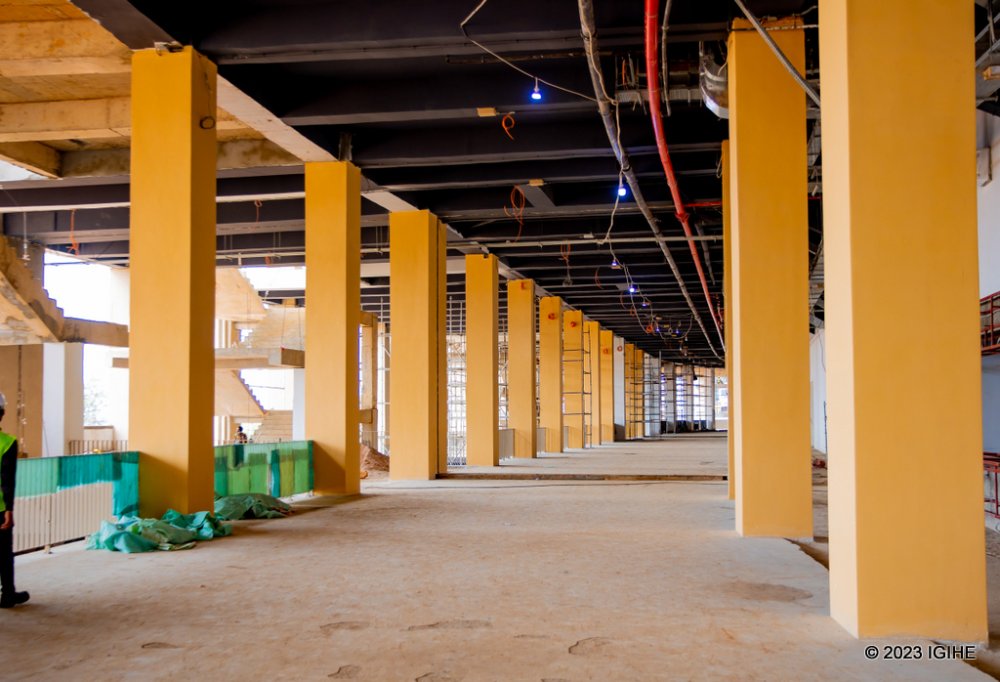
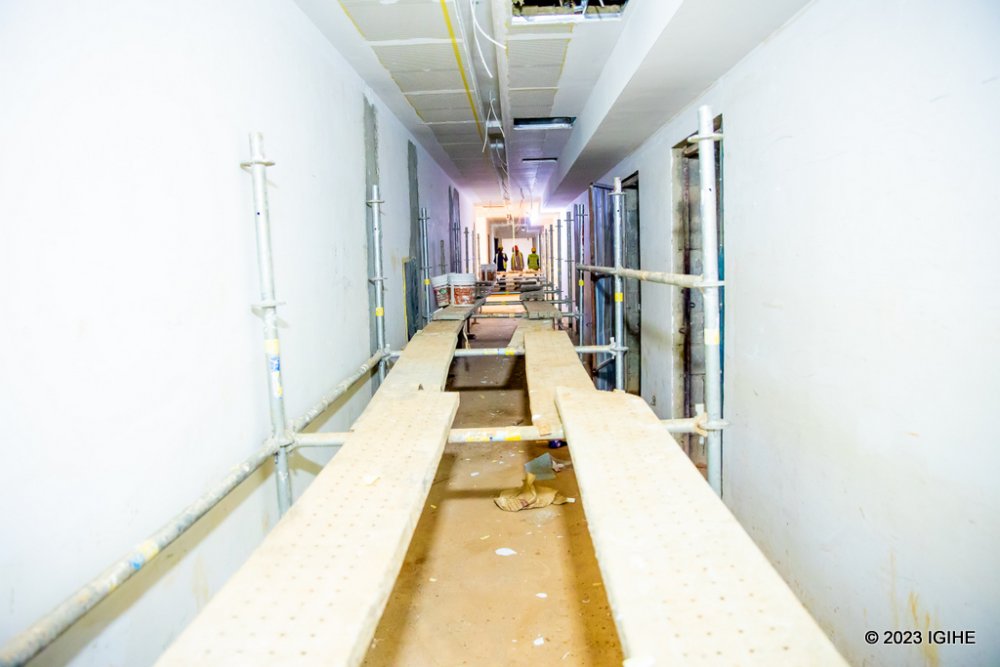
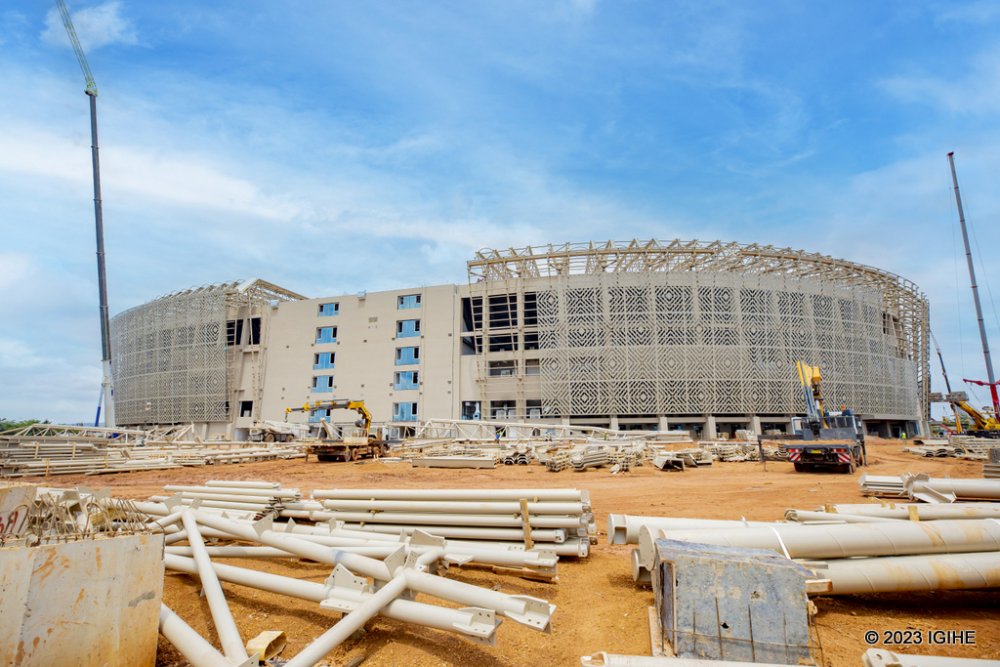
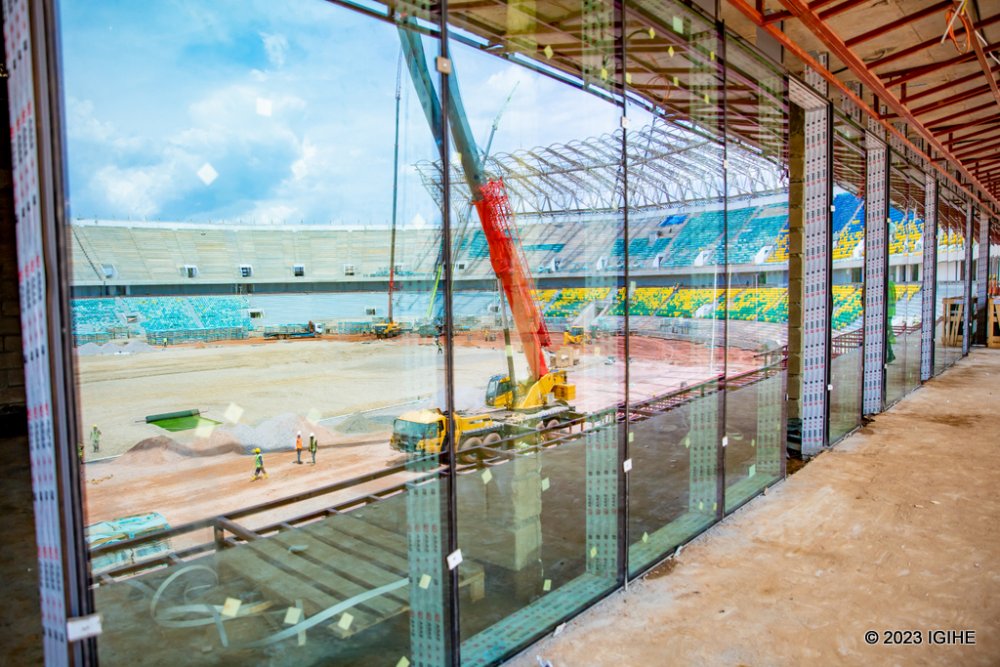
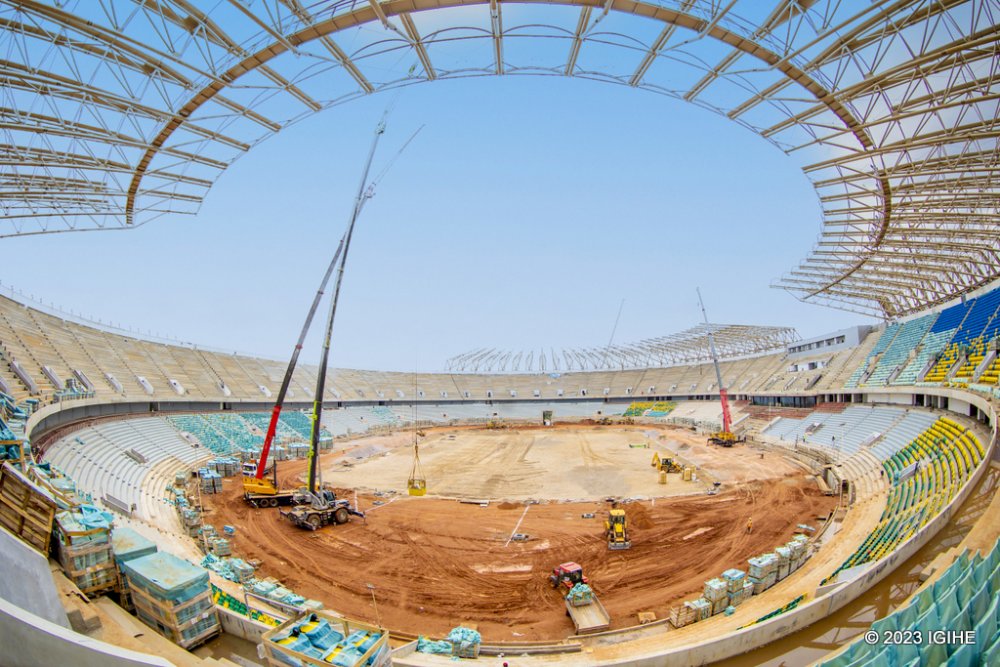
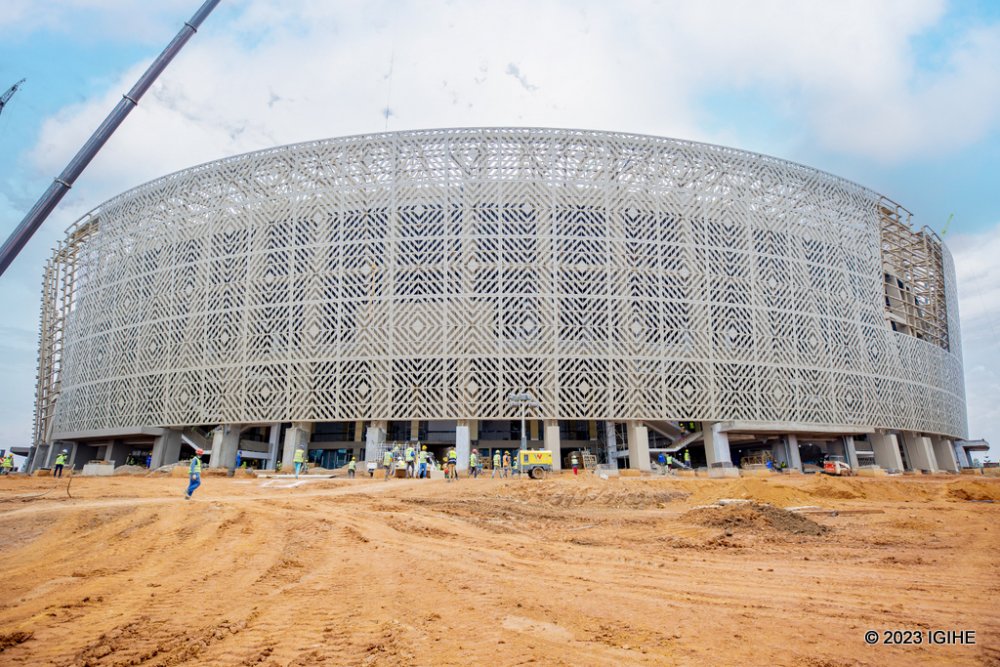
With over two-thirds of the renovation work already accomplished, there is a tangible sense of optimism surrounding the expected project completion in May 2024. Executed by the renowned Turkish firm, Summa Rwanda, recognized for their illustrious projects such as the Kigali Convention Center and BK Arena, this venture is making swift progress.
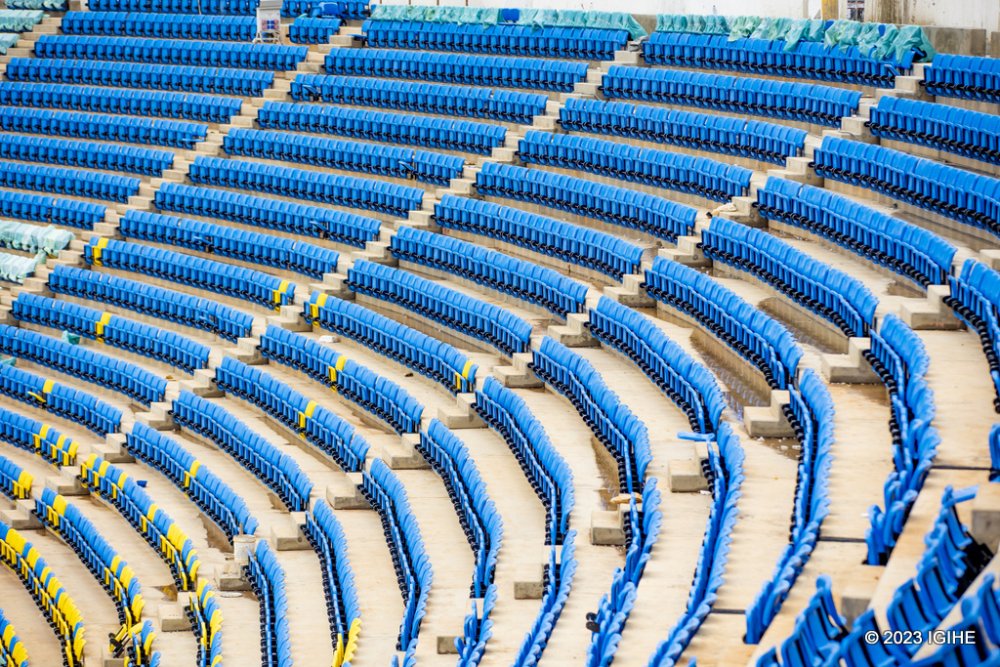
In just fourteen months, the existing structure was disassembled, leaving behind only the grand pillars, poised to support the forthcoming masterpiece. This future stadium will have a capacity for up to 45,000 spectators, offering unprecedented comfort and a covered structure, except for the central field.
The renovation prioritizes innovation and ecology, incorporating modern lighting akin to the Kigali Convention Center and promoting public transportation with a 2,000-space parking facility.
Moreover, cutting-edge technology takes center stage, featuring high-speed internet access and enhanced security through a network of surveillance cameras.
The stadium’s allure extends beyond its architecture, with dedicated sport and entertainment zones and dining spaces for fans. Infrastructure-wise, the field benefits from exceptional care, boasting a state-of-the-art irrigation system and a specially designed surface for the comfort of athletes.
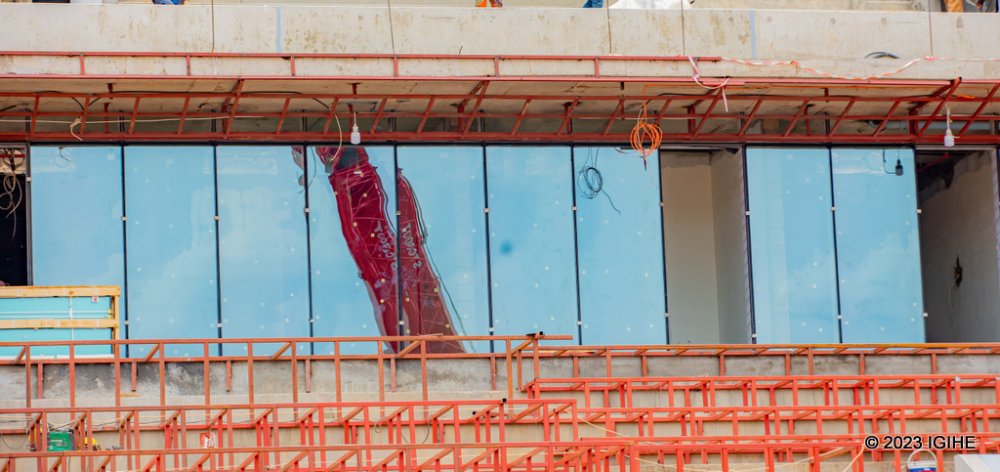
The VIP area is a testament to luxury, adorned with transparent glass installations that offer breathtaking views of the events. Luxury suites, well-equipped locker rooms, and upgraded restroom facilities showcase meticulous attention to detail.
Ishimwe Abdul Aziz, the head of construction projects at Summa Rwanda, confidently declared, “The inauguration is scheduled for May 2024, marking the conclusion of the construction phase. For an additional year, our company will assume the responsibility for stadium management, ensuring quality maintenance and the completion of all necessary finishing touches.”
The renovation project also extends to the surrounding structures, including a comprehensive sports hall and an adjacent training ground, promising easy access and state-of-the-art facilities for athletes.
Similarly, the smaller stadium popularly known as ‘Petit Stade’ has undergone significant enhancements, with an adjustment to the roof height and the installation of benches, replacing the previous ground-level seating, thereby ensuring heightened comfort for spectators.
Thirty-seven years after its original construction by Chinese experts in 1986, Stade Amahoro is on the verge of entering a new era. It symbolizes the dynamism and ambition of a forward-looking Rwanda as it gears up for the future of sports and entertainment.
In the run-up to this transformative event, let’s take a closer look at the inspiring tech happenings of the past week that have solidified Kigali’s position in the global tech arena.
{{Infobip Connect at Norrsken East Africa}}
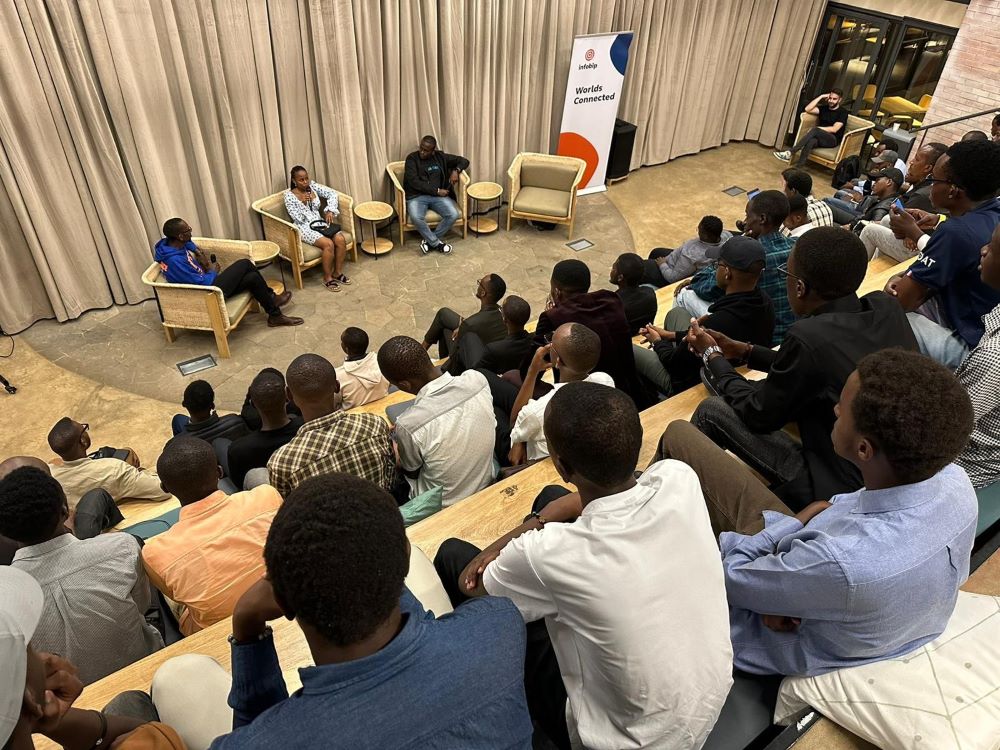
Infobip, a global leader in omnichannel engagement, recently hosted a captivating session at Norrsken. The event revolved around the dynamic startup landscape, shedding light on Infobip’s new initiative, the ‘Startup Tribe,’ aimed at empowering startups to enhance their customer engagement strategies.
By removing the obstacles of infrastructure setup, Infobip enables startups to focus their efforts on product development and business expansion. This meeting not only served as a platform for tech enthusiasts to learn, connect, and innovate but also demonstrated Africa’s significant strides in the world of technology.
Duncan Mochama, an account executive at Infobip, noted the refreshing enthusiasm, stating, “As an East African, it was refreshing to see the thirst for tech knowledge not only in Kigali but also from participants hailing from as far as Liberia and the ends of Congo.”
{{AfriLabs Annual Gathering: Pan-African Tech in Focus}}
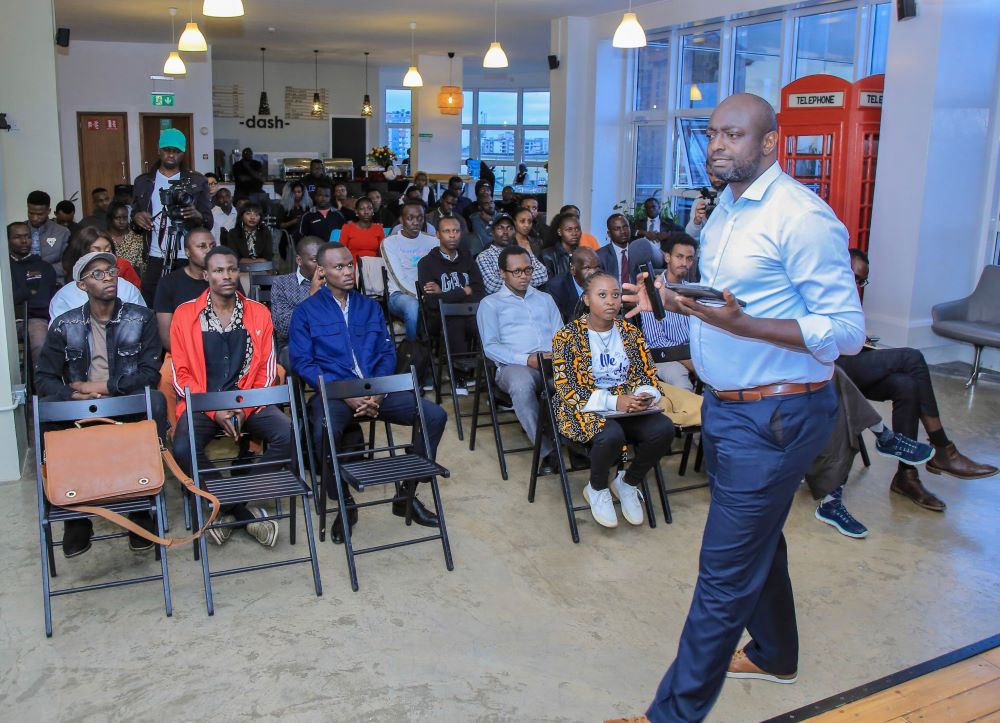
Kigali was abuzz with excitement as the AfriLabs Annual Gathering took center stage, bringing together Africa’s tech and entrepreneurship community.
Anna Ekeledo, the Executive Director of AfriLabs, seized the spotlight to unveil the organization’s ambitious blueprint for fostering innovation across the continent. The launch of AfriLabs Connect 2.0 and the AfriLabs Connect Deal Room ushered in a new era of collaboration and connectivity within Africa’s tech sphere.
Diverse stakeholders, including representatives from GIZ and Rwanda’s Ministry of ICT & Innovation, graced the platform to underscore collaborative ventures and the nation’s expansive digital roadmap. Renowned artist Jude ‘MI’ Abaga added a unique artistic dimension with a discussion on the convergence of art and technology.
With the Mobile World Congress in Kigali on the horizon, it’s clear that Kigali has become a vibrant hub for tech events. Its rapid growth, supportive environment for startups, emphasis on collaboration, and a willingness to explore new intersections of technology and creativity make it a dynamic and promising destination for anyone interested in the future of technology.
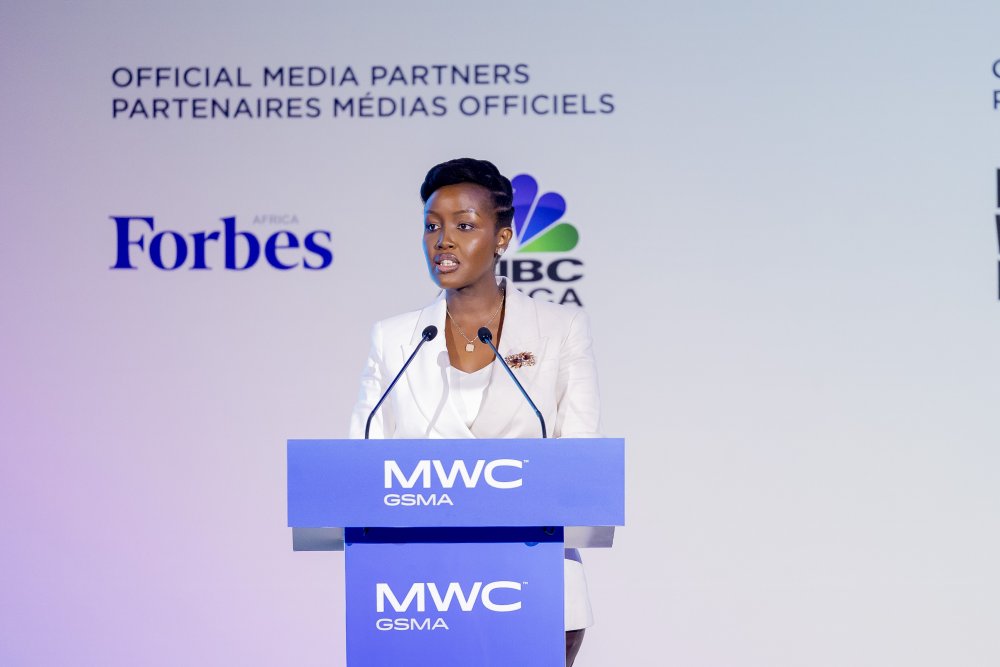
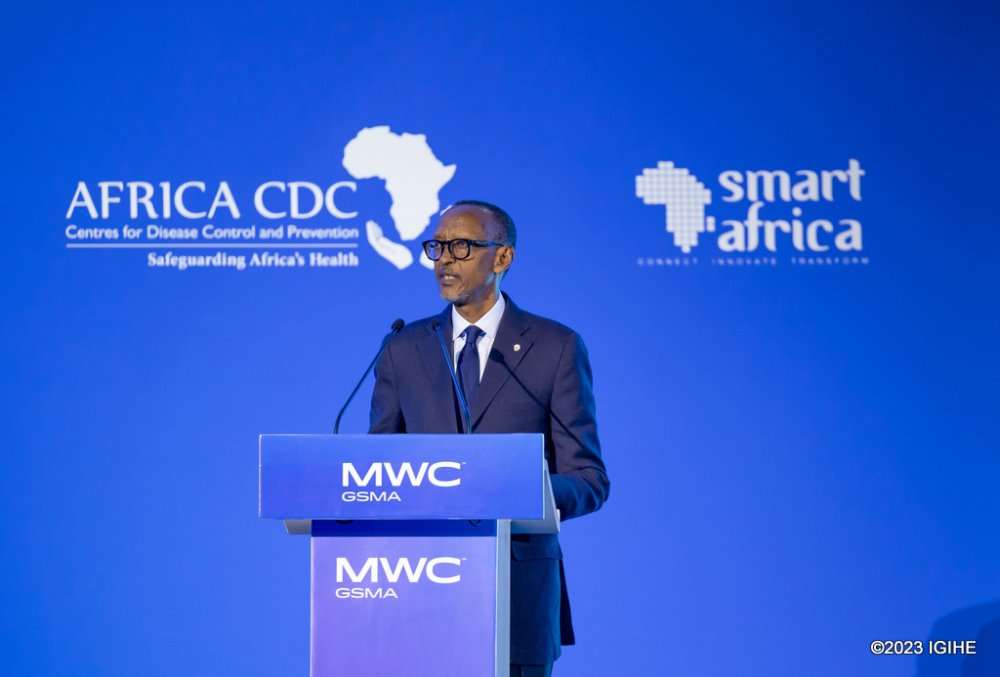
The Head of State made the call on 17th October 2023, at the Mobile World Congress Kigali where he emphasized the importance of bridging this digital divide.
Sub-Saharan Africa has made progress in mobile innovation, with 85 percent coverage by mobile networks. However, approximately 15 percent, or around 200 million people, remain unconnected.
Kagame noted the region’s rapid mobile network growth but stressed the need for further efforts.
The President observed that addressing the problems is possible adding that regional integration, powered by faster and more reliable broadband, is a big part of that.
Kagame also highlighted the role of institutions like the African Union and Smart Africa in this endeavor.
Among others, the President also acknowledged the pandemic’s impact on accelerating technology-led development and commended young entrepreneurs for driving this transformation with continued government support.
He cited the potential of financial technology and digital health technology to improve citizens’ lives.
Kagame praised Airtel Rwanda for expanding post-4G data accessibility and the support from Reed Hastings and MTN Rwanda in offering competitive pricing for smartphones.
He stressed the importance of collaboration among the private sector, government, and strategic partners in advancing digital access.
Mats Granryd, Director General of GSMA, lauded Rwanda’s progress in technology and digital transformation, positioning the country as a leading innovator in Africa. He highlighted Rwanda’s extensive mobile connectivity and government efforts to make smartphones more affordable, including tax exemptions and partnerships.
Mobile connectivity continues to expand in Rwanda, covering almost 99 percent of the country, with over 11 million connections, of which more than 85 percent rely on mobile broadband technologies. Granryd recognized the ongoing work to ensure mobile internet access for all.
The individual at the center of this controversy is Brian Mwenda, who recently garnered national and international attention when claims emerged that he had won 26 legal cases in court, even though he lacked the qualifications to appear in the High Court.
Mwenda’s supporters passionately assert that he is a champion who has exposed fundamental flaws within the justice system and has represented individuals who might otherwise have been unable to pursue their legal rights. However, the professional regulatory body in the country, the Law Society of Kenya, issued a statement on a Friday that categorically labeled Mwenda as a ‘masquerader’ and a ‘criminal.’ According to the Law Society, he had attempted to misuse the profile of a legitimate advocate to access the organization’s online systems and had deceived clients to illicitly obtain fees from them.
In the wake of an emergency council meeting of the Law Society, its president, Eric Theuri, delivered a stern message: “Masqueraders pose a grave threat to the practice of law, and [the society] is resolute in taking decisive action to address this issue. We call on our members to remain vigilant and to promptly report any suspected cases of masqueraders for thorough investigation and apprehension.”
A video circulated during the weekend, featuring Theuri, where he implored people not to view Mwenda as a hero but rather as a ‘fugitive’ who was attempting to evade arrest.Notably, Mwenda was admitted to the Kenyan bar in August of the previous year. However, he did not apply for a practicing certificate, as he was employed at the Office of the Attorney General.
Adding a twist to the unfolding drama, former Nairobi governor Mike Sonko appeared in a video alongside Mwenda, offering his support. The individual who purported to be Mwenda in the video denied attempting to evade arrest, stating that he would willingly present himself to the police in the coming week. He insisted that he was a law-abiding citizen and aimed to convince people that ‘it’s not just the text of the law that should count but the purpose.’