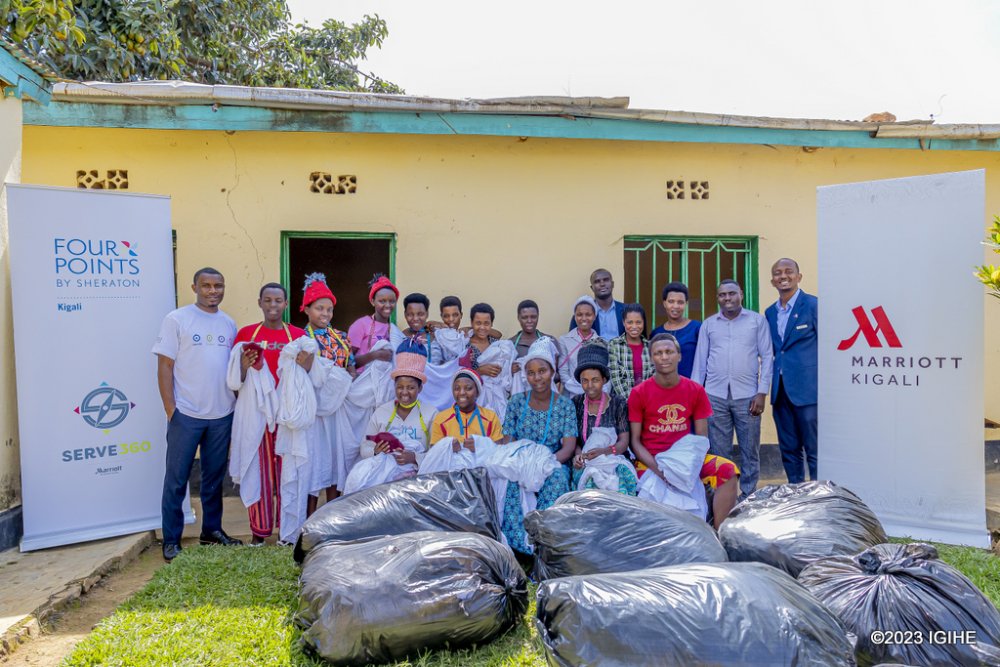
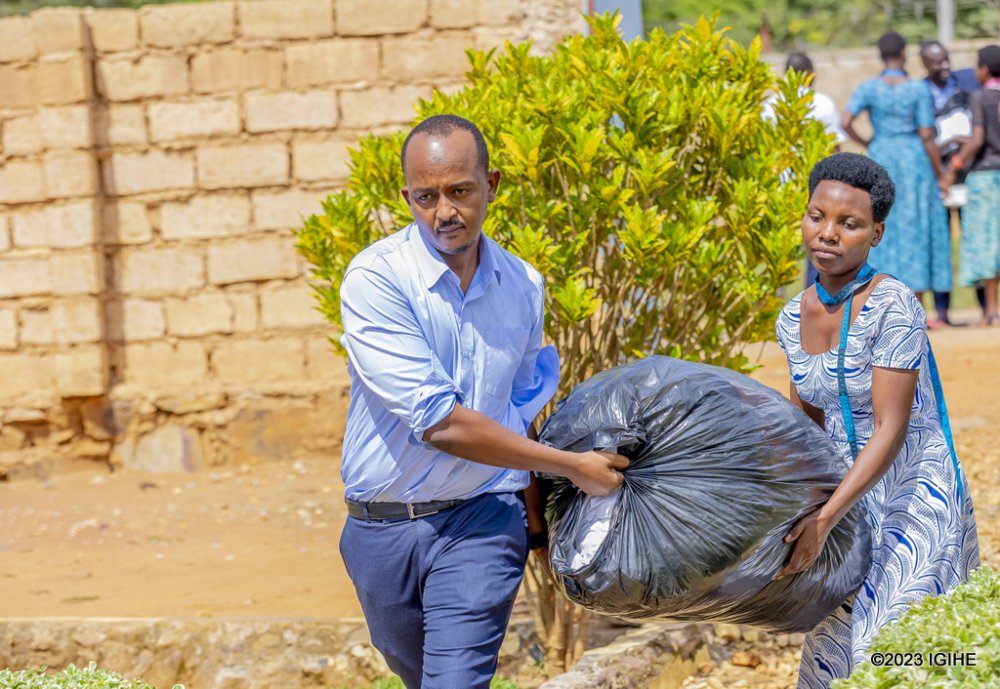
The hotels presented these essential materials to ‘Well Water Ministries’ as part of their ‘Women Development Project,’ a program dedicated to assisting girls who had to drop out of school and vulnerable women in their journey towards self-improvement.
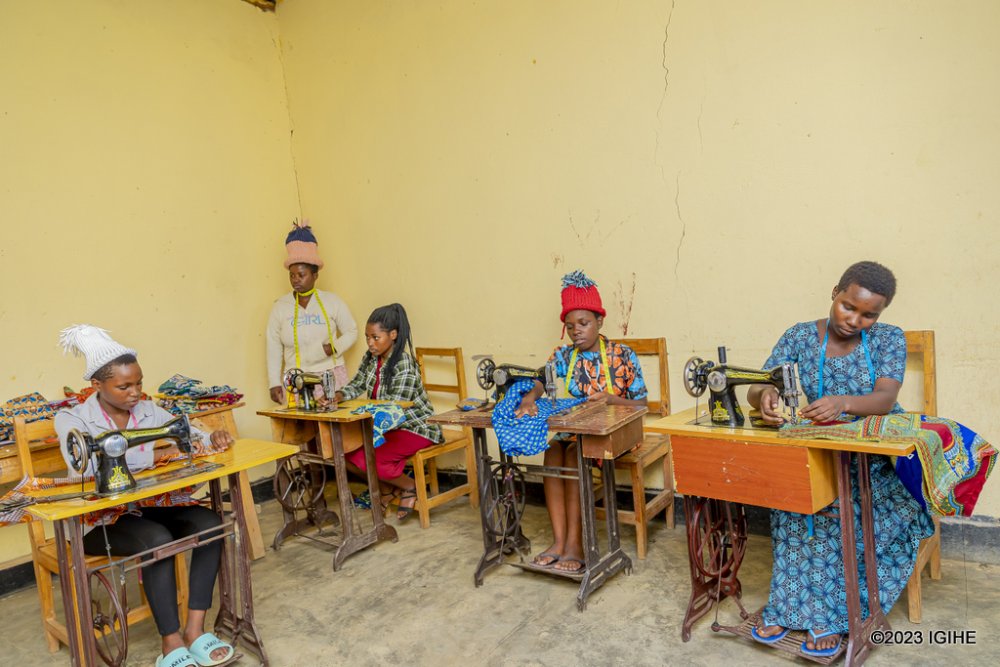
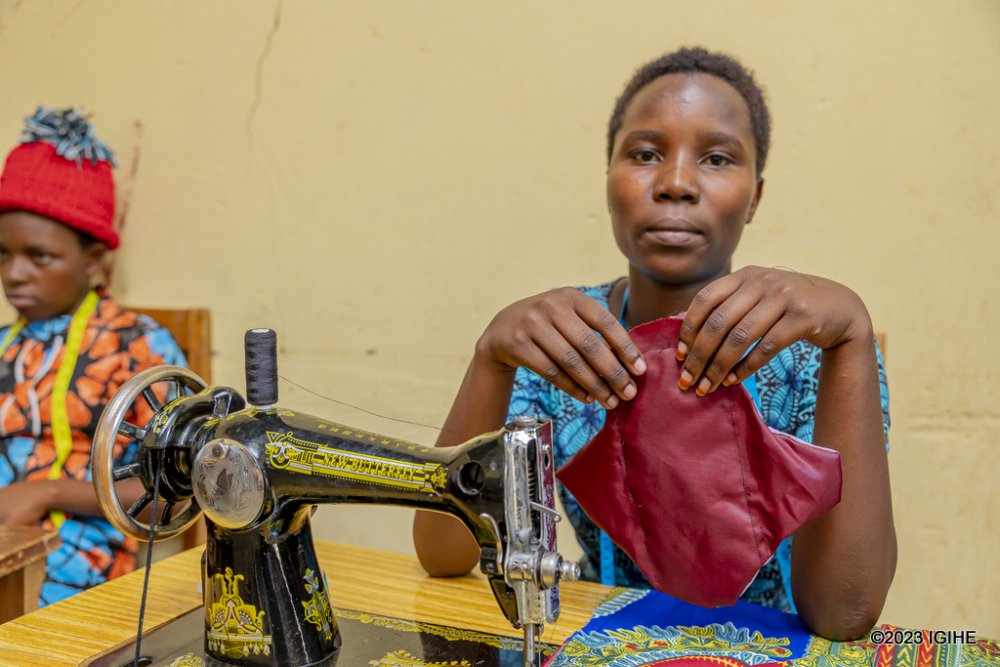
Under the guidance of the ‘Women Development Project,’ these girls and women are taught valuable sewing skills, enabling them to generate income by crafting reusable sanitary pads for both children and women.
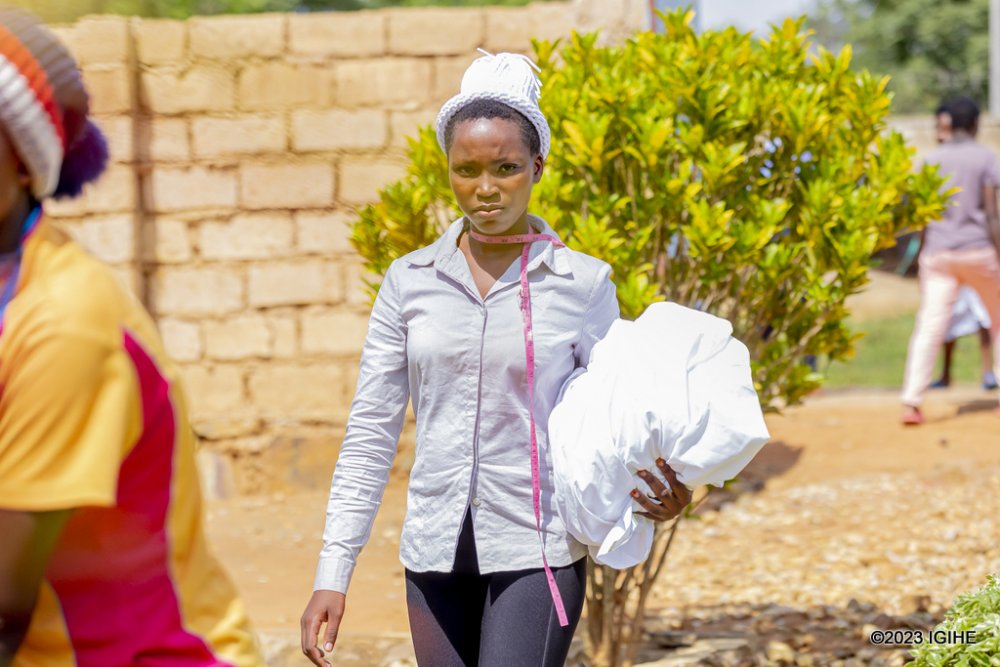
These eco-friendly pads are created using various fabrics, and the hotels have further supported the cause by providing 187 towels and 105 sheets that will be used in the production of these reusable pads.
Patrick Niyitegeka, the Assistant Human Resources Manager at Kigali Marriott Hotel, emphasized that this contribution reflects the hotel’s commitment to its community, aligning with the core values of Marriott, including ‘Serve360,’ which encourages giving back to the local community.
“Some of Marriott’s values, including ‘Serve360,’ emphasize our duty to contribute to our community,” Niyitegeka explained. “In this spirit, Kigali Marriott Hotel, in collaboration with Four Points by Sheraton Kigali, initiated this project to support ‘Well Water Ministries’ by providing them with essential equipment to facilitate their work and promote development.”
Josianne Tuyishimire, the Project Manager of the ‘Women Development Project,’ expressed her gratitude to the hotels, highlighting the significance of the support in their mission. She mentioned that the donated sheets were invaluable as they allowed the organization to save on high fabric costs.
“We greatly appreciate this support because it is integral to our work. We teach our beneficiaries to sew regular clothing as well as ‘diapers’ and ‘sanitary pads’ that can be laundered, and these sheets are indispensable for our operations,” Tuyishimire noted. “Some of the girls and women we assist cannot afford these necessities, including those we accommodate who lack bedding and sanitary materials. This donation is a significant relief for them.”
Kigali Marriott Hotel, inaugurated on October 4, 2016, extends its commitment to improving the Rwandan community beyond its hotel and restaurant services.
The hotel actively engages in philanthropic activities, such as assisting the less fortunate, participating in community projects, supporting individuals with disabilities, subscribing needy people for Mutuelle de Sante, and visiting patients, among other initiatives.
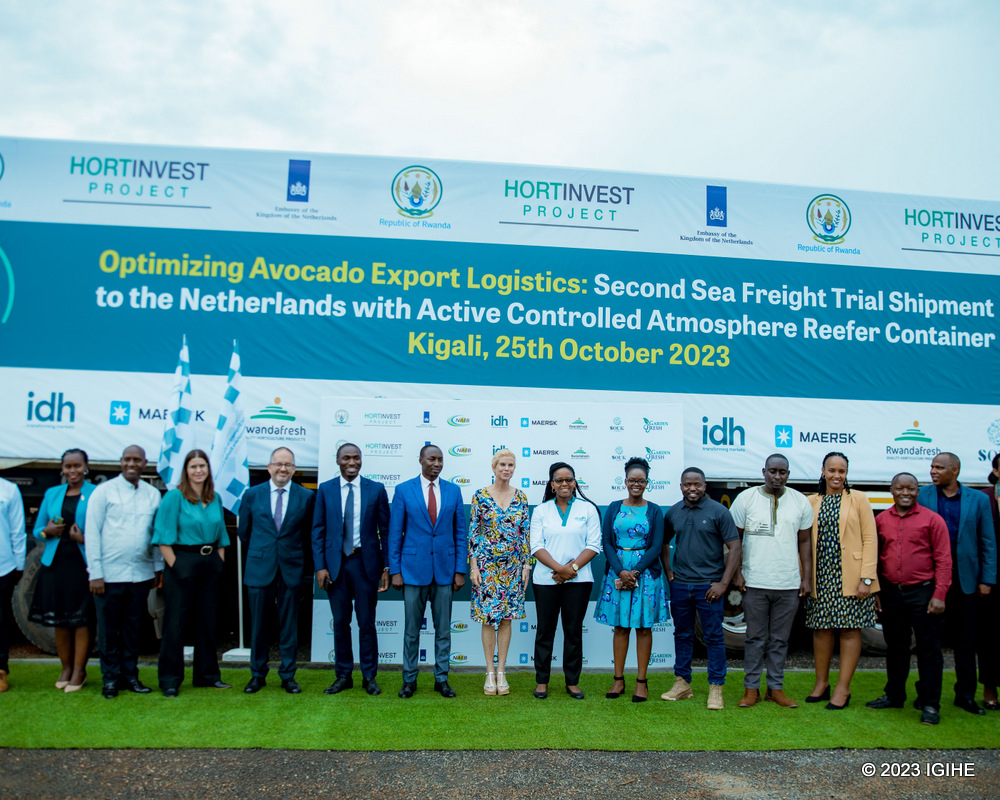
Only for the fiscal year 2022-2023, Rwanda exported avocado over 3.2 million kilograms worth EUR. 6.2 million. This brings to a total of EUR 13 million worth of avocados that have been exported from Rwanda since 2018.
This pivotal pilot shipment is the tangible fruit of a harmonious collaboration between the Rwandan government and an array of partners, including the invaluable contributions of IDH. Not to be overlooked, two eminent export companies, SOUK and Garden Fresh, played significant roles, underlining their leadership in the industry.
All these combined efforts were woven together as part of the visionary “Investing in Horticultural Development in Rwanda” project, affectionately known as HortInvest.
This project, generously funded by the Embassy of the Kingdom of the Netherlands in Rwanda, is a profound commitment to the continued growth and prosperity of Rwanda’s horticulture sector.
The second wave of avocados, carefully sourced from over 1,200 farmers scattered across the picturesque Rwandan landscape and dispatched from Kigali to their eagerly awaiting customers in the Netherlands, holds an unprecedented historical significance.
It serves as a beacon of hope and a transformative moment within the horticulture industry, signalling an exploration of maritime routes as a potential solution to the incessant rise in transportation costs, a perpetual challenge faced by horticultural exporters that have hindered their access to the global market.
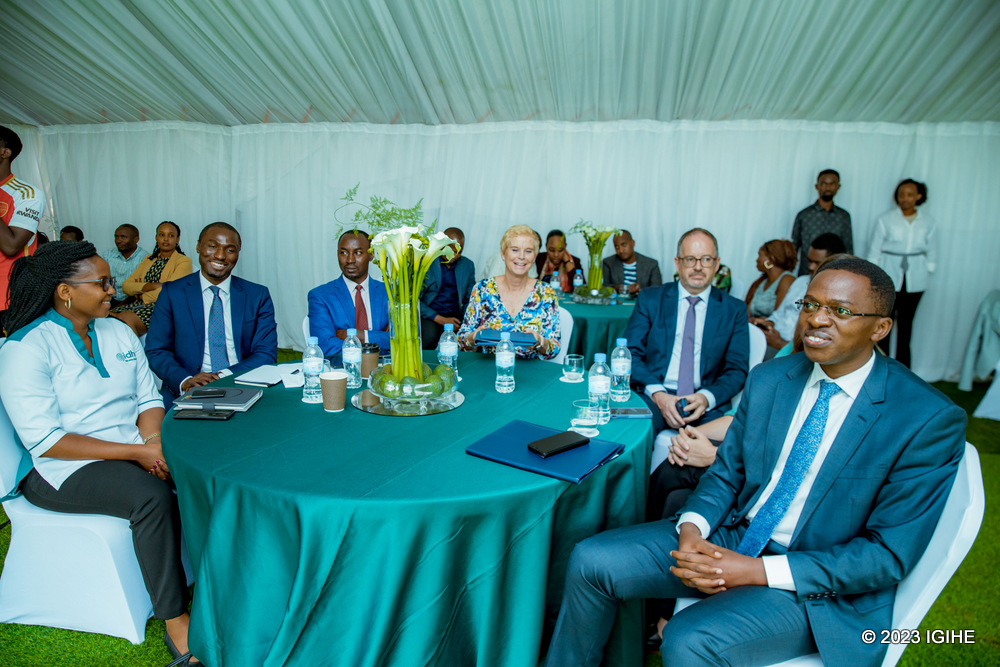
Commenting on the development, Joan Wiegman, Ambassador of the Embassy of the Kingdom of the Netherlands underscored: “The initiation of the second trial shipment marks a significant turning point in the history of horticultural exports from Rwanda to the European market. This aligns with the Netherlands’ policy to promote Sustainable Trade and Investment with Rwanda and signifies the start of a long-term journey that will require cooperation between the public and private sectors.
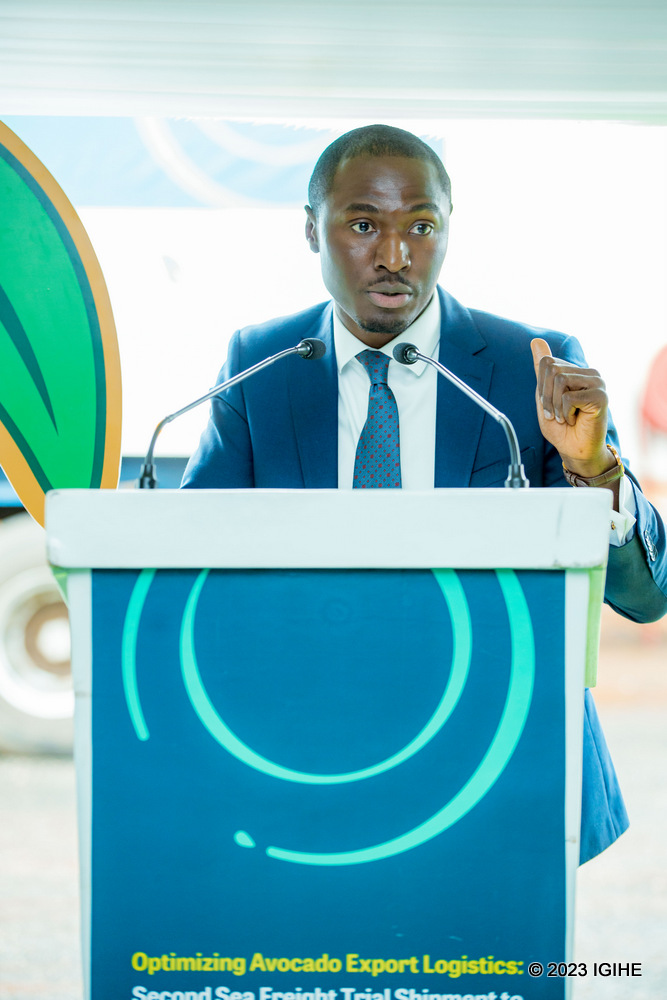
Mr Oluwaseun (Seun) Rasheed, CEO of SOUK Farms said that they used to rely solely on air freight, which limited their capacity.
He highlighted that Sea freight not only expands their reach but also significantly reduces logistics costs, enabling better farmgate prices for smallholder farmers, which he believes is the backbone of their success (increasing by over 20% on average).
“Embracing sea freight is a giant leap towards sustainability. It aligns with our commitment to environmental responsibility. This project creates a groundbreaking path to a greener, more prosperous future for exporters of Avocado from Rwanda, Smallholder Farmers in Rwanda, and contributes to the national agenda of increased exports of horticulture crops from Rwanda,” he said.
While presiding over the event, Bizimana emphasised that this second European shipment follows the successful one executed in Dubai last year.
This marks a vital milestone in the ongoing endeavours to diversify export logistics routes, with the strategic aim of bolstering Rwanda’s competitiveness in international markets.
“This second shipment is part of Rwanda’s Agriculture Transformation Strategic Plan, contributing to a larger project focused on increasing the competitiveness of Rwanda’s horticultural products,” he stated.
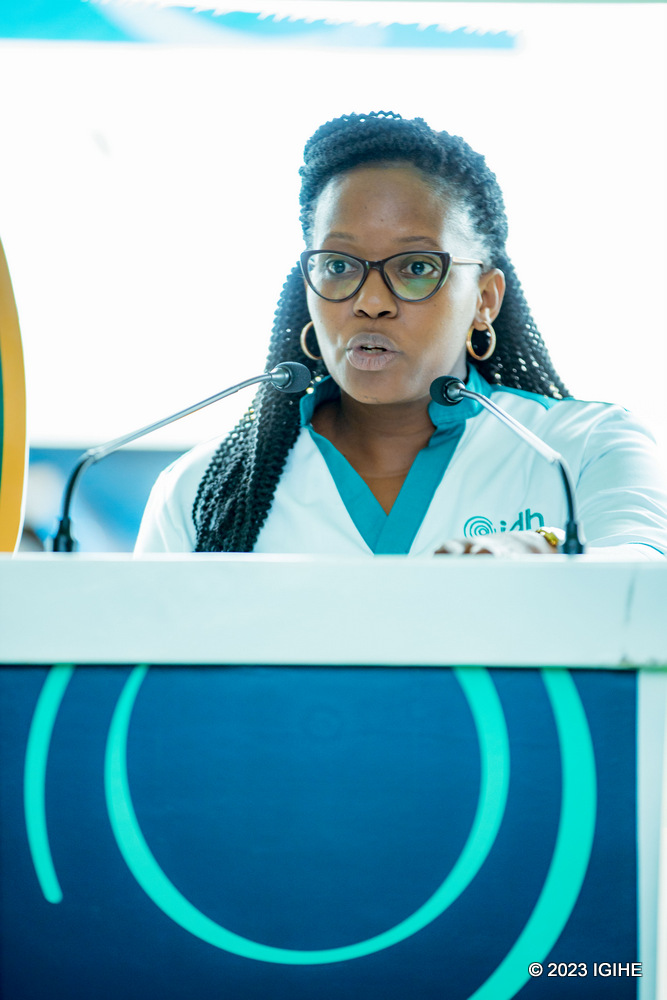
Sylvie Nirere, Country Manager at IDH – Rwanda, emphasised, “This represents a significant milestone. If this second project successfully reduces carbon emissions and shipping costs for the European markets, it will open doors to numerous global buyers for Rwanda’s horticulture sector.”
Beyond the economic considerations, the choice to explore maritime routes is well-founded. The rising costs of airfreight, coupled with fragile and unreliable supply chains, have necessitated a shift toward more sustainable and cost-effective transportation systems.
It’s a realisation that the higher environmental carbon footprint associated with airfreight is not tenable in an evolving market focused on sustainability and efficiency. Sea freight emerges as a critical component in bringing this vision to fruition.
{{About NAEB }}
The National Agricultural Export Development Board, abbreviated as “NAEB” is a commercial public institution established by law No 13/2017 of 14/04/2017 in the framework of regulating and promoting the development and growth of Agriculture and Livestock export commodities in Rwanda, as well marketing them worldwide. The head office of NAEB is located at Gikondo, KK 530 St, in the City of Kigali, the Capital of the Republic of Rwanda.
{{About IDH}}
IDH puts people, planet, and progress at the heart of trade by leveraging the power of markets to create better jobs, better incomes, a better environment, and gender equity for all. Headquartered in the Netherlands, IDH has around 380 employees globally, operating in 20 landscapes and 12 commodities and sourcing regions with over 1000 public and private partners.
{{About HORTINVEST}}
HortInvest is a five-year project (2018-2022) implemented by a consortium of five organisations to support the private sector companies to meet domestic, regional, and international export market demands and develop the horticulture sector in Rwanda. This sea freight trial is part of HortInvest.
Emergencies can strike at any time, and they don’t discriminate based on location or profession. Having a well-equipped first aid kit and trained personnel on-site is not just a nice-to-have; it’s a necessity. Here are some compelling reasons why every office should invest in this crucial aspect of workplace safety:
{{Immediate Response to Emergencies}}
Accidents and sudden illnesses can happen anywhere, including the workplace. Having a first aid kit readily available and personnel with the skills to assist during emergencies ensures that the injured or unwell individual can receive immediate attention. This quick response can make a significant difference in the outcome.
{{Promotes Employee Well-being }}
When employees know that their workplace cares about their well-being, it creates a positive and supportive atmosphere. Feeling safe and supported can lead to increased job satisfaction, higher morale, and improved mental health. This, in turn, can enhance overall productivity.
{{Legal Compliance }}
Many countries have specific regulations that require employers to provide a safe working environment. Failure to meet these requirements can result in legal consequences. Having a first aid kit and trained personnel not only fulfills these legal obligations but also mitigates potential liability.
{{Reduces Downtime}}
Workplace accidents or health emergencies can disrupt the workflow and cause considerable downtime. Having a first aid kit and trained assistance can help minimize downtime by addressing minor injuries promptly, allowing employees to return to work more quickly.
{{Client Safety}}
Offices that host clients or visitors should also be prepared to handle emergencies involving them. A well-stocked first aid kit and trained personnel can come to the rescue if a client experiences a sudden health issue while on-site, leaving a positive impression of your organization’s preparedness and care.
{{ Enhances Team Cohesion}}
Training employees in first aid skills can foster a sense of teamwork and collaboration. They become not just coworkers but also safety allies, looking out for one another and taking pride in their ability to provide help when needed.
{{Peace of Mind }}
Knowing that help is readily available in case of an emergency provides peace of mind to both employees and clients. This can reduce stress and anxiety, enabling everyone to focus better on their tasks and interactions.
In an ideal scenario, every office should have a designated person or a team responsible for first aid and emergency response. However, at the very least, Human Resources personnel should be equipped with basic first aid skills and knowledge of emergency protocols. The cost of providing first aid training and maintaining a first aid kit is a small price to pay compared to the potential consequences of an unprepared workplace.
To sum it up, a well-prepared workplace that prioritizes safety and well-being not only complies with legal requirements but also reaps numerous benefits. From improved employee morale to reduced downtime, the presence of a first aid kit and skilled assistance in the office fosters a more productive and caring work environment. By investing in these simple yet crucial measures, every office can contribute to better yields at work while ensuring the safety and health of everyone involved.
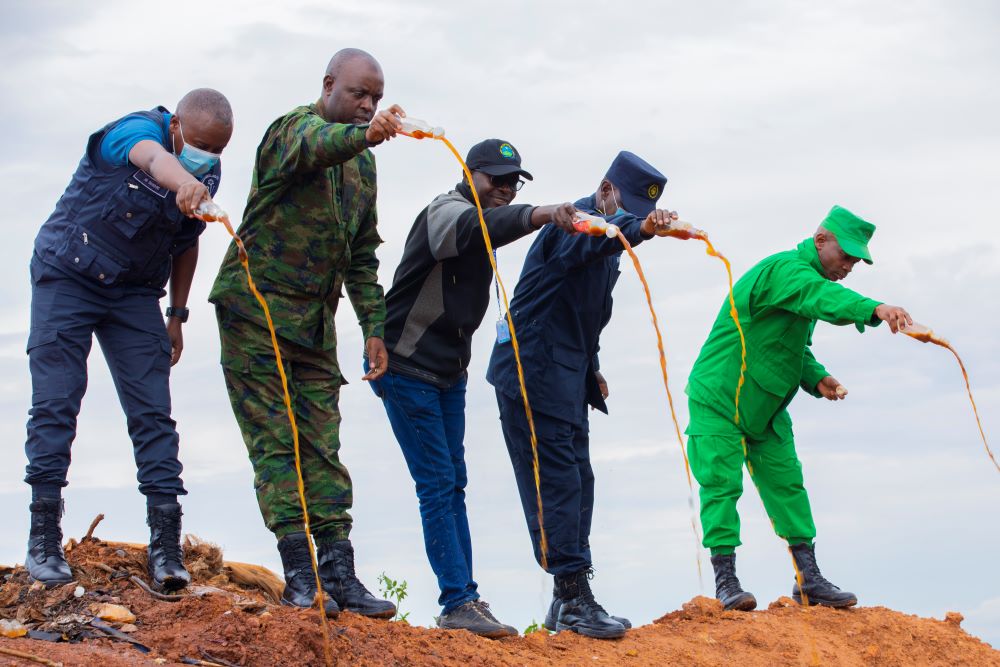
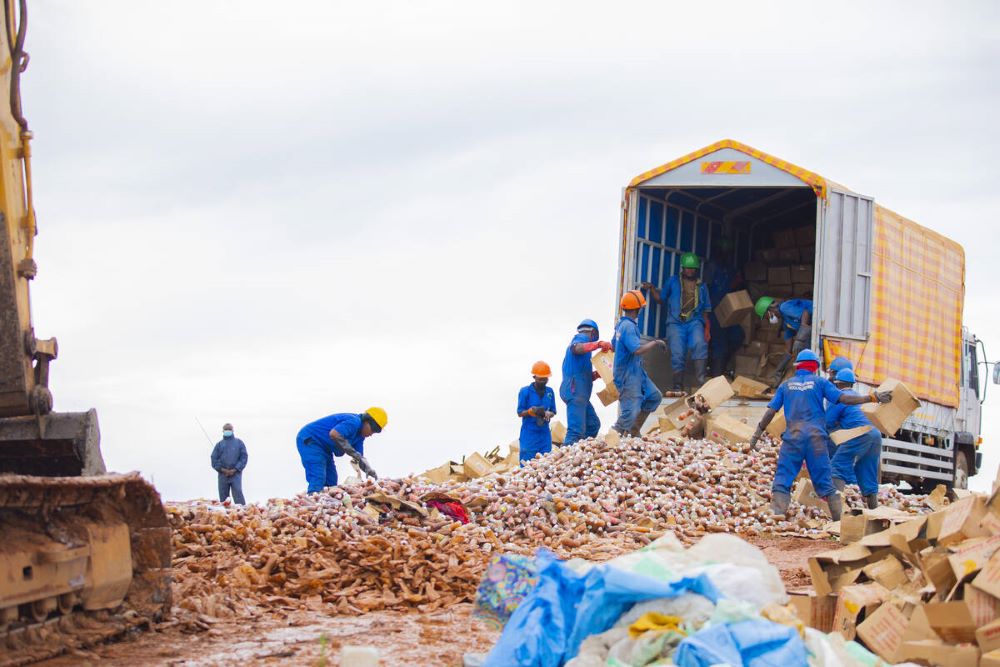
The psychotropic substances with various brand names such as Umutuzo, Impamba and Isangano, were disposed of on Wednesday, October 25, at Nduba landfill in Gasabo District.
The illicit drinks packed in 3,550 boxes valued at Frw42.6 million, were seized recently during Police operations conducted in Kimironko, Kinyinya and Ndera in Gasabo District.
Superintendent of Police (SP) Sylvestre Twajamahoro, the Police spokesperson for the City of Kigali, said that the substances belong to one person, who was operating an illegal distillery in Masoro, Ndera sector.
“About 2341 boxes of illicit brew were seized from an illegal production plant in Masoro, 1050 boxes in Kimironko where his vehicle was delivering the illicit drinks to clients, and 50 others in Kinyinya. He also had fake seals on the products,” SP Twajamahoro said.
RSB specifies that “only food grade processing aids recognized as safe for human consumption shall be used during the manufacture.”
RSB set standard requirements include labeling (name of the products, physical and postal address of manufacturer); net contents in milliliters or liters; ethyl alcohol content; date of manufacture and expiry date; storage instructions; statutory warnings; and list of ingredients in descending order, among others.
The product should have a standards mark also known as S-Mark.
All alcoholic drinks produced without complying with standards and other laws are classified as ‘simple narcotic drugs’ under article 5 of the Ministerial Order No.001/MoH/2019 of 04/03/2019 establishing the list of narcotic drugs and their categorization.
Under article 263 of the law determining offences and penalties in general in Rwanda, anyone convicted for dealing in “simple narcotic drugs” faces between seven and ten years in prison and a fine of between Rwf5 million and Rwf10 million.
The airline confirmed the development via X account formerly Twitter on Wednesday 25th October 2023.
“Today, we took delivery of our 7th Boeing 737 aircraft as we continue to enhance our fleet,” reads the message posted on X.
RwandAir had announced the anticipated acquisition of the new aircraft in June this year.
At the time, Yvonne Manzi Makolo, the CEO of RwandAir, told IGIHE that the airline is actively exploring new routes, with a focus on African destinations as well as considering opportunities in Europe.
Makolo emphasized the airline’s commitment to expanding its fleet by stating, “We are actively considering the purchase of an additional aircraft. We have an upcoming delivery of a Boeing 737 in 2023. We are dedicated to augmenting our fleet size.”
In November 2022, RwandAir acquired its first freight aircraft.
The airline currently operates to a variety of destinations across East, Central, West, and Southern Africa, the Middle East, Europe, and Asia.
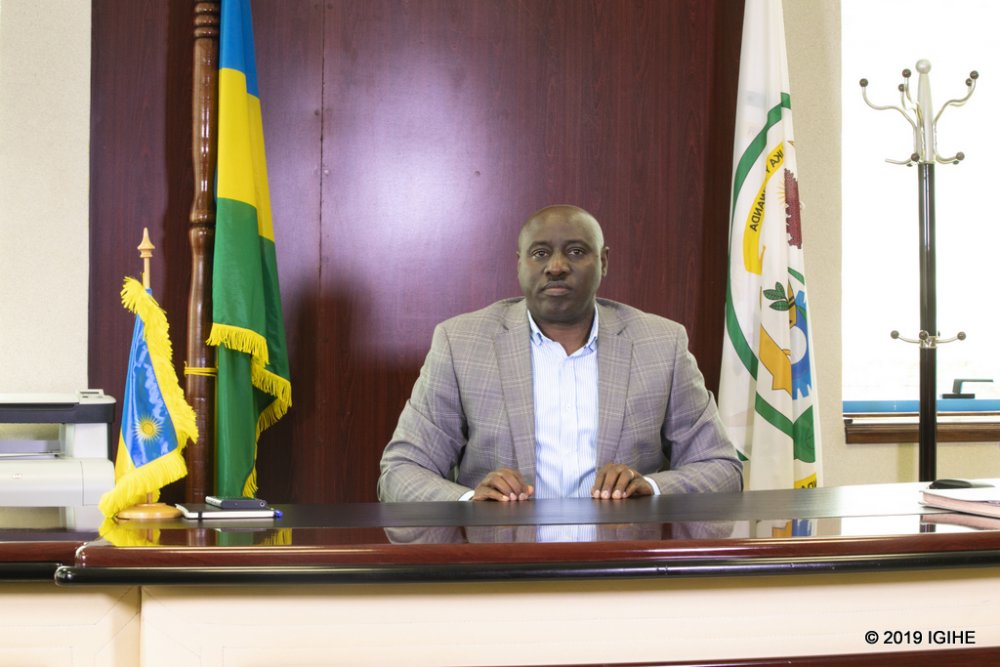
Gasana’s arrest occurred shortly after he was suspended from his official duties, as announced in a communiqué released by the Office of the Prime Minister on October 25, 2023, citing ongoing investigations.
Rwanda Investigation Bureau (RIB) disclosed Gasana’s arrest last night, indicating that it stemmed from an investigation into potential criminal activities he purportedly engaged in during his tenure as Eastern Province Governor, allegedly for personal benefit.
RIB has confirmed that the investigation is ongoing, with further updates to be provided as their findings progress.
Gasana assumed the role of Eastern Province Governor on March 15, 2021, following a ten-month suspension due to ongoing investigations at the time.
Before that, he served as the Governor of the Southern Province from 2018 to 2020 after serving as the Inspector General of Rwanda National Police (RNP).
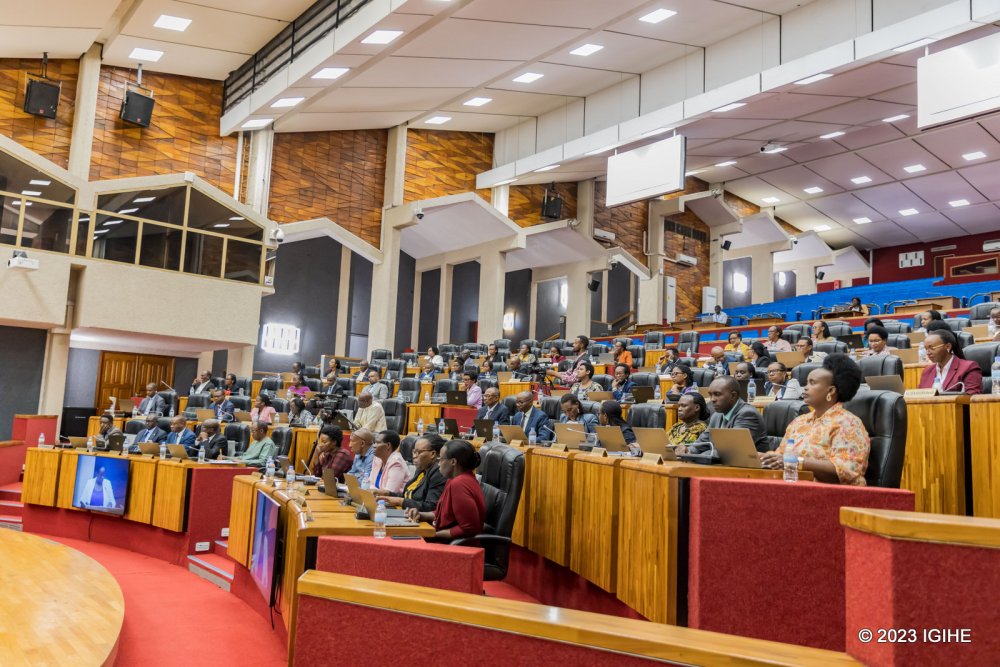
Critics of the report, including Mukabalisa, have raised concerns about its accuracy and objectivity, suggesting that it is unfairly targeting Rwanda.
Mukabalisa highlighted the substantial progress Rwanda has achieved in the past 29 years in fields such as education, innovation, and security, contrasting this with HRW’s portrayal of the country.
She accused HRW of presenting a distorted image of Rwanda to discredit it internationally and noted previous reports with baseless allegations.
Mukabalisa also criticized HRW’s sources, alleging connections to unreliable dissidents and fugitives accused of involvement in the 1994 Genocide against the Tutsis in Rwanda. She further accused HRW of collaborating with armed groups and anti-Rwanda terrorists and consistently defending genocide perpetrators.
MP Nizeyimana Pie expressed disapproval of Kenneth Roth, a former Executive Director of HRW , and his consistent criticisms of Rwanda. Rwandan parliamentarians have collectively emphasized the country’s stability and called on HRW to adopt a more objective approach.
Rwanda, in response to these allegations, remains steadfast, asserting the importance of truth in governance.
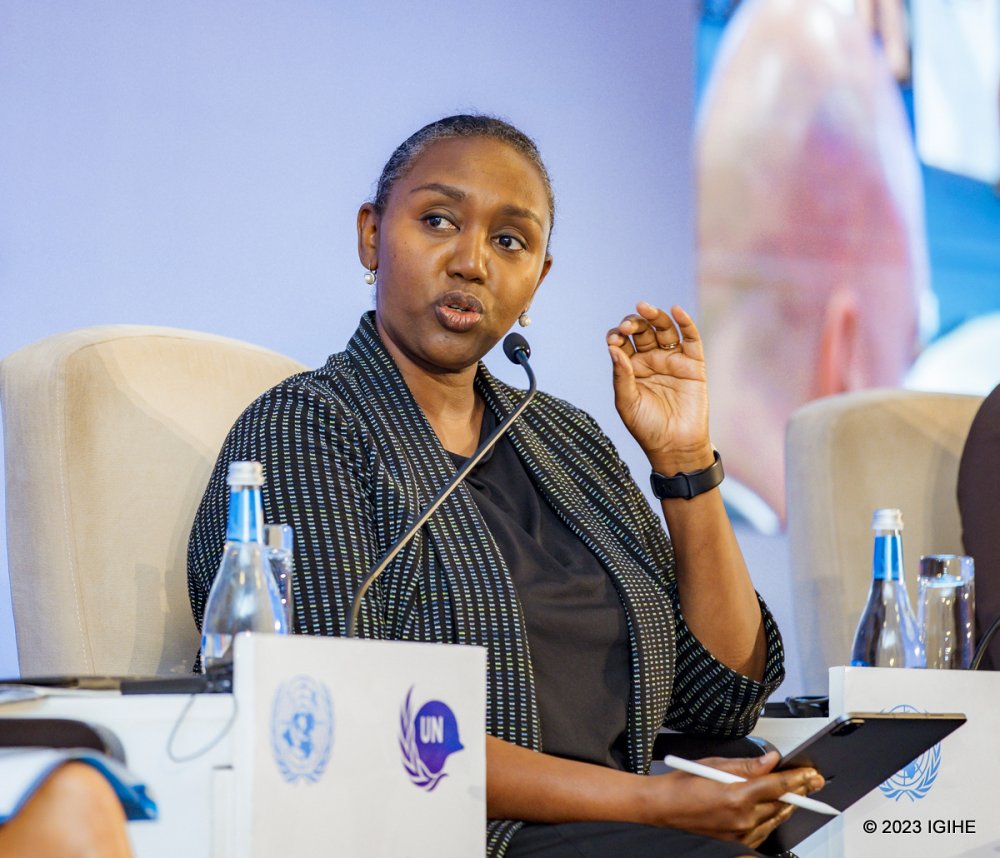
Makolo criticized the accusations, on Tuesday 24th October 2023, during the UN Peacekeeping Ministerial preparatory meeting.
Drone images released by Muyaya, purportedly showing Rwandan troop involvement, were contested by Makolo, who highlighted the recurring nature of such allegations by Congolese authorities.
She suggested these tactics were intended to divert attention from the DRC’s internal governance issues.
Makolo emphasized Rwanda’s concern due to the proximity of the fighting to their common border, emphasizing its impact on national security.
She cited an incident of a Rwandan citizen injured by a stray bullet near the border and assured that security measures were reinforced.
Additionally, Makolo discussed the humanitarian challenges posed by the influx of Congolese refugees into Rwanda, noting over 15,000 new arrivals since November last year. She pointed out the refugees’ inability to return home due to threats.
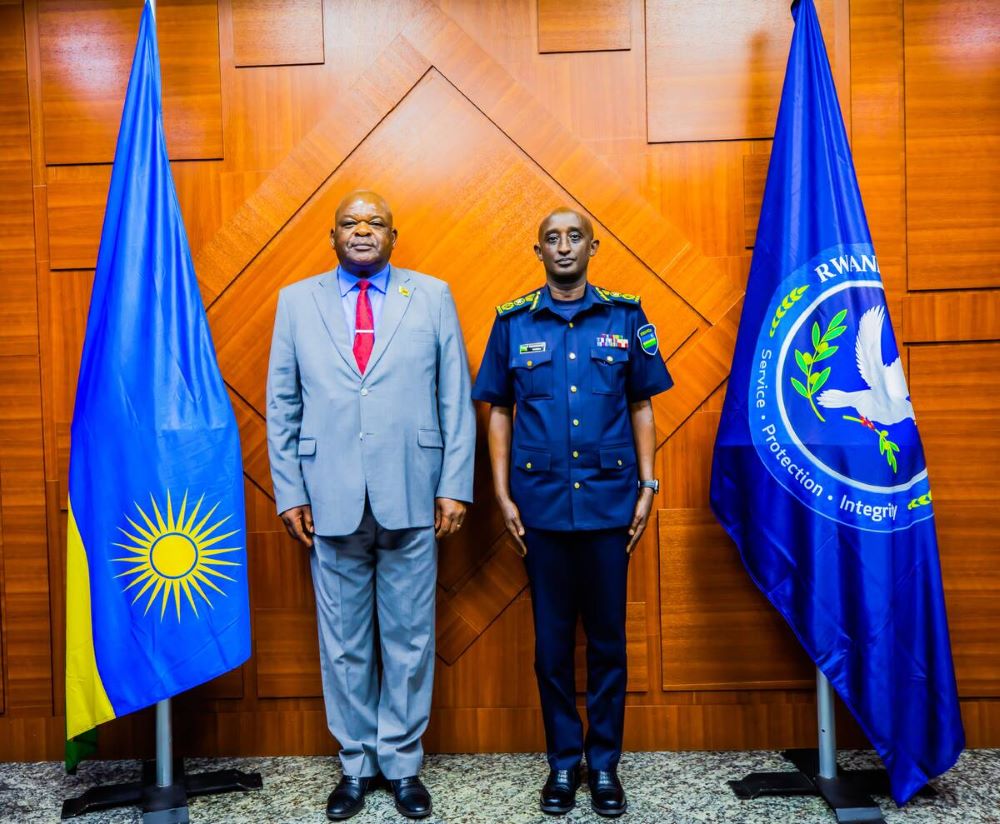
CG Tandabantu, who was accompanied by Zimbabwe’s Deputy Head of Mission to Rwanda, Martin Tavenyika, is in Rwanda for the 2nd Annual Africa Security Symposium Twenty Meeting, which gets underway on Wednesday, October 25, in Kigali.
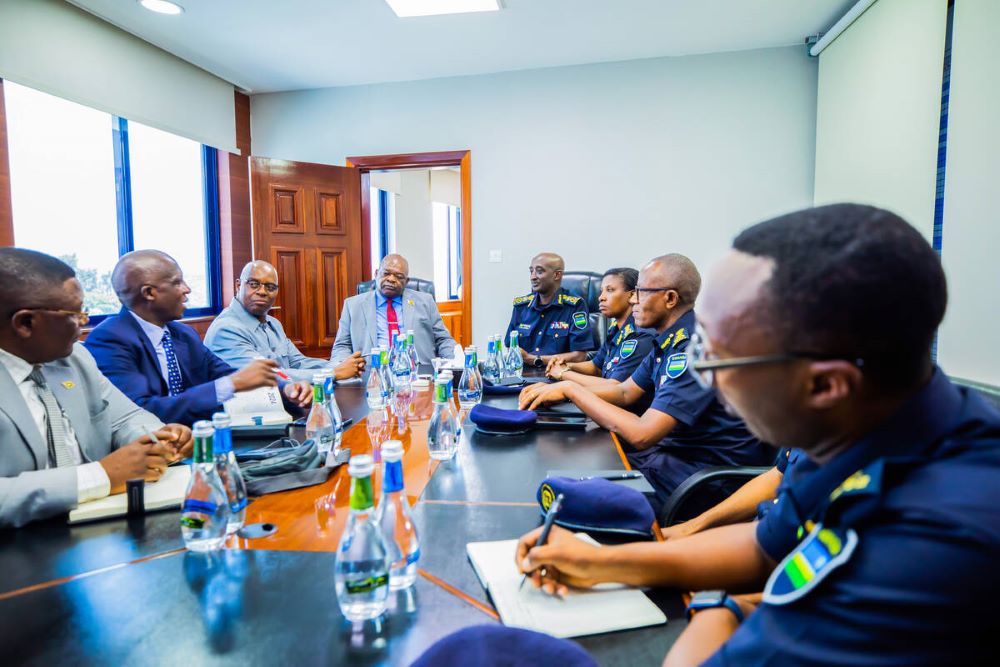
The two Police Chiefs discussed matters related to bilateral cooperation in various areas of mutual interest.
IGP Namuhoranye thanked his counterpart for visiting adding that this is an important step to further strengthen cooperation and to build the capacity of the two Police institutions in the face of the evolving policing landscape and emerging security threats.
On his part, CG Tandabantu said that the “visit will be followed by a bilateral meeting where a memorandum of understanding will be signed by the two parties.”
{{Tell us a bit about your background and how you came to work as Adviser and Head of the Commonwealth Climate Finance Access Hub (CCFAH)?}}
I joined the Commonwealth Climate Finance Access Hub as Manager and Adviser in 2022. It has always been my passion to make a real difference for countries, communities and people, in the area of climate change.
I hold a doctorate degree in Public International law, specialising in Climate Change. I have held several portfolios in the government of Botswana including Prosecution Counsel, Legal Adviser to the Ministry of Environment, Wildlife and Tourism, Director for the Department of Wildlife and National Parks. I also served as the Environment and Climate Change Specialist at United Nations Development Programme (UNDP) in Botswana before re-joining the government as the Permanent Secretary for the Ministry of Environment, Natural Resource Conservation and Tourism.
{{What does CCFAH do and what is the most impactful aspect its work in Commonwealth countries?}}
CCFAH launched operations in 2016, with the aim of supporting small states and other vulnerable countries in the Commonwealth to access climate finance. This is achieved by embedding long-term climate finance experts within government ministries to support project proposal development, policy support, human and institutional capacity building and knowledge management and learning all anchored with gender and youth mainstreaming.
So far, CCFAH has helped mobilise more than US$ 310 million for climate projects in 14 countries as well as the Africa region. We’ve also trained over 2500 officials in 13 countries in different climate finance-related fields. The trainings provide the basis for understanding climate solutions developed by our experts, as well as opportunities for replication across countries.
{{Ahead of the UN Climate Change Conference COP28 in Dubai, how are you supporting Commonwealth countries heading into negotiations?}}
The CCFAH has been conducting essential training – within the Commonwealth and beyond – to enhance the capacity of climate change negotiators to negotiate effectively. The training demystifies the COP process (“Conference of the Parties” to the UN Framework Convention on Climate Change – UNFCCC), helping participants understand its jurisprudence, legal frameworks and principles, and means of implementation.
It further unpacks the UNFCCC rule book, its forums for negotiations, country tactics, as well as approaches to developing national priorities, positions and intervention statements for technical sessions.
So far, we have been able to train nearly 140 representatives (75 women and 63 men) from nine countries (eight in Africa and one in the Pacific), to effectively engage in COP28 negotiations. We are also developing training manuals and toolkits based on the experiences gained during the training. We hope to conduct more sessions focusing on youth and women in 2024.
{{What are three key lessons that emerged from these negotiation workshops that would be useful for other small states or climate vulnerable countries who wish to secure better outcomes?}}
Preparations for the Climate Change COP negotiations are a process and not an activity. Countries need to prepare well ahead of time including contributing to the development of COP Agenda, regional and political bloc positions.
Most of the people participating in the climate change negotiation process may not have the technical capacity to comprehend the climate change negotiations.
Climate change negotiations training is critical not only to enhance effective engagement at negotiations but also for domestication and implementation of climate actions at national level.
{{Why is it important to amplify the voice of small states and climate vulnerable nations at these negotiations and what can we expect at COP28?}}
Climate change negotiations are a party-driven process. It is therefore important that the small and vulnerable countries understand that they have equal rights to contribute and direct the process using the established tools and frameworks for negotiations. As the most vulnerable groups, they must play a critical role in defining and informing proposed climate solutions and narratives, so that interventions are relevant and targeted to their needs.
At COP28, we expect clear guidance on the operationalisation of the Loss and Damage Fund including design parameters on eligibility, inclusivity, and scale. This fund is of paramount importance as it aims to provide financial assistance to nations most vulnerable and impacted by the effects of climate change.
COP28 will also deliver the Global Stocktake report – the first five-yearly evaluation of the world’s progress on the Paris Agreement. We expect clear guidance on next steps, so that we can make the necessary adjustments to strategic approaches to supporting climate action and solutions.