The UNECA said in a statement that with the global economy still grappling with the repercussions of the COVID-19 pandemic and the effects of the Russia-Ukraine conflict on food and energy prices, achieving food security and energy transition is of paramount importance for African countries, particularly the North and West African regions.
According to the UNECA, the combined effects of the COVID-19 pandemic and the Russia-Ukraine conflict are increasing borrowing costs and debt service in Africa, which is further exacerbated by the disproportionate impact of climate change which costs African countries 2 to 9 percent of state budgets.
It said amid the cascading crises, the food and energy security in North and West Africa experienced major setbacks. Figures from the UNECA show that between 2019 and 2022, almost 25 million additional people suffered from undernourishment in both regions combined.
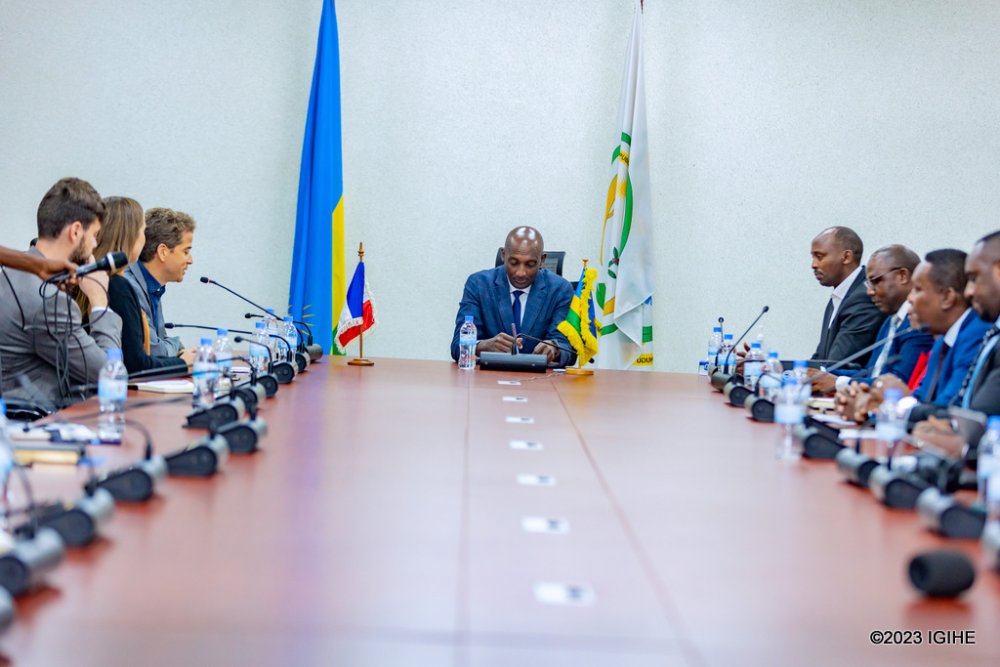
The UNECA made the call ahead of its upcoming meeting of the joint Intergovernmental Committee of Senior Officials and Experts (ICSOE) for North and West Africa, slated to be held on Nov. 1-3 in the Ghanian capital of Accra. The joint meeting is expected to bring together representatives of 22 North and West African countries, along with representatives from regional economic communities from the two regions.
This year’s edition of the ICSOE, in partnership with the government of Ghana, will be held under the theme “Investing in the Energy Transition, Food Security, and Regional Value Chains for Sustainable Development in North and West Africa,” the UNECA said.
Ngone Diop, director of the UNECA office for West Africa, said achieving food security and energy transition requires concerted ambition to scale up high-impact investments as well as forging alliances with a wide range of regional, national, and global actors.
“Above all, it calls for action — to act now to deliver the SDGs promise for equitable, inclusive sustainable development for all, (and) leaving no one behind,” the statement quoted Diop as saying.
Zuzana Schwidrowski, director of the UNECA office for North Africa, said the upcoming meeting is expected to propose recommendations that will facilitate just and sustainable food and energy transitions.
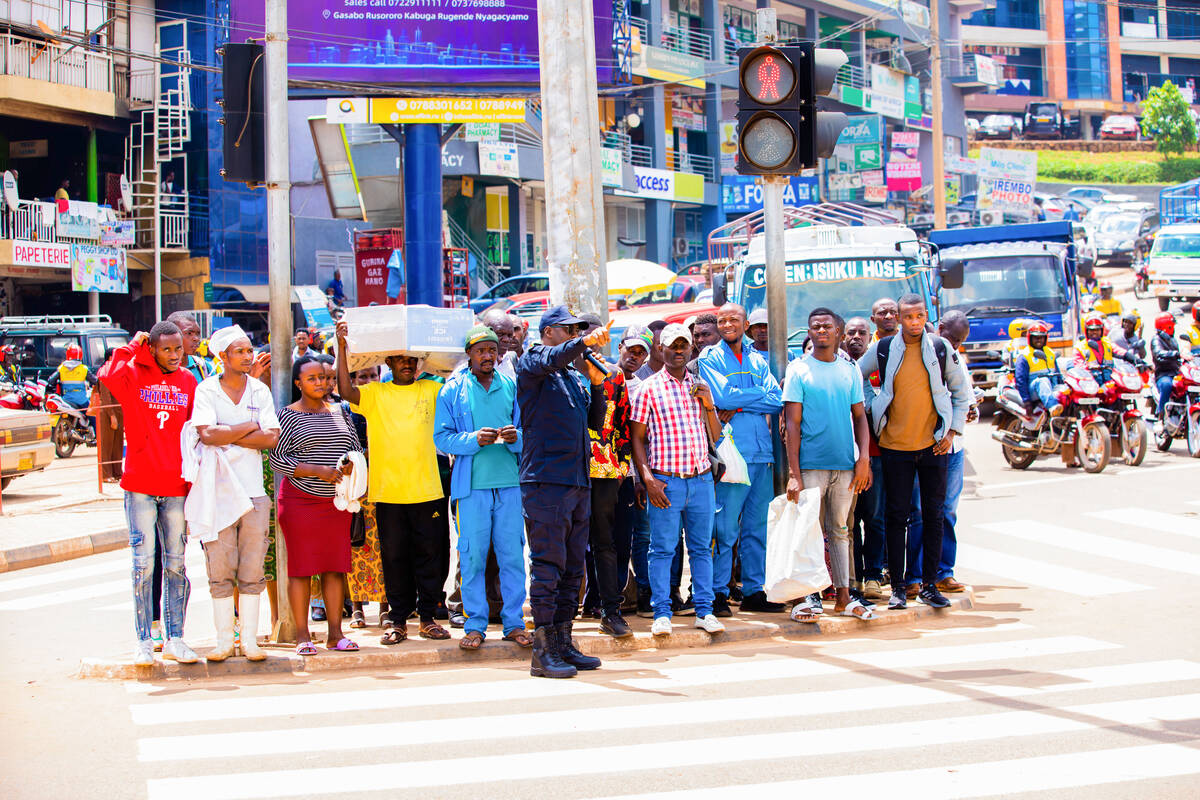
Nonetheless, motorists have continued to violate the Zebra Crossing and results have been fatal. The Traffic and Road Safety department has registered 171 fatal accidents involving pedestrians between January and August this years, and 47 serious injuries. Some of these fatalities were registered at the Zebra Crossing due to motorists’ reckless behaviours.
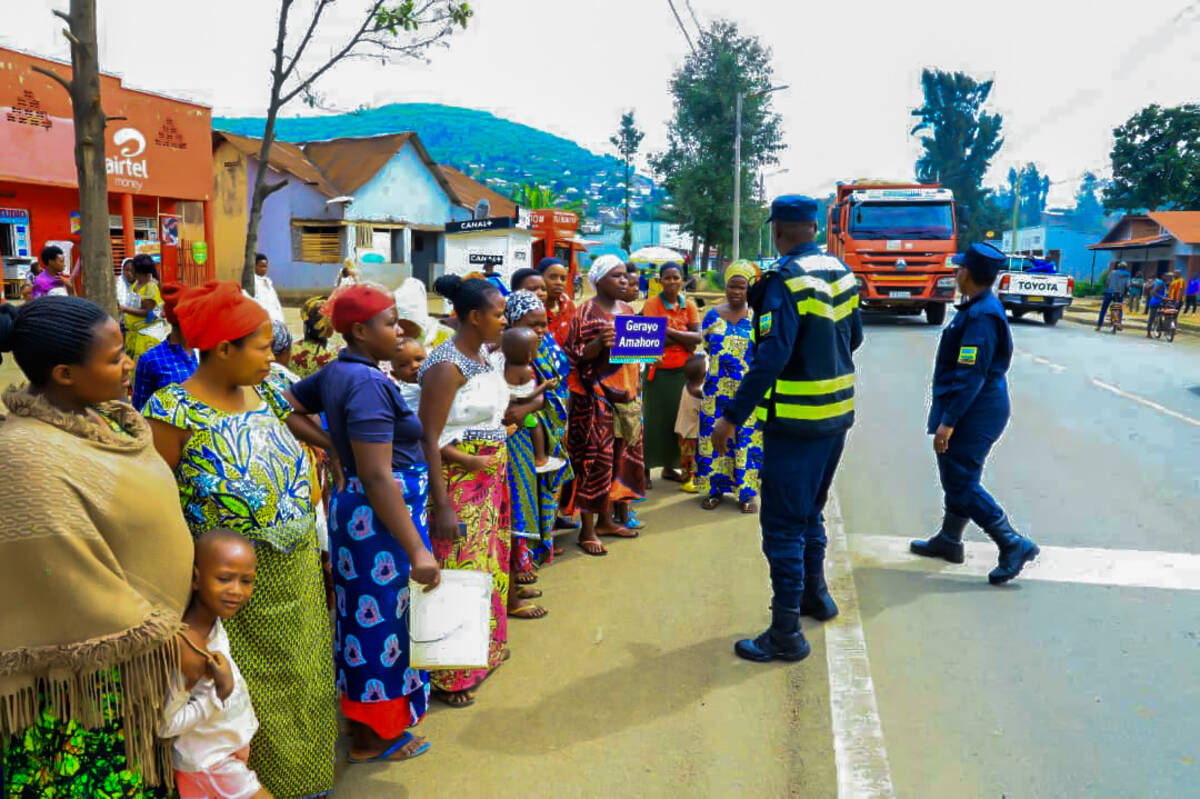
In an effort to address this form of road carnage, Rwanda National Police (RNP) started a week-long countrywide awareness on Monday, October 30, to educate road users to respect Zebra Crossing, as part of the ongoing Gerayo Amahoro road safety campaign.
“The awareness targets all categories of road users; motorists, cyclists and pedestrians to respect the zebra crossing and to use them safely. Failure to respect the zebra crossing puts someone in danger,” said Assistant Commissioner of Police (ACP) Boniface Rutikanga, the RNP spokesperson.
Across different roads in Kigali and other parts of the country, Police officers engaged motorists and pedestrians, including students on the meaning of zebra crossing and how safely to cross the road.
ACP Rutikanga said: “We have registered cases where drivers and taxi-moto operators speed through the zebra crossing and in some cases knocking pedestrians. There are also cases where pedestrians cross the road recklessly without carefully looking on either side of the road or crossing when they are distracted by the phone.”
“The zebra crossing provides a safe passage for pedestrians. The lines warn drivers that there may be pedestrians crossing or waiting to cross the road, which requires motorists to slow down or stop to give way to pedestrians on the crossing. It does not matter if there is someone crossing or not; motorists must reduce speed whenever they are approaching a zebra crossing. It is also a traffic offence to stop in the zebra crossing, which is common in traffic jam and traffic lights.”
{{Ruhengeri Level Two Teaching Hospital Modernization}}
Ruhengeri Hospital, located in the district of Musanze, serves as the reference medical facility for six surrounding districts, anticipating a population growth of 2.1 to 3 million by 2040. Built in 1939, the hospital has reached its maximum capacity.
In response to these challenges and aligned with Rwanda’s strategic health plan, the government has requested AFD’s support.
The modernization initiative will double the hospital’s capacity, expanding from 320 to 550 beds, establish new diagnostic departments (electrocardiogram, MRI, CT Scan), intensive care units, and elevate the hospital to international standards. The project will be financed with a loan of 75 million euros and a contribution from the Government of Rwanda of 15 million euros.
AFD will also provide a grant of 4 million euros, managed by Expertise France, AFD’s technical cooperation agency, to provide capacity building and trainings for the medical staff, particularly in maternal, gynecological and child health, acute medicine and infectiology, in line with government priorities.
{{Rural Infrastructure Development for Vulnerable Populations}}
While Rwanda has made significant progress in local economic development and governance, many remote districts continue to face funding shortfalls, hindering access to public services and livelihoods for the most vulnerable populations.
In cooperation with the German cooperation agency KfW, Luxembourg will also contribute through LuxDev and AFD, the Rwandan government, has launched a multi-donor basket fund to address the specific needs of 16 of the country’s poorest districts.
AFD’s contribution of €16 million to this fund will facilitate de construction of health, education, agriculture, and economic infrastructures. Furthermore, the Basket-fund will enhance the resilience of rural communities to climate change.
This project will also improve the regulatory and operational framework for local economic development (LED) and enhance the capacity of individuals working in this sector.
Commenting on this development, said Arthur Germond, AFD Director in Rwanda said: “Health and climate resilience are two essential pillars of AFD’s interventions in Rwanda. Our commitment is to create real, on-the-ground impact, and we’re dedicated to achieving visible results in 2023 for these new initiatives.
In a promising step, the first cardiologists training kicked off in Kigali in October 2023, and more practitioners will be trained in Ruhengeri by year’s end. It’s an exciting journey, one that holds the promise of enhancing the well-being and resilience of Rwanda’s communities in the face of many future challenges.”
According to French Ambassador to Rwanda, Antoine Anfré, the signing of these two agreements will play a crucial role in upholding France’s commitment of 500 million euros in cooperation with Rwanda.
“The rehabilitation of the Ruhengeri Hospital represents a flagship project within the broader framework of our healthcare partnership, reinforcing our shared dedication to the well-being and prosperity of the Rwandan people,” he highlighted.
“The population growth, epidemiological transition, introduction of universal health coverage and the surrounding tourism context no longer allows Ruhengeri referral Hospital to meet all the population’s needs.
The AFD funding will support construction, rehabilitation and supply of medical equipment. The objective is to provide sustainable access to healthcare for the population of the Northern Province,” said Minister Tusabe.
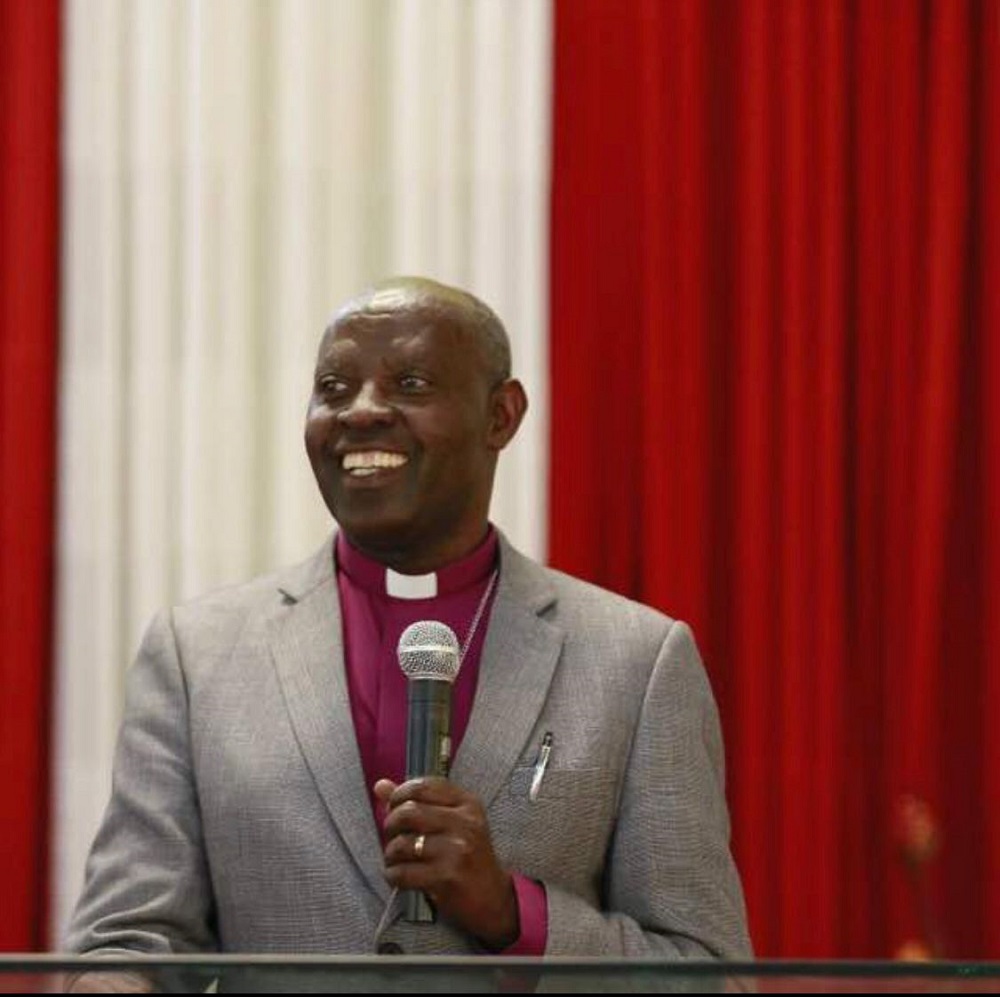
The announcement of Bishop Kayinamura’s appointment came during the sixth Free Methodist World Conference, which gathered 105 representatives from across the globe in Rwanda.
Bishop Kayinamura takes over from Bishop Joab Lohara of India, who served in this role for eight years. The four-day conference, held in Kigali, aimed to foster unity and cooperation to expand the congregation.
Additionally, during the same conference, Bishop Keith Cowart, a native of the United States, was elected as the President of the Church’s Council of Bishops, succeeding Bishop Deogratias Nshimiyimana, who held the position for two terms.
Hailing from Gihombo in the Nyamasheke District, Bishop Kayinamura, at the age of 60, has been a devout Christian since his youth.
He received his early education in Gitsimbwe and pursued advanced studies in Theology at the National University of Rwanda in Butare. Later, he continued his studies in South Africa at the University of KwaZulu-Natal, specializing in peace promotion and conflict resolution.
Having embraced the Methodist faith in 1976, he swiftly embraced ecclesiastical responsibilities, ultimately achieving consecration as a Bishop in Rwanda in 2001.
The Free Methodist Church, under the leadership of Bishop Samuel Kayinamura, has been established in Rwanda since 1942 and currently boasts 520,278 devoted members. Furthermore, it is recognized for its prominent educational and healthcare institutions.
The European travel program encompasses a wide range of activities such as academic pursuits at partner universities, medical consultations, internships, and more.
On a monthly basis, Mega Global Link helps 50 individuals interested in exploring different European destinations. Additionally, they connect 30 students with schools that have contractual agreements with hospitals in Europe, facilitating their medical treatment and academic needs.
Dr. Habumugisha emphasizes that anyone visiting their center can inquire about the number of people departing in the previous month and potentially get included in the following month’s travel list.
He explains, “This program operates in various African countries, offering opportunities to travel to European destinations. Europe, particularly the Schengen countries, allows you to enter with a single visa and visit 27 different nations. We provide comprehensive assistance to make this journey a reality.”
“While on your trip, you will discover that certain things you may have considered expensive in other regions, such as Asia, are both beautiful and cost-effective in Europe. You can also acquire valuable insights that may have been lacking in your home country. We guide individuals towards their dreams, identifying feasible journeys and encouraging them to achieve their goals,” adds Dr. Habumugisha.
Mega Global Link also offers visa application assistance, and they have established partnerships with airlines to offer discounted tickets to those who have secured a visa. They help clients with hotel accommodations and hospital arrangements for treatment.
Dr. Habumugisha highlights Europe’s advanced medical facilities, stating, “If you’ve been unwell and received treatment in Africa or traveled to Asia, it’s important to know that Europe boasts some of the most advanced medical services. The hospitals we collaborate with are among the world’s best, committed to enhancing your health.”
Moreover, Mega Global Link collaborates with educational institutions to connect students with scholarships covering all levels of education, from primary to university. They even extend support to parents accompanying their children.
Regarding travel logistics, Mega Global Link assists individuals in securing plane tickets and provides airport pickup services upon their arrival in their chosen European destination.
Dr. Habumugisha has also hinted at future plans to expand their services to other continents, such as the United States of America and Canada.
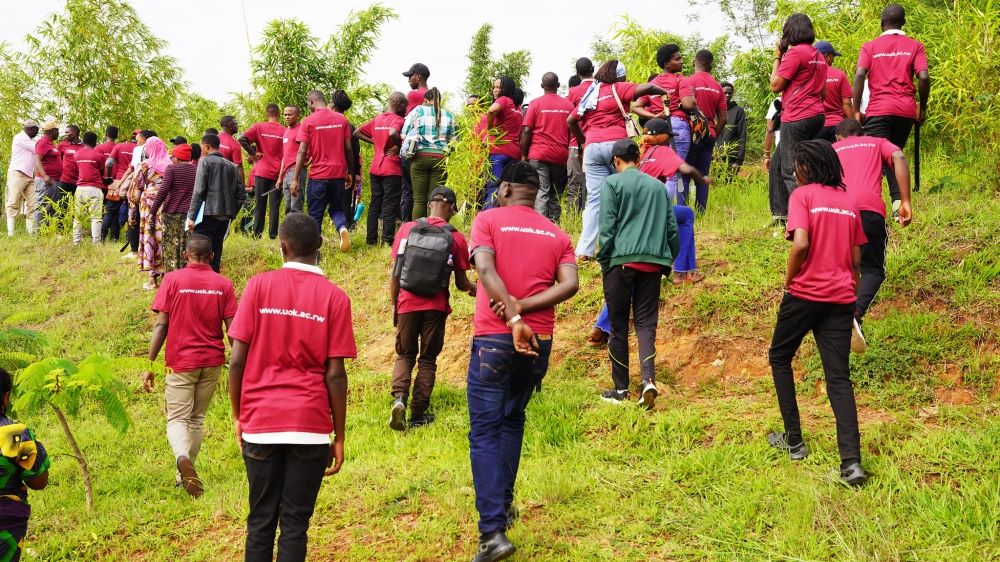
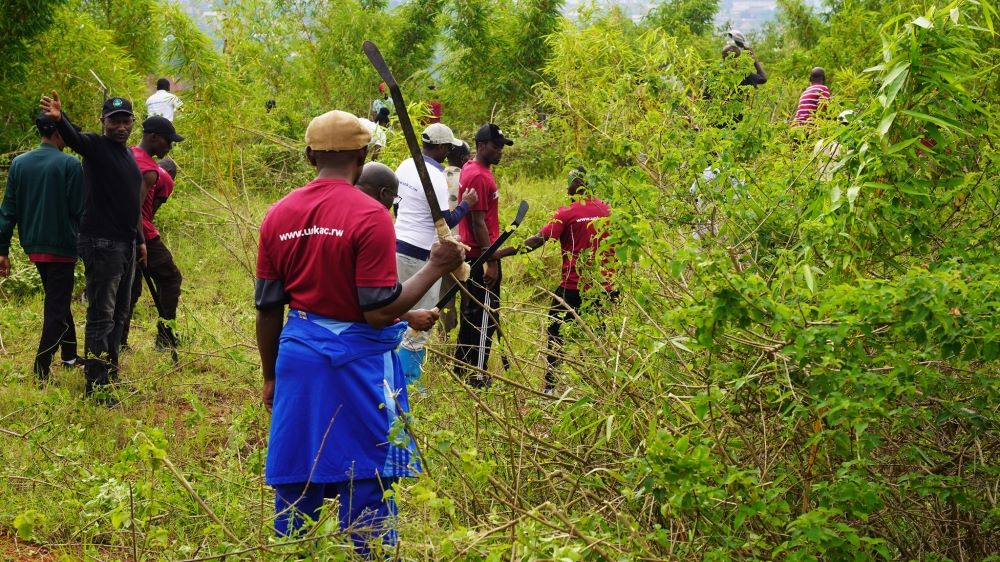
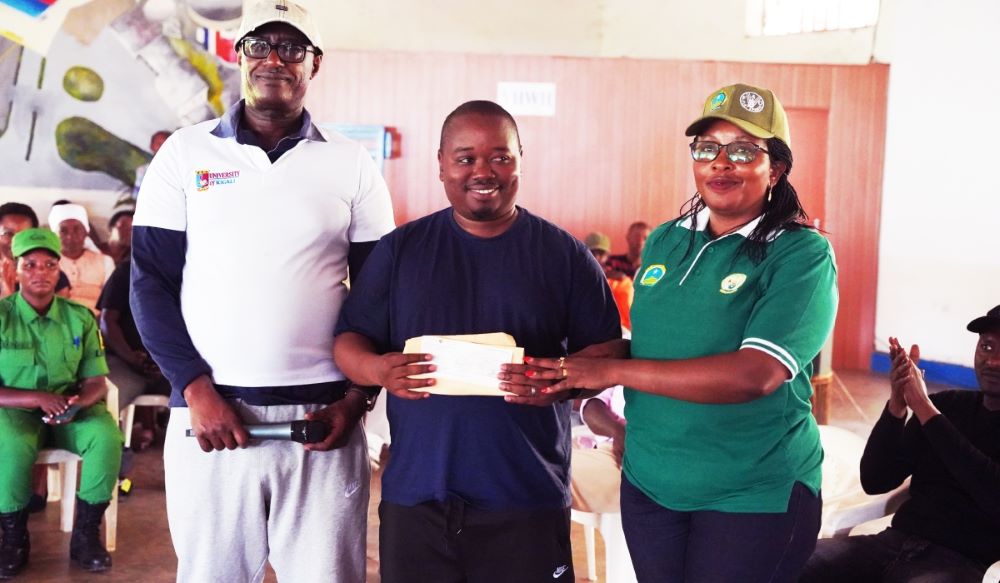
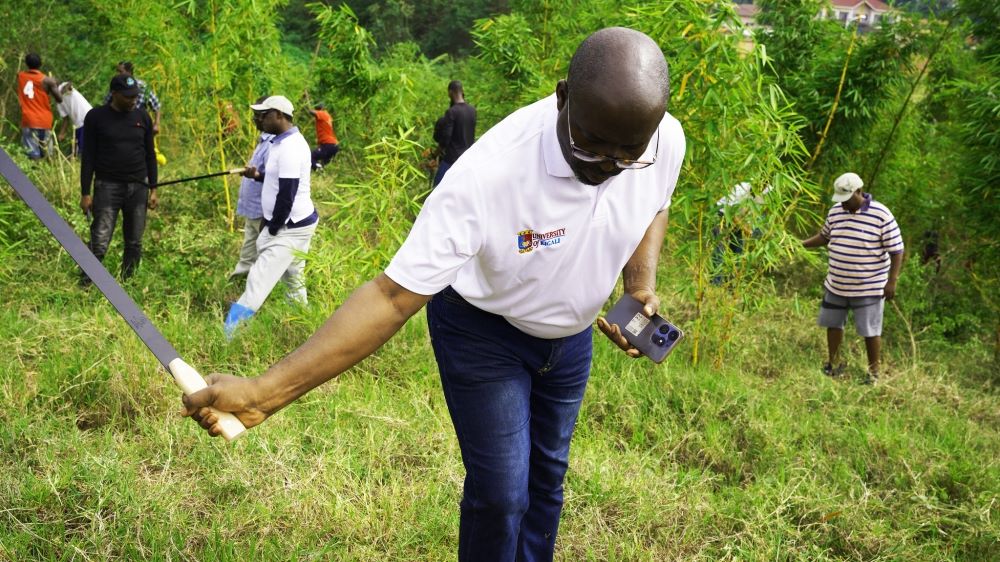
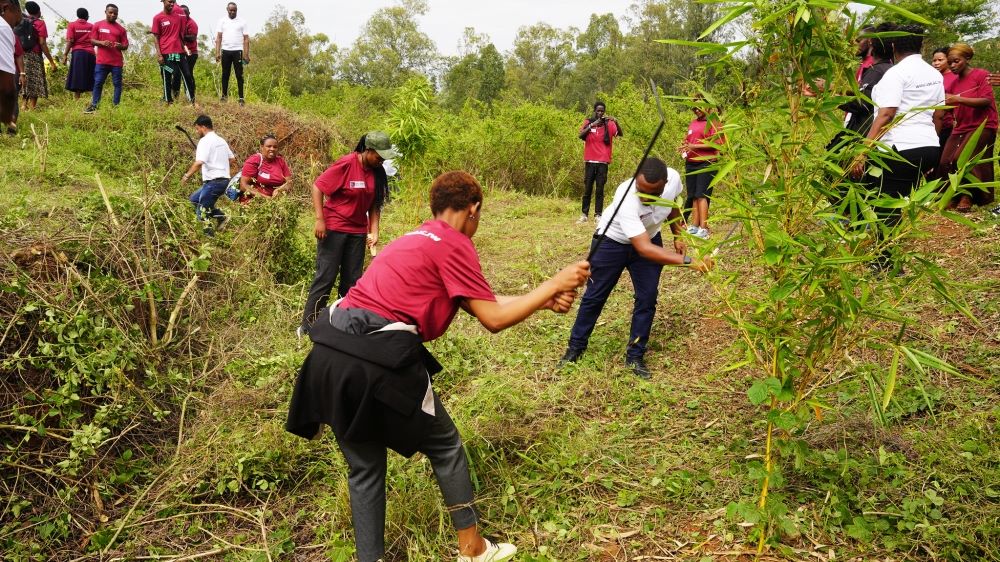
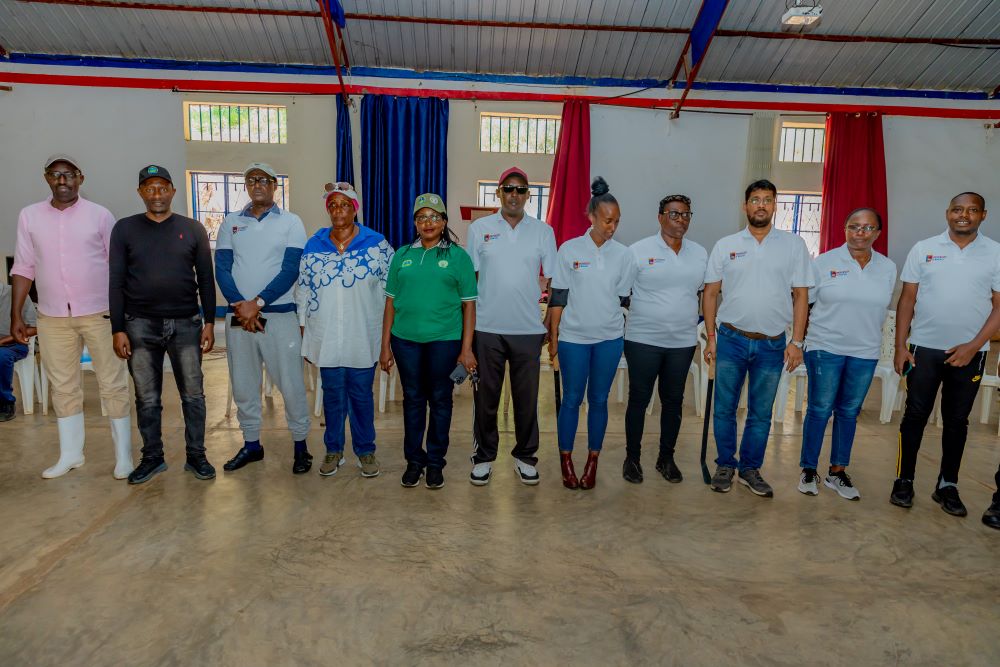
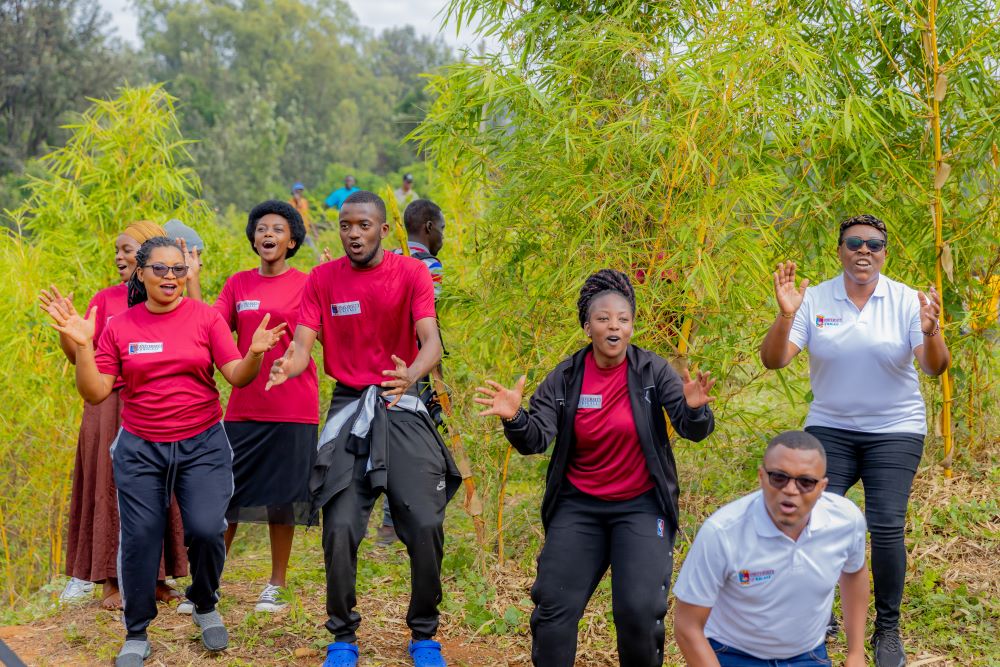
The community event, where UoK contributed Rwf1.7 million for health insurance packages, took place in Gasasa Village, Rugando Cell, and involved participants in cleaning and clearing overgrown bushes.
This initiative aimed to improve healthcare access for needy residents.
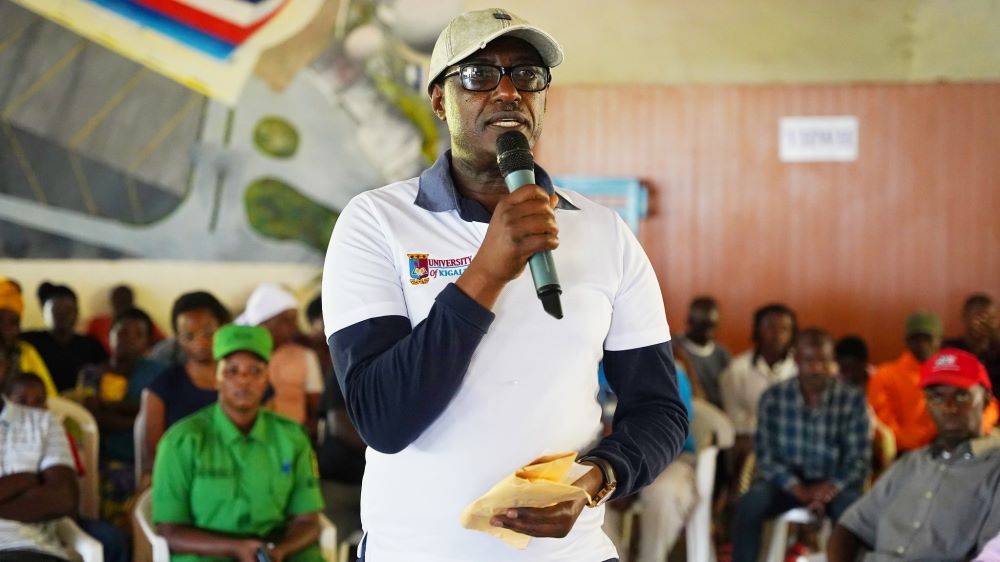
Reflecting on this, Dr. Nshuti Manasseh, Chairman of the Board of Promoters at UoK, emphasized the university’s commitment to the welfare of Rwandans, stressing the importance of good health for a fulfilling life. UoK expressed its dedication to educating future generations and supporting those in need while promoting self-reliance.
In the same spirit, the University of Kigali pledged ongoing collaboration with the local community to further enhance their lives.
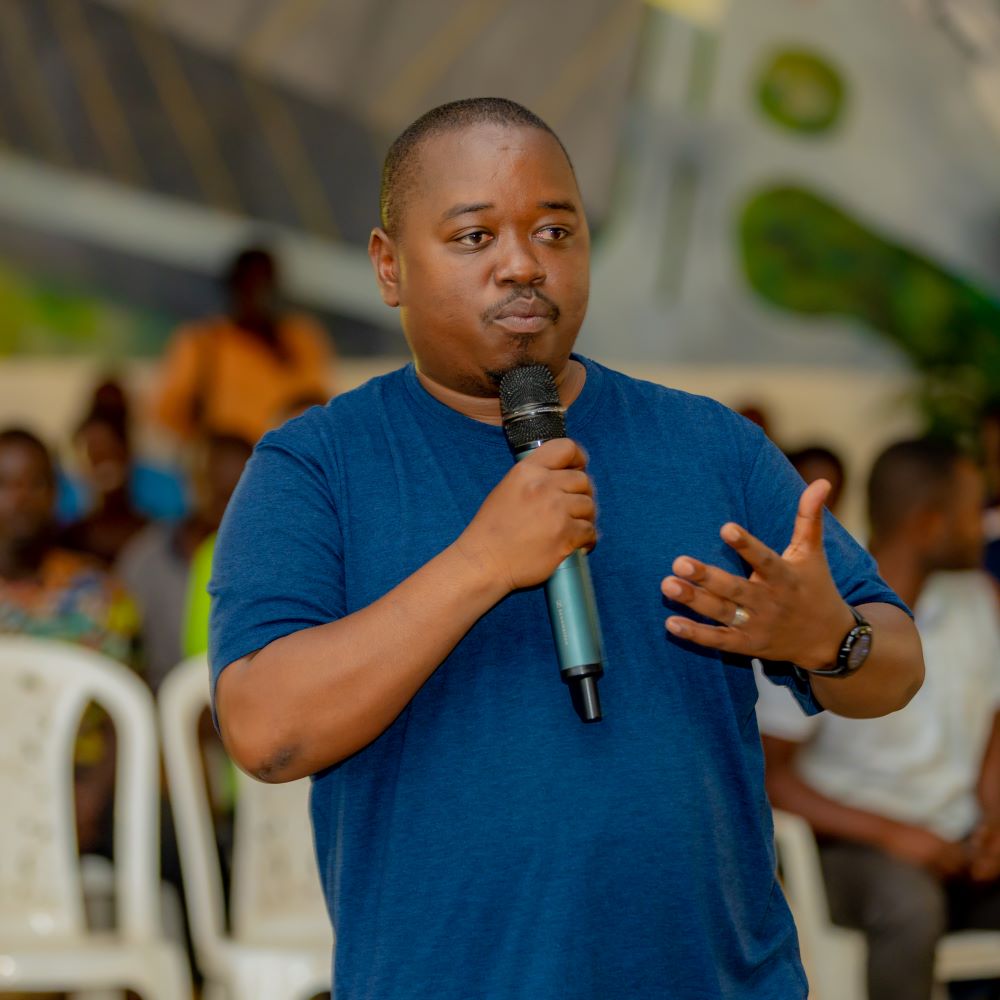
Ivan Ngabirano, UoK’s Guild President, underscored the importance of community cooperation, as it encourages participation in maintaining and advancing development initiatives.
As a young person, he advocated for active participation in safeguarding these achievements, promoting a better Rwanda through avoiding harmful substances, respecting the wisdom of elders, and valuing hard work.
Dr. Mpabwanmaguru Mérard, the Vice Mayor of the City of Kigali in charge of Infrastructure and Urbanization, praised the University of Kigali’s dedication to assisting those in need in accessing healthcare. He emphasized the significance of providing healthcare access to those in need, enabling healthier lives and stronger family support.
Dr. Mpabwanmaguru also called on Kigali City residents to play a more active role in contributing to various government services, including cleanliness initiatives and tree planting, recognizing the importance of community involvement in these endeavors.
Pauline Umwali, the Executive Administrator of Gasabo District, noted the lagging subscription for Mutuelle de Santé in some Kigali City districts and emphasized the need for change. She expressed the district’s commitment to rectifying these issues, ultimately aiming for people to have access to quality healthcare.
Through their innovative Open Calls Program, NIRDA has been empowering companies across eight diverse value chains with upgraded equipment, breathing new life into Rwanda’s industrial landscape.
The Open Calls Program, introduced by NIRDA in 2018, is a beacon of hope for companies seeking to elevate their operations. It operates as an open competition, where enterprises can apply for support to acquire state-of-the-art equipment that catalyzes the production of locally made products within various value chains.
Over time, NIRDA has steadfastly implemented the Open Calls Program across eight pivotal value chains. This brings the number to 10 value chains supported through Open Calls.
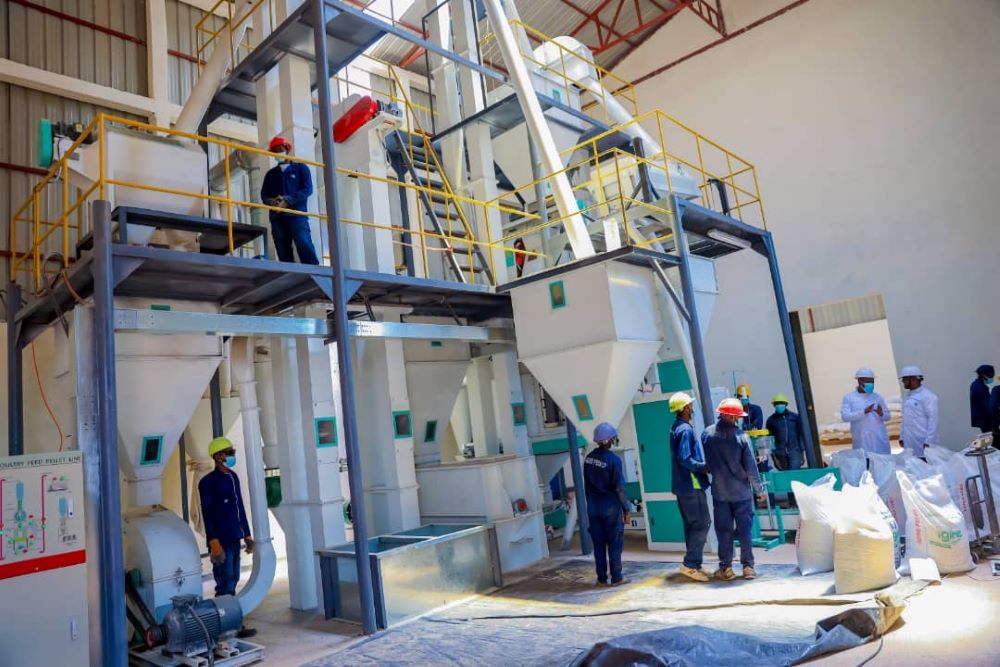
In the Agriculture sector, NIRDA has ushered in a farming revolution in three value chains namely poultry, piggery and animal feeds.
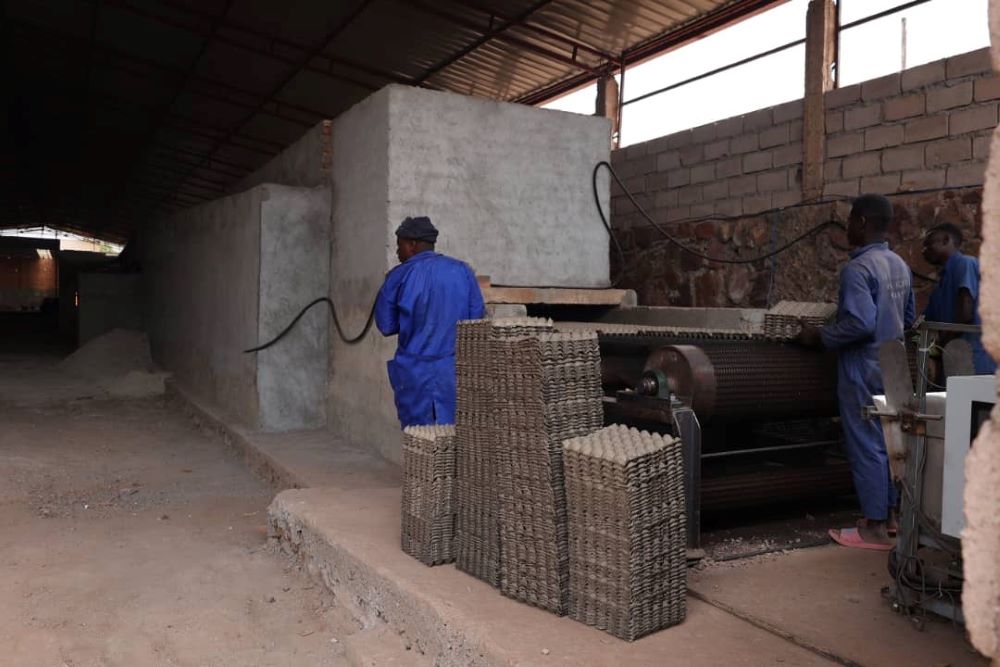
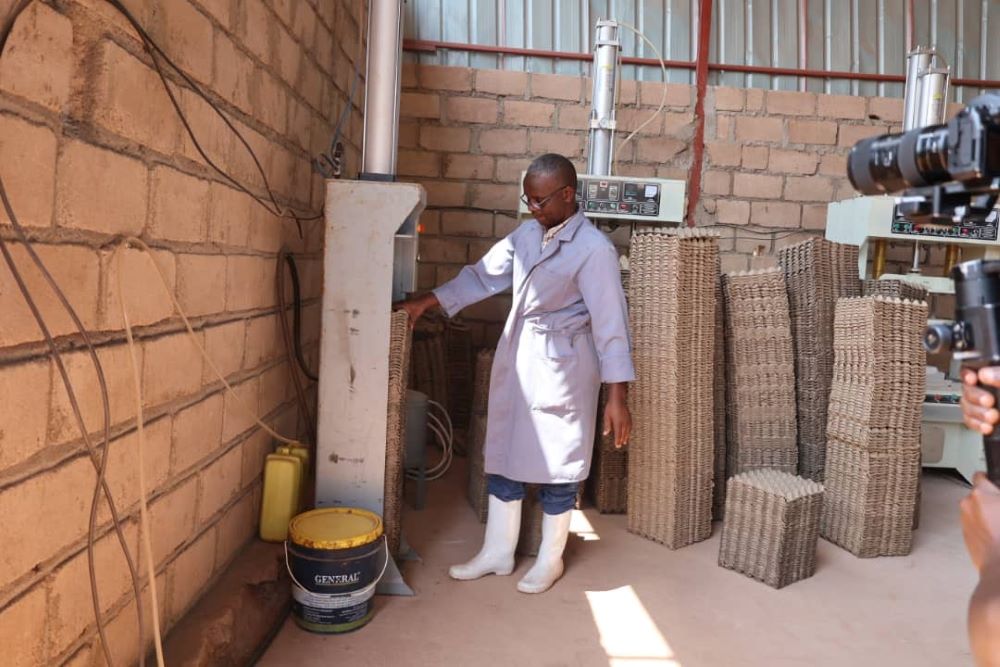
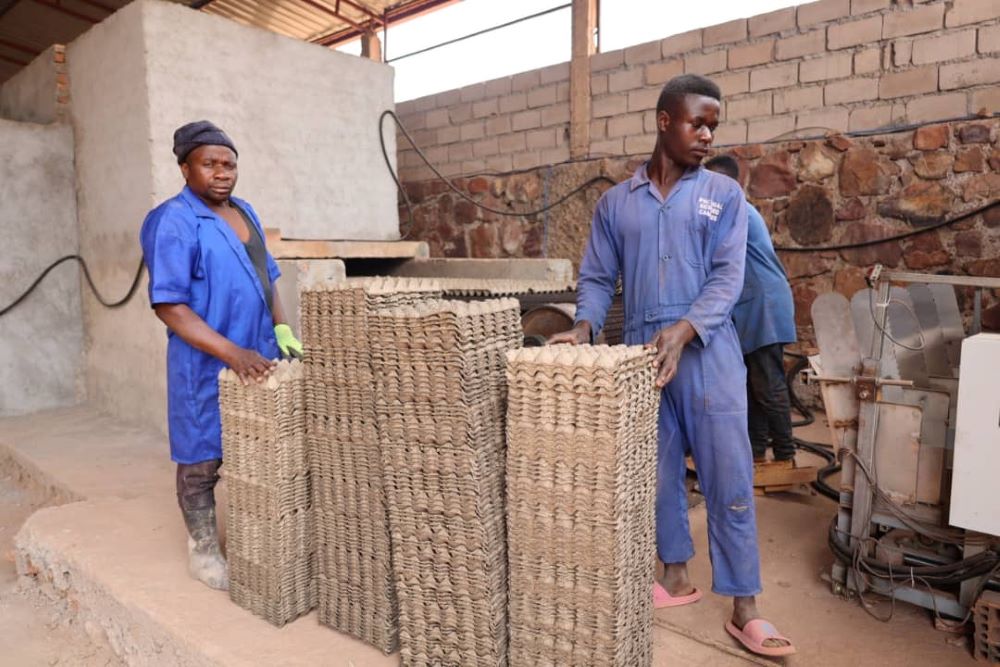
Companies acquired fully automated feed plant, automated eggs grading, and tray-making machines. NIRDA also acquired aflatoxin readers to ensure top-notch product quality. In addition, modern farms and abattoirs have been equipped with cutting-edge technology to raise the bar for pig production. To keep products fresh, cooling facilities and refrigerated trucks have been introduced.
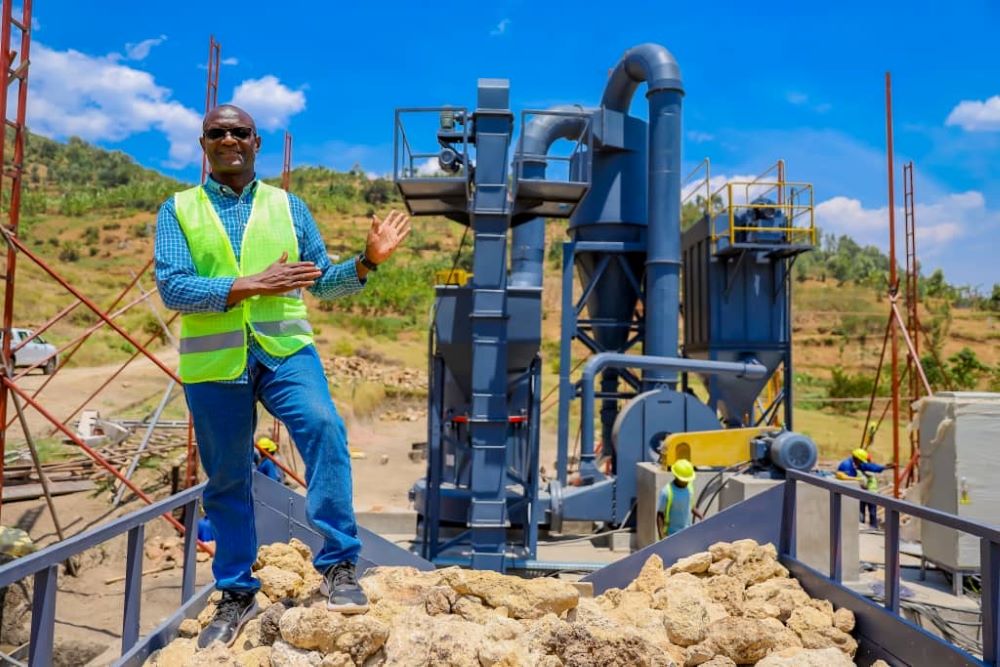
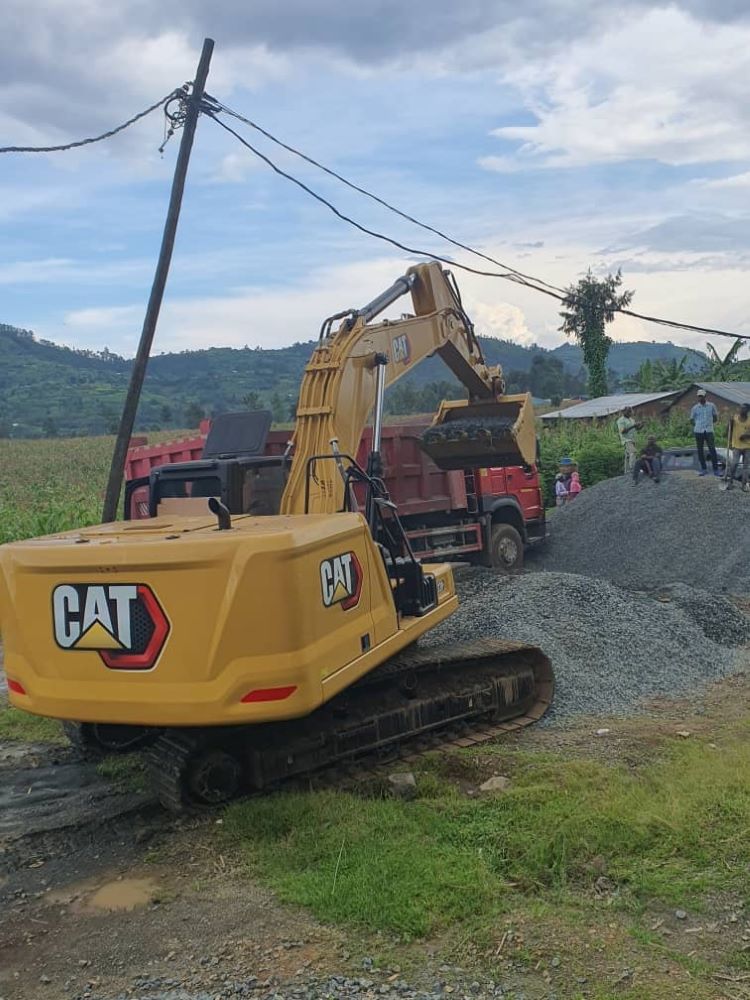
The urbanization sector has also seen remarkable advancements in two value chains namely stone and clay for construction materials. Companies acquired CNC Bridge saws and automated edge-polishing machines. Lime production and crushing plants are also paving the way for progress, while Caterpillar excavator and automated brick-making machines are building the future, one block at a time.
NIRDA has been working with the Belgian Development Agency (Enabel) to support value chains in both agriculture and urbanization sectors. Selected firms acquired upgraded equipment at a 50% grand, 50% loan, zero interest and no collateral.
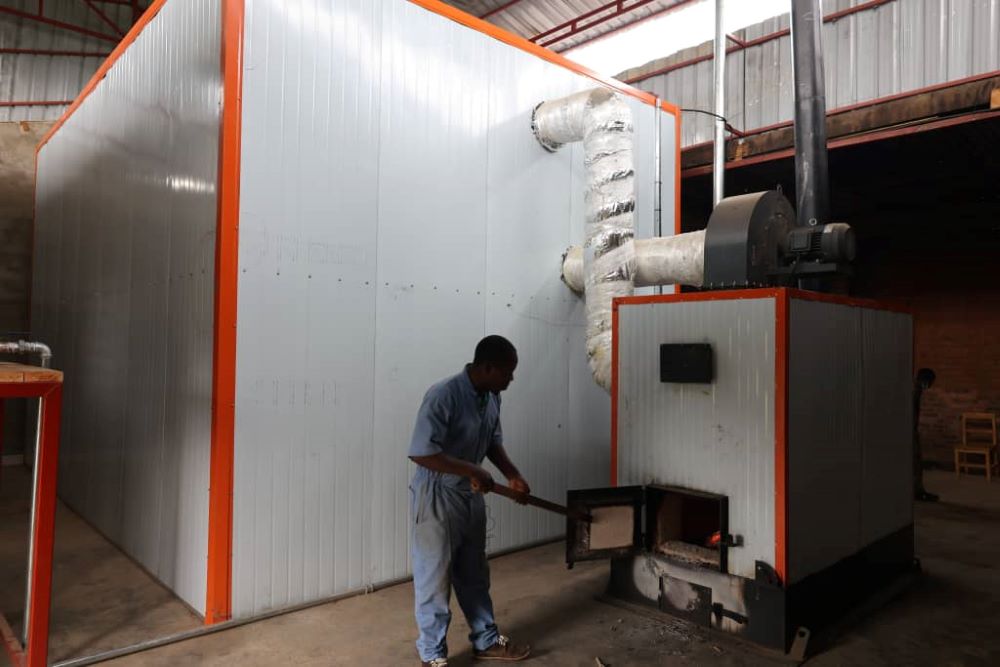
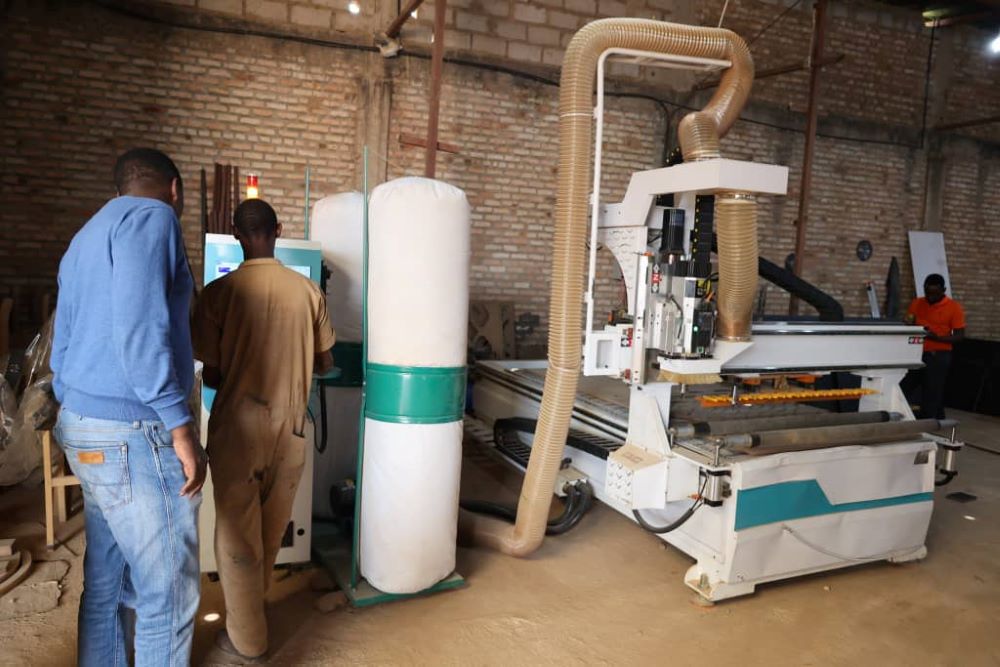
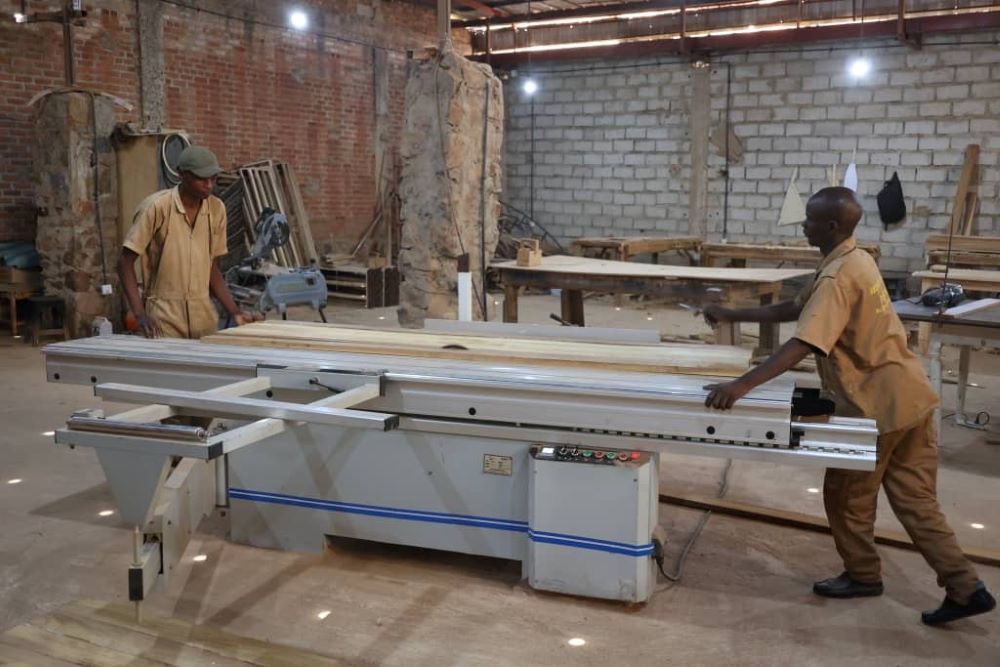
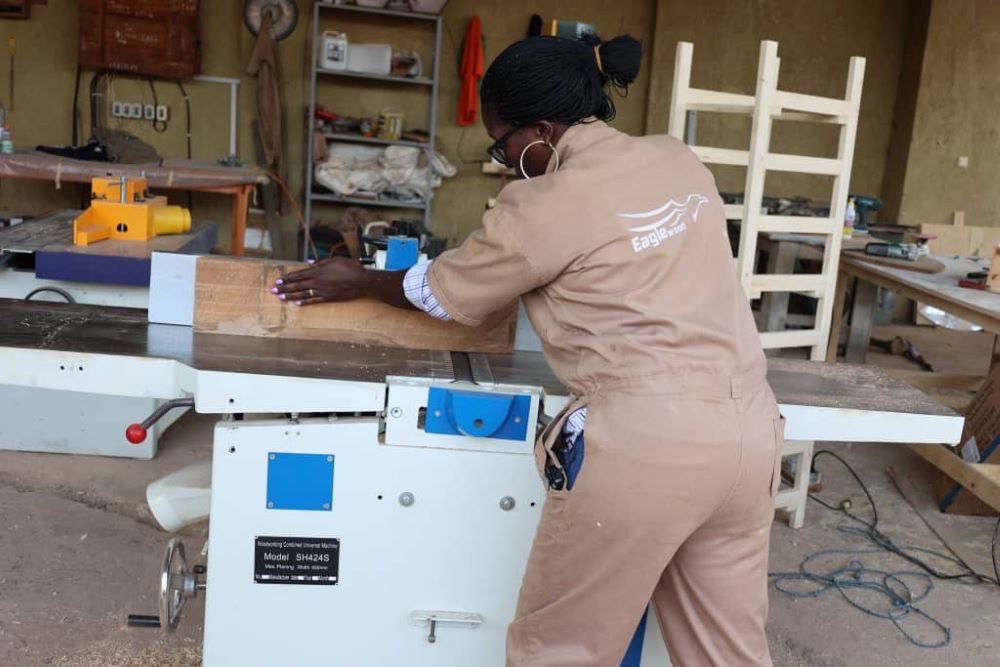
In Wood Processing Value Chain, NIRDA is crafting excellence through a range of equipment, from CBM Wood Kilns to CNC Nesting machines. Panel saws, polishing, and planning machines are delivering precision like never before.
The introduction of hot presses for plywood, stainless steel, and temperature control is setting a new standard in woodwork.
In the Fruits and Vegetables Value Chain, companies have not only acquired upgraded equipment but have also received zero-interest loans and collateral-free support, empowering them to boost their production and quality.
In a strategic partnership with OCP Group and the South Africa Trade and Development Bank, one company in Cow in the Car Value Chain is set to acquire technology through a grant, further enhancing this value chain.
As these success stories continue to unfold, NIRDA remains committed to fostering industrial growth in Rwanda. Beyond equipment acquisition, NIRDA offers business development services and technical assistance, reinforcing their commitment to the long-term success of supported companies.
{{Beneficiaries speak out }}
Some beneficiaries who received the upgraded equipment have expressed gratitude and commitment to make the equipment more productive.
“All the machines you see here were given by the National Industrial Research and development Agency (NIRDA) through its Open Calls Program. We applied for the support and we were selected from many other companies. We have acquired all the equipment as a 50% grant, 50% loan with zero interest, no collateral,” said Jean Paul Hanganimana, Managing Director, and Regional Food Processing Industry
Etienne Uwimana, Managing Director, ALCOMEC expressed gratitude to NIRDA and Enabel for providing upgraded equipment.
“The machine was acquired as 50% grant, 50% loan no interest rate, this is a huge support and we are so grateful,” he noted.
Yves Nkubito, owner of Nkubito Enterprise also expressed similar sentiments.
“It was not easy at first because we used traditional and old machines and manual ways, with NIRDA support; we acquired upgraded machines on a loan that we will pay at zero interest rate,” he said.
Dr. Christian Sekomo Birame, NIRDA Director General, expressed his optimism about the program’s impact.
“We are delighted that the majority of firms selected have acquired upgraded equipment, and we hope that this will boost productivity and competitiveness of locally made products and create more decent and productive jobs,” he said, calling for more innovations using the acquired products.
“NIRDA’s Open Calls Program, supported by our dedicated partners, is indeed a catalyst for industrial growth. It reflects the government’s unwavering commitment to empowering local companies and fostering economic development,” de added.
According to IGLESIAS ROA Manuel, Enabel’s Country Portfolio Manager, Enabel engagement with NIRDA has predominantly revolved around two key sectors namely urbanization, under the Enabel Urban Economic Initiative (UEDi), and agriculture, through Partnership for Resilient and Inclusive Small Livestock Markets (PRISM).
“We have been greatly impressed by NIRDA’s Open Calls program and have eagerly joined in the mission to enhance industrial productivity and competitiveness, ensuring that more high-quality, locally produced goods are available,” he said.
“Today, we are proud to witness several companies benefiting from the Open Calls program, obtaining advanced equipment and making significant strides in their respective industries,” he added.
NIRDA’s Open Calls Program, supported by partners like the Belgian Development Agency Enabel in Rwanda and the Development Bank of Rwanda (BRD), is indeed a catalyst for industrial growth.
In a world of evolving industries, this initiative stands as a testament to Rwanda’s commitment to competitiveness and innovation.
It showcases the government’s dedication to empowering local companies and fostering economic development.
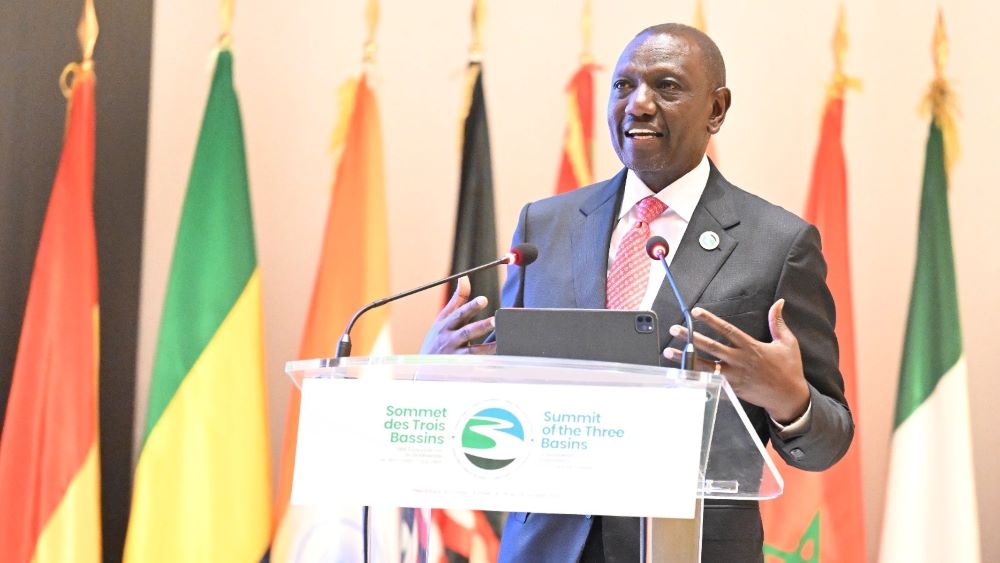
“By the end of this year, no African will need a visa to enter Kenya. The time has come to understand the importance of doing trade between us,” said Ruto, while speaking at the summit of the world’s three major forest basins, namely the Amazon, Congo, and Borneo-Mekong Forest Basins, in Brazzaville, the capital of the Republic of the Congo.
Ruto noted the low rate of intra-African trade and urged to reduce customs tariffs within the African continent to accelerate the implementation of the African Continental Free Trade Area.
“It is time we realize the importance of trading among ourselves and allowing goods, services, people and ideas to move freely across the continent,” he said, adding that trade among East African Community countries had grown significantly due to the removal of visa requirements and tariffs.
Ruto said that acknowledging and providing incentives to countries in tropical forest basins for forest protection is a smart climate action.
The Amazon basin in South America, the Congo basin in Central Africa, and the Borneo-Mekong basin in Southeast Asia collectively constitute 80 percent of the world’s rainforests and contain approximately two-thirds of its biodiversity. These rainforests are not only vital for their local ecosystems but also play a global role in regulating the planet’s climate and sustaining life on Earth.
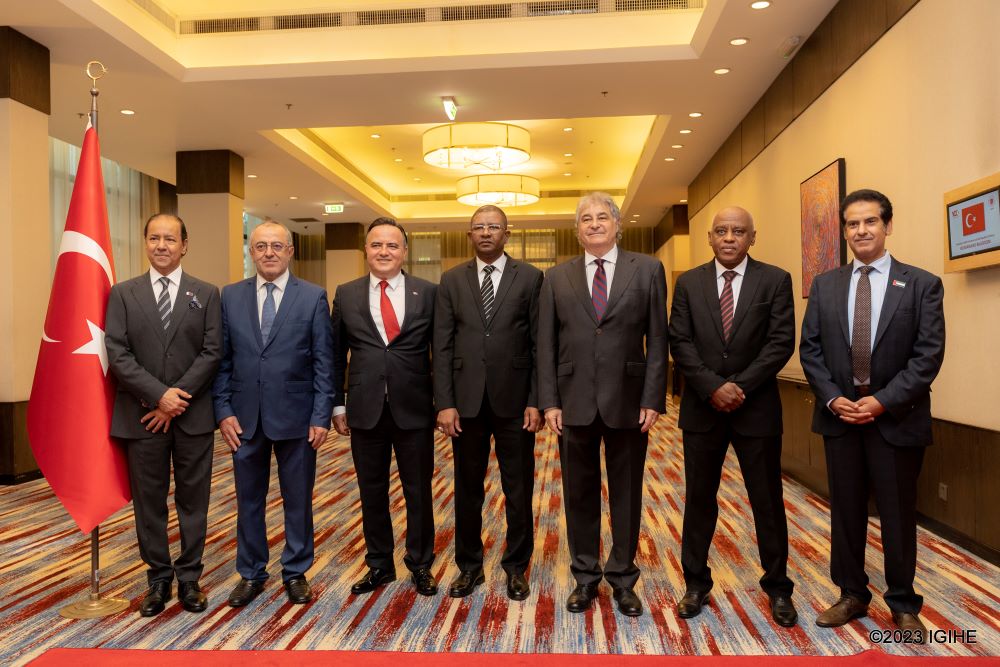
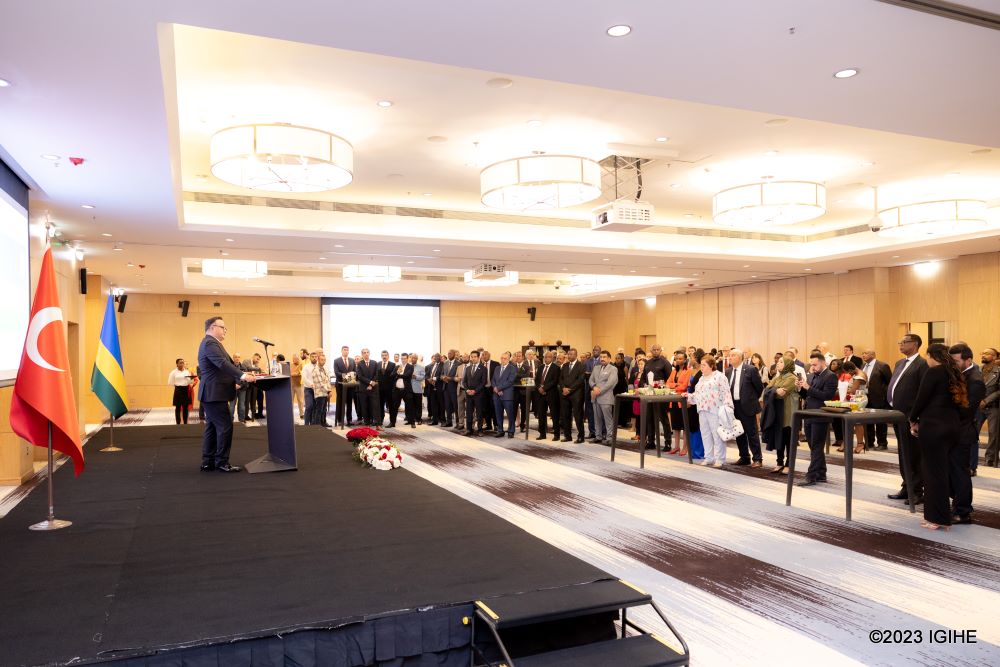
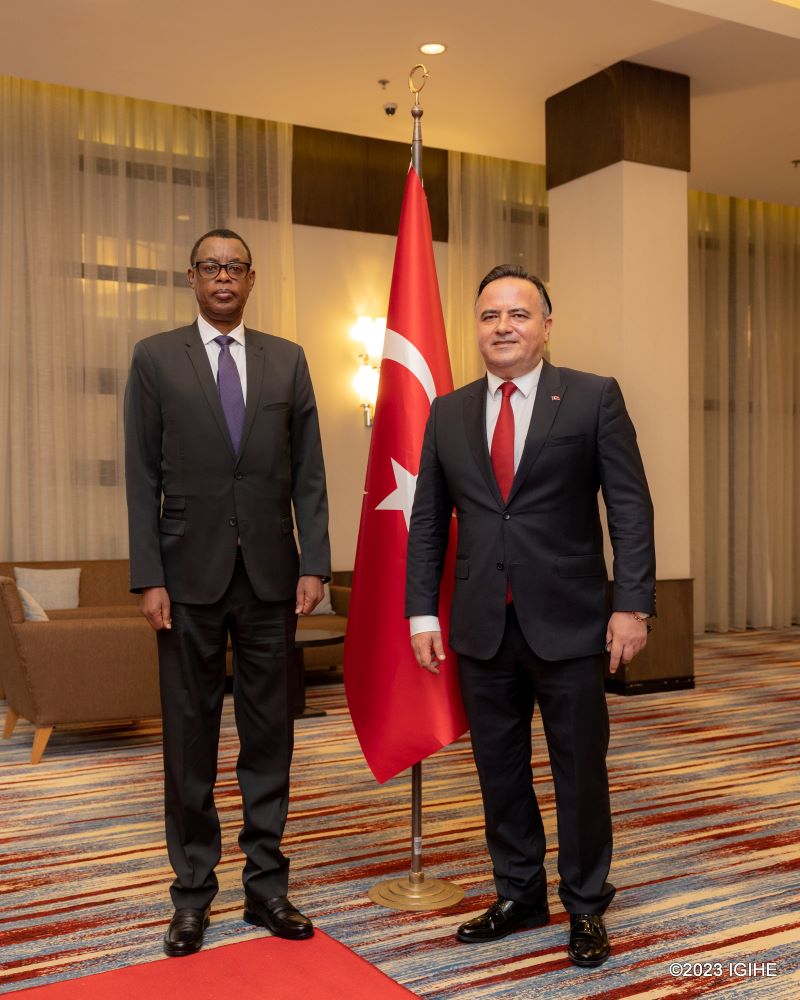
Türkiye observes Republic Day on October 29, commemorating the proclamation of its foundation and the establishment of a republic on October 29, 1923, following a three-year independence war against multiple countries, effectively marking the end of the Ottoman Empire.
In honor of Republic Day, ceremonies, parades, and various events are held across Türkiye.
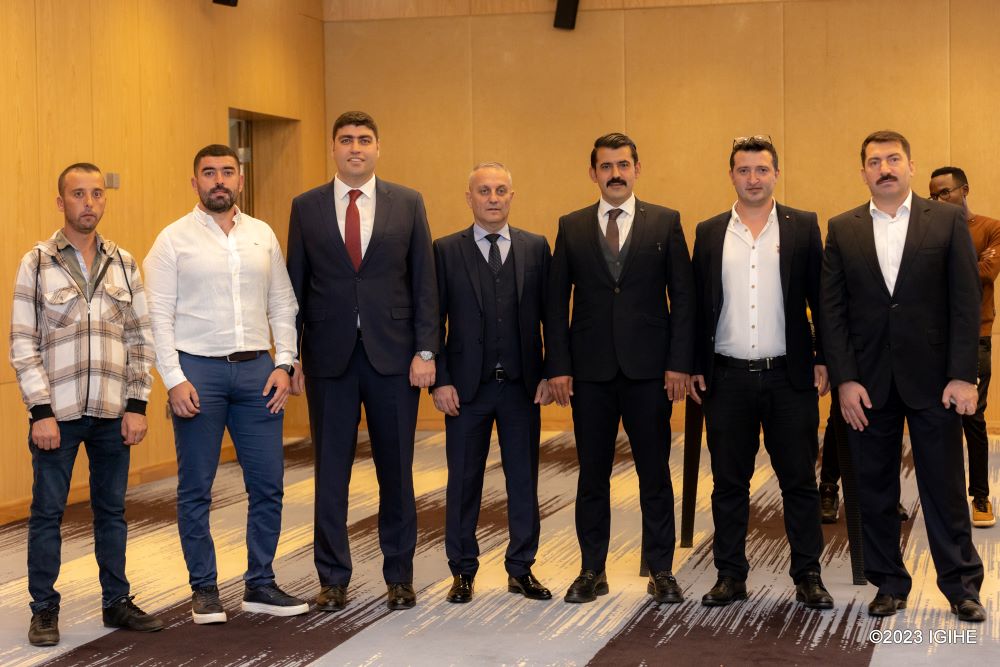
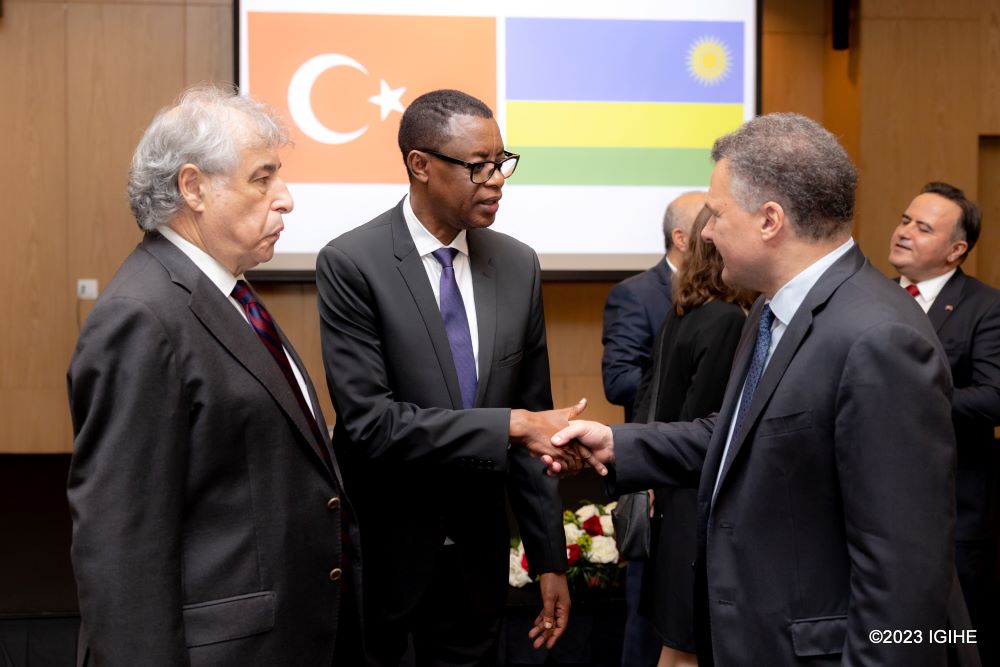
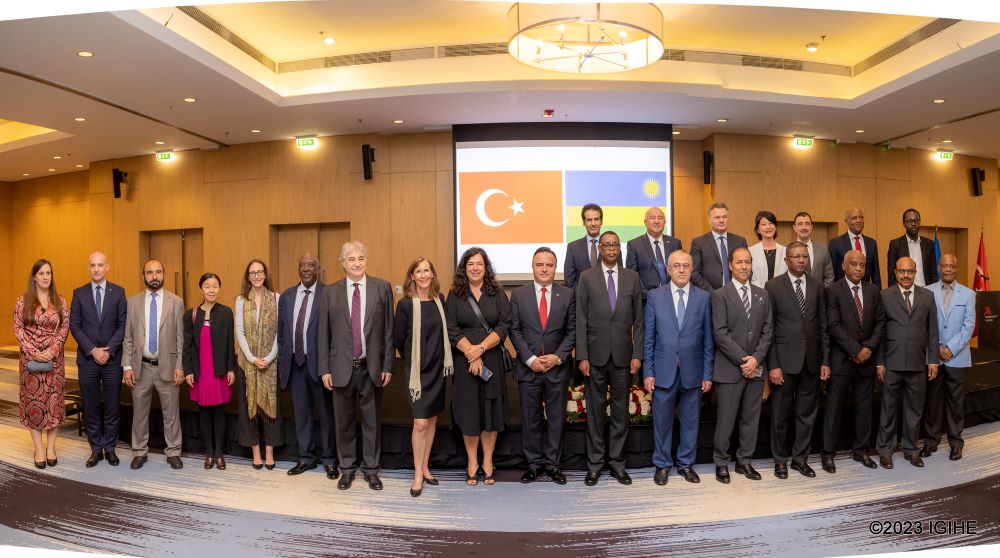
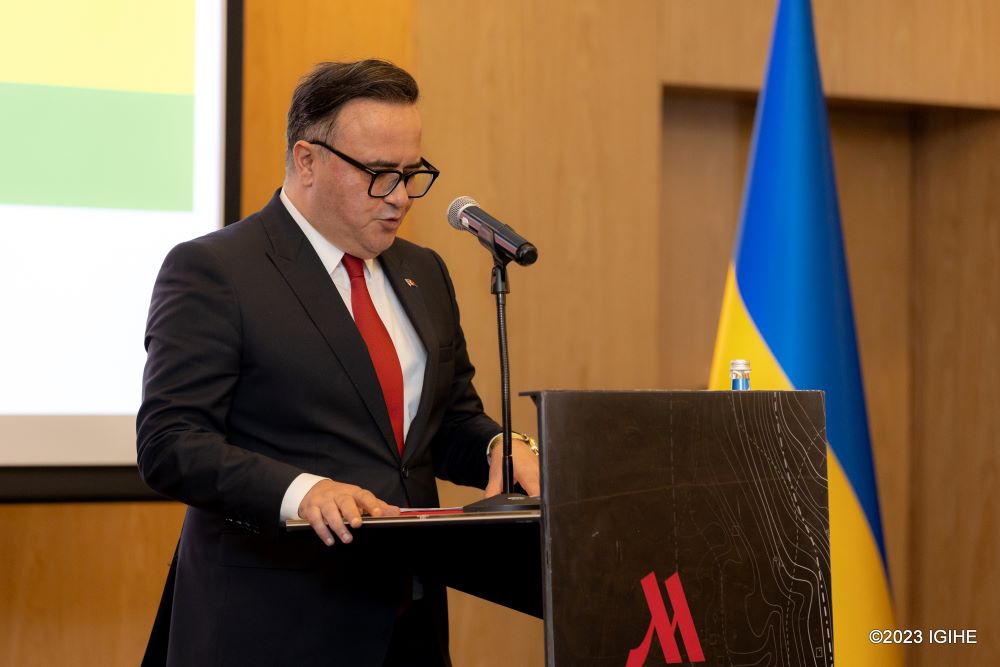
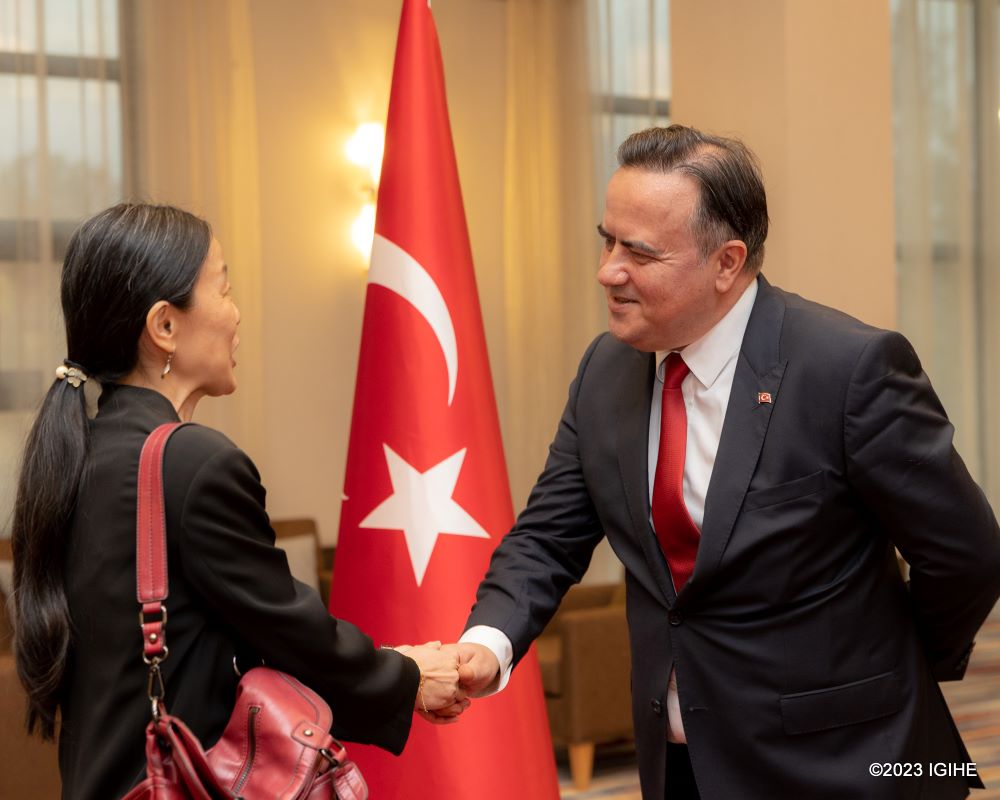
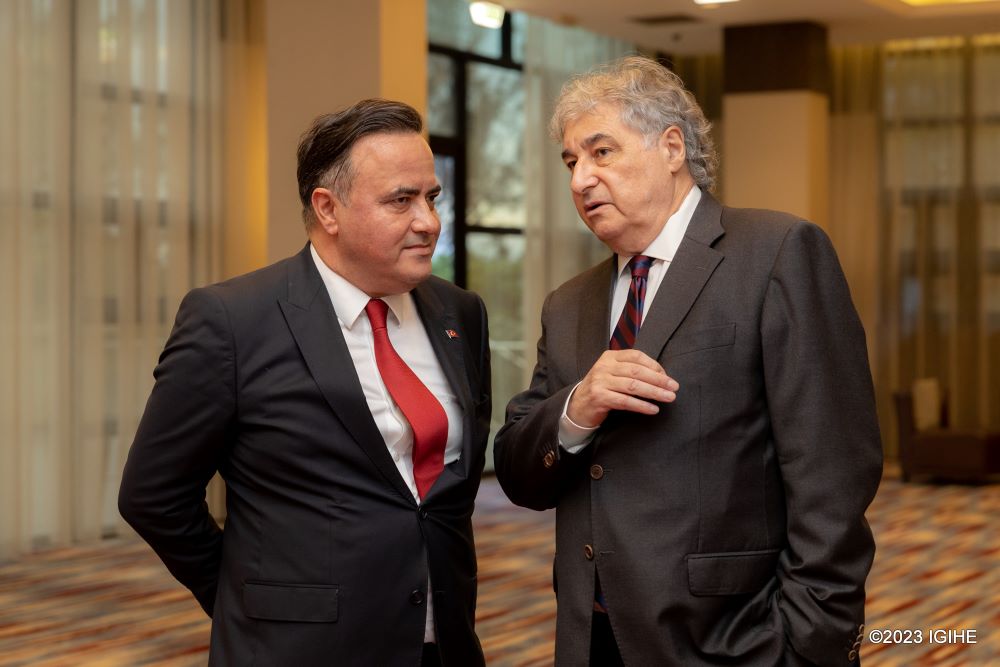
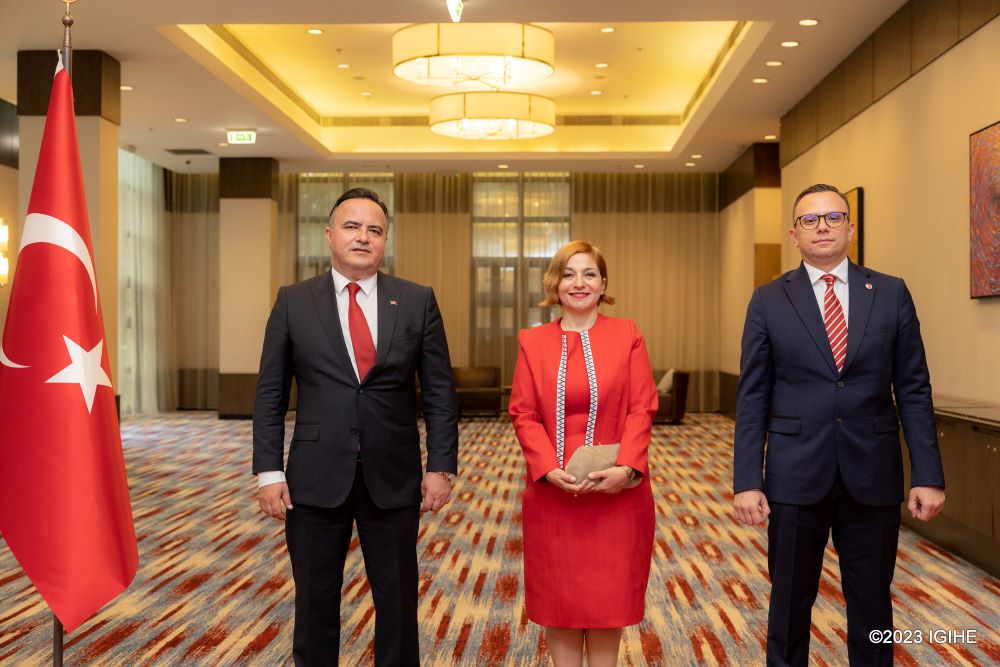
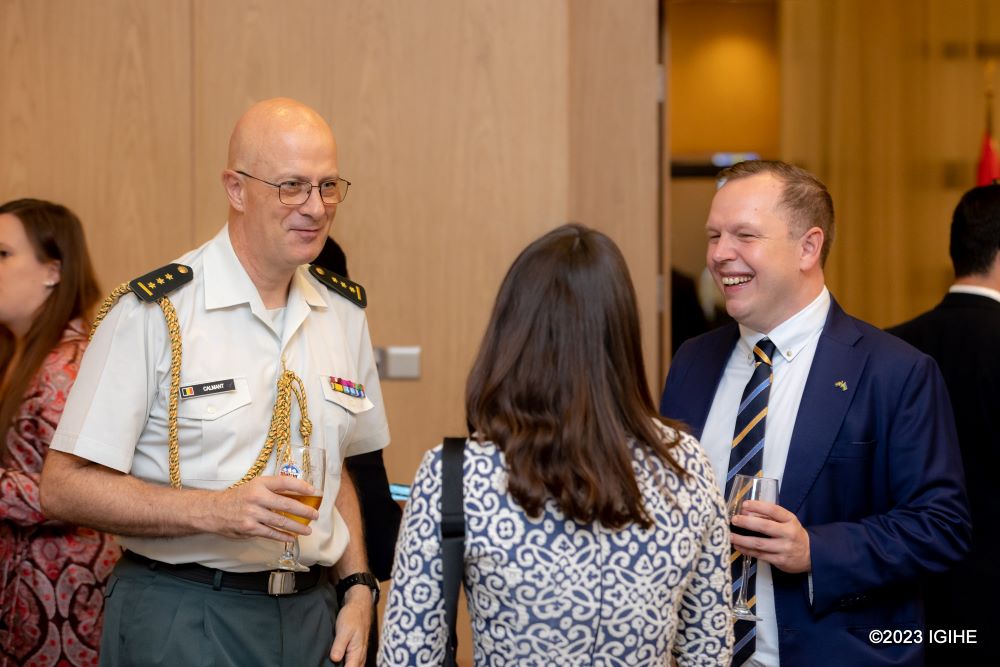
During the celebration in Rwanda, Turkish Ambassador to Rwanda, Aslan Alper Yüksel, expressed his delight at commemorating the day in Rwanda.
Yüksel highlighted the transformative leadership of Mustafa Kemal Atatürk, who initiated the independence war, leading to the establishment of the Republic of Türkiye in 1923 and his visionary reforms.
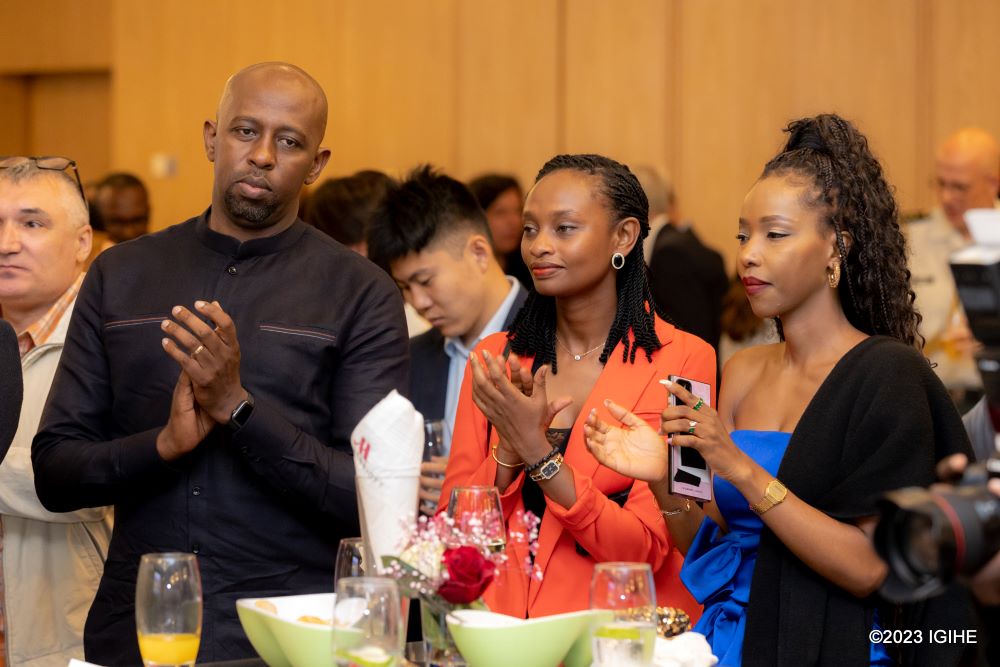
The event in Kigali underlined the robust relationship between Rwanda and Türkiye, built upon mutual respect and cooperation.
Ambassador Yüksel drew parallels between the resilience of both countries, emphasizing Rwanda’s remarkable transformation under President Paul Kagame’s visionary leadership after the 1994 Genocide against the Tutsi.
In an exclusive interview with IGIHE, Ambassador Yüksel emphasized the significant achievements and milestones in the partnership between Rwanda and Türkiye.
He particularly noted the positive impact of Rwandan students in Türkiye and highlighted
the branch of Türkiye’s cultural center, Yunus Emre Institute, located at the Gikondo Campus of the UR, offering Turkish language education.
The relationship between Rwanda and Türkiye was described as excellent, with 600 Rwandan students currently studying in Turkish universities, benefiting from Türkiye’s strategic location at the crossroads of Africa, Asia, and Europe.
This highlighted Türkiye’s commitment to educational exchanges and strengthening human connections between the two nations.
Collaboration across various sectors, including trade, culture, security, and education, laid the foundation for ongoing growth and cooperation.
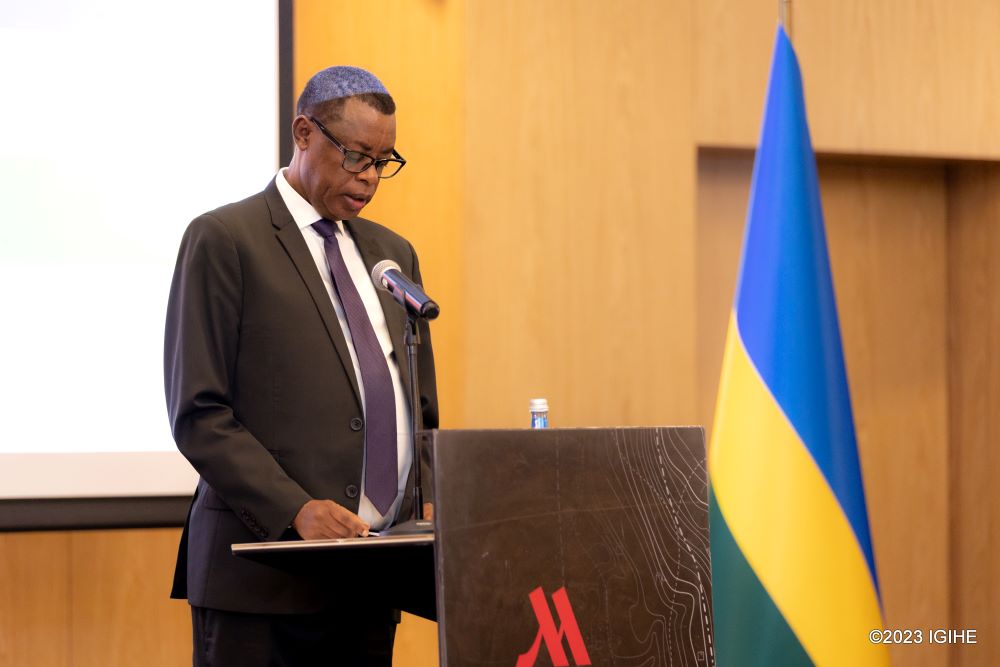
During the event, Rtd Gen James Kabarebe, the Minister for Foreign Affairs in charge of Regional Cooperation, emphasized the importance of enhancing bilateral ties between Rwanda and Türkiye.
He commended Türkiye’s role as a reliable partner in global peacekeeping operations and their shared commitment to diplomacy in addressing global challenges. The Minister reaffirmed Rwanda’s determination to advance its partnership with Türkiye, exploring opportunities for collaboration across various domains.
Senator Jean Pierre Dusingizemungu, representing the Senate President, also emphasized the friendship between Rwanda and the Turkish Parliament.
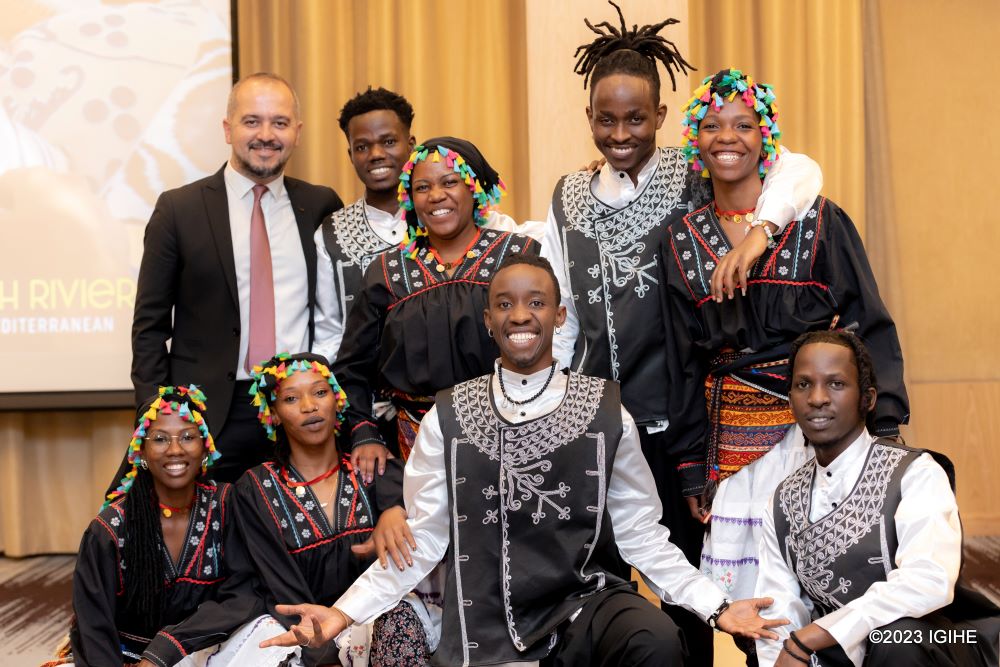
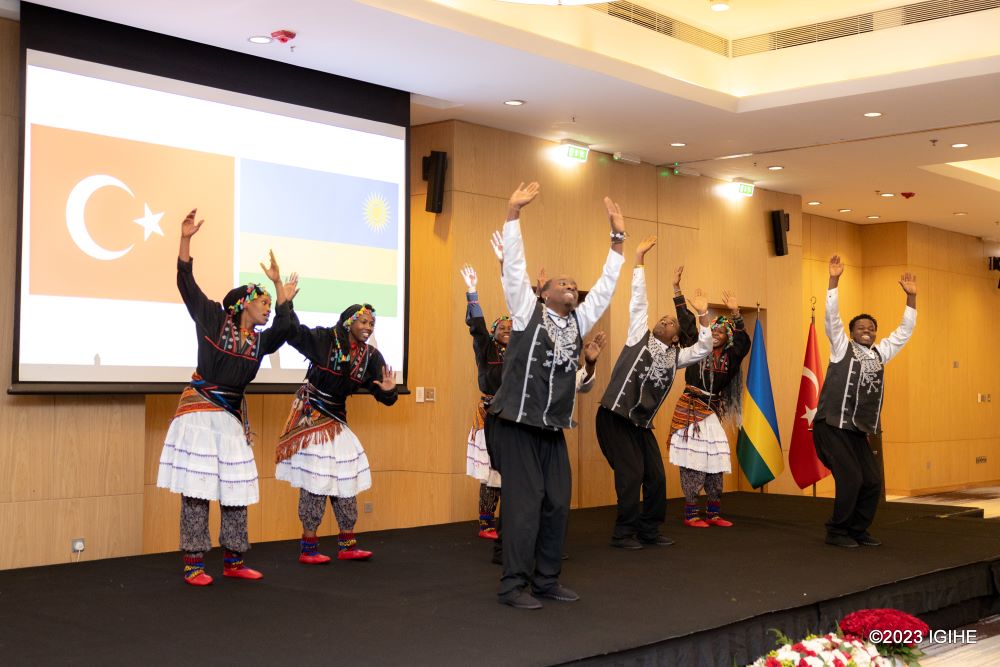
The event was further enriched through cultural performances of Rwanda and Türkiye, staged by Rwandan artists, adding vibrancy to the celebration.
As the celebrations concluded, a toast captured the essence of the occasion: “May this milestone anniversary be a catalyst for continued growth, prosperity, and peace for the Republic of Türkiye.”
The event not only highlighted the strong bond between the two nations but also emphasized their joint commitment to fostering global prosperity and stability. With a promising future ahead, Rwanda and Türkiye are poised to continue their journey of mutual growth and development.
However, it appears that certain business settings purposefully refused to implement the idea into their operations.
These include, but are not limited to, lady’s salons, marketplaces, and boutiques. People employed in these situations have a habit of acting like they can function without clients, which leaves you questioning ‘why they leave their beds early in the morning in the name of working’, yet fail to ‘perform the work’.
While I once read a tweet from someone I don’t remember because I’m not their follower claiming that “Rwandans can save a foreigner at any time but not a fellow Rwandan.” As a foreigner, I’ve witnessed multiple events that prompted this essay.
When it comes to some occupations, it makes little difference where they are (the people named) act the same way even in my own country), regardless of who you are or where you come from; instead, it is in their DNA to act that way.
Nonetheless, as James Baldin once said, “Not everything that is faced can be changed, but nothing can be changed until it is faced,” a gentle reminder to those in the service delivery sector of the importance and value of customer care can change not only the customer’s experience, but also the businesses themselves.
{{Understanding customer service?}}
Customer service is a fundamental aspect of any business that focuses on providing assistance, support, and solutions to customers; before, during, and after their interactions with a company’s products or services.
It encompasses a range of activities and strategies aimed at ensuring customer satisfaction, loyalty, and a positive overall experience. These include; attentive listening, problem-solving, and a commitment to meeting customers’ needs and expectations, ultimately contributing to a company’s success and reputation in the market.
{{Why we should re-embrace the principle}}
{{Customer Loyalty:}} Customers that are happy are more likely to become loyal customers. A satisfied customer can generate recurring revenue and function as a brand ambassador, drawing new consumers through favourable word-of-mouth.
{{ Reputation and Trust:}} Companies that prioritise their customers’ demands and satisfaction establish a solid reputation for trust and dependability. In a day when consumers have more options than ever before, this can be a tremendous asset.
{{Long-Term Growth: }} A customer-centric approach promotes long-term growth and sustainability. Businesses that prioritize customer experience are more likely to adapt to shifting market conditions and developing trends.
{{Differentiation: }} Treating the customer as king can be an effective differentiator in crowded markets. Providing outstanding service distinguishes a business from competition and can justify premium price.
{{To the service providers; }}
Gossip is damaging and unethical, but it is especially disturbing in a setting intended for leisure and self-care. The negative impacts of gossip extend beyond the feelings of customers; they also reflect adversely on the establishment’s and the industry’s reputation. It erodes trust and fosters an unpleasant environment.
Furthermore, it is critical for all businesses to cultivate a culture of inclusivity and equal treatment for all customers. Discrimination, particularly in price, is not just unethical but also illegal in some areas.
In addition, Many clients feel their concerns and preferences aren’t heard. Establish a feedback system that allows clients to voice their opinions and concerns, and then act on that feedback for continuous improvement.
Similarly, maintaining a clean and hygienic work environment is non-negotiable. Clients should feel comfortable and trust that they’re in a safe and clean space.
As employers ensure that all employees understand and embrace the importance of customer satisfaction. It should be an integral part of the company culture. Invest in training and development programs to empower employees to deliver exceptional customer service.
Furthermore, regularly assess and improve processes, products, and services based on customer feedback and changing preferences.
In a world that’s becoming increasingly diverse, the importance of treating all customers equally and with respect cannot be overstated.
“The customer is king” is a timeless business principle that should never be forgotten. Neglecting the customer in pursuit of short-term gains can lead to long-term losses.